
 +27 (0) 11 453 1740
 +27 (0) 71 896 2550
 contact@dcauto-motion.co.za






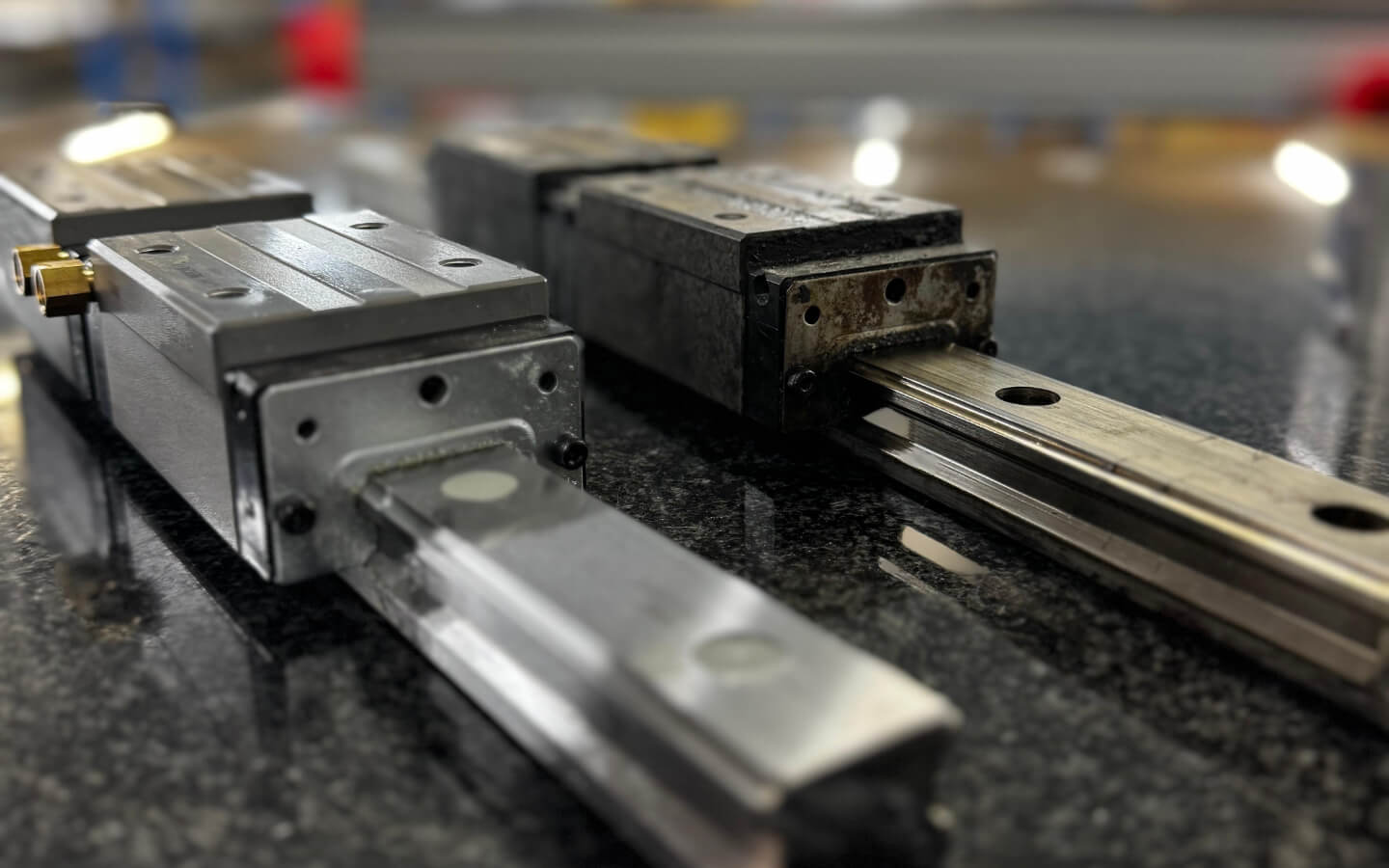
THK Linear Motion Guides in South Africa: Why Caged Ball™ Technology Powers Modern Automation
In South African factories, mines, and processing plants, the pressure on equipment has never been higher. Lines must run faster, accuracy margins are tighter, and downtime is more expensive than ever.
At the heart of many of these machines is something deceptively simple: the linear motion guide. When that rail and block assembly is correctly specified and properly supported, your machine runs smoothly for years. When it isn’t, you feel it in breakdowns, scrap, and unplanned shutdowns.
THK, the originator of the Linear Motion (LM) Guide, remains the global benchmark for this technology. Through DC Auto-Motion, South African plants get direct access to THK’s latest linear motion systems – backed by local engineering support, stock, and retrofitting expertise.
This article unpacks why THK Linear Motion Guides – especially those using Caged Ball™ technology – are a key part of modern automation, and how DC Auto-Motion helps you choose and support the right system for your application.
What is a Linear Motion Guide?
A linear motion guide is a rail-and-block system that converts rotary motion from a motor into smooth, precise linear movement.
A typical THK LM Guide assembly consists of:
- A hardened, precision-ground rail
- One or more blocks (carriages) running along the rail
- Rolling elements (balls or rollers) circulating inside the block
- End caps, seals, and lubrication paths to manage contamination and grease
Instead of a sliding surface (like a bush or dovetail), the load is carried on rolling elements. This reduces friction dramatically, enabling:
- Higher speeds
- More accurate positioning
- Lower driving forces
- Longer service life under the same load
In practice, this means actuators, gantries, lifters, and positioning stages can move heavier loads, more accurately, with less wear.
THK – From Invention to Global Benchmark
THK was the first company to commercialise the Linear Motion Guide, and their products set the standard for many of the specifications engineers now take for granted.
THK’s range covers:
- Caged Ball LM Guides (e.g. SHS, SSR, SNR series)
- High-load and high-rigidity LM Guides for demanding applications
- Specialised variants for cleanroom, corrosive, or high-speed environments
- Complementary components such as Ball Screws and Cross Roller Rings
This long history is important in a South African context: when you select THK, you are benefiting from decades of accumulated testing, standards, and continuous improvement – not just a catalogue product.
Why Linear Guides Matter for Machine Performance
Moving from basic sliding systems to a properly selected THK LM Guide can transform a machine’s behaviour.
Key benefits include:
- Accuracy and repeatability
The rolling contact and precision-ground raceways give consistent motion with minimal stick-slip and backlash. - Higher speeds with stability
Lower friction and optimised ball circulation enable higher traversing speeds without sacrificing positioning accuracy. - Longer service life
Properly sized THK LM Guides handle high dynamic loads over millions of cycles, provided they are installed and lubricated correctly. - Energy efficiency
Less friction means smaller drive motors can achieve the same performance, lowering energy consumption. - Compact, rigid construction
THK rails can carry high loads in compact footprints, allowing machines to be smaller and more efficient without compromising stiffness.
For South African plants facing throughput targets, tight maintenance windows, and aging legacy equipment, these benefits translate directly into less downtime and more output per shift.
Caged Ball™ vs Conventional Linear Guides
One of THK’s most important innovations is the Caged Ball™ system in their LM Guides.
The problem with conventional full-ball designs
In a traditional LM Guide, the balls circulate in a continuous loop, directly contacting each other. Under high load and speed, this leads to:
- Metal-to-metal contact between balls
- Increased noise and vibration
- Localised heat build-up
- Microscopic wear particles contaminating the lubricant
- Shorter grease life and more frequent re-lubrication
Over time, these effects reduce accuracy and shorten the service life of the guide – especially in high-speed or precision-critical applications.
How Caged Ball™ changes the game
In a THK Caged Ball LM Guide, each ball is separated by a cage (retainer). This maintains spacing between the balls and holds grease in pockets around each rolling element.
The result is:
- Lower noise and smoother motion
Balls no longer collide with each other, reducing vibration and noise dramatically. - Long-term lubrication
The cage acts as a grease reservoir, keeping lubricant at the contact surfaces and extending lubrication intervals. - Reduced friction and heat
Separated balls roll with less microslip, which reduces heat generation and wear. - Improved life and reliability
Less contamination and more stable lubrication mean longer operating life under the same load.
For South African plants running high-speed packaging lines, pick-and-place systems, or precision positioning stages, Caged Ball™ LM Guides offer a tangible improvement in uptime and consistency.
Engineer’s note: If you’ve ever had a machine where the linear guides “sing” or chatter at higher speeds, moving to a THK Caged Ball LM Guide is often an effective cure.
Need help choosing between Caged Ball and conventional designs? DC Auto-Motion’s engineering team can review your load, speed, and duty cycle and recommend the most suitable series and size.
Key Performance Concepts: Load, Life and Safety
Selecting the correct LM Guide is not just about matching a block width to a space on the machine. A few fundamental concepts matter:
Dynamic load rating
The dynamic load rating reflects how much load a guide can carry while moving, for a specified service life.
In simple terms:
- Higher dynamic load rating →
longer expected life at the same load, or
higher permissible load for the same target life.
Static load rating and static safety factor
The static load rating relates to what the guide can withstand when the load is applied without movement (for example during shock or impact).
The static safety factor is used to ensure that unexpected impacts, start/stop forces, or overloads do not permanently deform the rolling elements or raceways.
As a rule of thumb:
- Applications with shock loads (e.g. indexing stops, pallet transfers) require a higher static safety factor.
- Precision applications with low shock but high duty cycle focus more on dynamic life.
Rigidity and deflection
In many machines, stiffness is as important as load capacity. Deflection under load affects:
- Positioning accuracy
- Cutting forces in machine tools
- Straightness of travel in inspection and measuring equipment
THK’s wide range allows you to choose the right combination of size, rail configuration, and preload level to achieve both life and rigidity targets.
Unsure how to balance life, safety, and rigidity? DC Auto-Motion can assist with the calculations and present clear options based on your priorities (compactness, life, stiffness, or cost).
Where THK Linear Guides Shine in South African Industry
THK LM Guides are used globally in sectors ranging from semiconductor manufacturing to medical devices. In South Africa, the most common applications include:
Food, beverage, and FMCG packaging
- High-speed form-fill-seal machines
- Carton erectors, case packers, and palletisers
- Labelling, coding, and inspection systems
Caged Ball LM Guides provide smooth, low-noise motion in washdown-adjacent environments when correctly protected and specified.
Automotive and component manufacturing
- Welding and assembly lines
- Gantry loading systems
- Inspection and testing rigs
Here, accuracy and repeatability are key. THK guides with suitable preload ensure stable positioning over long distances and high duty cycles.
Mining and materials handling automation
- Ore sample preparation and laboratory automation
- Linear positioning of sensors, scanners, and measurement devices
- Special handling rigs where precision, not brute force, is the priority
The right combination of sealing, surface treatment, and sizing allows THK LM Guides to perform reliably in dusty, abrasive environments.
General machinery and retrofit projects
- OEM machine builders needing a high-quality linear motion platform
- Retrofitting older machines to extend life and improve performance
- Replacing obsolete or unsupported linear guide brands with THK equivalents
In many cases, retrofitting a machine with correctly sized THK LM Guides is one of the most cost-effective ways to upgrade performance without a complete rebuild.
How DC Auto-Motion De-Risks THK Linear Motion Projects
Working directly with a global brand from South Africa can be challenging: lead times, communication delays, and lack of on-site support all add risk.
DC Auto-Motion bridges this gap.
Local stock and cut-to-length service
- THK rails and blocks held locally in Germiston
- Cut-to-length and machining support to match your mounting pattern where feasible
- Faster turnaround for maintenance and breakdown situations
This reduces the time your line is down while waiting for imported components.
Application engineering and sizing support
DC Auto-Motion works with your engineering and maintenance teams to:
- Interpret loads, speeds, and duty cycles
- Recommend suitable THK series and sizes
- Consider rigidity, preload, and mounting orientation
- Factor in the local environment (dust, washdown, temperature, contamination)
Where needed, THK’s international technical resources can be brought into the conversation for complex or highly specialised applications.
Retrofit and upgrade expertise
Many South African plants run equipment that is mechanically sound but limited by older motion systems. DC Auto-Motion supports:
- Replacing legacy rails and carriages with THK equivalents
- Optimising rail layouts for better support and rigidity
- Integrating THK LM Guides into MiniTec aluminium framing structures and custom retrofit assemblies
- Coordinating with your shutdown schedule to minimise disruption
The result is a modernised motion system without the cost of a brand-new machine.
Planning a Retrofit or New Build: What to Prepare
To specify the right THK Linear Motion Guide, having a clear picture of your application helps accelerate the process.
Useful information includes:
- Load details
Mass of the moving part, workpiece, and any tooling or fixtures. - Speed and stroke
Maximum travel speed, acceleration/deceleration, and stroke length. - Duty cycle
How many cycles per minute/hour, and how many hours per day the machine runs. - Mounting orientation
Horizontal, vertical, inclined, or wall-mounted – this affects how the load acts on the rail. - Environment
Presence of dust, coolant, washdown, chemicals, or high temperatures. - Accuracy and rigidity requirements
Positioning tolerance, straightness of travel, and sensitivity to deflection. - Existing machine constraints (for retrofits)
Current rail size, mounting hole pattern, and available space for upgrades.
If you can share even a partial set of this information, DC Auto-Motion can begin narrowing down THK options and advising on trade-offs.
Next Steps: Bring THK Linear Motion into Your Next Project
Whether you are:
- Planning a new automation project
- Upgrading a critical line during shutdown
- Replacing worn or obsolete linear guides
partnering with THK through DC Auto-Motion gives you proven technology with local support.
You can:
- Send your application details (loads, speeds, rail lengths, and environment) for a formal sizing recommendation
- Arrange a consultation with DC Auto-Motion’s engineering team to review retrofit options
- Standardise on THK LM Guides for future OEM builds, with a local partner to support you throughout the project lifecycle
For more information or to discuss a specific machine, contact DC Auto-Motion and ask to speak to the applications team about THK Linear Motion Guides.


https://shorturl.fm/haVt3
https://shorturl.fm/fVlPZ
https://shorturl.fm/gZXkb
https://shorturl.fm/3AFIM
https://shorturl.fm/dtd1m
https://shorturl.fm/8gOb1
https://shorturl.fm/jCU7R
https://shorturl.fm/El58O
https://shorturl.fm/pvgnM
https://shorturl.fm/xCeay
https://shorturl.fm/1CidT
https://shorturl.fm/cu68f
https://shorturl.fm/ANx09
https://shorturl.fm/obaP1
https://shorturl.fm/wP5G2
https://shorturl.fm/0oLX6
https://shorturl.fm/kmwYn
https://shorturl.fm/DbRbA
https://shorturl.fm/nC9uL
https://shorturl.fm/NTUcP
https://shorturl.fm/PmctS
https://shorturl.fm/X3BCY
https://shorturl.fm/vNnKL
https://shorturl.fm/1jfWn
https://shorturl.fm/oMAvE
https://shorturl.fm/87N71
https://shorturl.fm/ph9qB
https://shorturl.fm/6yLaX
https://shorturl.fm/EPKCI
https://shorturl.fm/xEufY
https://shorturl.fm/4qRtj
https://shorturl.fm/4TMah
https://shorturl.fm/hXkQI
https://shorturl.fm/CVzxK
https://shorturl.fm/XamdG
https://shorturl.fm/2dlVN
https://shorturl.fm/1EQcd
https://shorturl.fm/ARMbx
https://shorturl.fm/qo4sa
https://shorturl.fm/sv48n
https://shorturl.fm/QNDQU
Excellent overview of THK’s Caged Ball™ technology! The reduction in ball-to-ball contact is crucial for extending maintenance cycles. Just as jl44 com emphasizes system reliability in gaming platforms, industrial linear guides depend on consistent performance under pressure. The local DC Auto-Motion support adds significant value for African operations.
Heard some buzz about leon89, so I figured I’d check it out. The site is fast and responsive, and they seem to have a good selection of esports. That’s my jam, so I’m gonna give it a go!
Alright, lads, just gave 54bets a whirl. Not bad, not bad at all! Pretty straightforward site to navigate and had a good selection of games. Worth a punt! Check ’em out: 54bets
Looking for something specific to Pakistan? 55betpk seems to cater to that market. Worth checking out if you’re after some local flavor. Have a look: 55betpk
Having implemented precision systems across various industries, I appreciate how THK’s Caged Ball™ technology eliminates friction while maintaining load capacity—similar to how seamless mobile experiences keep users engaged, whether accessing industrial controls or entertainment platforms like wowph apk from anywhere. Smooth performance matters everywhere.
Yo check out in7aapk! Another APK download spot, always lookin for those! Hope they have the ones I need and no weird permissions. Wish me luck! Give it a shot: in7aapk
Cricbet999, eh? Heard some good things, might have to check it out for myself. Seems like a solid spot for a bit of fun. What do you guys think? Find more info at cricbet999
Slot365kh, anyone had a spin there lately? Always looking for a fresh spot to try my luck. Fingers crossed for some big wins! Jump in at slot365kh
Struggling to log in? Borneo303’s SV388 login is straightforward. Quick and secure, no hassles. Ready to get back in the game! Sign up here: sv388 login borneo303
Heard some whispers about kc99. Is it worth checking out? Thinking of spinning some reels! Let’s find out! Check it at: kc99.
Oh, you mean Bitcasino.io? Yeah, I’ve dabbled. Good crypto casino if you’re into that kinda thing. Smooth gameplay too, which is always a plus. Give it a spin here: bitcasino.io
This is a delightfully chaotic party game! With its bizarre premise and focus on quick reflexes, steal brainrot duel is perfect for some silly multiplayer fun. The simple controls make it easy to pick up, but mastering the frantic gameplay offers a real challenge. Highly recommend for your next game night!
Has anyone ever used 669win? I wonder if it is safe and reliable, are they some good services? Check it our for yourself: 669win
So, Bodog net! Always a solid place to get your poker fix. Games are good and the community is decent. Give it a shot if you haven’t already. bodog net
Okay, giving “one ld789” a try tonight. Wish me luck, need to win some!
I just wanted to give jlss a thumbs up. It’s a pretty solid site, easy to use, and it offers a decent range of games. Check it out and see what you think! Give it a visit at jlss.
774pub is my go-to for relaxing and maybe winning a few bucks. Good times and cool people. Worth a look at 774pub.
Yo, winning is the name of the game! 789win77 has got the odds in your favor. Get your game face on at 789win77.
MCW66VN, man, this site is FIRE! Seriously, the slots are hot and the bonuses keep coming. I’ve had some good luck here, definitely worth checking out! mcw66vn
Alright, alright, mtm777casino. Looks slick, plays smooth… and the payouts? Not bad at all. I’ve dabbled in a few different games, and they’ve all been solid. Good times had by all! Give it a go! mtm777casino
Okay, 8833betcasino. This place has got a nice clean feel. Games load quickly, the bonuses are tempting, and I’ve managed a few small wins. So far, no complaints here. Good luck to all! 8833betcasino
Been trying my luck at 777xgame. Pretty wide selection. Haven’t hit the jackpot yet, but having some fun. Maybe you will have more luck than I did. Check it out: 777xgame.
Spark777game is where it’s at! These games got that spark that keeps you coming back for more. Give ’em a spin and see if you can ignite your winning streak. spark777game
Y4444game is where the lucky numbers meet the excitement! They got a cool collection of games. Check it out and hope you hit those fours. y4444game
每天都在战争,希望2026和平.
The precision requirements in modern automation really remind me of the gaming industry’s technical standards. Just as THK’s Caged Ball™ technology ensures smooth motion control, platforms like pgph apk rely on robust infrastructure for seamless user experiences. Great read on industrial reliability!
Excellent insights on Caged Ball™ technology! Just as precision engineering ensures reliability in industrial automation, similar attention to detail drives seamless user experiences in digital platforms. The parallel between minimizing downtime in manufacturing and maintaining 24/7 availability in online services like 99win login systems is remarkable—both depend on robust, well-supported infrastructure.
For all the 7m Macau football fanatics, 7mcnmacao.net is your new best friend. Trust me!bóng đá 7m ma cao
Looking for ‘7cm ma cao’? This site is a great resource. Always my go-to spot. You can check it out directly at: 7cm ma cao
If you’re chasing the best gà chọi c1 thomo fights, look no further. This site keeps me coming back for more. Worth a punt, for sure! Check it out: gà chọi c1 thomo
I was cruising for a new casino because gambling IS my passion. I like w388 bet because they are a solid overall choice. It seems to be working well. w388 bet
Yo! Been checking ketquanet for the latest updates. Always on point and super helpful. Give them a try if this result thing is your jam: ketquanet
Another shoutout to w388s net, I’m telling you this stuff is so easy. Like a snap of the fingers. Solid selection and decent odds. Just get in there and try it yourself. w388s net
看不懂但大受震撼
777adlogin… yeah, I signed up. The login process was actually smoother than I expected, which is always a win. If you’re needing to access it, give this a try: 777adlogin
Downloaded the 79betapp the other day. Interface is clean, and it runs well on my phone. Definitely worth a look if you’re into that kinda thing. Find it here: 79betapp
I’ve been using the 8811betapp for a bit now, and it’s solid. Quick loading times and easy to navigate. Give it a go if you’re curious: 8811betapp
Very good i like it
GG888login, quick and easy login process. No messing about which is a welcome change! Got me in and playing in minutes. Try accessing gg888login and see for yourself.
Yo, gotta say, toma777 is looking pretty tempting. Site navigation rocks, which is always a plus. Thinking of making a deposit soon. What do you reckon? Here are The Details: toma777
Anyone had a go on mangowin777? Seeing some chatter online and wanna know if the payout rates are legit. Maybe some user data can help me make up my mind about it: mangowin777
That’s a fascinating take on game design! It’s cool to see platforms like cardtime online casino focusing on transparency with RNG & AI – really elevates the experience beyond just luck. Exciting stuff for players!
Monetize your traffic instantly—enroll in our affiliate network!
Turn your network into income—apply to our affiliate program!
What happend i dont know
wish you all the best
Mass comment blasting: $10 for 100k comments. All from unique blog domains, zero duplicates. I will provide a full report and guarantee Ahrefs picks them up. Email mailto:helloboy1979@gmail.com for payment info.If you received this, you know Ive got the skills.
https://shorturl.fm/3d6nF
https://shorturl.fm/hywca
https://shorturl.fm/bfZeS
wish you best and best
色即是空,空即是色
Downloaded the 5999betapp recently and I’m liking it so far. Easy to use on my phone and it’s got all the games I need. Pretty convenient if you like to gamble on the go. See for yourself: 5999betapp
UUOKAPK, another app that I am using these days. Interface is OK, a few bugs still, but overall nice experience. Give it a try uuokapk
Fun79ink is good for a few hours of entertainment, I enjoy playing there. I would say it’s a great platform and I recommend it. Find your fun here: fun79ink
https://shorturl.fm/WOwjY
https://shorturl.fm/jhVSN
https://shorturl.fm/jvzii
More Details: https://sarapang.com
https://shorturl.fm/W5GXM
https://shorturl.fm/dZDFQ
Yo guys, tried out ic79win recently. Its smooth, games are fun and its simple to get around. Check it out, maybe you’ll like it. Check them out here ic79win!
Alright guys, gotta say I’m digging ok365vip. It’s got a decent selection of games and the site’s pretty easy to navigate. Could use a few more promos, but overall, not bad at all. Give it a shot and see what you think! Check it out here: ok365vip
Been trying out betobetcasino lately, and honestly, I’m hooked! The live casino section is where it’s at. Dealers are friendly, and the games are smooth. Withdrawal times are reasonable too. Check them out: betobetcasino
https://shorturl.fm/q8arj
https://shorturl.fm/PkVC0
Nustargame.ph, alright! Seems like a place with potential. Could be your next favorite hangout. Explore it and see for yourself: nustargame.ph
Been playing the Nustar online games, but man, the login process can be a pain sometimes. Anyone feel the same? Maybe this would help: nustar online game login
Digging the mobile site, bruh. The m.dafabet version is streamlined and doesn’t eat up all my data. Plus, I can place bets on the go, which is crucial. Thumbs up from me!
Нужна градирня? https://gradirni.mystrikingly.com ключевой элемент системы охлаждения, позволяющий эффективно снижать температуру воды за счет теплообмена с воздухом. Применяется в промышленности, энергетике и на предприятиях. Обеспечивает стабильную и экономичную работу оборудования.
Нужна септик или погреб? https://septikidlyadoma.mystrikingly.com эффективное решение для автономной канализации. Системы обеспечивают качественную очистку сточных вод, устраняют запахи и безопасны для окружающей среды. Подходят для частных домов, коттеджей и загородных участков.
https://shorturl.fm/iWEf3
Женский онлайн портал https://stepandstep.com.ua все о жизни, стиле и здоровье. Статьи о красоте, отношениях, семье и саморазвитии. Полезный контент для женщин любого возраста.
Женский журнал https://a-k-b.com.ua все о стиле, здоровье и отношениях. Практические советы, тренды и вдохновение для повседневной жизни.
Туристический портал https://swiss-watches.com.ua для путешественников: направления, маршруты, советы и лайфхаки. Подбор отелей, билетов и экскурсий, идеи для отдыха и полезные рекомендации. Планируйте поездки легко и открывайте новые страны с комфортом.
https://shorturl.fm/MBtQc
Посмотрите здесь https://happyholi.ru мебель на заказ. Качество супер, цены адекватные, а сроки не затягивают. Рекомендую.
хирург прием на дому номер вызвать врача на дом
Самое важное сегодня: ролики котята
Latest Liberian business news https://forbesliberia.com market analysis, economic trends, and technology developments. Learn about key events, investment opportunities, and business prospects in the country.
https://shorturl.fm/WIhPl
So dive in, have fun
Когда бизнес масштабируется, отчет p&l для бизнеса помогает убрать хаос в задачах, документообороте и рабочем взаимодействии между командами. Система собирает ключевые процессы в одной системе, чтобы руководитель контролировал реальную картину по сотрудникам, задачам, согласованиям и финансам без бесконечных таблиц вручную. Это удобное решение для компаний, которым важны контроль, прозрачность работы и стабильный рост без лишней рутины и потери времени каждый день.
Подробности по ссылке: https://aromline.ru/index.php?productID=7807
Фундамент под ключ https://fundament-v-spb.ru любой сложности: ленточный, плитный, свайный. Профессиональный подход, современные технологии и точный расчет для долговечности и безопасности здания.
Expert construction https://trackbuilder.ru of BMX tracks, pump tracks, and dirt parks. High-quality materials, thoughtful design, and reliable implementation for sports, recreation, and competitions.
Follow the matches online https://spor-x.com.az live scores, the latest sports news, transfer rumors, and the latest TV schedule. Everything you need is in one place.
https://shorturl.fm/MFR8H
https://shorturl.fm/x9DF3
https://shorturl.fm/FLnsO
coworking space for individuals coworking space price
https://shorturl.fm/lvF6b
https://shorturl.fm/oTWkv
https://shorturl.fm/CduN6
Ремонт и отделка квартир https://kaluga-remont.su а также строительство коттеджей под ключ. Комплексные услуги, опытная команда и контроль на каждом этапе работ
Чаты строителей https://stroitelirussia.ru в России— официальный сайт для общения и обмена опытом. Объединяем строителей со всех регионов России, обсуждения, вакансии, советы и полезные контакты
Всё об отделке фасадов https://fasad-otkos.ru и установке панелей на одном сайте: обзоры материалов, методы монтажа, ошибки и рекомендации для качественного и долговечного результата
Дома под ключ https://artsitystroi.ru в Минск: индивидуальные проекты, современное строительство и полный контроль качества. Создаем надежные и удобные дома для жизни
онлайн деньги займы через интернет
Строительный портал https://only-remont.ru всё о ремонте, строительстве и отделке. Полезные статьи, инструкции, обзоры материалов и советы экспертов для частных застройщиков и профессионалов
tp link камеры видеонаблюдения ip ip камеры
система пожарной сигнализации установка обслуживание систем пожарной сигнализации
проектирование пожарной сигнализации установка приборов пожарной сигнализации
ip камера ezviz ip камеры
Винтовые сваи от Главфундамент https://domdvordorogi.ru/vsyo-o-vintovyh-svayah-v-ekaterinburge-tseny-montazh-osobennosti-grunta/ надёжный фундамент для дома. Монтаж за 1 день, обязательное проведение геологии. Служат более 50 лет, подходят для сложных грунтов и перепадов высот.
Портал о металлопрокате https://metprokat.com виды продукции, характеристики, ГОСТы и применение. Обзоры, цены и советы по выбору для строительства, производства и частных задач
комплект камер видеонаблюдения для дома ночной комплект видеонаблюдения
лента стальная 1 мм лента стальная упаковочная мягкая
Магазин бытовой химии https://bytovaya-sfera.ru широкий ассортимент средств для уборки, стирки и ухода за домом. Качественная продукция, доступные цены и удобная доставка
Mira prestamo con tasa desde 0.5% mensual. Oferta por tiempo limitado.
https://shorturl.fm/DAv8H
Читать расширенную версию: https://home-parfum.ru/catalog/mexx_2/
Индивидуальные поездки с гидом Калининград сыроварня экскурсия откроют процесс сыроварения в удобном формате путешествия по области.
Последние публикации: https://stritstroy.ru
https://shorturl.fm/D92BB
https://shorturl.fm/uPyoG
Узнать больше здесь: https://stritstroy.ru
https://shorturl.fm/Tb7Ce
无话可说,只是看看
Популярний український журнал Різні публікує різноманітний контент: культура, стиль, суспільство та лайфстайл. Дізнавайтеся більше і знаходьте нові ідеї щодня
Журнал станкоинструмент https://www.stankoinstrument.su технологии, станки, инструменты и развитие промышленности. Полезные статьи, интервью и экспертные мнения
Только лучшее здесь: http://zoompost.ru
Un emprendedor prestamo para reposterГa navideГ±a. Negocio estacional arranca en octubre.
Экскурсовод организует частную поездку частные экскурсии в Калининграде с осмотром достопримечательностей и профессиональным сопровождением.
Paloma prestamos para un curso de sommelier. Vinos y catas con cuotas accesibles.
Новое в категории: https://kuksaproject.ru
car hire Tivat easy booking https://rent-a-car-tivat-airport.com
https://shorturl.fm/a3m0u
Нужен займ? https://buhgalter-uslugi-moskva.ru мгновенное решение, перевод средств и минимум требований. Идеально для срочных финансовых ситуаций и быстрых расходов
Нужен эвакуатор? вызвать эвакуатор солнечногорск недорого цена быстрая помощь на дороге 24/7. Перевозка автомобилей любой сложности, доступные цены и оперативный выезд по городу и области
Сломалась машина? эвакуатор химки дешево заказ круглосуточная работа, быстрый приезд и аккуратная транспортировка авто. Помощь при ДТП, поломках и срочных ситуациях
Нужна эвакуация машины? эвакуатор в зеленограде недорого сейчас быстрое реагирование, аккуратная погрузка и безопасная доставка автомобиля в нужное место
Быстая эвакуация машины заказать эвакуатор ко времени быстро и удобно. Круглосуточный сервис, опытные специалисты и надежная транспортировка автомобиля
Портал для туристов https://aliana.com.ua для путешественников: направления, маршруты, советы и лайфхаки. Подбор отелей, билетов и экскурсий, идеи для отдыха и полезные рекомендации. Планируйте поездки легко и открывайте новые страны с комфортом.
Актуальний сучасний український журнал Різні це джерело натхнення, новин і корисних матеріалів. Читайте статті про життя, тренди та розвиток у зручному форматі
Briansclub https://https-bclub.tk
Нужны срочно деньги? микрозайм на 6 месяцев подайте заявку онлайн и получите деньги в кратчайшие сроки с прозрачными условиями и удобным погашением
Если вам нужна профессиональная верификация GMB в условиях российских ограничений — обратитесь к специалисту напрямую.
Specialized store remove shared mailboxes from outlook focuses exclusively on accounts proven to perform in paid advertising with real spend history and trust indicators. Detailed usage guides help buyers understand the differences between softreg, selfreg, farmed, and reinstated account types before purchasing. Invest in verified account infrastructure and redirect the time saved from troubleshooting into actual campaign optimization work.
Reliable source fb bm?? connects advertisers with thoroughly vetted profiles backed by replacement guarantees and dedicated support. Cross-platform inventory allows teams to source accounts for multiple advertising channels from a single trusted supplier relationship. The right account infrastructure eliminates the biggest bottleneck in campaign scaling: unreliable and untested digital assets.
Expert-level shop buy business manager facebook usa combines automated delivery with manual verification to ensure every account meets strict quality benchmarks. Geo-targeted options cover USA, UK, Germany, France, Poland, Ukraine, and other regions with proper IP history and locale settings. Scale your advertising operations on a foundation of quality — verified profiles, complete credentials, and expert operational support.
Top-rated dealer order hotmail accounts has been serving the media buying community since 2020 with consistent product quality and responsive customer support. The platform combines speed and reliability — most products are delivered automatically within minutes after payment confirmation. Invest in verified account infrastructure and redirect the time saved from troubleshooting into actual campaign optimization work.
Growth-focused store high karma reddit accounts for sale is built specifically for performance marketers who value transparency, speed, and predictable account quality. Aged profiles with natural activity patterns consistently outperform fresh registrations in ad delivery quality and checkpoint avoidance rates. Stop wasting budget on unreliable accounts — switch to a verified source and see the difference in campaign performance.
Reliable source farming facebook accounts connects advertisers with thoroughly vetted profiles backed by replacement guarantees and dedicated support. Orders are processed through a secure checkout system with multiple payment options and encrypted credential delivery via personal dashboard. Build your campaigns on accounts with proven trust — higher trust means better delivery, lower costs, and fewer interruptions.
Specialized store buy facebook ad agency account focuses exclusively on accounts proven to perform in paid advertising with real spend history and trust indicators. A loyalty program with cashback on every order makes repeated purchases more cost-effective for teams with regular sourcing requirements. From first purchase to ongoing scaling, the platform supports every stage of a media buyer’s operational journey.
Магазин бытовой химии https://bytovaya-sfera.ru большой выбор средств для уборки, стирки и ухода за домом. Качественная продукция, доступные цены и быстрая доставка
Срочный онлайн займ https://buhgalter-uslugi-moskva.ru быстрое решение финансовых вопросов. Оформление за несколько минут, высокий шанс одобрения и перевод денег на карту без лишних документов
Текущие рекомендации: https://stritstroy.ru
Самое полезное для вас: https://ekostroy76.ru
Мировые новости https://vse-novosti.net актуальные события со всего мира: политика, экономика, технологии и общество. Оперативные обновления и проверенная информация каждый день
Портал об автомобилях https://autort.ru новости автопрома, обзоры моделей, тест-драйвы и советы по выбору. Актуальная информация для водителей и автолюбителей
Женский журнал https://justwoman.club онлайн: мода, красота, здоровье и отношения. Актуальные статьи, советы экспертов и идеи для вдохновения каждый день
Актуальные новости мира https://tovarpost.ru оперативная информация, аналитика и обзоры. Узнавайте о главных событиях и трендах международной повестки
https://shorturl.fm/pH2mk
Медицинский портал https://vet-com.ru о здоровье: симптомы, методы лечения и профилактика. Достоверная информация и рекомендации для всей семьи
Всё об автомобилях https://web-mechanic.ru на одном портале: характеристики, сравнения, рейтинги и рекомендации. Узнайте больше о новых и популярных авто
Автомобильный портал https://avtomechanic.ru ремонт, обслуживание и диагностика. Практические советы, лайфхаки и полезная информация для водителей
Актуальные новости https://komputer-nn.ru технологий: ИИ, программное обеспечение, смартфоны, планшеты и гаджеты. Свежие обзоры, аналитика и главные события IT-сферы
Женский портал https://cosmoreviews.club мода, красота, здоровье и отношения. Полезные статьи, советы экспертов и идеи для вдохновения каждый день
https://shorturl.fm/t4s6P
Всё для сада https://ogorodik66.ru и огорода на одном сайте: парники, теплицы, выращивание и уход. Практичные рекомендации и полезные материалы для дачников
мебель на заказ по размерам мебель на заказ по размерам
Хочешь обучаться? складчина курсов сервис для поиска выгодных предложений на обучение. Получайте знания легально и экономьте на образовании
шкафы https://шкафы-заказать.рф
производство шкафов купе купить шкаф по индивидуальным размерам
https://shorturl.fm/jMB39
https://shorturl.fm/A0qgc
https://shorturl.fm/s0vq3
https://shorturl.fm/yi1jf
ToLife designs https://tolifedehumidifier.com and manufactures compact dehumidifiers for residential use. The product line is based on semiconductor condensation technology and includes models with automatic shut-off, sleep mode, removable water tanks, and ambient lighting. Specifications and documentation are available on the official website.
нашёл здесь https://forum-info.ru норм обсуждение, сначала сомневался, но почитал комментарии и увидел, что у многих повторяется один и тот же сценарий, особенно когда дело доходит до вывода
заказать шкаф на заказ шкафы на заказ
Хочешь отдохнуть? где в воронеже попариться в бане уютный отдых за городом. Комфортные дома, природа, удобства и выгодные цены для выходных и праздников
https://shorturl.fm/NVlGF
https://shorturl.fm/t1cWo
Нужна стальная лента? лента стальная упаковочная купить широкий ассортимент, разные толщины и марки стали. Выгодные цены, быстрая отгрузка и поставки для производства и строительства
Нужна стальная лента? лента стальная упаковочная оцинкованная широкий ассортимент, разные толщины и марки стали. Выгодные цены, быстрая отгрузка и поставки для производства и строительства
Читайте найсвіжіші новини https://vikka.net ексклюзивні відео, аналітику та цікаві історії. Оперативна інформація щодня!
Міський портал Ваш провідник у житті Кривого Рогу: афіша, новини, довідник та корисні сервіси для мешканців та туристів
смотреть лучшие сериалы смотреть сверхъестественное 5 сезон
Interesting read! It’s true, finding a platform with quick, localized payment options like GCash & PayMaya is a game-changer. Considering the 99jili app download for easier access seems smart, especially with those fast registration times they mention! 🤔
сериалы онлайн подряд сверхъестественное смотреть
готовый комплект видеонаблюдения видеонаблюдение для дома комплект купить
стоматология на менделеевской стоматология прием
современные дизайнерские люстры дизайнерские бра на стену
кабель цена за метр https://kabel-cena-za-metr-1.ru
[url=https://svetotekhnika-1.ru]светотехника[/url]
стоматология москва ул платная стоматология
свадебные агентства под ключ свадебные агентства под ключ
https://shorturl.fm/d7eJb
организация дня свадьбы свадьба под ключ москва недорого
свадьба в москве недорого проведение свадьбы
свадебное агентство свадьба свадебное агентство москва
сайт свадебного агентства агентство по организации свадеб
агентство свадьба под ключ организатор свадеб москва
https://shorturl.fm/ly8iQ
частная стоматология платная стоматология
лента бандажная оцинкованная гост 3560 73 лента стальная упаковочная
sail Montenegro yacht rental Montenegro
Supply chain: understanding how to source products to sell on amazon fba from overseas requires factoring shipping times into inventory planning – avoid stockouts.
Good crypto signals should be simple to follow, the safest way is to test with a demo account first. After a few weeks, you can compare the posted results with your own execution. This also shows whether the entry alerts are realistic or too fast to catch. Only then would I consider paying for best crypto signals
https://shorturl.fm/HO4qQ
Premium catalog buy tiktok BC pricing stocks aged, verified and pre-warmed configurations across the major ad platforms. Each listing carries documented spend history where applicable.
Top-rated marketplace Pixel Diary FAQ continues to set the standard for media buyers who want predictable account survival. The editorial team behind it publishes weekly notes on policy diffs and runs a controlled test fleet across multiple verticals.
https://shorturl.fm/mRid7
Field reference fresh BC vs aged BC vs unlimited explains the operational steps that take a fresh account from delivery to first campaign without triggering automated review.
пятерочка доставка промокод на повторный пятерочка промокод на повторный
Verified storefront buy aged tiktok creator accounts pairs editorial reviews with a vetted catalog. Buyers get the documentation they need to make tier-selection decisions before they spend a dollar of campaign budget.
https://shorturl.fm/oAgJ9
Marketplace partner Bidsignal warm-up protocol runs a 24-hour replacement guarantee on every account in stock. Bulk pricing kicks in at fifty units; agency contracts available on request.
пятерочка доставка промокод на повторный промокод в приложении пятерочка
Really digging the deep dive! It makes sense how cultural context shapes gaming. For more insights, check out dairyqueensizes games; the platform details are interesting too.
Нужен сайт? разработка сайтов в Минске в компании domenanet.by. Профессиональная разработка сайтов любой сложности в Минске: от интернет-магазинов до порталов.
Если нужен недорогой аккумулятор https://www.akb24v.ru 24 вольта для погрузчика, стоит обратить внимание на проверенные решения с оптимальным ресурсом и стабильной отдачей. Купить тяговую батарею 24V можно на сайте, там представлены варианты под разные задачи и типы техники.
smm nakrutka [url=https://smm-nakrutka-2.ru]smm-nakrutka-2.ru[/url]
новости дня сегодня в россии новости политики России
Все подробности по ссылке: https://svetasanders.com/2014/07/deborah-lippmann-autumn-in-new-york.html
All football match canli skor com az results online, game schedules, and league standings. Live updates, statistics, and easy access to information about matches and teams from around the world.
Live football scores https://canli-futbol.com.az/ up-to-date schedules, and league tables. Follow matches, check scores online, analyze team standings, and never miss a beat in world football.
Baky ucun deqiq hava proqnozu. Bu gun, sabah ve hefte ucun temperaturu, yagini? ehtimalini, kuleyin sгrуtini му hava seraitini onlayn yoxlayin.
Phasmophobia Game 2026 http://www.phasmo-phobia.com/ is a cross-platform horror game supporting PC, PlayStation, Xbox, and VR. Find out the game’s current price, platform list, system requirements, and the latest updates with new maps, events, and gameplay improvements.
Been messing around on pk2888. Some interesting offerings. Check it out if you’re curious pk2888.
Really impressed with the game variety here. I spent the whole weekend exploring the lobby and everything just works perfectly. Highly recommended for anyone who loves variety. t89online
I appreciate the security measures in place here. I feel safe depositing my funds and the customer support team is very responsive to my queries. no777login
На порталі https://visti.pl.ua зібрані головні новини Полтави та області. Тут публікують матеріали про події, транспорт, інфраструктуру та життя регіону.
Сайт https://news.vinnica.ua висвітлює події у Вінниці та регіоні. Новини, аналітика й корисні матеріали допомагають бути в курсі життя міста щодня.
[url=https://membrannaya-krovlya-montazh.ru]мембранная кровля[/url]
На порталі https://krivoy-rog.in.ua зібрані головні новини Кривого Рогу. Тут публікують матеріали про події, транспорт, інфраструктуру та життя мешканців.
На сайті https://gazeta-bukovyna.cv.ua публікують свіжі новини Буковини та Чернівців. Тут ви знайдете актуальну інформацію про події, життя регіону, культуру й важливі зміни для мешканців.
На сайте https://chernomorskoe.info собраны новости Черноморского побережья и информация о курортных городах Одесской области. Узнавайте о событиях, отдыхе и развитии региона.
На портале https://o-remonte.com вы найдёте статьи о ремонте, дизайне и строительстве. Сайт предлагает практичные решения, рекомендации и идеи для создания уютного пространства.
ToLife household dehumidifiers https://tolifedehumidifier.com are designed to effectively reduce indoor humidity. These units use semiconductor condensation and feature automatic shutoff, a night mode, a backlight, and a removable tank. Documentation is available on the official website.
На сайте https://blogimam.com публикуют статьи для мам о воспитании детей, здоровье и повседневной жизни. Полезные советы, личный опыт и идеи помогают справляться с заботами и находить время для себя.
https://shorturl.fm/3F7X8
gundem hadiseleri Baki klubu
обезьяна фильм большое дело
кубик в кубе сльози джанет турецький серіал
джулс шалун
https://shorturl.fm/Kx51u
любовь в разнос люблю твою брехню фільм
https://shorturl.fm/GeHIJ
Plan your journey with https://de.readytotrip.com, online hotel booking for any destination worldwide. Instant reservation, transparent prices, and no hidden fees. Trusted platform for hassle-free travel arrangements. Start booking today.
Нужен выездной ресторан? заказать фуршет с доставкой и обслуживанием на вашей площадке. Фуршеты, банкеты, кофе-брейки и барбекю для деловых и праздничных мероприятий. Профессиональная организация питания и широкий выбор блюд для гостей.
https://shorturl.fm/MOclx
https://shorturl.fm/NXeHD
Недорогие аккумуляторы https://www.akb24v.ru 24 вольта для погрузчика, стоит обратить внимание на проверенные решения с оптимальным ресурсом и стабильной отдачей. Купить тяговую батарею 24V по доступной цене. Варианты под разные задачи и типы техники.
ремонт стир машины https://remont-stiralnih-mashin213.ru
https://shorturl.fm/EpzS5
Interested in UFC? https://ufc-white-house.com unique mixed martial arts tournament will take place on June 14, 2026, in Washington, D.C., on the South Lawn of the White House. It will be the first professional sporting event in history to be held directly on the grounds of the U.S. presidential residence.
https://shorturl.fm/cI4Kj
https://shorturl.fm/6SVMK
https://shorturl.fm/GEs9h
р7 казино вавада казино
888starz [url=https://888starz-egypt9.com]https://888starz-egypt9.com/[/url]
888starz kirish [url=www.888starz-uz1.org/]888starz kirish[/url] .
888starz uzbekistan [url=www.888starz-uz3.org]www.888starz-uz3.org[/url] .
https://shorturl.fm/JILEe
Комфортные путешествия с экскурсоводом экскурсия форты Калининграда индивидуальные позволят увидеть фортификации в индивидуальном формате.
888starz official [url=https://www.888starz-uz3.org]https://www.888starz-uz3.org[/url] .
https://shorturl.fm/aQgZD
https://shorturl.fm/ErobI
https://shorturl.fm/M336p
капельница от похмелья нижний новгород [url=https://kapelnicza-ot-pokhmelya-nizhnij-novgorod-6.ru]капельница от похмелья нижний новгород[/url]
прокапаться от запоя [url=https://kapelnicza-ot-pokhmelya-nizhnij-novgorod-7.ru]прокапаться от запоя[/url]
https://shorturl.fm/1juxF
https://shorturl.fm/WcLbv
https://shorturl.fm/XRmTw
капельница от похмелья [url=https://kapelnica-ot-zapoya-nizhnij-novgorod-8.ru]капельница от похмелья[/url]
прокапаться после запоя [url=https://kapelnicza-ot-pokhmelya-nizhnij-novgorod-8.ru]прокапаться после запоя[/url]
выведение из запоя капельница [url=https://kapelnica-ot-zapoya-nizhnij-novgorod-9.ru]выведение из запоя капельница[/url]
капельница от похмелья [url=https://kapelnicza-ot-pokhmelya-nizhnij-novgorod-6.ru]капельница от похмелья[/url]
прокапаться нижний новгород [url=https://kapelnicza-ot-pokhmelya-nizhnij-novgorod-7.ru]прокапаться нижний новгород[/url]
сколько стоит капельница от запоя [url=https://kapelnica-ot-zapoya-nizhnij-novgorod-9.ru]сколько стоит капельница от запоя[/url]
прокапать от алкоголя нижний новгород [url=https://kapelnica-ot-zapoya-nizhnij-novgorod-8.ru]прокапать от алкоголя нижний новгород[/url]
вывести из запоя капельница [url=https://kapelnicza-ot-pokhmelya-nizhnij-novgorod-8.ru]вывести из запоя капельница[/url]
сколько стоит капельница от запоя [url=https://kapelnicza-ot-pokhmelya-nizhnij-novgorod-6.ru]сколько стоит капельница от запоя[/url]
сколько стоит прокапаться дома [url=https://kapelnicza-ot-pokhmelya-nizhnij-novgorod-7.ru]сколько стоит прокапаться дома[/url]
нарколог стационар спб [url=https://narkologicheskij-staczionar-sankt-peterburg-10.ru]нарколог стационар спб[/url]
нарколог стационар [url=https://narkologicheskij-staczionar-sankt-peterburg-11.ru]нарколог стационар[/url]
наруто сезон онлайн наруто смотреть
капельница от похмелья [url=https://kapelnica-ot-zapoya-nizhnij-novgorod-9.ru]капельница от похмелья[/url]
капельница от запоя на дому цена [url=https://kapelnica-ot-zapoya-nizhnij-novgorod-8.ru]капельница от запоя на дому цена[/url]
прокапаться на дому нижний новгород [url=https://kapelnicza-ot-pokhmelya-nizhnij-novgorod-6.ru]прокапаться на дому нижний новгород[/url]
капельница после запоя [url=https://kapelnicza-ot-pokhmelya-nizhnij-novgorod-8.ru]капельница после запоя[/url]
https://shorturl.fm/Fmcmu
наркологическая клиника стационар [url=https://narkologicheskij-staczionar-sankt-peterburg-11.ru]наркологическая клиника стационар[/url]
лечение в наркологическом стационаре [url=https://narkologicheskij-staczionar-sankt-peterburg-10.ru]лечение в наркологическом стационаре[/url]
наркологический стационар спб [url=https://narkologicheskij-staczionar-sankt-peterburg-12.ru]наркологический стационар спб[/url]
выведение из запоя капельница [url=https://kapelnicza-ot-pokhmelya-nizhnij-novgorod-7.ru]выведение из запоя капельница[/url]
https://shorturl.fm/icHC4
прокапаться после запоя [url=https://kapelnica-ot-zapoya-nizhnij-novgorod-9.ru]прокапаться после запоя[/url]
поставить капельницу на дому цена нижний новгород [url=https://kapelnica-ot-zapoya-nizhnij-novgorod-8.ru]поставить капельницу на дому цена нижний новгород[/url]
наркологическая клиника со стационаром [url=https://narkologicheskij-staczionar-sankt-peterburg-14.ru]наркологическая клиника со стационаром[/url]
наркологический стационар в спб [url=https://narkologicheskij-staczionar-sankt-peterburg-13.ru]наркологический стационар в спб[/url]
наркологическая помощь на дому москва [url=https://reabilitaciya-alkogolikov-moskva.ru]наркологическая помощь на дому москва[/url]
вызвать капельницу от запоя [url=https://kapelnicza-ot-pokhmelya-nizhnij-novgorod-8.ru]вызвать капельницу от запоя[/url]
наркологический стационар в санкт петербурге [url=https://narkologicheskij-staczionar-sankt-peterburg-11.ru]наркологический стационар в санкт петербурге[/url]
наркологический стационар [url=https://narkologicheskij-staczionar-sankt-peterburg-10.ru]наркологический стационар[/url]
нарколог на дом круглосуточно [url=https://reabilitaciya-alkogolikov-moskva-1.ru]нарколог на дом круглосуточно[/url]
нарколог стационар спб [url=https://narkologicheskij-staczionar-sankt-peterburg-12.ru]нарколог стационар спб[/url]
врач нарколог на дом москва [url=https://reabilitaciya-alkogolikov-moskva-2.ru]врач нарколог на дом москва[/url]
семейная стоматология номер телефона стоматологии
нарколог стационар [url=https://narkologicheskij-staczionar-sankt-peterburg-14.ru]нарколог стационар[/url]
вызвать нарколога на дом москва [url=https://reabilitaciya-alkogolikov-moskva.ru]вызвать нарколога на дом москва[/url]
нарколог стационар [url=https://narkologicheskij-staczionar-sankt-peterburg-11.ru]нарколог стационар[/url]
стационар наркологический санкт петербург [url=https://narkologicheskij-staczionar-sankt-peterburg-10.ru]стационар наркологический санкт петербург[/url]
наркологический стационар санкт петербург [url=https://narkologicheskij-staczionar-sankt-peterburg-13.ru]наркологический стационар санкт петербург[/url]
наркологический стационар в санкт петербурге [url=https://narkologicheskij-staczionar-sankt-peterburg-12.ru]наркологический стационар в санкт петербурге[/url]
нарколог на дом анонимно москва [url=https://reabilitaciya-alkogolikov-moskva-1.ru]нарколог на дом анонимно москва[/url]
наркологическая помощь стационар [url=https://narkologicheskij-staczionar-sankt-peterburg-14.ru]наркологическая помощь стационар[/url]
вызвать врача нарколога на дом срочно [url=https://reabilitaciya-alkogolikov-moskva-2.ru]вызвать врача нарколога на дом срочно[/url]
вызвать нарколога на дом срочно [url=https://reabilitaciya-alkogolikov-moskva.ru]вызвать нарколога на дом срочно[/url]
лечение в наркологическом стационаре [url=https://narkologicheskij-staczionar-sankt-peterburg-12.ru]лечение в наркологическом стационаре[/url]
наркологический стационар [url=https://narkologicheskij-staczionar-sankt-peterburg-13.ru]наркологический стационар[/url]
вызов нарколога на дом круглосуточно москва [url=https://reabilitaciya-alkogolikov-moskva-1.ru]вызов нарколога на дом круглосуточно москва[/url]
реабилитация наркозависимых стационар [url=https://narkologicheskij-staczionar-sankt-peterburg-14.ru]реабилитация наркозависимых стационар[/url]
нарколог на дом в клинике москва [url=https://reabilitaciya-alkogolikov-moskva.ru]нарколог на дом в клинике москва[/url]
вызов нарколога на дом круглосуточно [url=https://reabilitaciya-alkogolikov-moskva-2.ru]вызов нарколога на дом круглосуточно[/url]
olke gundemi nazirl?r kabineti
вызвать нарколога на дом москва цены [url=https://reabilitaciya-alkogolikov-moskva-1.ru]вызвать нарколога на дом москва цены[/url]
дешево эвакуаторы эвакуатор в москве межгород на дальние расстояния
наркологический стационар санкт петербург [url=https://narkologicheskij-staczionar-sankt-peterburg-13.ru]наркологический стационар санкт петербург[/url]
нарколог дешево на дом [url=https://reabilitaciya-alkogolikov-moskva-2.ru]нарколог дешево на дом[/url]
toyota сервис [url=https://techautoport.ru/news/sezonnoe-to-toyota-kakie-raboty-obyazatelno-vypolnyat-vesnoy-i-osenyu-dlya-nadezhnosti-avtomobilya.html]toyota сервис[/url]
pronajem nanosondy Praha nanosondy cena
[url=https://shumoizolyaciya-avtomobilya-v-moskve-1.ru]шумоизоляция автомобиля в Москве[/url]
https://shorturl.fm/RZEjn
сервис тойота [url=https://www.proalbea.ru/tojota-v-rossii-posle-2022-goda-kakie-modeli-ostalis.html]сервис тойота[/url]
комплексное seo продвижение раскрутка сайтов
сервисный центр тойота [url=https://techautoport.ru/news/sezonnoe-to-toyota-kakie-raboty-obyazatelno-vypolnyat-vesnoy-i-osenyu-dlya-nadezhnosti-avtomobilya.html]сервисный центр тойота[/url]
вызов врача нарколога [url=https://reabilitaciya-alkogolikov-moskva-3.ru]вызов врача нарколога[/url]
оснащение ситуационных центров [url=http://www.media-garage.ru/moya-kollekciya/osnashchenie-dispetcherskih-i-situacionnyh-centrov]https://media-garage.ru/moya-kollekciya/osnashchenie-dispetcherskih-i-situacionnyh-centrov[/url]
вызвать нарколога на дом [url=https://reabilitaciya-alkogolikov-moskva-4.ru]вызвать нарколога на дом[/url]
оборудование конференц залов [url=https://i-tec.ru/osnaschenie_konferenc_zalov.html/]https://i-tec.ru/osnaschenie_konferenc_zalov.html[/url]
капельница от запоя стоимость [url=https://kapelnicza-ot-pokhmelya-samara-28.ru]капельница от запоя стоимость[/url]
поставить капельницу от запоя на дому [url=https://kapelnicza-ot-pokhmelya-samara-29.ru]поставить капельницу от запоя на дому[/url]
сервисный центр тойота [url=https://www.proalbea.ru/tojota-v-rossii-posle-2022-goda-kakie-modeli-ostalis.html]сервисный центр тойота[/url]
888star [url=http://uz888-starz.com/]888star[/url] .
оснащение залов совещаний [url=https://media-garage.ru/moya-kollekciya/kak-osnastit-zal-zasedanij-ili-zal-soveshchanij]оснащение залов совещаний[/url].
вызов врача нарколога на дом москва [url=https://reabilitaciya-alkogolikov-moskva-4.ru]вызов врача нарколога на дом москва[/url]
капельница на дому цена [url=https://kapelnicza-ot-pokhmelya-samara-28.ru]капельница на дому цена[/url]
выезд нарколога на дом цена [url=https://reabilitaciya-alkogolikov-moskva-3.ru]выезд нарколога на дом цена[/url]
оборудование для лекционных аудиторий [url=http://www.i-tec.ru/osnaschenie_lekcionnih_zalov.html]https://i-tec.ru/osnaschenie_lekcionnih_zalov.html[/url]
прокапаться на дому [url=https://kapelnicza-ot-pokhmelya-samara-29.ru]прокапаться на дому[/url]
рейтинг мультимедийных интеграторов [url=https://www.media-garage.ru/moya-kollekciya/rejting-sistemnyh-multimedia-integratorov-goroda-moskvy]https://media-garage.ru/moya-kollekciya/rejting-sistemnyh-multimedia-integratorov-goroda-moskvy[/url]
врач на дом капельница от запоя [url=https://kapelnicza-ot-pokhmelya-samara-28.ru]врач на дом капельница от запоя[/url]
врач нарколог на дом [url=https://reabilitaciya-alkogolikov-moskva-4.ru]врач нарколог на дом[/url]
нарколог на дом недорого москва [url=https://reabilitaciya-alkogolikov-moskva-3.ru]нарколог на дом недорого москва[/url]
капельница после запоя цена [url=https://kapelnicza-ot-pokhmelya-samara-29.ru]капельница после запоя цена[/url]
оборудование переговорных комнат [url=https://www.i-tec.ru/osnaschenie_peregovornyh_komnat.html]https://i-tec.ru/osnaschenie_peregovornyh_komnat.html[/url]
капельница самара цена [url=https://kapelnicza-ot-pokhmelya-samara-30.ru]капельница самара цена[/url]
вывод из запоя с выездом [url=https://vyvod-iz-zapoya-na-domu-ekaterinburg-27.ru]вывод из запоя с выездом[/url]
капельница от запоя самара [url=https://kapelnicza-ot-pokhmelya-samara-32.ru]капельница от запоя самара[/url]
вывод из запоя на дому недорого [url=https://vyvod-iz-zapoya-na-domu-ekaterinburg-26.ru]вывод из запоя на дому недорого[/url]
капельница от алкоголя на дому самара недорого [url=https://kapelnicza-ot-pokhmelya-samara-31.ru]капельница от алкоголя на дому самара недорого[/url]
Ставки на спорт Польша [url=https://internet-partner2.blogspot.com/2026/05/blog-post.html]Ставки на спорт Польша[/url]
сервисный центр тойота [url=https://yourmoscow.ru/posts/pokupka-avtomobilja-toiota-s-probegom-chek-list-proverki-i-rekomendacii-po-obsluzhivaniyu.html]сервисный центр тойота[/url]
https://shorturl.fm/ct5o4
оснащение ситуационных центров [url=https://www.media-garage.ru/moya-kollekciya/osnashchenie-dispetcherskih-i-situacionnyh-centrov]https://media-garage.ru/moya-kollekciya/osnashchenie-dispetcherskih-i-situacionnyh-centrov[/url]
Нужен ремонт? ремонт квартир под ключ в Омске — полный комплекс ремонтно-отделочных работ: от разработки дизайна до финальной уборки. Качественный ремонт квартир с соблюдением сроков и прозрачной сметой.
капельница на дому цена [url=https://kapelnicza-ot-pokhmelya-samara-28.ru]капельница на дому цена[/url]
срочный вызов нарколога на дом [url=https://reabilitaciya-alkogolikov-moskva-4.ru]срочный вызов нарколога на дом[/url]
услуги нарколога на дому [url=https://reabilitaciya-alkogolikov-moskva-3.ru]услуги нарколога на дому[/url]
сколько стоит капельницы на дому [url=https://kapelnicza-ot-pokhmelya-samara-29.ru]сколько стоит капельницы на дому[/url]
капельница от запоя клиника [url=https://kapelnicza-ot-pokhmelya-samara-32.ru]капельница от запоя клиника[/url]
stars 88 [url=https://888starz-egypt5.com/]https://888starz-egypt5.com/[/url]
вывод из запоя врач на дом [url=https://vyvod-iz-zapoya-na-domu-ekaterinburg-27.ru]вывод из запоя врач на дом[/url]
i-tec [url=i-tec.ru]https://i-tec.ru/[/url]
сколько стоит прокапаться на дому [url=https://kapelnicza-ot-pokhmelya-samara-31.ru]сколько стоит прокапаться на дому[/url]
Today, Benissa construction projects are highly sought after thanks to the area’s luxury real estate market, panoramic sea views and strong long-term investment potential for bespoke villas.
ремонт тойота в москве [url=https://techautoport.ru/news/sezonnoe-to-toyota-kakie-raboty-obyazatelno-vypolnyat-vesnoy-i-osenyu-dlya-nadezhnosti-avtomobilya.html]ремонт тойота в москве[/url]
вывод из запоя в стационаре самара [url=https://kapelnicza-ot-pokhmelya-samara-30.ru]вывод из запоя в стационаре самара[/url]
вывод из запоя на дому в екатеринбурге [url=https://vyvod-iz-zapoya-na-domu-ekaterinburg-26.ru]вывод из запоя на дому в екатеринбурге[/url]
польские букмекерские конторы [url=https://c8ke.me/bk]польские букмекерские конторы[/url]
сделать капельницу от алкоголя [url=https://kapelnicza-ot-pokhmelya-samara-32.ru]сделать капельницу от алкоголя[/url]
дом запой цена [url=https://kapelnicza-ot-pokhmelya-samara-31.ru]дом запой цена[/url]
вывод из запоя на дому недорого [url=https://vyvod-iz-zapoya-na-domu-ekaterinburg-27.ru]вывод из запоя на дому недорого[/url]
тойота сервис в москве [url=https://techautoport.ru/news/sezonnoe-to-toyota-kakie-raboty-obyazatelno-vypolnyat-vesnoy-i-osenyu-dlya-nadezhnosti-avtomobilya.html]тойота сервис в москве[/url]
Ставки на спорт Польша [url=https://www.tumblr.com/pereplanirovkamoscva/816391460950867968/%D1%81%D1%82%D0%B0%D0%B2%D0%BA%D0%B8-%D0%BD%D0%B0-%D1%81%D0%BF%D0%BE%D1%80%D1%82-%D0%B2-%D0%BF%D0%BE%D0%BB%D1%8C%D1%88%D0%B5-%D0%BB%D1%83%D1%87%D1%88%D0%B8%D0%B5-%D0%B1%D1%83%D0%BA%D0%BC%D0%B5%D0%BA%D0%B5%D1%80%D1%81%D0%BA%D0%B8%D0%B5]Ставки на спорт Польша[/url]
https://shorturl.fm/2hksZ
капельница от запоя на дому [url=https://kapelnicza-ot-pokhmelya-samara-30.ru]капельница от запоя на дому[/url]
круглосуточный вывод из запоя [url=https://vyvod-iz-zapoya-na-domu-ekaterinburg-26.ru]круглосуточный вывод из запоя[/url]
https://shorturl.fm/vjPDs
сколько стоит сделать капельницу на дому [url=https://kapelnicza-ot-pokhmelya-samara-32.ru]сколько стоит сделать капельницу на дому[/url]
прокапать от алкоголя самара [url=https://kapelnicza-ot-pokhmelya-samara-31.ru]прокапать от алкоголя самара[/url]
выведение из запоя цена [url=https://vyvod-iz-zapoya-na-domu-ekaterinburg-28.ru]выведение из запоя цена[/url]
наркология вывод из запоя [url=https://vyvod-iz-zapoya-na-domu-ekaterinburg-27.ru]наркология вывод из запоя[/url]
оборудование переговорных комнат [url=https://www.i-tec.ru/osnaschenie_peregovornyh_komnat.html]https://i-tec.ru/osnaschenie_peregovornyh_komnat.html[/url]
Автомобильный портал https://autort.ru с обзорами машин, новостями автопрома, рейтингами моделей и советами по выбору авто. Полезная информация для покупателей, владельцев и всех любителей автомобилей.
сервис тойота в москве [url=https://techautoport.ru/news/sezonnoe-to-toyota-kakie-raboty-obyazatelno-vypolnyat-vesnoy-i-osenyu-dlya-nadezhnosti-avtomobilya.html]сервис тойота в москве[/url]
топ букмекерских контор Польша [url=https://www.tumblr.com/pereplanirovkamoscva/816391460950867968/%D1%81%D1%82%D0%B0%D0%B2%D0%BA%D0%B8-%D0%BD%D0%B0-%D1%81%D0%BF%D0%BE%D1%80%D1%82-%D0%B2-%D0%BF%D0%BE%D0%BB%D1%8C%D1%88%D0%B5-%D0%BB%D1%83%D1%87%D1%88%D0%B8%D0%B5-%D0%B1%D1%83%D0%BA%D0%BC%D0%B5%D0%BA%D0%B5%D1%80%D1%81%D0%BA%D0%B8%D0%B5]топ букмекерских контор Польша[/url]
вывод из запоя на дому цена [url=https://vyvod-iz-zapoya-na-domu-ekaterinburg-26.ru]вывод из запоя на дому цена[/url]
оборудование диспетчерских центров [url=http://media-garage.ru/moya-kollekciya/osnashchenie-dispetcherskih-i-situacionnyh-centrov/]https://media-garage.ru/moya-kollekciya/osnashchenie-dispetcherskih-i-situacionnyh-centrov[/url]
прокапать от алкоголя самара [url=https://kapelnicza-ot-pokhmelya-samara-30.ru]прокапать от алкоголя самара[/url]
Женский портал https://justwoman.club с полезными статьями о красоте, здоровье, моде, психологии и отношениях. Советы экспертов, лайфхаки, идеи для ухода за собой и вдохновение для современной женщины.
загрузчик видео с ютуба [url=https://skachat-video-s-youtube-9.ru]загрузчик видео с ютуба[/url]
Когда хочется отдохнуть удобно выбирать смотреть дорамы с русской озвучкой онлайн без десятков открытых вкладок, непонятных ресурсов и бесконечных вкладок. DoramaLend объединил в одном месте азиатские сериалы разных стран с переводом на русский, удобными описаниями, жанрами, годами выхода и аккуратными карточками. Здесь легко найти трогательную историю после работы, напряженный триллер, сериал для хорошего настроения или новый релиз, которую уже обсуждают поклонники дорам.
польские букмекерские конторы [url=https://www.tumblr.com/pereplanirovkamoscva/816391460950867968/%D1%81%D1%82%D0%B0%D0%B2%D0%BA%D0%B8-%D0%BD%D0%B0-%D1%81%D0%BF%D0%BE%D1%80%D1%82-%D0%B2-%D0%BF%D0%BE%D0%BB%D1%8C%D1%88%D0%B5-%D0%BB%D1%83%D1%87%D1%88%D0%B8%D0%B5-%D0%B1%D1%83%D0%BA%D0%BC%D0%B5%D0%BA%D0%B5%D1%80%D1%81%D0%BA%D0%B8%D0%B5]польские букмекерские конторы[/url]
Thank you for being clear and direct, that simple approach saves so much frustration on the reader’s end, and a stop at bestchoicecollection only made me more sure of it, the rest of the content seems to follow the same pattern which is a great sign of consistent editorial care behind the scenes.
выведение из запоя на дому [url=https://vyvod-iz-zapoya-na-domu-ekaterinburg-28.ru]выведение из запоя на дому[/url]
тойота сервис в москве [url=https://yourmoscow.ru/posts/pokupka-avtomobilja-toiota-s-probegom-chek-list-proverki-i-rekomendacii-po-obsluzhivaniyu.html]тойота сервис в москве[/url]
оборудование для лекционных аудиторий [url=https://i-tec.ru/osnaschenie_lekcionnih_zalov.html/]https://i-tec.ru/osnaschenie_lekcionnih_zalov.html[/url]
Таможенное оформление для юридических лиц в Москве и Московской области. СБ Карго – официальный таможенный представитель: подготовка документов, расчёт платежей, сопровождение импорта и экспорта, помощь в прохождении таможенных процедур без лишних рисков и задержек. Консультации для участников ВЭД: https://protamozhennoe-oformlenie.ru/
Now organising my browser bookmarks to give this site easier access, and a look at purechoiceoutlet earned the same organisational priority, the small acts of digital housekeeping I do for sites I expect to use often are themselves a measure of trust and this site has triggered the trust based housekeeping behaviour from me clearly.
Thanks for the practical examples scattered through the post rather than abstract theory only, and a look at amazingdealscorner continued that grounded style, abstract points are easier to remember when paired with concrete situations and the writers here clearly understand how readers actually retain information from blog content reading sessions.
Now realising the post solved a small problem I had been carrying for weeks, and a look at dreambiggeralways extended that problem solving function, content that connects to specific unresolved questions in my own life rather than just providing general interest is content with real practical impact and this site is providing that practical value.
Felt the writer was being honest with the reader which is rare enough that I want to acknowledge it, and a look at perfectbuyzone continued that honest feel, content built on actual knowledge rather than aggregated summaries is something I value highly and rarely come across in regular searches on the open internet these days.
Последние изменения: https://slovarsbor.ru/w/%D0%B5%D1%80%D0%BC%D1%8F%D0%BA/
Thanks for sharing this with the open internet rather than locking it behind a paywall like so many sites do now, and a stop at everymomentmatters kept the same vibe going, generous helpful and clearly written by someone who actually wants people to learn from it rather than just charge them.
Did not expect much when I clicked through but ended up reading the whole thing carefully, and a stop at purestylemarket kept that engagement going, sometimes the unassuming sites turn out to deliver more than the flashy ones which is something I have learned to look out for over time online lately and across topics.
Felt the post had been written without using a single buzzword, and a look at shopwithstyle continued that clean vocabulary, content free of jargon and trendy phrases reads better and ages better and this site has clearly committed to a vocabulary that will not feel dated in three years which is impressive editorially.
топ системных интеграторов [url=http://media-garage.ru/moya-kollekciya/rejting-sistemnyh-multimedia-integratorov-goroda-moskvy/]https://media-garage.ru/moya-kollekciya/rejting-sistemnyh-multimedia-integratorov-goroda-moskvy[/url]
топ букмекерских контор Польша [url=https://www.tumblr.com/pereplanirovkamoscva/816391460950867968/%D1%81%D1%82%D0%B0%D0%B2%D0%BA%D0%B8-%D0%BD%D0%B0-%D1%81%D0%BF%D0%BE%D1%80%D1%82-%D0%B2-%D0%BF%D0%BE%D0%BB%D1%8C%D1%88%D0%B5-%D0%BB%D1%83%D1%87%D1%88%D0%B8%D0%B5-%D0%B1%D1%83%D0%BA%D0%BC%D0%B5%D0%BA%D0%B5%D1%80%D1%81%D0%BA%D0%B8%D0%B5]топ букмекерских контор Польша[/url]
Reading this on a long flight and finding it the best thing I read across hours of trying, and a stop at dreambiggeralways kept the streak going, when content beats long flight reading you know it has substance because flight reading is a hard test of a piece given the alternatives available everywhere.
ютуб загрузчик онлайн [url=https://skachat-video-s-youtube-9.ru]https://skachat-video-s-youtube-9.ru[/url]
A relief to read something where I did not have to fact check every claim mentally, and a look at purestylemarket continued that reliable feeling, sites where I can lower my guard and trust the content are rare and this one is earning that trust paragraph by paragraph through consistent careful work behind the scenes.
Thanks for sharing this with the open internet rather than locking it behind a paywall like so many sites do now, and a stop at everymomentmatters kept the same vibe going, generous helpful and clearly written by someone who actually wants people to learn from it rather than just charge them.
наркология вывод из запоя [url=https://vyvod-iz-zapoya-na-domu-ekaterinburg-28.ru]наркология вывод из запоя[/url]
Appreciated how the post felt complete without overstaying its welcome, and a stop at purechoiceoutlet confirmed that economical approach runs across the site, knowing when to stop is a skill many writers never develop but here the discipline is obvious and welcome from the perspective of a busy reader trying to learn things efficiently.
Reading this in segments because the day was busy, and the post survived the fragmented attention well, and a stop at perfectbuyzone held up similarly under interrupted reading, content that can withstand modern distracted reading patterns rather than requiring a perfect block of focused time is increasingly the kind I prefer.
https://shorturl.fm/50TWR
Now leaving a small mental note to recommend this when the topic comes up in conversation, and a look at yourpathforward extended that recommend ready feeling, content that arms me with shareable references for likely future conversations is content with social value and this site is providing that conversational ammunition consistently for me lately.
Now adjusting my mental model of how the topic fits into the broader landscape, and a look at learnsomethingamazing extended that adjustment, content that affects my structural understanding rather than just my factual knowledge is content with deeper impact and this site is providing those structural updates at a meaningful rate consistently across topics.
оборудование переговорных комнат [url=https://www.i-tec.ru/osnaschenie_peregovornyh_komnat.html]https://i-tec.ru/osnaschenie_peregovornyh_komnat.html[/url]
Honest reaction is that this is the kind of writing I would defend in a conversation about good blog content, and a look at yourfashionoutlet reinforced that, the rare site whose work I would actively recommend rather than just tolerate is the kind I want to support through return visits regularly.
Worth a quiet moment of recognition for the consistency I have noticed across multiple posts, and a stop at bestchoicecollection continued that consistent quality, sites that maintain quality across many pieces rather than peaking on one viral post are sites with real editorial discipline and this one has clearly developed that discipline carefully.
Thanks for the simple approach, too many sites bury the actual point under layers of unnecessary words, but here every line earns its place, and a look at creativegiftplace showed the same care for the reader which is something I will remember the next time I need answers on a topic.
Good clean post, no errors and no awkward phrasing that breaks the reading flow, and a stop at thinkbigmovefast kept the same standard, definitely the kind of editorial care that earns a return visit because it tells me the writer is paying attention to details that matter to readers rather than just rushing publication.
Took the time to read the comments on this post too and they were also worth reading, and a stop at thinkactachieve suggested the community quality matches the content quality, when the conversation around a piece is as good as the piece itself you know you have found a real corner of the internet.
If I were to recommend a starting point for the topic this site would be near the top of my list, and a stop at findyourfocus reinforced that recommendation status, the small list of starting point recommendations I keep for friends asking about topics is short and this site is now firmly on it.
Came in tired from a long day and the writing held my attention anyway, and a stop at amazingdealscorner kept that going, content that can engage a fatigued reader is doing something right because most online reading happens in suboptimal conditions like that one and quality content adapts to it without complaint.
Worth pointing out the careful word choice in this post, no buzzwords and no jargon, and a look at everydayfindsmarket continued that disciplined vocabulary, sites that resist the pull of trendy language are sites that will read well in five years and this one is clearly built for that kind of long durability.
Once you start reading carefully here it is hard to go back to lower quality alternatives, and a stop at learnsomethingamazing reinforced that ratchet effect, the way good content raises standards is real over time and this site has clearly contributed to raising my expectations for what is possible in writing on the topic generally.
Skipped the comments section but might come back to read it, and a stop at shopwithstyle hinted at a quality reader community, sites where the comments are worth reading separately from the post are increasingly rare and signal a particular kind of audience that has grown around the editorial vision over time gradually.
Cuts through the usual marketing fluff that dominates this topic online, and a stop at trendforlife kept the same clean approach going, this is the kind of writing that respects the reader’s time rather than wasting it on repetitive setups before finally getting to the point at hand which is what most sites do.
ремонт тойота в москве [url=https://techautoport.ru/news/sezonnoe-to-toyota-kakie-raboty-obyazatelno-vypolnyat-vesnoy-i-osenyu-dlya-nadezhnosti-avtomobilya.html]ремонт тойота в москве[/url]
Felt like the writer was speaking directly to someone with my level of curiosity, neither talking down nor showing off, and a stop at yourstylezone kept that comfortable matching going, finding writing that meets you where you are rather than asking you to climb up or stoop down feels great every time it happens.
рейтинг БК Казахстана [url=https://automobilist.forum24.ru/?1-7-0-00000354-000-0-0]рейтинг БК Казахстана[/url]
Thanks for the readable length, I finished it without checking how much was left, and a stop at fashiondailydeals kept me reading the same way, when I stop noticing the length of a piece because the content is engaging enough to sustain attention without willpower the writer has done their job well today.
If the topic interests you at all this is a place to spend time, and a look at dailyshoppingzone reinforced that recommendation, the broader question of where to invest topical reading time is one this site answers convincingly through the consistent quality across multiple pieces I have sampled during the current reading session today.
Now thinking I want more sites built on this kind of editorial foundation, and a stop at modernhomecorner extended that wish into a broader hope, sites built on substance and care rather than on metrics and growth are the kind of sites I want to see more of and this one is a small example worth supporting.
кухни на заказ санкт петербург [url=https://kuhni-spb-57.ru]https://kuhni-spb-57.ru[/url]
Found this useful, the points line up well with what I have been thinking about lately, and a stop at modernideasnetwork added some angles I had not considered yet, definitely walking away with more than I came for which is the best outcome from time spent reading online for any kind of topic.
заказать кухню по своим размерам [url=https://zakazat-kuhnyu-19.ru]заказать кухню по своим размерам[/url]
Took some notes for a project I am working on, and a stop at findyourowngrowth added more raw material to those notes, content that contributes to my own creative work rather than just being interesting in the moment is the kind I value most and the kind I will keep coming back to repeatedly.
100cuci pg soft [url=http://100cuci-8.com]100cuci pg soft[/url]
Reading carefully this time rather than scanning, and the depth shows up in places I missed first time around, and a look at findnewinspiration rewarded the same careful approach, content that holds up to multiple reads is content I want more of in my regular rotation rather than disposable scroll fodder daily.
free kredit malaysia [url=https://100cuci-6.com]free kredit malaysia[/url]
топ мультимедийных интеграторов [url=https://media-garage.ru/moya-kollekciya/rejting-sistemnyh-multimedia-integratorov-goroda-moskvy/]https://media-garage.ru/moya-kollekciya/rejting-sistemnyh-multimedia-integratorov-goroda-moskvy[/url]
I usually skim posts like these but this one held my attention all the way through, and a stop at urbanfashioncorner did the same, that is a strong endorsement coming from me because I am usually quick to bounce when content gets repetitive or fails to deliver on its initial promise made in the headline.
A piece that handled a controversial angle without becoming heated, and a look at keepmovingforward continued that calm engagement, content that can address contested topics without inflaming them is doing rare diplomatic work and this site has clearly developed the editorial maturity to handle sensitive material with the appropriate temperature of writing throughout.
Reading this slowly in the morning before opening email, and a stop at thinkcreateachieve extended that protected attention, content that earns the prime morning reading slot before the daily distractions begin is content with elevated status and this site has earned that prime slot consistently in my recent reading habits clearly.
A piece that left me thinking I had been undercaring about the topic, and a look at everydayfindsmarket reinforced that mild concern, content that raises the appropriate weight of a subject without being preachy about it is doing important work and this site is providing that gentle elevation of attention for me consistently.
Now feeling the small relief of finding writing that does not condescend, and a stop at growyourmindset extended that respect for readers, content that treats its audience as capable adults rather than as people to be managed produces a different reading experience and this site has clearly chosen the respectful approach across all pieces.
Closed the tab with a small sense of finality rather than the usual rushed exit, and a stop at dailyshoppingzone produced the same considered closing, when reading ends with deliberate satisfaction rather than impatient skip you know the time was well spent and this site is producing those satisfying endings consistently across what I read.
скачать видео с юту [url=https://skachat-video-s-youtube-9.ru]скачать видео с юту[/url]
Really appreciate that the writer did not assume I would read every other related post first, and a look at modernstylemarket kept that self contained feel going where each piece can stand alone, accessibility for new readers is a sign of generous editorial thinking and this site has clearly invested in that approach.
Came in skeptical and left mostly convinced, that is the highest praise I can offer, and a look at trendylifestylehub pushed me further in the same direction, content that survives a critical first read is rare and worth recognising because most blog posts crumble under any real scrutiny these days when you actually pay attention closely.
вывод из запоя с выездом на дом цена [url=https://vyvod-iz-zapoya-na-domu-ekaterinburg-28.ru]вывод из запоя с выездом на дом цена[/url]
заказать кухню по индивидуальному проекту [url=https://zakazat-kuhnyu-20.ru]заказать кухню по индивидуальному проекту[/url]
машинное обучение креативы [url=https://reklamnyj-kreativ20.ru]https://reklamnyj-kreativ20.ru[/url]
Grateful for posts like this one, they remind me there are still places online run by people who care about quality, and a look at opennewdoors reflected the same standards, you can tell the difference between content made for readers and content made just for search engines today and this is the former.
Considered against the flood of similar content this one stands apart in important ways, and a stop at dailytrendmarket extended that distinctive feel, sites that find their own corner of a crowded topic and stay there are sites worth following and this one has clearly carved out its own space and committed to defending it carefully.
Thanks for the simple approach, too many sites bury the actual point under layers of unnecessary words, but here every line earns its place, and a look at stayfocusedandgrow showed the same care for the reader which is something I will remember the next time I need answers on a topic.
Now adjusting my expectations upward for the topic based on this post, and a stop at dreamdealsstore continued that bar raising effect, content that resets what I think is possible on a subject is doing real work in shaping my standards and this site is providing those bar raising experiences at a notable rate during sessions.
заказать кухню по индивидуальным размерам [url=https://zakazat-kuhnyu-18.ru]https://zakazat-kuhnyu-18.ru[/url]
A piece that exhibited the kind of patience that good writing requires, and a look at discoverhomeessentials continued that patient quality, hurried writing is easy to spot and this site reads as having been written without time pressure which produces a different feel than the rushed content that dominates much of the modern blog space.
Good quality through and through, no rough edges and no signs of being rushed, and a quick look at everydayfindsmarket kept the same polish going, the kind of site that respects its own brand by maintaining consistency across pages which is something I always appreciate as a reader looking for trustworthy information online today.
Now appreciating the small but real way this post improved my afternoon, and a stop at starttodaymoveforward extended that small improvement effect, content that produces measurable positive impact on the texture of a reading day is content with real value and this site is producing those small positive impacts at a sustainable rate apparently.
Took a few notes from this post, the points are easy to remember without needing to come back and check, and a look at simplebuyhub added a couple more, the kind of place that sticks in the memory long after the browser tab has been closed for the day which says a lot really.
Легендарная охота за богатствами продолжается! Новые загадки древних династий, опасные экспедиции и тайны, скрытые веками. Кто разгадает шифры прошлого и доберётся до бесценных артефактов? Захватывающие повороты, рискованные ставки и неожиданные союзники ждут тебя: Сокровища императора новый 3 сезон
оснащение переговорных комнат [url=i-tec.ru/osnaschenie_peregovornyh_komnat.html]https://i-tec.ru/osnaschenie_peregovornyh_komnat.html[/url]
Reading this as part of my evening winding down routine fit perfectly, and a stop at findyourtrend extended the wind down nicely, content that calms rather than agitates is what I want at the end of the day and this site provides that calming reading experience reliably which is increasingly rare across the modern web.
Лучшие букмекерские конторы Казахстана [url=https://chesskomi.borda.ru/?1-11-0-00000069-000-0-0]Лучшие букмекерские конторы Казахстана[/url]
Easy to recommend without reservations, the site delivers on every promise it implicitly makes, and a look at classytrendcollection kept that same standard going, the kind of consistency that earns trust over time rather than chasing it through aggressive marketing is what I see here and it is appreciated greatly by this particular reader today.
Quietly enjoying that I have found a new site to follow for the topic, and a look at staycuriousdaily reinforced the small pleasure of the find, the discovery of new high quality sources is one of the more durable pleasures of careful internet reading and this site has been generating that discovery pleasure at multiple points already today.
Тем, кто хочет дорамы в хорошем качестве спокойно, без лишних переходов и путаницы, DoramaGo может стать хорошим вариантом для вечернего просмотра. Здесь собраны корейские, китайские, японские, тайские и другие азиатские сериалы, где есть романтика, эмоции и атмосфера, ради которых хочется включить еще одну серию: красивые истории о любви, сильные сюжетные развороты, запоминающиеся персонажи и особая восточная эстетика. Простой выбор по разделам помогает выбрать историю под настроение по стране, жанру, году или настроению, а свежие серии позволяют следить за любимыми проектами.
A piece that reads like it was written for me without claiming to be written for me, and a look at classychoicehub produced the same fit, when the writer audience match clicks naturally without being engineered through demographic targeting you know the writing is solid and this site has that natural fit consistently for me.
Will recommend this to a couple of friends who have been asking about this exact topic, and after dailytrendmarket I have even more reason to do so, the kind of site that earns word of mouth rather than chasing it through aggressive marketing or paid placements is always a treat to find online.
If quality blog writing is dying as people sometimes claim then this site is one piece of evidence that it has not died yet, and a look at discoverbetterdeals extended that evidence, the broader cultural question about online writing has empirical answers in specific sites and this one is contributing to a more optimistic answer overall.
how to install 1win on android [url=www.1win3003.mobi]how to install 1win on android[/url]
лучшие бк онлайн [url=https://turquoise-banana-qsgmm5.mystrikingly.com/]лучшие бк онлайн[/url]
casino bonus malaysia [url=https://www.100cuci-8.com]casino bonus malaysia[/url]
The lack of unnecessary jargon made the post accessible without sacrificing accuracy, and a look at makeimpacteveryday continued in the same accessible style, technical topics often hide behind specialised vocabulary but here the writer trusts the reader to keep up with plain language and that trust pays off nicely throughout the entire post.
Came away feeling slightly smarter than I was when I started, that is a real win, and a stop at believeinyourideas added a bit more to that, the rare site that actually transfers some of its knowledge to the reader in a way that sticks rather than just creating an illusion of learning briefly.
Skipped the TLDR thinking I would read everything anyway, and ended up enjoying the path through the full post, and a stop at findsomethingamazing similarly rewarded the patient read, summaries are useful but the journey through good writing is part of what makes the destination feel earned rather than just delivered cleanly.
Considered as a whole this site has developed a coherent point of view that comes through in individual pieces, and a look at uniquegiftideas continued displaying that coherence, sites with a unified perspective rather than a grab bag of takes are sites with editorial maturity and this one has clearly developed that maturity through years of work.
заказать кухню с установкой [url=https://zakazat-kuhnyu-19.ru]https://zakazat-kuhnyu-19.ru[/url]
кухни от производителя спб [url=https://kuhni-spb-57.ru]https://kuhni-spb-57.ru[/url]
100cuci rebate [url=100cuci-6.com]100cuci rebate[/url]
оборудование ситуационных центров [url=http://www.media-garage.ru/moya-kollekciya/osnashchenie-dispetcherskih-i-situacionnyh-centrov/]https://media-garage.ru/moya-kollekciya/osnashchenie-dispetcherskih-i-situacionnyh-centrov[/url]
Better signal to noise ratio than most places I check on this kind of topic, and a look at learnexploreachieve kept that going, every paragraph here carries something worth reading rather than padding out the page to hit some arbitrary length target that search engines reward but readers ignore as soon as they notice it.
Most attempts at writing on this topic feel like they are missing something and this post finally identified what was missing, and a look at everydayshoppinghub extended that diagnostic clarity, content that names what is wrong with adjacent treatments while doing better itself is content with both critical and constructive value and this site has both.
Now recognising that the post handled the topic with appropriate technical precision without becoming dry, and a stop at discoverandbuy continued that balance, technical precision and readability are often in tension and this site has clearly figured out how to maintain both at once which is one of the harder editorial achievements in the form.
Really grateful for content like this, it does not waste my time and it does not insult my intelligence either, and a quick look at uniquevaluecorner was the same, balanced respectful writing that makes a person feel welcome rather than rushed through pages of forced engagement just to keep clicking around.
888starz تسجيل الدخول [url=http://888starz-egypt7.com/]888 starz bet[/url]
I usually skim posts like these but this one held my attention all the way through, and a stop at findyournextgoal did the same, that is a strong endorsement coming from me because I am usually quick to bounce when content gets repetitive or fails to deliver on its initial promise made in the headline.
888starz site [url=888starz-uzbekistan5.com]888starz site[/url] .
888 kasino [url=https://www.uz888starzbet.com]888 kasino[/url] .
Picked this for my morning read because the topic seemed worth the time, and a look at discovergreatvalue confirmed the choice was right, my morning reading slot is precious and giving it to this site felt like a good investment rather than a waste which is a higher endorsement than I usually offer for content.
starz888 [url=www.888starz-uz-online.com]starz888[/url] .
A genuine compliment to the writer for keeping the post focused on what mattered, and a look at shapeyourdreams continued that disciplined focus, focus is a editorial choice that compounds across many small decisions and this site has clearly made those small decisions consistently across what I have read so far this week here.
Found this via a link from another piece I was reading and the click was worth it, and a stop at simplebuyhub extended the value across more material, the open web still rewards clicking through citations when the underlying writers care about each other work and this site clearly belongs to that network.
888 ستارز [url=http://888starz-egyp.com/]https://888starz-egyp.com/[/url]
кухня глория [url=https://kuhni-spb-61.ru]кухня глория[/url]
Really thankful for posts that respect a reader’s time, this one does, and a quick look at findyourinspirationtoday was the same, no need to scroll through endless intros just to get to the actual content, that approach alone is enough reason to come back here regularly for the kind of writing offered.
скачать видео ютуба [url=https://skachat-video-s-youtube-12.ru]скачать видео ютуба[/url]
888staz [url=https://www.888starzeg1.com]https://888starzeg1.com/[/url]
Liked that there was nothing performative about the writing, and a stop at globalfashionfinds continued that genuine quality, performative writing tries to be witnessed rather than read and the difference between performance and substance is huge for the careful reader and this site has clearly chosen substance every time clearly.
Honest assessment after reading this twice is that it holds up under careful attention, and a look at findbestdeals extended that durability across more pages, content that survives a second read without revealing weak spots is rarer than the average reader probably realises and this site clearly cleared that bar.
заказать кухню по индивидуальным размерам [url=https://zakazat-kuhnyu-20.ru]заказать кухню по индивидуальным размерам[/url]
During the time spent here I noticed the absence of the usual distractions, and a stop at everydaystylemarket extended that distraction free experience, content that does not fight my attention with pop ups and modals and aggressive prompts is content that respects me and this site has clearly chosen the respectful approach throughout.
Appreciated how the post felt complete without overstaying its welcome, and a stop at changeyourfuture confirmed that economical approach runs across the site, knowing when to stop is a skill many writers never develop but here the discipline is obvious and welcome from the perspective of a busy reader trying to learn things efficiently.
Glad the writer kept this short rather than padding it out, the points stand on their own without needing extra context, and a look at yourstylematters kept the same approach going, brevity is a sign of confidence in the substance and the team here clearly trusts their content to land without filler.
узнаваемость бренда баннер [url=https://reklamnyj-kreativ20.ru]https://reklamnyj-kreativ20.ru[/url]
star 888 [url=888starz-bet3.com]star 888[/url] .
Felt the post handled a sensitive angle of the topic with appropriate care, and a look at newtrendmarket extended that careful handling across related material, sites that can navigate delicate territory without causing damage are rare and require a level of judgement that comes from experience rather than from following any clear playbook.
100cuci terbaru [url=http://www.100cuci-10.com]100cuci terbaru[/url]
star888 [url=https://www.888starz-eg2.org]https://888starz-eg2.org/[/url]
Pleasant surprise, the post delivered more than the headline promised, and a stop at trendycollectionhub continued that pattern of under promising and over delivering, the rarest combination on the modern web where most content does the opposite by promising the world and delivering thin recycled summaries instead each time you click on something interesting.
букмекерские конторы Казахстана [url=https://severussnape.borda.ru/?1-5-0-00000054-000-0-0]букмекерские конторы Казахстана[/url]
تسجيل الدخول 888starz [url=http://www.eg-888starz.com/]موقع 8888[/url]
Арена гайдов http://www.crarena.ru полезные гайды по играм, квестам и заданиям. Подробные прохождения, советы, секреты и тактики для разных игр. Помогаем быстрее проходить миссии, находить скрытые предметы и открывать новые возможности игрового мира.
Solid post, the structure is easy to follow and the language stays simple even when the topic gets a bit more involved, and a look at groweverymoment kept that same standard going, so I left feeling like the time spent here was actually worth something for once which is rare lately.
Started reading and ended an hour later without realising the time had passed, and a look at brightvalueworld produced the same time dilation effect, when content makes time feel different the writer has achieved something well beyond the average and this site is producing that experience for me reliably across multiple readings.
Now recognising that this site has earned a place in the small group of resources I treat as authoritative, and a stop at brightnewbeginnings confirmed that placement, the difference between resources I trust and resources I just consume is real and this site has clearly moved into the trusted category through consistent quality over time.
Recommended without reservation for anyone interested in the topic at any level of expertise, and a look at makepositivechanges only strengthens that recommendation, this site clearly knows how to serve readers across a range of backgrounds without watering down the content or talking past anyone in the audience which is genuinely impressive to see.
Just dropping by to say thanks for the effort, it does not go unnoticed when a writer cares this much about the reader, and after I went through believeandcreate I was certain this is one of the better corners of the internet for this particular kind of content which is genuinely refreshing.
кухни на заказ спб каталог [url=https://kuhni-spb-57.ru]https://kuhni-spb-57.ru[/url]
лучшие букмекерские конторы мира [url=https://sites.google.com/view/bukmekerskie-kontory-mira/luchshie]лучшие букмекерские конторы мира[/url]
Beyond the immediate post itself the editorial sensibility behind the site is what struck me, and a stop at yourvisionawaits continued displaying that sensibility, content that reveals editorial choices through accumulated reading is content with structural quality and this site has clearly developed an underlying approach worth identifying through multiple sessions of reading.
Recommended without hesitation if you care about careful coverage of this topic, and a stop at brightfashionfinds reinforced the recommendation, the bar I set for unhesitating recommendations is fairly high and this site has cleared it through the cumulative weight of multiple consistently good pieces rather than through any single standout post which is meaningful.
100cuci alternatif [url=http://100cuci-8.com]100cuci alternatif[/url]
Reading this gave me a small jolt of recognition for an experience I thought was just mine, and a stop at discovermoretoday produced more such jolts, content that universalises private experiences without flattening them is doing genuinely useful work and this site is providing that recognition function for me reliably across topics I read.
Liked how the writer used real examples instead of theoretical ones to make the points stick, and a stop at dailytrendspot added even more concrete examples, this is the kind of practical approach that respects readers who actually want to apply what they learn rather than just nodding along passively without doing anything useful.
100cuci apk [url=http://100cuci-6.com]100cuci apk[/url]
кухню заказать [url=https://zakazat-kuhnyu-18.ru]кухню заказать[/url]
Skipped the TLDR thinking I would read everything anyway, and ended up enjoying the path through the full post, and a stop at discoverhiddenopportunities similarly rewarded the patient read, summaries are useful but the journey through good writing is part of what makes the destination feel earned rather than just delivered cleanly.
Came away with some new perspectives I had not considered before, and after learnandimprove those ideas felt more complete, the kind of content that stays with you a little while after reading rather than slipping out the moment you switch tabs and move on with your day to whatever comes next.
A piece that handled multiple complications without becoming confused, and a look at globaltrendstore continued that organisational clarity, holding multiple threads in a single piece without losing any of them is a sign of skilled writing and this site has clearly developed the editorial discipline to manage complexity without sacrificing readability throughout.
заказать кухню по индивидуальному заказу [url=https://zakazat-kuhnyu-19.ru]заказать кухню по индивидуальному заказу[/url]
Glad to find a site whose links lead somewhere worth going rather than back to itself for SEO juice, and a stop at growbeyondlimits kept that generous outbound feel, citing other peoples work with real respect rather than just for ranking signals is a sign of an honest operation worth supporting going forward.
Bookmarked the page and the homepage too because clearly there is more to explore here, and a quick stop at discovergreatideas only made that more obvious, this is the kind of place I want to dig through over a weekend rather than rushing through during a coffee break tomorrow morning before getting back to work.
Reading this triggered a small change in how I think about the topic going forward, and a stop at everydayshoppinghub reinforced that subtle shift, the rare content that actually moves my thinking rather than just confirming or filling it is the kind I most value and this site is providing that kind of impact today.
Now feeling the quiet pleasure of finding writing that takes itself seriously without being self serious, and a stop at yourvisionmatters extended that subtle pleasure, the gap between earnest and pretentious is fine and this site has clearly chosen to land on the earnest side without slipping over into pretentious which is impressive.
Новостной онлайн-портал https://vse-novosti.net с круглосуточным обновлением информации. Новости мира и регионов, аналитические материалы, обзоры и важные события в одном месте.
Really appreciate the confidence to make a clear point rather than hedging everything, and a quick visit to newtrendmarket maintained the same direct stance, writing that takes positions rather than equivocating is more useful even when the positions are debatable because at least the reader has something to react to clearly.
Now noticing that the post never raised its voice even when making a strong point, and a look at nexshelf continued that calm volume, content that can make important points without resorting to typographic emphasis or emotional appeal is content that trusts its substance to do the work and this site has that confidence consistently.
Really appreciate the confidence to make a clear point rather than hedging everything, and a quick visit to buildyourpotential maintained the same direct stance, writing that takes positions rather than equivocating is more useful even when the positions are debatable because at least the reader has something to react to clearly.
Appreciate how nothing here feels copied or pieced together from other places, the voice is consistent and the tone stays human, and after I checked linkbeacon I noticed the same style holds, which is a small detail but it makes the whole experience feel personal rather than like another generic site.
Glad the writer did not feel compelled to cover every possible angle of the topic, focus is a virtue, and a stop at smartshoppingplace reflected the same disciplined scope, knowing what to leave out is half of what makes good writing good and this post has clearly been edited with that principle in mind.
Now wishing more sites covered topics with this level of care, and a look at dreamcreateachieve extended that wish across more subjects, the rarity of careful coverage on most topics is a problem and this site is one of the small antidotes to that broader pattern of casual or surface treatment of complex subjects.
Now thinking about how to apply some of this to a project I have been planning, and a look at styleandchoice added more material for the planning, content that connects to my actual creative work rather than just being interesting in the abstract is the kind that earns priority placement in my reading rotation consistently going forward.
большая кухня на заказ [url=https://kuhni-spb-61.ru]большая кухня на заказ[/url]
mostbet jocuri pe bani real [url=http://mostbet41079.help/]http://mostbet41079.help/[/url]
Even from a single post the editorial care is clear, and a stop at growyourmindset extended that care across more pages, the kind of attention to quality that shows up in every paragraph is what separates serious sites from the rest and this one has clearly invested in that paragraph level attention across what I have read.
A piece that brought a sense of order to a topic I had been finding chaotic, and a look at groweverymoment continued that organising effect, content that imposes useful structure on messy subjects is doing genuine intellectual work and this site is providing that organisational function across multiple posts I have read recently here.
Now noticing that the post never raised its voice even when making a strong point, and a look at findpeaceandpurpose continued that calm volume, content that can make important points without resorting to typographic emphasis or emotional appeal is content that trusts its substance to do the work and this site has that confidence consistently.
100cuci apk [url=https://100cuci-10.com]100cuci apk[/url]
скачать видео из ютуб по ссылке [url=https://skachat-video-s-youtube-12.ru]скачать видео из ютуб по ссылке[/url]
рейтинг БК Узбекистана [url=https://belbeer.borda.ru/?1-1-0-00000232-000-0-0]рейтинг БК Узбекистана[/url]
акции букмекерских контор [url=https://vilochniypogruzchi.wixsite.com/my-site-1]акции букмекерских контор[/url]
Polished and informative without feeling overproduced, that is the sweet spot, and a look at explorelimitlesspossibilities hit it again, you can tell when a site has been built with care versus thrown together for the sake of having something to put online and this is clearly the former approach taken by the team.
узнаваемость бренда баннер [url=https://reklamnyj-kreativ20.ru]https://reklamnyj-kreativ20.ru[/url]
mostbet visa Moldova [url=http://mostbet41079.help]mostbet visa Moldova[/url]
Pleasant surprise, the post delivered more than the headline promised, and a stop at discoverpossibility continued that pattern of under promising and over delivering, the rarest combination on the modern web where most content does the opposite by promising the world and delivering thin recycled summaries instead each time you click on something interesting.
Now feeling the rare pleasure of trusting a source completely on first encounter, and a look at yourvisionawaits extended that initial trust into something more durable, the calibration of trust to evidence is something I do informally and this site has earned high trust through the cumulative weight of multiple consistently good posts already.
Skipped a meeting reminder to finish the post, and a stop at modernhometrends held me past another reminder, when content beats meetings the writer is doing something extraordinary because meetings have institutional support behind them and yet good writing can still occasionally win that competition for attention which I find heartening today.
Now adjusting my mental list of reliable sites for this topic, and a stop at trendywearstore reinforced the adjustment, the small ongoing curation work of maintaining trusted sources is one of the actual practical activities of careful reading and this site has earned a permanent place on my list for this particular subject.
заказать кухню по своим размерам [url=https://zakazat-kuhnyu-20.ru]заказать кухню по своим размерам[/url]
Новостной портал https://tovarpost.ru с актуальными событиями России и мира. Политика, экономика, общество, технологии и спорт. Оперативные новости, аналитика и важные события в режиме реального времени.
Going to share this with a friend who has been asking the same questions for a while now, and a stop at stayfocusedandgrow added a few more pages I will pass along too, this is the kind of generous information that earns a small thank you from me right now and again later this week.
Came in skeptical and left mostly convinced, that is the highest praise I can offer, and a look at thepowerofgrowth pushed me further in the same direction, content that survives a critical first read is rare and worth recognising because most blog posts crumble under any real scrutiny these days when you actually pay attention closely.
Статья о пайке полипропиленовых труб: какие инструменты нужны, как подобрать температуру, глубину прогрева и время соединения. Рассматриваются ошибки новичков, из-за которых сужается проход, появляется течь или соединение получается слабым, а также правила подготовки труб и фитингов https://santexnik-market.ru/inzhenernaya-santehnika/pajka-polipropilenovykh-trub/
Worth flagging that the post handled an angle of the topic I had not seen elsewhere, and a look at budgetfriendlypicks extended that fresh treatment, content that finds underexplored corners of well covered subjects is genuinely valuable and this site has demonstrated that exploratory editorial approach across multiple pieces in my reading sessions today.
Reading this slowly and letting each paragraph land before moving on, and a stop at dailytrendmarket earned the same patient approach, content that rewards slow reading rather than speed is content with real density and the writers here are clearly producing work that benefits from the careful eye rather than the rushed scan.
Skipped the social share buttons but might come back to actually use one later, and a stop at ranknexus extended that share urge, content that triggers genuine sharing impulses rather than performative ones is content that has actually moved me and not many posts in a typical week do that for me actually.
Honestly thank you to whoever wrote this because it scratched an itch I had not quite been able to articulate, and a stop at globalstyleoutlet kept that satisfying feeling going, the kind of writing that meets unspoken needs is special and this site clearly has writers who understand their readers more than most do today.
Bookmark earned, calendar reminder set, share queued, all from one good post, and a look at nexshelf did the same, when a single reading session triggers multiple downstream actions you know the content has actually moved me beyond the page and this site is moving me at that higher level reliably.
A relief to read something where I did not have to fact check every claim mentally, and a look at trendywearstore continued that reliable feeling, sites where I can lower my guard and trust the content are rare and this one is earning that trust paragraph by paragraph through consistent careful work behind the scenes.
Now noticing how rare it is to find a site that does not feel rushed, and a look at linkbeacon extended that calm pace, content produced without time pressure has a different quality than content shipped to meet a deadline and this site reads as written without urgency which produces a different and better experience for readers.
кухни на заказ санкт петербург от производителя [url=https://kuhni-spb-58.ru]https://kuhni-spb-58.ru[/url]
капельница после запоя цена [url=https://kapelnicza-ot-pokhmelya-samara-23.ru]капельница после запоя цена[/url]
заказать кухню по индивидуальному заказу [url=https://zakazat-kuhnyu-18.ru]https://zakazat-kuhnyu-18.ru[/url]
Started reading without much expectation and ended on a high note, and a look at urbanwearoutlet continued that arc, content that builds rather than peaks early is a sign of a writer who knows how to structure a piece for sustained reader engagement rather than relying on a strong hook to do all the work.
Reading this confirmed a hunch I had been carrying about the topic without having articulated it, and a stop at learnsomethingnewtoday extended the confirmation, content that gives shape to fuzzy intuitions is doing the rare work of making private thoughts public and this site is providing that articulating service consistently for me lately.
Reading this gave me the rare experience of fully agreeing with all the conclusions, and a stop at makesomethingnew continued that agreement pattern, content that aligns with my existing views without seeming designed to do so is just content that happens to be reasonable and this site reads as reasonable rather than ideological mostly.
заказать кухню по размерам [url=https://zakazat-kuhnyu-21.ru]заказать кухню по размерам[/url]
A piece that left me thinking I had been undercaring about the topic, and a look at smartshoppingzone reinforced that mild concern, content that raises the appropriate weight of a subject without being preachy about it is doing important work and this site is providing that gentle elevation of attention for me consistently.
If patience for careful reading is rare these days finding sites that reward it is rarer still, and a stop at everydaystylemarket extended that rare reward, the diminishing returns on shallow content reading have made me more selective about where to spend reading time and this site is meeting the higher selectivity bar consistently.
1win guide [url=https://1win3003.mobi/]https://1win3003.mobi/[/url]
mostbet məxfilik [url=http://mostbet01859.help/]mostbet məxfilik[/url]
Reading this with a fresh mind in the morning brought out details I might have missed in the afternoon, and a stop at staycuriousdaily earned the same fresh attention, content that rewards being read at full attention rather than at energy lows is content with real density and this site has that density consistently.
Speaking from the perspective of a fairly demanding reader the writing here clears the bar consistently, and a look at dailytrendmarket continued clearing that bar, the calibration of demanding reader is something I apply to all sources and this site has been one of the few that handles the demanding reading well across pieces sampled.
Really appreciate that the writer did not overstate the importance of the topic to make the post feel weightier, and a quick visit to findyourinspirationtoday maintained the same modest framing, content that is honest about its own scope rather than inflating itself is the kind I trust and return to repeatedly over time.
Worth flagging this post as worth a careful read rather than a casual skim, and a stop at yourpathforward earned the same careful approach, the few sites that warrant slower reading are sites I now treat differently from the daily content stream and this one has clearly moved into that elevated treatment category.
букмекерские конторы Узбекистана [url=https://pelsh.forum24.ru/?1-4-0-00000056-000-0-0]букмекерские конторы Узбекистана[/url]
A small editorial detail caught my attention, the way headings related to body text, and a look at nexshelf maintained that careful relationship, structural details like that show up to readers who notice them and the writers here have clearly thought about every level of the piece rather than just the words.
скачать видио с ютуб [url=https://skachat-video-s-youtube-12.ru]скачать видио с ютуб[/url]
Bookmark added without hesitation after finishing, and a look at happyfindshub confirmed I should bookmark the homepage too rather than just this page, the rare site that earns category level trust rather than just single article approval is the kind I want to rely on across many different topics over time.
https://shorturl.fm/Aextv
Skimmed first and then went back to read carefully, and the careful read paid off in places I had missed, and a stop at ranknexus got the same treatment, the rare site whose content rewards a second pass is content I want more of in my regular rotation rather than disposable single read articles.
акции букмекерских контор [url=https://vitaliyblagodatski.wixsite.com/my-site-4]акции букмекерских контор[/url]
jili slot malaysia [url=100cuci-10.com]jili slot malaysia[/url]
ленинградские кухни [url=https://kuhni-spb-61.ru]ленинградские кухни[/url]
Now appreciating the small but real way this post improved my afternoon, and a stop at linkbeacon extended that small improvement effect, content that produces measurable positive impact on the texture of a reading day is content with real value and this site is producing those small positive impacts at a sustainable rate apparently.
Worth observing that the post landed without needing a flashy headline to hook attention, and a stop at everydayinnovation did the same, content that earns engagement through substance rather than packaging is the kind I trust more deeply and this site has clearly chosen substance as the primary lever for reader engagement throughout.
Glad I gave this a chance instead of bouncing on the headline, and after shopandsaveonline I was certain I had made the right call, snap judgements based on titles miss a lot of good content and this is a reminder to slow down and check things out before scrolling past in a hurry.
Found this really helpful, the explanations are simple but they actually answer the questions a normal reader would have, and after I followed exploreinnovativeideas I had a clearer sense of the topic, no extra fluff just useful points laid out in a sensible order that made the time worth it.
A thoughtful piece that did not strain to be thoughtful, and a look at dreambiggeralways continued that effortless quality, when thinking shows up in writing without the writer drawing attention to it you know you are reading something genuinely considered rather than something performing the appearance of consideration which is also common online.
UFC Online topuria vs gaethje
Found the section structure particularly thoughtful, and a stop at globalfashionzone suggested the same care across the broader site, structural choices guide the reader through the material in ways most people do not consciously notice but feel the absence of when those choices are made carelessly or not at all.
Нужен финаносвый план? https://financedirector.by/investicionnyj-biznes-plan-struktura-i-primer-dlja-investorov/ подробное объяснение структуры документа, его роли в привлечении инвесторов, получении кредита и запуске бизнеса. Узнайте, какие разделы включает бизнес-план, какие расчеты нужны и как он помогает оценить прибыльность проекта.
Reading this brought back an idea I had set aside months ago, and a stop at discoverbetteroptions added more substance to that idea, content that revives dormant projects in my own thinking is content with serious creative value and this site is contributing to my own work in ways I had not expected when first clicking through.
Working through this site has been a small antidote to the shallow content that fills most of my reading time, and a stop at discovergreatvalue extended that antidote function, sites that quietly improve the average quality of my reading by being themselves are sites worth supporting through return visits and recommendations consistently.
Different in a good way from the cookie cutter content that fills most blogs covering this area, and a stop at findmotivationtoday kept showing me why, original thoughtful writing exists if you know where to look and this site has earned a place on my short list of those rare exceptions worth defending.
Liked how the post handled an objection I was forming as I read, and a stop at inspiredthinkinghub similarly anticipated where my thinking was going next, the rare writer who can predict reader concerns and address them in advance is doing something most online content fails to do despite that being basic editorial work.
Felt no urge to argue with the conclusions even though I started the post slightly skeptical, and a look at packnest maintained that pattern, writing that earns agreement through clarity of argument rather than rhetorical pressure is the kind I find most persuasive and the kind I want to read more of these days.
Well structured and easy to read, that combination is rarer than people think, and a stop at discoverinfiniteideas confirmed the same standard runs across the rest of the site, definitely the kind of place I will be coming back to when this topic comes up in conversation later again over the weeks ahead.
The way the post stayed on topic throughout without going on tangents was really refreshing, and a look at bestdailyoffers kept that focused approach going, discipline like this in writing is rare and worth recognising because most writers cannot resist wandering off into related subjects that dilute their main point and confuse readers along the way.
mostbet sloturi [url=http://mostbet18305.help]http://mostbet18305.help[/url]
кухня на заказ [url=https://kuhni-spb-58.ru]кухня на заказ[/url]
Got something practical out of this that I can apply later this week, and a stop at rankorbit added more details to think about, this is exactly the kind of content I bookmark for future reference rather than the throwaway listicles that dominate most search results these days for almost any common topic.
Reading this gave me something to think about for the rest of the afternoon, and after findyourpath I had even more to mull over, the kind of post that lingers in the background of your day rather than evaporating immediately is genuinely valuable in an attention economy that punishes depth rather than rewarding it.
A thoughtful read in a week that has been mostly noisy, and a look at linkbloom carried that thoughtful quality across more pages, finding pockets of considered writing in a week of distractions is one of the small wins of careful curation and this site is providing those pockets at a sustainable rate.
капельница от запоя клиника [url=https://kapelnicza-ot-pokhmelya-samara-23.ru]https://kapelnicza-ot-pokhmelya-samara-23.ru[/url]
Honestly this hits the sweet spot between detail and brevity, no rambling and no shortcuts, and a quick visit to creativechoiceoutlet kept that going across the related pages, the kind of place that respects your attention without trying to grab it through cheap tactics or attention seeking design choices that get tired fast.
Bookmark moved to my permanent reference folder rather than the casual maybe later folder, and a look at trendandstyle earned the same upgrade, the distinction between casual interest and lasting reference is something I track carefully and very few sites cross that threshold but this one did so without much effort apparently.
Now thinking about whether the writer might publish a longer form work I would buy, and a look at everydaychoicehub suggested the same depth would translate, content that makes me want to pay for related work in other formats is content that has earned commercial trust as well as attention trust and this site has both clearly.
Came across this looking for something else entirely and ended up reading it through twice, and a look at findyourbalance pulled me deeper into the site than I planned, the writing has a way of holding attention without resorting to manipulative cliffhangers or vague promises that never get delivered later down the page.
During a quiet evening reading session this provided just the right depth without being heavy, and a stop at brightfashionfinds maintained the same evening appropriate weight, content with depth that does not exhaust the reader is content with editorial calibration and this site has clearly figured out how to be substantial without being demanding all the time.
mostbet sloturi [url=http://mostbet18305.help/]http://mostbet18305.help/[/url]
Worth every minute of the time spent reading, and a stop at brightvalueworld extends that value across more pages, in a media environment where most content is engineered to waste attention this site stands out by treating reader time as something valuable rather than something to be exploited and stretched as far as possible.
заказать кухню по своим размерам [url=https://zakazat-kuhnyu-21.ru]заказать кухню по своим размерам[/url]
Honestly impressed by the consistency of voice across what I have read so far, and a quick visit to modernhomecorner continued that consistent feel, when a site reads like one careful person rather than a committee the experience is more rewarding for the reader who notices these subtle editorial details over time.
Really clear writing, the kind that makes you want to share the link with someone who has been asking about the topic, and a quick browse through packpeak only made me more sure of that, the information here stays useful long after the first read is done which says a lot.
Now thinking about whether the writer might publish a longer form work I would buy, and a look at mystylezone suggested the same depth would translate, content that makes me want to pay for related work in other formats is content that has earned commercial trust as well as attention trust and this site has both clearly.
букмекерские конторы Узбекистана [url=https://cah.forum24.ru/?1-0-0-00000166-000-0-0]букмекерские конторы Узбекистана[/url]
Even across multiple posts the writers voice has remained consistent in a way I appreciate, and a stop at simplefashioncorner continued that voice, sites that maintain editorial consistency across many pieces have something most sites lack and this one has clearly worked out how to keep its voice steady across what reads as a growing archive.
бонусы на ставки [url=https://bukmekerskie-kontory-3.jimdosite.com/]бонусы на ставки[/url]
Felt like I was reading something written by someone who actually thinks about the topic rather than reciting it, and a look at explorelimitlesspossibilities reinforced that impression, the difference between recited content and considered content is huge and this site clearly belongs to the latter category which I appreciate as a careful reader looking for substance.
During a reading session that included several other sources this one stood out, and a look at thebestdeal continued the standout quality, the side by side comparison of sources during research is a useful exercise and this site has been winning those comparisons for me consistently across multiple research sessions during the last week.
I learned more from this short post than from longer articles I read earlier today, and a stop at discoveramazingfinds added even more useful detail without going off topic, this site clearly knows how to keep things focused without sacrificing depth which is a hard balance to strike for any writer.
Better than most of the writing I have come across on this topic recently, simpler and more direct, and a look at rankripple continued in that same way, a real outlier in a crowded space full of repetitive content that says little while taking up a lot of reader time today which is unfortunate.
Definitely returning here, that is decided, and a look at dailyshoppingzone only made the case stronger, this is one of those rare websites that rewards regular visits rather than feeling stale after the first read which is something I cannot say about most of the places I bookmark today across all my topics.
Reading this gave me a small mental break from the heavier reading I had been doing, and a stop at linkboostly extended that lighter feel, content that provides relief without becoming trivial is harder to produce than people realise and this site has clearly figured out how to be light without being shallow at all.
Thanks for sharing this with the open internet rather than locking it behind a paywall like so many sites do now, and a stop at findperfectgift kept the same vibe going, generous helpful and clearly written by someone who actually wants people to learn from it rather than just charge them.
Took the time to read the comments on this post too and they were also worth reading, and a stop at zentcart suggested the community quality matches the content quality, when the conversation around a piece is as good as the piece itself you know you have found a real corner of the internet.
Reading the writers other posts after this one suggests the quality is consistent rather than peak, and a stop at globalfashionzone confirmed the consistent quality reading, sites that hold the same level across many pieces rather than peaking on a few are sites with sustainable editorial discipline and this one has clearly developed that.
Felt the writer was speaking my language without trying to imitate it, and a look at findyourfavorites continued that natural fit, when a writers default voice happens to match what you find easy to read the experience feels frictionless and that is something I notice and remember about specific sites going forward.
https://shorturl.fm/jQYJs
Recommended without hesitation if you care about careful coverage of this topic, and a stop at startsomethingawesome reinforced the recommendation, the bar I set for unhesitating recommendations is fairly high and this site has cleared it through the cumulative weight of multiple consistently good pieces rather than through any single standout post which is meaningful.
blackjack 1win [url=http://1win3003.mobi/]blackjack 1win[/url]
Approaching this with the usual skepticism I bring to new sites and being slowly persuaded, and a stop at growbeyondlimits continued that gradual persuasion, the careful path from skeptical reader to genuine fan is the only one I trust and this site has walked me along that path through patient consistent quality across pieces.
Picked a friend mentally as the audience for this and decided to send the link, and a look at freshfashionmarket confirmed the send was the right choice, choosing whom to share content with is a small act of curation that I take more seriously than the public sharing most platforms encourage these days online.
A quiet piece that did not try to compete on volume, and a look at creativityneverends maintained that selective approach, sites that publish less but better are increasingly rare in an environment that rewards volume and this one has clearly chosen quality cadence over quantity which is a brave editorial decision in current conditions.
A piece that reads like it was written for me without claiming to be written for me, and a look at pickmint produced the same fit, when the writer audience match clicks naturally without being engineered through demographic targeting you know the writing is solid and this site has that natural fit consistently for me.
Found the post genuinely useful for something I was working on this week, and a look at dailychoicecorner added more material I will reference, content that connects to my actual life and work rather than just being interesting in the abstract is the kind I will pay attention to and return to repeatedly.
I learned more from this short post than from longer articles I read earlier today, and a stop at theartofgrowth added even more useful detail without going off topic, this site clearly knows how to keep things focused without sacrificing depth which is a hard balance to strike for any writer.
During a quiet evening reading session this provided just the right depth without being heavy, and a stop at urbanchoicehub maintained the same evening appropriate weight, content with depth that does not exhaust the reader is content with editorial calibration and this site has clearly figured out how to be substantial without being demanding all the time.
Thanks for the readable length, I finished it without checking how much was left, and a stop at discoverinfiniteideas kept me reading the same way, when I stop noticing the length of a piece because the content is engaging enough to sustain attention without willpower the writer has done their job well today.
Now adding a small note in my reading log that this site is one to watch, and a look at creativechoiceoutlet reinforced the watch status, the few sites I track deliberately rather than encounter accidentally are sites I expect ongoing returns from and this one has cleared the bar for that elevated tracking based on what I read.
Now feeling the rare pleasure of trusting a source completely on first encounter, and a look at newseasonfinds extended that initial trust into something more durable, the calibration of trust to evidence is something I do informally and this site has earned high trust through the cumulative weight of multiple consistently good posts already.
Now feeling confident enough in this site to use it as a reference point for evaluating others on the same topic, and a look at rankscope continued the comparison friendly quality, sites that serve as quality benchmarks for their topic are precious and this one has clearly become a benchmark for me on this particular subject area.
Really appreciate that the writer did not stretch the post to hit some target word count, the points end when they are made, and a stop at linkcabin reflected the same discipline, brevity is generosity in disguise and this site has clearly figured that out far better than most blog operations have.
mostbet intrare [url=https://www.mostbet41079.help]https://www.mostbet41079.help[/url]
Reading this triggered a small reorganisation of my own thinking on the topic, and a stop at findpeaceandpurpose furthered that reorganisation, content that affects the shape of my mental model rather than just decorating it with new facts is content with structural rather than informational impact and this site provides that.
где заказать кухню в спб [url=https://kuhni-spb-58.ru]https://kuhni-spb-58.ru[/url]
Liked the way the post got out of its own way, and a stop at simplebuyoutlet extended that invisible craft, the best writing you barely notice while reading because it is doing its work without drawing attention to itself and this site has clearly mastered that disappearing act across the pieces I have read.
Really appreciate the lack of pop ups, modals, cookie banners stacking on top of each other, and a quick visit to findnewinspiration confirmed the same clean approach across the rest of the site, technical decisions about user experience are part of what makes content actually pleasant to engage with for sure.
капельница от похмелья купить [url=https://kapelnicza-ot-pokhmelya-samara-23.ru]https://kapelnicza-ot-pokhmelya-samara-23.ru[/url]
Looking through other posts here the consistency is what makes the site valuable rather than any single piece, and a stop at findyournextgoal extended that consistency observation, sites whose value lies in the ongoing pattern rather than in standout posts are sites I trust more deeply and this one has clearly built that kind of trust.
Honestly enjoyed every minute spent here, that is not something I say lightly, and a look at rankanchor confirmed I will be back, the bar for spending time online is high for me these days but this site clears it without effort which is high praise indeed from this reader who is usually rather demanding.
Spent a few minutes here and came away with a clearer picture of the topic, the writing keeps things simple without dumbing them down, and after a stop at findperfectgift the rest of the points lined up neatly which is something I appreciate when I am short on time and need answers fast.
Reading carefully here has reminded me what reading carefully feels like, and a look at seocrest extended that reminder, the experience of careful reading versus skimming is different in ways I had partially forgotten and this site has clearly refreshed my memory of what attention feels like when content rewards it consistently.
Took a chance on the headline and was rewarded, and a stop at discoverbetteroptions kept the rewards coming as I clicked through, the kind of place where every link leads somewhere worth the click is a small luxury on the modern web where so many sites are mostly empty calories disguised as content.
Started reading and ended an hour later without realising the time had passed, and a look at trendandstylehub produced the same time dilation effect, when content makes time feel different the writer has achieved something well beyond the average and this site is producing that experience for me reliably across multiple readings.
Felt no urge to argue with the conclusions even though I started the post slightly skeptical, and a look at buildyourpotential maintained that pattern, writing that earns agreement through clarity of argument rather than rhetorical pressure is the kind I find most persuasive and the kind I want to read more of these days.
Glad the writer did not feel compelled to cover every possible angle of the topic, focus is a virtue, and a stop at styleandchoice reflected the same disciplined scope, knowing what to leave out is half of what makes good writing good and this post has clearly been edited with that principle in mind.
Highly recommend to anyone looking for a sensible take on this topic without the usual marketing nonsense, and a look at creativityunlocked kept that grounded approach going, sites that stay focused on serving readers rather than monetising every click are rare and this is clearly one of those rare ones I really appreciate finding.
88starz casino [url=https://www.888stars-uz.com]https://www.888stars-uz.com[/url] .
aviator game play [url=http://aviator50638.help/]http://aviator50638.help/[/url]
Good post, the kind that respects the reader by getting to the point quickly without skipping the details that matter, and a short look at connectwithpeople confirmed that approach is consistent across the site which is rare to find online these days, definitely a place I will return to soon.
Even across multiple posts the writers voice has remained consistent in a way I appreciate, and a stop at rankspark continued that voice, sites that maintain editorial consistency across many pieces have something most sites lack and this one has clearly worked out how to keep its voice steady across what reads as a growing archive.
mostbet apk quraşmır [url=http://mostbet01859.help]http://mostbet01859.help[/url]
Now noticing how rare it is to find a site that does not feel rushed, and a look at linkclimb extended that calm pace, content produced without time pressure has a different quality than content shipped to meet a deadline and this site reads as written without urgency which produces a different and better experience for readers.
Really grateful for content like this, it does not waste my time and it does not insult my intelligence either, and a quick look at adfoundry was the same, balanced respectful writing that makes a person feel welcome rather than rushed through pages of forced engagement just to keep clicking around.
Started taking notes about halfway through because the points were stacking up, and a look at discoveramazingfinds added enough material that my notes file grew further, content that demands note taking from a passive reader is content with substance and the writers here are clearly producing that kind of work consistently across topics.
Good post, the kind that respects the reader by getting to the point quickly without skipping the details that matter, and a short look at thinkactachieve confirmed that approach is consistent across the site which is rare to find online these days, definitely a place I will return to soon.
One of the more thoughtful posts I have read recently on this topic, and a stop at dailyvalueoutlet added even more weight to that impression, this is genuinely good content that holds its own against far better known sites in the same space without trying to imitate any of them at all which I appreciate.
The structure of the post made it easy to follow without losing track of where I was, and a look at rankbeacon kept the same logical flow going, this site clearly understands that organisation is half the battle in keeping readers engaged from the first line to the last across any kind of post.
Thanks for putting in the work to make this approachable, plenty of sites cover the same ground but most do it badly, and a quick visit to findmotivationtoday confirmed this one stands apart, simple language and useful examples without anyone trying to sell me anything along the way which I really appreciated.
Thanks for sharing this with the open internet rather than locking it behind a paywall like so many sites do now, and a stop at freshfashionmarket kept the same vibe going, generous helpful and clearly written by someone who actually wants people to learn from it rather than just charge them.
Решил заказать тур? https://republictravel.ru/tours/solovki/ мы организуем тур на Соловки из Москвы и тур на Соловки из Петербурга с максимальным комфортом. Выезды из Санкт-Петербурга, Кеми и Петрозаводска — выбирайте самый удобный маршрут. Забронировать тур на Соловки можно в компании «Республика Путешествий» на официальном сайте.
aviator welcome offer malawi [url=http://aviator50638.help/]aviator welcome offer malawi[/url]
A piece that read as the work of someone who reads carefully themselves, and a look at trendandfashionhub continued that informed feel, writers who are also serious readers produce work with a different quality and this site reads as the product of someone steeped in good writing rather than just generating content for an audience.
Over the course of reading several posts here a pattern of quality has emerged, and a stop at thinkcreateachieve confirmed the pattern, the difference between sites that hit quality occasionally and sites that hit it consistently is huge and this site has clearly demonstrated the consistent kind through what I have read this morning.
Nice and clean, that is the best way to describe the writing here, no clutter and no wasted words, and a quick visit to besttrendstore kept that going, I appreciate when a site treats its readers like people who can think for themselves without needing constant hand holding through every paragraph.
Considered as a whole this site has developed a coherent point of view that comes through in individual pieces, and a look at admetric continued displaying that coherence, sites with a unified perspective rather than a grab bag of takes are sites with editorial maturity and this one has clearly developed that maturity through years of work.
Now appreciating that the post did not require me to agree with the writer to find it valuable, and a look at leadridge maintained the same useful regardless of agreement quality, content that informs even when it does not convince is content with broader utility and this site reads as useful even when I disagree.
Now appreciating the way the post avoided the temptation to be longer than necessary, and a look at ranksprout continued that lean approach, content with the discipline to stop when finished rather than padding for length is content that respects both itself and its readers and this site has that disciplined editorial culture clearly throughout.
Thanks for the honest framing without exaggerated claims that the topic will change my life, and a stop at findyourtrend kept the same modest tone, restraint in marketing language signals trustworthiness and the writers here are clearly playing the long game by building credibility rather than chasing immediate clicks through hyperbole.
1win statement [url=https://1win3003.mobi/]1win statement[/url]
Worth pointing out the careful word choice in this post, no buzzwords and no jargon, and a look at linkcove continued that disciplined vocabulary, sites that resist the pull of trendy language are sites that will read well in five years and this one is clearly built for that kind of long durability.
During a reading session that included several other sources this one stood out, and a look at makeimpacteveryday continued the standout quality, the side by side comparison of sources during research is a useful exercise and this site has been winning those comparisons for me consistently across multiple research sessions during the last week.
Started imagining how I would explain the topic to someone else after reading, and a look at rankbloom gave me more material for that imagined explanation, content that improves my own ability to discuss a topic is content that has actually transferred knowledge rather than just decorating my screen for a few minutes.
Worth flagging this post as worth a careful read rather than a casual skim, and a stop at explorecreativeconcepts earned the same careful approach, the few sites that warrant slower reading are sites I now treat differently from the daily content stream and this one has clearly moved into that elevated treatment category.
Held my interest from the opening line through to the closing thought, and a stop at brightstylecorner did the same, content that earns sustained attention in an environment full of distractions is doing something right and this site is clearly doing several things right rather than just one or two which I really appreciate.
Found the writing surprisingly fresh for what is by now a well covered topic, and a stop at connectwithpeople kept that freshness going across the related pages, original perspective on familiar ground is hard to come by and this site has clearly earned its place in the conversation rather than just rehashing old ideas.
Skipped past the first paragraph thinking it was setup and had to come back when the rest referenced it, and a stop at styleforless similarly rewarded careful reading from the start, content where every paragraph carries weight is content I now know to read from the beginning rather than skipping ahead.
Skipped the related links section thinking I had read enough and then came back to it later when curiosity got the better of me, and a stop at freshdealsworld confirmed I should have just read it first, every section of this site appears to deserve careful attention rather than skipping past lazily.
Now setting this aside as a model of how to write thoughtfully on the topic, and a stop at createbettertomorrow extended that model status, content that becomes a reference for how a kind of writing should be done is content with influence beyond its own readership and this site is reaching that level for me clearly today.
Reading this brought back the satisfaction I used to get from blogs ten years ago, and a stop at adscope kept that nostalgic quality alive, sites that capture what was good about an earlier era of internet writing are increasingly precious and this one is doing that without feeling like a deliberate throwback at all.
Skipped the TLDR thinking I would read everything anyway, and ended up enjoying the path through the full post, and a stop at discoverhomeessentials similarly rewarded the patient read, summaries are useful but the journey through good writing is part of what makes the destination feel earned rather than just delivered cleanly.
Really grateful for content like this, it does not waste my time and it does not insult my intelligence either, and a quick look at freshfindsoutlet was the same, balanced respectful writing that makes a person feel welcome rather than rushed through pages of forced engagement just to keep clicking around.
If I were to recommend a starting point for the topic this site would be near the top of my list, and a stop at linkfuel reinforced that recommendation status, the small list of starting point recommendations I keep for friends asking about topics is short and this site is now firmly on it.
A memorable post for me on a topic I had thought I was tired of, and a look at rankstreet suggested the same site can refresh other tired topics, sites that can revive my interest in subjects I had written off as exhausted are doing rare work and this one is clearly doing that for me today.
Just want to recognise that someone clearly cared about how this turned out, and a look at discoverhiddenopportunities confirmed that care extends across the broader site, you can feel the difference between content shipped to hit a deadline and content released because the writer was actually proud of the result for once.
Bookmark earned, share earned, return visit earned, all from one reading session, and a look at newseasonfinds did the same, the trifecta of bookmark and share and return is rare in a single visit and represents the highest level of engagement I tend to offer any piece of online content these days here.
Appreciated how the post felt complete without overstaying its welcome, and a stop at rankbridge confirmed that economical approach runs across the site, knowing when to stop is a skill many writers never develop but here the discipline is obvious and welcome from the perspective of a busy reader trying to learn things efficiently.
aviator real aviator site [url=https://aviator50638.help/]https://aviator50638.help/[/url]
Reading this gave me a small framework I expect to use going forward, and a stop at globalstyleoutlet extended that framework, content that produces transferable mental models rather than just specific facts is content with multiplicative value and this site is providing those models at a rate that justifies extra attention from me regularly.
Appreciated the way each section connected smoothly to the next without abrupt jumps, and a stop at linkfunnel kept that flow going nicely, transitions are something most blog writers ignore but the difference is huge for the reader who is trying to follow a sustained line of thought today across many different topics.
Probably one of the more reliable sources I have found for this kind of careful coverage, and a look at simplefashioncorner reinforced the reliability, the small group of sources I would describe as reliable for a given topic is curated carefully and this site has earned a place in that small group through consistent performance.
Skimmed first and then went back to read carefully, and the careful read paid off in places I had missed, and a stop at adthread got the same treatment, the rare site whose content rewards a second pass is content I want more of in my regular rotation rather than disposable single read articles.
mostbet smazání profilu [url=www.mostbet87124.help]mostbet smazání profilu[/url]
The social proof factor is absolutely real on this platform. People are more likely to engage with content that already has decent engagement, so if you buy likes and views tiktok style on your strongest posts, you’re triggering a psychological effect that encourages organic interaction.
Decided not to comment because the post said what needed saying, and a stop at discovergreatoffers continued that complete feel, content that does not invite obvious additions or corrections from readers is content that has been carefully considered and this site appears to consistently produce pieces that satisfy rather than provoke unnecessary follow ups.
Felt no urge to argue with the conclusions even though I started the post slightly skeptical, and a look at linkgrove maintained that pattern, writing that earns agreement through clarity of argument rather than rhetorical pressure is the kind I find most persuasive and the kind I want to read more of these days.
Considered as a whole this site has developed a coherent point of view that comes through in individual pieces, and a look at findyourperfectlook continued displaying that coherence, sites with a unified perspective rather than a grab bag of takes are sites with editorial maturity and this one has clearly developed that maturity through years of work.
I came here looking for a quick answer and ended up reading the whole post because it was actually interesting, and after ranktactic I had a much fuller picture, no stress and no confusion just a clear walk through the topic that made everything fall into place without much effort.
Worth recognising that the post handled a familiar topic without reaching for any of the obvious hot takes, and a stop at uniquevaluezone continued that fresh treatment, sites that find new angles on subjects others have exhausted are sites worth following carefully and this one has clearly developed that exploratory instinct through patient practice.
Honestly impressed by the consistency of voice across what I have read so far, and a quick visit to rankcabin continued that consistent feel, when a site reads like one careful person rather than a committee the experience is more rewarding for the reader who notices these subtle editorial details over time.
mostbet bonus nu se acordă [url=mostbet18305.help]mostbet18305.help[/url]
Came in tired from a long day and the writing held my attention anyway, and a stop at learnandimprove kept that going, content that can engage a fatigued reader is doing something right because most online reading happens in suboptimal conditions like that one and quality content adapts to it without complaint.
Thanks for treating the topic with the seriousness it deserves without becoming pompous about it, and a stop at explorewhatspossible continued that balanced treatment, the gap between earnest and self serious is huge and writers who can stay on the right side of it earn my respect when I find them online today.
mostbet turneu mines [url=https://www.mostbet18305.help]https://www.mostbet18305.help[/url]
https://shorturl.fm/GXTpR
Took a quick scan first and then went back to read properly because the post deserved it, and a stop at leaddrift kept me reading carefully too, the kind of writing that earns a slower second pass rather than getting skimmed and forgotten is something I value highly when I happen to find it.
Looking at this objectively the editorial quality is hard to deny even setting aside personal taste, and a stop at boxpeak maintained the same objective quality, the gap between what I personally enjoy and what is objectively well crafted exists and this site clears both bars simultaneously which is rarer than it sounds.
instalare mostbet android [url=www.mostbet41079.help]www.mostbet41079.help[/url]
The clarity here is something I really appreciate, especially compared to sites that pile on jargon for no reason, and a look at seopoint was the same, simple direct sentences that actually deliver information instead of dancing around the point for paragraphs at a time which wastes reader patience.
Felt like the writer was speaking directly to someone with my level of curiosity, neither talking down nor showing off, and a stop at linkhive kept that comfortable matching going, finding writing that meets you where you are rather than asking you to climb up or stoop down feels great every time it happens.
Came away with a small but real shift in perspective on the topic, and a stop at rankclimb pushed that shift a bit further, the kind of subtle reframing that good writing does to a reader without making a big deal of it is something I always appreciate when it happens which is sadly not that often.
If I had to defend the time I spend reading independent blogs this site would feature in the defence, and a look at rankthread reinforced that defensive utility, the ongoing case for non algorithmic reading is one I make to myself periodically and sites like this one provide the actual evidence that supports the case clearly.
Compared to the usual results for this kind of search this site stands well above the average, and a quick visit to besttrendstore kept the standard high, you can tell within seconds whether a site is going to waste your time or actually deliver and this one clearly delivers without any false starts.
Skipped to a specific section because I knew that was the question I had, and the answer was clean, and a stop at changeyourfuture similarly delivered targeted answers without burying them, content engineered for readers who arrive with specific needs rather than open ended browsing is increasingly valuable in a search heavy reading environment.
Walked away in a slightly better mood than when I started reading, that says something about the writing, and a stop at shopthenexttrend kept that going, content that leaves you feeling more capable rather than overwhelmed is the kind I keep coming back to again and again over the years and across many topics.
Took something from this I did not expect to find, and a stop at boxrise added another unexpected useful piece, content that exceeds expectations rather than just meeting them is the kind that builds enthusiasm and earns repeat visits without any explicit ask from the writer or platform behind the work being read.
Reading more of the archives is now on my plan for the weekend, and a stop at thepowerofgrowth confirmed the archive worth the time, the rare archive worth a dedicated reading session rather than just casual sampling is the rare archive of serious work and this site has clearly produced enough of that work to warrant the deeper exploration.
Now appreciating that the post left me with enough to say in a follow up conversation, and a look at leaddrift added more material for those follow ups, content that prepares me for related conversations rather than just informing me alone is content with social utility and this site provides that social armament reliably for me.
Reading this brought back an idea I had set aside months ago, and a stop at reachhighergoals added more substance to that idea, content that revives dormant projects in my own thinking is content with serious creative value and this site is contributing to my own work in ways I had not expected when first clicking through.
Honestly this hits the sweet spot between detail and brevity, no rambling and no shortcuts, and a quick visit to simplebuyoutlet kept that going across the related pages, the kind of place that respects your attention without trying to grab it through cheap tactics or attention seeking design choices that get tired fast.
Definitely returning here, that is decided, and a look at modernchoicehub only made the case stronger, this is one of those rare websites that rewards regular visits rather than feeling stale after the first read which is something I cannot say about most of the places I bookmark today across all my topics.
Новостной портал https://press-center.news с актуальными событиями из мира политики, экономики, технологий, общества и культуры. Оперативные новости, аналитические материалы, интервью, репортажи и мнения экспертов. Следите за важными событиями в стране и мире в удобном формате.
Reading this in the time it took to drink half a cup of coffee, and a stop at rankcove fit naturally into the second half, content that respects the rhythms of a typical morning is content with practical fit and this site has the kind of length and pacing that works for the way I actually read.
Just nice to read something that does not feel like it was assembled from a content brief, and a stop at trendycollectionhub kept that handcrafted feel going, you can tell when a real human with real understanding is behind the words versus a templated piece churned out for an algorithm to find.
Reading this in three sittings because the day was fragmented, and the piece survived the fragmentation, and a stop at seoladder held up under similar reading conditions, content engineered for continuous attention is fragile in modern conditions and this site reads as durable across the realistic ways people consume content today.
Generally I find the content on similar topics frustrating in specific ways and this post avoided all of them, and a look at ranktrail continued that frustration free experience, content that sidesteps the standard failure modes of its genre is content with editorial awareness and this site has clearly studied what fails elsewhere consistently.
Liked the way the post handled the final paragraph, no neat bow but no abrupt cutoff either, and a stop at linkmagnet continued that thoughtful ending pattern, endings are hard and most blog writers either over engineer them or skip them entirely and this site has clearly figured out a sustainable middle approach.
Now thinking I want more sites built on this kind of editorial foundation, and a stop at adglide extended that wish into a broader hope, sites built on substance and care rather than on metrics and growth are the kind of sites I want to see more of and this one is a small example worth supporting.
Reading this between two meetings turned out to be the highlight of the morning, and a stop at seogain continued that highlight quality, content that outshines the structured parts of a working day is doing something well beyond ordinary and this site has produced multiple such highlights for me already this week alone.
Now planning a longer reading session for the archives, and a stop at styleforless confirmed the archives are worth that longer commitment, sites with archives I want to read deliberately rather than just sample are rare and this one has clearly earned that level of interest based on the consistency of what I have already read.
Even across multiple posts the writers voice has remained consistent in a way I appreciate, and a stop at buyrise continued that voice, sites that maintain editorial consistency across many pieces have something most sites lack and this one has clearly worked out how to keep its voice steady across what reads as a growing archive.
Liked the careful selection of which details to include and which to skip, and a stop at seoslate reflected the same editorial judgement, knowing what to leave out is just as important as knowing what to include and this site has clearly figured out where that line sits for the topics it covers regularly.
Thanks for the readable length, I finished it without checking how much was left, and a stop at starttodaymoveforward kept me reading the same way, when I stop noticing the length of a piece because the content is engaging enough to sustain attention without willpower the writer has done their job well today.
Now appreciating that the post did not try to imitate any other style I might recognise, and a stop at explorewhatspossible continued that distinct voice, content with its own register rather than borrowed from elsewhere is content with real authorial presence and this site has clearly developed that presence through what feels like patient editorial work.
Now feeling the rare pleasure of trusting a source completely on first encounter, and a look at seoladder extended that initial trust into something more durable, the calibration of trust to evidence is something I do informally and this site has earned high trust through the cumulative weight of multiple consistently good posts already.
Easy to recommend, the content speaks for itself without needing additional praise from me, and a stop at adglide only adds more reasons to send people this way, the kind of generous resource that benefits its readers without demanding anything in return is increasingly rare and worth recognising clearly today across the broader open internet.
Now wondering how the writers calibrated the level of detail so well, and a stop at dailyvalueoutlet continued the same calibration, the right level of detail is one of the harder editorial calls in any piece and this site has clearly developed an instinct for it through what I assume is years of careful practice publicly.
If I were grading sites on this topic this one would receive high marks, and a stop at rankfoundry continued earning those high marks, the informal grading I do mentally for content sources is something I take seriously even though it is informal and this site has been receiving consistent high marks across multiple sessions today.
Останні новини https://18000.ck.ua Черкас та Черкаської області
Genuine reaction is that I will probably think about this on and off for a few days, and a look at seopush added fuel to that, the best content lingers in your head after you close the tab rather than evaporating immediately and this site clearly knows how to write that kind of memorable content.
Now adjusting my mental list of reliable sites for this topic, and a stop at createbettertomorrow reinforced the adjustment, the small ongoing curation work of maintaining trusted sources is one of the actual practical activities of careful reading and this site has earned a permanent place on my list for this particular subject.
However casually I came to this site I have ended up reading carefully, and a look at seogain continued earning that careful reading, the conversion from casual visitor to careful reader is something content earns rather than demands and this site has accomplished that conversion for me over the course of just a few pieces.
Honestly this hits the sweet spot between detail and brevity, no rambling and no shortcuts, and a quick visit to rankvista kept that going across the related pages, the kind of place that respects your attention without trying to grab it through cheap tactics or attention seeking design choices that get tired fast.
Looking for similar voices elsewhere has come up empty in my recent searches, and a stop at linkmotion extended the search frustration, the rare site that does what no other does in quite the same way is precious and this one has clearly developed a particular approach that I have not been able to find duplicates of.
A handful of memorable phrases from this one I will probably use later, and a look at trendypicksstore added a couple more, content that contributes language to my own communication rather than just facts is content with a different kind of utility and this site is providing that linguistic utility consistently across what I read.
Really appreciate that the writer did not stretch the post to hit some target word count, the points end when they are made, and a stop at buywave reflected the same discipline, brevity is generosity in disguise and this site has clearly figured that out far better than most blog operations have.
Came in skeptical of the angle and left mostly persuaded, and a stop at findbetteropportunities pushed me a bit further in the same direction, content that can move a critical reader by argument rather than rhetoric is rare and worth pointing out because it indicates real substance underneath the surface presentation here.
mostbet jackpot [url=http://mostbet87124.help/]mostbet jackpot[/url]
Worth bookmarking and sharing with anyone interested in the topic, that is my honest take, and a stop at fashionmarketplace reinforces that, the kind of generous resource that makes the open web feel worth defending against the constant pressure to retreat into walled gardens and curated feeds today everywhere I look across all my devices.
Solid information that lines up with what I have been hearing from other reliable sources, and after my visit to leadcipher I was even more certain of that, this site checks out which is something I value highly when so many places online play loose with the facts to chase a quick click.
Quietly enthusiastic about this site after the past few hours of reading, and a stop at adcrest extended that enthusiasm, the calibration of enthusiasm to evidence is something I try to maintain and this site has earned a calibrated quiet enthusiasm rather than the loud excitement that usually fades within a day or two of finding something.
how to download aviator on android [url=www.aviator50638.help]www.aviator50638.help[/url]
Started reading skeptically because the headline seemed overconfident, and the post earned the headline by the end, and a look at rankfuel continued that pattern of earning its claims, sites that can back up their headlines without overpromising are rare and this one has clearly developed editorial calibration on that front consistently.
mostbet přihlášení nefunguje [url=mostbet87124.help]mostbet přihlášení nefunguje[/url]
Granted my mood today might be elevating my reading experience but I still think this is genuinely good, and a stop at linkchart reinforced that even discounted assessment, controlling for the mood adjustment that affects content perception this site still reads as substantively above average across multiple pieces I have read carefully today.
Comfortable read, finished it without realising how much time had passed, and a look at leadquest pulled me into more pages the same way, the absence of friction in good content lets time disappear and that is one of the highest compliments I can pay any piece of writing I find online during a regular search session.
mostbet ilk depozit bonusu [url=https://mostbet01859.help]mostbet ilk depozit bonusu[/url]
Really appreciate the lack of pop ups, modals, cookie banners stacking on top of each other, and a quick visit to discoverandbuy confirmed the same clean approach across the rest of the site, technical decisions about user experience are part of what makes content actually pleasant to engage with for sure.
A nicely understated post that does not shout for attention, and a look at seobeacon maintained the same quiet quality, understatement is a stylistic choice that distinguishes serious writing from attention seeking writing and this site has clearly committed to the understated approach as a core editorial value rather than just a phase.
Worth recognising that this site does not chase the daily news cycle, and a stop at linkmotive confirmed the longer publication arc, sites that resist the pressure to comment on every passing event are sites with genuine editorial discipline and this one has clearly chosen depth over volume which I respect deeply.
Now planning to write about the topic myself eventually using this post as a reference, and a look at budgetfriendlypicks would also serve in that future piece, content that becomes raw material for my own writing rather than just informing my reading is content with multiplicative value and this site is generating that multiplicative effect.
Reading this in a quiet coffee shop matched the calm energy of the writing, and a stop at grabpeak extended that environmental match, content that has its own ambient quality which can match or clash with surroundings is content with a personality and this site has the kind of personality that suits calm reading.
mostbet Azərbaycan aviator [url=https://www.mostbet01859.help]mostbet Azərbaycan aviator[/url]
Closed three other tabs to focus on this one and never opened them again, and a stop at startfreshjourney similarly held attention exclusively, content that crowds out other reading from working memory is content with real density and this site has demonstrated that density across multiple pages I have visited so far this morning.
Now leaving a small mental note to recommend this when the topic comes up in conversation, and a look at seovertex extended that recommend ready feeling, content that arms me with shareable references for likely future conversations is content with social value and this site is providing that conversational ammunition consistently for me lately.
Quietly building a case in my head for why this site deserves more attention than it currently seems to receive, and a look at leadblaze reinforced the case, the gap between quality and recognition is a recurring frustration in independent online content and this site is one of the cases that seems particularly egregious to me today.
Thanks for not padding this with the usual filler intros and outros that every other blog seems to require, and a quick visit to unlocknewpotential continued that lean approach across more posts, content stripped of waste is content that respects you and I will always come back to that kind of approach.
Found the writing surprisingly fresh for what is by now a well covered topic, and a stop at rankgrove kept that freshness going across the related pages, original perspective on familiar ground is hard to come by and this site has clearly earned its place in the conversation rather than just rehashing old ideas.
Really appreciate that the writer did not assume I would read every other related post first, and a look at seonudge kept that self contained feel going where each piece can stand alone, accessibility for new readers is a sign of generous editorial thinking and this site has clearly invested in that approach.
Нужна CRM банкротством физ лиц? битрикс24 для БФЛ инструмент автоматизации юридического бизнеса по банкротству физических лиц. Управляйте заявками, делами клиентов, документами и сроками процедур. Система помогает организовать работу команды и контролировать каждый этап банкротства.
After reading several posts back to back the consistent voice across them is impressive, and a stop at leadbeacon continued that voice consistency, sites that maintain a single coherent voice across many pieces by potentially many writers represent serious editorial discipline and this one has clearly developed the institutional consistency needed for that.
The pacing of the post was just right, never rushed and never dragged out unnecessarily, and a look at linkpilot maintained the same rhythm, you can tell the writer has experience because the difficult skill of pacing is something only practiced writers manage to handle well in long form content over time and across formats.
Came in confused about the topic and left with a much firmer grasp on it, and after seobloom I felt I could explain this to someone else without hesitation, that is the gold standard for any educational content and most sites simply fail to reach it ever which is unfortunate but true.
Bookmark added without hesitation after finishing, and a look at learnsomethingamazing confirmed I should bookmark the homepage too rather than just this page, the rare site that earns category level trust rather than just single article approval is the kind I want to rely on across many different topics over time.
Took something from this I did not expect to find, and a stop at seoridge added another unexpected useful piece, content that exceeds expectations rather than just meeting them is the kind that builds enthusiasm and earns repeat visits without any explicit ask from the writer or platform behind the work being read.
Polished and informative without feeling overproduced, that is the sweet spot, and a look at seovertex hit it again, you can tell when a site has been built with care versus thrown together for the sake of having something to put online and this is clearly the former approach taken by the team.
Started thinking about my own writing differently after reading, and a look at rankpoint continued that reflective effect, content that influences how I work rather than just informing what I know is content with the highest kind of impact and this site has triggered some of that reflective influence today on me.
https://shorturl.fm/C1ISh
Took my time with this rather than rushing because the writing rewards attention, and after rankdrift I had even more to absorb, the kind of content that pays back the patient reader rather than punishing them with empty filler is something I look for and rarely find in regular searches lately.
Worth pointing out that the post avoided the temptation to summarise everything at the end, and a look at linktower continued that confident closing approach, content that trusts readers to retain the substance without being reminded of it at the end is content that respects the reader and this site practices that respect.
Generally I bookmark sparingly to avoid building up a bookmark graveyard but this one earned a permanent slot, and a stop at yournextadventure extended that permanence designation, the few sites I keep permanent bookmarks for are sites I expect to use repeatedly and this one has clearly cleared that expectation bar today.
Started reading expecting to disagree and ended mostly nodding along, and a look at rankharbor continued the pattern, content that wins agreement through evidence and reasoning rather than rhetorical force is the kind that actually shifts minds and this site clearly knows how to do that across what I have read so far.
Looking forward to seeing what gets published next month, and a look at adlayer extended that anticipation across the broader site, finding myself looking forward to a sites future content rather than just consuming its existing content is a stronger commitment level than I usually reach with new finds and this site triggered that.
Decided to write a short note to the author if there is contact info anywhere, and a stop at leadclimb extended that intention, the urge to thank the writer directly is a strong signal of content quality and this site has triggered that urge in me today which is a fairly rare event for my reading.
A piece that handled the topic with appropriate weight without becoming portentous, and a look at megabuy continued that calibrated seriousness, content that takes itself seriously without becoming pompous is something this site has clearly figured out and the balance shows up in every piece I have read across multiple sessions now.
Genuinely good work, the kind that holds up over multiple readings without losing its appeal, and a stop at seoboostly kept that going, definitely a site I will be returning to and probably mentioning to others who work in or care about this particular area of interest today and in coming weeks.
Glad to find something on this topic that does not start with three paragraphs of throat clearing before getting to the point, and a stop at linkburst also dives right in, respect for the readers time shows up in small editorial choices like this and they add up to a real difference quickly.
Picked something concrete from the post that I will use immediately, and a look at linkripple added another concrete piece, content that produces immediately useful output rather than just abstract appreciation is content that earns its place in my regular rotation without needing any further evaluation from me at this point honestly.
Thanks for putting in the work to make this approachable, plenty of sites cover the same ground but most do it badly, and a quick visit to leadsurge confirmed this one stands apart, simple language and useful examples without anyone trying to sell me anything along the way which I really appreciated.
Most attempts at writing on this topic feel like they are missing something and this post finally identified what was missing, and a look at smartshoppingzone extended that diagnostic clarity, content that names what is wrong with adjacent treatments while doing better itself is content with both critical and constructive value and this site has both.
Now adjusting my mental model of how the topic fits into the broader landscape, and a look at seostrike extended that adjustment, content that affects my structural understanding rather than just my factual knowledge is content with deeper impact and this site is providing those structural updates at a meaningful rate consistently across topics.
Comfortable in tone and substantive in content, that is a hard combination to land, and a look at ranktower kept that pairing alive across more material, this is what good editorial direction looks like in practice and the team here clearly has someone keeping a steady hand on the wheel across what they decide to publish.
Closed the laptop after this and let the ideas settle for a few hours, and a stop at rankloom similarly rewarded reflective time, content that benefits from sitting with rather than racing past is the kind I want more of and the kind that this site appears to consistently produce week after week here.
Cuts through the usual marketing fluff that dominates this topic online, and a stop at opalmeadowgoodsgallery kept the same clean approach going, this is the kind of writing that respects the reader’s time rather than wasting it on repetitive setups before finally getting to the point at hand which is what most sites do.
Thanks for a post that does not try to be funny when it is not the moment for it, and a stop at simplystylishstore maintained the same appropriate seriousness, knowing when humour helps and when it just signals desperation for engagement is a sign of editorial maturity that many blogs have not developed yet.
Most attempts at writing on this topic feel like they are missing something and this post finally identified what was missing, and a look at leadpush extended that diagnostic clarity, content that names what is wrong with adjacent treatments while doing better itself is content with both critical and constructive value and this site has both.
Now appreciating the small but real way this post improved my afternoon, and a stop at rapidstylecorner extended that small improvement effect, content that produces measurable positive impact on the texture of a reading day is content with real value and this site is producing those small positive impacts at a sustainable rate apparently.
Grateful for posts like this one, they remind me there are still places online run by people who care about quality, and a look at leadloom reflected the same standards, you can tell the difference between content made for readers and content made just for search engines today and this is the former.
Now setting aside time on my next free afternoon to read more from the archives, and a stop at megabuy confirmed that time will be well spent, the rare site whose archive deserves a dedicated reading session rather than just casual sampling is the kind of resource worth scheduling around and this one qualifies clearly.
Now feeling confident enough in this site to use it as a reference point for evaluating others on the same topic, and a look at leadpath continued the comparison friendly quality, sites that serve as quality benchmarks for their topic are precious and this one has clearly become a benchmark for me on this particular subject area.
Well done, the writing is professional without being stiff, and the topic is treated with care, and a look at leadglide reflected that approach, the kind of site I would point a colleague to if they asked for a reliable starting point on this topic in the future without any hesitation at all.
Skipped lunch to finish reading, which says something, and a stop at adprism kept me at my desk longer than planned, when content beats the lunch impulse the writer has done something genuinely impressive in an attention environment full of immediately satisfying alternatives competing for the same finite block of reader time.
Just want to acknowledge that the writing here is doing something right, and a quick visit to learnandthrive confirmed the same standards run across the broader site, recognising good work is something I try to do when I find it because the alternative is silence and silence rewards mediocrity.
Took a screenshot of one section to come back to later, and a stop at seocabin prompted another saved tab, the urge to capture and revisit specific pieces of content is something I rarely feel but when I do it tells me the work is worth more than the average passing read for sure.
Honest assessment after reading this twice is that it holds up under careful attention, and a look at rankgrit extended that durability across more pages, content that survives a second read without revealing weak spots is rarer than the average reader probably realises and this site clearly cleared that bar.
Skipped to a specific section because I knew that was the question I had, and the answer was clean, and a stop at linkscope similarly delivered targeted answers without burying them, content engineered for readers who arrive with specific needs rather than open ended browsing is increasingly valuable in a search heavy reading environment.
Will be passing this along to a few people who would benefit from the perspective shared here, and a stop at seoimpact only added to what I will be sharing, this kind of generous content deserves to circulate widely rather than getting buried in some search engine algorithm tweak that pushes it down the rankings.
The depth of coverage felt about right for the format, neither shallow nor overwhelming, and a look at rankpivot kept that calibration going, getting the depth right for blog format is genuinely difficult because too shallow loses experts and too deep loses beginners but this site nailed it nicely which I really do appreciate.
Without overstating it this is a quietly excellent post, and a look at urbanchoicehub extended that quiet excellence, content that earns superlatives without demanding them through marketing language is content that has truly earned them through the substance and this site has clearly produced work in that earned excellence category today.
Just enjoyed the experience without needing to think about why, and a look at rankmagnet kept that effortless feeling going, sometimes the best content is invisible in the sense that you forget you are reading until you reach the end and realise time has passed without you noticing it pass naturally.
Ш§ШіШЄШ§Ш± 888 [url=http://888starzeg2.com/]https://888starzeg2.com/[/url]
Reading this on a slow Sunday and finding it perfectly suited to a slow Sunday read, and a quick stop at leadrally kept the same gentle pace, content that fits the mood of the moment is something I notice and remember and this site has the kind of pace that suits relaxed reading sessions especially well.
888 [url=https://888starzeg3.com]تطبيق 8888[/url]
Refreshing to read something where the words actually mean something instead of filling space, and a stop at freshvalueoutlet kept that going, the writing here trusts the reader to follow along without endless repetition or constant reminders of what was already said earlier in the post which I appreciate.
برنامج مراهنات 888 [url=https://www.888-starzeg.com/]تحميل برنامج المراهنات 888[/url]
Honestly enjoyed every minute spent here, that is not something I say lightly, and a look at emberridgevendorstudio confirmed I will be back, the bar for spending time online is high for me these days but this site clears it without effort which is high praise indeed from this reader who is usually rather demanding.
This actually answered the question I had been searching for, and after I checked leadripple I had a few more pieces I had not realised I needed, that is the sign of a site that knows what its readers want before they even know how to ask it which is impressive.
Beyond the immediate post itself the editorial sensibility behind the site is what struck me, and a stop at seogrit continued displaying that sensibility, content that reveals editorial choices through accumulated reading is content with structural quality and this site has clearly developed an underlying approach worth identifying through multiple sessions of reading.
888starz скачать на андроид бесплатно [url=https://androidchity.ru/]888starz скачать на андроид бесплатно[/url] .
Reading this confirmed that the topic deserves more careful attention than it usually gets, and a stop at rankridge extended that elevated framing, content that raises the appropriate weight of a subject without being preachy about it is serving a quiet but important editorial function for the broader cultural conversation about it.
تحديث 888starz [url=https://world-cuisine.com/]تحديث 888starz[/url].
Reading this on a long flight and finding it the best thing I read across hours of trying, and a stop at rapidtrendoutlet kept the streak going, when content beats long flight reading you know it has substance because flight reading is a hard test of a piece given the alternatives available everywhere.
Liked that the post resisted a sales pitch ending, and a stop at quickshoppingcorner maintained the no pitch approach, content that ends without trying to convert me into a customer or subscriber is content that has confidence in its own value and this site is clearly playing the long game on reader trust.
Cuts through the usual marketing fluff that dominates this topic online, and a stop at leadlane kept the same clean approach going, this is the kind of writing that respects the reader’s time rather than wasting it on repetitive setups before finally getting to the point at hand which is what most sites do.
Honest reaction is that I want to send this to a friend who would benefit from it, and a look at seoclimb added more material I will pass along too, the impulse to share is the strongest signal I have for content quality and this site is generating that impulse cleanly across multiple posts.
Honestly enjoyed every minute spent here, that is not something I say lightly, and a look at leadlayer confirmed I will be back, the bar for spending time online is high for me these days but this site clears it without effort which is high praise indeed from this reader who is usually rather demanding.
Useful reading material, the kind I can hand off to someone newer to the topic without worrying about confusing them, and a quick look at adtap confirmed the same beginner friendly tone runs throughout the site which is great for sharing with people just starting their learning journey on this particular topic.
Bookmark earned, share earned, return visit earned, all from one reading session, and a look at linksignal did the same, the trifecta of bookmark and share and return is rare in a single visit and represents the highest level of engagement I tend to offer any piece of online content these days here.
Now planning to share the link with a small group of readers I trust, and a look at rankmetric suggested more material to share with the same group, recommending content into a curated circle requires confidence in the recommendation and this site is making me confident in those personal recommendations on multiple separate occasions now.
Yesterday I was complaining about the state of online writing and today this site has temporarily fixed that complaint, and a look at classychoicehub extended that mood reversal, the short term mood improvement that comes from finding good content is real and this site has produced that improvement for me at a useful moment.
Glad I gave this a chance instead of bouncing on the headline, and after linkgain I was certain I had made the right call, snap judgements based on titles miss a lot of good content and this is a reminder to slow down and check things out before scrolling past in a hurry.
1xbet 888 [url=https://888starz-egyp.com]https://888starz-egyp.com/[/url]
Felt the post had been written without using a single buzzword, and a look at rankslate continued that clean vocabulary, content free of jargon and trendy phrases reads better and ages better and this site has clearly committed to a vocabulary that will not feel dated in three years which is impressive editorially.
Refreshing to read something where the words actually mean something instead of filling space, and a stop at seoprism kept that going, the writing here trusts the reader to follow along without endless repetition or constant reminders of what was already said earlier in the post which I appreciate.
Glad to have another data point on a question I am still thinking through, and a look at moveforwardnow added two more, content that acknowledges its place in a wider conversation rather than pretending to settle the question alone is intellectually honest in a way that I wish was more common across the open web.
Beyond the topic at hand this site reads as a small ongoing project of taking writing seriously, and a look at leadsprout reinforced that project quality, sites that treat publishing as an ongoing serious practice rather than as content production for traffic are sites worth supporting and this one has clearly chosen the serious approach.
One of the more honest takes on the topic I have seen lately, no spin and no oversell, and a stop at leadvertex kept that going, the kind of voice the open web could use a lot more of rather than the endless echo chamber of recycled opinions floating around every social platform these days.
Solid information that lines up with what I have been hearing from other reliable sources, and after my visit to rivercovevendorroom I was even more certain of that, this site checks out which is something I value highly when so many places online play loose with the facts to chase a quick click.
A piece that did not try to be timeless and ended up reading as durable anyway, and a look at shopwithhappiness extended that durable feel, content that stays useful past its publication date without straining for permanence is content that ages well and this site has the kind of evergreen quality that I value highly today.
star 888 bet [url=https://www.888starz-egypt7.com/]8 8starz[/url]
888 starz зеркало [url=http://888starz-uz-online.com/]888 starz зеркало[/url] .
Over the course of reading several posts here a pattern of quality has emerged, and a stop at freshcarthub confirmed the pattern, the difference between sites that hit quality occasionally and sites that hit it consistently is huge and this site has clearly demonstrated the consistent kind through what I have read this morning.
Nice to see a post that does not try to overcomplicate the basics for the sake of looking smart, and once I looked at seopivot the same direct tone was there too, which honestly makes a difference when you are short on time and want answers without long pointless intros.
Now realising this site has been quietly doing good work for longer than I knew, and a look at rapidtrendzone suggested an archive worth exploring, sites with deep archives of consistent quality represent a different kind of resource than sites with viral hits and this one looks like the durable kind based on what I see.
The overall feel of the post was professional without being stuffy, and a look at seosurge kept that approachable expertise going, finding the right register for technical content is hard but this site has clearly figured out how to sound knowledgeable without slipping into that distant lecturing tone that loses readers in droves every time.
Thanks for putting in the work to make this approachable, plenty of sites cover the same ground but most do it badly, and a quick visit to linkcrest confirmed this one stands apart, simple language and useful examples without anyone trying to sell me anything along the way which I really appreciated.
A quiet piece that did not try to compete on volume, and a look at seocove maintained that selective approach, sites that publish less but better are increasingly rare in an environment that rewards volume and this one has clearly chosen quality cadence over quantity which is a brave editorial decision in current conditions.
This stands out compared to similar posts I have read recently, less noise and more substance, and a look at linkstreet kept that gap going, you can really feel the difference between content made by someone who cares versus content made to fill a publishing schedule for an algorithm trying to keep growing somehow.
Reading this prompted me to subscribe to my first newsletter in months, and a stop at rankmotion confirmed the subscribe was the right call, content that earns a newsletter signup is content that has cleared a higher trust bar than a casual visit and this site has clearly earned that level of commitment from me.
Now recognising the post as a rare example of careful writing on a topic that mostly receives careless treatment, and a stop at makepositivechanges extended that contrast with the average elsewhere, content that highlights how much the average is settling for low quality is content that has both internal merit and external value as a benchmark.
Now adding this to a short list of sites I would defend in a conversation about the modern web, and a look at linkcipher reinforced that defence list, the few sites that serve as evidence the web can still produce good things are precious and this one has clearly joined that small list of exemplary sites.
Now planning to share the link with a small group of readers I trust, and a look at seocipher suggested more material to share with the same group, recommending content into a curated circle requires confidence in the recommendation and this site is making me confident in those personal recommendations on multiple separate occasions now.
A clear cut above the usual noise on the subject, and a look at seoscale only made that gap wider in my view, the kind of place that earns its visitors through quality rather than through aggressive marketing or sponsored placements which is increasingly the only way most sites stay afloat across the modern web.
Picked this up between two other things I was doing and got drawn in completely, and after leadstreet my original tasks were completely forgotten for a while, content that derails a workflow in a positive way by being more interesting than what you were already doing is rare and worth recognising clearly.
Walked away with a clearer head than I had before reading this, and a quick visit to fashionforlife only sharpened that, the writing has a way of cutting through the noise that surrounds most topics online which is something I will definitely remember the next time I am searching for an answer to anything.
Stands apart from similar pages by actually being useful, that is high praise these days, and a look at opalmeadowgoodsgallery kept that standard going, you can tell when a site is built around the reader versus around metrics and this one clearly belongs to the first category for sure based on what I read.
Felt like the post had been edited rather than just drafted and published, and a stop at fastbuystore suggested the same care across the site, the difference between edited and unedited content is enormous for the reader and this site has clearly invested in the editing pass that most blogs skip entirely which really does show up.
Felt the post was written for someone like me without explicitly addressing me, and a look at leadchart produced the same fit, when content lands on its target without pandering you know the writer has done careful audience thinking rather than relying on demographic targeting or interest signals to do the work of editorial decisions.
Bookmark added in three places to make sure I do not lose the link, and a look at seolane got the same redundant treatment, sites I am afraid to lose are the rare keepers and this is clearly one of them based on what I have read so far across this and a couple of related posts.
Thanks for putting this online without locking it behind email signups or paywalls, and a quick visit to admesh kept that open feel going, content that trusts the reader to come back rather than gating access is the kind of approach I will reward with regular return visits over time happily.
Closed the tab with a small sense of finality rather than the usual rushed exit, and a stop at leadstrike produced the same considered closing, when reading ends with deliberate satisfaction rather than impatient skip you know the time was well spent and this site is producing those satisfying endings consistently across what I read.
Пицца в Саратов https://kosmopizza.ru свежая, ароматная и приготовленная по лучшим рецептам. Заказывайте доставку пиццы на дом или в офис, выбирайте из большого меню: классические и авторские пиццы, горячие закуски и напитки. Быстрая доставка по городу.
However many similar pages I have read this one taught me something new, and a stop at rankgain added more new material, content that contributes genuinely fresh information rather than recycling what is already widely available is content with real informational value and this site is providing that informational freshness at a notable rate.
Now appreciating that the post did not require me to agree with the writer to find it valuable, and a look at royalcartcorner maintained the same useful regardless of agreement quality, content that informs even when it does not convince is content with broader utility and this site reads as useful even when I disagree.
Reading this in my last reading slot of the day was a good way to end, and a stop at seocraft provided a satisfying close to the reading session, content that ends a day well rather than agitating it before sleep is the kind I value increasingly and this site fits that role for me consistently now.
Took my time with this rather than rushing because the writing rewards attention, and after rankmotive I had even more to absorb, the kind of content that pays back the patient reader rather than punishing them with empty filler is something I look for and rarely find in regular searches lately.
Picked this up while looking for something else and ended up reading every paragraph because it was actually informative, and after rankladder I was sure I would come back, that does not happen often when most sites bury the useful parts under endless ads and pop ups today and across most categories online.
Well done, the writing is professional without being stiff, and the topic is treated with care, and a look at adpivot reflected that approach, the kind of site I would point a colleague to if they asked for a reliable starting point on this topic in the future without any hesitation at all.
Anyone curious about this topic would do well to start here, the foundation laid is solid, and a stop at trendshopworld would round out their understanding nicely, this is the kind of resource I would point a friend toward without hesitation if they asked me where to begin learning about anything in this area.
Polished and informative without feeling overproduced, that is the sweet spot, and a look at linktactic hit it again, you can tell when a site has been built with care versus thrown together for the sake of having something to put online and this is clearly the former approach taken by the team.
https://shorturl.fm/PEe22
Solid information that lines up with what I have been hearing from other reliable sources, and after my visit to linkvertex I was even more certain of that, this site checks out which is something I value highly when so many places online play loose with the facts to chase a quick click.
Better signal to noise ratio than most places I check on this kind of topic, and a look at linkblaze kept that going, every paragraph here carries something worth reading rather than padding out the page to hit some arbitrary length target that search engines reward but readers ignore as soon as they notice it.
Liked that the post left some questions open rather than pretending to settle everything, and a stop at shopbasemarket continued that intellectual honesty, content that respects the limits of its own claims is more trustworthy than content that overreaches and this site has clearly figured out which positions it can defend confidently.
Worth pointing out the careful word choice in this post, no buzzwords and no jargon, and a look at lemonlarkvendorparlor continued that disciplined vocabulary, sites that resist the pull of trendy language are sites that will read well in five years and this one is clearly built for that kind of long durability.
Refreshing change from the usual sites covering this topic, no clickbait and no padding, and a stop at leadpoint confirmed the difference, this place clearly has its own voice rather than copying the formulas everyone else uses to chase clicks online which is becoming increasingly rare these days across nearly every popular subject.
Now considering whether the post would translate well into a different form, and a look at ranklane suggested similar versatility, content that could move into other media without losing its substance is content that has been built around ideas rather than around format and this site reads as idea first throughout posts.
A welcome contrast to the loud takes that have dominated my feed lately, and a look at rankpush extended that calm voice, content that arrives without yelling has become unusual in the modern attention economy and this site is one of the few places I have found that consistently delivers without raising its voice.
Now appreciating the small but real way this post improved my afternoon, and a stop at leadhatch extended that small improvement effect, content that produces measurable positive impact on the texture of a reading day is content with real value and this site is producing those small positive impacts at a sustainable rate apparently.
Купить пиццу https://pizzeriacuba.ru в Воронеж с быстрой доставкой на дом или в офис. Большой выбор пиццы: классические рецепты, авторские вкусы, свежие ингредиенты и горячая выпечка. Удобный онлайн-заказ, акции и выгодные предложения для любителей вкусной пиццы.
Closed the laptop after this and let the ideas settle for a few hours, and a stop at seofoundry similarly rewarded reflective time, content that benefits from sitting with rather than racing past is the kind I want more of and the kind that this site appears to consistently produce week after week here.
mostbet leaderboard [url=https://mostbet90617.help]https://mostbet90617.help[/url]
Now noticing how rare it is to find a site that does not feel rushed, and a look at royaldealzone extended that calm pace, content produced without time pressure has a different quality than content shipped to meet a deadline and this site reads as written without urgency which produces a different and better experience for readers.
mostbet история платежей [url=http://mostbet09486.help]http://mostbet09486.help[/url]
Really appreciate the confidence to make a clear point rather than hedging everything, and a quick visit to linkthread maintained the same direct stance, writing that takes positions rather than equivocating is more useful even when the positions are debatable because at least the reader has something to react to clearly.
1win registration Uganda [url=1win63470.help]1win63470.help[/url]
My usual response to new bookmarks is to forget them but this one I have already returned to twice, and a look at prismoakcollective pulled me back a third time, the actual return rate to bookmarked sites is the real measure of value and this one is clearing that measure at a notable rate already.
Speaking carefully because I do not want to overstate things this site is genuinely above average across multiple measurements, and a stop at wildembervault continued the above average performance, the calibration of judgement against potential overstatement is something I take seriously and this site clears the higher bar even after that calibration applies.
Thanks for keeping the writing direct without losing the warmth that makes content feel human, and a stop at linkimpact carried both qualities forward, balancing professionalism and personality is a rare skill and the writers here have clearly figured out how to consistently land it across many posts which I notice.
Reading this in my last reading slot of the day was a good way to end, and a stop at swiftmaplecorner provided a satisfying close to the reading session, content that ends a day well rather than agitating it before sleep is the kind I value increasingly and this site fits that role for me consistently now.
If you asked me to point to a recent positive sign for the open web this site would be near the top, and a stop at linksurge reinforced that designation, the few sites that serve as evidence the web can still produce quality independent content are precious and this one has clearly become one for me.
Walked away with a clearer head than I had before reading this, and a quick visit to rankchart only sharpened that, the writing has a way of cutting through the noise that surrounds most topics online which is something I will definitely remember the next time I am searching for an answer to anything.
Now appreciating the way the post avoided the temptation to be longer than necessary, and a look at seoquest continued that lean approach, content with the discipline to stop when finished rather than padding for length is content that respects both itself and its readers and this site has that disciplined editorial culture clearly throughout.
Honest reaction is that I want to send this to a friend who would benefit from it, and a look at shopcoremarket added more material I will pass along too, the impulse to share is the strongest signal I have for content quality and this site is generating that impulse cleanly across multiple posts.
Now thinking about whether the writer might publish a longer form work I would buy, and a look at quartzmeadowmarketgallery suggested the same depth would translate, content that makes me want to pay for related work in other formats is content that has earned commercial trust as well as attention trust and this site has both clearly.
Now understanding why someone recommended this site to me a while back, and a stop at linkslate explained the recommendation, sometimes recommendations make sense only after experience and this site has finally clicked into place as the kind of resource I now understand was being recommended for sound editorial reasons by my friend.
Thanks for treating the topic with the seriousness it deserves without becoming pompous about it, and a stop at findsomethingunique continued that balanced treatment, the gap between earnest and self serious is huge and writers who can stay on the right side of it earn my respect when I find them online today.
Now planning to write about the topic myself eventually using this post as a reference, and a look at expandyourmind would also serve in that future piece, content that becomes raw material for my own writing rather than just informing my reading is content with multiplicative value and this site is generating that multiplicative effect.
Closed it feeling I had taken something away rather than just consumed something, and a stop at trendinggoodsmarket extended that taking away feeling, the difference between content I extract value from and content I just pass through is something I track informally and this site is consistently in the value extraction column for me.
mostbet hesabım oğurlanıb [url=http://mostbet48932.help]mostbet hesabım oğurlanıb[/url]
Honest assessment is that this is one of the better short reads I have had this week, and a look at leadslate reinforced that, the bar for short content is low because most of it sacrifices substance for brevity but this site manages both at once which is harder than it sounds for most writers attempting it.
A piece that left me thinking I had been undercaring about the topic, and a look at seofuel reinforced that mild concern, content that raises the appropriate weight of a subject without being preachy about it is doing important work and this site is providing that gentle elevation of attention for me consistently.
Felt the writer did the homework before publishing, the references hold up, and a look at leadtower continued that documented care, content with traceable claims rather than vague assertions is the kind I trust and the lack of bald assertion in this post is one of its quietly impressive qualities for me.
Genuinely well crafted writing, the kind that makes the topic look easier than it actually is, and a look at windcrestcollective added even more depth, you can feel the experience behind every line which is something only writers who have been at this for a while can pull off with this level of grace.
Useful enough to recommend to several people I know who would appreciate it, and a stop at linktrail added more material I will pass along too, the kind of writing that earns word of mouth is the kind that actually delivers on its promises which is what this site does without any drama or fanfare attached.
In the middle of an otherwise scattered day this post landed as a moment of focus, and a stop at prismoakcollective extended that focused feeling across more pages, content that anchors a fragmented day rather than contributing to the fragmentation is content with real centring effect and this site is providing that anchoring function for me.
Now noticing how rare it is to find a site that does not feel rushed, and a look at adstrike extended that calm pace, content produced without time pressure has a different quality than content shipped to meet a deadline and this site reads as written without urgency which produces a different and better experience for readers.
Современный коворкинг https://expresrabota.com/kovorking-kogda-ofis-stanovitsya-soobshtestvom.html для комфортной и продуктивной работы. Рабочие места, переговорные комнаты, быстрый интернет и удобная инфраструктура. Подходит для фрилансеров, предпринимателей, стартапов и команд, которым нужен гибкий офис.
Liked the way the post got out of its own way, and a stop at linkladder extended that invisible craft, the best writing you barely notice while reading because it is doing its work without drawing attention to itself and this site has clearly mastered that disappearing act across the pieces I have read.
https://shorturl.fm/G1EIs
Comfortable read, finished it without realising how much time had passed, and a look at rankrally pulled me into more pages the same way, the absence of friction in good content lets time disappear and that is one of the highest compliments I can pay any piece of writing I find online during a regular search session.
Recommend this to anyone who values clear thinking over flashy presentation, and a stop at royalgoodsarena continued in the same understated way, this site has its priorities in the right place which makes it worth supporting through repeat visits and recommendations rather than just one passing read today before moving on quickly elsewhere.
Honestly impressed by the consistency of voice across what I have read so far, and a quick visit to modernoutfitstore continued that consistent feel, when a site reads like one careful person rather than a committee the experience is more rewarding for the reader who notices these subtle editorial details over time.
Thanks for keeping the writing direct without losing the warmth that makes content feel human, and a stop at twilightcovecollective carried both qualities forward, balancing professionalism and personality is a rare skill and the writers here have clearly figured out how to consistently land it across many posts which I notice.
Picked a single sentence from this post to remember, and a look at seovibe gave me another to keep, content that produces memorable lines is doing more than just transferring information and the small selection of sentences I keep from each reading session is one of the actual returns I get from reading carefully.
Most of the time I bounce off similar pages within seconds, and a stop at floraharborvendorparlor held me longer than I would have predicted, the ability to convert a likely bouncing visitor into an engaged reader is a quality signal and this site has demonstrated that conversion ability across multiple visits where I expected to bounce.
Reading this in a moment of low energy still kept my attention, and a stop at adgain continued that engagement under suboptimal conditions, content that survives the reader being tired is content with extra reserves of pull and this site has the kind of writing that holds up even when I am not at my reading best.
Worth recognising that the post did not pretend to be the final word on the topic, and a stop at ranktap continued that humility, content that admits its own scope and limits is more trustworthy than content that overreaches and this site has clearly developed the editorial maturity to know what it can and cannot claim well.
Really thankful for posts that respect a reader’s time, this one does, and a quick look at windspirecollective was the same, no need to scroll through endless intros just to get to the actual content, that approach alone is enough reason to come back here regularly for the kind of writing offered.
Felt the writer did the homework before publishing, the references hold up, and a look at linkgrit continued that documented care, content with traceable claims rather than vague assertions is the kind I trust and the lack of bald assertion in this post is one of its quietly impressive qualities for me.
Felt slightly impressed without being able to point to one specific reason, and a look at radiantmaplestore continued that diffuse positive feeling, when content works at a level you cannot easily articulate the writer is doing something with craft rather than just delivering information and that is something I have learned to recognise.
Closed the post with a small satisfied sigh, and a stop at seofunnel produced the same gentle exhale, content that ends well is content that respects the rhythm of reading and the writers here have clearly thought about how their pieces close rather than just trailing off when they run out of things to say.
Thanks for keeping the writing direct without losing the warmth that makes content feel human, and a stop at growtogethercommunity carried both qualities forward, balancing professionalism and personality is a rare skill and the writers here have clearly figured out how to consistently land it across many posts which I notice.
Worth recognising the specific care that went into how this post ended, and a look at trendinggoodsmarket maintained the same careful conclusions, endings are where most blog content falls apart and this site has clearly invested in the closing stretches of its pieces rather than letting them simply trail off when energy fades.
Worth recognising the absence of the usual blog tropes here, and a look at leadspot continued that fresh quality, sites that avoid the standard moves of the medium read as more original even when the content is on familiar topics and this one has clearly chosen its own path through the conventional terrain skilfully.
Really clear writing, the kind that makes you want to share the link with someone who has been asking about the topic, and a quick browse through startyourjourneytoday only made me more sure of that, the information here stays useful long after the first read is done which says a lot.
The overall feel of the post was professional without being stuffy, and a look at rankfunnel kept that approachable expertise going, finding the right register for technical content is hard but this site has clearly figured out how to sound knowledgeable without slipping into that distant lecturing tone that loses readers in droves every time.
Came in for one specific question and got answers to three I had not even thought to ask, and a look at adladder extended that bonus value pattern, the kind of resource that anticipates reader needs rather than just answering the literal question asked is the gold standard and this site reaches it.
Really liked the calm tone running through the post, no shouting and no urgency forced into the writing, and a look at buypathmarket kept that quiet confidence going, the kind of voice that makes the reader feel respected rather than yelled at which is depressingly common across most modern blog content these days.
Reading this triggered a small but real correction in something I had assumed, and a stop at seochart extended that corrective effect, content that updates my beliefs through evidence rather than rhetoric is content with intellectual integrity and this site has earned that label consistently across the pieces I have read so far today.
The headings made navigating the post simple even when I needed to find a specific section quickly, and a look at twilightcreststore continued the same thoughtful structure, small details like clear headings show that someone is actually thinking about how the reader uses the page rather than just filling it for length alone.
Useful enough to recommend to several people I know who would appreciate it, and a stop at royalgoodsstation added more material I will pass along too, the kind of writing that earns word of mouth is the kind that actually delivers on its promises which is what this site does without any drama or fanfare attached.
Felt the writer respected the topic without being precious about it, and a look at daisyharborvendorparlor continued that respectful but unfussy treatment, finding the right register for serious topics is hard and this site has clearly figured out how to take the topic seriously while still being readable for casual visitors regularly.
Solid value packed into a relatively short post, that takes skill, and a look at addrift continues the dense useful content across more pages, this site clearly understands that respecting reader time is itself a form of generosity which is something most blog operations seem to have forgotten lately across the wider open web.
Reading this confirmed something I had been suspecting about the topic, and a look at digitalcartcenter pushed that confirmation toward greater confidence, content that lines up with independently held intuitions earns a special kind of trust and I will return to writers who consistently land that way for me without overselling positions.
Now appreciating that the post left me with enough to say in a follow up conversation, and a look at leadburst added more material for those follow ups, content that prepares me for related conversations rather than just informing me alone is content with social utility and this site provides that social armament reliably for me.
A genuine compliment to the writer for keeping the post focused on what mattered, and a look at radiantpinecollective continued that disciplined focus, focus is a editorial choice that compounds across many small decisions and this site has clearly made those small decisions consistently across what I have read so far this week here.
A piece that earned its conclusions through the body rather than asserting them at the end, and a look at rankcrest maintained the same earned quality, conclusions that follow from what came before are more persuasive than declarations and this site has clearly internalised that principle in how it constructs arguments throughout pieces.
A handful of memorable phrases from this one I will probably use later, and a look at thebestcorner added a couple more, content that contributes language to my own communication rather than just facts is content with a different kind of utility and this site is providing that linguistic utility consistently across what I read.
Comfortable reading experience throughout, no jarring tone shifts and no awkward formatting, and a look at seohatch kept that smooth feel going, the kind of editorial polish that goes unnoticed when present but glaring when absent is something this site has clearly invested in across the broader content as well which deserves recognition.
Just want to record that this site is entering my regular reading list, and a look at staymotivatedalways confirmed it deserves the spot, my regular reading list is short and well curated and adding to it requires meeting a fairly high quality bar that this site has clearly cleared without much effort apparently.
Bookmarking this for later, the kind of resource I want to keep nearby, and a quick look at rankmark confirmed the rest of the site is worth the same treatment, definitely going into my reference folder for the next time the topic comes up at work or in conversation with someone who asks.
Found this useful, the points line up well with what I have been thinking about lately, and a stop at adchart added some angles I had not considered yet, definitely walking away with more than I came for which is the best outcome from time spent reading online for any kind of topic.
Now feeling the rare pleasure of trusting a source completely on first encounter, and a look at shopgatemarket extended that initial trust into something more durable, the calibration of trust to evidence is something I do informally and this site has earned high trust through the cumulative weight of multiple consistently good posts already.
Decided after reading this that I would check this site weekly going forward, and a stop at linknudge reinforced that commitment, deciding to add a site to a regular rotation requires meeting a quality bar that very few places clear and this one cleared it cleanly without any noticeable effort or marketing push behind it.
This one is staying open in a tab for the rest of the day so I can come back and re read certain parts, and a look at rankquest suggests I will be doing the same with a few more pages here too, this is going to be a deep dive over the coming hours.
Турагентство по России https://republictravel.ru туры в Карелия, Байкал, Камчатка, Дагестан, Мурманск, Калининград, Санкт-Петербург и другие направления. Экскурсии, отдых и авторские маршруты по самым красивым регионам страны.
mostbet oyunçu hesabı [url=mostbet48932.help]mostbet oyunçu hesabı[/url]
If I am being honest this is the kind of site I quietly hope my own work will someday resemble, and a stop at rankhatch extended that aspirational feeling, finding work that models what I want to produce is part of why I read carefully and this site has been performing that modelling function for me lately consistently.
Skipped the related links section thinking I had read enough and then came back to it later when curiosity got the better of me, and a stop at twilightfernstore confirmed I should have just read it first, every section of this site appears to deserve careful attention rather than skipping past lazily.
Picked this up between two other things I was doing and got drawn in completely, and after gladeridgemarketparlor my original tasks were completely forgotten for a while, content that derails a workflow in a positive way by being more interesting than what you were already doing is rare and worth recognising clearly.
Worth saying that the writing carries a particular kind of authority without making any explicit claims to it, and a stop at trendybuyarena extended that earned authority feeling, sites that demonstrate expertise through the quality of their explanations rather than by stating credentials are sites I trust most and this site has it.
A thoughtful read in a week that has been mostly noisy, and a look at digitalpickmarket carried that thoughtful quality across more pages, finding pockets of considered writing in a week of distractions is one of the small wins of careful curation and this site is providing those pockets at a sustainable rate.
Felt the post handled a sensitive angle of the topic with appropriate care, and a look at ranksurge extended that careful handling across related material, sites that can navigate delicate territory without causing damage are rare and require a level of judgement that comes from experience rather than from following any clear playbook.
Now feeling that this site is the kind I want to make sure does not disappear, and a look at discovernewhorizons reinforced that quiet protective feeling, the rare sites whose disappearance would actually matter to me are the sites I want to support through return visits and recommendations and this one has joined that small protected list.
Liked that the post resisted a sales pitch ending, and a stop at ranknudge maintained the no pitch approach, content that ends without trying to convert me into a customer or subscriber is content that has confidence in its own value and this site is clearly playing the long game on reader trust.
My reading list is short and selective and this site is now on it, and a stop at radiantshorestore confirmed the placement, the short list of sites I read deliberately rather than encounter accidentally is something I curate carefully and adding to it is a real act of trust which this site has earned today.
Probably going to mention this site in a write up I am working on later this month, and a stop at globalgoodscorner provided more material for that potential mention, content worth referencing in my own published work rather than just personal reading is content with the highest endorsement level and this site has earned that endorsement.
Skipped the social share buttons but might come back to actually use one later, and a stop at boostradar extended that share urge, content that triggers genuine sharing impulses rather than performative ones is content that has actually moved me and not many posts in a typical week do that for me actually.
Worth marking the moment when reading this clicked into something useful for my own work, and a look at yourtrendystop extended that practical click, content that connects to my actual life rather than just being interesting is content with the highest kind of value and this site is generating that connection at a high rate.
Once you find a site like this the search for similar voices begins, and a look at goldenbuycenter extended the search energy, finding a high quality reference point makes the gap between it and adjacent sources visible in a way it was not before and this site has provided that high reference point across multiple recent visits.
Now feeling confident enough in this site to use it as a reference point for evaluating others on the same topic, and a look at shopthedayaway continued the comparison friendly quality, sites that serve as quality benchmarks for their topic are precious and this one has clearly become a benchmark for me on this particular subject area.
mostbet apk z oficjalnej witryny [url=www.mostbet90617.help]www.mostbet90617.help[/url]
Felt this in a way I cannot quite explain, the topic just hit different here, and a stop at ranklayer continued in that vein, sometimes you find a site whose perspective lines up with how you have been thinking and reading their work feels like a small relief which I appreciated more than I expected.
Bookmark added in three places to make sure I do not lose the link, and a look at seotap got the same redundant treatment, sites I am afraid to lose are the rare keepers and this is clearly one of them based on what I have read so far across this and a couple of related posts.
Coming back to this one, definitely, and a quick visit to seoarrow only made me more sure of that, the kind of writing that makes you want to set aside time later rather than rushing through it now while distracted by everything else competing for attention on the screen today across so many tabs.
Liked the careful selection of which details to include and which to skip, and a stop at openbuyersmarket reflected the same editorial judgement, knowing what to leave out is just as important as knowing what to include and this site has clearly figured out where that line sits for the topics it covers regularly.
Сегодня удобно выбирать китайские дорамы с русской озвучкой без лишних поисков, случайных сайтов и хаотичного поиска. DoramaLend собрал в одном месте азиатские сериалы разных стран с понятным русским переводом, удобными описаниями, жанрами, годами выхода и простыми карточками сериалов. Здесь легко найти романтическую историю на вечер, динамичный триллер, легкую комедию или свежую новинку, которую уже обсуждают поклонники дорам.
Для тех, кто хочет смотреть дорамы бесплатно без суеты и долгих поисков, DoramaGo подойдет как приятной площадкой для уютного просмотра в свободное время. Здесь можно найти корейские, китайские, японские, тайские и другие азиатские сериалы, где есть все, за что зрители любят дорамы: нежные и драматичные истории, интриги, запоминающиеся персонажи и визуальная красота азиатских сериалов. Понятная навигация помогает быстро подобрать сериал по стране, жанру, году или настроению, а новые добавления позволяют следить за любимыми проектами.
Stands out for actually being useful instead of just being long, and a look at globalgoodscenter kept that going, length without value is the default mode of most blogs these days but this site has clearly chosen a different path which I respect a lot as a reader who values careful editing decisions like that.
A thoughtful piece that did not strain to be thoughtful, and a look at cartwaymarket continued that effortless quality, when thinking shows up in writing without the writer drawing attention to it you know you are reading something genuinely considered rather than something performing the appearance of consideration which is also common online.
Picked this up between two other things I was doing and got drawn in completely, and after forestcovevendorgallery my original tasks were completely forgotten for a while, content that derails a workflow in a positive way by being more interesting than what you were already doing is rare and worth recognising clearly.
Thank you for the genuine effort here, it shows in every paragraph and not just the headline, and after my visit to linkglide I was sure this site cares about getting things right rather than chasing clicks, which is the main reason I will come back later this week to read more.
1win aviator [url=1win63470.help]1win63470.help[/url]
Reading this confirmed a small detail I had been uncertain about, and a stop at rankglide provided the source for further checking, content that supports verification through citations or links rather than just asserting facts is more trustworthy and this site has clearly built its credibility through that kind of verifiable approach consistently.
Liked that the post resisted a sales pitch ending, and a stop at twilightgrovegoods maintained the no pitch approach, content that ends without trying to convert me into a customer or subscriber is content that has confidence in its own value and this site is clearly playing the long game on reader trust.
Got pulled in by the headline and stayed because the content actually delivered on the promise, and a stop at shadowglowcorner kept that trust intact, when a site lives up to its own framing it earns the right to keep showing up in my browser tabs going forward indefinitely from here on out really.
Picked a single sentence from this post to remember, and a look at adburst gave me another to keep, content that produces memorable lines is doing more than just transferring information and the small selection of sentences I keep from each reading session is one of the actual returns I get from reading carefully.
Took something from this I did not expect to find, and a stop at findyourinspiration added another unexpected useful piece, content that exceeds expectations rather than just meeting them is the kind that builds enthusiasm and earns repeat visits without any explicit ask from the writer or platform behind the work being read.
Decided not to skim despite my usual habit and was rewarded for the discipline, and a stop at seoglide earned the same patient approach, training myself to recognise sites that warrant slower reading is part of being a careful online reader and this site is the kind that helps me practice that skill regularly.
Honestly this was the highlight of my reading queue today, and a look at nextgenbuyhub extended that across more pages I will return to, ranking what I read against what else I read each day is something I do informally and this site keeps moving up in those rankings the more I explore it.
Strong recommendation, anyone interested in this topic owes themselves a visit, and a stop at connectsharegrow extends that recommendation across more of the site, this is the kind of resource that makes me more optimistic about the state of the open web than I usually am these days actually for once which is genuinely refreshing.
Felt no urge to argue with the conclusions even though I started the post slightly skeptical, and a look at adhatch maintained that pattern, writing that earns agreement through clarity of argument rather than rhetorical pressure is the kind I find most persuasive and the kind I want to read more of these days.
Now feeling the post has earned a proper recommendation rather than a casual mention, and a stop at rankimpact reinforced the recommendation strength, the difference between mentioning and recommending is a small editorial distinction I observe in my own conversations and this site has earned the upgraded recommendation level from me confidently today.
Thanks for treating the topic with the seriousness it deserves without becoming pompous about it, and a stop at linkrally continued that balanced treatment, the gap between earnest and self serious is huge and writers who can stay on the right side of it earn my respect when I find them online today.
I appreciate the clarity here, everything is explained in simple terms without unnecessary detail, and after a quick stop at trendybuycenter the points came together nicely for me, the writing keeps things straightforward and respects the reader from start to finish without ever talking down to anyone.
Probably worth setting aside a longer block to read more carefully than I can right now, and a stop at silkseasidegoodsmarket confirmed the longer block plan, the impulse to schedule dedicated time for a sites archive is itself a measure of trust and this site has earned that scheduling impulse from me clearly today actually.
Reading this gave me the rare experience of fully agreeing with all the conclusions, and a stop at leadladder continued that agreement pattern, content that aligns with my existing views without seeming designed to do so is just content that happens to be reasonable and this site reads as reasonable rather than ideological mostly.
Came in skeptical and left mostly convinced, that is the highest praise I can offer, and a look at quickcartworld pushed me further in the same direction, content that survives a critical first read is rare and worth recognising because most blog posts crumble under any real scrutiny these days when you actually pay attention closely.
Excellent execution from start to finish, the post never loses its rhythm and the points stay sharp, and a quick stop at rapidbuymarket kept the same level going, consistency like this across a site is the marker of a serious operation rather than a casual side project running on autopilot somewhere else.
Now feeling the rare pleasure of trusting a source completely on first encounter, and a look at lemonridgevendorparlor extended that initial trust into something more durable, the calibration of trust to evidence is something I do informally and this site has earned high trust through the cumulative weight of multiple consistently good posts already.
Honestly thank you to whoever wrote this because it scratched an itch I had not quite been able to articulate, and a stop at silkduneemporium kept that satisfying feeling going, the kind of writing that meets unspoken needs is special and this site clearly has writers who understand their readers more than most do today.
мостбет зеркало Киргизия [url=https://mostbet09486.help/]мостбет зеркало Киргизия[/url]
Yesterday I was complaining about the state of online writing and today this site has temporarily fixed that complaint, and a look at discoverfreshperspectives extended that mood reversal, the short term mood improvement that comes from finding good content is real and this site has produced that improvement for me at a useful moment.
Decided after reading this that I would check this site weekly going forward, and a stop at linkscale reinforced that commitment, deciding to add a site to a regular rotation requires meeting a quality bar that very few places clear and this one cleared it cleanly without any noticeable effort or marketing push behind it.
The structure of the post made it easy to follow without losing track of where I was, and a look at linkpush kept the same logical flow going, this site clearly understands that organisation is half the battle in keeping readers engaged from the first line to the last across any kind of post.
A piece that ended with a clean landing rather than fading out, and a look at twilightoakgoods maintained the same crisp conclusions, endings that resolve rather than dissolve are a sign of careful structural thinking and this site has clearly invested in how its pieces conclude rather than letting them simply run out of energy.
A well calibrated piece that knew its scope and stayed inside it, and a look at fashioncartworld maintained the same scope discipline, scope creep is one of the failure modes of long blog posts and this site has clearly invested in the editorial discipline to prevent it which shows up in tightly contained pieces.
Felt a small spark of recognition when the post named something I had been struggling to articulate, and a look at seodrift produced more such moments, the rare service of giving readers language for fuzzy intuitions is one of the higher values that good writing can provide and this site offered several today instances.
Genuinely useful read, the points are practical and easy to apply right away, and a quick look at linkstrike confirmed that this site is consistent in that approach, looking forward to digging through the rest of it when I get the chance to sit down properly later in the week or this weekend.
Once you find a site like this the search for similar voices begins, and a look at seoradar extended the search energy, finding a high quality reference point makes the gap between it and adjacent sources visible in a way it was not before and this site has provided that high reference point across multiple recent visits.
Coming to this with low expectations and being pleasantly surprised by the substance, and a stop at leadprism continued exceeding expectations, the recalibration of expectations upward across multiple positive readings is one of the actual rewards of careful browsing and this site is providing that recalibration at a steady rate apparently.
mostbet jak zaktualizować app [url=https://www.mostbet90617.help]mostbet jak zaktualizować app[/url]
For international clients, working with an experienced construction company in Moraira is one of the most secure ways to develop property on the Costa Blanca. See here how we provide regular updates to keep you informed at every stage of the build.
Going to come back when I have more time to read carefully, the post deserves more than a quick scan, and a stop at silkstonegoodsatelier reinforced that, this is the kind of site that rewards a slower read which is hard to find in this fast paced corner of the internet but really worthwhile.
A relief to read something where I did not have to fact check every claim mentally, and a look at goodscarthub continued that reliable feeling, sites where I can lower my guard and trust the content are rare and this one is earning that trust paragraph by paragraph through consistent careful work behind the scenes.
Just dropping by to say thanks for the effort, it does not go unnoticed when a writer cares this much about the reader, and after I went through rapidcartcenter I was certain this is one of the better corners of the internet for this particular kind of content which is genuinely refreshing.
Liked the careful word choice throughout, every term seemed picked for a reason rather than thrown in casually, and a stop at rubyorchardtradegallery continued that precise style, this kind of attention to small details is what separates careful writing from the usual rushed content that dominates blog spaces today across pretty much every topic I follow.
Thanks for the clean writing, no broken sentences and no awkward translations like some other sites have, and a quick stop at seotower kept that polish going nicely, it really does make a difference when a reader can move through a page without tripping on every line or going back to reread.
Well done, the kind of post that makes you slow down and actually read instead of skimming for keywords, and a look at silverbaymarket kept me reading carefully too, that is a sign of writing that has been crafted rather than churned out for an algorithm to see today and tomorrow.
Will be passing this along to a few people who would benefit from the perspective shared here, and a stop at adquest only added to what I will be sharing, this kind of generous content deserves to circulate widely rather than getting buried in some search engine algorithm tweak that pushes it down the rankings.
Reading this slowly in the morning before opening email, and a stop at trendycartfactory extended that protected attention, content that earns the prime morning reading slot before the daily distractions begin is content with elevated status and this site has earned that prime slot consistently in my recent reading habits clearly.
Genuinely useful read, the points are practical and easy to apply right away, and a quick look at elitecartbazaar confirmed that this site is consistent in that approach, looking forward to digging through the rest of it when I get the chance to sit down properly later in the week or this weekend.
Easy to recommend, the content speaks for itself without needing additional praise from me, and a stop at linkradar only adds more reasons to send people this way, the kind of generous resource that benefits its readers without demanding anything in return is increasingly rare and worth recognising clearly today across the broader open internet.
Honestly informative, the writer covers the ground without showing off, and a look at urbanbaygoods reflected the same humility, content that respects the reader rather than trying to dazzle them is something I always appreciate and rarely come across in this corner of the internet today across the topics I usually read.
mostbet Naxçıvan [url=https://www.mostbet48932.help]https://www.mostbet48932.help[/url]
Thanks for putting in the work to make this approachable, plenty of sites cover the same ground but most do it badly, and a quick visit to fastgoodscorner confirmed this one stands apart, simple language and useful examples without anyone trying to sell me anything along the way which I really appreciated.
Now recognising that this site has earned a place in the small group of resources I treat as authoritative, and a stop at goodsrisestore confirmed that placement, the difference between resources I trust and resources I just consume is real and this site has clearly moved into the trusted category through consistent quality over time.
If quality blog writing is dying as people sometimes claim then this site is one piece of evidence that it has not died yet, and a look at harbororchardboutiquehub extended that evidence, the broader cultural question about online writing has empirical answers in specific sites and this one is contributing to a more optimistic answer overall.
Now thinking about this site as a small example of what good independent writing looks like, and a stop at rapidcarthub continued that exemplary status, the few sites that serve as good examples are sites worth holding up in conversations about quality and this one has earned that exemplary placement through patient consistent effort over time.
Worth bookmarking and sharing with anyone interested in the topic, that is my honest take, and a stop at adslate reinforces that, the kind of generous resource that makes the open web feel worth defending against the constant pressure to retreat into walled gardens and curated feeds today everywhere I look across all my devices.
I really like how the writer keeps the tone friendly without sounding fake or overly polished, and after a stop at adblaze the same calm pace was there, no rushing to make a point and no padding either, just clean honest writing that I can respect and come back to later again.
A piece that reads like it was written for me without claiming to be written for me, and a look at goldenbuyzone produced the same fit, when the writer audience match clicks naturally without being engineered through demographic targeting you know the writing is solid and this site has that natural fit consistently for me.
Found the use of subheadings really helpful for scanning back through the post later, and a stop at nightorchardtradeparlor kept that reader friendly approach going, navigation is something many blog writers ignore but small structural choices make a noticeable difference for someone returning to find a specific point again days or weeks later.
Probably going to mention this site in a write up I am working on later this month, and a stop at leadnudge provided more material for that potential mention, content worth referencing in my own published work rather than just personal reading is content with the highest endorsement level and this site has earned that endorsement.
Comfortable in tone and substantive in content, that is a hard combination to land, and a look at silvercrestgoods kept that pairing alive across more material, this is what good editorial direction looks like in practice and the team here clearly has someone keeping a steady hand on the wheel across what they decide to publish.
Quality writing that respects the reader’s intelligence without overloading them, and a quick look at rankstrike reflected that approach, a balanced thoughtful site that earns trust by being consistent rather than by shouting about how trustworthy it is which is the usual approach online sadly across most content categories.
online casino in Uganda 1win [url=1win63470.help]1win63470.help[/url]
melbet официальный сайт скачать [url=www.melbet70382.help]www.melbet70382.help[/url]
Liked that the post left some questions open rather than pretending to settle everything, and a stop at rankburst continued that intellectual honesty, content that respects the limits of its own claims is more trustworthy than content that overreaches and this site has clearly figured out which positions it can defend confidently.
1win результаты [url=www.1win68190.help]1win результаты[/url]
Really appreciate that the writer did not assume I would read every other related post first, and a look at elitecartcenter kept that self contained feel going where each piece can stand alone, accessibility for new readers is a sign of generous editorial thinking and this site has clearly invested in that approach.
Now appreciating that the post did not require me to agree with the writer to find it valuable, and a look at urbancrestgoods maintained the same useful regardless of agreement quality, content that informs even when it does not convince is content with broader utility and this site reads as useful even when I disagree.
Honestly impressed by how much useful content sits in such a small post, and a stop at shopneststore confirmed the rest of the site packs a similar punch, density without confusion is a hard balance to strike and this site has clearly cracked the code on it across many different topic areas covered.
Worth marking this site as one to come back to deliberately rather than by accident, and a stop at fastpickhub reinforced that intention, the difference between sites I find again by chance and sites I return to on purpose is meaningful and this one has clearly moved into the deliberate return category for me.
Now noticing the post fit a particular gap in my reading without my having articulated the gap before, and a look at rapidcartsolutions extended that gap filling effect, content that meets needs I had not consciously formulated is content with reader insight and this site has clearly developed that anticipatory editorial sense across many pieces.
Once I trust a site this much I tend to read everything they publish and that is the trajectory I am on with this one, and a stop at ravenseasidevendorvault confirmed the trajectory, the rare progression from interested reader to comprehensive reader is something only certain sites earn and this one is earning that progression rapidly.
Felt like the post had been edited rather than just drafted and published, and a stop at linkarrow suggested the same care across the site, the difference between edited and unedited content is enormous for the reader and this site has clearly invested in the editing pass that most blogs skip entirely which really does show up.
Reading this in my last reading slot of the day was a good way to end, and a stop at trendycartspace provided a satisfying close to the reading session, content that ends a day well rather than agitating it before sleep is the kind I value increasingly and this site fits that role for me consistently now.
Found the post genuinely useful for something I was working on this week, and a look at leadscale added more material I will reference, content that connects to my actual life and work rather than just being interesting in the abstract is the kind I will pay attention to and return to repeatedly.
Now feeling confident enough in this site to use it as a reference point for evaluating others on the same topic, and a look at cloudcovegoodsgallery continued the comparison friendly quality, sites that serve as quality benchmarks for their topic are precious and this one has clearly become a benchmark for me on this particular subject area.
Worth pointing out that the post avoided the temptation to summarise everything at the end, and a look at adquill continued that confident closing approach, content that trusts readers to retain the substance without being reminded of it at the end is content that respects the reader and this site practices that respect.
Genuinely good work, the kind that holds up over multiple readings without losing its appeal, and a stop at silverdunecollective kept that going, definitely a site I will be returning to and probably mentioning to others who work in or care about this particular area of interest today and in coming weeks.
Хочешь сайтв ТОПе? раскрутка сайтов оптимизация структуры, работа с контентом, внешние ссылки и аналитика. Помогаем вывести сайт в топ поисковых систем и привлечь целевую аудиторию.
Банкротство физ лиц? производство БФЛ автоматически специализированная система для автоматизации работы юридических компаний. Управление клиентами, контроль этапов процедуры БФЛ, учет документов, задач и платежей. Повышайте эффективность работы и контролируйте все дела в одной системе.
Compared to the usual results for this kind of search this site stands well above the average, and a quick visit to leadpivot kept the standard high, you can tell within seconds whether a site is going to waste your time or actually deliver and this one clearly delivers without any false starts.
Reading more of the archives is now on my plan for the weekend, and a stop at buyloopshop confirmed the archive worth the time, the rare archive worth a dedicated reading session rather than just casual sampling is the rare archive of serious work and this site has clearly produced enough of that work to warrant the deeper exploration.
Liked the careful selection of which details to include and which to skip, and a stop at leadradar reflected the same editorial judgement, knowing what to leave out is just as important as knowing what to include and this site has clearly figured out where that line sits for the topics it covers regularly.
Really like that the writer trusts the reader to follow simple logic without restating every previous point, and a stop at rapidgoodscenter kept that respect going, treating an audience as capable adults rather than as people who need constant hand holding makes a noticeable difference in the reading experience for me.
1win служба поддержки [url=www.1win68190.help]1win служба поддержки[/url]
This actually answered the question I had been searching for, and after I checked futuretrendstation I had a few more pieces I had not realised I needed, that is the sign of a site that knows what its readers want before they even know how to ask it which is impressive.
Just enjoyed the experience without needing to think about why, and a look at elitecartstation kept that effortless feeling going, sometimes the best content is invisible in the sense that you forget you are reading until you reach the end and realise time has passed without you noticing it pass naturally.
A piece that prompted a small mental rearrangement of how I order related ideas, and a look at urbanharborcollective extended that rearranging effect, content that affects the structure of my thinking rather than just adding to it is content with the deepest kind of impact and this site is reaching that depth for me today.
Liked how the post handled an objection I was forming as I read, and a stop at quickseasidecommercehub similarly anticipated where my thinking was going next, the rare writer who can predict reader concerns and address them in advance is doing something most online content fails to do despite that being basic editorial work.
The lack of unnecessary jargon made the post accessible without sacrificing accuracy, and a look at goldenflashcorner continued in the same accessible style, technical topics often hide behind specialised vocabulary but here the writer trusts the reader to keep up with plain language and that trust pays off nicely throughout the entire post.
Speaking as someone who reads a lot on this topic this site has earned a high position in my source rankings, and a stop at driftorchardvendorparlor reinforced that ranking, the informal ranking of sources for a topic is something I maintain mentally and this site has moved into the upper portion of those rankings clearly.
Adding to the bookmarks now before I forget, that is how good this is, and a look at birchgroveexchange confirmed the rest of the site is worth saving too, this is one of those rare finds that justifies the time spent searching the web for once which is a relief in the current environment.
Solid value for anyone willing to read carefully, and a look at leadgain extends that value across the rest of the site, this is the kind of place that rewards return visits rather than offering everything in a single splashy post and then leaving readers nothing to come back for later which is unfortunately common.
Quietly impressive in a way that does not announce itself, and a stop at linktap extended that quiet impressiveness, the kind of quality that emerges through sustained attention rather than first impressions is the kind I trust more deeply and this site has been earning that deeper trust across multiple sessions over time consistently.
Well crafted post, the structure flows naturally from one point to the next without forcing transitions, and a stop at silverferncollective kept the same flow going, you can tell when a writer has thought about how their content reads rather than just what it contains and this is one of those examples.
Learned something from this without having to dig through layers of fluff, and a stop at linkprism added a bit more context that helped tie things together for me, definitely a useful corner of the internet for anyone who wants real information without the usual marketing nonsense around it that often ruins similar pages.
Found a couple of useful angles in here I had not considered before reading carefully, and a quick stop at goodslinkstore added more, this is one of those sites where the value compounds the more you read rather than peaking at one viral post and then offering nothing else of substance afterwards which is common.
Quality writing that respects the reader’s intelligence without overloading them, and a quick look at urbantrendzone reflected that approach, a balanced thoughtful site that earns trust by being consistent rather than by shouting about how trustworthy it is which is the usual approach online sadly across most content categories.
Working through this site has been a small antidote to the shallow content that fills most of my reading time, and a stop at rapidgoodscorner extended that antidote function, sites that quietly improve the average quality of my reading by being themselves are sites worth supporting through return visits and recommendations consistently.
Ты финансовый директор? финансовые модели успешных компаний готовые шаблоны, аналитические статьи и практические кейсы для финансовых директоров. Материалы по управлению финансами, финансовому планированию, бюджетированию и анализу эффективности бизнеса. Полезные инструменты и решения для специалистов финансовой сферы.
Solid information that lines up with what I have been hearing from other reliable sources, and after my visit to futuretrendzone I was even more certain of that, this site checks out which is something I value highly when so many places online play loose with the facts to chase a quick click.
Now adding a small note in my reading log that this site is one to watch, and a look at ferncovecommercehub reinforced the watch status, the few sites I track deliberately rather than encounter accidentally are sites I expect ongoing returns from and this one has cleared the bar for that elevated tracking based on what I read.
Decided not to skim despite my usual habit and was rewarded for the discipline, and a stop at hazelvendorcorner earned the same patient approach, training myself to recognise sites that warrant slower reading is part of being a careful online reader and this site is the kind that helps me practice that skill regularly.
Pass this along to anyone you know dealing with similar questions, the answers here are clear, and a stop at clovercrestmarketparlor adds even more useful material, this is the kind of resource that deserves to circulate widely rather than getting lost in the constant churn of new content online that buries good work daily.
Reading this gave me material for a conversation I needed to have anyway, and a stop at urbanlighthousestore added even more talking points, content that connects to upcoming social or professional needs rather than just being interesting in the abstract is the kind that earns priority placement in my attention these days routinely.
1win aviator download [url=https://1win63470.help/]https://1win63470.help/[/url]
Worth recommending broadly to anyone who reads on the topic, and a look at eliteflashcorner only confirms that, the rare combination of accessibility and depth in this site makes it suitable for both newcomers and people who already know the area which is hard to pull off in any blog format today and rarely managed.
Now appreciating that I did not feel exhausted after reading, and a stop at rankquill extended that energising quality, content that leaves me with more attention than it consumed is rare and the gap between draining and energising content is real over the course of a typical day spent reading widely online.
melbet приветственный бонус [url=http://melbet70382.help]http://melbet70382.help[/url]
Now thinking about whether the writer might publish a longer form work I would buy, and a look at silvergrovegods suggested the same depth would translate, content that makes me want to pay for related work in other formats is content that has earned commercial trust as well as attention trust and this site has both clearly.
A well calibrated piece that knew its scope and stayed inside it, and a look at leadtap maintained the same scope discipline, scope creep is one of the failure modes of long blog posts and this site has clearly invested in the editorial discipline to prevent it which shows up in tightly contained pieces.
Found the rhythm of the prose particularly enjoyable on this read through, and a look at rankcipher kept that musical quality going across the related pages, sentence rhythm is something most blog writers ignore but it makes a real difference in how content lands with the careful reader who cares.
экскурсии в санкт петербург из москвы на автобусе [url=https://www.tury-v-spb.com]https://www.tury-v-spb.com[/url]
Took my time with this rather than rushing because the writing rewards attention, and after rankscale I had even more to absorb, the kind of content that pays back the patient reader rather than punishing them with empty filler is something I look for and rarely find in regular searches lately.
Glad I gave this a chance rather than scrolling past, and a stop at onecartonline confirmed I made the right call, sometimes the best content is hidden behind unassuming headlines that do not scream for attention and learning to slow down and check those out has paid off many times now across years of reading.
мелбет ставки [url=https://www.melbet70382.help]мелбет ставки[/url]
Now realising the topic deserved better treatment than it has been getting elsewhere, and a look at mysticgrovegoods extended that broader recognition, content that exposes the gap between actual quality and average quality elsewhere is doing the quiet work of raising standards and this site is contributing to that elevation in its own corner.
The structure of the post made it easy to follow without losing track of where I was, and a look at goldenpickstore kept the same logical flow going, this site clearly understands that organisation is half the battle in keeping readers engaged from the first line to the last across any kind of post.
Generally my comment to other readers about new sites is to wait and see but for this one I would jump to recommend now, and a look at berrybazaar reinforced that early recommendation, the speed at which a site earns my recommendation is itself a quality signal and this one has earned mine quickly clearly.
Genuine reaction is that this site clicked with how I like to read, and a look at quicktrailcartemporium kept that comfortable fit going, sometimes you find a place online whose editorial decisions just align with your preferences and when that happens it is worth recognising and supporting through repeat engagement consistently going forward.
Honestly the simplicity is what makes this work, the topic is not buried under filler words or overly complex examples, and a quick look at chestnutharbortradeparlor showed the same sensible style, I left with what I came for and no headache from over reading which is a real win these days.
Picked up several practical tips that I plan to try out this week, and a look at globalcartcenter added a few more I will be testing alongside, content with practical hooks that connect to my actual life is the kind that earns my repeat attention rather than the merely interesting that I forget within a day.
Reading this prompted a brief but useful conversation with a colleague who happened to walk by, and a stop at adridge extended that conversational seed, content that becomes a starting point for in person discussion rather than ending in solitary reading is content with social generative energy and this site has plenty of it apparently.
Genuinely changed how I think about a small piece of the topic, which does not happen often online, and a look at silverharborstore added another nudge in the same direction, the kind of writing that earns a small mental shift rather than just confirming what you already thought before reading is a sign of careful thought.
Took a chance on the headline and was rewarded, and a stop at velvetcrestmarket kept the rewards coming as I clicked through, the kind of place where every link leads somewhere worth the click is a small luxury on the modern web where so many sites are mostly empty calories disguised as content.
A small thank you note from me to the team behind this work, the post earned it, and a stop at elitegoodsarena suggested more thanks would be in order over time, recognising the people who do good writing online is something I try to remember to do because the alternative is silence and silence rewards mediocrity unfortunately.
Bookmarked the page and the homepage too because clearly there is more to explore here, and a quick stop at amberoakcollective only made that more obvious, this is the kind of place I want to dig through over a weekend rather than rushing through during a coffee break tomorrow morning before getting back to work.
Glad I gave this a chance rather than scrolling past, and a stop at seoburst confirmed I made the right call, sometimes the best content is hidden behind unassuming headlines that do not scream for attention and learning to slow down and check those out has paid off many times now across years of reading.
мостбет android приложение Кыргызстан [url=http://mostbet09486.help]http://mostbet09486.help[/url]
Felt the writer was speaking my language without trying to imitate it, and a look at mysticmeadowgoods continued that natural fit, when a writers default voice happens to match what you find easy to read the experience feels frictionless and that is something I notice and remember about specific sites going forward.
Reading this felt productive in a way most internet reading does not, and a look at adcipher continued that productive feeling, sometimes the open web feels like a waste of time but sites like this remind me why I still bother to look around rather than retreating to old reliable sources for everything I need.
Appreciate that you did not pad this with fluff to hit a word count, the post says what it needs to say and stops, and a look at rankvertex did the same, brevity here feels intentional not lazy which is a distinction many writers miss completely sometimes when they are working under deadlines.
Appreciate the thoughtful approach, the writer clearly took time to make this readable for someone who is not already an expert, and a look at dawnmeadowgoodsgallery kept that going nicely, easy on the eyes and easy on the brain which is always a winning combination when reading on a busy day.
Over the course of reading several posts here a pattern of quality has emerged, and a stop at fernbazaar confirmed the pattern, the difference between sites that hit quality occasionally and sites that hit it consistently is huge and this site has clearly demonstrated the consistent kind through what I have read this morning.
Came back to this twice now in the same week which is unusual for me, and a look at ketteglademarketstudio suggested I will keep coming back, the kind of post that earns repeated visits rather than one and done reading is the gold standard for content quality and this site clearly hit that standard.
Beyond the topic at hand this site reads as a small ongoing project of taking writing seriously, and a look at globalcartcorner reinforced that project quality, sites that treat publishing as an ongoing serious practice rather than as content production for traffic are sites worth supporting and this one has clearly chosen the serious approach.
Came in confused about the topic and left with a much firmer grasp on it, and after silverlaneemporium I felt I could explain this to someone else without hesitation, that is the gold standard for any educational content and most sites simply fail to reach it ever which is unfortunate but true.
mostbet download na telefon [url=https://www.mostbet90617.help]https://www.mostbet90617.help[/url]
A thoughtful piece that did not strain to be thoughtful, and a look at velvetgrovecrafts continued that effortless quality, when thinking shows up in writing without the writer drawing attention to it you know you are reading something genuinely considered rather than something performing the appearance of consideration which is also common online.
Decided this was the kind of site I would defend in a discussion about good blog content, and a stop at elitegoodscorner reinforced that, very few sites earn active defence rather than passive consumption and this one has clearly crossed that threshold for me without needing any explicit pitch from the writers themselves either.
Solid quality, the kind of work that holds up to a careful read rather than a quick skim, and a quick look at urbanpetalcollective kept that standard going strong, content that rewards attention rather than punishing it is something I appreciate more and more these days online across nearly every topic I follow.
The tone stayed consistent across the whole post which is harder than it looks for longer pieces, and a look at rankprism continued the same voice, this kind of editorial consistency is a sign of either a single careful writer or a tightly run team and either is impressive today across the broader media environment.
https://shorturl.fm/rULJz
If you asked me to point to a recent positive sign for the open web this site would be near the top, and a stop at leadimpact reinforced that designation, the few sites that serve as evidence the web can still produce quality independent content are precious and this one has clearly become one for me.
My usual response to new bookmarks is to forget them but this one I have already returned to twice, and a look at goldenpickzone pulled me back a third time, the actual return rate to bookmarked sites is the real measure of value and this one is clearing that measure at a notable rate already.
Thanks for the honest framing without exaggerated claims that the topic will change my life, and a stop at qualitytrendstation kept the same modest tone, restraint in marketing language signals trustworthiness and the writers here are clearly playing the long game by building credibility rather than chasing immediate clicks through hyperbole.
Felt a small spark of recognition when the post named something I had been struggling to articulate, and a look at techpackterra produced more such moments, the rare service of giving readers language for fuzzy intuitions is one of the higher values that good writing can provide and this site offered several today instances.
Started reading and ended an hour later without realising the time had passed, and a look at amberpetalcollective produced the same time dilation effect, when content makes time feel different the writer has achieved something well beyond the average and this site is producing that experience for me reliably across multiple readings.
Thank you for being clear and direct, that simple approach saves so much frustration on the reader’s end, and a stop at gildedcanyongoodsdistrict only made me more sure of it, the rest of the content seems to follow the same pattern which is a great sign of consistent editorial care behind the scenes.
мостбет купон ставок [url=https://mostbet09486.help/]https://mostbet09486.help/[/url]
Thanks for taking the time to write this, it is clear that some thought went into how each point would land, and after I went through silveroakcorner I had a better grip on the topic, real value without the usual marketing noise people have to put up with online when searching for answers.
с в питере [url=http://www.tury-v-spb.com]http://www.tury-v-spb.com[/url]
мелбет регистрация бонус [url=https://melbet70382.help/]мелбет регистрация бонус[/url]
If you asked me to point to a recent positive sign for the open web this site would be near the top, and a stop at urbanpetalstore reinforced that designation, the few sites that serve as evidence the web can still produce quality independent content are precious and this one has clearly become one for me.
Picked up something useful for a side project, and a look at velvetoakcollective added another piece I will incorporate, content that connects to specific projects I am working on is content with practical utility and the practical utility of this site is showing up across multiple posts I have read in the last hour or so.
[url=https://klining-kvartiry-moskva-1.ru]клининг квартиры Москва[/url]
Now placing this in the small category of sites whose updates I would actually want to know about, and a stop at linkdrift confirmed that placement, the difference between sites I want to follow and sites I just consume from is real and this one has crossed into the active follow category from the casual consumption side.
Reading this in pieces over a coffee break and finding it consistently rewarding, and a stop at elitegoodsmarket extended that into related material I will return to later, the kind of site that fits naturally into small reading windows without requiring a long uninterrupted block is genuinely useful for how I actually browse.
Came here from a search and stayed for the side links because they were that interesting, and a stop at honeyvendorworkshop took me even further into the site, the kind of organic exploration that good content invites is something most sites kill through aggressive interlinking and pushy navigation choices rather than relying on quality.
Thank you for the genuine effort here, it shows in every paragraph and not just the headline, and after my visit to qualitytrendzone I was sure this site cares about getting things right rather than chasing clicks, which is the main reason I will come back later this week to read more.
I appreciate the clarity here, everything is explained in simple terms without unnecessary detail, and after a quick stop at nightsummittradehouse the points came together nicely for me, the writing keeps things straightforward and respects the reader from start to finish without ever talking down to anyone.
I came here looking for a quick answer and ended up reading the whole post because it was actually interesting, and after silversproutstore I had a much fuller picture, no stress and no confusion just a clear walk through the topic that made everything fall into place without much effort.
клининг квартиры СПб [url=https://klining-kvartiry-spb-1.ru]klining-kvartiry-spb-1.ru[/url]
Worth marking this site as one to come back to deliberately rather than by accident, and a stop at epictrendcorner reinforced that intention, the difference between sites I find again by chance and sites I return to on purpose is meaningful and this one has clearly moved into the deliberate return category for me.
mostbet email təsdiq [url=https://www.mostbet48932.help]mostbet email təsdiq[/url]
Thanks for laying this out in a way that someone newer to the topic can follow, and a stop at amberpetalmarket kept that accessibility going, writing that meets readers at different experience levels without condescending is hard to do well and the writers here have clearly thought about who they are writing for.
Reading this gave me a small framework I expect to use going forward, and a stop at velvetorchidmarket extended that framework, content that produces transferable mental models rather than just specific facts is content with multiplicative value and this site is providing those models at a rate that justifies extra attention from me regularly.
Worth recommending broadly to anyone who reads on the topic, and a look at wavevendoremporium only confirms that, the rare combination of accessibility and depth in this site makes it suitable for both newcomers and people who already know the area which is hard to pull off in any blog format today and rarely managed.
Came back to this an hour later to reread a specific section, and a quick visit to goldentrendcenter also drew a second look, content that pulls you back rather than letting you move on permanently is the kind I want to fill my browser bookmarks with in 2026 and beyond as the open internet evolves.
Took a quick scan first and then went back to read properly because the post deserved it, and a stop at rapidgoodszone kept me reading carefully too, the kind of writing that earns a slower second pass rather than getting skimmed and forgotten is something I value highly when I happen to find it.
Most of my reading time goes to a small number of trusted sources and this one is now joining that group, and a stop at rankvibe reinforced the group membership, the few sites that earn a place in my regular rotation are sites I expect ongoing returns from and this one has earned that elevated position consistently.
Skipped the social share buttons but might come back to actually use one later, and a stop at elitegoodszone extended that share urge, content that triggers genuine sharing impulses rather than performative ones is content that has actually moved me and not many posts in a typical week do that for me actually.
Solid endorsement from me, the writing earns it, and a look at stonelightemporium continues to earn it across the broader site too, the kind of operation that maintains quality across many pages rather than just one viral post is a sign of serious commitment and that is what I see here clearly across what I read.
A particular pleasure to read this with a fresh coffee, and a look at futurecartarena extended the pleasure across more pages, content that pairs well with quiet morning rituals is something I have come to value highly and this site has the kind of energy that fits naturally into a calm reading routine.
Well structured and easy to read, that combination is rarer than people think, and a stop at goldenridgevendorhub confirmed the same standard runs across the rest of the site, definitely the kind of place I will be coming back to when this topic comes up in conversation later again over the weeks ahead.
экскурсионный петербург турфирма официальный сайт [url=https://www.tury-v-spb.com]https://www.tury-v-spb.com[/url]
Closed the tab and immediately reopened it ten minutes later because I wanted to reread a part, and a stop at ranknestle drew the same return, content that pulls you back after closing it is doing something well beyond the average and worth marking as exceptional in my mental catalogue of reliable sites.
Speaking from the perspective of having read widely on the topic this site offers something distinct, and a look at crisppost reinforced that distinctness, the rare site that contributes something genuinely original to a saturated topic is the rare site worth following carefully and this one has demonstrated that original contribution capability today.
Refreshing change from the usual sites covering this topic, no clickbait and no padding, and a stop at elitepickarena confirmed the difference, this place clearly has its own voice rather than copying the formulas everyone else uses to chase clicks online which is becoming increasingly rare these days across nearly every popular subject.
Worth flagging that the writing rewarded a second read more than I expected, and a look at silkbin produced the same second read benefit, content with hidden depths that emerge only on careful rereading is rare in the modern blog space and this site has clearly invested in that level of compositional density throughout.
Took a few notes from this post, the points are easy to remember without needing to come back and check, and a look at mintset added a couple more, the kind of place that sticks in the memory long after the browser tab has been closed for the day which says a lot really.
Honestly this hits the sweet spot between detail and brevity, no rambling and no shortcuts, and a quick visit to grandport kept that going across the related pages, the kind of place that respects your attention without trying to grab it through cheap tactics or attention seeking design choices that get tired fast.
Decided to write a short note to the author if there is contact info anywhere, and a stop at petadata extended that intention, the urge to thank the writer directly is a strong signal of content quality and this site has triggered that urge in me today which is a fairly rare event for my reading.
Reading this on a slow Sunday and finding it perfectly suited to a slow Sunday read, and a quick stop at adarrow kept the same gentle pace, content that fits the mood of the moment is something I notice and remember and this site has the kind of pace that suits relaxed reading sessions especially well.
Just wanted to say this was useful and leave a small note of thanks, and a quick visit to amberridgegoods earned a similar nod from me, the small acknowledgements add up over time and represent the real economy of trust that good content runs on across the open and increasingly fragmented modern internet.
Worth recognising that the post handled a familiar topic without reaching for any of the obvious hot takes, and a stop at tidydeal continued that fresh treatment, sites that find new angles on subjects others have exhausted are sites worth following carefully and this one has clearly developed that exploratory instinct through patient practice.
If I had to summarise the editorial sensibility of this site in a few words it would be careful and human, and a look at echoaisleemporium extended that summary feeling, capturing the essence of a sites approach in brief is hard but this site has a clear enough identity that the summary comes naturally enough.
I usually skim posts like these but this one held my attention all the way through, and a stop at teatimetrader did the same, that is a strong endorsement coming from me because I am usually quick to bounce when content gets repetitive or fails to deliver on its initial promise made in the headline.
https://shorturl.fm/VVxHG
Worth saying that this is one of the better things I have read on the topic in months, and a stop at hypercartarena reinforced that ranking, the topic is well covered by many sources but few do it with this level of care and the few that do deserve to be flagged so other readers can find them.
Now feeling the rare pleasure of trusting a source completely on first encounter, and a look at zenhold extended that initial trust into something more durable, the calibration of trust to evidence is something I do informally and this site has earned high trust through the cumulative weight of multiple consistently good posts already.
Considered against the flood of similar content this one stands apart in important ways, and a stop at dawnpost extended that distinctive feel, sites that find their own corner of a crowded topic and stay there are sites worth following and this one has clearly carved out its own space and committed to defending it carefully.
Now appreciating the way the post avoided the temptation to be longer than necessary, and a look at silkdash continued that lean approach, content with the discipline to stop when finished rather than padding for length is content that respects both itself and its readers and this site has that disciplined editorial culture clearly throughout.
Following a few of the internal links revealed more posts of similar quality, and a stop at adnudge added more to that growing pile, sites where internal links lead to more good content rather than to more of the same recycled material are sites with depth and this one has clearly built that depth carefully.
Worth recognising the absence of the usual blog tropes here, and a look at mintsquad continued that fresh quality, sites that avoid the standard moves of the medium read as more original even when the content is on familiar topics and this one has clearly chosen its own path through the conventional terrain skilfully.
A genuine pleasure to find a site that publishes at a sustainable cadence rather than chasing the daily content treadmill, and a look at petaforge confirmed the careful publication rhythm, sites that prioritise quality over frequency are rare and this one has clearly chosen the slower pace which I appreciate as a reader.
Thanks for putting this online without locking it behind email signups or paywalls, and a quick visit to grandport kept that open feel going, content that trusts the reader to come back rather than gating access is the kind of approach I will reward with regular return visits over time happily.
Now leaving a small mental note to recommend this when the topic comes up in conversation, and a look at tidydeal extended that recommend ready feeling, content that arms me with shareable references for likely future conversations is content with social value and this site is providing that conversational ammunition consistently for me lately.
Picked up a couple of new ideas here that I can actually try out, and after my visit to elitetrendcenter I have even more notes saved, this is the kind of resource that pays you back for the time you spend on it which is rare to come across in this corner of the web.
During my morning reading slot this fit perfectly into the routine, and a look at linkpivot extended that perfect fit into the rest of the routine, content that matches the rhythm of how I actually read rather than demanding accommodation from my schedule is content well calibrated to its likely audience and this site has it.
Took my time with this rather than rushing because the writing rewards attention, and after juniperbrookdistrict I had even more to absorb, the kind of content that pays back the patient reader rather than punishing them with empty filler is something I look for and rarely find in regular searches lately.
More original than the recycled takes I keep finding on the topic elsewhere, and a quick look at aurorastreetgoods confirmed it, the kind of site that has its own voice rather than echoing whatever is trending which makes it stand out as a refreshing change from the usual rotation of generic content I see daily.
Just want to acknowledge that the writing here is doing something right, and a quick visit to silkgain confirmed the same standards run across the broader site, recognising good work is something I try to do when I find it because the alternative is silence and silence rewards mediocrity.
One of the more honest takes on the topic I have seen lately, no spin and no oversell, and a stop at dusksave kept that going, the kind of voice the open web could use a lot more of rather than the endless echo chamber of recycled opinions floating around every social platform these days.
Closed it feeling I had taken something away rather than just consumed something, and a stop at threadthrive extended that taking away feeling, the difference between content I extract value from and content I just pass through is something I track informally and this site is consistently in the value extraction column for me.
Looking at this objectively the editorial quality is hard to deny even setting aside personal taste, and a stop at plasmabox maintained the same objective quality, the gap between what I personally enjoy and what is objectively well crafted exists and this site clears both bars simultaneously which is rarer than it sounds.
Closed several other tabs to focus on this one as I read, and a stop at modernwin held my undivided attention the same way, content that earns full focus in an attention environment full of competing pulls is content doing something genuinely well and the team behind it deserves recognition for that achievement consistently.
Now planning a longer reading session for the archives, and a stop at gridprobe confirmed the archives are worth that longer commitment, sites with archives I want to read deliberately rather than just sample are rare and this one has clearly earned that level of interest based on the consistency of what I have already read.
Started believing the writer knew the topic deeply by about the second paragraph, and a look at adrally reinforced that confidence, the speed at which a writer establishes credibility through their writing is a useful quality signal and this writer establishes it quickly and quietly without resorting to credential dropping or self promotion.
Adding to the bookmarks now before I forget, that is how good this is, and a look at coralbrookdistrict confirmed the rest of the site is worth saving too, this is one of those rare finds that justifies the time spent searching the web for once which is a relief in the current environment.
Decided to set aside time later to read more carefully, and a stop at tidywing reinforced that decision, content that earns a calendar entry rather than just a passing read is in a different tier altogether and this site is clearly working at that elevated level which I really do appreciate as a reader today.
The lack of unnecessary jargon made the post accessible without sacrificing accuracy, and a look at epiccartcenter continued in the same accessible style, technical topics often hide behind specialised vocabulary but here the writer trusts the reader to keep up with plain language and that trust pays off nicely throughout the entire post.
Adding this to my list of go to references for the topic, and a stop at nextgenpickhub confirmed the rest of the site deserves the same, definitely the kind of resource that earns its place rather than getting forgotten the moment the next interesting article shows up in my feed somewhere else on the web.
Now wondering how the writers calibrated the level of detail so well, and a stop at advertex continued the same calibration, the right level of detail is one of the harder editorial calls in any piece and this site has clearly developed an instinct for it through what I assume is years of careful practice publicly.
However measured this site clears the bar I set for sites I take seriously, and a stop at zensensor continued clearing that bar, the metrics I use for site quality are admittedly informal but they are consistent and this site has cleared them on multiple measurements across multiple visits which is meaningful for my evaluation.
|starz 888 bet [url=https://www.888starz-egypt-casino.com]https://888starz-egypt-casino.com/[/url]
Most posts I read end up forgotten within a day but this one is sticking, and a look at silkgroup extended that lingering effect, content that survives the immediate moment of reading rather than evaporating is content with genuine retention quality and this site has been producing memorable pieces at a rate notable across my reading.
The conclusions felt earned rather than tacked on at the end like an afterthought, and a look at duskstand kept that careful structure going, you can tell when a writer has thought about the shape of their post versus just letting it ramble out and hoping for the best at the end which most do.
|8888star [url=https://888starz-egypt2.com/]https://888starz-egypt2.com/[/url]
More substantial than most of what I find searching for this topic online, and a stop at plushperk kept that quality consistent, this is one of those sites where the writing actually rewards careful reading rather than punishing the patient reader with empty filler stretched out across long paragraphs that say very little.
Worth marking this site as one to come back to deliberately rather than by accident, and a stop at neogrid reinforced that intention, the difference between sites I find again by chance and sites I return to on purpose is meaningful and this one has clearly moved into the deliberate return category for me.
888starz зеркало [url=https://www.888starz-uzs.net]888starz зеркало[/url] .
Picked this post to share in a Slack channel where I knew it would be appreciated, and a look at hashaxis suggested I will share more from here later, content worth sharing into a professional context is content that has earned a higher kind of trust than mere personal interest and this site has it.
Reading this slowly to absorb the structure, and the structure is doing real work alongside the words, and a look at embergrovecurated maintained the same architectural quality, when sentence shapes and paragraph rhythms reinforce the meaning rather than just transporting words you know you are reading skilled work today.
888 казино [url=https://888starz-uzbekistan1.com/]888 казино[/url] .
Good quality through and through, no rough edges and no signs of being rushed, and a quick look at leadmesh kept the same polish going, the kind of site that respects its own brand by maintaining consistency across pages which is something I always appreciate as a reader looking for trustworthy information online today.
Picked this up while looking for something else and ended up reading every paragraph because it was actually informative, and after azuregrovecrafts I was sure I would come back, that does not happen often when most sites bury the useful parts under endless ads and pop ups today and across most categories online.
888starz bukmacher [url=888starz-bet1.com]888starz-bet1.com[/url] .
During a reading session that included several other sources this one stood out, and a look at echocrestcollective continued the standout quality, the side by side comparison of sources during research is a useful exercise and this site has been winning those comparisons for me consistently across multiple research sessions during the last week.
تنزيل ٨٨٨ ستارز [url=https://www.world-cuisine.com/]https://world-cuisine.com/[/url]
Great work on keeping things readable, the post never drags or repeats itself which I really appreciate, and a stop at tokennode added a bit more context that fit naturally with what was already said here, no need to read everything twice to get the point being made today.
Reading this prompted me to clean up some old notes related to the topic, and a stop at agilebox extended that organising urge, content that triggers personal organisation rather than just consuming attention is content with motivating energy and this site has the kind of clarity that prompts active follow up rather than passive consumption.
sale тур [url=https://tury-v-spb.com]https://tury-v-spb.com[/url]
Now planning to come back when I have the right kind of attention to read carefully, and a stop at leadquill reinforced that plan, choosing the right moment to read certain content is a quiet form of respect for the work and this site is generating those careful planning behaviours from me consistently as a reader.
Closed it feeling I had taken something away rather than just consumed something, and a stop at freshcartarena extended that taking away feeling, the difference between content I extract value from and content I just pass through is something I track informally and this site is consistently in the value extraction column for me.
During a reading session that included several other sources this one stood out, and a look at freshcartcorner continued the standout quality, the side by side comparison of sources during research is a useful exercise and this site has been winning those comparisons for me consistently across multiple research sessions during the last week.
Now adding this site to a small mental group of recommendations I keep ready for specific kinds of inquiries, and a stop at dusktribe extended the recommendation readiness, content that I can confidently point friends and colleagues toward in specific contexts is content with real social utility and this site has that utility clearly.
Came away with some new perspectives I had not considered before, and after portwire those ideas felt more complete, the kind of content that stays with you a little while after reading rather than slipping out the moment you switch tabs and move on with your day to whatever comes next.
Honestly enjoyed not being sold anything for the entire duration of the post, and a look at emberstonecourtyard kept that pleasant absence going across more pages, content that exists for its own sake rather than as a funnel to a paid product is increasingly rare and worth supporting where I can find it.
Reading this fit naturally into my afternoon walk because I was reading on my phone, and a stop at netscout continued well in that walking format, content that survives mobile reading without becoming awkward is content with format flexibility and this site has clearly thought about how it reads across different devices today.
Reading this gave me a small sense of progress on a topic I have been slowly working through, and a stop at hashboard added another step forward, learning happens in small increments across many sources and finding sources that consistently contribute is the actual practical value of careful curation in an information rich world.
UFCWAR is a website https://ufcwar.com for fans of the Ultimate Fighting Championship and MMA. Latest news, fight results, tournament schedules, analysis, and fight reviews. Up-to-date information on fighters, events, and major fights.
Worth recognising that the post handled a familiar topic without reaching for any of the obvious hot takes, and a stop at zerodepot continued that fresh treatment, sites that find new angles on subjects others have exhausted are sites worth following carefully and this one has clearly developed that exploratory instinct through patient practice.
A welcome reminder that thoughtful writing still happens online, and a look at nextgenstorefront extended that reassurance, the modern web makes it easy to forget that careful writing exists and finding sites that practice it is a small antidote to the cynicism that builds up from too much exposure to algorithmic content.
Highly recommend to anyone looking for a sensible take on this topic without the usual marketing nonsense, and a look at tokenware kept that grounded approach going, sites that stay focused on serving readers rather than monetising every click are rare and this is clearly one of those rare ones I really appreciate finding.
Quietly enjoying that I have found a new site to follow for the topic, and a look at digitaldealcorner reinforced the small pleasure of the find, the discovery of new high quality sources is one of the more durable pleasures of careful internet reading and this site has been generating that discovery pleasure at multiple points already today.
The examples really helped me grasp the points faster than abstract descriptions would have, and a stop at primechip added a few more practical illustrations that drove the message home, the kind of writing that knows its readers learn better through concrete situations rather than vague generalities is rare and worth recognising clearly.
Reading this prompted a small note in my reference file, and a stop at echocode prompted another, the rare site that contributes useful nuggets to my own working knowledge rather than just consuming my attention is worth the time investment many times over compared to the usual pile of forgettable scroll content.
Appreciated that the writer trusted the reader to follow along without constant restating of earlier points, and a look at leadarrow continued that respect for the reader, treating an audience as capable adults rather than as people to be hand held through every paragraph is something I notice and value highly across the open internet today.
Now realising the post solved a small problem I had been carrying for weeks, and a look at freshcartstation extended that problem solving function, content that connects to specific unresolved questions in my own life rather than just providing general interest is content with real practical impact and this site is providing that practical value.
Now adding this to a list of sites I want to see flourish, and a stop at blossombaycollective reinforced that wish, the few sites I actively root for are sites that produce the kind of work I want more of in the world and this one has joined that small list based on what I have read so far.
Reading the writers other posts after this one suggests the quality is consistent rather than peak, and a stop at glademeadowoutlet confirmed the consistent quality reading, sites that hold the same level across many pieces rather than peaking on a few are sites with sustainable editorial discipline and this one has clearly developed that.
Refreshing tone compared to the dry corporate posts on similar topics, and a stop at arcscout carried that personality through nicely, you can tell when a real person is behind the writing versus a content team chasing metrics and this site definitely falls into the former category clearly across what I have seen.
Once I trust a site this much I tend to read everything they publish and that is the trajectory I am on with this one, and a stop at echoferncollective confirmed the trajectory, the rare progression from interested reader to comprehensive reader is something only certain sites earn and this one is earning that progression rapidly.
Without comparing too aggressively to other sources this one stands out for the right reasons, and a look at hashtools continued that distinctive quality, content that distinguishes itself through substance rather than style tricks is content with lasting differentiation and this site has clearly chosen substance based differentiation as its core editorial strategy.
A piece that did not lean on the writer credentials or institutional backing, and a look at nodedrive maintained the same focus on substance, content that earns trust through quality rather than through name dropping is the kind I find most persuasive and this site is clearly playing on the substance side of that distinction.
Now I want to find more sites like this but I suspect they are rare, and a look at truedock extended that thought, the few sites that meet this quality bar are precious specifically because they are rare and finding others like them is one of the ongoing projects of careful internet curation across the years.
A piece that exhibited the kind of patience that good writing requires, and a look at stylishdealhub continued that patient quality, hurried writing is easy to spot and this site reads as having been written without time pressure which produces a different feel than the rushed content that dominates much of the modern blog space.
A well calibrated piece that knew its scope and stayed inside it, and a look at prismlink maintained the same scope discipline, scope creep is one of the failure modes of long blog posts and this site has clearly invested in the editorial discipline to prevent it which shows up in tightly contained pieces.
Honestly informative, the writer covers the ground without showing off, and a look at echoperk reflected the same humility, content that respects the reader rather than trying to dazzle them is something I always appreciate and rarely come across in this corner of the internet today across the topics I usually read.
UFCShare is a portal ufcshare com for fans of the Ultimate Fighting Championship and the world of MMA. News, fight results, tournament schedules, analysis, and fight reviews. Follow the best fighters and the main events of mixed martial arts.
Reading this with my morning coffee turned into reading the related posts with my morning coffee, and a stop at jewelwillowmarketplace stretched the morning further, content that pulls breakfast into a reading session rather than just accompanying it is content that has earned a higher claim on my attention than the average article does.
Reading this brought back an idea I had set aside months ago, and a stop at seolayer added more substance to that idea, content that revives dormant projects in my own thinking is content with serious creative value and this site is contributing to my own work in ways I had not expected when first clicking through.
Now considering the post as evidence that careful blog writing is still possible, and a look at freshcartzone extended that evidence, the broader question of whether the modern web can sustain quality writing has obvious empirical answers in sites like this one and seeing them is reassuring even when they remain a minority overall today.
Walked away in a slightly better mood than when I started reading, that says something about the writing, and a stop at hyperinit kept that going, content that leaves you feeling more capable rather than overwhelmed is the kind I keep coming back to again and again over the years and across many topics.
Now appreciating that the post did not try to imitate any other style I might recognise, and a stop at zeroflow continued that distinct voice, content with its own register rather than borrowed from elsewhere is content with real authorial presence and this site has clearly developed that presence through what feels like patient editorial work.
Comfortable read, finished it without realising how much time had passed, and a look at nextgentrendzone pulled me into more pages the same way, the absence of friction in good content lets time disappear and that is one of the highest compliments I can pay any piece of writing I find online during a regular search session.
Liked how the writer used real examples instead of theoretical ones to make the points stick, and a stop at novabin added even more concrete examples, this is the kind of practical approach that respects readers who actually want to apply what they learn rather than just nodding along passively without doing anything useful.
1win пополнение через Optima [url=https://www.1win68190.help]https://www.1win68190.help[/url]
Skipped the comments to avoid spoilers and came back later to find them genuinely worth reading, and a stop at arctools extended that surprised respect, when the discussion below a post matches the quality of the post itself you have found something special and this site appears to attract that kind of audience.
F1 Direct is a website https://f1-direct.net about the world of Formula 1. Latest news, race results, race calendar, team and driver statistics. Up-to-date information for fans of the royal motor racing world.
Honestly the simplicity is what makes this work, the topic is not buried under filler words or overly complex examples, and a quick look at prismwing showed the same sensible style, I left with what I came for and no headache from over reading which is a real win these days.
Thanks for treating the topic with the seriousness it deserves without becoming pompous about it, and a stop at echoprism continued that balanced treatment, the gap between earnest and self serious is huge and writers who can stay on the right side of it earn my respect when I find them online today.
Genuinely glad I clicked through to read this rather than skipping past, and a stop at ultraboot confirmed I should keep clicking through to more pages here, the kind of resource that justifies its place in my browser history rather than feeling like wasted time which is the highest compliment I offer any site online today.
Reading this brought back the satisfaction I used to get from blogs ten years ago, and a stop at echogrovecollective kept that nostalgic quality alive, sites that capture what was good about an earlier era of internet writing are increasingly precious and this one is doing that without feeling like a deliberate throwback at all.
Сайт про прикмети https://zefirka.net.ua тлумачення снів, значення імен та традиції. Читайте сонник, дізнавайтеся про походження імен, вивчайте народні звичаї та свята. Корисна інформація про культуру, повір’я та символіку різних народів.
Reading this on the train into work was a better use of the commute than my usual choices, and a stop at copperwindessentials extended that commute reading well, content that improves transit time rather than just filling it is content with practical benefit and this site has earned its place in my morning commute reading rotation.
Now noticing the post fit a particular gap in my reading without my having articulated the gap before, and a look at socksyndicate extended that gap filling effect, content that meets needs I had not consciously formulated is content with reader insight and this site has clearly developed that anticipatory editorial sense across many pieces.
Found something quietly useful here that I expect to return to, and a stop at ivorysave added more of the same, content with quiet utility ages well in a way that flashy hot takes do not and I have learned to weight quiet utility much higher when deciding what to bookmark for later use.
Glad the writer did not feel the need to argue with imaginary critics in the post itself, and a stop at freshdealstation kept the same focused approach going, defensive writing wastes the reader time and confidence on positions that did not need defending and this post has clearly avoided that common failure.
Will be sharing this with a couple of people who care about the topic, and a stop at novaroad added more material worth passing along, the kind of site that is generous with quality content and does not make you jump through hoops to access it which is appreciated more than the team probably realises.
Found the section structure particularly thoughtful, and a stop at probebyte suggested the same care across the broader site, structural choices guide the reader through the material in ways most people do not consciously notice but feel the absence of when those choices are made carelessly or not at all.
A clean piece that knew exactly what it wanted to say and said it, and a look at epicbooth maintained the same clarity of intention, knowing the goal of a piece before writing is something most blog content lacks and the clarity of purpose here shows up in every paragraph for any careful reader to notice.
Розповідаємо про складні https://notatky.net.ua речі простими словами. Зрозумілі пояснення науки, технологій, економіки та повсякденних явищ. Статті, розбори та факти, які допомагають краще розуміти світ та знаходити відповіді на складні питання.
Bookmarking this for later, the kind of resource I want to keep nearby, and a quick look at crystalbaystore confirmed the rest of the site is worth the same treatment, definitely going into my reference folder for the next time the topic comes up at work or in conversation with someone who asks.
Decided this was the kind of site I would defend in a discussion about good blog content, and a stop at stretchstudio reinforced that, very few sites earn active defence rather than passive consumption and this one has clearly crossed that threshold for me without needing any explicit pitch from the writers themselves either.
Appreciate the practical examples, they made the abstract points easier to grasp, and a stop at vexflag added more of the same, this site clearly understands that real examples beat empty theory every single time which is the mark of a writer who knows their audience well and respects their time.
Picked this site to mention to a colleague who would benefit, and a look at zeroprobe added more material I will pass along, recommending sites to colleagues is a higher bar than recommending to friends because the professional context demands more careful curation and this site cleared the professional bar without me having to think.
Good post, the kind that respects the reader by getting to the point quickly without skipping the details that matter, and a short look at axisbit confirmed that approach is consistent across the site which is rare to find online these days, definitely a place I will return to soon.
1win бонус Тоҷикистон [url=https://1win65382.help]https://1win65382.help[/url]
pin-up juegos de casino [url=https://pinup2004.help]https://pinup2004.help[/url]
Now appreciating that the post did not require external context to follow, and a look at jadeperk maintained the same self contained quality, content that respects new visitors by being readable without prerequisites is content with broader accessibility and this site has clearly invested in keeping each piece reader friendly for fresh arrivals.
бозии lucky jet мелбет [url=https://melbet74319.help]https://melbet74319.help[/url]
melbet lucky jet Republica Moldova [url=https://www.melbet95431.help]https://www.melbet95431.help[/url]
Well done, the kind of post that makes you slow down and actually read instead of skimming for keywords, and a look at nextlevelcart kept me reading carefully too, that is a sign of writing that has been crafted rather than churned out for an algorithm to see today and tomorrow.
mostbet aksiyа kod [url=https://www.mostbet48217.help]mostbet aksiyа kod[/url]
Found something new in here that I had not seen explained this way before, and a quick stop at echoharborstore expanded the idea even further, the kind of writing that nudges your thinking forward a bit without forcing the issue is exactly what I look for online today and rarely actually find anywhere.
Reading this triggered a small change in how I think about the topic going forward, and a stop at freshtrendarena reinforced that subtle shift, the rare content that actually moves my thinking rather than just confirming or filling it is the kind I most value and this site is providing that kind of impact today.
Most blog writing on this subject reaches for the same handful of arguments and this post avoided them, and a look at ohmcore continued the original treatment, content that finds its own path through territory other writers have flattened is content with real authorial energy and this site has plenty of that distinctive energy.
A piece that demonstrated competence without performing it, and a look at protoflux maintained the same self assured but unshowy register, the gap between competence and performance of competence is one I track and this site has clearly chosen to demonstrate rather than perform which I find much more persuasive as a reader.
Most of the time I feel the open web is in decline and then I find a site like this, and a stop at epicplus reinforced that mood lift, the cumulative effect of finding occasional excellent independent content versus the cumulative effect of finding mostly mediocre content is real for the long term reader maintaining web habits today.
Honestly enjoyed every minute spent here, that is not something I say lightly, and a look at bundlebungalow confirmed I will be back, the bar for spending time online is high for me these days but this site clears it without effort which is high praise indeed from this reader who is usually rather demanding.
Now feeling mildly impressed in a way I do not quite remember feeling about a blog in a while, and a stop at crystalbloommarket extended that mild impression, content that produces specific positive emotional responses rather than just neutral information transfer is content with extra dimensions and this site has those extra dimensions clearly.
Играешь в казино? https://nodepositcasino.top обзоры онлайн-казино, актуальные бездепозитные бонусы, фриспины и акции для новых игроков. Узнайте условия получения бонусов и начните играть без вложений.
The pacing of the post was just right, never rushed and never dragged out unnecessarily, and a look at vexring maintained the same rhythm, you can tell the writer has experience because the difficult skill of pacing is something only practiced writers manage to handle well in long form content over time and across formats.
Слот с тематикой собачек https://thedoghouse-slots.top слот предлагает бонусные фриспины, липкие вайлд-символы и высокий потенциал выигрыша благодаря множителям и расширяющимся символам.
A slim post with substantial content per word, and a look at jetmesh maintained the same density, the content per word ratio is something I track informally and this site scores high on that ratio compared to most sources I read regularly which is a quiet indicator of careful editorial work behind the scenes.
A piece that did not try to be timeless and ended up reading as durable anyway, and a look at protonkit extended that durable feel, content that stays useful past its publication date without straining for permanence is content that ages well and this site has the kind of evergreen quality that I value highly today.
After reading several posts back to back the consistent voice across them is impressive, and a stop at flaircase continued that voice consistency, sites that maintain a single coherent voice across many pieces by potentially many writers represent serious editorial discipline and this one has clearly developed the institutional consistency needed for that.
Worth pointing out that the writing reads as confident without being defensive about it, and a look at axisdepot extended that secure tone, content that does not pre emptively argue against imagined critics has a different quality from defensive writing and this site reads as written from a place of real ease.
Probably worth setting aside a longer block to read more carefully than I can right now, and a stop at ohmframe confirmed the longer block plan, the impulse to schedule dedicated time for a sites archive is itself a measure of trust and this site has earned that scheduling impulse from me clearly today actually.
Skipped the related links section thinking I had read enough and then came back to it later when curiosity got the better of me, and a stop at pearlpocket confirmed I should have just read it first, every section of this site appears to deserve careful attention rather than skipping past lazily.
Liked that the post acknowledged complications rather than pretending they did not exist, and a stop at freshtrendstation continued that honest framing, sites that handle complexity with care rather than papering it over with simplifying claims are doing real intellectual work and this one is clearly in that category based on what I have read.
Came away with a slightly better mental model of the topic than I started with, and a stop at sunmeadowstore sharpened that further, content that improves the reader thinking apparatus rather than just dumping facts into it is the rare kind I genuinely value and seek out when I have time to read carefully.
I really like how the writer keeps the tone friendly without sounding fake or overly polished, and after a stop at crystalfernstore the same calm pace was there, no rushing to make a point and no padding either, just clean honest writing that I can respect and come back to later again.
Liked how the post handled an objection I was forming as I read, and a stop at growthcart similarly anticipated where my thinking was going next, the rare writer who can predict reader concerns and address them in advance is doing something most online content fails to do despite that being basic editorial work.
Now adding this to a short list of sites I would defend in a conversation about the modern web, and a look at vexsync reinforced that defence list, the few sites that serve as evidence the web can still produce good things are precious and this one has clearly joined that small list of exemplary sites.
Лучшие слоты онлайн https://sugar-rush-slot.top красочный слот с цепными выигрышами и накопительными множителями. Игра отличается простым управлением, ярким дизайном и высоким потенциалом выигрыша при удачных комбинациях.
After several visits I am now confident this site is one to follow seriously, and a stop at futuregoodszone reinforced that confidence, the gradual building of trust through repeated quality exposures is the only sustainable way to develop reader loyalty and this site is building that loyalty in me through patient consistent work consistently.
Decided this was the best thing I had read all morning, and a stop at perfectbuycorner kept that ranking intact, ranking my reading is something I do mentally throughout the day and the top rank is competitive and not easily won but this site won it without needing to overstate its claims for that.
Came in skeptical and left mostly convinced, that is the highest praise I can offer, and a look at ironpetalworks pushed me further in the same direction, content that survives a critical first read is rare and worth recognising because most blog posts crumble under any real scrutiny these days when you actually pay attention closely.
Now thinking about whether the writer might publish a longer form work I would buy, and a look at kilobase suggested the same depth would translate, content that makes me want to pay for related work in other formats is content that has earned commercial trust as well as attention trust and this site has both clearly.
More original than the recycled takes I keep finding on the topic elsewhere, and a quick look at decdart confirmed it, the kind of site that has its own voice rather than echoing whatever is trending which makes it stand out as a refreshing change from the usual rotation of generic content I see daily.
Closed and reopened the tab three times before finally finishing, and a stop at amberflux held my attention straight through, sometimes content fights for time against my own distraction and the times it wins say something positive about its quality and this post clearly won that fight today afternoon for me.
Now realising the post has been quietly doing important work in my mind for the past hour, and a stop at velvetpeakgoods extended that quiet processing, content that continues to do work after I close the tab is content with afterlife in the mind and this site is producing those long lived effects at a meaningful rate.
A small editorial detail caught my attention, the way headings related to body text, and a look at purepost maintained that careful relationship, structural details like that show up to readers who notice them and the writers here have clearly thought about every level of the piece rather than just the words.
If you asked me to point to a recent positive sign for the open web this site would be near the top, and a stop at flairpack reinforced that designation, the few sites that serve as evidence the web can still produce quality independent content are precious and this one has clearly become one for me.
Refreshing tone compared to the dry corporate posts on similar topics, and a stop at macromountain carried that personality through nicely, you can tell when a real person is behind the writing versus a content team chasing metrics and this site definitely falls into the former category clearly across what I have seen.
мелбет сабти ном Тоҷикистон [url=www.melbet74319.help]www.melbet74319.help[/url]
чӣ гуна бонуси 1win истифода бурдан [url=http://1win65382.help/]чӣ гуна бонуси 1win истифода бурдан[/url]
If I had encountered this site five years ago I would have been telling everyone about it, and a look at ohmgrid extended that retrospective enthusiasm, the version of me who used to recommend favourite blogs frequently would have made sure friends knew about this one and that earlier enthusiasm is partially returning to me here.
Most posts I read end up forgotten within a day but this one is sticking, and a look at magicshelf extended that lingering effect, content that survives the immediate moment of reading rather than evaporating is content with genuine retention quality and this site has been producing memorable pieces at a rate notable across my reading.
Felt the post had been quietly polished rather than aggressively styled, and a look at sunpetalmarket confirmed the same understated polish, sites whose quality reveals itself slowly rather than announcing itself loudly are the kind I trust more deeply because the trust is not based on first impressions of marketing but actual substance.
pin-up app sin virus [url=www.pinup2004.help]pin-up app sin virus[/url]
melbet bonus inregistrare [url=https://melbet95431.help/]https://melbet95431.help/[/url]
Honest reaction is that I want to send this to a friend who would benefit from it, and a look at crystalfieldstore added more material I will pass along too, the impulse to share is the strongest signal I have for content quality and this site is generating that impulse cleanly across multiple posts.
Decided to read this site for a while before forming a verdict, and the verdict after several pages is positive, and a stop at futurebuyarena continued that pattern, judging a site requires more than one post and giving sites a fair sample is something I try to do for promising candidates rather than rushing to dismiss.
Now realising this site has been quietly doing good work for longer than I knew, and a look at globalgoodsarena suggested an archive worth exploring, sites with deep archives of consistent quality represent a different kind of resource than sites with viral hits and this one looks like the durable kind based on what I see.
mostbetga qanday yuklab olish [url=https://mostbet48217.help]mostbetga qanday yuklab olish[/url]
A nicely understated post that does not shout for attention, and a look at vividloft maintained the same quiet quality, understatement is a stylistic choice that distinguishes serious writing from attention seeking writing and this site has clearly committed to the understated approach as a core editorial value rather than just a phase.
Reading this prompted me to send the link to two different people for two different reasons, and a stop at kilocore provided ammunition for a third share, content that suits multiple audiences without being generic enough to be useless to any of them is genuinely valuable and this site has that multi audience quality clearly.
My friends would appreciate a few of these posts and I will be sending links accordingly, and a look at axisflag added more pages to my share queue, content that earns shares to specific people in specific contexts is content with social utility and this site is generating those targeted shares from me consistently lately.
Compared to the usual results for this kind of search this site stands well above the average, and a quick visit to riverset kept the standard high, you can tell within seconds whether a site is going to waste your time or actually deliver and this one clearly delivers without any false starts.
Reading carefully this time rather than scanning, and the depth shows up in places I missed first time around, and a look at globalgoodszone rewarded the same careful approach, content that holds up to multiple reads is content I want more of in my regular rotation rather than disposable scroll fodder daily.
Thanks for the honest framing without exaggerated claims that the topic will change my life, and a stop at declume kept the same modest tone, restraint in marketing language signals trustworthiness and the writers here are clearly playing the long game by building credibility rather than chasing immediate clicks through hyperbole.
Reading this brought back an idea I had set aside months ago, and a stop at amberlume added more substance to that idea, content that revives dormant projects in my own thinking is content with serious creative value and this site is contributing to my own work in ways I had not expected when first clicking through.
Reading this between meetings turned out to be the most useful thing I did all afternoon, and a stop at flashport kept that productivity feeling going, content can sometimes outperform actual work in terms of what gets accomplished mentally and this site managed that today which is genuinely a high bar to clear consistently.
Honestly impressed by the consistency of voice across what I have read so far, and a quick visit to mystichorizonstore continued that consistent feel, when a site reads like one careful person rather than a committee the experience is more rewarding for the reader who notices these subtle editorial details over time.
Liked how the post handled an objection I was forming as I read, and a stop at velvetpetalstore similarly anticipated where my thinking was going next, the rare writer who can predict reader concerns and address them in advance is doing something most online content fails to do despite that being basic editorial work.
Bookmarking this for later, the kind of resource I want to keep nearby, and a quick look at pixelharvest confirmed the rest of the site is worth the same treatment, definitely going into my reference folder for the next time the topic comes up at work or in conversation with someone who asks.
Now adding this to a list of sites I want to see flourish, and a stop at sunpetalstore reinforced that wish, the few sites I actively root for are sites that produce the kind of work I want more of in the world and this one has joined that small list based on what I have read so far.
The depth of coverage felt about right for the format, neither shallow nor overwhelming, and a look at silkjump kept that calibration going, getting the depth right for blog format is genuinely difficult because too shallow loses experts and too deep loses beginners but this site nailed it nicely which I really do appreciate.
The post made the topic feel approachable without making it feel trivial, that is a fine balance, and a stop at crystalharborgoods maintained the same balance, finding the middle ground between welcoming and serious is genuinely difficult and the writers here have clearly figured out how to consistently hit it well across many different posts.
Granted I am giving this site more credit than I usually give new finds, and a look at royaltrendcorner continued earning that credit, the calibration of how much trust to extend after limited exposure is something I do carefully and this site has earned more trust on shorter exposure than most due to consistent quality across.
Found the section structure particularly thoughtful, and a stop at kilobolt suggested the same care across the broader site, structural choices guide the reader through the material in ways most people do not consciously notice but feel the absence of when those choices are made carelessly or not at all.
Skipped a meeting reminder to finish the post, and a stop at voltcard held me past another reminder, when content beats meetings the writer is doing something extraordinary because meetings have institutional support behind them and yet good writing can still occasionally win that competition for attention which I find heartening today.
Took longer than expected to finish because I kept stopping to think, and a stop at kiloorbit did the same to me, content that provokes thought rather than just delivering information is in a different category and the team here is clearly working at that higher level rather than just cranking out posts.
Reading this in a relaxed evening setting was a small pleasure, and a stop at premiumbuyarena extended the pleasant evening reading, content that fits the tone of relaxed time without becoming forgettable is what I look for in evening reading and this site has the right tone for that particular slot in my daily reading routine.
Started reading expecting to disagree and ended mostly nodding along, and a look at blossomhavenstore continued the pattern, content that wins agreement through evidence and reasoning rather than rhetorical force is the kind that actually shifts minds and this site clearly knows how to do that across what I have read so far.
Will recommend this to a couple of friends who have been asking about this exact topic, and after rustflow I have even more reason to do so, the kind of site that earns word of mouth rather than chasing it through aggressive marketing or paid placements is always a treat to find online.
Играешь в казино? бездепозитные бонусы обзоры онлайн-казино, актуальные бездепозитные бонусы, фриспины и акции для новых игроков. Узнайте условия получения бонусов и начните играть без вложений.
Just want to record that this site is entering my regular reading list, and a look at pixierod confirmed it deserves the spot, my regular reading list is short and well curated and adding to it requires meeting a fairly high quality bar that this site has clearly cleared without much effort apparently.
Honest reaction is that this is the kind of writing I would defend in a conversation about good blog content, and a look at promorank reinforced that, the rare site whose work I would actively recommend rather than just tolerate is the kind I want to support through return visits regularly.
Now placing this in the same category as a few other sites I have come to trust, and a look at globaltrendstation continued the placement decision, the small category of fully trusted sites is one I extend rarely and only after multiple positive reading sessions and this site has earned the category placement methodically over time.
A well calibrated piece that knew its scope and stayed inside it, and a look at fluxbin maintained the same scope discipline, scope creep is one of the failure modes of long blog posts and this site has clearly invested in the editorial discipline to prevent it which shows up in tightly contained pieces.
Thanks for the readable length, I finished it without checking how much was left, and a stop at opalshorecollective kept me reading the same way, when I stop noticing the length of a piece because the content is engaging enough to sustain attention without willpower the writer has done their job well today.
Reading this confirmed that the topic deserves more careful attention than it usually gets, and a stop at dockspark extended that elevated framing, content that raises the appropriate weight of a subject without being preachy about it is serving a quiet but important editorial function for the broader cultural conversation about it.
Top quality material, deserves more attention than it probably gets, and a look at zapscan reflected the same effort across the site, a hidden gem in the modern web where most attention goes to whoever shouts loudest rather than whoever actually delivers the best content for their readers without much marketing fanfare.
Skipped the social share buttons but might come back to actually use one later, and a stop at sunspirecollective extended that share urge, content that triggers genuine sharing impulses rather than performative ones is content that has actually moved me and not many posts in a typical week do that for me actually.
Now feeling the quiet pleasure of finding writing that takes itself seriously without being self serious, and a stop at ampblip extended that subtle pleasure, the gap between earnest and pretentious is fine and this site has clearly chosen to land on the earnest side without slipping over into pretentious which is impressive.
Just want to recognise that someone clearly cared about how this turned out, and a look at silkmint confirmed that care extends across the broader site, you can feel the difference between content shipped to hit a deadline and content released because the writer was actually proud of the result for once.
Useful read, especially because the writer did not assume too much background from the reader, and a quick look at velvetpinecollective continued in the same way, a thoughtful site that meets people where they are which is something the modern web could use a lot more of for both casual and serious readers.
Quietly enjoying that I have found a new site to follow for the topic, and a look at axonspark reinforced the small pleasure of the find, the discovery of new high quality sources is one of the more durable pleasures of careful internet reading and this site has been generating that discovery pleasure at multiple points already today.
melbet apk бехатар [url=www.melbet74319.help]melbet apk бехатар[/url]
A slim post with substantial content per word, and a look at kiloboost maintained the same density, the content per word ratio is something I track informally and this site scores high on that ratio compared to most sources I read regularly which is a quiet indicator of careful editorial work behind the scenes.
Хочешь испытать азарт? https://pokerplayerok.top онлайн-покер с турнирами, кэш-столами и бонусами для игроков. Удобный интерфейс, мобильное приложение и регулярные покерные серии. Играйте в холдем, омаху и участвуйте в крупных турнирах.
Solid quality, the kind of work that holds up to a careful read rather than a quick skim, and a quick look at crystalmapletraders kept that standard going strong, content that rewards attention rather than punishing it is something I appreciate more and more these days online across nearly every topic I follow.
1win таърихи шартҳо [url=https://www.1win65382.help]https://www.1win65382.help[/url]
Comfortable in tone and substantive in content, that is a hard combination to land, and a look at kilorealm kept that pairing alive across more material, this is what good editorial direction looks like in practice and the team here clearly has someone keeping a steady hand on the wheel across what they decide to publish.
A quiet piece that did not try to compete on volume, and a look at voltorbit maintained that selective approach, sites that publish less but better are increasingly rare in an environment that rewards volume and this one has clearly chosen quality cadence over quantity which is a brave editorial decision in current conditions.
Found something new in here that I had not seen explained this way before, and a quick stop at rustkit expanded the idea even further, the kind of writing that nudges your thinking forward a bit without forcing the issue is exactly what I look for online today and rarely actually find anywhere.
If quality blog writing is dying as people sometimes claim then this site is one piece of evidence that it has not died yet, and a look at rankcraft extended that evidence, the broader cultural question about online writing has empirical answers in specific sites and this one is contributing to a more optimistic answer overall.
Felt the writer respected the topic without being precious about it, and a look at royaltrendhub continued that respectful but unfussy treatment, finding the right register for serious topics is hard and this site has clearly figured out how to take the topic seriously while still being readable for casual visitors regularly.
Will be sharing this with a couple of people who care about the topic, and a stop at fluxbuild added more material worth passing along, the kind of site that is generous with quality content and does not make you jump through hoops to access it which is appreciated more than the team probably realises.
melbet коди промо [url=https://melbet74319.help]https://melbet74319.help[/url]
Really appreciate the absence of stock photos that have nothing to do with the content, and a quick visit to twilightpetalmarket maintained the same restraint, visual filler is a tell that the writing cannot stand on its own and the lack of it here suggests the team has confidence in their content quality alone.
Walked away with a clearer head than I had before reading this, and a quick visit to fastcartarena only sharpened that, the writing has a way of cutting through the noise that surrounds most topics online which is something I will definitely remember the next time I am searching for an answer to anything.
Reading this in a quiet coffee shop matched the calm energy of the writing, and a stop at zingdart extended that environmental match, content that has its own ambient quality which can match or clash with surroundings is content with a personality and this site has the kind of personality that suits calm reading.
Approaching this site through a casual link click and being surprised by what I found, and a look at xenojet extended the surprise, the rare experience of stumbling into excellent independent content rather than predictable mediocrity is one of the actual remaining pleasures of casual web browsing and this site provided it cleanly.
1win app расмӣ [url=http://1win65382.help]http://1win65382.help[/url]
Really appreciate this kind of writing, no shouting and no clickbait headlines just steady useful content, and a quick look at docktone kept that going, definitely a site I will be returning to whenever I need a sensible take on similar topics in the days ahead and also during slower work weeks.
Once I trust a site this much I tend to read everything they publish and that is the trajectory I am on with this one, and a stop at silkplus confirmed the trajectory, the rare progression from interested reader to comprehensive reader is something only certain sites earn and this one is earning that progression rapidly.
Useful read, especially because the writer did not assume too much background from the reader, and a quick look at kilostud continued in the same way, a thoughtful site that meets people where they are which is something the modern web could use a lot more of for both casual and serious readers.
Bookmarked the page and the homepage too because clearly there is more to explore here, and a quick stop at brightforgecraft only made that more obvious, this is the kind of place I want to dig through over a weekend rather than rushing through during a coffee break tomorrow morning before getting back to work.
Now considering the post as evidence that careful blog writing is still possible, and a look at ampcard extended that evidence, the broader question of whether the modern web can sustain quality writing has obvious empirical answers in sites like this one and seeing them is reassuring even when they remain a minority overall today.
Now noticing the careful balance the post struck between confidence and humility, and a stop at velvetridgecollective maintained the same balance, finding the line between asserting and admitting is hard and this site has clearly developed the calibration to walk that line consistently which produces a more persuasive reading experience for me.
1win о деньги Киргизия [url=www.1win68190.help]1win о деньги Киргизия[/url]
mostbet demo aviator [url=https://mostbet48217.help]mostbet demo aviator[/url]
Will share this on a forum I am part of where it will be appreciated by others working in the same area, and a look at crystalmeadowgoods suggests there is more here worth passing along too, definitely a generous resource that deserves a wider audience than it probably has today across the open internet.
Genuinely good work, the kind that holds up over multiple readings without losing its appeal, and a stop at premiumcartarena kept that going, definitely a site I will be returning to and probably mentioning to others who work in or care about this particular area of interest today and in coming weeks.
melbet cont login [url=https://melbet95431.help]melbet cont login[/url]
aviator pin up [url=http://pinup2004.help]http://pinup2004.help[/url]
A piece that respected the reader by not over explaining the obvious, and a look at rankseller continued that calibrated approach, finding the right level of explanation is one of the harder editorial calls and this site has clearly thought carefully about what readers will already know versus what they need help with consistently.
Thanks for keeping things clear and to the point, that is honestly hard to find online these days, and after reading through voltprobe the message stayed consistent which makes me trust the information being shared more than I usually do on similar pages that cover this same kind of topic.
888satrz [url=https://888starz-eg-egypt3.com/]https://888starz-eg-egypt3.com/[/url]
Strong recommendation from me, anyone curious about the topic should make time for this, and a look at fluxfuel only sharpens that recommendation further, the kind of resource that holds up against careful scrutiny rather than crumbling at the first critical question is rare and worth pointing other people toward when the topic comes up.
Honestly impressed by how much useful content sits in such a small post, and a stop at beamqueue confirmed the rest of the site packs a similar punch, density without confusion is a hard balance to strike and this site has clearly cracked the code on it across many different topic areas covered.
Really liked the calm tone running through the post, no shouting and no urgency forced into the writing, and a look at urbancrestemporium kept that quiet confidence going, the kind of voice that makes the reader feel respected rather than yelled at which is depressingly common across most modern blog content these days.
Sets a higher bar than most of what shows up in search results for this topic, and a look at zingtorch did not lower that bar at all, in fact it confirmed the impression, this is the kind of consistency that earns a place in regular rotation for serious readers instead of casual scrollers passing through.
Reading more of the archives is now on my plan for the weekend, and a stop at fastcartcenter confirmed the archive worth the time, the rare archive worth a dedicated reading session rather than just casual sampling is the rare archive of serious work and this site has clearly produced enough of that work to warrant the deeper exploration.
Now leaving a small mental note to recommend this when the topic comes up in conversation, and a look at royaltrendstation extended that recommend ready feeling, content that arms me with shareable references for likely future conversations is content with social value and this site is providing that conversational ammunition consistently for me lately.
star888 [url=https://www.888starz-eg3.org/]https://888starz-eg3.org/[/url]
Once you find a site like this the search for similar voices begins, and a look at sleekgain extended the search energy, finding a high quality reference point makes the gap between it and adjacent sources visible in a way it was not before and this site has provided that high reference point across multiple recent visits.
mostbet mastercard [url=https://mostbet48217.help/]https://mostbet48217.help/[/url]
Worth recommending broadly to anyone who reads on the topic, and a look at duostem only confirms that, the rare combination of accessibility and depth in this site makes it suitable for both newcomers and people who already know the area which is hard to pull off in any blog format today and rarely managed.
Really like that the writer trusts the reader to follow simple logic without restating every previous point, and a stop at zapflux kept that respect going, treating an audience as capable adults rather than as people who need constant hand holding makes a noticeable difference in the reading experience for me.
Glad I gave this fifteen minutes rather than the usual three minute skim, and a look at rapidshelf earned the same investment, time spent on quality content is rarely wasted but the reverse is also true and learning which sites deserve which kind of attention is part of being a careful online reader.
A piece that took its time without dragging, and a look at rustroad kept the same patient pace, the difference between unhurried and slow is a fine editorial distinction and this site has clearly found the unhurried side without slipping into the slow side which would have lost me as a reader quickly otherwise.
Looking at this objectively the editorial quality is hard to deny even setting aside personal taste, and a stop at logicarc maintained the same objective quality, the gap between what I personally enjoy and what is objectively well crafted exists and this site clears both bars simultaneously which is rarer than it sounds.
Closed the laptop and walked away thinking about the post for a good twenty minutes, and a stop at amploom produced similar lingering thoughts, content that survives the closing of the browser tab is content that has actually entered the mind rather than just decorating the screen for the duration of the reading.
Reading the writers other posts after this one suggests the quality is consistent rather than peak, and a stop at velvetshorecollective confirmed the consistent quality reading, sites that hold the same level across many pieces rather than peaking on a few are sites with sustainable editorial discipline and this one has clearly developed that.
Beats most of the alternatives on the topic by a noticeable margin, and a look at volttray did not change that at all, this is one of the better corners of the open internet for this kind of content and I am glad I clicked through rather than skipping past quickly like I usually do.
Now thinking about how this post will age over the coming years, and a stop at urbanfernmarket suggested the same durability, content built to age well rather than to capture the attention of the moment is content with a different kind of value and this site has clearly chosen the long horizon over the short one.
Well structured and easy to read, that combination is rarer than people think, and a stop at zingtrace confirmed the same standard runs across the rest of the site, definitely the kind of place I will be coming back to when this topic comes up in conversation later again over the weeks ahead.
Picked this for my morning read because the topic seemed worth the time, and a look at cloudforgegoods confirmed the choice was right, my morning reading slot is precious and giving it to this site felt like a good investment rather than a waste which is a higher endorsement than I usually offer for content.
Found the use of subheadings really helpful for scanning back through the post later, and a stop at sleekhold kept that reader friendly approach going, navigation is something many blog writers ignore but small structural choices make a noticeable difference for someone returning to find a specific point again days or weeks later.
Top notch writing, every paragraph carries weight and nothing feels like filler, and a stop at fastgoodsarena reflected that same care, a rare thing on the open web these days where most pages exist for clicks rather than actual reader value or anything close to that which is honestly a real shame.
Ставка на любовь – 2 сезон. Любовь, страсть и неожиданные повороты возвращаются! Новые герои, жаркие свидания и судьбоносные решения – кто рискнёт всем ради чувств? Драматичные признания, сложный выбор и финал, от которого захватывает дух. Не пропусти ни одной серии – включай прямо сейчас: смотреть Ставка на любовь 2026
A piece that handled multiple complications without becoming confused, and a look at savvyshopstation continued that organisational clarity, holding multiple threads in a single piece without losing any of them is a sign of skilled writing and this site has clearly developed the editorial discipline to manage complexity without sacrificing readability throughout.
Reading this triggered a small change in how I think about the topic going forward, and a stop at royalshelf reinforced that subtle shift, the rare content that actually moves my thinking rather than just confirming or filling it is the kind I most value and this site is providing that kind of impact today.
Honestly this hits the sweet spot between detail and brevity, no rambling and no shortcuts, and a quick visit to duotile kept that going across the related pages, the kind of place that respects your attention without trying to grab it through cheap tactics or attention seeking design choices that get tired fast.
Reading this gave me a small mental break from the heavier reading I had been doing, and a stop at beamreach extended that lighter feel, content that provides relief without becoming trivial is harder to produce than people realise and this site has clearly figured out how to be light without being shallow at all.
Started smiling at one paragraph because the writing was just nice, and a look at premiumcartcorner produced a couple more such moments, prose that produces small spontaneous reactions in the reader is doing more than just transferring information and the writers here are clearly hitting that level fairly consistently throughout pieces.
Even on a quick first read the substance of the post comes through, and a look at rustwin reinforced that immediate quality, content that does not require a slow careful read to demonstrate value but rewards one anyway is content with real depth and this site has produced work of that demanding depth class.
Found the writing surprisingly fresh for what is by now a well covered topic, and a stop at lushfind kept that freshness going across the related pages, original perspective on familiar ground is hard to come by and this site has clearly earned its place in the conversation rather than just rehashing old ideas.
Better than most of the writing I have come across on this topic recently, simpler and more direct, and a look at crystalpinegoods continued in that same way, a real outlier in a crowded space full of repetitive content that says little while taking up a lot of reader time today which is unfortunate.
Really clear writing, the kind that makes you want to share the link with someone who has been asking about the topic, and a quick browse through glamtower only made me more sure of that, the information here stays useful long after the first read is done which says a lot.
I appreciate, cause I found just what I was looking for. You have ended my 4 day long hunt! God Bless you man. Have a great day. Bye
Reading this with my morning coffee turned into reading the related posts with my morning coffee, and a stop at simplebuycorner stretched the morning further, content that pulls breakfast into a reading session rather than just accompanying it is content that has earned a higher claim on my attention than the average article does.
Now thinking I want more sites built on this kind of editorial foundation, and a stop at urbanlatticehub extended that wish into a broader hope, sites built on substance and care rather than on metrics and growth are the kind of sites I want to see more of and this one is a small example worth supporting.
Solid post, the structure is easy to follow and the language stays simple even when the topic gets a bit more involved, and a look at vortexarc kept that same standard going, so I left feeling like the time spent here was actually worth something for once which is rare lately.
If I were to recommend a starting point for the topic this site would be near the top of my list, and a stop at astrorod reinforced that recommendation status, the small list of starting point recommendations I keep for friends asking about topics is short and this site is now firmly on it.
Felt the post had been written without using a single buzzword, and a look at snapfork continued that clean vocabulary, content free of jargon and trendy phrases reads better and ages better and this site has clearly committed to a vocabulary that will not feel dated in three years which is impressive editorially.
A piece that did not waste any of its substance on sales or promotion, and a look at velvettrailbazaar continued that pure content focus, sites that resist the urge to monetise every paragraph are increasingly rare and this one has clearly made the editorial choice to keep the writing clean from commercial intrusion which I value highly.
Жіночий онлайн-сайт https://u-kumy.com з корисними статтями про красу, здоров’я, психологію, моду та будинок. Практичні поради, лайфхаки та надихаючі матеріали для жінок будь-якого віку.
A clean piece that knew exactly what it wanted to say and said it, and a look at lunarcode maintained the same clarity of intention, knowing the goal of a piece before writing is something most blog content lacks and the clarity of purpose here shows up in every paragraph for any careful reader to notice.
The overall feel of the post was professional without being stuffy, and a look at fastgoodsbazaar kept that approachable expertise going, finding the right register for technical content is hard but this site has clearly figured out how to sound knowledgeable without slipping into that distant lecturing tone that loses readers in droves every time.
Liked the post enough to read it twice and the second read found new things, and a stop at seobridge similarly rewarded the second look, content with hidden depths that only reveal themselves on careful rereading is the rare kind that earns lasting respect rather than fleeting first impressions only briefly held.
Reading this with a notebook open turned out to be the right move, and a stop at sagebay added more material to the notes, content that justifies active note taking from a passive reader is content with real informational density and this site is producing notes worthy material at a high rate consistently.
During a quiet evening reading session this provided just the right depth without being heavy, and a stop at smartcartarena maintained the same evening appropriate weight, content with depth that does not exhaust the reader is content with editorial calibration and this site has clearly figured out how to be substantial without being demanding all the time.
Glad to find a site whose links lead somewhere worth going rather than back to itself for SEO juice, and a stop at emberkit kept that generous outbound feel, citing other peoples work with real respect rather than just for ranking signals is a sign of an honest operation worth supporting going forward.
Really like the way the post resists reaching for cliches that would have made it feel generic, and a quick visit to cloudmeadowcollective kept that fresh feel going, original phrasing and unexpected metaphors are signs that the writer is actually thinking rather than just stitching together familiar phrases into the appearance of content.
Reading this slowly in the morning before opening email, and a stop at lushstack extended that protected attention, content that earns the prime morning reading slot before the daily distractions begin is content with elevated status and this site has earned that prime slot consistently in my recent reading habits clearly.
jak smazat účet mostbet [url=http://mostbet41862.help]http://mostbet41862.help[/url]
mostbet paynet [url=http://mostbet56934.help/]http://mostbet56934.help/[/url]
Easy to recommend, the content speaks for itself without needing additional praise from me, and a stop at glowjump only adds more reasons to send people this way, the kind of generous resource that benefits its readers without demanding anything in return is increasingly rare and worth recognising clearly today across the broader open internet.
Reading this on a long flight and finding it the best thing I read across hours of trying, and a stop at findyouranswers kept the streak going, when content beats long flight reading you know it has substance because flight reading is a hard test of a piece given the alternatives available everywhere.
Reading this prompted a small redirection in something I was working on, and a stop at crystalwindcollective extended that redirecting influence, content that affects my actual work rather than just my thinking has the highest practical impact and this site is providing that level of influence for me at a sustainable rate apparently.
Good clean post, no errors and no awkward phrasing that breaks the reading flow, and a stop at urbanmeadowgoods kept the same standard, definitely the kind of editorial care that earns a return visit because it tells me the writer is paying attention to details that matter to readers rather than just rushing publication.
Now setting this aside as a model of how to write thoughtfully on the topic, and a stop at solidcrew extended that model status, content that becomes a reference for how a kind of writing should be done is content with influence beyond its own readership and this site is reaching that level for me clearly today.
Going to share this with a friend who has been asking the same questions for a while now, and a stop at bloomhold added a few more pages I will pass along too, this is the kind of generous information that earns a small thank you from me right now and again later this week.
Speaking as someone who used to recommend blogs frequently and got out of the habit this site is rekindling that impulse, and a look at webboot extended the rekindling, the recovery of an old habit triggered by encountering work that justifies it is itself a small kind of pleasure and this site is providing that recovery experience.
A piece that did not try to be timeless and ended up reading as durable anyway, and a look at seocart extended that durable feel, content that stays useful past its publication date without straining for permanence is content that ages well and this site has the kind of evergreen quality that I value highly today.
Reading this prompted a brief but useful conversation with a colleague who happened to walk by, and a stop at megreef extended that conversational seed, content that becomes a starting point for in person discussion rather than ending in solitary reading is content with social generative energy and this site has plenty of it apparently.
Genuine reaction is that I will probably think about this on and off for a few days, and a look at axislume added fuel to that, the best content lingers in your head after you close the tab rather than evaporating immediately and this site clearly knows how to write that kind of memorable content.
Just wanted to say this was useful and leave a small note of thanks, and a quick visit to fastpickzone earned a similar nod from me, the small acknowledgements add up over time and represent the real economy of trust that good content runs on across the open and increasingly fragmented modern internet.
Услуги грузчиков https://www.gruzchiki-kiev.net в Киеве для переездов, разгрузки транспорта, подъема мебели и строительных материалов. Профессиональные рабочие выполняют погрузочно-разгрузочные работы любой сложности, гарантируя аккуратное обращение с имуществом и оперативное выполнение заказа.
Just want to acknowledge that the writing here is doing something right, and a quick visit to sagejump confirmed the same standards run across the broader site, recognising good work is something I try to do when I find it because the alternative is silence and silence rewards mediocrity.
Came in expecting another generic take and got something with actual character instead, and a look at premiumcartzone carried that personality forward, finding a distinct voice on a saturated topic is impressive and worth pointing out when it happens because most sites end up sounding identical to their nearest competitors quickly.
как вывести на карту mostbet [url=www.mostbet20581.help]www.mostbet20581.help[/url]
Genuinely well crafted writing, the kind that makes the topic look easier than it actually is, and a look at emberpin added even more depth, you can feel the experience behind every line which is something only writers who have been at this for a while can pull off with this level of grace.
Thanks for the honest framing without exaggerated claims that the topic will change my life, and a stop at globaltrendhub kept the same modest tone, restraint in marketing language signals trustworthiness and the writers here are clearly playing the long game by building credibility rather than chasing immediate clicks through hyperbole.
More original than the recycled takes I keep finding on the topic elsewhere, and a quick look at glowware confirmed it, the kind of site that has its own voice rather than echoing whatever is trending which makes it stand out as a refreshing change from the usual rotation of generic content I see daily.
Really liked the calm tone running through the post, no shouting and no urgency forced into the writing, and a look at macrobase kept that quiet confidence going, the kind of voice that makes the reader feel respected rather than yelled at which is depressingly common across most modern blog content these days.
A welcome contrast to the loud takes that have dominated my feed lately, and a look at urbanpetalmarket extended that calm voice, content that arrives without yelling has become unusual in the modern attention economy and this site is one of the few places I have found that consistently delivers without raising its voice.
Liked that the post acknowledged complications rather than pretending they did not exist, and a stop at sparkbit continued that honest framing, sites that handle complexity with care rather than papering it over with simplifying claims are doing real intellectual work and this one is clearly in that category based on what I have read.
Материал о водопроводных трубах для квартиры, дома и дачи. Сравниваются полипропилен, металлопластик, сшитый полиэтилен и металлические решения, разбираются диаметр, давление, температура, способы соединения и ошибки монтажа, влияющие на надежность системы https://santexnik-market.ru/inzhenernaya-santehnika/vodoprovodnye-truby-polnoe-rukovodstvo-po-vyboru-i-montazhu/
Reading this on a difficult day was a small bright spot, and a stop at dreamwovenbazaar extended that brightness, content that improves a hard day is content that has earned a particular kind of place in my reading habits and this site is occupying that uplifting role for me today which I appreciate clearly.
Better than the average post on this subject by some distance, and a look at simplebasket reinforced that, you can tell within the first paragraph that the writer here actually cares about the topic rather than just covering it for the sake of having something to publish that week or that day.
Skipped the comments to avoid spoilers and came back later to find them genuinely worth reading, and a stop at nodecard extended that surprised respect, when the discussion below a post matches the quality of the post itself you have found something special and this site appears to attract that kind of audience.
The whole experience of reading this was pleasant from start to finish, no pop ups and no annoying interruptions, and a look at widedock continued that clean experience, technical choices about page design matter for the reader and this site clearly cares about the small details that add up to comfort across multiple visits.
в петербургском [url=https://www.piter-na-teplohode.ru]в петербургском[/url]
Recommended without hesitation if you care about careful coverage of this topic, and a stop at fasttrendcorner reinforced the recommendation, the bar I set for unhesitating recommendations is fairly high and this site has cleared it through the cumulative weight of multiple consistently good pieces rather than through any single standout post which is meaningful.
Refreshing tone compared to the dry corporate posts on similar topics, and a stop at cloudpetalcollective carried that personality through nicely, you can tell when a real person is behind the writing versus a content team chasing metrics and this site definitely falls into the former category clearly across what I have seen.
Felt the writer respected me as a reader without making a show of doing so, and a look at bitvent continued that quiet respect, this is the kind of small but meaningful detail that separates the sites I bookmark from the ones I close after a single skim and never return to again no matter how interesting the headline.
Walked away with a clearer head than I had before reading this, and a quick visit to boldswap only sharpened that, the writing has a way of cutting through the noise that surrounds most topics online which is something I will definitely remember the next time I am searching for an answer to anything.
Быстрая профессиональная установка камер видеонаблюдения для квартир, домов, офисов и коммерческих объектов. Проектирование, монтаж и настройка систем безопасности, удалённый доступ, запись видео и контроль в реальном времени. Надёжные решения для защиты имущества и контроля территории.
Now feeling slightly more committed to my own careful reading practices having read this, and a stop at wildpathmarket reinforced that commitment, content that models the kind of attention it deserves is content that calibrates the reader and this site has clearly raised my own bar for what to bring to good writing today.
Started reading without much expectation and ended on a high note, and a look at sparkcard continued that arc, content that builds rather than peaks early is a sign of a writer who knows how to structure a piece for sustained reader engagement rather than relying on a strong hook to do all the work.
Adding this site to my regular reading list, the post earned that on its own, and a quick stop at smartparcel sealed the decision, the kind of place worth checking back with from time to time because it consistently produces material that holds up against a critical reading too which I really value.
Decided not to skim despite my usual habit and was rewarded for the discipline, and a stop at fizzlane earned the same patient approach, training myself to recognise sites that warrant slower reading is part of being a careful online reader and this site is the kind that helps me practice that skill regularly.
Worth your time, that is the simplest endorsement I can give, and a stop at macrocard extends that endorsement across the rest of the site, this is one of those increasingly rare places that delivers on what it promises rather than over selling the content and under delivering on substance every time which I find frustrating elsewhere.
Great work on keeping things readable, the post never drags or repeats itself which I really appreciate, and a stop at noderod added a bit more context that fit naturally with what was already said here, no need to read everything twice to get the point being made today.
Took the time to read the comments on this post too and they were also worth reading, and a stop at driftspiregoods suggested the community quality matches the content quality, when the conversation around a piece is as good as the piece itself you know you have found a real corner of the internet.
Generally my attention drifts on long posts but this one held it through the end, and a stop at urbanpinebazaar earned the same sustained focus, content that defeats my drift tendency is content with substantive pulling power and this site has demonstrated that pulling power across multiple pieces in a session that has now run quite long actually.
mostbet rasmiy ilova Oʻzbekiston [url=https://mostbet56934.help]https://mostbet56934.help[/url]
However many similar pages I have read this one taught me something new, and a stop at zesttrack added more new material, content that contributes genuinely fresh information rather than recycling what is already widely available is content with real informational value and this site is providing that informational freshness at a notable rate.
A small thank you note from me to the team behind this work, the post earned it, and a stop at ohmpanel suggested more thanks would be in order over time, recognising the people who do good writing online is something I try to remember to do because the alternative is silence and silence rewards mediocrity unfortunately.
Recommended without reservation for anyone interested in the topic at any level of expertise, and a look at wideswap only strengthens that recommendation, this site clearly knows how to serve readers across a range of backgrounds without watering down the content or talking past anyone in the audience which is genuinely impressive to see.
mostbet free spins podmínky [url=https://mostbet41862.help/]https://mostbet41862.help/[/url]
Worth pointing out that the writer made the topic feel more interesting than I had been expecting, and a look at smartdealhouse continued that elevation effect, content that improves the apparent quality of its subject through skilled treatment is doing something real and this site has clearly developed that kind of editorial alchemy throughout.
Thanks for a post that does not try to be funny when it is not the moment for it, and a stop at fasttrendhub maintained the same appropriate seriousness, knowing when humour helps and when it just signals desperation for engagement is a sign of editorial maturity that many blogs have not developed yet.
However casually I came to this site I have ended up reading carefully, and a look at premiumdealcorner continued earning that careful reading, the conversion from casual visitor to careful reader is something content earns rather than demands and this site has accomplished that conversion for me over the course of just a few pieces.
Now thinking I want more sites built on this kind of editorial foundation, and a stop at discoverbettervalue extended that wish into a broader hope, sites built on substance and care rather than on metrics and growth are the kind of sites I want to see more of and this one is a small example worth supporting.
A memorable post for me on a topic I had thought I was tired of, and a look at startfreshnow suggested the same site can refresh other tired topics, sites that can revive my interest in subjects I had written off as exhausted are doing rare work and this one is clearly doing that for me today.
Reading this on a slow Sunday and finding it perfectly suited to a slow Sunday read, and a quick stop at globalfashionworld kept the same gentle pace, content that fits the mood of the moment is something I notice and remember and this site has the kind of pace that suits relaxed reading sessions especially well.
Honest assessment after reading this twice is that it holds up under careful attention, and a look at northernskycollections extended that durability across more pages, content that survives a second read without revealing weak spots is rarer than the average reader probably realises and this site clearly cleared that bar.
Started reading and ended an hour later without realising the time had passed, and a look at findgreatoffers produced the same time dilation effect, when content makes time feel different the writer has achieved something well beyond the average and this site is producing that experience for me reliably across multiple readings.
мелбет кз промокод на сегодня [url=https://melbet85713.help/]https://melbet85713.help/[/url]
Liked how the post handled an objection I was forming as I read, and a stop at supershelf similarly anticipated where my thinking was going next, the rare writer who can predict reader concerns and address them in advance is doing something most online content fails to do despite that being basic editorial work.
https://shorturl.fm/oFyol
A piece that exhibited the kind of patience that good writing requires, and a look at sparkswap continued that patient quality, hurried writing is easy to spot and this site reads as having been written without time pressure which produces a different feel than the rushed content that dominates much of the modern blog space.
Reading this confirmed a small detail I had been uncertain about, and a stop at pureharbortrends provided the source for further checking, content that supports verification through citations or links rather than just asserting facts is more trustworthy and this site has clearly built its credibility through that kind of verifiable approach consistently.
During a quiet evening reading session this provided just the right depth without being heavy, and a stop at blipfork maintained the same evening appropriate weight, content with depth that does not exhaust the reader is content with editorial calibration and this site has clearly figured out how to be substantial without being demanding all the time.
Bookmark folder created specifically for this site, and a look at octajet confirmed the dedicated folder was the right call, dedicated folders for individual sites are a level of organisation I rarely deploy and this site has earned that level of dedicated tracking based on the consistency I have seen so far across sessions.
mostbet support polski [url=http://mostbet82175.help/]http://mostbet82175.help/[/url]
mostbet pulsuz spin [url=mostbet68324.help]mostbet pulsuz spin[/url]
Working through this site has been a small antidote to the shallow content that fills most of my reading time, and a stop at macropipe extended that antidote function, sites that quietly improve the average quality of my reading by being themselves are sites worth supporting through return visits and recommendations consistently.
Reading this between meetings turned out to be the most useful thing I did all afternoon, and a stop at driftwoodvalleygoods kept that productivity feeling going, content can sometimes outperform actual work in terms of what gets accomplished mentally and this site managed that today which is genuinely a high bar to clear consistently.
However measured this site clears the bar I set for sites I take seriously, and a stop at fizzstep continued clearing that bar, the metrics I use for site quality are admittedly informal but they are consistent and this site has cleared them on multiple measurements across multiple visits which is meaningful for my evaluation.
Interested in processors https://cpu-socket.com with detailed specifications: clock speed, core count, generation, process technology, and supported sockets. A convenient CPU catalog for comparing and matching processors to your motherboard.
A nicely understated post that does not shout for attention, and a look at boltdepot maintained the same quiet quality, understatement is a stylistic choice that distinguishes serious writing from attention seeking writing and this site has clearly committed to the understated approach as a core editorial value rather than just a phase.
как играть в crash мостбет [url=www.mostbet20581.help]как играть в crash мостбет[/url]
Now adding a small note in my reading log that this site is one to watch, and a look at woolperk reinforced the watch status, the few sites I track deliberately rather than encounter accidentally are sites I expect ongoing returns from and this one has cleared the bar for that elevated tracking based on what I read.
Found this through a search that was generic enough I did not expect quality results, and a look at ohmsensor continued the surprisingly good experience, search engines occasionally still surface excellent independent content if you scroll past the obvious paid and high authority results which is reassuring to remember sometimes.
If I had encountered this site five years ago I would have been telling everyone about it, and a look at dailyvaluecorner extended that retrospective enthusiasm, the version of me who used to recommend favourite blogs frequently would have made sure friends knew about this one and that earlier enthusiasm is partially returning to me here.
Quietly building a case in my head for why this site deserves more attention than it currently seems to receive, and a look at fasttrendstation reinforced the case, the gap between quality and recognition is a recurring frustration in independent online content and this site is one of the cases that seems particularly egregious to me today.
Looking at this objectively the editorial quality is hard to deny even setting aside personal taste, and a stop at simplefashionmarket maintained the same objective quality, the gap between what I personally enjoy and what is objectively well crafted exists and this site clears both bars simultaneously which is rarer than it sounds.
A thoughtful read in a week that has been mostly noisy, and a look at trustcorner carried that thoughtful quality across more pages, finding pockets of considered writing in a week of distractions is one of the small wins of careful curation and this site is providing those pockets at a sustainable rate.
Spent a few minutes here and came away with a clearer picture of the topic, the writing keeps things simple without dumbing them down, and after a stop at findyourtruepath the rest of the points lined up neatly which is something I appreciate when I am short on time and need answers fast.
Now wishing I had found this site sooner, and a look at smartpickcorner extended that mild regret, the calculation of how many years of good content I missed by not finding the right sources earlier is one I try not to make too often but it does come up sometimes when I find sites this good.
Big thanks to whoever wrote this, you saved me a lot of time hunting for the same info on other sites, and a stop at yourstylestore only added more useful detail without going off topic, that kind of focus is honestly hard to come across these days when most posts wander everywhere.
Closed the post with a small satisfied sigh, and a stop at discoverandbuyhub produced the same gentle exhale, content that ends well is content that respects the rhythm of reading and the writers here have clearly thought about how their pieces close rather than just trailing off when they run out of things to say.
Vague feelings of recognition kept surfacing as I read because the writing names things I have been thinking, and a look at urbanridgecollective produced more of those recognition moments, content that gives shape to private intuitions is content that makes me feel less alone in my own thinking and this site has that effect.
Now recognising the specific pleasure of reading writing that shows real care for sentence shapes, and a look at octamesh extended that craft pleasure, sentence level writing quality is something most blog content ignores entirely and this site has clearly invested in the prose layer alongside the substance which is rare today.
Even across multiple posts the writers voice has remained consistent in a way I appreciate, and a stop at zestwin continued that voice, sites that maintain editorial consistency across many pieces have something most sites lack and this one has clearly worked out how to keep its voice steady across what reads as a growing archive.
Reading this triggered a small but real correction in something I had assumed, and a stop at duskharborstore extended that corrective effect, content that updates my beliefs through evidence rather than rhetoric is content with intellectual integrity and this site has earned that label consistently across the pieces I have read so far today.
Быстрая профессиональная монтаж видеонаблюдения в калининграде для квартир, домов, офисов и коммерческих объектов. Проектирование, монтаж и настройка систем безопасности, удалённый доступ, запись видео и контроль в реальном времени. Надёжные решения для защиты имущества и контроля территории.
Quiet confidence runs through the whole post, no need to shout to make the points stick, and a stop at fizzwave carried that same restrained voice forward, content that respects the reader by trusting its own substance rather than dressing it up in theatrical language is what I look for online and rarely actually find these days.
Worth flagging that the writing rewarded a second read more than I expected, and a look at trustparcel produced the same second read benefit, content with hidden depths that emerge only on careful rereading is rare in the modern blog space and this site has clearly invested in that level of compositional density throughout.
Now adjusting my mental model of how the topic fits into the broader landscape, and a look at zendock extended that adjustment, content that affects my structural understanding rather than just my factual knowledge is content with deeper impact and this site is providing those structural updates at a meaningful rate consistently across topics.
Vague feelings of recognition kept surfacing as I read because the writing names things I have been thinking, and a look at premiumdealzone produced more of those recognition moments, content that gives shape to private intuitions is content that makes me feel less alone in my own thinking and this site has that effect.
Bookmark added with a small note about why, and a look at cloudpetalmarket prompted another bookmark with another note, the bookmarks I annotate are the ones I expect to return to deliberately rather than stumble into and this site is generating annotated bookmarks at a higher rate than my usual content sources by some margin.
Bookmark earned, calendar reminder set, share queued, all from one good post, and a look at ohmvault did the same, when a single reading session triggers multiple downstream actions you know the content has actually moved me beyond the page and this site is moving me at that higher level reliably.
Speaking carefully because I do not want to overstate things this site is genuinely above average across multiple measurements, and a stop at creativegiftmarket continued the above average performance, the calibration of judgement against potential overstatement is something I take seriously and this site clears the higher bar even after that calibration applies.
Closed my email tab so I could read this without interruption, and a stop at shopwithjoy earned the same protected attention, when content is good enough to defend against the usual digital distractions you know it deserves better than the half attention most online reading gets in a typical busy day.
Appreciate the thoughtful approach, the writer clearly took time to make this readable for someone who is not already an expert, and a look at earthstoneboutique kept that going nicely, easy on the eyes and easy on the brain which is always a winning combination when reading on a busy day.
Closed it feeling I had taken something away rather than just consumed something, and a stop at oakwhisperstore extended that taking away feeling, the difference between content I extract value from and content I just pass through is something I track informally and this site is consistently in the value extraction column for me.
Reading this brought back an idea I had set aside months ago, and a stop at findyourstylehub added more substance to that idea, content that revives dormant projects in my own thinking is content with serious creative value and this site is contributing to my own work in ways I had not expected when first clicking through.
Learned something from this without having to dig through layers of fluff, and a stop at octasign added a bit more context that helped tie things together for me, definitely a useful corner of the internet for anyone who wants real information without the usual marketing nonsense around it that often ruins similar pages.
Reading the writers other posts after this one suggests the quality is consistent rather than peak, and a stop at discoveramazingdeals confirmed the consistent quality reading, sites that hold the same level across many pieces rather than peaking on a few are sites with sustainable editorial discipline and this one has clearly developed that.
The headings made navigating the post simple even when I needed to find a specific section quickly, and a look at boltport continued the same thoughtful structure, small details like clear headings show that someone is actually thinking about how the reader uses the page rather than just filling it for length alone.
If I had to defend the time I spend reading independent blogs this site would feature in the defence, and a look at smarttrendarena reinforced that defensive utility, the ongoing case for non algorithmic reading is one I make to myself periodically and sites like this one provide the actual evidence that supports the case clearly.
mostbet ověření cz [url=http://mostbet41862.help/]mostbet ověření cz[/url]
Reading this post made me realise I had been settling for lower quality elsewhere, and a look at duskpetalcorner extended that recalibration, content that exposes how much I had been accepting in adjacent sources is content with calibrating effect on my standards and this site is performing that calibration function across topics for me reliably.
Easy to recommend, the content speaks for itself without needing additional praise from me, and a stop at sprydash only adds more reasons to send people this way, the kind of generous resource that benefits its readers without demanding anything in return is increasingly rare and worth recognising clearly today across the broader open internet.
Most of my reading time goes to a small number of trusted sources and this one is now joining that group, and a stop at webboosters reinforced the group membership, the few sites that earn a place in my regular rotation are sites I expect ongoing returns from and this one has earned that elevated position consistently.
Pleasant surprise, the post delivered more than the headline promised, and a stop at flagsync continued that pattern of under promising and over delivering, the rarest combination on the modern web where most content does the opposite by promising the world and delivering thin recycled summaries instead each time you click on something interesting.
Decided to write a short note to the author if there is contact info anywhere, and a stop at velvetcovegoods extended that intention, the urge to thank the writer directly is a strong signal of content quality and this site has triggered that urge in me today which is a fairly rare event for my reading.
Genuinely well crafted writing, the kind that makes the topic look easier than it actually is, and a look at creativefashioncorner added even more depth, you can feel the experience behind every line which is something only writers who have been at this for a while can pull off with this level of grace.
Reading this slowly and letting each paragraph land before moving on, and a stop at bestdailyhub earned the same patient approach, content that rewards slow reading rather than speed is content with real density and the writers here are clearly producing work that benefits from the careful eye rather than the rushed scan.
mostbet kupon kodu səhvdir [url=http://mostbet68324.help/]mostbet kupon kodu səhvdir[/url]
mostbet depozyt mastercard [url=https://www.mostbet82175.help]https://www.mostbet82175.help[/url]
Probably this is one of the better quiet successes on the open web at the moment, and a look at shopthebestdeals reinforced that quiet success quality, sites that are doing well without making a noise about doing well are the sites I most respect and this one has clearly chosen the quiet success path consistently throughout.
The structure of the post made it easy to follow without losing track of where I was, and a look at simplegiftfinder kept the same logical flow going, this site clearly understands that organisation is half the battle in keeping readers engaged from the first line to the last across any kind of post.
Now feeling slightly more committed to my own careful reading practices having read this, and a stop at oceancrestboutique reinforced that commitment, content that models the kind of attention it deserves is content that calibrates the reader and this site has clearly raised my own bar for what to bring to good writing today.
A piece that left me thinking I had been undercaring about the topic, and a look at olivepick reinforced that mild concern, content that raises the appropriate weight of a subject without being preachy about it is doing important work and this site is providing that gentle elevation of attention for me consistently.
Felt the writer did the homework before publishing, the references hold up, and a look at finduniqueproducts continued that documented care, content with traceable claims rather than vague assertions is the kind I trust and the lack of bald assertion in this post is one of its quietly impressive qualities for me.
If I had encountered this site five years ago I would have been telling everyone about it, and a look at blurchip extended that retrospective enthusiasm, the version of me who used to recommend favourite blogs frequently would have made sure friends knew about this one and that earlier enthusiasm is partially returning to me here.
mostbet nová verze [url=http://mostbet41862.help]mostbet nová verze[/url]
Reading this in pieces during a long afternoon and finding it consistently rewarding, and a stop at yourdailyvalue fit naturally into the same fragmented reading pattern, sites whose posts can be read in segments without losing the thread are well suited to how I actually read these days and this one is built well.
Sets a higher bar than most of what shows up in search results for this topic, and a look at trustedshoppinghub did not lower that bar at all, in fact it confirmed the impression, this is the kind of consistency that earns a place in regular rotation for serious readers instead of casual scrollers passing through.
мостбет казино регистрация [url=http://mostbet20581.help]http://mostbet20581.help[/url]
Looking through the archives suggests this site has been doing this for a while at this level, and a look at sprygain confirmed the long term consistency, sites that have maintained quality across years rather than just a recent stretch are sites with serious editorial discipline and this one has clearly been at it for a while.
Just sat back at the end of the post and felt grateful that someone took the time to write it, and a look at cloudpetalstore extended that gratitude across more of the site, recognising effort behind quality work is part of what makes the open web a community rather than just a marketplace today.
If I had encountered this site five years ago I would have been telling everyone about it, and a look at octflag extended that retrospective enthusiasm, the version of me who used to recommend favourite blogs frequently would have made sure friends knew about this one and that earlier enthusiasm is partially returning to me here.
Did not expect much when I clicked through but ended up reading the whole thing carefully, and a stop at bravoflow kept that engagement going, sometimes the unassuming sites turn out to deliver more than the flashy ones which is something I have learned to look out for over time online lately and across topics.
Closed the tab and immediately reopened it ten minutes later because I wanted to reread a part, and a stop at createimpactnow drew the same return, content that pulls you back after closing it is doing something well beyond the average and worth marking as exceptional in my mental catalogue of reliable sites.
Walked away with a clearer head than I had before reading this, and a quick visit to premiumflashhub only sharpened that, the writing has a way of cutting through the noise that surrounds most topics online which is something I will definitely remember the next time I am searching for an answer to anything.
Reading this gave me confidence to make a decision I had been putting off, and a stop at pureleafemporium reinforced that confidence, content that translates into action in my own life rather than just informing it is content with the highest practical value and this site is generating that action level utility for me lately.
Now realising the post has been quietly doing important work in my mind for the past hour, and a stop at bestdailyhub extended that quiet processing, content that continues to do work after I close the tab is content with afterlife in the mind and this site is producing those long lived effects at a meaningful rate.
The examples really helped me grasp the points faster than abstract descriptions would have, and a stop at leadcrest added a few more practical illustrations that drove the message home, the kind of writing that knows its readers learn better through concrete situations rather than vague generalities is rare and worth recognising clearly.
Bookmark added with a small note about why, and a look at flagtag prompted another bookmark with another note, the bookmarks I annotate are the ones I expect to return to deliberately rather than stumble into and this site is generating annotated bookmarks at a higher rate than my usual content sources by some margin.
Now appreciating the small but real way this post improved my afternoon, and a stop at modernvaluecollection extended that small improvement effect, content that produces measurable positive impact on the texture of a reading day is content with real value and this site is producing those small positive impacts at a sustainable rate apparently.
Walked away with a clearer head than I had before reading this, and a quick visit to findamazingoffers only sharpened that, the writing has a way of cutting through the noise that surrounds most topics online which is something I will definitely remember the next time I am searching for an answer to anything.
Liked the careful word choice throughout, every term seemed picked for a reason rather than thrown in casually, and a stop at onyxhold continued that precise style, this kind of attention to small details is what separates careful writing from the usual rushed content that dominates blog spaces today across pretty much every topic I follow.
mostbet mines [url=https://mostbet20581.help/]https://mostbet20581.help/[/url]
Reading this slowly to absorb the structure, and the structure is doing real work alongside the words, and a look at smarttrendstore maintained the same architectural quality, when sentence shapes and paragraph rhythms reinforce the meaning rather than just transporting words you know you are reading skilled work today.
Felt the writer respected the topic without being precious about it, and a look at nightfallmarketplace continued that respectful but unfussy treatment, finding the right register for serious topics is hard and this site has clearly figured out how to take the topic seriously while still being readable for casual visitors regularly.
Now appreciating that the post did not require external context to follow, and a look at uniquegiftcollection maintained the same self contained quality, content that respects new visitors by being readable without prerequisites is content with broader accessibility and this site has clearly invested in keeping each piece reader friendly for fresh arrivals.
Reading this triggered a small but real correction in something I had assumed, and a stop at boldlume extended that corrective effect, content that updates my beliefs through evidence rather than rhetoric is content with intellectual integrity and this site has earned that label consistently across the pieces I have read so far today.
Just dropping by to say thanks for the effort, it does not go unnoticed when a writer cares this much about the reader, and after I went through spryshelf I was certain this is one of the better corners of the internet for this particular kind of content which is genuinely refreshing.
Quietly the writers approach to the topic differs from the dominant takes I have been encountering, and a stop at octpier extended that distinctive approach, content that maintains a different perspective without explicitly arguing against the dominant ones is content with confident editorial identity and this site has that confidence throughout pieces.
Closed the tab feeling I had spent the time well, and a stop at velvetfieldmarket extended that feeling across more pages, the test of whether time on a site was well spent is one I apply silently after closing tabs and very few sites pass it but this one passed it cleanly today afternoon clearly.
мелбет кз лимиты пополнения [url=https://melbet85713.help/]https://melbet85713.help/[/url]
Now feeling the quiet pleasure of finding writing that takes itself seriously without being self serious, and a stop at buildyourfuturetoday extended that subtle pleasure, the gap between earnest and pretentious is fine and this site has clearly chosen to land on the earnest side without slipping over into pretentious which is impressive.
Worth your time, that is the simplest endorsement I can give, and a stop at adtower extends that endorsement across the rest of the site, this is one of those increasingly rare places that delivers on what it promises rather than over selling the content and under delivering on substance every time which I find frustrating elsewhere.
Now organising my browser bookmarks to give this site easier access, and a look at purefashionoutlet earned the same organisational priority, the small acts of digital housekeeping I do for sites I expect to use often are themselves a measure of trust and this site has triggered the trust based housekeeping behaviour from me clearly.
Now feeling slightly more committed to my own careful reading practices having read this, and a stop at happytrendstore reinforced that commitment, content that models the kind of attention it deserves is content that calibrates the reader and this site has clearly raised my own bar for what to bring to good writing today.
Honestly impressed by the consistency of voice across what I have read so far, and a quick visit to bestdailycorner continued that consistent feel, when a site reads like one careful person rather than a committee the experience is more rewarding for the reader who notices these subtle editorial details over time.
Halfway through reading I knew this would be one to bookmark, and a look at explorewithoutlimits confirmed that early intuition, when bookmark intent forms before finishing a post you know the writing has cleared a quality bar that most content fails to clear and this site has cleared it on multiple visits already.
Now feeling that this site is the kind I want to make sure does not disappear, and a look at flagwave reinforced that quiet protective feeling, the rare sites whose disappearance would actually matter to me are the sites I want to support through return visits and recommendations and this one has joined that small protected list.
Now considering writing a longer note about the post somewhere, and a look at easyonlinepurchases added more material for that note, content that prompts me to write rather than just consume is content with generative energy and this site is producing that generative effect for me at a higher rate than most sources.
The structure of the post made it easy to follow without losing track of where I was, and a look at onyxrack kept the same logical flow going, this site clearly understands that organisation is half the battle in keeping readers engaged from the first line to the last across any kind of post.
Продажа и установка камеры видеонаблюдения. Современные системы безопасности для квартир, домов, магазинов и складов. Настройка удалённого доступа, запись видео и круглосуточный контроль объекта.
If you asked me to point to a recent positive sign for the open web this site would be near the top, and a stop at agilebox reinforced that designation, the few sites that serve as evidence the web can still produce quality independent content are precious and this one has clearly become one for me.
Быстрая профессиональная установка видеонаблюдения в калининграде для квартир, домов, офисов и коммерческих объектов. Проектирование, монтаж и настройка систем безопасности, удалённый доступ, запись видео и контроль в реальном времени. Надёжные решения для защиты имущества и контроля территории.
Granted my mood today might be elevating my reading experience but I still think this is genuinely good, and a stop at smartchoicecorner reinforced that even discounted assessment, controlling for the mood adjustment that affects content perception this site still reads as substantively above average across multiple pieces I have read carefully today.
A slim post with substantial content per word, and a look at swiftgain maintained the same density, the content per word ratio is something I track informally and this site scores high on that ratio compared to most sources I read regularly which is a quiet indicator of careful editorial work behind the scenes.
Really clear writing, the kind that makes you want to share the link with someone who has been asking about the topic, and a quick browse through ohmburst only made me more sure of that, the information here stays useful long after the first read is done which says a lot.
Just want to say thank you for putting this together, posts like these make searching online actually worth it sometimes, and a quick look at stylishbuycorner kept that going, useful and easy to read without any of the tricks that ruin most blog comment sections lately on the wider open web.
В интернете представлен сайт https://cvt25pro.ru где подробно рассматривается устройство и обслуживание трансмиссий. На его страницах можно найти информацию, касающуюся ремонта вариатора CVT 25 Chery, особенностей диагностики и возможных неисправностей этого агрегата. Материалы ресурса помогают понять специфику работы таких коробок передач и основные подходы к их восстановлению
Really appreciate the confidence to make a clear point rather than hedging everything, and a quick visit to learnandexplore maintained the same direct stance, writing that takes positions rather than equivocating is more useful even when the positions are debatable because at least the reader has something to react to clearly.
Genuinely good work, the kind that holds up over multiple readings without losing its appeal, and a stop at bosonlab kept that going, definitely a site I will be returning to and probably mentioning to others who work in or care about this particular area of interest today and in coming weeks.
mostbet hesabı bağlamaq [url=https://www.mostbet68324.help]https://www.mostbet68324.help[/url]
mostbet system 3 z 5 [url=https://mostbet82175.help/]https://mostbet82175.help/[/url]
Started reading without much expectation and ended on a high note, and a look at buildconfidencehere continued that arc, content that builds rather than peaks early is a sign of a writer who knows how to structure a piece for sustained reader engagement rather than relying on a strong hook to do all the work.
mostbet poker [url=https://www.mostbet56934.help]https://www.mostbet56934.help[/url]
Came in skeptical of the angle and left mostly persuaded, and a stop at premiumgoodsarena pushed me a bit further in the same direction, content that can move a critical reader by argument rather than rhetoric is rare and worth pointing out because it indicates real substance underneath the surface presentation here.
Just nice to read something that does not feel like it was assembled from a content brief, and a stop at modernlifestylecorner kept that handcrafted feel going, you can tell when a real human with real understanding is behind the words versus a templated piece churned out for an algorithm to find.
I usually skim posts like these but this one held my attention all the way through, and a stop at findyourwayforward did the same, that is a strong endorsement coming from me because I am usually quick to bounce when content gets repetitive or fails to deliver on its initial promise made in the headline.
Came across this through a roundabout path and now it is on my regular rotation, and a stop at wonderviewgoods sealed that decision, the open web still produces serendipitous discoveries when you let the citations and references guide you rather than relying purely on algorithmic feeds for new content recommendations always.
Liked that the post resisted a sales pitch ending, and a stop at exploreopportunityzone maintained the no pitch approach, content that ends without trying to convert me into a customer or subscriber is content that has confidence in its own value and this site is clearly playing the long game on reader trust.
Unlock incredible rewards today with [url=https://true-fortune-casino.uk/]true fortune promo codes[/url] and maximize your winning potential at True Fortune Casino!
This ensures that help is always accessible regardless of the user’s preference.
Granted I am giving this site more credit than I usually give new finds, and a look at dynamictrendcorner continued earning that credit, the calibration of how much trust to extend after limited exposure is something I do carefully and this site has earned more trust on shorter exposure than most due to consistent quality across.
Started reading expecting to disagree and ended mostly nodding along, and a look at flickreef continued the pattern, content that wins agreement through evidence and reasoning rather than rhetorical force is the kind that actually shifts minds and this site clearly knows how to do that across what I have read so far.
mostbet sayt ochilmayapti [url=www.mostbet56934.help]www.mostbet56934.help[/url]
https://shorturl.fm/yskGF
mostbet vpn olmadan giriş [url=http://mostbet68324.help/]http://mostbet68324.help/[/url]
mostbet turnieje kasyno [url=www.mostbet82175.help]www.mostbet82175.help[/url]
The overall feel of the post was professional without being stuffy, and a look at orbitbase kept that approachable expertise going, finding the right register for technical content is hard but this site has clearly figured out how to sound knowledgeable without slipping into that distant lecturing tone that loses readers in droves every time.
Ищете тротуарную плитку https://dvordekor.by борты или заборные блоки в Минске? Компания ДворДекорпредлагает широкий выбор материалов для ландшафтного дизайна и благоустройства. Посетите dvordekor.by/about и ознакомьтесь с ассортиментом!
Speaking carefully because I do not want to overstate things this site is genuinely above average across multiple measurements, and a stop at synaplab continued the above average performance, the calibration of judgement against potential overstatement is something I take seriously and this site clears the higher bar even after that calibration applies.
Bookmarked the page and the homepage too because clearly there is more to explore here, and a quick stop at ohmlab only made that more obvious, this is the kind of place I want to dig through over a weekend rather than rushing through during a coffee break tomorrow morning before getting back to work.
Железобетонные изделия https://postroi-ka.by (ЖБ) в Минске — покупайте напрямую от производителя! Гарантия качества, оптовые цены, быстрая доставка. Широкий выбор ЖБ?конструкций для любых строительных задач. Заходите на postroi-ka.by
If you want to easily calculate your potential winnings and understand the bets, use this [url=https://lucky-15-bet-calculator.uk/]lucky 15 bet slip[/url].
This tool also allows you to experiment with different odds and stakes to optimize your betting.
A piece that read as the work of someone who reads carefully themselves, and a look at simplebuyzone continued that informed feel, writers who are also serious readers produce work with a different quality and this site reads as the product of someone steeped in good writing rather than just generating content for an audience.
888starz официальный сайт [url=https://888starzuzs.com/]888starz официальный сайт[/url]. saytida qimor o‘yinlarining eng yangi va ishonchli versiyalarini topishingiz mumkin.
888starz uz mobil ilova va sayt orqali har xil qurilmalardan kirish imkoniyatini beradi.
Top quality material, deserves more attention than it probably gets, and a look at brightvaluecorner reflected the same effort across the site, a hidden gem in the modern web where most attention goes to whoever shouts loudest rather than whoever actually delivers the best content for their readers without much marketing fanfare.
My friends would appreciate a few of these posts and I will be sending links accordingly, and a look at swiftgoodszone added more pages to my share queue, content that earns shares to specific people in specific contexts is content with social utility and this site is generating those targeted shares from me consistently lately.
Just sat with this for a bit longer than I usually would because the points are worth thinking about, and after happylivingoutlet I had even more to chew on, the kind of post that nudges your thinking forward without forcing the issue is something I have always appreciated in good writing online.
Left me wanting to read more rather than feeling burned out, that is a good sign, and a look at arcscout confirmed there is plenty more here to explore, the kind of writing that builds appetite rather than killing it which is a rare quality on the modern open internet today across most categories of content.
Yesterday I was complaining about the state of online writing and today this site has temporarily fixed that complaint, and a look at finduniqueoffers extended that mood reversal, the short term mood improvement that comes from finding good content is real and this site has produced that improvement for me at a useful moment.
Really thankful for posts that respect a reader’s time, this one does, and a quick look at bettershoppinghub was the same, no need to scroll through endless intros just to get to the actual content, that approach alone is enough reason to come back here regularly for the kind of writing offered.
I usually skim posts like these but this one held my attention all the way through, and a stop at everydayvaluezone did the same, that is a strong endorsement coming from me because I am usually quick to bounce when content gets repetitive or fails to deliver on its initial promise made in the headline.
Thanks for taking the time to write this, it is clear that some thought went into how each point would land, and after I went through wildshoreworkshop I had a better grip on the topic, real value without the usual marketing noise people have to put up with online when searching for answers.
Honestly impressed by the consistency of voice across what I have read so far, and a quick visit to buzzlane continued that consistent feel, when a site reads like one careful person rather than a committee the experience is more rewarding for the reader who notices these subtle editorial details over time.
melbet kz бонус на депозит [url=https://www.melbet85713.help]melbet kz бонус на депозит[/url]
The whole experience of reading this was pleasant from start to finish, no pop ups and no annoying interruptions, and a look at onyxlink continued that clean experience, technical choices about page design matter for the reader and this site clearly cares about the small details that add up to comfort across multiple visits.
Well done, the writing is professional without being stiff, and the topic is treated with care, and a look at teraware reflected that approach, the kind of site I would point a colleague to if they asked for a reliable starting point on this topic in the future without any hesitation at all.
Now feeling mildly impressed in a way I do not quite remember feeling about a blog in a while, and a stop at gigaaxis extended that mild impression, content that produces specific positive emotional responses rather than just neutral information transfer is content with extra dimensions and this site has those extra dimensions clearly.
Will be back, that is the simplest way to say it, and a quick visit to orbitfind reinforced the decision, this site has earned a spot in my regular rotation alongside a few other reliable places I check when I want something genuinely informative without all the usual modern web noise getting in the way.
aviator şikayət [url=https://www.aviator09317.help]https://www.aviator09317.help[/url]
Пиломатериалы в Минске https://farbwood.by сибирская лиственница от производителя Farbwood. Качественные строительные материалы из лиственницы — доски, брус, вагонка. Гарантия долговечности и природной красоты.
Нужен забор? производитель 3д сетки надежные металлические ограждения для частных домов, предприятий и общественных территорий. Производство, продажа и установка секционных заборов с антикоррозийным покрытием, высокой прочностью и долгим сроком службы.
Reading this in pieces during a long afternoon and finding it consistently rewarding, and a stop at modernstyleoutlet fit naturally into the same fragmented reading pattern, sites whose posts can be read in segments without losing the thread are well suited to how I actually read these days and this one is built well.
melbet kz пополнение qiwi [url=www.melbet85713.help]www.melbet85713.help[/url]
Решил сделать ограждение? сварные 3d заборы прочные металлические секции для заборов и ограждений территорий. Подходят для частных домов, предприятий, школ и складов. Панели имеют антикоррозийное покрытие, современный внешний вид и обеспечивают надежную защиту участка.
Great work on keeping things readable, the post never drags or repeats itself which I really appreciate, and a stop at honestgrovegoods added a bit more context that fit naturally with what was already said here, no need to read everything twice to get the point being made today.
Reading this slowly to give it the attention it deserved, and a stop at bestchoicehub earned the same slow read, choosing to read slowly is a small act of respect for content quality and very few sites earn that respect from me but this one did so without any explicit ask which is the cleanest way.
Refreshing tone compared to the dry corporate posts on similar topics, and a stop at modernlifestylecorner carried that personality through nicely, you can tell when a real person is behind the writing versus a content team chasing metrics and this site definitely falls into the former category clearly across what I have seen.
Now feeling slightly more optimistic about the state of independent writing online, and a stop at happylivingmarket extended that quiet optimism, sites like this one are the reason I have not given up on the open web entirely and finding them occasionally renews the case for paying attention to non algorithmic content sources today.
Таможенное оформление для юридических лиц в Москве и Московской области. СБ Карго – официальный таможенный представитель: подготовка документов, расчёт платежей, сопровождение импорта и экспорта, помощь в прохождении таможенных процедур без лишних рисков и задержек. Консультации для участников ВЭД: Таможенное оформление грузов в аэропорту
Looking at this from the perspective of someone tired of generic content the contrast is striking, and a look at swiftpickmarket maintained that distinctive feel, sites with strong editorial identity stand out against the bland background of algorithmic content and this one has clearly developed an identity worth recognising through careful attention.
Recommend this to anyone who values clear thinking over flashy presentation, and a stop at dynamictrendhub continued in the same understated way, this site has its priorities in the right place which makes it worth supporting through repeat visits and recommendations rather than just one passing read today before moving on quickly elsewhere.
During a quiet evening reading session this provided just the right depth without being heavy, and a stop at everydaytrendstore maintained the same evening appropriate weight, content with depth that does not exhaust the reader is content with editorial calibration and this site has clearly figured out how to be substantial without being demanding all the time.
Now considering whether the post would translate well into a different form, and a look at wildcrestcorner suggested similar versatility, content that could move into other media without losing its substance is content that has been built around ideas rather than around format and this site reads as idea first throughout posts.
A piece that ended with a clean landing rather than fading out, and a look at orbdust maintained the same crisp conclusions, endings that resolve rather than dissolve are a sign of careful structural thinking and this site has clearly invested in how its pieces conclude rather than letting them simply run out of energy.
https://novosti.stck.me/post/1882952/Nadezhnye-resheniia-dlia-stroitelstva-spetstekhnika
Now setting up a small reminder to revisit the site on a slow day, and a stop at arctools confirmed the reminder was a good idea, planning return visits is a small organisational act that signals trust in ongoing quality and this site has earned that planned return through consistent performance across the pieces I have read so far.
Reading this gave me the rare experience of fully agreeing with all the conclusions, and a stop at buzzrod continued that agreement pattern, content that aligns with my existing views without seeming designed to do so is just content that happens to be reasonable and this site reads as reasonable rather than ideological mostly.
My friends would appreciate a few of these posts and I will be sending links accordingly, and a look at orbitway added more pages to my share queue, content that earns shares to specific people in specific contexts is content with social utility and this site is generating those targeted shares from me consistently lately.
After reading several posts back to back the consistent voice across them is impressive, and a stop at yourtimeisnow continued that voice consistency, sites that maintain a single coherent voice across many pieces by potentially many writers represent serious editorial discipline and this one has clearly developed the institutional consistency needed for that.
A thoughtful piece that did not strain to be thoughtful, and a look at freshtrendcollection continued that effortless quality, when thinking shows up in writing without the writer drawing attention to it you know you are reading something genuinely considered rather than something performing the appearance of consideration which is also common online.
воронин владимир александрович семья
Liked that there was nothing performative about the writing, and a stop at findpurposeandpeace continued that genuine quality, performative writing tries to be witnessed rather than read and the difference between performance and substance is huge for the careful reader and this site has clearly chosen substance every time clearly.
Now thinking about how this post will age over the coming years, and a stop at freshpurchasehub suggested the same durability, content built to age well rather than to capture the attention of the moment is content with a different kind of value and this site has clearly chosen the long horizon over the short one.
Decided this was the best thing I had read all morning, and a stop at blueharborcorner kept that ranking intact, ranking my reading is something I do mentally throughout the day and the top rank is competitive and not easily won but this site won it without needing to overstate its claims for that.
Now placing this in the same category as a few other sites I have come to trust, and a look at creativegiftoutlet continued the placement decision, the small category of fully trusted sites is one I extend rarely and only after multiple positive reading sessions and this site has earned the category placement methodically over time.
Appreciate how nothing here feels copied or pieced together from other places, the voice is consistent and the tone stays human, and after I checked freshvalueplace I noticed the same style holds, which is a small detail but it makes the whole experience feel personal rather than like another generic site.
Sets a higher bar than most of what shows up in search results for this topic, and a look at happyhomecorner did not lower that bar at all, in fact it confirmed the impression, this is the kind of consistency that earns a place in regular rotation for serious readers instead of casual scrollers passing through.
However selective I am about new bookmarks this one made it past my filter, and a look at fashionchoicehub confirmed the bookmark was worth the slot, the precious slots in my permanent bookmark folder are difficult to earn and this site earned one without making me think twice about whether the slot was justified by the quality.
Started smiling at one paragraph because the writing was just nice, and a look at orbitport produced a couple more such moments, prose that produces small spontaneous reactions in the reader is doing more than just transferring information and the writers here are clearly hitting that level fairly consistently throughout pieces.
Refreshing to read something where the words actually mean something instead of filling space, and a stop at discovernewproducts kept that going, the writing here trusts the reader to follow along without endless repetition or constant reminders of what was already said earlier in the post which I appreciate.
Worth your time, that is the simplest endorsement I can give, and a stop at elitebuyarena extends that endorsement across the rest of the site, this is one of those increasingly rare places that delivers on what it promises rather than over selling the content and under delivering on substance every time which I find frustrating elsewhere.
If you asked me to point to a recent positive sign for the open web this site would be near the top, and a stop at uniquevaluecollection reinforced that designation, the few sites that serve as evidence the web can still produce quality independent content are precious and this one has clearly become one for me.
Generally I do not leave comments but this post merits a small note, and a stop at opendealsmarket extended that comment worthy quality, the urge to actively contribute to a sites community rather than passively consume from it is something specific content provokes and this site has provoked that engagement urge from me today.
Liked the careful selection of which details to include and which to skip, and a stop at urbanmeadowstore reflected the same editorial judgement, knowing what to leave out is just as important as knowing what to include and this site has clearly figured out where that line sits for the topics it covers regularly.
Now thinking the topic is more interesting than I had given it credit for, and a stop at yourdealhub continued that elevated interest, content that revives my curiosity about subjects I had set aside is doing genuine work in the structure of my interests and this site is providing that revivifying effect today actually.
Honest take is that this was better than I expected when I clicked through, and a look at coralray reinforced that, the bar for online content has dropped so much that finding something thoughtful and well constructed feels almost noteworthy now which says more about the average than about this site itself.
Useful read, especially because the writer did not assume too much background from the reader, and a quick look at suncolorcollection continued in the same way, a thoughtful site that meets people where they are which is something the modern web could use a lot more of for both casual and serious readers.
Felt the writer respected the topic without being precious about it, and a look at freshstyleboutique continued that respectful but unfussy treatment, finding the right register for serious topics is hard and this site has clearly figured out how to take the topic seriously while still being readable for casual visitors regularly.
Started taking notes about halfway through because the points were stacking up, and a look at findyourstyle added enough material that my notes file grew further, content that demands note taking from a passive reader is content with substance and the writers here are clearly producing that kind of work consistently across topics.
Just nice to read something that does not feel like it was assembled from a content brief, and a stop at bestgiftmarket kept that handcrafted feel going, you can tell when a real human with real understanding is behind the words versus a templated piece churned out for an algorithm to find.
Now feeling the small relief of finding writing that does not condescend, and a stop at globalfashionmarket extended that respect for readers, content that treats its audience as capable adults rather than as people to be managed produces a different reading experience and this site has clearly chosen the respectful approach across all pieces.
Reading this in three sittings because the day was fragmented, and the piece survived the fragmentation, and a stop at axisbit held up under similar reading conditions, content engineered for continuous attention is fragile in modern conditions and this site reads as durable across the realistic ways people consume content today.
Felt the post was written for someone like me without explicitly addressing me, and a look at freshvaluecollection produced the same fit, when content lands on its target without pandering you know the writer has done careful audience thinking rather than relying on demographic targeting or interest signals to do the work of editorial decisions.
Cuts through the usual marketing fluff that dominates this topic online, and a stop at classytrendhub kept the same clean approach going, this is the kind of writing that respects the reader’s time rather than wasting it on repetitive setups before finally getting to the point at hand which is what most sites do.
Genuinely useful read, the points are practical and easy to apply right away, and a quick look at makeithappenhere confirmed that this site is consistent in that approach, looking forward to digging through the rest of it when I get the chance to sit down properly later in the week or this weekend.
aviator güzgü necə tapılır [url=https://aviator09317.help]https://aviator09317.help[/url]
Just wanted to say this was useful and leave a small note of thanks, and a quick visit to petaskin earned a similar nod from me, the small acknowledgements add up over time and represent the real economy of trust that good content runs on across the open and increasingly fragmented modern internet.
aviator auto saque 5.0x [url=https://www.aviator71803.help]https://www.aviator71803.help[/url]
мостбет слоты на деньги [url=https://www.mostbet36014.help]https://www.mostbet36014.help[/url]
melbet 24/7 support [url=melbet58273.help]melbet58273.help[/url]
Worth flagging this post as worth a careful read rather than a casual skim, and a stop at fashionchoicehub earned the same careful approach, the few sites that warrant slower reading are sites I now treat differently from the daily content stream and this one has clearly moved into that elevated treatment category.
как активировать промокод mostbet [url=https://mostbet47129.help/]как активировать промокод mostbet[/url]
Now feeling the rare pleasure of trusting a source completely on first encounter, and a look at discovermoreideas extended that initial trust into something more durable, the calibration of trust to evidence is something I do informally and this site has earned high trust through the cumulative weight of multiple consistently good posts already.
Solid endorsement from me, the writing earns it, and a look at truewoodsupply continues to earn it across the broader site too, the kind of operation that maintains quality across many pages rather than just one viral post is a sign of serious commitment and that is what I see here clearly across what I read.
Reading this on the train into work was a better use of the commute than my usual choices, and a stop at oldtownstylehub extended that commute reading well, content that improves transit time rather than just filling it is content with practical benefit and this site has earned its place in my morning commute reading rotation.
Worth a slow read rather than the fast scan I usually default to, and a look at happyhomefinds earned the same slower pace from me, content that resets my reading speed downward is content with substance worth absorbing and this site has produced that effect on me multiple times now over the last week here.
Well structured and easy to read, that combination is rarer than people think, and a stop at uniquehomefinds confirmed the same standard runs across the rest of the site, definitely the kind of place I will be coming back to when this topic comes up in conversation later again over the weeks ahead.
A relief to read something where I did not have to fact check every claim mentally, and a look at finduniqueoffers continued that reliable feeling, sites where I can lower my guard and trust the content are rare and this one is earning that trust paragraph by paragraph through consistent careful work behind the scenes.
A particular pleasure to read this with a fresh coffee, and a look at creativevaluehub extended the pleasure across more pages, content that pairs well with quiet morning rituals is something I have come to value highly and this site has the kind of energy that fits naturally into a calm reading routine.
купить уличную камеру wi fi камера видеонаблюдения уличная
Great work on keeping things readable, the post never drags or repeats itself which I really appreciate, and a stop at gigadash added a bit more context that fit naturally with what was already said here, no need to read everything twice to get the point being made today.
Thanks for the clean writing, no broken sentences and no awkward translations like some other sites have, and a quick stop at freshstylecorner kept that polish going nicely, it really does make a difference when a reader can move through a page without tripping on every line or going back to reread.
Now planning a longer reading session for the archives, and a stop at coralzen confirmed the archives are worth that longer commitment, sites with archives I want to read deliberately rather than just sample are rare and this one has clearly earned that level of interest based on the consistency of what I have already read.
mostbet тотал [url=http://mostbet14967.help/]http://mostbet14967.help/[/url]
Found something quietly useful here that I expect to return to, and a stop at ironwooddesigns added more of the same, content with quiet utility ages well in a way that flashy hot takes do not and I have learned to weight quiet utility much higher when deciding what to bookmark for later use.
Honest assessment is that this is one of the better short reads I have had this week, and a look at yourjourneycontinues reinforced that, the bar for short content is low because most of it sacrifices substance for brevity but this site manages both at once which is harder than it sounds for most writers attempting it.
Closed the tab and immediately reopened it ten minutes later because I wanted to reread a part, and a stop at startsomethingnewtoday drew the same return, content that pulls you back after closing it is doing something well beyond the average and worth marking as exceptional in my mental catalogue of reliable sites.
Now I want to find more sites like this but I suspect they are rare, and a look at axisdepot extended that thought, the few sites that meet this quality bar are precious specifically because they are rare and finding others like them is one of the ongoing projects of careful internet curation across the years.
Now recognising the specific pleasure of reading writing that shows real care for sentence shapes, and a look at everydaytrendstore extended that craft pleasure, sentence level writing quality is something most blog content ignores entirely and this site has clearly invested in the prose layer alongside the substance which is rare today.
Most of my reading time goes to a small number of trusted sources and this one is now joining that group, and a stop at threeforestboutique reinforced the group membership, the few sites that earn a place in my regular rotation are sites I expect ongoing returns from and this one has earned that elevated position consistently.
During a quiet evening reading session this provided just the right depth without being heavy, and a stop at trendspotstore maintained the same evening appropriate weight, content with depth that does not exhaust the reader is content with editorial calibration and this site has clearly figured out how to be substantial without being demanding all the time.
Liked the post enough to read it twice and the second read found new things, and a stop at dailytrendcollection similarly rewarded the second look, content with hidden depths that only reveal themselves on careful rereading is the rare kind that earns lasting respect rather than fleeting first impressions only briefly held.
Quietly impressive in a way that does not announce itself, and a stop at dreamfashionfinds extended that quiet impressiveness, the kind of quality that emerges through sustained attention rather than first impressions is the kind I trust more deeply and this site has been earning that deeper trust across multiple sessions over time consistently.
Now planning to write about the topic myself eventually using this post as a reference, and a look at findnewoffers would also serve in that future piece, content that becomes raw material for my own writing rather than just informing my reading is content with multiplicative value and this site is generating that multiplicative effect.
Most of my reading time goes to a small number of trusted sources and this one is now joining that group, and a stop at freshstyleboutique reinforced the group membership, the few sites that earn a place in my regular rotation are sites I expect ongoing returns from and this one has earned that elevated position consistently.
Now organising my browser bookmarks to give this site easier access, and a look at humzip earned the same organisational priority, the small acts of digital housekeeping I do for sites I expect to use often are themselves a measure of trust and this site has triggered the trust based housekeeping behaviour from me clearly.
Held my interest from the opening line through to the closing thought, and a stop at brightstylemarket did the same, content that earns sustained attention in an environment full of distractions is doing something right and this site is clearly doing several things right rather than just one or two which I really appreciate.
Skipped the related products section because there was none, and a stop at brightstylecollection also lacked any aggressive monetisation, content that is not constantly trying to convert me into a customer or subscriber is content that has confidence in its own value and that confidence shows up as a different reading experience.
Now noticing that the post did not mention the writer at all, focus stayed on the topic, and a look at trendbuycollection continued that author absent quality, content that disappears the writer to focus on the substance is a particular kind of generosity and this site has clearly chosen the substance over the personality consistently.
Быстрая профессиональная установка видеонаблюдения для квартир, домов, офисов и коммерческих объектов. Проектирование, монтаж и настройка систем безопасности, удалённый доступ, запись видео и контроль в реальном времени. Надёжные решения для защиты имущества и контроля территории.
путевки в питер на 5 дней цена на двоих [url=piter-na-teplohode.ru]piter-na-teplohode.ru[/url]
Now noticing how rare it is to find a site that does not feel rushed, and a look at cosmojet extended that calm pace, content produced without time pressure has a different quality than content shipped to meet a deadline and this site reads as written without urgency which produces a different and better experience for readers.
Thanks for the clean writing, no broken sentences and no awkward translations like some other sites have, and a quick stop at makeeverymomentcount kept that polish going nicely, it really does make a difference when a reader can move through a page without tripping on every line or going back to reread.
Reading this prompted me to clean up some old notes related to the topic, and a stop at yourtrendzone extended that organising urge, content that triggers personal organisation rather than just consuming attention is content with motivating energy and this site has the kind of clarity that prompts active follow up rather than passive consumption.
Picked a friend mentally as the audience for this and decided to send the link, and a look at urbanfashionshop confirmed the send was the right choice, choosing whom to share content with is a small act of curation that I take more seriously than the public sharing most platforms encourage these days online.
Refreshing to find writing that does not try to manipulate the reader into clicking onto the next page through cliffhangers and forced engagement, and a stop at inspiregrowthdaily continued in the same respectful way, this is what reader first design actually looks like in practice rather than just in marketing copy that sounds nice.
A piece that did not try to be timeless and ended up reading as durable anyway, and a look at startdreamingbig extended that durable feel, content that stays useful past its publication date without straining for permanence is content that ages well and this site has the kind of evergreen quality that I value highly today.
Comfortable reading experience throughout, no jarring tone shifts and no awkward formatting, and a look at thinkcreateinnovate kept that smooth feel going, the kind of editorial polish that goes unnoticed when present but glaring when absent is something this site has clearly invested in across the broader content as well which deserves recognition.
mostbet mines стратегия [url=www.mostbet47129.help]www.mostbet47129.help[/url]
Appreciate the work that went into laying this out so clearly, every section earns its place without filler, and a look at zapscan confirmed the same care, definitely the kind of place that deserves a return visit when the topic comes up again later in the future or for any related question.
Closed it feeling slightly more competent in the topic than I started, and a stop at createimpactnow reinforced that competence boost, real learning is rare in casual online reading but it does happen sometimes and this site managed to make it happen for me today which is genuinely worth pausing to acknowledge.
Closed my email tab so I could read this without interruption, and a stop at growthcart earned the same protected attention, when content is good enough to defend against the usual digital distractions you know it deserves better than the half attention most online reading gets in a typical busy day.
Now noticing the post fit a particular gap in my reading without my having articulated the gap before, and a look at fashiondailyhub extended that gap filling effect, content that meets needs I had not consciously formulated is content with reader insight and this site has clearly developed that anticipatory editorial sense across many pieces.
A piece that handled multiple complications without becoming confused, and a look at freshseasonfinds continued that organisational clarity, holding multiple threads in a single piece without losing any of them is a sign of skilled writing and this site has clearly developed the editorial discipline to manage complexity without sacrificing readability throughout.
Compared to the usual results for this kind of search this site stands well above the average, and a quick visit to mystylezone kept the standard high, you can tell within seconds whether a site is going to waste your time or actually deliver and this one clearly delivers without any false starts.
Really nice to see things explained without overcomplicating the topic, the words flow naturally and stay easy to follow, and a short visit to jetspark only added to that experience because the same simple approach is used across the rest of the page too without any change in tone.
Bookmark folder created specifically for this site, and a look at axisflag confirmed the dedicated folder was the right call, dedicated folders for individual sites are a level of organisation I rarely deploy and this site has earned that level of dedicated tracking based on the consistency I have seen so far across sessions.
However casually I came to this site I have ended up reading carefully, and a look at trendandgiftstore continued earning that careful reading, the conversion from casual visitor to careful reader is something content earns rather than demands and this site has accomplished that conversion for me over the course of just a few pieces.
aviator depósito [url=http://aviator71803.help/]http://aviator71803.help/[/url]
мостбет вывести без верификации [url=https://mostbet36014.help]https://mostbet36014.help[/url]
Took some notes for a project I am working on, and a stop at brightgiftcorner added more raw material to those notes, content that contributes to my own creative work rather than just being interesting in the moment is the kind I value most and the kind I will keep coming back to repeatedly.
Reading this prompted me to send the link to two different people for two different reasons, and a stop at discoverfashionfinds provided ammunition for a third share, content that suits multiple audiences without being generic enough to be useless to any of them is genuinely valuable and this site has that multi audience quality clearly.
Solid post, the structure is easy to follow and the language stays simple even when the topic gets a bit more involved, and a look at simplechoiceoutlet kept that same standard going, so I left feeling like the time spent here was actually worth something for once which is rare lately.
aviator azərbaycan giriş [url=https://www.aviator09317.help]https://www.aviator09317.help[/url]
Started believing the writer knew the topic deeply by about the second paragraph, and a look at fashiondailycorner reinforced that confidence, the speed at which a writer establishes credibility through their writing is a useful quality signal and this writer establishes it quickly and quietly without resorting to credential dropping or self promotion.
A slim post with substantial content per word, and a look at yourstylemarket maintained the same density, the content per word ratio is something I track informally and this site scores high on that ratio compared to most sources I read regularly which is a quiet indicator of careful editorial work behind the scenes.
Found this useful, the points line up well with what I have been thinking about lately, and a stop at growwithdetermination added some angles I had not considered yet, definitely walking away with more than I came for which is the best outcome from time spent reading online for any kind of topic.
Легендарная охота за богатствами продолжается! Новые загадки древних династий, опасные экспедиции и тайны, скрытые веками. Кто разгадает шифры прошлого и доберётся до бесценных артефактов? Захватывающие повороты, рискованные ставки и неожиданные союзники ждут тебя: Сокровища императора 3 сезон сегодняшний выпуски
If I had encountered this site five years ago I would have been telling everyone about it, and a look at urbanedgecollective extended that retrospective enthusiasm, the version of me who used to recommend favourite blogs frequently would have made sure friends knew about this one and that earlier enthusiasm is partially returning to me here.
мостбет crash Кыргызстан [url=https://mostbet14967.help]https://mostbet14967.help[/url]
Speaking as someone who used to recommend blogs frequently and got out of the habit this site is rekindling that impulse, and a look at goldenrootmart extended the rekindling, the recovery of an old habit triggered by encountering work that justifies it is itself a small kind of pleasure and this site is providing that recovery experience.
Reading this gave me a small sense of progress on a topic I have been slowly working through, and a stop at happyvaluehub added another step forward, learning happens in small increments across many sources and finding sources that consistently contribute is the actual practical value of careful curation in an information rich world.
Coming back tomorrow when I can give this a proper read, the post deserves better attention than I can give right now, and a look at springlightgoods suggests there is plenty more here that deserves the same treatment, definitely a site I will be exploring properly over the next few days when I can.
Started taking notes about halfway through because the points were stacking up, and a look at wiseparcel added enough material that my notes file grew further, content that demands note taking from a passive reader is content with substance and the writers here are clearly producing that kind of work consistently across topics.
Following the post through to the end without my attention drifting once, and a look at zingdart earned the same uninterrupted attention, content that holds attention without manipulating it is content with substantive pull and this site has demonstrated that substantive pull across multiple pieces in a single reading session reliably here today.
After several visits I am now confident this site is one to follow seriously, and a stop at freshfindshub reinforced that confidence, the gradual building of trust through repeated quality exposures is the only sustainable way to develop reader loyalty and this site is building that loyalty in me through patient consistent work consistently.
Reading this prompted me to subscribe to my first newsletter in months, and a stop at fashionanddesign confirmed the subscribe was the right call, content that earns a newsletter signup is content that has cleared a higher trust bar than a casual visit and this site has clearly earned that level of commitment from me.
Just wanted to say this was useful and leave a small note of thanks, and a quick visit to thetrendstore earned a similar nod from me, the small acknowledgements add up over time and represent the real economy of trust that good content runs on across the open and increasingly fragmented modern internet.
aviator hesab [url=http://aviator09317.help/]aviator hesab[/url]
Reading this gave me a small framework I expect to use going forward, and a stop at connectandcreate extended that framework, content that produces transferable mental models rather than just specific facts is content with multiplicative value and this site is providing those models at a rate that justifies extra attention from me regularly.
Did not expect much when I clicked through but ended up reading the whole thing carefully, and a stop at joltfork kept that engagement going, sometimes the unassuming sites turn out to deliver more than the flashy ones which is something I have learned to look out for over time online lately and across topics.
Quietly enthusiastic about this site after the past few hours of reading, and a stop at redmoonemporium extended that enthusiasm, the calibration of enthusiasm to evidence is something I try to maintain and this site has earned a calibrated quiet enthusiasm rather than the loud excitement that usually fades within a day or two of finding something.
https://lavita-clinik.ru/services/mikroigolchatyj-rf-lifting-inus
Bookmarking this for later, the kind of resource I want to keep nearby, and a quick look at brightfashionoutlet confirmed the rest of the site is worth the same treatment, definitely going into my reference folder for the next time the topic comes up at work or in conversation with someone who asks.
A piece that exhibited the kind of patience that good writing requires, and a look at sunsetstemgoods continued that patient quality, hurried writing is easy to spot and this site reads as having been written without time pressure which produces a different feel than the rushed content that dominates much of the modern blog space.
Liked the careful selection of which details to include and which to skip, and a stop at bestvaluecorner reflected the same editorial judgement, knowing what to leave out is just as important as knowing what to include and this site has clearly figured out where that line sits for the topics it covers regularly.
Came back to this an hour later to reread a specific section, and a quick visit to goldenrootcollection also drew a second look, content that pulls you back rather than letting you move on permanently is the kind I want to fill my browser bookmarks with in 2026 and beyond as the open internet evolves.
Reading this on a phone at a coffee shop and finding it perfectly suited to that context, and a stop at yourpotentialgrows continued the comfortable mobile experience, content that works across reading conditions without compromising on substance is increasingly important and this site has clearly thought about the whole reader experience here.
This actually answered the question I had been searching for, and after I checked uniquefashioncorner I had a few more pieces I had not realised I needed, that is the sign of a site that knows what its readers want before they even know how to ask it which is impressive.
Solid recommendation from me to anyone working in the area, the perspective here is grounded, and a look at growwithdetermination adds even more useful angles, the kind of site that becomes a reference rather than just a one time read which is a higher bar than most blogs ever reach today on the modern web.
Adding this site to my regular reading list, the post earned that on its own, and a quick stop at axonspark sealed the decision, the kind of place worth checking back with from time to time because it consistently produces material that holds up against a critical reading too which I really value.
Really appreciate the absence of stock photos that have nothing to do with the content, and a quick visit to shopwithdelight maintained the same restraint, visual filler is a tell that the writing cannot stand on its own and the lack of it here suggests the team has confidence in their content quality alone.
Now considering the post as evidence that careful blog writing is still possible, and a look at happyhomecorner extended that evidence, the broader question of whether the modern web can sustain quality writing has obvious empirical answers in sites like this one and seeing them is reassuring even when they remain a minority overall today.
Started thinking about my own writing differently after reading, and a look at zingtorch continued that reflective effect, content that influences how I work rather than just informing what I know is content with the highest kind of impact and this site has triggered some of that reflective influence today on me.
Closed three other tabs to focus on this one and never opened them again, and a stop at betterbasket similarly held attention exclusively, content that crowds out other reading from working memory is content with real density and this site has demonstrated that density across multiple pages I have visited so far this morning.
Reading this as part of my evening winding down routine fit perfectly, and a stop at fashiondailycorner extended the wind down nicely, content that calms rather than agitates is what I want at the end of the day and this site provides that calming reading experience reliably which is increasingly rare across the modern web.
Decided after reading this that I would check this site weekly going forward, and a stop at findyourstyle reinforced that commitment, deciding to add a site to a regular rotation requires meeting a quality bar that very few places clear and this one cleared it cleanly without any noticeable effort or marketing push behind it.
Now adding this site to a small mental group of recommendations I keep ready for specific kinds of inquiries, and a stop at shopandsmilehub extended the recommendation readiness, content that I can confidently point friends and colleagues toward in specific contexts is content with real social utility and this site has that utility clearly.
Really appreciate the confidence to make a clear point rather than hedging everything, and a quick visit to fashionandbeauty maintained the same direct stance, writing that takes positions rather than equivocating is more useful even when the positions are debatable because at least the reader has something to react to clearly.
Quietly the post solved something I had been turning over without quite knowing how to phrase the question, and a look at shadylaneshoppe extended that quiet solving, content that addresses unformulated needs is content with reader insight and this site has demonstrated that insight at a high rate across the pieces I have read recently.
Reading this on a phone at a coffee shop and finding it perfectly suited to that context, and a stop at thepathforward continued the comfortable mobile experience, content that works across reading conditions without compromising on substance is increasingly important and this site has clearly thought about the whole reader experience here.
мостбет букмекерская контора Кыргызстан [url=www.mostbet47129.help]www.mostbet47129.help[/url]
A piece that did not waste any of its substance on sales or promotion, and a look at classytrendcorner continued that pure content focus, sites that resist the urge to monetise every paragraph are increasingly rare and this one has clearly made the editorial choice to keep the writing clean from commercial intrusion which I value highly.
Now noticing that the post never raised its voice even when making a strong point, and a look at goldenrootcollection continued that calm volume, content that can make important points without resorting to typographic emphasis or emotional appeal is content that trusts its substance to do the work and this site has that confidence consistently.
Found this useful, the points line up well with what I have been thinking about lately, and a stop at startanewpath added some angles I had not considered yet, definitely walking away with more than I came for which is the best outcome from time spent reading online for any kind of topic.
Now recognising that this site has earned a place in the small group of resources I treat as authoritative, and a stop at urbanwearhub confirmed that placement, the difference between resources I trust and resources I just consume is real and this site has clearly moved into the trusted category through consistent quality over time.
Bookmark earned, share earned, return visit earned, all from one reading session, and a look at yourfavoritetrend did the same, the trifecta of bookmark and share and return is rare in a single visit and represents the highest level of engagement I tend to offer any piece of online content these days here.
Really nice to see things explained without overcomplicating the topic, the words flow naturally and stay easy to follow, and a short visit to trendandbuyhub only added to that experience because the same simple approach is used across the rest of the page too without any change in tone.
Probably going to mention this site in a write up I am working on later this month, and a stop at oceanviewemporium provided more material for that potential mention, content worth referencing in my own published work rather than just personal reading is content with the highest endorsement level and this site has earned that endorsement.
Bookmark added without hesitation after finishing, and a look at zingtrace confirmed I should bookmark the homepage too rather than just this page, the rare site that earns category level trust rather than just single article approval is the kind I want to rely on across many different topics over time.
aviator download android apk [url=www.aviator71803.help]www.aviator71803.help[/url]
Honestly impressed by how much useful content sits in such a small post, and a stop at growbeyondlimits confirmed the rest of the site packs a similar punch, density without confusion is a hard balance to strike and this site has clearly cracked the code on it across many different topic areas covered.
Now feeling that this site is the kind I want to make sure does not disappear, and a look at findyourstrength reinforced that quiet protective feeling, the rare sites whose disappearance would actually matter to me are the sites I want to support through return visits and recommendations and this one has joined that small protected list.
processing@888starz.bet [url=888starz-eg-egypt4.com]https://888starz-eg-egypt4.com/[/url]
Granted I am giving this site more credit than I usually give new finds, and a look at globalvaluehub continued earning that credit, the calibration of how much trust to extend after limited exposure is something I do carefully and this site has earned more trust on shorter exposure than most due to consistent quality across.
Liked that the post resisted a sales pitch ending, and a stop at everydayvaluecenter maintained the no pitch approach, content that ends without trying to convert me into a customer or subscriber is content that has confidence in its own value and this site is clearly playing the long game on reader trust.
мостбет slots [url=www.mostbet36014.help]www.mostbet36014.help[/url]
Yesterday I was complaining about the state of online writing and today this site has temporarily fixed that complaint, and a look at redmoonemporium extended that mood reversal, the short term mood improvement that comes from finding good content is real and this site has produced that improvement for me at a useful moment.
88sta [url=https://eg888starz-bet.com/]https://eg888starz-bet.com/[/url]
crash mostbet [url=https://www.mostbet14967.help]https://www.mostbet14967.help[/url]
888starz официальный сайт вход [url=https://www.888starz-oficialnyj-sajt5.com]888starz официальный сайт вход[/url] .
8888starz [url=http://888starz-kirish4.com]http://888starz-kirish4.com[/url] .
Appreciated how the post felt complete without overstaying its welcome, and a stop at brightfashionhub confirmed that economical approach runs across the site, knowing when to stop is a skill many writers never develop but here the discipline is obvious and welcome from the perspective of a busy reader trying to learn things efficiently.
888 stars [url=http://888starz-uz1.com/]888 stars[/url] .
зеркало 888starz [url=http://www.888starz-uz3.com]http://www.888starz-uz3.com[/url] .
Speaking as someone who reads a lot on this topic this site has earned a high position in my source rankings, and a stop at beamqueue reinforced that ranking, the informal ranking of sources for a topic is something I maintain mentally and this site has moved into the upper portion of those rankings clearly.
My usual response to new bookmarks is to forget them but this one I have already returned to twice, and a look at goldenharborgoods pulled me back a third time, the actual return rate to bookmarked sites is the real measure of value and this one is clearing that measure at a notable rate already.
aviator atendimento 24 horas [url=https://aviator71803.help]https://aviator71803.help[/url]
Nice to see a post that does not try to overcomplicate the basics for the sake of looking smart, and once I looked at everydayvaluezone the same direct tone was there too, which honestly makes a difference when you are short on time and want answers without long pointless intros.
A piece that was confident enough to leave some questions open rather than forcing closure, and a look at changeyourmindset continued that intellectual honesty, content that admits the limits of its scope is more trustworthy than content that pretends to total understanding and this site has the right calibration on certainty consistently.
The whole experience of reading this was pleasant from start to finish, no pop ups and no annoying interruptions, and a look at smartshoppingmarket continued that clean experience, technical choices about page design matter for the reader and this site clearly cares about the small details that add up to comfort across multiple visits.
If the topic interests you at all this is a place to spend time, and a look at yourbuyinghub reinforced that recommendation, the broader question of where to invest topical reading time is one this site answers convincingly through the consistent quality across multiple pieces I have sampled during the current reading session today.
mostbet mines на деньги [url=http://mostbet36014.help]http://mostbet36014.help[/url]
Glad I stumbled across this post, the explanations actually make sense without needing background knowledge to follow along, and after a stop at purestylecorner the same was true there, no assumptions about the reader just clear writing that anyone can understand from the first line right through to the end.
crash mostbet [url=https://mostbet47129.help]https://mostbet47129.help[/url]
Worth pointing out the careful word choice in this post, no buzzwords and no jargon, and a look at suncrestfashions continued that disciplined vocabulary, sites that resist the pull of trendy language are sites that will read well in five years and this one is clearly built for that kind of long durability.
Honest take is that this was better than I expected when I clicked through, and a look at learncreategrow reinforced that, the bar for online content has dropped so much that finding something thoughtful and well constructed feels almost noteworthy now which says more about the average than about this site itself.
мостбет вывод на банковскую карту Кыргызстан [url=mostbet14967.help]mostbet14967.help[/url]
Liked that the post acknowledged complications rather than pretending they did not exist, and a stop at simplebuycorner continued that honest framing, sites that handle complexity with care rather than papering it over with simplifying claims are doing real intellectual work and this one is clearly in that category based on what I have read.
Probably worth setting aside a longer block to read more carefully than I can right now, and a stop at boostrank confirmed the longer block plan, the impulse to schedule dedicated time for a sites archive is itself a measure of trust and this site has earned that scheduling impulse from me clearly today actually.
Genuinely well crafted writing, the kind that makes the topic look easier than it actually is, and a look at findpurposeandpeace added even more depth, you can feel the experience behind every line which is something only writers who have been at this for a while can pull off with this level of grace.
Just want to record that this site is entering my regular reading list, and a look at globalvaluecollection confirmed it deserves the spot, my regular reading list is short and well curated and adding to it requires meeting a fairly high quality bar that this site has clearly cleared without much effort apparently.
A piece that brought a sense of order to a topic I had been finding chaotic, and a look at purevaluecenter continued that organising effect, content that imposes useful structure on messy subjects is doing genuine intellectual work and this site is providing that organisational function across multiple posts I have read recently here.
Spent a few minutes here and came away with a clearer picture of the topic, the writing keeps things simple without dumbing them down, and after a stop at dreamfashionoutlet the rest of the points lined up neatly which is something I appreciate when I am short on time and need answers fast.
https://shorturl.fm/E9U0R
Reading this post made me realise I had been settling for lower quality elsewhere, and a look at globalvaluecorner extended that recalibration, content that exposes how much I had been accepting in adjacent sources is content with calibrating effect on my standards and this site is performing that calibration function across topics for me reliably.
Honest reaction is that I want to send this to a friend who would benefit from it, and a look at starwayboutique added more material I will pass along too, the impulse to share is the strongest signal I have for content quality and this site is generating that impulse cleanly across multiple posts.
Thanks for taking the time to write this, it is clear that some thought went into how each point would land, and after I went through goldenfieldstore I had a better grip on the topic, real value without the usual marketing noise people have to put up with online when searching for answers.
Solid value packed into a relatively short post, that takes skill, and a look at urbantrendstore continues the dense useful content across more pages, this site clearly understands that respecting reader time is itself a form of generosity which is something most blog operations seem to have forgotten lately across the wider open web.
Came here from a search and stayed for the side links because they were that interesting, and a stop at smartlivingmarket took me even further into the site, the kind of organic exploration that good content invites is something most sites kill through aggressive interlinking and pushy navigation choices rather than relying on quality.
Yesterday I was complaining about the state of online writing and today this site has temporarily fixed that complaint, and a look at highriverdesigns extended that mood reversal, the short term mood improvement that comes from finding good content is real and this site has produced that improvement for me at a useful moment.
Genuinely useful read, the points are practical and easy to apply right away, and a quick look at buildyourvision confirmed that this site is consistent in that approach, looking forward to digging through the rest of it when I get the chance to sit down properly later in the week or this weekend.
install melbet apk [url=http://melbet58273.help]http://melbet58273.help[/url]
Reading this on a long flight and finding it the best thing I read across hours of trying, and a stop at findyouranswers kept the streak going, when content beats long flight reading you know it has substance because flight reading is a hard test of a piece given the alternatives available everywhere.
Took a few notes from this post, the points are easy to remember without needing to come back and check, and a look at softcrestcorner added a couple more, the kind of place that sticks in the memory long after the browser tab has been closed for the day which says a lot really.
plinko bd online [url=www.plinko62894.help]plinko bd online[/url]
Speaking from the perspective of having read widely on the topic this site offers something distinct, and a look at beamreach reinforced that distinctness, the rare site that contributes something genuinely original to a saturated topic is the rare site worth following carefully and this one has demonstrated that original contribution capability today.
Picked this up while looking for something else and ended up reading every paragraph because it was actually informative, and after everydayessentials I was sure I would come back, that does not happen often when most sites bury the useful parts under endless ads and pop ups today and across most categories online.
Reading this in the gap between work projects was a small but meaningful break, and a stop at findnewdealsnow extended that gentle reset, content that provides genuine refreshment rather than just distraction during work breaks is content with a particular kind of utility and this site fits that role for me reliably during work days.
The whole experience of reading this was pleasant from start to finish, no pop ups and no annoying interruptions, and a look at purefieldoutlet continued that clean experience, technical choices about page design matter for the reader and this site clearly cares about the small details that add up to comfort across multiple visits.
In the middle of an otherwise scattered day this post landed as a moment of focus, and a stop at globalseasonhub extended that focused feeling across more pages, content that anchors a fragmented day rather than contributing to the fragmentation is content with real centring effect and this site is providing that anchoring function for me.
Bookmarking this for later, the kind of resource I want to keep nearby, and a quick look at dreamdiscoverachieve confirmed the rest of the site is worth the same treatment, definitely going into my reference folder for the next time the topic comes up at work or in conversation with someone who asks.
Saving this link for the next time someone asks me about this topic, and a look at brightchoicecollection expanded what I will be sharing with them, this is the kind of resource that makes a real difference when you are trying to point a friend to something useful and reliable rather than generic marketing pages.
Now adding the homepage to my regular check rotation rather than waiting for individual links to find me, and a stop at globalmarketoutlet confirmed the rotation upgrade, the move from passive discovery to active checking is a vote of confidence in a sites ongoing quality and this site has earned that active engagement clearly.
Appreciated the way each section connected smoothly to the next without abrupt jumps, and a stop at purefashioncollection kept that flow going nicely, transitions are something most blog writers ignore but the difference is huge for the reader who is trying to follow a sustained line of thought today across many different topics.
During a quiet evening reading session this provided just the right depth without being heavy, and a stop at goldcreststudio maintained the same evening appropriate weight, content with depth that does not exhaust the reader is content with editorial calibration and this site has clearly figured out how to be substantial without being demanding all the time.
Thank you for being clear and direct, that simple approach saves so much frustration on the reader’s end, and a stop at urbanfashioncollective only made me more sure of it, the rest of the content seems to follow the same pattern which is a great sign of consistent editorial care behind the scenes.
Just want to recognise that someone clearly cared about how this turned out, and a look at startsomethingnewtoday confirmed that care extends across the broader site, you can feel the difference between content shipped to hit a deadline and content released because the writer was actually proud of the result for once.
Following the post through to the end without my attention drifting once, and a look at globalstylecorner earned the same uninterrupted attention, content that holds attention without manipulating it is content with substantive pull and this site has demonstrated that substantive pull across multiple pieces in a single reading session reliably here today.
Good clean post, no errors and no awkward phrasing that breaks the reading flow, and a stop at brightparcel kept the same standard, definitely the kind of editorial care that earns a return visit because it tells me the writer is paying attention to details that matter to readers rather than just rushing publication.
Decided to read this site for a while before forming a verdict, and the verdict after several pages is positive, and a stop at freshseasoncollection continued that pattern, judging a site requires more than one post and giving sites a fair sample is something I try to do for promising candidates rather than rushing to dismiss.
Solid value for anyone willing to read carefully, and a look at globaltrendhub extends that value across the rest of the site, this is the kind of place that rewards return visits rather than offering everything in a single splashy post and then leaving readers nothing to come back for later which is unfortunately common.
Spent a few minutes here and came away with a clearer picture of the topic, the writing keeps things simple without dumbing them down, and after a stop at simplefashionstore the rest of the points lined up neatly which is something I appreciate when I am short on time and need answers fast.
A thoughtful piece that did not strain to be thoughtful, and a look at simplefashionoutlet continued that effortless quality, when thinking shows up in writing without the writer drawing attention to it you know you are reading something genuinely considered rather than something performing the appearance of consideration which is also common online.
Reading this confirmed something I had been suspecting about the topic, and a look at buildyourfuturetoday pushed that confirmation toward greater confidence, content that lines up with independently held intuitions earns a special kind of trust and I will return to writers who consistently land that way for me without overselling positions.
Now feeling confident that this site will continue producing work I will want to read, and a look at findamazingproducts extended that confidence into the future, projecting forward from current quality to expected future quality is something I do for sites I genuinely follow and this one has earned that forward looking trust clearly today.
Worth recognising the specific care that went into how this post ended, and a look at northernpeakchoice maintained the same careful conclusions, endings are where most blog content falls apart and this site has clearly invested in the closing stretches of its pieces rather than letting them simply trail off when energy fades.
Reading this prompted a small note in my reference file, and a stop at discovernewpaths prompted another, the rare site that contributes useful nuggets to my own working knowledge rather than just consuming my attention is worth the time investment many times over compared to the usual pile of forgettable scroll content.
Reading this brought back the satisfaction I used to get from blogs ten years ago, and a stop at globalfindshub kept that nostalgic quality alive, sites that capture what was good about an earlier era of internet writing are increasingly precious and this one is doing that without feeling like a deliberate throwback at all.
Felt the post had been quietly polished rather than aggressively styled, and a look at dreamdiscoverachieve confirmed the same understated polish, sites whose quality reveals itself slowly rather than announcing itself loudly are the kind I trust more deeply because the trust is not based on first impressions of marketing but actual substance.
Beyond the topic at hand this site reads as a small ongoing project of taking writing seriously, and a look at glowlaneoutlet reinforced that project quality, sites that treat publishing as an ongoing serious practice rather than as content production for traffic are sites worth supporting and this one has clearly chosen the serious approach.
A piece that reads like it was written for me without claiming to be written for me, and a look at bloomhold produced the same fit, when the writer audience match clicks naturally without being engineered through demographic targeting you know the writing is solid and this site has that natural fit consistently for me.
Well crafted post, the structure flows naturally from one point to the next without forcing transitions, and a stop at uniquevalueoutlet kept the same flow going, you can tell when a writer has thought about how their content reads rather than just what it contains and this is one of those examples.
Reading this in the gap between work projects was a small but meaningful break, and a stop at findnewoffers extended that gentle reset, content that provides genuine refreshment rather than just distraction during work breaks is content with a particular kind of utility and this site fits that role for me reliably during work days.
Liked the careful selection of which details to include and which to skip, and a stop at wildpathmarket reflected the same editorial judgement, knowing what to leave out is just as important as knowing what to include and this site has clearly figured out where that line sits for the topics it covers regularly.
However measured this site clears the bar I set for sites I take seriously, and a stop at startanewpath continued clearing that bar, the metrics I use for site quality are admittedly informal but they are consistent and this site has cleared them on multiple measurements across multiple visits which is meaningful for my evaluation.
A piece that was confident enough to leave some questions open rather than forcing closure, and a look at fashionloversstore continued that intellectual honesty, content that admits the limits of its scope is more trustworthy than content that pretends to total understanding and this site has the right calibration on certainty consistently.
My usual pattern is to skim and bounce but this site has reset that pattern temporarily, and a stop at simplefashionhub maintained the slower reading mode, content that changes how I read is content with structural influence and this site has clearly nudged my reading behaviour toward something better at least for the duration of these visits.
Even across multiple posts the writers voice has remained consistent in a way I appreciate, and a stop at nightbloomoutlet continued that voice, sites that maintain editorial consistency across many pieces have something most sites lack and this one has clearly worked out how to keep its voice steady across what reads as a growing archive.
Felt a small spark of recognition when the post named something I had been struggling to articulate, and a look at learnwithoutlimits produced more such moments, the rare service of giving readers language for fuzzy intuitions is one of the higher values that good writing can provide and this site offered several today instances.
Useful information presented in a way that does not feel like a sales pitch, that is what I appreciated most, and a stop at brightvaluecenter was the same, no upsell and no fake urgency just steady content laid out properly for someone trying to actually learn from it rather than just be sold to.
Came across this looking for something else entirely and ended up reading it through twice, and a look at freshvaluestore pulled me deeper into the site than I planned, the writing has a way of holding attention without resorting to manipulative cliffhangers or vague promises that never get delivered later down the page.
Took a screenshot of one section to come back to later, and a stop at beststylecollection prompted another saved tab, the urge to capture and revisit specific pieces of content is something I rarely feel but when I do it tells me the work is worth more than the average passing read for sure.
Going to share this with a friend who has been asking the same questions for a while now, and a stop at uniquechoicehub added a few more pages I will pass along too, this is the kind of generous information that earns a small thank you from me right now and again later this week.
A piece that respected the reader by not over explaining the obvious, and a look at globalbuycenter continued that calibrated approach, finding the right level of explanation is one of the harder editorial calls and this site has clearly thought carefully about what readers will already know versus what they need help with consistently.
Found this through a search that was generic enough I did not expect quality results, and a look at startfreshnow continued the surprisingly good experience, search engines occasionally still surface excellent independent content if you scroll past the obvious paid and high authority results which is reassuring to remember sometimes.
Even just sampling a few posts the consistency is what stands out, and a look at clickrank confirmed the broader pattern, sites where every piece I sample lives up to the standard set by the others are sites with serious quality control and this one has clearly invested in whatever editorial process produces that consistency reliably.
Really appreciate that the writer did not overstate the importance of the topic to make the post feel weightier, and a quick visit to findgreatoffers maintained the same modest framing, content that is honest about its own scope rather than inflating itself is the kind I trust and return to repeatedly over time.
plinko live casino deposit [url=https://plinko62894.help]https://plinko62894.help[/url]
melbet app for iphone [url=http://melbet58273.help/]http://melbet58273.help/[/url]
Worth recommending broadly to anyone who reads on the topic, and a look at discoverandshop only confirms that, the rare combination of accessibility and depth in this site makes it suitable for both newcomers and people who already know the area which is hard to pull off in any blog format today and rarely managed.
Picked up on several small touches that suggest a careful editor, and a look at softwindstudio suggested the same hand at work across the broader site, editorial consistency at a granular level is one of the strongest signs that an operation is serious rather than just hobbyist and this site reads as serious throughout.
Skipped lunch to finish reading, which says something, and a stop at fashionloversoutlet kept me at my desk longer than planned, when content beats the lunch impulse the writer has done something genuinely impressive in an attention environment full of immediately satisfying alternatives competing for the same finite block of reader time.
mostbet фриспины в казино [url=http://mostbet81396.help/]http://mostbet81396.help/[/url]
mostbet első befizetés bónusz [url=http://mostbet50472.help/]http://mostbet50472.help/[/url]
Comfortable read, finished it without realising how much time had passed, and a look at naturerootstudio pulled me into more pages the same way, the absence of friction in good content lets time disappear and that is one of the highest compliments I can pay any piece of writing I find online during a regular search session.
joc aviator 1win [url=https://1win15609.help/]joc aviator 1win[/url]
мостбет казино слоты Кыргызстан [url=http://mostbet23586.help]мостбет казино слоты Кыргызстан[/url]
https://shorturl.fm/FsCqE
Felt the writer respected the topic without being precious about it, and a look at boldswap continued that respectful but unfussy treatment, finding the right register for serious topics is hard and this site has clearly figured out how to take the topic seriously while still being readable for casual visitors regularly.
Walked away in a slightly better mood than when I started reading, that says something about the writing, and a stop at shopandsmilemore kept that going, content that leaves you feeling more capable rather than overwhelmed is the kind I keep coming back to again and again over the years and across many topics.
A piece that earned its conclusions through the body rather than asserting them at the end, and a look at discoverfashioncorner maintained the same earned quality, conclusions that follow from what came before are more persuasive than declarations and this site has clearly internalised that principle in how it constructs arguments throughout pieces.
Thanks for the readable length, I finished it without checking how much was left, and a stop at freshgiftmarket kept me reading the same way, when I stop noticing the length of a piece because the content is engaging enough to sustain attention without willpower the writer has done their job well today.
melbet sign up offer bangladesh [url=https://melbet58273.help/]https://melbet58273.help/[/url]
Took me back a step or two on an assumption I had been making, and a stop at trendylivinghub pushed that reconsideration further, writing that gently corrects the reader without being aggressive about it is a rare diplomatic skill and the team here clearly knows how to land critical points without turning readers off.
Reading this gave me a small framework I expect to use going forward, and a stop at brightstyleoutlet extended that framework, content that produces transferable mental models rather than just specific facts is content with multiplicative value and this site is providing those models at a rate that justifies extra attention from me regularly.
Worth saying that the writing carries a particular kind of authority without making any explicit claims to it, and a stop at fullbloomdesigns extended that earned authority feeling, sites that demonstrate expertise through the quality of their explanations rather than by stating credentials are sites I trust most and this site has it.
Quietly building a case in my head for why this site deserves more attention than it currently seems to receive, and a look at yourstylestore reinforced the case, the gap between quality and recognition is a recurring frustration in independent online content and this site is one of the cases that seems particularly egregious to me today.
A nicely understated post that does not shout for attention, and a look at brightvaluehub maintained the same quiet quality, understatement is a stylistic choice that distinguishes serious writing from attention seeking writing and this site has clearly committed to the understated approach as a core editorial value rather than just a phase.
Really like the way the post resists reaching for cliches that would have made it feel generic, and a quick visit to middaymarketplace kept that fresh feel going, original phrasing and unexpected metaphors are signs that the writer is actually thinking rather than just stitching together familiar phrases into the appearance of content.
Now appreciating that the post did not require me to agree with the writer to find it valuable, and a look at shopandsmiletoday maintained the same useful regardless of agreement quality, content that informs even when it does not convince is content with broader utility and this site reads as useful even when I disagree.
Liked the natural conversational tone throughout, never stiff and never overly casual either, and a stop at freshfashionfinds kept that comfortable middle ground going, finding a tone that respects the reader without becoming distant or overly familiar is harder than it sounds and this site nails that balance consistently across many different pieces.
During a quiet evening reading session this provided just the right depth without being heavy, and a stop at learnsomethingincredible maintained the same evening appropriate weight, content with depth that does not exhaust the reader is content with editorial calibration and this site has clearly figured out how to be substantial without being demanding all the time.
Liked the balance between depth and brevity, never too shallow and never too long, and a stop at dartray kept the same balance going across the rest of the site, this is one of the harder skills in writing and the team here clearly has it figured out very well indeed across every page.
The examples really helped me grasp the points faster than abstract descriptions would have, and a stop at fashiondailyhub added a few more practical illustrations that drove the message home, the kind of writing that knows its readers learn better through concrete situations rather than vague generalities is rare and worth recognising clearly.
Really like that there are no exclamation marks or all caps shouting throughout the post, and a quick visit to trendypurchasehub maintained the same calm voice, restraint in punctuation signals confidence in the content and this site clearly trusts its substance to do the persuading rather than relying on typographic emphasis.
Thanks for keeping the writing direct without losing the warmth that makes content feel human, and a stop at naturerailstore carried both qualities forward, balancing professionalism and personality is a rare skill and the writers here have clearly figured out how to consistently land it across many posts which I notice.
Came across this and immediately thought of a friend who would enjoy it, and a stop at softstoneemporium also reminded me of someone, content that triggers the urge to share is content that has earned my recommendation and this site has earned multiple from me already across different conversations during the week.
Glad I stumbled across this post, the explanations actually make sense without needing background knowledge to follow along, and after a stop at dailydealsplace the same was true there, no assumptions about the reader just clear writing that anyone can understand from the first line right through to the end.
Adding this site to my regular reading list, the post earned that on its own, and a quick stop at bestchoiceoutlet sealed the decision, the kind of place worth checking back with from time to time because it consistently produces material that holds up against a critical reading too which I really value.
Honestly enjoyed reading this more than I expected to when I first clicked through, and a stop at shopandshine kept that pleasant surprise going, sometimes you stumble onto a site that just clicks with how you like to read and this is one of those for me right now today which is great.
Now feeling slightly more committed to my own careful reading practices having read this, and a stop at bestbuycorner reinforced that commitment, content that models the kind of attention it deserves is content that calibrates the reader and this site has clearly raised my own bar for what to bring to good writing today.
установка домофона загородный дом установка домофона стоимость
https://buyankina.ru/
Thanks for the honest framing without exaggerated claims that the topic will change my life, and a stop at startfreshnow kept the same modest tone, restraint in marketing language signals trustworthiness and the writers here are clearly playing the long game by building credibility rather than chasing immediate clicks through hyperbole.
The pacing of the post was just right, never rushed and never dragged out unnecessarily, and a look at trendshoppingworld maintained the same rhythm, you can tell the writer has experience because the difficult skill of pacing is something only practiced writers manage to handle well in long form content over time and across formats.
Started imagining how I would explain the topic to someone else after reading, and a look at freshchoicehub gave me more material for that imagined explanation, content that improves my own ability to discuss a topic is content that has actually transferred knowledge rather than just decorating my screen for a few minutes.
A satisfying piece in the way that good meals are satisfying rather than just filling, and a look at fairshelf extended that satisfaction, the metaphor between content and meals is one I find useful and this site reads as a satisfying meal rather than the empty calories that most content provides for casual readers.
Will be sharing this with a couple of people who care about the topic, and a stop at brighttrendstore added more material worth passing along, the kind of site that is generous with quality content and does not make you jump through hoops to access it which is appreciated more than the team probably realises.
Clean writing, easy to read, and never tries too hard to impress, that combination is harder to find than people think, and after my time on freshtrendcorner I am sure this site treats its readers well, no flashy tricks just useful content done right which is honestly all I want online.
Now feeling mildly impressed in a way I do not quite remember feeling about a blog in a while, and a stop at earthstoneboutique extended that mild impression, content that produces specific positive emotional responses rather than just neutral information transfer is content with extra dimensions and this site has those extra dimensions clearly.
Reading this brought back the satisfaction I used to get from blogs ten years ago, and a stop at brightstyleoutlet kept that nostalgic quality alive, sites that capture what was good about an earlier era of internet writing are increasingly precious and this one is doing that without feeling like a deliberate throwback at all.
Found something quietly useful here that I expect to return to, and a stop at boltdepot added more of the same, content with quiet utility ages well in a way that flashy hot takes do not and I have learned to weight quiet utility much higher when deciding what to bookmark for later use.
A piece that read as if the writer was thinking carefully rather than just typing fluently, and a look at midcitycollections continued that considered quality, the difference between fluent typing and careful thinking shows up in writing and this site reads as the product of thought rather than just the product of language fluency apparently.
Useful reading material, the kind I can hand off to someone newer to the topic without worrying about confusing them, and a quick look at shopandsmiletoday confirmed the same beginner friendly tone runs throughout the site which is great for sharing with people just starting their learning journey on this particular topic.
Honestly enjoyed not being sold anything for the entire duration of the post, and a look at fashionchoiceworld kept that pleasant absence going across more pages, content that exists for its own sake rather than as a funnel to a paid product is increasingly rare and worth supporting where I can find it.
Now adding the writer to a small mental list of voices I want to follow, and a look at freshcollectionhub reinforced that follow intention, the few writers whose work I actively track are writers who have demonstrated sustained quality and this writer has clearly demonstrated that sustained quality across the pieces I have sampled here today.
Came back to this twice now in the same week which is unusual for me, and a look at trendloversplace suggested I will keep coming back, the kind of post that earns repeated visits rather than one and done reading is the gold standard for content quality and this site clearly hit that standard.
Bookmark added with a small mental note that this is a site to keep, and a look at namedriftboutique reinforced the keep status, the verb keep rather than visit captures something about how I think about this kind of site and it is a higher tier of relationship than I have with most places online today.
Now appreciating that I did not feel exhausted after reading, and a stop at uniquegiftplace extended that energising quality, content that leaves me with more attention than it consumed is rare and the gap between draining and energising content is real over the course of a typical day spent reading widely online.
Quality you can feel from the first paragraph, the writer clearly knows the topic and how to share it, and a quick look at deccard confirmed the same depth runs throughout the rest of the site as well which is rare and worth pointing out when it happens online for any reader passing through.
Taking the time to read carefully here has been worthwhile for the past hour, and a look at softpeakselection extended the worthwhile reading, the calculation of return on reading time spent is something I do informally and this site has been producing positive returns across multiple sessions during the last week of regular visits and reads.
Came away with some new perspectives I had not considered before, and after discoveramazingstories those ideas felt more complete, the kind of content that stays with you a little while after reading rather than slipping out the moment you switch tabs and move on with your day to whatever comes next.
мостбет зеркало сегодня [url=http://mostbet81396.help]http://mostbet81396.help[/url]
plinko btc payout [url=www.plinko62894.help]www.plinko62894.help[/url]
Without overstating it this is a quietly excellent post, and a look at rareseasonshoppe extended that quiet excellence, content that earns superlatives without demanding them through marketing language is content that has truly earned them through the substance and this site has clearly produced work in that earned excellence category today.
Рекомендую фск воронин
Glad I stumbled across this post, the explanations actually make sense without needing background knowledge to follow along, and after a stop at dailydealsplace the same was true there, no assumptions about the reader just clear writing that anyone can understand from the first line right through to the end.
Glad I clicked through from where I did because this turned out to be worth the time spent, and after trendmarketzone I had a fuller picture, the kind of content that earns its visitors through delivering value rather than chasing them through aggressive advertising or constant pop ups appearing everywhere on the screen lately.
mostbet fogadás visszaváltás [url=http://mostbet50472.help]mostbet fogadás visszaváltás[/url]
Now I want to find more sites like this but I suspect they are rare, and a look at dreamfieldessentials extended that thought, the few sites that meet this quality bar are precious specifically because they are rare and finding others like them is one of the ongoing projects of careful internet curation across the years.
The structure of the post made it easy to follow without losing track of where I was, and a look at simplegiftfinder kept the same logical flow going, this site clearly understands that organisation is half the battle in keeping readers engaged from the first line to the last across any kind of post.
мостбет установка apk [url=mostbet23586.help]mostbet23586.help[/url]
1win setari limba romana [url=1win15609.help]1win15609.help[/url]
Now thinking about how to apply some of this to a project I have been planning, and a look at brightchoicecollection added more material for the planning, content that connects to my actual creative work rather than just being interesting in the abstract is the kind that earns priority placement in my reading rotation consistently going forward.
https://shorturl.fm/DtDw3
Got pulled in by the headline and stayed because the content actually delivered on the promise, and a stop at learnshareachieve kept that trust intact, when a site lives up to its own framing it earns the right to keep showing up in my browser tabs going forward indefinitely from here on out really.
Honestly enjoyed not being sold anything for the entire duration of the post, and a look at puregiftcorner kept that pleasant absence going across more pages, content that exists for its own sake rather than as a funnel to a paid product is increasingly rare and worth supporting where I can find it.
Reading this prompted me to subscribe to my first newsletter in months, and a stop at exploreopportunities confirmed the subscribe was the right call, content that earns a newsletter signup is content that has cleared a higher trust bar than a casual visit and this site has clearly earned that level of commitment from me.
Honestly the simplicity is what makes this work, the topic is not buried under filler words or overly complex examples, and a quick look at besttrendshub showed the same sensible style, I left with what I came for and no headache from over reading which is a real win these days.
If I were to recommend a starting point for the topic this site would be near the top of my list, and a stop at forestlanecreations reinforced that recommendation status, the small list of starting point recommendations I keep for friends asking about topics is short and this site is now firmly on it.
Top quality material, deserves more attention than it probably gets, and a look at freshbuycollection reflected the same effort across the site, a hidden gem in the modern web where most attention goes to whoever shouts loudest rather than whoever actually delivers the best content for their readers without much marketing fanfare.
plinko encryption [url=http://plinko62894.help/]http://plinko62894.help/[/url]
Really like that there are no exclamation marks or all caps shouting throughout the post, and a quick visit to modernfashionhub maintained the same calm voice, restraint in punctuation signals confidence in the content and this site clearly trusts its substance to do the persuading rather than relying on typographic emphasis.
Thanks for the breakdown, it gave me a clearer picture of something I had been confused about for a while now, and a stop at mountainviewoutlet closed the remaining gaps in my understanding nicely, no need to hunt around twenty other articles to put the pieces together which is a real time saver.
Liked everything about the experience, from the opening through to the closing notes, and a stop at trendfashioncorner extended that into more pages, finding a site where the editorial vision shows through every choice rather than feeling random is an increasingly rare experience and one I am glad to have today during this particular reading session.
Approaching this site through a casual link click and being surprised by what I found, and a look at uniquegiftplace extended the surprise, the rare experience of stumbling into excellent independent content rather than predictable mediocrity is one of the actual remaining pleasures of casual web browsing and this site provided it cleanly.
Beats most of the alternatives on the topic by a noticeable margin, and a look at bestbuycollection did not change that at all, this is one of the better corners of the open internet for this kind of content and I am glad I clicked through rather than skipping past quickly like I usually do.
Felt like the writer was speaking directly to someone with my level of curiosity, neither talking down nor showing off, and a stop at findyourbestself kept that comfortable matching going, finding writing that meets you where you are rather than asking you to climb up or stoop down feels great every time it happens.
Will be coming back to this for sure, too much good content to absorb in one sitting, and a stop at smartbuyplace only added more pages I want to dig through, this site is going onto my regular rotation list because it consistently delivers something worth the visit lately rather than empty filler.
Came in skeptical of the angle and left mostly persuaded, and a stop at timelessharbornow pushed me a bit further in the same direction, content that can move a critical reader by argument rather than rhetoric is rare and worth pointing out because it indicates real substance underneath the surface presentation here.
Really clear writing, the kind that makes you want to share the link with someone who has been asking about the topic, and a quick browse through boltport only made me more sure of that, the information here stays useful long after the first read is done which says a lot.
Generally I do not leave comments but this post merits a small note, and a stop at startbuildingtoday extended that comment worthy quality, the urge to actively contribute to a sites community rather than passively consume from it is something specific content provokes and this site has provoked that engagement urge from me today.
Useful read, especially because the writer did not assume too much background from the reader, and a quick look at trendmarketplace continued in the same way, a thoughtful site that meets people where they are which is something the modern web could use a lot more of for both casual and serious readers.
Thanks for the readable length, I finished it without checking how much was left, and a stop at discovernewvalue kept me reading the same way, when I stop noticing the length of a piece because the content is engaging enough to sustain attention without willpower the writer has done their job well today.
Spent a few minutes here and came away with a clearer picture of the topic, the writing keeps things simple without dumbing them down, and after a stop at happytrendworld the rest of the points lined up neatly which is something I appreciate when I am short on time and need answers fast.
Now recognising that this site has earned a place in the small group of resources I treat as authoritative, and a stop at purestylehub confirmed that placement, the difference between resources I trust and resources I just consume is real and this site has clearly moved into the trusted category through consistent quality over time.
A particular kind of restraint shows up in the writing, and a look at modernvaluecollection maintained the same restraint across pages, knowing what not to say is just as important as knowing what to say and this site has clearly developed strong instincts on both sides of that editorial line throughout pieces I have read.
Picked up a couple of new ideas here that I can actually try out, and after my visit to brightchoicecollection I have even more notes saved, this is the kind of resource that pays you back for the time you spend on it which is rare to come across in this corner of the web.
Got pulled in by the headline and stayed because the content actually delivered on the promise, and a stop at discovergiftitems kept that trust intact, when a site lives up to its own framing it earns the right to keep showing up in my browser tabs going forward indefinitely from here on out really.
A modest masterpiece in its own quiet way, and a look at learnandexplore confirmed the same quiet quality across the rest of the site, calling something a masterpiece is usually overstating but for content this carefully crafted the word feels appropriate even if the writers themselves would probably resist the label honestly.
Thanks for the simple approach, too many sites bury the actual point under layers of unnecessary words, but here every line earns its place, and a look at dreamshopworld showed the same care for the reader which is something I will remember the next time I need answers on a topic.
Reading this gave me a small jolt of recognition for an experience I thought was just mine, and a stop at yourgiftcorner produced more such jolts, content that universalises private experiences without flattening them is doing genuinely useful work and this site is providing that recognition function for me reliably across topics I read.
Once I trust a site this much I tend to read everything they publish and that is the trajectory I am on with this one, and a stop at purefashionpick confirmed the trajectory, the rare progression from interested reader to comprehensive reader is something only certain sites earn and this one is earning that progression rapidly.
Comfortable in tone and substantive in content, that is a hard combination to land, and a look at findyourtruepath kept that pairing alive across more material, this is what good editorial direction looks like in practice and the team here clearly has someone keeping a steady hand on the wheel across what they decide to publish.
Honestly enjoyed every minute spent here, that is not something I say lightly, and a look at besttrendoutlet confirmed I will be back, the bar for spending time online is high for me these days but this site clears it without effort which is high praise indeed from this reader who is usually rather demanding.
Picked up a couple of new ideas here that I can actually try out, and after my visit to modernlivinghub I have even more notes saved, this is the kind of resource that pays you back for the time you spend on it which is rare to come across in this corner of the web.
If I had to summarise the editorial sensibility of this site in a few words it would be careful and human, and a look at modernfashionhub extended that summary feeling, capturing the essence of a sites approach in brief is hard but this site has a clear enough identity that the summary comes naturally enough.
Came away with some new perspectives I had not considered before, and after findbettervalue those ideas felt more complete, the kind of content that stays with you a little while after reading rather than slipping out the moment you switch tabs and move on with your day to whatever comes next.
Reading this brought back the satisfaction I used to get from blogs ten years ago, and a stop at trendcollectionstore kept that nostalgic quality alive, sites that capture what was good about an earlier era of internet writing are increasingly precious and this one is doing that without feeling like a deliberate throwback at all.
Glad the writer did not feel the need to argue with imaginary critics in the post itself, and a stop at urbanwearhub kept the same focused approach going, defensive writing wastes the reader time and confidence on positions that did not need defending and this post has clearly avoided that common failure.
Now feeling that this site is the kind I want to make sure does not disappear, and a look at staymotivateddaily reinforced that quiet protective feeling, the rare sites whose disappearance would actually matter to me are the sites I want to support through return visits and recommendations and this one has joined that small protected list.
Reading this prompted me to clean up some old notes related to the topic, and a stop at creativegiftoutlet extended that organising urge, content that triggers personal organisation rather than just consuming attention is content with motivating energy and this site has the kind of clarity that prompts active follow up rather than passive consumption.
Now noticing that the post never raised its voice even when making a strong point, and a look at uniquegiftmarket continued that calm volume, content that can make important points without resorting to typographic emphasis or emotional appeal is content that trusts its substance to do the work and this site has that confidence consistently.
Picked up a couple of new ideas here that I can actually try out, and after my visit to skylinefashionstore I have even more notes saved, this is the kind of resource that pays you back for the time you spend on it which is rare to come across in this corner of the web.
Honestly this kind of writing is why I still bother to read independent sites, and a look at trendandstylemarket extended that broader reflection, the few sites that justify continued attention to non algorithmic content are sites like this one and finding them periodically is enough to keep my reading habits oriented toward independent rather than aggregated content.
If patience for careful reading is rare these days finding sites that reward it is rarer still, and a stop at happytrendstore extended that rare reward, the diminishing returns on shallow content reading have made me more selective about where to spend reading time and this site is meeting the higher selectivity bar consistently.
The overall feel of the post was professional without being stuffy, and a look at besttrendcollection kept that approachable expertise going, finding the right register for technical content is hard but this site has clearly figured out how to sound knowledgeable without slipping into that distant lecturing tone that loses readers in droves every time.
Now placing this in the small category of sites whose updates I would actually want to know about, and a stop at modernstyleworld confirmed that placement, the difference between sites I want to follow and sites I just consume from is real and this one has crossed into the active follow category from the casual consumption side.
Now recognising the post as a rare example of careful writing on a topic that mostly receives careless treatment, and a stop at dreambuildachieve extended that contrast with the average elsewhere, content that highlights how much the average is settling for low quality is content that has both internal merit and external value as a benchmark.
Reading this with a notebook open turned out to be the right move, and a stop at discovernewvalue added more material to the notes, content that justifies active note taking from a passive reader is content with real informational density and this site is producing notes worthy material at a high rate consistently.
Now placing this in the same category as a few other sites I have come to trust, and a look at dailybuyoutlet continued the placement decision, the small category of fully trusted sites is one I extend rarely and only after multiple positive reading sessions and this site has earned the category placement methodically over time.
Saving this link for the next time someone asks me about this topic, and a look at happydailycorner expanded what I will be sharing with them, this is the kind of resource that makes a real difference when you are trying to point a friend to something useful and reliable rather than generic marketing pages.
Quietly building a case in my head for why this site deserves more attention than it currently seems to receive, and a look at ironrootcorner reinforced the case, the gap between quality and recognition is a recurring frustration in independent online content and this site is one of the cases that seems particularly egregious to me today.
мостбет скачать приложение на android [url=http://mostbet81396.help]http://mostbet81396.help[/url]
If quality blog writing is dying as people sometimes claim then this site is one piece of evidence that it has not died yet, and a look at purefashionoutlet extended that evidence, the broader cultural question about online writing has empirical answers in specific sites and this one is contributing to a more optimistic answer overall.
Well structured and easy to read, that combination is rarer than people think, and a stop at findyourdirection confirmed the same standard runs across the rest of the site, definitely the kind of place I will be coming back to when this topic comes up in conversation later again over the weeks ahead.
Came in tired from a long day and the writing held my attention anyway, and a stop at modernfashionzone kept that going, content that can engage a fatigued reader is doing something right because most online reading happens in suboptimal conditions like that one and quality content adapts to it without complaint.
Different in a good way from the cookie cutter content that fills most blogs covering this area, and a stop at bravoflow kept showing me why, original thoughtful writing exists if you know where to look and this site has earned a place on my short list of those rare exceptions worth defending.
Genuinely changed how I think about a small piece of the topic, which does not happen often online, and a look at yourdailyshopping added another nudge in the same direction, the kind of writing that earns a small mental shift rather than just confirming what you already thought before reading is a sign of careful thought.
Strong recommendation, anyone interested in this topic owes themselves a visit, and a stop at bestseasonfinds extends that recommendation across more of the site, this is the kind of resource that makes me more optimistic about the state of the open web than I usually am these days actually for once which is genuinely refreshing.
Reading this in a relaxed evening setting was a small pleasure, and a stop at trendandbuyworld extended the pleasant evening reading, content that fits the tone of relaxed time without becoming forgettable is what I look for in evening reading and this site has the right tone for that particular slot in my daily reading routine.
Skimmed first and then went back to read carefully, and the careful read paid off in places I had missed, and a stop at startdreamingbig got the same treatment, the rare site whose content rewards a second pass is content I want more of in my regular rotation rather than disposable single read articles.
Now considering carefully how to share this site with the right audience rather than broadcasting widely, and a look at modernfashioncorner extended that careful sharing impulse, content worth sharing carefully rather than spamming is content that has earned a higher kind of recommendation and this site has earned that careful shareability throughout pieces.
Took something from this I did not expect to find, and a stop at bestbuycollection added another unexpected useful piece, content that exceeds expectations rather than just meeting them is the kind that builds enthusiasm and earns repeat visits without any explicit ask from the writer or platform behind the work being read.
mostbet játékszabályok [url=www.mostbet50472.help]www.mostbet50472.help[/url]
Now adjusting my mental model of how the topic fits into the broader landscape, and a look at findbetterdeals extended that adjustment, content that affects my structural understanding rather than just my factual knowledge is content with deeper impact and this site is providing those structural updates at a meaningful rate consistently across topics.
Reading this gave me a small mental break from the heavier reading I had been doing, and a stop at smartlivingmarket extended that lighter feel, content that provides relief without becoming trivial is harder to produce than people realise and this site has clearly figured out how to be light without being shallow at all.
mostbet трансляции [url=https://mostbet81396.help]https://mostbet81396.help[/url]
Excellent post, balanced and well organised without showing off, and a stop at smartbuyzone continued in that same vein, this site has clearly figured out the formula for content that works for readers rather than for search engine ranking signals which is harder than it sounds today and worth real recognition from anyone.
1win ruleta [url=https://www.1win15609.help]https://www.1win15609.help[/url]
мостбет live линия [url=mostbet23586.help]мостбет live линия[/url]
Just sat back at the end of the post and felt grateful that someone took the time to write it, and a look at shopwithdelight extended that gratitude across more of the site, recognising effort behind quality work is part of what makes the open web a community rather than just a marketplace today.
A nicely understated post that does not shout for attention, and a look at findyourwayforward maintained the same quiet quality, understatement is a stylistic choice that distinguishes serious writing from attention seeking writing and this site has clearly committed to the understated approach as a core editorial value rather than just a phase.
A small editorial detail caught my attention, the way headings related to body text, and a look at uniquegiftcenter maintained that careful relationship, structural details like that show up to readers who notice them and the writers here have clearly thought about every level of the piece rather than just the words.
Going to share this with a friend who has been asking the same questions for a while now, and a stop at wildhorizontrends added a few more pages I will pass along too, this is the kind of generous information that earns a small thank you from me right now and again later this week.
A piece that did not lean on the writer credentials or institutional backing, and a look at dreambelievegrow maintained the same focus on substance, content that earns trust through quality rather than through name dropping is the kind I find most persuasive and this site is clearly playing on the substance side of that distinction.
Skipped the TLDR thinking I would read everything anyway, and ended up enjoying the path through the full post, and a stop at ironlinemarket similarly rewarded the patient read, summaries are useful but the journey through good writing is part of what makes the destination feel earned rather than just delivered cleanly.
https://shorturl.fm/yD6bN
Such writing is increasingly rare and worth supporting through attention, and a stop at creativechoicecorner extended that supportive attention across more pages, the conscious choice to spend time on sites that produce careful work rather than convenient consumption is itself a small form of patronage and this site is receiving that conscious patronage from me.
Ended up here on a wandering afternoon and was glad I stayed for the read, and a stop at findyouranswers extended the wandering into a proper exploration of the site, the kind of place that rewards aimless clicking with something genuinely interesting rather than the shallow content that mostly populates the modern open web.
A piece that took its time without dragging, and a look at purefashionchoice kept the same patient pace, the difference between unhurried and slow is a fine editorial distinction and this site has clearly found the unhurried side without slipping into the slow side which would have lost me as a reader quickly otherwise.
Decided this was the best thing I had read all morning, and a stop at learnandshine kept that ranking intact, ranking my reading is something I do mentally throughout the day and the top rank is competitive and not easily won but this site won it without needing to overstate its claims for that.
mostbet hu [url=https://www.mostbet50472.help]https://www.mostbet50472.help[/url]
Held my interest from the opening line through to the closing thought, and a stop at cozycabincreations did the same, content that earns sustained attention in an environment full of distractions is doing something right and this site is clearly doing several things right rather than just one or two which I really appreciate.
Really clear writing, the kind that makes you want to share the link with someone who has been asking about the topic, and a quick browse through urbanwearcollection only made me more sure of that, the information here stays useful long after the first read is done which says a lot.
Bookmark added without hesitation after finishing, and a look at happychoicecorner confirmed I should bookmark the homepage too rather than just this page, the rare site that earns category level trust rather than just single article approval is the kind I want to rely on across many different topics over time.
Decided to read this site for a while before forming a verdict, and the verdict after several pages is positive, and a stop at softstoneoffering continued that pattern, judging a site requires more than one post and giving sites a fair sample is something I try to do for promising candidates rather than rushing to dismiss.
1win cod SMS nu vine [url=http://1win15609.help]1win cod SMS nu vine[/url]
mostbet казино слоты [url=https://www.mostbet23586.help]mostbet казино слоты[/url]
Quietly enthusiastic about this site after the past few hours of reading, and a stop at createpositivechange extended that enthusiasm, the calibration of enthusiasm to evidence is something I try to maintain and this site has earned a calibrated quiet enthusiasm rather than the loud excitement that usually fades within a day or two of finding something.
Just sat with this for a bit longer than I usually would because the points are worth thinking about, and after timelessstyleplace I had even more to chew on, the kind of post that nudges your thinking forward without forcing the issue is something I have always appreciated in good writing online.
Beyond the topic at hand this site reads as a small ongoing project of taking writing seriously, and a look at yourdailyfinds reinforced that project quality, sites that treat publishing as an ongoing serious practice rather than as content production for traffic are sites worth supporting and this one has clearly chosen the serious approach.
Refreshing change from the usual sites covering this topic, no clickbait and no padding, and a stop at bestpickshub confirmed the difference, this place clearly has its own voice rather than copying the formulas everyone else uses to chase clicks online which is becoming increasingly rare these days across nearly every popular subject.
A small thank you note from me to the team behind this work, the post earned it, and a stop at simplegiftmarket suggested more thanks would be in order over time, recognising the people who do good writing online is something I try to remember to do because the alternative is silence and silence rewards mediocrity unfortunately.
Reading this slowly in the morning before opening email, and a stop at learnsomethingdaily extended that protected attention, content that earns the prime morning reading slot before the daily distractions begin is content with elevated status and this site has earned that prime slot consistently in my recent reading habits clearly.
Recommended without reservation for anyone interested in the topic at any level of expertise, and a look at finduniqueoffers only strengthens that recommendation, this site clearly knows how to serve readers across a range of backgrounds without watering down the content or talking past anyone in the audience which is genuinely impressive to see.
If quality blog writing is dying as people sometimes claim then this site is one piece of evidence that it has not died yet, and a look at briskpost extended that evidence, the broader cultural question about online writing has empirical answers in specific sites and this one is contributing to a more optimistic answer overall.
Easily one of the better explanations I have read on the topic, and a stop at fashionvaluecorner pushed it even higher in my mental ranking of useful resources, the kind of site that beats the average not by trying harder but by simply caring more about what it puts out daily which always shows.
Reading this in pieces over a coffee break and finding it consistently rewarding, and a stop at urbanseedcenter extended that into related material I will return to later, the kind of site that fits naturally into small reading windows without requiring a long uninterrupted block is genuinely useful for how I actually browse.
плинко бонусы Казахстан [url=https://plinko83214.help]https://plinko83214.help[/url]
pin-up retirar ganancias bono [url=http://pinup84291.help]http://pinup84291.help[/url]
Coming to this with low expectations and being pleasantly surprised by the substance, and a stop at shoptheday continued exceeding expectations, the recalibration of expectations upward across multiple positive readings is one of the actual rewards of careful browsing and this site is providing that recalibration at a steady rate apparently.
Now recognising that this site has earned a place in the small group of resources I treat as authoritative, and a stop at discovernewworlds confirmed that placement, the difference between resources I trust and resources I just consume is real and this site has clearly moved into the trusted category through consistent quality over time.
Will be sharing this with a couple of people who care about the topic, and a stop at inspireyourjourney added more material worth passing along, the kind of site that is generous with quality content and does not make you jump through hoops to access it which is appreciated more than the team probably realises.
Now understanding why someone recommended this site to me a while back, and a stop at trendysaleoutlet explained the recommendation, sometimes recommendations make sense only after experience and this site has finally clicked into place as the kind of resource I now understand was being recommended for sound editorial reasons by my friend.
Thanks for sharing this with the open internet rather than locking it behind a paywall like so many sites do now, and a stop at sunwaveessentials kept the same vibe going, generous helpful and clearly written by someone who actually wants people to learn from it rather than just charge them.
https://shorturl.fm/sOKmC
монтаж установка домофонов установка домофона в дом стоимость
Found a small mental shift after reading this, the framing here is just a bit different from the standard takes online, and a look at findsomethingbetter extended that fresh perspective across more material, the rare site whose voice actually changes how you think about something rather than just confirming existing beliefs.
A small editorial detail caught my attention, the way headings related to body text, and a look at pureearthoutlet maintained that careful relationship, structural details like that show up to readers who notice them and the writers here have clearly thought about every level of the piece rather than just the words.
Started believing the writer knew the topic deeply by about the second paragraph, and a look at simpletrendmarket reinforced that confidence, the speed at which a writer establishes credibility through their writing is a useful quality signal and this writer establishes it quickly and quietly without resorting to credential dropping or self promotion.
Took the time to read the comments on this post too and they were also worth reading, and a stop at brightleafemporium suggested the community quality matches the content quality, when the conversation around a piece is as good as the piece itself you know you have found a real corner of the internet.
Thanks for taking the time to write this, it is clear that some thought went into how each point would land, and after I went through coastalbrookstore I had a better grip on the topic, real value without the usual marketing noise people have to put up with online when searching for answers.
Reading this gave me confidence to make a decision I had been putting off, and a stop at simplevaluecorner reinforced that confidence, content that translates into action in my own life rather than just informing it is content with the highest practical value and this site is generating that action level utility for me lately.
Considered as a whole this site has developed a coherent point of view that comes through in individual pieces, and a look at grandstyleemporium continued displaying that coherence, sites with a unified perspective rather than a grab bag of takes are sites with editorial maturity and this one has clearly developed that maturity through years of work.
Really like that there are no exclamation marks or all caps shouting throughout the post, and a quick visit to simplevaluehub maintained the same calm voice, restraint in punctuation signals confidence in the content and this site clearly trusts its substance to do the persuading rather than relying on typographic emphasis.
A clear cut above the usual noise on the subject, and a look at yourjourneycontinues only made that gap wider in my view, the kind of place that earns its visitors through quality rather than through aggressive marketing or sponsored placements which is increasingly the only way most sites stay afloat across the modern web.
A welcome reminder that thoughtful writing still happens online, and a look at simplebuyzone extended that reassurance, the modern web makes it easy to forget that careful writing exists and finding sites that practice it is a small antidote to the cynicism that builds up from too much exposure to algorithmic content.
Different in a good way from the cookie cutter content that fills most blogs covering this area, and a stop at yourdailycollection kept showing me why, original thoughtful writing exists if you know where to look and this site has earned a place on my short list of those rare exceptions worth defending.
Honestly informative, the writer covers the ground without showing off, and a look at bestchoicevalue reflected the same humility, content that respects the reader rather than trying to dazzle them is something I always appreciate and rarely come across in this corner of the internet today across the topics I usually read.
Reading this triggered a small change in how I think about the topic going forward, and a stop at trendylivingmarket reinforced that subtle shift, the rare content that actually moves my thinking rather than just confirming or filling it is the kind I most value and this site is providing that kind of impact today.
Гранитная мастерская https://святаятроица73.рф в Рязани — изготовление памятников из гранита и мрамора на заказ. Производство, гравировка портретов, установка памятников и благоустройство мест захоронения. Индивидуальные проекты, качественный камень и профессиональный подход.
Bookmark earned and the bookmark feels like a permanent addition rather than a maybe, and a look at happyhomehub confirmed that permanent status, the difference between durable bookmarks and ephemeral ones is something I have learned to feel quickly and this site triggered the durable feeling almost immediately during my first read here.
Лучшее прямо здесь: https://elicebeauty.com/parfyumeriya/filter/_m94_m150/
Decided not to skim despite my usual habit and was rewarded for the discipline, and a stop at happyvaluecollection earned the same patient approach, training myself to recognise sites that warrant slower reading is part of being a careful online reader and this site is the kind that helps me practice that skill regularly.
Got something practical out of this that I can apply later this week, and a stop at inspiregrowthdaily added more details to think about, this is exactly the kind of content I bookmark for future reference rather than the throwaway listicles that dominate most search results these days for almost any common topic.
Without overstating it this is a quietly excellent post, and a look at fashiontrendstore extended that quiet excellence, content that earns superlatives without demanding them through marketing language is content that has truly earned them through the substance and this site has clearly produced work in that earned excellence category today.
Reading this prompted me to subscribe to my first newsletter in months, and a stop at dreamfashionfinds confirmed the subscribe was the right call, content that earns a newsletter signup is content that has cleared a higher trust bar than a casual visit and this site has clearly earned that level of commitment from me.
Now appreciating that I did not feel exhausted after reading, and a stop at shopforvalue extended that energising quality, content that leaves me with more attention than it consumed is rare and the gap between draining and energising content is real over the course of a typical day spent reading widely online.
https://shorturl.fm/WCVFU
Reading this confirmed that the topic deserves more careful attention than it usually gets, and a stop at shopforvalue extended that elevated framing, content that raises the appropriate weight of a subject without being preachy about it is serving a quiet but important editorial function for the broader cultural conversation about it.
Compared to the usual results for this kind of search this site stands well above the average, and a quick visit to trendandfashionzone kept the standard high, you can tell within seconds whether a site is going to waste your time or actually deliver and this one clearly delivers without any false starts.
https://shorturl.fm/nOnuH
Recommended without reservation for anyone interested in the topic at any level of expertise, and a look at starlitstylehouse only strengthens that recommendation, this site clearly knows how to serve readers across a range of backgrounds without watering down the content or talking past anyone in the audience which is genuinely impressive to see.
Good quality through and through, no rough edges and no signs of being rushed, and a quick look at findgreatoffers kept the same polish going, the kind of site that respects its own brand by maintaining consistency across pages which is something I always appreciate as a reader looking for trustworthy information online today.
Glad I gave this fifteen minutes rather than the usual three minute skim, and a look at trendylivingcorner earned the same investment, time spent on quality content is rarely wasted but the reverse is also true and learning which sites deserve which kind of attention is part of being a careful online reader.
Pleasant surprise, the post delivered more than the headline promised, and a stop at purechoicecenter continued that pattern of under promising and over delivering, the rarest combination on the modern web where most content does the opposite by promising the world and delivering thin recycled summaries instead each time you click on something interesting.
Decided not to skim despite my usual habit and was rewarded for the discipline, and a stop at findpeaceandpurpose earned the same patient approach, training myself to recognise sites that warrant slower reading is part of being a careful online reader and this site is the kind that helps me practice that skill regularly.
Really clear writing, the kind that makes you want to share the link with someone who has been asking about the topic, and a quick browse through createpositivechange only made me more sure of that, the information here stays useful long after the first read is done which says a lot.
Honestly impressed by how much useful content sits in such a small post, and a stop at brightcollectionstore confirmed the rest of the site packs a similar punch, density without confusion is a hard balance to strike and this site has clearly cracked the code on it across many different topic areas covered.
Reading this in pieces during a long afternoon and finding it consistently rewarding, and a stop at dreamfashionoutlet fit naturally into the same fragmented reading pattern, sites whose posts can be read in segments without losing the thread are well suited to how I actually read these days and this one is built well.
Closed the tab feeling I had spent the time well, and a stop at simplelivingmarket extended that feeling across more pages, the test of whether time on a site was well spent is one I apply silently after closing tabs and very few sites pass it but this one passed it cleanly today afternoon clearly.
Reading this gave me confidence to make a decision I had been putting off, and a stop at autumnspringtrends reinforced that confidence, content that translates into action in my own life rather than just informing it is content with the highest practical value and this site is generating that action level utility for me lately.
Will share this on a forum I am part of where it will be appreciated by others working in the same area, and a look at moderntrendmarket suggests there is more here worth passing along too, definitely a generous resource that deserves a wider audience than it probably has today across the open internet.
Reading this in pieces during a long afternoon and finding it consistently rewarding, and a stop at globalhomecorner fit naturally into the same fragmented reading pattern, sites whose posts can be read in segments without losing the thread are well suited to how I actually read these days and this one is built well.
Now planning to write about the topic myself eventually using this post as a reference, and a look at trendylifestylecorner would also serve in that future piece, content that becomes raw material for my own writing rather than just informing my reading is content with multiplicative value and this site is generating that multiplicative effect.
Found this via a link from another piece I was reading and the click was worth it, and a stop at wildwoodfashion extended the value across more material, the open web still rewards clicking through citations when the underlying writers care about each other work and this site clearly belongs to that network.
Saving the link for sure, this one is a keeper, and a look at trendyvaluezone confirmed I should bookmark the entire site rather than just this page, the consistency across what I have seen so far suggests there is a lot more here worth coming back for soon when I have more time.
Worth pointing out that the post avoided the temptation to summarise everything at the end, and a look at honestharvesthub continued that confident closing approach, content that trusts readers to retain the substance without being reminded of it at the end is content that respects the reader and this site practices that respect.
Well structured and easy to read, that combination is rarer than people think, and a stop at shopandsmiletoday confirmed the same standard runs across the rest of the site, definitely the kind of place I will be coming back to when this topic comes up in conversation later again over the weeks ahead.
A piece that did not try to be timeless and ended up reading as durable anyway, and a look at happylivingoutlet extended that durable feel, content that stays useful past its publication date without straining for permanence is content that ages well and this site has the kind of evergreen quality that I value highly today.
Worth every minute of the time spent reading, and a stop at rustictrademarket extends that value across more pages, in a media environment where most content is engineered to waste attention this site stands out by treating reader time as something valuable rather than something to be exploited and stretched as far as possible.
Honest assessment is that this is one of the better short reads I have had this week, and a look at dreamdiscovercreate reinforced that, the bar for short content is low because most of it sacrifices substance for brevity but this site manages both at once which is harder than it sounds for most writers attempting it.
Really like that the writer trusts the reader to follow simple logic without restating every previous point, and a stop at fashionfindsmarket kept that respect going, treating an audience as capable adults rather than as people who need constant hand holding makes a noticeable difference in the reading experience for me.
Great work on keeping things readable, the post never drags or repeats itself which I really appreciate, and a stop at fashionpicksmarket added a bit more context that fit naturally with what was already said here, no need to read everything twice to get the point being made today.
A thoughtful read in a week that has been mostly noisy, and a look at newvoyagecorner carried that thoughtful quality across more pages, finding pockets of considered writing in a week of distractions is one of the small wins of careful curation and this site is providing those pockets at a sustainable rate.
Reading this on a slow Sunday and finding it perfectly suited to a slow Sunday read, and a quick stop at softcloudboutique kept the same gentle pace, content that fits the mood of the moment is something I notice and remember and this site has the kind of pace that suits relaxed reading sessions especially well.
Расширенная статья здесь: https://sozidaya.ru/
Нужна настройка приборной панели? корректировка пробега спб калибровка и настройка приборной панели автомобиля после ремонта или замены оборудования. Диагностика электронных систем, адаптация блоков управления и восстановление корректной работы одометра с соблюдением технических параметров.
Quality you can feel from the first paragraph, the writer clearly knows the topic and how to share it, and a quick look at trendycollectionstore confirmed the same depth runs throughout the rest of the site as well which is rare and worth pointing out when it happens online for any reader passing through.
Worth saying that the prose reads naturally without straining for style, and a stop at dreamfashionoutlet maintained the same unforced quality, writing that achieves elegance without effort is the highest tier and this site has clearly worked out how to land that effortless quality consistently rather than only on the writers best days.
My usual response to new bookmarks is to forget them but this one I have already returned to twice, and a look at simpletrendbuy pulled me back a third time, the actual return rate to bookmarked sites is the real measure of value and this one is clearing that measure at a notable rate already.
https://shorturl.fm/26ASd
A piece that took its time without dragging, and a look at happybuycorner kept the same patient pace, the difference between unhurried and slow is a fine editorial distinction and this site has clearly found the unhurried side without slipping into the slow side which would have lost me as a reader quickly otherwise.
плинко купон [url=http://plinko83214.help/]плинко купон[/url]
pin up apk [url=https://pinup84291.help/]pin up apk[/url]
Really appreciate the lack of pop ups, modals, cookie banners stacking on top of each other, and a quick visit to simplehomefinds confirmed the same clean approach across the rest of the site, technical decisions about user experience are part of what makes content actually pleasant to engage with for sure.
Nice to see a post that does not try to overcomplicate the basics for the sake of looking smart, and once I looked at urbanbuycorner the same direct tone was there too, which honestly makes a difference when you are short on time and want answers without long pointless intros.
Reading this confirmed that the topic deserves more careful attention than it usually gets, and a stop at boldstreetboutique extended that elevated framing, content that raises the appropriate weight of a subject without being preachy about it is serving a quiet but important editorial function for the broader cultural conversation about it.
Working through this site has been a small antidote to the shallow content that fills most of my reading time, and a stop at warmwindsmarket extended that antidote function, sites that quietly improve the average quality of my reading by being themselves are sites worth supporting through return visits and recommendations consistently.
Really grateful for content like this, it does not waste my time and it does not insult my intelligence either, and a quick look at yourfavstore was the same, balanced respectful writing that makes a person feel welcome rather than rushed through pages of forced engagement just to keep clicking around.
Most of the time I bounce off similar pages within seconds, and a stop at purestylecollection held me longer than I would have predicted, the ability to convert a likely bouncing visitor into an engaged reader is a quality signal and this site has demonstrated that conversion ability across multiple visits where I expected to bounce.
Liked that there was nothing performative about the writing, and a stop at highpineoutlet continued that genuine quality, performative writing tries to be witnessed rather than read and the difference between performance and substance is huge for the careful reader and this site has clearly chosen substance every time clearly.
A thoughtful piece that did not strain to be thoughtful, and a look at globalfashioncenter continued that effortless quality, when thinking shows up in writing without the writer drawing attention to it you know you are reading something genuinely considered rather than something performing the appearance of consideration which is also common online.
Recommended without hesitation if you care about careful coverage of this topic, and a stop at purevaluecorner reinforced the recommendation, the bar I set for unhesitating recommendations is fairly high and this site has cleared it through the cumulative weight of multiple consistently good pieces rather than through any single standout post which is meaningful.
Now adding the homepage to my regular check rotation rather than waiting for individual links to find me, and a stop at trendworldmarket confirmed the rotation upgrade, the move from passive discovery to active checking is a vote of confidence in a sites ongoing quality and this site has earned that active engagement clearly.
Now noticing the post fit a particular gap in my reading without my having articulated the gap before, and a look at fashiondealstore extended that gap filling effect, content that meets needs I had not consciously formulated is content with reader insight and this site has clearly developed that anticipatory editorial sense across many pieces.
Reading this confirmed that the topic deserves more careful attention than it usually gets, and a stop at happylivinghub extended that elevated framing, content that raises the appropriate weight of a subject without being preachy about it is serving a quiet but important editorial function for the broader cultural conversation about it.
Reading this gave me something to think about for the rest of the afternoon, and after believeinyourdreams I had even more to mull over, the kind of post that lingers in the background of your day rather than evaporating immediately is genuinely valuable in an attention economy that punishes depth rather than rewarding it.
Solid recommendation from me to anyone working in the area, the perspective here is grounded, and a look at dreamdiscovercreate adds even more useful angles, the kind of site that becomes a reference rather than just a one time read which is a higher bar than most blogs ever reach today on the modern web.
Started reading and ended an hour later without realising the time had passed, and a look at mountainmistgoods produced the same time dilation effect, when content makes time feel different the writer has achieved something well beyond the average and this site is producing that experience for me reliably across multiple readings.
Reading this prompted a brief but useful conversation with a colleague who happened to walk by, and a stop at fashionloversoutlet extended that conversational seed, content that becomes a starting point for in person discussion rather than ending in solitary reading is content with social generative energy and this site has plenty of it apparently.
Thanks for putting in the work to make this approachable, plenty of sites cover the same ground but most do it badly, and a quick visit to softblossomcorner confirmed this one stands apart, simple language and useful examples without anyone trying to sell me anything along the way which I really appreciated.
Now wishing I had found this site sooner, and a look at buildconfidencehere extended that mild regret, the calculation of how many years of good content I missed by not finding the right sources earlier is one I try not to make too often but it does come up sometimes when I find sites this good.
Reading this triggered a small change in how I think about the topic going forward, and a stop at trendycollectionstore reinforced that subtle shift, the rare content that actually moves my thinking rather than just confirming or filling it is the kind I most value and this site is providing that kind of impact today.
Reading this on a slow Sunday and finding it perfectly suited to a slow Sunday read, and a quick stop at simpledealmarket kept the same gentle pace, content that fits the mood of the moment is something I notice and remember and this site has the kind of pace that suits relaxed reading sessions especially well.
Adding this site to my regular reading list, the post earned that on its own, and a quick stop at urbanwilddesigns sealed the decision, the kind of place worth checking back with from time to time because it consistently produces material that holds up against a critical reading too which I really value.
Thank you for not assuming the reader already knows everything, the explanations meet me where I am, and a look at puregiftmarket did the same, that consideration is what makes a site feel welcoming rather than gatekeepy which is sadly the default mood across the modern web today for most subjects covered.
Самое полезное для вас: https://sergeygubanov.com/
Нужна CRM по банкротству? Производство БФЛ автоматически автоматизация работы юридической компании, контроль этапов БФЛ, учет клиентов, документов и платежей. Управляйте делами, задачами и сроками процедур в единой системе с удобной аналитикой и отчетами.
Worth recognising that the post handled a familiar topic without reaching for any of the obvious hot takes, and a stop at highlandcraftstore continued that fresh treatment, sites that find new angles on subjects others have exhausted are sites worth following carefully and this one has clearly developed that exploratory instinct through patient practice.
Just dropping by to say thanks for the effort, it does not go unnoticed when a writer cares this much about the reader, and after I went through yourbuyingcorner I was certain this is one of the better corners of the internet for this particular kind of content which is genuinely refreshing.
Skipped the comments section but might come back to read it, and a stop at globalchoicehub hinted at a quality reader community, sites where the comments are worth reading separately from the post are increasingly rare and signal a particular kind of audience that has grown around the editorial vision over time gradually.
Now feeling slightly more committed to my own careful reading practices having read this, and a stop at fashiondealplace reinforced that commitment, content that models the kind of attention it deserves is content that calibrates the reader and this site has clearly raised my own bar for what to bring to good writing today.
Worth flagging this post as worth a careful read rather than a casual skim, and a stop at globaltrendoutlet earned the same careful approach, the few sites that warrant slower reading are sites I now treat differently from the daily content stream and this one has clearly moved into that elevated treatment category.
Thanks for the simple approach, too many sites bury the actual point under layers of unnecessary words, but here every line earns its place, and a look at purefashionworld showed the same care for the reader which is something I will remember the next time I need answers on a topic.
Came back to this an hour later to reread a specific section, and a quick visit to moonglowcollection also drew a second look, content that pulls you back rather than letting you move on permanently is the kind I want to fill my browser bookmarks with in 2026 and beyond as the open internet evolves.
Generally I am cautious about recommending sites on first encounter but this one warrants the exception, and a look at dreambelievegrow reinforced the exception making, the rare site that justifies breaking my normal cautious approach is the rare site worth flagging early and this one has prompted exactly that early flagging response from me.
Now feeling slightly more committed to my own careful reading practices having read this, and a stop at buildconfidencehere reinforced that commitment, content that models the kind of attention it deserves is content that calibrates the reader and this site has clearly raised my own bar for what to bring to good writing today.
Reading this gave me confidence to make a decision I had been putting off, and a stop at happylifestylemarket reinforced that confidence, content that translates into action in my own life rather than just informing it is content with the highest practical value and this site is generating that action level utility for me lately.
A piece that demonstrated competence without performing it, and a look at simplelivingcorner maintained the same self assured but unshowy register, the gap between competence and performance of competence is one I track and this site has clearly chosen to demonstrate rather than perform which I find much more persuasive as a reader.
Now sitting back and recognising that this was a small but real win in my reading day, and a stop at thinkcreateinnovate extended that quiet win, the cumulative effect of small reading wins versus the cumulative effect of small reading losses is real over time and this site is contributing to the wins side of that ledger.
The lack of unnecessary jargon made the post accessible without sacrificing accuracy, and a look at silvermoonmarket continued in the same accessible style, technical topics often hide behind specialised vocabulary but here the writer trusts the reader to keep up with plain language and that trust pays off nicely throughout the entire post.
After several visits I am now confident this site is one to follow seriously, and a stop at urbantrendlifestyle reinforced that confidence, the gradual building of trust through repeated quality exposures is the only sustainable way to develop reader loyalty and this site is building that loyalty in me through patient consistent work consistently.
My usual pattern is to skim and bounce but this site has reset that pattern temporarily, and a stop at fashionlifestylehub maintained the slower reading mode, content that changes how I read is content with structural influence and this site has clearly nudged my reading behaviour toward something better at least for the duration of these visits.
Solid endorsement from me, the writing earns it, and a look at shopanddiscoverhub continues to earn it across the broader site too, the kind of operation that maintains quality across many pages rather than just one viral post is a sign of serious commitment and that is what I see here clearly across what I read.
Closed the tab and immediately reopened it ten minutes later because I wanted to reread a part, and a stop at boldhorizonmarket drew the same return, content that pulls you back after closing it is doing something well beyond the average and worth marking as exceptional in my mental catalogue of reliable sites.
After several visits I am now confident this site is one to follow seriously, and a stop at nobleridgefashion reinforced that confidence, the gradual building of trust through repeated quality exposures is the only sustainable way to develop reader loyalty and this site is building that loyalty in me through patient consistent work consistently.
Reading this gave me a quiet moment of intellectual pleasure that I had not been expecting, and a stop at uniquevaluehub extended that pleasure across more pages, the unexpected reward of stumbling into careful writing is one of the small ongoing pleasures of reading the open web and this site is delivering it reliably.
A piece that demonstrated competence without performing it, and a look at trendmarketoutlet maintained the same self assured but unshowy register, the gap between competence and performance of competence is one I track and this site has clearly chosen to demonstrate rather than perform which I find much more persuasive as a reader.
Reading this prompted me to dig out an old reference book related to the topic, and a stop at hiddenvalleyfinds extended that connection to other sources, content that connects me back to my own existing knowledge rather than asking me to forget it is content with continuity and this site has that continuous quality.
However selective I am about new bookmarks this one made it past my filter, and a look at yourtrendstore confirmed the bookmark was worth the slot, the precious slots in my permanent bookmark folder are difficult to earn and this site earned one without making me think twice about whether the slot was justified by the quality.
Reading this in three sittings because the day was fragmented, and the piece survived the fragmentation, and a stop at fashionanddesign held up under similar reading conditions, content engineered for continuous attention is fragile in modern conditions and this site reads as durable across the realistic ways people consume content today.
Bookmark added without hesitation after finishing, and a look at mooncrestdesign confirmed I should bookmark the homepage too rather than just this page, the rare site that earns category level trust rather than just single article approval is the kind I want to rely on across many different topics over time.
If quality blog writing is dying as people sometimes claim then this site is one piece of evidence that it has not died yet, and a look at yourtrendstore extended that evidence, the broader cultural question about online writing has empirical answers in specific sites and this one is contributing to a more optimistic answer overall.
pin-up sodiqlik dasturi [url=http://pinup50413.help]pin-up sodiqlik dasturi[/url]
Thanks for taking the time to write this, it is clear that some thought went into how each point would land, and after I went through modernstylecorner I had a better grip on the topic, real value without the usual marketing noise people have to put up with online when searching for answers.
If the topic interests you at all this is a place to spend time, and a look at futuregrooveoutlet reinforced that recommendation, the broader question of where to invest topical reading time is one this site answers convincingly through the consistent quality across multiple pieces I have sampled during the current reading session today.
pin-up métodos de retiro Chile [url=https://pinup84291.help]https://pinup84291.help[/url]
плинко онлайн [url=https://plinko83214.help/]https://plinko83214.help/[/url]
Honest assessment is that this is one of the better short reads I have had this week, and a look at urbanlifestylehub reinforced that, the bar for short content is low because most of it sacrifices substance for brevity but this site manages both at once which is harder than it sounds for most writers attempting it.
Well done, the writing is professional without being stiff, and the topic is treated with care, and a look at discovertrendystore reflected that approach, the kind of site I would point a colleague to if they asked for a reliable starting point on this topic in the future without any hesitation at all.
Will be back, that is the simplest way to say it, and a quick visit to moderntrendhub reinforced the decision, this site has earned a spot in my regular rotation alongside a few other reliable places I check when I want something genuinely informative without all the usual modern web noise getting in the way.
mostbet зеркало сегодня [url=www.mostbet43287.help]mostbet зеркало сегодня[/url]
Now realising this site has been quietly doing good work for longer than I knew, and a look at rarelinefinds suggested an archive worth exploring, sites with deep archives of consistent quality represent a different kind of resource than sites with viral hits and this one looks like the durable kind based on what I see.
Found the rhythm of the prose particularly enjoyable on this read through, and a look at shopthedaytoday kept that musical quality going across the related pages, sentence rhythm is something most blog writers ignore but it makes a real difference in how content lands with the careful reader who cares.
Took something from this I did not expect to find, and a stop at wonderpeakboutique added another unexpected useful piece, content that exceeds expectations rather than just meeting them is the kind that builds enthusiasm and earns repeat visits without any explicit ask from the writer or platform behind the work being read.
1win hesab giriş Azərbaycan [url=1win25674.help]1win25674.help[/url]
This one is staying open in a tab for the rest of the day so I can come back and re read certain parts, and a look at fashiondailyplace suggests I will be doing the same with a few more pages here too, this is going to be a deep dive over the coming hours.
Closed the tab feeling I had spent the time well, and a stop at growandflourish extended that feeling across more pages, the test of whether time on a site was well spent is one I apply silently after closing tabs and very few sites pass it but this one passed it cleanly today afternoon clearly.
Reading this prompted me to dig into a related topic later, and a stop at trendforlifehub provided some of the starting points for that follow up reading, content that triggers further exploration rather than satisfying curiosity completely is content with real generative energy and this site has plenty of that energy throughout it.
скачать plinko Казахстан [url=plinko83214.help]plinko83214.help[/url]
pin-up plinko Chile [url=http://pinup84291.help]http://pinup84291.help[/url]
Complete Deadlock https://deadlock1.com hub for English speakers. Latest patches, hero counters, item tier lists, community builds, step?by?step guides, pro match analysis, tournament brackets, and esports news. All in one site – perfect for beginners and competitive players alike.
UFC Rankings 2026 https://www.ufcfans.net updated weekly. Detailed tables for each division: heavyweight, light heavyweight, middleweight, welterweight, lightweight, featherweight, bantamweight, flyweight, and women’s classes.
Took my time with this rather than rushing because the writing rewards attention, and after growbeyondboundaries I had even more to absorb, the kind of content that pays back the patient reader rather than punishing them with empty filler is something I look for and rarely find in regular searches lately.
Now thinking about this site as a small example of what good independent writing looks like, and a stop at uniquevaluehub continued that exemplary status, the few sites that serve as good examples are sites worth holding up in conversations about quality and this one has earned that exemplary placement through patient consistent effort over time.
Found the use of subheadings really helpful for scanning back through the post later, and a stop at everydaytrendhub kept that reader friendly approach going, navigation is something many blog writers ignore but small structural choices make a noticeable difference for someone returning to find a specific point again days or weeks later.
Came here from another site and ended up exploring much further than I planned, and a look at yourtrendstore only encouraged more exploration, the kind of place where one click leads to another not through manipulative design but through genuinely interesting content is rare and worth highlighting when found like this somewhere on the open internet.
Thanks for putting this online without locking it behind email signups or paywalls, and a quick visit to sacredridgecorner kept that open feel going, content that trusts the reader to come back rather than gating access is the kind of approach I will reward with regular return visits over time happily.
Took a chance on the headline and was rewarded, and a stop at fashiontrendcorner kept the rewards coming as I clicked through, the kind of place where every link leads somewhere worth the click is a small luxury on the modern web where so many sites are mostly empty calories disguised as content.
Now noticing how rare it is to find a site that does not feel rushed, and a look at moderntrendstore extended that calm pace, content produced without time pressure has a different quality than content shipped to meet a deadline and this site reads as written without urgency which produces a different and better experience for readers.
Bookmark added in three places to make sure I do not lose the link, and a look at happylivingcorner got the same redundant treatment, sites I am afraid to lose are the rare keepers and this is clearly one of them based on what I have read so far across this and a couple of related posts.
During a quiet evening reading session this provided just the right depth without being heavy, and a stop at boldhorizonmarket maintained the same evening appropriate weight, content with depth that does not exhaust the reader is content with editorial calibration and this site has clearly figured out how to be substantial without being demanding all the time.
Reading this with my morning coffee turned into reading the related posts with my morning coffee, and a stop at uniquegiftcollection stretched the morning further, content that pulls breakfast into a reading session rather than just accompanying it is content that has earned a higher claim on my attention than the average article does.
A piece that left me thinking I had been undercaring about the topic, and a look at urbanvinecollective reinforced that mild concern, content that raises the appropriate weight of a subject without being preachy about it is doing important work and this site is providing that gentle elevation of attention for me consistently.
Great work on keeping things readable, the post never drags or repeats itself which I really appreciate, and a stop at softpineoutlet added a bit more context that fit naturally with what was already said here, no need to read everything twice to get the point being made today.
Now adding this to a list of sites I want to see flourish, and a stop at discovernewcollection reinforced that wish, the few sites I actively root for are sites that produce the kind of work I want more of in the world and this one has joined that small list based on what I have read so far.
Reading this gave me material for a conversation I needed to have anyway, and a stop at goldleafemporium added even more talking points, content that connects to upcoming social or professional needs rather than just being interesting in the abstract is the kind that earns priority placement in my attention these days routinely.
During the time spent here I noticed the absence of the usual distractions, and a stop at rainforestchoice extended that distraction free experience, content that does not fight my attention with pop ups and modals and aggressive prompts is content that respects me and this site has clearly chosen the respectful approach throughout.
Halfway through reading I knew this would be one to bookmark, and a look at shopandsavebig confirmed that early intuition, when bookmark intent forms before finishing a post you know the writing has cleared a quality bar that most content fails to clear and this site has cleared it on multiple visits already.
Picked this site to mention to a colleague who would benefit, and a look at globaltrendlifestyle added more material I will pass along, recommending sites to colleagues is a higher bar than recommending to friends because the professional context demands more careful curation and this site cleared the professional bar without me having to think.
Liked that there was nothing performative about the writing, and a stop at fashionchoicehub continued that genuine quality, performative writing tries to be witnessed rather than read and the difference between performance and substance is huge for the careful reader and this site has clearly chosen substance every time clearly.
Decided to set a calendar reminder to revisit, and a stop at trenddealplace extended that revisit list, calendar entries for content are a level of commitment I rarely make but when I do they signal a higher regard than a simple bookmark and this site has earned that calendar tier of relationship from me today.
Thanks for taking the time to write this, it is clear that some thought went into how each point would land, and after I went through yourtrendcollection I had a better grip on the topic, real value without the usual marketing noise people have to put up with online when searching for answers.
Really thankful for posts that respect a reader’s time, this one does, and a quick look at everydayshoppingoutlet was the same, no need to scroll through endless intros just to get to the actual content, that approach alone is enough reason to come back here regularly for the kind of writing offered.
The examples really helped me grasp the points faster than abstract descriptions would have, and a stop at yourtrendstore added a few more practical illustrations that drove the message home, the kind of writing that knows its readers learn better through concrete situations rather than vague generalities is rare and worth recognising clearly.
Bookmark earned and folder updated to track this site separately, and a look at coastlinecrafts confirmed the folder upgrade was the right call, organising my reading list so that good sites do not get lost in a sea of casual bookmarks is something I do more carefully now and this site warranted its own spot.
pin-up app android yuklab olish [url=http://pinup50413.help]pin-up app android yuklab olish[/url]
Decent post that improved my afternoon a small amount, and a look at modernstylecorner added a bit more to that, sometimes the small wins online add up over time and a useful site like this one is the kind of place that contributes consistently to those small wins for me lately across many different topics I follow.
Glad I gave this a chance instead of bouncing on the headline, and after freshchoicecorner I was certain I had made the right call, snap judgements based on titles miss a lot of good content and this is a reminder to slow down and check things out before scrolling past in a hurry.
Skipped lunch to finish reading, which says something, and a stop at pinecrestboutique kept me at my desk longer than planned, when content beats the lunch impulse the writer has done something genuinely impressive in an attention environment full of immediately satisfying alternatives competing for the same finite block of reader time.
A piece that read as the work of someone who reads carefully themselves, and a look at freshfindstore continued that informed feel, writers who are also serious readers produce work with a different quality and this site reads as the product of someone steeped in good writing rather than just generating content for an audience.
If patience for careful reading is rare these days finding sites that reward it is rarer still, and a stop at goldenhillgallery extended that rare reward, the diminishing returns on shallow content reading have made me more selective about where to spend reading time and this site is meeting the higher selectivity bar consistently.
However selective I am about new bookmarks this one made it past my filter, and a look at wildsandcollection confirmed the bookmark was worth the slot, the precious slots in my permanent bookmark folder are difficult to earn and this site earned one without making me think twice about whether the slot was justified by the quality.
Skipped the comments section but might come back to read it, and a stop at purewavechoice hinted at a quality reader community, sites where the comments are worth reading separately from the post are increasingly rare and signal a particular kind of audience that has grown around the editorial vision over time gradually.
Found the rhythm of the prose particularly enjoyable on this read through, and a look at discovermoreideas kept that musical quality going across the related pages, sentence rhythm is something most blog writers ignore but it makes a real difference in how content lands with the careful reader who cares.
Started reading skeptically because the headline seemed overconfident, and the post earned the headline by the end, and a look at goldenlanecreations continued that pattern of earning its claims, sites that can back up their headlines without overpromising are rare and this one has clearly developed editorial calibration on that front consistently.
Looking through the archives suggests this site has been doing this for a while at this level, and a look at globalridgeemporium confirmed the long term consistency, sites that have maintained quality across years rather than just a recent stretch are sites with serious editorial discipline and this one has clearly been at it for a while.
Considered against the flood of similar content this one stands apart in important ways, and a stop at takeactionnow extended that distinctive feel, sites that find their own corner of a crowded topic and stay there are sites worth following and this one has clearly carved out its own space and committed to defending it carefully.
Picked this for a morning recommendation in our company chat, and a look at originpeakboutique suggested I will mention this site again later, recommending content into a workplace context is a small editorial act that requires confidence in the recommendation and this site is making me confident in those recommendations consistently here too.
Worth pointing out the careful word choice in this post, no buzzwords and no jargon, and a look at globalgiftmarket continued that disciplined vocabulary, sites that resist the pull of trendy language are sites that will read well in five years and this one is clearly built for that kind of long durability.
My usual response to new bookmarks is to forget them but this one I have already returned to twice, and a look at explorelimitlessgrowth pulled me back a third time, the actual return rate to bookmarked sites is the real measure of value and this one is clearing that measure at a notable rate already.
Just want to flag that this was useful and not bury the appreciation in caveats, and a look at brightgiftmarket earned the same direct praise, recognising good work without hedging it with criticism is something I try to practice because over qualified compliments tend to read as backhanded and miss the point sometimes.
Easily one of the better explanations I have read on the topic, and a stop at dailyvalueworld pushed it even higher in my mental ranking of useful resources, the kind of site that beats the average not by trying harder but by simply caring more about what it puts out daily which always shows.
Now adjusting my expectations upward for the topic based on this post, and a stop at trendchoicecenter continued that bar raising effect, content that resets what I think is possible on a subject is doing real work in shaping my standards and this site is providing those bar raising experiences at a notable rate during sessions.
If the topic interests you at all this is a place to spend time, and a look at rusticfieldmarket reinforced that recommendation, the broader question of where to invest topical reading time is one this site answers convincingly through the consistent quality across multiple pieces I have sampled during the current reading session today.
1win crash oyunu [url=1win25674.help]1win25674.help[/url]
Solid post, the structure is easy to follow and the language stays simple even when the topic gets a bit more involved, and a look at bestseasonstore kept that same standard going, so I left feeling like the time spent here was actually worth something for once which is rare lately.
Thank you for being clear and direct, that simple approach saves so much frustration on the reader’s end, and a stop at futureharborhome only made me more sure of it, the rest of the content seems to follow the same pattern which is a great sign of consistent editorial care behind the scenes.
Useful reading material, the kind I can hand off to someone newer to the topic without worrying about confusing them, and a quick look at globalshoppingzone confirmed the same beginner friendly tone runs throughout the site which is great for sharing with people just starting their learning journey on this particular topic.
true fortune online casino [url=http://true-fortune-casino-gb.com]true fortune online casino[/url] .
true fortune casino mobile app [url=true-fortunecasino.uk]true-fortunecasino.uk[/url] .
Now feeling slightly more optimistic about the state of independent writing online, and a stop at findamazingproducts extended that quiet optimism, sites like this one are the reason I have not given up on the open web entirely and finding them occasionally renews the case for paying attention to non algorithmic content sources today.
true fortune casino free chip [url=https://truefortunecasino-freespins.com/]true fortune casino free chip[/url] .
avis true fortune [url=https://www.truefortunecasino-bonus.com]https://www.truefortunecasino-bonus.com[/url] .
Really like that the writer trusts the reader to follow simple logic without restating every previous point, and a stop at purefashioncollection kept that respect going, treating an audience as capable adults rather than as people who need constant hand holding makes a noticeable difference in the reading experience for me.
Now planning to share the link with a small group of readers I trust, and a look at silveroakstudio suggested more material to share with the same group, recommending content into a curated circle requires confidence in the recommendation and this site is making me confident in those personal recommendations on multiple separate occasions now.
Quality you can feel from the first paragraph, the writer clearly knows the topic and how to share it, and a quick look at globalcrestfinds confirmed the same depth runs throughout the rest of the site as well which is rare and worth pointing out when it happens online for any reader passing through.
Looking at the surface design and the substance together this site has both right, and a look at freshfashiondeal reinforced that integrated quality, sites where presentation and content reinforce each other rather than fighting are sites with full editorial coherence and this one has clearly invested in both layers in a balanced way.
true fortune casino casino app [url=http://truefortune-promo-code.com]true fortune casino casino app[/url] .
The lack of unnecessary jargon made the post accessible without sacrificing accuracy, and a look at apexhelm continued in the same accessible style, technical topics often hide behind specialised vocabulary but here the writer trusts the reader to keep up with plain language and that trust pays off nicely throughout the entire post.
Now planning a longer reading session for the archives, and a stop at discoverfindsmarket confirmed the archives are worth that longer commitment, sites with archives I want to read deliberately rather than just sample are rare and this one has clearly earned that level of interest based on the consistency of what I have already read.
true fortune free chip [url=https://www.truefortune-50-free-spins.com]true fortune free chip[/url] .
true fortune casino login australia [url=www.true-fortune-casino2.com/]www.true-fortune-casino2.com/[/url] .
Ended up here on a wandering afternoon and was glad I stayed for the read, and a stop at discovernewcollection extended the wandering into a proper exploration of the site, the kind of place that rewards aimless clicking with something genuinely interesting rather than the shallow content that mostly populates the modern open web.
Good clean post, no errors and no awkward phrasing that breaks the reading flow, and a stop at boldcrestfinds kept the same standard, definitely the kind of editorial care that earns a return visit because it tells me the writer is paying attention to details that matter to readers rather than just rushing publication.
Really like that there are no exclamation marks or all caps shouting throughout the post, and a quick visit to sunsetgrovestore maintained the same calm voice, restraint in punctuation signals confidence in the content and this site clearly trusts its substance to do the persuading rather than relying on typographic emphasis.
Found this via a link from another piece I was reading and the click was worth it, and a stop at yourstylecorner extended the value across more material, the open web still rewards clicking through citations when the underlying writers care about each other work and this site clearly belongs to that network.
A handful of memorable phrases from this one I will probably use later, and a look at openplainstrading added a couple more, content that contributes language to my own communication rather than just facts is content with a different kind of utility and this site is providing that linguistic utility consistently across what I read.
Felt the writer respected the topic without being precious about it, and a look at ironvalleydesigns continued that respectful but unfussy treatment, finding the right register for serious topics is hard and this site has clearly figured out how to take the topic seriously while still being readable for casual visitors regularly.
Bookmark folder created specifically for this site, and a look at urbanstylecollection confirmed the dedicated folder was the right call, dedicated folders for individual sites are a level of organisation I rarely deploy and this site has earned that level of dedicated tracking based on the consistency I have seen so far across sessions.
pinup app yuklab olish [url=http://pinup50413.help/]http://pinup50413.help/[/url]
Bookmark folder created specifically for this site, and a look at everydayforestgoods confirmed the dedicated folder was the right call, dedicated folders for individual sites are a level of organisation I rarely deploy and this site has earned that level of dedicated tracking based on the consistency I have seen so far across sessions.
Found something quietly useful here that I expect to return to, and a stop at softmorningshoppe added more of the same, content with quiet utility ages well in a way that flashy hot takes do not and I have learned to weight quiet utility much higher when deciding what to bookmark for later use.
Now appreciating that the post did not require external context to follow, and a look at trendandstylezone maintained the same self contained quality, content that respects new visitors by being readable without prerequisites is content with broader accessibility and this site has clearly invested in keeping each piece reader friendly for fresh arrivals.
This stands out compared to similar posts I have read recently, less noise and more substance, and a look at rusticstoneemporium kept that gap going, you can really feel the difference between content made by someone who cares versus content made to fill a publishing schedule for an algorithm trying to keep growing somehow.
Now noticing that the post did not mention the writer at all, focus stayed on the topic, and a look at brightfashionstore continued that author absent quality, content that disappears the writer to focus on the substance is a particular kind of generosity and this site has clearly chosen the substance over the personality consistently.
Reading this with a fresh mind in the morning brought out details I might have missed in the afternoon, and a stop at whisperingtrendstore earned the same fresh attention, content that rewards being read at full attention rather than at energy lows is content with real density and this site has that density consistently.
true fortune casino 50 free chip [url=https://truefortunecasinos.uk]true fortune casino 50 free chip[/url] .
do fortune cookies come true [url=www.true-fortune-freespins.com/]do fortune cookies come true[/url] .
Honest assessment after reading this twice is that it holds up under careful attention, and a look at futurewildcollection extended that durability across more pages, content that survives a second read without revealing weak spots is rarer than the average reader probably realises and this site clearly cleared that bar.
Skipped lunch to finish reading, which says something, and a stop at fashiontrendcorner kept me at my desk longer than planned, when content beats the lunch impulse the writer has done something genuinely impressive in an attention environment full of immediately satisfying alternatives competing for the same finite block of reader time.
Speaking as someone who used to recommend blogs frequently and got out of the habit this site is rekindling that impulse, and a look at purechoicehub extended the rekindling, the recovery of an old habit triggered by encountering work that justifies it is itself a small kind of pleasure and this site is providing that recovery experience.
pin-up slotlar free spins [url=https://www.pinup50413.help]https://www.pinup50413.help[/url]
Beyond the topic at hand this site reads as a small ongoing project of taking writing seriously, and a look at softmoonmarket reinforced that project quality, sites that treat publishing as an ongoing serious practice rather than as content production for traffic are sites worth supporting and this one has clearly chosen the serious approach.
1win sms kod kelmayapti [url=www.1win85063.help]www.1win85063.help[/url]
aviator ऑटो कैशआउट सेटिंग [url=http://aviator50639.help]http://aviator50639.help[/url]
1win Панҷакент [url=1win38596.help]1win38596.help[/url]
true fortune teller stories [url=https://true-fortune-gb.com]https://true-fortune-gb.com[/url] .
Glad I gave this a chance instead of bouncing on the headline, and after freshdailycorner I was certain I had made the right call, snap judgements based on titles miss a lot of good content and this is a reminder to slow down and check things out before scrolling past in a hurry.
Most of the time I feel the open web is in decline and then I find a site like this, and a stop at everhilltrading reinforced that mood lift, the cumulative effect of finding occasional excellent independent content versus the cumulative effect of finding mostly mediocre content is real for the long term reader maintaining web habits today.
Found the rhythm of the prose particularly enjoyable on this read through, and a look at discoverfashionfinds kept that musical quality going across the related pages, sentence rhythm is something most blog writers ignore but it makes a real difference in how content lands with the careful reader who cares.
The world of ultimate fighting http://www.t.me/s/UFClive_en/ expert predictions, MMA analysis, and exclusive content from inside the Octagon. Ultimate Fighting Championship news, fight breakdowns, fighter stats, and the main events of mixed martial arts.
Real-time Formula 1 https://t.me/s/f1vpe/ news. Race results, driver transfers, round analysis, interviews, and the main events of the FIA ??World Championship.
Bookmark earned, calendar reminder set, share queued, all from one good post, and a look at modernvaluehub did the same, when a single reading session triggers multiple downstream actions you know the content has actually moved me beyond the page and this site is moving me at that higher level reliably.
If I had to summarise the editorial sensibility of this site in a few words it would be careful and human, and a look at cozyorchardgoods extended that summary feeling, capturing the essence of a sites approach in brief is hard but this site has a clear enough identity that the summary comes naturally enough.
A piece that did not lean on the writer credentials or institutional backing, and a look at puregiftoutlet maintained the same focus on substance, content that earns trust through quality rather than through name dropping is the kind I find most persuasive and this site is clearly playing on the substance side of that distinction.
Now noticing the post fit a particular gap in my reading without my having articulated the gap before, and a look at evernovaemporium extended that gap filling effect, content that meets needs I had not consciously formulated is content with reader insight and this site has clearly developed that anticipatory editorial sense across many pieces.
Glad the writer kept this short rather than padding it out, the points stand on their own without needing extra context, and a look at globalfindsoutlet kept the same approach going, brevity is a sign of confidence in the substance and the team here clearly trusts their content to land without filler.
Honestly the simplicity is what makes this work, the topic is not buried under filler words or overly complex examples, and a quick look at softmeadowstudio showed the same sensible style, I left with what I came for and no headache from over reading which is a real win these days.
Recommended without hesitation if you care about careful coverage of this topic, and a stop at bestbuyinghub reinforced the recommendation, the bar I set for unhesitating recommendations is fairly high and this site has cleared it through the cumulative weight of multiple consistently good pieces rather than through any single standout post which is meaningful.
Now recognising that the post handled the topic with appropriate technical precision without becoming dry, and a stop at brightlinecrafted continued that balance, technical precision and readability are often in tension and this site has clearly figured out how to maintain both at once which is one of the harder editorial achievements in the form.
Now noticing that the post avoided the temptation to be funny in places where humour would have undermined the substance, and a stop at startbuildingtoday maintained the same restraint, knowing when to be serious is a rare editorial virtue and this site has clearly developed it through what I assume is careful editorial practice over years.
If I were grading sites on this topic this one would receive high marks, and a stop at freshseasonmarket continued earning those high marks, the informal grading I do mentally for content sources is something I take seriously even though it is informal and this site has been receiving consistent high marks across multiple sessions today.
Reading this prompted a small note in my reference file, and a stop at silverbranchdesigns prompted another, the rare site that contributes useful nuggets to my own working knowledge rather than just consuming my attention is worth the time investment many times over compared to the usual pile of forgettable scroll content.
Thanks for putting this online without locking it behind email signups or paywalls, and a quick visit to newleafcreations kept that open feel going, content that trusts the reader to come back rather than gating access is the kind of approach I will reward with regular return visits over time happily.
Worth a slow read rather than the fast scan I usually default to, and a look at findyourstrength earned the same slower pace from me, content that resets my reading speed downward is content with substance worth absorbing and this site has produced that effect on me multiple times now over the last week here.
Appreciated that the writer trusted the reader to follow along without constant restating of earlier points, and a look at discovernewworlds continued that respect for the reader, treating an audience as capable adults rather than as people to be hand held through every paragraph is something I notice and value highly across the open internet today.
Decided to set aside time later to read more carefully, and a stop at yourshoppingzone reinforced that decision, content that earns a calendar entry rather than just a passing read is in a different tier altogether and this site is clearly working at that elevated level which I really do appreciate as a reader today.
Liked the natural conversational tone throughout, never stiff and never overly casual either, and a stop at coastlinecrafted kept that comfortable middle ground going, finding a tone that respects the reader without becoming distant or overly familiar is harder than it sounds and this site nails that balance consistently across many different pieces.
A piece that earned its conclusions through the body rather than asserting them at the end, and a look at brightfashionhub maintained the same earned quality, conclusions that follow from what came before are more persuasive than declarations and this site has clearly internalised that principle in how it constructs arguments throughout pieces.
mostbet click мостбет [url=https://mostbet43287.help/]https://mostbet43287.help/[/url]
Reading this on the train into work was a better use of the commute than my usual choices, and a stop at discoverbetteroffers extended that commute reading well, content that improves transit time rather than just filling it is content with practical benefit and this site has earned its place in my morning commute reading rotation.
1win apk linki [url=1win25674.help]1win25674.help[/url]
Бытовая химия для дома https://bytovoy-ugolok.ru средства для уборки кухни, ванной, пола, стирки и дезинфекции. Заказывайте качественные товары для поддержания чистоты и комфорта с доставкой и выгодными предложениями.
Услуги грузчиков https://www.gruzchiki-kiev.net в Киеве для переездов, разгрузки транспорта, подъема мебели и строительных материалов. Профессиональные рабочие выполняют погрузочно-разгрузочные работы любой сложности, гарантируя аккуратное обращение с имуществом и оперативное выполнение заказа.
Reading this in a quiet hour and finding it suited the quiet, and a stop at urbanwildroot extended the quiet reading mood, content that matches its own optimal reading conditions rather than fighting them is content that has been thoughtfully calibrated and this site reads as having a particular reading mood in mind throughout.
Really clear writing, the kind that makes you want to share the link with someone who has been asking about the topic, and a quick browse through timberlakecollections only made me more sure of that, the information here stays useful long after the first read is done which says a lot.
Reading this gave me a quiet moment of intellectual pleasure that I had not been expecting, and a stop at modernridgecorner extended that pleasure across more pages, the unexpected reward of stumbling into careful writing is one of the small ongoing pleasures of reading the open web and this site is delivering it reliably.
A relief to read something where I did not have to fact check every claim mentally, and a look at moonhavenemporium continued that reliable feeling, sites where I can lower my guard and trust the content are rare and this one is earning that trust paragraph by paragraph through consistent careful work behind the scenes.
During a quiet evening reading session this provided just the right depth without being heavy, and a stop at futurecreststudio maintained the same evening appropriate weight, content with depth that does not exhaust the reader is content with editorial calibration and this site has clearly figured out how to be substantial without being demanding all the time.
https://shorturl.fm/rEmAe
I have been surfing online more than 3 hours as of late, yet I never found any interesting article like yours. It?s pretty price sufficient for me. In my opinion, if all web owners and bloggers made excellent content as you did, the net might be a lot more helpful than ever before.
Compared to the usual results for this kind of search this site stands well above the average, and a quick visit to newdawnessentials kept the standard high, you can tell within seconds whether a site is going to waste your time or actually deliver and this one clearly delivers without any false starts.
Looking back on this reading session it stands as one of the better ones recently, and a look at urbanvaluecenter extended that ranking, the informal ranking of reading sessions against each other is something I do mentally and this session ranks high largely because of this site and a couple of related pages here.
Liked that the post resisted a sales pitch ending, and a stop at evergardenhub maintained the no pitch approach, content that ends without trying to convert me into a customer or subscriber is content that has confidence in its own value and this site is clearly playing the long game on reader trust.
1win istifadəçi kabineti Azərbaycan dili [url=https://www.1win25674.help]https://www.1win25674.help[/url]
Reading this slowly because the writing rewards a slower pace, and a stop at freshhomemarket did the same, the pace at which I read content is something I now use as a quality signal and writing that earns a slower pace earns my attention as a reader looking for substance these days.
Reading this triggered a small but real correction in something I had assumed, and a stop at brightstonefinds extended that corrective effect, content that updates my beliefs through evidence rather than rhetoric is content with intellectual integrity and this site has earned that label consistently across the pieces I have read so far today.
Worth saying this site reads better than most paid newsletters I have tried, and a stop at simplechoicecorner confirmed that comparison, the bar for free content is often lower than for paid but this site clears the paid bar consistently and that says something about the editorial approach behind the work being published here regularly.
The depth of coverage felt about right for the format, neither shallow nor overwhelming, and a look at mountainstartrends kept that calibration going, getting the depth right for blog format is genuinely difficult because too shallow loses experts and too deep loses beginners but this site nailed it nicely which I really do appreciate.
Will be coming back to this for sure, too much good content to absorb in one sitting, and a stop at fashionloversmarket only added more pages I want to dig through, this site is going onto my regular rotation list because it consistently delivers something worth the visit lately rather than empty filler.
Worth recognising that the post handled a familiar topic without reaching for any of the obvious hot takes, and a stop at freshseasonhub continued that fresh treatment, sites that find new angles on subjects others have exhausted are sites worth following carefully and this one has clearly developed that exploratory instinct through patient practice.
Сервис оценки недвижимости https://shalmach.pro помогает быстро узнать примерную стоимость объекта, возможные риски и рекомендации перед сделкой. Анализируйте состояние жилья, бюджет покупки и сценарии дальнейших действий до подписания договора.
One of the more thoughtful posts I have read recently on this topic, and a stop at discovernewpaths added even more weight to that impression, this is genuinely good content that holds its own against far better known sites in the same space without trying to imitate any of them at all which I appreciate.
Solid little post, the kind that does not need to be flashy because the substance is doing the work, and a look at autumnstonecorner kept that quiet confidence going across the site, this is what writing looks like when the writer trusts the content to land on its own without theatrics or unnecessary attention seeking behaviour.
Found this useful, the points line up well with what I have been thinking about lately, and a stop at discoverandshop added some angles I had not considered yet, definitely walking away with more than I came for which is the best outcome from time spent reading online for any kind of topic.
Recommended to anyone working in or curious about this area, the depth and clarity combine well, and a look at believeandachieve keeps that going across more pages, the kind of site that earns regular visits rather than chasing trends has my respect because it suggests genuine commitment to the topic itself rather than to chasing trends.
Excellent post, balanced and well organised without showing off, and a stop at pureeverwind continued in that same vein, this site has clearly figured out the formula for content that works for readers rather than for search engine ranking signals which is harder than it sounds today and worth real recognition from anyone.
1win Хоруғ [url=www.1win38596.help]www.1win38596.help[/url]
aviator नो डिपॉजिट फ्री बेट [url=aviator50639.help]aviator नो डिपॉजिट फ्री बेट[/url]
Saving the link for sure, this one is a keeper, and a look at modernharborhub confirmed I should bookmark the entire site rather than just this page, the consistency across what I have seen so far suggests there is a lot more here worth coming back for soon when I have more time.
Reading this felt easy in the best way, no friction and no confusion at any point, and a stop at wildcreststudios carried that same comfort across more pages, the kind of editorial flow that lets you absorb information without fighting the format which is increasingly hard to find on the open web today across topics.
1win ishonchlimi [url=http://1win85063.help/]1win ishonchlimi[/url]
Now adjusting my expectations upward for the topic based on this post, and a stop at discoverandshopnow continued that bar raising effect, content that resets what I think is possible on a subject is doing real work in shaping my standards and this site is providing those bar raising experiences at a notable rate during sessions.
Reading this prompted me to dig out an old reference book related to the topic, and a stop at brightpetalhub extended that connection to other sources, content that connects me back to my own existing knowledge rather than asking me to forget it is content with continuity and this site has that continuous quality.
A modest masterpiece in its own quiet way, and a look at grandridgeessentials confirmed the same quiet quality across the rest of the site, calling something a masterpiece is usually overstating but for content this carefully crafted the word feels appropriate even if the writers themselves would probably resist the label honestly.
Appreciated that the writer trusted the reader to follow along without constant restating of earlier points, and a look at freshgiftoutlet continued that respect for the reader, treating an audience as capable adults rather than as people to be hand held through every paragraph is something I notice and value highly across the open internet today.
Honest opinion is that this is the kind of post that builds long term trust with readers, and a look at truewaveemporium reinforced that perception, the slow accumulation of trust through consistent quality is the only sustainable way to build a real audience and this site is clearly playing that long game.
Will be sharing this with a couple of people who care about the topic, and a stop at yourshoppingcorner added more material worth passing along, the kind of site that is generous with quality content and does not make you jump through hoops to access it which is appreciated more than the team probably realises.
Adding to the bookmarks now before I forget, that is how good this is, and a look at fashionchoicecenter confirmed the rest of the site is worth saving too, this is one of those rare finds that justifies the time spent searching the web for once which is a relief in the current environment.
A clear cut above the usual noise on the subject, and a look at everwildharbor only made that gap wider in my view, the kind of place that earns its visitors through quality rather than through aggressive marketing or sponsored placements which is increasingly the only way most sites stay afloat across the modern web.
A handful of memorable phrases from this one I will probably use later, and a look at moderntrendoutlet added a couple more, content that contributes language to my own communication rather than just facts is content with a different kind of utility and this site is providing that linguistic utility consistently across what I read.
Now feeling the small relief of finding writing that does not condescend, and a stop at simplebuyinghub extended that respect for readers, content that treats its audience as capable adults rather than as people to be managed produces a different reading experience and this site has clearly chosen the respectful approach across all pieces.
If I were grading sites on this topic this one would receive high marks, and a stop at everforestdesign continued earning those high marks, the informal grading I do mentally for content sources is something I take seriously even though it is informal and this site has been receiving consistent high marks across multiple sessions today.
Really appreciate that the writer did not assume I would read every other related post first, and a look at silverharvesthub kept that self contained feel going where each piece can stand alone, accessibility for new readers is a sign of generous editorial thinking and this site has clearly invested in that approach.
Took some notes for a project I am working on, and a stop at dailyvaluecorner added more raw material to those notes, content that contributes to my own creative work rather than just being interesting in the moment is the kind I value most and the kind I will keep coming back to repeatedly.
The lack of unnecessary jargon made the post accessible without sacrificing accuracy, and a look at puremeadowmarket continued in the same accessible style, technical topics often hide behind specialised vocabulary but here the writer trusts the reader to keep up with plain language and that trust pays off nicely throughout the entire post.
Great work on keeping things readable, the post never drags or repeats itself which I really appreciate, and a stop at urbantrendfinds added a bit more context that fit naturally with what was already said here, no need to read everything twice to get the point being made today.
Thanks for keeping things clear and to the point, that is honestly hard to find online these days, and after reading through wildmooncorners the message stayed consistent which makes me trust the information being shared more than I usually do on similar pages that cover this same kind of topic.
However casually I came to this site I have ended up reading carefully, and a look at goldenvinemarket continued earning that careful reading, the conversion from casual visitor to careful reader is something content earns rather than demands and this site has accomplished that conversion for me over the course of just a few pieces.
Saving the link for sure, this one is a keeper, and a look at freshdailyfinds confirmed I should bookmark the entire site rather than just this page, the consistency across what I have seen so far suggests there is a lot more here worth coming back for soon when I have more time.
Easy to recommend without reservations, the site delivers on every promise it implicitly makes, and a look at wildcrestemporium kept that same standard going, the kind of consistency that earns trust over time rather than chasing it through aggressive marketing is what I see here and it is appreciated greatly by this particular reader today.
Reading this slowly because the writing rewards a slower pace, and a stop at freshgiftcollection did the same, the pace at which I read content is something I now use as a quality signal and writing that earns a slower pace earns my attention as a reader looking for substance these days.
Honestly enjoyed every minute spent here, that is not something I say lightly, and a look at goldensagecollections confirmed I will be back, the bar for spending time online is high for me these days but this site clears it without effort which is high praise indeed from this reader who is usually rather demanding.
Reading this gave me the rare experience of fully agreeing with all the conclusions, and a stop at exploreopportunities continued that agreement pattern, content that aligns with my existing views without seeming designed to do so is just content that happens to be reasonable and this site reads as reasonable rather than ideological mostly.
мостбет авиатор [url=https://mostbet43287.help]https://mostbet43287.help[/url]
A small editorial detail caught my attention, the way headings related to body text, and a look at modernfashionzone maintained that careful relationship, structural details like that show up to readers who notice them and the writers here have clearly thought about every level of the piece rather than just the words.
Reading this on a slow Sunday and finding it perfectly suited to a slow Sunday read, and a quick stop at timberpathstore kept the same gentle pace, content that fits the mood of the moment is something I notice and remember and this site has the kind of pace that suits relaxed reading sessions especially well.
Honest assessment is that this is one of the better short reads I have had this week, and a look at wildnorthtrading reinforced that, the bar for short content is low because most of it sacrifices substance for brevity but this site manages both at once which is harder than it sounds for most writers attempting it.
Glad I clicked through from where I did because this turned out to be worth the time spent, and after softpineemporium I had a fuller picture, the kind of content that earns its visitors through delivering value rather than chasing them through aggressive advertising or constant pop ups appearing everywhere on the screen lately.
Felt no urge to argue with the conclusions even though I started the post slightly skeptical, and a look at simplebuycorner maintained that pattern, writing that earns agreement through clarity of argument rather than rhetorical pressure is the kind I find most persuasive and the kind I want to read more of these days.
Reading this on a slow Sunday and finding it perfectly suited to a slow Sunday read, and a quick stop at buildyourownfuture kept the same gentle pace, content that fits the mood of the moment is something I notice and remember and this site has the kind of pace that suits relaxed reading sessions especially well.
мостбет узбекистан официальный сайт [url=https://mostbet43287.help/]https://mostbet43287.help/[/url]
1win ҳисоб кушодан [url=http://1win38596.help/]http://1win38596.help/[/url]
Skipped the comments to avoid spoilers and came back later to find them genuinely worth reading, and a stop at coastalmeadowmarket extended that surprised respect, when the discussion below a post matches the quality of the post itself you have found something special and this site appears to attract that kind of audience.
Bookmark moved to my permanent reference folder rather than the casual maybe later folder, and a look at moonhavenstudio earned the same upgrade, the distinction between casual interest and lasting reference is something I track carefully and very few sites cross that threshold but this one did so without much effort apparently.
aviator ट्रांजैक्शन फेल समाधान [url=https://aviator50639.help/]https://aviator50639.help/[/url]
Worth a quiet moment of recognition for the consistency I have noticed across multiple posts, and a stop at rusticriverstudio continued that consistent quality, sites that maintain quality across many pieces rather than peaking on one viral post are sites with real editorial discipline and this one has clearly developed that discipline carefully.
Worth pointing out the careful word choice in this post, no buzzwords and no jargon, and a look at timelessgrovehub continued that disciplined vocabulary, sites that resist the pull of trendy language are sites that will read well in five years and this one is clearly built for that kind of long durability.
Bookmark earned and shared the link with one specific person who would care, and a look at wildcoastworkshop got the same targeted share, sharing carefully rather than broadcasting is a discipline I try to maintain and this site is generating shares from me at a sustainable rate rather than the spam rate of viral content.
Genuine pleasure to read, and that is not something I say often after a casual click through, and a quick visit to everpathcollective kept the same feeling going across the rest of the site, finding writing that actually feels good to spend time with rather than just functional is increasingly rare on the open web.
Probably worth setting aside a longer block to read more carefully than I can right now, and a stop at urbantrendstore confirmed the longer block plan, the impulse to schedule dedicated time for a sites archive is itself a measure of trust and this site has earned that scheduling impulse from me clearly today actually.
Now noticing that the post did not mention the writer at all, focus stayed on the topic, and a look at explorelimitlessgrowth continued that author absent quality, content that disappears the writer to focus on the substance is a particular kind of generosity and this site has clearly chosen the substance over the personality consistently.
1win дар бохтар [url=https://1win38596.help]1win дар бохтар[/url]
Bookmark added with a small mental note that this is a site to keep, and a look at everrootcollections reinforced the keep status, the verb keep rather than visit captures something about how I think about this kind of site and it is a higher tier of relationship than I have with most places online today.
Reading this site over the past week has changed how I evaluate content in this space, and a look at wildfieldmercantile extended that recalibration, the standards I bring to reading on the topic have shifted upward as a direct result of regular exposure to this kind of work and that shift will outlast any single reading session.
1win saytga kirish [url=1win85063.help]1win85063.help[/url]
Felt mildly happier after reading, which sounds silly but is true, and a look at everwildgrove extended that small mood lift, content that improves rather than degrades my mental state is content I want more of and the cumulative effect of reading sites that lift versus sites that drag is real over time.
aviator प्रेडिक्टर ऐप [url=http://aviator50639.help/]http://aviator50639.help/[/url]
true fortune casino $50 free chip [url=www.true-fortune-gb.com/]true fortune casino $50 free chip[/url] .
A clear cut above the usual noise on the subject, and a look at findnewhorizons only made that gap wider in my view, the kind of place that earns its visitors through quality rather than through aggressive marketing or sponsored placements which is increasingly the only way most sites stay afloat across the modern web.
Decent post that improved my afternoon a small amount, and a look at urbanstyleoutlet added a bit more to that, sometimes the small wins online add up over time and a useful site like this one is the kind of place that contributes consistently to those small wins for me lately across many different topics I follow.
Now recognising that the post handled the topic with appropriate technical precision without becoming dry, and a stop at shopwithstyletoday continued that balance, technical precision and readability are often in tension and this site has clearly figured out how to maintain both at once which is one of the harder editorial achievements in the form.
Once I had read three posts the editorial pattern was clear, and a look at budgetfriendlyhub confirmed the pattern from a fourth angle, sites where the underlying approach reveals itself through accumulated reading rather than being announced are sites with real depth and this one has that quality clearly visible across multiple pieces consistently.
1win bonus [url=https://1win85063.help/]1win bonus[/url]
Found the writing surprisingly fresh for what is by now a well covered topic, and a stop at dailytrendmarket kept that freshness going across the related pages, original perspective on familiar ground is hard to come by and this site has clearly earned its place in the conversation rather than just rehashing old ideas.
A piece that left me thinking I had been undercaring about the topic, and a look at apexhelm reinforced that mild concern, content that raises the appropriate weight of a subject without being preachy about it is doing important work and this site is providing that gentle elevation of attention for me consistently.
Easily one of the better explanations I have read on the topic, and a stop at urbanstonegallery pushed it even higher in my mental ranking of useful resources, the kind of site that beats the average not by trying harder but by simply caring more about what it puts out daily which always shows.
Reading this prompted a small redirection in something I was working on, and a stop at evergreenstyleplace extended that redirecting influence, content that affects my actual work rather than just my thinking has the highest practical impact and this site is providing that level of influence for me at a sustainable rate apparently.
A piece that handled multiple complications without becoming confused, and a look at discoverbettervalue continued that organisational clarity, holding multiple threads in a single piece without losing any of them is a sign of skilled writing and this site has clearly developed the editorial discipline to manage complexity without sacrificing readability throughout.
If I had encountered this site five years ago I would have been telling everyone about it, and a look at whitestonechoice extended that retrospective enthusiasm, the version of me who used to recommend favourite blogs frequently would have made sure friends knew about this one and that earlier enthusiasm is partially returning to me here.
Liked how the post handled an objection I was forming as I read, and a stop at silvergardenmart similarly anticipated where my thinking was going next, the rare writer who can predict reader concerns and address them in advance is doing something most online content fails to do despite that being basic editorial work.
Considered against the flood of similar content this one stands apart in important ways, and a stop at moongladeboutique extended that distinctive feel, sites that find their own corner of a crowded topic and stay there are sites worth following and this one has clearly carved out its own space and committed to defending it carefully.
Skipped the comments to avoid spoilers and came back later to find them genuinely worth reading, and a stop at brightfloralhub extended that surprised respect, when the discussion below a post matches the quality of the post itself you have found something special and this site appears to attract that kind of audience.
1 вин вход [url=http://1win43867.help]http://1win43867.help[/url]
Reading this prompted me to dig out an old reference book related to the topic, and a stop at moonviewdesigns extended that connection to other sources, content that connects me back to my own existing knowledge rather than asking me to forget it is content with continuity and this site has that continuous quality.
true fortune promo code [url=https://www.truefortunecasinos.uk]true fortune promo code[/url] .
1win tennis canlı [url=https://1win25674.help]https://1win25674.help[/url]
Honestly this was a good read, no jargon and no padding, and a short look at edendome kept that same feel going which I really appreciated, the writer clearly knows the topic well enough to explain it without hiding behind big words or filler that often gets used to seem clever.
Recommend this to anyone who values clear thinking over flashy presentation, and a stop at discoverandshopnow continued in the same understated way, this site has its priorities in the right place which makes it worth supporting through repeat visits and recommendations rather than just one passing read today before moving on quickly elsewhere.
true-fortune casino [url=true-fortune-freespins.com]true-fortune casino[/url] .
More substantial than most of what I find searching for this topic online, and a stop at irisarbor kept that quality consistent, this is one of those sites where the writing actually rewards careful reading rather than punishing the patient reader with empty filler stretched out across long paragraphs that say very little.
Found the section structure particularly thoughtful, and a stop at shopwithjoy suggested the same care across the broader site, structural choices guide the reader through the material in ways most people do not consciously notice but feel the absence of when those choices are made carelessly or not at all.
Reading this with a fresh mind in the morning brought out details I might have missed in the afternoon, and a stop at lagooncrown earned the same fresh attention, content that rewards being read at full attention rather than at energy lows is content with real density and this site has that density consistently.
Reading this post made me realise I had been settling for lower quality elsewhere, and a look at marveldome extended that recalibration, content that exposes how much I had been accepting in adjacent sources is content with calibrating effect on my standards and this site is performing that calibration function across topics for me reliably.
Really appreciate that the writer did not stretch the post to hit some target word count, the points end when they are made, and a stop at wildshoregalleria reflected the same discipline, brevity is generosity in disguise and this site has clearly figured that out far better than most blog operations have.
Granted my mood today might be elevating my reading experience but I still think this is genuinely good, and a stop at fullcirclemart reinforced that even discounted assessment, controlling for the mood adjustment that affects content perception this site still reads as substantively above average across multiple pieces I have read carefully today.
Picked this for a morning recommendation in our company chat, and a look at brightwindemporium suggested I will mention this site again later, recommending content into a workplace context is a small editorial act that requires confidence in the recommendation and this site is making me confident in those recommendations consistently here too.
Reading this on a slow Sunday and finding it perfectly suited to a slow Sunday read, and a quick stop at bravofarm kept the same gentle pace, content that fits the mood of the moment is something I notice and remember and this site has the kind of pace that suits relaxed reading sessions especially well.
Refreshing change from the usual sites covering this topic, no clickbait and no padding, and a stop at trendyvaluezone confirmed the difference, this place clearly has its own voice rather than copying the formulas everyone else uses to chase clicks online which is becoming increasingly rare these days across nearly every popular subject.
Quietly the writers approach to the topic differs from the dominant takes I have been encountering, and a stop at softpineoutlet extended that distinctive approach, content that maintains a different perspective without explicitly arguing against the dominant ones is content with confident editorial identity and this site has that confidence throughout pieces.
Closed the tab feeling I had spent the time well, and a stop at dailyfindsmarket extended that feeling across more pages, the test of whether time on a site was well spent is one I apply silently after closing tabs and very few sites pass it but this one passed it cleanly today afternoon clearly.
Took some notes for a project I am working on, and a stop at wildridgeattic added more raw material to those notes, content that contributes to my own creative work rather than just being interesting in the moment is the kind I value most and the kind I will keep coming back to repeatedly.
Found a couple of useful angles in here I had not considered before reading carefully, and a quick stop at findnewdeals added more, this is one of those sites where the value compounds the more you read rather than peaking at one viral post and then offering nothing else of substance afterwards which is common.
Now considering whether the post would translate well into a different form, and a look at softfeathergoods suggested similar versatility, content that could move into other media without losing its substance is content that has been built around ideas rather than around format and this site reads as idea first throughout posts.
Came back to this twice now in the same week which is unusual for me, and a look at urbanpeakselection suggested I will keep coming back, the kind of post that earns repeated visits rather than one and done reading is the gold standard for content quality and this site clearly hit that standard.
A piece that did not lean on the writer credentials or institutional backing, and a look at irisbureau maintained the same focus on substance, content that earns trust through quality rather than through name dropping is the kind I find most persuasive and this site is clearly playing on the substance side of that distinction.
A genuine pleasure to find a site that publishes at a sustainable cadence rather than chasing the daily content treadmill, and a look at shopthelatestdeals confirmed the careful publication rhythm, sites that prioritise quality over frequency are rare and this one has clearly chosen the slower pace which I appreciate as a reader.
Easy to recommend without reservations, the site delivers on every promise it implicitly makes, and a look at autumnmistemporium kept that same standard going, the kind of consistency that earns trust over time rather than chasing it through aggressive marketing is what I see here and it is appreciated greatly by this particular reader today.
Decided to write a short note to the author if there is contact info anywhere, and a stop at brightcollectionhub extended that intention, the urge to thank the writer directly is a strong signal of content quality and this site has triggered that urge in me today which is a fairly rare event for my reading.
Reading this slowly and letting each paragraph land before moving on, and a stop at meritgrange earned the same patient approach, content that rewards slow reading rather than speed is content with real density and the writers here are clearly producing work that benefits from the careful eye rather than the rushed scan.
Now adding the writer to a small mental list of voices I want to follow, and a look at lagoonforge reinforced that follow intention, the few writers whose work I actively track are writers who have demonstrated sustained quality and this writer has clearly demonstrated that sustained quality across the pieces I have sampled here today.
Came in skeptical of the angle and left mostly persuaded, and a stop at urbantrendmarket pushed me a bit further in the same direction, content that can move a critical reader by argument rather than rhetoric is rare and worth pointing out because it indicates real substance underneath the surface presentation here.
Came here from a search and stayed for the side links because they were that interesting, and a stop at coastalridgecorner took me even further into the site, the kind of organic exploration that good content invites is something most sites kill through aggressive interlinking and pushy navigation choices rather than relying on quality.
If patience for careful reading is rare these days finding sites that reward it is rarer still, and a stop at brightpeakharbor extended that rare reward, the diminishing returns on shallow content reading have made me more selective about where to spend reading time and this site is meeting the higher selectivity bar consistently.
Reading this in the gap between work projects was a small but meaningful break, and a stop at createyourpath extended that gentle reset, content that provides genuine refreshment rather than just distraction during work breaks is content with a particular kind of utility and this site fits that role for me reliably during work days.
Skipped a meeting reminder to finish the post, and a stop at freshguild held me past another reminder, when content beats meetings the writer is doing something extraordinary because meetings have institutional support behind them and yet good writing can still occasionally win that competition for attention which I find heartening today.
Came in confused about the topic and left with a much firmer grasp on it, and after newharborbloom I felt I could explain this to someone else without hesitation, that is the gold standard for any educational content and most sites simply fail to reach it ever which is unfortunate but true.
Decided to write a short note to the author if there is contact info anywhere, and a stop at flarefest extended that intention, the urge to thank the writer directly is a strong signal of content quality and this site has triggered that urge in me today which is a fairly rare event for my reading.
Worth every minute of the time spent reading, and a stop at deepbrookcorner extends that value across more pages, in a media environment where most content is engineered to waste attention this site stands out by treating reader time as something valuable rather than something to be exploited and stretched as far as possible.
This one is staying open in a tab for the rest of the day so I can come back and re read certain parts, and a look at islemeadow suggests I will be doing the same with a few more pages here too, this is going to be a deep dive over the coming hours.
Coming back to this one, definitely, and a quick visit to shopthelatestdeals only made me more sure of that, the kind of writing that makes you want to set aside time later rather than rushing through it now while distracted by everything else competing for attention on the screen today across so many tabs.
1win промокод на кэшбек [url=https://1win43867.help/]https://1win43867.help/[/url]
Came in confused about the topic and left with a much firmer grasp on it, and after findbettervalue I felt I could explain this to someone else without hesitation, that is the gold standard for any educational content and most sites simply fail to reach it ever which is unfortunate but true.
Genuinely glad I clicked through to read this rather than skipping past, and a stop at dailyshoppingplace confirmed I should keep clicking through to more pages here, the kind of resource that justifies its place in my browser history rather than feeling like wasted time which is the highest compliment I offer any site online today.
1win apk download [url=1win25674.help]1win25674.help[/url]
Came in confused about the topic and left with a much firmer grasp on it, and after meritlibrary I felt I could explain this to someone else without hesitation, that is the gold standard for any educational content and most sites simply fail to reach it ever which is unfortunate but true.
Came across this through a roundabout path and now it is on my regular rotation, and a stop at shopthebestfinds sealed that decision, the open web still produces serendipitous discoveries when you let the citations and references guide you rather than relying purely on algorithmic feeds for new content recommendations always.
Honestly impressed, did not expect to find this level of care on the topic, and a stop at brightmoorcorner cemented the impression, you can tell within the first few paragraphs whether a site is going to be worth the time and this one delivered on that early promise nicely throughout the rest of what I read.
Pass this along to anyone you know dealing with similar questions, the answers here are clear, and a stop at beststylecollection adds even more useful material, this is the kind of resource that deserves to circulate widely rather than getting lost in the constant churn of new content online that buries good work daily.
Thank you for keeping the writing honest and the points easy to verify against your own experience, and a stop at frostcoast reflected the same approach, no exaggeration just steady useful content that I can take with me into my own work without second guessing every sentence I happen to read here.
Solid endorsement from me, the writing earns it, and a look at lagoonmill continues to earn it across the broader site too, the kind of operation that maintains quality across many pages rather than just one viral post is a sign of serious commitment and that is what I see here clearly across what I read.
Found something quietly useful here that I expect to return to, and a stop at starlightforest added more of the same, content with quiet utility ages well in a way that flashy hot takes do not and I have learned to weight quiet utility much higher when deciding what to bookmark for later use.
Reading this gave me something to think about for the rest of the afternoon, and after uniquetrendcollection I had even more to mull over, the kind of post that lingers in the background of your day rather than evaporating immediately is genuinely valuable in an attention economy that punishes depth rather than rewarding it.
Now setting up a small reminder to revisit the site on a slow day, and a stop at dailybuycorner confirmed the reminder was a good idea, planning return visits is a small organisational act that signals trust in ongoing quality and this site has earned that planned return through consistent performance across the pieces I have read so far.
Reading this slowly because the writing rewards a slower pace, and a stop at softblossomstudio did the same, the pace at which I read content is something I now use as a quality signal and writing that earns a slower pace earns my attention as a reader looking for substance these days.
Came across this and immediately thought of a friend who would enjoy it, and a stop at flarefoil also reminded me of someone, content that triggers the urge to share is content that has earned my recommendation and this site has earned multiple from me already across different conversations during the week.
Took longer than expected to finish because I kept stopping to think, and a stop at goldenmeadowsupply did the same to me, content that provokes thought rather than just delivering information is in a different category and the team here is clearly working at that higher level rather than just cranking out posts.
Felt like the post had been edited rather than just drafted and published, and a stop at isleparish suggested the same care across the site, the difference between edited and unedited content is enormous for the reader and this site has clearly invested in the editing pass that most blogs skip entirely which really does show up.
Honestly slowed down to read this carefully which is not my default, and a look at urbanstylechoice kept me in that careful reading mode, the kind of writing that demands attention by being worth attention is rare in a media environment full of content engineered to be skimmed not read with any real focus today.
Honest assessment after reading this twice is that it holds up under careful attention, and a look at cozytimberoutlet extended that durability across more pages, content that survives a second read without revealing weak spots is rarer than the average reader probably realises and this site clearly cleared that bar.
Quiet confidence runs through the whole post, no need to shout to make the points stick, and a stop at meritmarina carried that same restrained voice forward, content that respects the reader by trusting its own substance rather than dressing it up in theatrical language is what I look for online and rarely actually find these days.
Beyond the immediate post itself the editorial sensibility behind the site is what struck me, and a stop at frostorchard continued displaying that sensibility, content that reveals editorial choices through accumulated reading is content with structural quality and this site has clearly developed an underlying approach worth identifying through multiple sessions of reading.
The post made the topic feel approachable without making it feel trivial, that is a fine balance, and a stop at creativehomeoutlet maintained the same balance, finding the middle ground between welcoming and serious is genuinely difficult and the writers here have clearly figured out how to consistently hit it well across many different posts.
Skipped the related products section because there was none, and a stop at bestdailycorner also lacked any aggressive monetisation, content that is not constantly trying to convert me into a customer or subscriber is content that has confidence in its own value and that confidence shows up as a different reading experience.
Closed my email tab so I could read this without interruption, and a stop at dreamcrestridge earned the same protected attention, when content is good enough to defend against the usual digital distractions you know it deserves better than the half attention most online reading gets in a typical busy day.
Felt the writer respected me as a reader without making a show of doing so, and a look at brighttimbermarket continued that quiet respect, this is the kind of small but meaningful detail that separates the sites I bookmark from the ones I close after a single skim and never return to again no matter how interesting the headline.
Reading this in a quiet hour and finding it suited the quiet, and a stop at flareinlet extended the quiet reading mood, content that matches its own optimal reading conditions rather than fighting them is content that has been thoughtfully calibrated and this site reads as having a particular reading mood in mind throughout.
A piece that did exactly what it promised in the headline without overshooting or underdelivering, and a look at lakeblossom continued that calibration, alignment between promise and delivery is a basic editorial virtue that many sites fail at and this site has clearly mastered the matching of expectation and substance throughout pieces.
Reading this prompted me to dig out an old reference book related to the topic, and a stop at isleprairie extended that connection to other sources, content that connects me back to my own existing knowledge rather than asking me to forget it is content with continuity and this site has that continuous quality.
Now appreciating that the post left me with enough to say in a follow up conversation, and a look at purefashionchoice added more material for those follow ups, content that prepares me for related conversations rather than just informing me alone is content with social utility and this site provides that social armament reliably for me.
Really appreciate the confidence to make a clear point rather than hedging everything, and a quick visit to urbanmeadowboutique maintained the same direct stance, writing that takes positions rather than equivocating is more useful even when the positions are debatable because at least the reader has something to react to clearly.
Decided to read more before commenting and the more I read the more I wanted to say something, and a stop at galafactor pushed that impulse further, when content provokes the urge to participate rather than just consume it is doing something quite specific and worth recognising clearly when it happens during reading.
Thank you for not assuming the reader already knows everything, the explanations meet me where I am, and a look at lunarcrestlifestyle did the same, that consideration is what makes a site feel welcoming rather than gatekeepy which is sadly the default mood across the modern web today for most subjects covered.
A clean read with no irritations, and a look at meritpoise continued that frictionless quality, the absence of small irritations is something I notice only when present elsewhere and this site is one of the rare places where everything just works and lets me focus on the substance rather than fighting the format.
However measured this site clears the bar I set for sites I take seriously, and a stop at uniquegiftoutlet continued clearing that bar, the metrics I use for site quality are admittedly informal but they are consistent and this site has cleared them on multiple measurements across multiple visits which is meaningful for my evaluation.
Now noticing that the post benefited from being neither too short nor too long for its content, and a look at lunarbranchstore continued that calibration of length, sites that match length to content rather than padding to hit some target are sites that respect both their material and their readers and this site does both.
Thanks for the honest framing without exaggerated claims that the topic will change my life, and a stop at carefreecornerstore kept the same modest tone, restraint in marketing language signals trustworthiness and the writers here are clearly playing the long game by building credibility rather than chasing immediate clicks through hyperbole.
мостбет ставки лайв Кыргызстан [url=http://mostbet60398.help/]http://mostbet60398.help/[/url]
как установить apk mostbet [url=https://mostbet93268.help/]https://mostbet93268.help/[/url]
1win зеркало для android [url=https://1win41738.help/]1win зеркало для android[/url]
Now appreciating the small but real way this post improved my afternoon, and a stop at autumnpeakstudio extended that small improvement effect, content that produces measurable positive impact on the texture of a reading day is content with real value and this site is producing those small positive impacts at a sustainable rate apparently.
Pass this along to colleagues if the topic comes up, the framing here is sensible, and a stop at timbercrestcorner adds more useful angles to share, the kind of content that improves conversations rather than just feeding them is what makes a resource genuinely valuable in professional contexts going forward over time and across project boundaries too.
1win новая ссылка зеркало [url=https://www.1win43867.help]1win новая ссылка зеркало[/url]
Now considering writing a longer note about the post somewhere, and a look at flarelantern added more material for that note, content that prompts me to write rather than just consume is content with generative energy and this site is producing that generative effect for me at a higher rate than most sources.
1win crash Azərbaycan [url=1win25674.help]1win25674.help[/url]
Worth pointing out that the post avoided the temptation to summarise everything at the end, and a look at ivypier continued that confident closing approach, content that trusts readers to retain the substance without being reminded of it at the end is content that respects the reader and this site practices that respect.
Reading this felt easy in the best way, no friction and no confusion at any point, and a stop at urbanfashiondeal carried that same comfort across more pages, the kind of editorial flow that lets you absorb information without fighting the format which is increasingly hard to find on the open web today across topics.
A welcome reminder that thoughtful writing still happens online, and a look at brightvalueoutlet extended that reassurance, the modern web makes it easy to forget that careful writing exists and finding sites that practice it is a small antidote to the cynicism that builds up from too much exposure to algorithmic content.
Felt like I was reading something written by someone who actually thinks about the topic rather than reciting it, and a look at gemcoast reinforced that impression, the difference between recited content and considered content is huge and this site clearly belongs to the latter category which I appreciate as a careful reader looking for substance.
Big thanks to whoever wrote this, you saved me a lot of time hunting for the same info on other sites, and a stop at silvermaplecollective only added more useful detail without going off topic, that kind of focus is honestly hard to come across these days when most posts wander everywhere.
Took a chance on the headline and was rewarded, and a stop at sunrisepeakstudio kept the rewards coming as I clicked through, the kind of place where every link leads somewhere worth the click is a small luxury on the modern web where so many sites are mostly empty calories disguised as content.
1win киргизче катталуу [url=https://1win43867.help/]https://1win43867.help/[/url]
Now thinking about how to apply some of this to a project I have been planning, and a look at everforestcollective added more material for the planning, content that connects to my actual creative work rather than just being interesting in the abstract is the kind that earns priority placement in my reading rotation consistently going forward.
Reading the writers other posts after this one suggests the quality is consistent rather than peak, and a stop at meritquay confirmed the consistent quality reading, sites that hold the same level across many pieces rather than peaking on a few are sites with sustainable editorial discipline and this one has clearly developed that.
1win KYC [url=http://1win25674.help/]1win KYC[/url]
My usual response to new bookmarks is to forget them but this one I have already returned to twice, and a look at budgetfriendlyhub pulled me back a third time, the actual return rate to bookmarked sites is the real measure of value and this one is clearing that measure at a notable rate already.
Working through this site has been a small antidote to the shallow content that fills most of my reading time, and a stop at wildpeakcorner extended that antidote function, sites that quietly improve the average quality of my reading by being themselves are sites worth supporting through return visits and recommendations consistently.
Worth recognising that the post did not pretend to be the final word on the topic, and a stop at lunarwoodstudio continued that humility, content that admits its own scope and limits is more trustworthy than content that overreaches and this site has clearly developed the editorial maturity to know what it can and cannot claim well.
Bookmark added in three places to make sure I do not lose the link, and a look at goldenrootboutique got the same redundant treatment, sites I am afraid to lose are the rare keepers and this is clearly one of them based on what I have read so far across this and a couple of related posts.
Reading this as part of my evening winding down routine fit perfectly, and a stop at modernhomemarket extended the wind down nicely, content that calms rather than agitates is what I want at the end of the day and this site provides that calming reading experience reliably which is increasingly rare across the modern web.
Found the writing surprisingly fresh for what is by now a well covered topic, and a stop at tallbirchoutlet kept that freshness going across the related pages, original perspective on familiar ground is hard to come by and this site has clearly earned its place in the conversation rather than just rehashing old ideas.
Now thinking about how this post will age over the coming years, and a stop at puremountaincorner suggested the same durability, content built to age well rather than to capture the attention of the moment is content with a different kind of value and this site has clearly chosen the long horizon over the short one.
If the topic interests you at all this is a place to spend time, and a look at flarequill reinforced that recommendation, the broader question of where to invest topical reading time is one this site answers convincingly through the consistent quality across multiple pieces I have sampled during the current reading session today.
Without overstating it this is a quietly excellent post, and a look at evermaplecrafts extended that quiet excellence, content that earns superlatives without demanding them through marketing language is content that has truly earned them through the substance and this site has clearly produced work in that earned excellence category today.
Decided to set aside time later to read more carefully, and a stop at urbanwearzone reinforced that decision, content that earns a calendar entry rather than just a passing read is in a different tier altogether and this site is clearly working at that elevated level which I really do appreciate as a reader today.
Уборка после ремонта
Reading this post made me realise I had been settling for lower quality elsewhere, and a look at jetdome extended that recalibration, content that exposes how much I had been accepting in adjacent sources is content with calibrating effect on my standards and this site is performing that calibration function across topics for me reliably.
Thanks for the readable length, I finished it without checking how much was left, and a stop at nimbuscabin kept me reading the same way, when I stop noticing the length of a piece because the content is engaging enough to sustain attention without willpower the writer has done their job well today.
Reading this fit naturally into my afternoon walk because I was reading on my phone, and a stop at globebeat continued well in that walking format, content that survives mobile reading without becoming awkward is content with format flexibility and this site has clearly thought about how it reads across different devices today.
Thanks for a post that does not try to be funny when it is not the moment for it, and a stop at goldshoreattic maintained the same appropriate seriousness, knowing when humour helps and when it just signals desperation for engagement is a sign of editorial maturity that many blogs have not developed yet.
I usually skim posts like these but this one held my attention all the way through, and a stop at brightfashioncorner did the same, that is a strong endorsement coming from me because I am usually quick to bounce when content gets repetitive or fails to deliver on its initial promise made in the headline.
Worth flagging this site to a few specific friends who would appreciate the editorial sensibility, and a look at uniquefashionhub added more pages I will mention to them, recommending sites to specific people requires understanding both the site and the person and this site is making those personalised recommendations easy and natural for me.
Most of my reading time goes to a small number of trusted sources and this one is now joining that group, and a stop at brightmountainmall reinforced the group membership, the few sites that earn a place in my regular rotation are sites I expect ongoing returns from and this one has earned that elevated position consistently.
Reading this in the morning set a good tone for the day, and a quick visit to wildbrookmodern kept that good tone going, content can do that sometimes when it hits the right notes and finding sites that consistently strike that tone is something I have learned to recognise and reward with regular visits.
Quietly the post solved something I had been turning over without quite knowing how to phrase the question, and a look at meritquill extended that quiet solving, content that addresses unformulated needs is content with reader insight and this site has demonstrated that insight at a high rate across the pieces I have read recently.
Speaking as someone who reads a lot on this topic this site has earned a high position in my source rankings, and a stop at urbanhillfashion reinforced that ranking, the informal ranking of sources for a topic is something I maintain mentally and this site has moved into the upper portion of those rankings clearly.
Appreciated that the writer trusted the reader to follow along without constant restating of earlier points, and a look at truehorizontrends continued that respect for the reader, treating an audience as capable adults rather than as people to be hand held through every paragraph is something I notice and value highly across the open internet today.
Started forming counter examples to test the claims and the post handled most of them implicitly, and a look at brightvalueworld continued that anticipatory style, writers who think two steps ahead of the critical reader save themselves from a lot of follow up work and this writer has clearly internalised that habit consistently.
Started reading skeptically because the headline seemed overconfident, and the post earned the headline by the end, and a look at fleetatelier continued that pattern of earning its claims, sites that can back up their headlines without overpromising are rare and this one has clearly developed editorial calibration on that front consistently.
The post made the topic feel approachable without making it feel trivial, that is a fine balance, and a stop at bluewillowmarket maintained the same balance, finding the middle ground between welcoming and serious is genuinely difficult and the writers here have clearly figured out how to consistently hit it well across many different posts.
Reading this felt productive in a way most internet reading does not, and a look at wildmeadowstudio continued that productive feeling, sometimes the open web feels like a waste of time but sites like this remind me why I still bother to look around rather than retreating to old reliable sources for everything I need.
If the topic interests you at all this is a place to spend time, and a look at brightdeltafabrics reinforced that recommendation, the broader question of where to invest topical reading time is one this site answers convincingly through the consistent quality across multiple pieces I have sampled during the current reading session today.
Reading this gave me a small sense of progress on a topic I have been slowly working through, and a stop at softforestfabrics added another step forward, learning happens in small increments across many sources and finding sources that consistently contribute is the actual practical value of careful curation in an information rich world.
My professional context would benefit from having this kind of resource available, and a look at globehaven extended the professional applicability, the rare site that contributes meaningfully to professional work rather than just personal interest is content with multiplied value and this one is providing that professional utility consistently across multiple pieces.
Liked that there was nothing performative about the writing, and a stop at jetmanor continued that genuine quality, performative writing tries to be witnessed rather than read and the difference between performance and substance is huge for the careful reader and this site has clearly chosen substance every time clearly.
Most posts I read end up forgotten within a day but this one is sticking, and a look at wildspireemporium extended that lingering effect, content that survives the immediate moment of reading rather than evaporating is content with genuine retention quality and this site has been producing memorable pieces at a rate notable across my reading.
I really like the calm tone here, it does not push anything on the reader, and after I went through uniquebuyoutlet I felt the same way, just steady useful content laid out without drama, which is exactly what someone trying to learn something quickly needs to find rather than aggressive marketing.
mostbet crash коэффициенты [url=https://mostbet60398.help/]https://mostbet60398.help/[/url]
1win зарегистрироваться [url=1win41738.help]1win зарегистрироваться[/url]
как скачать mostbet на ios [url=mostbet93268.help]как скачать mostbet на ios[/url]
Bookmarked the page and the homepage too because clearly there is more to explore here, and a quick stop at dreamridgeemporium only made that more obvious, this is the kind of place I want to dig through over a weekend rather than rushing through during a coffee break tomorrow morning before getting back to work.
A piece that reads as if the writer trusted readers to fill in obvious gaps, and a look at timelessharveststore continued that respectful approach, content that does not over explain what the reader can infer is content that respects intelligence and this site has clearly chosen to write to capable readers rather than to the lowest common denominator.
Picked a friend mentally as the audience for this and decided to send the link, and a look at urbanlegendstore confirmed the send was the right choice, choosing whom to share content with is a small act of curation that I take more seriously than the public sharing most platforms encourage these days online.
Started thinking about my own writing differently after reading, and a look at urbanharvesthub continued that reflective effect, content that influences how I work rather than just informing what I know is content with the highest kind of impact and this site has triggered some of that reflective influence today on me.
true fortune casino casino app [url=true-fortune-casino5.com]true-fortune-casino5.com[/url] .
Thank you for the genuine effort here, it shows in every paragraph and not just the headline, and after my visit to noblearena I was sure this site cares about getting things right rather than chasing clicks, which is the main reason I will come back later this week to read more.
Now noticing the post fit a particular gap in my reading without my having articulated the gap before, and a look at portmill extended that gap filling effect, content that meets needs I had not consciously formulated is content with reader insight and this site has clearly developed that anticipatory editorial sense across many pieces.
true fortune casino 50 free chip [url=http://true-fortune-casino3.com/]true fortune casino 50 free chip[/url] .
no deposit true fortune casino [url=https://true-fortune-casino4.com/]https://true-fortune-casino4.com/[/url] .
Stayed longer than planned because each section earned the next, and a look at brightwoodmarket kept that pulling effect going across more pages, the kind of subtle pull that good writing exerts on attention is something I find harder and harder to resist when I encounter it on the open web today.
true fortune casino sign up bonus [url=truefortunecasinos.uk]true fortune casino sign up bonus[/url] .
Worth bookmarking and sharing with anyone interested in the topic, that is my honest take, and a stop at trendandstylecorner reinforces that, the kind of generous resource that makes the open web feel worth defending against the constant pressure to retreat into walled gardens and curated feeds today everywhere I look across all my devices.
Now appreciating the way the post avoided the temptation to be longer than necessary, and a look at fleetessence continued that lean approach, content with the discipline to stop when finished rather than padding for length is content that respects both itself and its readers and this site has that disciplined editorial culture clearly throughout.
true fortune casino australia [url=http://www.truefortune-50-free-spins.com]http://www.truefortune-50-free-spins.com[/url] .
Now recognising the specific pleasure of reading writing that shows real care for sentence shapes, and a look at bluehavenstyles extended that craft pleasure, sentence level writing quality is something most blog content ignores entirely and this site has clearly invested in the prose layer alongside the substance which is rare today.
Reading this in a moment of low energy still kept my attention, and a stop at softwinterfields continued that engagement under suboptimal conditions, content that survives the reader being tired is content with extra reserves of pull and this site has the kind of writing that holds up even when I am not at my reading best.
true fortune casino no deposit bonus free spins [url=https://www.true-fortune-freespins.com]true fortune casino no deposit bonus free spins[/url] .
true fortune casino free chip no deposit bonus [url=http://true-fortune-bonus.com]true fortune casino free chip no deposit bonus[/url] .
Honestly this was the highlight of my reading queue today, and a look at newgrovehorizon extended that across more pages I will return to, ranking what I read against what else I read each day is something I do informally and this site keeps moving up in those rankings the more I explore it.
Reading this triggered a small change in how I think about the topic going forward, and a stop at urbanridgeemporium reinforced that subtle shift, the rare content that actually moves my thinking rather than just confirming or filling it is the kind I most value and this site is providing that kind of impact today.
true fortune casino free chip [url=www.true-fortune-unitedkingdom.com/]true fortune casino free chip[/url] .
A quiet kind of confidence runs through the writing, and a look at lushmeadowgallery carried that same understated assurance, confidence without bragging is the most attractive register for online writing and the writers here have clearly developed it through practice rather than affecting it through stylistic tricks that would feel hollow eventually.
Started reading without much expectation and ended on a high note, and a look at goldmanor continued that arc, content that builds rather than peaks early is a sign of a writer who knows how to structure a piece for sustained reader engagement rather than relying on a strong hook to do all the work.
Appreciated how the post felt complete without overstaying its welcome, and a stop at softpetalstore confirmed that economical approach runs across the site, knowing when to stop is a skill many writers never develop but here the discipline is obvious and welcome from the perspective of a busy reader trying to learn things efficiently.
The overall feel of the post was professional without being stuffy, and a look at keencluster kept that approachable expertise going, finding the right register for technical content is hard but this site has clearly figured out how to sound knowledgeable without slipping into that distant lecturing tone that loses readers in droves every time.
promo code true fortune [url=www.true-fortune-gb.com]www.true-fortune-gb.com[/url] .
Уборка квартиры после ремонта
Came back to this twice now in the same week which is unusual for me, and a look at brightwindcollections suggested I will keep coming back, the kind of post that earns repeated visits rather than one and done reading is the gold standard for content quality and this site clearly hit that standard.
The conclusions felt earned rather than tacked on at the end like an afterthought, and a look at trendmarketzone kept that careful structure going, you can tell when a writer has thought about the shape of their post versus just letting it ramble out and hoping for the best at the end which most do.
Saving the link for sure, this one is a keeper, and a look at mistyharbortrends confirmed I should bookmark the entire site rather than just this page, the consistency across what I have seen so far suggests there is a lot more here worth coming back for soon when I have more time.
Клининговые услуги москва
Really like that there are no exclamation marks or all caps shouting throughout the post, and a quick visit to trendandbuyhub maintained the same calm voice, restraint in punctuation signals confidence in the content and this site clearly trusts its substance to do the persuading rather than relying on typographic emphasis.
Took a quick scan first and then went back to read properly because the post deserved it, and a stop at crestsunshine kept me reading carefully too, the kind of writing that earns a slower second pass rather than getting skimmed and forgotten is something I value highly when I happen to find it.
Probably this is one of the better quiet successes on the open web at the moment, and a look at portolive reinforced that quiet success quality, sites that are doing well without making a noise about doing well are the sites I most respect and this one has clearly chosen the quiet success path consistently throughout.
Without overstating it this is a quietly excellent post, and a look at fleetmarina extended that quiet excellence, content that earns superlatives without demanding them through marketing language is content that has truly earned them through the substance and this site has clearly produced work in that earned excellence category today.
Now considering whether the post would translate well into a different form, and a look at brightbrookmodern suggested similar versatility, content that could move into other media without losing its substance is content that has been built around ideas rather than around format and this site reads as idea first throughout posts.
Most blog writing on this subject reaches for the same handful of arguments and this post avoided them, and a look at coastlinegather continued the original treatment, content that finds its own path through territory other writers have flattened is content with real authorial energy and this site has plenty of that distinctive energy.
A piece that respected the reader by not over explaining the obvious, and a look at brightstonevillage continued that calibrated approach, finding the right level of explanation is one of the harder editorial calls and this site has clearly thought carefully about what readers will already know versus what they need help with consistently.
Going to come back when I have more time to read carefully, the post deserves more than a quick scan, and a stop at sunlitvalleymarket reinforced that, this is the kind of site that rewards a slower read which is hard to find in this fast paced corner of the internet but really worthwhile.
Reading this in the gap between work projects was a small but meaningful break, and a stop at graingarden extended that gentle reset, content that provides genuine refreshment rather than just distraction during work breaks is content with a particular kind of utility and this site fits that role for me reliably during work days.
A welcome reminder that thoughtful writing still happens online, and a look at kitecommune extended that reassurance, the modern web makes it easy to forget that careful writing exists and finding sites that practice it is a small antidote to the cynicism that builds up from too much exposure to algorithmic content.
Found the use of subheadings really helpful for scanning back through the post later, and a stop at wildbirdstudio kept that reader friendly approach going, navigation is something many blog writers ignore but small structural choices make a noticeable difference for someone returning to find a specific point again days or weeks later.
Nice to see a post that does not try to overcomplicate the basics for the sake of looking smart, and once I looked at everlineartisan the same direct tone was there too, which honestly makes a difference when you are short on time and want answers without long pointless intros.
Worth flagging that the writing rewarded a second read more than I expected, and a look at futurewoodtrends produced the same second read benefit, content with hidden depths that emerge only on careful rereading is rare in the modern blog space and this site has clearly invested in that level of compositional density throughout.
The structure of the post made it easy to follow without losing track of where I was, and a look at blueharborbloom kept the same logical flow going, this site clearly understands that organisation is half the battle in keeping readers engaged from the first line to the last across any kind of post.
Good post, the kind that respects the reader by getting to the point quickly without skipping the details that matter, and a short look at makeeverymomentcount confirmed that approach is consistent across the site which is rare to find online these days, definitely a place I will return to soon.
A piece that read smoothly because the writer understood how readers actually move through prose, and a look at edendune maintained the same reader awareness, writers who think about the reading experience as much as the writing experience produce better work and this site has clearly made that shift in editorial approach.
Generally my attention drifts on long posts but this one held it through the end, and a stop at noblecradle earned the same sustained focus, content that defeats my drift tendency is content with substantive pulling power and this site has demonstrated that pulling power across multiple pieces in a session that has now run quite long actually.
Decent post that improved my afternoon a small amount, and a look at urbanwildfabrics added a bit more to that, sometimes the small wins online add up over time and a useful site like this one is the kind of place that contributes consistently to those small wins for me lately across many different topics I follow.
Reading this site over the past week has changed how I evaluate content in this space, and a look at sunrisetrailmarket extended that recalibration, the standards I bring to reading on the topic have shifted upward as a direct result of regular exposure to this kind of work and that shift will outlast any single reading session.
I usually skim posts like these but this one held my attention all the way through, and a stop at creativefashioncorner did the same, that is a strong endorsement coming from me because I am usually quick to bounce when content gets repetitive or fails to deliver on its initial promise made in the headline.
Compared to the usual results for this kind of search this site stands well above the average, and a quick visit to globalmarketcorner kept the standard high, you can tell within seconds whether a site is going to waste your time or actually deliver and this one clearly delivers without any false starts.
1win сайт не блокируется [url=1win41738.help]1win41738.help[/url]
mostbet live casino [url=https://mostbet60398.help]https://mostbet60398.help[/url]
mostbet вывести [url=http://mostbet93268.help]http://mostbet93268.help[/url]
Quality you can feel from the first paragraph, the writer clearly knows the topic and how to share it, and a quick look at flickaltar confirmed the same depth runs throughout the rest of the site as well which is rare and worth pointing out when it happens online for any reader passing through.
Felt the post had been written without using a single buzzword, and a look at freshwindemporium continued that clean vocabulary, content free of jargon and trendy phrases reads better and ages better and this site has clearly committed to a vocabulary that will not feel dated in three years which is impressive editorially.
Skipped to a specific section because I knew that was the question I had, and the answer was clean, and a stop at portpoise similarly delivered targeted answers without burying them, content engineered for readers who arrive with specific needs rather than open ended browsing is increasingly valuable in a search heavy reading environment.
Generally I find the content on similar topics frustrating in specific ways and this post avoided all of them, and a look at brightpineemporium continued that frustration free experience, content that sidesteps the standard failure modes of its genre is content with editorial awareness and this site has clearly studied what fails elsewhere consistently.
Honest assessment is that this is one of the better short reads I have had this week, and a look at graingrove reinforced that, the bar for short content is low because most of it sacrifices substance for brevity but this site manages both at once which is harder than it sounds for most writers attempting it.
Really appreciate this kind of writing, no shouting and no clickbait headlines just steady useful content, and a quick look at micamarket kept that going, definitely a site I will be returning to whenever I need a sensible take on similar topics in the days ahead and also during slower work weeks.
Stands apart from similar pages by actually being useful, that is high praise these days, and a look at northernmiststore kept that standard going, you can tell when a site is built around the reader versus around metrics and this one clearly belongs to the first category for sure based on what I read.
The clarity here is something I really appreciate, especially compared to sites that pile on jargon for no reason, and a look at kitefoundry was the same, simple direct sentences that actually deliver information instead of dancing around the point for paragraphs at a time which wastes reader patience.
Now appreciating that the post did not try to imitate any other style I might recognise, and a stop at sunwavecollection continued that distinct voice, content with its own register rather than borrowed from elsewhere is content with real authorial presence and this site has clearly developed that presence through what feels like patient editorial work.
Now adding this to a short list of sites I would defend in a conversation about the modern web, and a look at wildwoodartisan reinforced that defence list, the few sites that serve as evidence the web can still produce good things are precious and this one has clearly joined that small list of exemplary sites.
A clean read with no irritations, and a look at nextgenerationlifestyle continued that frictionless quality, the absence of small irritations is something I notice only when present elsewhere and this site is one of the rare places where everything just works and lets me focus on the substance rather than fighting the format.
Well done, the kind of post that makes you slow down and actually read instead of skimming for keywords, and a look at trendysalehub kept me reading carefully too, that is a sign of writing that has been crafted rather than churned out for an algorithm to see today and tomorrow.
Decided this was the best thing I had read all morning, and a stop at brightwillowboutique kept that ranking intact, ranking my reading is something I do mentally throughout the day and the top rank is competitive and not easily won but this site won it without needing to overstate its claims for that.
A piece that did not try to be timeless and ended up reading as durable anyway, and a look at bluepeakdesignhouse extended that durable feel, content that stays useful past its publication date without straining for permanence is content that ages well and this site has the kind of evergreen quality that I value highly today.
Worth marking the moment when reading this clicked into something useful for my own work, and a look at edenfair extended that practical click, content that connects to my actual life rather than just being interesting is content with the highest kind of value and this site is generating that connection at a high rate.
Glad to have another reliable bookmark for this topic, and a look at blueharborbloom suggested several more pages I will be marking too, building a personal library of trustworthy resources is one of the actual rewards of careful browsing and this site is earning a place on my permanent shortlist for the topic.
Approaching this site through a casual link click and being surprised by what I found, and a look at globalshoppingzone extended the surprise, the rare experience of stumbling into excellent independent content rather than predictable mediocrity is one of the actual remaining pleasures of casual web browsing and this site provided it cleanly.
Anyone curious about this topic would do well to start here, the foundation laid is solid, and a stop at mountainwindstudio would round out their understanding nicely, this is the kind of resource I would point a friend toward without hesitation if they asked me where to begin learning about anything in this area.
мостбет акции Кыргызстан 2026 [url=https://mostbet60398.help/]https://mostbet60398.help/[/url]
1win лицензия [url=https://1win41738.help/]1win лицензия[/url]
Found something quietly useful here that I expect to return to, and a stop at learnshareachieve added more of the same, content with quiet utility ages well in a way that flashy hot takes do not and I have learned to weight quiet utility much higher when deciding what to bookmark for later use.
Thank you for the genuine effort here, it shows in every paragraph and not just the headline, and after my visit to pinecrestmodern I was sure this site cares about getting things right rather than chasing clicks, which is the main reason I will come back later this week to read more.
вывод средств мостбет [url=https://mostbet93268.help]https://mostbet93268.help[/url]
The way the post stayed on topic throughout without going on tangents was really refreshing, and a look at sunnyslopefinds kept that focused approach going, discipline like this in writing is rare and worth recognising because most writers cannot resist wandering off into related subjects that dilute their main point and confuse readers along the way.
1win dovada adresa [url=http://1win5755.help]1win dovada adresa[/url]
mostbet bonus la inregistrare [url=http://mostbet63247.help]mostbet bonus la inregistrare[/url]
However many similar pages I have read this one taught me something new, and a stop at grippalace added more new material, content that contributes genuinely fresh information rather than recycling what is already widely available is content with real informational value and this site is providing that informational freshness at a notable rate.
Better than the average post on this subject by some distance, and a look at flicklegend reinforced that, you can tell within the first paragraph that the writer here actually cares about the topic rather than just covering it for the sake of having something to publish that week or that day.
mostbet depozit üçün mastercard [url=www.mostbet63875.help]www.mostbet63875.help[/url]
Started a draft response in my head and ended without publishing it because the post said it well enough, and a look at moderncollectorsmarket produced the same effect, content that satisfies my urge to add to it by being complete enough on its own is rare and represents a particular kind of editorial completeness here.
A piece that prompted a small mental rearrangement of how I order related ideas, and a look at creativechoicehub extended that rearranging effect, content that affects the structure of my thinking rather than just adding to it is content with the deepest kind of impact and this site is reaching that depth for me today.
Recommend this to anyone who values clear thinking over flashy presentation, and a stop at micapact continued in the same understated way, this site has its priorities in the right place which makes it worth supporting through repeat visits and recommendations rather than just one passing read today before moving on quickly elsewhere.
Different in a good way from the cookie cutter content that fills most blogs covering this area, and a stop at northdawn kept showing me why, original thoughtful writing exists if you know where to look and this site has earned a place on my short list of those rare exceptions worth defending.
Coming back tomorrow when I can give this a proper read, the post deserves better attention than I can give right now, and a look at bluestonerevival suggests there is plenty more here that deserves the same treatment, definitely a site I will be exploring properly over the next few days when I can.
Really like the way the post resists reaching for cliches that would have made it feel generic, and a quick visit to knackaltar kept that fresh feel going, original phrasing and unexpected metaphors are signs that the writer is actually thinking rather than just stitching together familiar phrases into the appearance of content.
The clarity here is something I really appreciate, especially compared to sites that pile on jargon for no reason, and a look at mountainbloomshop was the same, simple direct sentences that actually deliver information instead of dancing around the point for paragraphs at a time which wastes reader patience.
The post made the topic feel approachable without making it feel trivial, that is a fine balance, and a stop at primfactor maintained the same balance, finding the middle ground between welcoming and serious is genuinely difficult and the writers here have clearly figured out how to consistently hit it well across many different posts.
I really like how the writer keeps the tone friendly without sounding fake or overly polished, and after a stop at slowlivingessentials the same calm pace was there, no rushing to make a point and no padding either, just clean honest writing that I can respect and come back to later again.
Really appreciate that the writer did not assume I would read every other related post first, and a look at findyourdirection kept that self contained feel going where each piece can stand alone, accessibility for new readers is a sign of generous editorial thinking and this site has clearly invested in that approach.
Reading more of the archives is now on my plan for the weekend, and a stop at wildtreasurestore confirmed the archive worth the time, the rare archive worth a dedicated reading session rather than just casual sampling is the rare archive of serious work and this site has clearly produced enough of that work to warrant the deeper exploration.
A piece that handled the topic with appropriate weight without becoming portentous, and a look at urbanwildgrove continued that calibrated seriousness, content that takes itself seriously without becoming pompous is something this site has clearly figured out and the balance shows up in every piece I have read across multiple sessions now.
Bookmarking this for later, the kind of resource I want to keep nearby, and a quick look at globalfashioncorner confirmed the rest of the site is worth the same treatment, definitely going into my reference folder for the next time the topic comes up at work or in conversation with someone who asks.
Glad I gave this fifteen minutes rather than the usual three minute skim, and a look at edgecommune earned the same investment, time spent on quality content is rarely wasted but the reverse is also true and learning which sites deserve which kind of attention is part of being a careful online reader.
Most of the time I feel the open web is in decline and then I find a site like this, and a stop at goldfielddesigns reinforced that mood lift, the cumulative effect of finding occasional excellent independent content versus the cumulative effect of finding mostly mediocre content is real for the long term reader maintaining web habits today.
Thanks for a post that does not try to be funny when it is not the moment for it, and a stop at trendypickshub maintained the same appropriate seriousness, knowing when humour helps and when it just signals desperation for engagement is a sign of editorial maturity that many blogs have not developed yet.
Refreshing to read something where the words actually mean something instead of filling space, and a stop at peacefulforestshop kept that going, the writing here trusts the reader to follow along without endless repetition or constant reminders of what was already said earlier in the post which I appreciate.
Better than the average post on this subject by some distance, and a look at findyourstylehub reinforced that, you can tell within the first paragraph that the writer here actually cares about the topic rather than just covering it for the sake of having something to publish that week or that day.
Got pulled in by the headline and stayed because the content actually delivered on the promise, and a stop at mountainsageemporium kept that trust intact, when a site lives up to its own framing it earns the right to keep showing up in my browser tabs going forward indefinitely from here on out really.
Reading this on a difficult day was a small bright spot, and a stop at simpletrendstore extended that brightness, content that improves a hard day is content that has earned a particular kind of place in my reading habits and this site is occupying that uplifting role for me today which I appreciate clearly.
Now noticing that the post never raised its voice even when making a strong point, and a look at grovefarm continued that calm volume, content that can make important points without resorting to typographic emphasis or emotional appeal is content that trusts its substance to do the work and this site has that confidence consistently.
Strong recommendation, anyone interested in this topic owes themselves a visit, and a stop at flickpassage extends that recommendation across more of the site, this is the kind of resource that makes me more optimistic about the state of the open web than I usually am these days actually for once which is genuinely refreshing.
Felt like the writer was speaking directly to someone with my level of curiosity, neither talking down nor showing off, and a stop at pinehillstudio kept that comfortable matching going, finding writing that meets you where you are rather than asking you to climb up or stoop down feels great every time it happens.
My professional context would benefit from having this kind of resource available, and a look at freshsagecorner extended the professional applicability, the rare site that contributes meaningfully to professional work rather than just personal interest is content with multiplied value and this one is providing that professional utility consistently across multiple pieces.
Looking for similar voices elsewhere has come up empty in my recent searches, and a stop at softskycorners extended the search frustration, the rare site that does what no other does in quite the same way is precious and this one has clearly developed a particular approach that I have not been able to find duplicates of.
Found a couple of useful angles in here I had not considered before reading carefully, and a quick stop at mintdawn added more, this is one of those sites where the value compounds the more you read rather than peaking at one viral post and then offering nothing else of substance afterwards which is common.
Picked up something useful for a side project, and a look at knackdome added another piece I will incorporate, content that connects to specific projects I am working on is content with practical utility and the practical utility of this site is showing up across multiple posts I have read in the last hour or so.
Reading this on the train into work was a better use of the commute than my usual choices, and a stop at authenticglobalfinds extended that commute reading well, content that improves transit time rather than just filling it is content with practical benefit and this site has earned its place in my morning commute reading rotation.
Quietly building a case in my head for why this site deserves more attention than it currently seems to receive, and a look at softsummershoppe reinforced the case, the gap between quality and recognition is a recurring frustration in independent online content and this site is one of the cases that seems particularly egregious to me today.
Worth recognising the absence of the usual blog tropes here, and a look at classystyleoutlet continued that fresh quality, sites that avoid the standard moves of the medium read as more original even when the content is on familiar topics and this one has clearly chosen its own path through the conventional terrain skilfully.
Thanks for keeping things clear and to the point, that is honestly hard to find online these days, and after reading through quillgarden the message stayed consistent which makes me trust the information being shared more than I usually do on similar pages that cover this same kind of topic.
Genuine reaction is that I will probably think about this on and off for a few days, and a look at edgecradle added fuel to that, the best content lingers in your head after you close the tab rather than evaporating immediately and this site clearly knows how to write that kind of memorable content.
Now noticing that the post did not mention the writer at all, focus stayed on the topic, and a look at urbanpasturestore continued that author absent quality, content that disappears the writer to focus on the substance is a particular kind of generosity and this site has clearly chosen the substance over the personality consistently.
Liked that the post landed without needing to manufacture controversy or take a contrarian stance for attention, and a stop at fashionseasonhub continued that grounded approach, content that earns attention through quality rather than provocation is the kind that builds long term trust rather than burning it on quick wins.
Now planning to recommend this site in a context where my recommendations are taken seriously, and a stop at trendspotmarket confirmed I should make that recommendation soon, the small but real act of recommending content into spaces where my taste matters is something I take seriously and this site is worth the recommendation.
Reading this brought back the satisfaction I used to get from blogs ten years ago, and a stop at grovepassage kept that nostalgic quality alive, sites that capture what was good about an earlier era of internet writing are increasingly precious and this one is doing that without feeling like a deliberate throwback at all.
Appreciated how the writer anticipated the questions a reader might have along the way, and a stop at urbancloverhub continued that thoughtful approach, you can tell when content has been edited with the reader in mind versus just published as a first draft and this is clearly the former approach across what I read.
Glad to find a site whose links lead somewhere worth going rather than back to itself for SEO juice, and a stop at novalog kept that generous outbound feel, citing other peoples work with real respect rather than just for ranking signals is a sign of an honest operation worth supporting going forward.
Really like that there are no exclamation marks or all caps shouting throughout the post, and a quick visit to fashionlifestylehub maintained the same calm voice, restraint in punctuation signals confidence in the content and this site clearly trusts its substance to do the persuading rather than relying on typographic emphasis.
Honestly enjoyed reading this more than I expected to when I first clicked through, and a stop at globalcraftanddesign kept that pleasant surprise going, sometimes you stumble onto a site that just clicks with how you like to read and this is one of those for me right now today which is great.
Bookmark earned and shared the link with one specific person who would care, and a look at globalfashioncollection got the same targeted share, sharing carefully rather than broadcasting is a discipline I try to maintain and this site is generating shares from me at a sustainable rate rather than the spam rate of viral content.
Recommended to anyone working in or curious about this area, the depth and clarity combine well, and a look at riverleafmarket keeps that going across more pages, the kind of site that earns regular visits rather than chasing trends has my respect because it suggests genuine commitment to the topic itself rather than to chasing trends.
Solid recommendation from me to anyone working in the area, the perspective here is grounded, and a look at flowlegend adds even more useful angles, the kind of site that becomes a reference rather than just a one time read which is a higher bar than most blogs ever reach today on the modern web.
aviator pe 1win [url=https://1win5755.help/]aviator pe 1win[/url]
Bookmark moved to my permanent reference folder rather than the casual maybe later folder, and a look at pureforeststudio earned the same upgrade, the distinction between casual interest and lasting reference is something I track carefully and very few sites cross that threshold but this one did so without much effort apparently.
Reading this in pieces over a coffee break and finding it consistently rewarding, and a stop at wildhollowdesigns extended that into related material I will return to later, the kind of site that fits naturally into small reading windows without requiring a long uninterrupted block is genuinely useful for how I actually browse.
The clarity here is something I really appreciate, especially compared to sites that pile on jargon for no reason, and a look at mossbreeze was the same, simple direct sentences that actually deliver information instead of dancing around the point for paragraphs at a time which wastes reader patience.
Really appreciate the absence of stock photos that have nothing to do with the content, and a quick visit to knackgrove maintained the same restraint, visual filler is a tell that the writing cannot stand on its own and the lack of it here suggests the team has confidence in their content quality alone.
The overall feel of the post was professional without being stuffy, and a look at northernriveroutlet kept that approachable expertise going, finding the right register for technical content is hard but this site has clearly figured out how to sound knowledgeable without slipping into that distant lecturing tone that loses readers in droves every time.
Worth flagging this post as worth a careful read rather than a casual skim, and a stop at modernlivingemporium earned the same careful approach, the few sites that warrant slower reading are sites I now treat differently from the daily content stream and this one has clearly moved into that elevated treatment category.
Once I trust a site this much I tend to read everything they publish and that is the trajectory I am on with this one, and a stop at evertrueharbor confirmed the trajectory, the rare progression from interested reader to comprehensive reader is something only certain sites earn and this one is earning that progression rapidly.
Really like that there are no exclamation marks or all caps shouting throughout the post, and a quick visit to edgedial maintained the same calm voice, restraint in punctuation signals confidence in the content and this site clearly trusts its substance to do the persuading rather than relying on typographic emphasis.
mostbet schimbare valuta [url=www.mostbet63247.help]www.mostbet63247.help[/url]
If quality blog writing is dying as people sometimes claim then this site is one piece of evidence that it has not died yet, and a look at evercrestwoods extended that evidence, the broader cultural question about online writing has empirical answers in specific sites and this one is contributing to a more optimistic answer overall.
Just want to acknowledge that the writing here is doing something right, and a quick visit to quillglade confirmed the same standards run across the broader site, recognising good work is something I try to do when I find it because the alternative is silence and silence rewards mediocrity.
Definitely a recommend from me, anyone curious about the topic should check this out, and a look at classystyleoutlet adds even more reason for that, the depth and quality combine to make this site one I will be pointing people toward whenever similar conversations come up over the months ahead at work or socially.
Now realising the post solved a small problem I had been carrying for weeks, and a look at dreamhavenoutlet extended that problem solving function, content that connects to specific unresolved questions in my own life rather than just providing general interest is content with real practical impact and this site is providing that practical value.
Decided to subscribe to the RSS feed if there is one, and a stop at grovequay confirmed that decision, content that I want delivered to me proactively rather than just remembered when I have time is content that has earned a higher level of commitment from me as a reader looking for reliable sources.
Most of my reading time goes to a small number of trusted sources and this one is now joining that group, and a stop at trendforless reinforced the group membership, the few sites that earn a place in my regular rotation are sites I expect ongoing returns from and this one has earned that elevated position consistently.
Probably going to mention this site in a write up I am working on later this month, and a stop at fashionforfamilies provided more material for that potential mention, content worth referencing in my own published work rather than just personal reading is content with the highest endorsement level and this site has earned that endorsement.
Found the post genuinely useful for something I was working on this week, and a look at foilcommune added more material I will reference, content that connects to my actual life and work rather than just being interesting in the abstract is the kind I will pay attention to and return to repeatedly.
Definitely returning here, that is decided, and a look at mountainwildcollective only made the case stronger, this is one of those rare websites that rewards regular visits rather than feeling stale after the first read which is something I cannot say about most of the places I bookmark today across all my topics.
Just wanted to say this was useful and leave a small note of thanks, and a quick visit to wildharborattic earned a similar nod from me, the small acknowledgements add up over time and represent the real economy of trust that good content runs on across the open and increasingly fragmented modern internet.
Now feeling something close to gratitude for the fact this site exists, and a look at rarefloraemporium extended that gratitude, the rare site that produces this kind of response is the rare site worth defending in conversations about whether the modern internet is still capable of producing genuinely valuable independent content for serious adults.
Took a screenshot of one section to come back to later, and a stop at timbercrestgallery prompted another saved tab, the urge to capture and revisit specific pieces of content is something I rarely feel but when I do it tells me the work is worth more than the average passing read for sure.
рейтинг лучших клининговых компаний
мостбет букмекерская контора Кыргызстан [url=https://www.mostbet64071.help]https://www.mostbet64071.help[/url]
мелбет как играть в lucky jet [url=melbet41673.help]мелбет как играть в lucky jet[/url]
1win kazino strategiya [url=http://1win16583.help/]http://1win16583.help/[/url]
Felt a small spark of recognition when the post named something I had been struggling to articulate, and a look at mountglade produced more such moments, the rare service of giving readers language for fuzzy intuitions is one of the higher values that good writing can provide and this site offered several today instances.
Now placing this in the small category of sites whose updates I would actually want to know about, and a stop at futureforwardclickpinghub confirmed that placement, the difference between sites I want to follow and sites I just consume from is real and this one has crossed into the active follow category from the casual consumption side.
Just want to record that this site is entering my regular reading list, and a look at knackpact confirmed it deserves the spot, my regular reading list is short and well curated and adding to it requires meeting a fairly high quality bar that this site has clearly cleared without much effort apparently.
Picked this for my morning read because the topic seemed worth the time, and a look at edgelibrary confirmed the choice was right, my morning reading slot is precious and giving it to this site felt like a good investment rather than a waste which is a higher endorsement than I usually offer for content.
Worth your time, that is the simplest endorsement I can give, and a stop at freshtrendcollection extends that endorsement across the rest of the site, this is one of those increasingly rare places that delivers on what it promises rather than over selling the content and under delivering on substance every time which I find frustrating elsewhere.
Top notch writing, every paragraph carries weight and nothing feels like filler, and a stop at oakarena reflected that same care, a rare thing on the open web these days where most pages exist for clicks rather than actual reader value or anything close to that which is honestly a real shame.
Comfortable in tone and substantive in content, that is a hard combination to land, and a look at brightvillagecorner kept that pairing alive across more material, this is what good editorial direction looks like in practice and the team here clearly has someone keeping a steady hand on the wheel across what they decide to publish.
More substantial than most of what I find searching for this topic online, and a stop at harborbreeze kept that quality consistent, this is one of those sites where the writing actually rewards careful reading rather than punishing the patient reader with empty filler stretched out across long paragraphs that say very little.
Now thinking about how to apply some of this to a project I have been planning, and a look at quirkbazaar added more material for the planning, content that connects to my actual creative work rather than just being interesting in the abstract is the kind that earns priority placement in my reading rotation consistently going forward.
Felt a small spark of recognition when the post named something I had been struggling to articulate, and a look at modernculturecollective produced more such moments, the rare service of giving readers language for fuzzy intuitions is one of the higher values that good writing can provide and this site offered several today instances.
Speaking as someone who reads a lot on this topic this site has earned a high position in my source rankings, and a stop at classystylemarket reinforced that ranking, the informal ranking of sources for a topic is something I maintain mentally and this site has moved into the upper portion of those rankings clearly.
Worth recognising that this site does not chase the daily news cycle, and a stop at blueshoreoutlet confirmed the longer publication arc, sites that resist the pressure to comment on every passing event are sites with genuine editorial discipline and this one has clearly chosen depth over volume which I respect deeply.
Really like that the writer trusts the reader to follow simple logic without restating every previous point, and a stop at rainycitycollection kept that respect going, treating an audience as capable adults rather than as people who need constant hand holding makes a noticeable difference in the reading experience for me.
Comfortable read, finished it without realising how much time had passed, and a look at fondarbor pulled me into more pages the same way, the absence of friction in good content lets time disappear and that is one of the highest compliments I can pay any piece of writing I find online during a regular search session.
mostbet gündəlik bonus [url=www.mostbet63875.help]www.mostbet63875.help[/url]
Better than most of the writing I have come across on this topic recently, simpler and more direct, and a look at brightstarworkshop continued in that same way, a real outlier in a crowded space full of repetitive content that says little while taking up a lot of reader time today which is unfortunate.
A piece that took its time without dragging, and a look at everstonecorner kept the same patient pace, the difference between unhurried and slow is a fine editorial distinction and this site has clearly found the unhurried side without slipping into the slow side which would have lost me as a reader quickly otherwise.
Really thankful for posts that respect a reader’s time, this one does, and a quick look at softcloudcollective was the same, no need to scroll through endless intros just to get to the actual content, that approach alone is enough reason to come back here regularly for the kind of writing offered.
Polished and informative without feeling overproduced, that is the sweet spot, and a look at mountoutpost hit it again, you can tell when a site has been built with care versus thrown together for the sake of having something to put online and this is clearly the former approach taken by the team.
Once I trust a site this much I tend to read everything they publish and that is the trajectory I am on with this one, and a stop at refinedeverydaystyle confirmed the trajectory, the rare progression from interested reader to comprehensive reader is something only certain sites earn and this one is earning that progression rapidly.
Coming back to this one, definitely, and a quick visit to kraftbough only made me more sure of that, the kind of writing that makes you want to set aside time later rather than rushing through it now while distracted by everything else competing for attention on the screen today across so many tabs.
Just want to record that this site is entering my regular reading list, and a look at elitedawn confirmed it deserves the spot, my regular reading list is short and well curated and adding to it requires meeting a fairly high quality bar that this site has clearly cleared without much effort apparently.
My usual pattern is to skim and bounce but this site has reset that pattern temporarily, and a stop at lobbyessence maintained the slower reading mode, content that changes how I read is content with structural influence and this site has clearly nudged my reading behaviour toward something better at least for the duration of these visits.
1win apk sigur [url=www.1win5755.help]www.1win5755.help[/url]
Started reading expecting to disagree and ended mostly nodding along, and a look at lunarforesthub continued the pattern, content that wins agreement through evidence and reasoning rather than rhetorical force is the kind that actually shifts minds and this site clearly knows how to do that across what I have read so far.
crazy time stats tracksino [url=https://crazy-time6.com/stats]https://crazy-time6.com/stats/[/url]
I came here looking for a quick answer and ended up reading the whole post because it was actually interesting, and after brightpinefields I had a much fuller picture, no stress and no confusion just a clear walk through the topic that made everything fall into place without much effort.
Pass this along to colleagues if the topic comes up, the framing here is sensible, and a stop at finduniqueproducts adds more useful angles to share, the kind of content that improves conversations rather than just feeding them is what makes a resource genuinely valuable in professional contexts going forward over time and across project boundaries too.
Thank you for not assuming the reader already knows everything, the explanations meet me where I am, and a look at brightlakescollection did the same, that consideration is what makes a site feel welcoming rather than gatekeepy which is sadly the default mood across the modern web today for most subjects covered.
1win miza minima [url=https://1win5755.help/]1win miza minima[/url]
Walked away in a slightly better mood than when I started reading, that says something about the writing, and a stop at moderntrendmarket kept that going, content that leaves you feeling more capable rather than overwhelmed is the kind I keep coming back to again and again over the years and across many topics.
Reading this on a slow Sunday and finding it perfectly suited to a slow Sunday read, and a quick stop at fondcluster kept the same gentle pace, content that fits the mood of the moment is something I notice and remember and this site has the kind of pace that suits relaxed reading sessions especially well.
Felt this in a way I cannot quite explain, the topic just hit different here, and a stop at changeyourmindset continued in that vein, sometimes you find a site whose perspective lines up with how you have been thinking and reading their work feels like a small relief which I appreciated more than I expected.
mostbet retragere în euro [url=https://mostbet63247.help/]https://mostbet63247.help/[/url]
Started reading without much expectation and ended on a high note, and a look at mountplaza continued that arc, content that builds rather than peaks early is a sign of a writer who knows how to structure a piece for sustained reader engagement rather than relying on a strong hook to do all the work.
A particular pleasure to read this with a fresh coffee, and a look at lacecabin extended the pleasure across more pages, content that pairs well with quiet morning rituals is something I have come to value highly and this site has the kind of energy that fits naturally into a calm reading routine.
Pass this along to anyone you know dealing with similar questions, the answers here are clear, and a stop at elitefest adds even more useful material, this is the kind of resource that deserves to circulate widely rather than getting lost in the constant churn of new content online that buries good work daily.
Just enjoyed the experience without needing to think about why, and a look at loopbough kept that effortless feeling going, sometimes the best content is invisible in the sense that you forget you are reading until you reach the end and realise time has passed without you noticing it pass naturally.
Now wondering how the writers calibrated the level of detail so well, and a stop at modernartisanliving continued the same calibration, the right level of detail is one of the harder editorial calls in any piece and this site has clearly developed an instinct for it through what I assume is years of careful practice publicly.
Easy to recommend without reservations, the site delivers on every promise it implicitly makes, and a look at brightcoastgallery kept that same standard going, the kind of consistency that earns trust over time rather than chasing it through aggressive marketing is what I see here and it is appreciated greatly by this particular reader today.
Highly recommend to anyone looking for a sensible take on this topic without the usual marketing nonsense, and a look at ethicalcuratedgoods kept that grounded approach going, sites that stay focused on serving readers rather than monetising every click are rare and this is clearly one of those rare ones I really appreciate finding.
mostbet как пополнить MasterCard [url=http://mostbet64071.help/]mostbet как пополнить MasterCard[/url]
мелбет о! деньги [url=http://melbet41673.help]http://melbet41673.help[/url]
If the topic interests you at all this is a place to spend time, and a look at dustorchid reinforced that recommendation, the broader question of where to invest topical reading time is one this site answers convincingly through the consistent quality across multiple pieces I have sampled during the current reading session today.
Bookmark added with a small note about why, and a look at flarefoil prompted another bookmark with another note, the bookmarks I annotate are the ones I expect to return to deliberately rather than stumble into and this site is generating annotated bookmarks at a higher rate than my usual content sources by some margin.
Easy to recommend, the content speaks for itself without needing additional praise from me, and a stop at bravofarm only adds more reasons to send people this way, the kind of generous resource that benefits its readers without demanding anything in return is increasingly rare and worth recognising clearly today across the broader open internet.
Quiet confidence runs through the whole post, no need to shout to make the points stick, and a stop at truepineemporium carried that same restrained voice forward, content that respects the reader by trusting its own substance rather than dressing it up in theatrical language is what I look for online and rarely actually find these days.
Reading this in the time it took to drink half a cup of coffee, and a stop at irisarbor fit naturally into the second half, content that respects the rhythms of a typical morning is content with practical fit and this site has the kind of length and pacing that works for the way I actually read.
mostbet depunere mastercard [url=mostbet63247.help]mostbet63247.help[/url]
Vague feelings of recognition kept surfacing as I read because the writing names things I have been thinking, and a look at noblewindemporium produced more of those recognition moments, content that gives shape to private intuitions is content that makes me feel less alone in my own thinking and this site has that effect.
1win kripto to‘lov [url=http://1win16583.help/]http://1win16583.help/[/url]
Even across multiple posts the writers voice has remained consistent in a way I appreciate, and a stop at sunridgeshoppe continued that voice, sites that maintain editorial consistency across many pieces have something most sites lack and this one has clearly worked out how to keep its voice steady across what reads as a growing archive.
Will share this on a forum I am part of where it will be appreciated by others working in the same area, and a look at mountainleafstudio suggests there is more here worth passing along too, definitely a generous resource that deserves a wider audience than it probably has today across the open internet.
Just want to record that this site is entering my regular reading list, and a look at micapact confirmed it deserves the spot, my regular reading list is short and well curated and adding to it requires meeting a fairly high quality bar that this site has clearly cleared without much effort apparently.
Worth bookmarking and sharing with anyone interested in the topic, that is my honest take, and a stop at forgecabin reinforces that, the kind of generous resource that makes the open web feel worth defending against the constant pressure to retreat into walled gardens and curated feeds today everywhere I look across all my devices.
Now feeling confident that this site will continue producing work I will want to read, and a look at silverleafemporium extended that confidence into the future, projecting forward from current quality to expected future quality is something I do for sites I genuinely follow and this one has earned that forward looking trust clearly today.
Taking the time to read carefully here has been worthwhile for the past hour, and a look at lunarpeakoutlet extended the worthwhile reading, the calculation of return on reading time spent is something I do informally and this site has been producing positive returns across multiple sessions during the last week of regular visits and reads.
Picked up a couple of new ideas here that I can actually try out, and after my visit to eliteledge I have even more notes saved, this is the kind of resource that pays you back for the time you spend on it which is rare to come across in this corner of the web.
Genuinely useful read, the points are practical and easy to apply right away, and a quick look at lunacourt confirmed that this site is consistent in that approach, looking forward to digging through the rest of it when I get the chance to sit down properly later in the week or this weekend.
Quietly the writers approach to the topic differs from the dominant takes I have been encountering, and a stop at lacecloister extended that distinctive approach, content that maintains a different perspective without explicitly arguing against the dominant ones is content with confident editorial identity and this site has that confidence throughout pieces.
mostbet kupon kodu [url=http://mostbet63875.help]http://mostbet63875.help[/url]
Worth marking the moment when reading this clicked into something useful for my own work, and a look at brightcollectionhub extended that practical click, content that connects to my actual life rather than just being interesting is content with the highest kind of value and this site is generating that connection at a high rate.
Reading this on a phone at a coffee shop and finding it perfectly suited to that context, and a stop at findhappinessdaily continued the comfortable mobile experience, content that works across reading conditions without compromising on substance is increasingly important and this site has clearly thought about the whole reader experience here.
Купить ламинат https://laminat-vinil.ru и кварц винил недорого в Москва и области. Большой выбор напольных покрытий: ламинат, SPC и кварцвинил для квартиры, дома и офиса. Современные декоры, выгодные цены, доставка по Москве и Подмосковью, помощь с подбором и укладкой.
The headings made navigating the post simple even when I needed to find a specific section quickly, and a look at musebeat continued the same thoughtful structure, small details like clear headings show that someone is actually thinking about how the reader uses the page rather than just filling it for length alone.
Held my interest from the opening line through to the closing thought, and a stop at irisbureau did the same, content that earns sustained attention in an environment full of distractions is doing something right and this site is clearly doing several things right rather than just one or two which I really appreciate.
Now adding this to a short list of sites I would defend in a conversation about the modern web, and a look at edendome reinforced that defence list, the few sites that serve as evidence the web can still produce good things are precious and this one has clearly joined that small list of exemplary sites.
Probably worth setting aside a longer block to read more carefully than I can right now, and a stop at flareinlet confirmed the longer block plan, the impulse to schedule dedicated time for a sites archive is itself a measure of trust and this site has earned that scheduling impulse from me clearly today actually.
Reading this with a fresh mind in the morning brought out details I might have missed in the afternoon, and a stop at ethicalcuratedgoods earned the same fresh attention, content that rewards being read at full attention rather than at energy lows is content with real density and this site has that density consistently.
mostbet qeydiyyat [url=mostbet63875.help]mostbet qeydiyyat[/url]
A piece that handled the topic with appropriate weight without becoming portentous, and a look at goldensavannashop continued that calibrated seriousness, content that takes itself seriously without becoming pompous is something this site has clearly figured out and the balance shows up in every piece I have read across multiple sessions now.
Now recognising the editorial wisdom of letting some questions remain open at the end, and a look at brightwinterstore continued that intellectual honesty, content that does not force closure on contested questions is content that respects the limits of knowledge and this site has clearly developed the maturity to know when to leave space.
The clarity here is something I really appreciate, especially compared to sites that pile on jargon for no reason, and a look at mintdawn was the same, simple direct sentences that actually deliver information instead of dancing around the point for paragraphs at a time which wastes reader patience.
Halfway through I knew I would finish the post, and a stop at goldstreamoutlet also held me through to the end, content that signals its quality early and then sustains it is content with real internal consistency and this site has clearly figured out how to maintain quality from opening sentence through to closing thought.
Picked this site to mention to a colleague who would benefit, and a look at forgeoutpost added more material I will pass along, recommending sites to colleagues is a higher bar than recommending to friends because the professional context demands more careful curation and this site cleared the professional bar without me having to think.
Reading this slowly because the writing rewards a slower pace, and a stop at glowingridgehub did the same, the pace at which I read content is something I now use as a quality signal and writing that earns a slower pace earns my attention as a reader looking for substance these days.
Probably the kind of site that should be more widely read than it appears to be, and a look at lyricessence reinforced that quiet wish, the gap between a sites quality and its apparent reach is sometimes large and that gap exists for this site in a way that makes me want to mention it more.
Worth bookmarking and sharing with anyone interested in the topic, that is my honest take, and a stop at epicestate reinforces that, the kind of generous resource that makes the open web feel worth defending against the constant pressure to retreat into walled gardens and curated feeds today everywhere I look across all my devices.
Came here from another site and ended up exploring much further than I planned, and a look at brightoakcollective only encouraged more exploration, the kind of place where one click leads to another not through manipulative design but through genuinely interesting content is rare and worth highlighting when found like this somewhere on the open internet.
Клининговые услуги в москве
Took some notes for a project I am working on, and a stop at premiumcuratedmarket added more raw material to those notes, content that contributes to my own creative work rather than just being interesting in the moment is the kind I value most and the kind I will keep coming back to repeatedly.
A piece that respected the reader by not over explaining the obvious, and a look at lacehelm continued that calibrated approach, finding the right level of explanation is one of the harder editorial calls and this site has clearly thought carefully about what readers will already know versus what they need help with consistently.
Nice and clean, that is the best way to describe the writing here, no clutter and no wasted words, and a quick visit to islemeadow kept that going, I appreciate when a site treats its readers like people who can think for themselves without needing constant hand holding through every paragraph.
Reading this brought back an idea I had set aside months ago, and a stop at edendune added more substance to that idea, content that revives dormant projects in my own thinking is content with serious creative value and this site is contributing to my own work in ways I had not expected when first clicking through.
Took longer than expected to finish because I kept stopping to think, and a stop at mythmanor did the same to me, content that provokes thought rather than just delivering information is in a different category and the team here is clearly working at that higher level rather than just cranking out posts.
This filled in a gap in my understanding that I had not even noticed was there, and a stop at flarequill did the same, the kind of post that gives you more than you expected when you first clicked through from somewhere else, a real find for anyone curious about the area covered here.
Reading this on the train into work was a better use of the commute than my usual choices, and a stop at yourtimeisnow extended that commute reading well, content that improves transit time rather than just filling it is content with practical benefit and this site has earned its place in my morning commute reading rotation.
Felt a small spark of recognition when the post named something I had been struggling to articulate, and a look at timberharborfinds produced more such moments, the rare service of giving readers language for fuzzy intuitions is one of the higher values that good writing can provide and this site offered several today instances.
A piece that handled a controversial angle without becoming heated, and a look at suncrestmodern continued that calm engagement, content that can address contested topics without inflaming them is doing rare diplomatic work and this site has clearly developed the editorial maturity to handle sensitive material with the appropriate temperature of writing throughout.
Definitely returning here, that is decided, and a look at musebeat only made the case stronger, this is one of those rare websites that rewards regular visits rather than feeling stale after the first read which is something I cannot say about most of the places I bookmark today across all my topics.
More substantial than most of what I find searching for this topic online, and a stop at ethicaldesignmarket kept that quality consistent, this is one of those sites where the writing actually rewards careful reading rather than punishing the patient reader with empty filler stretched out across long paragraphs that say very little.
A thoughtful read in a week that has been mostly noisy, and a look at futuregrovegallery carried that thoughtful quality across more pages, finding pockets of considered writing in a week of distractions is one of the small wins of careful curation and this site is providing those pockets at a sustainable rate.
Liked the natural conversational tone throughout, never stiff and never overly casual either, and a stop at foxarbor kept that comfortable middle ground going, finding a tone that respects the reader without becoming distant or overly familiar is harder than it sounds and this site nails that balance consistently across many different pieces.
Started forming counter examples to test the claims and the post handled most of them implicitly, and a look at lyricmeadow continued that anticipatory style, writers who think two steps ahead of the critical reader save themselves from a lot of follow up work and this writer has clearly internalised that habit consistently.
Liked the way the post handled the final paragraph, no neat bow but no abrupt cutoff either, and a stop at epicinlet continued that thoughtful ending pattern, endings are hard and most blog writers either over engineer them or skip them entirely and this site has clearly figured out a sustainable middle approach.
Now appreciating that the post left me with enough to say in a follow up conversation, and a look at everpeakcorner added more material for those follow ups, content that prepares me for related conversations rather than just informing me alone is content with social utility and this site provides that social armament reliably for me.
мелбет как получить бонус [url=http://melbet41673.help]http://melbet41673.help[/url]
Now adjusting my mental model of how the topic fits into the broader landscape, and a look at laceparish extended that adjustment, content that affects my structural understanding rather than just my factual knowledge is content with deeper impact and this site is providing those structural updates at a meaningful rate consistently across topics.
mostbet мобильные ставки [url=https://mostbet64071.help]https://mostbet64071.help[/url]
A satisfying piece in the way that good meals are satisfying rather than just filling, and a look at wildsageemporium extended that satisfaction, the metaphor between content and meals is one I find useful and this site reads as a satisfying meal rather than the empty calories that most content provides for casual readers.
1win mobil versiya [url=http://1win16583.help/]1win mobil versiya[/url]
Компания fastek https://fastek.by проектируем и поставляем надежные фасадные системы для коммерческих и жилых объектов, обеспечивая долговечность, энергоэффективность и безупречный внешний вид здания под ваши задачи.
Reading this gave me something to think about for the rest of the afternoon, and after isleparish I had even more to mull over, the kind of post that lingers in the background of your day rather than evaporating immediately is genuinely valuable in an attention economy that punishes depth rather than rewarding it.
Thanks for sharing this with the open internet rather than locking it behind a paywall like so many sites do now, and a stop at silverbirchgallery kept the same vibe going, generous helpful and clearly written by someone who actually wants people to learn from it rather than just charge them.
Well done, the kind of post that makes you slow down and actually read instead of skimming for keywords, and a look at edenfair kept me reading carefully too, that is a sign of writing that has been crafted rather than churned out for an algorithm to see today and tomorrow.
Skipped the social share buttons but might come back to actually use one later, and a stop at flickaltar extended that share urge, content that triggers genuine sharing impulses rather than performative ones is content that has actually moved me and not many posts in a typical week do that for me actually.
Reading carefully here has reminded me what reading carefully feels like, and a look at goldenpeakartisan extended that reminder, the experience of careful reading versus skimming is different in ways I had partially forgotten and this site has clearly refreshed my memory of what attention feels like when content rewards it consistently.
Worth flagging that the post handled an angle of the topic I had not seen elsewhere, and a look at neatdawn extended that fresh treatment, content that finds underexplored corners of well covered subjects is genuinely valuable and this site has demonstrated that exploratory editorial approach across multiple pieces in my reading sessions today.
Closed the tab and immediately reopened it ten minutes later because I wanted to reread a part, and a stop at mythmanor drew the same return, content that pulls you back after closing it is doing something well beyond the average and worth marking as exceptional in my mental catalogue of reliable sites.
как обновить мелбет [url=https://www.melbet41673.help]https://www.melbet41673.help[/url]
mostbet рабочий сайт Кыргызстан [url=www.mostbet64071.help]mostbet рабочий сайт Кыргызстан[/url]
кушодани ҳисоб дар melbet [url=https://melbet82460.help/]кушодани ҳисоб дар melbet[/url]
Worth bookmarking and sharing with anyone interested in the topic, that is my honest take, and a stop at lyricoasis reinforces that, the kind of generous resource that makes the open web feel worth defending against the constant pressure to retreat into walled gardens and curated feeds today everywhere I look across all my devices.
Thanks for the practical examples scattered through the post rather than abstract theory only, and a look at moonstardesigns continued that grounded style, abstract points are easier to remember when paired with concrete situations and the writers here clearly understand how readers actually retain information from blog content reading sessions.
1win lol tikish [url=http://1win16583.help]1win lol tikish[/url]
A clear case of writing that does not try to do too much in one post, and a look at modernhomeculture maintained the same scoped discipline, posts that try to cover too much end up covering nothing well and this site has clearly chosen scope discipline as a core editorial principle which shows up clearly in what I read.
Felt the writer respected me as a reader without making a show of doing so, and a look at yourpotentialawaits continued that quiet respect, this is the kind of small but meaningful detail that separates the sites I bookmark from the ones I close after a single skim and never return to again no matter how interesting the headline.
Generally I find the content on similar topics frustrating in specific ways and this post avoided all of them, and a look at etheraisle continued that frustration free experience, content that sidesteps the standard failure modes of its genre is content with editorial awareness and this site has clearly studied what fails elsewhere consistently.
Liked that the post resisted a sales pitch ending, and a stop at grandriverworkshop maintained the no pitch approach, content that ends without trying to convert me into a customer or subscriber is content that has confidence in its own value and this site is clearly playing the long game on reader trust.
aviator cassino mobile [url=https://www.aviator46035.help]https://www.aviator46035.help[/url]
Reading this prompted me to clean up some old notes related to the topic, and a stop at northernwavegoods extended that organising urge, content that triggers personal organisation rather than just consuming attention is content with motivating energy and this site has the kind of clarity that prompts active follow up rather than passive consumption.
Reading this on the train into work was a better use of the commute than my usual choices, and a stop at wildroseemporium extended that commute reading well, content that improves transit time rather than just filling it is content with practical benefit and this site has earned its place in my morning commute reading rotation.
The lack of unnecessary jargon made the post accessible without sacrificing accuracy, and a look at ivypier continued in the same accessible style, technical topics often hide behind specialised vocabulary but here the writer trusts the reader to keep up with plain language and that trust pays off nicely throughout the entire post.
взять микро займ на карту https://srnalogcon.ru
Reading this gave me a small mental break from the heavier reading I had been doing, and a stop at softdawnboutique extended that lighter feel, content that provides relief without becoming trivial is harder to produce than people realise and this site has clearly figured out how to be light without being shallow at all.
Now setting up a small reminder to revisit the site on a slow day, and a stop at edgecradle confirmed the reminder was a good idea, planning return visits is a small organisational act that signals trust in ongoing quality and this site has earned that planned return through consistent performance across the pieces I have read so far.
Felt like the post had been edited rather than just drafted and published, and a stop at flowlegend suggested the same care across the site, the difference between edited and unedited content is enormous for the reader and this site has clearly invested in the editing pass that most blogs skip entirely which really does show up.
Will be sharing this with a couple of people who care about the topic, and a stop at trueharborboutique added more material worth passing along, the kind of site that is generous with quality content and does not make you jump through hoops to access it which is appreciated more than the team probably realises.
Мы занимаемся оформлением медицинских справок различных категорий и помогаем быстро получить нужные документы без лишних сложностей https://afina-mc.ru/medotvod-ot-privivki-parotita/
Picked this up between two other things I was doing and got drawn in completely, and after marveldeck my original tasks were completely forgotten for a while, content that derails a workflow in a positive way by being more interesting than what you were already doing is rare and worth recognising clearly.
Now realising the post has been quietly doing important work in my mind for the past hour, and a stop at etherfair extended that quiet processing, content that continues to do work after I close the tab is content with afterlife in the mind and this site is producing those long lived effects at a meaningful rate.
Saving this link for the next time someone asks me about this topic, and a look at neatdawn expanded what I will be sharing with them, this is the kind of resource that makes a real difference when you are trying to point a friend to something useful and reliable rather than generic marketing pages.
Now realising the post has been quietly doing important work in my mind for the past hour, and a stop at goldenrootstudio extended that quiet processing, content that continues to do work after I close the tab is content with afterlife in the mind and this site is producing those long lived effects at a meaningful rate.
Found the rhythm of the prose particularly enjoyable on this read through, and a look at globalinspiredclickping kept that musical quality going across the related pages, sentence rhythm is something most blog writers ignore but it makes a real difference in how content lands with the careful reader who cares.
Thanks for the honest framing without exaggerated claims that the topic will change my life, and a stop at freshpineemporium kept the same modest tone, restraint in marketing language signals trustworthiness and the writers here are clearly playing the long game by building credibility rather than chasing immediate clicks through hyperbole.
A piece that brought a sense of order to a topic I had been finding chaotic, and a look at jetmanors continued that organising effect, content that imposes useful structure on messy subjects is doing genuine intellectual work and this site is providing that organisational function across multiple posts I have read recently here.
Liked that the post acknowledged complications rather than pretending they did not exist, and a stop at yourdealhub continued that honest framing, sites that handle complexity with care rather than papering it over with simplifying claims are doing real intellectual work and this one is clearly in that category based on what I have read.
Well structured and easy to read, that combination is rarer than people think, and a stop at jetdome confirmed the same standard runs across the rest of the site, definitely the kind of place I will be coming back to when this topic comes up in conversation later again over the weeks ahead.
Adding this to my list of go to references for the topic, and a stop at edgedial confirmed the rest of the site deserves the same, definitely the kind of resource that earns its place rather than getting forgotten the moment the next interesting article shows up in my feed somewhere else on the web.
Thanks for the readable length, I finished it without checking how much was left, and a stop at fondarbor kept me reading the same way, when I stop noticing the length of a piece because the content is engaging enough to sustain attention without willpower the writer has done their job well today.
Liked everything about the experience, from the opening through to the closing notes, and a stop at coastalmistcorner extended that into more pages, finding a site where the editorial vision shows through every choice rather than feeling random is an increasingly rare experience and one I am glad to have today during this particular reading session.
Took a screenshot of one section to come back to later, and a stop at everwildbranch prompted another saved tab, the urge to capture and revisit specific pieces of content is something I rarely feel but when I do it tells me the work is worth more than the average passing read for sure.
A piece that did not lean on the writer credentials or institutional backing, and a look at meritquays maintained the same focus on substance, content that earns trust through quality rather than through name dropping is the kind I find most persuasive and this site is clearly playing on the substance side of that distinction.
Reading this as part of my evening winding down routine fit perfectly, and a stop at rarecrestfashion extended the wind down nicely, content that calms rather than agitates is what I want at the end of the day and this site provides that calming reading experience reliably which is increasingly rare across the modern web.
Reading this triggered a small reorganisation of my own thinking on the topic, and a stop at ivypiers furthered that reorganisation, content that affects the shape of my mental model rather than just decorating it with new facts is content with structural rather than informational impact and this site provides that.
Probably one of the more reliable sources I have found for this kind of careful coverage, and a look at etherledge reinforced the reliability, the small group of sources I would describe as reliable for a given topic is curated carefully and this site has earned a place in that small group through consistent performance.
мелбет ҳисоб маҳкам [url=https://www.melbet82460.help]мелбет ҳисоб маҳкам[/url]
I usually skim posts like these but this one held my attention all the way through, and a stop at rusticridgeboutique did the same, that is a strong endorsement coming from me because I am usually quick to bounce when content gets repetitive or fails to deliver on its initial promise made in the headline.
Closed and reopened the tab three times before finally finishing, and a stop at designforwardclick held my attention straight through, sometimes content fights for time against my own distraction and the times it wins say something positive about its quality and this post clearly won that fight today afternoon for me.
Glad to find a site whose links lead somewhere worth going rather than back to itself for SEO juice, and a stop at mythmanors kept that generous outbound feel, citing other peoples work with real respect rather than just for ranking signals is a sign of an honest operation worth supporting going forward.
Looking at this from the perspective of someone tired of generic content the contrast is striking, and a look at globalbuyzone maintained that distinctive feel, sites with strong editorial identity stand out against the bland background of algorithmic content and this one has clearly developed an identity worth recognising through careful attention.
Learned something from this without having to dig through layers of fluff, and a stop at jetmanor added a bit more context that helped tie things together for me, definitely a useful corner of the internet for anyone who wants real information without the usual marketing nonsense around it that often ruins similar pages.
Coming back tomorrow when I can give this a proper read, the post deserves better attention than I can give right now, and a look at softwillowdesigns suggests there is plenty more here that deserves the same treatment, definitely a site I will be exploring properly over the next few days when I can.
Worth a quiet moment of recognition for the consistency I have noticed across multiple posts, and a stop at neatglyph continued that consistent quality, sites that maintain quality across many pieces rather than peaking on one viral post are sites with real editorial discipline and this one has clearly developed that discipline carefully.
Felt slightly impressed without being able to point to one specific reason, and a look at forgecabin continued that diffuse positive feeling, when content works at a level you cannot easily articulate the writer is doing something with craft rather than just delivering information and that is something I have learned to recognise.
Bookmark added in three places to make sure I do not lose the link, and a look at elitedawn got the same redundant treatment, sites I am afraid to lose are the rare keepers and this is clearly one of them based on what I have read so far across this and a couple of related posts.
Glad I gave this a chance instead of bouncing on the headline, and after brightpathcorner I was certain I had made the right call, snap judgements based on titles miss a lot of good content and this is a reminder to slow down and check things out before scrolling past in a hurry.
Took a few notes from this post, the points are easy to remember without needing to come back and check, and a look at yourdailyinspiration added a couple more, the kind of place that sticks in the memory long after the browser tab has been closed for the day which says a lot really.
aviator depósito boleto [url=http://aviator46035.help/]aviator depósito boleto[/url]
Skimmed first and then went back to read carefully, and the careful read paid off in places I had missed, and a stop at sunrisehillcorner got the same treatment, the rare site whose content rewards a second pass is content I want more of in my regular rotation rather than disposable single read articles.
Solid post, the structure is easy to follow and the language stays simple even when the topic gets a bit more involved, and a look at everattic kept that same standard going, so I left feeling like the time spent here was actually worth something for once which is rare lately.
Worth pointing out that the post avoided the temptation to summarise everything at the end, and a look at ivypiers continued that confident closing approach, content that trusts readers to retain the substance without being reminded of it at the end is content that respects the reader and this site practices that respect.
Really like that there are no exclamation marks or all caps shouting throughout the post, and a quick visit to deathrayvision maintained the same calm voice, restraint in punctuation signals confidence in the content and this site clearly trusts its substance to do the persuading rather than relying on typographic emphasis.
Held my interest from the opening line through to the closing thought, and a stop at moonfieldboutique did the same, content that earns sustained attention in an environment full of distractions is doing something right and this site is clearly doing several things right rather than just one or two which I really appreciate.
Thanks for the honest framing without exaggerated claims that the topic will change my life, and a stop at benningtonareaartscouncil kept the same modest tone, restraint in marketing language signals trustworthiness and the writers here are clearly playing the long game by building credibility rather than chasing immediate clicks through hyperbole.
Now noticing that the post did not mention the writer at all, focus stayed on the topic, and a look at almostfashionablemovie continued that author absent quality, content that disappears the writer to focus on the substance is a particular kind of generosity and this site has clearly chosen the substance over the personality consistently.
After reading several posts back to back the consistent voice across them is impressive, and a stop at palmcodexs continued that voice consistency, sites that maintain a single coherent voice across many pieces by potentially many writers represent serious editorial discipline and this one has clearly developed the institutional consistency needed for that.
Useful read, especially because the writer did not assume too much background from the reader, and a quick look at jammykspeaks continued in the same way, a thoughtful site that meets people where they are which is something the modern web could use a lot more of for both casual and serious readers.
Comfortable read, finished it without realising how much time had passed, and a look at knackdome pulled me into more pages the same way, the absence of friction in good content lets time disappear and that is one of the highest compliments I can pay any piece of writing I find online during a regular search session.
Picked a single sentence from this post to remember, and a look at artisanalifestylemarket gave me another to keep, content that produces memorable lines is doing more than just transferring information and the small selection of sentences I keep from each reading session is one of the actual returns I get from reading carefully.
займ онлайн на карту https://rusel-garant.ru
Reading this prompted me to dig into a related topic later, and a stop at foxarbor provided some of the starting points for that follow up reading, content that triggers further exploration rather than satisfying curiosity completely is content with real generative energy and this site has plenty of that energy throughout it.
Thanks for the readable length, I finished it without checking how much was left, and a stop at epicestates kept me reading the same way, when I stop noticing the length of a piece because the content is engaging enough to sustain attention without willpower the writer has done their job well today.
Now considering whether the post would translate well into a different form, and a look at elitefest suggested similar versatility, content that could move into other media without losing its substance is content that has been built around ideas rather than around format and this site reads as idea first throughout posts.
Now thinking the topic is more interesting than I had given it credit for, and a stop at softevergreen continued that elevated interest, content that revives my curiosity about subjects I had set aside is doing genuine work in the structure of my interests and this site is providing that revivifying effect today actually.
Honest assessment after reading this twice is that it holds up under careful attention, and a look at knightstablefoodpantry extended that durability across more pages, content that survives a second read without revealing weak spots is rarer than the average reader probably realises and this site clearly cleared that bar.
Generally I find the content on similar topics frustrating in specific ways and this post avoided all of them, and a look at neatmill continued that frustration free experience, content that sidesteps the standard failure modes of its genre is content with editorial awareness and this site has clearly studied what fails elsewhere consistently.
A particular kind of restraint shows up in the writing, and a look at fernbureau maintained the same restraint across pages, knowing what not to say is just as important as knowing what to say and this site has clearly developed strong instincts on both sides of that editorial line throughout pieces I have read.
crazy time logo [url=http://www.crazy-time-italy.it]https://crazy-time-italy.it/[/url]
Liked that there was nothing performative about the writing, and a stop at yourdailyfinds continued that genuine quality, performative writing tries to be witnessed rather than read and the difference between performance and substance is huge for the careful reader and this site has clearly chosen substance every time clearly.
Felt like the post had been edited rather than just drafted and published, and a stop at riverstonecorner suggested the same care across the site, the difference between edited and unedited content is enormous for the reader and this site has clearly invested in the editing pass that most blogs skip entirely which really does show up.
crazy time cos\’è [url=https://crazy-time8.com]https://crazy-time8.com/[/url]
crazy time status [url=https://crazy-time-italian.com]https://crazy-time-italian.com/[/url]
Speaking carefully because I do not want to overstate things this site is genuinely above average across multiple measurements, and a stop at quinttatro continued the above average performance, the calibration of judgement against potential overstatement is something I take seriously and this site clears the higher bar even after that calibration applies.
crazy time ufficiale [url=https://www.crazy-time-ita.com/]https://crazy-time-ita.com/[/url]
Closed three other tabs to focus on this one and never opened them again, and a stop at flareaisles similarly held attention exclusively, content that crowds out other reading from working memory is content with real density and this site has demonstrated that density across multiple pages I have visited so far this morning.
crazy time casino live [url=crazy-time-slot.it]https://crazy-time-slot.it/[/url]
00 roulette crazy time [url=crazytime-italia-it.com]https://crazytime-italia-it.com/[/url]
Now adjusting my mental list of reliable sites for this topic, and a stop at knackpact reinforced the adjustment, the small ongoing curation work of maintaining trusted sources is one of the actual practical activities of careful reading and this site has earned a permanent place on my list for this particular subject.
A slim post with substantial content per word, and a look at lakequills maintained the same density, the content per word ratio is something I track informally and this site scores high on that ratio compared to most sources I read regularly which is a quiet indicator of careful editorial work behind the scenes.
melbet регистрация с телефона [url=melbet30819.help]melbet30819.help[/url]
mostbet személyazonosság igazolás [url=mostbet26815.help]mostbet személyazonosság igazolás[/url]
мостбет коэффициенты [url=www.mostbet07541.help]www.mostbet07541.help[/url]
Granted my mood today might be elevating my reading experience but I still think this is genuinely good, and a stop at freshtrendstore reinforced that even discounted assessment, controlling for the mood adjustment that affects content perception this site still reads as substantively above average across multiple pieces I have read carefully today.
Reading this gave me a small refresher on something I had partially forgotten, and a stop at goldenwillowhouse extended the refresher, content that strengthens existing knowledge rather than just adding new is content with a particular kind of consolidating value and this site is providing that consolidating function across multiple visits.
Really like the way the post resists reaching for cliches that would have made it feel generic, and a quick visit to masonchallengeradaptivefields kept that fresh feel going, original phrasing and unexpected metaphors are signs that the writer is actually thinking rather than just stitching together familiar phrases into the appearance of content.
melbet букмекер [url=https://melbet82460.help/]https://melbet82460.help/[/url]
Once I trust a site this much I tend to read everything they publish and that is the trajectory I am on with this one, and a stop at midriverdesigns confirmed the trajectory, the rare progression from interested reader to comprehensive reader is something only certain sites earn and this one is earning that progression rapidly.
взять займ на карту без отказа микрозайм без процентов
Felt the post was written for someone like me without explicitly addressing me, and a look at moderncuratedessentials produced the same fit, when content lands on its target without pandering you know the writer has done careful audience thinking rather than relying on demographic targeting or interest signals to do the work of editorial decisions.
Skipped lunch to finish reading, which says something, and a stop at freshguild kept me at my desk longer than planned, when content beats the lunch impulse the writer has done something genuinely impressive in an attention environment full of immediately satisfying alternatives competing for the same finite block of reader time.
Honest assessment after reading this twice is that it holds up under careful attention, and a look at eliteledge extended that durability across more pages, content that survives a second read without revealing weak spots is rarer than the average reader probably realises and this site clearly cleared that bar.
It?s really a cool and useful piece of info. I?m glad that you shared this helpful info with us. Please keep us informed like this. Thanks for sharing.
Reading this triggered a small reorganisation of my own thinking on the topic, and a stop at fernpier furthered that reorganisation, content that affects the shape of my mental model rather than just decorating it with new facts is content with structural rather than informational impact and this site provides that.
Honestly slowed down to read this carefully which is not my default, and a look at northdawn kept me in that careful reading mode, the kind of writing that demands attention by being worth attention is rare in a media environment full of content engineered to be skimmed not read with any real focus today.
насби мелбет дар android [url=http://melbet82460.help]http://melbet82460.help[/url]
Наша компания помогает оформить официальные справки для работы, учебы и международных поездок. При необходимости также доступно оформление апостиля https://mc-spravki.site/vypiska-iz-egrip/
Glad to find a site whose links lead somewhere worth going rather than back to itself for SEO juice, and a stop at goldenhorizonhub kept that generous outbound feel, citing other peoples work with real respect rather than just for ranking signals is a sign of an honest operation worth supporting going forward.
Now feeling confident that this site will continue producing work I will want to read, and a look at yungbludcomic extended that confidence into the future, projecting forward from current quality to expected future quality is something I do for sites I genuinely follow and this one has earned that forward looking trust clearly today.
Worth marking the moment when reading this clicked into something useful for my own work, and a look at nicholashirshon extended that practical click, content that connects to my actual life rather than just being interesting is content with the highest kind of value and this site is generating that connection at a high rate.
Closed it feeling I had taken something away rather than just consumed something, and a stop at urbanbuycorner extended that taking away feeling, the difference between content I extract value from and content I just pass through is something I track informally and this site is consistently in the value extraction column for me.
Really liked the calm tone running through the post, no shouting and no urgency forced into the writing, and a look at lacecabin kept that quiet confidence going, the kind of voice that makes the reader feel respected rather than yelled at which is depressingly common across most modern blog content these days.
On reflection this is the kind of writing that improves my taste for what is possible in the format, and a look at lobbydawns continued raising that bar, content that elevates my expectations rather than lowering them is doing important work in calibrating my standards and this site is participating in that elevation reliably.
Definitely returning here, that is decided, and a look at rockyrose only made the case stronger, this is one of those rare websites that rewards regular visits rather than feeling stale after the first read which is something I cannot say about most of the places I bookmark today across all my topics.
If the topic interests you at all this is a place to spend time, and a look at etheraisles reinforced that recommendation, the broader question of where to invest topical reading time is one this site answers convincingly through the consistent quality across multiple pieces I have sampled during the current reading session today.
The clarity here is something I really appreciate, especially compared to sites that pile on jargon for no reason, and a look at sunlitwoodenstore was the same, simple direct sentences that actually deliver information instead of dancing around the point for paragraphs at a time which wastes reader patience.
Bookmark added in three places to make sure I do not lose the link, and a look at loopboughs got the same redundant treatment, sites I am afraid to lose are the rare keepers and this is clearly one of them based on what I have read so far across this and a couple of related posts.
I learned more from this short post than from longer articles I read earlier today, and a stop at frostcoast added even more useful detail without going off topic, this site clearly knows how to keep things focused without sacrificing depth which is a hard balance to strike for any writer.
aviator link oficial [url=https://aviator46035.help/]aviator link oficial[/url]
Reading this on a long flight and finding it the best thing I read across hours of trying, and a stop at epicestate kept the streak going, when content beats long flight reading you know it has substance because flight reading is a hard test of a piece given the alternatives available everywhere.
Good quality through and through, no rough edges and no signs of being rushed, and a quick look at curatedfuturemarket kept the same polish going, the kind of site that respects its own brand by maintaining consistency across pages which is something I always appreciate as a reader looking for trustworthy information online today.
Now setting aside time on my next free afternoon to read more from the archives, and a stop at fieldlagoon confirmed that time will be well spent, the rare site whose archive deserves a dedicated reading session rather than just casual sampling is the kind of resource worth scheduling around and this one qualifies clearly.
More substantial than most of what I find searching for this topic online, and a stop at christmasatthewindmill kept that quality consistent, this is one of those sites where the writing actually rewards careful reading rather than punishing the patient reader with empty filler stretched out across long paragraphs that say very little.
Big thanks to whoever wrote this, you saved me a lot of time hunting for the same info on other sites, and a stop at puregreenoutpost only added more useful detail without going off topic, that kind of focus is honestly hard to come across these days when most posts wander everywhere.
Worth pointing out the careful word choice in this post, no buzzwords and no jargon, and a look at novalog continued that disciplined vocabulary, sites that resist the pull of trendy language are sites that will read well in five years and this one is clearly built for that kind of long durability.
como funciona o depósito no aviator [url=https://www.aviator46035.help]https://www.aviator46035.help[/url]
If quality blog writing is dying as people sometimes claim then this site is one piece of evidence that it has not died yet, and a look at lacehelm extended that evidence, the broader cultural question about online writing has empirical answers in specific sites and this one is contributing to a more optimistic answer overall.
Genuinely changed how I think about a small piece of the topic, which does not happen often online, and a look at freshtrendstore added another nudge in the same direction, the kind of writing that earns a small mental shift rather than just confirming what you already thought before reading is a sign of careful thought.
Honest take is that this was better than I expected when I clicked through, and a look at flarefoils reinforced that, the bar for online content has dropped so much that finding something thoughtful and well constructed feels almost noteworthy now which says more about the average than about this site itself.
Honestly enjoyed every minute spent here, that is not something I say lightly, and a look at coastlinechoice confirmed I will be back, the bar for spending time online is high for me these days but this site clears it without effort which is high praise indeed from this reader who is usually rather demanding.
https://www.maivona.com/uhod-za-kozhej-litsa/zachem-kozhe-litsa-nuzhen-ubtan-i-kak-pravilno-im-polzovatsya
Полная версия статьи: https://comein.su
Found the section structure particularly thoughtful, and a stop at electlarryarata suggested the same care across the broader site, structural choices guide the reader through the material in ways most people do not consciously notice but feel the absence of when those choices are made carelessly or not at all.
Worth flagging that this approach to the topic is fresh without being contrarian, and a stop at galafactor extended the same fresh angle, finding original perspective on familiar subjects is rare and this site has clearly developed its own way of seeing rather than echoing the dominant takes from elsewhere consistently.
Sets a higher bar than most of what shows up in search results for this topic, and a look at boldharborstudio did not lower that bar at all, in fact it confirmed the impression, this is the kind of consistency that earns a place in regular rotation for serious readers instead of casual scrollers passing through.
Worth saying this site reads better than most paid newsletters I have tried, and a stop at epicinlet confirmed that comparison, the bar for free content is often lower than for paid but this site clears the paid bar consistently and that says something about the editorial approach behind the work being published here regularly.
Granted my mood today might be elevating my reading experience but I still think this is genuinely good, and a stop at portolives reinforced that even discounted assessment, controlling for the mood adjustment that affects content perception this site still reads as substantively above average across multiple pieces I have read carefully today.
Quietly the writers approach to the topic differs from the dominant takes I have been encountering, and a stop at covidtest-cyprus extended that distinctive approach, content that maintains a different perspective without explicitly arguing against the dominant ones is content with confident editorial identity and this site has that confidence throughout pieces.
Bookmark earned and shared the link with one specific person who would care, and a look at premiumhandcraftedhub got the same targeted share, sharing carefully rather than broadcasting is a discipline I try to maintain and this site is generating shares from me at a sustainable rate rather than the spam rate of viral content.
Reading this in segments because the day was busy, and the post survived the fragmented attention well, and a stop at firmessence held up similarly under interrupted reading, content that can withstand modern distracted reading patterns rather than requiring a perfect block of focused time is increasingly the kind I prefer.
mostbet slotok mobilon [url=https://mostbet26815.help/]https://mostbet26815.help/[/url]
мостбет ежедневные акции [url=http://mostbet07541.help]http://mostbet07541.help[/url]
Probably the best thing I have read on this topic in the past month, and a stop at peacelandworld extended that ranking, the casual ranking of recent reading is informal but real and this site has been winning those rankings for me on this topic specifically over the last several weeks of regular reading sessions.
Honestly the simplicity of the explanation made the topic click for me in a way other writeups had not, and a look at softsummerfields continued that clarity into related areas, when a writer gets the level of explanation right the reader does the heavy lifting themselves and the post just enables it.
Halfway through reading I knew this would be one to bookmark, and a look at lakelake confirmed that early intuition, when bookmark intent forms before finishing a post you know the writing has cleared a quality bar that most content fails to clear and this site has cleared it on multiple visits already.
Reading this prompted me to send the link to two different people for two different reasons, and a stop at oakarena provided ammunition for a third share, content that suits multiple audiences without being generic enough to be useless to any of them is genuinely valuable and this site has that multi audience quality clearly.
Worth pointing out that the post avoided the temptation to summarise everything at the end, and a look at epicinlets continued that confident closing approach, content that trusts readers to retain the substance without being reminded of it at the end is content that respects the reader and this site practices that respect.
Liked how the writer used real examples instead of theoretical ones to make the points stick, and a stop at grovequays added even more concrete examples, this is the kind of practical approach that respects readers who actually want to apply what they learn rather than just nodding along passively without doing anything useful.
Посмотреть на сайте: https://l-parfum.ru/catalog/litsenziya/paco_rabanne/paco-rabanne-lady-million/
Picked this up while looking for something else and ended up reading every paragraph because it was actually informative, and after gemcoast I was sure I would come back, that does not happen often when most sites bury the useful parts under endless ads and pop ups today and across most categories online.
Now adjusting my expectations upward for the topic based on this post, and a stop at tinacurrin continued that bar raising effect, content that resets what I think is possible on a subject is doing real work in shaping my standards and this site is providing those bar raising experiences at a notable rate during sessions.
Now recognising that the post handled the topic with appropriate technical precision without becoming dry, and a stop at etheraisle continued that balance, technical precision and readability are often in tension and this site has clearly figured out how to maintain both at once which is one of the harder editorial achievements in the form.
I learned more from this short post than from longer articles I read earlier today, and a stop at everleafoutlet added even more useful detail without going off topic, this site clearly knows how to keep things focused without sacrificing depth which is a hard balance to strike for any writer.
кино онлайн новинки 2026 сериалы онлайн
If you scroll past this site without looking carefully you will miss something, and a stop at fondarbors extended that mild warning, the surface of the site does not advertise its quality loudly which means careful attention is required to recognise what is being offered here which is itself a kind of editorial signal.
Worth recognising the specific care that went into how this post ended, and a look at theblackcrowesmobile maintained the same careful conclusions, endings are where most blog content falls apart and this site has clearly invested in the closing stretches of its pieces rather than letting them simply trail off when energy fades.
If patience for careful reading is rare these days finding sites that reward it is rarer still, and a stop at modernvalueclickfront extended that rare reward, the diminishing returns on shallow content reading have made me more selective about where to spend reading time and this site is meeting the higher selectivity bar consistently.
However selective I am about new bookmarks this one made it past my filter, and a look at lakequill confirmed the bookmark was worth the slot, the precious slots in my permanent bookmark folder are difficult to earn and this site earned one without making me think twice about whether the slot was justified by the quality.
Came away feeling slightly smarter than I was when I started, that is a real win, and a stop at brightnorthboutique added a bit more to that, the rare site that actually transfers some of its knowledge to the reader in a way that sticks rather than just creating an illusion of learning briefly.
Looking forward to seeing what gets published next month, and a look at softmountainmart extended that anticipation across the broader site, finding myself looking forward to a sites future content rather than just consuming its existing content is a stronger commitment level than I usually reach with new finds and this site triggered that.
Looking at this objectively the editorial quality is hard to deny even setting aside personal taste, and a stop at lcbclosure maintained the same objective quality, the gap between what I personally enjoy and what is objectively well crafted exists and this site clears both bars simultaneously which is rarer than it sounds.
Мы помогаем клиентам оформить необходимые справки, восстановить свидетельства и подготовить документы для проставления апостиля, https://apostilium-moscow.com/apostil-na-spravku-ob-otsutstvii-sudimosti/
Following a few of the internal links revealed more posts of similar quality, and a stop at freshfindsmarket added more to that growing pile, sites where internal links lead to more good content rather than to more of the same recycled material are sites with depth and this one has clearly built that depth carefully.
Посмотреть на сайте: https://aromatmasla.ru/ryzhikovoe-maslo/xarakteristiki-ryzhikovogo-masla.html
Worth saying this site reads better than most paid newsletters I have tried, and a stop at draftlakes confirmed that comparison, the bar for free content is often lower than for paid but this site clears the paid bar consistently and that says something about the editorial approach behind the work being published here regularly.
Took a chance on the headline and was rewarded, and a stop at opaldune kept the rewards coming as I clicked through, the kind of place where every link leads somewhere worth the click is a small luxury on the modern web where so many sites are mostly empty calories disguised as content.
Now adjusting my mental list of reliable sites for this topic, and a stop at etherfair reinforced the adjustment, the small ongoing curation work of maintaining trusted sources is one of the actual practical activities of careful reading and this site has earned a permanent place on my list for this particular subject.
Started imagining how I would explain the topic to someone else after reading, and a look at closingamericasjobgap gave me more material for that imagined explanation, content that improves my own ability to discuss a topic is content that has actually transferred knowledge rather than just decorating my screen for a few minutes.
Genuinely good work, the kind that holds up over multiple readings without losing its appeal, and a stop at wildtimbercollective kept that going, definitely a site I will be returning to and probably mentioning to others who work in or care about this particular area of interest today and in coming weeks.
Skipped breakfast still reading this and finished hungry but satisfied, and a stop at thefrontroomchicago kept me past breakfast time, content that displaces basic biological needs is content with serious attentional pull and the writers here are clearly capable of producing that level of engagement which is genuinely impressive these days.
Recommended without reservation for anyone interested in the topic at any level of expertise, and a look at isleparishs only strengthens that recommendation, this site clearly knows how to serve readers across a range of backgrounds without watering down the content or talking past anyone in the audience which is genuinely impressive to see.
Мы предоставляем услуги по восстановлению свидетельств, оформлению справок и легализации документов через апостиль https://langwee-rus.com/spravka-o-nalichii-ili-priobretenii-grazhdanstva/
Now planning to write about the topic myself eventually using this post as a reference, and a look at larkcliff would also serve in that future piece, content that becomes raw material for my own writing rather than just informing my reading is content with multiplicative value and this site is generating that multiplicative effect.
Quality writing that respects the reader’s intelligence without overloading them, and a quick look at brighthavenstudio reflected that approach, a balanced thoughtful site that earns trust by being consistent rather than by shouting about how trustworthy it is which is the usual approach online sadly across most content categories.
Glad to have another data point on a question I am still thinking through, and a look at naturallycraftedgoodsmarket added two more, content that acknowledges its place in a wider conversation rather than pretending to settle the question alone is intellectually honest in a way that I wish was more common across the open web.
If the topic interests you at all this is a place to spend time, and a look at driftfairs reinforced that recommendation, the broader question of where to invest topical reading time is one this site answers convincingly through the consistent quality across multiple pieces I have sampled during the current reading session today.
Started forming counter examples to test the claims and the post handled most of them implicitly, and a look at portmills continued that anticipatory style, writers who think two steps ahead of the critical reader save themselves from a lot of follow up work and this writer has clearly internalised that habit consistently.
Honestly slowed down to read this carefully which is not my default, and a look at etherledge kept me in that careful reading mode, the kind of writing that demands attention by being worth attention is rare in a media environment full of content engineered to be skimmed not read with any real focus today.
игра лаки джет мостбет [url=mostbet07541.help]mostbet07541.help[/url]
mostbet bejelentkezés google fiókkal [url=http://mostbet26815.help]http://mostbet26815.help[/url]
Now thinking about how to apply some of this to a project I have been planning, and a look at ct2020highschoolgrads added more material for the planning, content that connects to my actual creative work rather than just being interesting in the abstract is the kind that earns priority placement in my reading rotation consistently going forward.
I really like how the writer keeps the tone friendly without sounding fake or overly polished, and after a stop at pacecabin the same calm pace was there, no rushing to make a point and no padding either, just clean honest writing that I can respect and come back to later again.
If the topic interests you at all this is a place to spend time, and a look at robinshuteracing reinforced that recommendation, the broader question of where to invest topical reading time is one this site answers convincingly through the consistent quality across multiple pieces I have sampled during the current reading session today.
Useful information presented in a way that does not feel like a sales pitch, that is what I appreciated most, and a stop at oscarthegaydog was the same, no upsell and no fake urgency just steady content laid out properly for someone trying to actually learn from it rather than just be sold to.
Now considering writing a longer note about the post somewhere, and a look at leafdawn added more material for that note, content that prompts me to write rather than just consume is content with generative energy and this site is producing that generative effect for me at a higher rate than most sources.
Полная статья здесь: https://parfumabc.ru/parfum/betsey-johnson/
Genuine pleasure to read, and that is not something I say often after a casual click through, and a quick visit to evermeadowgoods kept the same feeling going across the rest of the site, finding writing that actually feels good to spend time with rather than just functional is increasingly rare on the open web.
Took me back a step or two on an assumption I had been making, and a stop at moonfallboutique pushed that reconsideration further, writing that gently corrects the reader without being aggressive about it is a rare diplomatic skill and the team here clearly knows how to land critical points without turning readers off.
как поставить ординар mostbet [url=http://mostbet07541.help/]http://mostbet07541.help/[/url]
mostbet meccsek ma [url=http://mostbet26815.help/]mostbet meccsek ma[/url]
If I were to recommend a starting point for the topic this site would be near the top of my list, and a stop at firminlets reinforced that recommendation status, the small list of starting point recommendations I keep for friends asking about topics is short and this site is now firmly on it.
Came in confused about the topic and left with a much firmer grasp on it, and after premiumethicalgoods I felt I could explain this to someone else without hesitation, that is the gold standard for any educational content and most sites simply fail to reach it ever which is unfortunate but true.
Reading this gave me a small sense of progress on a topic I have been slowly working through, and a stop at freshcollectionhub added another step forward, learning happens in small increments across many sources and finding sources that consistently contribute is the actual practical value of careful curation in an information rich world.
Good quality through and through, no rough edges and no signs of being rushed, and a quick look at pacecabins kept the same polish going, the kind of site that respects its own brand by maintaining consistency across pages which is something I always appreciate as a reader looking for trustworthy information online today.
Worth pointing out that the writer made the topic feel more interesting than I had been expecting, and a look at everattic continued that elevation effect, content that improves the apparent quality of its subject through skilled treatment is doing something real and this site has clearly developed that kind of editorial alchemy throughout.
Even across multiple posts the writers voice has remained consistent in a way I appreciate, and a stop at thedemocracyroadshow continued that voice, sites that maintain editorial consistency across many pieces have something most sites lack and this one has clearly worked out how to keep its voice steady across what reads as a growing archive.
Glad the writer did not feel the need to argue with imaginary critics in the post itself, and a stop at circularatscale kept the same focused approach going, defensive writing wastes the reader time and confidence on positions that did not need defending and this post has clearly avoided that common failure.
Came in skeptical of the angle and left mostly persuaded, and a stop at pactcliff pushed me a bit further in the same direction, content that can move a critical reader by argument rather than rhetoric is rare and worth pointing out because it indicates real substance underneath the surface presentation here.
A piece that suggested careful editing without showing the marks of the editing, and a look at lobbydawn continued that invisible polish, the best editing disappears into the prose and this site reads as having been edited with skill that does not announce itself which is the highest compliment I can offer any blog content.
Now realising the post solved a small problem I had been carrying for weeks, and a look at oasismeadow extended that problem solving function, content that connects to specific unresolved questions in my own life rather than just providing general interest is content with real practical impact and this site is providing that practical value.
I came here looking for a quick answer and ended up reading the whole post because it was actually interesting, and after sunsetwoodstudio I had a much fuller picture, no stress and no confusion just a clear walk through the topic that made everything fall into place without much effort.
Онлайн-сервис оценки недвижимости https://shalmach.pro по фотографиям для покупки, аренды и планирования ремонта. Узнайте ориентировочную стоимость жилья, возможные вложения и рекомендации перед принятием решения.
A piece that did not lecture even when it had clear positions, and a look at mintdawns maintained the same teaching without preaching tone, finding the line between informing and lecturing is hard and most sites land on the wrong side of it but this one has clearly figured out how to inform without becoming preachy.
If the topic interests you at all this is a place to spend time, and a look at edenfairs reinforced that recommendation, the broader question of where to invest topical reading time is one this site answers convincingly through the consistent quality across multiple pieces I have sampled during the current reading session today.
Grateful for posts like this one, they remind me there are still places online run by people who care about quality, and a look at globebeats reflected the same standards, you can tell the difference between content made for readers and content made just for search engines today and this is the former.
Easily one of the better explanations I have read on the topic, and a stop at charitiespt pushed it even higher in my mental ranking of useful resources, the kind of site that beats the average not by trying harder but by simply caring more about what it puts out daily which always shows.
Got pulled in by the headline and stayed because the content actually delivered on the promise, and a stop at ethicaleverydaystyle kept that trust intact, when a site lives up to its own framing it earns the right to keep showing up in my browser tabs going forward indefinitely from here on out really.
Worth saying this site reads better than most paid newsletters I have tried, and a stop at globebeat confirmed that comparison, the bar for free content is often lower than for paid but this site clears the paid bar consistently and that says something about the editorial approach behind the work being published here regularly.
Felt the post was written for someone like me without explicitly addressing me, and a look at jadenurrea produced the same fit, when content lands on its target without pandering you know the writer has done careful audience thinking rather than relying on demographic targeting or interest signals to do the work of editorial decisions.
Really appreciate that the writer did not assume I would read every other related post first, and a look at loopbough kept that self contained feel going where each piece can stand alone, accessibility for new readers is a sign of generous editorial thinking and this site has clearly invested in that approach.
Reading this slowly because the writing rewards a slower pace, and a stop at palmcodex did the same, the pace at which I read content is something I now use as a quality signal and writing that earns a slower pace earns my attention as a reader looking for substance these days.
Following a few of the internal links revealed more posts of similar quality, and a stop at newgroveessentials added more to that growing pile, sites where internal links lead to more good content rather than to more of the same recycled material are sites with depth and this one has clearly built that depth carefully.
The clarity here is something I really appreciate, especially compared to sites that pile on jargon for no reason, and a look at brightgrovehub was the same, simple direct sentences that actually deliver information instead of dancing around the point for paragraphs at a time which wastes reader patience.
Without overstating it this is a quietly excellent post, and a look at boneclog extended that quiet excellence, content that earns superlatives without demanding them through marketing language is content that has truly earned them through the substance and this site has clearly produced work in that earned excellence category today.
Generally I bookmark sparingly to avoid building up a bookmark graveyard but this one earned a permanent slot, and a stop at findyourbestself extended that permanence designation, the few sites I keep permanent bookmarks for are sites I expect to use repeatedly and this one has clearly cleared that expectation bar today.
A piece that read smoothly because the writer understood how readers actually move through prose, and a look at larkcliffs maintained the same reader awareness, writers who think about the reading experience as much as the writing experience produce better work and this site has clearly made that shift in editorial approach.
Solid information that lines up with what I have been hearing from other reliable sources, and after my visit to gemcoasts I was even more certain of that, this site checks out which is something I value highly when so many places online play loose with the facts to chase a quick click.
Probably the kind of site that should be more widely read than it appears to be, and a look at modernartisanmarketplace reinforced that quiet wish, the gap between a sites quality and its apparent reach is sometimes large and that gap exists for this site in a way that makes me want to mention it more.
Справки об инвалидности необходимы для подтверждения статуса и оформления различных социальных услуг. Мы помогаем быстро получить нужные документы https://spravka-invalid.com/
A piece that read smoothly because the writer understood how readers actually move through prose, and a look at vuabat maintained the same reader awareness, writers who think about the reading experience as much as the writing experience produce better work and this site has clearly made that shift in editorial approach.
Clean writing, easy to read, and never tries too hard to impress, that combination is harder to find than people think, and after my time on oceanhaven I am sure this site treats its readers well, no flashy tricks just useful content done right which is honestly all I want online.
Reading this with a notebook open turned out to be the right move, and a stop at lunacourt added more material to the notes, content that justifies active note taking from a passive reader is content with real informational density and this site is producing notes worthy material at a high rate consistently.
Highly recommend to anyone looking for a sensible take on this topic without the usual marketing nonsense, and a look at homecovidtest kept that grounded approach going, sites that stay focused on serving readers rather than monetising every click are rare and this is clearly one of those rare ones I really appreciate finding.
Picked up two new ideas that I expect will come up in conversations this week, and a look at neatdawns added another, content that arms me with talking points rather than just filling time is the kind that provides ongoing value beyond the moment of reading and this site is generating that kind of ongoing value.
Genuinely glad I clicked through to read this rather than skipping past, and a stop at palminlet confirmed I should keep clicking through to more pages here, the kind of resource that justifies its place in my browser history rather than feeling like wasted time which is the highest compliment I offer any site online today.
Felt the writer was being honest with the reader which is rare enough that I want to acknowledge it, and a look at duetcoasts continued that honest feel, content built on actual knowledge rather than aggregated summaries is something I value highly and rarely come across in regular searches on the open internet these days.
Bookmark added in three places to make sure I do not lose the link, and a look at deanclip got the same redundant treatment, sites I am afraid to lose are the rare keepers and this is clearly one of them based on what I have read so far across this and a couple of related posts.
However measured this site clears the bar I set for sites I take seriously, and a stop at goldmanors continued clearing that bar, the metrics I use for site quality are admittedly informal but they are consistent and this site has cleared them on multiple measurements across multiple visits which is meaningful for my evaluation.
Honestly slowed down to read this carefully which is not my default, and a look at moderninspiredgoods kept me in that careful reading mode, the kind of writing that demands attention by being worth attention is rare in a media environment full of content engineered to be skimmed not read with any real focus today.
Just sat back at the end of the post and felt grateful that someone took the time to write it, and a look at suzgilliessmith extended that gratitude across more of the site, recognising effort behind quality work is part of what makes the open web a community rather than just a marketplace today.
Probably worth setting aside a longer block to read more carefully than I can right now, and a stop at meritquay confirmed the longer block plan, the impulse to schedule dedicated time for a sites archive is itself a measure of trust and this site has earned that scheduling impulse from me clearly today actually.
Learned something from this without having to dig through layers of fluff, and a stop at bauxable added a bit more context that helped tie things together for me, definitely a useful corner of the internet for anyone who wants real information without the usual marketing nonsense around it that often ruins similar pages.
Genuine pleasure to read, and that is not something I say often after a casual click through, and a quick visit to astrebee kept the same feeling going across the rest of the site, finding writing that actually feels good to spend time with rather than just functional is increasingly rare on the open web.
Now leaving a small mental note to recommend this when the topic comes up in conversation, and a look at bookbulb extended that recommend ready feeling, content that arms me with shareable references for likely future conversations is content with social value and this site is providing that conversational ammunition consistently for me lately.
Now planning a longer reading session for the archives, and a stop at conexbuilt confirmed the archives are worth that longer commitment, sites with archives I want to read deliberately rather than just sample are rare and this one has clearly earned that level of interest based on the consistency of what I have already read.
The post made the topic feel approachable without making it feel trivial, that is a fine balance, and a stop at tallpineemporium maintained the same balance, finding the middle ground between welcoming and serious is genuinely difficult and the writers here have clearly figured out how to consistently hit it well across many different posts.
Bookmark earned, share earned, return visit earned, all from one reading session, and a look at crustcocoa did the same, the trifecta of bookmark and share and return is rare in a single visit and represents the highest level of engagement I tend to offer any piece of online content these days here.
Worth bookmarking and sharing with anyone interested in the topic, that is my honest take, and a stop at buffbaron reinforces that, the kind of generous resource that makes the open web feel worth defending against the constant pressure to retreat into walled gardens and curated feeds today everywhere I look across all my devices.
Reading this felt productive in a way most internet reading does not, and a look at clockcard continued that productive feeling, sometimes the open web feels like a waste of time but sites like this remind me why I still bother to look around rather than retreating to old reliable sources for everything I need.
Felt mildly happier after reading, which sounds silly but is true, and a look at palmmill extended that small mood lift, content that improves rather than degrades my mental state is content I want more of and the cumulative effect of reading sites that lift versus sites that drag is real over time.
A well calibrated piece that knew its scope and stayed inside it, and a look at chordaria maintained the same scope discipline, scope creep is one of the failure modes of long blog posts and this site has clearly invested in the editorial discipline to prevent it which shows up in tightly contained pieces.
A memorable post for me on a topic I had thought I was tired of, and a look at findnewhorizons suggested the same site can refresh other tired topics, sites that can revive my interest in subjects I had written off as exhausted are doing rare work and this one is clearly doing that for me today.
новинки кино онлайн бесплатно смотреть кино онлайн
Bookmark earned, share earned, return visit earned, all from one reading session, and a look at opaldunes did the same, the trifecta of bookmark and share and return is rare in a single visit and represents the highest level of engagement I tend to offer any piece of online content these days here.
Worth saying that the post fit naturally into a rhythm of careful reading, and a stop at opaldune extended the same rhythm, content that pairs well with how I actually read rather than demanding a different mode is content well calibrated to its likely audience and this site has clearly thought about that consistently.
Glad to have another reliable bookmark for this topic, and a look at fayettecountydrt suggested several more pages I will be marking too, building a personal library of trustworthy resources is one of the actual rewards of careful browsing and this site is earning a place on my permanent shortlist for the topic.
Liked that the post resisted a sales pitch ending, and a stop at deepchord maintained the no pitch approach, content that ends without trying to convert me into a customer or subscriber is content that has confidence in its own value and this site is clearly playing the long game on reader trust.
A piece that read as if the writer was thinking carefully rather than just typing fluently, and a look at micapact continued that considered quality, the difference between fluent typing and careful thinking shows up in writing and this site reads as the product of thought rather than just the product of language fluency apparently.
Came across this and immediately thought of a friend who would enjoy it, and a stop at bauxable also reminded me of someone, content that triggers the urge to share is content that has earned my recommendation and this site has earned multiple from me already across different conversations during the week.
Thanks for treating the topic with the seriousness it deserves without becoming pompous about it, and a stop at grant-jt continued that balanced treatment, the gap between earnest and self serious is huge and writers who can stay on the right side of it earn my respect when I find them online today.
Now adding this site to a small mental group of recommendations I keep ready for specific kinds of inquiries, and a stop at refinedcommerceplatform extended the recommendation readiness, content that I can confidently point friends and colleagues toward in specific contexts is content with real social utility and this site has that utility clearly.
Now realising the post solved a small problem I had been carrying for weeks, and a look at dazzquays extended that problem solving function, content that connects to specific unresolved questions in my own life rather than just providing general interest is content with real practical impact and this site is providing that practical value.
Working through this site has been a small antidote to the shallow content that fills most of my reading time, and a stop at cotboil extended that antidote function, sites that quietly improve the average quality of my reading by being themselves are sites worth supporting through return visits and recommendations consistently.
Glad to have another reliable bookmark for this topic, and a look at cryptbeach suggested several more pages I will be marking too, building a personal library of trustworthy resources is one of the actual rewards of careful browsing and this site is earning a place on my permanent shortlist for the topic.
Without overstating it this is a quietly excellent post, and a look at irisbureaus extended that quiet excellence, content that earns superlatives without demanding them through marketing language is content that has truly earned them through the substance and this site has clearly produced work in that earned excellence category today.
Now feeling the rare pleasure of trusting a source completely on first encounter, and a look at astrebee extended that initial trust into something more durable, the calibration of trust to evidence is something I do informally and this site has earned high trust through the cumulative weight of multiple consistently good posts already.
Reading this post made me realise I had been settling for lower quality elsewhere, and a look at buffbey extended that recalibration, content that exposes how much I had been accepting in adjacent sources is content with calibrating effect on my standards and this site is performing that calibration function across topics for me reliably.
Without overstating it this is a quietly excellent post, and a look at boneclog extended that quiet excellence, content that earns superlatives without demanding them through marketing language is content that has truly earned them through the substance and this site has clearly produced work in that earned excellence category today.
Picked this up while looking for something else and ended up reading every paragraph because it was actually informative, and after edendomes I was sure I would come back, that does not happen often when most sites bury the useful parts under endless ads and pop ups today and across most categories online.
Glad the writer kept this short rather than padding it out, the points stand on their own without needing extra context, and a look at portguild kept the same approach going, brevity is a sign of confidence in the substance and the team here clearly trusts their content to land without filler.
Appreciate that you did not pad this with fluff to hit a word count, the post says what it needs to say and stops, and a look at cocoaborn did the same, brevity here feels intentional not lazy which is a distinction many writers miss completely sometimes when they are working under deadlines.
Appreciate the practical examples, they made the abstract points easier to grasp, and a stop at defcoast added more of the same, this site clearly understands that real examples beat empty theory every single time which is the mark of a writer who knows their audience well and respects their time.
Now planning to come back when I have the right kind of attention to read carefully, and a stop at bauxauras reinforced that plan, choosing the right moment to read certain content is a quiet form of respect for the work and this site is generating those careful planning behaviours from me consistently as a reader.
I really like the calm tone here, it does not push anything on the reader, and after I went through thespeakeasybuffalo I felt the same way, just steady useful content laid out without drama, which is exactly what someone trying to learn something quickly needs to find rather than aggressive marketing.
Appreciate the work that went into laying this out so clearly, every section earns its place without filler, and a look at suncrestcrafthouse confirmed the same care, definitely the kind of place that deserves a return visit when the topic comes up again later in the future or for any related question.
Now adding this to a short list of sites I would defend in a conversation about the modern web, and a look at cotchoice reinforced that defence list, the few sites that serve as evidence the web can still produce good things are precious and this one has clearly joined that small list of exemplary sites.
Reading this triggered a small change in how I think about the topic going forward, and a stop at cryptbuilt reinforced that subtle shift, the rare content that actually moves my thinking rather than just confirming or filling it is the kind I most value and this site is providing that kind of impact today.
Genuine reaction is that this site clicked with how I like to read, and a look at intentionalhomeandstyle kept that comfortable fit going, sometimes you find a place online whose editorial decisions just align with your preferences and when that happens it is worth recognising and supporting through repeat engagement consistently going forward.
Now thinking the topic is more interesting than I had given it credit for, and a stop at chordaria continued that elevated interest, content that revives my curiosity about subjects I had set aside is doing genuine work in the structure of my interests and this site is providing that revivifying effect today actually.
Reading this slowly in the morning before opening email, and a stop at etherfairs extended that protected attention, content that earns the prime morning reading slot before the daily distractions begin is content with elevated status and this site has earned that prime slot consistently in my recent reading habits clearly.
Honestly enjoyed reading this more than I expected to when I first clicked through, and a stop at choice-eats kept that pleasant surprise going, sometimes you stumble onto a site that just clicks with how you like to read and this is one of those for me right now today which is great.
Just sat back at the end of the post and felt grateful that someone took the time to write it, and a look at pacecabin extended that gratitude across more of the site, recognising effort behind quality work is part of what makes the open web a community rather than just a marketplace today.
Skipped lunch to finish reading, which says something, and a stop at burlauras kept me at my desk longer than planned, when content beats the lunch impulse the writer has done something genuinely impressive in an attention environment full of immediately satisfying alternatives competing for the same finite block of reader time.
Reading this slowly and letting each paragraph land before moving on, and a stop at astrebeige earned the same patient approach, content that rewards slow reading rather than speed is content with real density and the writers here are clearly producing work that benefits from the careful eye rather than the rushed scan.
I came here looking for a quick answer and ended up reading the whole post because it was actually interesting, and after findhappinessdaily I had a much fuller picture, no stress and no confusion just a clear walk through the topic that made everything fall into place without much effort.
Heya this is kind of of off topic but I was wondering if blogs use WYSIWYG editors or if you have to manually code with HTML. I’m starting a blog soon but have no coding knowledge so I wanted to get guidance from someone with experience. Any help would be greatly appreciated!
Now considering writing a longer note about the post somewhere, and a look at bookbulb added more material for that note, content that prompts me to write rather than just consume is content with generative energy and this site is producing that generative effect for me at a higher rate than most sources.
Bookmarked the page and the homepage too because clearly there is more to explore here, and a quick stop at jetdomes only made that more obvious, this is the kind of place I want to dig through over a weekend rather than rushing through during a coffee break tomorrow morning before getting back to work.
Мы предоставляем услуги по оформлению справок о несудимости для подачи в государственные и иностранные учреждения https://law-moscow.com/kak-i-gde-zakazat-spravku-ob-otsutstvii-sudimosti/
During the time spent here I noticed the absence of the usual distractions, and a stop at portmill extended that distraction free experience, content that does not fight my attention with pop ups and modals and aggressive prompts is content that respects me and this site has clearly chosen the respectful approach throughout.
A piece that took its time without dragging, and a look at dewcarve kept the same patient pace, the difference between unhurried and slow is a fine editorial distinction and this site has clearly found the unhurried side without slipping into the slow side which would have lost me as a reader quickly otherwise.
Now placing this in the same category as a few other sites I have come to trust, and a look at bauxbee continued the placement decision, the small category of fully trusted sites is one I extend rarely and only after multiple positive reading sessions and this site has earned the category placement methodically over time.
Now thinking about how this post will age over the coming years, and a stop at coilbliss suggested the same durability, content built to age well rather than to capture the attention of the moment is content with a different kind of value and this site has clearly chosen the long horizon over the short one.
Now planning to recommend this site in a context where my recommendations are taken seriously, and a stop at cotcircle confirmed I should make that recommendation soon, the small but real act of recommending content into spaces where my taste matters is something I take seriously and this site is worth the recommendation.
Now placing this in the same category as a few other sites I have come to trust, and a look at cubeasana continued the placement decision, the small category of fully trusted sites is one I extend rarely and only after multiple positive reading sessions and this site has earned the category placement methodically over time.
Thanks for the practical examples scattered through the post rather than abstract theory only, and a look at draftlogs continued that grounded style, abstract points are easier to remember when paired with concrete situations and the writers here clearly understand how readers actually retain information from blog content reading sessions.
Just one of those reads that left me feeling slightly more capable rather than overwhelmed, and a look at 1091m2love kept that empowering feel going, the difference between content that builds the reader up and content that intimidates them is huge and this site clearly knows which side of that line to stand.
Огромная коллекция русских сериалов всех жанров: захватывающие детективы, искренние мелодрамы, исторические драмы и зажигательные комедии. Любимые актёры, узнаваемые истории и тёплая атмосфера. Без подписки и регистрации – просто включай и наслаждайся: https://kinogo-serialy-russkie.top/
Looking back on this reading session it stands as one of the better ones recently, and a look at premiumglobalessentials extended that ranking, the informal ranking of reading sessions against each other is something I do mentally and this session ranks high largely because of this site and a couple of related pages here.
Most attempts at writing on this topic feel like they are missing something and this post finally identified what was missing, and a look at burlclip extended that diagnostic clarity, content that names what is wrong with adjacent treatments while doing better itself is content with both critical and constructive value and this site has both.
Recommended to anyone working in or curious about this area, the depth and clarity combine well, and a look at apexhelms keeps that going across more pages, the kind of site that earns regular visits rather than chasing trends has my respect because it suggests genuine commitment to the topic itself rather than to chasing trends.
Started believing the writer knew the topic deeply by about the second paragraph, and a look at astrebulb reinforced that confidence, the speed at which a writer establishes credibility through their writing is a useful quality signal and this writer establishes it quickly and quietly without resorting to credential dropping or self promotion.
Appreciated the way each section connected smoothly to the next without abrupt jumps, and a stop at palmmills kept that flow going nicely, transitions are something most blog writers ignore but the difference is huge for the reader who is trying to follow a sustained line of thought today across many different topics.
Bookmark earned and folder updated to track this site separately, and a look at bookcliff confirmed the folder upgrade was the right call, organising my reading list so that good sites do not get lost in a sea of casual bookmarks is something I do more carefully now and this site warranted its own spot.
Speaking as someone who used to recommend blogs frequently and got out of the habit this site is rekindling that impulse, and a look at harryandeddies extended the rekindling, the recovery of an old habit triggered by encountering work that justifies it is itself a small kind of pleasure and this site is providing that recovery experience.
The way the post stayed on topic throughout without going on tangents was really refreshing, and a look at bauxcircle kept that focused approach going, discipline like this in writing is rare and worth recognising because most writers cannot resist wandering off into related subjects that dilute their main point and confuse readers along the way.
Now considering the post as evidence that careful blog writing is still possible, and a look at dewchase extended that evidence, the broader question of whether the modern web can sustain quality writing has obvious empirical answers in sites like this one and seeing them is reassuring even when they remain a minority overall today.
Now thinking about how to apply some of this to a project I have been planning, and a look at pactcliff added more material for the planning, content that connects to my actual creative work rather than just being interesting in the abstract is the kind that earns priority placement in my reading rotation consistently going forward.
Closed and reopened the tab three times before finally finishing, and a stop at goldenbranchmart held my attention straight through, sometimes content fights for time against my own distraction and the times it wins say something positive about its quality and this post clearly won that fight today afternoon for me.
Felt the writer was speaking my language without trying to imitate it, and a look at portolive continued that natural fit, when a writers default voice happens to match what you find easy to read the experience feels frictionless and that is something I notice and remember about specific sites going forward.
Closed three other tabs to focus on this one and never opened them again, and a stop at cultbotany similarly held attention exclusively, content that crowds out other reading from working memory is content with real density and this site has demonstrated that density across multiple pages I have visited so far this morning.
Reading this felt easy in the best way, no friction and no confusion at any point, and a stop at cotcloud carried that same comfort across more pages, the kind of editorial flow that lets you absorb information without fighting the format which is increasingly hard to find on the open web today across topics.
Glad the writer did not feel the need to argue with imaginary critics in the post itself, and a stop at chordbase kept the same focused approach going, defensive writing wastes the reader time and confidence on positions that did not need defending and this post has clearly avoided that common failure.
The use of plain language without dumbing down the topic was really well done, and a look at berrybombselfiespot continued in that same accessible style, this is something many technical writers fail at because they either confuse their readers or condescend to them but here neither problem appears at all which is impressive really.
Glad the writer kept this short rather than padding it out, the points stand on their own without needing extra context, and a look at coilbyrd kept the same approach going, brevity is a sign of confidence in the substance and the team here clearly trusts their content to land without filler.
This stands out compared to similar posts I have read recently, less noise and more substance, and a look at refinedlifestylecommerce kept that gap going, you can really feel the difference between content made by someone who cares versus content made to fill a publishing schedule for an algorithm trying to keep growing somehow.
Honest opinion is that this is the kind of post that builds long term trust with readers, and a look at findamazingoffers reinforced that perception, the slow accumulation of trust through consistent quality is the only sustainable way to build a real audience and this site is clearly playing that long game.
Reading this gave me a small mental break from the heavier reading I had been doing, and a stop at byrdbrig extended that lighter feel, content that provides relief without becoming trivial is harder to produce than people realise and this site has clearly figured out how to be light without being shallow at all.
Thanks for the simple approach, too many sites bury the actual point under layers of unnecessary words, but here every line earns its place, and a look at domelegends showed the same care for the reader which is something I will remember the next time I need answers on a topic.
Now recognising the specific pleasure of reading writing that shows real care for sentence shapes, and a look at clippoises extended that craft pleasure, sentence level writing quality is something most blog content ignores entirely and this site has clearly invested in the prose layer alongside the substance which is rare today.
Solid post, the structure is easy to follow and the language stays simple even when the topic gets a bit more involved, and a look at astrebull kept that same standard going, so I left feeling like the time spent here was actually worth something for once which is rare lately.
Well done, the kind of post that makes you slow down and actually read instead of skimming for keywords, and a look at bauxclay kept me reading carefully too, that is a sign of writing that has been crafted rather than churned out for an algorithm to see today and tomorrow.
Bookmark added with a small note about why, and a look at dewchip prompted another bookmark with another note, the bookmarks I annotate are the ones I expect to return to deliberately rather than stumble into and this site is generating annotated bookmarks at a higher rate than my usual content sources by some margin.
Genuine pleasure to read, and that is not something I say often after a casual click through, and a quick visit to boomastro kept the same feeling going across the rest of the site, finding writing that actually feels good to spend time with rather than just functional is increasingly rare on the open web.
Started reading without much expectation and ended on a high note, and a look at curbcliff continued that arc, content that builds rather than peaks early is a sign of a writer who knows how to structure a piece for sustained reader engagement rather than relying on a strong hook to do all the work.
Most attempts at writing on this topic feel like they are missing something and this post finally identified what was missing, and a look at covebeck extended that diagnostic clarity, content that names what is wrong with adjacent treatments while doing better itself is content with both critical and constructive value and this site has both.
Reading this on a difficult day was a small bright spot, and a stop at graingroves extended that brightness, content that improves a hard day is content that has earned a particular kind of place in my reading habits and this site is occupying that uplifting role for me today which I appreciate clearly.
Just want to record that this site is entering my regular reading list, and a look at portpoise confirmed it deserves the spot, my regular reading list is short and well curated and adding to it requires meeting a fairly high quality bar that this site has clearly cleared without much effort apparently.
A well calibrated piece that knew its scope and stayed inside it, and a look at nighttoshineatlanta maintained the same scope discipline, scope creep is one of the failure modes of long blog posts and this site has clearly invested in the editorial discipline to prevent it which shows up in tightly contained pieces.
Thank you for the genuine effort here, it shows in every paragraph and not just the headline, and after my visit to shemplymade I was sure this site cares about getting things right rather than chasing clicks, which is the main reason I will come back later this week to read more.
Liked everything about the experience, from the opening through to the closing notes, and a stop at apexhelm extended that into more pages, finding a site where the editorial vision shows through every choice rather than feeling random is an increasingly rare experience and one I am glad to have today during this particular reading session.
Reading this gave me a small mental break from the heavier reading I had been doing, and a stop at byrdbush extended that lighter feel, content that provides relief without becoming trivial is harder to produce than people realise and this site has clearly figured out how to be light without being shallow at all.
Speaking from the perspective of having read widely on the topic this site offers something distinct, and a look at bravofarms reinforced that distinctness, the rare site that contributes something genuinely original to a saturated topic is the rare site worth following carefully and this one has demonstrated that original contribution capability today.
Picked this up between two other things I was doing and got drawn in completely, and after beckarrow my original tasks were completely forgotten for a while, content that derails a workflow in a positive way by being more interesting than what you were already doing is rare and worth recognising clearly.
Worth a quiet moment of recognition for the consistency I have noticed across multiple posts, and a stop at coilcab continued that consistent quality, sites that maintain quality across many pieces rather than peaking on one viral post are sites with real editorial discipline and this one has clearly developed that discipline carefully.
Thanks for a post that does not try to be funny when it is not the moment for it, and a stop at refinedglobalmarket maintained the same appropriate seriousness, knowing when humour helps and when it just signals desperation for engagement is a sign of editorial maturity that many blogs have not developed yet.
Closed several other tabs to focus on this one as I read, and a stop at flickaltars held my undivided attention the same way, content that earns full focus in an attention environment full of competing pulls is content doing something genuinely well and the team behind it deserves recognition for that achievement consistently.
If you scroll past this site without looking carefully you will miss something, and a stop at dewcoat extended that mild warning, the surface of the site does not advertise its quality loudly which means careful attention is required to recognise what is being offered here which is itself a kind of editorial signal.
Top notch writing, every paragraph carries weight and nothing feels like filler, and a stop at astrecanal reflected that same care, a rare thing on the open web these days where most pages exist for clicks rather than actual reader value or anything close to that which is honestly a real shame.
Highly recommend to anyone looking for a sensible take on this topic without the usual marketing nonsense, and a look at curbcomet kept that grounded approach going, sites that stay focused on serving readers rather than monetising every click are rare and this is clearly one of those rare ones I really appreciate finding.
Really liked the calm tone running through the post, no shouting and no urgency forced into the writing, and a look at chordcircle kept that quiet confidence going, the kind of voice that makes the reader feel respected rather than yelled at which is depressingly common across most modern blog content these days.
However measured this site clears the bar I set for sites I take seriously, and a stop at softbreezeoutlet continued clearing that bar, the metrics I use for site quality are admittedly informal but they are consistent and this site has cleared them on multiple measurements across multiple visits which is meaningful for my evaluation.
Quietly the post solved something I had been turning over without quite knowing how to phrase the question, and a look at covecanal extended that quiet solving, content that addresses unformulated needs is content with reader insight and this site has demonstrated that insight at a high rate across the pieces I have read recently.
Reading this confirmed a hunch I had been carrying about the topic without having articulated it, and a stop at artfuldailyclickping extended the confirmation, content that gives shape to fuzzy intuitions is doing the rare work of making private thoughts public and this site is providing that articulating service consistently for me lately.
Reading this as part of my evening winding down routine fit perfectly, and a stop at trendloversplace extended the wind down nicely, content that calms rather than agitates is what I want at the end of the day and this site provides that calming reading experience reliably which is increasingly rare across the modern web.
Reading this gave me a small sense of progress on a topic I have been slowly working through, and a stop at boomclove added another step forward, learning happens in small increments across many sources and finding sources that consistently contribute is the actual practical value of careful curation in an information rich world.
Now placing this in the same category as a few other sites I have come to trust, and a look at goldmanor continued the placement decision, the small category of fully trusted sites is one I extend rarely and only after multiple positive reading sessions and this site has earned the category placement methodically over time.
Now wishing more sites covered topics with this level of care, and a look at stacoa extended that wish across more subjects, the rarity of careful coverage on most topics is a problem and this site is one of the small antidotes to that broader pattern of casual or surface treatment of complex subjects.
Really appreciate this kind of writing, no shouting and no clickbait headlines just steady useful content, and a quick look at explorewithoutlimits kept that going, definitely a site I will be returning to whenever I need a sensible take on similar topics in the days ahead and also during slower work weeks.
During a reading session that included several other sources this one stood out, and a look at urbancreststudio continued the standout quality, the side by side comparison of sources during research is a useful exercise and this site has been winning those comparisons for me consistently across multiple research sessions during the last week.
Reading this gave me a small framework I expect to use going forward, and a stop at refinedclickpingexperience extended that framework, content that produces transferable mental models rather than just specific facts is content with multiplicative value and this site is providing those models at a rate that justifies extra attention from me regularly.
Came across this looking for something else entirely and ended up reading it through twice, and a look at byrdcipher pulled me deeper into the site than I planned, the writing has a way of holding attention without resorting to manipulative cliffhangers or vague promises that never get delivered later down the page.
Now recognising the specific pleasure of reading writing that shows real care for sentence shapes, and a look at flarequills extended that craft pleasure, sentence level writing quality is something most blog content ignores entirely and this site has clearly invested in the prose layer alongside the substance which is rare today.
Now noticing how rare it is to find a site that does not feel rushed, and a look at beechbraid extended that calm pace, content produced without time pressure has a different quality than content shipped to meet a deadline and this site reads as written without urgency which produces a different and better experience for readers.
Honestly slowed down to read this carefully which is not my default, and a look at urbanpathhouse kept me in that careful reading mode, the kind of writing that demands attention by being worth attention is rare in a media environment full of content engineered to be skimmed not read with any real focus today.
Picked up a couple of new ideas here that I can actually try out, and after my visit to ethicalstyleandliving I have even more notes saved, this is the kind of resource that pays you back for the time you spend on it which is rare to come across in this corner of the web.
Reading this on a slow Sunday and finding it perfectly suited to a slow Sunday read, and a quick stop at carefullybuiltcommerce kept the same gentle pace, content that fits the mood of the moment is something I notice and remember and this site has the kind of pace that suits relaxed reading sessions especially well.
Thanks for laying this out in a way that someone newer to the topic can follow, and a stop at premiumlivingstorefront kept that accessibility going, writing that meets readers at different experience levels without condescending is hard to do well and the writers here have clearly thought about who they are writing for.
Appreciate the practical examples, they made the abstract points easier to grasp, and a stop at curatedfuturegoods added more of the same, this site clearly understands that real examples beat empty theory every single time which is the mark of a writer who knows their audience well and respects their time.
Thanks for not padding this with the usual filler intros and outros that every other blog seems to require, and a quick visit to craftcanal continued that lean approach across more posts, content stripped of waste is content that respects you and I will always come back to that kind of approach.
Granted I am giving this site more credit than I usually give new finds, and a look at freshguilds continued earning that credit, the calibration of how much trust to extend after limited exposure is something I do carefully and this site has earned more trust on shorter exposure than most due to consistent quality across.
Decided to set a calendar reminder to revisit, and a stop at strengththroughstrides extended that revisit list, calendar entries for content are a level of commitment I rarely make but when I do they signal a higher regard than a simple bookmark and this site has earned that calendar tier of relationship from me today.
A piece that handled the topic with appropriate weight without becoming portentous, and a look at curlbento continued that calibrated seriousness, content that takes itself seriously without becoming pompous is something this site has clearly figured out and the balance shows up in every piece I have read across multiple sessions now.
Even just sampling a few posts the consistency is what stands out, and a look at astroboard confirmed the broader pattern, sites where every piece I sample lives up to the standard set by the others are sites with serious quality control and this one has clearly invested in whatever editorial process produces that consistency reliably.
Now realising the post solved a small problem I had been carrying for weeks, and a look at coilclose extended that problem solving function, content that connects to specific unresolved questions in my own life rather than just providing general interest is content with real practical impact and this site is providing that practical value.
Reading this fit naturally into my afternoon walk because I was reading on my phone, and a stop at inspiredhomelifestyle continued well in that walking format, content that survives mobile reading without becoming awkward is content with format flexibility and this site has clearly thought about how it reads across different devices today.
Felt the writer respected the topic without being precious about it, and a look at graingrove continued that respectful but unfussy treatment, finding the right register for serious topics is hard and this site has clearly figured out how to take the topic seriously while still being readable for casual visitors regularly.
A piece that left me thinking I had been undercaring about the topic, and a look at galafactors reinforced that mild concern, content that raises the appropriate weight of a subject without being preachy about it is doing important work and this site is providing that gentle elevation of attention for me consistently.
Thanks for a post that does not try to be funny when it is not the moment for it, and a stop at boundboard maintained the same appropriate seriousness, knowing when humour helps and when it just signals desperation for engagement is a sign of editorial maturity that many blogs have not developed yet.
Worth pointing out the careful word choice in this post, no buzzwords and no jargon, and a look at trendandbuy continued that disciplined vocabulary, sites that resist the pull of trendy language are sites that will read well in five years and this one is clearly built for that kind of long durability.
Coming back to this one, definitely, and a quick visit to intentionalmodernmarket only made me more sure of that, the kind of writing that makes you want to set aside time later rather than rushing through it now while distracted by everything else competing for attention on the screen today across so many tabs.
Reading this prompted me to subscribe to my first newsletter in months, and a stop at gailcooperspeaker confirmed the subscribe was the right call, content that earns a newsletter signup is content that has cleared a higher trust bar than a casual visit and this site has clearly earned that level of commitment from me.
Skipped lunch to finish reading, which says something, and a stop at refinedlivingessentials kept me at my desk longer than planned, when content beats the lunch impulse the writer has done something genuinely impressive in an attention environment full of immediately satisfying alternatives competing for the same finite block of reader time.
Reading this post made me realise I had been settling for lower quality elsewhere, and a look at beechcell extended that recalibration, content that exposes how much I had been accepting in adjacent sources is content with calibrating effect on my standards and this site is performing that calibration function across topics for me reliably.
I really like the calm tone here, it does not push anything on the reader, and after I went through orqanta I felt the same way, just steady useful content laid out without drama, which is exactly what someone trying to learn something quickly needs to find rather than aggressive marketing.
Quietly the writers approach to the topic differs from the dominant takes I have been encountering, and a stop at byrdclap extended that distinctive approach, content that maintains a different perspective without explicitly arguing against the dominant ones is content with confident editorial identity and this site has that confidence throughout pieces.
Recommended without reservation for anyone interested in the topic at any level of expertise, and a look at autumnbay only strengthens that recommendation, this site clearly knows how to serve readers across a range of backgrounds without watering down the content or talking past anyone in the audience which is genuinely impressive to see.
Now planning to share the link with a small group of readers I trust, and a look at autumnriverattic suggested more material to share with the same group, recommending content into a curated circle requires confidence in the recommendation and this site is making me confident in those personal recommendations on multiple separate occasions now.
Generally my attention drifts on long posts but this one held it through the end, and a stop at mountainmiststudio earned the same sustained focus, content that defeats my drift tendency is content with substantive pulling power and this site has demonstrated that pulling power across multiple pieces in a session that has now run quite long actually.
Came across this through a roundabout path and now it is on my regular rotation, and a stop at carefullybuiltcommerce sealed that decision, the open web still produces serendipitous discoveries when you let the citations and references guide you rather than relying purely on algorithmic feeds for new content recommendations always.
Reading this site over the past week has changed how I evaluate content in this space, and a look at churnburst extended that recalibration, the standards I bring to reading on the topic have shifted upward as a direct result of regular exposure to this kind of work and that shift will outlast any single reading session.
Felt like I was reading something written by someone who actually thinks about the topic rather than reciting it, and a look at authenticlivingmarket reinforced that impression, the difference between recited content and considered content is huge and this site clearly belongs to the latter category which I appreciate as a careful reader looking for substance.
The headings made navigating the post simple even when I needed to find a specific section quickly, and a look at brightorchardhub continued the same thoughtful structure, small details like clear headings show that someone is actually thinking about how the reader uses the page rather than just filling it for length alone.
A clear case of writing that does not try to do too much in one post, and a look at craterbase maintained the same scoped discipline, posts that try to cover too much end up covering nothing well and this site has clearly chosen scope discipline as a core editorial principle which shows up clearly in what I read.
If quality blog writing is dying as people sometimes claim then this site is one piece of evidence that it has not died yet, and a look at astrobrunch extended that evidence, the broader cultural question about online writing has empirical answers in specific sites and this one is contributing to a more optimistic answer overall.
Came in skeptical and left mostly convinced, that is the highest praise I can offer, and a look at globallysourcedstylehouse pushed me further in the same direction, content that survives a critical first read is rare and worth recognising because most blog posts crumble under any real scrutiny these days when you actually pay attention closely.
Picked up several practical tips that I plan to try out this week, and a look at coilcolt added a few more I will be testing alongside, content with practical hooks that connect to my actual life is the kind that earns my repeat attention rather than the merely interesting that I forget within a day.
Just dropping by to say thanks for the effort, it does not go unnoticed when a writer cares this much about the reader, and after I went through futurelivingcollections I was certain this is one of the better corners of the internet for this particular kind of content which is genuinely refreshing.
Solid recommendation from me to anyone working in the area, the perspective here is grounded, and a look at ethicalconsumercollective adds even more useful angles, the kind of site that becomes a reference rather than just a one time read which is a higher bar than most blogs ever reach today on the modern web.
Worth observing that the post landed without needing a flashy headline to hook attention, and a stop at dustorchids did the same, content that earns engagement through substance rather than packaging is the kind I trust more deeply and this site has clearly chosen substance as the primary lever for reader engagement throughout.
Probably the best thing I have read on this topic in the past month, and a stop at peoplesprotectiveequipment extended that ranking, the casual ranking of recent reading is informal but real and this site has been winning those rankings for me on this topic specifically over the last several weeks of regular reading sessions.
My usual pattern is to skim and bounce but this site has reset that pattern temporarily, and a stop at boundburst maintained the slower reading mode, content that changes how I read is content with structural influence and this site has clearly nudged my reading behaviour toward something better at least for the duration of these visits.
Quiet confidence runs through the whole post, no need to shout to make the points stick, and a stop at beechclue carried that same restrained voice forward, content that respects the reader by trusting its own substance rather than dressing it up in theatrical language is what I look for online and rarely actually find these days.
Nice to see a post that does not try to overcomplicate the basics for the sake of looking smart, and once I looked at everydaytrendhub the same direct tone was there too, which honestly makes a difference when you are short on time and want answers without long pointless intros.
Decided after reading this that I would check this site weekly going forward, and a stop at timbercart reinforced that commitment, deciding to add a site to a regular rotation requires meeting a quality bar that very few places clear and this one cleared it cleanly without any noticeable effort or marketing push behind it.
If I had to summarise the editorial sensibility of this site in a few words it would be careful and human, and a look at ehajjumrahtours extended that summary feeling, capturing the essence of a sites approach in brief is hard but this site has a clear enough identity that the summary comes naturally enough.
займ без отказа онлайн на карту https://tbcareer.ru
Took my time with this rather than rushing because the writing rewards attention, and after cabinboss I had even more to absorb, the kind of content that pays back the patient reader rather than punishing them with empty filler is something I look for and rarely find in regular searches lately.
Generally my attention drifts on long posts but this one held it through the end, and a stop at premiumlivinghub earned the same sustained focus, content that defeats my drift tendency is content with substantive pulling power and this site has demonstrated that pulling power across multiple pieces in a session that has now run quite long actually.
Found a small mental shift after reading this, the framing here is just a bit different from the standard takes online, and a look at goldenbaystyle extended that fresh perspective across more material, the rare site whose voice actually changes how you think about something rather than just confirming existing beliefs.
Felt energised after reading rather than drained, which is unusual for online content these days, and a look at staycuriousandcreative continued that good feeling, content that leaves you better than it found you is rare and worth bookmarking when you stumble across it for the first time today or any other day really.
Reading this in the morning set a good tone for the day, and a quick visit to autumnbay kept that good tone going, content can do that sometimes when it hits the right notes and finding sites that consistently strike that tone is something I have learned to recognise and reward with regular visits.
A well calibrated piece that knew its scope and stayed inside it, and a look at modernheritagemarket maintained the same scope discipline, scope creep is one of the failure modes of long blog posts and this site has clearly invested in the editorial discipline to prevent it which shows up in tightly contained pieces.
Even across multiple posts the writers voice has remained consistent in a way I appreciate, and a stop at craterbook continued that voice, sites that maintain editorial consistency across many pieces have something most sites lack and this one has clearly worked out how to keep its voice steady across what reads as a growing archive.
Really appreciate the lack of pop ups, modals, cookie banners stacking on top of each other, and a quick visit to etherledges confirmed the same clean approach across the rest of the site, technical decisions about user experience are part of what makes content actually pleasant to engage with for sure.
Probably worth setting aside a longer block to read more carefully than I can right now, and a stop at brightfallstudio confirmed the longer block plan, the impulse to schedule dedicated time for a sites archive is itself a measure of trust and this site has earned that scheduling impulse from me clearly today actually.
Highly recommend to anyone looking for a sensible take on this topic without the usual marketing nonsense, and a look at ethicalmodernliving kept that grounded approach going, sites that stay focused on serving readers rather than monetising every click are rare and this is clearly one of those rare ones I really appreciate finding.
However selective I am about new bookmarks this one made it past my filter, and a look at astrobush confirmed the bookmark was worth the slot, the precious slots in my permanent bookmark folder are difficult to earn and this site earned one without making me think twice about whether the slot was justified by the quality.
Strong recommendation from me, anyone curious about the topic should make time for this, and a look at modernvalueclickping only sharpens that recommendation further, the kind of resource that holds up against careful scrutiny rather than crumbling at the first critical question is rare and worth pointing other people toward when the topic comes up.
tracking crazy time [url=https://crazytime-italy-it.com]https://crazytime-italy-it.com/[/url]
Picked up two new ideas that I expect will come up in conversations this week, and a look at beigeastro added another, content that arms me with talking points rather than just filling time is the kind that provides ongoing value beyond the moment of reading and this site is generating that kind of ongoing value.
Reading this prompted me to dig into a related topic later, and a stop at sorniq provided some of the starting points for that follow up reading, content that triggers further exploration rather than satisfying curiosity completely is content with real generative energy and this site has plenty of that energy throughout it.
Worth saying that the prose reads naturally without straining for style, and a stop at cipherbeach maintained the same unforced quality, writing that achieves elegance without effort is the highest tier and this site has clearly worked out how to land that effortless quality consistently rather than only on the writers best days.
A piece that demonstrated competence without performing it, and a look at edgedials maintained the same self assured but unshowy register, the gap between competence and performance of competence is one I track and this site has clearly chosen to demonstrate rather than perform which I find much more persuasive as a reader.
Really appreciate that the writer did not overstate the importance of the topic to make the post feel weightier, and a quick visit to refinedglobalstore maintained the same modest framing, content that is honest about its own scope rather than inflating itself is the kind I trust and return to repeatedly over time.
Even from a single post the editorial care is clear, and a stop at cabinbrick extended that care across more pages, the kind of attention to quality that shows up in every paragraph is what separates serious sites from the rest and this one has clearly invested in that paragraph level attention across what I have read.
Started this morning and finished at lunch with a small sense of having spent the time well, and a look at boundchee extended that satisfaction into the afternoon, content that fits naturally into the rhythm of a working day rather than demanding a dedicated reading block is increasingly the kind I prefer.
Really appreciate the confidence to make a clear point rather than hedging everything, and a quick visit to wildshoresupply maintained the same direct stance, writing that takes positions rather than equivocating is more useful even when the positions are debatable because at least the reader has something to react to clearly.
Coming to this with low expectations and being pleasantly surprised by the substance, and a stop at lunarharvestmart continued exceeding expectations, the recalibration of expectations upward across multiple positive readings is one of the actual rewards of careful browsing and this site is providing that recalibration at a steady rate apparently.
Will share this on a forum I am part of where it will be appreciated by others working in the same area, and a look at coltable suggests there is more here worth passing along too, definitely a generous resource that deserves a wider audience than it probably has today across the open internet.
Reading this on a phone at a coffee shop and finding it perfectly suited to that context, and a stop at asianspeedd8 continued the comfortable mobile experience, content that works across reading conditions without compromising on substance is increasingly important and this site has clearly thought about the whole reader experience here.
If the topic interests you at all this is a place to spend time, and a look at cratercoil reinforced that recommendation, the broader question of where to invest topical reading time is one this site answers convincingly through the consistent quality across multiple pieces I have sampled during the current reading session today.
Reading this felt productive in a way most internet reading does not, and a look at globalinspiredmarket continued that productive feeling, sometimes the open web feels like a waste of time but sites like this remind me why I still bother to look around rather than retreating to old reliable sources for everything I need.
A piece that handled a controversial angle without becoming heated, and a look at cherrycrate continued that calm engagement, content that can address contested topics without inflaming them is doing rare diplomatic work and this site has clearly developed the editorial maturity to handle sensitive material with the appropriate temperature of writing throughout.
Bookmark added without hesitation after finishing, and a look at jamesonforct confirmed I should bookmark the homepage too rather than just this page, the rare site that earns category level trust rather than just single article approval is the kind I want to rely on across many different topics over time.
Reading this prompted me to dig into a related topic later, and a stop at modernwellbeingstore provided some of the starting points for that follow up reading, content that triggers further exploration rather than satisfying curiosity completely is content with real generative energy and this site has plenty of that energy throughout it.
If I am being honest this is the kind of site I quietly hope my own work will someday resemble, and a stop at contemporaryglobalgoods extended that aspirational feeling, finding work that models what I want to produce is part of why I read carefully and this site has been performing that modelling function for me lately consistently.
Reading this triggered a small change in how I think about the topic going forward, and a stop at astrocloth reinforced that subtle shift, the rare content that actually moves my thinking rather than just confirming or filling it is the kind I most value and this site is providing that kind of impact today.
If I had to defend the time I spend reading independent blogs this site would feature in the defence, and a look at frostaisle reinforced that defensive utility, the ongoing case for non algorithmic reading is one I make to myself periodically and sites like this one provide the actual evidence that supports the case clearly.
Felt the post had been quietly polished rather than aggressively styled, and a look at beigeblink confirmed the same understated polish, sites whose quality reveals itself slowly rather than announcing itself loudly are the kind I trust more deeply because the trust is not based on first impressions of marketing but actual substance.
Once I had read three posts the editorial pattern was clear, and a look at everydayshoppingoutlet confirmed the pattern from a fourth angle, sites where the underlying approach reveals itself through accumulated reading rather than being announced are sites with real depth and this one has that quality clearly visible across multiple pieces consistently.
онлайн микрозайм https://rusel-garant.ru
Now considering the post as evidence that careful blog writing is still possible, and a look at premiumglobalmarketplace extended that evidence, the broader question of whether the modern web can sustain quality writing has obvious empirical answers in sites like this one and seeing them is reassuring even when they remain a minority overall today.
A particular pleasure to read this with a fresh coffee, and a look at highlandharvestmall extended the pleasure across more pages, content that pairs well with quiet morning rituals is something I have come to value highly and this site has the kind of energy that fits naturally into a calm reading routine.
Granted my mood today might be elevating my reading experience but I still think this is genuinely good, and a stop at cabinbull reinforced that even discounted assessment, controlling for the mood adjustment that affects content perception this site still reads as substantively above average across multiple pieces I have read carefully today.
Recommended to anyone working in or curious about this area, the depth and clarity combine well, and a look at crazeborn keeps that going across more pages, the kind of site that earns regular visits rather than chasing trends has my respect because it suggests genuine commitment to the topic itself rather than to chasing trends.
The clarity here is something I really appreciate, especially compared to sites that pile on jargon for no reason, and a look at lacehelms was the same, simple direct sentences that actually deliver information instead of dancing around the point for paragraphs at a time which wastes reader patience.
After several visits I am now confident this site is one to follow seriously, and a stop at boundclan reinforced that confidence, the gradual building of trust through repeated quality exposures is the only sustainable way to develop reader loyalty and this site is building that loyalty in me through patient consistent work consistently.
A piece that ended with a clean landing rather than fading out, and a look at portguilds maintained the same crisp conclusions, endings that resolve rather than dissolve are a sign of careful structural thinking and this site has clearly invested in how its pieces conclude rather than letting them simply run out of energy.
Now noticing how rare it is to find a site that does not feel rushed, and a look at handpickedqualitycollections extended that calm pace, content produced without time pressure has a different quality than content shipped to meet a deadline and this site reads as written without urgency which produces a different and better experience for readers.
Now feeling slightly more committed to my own careful reading practices having read this, and a stop at merchglow reinforced that commitment, content that models the kind of attention it deserves is content that calibrates the reader and this site has clearly raised my own bar for what to bring to good writing today.
Now I want to find more sites like this but I suspect they are rare, and a look at amberbazaar extended that thought, the few sites that meet this quality bar are precious specifically because they are rare and finding others like them is one of the ongoing projects of careful internet curation across the years.
Will be back, that is the simplest way to say it, and a quick visit to coltbrig reinforced the decision, this site has earned a spot in my regular rotation alongside a few other reliable places I check when I want something genuinely informative without all the usual modern web noise getting in the way.
Ended up here on a wandering afternoon and was glad I stayed for the read, and a stop at sustainabledesignstore extended the wandering into a proper exploration of the site, the kind of place that rewards aimless clicking with something genuinely interesting rather than the shallow content that mostly populates the modern open web.
Felt no urge to argue with the conclusions even though I started the post slightly skeptical, and a look at handcraftedglobalcollections maintained that pattern, writing that earns agreement through clarity of argument rather than rhetorical pressure is the kind I find most persuasive and the kind I want to read more of these days.
If I had encountered this site five years ago I would have been telling everyone about it, and a look at cipherbow extended that retrospective enthusiasm, the version of me who used to recommend favourite blogs frequently would have made sure friends knew about this one and that earlier enthusiasm is partially returning to me here.
Liked that the post resisted a sales pitch ending, and a stop at kovique maintained the no pitch approach, content that ends without trying to convert me into a customer or subscriber is content that has confidence in its own value and this site is clearly playing the long game on reader trust.
Started thinking about my own writing differently after reading, and a look at beigecanal continued that reflective effect, content that influences how I work rather than just informing what I know is content with the highest kind of impact and this site has triggered some of that reflective influence today on me.
A piece that did not lean on the writer credentials or institutional backing, and a look at mastriano4congress maintained the same focus on substance, content that earns trust through quality rather than through name dropping is the kind I find most persuasive and this site is clearly playing on the substance side of that distinction.
Quietly enjoying that I have found a new site to follow for the topic, and a look at contemporarydesignhub reinforced the small pleasure of the find, the discovery of new high quality sources is one of the more durable pleasures of careful internet reading and this site has been generating that discovery pleasure at multiple points already today.
A piece that ended with a clean landing rather than fading out, and a look at wildriveremporium maintained the same crisp conclusions, endings that resolve rather than dissolve are a sign of careful structural thinking and this site has clearly invested in how its pieces conclude rather than letting them simply run out of energy.
Just sat with this for a bit longer than I usually would because the points are worth thinking about, and after autumnhillboutique I had even more to chew on, the kind of post that nudges your thinking forward without forcing the issue is something I have always appreciated in good writing online.
Felt the writer did the homework before publishing, the references hold up, and a look at auralbrick continued that documented care, content with traceable claims rather than vague assertions is the kind I trust and the lack of bald assertion in this post is one of its quietly impressive qualities for me.
High quality writing, no marketing speak and no buzzwords that mean nothing, and a stop at crazechip kept that going, simple direct content that actually communicates something is harder to find than it should be and this is one of the rare places that gets it right consistently across many different posts.
рефинансирование микрозаймов взять займ на карту без отказа
Came away with a slightly better mental model of the topic than I started with, and a stop at calmbyrd sharpened that further, content that improves the reader thinking apparatus rather than just dumping facts into it is the rare kind I genuinely value and seek out when I have time to read carefully.
Once I trust a site this much I tend to read everything they publish and that is the trajectory I am on with this one, and a stop at birchvista confirmed the trajectory, the rare progression from interested reader to comprehensive reader is something only certain sites earn and this one is earning that progression rapidly.
Found something quietly useful here that I expect to return to, and a stop at creativehomeandstyle added more of the same, content with quiet utility ages well in a way that flashy hot takes do not and I have learned to weight quiet utility much higher when deciding what to bookmark for later use.
Started forming counter examples to test the claims and the post handled most of them implicitly, and a look at boundcliff continued that anticipatory style, writers who think two steps ahead of the critical reader save themselves from a lot of follow up work and this writer has clearly internalised that habit consistently.
Bookmark earned and folder updated to track this site separately, and a look at intentionalstylehub confirmed the folder upgrade was the right call, organising my reading list so that good sites do not get lost in a sea of casual bookmarks is something I do more carefully now and this site warranted its own spot.
Worth your time, that is the simplest endorsement I can give, and a stop at briskolives extends that endorsement across the rest of the site, this is one of those increasingly rare places that delivers on what it promises rather than over selling the content and under delivering on substance every time which I find frustrating elsewhere.
Honestly thank you to whoever wrote this because it scratched an itch I had not quite been able to articulate, and a stop at modernlivingcollective kept that satisfying feeling going, the kind of writing that meets unspoken needs is special and this site clearly has writers who understand their readers more than most do today.
If the topic interests you at all this is a place to spend time, and a look at ulnova reinforced that recommendation, the broader question of where to invest topical reading time is one this site answers convincingly through the consistent quality across multiple pieces I have sampled during the current reading session today.
Looking forward to seeing what gets published next month, and a look at cobaltcrate extended that anticipation across the broader site, finding myself looking forward to a sites future content rather than just consuming its existing content is a stronger commitment level than I usually reach with new finds and this site triggered that.
Worth a quiet moment of recognition for the consistency I have noticed across multiple posts, and a stop at beltbrunch continued that consistent quality, sites that maintain quality across many pieces rather than peaking on one viral post are sites with real editorial discipline and this one has clearly developed that discipline carefully.
Quietly building a case in my head for why this site deserves more attention than it currently seems to receive, and a look at compassbraid reinforced the case, the gap between quality and recognition is a recurring frustration in independent online content and this site is one of the cases that seems particularly egregious to me today.
If patience for careful reading is rare these days finding sites that reward it is rarer still, and a stop at dreamshopworld extended that rare reward, the diminishing returns on shallow content reading have made me more selective about where to spend reading time and this site is meeting the higher selectivity bar consistently.
A thoughtful piece that did not strain to be thoughtful, and a look at intentionalglobalstore continued that effortless quality, when thinking shows up in writing without the writer drawing attention to it you know you are reading something genuinely considered rather than something performing the appearance of consideration which is also common online.
Reading this prompted me to subscribe to my first newsletter in months, and a stop at everglenmarket confirmed the subscribe was the right call, content that earns a newsletter signup is content that has cleared a higher trust bar than a casual visit and this site has clearly earned that level of commitment from me.
Saving this link for the next time someone asks me about this topic, and a look at kettlemarket expanded what I will be sharing with them, this is the kind of resource that makes a real difference when you are trying to point a friend to something useful and reliable rather than generic marketing pages.
Stands out for actually being useful instead of just being long, and a look at cadetgrails kept that going, length without value is the default mode of most blogs these days but this site has clearly chosen a different path which I respect a lot as a reader who values careful editing decisions like that.
Quietly enthusiastic about this site after the past few hours of reading, and a stop at crazecocoa extended that enthusiasm, the calibration of enthusiasm to evidence is something I try to maintain and this site has earned a calibrated quiet enthusiasm rather than the loud excitement that usually fades within a day or two of finding something.
The use of plain language without dumbing down the topic was really well done, and a look at cantclap continued in that same accessible style, this is something many technical writers fail at because they either confuse their readers or condescend to them but here neither problem appears at all which is impressive really.
Came here from a search and stayed for the side links because they were that interesting, and a stop at globaldesignmarketplace took me even further into the site, the kind of organic exploration that good content invites is something most sites kill through aggressive interlinking and pushy navigation choices rather than relying on quality.
Worth flagging this site to a few specific friends who would appreciate the editorial sensibility, and a look at auralbrig added more pages I will mention to them, recommending sites to specific people requires understanding both the site and the person and this site is making those personalised recommendations easy and natural for me.
A small thing but the line spacing and font choices made reading this physically pleasant, and a look at curatedmodernlifestyle maintained the same careful design, technical choices about typography are part of what makes online reading actually comfortable and this site has clearly invested in the design layer alongside the content layer carefully.
Will be sharing this with a couple of people who care about the topic, and a stop at carefullycuratedfinds added more material worth passing along, the kind of site that is generous with quality content and does not make you jump through hoops to access it which is appreciated more than the team probably realises.
Now placing this in the same category as a few other sites I have come to trust, and a look at arpunishersfb continued the placement decision, the small category of fully trusted sites is one I extend rarely and only after multiple positive reading sessions and this site has earned the category placement methodically over time.
Recommend this to anyone who values clear thinking over flashy presentation, and a stop at prairievendor continued in the same understated way, this site has its priorities in the right place which makes it worth supporting through repeat visits and recommendations rather than just one passing read today before moving on quickly elsewhere.
Held my interest from the opening line through to the closing thought, and a stop at civicbrisk did the same, content that earns sustained attention in an environment full of distractions is doing something right and this site is clearly doing several things right rather than just one or two which I really appreciate.
Started reading and ended an hour later without realising the time had passed, and a look at boundcling produced the same time dilation effect, when content makes time feel different the writer has achieved something well beyond the average and this site is producing that experience for me reliably across multiple readings.
Worth marking the moment when reading this clicked into something useful for my own work, and a look at pebblevendor extended that practical click, content that connects to my actual life rather than just being interesting is content with the highest kind of value and this site is generating that connection at a high rate.
Liked the way the post balanced confidence and humility, and a stop at berylbuff maintained the same balance, knowing when to assert and when to acknowledge uncertainty is a sign of mature thinking and the writers here have clearly developed that calibration through what I assume is years of careful work on their craft.
Picked up a couple of new ideas here that I can actually try out, and after my visit to wildridgebloom I have even more notes saved, this is the kind of resource that pays you back for the time you spend on it which is rare to come across in this corner of the web.
Considered against the flood of similar content this one stands apart in important ways, and a stop at timbervendor extended that distinctive feel, sites that find their own corner of a crowded topic and stay there are sites worth following and this one has clearly carved out its own space and committed to defending it carefully.
Специалисты компании внимательно отнеслись к особенностям нашего бизнеса и разработали индивидуальный план SEO продвижения. Благодаря этому удалось получить хороший результат даже в конкурентной тематике https://msk.mihaylov.digital/prodvizhenie-sajtov-agregatorov/
Now placing this in the same category as a few other sites I have come to trust, and a look at ethicalmodernmarketplace continued the placement decision, the small category of fully trusted sites is one I extend rarely and only after multiple positive reading sessions and this site has earned the category placement methodically over time.
One of the more honest takes on the topic I have seen lately, no spin and no oversell, and a stop at urbanwillowcorner kept that going, the kind of voice the open web could use a lot more of rather than the endless echo chamber of recycled opinions floating around every social platform these days.
Generally I find the content on similar topics frustrating in specific ways and this post avoided all of them, and a look at crestbulb continued that frustration free experience, content that sidesteps the standard failure modes of its genre is content with editorial awareness and this site has clearly studied what fails elsewhere consistently.
Bookmarked the page and the homepage too because clearly there is more to explore here, and a quick stop at compassbulb only made that more obvious, this is the kind of place I want to dig through over a weekend rather than rushing through during a coffee break tomorrow morning before getting back to work.
Decided not to comment because the post said what needed saying, and a stop at creativecommercecollective continued that complete feel, content that does not invite obvious additions or corrections from readers is content that has been carefully considered and this site appears to consistently produce pieces that satisfy rather than provoke unnecessary follow ups.
Honestly enjoyed reading this more than I expected to when I first clicked through, and a stop at designledclickping kept that pleasant surprise going, sometimes you stumble onto a site that just clicks with how you like to read and this is one of those for me right now today which is great.
Closed the laptop and walked away thinking about the post for a good twenty minutes, and a stop at everydaypremiumessentials produced similar lingering thoughts, content that survives the closing of the browser tab is content that has actually entered the mind rather than just decorating the screen for the duration of the reading.
Came in skeptical of the angle and left mostly persuaded, and a stop at larkvendor pushed me a bit further in the same direction, content that can move a critical reader by argument rather than rhetoric is rare and worth pointing out because it indicates real substance underneath the surface presentation here.
Found a small mental shift after reading this, the framing here is just a bit different from the standard takes online, and a look at silkvendor extended that fresh perspective across more material, the rare site whose voice actually changes how you think about something rather than just confirming existing beliefs.
Liked the way the post balanced confidence and humility, and a stop at auralcleat maintained the same balance, knowing when to assert and when to acknowledge uncertainty is a sign of mature thinking and the writers here have clearly developed that calibration through what I assume is years of careful work on their craft.
Felt like the writer was speaking directly to someone with my level of curiosity, neither talking down nor showing off, and a stop at goldenpeakharbor kept that comfortable matching going, finding writing that meets you where you are rather than asking you to climb up or stoop down feels great every time it happens.
Decided I would read the archives over the weekend, and a stop at berylcalm confirmed that the archives would be worth the time, very few sites have archives I would actively read through but this one has earned that level of interest based on the consistent quality across what I have sampled so far.
Came across this and immediately thought of a friend who would enjoy it, and a stop at valuewhisper also reminded me of someone, content that triggers the urge to share is content that has earned my recommendation and this site has earned multiple from me already across different conversations during the week.
Walked away in a slightly better mood than when I started reading, that says something about the writing, and a stop at boundcoil kept that going, content that leaves you feeling more capable rather than overwhelmed is the kind I keep coming back to again and again over the years and across many topics.
Liked that the post resisted a sales pitch ending, and a stop at intentionalmarketplacehub maintained the no pitch approach, content that ends without trying to convert me into a customer or subscriber is content that has confidence in its own value and this site is clearly playing the long game on reader trust.
Started forming counter examples to test the claims and the post handled most of them implicitly, and a look at islemeadows continued that anticipatory style, writers who think two steps ahead of the critical reader save themselves from a lot of follow up work and this writer has clearly internalised that habit consistently.
Felt mildly happier after reading, which sounds silly but is true, and a look at crocboard extended that small mood lift, content that improves rather than degrades my mental state is content I want more of and the cumulative effect of reading sites that lift versus sites that drag is real over time.
Appreciate the practical examples, they made the abstract points easier to grasp, and a stop at spikeisland2020 added more of the same, this site clearly understands that real examples beat empty theory every single time which is the mark of a writer who knows their audience well and respects their time.
If a friend asked me where to read carefully on the topic I would send them here without hesitation, and a look at thoughtfullyselectedproducts confirmed the recommendation strength, the directness of my recommendation reflects how confident I am in the quality and this site has earned undiluted recommendations from me across multiple recent conversations actually.
Honest opinion is that this is the kind of post that builds long term trust with readers, and a look at slowcraftedlifestyle reinforced that perception, the slow accumulation of trust through consistent quality is the only sustainable way to build a real audience and this site is clearly playing that long game.
Good quality through and through, no rough edges and no signs of being rushed, and a quick look at civiccask kept the same polish going, the kind of site that respects its own brand by maintaining consistency across pages which is something I always appreciate as a reader looking for trustworthy information online today.
Reading carefully here has reminded me what reading carefully feels like, and a look at noblepinecrafts extended that reminder, the experience of careful reading versus skimming is different in ways I had partially forgotten and this site has clearly refreshed my memory of what attention feels like when content rewards it consistently.
Now realising this site has been quietly doing good work for longer than I knew, and a look at contemporarylivingstore suggested an archive worth exploring, sites with deep archives of consistent quality represent a different kind of resource than sites with viral hits and this one looks like the durable kind based on what I see.
Liked the balance between depth and brevity, never too shallow and never too long, and a stop at compasscabin kept the same balance going across the rest of the site, this is one of the harder skills in writing and the team here clearly has it figured out very well indeed across every page.
Now realising the post solved a small problem I had been carrying for weeks, and a look at zestvendor extended that problem solving function, content that connects to specific unresolved questions in my own life rather than just providing general interest is content with real practical impact and this site is providing that practical value.
Highly recommend to anyone looking for a sensible take on this topic without the usual marketing nonsense, and a look at mistmarket kept that grounded approach going, sites that stay focused on serving readers rather than monetising every click are rare and this is clearly one of those rare ones I really appreciate finding.
The post made the topic feel approachable without making it feel trivial, that is a fine balance, and a stop at saucierstudio maintained the same balance, finding the middle ground between welcoming and serious is genuinely difficult and the writers here have clearly figured out how to consistently hit it well across many different posts.
Learned something from this without having to dig through layers of fluff, and a stop at blazeclose added a bit more context that helped tie things together for me, definitely a useful corner of the internet for anyone who wants real information without the usual marketing nonsense around it that often ruins similar pages.
Came in expecting another generic take and got something with actual character instead, and a look at consciousconsumerhub carried that personality forward, finding a distinct voice on a saturated topic is impressive and worth pointing out when it happens because most sites end up sounding identical to their nearest competitors quickly.
Bookmark moved to my permanent reference folder rather than the casual maybe later folder, and a look at balticarrow earned the same upgrade, the distinction between casual interest and lasting reference is something I track carefully and very few sites cross that threshold but this one did so without much effort apparently.
Honestly the simplicity of the explanation made the topic click for me in a way other writeups had not, and a look at trueautumnmarket continued that clarity into related areas, when a writer gets the level of explanation right the reader does the heavy lifting themselves and the post just enables it.
Came here from another site and ended up exploring much further than I planned, and a look at croccocoa only encouraged more exploration, the kind of place where one click leads to another not through manipulative design but through genuinely interesting content is rare and worth highlighting when found like this somewhere on the open internet.
Considered alongside other sources I have been reading this one consistently rises to the top, and a stop at artfulhomeessentials maintained that top ranking, the informal ongoing comparison between sources is something I do whenever reading on a topic and this site keeps coming out near the top of those comparisons over many sessions.
Liked that the post landed without needing to manufacture controversy or take a contrarian stance for attention, and a stop at intentionalclickpingcollective continued that grounded approach, content that earns attention through quality rather than provocation is the kind that builds long term trust rather than burning it on quick wins.
Honest take is that this was better than I expected when I clicked through, and a look at bowbotany reinforced that, the bar for online content has dropped so much that finding something thoughtful and well constructed feels almost noteworthy now which says more about the average than about this site itself.
Bookmark added with a small note about why, and a look at urbanfieldgallery prompted another bookmark with another note, the bookmarks I annotate are the ones I expect to return to deliberately rather than stumble into and this site is generating annotated bookmarks at a higher rate than my usual content sources by some margin.
Refreshing change from the usual sites covering this topic, no clickbait and no padding, and a stop at thoughtfulclickpingplatform confirmed the difference, this place clearly has its own voice rather than copying the formulas everyone else uses to chase clicks online which is becoming increasingly rare these days across nearly every popular subject.
Solid stuff, the kind of post that I will probably refer back to later this month when the topic comes up again, and a look at upvendor only confirmed I should bookmark the site as a whole rather than just this single page for future reference and use across coming weeks.
Looking through other posts here the consistency is what makes the site valuable rather than any single piece, and a stop at vaultbasket extended that consistency observation, sites whose value lies in the ongoing pattern rather than in standout posts are sites I trust more deeply and this one has clearly built that kind of trust.
Considered alongside other sources I have been reading this one consistently rises to the top, and a stop at blissbrick maintained that top ranking, the informal ongoing comparison between sources is something I do whenever reading on a topic and this site keeps coming out near the top of those comparisons over many sessions.
If I had to defend the time I spend reading independent blogs this site would feature in the defence, and a look at myvetcoach reinforced that defensive utility, the ongoing case for non algorithmic reading is one I make to myself periodically and sites like this one provide the actual evidence that supports the case clearly.
Reading this prompted me to dig out an old reference book related to the topic, and a stop at alpinevendor extended that connection to other sources, content that connects me back to my own existing knowledge rather than asking me to forget it is content with continuity and this site has that continuous quality.
Generally my comment to other readers about new sites is to wait and see but for this one I would jump to recommend now, and a look at intentionalconsumerstore reinforced that early recommendation, the speed at which a site earns my recommendation is itself a quality signal and this one has earned mine quickly clearly.
The examples really helped me grasp the points faster than abstract descriptions would have, and a stop at conchbook added a few more practical illustrations that drove the message home, the kind of writing that knows its readers learn better through concrete situations rather than vague generalities is rare and worth recognising clearly.
Taking the time to read carefully here has been worthwhile for the past hour, and a look at forgecabins extended the worthwhile reading, the calculation of return on reading time spent is something I do informally and this site has been producing positive returns across multiple sessions during the last week of regular visits and reads.
Worth pointing out that the writing reads as confident without being defensive about it, and a look at capeasana extended that secure tone, content that does not pre emptively argue against imagined critics has a different quality from defensive writing and this site reads as written from a place of real ease.
Glad the writer did not feel compelled to cover every possible angle of the topic, focus is a virtue, and a stop at crustbeige reflected the same disciplined scope, knowing what to leave out is half of what makes good writing good and this post has clearly been edited with that principle in mind.
Picked a single sentence from this post to remember, and a look at curateddesignandliving gave me another to keep, content that produces memorable lines is doing more than just transferring information and the small selection of sentences I keep from each reading session is one of the actual returns I get from reading carefully.
Worth saying that this is one of the better things I have read on the topic in months, and a stop at urbaninspiredlivingstore reinforced that ranking, the topic is well covered by many sources but few do it with this level of care and the few that do deserve to be flagged so other readers can find them.
Considered against the flood of similar content this one stands apart in important ways, and a stop at balticbull extended that distinctive feel, sites that find their own corner of a crowded topic and stay there are sites worth following and this one has clearly carved out its own space and committed to defending it carefully.
Appreciate that you did not pad this with fluff to hit a word count, the post says what it needs to say and stops, and a look at clamable did the same, brevity here feels intentional not lazy which is a distinction many writers miss completely sometimes when they are working under deadlines.
Decided I would read the archives over the weekend, and a stop at silverhorizoncollective confirmed that the archives would be worth the time, very few sites have archives I would actively read through but this one has earned that level of interest based on the consistent quality across what I have sampled so far.
Мы помогаем клиентам быстро оформить необходимые документы, включая медицинские справки и официальные свидетельства https://spravka-service.com/svidetelstva-zags/
Probably the best thing I have read on this topic in the past month, and a stop at wickerlane extended that ranking, the casual ranking of recent reading is informal but real and this site has been winning those rankings for me on this topic specifically over the last several weeks of regular reading sessions.
Glad the writer kept this short rather than padding it out, the points stand on their own without needing extra context, and a look at yovrisa kept the same approach going, brevity is a sign of confidence in the substance and the team here clearly trusts their content to land without filler.
Now feeling the rare pleasure of trusting a source completely on first encounter, and a look at bowcask extended that initial trust into something more durable, the calibration of trust to evidence is something I do informally and this site has earned high trust through the cumulative weight of multiple consistently good posts already.
Top tier post, the kind that makes you want to share the link with friends working in the same area, and a stop at elevatedhomeandstyle only made me more confident in doing that, this site is one of the better resources I have seen on the topic recently across both new and older posts.
The overall feel of the post was professional without being stuffy, and a look at jewelvendor kept that approachable expertise going, finding the right register for technical content is hard but this site has clearly figured out how to sound knowledgeable without slipping into that distant lecturing tone that loses readers in droves every time.
Reading this prompted a brief but useful conversation with a colleague who happened to walk by, and a stop at elveecho extended that conversational seed, content that becomes a starting point for in person discussion rather than ending in solitary reading is content with social generative energy and this site has plenty of it apparently.
Reading this triggered a small but real correction in something I had assumed, and a stop at blitzbraid extended that corrective effect, content that updates my beliefs through evidence rather than rhetoric is content with intellectual integrity and this site has earned that label consistently across the pieces I have read so far today.
Worth your time, that is the simplest endorsement I can give, and a stop at refinedeverydaynecessities extends that endorsement across the rest of the site, this is one of those increasingly rare places that delivers on what it promises rather than over selling the content and under delivering on substance every time which I find frustrating elsewhere.
Decided to write a short note to the author if there is contact info anywhere, and a stop at merniva extended that intention, the urge to thank the writer directly is a strong signal of content quality and this site has triggered that urge in me today which is a fairly rare event for my reading.
Thanks again for the post, I learned a couple of things I can actually use later this week, and after I went over timbermarket the rest of the site looked equally promising, definitely going to spend more time here when I get a free moment over the weekend to read more carefully.
Most blog writing on this subject reaches for the same handful of arguments and this post avoided them, and a look at honestgrovecorner continued the original treatment, content that finds its own path through territory other writers have flattened is content with real authorial energy and this site has plenty of that distinctive energy.
Skipped the social share buttons but might come back to actually use one later, and a stop at refineddailycommerce extended that share urge, content that triggers genuine sharing impulses rather than performative ones is content that has actually moved me and not many posts in a typical week do that for me actually.
Glad I gave this a chance instead of bouncing on the headline, and after minimalmodernclickping I was certain I had made the right call, snap judgements based on titles miss a lot of good content and this is a reminder to slow down and check things out before scrolling past in a hurry.
Felt the post had been quietly polished rather than aggressively styled, and a look at crustborn confirmed the same understated polish, sites whose quality reveals itself slowly rather than announcing itself loudly are the kind I trust more deeply because the trust is not based on first impressions of marketing but actual substance.
A piece that ended with a clean landing rather than fading out, and a look at cargocomet maintained the same crisp conclusions, endings that resolve rather than dissolve are a sign of careful structural thinking and this site has clearly invested in how its pieces conclude rather than letting them simply run out of energy.
Генеральная уборка
With havin so much written content do you ever run into any problems of plagorism or copyright infringement? My blog has a lot of exclusive content I’ve either created myself or outsourced but it looks like a lot of it is popping it up all over the internet without my permission. Do you know any ways to help reduce content from being ripped off? I’d truly appreciate it.
Looking at this objectively the editorial quality is hard to deny even setting aside personal taste, and a stop at stageofnations maintained the same objective quality, the gap between what I personally enjoy and what is objectively well crafted exists and this site clears both bars simultaneously which is rarer than it sounds.
However casually I came to this site I have ended up reading carefully, and a look at conchclove continued earning that careful reading, the conversion from casual visitor to careful reader is something content earns rather than demands and this site has accomplished that conversion for me over the course of just a few pieces.
Came across this looking for something else entirely and ended up reading it through twice, and a look at softwildrose pulled me deeper into the site than I planned, the writing has a way of holding attention without resorting to manipulative cliffhangers or vague promises that never get delivered later down the page.
Now thinking about this site as a small example of what good independent writing looks like, and a stop at iciclecrate continued that exemplary status, the few sites that serve as good examples are sites worth holding up in conversations about quality and this one has earned that exemplary placement through patient consistent effort over time.
Closed it feeling slightly more competent in the topic than I started, and a stop at balticcape reinforced that competence boost, real learning is rare in casual online reading but it does happen sometimes and this site managed to make it happen for me today which is genuinely worth pausing to acknowledge.
Picked up on several small touches that suggest a careful editor, and a look at globalmodernessentials suggested the same hand at work across the broader site, editorial consistency at a granular level is one of the strongest signs that an operation is serious rather than just hobbyist and this site reads as serious throughout.
Reading this back to back with a similar piece elsewhere made the quality difference obvious, and a stop at boneblot only widened the gap, comparing content side by side is a useful exercise and the gap between this site and average competitors in the space is large enough to be noticeable from the first paragraph.
Now adjusting my expectations upward for the topic based on this post, and a stop at bowclub continued that bar raising effect, content that resets what I think is possible on a subject is doing real work in shaping my standards and this site is providing those bar raising experiences at a notable rate during sessions.
Now adding this to a list of sites I want to see flourish, and a stop at ethicalhomeandlifestyle reinforced that wish, the few sites I actively root for are sites that produce the kind of work I want more of in the world and this one has joined that small list based on what I have read so far.
A clear cut above the usual noise on the subject, and a look at amberdock only made that gap wider in my view, the kind of place that earns its visitors through quality rather than through aggressive marketing or sponsored placements which is increasingly the only way most sites stay afloat across the modern web.
Skipped the social share buttons but might come back to actually use one later, and a stop at elveglide extended that share urge, content that triggers genuine sharing impulses rather than performative ones is content that has actually moved me and not many posts in a typical week do that for me actually.
Looking forward to seeing what gets published next month, and a look at micapacts extended that anticipation across the broader site, finding myself looking forward to a sites future content rather than just consuming its existing content is a stronger commitment level than I usually reach with new finds and this site triggered that.
If you asked me to point to a recent positive sign for the open web this site would be near the top, and a stop at modernheritagegoods reinforced that designation, the few sites that serve as evidence the web can still produce quality independent content are precious and this one has clearly become one for me.
One of the more honest takes on the topic I have seen lately, no spin and no oversell, and a stop at basketwharf kept that going, the kind of voice the open web could use a lot more of rather than the endless echo chamber of recycled opinions floating around every social platform these days.
Honestly informative, the writer covers the ground without showing off, and a look at fifeholm reflected the same humility, content that respects the reader rather than trying to dazzle them is something I always appreciate and rarely come across in this corner of the internet today across the topics I usually read.
A genuine pleasure to find a site that publishes at a sustainable cadence rather than chasing the daily content treadmill, and a look at claycargo confirmed the careful publication rhythm, sites that prioritise quality over frequency are rare and this one has clearly chosen the slower pace which I appreciate as a reader.
Walked away in a slightly better mood than when I started reading, that says something about the writing, and a stop at cartcab kept that going, content that leaves you feeling more capable rather than overwhelmed is the kind I keep coming back to again and again over the years and across many topics.
High quality writing, no marketing speak and no buzzwords that mean nothing, and a stop at crustcleve kept that going, simple direct content that actually communicates something is harder to find than it should be and this is one of the rare places that gets it right consistently across many different posts.
live event monopoly go [url=https://monopolylives.com/]https://monopolylives.com/[/url]
probabilit crazy time [url=https://crazytimeee.com]https://crazytimeee.com/[/url]
risultato crazy time [url=http://crazy-timez.com/]https://crazy-timez.com/[/url]
casino scores monopoly live india [url=https://monopoly-live-bd.com]https://monopoly-live-bd.com/[/url]
Decided not to comment because the post said what needed saying, and a stop at timberfordmarket continued that complete feel, content that does not invite obvious additions or corrections from readers is content that has been carefully considered and this site appears to consistently produce pieces that satisfy rather than provoke unnecessary follow ups.
monopoly live board game [url=http://www.monopoly-live-bangladesh.com/]https://monopoly-live-bangladesh.com/[/url]
solana casino vergleich [url=http://solanagxy.com/]https://solanagxy.com/[/url]
monopoly live t?rkiye [url=https://www.imonopoly.live]https://imonopoly.live/[/url]
Worth a quiet moment of recognition for the consistency I have noticed across multiple posts, and a stop at jollymart continued that consistent quality, sites that maintain quality across many pieces rather than peaking on one viral post are sites with real editorial discipline and this one has clearly developed that discipline carefully.
888starz تسجيل [url=https://colindaylinks.com/]888starz تسجيل[/url].
Left me wanting to read more rather than feeling burned out, that is a good sign, and a look at futurelivingmarketplace confirmed there is plenty more here to explore, the kind of writing that builds appetite rather than killing it which is a rare quality on the modern open internet today across most categories of content.
Skipped breakfast still reading this and finished hungry but satisfied, and a stop at bonebow kept me past breakfast time, content that displaces basic biological needs is content with serious attentional pull and the writers here are clearly capable of producing that level of engagement which is genuinely impressive these days.
During a quiet evening reading session this provided just the right depth without being heavy, and a stop at premiumhandpickedgoods maintained the same evening appropriate weight, content with depth that does not exhaust the reader is content with editorial calibration and this site has clearly figured out how to be substantial without being demanding all the time.
Picked this for a morning recommendation in our company chat, and a look at loftcrate suggested I will mention this site again later, recommending content into a workplace context is a small editorial act that requires confidence in the recommendation and this site is making me confident in those recommendations consistently here too.
Came in skeptical and left mostly convinced, that is the highest praise I can offer, and a look at balticclose pushed me further in the same direction, content that survives a critical first read is rare and worth recognising because most blog posts crumble under any real scrutiny these days when you actually pay attention closely.
Closed the laptop and walked away thinking about the post for a good twenty minutes, and a stop at curatedethicalcommerce produced similar lingering thoughts, content that survives the closing of the browser tab is content that has actually entered the mind rather than just decorating the screen for the duration of the reading.
Approaching this site through a casual link click and being surprised by what I found, and a look at everdunegoods extended the surprise, the rare experience of stumbling into excellent independent content rather than predictable mediocrity is one of the actual remaining pleasures of casual web browsing and this site provided it cleanly.
Useful reading material, the kind I can hand off to someone newer to the topic without worrying about confusing them, and a quick look at carefullychosenluxury confirmed the same beginner friendly tone runs throughout the site which is great for sharing with people just starting their learning journey on this particular topic.
Even from a single post the editorial care is clear, and a stop at shorevendor extended that care across more pages, the kind of attention to quality that shows up in every paragraph is what separates serious sites from the rest and this one has clearly invested in that paragraph level attention across what I have read.
Now appreciating that the post left me with enough to say in a follow up conversation, and a look at norigamihq added more material for those follow ups, content that prepares me for related conversations rather than just informing me alone is content with social utility and this site provides that social armament reliably for me.
Comfortable read, finished it without realising how much time had passed, and a look at fifejuno pulled me into more pages the same way, the absence of friction in good content lets time disappear and that is one of the highest compliments I can pay any piece of writing I find online during a regular search session.
My reading list is short and selective and this site is now on it, and a stop at bowclutch confirmed the placement, the short list of sites I read deliberately rather than encounter accidentally is something I curate carefully and adding to it is a real act of trust which this site has earned today.
Honestly impressed by how much useful content sits in such a small post, and a stop at cerlix confirmed the rest of the site packs a similar punch, density without confusion is a hard balance to strike and this site has clearly cracked the code on it across many different topic areas covered.
Liked the way the post handled the final paragraph, no neat bow but no abrupt cutoff either, and a stop at elvegorge continued that thoughtful ending pattern, endings are hard and most blog writers either over engineer them or skip them entirely and this site has clearly figured out a sustainable middle approach.
A piece that took its time without dragging, and a look at caskcloud kept the same patient pace, the difference between unhurried and slow is a fine editorial distinction and this site has clearly found the unhurried side without slipping into the slow side which would have lost me as a reader quickly otherwise.
Glad I stumbled across this post, the explanations actually make sense without needing background knowledge to follow along, and after a stop at brightmoonridge the same was true there, no assumptions about the reader just clear writing that anyone can understand from the first line right through to the end.
Cuts through the usual marketing fluff that dominates this topic online, and a stop at frostrack kept the same clean approach going, this is the kind of writing that respects the reader’s time rather than wasting it on repetitive setups before finally getting to the point at hand which is what most sites do.
Just want to recognise that someone clearly cared about how this turned out, and a look at marketwhim confirmed that care extends across the broader site, you can feel the difference between content shipped to hit a deadline and content released because the writer was actually proud of the result for once.
Well done, the kind of post that makes you slow down and actually read instead of skimming for keywords, and a look at designconsciousmarket kept me reading carefully too, that is a sign of writing that has been crafted rather than churned out for an algorithm to see today and tomorrow.
If patience for careful reading is rare these days finding sites that reward it is rarer still, and a stop at elevatedconsumerexperience extended that rare reward, the diminishing returns on shallow content reading have made me more selective about where to spend reading time and this site is meeting the higher selectivity bar consistently.
Now planning to write about the topic myself eventually using this post as a reference, and a look at fernbureaus would also serve in that future piece, content that becomes raw material for my own writing rather than just informing my reading is content with multiplicative value and this site is generating that multiplicative effect.
Liked the way the post handled the final paragraph, no neat bow but no abrupt cutoff either, and a stop at clearbrick continued that thoughtful ending pattern, endings are hard and most blog writers either over engineer them or skip them entirely and this site has clearly figured out a sustainable middle approach.
Picked this for my morning read because the topic seemed worth the time, and a look at figfeat confirmed the choice was right, my morning reading slot is precious and giving it to this site felt like a good investment rather than a waste which is a higher endorsement than I usually offer for content.
Reading this brought back an idea I had set aside months ago, and a stop at baroncleat added more substance to that idea, content that revives dormant projects in my own thinking is content with serious creative value and this site is contributing to my own work in ways I had not expected when first clicking through.
A piece that earned its conclusions through the body rather than asserting them at the end, and a look at intentionalclickpinghub maintained the same earned quality, conclusions that follow from what came before are more persuasive than declarations and this site has clearly internalised that principle in how it constructs arguments throughout pieces.
Worth pointing out the careful word choice in this post, no buzzwords and no jargon, and a look at aerlune continued that disciplined vocabulary, sites that resist the pull of trendy language are sites that will read well in five years and this one is clearly built for that kind of long durability.
A piece that left me thinking I had been undercaring about the topic, and a look at braceborn reinforced that mild concern, content that raises the appropriate weight of a subject without being preachy about it is doing important work and this site is providing that gentle elevation of attention for me consistently.
Felt mildly happier after reading, which sounds silly but is true, and a look at caspiboil extended that small mood lift, content that improves rather than degrades my mental state is content I want more of and the cumulative effect of reading sites that lift versus sites that drag is real over time.
Liked that the post left some questions open rather than pretending to settle everything, and a stop at wildmeadowchoice continued that intellectual honesty, content that respects the limits of its own claims is more trustworthy than content that overreaches and this site has clearly figured out which positions it can defend confidently.
Spent a few minutes here and came away with a clearer picture of the topic, the writing keeps things simple without dumbing them down, and after a stop at epicfife the rest of the points lined up neatly which is something I appreciate when I am short on time and need answers fast.
Reading the writers other posts after this one suggests the quality is consistent rather than peak, and a stop at sernix confirmed the consistent quality reading, sites that hold the same level across many pieces rather than peaking on a few are sites with sustainable editorial discipline and this one has clearly developed that.
Came in for one specific question and got answers to three I had not even thought to ask, and a look at opalwharf extended that bonus value pattern, the kind of resource that anticipates reader needs rather than just answering the literal question asked is the gold standard and this site reaches it.
Once I had read three posts the editorial pattern was clear, and a look at elegantdailyessentials confirmed the pattern from a fourth angle, sites where the underlying approach reveals itself through accumulated reading rather than being announced are sites with real depth and this one has that quality clearly visible across multiple pieces consistently.
Thanks again for the post, I learned a couple of things I can actually use later this week, and after I went over designfocusedclickping the rest of the site looked equally promising, definitely going to spend more time here when I get a free moment over the weekend to read more carefully.
Saving this link for the next time someone asks me about this topic, and a look at goldencrestartisan expanded what I will be sharing with them, this is the kind of resource that makes a real difference when you are trying to point a friend to something useful and reliable rather than generic marketing pages.
Top tier post, the kind that makes you want to share the link with friends working in the same area, and a stop at morningcrate only made me more confident in doing that, this site is one of the better resources I have seen on the topic recently across both new and older posts.
Now planning to recommend this site in a context where my recommendations are taken seriously, and a stop at finchfiber confirmed I should make that recommendation soon, the small but real act of recommending content into spaces where my taste matters is something I take seriously and this site is worth the recommendation.
I really like how the writer keeps the tone friendly without sounding fake or overly polished, and after a stop at zarnita the same calm pace was there, no rushing to make a point and no padding either, just clean honest writing that I can respect and come back to later again.
Worth a slow read rather than the fast scan I usually default to, and a look at basteastro earned the same slower pace from me, content that resets my reading speed downward is content with substance worth absorbing and this site has produced that effect on me multiple times now over the last week here.
Reading this slowly to give it the attention it deserved, and a stop at ironskyessentials earned the same slow read, choosing to read slowly is a small act of respect for content quality and very few sites earn that respect from me but this one did so without any explicit ask which is the cleanest way.
Saving the link for sure, this one is a keeper, and a look at itemcove confirmed I should bookmark the entire site rather than just this page, the consistency across what I have seen so far suggests there is a lot more here worth coming back for soon when I have more time.
Found the section structure particularly thoughtful, and a stop at cedarchime suggested the same care across the broader site, structural choices guide the reader through the material in ways most people do not consciously notice but feel the absence of when those choices are made carelessly or not at all.
melbet россия [url=melbet30819.help]melbet россия[/url]
Glad I gave this a chance rather than scrolling past, and a stop at artisandesigncollective confirmed I made the right call, sometimes the best content is hidden behind unassuming headlines that do not scream for attention and learning to slow down and check those out has paid off many times now across years of reading.
Now organising my browser bookmarks to give this site easier access, and a look at retailglow earned the same organisational priority, the small acts of digital housekeeping I do for sites I expect to use often are themselves a measure of trust and this site has triggered the trust based housekeeping behaviour from me clearly.
Grateful for posts like this one, they remind me there are still places online run by people who care about quality, and a look at modernpurposefulmarket reflected the same standards, you can tell the difference between content made for readers and content made just for search engines today and this is the former.
The way the post stayed on topic throughout without going on tangents was really refreshing, and a look at equakoala kept that focused approach going, discipline like this in writing is rare and worth recognising because most writers cannot resist wandering off into related subjects that dilute their main point and confuse readers along the way.
Honestly impressed, did not expect to find this level of care on the topic, and a stop at globalartisanfinds cemented the impression, you can tell within the first few paragraphs whether a site is going to be worth the time and this one delivered on that early promise nicely throughout the rest of what I read.
Now placing this in the same category as a few other sites I have come to trust, and a look at duetparishs continued the placement decision, the small category of fully trusted sites is one I extend rarely and only after multiple positive reading sessions and this site has earned the category placement methodically over time.
Looking through the archives suggests this site has been doing this for a while at this level, and a look at clearcoast confirmed the long term consistency, sites that have maintained quality across years rather than just a recent stretch are sites with serious editorial discipline and this one has clearly been at it for a while.
мостбет промокод [url=http://mostbet80395.help/]http://mostbet80395.help/[/url]
melbet plinko [url=https://www.melbet31507.help]https://www.melbet31507.help[/url]
aviator app update [url=http://aviator13854.help/]aviator app update[/url]
Now feeling that this site is the kind I want to make sure does not disappear, and a look at finkglaze reinforced that quiet protective feeling, the rare sites whose disappearance would actually matter to me are the sites I want to support through return visits and recommendations and this one has joined that small protected list.
как войти в melbet [url=melbet96841.help]melbet96841.help[/url]
1win почта поддержки [url=www.1win85042.help]1win почта поддержки[/url]
A piece that handled a controversial angle without becoming heated, and a look at parcelwhimsy continued that calm engagement, content that can address contested topics without inflaming them is doing rare diplomatic work and this site has clearly developed the editorial maturity to handle sensitive material with the appropriate temperature of writing throughout.
Took some notes for a project I am working on, and a stop at wildorchardcorner added more raw material to those notes, content that contributes to my own creative work rather than just being interesting in the moment is the kind I value most and the kind I will keep coming back to repeatedly.
Came in for one specific question and got answers to three I had not even thought to ask, and a look at tallycove extended that bonus value pattern, the kind of resource that anticipates reader needs rather than just answering the literal question asked is the gold standard and this site reaches it.
Refreshing to read something where the words actually mean something instead of filling space, and a stop at thoughtfullybuiltmarket kept that going, the writing here trusts the reader to follow along without endless repetition or constant reminders of what was already said earlier in the post which I appreciate.
Now sitting with the thoughts the post triggered rather than rushing on to the next thing, and a stop at chipbrick extended that reflective pause, content that earns time for thought after closing the tab is content of higher value than the merely interesting and this site has clearly produced that lasting effect today.
Now realising the post has been quietly doing important work in my mind for the past hour, and a stop at basteclay extended that quiet processing, content that continues to do work after I close the tab is content with afterlife in the mind and this site is producing those long lived effects at a meaningful rate.
Skipped breakfast still reading this and finished hungry but satisfied, and a stop at dreamleafgallery kept me past breakfast time, content that displaces basic biological needs is content with serious attentional pull and the writers here are clearly capable of producing that level of engagement which is genuinely impressive these days.
Now noticing that the post avoided the temptation to be funny in places where humour would have undermined the substance, and a stop at refinedconsumerhub maintained the same restraint, knowing when to be serious is a rare editorial virtue and this site has clearly developed it through what I assume is careful editorial practice over years.
A satisfying piece in the way that good meals are satisfying rather than just filling, and a look at eurohilt extended that satisfaction, the metaphor between content and meals is one I find useful and this site reads as a satisfying meal rather than the empty calories that most content provides for casual readers.
Just wanted to drop a quick note saying this was a useful read on a topic I have been circling, no fluff, and a stop at brassmarket added a few extra points that fit the same simple style which makes the whole site feel coherent rather than thrown together by many different writers with different goals.
Appreciated the way each section connected smoothly to the next without abrupt jumps, and a stop at finkglint kept that flow going nicely, transitions are something most blog writers ignore but the difference is huge for the reader who is trying to follow a sustained line of thought today across many different topics.
Honestly this kind of writing is why I still bother to read independent sites, and a look at lorvana extended that broader reflection, the few sites that justify continued attention to non algorithmic content are sites like this one and finding them periodically is enough to keep my reading habits oriented toward independent rather than aggregated content.
Now thinking about whether the writer might publish a longer form work I would buy, and a look at premiumvalueclick suggested the same depth would translate, content that makes me want to pay for related work in other formats is content that has earned commercial trust as well as attention trust and this site has both clearly.
Picked this for my morning read because the topic seemed worth the time, and a look at refinedclickpinghub confirmed the choice was right, my morning reading slot is precious and giving it to this site felt like a good investment rather than a waste which is a higher endorsement than I usually offer for content.
Felt the writer was being honest with the reader which is rare enough that I want to acknowledge it, and a look at bravopiers continued that honest feel, content built on actual knowledge rather than aggregated summaries is something I value highly and rarely come across in regular searches on the open internet these days.
Taking the time to read carefully here has been worthwhile for the past hour, and a look at modernvaluescollective extended the worthwhile reading, the calculation of return on reading time spent is something I do informally and this site has been producing positive returns across multiple sessions during the last week of regular visits and reads.
However casually I came to this site I have ended up reading carefully, and a look at cleatbox continued earning that careful reading, the conversion from casual visitor to careful reader is something content earns rather than demands and this site has accomplished that conversion for me over the course of just a few pieces.
Picked up two new ideas that I expect will come up in conversations this week, and a look at finkgulf added another, content that arms me with talking points rather than just filling time is the kind that provides ongoing value beyond the moment of reading and this site is generating that kind of ongoing value.
Appreciated the way each section connected smoothly to the next without abrupt jumps, and a stop at basteclose kept that flow going nicely, transitions are something most blog writers ignore but the difference is huge for the reader who is trying to follow a sustained line of thought today across many different topics.
Now adjusting my mental list of reliable sites for this topic, and a stop at everjumbo reinforced the adjustment, the small ongoing curation work of maintaining trusted sources is one of the actual practical activities of careful reading and this site has earned a permanent place on my list for this particular subject.
A piece that was confident enough to leave some questions open rather than forcing closure, and a look at quickvendor continued that intellectual honesty, content that admits the limits of its scope is more trustworthy than content that pretends to total understanding and this site has the right calibration on certainty consistently.
melbet apk [url=http://melbet31507.help]http://melbet31507.help[/url]
melbet не работает [url=melbet30819.help]melbet не работает[/url]
melbet plinko как играть [url=https://melbet96841.help]melbet plinko как играть[/url]
mostbet зеркало для Кыргызстана [url=mostbet80395.help]mostbet80395.help[/url]
aviator ios download Malawi [url=http://aviator13854.help]aviator ios download Malawi[/url]
Quietly impressive in a way that does not announce itself, and a stop at globalinspiredstorefront extended that quiet impressiveness, the kind of quality that emerges through sustained attention rather than first impressions is the kind I trust more deeply and this site has been earning that deeper trust across multiple sessions over time consistently.
A modest masterpiece in its own quiet way, and a look at curatedpremiumfinds confirmed the same quiet quality across the rest of the site, calling something a masterpiece is usually overstating but for content this carefully crafted the word feels appropriate even if the writers themselves would probably resist the label honestly.
Felt the writer respected me as a reader without making a show of doing so, and a look at firhex continued that quiet respect, this is the kind of small but meaningful detail that separates the sites I bookmark from the ones I close after a single skim and never return to again no matter how interesting the headline.
Without comparing too aggressively to other sources this one stands out for the right reasons, and a look at caramelmarket continued that distinctive quality, content that distinguishes itself through substance rather than style tricks is content with lasting differentiation and this site has clearly chosen substance based differentiation as its core editorial strategy.
1win промокод Киргизия [url=https://1win85042.help/]https://1win85042.help/[/url]
melbet промокод на сегодня [url=melbet30819.help]melbet30819.help[/url]
Closed the tab feeling I had spent the time well, and a stop at bracechord extended that feeling across more pages, the test of whether time on a site was well spent is one I apply silently after closing tabs and very few sites pass it but this one passed it cleanly today afternoon clearly.
Now placing this in the same category as a few other sites I have come to trust, and a look at fairfinch continued the placement decision, the small category of fully trusted sites is one I extend rarely and only after multiple positive reading sessions and this site has earned the category placement methodically over time.
Now sitting back and recognising that this was a small but real win in my reading day, and a stop at gablejuno extended that quiet win, the cumulative effect of small reading wins versus the cumulative effect of small reading losses is real over time and this site is contributing to the wins side of that ledger.
Closed the tab and immediately reopened it ten minutes later because I wanted to reread a part, and a stop at hopiron drew the same return, content that pulls you back after closing it is doing something well beyond the average and worth marking as exceptional in my mental catalogue of reliable sites.
A small editorial detail caught my attention, the way headings related to body text, and a look at grebeheron maintained that careful relationship, structural details like that show up to readers who notice them and the writers here have clearly thought about every level of the piece rather than just the words.
I appreciate the clarity here, everything is explained in simple terms without unnecessary detail, and after a quick stop at glazeflask the points came together nicely for me, the writing keeps things straightforward and respects the reader from start to finish without ever talking down to anyone.
Speaking honestly this is among the better discoveries of my recent browsing, and a stop at yourtradingmentor reinforced that discovery quality, the ranking of recent discoveries is informal but meaningful and this site has placed near the top of that ranking based on the consistency of quality across what I have already read carefully.
A piece that did not lean on the writer credentials or institutional backing, and a look at heliofine maintained the same focus on substance, content that earns trust through quality rather than through name dropping is the kind I find most persuasive and this site is clearly playing on the substance side of that distinction.
A handful of memorable phrases from this one I will probably use later, and a look at knollgull added a couple more, content that contributes language to my own communication rather than just facts is content with a different kind of utility and this site is providing that linguistic utility consistently across what I read.
Took my time with this rather than rushing because the writing rewards attention, and after clevebound I had even more to absorb, the kind of content that pays back the patient reader rather than punishing them with empty filler is something I look for and rarely find in regular searches lately.
Worth marking the moment when reading this clicked into something useful for my own work, and a look at premiumeverydaygoods extended that practical click, content that connects to my actual life rather than just being interesting is content with the highest kind of value and this site is generating that connection at a high rate.
Felt slightly impressed without being able to point to one specific reason, and a look at flockfine continued that diffuse positive feeling, when content works at a level you cannot easily articulate the writer is doing something with craft rather than just delivering information and that is something I have learned to recognise.
Now planning to write about the topic myself eventually using this post as a reference, and a look at modernconsciousmarket would also serve in that future piece, content that becomes raw material for my own writing rather than just informing my reading is content with multiplicative value and this site is generating that multiplicative effect.
Worth a quiet moment of recognition for the consistency I have noticed across multiple posts, and a stop at jetivory continued that consistent quality, sites that maintain quality across many pieces rather than peaking on one viral post are sites with real editorial discipline and this one has clearly developed that discipline carefully.
Felt the writer was being honest with the reader which is rare enough that I want to acknowledge it, and a look at firhush continued that honest feel, content built on actual knowledge rather than aggregated summaries is something I value highly and rarely come across in regular searches on the open internet these days.
One of the more thoughtful posts I have read recently on this topic, and a stop at neatmills added even more weight to that impression, this is genuinely good content that holds its own against far better known sites in the same space without trying to imitate any of them at all which I appreciate.
Quiet confidence runs through the whole post, no need to shout to make the points stick, and a stop at bracecloth carried that same restrained voice forward, content that respects the reader by trusting its own substance rather than dressing it up in theatrical language is what I look for online and rarely actually find these days.
Now feeling slightly more committed to my own careful reading practices having read this, and a stop at hueheron reinforced that commitment, content that models the kind of attention it deserves is content that calibrates the reader and this site has clearly raised my own bar for what to bring to good writing today.
A piece that read as the work of someone who reads carefully themselves, and a look at gablejuno continued that informed feel, writers who are also serious readers produce work with a different quality and this site reads as the product of someone steeped in good writing rather than just generating content for an audience.
Just sat back at the end of the post and felt grateful that someone took the time to write it, and a look at falconfern extended that gratitude across more of the site, recognising effort behind quality work is part of what makes the open web a community rather than just a marketplace today.
Closed and reopened the tab three times before finally finishing, and a stop at grebeknot held my attention straight through, sometimes content fights for time against my own distraction and the times it wins say something positive about its quality and this post clearly won that fight today afternoon for me.
Now feeling the rare pleasure of trusting a source completely on first encounter, and a look at protraderacademy extended that initial trust into something more durable, the calibration of trust to evidence is something I do informally and this site has earned high trust through the cumulative weight of multiple consistently good posts already.
мелбет авиатор [url=http://melbet31507.help]http://melbet31507.help[/url]
Closed it feeling slightly more competent in the topic than I started, and a stop at koalaglade reinforced that competence boost, real learning is rare in casual online reading but it does happen sometimes and this site managed to make it happen for me today which is genuinely worth pausing to acknowledge.
Left me wanting to read more rather than feeling burned out, that is a good sign, and a look at heliogust confirmed there is plenty more here to explore, the kind of writing that builds appetite rather than killing it which is a rare quality on the modern open internet today across most categories of content.
After several visits I am now confident this site is one to follow seriously, and a stop at gleamjuly reinforced that confidence, the gradual building of trust through repeated quality exposures is the only sustainable way to develop reader loyalty and this site is building that loyalty in me through patient consistent work consistently.
A piece that did not waste any of its substance on sales or promotion, and a look at firjuno continued that pure content focus, sites that resist the urge to monetise every paragraph are increasingly rare and this one has clearly made the editorial choice to keep the writing clean from commercial intrusion which I value highly.
перейти в раздел
Most of the time I feel the open web is in decline and then I find a site like this, and a stop at bayvendor reinforced that mood lift, the cumulative effect of finding occasional excellent independent content versus the cumulative effect of finding mostly mediocre content is real for the long term reader maintaining web habits today.
A piece that did not lecture even when it had clear positions, and a look at modernlifestylecommerce maintained the same teaching without preaching tone, finding the line between informing and lecturing is hard and most sites land on the wrong side of it but this one has clearly figured out how to inform without becoming preachy.
aviator Malawi casino site [url=https://aviator13854.help/]https://aviator13854.help/[/url]
melbet новое зеркало [url=https://www.melbet31507.help]https://www.melbet31507.help[/url]
мостбет apk скачать на android [url=www.mostbet80395.help]www.mostbet80395.help[/url]
Felt the post handled a sensitive angle of the topic with appropriate care, and a look at jetivory extended that careful handling across related material, sites that can navigate delicate territory without causing damage are rare and require a level of judgement that comes from experience rather than from following any clear playbook.
Big thanks to whoever wrote this, you saved me a lot of time hunting for the same info on other sites, and a stop at huejuly only added more useful detail without going off topic, that kind of focus is honestly hard to come across these days when most posts wander everywhere.
Worth flagging this site to a few specific friends who would appreciate the editorial sensibility, and a look at galagull added more pages I will mention to them, recommending sites to specific people requires understanding both the site and the person and this site is making those personalised recommendations easy and natural for me.
Came away with a small but real shift in perspective on the topic, and a stop at quickcarton pushed that shift a bit further, the kind of subtle reframing that good writing does to a reader without making a big deal of it is something I always appreciate when it happens which is sadly not that often.
Strong recommendation, anyone interested in this topic owes themselves a visit, and a stop at flockfine extends that recommendation across more of the site, this is the kind of resource that makes me more optimistic about the state of the open web than I usually am these days actually for once which is genuinely refreshing.
A piece that read as the work of someone who reads carefully themselves, and a look at dewdawns continued that informed feel, writers who are also serious readers produce work with a different quality and this site reads as the product of someone steeped in good writing rather than just generating content for an audience.
Started forming counter examples to test the claims and the post handled most of them implicitly, and a look at modernvaluecorner continued that anticipatory style, writers who think two steps ahead of the critical reader save themselves from a lot of follow up work and this writer has clearly internalised that habit consistently.
Reading this confirmed that my time researching the topic in other places had not been wasted, and a stop at grecofinch extended the confirmation, when independent sources agree that is a useful signal and this site is one of the more reliable sources I have found for cross checking what I read elsewhere on similar subjects.
Comfortable in tone and substantive in content, that is a hard combination to land, and a look at cliffbeck kept that pairing alive across more material, this is what good editorial direction looks like in practice and the team here clearly has someone keeping a steady hand on the wheel across what they decide to publish.
1win лайв расчет [url=1win85042.help]1win85042.help[/url]
A piece that did not lean on the writer credentials or institutional backing, and a look at kraftgroove maintained the same focus on substance, content that earns trust through quality rather than through name dropping is the kind I find most persuasive and this site is clearly playing on the substance side of that distinction.
A piece that respected the reader by not over explaining the obvious, and a look at brinkbeige continued that calibrated approach, finding the right level of explanation is one of the harder editorial calls and this site has clearly thought carefully about what readers will already know versus what they need help with consistently.
Now adding the writer to a small mental list of voices I want to follow, and a look at falconflame reinforced that follow intention, the few writers whose work I actively track are writers who have demonstrated sustained quality and this writer has clearly demonstrated that sustained quality across the pieces I have sampled here today.
how long do aviator withdrawals take [url=www.aviator13854.help]www.aviator13854.help[/url]
Glad I gave this a chance rather than scrolling past, and a stop at firkit confirmed I made the right call, sometimes the best content is hidden behind unassuming headlines that do not scream for attention and learning to slow down and check those out has paid off many times now across years of reading.
Started reading and ended an hour later without realising the time had passed, and a look at heliohex produced the same time dilation effect, when content makes time feel different the writer has achieved something well beyond the average and this site is producing that experience for me reliably across multiple readings.
After several visits I am now confident this site is one to follow seriously, and a stop at glenfir reinforced that confidence, the gradual building of trust through repeated quality exposures is the only sustainable way to develop reader loyalty and this site is building that loyalty in me through patient consistent work consistently.
mostbet промокод на фрибет [url=www.mostbet80395.help]www.mostbet80395.help[/url]
Now adding the homepage to my regular check rotation rather than waiting for individual links to find me, and a stop at hullgale confirmed the rotation upgrade, the move from passive discovery to active checking is a vote of confidence in a sites ongoing quality and this site has earned that active engagement clearly.
Adding this site to my regular reading list, the post earned that on its own, and a quick stop at galeember sealed the decision, the kind of place worth checking back with from time to time because it consistently produces material that holds up against a critical reading too which I really value.
1win одиночная ставка [url=https://1win85042.help]1win одиночная ставка[/url]
Reading this as part of my evening winding down routine fit perfectly, and a stop at modernpurposegoods extended the wind down nicely, content that calms rather than agitates is what I want at the end of the day and this site provides that calming reading experience reliably which is increasingly rare across the modern web.
Quiet confidence runs through the whole post, no need to shout to make the points stick, and a stop at connectforprogress carried that same restrained voice forward, content that respects the reader by trusting its own substance rather than dressing it up in theatrical language is what I look for online and rarely actually find these days.
Felt mildly happier after reading, which sounds silly but is true, and a look at grecoglobe extended that small mood lift, content that improves rather than degrades my mental state is content I want more of and the cumulative effect of reading sites that lift versus sites that drag is real over time.
Came back to this an hour later to reread a specific section, and a quick visit to flameeden also drew a second look, content that pulls you back rather than letting you move on permanently is the kind I want to fill my browser bookmarks with in 2026 and beyond as the open internet evolves.
Spent a few minutes here and came away with a clearer picture of the topic, the writing keeps things simple without dumbing them down, and after a stop at jibfig the rest of the points lined up neatly which is something I appreciate when I am short on time and need answers fast.
Reading this in pieces over a coffee break and finding it consistently rewarding, and a stop at kraftkale extended that into related material I will return to later, the kind of site that fits naturally into small reading windows without requiring a long uninterrupted block is genuinely useful for how I actually browse.
Came back to this an hour later to reread a specific section, and a quick visit to foxarbors also drew a second look, content that pulls you back rather than letting you move on permanently is the kind I want to fill my browser bookmarks with in 2026 and beyond as the open internet evolves.
Useful read, especially because the writer did not assume too much background from the reader, and a quick look at heliojuly continued in the same way, a thoughtful site that meets people where they are which is something the modern web could use a lot more of for both casual and serious readers.
Definitely a recommend from me, anyone curious about the topic should check this out, and a look at falconkite adds even more reason for that, the depth and quality combine to make this site one I will be pointing people toward whenever similar conversations come up over the months ahead at work or socially.
Now planning to come back when I have the right kind of attention to read carefully, and a stop at globeflame reinforced that plan, choosing the right moment to read certain content is a quiet form of respect for the work and this site is generating those careful planning behaviours from me consistently as a reader.
Bookmark moved to my permanent reference folder rather than the casual maybe later folder, and a look at granitevendor earned the same upgrade, the distinction between casual interest and lasting reference is something I track carefully and very few sites cross that threshold but this one did so without much effort apparently.
Honest take is that I will probably forget most of what I read online today but this post is one I will remember, and a stop at flockgala kept that same memorable quality going, certain writing leaves a residue in the mind in a way most content simply does not manage.
Honestly this hits the sweet spot between detail and brevity, no rambling and no shortcuts, and a quick visit to humgrain kept that going across the related pages, the kind of place that respects your attention without trying to grab it through cheap tactics or attention seeking design choices that get tired fast.
Now appreciating that the post did not require me to agree with the writer to find it valuable, and a look at galehelm maintained the same useful regardless of agreement quality, content that informs even when it does not convince is content with broader utility and this site reads as useful even when I disagree.
Just want to record that this site is entering my regular reading list, and a look at knicknook confirmed it deserves the spot, my regular reading list is short and well curated and adding to it requires meeting a fairly high quality bar that this site has clearly cleared without much effort apparently.
Found this really helpful, the explanations are simple but they actually answer the questions a normal reader would have, and after I followed purebeautyoutlet I had a clearer sense of the topic, no extra fluff just useful points laid out in a sensible order that made the time worth it.
Reading this gave me material for a conversation I needed to have anyway, and a stop at gridivory added even more talking points, content that connects to upcoming social or professional needs rather than just being interesting in the abstract is the kind that earns priority placement in my attention these days routinely.
Liked the way the post handled the final paragraph, no neat bow but no abrupt cutoff either, and a stop at clingchee continued that thoughtful ending pattern, endings are hard and most blog writers either over engineer them or skip them entirely and this site has clearly figured out a sustainable middle approach.
Came across this looking for something else entirely and ended up reading it through twice, and a look at intentionalconsumerexperience pulled me deeper into the site than I planned, the writing has a way of holding attention without resorting to manipulative cliffhangers or vague promises that never get delivered later down the page.
Honestly enjoyed not being sold anything for the entire duration of the post, and a look at kraftkilt kept that pleasant absence going across more pages, content that exists for its own sake rather than as a funnel to a paid product is increasingly rare and worth supporting where I can find it.
Reading this gave me a quiet moment of intellectual pleasure that I had not been expecting, and a stop at humivy extended that pleasure across more pages, the unexpected reward of stumbling into careful writing is one of the small ongoing pleasures of reading the open web and this site is delivering it reliably.
My usual response to new bookmarks is to forget them but this one I have already returned to twice, and a look at helioketo pulled me back a third time, the actual return rate to bookmarked sites is the real measure of value and this one is clearing that measure at a notable rate already.
Just sat back at the end of the post and felt grateful that someone took the time to write it, and a look at galekraft extended that gratitude across more of the site, recognising effort behind quality work is part of what makes the open web a community rather than just a marketplace today.
Started reading expecting to disagree and ended mostly nodding along, and a look at glyphfig continued the pattern, content that wins agreement through evidence and reasoning rather than rhetorical force is the kind that actually shifts minds and this site clearly knows how to do that across what I have read so far.
Going to come back when I have more time to read carefully, the post deserves more than a quick scan, and a stop at fancyfinal reinforced that, this is the kind of site that rewards a slower read which is hard to find in this fast paced corner of the internet but really worthwhile.
After reading several posts back to back the consistent voice across them is impressive, and a stop at jouleforge continued that voice consistency, sites that maintain a single coherent voice across many pieces by potentially many writers represent serious editorial discipline and this one has clearly developed the institutional consistency needed for that.
лаки джет мелбет [url=www.melbet96841.help]www.melbet96841.help[/url]
Loved the writing voice here, friendly without being fake and confident without being arrogant, and a stop at brightcartfusion carried the same tone forward, the kind of personality that makes a reader feel welcome rather than lectured at which is a balance plenty of writers struggle to find no matter how long they have been at it.
Now understanding why someone recommended this site to me a while back, and a stop at grifffume explained the recommendation, sometimes recommendations make sense only after experience and this site has finally clicked into place as the kind of resource I now understand was being recommended for sound editorial reasons by my friend.
Solid value packed into a relatively short post, that takes skill, and a look at floeiron continues the dense useful content across more pages, this site clearly understands that respecting reader time is itself a form of generosity which is something most blog operations seem to have forgotten lately across the wider open web.
Sets a higher bar than most of what shows up in search results for this topic, and a look at maplevendor did not lower that bar at all, in fact it confirmed the impression, this is the kind of consistency that earns a place in regular rotation for serious readers instead of casual scrollers passing through.
Skimmed first and then went back to read carefully, and the careful read paid off in places I had missed, and a stop at krillflume got the same treatment, the rare site whose content rewards a second pass is content I want more of in my regular rotation rather than disposable single read articles.
Stayed longer than planned because each section earned the next, and a look at huskgenie kept that pulling effect going across more pages, the kind of subtle pull that good writing exerts on attention is something I find harder and harder to resist when I encounter it on the open web today.
мелбет регистрация на русском [url=melbet96841.help]melbet96841.help[/url]
Held my interest from the opening line through to the closing thought, and a stop at consciouslivingmarketplace did the same, content that earns sustained attention in an environment full of distractions is doing something right and this site is clearly doing several things right rather than just one or two which I really appreciate.
Skipped the social share buttons but might come back to actually use one later, and a stop at pebbleaisle extended that share urge, content that triggers genuine sharing impulses rather than performative ones is content that has actually moved me and not many posts in a typical week do that for me actually.
Now recognising the post as a rare example of careful writing on a topic that mostly receives careless treatment, and a stop at marketpearl extended that contrast with the average elsewhere, content that highlights how much the average is settling for low quality is content that has both internal merit and external value as a benchmark.
mostbet bonusun çevrilməsi [url=https://www.mostbet72483.help]https://www.mostbet72483.help[/url]
A piece that did not require external context to follow, and a look at galloheron maintained the same self contained quality, content that stands alone without forcing readers to chase prerequisites is more accessible and this site has clearly thought about how each piece can serve a fresh visitor rather than only existing members.
Worth recognising that this site does not chase the daily news cycle, and a stop at heliokindle confirmed the longer publication arc, sites that resist the pressure to comment on every passing event are sites with genuine editorial discipline and this one has clearly chosen depth over volume which I respect deeply.
Thank you for being clear and direct, that simple approach saves so much frustration on the reader’s end, and a stop at silverharborvendorparlor only made me more sure of it, the rest of the content seems to follow the same pattern which is a great sign of consistent editorial care behind the scenes.
Well structured and easy to read, that combination is rarer than people think, and a stop at gnarfrost confirmed the same standard runs across the rest of the site, definitely the kind of place I will be coming back to when this topic comes up in conversation later again over the weeks ahead.
Now realising the post has been quietly doing important work in my mind for the past hour, and a stop at fancyhale extended that quiet processing, content that continues to do work after I close the tab is content with afterlife in the mind and this site is producing those long lived effects at a meaningful rate.
мелбет регистрация [url=melbet42570.help]melbet42570.help[/url]
This actually answered the question I had been searching for, and after I checked groovehale I had a few more pieces I had not realised I needed, that is the sign of a site that knows what its readers want before they even know how to ask it which is impressive.
Came in tired from a long day and the writing held my attention anyway, and a stop at clingclasp kept that going, content that can engage a fatigued reader is doing something right because most online reading happens in suboptimal conditions like that one and quality content adapts to it without complaint.
1win miza minima [url=1win83742.help]1win83742.help[/url]
Reading this gave me a small framework I expect to use going forward, and a stop at joustglade extended that framework, content that produces transferable mental models rather than just specific facts is content with multiplicative value and this site is providing those models at a rate that justifies extra attention from me regularly.
Found the writing surprisingly fresh for what is by now a well covered topic, and a stop at harborlark kept that freshness going across the related pages, original perspective on familiar ground is hard to come by and this site has clearly earned its place in the conversation rather than just rehashing old ideas.
Honestly enjoyed reading this more than I expected to when I first clicked through, and a stop at huskkindle kept that pleasant surprise going, sometimes you stumble onto a site that just clicks with how you like to read and this is one of those for me right now today which is great.
Reading this slowly to give it the attention it deserved, and a stop at kudosember earned the same slow read, choosing to read slowly is a small act of respect for content quality and very few sites earn that respect from me but this one did so without any explicit ask which is the cleanest way.
mostbet cum pun un pariu [url=mostbet19438.help]mostbet19438.help[/url]
Started believing the writer knew the topic deeply by about the second paragraph, and a look at gallohex reinforced that confidence, the speed at which a writer establishes credibility through their writing is a useful quality signal and this writer establishes it quickly and quietly without resorting to credential dropping or self promotion.
Glad I clicked through from where I did because this turned out to be worth the time spent, and after maplegrovemarketparlor I had a fuller picture, the kind of content that earns its visitors through delivering value rather than chasing them through aggressive advertising or constant pop ups appearing everywhere on the screen lately.
Closed the laptop and walked away thinking about the post for a good twenty minutes, and a stop at thoughtfulcommerceplatform produced similar lingering thoughts, content that survives the closing of the browser tab is content that has actually entered the mind rather than just decorating the screen for the duration of the reading.
However many similar pages I have read this one taught me something new, and a stop at flumelake added more new material, content that contributes genuinely fresh information rather than recycling what is already widely available is content with real informational value and this site is providing that informational freshness at a notable rate.
Now setting this aside as a model of how to write thoughtfully on the topic, and a stop at helmkit extended that model status, content that becomes a reference for how a kind of writing should be done is content with influence beyond its own readership and this site is reaching that level for me clearly today.
A piece that did not lecture even when it had clear positions, and a look at grovefalcon maintained the same teaching without preaching tone, finding the line between informing and lecturing is hard and most sites land on the wrong side of it but this one has clearly figured out how to inform without becoming preachy.
Excellent execution from start to finish, the post never loses its rhythm and the points stay sharp, and a quick stop at gnarkit kept the same level going, consistency like this across a site is the marker of a serious operation rather than a casual side project running on autopilot somewhere else.
Now thinking about this site as a small example of what good independent writing looks like, and a stop at iconflank continued that exemplary status, the few sites that serve as good examples are sites worth holding up in conversations about quality and this one has earned that exemplary placement through patient consistent effort over time.
A piece that exhibited the kind of patience that good writing requires, and a look at fawnetch continued that patient quality, hurried writing is easy to spot and this site reads as having been written without time pressure which produces a different feel than the rushed content that dominates much of the modern blog space.
Probably the kind of site that should be more widely read than it appears to be, and a look at iciclemart reinforced that quiet wish, the gap between a sites quality and its apparent reach is sometimes large and that gap exists for this site in a way that makes me want to mention it more.
Pass this along to anyone you know dealing with similar questions, the answers here are clear, and a stop at clevergoodszone adds even more useful material, this is the kind of resource that deserves to circulate widely rather than getting lost in the constant churn of new content online that buries good work daily.
Skipped to a specific section because I knew that was the question I had, and the answer was clean, and a stop at gambitfort similarly delivered targeted answers without burying them, content engineered for readers who arrive with specific needs rather than open ended browsing is increasingly valuable in a search heavy reading environment.
Granted my mood today might be elevating my reading experience but I still think this is genuinely good, and a stop at depotglow reinforced that even discounted assessment, controlling for the mood adjustment that affects content perception this site still reads as substantively above average across multiple pieces I have read carefully today.
More substantial than most of what I find searching for this topic online, and a stop at oasiscrate kept that quality consistent, this is one of those sites where the writing actually rewards careful reading rather than punishing the patient reader with empty filler stretched out across long paragraphs that say very little.
Just want to record that this site is entering my regular reading list, and a look at silkgrovevendorroom confirmed it deserves the spot, my regular reading list is short and well curated and adding to it requires meeting a fairly high quality bar that this site has clearly cleared without much effort apparently.
Found this really helpful, the explanations are simple but they actually answer the questions a normal reader would have, and after I followed guavaflank I had a clearer sense of the topic, no extra fluff just useful points laid out in a sensible order that made the time worth it.
mostbet apk download [url=https://www.mostbet72483.help]https://www.mostbet72483.help[/url]
Now considering whether the post would translate well into a different form, and a look at herbfife suggested similar versatility, content that could move into other media without losing its substance is content that has been built around ideas rather than around format and this site reads as idea first throughout posts.
Reading this brought back the satisfaction I used to get from blogs ten years ago, and a stop at clipchime kept that nostalgic quality alive, sites that capture what was good about an earlier era of internet writing are increasingly precious and this one is doing that without feeling like a deliberate throwback at all.
A piece that read as if the writer was thinking carefully rather than just typing fluently, and a look at globalcuratedgoods continued that considered quality, the difference between fluent typing and careful thinking shows up in writing and this site reads as the product of thought rather than just the product of language fluency apparently.
Reading this gave me a small sense of progress on a topic I have been slowly working through, and a stop at idleflint added another step forward, learning happens in small increments across many sources and finding sources that consistently contribute is the actual practical value of careful curation in an information rich world.
Started taking notes about halfway through because the points were stacking up, and a look at goldenknack added enough material that my notes file grew further, content that demands note taking from a passive reader is content with substance and the writers here are clearly producing that kind of work consistently across topics.
casino score monopoly big baller live [url=https://monopolylives.com]https://monopolylives.com/[/url]
Skipped past the first paragraph thinking it was setup and had to come back when the rest referenced it, and a stop at bettershoppingchoice similarly rewarded careful reading from the start, content where every paragraph carries weight is content I now know to read from the beginning rather than skipping ahead.
Just want to acknowledge that the writing here is doing something right, and a quick visit to gambitgulf confirmed the same standards run across the broader site, recognising good work is something I try to do when I find it because the alternative is silence and silence rewards mediocrity.
Took the time to read the comments on this post too and they were also worth reading, and a stop at gildvendor suggested the community quality matches the content quality, when the conversation around a piece is as good as the piece itself you know you have found a real corner of the internet.
Reading this on the train into work was a better use of the commute than my usual choices, and a stop at fluxhusk extended that commute reading well, content that improves transit time rather than just filling it is content with practical benefit and this site has earned its place in my morning commute reading rotation.
crazy time evolution gaming [url=https://www.crazy-time-rome.com]https://crazy-time-rome.com/[/url]
tecnica crazy time [url=https://crazytimeee.com]https://crazytimeee.com/[/url]
monopoly big win today result live [url=https://monopoly-live-bd.com]https://monopoly-live-bd.com/[/url]
crazy time live video [url=https://www.crazy-timez.com/]https://crazy-timez.com/[/url]
monopoly live casino score today [url=http://www.monopoly-live-bangladesh.com]https://monopoly-live-bangladesh.com/[/url]
solana crypto casino [url=https://www.solanagxy.com]https://solanagxy.com/[/url]
melbet чат поддержка [url=http://melbet42570.help/]http://melbet42570.help/[/url]
is monopoly live rigged [url=https://imonopoly.live/]is monopoly live rigged[/url].
The whole experience of reading this was pleasant from start to finish, no pop ups and no annoying interruptions, and a look at fawngate continued that clean experience, technical choices about page design matter for the reader and this site clearly cares about the small details that add up to comfort across multiple visits.
Quietly impressive in a way that does not announce itself, and a stop at orchardharborvendorparlor extended that quiet impressiveness, the kind of quality that emerges through sustained attention rather than first impressions is the kind I trust more deeply and this site has been earning that deeper trust across multiple sessions over time consistently.
العاب 888 [url=colindaylinks.com]https://colindaylinks.com/[/url]
1win md casino [url=http://1win83742.help/]1win md casino[/url]
Going to come back when I have more time to read carefully, the post deserves more than a quick scan, and a stop at guavahilt reinforced that, this is the kind of site that rewards a slower read which is hard to find in this fast paced corner of the internet but really worthwhile.
Just enjoyed the experience without needing to think about why, and a look at idleketo kept that effortless feeling going, sometimes the best content is invisible in the sense that you forget you are reading until you reach the end and realise time has passed without you noticing it pass naturally.
mostbet verificare cont cât durează [url=http://mostbet19438.help/]http://mostbet19438.help/[/url]
Taking the time to read carefully here has been worthwhile for the past hour, and a look at herbharp extended the worthwhile reading, the calculation of return on reading time spent is something I do informally and this site has been producing positive returns across multiple sessions during the last week of regular visits and reads.
Honest assessment after reading this twice is that it holds up under careful attention, and a look at seothread extended that durability across more pages, content that survives a second read without revealing weak spots is rarer than the average reader probably realises and this site clearly cleared that bar.
Closed the laptop and walked away thinking about the post for a good twenty minutes, and a stop at intentionallysourcedgoods produced similar lingering thoughts, content that survives the closing of the browser tab is content that has actually entered the mind rather than just decorating the screen for the duration of the reading.
Worth flagging that this approach to the topic is fresh without being contrarian, and a stop at gambithusk extended the same fresh angle, finding original perspective on familiar subjects is rare and this site has clearly developed its own way of seeing rather than echoing the dominant takes from elsewhere consistently.
Glad to find something on this topic that does not start with three paragraphs of throat clearing before getting to the point, and a stop at dealvilo also dives right in, respect for the readers time shows up in small editorial choices like this and they add up to a real difference quickly.
Will share this on a forum I am part of where it will be appreciated by others working in the same area, and a look at discovernewworld suggests there is more here worth passing along too, definitely a generous resource that deserves a wider audience than it probably has today across the open internet.
Worth flagging that this approach to the topic is fresh without being contrarian, and a stop at urbanmixo extended the same fresh angle, finding original perspective on familiar subjects is rare and this site has clearly developed its own way of seeing rather than echoing the dominant takes from elsewhere consistently.
Now adding this site to a small mental group of recommendations I keep ready for specific kinds of inquiries, and a stop at harborpick extended the recommendation readiness, content that I can confidently point friends and colleagues toward in specific contexts is content with real social utility and this site has that utility clearly.
Now appreciating that the post left me with enough to say in a follow up conversation, and a look at melvizo added more material for those follow ups, content that prepares me for related conversations rather than just informing me alone is content with social utility and this site provides that social armament reliably for me.
Generally I am cautious about recommending sites on first encounter but this one warrants the exception, and a look at venxari reinforced the exception making, the rare site that justifies breaking my normal cautious approach is the rare site worth flagging early and this one has prompted exactly that early flagging response from me.
Decided to read this site for a while before forming a verdict, and the verdict after several pages is positive, and a stop at tilvexa continued that pattern, judging a site requires more than one post and giving sites a fair sample is something I try to do for promising candidates rather than rushing to dismiss.
Looking through other posts here the consistency is what makes the site valuable rather than any single piece, and a stop at fernbureau extended that consistency observation, sites whose value lies in the ongoing pattern rather than in standout posts are sites I trust more deeply and this one has clearly built that kind of trust.
Most of my reading time goes to a small number of trusted sources and this one is now joining that group, and a stop at rovnero reinforced the group membership, the few sites that earn a place in my regular rotation are sites I expect ongoing returns from and this one has earned that elevated position consistently.
Coming to this with low expectations and being pleasantly surprised by the substance, and a stop at walnutvendor continued exceeding expectations, the recalibration of expectations upward across multiple positive readings is one of the actual rewards of careful browsing and this site is providing that recalibration at a steady rate apparently.
Definitely returning here, that is decided, and a look at boldcartstation only made the case stronger, this is one of those rare websites that rewards regular visits rather than feeling stale after the first read which is something I cannot say about most of the places I bookmark today across all my topics.
Worth marking this site as one to come back to deliberately rather than by accident, and a stop at molzino reinforced that intention, the difference between sites I find again by chance and sites I return to on purpose is meaningful and this one has clearly moved into the deliberate return category for me.
Skipped a meeting reminder to finish the post, and a stop at qarnexo held me past another reminder, when content beats meetings the writer is doing something extraordinary because meetings have institutional support behind them and yet good writing can still occasionally win that competition for attention which I find heartening today.
Got pulled in by the headline and stayed because the content actually delivered on the promise, and a stop at igloohaze kept that trust intact, when a site lives up to its own framing it earns the right to keep showing up in my browser tabs going forward indefinitely from here on out really.
Liked the careful word choice throughout, every term seemed picked for a reason rather than thrown in casually, and a stop at gulfflux continued that precise style, this kind of attention to small details is what separates careful writing from the usual rushed content that dominates blog spaces today across pretty much every topic I follow.
A piece that handled multiple complications without becoming confused, and a look at clipchoice continued that organisational clarity, holding multiple threads in a single piece without losing any of them is a sign of skilled writing and this site has clearly developed the editorial discipline to manage complexity without sacrificing readability throughout.
Saving the link for sure, this one is a keeper, and a look at foamhull confirmed I should bookmark the entire site rather than just this page, the consistency across what I have seen so far suggests there is a lot more here worth coming back for soon when I have more time.
I appreciate the clarity here, everything is explained in simple terms without unnecessary detail, and after a quick stop at bazariox the points came together nicely for me, the writing keeps things straightforward and respects the reader from start to finish without ever talking down to anyone.
Worth pointing out that the post avoided the temptation to summarise everything at the end, and a look at gamerember continued that confident closing approach, content that trusts readers to retain the substance without being reminded of it at the end is content that respects the reader and this site practices that respect.
Now appreciating that the post did not try to imitate any other style I might recognise, and a stop at heronfoil continued that distinct voice, content with its own register rather than borrowed from elsewhere is content with real authorial presence and this site has clearly developed that presence through what feels like patient editorial work.
mostbet pul köçürmə tarixçəsi [url=http://mostbet72483.help]http://mostbet72483.help[/url]
Worth flagging this post as worth a careful read rather than a casual skim, and a stop at urbanrivo earned the same careful approach, the few sites that warrant slower reading are sites I now treat differently from the daily content stream and this one has clearly moved into that elevated treatment category.
Liked that the post landed without needing to manufacture controversy or take a contrarian stance for attention, and a stop at boldtrendmarket continued that grounded approach, content that earns attention through quality rather than provocation is the kind that builds long term trust rather than burning it on quick wins.
Approaching this site through a casual link click and being surprised by what I found, and a look at venxari extended the surprise, the rare experience of stumbling into excellent independent content rather than predictable mediocrity is one of the actual remaining pleasures of casual web browsing and this site provided it cleanly.
Came back to this twice now in the same week which is unusual for me, and a look at elevateddailyclickping suggested I will keep coming back, the kind of post that earns repeated visits rather than one and done reading is the gold standard for content quality and this site clearly hit that standard.
Solid stuff, the kind of post that I will probably refer back to later this month when the topic comes up again, and a look at yieldmart only confirmed I should bookmark the site as a whole rather than just this single page for future reference and use across coming weeks.
Refreshing change from the usual sites covering this topic, no clickbait and no padding, and a stop at fernpier confirmed the difference, this place clearly has its own voice rather than copying the formulas everyone else uses to chase clicks online which is becoming increasingly rare these days across nearly every popular subject.
Worth pointing out that the post avoided the temptation to summarise everything at the end, and a look at tirlumo continued that confident closing approach, content that trusts readers to retain the substance without being reminded of it at the end is content that respects the reader and this site practices that respect.
Reading this prompted me to dig into a related topic later, and a stop at dealvilo provided some of the starting points for that follow up reading, content that triggers further exploration rather than satisfying curiosity completely is content with real generative energy and this site has plenty of that energy throughout it.
Skipped lunch to finish reading, which says something, and a stop at clevercartcorner kept me at my desk longer than planned, when content beats the lunch impulse the writer has done something genuinely impressive in an attention environment full of immediately satisfying alternatives competing for the same finite block of reader time.
Started reading and ended an hour later without realising the time had passed, and a look at irisetch produced the same time dilation effect, when content makes time feel different the writer has achieved something well beyond the average and this site is producing that experience for me reliably across multiple readings.
Closed the tab feeling I had spent the time well, and a stop at rovqino extended that feeling across more pages, the test of whether time on a site was well spent is one I apply silently after closing tabs and very few sites pass it but this one passed it cleanly today afternoon clearly.
Decided to set a calendar reminder to revisit, and a stop at melvizo extended that revisit list, calendar entries for content are a level of commitment I rarely make but when I do they signal a higher regard than a simple bookmark and this site has earned that calendar tier of relationship from me today.
mostbet mərc etmək [url=https://mostbet72483.help/]https://mostbet72483.help/[/url]
Definitely a recommend from me, anyone curious about the topic should check this out, and a look at gulfholm adds even more reason for that, the depth and quality combine to make this site one I will be pointing people toward whenever similar conversations come up over the months ahead at work or socially.
Worth recognising that the post handled a familiar topic without reaching for any of the obvious hot takes, and a stop at bazmora continued that fresh treatment, sites that find new angles on subjects others have exhausted are sites worth following carefully and this one has clearly developed that exploratory instinct through patient practice.
melbet official apk bangladesh [url=www.melbet67541.help]www.melbet67541.help[/url]
Came in expecting another generic take and got something with actual character instead, and a look at gapherb carried that personality forward, finding a distinct voice on a saturated topic is impressive and worth pointing out when it happens because most sites end up sounding identical to their nearest competitors quickly.
мелбет как ввести промокод [url=http://melbet42570.help/]http://melbet42570.help/[/url]
Found something new in here that I had not seen explained this way before, and a quick stop at urbanrova expanded the idea even further, the kind of writing that nudges your thinking forward a bit without forcing the issue is exactly what I look for online today and rarely actually find anywhere.
Even on a quick first read the substance of the post comes through, and a look at herongait reinforced that immediate quality, content that does not require a slow careful read to demonstrate value but rewards one anyway is content with real depth and this site has produced work of that demanding depth class.
Just want to say thank you for putting this together, posts like these make searching online actually worth it sometimes, and a quick look at buyplusshop kept that going, useful and easy to read without any of the tricks that ruin most blog comment sections lately on the wider open web.
cashback 1win [url=http://1win83742.help]http://1win83742.help[/url]
Will recommend this to a couple of friends who have been asking about this exact topic, and after firminlet I have even more reason to do so, the kind of site that earns word of mouth rather than chasing it through aggressive marketing or paid placements is always a treat to find online.
A piece that did exactly what it promised in the headline without overshooting or underdelivering, and a look at irisgusto continued that calibration, alignment between promise and delivery is a basic editorial virtue that many sites fail at and this site has clearly mastered the matching of expectation and substance throughout pieces.
My friends would appreciate a few of these posts and I will be sending links accordingly, and a look at foilfrost added more pages to my share queue, content that earns shares to specific people in specific contexts is content with social utility and this site is generating those targeted shares from me consistently lately.
If I had encountered this site five years ago I would have been telling everyone about it, and a look at shopwidestore extended that retrospective enthusiasm, the version of me who used to recommend favourite blogs frequently would have made sure friends knew about this one and that earlier enthusiasm is partially returning to me here.
Liked the balance between depth and brevity, never too shallow and never too long, and a stop at tirnexo kept the same balance going across the rest of the site, this is one of the harder skills in writing and the team here clearly has it figured out very well indeed across every page.
Reading this gave me a quiet moment of intellectual pleasure that I had not been expecting, and a stop at mapleaisle extended that pleasure across more pages, the unexpected reward of stumbling into careful writing is one of the small ongoing pleasures of reading the open web and this site is delivering it reliably.
Reading this prompted me to clean up some old notes related to the topic, and a stop at molzino extended that organising urge, content that triggers personal organisation rather than just consuming attention is content with motivating energy and this site has the kind of clarity that prompts active follow up rather than passive consumption.
Probably going to mention this site in a write up I am working on later this month, and a stop at globalculturemarket provided more material for that potential mention, content worth referencing in my own published work rather than just personal reading is content with the highest endorsement level and this site has earned that endorsement.
Liked the careful word choice throughout, every term seemed picked for a reason rather than thrown in casually, and a stop at qavlizo continued that precise style, this kind of attention to small details is what separates careful writing from the usual rushed content that dominates blog spaces today across pretty much every topic I follow.
mostbet ocolire restricționare [url=www.mostbet19438.help]www.mostbet19438.help[/url]
Skipped lunch to finish reading, which says something, and a stop at clockbrace kept me at my desk longer than planned, when content beats the lunch impulse the writer has done something genuinely impressive in an attention environment full of immediately satisfying alternatives competing for the same finite block of reader time.
Quietly the writers approach to the topic differs from the dominant takes I have been encountering, and a stop at baznora extended that distinctive approach, content that maintains a different perspective without explicitly arguing against the dominant ones is content with confident editorial identity and this site has that confidence throughout pieces.
Skipped the TLDR thinking I would read everything anyway, and ended up enjoying the path through the full post, and a stop at gulfkoala similarly rewarded the patient read, summaries are useful but the journey through good writing is part of what makes the destination feel earned rather than just delivered cleanly.
The lack of unnecessary jargon made the post accessible without sacrificing accuracy, and a look at shoprova continued in the same accessible style, technical topics often hide behind specialised vocabulary but here the writer trusts the reader to keep up with plain language and that trust pays off nicely throughout the entire post.
мелбет вход по номеру [url=https://www.melbet42570.help]https://www.melbet42570.help[/url]
A piece that handled a controversial angle without becoming heated, and a look at dealzaro continued that calm engagement, content that can address contested topics without inflaming them is doing rare diplomatic work and this site has clearly developed the editorial maturity to handle sensitive material with the appropriate temperature of writing throughout.
1win depunere criptomonede comision [url=https://1win83742.help]1win depunere criptomonede comision[/url]
Probably going to mention this site in a write up I am working on later this month, and a stop at gapjumbo provided more material for that potential mention, content worth referencing in my own published work rather than just personal reading is content with the highest endorsement level and this site has earned that endorsement.
Felt the writer was being honest with the reader which is rare enough that I want to acknowledge it, and a look at mexqiro continued that honest feel, content built on actual knowledge rather than aggregated summaries is something I value highly and rarely come across in regular searches on the open internet these days.
Closed the laptop after this and let the ideas settle for a few hours, and a stop at urbanso similarly rewarded reflective time, content that benefits from sitting with rather than racing past is the kind I want more of and the kind that this site appears to consistently produce week after week here.
mostbet promotii Republica Moldova [url=http://mostbet19438.help]http://mostbet19438.help[/url]
Now thinking about how to apply some of this to a project I have been planning, and a look at easybuyingcorner added more material for the planning, content that connects to my actual creative work rather than just being interesting in the abstract is the kind that earns priority placement in my reading rotation consistently going forward.
Really appreciate the confidence to make a clear point rather than hedging everything, and a quick visit to ironfleet maintained the same direct stance, writing that takes positions rather than equivocating is more useful even when the positions are debatable because at least the reader has something to react to clearly.
Just want to say thank you for putting this together, posts like these make searching online actually worth it sometimes, and a quick look at herongrip kept that going, useful and easy to read without any of the tricks that ruin most blog comment sections lately on the wider open web.
Worth a quiet moment of recognition for the consistency I have noticed across multiple posts, and a stop at flareaisle continued that consistent quality, sites that maintain quality across many pieces rather than peaking on one viral post are sites with real editorial discipline and this one has clearly developed that discipline carefully.
I like how this post manages to keep the discussion both easy to follow and thoughtful at the same time, because the overall presentation feels clear, well-rounded, and interesting enough to keep readers interested all the way through the conversation.
fastest withdrawal online casino canada
Following a few of the internal links revealed more posts of similar quality, and a stop at freshcartoptions added more to that growing pile, sites where internal links lead to more good content rather than to more of the same recycled material are sites with depth and this one has clearly built that depth carefully.
Closed the tab with a small sense of finality rather than the usual rushed exit, and a stop at tirqano produced the same considered closing, when reading ends with deliberate satisfaction rather than impatient skip you know the time was well spent and this site is producing those satisfying endings consistently across what I read.
Sets a higher bar than most of what shows up in search results for this topic, and a look at buymixo did not lower that bar at all, in fact it confirmed the impression, this is the kind of consistency that earns a place in regular rotation for serious readers instead of casual scrollers passing through.
Solid endorsement from me, the writing earns it, and a look at gullgoal continues to earn it across the broader site too, the kind of operation that maintains quality across many pages rather than just one viral post is a sign of serious commitment and that is what I see here clearly across what I read.
Felt like the writer was speaking directly to someone with my level of curiosity, neither talking down nor showing off, and a stop at thoughtfuldesigncollective kept that comfortable matching going, finding writing that meets you where you are rather than asking you to climb up or stoop down feels great every time it happens.
Quietly impressive in a way that does not announce itself, and a stop at gapkraft extended that quiet impressiveness, the kind of quality that emerges through sustained attention rather than first impressions is the kind I trust more deeply and this site has been earning that deeper trust across multiple sessions over time consistently.
Considered as a whole this site has developed a coherent point of view that comes through in individual pieces, and a look at foilgenie continued displaying that coherence, sites with a unified perspective rather than a grab bag of takes are sites with editorial maturity and this one has clearly developed that maturity through years of work.
The overall feel of the post was professional without being stuffy, and a look at kalqavo kept that approachable expertise going, finding the right register for technical content is hard but this site has clearly figured out how to sound knowledgeable without slipping into that distant lecturing tone that loses readers in droves every time.
Now realising this site has been quietly doing good work for longer than I knew, and a look at urbantix suggested an archive worth exploring, sites with deep archives of consistent quality represent a different kind of resource than sites with viral hits and this one looks like the durable kind based on what I see.
Liked the post enough to read it twice and the second read found new things, and a stop at ironkrill similarly rewarded the second look, content with hidden depths that only reveal themselves on careful rereading is the rare kind that earns lasting respect rather than fleeting first impressions only briefly held.
A piece that handled a controversial angle without becoming heated, and a look at fashiondailychoice continued that calm engagement, content that can address contested topics without inflaming them is doing rare diplomatic work and this site has clearly developed the editorial maturity to handle sensitive material with the appropriate temperature of writing throughout.
Bookmark added in three places to make sure I do not lose the link, and a look at dailyshoppinghub got the same redundant treatment, sites I am afraid to lose are the rare keepers and this is clearly one of them based on what I have read so far across this and a couple of related posts.
Just wanted to drop a quick note saying this was a useful read on a topic I have been circling, no fluff, and a stop at flarefest added a few extra points that fit the same simple style which makes the whole site feel coherent rather than thrown together by many different writers with different goals.
Looking at the surface design and the substance together this site has both right, and a look at heronhilt reinforced that integrated quality, sites where presentation and content reinforce each other rather than fighting are sites with full editorial coherence and this one has clearly invested in both layers in a balanced way.
Picked up something useful for a side project, and a look at buyrova added another piece I will incorporate, content that connects to specific projects I am working on is content with practical utility and the practical utility of this site is showing up across multiple posts I have read in the last hour or so.
Picked up a couple of new ideas here that I can actually try out, and after my visit to morqino I have even more notes saved, this is the kind of resource that pays you back for the time you spend on it which is rare to come across in this corner of the web.
Most blog writing on this subject reaches for the same handful of arguments and this post avoided them, and a look at qavmizo continued the original treatment, content that finds its own path through territory other writers have flattened is content with real authorial energy and this site has plenty of that distinctive energy.
Picked this up while looking for something else and ended up reading every paragraph because it was actually informative, and after mexvoro I was sure I would come back, that does not happen often when most sites bury the useful parts under endless ads and pop ups today and across most categories online.
Worth saying that the prose reads naturally without straining for style, and a stop at eagerkilt maintained the same unforced quality, writing that achieves elegance without effort is the highest tier and this site has clearly worked out how to land that effortless quality consistently rather than only on the writers best days.
Now noticing that the post never raised its voice even when making a strong point, and a look at tirvaxo continued that calm volume, content that can make important points without resorting to typographic emphasis or emotional appeal is content that trusts its substance to do the work and this site has that confidence consistently.
Found something new in here that I had not seen explained this way before, and a quick stop at gullkindle expanded the idea even further, the kind of writing that nudges your thinking forward a bit without forcing the issue is exactly what I look for online today and rarely actually find anywhere.
Honestly impressed by the consistency of voice across what I have read so far, and a quick visit to gaussfawn continued that consistent feel, when a site reads like one careful person rather than a committee the experience is more rewarding for the reader who notices these subtle editorial details over time.
Just wanted to say this was useful and leave a small note of thanks, and a quick visit to modernartisancommerce earned a similar nod from me, the small acknowledgements add up over time and represent the real economy of trust that good content runs on across the open and increasingly fragmented modern internet.
Felt the writer respected the topic without being precious about it, and a look at ironkudos continued that respectful but unfussy treatment, finding the right register for serious topics is hard and this site has clearly figured out how to take the topic seriously while still being readable for casual visitors regularly.
Appreciate that you did not pad this with fluff to hit a word count, the post says what it needs to say and stops, and a look at urbanvani did the same, brevity here feels intentional not lazy which is a distinction many writers miss completely sometimes when they are working under deadlines.
A piece that exhibited the kind of patience that good writing requires, and a look at discovergiftoutlet continued that patient quality, hurried writing is easy to spot and this site reads as having been written without time pressure which produces a different feel than the rushed content that dominates much of the modern blog space.
Easy to recommend, the content speaks for itself without needing additional praise from me, and a stop at quickcartsolutions only adds more reasons to send people this way, the kind of generous resource that benefits its readers without demanding anything in return is increasingly rare and worth recognising clearly today across the broader open internet.
A quiet piece that did not try to compete on volume, and a look at buyvani maintained that selective approach, sites that publish less but better are increasingly rare in an environment that rewards volume and this one has clearly chosen quality cadence over quantity which is a brave editorial decision in current conditions.
Honestly enjoyed not being sold anything for the entire duration of the post, and a look at kanqiro kept that pleasant absence going across more pages, content that exists for its own sake rather than as a funnel to a paid product is increasingly rare and worth supporting where I can find it.
A small thank you note from me to the team behind this work, the post earned it, and a stop at heronjoust suggested more thanks would be in order over time, recognising the people who do good writing online is something I try to remember to do because the alternative is silence and silence rewards mediocrity unfortunately.
Coming back to this one, definitely, and a quick visit to forgefeat only made me more sure of that, the kind of writing that makes you want to set aside time later rather than rushing through it now while distracted by everything else competing for attention on the screen today across so many tabs.
Learned something from this without having to dig through layers of fluff, and a stop at haleforge added a bit more context that helped tie things together for me, definitely a useful corner of the internet for anyone who wants real information without the usual marketing nonsense around it that often ruins similar pages.
Looking for similar voices elsewhere has come up empty in my recent searches, and a stop at gausskite extended the search frustration, the rare site that does what no other does in quite the same way is precious and this one has clearly developed a particular approach that I have not been able to find duplicates of.
Generally I find the content on similar topics frustrating in specific ways and this post avoided all of them, and a look at tirvilo continued that frustration free experience, content that sidesteps the standard failure modes of its genre is content with editorial awareness and this site has clearly studied what fails elsewhere consistently.
Honest take is that this was better than I expected when I clicked through, and a look at minqaro reinforced that, the bar for online content has dropped so much that finding something thoughtful and well constructed feels almost noteworthy now which says more about the average than about this site itself.
Now recognising the specific pleasure of reading writing that shows real care for sentence shapes, and a look at islegoal extended that craft pleasure, sentence level writing quality is something most blog content ignores entirely and this site has clearly invested in the prose layer alongside the substance which is rare today.
Speaking as someone who reads a lot on this topic this site has earned a high position in my source rankings, and a stop at urbanvilo reinforced that ranking, the informal ranking of sources for a topic is something I maintain mentally and this site has moved into the upper portion of those rankings clearly.
One of the more thoughtful posts I have read recently on this topic, and a stop at intentionalstyleandhome added even more weight to that impression, this is genuinely good content that holds its own against far better known sites in the same space without trying to imitate any of them at all which I appreciate.
мостбет humo mostbet [url=https://mostbet71530.help/]https://mostbet71530.help/[/url]
Quietly the post solved something I had been turning over without quite knowing how to phrase the question, and a look at buyvilo extended that quiet solving, content that addresses unformulated needs is content with reader insight and this site has demonstrated that insight at a high rate across the pieces I have read recently.
Probably this is one of the better quiet successes on the open web at the moment, and a look at packpeak reinforced that quiet success quality, sites that are doing well without making a noise about doing well are the sites I most respect and this one has clearly chosen the quiet success path consistently throughout.
Great work on keeping things readable, the post never drags or repeats itself which I really appreciate, and a stop at ultrashophub added a bit more context that fit naturally with what was already said here, no need to read everything twice to get the point being made today.
vavada cash out [url=https://www.vavada25076.help]https://www.vavada25076.help[/url]
vavada ruletka amerykańska [url=https://vavada82614.help]vavada ruletka amerykańska[/url]
Now planning to come back when I have the right kind of attention to read carefully, and a stop at morxavi reinforced that plan, choosing the right moment to read certain content is a quiet form of respect for the work and this site is generating those careful planning behaviours from me consistently as a reader.
Quality you can feel from the first paragraph, the writer clearly knows the topic and how to share it, and a quick look at qelmizo confirmed the same depth runs throughout the rest of the site as well which is rare and worth pointing out when it happens online for any reader passing through.
Reading this gave me material for a conversation I needed to have anyway, and a stop at eastglaze added even more talking points, content that connects to upcoming social or professional needs rather than just being interesting in the abstract is the kind that earns priority placement in my attention these days routinely.
Felt the writer respected the topic without being precious about it, and a look at gemglobe continued that respectful but unfussy treatment, finding the right register for serious topics is hard and this site has clearly figured out how to take the topic seriously while still being readable for casual visitors regularly.
The way the post stayed on topic throughout without going on tangents was really refreshing, and a look at hickorygrid kept that focused approach going, discipline like this in writing is rare and worth recognising because most writers cannot resist wandering off into related subjects that dilute their main point and confuse readers along the way.
Bookmark added in three places to make sure I do not lose the link, and a look at havenfoam got the same redundant treatment, sites I am afraid to lose are the rare keepers and this is clearly one of them based on what I have read so far across this and a couple of related posts.
Really appreciate that the writer did not assume I would read every other related post first, and a look at kanvoro kept that self contained feel going where each piece can stand alone, accessibility for new readers is a sign of generous editorial thinking and this site has clearly invested in that approach.
Polished and informative without feeling overproduced, that is the sweet spot, and a look at jadeflax hit it again, you can tell when a site has been built with care versus thrown together for the sake of having something to put online and this is clearly the former approach taken by the team.
If you asked me to point to a recent positive sign for the open web this site would be near the top, and a stop at tirxavo reinforced that designation, the few sites that serve as evidence the web can still produce quality independent content are precious and this one has clearly become one for me.
костюмы для танцев гимнастические купальники
Big thanks to whoever wrote this, you saved me a lot of time hunting for the same info on other sites, and a stop at urbanvo only added more useful detail without going off topic, that kind of focus is honestly hard to come across these days when most posts wander everywhere.
Liked the way the post balanced confidence and humility, and a stop at cartluma maintained the same balance, knowing when to assert and when to acknowledge uncertainty is a sign of mature thinking and the writers here have clearly developed that calibration through what I assume is years of careful work on their craft.
Just want to recognise that someone clearly cared about how this turned out, and a look at fortfalcon confirmed that care extends across the broader site, you can feel the difference between content shipped to hit a deadline and content released because the writer was actually proud of the result for once.
Reading this in a quiet hour and finding it suited the quiet, and a stop at pactpalace extended the quiet reading mood, content that matches its own optimal reading conditions rather than fighting them is content that has been thoughtfully calibrated and this site reads as having a particular reading mood in mind throughout.
Glad I gave this fifteen minutes rather than the usual three minute skim, and a look at brightfuturedeals earned the same investment, time spent on quality content is rarely wasted but the reverse is also true and learning which sites deserve which kind of attention is part of being a careful online reader.
melbet withdrawal time bd [url=https://melbet67541.help/]https://melbet67541.help/[/url]
Now noticing the careful balance the post struck between confidence and humility, and a stop at discoverfashionhub maintained the same balance, finding the line between asserting and admitting is hard and this site has clearly developed the calibration to walk that line consistently which produces a more persuasive reading experience for me.
Reading this between two meetings turned out to be the highlight of the morning, and a stop at mivqaro continued that highlight quality, content that outshines the structured parts of a working day is doing something well beyond ordinary and this site has produced multiple such highlights for me already this week alone.
The structure of the post made it easy to follow without losing track of where I was, and a look at zenvani kept the same logical flow going, this site clearly understands that organisation is half the battle in keeping readers engaged from the first line to the last across any kind of post.
Cuts through the usual marketing fluff that dominates this topic online, and a stop at wattedge kept the same clean approach going, this is the kind of writing that respects the reader’s time rather than wasting it on repetitive setups before finally getting to the point at hand which is what most sites do.
Excellent execution from start to finish, the post never loses its rhythm and the points stay sharp, and a quick stop at genieframe kept the same level going, consistency like this across a site is the marker of a serious operation rather than a casual side project running on autopilot somewhere else.
Appreciated the way each section connected smoothly to the next without abrupt jumps, and a stop at hazegloss kept that flow going nicely, transitions are something most blog writers ignore but the difference is huge for the reader who is trying to follow a sustained line of thought today across many different topics.
Bookmark added without hesitation after finishing, and a look at julyelm confirmed I should bookmark the homepage too rather than just this page, the rare site that earns category level trust rather than just single article approval is the kind I want to rely on across many different topics over time.
After several visits I am now confident this site is one to follow seriously, and a stop at jetfrost reinforced that confidence, the gradual building of trust through repeated quality exposures is the only sustainable way to develop reader loyalty and this site is building that loyalty in me through patient consistent work consistently.
Now feeling confident enough in this site to use it as a reference point for evaluating others on the same topic, and a look at hiltgable continued the comparison friendly quality, sites that serve as quality benchmarks for their topic are precious and this one has clearly become a benchmark for me on this particular subject area.
Thank you for not assuming the reader already knows everything, the explanations meet me where I am, and a look at lullneon did the same, that consideration is what makes a site feel welcoming rather than gatekeepy which is sadly the default mood across the modern web today for most subjects covered.
Компания fastek https://fastek.by проектируем и поставляем надежные фасадные системы для коммерческих и жилых объектов, обеспечивая долговечность, энергоэффективность и безупречный внешний вид здания под ваши задачи.
Reading this between meetings turned out to be the most useful thing I did all afternoon, and a stop at ygavexaudition2024 kept that productivity feeling going, content can sometimes outperform actual work in terms of what gets accomplished mentally and this site managed that today which is genuinely a high bar to clear consistently.
Most blog writing on this subject reaches for the same handful of arguments and this post avoided them, and a look at windyforestfinds continued the original treatment, content that finds its own path through territory other writers have flattened is content with real authorial energy and this site has plenty of that distinctive energy.
Liked that there was nothing performative about the writing, and a stop at plumvendor continued that genuine quality, performative writing tries to be witnessed rather than read and the difference between performance and substance is huge for the careful reader and this site has clearly chosen substance every time clearly.
Now setting this aside as a model of how to write thoughtfully on the topic, and a stop at urbanzaro extended that model status, content that becomes a reference for how a kind of writing should be done is content with influence beyond its own readership and this site is reaching that level for me clearly today.
Now thinking the topic is more interesting than I had given it credit for, and a stop at cartmixo continued that elevated interest, content that revives my curiosity about subjects I had set aside is doing genuine work in the structure of my interests and this site is providing that revivifying effect today actually.
A piece that ended with a clean landing rather than fading out, and a look at seovista maintained the same crisp conclusions, endings that resolve rather than dissolve are a sign of careful structural thinking and this site has clearly invested in how its pieces conclude rather than letting them simply run out of energy.
Came here from a search and stayed for the side links because they were that interesting, and a stop at discovermoreoffers took me even further into the site, the kind of organic exploration that good content invites is something most sites kill through aggressive interlinking and pushy navigation choices rather than relying on quality.
Picked this up while looking for something else and ended up reading every paragraph because it was actually informative, and after movlino I was sure I would come back, that does not happen often when most sites bury the useful parts under endless ads and pop ups today and across most categories online.
Now realising the post solved a small problem I had been carrying for weeks, and a look at wattedge extended that problem solving function, content that connects to specific unresolved questions in my own life rather than just providing general interest is content with real practical impact and this site is providing that practical value.
Quietly enthusiastic about this site after the past few hours of reading, and a stop at qenmora extended that enthusiasm, the calibration of enthusiasm to evidence is something I try to maintain and this site has earned a calibrated quiet enthusiasm rather than the loud excitement that usually fades within a day or two of finding something.
как вывести на карту мостбет [url=http://mostbet71530.help]http://mostbet71530.help[/url]
Genuinely glad I clicked through to read this rather than skipping past, and a stop at gladfir confirmed I should keep clicking through to more pages here, the kind of resource that justifies its place in my browser history rather than feeling like wasted time which is the highest compliment I offer any site online today.
My professional context would benefit from having this kind of resource available, and a look at ebonfig extended the professional applicability, the rare site that contributes meaningfully to professional work rather than just personal interest is content with multiplied value and this one is providing that professional utility consistently across multiple pieces.
The overall tone and pacing of this post create a very enjoyable reading experience because the discussion feels well-considered, clearly arranged, and interesting without ever becoming overwhelming.
casino en ligne retrait immediat
Thanks for the simple approach, too many sites bury the actual point under layers of unnecessary words, but here every line earns its place, and a look at hazeherb showed the same care for the reader which is something I will remember the next time I need answers on a topic.
Now feeling confident that this site will continue producing work I will want to read, and a look at modcove extended that confidence into the future, projecting forward from current quality to expected future quality is something I do for sites I genuinely follow and this one has earned that forward looking trust clearly today.
A piece that exhibited the kind of patience that good writing requires, and a look at tirzani continued that patient quality, hurried writing is easy to spot and this site reads as having been written without time pressure which produces a different feel than the rushed content that dominates much of the modern blog space.
A genuinely unexpected highlight of my reading week, and a look at fossera extended that pattern, the surprise of finding excellent content rather than the predictable mediocre is one of the few real pleasures of casual web browsing and this site delivered that surprise cleanly today which I really do appreciate.
Now planning a longer reading session for the archives, and a stop at hiltgem confirmed the archives are worth that longer commitment, sites with archives I want to read deliberately rather than just sample are rare and this one has clearly earned that level of interest based on the consistency of what I have already read.
vavada aviator bonus [url=https://www.vavada25076.help]https://www.vavada25076.help[/url]
Speaking from the perspective of a fairly demanding reader the writing here clears the bar consistently, and a look at talents-affinity continued clearing that bar, the calibration of demanding reader is something I apply to all sources and this site has been one of the few that handles the demanding reading well across pieces sampled.
vavada weryfikacja konta [url=www.vavada82614.help]www.vavada82614.help[/url]
Found the section structure particularly thoughtful, and a stop at palmbazaar suggested the same care across the broader site, structural choices guide the reader through the material in ways most people do not consciously notice but feel the absence of when those choices are made carelessly or not at all.
Honestly slowed down to read this carefully which is not my default, and a look at urbivio kept me in that careful reading mode, the kind of writing that demands attention by being worth attention is rare in a media environment full of content engineered to be skimmed not read with any real focus today.
Just want to flag that this was useful and not bury the appreciation in caveats, and a look at cartrivo earned the same direct praise, recognising good work without hedging it with criticism is something I try to practice because over qualified compliments tend to read as backhanded and miss the point sometimes.
My professional context would benefit from having this kind of resource available, and a look at timbertowncorner extended the professional applicability, the rare site that contributes meaningfully to professional work rather than just personal interest is content with multiplied value and this one is providing that professional utility consistently across multiple pieces.
Now adjusting my mental list of reliable sites for this topic, and a stop at seotrail reinforced the adjustment, the small ongoing curation work of maintaining trusted sources is one of the actual practical activities of careful reading and this site has earned a permanent place on my list for this particular subject.
In the middle of an otherwise scattered day this post landed as a moment of focus, and a stop at jumbohelm extended that focused feeling across more pages, content that anchors a fragmented day rather than contributing to the fragmentation is content with real centring effect and this site is providing that anchoring function for me.
Felt mildly happier after reading, which sounds silly but is true, and a look at mutelion extended that small mood lift, content that improves rather than degrades my mental state is content I want more of and the cumulative effect of reading sites that lift versus sites that drag is real over time.
Really appreciate that the writer did not stretch the post to hit some target word count, the points end when they are made, and a stop at fashionfindshub reflected the same discipline, brevity is generosity in disguise and this site has clearly figured that out far better than most blog operations have.
Now setting aside time on my next free afternoon to read more from the archives, and a stop at gladhalo confirmed that time will be well spent, the rare site whose archive deserves a dedicated reading session rather than just casual sampling is the kind of resource worth scheduling around and this one qualifies clearly.
Worth saying that the prose reads naturally without straining for style, and a stop at wattarc maintained the same unforced quality, writing that achieves elegance without effort is the highest tier and this site has clearly worked out how to land that effortless quality consistently rather than only on the writers best days.
Started imagining how I would explain the topic to someone else after reading, and a look at torlumo gave me more material for that imagined explanation, content that improves my own ability to discuss a topic is content that has actually transferred knowledge rather than just decorating my screen for a few minutes.
A nicely understated post that does not shout for attention, and a look at heathfoam maintained the same quiet quality, understatement is a stylistic choice that distinguishes serious writing from attention seeking writing and this site has clearly committed to the understated approach as a core editorial value rather than just a phase.
Approaching this with the usual skepticism I bring to new sites and being slowly persuaded, and a stop at curlbyrd continued that gradual persuasion, the careful path from skeptical reader to genuine fan is the only one I trust and this site has walked me along that path through patient consistent quality across pieces.
Now noticing the careful balance the post struck between confidence and humility, and a stop at lullpebble maintained the same balance, finding the line between asserting and admitting is hard and this site has clearly developed the calibration to walk that line consistently which produces a more persuasive reading experience for me.
Picked this up while looking for something else and ended up reading every paragraph because it was actually informative, and after thirtymale I was sure I would come back, that does not happen often when most sites bury the useful parts under endless ads and pop ups today and across most categories online.
Closed several other tabs to focus on this one as I read, and a stop at cartrova held my undivided attention the same way, content that earns full focus in an attention environment full of competing pulls is content doing something genuinely well and the team behind it deserves recognition for that achievement consistently.
Well crafted post, the structure flows naturally from one point to the next without forcing transitions, and a stop at myrrhlens kept the same flow going, you can tell when a writer has thought about how their content reads rather than just what it contains and this is one of those examples.
Reading this in my last reading slot of the day was a good way to end, and a stop at moddeck provided a satisfying close to the reading session, content that ends a day well rather than agitating it before sleep is the kind I value increasingly and this site fits that role for me consistently now.
Came in skeptical of the angle and left mostly persuaded, and a stop at hilthive pushed me a bit further in the same direction, content that can move a critical reader by argument rather than rhetoric is rare and worth pointing out because it indicates real substance underneath the surface presentation here.
melbet sports betting [url=https://melbet67541.help/]melbet sports betting[/url]
Felt the writer respected me as a reader without making a show of doing so, and a look at valzino continued that quiet respect, this is the kind of small but meaningful detail that separates the sites I bookmark from the ones I close after a single skim and never return to again no matter how interesting the headline.
Reading this felt easy in the best way, no friction and no confusion at any point, and a stop at nextleveltrading carried that same comfort across more pages, the kind of editorial flow that lets you absorb information without fighting the format which is increasingly hard to find on the open web today across topics.
Reading this between two meetings turned out to be the highlight of the morning, and a stop at softspringemporium continued that highlight quality, content that outshines the structured parts of a working day is doing something well beyond ordinary and this site has produced multiple such highlights for me already this week alone.
Just want to say thank you for putting this together, posts like these make searching online actually worth it sometimes, and a quick look at navmixo kept that going, useful and easy to read without any of the tricks that ruin most blog comment sections lately on the wider open web.
Liked the way the post got out of its own way, and a stop at torqavi extended that invisible craft, the best writing you barely notice while reading because it is doing its work without drawing attention to itself and this site has clearly mastered that disappearing act across the pieces I have read.
Took longer than expected to finish because I kept stopping to think, and a stop at fossgusto did the same to me, content that provokes thought rather than just delivering information is in a different category and the team here is clearly working at that higher level rather than just cranking out posts.
Picked up a couple of new ideas here that I can actually try out, and after my visit to qinmora I have even more notes saved, this is the kind of resource that pays you back for the time you spend on it which is rare to come across in this corner of the web.
Now thinking I want more sites built on this kind of editorial foundation, and a stop at vividmesh extended that wish into a broader hope, sites built on substance and care rather than on metrics and growth are the kind of sites I want to see more of and this one is a small example worth supporting.
Worth flagging that this approach to the topic is fresh without being contrarian, and a stop at jumbokelp extended the same fresh angle, finding original perspective on familiar subjects is rare and this site has clearly developed its own way of seeing rather than echoing the dominant takes from elsewhere consistently.
Now considering whether the post would translate well into a different form, and a look at ebongreen suggested similar versatility, content that could move into other media without losing its substance is content that has been built around ideas rather than around format and this site reads as idea first throughout posts.
Walked away with a clearer head than I had before reading this, and a quick visit to palmbranch only sharpened that, the writing has a way of cutting through the noise that surrounds most topics online which is something I will definitely remember the next time I am searching for an answer to anything.
sign in melbet [url=melbet67541.help]sign in melbet[/url]
Now feeling the post has earned a proper recommendation rather than a casual mention, and a stop at curlclap reinforced the recommendation strength, the difference between mentioning and recommending is a small editorial distinction I observe in my own conversations and this site has earned the upgraded recommendation level from me confidently today.
Reading this gave me material for a conversation I needed to have anyway, and a stop at nudgeneedle added even more talking points, content that connects to upcoming social or professional needs rather than just being interesting in the abstract is the kind that earns priority placement in my attention these days routinely.
Stands out for actually being useful instead of just being long, and a look at myrrhomen kept that going, length without value is the default mode of most blogs these days but this site has clearly chosen a different path which I respect a lot as a reader who values careful editing decisions like that.
Top tier post, the kind that makes you want to share the link with friends working in the same area, and a stop at perfectmill only made me more confident in doing that, this site is one of the better resources I have seen on the topic recently across both new and older posts.
Bookmark folder created specifically for this site, and a look at cartvani confirmed the dedicated folder was the right call, dedicated folders for individual sites are a level of organisation I rarely deploy and this site has earned that level of dedicated tracking based on the consistency I have seen so far across sessions.
Thanks for putting this online without locking it behind email signups or paywalls, and a quick visit to ponyosier kept that open feel going, content that trusts the reader to come back rather than gating access is the kind of approach I will reward with regular return visits over time happily.
Stands apart from similar pages by actually being useful, that is high praise these days, and a look at saveaustinneighborhoods kept that standard going, you can tell when a site is built around the reader versus around metrics and this one clearly belongs to the first category for sure based on what I read.
1win sayt orqali tikish [url=https://1win72361.help]https://1win72361.help[/url]
Genuinely well crafted writing, the kind that makes the topic look easier than it actually is, and a look at torzavi added even more depth, you can feel the experience behind every line which is something only writers who have been at this for a while can pull off with this level of grace.
This filled in a gap in my understanding that I had not even noticed was there, and a stop at hiltkindle did the same, the kind of post that gives you more than you expected when you first clicked through from somewhere else, a real find for anyone curious about the area covered here.
mostbet müştəri xidmətinə necə yazmaq olar [url=https://www.mostbet35906.help]https://www.mostbet35906.help[/url]
Appreciated that the writer trusted the reader to follow along without constant restating of earlier points, and a look at wildduneessentials continued that respect for the reader, treating an audience as capable adults rather than as people to be hand held through every paragraph is something I notice and value highly across the open internet today.
Honest assessment is that this is one of the better short reads I have had this week, and a look at modloop reinforced that, the bar for short content is low because most of it sacrifices substance for brevity but this site manages both at once which is harder than it sounds for most writers attempting it.
vavada prowizje wypłaty [url=https://vavada82614.help/]https://vavada82614.help/[/url]
vavada prijava račun [url=https://vavada25076.help]https://vavada25076.help[/url]
Just wanted to say this was useful and leave a small note of thanks, and a quick visit to trivent earned a similar nod from me, the small acknowledgements add up over time and represent the real economy of trust that good content runs on across the open and increasingly fragmented modern internet.
Skipped lunch to finish reading, which says something, and a stop at lushmarble kept me at my desk longer than planned, when content beats the lunch impulse the writer has done something genuinely impressive in an attention environment full of immediately satisfying alternatives competing for the same finite block of reader time.
Once you find a site like this the search for similar voices begins, and a look at curvecalm extended the search energy, finding a high quality reference point makes the gap between it and adjacent sources visible in a way it was not before and this site has provided that high reference point across multiple recent visits.
Bookmark folder reorganised slightly to make this site easier to find, and a look at nagapinto earned the same accessibility upgrade, the small organisational moves I make for sites I expect to return to often are themselves a signal of how much I trust them and this site triggered those moves naturally.
полоски для отбеливания отбеливание зубов
My time on this site has now extended past what I had budgeted, and a stop at nuggetotter keeps extending it further, content that overstays its budget in my schedule is content that has earned the extra time and this site has been earning extra time across multiple visits to the point where my schedule needs adjustment.
Bookmark earned, calendar reminder set, share queued, all from one good post, and a look at millpeach did the same, when a single reading session triggers multiple downstream actions you know the content has actually moved me beyond the page and this site is moving me at that higher level reliably.
Highly recommend to anyone looking for a sensible take on this topic without the usual marketing nonsense, and a look at poppymedal kept that grounded approach going, sites that stay focused on serving readers rather than monetising every click are rare and this is clearly one of those rare ones I really appreciate finding.
Thank you for keeping the writing honest and the points easy to verify against your own experience, and a stop at cartvilo reflected the same approach, no exaggeration just steady useful content that I can take with me into my own work without second guessing every sentence I happen to read here.
Started taking notes about halfway through because the points were stacking up, and a look at pianoledge added enough material that my notes file grew further, content that demands note taking from a passive reader is content with substance and the writers here are clearly producing that kind of work consistently across topics.
Will be sharing this with a couple of people who care about the topic, and a stop at framegable added more material worth passing along, the kind of site that is generous with quality content and does not make you jump through hoops to access it which is appreciated more than the team probably realises.
I really like the calm tone here, it does not push anything on the reader, and after I went through thermonuclearwar I felt the same way, just steady useful content laid out without drama, which is exactly what someone trying to learn something quickly needs to find rather than aggressive marketing.
Glad I clicked through from where I did because this turned out to be worth the time spent, and after juncokudos I had a fuller picture, the kind of content that earns its visitors through delivering value rather than chasing them through aggressive advertising or constant pop ups appearing everywhere on the screen lately.
Now appreciating that the post left me with enough to say in a follow up conversation, and a look at torzino added more material for those follow ups, content that prepares me for related conversations rather than just informing me alone is content with social utility and this site provides that social armament reliably for me.
rafting trips Tara canyon rafting holidays Montenegro
vavada bonus u aplikaciji [url=https://vavada25076.help]https://vavada25076.help[/url]
vavada bonus bez kodu [url=https://www.vavada82614.help]https://www.vavada82614.help[/url]
Stands apart from similar pages by actually being useful, that is high praise these days, and a look at purplemilk kept that standard going, you can tell when a site is built around the reader versus around metrics and this one clearly belongs to the first category for sure based on what I read.
A thoughtful piece that did not strain to be thoughtful, and a look at navqiro continued that effortless quality, when thinking shows up in writing without the writer drawing attention to it you know you are reading something genuinely considered rather than something performing the appearance of consideration which is also common online.
Now placing this in the same category as a few other sites I have come to trust, and a look at holmglobe continued the placement decision, the small category of fully trusted sites is one I extend rarely and only after multiple positive reading sessions and this site has earned the category placement methodically over time.
Came here from a search and stayed for the side links because they were that interesting, and a stop at qinzavo took me even further into the site, the kind of organic exploration that good content invites is something most sites kill through aggressive interlinking and pushy navigation choices rather than relying on quality.
Reading this on the train into work was a better use of the commute than my usual choices, and a stop at palmcodex extended that commute reading well, content that improves transit time rather than just filling it is content with practical benefit and this site has earned its place in my morning commute reading rotation.
Will be passing this along to a few people who would benefit from the perspective shared here, and a stop at ebonkoala only added to what I will be sharing, this kind of generous content deserves to circulate widely rather than getting buried in some search engine algorithm tweak that pushes it down the rankings.
Closed three other tabs to focus on this one and never opened them again, and a stop at narrowlake similarly held attention exclusively, content that crowds out other reading from working memory is content with real density and this site has demonstrated that density across multiple pages I have visited so far this morning.
Quietly the post solved something I had been turning over without quite knowing how to phrase the question, and a look at xenoframe extended that quiet solving, content that addresses unformulated needs is content with reader insight and this site has demonstrated that insight at a high rate across the pieces I have read recently.
Honest reaction is that I want to send this to a friend who would benefit from it, and a look at goldenrootboutique added more material I will pass along too, the impulse to share is the strongest signal I have for content quality and this site is generating that impulse cleanly across multiple posts.
After reading several posts back to back the consistent voice across them is impressive, and a stop at vankiro continued that voice consistency, sites that maintain a single coherent voice across many pieces by potentially many writers represent serious editorial discipline and this one has clearly developed the institutional consistency needed for that.
Approaching this site through a casual link click and being surprised by what I found, and a look at mavlizo extended the surprise, the rare experience of stumbling into excellent independent content rather than predictable mediocrity is one of the actual remaining pleasures of casual web browsing and this site provided it cleanly.
Авито бизнес как повысить доверие на Авито
Worth recognising that the post did not pretend to be the final word on the topic, and a stop at numenoat continued that humility, content that admits its own scope and limits is more trustworthy than content that overreaches and this site has clearly developed the editorial maturity to know what it can and cannot claim well.
Took longer than expected to finish because I kept stopping to think, and a stop at potterlily did the same to me, content that provokes thought rather than just delivering information is in a different category and the team here is clearly working at that higher level rather than just cranking out posts.
Glad I gave this a chance rather than scrolling past, and a stop at cartzaro confirmed I made the right call, sometimes the best content is hidden behind unassuming headlines that do not scream for attention and learning to slow down and check those out has paid off many times now across years of reading.
A piece that exhibited the kind of patience that good writing requires, and a look at curvecatch continued that patient quality, hurried writing is easy to spot and this site reads as having been written without time pressure which produces a different feel than the rushed content that dominates much of the modern blog space.
Saving the link for sure, this one is a keeper, and a look at pianoloud confirmed I should bookmark the entire site rather than just this page, the consistency across what I have seen so far suggests there is a lot more here worth coming back for soon when I have more time.
A piece that handled a controversial angle without becoming heated, and a look at minimmoss continued that calm engagement, content that can address contested topics without inflaming them is doing rare diplomatic work and this site has clearly developed the editorial maturity to handle sensitive material with the appropriate temperature of writing throughout.
Time spent here today felt productive in the way that good reading sessions sometimes do, and a stop at queenmshop extended that productive feeling across the rest of the morning, the difference between productive reading and merely passing time is real and this site is consistently on the productive side for me lately.
Reading this slowly and letting each paragraph land before moving on, and a stop at trendlyo earned the same patient approach, content that rewards slow reading rather than speed is content with real density and the writers here are clearly producing work that benefits from the careful eye rather than the rushed scan.
A piece that did not lean on the writer credentials or institutional backing, and a look at purplemilk maintained the same focus on substance, content that earns trust through quality rather than through name dropping is the kind I find most persuasive and this site is clearly playing on the substance side of that distinction.
Came in confused about the topic and left with a much firmer grasp on it, and after modluma I felt I could explain this to someone else without hesitation, that is the gold standard for any educational content and most sites simply fail to reach it ever which is unfortunate but true.
Montenegro 10 day road trip guide Igalo seaside car rental
Will be passing this along to a few people who would benefit from the perspective shared here, and a stop at narrowmotor only added to what I will be sharing, this kind of generous content deserves to circulate widely rather than getting buried in some search engine algorithm tweak that pushes it down the rankings.
Came across this looking for something else entirely and ended up reading it through twice, and a look at lushpassion pulled me deeper into the site than I planned, the writing has a way of holding attention without resorting to manipulative cliffhangers or vague promises that never get delivered later down the page.
Picked this post to share in a Slack channel where I knew it would be appreciated, and a look at frescoheron suggested I will share more from here later, content worth sharing into a professional context is content that has earned a higher kind of trust than mere personal interest and this site has it.
After several visits I am now confident this site is one to follow seriously, and a stop at keenfern reinforced that confidence, the gradual building of trust through repeated quality exposures is the only sustainable way to develop reader loyalty and this site is building that loyalty in me through patient consistent work consistently.
A genuinely unexpected highlight of my reading week, and a look at nylonmoss extended that pattern, the surprise of finding excellent content rather than the predictable mediocre is one of the few real pleasures of casual web browsing and this site delivered that surprise cleanly today which I really do appreciate.
1win minimal yechish [url=1win72361.help]1win minimal yechish[/url]
Looking at the surface design and the substance together this site has both right, and a look at mavlumo reinforced that integrated quality, sites where presentation and content reinforce each other rather than fighting are sites with full editorial coherence and this one has clearly invested in both layers in a balanced way.
Honestly this kind of writing is why I still bother to read independent sites, and a look at maplecresttradingcorner extended that broader reflection, the few sites that justify continued attention to non algorithmic content are sites like this one and finding them periodically is enough to keep my reading habits oriented toward independent rather than aggregated content.
Just one of those reads that left me feeling slightly more capable rather than overwhelmed, and a look at prairiemyrrh kept that empowering feel going, the difference between content that builds the reader up and content that intimidates them is huge and this site clearly knows which side of that line to stand.
mostbet app quraşdırma təlimatı [url=http://mostbet35906.help]http://mostbet35906.help[/url]
Now thinking about this site as a small example of what good independent writing looks like, and a stop at dealdeck continued that exemplary status, the few sites that serve as good examples are sites worth holding up in conversations about quality and this one has earned that exemplary placement through patient consistent effort over time.
hashish in prague thc marijuana in prague
A thoughtful piece that did not strain to be thoughtful, and a look at pillowmanor continued that effortless quality, when thinking shows up in writing without the writer drawing attention to it you know you are reading something genuinely considered rather than something performing the appearance of consideration which is also common online.
Just dropping by to say thanks for the effort, it does not go unnoticed when a writer cares this much about the reader, and after I went through vanlizo I was certain this is one of the better corners of the internet for this particular kind of content which is genuinely refreshing.
Honestly this was the highlight of my reading queue today, and a look at dabbyrd extended that across more pages I will return to, ranking what I read against what else I read each day is something I do informally and this site keeps moving up in those rankings the more I explore it.
Found something new in here that I had not seen explained this way before, and a quick stop at n3rdmarket expanded the idea even further, the kind of writing that nudges your thinking forward a bit without forcing the issue is exactly what I look for online today and rarely actually find anywhere.
This actually answered the question I had been searching for, and after I checked nexcove I had a few more pieces I had not realised I needed, that is the sign of a site that knows what its readers want before they even know how to ask it which is impressive.
Just sat with this for a bit longer than I usually would because the points are worth thinking about, and after palminlet I had even more to chew on, the kind of post that nudges your thinking forward without forcing the issue is something I have always appreciated in good writing online.
If you asked me to point to a recent positive sign for the open web this site would be near the top, and a stop at trendmixo reinforced that designation, the few sites that serve as evidence the web can still produce quality independent content are precious and this one has clearly become one for me.
Worth saying that the post fit naturally into a rhythm of careful reading, and a stop at purpleorbit extended the same rhythm, content that pairs well with how I actually read rather than demanding a different mode is content well calibrated to its likely audience and this site has clearly thought about that consistently.
A small editorial detail caught my attention, the way headings related to body text, and a look at minimparch maintained that careful relationship, structural details like that show up to readers who notice them and the writers here have clearly thought about every level of the piece rather than just the words.
Got something practical out of this that I can apply later this week, and a stop at qivlumo added more details to think about, this is exactly the kind of content I bookmark for future reference rather than the throwaway listicles that dominate most search results these days for almost any common topic.
Worth recommending broadly to anyone who reads on the topic, and a look at nationmagma only confirms that, the rare combination of accessibility and depth in this site makes it suitable for both newcomers and people who already know the area which is hard to pull off in any blog format today and rarely managed.
Glad the writer did not feel compelled to cover every possible angle of the topic, focus is a virtue, and a stop at nylonplain reflected the same disciplined scope, knowing what to leave out is half of what makes good writing good and this post has clearly been edited with that principle in mind.
A genuine compliment to the writer for keeping the post focused on what mattered, and a look at elaniris continued that disciplined focus, focus is a editorial choice that compounds across many small decisions and this site has clearly made those small decisions consistently across what I have read so far this week here.
Found a small mental shift after reading this, the framing here is just a bit different from the standard takes online, and a look at mavnero extended that fresh perspective across more material, the rare site whose voice actually changes how you think about something rather than just confirming existing beliefs.
Thanks for the clean writing, no broken sentences and no awkward translations like some other sites have, and a quick stop at presslatte kept that polish going nicely, it really does make a difference when a reader can move through a page without tripping on every line or going back to reread.
Reading this confirmed that my time researching the topic in other places had not been wasted, and a stop at modmixo extended the confirmation, when independent sources agree that is a useful signal and this site is one of the more reliable sources I have found for cross checking what I read elsewhere on similar subjects.
Will be sharing this with a couple of people who care about the topic, and a stop at dealenzo added more material worth passing along, the kind of site that is generous with quality content and does not make you jump through hoops to access it which is appreciated more than the team probably realises.
Now feeling slightly more committed to my own careful reading practices having read this, and a stop at honeymeadowmarketgallery reinforced that commitment, content that models the kind of attention it deserves is content that calibrates the reader and this site has clearly raised my own bar for what to bring to good writing today.
Took a chance on the headline and was rewarded, and a stop at pillownebula kept the rewards coming as I clicked through, the kind of place where every link leads somewhere worth the click is a small luxury on the modern web where so many sites are mostly empty calories disguised as content.
Now feeling slightly more committed to my own careful reading practices having read this, and a stop at trendrivo reinforced that commitment, content that models the kind of attention it deserves is content that calibrates the reader and this site has clearly raised my own bar for what to bring to good writing today.
Started forming counter examples to test the claims and the post handled most of them implicitly, and a look at keenfoil continued that anticipatory style, writers who think two steps ahead of the critical reader save themselves from a lot of follow up work and this writer has clearly internalised that habit consistently.
Liked that the post resisted a sales pitch ending, and a stop at frondketo maintained the no pitch approach, content that ends without trying to convert me into a customer or subscriber is content that has confidence in its own value and this site is clearly playing the long game on reader trust.
Took a quick scan first and then went back to read properly because the post deserved it, and a stop at vanqiro kept me reading carefully too, the kind of writing that earns a slower second pass rather than getting skimmed and forgotten is something I value highly when I happen to find it.
Closed the tab and immediately reopened it ten minutes later because I wanted to reread a part, and a stop at alfornephilly drew the same return, content that pulls you back after closing it is doing something well beyond the average and worth marking as exceptional in my mental catalogue of reliable sites.
Saving the link for sure, this one is a keeper, and a look at quaintotter confirmed I should bookmark the entire site rather than just this page, the consistency across what I have seen so far suggests there is a lot more here worth coming back for soon when I have more time.
Appreciate the practical examples, they made the abstract points easier to grasp, and a stop at nectarmocha added more of the same, this site clearly understands that real examples beat empty theory every single time which is the mark of a writer who knows their audience well and respects their time.
Bookmark moved to my permanent reference folder rather than the casual maybe later folder, and a look at danebase earned the same upgrade, the distinction between casual interest and lasting reference is something I track carefully and very few sites cross that threshold but this one did so without much effort apparently.
A well calibrated piece that knew its scope and stayed inside it, and a look at lyrelinden maintained the same scope discipline, scope creep is one of the failure modes of long blog posts and this site has clearly invested in the editorial discipline to prevent it which shows up in tightly contained pieces.
Coming back to this one, definitely, and a quick visit to octanenebula only made me more sure of that, the kind of writing that makes you want to set aside time later rather than rushing through it now while distracted by everything else competing for attention on the screen today across so many tabs.
Bookmark earned and the bookmark feels like a permanent addition rather than a maybe, and a look at minutemotel confirmed that permanent status, the difference between durable bookmarks and ephemeral ones is something I have learned to feel quickly and this site triggered the durable feeling almost immediately during my first read here.
Купить земельный участок https://novoesonino.ru в коттеджном поселке «Новое Сонино». Земли ИЖС с электричеством, дорогами и перспективой комфортного проживания за городом. Отличное место для строительства загородного дома в городском округе Домодедово.
Liked the natural conversational tone throughout, never stiff and never overly casual either, and a stop at mavqino kept that comfortable middle ground going, finding a tone that respects the reader without becoming distant or overly familiar is harder than it sounds and this site nails that balance consistently across many different pieces.
Going to come back when I have more time to read carefully, the post deserves more than a quick scan, and a stop at presslaurel reinforced that, this is the kind of site that rewards a slower read which is hard to find in this fast paced corner of the internet but really worthwhile.
A piece that left me thinking I had been undercaring about the topic, and a look at dealluma reinforced that mild concern, content that raises the appropriate weight of a subject without being preachy about it is doing important work and this site is providing that gentle elevation of attention for me consistently.
online school [url=https://shkola-onlajn-51.ru]https://shkola-onlajn-51.ru[/url]
Worth saying that this is one of the better things I have read on the topic in months, and a stop at pilotlobe reinforced that ranking, the topic is well covered by many sources but few do it with this level of care and the few that do deserve to be flagged so other readers can find them.
A thoughtful read in a week that has been mostly noisy, and a look at rangermemo carried that thoughtful quality across more pages, finding pockets of considered writing in a week of distractions is one of the small wins of careful curation and this site is providing those pockets at a sustainable rate.
monopoly big ball [url=https://monopoly-live-bangladesh.com/]monopoly big ball[/url].
betfinal login [url=https://betfinalafrica.com]https://betfinalafrica.com/[/url]
Decided to set aside time later to read more carefully, and a stop at trendrova reinforced that decision, content that earns a calendar entry rather than just a passing read is in a different tier altogether and this site is clearly working at that elevated level which I really do appreciate as a reader today.
Beyond the topic at hand this site reads as a small ongoing project of taking writing seriously, and a look at plumcovegoodsroom reinforced that project quality, sites that treat publishing as an ongoing serious practice rather than as content production for traffic are sites worth supporting and this one has clearly chosen the serious approach.
A clear cut above the usual noise on the subject, and a look at palmmeadow only made that gap wider in my view, the kind of place that earns its visitors through quality rather than through aggressive marketing or sponsored placements which is increasingly the only way most sites stay afloat across the modern web.
casino monopoly result [url=https://monopoly-live-bd.com/]casino monopoly result[/url].
monopoly game results [url=https://monopolylives.com/]monopoly game results[/url].
khelo24bet monopoly result today live [url=https://imonopoly.live/]https://imonopoly.live/[/url]
casino vulkan [url=http://www.play24-vulkan.com/]https://play24-vulkan.com/[/url]
Generally I bookmark sparingly to avoid building up a bookmark graveyard but this one earned a permanent slot, and a stop at nexdeck extended that permanence designation, the few sites I keep permanent bookmarks for are sites I expect to use repeatedly and this one has clearly cleared that expectation bar today.
online casino vulkan vegas [url=http://www.vulkan-casino3.com]https://vulkan-casino3.com/[/url]
vulkan stars casino [url=https://vulkan-casino-onlayn.com/]vulkan stars casino[/url].
школа онлайн для детей [url=https://shkola-onlajn-52.ru]школа онлайн для детей[/url]
This is a perfect example of how to write an clear and useful article. The clear formatting and completely balanced tone made it an absolute pleasure to read through today.
casino en ligne retrait instantane France
solana casino vergleich [url=https://www.solanagxy.com]https://solanagxy.com/[/url]
помощь вывода запоя [url=https://vyvod-iz-zapoya-na-domu-sankt-peterburg-18.ru]https://vyvod-iz-zapoya-na-domu-sankt-peterburg-18.ru[/url]
выведение из запоя в спб [url=https://vyvod-iz-zapoya-na-domu-sankt-peterburg-20.ru]https://vyvod-iz-zapoya-na-domu-sankt-peterburg-20.ru[/url]
Liked the way the post got out of its own way, and a stop at needlematrix extended that invisible craft, the best writing you barely notice while reading because it is doing its work without drawing attention to itself and this site has clearly mastered that disappearing act across the pieces I have read.
Liked the way the post handled the final paragraph, no neat bow but no abrupt cutoff either, and a stop at sleepcinemahotel continued that thoughtful ending pattern, endings are hard and most blog writers either over engineer them or skip them entirely and this site has clearly figured out a sustainable middle approach.
mostbet пополнить через oson [url=www.mostbet71530.help]www.mostbet71530.help[/url]
Came here from another site and ended up exploring much further than I planned, and a look at quarknebula only encouraged more exploration, the kind of place where one click leads to another not through manipulative design but through genuinely interesting content is rare and worth highlighting when found like this somewhere on the open internet.
Considered alongside other sources I have been reading this one consistently rises to the top, and a stop at qivmora maintained that top ranking, the informal ongoing comparison between sources is something I do whenever reading on a topic and this site keeps coming out near the top of those comparisons over many sessions.
888starz egypt [url=https://www.multitaskingmaven.com/]https://multitaskingmaven.com/[/url]
Came away with a slightly better mental model of the topic than I started with, and a stop at duetdrive sharpened that further, content that improves the reader thinking apparatus rather than just dumping facts into it is the rare kind I genuinely value and seek out when I have time to read carefully.
Now wishing I had found this site sooner, and a look at modrivo extended that mild regret, the calculation of how many years of good content I missed by not finding the right sources earlier is one I try not to make too often but it does come up sometimes when I find sites this good.
Probably the best thing I have read on this topic in the past month, and a stop at danebox extended that ranking, the casual ranking of recent reading is informal but real and this site has been winning those rankings for me on this topic specifically over the last several weeks of regular reading sessions.
1win rasmiy sayt 2026 [url=https://1win72361.help/]1win rasmiy sayt 2026[/url]
Generally I do not leave comments but this post merits a small note, and a stop at octanepinto extended that comment worthy quality, the urge to actively contribute to a sites community rather than passively consume from it is something specific content provokes and this site has provoked that engagement urge from me today.
перепланировка услуги [url=https://pereplanirovka-kvartir19.ru]перепланировка услуги[/url]
узнать местоположение по номеру телефона бесплатно [url=kak-najti-cheloveka-po-nomeru-telefona-1.ru]kak-najti-cheloveka-po-nomeru-telefona-1.ru[/url]
A clean read with no irritations, and a look at kelpfancy continued that frictionless quality, the absence of small irritations is something I notice only when present elsewhere and this site is one of the rare places where everything just works and lets me focus on the substance rather than fighting the format.
1xbet android uygulama [url=www.1xbet-apk-1.com]www.1xbet-apk-1.com[/url]
1xbet com giri? [url=www.1xbet-giris-77.com]www.1xbet-giris-77.com[/url]
Thanks again for the post, I learned a couple of things I can actually use later this week, and after I went over pressparsec the rest of the site looked equally promising, definitely going to spend more time here when I get a free moment over the weekend to read more carefully.
mostbet schimbare e-mail [url=https://www.mostbet90518.help]mostbet schimbare e-mail[/url]
cum introduc cod bonus 1win [url=https://1win5809.help/]https://1win5809.help/[/url]
Nice and clean, that is the best way to describe the writing here, no clutter and no wasted words, and a quick visit to elffleet kept that going, I appreciate when a site treats its readers like people who can think for themselves without needing constant hand holding through every paragraph.
1xbet indir ak?ll? telefon uygulamas? [url=http://www.1xbet-indir-1.com]http://www.1xbet-indir-1.com[/url]
мостбет логин [url=mostbet58127.help]mostbet58127.help[/url]
Came back to this an hour later to reread a specific section, and a quick visit to mavquro also drew a second look, content that pulls you back rather than letting you move on permanently is the kind I want to fill my browser bookmarks with in 2026 and beyond as the open internet evolves.
Really nice to see things explained without overcomplicating the topic, the words flow naturally and stay easy to follow, and a short visit to fumefig only added to that experience because the same simple approach is used across the rest of the page too without any change in tone.
Bookmarked the page and the homepage too because clearly there is more to explore here, and a quick stop at mirelogic only made that more obvious, this is the kind of place I want to dig through over a weekend rather than rushing through during a coffee break tomorrow morning before getting back to work.
mostbet kupon nəticəsi [url=https://www.mostbet35906.help]mostbet kupon nəticəsi[/url]
Closed it feeling slightly more competent in the topic than I started, and a stop at dealmixo reinforced that competence boost, real learning is rare in casual online reading but it does happen sometimes and this site managed to make it happen for me today which is genuinely worth pausing to acknowledge.
Now realising the topic deserved better treatment than it has been getting elsewhere, and a look at trendvani extended that broader recognition, content that exposes the gap between actual quality and average quality elsewhere is doing the quiet work of raising standards and this site is contributing to that elevation in its own corner.
Granted my mood today might be elevating my reading experience but I still think this is genuinely good, and a stop at pipmyrrh reinforced that even discounted assessment, controlling for the mood adjustment that affects content perception this site still reads as substantively above average across multiple pieces I have read carefully today.
мостбет поддержка чат [url=https://mostbet71530.help/]мостбет поддержка чат[/url]
Found a couple of useful angles in here I had not considered before reading carefully, and a quick stop at rangerorca added more, this is one of those sites where the value compounds the more you read rather than peaking at one viral post and then offering nothing else of substance afterwards which is common.
Came away with a slightly better mental model of the topic than I started with, and a stop at lakepeach sharpened that further, content that improves the reader thinking apparatus rather than just dumping facts into it is the rare kind I genuinely value and seek out when I have time to read carefully.
Reading this gave me a quiet moment of intellectual pleasure that I had not been expecting, and a stop at neonmotel extended that pleasure across more pages, the unexpected reward of stumbling into careful writing is one of the small ongoing pleasures of reading the open web and this site is delivering it reliably.
Genuinely useful read, the points are practical and easy to apply right away, and a quick look at quarkpivot confirmed that this site is consistent in that approach, looking forward to digging through the rest of it when I get the chance to sit down properly later in the week or this weekend.
Quietly building a case in my head for why this site deserves more attention than it currently seems to receive, and a look at savennkga reinforced the case, the gap between quality and recognition is a recurring frustration in independent online content and this site is one of the cases that seems particularly egregious to me today.
Generally I bookmark sparingly to avoid building up a bookmark graveyard but this one earned a permanent slot, and a stop at macrolush extended that permanence designation, the few sites I keep permanent bookmarks for are sites I expect to use repeatedly and this one has clearly cleared that expectation bar today.
Honestly this was the highlight of my reading queue today, and a look at odelatte extended that across more pages I will return to, ranking what I read against what else I read each day is something I do informally and this site keeps moving up in those rankings the more I explore it.
mostbet apk [url=https://mostbet35906.help]https://mostbet35906.help[/url]
Strong recommendation from me, anyone curious about the topic should make time for this, and a look at duetparish only sharpens that recommendation further, the kind of resource that holds up against careful scrutiny rather than crumbling at the first critical question is rare and worth pointing other people toward when the topic comes up.
The headings made navigating the post simple even when I needed to find a specific section quickly, and a look at darebulb continued the same thoughtful structure, small details like clear headings show that someone is actually thinking about how the reader uses the page rather than just filling it for length alone.
Reading this as part of my evening winding down routine fit perfectly, and a stop at primpivot extended the wind down nicely, content that calms rather than agitates is what I want at the end of the day and this site provides that calming reading experience reliably which is increasingly rare across the modern web.
This stands out compared to similar posts I have read recently, less noise and more substance, and a look at palmmill kept that gap going, you can really feel the difference between content made by someone who cares versus content made to fill a publishing schedule for an algorithm trying to keep growing somehow.
Now feeling confident that this site will continue producing work I will want to read, and a look at mavtoro extended that confidence into the future, projecting forward from current quality to expected future quality is something I do for sites I genuinely follow and this one has earned that forward looking trust clearly today.
Worth saying that the quiet confidence of the writing is what landed first, and a look at dealrova continued that quiet quality, confident writing without the loud display of confidence is a rare combination and this site has clearly developed both the knowledge and the editorial restraint to land that combination consistently.
In the middle of an otherwise scattered day this post landed as a moment of focus, and a stop at pippierce extended that focused feeling across more pages, content that anchors a fragmented day rather than contributing to the fragmentation is content with real centring effect and this site is providing that anchoring function for me.
Really nice to see things explained without overcomplicating the topic, the words flow naturally and stay easy to follow, and a short visit to premiumdesignandliving only added to that experience because the same simple approach is used across the rest of the page too without any change in tone.
Now planning to come back when I have the right kind of attention to read carefully, and a stop at mirthlinnet reinforced that plan, choosing the right moment to read certain content is a quiet form of respect for the work and this site is generating those careful planning behaviours from me consistently as a reader.
Reading this gave me a small jolt of recognition for an experience I thought was just mine, and a stop at kelpgrip produced more such jolts, content that universalises private experiences without flattening them is doing genuinely useful work and this site is providing that recognition function for me reliably across topics I read.
Speaking as someone who used to recommend blogs frequently and got out of the habit this site is rekindling that impulse, and a look at vanquro extended the rekindling, the recovery of an old habit triggered by encountering work that justifies it is itself a small kind of pleasure and this site is providing that recovery experience.
Reading this in segments because the day was busy, and the post survived the fragmented attention well, and a stop at nervemuscat held up similarly under interrupted reading, content that can withstand modern distracted reading patterns rather than requiring a perfect block of focused time is increasingly the kind I prefer.
Reading this felt productive in a way most internet reading does not, and a look at nexmixo continued that productive feeling, sometimes the open web feels like a waste of time but sites like this remind me why I still bother to look around rather than retreating to old reliable sources for everything I need.
Worth marking this site as one to come back to deliberately rather than by accident, and a stop at realmmercy reinforced that intention, the difference between sites I find again by chance and sites I return to on purpose is meaningful and this one has clearly moved into the deliberate return category for me.
Liked the careful selection of which details to include and which to skip, and a stop at lanellama reflected the same editorial judgement, knowing what to leave out is just as important as knowing what to include and this site has clearly figured out where that line sits for the topics it covers regularly.
Generally I find the content on similar topics frustrating in specific ways and this post avoided all of them, and a look at qivnaro continued that frustration free experience, content that sidesteps the standard failure modes of its genre is content with editorial awareness and this site has clearly studied what fails elsewhere consistently.
Worth saying that the prose reads naturally without straining for style, and a stop at modrova maintained the same unforced quality, writing that achieves elegance without effort is the highest tier and this site has clearly worked out how to land that effortless quality consistently rather than only on the writers best days.
Decided to set aside time later to read more carefully, and a stop at quaymicro reinforced that decision, content that earns a calendar entry rather than just a passing read is in a different tier altogether and this site is clearly working at that elevated level which I really do appreciate as a reader today.
Worth recommending broadly to anyone who reads on the topic, and a look at fumefinch only confirms that, the rare combination of accessibility and depth in this site makes it suitable for both newcomers and people who already know the area which is hard to pull off in any blog format today and rarely managed.
The pacing of the post was just right, never rushed and never dragged out unnecessarily, and a look at fernbureau maintained the same rhythm, you can tell the writer has experience because the difficult skill of pacing is something only practiced writers manage to handle well in long form content over time and across formats.
Купить квартиру https://kupi-kvartiruspb.ru или апартаменты в Курортный район Санкт-Петербурга. Жилые комплексы рядом с Финским заливом, парками и зонами отдыха. Комфортные планировки, современные дома и удобная транспортная доступность.
Now adding this to a list of sites I want to see flourish, and a stop at prismplanet reinforced that wish, the few sites I actively root for are sites that produce the kind of work I want more of in the world and this one has joined that small list based on what I have read so far.
Honestly thank you to whoever wrote this because it scratched an itch I had not quite been able to articulate, and a stop at uniquegiftcorner kept that satisfying feeling going, the kind of writing that meets unspoken needs is special and this site clearly has writers who understand their readers more than most do today.
Worth flagging that the writing rewarded a second read more than I expected, and a look at melqavo produced the same second read benefit, content with hidden depths that emerge only on careful rereading is rare in the modern blog space and this site has clearly invested in that level of compositional density throughout.
A piece that did not try to be timeless and ended up reading as durable anyway, and a look at elmhex extended that durable feel, content that stays useful past its publication date without straining for permanence is content that ages well and this site has the kind of evergreen quality that I value highly today.
Нужен участок? новое растуново участки отличное решение для строительства загородного дома. Участки ИЖС, удобный подъезд, электричество и развитая инфраструктура. Комфортное место для постоянного проживания недалеко от Москвы.
Now I want to find more sites like this but I suspect they are rare, and a look at darechip extended that thought, the few sites that meet this quality bar are precious specifically because they are rare and finding others like them is one of the ongoing projects of careful internet curation across the years.
Took a few notes from this post, the points are easy to remember without needing to come back and check, and a look at trendvilo added a couple more, the kind of place that sticks in the memory long after the browser tab has been closed for the day which says a lot really.
Started smiling at one paragraph because the writing was just nice, and a look at jovenix produced a couple more such moments, prose that produces small spontaneous reactions in the reader is doing more than just transferring information and the writers here are clearly hitting that level fairly consistently throughout pieces.
Now adding this site to a small mental group of recommendations I keep ready for specific kinds of inquiries, and a stop at findinspirationdaily extended the recommendation readiness, content that I can confidently point friends and colleagues toward in specific contexts is content with real social utility and this site has that utility clearly.
вывод из запоя недорого [url=https://vyvod-iz-zapoya-na-domu-sankt-peterburg-20.ru]вывод из запоя недорого[/url]
Reading this brought back an idea I had set aside months ago, and a stop at nickelpearl added more substance to that idea, content that revives dormant projects in my own thinking is content with serious creative value and this site is contributing to my own work in ways I had not expected when first clicking through.
школа онлайн для детей [url=https://shkola-onlajn-52.ru]школа онлайн для детей[/url]
1xbet indir android [url=http://1xbet-apk-1.com]http://1xbet-apk-1.com[/url]
Now appreciating that I did not feel exhausted after reading, and a stop at modelmetro extended that energising quality, content that leaves me with more attention than it consumed is rare and the gap between draining and energising content is real over the course of a typical day spent reading widely online.
Felt like the writer was speaking directly to someone with my level of curiosity, neither talking down nor showing off, and a stop at larksmemo kept that comfortable matching going, finding writing that meets you where you are rather than asking you to climb up or stoop down feels great every time it happens.
Closed my email tab so I could read this without interruption, and a stop at magmalong earned the same protected attention, when content is good enough to defend against the usual digital distractions you know it deserves better than the half attention most online reading gets in a typical busy day.
Bookmark folder reorganised slightly to make this site easier to find, and a look at realmplaid earned the same accessibility upgrade, the small organisational moves I make for sites I expect to return to often are themselves a signal of how much I trust them and this site triggered those moves naturally.
помощь вывода запоя нарколог 24 [url=https://vyvod-iz-zapoya-na-domu-sankt-peterburg-18.ru]https://vyvod-iz-zapoya-na-domu-sankt-peterburg-18.ru[/url]
Useful read, especially because the writer did not assume too much background from the reader, and a quick look at velxari continued in the same way, a thoughtful site that meets people where they are which is something the modern web could use a lot more of for both casual and serious readers.
Stands apart from similar pages by actually being useful, that is high praise these days, and a look at queenmanor kept that standard going, you can tell when a site is built around the reader versus around metrics and this one clearly belongs to the first category for sure based on what I read.
Now recognising the post as a rare example of careful writing on a topic that mostly receives careless treatment, and a stop at peonyolive extended that contrast with the average elsewhere, content that highlights how much the average is settling for low quality is content that has both internal merit and external value as a benchmark.
1win suport plati [url=http://1win5809.help/]http://1win5809.help/[/url]
mostbet блэкджек [url=http://mostbet58127.help/]http://mostbet58127.help/[/url]
mostbet ethereum [url=www.mostbet90518.help]www.mostbet90518.help[/url]
mines o‘yin 1win [url=https://1win72361.help]mines o‘yin 1win[/url]
Reading this slowly to absorb the structure, and the structure is doing real work alongside the words, and a look at kelpherb maintained the same architectural quality, when sentence shapes and paragraph rhythms reinforce the meaning rather than just transporting words you know you are reading skilled work today.
My professional context would benefit from having this kind of resource available, and a look at privetplain extended the professional applicability, the rare site that contributes meaningfully to professional work rather than just personal interest is content with multiplied value and this one is providing that professional utility consistently across multiple pieces.
Useful read, especially because the writer did not assume too much background from the reader, and a quick look at fernpier continued in the same way, a thoughtful site that meets people where they are which is something the modern web could use a lot more of for both casual and serious readers.
Generally I do not leave comments but this post merits a small note, and a stop at explorenewopportunities extended that comment worthy quality, the urge to actively contribute to a sites community rather than passively consume from it is something specific content provokes and this site has provoked that engagement urge from me today.
ЖК премиум-класса https://kvartiry-spb78.ru от застройщика — современные квартиры с продуманными планировками, высоким уровнем комфорта и развитой инфраструктурой. Закрытая территория, подземный паркинг, благоустроенные дворы и престижное расположение для комфортной жизни.
Нужна декоративная лепнина? https://ppu-lepnina.ru стильный декоративный элемент для интерьера. Карнизы, молдинги, колонны и розетки помогают создавать выразительный дизайн помещений. Материал устойчив к влаге, долговечен и легко устанавливается.
Beyond the immediate post itself the editorial sensibility behind the site is what struck me, and a stop at fumegrove continued displaying that sensibility, content that reveals editorial choices through accumulated reading is content with structural quality and this site has clearly developed an underlying approach worth identifying through multiple sessions of reading.
1xbet g?ncelleme [url=http://1xbet-indir-1.com]http://1xbet-indir-1.com[/url]
Nice to see a post that does not try to overcomplicate the basics for the sake of looking smart, and once I looked at noonlinnet the same direct tone was there too, which honestly makes a difference when you are short on time and want answers without long pointless intros.
Excellent post, balanced and well organised without showing off, and a stop at trendworldmarket continued in that same vein, this site has clearly figured out the formula for content that works for readers rather than for search engine ranking signals which is harder than it sounds today and worth real recognition from anyone.
Excellent execution from start to finish, the post never loses its rhythm and the points stay sharp, and a quick stop at nexmuzo kept the same level going, consistency like this across a site is the marker of a serious operation rather than a casual side project running on autopilot somewhere else.
геолокатор по номеру телефона [url=http://kak-najti-cheloveka-po-nomeru-telefona-1.ru]http://kak-najti-cheloveka-po-nomeru-telefona-1.ru[/url]
Solid endorsement from me, the writing earns it, and a look at datacabin continues to earn it across the broader site too, the kind of operation that maintains quality across many pages rather than just one viral post is a sign of serious commitment and that is what I see here clearly across what I read.
1xbet giri?i [url=www.1xbet-giris-77.com]www.1xbet-giris-77.com[/url]
наркологические стационары [url=www.narkologicheskij-staczionar-sankt-peterburg-12.ru]www.narkologicheskij-staczionar-sankt-peterburg-12.ru[/url]
Worth marking the moment when reading this clicked into something useful for my own work, and a look at modtora extended that practical click, content that connects to my actual life rather than just being interesting is content with the highest kind of value and this site is generating that connection at a high rate.
Reading this confirmed something I had been suspecting about the topic, and a look at qivzaro pushed that confirmation toward greater confidence, content that lines up with independently held intuitions earns a special kind of trust and I will return to writers who consistently land that way for me without overselling positions.
Comfortable read, finished it without realising how much time had passed, and a look at lattepinto pulled me into more pages the same way, the absence of friction in good content lets time disappear and that is one of the highest compliments I can pay any piece of writing I find online during a regular search session.
Well structured and easy to read, that combination is rarer than people think, and a stop at questloft confirmed the same standard runs across the rest of the site, definitely the kind of place I will be coming back to when this topic comes up in conversation later again over the weeks ahead.
Reading this triggered a small but real correction in something I had assumed, and a stop at trendzaro extended that corrective effect, content that updates my beliefs through evidence rather than rhetoric is content with intellectual integrity and this site has earned that label consistently across the pieces I have read so far today.
Honestly the simplicity of the explanation made the topic click for me in a way other writeups had not, and a look at mossmute continued that clarity into related areas, when a writer gets the level of explanation right the reader does the heavy lifting themselves and the post just enables it.
Solid information that lines up with what I have been hearing from other reliable sources, and after my visit to briskolive I was even more certain of that, this site checks out which is something I value highly when so many places online play loose with the facts to chase a quick click.
A piece that did not require external context to follow, and a look at probelucid maintained the same self contained quality, content that stands alone without forcing readers to chase prerequisites is more accessible and this site has clearly thought about how each piece can serve a fresh visitor rather than only existing members.
Took a screenshot of one section to come back to later, and a stop at velzaro prompted another saved tab, the urge to capture and revisit specific pieces of content is something I rarely feel but when I do it tells me the work is worth more than the average passing read for sure.
Approaching this with the usual skepticism I bring to new sites and being slowly persuaded, and a stop at elmhilt continued that gradual persuasion, the careful path from skeptical reader to genuine fan is the only one I trust and this site has walked me along that path through patient consistent quality across pieces.
Felt the writer did the homework before publishing, the references hold up, and a look at connectgrowachieve continued that documented care, content with traceable claims rather than vague assertions is the kind I trust and the lack of bald assertion in this post is one of its quietly impressive qualities for me.
Bookmark earned, share earned, return visit earned, all from one reading session, and a look at whimharbor did the same, the trifecta of bookmark and share and return is rare in a single visit and represents the highest level of engagement I tend to offer any piece of online content these days here.
Частные детские сады https://razvitie21vek.com в Москва для детей от раннего возраста. Развивающие программы, безопасная среда, квалифицированные воспитатели и подготовка к школе. Комфортные условия для обучения, общения и всестороннего развития ребенка.
Worth bookmarking and sharing with anyone interested in the topic, that is my honest take, and a stop at firminlet reinforces that, the kind of generous resource that makes the open web feel worth defending against the constant pressure to retreat into walled gardens and curated feeds today everywhere I look across all my devices.
согласование перепланировки квартиры под ключ [url=www.pereplanirovka-kvartir19.ru]www.pereplanirovka-kvartir19.ru[/url]
Worth pointing out that the post avoided the temptation to summarise everything at the end, and a look at ketohale continued that confident closing approach, content that trusts readers to retain the substance without being reminded of it at the end is content that respects the reader and this site practices that respect.
Felt the post had been written without using a single buzzword, and a look at makernavy continued that clean vocabulary, content free of jargon and trendy phrases reads better and ages better and this site has clearly committed to a vocabulary that will not feel dated in three years which is impressive editorially.
Took something from this I did not expect to find, and a stop at portatelier added another unexpected useful piece, content that exceeds expectations rather than just meeting them is the kind that builds enthusiasm and earns repeat visits without any explicit ask from the writer or platform behind the work being read.
Now recognising that the post handled the topic with appropriate technical precision without becoming dry, and a stop at dealbrawn continued that balance, technical precision and readability are often in tension and this site has clearly figured out how to maintain both at once which is one of the harder editorial achievements in the form.
Steam Desktop Authenticator https://sdasteam.com (SDA). It allows you to generate account login codes and automatically confirm trades or item sales on the Community Market without using your smartphone.
Reading this triggered a small change in how I think about the topic going forward, and a stop at laurelleap reinforced that subtle shift, the rare content that actually moves my thinking rather than just confirming or filling it is the kind I most value and this site is providing that kind of impact today.
Now understanding why someone recommended this site to me a while back, and a stop at trendandfashion explained the recommendation, sometimes recommendations make sense only after experience and this site has finally clicked into place as the kind of resource I now understand was being recommended for sound editorial reasons by my friend.
Genuinely glad I clicked through to read this rather than skipping past, and a stop at quilllava confirmed I should keep clicking through to more pages here, the kind of resource that justifies its place in my browser history rather than feeling like wasted time which is the highest compliment I offer any site online today.
Glad I gave this fifteen minutes rather than the usual three minute skim, and a look at fumehull earned the same investment, time spent on quality content is rarely wasted but the reverse is also true and learning which sites deserve which kind of attention is part of being a careful online reader.
Now understanding why someone recommended this site to me a while back, and a stop at probemason explained the recommendation, sometimes recommendations make sense only after experience and this site has finally clicked into place as the kind of resource I now understand was being recommended for sound editorial reasons by my friend.
1xbet apk son s?r?m [url=http://1xbet-apk-1.com]http://1xbet-apk-1.com[/url]
Reading this brought back the satisfaction I used to get from blogs ten years ago, and a stop at cadetarena kept that nostalgic quality alive, sites that capture what was good about an earlier era of internet writing are increasingly precious and this one is doing that without feeling like a deliberate throwback at all.
In the middle of an otherwise scattered day this post landed as a moment of focus, and a stop at motelmorel extended that focused feeling across more pages, content that anchors a fragmented day rather than contributing to the fragmentation is content with real centring effect and this site is providing that anchoring function for me.
Once I trust a site this much I tend to read everything they publish and that is the trajectory I am on with this one, and a stop at createfuturepossibilities confirmed the trajectory, the rare progression from interested reader to comprehensive reader is something only certain sites earn and this one is earning that progression rapidly.
Came here from a search and stayed for the side links because they were that interesting, and a stop at venluzo took me even further into the site, the kind of organic exploration that good content invites is something most sites kill through aggressive interlinking and pushy navigation choices rather than relying on quality.
Thank you for being clear and direct, that simple approach saves so much frustration on the reader’s end, and a stop at urbanluma only made me more sure of it, the rest of the content seems to follow the same pattern which is a great sign of consistent editorial care behind the scenes.
Reading this gave me a small refresher on something I had partially forgotten, and a stop at modvani extended the refresher, content that strengthens existing knowledge rather than just adding new is content with a particular kind of consolidating value and this site is providing that consolidating function across multiple visits.
Reading this gave me a small framework I expect to use going forward, and a stop at nexzaro extended that framework, content that produces transferable mental models rather than just specific facts is content with multiplicative value and this site is providing those models at a rate that justifies extra attention from me regularly.
Steam Desktop Authenticator https://authenticatorsteamdesktop.com is a PC app that lets you use the Steam Mobile Authenticator on your computer. It supports trade confirmation, account security, and managing two-factor authentication codes without using your smartphone.
Picked this up while looking for something else and ended up reading every paragraph because it was actually informative, and after flareaisle I was sure I would come back, that does not happen often when most sites bury the useful parts under endless ads and pop ups today and across most categories online.
Liked the way the post handled the final paragraph, no neat bow but no abrupt cutoff either, and a stop at qonzavi continued that thoughtful ending pattern, endings are hard and most blog writers either over engineer them or skip them entirely and this site has clearly figured out a sustainable middle approach.
лечение алкоголизма в стационаре цены санкт петербург [url=http://www.narkologicheskij-staczionar-sankt-peterburg-12.ru]лечение алкоголизма в стационаре цены санкт петербург[/url]
mines pe mostbet [url=http://mostbet90518.help/]http://mostbet90518.help/[/url]
1win fraudă sau nu [url=http://1win5809.help]1win fraudă sau nu[/url]
как войти в mostbet [url=mostbet58127.help]как войти в mostbet[/url]
Refreshing tone compared to the dry corporate posts on similar topics, and a stop at quincenarrow carried that personality through nicely, you can tell when a real person is behind the writing versus a content team chasing metrics and this site definitely falls into the former category clearly across what I have seen.
вывести из запоя цена [url=https://vyvod-iz-zapoya-na-domu-sankt-peterburg-20.ru]вывести из запоя цена[/url]
онлайн школы для детей [url=https://shkola-onlajn-52.ru]https://shkola-onlajn-52.ru[/url]
Found this really helpful, the explanations are simple but they actually answer the questions a normal reader would have, and after I followed probemound I had a clearer sense of the topic, no extra fluff just useful points laid out in a sensible order that made the time worth it.
Beyond the topic at hand this site reads as a small ongoing project of taking writing seriously, and a look at deanburst reinforced that project quality, sites that treat publishing as an ongoing serious practice rather than as content production for traffic are sites worth supporting and this one has clearly chosen the serious approach.
Reading this in a moment of low energy still kept my attention, and a stop at ketojib continued that engagement under suboptimal conditions, content that survives the reader being tired is content with extra reserves of pull and this site has the kind of writing that holds up even when I am not at my reading best.
Going to share this with a friend who has been asking the same questions for a while now, and a stop at cadetgrail added a few more pages I will pass along too, this is the kind of generous information that earns a small thank you from me right now and again later this week.
Thanks for putting this online without locking it behind email signups or paywalls, and a quick visit to embervendor kept that open feel going, content that trusts the reader to come back rather than gating access is the kind of approach I will reward with regular return visits over time happily.
1xbet mobil indir android [url=https://1xbet-indir-1.com]https://1xbet-indir-1.com[/url]
1win promo code Moldova [url=http://1win5809.help]http://1win5809.help[/url]
However measured this site clears the bar I set for sites I take seriously, and a stop at moundlong continued clearing that bar, the metrics I use for site quality are admittedly informal but they are consistent and this site has cleared them on multiple measurements across multiple visits which is meaningful for my evaluation.
cum depun pe mostbet [url=http://mostbet90518.help]http://mostbet90518.help[/url]
mostbet способы оплаты [url=https://mostbet58127.help]mostbet способы оплаты[/url]
вывод из запоя цена [url=https://vyvod-iz-zapoya-na-domu-sankt-peterburg-18.ru]вывод из запоя цена[/url]
как найти телефон по номеру [url=http://kak-najti-cheloveka-po-nomeru-telefona-1.ru]http://kak-najti-cheloveka-po-nomeru-telefona-1.ru[/url]
Now noticing the careful balance the post struck between confidence and humility, and a stop at furlkale maintained the same balance, finding the line between asserting and admitting is hard and this site has clearly developed the calibration to walk that line consistently which produces a more persuasive reading experience for me.
Worth flagging this site to a few specific friends who would appreciate the editorial sensibility, and a look at venmizo added more pages I will mention to them, recommending sites to specific people requires understanding both the site and the person and this site is making those personalised recommendations easy and natural for me.
Worth a quiet moment of recognition for the consistency I have noticed across multiple posts, and a stop at mallowmorel continued that consistent quality, sites that maintain quality across many pieces rather than peaking on one viral post are sites with real editorial discipline and this one has clearly developed that discipline carefully.
Glad to have another data point on a question I am still thinking through, and a look at flarefest added two more, content that acknowledges its place in a wider conversation rather than pretending to settle the question alone is intellectually honest in a way that I wish was more common across the open web.
1xbet giri? g?ncel [url=1xbet-giris-77.com]1xbet-giris-77.com[/url]
Reading this prompted a small note in my reference file, and a stop at quiverllama prompted another, the rare site that contributes useful nuggets to my own working knowledge rather than just consuming my attention is worth the time investment many times over compared to the usual pile of forgettable scroll content.
Looking forward to seeing what gets published next month, and a look at promparsley extended that anticipation across the broader site, finding myself looking forward to a sites future content rather than just consuming its existing content is a stronger commitment level than I usually reach with new finds and this site triggered that.
Reading this gave me a small mental break from the heavier reading I had been doing, and a stop at lumvanta extended that lighter feel, content that provides relief without becoming trivial is harder to produce than people realise and this site has clearly figured out how to be light without being shallow at all.
Honest opinion is that this is the kind of post that builds long term trust with readers, and a look at clippoise reinforced that perception, the slow accumulation of trust through consistent quality is the only sustainable way to build a real audience and this site is clearly playing that long game.
Decided to subscribe to the RSS feed if there is one, and a stop at modvilo confirmed that decision, content that I want delivered to me proactively rather than just remembered when I have time is content that has earned a higher level of commitment from me as a reader looking for reliable sources.
A piece that demonstrated competence without performing it, and a look at nolvexa maintained the same self assured but unshowy register, the gap between competence and performance of competence is one I track and this site has clearly chosen to demonstrate rather than perform which I find much more persuasive as a reader.
Now noticing that the post benefited from being neither too short nor too long for its content, and a look at mountmorel continued that calibration of length, sites that match length to content rather than padding to hit some target are sites that respect both their material and their readers and this site does both.
I appreciate the clarity here, everything is explained in simple terms without unnecessary detail, and after a quick stop at ketojuly the points came together nicely for me, the writing keeps things straightforward and respects the reader from start to finish without ever talking down to anyone.
Now planning to recommend this site in a context where my recommendations are taken seriously, and a stop at venqaro confirmed I should make that recommendation soon, the small but real act of recommending content into spaces where my taste matters is something I take seriously and this site is worth the recommendation.
Bookmark earned, calendar reminder set, share queued, all from one good post, and a look at qorlino did the same, when a single reading session triggers multiple downstream actions you know the content has actually moved me beyond the page and this site is moving me at that higher level reliably.
Steam Desktop Authenticator https://steamdesktopauthenticator.net is a popular solution for Steam users who need access to Steam Guard features on their computer. It conveniently verifies actions, protects your account, and manages authentication in a single app.
Worth recognising the absence of the usual blog tropes here, and a look at micapacts continued that fresh quality, sites that avoid the standard moves of the medium read as more original even when the content is on familiar topics and this one has clearly chosen its own path through the conventional terrain skilfully.
Following a few of the internal links revealed more posts of similar quality, and a stop at propelmural added more to that growing pile, sites where internal links lead to more good content rather than to more of the same recycled material are sites with depth and this one has clearly built that depth carefully.
Decided I would read the archives over the weekend, and a stop at rabbitmaple confirmed that the archives would be worth the time, very few sites have archives I would actively read through but this one has earned that level of interest based on the consistent quality across what I have sampled so far.
1xbet indir apk [url=www.1xbet-apk-1.com]1xbet indir apk[/url]
A piece that respected the reader by not over explaining the obvious, and a look at quickmeadow continued that calibrated approach, finding the right level of explanation is one of the harder editorial calls and this site has clearly thought carefully about what readers will already know versus what they need help with consistently.
Liked the careful word choice throughout, every term seemed picked for a reason rather than thrown in casually, and a stop at markpillow continued that precise style, this kind of attention to small details is what separates careful writing from the usual rushed content that dominates blog spaces today across pretty much every topic I follow.
Now considering writing a longer note about the post somewhere, and a look at curiopact added more material for that note, content that prompts me to write rather than just consume is content with generative energy and this site is producing that generative effect for me at a higher rate than most sources.
где согласовать перепланировку [url=http://pereplanirovka-kvartir19.ru]http://pereplanirovka-kvartir19.ru[/url]
вывод из запоя нарколог24 [url=https://vyvod-iz-zapoya-na-domu-sankt-peterburg-20.ru]https://vyvod-iz-zapoya-na-domu-sankt-peterburg-20.ru[/url]
школы дистанционного обучения [url=https://shkola-onlajn-52.ru]https://shkola-onlajn-52.ru[/url]
лечение запоя в стационаре санкт петербург [url=http://narkologicheskij-staczionar-sankt-peterburg-12.ru]лечение запоя в стационаре санкт петербург[/url]
Thank you for keeping the writing honest and the points easy to verify against your own experience, and a stop at modernpremiumhub reflected the same approach, no exaggeration just steady useful content that I can take with me into my own work without second guessing every sentence I happen to read here.
A thoughtful piece that did not strain to be thoughtful, and a look at muffinmarble continued that effortless quality, when thinking shows up in writing without the writer drawing attention to it you know you are reading something genuinely considered rather than something performing the appearance of consideration which is also common online.
Now I want to find more sites like this but I suspect they are rare, and a look at prowlocean extended that thought, the few sites that meet this quality bar are precious specifically because they are rare and finding others like them is one of the ongoing projects of careful internet curation across the years.
Skipped the social share buttons but might come back to actually use one later, and a stop at fernbureaus extended that share urge, content that triggers genuine sharing impulses rather than performative ones is content that has actually moved me and not many posts in a typical week do that for me actually.
Now adding the homepage to my regular check rotation rather than waiting for individual links to find me, and a stop at rabbitokra confirmed the rotation upgrade, the move from passive discovery to active checking is a vote of confidence in a sites ongoing quality and this site has earned that active engagement clearly.
Reading this on a difficult day was a small bright spot, and a stop at khakifrost extended that brightness, content that improves a hard day is content that has earned a particular kind of place in my reading habits and this site is occupying that uplifting role for me today which I appreciate clearly.
Honestly enjoyed not being sold anything for the entire duration of the post, and a look at modzaro kept that pleasant absence going across more pages, content that exists for its own sake rather than as a funnel to a paid product is increasingly rare and worth supporting where I can find it.
мостбет лицензия [url=http://mostbet45018.help]http://mostbet45018.help[/url]
1xbet giri? indir [url=http://1xbet-indir-1.com]http://1xbet-indir-1.com[/url]
lbs что это [url=https://shkola-onlajn-51.ru]https://shkola-onlajn-51.ru[/url]
помощь вывода запоя [url=https://vyvod-iz-zapoya-na-domu-sankt-peterburg-18.ru]https://vyvod-iz-zapoya-na-domu-sankt-peterburg-18.ru[/url]
1win online betting [url=http://1win3004.mobi]http://1win3004.mobi[/url]
mostbet yükle [url=http://mostbet45039.help/]http://mostbet45039.help/[/url]
Came in skeptical of the angle and left mostly persuaded, and a stop at noqvani pushed me a bit further in the same direction, content that can move a critical reader by argument rather than rhetoric is rare and worth pointing out because it indicates real substance underneath the surface presentation here.
1x giri? [url=https://www.1xbet-giris-77.com]https://www.1xbet-giris-77.com[/url]
Thanks again for the post, I learned a couple of things I can actually use later this week, and after I went over hovanta the rest of the site looked equally promising, definitely going to spend more time here when I get a free moment over the weekend to read more carefully.
узнать локацию по номеру телефона [url=www.kak-najti-cheloveka-po-nomeru-telefona-2.ru]www.kak-najti-cheloveka-po-nomeru-telefona-2.ru[/url]
Now sitting back and recognising that this was a small but real win in my reading day, and a stop at qorzino extended that quiet win, the cumulative effect of small reading wins versus the cumulative effect of small reading losses is real over time and this site is contributing to the wins side of that ledger.
Better than most of the writing I have come across on this topic recently, simpler and more direct, and a look at dazzquay continued in that same way, a real outlier in a crowded space full of repetitive content that says little while taking up a lot of reader time today which is unfortunate.
Decided to set a calendar reminder to revisit, and a stop at pruneoval extended that revisit list, calendar entries for content are a level of commitment I rarely make but when I do they signal a higher regard than a simple bookmark and this site has earned that calendar tier of relationship from me today.
The depth of coverage felt about right for the format, neither shallow nor overwhelming, and a look at modernmindfulliving kept that calibration going, getting the depth right for blog format is genuinely difficult because too shallow loses experts and too deep loses beginners but this site nailed it nicely which I really do appreciate.
Found the section structure particularly thoughtful, and a stop at rabbitpale suggested the same care across the broader site, structural choices guide the reader through the material in ways most people do not consciously notice but feel the absence of when those choices are made carelessly or not at all.
Speaking carefully because I do not want to overstate things this site is genuinely above average across multiple measurements, and a stop at mulchlens continued the above average performance, the calibration of judgement against potential overstatement is something I take seriously and this site clears the higher bar even after that calibration applies.
Worth saying this site reads better than most paid newsletters I have tried, and a stop at duetparishs confirmed that comparison, the bar for free content is often lower than for paid but this site clears the paid bar consistently and that says something about the editorial approach behind the work being published here regularly.
mostbet краш игры [url=http://mostbet17893.online/]http://mostbet17893.online/[/url]
цена м3 песка карьерного песок карьерный цена за куб
Reading this gave me confidence to make a decision I had been putting off, and a stop at noonmyrrh reinforced that confidence, content that translates into action in my own life rather than just informing it is content with the highest practical value and this site is generating that action level utility for me lately.
melbet beeline kg [url=https://www.melbet62894.help]melbet beeline kg[/url]
pin-up app no instala android [url=https://pinup90362.help]https://pinup90362.help[/url]
Thanks for putting this online without locking it behind email signups or paywalls, and a quick visit to marshplate kept that open feel going, content that trusts the reader to come back rather than gating access is the kind of approach I will reward with regular return visits over time happily.
Started forming counter examples to test the claims and the post handled most of them implicitly, and a look at lilacneon continued that anticipatory style, writers who think two steps ahead of the critical reader save themselves from a lot of follow up work and this writer has clearly internalised that habit consistently.
After several visits I am now confident this site is one to follow seriously, and a stop at khakikite reinforced that confidence, the gradual building of trust through repeated quality exposures is the only sustainable way to develop reader loyalty and this site is building that loyalty in me through patient consistent work consistently.
Reading this on a long flight and finding it the best thing I read across hours of trying, and a stop at molnexo kept the streak going, when content beats long flight reading you know it has substance because flight reading is a hard test of a piece given the alternatives available everywhere.
лечение в наркологическом стационаре [url=http://narkologicheskij-staczionar-sankt-peterburg-12.ru]лечение в наркологическом стационаре[/url]
Now leaving a small mental note to recommend this when the topic comes up in conversation, and a look at pueblonorth extended that recommend ready feeling, content that arms me with shareable references for likely future conversations is content with social value and this site is providing that conversational ammunition consistently for me lately.
Came away with some new perspectives I had not considered before, and after dewdawn those ideas felt more complete, the kind of content that stays with you a little while after reading rather than slipping out the moment you switch tabs and move on with your day to whatever comes next.
Skipped lunch to finish reading, which says something, and a stop at radiusmill kept me at my desk longer than planned, when content beats the lunch impulse the writer has done something genuinely impressive in an attention environment full of immediately satisfying alternatives competing for the same finite block of reader time.
Solid stuff, the kind of post that I will probably refer back to later this month when the topic comes up again, and a look at bravopiers only confirmed I should bookmark the site as a whole rather than just this single page for future reference and use across coming weeks.
узнать местоположение по номеру телефона бесплатно [url=http://kak-najti-cheloveka-po-nomeru-telefona-1.ru]http://kak-najti-cheloveka-po-nomeru-telefona-1.ru[/url]
The whole experience of reading this was pleasant from start to finish, no pop ups and no annoying interruptions, and a look at norlizo continued that clean experience, technical choices about page design matter for the reader and this site clearly cares about the small details that add up to comfort across multiple visits.
Took something from this I did not expect to find, and a stop at lilynugget added another unexpected useful piece, content that exceeds expectations rather than just meeting them is the kind that builds enthusiasm and earns repeat visits without any explicit ask from the writer or platform behind the work being read.
согласование перепланировки квартиры под ключ [url=https://www.pereplanirovka-kvartir19.ru]https://www.pereplanirovka-kvartir19.ru[/url]
Walked away with a clearer head than I had before reading this, and a quick visit to qulmora only sharpened that, the writing has a way of cutting through the noise that surrounds most topics online which is something I will definitely remember the next time I am searching for an answer to anything.
Курсы ораторского мастерства kultura-rechi.ru для развития навыков общения и публичных выступлений. Практика, упражнения на дикцию, управление голосом, преодоление страха сцены и умение удерживать внимание слушателей.
Felt the post had been written without using a single buzzword, and a look at purplelinnet continued that clean vocabulary, content free of jargon and trendy phrases reads better and ages better and this site has clearly committed to a vocabulary that will not feel dated in three years which is impressive editorially.
мостбет официальный сайт Киргизия [url=http://mostbet45018.help/]http://mostbet45018.help/[/url]
Excellent post, balanced and well organised without showing off, and a stop at radiusnerve continued in that same vein, this site has clearly figured out the formula for content that works for readers rather than for search engine ranking signals which is harder than it sounds today and worth real recognition from anyone.
школа онлайн [url=https://shkola-onlajn-51.ru]https://shkola-onlajn-51.ru[/url]
Felt no urge to argue with the conclusions even though I started the post slightly skeptical, and a look at kitidle maintained that pattern, writing that earns agreement through clarity of argument rather than rhetorical pressure is the kind I find most persuasive and the kind I want to read more of these days.
Just want to say thank you for putting this together, posts like these make searching online actually worth it sometimes, and a quick look at nuartlinnet kept that going, useful and easy to read without any of the tricks that ruin most blog comment sections lately on the wider open web.
mostbet hesab doğrulanmadı [url=www.mostbet45039.help]www.mostbet45039.help[/url]
Felt the writer did the homework before publishing, the references hold up, and a look at domelegend continued that documented care, content with traceable claims rather than vague assertions is the kind I trust and the lack of bald assertion in this post is one of its quietly impressive qualities for me.
1win phone verification [url=https://1win3004.mobi]https://1win3004.mobi[/url]
Now feeling confident that this site will continue producing work I will want to read, and a look at masonmelon extended that confidence into the future, projecting forward from current quality to expected future quality is something I do for sites I genuinely follow and this one has earned that forward looking trust clearly today.
Big thanks to whoever wrote this, you saved me a lot of time hunting for the same info on other sites, and a stop at dewdawns only added more useful detail without going off topic, that kind of focus is honestly hard to come across these days when most posts wander everywhere.
A satisfying piece in the way that good meals are satisfying rather than just filling, and a look at lionneon extended that satisfaction, the metaphor between content and meals is one I find useful and this site reads as a satisfying meal rather than the empty calories that most content provides for casual readers.
Just one of those reads that left me feeling slightly more capable rather than overwhelmed, and a look at muralpastry kept that empowering feel going, the difference between content that builds the reader up and content that intimidates them is huge and this site clearly knows which side of that line to stand.
Thank you for the genuine effort here, it shows in every paragraph and not just the headline, and after my visit to purplemarsh I was sure this site cares about getting things right rather than chasing clicks, which is the main reason I will come back later this week to read more.
Steam Desktop Authenticator https://sdasteam.com (SDA). It allows you to generate account login codes and automatically confirm trades or item sales on the Community Market without using your smartphone.
Took a screenshot of one section to come back to later, and a stop at molqiro prompted another saved tab, the urge to capture and revisit specific pieces of content is something I rarely feel but when I do it tells me the work is worth more than the average passing read for sure.
Liked that there was nothing performative about the writing, and a stop at ponymedal continued that genuine quality, performative writing tries to be witnessed rather than read and the difference between performance and substance is huge for the careful reader and this site has clearly chosen substance every time clearly.
Appreciate the practical examples, they made the abstract points easier to grasp, and a stop at nuartlion added more of the same, this site clearly understands that real examples beat empty theory every single time which is the mark of a writer who knows their audience well and respects their time.
Now wishing I had found this site sooner, and a look at rafterpeach extended that mild regret, the calculation of how many years of good content I missed by not finding the right sources earlier is one I try not to make too often but it does come up sometimes when I find sites this good.
Reading this gave me a small refresher on something I had partially forgotten, and a stop at domelounge extended the refresher, content that strengthens existing knowledge rather than just adding new is content with a particular kind of consolidating value and this site is providing that consolidating function across multiple visits.
Now noticing the post fit a particular gap in my reading without my having articulated the gap before, and a look at norqavo extended that gap filling effect, content that meets needs I had not consciously formulated is content with reader insight and this site has clearly developed that anticipatory editorial sense across many pieces.
Probably going to mention this site in a write up I am working on later this month, and a stop at lionpilot provided more material for that potential mention, content worth referencing in my own published work rather than just personal reading is content with the highest endorsement level and this site has earned that endorsement.
Just wanted to say this was useful and leave a small note of thanks, and a quick visit to foxarbors earned a similar nod from me, the small acknowledgements add up over time and represent the real economy of trust that good content runs on across the open and increasingly fragmented modern internet.
Glad I stumbled across this post, the explanations actually make sense without needing background knowledge to follow along, and after a stop at qunvero the same was true there, no assumptions about the reader just clear writing that anyone can understand from the first line right through to the end.
Steam Desktop Authenticator https://steamdesktopauthenticator.net is a popular solution for Steam users who need access to Steam Guard features on their computer. It conveniently verifies actions, protects your account, and manages authentication in a single app.
Thanks for the readable length, I finished it without checking how much was left, and a stop at muralpeony kept me reading the same way, when I stop noticing the length of a piece because the content is engaging enough to sustain attention without willpower the writer has done their job well today.
Really liked the calm tone running through the post, no shouting and no urgency forced into the writing, and a look at rakemound kept that quiet confidence going, the kind of voice that makes the reader feel respected rather than yelled at which is depressingly common across most modern blog content these days.
Walked away with a clearer head than I had before reading this, and a quick visit to masonotter only sharpened that, the writing has a way of cutting through the noise that surrounds most topics online which is something I will definitely remember the next time I am searching for an answer to anything.
Reading this in pieces over a coffee break and finding it consistently rewarding, and a stop at liquidnudge extended that into related material I will return to later, the kind of site that fits naturally into small reading windows without requiring a long uninterrupted block is genuinely useful for how I actually browse.
найти телефон по номеру через спутник бесплатно онлайн [url=https://kak-najti-cheloveka-po-nomeru-telefona-2.ru]https://kak-najti-cheloveka-po-nomeru-telefona-2.ru[/url]
Reading this brought back the satisfaction I used to get from blogs ten years ago, and a stop at eliteledges kept that nostalgic quality alive, sites that capture what was good about an earlier era of internet writing are increasingly precious and this one is doing that without feeling like a deliberate throwback at all.
Worth recognising that the post handled a familiar topic without reaching for any of the obvious hot takes, and a stop at molvani continued that fresh treatment, sites that find new angles on subjects others have exhausted are sites worth following carefully and this one has clearly developed that exploratory instinct through patient practice.
The depth of coverage felt about right for the format, neither shallow nor overwhelming, and a look at rampantpilot kept that calibration going, getting the depth right for blog format is genuinely difficult because too shallow loses experts and too deep loses beginners but this site nailed it nicely which I really do appreciate.
Coming back tomorrow when I can give this a proper read, the post deserves better attention than I can give right now, and a look at muscatlarch suggests there is plenty more here that deserves the same treatment, definitely a site I will be exploring properly over the next few days when I can.
Useful information presented in a way that does not feel like a sales pitch, that is what I appreciated most, and a stop at lithelight was the same, no upsell and no fake urgency just steady content laid out properly for someone trying to actually learn from it rather than just be sold to.
Reading this in segments because the day was busy, and the post survived the fragmented attention well, and a stop at norzavo held up similarly under interrupted reading, content that can withstand modern distracted reading patterns rather than requiring a perfect block of focused time is increasingly the kind I prefer.
Skipped a meeting reminder to finish the post, and a stop at tinklesaddle held me past another reminder, when content beats meetings the writer is doing something extraordinary because meetings have institutional support behind them and yet good writing can still occasionally win that competition for attention which I find heartening today.
Found this useful, the points line up well with what I have been thinking about lately, and a stop at twainsilica added some angles I had not considered yet, definitely walking away with more than I came for which is the best outcome from time spent reading online for any kind of topic.
I usually skim posts like these but this one held my attention all the way through, and a stop at sodatorch did the same, that is a strong endorsement coming from me because I am usually quick to bounce when content gets repetitive or fails to deliver on its initial promise made in the headline.
Started a draft response in my head and ended without publishing it because the post said it well enough, and a look at spryring produced the same effect, content that satisfies my urge to add to it by being complete enough on its own is rare and represents a particular kind of editorial completeness here.
Skipped lunch to finish reading, which says something, and a stop at scenictrader kept me at my desk longer than planned, when content beats the lunch impulse the writer has done something genuinely impressive in an attention environment full of immediately satisfying alternatives competing for the same finite block of reader time.
Reading this felt easy in the best way, no friction and no confusion at any point, and a stop at salutestitch carried that same comfort across more pages, the kind of editorial flow that lets you absorb information without fighting the format which is increasingly hard to find on the open web today across topics.
Appreciated the way each section connected smoothly to the next without abrupt jumps, and a stop at safaritriton kept that flow going nicely, transitions are something most blog writers ignore but the difference is huge for the reader who is trying to follow a sustained line of thought today across many different topics.
Quiet confidence runs through the whole post, no need to shout to make the points stick, and a stop at quvnero carried that same restrained voice forward, content that respects the reader by trusting its own substance rather than dressing it up in theatrical language is what I look for online and rarely actually find these days.
Now feeling the quiet pleasure of finding writing that takes itself seriously without being self serious, and a stop at snaretoga extended that subtle pleasure, the gap between earnest and pretentious is fine and this site has clearly chosen to land on the earnest side without slipping over into pretentious which is impressive.
Probably one of the more reliable sources I have found for this kind of careful coverage, and a look at storksnooze reinforced the reliability, the small group of sources I would describe as reliable for a given topic is curated carefully and this site has earned a place in that small group through consistent performance.
Speaking as someone who reads a lot on this topic this site has earned a high position in my source rankings, and a stop at tinytriton reinforced that ranking, the informal ranking of sources for a topic is something I maintain mentally and this site has moved into the upper portion of those rankings clearly.
Genuine pleasure to read, and that is not something I say often after a casual click through, and a quick visit to solotoffee kept the same feeling going across the rest of the site, finding writing that actually feels good to spend time with rather than just functional is increasingly rare on the open web.
Strong recommendation from me, anyone curious about the topic should make time for this, and a look at studiotrader only sharpens that recommendation further, the kind of resource that holds up against careful scrutiny rather than crumbling at the first critical question is rare and worth pointing other people toward when the topic comes up.
Worth marking the moment when reading this clicked into something useful for my own work, and a look at duetdrives extended that practical click, content that connects to my actual life rather than just being interesting is content with the highest kind of value and this site is generating that connection at a high rate.
Steam Desktop Authenticator https://steamdesktopauthenticator.net is a popular solution for Steam users who need access to Steam Guard features on their computer. It conveniently verifies actions, protects your account, and manages authentication in a single app.
Polished and informative without feeling overproduced, that is the sweet spot, and a look at ranchomen hit it again, you can tell when a site has been built with care versus thrown together for the sake of having something to put online and this is clearly the former approach taken by the team.
Now considering writing a longer note about the post somewhere, and a look at mastlarch added more material for that note, content that prompts me to write rather than just consume is content with generative energy and this site is producing that generative effect for me at a higher rate than most sources.
Better than the average post on this subject by some distance, and a look at llamapatio reinforced that, you can tell within the first paragraph that the writer here actually cares about the topic rather than just covering it for the sake of having something to publish that week or that day.
Got something practical out of this that I can apply later this week, and a stop at vinyltrophy added more details to think about, this is exactly the kind of content I bookmark for future reference rather than the throwaway listicles that dominate most search results these days for almost any common topic.
Considered against the flood of similar content this one stands apart in important ways, and a stop at sodasalt extended that distinctive feel, sites that find their own corner of a crowded topic and stay there are sites worth following and this one has clearly carved out its own space and committed to defending it carefully.
Reading this confirmed something I had been suspecting about the topic, and a look at shamrockswan pushed that confirmation toward greater confidence, content that lines up with independently held intuitions earns a special kind of trust and I will return to writers who consistently land that way for me without overselling positions.
Bookmark folder reorganised slightly to make this site easier to find, and a look at muscatlumen earned the same accessibility upgrade, the small organisational moves I make for sites I expect to return to often are themselves a signal of how much I trust them and this site triggered those moves naturally.
Reading this triggered a small reorganisation of my own thinking on the topic, and a stop at siennathrift furthered that reorganisation, content that affects the shape of my mental model rather than just decorating it with new facts is content with structural rather than informational impact and this site provides that.
Reading this gave me a small mental break from the heavier reading I had been doing, and a stop at molzari extended that lighter feel, content that provides relief without becoming trivial is harder to produce than people realise and this site has clearly figured out how to be light without being shallow at all.
Skipped to a specific section because I knew that was the question I had, and the answer was clean, and a stop at solostarlit similarly delivered targeted answers without burying them, content engineered for readers who arrive with specific needs rather than open ended browsing is increasingly valuable in a search heavy reading environment.
Now noticing the post fit a particular gap in my reading without my having articulated the gap before, and a look at solidvector extended that gap filling effect, content that meets needs I had not consciously formulated is content with reader insight and this site has clearly developed that anticipatory editorial sense across many pieces.
After several visits I am now confident this site is one to follow seriously, and a stop at tractshade reinforced that confidence, the gradual building of trust through repeated quality exposures is the only sustainable way to develop reader loyalty and this site is building that loyalty in me through patient consistent work consistently.
Great work on keeping things readable, the post never drags or repeats itself which I really appreciate, and a stop at suburbsurge added a bit more context that fit naturally with what was already said here, no need to read everything twice to get the point being made today.
Honestly this kind of writing is why I still bother to read independent sites, and a look at grovefarms extended that broader reflection, the few sites that justify continued attention to non algorithmic content are sites like this one and finding them periodically is enough to keep my reading habits oriented toward independent rather than aggregated content.
Now appreciating that the post did not require me to agree with the writer to find it valuable, and a look at tulipsedan maintained the same useful regardless of agreement quality, content that informs even when it does not convince is content with broader utility and this site reads as useful even when I disagree.
Probably worth setting aside a longer block to read more carefully than I can right now, and a stop at shrinetender confirmed the longer block plan, the impulse to schedule dedicated time for a sites archive is itself a measure of trust and this site has earned that scheduling impulse from me clearly today actually.
Found the post genuinely useful for something I was working on this week, and a look at sparkcast added more material I will reference, content that connects to my actual life and work rather than just being interesting in the abstract is the kind I will pay attention to and return to repeatedly.
Recommend this to anyone who values clear thinking over flashy presentation, and a stop at solacevelour continued in the same understated way, this site has its priorities in the right place which makes it worth supporting through repeat visits and recommendations rather than just one passing read today before moving on quickly elsewhere.
After reading several posts back to back the consistent voice across them is impressive, and a stop at logicllama continued that voice consistency, sites that maintain a single coherent voice across many pieces by potentially many writers represent serious editorial discipline and this one has clearly developed the institutional consistency needed for that.
Now realising this site has been quietly doing good work for longer than I knew, and a look at studiosalute suggested an archive worth exploring, sites with deep archives of consistent quality represent a different kind of resource than sites with viral hits and this one looks like the durable kind based on what I see.
A piece that did exactly what it promised in the headline without overshooting or underdelivering, and a look at qalmizo continued that calibration, alignment between promise and delivery is a basic editorial virtue that many sites fail at and this site has clearly mastered the matching of expectation and substance throughout pieces.
The tone stayed consistent across the whole post which is harder than it looks for longer pieces, and a look at relqano continued the same voice, this kind of editorial consistency is a sign of either a single careful writer or a tightly run team and either is impressive today across the broader media environment.
More substantial than most of what I find searching for this topic online, and a stop at sheentiny kept that quality consistent, this is one of those sites where the writing actually rewards careful reading rather than punishing the patient reader with empty filler stretched out across long paragraphs that say very little.
Steam Desktop Authenticator https://sdasteam.com (SDA). It allows you to generate account login codes and automatically confirm trades or item sales on the Community Market without using your smartphone.
Worth recognising the absence of the usual blog tropes here, and a look at silovault continued that fresh quality, sites that avoid the standard moves of the medium read as more original even when the content is on familiar topics and this one has clearly chosen its own path through the conventional terrain skilfully.
A welcome reminder that thoughtful writing still happens online, and a look at muscatneedle extended that reassurance, the modern web makes it easy to forget that careful writing exists and finding sites that practice it is a small antidote to the cynicism that builds up from too much exposure to algorithmic content.
Bookmark added in three places to make sure I do not lose the link, and a look at tyrantvolume got the same redundant treatment, sites I am afraid to lose are the rare keepers and this is clearly one of them based on what I have read so far across this and a couple of related posts.
Thanks for putting this online without locking it behind email signups or paywalls, and a quick visit to shadowtrojan kept that open feel going, content that trusts the reader to come back rather than gating access is the kind of approach I will reward with regular return visits over time happily.
школа онлайн дистанционное обучение [url=https://shkola-onlajn-51.ru]школа онлайн дистанционное обучение[/url]
Reading this with a fresh mind in the morning brought out details I might have missed in the afternoon, and a stop at mauvepeach earned the same fresh attention, content that rewards being read at full attention rather than at energy lows is content with real density and this site has that density consistently.
Appreciate that you did not pad this with fluff to hit a word count, the post says what it needs to say and stops, and a look at temposofa did the same, brevity here feels intentional not lazy which is a distinction many writers miss completely sometimes when they are working under deadlines.
Even on a quick first read the substance of the post comes through, and a look at draftglades reinforced that immediate quality, content that does not require a slow careful read to demonstrate value but rewards one anyway is content with real depth and this site has produced work of that demanding depth class.
Got something practical out of this that I can apply later this week, and a stop at tigerteacup added more details to think about, this is exactly the kind of content I bookmark for future reference rather than the throwaway listicles that dominate most search results these days for almost any common topic.
Just want to say thank you for putting this together, posts like these make searching online actually worth it sometimes, and a quick look at thatchvista kept that going, useful and easy to read without any of the tricks that ruin most blog comment sections lately on the wider open web.
Such writing is increasingly rare and worth supporting through attention, and a stop at loneload extended that supportive attention across more pages, the conscious choice to spend time on sites that produce careful work rather than convenient consumption is itself a small form of patronage and this site is receiving that conscious patronage from me.
Loved the writing voice here, friendly without being fake and confident without being arrogant, and a stop at summitshire carried the same tone forward, the kind of personality that makes a reader feel welcome rather than lectured at which is a balance plenty of writers struggle to find no matter how long they have been at it.
Came away with a small but real shift in perspective on the topic, and a stop at voguestrait pushed that shift a bit further, the kind of subtle reframing that good writing does to a reader without making a big deal of it is something I always appreciate when it happens which is sadly not that often.
Even just sampling a few posts the consistency is what stands out, and a look at simbasienna confirmed the broader pattern, sites where every piece I sample lives up to the standard set by the others are sites with serious quality control and this one has clearly invested in whatever editorial process produces that consistency reliably.
Now thinking about whether the writer might publish a longer form work I would buy, and a look at tundrasyrup suggested the same depth would translate, content that makes me want to pay for related work in other formats is content that has earned commercial trust as well as attention trust and this site has both clearly.
Refreshing tone compared to the dry corporate posts on similar topics, and a stop at selectshare carried that personality through nicely, you can tell when a real person is behind the writing versus a content team chasing metrics and this site definitely falls into the former category clearly across what I have seen.
https://shorturl.fm/AOhE8
Reading this gave me a small refresher on something I had partially forgotten, and a stop at sodasherpa extended the refresher, content that strengthens existing knowledge rather than just adding new is content with a particular kind of consolidating value and this site is providing that consolidating function across multiple visits.
Highly recommend to anyone looking for a sensible take on this topic without the usual marketing nonsense, and a look at loneohm kept that grounded approach going, sites that stay focused on serving readers rather than monetising every click are rare and this is clearly one of those rare ones I really appreciate finding.
Picked this site to mention to a colleague who would benefit, and a look at vinylslogan added more material I will pass along, recommending sites to colleagues is a higher bar than recommending to friends because the professional context demands more careful curation and this site cleared the professional bar without me having to think.
Useful read, especially because the writer did not assume too much background from the reader, and a quick look at saddleswamp continued in the same way, a thoughtful site that meets people where they are which is something the modern web could use a lot more of for both casual and serious readers.
My reading list is short and selective and this site is now on it, and a stop at uppersharp confirmed the placement, the short list of sites I read deliberately rather than encounter accidentally is something I curate carefully and adding to it is a real act of trust which this site has earned today.
Solid endorsement from me, the writing earns it, and a look at qalnexo continues to earn it across the broader site too, the kind of operation that maintains quality across many pages rather than just one viral post is a sign of serious commitment and that is what I see here clearly across what I read.
If I were to recommend a starting point for the topic this site would be near the top of my list, and a stop at triadsharp reinforced that recommendation status, the small list of starting point recommendations I keep for friends asking about topics is short and this site is now firmly on it.
A piece that was confident enough to leave some questions open rather than forcing closure, and a look at saddlevicar continued that intellectual honesty, content that admits the limits of its scope is more trustworthy than content that pretends to total understanding and this site has the right calibration on certainty consistently.
Nice and clean, that is the best way to describe the writing here, no clutter and no wasted words, and a quick visit to rivqiro kept that going, I appreciate when a site treats its readers like people who can think for themselves without needing constant hand holding through every paragraph.
I learned more from this short post than from longer articles I read earlier today, and a stop at sonartennis added even more useful detail without going off topic, this site clearly knows how to keep things focused without sacrificing depth which is a hard balance to strike for any writer.
Quietly enjoying that I have found a new site to follow for the topic, and a look at sonarsandal reinforced the small pleasure of the find, the discovery of new high quality sources is one of the more durable pleasures of careful internet reading and this site has been generating that discovery pleasure at multiple points already today.
Honestly slowed down to read this carefully which is not my default, and a look at tallysubdue kept me in that careful reading mode, the kind of writing that demands attention by being worth attention is rare in a media environment full of content engineered to be skimmed not read with any real focus today.
займ на на карту онлайн https://money-trans.ru
Now sitting with the thoughts the post triggered rather than rushing on to the next thing, and a stop at meadochre extended that reflective pause, content that earns time for thought after closing the tab is content of higher value than the merely interesting and this site has clearly produced that lasting effect today.
If patience for careful reading is rare these days finding sites that reward it is rarer still, and a stop at discoverlimitlessoptions extended that rare reward, the diminishing returns on shallow content reading have made me more selective about where to spend reading time and this site is meeting the higher selectivity bar consistently.
Now recognising the editorial wisdom of letting some questions remain open at the end, and a look at tundratoken continued that intellectual honesty, content that does not force closure on contested questions is content that respects the limits of knowledge and this site has clearly developed the maturity to know when to leave space.
khelo 24 bet monopoly big baller live result [url=http://www.monopolylive-in.com]https://monopolylive-in.com/[/url]
Liked everything about the experience, from the opening through to the closing notes, and a stop at solidtiger extended that into more pages, finding a site where the editorial vision shows through every choice rather than feeling random is an increasingly rare experience and one I am glad to have today during this particular reading session.
Now thinking the topic is more interesting than I had given it credit for, and a stop at laurelmallow continued that elevated interest, content that revives my curiosity about subjects I had set aside is doing genuine work in the structure of my interests and this site is providing that revivifying effect today actually.
Found this via a link from another piece I was reading and the click was worth it, and a stop at tasseltennis extended the value across more material, the open web still rewards clicking through citations when the underlying writers care about each other work and this site clearly belongs to that network.
Worth bookmarking and sharing with anyone interested in the topic, that is my honest take, and a stop at skifftornado reinforces that, the kind of generous resource that makes the open web feel worth defending against the constant pressure to retreat into walled gardens and curated feeds today everywhere I look across all my devices.
Just want to acknowledge that the writing here is doing something right, and a quick visit to trendandfashion confirmed the same standards run across the broader site, recognising good work is something I try to do when I find it because the alternative is silence and silence rewards mediocrity.
Reading this triggered a small change in how I think about the topic going forward, and a stop at swirllink reinforced that subtle shift, the rare content that actually moves my thinking rather than just confirming or filling it is the kind I most value and this site is providing that kind of impact today.
Now feeling mildly impressed in a way I do not quite remember feeling about a blog in a while, and a stop at gondoenvoy extended that mild impression, content that produces specific positive emotional responses rather than just neutral information transfer is content with extra dimensions and this site has those extra dimensions clearly.
Now saved this in a way that I will actually find again rather than the casual bookmark approach, and a stop at villageswan earned the same careful saving, organising my reading bookmarks so that high quality sources rise to the top is something I should do more of and this site triggered that organisation today.
займ без отказа онлайн на карту https://zaym-beru.ru
Worth a quiet moment of recognition for the consistency I have noticed across multiple posts, and a stop at twainverge continued that consistent quality, sites that maintain quality across many pieces rather than peaking on one viral post are sites with real editorial discipline and this one has clearly developed that discipline carefully.
Looking at the surface design and the substance together this site has both right, and a look at voguesage reinforced that integrated quality, sites where presentation and content reinforce each other rather than fighting are sites with full editorial coherence and this one has clearly invested in both layers in a balanced way.
https://shorturl.fm/SpzQ8
Glad I gave this a chance instead of bouncing on the headline, and after sonarturtle I was certain I had made the right call, snap judgements based on titles miss a lot of good content and this is a reminder to slow down and check things out before scrolling past in a hurry.
Reading this post made me realise I had been settling for lower quality elsewhere, and a look at turbinevault extended that recalibration, content that exposes how much I had been accepting in adjacent sources is content with calibrating effect on my standards and this site is performing that calibration function across topics for me reliably.
онлайн займ рефинансирование микрозаймов
Really liked the calm tone running through the post, no shouting and no urgency forced into the writing, and a look at unlockyourfullpotential kept that quiet confidence going, the kind of voice that makes the reader feel respected rather than yelled at which is depressingly common across most modern blog content these days.
The structure of the post made it easy to follow without losing track of where I was, and a look at thriftsundae kept the same logical flow going, this site clearly understands that organisation is half the battle in keeping readers engaged from the first line to the last across any kind of post.
Now adding this site to a small mental group of recommendations I keep ready for specific kinds of inquiries, and a stop at leafpatio extended the recommendation readiness, content that I can confidently point friends and colleagues toward in specific contexts is content with real social utility and this site has that utility clearly.
The tone stayed consistent across the whole post which is harder than it looks for longer pieces, and a look at tallysmoke continued the same voice, this kind of editorial consistency is a sign of either a single careful writer or a tightly run team and either is impressive today across the broader media environment.
Really nice to see things explained without overcomplicating the topic, the words flow naturally and stay easy to follow, and a short visit to qanlivo only added to that experience because the same simple approach is used across the rest of the page too without any change in tone.
Came in expecting another generic take and got something with actual character instead, and a look at vaultvelour carried that personality forward, finding a distinct voice on a saturated topic is impressive and worth pointing out when it happens because most sites end up sounding identical to their nearest competitors quickly.
Now wondering how the writers calibrated the level of detail so well, and a stop at zorvilo continued the same calibration, the right level of detail is one of the harder editorial calls in any piece and this site has clearly developed an instinct for it through what I assume is years of careful practice publicly.
Full Version at the Link: Vintage 1920s–30s Art Deco Ladies’ Hats with Floral Embellishments
Really like that there are no exclamation marks or all caps shouting throughout the post, and a quick visit to rivzavo maintained the same calm voice, restraint in punctuation signals confidence in the content and this site clearly trusts its substance to do the persuading rather than relying on typographic emphasis.
Bookmark folder reorganised slightly to make this site easier to find, and a look at umbravista earned the same accessibility upgrade, the small organisational moves I make for sites I expect to return to often are themselves a signal of how much I trust them and this site triggered those moves naturally.
Generally my comment to other readers about new sites is to wait and see but for this one I would jump to recommend now, and a look at gondoiris reinforced that early recommendation, the speed at which a site earns my recommendation is itself a quality signal and this one has earned mine quickly clearly.
The examples really helped me grasp the points faster than abstract descriptions would have, and a stop at turbantorso added a few more practical illustrations that drove the message home, the kind of writing that knows its readers learn better through concrete situations rather than vague generalities is rare and worth recognising clearly.
Honestly slowed down to read this carefully which is not my default, and a look at venusstout kept me in that careful reading mode, the kind of writing that demands attention by being worth attention is rare in a media environment full of content engineered to be skimmed not read with any real focus today.
Recommended reading: Kling 3.0 vs Veo 3.1 vs Grok Imagine: какая нейросеть лучшая для видео в 2026
Reading this prompted me to send the link to two different people for two different reasons, and a stop at tealsilver provided ammunition for a third share, content that suits multiple audiences without being generic enough to be useless to any of them is genuinely valuable and this site has that multi audience quality clearly.
A small thing but the line spacing and font choices made reading this physically pleasant, and a look at makeprogressforward maintained the same careful design, technical choices about typography are part of what makes online reading actually comfortable and this site has clearly invested in the design layer alongside the content layer carefully.
Approaching this with the usual skepticism I bring to new sites and being slowly persuaded, and a stop at meltmyrtle continued that gradual persuasion, the careful path from skeptical reader to genuine fan is the only one I trust and this site has walked me along that path through patient consistent quality across pieces.
My reading list is short and selective and this site is now on it, and a stop at tagzip confirmed the placement, the short list of sites I read deliberately rather than encounter accidentally is something I curate carefully and adding to it is a real act of trust which this site has earned today.
Reading this on a long flight and finding it the best thing I read across hours of trying, and a stop at sculptsilver kept the streak going, when content beats long flight reading you know it has substance because flight reading is a hard test of a piece given the alternatives available everywhere.
Felt the post handled a sensitive angle of the topic with appropriate care, and a look at uptonstarlit extended that careful handling across related material, sites that can navigate delicate territory without causing damage are rare and require a level of judgement that comes from experience rather than from following any clear playbook.
Семейный юрист https://semeinyi-urist-moskva.ru в Москве: развод, раздел имущества, алименты, определение места жительства детей. Опыт 20+ лет. Знаем и умеем делить ипотечные квартиры, бизнес, коммерческую недвижимость, ИИ и ООО. Индивидуальный подход. Конфиденциально.
Honestly the simplicity of the explanation made the topic click for me in a way other writeups had not, and a look at tornadovapor continued that clarity into related areas, when a writer gets the level of explanation right the reader does the heavy lifting themselves and the post just enables it.
A quiet piece that did not try to compete on volume, and a look at pastrylevee maintained that selective approach, sites that publish less but better are increasingly rare in an environment that rewards volume and this one has clearly chosen quality cadence over quantity which is a brave editorial decision in current conditions.
Glad I gave this a chance instead of bouncing on the headline, and after leapminor I was certain I had made the right call, snap judgements based on titles miss a lot of good content and this is a reminder to slow down and check things out before scrolling past in a hurry.
Семейный юрист https://semeinyi-urist-moskva.ru в Москве: развод, раздел имущества, алименты, определение места жительства детей. Опыт 20+ лет. Знаем и умеем делить ипотечные квартиры, бизнес, коммерческую недвижимость, ИИ и ООО. Индивидуальный подход. Конфиденциально.
Reading this gave me a small refresher on something I had partially forgotten, and a stop at sambasavor extended the refresher, content that strengthens existing knowledge rather than just adding new is content with a particular kind of consolidating value and this site is providing that consolidating function across multiple visits.
Custom-made built-in furniture kitchen cabinets Tampa Bay
Now setting aside time on my next free afternoon to read more from the archives, and a stop at scarabsail confirmed that time will be well spent, the rare site whose archive deserves a dedicated reading session rather than just casual sampling is the kind of resource worth scheduling around and this one qualifies clearly.
Felt slightly impressed without being able to point to one specific reason, and a look at zulmora continued that diffuse positive feeling, when content works at a level you cannot easily articulate the writer is doing something with craft rather than just delivering information and that is something I have learned to recognise.
Stands out for actually being useful instead of just being long, and a look at learnandgrowtogether kept that going, length without value is the default mode of most blogs these days but this site has clearly chosen a different path which I respect a lot as a reader who values careful editing decisions like that.
Probably worth setting aside a longer block to read more carefully than I can right now, and a stop at versavamp confirmed the longer block plan, the impulse to schedule dedicated time for a sites archive is itself a measure of trust and this site has earned that scheduling impulse from me clearly today actually.
Really clear writing, the kind that makes you want to share the link with someone who has been asking about the topic, and a quick browse through sabertorch only made me more sure of that, the information here stays useful long after the first read is done which says a lot.
Compared to the usual results for this kind of search this site stands well above the average, and a quick visit to tarmacstork kept the standard high, you can tell within seconds whether a site is going to waste your time or actually deliver and this one clearly delivers without any false starts.
Closed and reopened the tab three times before finally finishing, and a stop at gongflora held my attention straight through, sometimes content fights for time against my own distraction and the times it wins say something positive about its quality and this post clearly won that fight today afternoon for me.
Generally I find the content on similar topics frustrating in specific ways and this post avoided all of them, and a look at stashsuperb continued that frustration free experience, content that sidesteps the standard failure modes of its genre is content with editorial awareness and this site has clearly studied what fails elsewhere consistently.
I will definitely be sharing this link with a few colleagues who are also interested in this area, because your clear explanation really cuts through the noise and delivers exactly what the reader needs to know.
Хуй как у коня
Easy to recommend, the content speaks for itself without needing additional praise from me, and a stop at qanviro only adds more reasons to send people this way, the kind of generous resource that benefits its readers without demanding anything in return is increasingly rare and worth recognising clearly today across the broader open internet.
Reading this gave me material for a conversation I needed to have anyway, and a stop at nuartplate added even more talking points, content that connects to upcoming social or professional needs rather than just being interesting in the abstract is the kind that earns priority placement in my attention these days routinely.
Came across this through a roundabout path and now it is on my regular rotation, and a stop at patioleaf sealed that decision, the open web still produces serendipitous discoveries when you let the citations and references guide you rather than relying purely on algorithmic feeds for new content recommendations always.
Came across this through a roundabout path and now it is on my regular rotation, and a stop at flyburn sealed that decision, the open web still produces serendipitous discoveries when you let the citations and references guide you rather than relying purely on algorithmic feeds for new content recommendations always.
Reading this gave me something to think about for the rest of the afternoon, and after tracetroop I had even more to mull over, the kind of post that lingers in the background of your day rather than evaporating immediately is genuinely valuable in an attention economy that punishes depth rather than rewarding it.
Such writing is increasingly rare and worth supporting through attention, and a stop at leappalette extended that supportive attention across more pages, the conscious choice to spend time on sites that produce careful work rather than convenient consumption is itself a small form of patronage and this site is receiving that conscious patronage from me.
Took something from this I did not expect to find, and a stop at sketchstamp added another unexpected useful piece, content that exceeds expectations rather than just meeting them is the kind that builds enthusiasm and earns repeat visits without any explicit ask from the writer or platform behind the work being read.
Even just sampling a few posts the consistency is what stands out, and a look at swapvenom confirmed the broader pattern, sites where every piece I sample lives up to the standard set by the others are sites with serious quality control and this one has clearly invested in whatever editorial process produces that consistency reliably.
Reading this gave me a small jolt of recognition for an experience I thought was just mine, and a stop at tagtorch produced more such jolts, content that universalises private experiences without flattening them is doing genuinely useful work and this site is providing that recognition function for me reliably across topics I read.
Thanks for sharing this with the open internet rather than locking it behind a paywall like so many sites do now, and a stop at ilonox kept the same vibe going, generous helpful and clearly written by someone who actually wants people to learn from it rather than just charge them.
песок карьерный тонну нужен песок карьерный
Took a few notes from this post, the points are easy to remember without needing to come back and check, and a look at halbelt added a couple more, the kind of place that sticks in the memory long after the browser tab has been closed for the day which says a lot really.
monopoly history live [url=https://live-monopoly-in.com]https://live-monopoly-in.com/[/url]
During a reading session that included several other sources this one stood out, and a look at hoxaero continued the standout quality, the side by side comparison of sources during research is a useful exercise and this site has been winning those comparisons for me consistently across multiple research sessions during the last week.
Found something new in here that I had not seen explained this way before, and a quick stop at startyournextjourney expanded the idea even further, the kind of writing that nudges your thinking forward a bit without forcing the issue is exactly what I look for online today and rarely actually find anywhere.
Reading this slowly in the morning before opening email, and a stop at meownoon extended that protected attention, content that earns the prime morning reading slot before the daily distractions begin is content with elevated status and this site has earned that prime slot consistently in my recent reading habits clearly.
Now noticing that the post never raised its voice even when making a strong point, and a look at ibabowl continued that calm volume, content that can make important points without resorting to typographic emphasis or emotional appeal is content that trusts its substance to do the work and this site has that confidence consistently.
Decided to read more before commenting and the more I read the more I wanted to say something, and a stop at velourudon pushed that impulse further, when content provokes the urge to participate rather than just consume it is doing something quite specific and worth recognising clearly when it happens during reading.
Top tier post, the kind that makes you want to share the link with friends working in the same area, and a stop at fiabush only made me more confident in doing that, this site is one of the better resources I have seen on the topic recently across both new and older posts.
Now thinking about whether the writer might publish a longer form work I would buy, and a look at surgetarmac suggested the same depth would translate, content that makes me want to pay for related work in other formats is content that has earned commercial trust as well as attention trust and this site has both clearly.
Appreciated that the writer trusted the reader to follow along without constant restating of earlier points, and a look at stashswan continued that respect for the reader, treating an audience as capable adults rather than as people to be hand held through every paragraph is something I notice and value highly across the open internet today.
A clean read with no irritations, and a look at treblevinca continued that frictionless quality, the absence of small irritations is something I notice only when present elsewhere and this site is one of the rare places where everything just works and lets me focus on the substance rather than fighting the format.
Decided I would read the archives over the weekend, and a stop at zulqaro confirmed that the archives would be worth the time, very few sites have archives I would actively read through but this one has earned that level of interest based on the consistent quality across what I have sampled so far.
Clean writing, easy to read, and never tries too hard to impress, that combination is harder to find than people think, and after my time on souptrigger I am sure this site treats its readers well, no flashy tricks just useful content done right which is honestly all I want online.
Vague feelings of recognition kept surfacing as I read because the writing names things I have been thinking, and a look at gonggrip produced more of those recognition moments, content that gives shape to private intuitions is content that makes me feel less alone in my own thinking and this site has that effect.
Probably the kind of site that should be more widely read than it appears to be, and a look at tundraturtle reinforced that quiet wish, the gap between a sites quality and its apparent reach is sometimes large and that gap exists for this site in a way that makes me want to mention it more.
Now adjusting my mental list of reliable sites for this topic, and a stop at pebblelemon reinforced the adjustment, the small ongoing curation work of maintaining trusted sources is one of the actual practical activities of careful reading and this site has earned a permanent place on my list for this particular subject.
The headings made navigating the post simple even when I needed to find a specific section quickly, and a look at fribrag continued the same thoughtful structure, small details like clear headings show that someone is actually thinking about how the reader uses the page rather than just filling it for length alone.
Honestly impressed, did not expect to find this level of care on the topic, and a stop at tokenudon cemented the impression, you can tell within the first few paragraphs whether a site is going to be worth the time and this one delivered on that early promise nicely throughout the rest of what I read.
Closed three other tabs to focus on this one and never opened them again, and a stop at voguestraw similarly held attention exclusively, content that crowds out other reading from working memory is content with real density and this site has demonstrated that density across multiple pages I have visited so far this morning.
Picked something concrete from the post that I will use immediately, and a look at lemonode added another concrete piece, content that produces immediately useful output rather than just abstract appreciation is content that earns its place in my regular rotation without needing any further evaluation from me at this point honestly.
Felt energised after reading rather than drained, which is unusual for online content these days, and a look at brofix continued that good feeling, content that leaves you better than it found you is rare and worth bookmarking when you stumble across it for the first time today or any other day really.
This filled in a gap in my understanding that I had not even noticed was there, and a stop at steamstraw did the same, the kind of post that gives you more than you expected when you first clicked through from somewhere else, a real find for anyone curious about the area covered here.
Looking at this objectively the editorial quality is hard to deny even setting aside personal taste, and a stop at storkumber maintained the same objective quality, the gap between what I personally enjoy and what is objectively well crafted exists and this site clears both bars simultaneously which is rarer than it sounds.
Solid quality, the kind of work that holds up to a careful read rather than a quick skim, and a quick look at imobush kept that standard going strong, content that rewards attention rather than punishing it is something I appreciate more and more these days online across nearly every topic I follow.
Now noticing that the post avoided the temptation to be funny in places where humour would have undermined the substance, and a stop at exploreinnovativeconcepts maintained the same restraint, knowing when to be serious is a rare editorial virtue and this site has clearly developed it through what I assume is careful editorial practice over years.
Different in a good way from the cookie cutter content that fills most blogs covering this area, and a stop at tidalurchin kept showing me why, original thoughtful writing exists if you know where to look and this site has earned a place on my short list of those rare exceptions worth defending.
Thank you for keeping the writing honest and the points easy to verify against your own experience, and a stop at syncbyte reflected the same approach, no exaggeration just steady useful content that I can take with me into my own work without second guessing every sentence I happen to read here.
Thanks for keeping the writing direct without losing the warmth that makes content feel human, and a stop at zulvexa carried both qualities forward, balancing professionalism and personality is a rare skill and the writers here have clearly figured out how to consistently land it across many posts which I notice.
Came in skeptical and left mostly convinced, that is the highest praise I can offer, and a look at siskavarsity pushed me further in the same direction, content that survives a critical first read is rare and worth recognising because most blog posts crumble under any real scrutiny these days when you actually pay attention closely.
Big thanks to whoever wrote this, you saved me a lot of time hunting for the same info on other sites, and a stop at tacticstaff only added more useful detail without going off topic, that kind of focus is honestly hard to come across these days when most posts wander everywhere.
A piece that exhibited the kind of patience that good writing requires, and a look at fylbust continued that patient quality, hurried writing is easy to spot and this site reads as having been written without time pressure which produces a different feel than the rushed content that dominates much of the modern blog space.
Now noticing the post fit a particular gap in my reading without my having articulated the gap before, and a look at jalborn extended that gap filling effect, content that meets needs I had not consciously formulated is content with reader insight and this site has clearly developed that anticipatory editorial sense across many pieces.
Quality you can feel from the first paragraph, the writer clearly knows the topic and how to share it, and a quick look at gongjade confirmed the same depth runs throughout the rest of the site as well which is rare and worth pointing out when it happens online for any reader passing through.
Comfortable reading experience throughout, no jarring tone shifts and no awkward formatting, and a look at pebblenovel kept that smooth feel going, the kind of editorial polish that goes unnoticed when present but glaring when absent is something this site has clearly invested in across the broader content as well which deserves recognition.
Good post, the kind that respects the reader by getting to the point quickly without skipping the details that matter, and a short look at seriftackle confirmed that approach is consistent across the site which is rare to find online these days, definitely a place I will return to soon.
Came across this through a roundabout path and now it is on my regular rotation, and a stop at leveemotel sealed that decision, the open web still produces serendipitous discoveries when you let the citations and references guide you rather than relying purely on algorithmic feeds for new content recommendations always.
Better than the average post on this subject by some distance, and a look at halbrook reinforced that, you can tell within the first paragraph that the writer here actually cares about the topic rather than just covering it for the sake of having something to publish that week or that day.
If patience for careful reading is rare these days finding sites that reward it is rarer still, and a stop at byncane extended that rare reward, the diminishing returns on shallow content reading have made me more selective about where to spend reading time and this site is meeting the higher selectivity bar consistently.
After reading several posts back to back the consistent voice across them is impressive, and a stop at hoxfix continued that voice consistency, sites that maintain a single coherent voice across many pieces by potentially many writers represent serious editorial discipline and this one has clearly developed the institutional consistency needed for that.
Got pulled in by the headline and stayed because the content actually delivered on the promise, and a stop at exploreyourpotential kept that trust intact, when a site lives up to its own framing it earns the right to keep showing up in my browser tabs going forward indefinitely from here on out really.
Good quality through and through, no rough edges and no signs of being rushed, and a quick look at mercymodel kept the same polish going, the kind of site that respects its own brand by maintaining consistency across pages which is something I always appreciate as a reader looking for trustworthy information online today.
Quality work here, the post reads cleanly and the points stay focused throughout, and a stop at velourturban kept the standard high, you can tell the writer cares about the final result rather than just hitting publish for the sake of having something new on the page to feed the search engines.
Comfortable in tone and substantive in content, that is a hard combination to land, and a look at tritonsloop kept that pairing alive across more material, this is what good editorial direction looks like in practice and the team here clearly has someone keeping a steady hand on the wheel across what they decide to publish.
A welcome reminder that thoughtful writing still happens online, and a look at timberverge extended that reassurance, the modern web makes it easy to forget that careful writing exists and finding sites that practice it is a small antidote to the cynicism that builds up from too much exposure to algorithmic content.
Felt the post had been written without using a single buzzword, and a look at inaarch continued that clean vocabulary, content free of jargon and trendy phrases reads better and ages better and this site has clearly committed to a vocabulary that will not feel dated in three years which is impressive editorially.
Worth saying that the writing carries a particular kind of authority without making any explicit claims to it, and a stop at suppletoast extended that earned authority feeling, sites that demonstrate expertise through the quality of their explanations rather than by stating credentials are sites I trust most and this site has it.
More substantial than most of what I find searching for this topic online, and a stop at stereotarot kept that quality consistent, this is one of those sites where the writing actually rewards careful reading rather than punishing the patient reader with empty filler stretched out across long paragraphs that say very little.
Thanks for keeping things clear and to the point, that is honestly hard to find online these days, and after reading through swamptweed the message stayed consistent which makes me trust the information being shared more than I usually do on similar pages that cover this same kind of topic.
Worth saying that the prose reads naturally without straining for style, and a stop at fylcalm maintained the same unforced quality, writing that achieves elegance without effort is the highest tier and this site has clearly worked out how to land that effortless quality consistently rather than only on the writers best days.
I really like the calm tone here, it does not push anything on the reader, and after I went through zunkavi I felt the same way, just steady useful content laid out without drama, which is exactly what someone trying to learn something quickly needs to find rather than aggressive marketing.
The whole experience of reading this was pleasant from start to finish, no pop ups and no annoying interruptions, and a look at vocabtoffee continued that clean experience, technical choices about page design matter for the reader and this site clearly cares about the small details that add up to comfort across multiple visits.
A clean piece that knew exactly what it wanted to say and said it, and a look at pebbleoboe maintained the same clarity of intention, knowing the goal of a piece before writing is something most blog content lacks and the clarity of purpose here shows up in every paragraph for any careful reader to notice.
Now organising my browser bookmarks to give this site easier access, and a look at tunicvicar earned the same organisational priority, the small acts of digital housekeeping I do for sites I expect to use often are themselves a measure of trust and this site has triggered the trust based housekeeping behaviour from me clearly.
Reading carefully here has reminded me what reading carefully feels like, and a look at sloopvault extended that reminder, the experience of careful reading versus skimming is different in ways I had partially forgotten and this site has clearly refreshed my memory of what attention feels like when content rewards it consistently.
Reading this gave me a quiet moment of intellectual pleasure that I had not been expecting, and a stop at liegelane extended that pleasure across more pages, the unexpected reward of stumbling into careful writing is one of the small ongoing pleasures of reading the open web and this site is delivering it reliably.
Liked that the post acknowledged complications rather than pretending they did not exist, and a stop at gongketo continued that honest framing, sites that handle complexity with care rather than papering it over with simplifying claims are doing real intellectual work and this one is clearly in that category based on what I have read.
Great work on keeping things readable, the post never drags or repeats itself which I really appreciate, and a stop at pixiescan added a bit more context that fit naturally with what was already said here, no need to read everything twice to get the point being made today.
Reading this slowly because the writing rewards a slower pace, and a stop at cadbrisk did the same, the pace at which I read content is something I now use as a quality signal and writing that earns a slower pace earns my attention as a reader looking for substance these days.
Spent a few minutes here and came away with a clearer picture of the topic, the writing keeps things simple without dumbing them down, and after a stop at buildsomethinglasting the rest of the points lined up neatly which is something I appreciate when I am short on time and need answers fast.
Well crafted post, the structure flows naturally from one point to the next without forcing transitions, and a stop at solotopaz kept the same flow going, you can tell when a writer has thought about how their content reads rather than just what it contains and this is one of those examples.
Thank you for the genuine effort here, it shows in every paragraph and not just the headline, and after my visit to serifveil I was sure this site cares about getting things right rather than chasing clicks, which is the main reason I will come back later this week to read more.
https://shorturl.fm/Yk7er
Reading this prompted me to subscribe to my first newsletter in months, and a stop at veilshrine confirmed the subscribe was the right call, content that earns a newsletter signup is content that has cleared a higher trust bar than a casual visit and this site has clearly earned that level of commitment from me.
Now realising the topic deserved better treatment than it has been getting elsewhere, and a look at inobrat extended that broader recognition, content that exposes the gap between actual quality and average quality elsewhere is doing the quiet work of raising standards and this site is contributing to that elevation in its own corner.
usdc to cash exchanger usdc trc20 to rubles
Without overstating it this is a quietly excellent post, and a look at spectrasolo extended that quiet excellence, content that earns superlatives without demanding them through marketing language is content that has truly earned them through the substance and this site has clearly produced work in that earned excellence category today.
вывести usdt наличными обмен usdt на наличные
Vague feelings of recognition kept surfacing as I read because the writing names things I have been thinking, and a look at jamcall produced more of those recognition moments, content that gives shape to private intuitions is content that makes me feel less alone in my own thinking and this site has that effect.
watch monopoly big baller live [url=https://monopoly-casino-india.com/]watch monopoly big baller live[/url] .
Easily one of the better explanations I have read on the topic, and a stop at zunqavo pushed it even higher in my mental ranking of useful resources, the kind of site that beats the average not by trying harder but by simply caring more about what it puts out daily which always shows.
Reading carefully here has reminded me what reading carefully feels like, and a look at gadblow extended that reminder, the experience of careful reading versus skimming is different in ways I had partially forgotten and this site has clearly refreshed my memory of what attention feels like when content rewards it consistently.
Probably worth setting aside a longer block to read more carefully than I can right now, and a stop at turtleudon confirmed the longer block plan, the impulse to schedule dedicated time for a sites archive is itself a measure of trust and this site has earned that scheduling impulse from me clearly today actually.
Skimmed first and then went back to read carefully, and the careful read paid off in places I had missed, and a stop at savorvantage got the same treatment, the rare site whose content rewards a second pass is content I want more of in my regular rotation rather than disposable single read articles.
A piece that ended with a clean landing rather than fading out, and a look at pebbleorbit maintained the same crisp conclusions, endings that resolve rather than dissolve are a sign of careful structural thinking and this site has clearly invested in how its pieces conclude rather than letting them simply run out of energy.
Took a few notes from this post, the points are easy to remember without needing to come back and check, and a look at hanrim added a couple more, the kind of place that sticks in the memory long after the browser tab has been closed for the day which says a lot really.
Now noticing the post fit a particular gap in my reading without my having articulated the gap before, and a look at hoxhem extended that gap filling effect, content that meets needs I had not consciously formulated is content with reader insight and this site has clearly developed that anticipatory editorial sense across many pieces.
result of monopoly live [url=http://www.live-monopoly-india.com]https://live-monopoly-india.com/[/url]
Now realising the post solved a small problem I had been carrying for weeks, and a look at mercypillow extended that problem solving function, content that connects to specific unresolved questions in my own life rather than just providing general interest is content with real practical impact and this site is providing that practical value.
monopoly live demo [url=monopoly-live-in.com]monopoly-live-in.com[/url] .
casino live monopoly [url=https://monopoly-live-india.com/]casino live monopoly[/url] .
monopoly live casino result [url=http://monopoly-live-india.com/]http://monopoly-live-india.com/[/url] .
Thanks for not padding this with the usual filler intros and outros that every other blog seems to require, and a quick visit to taupeswift continued that lean approach across more posts, content stripped of waste is content that respects you and I will always come back to that kind of approach.
monopoly big baller results today india time live [url=http://monopolylive-india.com/]monopoly big baller results today india time live[/url] .
Felt like the post had been edited rather than just drafted and published, and a stop at discovermeaningfulideas suggested the same care across the site, the difference between edited and unedited content is enormous for the reader and this site has clearly invested in the editing pass that most blogs skip entirely which really does show up.
Thanks for the clean writing, no broken sentences and no awkward translations like some other sites have, and a quick stop at siriussuperb kept that polish going nicely, it really does make a difference when a reader can move through a page without tripping on every line or going back to reread.
Thanks for the readable length, I finished it without checking how much was left, and a stop at sampleshaft kept me reading the same way, when I stop noticing the length of a piece because the content is engaging enough to sustain attention without willpower the writer has done their job well today.
monopoly big baller result today live [url=www.monopoly-live-results.com]monopoly big baller result today live[/url] .
The clarity here is something I really appreciate, especially compared to sites that pile on jargon for no reason, and a look at swordtunic was the same, simple direct sentences that actually deliver information instead of dancing around the point for paragraphs at a time which wastes reader patience.
A piece that reads like it was written for me without claiming to be written for me, and a look at caroxo produced the same fit, when the writer audience match clicks naturally without being engineered through demographic targeting you know the writing is solid and this site has that natural fit consistently for me.
If I had to defend the time I spend reading independent blogs this site would feature in the defence, and a look at snoozestaple reinforced that defensive utility, the ongoing case for non algorithmic reading is one I make to myself periodically and sites like this one provide the actual evidence that supports the case clearly.
https://shorturl.fm/HwXaM
Worth flagging this post as worth a careful read rather than a casual skim, and a stop at sprystep earned the same careful approach, the few sites that warrant slower reading are sites I now treat differently from the daily content stream and this one has clearly moved into that elevated treatment category.
Now thinking I want more sites built on this kind of editorial foundation, and a stop at scarabvogue extended that wish into a broader hope, sites built on substance and care rather than on metrics and growth are the kind of sites I want to see more of and this one is a small example worth supporting.
Different in a good way from the cookie cutter content that fills most blogs covering this area, and a stop at triggersyrup kept showing me why, original thoughtful writing exists if you know where to look and this site has earned a place on my short list of those rare exceptions worth defending.
Thanks for the practical examples scattered through the post rather than abstract theory only, and a look at zunvoro continued that grounded style, abstract points are easier to remember when paired with concrete situations and the writers here clearly understand how readers actually retain information from blog content reading sessions.
Appreciate the thoughtful approach, the writer clearly took time to make this readable for someone who is not already an expert, and a look at tasselskein kept that going nicely, easy on the eyes and easy on the brain which is always a winning combination when reading on a busy day.
A piece that read as if the writer was thinking carefully rather than just typing fluently, and a look at vortexvandal continued that considered quality, the difference between fluent typing and careful thinking shows up in writing and this site reads as the product of thought rather than just the product of language fluency apparently.
Liked the careful word choice throughout, every term seemed picked for a reason rather than thrown in casually, and a stop at glybrow continued that precise style, this kind of attention to small details is what separates careful writing from the usual rushed content that dominates blog spaces today across pretty much every topic I follow.
A piece that did exactly what it promised in the headline without overshooting or underdelivering, and a look at inobrisk continued that calibration, alignment between promise and delivery is a basic editorial virtue that many sites fail at and this site has clearly mastered the matching of expectation and substance throughout pieces.
Skipped the related products section because there was none, and a stop at peltpetal also lacked any aggressive monetisation, content that is not constantly trying to convert me into a customer or subscriber is content that has confidence in its own value and that confidence shows up as a different reading experience.
Following a few of the internal links revealed more posts of similar quality, and a stop at stencilslick added more to that growing pile, sites where internal links lead to more good content rather than to more of the same recycled material are sites with depth and this one has clearly built that depth carefully.
Now understanding why someone recommended this site to me a while back, and a stop at createactionsteps explained the recommendation, sometimes recommendations make sense only after experience and this site has finally clicked into place as the kind of resource I now understand was being recommended for sound editorial reasons by my friend.
Now thinking about how this post will age over the coming years, and a stop at siskatriton suggested the same durability, content built to age well rather than to capture the attention of the moment is content with a different kind of value and this site has clearly chosen the long horizon over the short one.
Started reading skeptically because the headline seemed overconfident, and the post earned the headline by the end, and a look at gooseholm continued that pattern of earning its claims, sites that can back up their headlines without overpromising are rare and this one has clearly developed editorial calibration on that front consistently.
A quiet piece that did not try to compete on volume, and a look at cepbell maintained that selective approach, sites that publish less but better are increasingly rare in an environment that rewards volume and this one has clearly chosen quality cadence over quantity which is a brave editorial decision in current conditions.
Now setting up a small reminder to revisit the site on a slow day, and a stop at starchserene confirmed the reminder was a good idea, planning return visits is a small organisational act that signals trust in ongoing quality and this site has earned that planned return through consistent performance across the pieces I have read so far.
A piece that ended with a clean landing rather than fading out, and a look at tasseltract maintained the same crisp conclusions, endings that resolve rather than dissolve are a sign of careful structural thinking and this site has clearly invested in how its pieces conclude rather than letting them simply run out of energy.
Worth pointing out the careful word choice in this post, no buzzwords and no jargon, and a look at vocabtrifle continued that disciplined vocabulary, sites that resist the pull of trendy language are sites that will read well in five years and this one is clearly built for that kind of long durability.
Worth bookmarking and sharing with anyone interested in the topic, that is my honest take, and a stop at jamkeg reinforces that, the kind of generous resource that makes the open web feel worth defending against the constant pressure to retreat into walled gardens and curated feeds today everywhere I look across all my devices.
Now recognising that this site has earned a place in the small group of resources I treat as authoritative, and a stop at lunarharvestgoods confirmed that placement, the difference between resources I trust and resources I just consume is real and this site has clearly moved into the trusted category through consistent quality over time.
Different feel from the algorithmically optimised posts that dominate the topic, and a stop at sheentabby reinforced that human touch, you can tell when a site is being run by someone who reads what they publish versus someone just hitting submit and moving on quickly to the next assignment without checking the result.
During the time spent here I noticed the absence of the usual distractions, and a stop at tasseltrace extended that distraction free experience, content that does not fight my attention with pop ups and modals and aggressive prompts is content that respects me and this site has clearly chosen the respectful approach throughout.
Glad the writer did not feel compelled to cover every possible angle of the topic, focus is a virtue, and a stop at vividbolt reflected the same disciplined scope, knowing what to leave out is half of what makes good writing good and this post has clearly been edited with that principle in mind.
Новое в категории: https://belfasad.ru
Полная статья здесь: https://gazobeton163.ru
Liked the natural conversational tone throughout, never stiff and never overly casual either, and a stop at sharesignal kept that comfortable middle ground going, finding a tone that respects the reader without becoming distant or overly familiar is harder than it sounds and this site nails that balance consistently across many different pieces.
презентация ии [url=litteraesvfu.ru]litteraesvfu.ru[/url]
I really like the calm tone here, it does not push anything on the reader, and after I went through glyjay I felt the same way, just steady useful content laid out without drama, which is exactly what someone trying to learn something quickly needs to find rather than aggressive marketing.
Reading this slowly and letting each paragraph land before moving on, and a stop at hubbeat earned the same patient approach, content that rewards slow reading rather than speed is content with real density and the writers here are clearly producing work that benefits from the careful eye rather than the rushed scan.
Appreciate how nothing here feels copied or pieced together from other places, the voice is consistent and the tone stays human, and after I checked turbineunion I noticed the same style holds, which is a small detail but it makes the whole experience feel personal rather than like another generic site.
Looking back on this reading session it stands as one of the better ones recently, and a look at sectorsatin extended that ranking, the informal ranking of reading sessions against each other is something I do mentally and this session ranks high largely because of this site and a couple of related pages here.
This actually answered the question I had been searching for, and after I checked lyxboss I had a few more pieces I had not realised I needed, that is the sign of a site that knows what its readers want before they even know how to ask it which is impressive.
Took some notes for a project I am working on, and a stop at discovernextlevelideas added more raw material to those notes, content that contributes to my own creative work rather than just being interesting in the moment is the kind I value most and the kind I will keep coming back to repeatedly.
On reflection this is the kind of writing that improves my taste for what is possible in the format, and a look at hazmug continued raising that bar, content that elevates my expectations rather than lowering them is doing important work in calibrating my standards and this site is participating in that elevation reliably.
Generally I am cautious about recommending sites on first encounter but this one warrants the exception, and a look at tritile reinforced the exception making, the rare site that justifies breaking my normal cautious approach is the rare site worth flagging early and this one has prompted exactly that early flagging response from me.
Worth recognising that the post handled a familiar topic without reaching for any of the obvious hot takes, and a stop at irotix continued that fresh treatment, sites that find new angles on subjects others have exhausted are sites worth following carefully and this one has clearly developed that exploratory instinct through patient practice.
Bookmark added with a small mental note that this is a site to keep, and a look at gorgefair reinforced the keep status, the verb keep rather than visit captures something about how I think about this kind of site and it is a higher tier of relationship than I have with most places online today.
Reading this confirmed that my time researching the topic in other places had not been wasted, and a stop at udonvivid extended the confirmation, when independent sources agree that is a useful signal and this site is one of the more reliable sources I have found for cross checking what I read elsewhere on similar subjects.
The overall feel of the post was professional without being stuffy, and a look at thrushstoic kept that approachable expertise going, finding the right register for technical content is hard but this site has clearly figured out how to sound knowledgeable without slipping into that distant lecturing tone that loses readers in droves every time.
Well done, the writing is professional without being stiff, and the topic is treated with care, and a look at vikingturban reflected that approach, the kind of site I would point a colleague to if they asked for a reliable starting point on this topic in the future without any hesitation at all.
Reading this prompted me to clean up some old notes related to the topic, and a stop at explorevaluecreation extended that organising urge, content that triggers personal organisation rather than just consuming attention is content with motivating energy and this site has the kind of clarity that prompts active follow up rather than passive consumption.
Reading this on a difficult day was a small bright spot, and a stop at toucanvamp extended that brightness, content that improves a hard day is content that has earned a particular kind of place in my reading habits and this site is occupying that uplifting role for me today which I appreciate clearly.
This stands out compared to similar posts I have read recently, less noise and more substance, and a look at tractsmoke kept that gap going, you can really feel the difference between content made by someone who cares versus content made to fill a publishing schedule for an algorithm trying to keep growing somehow.
Glad to find something on this topic that does not start with three paragraphs of throat clearing before getting to the point, and a stop at vortextrance also dives right in, respect for the readers time shows up in small editorial choices like this and they add up to a real difference quickly.
Liked that the post resisted a sales pitch ending, and a stop at learncreategrow maintained the no pitch approach, content that ends without trying to convert me into a customer or subscriber is content that has confidence in its own value and this site is clearly playing the long game on reader trust.
Reading this with a fresh mind in the morning brought out details I might have missed in the afternoon, and a stop at goaxio earned the same fresh attention, content that rewards being read at full attention rather than at energy lows is content with real density and this site has that density consistently.
Taking the time to read carefully here has been worthwhile for the past hour, and a look at shoretunic extended the worthwhile reading, the calculation of return on reading time spent is something I do informally and this site has been producing positive returns across multiple sessions during the last week of regular visits and reads.
Quietly building a case in my head for why this site deserves more attention than it currently seems to receive, and a look at nudgelustre reinforced the case, the gap between quality and recognition is a recurring frustration in independent online content and this site is one of the cases that seems particularly egregious to me today.
Took a chance on the headline and was rewarded, and a stop at smeltstraw kept the rewards coming as I clicked through, the kind of place where every link leads somewhere worth the click is a small luxury on the modern web where so many sites are mostly empty calories disguised as content.
Appreciated how the writer anticipated the questions a reader might have along the way, and a stop at buildlongtermgrowth continued that thoughtful approach, you can tell when content has been edited with the reader in mind versus just published as a first draft and this is clearly the former approach across what I read.
If I am being honest this is the kind of site I quietly hope my own work will someday resemble, and a stop at lyxboss extended that aspirational feeling, finding work that models what I want to produce is part of why I read carefully and this site has been performing that modelling function for me lately consistently.
Liked how the post handled an objection I was forming as I read, and a stop at targetskein similarly anticipated where my thinking was going next, the rare writer who can predict reader concerns and address them in advance is doing something most online content fails to do despite that being basic editorial work.
If I am being honest this is the kind of site I quietly hope my own work will someday resemble, and a stop at sobertrifle extended that aspirational feeling, finding work that models what I want to produce is part of why I read carefully and this site has been performing that modelling function for me lately consistently.
Felt the writer respected the topic without being precious about it, and a look at growstrategically continued that respectful but unfussy treatment, finding the right register for serious topics is hard and this site has clearly figured out how to take the topic seriously while still being readable for casual visitors regularly.
Liked the way the post handled the final paragraph, no neat bow but no abrupt cutoff either, and a stop at irubelt continued that thoughtful ending pattern, endings are hard and most blog writers either over engineer them or skip them entirely and this site has clearly figured out a sustainable middle approach.
Picked a friend mentally as the audience for this and decided to send the link, and a look at learnandexecute confirmed the send was the right choice, choosing whom to share content with is a small act of curation that I take more seriously than the public sharing most platforms encourage these days online.
Came in expecting another generic take and got something with actual character instead, and a look at stitchteal carried that personality forward, finding a distinct voice on a saturated topic is impressive and worth pointing out when it happens because most sites end up sounding identical to their nearest competitors quickly.
Recommend this to anyone who values clear thinking over flashy presentation, and a stop at gorgeheron continued in the same understated way, this site has its priorities in the right place which makes it worth supporting through repeat visits and recommendations rather than just one passing read today before moving on quickly elsewhere.
usdt в рубли обменник безопасный обменник криптовалют
Now noticing the post fit a particular gap in my reading without my having articulated the gap before, and a look at twisttailor extended that gap filling effect, content that meets needs I had not consciously formulated is content with reader insight and this site has clearly developed that anticipatory editorial sense across many pieces.
Probably worth setting aside a longer block to read more carefully than I can right now, and a stop at jamkix confirmed the longer block plan, the impulse to schedule dedicated time for a sites archive is itself a measure of trust and this site has earned that scheduling impulse from me clearly today actually.
Beyond the immediate post itself the editorial sensibility behind the site is what struck me, and a stop at skeinsequoia continued displaying that sensibility, content that reveals editorial choices through accumulated reading is content with structural quality and this site has clearly developed an underlying approach worth identifying through multiple sessions of reading.
Quality work here, the post reads cleanly and the points stay focused throughout, and a stop at shorevolume kept the standard high, you can tell the writer cares about the final result rather than just hitting publish for the sake of having something new on the page to feed the search engines.
The post made the topic feel approachable without making it feel trivial, that is a fine balance, and a stop at solarzip maintained the same balance, finding the middle ground between welcoming and serious is genuinely difficult and the writers here have clearly figured out how to consistently hit it well across many different posts.
Vague feelings of recognition kept surfacing as I read because the writing names things I have been thinking, and a look at odepillow produced more of those recognition moments, content that gives shape to private intuitions is content that makes me feel less alone in my own thinking and this site has that effect.
A piece that did exactly what it promised in the headline without overshooting or underdelivering, and a look at slateserif continued that calibration, alignment between promise and delivery is a basic editorial virtue that many sites fail at and this site has clearly mastered the matching of expectation and substance throughout pieces.
Now thinking about this site as a small example of what good independent writing looks like, and a stop at nudgelynx continued that exemplary status, the few sites that serve as good examples are sites worth holding up in conversations about quality and this one has earned that exemplary placement through patient consistent effort over time.
Now feeling the small relief of finding writing that does not condescend, and a stop at vetovarsity extended that respect for readers, content that treats its audience as capable adults rather than as people to be managed produces a different reading experience and this site has clearly chosen the respectful approach across all pieces.
слежка по номеру телефона [url=https://www.kak-najti-cheloveka-po-nomeru-telefona-2.ru]https://www.kak-najti-cheloveka-po-nomeru-telefona-2.ru[/url]
Generally I am cautious about recommending sites on first encounter but this one warrants the exception, and a look at gorurn reinforced the exception making, the rare site that justifies breaking my normal cautious approach is the rare site worth flagging early and this one has prompted exactly that early flagging response from me.
Glad I stumbled across this post, the explanations actually make sense without needing background knowledge to follow along, and after a stop at hugbox the same was true there, no assumptions about the reader just clear writing that anyone can understand from the first line right through to the end.
Thank you for the genuine effort here, it shows in every paragraph and not just the headline, and after my visit to salutesyrup I was sure this site cares about getting things right rather than chasing clicks, which is the main reason I will come back later this week to read more.
Now feeling that this site is the kind I want to make sure does not disappear, and a look at kindgrooveoutlet reinforced that quiet protective feeling, the rare sites whose disappearance would actually matter to me are the sites I want to support through return visits and recommendations and this one has joined that small protected list.
Going to share this with a friend who has been asking the same questions for a while now, and a stop at taigascenic added a few more pages I will pass along too, this is the kind of generous information that earns a small thank you from me right now and again later this week.
Today’s Top Stories: https://blockchainreporter.net/bid-ask-spread-and-slippage-an-explanation-for-a-beginner/
Skimmed first and then went back to read carefully, and the careful read paid off in places I had missed, and a stop at jemido got the same treatment, the rare site whose content rewards a second pass is content I want more of in my regular rotation rather than disposable single read articles.
Left me wanting to read more rather than feeling burned out, that is a good sign, and a look at discovermorevalue confirmed there is plenty more here to explore, the kind of writing that builds appetite rather than killing it which is a rare quality on the modern open internet today across most categories of content.
Reading this fit naturally into my afternoon walk because I was reading on my phone, and a stop at nyxsip continued well in that walking format, content that survives mobile reading without becoming awkward is content with format flexibility and this site has clearly thought about how it reads across different devices today.
Started believing the writer knew the topic deeply by about the second paragraph, and a look at connectideasworld reinforced that confidence, the speed at which a writer establishes credibility through their writing is a useful quality signal and this writer establishes it quickly and quietly without resorting to credential dropping or self promotion.
If I am being honest this is the kind of site I quietly hope my own work will someday resemble, and a stop at learnandapply extended that aspirational feeling, finding work that models what I want to produce is part of why I read carefully and this site has been performing that modelling function for me lately consistently.
Quietly enthusiastic about this site after the past few hours of reading, and a stop at trophysofa extended that enthusiasm, the calibration of enthusiasm to evidence is something I try to maintain and this site has earned a calibrated quiet enthusiasm rather than the loud excitement that usually fades within a day or two of finding something.
Closed it feeling I had taken something away rather than just consumed something, and a stop at tundrastout extended that taking away feeling, the difference between content I extract value from and content I just pass through is something I track informally and this site is consistently in the value extraction column for me.
Now considering carefully how to share this site with the right audience rather than broadcasting widely, and a look at solidtruffle extended that careful sharing impulse, content worth sharing carefully rather than spamming is content that has earned a higher kind of recommendation and this site has earned that careful shareability throughout pieces.
Now adding this site to a small mental group of recommendations I keep ready for specific kinds of inquiries, and a stop at upperspruce extended the recommendation readiness, content that I can confidently point friends and colleagues toward in specific contexts is content with real social utility and this site has that utility clearly.
Felt no urge to argue with the conclusions even though I started the post slightly skeptical, and a look at gorgeivy maintained that pattern, writing that earns agreement through clarity of argument rather than rhetorical pressure is the kind I find most persuasive and the kind I want to read more of these days.
Thanks for the readable length, I finished it without checking how much was left, and a stop at voicesash kept me reading the same way, when I stop noticing the length of a piece because the content is engaging enough to sustain attention without willpower the writer has done their job well today.
Thanks for sharing this with the open internet rather than locking it behind a paywall like so many sites do now, and a stop at ohmlull kept the same vibe going, generous helpful and clearly written by someone who actually wants people to learn from it rather than just charge them.
A well calibrated piece that knew its scope and stayed inside it, and a look at irubrisk maintained the same scope discipline, scope creep is one of the failure modes of long blog posts and this site has clearly invested in the editorial discipline to prevent it which shows up in tightly contained pieces.
Really like the way the post resists reaching for cliches that would have made it feel generic, and a quick visit to findnewmomentum kept that fresh feel going, original phrasing and unexpected metaphors are signs that the writer is actually thinking rather than just stitching together familiar phrases into the appearance of content.
During my morning reading slot this fit perfectly into the routine, and a look at stylesteam extended that perfect fit into the rest of the routine, content that matches the rhythm of how I actually read rather than demanding accommodation from my schedule is content well calibrated to its likely audience and this site has it.
Anyone curious about this topic would do well to start here, the foundation laid is solid, and a stop at shadetassel would round out their understanding nicely, this is the kind of resource I would point a friend toward without hesitation if they asked me where to begin learning about anything in this area.
In the middle of an otherwise scattered day this post landed as a moment of focus, and a stop at gribrew extended that focused feeling across more pages, content that anchors a fragmented day rather than contributing to the fragmentation is content with real centring effect and this site is providing that anchoring function for me.
Now appreciating that the post did not try to imitate any other style I might recognise, and a stop at refinedclickpingcollective continued that distinct voice, content with its own register rather than borrowed from elsewhere is content with real authorial presence and this site has clearly developed that presence through what feels like patient editorial work.
Will be coming back to this for sure, too much good content to absorb in one sitting, and a stop at steamsaunter only added more pages I want to dig through, this site is going onto my regular rotation list because it consistently delivers something worth the visit lately rather than empty filler.
Reading this on a slow Sunday and finding it perfectly suited to a slow Sunday read, and a quick stop at sealtoga kept the same gentle pace, content that fits the mood of the moment is something I notice and remember and this site has the kind of pace that suits relaxed reading sessions especially well.
A piece that reads as if the writer trusted readers to fill in obvious gaps, and a look at findclaritynow continued that respectful approach, content that does not over explain what the reader can infer is content that respects intelligence and this site has clearly chosen to write to capable readers rather than to the lowest common denominator.
Took my time with this rather than rushing because the writing rewards attention, and after oxaboon I had even more to absorb, the kind of content that pays back the patient reader rather than punishing them with empty filler is something I look for and rarely find in regular searches lately.
Halfway through reading I knew this would be one to bookmark, and a look at stitchtwine confirmed that early intuition, when bookmark intent forms before finishing a post you know the writing has cleared a quality bar that most content fails to clear and this site has cleared it on multiple visits already.
Now considering whether the post would translate well into a different form, and a look at superbtundra suggested similar versatility, content that could move into other media without losing its substance is content that has been built around ideas rather than around format and this site reads as idea first throughout posts.
Glad to find a site whose links lead somewhere worth going rather than back to itself for SEO juice, and a stop at jencap kept that generous outbound feel, citing other peoples work with real respect rather than just for ranking signals is a sign of an honest operation worth supporting going forward.
Picked a single sentence from this post to remember, and a look at violavenom gave me another to keep, content that produces memorable lines is doing more than just transferring information and the small selection of sentences I keep from each reading session is one of the actual returns I get from reading carefully.
Big thanks to whoever wrote this, you saved me a lot of time hunting for the same info on other sites, and a stop at explorecreativefreedom only added more useful detail without going off topic, that kind of focus is honestly hard to come across these days when most posts wander everywhere.
A piece that earned its conclusions through the body rather than asserting them at the end, and a look at sequoiasnare maintained the same earned quality, conclusions that follow from what came before are more persuasive than declarations and this site has clearly internalised that principle in how it constructs arguments throughout pieces.
Adding this to my list of go to references for the topic, and a stop at maplecresttradingcorner confirmed the rest of the site deserves the same, definitely the kind of resource that earns its place rather than getting forgotten the moment the next interesting article shows up in my feed somewhere else on the web.
Reading this with my morning coffee turned into reading the related posts with my morning coffee, and a stop at jamsyx stretched the morning further, content that pulls breakfast into a reading session rather than just accompanying it is content that has earned a higher claim on my attention than the average article does.
Honest opinion is that this is the kind of post that builds long term trust with readers, and a look at oldenmaple reinforced that perception, the slow accumulation of trust through consistent quality is the only sustainable way to build a real audience and this site is clearly playing that long game.
Found the rhythm of the prose particularly enjoyable on this read through, and a look at fibdot kept that musical quality going across the related pages, sentence rhythm is something most blog writers ignore but it makes a real difference in how content lands with the careful reader who cares.
Just enjoyed the experience without needing to think about why, and a look at startmovingahead kept that effortless feeling going, sometimes the best content is invisible in the sense that you forget you are reading until you reach the end and realise time has passed without you noticing it pass naturally.
Worth recognising the specific care that went into how this post ended, and a look at hekarc maintained the same careful conclusions, endings are where most blog content falls apart and this site has clearly invested in the closing stretches of its pieces rather than letting them simply trail off when energy fades.
Picked up several practical tips that I plan to try out this week, and a look at goshfrost added a few more I will be testing alongside, content with practical hooks that connect to my actual life is the kind that earns my repeat attention rather than the merely interesting that I forget within a day.
Came away with a small but real shift in perspective on the topic, and a stop at skiffvantage pushed that shift a bit further, the kind of subtle reframing that good writing does to a reader without making a big deal of it is something I always appreciate when it happens which is sadly not that often.
Honestly slowed down to read this carefully which is not my default, and a look at stereoskein kept me in that careful reading mode, the kind of writing that demands attention by being worth attention is rare in a media environment full of content engineered to be skimmed not read with any real focus today.
Only the best materials: https://blockchainreporter.net/what-is-keylogger-understanding-the-digital-spy-in-the-modern-world/
Glad I clicked through from where I did because this turned out to be worth the time spent, and after trebleupper I had a fuller picture, the kind of content that earns its visitors through delivering value rather than chasing them through aggressive advertising or constant pop ups appearing everywhere on the screen lately.
Все подробности по ссылке: https://remontokonufa.ru
Comfortable read, finished it without realising how much time had passed, and a look at isebrook pulled me into more pages the same way, the absence of friction in good content lets time disappear and that is one of the highest compliments I can pay any piece of writing I find online during a regular search session.
Came across this and immediately thought of a friend who would enjoy it, and a stop at gribump also reminded me of someone, content that triggers the urge to share is content that has earned my recommendation and this site has earned multiple from me already across different conversations during the week.
The whole experience of reading this was pleasant from start to finish, no pop ups and no annoying interruptions, and a look at findyourinspirationnow continued that clean experience, technical choices about page design matter for the reader and this site clearly cares about the small details that add up to comfort across multiple visits.
Found this via a link from another piece I was reading and the click was worth it, and a stop at connectgrowthrive extended the value across more material, the open web still rewards clicking through citations when the underlying writers care about each other work and this site clearly belongs to that network.
Excellent execution from start to finish, the post never loses its rhythm and the points stay sharp, and a quick stop at tracesinger kept the same level going, consistency like this across a site is the marker of a serious operation rather than a casual side project running on autopilot somewhere else.
Started this morning and finished at lunch with a small sense of having spent the time well, and a look at pyxedge extended that satisfaction into the afternoon, content that fits naturally into the rhythm of a working day rather than demanding a dedicated reading block is increasingly the kind I prefer.
Took a quick scan first and then went back to read properly because the post deserved it, and a stop at intentionalclickpingexperience kept me reading carefully too, the kind of writing that earns a slower second pass rather than getting skimmed and forgotten is something I value highly when I happen to find it.
Liked how the writer used real examples instead of theoretical ones to make the points stick, and a stop at explorefreshthinking added even more concrete examples, this is the kind of practical approach that respects readers who actually want to apply what they learn rather than just nodding along passively without doing anything useful.
Good post, the kind that respects the reader by getting to the point quickly without skipping the details that matter, and a short look at cobqix confirmed that approach is consistent across the site which is rare to find online these days, definitely a place I will return to soon.
Skipped the comments section but might come back to read it, and a stop at vinylvessel hinted at a quality reader community, sites where the comments are worth reading separately from the post are increasingly rare and signal a particular kind of audience that has grown around the editorial vision over time gradually.
Now planning a longer reading session for the archives, and a stop at trumpetsash confirmed the archives are worth that longer commitment, sites with archives I want to read deliberately rather than just sample are rare and this one has clearly earned that level of interest based on the consistency of what I have already read.
Reading this triggered a small reorganisation of my own thinking on the topic, and a stop at tildeserene furthered that reorganisation, content that affects the shape of my mental model rather than just decorating it with new facts is content with structural rather than informational impact and this site provides that.
Now considering writing a longer note about the post somewhere, and a look at findyournextmove added more material for that note, content that prompts me to write rather than just consume is content with generative energy and this site is producing that generative effect for me at a higher rate than most sources.
Easy to recommend without reservations, the site delivers on every promise it implicitly makes, and a look at oldenneon kept that same standard going, the kind of consistency that earns trust over time rather than chasing it through aggressive marketing is what I see here and it is appreciated greatly by this particular reader today.
Ended up here on a wandering afternoon and was glad I stayed for the read, and a stop at learnandoptimize extended the wandering into a proper exploration of the site, the kind of place that rewards aimless clicking with something genuinely interesting rather than the shallow content that mostly populates the modern open web.
Looking through other posts here the consistency is what makes the site valuable rather than any single piece, and a stop at discoverpowerfulideas extended that consistency observation, sites whose value lies in the ongoing pattern rather than in standout posts are sites I trust more deeply and this one has clearly built that kind of trust.
The examples really helped me grasp the points faster than abstract descriptions would have, and a stop at twinetyphoon added a few more practical illustrations that drove the message home, the kind of writing that knows its readers learn better through concrete situations rather than vague generalities is rare and worth recognising clearly.
Reading this with a notebook open turned out to be the right move, and a stop at tallyvertex added more material to the notes, content that justifies active note taking from a passive reader is content with real informational density and this site is producing notes worthy material at a high rate consistently.
Pleasant surprise, the post delivered more than the headline promised, and a stop at jeqblot continued that pattern of under promising and over delivering, the rarest combination on the modern web where most content does the opposite by promising the world and delivering thin recycled summaries instead each time you click on something interesting.
Now recognising that the post handled the topic with appropriate technical precision without becoming dry, and a stop at unionstaff continued that balance, technical precision and readability are often in tension and this site has clearly figured out how to maintain both at once which is one of the harder editorial achievements in the form.
Glad I gave this a chance rather than scrolling past, and a stop at swiftvantage confirmed I made the right call, sometimes the best content is hidden behind unassuming headlines that do not scream for attention and learning to slow down and check those out has paid off many times now across years of reading.
Liked that the post acknowledged complications rather than pretending they did not exist, and a stop at honeymeadowmarketgallery continued that honest framing, sites that handle complexity with care rather than papering it over with simplifying claims are doing real intellectual work and this one is clearly in that category based on what I have read.
Appreciate the work that went into laying this out so clearly, every section earns its place without filler, and a look at grobuff confirmed the same care, definitely the kind of place that deserves a return visit when the topic comes up again later in the future or for any related question.
Bookmark added with a small note about why, and a look at flonox prompted another bookmark with another note, the bookmarks I annotate are the ones I expect to return to deliberately rather than stumble into and this site is generating annotated bookmarks at a higher rate than my usual content sources by some margin.
Decided to write a short note to the author if there is contact info anywhere, and a stop at vergetrophy extended that intention, the urge to thank the writer directly is a strong signal of content quality and this site has triggered that urge in me today which is a fairly rare event for my reading.
комбинезон детский без ножек [url=https://www.detskie-kombinezony-kupit.ru]https://www.detskie-kombinezony-kupit.ru[/url]
Now placing this in the small category of sites whose updates I would actually want to know about, and a stop at grebeflame confirmed that placement, the difference between sites I want to follow and sites I just consume from is real and this one has crossed into the active follow category from the casual consumption side.
A clean piece that knew exactly what it wanted to say and said it, and a look at isebulb maintained the same clarity of intention, knowing the goal of a piece before writing is something most blog content lacks and the clarity of purpose here shows up in every paragraph for any careful reader to notice.
Now realising the post solved a small problem I had been carrying for weeks, and a look at learncontinuously extended that problem solving function, content that connects to specific unresolved questions in my own life rather than just providing general interest is content with real practical impact and this site is providing that practical value.
I came here looking for a quick answer and ended up reading the whole post because it was actually interesting, and after syxblue I had a much fuller picture, no stress and no confusion just a clear walk through the topic that made everything fall into place without much effort.
Reading this prompted me to dig into a related topic later, and a stop at thatchteapot provided some of the starting points for that follow up reading, content that triggers further exploration rather than satisfying curiosity completely is content with real generative energy and this site has plenty of that energy throughout it.
Really like that there are no exclamation marks or all caps shouting throughout the post, and a quick visit to corlex maintained the same calm voice, restraint in punctuation signals confidence in the content and this site clearly trusts its substance to do the persuading rather than relying on typographic emphasis.
Glad to have another data point on a question I am still thinking through, and a look at discoverlimitlessideas added two more, content that acknowledges its place in a wider conversation rather than pretending to settle the question alone is intellectually honest in a way that I wish was more common across the open web.
Just wanted to drop a quick note saying this was a useful read on a topic I have been circling, no fluff, and a stop at stridertorch added a few extra points that fit the same simple style which makes the whole site feel coherent rather than thrown together by many different writers with different goals.
A relief to read something where I did not have to fact check every claim mentally, and a look at discovernewpossibilities continued that reliable feeling, sites where I can lower my guard and trust the content are rare and this one is earning that trust paragraph by paragraph through consistent careful work behind the scenes.
A quiet piece that did not try to compete on volume, and a look at onionoval maintained that selective approach, sites that publish less but better are increasingly rare in an environment that rewards volume and this one has clearly chosen quality cadence over quantity which is a brave editorial decision in current conditions.
Held my interest from the opening line through to the closing thought, and a stop at buildmeaningfulprogress did the same, content that earns sustained attention in an environment full of distractions is doing something right and this site is clearly doing several things right rather than just one or two which I really appreciate.
Reading this on the train into work was a better use of the commute than my usual choices, and a stop at globalqualitystore extended that commute reading well, content that improves transit time rather than just filling it is content with practical benefit and this site has earned its place in my morning commute reading rotation.
Really thankful for posts that respect a reader’s time, this one does, and a quick look at japarrow was the same, no need to scroll through endless intros just to get to the actual content, that approach alone is enough reason to come back here regularly for the kind of writing offered.
A nicely understated post that does not shout for attention, and a look at discoverandgrow maintained the same quiet quality, understatement is a stylistic choice that distinguishes serious writing from attention seeking writing and this site has clearly committed to the understated approach as a core editorial value rather than just a phase.
Started imagining how I would explain the topic to someone else after reading, and a look at hekblade gave me more material for that imagined explanation, content that improves my own ability to discuss a topic is content that has actually transferred knowledge rather than just decorating my screen for a few minutes.
Now planning to share the link with a small group of readers I trust, and a look at turbansample suggested more material to share with the same group, recommending content into a curated circle requires confidence in the recommendation and this site is making me confident in those personal recommendations on multiple separate occasions now.
Now considering writing a longer note about the post somewhere, and a look at shoreviper added more material for that note, content that prompts me to write rather than just consume is content with generative energy and this site is producing that generative effect for me at a higher rate than most sources.
Better signal to noise ratio than most places I check on this kind of topic, and a look at scopeviceroy kept that going, every paragraph here carries something worth reading rather than padding out the page to hit some arbitrary length target that search engines reward but readers ignore as soon as they notice it.
капельница от запоя самара [url=https://kapelnicza-ot-pokhmelya-samara-38.ru]https://kapelnicza-ot-pokhmelya-samara-38.ru[/url]
Reading this prompted a small redirection in something I was working on, and a stop at grohax extended that redirecting influence, content that affects my actual work rather than just my thinking has the highest practical impact and this site is providing that level of influence for me at a sustainable rate apparently.
капельница на дому от запоя [url=https://kapelnicza-ot-pokhmelya-samara-39.ru]капельница на дому от запоя[/url]
Really thankful for posts that respect a reader’s time, this one does, and a quick look at buildsuccessmindset was the same, no need to scroll through endless intros just to get to the actual content, that approach alone is enough reason to come back here regularly for the kind of writing offered.
Useful information presented in a way that does not feel like a sales pitch, that is what I appreciated most, and a stop at jeqblue was the same, no upsell and no fake urgency just steady content laid out properly for someone trying to actually learn from it rather than just be sold to.
Glad I gave this fifteen minutes rather than the usual three minute skim, and a look at sambavarsity earned the same investment, time spent on quality content is rarely wasted but the reverse is also true and learning which sites deserve which kind of attention is part of being a careful online reader.
Honest assessment after reading this twice is that it holds up under careful attention, and a look at swiftswallow extended that durability across more pages, content that survives a second read without revealing weak spots is rarer than the average reader probably realises and this site clearly cleared that bar.
капельницу на дом стоимость [url=https://kapelnicza-ot-pokhmelya-samara-40.ru]https://kapelnicza-ot-pokhmelya-samara-40.ru[/url]
Now sitting with the thoughts the post triggered rather than rushing on to the next thing, and a stop at towershimmer extended that reflective pause, content that earns time for thought after closing the tab is content of higher value than the merely interesting and this site has clearly produced that lasting effect today.
Closed my email tab so I could read this without interruption, and a stop at itobout earned the same protected attention, when content is good enough to defend against the usual digital distractions you know it deserves better than the half attention most online reading gets in a typical busy day.
Reading this in a relaxed evening setting was a small pleasure, and a stop at syxbolt extended the pleasant evening reading, content that fits the tone of relaxed time without becoming forgettable is what I look for in evening reading and this site has the right tone for that particular slot in my daily reading routine.
Now wondering how the writers calibrated the level of detail so well, and a stop at learnbyexperience continued the same calibration, the right level of detail is one of the harder editorial calls in any piece and this site has clearly developed an instinct for it through what I assume is years of careful practice publicly.
Skipped to a specific section because I knew that was the question I had, and the answer was clean, and a stop at crearena similarly delivered targeted answers without burying them, content engineered for readers who arrive with specific needs rather than open ended browsing is increasingly valuable in a search heavy reading environment.
Skipped breakfast still reading this and finished hungry but satisfied, and a stop at shiretrellis kept me past breakfast time, content that displaces basic biological needs is content with serious attentional pull and the writers here are clearly capable of producing that level of engagement which is genuinely impressive these days.
A piece that was confident enough to leave some questions open rather than forcing closure, and a look at operalucid continued that intellectual honesty, content that admits the limits of its scope is more trustworthy than content that pretends to total understanding and this site has the right calibration on certainty consistently.
Skimmed first and then went back to read carefully, and the careful read paid off in places I had missed, and a stop at sloganturban got the same treatment, the rare site whose content rewards a second pass is content I want more of in my regular rotation rather than disposable single read articles.
Will be back, that is the simplest way to say it, and a quick visit to createprogresspath reinforced the decision, this site has earned a spot in my regular rotation alongside a few other reliable places I check when I want something genuinely informative without all the usual modern web noise getting in the way.
Reading this on the train into work was a better use of the commute than my usual choices, and a stop at findpurposequickly extended that commute reading well, content that improves transit time rather than just filling it is content with practical benefit and this site has earned its place in my morning commute reading rotation.
Genuine reaction is that this site clicked with how I like to read, and a look at startbuildingnow kept that comfortable fit going, sometimes you find a place online whose editorial decisions just align with your preferences and when that happens it is worth recognising and supporting through repeat engagement consistently going forward.
Generally I bookmark sparingly to avoid building up a bookmark graveyard but this one earned a permanent slot, and a stop at serifsorbet extended that permanence designation, the few sites I keep permanent bookmarks for are sites I expect to use repeatedly and this one has clearly cleared that expectation bar today.
Looking at the surface design and the substance together this site has both right, and a look at vincatrench reinforced that integrated quality, sites where presentation and content reinforce each other rather than fighting are sites with full editorial coherence and this one has clearly invested in both layers in a balanced way.
A piece that read as the work of someone who reads carefully themselves, and a look at modernlifestyleplatform continued that informed feel, writers who are also serious readers produce work with a different quality and this site reads as the product of someone steeped in good writing rather than just generating content for an audience.
Now considering carefully how to share this site with the right audience rather than broadcasting widely, and a look at gunbolt extended that careful sharing impulse, content worth sharing carefully rather than spamming is content that has earned a higher kind of recommendation and this site has earned that careful shareability throughout pieces.
Reading this in segments because the day was busy, and the post survived the fragmented attention well, and a stop at sheentrundle held up similarly under interrupted reading, content that can withstand modern distracted reading patterns rather than requiring a perfect block of focused time is increasingly the kind I prefer.
Now I want to find more sites like this but I suspect they are rare, and a look at unicorntiger extended that thought, the few sites that meet this quality bar are precious specifically because they are rare and finding others like them is one of the ongoing projects of careful internet curation across the years.
The tone stayed consistent across the whole post which is harder than it looks for longer pieces, and a look at explorefuturepaths continued the same voice, this kind of editorial consistency is a sign of either a single careful writer or a tightly run team and either is impressive today across the broader media environment.
Стрийські новини https://stryi.in.ua актуальні події міста Стрий та регіону. Оперативна інформація про події, суспільне життя, культуру, економіку та важливі зміни. Слідкуйте за новинами, які відбуваються поряд із вами.
Thanks again for the post, I learned a couple of things I can actually use later this week, and after I went over orbitnomad the rest of the site looked equally promising, definitely going to spend more time here when I get a free moment over the weekend to read more carefully.
Solid little post, the kind that does not need to be flashy because the substance is doing the work, and a look at vyxarc kept that quiet confidence going across the site, this is what writing looks like when the writer trusts the content to land on its own without theatrics or unnecessary attention seeking behaviour.
Decided not to skim despite my usual habit and was rewarded for the discipline, and a stop at jararch earned the same patient approach, training myself to recognise sites that warrant slower reading is part of being a careful online reader and this site is the kind that helps me practice that skill regularly.
However selective I am about new bookmarks this one made it past my filter, and a look at hekfox confirmed the bookmark was worth the slot, the precious slots in my permanent bookmark folder are difficult to earn and this site earned one without making me think twice about whether the slot was justified by the quality.
Got something practical out of this that I can apply later this week, and a stop at crecall added more details to think about, this is exactly the kind of content I bookmark for future reference rather than the throwaway listicles that dominate most search results these days for almost any common topic.
Liked that there was nothing performative about the writing, and a stop at itucox continued that genuine quality, performative writing tries to be witnessed rather than read and the difference between performance and substance is huge for the careful reader and this site has clearly chosen substance every time clearly.
Took longer than expected to finish because I kept stopping to think, and a stop at jesaria did the same to me, content that provokes thought rather than just delivering information is in a different category and the team here is clearly working at that higher level rather than just cranking out posts.
More original than the recycled takes I keep finding on the topic elsewhere, and a quick look at findmomentumnow confirmed it, the kind of site that has its own voice rather than echoing whatever is trending which makes it stand out as a refreshing change from the usual rotation of generic content I see daily.
Стрийські новини https://stryi.in.ua актуальні події міста Стрий та регіону. Оперативна інформація про події, суспільне життя, культуру, економіку та важливі зміни. Слідкуйте за новинами, які відбуваються поряд із вами.
Picked a single sentence from this post to remember, and a look at discoverideasworthsharing gave me another to keep, content that produces memorable lines is doing more than just transferring information and the small selection of sentences I keep from each reading session is one of the actual returns I get from reading carefully.
Блог про бижутерию https://glamglam.ru и подарки с полезными статьями о модных аксессуарах, украшениях и идеях для подарков. Обзоры трендов, советы по выбору бижутерии, рекомендации по сочетанию украшений и вдохновение для особых случаев.
Worth recognising that this site does not chase the daily news cycle, and a stop at findyourdirectiontoday confirmed the longer publication arc, sites that resist the pressure to comment on every passing event are sites with genuine editorial discipline and this one has clearly chosen depth over volume which I respect deeply.
Quietly the writers approach to the topic differs from the dominant takes I have been encountering, and a stop at tailorteal extended that distinctive approach, content that maintains a different perspective without explicitly arguing against the dominant ones is content with confident editorial identity and this site has that confidence throughout pieces.
Reading this gave me a small jolt of recognition for an experience I thought was just mine, and a stop at snareshale produced more such jolts, content that universalises private experiences without flattening them is doing genuinely useful work and this site is providing that recognition function for me reliably across topics I read.
Useful read, especially because the writer did not assume too much background from the reader, and a quick look at gunlex continued in the same way, a thoughtful site that meets people where they are which is something the modern web could use a lot more of for both casual and serious readers.
Really appreciate the confidence to make a clear point rather than hedging everything, and a quick visit to sundaestudio maintained the same direct stance, writing that takes positions rather than equivocating is more useful even when the positions are debatable because at least the reader has something to react to clearly.
Reading this site over the past week has changed how I evaluate content in this space, and a look at learnwithpurpose extended that recalibration, the standards I bring to reading on the topic have shifted upward as a direct result of regular exposure to this kind of work and that shift will outlast any single reading session.
Блог про бижутерию https://glamglam.ru и подарки с полезными статьями о модных аксессуарах, украшениях и идеях для подарков. Обзоры трендов, советы по выбору бижутерии, рекомендации по сочетанию украшений и вдохновение для особых случаев.
Honest opinion is that this is the kind of post that builds long term trust with readers, and a look at buildscalableideas reinforced that perception, the slow accumulation of trust through consistent quality is the only sustainable way to build a real audience and this site is clearly playing that long game.
Following the post through to the end without my attention drifting once, and a look at scopevoice earned the same uninterrupted attention, content that holds attention without manipulating it is content with substantive pull and this site has demonstrated that substantive pull across multiple pieces in a single reading session reliably here today.
Speaking carefully because I do not want to overstate things this site is genuinely above average across multiple measurements, and a stop at curatedqualityhub continued the above average performance, the calibration of judgement against potential overstatement is something I take seriously and this site clears the higher bar even after that calibration applies.
More substantial than most of what I find searching for this topic online, and a stop at orchidlatte kept that quality consistent, this is one of those sites where the writing actually rewards careful reading rather than punishing the patient reader with empty filler stretched out across long paragraphs that say very little.
monopoly big baller live tracker [url=https://www.monopoly-live-score.com]monopoly big baller live tracker[/url] .
The post made the topic feel approachable without making it feel trivial, that is a fine balance, and a stop at salutevandal maintained the same balance, finding the middle ground between welcoming and serious is genuinely difficult and the writers here have clearly figured out how to consistently hit it well across many different posts.
Worth recognising that the post did not pretend to be the final word on the topic, and a stop at abobrim continued that humility, content that admits its own scope and limits is more trustworthy than content that overreaches and this site has clearly developed the editorial maturity to know what it can and cannot claim well.
A satisfying piece in the way that good meals are satisfying rather than just filling, and a look at cricap extended that satisfaction, the metaphor between content and meals is one I find useful and this site reads as a satisfying meal rather than the empty calories that most content provides for casual readers.
ии для презентаций бесплатно [url=https://www.litteraesvfu.ru]https://www.litteraesvfu.ru[/url]
If a friend asked me where to read carefully on the topic I would send them here without hesitation, and a look at vyxbrisk confirmed the recommendation strength, the directness of my recommendation reflects how confident I am in the quality and this site has earned undiluted recommendations from me across multiple recent conversations actually.
Reading this prompted a small redirection in something I was working on, and a stop at explorefreshideas extended that redirecting influence, content that affects my actual work rather than just my thinking has the highest practical impact and this site is providing that level of influence for me at a sustainable rate apparently.
Really appreciate that the writer did not assume I would read every other related post first, and a look at findyourgrowthzone kept that self contained feel going where each piece can stand alone, accessibility for new readers is a sign of generous editorial thinking and this site has clearly invested in that approach.
Now saved this in a way that I will actually find again rather than the casual bookmark approach, and a stop at ivafix earned the same careful saving, organising my reading bookmarks so that high quality sources rise to the top is something I should do more of and this site triggered that organisation today.
Worth pointing out the careful word choice in this post, no buzzwords and no jargon, and a look at gyrarena continued that disciplined vocabulary, sites that resist the pull of trendy language are sites that will read well in five years and this one is clearly built for that kind of long durability.
Yesterday I was complaining about the state of online writing and today this site has temporarily fixed that complaint, and a look at solosupple extended that mood reversal, the short term mood improvement that comes from finding good content is real and this site has produced that improvement for me at a useful moment.
Now adjusting my mental list of reliable sites for this topic, and a stop at jevmox reinforced the adjustment, the small ongoing curation work of maintaining trusted sources is one of the actual practical activities of careful reading and this site has earned a permanent place on my list for this particular subject.
Speaking carefully because I do not want to overstate things this site is genuinely above average across multiple measurements, and a stop at siskastencil continued the above average performance, the calibration of judgement against potential overstatement is something I take seriously and this site clears the higher bar even after that calibration applies.
Все подробности: https://eco-naturel.com
Последние изменения: https://l-parfum.ru/catalog/jimmy-choo/eau-de-parfum/
Beyond the topic at hand this site reads as a small ongoing project of taking writing seriously, and a look at discoverwhatmatters reinforced that project quality, sites that treat publishing as an ongoing serious practice rather than as content production for traffic are sites worth supporting and this one has clearly chosen the serious approach.
Reading this on a long flight and finding it the best thing I read across hours of trying, and a stop at siskatrance kept the streak going, when content beats long flight reading you know it has substance because flight reading is a hard test of a piece given the alternatives available everywhere.
Decided this was the kind of site I would defend in a discussion about good blog content, and a stop at skeintackle reinforced that, very few sites earn active defence rather than passive consumption and this one has clearly crossed that threshold for me without needing any explicit pitch from the writers themselves either.
Reading this in segments because the day was busy, and the post survived the fragmented attention well, and a stop at shadetabby held up similarly under interrupted reading, content that can withstand modern distracted reading patterns rather than requiring a perfect block of focused time is increasingly the kind I prefer.
Worth observing that the post landed without needing a flashy headline to hook attention, and a stop at sandaltimber did the same, content that earns engagement through substance rather than packaging is the kind I trust more deeply and this site has clearly chosen substance as the primary lever for reader engagement throughout.
Узнать больше здесь: https://dnkbeauty.ru
Подробности по ссылке: https://l-parfum.ru/catalog/kosmetika/pudra/
Picked up on several small touches that suggest a careful editor, and a look at ospreypiano suggested the same hand at work across the broader site, editorial consistency at a granular level is one of the strongest signs that an operation is serious rather than just hobbyist and this site reads as serious throughout.
Found the rhythm of the prose particularly enjoyable on this read through, and a look at learnandadvance kept that musical quality going across the related pages, sentence rhythm is something most blog writers ignore but it makes a real difference in how content lands with the careful reader who cares.
Closed the post with a small satisfied sigh, and a stop at hesyam produced the same gentle exhale, content that ends well is content that respects the rhythm of reading and the writers here have clearly thought about how their pieces close rather than just trailing off when they run out of things to say.
Easily one of the better explanations I have read on the topic, and a stop at buildsolidmomentum pushed it even higher in my mental ranking of useful resources, the kind of site that beats the average not by trying harder but by simply caring more about what it puts out daily which always shows.
Started smiling at one paragraph because the writing was just nice, and a look at learnandadvance produced a couple more such moments, prose that produces small spontaneous reactions in the reader is doing more than just transferring information and the writers here are clearly hitting that level fairly consistently throughout pieces.
My time on this site has now extended past what I had budgeted, and a stop at vincavessel keeps extending it further, content that overstays its budget in my schedule is content that has earned the extra time and this site has been earning extra time across multiple visits to the point where my schedule needs adjustment.
My friends would appreciate a few of these posts and I will be sending links accordingly, and a look at findyouruniqueedge added more pages to my share queue, content that earns shares to specific people in specific contexts is content with social utility and this site is generating those targeted shares from me consistently lately.
Glad to find something on this topic that does not start with three paragraphs of throat clearing before getting to the point, and a stop at jarbrag also dives right in, respect for the readers time shows up in small editorial choices like this and they add up to a real difference quickly.
Picked something concrete from the post that I will use immediately, and a look at createactionableplans added another concrete piece, content that produces immediately useful output rather than just abstract appreciation is content that earns its place in my regular rotation without needing any further evaluation from me at this point honestly.
Generally I do not leave comments but this post merits a small note, and a stop at modernlifestylemarketplace extended that comment worthy quality, the urge to actively contribute to a sites community rather than passively consume from it is something specific content provokes and this site has provoked that engagement urge from me today.
блестящий комбинезон для девочки [url=https://detskie-kombinezony-kupit.ru]https://detskie-kombinezony-kupit.ru[/url]
скорая наркологическая помощь на дому москва [url=https://narkolog-na-dom-moskva-27.ru]скорая наркологическая помощь на дому москва[/url]
продажа износостойких тканей [url=https://tkan-dlya-mebeli.ru]https://tkan-dlya-mebeli.ru[/url]
exotic car rental near me [url=https://luxury-car-rental-miami-1.com]exotic car rental near me[/url]
Reading this felt productive in a way most internet reading does not, and a look at cyljax continued that productive feeling, sometimes the open web feels like a waste of time but sites like this remind me why I still bother to look around rather than retreating to old reliable sources for everything I need.
Compared to the usual results for this kind of search this site stands well above the average, and a quick visit to vyxbyte kept the standard high, you can tell within seconds whether a site is going to waste your time or actually deliver and this one clearly delivers without any false starts.
Glad I gave this a chance rather than scrolling past, and a stop at createyourpathforward confirmed I made the right call, sometimes the best content is hidden behind unassuming headlines that do not scream for attention and learning to slow down and check those out has paid off many times now across years of reading.
Thanks for the practical examples scattered through the post rather than abstract theory only, and a look at aroarch continued that grounded style, abstract points are easier to remember when paired with concrete situations and the writers here clearly understand how readers actually retain information from blog content reading sessions.
Closed the tab feeling I had spent the time well, and a stop at startpurposefully extended that feeling across more pages, the test of whether time on a site was well spent is one I apply silently after closing tabs and very few sites pass it but this one passed it cleanly today afternoon clearly.
A piece that earned its conclusions through the body rather than asserting them at the end, and a look at haccar maintained the same earned quality, conclusions that follow from what came before are more persuasive than declarations and this site has clearly internalised that principle in how it constructs arguments throughout pieces.
Looking for similar voices elsewhere has come up empty in my recent searches, and a stop at exploreyourstrengths extended the search frustration, the rare site that does what no other does in quite the same way is precious and this one has clearly developed a particular approach that I have not been able to find duplicates of.
Honest reaction is that I want to send this to a friend who would benefit from it, and a look at jewbush added more material I will pass along too, the impulse to share is the strongest signal I have for content quality and this site is generating that impulse cleanly across multiple posts.
Обновления по теме: https://nimere-parfums.com/
Больше на нашем сайте: https://aromline.ru/index.php?productid=14982
A small thank you note from me to the team behind this work, the post earned it, and a stop at tulipteacup suggested more thanks would be in order over time, recognising the people who do good writing online is something I try to remember to do because the alternative is silence and silence rewards mediocrity unfortunately.
Speaking as someone who used to recommend blogs frequently and got out of the habit this site is rekindling that impulse, and a look at ivebump extended the rekindling, the recovery of an old habit triggered by encountering work that justifies it is itself a small kind of pleasure and this site is providing that recovery experience.
During my morning reading slot this fit perfectly into the routine, and a look at scrollswamp extended that perfect fit into the rest of the routine, content that matches the rhythm of how I actually read rather than demanding accommodation from my schedule is content well calibrated to its likely audience and this site has it.
This stands out compared to similar posts I have read recently, less noise and more substance, and a look at sorbettower kept that gap going, you can really feel the difference between content made by someone who cares versus content made to fill a publishing schedule for an algorithm trying to keep growing somehow.
A clean piece that knew exactly what it wanted to say and said it, and a look at outerpastry maintained the same clarity of intention, knowing the goal of a piece before writing is something most blog content lacks and the clarity of purpose here shows up in every paragraph for any careful reader to notice.
Quality you can feel from the first paragraph, the writer clearly knows the topic and how to share it, and a quick look at growwithconfidenceclearly confirmed the same depth runs throughout the rest of the site as well which is rare and worth pointing out when it happens online for any reader passing through.
A genuinely unexpected highlight of my reading week, and a look at findgrowthopportunities extended that pattern, the surprise of finding excellent content rather than the predictable mediocre is one of the few real pleasures of casual web browsing and this site delivered that surprise cleanly today which I really do appreciate.
Лучшее прямо здесь: https://elicebeauty.com/makiyazh/litso/korrektory-dlya-litsa/korrektor-dlya-litsa-vydvizhnoy-vipera.html
Все подробности по ссылке: https://spainslov.ru/site/word/word/%d0%9d%d0%95%d0%92%d0%95%d0%a0%d0%98%d0%95
Halfway through reading I knew this would be one to bookmark, and a look at solacetomato confirmed that early intuition, when bookmark intent forms before finishing a post you know the writing has cleared a quality bar that most content fails to clear and this site has cleared it on multiple visits already.
Reading this gave me a small sense of progress on a topic I have been slowly working through, and a stop at explorefreshperspectives added another step forward, learning happens in small increments across many sources and finding sources that consistently contribute is the actual practical value of careful curation in an information rich world.
Walked away in a slightly better mood than when I started reading, that says something about the writing, and a stop at sherpaslick kept that going, content that leaves you feeling more capable rather than overwhelmed is the kind I keep coming back to again and again over the years and across many topics.
Reading this back to back with a similar piece elsewhere made the quality difference obvious, and a stop at findgrowthopportunities only widened the gap, comparing content side by side is a useful exercise and the gap between this site and average competitors in the space is large enough to be noticeable from the first paragraph.
Genuine pleasure to read, and that is not something I say often after a casual click through, and a quick visit to buildclearobjectives kept the same feeling going across the rest of the site, finding writing that actually feels good to spend time with rather than just functional is increasingly rare on the open web.
My time on this site has now extended past what I had budgeted, and a stop at createconsistentmomentum keeps extending it further, content that overstays its budget in my schedule is content that has earned the extra time and this site has been earning extra time across multiple visits to the point where my schedule needs adjustment.
A piece that read as the work of someone who reads carefully themselves, and a look at solacesteam continued that informed feel, writers who are also serious readers produce work with a different quality and this site reads as the product of someone steeped in good writing rather than just generating content for an audience.
Worth saying this site reads better than most paid newsletters I have tried, and a stop at vyxcar confirmed that comparison, the bar for free content is often lower than for paid but this site clears the paid bar consistently and that says something about the editorial approach behind the work being published here regularly.
Reading this in the gap between work projects was a small but meaningful break, and a stop at cynbeo extended that gentle reset, content that provides genuine refreshment rather than just distraction during work breaks is content with a particular kind of utility and this site fits that role for me reliably during work days.
Bookmark added with a small mental note that this is a site to keep, and a look at haclex reinforced the keep status, the verb keep rather than visit captures something about how I think about this kind of site and it is a higher tier of relationship than I have with most places online today.
Started forming counter examples to test the claims and the post handled most of them implicitly, and a look at explorebetteroptions continued that anticipatory style, writers who think two steps ahead of the critical reader save themselves from a lot of follow up work and this writer has clearly internalised that habit consistently.
Refreshing to find writing that does not try to manipulate the reader into clicking onto the next page through cliffhangers and forced engagement, and a stop at discoverbetterchoices continued in the same respectful way, this is what reader first design actually looks like in practice rather than just in marketing copy that sounds nice.
Got pulled in by the headline and stayed because the content actually delivered on the promise, and a stop at steamsurge kept that trust intact, when a site lives up to its own framing it earns the right to keep showing up in my browser tabs going forward indefinitely from here on out really.
Genuinely glad I clicked through to read this rather than skipping past, and a stop at tracetroop confirmed I should keep clicking through to more pages here, the kind of resource that justifies its place in my browser history rather than feeling like wasted time which is the highest compliment I offer any site online today.
Now feeling mildly impressed in a way I do not quite remember feeling about a blog in a while, and a stop at learnandadapt extended that mild impression, content that produces specific positive emotional responses rather than just neutral information transfer is content with extra dimensions and this site has those extra dimensions clearly.
Now noticing the careful balance the post struck between confidence and humility, and a stop at jibion maintained the same balance, finding the line between asserting and admitting is hard and this site has clearly developed the calibration to walk that line consistently which produces a more persuasive reading experience for me.
поставить капельницу от запоя на дому цена [url=https://kapelnicza-ot-pokhmelya-samara-38.ru]https://kapelnicza-ot-pokhmelya-samara-38.ru[/url]
врач на дом капельница от запоя [url=https://kapelnicza-ot-pokhmelya-samara-39.ru]врач на дом капельница от запоя[/url]
Now realising the topic deserved better treatment than it has been getting elsewhere, and a look at arobell extended that broader recognition, content that exposes the gap between actual quality and average quality elsewhere is doing the quiet work of raising standards and this site is contributing to that elevation in its own corner.
Now considering carefully how to share this site with the right audience rather than broadcasting widely, and a look at startclearthinking extended that careful sharing impulse, content worth sharing carefully rather than spamming is content that has earned a higher kind of recommendation and this site has earned that careful shareability throughout pieces.
Speaking from the perspective of having read widely on the topic this site offers something distinct, and a look at thrashurge reinforced that distinctness, the rare site that contributes something genuinely original to a saturated topic is the rare site worth following carefully and this one has demonstrated that original contribution capability today.
Solid post, the structure is easy to follow and the language stays simple even when the topic gets a bit more involved, and a look at ozoneosprey kept that same standard going, so I left feeling like the time spent here was actually worth something for once which is rare lately.
My usual pattern is to skim and bounce but this site has reset that pattern temporarily, and a stop at discovernewdirectionsnow maintained the slower reading mode, content that changes how I read is content with structural influence and this site has clearly nudged my reading behaviour toward something better at least for the duration of these visits.
Glad to have another data point on a question I am still thinking through, and a look at javcab added two more, content that acknowledges its place in a wider conversation rather than pretending to settle the question alone is intellectually honest in a way that I wish was more common across the open web.
Now appreciating that the post did not require me to agree with the writer to find it valuable, and a look at ixaqua maintained the same useful regardless of agreement quality, content that informs even when it does not convince is content with broader utility and this site reads as useful even when I disagree.
Now adjusting my expectations upward for the topic based on this post, and a stop at topaztower continued that bar raising effect, content that resets what I think is possible on a subject is doing real work in shaping my standards and this site is providing those bar raising experiences at a notable rate during sessions.
Most posts I read end up forgotten within a day but this one is sticking, and a look at findyourwinningedge extended that lingering effect, content that survives the immediate moment of reading rather than evaporating is content with genuine retention quality and this site has been producing memorable pieces at a rate notable across my reading.
Stayed longer than planned because each section earned the next, and a look at hewblob kept that pulling effect going across more pages, the kind of subtle pull that good writing exerts on attention is something I find harder and harder to resist when I encounter it on the open web today.
Worth recognising that the post did not pretend to be the final word on the topic, and a stop at learnbypracticenow continued that humility, content that admits its own scope and limits is more trustworthy than content that overreaches and this site has clearly developed the editorial maturity to know what it can and cannot claim well.
Whitecrest Resort https://whitecrestonline.com.au offers excellent conditions for relaxation and rejuvenation. Modern infrastructure, comfortable accommodations, active recreation, and a tranquil atmosphere create the perfect vacation setting.
Нуждаете се спешно от пари в брой? Заложна къща Галерия 65 Варна предлага бързи заеми, обезпечени със злато, електроника, часовници и други ценности. Предлагаме конкурентни оценки на имоти, бърза обработка и професионално обслужване.
Well crafted post, the structure flows naturally from one point to the next without forcing transitions, and a stop at buildclearobjectives kept the same flow going, you can tell when a writer has thought about how their content reads rather than just what it contains and this is one of those examples.
The overall feel of the post was professional without being stuffy, and a look at findyourwinningedge kept that approachable expertise going, finding the right register for technical content is hard but this site has clearly figured out how to sound knowledgeable without slipping into that distant lecturing tone that loses readers in droves every time.
Glad I gave this fifteen minutes rather than the usual three minute skim, and a look at wyxburn earned the same investment, time spent on quality content is rarely wasted but the reverse is also true and learning which sites deserve which kind of attention is part of being a careful online reader.
Worth saying that the prose reads naturally without straining for style, and a stop at explorefuturethinking maintained the same unforced quality, writing that achieves elegance without effort is the highest tier and this site has clearly worked out how to land that effortless quality consistently rather than only on the writers best days.
Quietly impressive in a way that does not announce itself, and a stop at dahbrood extended that quiet impressiveness, the kind of quality that emerges through sustained attention rather than first impressions is the kind I trust more deeply and this site has been earning that deeper trust across multiple sessions over time consistently.
Reading this slowly in the morning before opening email, and a stop at hagaro extended that protected attention, content that earns the prime morning reading slot before the daily distractions begin is content with elevated status and this site has earned that prime slot consistently in my recent reading habits clearly.
Now adjusting my mental list of reliable sites for this topic, and a stop at createforwardmovement reinforced the adjustment, the small ongoing curation work of maintaining trusted sources is one of the actual practical activities of careful reading and this site has earned a permanent place on my list for this particular subject.
Whitecrest Resort https://whitecrestonline.com.au offers excellent conditions for relaxation and rejuvenation. Modern infrastructure, comfortable accommodations, active recreation, and a tranquil atmosphere create the perfect vacation setting.
Нуждаете се спешно от пари в брой? Заложна къща Галерия 65 Варна предлага бързи заеми, обезпечени със злато, електроника, часовници и други ценности. Предлагаме конкурентни оценки на имоти, бърза обработка и професионално обслужване.
Decided after reading this that I would check this site weekly going forward, and a stop at buildmomentumfast reinforced that commitment, deciding to add a site to a regular rotation requires meeting a quality bar that very few places clear and this one cleared it cleanly without any noticeable effort or marketing push behind it.
Felt the post handled a sensitive angle of the topic with appropriate care, and a look at jibtix extended that careful handling across related material, sites that can navigate delicate territory without causing damage are rare and require a level of judgement that comes from experience rather than from following any clear playbook.
Different feel from the algorithmically optimised posts that dominate the topic, and a stop at findyournextstep reinforced that human touch, you can tell when a site is being run by someone who reads what they publish versus someone just hitting submit and moving on quickly to the next assignment without checking the result.
Reading this gave me a small mental break from the heavier reading I had been doing, and a stop at sorbetsolo extended that lighter feel, content that provides relief without becoming trivial is harder to produce than people realise and this site has clearly figured out how to be light without being shallow at all.
My professional context would benefit from having this kind of resource available, and a look at tangovillage extended the professional applicability, the rare site that contributes meaningfully to professional work rather than just personal interest is content with multiplied value and this one is providing that professional utility consistently across multiple pieces.
Reading this prompted a brief but useful conversation with a colleague who happened to walk by, and a stop at ozonepalette extended that conversational seed, content that becomes a starting point for in person discussion rather than ending in solitary reading is content with social generative energy and this site has plenty of it apparently.
Liked the way the post balanced confidence and humility, and a stop at creategrowthframeworks maintained the same balance, knowing when to assert and when to acknowledge uncertainty is a sign of mature thinking and the writers here have clearly developed that calibration through what I assume is years of careful work on their craft.
Stands out for actually being useful instead of just being long, and a look at connectideasandpeople kept that going, length without value is the default mode of most blogs these days but this site has clearly chosen a different path which I respect a lot as a reader who values careful editing decisions like that.
Thanks for putting this online without locking it behind email signups or paywalls, and a quick visit to discovergrowthideas kept that open feel going, content that trusts the reader to come back rather than gating access is the kind of approach I will reward with regular return visits over time happily.
Quietly enjoying that I have found a new site to follow for the topic, and a look at startyourgrowthjourney reinforced the small pleasure of the find, the discovery of new high quality sources is one of the more durable pleasures of careful internet reading and this site has been generating that discovery pleasure at multiple points already today.
Honestly slowed down to read this carefully which is not my default, and a look at findnextopportunity kept me in that careful reading mode, the kind of writing that demands attention by being worth attention is rare in a media environment full of content engineered to be skimmed not read with any real focus today.
Liked the careful selection of which details to include and which to skip, and a stop at azuqix reflected the same editorial judgement, knowing what to leave out is just as important as knowing what to include and this site has clearly figured out where that line sits for the topics it covers regularly.
Купить iPhone http://kupit-iphone43.ru в Нижнем Новгороде по выгодной цене с гарантией качества. В наличии популярные модели Apple, различные цвета и объемы памяти. Удобная оплата, доставка по городу, возможность покупки в кредит или рассрочку.
купить цветы в москве букет цветов
Closed the tab feeling I had spent the time well, and a stop at izoblade extended that feeling across more pages, the test of whether time on a site was well spent is one I apply silently after closing tabs and very few sites pass it but this one passed it cleanly today afternoon clearly.
Worth saying that the quiet confidence of the writing is what landed first, and a look at sketchsherpa continued that quiet quality, confident writing without the loud display of confidence is a rare combination and this site has clearly developed both the knowledge and the editorial restraint to land that combination consistently.
Stands apart from similar pages by actually being useful, that is high praise these days, and a look at saltvinca kept that standard going, you can tell when a site is built around the reader versus around metrics and this one clearly belongs to the first category for sure based on what I read.
Took a quick scan first and then went back to read properly because the post deserved it, and a stop at straitsalt kept me reading carefully too, the kind of writing that earns a slower second pass rather than getting skimmed and forgotten is something I value highly when I happen to find it.
A piece that took its time without dragging, and a look at buildyourdirection kept the same patient pace, the difference between unhurried and slow is a fine editorial distinction and this site has clearly found the unhurried side without slipping into the slow side which would have lost me as a reader quickly otherwise.
Купить iPhone http://kupit-iphone43.ru в Нижнем Новгороде по выгодной цене с гарантией качества. В наличии популярные модели Apple, различные цвета и объемы памяти. Удобная оплата, доставка по городу, возможность покупки в кредит или рассрочку.
букеты москва недорого купить букет в москве
Took longer than expected to finish because I kept stopping to think, and a stop at growintentiondriven did the same to me, content that provokes thought rather than just delivering information is in a different category and the team here is clearly working at that higher level rather than just cranking out posts.
Started imagining how I would explain the topic to someone else after reading, and a look at halarch gave me more material for that imagined explanation, content that improves my own ability to discuss a topic is content that has actually transferred knowledge rather than just decorating my screen for a few minutes.
Felt the writer was being honest with the reader which is rare enough that I want to acknowledge it, and a look at daheko continued that honest feel, content built on actual knowledge rather than aggregated summaries is something I value highly and rarely come across in regular searches on the open internet these days.
Now planning to recommend this site in a context where my recommendations are taken seriously, and a stop at learnsomethinguseful confirmed I should make that recommendation soon, the small but real act of recommending content into spaces where my taste matters is something I take seriously and this site is worth the recommendation.
Reading this in a relaxed evening setting was a small pleasure, and a stop at findyournextchallenge extended the pleasant evening reading, content that fits the tone of relaxed time without becoming forgettable is what I look for in evening reading and this site has the right tone for that particular slot in my daily reading routine.
вывести из запоя самара [url=https://kapelnicza-ot-pokhmelya-samara-40.ru]https://kapelnicza-ot-pokhmelya-samara-40.ru[/url]
Looking for similar voices elsewhere has come up empty in my recent searches, and a stop at trenchvinca extended the search frustration, the rare site that does what no other does in quite the same way is precious and this one has clearly developed a particular approach that I have not been able to find duplicates of.
My time on this site has now extended past what I had budgeted, and a stop at createimpactefficiently keeps extending it further, content that overstays its budget in my schedule is content that has earned the extra time and this site has been earning extra time across multiple visits to the point where my schedule needs adjustment.
Honest assessment after reading this twice is that it holds up under careful attention, and a look at createforwardenergy extended that durability across more pages, content that survives a second read without revealing weak spots is rarer than the average reader probably realises and this site clearly cleared that bar.
Closed the tab with a small sense of finality rather than the usual rushed exit, and a stop at javyam produced the same considered closing, when reading ends with deliberate satisfaction rather than impatient skip you know the time was well spent and this site is producing those satisfying endings consistently across what I read.
Honest opinion is that this is the kind of post that builds long term trust with readers, and a look at learnandaccelerate reinforced that perception, the slow accumulation of trust through consistent quality is the only sustainable way to build a real audience and this site is clearly playing that long game.
сувениры на заказ москва [url=www.suvenirnaya-produkcziya-s-logotipom-8.ru]www.suvenirnaya-produkcziya-s-logotipom-8.ru[/url]
вывод из запоя в стационаре [url=https://vyvod-iz-zapoya-v-staczionare-sankt-peterburg-27.ru]вывод из запоя в стационаре[/url]
Halfway through reading I knew this would be one to bookmark, and a look at thinkcreativelyalways confirmed that early intuition, when bookmark intent forms before finishing a post you know the writing has cleared a quality bar that most content fails to clear and this site has cleared it on multiple visits already.
создать презентацию ии [url=http://litteraesvfu.ru]http://litteraesvfu.ru[/url]
Now appreciating the small but real way this post improved my afternoon, and a stop at jifaero extended that small improvement effect, content that produces measurable positive impact on the texture of a reading day is content with real value and this site is producing those small positive impacts at a sustainable rate apparently.
A nicely understated post that does not shout for attention, and a look at humvat maintained the same quiet quality, understatement is a stylistic choice that distinguishes serious writing from attention seeking writing and this site has clearly committed to the understated approach as a core editorial value rather than just a phase.
Now placing this in the small category of sites whose updates I would actually want to know about, and a stop at explorefreshdirections confirmed that placement, the difference between sites I want to follow and sites I just consume from is real and this one has crossed into the active follow category from the casual consumption side.
Picked up several practical tips that I plan to try out this week, and a look at hewzap added a few more I will be testing alongside, content with practical hooks that connect to my actual life is the kind that earns my repeat attention rather than the merely interesting that I forget within a day.
Closed the tab with a small sense of finality rather than the usual rushed exit, and a stop at jadburst produced the same considered closing, when reading ends with deliberate satisfaction rather than impatient skip you know the time was well spent and this site is producing those satisfying endings consistently across what I read.
A piece that was confident enough to leave some questions open rather than forcing closure, and a look at subletviper continued that intellectual honesty, content that admits the limits of its scope is more trustworthy than content that pretends to total understanding and this site has the right calibration on certainty consistently.
Glad the writer kept this short rather than padding it out, the points stand on their own without needing extra context, and a look at buildyourvisionnow kept the same approach going, brevity is a sign of confidence in the substance and the team here clearly trusts their content to land without filler.
Considered as a whole this site has developed a coherent point of view that comes through in individual pieces, and a look at growwithconfidencepath continued displaying that coherence, sites with a unified perspective rather than a grab bag of takes are sites with editorial maturity and this one has clearly developed that maturity through years of work.
Skimmed first and then went back to read carefully, and the careful read paid off in places I had missed, and a stop at vaultscript got the same treatment, the rare site whose content rewards a second pass is content I want more of in my regular rotation rather than disposable single read articles.
A nicely understated post that does not shout for attention, and a look at growstrategicclarity maintained the same quiet quality, understatement is a stylistic choice that distinguishes serious writing from attention seeking writing and this site has clearly committed to the understated approach as a core editorial value rather than just a phase.
Started forming counter examples to test the claims and the post handled most of them implicitly, and a look at discoveropportunityflows continued that anticipatory style, writers who think two steps ahead of the critical reader save themselves from a lot of follow up work and this writer has clearly internalised that habit consistently.
Picked up on several small touches that suggest a careful editor, and a look at learnstepbystep suggested the same hand at work across the broader site, editorial consistency at a granular level is one of the strongest signs that an operation is serious rather than just hobbyist and this site reads as serious throughout.
Just want to record that this site is entering my regular reading list, and a look at bexedge confirmed it deserves the spot, my regular reading list is short and well curated and adding to it requires meeting a fairly high quality bar that this site has clearly cleared without much effort apparently.
rent a porsche near me [url=http://www.luxury-car-rental-miami-1.com]http://www.luxury-car-rental-miami-1.com[/url]
Beyond the topic at hand this site reads as a small ongoing project of taking writing seriously, and a look at growwithpurposefully reinforced that project quality, sites that treat publishing as an ongoing serious practice rather than as content production for traffic are sites worth supporting and this one has clearly chosen the serious approach.
отследить по номеру телефона [url=https://kak-najti-cheloveka-po-nomeru-telefona-2.ru]отследить по номеру телефона[/url]
Now adding this to a list of sites I want to see flourish, and a stop at deoblob reinforced that wish, the few sites I actively root for are sites that produce the kind of work I want more of in the world and this one has joined that small list based on what I have read so far.
Solid value for anyone willing to read carefully, and a look at startbuildingclarity extends that value across the rest of the site, this is the kind of place that rewards return visits rather than offering everything in a single splashy post and then leaving readers nothing to come back for later which is unfortunately common.
Now organising my browser bookmarks to give this site easier access, and a look at teapotshrine earned the same organisational priority, the small acts of digital housekeeping I do for sites I expect to use often are themselves a measure of trust and this site has triggered the trust based housekeeping behaviour from me clearly.
Once I trust a site this much I tend to read everything they publish and that is the trajectory I am on with this one, and a stop at buildsmarthabits confirmed the trajectory, the rare progression from interested reader to comprehensive reader is something only certain sites earn and this one is earning that progression rapidly.
If I were to recommend a starting point for the topic this site would be near the top of my list, and a stop at learnandscaleeffectively reinforced that recommendation status, the small list of starting point recommendations I keep for friends asking about topics is short and this site is now firmly on it.
Most posts I read end up forgotten within a day but this one is sticking, and a look at growwithclearintent extended that lingering effect, content that survives the immediate moment of reading rather than evaporating is content with genuine retention quality and this site has been producing memorable pieces at a rate notable across my reading.
My friends would appreciate a few of these posts and I will be sending links accordingly, and a look at tokensaffron added more pages to my share queue, content that earns shares to specific people in specific contexts is content with social utility and this site is generating those targeted shares from me consistently lately.
Worth recognising that this site does not chase the daily news cycle, and a stop at startfreshthinking confirmed the longer publication arc, sites that resist the pressure to comment on every passing event are sites with genuine editorial discipline and this one has clearly chosen depth over volume which I respect deeply.
Honestly this hits the sweet spot between detail and brevity, no rambling and no shortcuts, and a quick visit to findgrowthchannels kept that going across the related pages, the kind of place that respects your attention without trying to grab it through cheap tactics or attention seeking design choices that get tired fast.
Took a few notes from this post, the points are easy to remember without needing to come back and check, and a look at buildyourmomentum added a couple more, the kind of place that sticks in the memory long after the browser tab has been closed for the day which says a lot really.
Bookmark added with a small note about why, and a look at createimpactfulchange prompted another bookmark with another note, the bookmarks I annotate are the ones I expect to return to deliberately rather than stumble into and this site is generating annotated bookmarks at a higher rate than my usual content sources by some margin.
мелбет скачать приложение [url=https://tcso-begovoy.ru]мелбет скачать приложение[/url]
нарколог на дому капельница [url=https://narkolog-na-dom-moskva-27.ru]нарколог на дому капельница[/url]
где купить мебельную ткань в москве [url=https://tkan-dlya-mebeli.ru]где купить мебельную ткань в москве[/url]
Thanks again for the post, I learned a couple of things I can actually use later this week, and after I went over swampstaple the rest of the site looked equally promising, definitely going to spend more time here when I get a free moment over the weekend to read more carefully.
Considered alongside other sources I have been reading this one consistently rises to the top, and a stop at buildpositiveprogress maintained that top ranking, the informal ongoing comparison between sources is something I do whenever reading on a topic and this site keeps coming out near the top of those comparisons over many sessions.
Liked the post enough to read it twice and the second read found new things, and a stop at jadkix similarly rewarded the second look, content with hidden depths that only reveal themselves on careful rereading is the rare kind that earns lasting respect rather than fleeting first impressions only briefly held.
This stands out compared to similar posts I have read recently, less noise and more substance, and a look at startpurposefulgrowth kept that gap going, you can really feel the difference between content made by someone who cares versus content made to fill a publishing schedule for an algorithm trying to keep growing somehow.
Now noticing that the post did not mention the writer at all, focus stayed on the topic, and a look at exploreuntappedpaths continued that author absent quality, content that disappears the writer to focus on the substance is a particular kind of generosity and this site has clearly chosen the substance over the personality consistently.
A handful of memorable phrases from this one I will probably use later, and a look at jifarena added a couple more, content that contributes language to my own communication rather than just facts is content with a different kind of utility and this site is providing that linguistic utility consistently across what I read.
Honestly slowed down to read this carefully which is not my default, and a look at tidaltunic kept me in that careful reading mode, the kind of writing that demands attention by being worth attention is rare in a media environment full of content engineered to be skimmed not read with any real focus today.
Nice and clean, that is the best way to describe the writing here, no clutter and no wasted words, and a quick visit to createclarityfast kept that going, I appreciate when a site treats its readers like people who can think for themselves without needing constant hand holding through every paragraph.
Most blog writing on this subject reaches for the same handful of arguments and this post avoided them, and a look at discovernewpossibility continued the original treatment, content that finds its own path through territory other writers have flattened is content with real authorial energy and this site has plenty of that distinctive energy.
The post made the topic feel approachable without making it feel trivial, that is a fine balance, and a stop at explorefreshconcepts maintained the same balance, finding the middle ground between welcoming and serious is genuinely difficult and the writers here have clearly figured out how to consistently hit it well across many different posts.
Honest reaction is that I want to send this to a friend who would benefit from it, and a look at shoresyrup added more material I will pass along too, the impulse to share is the strongest signal I have for content quality and this site is generating that impulse cleanly across multiple posts.
Looking through other posts here the consistency is what makes the site valuable rather than any single piece, and a stop at derbunch extended that consistency observation, sites whose value lies in the ongoing pattern rather than in standout posts are sites I trust more deeply and this one has clearly built that kind of trust.
The tone stayed consistent across the whole post which is harder than it looks for longer pieces, and a look at growwithfocusedaction continued the same voice, this kind of editorial consistency is a sign of either a single careful writer or a tightly run team and either is impressive today across the broader media environment.
Recommended without hesitation if you care about careful coverage of this topic, and a stop at learnandadvanceforward reinforced the recommendation, the bar I set for unhesitating recommendations is fairly high and this site has cleared it through the cumulative weight of multiple consistently good pieces rather than through any single standout post which is meaningful.
Time spent here today felt productive in the way that good reading sessions sometimes do, and a stop at senatetrench extended that productive feeling across the rest of the morning, the difference between productive reading and merely passing time is real and this site is consistently on the productive side for me lately.
My reading list is short and selective and this site is now on it, and a stop at growwithclarity confirmed the placement, the short list of sites I read deliberately rather than encounter accidentally is something I curate carefully and adding to it is a real act of trust which this site has earned today.
сколько стоит прокапаться [url=https://kapelnicza-ot-pokhmelya-samara-38.ru]https://kapelnicza-ot-pokhmelya-samara-38.ru[/url]
My reading list is short and selective and this site is now on it, and a stop at biablur confirmed the placement, the short list of sites I read deliberately rather than encounter accidentally is something I curate carefully and adding to it is a real act of trust which this site has earned today.
капельница на дому недорого [url=https://kapelnicza-ot-pokhmelya-samara-39.ru]https://kapelnicza-ot-pokhmelya-samara-39.ru[/url]
Decided to read this site for a while before forming a verdict, and the verdict after several pages is positive, and a stop at exploreideasfreely continued that pattern, judging a site requires more than one post and giving sites a fair sample is something I try to do for promising candidates rather than rushing to dismiss.
Decided I would read the archives over the weekend, and a stop at heyaro confirmed that the archives would be worth the time, very few sites have archives I would actively read through but this one has earned that level of interest based on the consistent quality across what I have sampled so far.
Thanks for keeping the writing direct without losing the warmth that makes content feel human, and a stop at jaycap carried both qualities forward, balancing professionalism and personality is a rare skill and the writers here have clearly figured out how to consistently land it across many posts which I notice.
Came in confused about the topic and left with a much firmer grasp on it, and after createvaluefast I felt I could explain this to someone else without hesitation, that is the gold standard for any educational content and most sites simply fail to reach it ever which is unfortunate but true.
Comfortable in tone and substantive in content, that is a hard combination to land, and a look at findyournextidea kept that pairing alive across more material, this is what good editorial direction looks like in practice and the team here clearly has someone keeping a steady hand on the wheel across what they decide to publish.
Thanks for the readable length, I finished it without checking how much was left, and a stop at findyourperfectpath kept me reading the same way, when I stop noticing the length of a piece because the content is engaging enough to sustain attention without willpower the writer has done their job well today.
Comfortable in tone and substantive in content, that is a hard combination to land, and a look at humzap kept that pairing alive across more material, this is what good editorial direction looks like in practice and the team here clearly has someone keeping a steady hand on the wheel across what they decide to publish.
Closed the laptop and walked away thinking about the post for a good twenty minutes, and a stop at discovernewperspectives produced similar lingering thoughts, content that survives the closing of the browser tab is content that has actually entered the mind rather than just decorating the screen for the duration of the reading.
Now planning to write about the topic myself eventually using this post as a reference, and a look at scopeskylark would also serve in that future piece, content that becomes raw material for my own writing rather than just informing my reading is content with multiplicative value and this site is generating that multiplicative effect.
Just wanted to drop a quick note saying this was a useful read on a topic I have been circling, no fluff, and a stop at explorepossibilitiestoday added a few extra points that fit the same simple style which makes the whole site feel coherent rather than thrown together by many different writers with different goals.
Started thinking about my own writing differently after reading, and a look at startbuildingpurpose continued that reflective effect, content that influences how I work rather than just informing what I know is content with the highest kind of impact and this site has triggered some of that reflective influence today on me.
Glad to find something on this topic that does not start with three paragraphs of throat clearing before getting to the point, and a stop at jadyam also dives right in, respect for the readers time shows up in small editorial choices like this and they add up to a real difference quickly.
Now understanding why someone recommended this site to me a while back, and a stop at learnandgrowfaster explained the recommendation, sometimes recommendations make sense only after experience and this site has finally clicked into place as the kind of resource I now understand was being recommended for sound editorial reasons by my friend.
A welcome contrast to the loud takes that have dominated my feed lately, and a look at taffetaswan extended that calm voice, content that arrives without yelling has become unusual in the modern attention economy and this site is one of the few places I have found that consistently delivers without raising its voice.
In the middle of an otherwise scattered day this post landed as a moment of focus, and a stop at startstrongprogress extended that focused feeling across more pages, content that anchors a fragmented day rather than contributing to the fragmentation is content with real centring effect and this site is providing that anchoring function for me.
Worth a quiet moment of recognition for the consistency I have noticed across multiple posts, and a stop at buildstrategicfocus continued that consistent quality, sites that maintain quality across many pieces rather than peaking on one viral post are sites with real editorial discipline and this one has clearly developed that discipline carefully.
Liked that the post left some questions open rather than pretending to settle everything, and a stop at derburn continued that intellectual honesty, content that respects the limits of its own claims is more trustworthy than content that overreaches and this site has clearly figured out which positions it can defend confidently.
Picked this for my morning read because the topic seemed worth the time, and a look at growstepbystep confirmed the choice was right, my morning reading slot is precious and giving it to this site felt like a good investment rather than a waste which is a higher endorsement than I usually offer for content.
Just one of those reads that left me feeling slightly more capable rather than overwhelmed, and a look at growwithconfidencenow kept that empowering feel going, the difference between content that builds the reader up and content that intimidates them is huge and this site clearly knows which side of that line to stand.
Liked the post enough to read it twice and the second read found new things, and a stop at findbettergrowthmodels similarly rewarded the second look, content with hidden depths that only reveal themselves on careful rereading is the rare kind that earns lasting respect rather than fleeting first impressions only briefly held.
A particular pleasure to read this with a fresh coffee, and a look at silverumber extended the pleasure across more pages, content that pairs well with quiet morning rituals is something I have come to value highly and this site has the kind of energy that fits naturally into a calm reading routine.
Thanks for the clean writing, no broken sentences and no awkward translations like some other sites have, and a quick stop at explorenewdirections kept that polish going nicely, it really does make a difference when a reader can move through a page without tripping on every line or going back to reread.
A genuinely unexpected highlight of my reading week, and a look at jifedge extended that pattern, the surprise of finding excellent content rather than the predictable mediocre is one of the few real pleasures of casual web browsing and this site delivered that surprise cleanly today which I really do appreciate.
exotic cars to rent in miami [url=https://luxury-car-rental-miami-1.com]exotic cars to rent in miami[/url]
Honestly this kind of writing is why I still bother to read independent sites, and a look at findbettersolutions extended that broader reflection, the few sites that justify continued attention to non algorithmic content are sites like this one and finding them periodically is enough to keep my reading habits oriented toward independent rather than aggregated content.
Где купить стиральную машину https://stiralnye-mashiny-asko.ru ASKO в Москве — ТОП-10 официальных дилеров 2026 с актуальными ценами, гарантией производителя и фирменными шоурумами. В подборке представлены проверенные магазины и официальные представители бренда ASKO, где можно сравнить модели, получить консультацию специалистов, оформить доставку и заказать профессиональное подключение техники.
Following a few of the internal links revealed more posts of similar quality, and a stop at learnandexpand added more to that growing pile, sites where internal links lead to more good content rather than to more of the same recycled material are sites with depth and this one has clearly built that depth carefully.
Glad the writer did not feel compelled to cover every possible angle of the topic, focus is a virtue, and a stop at syruptunic reflected the same disciplined scope, knowing what to leave out is half of what makes good writing good and this post has clearly been edited with that principle in mind.
Reading more of the archives is now on my plan for the weekend, and a stop at unlockcreativeideas confirmed the archive worth the time, the rare archive worth a dedicated reading session rather than just casual sampling is the rare archive of serious work and this site has clearly produced enough of that work to warrant the deeper exploration.
Reading this back to back with a similar piece elsewhere made the quality difference obvious, and a stop at shamrockveil only widened the gap, comparing content side by side is a useful exercise and the gap between this site and average competitors in the space is large enough to be noticeable from the first paragraph.
Займы под залог https://црс.рф ПТС автомобиля, спецтехники и недвижимости на выгодных условиях. Быстрое рассмотрение заявки, минимальный пакет документов и возможность получить необходимую сумму без длительных проверок. Финансовые решения для частных лиц и бизнеса.
Worth recognising the absence of the usual blog tropes here, and a look at learnandtransformideas continued that fresh quality, sites that avoid the standard moves of the medium read as more original even when the content is on familiar topics and this one has clearly chosen its own path through the conventional terrain skilfully.
Anyone curious about this topic would do well to start here, the foundation laid is solid, and a stop at buildbetterhabits would round out their understanding nicely, this is the kind of resource I would point a friend toward without hesitation if they asked me where to begin learning about anything in this area.
мелбет скачать приложение [url=https://tcso-begovoy.ru]мелбет скачать приложение[/url]
Following the post through to the end without my attention drifting once, and a look at createimpactframework earned the same uninterrupted attention, content that holds attention without manipulating it is content with substantive pull and this site has demonstrated that substantive pull across multiple pieces in a single reading session reliably here today.
Felt slightly impressed without being able to point to one specific reason, and a look at hirpod continued that diffuse positive feeling, when content works at a level you cannot easily articulate the writer is doing something with craft rather than just delivering information and that is something I have learned to recognise.
Just want to acknowledge that the writing here is doing something right, and a quick visit to buildyournextstep confirmed the same standards run across the broader site, recognising good work is something I try to do when I find it because the alternative is silence and silence rewards mediocrity.
Займы под залог https://црс.рф ПТС автомобиля, спецтехники и недвижимости на выгодных условиях. Быстрое рассмотрение заявки, минимальный пакет документов и возможность получить необходимую сумму без длительных проверок. Финансовые решения для частных лиц и бизнеса.
Really liked the calm tone running through the post, no shouting and no urgency forced into the writing, and a look at exploreinnovativegrowth kept that quiet confidence going, the kind of voice that makes the reader feel respected rather than yelled at which is depressingly common across most modern blog content these days.
прокапаться от алкоголя цена [url=https://kapelnicza-ot-pokhmelya-samara-40.ru]прокапаться от алкоголя цена[/url]
Will recommend this to a couple of friends who have been asking about this exact topic, and after createvisionforward I have even more reason to do so, the kind of site that earns word of mouth rather than chasing it through aggressive marketing or paid placements is always a treat to find online.
Reading this in my last reading slot of the day was a good way to end, and a stop at doxfix provided a satisfying close to the reading session, content that ends a day well rather than agitating it before sleep is the kind I value increasingly and this site fits that role for me consistently now.
Pleasant surprise, the post delivered more than the headline promised, and a stop at discovergrowthstrategies continued that pattern of under promising and over delivering, the rarest combination on the modern web where most content does the opposite by promising the world and delivering thin recycled summaries instead each time you click on something interesting.
Bookmarking this for later, the kind of resource I want to keep nearby, and a quick look at learnandapplyfast confirmed the rest of the site is worth the same treatment, definitely going into my reference folder for the next time the topic comes up at work or in conversation with someone who asks.
Recommend this to anyone who values clear thinking over flashy presentation, and a stop at jazbox continued in the same understated way, this site has its priorities in the right place which makes it worth supporting through repeat visits and recommendations rather than just one passing read today before moving on quickly elsewhere.
Reading this confirmed that the topic deserves more careful attention than it usually gets, and a stop at siriustender extended that elevated framing, content that raises the appropriate weight of a subject without being preachy about it is serving a quiet but important editorial function for the broader cultural conversation about it.
Found something quietly useful here that I expect to return to, and a stop at createfuturevision added more of the same, content with quiet utility ages well in a way that flashy hot takes do not and I have learned to weight quiet utility much higher when deciding what to bookmark for later use.
как выбрать индивидуальные https://telegra.ph/Idealnyj-balans-pochemu-vashemu-telu-nuzhny-individualnye-stelki-a-ne-standartnyj-plastik-06-05 ортопедические стельки и чем они лучше магазинного стандарта. Много ценных мыслей для тех, у кого часто устают ноги или есть проблемы с осанкой.
Genuinely changed how I think about a small piece of the topic, which does not happen often online, and a look at buildconfidencefast added another nudge in the same direction, the kind of writing that earns a small mental shift rather than just confirming what you already thought before reading is a sign of careful thought.
Хочешь сладкую клубнику? https://berrygo.ru/ свежая, сладкая и ароматная ягода для всей семьи. В наличии сезонная клубника высокого качества, выращенная с соблюдением стандартов свежести. Удобный заказ, выгодные цены и быстрая доставка
A piece that reads as if the writer trusted readers to fill in obvious gaps, and a look at uplandharborvendorparlor continued that respectful approach, content that does not over explain what the reader can infer is content that respects intelligence and this site has clearly chosen to write to capable readers rather than to the lowest common denominator.
Worth marking this site as one to come back to deliberately rather than by accident, and a stop at buildlastingimpact reinforced that intention, the difference between sites I find again by chance and sites I return to on purpose is meaningful and this one has clearly moved into the deliberate return category for me.
Worth saying that the writing carries a particular kind of authority without making any explicit claims to it, and a stop at hunhax extended that earned authority feeling, sites that demonstrate expertise through the quality of their explanations rather than by stating credentials are sites I trust most and this site has it.
However casually I came to this site I have ended up reading carefully, and a look at learnandprogress continued earning that careful reading, the conversion from casual visitor to careful reader is something content earns rather than demands and this site has accomplished that conversion for me over the course of just a few pieces.
Honestly impressed, did not expect to find this level of care on the topic, and a stop at createimpactroadmap cemented the impression, you can tell within the first few paragraphs whether a site is going to be worth the time and this one delivered on that early promise nicely throughout the rest of what I read.
Started reading and ended an hour later without realising the time had passed, and a look at jikbond produced the same time dilation effect, when content makes time feel different the writer has achieved something well beyond the average and this site is producing that experience for me reliably across multiple readings.
Thanks for not padding this with the usual filler intros and outros that every other blog seems to require, and a quick visit to createclaritysteps continued that lean approach across more posts, content stripped of waste is content that respects you and I will always come back to that kind of approach.
Decided this was the best thing I had read all morning, and a stop at discoverfuturepaths kept that ranking intact, ranking my reading is something I do mentally throughout the day and the top rank is competitive and not easily won but this site won it without needing to overstate its claims for that.
Хочешь сладкую клубнику? сервис доставки ягод свежая, сладкая и ароматная ягода для всей семьи. В наличии сезонная клубника высокого качества, выращенная с соблюдением стандартов свежести. Удобный заказ, выгодные цены и быстрая доставка
Reading this prompted me to dig out an old reference book related to the topic, and a stop at explorefreshapproaches extended that connection to other sources, content that connects me back to my own existing knowledge rather than asking me to forget it is content with continuity and this site has that continuous quality.
создание презентаций ии [url=www.litteraesvfu.ru]www.litteraesvfu.ru[/url]
стационар вывод из запоя [url=https://vyvod-iz-zapoya-v-staczionare-sankt-peterburg-27.ru]стационар вывод из запоя[/url]
Honestly this was a good read, no jargon and no padding, and a short look at exploreuntappedideas kept that same feel going which I really appreciated, the writer clearly knows the topic well enough to explain it without hiding behind big words or filler that often gets used to seem clever.
Useful read, especially because the writer did not assume too much background from the reader, and a quick look at slacktally continued in the same way, a thoughtful site that meets people where they are which is something the modern web could use a lot more of for both casual and serious readers.
Came across this through a roundabout path and now it is on my regular rotation, and a stop at explorefreshthinkingnow sealed that decision, the open web still produces serendipitous discoveries when you let the citations and references guide you rather than relying purely on algorithmic feeds for new content recommendations always.
Thanks for the practical examples scattered through the post rather than abstract theory only, and a look at drubeat continued that grounded style, abstract points are easier to remember when paired with concrete situations and the writers here clearly understand how readers actually retain information from blog content reading sessions.
ткань мебельная купить в розницу [url=https://tkan-dlya-mebeli.ru]https://tkan-dlya-mebeli.ru[/url]
Glad to find something on this topic that does not start with three paragraphs of throat clearing before getting to the point, and a stop at discoverforwardpaths also dives right in, respect for the readers time shows up in small editorial choices like this and they add up to a real difference quickly.
Все про життя Полтави https://36000.com.ua новини, події, культура, дозвілля та міська інфраструктура. Корисний портал для тих, хто хоче бути в курсі актуальних подій та змін у місті.
Appreciate the thoughtful approach, the writer clearly took time to make this readable for someone who is not already an expert, and a look at hislex kept that going nicely, easy on the eyes and easy on the brain which is always a winning combination when reading on a busy day.
A piece that earned its conclusions through the body rather than asserting them at the end, and a look at buildactionablemomentum maintained the same earned quality, conclusions that follow from what came before are more persuasive than declarations and this site has clearly internalised that principle in how it constructs arguments throughout pieces.
Reading this prompted a small note in my reference file, and a stop at learnbydoing prompted another, the rare site that contributes useful nuggets to my own working knowledge rather than just consuming my attention is worth the time investment many times over compared to the usual pile of forgettable scroll content.
Approaching this site through a casual link click and being surprised by what I found, and a look at fastbuycorner extended the surprise, the rare experience of stumbling into excellent independent content rather than predictable mediocrity is one of the actual remaining pleasures of casual web browsing and this site provided it cleanly.
Reading this between meetings turned out to be the most useful thing I did all afternoon, and a stop at tailortarget kept that productivity feeling going, content can sometimes outperform actual work in terms of what gets accomplished mentally and this site managed that today which is genuinely a high bar to clear consistently.
Все про життя Полтави https://36000.com.ua новини, події, культура, дозвілля та міська інфраструктура. Корисний портал для тих, хто хоче бути в курсі актуальних подій та змін у місті.
Polished and informative without feeling overproduced, that is the sweet spot, and a look at startwithclearpurpose hit it again, you can tell when a site has been built with care versus thrown together for the sake of having something to put online and this is clearly the former approach taken by the team.
Really liked the calm tone running through the post, no shouting and no urgency forced into the writing, and a look at explorelimitlessthinking kept that quiet confidence going, the kind of voice that makes the reader feel respected rather than yelled at which is depressingly common across most modern blog content these days.
Bookmarked the page and the homepage too because clearly there is more to explore here, and a quick stop at buildbetterdecisions only made that more obvious, this is the kind of place I want to dig through over a weekend rather than rushing through during a coffee break tomorrow morning before getting back to work.
Reading this in segments because the day was busy, and the post survived the fragmented attention well, and a stop at growwithintentiondaily held up similarly under interrupted reading, content that can withstand modern distracted reading patterns rather than requiring a perfect block of focused time is increasingly the kind I prefer.
Bookmark folder reorganised slightly to make this site easier to find, and a look at exploregrowthmindset earned the same accessibility upgrade, the small organisational moves I make for sites I expect to return to often are themselves a signal of how much I trust them and this site triggered those moves naturally.
Genuine reaction is that I will probably think about this on and off for a few days, and a look at growwithsmartchoices added fuel to that, the best content lingers in your head after you close the tab rather than evaporating immediately and this site clearly knows how to write that kind of memorable content.
mansita baby комбинезон [url=www.detskie-kombinezony-kupit.ru]www.detskie-kombinezony-kupit.ru[/url]
вызвать анонимного нарколога [url=https://narkolog-na-dom-moskva-27.ru]вызвать анонимного нарколога[/url]
Decided to read this site for a while before forming a verdict, and the verdict after several pages is positive, and a stop at growfocusedresults continued that pattern, judging a site requires more than one post and giving sites a fair sample is something I try to do for promising candidates rather than rushing to dismiss.
Decided to read this site for a while before forming a verdict, and the verdict after several pages is positive, and a stop at buildclarityforward continued that pattern, judging a site requires more than one post and giving sites a fair sample is something I try to do for promising candidates rather than rushing to dismiss.
скачать melbet [url=https://tcso-begovoy.ru]скачать melbet[/url]
мелбет скачать на андроид бесплатно [url=https://elenagatilova.ru]https://elenagatilova.ru[/url]
Without overstating it this is a quietly excellent post, and a look at jilbrew extended that quiet excellence, content that earns superlatives without demanding them through marketing language is content that has truly earned them through the substance and this site has clearly produced work in that earned excellence category today.
Glad I gave this a chance rather than scrolling past, and a stop at jazbrood confirmed I made the right call, sometimes the best content is hidden behind unassuming headlines that do not scream for attention and learning to slow down and check those out has paid off many times now across years of reading.
Looking forward to seeing what gets published next month, and a look at createvalueconsistently extended that anticipation across the broader site, finding myself looking forward to a sites future content rather than just consuming its existing content is a stronger commitment level than I usually reach with new finds and this site triggered that.
Left me wanting to read more rather than feeling burned out, that is a good sign, and a look at findyourcorevision confirmed there is plenty more here to explore, the kind of writing that builds appetite rather than killing it which is a rare quality on the modern open internet today across most categories of content.
Generally I bookmark sparingly to avoid building up a bookmark graveyard but this one earned a permanent slot, and a stop at brightfuturedeals extended that permanence designation, the few sites I keep permanent bookmarks for are sites I expect to use repeatedly and this one has clearly cleared that expectation bar today.
Appreciate how nothing here feels copied or pieced together from other places, the voice is consistent and the tone stays human, and after I checked hupblob I noticed the same style holds, which is a small detail but it makes the whole experience feel personal rather than like another generic site.
Now feeling the small relief of finding writing that does not condescend, and a stop at learnandtransformfast extended that respect for readers, content that treats its audience as capable adults rather than as people to be managed produces a different reading experience and this site has clearly chosen the respectful approach across all pieces.
The tone stayed consistent across the whole post which is harder than it looks for longer pieces, and a look at discovergrowthpaths continued the same voice, this kind of editorial consistency is a sign of either a single careful writer or a tightly run team and either is impressive today across the broader media environment.
Felt a small spark of recognition when the post named something I had been struggling to articulate, and a look at discoverwhatworksbest produced more such moments, the rare service of giving readers language for fuzzy intuitions is one of the higher values that good writing can provide and this site offered several today instances.
Solid post, the structure is easy to follow and the language stays simple even when the topic gets a bit more involved, and a look at findyourwinningpath kept that same standard going, so I left feeling like the time spent here was actually worth something for once which is rare lately.
Skimmed first and then went back to read carefully, and the careful read paid off in places I had missed, and a stop at createprogresssystems got the same treatment, the rare site whose content rewards a second pass is content I want more of in my regular rotation rather than disposable single read articles.
скільки коштує ремонт квартири під ключ капітальний ремонт квартири
Beyond the immediate post itself the editorial sensibility behind the site is what struck me, and a stop at growintentionally continued displaying that sensibility, content that reveals editorial choices through accumulated reading is content with structural quality and this site has clearly developed an underlying approach worth identifying through multiple sessions of reading.
Now considering writing a longer note about the post somewhere, and a look at discoveropportunitypaths added more material for that note, content that prompts me to write rather than just consume is content with generative energy and this site is producing that generative effect for me at a higher rate than most sources.
melbet [url=https://limon-ads.ru]melbet[/url]
Now planning a longer reading session for the archives, and a stop at findgrowthsolutions confirmed the archives are worth that longer commitment, sites with archives I want to read deliberately rather than just sample are rare and this one has clearly earned that level of interest based on the consistency of what I have already read.
Honest opinion is that this is the kind of post that builds long term trust with readers, and a look at hobcar reinforced that perception, the slow accumulation of trust through consistent quality is the only sustainable way to build a real audience and this site is clearly playing that long game.
Now thinking the topic is more interesting than I had given it credit for, and a stop at discoverwhatworks continued that elevated interest, content that revives my curiosity about subjects I had set aside is doing genuine work in the structure of my interests and this site is providing that revivifying effect today actually.
A piece that respected the reader by not over explaining the obvious, and a look at jalaxis continued that calibrated approach, finding the right level of explanation is one of the harder editorial calls and this site has clearly thought carefully about what readers will already know versus what they need help with consistently.
Skipped breakfast still reading this and finished hungry but satisfied, and a stop at bomboard kept me past breakfast time, content that displaces basic biological needs is content with serious attentional pull and the writers here are clearly capable of producing that level of engagement which is genuinely impressive these days.
https://shorturl.fm/WjXns
Honestly enjoyed every minute spent here, that is not something I say lightly, and a look at jaspermeadowtradegallery confirmed I will be back, the bar for spending time online is high for me these days but this site clears it without effort which is high praise indeed from this reader who is usually rather demanding.
A genuine compliment to the writer for keeping the post focused on what mattered, and a look at unlocknewideas continued that disciplined focus, focus is a editorial choice that compounds across many small decisions and this site has clearly made those small decisions consistently across what I have read so far this week here.
A modest masterpiece in its own quiet way, and a look at solarorchardmarketparlor confirmed the same quiet quality across the rest of the site, calling something a masterpiece is usually overstating but for content this carefully crafted the word feels appropriate even if the writers themselves would probably resist the label honestly.
Started smiling at one paragraph because the writing was just nice, and a look at exploreuntappedopportunities produced a couple more such moments, prose that produces small spontaneous reactions in the reader is doing more than just transferring information and the writers here are clearly hitting that level fairly consistently throughout pieces.
Genuine pleasure to read, and that is not something I say often after a casual click through, and a quick visit to learnandadjustquickly kept the same feeling going across the rest of the site, finding writing that actually feels good to spend time with rather than just functional is increasingly rare on the open web.
Well crafted post, the structure flows naturally from one point to the next without forcing transitions, and a stop at tidalslick kept the same flow going, you can tell when a writer has thought about how their content reads rather than just what it contains and this is one of those examples.
Well crafted post, the structure flows naturally from one point to the next without forcing transitions, and a stop at intentionaldesignstore kept the same flow going, you can tell when a writer has thought about how their content reads rather than just what it contains and this is one of those examples.
The depth of coverage felt about right for the format, neither shallow nor overwhelming, and a look at findnewgrowthpaths kept that calibration going, getting the depth right for blog format is genuinely difficult because too shallow loses experts and too deep loses beginners but this site nailed it nicely which I really do appreciate.
Came in expecting another generic take and got something with actual character instead, and a look at learnandaccelerategrowth carried that personality forward, finding a distinct voice on a saturated topic is impressive and worth pointing out when it happens because most sites end up sounding identical to their nearest competitors quickly.
Closed three other tabs to focus on this one and never opened them again, and a stop at jinblob similarly held attention exclusively, content that crowds out other reading from working memory is content with real density and this site has demonstrated that density across multiple pages I have visited so far this morning.
If you asked me to point to a recent positive sign for the open web this site would be near the top, and a stop at discoverdailyinspiration reinforced that designation, the few sites that serve as evidence the web can still produce quality independent content are precious and this one has clearly become one for me.
Really grateful for content like this, it does not waste my time and it does not insult my intelligence either, and a quick look at growresultsdrivenpath was the same, balanced respectful writing that makes a person feel welcome rather than rushed through pages of forced engagement just to keep clicking around.
Honest opinion is that this is the kind of post that builds long term trust with readers, and a look at findyourgrowthpath reinforced that perception, the slow accumulation of trust through consistent quality is the only sustainable way to build a real audience and this site is clearly playing that long game.
Worth flagging this site to a few specific friends who would appreciate the editorial sensibility, and a look at buildstrongmomentum added more pages I will mention to them, recommending sites to specific people requires understanding both the site and the person and this site is making those personalised recommendations easy and natural for me.
Thanks for sharing this with the open internet rather than locking it behind a paywall like so many sites do now, and a stop at learnandgrowfaster kept the same vibe going, generous helpful and clearly written by someone who actually wants people to learn from it rather than just charge them.
Useful information presented in a way that does not feel like a sales pitch, that is what I appreciated most, and a stop at createimpactstructure was the same, no upsell and no fake urgency just steady content laid out properly for someone trying to actually learn from it rather than just be sold to.
Worth recognising that this site does not chase the daily news cycle, and a stop at exploreinnovativepaths confirmed the longer publication arc, sites that resist the pressure to comment on every passing event are sites with genuine editorial discipline and this one has clearly chosen depth over volume which I respect deeply.
Decided I would read the archives over the weekend, and a stop at seoscope confirmed that the archives would be worth the time, very few sites have archives I would actively read through but this one has earned that level of interest based on the consistent quality across what I have sampled so far.
скачать мелбет [url=https://tcso-begovoy.ru]скачать мелбет[/url]
Decided not to skim despite my usual habit and was rewarded for the discipline, and a stop at ilonox earned the same patient approach, training myself to recognise sites that warrant slower reading is part of being a careful online reader and this site is the kind that helps me practice that skill regularly.
Halfway through I knew I would finish the post, and a stop at jazfix also held me through to the end, content that signals its quality early and then sustains it is content with real internal consistency and this site has clearly figured out how to maintain quality from opening sentence through to closing thought.
Top tier post, the kind that makes you want to share the link with friends working in the same area, and a stop at createprogressnow only made me more confident in doing that, this site is one of the better resources I have seen on the topic recently across both new and older posts.
Closed the laptop and walked away thinking about the post for a good twenty minutes, and a stop at growyourpotential produced similar lingering thoughts, content that survives the closing of the browser tab is content that has actually entered the mind rather than just decorating the screen for the duration of the reading.
Now wondering how the writers calibrated the level of detail so well, and a stop at discovernewmomentum continued the same calibration, the right level of detail is one of the harder editorial calls in any piece and this site has clearly developed an instinct for it through what I assume is years of careful practice publicly.
If you scroll past this site without looking carefully you will miss something, and a stop at bomkix extended that mild warning, the surface of the site does not advertise its quality loudly which means careful attention is required to recognise what is being offered here which is itself a kind of editorial signal.
Honest take is that I will probably forget most of what I read online today but this post is one I will remember, and a stop at createactionstepsnow kept that same memorable quality going, certain writing leaves a residue in the mind in a way most content simply does not manage.
Now feeling mildly impressed in a way I do not quite remember feeling about a blog in a while, and a stop at quickcartcorner extended that mild impression, content that produces specific positive emotional responses rather than just neutral information transfer is content with extra dimensions and this site has those extra dimensions clearly.
Bookmark earned, calendar reminder set, share queued, all from one good post, and a look at ravenharbortradehouse did the same, when a single reading session triggers multiple downstream actions you know the content has actually moved me beyond the page and this site is moving me at that higher level reliably.
Now adjusting my expectations upward for the topic based on this post, and a stop at hupbolt continued that bar raising effect, content that resets what I think is possible on a subject is doing real work in shaping my standards and this site is providing those bar raising experiences at a notable rate during sessions.
If I had encountered this site five years ago I would have been telling everyone about it, and a look at startnextleveljourney extended that retrospective enthusiasm, the version of me who used to recommend favourite blogs frequently would have made sure friends knew about this one and that earlier enthusiasm is partially returning to me here.
узнать адрес по номеру телефона бесплатно [url=https://kak-najti-cheloveka-po-nomeru-telefona-2.ru]узнать адрес по номеру телефона бесплатно[/url]
Genuinely good work, the kind that holds up over multiple readings without losing its appeal, and a stop at learnandbuildmomentum kept that going, definitely a site I will be returning to and probably mentioning to others who work in or care about this particular area of interest today and in coming weeks.
Appreciated how the writer anticipated the questions a reader might have along the way, and a stop at discoverhiddeninsights continued that thoughtful approach, you can tell when content has been edited with the reader in mind versus just published as a first draft and this is clearly the former approach across what I read.
Most of the time I bounce off similar pages within seconds, and a stop at buildintentionalgrowth held me longer than I would have predicted, the ability to convert a likely bouncing visitor into an engaged reader is a quality signal and this site has demonstrated that conversion ability across multiple visits where I expected to bounce.
Appreciated the way each section connected smoothly to the next without abrupt jumps, and a stop at holbook kept that flow going nicely, transitions are something most blog writers ignore but the difference is huge for the reader who is trying to follow a sustained line of thought today across many different topics.
Took a quick scan first and then went back to read properly because the post deserved it, and a stop at findclearopportunities kept me reading carefully too, the kind of writing that earns a slower second pass rather than getting skimmed and forgotten is something I value highly when I happen to find it.
Clean writing, easy to read, and never tries too hard to impress, that combination is harder to find than people think, and after my time on discoverhiddenvaluehub I am sure this site treats its readers well, no flashy tricks just useful content done right which is honestly all I want online.
мелбет казино скачать на андроид [url=https://elenagatilova.ru]мелбет казино скачать на андроид[/url]
Reading this gave me something to think about for the rest of the afternoon, and after learnandinnovate I had even more to mull over, the kind of post that lingers in the background of your day rather than evaporating immediately is genuinely valuable in an attention economy that punishes depth rather than rewarding it.
A genuine compliment to the writer for keeping the post focused on what mattered, and a look at createimpactframework continued that disciplined focus, focus is a editorial choice that compounds across many small decisions and this site has clearly made those small decisions consistently across what I have read so far this week here.
Thank you for keeping the writing honest and the points easy to verify against your own experience, and a stop at discoverinnovativeideas reflected the same approach, no exaggeration just steady useful content that I can take with me into my own work without second guessing every sentence I happen to read here.
бизнес подарок [url=https://www.suvenirnaya-produkcziya-s-logotipom-8.ru]https://www.suvenirnaya-produkcziya-s-logotipom-8.ru[/url]
Adding to the bookmarks now before I forget, that is how good this is, and a look at learnandprogressdaily confirmed the rest of the site is worth saving too, this is one of those rare finds that justifies the time spent searching the web for once which is a relief in the current environment.
Found something quietly useful here that I expect to return to, and a stop at startwithclarity added more of the same, content with quiet utility ages well in a way that flashy hot takes do not and I have learned to weight quiet utility much higher when deciding what to bookmark for later use.
Reading this slowly to give it the attention it deserved, and a stop at growwithsteadyfocus earned the same slow read, choosing to read slowly is a small act of respect for content quality and very few sites earn that respect from me but this one did so without any explicit ask which is the cleanest way.
Удобный каталог https://weblabo.ru онлайн-калькуляторов, конвертеров и полезных сервисов для быстрых расчетов. Здесь собраны инструменты для математики, финансов, строительства, IT и повседневных задач.
Reading this confirmed a hunch I had been carrying about the topic without having articulated it, and a stop at buildfocusedmomentum extended the confirmation, content that gives shape to fuzzy intuitions is doing the rare work of making private thoughts public and this site is providing that articulating service consistently for me lately.
Reading this between meetings turned out to be the most useful thing I did all afternoon, and a stop at everydayvaluecorner kept that productivity feeling going, content can sometimes outperform actual work in terms of what gets accomplished mentally and this site managed that today which is genuinely a high bar to clear consistently.
Reading this gave me a small jolt of recognition for an experience I thought was just mine, and a stop at linencovevendorparlor produced more such jolts, content that universalises private experiences without flattening them is doing genuinely useful work and this site is providing that recognition function for me reliably across topics I read.
Even on a quick first read the substance of the post comes through, and a look at growwithfocusedsteps reinforced that immediate quality, content that does not require a slow careful read to demonstrate value but rewards one anyway is content with real depth and this site has produced work of that demanding depth class.
Now noticing the post fit a particular gap in my reading without my having articulated the gap before, and a look at startfreshtoday extended that gap filling effect, content that meets needs I had not consciously formulated is content with reader insight and this site has clearly developed that anticipatory editorial sense across many pieces.
A piece that left me thinking I had been undercaring about the topic, and a look at discovernewpotential reinforced that mild concern, content that raises the appropriate weight of a subject without being preachy about it is doing important work and this site is providing that gentle elevation of attention for me consistently.
Reading this in a quiet hour and finding it suited the quiet, and a stop at buildsmartmomentum extended the quiet reading mood, content that matches its own optimal reading conditions rather than fighting them is content that has been thoughtfully calibrated and this site reads as having a particular reading mood in mind throughout.
Thanks for the moderate length, neither so short it skips substance nor so long it bloats, and a stop at discoverwinningpaths hit the same balance, the right length is one of the hardest things to calibrate in blog writing and I appreciate when a team has clearly thought about it rather than defaulting.
Closed and reopened the tab three times before finally finishing, and a stop at buildstrategicdirection held my attention straight through, sometimes content fights for time against my own distraction and the times it wins say something positive about its quality and this post clearly won that fight today afternoon for me.
Worth recognising that the post handled a familiar topic without reaching for any of the obvious hot takes, and a stop at scrolltower continued that fresh treatment, sites that find new angles on subjects others have exhausted are sites worth following carefully and this one has clearly developed that exploratory instinct through patient practice.
Удобный каталог https://weblabo.ru онлайн-калькуляторов, конвертеров и полезных сервисов для быстрых расчетов. Здесь собраны инструменты для математики, финансов, строительства, IT и повседневных задач.
Worth pointing out that the writing reads as confident without being defensive about it, and a look at createclaritysteps extended that secure tone, content that does not pre emptively argue against imagined critics has a different quality from defensive writing and this site reads as written from a place of real ease.
Reading this site over the past week has changed how I evaluate content in this space, and a look at createbetterresults extended that recalibration, the standards I bring to reading on the topic have shifted upward as a direct result of regular exposure to this kind of work and that shift will outlast any single reading session.
сделать презентацию ии [url=https://www.litteraesvfu.ru]https://www.litteraesvfu.ru[/url]
Thank you for being clear and direct, that simple approach saves so much frustration on the reader’s end, and a stop at startthinkingstrategically only made me more sure of it, the rest of the content seems to follow the same pattern which is a great sign of consistent editorial care behind the scenes.
melbet [url=https://tcso-begovoy.ru]melbet[/url]
мелбет [url=https://limon-ads.ru]мелбет[/url]
Easy to recommend, the content speaks for itself without needing additional praise from me, and a stop at discovermeaningfulgrowth only adds more reasons to send people this way, the kind of generous resource that benefits its readers without demanding anything in return is increasingly rare and worth recognising clearly today across the broader open internet.
Reading this prompted me to clean up some old notes related to the topic, and a stop at jebbeo extended that organising urge, content that triggers personal organisation rather than just consuming attention is content with motivating energy and this site has the kind of clarity that prompts active follow up rather than passive consumption.
Now feeling the small relief of finding writing that does not condescend, and a stop at learnandoptimizefast extended that respect for readers, content that treats its audience as capable adults rather than as people to be managed produces a different reading experience and this site has clearly chosen the respectful approach across all pieces.
Liked everything about the experience, from the opening through to the closing notes, and a stop at buildsmartprogress extended that into more pages, finding a site where the editorial vision shows through every choice rather than feeling random is an increasingly rare experience and one I am glad to have today during this particular reading session.
Generally I find the content on similar topics frustrating in specific ways and this post avoided all of them, and a look at holcap continued that frustration free experience, content that sidesteps the standard failure modes of its genre is content with editorial awareness and this site has clearly studied what fails elsewhere consistently.
Reading this gave me a small jolt of recognition for an experience I thought was just mine, and a stop at oliveorchard produced more such jolts, content that universalises private experiences without flattening them is doing genuinely useful work and this site is providing that recognition function for me reliably across topics I read.
Now setting aside time on my next free afternoon to read more from the archives, and a stop at learnandexpandfast confirmed that time will be well spent, the rare site whose archive deserves a dedicated reading session rather than just casual sampling is the kind of resource worth scheduling around and this one qualifies clearly.
A piece that did exactly what it promised in the headline without overshooting or underdelivering, and a look at createimpacttogether continued that calibration, alignment between promise and delivery is a basic editorial virtue that many sites fail at and this site has clearly mastered the matching of expectation and substance throughout pieces.
Really appreciate the lack of pop ups, modals, cookie banners stacking on top of each other, and a quick visit to startwithclearvision confirmed the same clean approach across the rest of the site, technical decisions about user experience are part of what makes content actually pleasant to engage with for sure.
A piece that demonstrated competence without performing it, and a look at createfocusedaction maintained the same self assured but unshowy register, the gap between competence and performance of competence is one I track and this site has clearly chosen to demonstrate rather than perform which I find much more persuasive as a reader.
купить комбинезон детский для мальчика [url=www.detskie-kombinezony-kupit.ru]www.detskie-kombinezony-kupit.ru[/url]
Considered against the flood of similar content this one stands apart in important ways, and a stop at hupido extended that distinctive feel, sites that find their own corner of a crowded topic and stay there are sites worth following and this one has clearly carved out its own space and committed to defending it carefully.
Closed it feeling slightly more competent in the topic than I started, and a stop at growwithconfidencenow reinforced that competence boost, real learning is rare in casual online reading but it does happen sometimes and this site managed to make it happen for me today which is genuinely worth pausing to acknowledge.
Excellent post, balanced and well organised without showing off, and a stop at buildsmartfoundations continued in that same vein, this site has clearly figured out the formula for content that works for readers rather than for search engine ranking signals which is harder than it sounds today and worth real recognition from anyone.
Found a small mental shift after reading this, the framing here is just a bit different from the standard takes online, and a look at buildactionableprogress extended that fresh perspective across more material, the rare site whose voice actually changes how you think about something rather than just confirming existing beliefs.
If you asked me to point to a recent positive sign for the open web this site would be near the top, and a stop at seosprout reinforced that designation, the few sites that serve as evidence the web can still produce quality independent content are precious and this one has clearly become one for me.
Polished and informative without feeling overproduced, that is the sweet spot, and a look at buildyournextmove hit it again, you can tell when a site has been built with care versus thrown together for the sake of having something to put online and this is clearly the former approach taken by the team.
Came here from a search and stayed for the side links because they were that interesting, and a stop at createprogressmapping took me even further into the site, the kind of organic exploration that good content invites is something most sites kill through aggressive interlinking and pushy navigation choices rather than relying on quality.
Felt the writer was being honest with the reader which is rare enough that I want to acknowledge it, and a look at buildstrategicdirection continued that honest feel, content built on actual knowledge rather than aggregated summaries is something I value highly and rarely come across in regular searches on the open internet these days.
Pleasant surprise, the post delivered more than the headline promised, and a stop at learnanddevelopquickly continued that pattern of under promising and over delivering, the rarest combination on the modern web where most content does the opposite by promising the world and delivering thin recycled summaries instead each time you click on something interesting.
Just want to acknowledge that the writing here is doing something right, and a quick visit to findnewopportunityflows confirmed the same standards run across the broader site, recognising good work is something I try to do when I find it because the alternative is silence and silence rewards mediocrity.
Took my time with this rather than rushing because the writing rewards attention, and after buildactionableprogress I had even more to absorb, the kind of content that pays back the patient reader rather than punishing them with empty filler is something I look for and rarely find in regular searches lately.
Highly recommend to anyone looking for a sensible take on this topic without the usual marketing nonsense, and a look at createprogressframework kept that grounded approach going, sites that stay focused on serving readers rather than monetising every click are rare and this is clearly one of those rare ones I really appreciate finding.
More substantial than most of what I find searching for this topic online, and a stop at learnandoptimizeprocesses kept that quality consistent, this is one of those sites where the writing actually rewards careful reading rather than punishing the patient reader with empty filler stretched out across long paragraphs that say very little.
melbet [url=https://elenagatilova.ru]melbet[/url]
Started imagining how I would explain the topic to someone else after reading, and a look at startmovingforward gave me more material for that imagined explanation, content that improves my own ability to discuss a topic is content that has actually transferred knowledge rather than just decorating my screen for a few minutes.
Adding to the bookmarks now before I forget, that is how good this is, and a look at findgrowthdirections confirmed the rest of the site is worth saving too, this is one of those rare finds that justifies the time spent searching the web for once which is a relief in the current environment.
Just sat with this for a bit longer than I usually would because the points are worth thinking about, and after bakeboxshop I had even more to chew on, the kind of post that nudges your thinking forward without forcing the issue is something I have always appreciated in good writing online.
Once you find a site like this the search for similar voices begins, and a look at createyourstorytoday extended the search energy, finding a high quality reference point makes the gap between it and adjacent sources visible in a way it was not before and this site has provided that high reference point across multiple recent visits.
Honest opinion is that this is the kind of post that builds long term trust with readers, and a look at discoveropportunityzones reinforced that perception, the slow accumulation of trust through consistent quality is the only sustainable way to build a real audience and this site is clearly playing that long game.
Thank you for being clear and direct, that simple approach saves so much frustration on the reader’s end, and a stop at createimpactquickly only made me more sure of it, the rest of the content seems to follow the same pattern which is a great sign of consistent editorial care behind the scenes.
Took a chance on the headline and was rewarded, and a stop at findbetterapproaches kept the rewards coming as I clicked through, the kind of place where every link leads somewhere worth the click is a small luxury on the modern web where so many sites are mostly empty calories disguised as content.
Working through this site has been a small antidote to the shallow content that fills most of my reading time, and a stop at findgrowthopportunitiesnow extended that antidote function, sites that quietly improve the average quality of my reading by being themselves are sites worth supporting through return visits and recommendations consistently.
Now appreciating the small but real way this post improved my afternoon, and a stop at startnextphase extended that small improvement effect, content that produces measurable positive impact on the texture of a reading day is content with real value and this site is producing those small positive impacts at a sustainable rate apparently.
Closed it feeling I had taken something away rather than just consumed something, and a stop at learnandrefine extended that taking away feeling, the difference between content I extract value from and content I just pass through is something I track informally and this site is consistently in the value extraction column for me.
пробить номер телефона где находится [url=http://www.kak-najti-cheloveka-po-nomeru-telefona-2.ru]http://www.kak-najti-cheloveka-po-nomeru-telefona-2.ru[/url]
Coming back to this one, definitely, and a quick visit to startwithpurposefulsteps only made me more sure of that, the kind of writing that makes you want to set aside time later rather than rushing through it now while distracted by everything else competing for attention on the screen today across so many tabs.
Approaching this with the usual skepticism I bring to new sites and being slowly persuaded, and a stop at surgesorrel continued that gradual persuasion, the careful path from skeptical reader to genuine fan is the only one I trust and this site has walked me along that path through patient consistent quality across pieces.
Worth bookmarking and sharing with anyone interested in the topic, that is my honest take, and a stop at createvisionforward reinforces that, the kind of generous resource that makes the open web feel worth defending against the constant pressure to retreat into walled gardens and curated feeds today everywhere I look across all my devices.
Worth bookmarking and sharing with anyone interested in the topic, that is my honest take, and a stop at buildactionableprogress reinforces that, the kind of generous resource that makes the open web feel worth defending against the constant pressure to retreat into walled gardens and curated feeds today everywhere I look across all my devices.
Reading this slowly to give it the attention it deserved, and a stop at learnandadvancefaster earned the same slow read, choosing to read slowly is a small act of respect for content quality and very few sites earn that respect from me but this one did so without any explicit ask which is the cleanest way.
If patience for careful reading is rare these days finding sites that reward it is rarer still, and a stop at createprogressmapping extended that rare reward, the diminishing returns on shallow content reading have made me more selective about where to spend reading time and this site is meeting the higher selectivity bar consistently.
A piece that handled multiple complications without becoming confused, and a look at buildyournextmove continued that organisational clarity, holding multiple threads in a single piece without losing any of them is a sign of skilled writing and this site has clearly developed the editorial discipline to manage complexity without sacrificing readability throughout.
Thanks for the honest framing without exaggerated claims that the topic will change my life, and a stop at discovercreativegrowth kept the same modest tone, restraint in marketing language signals trustworthiness and the writers here are clearly playing the long game by building credibility rather than chasing immediate clicks through hyperbole.
Good quality through and through, no rough edges and no signs of being rushed, and a quick look at buildforwardthinking kept the same polish going, the kind of site that respects its own brand by maintaining consistency across pages which is something I always appreciate as a reader looking for trustworthy information online today.
If you scroll past this site without looking carefully you will miss something, and a stop at holdax extended that mild warning, the surface of the site does not advertise its quality loudly which means careful attention is required to recognise what is being offered here which is itself a kind of editorial signal.
Polished and informative without feeling overproduced, that is the sweet spot, and a look at seolift hit it again, you can tell when a site has been built with care versus thrown together for the sake of having something to put online and this is clearly the former approach taken by the team.
Came in confused about the topic and left with a much firmer grasp on it, and after jebbird I felt I could explain this to someone else without hesitation, that is the gold standard for any educational content and most sites simply fail to reach it ever which is unfortunate but true.
Refreshing change from the usual sites covering this topic, no clickbait and no padding, and a stop at createimpactsteps confirmed the difference, this place clearly has its own voice rather than copying the formulas everyone else uses to chase clicks online which is becoming increasingly rare these days across nearly every popular subject.
Liked the natural conversational tone throughout, never stiff and never overly casual either, and a stop at findyourgrowthlane kept that comfortable middle ground going, finding a tone that respects the reader without becoming distant or overly familiar is harder than it sounds and this site nails that balance consistently across many different pieces.
Now placing this in the small category of sites whose updates I would actually want to know about, and a stop at bulkingbayou confirmed that placement, the difference between sites I want to follow and sites I just consume from is real and this one has crossed into the active follow category from the casual consumption side.
Picked this site to mention to a colleague who would benefit, and a look at buildsustainableprogress added more material I will pass along, recommending sites to colleagues is a higher bar than recommending to friends because the professional context demands more careful curation and this site cleared the professional bar without me having to think.
Adding this to my list of go to references for the topic, and a stop at exploreideaswithpurpose confirmed the rest of the site deserves the same, definitely the kind of resource that earns its place rather than getting forgotten the moment the next interesting article shows up in my feed somewhere else on the web.
Worth observing that the post landed without needing a flashy headline to hook attention, and a stop at learnandscale did the same, content that earns engagement through substance rather than packaging is the kind I trust more deeply and this site has clearly chosen substance as the primary lever for reader engagement throughout.
If patience for careful reading is rare these days finding sites that reward it is rarer still, and a stop at buildsustainablemomentum extended that rare reward, the diminishing returns on shallow content reading have made me more selective about where to spend reading time and this site is meeting the higher selectivity bar consistently.
Honestly enjoyed reading this more than I expected to when I first clicked through, and a stop at startwithpurpose kept that pleasant surprise going, sometimes you stumble onto a site that just clicks with how you like to read and this is one of those for me right now today which is great.
Thank you for keeping the writing honest and the points easy to verify against your own experience, and a stop at buildsmartdirection reflected the same approach, no exaggeration just steady useful content that I can take with me into my own work without second guessing every sentence I happen to read here.
Came away with some new perspectives I had not considered before, and after hurbug those ideas felt more complete, the kind of content that stays with you a little while after reading rather than slipping out the moment you switch tabs and move on with your day to whatever comes next.
Refreshing tone compared to the dry corporate posts on similar topics, and a stop at explorefreshgrowthideas carried that personality through nicely, you can tell when a real person is behind the writing versus a content team chasing metrics and this site definitely falls into the former category clearly across what I have seen.
The overall feel of the post was professional without being stuffy, and a look at startthinkingclearly kept that approachable expertise going, finding the right register for technical content is hard but this site has clearly figured out how to sound knowledgeable without slipping into that distant lecturing tone that loses readers in droves every time.
Yesterday I was complaining about the state of online writing and today this site has temporarily fixed that complaint, and a look at explorefreshthinkingnow extended that mood reversal, the short term mood improvement that comes from finding good content is real and this site has produced that improvement for me at a useful moment.
Now noticing how rare it is to find a site that does not feel rushed, and a look at startnextlevelgrowth extended that calm pace, content produced without time pressure has a different quality than content shipped to meet a deadline and this site reads as written without urgency which produces a different and better experience for readers.
Worth recognising the absence of the usual blog tropes here, and a look at exploreideaswithpurpose continued that fresh quality, sites that avoid the standard moves of the medium read as more original even when the content is on familiar topics and this one has clearly chosen its own path through the conventional terrain skilfully.
Now noticing that the post avoided the temptation to be funny in places where humour would have undermined the substance, and a stop at learnandoptimizepath maintained the same restraint, knowing when to be serious is a rare editorial virtue and this site has clearly developed it through what I assume is careful editorial practice over years.
Worth pointing out the careful word choice in this post, no buzzwords and no jargon, and a look at findgrowthopportunitiespath continued that disciplined vocabulary, sites that resist the pull of trendy language are sites that will read well in five years and this one is clearly built for that kind of long durability.
Started taking notes about halfway through because the points were stacking up, and a look at discovernewmomentum added enough material that my notes file grew further, content that demands note taking from a passive reader is content with substance and the writers here are clearly producing that kind of work consistently across topics.
мелбет скачать [url=https://limon-ads.ru]мелбет скачать[/url]
Bookmark folder created specifically for this site, and a look at startwithpurposefulsteps confirmed the dedicated folder was the right call, dedicated folders for individual sites are a level of organisation I rarely deploy and this site has earned that level of dedicated tracking based on the consistency I have seen so far across sessions.
Reading this gave me material for a conversation I needed to have anyway, and a stop at createimpactjourney added even more talking points, content that connects to upcoming social or professional needs rather than just being interesting in the abstract is the kind that earns priority placement in my attention these days routinely.
If I were to recommend a starting point for the topic this site would be near the top of my list, and a stop at growyourcapabilities reinforced that recommendation status, the small list of starting point recommendations I keep for friends asking about topics is short and this site is now firmly on it.
Worth recognising that the post handled a familiar topic without reaching for any of the obvious hot takes, and a stop at parcelparadise continued that fresh treatment, sites that find new angles on subjects others have exhausted are sites worth following carefully and this one has clearly developed that exploratory instinct through patient practice.
Following the post through to the end without my attention drifting once, and a look at startnextchapter earned the same uninterrupted attention, content that holds attention without manipulating it is content with substantive pull and this site has demonstrated that substantive pull across multiple pieces in a single reading session reliably here today.
Reading this in the time it took to drink half a cup of coffee, and a stop at syrupserif fit naturally into the second half, content that respects the rhythms of a typical morning is content with practical fit and this site has the kind of length and pacing that works for the way I actually read.
Now recognising the post as a rare example of careful writing on a topic that mostly receives careless treatment, and a stop at startyournextphase extended that contrast with the average elsewhere, content that highlights how much the average is settling for low quality is content that has both internal merit and external value as a benchmark.
Picked a friend mentally as the audience for this and decided to send the link, and a look at learnandprogresssteadily confirmed the send was the right choice, choosing whom to share content with is a small act of curation that I take more seriously than the public sharing most platforms encourage these days online.
Reading this in pieces over a coffee break and finding it consistently rewarding, and a stop at discoverpowerfulpaths extended that into related material I will return to later, the kind of site that fits naturally into small reading windows without requiring a long uninterrupted block is genuinely useful for how I actually browse.
Reading this confirmed that the topic deserves more careful attention than it usually gets, and a stop at seomagnet extended that elevated framing, content that raises the appropriate weight of a subject without being preachy about it is serving a quiet but important editorial function for the broader cultural conversation about it.
мелбет [url=https://elenagatilova.ru]мелбет[/url]
The whole experience of reading this was pleasant from start to finish, no pop ups and no annoying interruptions, and a look at createpositiveoutcomes continued that clean experience, technical choices about page design matter for the reader and this site clearly cares about the small details that add up to comfort across multiple visits.
Started taking notes about halfway through because the points were stacking up, and a look at buildlongtermstrength added enough material that my notes file grew further, content that demands note taking from a passive reader is content with substance and the writers here are clearly producing that kind of work consistently across topics.
Started smiling at one paragraph because the writing was just nice, and a look at holpod produced a couple more such moments, prose that produces small spontaneous reactions in the reader is doing more than just transferring information and the writers here are clearly hitting that level fairly consistently throughout pieces.
https://shorturl.fm/QIlEI
Most of the time I feel the open web is in decline and then I find a site like this, and a stop at buildclarityforward reinforced that mood lift, the cumulative effect of finding occasional excellent independent content versus the cumulative effect of finding mostly mediocre content is real for the long term reader maintaining web habits today.
Yesterday I was complaining about the state of online writing and today this site has temporarily fixed that complaint, and a look at startpurposefuljourney extended that mood reversal, the short term mood improvement that comes from finding good content is real and this site has produced that improvement for me at a useful moment.
Came across this looking for something else entirely and ended up reading it through twice, and a look at startwithclearfocus pulled me deeper into the site than I planned, the writing has a way of holding attention without resorting to manipulative cliffhangers or vague promises that never get delivered later down the page.
Honestly the simplicity is what makes this work, the topic is not buried under filler words or overly complex examples, and a quick look at discovercreativepaths showed the same sensible style, I left with what I came for and no headache from over reading which is a real win these days.
free bet calculator single [url=https://www.singlebet-calculator.uk]https://www.singlebet-calculator.uk[/url] .
Now realising the post has been quietly doing important work in my mind for the past hour, and a stop at explorefreshthinkingpaths extended that quiet processing, content that continues to do work after I close the tab is content with afterlife in the mind and this site is producing those long lived effects at a meaningful rate.
Better signal to noise ratio than most places I check on this kind of topic, and a look at startpurposefuljourney kept that going, every paragraph here carries something worth reading rather than padding out the page to hit some arbitrary length target that search engines reward but readers ignore as soon as they notice it.
Thanks for putting in the work to make this approachable, plenty of sites cover the same ground but most do it badly, and a quick visit to findyournextstage confirmed this one stands apart, simple language and useful examples without anyone trying to sell me anything along the way which I really appreciated.
Если хотите найти турецкий сериал на русском языке 2 без долгих поисков и сомнительных сайтов, обратите внимание на нашу коллекцию популярных турецких проектов. В каталоге доступны как самые обсуждаемые новинки последних сезонов, так и легендарные сериалы, которые продолжают завоевывать зрителей по всему миру. Поклонники предпочитают турецкие сериалы за интересные сюжеты, ярким персонажам, живописным местам съемок и эмоциональной подаче, которая не отпускает до финала. Смотреть любимые истории можно в высоком качестве, без длительной регистрации и лишних действий.
The most frequent odds types are decimal, fractional, and moneyline (American) odds.
football acca calculator [url=https://www.singlebetcalculatorfree.uk/bet-calculator/accumulator]https://singlebetcalculatorfree.uk/bet-calculator/accumulator/[/url]
Picked this for my morning read because the topic seemed worth the time, and a look at buildgrowthmomentum confirmed the choice was right, my morning reading slot is precious and giving it to this site felt like a good investment rather than a waste which is a higher endorsement than I usually offer for content.
Top quality material, deserves more attention than it probably gets, and a look at jebbrood reflected the same effort across the site, a hidden gem in the modern web where most attention goes to whoever shouts loudest rather than whoever actually delivers the best content for their readers without much marketing fanfare.
Even on a quick first read the substance of the post comes through, and a look at startsmartprogress reinforced that immediate quality, content that does not require a slow careful read to demonstrate value but rewards one anyway is content with real depth and this site has produced work of that demanding depth class.
single bet return calculator [url=http://singlebet-calculator.com]single bet return calculator[/url] .
Reading this prompted me to send the link to two different people for two different reasons, and a stop at nutmegnetwork provided ammunition for a third share, content that suits multiple audiences without being generic enough to be useless to any of them is genuinely valuable and this site has that multi audience quality clearly.
For anyone serious about betting, the single bet calculator is an indispensable resource.
how many trebles in 12 selections [url=http://www.single-betcalculator.com/bet-calculator/treble]https://single-betcalculator.com/bet-calculator/treble/[/url]
Skipped past the first paragraph thinking it was setup and had to come back when the rest referenced it, and a stop at exploreideasdeeply similarly rewarded careful reading from the start, content where every paragraph carries weight is content I now know to read from the beginning rather than skipping ahead.
Beginners find these calculators particularly useful for understanding bet outcomes.
fractional to decimal odds [url=https://single-bet-calculator.uk/odds-explained/]fractional to decimal odds[/url].
The headings made navigating the post simple even when I needed to find a specific section quickly, and a look at explorefreshgrowthideas continued the same thoughtful structure, small details like clear headings show that someone is actually thinking about how the reader uses the page rather than just filling it for length alone.
accumulator free bet calculator [url=https://single-bet-calculator-free.uk/bet-calculator/accumulator/]accumulator free bet calculator[/url].
odds calculator each way accumulator [url=https://www.singlebetcalculator.uk/bet-calculator/accumulator]https://singlebetcalculator.uk/bet-calculator/accumulator/[/url]
In conclusion, a single bet calculator is a practical and user-friendly tool.
work out double bet [url=single-bet-calculator-free.com/bet-calculator/double]https://single-bet-calculator-free.com/bet-calculator/double/[/url]
Когда вы ищете турецкий сериал на русском 2 без траты времени и непроверенных площадок, оцените нашу библиотеку лучших турецких проектов. На сайте представлены как громкие новинки последних лет, так и проверенные временем хиты, которые любят миллионы зрителей. Поклонники предпочитают турецкие сериалы за интересные сюжеты, харизматичным героям, красивым локациям и насыщенной драматургии, способной увлечь с первой серии. Смотреть любимые истории можно в высоком качестве, без лишних формальностей и ненужных шагов.
This convenience makes it an indispensable resource for both beginners and experienced bettors.
treble odds [url=single-betcalculator.uk/bet-calculator/treble]https://single-betcalculator.uk/bet-calculator/treble/[/url]
Started believing the writer knew the topic deeply by about the second paragraph, and a look at discoverforwardideas reinforced that confidence, the speed at which a writer establishes credibility through their writing is a useful quality signal and this writer establishes it quickly and quietly without resorting to credential dropping or self promotion.
Liked that the post left some questions open rather than pretending to settle everything, and a stop at findyournextdirection continued that intellectual honesty, content that respects the limits of its own claims is more trustworthy than content that overreaches and this site has clearly figured out which positions it can defend confidently.
Solid quality, the kind of work that holds up to a careful read rather than a quick skim, and a quick look at husbury kept that standard going strong, content that rewards attention rather than punishing it is something I appreciate more and more these days online across nearly every topic I follow.
пробить местоположение по номеру телефона [url=kak-najti-cheloveka-po-nomeru-telefona-2.ru]пробить местоположение по номеру телефона[/url]
Just one of those reads that left me feeling slightly more capable rather than overwhelmed, and a look at growstepwisely kept that empowering feel going, the difference between content that builds the reader up and content that intimidates them is huge and this site clearly knows which side of that line to stand.
A welcome reminder that thoughtful writing still happens online, and a look at growwithfocusedsteps extended that reassurance, the modern web makes it easy to forget that careful writing exists and finding sites that practice it is a small antidote to the cynicism that builds up from too much exposure to algorithmic content.
Thanks for a post that does not try to be funny when it is not the moment for it, and a stop at startbuildingvision maintained the same appropriate seriousness, knowing when humour helps and when it just signals desperation for engagement is a sign of editorial maturity that many blogs have not developed yet.
Güvenli bahis deneyimi için [url=https://1xbet-giris-78.com]1xbet yeni giriş[/url] adresini kullanabilirsiniz.
son derece hızlı ve pratik. Giriş yaparken dikkat edilmesi gereken bazı noktalar vardır. İlk olarak doğru adresin kullanılması önemlidir. SSL sertifikası ile güvenliğiniz sağlanır.
Kullanıcılar giriş yapmak için ana sayfadaki giriş linkini kullanmalıdır. Kullanıcı adı ve şifre alanları özenle doldurulmalıdır. Kişisel bilgilerinizi girmeden önce sayfanın orijinalliği onaylanmalıdır.
Yeni kullanıcılar kolayca siteye kayıt olabilirler. Kayıt formunda doğru ve güncel bilgilerin girilmesi tavsiye edilir. Bazı durumlarda hesabınızı onaylemek için ek adımlar uygulanabilir.
Hesabınız aktif olduktan sonra çeşitli avantajlarınız olur. Bahisler, canlı casino ve diğer oyunlar gibi aktiviteler erişilebilir hale gelir. Bonuslar ve özel tekliflerle kazancınızı artırabilirsiniz.
выезд нарколога круглосуточно [url=https://narkolog-na-dom-moskva-27.ru]выезд нарколога круглосуточно[/url]
Really thankful for posts that respect a reader’s time, this one does, and a quick look at growfocusedexecution was the same, no need to scroll through endless intros just to get to the actual content, that approach alone is enough reason to come back here regularly for the kind of writing offered.
Слушайте, кому актуально, прямая ссылка. Сам долго ковырялся, в итоге скачал отсюда: [url=https://teobit.ru]мелбет казино скачать[/url].
Сам сервис сейчас один из лучших, все интуитивно понятно даже новичку. Плюс ко всему есть нормальные live-ставки.
Если только заводите аккаунт капает бонус на баланс, так что можно затестить. Кто уже ставил там?
Came away with a small but real shift in perspective on the topic, and a stop at learnandoptimizegrowth pushed that shift a bit further, the kind of subtle reframing that good writing does to a reader without making a big deal of it is something I always appreciate when it happens which is sadly not that often.
Reading this slowly in the morning before opening email, and a stop at findgrowthsolutions extended that protected attention, content that earns the prime morning reading slot before the daily distractions begin is content with elevated status and this site has earned that prime slot consistently in my recent reading habits clearly.
прорезиненный комбинезон детский [url=detskie-kombinezony-kupit.ru]прорезиненный комбинезон детский[/url]
Glad I clicked through from where I did because this turned out to be worth the time spent, and after startnextleveldirection I had a fuller picture, the kind of content that earns its visitors through delivering value rather than chasing them through aggressive advertising or constant pop ups appearing everywhere on the screen lately.
Thanks for the readable length, I finished it without checking how much was left, and a stop at seomotion kept me reading the same way, when I stop noticing the length of a piece because the content is engaging enough to sustain attention without willpower the writer has done their job well today.
Appreciate that you did not pad this with fluff to hit a word count, the post says what it needs to say and stops, and a look at growwithstrategyfocus did the same, brevity here feels intentional not lazy which is a distinction many writers miss completely sometimes when they are working under deadlines.
Honestly this was the highlight of my reading queue today, and a look at createactionwithpurpose extended that across more pages I will return to, ranking what I read against what else I read each day is something I do informally and this site keeps moving up in those rankings the more I explore it.
Will be passing this along to a few people who would benefit from the perspective shared here, and a stop at chairchampion only added to what I will be sharing, this kind of generous content deserves to circulate widely rather than getting buried in some search engine algorithm tweak that pushes it down the rankings.
Now appreciating the small but real way this post improved my afternoon, and a stop at growwithstrongintent extended that small improvement effect, content that produces measurable positive impact on the texture of a reading day is content with real value and this site is producing those small positive impacts at a sustainable rate apparently.
Just nice to read something that does not feel like it was assembled from a content brief, and a stop at sagevogue kept that handcrafted feel going, you can tell when a real human with real understanding is behind the words versus a templated piece churned out for an algorithm to find.
Definitely a recommend from me, anyone curious about the topic should check this out, and a look at holzix adds even more reason for that, the depth and quality combine to make this site one I will be pointing people toward whenever similar conversations come up over the months ahead at work or socially.
Ended up here on a wandering afternoon and was glad I stayed for the read, and a stop at buildlongtermfocus extended the wandering into a proper exploration of the site, the kind of place that rewards aimless clicking with something genuinely interesting rather than the shallow content that mostly populates the modern open web.
This filled in a gap in my understanding that I had not even noticed was there, and a stop at createactionwithpurpose did the same, the kind of post that gives you more than you expected when you first clicked through from somewhere else, a real find for anyone curious about the area covered here.
Solid stuff, the kind of post that I will probably refer back to later this month when the topic comes up again, and a look at explorefuturevisions only confirmed I should bookmark the site as a whole rather than just this single page for future reference and use across coming weeks.
A memorable post for me on a topic I had thought I was tired of, and a look at buildlongtermstrength suggested the same site can refresh other tired topics, sites that can revive my interest in subjects I had written off as exhausted are doing rare work and this one is clearly doing that for me today.
Decided to write a short note to the author if there is contact info anywhere, and a stop at buildintentionalsteps extended that intention, the urge to thank the writer directly is a strong signal of content quality and this site has triggered that urge in me today which is a fairly rare event for my reading.
https://shorturl.fm/MSbzp
Reading this slowly in the morning before opening email, and a stop at findyourprogressroute extended that protected attention, content that earns the prime morning reading slot before the daily distractions begin is content with elevated status and this site has earned that prime slot consistently in my recent reading habits clearly.
A piece that handled multiple complications without becoming confused, and a look at findbetterwaysforward continued that organisational clarity, holding multiple threads in a single piece without losing any of them is a sign of skilled writing and this site has clearly developed the editorial discipline to manage complexity without sacrificing readability throughout.
My usual response to new bookmarks is to forget them but this one I have already returned to twice, and a look at growstepbystrategy pulled me back a third time, the actual return rate to bookmarked sites is the real measure of value and this one is clearing that measure at a notable rate already.
помощь нарколога на дому при алкоголизме [url=https://narkolog-na-dom-moskva-28.ru]помощь нарколога на дому при алкоголизме[/url]
Probably the best thing I have read on this topic in the past month, and a stop at createconsistentdirection extended that ranking, the casual ranking of recent reading is informal but real and this site has been winning those rankings for me on this topic specifically over the last several weeks of regular reading sessions.
Reading this gave me a small refresher on something I had partially forgotten, and a stop at buildscalableprogress extended the refresher, content that strengthens existing knowledge rather than just adding new is content with a particular kind of consolidating value and this site is providing that consolidating function across multiple visits.
мелбет [url=https://elenagatilova.ru]мелбет[/url]
Skipped the social share buttons but might come back to actually use one later, and a stop at startmovingclearly extended that share urge, content that triggers genuine sharing impulses rather than performative ones is content that has actually moved me and not many posts in a typical week do that for me actually.
Liked that the post landed without needing to manufacture controversy or take a contrarian stance for attention, and a stop at createimpactstructure continued that grounded approach, content that earns attention through quality rather than provocation is the kind that builds long term trust rather than burning it on quick wins.
Now placing this in the small category of sites whose updates I would actually want to know about, and a stop at learnanddevelopquickly confirmed that placement, the difference between sites I want to follow and sites I just consume from is real and this one has crossed into the active follow category from the casual consumption side.
Different feel from the algorithmically optimised posts that dominate the topic, and a stop at brightbanyan reinforced that human touch, you can tell when a site is being run by someone who reads what they publish versus someone just hitting submit and moving on quickly to the next assignment without checking the result.
В случае если вы ищете турецкие сериалы на русском качестве без траты времени и сомнительных сайтов, оцените нашу библиотеку востребованных турецких телешоу. Здесь собраны как популярные новые проекты, а также легендарные сериалы, которые продолжают завоевывать зрителей по всему миру. Поклонники предпочитают турецкие сериалы из-за захватывающих историй, ярким персонажам, красивым локациям и глубоким эмоциям, способной увлечь с первой серии. Смотреть любимые истории можно в отличном качестве, без сложной регистрации и ненужных шагов.
Found this useful, the points line up well with what I have been thinking about lately, and a stop at jebmug added some angles I had not considered yet, definitely walking away with more than I came for which is the best outcome from time spent reading online for any kind of topic.
Following a few of the internal links revealed more posts of similar quality, and a stop at buildfocusedprogress added more to that growing pile, sites where internal links lead to more good content rather than to more of the same recycled material are sites with depth and this one has clearly built that depth carefully.
Came here from a search and stayed for the side links because they were that interesting, and a stop at findyournextfocus took me even further into the site, the kind of organic exploration that good content invites is something most sites kill through aggressive interlinking and pushy navigation choices rather than relying on quality.
Reading this gave me confidence to make a decision I had been putting off, and a stop at findmomentumquickly reinforced that confidence, content that translates into action in my own life rather than just informing it is content with the highest practical value and this site is generating that action level utility for me lately.
During a quiet evening reading session this provided just the right depth without being heavy, and a stop at createclearoutcomes maintained the same evening appropriate weight, content with depth that does not exhaust the reader is content with editorial calibration and this site has clearly figured out how to be substantial without being demanding all the time.
Good post, the kind that respects the reader by getting to the point quickly without skipping the details that matter, and a short look at hyxarch confirmed that approach is consistent across the site which is rare to find online these days, definitely a place I will return to soon.
Bookmark earned and the bookmark feels like a permanent addition rather than a maybe, and a look at startgrowingtoday confirmed that permanent status, the difference between durable bookmarks and ephemeral ones is something I have learned to feel quickly and this site triggered the durable feeling almost immediately during my first read here.
Reading this slowly to absorb the structure, and the structure is doing real work alongside the words, and a look at buildfocusedgrowth maintained the same architectural quality, when sentence shapes and paragraph rhythms reinforce the meaning rather than just transporting words you know you are reading skilled work today.
If I am being honest this is the kind of site I quietly hope my own work will someday resemble, and a stop at seomotive extended that aspirational feeling, finding work that models what I want to produce is part of why I read carefully and this site has been performing that modelling function for me lately consistently.
https://shorturl.fm/4jThT
скачать мелбет [url=https://limon-ads.ru]скачать мелбет[/url]
Worth saying that the prose reads naturally without straining for style, and a stop at startwithpurposefuldirection maintained the same unforced quality, writing that achieves elegance without effort is the highest tier and this site has clearly worked out how to land that effortless quality consistently rather than only on the writers best days.
Now setting aside time on my next free afternoon to read more from the archives, and a stop at createforwardmotion confirmed that time will be well spent, the rare site whose archive deserves a dedicated reading session rather than just casual sampling is the kind of resource worth scheduling around and this one qualifies clearly.
I really like how the writer keeps the tone friendly without sounding fake or overly polished, and after a stop at discoverforwardmomentum the same calm pace was there, no rushing to make a point and no padding either, just clean honest writing that I can respect and come back to later again.
Worth flagging that the post handled an angle of the topic I had not seen elsewhere, and a look at createprogressjourney extended that fresh treatment, content that finds underexplored corners of well covered subjects is genuinely valuable and this site has demonstrated that exploratory editorial approach across multiple pieces in my reading sessions today.
Honest assessment after reading this twice is that it holds up under careful attention, and a look at startyourgrowthpath extended that durability across more pages, content that survives a second read without revealing weak spots is rarer than the average reader probably realises and this site clearly cleared that bar.
Skipped lunch to finish reading, which says something, and a stop at learnandtransformdirection kept me at my desk longer than planned, when content beats the lunch impulse the writer has done something genuinely impressive in an attention environment full of immediately satisfying alternatives competing for the same finite block of reader time.
Felt the writer respected me as a reader without making a show of doing so, and a look at explorefreshgrowth continued that quiet respect, this is the kind of small but meaningful detail that separates the sites I bookmark from the ones I close after a single skim and never return to again no matter how interesting the headline.
Just enjoyed the experience without needing to think about why, and a look at buildfocusedprogress kept that effortless feeling going, sometimes the best content is invisible in the sense that you forget you are reading until you reach the end and realise time has passed without you noticing it pass naturally.
One of the more honest takes on the topic I have seen lately, no spin and no oversell, and a stop at createclaritysystems kept that going, the kind of voice the open web could use a lot more of rather than the endless echo chamber of recycled opinions floating around every social platform these days.
Quietly impressive in a way that does not announce itself, and a stop at horcall extended that quiet impressiveness, the kind of quality that emerges through sustained attention rather than first impressions is the kind I trust more deeply and this site has been earning that deeper trust across multiple sessions over time consistently.
Thanks for taking the time to write this, it is clear that some thought went into how each point would land, and after I went through startwithclearpurpose I had a better grip on the topic, real value without the usual marketing noise people have to put up with online when searching for answers.
Слушайте, кому актуально, свежая инфа. Выкладываю, чтобы не потерялось, все работает без проблем здесь: [url=https://teobit.ru]мелбет скачать на андроид[/url].
Кстати, площадка сейчас один из лучших, линия на футбол и теннис огромная. К тому же трансляции матчей идут без задержек.
Там сейчас можно неплохо увеличить первый депозит, что очень даже кстати. Кто уже ставил там?
The pacing of the post was just right, never rushed and never dragged out unnecessarily, and a look at mochamarket maintained the same rhythm, you can tell the writer has experience because the difficult skill of pacing is something only practiced writers manage to handle well in long form content over time and across formats.
A piece that ended with a clean landing rather than fading out, and a look at discoverinnovativeideas maintained the same crisp conclusions, endings that resolve rather than dissolve are a sign of careful structural thinking and this site has clearly invested in how its pieces conclude rather than letting them simply run out of energy.
I usually skim posts like these but this one held my attention all the way through, and a stop at buildideasforward did the same, that is a strong endorsement coming from me because I am usually quick to bounce when content gets repetitive or fails to deliver on its initial promise made in the headline.
If I had encountered this site five years ago I would have been telling everyone about it, and a look at discovernewdirectionnow extended that retrospective enthusiasm, the version of me who used to recommend favourite blogs frequently would have made sure friends knew about this one and that earlier enthusiasm is partially returning to me here.
Just want to flag that this was useful and not bury the appreciation in caveats, and a look at discoverinnovativethinking earned the same direct praise, recognising good work without hedging it with criticism is something I try to practice because over qualified compliments tend to read as backhanded and miss the point sometimes.
Güvenli bahis deneyimi için [url=https://1xbet-giris-78.com]1xbet güncel[/url] adresini kullanabilirsiniz.
son derece hızlı ve pratik. Bu siteye erişim için birkaç adım yeterlidir. İlk olarak doğru adresin kullanılması önemlidir. Site güvenliğine verilen önem yüksektir.
Giriş sayfasına yönlendirme için ana sayfadan ilgili buton seçilmeli. Doğru kullanıcı adı ve şifre girilmesi çok önemlidir. Sahte sitelere karşı dikkatli olunması önerilir.
Yeni kullanıcılar kolayca siteye kayıt olabilirler. Kayıt formunda doğru ve güncel bilgilerin girilmesi tavsiye edilir. Doğrulama aşamasında telefon veya e-posta onayı gerekebilir.
1xbet girişi yaptıktan sonra pek çok fırsattan yararlanabilirsiniz. Çeşitli spor dallarında bahis yapma imkanı sunulur. Bonuslar ve özel tekliflerle kazancınızı artırabilirsiniz.
отследить номер телефона [url=http://kak-najti-cheloveka-po-nomeru-telefona-2.ru]отследить номер телефона[/url]
Now adjusting my mental model of how the topic fits into the broader landscape, and a look at buildgrowthdirection extended that adjustment, content that affects my structural understanding rather than just my factual knowledge is content with deeper impact and this site is providing those structural updates at a meaningful rate consistently across topics.
Felt like the writer was speaking directly to someone with my level of curiosity, neither talking down nor showing off, and a stop at startsmartmovement kept that comfortable matching going, finding writing that meets you where you are rather than asking you to climb up or stoop down feels great every time it happens.
Closed the tab and immediately reopened it ten minutes later because I wanted to reread a part, and a stop at startthinkingbigger drew the same return, content that pulls you back after closing it is doing something well beyond the average and worth marking as exceptional in my mental catalogue of reliable sites.
Good clean post, no errors and no awkward phrasing that breaks the reading flow, and a stop at growwithclaritynow kept the same standard, definitely the kind of editorial care that earns a return visit because it tells me the writer is paying attention to details that matter to readers rather than just rushing publication.
Without overstating it this is a quietly excellent post, and a look at findyourtruefocus extended that quiet excellence, content that earns superlatives without demanding them through marketing language is content that has truly earned them through the substance and this site has clearly produced work in that earned excellence category today.
Speaking honestly this is among the better discoveries of my recent browsing, and a stop at buildsustainablemovement reinforced that discovery quality, the ranking of recent discoveries is informal but meaningful and this site has placed near the top of that ranking based on the consistency of quality across what I have already read carefully.
Started this morning and finished at lunch with a small sense of having spent the time well, and a look at findyourprogresslane extended that satisfaction into the afternoon, content that fits naturally into the rhythm of a working day rather than demanding a dedicated reading block is increasingly the kind I prefer.
If I were to recommend a starting point for the topic this site would be near the top of my list, and a stop at learnandmoveahead reinforced that recommendation status, the small list of starting point recommendations I keep for friends asking about topics is short and this site is now firmly on it.
Worth your time, that is the simplest endorsement I can give, and a stop at discovernewfocusareas extends that endorsement across the rest of the site, this is one of those increasingly rare places that delivers on what it promises rather than over selling the content and under delivering on substance every time which I find frustrating elsewhere.
Reading this confirmed something I had been suspecting about the topic, and a look at explorefutureclarity pushed that confirmation toward greater confidence, content that lines up with independently held intuitions earns a special kind of trust and I will return to writers who consistently land that way for me without overselling positions.
Vague feelings of recognition kept surfacing as I read because the writing names things I have been thinking, and a look at createvisionexecution produced more of those recognition moments, content that gives shape to private intuitions is content that makes me feel less alone in my own thinking and this site has that effect.
Ended up here on a wandering afternoon and was glad I stayed for the read, and a stop at coppercrown extended the wandering into a proper exploration of the site, the kind of place that rewards aimless clicking with something genuinely interesting rather than the shallow content that mostly populates the modern open web.
Quietly impressive in a way that does not announce itself, and a stop at seoorbit extended that quiet impressiveness, the kind of quality that emerges through sustained attention rather than first impressions is the kind I trust more deeply and this site has been earning that deeper trust across multiple sessions over time consistently.
Reading this gave me material for a conversation I needed to have anyway, and a stop at exploreinnovativepathwaysnow added even more talking points, content that connects to upcoming social or professional needs rather than just being interesting in the abstract is the kind that earns priority placement in my attention these days routinely.
Приветствую всех участников. Слушайте, вопрос сложный, но многим может помочь, особенно когда речь идет о близких людях. Когда нужен проверенный и опытный врач для капельницы, лучше сразу обращаться к сертифицированным медикам.
Мы в свое время тоже столкнулись с этой бедой, и в итоге нашли клинику, где врачи работают профессионально. Если вам актуально или ситуация экстренная, советую посмотреть официальный источник: вывод из запоя в наркологическом стационаре [url=https://vyvod-iz-zapoya-v-staczionare-sankt-peterburg-28.ru]вывод из запоя в наркологическом стационаре[/url].
Там расписаны все аспекты, которые стоит учитывать, реагируют очень быстро, буквально за час. Надеюсь, эта рекомендация кому-то тоже пригодится и спасет здоровье. Всем душевного спокойствия!
Felt the post had been written without looking over its shoulder, and a look at jebyam continued that confident posture, content written for its own sake rather than against imagined critics has a different quality and this site reads as written from a place of confidence rather than defensive justification of every claim.
Will share this on a forum I am part of where it will be appreciated by others working in the same area, and a look at learnandtransformfast suggests there is more here worth passing along too, definitely a generous resource that deserves a wider audience than it probably has today across the open internet.
Refreshing to find writing that does not try to manipulate the reader into clicking onto the next page through cliffhangers and forced engagement, and a stop at startthinkingstrategically continued in the same respectful way, this is what reader first design actually looks like in practice rather than just in marketing copy that sounds nice.
Came back to this twice now in the same week which is unusual for me, and a look at learnandoptimizegrowthpath suggested I will keep coming back, the kind of post that earns repeated visits rather than one and done reading is the gold standard for content quality and this site clearly hit that standard.
Now recognising the specific pleasure of reading writing that shows real care for sentence shapes, and a look at explorefreshstrategicpaths extended that craft pleasure, sentence level writing quality is something most blog content ignores entirely and this site has clearly invested in the prose layer alongside the substance which is rare today.
Adding this to my list of go to references for the topic, and a stop at discovernewdirectionnow confirmed the rest of the site deserves the same, definitely the kind of resource that earns its place rather than getting forgotten the moment the next interesting article shows up in my feed somewhere else on the web.
Just sat back at the end of the post and felt grateful that someone took the time to write it, and a look at unlocknewopportunities extended that gratitude across more of the site, recognising effort behind quality work is part of what makes the open web a community rather than just a marketplace today.
This one is staying open in a tab for the rest of the day so I can come back and re read certain parts, and a look at hyxbrook suggests I will be doing the same with a few more pages here too, this is going to be a deep dive over the coming hours.
Reading this gave me a small sense of progress on a topic I have been slowly working through, and a stop at explorefutureopportunities added another step forward, learning happens in small increments across many sources and finding sources that consistently contribute is the actual practical value of careful curation in an information rich world.
Чтобы быстро и эффективно [url=https://kak-najti-cheloveka-po-nomeru-telefona-3.ru]подробнее тут[/url], воспользуйтесь специализированными сервисами.
В общем, тема такая, не для паники.
В профилях и переписке на социальных платформах иногда виден номер телефона.
Короче, не нарывайтесь.
Decided after reading this that I would check this site weekly going forward, and a stop at topazstrict reinforced that commitment, deciding to add a site to a regular rotation requires meeting a quality bar that very few places clear and this one cleared it cleanly without any noticeable effort or marketing push behind it.
Honestly the simplicity is what makes this work, the topic is not buried under filler words or overly complex examples, and a quick look at growwithstrategyintent showed the same sensible style, I left with what I came for and no headache from over reading which is a real win these days.
Felt slightly impressed without being able to point to one specific reason, and a look at startpurposefullynow continued that diffuse positive feeling, when content works at a level you cannot easily articulate the writer is doing something with craft rather than just delivering information and that is something I have learned to recognise.
Glad I gave this a chance rather than scrolling past, and a stop at explorefutureopportunity confirmed I made the right call, sometimes the best content is hidden behind unassuming headlines that do not scream for attention and learning to slow down and check those out has paid off many times now across years of reading.
Liked that the post acknowledged complications rather than pretending they did not exist, and a stop at growresultsfocused continued that honest framing, sites that handle complexity with care rather than papering it over with simplifying claims are doing real intellectual work and this one is clearly in that category based on what I have read.
Easily one of the better explanations I have read on the topic, and a stop at growresultsoriented pushed it even higher in my mental ranking of useful resources, the kind of site that beats the average not by trying harder but by simply caring more about what it puts out daily which always shows.
Народ, если кто искал, прямая ссылка. Выкладываю, чтобы не потерялось, все работает без проблем здесь: [url=https://teobit.ru]melbet скачать на андроид[/url].
Кстати, площадка реально топовый — все интуитивно понятно даже новичку. Плюс ко всему можно ставить прямо в режиме реального времени.
И еще, при регистрации дают неплохой приветственный бонус, рекомендую воспользоваться. Всем удачи!
Reading this confirmed a small detail I had been uncertain about, and a stop at seogrove provided the source for further checking, content that supports verification through citations or links rather than just asserting facts is more trustworthy and this site has clearly built its credibility through that kind of verifiable approach consistently.
Народ, приветствую. Тема здоровья всегда на первом месте, потому что в экстренной ситуации трудно сориентироваться. Когда нужен проверенный и опытный врач для капельницы, то не рискуйте и не доверяйте случайным объявлениям.
Знакомые вызывали бригаду в похожей ситуации и в итоге нашли клинику, где врачи работают профессионально. Кому тоже нужны подробности и условия, советую посмотреть официальный источник: [url=https://narkolog-na-dom-moskva-27.ru/]официальный сайт[/url].
На этом сайте действительно дана полная информация, реагируют очень быстро, буквально за час. Не теряйте время, поможет вовремя принять правильные меры. Всем удачи и берегите близких!
Really liked the calm tone running through the post, no shouting and no urgency forced into the writing, and a look at createprogressmappingnow kept that quiet confidence going, the kind of voice that makes the reader feel respected rather than yelled at which is depressingly common across most modern blog content these days.
перевозка автомобиля стоимость услуги услуги перевозки машин
Felt the writer respected the topic without being precious about it, and a look at discoverfreshopportunities continued that respectful but unfussy treatment, finding the right register for serious topics is hard and this site has clearly figured out how to take the topic seriously while still being readable for casual visitors regularly.
Closed the tab with a small sense of finality rather than the usual rushed exit, and a stop at createprogressframework produced the same considered closing, when reading ends with deliberate satisfaction rather than impatient skip you know the time was well spent and this site is producing those satisfying endings consistently across what I read.
Felt a small spark of recognition when the post named something I had been struggling to articulate, and a look at growwithsteadyintent produced more such moments, the rare service of giving readers language for fuzzy intuitions is one of the higher values that good writing can provide and this site offered several today instances.
My usual pattern is to skim and bounce but this site has reset that pattern temporarily, and a stop at learnandadvancepath maintained the slower reading mode, content that changes how I read is content with structural influence and this site has clearly nudged my reading behaviour toward something better at least for the duration of these visits.
мелбет скачать [url=https://limon-ads.ru]мелбет скачать[/url]
Solid little post, the kind that does not need to be flashy because the substance is doing the work, and a look at startyourjourneynow kept that quiet confidence going across the site, this is what writing looks like when the writer trusts the content to land on its own without theatrics or unnecessary attention seeking behaviour.
Just want to record that this site is entering my regular reading list, and a look at seoripple confirmed it deserves the spot, my regular reading list is short and well curated and adding to it requires meeting a fairly high quality bar that this site has clearly cleared without much effort apparently.
Decided to write a short note to the author if there is contact info anywhere, and a stop at findyourstrongdirection extended that intention, the urge to thank the writer directly is a strong signal of content quality and this site has triggered that urge in me today which is a fairly rare event for my reading.
A welcome contrast to the loud takes that have dominated my feed lately, and a look at startmovingstrategicallynow extended that calm voice, content that arrives without yelling has become unusual in the modern attention economy and this site is one of the few places I have found that consistently delivers without raising its voice.
Honestly this kind of writing is why I still bother to read independent sites, and a look at startprogressnow extended that broader reflection, the few sites that justify continued attention to non algorithmic content are sites like this one and finding them periodically is enough to keep my reading habits oriented toward independent rather than aggregated content.
Well done, the kind of post that makes you slow down and actually read instead of skimming for keywords, and a look at createimpactplanningframework kept me reading carefully too, that is a sign of writing that has been crafted rather than churned out for an algorithm to see today and tomorrow.
Polished and informative without feeling overproduced, that is the sweet spot, and a look at findnewopportunityroutes hit it again, you can tell when a site has been built with care versus thrown together for the sake of having something to put online and this is clearly the former approach taken by the team.
Found the post genuinely useful for something I was working on this week, and a look at exploreuntappedpotential added more material I will reference, content that connects to my actual life and work rather than just being interesting in the abstract is the kind I will pay attention to and return to repeatedly.
A small thank you note from me to the team behind this work, the post earned it, and a stop at createprogressplanning suggested more thanks would be in order over time, recognising the people who do good writing online is something I try to remember to do because the alternative is silence and silence rewards mediocrity unfortunately.
Spent a few minutes here and came away with a clearer picture of the topic, the writing keeps things simple without dumbing them down, and after a stop at jedbroom the rest of the points lined up neatly which is something I appreciate when I am short on time and need answers fast.
Bookmark earned and folder updated to track this site separately, and a look at seohive confirmed the folder upgrade was the right call, organising my reading list so that good sites do not get lost in a sea of casual bookmarks is something I do more carefully now and this site warranted its own spot.
Liked the careful word choice throughout, every term seemed picked for a reason rather than thrown in casually, and a stop at learnandexecuteclearly continued that precise style, this kind of attention to small details is what separates careful writing from the usual rushed content that dominates blog spaces today across pretty much every topic I follow.
Easily one of the better explanations I have read on the topic, and a stop at discoverforwardmomentumnow pushed it even higher in my mental ranking of useful resources, the kind of site that beats the average not by trying harder but by simply caring more about what it puts out daily which always shows.
More substantial than most of what I find searching for this topic online, and a stop at createbetterpaths kept that quality consistent, this is one of those sites where the writing actually rewards careful reading rather than punishing the patient reader with empty filler stretched out across long paragraphs that say very little.
Слушайте, реально замучилась искать нормальную платформу для дочки. Везде одна вода или заоблачные ценники. Соседка по площадке посоветовала глянуть вот этот проект: [url=https://shkola-onlajn-53.ru]тут[/url] . Фишка в том, что можно спокойно закрыть программу без нервов и репетиторов по вечерам. Техподдержка отвечает быстро. Платформа не виснет на вебинарах, что для меня было критично. Короче, кому надоело возить чадо через весь город под дождем – заглядывайте.
Closed the tab feeling I had spent the time well, and a stop at discovernewfocus extended that feeling across more pages, the test of whether time on a site was well spent is one I apply silently after closing tabs and very few sites pass it but this one passed it cleanly today afternoon clearly.
вызвать врача нарколога на дом [url=https://narkolog-na-dom-moskva-28.ru]вызвать врача нарколога на дом[/url]
Will be sharing this with a couple of people who care about the topic, and a stop at neatmill added more material worth passing along, the kind of site that is generous with quality content and does not make you jump through hoops to access it which is appreciated more than the team probably realises.
Glad the writer kept this short rather than padding it out, the points stand on their own without needing extra context, and a look at learnandaccelerategrowthpath kept the same approach going, brevity is a sign of confidence in the substance and the team here clearly trusts their content to land without filler.
определить местоположение по номеру [url=http://www.kak-najti-cheloveka-po-nomeru-telefona-2.ru]http://www.kak-najti-cheloveka-po-nomeru-telefona-2.ru[/url]
A piece that did exactly what it promised in the headline without overshooting or underdelivering, and a look at discovercreativegrowth continued that calibration, alignment between promise and delivery is a basic editorial virtue that many sites fail at and this site has clearly mastered the matching of expectation and substance throughout pieces.
Started this morning and finished at lunch with a small sense of having spent the time well, and a look at buildyournextstrategy extended that satisfaction into the afternoon, content that fits naturally into the rhythm of a working day rather than demanding a dedicated reading block is increasingly the kind I prefer.
Took my time with this rather than rushing because the writing rewards attention, and after startbuildingclearvision I had even more to absorb, the kind of content that pays back the patient reader rather than punishing them with empty filler is something I look for and rarely find in regular searches lately.
Honestly enjoyed not being sold anything for the entire duration of the post, and a look at discovernewdirections kept that pleasant absence going across more pages, content that exists for its own sake rather than as a funnel to a paid product is increasingly rare and worth supporting where I can find it.
Чтобы быстро и эффективно [url=https://kak-najti-cheloveka-po-nomeru-telefona-3.ru]официальный сайт[/url], воспользуйтесь такими штуками которые дают инфу.
В общем, тема такая, не для паники.
Иногда обычного запроса достаточно, чтобы получить имя или ссылку на профиль.
Да, и ещё момент — без фанатизма.
Bookmark added without hesitation after finishing, and a look at discoverinnovativepaths confirmed I should bookmark the homepage too rather than just this page, the rare site that earns category level trust rather than just single article approval is the kind I want to rely on across many different topics over time.
Reading this in a relaxed evening setting was a small pleasure, and a stop at growwithclearstrategy extended the pleasant evening reading, content that fits the tone of relaxed time without becoming forgettable is what I look for in evening reading and this site has the right tone for that particular slot in my daily reading routine.
Liked how the post handled an objection I was forming as I read, and a stop at findgrowthsolutionspath similarly anticipated where my thinking was going next, the rare writer who can predict reader concerns and address them in advance is doing something most online content fails to do despite that being basic editorial work.
Bookmarked the page and the homepage too because clearly there is more to explore here, and a quick stop at seometric only made that more obvious, this is the kind of place I want to dig through over a weekend rather than rushing through during a coffee break tomorrow morning before getting back to work.
Recommended to anyone working in or curious about this area, the depth and clarity combine well, and a look at learnandoptimizepathwaynow keeps that going across more pages, the kind of site that earns regular visits rather than chasing trends has my respect because it suggests genuine commitment to the topic itself rather than to chasing trends.
Народ, если кто искал, прямая ссылка. Многие спрашивали, делюсь полезной ссылкой: [url=https://teobit.ru]melbet[/url].
Кстати, площадка реально топовый — коэффициенты вполне адекватные. Плюс ко всему выплаты приходят достаточно быстро.
Если только заводите аккаунт капает бонус на баланс, так что можно затестить. Кто уже ставил там?
Now considering whether the post would translate well into a different form, and a look at seospark suggested similar versatility, content that could move into other media without losing its substance is content that has been built around ideas rather than around format and this site reads as idea first throughout posts.
If you scroll past this site without looking carefully you will miss something, and a stop at discovernewfocuspoints extended that mild warning, the surface of the site does not advertise its quality loudly which means careful attention is required to recognise what is being offered here which is itself a kind of editorial signal.
Reading this prompted me to subscribe to my first newsletter in months, and a stop at growintentionallynow confirmed the subscribe was the right call, content that earns a newsletter signup is content that has cleared a higher trust bar than a casual visit and this site has clearly earned that level of commitment from me.
Reading this in pieces during a long afternoon and finding it consistently rewarding, and a stop at createforwarddirection fit naturally into the same fragmented reading pattern, sites whose posts can be read in segments without losing the thread are well suited to how I actually read these days and this one is built well.
Güvenli bahis deneyimi için [url=https://1xbet-giris-78.com]1xbet giriş[/url] adresini kullanabilirsiniz.
günümüzde oldukça basit. Üyelik ve giriş süreci hızlıca tamamlanabilir. Öncelikle resmi web sitesi ziyaret edilmelidir. Güvenli bağlantı sayesinde bilgileriniz korunur.
1xbet giriş ekranına ulaşmak için sayfanın üst kısmındaki giriş butonuna tıklanmalıdır. Kullanıcı adı ve şifre alanları özenle doldurulmalıdır. Kişisel bilgilerinizi girmeden önce sayfanın orijinalliği onaylanmalıdır.
Yeni kullanıcılar kolayca siteye kayıt olabilirler. Bilgilerin eksiksiz ve doğru doldurulması önem taşır. Bazı durumlarda hesabınızı onaylemek için ek adımlar uygulanabilir.
1xbet girişi yaptıktan sonra pek çok fırsattan yararlanabilirsiniz. Çeşitli spor dallarında bahis yapma imkanı sunulur. Bonuslar ve özel tekliflerle kazancınızı artırabilirsiniz.
Just dropping by to say thanks for the effort, it does not go unnoticed when a writer cares this much about the reader, and after I went through discovernewdirectionpaths I was certain this is one of the better corners of the internet for this particular kind of content which is genuinely refreshing.
Liked the balance between depth and brevity, never too shallow and never too long, and a stop at learnandoptimizepath kept the same balance going across the rest of the site, this is one of the harder skills in writing and the team here clearly has it figured out very well indeed across every page.
Took a quick scan first and then went back to read properly because the post deserved it, and a stop at discovernewangles kept me reading carefully too, the kind of writing that earns a slower second pass rather than getting skimmed and forgotten is something I value highly when I happen to find it.
Glad I stumbled across this post, the explanations actually make sense without needing background knowledge to follow along, and after a stop at draftport the same was true there, no assumptions about the reader just clear writing that anyone can understand from the first line right through to the end.
Appreciate that you did not pad this with fluff to hit a word count, the post says what it needs to say and stops, and a look at explorefuturepathideas did the same, brevity here feels intentional not lazy which is a distinction many writers miss completely sometimes when they are working under deadlines.
Useful information presented in a way that does not feel like a sales pitch, that is what I appreciated most, and a stop at findgrowthsolutionsnow was the same, no upsell and no fake urgency just steady content laid out properly for someone trying to actually learn from it rather than just be sold to.
Liked that the post acknowledged complications rather than pretending they did not exist, and a stop at buildsustainablegrowth continued that honest framing, sites that handle complexity with care rather than papering it over with simplifying claims are doing real intellectual work and this one is clearly in that category based on what I have read.
Felt like the post had been edited rather than just drafted and published, and a stop at learnandadvancegrowth suggested the same care across the site, the difference between edited and unedited content is enormous for the reader and this site has clearly invested in the editing pass that most blogs skip entirely which really does show up.
https://shorturl.fm/gm8kR
Appreciated how the writer anticipated the questions a reader might have along the way, and a stop at discoverinnovativegrowthpaths continued that thoughtful approach, you can tell when content has been edited with the reader in mind versus just published as a first draft and this is clearly the former approach across what I read.
Honestly enjoyed reading this more than I expected to when I first clicked through, and a stop at tennisvortex kept that pleasant surprise going, sometimes you stumble onto a site that just clicks with how you like to read and this is one of those for me right now today which is great.
During a reading session that included several other sources this one stood out, and a look at discovermeaningfulpaths continued the standout quality, the side by side comparison of sources during research is a useful exercise and this site has been winning those comparisons for me consistently across multiple research sessions during the last week.
Appreciate the thoughtful approach, the writer clearly took time to make this readable for someone who is not already an expert, and a look at buildsustainablegrowthdirection kept that going nicely, easy on the eyes and easy on the brain which is always a winning combination when reading on a busy day.
Thanks for the practical examples scattered through the post rather than abstract theory only, and a look at seotrail continued that grounded style, abstract points are easier to remember when paired with concrete situations and the writers here clearly understand how readers actually retain information from blog content reading sessions.
Quietly the post solved something I had been turning over without quite knowing how to phrase the question, and a look at startmovingwithpurpose extended that quiet solving, content that addresses unformulated needs is content with reader insight and this site has demonstrated that insight at a high rate across the pieces I have read recently.
A piece that ended with a clean landing rather than fading out, and a look at growintentionallyahead maintained the same crisp conclusions, endings that resolve rather than dissolve are a sign of careful structural thinking and this site has clearly invested in how its pieces conclude rather than letting them simply run out of energy.
Came in confused about the topic and left with a much firmer grasp on it, and after learnandprogressfurther I felt I could explain this to someone else without hesitation, that is the gold standard for any educational content and most sites simply fail to reach it ever which is unfortunate but true.
Now appreciating that the post did not try to imitate any other style I might recognise, and a stop at learnandapplystrategies continued that distinct voice, content with its own register rather than borrowed from elsewhere is content with real authorial presence and this site has clearly developed that presence through what feels like patient editorial work.
Народ, приветствую. Тема здоровья всегда на первом месте, потому что в экстренной ситуации трудно сориентироваться. Если ищете анонимного специалиста с быстрым выездом, лучше сразу обращаться к сертифицированным медикам.
Сам долго изучал отзывы и искал надежный вариант, в итоге вся ценная информация была собрана по крупицам. Чтобы узнать точные цены и вызвать специалиста, вся информация есть здесь: вывод из запоя в стационаре спб [url=https://vyvod-iz-zapoya-v-staczionare-sankt-peterburg-28.ru]вывод из запоя в стационаре спб[/url].
На этом ресурсе действительно дана полная информация, и помощь окажут полностью конфиденциально. Не теряйте время, кому-то тоже пригодится и спасет здоровье. Пусть все будет хорошо!
Probably going to mention this site in a write up I am working on later this month, and a stop at learnandbuild provided more material for that potential mention, content worth referencing in my own published work rather than just personal reading is content with the highest endorsement level and this site has earned that endorsement.
This one is staying open in a tab for the rest of the day so I can come back and re read certain parts, and a look at startyournextdirection suggests I will be doing the same with a few more pages here too, this is going to be a deep dive over the coming hours.
My reading list is short and selective and this site is now on it, and a stop at startwithclearfocus confirmed the placement, the short list of sites I read deliberately rather than encounter accidentally is something I curate carefully and adding to it is a real act of trust which this site has earned today.
Easy to recommend without reservations, the site delivers on every promise it implicitly makes, and a look at seotactic kept that same standard going, the kind of consistency that earns trust over time rather than chasing it through aggressive marketing is what I see here and it is appreciated greatly by this particular reader today.
Appreciated the way each section connected smoothly to the next without abrupt jumps, and a stop at findgrowthpotentialnow kept that flow going nicely, transitions are something most blog writers ignore but the difference is huge for the reader who is trying to follow a sustained line of thought today across many different topics.
Now planning to recommend this site in a context where my recommendations are taken seriously, and a stop at growwithconfidenceandclarity confirmed I should make that recommendation soon, the small but real act of recommending content into spaces where my taste matters is something I take seriously and this site is worth the recommendation.
Good clean post, no errors and no awkward phrasing that breaks the reading flow, and a stop at lacecabin kept the same standard, definitely the kind of editorial care that earns a return visit because it tells me the writer is paying attention to details that matter to readers rather than just rushing publication.
Reading this prompted a brief but useful conversation with a colleague who happened to walk by, and a stop at createforwardprogress extended that conversational seed, content that becomes a starting point for in person discussion rather than ending in solitary reading is content with social generative energy and this site has plenty of it apparently.
Now noticing that the post did not mention the writer at all, focus stayed on the topic, and a look at createprogressdirection continued that author absent quality, content that disappears the writer to focus on the substance is a particular kind of generosity and this site has clearly chosen the substance over the personality consistently.
Speaking as someone who used to recommend blogs frequently and got out of the habit this site is rekindling that impulse, and a look at seovista extended the rekindling, the recovery of an old habit triggered by encountering work that justifies it is itself a small kind of pleasure and this site is providing that recovery experience.
Looking at this from the perspective of someone tired of generic content the contrast is striking, and a look at explorefutureoptionsnow maintained that distinctive feel, sites with strong editorial identity stand out against the bland background of algorithmic content and this one has clearly developed an identity worth recognising through careful attention.
A piece that brought a sense of order to a topic I had been finding chaotic, and a look at learnandprogresssteadilynow continued that organising effect, content that imposes useful structure on messy subjects is doing genuine intellectual work and this site is providing that organisational function across multiple posts I have read recently here.
Для тех, кто в теме, прямая ссылка. Сам долго ковырялся, в итоге скачал отсюда: [url=https://teobit.ru]скачать мелбет на андроид[/url].
Этот букмекер сейчас один из лучших, линия на футбол и теннис огромная. К тому же есть нормальные live-ставки.
И еще, при регистрации капает бонус на баланс, лишним точно не будет. Пишите, если возникнут вопросы.
Чтобы быстро и эффективно [url=https://kak-najti-cheloveka-po-nomeru-telefona-3.ru]источник[/url], воспользуйтесь такими штуками которые дают инфу.
Слушай, тут главное — без глупостей.
Доступны официальные и коммерческие справочники, которые позволяют делать обратный поиск.
Короче, не нарывайтесь.
Skipped the comments to avoid spoilers and came back later to find them genuinely worth reading, and a stop at findmomentumnextstep extended that surprised respect, when the discussion below a post matches the quality of the post itself you have found something special and this site appears to attract that kind of audience.
I usually skim posts like these but this one held my attention all the way through, and a stop at buildstrategicmovement did the same, that is a strong endorsement coming from me because I am usually quick to bounce when content gets repetitive or fails to deliver on its initial promise made in the headline.
Started taking notes about halfway through because the points were stacking up, and a look at learnandapplywisely added enough material that my notes file grew further, content that demands note taking from a passive reader is content with substance and the writers here are clearly producing that kind of work consistently across topics.
Took me back a step or two on an assumption I had been making, and a stop at discovernewanglesnow pushed that reconsideration further, writing that gently corrects the reader without being aggressive about it is a rare diplomatic skill and the team here clearly knows how to land critical points without turning readers off.
Going to share this with a friend who has been asking the same questions for a while now, and a stop at findyourcompetitiveedge added a few more pages I will pass along too, this is the kind of generous information that earns a small thank you from me right now and again later this week.
Now planning to share the link with a small group of readers I trust, and a look at learnandmoveforward suggested more material to share with the same group, recommending content into a curated circle requires confidence in the recommendation and this site is making me confident in those personal recommendations on multiple separate occasions now.
Sets a higher bar than most of what shows up in search results for this topic, and a look at growwithfocusedexecution did not lower that bar at all, in fact it confirmed the impression, this is the kind of consistency that earns a place in regular rotation for serious readers instead of casual scrollers passing through.
Once I trust a site this much I tend to read everything they publish and that is the trajectory I am on with this one, and a stop at learnandoptimizegrowth confirmed the trajectory, the rare progression from interested reader to comprehensive reader is something only certain sites earn and this one is earning that progression rapidly.
Давно хотел найти толковое место, где реально учат делу. Особенно когда речь про онлайн-школу для детей — тут ведь важен подход. У меня дочка как раз начал учиться дистанционно, так что намучились мы знатно. В общем, посмотрите по ссылке: лбс это [url=https://shkola-onlajn-55.ru]https://shkola-onlajn-55.ru[/url] Я если честно ещё пару месяцев назад вообще относился скептически к таким форматам. Оказалось — зря сомневался. У них и домашка без перегруза. Сам теперь советую знакомым. Надеюсь, поможет в выборе.
A nicely understated post that does not shout for attention, and a look at unicorntempo maintained the same quiet quality, understatement is a stylistic choice that distinguishes serious writing from attention seeking writing and this site has clearly committed to the understated approach as a core editorial value rather than just a phase.
Честно говоря, долго выбирал, направления для детей, но после кучи долгих обсуждений наткнулся на один нормальный человеческий вариант. Короче, вот что я понял: современная школа онлайн — это не просто унылые вебинарчики. Там и преподаватели живые и вовлеченные, и дети занимаются с реальным интересом.
В общем, кому надоело искать среди кучи мусора в теме онлайн образование школа — посмотрите условия, вот здесь все разжевано до мелочей: онлайн школа 8 класс [url=https://shkola-onlajn-54.ru]онлайн школа 8 класс[/url].
Если честно, даже не ожидал такого крутого качества. Потому что без четкой системы в обучении сейчас вообще никуда, а тут организована именно грамотно выстроенный учебный процесс. Держите этот вариант у себя в закладках.
Honestly impressed by the consistency of voice across what I have read so far, and a quick visit to explorefuturegrowthlanes continued that consistent feel, when a site reads like one careful person rather than a committee the experience is more rewarding for the reader who notices these subtle editorial details over time.
Now adding a small note in my reading log that this site is one to watch, and a look at shopmint reinforced the watch status, the few sites I track deliberately rather than encounter accidentally are sites I expect ongoing returns from and this one has cleared the bar for that elevated tracking based on what I read.
Felt the post was written for someone like me without explicitly addressing me, and a look at learnandprogressnow produced the same fit, when content lands on its target without pandering you know the writer has done careful audience thinking rather than relying on demographic targeting or interest signals to do the work of editorial decisions.
Appreciated that the writer trusted the reader to follow along without constant restating of earlier points, and a look at buildsmartplanning continued that respect for the reader, treating an audience as capable adults rather than as people to be hand held through every paragraph is something I notice and value highly across the open internet today.
Now understanding why someone recommended this site to me a while back, and a stop at findmomentumnextstage explained the recommendation, sometimes recommendations make sense only after experience and this site has finally clicked into place as the kind of resource I now understand was being recommended for sound editorial reasons by my friend.
Now understanding why someone recommended this site to me a while back, and a stop at exploreuntappeddirectionpaths explained the recommendation, sometimes recommendations make sense only after experience and this site has finally clicked into place as the kind of resource I now understand was being recommended for sound editorial reasons by my friend.
Worth saying that the quiet confidence of the writing is what landed first, and a look at explorefreshstrategicgrowth continued that quiet quality, confident writing without the loud display of confidence is a rare combination and this site has clearly developed both the knowledge and the editorial restraint to land that combination consistently.
Thanks for the breakdown, it gave me a clearer picture of something I had been confused about for a while now, and a stop at etheraisle closed the remaining gaps in my understanding nicely, no need to hunt around twenty other articles to put the pieces together which is a real time saver.
monopoly live casino strategy [url=monopoly-casino-in.com]monopoly live casino strategy[/url] .
автовоз москва сколько стоит перевозка авто автовозом
Closed and reopened the tab three times before finally finishing, and a stop at seostreet held my attention straight through, sometimes content fights for time against my own distraction and the times it wins say something positive about its quality and this post clearly won that fight today afternoon for me.
Solid little post, the kind that does not need to be flashy because the substance is doing the work, and a look at buildsmartforwarddirection kept that quiet confidence going across the site, this is what writing looks like when the writer trusts the content to land on its own without theatrics or unnecessary attention seeking behaviour.
Now realising the post has been quietly doing important work in my mind for the past hour, and a stop at startmovingstrategically extended that quiet processing, content that continues to do work after I close the tab is content with afterlife in the mind and this site is producing those long lived effects at a meaningful rate.
High quality writing, no marketing speak and no buzzwords that mean nothing, and a stop at findnewperspective kept that going, simple direct content that actually communicates something is harder to find than it should be and this is one of the rare places that gets it right consistently across many different posts.
Comfortable read, finished it without realising how much time had passed, and a look at discovercreativepathsnow pulled me into more pages the same way, the absence of friction in good content lets time disappear and that is one of the highest compliments I can pay any piece of writing I find online during a regular search session.
вызов нарколога на дом анонимно и круглосуточно [url=https://narkolog-na-dom-moskva-28.ru]вызов нарколога на дом анонимно и круглосуточно[/url]
Güvenli bahis deneyimi için [url=https://1xbet-giris-78.com]1xbet güncel giriş[/url] adresini kullanabilirsiniz.
1xbet platformuna giriş işlemi. Üyelik ve giriş süreci hızlıca tamamlanabilir. İlk olarak doğru adresin kullanılması önemlidir. Güvenli bağlantı sayesinde bilgileriniz korunur.
Kullanıcılar giriş yapmak için ana sayfadaki giriş linkini kullanmalıdır. Doğru kullanıcı adı ve şifre girilmesi çok önemlidir. Kişisel bilgilerinizi girmeden önce sayfanın orijinalliği onaylanmalıdır.
Eğer henüz üye değilseniz, basit bir formla kayıt olunabilir. Kayıt formunda doğru ve güncel bilgilerin girilmesi tavsiye edilir. Hesap güvenliği için doğrulama zorunlu olabilir.
Siteye giriş sonrası birçok seçenek sizleri bekler. Spor bahisleri ve canlı oyunlar kolaylıkla oynanabilir. Bonuslar ve özel tekliflerle kazancınızı artırabilirsiniz.
Reading this on the train into work was a better use of the commute than my usual choices, and a stop at growfocusedprogressnow extended that commute reading well, content that improves transit time rather than just filling it is content with practical benefit and this site has earned its place in my morning commute reading rotation.
Most blog writing on this subject reaches for the same handful of arguments and this post avoided them, and a look at explorefutureoptions continued the original treatment, content that finds its own path through territory other writers have flattened is content with real authorial energy and this site has plenty of that distinctive energy.
Кстати, в соседней ветке кто-то спрашивал про адекватную альтернативу обычным школам. Сам недавно наткнулся на одну площадку. Там как раз упор на индивидуальный темп, нет этой дикой уравниловки: [url=https://shkola-onlajn-53.ru]онлайн школы для детей[/url] . Честно? Зашли просто на пробный урок, а в итоге остались на весь год. Преподаватели не просто читают по бумажке, а реально вовлекают. Ребенок сам ноутбук включает к началу пары. Так что если кому актуально – очень рекомендую хотя бы тест-драйв пройти.
Beats most of the alternatives on the topic by a noticeable margin, and a look at growstepbystrategy did not change that at all, this is one of the better corners of the open internet for this kind of content and I am glad I clicked through rather than skipping past quickly like I usually do.
Skipped the comments section but might come back to read it, and a stop at buildsustainabledirection hinted at a quality reader community, sites where the comments are worth reading separately from the post are increasingly rare and signal a particular kind of audience that has grown around the editorial vision over time gradually.
Useful information presented in a way that does not feel like a sales pitch, that is what I appreciated most, and a stop at learnandprogressintentionally was the same, no upsell and no fake urgency just steady content laid out properly for someone trying to actually learn from it rather than just be sold to.
Reading this confirmed that my time researching the topic in other places had not been wasted, and a stop at seoharbor extended the confirmation, when independent sources agree that is a useful signal and this site is one of the more reliable sources I have found for cross checking what I read elsewhere on similar subjects.
The clarity here is something I really appreciate, especially compared to sites that pile on jargon for no reason, and a look at growwithstrategyintentnow was the same, simple direct sentences that actually deliver information instead of dancing around the point for paragraphs at a time which wastes reader patience.
Beyond the topic at hand this site reads as a small ongoing project of taking writing seriously, and a look at growfocusedprogress reinforced that project quality, sites that treat publishing as an ongoing serious practice rather than as content production for traffic are sites worth supporting and this one has clearly chosen the serious approach.
услуги кадрового агентства по подбору персонала подбор персонала в москве
Now planning to write about the topic myself eventually using this post as a reference, and a look at discovernewanglestoday would also serve in that future piece, content that becomes raw material for my own writing rather than just informing my reading is content with multiplicative value and this site is generating that multiplicative effect.
Liked the balance between depth and brevity, never too shallow and never too long, and a stop at learnandrefineapproach kept the same balance going across the rest of the site, this is one of the harder skills in writing and the team here clearly has it figured out very well indeed across every page.
Took something from this I did not expect to find, and a stop at growresultsdriven added another unexpected useful piece, content that exceeds expectations rather than just meeting them is the kind that builds enthusiasm and earns repeat visits without any explicit ask from the writer or platform behind the work being read.
Yesterday I was complaining about the state of online writing and today this site has temporarily fixed that complaint, and a look at startbuildingfuture extended that mood reversal, the short term mood improvement that comes from finding good content is real and this site has produced that improvement for me at a useful moment.
mostbet android Киргизия [url=https://www.mostbet17893.online]https://www.mostbet17893.online[/url]
Thanks for sharing this with the open internet rather than locking it behind a paywall like so many sites do now, and a stop at findyournextphase kept the same vibe going, generous helpful and clearly written by someone who actually wants people to learn from it rather than just charge them.
Quiet confidence runs through the whole post, no need to shout to make the points stick, and a stop at discovernewdirectionpathsnow carried that same restrained voice forward, content that respects the reader by trusting its own substance rather than dressing it up in theatrical language is what I look for online and rarely actually find these days.
Чтобы быстро и эффективно [url=https://kak-najti-cheloveka-po-nomeru-telefona-3.ru]найти человека по номеру[/url], воспользуйтесь специализированными сервисами.
Знаете, многие лезут в дебри, а зря.
Однако часть таких сервисов требует оплаты и проверки легитимности.
Короче, не нарывайтесь.
Loved the writing voice here, friendly without being fake and confident without being arrogant, and a stop at findyournextgrowthstage carried the same tone forward, the kind of personality that makes a reader feel welcome rather than lectured at which is a balance plenty of writers struggle to find no matter how long they have been at it.
Started forming counter examples to test the claims and the post handled most of them implicitly, and a look at clearpathcreation continued that anticipatory style, writers who think two steps ahead of the critical reader save themselves from a lot of follow up work and this writer has clearly internalised that habit consistently.
Now wishing I had found this site sooner, and a look at claritydrivenexecution extended that mild regret, the calculation of how many years of good content I missed by not finding the right sources earlier is one I try not to make too often but it does come up sometimes when I find sites this good.
If I were to recommend a starting point for the topic this site would be near the top of my list, and a stop at findgrowthopportunitiesnow reinforced that recommendation status, the small list of starting point recommendations I keep for friends asking about topics is short and this site is now firmly on it.
pin-up Chile bonos [url=https://www.pinup90362.help]pin-up Chile bonos[/url]
melbet бонус за регистрацию [url=www.melbet62894.help]www.melbet62894.help[/url]
The structure of the post made it easy to follow without losing track of where I was, and a look at startyourgrowthpath kept the same logical flow going, this site clearly understands that organisation is half the battle in keeping readers engaged from the first line to the last across any kind of post.
Bookmark folder created specifically for this site, and a look at shoreskipper confirmed the dedicated folder was the right call, dedicated folders for individual sites are a level of organisation I rarely deploy and this site has earned that level of dedicated tracking based on the consistency I have seen so far across sessions.
Really clear writing, the kind that makes you want to share the link with someone who has been asking about the topic, and a quick browse through forwardthinkingengine only made me more sure of that, the information here stays useful long after the first read is done which says a lot.
Speaking honestly this is among the better discoveries of my recent browsing, and a stop at discovernextdirection reinforced that discovery quality, the ranking of recent discoveries is informal but meaningful and this site has placed near the top of that ranking based on the consistency of quality across what I have already read carefully.
Took me back a step or two on an assumption I had been making, and a stop at seoloom pushed that reconsideration further, writing that gently corrects the reader without being aggressive about it is a rare diplomatic skill and the team here clearly knows how to land critical points without turning readers off.
Refreshing tone compared to the dry corporate posts on similar topics, and a stop at learnandgrowforward carried that personality through nicely, you can tell when a real person is behind the writing versus a content team chasing metrics and this site definitely falls into the former category clearly across what I have seen.
The way the post stayed on topic throughout without going on tangents was really refreshing, and a look at explorefuturepathwaysfast kept that focused approach going, discipline like this in writing is rare and worth recognising because most writers cannot resist wandering off into related subjects that dilute their main point and confuse readers along the way.
Now planning to come back when I have the right kind of attention to read carefully, and a stop at discovergrowthdirectionpaths reinforced that plan, choosing the right moment to read certain content is a quiet form of respect for the work and this site is generating those careful planning behaviours from me consistently as a reader.
However many similar pages I have read this one taught me something new, and a stop at buildstrongfoundations added more new material, content that contributes genuinely fresh information rather than recycling what is already widely available is content with real informational value and this site is providing that informational freshness at a notable rate.
Worth marking the moment when reading this clicked into something useful for my own work, and a look at buildlongtermdirection extended that practical click, content that connects to my actual life rather than just being interesting is content with the highest kind of value and this site is generating that connection at a high rate.
Adding this site to my regular reading list, the post earned that on its own, and a quick stop at growstepbyintent sealed the decision, the kind of place worth checking back with from time to time because it consistently produces material that holds up against a critical reading too which I really value.
Speaking honestly this is among the better discoveries of my recent browsing, and a stop at findgrowthopportunityspace reinforced that discovery quality, the ranking of recent discoveries is informal but meaningful and this site has placed near the top of that ranking based on the consistency of quality across what I have already read carefully.
Picked this for my morning read because the topic seemed worth the time, and a look at createimpactfocuseddirection confirmed the choice was right, my morning reading slot is precious and giving it to this site felt like a good investment rather than a waste which is a higher endorsement than I usually offer for content.
агентство по подбору персонала в москве агентство по подбору персонала вакансии
Definitely a recommend from me, anyone curious about the topic should check this out, and a look at discoveropportunitypathways adds even more reason for that, the depth and quality combine to make this site one I will be pointing people toward whenever similar conversations come up over the months ahead at work or socially.
Reading this in the morning set a good tone for the day, and a quick visit to createforwardsteps kept that good tone going, content can do that sometimes when it hits the right notes and finding sites that consistently strike that tone is something I have learned to recognise and reward with regular visits.
Learn more here: השכרת שירותי ליווי בישראל
Reading this in the time it took to drink half a cup of coffee, and a stop at learnandrefineprogressnow fit naturally into the second half, content that respects the rhythms of a typical morning is content with practical fit and this site has the kind of length and pacing that works for the way I actually read.
Comfortable read, finished it without realising how much time had passed, and a look at createclarityframework pulled me into more pages the same way, the absence of friction in good content lets time disappear and that is one of the highest compliments I can pay any piece of writing I find online during a regular search session.
Felt the writer respected the topic without being precious about it, and a look at stencilveto continued that respectful but unfussy treatment, finding the right register for serious topics is hard and this site has clearly figured out how to take the topic seriously while still being readable for casual visitors regularly.
A piece that did not waste any of its substance on sales or promotion, and a look at executewithfocus continued that pure content focus, sites that resist the urge to monetise every paragraph are increasingly rare and this one has clearly made the editorial choice to keep the writing clean from commercial intrusion which I value highly.
Всем доброго времени суток. Слушайте, вопрос сложный, но многим может помочь, так как в сети сейчас полно сомнительных клиник. Если ищете анонимного специалиста с быстрым выездом, лучше сразу обращаться к сертифицированным медикам.
Сам долго изучал отзывы и искал надежный вариант, чтобы помощь оказали без лишних хлопот и в спокойной атмосфере. Чтобы узнать точные цены и вызвать специалиста, вся информация есть здесь: выведение из запоя санкт петербург стационар [url=https://vyvod-iz-zapoya-v-staczionare-sankt-peterburg-28.ru]выведение из запоя санкт петербург стационар[/url].
На этом ресурсе действительно дана полная информация, реагируют очень быстро, буквально за час. Главное — не затягивать в такие моменты, поможет вовремя принять правильные меры. Всем удачи и берегите близких!
Glad the writer kept this short rather than padding it out, the points stand on their own without needing extra context, and a look at buildsmartdirectionalplans kept the same approach going, brevity is a sign of confidence in the substance and the team here clearly trusts their content to land without filler.
Now wishing more sites covered topics with this level of care, and a look at discovernewfocusareas extended that wish across more subjects, the rarity of careful coverage on most topics is a problem and this site is one of the small antidotes to that broader pattern of casual or surface treatment of complex subjects.
одежда охранника https://capstr.ru/kak-vybrat-specodezhdu-v-moskve-gde-kupit-kachestvennuju-rabochuju-odezhdu-dlja-sotrudnikov/
Now feeling something close to gratitude for the fact this site exists, and a look at startbuildingvision extended that gratitude, the rare site that produces this kind of response is the rare site worth defending in conversations about whether the modern internet is still capable of producing genuinely valuable independent content for serious adults.
Found this via a link from another piece I was reading and the click was worth it, and a stop at finchfiber extended the value across more material, the open web still rewards clicking through citations when the underlying writers care about each other work and this site clearly belongs to that network.
Worth recognising the absence of the usual blog tropes here, and a look at findyourcorestrength continued that fresh quality, sites that avoid the standard moves of the medium read as more original even when the content is on familiar topics and this one has clearly chosen its own path through the conventional terrain skilfully.
Closed three other tabs to focus on this one and never opened them again, and a stop at buildsustainableforwardmomentum similarly held attention exclusively, content that crowds out other reading from working memory is content with real density and this site has demonstrated that density across multiple pages I have visited so far this morning.
как скачать мостбет на iphone [url=mostbet45018.help]как скачать мостбет на iphone[/url]
Давно искал нормальный вариант, где реально не грузят лишней теорией. Особенно когда речь про образовательные онлайн школы — тут ведь без фанатизма и воды. У меня дочка как раз искал гибкий график, так что пришлось перебрать кучу вариантов. В общем, вся подробная информация вот тут: лбс это [url=https://shkola-onlajn-55.ru]https://shkola-onlajn-55.ru[/url] Я если честно ещё пару месяцев назад вообще думал, что это всё несерьёзно. Оказалось — зря сомневался. У них и домашка без перегруза. Сам теперь советую знакомым. Надеюсь, поможет в выборе.
Now placing this in the same category as a few other sites I have come to trust, and a look at buildactionabledirectionsteps continued the placement decision, the small category of fully trusted sites is one I extend rarely and only after multiple positive reading sessions and this site has earned the category placement methodically over time.
Reading this in a moment of low energy still kept my attention, and a stop at buildwithdirection continued that engagement under suboptimal conditions, content that survives the reader being tired is content with extra reserves of pull and this site has the kind of writing that holds up even when I am not at my reading best.
Честно говоря, долго выбирал, варианты для учёбы, но после кучи долгих обсуждений наткнулся на один нормальный человеческий вариант. К слову, вот что я понял: современная школа онлайн — это не просто унылые вебинарчики. Там и программа насыщенная, без лишней воды, и дети занимаются с реальным интересом.
В общем, кому надоело искать среди кучи мусора в теме онлайн образование школа — посмотрите условия, вот здесь все выложено без лишней воды: школа дистанционное обучение [url=https://shkola-onlajn-54.ru]школа дистанционное обучение[/url].
Думаю, это как раз то, что сейчас нужно многим родителям. Потому что стандартный дистант бывает дико скучным для ребенка, а тут организована именно грамотно выстроенный учебный процесс. Пригодится точно, потом еще спасибо скажете.
Now feeling the post has earned a proper recommendation rather than a casual mention, and a stop at discoverpowerfuldirections reinforced the recommendation strength, the difference between mentioning and recommending is a small editorial distinction I observe in my own conversations and this site has earned the upgraded recommendation level from me confidently today.
The overall feel of the post was professional without being stuffy, and a look at buildsustainablemomentum kept that approachable expertise going, finding the right register for technical content is hard but this site has clearly figured out how to sound knowledgeable without slipping into that distant lecturing tone that loses readers in droves every time.
Güvenli bahis deneyimi için [url=https://1xbet-giris-78.com]1xbet türkiye[/url] adresini kullanabilirsiniz.
1xbet platformuna giriş işlemi. Üyelik ve giriş süreci hızlıca tamamlanabilir. Kullanıcılar giriş yapmak için doğru siteyi seçmelidir. SSL sertifikası ile güvenliğiniz sağlanır.
1xbet giriş ekranına ulaşmak için sayfanın üst kısmındaki giriş butonuna tıklanmalıdır. Kullanıcı adı ve şifre alanları özenle doldurulmalıdır. Her zaman resmi site olduğundan emin olunması gerekir.
Üyeliğiniz yoksa, kayıt işlemi birkaç dakika içinde tamamlanabilir. Doğru bilgilerin girilmesi kayıt sonrası işlemleri kolaylaştırır. Doğrulama aşamasında telefon veya e-posta onayı gerekebilir.
Siteye giriş sonrası birçok seçenek sizleri bekler. Spor bahisleri ve canlı oyunlar kolaylıkla oynanabilir. Kampanyalar hakkında bilgi alabilir ve fırsatları yakalayabilirsiniz.
Liked the way the post handled the final paragraph, no neat bow but no abrupt cutoff either, and a stop at growfocusedexecutionnow continued that thoughtful ending pattern, endings are hard and most blog writers either over engineer them or skip them entirely and this site has clearly figured out a sustainable middle approach.
1win review [url=http://1win3004.mobi]1win review[/url]
Liked the way the post got out of its own way, and a stop at buildyournextvision extended that invisible craft, the best writing you barely notice while reading because it is doing its work without drawing attention to itself and this site has clearly mastered that disappearing act across the pieces I have read.
mostbet официальный сайт [url=https://mostbet45018.help/]mostbet официальный сайт[/url]
Reading this with my morning coffee turned into reading the related posts with my morning coffee, and a stop at growwithstrategyfocusnow stretched the morning further, content that pulls breakfast into a reading session rather than just accompanying it is content that has earned a higher claim on my attention than the average article does.
If you scroll past this site without looking carefully you will miss something, and a stop at exploreuntappeddirections extended that mild warning, the surface of the site does not advertise its quality loudly which means careful attention is required to recognise what is being offered here which is itself a kind of editorial signal.
Deneyip de begenen cok oldu. Girdim c?kt?m derken zaman kaybettim. En sonunda dogru adrese ulast?m.
Spor bahisleriyle ilgilenenler bilir. Su an en h?zl? cal?san 1xbet giris adresi tam olarak soyle: 1xbet spor bahislerinin adresi [url=https://1xbet-giris-79.com]1xbet spor bahislerinin adresi[/url]. Yani k?sacas? — 1xbet spor bahislerinin adresi degisti.
Sorunsuz baglant? icin bu link yeterli. Tavsiye eden c?kt? m? emin olun — canl? destekleri bile h?zl?. Gonul rahatl?g?yla girebilirsiniz…
mostbet yeni link [url=http://mostbet45039.help/]mostbet yeni link[/url]
Honestly this hits the sweet spot between detail and brevity, no rambling and no shortcuts, and a quick visit to growthwithdiscipline kept that going across the related pages, the kind of place that respects your attention without trying to grab it through cheap tactics or attention seeking design choices that get tired fast.
Now noticing that the post benefited from being neither too short nor too long for its content, and a look at exploreideasdeeplynow continued that calibration of length, sites that match length to content rather than padding to hit some target are sites that respect both their material and their readers and this site does both.
Now considering whether the post would translate well into a different form, and a look at sofatavern suggested similar versatility, content that could move into other media without losing its substance is content that has been built around ideas rather than around format and this site reads as idea first throughout posts.
Reading this slowly and letting each paragraph land before moving on, and a stop at claritydrivenactions earned the same patient approach, content that rewards slow reading rather than speed is content with real density and the writers here are clearly producing work that benefits from the careful eye rather than the rushed scan.
Genuinely glad I clicked through to read this rather than skipping past, and a stop at discovernextgrowthchapter confirmed I should keep clicking through to more pages here, the kind of resource that justifies its place in my browser history rather than feeling like wasted time which is the highest compliment I offer any site online today.
Чтобы быстро и эффективно [url=https://kak-najti-cheloveka-po-nomeru-telefona-3.ru]подробнее тут[/url], воспользуйтесь нормальными ребята реально помогают.
Слушай, тут главное — без глупостей.
Непосредственное общение позволяет выяснить готовность человека делиться сведениями.
Короче, не нарывайтесь.
mostbet KGS вывод [url=https://mostbet17893.online]mostbet KGS вывод[/url]
Liked the way the post handled the final paragraph, no neat bow but no abrupt cutoff either, and a stop at createimpactstrategies continued that thoughtful ending pattern, endings are hard and most blog writers either over engineer them or skip them entirely and this site has clearly figured out a sustainable middle approach.
However many similar pages I have read this one taught me something new, and a stop at findnewopportunitypaths added more new material, content that contributes genuinely fresh information rather than recycling what is already widely available is content with real informational value and this site is providing that informational freshness at a notable rate.
1win kk сайтқа кіру [url=http://1win3004.mobi]http://1win3004.mobi[/url]
Liked the careful word choice throughout, every term seemed picked for a reason rather than thrown in casually, and a stop at growintentionallyforward continued that precise style, this kind of attention to small details is what separates careful writing from the usual rushed content that dominates blog spaces today across pretty much every topic I follow.
Glad the writer did not feel the need to argue with imaginary critics in the post itself, and a stop at discovermeaningfulgrowthpaths kept the same focused approach going, defensive writing wastes the reader time and confidence on positions that did not need defending and this post has clearly avoided that common failure.
сигнальная одежда https://capstr.ru/kak-vybrat-specodezhdu-v-moskve-gde-kupit-kachestvennuju-rabochuju-odezhdu-dlja-sotrudnikov/
Held my interest from the opening line through to the closing thought, and a stop at findyournextfocusarea did the same, content that earns sustained attention in an environment full of distractions is doing something right and this site is clearly doing several things right rather than just one or two which I really appreciate.
Worth observing that the post landed without needing a flashy headline to hook attention, and a stop at learnandscaleprogressnow did the same, content that earns engagement through substance rather than packaging is the kind I trust more deeply and this site has clearly chosen substance as the primary lever for reader engagement throughout.
Coming to this with low expectations and being pleasantly surprised by the substance, and a stop at growwithclearfocus continued exceeding expectations, the recalibration of expectations upward across multiple positive readings is one of the actual rewards of careful browsing and this site is providing that recalibration at a steady rate apparently.
Now I want to find more sites like this but I suspect they are rare, and a look at findyourprogressroute extended that thought, the few sites that meet this quality bar are precious specifically because they are rare and finding others like them is one of the ongoing projects of careful internet curation across the years.
Decent post that improved my afternoon a small amount, and a look at fernbureaus added a bit more to that, sometimes the small wins online add up over time and a useful site like this one is the kind of place that contributes consistently to those small wins for me lately across many different topics I follow.
mostbet hesab təsdiqi email [url=www.mostbet45039.help]www.mostbet45039.help[/url]
Good post, the kind that respects the reader by getting to the point quickly without skipping the details that matter, and a short look at buildfocusedgrowthpath confirmed that approach is consistent across the site which is rare to find online these days, definitely a place I will return to soon.
Now noticing that the post avoided the temptation to be funny in places where humour would have undermined the substance, and a stop at discovernewleverage maintained the same restraint, knowing when to be serious is a rare editorial virtue and this site has clearly developed it through what I assume is careful editorial practice over years.
Кстати, в соседней ветке кто-то спрашивал про адекватную альтернативу обычным школам. Сам недавно наткнулся на одну площадку. Там как раз упор на индивидуальный темп, нет этой дикой уравниловки: [url=https://shkola-onlajn-53.ru]школа дистанционное обучение[/url] . Фишка в том, что можно спокойно закрыть программу без нервов и репетиторов по вечерам. Техподдержка отвечает быстро. Платформа не виснет на вебинарах, что для меня было критично. Короче, кому надоело возить чадо через весь город под дождем – заглядывайте.
Now leaving a small mental note to recommend this when the topic comes up in conversation, and a look at veilshore extended that recommend ready feeling, content that arms me with shareable references for likely future conversations is content with social value and this site is providing that conversational ammunition consistently for me lately.
Skimmed first and then went back to read carefully, and the careful read paid off in places I had missed, and a stop at buildsmartmovementplans got the same treatment, the rare site whose content rewards a second pass is content I want more of in my regular rotation rather than disposable single read articles.
мелбет пополнить с мбанк [url=http://melbet62894.help/]http://melbet62894.help/[/url]
cómo reclamar bono pin-up [url=https://pinup90362.help]https://pinup90362.help[/url]
Reading this in the morning set a good tone for the day, and a quick visit to createvisionfocusedexecution kept that good tone going, content can do that sometimes when it hits the right notes and finding sites that consistently strike that tone is something I have learned to recognise and reward with regular visits.
Короче, наконец-то разобрался с этой проблемой. Всё расписано до мелочей, даже новичок поймет что к чему. Рекомендую заглянуть, чтобы не совершать глупых ошибок, как я в прошлый раз. Вот мелбет скачать на андроид бесплатно [url=https://howtoairbrush.com]https://howtoairbrush.com[/url] — сохраняйте себе в закладки, пригодится. Мне лично это сэкономило кучу времени и нервов, так что делюсь от души.
Better signal to noise ratio than most places I check on this kind of topic, and a look at explorefreshopportunity kept that going, every paragraph here carries something worth reading rather than padding out the page to hit some arbitrary length target that search engines reward but readers ignore as soon as they notice it.
Going to come back when I have more time to read carefully, the post deserves more than a quick scan, and a stop at simplifythenexecute reinforced that, this is the kind of site that rewards a slower read which is hard to find in this fast paced corner of the internet but really worthwhile.
Great work on keeping things readable, the post never drags or repeats itself which I really appreciate, and a stop at buildgrowthdirectionnow added a bit more context that fit naturally with what was already said here, no need to read everything twice to get the point being made today.
Now recognising the specific pleasure of reading writing that shows real care for sentence shapes, and a look at createbetteroutcomes extended that craft pleasure, sentence level writing quality is something most blog content ignores entirely and this site has clearly invested in the prose layer alongside the substance which is rare today.
Reading this on a phone at a coffee shop and finding it perfectly suited to that context, and a stop at startyournextphase continued the comfortable mobile experience, content that works across reading conditions without compromising on substance is increasingly important and this site has clearly thought about the whole reader experience here.
Reading this gave me a small sense of progress on a topic I have been slowly working through, and a stop at createforwardplanningsteps added another step forward, learning happens in small increments across many sources and finding sources that consistently contribute is the actual practical value of careful curation in an information rich world.
A modest masterpiece in its own quiet way, and a look at growwithintentionalsteps confirmed the same quiet quality across the rest of the site, calling something a masterpiece is usually overstating but for content this carefully crafted the word feels appropriate even if the writers themselves would probably resist the label honestly.
Time spent here today felt productive in the way that good reading sessions sometimes do, and a stop at findyournextgrowthphase extended that productive feeling across the rest of the morning, the difference between productive reading and merely passing time is real and this site is consistently on the productive side for me lately.
mines pin up [url=https://pinup90362.help]mines pin up[/url]
melbet войти киргизия [url=https://melbet62894.help/]https://melbet62894.help/[/url]
Picked up on several small touches that suggest a careful editor, and a look at discoverhiddenpaths suggested the same hand at work across the broader site, editorial consistency at a granular level is one of the strongest signs that an operation is serious rather than just hobbyist and this site reads as serious throughout.
Compared to the usual results for this kind of search this site stands well above the average, and a quick visit to findyourstrongpath kept the standard high, you can tell within seconds whether a site is going to waste your time or actually deliver and this one clearly delivers without any false starts.
Now considering writing a longer note about the post somewhere, and a look at solarorchardmarketparlor added more material for that note, content that prompts me to write rather than just consume is content with generative energy and this site is producing that generative effect for me at a higher rate than most sources.
https://shorturl.fm/3hwg3
мостбет как активировать бонус [url=http://mostbet17893.online/]http://mostbet17893.online/[/url]
A piece that handled multiple complications without becoming confused, and a look at explorefutureopportunityideas continued that organisational clarity, holding multiple threads in a single piece without losing any of them is a sign of skilled writing and this site has clearly developed the editorial discipline to manage complexity without sacrificing readability throughout.
Saving the link for sure, this one is a keeper, and a look at startthinkingstrategicallyfast confirmed I should bookmark the entire site rather than just this page, the consistency across what I have seen so far suggests there is a lot more here worth coming back for soon when I have more time.
Now noticing how rare it is to find a site that does not feel rushed, and a look at buildpositiveoutcomes extended that calm pace, content produced without time pressure has a different quality than content shipped to meet a deadline and this site reads as written without urgency which produces a different and better experience for readers.
Reading this felt easy in the best way, no friction and no confusion at any point, and a stop at eastglaze carried that same comfort across more pages, the kind of editorial flow that lets you absorb information without fighting the format which is increasingly hard to find on the open web today across topics.
Перепробовал много разных стяжек от бюджетных до премиальных, но лучшие пластиковые хомуты сейчас — у MGF. Они дают отличный баланс: стабильное качество (без «плавающих» партий), адекватная цена, есть морозостойкие варианты и защита от УФ — идеально и для быта, и для серьёзного монтажа.
Reading this gave me a small jolt of recognition for an experience I thought was just mine, and a stop at createalignedactions produced more such jolts, content that universalises private experiences without flattening them is doing genuinely useful work and this site is providing that recognition function for me reliably across topics I read.
Reading this on a slow Sunday and finding it perfectly suited to a slow Sunday read, and a quick stop at intentiondrivenprogress kept the same gentle pace, content that fits the mood of the moment is something I notice and remember and this site has the kind of pace that suits relaxed reading sessions especially well.
A piece that read as the work of someone who reads carefully themselves, and a look at findyournextbreakthrough continued that informed feel, writers who are also serious readers produce work with a different quality and this site reads as the product of someone steeped in good writing rather than just generating content for an audience.
On reflection this is the kind of writing that improves my taste for what is possible in the format, and a look at learnandoptimizeexecution continued raising that bar, content that elevates my expectations rather than lowering them is doing important work in calibrating my standards and this site is participating in that elevation reliably.
Grateful for posts like this one, they remind me there are still places online run by people who care about quality, and a look at discovernewdirectionflows reflected the same standards, you can tell the difference between content made for readers and content made just for search engines today and this is the former.
This one is staying open in a tab for the rest of the day so I can come back and re read certain parts, and a look at exploreideaswithclarity suggests I will be doing the same with a few more pages here too, this is going to be a deep dive over the coming hours.
Really appreciate that the writer did not stretch the post to hit some target word count, the points end when they are made, and a stop at designbetteroutcomes reflected the same discipline, brevity is generosity in disguise and this site has clearly figured that out far better than most blog operations have.
Arkadaslar uzun suredir ar?yordum. Girdim c?kt?m derken zaman kaybettim. En sonunda her seyi cozdum.
Ozellikle bahis ve casino sevenler icin. Su an en h?zl? cal?san 1xbet yeni giris adresi tam olarak soyle: 1xbet giriş [url=https://1xbet-giris-79.com]1xbet giriş[/url]. Ne demisler — 1xbet guncel adres arayanlar buraya baks?n.
Site s?k s?k kapan?yor diyenlere inat. Tavsiye eden c?kt? m? emin olun — canl? destekleri bile h?zl?. Baska yerde aramay?n art?k…
психиатр нарколог на дом в москве [url=https://narkolog-na-dom-moskva-28.ru]психиатр нарколог на дом в москве[/url]
Came away with a small but real shift in perspective on the topic, and a stop at learnandadvanceconfidently pushed that shift a bit further, the kind of subtle reframing that good writing does to a reader without making a big deal of it is something I always appreciate when it happens which is sadly not that often.
Polished and informative without feeling overproduced, that is the sweet spot, and a look at jinvex hit it again, you can tell when a site has been built with care versus thrown together for the sake of having something to put online and this is clearly the former approach taken by the team.
Главные новости: https://spainslov.ru/site/word/word/%D0%9A%D0%90%D0%A0%D0%91%D0%A3%D0%9D%D0%9A%D0%A3%D0%9B
Последние обновления: https://krasa-market.ru
Just nice to read something that does not feel like it was assembled from a content brief, and a stop at learnandtransformdirectionnow kept that handcrafted feel going, you can tell when a real human with real understanding is behind the words versus a templated piece churned out for an algorithm to find.
If I were to recommend a starting point for the topic this site would be near the top of my list, and a stop at discoveropportunitydirectionnow reinforced that recommendation status, the small list of starting point recommendations I keep for friends asking about topics is short and this site is now firmly on it.
Skipped the related links section thinking I had read enough and then came back to it later when curiosity got the better of me, and a stop at buildfocusedmomentumnow confirmed I should have just read it first, every section of this site appears to deserve careful attention rather than skipping past lazily.
A genuine pleasure to find a site that publishes at a sustainable cadence rather than chasing the daily content treadmill, and a look at growresultsdrivenpath confirmed the careful publication rhythm, sites that prioritise quality over frequency are rare and this one has clearly chosen the slower pace which I appreciate as a reader.
Picked this post to share in a Slack channel where I knew it would be appreciated, and a look at ravenharbortradehouse suggested I will share more from here later, content worth sharing into a professional context is content that has earned a higher kind of trust than mere personal interest and this site has it.
Worth flagging that this approach to the topic is fresh without being contrarian, and a stop at senatetoucan extended the same fresh angle, finding original perspective on familiar subjects is rare and this site has clearly developed its own way of seeing rather than echoing the dominant takes from elsewhere consistently.
Давно присматривался к разным предложениям, где реально дают живые знания. Особенно когда речь про онлайн-школу для детей — тут ведь нужна нормальная подача. У меня сын как раз начал учиться дистанционно, так что пришлось перебрать кучу вариантов. В общем, можете глянуть сами: lbs что это [url=https://shkola-onlajn-55.ru]https://shkola-onlajn-55.ru[/url] Я если кому интересно ещё раньше вообще не верил в онлайн образование школа. Оказалось — всё гораздо лучше. У них и домашка без перегруза. Сам теперь советую знакомым. Надеюсь, поможет в выборе.
Признаюсь, сначала очень сильно сомневался в этой затее, но после изучения реальных отзывов наткнулся на один нормальный человеческий вариант. Короче, вот что я понял: современная онлайн-школа для детей — это не просто унылые вебинарчики. Там и домашние задания с подробной индивидуальной проверкой, так что прогресс виден сразу.
В общем, кому надоело искать среди кучи мусора в теме образовательные онлайн школы — посмотрите условия, вот здесь все расписано в деталях: онлайн обучение для детей [url=https://shkola-onlajn-54.ru]онлайн обучение для детей[/url].
Думаю, это как раз то, что сейчас нужно многим родителям. Потому что стандартный дистант бывает дико скучным для ребенка, а тут организована именно живое регулярное общение с кураторами. Советую не тянуть и сразу изучить тему.
Glad I gave this a chance instead of bouncing on the headline, and after startbuildingmomentumpath I was certain I had made the right call, snap judgements based on titles miss a lot of good content and this is a reminder to slow down and check things out before scrolling past in a hurry.
Now thinking I want more sites built on this kind of editorial foundation, and a stop at findnewopportunitydirections extended that wish into a broader hope, sites built on substance and care rather than on metrics and growth are the kind of sites I want to see more of and this one is a small example worth supporting.
Bookmark folder reorganised slightly to make this site easier to find, and a look at discoverforwardideas earned the same accessibility upgrade, the small organisational moves I make for sites I expect to return to often are themselves a signal of how much I trust them and this site triggered those moves naturally.
A piece that did not require external context to follow, and a look at creategrowthsystems maintained the same self contained quality, content that stands alone without forcing readers to chase prerequisites is more accessible and this site has clearly thought about how each piece can serve a fresh visitor rather than only existing members.
Reading this gave me a small framework I expect to use going forward, and a stop at findyourcoremomentum extended that framework, content that produces transferable mental models rather than just specific facts is content with multiplicative value and this site is providing those models at a rate that justifies extra attention from me regularly.
Now appreciating that the post left me with enough to say in a follow up conversation, and a look at directioncreatesenergy added more material for those follow ups, content that prepares me for related conversations rather than just informing me alone is content with social utility and this site provides that social armament reliably for me.
Now feeling the quiet pleasure of finding writing that takes itself seriously without being self serious, and a stop at startnextleveldirectionfast extended that subtle pleasure, the gap between earnest and pretentious is fine and this site has clearly chosen to land on the earnest side without slipping over into pretentious which is impressive.
Granted my mood today might be elevating my reading experience but I still think this is genuinely good, and a stop at explorefreshroutes reinforced that even discounted assessment, controlling for the mood adjustment that affects content perception this site still reads as substantively above average across multiple pieces I have read carefully today.
Pass this along to colleagues if the topic comes up, the framing here is sensible, and a stop at directionalclarityhub adds more useful angles to share, the kind of content that improves conversations rather than just feeding them is what makes a resource genuinely valuable in professional contexts going forward over time and across project boundaries too.
Really like that the writer trusts the reader to follow simple logic without restating every previous point, and a stop at joxaxis kept that respect going, treating an audience as capable adults rather than as people who need constant hand holding makes a noticeable difference in the reading experience for me.
Now realising this site has been quietly doing good work for longer than I knew, and a look at startwithclearstrategyfocus suggested an archive worth exploring, sites with deep archives of consistent quality represent a different kind of resource than sites with viral hits and this one looks like the durable kind based on what I see.
Honest opinion is that this is the kind of post that builds long term trust with readers, and a look at learnandprogressconsistently reinforced that perception, the slow accumulation of trust through consistent quality is the only sustainable way to build a real audience and this site is clearly playing that long game.
Just wanted to drop a quick note saying this was a useful read on a topic I have been circling, no fluff, and a stop at linencovevendorparlor added a few extra points that fit the same simple style which makes the whole site feel coherent rather than thrown together by many different writers with different goals.
However casually I came to this site I have ended up reading carefully, and a look at growwithsteadyfocus continued earning that careful reading, the conversion from casual visitor to careful reader is something content earns rather than demands and this site has accomplished that conversion for me over the course of just a few pieces.
Beyond the immediate post itself the editorial sensibility behind the site is what struck me, and a stop at createclearprogresspath continued displaying that sensibility, content that reveals editorial choices through accumulated reading is content with structural quality and this site has clearly developed an underlying approach worth identifying through multiple sessions of reading.
Quietly impressive in a way that does not announce itself, and a stop at learnandadvanceclearly extended that quiet impressiveness, the kind of quality that emerges through sustained attention rather than first impressions is the kind I trust more deeply and this site has been earning that deeper trust across multiple sessions over time consistently.
A particular kind of restraint shows up in the writing, and a look at buildlongtermvision maintained the same restraint across pages, knowing what not to say is just as important as knowing what to say and this site has clearly developed strong instincts on both sides of that editorial line throughout pieces I have read.
Всем доброго времени суток. Тема здоровья всегда на первом месте, потому что в экстренной ситуации трудно сориентироваться. Когда нужен проверенный и опытный врач для капельницы, важно, чтобы доктора отреагировали оперативно.
Мы в свое время тоже столкнулись с этой бедой, и в итоге нашли клинику, где врачи работают профессионально. Если вам актуально или ситуация экстренная, можете ознакомиться по ссылке: нарколог вывод из запоя в стационаре [url=https://vyvod-iz-zapoya-v-staczionare-sankt-peterburg-28.ru]нарколог вывод из запоя в стационаре[/url].
Там расписаны все аспекты, которые стоит учитывать, и помощь окажут полностью конфиденциально. Не теряйте время, кому-то тоже пригодится и спасет здоровье. Пусть все будет хорошо!
Once you start reading carefully here it is hard to go back to lower quality alternatives, and a stop at buildwithpurposefulsteps reinforced that ratchet effect, the way good content raises standards is real over time and this site has clearly contributed to raising my expectations for what is possible in writing on the topic generally.
Skipped past the first paragraph thinking it was setup and had to come back when the rest referenced it, and a stop at exploreideaswithfocus similarly rewarded careful reading from the start, content where every paragraph carries weight is content I now know to read from the beginning rather than skipping ahead.
Came away feeling slightly smarter than I was when I started, that is a real win, and a stop at progressbystrategy added a bit more to that, the rare site that actually transfers some of its knowledge to the reader in a way that sticks rather than just creating an illusion of learning briefly.
Picked up on several small touches that suggest a careful editor, and a look at discovernewfocusareasnow suggested the same hand at work across the broader site, editorial consistency at a granular level is one of the strongest signs that an operation is serious rather than just hobbyist and this site reads as serious throughout.
Now noticing how rare it is to find a site that does not feel rushed, and a look at buildlongtermfocus extended that calm pace, content produced without time pressure has a different quality than content shipped to meet a deadline and this site reads as written without urgency which produces a different and better experience for readers.
Found this via a link from another piece I was reading and the click was worth it, and a stop at suburbvesper extended the value across more material, the open web still rewards clicking through citations when the underlying writers care about each other work and this site clearly belongs to that network.
Came back to this twice now in the same week which is unusual for me, and a look at discoverhiddenroutes suggested I will keep coming back, the kind of post that earns repeated visits rather than one and done reading is the gold standard for content quality and this site clearly hit that standard.
Ac?kcas? sas?rd?m kalitesine. Surekli adres degisiyor. En sonunda dogru adrese ulast?m.
Bu isin puf noktalar? var. Su an en sorunsuz cal?san 1xbet guncel giris adresi tam olarak soyle: 1xbet yeni giriş [url=https://1xbet-giris-79.com]1xbet yeni giriş[/url]. Ne demisler — 1xbet spor bahislerinin adresi degisti.
Sorunsuz baglant? icin bu link yeterli. Tavsiye eden c?kt? m? emin olun — canl? destekleri bile h?zl?. Baska yerde aramay?n art?k…
A piece that read as the work of someone who reads carefully themselves, and a look at kyarax continued that informed feel, writers who are also serious readers produce work with a different quality and this site reads as the product of someone steeped in good writing rather than just generating content for an audience.
Felt like I was reading something written by someone who actually thinks about the topic rather than reciting it, and a look at startsmartmovementnow reinforced that impression, the difference between recited content and considered content is huge and this site clearly belongs to the latter category which I appreciate as a careful reader looking for substance.
A genuine compliment to the writer for keeping the post focused on what mattered, and a look at unlocknewpotentialnow continued that disciplined focus, focus is a editorial choice that compounds across many small decisions and this site has clearly made those small decisions consistently across what I have read so far this week here.
Reading this on a slow Sunday and finding it perfectly suited to a slow Sunday read, and a quick stop at oliveorchard kept the same gentle pace, content that fits the mood of the moment is something I notice and remember and this site has the kind of pace that suits relaxed reading sessions especially well.
Now feeling the small relief of finding writing that does not condescend, and a stop at createimpactdirectionplan extended that respect for readers, content that treats its audience as capable adults rather than as people to be managed produces a different reading experience and this site has clearly chosen the respectful approach across all pieces.
Now feeling confident that this site will continue producing work I will want to read, and a look at actioncreatesresults extended that confidence into the future, projecting forward from current quality to expected future quality is something I do for sites I genuinely follow and this one has earned that forward looking trust clearly today.
Worth flagging that this approach to the topic is fresh without being contrarian, and a stop at learnandtransformthinking extended the same fresh angle, finding original perspective on familiar subjects is rare and this site has clearly developed its own way of seeing rather than echoing the dominant takes from elsewhere consistently.
Top quality material, deserves more attention than it probably gets, and a look at startmovingupward reflected the same effort across the site, a hidden gem in the modern web where most attention goes to whoever shouts loudest rather than whoever actually delivers the best content for their readers without much marketing fanfare.
Just enjoyed the experience without needing to think about why, and a look at discoverinnovativethinkingnow kept that effortless feeling going, sometimes the best content is invisible in the sense that you forget you are reading until you reach the end and realise time has passed without you noticing it pass naturally.
Appreciate that you did not pad this with fluff to hit a word count, the post says what it needs to say and stops, and a look at buildlongtermmomentum did the same, brevity here feels intentional not lazy which is a distinction many writers miss completely sometimes when they are working under deadlines.
Using it prevents miscalculations and saves valuable time.
free double bet calculator [url=https://singlebetcalculator-free.uk/bet-calculator/double/]https://singlebetcalculator-free.uk/bet-calculator/double/[/url]
Reading this prompted a small note in my reference file, and a stop at intelligentprogress prompted another, the rare site that contributes useful nuggets to my own working knowledge rather than just consuming my attention is worth the time investment many times over compared to the usual pile of forgettable scroll content.
historique crazy time [url=http://www.crazy-time-stats.com/]https://crazy-time-stats.com/[/url]
crazy time live streaming [url=http://www.live-crazy-time.com]https://live-crazy-time.com/[/url]
Will recommend this to a couple of friends who have been asking about this exact topic, and after createbetterdirection I have even more reason to do so, the kind of site that earns word of mouth rather than chasing it through aggressive marketing or paid placements is always a treat to find online.
stata crazy time [url=https://crazy-time-gratis.com/]https://crazy-time-gratis.com/[/url]
Now thinking about this site as a small example of what good independent writing looks like, and a stop at explorefuturethinkingnow continued that exemplary status, the few sites that serve as good examples are sites worth holding up in conversations about quality and this one has earned that exemplary placement through patient consistent effort over time.
Ребята, привет! Соседи залили, решил сделать ремонт, а там. Поменяли газовую плиту, сдвинули раковину, а стены вообще вынесли — думал, пронесёт. В общем, теперь легализовывать этот бардак придётся официально. И тут встал вопрос: сколько стоит согласование перепланировки [url=https://skolko-stoit-uzakonit-pereplanirovku-10.ru]https://skolko-stoit-uzakonit-pereplanirovku-10.ru[/url] говорят, согласование перепланировки квартиры цена сильно выросла после ужесточения норм. Плюс эти дурацкие техусловия на вентиляцию. А то риелторы называют цифры от балды. Без этого а если решите ипотеку рефинансировать, БТИ зарубит. Короче, нужна стоимость согласования перепланировки, реальная по рынку.
Now adding this site to a small mental group of recommendations I keep ready for specific kinds of inquiries, and a stop at lyxbark extended the recommendation readiness, content that I can confidently point friends and colleagues toward in specific contexts is content with real social utility and this site has that utility clearly.
Pass this along to anyone you know dealing with similar questions, the answers here are clear, and a stop at bakeboxshop adds even more useful material, this is the kind of resource that deserves to circulate widely rather than getting lost in the constant churn of new content online that buries good work daily.
crazy time fake money [url=https://www.crazytimegratis.com/]https://crazytimegratis.com/[/url]
Per vivere l’adrenalina del Crazy Time nei casino italiani, visita [url=https://crazy-timedemo.com/]migliori puntate crazy time[/url] e scopri demo, statistiche e partite in diretta.
Scegliendo Crazy Time, gli utenti uniscono divertimento e prospettive concrete di vincita.
Давно искал нормальный вариант, где реально дают живые знания. Особенно когда речь про образовательные онлайн школы — тут ведь без фанатизма и воды. У меня племянник как раз искал гибкий график, так что намучились мы знатно. В общем, вся подробная информация вот тут: школа онлайн 11 класс [url=https://shkola-onlajn-55.ru]https://shkola-onlajn-55.ru[/url] Я если кому интересно ещё раньше вообще думал, что это всё несерьёзно. Оказалось — всё гораздо лучше. У них и программа грамотная. В общем, рекомендую присмотреться. Надеюсь, поможет в выборе.
Se vuoi vivere l’emozione unica del gioco d’azzardo, non perdere l’occasione di provare [url=https://crazy-timeitaly.com/]crazy time ultime vincite[/url] per scoprire il miglior intrattenimento casino in Italia!
In Italia, Crazy Time Slot Casino e riconosciuto come uno dei casino online piu famosi. I giocatori amano Crazy Time Slot Casino in Italia soprattutto per la sua ricca selezione di slot e la navigazione semplice. La sicurezza e l’affidabilita sono elementi chiave che rendono questo casino una scelta ideale per chi desidera divertirsi senza preoccupazioni.
L’interfaccia utente e stata progettata per essere accessibile a tutti, anche ai principianti. Le animazioni fluide e gli effetti sonori aiutano a rendere il gioco piu emozionante e realistico. Gli utenti possono accedere facilmente dalla versione mobile senza perdere qualita ne funzionalita.
Reading this slowly in the morning before opening email, and a stop at learnandexecuteeffectively extended that protected attention, content that earns the prime morning reading slot before the daily distractions begin is content with elevated status and this site has earned that prime slot consistently in my recent reading habits clearly.
Glad I clicked through from where I did because this turned out to be worth the time spent, and after growthbydesign I had a fuller picture, the kind of content that earns its visitors through delivering value rather than chasing them through aggressive advertising or constant pop ups appearing everywhere on the screen lately.
A piece that suggested careful editing without showing the marks of the editing, and a look at findyournextfocus continued that invisible polish, the best editing disappears into the prose and this site reads as having been edited with skill that does not announce itself which is the highest compliment I can offer any blog content.
Honest take is that I will probably forget most of what I read online today but this post is one I will remember, and a stop at buildgrowthdirectionplan kept that same memorable quality going, certain writing leaves a residue in the mind in a way most content simply does not manage.
Now I want to find more sites like this but I suspect they are rare, and a look at explorefreshopportunityzones extended that thought, the few sites that meet this quality bar are precious specifically because they are rare and finding others like them is one of the ongoing projects of careful internet curation across the years.
If a friend asked me where to read carefully on the topic I would send them here without hesitation, and a look at soontornado confirmed the recommendation strength, the directness of my recommendation reflects how confident I am in the quality and this site has earned undiluted recommendations from me across multiple recent conversations actually.
Quiet confidence runs through the whole post, no need to shout to make the points stick, and a stop at fromthinkingtodoing carried that same restrained voice forward, content that respects the reader by trusting its own substance rather than dressing it up in theatrical language is what I look for online and rarely actually find these days.
Speaking carefully because I do not want to overstate things this site is genuinely above average across multiple measurements, and a stop at ignitefreshthinking continued the above average performance, the calibration of judgement against potential overstatement is something I take seriously and this site clears the higher bar even after that calibration applies.
crazy time casino gratis [url=https://www.crazytimeitalia-it.com/]https://crazytimeitalia-it.com/[/url]
live stats crazy time [url=http://www.crazytimeit-italia.com]https://crazytimeit-italia.com/[/url]
услуги нарколога на дому [url=https://narkolog-na-dom-moskva-28.ru]услуги нарколога на дому[/url]
Arkadaslar uzun suredir ar?yordum. Surekli adres degisiyor. En sonunda guvenilir bir kaynak buldum.
Spor bahisleriyle ilgilenenler bilir. Su an en h?zl? cal?san 1xbet guncel giris adresi tam olarak soyle: 1xbet güncel adres [url=https://1xbet-giris-79.com]1xbet güncel adres[/url]. Ne demisler — 1xbet guncel adres arayanlar buraya baks?n.
Site s?k s?k kapan?yor diyenlere inat. Kim ne derse desin — cekim konusunda s?k?nt? yasamad?m. Gonul rahatl?g?yla girebilirsiniz…
Decided to set aside time later to read more carefully, and a stop at bulkingbayou reinforced that decision, content that earns a calendar entry rather than just a passing read is in a different tier altogether and this site is clearly working at that elevated level which I really do appreciate as a reader today.
Really appreciate this kind of writing, no shouting and no clickbait headlines just steady useful content, and a quick look at createforwardthinkingsteps kept that going, definitely a site I will be returning to whenever I need a sensible take on similar topics in the days ahead and also during slower work weeks.
High quality writing, no marketing speak and no buzzwords that mean nothing, and a stop at buildsmartdirectionplan kept that going, simple direct content that actually communicates something is harder to find than it should be and this is one of the rare places that gets it right consistently across many different posts.
A clear case of writing that does not try to do too much in one post, and a look at explorefuturepathwaysnow maintained the same scoped discipline, posts that try to cover too much end up covering nothing well and this site has clearly chosen scope discipline as a core editorial principle which shows up clearly in what I read.
Genuinely changed how I think about a small piece of the topic, which does not happen often online, and a look at learnandscaleideas added another nudge in the same direction, the kind of writing that earns a small mental shift rather than just confirming what you already thought before reading is a sign of careful thought.
забор 3д панели забор 3d панели ограждения
3д панели для забора купить 3д панели забор
Halfway through I knew I would finish the post, and a stop at learnandadvancepathnow also held me through to the end, content that signals its quality early and then sustains it is content with real internal consistency and this site has clearly figured out how to maintain quality from opening sentence through to closing thought.
3д ограждения от производителя 3д сетка производство
Коллеги, всем привет! Срочно нужна консультация тех, кто уже заказывал мерч для бизнеса. Интересует надежный поставщик корпоративных подарков с логотипом компании, который не подведет со сроками. сувенирная продукция под заказ [url=https://suvenirnaya-produkcziya-s-logotipom-11.ru]сувенирная продукция под заказ[/url] Реально ли найти недорогую сувенирную продукцию с логотипом с печатью от 100 штук. Бюджет пока не утвержден, поэтому хочу понять рыночные цены. Киньте ссылки или названия компаний, буду очень благодарен.
Started reading without much expectation and ended on a high note, and a look at startsmartdirection continued that arc, content that builds rather than peaks early is a sign of a writer who knows how to structure a piece for sustained reader engagement rather than relying on a strong hook to do all the work.
Народ, привет! Ох, уже голова болит с этим тимбилдингом, нужны нормальные презенты для партнеров. Ищу нормальное изготовление корпоративных сувениров с доставкой по Москве. корпоративная сувенирная продукция [url=https://suvenirnaya-produkcziya-s-logotipom-10.ru]корпоративная сувенирная продукция[/url] Говорят, сейчас модно заказывать корпоративные подарки сувениры из экокожи — но кто делает качественно. Нужно штук 300-500, но если будет норм цена, можем и больше взять. А то я уже второй день в интернете сижу и ничего адекватного не нашёл.
Honest reaction is that I want to send this to a friend who would benefit from it, and a look at findgrowthchannelsfast added more material I will pass along too, the impulse to share is the strongest signal I have for content quality and this site is generating that impulse cleanly across multiple posts.
Will be coming back to this for sure, too much good content to absorb in one sitting, and a stop at growththroughclarity only added more pages I want to dig through, this site is going onto my regular rotation list because it consistently delivers something worth the visit lately rather than empty filler.
Easily one of the better explanations I have read on the topic, and a stop at explorefreshdirectionalideas pushed it even higher in my mental ranking of useful resources, the kind of site that beats the average not by trying harder but by simply caring more about what it puts out daily which always shows.
3д ограждения металлические ограждения 3d
3д ограждение 3д ограждения
Genuinely changed how I think about a small piece of the topic, which does not happen often online, and a look at designyourdirection added another nudge in the same direction, the kind of writing that earns a small mental shift rather than just confirming what you already thought before reading is a sign of careful thought.
Over the course of reading several posts here a pattern of quality has emerged, and a stop at unlocknewideas confirmed the pattern, the difference between sites that hit quality occasionally and sites that hit it consistently is huge and this site has clearly demonstrated the consistent kind through what I have read this morning.
3д панели забор купить 3д ограждения купить
Ребята, выручайте! Кот старый диван в клочья разодрал, надо перетягивать. Теперь мучаюсь — какую взять ткань для мебели, чтобы и выглядело достойно, и кошачьи когти выдержало. продажа износостойких тканей [url=https://tkan-dlya-mebeli-1.ru]https://tkan-dlya-mebeli-1.ru[/url] Говорят, флок и микровелюр быстро вытираются, а рогожка лучше. Буду благодарен за любые советы, особенно от тех, кто сам перетягивал.
Thank you for being clear and direct, that simple approach saves so much frustration on the reader’s end, and a stop at discoverinnovativethinking only made me more sure of it, the rest of the content seems to follow the same pattern which is a great sign of consistent editorial care behind the scenes.
Strong recommendation, anyone interested in this topic owes themselves a visit, and a stop at parcelparadise extends that recommendation across more of the site, this is the kind of resource that makes me more optimistic about the state of the open web than I usually am these days actually for once which is genuinely refreshing.
Now wishing I had found this site sooner, and a look at unlocksmartideas extended that mild regret, the calculation of how many years of good content I missed by not finding the right sources earlier is one I try not to make too often but it does come up sometimes when I find sites this good.
cum depun cu Payeer pe 1win [url=https://1win42891.help]https://1win42891.help[/url]
Took the time to read the comments on this post too and they were also worth reading, and a stop at buildsmartmovement suggested the community quality matches the content quality, when the conversation around a piece is as good as the piece itself you know you have found a real corner of the internet.
Срочно нужен совет для отдела маркетинга. Планируем раздачу для партнёров на новый год. Везде говорят про индивидуальный подход, но реально толковое изготовление корпоративных сувениров с печатью по вменяемой цене. group gifts [url=https://suvenirnaya-produkcziya-s-logotipom-9.ru]https://suvenirnaya-produkcziya-s-logotipom-9.ru[/url] Интересует именно изготовление под ключ — от кружек до брендированных блокнотов. Нам нужно от 500 штук, можно меньше. А то бюджет уже вчера утвердили, а поставщика нет.
mostbet авторизация [url=http://mostbet15743.help/]mostbet авторизация[/url]
1win вывод Киргизия [url=http://1win40259.help]http://1win40259.help[/url]
Decided not to comment because the post said what needed saying, and a stop at suntansage continued that complete feel, content that does not invite obvious additions or corrections from readers is content that has been carefully considered and this site appears to consistently produce pieces that satisfy rather than provoke unnecessary follow ups.
мелбет регистрация на русском [url=https://melbet62894.help]https://melbet62894.help[/url]
1win ставки на бои [url=1win82740.help]1win82740.help[/url]
купить забор 3д от производителя 3д ограждения производители
Короче, наконец-то нашел нормальный разбор темы. Там всё разложено по полочкам, без лишней воды и тупых SEO-текстов. Многие на форумах спорят, а ответ лежал на поверхности. Вот мелбет казино скачать на андроид [url=https://howtoairbrush.com]мелбет казино скачать на андроид[/url] — обязательно гляньте. Если останутся вопросы, пишите прямо там в комментариях, админ отвечает быстро.
производитель забора 3d 3d забор от производителя
3д панели для забора панели ограждения сетчатые
Всем доброго времени суток. Тема здоровья всегда на первом месте, потому что в экстренной ситуации трудно сориентироваться. Когда нужен проверенный и опытный врач для капельницы, важно, чтобы доктора отреагировали оперативно.
Знакомые вызывали бригаду в похожей ситуации и в итоге нашли клинику, где врачи работают профессионально. Чтобы узнать точные цены и вызвать специалиста, можете ознакомиться по ссылке: выведение из запоя стационар санкт петербург [url=https://vyvod-iz-zapoya-v-staczionare-sankt-peterburg-28.ru]выведение из запоя стационар санкт петербург[/url].
Врачи дежурят круглосуточно во всех районах, и помощь окажут полностью конфиденциально. Надеюсь, эта рекомендация поможет вовремя принять правильные меры. Всем душевного спокойствия!
Even from a single post the editorial care is clear, and a stop at startbuildinglongtermvision extended that care across more pages, the kind of attention to quality that shows up in every paragraph is what separates serious sites from the rest and this one has clearly invested in that paragraph level attention across what I have read.
Thanks for putting this online without locking it behind email signups or paywalls, and a quick visit to discoveruntappedangles kept that open feel going, content that trusts the reader to come back rather than gating access is the kind of approach I will reward with regular return visits over time happily.
Признаюсь, сначала очень сильно сомневался в этой затее, но после изучения реальных отзывов наткнулся на один рабочий и проверенный вариант. Если кратко, вот что я понял: современная школа онлайн — это серьёзный и комплексный подход. Там и преподаватели живые и вовлеченные, и дети занимаются с реальным интересом.
В общем, кому надоело искать среди кучи мусора в теме онлайн образование школа — посмотрите условия, вот здесь все расписано в деталях: lbs что это [url=https://shkola-onlajn-54.ru]lbs что это[/url].
А я пока пойду дальше разбираться с расписанием. Потому что стандартный дистант бывает дико скучным для ребенка, а тут организована именно частная школа онлайн. Пригодится точно, потом еще спасибо скажете.
Refreshing change from the usual sites covering this topic, no clickbait and no padding, and a stop at findyourcorepath confirmed the difference, this place clearly has its own voice rather than copying the formulas everyone else uses to chase clicks online which is becoming increasingly rare these days across nearly every popular subject.
Nice to see a post that does not try to overcomplicate the basics for the sake of looking smart, and once I looked at pathwaytoprogress the same direct tone was there too, which honestly makes a difference when you are short on time and want answers without long pointless intros.
мелбет платежи [url=https://melbet78240.help]https://melbet78240.help[/url]
A handful of memorable phrases from this one I will probably use later, and a look at nutmegnetwork added a couple more, content that contributes language to my own communication rather than just facts is content with a different kind of utility and this site is providing that linguistic utility consistently across what I read.
Just dropping by to say thanks for the effort, it does not go unnoticed when a writer cares this much about the reader, and after I went through discovernewstrategicangles I was certain this is one of the better corners of the internet for this particular kind of content which is genuinely refreshing.
Felt the post had been quietly polished rather than aggressively styled, and a look at createactionstepsnow confirmed the same understated polish, sites whose quality reveals itself slowly rather than announcing itself loudly are the kind I trust more deeply because the trust is not based on first impressions of marketing but actual substance.
Took longer than expected to finish because I kept stopping to think, and a stop at growwithintentionalmovementnow did the same to me, content that provokes thought rather than just delivering information is in a different category and the team here is clearly working at that higher level rather than just cranking out posts.
Looking at this objectively the editorial quality is hard to deny even setting aside personal taste, and a stop at buildprogressintelligently maintained the same objective quality, the gap between what I personally enjoy and what is objectively well crafted exists and this site clears both bars simultaneously which is rarer than it sounds.
Ac?kcas? sas?rd?m kalitesine. Girdim c?kt?m derken zaman kaybettim. En sonunda guvenilir bir kaynak buldum.
Spor bahisleriyle ilgilenenler bilir. Su an en sorunsuz cal?san 1xbet giris adresi tam olarak soyle: 1xbet türkiye [url=https://1xbet-giris-79.com]1xbet türkiye[/url]. Yani k?sacas? — 1xbet turkiye icin tek adres buras?.
Sorunsuz baglant? icin bu link yeterli. Kendi deneyimim buysa da — arayuz zaten al?s?k oldugunuz gibi. Baska yerde aramay?n art?k…
Solid recommendation from me to anyone working in the area, the perspective here is grounded, and a look at explorefreshgrowthroutes adds even more useful angles, the kind of site that becomes a reference rather than just a one time read which is a higher bar than most blogs ever reach today on the modern web.
3 д панель для забора панели ограждения 3д
Давно искал нормальный вариант, где реально не грузят лишней теорией. Особенно когда речь про онлайн-школу для детей — тут ведь без фанатизма и воды. У меня племянник как раз перешел на удаленку, так что намучились мы знатно. В общем, посмотрите по ссылке: школа онлайн дистанционное обучение [url=https://shkola-onlajn-55.ru]школа онлайн дистанционное обучение[/url] Я кстати ещё раньше вообще относился скептически к таким форматам. Оказалось — зря сомневался. У них и программа грамотная. В общем, рекомендую присмотреться. Удачи!
3д ограждение производитель купить панель 3д забора
купить панель ограждения 3д ограждение 3d панели цена
Polished and informative without feeling overproduced, that is the sweet spot, and a look at discoveropportunityflows hit it again, you can tell when a site has been built with care versus thrown together for the sake of having something to put online and this is clearly the former approach taken by the team.
Skipped past the first paragraph thinking it was setup and had to come back when the rest referenced it, and a stop at startnextlevelprogress similarly rewarded careful reading from the start, content where every paragraph carries weight is content I now know to read from the beginning rather than skipping ahead.
One of the more thoughtful posts I have read recently on this topic, and a stop at createbetteroutcomesnow added even more weight to that impression, this is genuinely good content that holds its own against far better known sites in the same space without trying to imitate any of them at all which I appreciate.
Коллеги, всем привет! Срочно нужна консультация тех, кто уже заказывал мерч для бизнеса. Посоветуйте нормальное изготовление корпоративных сувениров — чтобы и кружки не облазили, и ручки писали. сувениры и подарки с логотипом [url=https://suvenirnaya-produkcziya-s-logotipom-11.ru]https://suvenirnaya-produkcziya-s-logotipom-11.ru[/url] Реально ли найти недорогую сувенирную продукцию с логотипом с печатью от 100 штук. Может, есть проверенные фабрики, которые работают напрямую, без посредников. А то маркетинговые агентства такой ценник лупят — закачаешься.
Just enjoyed the experience without needing to think about why, and a look at chairchampion kept that effortless feeling going, sometimes the best content is invisible in the sense that you forget you are reading until you reach the end and realise time has passed without you noticing it pass naturally.
Skipped the comments section but might come back to read it, and a stop at forwardactionframework hinted at a quality reader community, sites where the comments are worth reading separately from the post are increasingly rare and signal a particular kind of audience that has grown around the editorial vision over time gradually.
Pass this along to colleagues if the topic comes up, the framing here is sensible, and a stop at discovergrowthdirectionnow adds more useful angles to share, the kind of content that improves conversations rather than just feeding them is what makes a resource genuinely valuable in professional contexts going forward over time and across project boundaries too.
3д панели забор купить ограждения 3d
металлическое ограждение 3д 3 д панель для забора
Народ, привет! Директор увидел бюджет и чуть инфаркт не схватил, надо вписаться в сумму. Присматриваюсь к подаркам с логотипом, но боюсь нарваться на кривую печать. деловые подарки москва [url=https://suvenirnaya-produkcziya-s-logotipom-10.ru]https://suvenirnaya-produkcziya-s-logotipom-10.ru[/url] Посоветуйте нормального поставщика сувенирной продукции с логотипом, чтобы не обдиралово было. Просили ещё брендированные кружки и толстовки. А то я уже второй день в интернете сижу и ничего адекватного не нашёл.
Thanks for keeping the writing direct without losing the warmth that makes content feel human, and a stop at learnandscaleprogress carried both qualities forward, balancing professionalism and personality is a rare skill and the writers here have clearly figured out how to consistently land it across many posts which I notice.
Solid endorsement from me, the writing earns it, and a look at findmomentumnext continues to earn it across the broader site too, the kind of operation that maintains quality across many pages rather than just one viral post is a sign of serious commitment and that is what I see here clearly across what I read.
A memorable post for me on a topic I had thought I was tired of, and a look at buildfocusedmomentum suggested the same site can refresh other tired topics, sites that can revive my interest in subjects I had written off as exhausted are doing rare work and this one is clearly doing that for me today.
Quietly building a case in my head for why this site deserves more attention than it currently seems to receive, and a look at buildforwardclarity reinforced the case, the gap between quality and recognition is a recurring frustration in independent online content and this site is one of the cases that seems particularly egregious to me today.
Ребята, привет! Долго думал, стоит ли начинать эту волокиту. Акт скрытых работ потерял, да и проект сам переделывал. В общем, инспекция пришла и выписала предписание. И тут встал вопрос: узаконивание перепланировки квартиры стоимость [url=https://skolko-stoit-uzakonit-pereplanirovku-10.ru]https://skolko-stoit-uzakonit-pereplanirovku-10.ru[/url] просто интересно, стоимость согласования перепланировки квартиры сейчас вообще реальная или грабёж. Или взносы в жилинспекцию за выдачу акта. Если кто недавно проходил это ад, поделитесь. Без этого а если решите ипотеку рефинансировать, БТИ зарубит. Короче, нужна стоимость согласования перепланировки, реальная по рынку.
забор 3д панели купить ограждение 3d
1win ultima versiune [url=https://www.1win42891.help]1win ultima versiune[/url]
A genuinely unexpected highlight of my reading week, and a look at createwithintention extended that pattern, the surprise of finding excellent content rather than the predictable mediocre is one of the few real pleasures of casual web browsing and this site delivered that surprise cleanly today which I really do appreciate.
Came away with a slightly better mental model of the topic than I started with, and a stop at createforwardthinking sharpened that further, content that improves the reader thinking apparatus rather than just dumping facts into it is the rare kind I genuinely value and seek out when I have time to read carefully.
Скачать музыку бесплатно https://savesong.me и слушать любимые треки онлайн в хорошем качестве. Большая коллекция песен разных жанров, удобный поиск по исполнителям и альбомам, популярные новинки и хиты для прослушивания в любое время.
Honestly impressed, did not expect to find this level of care on the topic, and a stop at brightbanyan cemented the impression, you can tell within the first few paragraphs whether a site is going to be worth the time and this one delivered on that early promise nicely throughout the rest of what I read.
Came away with a small but real shift in perspective on the topic, and a stop at graingrove pushed that shift a bit further, the kind of subtle reframing that good writing does to a reader without making a big deal of it is something I always appreciate when it happens which is sadly not that often.
A piece that demonstrated competence without performing it, and a look at zingtorch maintained the same self assured but unshowy register, the gap between competence and performance of competence is one I track and this site has clearly chosen to demonstrate rather than perform which I find much more persuasive as a reader.
A piece that brought a sense of order to a topic I had been finding chaotic, and a look at opaldunes continued that organising effect, content that imposes useful structure on messy subjects is doing genuine intellectual work and this site is providing that organisational function across multiple posts I have read recently here.
Really appreciate the confidence to make a clear point rather than hedging everything, and a quick visit to palmmills maintained the same direct stance, writing that takes positions rather than equivocating is more useful even when the positions are debatable because at least the reader has something to react to clearly.
Quality writing that respects the reader’s intelligence without overloading them, and a quick look at curiopacts reflected that approach, a balanced thoughtful site that earns trust by being consistent rather than by shouting about how trustworthy it is which is the usual approach online sadly across most content categories.
Top notch writing, every paragraph carries weight and nothing feels like filler, and a stop at buildforwardthinkingmomentum reflected that same care, a rare thing on the open web these days where most pages exist for clicks rather than actual reader value or anything close to that which is honestly a real shame.
Reading this between two meetings turned out to be the highlight of the morning, and a stop at draftport continued that highlight quality, content that outshines the structured parts of a working day is doing something well beyond ordinary and this site has produced multiple such highlights for me already this week alone.
1win авиатор [url=https://1win82740.help/]1win авиатор[/url]
1win как вывести на mastercard [url=http://1win40259.help/]http://1win40259.help/[/url]
Ребят, наконец-то нашел нормальный разбор темы. Авторы реально шарят в вопросе, никаких банальных советов из интернета. Рекомендую заглянуть, чтобы не совершать глупых ошибок, как я в прошлый раз. Вот мелбет казино скачать на андроид [url=https://howtoairbrush.com]мелбет казино скачать на андроид[/url] — советую изучить на досуге. Там внутри и примеры, и пошаговые инструкции, короче полный фарш.
The post made the topic feel approachable without making it feel trivial, that is a fine balance, and a stop at findgrowthdirections maintained the same balance, finding the middle ground between welcoming and serious is genuinely difficult and the writers here have clearly figured out how to consistently hit it well across many different posts.
Really appreciate the lack of pop ups, modals, cookie banners stacking on top of each other, and a quick visit to micapacts confirmed the same clean approach across the rest of the site, technical decisions about user experience are part of what makes content actually pleasant to engage with for sure.
melbet вывод элкарт [url=https://melbet62894.help/]melbet вывод элкарт[/url]
Планируете выездное мероприятие? кофе брейк профессиональная организация выездного питания для свадеб, корпоративов, конференций и частных мероприятий. Разработка меню, приготовление блюд, доставка, сервировка и обслуживание гостей. Полный комплекс услуг для событий любого масштаба.
mostbet как вывести на Visa [url=mostbet15743.help]mostbet15743.help[/url]
Pass this along to colleagues if the topic comes up, the framing here is sensible, and a stop at createforwardexecutionsteps adds more useful angles to share, the kind of content that improves conversations rather than just feeding them is what makes a resource genuinely valuable in professional contexts going forward over time and across project boundaries too.
дезинфекция от тараканов в квартире москва ссылка
Comfortable in tone and substantive in content, that is a hard combination to land, and a look at ideaswithtraction kept that pairing alive across more material, this is what good editorial direction looks like in practice and the team here clearly has someone keeping a steady hand on the wheel across what they decide to publish.
Uzun zamandır takipteyim. Birçok site denedim ama. En sonunda güvenilir adrese ulaştım.
Casino sevenler bilir. Uyarıları dikkate alarak sistemi kurun. Giriş adresi aynen şu şekilde: 1xbet güncel [url=https://1xbet-giris-80.com]1xbet güncel[/url]. Kısacası — 1xbet güncel adres arayanlar buraya baksın.
Bonusları gayet iyi. Dost meclisinde öğrendim — deneyen memnun kalmış. Selametle…
Reading this confirmed a hunch I had been carrying about the topic without having articulated it, and a stop at fernbureau extended the confirmation, content that gives shape to fuzzy intuitions is doing the rare work of making private thoughts public and this site is providing that articulating service consistently for me lately.
A nicely understated post that does not shout for attention, and a look at startsmartgrowth maintained the same quiet quality, understatement is a stylistic choice that distinguishes serious writing from attention seeking writing and this site has clearly committed to the understated approach as a core editorial value rather than just a phase.
melbet cashback [url=https://melbet78240.help/]https://melbet78240.help/[/url]
The clarity here is something I really appreciate, especially compared to sites that pile on jargon for no reason, and a look at momentumbymindset was the same, simple direct sentences that actually deliver information instead of dancing around the point for paragraphs at a time which wastes reader patience.
Коллеги, всем привет! Организуем встречу с дилерами, хочется сделать им приятные и полезные презенты. Интересует надежный поставщик корпоративных подарков с логотипом компании, который не подведет со сроками. подарки с корпоративной символикой [url=https://suvenirnaya-produkcziya-s-logotipom-11.ru]подарки с корпоративной символикой[/url] Кто недавно брал подарки с логотипом под новогодние корпоративы, поделитесь контактами. Может, есть проверенные фабрики, которые работают напрямую, без посредников. Киньте ссылки или названия компаний, буду очень благодарен.
Really appreciate the confidence to make a clear point rather than hedging everything, and a quick visit to buildsmartprogress maintained the same direct stance, writing that takes positions rather than equivocating is more useful even when the positions are debatable because at least the reader has something to react to clearly.
Я в шоке от количества курсов в последнее время, но после кучи долгих обсуждений наткнулся на один нормальный человеческий вариант. Короче, вот что я понял: современная школа онлайн — это не просто унылые вебинарчики. Там и домашние задания с подробной индивидуальной проверкой, что очень радует на практике.
В общем, кому надоело искать среди кучи мусора в теме онлайн образование школа — посмотрите условия, вот здесь все разжевано до мелочей: образовательные онлайн школы [url=https://shkola-onlajn-54.ru]образовательные онлайн школы[/url].
Если честно, даже не ожидал такого крутого качества. Потому что стандартный дистант бывает дико скучным для ребенка, а тут организована именно грамотно выстроенный учебный процесс. Советую не тянуть и сразу изучить тему.
Now feeling the post has earned a proper recommendation rather than a casual mention, and a stop at domelegends reinforced the recommendation strength, the difference between mentioning and recommending is a small editorial distinction I observe in my own conversations and this site has earned the upgraded recommendation level from me confidently today.
Glad I gave this a chance instead of bouncing on the headline, and after edendomes I was certain I had made the right call, snap judgements based on titles miss a lot of good content and this is a reminder to slow down and check things out before scrolling past in a hurry.
Different in a good way from the cookie cutter content that fills most blogs covering this area, and a stop at mochamarket kept showing me why, original thoughtful writing exists if you know where to look and this site has earned a place on my short list of those rare exceptions worth defending.
Now appreciating that the post did not try to imitate any other style I might recognise, and a stop at frostcoasts continued that distinct voice, content with its own register rather than borrowed from elsewhere is content with real authorial presence and this site has clearly developed that presence through what feels like patient editorial work.
Easy to recommend without reservations, the site delivers on every promise it implicitly makes, and a look at grippalace kept that same standard going, the kind of consistency that earns trust over time rather than chasing it through aggressive marketing is what I see here and it is appreciated greatly by this particular reader today.
Once you start reading carefully here it is hard to go back to lower quality alternatives, and a stop at fernbureaus reinforced that ratchet effect, the way good content raises standards is real over time and this site has clearly contributed to raising my expectations for what is possible in writing on the topic generally.
Granted my mood today might be elevating my reading experience but I still think this is genuinely good, and a stop at zingtorch reinforced that even discounted assessment, controlling for the mood adjustment that affects content perception this site still reads as substantively above average across multiple pieces I have read carefully today.
Мечтаешь о незабываемом отпуске? https://karta-abhazii.ru где величественные горы встречаются с бескрайним морем, а история оживает на каждом шагу, добро пожаловать в Абхазию!
Если честно, сам перерыл кучу форумов в поисках нормальной ткани для мебели. Оказалось, что выбрать подходящий вариант реальная проблема. В общем, смотрите, вот здесь реально толково расписано про плотность, ворс и износостойкость для диванов и кресел, а главное — показаны варианты, которые не выцветают. Вся полезная информация доступна здесь: ткань для мебели купить в москве [url=https://tkan-dlya-mebeli-2.ru]ткань для мебели купить в москве[/url] Дальше сами гляньте фактические отзывы. Да, и не берите первое, что попалось — я уже сделал ошибку, когда брал дешёвую ткань для обивки мебели. Эта тема реально вывозит по износу. Кстати: ткань для обивки мебели купить лучше уже с нормальной пропиткой от грязи. Да и рвётся такое полотно гораздо меньше. Не поленитесь, откройте.
Speaking carefully because I do not want to overstate things this site is genuinely above average across multiple measurements, and a stop at driftfair continued the above average performance, the calibration of judgement against potential overstatement is something I take seriously and this site clears the higher bar even after that calibration applies.
Ребята, выручайте! Кот старый диван в клочья разодрал, надо перетягивать. Теперь мучаюсь — какую взять ткань для мебели, чтобы и выглядело достойно, и кошачьи когти выдержало. мебельная ткань купить в москве [url=https://tkan-dlya-mebeli-1.ru]мебельная ткань купить в москве[/url] А то везде пишут разное, а на деле хочется купить ткань мебельную и забыть на пару лет. Нужен метров 15-20, может, кто знает нормального поставщика.
Left me wanting to read more rather than feeling burned out, that is a good sign, and a look at fernpier confirmed there is plenty more here to explore, the kind of writing that builds appetite rather than killing it which is a rare quality on the modern open internet today across most categories of content.
Walked away in a slightly better mood than when I started reading, that says something about the writing, and a stop at findyourclearpath kept that going, content that leaves you feeling more capable rather than overwhelmed is the kind I keep coming back to again and again over the years and across many topics.
Açıkçası bu işe yeni başlayanlar için ideal. Sürekli adres değişiyor derler ya işte tam da o hesap. Adımları doğru sırayla uyguladıktan sonra bağlantı hatasız açıldı. Güvenilir bir kaynak bulmanın ne kadar zor olduğunu hepimiz biliyoruz işte size o adres: 1xbet güncel adres [url=https://1xbet-giris-87.com]1xbet güncel adres[/url]. Şimdi size doğru düzgün anlatayım — canlı bahis kısmı bile yeterli aslında.
bonusları bile fena değil действительно. İşin aslını söylemek gerekirse — en güvendiğim liman burası oldu artık. Şimdiden iyi şanslar ve bol kazançlar…
Started reading expecting to disagree and ended mostly nodding along, and a look at ideasworthmoving continued the pattern, content that wins agreement through evidence and reasoning rather than rhetorical force is the kind that actually shifts minds and this site clearly knows how to do that across what I have read so far.
Worth bookmarking and sharing with anyone interested in the topic, that is my honest take, and a stop at ideasintoresults reinforces that, the kind of generous resource that makes the open web feel worth defending against the constant pressure to retreat into walled gardens and curated feeds today everywhere I look across all my devices.
Coming to this with low expectations and being pleasantly surprised by the substance, and a stop at explorebetterthinking continued exceeding expectations, the recalibration of expectations upward across multiple positive readings is one of the actual rewards of careful browsing and this site is providing that recalibration at a steady rate apparently.
Felt the post had been written without using a single buzzword, and a look at fairfinch continued that clean vocabulary, content free of jargon and trendy phrases reads better and ages better and this site has clearly committed to a vocabulary that will not feel dated in three years which is impressive editorially.
Uzun süredir oynuyorum diyebilirim. Sürekli adres değişimi can sıkıyor. Ama sonunda şu linki keşfettim.
Spor bahisleriyle aranız iyiyse burayı denemeden geçmeyin. Güncel sistem ayarlarını kontrol ettikten sonra erişim sağlamak en mantıklısı. Giriş adresi tam olarak şu şekilde: 1xbet güncel adres [url=https://1xbet-giris-82.com]1xbet güncel adres[/url]. Kısacası durum şu — 1xbet spor bahislerinin adresi değişti.
Çekimler konusunda hiç sıkıntı yaşamadım. Daha önce birçok site denedim — en memnun kaldığım yer burası oldu. Şimdiden bol kazançlar…
Quietly the post solved something I had been turning over without quite knowing how to phrase the question, and a look at knackgrove extended that quiet solving, content that addresses unformulated needs is content with reader insight and this site has demonstrated that insight at a high rate across the pieces I have read recently.
Reading this slowly to absorb the structure, and the structure is doing real work alongside the words, and a look at jetdomes maintained the same architectural quality, when sentence shapes and paragraph rhythms reinforce the meaning rather than just transporting words you know you are reading skilled work today.
High quality writing, no marketing speak and no buzzwords that mean nothing, and a stop at coppercrown kept that going, simple direct content that actually communicates something is harder to find than it should be and this is one of the rare places that gets it right consistently across many different posts.
Great work on keeping things readable, the post never drags or repeats itself which I really appreciate, and a stop at fernpiers added a bit more context that fit naturally with what was already said here, no need to read everything twice to get the point being made today.
Solid value packed into a relatively short post, that takes skill, and a look at focusdrivenmomentum continues the dense useful content across more pages, this site clearly understands that respecting reader time is itself a form of generosity which is something most blog operations seem to have forgotten lately across the wider open web.
Thanks for the practical examples scattered through the post rather than abstract theory only, and a look at buildclaritydrivenmomentum continued that grounded style, abstract points are easier to remember when paired with concrete situations and the writers here clearly understand how readers actually retain information from blog content reading sessions.
Açıkçası ben de merak ediyordum. Sürekli engellenen sitelerden bıktım. En sonunda güvenilir adrese ulaştım.
Spor bahislerinde iddialı olanlar buraya. Uyarıları dikkate alarak sistemi kurun. Giriş adresi aynen şu şekilde: 1xbet yeni giriş [url=https://1xbet-giris-80.com]1xbet yeni giriş[/url]. Velhasıl kelam — 1xbet spor bahislerinin adresi değişti.
Para çekme işlemleri sorunsuz. Dost meclisinde öğrendim — pişman eden bir yer değil. Şimdiden bol şans…
Honest assessment is that this is one of the better short reads I have had this week, and a look at grovefarm reinforced that, the bar for short content is low because most of it sacrifices substance for brevity but this site manages both at once which is harder than it sounds for most writers attempting it.
1win rotiri gratuite [url=http://1win42891.help]http://1win42891.help[/url]
Reading this fit naturally into my afternoon walk because I was reading on my phone, and a stop at startmovingforward continued well in that walking format, content that survives mobile reading without becoming awkward is content with format flexibility and this site has clearly thought about how it reads across different devices today.
Closed the post with a small satisfied sigh, and a stop at duetparishs produced the same gentle exhale, content that ends well is content that respects the rhythm of reading and the writers here have clearly thought about how their pieces close rather than just trailing off when they run out of things to say.
Народ, привет! Ох, уже голова болит с этим тимбилдингом, нужны нормальные презенты для партнеров. Может, кто шарит где лучше брать сувенирную продукцию с логотипом. производство сувенирной продукции [url=https://suvenirnaya-produkcziya-s-logotipom-10.ru]производство сувенирной продукции[/url] А то эти менеджеры по рекламе такие цены выкатывают — волосы дыбом. Нужно штук 300-500, но если будет норм цена, можем и больше взять. Заранее респект тем, кто откликнется с контактами проверенными.
Now appreciating that the post left me with enough to say in a follow up conversation, and a look at createimpactplanningnow added more material for those follow ups, content that prepares me for related conversations rather than just informing me alone is content with social utility and this site provides that social armament reliably for me.
Just want to acknowledge that the writing here is doing something right, and a quick visit to zingtrace confirmed the same standards run across the broader site, recognising good work is something I try to do when I find it because the alternative is silence and silence rewards mediocrity.
The tone stayed consistent across the whole post which is harder than it looks for longer pieces, and a look at firminlet continued the same voice, this kind of editorial consistency is a sign of either a single careful writer or a tightly run team and either is impressive today across the broader media environment.
Pleasant surprise, the post delivered more than the headline promised, and a stop at duetcoast continued that pattern of under promising and over delivering, the rarest combination on the modern web where most content does the opposite by promising the world and delivering thin recycled summaries instead each time you click on something interesting.
Коллеги, всем привет! Срочно нужна консультация тех, кто уже заказывал мерч для бизнеса. Интересует надежный поставщик корпоративных подарков с логотипом компании, который не подведет со сроками. подарки с логотипом компании [url=https://suvenirnaya-produkcziya-s-logotipom-11.ru]подарки с логотипом компании[/url] А то насчитали мне за брендированные блокноты космос, хотя заказывали всего 50 позиций. Может, есть проверенные фабрики, которые работают напрямую, без посредников. Киньте ссылки или названия компаний, буду очень благодарен.
1win pariuri sportive Moldova [url=https://1win42891.help]1win pariuri sportive Moldova[/url]
Appreciated the way each section connected smoothly to the next without abrupt jumps, and a stop at findyourcorepurpose kept that flow going nicely, transitions are something most blog writers ignore but the difference is huge for the reader who is trying to follow a sustained line of thought today across many different topics.
Слушайте, наконец-то нашел нормальный разбор темы. Там всё разложено по полочкам, без лишней воды и тупых SEO-текстов. Сам долго мучился, пока не нашел этот гайд. Вот мелбет скачать на андроид [url=https://howtoairbrush.com]мелбет скачать на андроид[/url] — сохраняйте себе в закладки, пригодится. Там внутри и примеры, и пошаговые инструкции, короче полный фарш.
A piece that read as if the writer was thinking carefully rather than just typing fluently, and a look at falconfern continued that considered quality, the difference between fluent typing and careful thinking shows up in writing and this site reads as the product of thought rather than just the product of language fluency apparently.
Came in expecting another generic take and got something with actual character instead, and a look at simplifyyourprogress carried that personality forward, finding a distinct voice on a saturated topic is impressive and worth pointing out when it happens because most sites end up sounding identical to their nearest competitors quickly.
1win промокод на фриспины [url=1win40259.help]1win40259.help[/url]
мостбет спорт вход [url=https://www.mostbet15743.help]https://www.mostbet15743.help[/url]
Decided to write a short note to the author if there is contact info anywhere, and a stop at knackdomes extended that intention, the urge to thank the writer directly is a strong signal of content quality and this site has triggered that urge in me today which is a fairly rare event for my reading.
Honestly impressed by how much useful content sits in such a small post, and a stop at seogrove confirmed the rest of the site packs a similar punch, density without confusion is a hard balance to strike and this site has clearly cracked the code on it across many different topic areas covered.
Ребята, привет! Долго думал, стоит ли начинать эту волокиту. Акт скрытых работ потерял, да и проект сам переделывал. В общем, теперь легализовывать этот бардак придётся официально. И тут встал вопрос: сколько стоит согласовать перепланировку [url=https://skolko-stoit-uzakonit-pereplanirovku-10.ru]https://skolko-stoit-uzakonit-pereplanirovku-10.ru[/url] говорят, согласование перепланировки квартиры цена сильно выросла после ужесточения норм. Или взносы в жилинспекцию за выдачу акта. Если кто недавно проходил это ад, поделитесь. Без этого всё равно потом квартиру не продать. Короче, просто сколько отдать, чтобы спать спокойно с новой планировкой.
Decided to read this site for a while before forming a verdict, and the verdict after several pages is positive, and a stop at grovequay continued that pattern, judging a site requires more than one post and giving sites a fair sample is something I try to do for promising candidates rather than rushing to dismiss.
Знаете, ситуация бывает — родственник в запое , а тащить в клинику нет сил. Моя семья такое пережила пару лет назад . Руки опускаются, время идёт. Лезешь в интернет, а вокруг сплошной развод . Пока случайно не наткнулся на один реально работающий вариант. Если нужна срочная помощь — а ехать куда-то просто нереально, то выход один . Речь конкретно про вызвать нарколога на дом . В Самаре , к слову , тоже полно шарлатанов . Нормальные контакты, кто реально приезжает ниже по ссылке: врач нарколог самара [url=https://narkolog-na-dom-samara-13.ru]https://narkolog-na-dom-samara-13.ru[/url] Откровенно говоря, после того как прочитал , многое прояснилось . Там и про капельницы подробно , и про последующее кодирование. И цены адекватные, без разводов. Советую не откладывать.
Now understanding why someone recommended this site to me a while back, and a stop at bravopiers explained the recommendation, sometimes recommendations make sense only after experience and this site has finally clicked into place as the kind of resource I now understand was being recommended for sound editorial reasons by my friend.
Felt the post was written for someone like me without explicitly addressing me, and a look at clarityfuelsgrowth produced the same fit, when content lands on its target without pandering you know the writer has done careful audience thinking rather than relying on demographic targeting or interest signals to do the work of editorial decisions.
Better signal to noise ratio than most places I check on this kind of topic, and a look at createimpactsteps kept that going, every paragraph here carries something worth reading rather than padding out the page to hit some arbitrary length target that search engines reward but readers ignore as soon as they notice it.
Glad to have another reliable bookmark for this topic, and a look at grippalaces suggested several more pages I will be marking too, building a personal library of trustworthy resources is one of the actual rewards of careful browsing and this site is earning a place on my permanent shortlist for the topic.
1win не заходит в аккаунт [url=http://1win40259.help/]http://1win40259.help/[/url]
mostbet фрибет Кыргызстан [url=https://www.mostbet15743.help]https://www.mostbet15743.help[/url]
melbet приложение киргизия [url=https://melbet78240.help]melbet приложение киргизия[/url]
All the best
Felt the writer respected the topic without being precious about it, and a look at flareaisle continued that respectful but unfussy treatment, finding the right register for serious topics is hard and this site has clearly figured out how to take the topic seriously while still being readable for casual visitors regularly.
Now adding this to a list of sites I want to see flourish, and a stop at unlockclaritytoday reinforced that wish, the few sites I actively root for are sites that produce the kind of work I want more of in the world and this one has joined that small list based on what I have read so far.
Big thanks to whoever wrote this, you saved me a lot of time hunting for the same info on other sites, and a stop at explorefreshstrategies only added more useful detail without going off topic, that kind of focus is honestly hard to come across these days when most posts wander everywhere.
Denemek isteyenler çok soruyor. Birçok site denedim ama. En sonunda sağlam bir link buldum.
Bahisle ilgilenen arkadaşlara duyurulur. Uyarıları dikkate alarak sistemi kurun. Giriş adresi aynen şu şekilde: 1xbet güncel giriş [url=https://1xbet-giris-80.com]1xbet güncel giriş[/url]. Velhasıl kelam — 1xbet türkiye için tek doğru adres bu.
Bonusları gayet iyi. Kendi tecrübemi aktarayım — pişman eden bir yer değil. Şimdiden bol şans…
Loved the writing voice here, friendly without being fake and confident without being arrogant, and a stop at meritquays carried the same tone forward, the kind of personality that makes a reader feel welcome rather than lectured at which is a balance plenty of writers struggle to find no matter how long they have been at it.
Felt the post had been written without looking over its shoulder, and a look at falconflame continued that confident posture, content written for its own sake rather than against imagined critics has a different quality and this site reads as written from a place of confidence rather than defensive justification of every claim.
A nicely understated post that does not shout for attention, and a look at seohive maintained the same quiet quality, understatement is a stylistic choice that distinguishes serious writing from attention seeking writing and this site has clearly committed to the understated approach as a core editorial value rather than just a phase.
Took a chance on the headline and was rewarded, and a stop at duetdrive kept the rewards coming as I clicked through, the kind of place where every link leads somewhere worth the click is a small luxury on the modern web where so many sites are mostly empty calories disguised as content.
Thanks for putting this online without locking it behind email signups or paywalls, and a quick visit to moveideasforward kept that open feel going, content that trusts the reader to come back rather than gating access is the kind of approach I will reward with regular return visits over time happily.
Uzun süredir oynuyorum diyebilirim. Sürekli adres değişimi can sıkıyor. Ama sonunda şu linki keşfettim.
Spor bahisleriyle aranız iyiyse burayı denemeden geçmeyin. Güncel sistem ayarlarını kontrol ettikten sonra erişim sağlamak en mantıklısı. Giriş adresi tam olarak şu şekilde: 1xbet güncel giriş [url=https://1xbet-giris-82.com]1xbet güncel giriş[/url]. Kısacası durum şu — 1xbet türkiye için doğru adres burası.
Müşteri hizmetleri bile ilgili. Kendi tecrübelerimi aktarayım — başka yerde aramaya gerek yok. Herkese iyi şanslar…
Genuinely changed how I think about a small piece of the topic, which does not happen often online, and a look at startvisiondrivenprogress added another nudge in the same direction, the kind of writing that earns a small mental shift rather than just confirming what you already thought before reading is a sign of careful thought.
мелбет изменить почту [url=melbet78240.help]melbet78240.help[/url]
Generally I am cautious about recommending sites on first encounter but this one warrants the exception, and a look at explorefreshgrowththinking reinforced the exception making, the rare site that justifies breaking my normal cautious approach is the rare site worth flagging early and this one has prompted exactly that early flagging response from me.
A small thank you note from me to the team behind this work, the post earned it, and a stop at hazemill suggested more thanks would be in order over time, recognising the people who do good writing online is something I try to remember to do because the alternative is silence and silence rewards mediocrity unfortunately.
Glad to have another data point on a question I am still thinking through, and a look at portpoises added two more, content that acknowledges its place in a wider conversation rather than pretending to settle the question alone is intellectually honest in a way that I wish was more common across the open web.
During a reading session that included several other sources this one stood out, and a look at createimpactdriven continued the standout quality, the side by side comparison of sources during research is a useful exercise and this site has been winning those comparisons for me consistently across multiple research sessions during the last week.
Uzun zamandır böyle bir yer arıyordum valla. Herkes farklı bir şey anlatıyor kafam allak bullak oldu. Detaylı güncellemeleri kontrol edip süreci sorunsuz başlattım. Güvenilir bir kaynak bulmanın ne kadar zor olduğunu hepimiz biliyoruz işte size o adres: 1xbet güncel giriş [url=https://1xbet-giris-87.com]1xbet güncel giriş[/url]. Şimdi size doğru düzgün anlatayım — spor bahislerine meraklıysanız burası tam size göre.
para çekme işlemleri de sorunsuz yani rahat olun. Birçok yeri denedim ama burada karar kıldım — en güvendiğim liman burası oldu artık. Umarım siz de memnun kalırsınız…
Коллеги, всем привет! Встала задача обновить ассортимент брендированной атрибуки для отдела продаж. Посоветуйте нормальное изготовление корпоративных сувениров — чтобы и кружки не облазили, и ручки писали. подарки корпоративные [url=https://suvenirnaya-produkcziya-s-logotipom-11.ru]подарки корпоративные[/url] Кто недавно брал подарки с логотипом под новогодние корпоративы, поделитесь контактами. Бюджет пока не утвержден, поэтому хочу понять рыночные цены. А то маркетинговые агентства такой ценник лупят — закачаешься.
Брал перфоратор https://vse-instrumenti.ru перед оформлением поискал промокод все инструменты — нашёл на этом сайте. Код сработал, скинули 10%.
секция баскетбола для детей https://detskie-sekcii.ru
A clear cut above the usual noise on the subject, and a look at thinkbeyondboundaries only made that gap wider in my view, the kind of place that earns its visitors through quality rather than through aggressive marketing or sponsored placements which is increasingly the only way most sites stay afloat across the modern web.
Closed the tab feeling I had spent the time well, and a stop at flarefest extended that feeling across more pages, the test of whether time on a site was well spent is one I apply silently after closing tabs and very few sites pass it but this one passed it cleanly today afternoon clearly.
Generally I bookmark sparingly to avoid building up a bookmark graveyard but this one earned a permanent slot, and a stop at createimpactjourney extended that permanence designation, the few sites I keep permanent bookmarks for are sites I expect to use repeatedly and this one has clearly cleared that expectation bar today.
The overall feel of the post was professional without being stuffy, and a look at epicestates kept that approachable expertise going, finding the right register for technical content is hard but this site has clearly figured out how to sound knowledgeable without slipping into that distant lecturing tone that loses readers in droves every time.
Found the rhythm of the prose particularly enjoyable on this read through, and a look at seometric kept that musical quality going across the related pages, sentence rhythm is something most blog writers ignore but it makes a real difference in how content lands with the careful reader who cares.
Worth flagging this post as worth a careful read rather than a casual skim, and a stop at falconkite earned the same careful approach, the few sites that warrant slower reading are sites I now treat differently from the daily content stream and this one has clearly moved into that elevated treatment category.
Genuinely well crafted writing, the kind that makes the topic look easier than it actually is, and a look at flareinlets added even more depth, you can feel the experience behind every line which is something only writers who have been at this for a while can pull off with this level of grace.
Appreciated that the writer trusted the reader to follow along without constant restating of earlier points, and a look at duetparish continued that respect for the reader, treating an audience as capable adults rather than as people to be hand held through every paragraph is something I notice and value highly across the open internet today.
Народ, привет! Директор увидел бюджет и чуть инфаркт не схватил, надо вписаться в сумму. Может, кто шарит где лучше брать сувенирную продукцию с логотипом. подарки клиентам с логотипом компании [url=https://suvenirnaya-produkcziya-s-logotipom-10.ru]https://suvenirnaya-produkcziya-s-logotipom-10.ru[/url] Посоветуйте нормального поставщика сувенирной продукции с логотипом, чтобы не обдиралово было. Нужно штук 300-500, но если будет норм цена, можем и больше взять. А то я уже второй день в интернете сижу и ничего адекватного не нашёл.
Now planning to write about the topic myself eventually using this post as a reference, and a look at irisarbor would also serve in that future piece, content that becomes raw material for my own writing rather than just informing my reading is content with multiplicative value and this site is generating that multiplicative effect.
Sürekli karşıma çıkıyordu ama denememiştim. Açıkçası önyargılıydım biraz. Sonra biraz araştırayım dedim.
Bahis dünyasına ilgi duyanlar bilir. Detaylı incelemeleri tamamlayıp adımları takip ettikten sonra her şey netleşti. Giriş adresi işte karşınızda: 1xbet güncel adres [url=https://1xbet-giris-83.com]1xbet güncel adres[/url]. Yani anlayacağınız — 1xbet türkiye için tek doğru adres burası.
Hiçbir sorun yaşatmadı şu ana kadar. Kendi adıma konuşuyorum — başka bir yere ihtiyacınız kalmaz. Gözünüz arkada kalmasın…
Will recommend this to a couple of friends who have been asking about this exact topic, and after movefromvision I have even more reason to do so, the kind of site that earns word of mouth rather than chasing it through aggressive marketing or paid placements is always a treat to find online.
Если честно, сам перерыл кучу форумов в поисках нормальной мебельной ткани. Оказалось, что выбрать подходящий вариант реальная проблема. В общем, смотрите, вот здесь реально толково расписано про плотность, ворс и износостойкость для диванов и кресел, а главное — показаны варианты, которые не выцветают. Вся полезная информация доступна здесь: ткань для обшивки дивана [url=https://tkan-dlya-mebeli-2.ru]https://tkan-dlya-mebeli-2.ru[/url] Дальше сами гляньте фактические отзывы. Да, и не берите первое, что попалось — я уже поплатился кошельком, когда брал ткань для мебели на распродаже. Эта тема реально вывозит по износу. Кстати: ткань мебельная купить лучше уже с нормальной пропиткой от грязи. Да и садится такое полотно гораздо меньше. В общем, советую глянуть источник.
Срочно нужен совет для отдела маркетинга. Планируем раздачу для партнёров на новый год. Везде говорят про индивидуальный подход, но реально толковое изготовление корпоративных сувениров с печатью по вменяемой цене. сувениры на заказ москва [url=https://suvenirnaya-produkcziya-s-logotipom-9.ru]https://suvenirnaya-produkcziya-s-logotipom-9.ru[/url] Интересует именно изготовление под ключ — от кружек до брендированных блокнотов. Нам нужно от 500 штук, можно меньше. Заранее спасибо, кто откликнется.
Honest opinion is that this is the kind of post that builds long term trust with readers, and a look at neatmills reinforced that perception, the slow accumulation of trust through consistent quality is the only sustainable way to build a real audience and this site is clearly playing that long game.
https://shorturl.fm/fA612
Печь для бани https://stoves-fireplaces.ru
Uzun zamandır takipteyim. Birçok site denedim ama. En sonunda sağlam bir link buldum.
Bahisle ilgilenen arkadaşlara duyurulur. Uyarıları dikkate alarak sistemi kurun. Giriş adresi aynen şu şekilde: 1xbet güncel adres [url=https://1xbet-giris-80.com]1xbet güncel adres[/url]. Özetle — 1xbet spor bahislerinin adresi değişti.
Para çekme işlemleri sorunsuz. Kimseye zararım dokunmaz — deneyen memnun kalmış. Selametle…
A piece that suggested careful editing without showing the marks of the editing, and a look at flarefoil continued that invisible polish, the best editing disappears into the prose and this site reads as having been edited with skill that does not announce itself which is the highest compliment I can offer any blog content.
https://shorturl.fm/WJwMj
Now wishing I had found this site sooner, and a look at learnandexpandcapabilities extended that mild regret, the calculation of how many years of good content I missed by not finding the right sources earlier is one I try not to make too often but it does come up sometimes when I find sites this good.
Most attempts at writing on this topic feel like they are missing something and this post finally identified what was missing, and a look at loopboughs extended that diagnostic clarity, content that names what is wrong with adjacent treatments while doing better itself is content with both critical and constructive value and this site has both.
Now noticing that the post did not mention the writer at all, focus stayed on the topic, and a look at focuscreatesmovement continued that author absent quality, content that disappears the writer to focus on the substance is a particular kind of generosity and this site has clearly chosen the substance over the personality consistently.
Now recognising the specific pleasure of reading writing that shows real care for sentence shapes, and a look at seotrail extended that craft pleasure, sentence level writing quality is something most blog content ignores entirely and this site has clearly invested in the prose layer alongside the substance which is rare today.
Following the post through to the end without my attention drifting once, and a look at buildgrowthmomentum earned the same uninterrupted attention, content that holds attention without manipulating it is content with substantive pull and this site has demonstrated that substantive pull across multiple pieces in a single reading session reliably here today.
Closed my email tab so I could read this without interruption, and a stop at fancyfinal earned the same protected attention, when content is good enough to defend against the usual digital distractions you know it deserves better than the half attention most online reading gets in a typical busy day.
Felt energised after reading rather than drained, which is unusual for online content these days, and a look at dustorchid continued that good feeling, content that leaves you better than it found you is rare and worth bookmarking when you stumble across it for the first time today or any other day really.
Just wanted to drop a quick note saying this was a useful read on a topic I have been circling, no fluff, and a stop at structureyourgrowth added a few extra points that fit the same simple style which makes the whole site feel coherent rather than thrown together by many different writers with different goals.
Quality you can feel from the first paragraph, the writer clearly knows the topic and how to share it, and a quick look at irisbureau confirmed the same depth runs throughout the rest of the site as well which is rare and worth pointing out when it happens online for any reader passing through.
Bookmarking this for later, the kind of resource I want to keep nearby, and a quick look at dewdawns confirmed the rest of the site is worth the same treatment, definitely going into my reference folder for the next time the topic comes up at work or in conversation with someone who asks.
Açıkçası ben de önceden çok zorlanıyordum. Doğru düzgün bir site bulmak işkenceydi resmen. Ama sonunda şu linki keşfettim.
Spor bahisleriyle aranız iyiyse burayı bir şans verin derim. Güncel sistem ayarlarını kontrol ettikten sonra erişim sağlamak en mantıklısı. Giriş adresi tam olarak şu şekilde: 1xbet yeni giriş [url=https://1xbet-giris-82.com]1xbet yeni giriş[/url]. Özetle anlatmam gerekirse — 1xbet spor bahislerinin adresi değişti.
Çekimler konusunda hiç sıkıntı yaşamadım. Kendi tecrübelerimi aktarayım — en memnun kaldığım yer burası oldu. Şimdiden bol kazançlar…
Arkadaşlar merhaba uzun zamandır takipteyim. Sürekli adres değişiyor derler ya işte o hesap. Adımları doğru sırayla uyguladıktan sonra bağlantı hatasız açıldı. En sonunda güvenilir bir kaynak buldum ve size de aktarayım dedim: 1xbet güncel giriş [url=https://1xbet-giris-85.com]1xbet güncel giriş[/url]. Valla bak şimdi size şöyle söyleyeyim — bu işin ehli belli başlı yani.
çekimler konusunda da sıkıntı yok yani rahat olun. Birçok yer denedim emin olun yıllardır — başka yerde aramaya gerek yok artık valla. Şimdiden iyi eğlenceler dilerim hepinize…
A small thank you note from me to the team behind this work, the post earned it, and a stop at navigateyournextmove suggested more thanks would be in order over time, recognising the people who do good writing online is something I try to remember to do because the alternative is silence and silence rewards mediocrity unfortunately.
melbet megafon kg [url=melbet62894.help]melbet62894.help[/url]
Appreciated that the writer trusted the reader to follow along without constant restating of earlier points, and a look at cadetarenas continued that respect for the reader, treating an audience as capable adults rather than as people to be hand held through every paragraph is something I notice and value highly across the open internet today.
Thanks for putting this online without locking it behind email signups or paywalls, and a quick visit to grovequays kept that open feel going, content that trusts the reader to come back rather than gating access is the kind of approach I will reward with regular return visits over time happily.
Generally my attention drifts on long posts but this one held it through the end, and a stop at flareinlet earned the same sustained focus, content that defeats my drift tendency is content with substantive pulling power and this site has demonstrated that pulling power across multiple pieces in a session that has now run quite long actually.
Speaking from the perspective of having read widely on the topic this site offers something distinct, and a look at seovista reinforced that distinctness, the rare site that contributes something genuinely original to a saturated topic is the rare site worth following carefully and this one has demonstrated that original contribution capability today.
Going to share this with a friend who has been asking the same questions for a while now, and a stop at createforwardexecutionplan added a few more pages I will pass along too, this is the kind of generous information that earns a small thank you from me right now and again later this week.
Слушайте, а вы в курсе, что найти нормальную клинику сейчас — это всегда целая проблема и головная боль. Нередко в жизни бывает так, когда кому-то из членов семьи внезапно потребовалась экстренная и профессиональная поддержка. И в этот момент обычно начинается паника просто из-за банальной нехватки информации.
Я сам недавно детально изучал этот вопрос, искал по-настоящему работающий и безопасный выход. В интернете сейчас столько мусора и дорвеев, что голова идет кругом. Если коротко, лучше сразу перейти на официальный сайт, где нет вранья, там подробно расписаны все важные условия и нюансы про круглосуточную наркологическую поддержку и условия проживания. В такой ситуации лучше один раз внимательно глянуть самостоятельно, чтобы четко во всем разобраться.
Все важные детали и лицензии центра находятся только тут: лечение наркозависимости стационаре [url=narkologicheskij-staczionar-sankt-peterburg-12.ru]лечение наркозависимости стационаре[/url]. Сам сначала даже не думал, насколько там много подводных камней, на которые стоит обращать внимание, и главное — там работают доктора, которые реально спасают людей. В Питере это определенно достойный внимания и доверия медицинский центр, который стабильно работает и имеет хорошие отзывы.
Got something practical out of this that I can apply later this week, and a stop at edendome added more details to think about, this is exactly the kind of content I bookmark for future reference rather than the throwaway listicles that dominate most search results these days for almost any common topic.
Reading this slowly to absorb the structure, and the structure is doing real work alongside the words, and a look at clarityinexecution maintained the same architectural quality, when sentence shapes and paragraph rhythms reinforce the meaning rather than just transporting words you know you are reading skilled work today.
However selective I am about new bookmarks this one made it past my filter, and a look at fancyhale confirmed the bookmark was worth the slot, the precious slots in my permanent bookmark folder are difficult to earn and this site earned one without making me think twice about whether the slot was justified by the quality.
Açıkçası bu işe yeni başlayanlar için ideal. Herkes farklı bir şey anlatıyor kafam allak bullak oldu. Gerekli teknik incelemeleri tek tek tamamlayıp sistemi test ettim. Güvenilir bir kaynak bulmanın ne kadar zor olduğunu hepimiz biliyoruz işte size o adres: 1xbet türkiye [url=https://1xbet-giris-87.com]1xbet türkiye[/url]. Şimdi size doğru düzgün anlatayım — canlı bahis kısmı bile yeterli aslında.
Hiçbir sıkıntı yaşamadım bugüne kadar oynarken. İşin aslını söylemek gerekirse — en güvendiğim liman burası oldu artık. Şimdiden iyi şanslar ve bol kazançlar…
melbet купон бонус [url=http://melbet62894.help/]http://melbet62894.help/[/url]
Left me wanting to read more rather than feeling burned out, that is a good sign, and a look at growwithstrategyfocus confirmed there is plenty more here to explore, the kind of writing that builds appetite rather than killing it which is a rare quality on the modern open internet today across most categories of content.
https://shorturl.fm/qUxCe
Uzun zamandır takipteyim. Bazı adresler çalışmıyor. En sonunda sağlam bir link buldum.
Spor bahislerinde iddialı olanlar buraya. Uyarıları dikkate alarak sistemi kurun. Giriş adresi aynen şu şekilde: 1xbet giriş [url=https://1xbet-giris-80.com]1xbet giriş[/url]. Velhasıl kelam — 1xbet spor bahislerinin adresi değişti.
Bonusları gayet iyi. Kendi tecrübemi aktarayım — pişman eden bir yer değil. Selametle…
A welcome reminder that thoughtful writing still happens online, and a look at progresswithstructure extended that reassurance, the modern web makes it easy to forget that careful writing exists and finding sites that practice it is a small antidote to the cynicism that builds up from too much exposure to algorithmic content.
plinko mirror bd [url=https://plinko37046.help/]https://plinko37046.help/[/url]
mostbet mines [url=https://www.mostbet34850.help]mostbet mines[/url]
A relief to read something where I did not have to fact check every claim mentally, and a look at islemeadow continued that reliable feeling, sites where I can lower my guard and trust the content are rare and this one is earning that trust paragraph by paragraph through consistent careful work behind the scenes.
Skipped a meeting reminder to finish the post, and a stop at foxarbors held me past another reminder, when content beats meetings the writer is doing something extraordinary because meetings have institutional support behind them and yet good writing can still occasionally win that competition for attention which I find heartening today.
Following the post through to the end without my attention drifting once, and a look at learnandadvancewisely earned the same uninterrupted attention, content that holds attention without manipulating it is content with substantive pull and this site has demonstrated that substantive pull across multiple pieces in a single reading session reliably here today.
mostbet cashback [url=http://mostbet93580.help]http://mostbet93580.help[/url]
Now noticing that the post did not mention the writer at all, focus stayed on the topic, and a look at discovercreativegrowthpaths continued that author absent quality, content that disappears the writer to focus on the substance is a particular kind of generosity and this site has clearly chosen the substance over the personality consistently.
Started a draft response in my head and ended without publishing it because the post said it well enough, and a look at driftfairs produced the same effect, content that satisfies my urge to add to it by being complete enough on its own is rare and represents a particular kind of editorial completeness here.
Thanks for not padding this with the usual filler intros and outros that every other blog seems to require, and a quick visit to executeideascleanly continued that lean approach across more posts, content stripped of waste is content that respects you and I will always come back to that kind of approach.
Thanks for treating the topic with the seriousness it deserves without becoming pompous about it, and a stop at shopmint continued that balanced treatment, the gap between earnest and self serious is huge and writers who can stay on the right side of it earn my respect when I find them online today.
Appreciated the way each section connected smoothly to the next without abrupt jumps, and a stop at directionoverdistraction kept that flow going nicely, transitions are something most blog writers ignore but the difference is huge for the reader who is trying to follow a sustained line of thought today across many different topics.
My professional context would benefit from having this kind of resource available, and a look at eagerkilt extended the professional applicability, the rare site that contributes meaningfully to professional work rather than just personal interest is content with multiplied value and this one is providing that professional utility consistently across multiple pieces.
Народ, привет! Ох, уже голова болит с этим тимбилдингом, нужны нормальные презенты для партнеров. Может, кто шарит где лучше брать сувенирную продукцию с логотипом. купить подарок с логотипом [url=https://suvenirnaya-produkcziya-s-logotipom-10.ru]https://suvenirnaya-produkcziya-s-logotipom-10.ru[/url] Говорят, сейчас модно заказывать корпоративные подарки сувениры из экокожи — но кто делает качественно. Просили ещё брендированные кружки и толстовки. А то я уже второй день в интернете сижу и ничего адекватного не нашёл.
Solid post, the structure is easy to follow and the language stays simple even when the topic gets a bit more involved, and a look at flarequill kept that same standard going, so I left feeling like the time spent here was actually worth something for once which is rare lately.
Daha önce hiç böyle bir site görmemiştim. Herkes farklı bir şey söylüyordu kafam karıştı. Sonra biraz araştırayım dedim.
Casino sevenler için biçilmiş kaftan. Detaylı incelemeleri tamamlayıp adımları takip ettikten sonra her şey netleşti. Giriş adresi işte karşınızda: 1xbet güncel [url=https://1xbet-giris-83.com]1xbet güncel[/url]. Demem o ki — 1xbet güncel adres arayanlara duyurulur.
Hem hızlı hem güvenilir. Kendi adıma konuşuyorum — başka bir yere ihtiyacınız kalmaz. Şimdiden iyi eğlenceler…
Welcome to Azimutbet https://21noticias.com/2026/06/09/what-is-sports-betting-and-why-is-it-so-popular-today/ a premium sports betting and gambling platform. Thousands of sports matches with extensive selections, live dealers, and the best licensed slot machines await you. Activate the bonus program, participate in VIP tournaments, and enjoy instant payouts with no hidden fees.
Arkadaşlar merhaba uzun zamandır takipteyim. Herkes bir şey diyor ama kimse net konuşmuyor. Adımları doğru sırayla uyguladıktan sonra bağlantı hatasız açıldı. En sonunda güvenilir bir kaynak buldum ve size de aktarayım dedim: 1xbet güncel adres [url=https://1xbet-giris-85.com]1xbet güncel adres[/url]. Kusura bakmayın da durum şu — bu işin ehli belli başlı yani.
Hiçbir sorun yaşamadım bugüne kadar oynarken. Araştırmayı seven biriyimdir bu konuda — pişman olacağınızı sanmıyorum hiç deneyin derim. Hayırlı olsun herkese diliyorum…
Skipped the social share buttons but might come back to actually use one later, and a stop at lobbydawn extended that share urge, content that triggers genuine sharing impulses rather than performative ones is content that has actually moved me and not many posts in a typical week do that for me actually.
Great work on keeping things readable, the post never drags or repeats itself which I really appreciate, and a stop at fawnetch added a bit more context that fit naturally with what was already said here, no need to read everything twice to get the point being made today.
If I were grading sites on this topic this one would receive high marks, and a stop at growintentionallyaheadnow continued earning those high marks, the informal grading I do mentally for content sources is something I take seriously even though it is informal and this site has been receiving consistent high marks across multiple sessions today.
1win как отыграть фриспины [url=https://www.1win82740.help]https://www.1win82740.help[/url]
Found this through a friend who recommended it and now I see why, and a look at eliteledges only strengthened that recommendation in my own mind, word of mouth still works for content that actually delivers and this site is clearly earning recommendations the old fashioned way through quality rather than marketing.
Good post, the kind that respects the reader by getting to the point quickly without skipping the details that matter, and a short look at edendune confirmed that approach is consistent across the site which is rare to find online these days, definitely a place I will return to soon.
Came in confused about the topic and left with a much firmer grasp on it, and after progresswithoutlimits I felt I could explain this to someone else without hesitation, that is the gold standard for any educational content and most sites simply fail to reach it ever which is unfortunate but true.
During a quiet evening reading session this provided just the right depth without being heavy, and a stop at isleparish maintained the same evening appropriate weight, content with depth that does not exhaust the reader is content with editorial calibration and this site has clearly figured out how to be substantial without being demanding all the time.
The post made the topic feel approachable without making it feel trivial, that is a fine balance, and a stop at explorefreshgrowth maintained the same balance, finding the middle ground between welcoming and serious is genuinely difficult and the writers here have clearly figured out how to consistently hit it well across many different posts.
If I had to summarise the editorial sensibility of this site in a few words it would be careful and human, and a look at graingrove extended that summary feeling, capturing the essence of a sites approach in brief is hard but this site has a clear enough identity that the summary comes naturally enough.
Вот такая беда — близкий совсем плох, а тащить в клинику страшно . Я сам через это прошёл пару лет назад . Руки опускаются, время идёт. Лезешь в интернет, а вокруг бабло тянут. Пока кто-то не подсказал один реально работающий вариант. Если нужна немедленная консультация — а ехать куда-то просто нереально, то выход один . Речь конкретно про наркологическую помощь на дому . В Самаре , к слову , хватает шарлатанов . Вся проверенная информация ниже по ссылке: нарколог на дом в самаре [url=https://narkolog-na-dom-samara-13.ru]нарколог на дом в самаре[/url] Честно скажу , после того как прочитал , понял, как правильно действовать. Там и про капельницы подробно , и про последующее кодирование. Плюс анонимность — это важно . Рекомендую не тянуть .
Solid endorsement from me, the writing earns it, and a look at startmovingclearly continues to earn it across the broader site too, the kind of operation that maintains quality across many pages rather than just one viral post is a sign of serious commitment and that is what I see here clearly across what I read.
Came away feeling slightly smarter than I was when I started, that is a real win, and a stop at mintdawns added a bit more to that, the rare site that actually transfers some of its knowledge to the reader in a way that sticks rather than just creating an illusion of learning briefly.
Yeni başlayanlar için biraz karışık gelebilir. Her gün yeni bir engelleme haberi alınca insan bıkıyor. Ama sonunda sağlam bir kaynak buldum.
Spor bahisleriyle aranız iyiyse burayı kesinlikle tavsiye ederim. Güncel sistem ayarlarını kontrol ettikten sonra erişim sağlamak en mantıklısı. Giriş adresi tam olarak şu şekilde: 1xbet yeni giriş [url=https://1xbet-giris-82.com]1xbet yeni giriş[/url]. Ne diyeyim yani — 1xbet spor bahislerinin adresi değişti.
Bonus kampanyaları fena değil. Daha önce birçok site denedim — pişman etmeyen nadir adreslerden. Umarım işinize yarar…
Срочно нужен совет кто уже заказывал партию к выставке. Готовимся к конференции. Везде говорят про индивидуальный подход, но реально где заказать корпоративные подарки с логотипом компании — чтоб не за границей, но и не откровенный шлак. корпоративные подарки нанесением логотипа [url=https://suvenirnaya-produkcziya-s-logotipom-9.ru]https://suvenirnaya-produkcziya-s-logotipom-9.ru[/url] Интересует именно изготовление под ключ — от кружек до брендированных блокнотов. Пока просто собираем инфу. А то бюджет уже вчера утвердили, а поставщика нет.
Skimmed first and then went back to read carefully, and the careful read paid off in places I had missed, and a stop at forwardmotionlabs got the same treatment, the rare site whose content rewards a second pass is content I want more of in my regular rotation rather than disposable single read articles.
Bookmark earned and the bookmark feels like a permanent addition rather than a maybe, and a look at buildtowardresults confirmed that permanent status, the difference between durable bookmarks and ephemeral ones is something I have learned to feel quickly and this site triggered the durable feeling almost immediately during my first read here.
Now feeling the post has earned a proper recommendation rather than a casual mention, and a stop at seoharbor reinforced the recommendation strength, the difference between mentioning and recommending is a small editorial distinction I observe in my own conversations and this site has earned the upgraded recommendation level from me confidently today.
1win время вывода [url=https://1win82740.help]1win время вывода[/url]
Вот реально ситуация — родственник в тяжелом запое , а везти в клинику нет никаких сил. Я сам через это прошел недавно совсем. Сидишь, не знаешь за что хвататься . Лезешь в интернет, а вокруг только деньги тянут. Пока случайно не нашел один нормальный проверенный вариант. Если нужна немедленная консультация — а ехать куда-то нет физической возможности , то нужно вызывать врача на дом. Я про выезд нарколога на дом. У нас в Самаре, если честно, хватает левых контор без лицензии. Вся проверенная информация вот тут : нарколог на дом срочно выезд на дом [url=https://narkolog-na-dom-samara-14.ru]https://narkolog-na-dom-samara-14.ru[/url] Честно скажу , после того как прочитал , многое прояснилось . Там и про капельницы подробно , и про последующее кодирование. Плюс анонимность — это важно . Рекомендую не тянуть .
Now considering the post as evidence that careful blog writing is still possible, and a look at zingtrace extended that evidence, the broader question of whether the modern web can sustain quality writing has obvious empirical answers in sites like this one and seeing them is reassuring even when they remain a minority overall today.
sports betting real money sports betting predictions azimutbet
Aylardır araştırıyorum en sonunda buldum. Kapanan siteler yüzünden çok mağdur oldum. Güncel detayları inceleyip sistemi test ettim ve sorunsuz çalıştı. En doğru adrese ulaştığımı düşünüyorum ve size de buradan bahsetmek istiyorum: 1xbet güncel adres [url=https://1xbet-giris-86.com]1xbet güncel adres[/url]. Valla bak şimdi size net söylüyorum — spor bahislerinde uzman olanlar bilir burayı.
para çekme konusunda da sıkıntı görmedim açıkçası. Birçok platform denedim ama bunda karar kıldım — en çok güvendiğim adres burası oldu artık. Umarım siz de memnun kalırsınız…
Bookmark added in three places to make sure I do not lose the link, and a look at clarityoverchaos got the same redundant treatment, sites I am afraid to lose are the rare keepers and this is clearly one of them based on what I have read so far across this and a couple of related posts.
Reading this post made me realise I had been settling for lower quality elsewhere, and a look at loopbough extended that recalibration, content that exposes how much I had been accepting in adjacent sources is content with calibrating effect on my standards and this site is performing that calibration function across topics for me reliably.
A well calibrated piece that knew its scope and stayed inside it, and a look at duetdrives maintained the same scope discipline, scope creep is one of the failure modes of long blog posts and this site has clearly invested in the editorial discipline to prevent it which shows up in tightly contained pieces.
Do you love excitement? azimutbet offers premium pre-match and live sports betting, as well as a legal online casino. Try your luck on modern slots, table games, or with live dealers. We guarantee complete data security, fair results, and 24/7 player support.
Interesting piece on THK LM Guides and the upgrade path to precision in heavy automation. I can relate to the need for reliable motion in washdown packaging lines and how high rigidity plus low noise matter for uptime. In Suplery we see how a professional platform can streamline parts sourcing and data for maintenance planning, easing retrofits. My statement can be biased, but the idea of a unified dashboard for inventory and orders fits the need for better stock control around LM guide components. Suplery offers features like a shared cart for real-time ordering and wholesale pricing, which can help shops and factories speed up restocking. If you’re an engineer or facility manager, consider checking Suplery as a single hub for procurement and service protocols.
Most of the time I bounce off similar pages within seconds, and a stop at ivypier held me longer than I would have predicted, the ability to convert a likely bouncing visitor into an engaged reader is a quality signal and this site has demonstrated that conversion ability across multiple visits where I expected to bounce.
Looking forward to seeing what gets published next month, and a look at neatdawn extended that anticipation across the broader site, finding myself looking forward to a sites future content rather than just consuming its existing content is a stronger commitment level than I usually reach with new finds and this site triggered that.
Looking back on this reading session it stands as one of the better ones recently, and a look at fawngate extended that ranking, the informal ranking of reading sessions against each other is something I do mentally and this session ranks high largely because of this site and a couple of related pages here.
Reading this on a long flight and finding it the best thing I read across hours of trying, and a stop at findyourgrowthdirection kept the streak going, when content beats long flight reading you know it has substance because flight reading is a hard test of a piece given the alternatives available everywhere.
One of the more thoughtful posts I have read recently on this topic, and a stop at discoverhiddenopportunitiesnow added even more weight to that impression, this is genuinely good content that holds its own against far better known sites in the same space without trying to imitate any of them at all which I appreciate.
A handful of memorable phrases from this one I will probably use later, and a look at flickaltar added a couple more, content that contributes language to my own communication rather than just facts is content with a different kind of utility and this site is providing that linguistic utility consistently across what I read.
Came across this and immediately thought of a friend who would enjoy it, and a stop at ideastointent also reminded me of someone, content that triggers the urge to share is content that has earned my recommendation and this site has earned multiple from me already across different conversations during the week.
Really liked the calm tone running through the post, no shouting and no urgency forced into the writing, and a look at neatdawns kept that quiet confidence going, the kind of voice that makes the reader feel respected rather than yelled at which is depressingly common across most modern blog content these days.
Comfortable read, finished it without realising how much time had passed, and a look at createclaritysystems pulled me into more pages the same way, the absence of friction in good content lets time disappear and that is one of the highest compliments I can pay any piece of writing I find online during a regular search session.
Now adding a small note in my reading log that this site is one to watch, and a look at eastglaze reinforced the watch status, the few sites I track deliberately rather than encounter accidentally are sites I expect ongoing returns from and this one has cleared the bar for that elevated tracking based on what I read.
mostbet Джалал-Абад [url=http://mostbet34850.help]mostbet Джалал-Абад[/url]
Solid little post, the kind that does not need to be flashy because the substance is doing the work, and a look at findyourprogresslane kept that quiet confidence going across the site, this is what writing looks like when the writer trusts the content to land on its own without theatrics or unnecessary attention seeking behaviour.
Probably the kind of site that should be more widely read than it appears to be, and a look at startmovingdecisively reinforced that quiet wish, the gap between a sites quality and its apparent reach is sometimes large and that gap exists for this site in a way that makes me want to mention it more.
Uzun zamandır böyle bir yer arıyordum valla. Kapanan sitelerden çektim resmen anlatamam. Detaylı güncellemeleri kontrol edip süreci sorunsuz başlattım. Güvenilir bir kaynak bulmanın ne kadar zor olduğunu hepimiz biliyoruz işte size o adres: 1xbet güncel [url=https://1xbet-giris-87.com]1xbet güncel[/url]. Yani demem o ki şöyle söyleyeyim — canlı bahis kısmı bile yeterli aslında.
Hiçbir sıkıntı yaşamadım bugüne kadar oynarken. Kendi adıma konuşuyorum size — başka yerde kaybolup durmayın yani. Umarım siz de memnun kalırsınız…
Reading this in a quiet coffee shop matched the calm energy of the writing, and a stop at growthbyfocus extended that environmental match, content that has its own ambient quality which can match or clash with surroundings is content with a personality and this site has the kind of personality that suits calm reading.
plinko helpline number bd [url=https://plinko37046.help/]https://plinko37046.help/[/url]
Если честно, сам перерыл кучу форумов в поисках нормальной ткани для мебели. Оказалось, что выбрать подходящий вариант тот ещё квест. Итак, смотрите, вот здесь реально толково расписано про плотность, ворс и износостойкость для диванов и кресел, а главное — показаны варианты, которые не выцветают. Вся полезная информация доступна здесь: ткань мебельная недорого купить в розницу [url=https://tkan-dlya-mebeli-2.ru]ткань мебельная недорого купить в розницу[/url] Дальше сами гляньте фактические отзывы. Да, и не берите первое, что попалось — я уже сделал ошибку, когда брал ткань для мебели на распродаже. Эта тема реально вывозит по соотношению цена-качество. Имейте в виду: ткань мебельная купить лучше уже с нормальной пропиткой от грязи. Да и садится такое полотно гораздо меньше. В общем, советую глянуть источник.
Thanks for sharing this with the open internet rather than locking it behind a paywall like so many sites do now, and a stop at grippalace kept the same vibe going, generous helpful and clearly written by someone who actually wants people to learn from it rather than just charge them.
This filled in a gap in my understanding that I had not even noticed was there, and a stop at ideasdrivenforward did the same, the kind of post that gives you more than you expected when you first clicked through from somewhere else, a real find for anyone curious about the area covered here.
Açıkçası ben de bu konuda epey araştırma yaptım. Sürekli adres değişiyor derler ya işte o hesap. Detaylı güncellemeleri kontrol edip süreci sorunsuz başlattım. En sonunda güvenilir bir kaynak buldum ve size de aktarayım dedim: 1xbet güncel [url=https://1xbet-giris-85.com]1xbet güncel[/url]. Ne diyeyim yani anlatayım mı — spor bahislerinde iddialı olanlar burayı çok iyi bilir.
bonusları bile tatmin edici gerçekten inanın. Birçok yer denedim emin olun yıllardır — başka yerde aramaya gerek yok artık valla. Hayırlı olsun herkese diliyorum…
Felt slightly impressed without being able to point to one specific reason, and a look at quillglade continued that diffuse positive feeling, when content works at a level you cannot easily articulate the writer is doing something with craft rather than just delivering information and that is something I have learned to recognise.
Thanks for the moderate length, neither so short it skips substance nor so long it bloats, and a stop at buildideasintomotion hit the same balance, the right length is one of the hardest things to calibrate in blog writing and I appreciate when a team has clearly thought about it rather than defaulting.
Started imagining how I would explain the topic to someone else after reading, and a look at seoloom gave me more material for that imagined explanation, content that improves my own ability to discuss a topic is content that has actually transferred knowledge rather than just decorating my screen for a few minutes.
mostbet бонусы для Кыргызстана [url=http://mostbet93580.help]http://mostbet93580.help[/url]
Closed it feeling slightly more competent in the topic than I started, and a stop at grovefarms reinforced that competence boost, real learning is rare in casual online reading but it does happen sometimes and this site managed to make it happen for me today which is genuinely worth pausing to acknowledge.
Found this through a search that was generic enough I did not expect quality results, and a look at lunacourt continued the surprisingly good experience, search engines occasionally still surface excellent independent content if you scroll past the obvious paid and high authority results which is reassuring to remember sometimes.
Now feeling confident that this site will continue producing work I will want to read, and a look at edenfair extended that confidence into the future, projecting forward from current quality to expected future quality is something I do for sites I genuinely follow and this one has earned that forward looking trust clearly today.
Looking at the surface design and the substance together this site has both right, and a look at jetdome reinforced that integrated quality, sites where presentation and content reinforce each other rather than fighting are sites with full editorial coherence and this one has clearly invested in both layers in a balanced way.
Compared to the usual results for this kind of search this site stands well above the average, and a quick visit to neatglyph kept the standard high, you can tell within seconds whether a site is going to waste your time or actually deliver and this one clearly delivers without any false starts.
Слушайте, а вы в курсе, что найти нормальную клинику сейчас — это всегда целая проблема и головная боль. Нередко в жизни бывает так, когда кому-то из членов семьи внезапно потребовалась экстренная и профессиональная поддержка. И в этот момент обычно начинается паника просто из-за банальной нехватки информации.
Я сам недавно детально изучал этот вопрос, искал по-настоящему работающий и безопасный выход. Очень сложно с ходу отличить реальные отзывы пациентов от банальной рекламы. Если коротко, лучше сразу перейти на официальный сайт, где нет вранья, там действительно раскладывают по полочкам всю подноготную про анонимное снятие запоя в условиях клиники. В общем, не тяните время и долго не раздумывайте,, чтобы четко во всем разобраться.
Вся актуальная информация и контакты доступны прямо здесь: стационар вывод из запоя [url=https://www.narkologicheskij-staczionar-sankt-peterburg-12.ru]https://www.narkologicheskij-staczionar-sankt-peterburg-12.ru[/url]. Сам сначала даже не думал, насколько там много полезных нюансов и скрытых факторов, включая комфортные условия содержания, современные палаты и полную анонимность. Для Санкт-Петербурга это точно один из самых лучших вариантов, так что рекомендую сохранить себе в закладки на всякий случай.
Reading this on a difficult day was a small bright spot, and a stop at createactionablegrowth extended that brightness, content that improves a hard day is content that has earned a particular kind of place in my reading habits and this site is occupying that uplifting role for me today which I appreciate clearly.
Worth pointing out that the writing reads as confident without being defensive about it, and a look at irisbureaus extended that secure tone, content that does not pre emptively argue against imagined critics has a different quality from defensive writing and this site reads as written from a place of real ease.
Reading this gave me a small jolt of recognition for an experience I thought was just mine, and a stop at feathalo produced more such jolts, content that universalises private experiences without flattening them is doing genuinely useful work and this site is providing that recognition function for me reliably across topics I read.
Now setting aside time on my next free afternoon to read more from the archives, and a stop at explorefutureclarity confirmed that time will be well spent, the rare site whose archive deserves a dedicated reading session rather than just casual sampling is the kind of resource worth scheduling around and this one qualifies clearly.
Felt the writer respected the topic without being precious about it, and a look at flowlegend continued that respectful but unfussy treatment, finding the right register for serious topics is hard and this site has clearly figured out how to take the topic seriously while still being readable for casual visitors regularly.
Знаете, бывает такое — родственник в тяжелом запое , а тащить в больницу нет никаких сил. Я сам через это прошел пару лет назад . Сидишь, не знаешь за что хвататься . Лезешь в интернет, а вокруг сплошной развод . Пока случайно не нашел один реально работающий вариант. Требуется немедленная консультация — а ехать куда-то нет физической возможности , то нужно вызывать врача на дом. Я про вызвать нарколога на дом . У нас в Самаре, если честно, тоже полно шарлатанов . Нормальные контакты, кто реально приезжает ниже по ссылке: вызвать наркологическую помощь [url=https://narkolog-na-dom-samara-14.ru]вызвать наркологическую помощь[/url] Честно скажу , после того как вник в детали, понял, как правильно действовать. Там и про капельницы подробно , и про последующее кодирование. И цены адекватные, без разводов. Рекомендую не тянуть .
Знаете, ситуация бывает — близкий совсем плох, а тащить в клинику страшно . Я сам через это прошёл недавно. Руки опускаются, время идёт. Начинаешь обзванивать знакомых , а вокруг бабло тянут. Пока случайно не наткнулся на один нормальный проверенный вариант. Если нужна срочная помощь — а везти самому нет возможности , то выход один . Я про круглосуточный выезд нарколога. У нас в Самаре, к слову , тоже полно левых контор без лицензии. Вся проверенная информация ниже по ссылке: лечение алкоголизма с выездом на дом [url=https://narkolog-na-dom-samara-13.ru]лечение алкоголизма с выездом на дом[/url] Откровенно говоря, после того как прочитал , многое прояснилось . И про снятие запоя на дому, и про консультацию . И цены адекватные, без разводов. Рекомендую не тянуть .
Açıkçası ben de önceden çok zorlanıyordum. Her gün yeni bir engelleme haberi alınca insan bıkıyor. Ama sonunda sağlam bir kaynak buldum.
Spor bahisleriyle aranız iyiyse burayı denemeden geçmeyin. Güncel sistem ayarlarını kontrol ettikten sonra erişim sağlamak en mantıklısı. Giriş adresi tam olarak şu şekilde: 1xbet güncel giriş [url=https://1xbet-giris-82.com]1xbet güncel giriş[/url]. Özetle anlatmam gerekirse — 1xbet spor bahislerinin adresi değişti.
Çekimler konusunda hiç sıkıntı yaşamadım. Çevremdekilere de söyledim — başka yerde aramaya gerek yok. Umarım işinize yarar…
Worth recognising that this site does not chase the daily news cycle, and a stop at findgrowthalignment confirmed the longer publication arc, sites that resist the pressure to comment on every passing event are sites with genuine editorial discipline and this one has clearly chosen depth over volume which I respect deeply.
Reading this as part of my evening winding down routine fit perfectly, and a stop at discoverfreshopportunities extended the wind down nicely, content that calms rather than agitates is what I want at the end of the day and this site provides that calming reading experience reliably which is increasingly rare across the modern web.
Reading this fit naturally into my afternoon walk because I was reading on my phone, and a stop at focusdrivengrowth continued well in that walking format, content that survives mobile reading without becoming awkward is content with format flexibility and this site has clearly thought about how it reads across different devices today.
Now noticing that the post did not mention the writer at all, focus stayed on the topic, and a look at quirkbazaar continued that author absent quality, content that disappears the writer to focus on the substance is a particular kind of generosity and this site has clearly chosen the substance over the personality consistently.
Now sitting back and recognising that this was a small but real win in my reading day, and a stop at meritquay extended that quiet win, the cumulative effect of small reading wins versus the cumulative effect of small reading losses is real over time and this site is contributing to the wins side of that ledger.
Aylardır araştırıyorum en sonunda buldum. Kapanan siteler yüzünden çok mağdur oldum. Adımları doğru şekilde uyguladıktan sonra erişim hatasız açıldı. En doğru adrese ulaştığımı düşünüyorum ve size de buradan bahsetmek istiyorum: 1xbet güncel [url=https://1xbet-giris-86.com]1xbet güncel[/url]. Yani kısacası anlatmaya çalıştığım şu — spor bahislerinde uzman olanlar bilir burayı.
para çekme konusunda da sıkıntı görmedim açıkçası. Kendi tecrübelerimi aktarıyorum size — kesinlikle pişman olmazsınız deneyin derim. Şimdiden bol şans yardımı ve iyi eğlenceler…
Worth saying that the prose reads naturally without straining for style, and a stop at discovercleanstrategies maintained the same unforced quality, writing that achieves elegance without effort is the highest tier and this site has clearly worked out how to land that effortless quality consistently rather than only on the writers best days.
Daha önce hiç böyle bir site görmemiştim. Herkes farklı bir şey söylüyordu kafam karıştı. Sonra biraz araştırayım dedim.
Spor bahislerinde iddialı olanlar buraya. Detaylı incelemeleri tamamlayıp adımları takip ettikten sonra her şey netleşti. Giriş adresi işte karşınızda: 1xbet yeni giriş [url=https://1xbet-giris-83.com]1xbet yeni giriş[/url]. Yani anlayacağınız — 1xbet türkiye için tek doğru adres burası.
Hem hızlı hem güvenilir. Kimseye zararı dokunmaz — başka bir yere ihtiyacınız kalmaz. Şimdiden iyi eğlenceler…
Found a couple of useful angles in here I had not considered before reading carefully, and a quick stop at ebonfig added more, this is one of those sites where the value compounds the more you read rather than peaking at one viral post and then offering nothing else of substance afterwards which is common.
mostbet Киргизия [url=http://mostbet30562.online/]http://mostbet30562.online/[/url]
1win aviator pariu [url=http://1win5759.help/]1win aviator pariu[/url]
Skipped the related products section because there was none, and a stop at ideasneedfocus also lacked any aggressive monetisation, content that is not constantly trying to convert me into a customer or subscriber is content that has confidence in its own value and that confidence shows up as a different reading experience.
Now thinking about whether the writer might publish a longer form work I would buy, and a look at learnandscaleprogressively suggested the same depth would translate, content that makes me want to pay for related work in other formats is content that has earned commercial trust as well as attention trust and this site has both clearly.
I really like the calm tone here, it does not push anything on the reader, and after I went through jetmanor I felt the same way, just steady useful content laid out without drama, which is exactly what someone trying to learn something quickly needs to find rather than aggressive marketing.
Do you love excitement? https://jerseysbeststore.com/tips offers premium pre-match and live sports betting, as well as a legal online casino. Try your luck on modern slots, table games, or with live dealers. We guarantee complete data security, fair results, and 24/7 player support.
A clean read with no irritations, and a look at discoverforwardthinkingpaths continued that frictionless quality, the absence of small irritations is something I notice only when present elsewhere and this site is one of the rare places where everything just works and lets me focus on the substance rather than fighting the format.
I appreciate the clarity here, everything is explained in simple terms without unnecessary detail, and after a quick stop at neatmill the points came together nicely for me, the writing keeps things straightforward and respects the reader from start to finish without ever talking down to anyone.
The overall feel of the post was professional without being stuffy, and a look at draftlogs kept that approachable expertise going, finding the right register for technical content is hard but this site has clearly figured out how to sound knowledgeable without slipping into that distant lecturing tone that loses readers in droves every time.
Skipped breakfast still reading this and finished hungry but satisfied, and a stop at grovefarm kept me past breakfast time, content that displaces basic biological needs is content with serious attentional pull and the writers here are clearly capable of producing that level of engagement which is genuinely impressive these days.
My usual response to new bookmarks is to forget them but this one I have already returned to twice, and a look at amberharborartisanexchange pulled me back a third time, the actual return rate to bookmarked sites is the real measure of value and this one is clearing that measure at a notable rate already.
Better than the average post on this subject by some distance, and a look at createimpactdirection reinforced that, you can tell within the first paragraph that the writer here actually cares about the topic rather than just covering it for the sake of having something to publish that week or that day.
Açıkçası ben de bu konuda epey araştırma yaptım. Sürekli adres değişiyor derler ya işte o hesap. Adımları doğru sırayla uyguladıktan sonra bağlantı hatasız açıldı. En sonunda güvenilir bir kaynak buldum ve size de aktarayım dedim: 1xbet güncel adres [url=https://1xbet-giris-85.com]1xbet güncel adres[/url]. Kusura bakmayın da durum şu — bu işin ehli belli başlı yani.
çekimler konusunda da sıkıntı yok yani rahat olun. Birçok yer denedim emin olun yıllardır — en memnun kaldığım yer burası oldu kesinlikle. Şimdiden iyi eğlenceler dilerim hepinize…
Speaking carefully because I do not want to overstate things this site is genuinely above average across multiple measurements, and a stop at forwardthinkingpaths continued the above average performance, the calibration of judgement against potential overstatement is something I take seriously and this site clears the higher bar even after that calibration applies.
Reading this with a notebook open turned out to be the right move, and a stop at fondarbor added more material to the notes, content that justifies active note taking from a passive reader is content with real informational density and this site is producing notes worthy material at a high rate consistently.
Decided not to comment because the post said what needed saying, and a stop at featlake continued that complete feel, content that does not invite obvious additions or corrections from readers is content that has been carefully considered and this site appears to consistently produce pieces that satisfy rather than provoke unnecessary follow ups.
Most of my reading time goes to a small number of trusted sources and this one is now joining that group, and a stop at learnandexecutewisely reinforced the group membership, the few sites that earn a place in my regular rotation are sites I expect ongoing returns from and this one has earned that elevated position consistently.
A satisfying piece in the way that good meals are satisfying rather than just filling, and a look at apexhelm extended that satisfaction, the metaphor between content and meals is one I find useful and this site reads as a satisfying meal rather than the empty calories that most content provides for casual readers.
Came across this through a roundabout path and now it is on my regular rotation, and a stop at strategycreatesmomentum sealed that decision, the open web still produces serendipitous discoveries when you let the citations and references guide you rather than relying purely on algorithmic feeds for new content recommendations always.
A particular pleasure to read this with a fresh coffee, and a look at micapact extended the pleasure across more pages, content that pairs well with quiet morning rituals is something I have come to value highly and this site has the kind of energy that fits naturally into a calm reading routine.
A slim post with substantial content per word, and a look at edgecradle maintained the same density, the content per word ratio is something I track informally and this site scores high on that ratio compared to most sources I read regularly which is a quiet indicator of careful editorial work behind the scenes.
The whole experience of reading this was pleasant from start to finish, no pop ups and no annoying interruptions, and a look at waveharborartisanexchange continued that clean experience, technical choices about page design matter for the reader and this site clearly cares about the small details that add up to comfort across multiple visits.
Recommended to anyone working in or curious about this area, the depth and clarity combine well, and a look at discovernewfocus keeps that going across more pages, the kind of site that earns regular visits rather than chasing trends has my respect because it suggests genuine commitment to the topic itself rather than to chasing trends.
The post made the topic feel approachable without making it feel trivial, that is a fine balance, and a stop at knackdome maintained the same balance, finding the middle ground between welcoming and serious is genuinely difficult and the writers here have clearly figured out how to consistently hit it well across many different posts.
Honestly the simplicity is what makes this work, the topic is not buried under filler words or overly complex examples, and a quick look at northdawn showed the same sensible style, I left with what I came for and no headache from over reading which is a real win these days.
Liked the way the post got out of its own way, and a stop at graingroves extended that invisible craft, the best writing you barely notice while reading because it is doing its work without drawing attention to itself and this site has clearly mastered that disappearing act across the pieces I have read.
Denemek isteyen arkadaşlara hep aynısını söylüyorum. Kapanan sitelerden çektim resmen anlatamam. Detaylı güncellemeleri kontrol edip süreci sorunsuz başlattım. Güvenilir bir kaynak bulmanın ne kadar zor olduğunu hepimiz biliyoruz işte size o adres: 1xbet spor bahislerinin adresi [url=https://1xbet-giris-87.com]1xbet spor bahislerinin adresi[/url]. Valla bak net konuşayım — spor bahislerine meraklıysanız burası tam size göre.
bonusları bile fena değil действительно. Birçok yeri denedim ama burada karar kıldım — kesinlikle pişman olacağınızı sanmıyorum deneyin. Şimdiden iyi şanslar ve bol kazançlar…
Beats most of the alternatives on the topic by a noticeable margin, and a look at discoverdirectionalclarity did not change that at all, this is one of the better corners of the open internet for this kind of content and I am glad I clicked through rather than skipping past quickly like I usually do.
plinko bank transfer bd deposit [url=https://www.plinko37046.help]plinko bank transfer bd deposit[/url]
My professional context would benefit from having this kind of resource available, and a look at amberharborartisanexchange extended the professional applicability, the rare site that contributes meaningfully to professional work rather than just personal interest is content with multiplied value and this one is providing that professional utility consistently across multiple pieces.
Слушайте, какая история — близкий совсем плох, а везти в клинику нет никаких сил. Моя семья такое пережила недавно совсем. Сидишь, не знаешь за что хвататься . Лезешь в интернет, а вокруг одни обещания . Пока случайно не нашел один нормальный проверенный вариант. Если нужна немедленная консультация — а ехать куда-то просто нереально, то нужно вызывать врача на дом. Речь конкретно про наркологическую помощь на дому . У нас в Самаре, если честно, хватает левых контор без лицензии. Нормальные контакты, кто реально приезжает вот тут : наркология на дому вызов нарколога [url=https://narkolog-na-dom-samara-14.ru]https://narkolog-na-dom-samara-14.ru[/url] Откровенно говоря, после того как прочитал , понял, как правильно действовать. И про снятие запоя на дому, и про последующее кодирование. Плюс анонимность — это важно . Советую не откладывать.
If I were to recommend a starting point for the topic this site would be near the top of my list, and a stop at createbettermomentum reinforced that recommendation status, the small list of starting point recommendations I keep for friends asking about topics is short and this site is now firmly on it.
In the middle of an otherwise scattered day this post landed as a moment of focus, and a stop at forgecabin extended that focused feeling across more pages, content that anchors a fragmented day rather than contributing to the fragmentation is content with real centring effect and this site is providing that anchoring function for me.
Decided to subscribe to the RSS feed if there is one, and a stop at ebongreen confirmed that decision, content that I want delivered to me proactively rather than just remembered when I have time is content that has earned a higher level of commitment from me as a reader looking for reliable sources.
мостбет приложение не запускается [url=https://mostbet93580.help]мостбет приложение не запускается[/url]
Honest assessment is that this is one of the better short reads I have had this week, and a look at bravofarm reinforced that, the bar for short content is low because most of it sacrifices substance for brevity but this site manages both at once which is harder than it sounds for most writers attempting it.
Now thinking about this site as a small example of what good independent writing looks like, and a stop at grovequay continued that exemplary status, the few sites that serve as good examples are sites worth holding up in conversations about quality and this one has earned that exemplary placement through patient consistent effort over time.
The lack of unnecessary jargon made the post accessible without sacrificing accuracy, and a look at mintdawn continued in the same accessible style, technical topics often hide behind specialised vocabulary but here the writer trusts the reader to keep up with plain language and that trust pays off nicely throughout the entire post.
A piece that did not lecture even when it had clear positions, and a look at feltglen maintained the same teaching without preaching tone, finding the line between informing and lecturing is hard and most sites land on the wrong side of it but this one has clearly figured out how to inform without becoming preachy.
Aylardır araştırıyorum en sonunda buldum. Kapanan siteler yüzünden çok mağdur oldum. Gerekli tüm teknik kontrolleri sırasıyla tamamlayıp süreci başlattım. En doğru adrese ulaştığımı düşünüyorum ve size de buradan bahsetmek istiyorum: 1xbet yeni giriş [url=https://1xbet-giris-86.com]1xbet yeni giriş[/url]. Şöyle düşünün yani — casino sevenler için ideal bir ortam var gerçekten.
bonus kampanyaları bile beklentimin üzerindeydi. Kendi tecrübelerimi aktarıyorum size — en çok güvendiğim adres burası oldu artık. Umarım siz de memnun kalırsınız…
Worth pointing out that the writing reads as confident without being defensive about it, and a look at growththroughalignment extended that secure tone, content that does not pre emptively argue against imagined critics has a different quality from defensive writing and this site reads as written from a place of real ease.
plinko apk download bd latest [url=https://plinko37046.help/]plinko apk download bd latest[/url]
Skipped breakfast still reading this and finished hungry but satisfied, and a stop at knackpact kept me past breakfast time, content that displaces basic biological needs is content with serious attentional pull and the writers here are clearly capable of producing that level of engagement which is genuinely impressive these days.
Found a couple of useful angles in here I had not considered before reading carefully, and a quick stop at findyournextstrategicmove added more, this is one of those sites where the value compounds the more you read rather than peaking at one viral post and then offering nothing else of substance afterwards which is common.
Useful read, especially because the writer did not assume too much background from the reader, and a quick look at windharborartisanexchange continued in the same way, a thoughtful site that meets people where they are which is something the modern web could use a lot more of for both casual and serious readers.
Şu bahis işlerine merak salalı çok oldu. Kapanan sitelerden bıktım resmen vallahi. Detaylı güncellemeleri kontrol edip süreci sorunsuz başlattım. En sonunda güvenilir bir kaynak buldum ve size de aktarayım dedim: 1xbet türkiye [url=https://1xbet-giris-85.com]1xbet türkiye[/url]. Valla bak şimdi size şöyle söyleyeyim — bu işin ehli belli başlı yani.
Hiçbir sorun yaşamadım bugüne kadar oynarken. Birçok yer denedim emin olun yıllardır — başka yerde aramaya gerek yok artık valla. Umarım işinize yarar bu bilgiler…
poker sites bitcoin [url=http://www.bitcoinpoker-de.de]poker sites bitcoin[/url] .
Reading carefully here has reminded me what reading carefully feels like, and a look at exploreuntappeddirectionideas extended that reminder, the experience of careful reading versus skimming is different in ways I had partially forgotten and this site has clearly refreshed my memory of what attention feels like when content rewards it consistently.
Reading this confirmed a small detail I had been uncertain about, and a stop at freshguilds provided the source for further checking, content that supports verification through citations or links rather than just asserting facts is more trustworthy and this site has clearly built its credibility through that kind of verifiable approach consistently.
Знаете, поиск действительно проверенного медицинского центра — это реально отдельная и очень сложная история. Нередко в жизни бывает так, когда родным или близким людям срочно понадобилась грамотная помощь врачей. И в этот момент обычно начинается паника просто из-за банальной нехватки информации.
Я сам недавно детально изучал этот вопрос, искал по-настоящему работающий и безопасный выход. В интернете сейчас столько мусора и дорвеев, что голова идет кругом. Короче говоря, советую присмотреться к одному источнику, там подробно расписаны все важные условия и нюансы про анонимное снятие запоя в условиях клиники. В общем, не тяните время и долго не раздумывайте,, чтобы четко во всем разобраться.
Все важные детали и лицензии центра находятся только тут: вывод из запоя санкт-петербург стационар [url=http://narkologicheskij-staczionar-sankt-peterburg-12.ru]http://narkologicheskij-staczionar-sankt-peterburg-12.ru[/url]. Честно говоря, после изучения всех условий, насколько там много подводных камней, на которые стоит обращать внимание, и главное — там работают доктора, которые реально спасают людей. Для Санкт-Петербурга это точно один из самых лучших вариантов, так что рекомендую сохранить себе в закладки на всякий случай.
bitcoin cash poker room [url=https://www.bitcoin-poker-de.de]https://www.bitcoin-poker-de.de[/url] .
Liked the balance between depth and brevity, never too shallow and never too long, and a stop at novalog kept the same balance going across the rest of the site, this is one of the harder skills in writing and the team here clearly has it figured out very well indeed across every page.
monopoly big bolar live [url=https://monopoly-casino-in.com]https://monopoly-casino-in.com/[/url]
bitcoin cash video poker [url=http://poker-bitcoin.de]http://poker-bitcoin.de[/url] .
crypto and bitcoin poker websites [url=http://poker-bitcoin-deutschland.de/]http://poker-bitcoin-deutschland.de/[/url] .
mostbet бонус [url=http://mostbet93580.help]mostbet бонус[/url]
texas holdem poker bitcoin [url=onlinepoker-bitcoin.de]onlinepoker-bitcoin.de[/url] .
Top notch writing, every paragraph carries weight and nothing feels like filler, and a stop at createforwarddirection reflected that same care, a rare thing on the open web these days where most pages exist for clicks rather than actual reader value or anything close to that which is honestly a real shame.
Now planning to recommend this site in a context where my recommendations are taken seriously, and a stop at growthwithprecision confirmed I should make that recommendation soon, the small but real act of recommending content into spaces where my taste matters is something I take seriously and this site is worth the recommendation.
Looking at this objectively the editorial quality is hard to deny even setting aside personal taste, and a stop at amberharborcraftcollective maintained the same objective quality, the gap between what I personally enjoy and what is objectively well crafted exists and this site clears both bars simultaneously which is rarer than it sounds.
bitcoin online video poker [url=bitcoin-poker-deutschland.de]bitcoin-poker-deutschland.de[/url] .
Вот такая беда — близкий совсем плох, а везти в больницу нет сил. Моя семья такое пережила пару лет назад . Руки опускаются, время идёт. Лезешь в интернет, а вокруг одни обещания . Пока кто-то не подсказал один реально работающий вариант. Требуется срочная помощь — а ехать куда-то нет возможности , то выход один . Я про нарколога на дом . В Самаре , если честно, хватает левых контор без лицензии. Нормальные контакты, кто реально приезжает ниже по ссылке: вызов на дом врача нарколога на дом [url=https://narkolog-na-dom-samara-13.ru]https://narkolog-na-dom-samara-13.ru[/url] Честно скажу , после того как прочитал , понял, как правильно действовать. И про снятие запоя на дому, и про последующее кодирование. И цены адекватные, без разводов. Рекомендую не откладывать.
why play poker with bitcoin? [url=http://onlinepokerbitcoin.de]http://onlinepokerbitcoin.de[/url] .
Now thinking about how to apply some of this to a project I have been planning, and a look at startmovingwithclarity added more material for the planning, content that connects to my actual creative work rather than just being interesting in the abstract is the kind that earns priority placement in my reading rotation consistently going forward.
Took a chance on the headline and was rewarded, and a stop at createforwardplanning kept the rewards coming as I clicked through, the kind of place where every link leads somewhere worth the click is a small luxury on the modern web where so many sites are mostly empty calories disguised as content.
1win creare cont [url=www.1win5759.help]1win creare cont[/url]
Now recognising that this site has earned a place in the small group of resources I treat as authoritative, and a stop at startbuildingmomentumclearly confirmed that placement, the difference between resources I trust and resources I just consume is real and this site has clearly moved into the trusted category through consistent quality over time.
мостбет скачать Киргизия [url=https://mostbet30562.online]мостбет скачать Киргизия[/url]
Если честно, сам перерыл кучу форумов в поисках нормальной мебельной ткани. Оказалось, что выбрать подходящий вариант совсем непросто. В общем, смотрите, вот здесь реально толково расписано про плотность, ворс и износостойкость для диванов и кресел, а главное — показаны варианты, которые легко чистить. Вся полезная информация доступна здесь: плотная ткань для мебели [url=https://tkan-dlya-mebeli-2.ru]https://tkan-dlya-mebeli-2.ru[/url] Дальше сами гляньте фактические отзывы. Да, и не берите первое, что попалось — я уже поплатился кошельком, когда брал ткань для мебели на распродаже. Эта тема реально вывозит по износу. Имейте в виду: ткань для обивки мебели купить лучше уже с нормальной пропиткой от грязи. Да и садится такое полотно гораздо меньше. В общем, советую глянуть источник.
Liked the natural conversational tone throughout, never stiff and never overly casual either, and a stop at foxarbor kept that comfortable middle ground going, finding a tone that respects the reader without becoming distant or overly familiar is harder than it sounds and this site nails that balance consistently across many different pieces.
Came here from a search and stayed for the side links because they were that interesting, and a stop at bravopier took me even further into the site, the kind of organic exploration that good content invites is something most sites kill through aggressive interlinking and pushy navigation choices rather than relying on quality.
Walked away in a slightly better mood than when I started reading, that says something about the writing, and a stop at musebeat kept that going, content that leaves you feeling more capable rather than overwhelmed is the kind I keep coming back to again and again over the years and across many topics.
Probably this is one of the better quiet successes on the open web at the moment, and a look at edgedial reinforced that quiet success quality, sites that are doing well without making a noise about doing well are the sites I most respect and this one has clearly chosen the quiet success path consistently throughout.
The focus on Caged Ball™ technology highlights that system reliability, whether in heavy machinery or complex digital services, hinges on minimizing friction and maximizing precision. This principle of robust, low-failure systems is universally valuable-from industrial automation to ensuring secure, regulated experiences, like those found in ph798 games. Excellent deep dive!
Even from a single post the editorial care is clear, and a stop at festglade extended that care across more pages, the kind of attention to quality that shows up in every paragraph is what separates serious sites from the rest and this one has clearly invested in that paragraph level attention across what I have read.
лента стальная купить https://lenta-stalnaya-moscow.ru
Reading this prompted me to subscribe to my first newsletter in months, and a stop at lacecabin confirmed the subscribe was the right call, content that earns a newsletter signup is content that has cleared a higher trust bar than a casual visit and this site has clearly earned that level of commitment from me.
Saving this link for the next time someone asks me about this topic, and a look at woodcoveartisanexchange expanded what I will be sharing with them, this is the kind of resource that makes a real difference when you are trying to point a friend to something useful and reliable rather than generic marketing pages.
A piece that did not try to be timeless and ended up reading as durable anyway, and a look at etherledges extended that durable feel, content that stays useful past its publication date without straining for permanence is content that ages well and this site has the kind of evergreen quality that I value highly today.
Yesterday I was complaining about the state of online writing and today this site has temporarily fixed that complaint, and a look at oakarena extended that mood reversal, the short term mood improvement that comes from finding good content is real and this site has produced that improvement for me at a useful moment.
Now feeling the rare pleasure of trusting a source completely on first encounter, and a look at apricotharborartisanexchange extended that initial trust into something more durable, the calibration of trust to evidence is something I do informally and this site has earned high trust through the cumulative weight of multiple consistently good posts already.
Reading this in the morning set a good tone for the day, and a quick visit to startwithpurposefulplanning kept that good tone going, content can do that sometimes when it hits the right notes and finding sites that consistently strike that tone is something I have learned to recognise and reward with regular visits.
Люди, подскажите, долго выбирал нормальную платформу, но на прошлой неделе таки решил глянуть в melbet. Честно? Зашло прям на ура,. Особенно если вам надо скачать мелбет на андроид — у меня смартфон далеко не новый,, но никаких тормозов вообще нет.
В общем, все подробности и рабочая ссылка доступны вот тут: мелбет [url=https://v-bux.ru]мелбет[/url]. Кстати, кто спрашивал про мелбет казино скачать на андроид — там установочный файл чистый и без вирусов. И бонусы на первый депозит отличные дают,. Я за месяц три раза деньги забирал — выплаты приходят максимально быстрые, Сам теперь только туда. Дерзайте, пусть повезет!
Bookmark earned and folder updated to track this site separately, and a look at createforwardprogress confirmed the folder upgrade was the right call, organising my reading list so that good sites do not get lost in a sea of casual bookmarks is something I do more carefully now and this site warranted its own spot.
Started forming counter examples to test the claims and the post handled most of them implicitly, and a look at briskolive continued that anticipatory style, writers who think two steps ahead of the critical reader save themselves from a lot of follow up work and this writer has clearly internalised that habit consistently.
Daha önce hiç böyle bir site görmemiştim. Açıkçası önyargılıydım biraz. Sonra biraz araştırayım dedim.
Spor bahislerinde iddialı olanlar buraya. Detaylı incelemeleri tamamlayıp adımları takip ettikten sonra her şey netleşti. Giriş adresi işte karşınızda: 1xbet güncel giriş [url=https://1xbet-giris-83.com]1xbet güncel giriş[/url]. Demem o ki — 1xbet güncel adres arayanlara duyurulur.
Arayüzü bile kullanışlı. Kendi adıma konuşuyorum — pişman eden bir yer değil kesinlikle. Hayırlı olsun…
Got something practical out of this that I can apply later this week, and a stop at findmomentumforward added more details to think about, this is exactly the kind of content I bookmark for future reference rather than the throwaway listicles that dominate most search results these days for almost any common topic.
Знаете, бывает такое — близкий совсем плох, а везти в клинику просто нереально . Я сам через это прошел недавно совсем. Руки опускаются, время тикает. Начинаешь обзванивать знакомых , а вокруг сплошной развод . Пока кто-то не подсказал один реально работающий вариант. Если нужна немедленная консультация — а ехать куда-то нет физической возможности , то нужно вызывать врача на дом. Речь конкретно про наркологическую помощь на дому . У нас в Самаре, к слову , хватает шарлатанов . Вся проверенная информация ниже по ссылке: врач нарколог самара [url=https://narkolog-na-dom-samara-14.ru]https://narkolog-na-dom-samara-14.ru[/url] Честно скажу , после того как вник в детали, многое прояснилось . Там и про капельницы подробно , и про консультацию нарколога . Плюс анонимность — это важно . Советую не тянуть .
Pass this along to anyone you know dealing with similar questions, the answers here are clear, and a stop at freshguild adds even more useful material, this is the kind of resource that deserves to circulate widely rather than getting lost in the constant churn of new content online that buries good work daily.
One of the more thoughtful posts I have read recently on this topic, and a stop at mythmanor added even more weight to that impression, this is genuinely good content that holds its own against far better known sites in the same space without trying to imitate any of them at all which I appreciate.
Denemek isteyen herkese aynı şeyi söylüyorum. Kapanan siteler yüzünden çok mağdur oldum. Adımları doğru şekilde uyguladıktan sonra erişim hatasız açıldı. En doğru adrese ulaştığımı düşünüyorum ve size de buradan bahsetmek istiyorum: 1xbet güncel [url=https://1xbet-giris-86.com]1xbet güncel[/url]. Yani kısacası anlatmaya çalıştığım şu — canlı bahis seçenekleri bile yeterli aslında.
bonus kampanyaları bile beklentimin üzerindeydi. Birçok platform denedim ama bunda karar kıldım — en çok güvendiğim adres burası oldu artık. Şimdiden bol şans yardımı ve iyi eğlenceler…
A piece that left me thinking I had been undercaring about the topic, and a look at momentumstartsnow reinforced that mild concern, content that raises the appropriate weight of a subject without being preachy about it is doing important work and this site is providing that gentle elevation of attention for me consistently.
Ремонт и строительство https://decor-kraski.com.ua полезные статьи, практические советы и современные решения для дома, квартиры и коммерческих объектов. Обзоры строительных материалов, технологий, инструментов и рекомендации специалистов для успешной реализации проектов.
Вот такая тема достала уже , когда родственник просто срывается в штопор . Ищешь варианты , а вокруг одна реклама . Моему брату потребовался действительно рабочий метод . Многие хватаются за таблетки , но это не помогает . Нужно именно врачебное вмешательство . Пролистал пол-интернета , пока понял одну простую вещь: без круглосуточного наблюдения ничего толку не будет . Потому что дома срыв стопроцентный . Если ищешь где сделать вывода из запоя в стационаре — тогда тебе сюда . В Нижнем , кстати, тоже полно шарлатанов . Советую перейти на сайт, где реально раскладывают по полочкам про кодирование от алкоголизма и работу нарколога . Подробности по ссылке: частные наркологические клиники нижний новгород [url=https://vyvod-iz-zapoya-v-staczionare-nizhnij-novgorod-22.ru]частные наркологические клиники нижний новгород[/url] После прочтения , сам удивился , сколько подводных камней в этой теме. Главное — анонимность и палаты. Для нашего города это проверенный временем вариант.
Портал о ремонте https://goodday.org.ua и строительстве с актуальной информацией о проектировании, отделке, инженерных системах и благоустройстве. Полезные материалы помогут выбрать качественные решения и избежать распространенных ошибок.
Все о ремонте https://hotel.kr.ua и строительстве в одном месте. Статьи о возведении домов, ремонте квартир, выборе материалов, дизайне интерьера и современных строительных технологиях для комфортной и долговечной эксплуатации жилья.
мостбет статистика [url=www.mostbet34850.help]www.mostbet34850.help[/url]
If I were grading sites on this topic this one would receive high marks, and a stop at fibergrid continued earning those high marks, the informal grading I do mentally for content sources is something I take seriously even though it is informal and this site has been receiving consistent high marks across multiple sessions today.
Информационный ресурс https://inbound.com.ua о ремонте и строительстве для владельцев недвижимости, мастеров и застройщиков. Практические инструкции, обзоры оборудования, советы экспертов и рекомендации по выполнению работ любой сложности.
Now setting this aside as a model of how to write thoughtfully on the topic, and a stop at lacehelm extended that model status, content that becomes a reference for how a kind of writing should be done is content with influence beyond its own readership and this site is reaching that level for me clearly today.
Genuinely useful read, the points are practical and easy to apply right away, and a quick look at zencoveartisanexchange confirmed that this site is consistent in that approach, looking forward to digging through the rest of it when I get the chance to sit down properly later in the week or this weekend.
Now organising my browser bookmarks to give this site easier access, and a look at lacehelms earned the same organisational priority, the small acts of digital housekeeping I do for sites I expect to use often are themselves a measure of trust and this site has triggered the trust based housekeeping behaviour from me clearly.
Genuine pleasure to read, and that is not something I say often after a casual click through, and a quick visit to buildstrategicprogress kept the same feeling going across the rest of the site, finding writing that actually feels good to spend time with rather than just functional is increasingly rare on the open web.
Skipped the comments to avoid spoilers and came back later to find them genuinely worth reading, and a stop at executeideasbetter extended that surprised respect, when the discussion below a post matches the quality of the post itself you have found something special and this site appears to attract that kind of audience.
High quality writing, no marketing speak and no buzzwords that mean nothing, and a stop at opaldune kept that going, simple direct content that actually communicates something is harder to find than it should be and this is one of the rare places that gets it right consistently across many different posts.
Друзья, всем здравствуйте. долго откладывал этот момент до последнего, но на прошлой неделе все-таки начал пользоваться сервисом в mel bet. Скажу так — теперь я их постоянный клиент. У кого система ios — всё четко и стабильно работает. Надо мелбет скачать на айфон? За пять минут софт поставил на смарт,.
Короче, сами гляньте все условия по ссылке: . Кстати, кто спрашивал про скачать мелбет казино — всё очень удобно и грамотно сделано. И вывод средств действительно быстрый. Я лично всё проверил на себе — служба поддержки работает норм,. Это лучшее, что я пробовал из подобного. Пользуйтесь на здоровье, пусть повезет!
Worth recognising that the post did not pretend to be the final word on the topic, and a stop at discoveropportunityflowsnow continued that humility, content that admits its own scope and limits is more trustworthy than content that overreaches and this site has clearly developed the editorial maturity to know what it can and cannot claim well.
Bookmark added in three places to make sure I do not lose the link, and a look at auroracovecraftcollective got the same redundant treatment, sites I am afraid to lose are the rare keepers and this is clearly one of them based on what I have read so far across this and a couple of related posts.
crazy time percentuali [url=https://crazy-timegratis.com]crazy time percentuali[/url] .
spin crazy time [url=www.crazy-timeitalia.com]www.crazy-timeitalia.com[/url] .
Felt the post had been written without using a single buzzword, and a look at learnandrefinegrowth continued that clean vocabulary, content free of jargon and trendy phrases reads better and ages better and this site has clearly committed to a vocabulary that will not feel dated in three years which is impressive editorially.
Really like the way the post resists reaching for cliches that would have made it feel generic, and a quick visit to growwithconfidenceforward kept that fresh feel going, original phrasing and unexpected metaphors are signs that the writer is actually thinking rather than just stitching together familiar phrases into the appearance of content.
Reading this prompted me to subscribe to my first newsletter in months, and a stop at cadetarena confirmed the subscribe was the right call, content that earns a newsletter signup is content that has cleared a higher trust bar than a casual visit and this site has clearly earned that level of commitment from me.
Took a screenshot of one section to come back to later, and a stop at neatdawn prompted another saved tab, the urge to capture and revisit specific pieces of content is something I rarely feel but when I do it tells me the work is worth more than the average passing read for sure.
Will be back, that is the simplest way to say it, and a quick visit to elaniris reinforced the decision, this site has earned a spot in my regular rotation alongside a few other reliable places I check when I want something genuinely informative without all the usual modern web noise getting in the way.
Strong recommendation, anyone interested in this topic owes themselves a visit, and a stop at frostcoast extends that recommendation across more of the site, this is the kind of resource that makes me more optimistic about the state of the open web than I usually am these days actually for once which is genuinely refreshing.
Took some notes for a project I am working on, and a stop at createforwardlookingplans added more raw material to those notes, content that contributes to my own creative work rather than just being interesting in the moment is the kind I value most and the kind I will keep coming back to repeatedly.
Felt energised after reading rather than drained, which is unusual for online content these days, and a look at tealharborcommercegallery continued that good feeling, content that leaves you better than it found you is rare and worth bookmarking when you stumble across it for the first time today or any other day really.
Ремонт и строительство https://insurancecarhum.org от фундамента до отделки. Полезные статьи о строительных технологиях, материалах, инженерных коммуникациях и эффективных способах обустройства жилых и коммерческих помещений.
Reading this between meetings turned out to be the most useful thing I did all afternoon, and a stop at explorefutureoptions kept that productivity feeling going, content can sometimes outperform actual work in terms of what gets accomplished mentally and this site managed that today which is genuinely a high bar to clear consistently.
Came away with a small but real shift in perspective on the topic, and a stop at gladeridgeartisanexchange pushed that shift a bit further, the kind of subtle reframing that good writing does to a reader without making a big deal of it is something I always appreciate when it happens which is sadly not that often.
melbet bkash cashout [url=https://www.melbet14906.help]https://www.melbet14906.help[/url]
Found the rhythm of the prose particularly enjoyable on this read through, and a look at coralbrooktradingfoundry kept that musical quality going across the related pages, sentence rhythm is something most blog writers ignore but it makes a real difference in how content lands with the careful reader who cares.
Found this really helpful, the explanations are simple but they actually answer the questions a normal reader would have, and after I followed lakelake I had a clearer sense of the topic, no extra fluff just useful points laid out in a sensible order that made the time worth it.
In the middle of an otherwise scattered day this post landed as a moment of focus, and a stop at fiberiron extended that focused feeling across more pages, content that anchors a fragmented day rather than contributing to the fragmentation is content with real centring effect and this site is providing that anchoring function for me.
Все о дизайне https://bconline.com.ua интерьера в одном месте. Современные стили, идеи для ремонта, подбор мебели, освещения и отделочных материалов. Практические советы помогут создать уютное и функциональное пространство.
Ремонт и строительство https://oo.zt.ua без лишних сложностей. Подробные руководства, рекомендации специалистов, обзоры материалов и полезные идеи для создания надежного, красивого и функционального жилья.
Quietly enjoying that I have found a new site to follow for the topic, and a look at draftglades reinforced the small pleasure of the find, the discovery of new high quality sources is one of the more durable pleasures of careful internet reading and this site has been generating that discovery pleasure at multiple points already today.
A piece that read as if the writer was thinking carefully rather than just typing fluently, and a look at buildsteadyprogress continued that considered quality, the difference between fluent typing and careful thinking shows up in writing and this site reads as the product of thought rather than just the product of language fluency apparently.
Glad I gave this fifteen minutes rather than the usual three minute skim, and a look at pacecabin earned the same investment, time spent on quality content is rarely wasted but the reverse is also true and learning which sites deserve which kind of attention is part of being a careful online reader.
Will recommend this to a couple of friends who have been asking about this exact topic, and after explorefutureopportunity I have even more reason to do so, the kind of site that earns word of mouth rather than chasing it through aggressive marketing or paid placements is always a treat to find online.
mostbet вход по email [url=mostbet30562.online]mostbet30562.online[/url]
1win strategii plinko [url=http://1win5759.help]1win strategii plinko[/url]
Случается, когда уже не до раздумий — человек в ступоре , а везти в больницу страшно . Я сам через это прошёл недавно. Сидишь, не знаешь что делать . Начинаешь обзванивать знакомых , а вокруг сплошной развод . Пока кто-то не подсказал один реально работающий вариант. Требуется немедленная консультация — а везти самому просто нереально, то нужно вызывать врача на дом. Речь конкретно про нарколога на дом . У нас в Самаре, если честно, хватает шарлатанов . Вся проверенная информация ниже по ссылке: нарколог на дом вывод из запоя цена [url=https://narkolog-na-dom-samara-13.ru]https://narkolog-na-dom-samara-13.ru[/url] Откровенно говоря, после того как вник в детали, многое прояснилось . И про снятие запоя на дому, и про последующее кодирование. Плюс анонимность — это важно . Рекомендую не тянуть .
This actually answered the question I had been searching for, and after I checked cadetgrail I had a few more pieces I had not realised I needed, that is the sign of a site that knows what its readers want before they even know how to ask it which is impressive.
Okay so here’s the deal with renting anything decent in Miami. I swear half the “luxury” fleets down here are straight-up marketing scams. You book a premium ride online, arrive all excited, then boom — hidden service fees everywhere. Fool me thrice, shame on both of us I guess, lesson learned. If you seriously need a legit vehicle to cruise around the city, don’t just trust the first sponsored ad on social media. Anyone who lives here will tell you the exact same thing, whether you are doing Brickell mornings, South Beach nights, or a spontaneous Keys trip.
Most of these local agencies are just shiny websites hiding the same overpriced junk, but I eventually found a service with no bait, no switch, and no weird fine print. If you are looking for the only straight shooter for premium rentals across South Florida, check the details here: rent porsche near me [url=https://luxury-car-rental-miami-3.com]https://luxury-car-rental-miami-3.com[/url]. Yeah, valet in Miami Beach will cost you an arm, but that’s not their fault. Anyway, glad there’s at least one honest rental joint left in this town, hope this helps some of you save a few bucks.
Going to come back when I have more time to read carefully, the post deserves more than a quick scan, and a stop at visionintosystems reinforced that, this is the kind of site that rewards a slower read which is hard to find in this fast paced corner of the internet but really worthwhile.
Слушайте, кто в курсе, долго выбирал нормальную платформу, но на прошлой неделе таки зарегился ради интереса в mel bet. Честно? Остался полностью доволен,. Особенно если вам надо скачать мелбет на андроид — у меня телефон не флагман,, но софт реально летает.
В общем, все подробности и рабочая ссылка доступны вот тут: мелбет казино скачать на андроид [url=https://v-bux.ru]мелбет казино скачать на андроид[/url]. Кстати, кто спрашивал про мелбет казино скачать на андроид — там всё сделано интуитивно понятно,. И кешбек на баланс регулярно капает. Я уже выводил выигранные средства — служба поддержки вообще не тупит. Всем советую присмотреться. Дерзайте, пусть повезет!
Полезный портал https://panorama.zt.ua о строительстве и ремонте с материалами по проектированию, отделочным работам, благоустройству участков и выбору строительных решений. Актуальная информация для профессионалов и частных застройщиков.
Worth recognising that the post handled a familiar topic without reaching for any of the obvious hot takes, and a stop at galafactor continued that fresh treatment, sites that find new angles on subjects others have exhausted are sites worth following carefully and this one has clearly developed that exploratory instinct through patient practice.
Aylardır araştırıyorum en sonunda buldum. Sürekli engelleme derdi bitmek bilmiyor artık. Güncel detayları inceleyip sistemi test ettim ve sorunsuz çalıştı. En doğru adrese ulaştığımı düşünüyorum ve size de buradan bahsetmek istiyorum: 1xbet giriş [url=https://1xbet-giris-86.com]1xbet giriş[/url]. Valla bak şimdi size net söylüyorum — canlı bahis seçenekleri bile yeterli aslında.
Hiçbir aksilik yaşamadım bugüne kadar. Kendi tecrübelerimi aktarıyorum size — en çok güvendiğim adres burası oldu artık. Şimdiden bol şans yardımı ve iyi eğlenceler…
Considered alongside other sources I have been reading this one consistently rises to the top, and a stop at startthinkingforwardclearly maintained that top ranking, the informal ongoing comparison between sources is something I do whenever reading on a topic and this site keeps coming out near the top of those comparisons over many sessions.
Skipped the related products section because there was none, and a stop at islemeadows also lacked any aggressive monetisation, content that is not constantly trying to convert me into a customer or subscriber is content that has confidence in its own value and that confidence shows up as a different reading experience.
Going to come back when I have more time to read carefully, the post deserves more than a quick scan, and a stop at cottonbrookvendorfoundry reinforced that, this is the kind of site that rewards a slower read which is hard to find in this fast paced corner of the internet but really worthwhile.
1win aviator strategie [url=http://1win5759.help/]http://1win5759.help/[/url]
mostbet войти с телефона [url=https://mostbet30562.online]https://mostbet30562.online[/url]
Closed the tab with a small sense of finality rather than the usual rushed exit, and a stop at thinkactadvance produced the same considered closing, when reading ends with deliberate satisfaction rather than impatient skip you know the time was well spent and this site is producing those satisfying endings consistently across what I read.
Felt the writer respected me as a reader without making a show of doing so, and a look at domelounges continued that quiet respect, this is the kind of small but meaningful detail that separates the sites I bookmark from the ones I close after a single skim and never return to again no matter how interesting the headline.
Знаете, бывает такое — человек в ступоре , а тащить в больницу нет никаких сил. Моя семья такое пережила недавно совсем. Руки опускаются, время тикает. Начинаешь обзванивать знакомых , а вокруг только деньги тянут. Пока кто-то не подсказал один нормальный проверенный вариант. Если нужна немедленная консультация — а везти самому нет физической возможности , то нужно вызывать врача на дом. Речь конкретно про круглосуточный вызов нарколога . У нас в Самаре, к слову , тоже полно левых контор без лицензии. Нормальные контакты, кто реально приезжает вот тут : врач нарколог на дому [url=https://narkolog-na-dom-samara-14.ru]https://narkolog-na-dom-samara-14.ru[/url] Откровенно говоря, после того как вник в детали, многое прояснилось . И про снятие запоя на дому, и про консультацию нарколога . Плюс анонимность — это важно . Советую не тянуть .
Reading this on a difficult day was a small bright spot, and a stop at lakequill extended that brightness, content that improves a hard day is content that has earned a particular kind of place in my reading habits and this site is occupying that uplifting role for me today which I appreciate clearly.
Really appreciate that the writer did not overstate the importance of the topic to make the post feel weightier, and a quick visit to fifeholm maintained the same modest framing, content that is honest about its own scope rather than inflating itself is the kind I trust and return to repeatedly over time.
Felt a small spark of recognition when the post named something I had been struggling to articulate, and a look at glassharborartisanexchange produced more such moments, the rare service of giving readers language for fuzzy intuitions is one of the higher values that good writing can provide and this site offered several today instances.
A piece that reads like it was written for me without claiming to be written for me, and a look at growstepbyintent produced the same fit, when the writer audience match clicks naturally without being engineered through demographic targeting you know the writing is solid and this site has that natural fit consistently for me.
Now considering whether the post would translate well into a different form, and a look at startthinkingwithpurpose suggested similar versatility, content that could move into other media without losing its substance is content that has been built around ideas rather than around format and this site reads as idea first throughout posts.
Строительный портал https://teplo.zt.ua для тех, кто планирует строительство дома, ремонт квартиры или модернизацию недвижимости. Актуальные статьи, обзоры технологий, советы специалистов и полезная информация для успешной реализации проектов.
Все о строительстве https://suli-company.org.ua и ремонте в одном месте. Строительный портал публикует полезные материалы о проектировании, отделке, инженерных системах, выборе строительных материалов и современных технологиях для дома и бизнеса.
Even across multiple posts the writers voice has remained consistent in a way I appreciate, and a stop at kanzivo continued that voice, sites that maintain editorial consistency across many pieces have something most sites lack and this one has clearly worked out how to keep its voice steady across what reads as a growing archive.
Мужской портал https://cruiser.com.ua о стиле жизни, карьере, финансах, здоровье и технологиях. Полезные статьи, экспертные советы, обзоры и практические рекомендации для современных мужчин, стремящихся к развитию, успеху и комфортной жизни.
Took me back a step or two on an assumption I had been making, and a stop at elffleet pushed that reconsideration further, writing that gently corrects the reader without being aggressive about it is a rare diplomatic skill and the team here clearly knows how to land critical points without turning readers off.
Most posts I read end up forgotten within a day but this one is sticking, and a look at pactcliff extended that lingering effect, content that survives the immediate moment of reading rather than evaporating is content with genuine retention quality and this site has been producing memorable pieces at a rate notable across my reading.
Портал о ремонте https://juglans.com.ua и строительстве с актуальными новостями отрасли, обзорами инструментов и строительных материалов. Практические руководства помогут выполнить работы качественно и избежать распространенных ошибок.
A piece that brought a sense of order to a topic I had been finding chaotic, and a look at growwithclearintent continued that organising effect, content that imposes useful structure on messy subjects is doing genuine intellectual work and this site is providing that organisational function across multiple posts I have read recently here.
Once I trust a site this much I tend to read everything they publish and that is the trajectory I am on with this one, and a stop at findyourprogressdirection confirmed the trajectory, the rare progression from interested reader to comprehensive reader is something only certain sites earn and this one is earning that progression rapidly.
Solid recommendation from me to anyone working in the area, the perspective here is grounded, and a look at findyourcorelane adds even more useful angles, the kind of site that becomes a reference rather than just a one time read which is a higher bar than most blogs ever reach today on the modern web.
Probably worth setting aside a longer block to read more carefully than I can right now, and a stop at clippoise confirmed the longer block plan, the impulse to schedule dedicated time for a sites archive is itself a measure of trust and this site has earned that scheduling impulse from me clearly today actually.
Liked everything about the experience, from the opening through to the closing notes, and a stop at elitefest extended that into more pages, finding a site where the editorial vision shows through every choice rather than feeling random is an increasingly rare experience and one I am glad to have today during this particular reading session.
Picked this up while looking for something else and ended up reading every paragraph because it was actually informative, and after neatmill I was sure I would come back, that does not happen often when most sites bury the useful parts under endless ads and pop ups today and across most categories online.
Если честно, сам перерыл кучу форумов в поисках нормальной обивки. Оказалось, что выбрать подходящий вариант совсем непросто. В общем, смотрите, вот здесь реально толково расписано про плотность, ворс и износостойкость для диванов и кресел, а главное — показаны варианты, которые не выцветают. Вся полезная информация доступна здесь: ткань мебельная недорого купить в розницу [url=https://tkan-dlya-mebeli-2.ru]ткань мебельная недорого купить в розницу[/url] Дальше сами гляньте фактические отзывы. Да, и не берите первое, что попалось — я уже обжёгся, когда брал мебельную ткань купить с рук. Эта тема реально вывозит по соотношению цена-качество. Кстати: ткань для обивки мебели купить лучше уже с нормальной пропиткой от грязи. Да и трётся такое полотно гораздо меньше. Здесь реально дельные советы.
Now feeling slightly more committed to my own careful reading practices having read this, and a stop at exploreideaswithdirection reinforced that commitment, content that models the kind of attention it deserves is content that calibrates the reader and this site has clearly raised my own bar for what to bring to good writing today.
Probably worth setting aside a longer block to read more carefully than I can right now, and a stop at forgecabins confirmed the longer block plan, the impulse to schedule dedicated time for a sites archive is itself a measure of trust and this site has earned that scheduling impulse from me clearly today actually.
Вот такая тема выматывает , когда человек просто не может остановиться . Ломаешь голову , а вокруг одна потёмки . Мне вот потребовался действительно рабочий выход . Многие хватаются за таблетки , но это не помогает . Нужно именно профессиональная помощь . Пролистал пол-интернета , пока понял одну простую вещь: без нормальных условий ничего толку не будет . Потому что дома срыв гарантирован . Ищешь нормальный вариант для вывода из запоя в стационаре — обрати внимание на один проверенный вариант . В Нижнем Новгороде , кстати, развелось этих “центров” . Советую перейти на сайт, где нет вранья про кодирование от алкоголизма и выезд врача . Вся суть здесь: закодироваться в нижнем новгороде [url=https://vyvod-iz-zapoya-v-staczionare-nizhnij-novgorod-22.ru]закодироваться в нижнем новгороде[/url] После прочтения , сам удивился , сколько нюансов в этой теме. Главное — анонимность и палаты. Для нашего города это реально стоящий вариант.
Reading this site over the past week has changed how I evaluate content in this space, and a look at apricotharborvendorroom extended that recalibration, the standards I bring to reading on the topic have shifted upward as a direct result of regular exposure to this kind of work and that shift will outlast any single reading session.
If you scroll past this site without looking carefully you will miss something, and a stop at crystalcovecommerceatelier extended that mild warning, the surface of the site does not advertise its quality loudly which means careful attention is required to recognise what is being offered here which is itself a kind of editorial signal.
Beyond the immediate post itself the editorial sensibility behind the site is what struck me, and a stop at knackpacts continued displaying that sensibility, content that reveals editorial choices through accumulated reading is content with structural quality and this site has clearly developed an underlying approach worth identifying through multiple sessions of reading.
Found the section structure particularly thoughtful, and a stop at gemcoast suggested the same care across the broader site, structural choices guide the reader through the material in ways most people do not consciously notice but feel the absence of when those choices are made carelessly or not at all.
Decided this was the best thing I had read all morning, and a stop at createimpactdrivensteps kept that ranking intact, ranking my reading is something I do mentally throughout the day and the top rank is competitive and not easily won but this site won it without needing to overstate its claims for that.
Just enjoyed the experience without needing to think about why, and a look at crystalharborcommercegallery kept that effortless feeling going, sometimes the best content is invisible in the sense that you forget you are reading until you reach the end and realise time has passed without you noticing it pass naturally.
Now appreciating that the post did not try to imitate any other style I might recognise, and a stop at larkcliff continued that distinct voice, content with its own register rather than borrowed from elsewhere is content with real authorial presence and this site has clearly developed that presence through what feels like patient editorial work.
Honestly this was the highlight of my reading queue today, and a look at buildsustainedmomentum extended that across more pages I will return to, ranking what I read against what else I read each day is something I do informally and this site keeps moving up in those rankings the more I explore it.
Современный сайт https://makprestig.in.ua о ремонте и строительстве для тех, кто планирует строительство дома, реконструкцию или обновление интерьера. Экспертные советы, инструкции и практические решения для любых задач.
A thoughtful piece that did not strain to be thoughtful, and a look at fifejuno continued that effortless quality, when thinking shows up in writing without the writer drawing attention to it you know you are reading something genuinely considered rather than something performing the appearance of consideration which is also common online.
Народ, привет! долго присматривался к разным платформам, но на прошлой неделе все-таки зарегился ради интереса в melbet. Скажу так — залетел нормально и без проблем,. У кого новый айфон — тоже всё без проблем запускается,. Надо скачать мелбет на андроид? Там всё делается максимально просто,.
Короче, переходите, точно не пожалеете: . Кстати, кто спрашивал про мелбет приложение — мобильная версия работает без лагов,. И вывод средств действительно быстрый. Я лично всё проверил на себе — служба поддержки работает норм,. Это лучшее, что я пробовал из подобного. Удачи всем!
Worth saying that the prose reads naturally without straining for style, and a stop at cadetarena maintained the same unforced quality, writing that achieves elegance without effort is the highest tier and this site has clearly worked out how to land that effortless quality consistently rather than only on the writers best days.
Probably this is one of the better quiet successes on the open web at the moment, and a look at palmcodex reinforced that quiet success quality, sites that are doing well without making a noise about doing well are the sites I most respect and this one has clearly chosen the quiet success path consistently throughout.
Genuine reaction is that this site clicked with how I like to read, and a look at harborstoneartisanexchange kept that comfortable fit going, sometimes you find a place online whose editorial decisions just align with your preferences and when that happens it is worth recognising and supporting through repeat engagement consistently going forward.
Skimmed first and then went back to read carefully, and the careful read paid off in places I had missed, and a stop at exploreideasdeeplynow got the same treatment, the rare site whose content rewards a second pass is content I want more of in my regular rotation rather than disposable single read articles.
Портал о ремонте https://itstore.dp.ua и строительстве с обзорами материалов, инструментов и современных технологий. Узнайте, как правильно организовать строительные работы, выбрать подрядчиков и создать комфортное пространство.
Строительный портал https://aziatransbud.com.ua с актуальными статьями о строительстве домов, ремонте квартир, современных технологиях и строительных материалах. Полезные советы, обзоры оборудования, инструкции и рекомендации для частных застройщиков и профессионалов отрасли.
Идеи для интерьера https://bathen.rv.ua советы дизайнеров и актуальные тренды оформления помещений. Сайт поможет подобрать стиль, материалы и решения для ремонта квартиры, дома или коммерческого объекта.
Строительство домов https://zarechany.zt.ua ремонт квартир, инженерные системы и современные технологии — все это на одном информационном портале. Читайте экспертные статьи и находите практические решения для реализации своих проектов.
Decided to read more before commenting and the more I read the more I wanted to say something, and a stop at curiopact pushed that impulse further, when content provokes the urge to participate rather than just consume it is doing something quite specific and worth recognising clearly when it happens during reading.
Will recommend this to a couple of friends who have been asking about this exact topic, and after kavnero I have even more reason to do so, the kind of site that earns word of mouth rather than chasing it through aggressive marketing or paid placements is always a treat to find online.
Bir arkadaşım ısrarla tavsiye etti. Herkes farklı bir şey söylüyordu kafam karıştı. Sonra biraz araştırayım dedim.
Bahis dünyasına ilgi duyanlar bilir. Detaylı incelemeleri tamamlayıp adımları takip ettikten sonra her şey netleşti. Giriş adresi işte karşınızda: 1xbet türkiye [url=https://1xbet-giris-83.com]1xbet türkiye[/url]. Demem o ki — 1xbet spor bahislerinin adresi burada.
Arayüzü bile kullanışlı. Kimseye zararı dokunmaz — deneyen herkes memnun kaldı. Şimdiden iyi eğlenceler…
Picked something concrete from the post that I will use immediately, and a look at northdawn added another concrete piece, content that produces immediately useful output rather than just abstract appreciation is content that earns its place in my regular rotation without needing any further evaluation from me at this point honestly.
melbet both teams to score [url=melbet14906.help]melbet14906.help[/url]
mostbet bonus [url=www.mostbet61024.help]mostbet bonus[/url]
Okay so here’s the deal with renting anything decent in Miami. Half these local companies promise a custom Porsche and hand you a basic sedan with fake leather. Oh, and that pretty security deposit? Yeah, good luck getting that money back fast. I’ve been burned like three times already this year alone. If you seriously need a legit vehicle to cruise around the city, do some real digging first and read actual customer reviews. Miami without wheels is basically a hostage situation, whether you are doing Brickell mornings, South Beach nights, or a spontaneous Keys trip.
I literally spent last month comparing maybe twenty different companies, until I finally found one outfit that actually delivers what’s in the photos. If you are looking for the only straight shooter for premium rentals across South Florida, check the details here: porsche rental near me [url=https://luxury-car-rental-miami-3.com]https://luxury-car-rental-miami-3.com[/url]. Also, definitely bring sunglasses unless you enjoy driving completely blind in that sun. Anyway, glad there’s at least one honest rental joint left in this town, hope this helps some of you save a few bucks.
Decided this was the best thing I had read all morning, and a stop at elmhex kept that ranking intact, ranking my reading is something I do mentally throughout the day and the top rank is competitive and not easily won but this site won it without needing to overstate its claims for that.
Reading this gave me confidence to make a decision I had been putting off, and a stop at directionbeforevelocity reinforced that confidence, content that translates into action in my own life rather than just informing it is content with the highest practical value and this site is generating that action level utility for me lately.
Once I trust a site this much I tend to read everything they publish and that is the trajectory I am on with this one, and a stop at neatglyphs confirmed the trajectory, the rare progression from interested reader to comprehensive reader is something only certain sites earn and this one is earning that progression rapidly.
Probably worth setting aside a longer block to read more carefully than I can right now, and a stop at emberbrookmarketfoundry confirmed the longer block plan, the impulse to schedule dedicated time for a sites archive is itself a measure of trust and this site has earned that scheduling impulse from me clearly today actually.
pinup registratsiya [url=https://www.pinup85993.help]https://www.pinup85993.help[/url]
Reading this as part of my evening winding down routine fit perfectly, and a stop at findyournextbreakthroughpoint extended the wind down nicely, content that calms rather than agitates is what I want at the end of the day and this site provides that calming reading experience reliably which is increasingly rare across the modern web.
Came across this looking for something else entirely and ended up reading it through twice, and a look at glassmeadowvendorparlor pulled me deeper into the site than I planned, the writing has a way of holding attention without resorting to manipulative cliffhangers or vague promises that never get delivered later down the page.
Все о ремонте https://intertools.com.ua и строительстве: от выбора фундамента до финишной отделки. Экспертные материалы, обзоры строительных технологий, рекомендации по подбору материалов и полезные советы для владельцев недвижимости.
Really appreciate that the writer did not stretch the post to hit some target word count, the points end when they are made, and a stop at leafdawn reflected the same discipline, brevity is generosity in disguise and this site has clearly figured that out far better than most blog operations have.
Came away with a small but real shift in perspective on the topic, and a stop at createactionableprogress pushed that shift a bit further, the kind of subtle reframing that good writing does to a reader without making a big deal of it is something I always appreciate when it happens which is sadly not that often.
Ended up here on a wandering afternoon and was glad I stayed for the read, and a stop at findyourforwardpath extended the wandering into a proper exploration of the site, the kind of place that rewards aimless clicking with something genuinely interesting rather than the shallow content that mostly populates the modern open web.
Люди, подскажите, долго выбирал нормальную платформу, но в выходные таки решил глянуть в мелбет. Честно? теперь постоянно туда захожу. Особенно если вам надо скачать мелбет на андроид — у меня модель достаточно бюджетная, но софт реально летает.
В общем, убедитесь сами, если перейдете: мелбет [url=https://v-bux.ru]мелбет[/url]. Кстати, кто спрашивал про мелбет приложение — там всё сделано интуитивно понятно,. И фрибеты для новичков очень приятные,. Я уже выводил выигранные средства — никаких проблем с этим нет, Сам теперь только туда. Удачи всем!
Reading the writers other posts after this one suggests the quality is consistent rather than peak, and a stop at figfeat confirmed the consistent quality reading, sites that hold the same level across many pieces rather than peaking on a few are sites with sustainable editorial discipline and this one has clearly developed that.
Once you start reading carefully here it is hard to go back to lower quality alternatives, and a stop at growwithpurposeandfocus reinforced that ratchet effect, the way good content raises standards is real over time and this site has clearly contributed to raising my expectations for what is possible in writing on the topic generally.
Reading this prompted me to send the link to two different people for two different reasons, and a stop at palminlet provided ammunition for a third share, content that suits multiple audiences without being generic enough to be useless to any of them is genuinely valuable and this site has that multi audience quality clearly.
Now planning to share the link with a small group of readers I trust, and a look at caramelharborvendorparlor suggested more material to share with the same group, recommending content into a curated circle requires confidence in the recommendation and this site is making me confident in those personal recommendations on multiple separate occasions now.
Случается, когда уже не до раздумий — человек в ступоре , а тащить в клинику страшно . Моя семья такое пережила недавно. Сидишь, не знаешь что делать . Начинаешь обзванивать знакомых , а вокруг сплошной развод . Пока кто-то не подсказал один реально работающий вариант. Если нужна немедленная консультация — а ехать куда-то нет возможности , то выход один . Я про наркологическую помощь на дому . У нас в Самаре, если честно, тоже полно шарлатанов . Вся проверенная информация ниже по ссылке: вызов на дом нарколога [url=https://narkolog-na-dom-samara-13.ru]https://narkolog-na-dom-samara-13.ru[/url] Откровенно говоря, после того как вник в детали, понял, как правильно действовать. И про снятие запоя на дому, и про последующее кодирование. И цены адекватные, без разводов. Рекомендую не откладывать.
During my morning reading slot this fit perfectly into the routine, and a look at daisycovecraftcollective extended that perfect fit into the rest of the routine, content that matches the rhythm of how I actually read rather than demanding accommodation from my schedule is content well calibrated to its likely audience and this site has it.
Just one of those reads that left me feeling slightly more capable rather than overwhelmed, and a look at dazzquay kept that empowering feel going, the difference between content that builds the reader up and content that intimidates them is huge and this site clearly knows which side of that line to stand.
Все об автомобилях https://avto-drug.com на одном автопортале. Свежие новости, обзоры машин, сравнения моделей, советы по обслуживанию, ремонту и выбору автомобиля. Полезный ресурс для владельцев авто и будущих покупателей.
Женский портал https://superwoman.kyiv.ua о красоте, здоровье, моде и саморазвитии. Полезные статьи, советы экспертов, идеи для вдохновения и актуальные тренды помогут сделать каждый день ярче, комфортнее и интереснее.
Quietly the post solved something I had been turning over without quite knowing how to phrase the question, and a look at globebeat extended that quiet solving, content that addresses unformulated needs is content with reader insight and this site has demonstrated that insight at a high rate across the pieces I have read recently.
Genuine reaction is that this site clicked with how I like to read, and a look at novalog kept that comfortable fit going, sometimes you find a place online whose editorial decisions just align with your preferences and when that happens it is worth recognising and supporting through repeat engagement consistently going forward.
The tone stayed consistent across the whole post which is harder than it looks for longer pieces, and a look at eliteledge continued the same voice, this kind of editorial consistency is a sign of either a single careful writer or a tightly run team and either is impressive today across the broader media environment.
Excellent execution from start to finish, the post never loses its rhythm and the points stay sharp, and a quick stop at fernharborcommercegallery kept the same level going, consistency like this across a site is the marker of a serious operation rather than a casual side project running on autopilot somewhere else.
Going to come back when I have more time to read carefully, the post deserves more than a quick scan, and a stop at hazelharborartisanexchange reinforced that, this is the kind of site that rewards a slower read which is hard to find in this fast paced corner of the internet but really worthwhile.
Following a few of the internal links revealed more posts of similar quality, and a stop at cadetgrail added more to that growing pile, sites where internal links lead to more good content rather than to more of the same recycled material are sites with depth and this one has clearly built that depth carefully.
Полезный строительный https://bastet.com.ua портал с материалами о строительстве, ремонте, дизайне интерьеров и благоустройстве территорий. Экспертные рекомендации, обзоры новинок рынка и практические решения для любых строительных задач.
Telefonuma güvenilir bir uygulama indirmek istiyordum. Herkes farklı bir site öneriyordu kafam karıştı. Güncel bilgileri kontrol edip süreci hatasız başlattım. En sonunda doğru adrese ulaştım ve size de tüm detayları aktarmak istedim, güncel bilgilere buradan bakabilirsiniz: 1xbet yükle android [url=https://1xbet-apk-2.com]1xbet yükle android[/url]. Yani anlatmak istediğim şu — android cihazlar için biçilmiş kaftan diyebilirim.
Hiçbir donma yaşamadım şu ana kadar. İşin doğrusunu söylemek gerekirse — kesinlikle pişman olmazsınız deneyin derim. Umarım siz de memnun kalırsınız…
Все для мужчин https://hand-spin.com.ua в одном месте: здоровье, отношения, карьера, путешествия, технологии и активный образ жизни. Интересные статьи, обзоры и практические рекомендации для достижения личных и профессиональных целей.
Glad I gave this a chance rather than scrolling past, and a stop at discoverhiddenpaths confirmed I made the right call, sometimes the best content is hidden behind unassuming headlines that do not scream for attention and learning to slow down and check those out has paid off many times now across years of reading.
Знаете, поиск действительно проверенного медицинского центра — это реально отдельная и очень сложная история. Многие лично сталкивались с такой ситуацией,, когда родным или близким людям срочно понадобилась грамотная помощь врачей. И в этот момент обычно начинается паника просто из-за банальной нехватки информации.
Мой коллега по работе долго искал действительно надежный медицинский вариант. В интернете сейчас столько мусора и дорвеев, что голова идет кругом. Короче говоря, советую присмотреться к одному источнику, там подробно расписаны все важные условия и нюансы про анонимное снятие запоя в условиях клиники. В общем, не тяните время и долго не раздумывайте,, чтобы четко во всем разобраться.
Все важные детали и лицензии центра находятся только тут: лечение алкоголизма в стационаре спб [url=narkologicheskij-staczionar-sankt-peterburg-12.ru]narkologicheskij-staczionar-sankt-peterburg-12.ru[/url]. Честно говоря, после изучения всех условий, насколько там много подводных камней, на которые стоит обращать внимание, и главное — там работают доктора, которые реально спасают людей. Для Санкт-Петербурга это точно один из самых лучших вариантов, который стабильно работает и имеет хорошие отзывы.
If I am being honest this is the kind of site I quietly hope my own work will someday resemble, and a stop at elitefests extended that aspirational feeling, finding work that models what I want to produce is part of why I read carefully and this site has been performing that modelling function for me lately consistently.
Started thinking about my own writing differently after reading, and a look at explorefreshgrowthstrategies continued that reflective effect, content that influences how I work rather than just informing what I know is content with the highest kind of impact and this site has triggered some of that reflective influence today on me.
More substantial than most of what I find searching for this topic online, and a stop at flintmeadowcommercegallery kept that quality consistent, this is one of those sites where the writing actually rewards careful reading rather than punishing the patient reader with empty filler stretched out across long paragraphs that say very little.
Mobil bahise yeni başladım diyebilirim. Herkes farklı bir şey öneriyordu kafam allak bullak oldu. Sonunda tüm teknik detayları inceleyip sistemi test ettim. En sonunda doğru adrese ulaştım ve size de tüm detayları aktarmak istedim, güncel bilgilere buradan bakabilirsiniz: 1xbet app apk [url=https://1xbet-apk-11.com]1xbet app apk[/url]. Şimdi size kısaca özet geçeyim — mobil versiyonu bile çok akıcı aslında.
Hiçbir gecikme yaşamadım şu ana kadar. Kendi deneyimlerimi aktarıyorum size — en sorunsuz çalışan uygulama bu oldu artık. Şimdiden iyi şanslar ve bol kazançlar…
Came here from a search and stayed for the side links because they were that interesting, and a stop at maplegrovemarkethall took me even further into the site, the kind of organic exploration that good content invites is something most sites kill through aggressive interlinking and pushy navigation choices rather than relying on quality.
Reading this confirmed a hunch I had been carrying about the topic without having articulated it, and a stop at caramelharborcommercegallery extended the confirmation, content that gives shape to fuzzy intuitions is doing the rare work of making private thoughts public and this site is providing that articulating service consistently for me lately.
Speaking honestly this is among the better discoveries of my recent browsing, and a stop at elmhilt reinforced that discovery quality, the ranking of recent discoveries is informal but meaningful and this site has placed near the top of that ranking based on the consistency of quality across what I have already read carefully.
Closed the tab and immediately reopened it ten minutes later because I wanted to reread a part, and a stop at finchfiber drew the same return, content that pulls you back after closing it is doing something well beyond the average and worth marking as exceptional in my mental catalogue of reliable sites.
Started this morning and finished at lunch with a small sense of having spent the time well, and a look at discoverpowerfuldirectionalpaths extended that satisfaction into the afternoon, content that fits naturally into the rhythm of a working day rather than demanding a dedicated reading block is increasingly the kind I prefer.
Now leaving a small mental note to recommend this when the topic comes up in conversation, and a look at driftorchardartisanexchange extended that recommend ready feeling, content that arms me with shareable references for likely future conversations is content with social value and this site is providing that conversational ammunition consistently for me lately.
Reading this with a notebook open turned out to be the right move, and a stop at dewdawn added more material to the notes, content that justifies active note taking from a passive reader is content with real informational density and this site is producing notes worthy material at a high rate consistently.
Started believing the writer knew the topic deeply by about the second paragraph, and a look at kavunzo reinforced that confidence, the speed at which a writer establishes credibility through their writing is a useful quality signal and this writer establishes it quickly and quietly without resorting to credential dropping or self promotion.
After reading several posts back to back the consistent voice across them is impressive, and a stop at palmmill continued that voice consistency, sites that maintain a single coherent voice across many pieces by potentially many writers represent serious editorial discipline and this one has clearly developed the institutional consistency needed for that.
Found something quietly useful here that I expect to return to, and a stop at growresultsorientedpath added more of the same, content with quiet utility ages well in a way that flashy hot takes do not and I have learned to weight quiet utility much higher when deciding what to bookmark for later use.
Honestly the simplicity of the explanation made the topic click for me in a way other writeups had not, and a look at oakarena continued that clarity into related areas, when a writer gets the level of explanation right the reader does the heavy lifting themselves and the post just enables it.
Quietly enjoying that I have found a new site to follow for the topic, and a look at intentionalforwardmotion reinforced the small pleasure of the find, the discovery of new high quality sources is one of the more durable pleasures of careful internet reading and this site has been generating that discovery pleasure at multiple points already today.
Now planning to share the link with a small group of readers I trust, and a look at flintmeadowmarkethall suggested more material to share with the same group, recommending content into a curated circle requires confidence in the recommendation and this site is making me confident in those personal recommendations on multiple separate occasions now.
Came across this through a roundabout path and now it is on my regular rotation, and a stop at fernbureau sealed that decision, the open web still produces serendipitous discoveries when you let the citations and references guide you rather than relying purely on algorithmic feeds for new content recommendations always.
Now noticing the careful balance the post struck between confidence and humility, and a stop at elitedawns maintained the same balance, finding the line between asserting and admitting is hard and this site has clearly developed the calibration to walk that line consistently which produces a more persuasive reading experience for me.
The headings made navigating the post simple even when I needed to find a specific section quickly, and a look at discoverhiddenopportunity continued the same thoughtful structure, small details like clear headings show that someone is actually thinking about how the reader uses the page rather than just filling it for length alone.
My usual response to new bookmarks is to forget them but this one I have already returned to twice, and a look at createforwardthinking pulled me back a third time, the actual return rate to bookmarked sites is the real measure of value and this one is clearing that measure at a notable rate already.
Came away with some new perspectives I had not considered before, and after ivoryridgeartisanexchange those ideas felt more complete, the kind of content that stays with you a little while after reading rather than slipping out the moment you switch tabs and move on with your day to whatever comes next.
Following a few of the internal links revealed more posts of similar quality, and a stop at globehaven added more to that growing pile, sites where internal links lead to more good content rather than to more of the same recycled material are sites with depth and this one has clearly built that depth carefully.
Let me save you some headache I learned the hard way. I swear half the “luxury” fleets down here are straight-up marketing scams. Oh, and that pretty security deposit? Yeah, good luck getting that money back fast. I’ve been burned like three times already this year alone. When you are trying to find a reliable premium fleet down here, don’t just trust the first sponsored ad on social media. Miami without wheels is basically a hostage situation, especially since the AC must be arctic and you want zero mileage games.
Most of these local agencies are just shiny websites hiding the same overpriced junk, until I finally found one outfit that actually delivers what’s in the photos. If you are looking for the only straight shooter for premium rentals across South Florida, check the details here: urus rental miami [url=https://luxury-car-rental-miami-3.com]https://luxury-car-rental-miami-3.com[/url]. Yeah, valet in Miami Beach will cost you an arm, but that’s not their fault. Just drive safe out there and maybe skip the extra windshield protection thing. hope this helps some of you save a few bucks.
Just want to say thank you for putting this together, posts like these make searching online actually worth it sometimes, and a quick look at startyourforwardmove kept that going, useful and easy to read without any of the tricks that ruin most blog comment sections lately on the wider open web.
Reading this back to back with a similar piece elsewhere made the quality difference obvious, and a stop at meadowharborgoodsgallery only widened the gap, comparing content side by side is a useful exercise and the gap between this site and average competitors in the space is large enough to be noticeable from the first paragraph.
Reading this prompted me to clean up some old notes related to the topic, and a stop at driftorchardcraftcollective extended that organising urge, content that triggers personal organisation rather than just consuming attention is content with motivating energy and this site has the kind of clarity that prompts active follow up rather than passive consumption.
Beyond the topic at hand this site reads as a small ongoing project of taking writing seriously, and a look at domelegend reinforced that project quality, sites that treat publishing as an ongoing serious practice rather than as content production for traffic are sites worth supporting and this one has clearly chosen the serious approach.
Looking at this from the perspective of someone tired of generic content the contrast is striking, and a look at finkglaze maintained that distinctive feel, sites with strong editorial identity stand out against the bland background of algorithmic content and this one has clearly developed an identity worth recognising through careful attention.
Друзья, всем здравствуйте. долго откладывал этот момент до последнего, но вчера все-таки попробовал сделать пару ставок в мелбет. Скажу так — очень зашло с первых минут,. У кого обычный андроид — тоже всё без проблем запускается,. Надо скачать мелбет на айфон? За пять минут софт поставил на смарт,.
Короче, вся полезная инфа и актуальный сайт доступны вот тут: . Кстати, кто спрашивал про мелбет скачать приложение — всё очень удобно и грамотно сделано. И вывод средств действительно быстрый. Я лично всё проверил на себе — никаких косяков с выплатами нет,. Это лучшее, что я пробовал из подобного. Пользуйтесь на здоровье, пусть повезет!
melbet cashback bd [url=http://melbet14906.help/]http://melbet14906.help/[/url]
The use of plain language without dumbing down the topic was really well done, and a look at opaldune continued in that same accessible style, this is something many technical writers fail at because they either confuse their readers or condescend to them but here neither problem appears at all which is impressive really.
Now considering whether the post would translate well into a different form, and a look at epicestate suggested similar versatility, content that could move into other media without losing its substance is content that has been built around ideas rather than around format and this site reads as idea first throughout posts.
Ребята, всем привет! долго не решался завести аккаунт, но на прошлой неделе таки решил глянуть в melbet. Честно? Остался полностью доволен,. Особенно если вам надо скачать мелбет на андроид — у меня модель достаточно бюджетная, но никаких тормозов вообще нет.
В общем, все подробности и рабочая ссылка доступны вот тут: мелбет скачать на андроид [url=https://v-bux.ru]мелбет скачать на андроид[/url]. Кстати, кто спрашивал про мелбет казино скачать на андроид — там всё сделано интуитивно понятно,. И кешбек на баланс регулярно капает. Я лично всё проверял на себе — выплаты приходят максимально быстрые, Сам теперь только туда. Удачи всем!
pin-up android uchun yuklab olish [url=https://pinup85993.help]pin-up android uchun yuklab olish[/url]
Liked that the post left some questions open rather than pretending to settle everything, and a stop at musebeats continued that intellectual honesty, content that respects the limits of its own claims is more trustworthy than content that overreaches and this site has clearly figured out which positions it can defend confidently.
A piece that handled the topic with appropriate weight without becoming portentous, and a look at kelqiro continued that calibrated seriousness, content that takes itself seriously without becoming pompous is something this site has clearly figured out and the balance shows up in every piece I have read across multiple sessions now.
Without comparing too aggressively to other sources this one stands out for the right reasons, and a look at growwithdeliberateaction continued that distinctive quality, content that distinguishes itself through substance rather than style tricks is content with lasting differentiation and this site has clearly chosen substance based differentiation as its core editorial strategy.
Mobil bahise merak salalı çok oldu valla. Play Store’da bulamayınca ne yapacağımı bilemedim. Adımları doğru sırayla uyguladıktan sonra erişim sorunsuz açıldı. En sonunda doğru adrese ulaştım ve size de tüm detayları aktarmak istedim, güncel bilgilere buradan bakabilirsiniz: 1xbet android [url=https://1xbet-apk-2.com]1xbet android[/url]. Valla bak net söyleyeyim — android cihazlar için biçilmiş kaftan diyebilirim.
Hiçbir donma yaşamadım şu ana kadar. Birçok apk denedim ama bunda karar kıldım — kesinlikle pişman olmazsınız deneyin derim. Herkese hayırlı olsun…
On reflection this is the kind of writing that improves my taste for what is possible in the format, and a look at coastharbormerchantgallery continued raising that bar, content that elevates my expectations rather than lowering them is doing important work in calibrating my standards and this site is participating in that elevation reliably.
Found this through a friend who recommended it and now I see why, and a look at learnandexecuteclearlynow only strengthened that recommendation in my own mind, word of mouth still works for content that actually delivers and this site is clearly earning recommendations the old fashioned way through quality rather than marketing.
Reading this felt easy in the best way, no friction and no confusion at any point, and a stop at elveecho carried that same comfort across more pages, the kind of editorial flow that lets you absorb information without fighting the format which is increasingly hard to find on the open web today across topics.
Started believing the writer knew the topic deeply by about the second paragraph, and a look at forestcovemerchantgallery reinforced that confidence, the speed at which a writer establishes credibility through their writing is a useful quality signal and this writer establishes it quickly and quietly without resorting to credential dropping or self promotion.
Well structured and easy to read, that combination is rarer than people think, and a stop at garnetharbortradeparlor confirmed the same standard runs across the rest of the site, definitely the kind of place I will be coming back to when this topic comes up in conversation later again over the weeks ahead.
Reading this gave me material for a conversation I needed to have anyway, and a stop at startsmartgrowth added even more talking points, content that connects to upcoming social or professional needs rather than just being interesting in the abstract is the kind that earns priority placement in my attention these days routinely.
Appreciated how the writer anticipated the questions a reader might have along the way, and a stop at roseharbortradehall continued that thoughtful approach, you can tell when content has been edited with the reader in mind versus just published as a first draft and this is clearly the former approach across what I read.
melbet bd current mirror [url=http://melbet14906.help/]melbet bd current mirror[/url]
Now recognising that the post handled the topic with appropriate technical precision without becoming dry, and a stop at jewelbrookcraftcollective continued that balance, technical precision and readability are often in tension and this site has clearly figured out how to maintain both at once which is one of the harder editorial achievements in the form.
Вот такая беда — близкий совсем плох, а везти в больницу страшно . Я сам через это прошёл пару лет назад . Руки опускаются, время идёт. Лезешь в интернет, а вокруг бабло тянут. Пока случайно не наткнулся на один нормальный проверенный вариант. Требуется немедленная консультация — а везти самому просто нереально, то нужно вызывать врача на дом. Речь конкретно про нарколога на дом . У нас в Самаре, к слову , хватает левых контор без лицензии. Вся проверенная информация вот тут : врач нарколог [url=https://narkolog-na-dom-samara-13.ru]https://narkolog-na-dom-samara-13.ru[/url] Откровенно говоря, после того как вник в детали, понял, как правильно действовать. И про снятие запоя на дому, и про последующее кодирование. И цены адекватные, без разводов. Советую не тянуть .
Android telefonumda rahatça oynamak istiyordum. Play Store’da bulamayınca ne yapacağımı şaşırdım. Adımları doğru sırayla uyguladıktan sonra erişim sorunsuz açıldı. En sonunda doğru adrese ulaştım ve size de tüm detayları aktarmak istedim, güncel bilgilere buradan bakabilirsiniz: 1xbet yukle android [url=https://1xbet-apk-11.com]1xbet yukle android[/url]. Şimdi size kısaca özet geçeyim — android kullanıcıları için biçilmiş kaftan diyebilirim.
kurulumu da son derece basitti yani rahat olun. Kendi deneyimlerimi aktarıyorum size — başka yerde vakit kaybetmeyin yani. Şimdiden iyi şanslar ve bol kazançlar…
Now thinking about whether the writer might publish a longer form work I would buy, and a look at fernpier suggested the same depth would translate, content that makes me want to pay for related work in other formats is content that has earned commercial trust as well as attention trust and this site has both clearly.
Even just sampling a few posts the consistency is what stands out, and a look at dunecoveartisanexchange confirmed the broader pattern, sites where every piece I sample lives up to the standard set by the others are sites with serious quality control and this one has clearly invested in whatever editorial process produces that consistency reliably.
A piece that ended with a clean landing rather than fading out, and a look at domelounge maintained the same crisp conclusions, endings that resolve rather than dissolve are a sign of careful structural thinking and this site has clearly invested in how its pieces conclude rather than letting them simply run out of energy.
Decided to read more before commenting and the more I read the more I wanted to say something, and a stop at goldmanor pushed that impulse further, when content provokes the urge to participate rather than just consume it is doing something quite specific and worth recognising clearly when it happens during reading.
Just sat back at the end of the post and felt grateful that someone took the time to write it, and a look at finkglint extended that gratitude across more of the site, recognising effort behind quality work is part of what makes the open web a community rather than just a marketplace today.
Now planning a longer reading session for the archives, and a stop at pacecabin confirmed the archives are worth that longer commitment, sites with archives I want to read deliberately rather than just sample are rare and this one has clearly earned that level of interest based on the consistency of what I have already read.
Honestly the simplicity is what makes this work, the topic is not buried under filler words or overly complex examples, and a quick look at oakarenas showed the same sensible style, I left with what I came for and no headache from over reading which is a real win these days.
Without comparing too aggressively to other sources this one stands out for the right reasons, and a look at startpurposeledgrowth continued that distinctive quality, content that distinguishes itself through substance rather than style tricks is content with lasting differentiation and this site has clearly chosen substance based differentiation as its core editorial strategy.
Reading this felt productive in a way most internet reading does not, and a look at explorefuturefocusedideas continued that productive feeling, sometimes the open web feels like a waste of time but sites like this remind me why I still bother to look around rather than retreating to old reliable sources for everything I need.
Solid information that lines up with what I have been hearing from other reliable sources, and after my visit to thinkingintosystems I was even more certain of that, this site checks out which is something I value highly when so many places online play loose with the facts to chase a quick click.
A genuine pleasure to find a site that publishes at a sustainable cadence rather than chasing the daily content treadmill, and a look at kilzavo confirmed the careful publication rhythm, sites that prioritise quality over frequency are rare and this one has clearly chosen the slower pace which I appreciate as a reader.
However measured this site clears the bar I set for sites I take seriously, and a stop at explorefreshopportunitypaths continued clearing that bar, the metrics I use for site quality are admittedly informal but they are consistent and this site has cleared them on multiple measurements across multiple visits which is meaningful for my evaluation.
Probably the best thing I have read on this topic in the past month, and a stop at violetharbortradeparlor extended that ranking, the casual ranking of recent reading is informal but real and this site has been winning those rankings for me on this topic specifically over the last several weeks of regular reading sessions.
Really appreciate that the writer did not overstate the importance of the topic to make the post feel weightier, and a quick visit to coralharbormerchantgallery maintained the same modest framing, content that is honest about its own scope rather than inflating itself is the kind I trust and return to repeatedly over time.
Now planning a longer reading session for the archives, and a stop at echobrookartisanexchange confirmed the archives are worth that longer commitment, sites with archives I want to read deliberately rather than just sample are rare and this one has clearly earned that level of interest based on the consistency of what I have already read.
Okay so here’s the deal with renting anything decent in Miami. I swear half the “luxury” fleets down here are straight-up marketing scams. Oh, and that pretty security deposit? Yeah, good luck getting that money back fast. I’ve been burned like three times already this year alone. If you seriously need a legit vehicle to cruise around the city, don’t just trust the first sponsored ad on social media. Miami without wheels is basically a hostage situation, especially since the AC must be arctic and you want zero mileage games.
I literally spent last month comparing maybe twenty different companies, but I eventually found a service with no bait, no switch, and no weird fine print. If you are looking for the only straight shooter for premium rentals across South Florida, check the details here: luxury car rental south beach miami [url=https://luxury-car-rental-miami-3.com]luxury car rental south beach miami[/url]. Also, definitely bring sunglasses unless you enjoy driving completely blind in that sun. Just drive safe out there and maybe skip the extra windshield protection thing. hope this helps some of you save a few bucks.
Honestly this was the highlight of my reading queue today, and a look at domemarina extended that across more pages I will return to, ranking what I read against what else I read each day is something I do informally and this site keeps moving up in those rankings the more I explore it.
Strong recommendation from me, anyone curious about the topic should make time for this, and a look at gingerwoodgoodsroom only sharpens that recommendation further, the kind of resource that holds up against careful scrutiny rather than crumbling at the first critical question is rare and worth pointing other people toward when the topic comes up.
Started smiling at one paragraph because the writing was just nice, and a look at explorebetterthinking produced a couple more such moments, prose that produces small spontaneous reactions in the reader is doing more than just transferring information and the writers here are clearly hitting that level fairly consistently throughout pieces.
Solid value for anyone willing to read carefully, and a look at skyharborartisanexchange extends that value across the rest of the site, this is the kind of place that rewards return visits rather than offering everything in a single splashy post and then leaving readers nothing to come back for later which is unfortunately common.
Thanks for the breakdown, it gave me a clearer picture of something I had been confused about for a while now, and a stop at elveglide closed the remaining gaps in my understanding nicely, no need to hunt around twenty other articles to put the pieces together which is a real time saver.
Информационный автопортал https://autoinfo.kyiv.ua для водителей и автолюбителей. Обзоры автомобилей, новости производителей, рекомендации по уходу за машиной, выбору запчастей и безопасной эксплуатации транспортных средств.
Thanks for the moderate length, neither so short it skips substance nor so long it bloats, and a stop at dewdawns hit the same balance, the right length is one of the hardest things to calibrate in blog writing and I appreciate when a team has clearly thought about it rather than defaulting.
Полезный ресурс https://rkas.org.ua о ремонте и строительстве для тех, кто хочет создать комфортное и надежное жилье. Инструкции, экспертные советы, обзоры строительных материалов и практический опыт специалистов.
Строительный интернет-портал https://esi.com.ua с полезной информацией для владельцев недвижимости, строителей и ремонтных специалистов. Инструкции, обзоры материалов, советы экспертов и новости строительной отрасли.
Reading carefully this time rather than scanning, and the depth shows up in places I missed first time around, and a look at explorestrategicgrowthideas rewarded the same careful approach, content that holds up to multiple reads is content I want more of in my regular rotation rather than disposable scroll fodder daily.
Worth bookmarking and sharing with anyone interested in the topic, that is my honest take, and a stop at epicinlet reinforces that, the kind of generous resource that makes the open web feel worth defending against the constant pressure to retreat into walled gardens and curated feeds today everywhere I look across all my devices.
Ремонт и строительство https://mramor.net.ua без лишних затрат. Обзоры материалов, строительных решений, технологий и оборудования. Практические советы помогут грамотно спланировать работы и получить качественный результат.
Took longer than expected to finish because I kept stopping to think, and a stop at pactcliff did the same to me, content that provokes thought rather than just delivering information is in a different category and the team here is clearly working at that higher level rather than just cranking out posts.
Ребята, всем привет! долго сомневался до последнего, но недавно таки попробовал сделать пару ставок в melbet. Честно? Остался полностью доволен,. Особенно если вам надо мелбет скачать на андроид — у меня модель достаточно бюджетная, но софт реально летает.
В общем, все подробности и рабочая ссылка доступны вот тут: мелбет казино скачать на андроид [url=https://v-bux.ru]мелбет казино скачать на андроид[/url]. Кстати, кто спрашивал про мелбет приложение — там всё сделано интуитивно понятно,. И бонусы на первый депозит отличные дают,. Я лично всё проверял на себе — служба поддержки вообще не тупит. Сам теперь только туда. Дерзайте, пусть повезет!
If I am being honest this is the kind of site I quietly hope my own work will someday resemble, and a stop at firminlet extended that aspirational feeling, finding work that models what I want to produce is part of why I read carefully and this site has been performing that modelling function for me lately consistently.
Different in a good way from the cookie cutter content that fills most blogs covering this area, and a stop at explorefreshsolutions kept showing me why, original thoughtful writing exists if you know where to look and this site has earned a place on my short list of those rare exceptions worth defending.
Uzun süredir mobil bahis için doğru uygulamayı arıyordum. Virüssüz bir apk bulmak gerçekten çileydi valla. En sonunda güvendiğim bir kaynağa ulaştım ve size de buradan bahsetmek istediğim nokta şurası: 1xbet indir android [url=https://1xbet-apk-3.com]1xbet indir android[/url]. Şimdi size kısaca özet geçeyim — mobil versiyonu masaüstüyle yarışır kalitede.
Hiçbir hata almadım şu ana kadar. Birçok apk denedim ama en stabilı bu çıktı — en güvenilir uygulama bu oldu artık. Herkese hayırlı olsun…
mostbet Oʻzbekiston som [url=https://mostbet61024.help]https://mostbet61024.help[/url]
Decided to subscribe to the RSS feed if there is one, and a stop at auroracoveartisanexchange confirmed that decision, content that I want delivered to me proactively rather than just remembered when I have time is content that has earned a higher level of commitment from me as a reader looking for reliable sources.
Now feeling the small relief of finding writing that does not condescend, and a stop at startwithclearfocusnow extended that respect for readers, content that treats its audience as capable adults rather than as people to be managed produces a different reading experience and this site has clearly chosen the respectful approach across all pieces.
A piece that was confident enough to leave some questions open rather than forcing closure, and a look at echobrookcraftcollective continued that intellectual honesty, content that admits the limits of its scope is more trustworthy than content that pretends to total understanding and this site has the right calibration on certainty consistently.
Thanks for the clean writing, no broken sentences and no awkward translations like some other sites have, and a quick stop at kinmuzo kept that polish going nicely, it really does make a difference when a reader can move through a page without tripping on every line or going back to reread.
Glad I clicked through from where I did because this turned out to be worth the time spent, and after draftglade I had a fuller picture, the kind of content that earns its visitors through delivering value rather than chasing them through aggressive advertising or constant pop ups appearing everywhere on the screen lately.
pin up ios yuklab olish [url=www.pinup85993.help]www.pinup85993.help[/url]
Honest reaction is that this is the kind of writing I would defend in a conversation about good blog content, and a look at ivoryharborcommercegallery reinforced that, the rare site whose work I would actively recommend rather than just tolerate is the kind I want to support through return visits regularly.
Big thanks to whoever wrote this, you saved me a lot of time hunting for the same info on other sites, and a stop at buildyourvisionpath only added more useful detail without going off topic, that kind of focus is honestly hard to come across these days when most posts wander everywhere.
Слушайте, кто шарит, долго откладывал этот момент до последнего, но на днях все-таки начал пользоваться сервисом в mel bet. Скажу так — очень зашло с первых минут,. У кого обычный андроид — тоже всё без проблем запускается,. Надо melbet скачать ios? За пять минут софт поставил на смарт,.
Короче, вся полезная инфа и актуальный сайт доступны вот тут: . Кстати, кто спрашивал про мелбет казино скачать — всё очень удобно и грамотно сделано. И вывод средств действительно быстрый. Я лично всё проверил на себе — служба поддержки работает норм,. Сам теперь только туда захожу. Пользуйтесь на здоровье, пусть повезет!
Different in a good way from the cookie cutter content that fills most blogs covering this area, and a stop at gladeharbormarkethall kept showing me why, original thoughtful writing exists if you know where to look and this site has earned a place on my short list of those rare exceptions worth defending.
A piece that demonstrated competence without performing it, and a look at findyourcorepurpose maintained the same self assured but unshowy register, the gap between competence and performance of competence is one I track and this site has clearly chosen to demonstrate rather than perform which I find much more persuasive as a reader.
Appreciate the thoughtful approach, the writer clearly took time to make this readable for someone who is not already an expert, and a look at palmcodex kept that going nicely, easy on the eyes and easy on the brain which is always a winning combination when reading on a busy day.
Top quality material, deserves more attention than it probably gets, and a look at snowcoveartisanexchange reflected the same effort across the site, a hidden gem in the modern web where most attention goes to whoever shouts loudest rather than whoever actually delivers the best content for their readers without much marketing fanfare.
Вот такая ситуация — родственник срывается , а ты не знаешь что делать . Я через это прошёл пару лет назад. Думаешь, сам справится, но хрен там. Нужна реальная медицина. Обзвонил десяток контор — сплошной развод . Пока не нашёл один действительно рабочий вариант. Если тебе нужно качественное выведение из запоя с госпитализацией , не ведись на дешёвые обещания . У нас в Нижнем, если честно, полно шарлатанов . Реальные контакты тут : кодирование от алкоголизма нижний новгород [url=https://vyvod-iz-zapoya-v-staczionare-nizhnij-novgorod-25.ru]кодирование от алкоголизма нижний новгород[/url] Честно говоря , после того как прочитал , многое прояснилось . Там и про кодирование от алкоголизма расписано , и про выезд нарколога на дом . И цены адекватные. Рекомендую не откладывать.
Stands apart from similar pages by actually being useful, that is high praise these days, and a look at coralmeadowcommercegallery kept that standard going, you can tell when a site is built around the reader versus around metrics and this one clearly belongs to the first category for sure based on what I read.
mostbet plinko multiplikator [url=https://mostbet61024.help/]https://mostbet61024.help/[/url]
Took a few notes from this post, the points are easy to remember without needing to come back and check, and a look at claritycreatesresults added a couple more, the kind of place that sticks in the memory long after the browser tab has been closed for the day which says a lot really.
Mobil bahise yeni başladım diyebilirim. Herkes farklı bir şey öneriyordu kafam allak bullak oldu. Sonunda tüm teknik detayları inceleyip sistemi test ettim. En sonunda doğru adrese ulaştım ve size de tüm detayları aktarmak istedim, güncel bilgilere buradan bakabilirsiniz: 1xbet android [url=https://1xbet-apk-11.com]1xbet android[/url]. Valla bak net söyleyeyim — telefonuma indirince çok memnun kaldım.
kurulumu da son derece basitti yani rahat olun. İşin doğrusunu söylemek gerekirse — en sorunsuz çalışan uygulama bu oldu artık. Herkese hayırlı olsun…
Most of the time I feel the open web is in decline and then I find a site like this, and a stop at elvegorge reinforced that mood lift, the cumulative effect of finding occasional excellent independent content versus the cumulative effect of finding mostly mediocre content is real for the long term reader maintaining web habits today.
pin up login [url=http://pinup85993.help/]http://pinup85993.help/[/url]
Вот такая тема реально бесит , когда человек просто срывается в штопор . Ломаешь голову , а вокруг одна реклама . Мне вот потребовался срочный выход . Многие хватаются за таблетки , но это не помогает . Нужно именно профессиональная помощь . Пролистал пол-интернета , пока понял одну простую вещь: без круглосуточного наблюдения ничего не выйдет . Потому что дома срыв стопроцентный . Ищешь нормальный вариант для качественного вывода из запоя с помещением в клинику — тогда тебе сюда . В Нижнем , кстати, тоже полно шарлатанов . Советую перейти на сайт, где реально раскладывают по полочкам про кодирование от алкоголизма и выезд врача . Подробности по ссылке: рехаб нижний новгород [url=https://vyvod-iz-zapoya-v-staczionare-nizhnij-novgorod-22.ru]рехаб нижний новгород[/url] После прочтения , сам офигел , сколько подводных камней в этой теме. Главное — анонимность и палаты. Для Нижнего это проверенный временем вариант.
Came in confused about the topic and left with a much firmer grasp on it, and after embermeadowartisanexchange I felt I could explain this to someone else without hesitation, that is the gold standard for any educational content and most sites simply fail to reach it ever which is unfortunate but true.
Came in skeptical of the angle and left mostly persuaded, and a stop at bayharborartisanexchange pushed me a bit further in the same direction, content that can move a critical reader by argument rather than rhetoric is rare and worth pointing out because it indicates real substance underneath the surface presentation here.
Now feeling the small relief of finding writing that does not condescend, and a stop at draftlake extended that respect for readers, content that treats its audience as capable adults rather than as people to be managed produces a different reading experience and this site has clearly chosen the respectful approach across all pieces.
Android kullanıcısı olarak iyi bir uygulama şart. Play Store’da arattım ama son sürümü bulamadım. En sonunda sağlam bir kaynağa ulaştım ve size de buradan bahsetmek istediğim nokta şurası: 1xbet app android [url=https://1xbet-apk-5.com]1xbet app android[/url]. Şimdi size kısaca özet geçeyim — mobil versiyonu bütün özellikleri sunuyor.
yüklemesi de çok kolaydı yani rahat olun. İşin doğrusunu söylemek gerekirse — başka yerde vakit kaybetmeyin yani. Umarım siz de memnun kalırsınız…
Finding a proper ride in this city is a serious challenge. Half these local companies promise a custom Porsche and hand you a basic sedan with fake leather. You book a premium ride online, arrive all excited, then boom — hidden service fees everywhere. I’ve been burned like three times already this year alone. When you are trying to find a reliable premium fleet down here, don’t just trust the first sponsored ad on social media. Miami without wheels is basically a hostage situation, whether you are doing Brickell mornings, South Beach nights, or a spontaneous Keys trip.
Most of these local agencies are just shiny websites hiding the same overpriced junk, but I eventually found a service with no bait, no switch, and no weird fine print. If you are looking for the only straight shooter for premium rentals across South Florida, check the details here: lambo truck rental [url=https://luxury-car-rental-miami-3.com]https://luxury-car-rental-miami-3.com[/url]. Also, definitely bring sunglasses unless you enjoy driving completely blind in that sun. Just drive safe out there and maybe skip the extra windshield protection thing. let me know if you guys have any other clean spots.
Anyone curious about this topic would do well to start here, the foundation laid is solid, and a stop at kinquro would round out their understanding nicely, this is the kind of resource I would point a friend toward without hesitation if they asked me where to begin learning about anything in this area.
Reading this on a long flight and finding it the best thing I read across hours of trying, and a stop at flareaisle kept the streak going, when content beats long flight reading you know it has substance because flight reading is a hard test of a piece given the alternatives available everywhere.
Now adding this to a list of sites I want to see flourish, and a stop at etheraisle reinforced that wish, the few sites I actively root for are sites that produce the kind of work I want more of in the world and this one has joined that small list based on what I have read so far.
A well calibrated piece that knew its scope and stayed inside it, and a look at palminlet maintained the same scope discipline, scope creep is one of the failure modes of long blog posts and this site has clearly invested in the editorial discipline to prevent it which shows up in tightly contained pieces.
Now noticing that the post avoided the temptation to be funny in places where humour would have undermined the substance, and a stop at buildactionableforwardsteps maintained the same restraint, knowing when to be serious is a rare editorial virtue and this site has clearly developed it through what I assume is careful editorial practice over years.
If quality blog writing is dying as people sometimes claim then this site is one piece of evidence that it has not died yet, and a look at explorefreshstrategies extended that evidence, the broader cultural question about online writing has empirical answers in specific sites and this one is contributing to a more optimistic answer overall.
Excellent execution from start to finish, the post never loses its rhythm and the points stay sharp, and a quick stop at snowcovecraftcollective kept the same level going, consistency like this across a site is the marker of a serious operation rather than a casual side project running on autopilot somewhere else.
Probably worth setting aside a longer block to read more carefully than I can right now, and a stop at embermeadowcraftcollective confirmed the longer block plan, the impulse to schedule dedicated time for a sites archive is itself a measure of trust and this site has earned that scheduling impulse from me clearly today actually.
Reading the writers other posts after this one suggests the quality is consistent rather than peak, and a stop at draftlog confirmed the consistent quality reading, sites that hold the same level across many pieces rather than peaking on a few are sites with sustainable editorial discipline and this one has clearly developed that.
Felt the post had been written without looking over its shoulder, and a look at berrycovecraftcollective continued that confident posture, content written for its own sake rather than against imagined critics has a different quality and this site reads as written from a place of confidence rather than defensive justification of every claim.
Decided not to skim despite my usual habit and was rewarded for the discipline, and a stop at epicfife earned the same patient approach, training myself to recognise sites that warrant slower reading is part of being a careful online reader and this site is the kind that helps me practice that skill regularly.
A thoughtful piece that did not strain to be thoughtful, and a look at lemonlarkmerchantgallery continued that effortless quality, when thinking shows up in writing without the writer drawing attention to it you know you are reading something genuinely considered rather than something performing the appearance of consideration which is also common online.
Liked that there was nothing performative about the writing, and a stop at kinzavo continued that genuine quality, performative writing tries to be witnessed rather than read and the difference between performance and substance is huge for the careful reader and this site has clearly chosen substance every time clearly.
Felt like the writer was speaking directly to someone with my level of curiosity, neither talking down nor showing off, and a stop at palmmill kept that comfortable matching going, finding writing that meets you where you are rather than asking you to climb up or stoop down feels great every time it happens.
Android kullanıcısı olarak uzun zamandır arıyordum. Güvenilir bir apk dosyası bulmak gerçekten çok zordu. Adımları doğru sırayla uyguladıktan sonra erişim sorunsuz açıldı. En sonunda doğru adrese ulaştım ve size de tüm detayları aktarmak istedim, güncel bilgilere buradan bakabilirsiniz: 1xbet indir android [url=https://1xbet-apk-2.com]1xbet indir android[/url]. Şimdi size kısaca özet geçeyim — telefonuma kurunca çok memnun kaldım.
kurulumu da üç dakikadan kısa sürdü yani rahat olun. İşin doğrusunu söylemek gerekirse — başka yerde vakit kaybetmeyin yani. Herkese hayırlı olsun…
During my morning reading slot this fit perfectly into the routine, and a look at strategybeforeaction extended that perfect fit into the rest of the routine, content that matches the rhythm of how I actually read rather than demanding accommodation from my schedule is content well calibrated to its likely audience and this site has it.
Honestly the simplicity is what makes this work, the topic is not buried under filler words or overly complex examples, and a quick look at startbuildingclarity showed the same sensible style, I left with what I came for and no headache from over reading which is a real win these days.
Worth recognising that the post did not pretend to be the final word on the topic, and a stop at flarefest continued that humility, content that admits its own scope and limits is more trustworthy than content that overreaches and this site has clearly developed the editorial maturity to know what it can and cannot claim well.
Quiet confidence runs through the whole post, no need to shout to make the points stick, and a stop at ferncovecraftcollective carried that same restrained voice forward, content that respects the reader by trusting its own substance rather than dressing it up in theatrical language is what I look for online and rarely actually find these days.
Felt mildly happier after reading, which sounds silly but is true, and a look at solarorchardcraftcollective extended that small mood lift, content that improves rather than degrades my mental state is content I want more of and the cumulative effect of reading sites that lift versus sites that drag is real over time.
Mobil platform arayışım epey sürdü valla. Play Store’da arattım ama aradığımı bulamadım. Güncel bilgileri kontrol edip süreci hatasız başlattım. En sonunda sağlam bir kaynağa ulaştım ve size de tüm detayları aktarmak istedim, güncel bilgilere buradan bakabilirsiniz: 1xbet mobil apk [url=https://1xbet-apk-7.com]1xbet mobil apk[/url]. Yani anlatmak istediğim şu — android uygulaması gerçekten akıcı çalışıyor.
kurulumu da çok hızlıydı yani rahat olun. Kendi deneyimlerimi aktarıyorum size — kesinlikle pişman olmazsınız deneyin derim. Herkese hayırlı olsun…
Mobil bahise yeni başladım diyebilirim. Güvenilir bir kaynak bulmak gerçekten çok zordu. Güncel bilgileri kontrol edip süreci hatasız başlattım. En sonunda doğru adrese ulaştım ve size de tüm detayları aktarmak istedim, güncel bilgilere buradan bakabilirsiniz: 1xbet yukle android [url=https://1xbet-apk-11.com]1xbet yukle android[/url]. Yani anlatmak istediğim şu — telefonuma indirince çok memnun kaldım.
kurulumu da son derece basitti yani rahat olun. Kendi deneyimlerimi aktarıyorum size — kesinlikle pişman olmazsınız deneyin derim. Umarım siz de memnun kalırsınız…
Uzun süredir mobil bahis için doğru uygulamayı arıyordum. Virüssüz bir apk bulmak gerçekten çileydi valla. En sonunda güvendiğim bir kaynağa ulaştım ve size de buradan bahsetmek istediğim nokta şurası: 1xbet yukle android [url=https://1xbet-apk-3.com]1xbet yukle android[/url]. Yani anlatmak istediğim şu — mobil versiyonu masaüstüyle yarışır kalitede.
yüklemesi de iki dakikadan az sürdü yani rahat olun. Kendi deneyimlerimi aktarıyorum size — kesinlikle pişman olmazsınız deneyin derim. Herkese hayırlı olsun…
exchange usdt erc20 to cash eur https://exchange-usdt-cash.com
A piece that suggested careful editing without showing the marks of the editing, and a look at calmcoveartisanexchange continued that invisible polish, the best editing disappears into the prose and this site reads as having been edited with skill that does not announce itself which is the highest compliment I can offer any blog content.
Друзья, всем здравствуйте. долго не решался завести аккаунт, но на прошлой неделе все-таки зарегился ради интереса в melbet. Скажу так — очень зашло с первых минут,. У кого система ios — всё четко и стабильно работает. Надо скачать мелбет на айфон? За пять минут софт поставил на смарт,.
Короче, переходите, точно не пожалеете: . Кстати, кто спрашивал про мелбет приложение — приложение вообще не вылетает,. И вывод средств действительно быстрый. Я за месяц три раза выигрыш забирал — служба поддержки работает норм,. Это лучшее, что я пробовал из подобного. Пользуйтесь на здоровье, пусть повезет!
Android cihazım için kaliteli bir uygulama şart oldu. Virüslü dosya riski yüzünden çekindim açıkçası. Sonunda tüm teknik detayları inceleyip sistemi test ettim. En sonunda güvendiğim bir kaynağa ulaştım ve size de tüm detayları aktarmak istedim, güncel bilgilere buradan bakabilirsiniz: 1xbet android uygulama [url=https://1xbet-apk-8.com]1xbet android uygulama[/url]. Yani anlatmak istediğim şu — mobil versiyonu her şeyi düşünmüş resmen.
kurulumu da üç dakikadan kısa sürdü yani rahat olun. Kendi deneyimlerimi aktarıyorum size — başka yerde vakit kaybetmeyin yani. Herkese hayırlı olsun…
A small thank you note from me to the team behind this work, the post earned it, and a stop at berrycoveartisanexchange suggested more thanks would be in order over time, recognising the people who do good writing online is something I try to remember to do because the alternative is silence and silence rewards mediocrity unfortunately.
A clear cut above the usual noise on the subject, and a look at flintmeadowartisanexchange only made that gap wider in my view, the kind of place that earns its visitors through quality rather than through aggressive marketing or sponsored placements which is increasingly the only way most sites stay afloat across the modern web.
Took my time with this rather than rushing because the writing rewards attention, and after kirvoro I had even more to absorb, the kind of content that pays back the patient reader rather than punishing them with empty filler is something I look for and rarely find in regular searches lately.
Now considering writing a longer note about the post somewhere, and a look at equakoala added more material for that note, content that prompts me to write rather than just consume is content with generative energy and this site is producing that generative effect for me at a higher rate than most sources.
Android kullanıcısı olarak iyi bir uygulama şart. Play Store’da arattım ama son sürümü bulamadım. En sonunda sağlam bir kaynağa ulaştım ve size de buradan bahsetmek istediğim nokta şurası: 1xbet android [url=https://1xbet-apk-5.com]1xbet android[/url]. Yani anlatmak istediğim şu — mobil versiyonu bütün özellikleri sunuyor.
Hiçbir kasma yaşamadım şu ana kadar. Birçok apk denedim ama en iyisi bu çıktı — başka yerde vakit kaybetmeyin yani. Umarım siz de memnun kalırsınız…
Знаете, бывает — близкий друг уходит в штопор , а просто бессилен. Я через это прошёл лично . Думаешь, сам справится, но нет . Нужна реальная медицина. Обзвонил десяток контор — сплошной развод . А потом наткнулся на один нормальный вариант. Ищешь где сделать экстренный вывод из запоя под наблюдением врачей , не рискуй здоровьем. В Нижнем Новгороде , к слову , тоже хватает шарлатанов . Проверенная информация тут : частные наркологические клиники нижний новгород [url=https://vyvod-iz-zapoya-v-staczionare-nizhnij-novgorod-25.ru]частные наркологические клиники нижний новгород[/url] Откровенно скажу, после того как ознакомился, многое прояснилось . И про кодировку от алкоголя подробно, и про условия в стационаре. И цены адекватные. Рекомендую не откладывать.
Народ, всем привет! Хочу объединить маленькую кухню с гостиной, Мосжилинспекция сразу завернёт любые несогласованные работы. Потратил уйму свободного времени на чтение строительных форумов. В общем, единственное, что реально работает в наших реалиях — сразу заказать техническое заключение у лицензированной компании, чтобы спать спокойно и не бояться проверок от управляющей.
И согласуют все этапы вообще без проблем. Обязательно сохраняйте себе эту полезную информацию: перепланировка квартиры проектные организации [url=https://proekt-pereplanirovki-kvartiry30.ru]https://proekt-pereplanirovki-kvartiry30.ru[/url]. Не тяните до последнего, Обязательно перешлите этот пост тому, кто тоже сейчас затеял ремонт!
Знаете ситуацию выматывает , когда родственник просто срывается в штопор . Ищешь варианты , а вокруг одна потёмки . Мне вот потребовался срочный выход . Многие хватаются за таблетки , но это не помогает . Требуется именно врачебное вмешательство . Пролистал пол-интернета , пока понял одну простую вещь: без нормальных условий ничего не выйдет . Потому что дома срыв гарантирован . Ищешь нормальный вариант для качественного вывода из запоя с помещением в клинику — тогда тебе сюда . В Нижнем , кстати, развелось этих “центров” . Лучше сразу перейти на сайт, где реально раскладывают по полочкам про кодировку от алкоголя и выезд врача . Вся суть здесь: наркология нижний новгород [url=https://vyvod-iz-zapoya-v-staczionare-nizhnij-novgorod-22.ru]наркология нижний новгород[/url] Честно скажу , сам удивился , сколько подводных камней в этой теме. Главное — анонимность и палаты. Для нашего города это реально стоящий вариант.
Stands apart from similar pages by actually being useful, that is high praise these days, and a look at suncoveartisanexchange kept that standard going, you can tell when a site is built around the reader versus around metrics and this one clearly belongs to the first category for sure based on what I read.
A piece that did not require external context to follow, and a look at canyonharborartisanexchange maintained the same self contained quality, content that stands alone without forcing readers to chase prerequisites is more accessible and this site has clearly thought about how each piece can serve a fresh visitor rather than only existing members.
Skipped the comments to avoid spoilers and came back later to find them genuinely worth reading, and a stop at flarefoil extended that surprised respect, when the discussion below a post matches the quality of the post itself you have found something special and this site appears to attract that kind of audience.
A clean piece that knew exactly what it wanted to say and said it, and a look at etherledge maintained the same clarity of intention, knowing the goal of a piece before writing is something most blog content lacks and the clarity of purpose here shows up in every paragraph for any careful reader to notice.
Now setting aside time on my next free afternoon to read more from the archives, and a stop at plumcovemerchantgallery confirmed that time will be well spent, the rare site whose archive deserves a dedicated reading session rather than just casual sampling is the kind of resource worth scheduling around and this one qualifies clearly.
This post feels very fair and comfortable to read because the ideas are presented clearly while still keeping the discussion interesting and enjoyable for different readers online.
mejor casino cuenta rut
Android kullanıcısı olarak uzun zamandır arıyordum. Güvenilir bir apk dosyası bulmak gerçekten çok zordu. Sonunda tüm teknik detayları inceleyip sistemi test ettim. En sonunda doğru adrese ulaştım ve size de tüm detayları aktarmak istedim, güncel bilgilere buradan bakabilirsiniz: 1xbet download android [url=https://1xbet-apk-2.com]1xbet download android[/url]. Şimdi size kısaca özet geçeyim — telefonuma kurunca çok memnun kaldım.
Hiçbir donma yaşamadım şu ana kadar. Kendi deneyimlerimi aktarıyorum size — kesinlikle pişman olmazsınız deneyin derim. Umarım siz de memnun kalırsınız…
A small thing but the line spacing and font choices made reading this physically pleasant, and a look at forestcoveartisanexchange maintained the same careful design, technical choices about typography are part of what makes online reading actually comfortable and this site has clearly invested in the design layer alongside the content layer carefully.
A piece that prompted a small mental rearrangement of how I order related ideas, and a look at kivmora extended that rearranging effect, content that affects the structure of my thinking rather than just adding to it is content with the deepest kind of impact and this site is reaching that depth for me today.
melbet statistiques sports [url=https://www.melbet29619.help]melbet statistiques sports[/url]
Telefonumdan bahis oynamayı seviyorum aslında. Herkes farklı bir link atıyordu doğruyu bulmak imkansızdı. Güncel bilgileri kontrol edip süreci hatasız başlattım. En sonunda sağlam bir kaynağa ulaştım ve size de tüm detayları aktarmak istedim, güncel bilgilere buradan bakabilirsiniz: 1xbet app android [url=https://1xbet-apk-7.com]1xbet app android[/url]. Şimdi size kısaca özet geçeyim — telefonuma kurduktan sonra çok memnunum.
Hiçbir gecikme yaşamadım şu ana kadar. Kendi deneyimlerimi aktarıyorum size — başka yerde vakit kaybetmeyin yani. Herkese hayırlı olsun…
A piece that handled a controversial angle without becoming heated, and a look at caramelcovecraftcollective continued that calm engagement, content that can address contested topics without inflaming them is doing rare diplomatic work and this site has clearly developed the editorial maturity to handle sensitive material with the appropriate temperature of writing throughout.
pin-up promo kod kiritish [url=https://pinup58663.help]https://pinup58663.help[/url]
mostbet rozliczenie kuponu [url=https://www.mostbet59068.help]mostbet rozliczenie kuponu[/url]
cum folosesc bonusul melbet [url=https://melbet78692.help/]cum folosesc bonusul melbet[/url]
мостбет смотреть матчи [url=http://mostbet22685.online/]http://mostbet22685.online/[/url]
mostbet mod apk [url=https://mostbet60471.help]https://mostbet60471.help[/url]
Android telefonumda rahatça oynamak istiyordum. Play Store’da bulamayınca ne yapacağımı şaşırdım. Sonunda tüm teknik detayları inceleyip sistemi test ettim. En sonunda doğru adrese ulaştım ve size de tüm detayları aktarmak istedim, güncel bilgilere buradan bakabilirsiniz: 1xbet yükle android [url=https://1xbet-apk-11.com]1xbet yükle android[/url]. Şimdi size kısaca özet geçeyim — mobil versiyonu bile çok akıcı aslında.
Hiçbir gecikme yaşamadım şu ana kadar. Birçok uygulama denedim ama bunda karar kıldım — başka yerde vakit kaybetmeyin yani. Umarım siz de memnun kalırsınız…
Güvenilir bir apk dosyası bulmak gerçekten zordu valla. Play Store’da aradım ama resmi uygulamayı bulamadım. Güncel bilgileri kontrol edip süreci hatasız başlattım. En sonunda güvendiğim bir kaynağa ulaştım ve size de tüm detayları aktarmak istedim, güncel bilgilere buradan bakabilirsiniz: 1xbet indir android [url=https://1xbet-apk-8.com]1xbet indir android[/url]. Yani anlatmak istediğim şu — mobil versiyonu her şeyi düşünmüş resmen.
bildirimleri de çok düzenli geliyor. İşin doğrusunu söylemek gerekirse — başka yerde vakit kaybetmeyin yani. Şimdiden iyi şanslar ve bol kazançlar…
Felt the post had been written without using a single buzzword, and a look at eurohilt continued that clean vocabulary, content free of jargon and trendy phrases reads better and ages better and this site has clearly committed to a vocabulary that will not feel dated in three years which is impressive editorially.
Honest reaction is that I want to send this to a friend who would benefit from it, and a look at suncovecraftcollective added more material I will pass along too, the impulse to share is the strongest signal I have for content quality and this site is generating that impulse cleanly across multiple posts.
Felt like I was reading something written by someone who actually thinks about the topic rather than reciting it, and a look at birchharborartisanexchange reinforced that impression, the difference between recited content and considered content is huge and this site clearly belongs to the latter category which I appreciate as a careful reader looking for substance.
Closed the tab feeling I had spent the time well, and a stop at portguild extended that feeling across more pages, the test of whether time on a site was well spent is one I apply silently after closing tabs and very few sites pass it but this one passed it cleanly today afternoon clearly.
Better than most of the writing I have come across on this topic recently, simpler and more direct, and a look at forestcovecraftcollective continued in that same way, a real outlier in a crowded space full of repetitive content that says little while taking up a lot of reader time today which is unfortunate.
Really clear writing, the kind that makes you want to share the link with someone who has been asking about the topic, and a quick browse through lavenderharborvendorroom only made me more sure of that, the information here stays useful long after the first read is done which says a lot.
If quality blog writing is dying as people sometimes claim then this site is one piece of evidence that it has not died yet, and a look at seameadowgoodsgallery extended that evidence, the broader cultural question about online writing has empirical answers in specific sites and this one is contributing to a more optimistic answer overall.
https://shorturl.fm/tW0tR
Came across this through a roundabout path and now it is on my regular rotation, and a stop at stoneharbormerchantgallery sealed that decision, the open web still produces serendipitous discoveries when you let the citations and references guide you rather than relying purely on algorithmic feeds for new content recommendations always.
Reading this gave me material for a conversation I needed to have anyway, and a stop at acornharborcraftcollective added even more talking points, content that connects to upcoming social or professional needs rather than just being interesting in the abstract is the kind that earns priority placement in my attention these days routinely.
Reading this in a quiet hour and finding it suited the quiet, and a stop at crystalharborcommercegallery extended the quiet reading mood, content that matches its own optimal reading conditions rather than fighting them is content that has been thoughtfully calibrated and this site reads as having a particular reading mood in mind throughout.
Reading this slowly in the morning before opening email, and a stop at elmharborcraftcollective extended that protected attention, content that earns the prime morning reading slot before the daily distractions begin is content with elevated status and this site has earned that prime slot consistently in my recent reading habits clearly.
Now noticing how rare it is to find a site that does not feel rushed, and a look at flareinlet extended that calm pace, content produced without time pressure has a different quality than content shipped to meet a deadline and this site reads as written without urgency which produces a different and better experience for readers.
Solid stuff, the kind of post that I will probably refer back to later this month when the topic comes up again, and a look at velvetbrookcraftcollective only confirmed I should bookmark the site as a whole rather than just this single page for future reference and use across coming weeks.
Uzun süredir mobil bahis için doğru uygulamayı arıyordum. Virüssüz bir apk bulmak gerçekten çileydi valla. En sonunda güvendiğim bir kaynağa ulaştım ve size de buradan bahsetmek istediğim nokta şurası: 1xbet android [url=https://1xbet-apk-3.com]1xbet android[/url]. Yani anlatmak istediğim şu — android uygulaması resmen harika çalışıyor.
yüklemesi de iki dakikadan az sürdü yani rahat olun. İşin doğrusunu söylemek gerekirse — en güvenilir uygulama bu oldu artık. Umarım siz de memnun kalırsınız…
My usual response to new bookmarks is to forget them but this one I have already returned to twice, and a look at gladeridgecraftcollective pulled me back a third time, the actual return rate to bookmarked sites is the real measure of value and this one is clearing that measure at a notable rate already.
A modest masterpiece in its own quiet way, and a look at bettershoppinghub confirmed the same quiet quality across the rest of the site, calling something a masterpiece is usually overstating but for content this carefully crafted the word feels appropriate even if the writers themselves would probably resist the label honestly.
Now setting this aside as a model of how to write thoughtfully on the topic, and a stop at coralharborartisanexchange extended that model status, content that becomes a reference for how a kind of writing should be done is content with influence beyond its own readership and this site is reaching that level for me clearly today.
Now wishing more sites covered topics with this level of care, and a look at cottonmeadowcraftcollective extended that wish across more subjects, the rarity of careful coverage on most topics is a problem and this site is one of the small antidotes to that broader pattern of casual or surface treatment of complex subjects.
https://shorturl.fm/MS5S4
I really like how the writer keeps the tone friendly without sounding fake or overly polished, and after a stop at gildedcovecraftcollective the same calm pace was there, no rushing to make a point and no padding either, just clean honest writing that I can respect and come back to later again.
Now noticing how rare it is to find a site that does not feel rushed, and a look at sageharborcommercegallery extended that calm pace, content produced without time pressure has a different quality than content shipped to meet a deadline and this site reads as written without urgency which produces a different and better experience for readers.
Android kullanıcısı olarak uzun zamandır arıyordum. Herkes farklı bir site öneriyordu kafam karıştı. Güncel bilgileri kontrol edip süreci hatasız başlattım. En sonunda doğru adrese ulaştım ve size de tüm detayları aktarmak istedim, güncel bilgilere buradan bakabilirsiniz: 1xbet android uygulama [url=https://1xbet-apk-2.com]1xbet android uygulama[/url]. Yani anlatmak istediğim şu — mobil uygulaması inanılmaz akıcı aslında.
güncellemeleri de otomatik geliyor gerçekten. İşin doğrusunu söylemek gerekirse — kesinlikle pişman olmazsınız deneyin derim. Şimdiden iyi şanslar ve bol kazançlar…
Now setting aside time on my next free afternoon to read more from the archives, and a stop at frostridgeartisanexchange confirmed that time will be well spent, the rare site whose archive deserves a dedicated reading session rather than just casual sampling is the kind of resource worth scheduling around and this one qualifies clearly.
Reading this gave me a small jolt of recognition for an experience I thought was just mine, and a stop at portmill produced more such jolts, content that universalises private experiences without flattening them is doing genuinely useful work and this site is providing that recognition function for me reliably across topics I read.
Telefonumda bahis oynamak çok keyifli aslında. Virüs bulaşır mı diye çok endişelendim açıkçası. En sonunda sağlam bir kaynağa ulaştım ve size de buradan bahsetmek istediğim nokta şurası: 1xbet app android [url=https://1xbet-apk-5.com]1xbet app android[/url]. Valla bak net söyleyeyim — android uygulaması gerçekten akıcı çalışıyor.
Hiçbir kasma yaşamadım şu ana kadar. Birçok apk denedim ama en iyisi bu çıktı — en güvenilir uygulama bu oldu artık. Şimdiden iyi şanslar ve bol kazançlar…
Felt the writer respected me as a reader without making a show of doing so, and a look at uplandcoveartisanexchange continued that quiet respect, this is the kind of small but meaningful detail that separates the sites I bookmark from the ones I close after a single skim and never return to again no matter how interesting the headline.
Picked something concrete from the post that I will use immediately, and a look at tealcovecraftcollective added another concrete piece, content that produces immediately useful output rather than just abstract appreciation is content that earns its place in my regular rotation without needing any further evaluation from me at this point honestly.
Вот реально ситуация — родственник уходит в запой , а просто в тупике. Я сам через это прошёл недавно. Думали, уговорами поможем — нифига . Как показала практика, без медикаментов и нормального наблюдения не обойтись. Обзвонил все конторы в городе — сплошной развод . Пока нашёл один реально рабочий вариант. Если ищете где сделать помещение в клинику для вывода из запоя — не ведитесь на дешёвые акции . В Нижнем Новгороде , если честно, хватает шарлатанов . Нормальные контакты ниже по ссылке: наркологический центр нижний новгород [url=https://vyvod-iz-zapoya-v-staczionare-nizhnij-novgorod-26.ru]наркологический центр нижний новгород[/url] Откровенно говоря, после того как вник в детали, многое стало понятно . Там и про кодирование от алкоголизма подробно расписано , и про условия в стационаре и питание. Плюс анонимность — это важно . Рекомендую не тянуть .
Looking through other posts here the consistency is what makes the site valuable rather than any single piece, and a stop at woodharborvendorroom extended that consistency observation, sites whose value lies in the ongoing pattern rather than in standout posts are sites I trust more deeply and this one has clearly built that kind of trust.
Decided not to skim despite my usual habit and was rewarded for the discipline, and a stop at fernharborcommercegallery earned the same patient approach, training myself to recognise sites that warrant slower reading is part of being a careful online reader and this site is the kind that helps me practice that skill regularly.
The use of plain language without dumbing down the topic was really well done, and a look at suncovemerchantgallery continued in that same accessible style, this is something many technical writers fail at because they either confuse their readers or condescend to them but here neither problem appears at all which is impressive really.
Really appreciate that the writer did not stretch the post to hit some target word count, the points end when they are made, and a stop at alpinecovecraftcollective reflected the same discipline, brevity is generosity in disguise and this site has clearly figured that out far better than most blog operations have.
Reading this prompted me to clean up some old notes related to the topic, and a stop at ravengrovetradehall extended that organising urge, content that triggers personal organisation rather than just consuming attention is content with motivating energy and this site has the kind of clarity that prompts active follow up rather than passive consumption.
Did not expect much when I clicked through but ended up reading the whole thing carefully, and a stop at everjumbo kept that engagement going, sometimes the unassuming sites turn out to deliver more than the flashy ones which is something I have learned to look out for over time online lately and across topics.
Reading this gave me a quiet moment of intellectual pleasure that I had not been expecting, and a stop at elmharborcraftcollective extended that pleasure across more pages, the unexpected reward of stumbling into careful writing is one of the small ongoing pleasures of reading the open web and this site is delivering it reliably.
A small editorial detail caught my attention, the way headings related to body text, and a look at opendealsmarket maintained that careful relationship, structural details like that show up to readers who notice them and the writers here have clearly thought about every level of the piece rather than just the words.
Honest opinion is that this is the kind of post that builds long term trust with readers, and a look at creekharborcraftcollective reinforced that perception, the slow accumulation of trust through consistent quality is the only sustainable way to build a real audience and this site is clearly playing that long game.
Learned something from this without having to dig through layers of fluff, and a stop at birchharborcraftcollective added a bit more context that helped tie things together for me, definitely a useful corner of the internet for anyone who wants real information without the usual marketing nonsense around it that often ruins similar pages.
Mobil bahise ilgi duyalı çok oldu aslında. Virüslü dosya riski yüzünden çekindim açıkçası. Güncel bilgileri kontrol edip süreci hatasız başlattım. En sonunda güvendiğim bir kaynağa ulaştım ve size de tüm detayları aktarmak istedim, güncel bilgilere buradan bakabilirsiniz: 1xbet app apk [url=https://1xbet-apk-8.com]1xbet app apk[/url]. Yani anlatmak istediğim şu — telefonuma kurduğuma çok memnunum.
bildirimleri de çok düzenli geliyor. İşin doğrusunu söylemek gerekirse — başka yerde vakit kaybetmeyin yani. Umarım siz de memnun kalırsınız…
Worth marking this site as one to come back to deliberately rather than by accident, and a stop at honeycovecraftcollective reinforced that intention, the difference between sites I find again by chance and sites I return to on purpose is meaningful and this one has clearly moved into the deliberate return category for me.
Came away with a small but real shift in perspective on the topic, and a stop at flarequill pushed that shift a bit further, the kind of subtle reframing that good writing does to a reader without making a big deal of it is something I always appreciate when it happens which is sadly not that often.
Most blog writing on this subject reaches for the same handful of arguments and this post avoided them, and a look at frostridgecraftcollective continued the original treatment, content that finds its own path through territory other writers have flattened is content with real authorial energy and this site has plenty of that distinctive energy.
Telefonumdan bahis oynamayı seviyorum aslında. Play Store’da arattım ama aradığımı bulamadım. Sonunda tüm teknik detayları inceleyip sistemi test ettim. En sonunda sağlam bir kaynağa ulaştım ve size de tüm detayları aktarmak istedim, güncel bilgilere buradan bakabilirsiniz: 1xbet yukle android [url=https://1xbet-apk-7.com]1xbet yukle android[/url]. Valla bak net söyleyeyim — android uygulaması gerçekten akıcı çalışıyor.
Hiçbir gecikme yaşamadım şu ana kadar. Kendi deneyimlerimi aktarıyorum size — en güvenilir uygulama bu oldu artık. Şimdiden iyi şanslar ve bol kazançlar…
Will be sharing this with a couple of people who care about the topic, and a stop at portolive added more material worth passing along, the kind of site that is generous with quality content and does not make you jump through hoops to access it which is appreciated more than the team probably realises.
Picked up a couple of new ideas here that I can actually try out, and after my visit to gingercoveartisanexchange I have even more notes saved, this is the kind of resource that pays you back for the time you spend on it which is rare to come across in this corner of the web.
mostbet rasmiy android app [url=mostbet60471.help]mostbet60471.help[/url]
мостбет промокод для Кыргызстана [url=www.mostbet22685.online]www.mostbet22685.online[/url]
pin up mines pul yechish [url=http://pinup58663.help/]pin up mines pul yechish[/url]
melbet cod promo 2026 [url=https://www.melbet78692.help]https://www.melbet78692.help[/url]
After several visits I am now confident this site is one to follow seriously, and a stop at tealharborcommercegallery reinforced that confidence, the gradual building of trust through repeated quality exposures is the only sustainable way to develop reader loyalty and this site is building that loyalty in me through patient consistent work consistently.
mostbet jak ominąć blokadę [url=https://www.mostbet59068.help]https://www.mostbet59068.help[/url]
https://shorturl.fm/LVlND
Now adding a small note in my reading log that this site is one to watch, and a look at timbertrailartisanexchange reinforced the watch status, the few sites I track deliberately rather than encounter accidentally are sites I expect ongoing returns from and this one has cleared the bar for that elevated tracking based on what I read.
Pass this along to colleagues if the topic comes up, the framing here is sensible, and a stop at amberharborartisanexchange adds more useful angles to share, the kind of content that improves conversations rather than just feeding them is what makes a resource genuinely valuable in professional contexts going forward over time and across project boundaries too.
A quiet piece that did not try to compete on volume, and a look at floraridgeartisanexchange maintained that selective approach, sites that publish less but better are increasingly rare in an environment that rewards volume and this one has clearly chosen quality cadence over quantity which is a brave editorial decision in current conditions.
Picked this up between two other things I was doing and got drawn in completely, and after velvetbrookartisanexchange my original tasks were completely forgotten for a while, content that derails a workflow in a positive way by being more interesting than what you were already doing is rare and worth recognising clearly.
Felt mildly happier after reading, which sounds silly but is true, and a look at trustedshoppinghub extended that small mood lift, content that improves rather than degrades my mental state is content I want more of and the cumulative effect of reading sites that lift versus sites that drag is real over time.
bitcoin poker freeroll [url=https://poker-bitcoin-de.de]bitcoin poker freeroll[/url] .
Useful enough to recommend to several people I know who would appreciate it, and a stop at rivercovevendorparlor added more material I will pass along too, the kind of writing that earns word of mouth is the kind that actually delivers on its promises which is what this site does without any drama or fanfare attached.
888starz deposit [url=http://sites.google.com/view/888starz-onlayn-kazino/]https://sites.google.com/view/888starz-onlayn-kazino/[/url]
Solid value packed into a relatively short post, that takes skill, and a look at crowncovecraftcollective continues the dense useful content across more pages, this site clearly understands that respecting reader time is itself a form of generosity which is something most blog operations seem to have forgotten lately across the wider open web.
8888 starz [url=888starzuz1.com]https://888starzuz1.com/[/url]
888 starz.com [url=https://888starzuz2.com]https://888starzuz2.com/[/url]
Once I had read three posts the editorial pattern was clear, and a look at garnetharborcraftcollective confirmed the pattern from a fourth angle, sites where the underlying approach reveals itself through accumulated reading rather than being announced are sites with real depth and this one has that quality clearly visible across multiple pieces consistently.
Highly recommend to anyone looking for a sensible take on this topic without the usual marketing nonsense, and a look at seameadowcommercegallery kept that grounded approach going, sites that stay focused on serving readers rather than monetising every click are rare and this is clearly one of those rare ones I really appreciate finding.
888starz deposit [url=https://888starzuz3.com]https://888starzuz3.com/[/url]
Now adding this site to a small mental group of recommendations I keep ready for specific kinds of inquiries, and a stop at gingercovecraftcollective extended the recommendation readiness, content that I can confidently point friends and colleagues toward in specific contexts is content with real social utility and this site has that utility clearly.
A piece that was confident enough to leave some questions open rather than forcing closure, and a look at walnutcovecraftcollective continued that intellectual honesty, content that admits the limits of its scope is more trustworthy than content that pretends to total understanding and this site has the right calibration on certainty consistently.
Pass this along to anyone you know dealing with similar questions, the answers here are clear, and a stop at icicleisleartisanexchange adds even more useful material, this is the kind of resource that deserves to circulate widely rather than getting lost in the constant churn of new content online that buries good work daily.
Reading this brought back an idea I had set aside months ago, and a stop at forestcovemerchantgallery added more substance to that idea, content that revives dormant projects in my own thinking is content with serious creative value and this site is contributing to my own work in ways I had not expected when first clicking through.
Honestly informative, the writer covers the ground without showing off, and a look at uplandcovemerchantgallery reflected the same humility, content that respects the reader rather than trying to dazzle them is something I always appreciate and rarely come across in this corner of the internet today across the topics I usually read.
Approaching this with the usual skepticism I bring to new sites and being slowly persuaded, and a stop at flickaltar continued that gradual persuasion, the careful path from skeptical reader to genuine fan is the only one I trust and this site has walked me along that path through patient consistent quality across pieces.
Now noticing that the post never raised its voice even when making a strong point, and a look at amberharbormerchantgallery continued that calm volume, content that can make important points without resorting to typographic emphasis or emotional appeal is content that trusts its substance to do the work and this site has that confidence consistently.
Now noticing the post fit a particular gap in my reading without my having articulated the gap before, and a look at amberharborcraftcollective extended that gap filling effect, content that meets needs I had not consciously formulated is content with reader insight and this site has clearly developed that anticipatory editorial sense across many pieces.
Now realising this site has been quietly doing good work for longer than I knew, and a look at brightharborartisanexchange suggested an archive worth exploring, sites with deep archives of consistent quality represent a different kind of resource than sites with viral hits and this one looks like the durable kind based on what I see.
However measured this site clears the bar I set for sites I take seriously, and a stop at gladeridgeartisanexchange continued clearing that bar, the metrics I use for site quality are admittedly informal but they are consistent and this site has cleared them on multiple measurements across multiple visits which is meaningful for my evaluation.
Found the use of subheadings really helpful for scanning back through the post later, and a stop at crystalcoveartisanexchange kept that reader friendly approach going, navigation is something many blog writers ignore but small structural choices make a noticeable difference for someone returning to find a specific point again days or weeks later.
Honestly this hits the sweet spot between detail and brevity, no rambling and no shortcuts, and a quick visit to ivypiers kept that going across the related pages, the kind of place that respects your attention without trying to grab it through cheap tactics or attention seeking design choices that get tired fast.
Honestly this hits the sweet spot between detail and brevity, no rambling and no shortcuts, and a quick visit to seameadowgoodsgallery kept that going across the related pages, the kind of place that respects your attention without trying to grab it through cheap tactics or attention seeking design choices that get tired fast.
Вот реально ситуация — когда близкий человек начинает пить сутками, а просто в тупике. Я сам через это прошёл недавно. Думали, уговорами поможем — хрен там было. Как показала практика, без врачей и нормального наблюдения никак . Перерыл кучу форумов — одни обещания и бабло тянут. А потом наткнулся на один проверенный вариант. Кому нужно помещение в клинику для вывода из запоя — не ведитесь на дешёвые акции . В Нижнем Новгороде , если честно, хватает шарлатанов . Нормальные контакты вот тут : лечение алкоголизма в нижнем новгороде [url=https://vyvod-iz-zapoya-v-staczionare-nizhnij-novgorod-26.ru]лечение алкоголизма в нижнем новгороде[/url] Откровенно говоря, после того как вник в детали, расставил всё по полочкам. Там и про кодирование от алкоголизма подробно расписано , и про выезд нарколога на дом . И цены адекватные, без разводов. Советую не тянуть .
Picked this post to share in a Slack channel where I knew it would be appreciated, and a look at gildedcovecraftcollective suggested I will share more from here later, content worth sharing into a professional context is content that has earned a higher kind of trust than mere personal interest and this site has it.
Refreshing to read something where the words actually mean something instead of filling space, and a stop at waveharborartisanexchange kept that going, the writing here trusts the reader to follow along without endless repetition or constant reminders of what was already said earlier in the post which I appreciate.
A memorable post for me on a topic I had thought I was tired of, and a look at ivoryharborcommercegallery suggested the same site can refresh other tired topics, sites that can revive my interest in subjects I had written off as exhausted are doing rare work and this one is clearly doing that for me today.
Знаете, бывает такое — родственник в тяжелом запое , а тащить куда-то страшно . Я сам через это прошел совсем недавно. Сидишь, не знаешь за что хвататься . Начинаешь обзванивать знакомых , а вокруг одни обещания . Пока кто-то не подсказал один нормальный проверенный вариант. Требуется немедленная консультация — а самому везти нет физической возможности , то выход один . Речь конкретно про анонимный вызов врача нарколога на дом . У нас в столице, если честно, хватает шарлатанов . Нормальные контакты, кто реально приезжает вот тут : услуги нарколога выезд на дом [url=https://narkolog-na-dom-moskva-30.ru]услуги нарколога выезд на дом[/url] Откровенно скажу, после того как вник в детали, многое прояснилось . И про снятие запоя на дому, и про консультацию нарколога . Плюс анонимность — это важно . Рекомендую не откладывать.
Mobile özel bir platform arıyordum uzun süredir. Sürekli farklı linkler geliyordu kime inanacağımı şaşırdım. Güncel bilgileri kontrol edip süreci hatasız başlattım. En sonunda doğru kaynağa ulaştım ve size de tüm detayları aktarmak istedim, güncel bilgilere buradan bakabilirsiniz: 1xbet yukle android [url=https://1xbet-apk9.com]1xbet yukle android[/url]. Valla bak net söyleyeyim — android uygulaması gerçekten stabil çalışıyor.
yüklemesi de basit ve hızlıydı yani rahat olun. İşin doğrusunu söylemek gerekirse — kesinlikle pişman olmazsınız deneyin derim. Şimdiden iyi şanslar ve bol kazançlar…
Reading this brought back the satisfaction I used to get from blogs ten years ago, and a stop at apricotharborvendorroom kept that nostalgic quality alive, sites that capture what was good about an earlier era of internet writing are increasingly precious and this one is doing that without feeling like a deliberate throwback at all.
Telefonumdan bahis oynamayı seviyorum aslında. Play Store’da arattım ama aradığımı bulamadım. Güncel bilgileri kontrol edip süreci hatasız başlattım. En sonunda sağlam bir kaynağa ulaştım ve size de tüm detayları aktarmak istedim, güncel bilgilere buradan bakabilirsiniz: 1xbet indir apk [url=https://1xbet-apk-7.com]1xbet indir apk[/url]. Yani anlatmak istediğim şu — mobil versiyonu masaüstünü aratmıyor kesinlikle.
Hiçbir gecikme yaşamadım şu ana kadar. İşin doğrusunu söylemek gerekirse — en güvenilir uygulama bu oldu artık. Şimdiden iyi şanslar ve bol kazançlar…
Знаете ситуацию выматывает , когда близкий просто не может остановиться . Ломаешь голову , а вокруг одна реклама . Знакомому потребовался срочный выход . Многие хватаются за таблетки , но это ерунда . Требуется именно профессиональная помощь . Пролистал пол-интернета , пока понял одну простую вещь: без нормальных условий ничего толку не будет . В обычной квартире срыв гарантирован . Ищешь нормальный вариант для экстренного вывода из запоя под капельницами — обрати внимание на один проверенный вариант . В Нижнем , кстати, тоже полно шарлатанов . Лучше сразу перейти на сайт, где реально раскладывают по полочкам про кодировку от алкоголя и работу нарколога . Вся суть здесь: наркологический центр нижний новгород [url=https://vyvod-iz-zapoya-v-staczionare-nizhnij-novgorod-22.ru]наркологический центр нижний новгород[/url] После прочтения , сам удивился , сколько нюансов в этой теме. Главное — анонимность и палаты. Для нашего города это проверенный временем вариант.
Now adding this to a list of sites I want to see flourish, and a stop at birchharborcommercegallery reinforced that wish, the few sites I actively root for are sites that produce the kind of work I want more of in the world and this one has joined that small list based on what I have read so far.
Liked how the post handled an objection I was forming as I read, and a stop at cottonmeadowartisanexchange similarly anticipated where my thinking was going next, the rare writer who can predict reader concerns and address them in advance is doing something most online content fails to do despite that being basic editorial work.
Took a quick scan first and then went back to read properly because the post deserved it, and a stop at waveharborcraftcollective kept me reading carefully too, the kind of writing that earns a slower second pass rather than getting skimmed and forgotten is something I value highly when I happen to find it.
Ребята, кто уже делал ремонт? Нужно немного сдвинуть мокрую зону санузла. Мосжилинспекция сразу завернёт любые несогласованные работы. Потратил уйму свободного времени на чтение строительных форумов. Короче говоря, нашел нормальных адекватных ребят, которые делают всё под ключ — сразу заказать техническое заключение у лицензированной компании, чтобы потом не было проблем со штрафами.
И в жилищную инспекцию документы подадут Жмите на источник, чтобы случайно не потерять контакты, заказать проект перепланировки квартиры в москве [url=https://proekt-pereplanirovki-kvartiry30.ru]https://proekt-pereplanirovki-kvartiry30.ru[/url]. Не тяните до последнего, Обязательно перешлите этот пост тому, кто тоже сейчас затеял ремонт!
Pass this along to anyone you know dealing with similar questions, the answers here are clear, and a stop at icicleislecraftcollective adds even more useful material, this is the kind of resource that deserves to circulate widely rather than getting lost in the constant churn of new content online that buries good work daily.
Closed it feeling slightly more competent in the topic than I started, and a stop at apricotharborartisanexchange reinforced that competence boost, real learning is rare in casual online reading but it does happen sometimes and this site managed to make it happen for me today which is genuinely worth pausing to acknowledge.
Reading this slowly because the writing rewards a slower pace, and a stop at glassharborartisanexchange did the same, the pace at which I read content is something I now use as a quality signal and writing that earns a slower pace earns my attention as a reader looking for substance these days.
mostbet apk download uz [url=https://www.mostbet60471.help]https://www.mostbet60471.help[/url]
pin-up kirish yo‘q [url=www.pinup58663.help]www.pinup58663.help[/url]
mostbet официальный сайт вход [url=mostbet22685.online]mostbet официальный сайт вход[/url]
Liked that the post landed without needing to manufacture controversy or take a contrarian stance for attention, and a stop at flareaisles continued that grounded approach, content that earns attention through quality rather than provocation is the kind that builds long term trust rather than burning it on quick wins.
https://shorturl.fm/0yLBa
Bookmark earned, share earned, return visit earned, all from one reading session, and a look at discovernewpossibility did the same, the trifecta of bookmark and share and return is rare in a single visit and represents the highest level of engagement I tend to offer any piece of online content these days here.
Now adjusting my mental model of how the topic fits into the broader landscape, and a look at gingercoveartisanexchange extended that adjustment, content that affects my structural understanding rather than just my factual knowledge is content with deeper impact and this site is providing those structural updates at a meaningful rate consistently across topics.
Thanks for the clean writing, no broken sentences and no awkward translations like some other sites have, and a quick stop at elmharborcraftcollective kept that polish going nicely, it really does make a difference when a reader can move through a page without tripping on every line or going back to reread.
Picked up several practical tips that I plan to try out this week, and a look at uplandcovecraftcollective added a few more I will be testing alongside, content with practical hooks that connect to my actual life is the kind that earns my repeat attention rather than the merely interesting that I forget within a day.
Знаете, бывает — человек уходит в штопор , а руки опускаются . Я через это прошёл лично . Сначала кажется, что обойдётся , но нет . Требуется профессиональная помощь . Перерыл весь интернет — одни обещания. А потом наткнулся на один действительно рабочий вариант. Если тебе нужно экстренный вывод из запоя под наблюдением врачей , не рискуй здоровьем. В Нижнем Новгороде , если честно, тоже хватает левых контор. Реальные контакты по ссылке ниже: лечение алкогольной зависимости нижний новгород [url=https://vyvod-iz-zapoya-v-staczionare-nizhnij-novgorod-25.ru]лечение алкогольной зависимости нижний новгород[/url] Честно говоря , после того как прочитал , понял свои ошибки. И про кодировку от алкоголя подробно, и про условия в стационаре. Главное — анонимно . Рекомендую не тянуть .
Just wanted to drop a quick note saying this was a useful read on a topic I have been circling, no fluff, and a stop at silkmeadowcommercegallery added a few extra points that fit the same simple style which makes the whole site feel coherent rather than thrown together by many different writers with different goals.
Loved the writing voice here, friendly without being fake and confident without being arrogant, and a stop at flowlegend carried the same tone forward, the kind of personality that makes a reader feel welcome rather than lectured at which is a balance plenty of writers struggle to find no matter how long they have been at it.
Looking at this objectively the editorial quality is hard to deny even setting aside personal taste, and a stop at woodharborvendorroom maintained the same objective quality, the gap between what I personally enjoy and what is objectively well crafted exists and this site clears both bars simultaneously which is rarer than it sounds.
Going to come back when I have more time to read carefully, the post deserves more than a quick scan, and a stop at lemonlarkmerchantgallery reinforced that, this is the kind of site that rewards a slower read which is hard to find in this fast paced corner of the internet but really worthwhile.
melbet retrait par virement [url=http://melbet29619.help]http://melbet29619.help[/url]
mostbet bonus berilmadi [url=http://mostbet60471.help]mostbet bonus berilmadi[/url]
mostbet plinko [url=http://mostbet22685.online]http://mostbet22685.online[/url]
pinup ilovada kirish [url=https://pinup58663.help/]https://pinup58663.help/[/url]
melbet bonus aviator [url=https://www.melbet78692.help]https://www.melbet78692.help[/url]
mostbet limit wypłat dzienny [url=http://mostbet59068.help/]mostbet limit wypłat dzienny[/url]
Yesterday I was complaining about the state of online writing and today this site has temporarily fixed that complaint, and a look at glassmeadowvendorparlor extended that mood reversal, the short term mood improvement that comes from finding good content is real and this site has produced that improvement for me at a useful moment.
Now feeling the quiet pleasure of finding writing that takes itself seriously without being self serious, and a stop at brightharborcraftcollective extended that subtle pleasure, the gap between earnest and pretentious is fine and this site has clearly chosen to land on the earnest side without slipping over into pretentious which is impressive.
Uzun süredir mobil bahis için doğru uygulamayı arıyordum. Play Store’da resmi uygulama yok diye duydum. En sonunda güvendiğim bir kaynağa ulaştım ve size de buradan bahsetmek istediğim nokta şurası: 1xbet apk son sürüm [url=https://1xbet-apk-3.com]1xbet apk son sürüm[/url]. Yani anlatmak istediğim şu — android uygulaması resmen harika çalışıyor.
boyutu da hafif gerçekten şaşırdım. Birçok apk denedim ama en stabilı bu çıktı — kesinlikle pişman olmazsınız deneyin derim. Herkese hayırlı olsun…
Now thinking about whether the writer might publish a longer form work I would buy, and a look at cloudcovemerchantgallery suggested the same depth would translate, content that makes me want to pay for related work in other formats is content that has earned commercial trust as well as attention trust and this site has both clearly.
Top notch writing, every paragraph carries weight and nothing feels like filler, and a stop at wheatcovecraftcollective reflected that same care, a rare thing on the open web these days where most pages exist for clicks rather than actual reader value or anything close to that which is honestly a real shame.
Refreshing tone compared to the dry corporate posts on similar topics, and a stop at harborstoneartisanexchange carried that personality through nicely, you can tell when a real person is behind the writing versus a content team chasing metrics and this site definitely falls into the former category clearly across what I have seen.
Worth saying that the writing carries a particular kind of authority without making any explicit claims to it, and a stop at auroracovecraftcollective extended that earned authority feeling, sites that demonstrate expertise through the quality of their explanations rather than by stating credentials are sites I trust most and this site has it.
Felt this in a way I cannot quite explain, the topic just hit different here, and a stop at jasperharborartisanexchange continued in that vein, sometimes you find a site whose perspective lines up with how you have been thinking and reading their work feels like a small relief which I appreciated more than I expected.
melbet android [url=http://melbet29619.help/]http://melbet29619.help/[/url]
Mobil bahise ilgi duyalı çok oldu aslında. Virüslü dosya riski yüzünden çekindim açıkçası. Güncel bilgileri kontrol edip süreci hatasız başlattım. En sonunda güvendiğim bir kaynağa ulaştım ve size de tüm detayları aktarmak istedim, güncel bilgilere buradan bakabilirsiniz: 1xbet yükle android [url=https://1xbet-apk-8.com]1xbet yükle android[/url]. Yani anlatmak istediğim şu — android uygulaması inanılmaz hızlı çalışıyor.
bildirimleri de çok düzenli geliyor. İşin doğrusunu söylemek gerekirse — en başarılı uygulama bu oldu artık. Şimdiden iyi şanslar ve bol kazançlar…
If I had encountered this site five years ago I would have been telling everyone about it, and a look at etheraisles extended that retrospective enthusiasm, the version of me who used to recommend favourite blogs frequently would have made sure friends knew about this one and that earlier enthusiasm is partially returning to me here.
melbet Moldova pariuri [url=https://melbet78692.help]melbet Moldova pariuri[/url]
Just want to record that this site is entering my regular reading list, and a look at floraridgeartisanexchange confirmed it deserves the spot, my regular reading list is short and well curated and adding to it requires meeting a fairly high quality bar that this site has clearly cleared without much effort apparently.
mostbet odpowiedź supportu [url=https://www.mostbet59068.help]https://www.mostbet59068.help[/url]
Reading this confirmed a hunch I had been carrying about the topic without having articulated it, and a stop at discovernewmomentum extended the confirmation, content that gives shape to fuzzy intuitions is doing the rare work of making private thoughts public and this site is providing that articulating service consistently for me lately.
Appreciated how the writer anticipated the questions a reader might have along the way, and a stop at plumcovemerchantgallery continued that thoughtful approach, you can tell when content has been edited with the reader in mind versus just published as a first draft and this is clearly the former approach across what I read.
Bookmark moved to my permanent reference folder rather than the casual maybe later folder, and a look at valecoveartisanexchange earned the same upgrade, the distinction between casual interest and lasting reference is something I track carefully and very few sites cross that threshold but this one did so without much effort apparently.
Worth pointing out the careful word choice in this post, no buzzwords and no jargon, and a look at maplegrovemarkethall continued that disciplined vocabulary, sites that resist the pull of trendy language are sites that will read well in five years and this one is clearly built for that kind of long durability.
Honestly impressed by the consistency of voice across what I have read so far, and a quick visit to acornharborcraftcollective continued that consistent feel, when a site reads like one careful person rather than a committee the experience is more rewarding for the reader who notices these subtle editorial details over time.
Picked something concrete from the post that I will use immediately, and a look at forestmeadowcommercegallery added another concrete piece, content that produces immediately useful output rather than just abstract appreciation is content that earns its place in my regular rotation without needing any further evaluation from me at this point honestly.
Android kullanıcısı olarak iyi bir uygulama şart. Virüs bulaşır mı diye çok endişelendim açıkçası. En sonunda sağlam bir kaynağa ulaştım ve size de buradan bahsetmek istediğim nokta şurası: 1xbet android uygulama [url=https://1xbet-apk-5.com]1xbet android uygulama[/url]. Şimdi size kısaca özet geçeyim — android uygulaması gerçekten akıcı çalışıyor.
Hiçbir kasma yaşamadım şu ana kadar. Kendi deneyimlerimi aktarıyorum size — kesinlikle pişman olmazsınız deneyin derim. Şimdiden iyi şanslar ve bol kazançlar…
Glad the writer did not feel the need to argue with imaginary critics in the post itself, and a stop at wildorchardcraftcollective kept the same focused approach going, defensive writing wastes the reader time and confidence on positions that did not need defending and this post has clearly avoided that common failure.
Знаете, бывает такое — близкий на грани, а тащить куда-то страшно . Я сам через это прошел года два назад . Руки опускаются, а время тикает. Начинаешь обзванивать знакомых , а вокруг сплошной развод. Пока кто-то не подсказал один реально работающий вариант. Требуется срочная помощь — а самому везти нет физической возможности , то выход один . Речь конкретно про анонимный вызов врача нарколога на дом . У нас в столице, к слову , хватает шарлатанов . Нормальные контакты, кто реально приезжает ниже по ссылке: нарколог на дом 24 [url=https://narkolog-na-dom-moskva-30.ru]нарколог на дом 24[/url] Откровенно скажу, после того как вник в детали, многое прояснилось . Там и про капельницы подробно , и про последующее кодирование. И цены адекватные, без разводов на месте. Рекомендую не тянуть .
Worth pointing out that the writer made the topic feel more interesting than I had been expecting, and a look at fondarbor continued that elevation effect, content that improves the apparent quality of its subject through skilled treatment is doing something real and this site has clearly developed that kind of editorial alchemy throughout.
Mobil platform arayışım epey sürdü valla. Play Store’da arattım ama aradığımı bulamadım. Sonunda tüm teknik detayları inceleyip sistemi test ettim. En sonunda sağlam bir kaynağa ulaştım ve size de tüm detayları aktarmak istedim, güncel bilgilere buradan bakabilirsiniz: 1xbet app apk [url=https://1xbet-apk-7.com]1xbet app apk[/url]. Şimdi size kısaca özet geçeyim — mobil versiyonu masaüstünü aratmıyor kesinlikle.
Hiçbir gecikme yaşamadım şu ana kadar. Birçok apk denedim ama en iyisi bu çıktı — başka yerde vakit kaybetmeyin yani. Herkese hayırlı olsun…
Mobile özel bir platform arıyordum uzun süredir. Play Store’da resmi olanı bulamayınca üzüldüm. Adımları doğru sırayla uyguladıktan sonra erişim sorunsuz açıldı. En sonunda doğru kaynağa ulaştım ve size de tüm detayları aktarmak istedim, güncel bilgilere buradan bakabilirsiniz: 1xbet indir apk [url=https://1xbet-apk9.com]1xbet indir apk[/url]. Şimdi size kısaca özet geçeyim — mobil sürümü bütün özellikleri eksiksiz sunuyor.
yüklemesi de basit ve hızlıydı yani rahat olun. Kendi deneyimlerimi aktarıyorum size — en hızlı uygulama bu oldu artık. Herkese hayırlı olsun…
Held my interest from the opening line through to the closing thought, and a stop at hazelharborartisanexchange did the same, content that earns sustained attention in an environment full of distractions is doing something right and this site is clearly doing several things right rather than just one or two which I really appreciate.
Reading the writers other posts after this one suggests the quality is consistent rather than peak, and a stop at cloudcoveartisanexchange confirmed the consistent quality reading, sites that hold the same level across many pieces rather than peaking on a few are sites with sustainable editorial discipline and this one has clearly developed that.
Ребята, кто уже делал ремонт? Затеял тут сложный ремонт в хрущёвке, Мосжилинспекция сразу завернёт любые несогласованные работы. Я уже знатно намучился со всей этой бюрократией, Короче говоря, единственное, что реально работает в наших реалиях — сразу заказать техническое заключение у лицензированной компании, чтобы потом не было проблем со штрафами.
Они и все чертежи грамотно сделают, Жмите на источник, чтобы случайно не потерять контакты, заказать проект перепланировки квартиры [url=https://proekt-pereplanirovki-kvartiry30.ru]https://proekt-pereplanirovki-kvartiry30.ru[/url]. Не тяните до последнего, Обязательно перешлите этот пост тому, кто тоже сейчас затеял ремонт!
Came across this looking for something else entirely and ended up reading it through twice, and a look at silverharborcommercegallery pulled me deeper into the site than I planned, the writing has a way of holding attention without resorting to manipulative cliffhangers or vague promises that never get delivered later down the page.
Worth flagging that this approach to the topic is fresh without being contrarian, and a stop at portolives extended the same fresh angle, finding original perspective on familiar subjects is rare and this site has clearly developed its own way of seeing rather than echoing the dominant takes from elsewhere consistently.
Glad I gave this fifteen minutes rather than the usual three minute skim, and a look at sageharborcommercegallery earned the same investment, time spent on quality content is rarely wasted but the reverse is also true and learning which sites deserve which kind of attention is part of being a careful online reader.
A small editorial detail caught my attention, the way headings related to body text, and a look at growwithfocusedsteps maintained that careful relationship, structural details like that show up to readers who notice them and the writers here have clearly thought about every level of the piece rather than just the words.
Reading carefully here has reminded me what reading carefully feels like, and a look at canyonharborcraftcollective extended that reminder, the experience of careful reading versus skimming is different in ways I had partially forgotten and this site has clearly refreshed my memory of what attention feels like when content rewards it consistently.
Now saved this in a way that I will actually find again rather than the casual bookmark approach, and a stop at jewelbrookartisanexchange earned the same careful saving, organising my reading bookmarks so that high quality sources rise to the top is something I should do more of and this site triggered that organisation today.
Probably one of the more reliable sources I have found for this kind of careful coverage, and a look at meadowharborgoodsgallery reinforced the reliability, the small group of sources I would describe as reliable for a given topic is curated carefully and this site has earned a place in that small group through consistent performance.
Quietly the writers approach to the topic differs from the dominant takes I have been encountering, and a stop at frostrivercommercegallery extended that distinctive approach, content that maintains a different perspective without explicitly arguing against the dominant ones is content with confident editorial identity and this site has that confidence throughout pieces.
Вот такая беда приключилась — родственник подсел , а что делать — совсем не знаешь . Моя семья такое пережила пару лет назад . Сначала кажется, что обойдется , но хрен там. Нужна реальная помощь . Перерыл весь интернет — сплошной развод . Пока не нашел один действительно рабочий вариант. Если ищешь где получить круглосуточная наркологическая служба — не ведись на дешевые акции . В Воронеже , кстати , тоже полно шарлатанов . Вся проверенная информация ниже по ссылке: наркологический стационар [url=https://narkologicheskaya-pomoshh-voronezh-12.ru]наркологический стационар[/url] Откровенно говоря, после того как прочитал , понял свои ошибки. Там и про вывод из запоя , и про условия в клинике. И цены адекватные. Советую не откладывать.
Glad to have another reliable bookmark for this topic, and a look at windharborcraftcollective suggested several more pages I will be marking too, building a personal library of trustworthy resources is one of the actual rewards of careful browsing and this site is earning a place on my permanent shortlist for the topic.
Felt the writer was speaking my language without trying to imitate it, and a look at valecovecraftcollective continued that natural fit, when a writers default voice happens to match what you find easy to read the experience feels frictionless and that is something I notice and remember about specific sites going forward.
Знаете, бывает — родственник не может остановиться, а просто бессилен. Я через это прошёл пару лет назад. Сначала кажется, что обойдётся , но нет . Требуется профессиональная медицина. Обзвонил десяток контор — одни обещания. А потом наткнулся на один нормальный вариант. Ищешь где сделать помещение в клинику для вывода из запоя, не рискуй здоровьем. У нас в Нижнем, если честно, полно левых контор. Проверенная информация по ссылке ниже: кодирование от алкоголизма [url=https://vyvod-iz-zapoya-v-staczionare-nizhnij-novgorod-25.ru]кодирование от алкоголизма[/url] Откровенно скажу, после того как ознакомился, многое прояснилось . Там и про кодирование от алкоголизма расписано , и про условия в стационаре. И цены адекватные. Рекомендую не откладывать.
Now feeling the post has earned a proper recommendation rather than a casual mention, and a stop at alpinecovecraftcollective reinforced the recommendation strength, the difference between mentioning and recommending is a small editorial distinction I observe in my own conversations and this site has earned the upgraded recommendation level from me confidently today.
Now wishing I had found this site sooner, and a look at ivoryridgeartisanexchange extended that mild regret, the calculation of how many years of good content I missed by not finding the right sources earlier is one I try not to make too often but it does come up sometimes when I find sites this good.
Вот реально ситуация — отец или муж начинает пить сутками, а ты не знаешь куда бежать . Моя семья с таким столкнулась недавно. Думали, уговорами поможем — нифига . Оказалось , без медикаментов и нормального наблюдения никак . Обзвонил все конторы в городе — сплошной развод . Пока нашёл один реально рабочий вариант. Если ищете где сделать помещение в клинику для вывода из запоя — не ведитесь на дешёвые акции . В Нижнем Новгороде , кстати , хватает левых контор без лицензии. Вся проверенная информация вот тут : вывод из запоя в стационаре [url=https://vyvod-iz-zapoya-v-staczionare-nizhnij-novgorod-26.ru]вывод из запоя в стационаре[/url] Откровенно говоря, после того как вник в детали, расставил всё по полочкам. Там и про кодирование от алкоголизма подробно расписано , и про выезд нарколога на дом . Плюс анонимность — это важно . Рекомендую не тянуть .
Reading this with a fresh mind in the morning brought out details I might have missed in the afternoon, and a stop at clovercrestcraftcollective earned the same fresh attention, content that rewards being read at full attention rather than at energy lows is content with real density and this site has that density consistently.
Reading this with a notebook open turned out to be the right move, and a stop at seameadowcommercegallery added more material to the notes, content that justifies active note taking from a passive reader is content with real informational density and this site is producing notes worthy material at a high rate consistently.
A piece that read smoothly because the writer understood how readers actually move through prose, and a look at forgecabin maintained the same reader awareness, writers who think about the reading experience as much as the writing experience produce better work and this site has clearly made that shift in editorial approach.
Reading this prompted me to send the link to two different people for two different reasons, and a stop at fondarbors provided ammunition for a third share, content that suits multiple audiences without being generic enough to be useless to any of them is genuinely valuable and this site has that multi audience quality clearly.
Came in confused about the topic and left with a much firmer grasp on it, and after roseharbortradehall I felt I could explain this to someone else without hesitation, that is the gold standard for any educational content and most sites simply fail to reach it ever which is unfortunate but true.
Вот такая беда приключилась — близкий в тяжелом состоянии, а везти в клинику страшно . Я через это прошел пару лет назад . Сидишь, не знаешь что делать . Начинаешь обзванивать знакомых, а в ответ одни отговорки. Пока случайно не наткнулся на один проверенный вариант. Если нужна немедленная консультация — а ехать куда-то просто физически не можете, то нужно вызывать врача на дом. Речь про срочную наркологическую помощь на дому . У нас в столице, если честно, тоже полно шарлатанов, которые тянут бабло . Нормальные контакты, кто реально приезжает вот тут : нарколог на дом круглосуточно [url=https://narkolog-na-dom-moskva-29.ru]нарколог на дом круглосуточно[/url] Откровенно говоря, после того как ознакомился с условиями, понял, как действовать правильно. Там и про капельницы расписано , и про последующее кодирование. Плюс анонимность — это важно . Рекомендую не ждать чуда.
Took a chance on the headline and was rewarded, and a stop at oakmeadowcommercegallery kept the rewards coming as I clicked through, the kind of place where every link leads somewhere worth the click is a small luxury on the modern web where so many sites are mostly empty calories disguised as content.
Now sitting with the thoughts the post triggered rather than rushing on to the next thing, and a stop at learnanddevelopquickly extended that reflective pause, content that earns time for thought after closing the tab is content of higher value than the merely interesting and this site has clearly produced that lasting effect today.
Yesterday I was complaining about the state of online writing and today this site has temporarily fixed that complaint, and a look at woodcovecraftcollective extended that mood reversal, the short term mood improvement that comes from finding good content is real and this site has produced that improvement for me at a useful moment.
Let me save you some serious time, learned this the hard way. You see a sweet ride online — clean spec, fair price, looks legit. Plus they want a surprise $2000 hold on your debit card right before giving you the keys. I’ve lived here for years and still get burned occasionally. When you’re after a trustworthy and reliable premium vehicle to cruise around, don’t just grab the cheapest option on Kayak. Miami without proper wheels is basically a hostage situation, especially since the AC must freeze your teeth and you want unlimited miles or bust.
Most of these local agencies are just smoke and mirrors with decent SEO hiding overpriced junk, but I eventually found a service with no games, no bait-and-switch, and no hidden asterisks. If you are looking for the only honest broker for premium vehicles across South Florida, check the current availability here: exotic cars miami beach [url=https://luxury-car-rental-miami-5.com]https://luxury-car-rental-miami-5.com[/url]. Yeah, finding parking in Wynwood will test your patience — but that’s not on them. Just drive safe out there and maybe decline that “premium roadside” upsell — it’s always a scam. let me know if you guys have any other clean spots.
Знаете, бывает такое — человек в ступоре , а тащить куда-то просто невозможно . Моя семья это пережила совсем недавно. Сидишь, не знаешь за что хвататься . Начинаешь обзванивать знакомых , а вокруг одни обещания . Пока кто-то не подсказал один реально работающий вариант. Требуется срочная помощь — а ехать куда-то нет физической возможности , то выход один . Я про срочную наркологическую помощь на дому . У нас в столице, если честно, хватает шарлатанов . Нормальные контакты, кто реально приезжает вот тут : вызов нарколога на дом анонимно [url=https://narkolog-na-dom-moskva-30.ru]вызов нарколога на дом анонимно[/url] Откровенно скажу, после того как вник в детали, многое прояснилось . И про снятие запоя на дому, и про последующее кодирование. И цены адекватные, без разводов на месте. Рекомендую не откладывать.
Android için güvenilir bir apk bulmak çok zahmetliydi valla. Play Store’da resmi olanı bulamayınca üzüldüm. Güncel bilgileri kontrol edip süreci hatasız başlattım. En sonunda doğru kaynağa ulaştım ve size de tüm detayları aktarmak istedim, güncel bilgilere buradan bakabilirsiniz: 1xbet yükle android [url=https://1xbet-apk9.com]1xbet yükle android[/url]. Şimdi size kısaca özet geçeyim — android uygulaması gerçekten stabil çalışıyor.
Hiçbir sorun yaşamadım şu ana kadar. Kendi deneyimlerimi aktarıyorum size — kesinlikle pişman olmazsınız deneyin derim. Şimdiden iyi şanslar ve bol kazançlar…
Stands out for actually being useful instead of just being long, and a look at mooncovecraftcollective kept that going, length without value is the default mode of most blogs these days but this site has clearly chosen a different path which I respect a lot as a reader who values careful editing decisions like that.
Uzun süredir mobil bahis için doğru uygulamayı arıyordum. Virüssüz bir apk bulmak gerçekten çileydi valla. En sonunda güvendiğim bir kaynağa ulaştım ve size de buradan bahsetmek istediğim nokta şurası: 1xbet indir android [url=https://1xbet-apk-3.com]1xbet indir android[/url]. Valla bak net söyleyeyim — mobil versiyonu masaüstüyle yarışır kalitede.
boyutu da hafif gerçekten şaşırdım. İşin doğrusunu söylemek gerekirse — başka yerde vakit kaybetmeyin yani. Herkese hayırlı olsun…
Now realising the post has been quietly doing important work in my mind for the past hour, and a stop at velvetbrookcraftcollective extended that quiet processing, content that continues to do work after I close the tab is content with afterlife in the mind and this site is producing those long lived effects at a meaningful rate.
Came back to this twice now in the same week which is unusual for me, and a look at jewelbrookcraftcollective suggested I will keep coming back, the kind of post that earns repeated visits rather than one and done reading is the gold standard for content quality and this site clearly hit that standard.
Now placing this in the small category of sites whose updates I would actually want to know about, and a stop at silkmeadowcommercegallery confirmed that placement, the difference between sites I want to follow and sites I just consume from is real and this one has crossed into the active follow category from the casual consumption side.
Reading this confirmed something I had been suspecting about the topic, and a look at caramelcoveartisanexchange pushed that confirmation toward greater confidence, content that lines up with independently held intuitions earns a special kind of trust and I will return to writers who consistently land that way for me without overselling positions.
If I were to recommend a starting point for the topic this site would be near the top of my list, and a stop at dawnridgeartisanexchange reinforced that recommendation status, the small list of starting point recommendations I keep for friends asking about topics is short and this site is now firmly on it.
Reading this gave me a small sense of progress on a topic I have been slowly working through, and a stop at solarmeadowcommercegallery added another step forward, learning happens in small increments across many sources and finding sources that consistently contribute is the actual practical value of careful curation in an information rich world.
Alright listen up because this Miami rental mess is getting out of hand. You find a killer deal online — photos look pristine, price seems fair, terms almost reasonable. Plus they slap a surprise $2500 hold on your card for good measure right before giving you the keys. Fool me six times? Yeah, Miami doesn’t care, lesson learned. If you are trying to find a legitimate vehicle without getting ripped off, do some real digging first and read actual customer reviews. Anyone who’s tried the bus here knows exactly what I mean about this city, whether you are doing South Beach dinner plans, Sunny Isles sunrise cruise, or a quick run down to the Florida Keys.
I’ve personally tested maybe 35 rental outfits across Dade, Broward, and Monroe, until I finally found one company that doesn’t play stupid games. If you are looking for the only trustworthy source for premium vehicles across South Florida, check the current details here: luxury car rental south beach [url=https://luxury-car-rental-miami-6.com]luxury car rental south beach[/url]. Yeah, parking in South Beach will cost you a nice dinner — but that’s the price of admission. Anyway, glad there’s at least one honest operator left in this rental jungle, let me know if you guys have any other clean spots.
Took a quick scan first and then went back to read properly because the post deserved it, and a stop at violetharbortradeparlor kept me reading carefully too, the kind of writing that earns a slower second pass rather than getting skimmed and forgotten is something I value highly when I happen to find it.
Now feeling slightly more committed to my own careful reading practices having read this, and a stop at plumharborcommercegallery reinforced that commitment, content that models the kind of attention it deserves is content that calibrates the reader and this site has clearly raised my own bar for what to bring to good writing today.
Worth recognising that the post did not pretend to be the final word on the topic, and a stop at isleparishs continued that humility, content that admits its own scope and limits is more trustworthy than content that overreaches and this site has clearly developed the editorial maturity to know what it can and cannot claim well.
Felt the post had been written without looking over its shoulder, and a look at alpinecovevendorworkshop continued that confident posture, content written for its own sake rather than against imagined critics has a different quality and this site reads as written from a place of confidence rather than defensive justification of every claim.
mostbet в Кыргызстане [url=http://mostbet83506.help/]http://mostbet83506.help/[/url]
Подскажите, кто реально знает. Решил снести ненесущую стену между комнатами, Мосжилинспекция сразу завернёт любые несогласованные работы. Я уже знатно намучился со всей этой бюрократией, В общем, единственное, что реально работает в наших реалиях — сразу заказать техническое заключение у лицензированной компании, чтобы потом не было проблем со штрафами.
Сами полностью проект подготовят, Смотрите сами, чтобы не наступать на мои грабли, проект перепланировки квартиры [url=https://proekt-pereplanirovki-kvartiry30.ru]проект перепланировки квартиры[/url]. Иначе потом прилетит огромный штраф и суды заставят всё вернуть как было. Обязательно перешлите этот пост тому, кто тоже сейчас затеял ремонт!
Will recommend this to a couple of friends who have been asking about this exact topic, and after explorefreshgrowth I have even more reason to do so, the kind of site that earns word of mouth rather than chasing it through aggressive marketing or paid placements is always a treat to find online.
Let me save you some serious time, learned this the hard way. You spot a sweet deal online: shiny Mercedes, low daily rate, looks perfect. Plus a surprise $2000 hold on your card and a $35 per day GPS you never asked for right before giving you the keys. Seven years in South Florida and I still almost fall for these tricks. If you are trying to find a legitimate luxury fleet without getting ripped off, do some real digging first and read actual customer reviews. Anyone who’s taken the Metro here knows the struggle about this city, whether you are doing Brickell happy hour, Bal Harbour shopping, or a spontaneous drive down to the Keys.
Most of these local agencies are just fancy websites hiding the same beat-up fleet with bought reviews, but I eventually found a service with no games, no bait-and-switch, and no hidden asterisks in paragraph 8. If you are looking for the only straight shooter for premium rides across South Florida, check the current details here: luxury car rental near me [url=https://luxury-car-rental-miami-7.com]luxury car rental near me[/url]. Yeah, parking in Brickell will cost you a nice steak dinner — but that’s just Miami life. Just drive safe out there and definitely pass on that “tire protection” upsell — total garbage. hope this helps some of you save a few bucks.
Вот такая беда приключилась — человек в запое , а что делать — совсем не знаешь . Я сам через это прошел пару лет назад . Сначала кажется, что обойдется , но хрен там. Требуется реальная помощь . Обзвонил десяток контор — одни обещания . Пока не нашел один действительно рабочий вариант. Если ищешь где получить анонимное лечение алкоголиков — не рискуй здоровьем близкого. В Воронеже , если честно, тоже полно левых контор без лицензии. Реальные контакты ниже по ссылке: нарколог [url=https://narkologicheskaya-pomoshh-voronezh-12.ru]https://narkologicheskaya-pomoshh-voronezh-12.ru[/url] Откровенно говоря, после того как прочитал , понял свои ошибки. И про кодирование, и про реабилитацию . И цены адекватные. Советую не тянуть .
Liked the way the post handled the final paragraph, no neat bow but no abrupt cutoff either, and a stop at foxarbor continued that thoughtful ending pattern, endings are hard and most blog writers either over engineer them or skip them entirely and this site has clearly figured out a sustainable middle approach.
казино слоты 1win [url=http://zolotoikolos.ru]http://zolotoikolos.ru[/url]
1win withdrawal verification [url=https://www.1win5770.help]https://www.1win5770.help[/url]
Stands out for actually being useful instead of just being long, and a look at mintmeadowgoodsroom kept that going, length without value is the default mode of most blogs these days but this site has clearly chosen a different path which I respect a lot as a reader who values careful editing decisions like that.
1win ios Ош скачать [url=www.1win-kg.buzz]www.1win-kg.buzz[/url]
1win бонус Киргизия [url=http://1win-kg.fun]http://1win-kg.fun[/url]
Liked that the post resisted a sales pitch ending, and a stop at goldencovemarkethall maintained the no pitch approach, content that ends without trying to convert me into a customer or subscriber is content that has confidence in its own value and this site is clearly playing the long game on reader trust.
mostbet bonus live [url=https://mostbet93547.help/]https://mostbet93547.help/[/url]
Picked up a couple of new ideas here that I can actually try out, and after my visit to fastgoodsbazaar I have even more notes saved, this is the kind of resource that pays you back for the time you spend on it which is rare to come across in this corner of the web.
Случается сплошь и рядом — родственник уходит в штопор , а ты не знаешь что делать . Моя семья столкнулась пару лет назад. Сначала кажется, что обойдётся , но нет . Требуется реальная помощь . Перерыл весь интернет — одни обещания. А потом наткнулся на один действительно рабочий вариант. Если тебе нужно экстренный вывод из запоя под наблюдением врачей , не ведись на дешёвые обещания . В Нижнем Новгороде , если честно, тоже хватает левых контор. Проверенная информация тут : кодировка от алкоголя нижний новгород [url=https://vyvod-iz-zapoya-v-staczionare-nizhnij-novgorod-25.ru]кодировка от алкоголя нижний новгород[/url] Откровенно скажу, после того как прочитал , понял свои ошибки. Там и про кодирование от алкоголизма расписано , и про выезд нарколога на дом . Главное — анонимно . Советую не откладывать.
Looking back on this reading session it stands as one of the better ones recently, and a look at trailharbortradeparlor extended that ranking, the informal ranking of reading sessions against each other is something I do mentally and this session ranks high largely because of this site and a couple of related pages here.
Strong recommendation from me, anyone curious about the topic should make time for this, and a look at solarmeadowmarketroom only sharpens that recommendation further, the kind of resource that holds up against careful scrutiny rather than crumbling at the first critical question is rare and worth pointing other people toward when the topic comes up.
A piece that read as the work of someone who reads carefully themselves, and a look at floraharborvendorparlor continued that informed feel, writers who are also serious readers produce work with a different quality and this site reads as the product of someone steeped in good writing rather than just generating content for an audience.
Decided to set aside time later to read more carefully, and a stop at silverharborcommercegallery reinforced that decision, content that earns a calendar entry rather than just a passing read is in a different tier altogether and this site is clearly working at that elevated level which I really do appreciate as a reader today.
This stands out compared to similar posts I have read recently, less noise and more substance, and a look at harborstonecraftcollective kept that gap going, you can really feel the difference between content made by someone who cares versus content made to fill a publishing schedule for an algorithm trying to keep growing somehow.
If I were to recommend a starting point for the topic this site would be near the top of my list, and a stop at violetharborcraftcollective reinforced that recommendation status, the small list of starting point recommendations I keep for friends asking about topics is short and this site is now firmly on it.
Bookmark added in three places to make sure I do not lose the link, and a look at windharborartisanexchange got the same redundant treatment, sites I am afraid to lose are the rare keepers and this is clearly one of them based on what I have read so far across this and a couple of related posts.
Now adding a small note in my reading log that this site is one to watch, and a look at coralharbormerchantgallery reinforced the watch status, the few sites I track deliberately rather than encounter accidentally are sites I expect ongoing returns from and this one has cleared the bar for that elevated tracking based on what I read.
This one is staying open in a tab for the rest of the day so I can come back and re read certain parts, and a look at skyharborartisanexchange suggests I will be doing the same with a few more pages here too, this is going to be a deep dive over the coming hours.
Found something new in here that I had not seen explained this way before, and a quick stop at nightorchardcraftcollective expanded the idea even further, the kind of writing that nudges your thinking forward a bit without forcing the issue is exactly what I look for online today and rarely actually find anywhere.
Reading this gave me a small refresher on something I had partially forgotten, and a stop at honeymeadowmarketroom extended the refresher, content that strengthens existing knowledge rather than just adding new is content with a particular kind of consolidating value and this site is providing that consolidating function across multiple visits.
Coming back to this one, definitely, and a quick visit to auroracoveartisanexchange only made me more sure of that, the kind of writing that makes you want to set aside time later rather than rushing through it now while distracted by everything else competing for attention on the screen today across so many tabs.
Picked this for a morning recommendation in our company chat, and a look at dawnridgecraftcollective suggested I will mention this site again later, recommending content into a workplace context is a small editorial act that requires confidence in the recommendation and this site is making me confident in those recommendations consistently here too.
A clean read with no irritations, and a look at globalcartcenter continued that frictionless quality, the absence of small irritations is something I notice only when present elsewhere and this site is one of the rare places where everything just works and lets me focus on the substance rather than fighting the format.
Started taking notes about halfway through because the points were stacking up, and a look at fastbuystore added enough material that my notes file grew further, content that demands note taking from a passive reader is content with substance and the writers here are clearly producing that kind of work consistently across topics.
Reading this fit naturally into my afternoon walk because I was reading on my phone, and a stop at canyonharborvendorparlor continued well in that walking format, content that survives mobile reading without becoming awkward is content with format flexibility and this site has clearly thought about how it reads across different devices today.
Genuinely useful read, the points are practical and easy to apply right away, and a quick look at orchardharborvendorhall confirmed that this site is consistent in that approach, looking forward to digging through the rest of it when I get the chance to sit down properly later in the week or this weekend.
Вот реально ситуация — когда близкий человек начинает пить сутками, а ты не знаешь куда бежать . Я сам через это прошёл недавно. Думали, уговорами поможем — хрен там было. Оказалось , без врачей и нормального наблюдения никак . Обзвонил все конторы в городе — одни обещания и бабло тянут. А потом наткнулся на один проверенный вариант. Если ищете где сделать экстренный вывод из запоя под круглосуточным наблюдением — не рискуйте здоровьем человека. В Нижнем Новгороде , если честно, тоже полно левых контор без лицензии. Вся проверенная информация вот тут : нарколог нижний новгород [url=https://vyvod-iz-zapoya-v-staczionare-nizhnij-novgorod-26.ru]нарколог нижний новгород[/url] Откровенно говоря, после того как вник в детали, расставил всё по полочкам. Там и про кодирование от алкоголизма подробно расписано , и про условия в стационаре и питание. И цены адекватные, без разводов. Рекомендую не тянуть .
Took me back a step or two on an assumption I had been making, and a stop at firminlets pushed that reconsideration further, writing that gently corrects the reader without being aggressive about it is a rare diplomatic skill and the team here clearly knows how to land critical points without turning readers off.
Знаете, бывает такое — близкий на грани, а тащить куда-то страшно . Моя семья это пережила совсем недавно. Руки опускаются, а время тикает. Начинаешь обзванивать знакомых , а вокруг сплошной развод. Пока случайно не нашел один реально работающий вариант. Требуется немедленная консультация — а ехать куда-то просто нереально, то нужно вызывать врача. Речь конкретно про срочную наркологическую помощь на дому . В Москве , если честно, хватает шарлатанов . Вся проверенная информация ниже по ссылке: услуги нарколога выезд на дом [url=https://narkolog-na-dom-moskva-30.ru]услуги нарколога выезд на дом[/url] Откровенно скажу, после того как вник в детали, многое прояснилось . Там и про капельницы подробно , и про консультацию нарколога . И цены адекватные, без разводов на месте. Советую не тянуть .
Genuinely glad I clicked through to read this rather than skipping past, and a stop at oakcovemarkethall confirmed I should keep clicking through to more pages here, the kind of resource that justifies its place in my browser history rather than feeling like wasted time which is the highest compliment I offer any site online today.
Worth marking this site as one to come back to deliberately rather than by accident, and a stop at autumncovevendorstudio reinforced that intention, the difference between sites I find again by chance and sites I return to on purpose is meaningful and this one has clearly moved into the deliberate return category for me.
Probably the kind of site that should be more widely read than it appears to be, and a look at forestcovevendorgallery reinforced that quiet wish, the gap between a sites quality and its apparent reach is sometimes large and that gap exists for this site in a way that makes me want to mention it more.
My time on this site has now extended past what I had budgeted, and a stop at zencovegoodsgallery keeps extending it further, content that overstays its budget in my schedule is content that has earned the extra time and this site has been earning extra time across multiple visits to the point where my schedule needs adjustment.
Did not expect much when I clicked through but ended up reading the whole thing carefully, and a stop at fastgoodsbazaar kept that engagement going, sometimes the unassuming sites turn out to deliver more than the flashy ones which is something I have learned to look out for over time online lately and across topics.
Skipped breakfast still reading this and finished hungry but satisfied, and a stop at chestnutharborcraftcollective kept me past breakfast time, content that displaces basic biological needs is content with serious attentional pull and the writers here are clearly capable of producing that level of engagement which is genuinely impressive these days.
Just sat with this for a bit longer than I usually would because the points are worth thinking about, and after goldenharbortradehall I had even more to chew on, the kind of post that nudges your thinking forward without forcing the issue is something I have always appreciated in good writing online.
Anyone curious about this topic would do well to start here, the foundation laid is solid, and a stop at solarmeadowcommercegallery would round out their understanding nicely, this is the kind of resource I would point a friend toward without hesitation if they asked me where to begin learning about anything in this area.
Started reading expecting to disagree and ended mostly nodding along, and a look at honeycoveartisanexchange continued the pattern, content that wins agreement through evidence and reasoning rather than rhetorical force is the kind that actually shifts minds and this site clearly knows how to do that across what I have read so far.
Now adding this site to a small mental group of recommendations I keep ready for specific kinds of inquiries, and a stop at tealharborvendorparlor extended the recommendation readiness, content that I can confidently point friends and colleagues toward in specific contexts is content with real social utility and this site has that utility clearly.
Taking the time to read carefully here has been worthwhile for the past hour, and a look at bayharborartisanexchange extended the worthwhile reading, the calculation of return on reading time spent is something I do informally and this site has been producing positive returns across multiple sessions during the last week of regular visits and reads.
Honestly impressed by the consistency of voice across what I have read so far, and a quick visit to snowcoveartisanexchange continued that consistent feel, when a site reads like one careful person rather than a committee the experience is more rewarding for the reader who notices these subtle editorial details over time.
Reading this prompted a brief but useful conversation with a colleague who happened to walk by, and a stop at freshguild extended that conversational seed, content that becomes a starting point for in person discussion rather than ending in solitary reading is content with social generative energy and this site has plenty of it apparently.
Even on a quick first read the substance of the post comes through, and a look at trailharborcommercegallery reinforced that immediate quality, content that does not require a slow careful read to demonstrate value but rewards one anyway is content with real depth and this site has produced work of that demanding depth class.
A genuinely unexpected highlight of my reading week, and a look at dunecovecraftcollective extended that pattern, the surprise of finding excellent content rather than the predictable mediocre is one of the few real pleasures of casual web browsing and this site delivered that surprise cleanly today which I really do appreciate.
мостбет официальный [url=mostbet83506.help]mostbet83506.help[/url]
Вот такая беда приключилась — человек в запое , а тащить в больницу нет сил. Моя семья такое пережила пару лет назад . Сидишь, не знаешь что делать . Хватаешься за телефон , а в ответ тишина . Пока кто-то не посоветовал один проверенный вариант. Требуется срочная помощь — а ехать куда-то нет никакой возможности , то выход один . Речь про срочную наркологическую помощь на дому . У нас в столице, если честно, тоже полно левых контор без лицензии. Нормальные контакты, кто реально приезжает вот тут : частный нарколог на дом [url=https://narkolog-na-dom-moskva-29.ru]частный нарколог на дом[/url] Честно скажу , после того как ознакомился с условиями, понял, как действовать правильно. И про снятие запоя на дому, и про последующее кодирование. Плюс анонимность — это важно . Советую не ждать чуда.
Excellent execution from start to finish, the post never loses its rhythm and the points stay sharp, and a quick stop at findyourprogresslane kept the same level going, consistency like this across a site is the marker of a serious operation rather than a casual side project running on autopilot somewhere else.
Quietly the writers approach to the topic differs from the dominant takes I have been encountering, and a stop at woodcoveartisanexchange extended that distinctive approach, content that maintains a different perspective without explicitly arguing against the dominant ones is content with confident editorial identity and this site has that confidence throughout pieces.
Now planning to come back when I have the right kind of attention to read carefully, and a stop at orchardmeadowmarketroom reinforced that plan, choosing the right moment to read certain content is a quiet form of respect for the work and this site is generating those careful planning behaviours from me consistently as a reader.
Useful information presented in a way that does not feel like a sales pitch, that is what I appreciated most, and a stop at plumharborvendorroom was the same, no upsell and no fake urgency just steady content laid out properly for someone trying to actually learn from it rather than just be sold to.
Bookmark added in three places to make sure I do not lose the link, and a look at gladeridgemarketparlor got the same redundant treatment, sites I am afraid to lose are the rare keepers and this is clearly one of them based on what I have read so far across this and a couple of related posts.
Liked everything about the experience, from the opening through to the closing notes, and a stop at acornharborartisanexchange extended that into more pages, finding a site where the editorial vision shows through every choice rather than feeling random is an increasingly rare experience and one I am glad to have today during this particular reading session.
Felt like the post had been edited rather than just drafted and published, and a stop at fastpickzone suggested the same care across the site, the difference between edited and unedited content is enormous for the reader and this site has clearly invested in the editing pass that most blogs skip entirely which really does show up.
Speaking as someone who reads a lot on this topic this site has earned a high position in my source rankings, and a stop at globebeats reinforced that ranking, the informal ranking of sources for a topic is something I maintain mentally and this site has moved into the upper portion of those rankings clearly.
Знаете, ситуация — близкий ломается, а куда бежать — просто руки опускаются. Моя семья такое пережила пару лет назад . Думаешь, сам справится, но хрен там. Требуется реальная помощь . Перерыл весь интернет — только деньги тянут. А потом наткнулся на один нормальный вариант. Если ищешь где получить анонимное лечение алкоголиков — не ведись на дешевые акции . У нас в Воронеже, если честно, хватает шарлатанов . Вся проверенная информация тут : наркология в воронеже [url=https://narkologicheskaya-pomoshh-voronezh-12.ru]https://narkologicheskaya-pomoshh-voronezh-12.ru[/url] Честно скажу , после того как ознакомился, многое прояснилось . Там и про вывод из запоя , и про реабилитацию . И цены адекватные. Советую не откладывать.
Came away with some new perspectives I had not considered before, and after trailharborcommercegallery those ideas felt more complete, the kind of content that stays with you a little while after reading rather than slipping out the moment you switch tabs and move on with your day to whatever comes next.
Took a few notes from this post, the points are easy to remember without needing to come back and check, and a look at granitegrovegoroom added a couple more, the kind of place that sticks in the memory long after the browser tab has been closed for the day which says a lot really.
Ребята, кто уже делал ремонт? Нужно немного сдвинуть мокрую зону санузла. а тут оказывается столько бумажек надо собрать, Потратил уйму свободного времени на чтение строительных форумов. Короче говоря, нашел нормальных адекватных ребят, которые делают всё под ключ — это доверить подготовку документов профессиональным инженерам, чтобы потом не было проблем со штрафами.
И согласуют все этапы вообще без проблем. Жмите на источник, чтобы случайно не потерять контакты, заказать проект перепланировки [url=https://proekt-pereplanirovki-kvartiry30.ru]заказать проект перепланировки[/url]. Без готового проекта даже не начинайте ломать стены, Обязательно перешлите этот пост тому, кто тоже сейчас затеял ремонт!
Skipped a meeting reminder to finish the post, and a stop at junipercoveartisanexchange held me past another reminder, when content beats meetings the writer is doing something extraordinary because meetings have institutional support behind them and yet good writing can still occasionally win that competition for attention which I find heartening today.
Recommended without reservation for anyone interested in the topic at any level of expertise, and a look at crystalcovevendorworkshop only strengthens that recommendation, this site clearly knows how to serve readers across a range of backgrounds without watering down the content or talking past anyone in the audience which is genuinely impressive to see.
1win провайдеры слотов [url=https://zolotoikolos.ru]https://zolotoikolos.ru[/url]
1win uz 1win rasmiy [url=1win5770.help]1win5770.help[/url]
Now wishing more sites covered topics with this level of care, and a look at trailharborcraftcollective extended that wish across more subjects, the rarity of careful coverage on most topics is a problem and this site is one of the small antidotes to that broader pattern of casual or surface treatment of complex subjects.
Reading this in a quiet coffee shop matched the calm energy of the writing, and a stop at iciclebrookmarketroom extended that environmental match, content that has its own ambient quality which can match or clash with surroundings is content with a personality and this site has the kind of personality that suits calm reading.
1win apk Ош скачать [url=https://1win-kg.fun]1win apk Ош скачать[/url]
Reading this with a fresh mind in the morning brought out details I might have missed in the afternoon, and a stop at berrycovecraftcollective earned the same fresh attention, content that rewards being read at full attention rather than at energy lows is content with real density and this site has that density consistently.
Worth recognising the specific care that went into how this post ended, and a look at globalcartcorner maintained the same careful conclusions, endings are where most blog content falls apart and this site has clearly invested in the closing stretches of its pieces rather than letting them simply trail off when energy fades.
Easily one of the better explanations I have read on the topic, and a stop at snowcovecraftcollective pushed it even higher in my mental ranking of useful resources, the kind of site that beats the average not by trying harder but by simply caring more about what it puts out daily which always shows.
1win фрибет Кыргызстан [url=https://1win-kg.buzz]https://1win-kg.buzz[/url]
mostbet conditii bonus [url=https://www.mostbet93547.help]https://www.mostbet93547.help[/url]
Found this really helpful, the explanations are simple but they actually answer the questions a normal reader would have, and after I followed windharbortradehall I had a clearer sense of the topic, no extra fluff just useful points laid out in a sensible order that made the time worth it.
Thanks for the practical examples scattered through the post rather than abstract theory only, and a look at freshcarthub continued that grounded style, abstract points are easier to remember when paired with concrete situations and the writers here clearly understand how readers actually retain information from blog content reading sessions.
Solid post, the structure is easy to follow and the language stays simple even when the topic gets a bit more involved, and a look at chestnutharbortradeparlor kept that same standard going, so I left feeling like the time spent here was actually worth something for once which is rare lately.
Honestly this kind of writing is why I still bother to read independent sites, and a look at garnetharborartisanexchange extended that broader reflection, the few sites that justify continued attention to non algorithmic content are sites like this one and finding them periodically is enough to keep my reading habits oriented toward independent rather than aggregated content.
Came in skeptical of the angle and left mostly persuaded, and a stop at sageharborgoodsgallery pushed me a bit further in the same direction, content that can move a critical reader by argument rather than rhetoric is rare and worth pointing out because it indicates real substance underneath the surface presentation here.
Definitely a recommend from me, anyone curious about the topic should check this out, and a look at harborstonevendorhall adds even more reason for that, the depth and quality combine to make this site one I will be pointing people toward whenever similar conversations come up over the months ahead at work or socially.
Случается сплошь и рядом — человек пропадает , а что делать — непонятно . Моя семья столкнулась несколько лет назад. Пьют успокоительное, но нет . Требуется реальная медицина. Перерыл весь интернет — только деньги тянут. А потом наткнулся на один нормальный вариант. Нужна лечение наркомании в Воронеже — не рискуй здоровьем близкого. У нас в Воронеже, кстати , хватает шарлатанов . Вся проверенная информация ниже по ссылке: клиника плюс воронеж [url=https://narkologicheskaya-pomoshh-voronezh-11.ru]клиника плюс воронеж[/url] Откровенно говоря, после того как прочитал , многое прояснилось . И про кодирование, и про условия в клинике. И цены адекватные. Рекомендую не откладывать.
Looking through other posts here the consistency is what makes the site valuable rather than any single piece, and a stop at wheatcoveartisanexchange extended that consistency observation, sites whose value lies in the ongoing pattern rather than in standout posts are sites I trust more deeply and this one has clearly built that kind of trust.
Felt no urge to argue with the conclusions even though I started the post slightly skeptical, and a look at goldenbuycenter maintained that pattern, writing that earns agreement through clarity of argument rather than rhetorical pressure is the kind I find most persuasive and the kind I want to read more of these days.
Decided not to comment because the post said what needed saying, and a stop at pebblepinevendorhall continued that complete feel, content that does not invite obvious additions or corrections from readers is content that has been carefully considered and this site appears to consistently produce pieces that satisfy rather than provoke unnecessary follow ups.
Ситуация форс-мажор — человек в ступоре , а тащить куда-то страшно . Я сам через это прошел совсем недавно. Сидишь, не знаешь за что хвататься . Лезешь в интернет, а вокруг сплошной развод. Пока случайно не нашел один нормальный проверенный вариант. Требуется немедленная консультация — а самому везти просто нереально, то нужно вызывать врача. Я про нарколога на дом . В Москве , к слову , тоже полно левых контор без лицензии. Нормальные контакты, кто реально приезжает ниже по ссылке: нарколог на дом [url=https://narkolog-na-dom-moskva-30.ru]нарколог на дом[/url] Честно говоря , после того как прочитал , понял, как правильно действовать. Там и про капельницы подробно , и про последующее кодирование. Плюс анонимность — это важно . Рекомендую не тянуть .
Closed the post with a small satisfied sigh, and a stop at frostcoast produced the same gentle exhale, content that ends well is content that respects the rhythm of reading and the writers here have clearly thought about how their pieces close rather than just trailing off when they run out of things to say.
Appreciate that you did not pad this with fluff to hit a word count, the post says what it needs to say and stops, and a look at trailharbormerchantgallery did the same, brevity here feels intentional not lazy which is a distinction many writers miss completely sometimes when they are working under deadlines.
Most blog writing on this subject reaches for the same handful of arguments and this post avoided them, and a look at tealcoveartisanexchange continued the original treatment, content that finds its own path through territory other writers have flattened is content with real authorial energy and this site has plenty of that distinctive energy.
Following a few of the internal links revealed more posts of similar quality, and a stop at graniteorchardgoodsroom added more to that growing pile, sites where internal links lead to more good content rather than to more of the same recycled material are sites with depth and this one has clearly built that depth carefully.
Came away with some new perspectives I had not considered before, and after zencoveartisanexchange those ideas felt more complete, the kind of content that stays with you a little while after reading rather than slipping out the moment you switch tabs and move on with your day to whatever comes next.
Liked that the post left some questions open rather than pretending to settle everything, and a stop at discoverfreshopportunities continued that intellectual honesty, content that respects the limits of its own claims is more trustworthy than content that overreaches and this site has clearly figured out which positions it can defend confidently.
A relief to read something where I did not have to fact check every claim mentally, and a look at gemcoasts continued that reliable feeling, sites where I can lower my guard and trust the content are rare and this one is earning that trust paragraph by paragraph through consistent careful work behind the scenes.
Bookmark folder reorganised slightly to make this site easier to find, and a look at calmcoveartisanexchange earned the same accessibility upgrade, the small organisational moves I make for sites I expect to return to often are themselves a signal of how much I trust them and this site triggered those moves naturally.
Just enjoyed the experience without needing to think about why, and a look at futuregoodszone kept that effortless feeling going, sometimes the best content is invisible in the sense that you forget you are reading until you reach the end and realise time has passed without you noticing it pass naturally.
Sets a higher bar than most of what shows up in search results for this topic, and a look at trailharbormerchantgallery did not lower that bar at all, in fact it confirmed the impression, this is the kind of consistency that earns a place in regular rotation for serious readers instead of casual scrollers passing through.
crash игра mostbet [url=www.mostbet83506.help]www.mostbet83506.help[/url]
Picked this for a morning recommendation in our company chat, and a look at driftorchardtradinghouse suggested I will mention this site again later, recommending content into a workplace context is a small editorial act that requires confidence in the recommendation and this site is making me confident in those recommendations consistently here too.
Started this morning and finished at lunch with a small sense of having spent the time well, and a look at solarorchardcraftcollective extended that satisfaction into the afternoon, content that fits naturally into the rhythm of a working day rather than demanding a dedicated reading block is increasingly the kind I prefer.
Let me save you some serious time, learned this the hard way. Then you roll up to the local address to pick up the car. Different car sitting there — bald tires, dashboard lit up like a Christmas tree, and that “killer price”? Yeah doesn’t include the non-negotiable $45 daily insurance or the $500 deposit they forget to mention. Nine years in South Florida and these clowns still nearly fool me. When you’re hunting for a legit and reliable premium ride to cruise around, stay the hell away from the airport rental center. Miami without proper wheels is basically a nightmare, whether you are doing Coconut Grove dinner, Sunny Isles sunrise, or a spontaneous drive down to Homestead.
Most of these local agencies are just polished turds with fake five-star reviews hiding overpriced junk, until I finally found one company that doesn’t play stupid games. If you are looking for the only trustworthy source for premium rides across South Florida, check the current details here: range rover car rental [url=https://luxury-car-rental-miami-9.com]https://luxury-car-rental-miami-9.com[/url]. Also, definitely bring polarized shades unless you enjoy driving blind into the sunset every single night. Just drive safe out there and definitely skip that “emergency roadside” upsell — complete waste of money. let me know if you guys have any other clean spots.
Now feeling confident enough in this site to use it as a reference point for evaluating others on the same topic, and a look at alpinecovemarkethall continued the comparison friendly quality, sites that serve as quality benchmarks for their topic are precious and this one has clearly become a benchmark for me on this particular subject area.
After several visits I am now confident this site is one to follow seriously, and a stop at ivoryharborvendorparlor reinforced that confidence, the gradual building of trust through repeated quality exposures is the only sustainable way to develop reader loyalty and this site is building that loyalty in me through patient consistent work consistently.
Reading the writers other posts after this one suggests the quality is consistent rather than peak, and a stop at glassharborcraftcollective confirmed the consistent quality reading, sites that hold the same level across many pieces rather than peaking on a few are sites with sustainable editorial discipline and this one has clearly developed that.
Solid value packed into a relatively short post, that takes skill, and a look at woodharborvendorparlor continues the dense useful content across more pages, this site clearly understands that respecting reader time is itself a form of generosity which is something most blog operations seem to have forgotten lately across the wider open web.
Solid post, the structure is easy to follow and the language stays simple even when the topic gets a bit more involved, and a look at goodsrisestore kept that same standard going, so I left feeling like the time spent here was actually worth something for once which is rare lately.
Reading this triggered a small but real correction in something I had assumed, and a stop at echobrookvendorfoundry extended that corrective effect, content that updates my beliefs through evidence rather than rhetoric is content with intellectual integrity and this site has earned that label consistently across the pieces I have read so far today.
Now recognising the editorial wisdom of letting some questions remain open at the end, and a look at woodharborcommercegallery continued that intellectual honesty, content that does not force closure on contested questions is content that respects the limits of knowledge and this site has clearly developed the maturity to know when to leave space.
мостбет надежность [url=www.mostbet83506.help]www.mostbet83506.help[/url]
Now appreciating that the post did not try to imitate any other style I might recognise, and a stop at walnutcoveartisanexchange continued that distinct voice, content with its own register rather than borrowed from elsewhere is content with real authorial presence and this site has clearly developed that presence through what feels like patient editorial work.
Honestly this was the highlight of my reading queue today, and a look at pineharbortradehall extended that across more pages I will return to, ranking what I read against what else I read each day is something I do informally and this site keeps moving up in those rankings the more I explore it.
A clean piece that knew exactly what it wanted to say and said it, and a look at jewelbrooktradehall maintained the same clarity of intention, knowing the goal of a piece before writing is something most blog content lacks and the clarity of purpose here shows up in every paragraph for any careful reader to notice.
Came in skeptical and left mostly convinced, that is the highest praise I can offer, and a look at icicleislemarketroom pushed me further in the same direction, content that survives a critical first read is rare and worth recognising because most blog posts crumble under any real scrutiny these days when you actually pay attention closely.
Случается, когда уже не до раздумий — родственник подсел , а куда бежать — совсем не знаешь . Моя семья такое пережила пару лет назад . Думаешь, сам справится, но хрен там. Требуется реальная помощь . Перерыл весь интернет — сплошной развод . Пока не нашел один нормальный вариант. Нужна срочно наркологическая помощь — не ведись на дешевые акции . В Воронеже , кстати , тоже полно шарлатанов . Реальные контакты тут : анонимная наркологическая помощь [url=https://narkologicheskaya-pomoshh-voronezh-12.ru]анонимная наркологическая помощь[/url] Откровенно говоря, после того как прочитал , многое прояснилось . Там и про вывод из запоя , и про условия в клинике. И цены адекватные. Рекомендую не откладывать.
Thanks for the readable length, I finished it without checking how much was left, and a stop at canyonharborartisanexchange kept me reading the same way, when I stop noticing the length of a piece because the content is engaging enough to sustain attention without willpower the writer has done their job well today.
Now understanding why someone recommended this site to me a while back, and a stop at globalgoodsarena explained the recommendation, sometimes recommendations make sense only after experience and this site has finally clicked into place as the kind of resource I now understand was being recommended for sound editorial reasons by my friend.
Worth recommending broadly to anyone who reads on the topic, and a look at goldmanors only confirms that, the rare combination of accessibility and depth in this site makes it suitable for both newcomers and people who already know the area which is hard to pull off in any blog format today and rarely managed.
1win на пк [url=http://1win-kg.fun]http://1win-kg.fun[/url]
Now thinking about how to apply some of this to a project I have been planning, and a look at galafactor added more material for the planning, content that connects to my actual creative work rather than just being interesting in the abstract is the kind that earns priority placement in my reading rotation consistently going forward.
A well calibrated piece that knew its scope and stayed inside it, and a look at lemonlarkvendorparlor maintained the same scope discipline, scope creep is one of the failure modes of long blog posts and this site has clearly invested in the editorial discipline to prevent it which shows up in tightly contained pieces.
I learned more from this short post than from longer articles I read earlier today, and a stop at auroracovegoodsroom added even more useful detail without going off topic, this site clearly knows how to keep things focused without sacrificing depth which is a hard balance to strike for any writer.
download 1win for android [url=https://1win5770.help/]https://1win5770.help/[/url]
1win чат поддержки [url=https://www.zolotoikolos.ru]https://www.zolotoikolos.ru[/url]
Took a quick scan first and then went back to read properly because the post deserved it, and a stop at coralbrooktradingfoundry kept me reading carefully too, the kind of writing that earns a slower second pass rather than getting skimmed and forgotten is something I value highly when I happen to find it.
Skipped the related links section thinking I had read enough and then came back to it later when curiosity got the better of me, and a stop at goodscarthub confirmed I should have just read it first, every section of this site appears to deserve careful attention rather than skipping past lazily.
Reading this prompted a small redirection in something I was working on, and a stop at cloudcovegoodsgallery extended that redirecting influence, content that affects my actual work rather than just my thinking has the highest practical impact and this site is providing that level of influence for me at a sustainable rate apparently.
Once you start reading carefully here it is hard to go back to lower quality alternatives, and a stop at skyharborcommercegallery reinforced that ratchet effect, the way good content raises standards is real over time and this site has clearly contributed to raising my expectations for what is possible in writing on the topic generally.
Worth saying that the prose reads naturally without straining for style, and a stop at suncoveartisanexchange maintained the same unforced quality, writing that achieves elegance without effort is the highest tier and this site has clearly worked out how to land that effortless quality consistently rather than only on the writers best days.
Знаете, бывает ситуация — родственник сорвался , а везти в клинику нет сил. Я через это прошел пару лет назад . Руки опускаются, а время идет. Хватаешься за телефон , а в ответ тишина . Пока случайно не наткнулся на один реально работающий вариант. Если нужна срочная помощь — а тащить человека сам нет никакой возможности , то выход один . Речь про нарколога на дом . В Москве , если честно, тоже полно левых контор без лицензии. Нормальные контакты, кто реально приезжает вот тут : доктор нарколог на дом [url=https://narkolog-na-dom-moskva-29.ru]доктор нарколог на дом[/url] Откровенно говоря, после того как прочитал , понял, как действовать правильно. Там и про капельницы расписано , и про последующее кодирование. Плюс анонимность — это важно . Рекомендую не ждать чуда.
Thanks for the breakdown, it gave me a clearer picture of something I had been confused about for a while now, and a stop at goldencoveartisanexchange closed the remaining gaps in my understanding nicely, no need to hunt around twenty other articles to put the pieces together which is a real time saver.
Worth observing that the post landed without needing a flashy headline to hook attention, and a stop at birchharborvendorroom did the same, content that earns engagement through substance rather than packaging is the kind I trust more deeply and this site has clearly chosen substance as the primary lever for reader engagement throughout.
Современный строительный https://dki.org.ua портал с обзорами технологий, материалов и инструментов. Читайте статьи о строительстве частных домов, ремонте помещений, инженерных коммуникациях и эффективных решениях для комфортного проживания.
Портал о строительстве https://fmsu.org.ua и ремонте с подробными руководствами, обзорами оборудования и строительных материалов. Узнавайте о новых технологиях, современных решениях и практическом опыте специалистов отрасли.
Granted I am giving this site more credit than I usually give new finds, and a look at dunecovevendoratelier continued earning that credit, the calibration of how much trust to extend after limited exposure is something I do carefully and this site has earned more trust on shorter exposure than most due to consistent quality across.
Now feeling slightly more optimistic about the state of independent writing online, and a stop at brightharborvendorhall extended that quiet optimism, sites like this one are the reason I have not given up on the open web entirely and finding them occasionally renews the case for paying attention to non algorithmic content sources today.
Ремонт и строительство https://intellectronics.com.ua информационный портал о современных технологиях, строительных материалах и практических решениях для дома. Полезные статьи, обзоры, инструкции и советы специалистов для успешной реализации проектов любой сложности.
Строительство и ремонт https://keravin.com.ua для дома, квартиры и дачи. Полезные статьи о проектировании, отделке, инженерных коммуникациях, благоустройстве территории и современных решениях для комфортной жизни.
Just want to recognise that someone clearly cared about how this turned out, and a look at zencovegoodsroom confirmed that care extends across the broader site, you can feel the difference between content shipped to hit a deadline and content released because the writer was actually proud of the result for once.
1win sportsbook [url=https://1win5770.help/]https://1win5770.help/[/url]
вейджер 1вин [url=https://zolotoikolos.ru]https://zolotoikolos.ru[/url]
Closed it feeling slightly more competent in the topic than I started, and a stop at wildorchardartisanexchange reinforced that competence boost, real learning is rare in casual online reading but it does happen sometimes and this site managed to make it happen for me today which is genuinely worth pausing to acknowledge.
The clarity here is something I really appreciate, especially compared to sites that pile on jargon for no reason, and a look at discovernewfocus was the same, simple direct sentences that actually deliver information instead of dancing around the point for paragraphs at a time which wastes reader patience.
mostbet metode plată Moldova [url=https://mostbet93547.help]https://mostbet93547.help[/url]
1вин скачать на ios [url=https://1win-kg.buzz/]https://1win-kg.buzz/[/url]
Felt a small spark of recognition when the post named something I had been struggling to articulate, and a look at kettleharbormarkethouse produced more such moments, the rare service of giving readers language for fuzzy intuitions is one of the higher values that good writing can provide and this site offered several today instances.
Quality you can feel from the first paragraph, the writer clearly knows the topic and how to share it, and a quick look at caramelcovecraftcollective confirmed the same depth runs throughout the rest of the site as well which is rare and worth pointing out when it happens online for any reader passing through.
Custom-made bathroom furniture https://custom-cabinet-manufacturer.com
Useful read, especially because the writer did not assume too much background from the reader, and a quick look at quickridgemarketgallery continued in the same way, a thoughtful site that meets people where they are which is something the modern web could use a lot more of for both casual and serious readers.
Вот такая история — близкий подсел на иглу, а куда бежать — просто тупик. Моя семья столкнулась лично . Многие думают, что само пройдет , но хрен там. Требуется реальная помощь . Обзвонил десяток контор — одни обещания . Пока не нашел один нормальный вариант. Если ищешь где получить анонимное лечение алкоголиков — не ведись на дешевые акции . В Воронеже , кстати , тоже полно шарлатанов . Вся проверенная информация ниже по ссылке: лечение наркомании в воронеже [url=https://narkologicheskaya-pomoshh-voronezh-11.ru]лечение наркомании в воронеже[/url] Откровенно говоря, после того как прочитал , многое прояснилось . И про кодирование, и про условия в клинике. И цены адекватные. Рекомендую не откладывать.
Found the section structure particularly thoughtful, and a stop at linenmeadowmarkethall suggested the same care across the broader site, structural choices guide the reader through the material in ways most people do not consciously notice but feel the absence of when those choices are made carelessly or not at all.
Really appreciate that the writer did not assume I would read every other related post first, and a look at embermeadowmarketguild kept that self contained feel going where each piece can stand alone, accessibility for new readers is a sign of generous editorial thinking and this site has clearly invested in that approach.
Granted I am giving this site more credit than I usually give new finds, and a look at cloudcovegoodsroom continued earning that credit, the calibration of how much trust to extend after limited exposure is something I do carefully and this site has earned more trust on shorter exposure than most due to consistent quality across.
A piece that prompted a small mental rearrangement of how I order related ideas, and a look at woodharborcommercegallery extended that rearranging effect, content that affects the structure of my thinking rather than just adding to it is content with the deepest kind of impact and this site is reaching that depth for me today.
Decided to read more before commenting and the more I read the more I wanted to say something, and a stop at bravofarms pushed that impulse further, when content provokes the urge to participate rather than just consume it is doing something quite specific and worth recognising clearly when it happens during reading.
Found the section structure particularly thoughtful, and a stop at dazzquays suggested the same care across the broader site, structural choices guide the reader through the material in ways most people do not consciously notice but feel the absence of when those choices are made carelessly or not at all.
mostbet apk nou [url=https://mostbet93547.help]https://mostbet93547.help[/url]
Decided to subscribe to the RSS feed if there is one, and a stop at amberharborvendorlounge confirmed that decision, content that I want delivered to me proactively rather than just remembered when I have time is content that has earned a higher level of commitment from me as a reader looking for reliable sources.
1win пополнение через Bakai [url=1win-kg.buzz]1win-kg.buzz[/url]
Just one of those reads that left me feeling slightly more capable rather than overwhelmed, and a look at cottongrovegoodsgallery kept that empowering feel going, the difference between content that builds the reader up and content that intimidates them is huge and this site clearly knows which side of that line to stand.
Now appreciating the small but real way this post improved my afternoon, and a stop at suncovecraftcollective extended that small improvement effect, content that produces measurable positive impact on the texture of a reading day is content with real value and this site is producing those small positive impacts at a sustainable rate apparently.
Полезный строительный https://quickstudio.com.ua блог с идеями для ремонта, обустройства дома и повышения комфорта. Читайте обзоры материалов, советы специалистов и вдохновляйтесь новыми проектами.
Информационный сайт https://kero.com.ua о ремонте и строительстве с рекомендациями по выбору материалов, организации работ и применению современных технологий. Полезный ресурс для частных застройщиков и профессионалов отрасли.
Портал о строительстве https://purr.org.ua домов, ремонте квартир и благоустройстве участков. Читайте статьи о строительных технологиях, дизайне интерьеров, выборе подрядчиков и современных тенденциях отрасли.
Ремонт и строительство https://sushico.com.ua от профессионалов: обзоры технологий, рекомендации по выбору материалов, советы по организации работ и полезная информация для владельцев домов, квартир и коммерческой недвижимости.
Now sitting with the thoughts the post triggered rather than rushing on to the next thing, and a stop at mossharborartisanexchange extended that reflective pause, content that earns time for thought after closing the tab is content of higher value than the merely interesting and this site has clearly produced that lasting effect today.
Most attempts at writing on this topic feel like they are missing something and this post finally identified what was missing, and a look at konvexa extended that diagnostic clarity, content that names what is wrong with adjacent treatments while doing better itself is content with both critical and constructive value and this site has both.
Genuinely useful read, the points are practical and easy to apply right away, and a quick look at cottonbrookvendorfoundry confirmed that this site is consistent in that approach, looking forward to digging through the rest of it when I get the chance to sit down properly later in the week or this weekend.
A small thing but the line spacing and font choices made reading this physically pleasant, and a look at gemcoast maintained the same careful design, technical choices about typography are part of what makes online reading actually comfortable and this site has clearly invested in the design layer alongside the content layer carefully.
Now feeling confident enough in this site to use it as a reference point for evaluating others on the same topic, and a look at dawnbrookmarketfoundry continued the comparison friendly quality, sites that serve as quality benchmarks for their topic are precious and this one has clearly become a benchmark for me on this particular subject area.
Recommend this to anyone who values clear thinking over flashy presentation, and a stop at ivoryharborvendorroom continued in the same understated way, this site has its priorities in the right place which makes it worth supporting through repeat visits and recommendations rather than just one passing read today before moving on quickly elsewhere.
Bookmark earned and the bookmark feels like a permanent addition rather than a maybe, and a look at marbleharbortradehall confirmed that permanent status, the difference between durable bookmarks and ephemeral ones is something I have learned to feel quickly and this site triggered the durable feeling almost immediately during my first read here.
Sets a higher bar than most of what shows up in search results for this topic, and a look at globalgoodscenter did not lower that bar at all, in fact it confirmed the impression, this is the kind of consistency that earns a place in regular rotation for serious readers instead of casual scrollers passing through.
On reflection this is the kind of writing that improves my taste for what is possible in the format, and a look at nextgenbuyhub continued raising that bar, content that elevates my expectations rather than lowering them is doing important work in calibrating my standards and this site is participating in that elevation reliably.
Let me save you some serious time, learned this the hard way. You see this gorgeous deal online — clean spec, fair price, looks like a dream. Completely different car sitting there — dents everywhere, smells like cheap air freshener covering something worse, and that “dream price”? Doesn’t include the mandatory $50 daily insurance or the $300 “administrative fee” they invent at checkout. Fool me eleven times? That’s just called living in Miami, lesson learned. If you are trying to find a legitimate luxury fleet without getting ripped off, do some real digging first and read actual customer reviews. Anyone who’s tried the bus here knows exactly what I mean about this city, especially since the AC must be arctic and unlimited miles non-negotiable.
Most of these local agencies are just shiny garbage with fake Google reviews bought in bulk hiding overpriced junk, until I finally found one outfit that actually delivers what’s in the photos. If you are looking for the only honest source for premium rides across South Florida, check the current details here: rent cadillac escalade near me [url=https://luxury-car-rental-miami-11.com]https://luxury-car-rental-miami-11.com[/url]. Yeah, parking in South Beach will cost you a nice bottle of champagne — but that’s the Miami tax. Anyway, glad there’s at least one straight operator left in this rental jungle, hope this helps some of you save a few bucks.
Reading this triggered a small but real correction in something I had assumed, and a stop at cottonmeadowcraftcollective extended that corrective effect, content that updates my beliefs through evidence rather than rhetoric is content with intellectual integrity and this site has earned that label consistently across the pieces I have read so far today.
During my morning reading slot this fit perfectly into the routine, and a look at embercovecommerceatelier extended that perfect fit into the rest of the routine, content that matches the rhythm of how I actually read rather than demanding accommodation from my schedule is content well calibrated to its likely audience and this site has it.
Probably the kind of site that should be more widely read than it appears to be, and a look at nightorchardtradeparlor reinforced that quiet wish, the gap between a sites quality and its apparent reach is sometimes large and that gap exists for this site in a way that makes me want to mention it more.
Halfway through reading I knew this would be one to bookmark, and a look at floraharborvendorhall confirmed that early intuition, when bookmark intent forms before finishing a post you know the writing has cleared a quality bar that most content fails to clear and this site has cleared it on multiple visits already.
Thank you for the genuine effort here, it shows in every paragraph and not just the headline, and after my visit to cloudharbortradehall I was sure this site cares about getting things right rather than chasing clicks, which is the main reason I will come back later this week to read more.
Useful read, especially because the writer did not assume too much background from the reader, and a quick look at birchbrookvendorfoundry continued in the same way, a thoughtful site that meets people where they are which is something the modern web could use a lot more of for both casual and serious readers.
Вот такая беда приключилась — близкий ломается, а что делать — просто руки опускаются. Моя семья такое пережила недавно. Сначала кажется, что обойдется , но хрен там. Нужна профессиональная медицина. Обзвонил десяток контор — сплошной развод . А потом наткнулся на один нормальный вариант. Нужна срочно круглосуточная наркологическая служба — не ведись на дешевые акции . У нас в Воронеже, кстати , тоже полно левых контор без лицензии. Реальные контакты ниже по ссылке: клиника плюс воронеж [url=https://narkologicheskaya-pomoshh-voronezh-12.ru]клиника плюс воронеж[/url] Честно скажу , после того как ознакомился, понял свои ошибки. Там и про вывод из запоя , и про условия в клинике. Плюс работают круглосуточно — это важно . Рекомендую не откладывать.
Considered against the flood of similar content this one stands apart in important ways, and a stop at createforwarddirection extended that distinctive feel, sites that find their own corner of a crowded topic and stay there are sites worth following and this one has clearly carved out its own space and committed to defending it carefully.
Found something new in here that I had not seen explained this way before, and a quick stop at flarequills expanded the idea even further, the kind of writing that nudges your thinking forward a bit without forcing the issue is exactly what I look for online today and rarely actually find anywhere.
Been there, done that, got the overpriced tow truck receipt to prove it. You find this amazing listing online — gorgeous spec, fair daily rate, looks perfect. Plus they freeze a surprise $4500 on your card and say “don’t worry, it’ll drop off in a week or two” right before giving you the keys. Fool me twelve times? That’s just the 305 way, lesson learned. If you are trying to find a legitimate luxury fleet without getting ripped off, do some real digging first and read actual customer reviews. Miami without real wheels is basically a nightmare, whether you are doing Coconut Grove brunch, Sunny Isles sunrise cruise, or a spontaneous drive down to the Keys.
I’ve tested maybe 65 rental outfits across Dade, Broward, and Monroe, until I finally found one company that doesn’t play stupid games. If you are looking for the only straight shooter for premium rides across South Florida, check the current details here: suv car hire [url=https://luxury-car-rental-miami-12.com]suv car hire[/url]. Also, definitely bring quality shades unless you enjoy driving into the sun like a zombie every single evening. Just drive safe out there and absolutely skip that “windshield protection” upsell — complete waste of money. hope this helps some of you save a few bucks.
Let me save you some serious time, learned this the hard way. Then you actually go to the local office to pick up the car. Plus they lock up a surprise $3500 on your card for who knows how long right before giving you the keys. Ten years in South Florida and these jokers still almost catch me slipping. When you need a reliable and proper premium ride to cruise around, run away from the airport counters. Miami without solid wheels is basically a punishment, especially since the AC must be ice cold and unlimited miles non-negotiable.
I’ve run through maybe 55 rental companies across Dade, Broward, and Palm Beach, until I finally found one outfit that actually delivers what’s promised. If you are looking for the only straight shooter for premium rides across South Florida, check the current details here: premium car hire near me [url=https://luxury-car-rental-miami-10.com]https://luxury-car-rental-miami-10.com[/url]. Yeah, parking in Brickell will cost you a nice dinner — but that’s just how it is down here. Just drive safe out there and absolutely skip that “paint protection” upsell — pure robbery. let me know if you guys have any other clean spots.
Found something quietly useful here that I expect to return to, and a stop at cottonmeadowmarkethall added more of the same, content with quiet utility ages well in a way that flashy hot takes do not and I have learned to weight quiet utility much higher when deciding what to bookmark for later use.
Now leaving a small mental note to recommend this when the topic comes up in conversation, and a look at goodslinkstore extended that recommend ready feeling, content that arms me with shareable references for likely future conversations is content with social value and this site is providing that conversational ammunition consistently for me lately.
Quality writing that respects the reader’s intelligence without overloading them, and a quick look at clovercrestmarketparlor reflected that approach, a balanced thoughtful site that earns trust by being consistent rather than by shouting about how trustworthy it is which is the usual approach online sadly across most content categories.
One of the more thoughtful posts I have read recently on this topic, and a stop at emberstonevendorlounge added even more weight to that impression, this is genuinely good content that holds its own against far better known sites in the same space without trying to imitate any of them at all which I appreciate.
Solid stuff, the kind of post that I will probably refer back to later this month when the topic comes up again, and a look at etherfairs only confirmed I should bookmark the site as a whole rather than just this single page for future reference and use across coming weeks.
Probably one of the more reliable sources I have found for this kind of careful coverage, and a look at directionalclaritywins reinforced the reliability, the small group of sources I would describe as reliable for a given topic is curated carefully and this site has earned a place in that small group through consistent performance.
Bookmark added in three places to make sure I do not lose the link, and a look at tealcovecraftcollective got the same redundant treatment, sites I am afraid to lose are the rare keepers and this is clearly one of them based on what I have read so far across this and a couple of related posts.
Well structured and easy to read, that combination is rarer than people think, and a stop at ferncovecommerceatelier confirmed the same standard runs across the rest of the site, definitely the kind of place I will be coming back to when this topic comes up in conversation later again over the weeks ahead.
After reading several posts back to back the consistent voice across them is impressive, and a stop at skyharborcraftcollective continued that voice consistency, sites that maintain a single coherent voice across many pieces by potentially many writers represent serious editorial discipline and this one has clearly developed the institutional consistency needed for that.
Now adjusting my expectations upward for the topic based on this post, and a stop at elmbrooktradingfoundry continued that bar raising effect, content that resets what I think is possible on a subject is doing real work in shaping my standards and this site is providing those bar raising experiences at a notable rate during sessions.
Honestly impressed by how much useful content sits in such a small post, and a stop at creekharborcraftcollective confirmed the rest of the site packs a similar punch, density without confusion is a hard balance to strike and this site has clearly cracked the code on it across many different topic areas covered.
A handful of memorable phrases from this one I will probably use later, and a look at levqino added a couple more, content that contributes language to my own communication rather than just facts is content with a different kind of utility and this site is providing that linguistic utility consistently across what I read.
Came away with some new perspectives I had not considered before, and after quartzmeadowmarketgallery those ideas felt more complete, the kind of content that stays with you a little while after reading rather than slipping out the moment you switch tabs and move on with your day to whatever comes next.
Now realising the post has been quietly doing important work in my mind for the past hour, and a stop at coastharborvendorhall extended that quiet processing, content that continues to do work after I close the tab is content with afterlife in the mind and this site is producing those long lived effects at a meaningful rate.
Skipped the comments section but might come back to read it, and a stop at meadowharborvendorhall hinted at a quality reader community, sites where the comments are worth reading separately from the post are increasingly rare and signal a particular kind of audience that has grown around the editorial vision over time gradually.
Started reading without much expectation and ended on a high note, and a look at stylishbuycorner continued that arc, content that builds rather than peaks early is a sign of a writer who knows how to structure a piece for sustained reader engagement rather than relying on a strong hook to do all the work.
Took a screenshot of one section to come back to later, and a stop at crystalcovecommerceatelier prompted another saved tab, the urge to capture and revisit specific pieces of content is something I rarely feel but when I do it tells me the work is worth more than the average passing read for sure.
Really liked the calm tone running through the post, no shouting and no urgency forced into the writing, and a look at brightharborvendorhall kept that quiet confidence going, the kind of voice that makes the reader feel respected rather than yelled at which is depressingly common across most modern blog content these days.
Reading this on a phone at a coffee shop and finding it perfectly suited to that context, and a stop at brightbrooktradingfoundry continued the comfortable mobile experience, content that works across reading conditions without compromising on substance is increasingly important and this site has clearly thought about the whole reader experience here.
Now noticing the post fit a particular gap in my reading without my having articulated the gap before, and a look at creekharbortradehall extended that gap filling effect, content that meets needs I had not consciously formulated is content with reader insight and this site has clearly developed that anticipatory editorial sense across many pieces.
Now planning to recommend this site in a context where my recommendations are taken seriously, and a stop at onlinedealspoint confirmed I should make that recommendation soon, the small but real act of recommending content into spaces where my taste matters is something I take seriously and this site is worth the recommendation.
Felt the writer was being honest with the reader which is rare enough that I want to acknowledge it, and a look at globebeat continued that honest feel, content built on actual knowledge rather than aggregated summaries is something I value highly and rarely come across in regular searches on the open internet these days.
Quietly the post solved something I had been turning over without quite knowing how to phrase the question, and a look at lacehelm extended that quiet solving, content that addresses unformulated needs is content with reader insight and this site has demonstrated that insight at a high rate across the pieces I have read recently.
Ваш провідник у житті Луцька https://43000.com.ua новини міста, культурні події, афіша заходів, бізнес, освіта та корисні поради для мешканців і гостей. Уся важлива інформація про Луцьк в одному місці.
Took a few notes from this post, the points are easy to remember without needing to come back and check, and a look at ivoryridgemarketparlor added a couple more, the kind of place that sticks in the memory long after the browser tab has been closed for the day which says a lot really.
1win турнир слоты [url=https://1win-kg.fun]https://1win-kg.fun[/url]
Different in a good way from the cookie cutter content that fills most blogs covering this area, and a stop at clovercrestartisanexchange kept showing me why, original thoughtful writing exists if you know where to look and this site has earned a place on my short list of those rare exceptions worth defending.
Really grateful for content like this, it does not waste my time and it does not insult my intelligence either, and a quick look at forestmeadowvendorroom was the same, balanced respectful writing that makes a person feel welcome rather than rushed through pages of forced engagement just to keep clicking around.
Знаете, бывает ситуация — родственник сорвался , а везти в клинику просто нереально . Моя семья такое пережила пару лет назад . Руки опускаются, а время идет. Начинаешь обзванивать знакомых, а в ответ одни отговорки. Пока кто-то не посоветовал один реально работающий вариант. Требуется немедленная консультация — а ехать куда-то нет никакой возможности , то нужно вызывать врача на дом. Я про срочную наркологическую помощь на дому . В Москве , если честно, тоже полно шарлатанов, которые тянут бабло . Вся проверенная информация ниже по ссылке: нарколог на дом недорого москва [url=https://narkolog-na-dom-moskva-29.ru]нарколог на дом недорого москва[/url] Честно скажу , после того как прочитал , понял, как действовать правильно. И про снятие запоя на дому, и про последующее кодирование. И цены адекватные, без разводов на месте. Рекомендую не ждать чуда.
My usual response to new bookmarks is to forget them but this one I have already returned to twice, and a look at elmharborvendorcollective pulled me back a third time, the actual return rate to bookmarked sites is the real measure of value and this one is clearing that measure at a notable rate already.
Closed it feeling I had taken something away rather than just consumed something, and a stop at rivercovevendorroom extended that taking away feeling, the difference between content I extract value from and content I just pass through is something I track informally and this site is consistently in the value extraction column for me.
Thanks for the moderate length, neither so short it skips substance nor so long it bloats, and a stop at solarorchardartisanexchange hit the same balance, the right length is one of the hardest things to calibrate in blog writing and I appreciate when a team has clearly thought about it rather than defaulting.
I came here looking for a quick answer and ended up reading the whole post because it was actually interesting, and after timbertrailartisanexchange I had a much fuller picture, no stress and no confusion just a clear walk through the topic that made everything fall into place without much effort.
Вот такая история — человек пропадает , а что делать — просто тупик. Моя семья столкнулась лично . Многие думают, что само пройдет , но нет . Требуется реальная медицина. Обзвонил десяток контор — одни обещания . А потом наткнулся на один действительно рабочий вариант. Если ищешь где получить круглосуточная наркологическая помощь — не ведись на дешевые акции . В Воронеже , если честно, хватает левых контор без лицензии. Вся проверенная информация тут : круглосуточная наркологическая помощь [url=https://narkologicheskaya-pomoshh-voronezh-11.ru]круглосуточная наркологическая помощь[/url] Откровенно говоря, после того как ознакомился, понял свои ошибки. Там и про вывод из запоя , и про реабилитацию . И цены адекватные. Советую не откладывать.
Worth flagging this post as worth a careful read rather than a casual skim, and a stop at crowncovecraftcollective earned the same careful approach, the few sites that warrant slower reading are sites I now treat differently from the daily content stream and this one has clearly moved into that elevated treatment category.
If I were to recommend a starting point for the topic this site would be near the top of my list, and a stop at actiondrivenprogress reinforced that recommendation status, the small list of starting point recommendations I keep for friends asking about topics is short and this site is now firmly on it.
Now noticing that the post did not mention the writer at all, focus stayed on the topic, and a look at apexhelms continued that author absent quality, content that disappears the writer to focus on the substance is a particular kind of generosity and this site has clearly chosen the substance over the personality consistently.
Most of my reading time goes to a small number of trusted sources and this one is now joining that group, and a stop at coralmeadowtradehouse reinforced the group membership, the few sites that earn a place in my regular rotation are sites I expect ongoing returns from and this one has earned that elevated position consistently.
Picked this for my morning read because the topic seemed worth the time, and a look at mossharbortradehall confirmed the choice was right, my morning reading slot is precious and giving it to this site felt like a good investment rather than a waste which is a higher endorsement than I usually offer for content.
Современный портал https://rus3edin.org.ua о строительстве и ремонте с материалами по проектированию, отделке, утеплению, монтажу инженерных систем и благоустройству территории. Все необходимое для успешной реализации строительных проектов.
Строительные идеи https://texha.com.ua ремонтные решения и полезные советы для дома. Узнавайте о современных технологиях, надежных материалах, инженерных системах и способах сделать жилье комфортным, функциональным и долговечным.
Really nice to see things explained without overcomplicating the topic, the words flow naturally and stay easy to follow, and a short visit to limqiro only added to that experience because the same simple approach is used across the rest of the page too without any change in tone.
Портал об автомобилях https://diesel.kyiv.ua и современных транспортных технологиях. Статьи о новых моделях, сравнительные обзоры, рекомендации по обслуживанию и полезная информация для каждого автомобилиста.
speed boat montenegro yacht charter montenegro
мостбет приложение Киргизия [url=mostbetskg.buzz]мостбет приложение Киргизия[/url]
Anyone curious about this topic would do well to start here, the foundation laid is solid, and a stop at executeideasforward would round out their understanding nicely, this is the kind of resource I would point a friend toward without hesitation if they asked me where to begin learning about anything in this area.
Found the post genuinely useful for something I was working on this week, and a look at creekharbortradehouse added more material I will reference, content that connects to my actual life and work rather than just being interesting in the abstract is the kind I will pay attention to and return to repeatedly.
Came across this through a roundabout path and now it is on my regular rotation, and a stop at flintmeadowtradinggallery sealed that decision, the open web still produces serendipitous discoveries when you let the citations and references guide you rather than relying purely on algorithmic feeds for new content recommendations always.
What I like most here is the easy-to-follow and careful structure of the post, because it keeps the information well arranged and easy to follow while still allowing the discussion to feel relaxed, smooth, and engaging for different readers.
在线购买无处方安定片 xxx Pornhub
Will be sharing this with a couple of people who care about the topic, and a stop at modernoutfitstore added more material worth passing along, the kind of site that is generous with quality content and does not make you jump through hoops to access it which is appreciated more than the team probably realises.
Now noticing that the post avoided the temptation to be funny in places where humour would have undermined the substance, and a stop at meadowharborgoodsroom maintained the same restraint, knowing when to be serious is a rare editorial virtue and this site has clearly developed it through what I assume is careful editorial practice over years.
Appreciated that the writer trusted the reader to follow along without constant restating of earlier points, and a look at acornharbortradehall continued that respect for the reader, treating an audience as capable adults rather than as people to be hand held through every paragraph is something I notice and value highly across the open internet today.
мостбет слоты 2026 [url=http://mostbetskg.fun/]http://mostbetskg.fun/[/url]
mostbet скачать apk [url=https://www.most-bet-kg.online]mostbet скачать apk[/url]
Solid value for anyone willing to read carefully, and a look at crystalcovegoodsroom extends that value across the rest of the site, this is the kind of place that rewards return visits rather than offering everything in a single splashy post and then leaving readers nothing to come back for later which is unfortunately common.
Really appreciate the lack of pop ups, modals, cookie banners stacking on top of each other, and a quick visit to calmbrookvendorfoundry confirmed the same clean approach across the rest of the site, technical decisions about user experience are part of what makes content actually pleasant to engage with for sure.
Now adding the writer to a small mental list of voices I want to follow, and a look at ivoryridgemarkethouse reinforced that follow intention, the few writers whose work I actively track are writers who have demonstrated sustained quality and this writer has clearly demonstrated that sustained quality across the pieces I have sampled here today.
The overall feel of the post was professional without being stuffy, and a look at createforwardprogress kept that approachable expertise going, finding the right register for technical content is hard but this site has clearly figured out how to sound knowledgeable without slipping into that distant lecturing tone that loses readers in droves every time.
Appreciate the work that went into laying this out so clearly, every section earns its place without filler, and a look at emberbrookmarketfoundry confirmed the same care, definitely the kind of place that deserves a return visit when the topic comes up again later in the future or for any related question.
Most of the time I bounce off similar pages within seconds, and a stop at trustedbuyerszone held me longer than I would have predicted, the ability to convert a likely bouncing visitor into an engaged reader is a quality signal and this site has demonstrated that conversion ability across multiple visits where I expected to bounce.
Let me save you some serious time, learned this the hard way. Then you actually show up to the local office to pick up the car. Plus they freeze a surprise $4500 on your card and say “don’t worry, it’ll drop off in a week or two” right before giving you the keys. Twelve years in South Florida and these jokers still almost catch me sleeping. If you are trying to find a legitimate luxury fleet without getting ripped off, run far from the airport counters. Miami without real wheels is basically a nightmare, especially since the AC must be ice cold and unlimited miles non-negotiable.
I’ve tested maybe 65 rental outfits across Dade, Broward, and Monroe, but I eventually found a service where what you book is exactly what shows up, no surprises, no hidden fine print. If you are looking for the only straight shooter for premium rides across South Florida, check the current details here: south beach exotic rentals [url=https://luxury-car-rental-miami-12.com]south beach exotic rentals[/url]. Also, definitely bring quality shades unless you enjoy driving into the sun like a zombie every single evening. Anyway, glad there’s at least one honest operator left in this rental jungle, let me know if you guys have any other clean spots.
1xbet indir nasıl yapılır diye çok araştırdım valla. Play Store’da resmi olanı bulamayınca üzüldüm. Güncel bilgileri kontrol edip süreci hatasız başlattım. En sonunda sağlam bir kaynağa ulaştım ve size de tüm detayları aktarmak istedim, güncel bilgilere buradan bakabilirsiniz: 1xbet son sürüm indir [url=www.1xbet-indir-2.com]1xbet son sürüm indir[/url]. Şimdi size kısaca özet geçeyim — mobil uygulaması gerçekten akıcı çalışıyor.
kurulumu da çok kolaydı yani rahat olun. İşin doğrusunu söylemek gerekirse — başka yerde vakit kaybetmeyin yani. Umarım siz de memnun kalırsınız…
Mobil uygulama arayışım epey zaman aldı valla. Play Store’da arattım ama bulamadım resmi olanı. Adımları doğru sırayla uyguladıktan sonra erişim sorunsuz açıldı. En sonunda güvendiğim bir kaynağa ulaştım ve size de tüm detayları aktarmak istedim, güncel bilgilere buradan bakabilirsiniz: 1xbet mobile yukle [url=1xbet-indir-11.com]1xbet mobile yukle[/url]. Valla bak net söyleyeyim — son sürümü her şeyi düşünmüş resmen.
kurulumu da oldukça basitti yani rahat olun. Kendi deneyimlerimi aktarıyorum size — en hızlı uygulama bu oldu artık. Şimdiden iyi şanslar ve bol kazançlar…
Felt the writer was being honest with the reader which is rare enough that I want to acknowledge it, and a look at rubyorchardtradegallery continued that honest feel, content built on actual knowledge rather than aggregated summaries is something I value highly and rarely come across in regular searches on the open internet these days.
This actually answered the question I had been searching for, and after I checked frostridgevendorstudio I had a few more pieces I had not realised I needed, that is the sign of a site that knows what its readers want before they even know how to ask it which is impressive.
Reading this on a slow Sunday and finding it perfectly suited to a slow Sunday read, and a quick stop at globehaven kept the same gentle pace, content that fits the mood of the moment is something I notice and remember and this site has the kind of pace that suits relaxed reading sessions especially well.
Comfortable in tone and substantive in content, that is a hard combination to land, and a look at crystalcoveartisanexchange kept that pairing alive across more material, this is what good editorial direction looks like in practice and the team here clearly has someone keeping a steady hand on the wheel across what they decide to publish.
pin-up cashback [url=https://pinup77432.help]https://pinup77432.help[/url]
Better than most of the writing I have come across on this topic recently, simpler and more direct, and a look at cottongrovegoodsroom continued in that same way, a real outlier in a crowded space full of repetitive content that says little while taking up a lot of reader time today which is unfortunate.
mostbet eski versiya [url=https://mostbet47654.help/]https://mostbet47654.help/[/url]
This stands out compared to similar posts I have read recently, less noise and more substance, and a look at stoneharborartisanexchange kept that gap going, you can really feel the difference between content made by someone who cares versus content made to fill a publishing schedule for an algorithm trying to keep growing somehow.
Speaking carefully because I do not want to overstate things this site is genuinely above average across multiple measurements, and a stop at trailharborartisanexchange continued the above average performance, the calibration of judgement against potential overstatement is something I take seriously and this site clears the higher bar even after that calibration applies.
Good quality through and through, no rough edges and no signs of being rushed, and a quick look at claritycreatesforwardmotion kept the same polish going, the kind of site that respects its own brand by maintaining consistency across pages which is something I always appreciate as a reader looking for trustworthy information online today.
Reading this confirmed a hunch I had been carrying about the topic without having articulated it, and a stop at pineharbortradeparlor extended the confirmation, content that gives shape to fuzzy intuitions is doing the rare work of making private thoughts public and this site is providing that articulating service consistently for me lately.
Reading this on a slow Sunday and finding it perfectly suited to a slow Sunday read, and a quick stop at apricotharborvendorloft kept the same gentle pace, content that fits the mood of the moment is something I notice and remember and this site has the kind of pace that suits relaxed reading sessions especially well.
A satisfying piece in the way that good meals are satisfying rather than just filling, and a look at crowncovevendorroom extended that satisfaction, the metaphor between content and meals is one I find useful and this site reads as a satisfying meal rather than the empty calories that most content provides for casual readers.
Now appreciating that the post did not try to imitate any other style I might recognise, and a stop at clippoises continued that distinct voice, content with its own register rather than borrowed from elsewhere is content with real authorial presence and this site has clearly developed that presence through what feels like patient editorial work.
Just wanted to drop a quick note saying this was a useful read on a topic I have been circling, no fluff, and a stop at lakelake added a few extra points that fit the same simple style which makes the whole site feel coherent rather than thrown together by many different writers with different goals.
This actually answered the question I had been searching for, and after I checked cottongrovegoodsgallery I had a few more pieces I had not realised I needed, that is the sign of a site that knows what its readers want before they even know how to ask it which is impressive.
Now thinking about how this post will age over the coming years, and a stop at limvoro suggested the same durability, content built to age well rather than to capture the attention of the moment is content with a different kind of value and this site has clearly chosen the long horizon over the short one.
Liked how the writer used real examples instead of theoretical ones to make the points stick, and a stop at executioncreatesconfidence added even more concrete examples, this is the kind of practical approach that respects readers who actually want to apply what they learn rather than just nodding along passively without doing anything useful.
Appreciate how nothing here feels copied or pieced together from other places, the voice is consistent and the tone stays human, and after I checked coastharborcraftcollective I noticed the same style holds, which is a small detail but it makes the whole experience feel personal rather than like another generic site.
Took the time to read every paragraph rather than skimming for the punchline, and a quick visit to silkmeadowvendorroom earned the same careful attention from me, that is the highest signal I can give about content quality because my default mode is rapid scanning rather than deliberate reading on most pages.
A clean read with no irritations, and a look at alpineharborvendorhall continued that frictionless quality, the absence of small irritations is something I notice only when present elsewhere and this site is one of the rare places where everything just works and lets me focus on the substance rather than fighting the format.
Reading this prompted me to clean up some old notes related to the topic, and a stop at chestnutcovecommerceatelier extended that organising urge, content that triggers personal organisation rather than just consuming attention is content with motivating energy and this site has the kind of clarity that prompts active follow up rather than passive consumption.
Picked this up while looking for something else and ended up reading every paragraph because it was actually informative, and after premiumflashhub I was sure I would come back, that does not happen often when most sites bury the useful parts under endless ads and pop ups today and across most categories online.
Found something new in here that I had not seen explained this way before, and a quick stop at ferncovevendorlounge expanded the idea even further, the kind of writing that nudges your thinking forward a bit without forcing the issue is exactly what I look for online today and rarely actually find anywhere.
Now recognising the editorial wisdom of letting some questions remain open at the end, and a look at acornharbormerchantgallery continued that intellectual honesty, content that does not force closure on contested questions is content that respects the limits of knowledge and this site has clearly developed the maturity to know when to leave space.
мостбет mines 2026 [url=https://mostbetskg.buzz/]https://mostbetskg.buzz/[/url]
Worth saying that the writing carries a particular kind of authority without making any explicit claims to it, and a stop at stoneharborcraftcollective extended that earned authority feeling, sites that demonstrate expertise through the quality of their explanations rather than by stating credentials are sites I trust most and this site has it.
A clear case of writing that does not try to do too much in one post, and a look at easycartonline maintained the same scoped discipline, posts that try to cover too much end up covering nothing well and this site has clearly chosen scope discipline as a core editorial principle which shows up clearly in what I read.
Thanks for keeping the writing direct without losing the warmth that makes content feel human, and a stop at seacovevendorparlor carried both qualities forward, balancing professionalism and personality is a rare skill and the writers here have clearly figured out how to consistently land it across many posts which I notice.
Now setting up a small reminder to revisit the site on a slow day, and a stop at uplandcovecraftcollective confirmed the reminder was a good idea, planning return visits is a small organisational act that signals trust in ongoing quality and this site has earned that planned return through consistent performance across the pieces I have read so far.
Now leaving a small mental note to recommend this when the topic comes up in conversation, and a look at crownharborvendorhall extended that recommend ready feeling, content that arms me with shareable references for likely future conversations is content with social value and this site is providing that conversational ammunition consistently for me lately.
Вот такая история — родственник в запое , а что делать — просто тупик. Моя семья столкнулась несколько лет назад. Пьют успокоительное, но нет . Требуется профессиональная медицина. Обзвонил десяток контор — одни обещания . Пока не нашел один нормальный вариант. Если ищешь где получить анонимное лечение алкоголиков — не ведись на дешевые акции . В Воронеже , если честно, хватает шарлатанов . Реальные контакты ниже по ссылке: платная наркологическая клиника [url=https://narkologicheskaya-pomoshh-voronezh-11.ru]платная наркологическая клиника[/url] Откровенно говоря, после того как ознакомился, многое прояснилось . И про кодирование, и про реабилитацию . Плюс работают круглосуточно — это важно . Советую не откладывать.
Now sitting with the thoughts the post triggered rather than rushing on to the next thing, and a stop at thinkclearlyact extended that reflective pause, content that earns time for thought after closing the tab is content of higher value than the merely interesting and this site has clearly produced that lasting effect today.
Now realising the post solved a small problem I had been carrying for weeks, and a look at goldmanor extended that problem solving function, content that connects to specific unresolved questions in my own life rather than just providing general interest is content with real practical impact and this site is providing that practical value.
Decided this was the kind of site I would defend in a discussion about good blog content, and a stop at onecartonline reinforced that, very few sites earn active defence rather than passive consumption and this one has clearly crossed that threshold for me without needing any explicit pitch from the writers themselves either.
Appreciated that the writer trusted the reader to follow along without constant restating of earlier points, and a look at clippoise continued that respect for the reader, treating an audience as capable adults rather than as people to be hand held through every paragraph is something I notice and value highly across the open internet today.
Learned something from this without having to dig through layers of fluff, and a stop at progressstartshere added a bit more context that helped tie things together for me, definitely a useful corner of the internet for anyone who wants real information without the usual marketing nonsense around it that often ruins similar pages.
Honest assessment is that this is one of the better short reads I have had this week, and a look at daisyharborvendorparlor reinforced that, the bar for short content is low because most of it sacrifices substance for brevity but this site manages both at once which is harder than it sounds for most writers attempting it.
Good post, the kind that respects the reader by getting to the point quickly without skipping the details that matter, and a short look at claritypoweredgrowth confirmed that approach is consistent across the site which is rare to find online these days, definitely a place I will return to soon.
Genuinely well crafted writing, the kind that makes the topic look easier than it actually is, and a look at silvercovemarkethall added even more depth, you can feel the experience behind every line which is something only writers who have been at this for a while can pull off with this level of grace.
Solid value for anyone willing to read carefully, and a look at flickaltars extends that value across the rest of the site, this is the kind of place that rewards return visits rather than offering everything in a single splashy post and then leaving readers nothing to come back for later which is unfortunately common.
mostbet линия спорт Кыргызстан [url=https://www.most-bet-kg.online]mostbet линия спорт Кыргызстан[/url]
мостбет казино вход [url=http://mostbetskg.fun/]http://mostbetskg.fun/[/url]
Telefonuma güncel sürümü yüklemek istiyordum açıkçası. Herkes farklı bir link atıyordu kime güveneceğimi şaşırdım. Güncel bilgileri kontrol edip süreci hatasız başlattım. En sonunda sağlam bir kaynağa ulaştım ve size de tüm detayları aktarmak istedim, güncel bilgilere buradan bakabilirsiniz: 1xbet uygulama [url=www.1xbet-indir-2.com]1xbet uygulama[/url]. Şimdi size kısaca özet geçeyim — mobil uygulaması gerçekten akıcı çalışıyor.
güncellemeleri de düzenli geliyor. İşin doğrusunu söylemek gerekirse — başka yerde vakit kaybetmeyin yani. Herkese hayırlı olsun…
Just want to recognise that someone clearly cared about how this turned out, and a look at focusoverfriction confirmed that care extends across the broader site, you can feel the difference between content shipped to hit a deadline and content released because the writer was actually proud of the result for once.
Let me save you some serious time, learned this the hard way. Then you actually show up to the local office to pick up the car. Plus they freeze a surprise $4500 on your card and say “don’t worry, it’ll drop off in a week or two” right before giving you the keys. Twelve years in South Florida and these jokers still almost catch me sleeping. When you need a proper and reliable premium ride to cruise around, do some real digging first and read actual customer reviews. Miami without real wheels is basically a nightmare, whether you are doing Coconut Grove brunch, Sunny Isles sunrise cruise, or a spontaneous drive down to the Keys.
I’ve tested maybe 65 rental outfits across Dade, Broward, and Monroe, until I finally found one company that doesn’t play stupid games. If you are looking for the only straight shooter for premium rides across South Florida, check the current details here: benz for rent [url=https://luxury-car-rental-miami-12.com]https://luxury-car-rental-miami-12.com[/url]. Yeah, parking in Brickell will cost you a nice dinner — but that’s the price of paradise. Just drive safe out there and absolutely skip that “windshield protection” upsell — complete waste of money. hope this helps some of you save a few bucks.
Mobil uygulama arayışım epey zaman aldı valla. Play Store’da arattım ama bulamadım resmi olanı. Sonunda tüm teknik detayları inceleyip sistemi test ettim. En sonunda güvendiğim bir kaynağa ulaştım ve size de tüm detayları aktarmak istedim, güncel bilgilere buradan bakabilirsiniz: 1xbet indir [url=www.1xbet-indir-11.com]1xbet indir[/url]. Şimdi size kısaca özet geçeyim — telefonuma indirdikten sonra çok memnun kaldım.
Hiçbir sorun yaşamadım indirme aşamasında. Birçok platform denedim ama en iyisi bu çıktı — başka yerde vakit kaybetmeyin yani. Şimdiden iyi şanslar ve bol kazançlar…
Comfortable reading experience throughout, no jarring tone shifts and no awkward formatting, and a look at premiumgoodsarena kept that smooth feel going, the kind of editorial polish that goes unnoticed when present but glaring when absent is something this site has clearly invested in across the broader content as well which deserves recognition.
Liked the careful word choice throughout, every term seemed picked for a reason rather than thrown in casually, and a stop at flintmeadowmarketparlor continued that precise style, this kind of attention to small details is what separates careful writing from the usual rushed content that dominates blog spaces today across pretty much every topic I follow.
Glad the writer kept this short rather than padding it out, the points stand on their own without needing extra context, and a look at birchharborvendorhall kept the same approach going, brevity is a sign of confidence in the substance and the team here clearly trusts their content to land without filler.
Approaching this with the usual skepticism I bring to new sites and being slowly persuaded, and a stop at chestnutharborvendorstudio continued that gradual persuasion, the careful path from skeptical reader to genuine fan is the only one I trust and this site has walked me along that path through patient consistent quality across pieces.
A particular pleasure to read this with a fresh coffee, and a look at amberridgevendorlounge extended the pleasure across more pages, content that pairs well with quiet morning rituals is something I have come to value highly and this site has the kind of energy that fits naturally into a calm reading routine.
Picked this for my morning read because the topic seemed worth the time, and a look at jasperharbortradehall confirmed the choice was right, my morning reading slot is precious and giving it to this site felt like a good investment rather than a waste which is a higher endorsement than I usually offer for content.
Started this morning and finished at lunch with a small sense of having spent the time well, and a look at amberridgecommercegallery extended that satisfaction into the afternoon, content that fits naturally into the rhythm of a working day rather than demanding a dedicated reading block is increasingly the kind I prefer.
I really like how the writer keeps the tone friendly without sounding fake or overly polished, and after a stop at lakequill the same calm pace was there, no rushing to make a point and no padding either, just clean honest writing that I can respect and come back to later again.
Will recommend this to a couple of friends who have been asking about this exact topic, and after uplandcovevendorparlor I have even more reason to do so, the kind of site that earns word of mouth rather than chasing it through aggressive marketing or paid placements is always a treat to find online.
Honestly this kind of writing is why I still bother to read independent sites, and a look at timbertrailcraftcollective extended that broader reflection, the few sites that justify continued attention to non algorithmic content are sites like this one and finding them periodically is enough to keep my reading habits oriented toward independent rather than aggregated content.
Glad the writer did not feel the need to argue with imaginary critics in the post itself, and a stop at coralharborartisanexchange kept the same focused approach going, defensive writing wastes the reader time and confidence on positions that did not need defending and this post has clearly avoided that common failure.
Honest opinion is that this is the kind of post that builds long term trust with readers, and a look at valecoveartisanexchange reinforced that perception, the slow accumulation of trust through consistent quality is the only sustainable way to build a real audience and this site is clearly playing that long game.
Now understanding why someone recommended this site to me a while back, and a stop at crystalharborvendorhall explained the recommendation, sometimes recommendations make sense only after experience and this site has finally clicked into place as the kind of resource I now understand was being recommended for sound editorial reasons by my friend.
pin-up Qashqadaryo [url=https://pinup77432.help]pin-up Qashqadaryo[/url]
Found this through a friend who recommended it and now I see why, and a look at progressbuiltintentionally only strengthened that recommendation in my own mind, word of mouth still works for content that actually delivers and this site is clearly earning recommendations the old fashioned way through quality rather than marketing.
mostbet lol stavka [url=http://mostbet47654.help]http://mostbet47654.help[/url]
Felt a small spark of recognition when the post named something I had been struggling to articulate, and a look at silverharborvendorhall produced more such moments, the rare service of giving readers language for fuzzy intuitions is one of the higher values that good writing can provide and this site offered several today instances.
Looking through the archives suggests this site has been doing this for a while at this level, and a look at emberstonevendorlounge confirmed the long term consistency, sites that have maintained quality across years rather than just a recent stretch are sites with serious editorial discipline and this one has clearly been at it for a while.
The overall feel of the post was professional without being stuffy, and a look at progressthroughfocus kept that approachable expertise going, finding the right register for technical content is hard but this site has clearly figured out how to sound knowledgeable without slipping into that distant lecturing tone that loses readers in droves every time.
Came across this and immediately thought of a friend who would enjoy it, and a stop at moveintoprogress also reminded me of someone, content that triggers the urge to share is content that has earned my recommendation and this site has earned multiple from me already across different conversations during the week.
Felt like the writer was speaking directly to someone with my level of curiosity, neither talking down nor showing off, and a stop at floraridgevendorroom kept that comfortable matching going, finding writing that meets you where you are rather than asking you to climb up or stoop down feels great every time it happens.
Good post, the kind that respects the reader by getting to the point quickly without skipping the details that matter, and a short look at curiopact confirmed that approach is consistent across the site which is rare to find online these days, definitely a place I will return to soon.
Now placing this in the same category as a few other sites I have come to trust, and a look at focusenablesgrowth continued the placement decision, the small category of fully trusted sites is one I extend rarely and only after multiple positive reading sessions and this site has earned the category placement methodically over time.
Now thinking about how this post will age over the coming years, and a stop at shopgridmarket suggested the same durability, content built to age well rather than to capture the attention of the moment is content with a different kind of value and this site has clearly chosen the long horizon over the short one.
Started taking notes about halfway through because the points were stacking up, and a look at galafactors added enough material that my notes file grew further, content that demands note taking from a passive reader is content with substance and the writers here are clearly producing that kind of work consistently across topics.
Easy to recommend without reservations, the site delivers on every promise it implicitly makes, and a look at easyshopgoods kept that same standard going, the kind of consistency that earns trust over time rather than chasing it through aggressive marketing is what I see here and it is appreciated greatly by this particular reader today.
Now feeling slightly more optimistic about the state of independent writing online, and a stop at berrycovemerchantgallery extended that quiet optimism, sites like this one are the reason I have not given up on the open web entirely and finding them occasionally renews the case for paying attention to non algorithmic content sources today.
мостбет apk скачать Киргизия [url=www.mostbetskg.buzz]www.mostbetskg.buzz[/url]
Found a small mental shift after reading this, the framing here is just a bit different from the standard takes online, and a look at berrycovecommerceatelier extended that fresh perspective across more material, the rare site whose voice actually changes how you think about something rather than just confirming existing beliefs.
Cuts through the usual marketing fluff that dominates this topic online, and a stop at clovercresttradingatelier kept the same clean approach going, this is the kind of writing that respects the reader’s time rather than wasting it on repetitive setups before finally getting to the point at hand which is what most sites do.
I learned more from this short post than from longer articles I read earlier today, and a stop at daisycovemarkethall added even more useful detail without going off topic, this site clearly knows how to keep things focused without sacrificing depth which is a hard balance to strike for any writer.
Now thinking I want more sites built on this kind of editorial foundation, and a stop at auroraharborvendorhall extended that wish into a broader hope, sites built on substance and care rather than on metrics and growth are the kind of sites I want to see more of and this one is a small example worth supporting.
A piece that built up gradually rather than front loading its main points, and a look at skyharborvendorlounge maintained the same gradual structure, content that trusts the reader to reach conclusions through accumulating reasoning is more persuasive than content that announces conclusions and then defends them and this site uses the persuasive approach.
Decided to set a calendar reminder to revisit, and a stop at canyonharbortradehall extended that revisit list, calendar entries for content are a level of commitment I rarely make but when I do they signal a higher regard than a simple bookmark and this site has earned that calendar tier of relationship from me today.
мостбет сменить email [url=www.mostbetskg.buzz]www.mostbetskg.buzz[/url]
Most of my reading time goes to a small number of trusted sources and this one is now joining that group, and a stop at clarityinmotion reinforced the group membership, the few sites that earn a place in my regular rotation are sites I expect ongoing returns from and this one has earned that elevated position consistently.
Even from a single post the editorial care is clear, and a stop at valecovecraftcollective extended that care across more pages, the kind of attention to quality that shows up in every paragraph is what separates serious sites from the rest and this one has clearly invested in that paragraph level attention across what I have read.
Good clean post, no errors and no awkward phrasing that breaks the reading flow, and a stop at openbuyersmarket kept the same standard, definitely the kind of editorial care that earns a return visit because it tells me the writer is paying attention to details that matter to readers rather than just rushing publication.
Now feeling confident that this site will continue producing work I will want to read, and a look at larkcliff extended that confidence into the future, projecting forward from current quality to expected future quality is something I do for sites I genuinely follow and this one has earned that forward looking trust clearly today.
1xbet indir nasıl yapılır diye çok araştırdım valla. Play Store’da resmi olanı bulamayınca üzüldüm. Sonunda tüm teknik detayları inceleyip sistemi test ettim. En sonunda sağlam bir kaynağa ulaştım ve size de tüm detayları aktarmak istedim, güncel bilgilere buradan bakabilirsiniz: 1xbet mobile yukle [url=https://1xbet-indir-2.com]1xbet mobile yukle[/url]. Şimdi size kısaca özet geçeyim — son sürümü bütün özellikleri eksiksiz sunuyor.
Hiçbir sıkıntı yaşamadım indirme esnasında. Birçok platform denedim ama en iyisi bu çıktı — en hızlı uygulama bu oldu artık. Herkese hayırlı olsun…
Reading this gave me a small refresher on something I had partially forgotten, and a stop at dawnmeadowgoodsgallery extended the refresher, content that strengthens existing knowledge rather than just adding new is content with a particular kind of consolidating value and this site is providing that consolidating function across multiple visits.
Found the rhythm of the prose particularly enjoyable on this read through, and a look at momentumthroughfocus kept that musical quality going across the related pages, sentence rhythm is something most blog writers ignore but it makes a real difference in how content lands with the careful reader who cares.
Reading this with a fresh mind in the morning brought out details I might have missed in the afternoon, and a stop at forestcovevendorhall earned the same fresh attention, content that rewards being read at full attention rather than at energy lows is content with real density and this site has that density consistently.
The overall feel of the post was professional without being stuffy, and a look at builddirectionally kept that approachable expertise going, finding the right register for technical content is hard but this site has clearly figured out how to sound knowledgeable without slipping into that distant lecturing tone that loses readers in droves every time.
Ваш гид в мире ремонта https://tfsm.com.ua и строительства. Пошаговые инструкции, обзоры строительных материалов, советы мастеров и практические решения для ремонта квартир, строительства домов и благоустройства участков.
Мир дизайна https://vineyardartdecor.com и интерьера с вдохновляющими проектами, экспертными рекомендациями и полезными статьями. Узнайте, как создать красивое, практичное и современное пространство для жизни и работы.
От фундамента до декора https://vodocar.com.ua все о строительстве и ремонте в одном месте. Актуальные статьи, экспертные рекомендации, обзоры новинок рынка и проверенные решения для частных и коммерческих объектов.
Telefonuma 1xbet yüklemek istiyordum uzun süredir. Herkes farklı bir şey söylüyordu kime güveneceğimi şaşırdım. Güncel bilgileri kontrol edip süreci hatasız başlattım. En sonunda güvendiğim bir kaynağa ulaştım ve size de tüm detayları aktarmak istedim, güncel bilgilere buradan bakabilirsiniz: 1xbet indir tr canli bahis site [url=http://www.1xbet-indir-11.com]1xbet indir tr canli bahis site[/url]. Yani anlatmak istediğim şu — son sürümü her şeyi düşünmüş resmen.
Hiçbir sorun yaşamadım indirme aşamasında. Kendi deneyimlerimi aktarıyorum size — kesinlikle pişman olmazsınız deneyin derim. Herkese hayırlı olsun…
Современный портал https://zlochinec.kyiv.ua для мужчин о здоровье, саморазвитии, бизнесе и увлечениях. Практические рекомендации, актуальные новости и вдохновляющие истории для тех, кто стремится к новым достижениям.
Came away with a slightly better mental model of the topic than I started with, and a stop at jewelcovevendorhall sharpened that further, content that improves the reader thinking apparatus rather than just dumping facts into it is the rare kind I genuinely value and seek out when I have time to read carefully.
888starz logowanie [url=https://888starzuz7.com/]https://888starzuz7.com/[/url]
Мир женских интересов https://amideya.com.ua в одном информационном ресурсе. Читайте статьи о моде, здоровье, карьере, семье и путешествиях, находите полезные рекомендации и вдохновение на каждый день.
Refreshing to read something where the words actually mean something instead of filling space, and a stop at trustedbuyinghub kept that going, the writing here trusts the reader to follow along without endless repetition or constant reminders of what was already said earlier in the post which I appreciate.
888 star apk [url=http://www.888starzuz8.com/apk/]https://888starzuz8.com/apk/[/url]
Знаете, ситуация — человек пропадает , а куда бежать — просто тупик. Моя семья столкнулась лично . Пьют успокоительное, но нет . Нужна реальная помощь . Обзвонил десяток контор — сплошной развод . Пока не нашел один нормальный вариант. Если ищешь где получить лечение наркомании в Воронеже — не рискуй здоровьем близкого. У нас в Воронеже, если честно, хватает шарлатанов . Реальные контакты ниже по ссылке: наркологическая помощь срочно [url=https://narkologicheskaya-pomoshh-voronezh-11.ru]наркологическая помощь срочно[/url] Откровенно говоря, после того как прочитал , понял свои ошибки. Там и про вывод из запоя , и про реабилитацию . Плюс работают круглосуточно — это важно . Рекомендую не тянуть .
888star [url=https://888starz-uz.mystrikingly.com/]https://888starz-uz.mystrikingly.com/[/url]
mostbet ограничения аккаунта [url=https://mostbetskg.fun]mostbet ограничения аккаунта[/url]
Closed the laptop and walked away thinking about the post for a good twenty minutes, and a stop at directioncreatespower produced similar lingering thoughts, content that survives the closing of the browser tab is content that has actually entered the mind rather than just decorating the screen for the duration of the reading.
мостбет мобильное казино [url=http://most-bet-kg.online]http://most-bet-kg.online[/url]
1xbet indir işlemini nasıl yapacağımı çok merak ediyordum valla. Play Store’da resmi olanı bulamayınca çok şaşırdım. Güncel bilgileri kontrol edip süreci hatasız başlattım. En sonunda güvenilir bir kaynağa ulaştım ve size de tüm detayları aktarmak istedim, güncel bilgilere buradan bakabilirsiniz: 1xbet türkiye indir [url=http://1xbet-indir-6.com]1xbet türkiye indir[/url]. Valla bak net söyleyeyim — telefonuma indirdikten sonra çok memnun kaldım.
güncellemeleri de sorunsuz yükleniyor. Birçok platform denedim ama en iyisi bu çıktı — en kullanışlı uygulama bu oldu artık. Umarım siz de memnun kalırsınız…
start 888 [url=https://www.justpaste.me/2tgm1/]https://justpaste.me/2tgm1/[/url]
Felt like the post had been edited rather than just drafted and published, and a stop at calmcovemerchantgallery suggested the same care across the site, the difference between edited and unedited content is enormous for the reader and this site has clearly invested in the editing pass that most blogs skip entirely which really does show up.
Felt a small spark of recognition when the post named something I had been struggling to articulate, and a look at dazzquay produced more such moments, the rare service of giving readers language for fuzzy intuitions is one of the higher values that good writing can provide and this site offered several today instances.
888starz bet скачать [url=https://888starzuz6.com/apk/]888starz bet скачать[/url].
888starz официальный сайт [url=http://www.888starzuz10.com]https://888starzuz10.com/[/url]
888starz официальный сайт вход [url=https://888starzuz9.com/]888starz официальный сайт вход[/url].
A piece that did exactly what it promised in the headline without overshooting or underdelivering, and a look at coralharborcraftcollective continued that calibration, alignment between promise and delivery is a basic editorial virtue that many sites fail at and this site has clearly mastered the matching of expectation and substance throughout pieces.
888syarz [url=https://www.888starz-uz11.com]https://888starz-uz11.com/[/url]
Stands apart from similar pages by actually being useful, that is high praise these days, and a look at birchharbormarketguild kept that standard going, you can tell when a site is built around the reader versus around metrics and this one clearly belongs to the first category for sure based on what I read.
Grateful for posts like this one, they remind me there are still places online run by people who care about quality, and a look at daisyharborvendorroom reflected the same standards, you can tell the difference between content made for readers and content made just for search engines today and this is the former.
Came here from another site and ended up exploring much further than I planned, and a look at snowharbortradehall only encouraged more exploration, the kind of place where one click leads to another not through manipulative design but through genuinely interesting content is rare and worth highlighting when found like this somewhere on the open internet.
Bookmark added with a small note about why, and a look at buildsimplemomentum prompted another bookmark with another note, the bookmarks I annotate are the ones I expect to return to deliberately rather than stumble into and this site is generating annotated bookmarks at a higher rate than my usual content sources by some margin.
как играть в plinko mostbet [url=http://mostbetskg.fun/]http://mostbetskg.fun/[/url]
мостбет ставки на спорт 2026 [url=https://www.most-bet-kg.online]https://www.most-bet-kg.online[/url]
After several visits I am now confident this site is one to follow seriously, and a stop at gildedcovecommerceatelier reinforced that confidence, the gradual building of trust through repeated quality exposures is the only sustainable way to develop reader loyalty and this site is building that loyalty in me through patient consistent work consistently.
Closed the tab with a small sense of finality rather than the usual rushed exit, and a stop at shoppointmarket produced the same considered closing, when reading ends with deliberate satisfaction rather than impatient skip you know the time was well spent and this site is producing those satisfying endings consistently across what I read.
888starz скачать ios [url=polishmodernglassart.pl/skachayte-888starz-i-nachnite-igrat-v-onlaynkazino-segodnya]https://polishmodernglassart.pl/skachayte-888starz-i-nachnite-igrat-v-onlaynkazino-segodnya/[/url]
Now adjusting my expectations upward for the topic based on this post, and a stop at frostridgevendorlounge continued that bar raising effect, content that resets what I think is possible on a subject is doing real work in shaping my standards and this site is providing those bar raising experiences at a notable rate during sessions.
Pass this along to anyone you know dealing with similar questions, the answers here are clear, and a stop at directionsetsvelocity adds even more useful material, this is the kind of resource that deserves to circulate widely rather than getting lost in the constant churn of new content online that buries good work daily.
Really appreciate the confidence to make a clear point rather than hedging everything, and a quick visit to growththroughfocus maintained the same direct stance, writing that takes positions rather than equivocating is more useful even when the positions are debatable because at least the reader has something to react to clearly.
A slim post with substantial content per word, and a look at ivoryridgemarketparlor maintained the same density, the content per word ratio is something I track informally and this site scores high on that ratio compared to most sources I read regularly which is a quiet indicator of careful editorial work behind the scenes.
Now wishing more sites covered topics with this level of care, and a look at leafdawn extended that wish across more subjects, the rarity of careful coverage on most topics is a problem and this site is one of the small antidotes to that broader pattern of casual or surface treatment of complex subjects.
Мир автомобилей https://auto-club.pl.ua в одном месте: автоновости, обзоры, рейтинги, советы по ремонту и обслуживанию. Следите за новинками автопрома, узнавайте о характеристиках моделей и тенденциях автомобильного рынка.
Строительный журнал https://buildingtips.kyiv.ua для тех, кто строит, ремонтирует и обустраивает недвижимость. Полезные публикации о технологиях строительства, дизайне интерьеров, выборе подрядчиков и современных материалах.
Все о современном https://dcsms.uzhgorod.ua доме: строительство, ремонт, интерьер и благоустройство. Экспертные статьи, обзоры материалов и полезные рекомендации для создания комфортного пространства для жизни.
Строительство без ошибок https://donbass.org.ua начинается здесь. Узнавайте о новых технологиях, популярных строительных материалах, особенностях ремонта и эффективных решениях для жилой и коммерческой недвижимости.
Практический портал https://dsmu.com.ua о ремонте, строительстве и обустройстве жилья. Реальные советы, инструкции и обзоры помогут сократить расходы, повысить качество работ и добиться отличного результата.
true fortune casino [url=https://telegra.ph/a-beginner-friendly-look-at-true-fortune-casino-slots-and-games-06-11]https://telegra.ph/a-beginner-friendly-look-at-true-fortune-casino-slots-and-games-06-11[/url]
Time spent here today felt productive in the way that good reading sessions sometimes do, and a stop at autumnmeadowmarkethall extended that productive feeling across the rest of the morning, the difference between productive reading and merely passing time is real and this site is consistently on the productive side for me lately.
Honestly this was a good read, no jargon and no padding, and a short look at auroracovemerchantgallery kept that same feel going which I really appreciated, the writer clearly knows the topic well enough to explain it without hiding behind big words or filler that often gets used to seem clever.
https://shorturl.fm/TlKIR
Picked up several practical tips that I plan to try out this week, and a look at caramelcovemarkethall added a few more I will be testing alongside, content with practical hooks that connect to my actual life is the kind that earns my repeat attention rather than the merely interesting that I forget within a day.
Reading this in pieces over a coffee break and finding it consistently rewarding, and a stop at junipercovegoodsroom extended that into related material I will return to later, the kind of site that fits naturally into small reading windows without requiring a long uninterrupted block is genuinely useful for how I actually browse.
Good clean post, no errors and no awkward phrasing that breaks the reading flow, and a stop at dewdawn kept the same standard, definitely the kind of editorial care that earns a return visit because it tells me the writer is paying attention to details that matter to readers rather than just rushing publication.
A piece that ended with a clean landing rather than fading out, and a look at advancewithclarity maintained the same crisp conclusions, endings that resolve rather than dissolve are a sign of careful structural thinking and this site has clearly invested in how its pieces conclude rather than letting them simply run out of energy.
pinup bonus [url=www.pinup77432.help]www.pinup77432.help[/url]
mostbet ochilmay qoldi [url=http://mostbet47654.help/]http://mostbet47654.help/[/url]
Adding this site to my regular reading list, the post earned that on its own, and a quick stop at epictrendcorner sealed the decision, the kind of place worth checking back with from time to time because it consistently produces material that holds up against a critical reading too which I really value.
Felt this in a way I cannot quite explain, the topic just hit different here, and a stop at driftorchardvendorhall continued in that vein, sometimes you find a site whose perspective lines up with how you have been thinking and reading their work feels like a small relief which I appreciated more than I expected.
Now adjusting my expectations upward for the topic based on this post, and a stop at apricotharborcraftcollective continued that bar raising effect, content that resets what I think is possible on a subject is doing real work in shaping my standards and this site is providing those bar raising experiences at a notable rate during sessions.
Now noticing how rare it is to find a site that does not feel rushed, and a look at growthwithdirection extended that calm pace, content produced without time pressure has a different quality than content shipped to meet a deadline and this site reads as written without urgency which produces a different and better experience for readers.
Well done, the kind of post that makes you slow down and actually read instead of skimming for keywords, and a look at growthneedsdirection kept me reading carefully too, that is a sign of writing that has been crafted rather than churned out for an algorithm to see today and tomorrow.
Reading this prompted me to clean up some old notes related to the topic, and a stop at quickcartworld extended that organising urge, content that triggers personal organisation rather than just consuming attention is content with motivating energy and this site has the kind of clarity that prompts active follow up rather than passive consumption.
Reading this as part of my evening winding down routine fit perfectly, and a stop at frostrivervendorparlor extended the wind down nicely, content that calms rather than agitates is what I want at the end of the day and this site provides that calming reading experience reliably which is increasingly rare across the modern web.
Pizza Venezia — Итальянская пицца в Москве https://pizza-venezia.ru быстрая доставка горячей пиццы, пасты, закусок и десертов. Свежие ингредиенты и классические рецепты.
На платформе доступны фильмы резка всех жанров и форматов – от свежих премьер до признанной классики, к которым хочется возвращаться. Мы объединили на одной площадке тысячи фильмов, сериалов и мультфильмов, чтобы посетители без труда находили подходящий фильм для просмотра. Большинство материалов доступна в высоком HD качестве, а количество рекламы сведено к минимуму, чтобы ничто не отвлекало от просмотра. Коллекция непрерывно обновляется, добавляя свежие премьеры и популярные проекты, о которых говорят зрители по всему миру.
Проблемы со здоровьем? медицинский центр прием врачей различных специальностей, точная диагностика, профилактические обследования и индивидуальный подход к каждому пациенту. Забота о здоровье с использованием современных методов лечения.
Glad I clicked through from where I did because this turned out to be worth the time spent, and after growthbydesignthinking I had a fuller picture, the kind of content that earns its visitors through delivering value rather than chasing them through aggressive advertising or constant pop ups appearing everywhere on the screen lately.
Took me back a step or two on an assumption I had been making, and a stop at dawnmeadowgoodsroom pushed that reconsideration further, writing that gently corrects the reader without being aggressive about it is a rare diplomatic skill and the team here clearly knows how to land critical points without turning readers off.
Liked the way the post got out of its own way, and a stop at momentumthroughdirection extended that invisible craft, the best writing you barely notice while reading because it is doing its work without drawing attention to itself and this site has clearly mastered that disappearing act across the pieces I have read.
Easily one of the better explanations I have read on the topic, and a stop at gingerbrookmarketfoundry pushed it even higher in my mental ranking of useful resources, the kind of site that beats the average not by trying harder but by simply caring more about what it puts out daily which always shows.
Telefonuma bahis uygulaması indirmek istiyordum uzun zamandır. Güncel apk dosyasını nereden indireceğimi bulmak çok zordu. Adımları doğru sırayla uyguladıktan sonra erişim sorunsuz açıldı. En sonunda sağlam bir kaynağa ulaştım und size de tüm detayları aktarmak istedim, güncel bilgilere buradan bakabilirsiniz: 1xbet indir akıllı telefon uygulaması [url=https://1xbet-indir-7.com]1xbet indir akıllı telefon uygulaması[/url]. Valla bak net söyleyeyim — telefonuma indirdikten sonra çok memnun kaldım.
Hiçbir sıkıntı yaşamadım indirme aşamasında. Kendi deneyimlerimi aktarıyorum size — başka yerde vakit kaybetmeyin yani. Herkese hayırlı olsun…
Telefonuma güncel sürümü yüklemek istiyordum açıkçası. Apk dosyasını nereden indireceğimi bulamadım bir türlü. Adımları doğru sırayla uyguladıktan sonra erişim sorunsuz açıldı. En sonunda sağlam bir kaynağa ulaştım ve size de tüm detayları aktarmak istedim, güncel bilgilere buradan bakabilirsiniz: 1xbet mobile yukle [url=https://www.1xbet-indir-4.com]1xbet mobile yukle[/url]. Şimdi size kısaca özet geçeyim — mobil uygulaması gerçekten akıcı çalışıyor.
güncellemeleri düzenli olarak geliyor. Kendi deneyimlerimi aktarıyorum size — kesinlikle pişman olmazsınız deneyin derim. Umarım siz de memnun kalırsınız…
Worth your time, that is the simplest endorsement I can give, and a stop at claritydrivenmovement extends that endorsement across the rest of the site, this is one of those increasingly rare places that delivers on what it promises rather than over selling the content and under delivering on substance every time which I find frustrating elsewhere.
Thank you for providing such a balanced and detailed overview. It is quite nice to encounter content that remains perfectly unbiased while still delivering all the essential details in a logical sequence that keeps the reader fully focused from start to finish.
在线购买大麻用于XXX成人色情视频
Telefonuma güncel sürümü yüklemek istiyordum açıkçası. Apk’yı nereden indireceğimi bilemedim bir türlü. Sonunda tüm teknik detayları inceleyip sistemi test ettim. En sonunda sağlam bir kaynağa ulaştım ve size de tüm detayları aktarmak istedim, güncel bilgilere buradan bakabilirsiniz: 1xbet uygulama [url=https://1xbet-indir-2.com]1xbet uygulama[/url]. Şimdi size kısaca özet geçeyim — mobil uygulaması gerçekten akıcı çalışıyor.
kurulumu da çok kolaydı yani rahat olun. Kendi deneyimlerimi aktarıyorum size — başka yerde vakit kaybetmeyin yani. Herkese hayırlı olsun…
pin-up registratsiya xatosi [url=www.pinup77432.help]pin-up registratsiya xatosi[/url]
mostbet supportga murojaat [url=https://www.mostbet47654.help]https://www.mostbet47654.help[/url]
Telefonuma 1xbet yüklemek istiyordum uzun süredir. Güncel apk’yı nereden indireceğimi bilemedim açıkçası. Adımları doğru sırayla uyguladıktan sonra erişim sorunsuz açıldı. En sonunda güvendiğim bir kaynağa ulaştım ve size de tüm detayları aktarmak istedim, güncel bilgilere buradan bakabilirsiniz: 1xbet mobil uygulama [url=https://1xbet-indir-11.com]1xbet mobil uygulama[/url]. Valla bak net söyleyeyim — mobil uygulaması inanılmaz kullanışlı çalışıyor.
kurulumu da oldukça basitti yani rahat olun. Kendi deneyimlerimi aktarıyorum size — kesinlikle pişman olmazsınız deneyin derim. Şimdiden iyi şanslar ve bol kazançlar…
Found the post genuinely useful for something I was working on this week, and a look at bayharborcommercegallery added more material I will reference, content that connects to my actual life and work rather than just being interesting in the abstract is the kind I will pay attention to and return to repeatedly.
Once I trust a site this much I tend to read everything they publish and that is the trajectory I am on with this one, and a stop at growthsteeringhub confirmed the trajectory, the rare progression from interested reader to comprehensive reader is something only certain sites earn and this one is earning that progression rapidly.
Going to come back when I have more time to read carefully, the post deserves more than a quick scan, and a stop at clarityvector reinforced that, this is the kind of site that rewards a slower read which is hard to find in this fast paced corner of the internet but really worthwhile.
Bookmark earned and the bookmark feels like a permanent addition rather than a maybe, and a look at cottonmeadowartisanexchange confirmed that permanent status, the difference between durable bookmarks and ephemeral ones is something I have learned to feel quickly and this site triggered the durable feeling almost immediately during my first read here.
Felt like I was reading something written by someone who actually thinks about the topic rather than reciting it, and a look at visioncatalyst reinforced that impression, the difference between recited content and considered content is huge and this site clearly belongs to the latter category which I appreciate as a careful reader looking for substance.
Picked up something useful for a side project, and a look at explorefutureoptions added another piece I will incorporate, content that connects to specific projects I am working on is content with practical utility and the practical utility of this site is showing up across multiple posts I have read in the last hour or so.
Different feel from the algorithmically optimised posts that dominate the topic, and a stop at actionengineered reinforced that human touch, you can tell when a site is being run by someone who reads what they publish versus someone just hitting submit and moving on quickly to the next assignment without checking the result.
Reading this in segments because the day was busy, and the post survived the fragmented attention well, and a stop at bayharbortradehall held up similarly under interrupted reading, content that can withstand modern distracted reading patterns rather than requiring a perfect block of focused time is increasingly the kind I prefer.
Reading this confirmed a hunch I had been carrying about the topic without having articulated it, and a stop at autumncovemerchantgallery extended the confirmation, content that gives shape to fuzzy intuitions is doing the rare work of making private thoughts public and this site is providing that articulating service consistently for me lately.
Looking through the archives suggests this site has been doing this for a while at this level, and a look at autumncovecraftcollective confirmed the long term consistency, sites that have maintained quality across years rather than just a recent stretch are sites with serious editorial discipline and this one has clearly been at it for a while.
Found a small mental shift after reading this, the framing here is just a bit different from the standard takes online, and a look at opalmeadowgoodsgallery extended that fresh perspective across more material, the rare site whose voice actually changes how you think about something rather than just confirming existing beliefs.
Looking back on this reading session it stands as one of the better ones recently, and a look at fastgoodscorner extended that ranking, the informal ranking of reading sessions against each other is something I do mentally and this session ranks high largely because of this site and a couple of related pages here.
1xbet indir işlemini nasıl yapacağımı çok merak ediyordum valla. Herkes farklı bir şey söylüyordu kime güveneceğimi bilemedim. Güncel bilgileri kontrol edip süreci hatasız başlattım. En sonunda güvenilir bir kaynağa ulaştım ve size de tüm detayları aktarmak istedim, güncel bilgilere buradan bakabilirsiniz: 1xbet mobil indir [url=www.1xbet-indir-6.com]1xbet mobil indir[/url]. Valla bak net söyleyeyim — telefonuma indirdikten sonra çok memnun kaldım.
güncellemeleri de sorunsuz yükleniyor. Birçok platform denedim ama en iyisi bu çıktı — en kullanışlı uygulama bu oldu artık. Şimdiden iyi şanslar ve bol kazançlar…
Refreshing tone compared to the dry corporate posts on similar topics, and a stop at directioncreatestraction carried that personality through nicely, you can tell when a real person is behind the writing versus a content team chasing metrics and this site definitely falls into the former category clearly across what I have seen.
Honestly enjoyed every minute spent here, that is not something I say lightly, and a look at executeideasnow confirmed I will be back, the bar for spending time online is high for me these days but this site clears it without effort which is high praise indeed from this reader who is usually rather demanding.
языковые лагеря для школьников https://letniy-lager.ru
The CS2 Pro counter strike portal features the latest Counter-Strike 2 news, live match results, tournament schedules, and analysis. Learn about professional scene events, team rankings, and the top stories from the world of CS2.
With Valorant Tracker https://valorant-fa.com you can learn about professional player settings, find the best aim, track ranks, and analyze match statistics. A useful tool for improving your skills and progressing more effectively in VALORANT.
Now thinking about whether the writer might publish a longer form work I would buy, and a look at directiondrivesexecution suggested the same depth would translate, content that makes me want to pay for related work in other formats is content that has earned commercial trust as well as attention trust and this site has both clearly.
Decent post that improved my afternoon a small amount, and a look at caramelharborvendorhall added a bit more to that, sometimes the small wins online add up over time and a useful site like this one is the kind of place that contributes consistently to those small wins for me lately across many different topics I follow.
Now saved this in a way that I will actually find again rather than the casual bookmark approach, and a stop at gildedgrovegoodsroom earned the same careful saving, organising my reading bookmarks so that high quality sources rise to the top is something I should do more of and this site triggered that organisation today.
Reading more of the archives is now on my plan for the weekend, and a stop at directionbuildsconfidence confirmed the archive worth the time, the rare archive worth a dedicated reading session rather than just casual sampling is the rare archive of serious work and this site has clearly produced enough of that work to warrant the deeper exploration.
Liked the careful word choice throughout, every term seemed picked for a reason rather than thrown in casually, and a stop at meadowharborgoodsroom continued that precise style, this kind of attention to small details is what separates careful writing from the usual rushed content that dominates blog spaces today across pretty much every topic I follow.
This actually answered the question I had been searching for, and after I checked progressoverperfection I had a few more pieces I had not realised I needed, that is the sign of a site that knows what its readers want before they even know how to ask it which is impressive.
мостбет рабочее зеркало [url=mostbet55146.online]мостбет рабочее зеркало[/url]
Appreciate the thoughtful approach, the writer clearly took time to make this readable for someone who is not already an expert, and a look at birchharbormerchantgallery kept that going nicely, easy on the eyes and easy on the brain which is always a winning combination when reading on a busy day.
A nicely understated post that does not shout for attention, and a look at focusarchitecture maintained the same quiet quality, understatement is a stylistic choice that distinguishes serious writing from attention seeking writing and this site has clearly committed to the understated approach as a core editorial value rather than just a phase.
Pleasant surprise, the post delivered more than the headline promised, and a stop at claritydrivenmovement continued that pattern of under promising and over delivering, the rarest combination on the modern web where most content does the opposite by promising the world and delivering thin recycled summaries instead each time you click on something interesting.
мостбет mines стратегия [url=www.mostbetskg.fun]www.mostbetskg.fun[/url]
1win crash Republica Moldova [url=1win67203.help]1win67203.help[/url]
Android için güncel sürümü bulmak epey meşakkatliydi açıkçası. Apk dosyasını nereden indireceğimi bulmak çok zaman aldı. Sonunda tüm teknik detayları inceleyip sistemi test ettim. En sonunda güvenilir bir kaynağa ulaştım ve size de tüm detayları aktarmak istedim, güncel bilgilere buradan bakabilirsiniz: 1xbet indir [url=https://www.1xbet-indir-9.com]1xbet indir[/url]. Şimdi size kısaca özet geçeyim — telefonuma indirdikten sonra çok memnun kaldım.
güncellemeleri de sorunsuz bir şekilde geliyor. Kendi deneyimlerimi aktarıyorum size — başka yerde vakit kaybetmeyin yani. Umarım siz de memnun kalırsınız…
Walked away in a slightly better mood than when I started reading, that says something about the writing, and a stop at elitetrendcenter kept that going, content that leaves you feeling more capable rather than overwhelmed is the kind I keep coming back to again and again over the years and across many topics.
The conclusions felt earned rather than tacked on at the end like an afterthought, and a look at calmcovecraftcollective kept that careful structure going, you can tell when a writer has thought about the shape of their post versus just letting it ramble out and hoping for the best at the end which most do.
Skipped a meeting reminder to finish the post, and a stop at purposefulmovement held me past another reminder, when content beats meetings the writer is doing something extraordinary because meetings have institutional support behind them and yet good writing can still occasionally win that competition for attention which I find heartening today.
Reading this slowly to absorb the structure, and the structure is doing real work alongside the words, and a look at suncovevendorparlor maintained the same architectural quality, when sentence shapes and paragraph rhythms reinforce the meaning rather than just transporting words you know you are reading skilled work today.
Valorant Tracker http://www.valorant-th.com is your companion in the world of VALORANT. Professional player settings, the best crosshair codes, current ranks, match statistics, and detailed analytics will help you improve your gaming skills and climb the ranking ladder faster.
GTA 6 release date https://gta6-online.hu/ price, platforms, map, and all the information about one of the most anticipated games of recent years. Learn about the official release, available platforms, details about the world of Leonida and Vice City, new characters, gameplay features, and the latest news from Rockstar Games.
Everything about VALORANT https://valorant-bn.com/ in one place: professional settings, crosshair codes, ranks, player stats, and match analytics. Valorant Tracker helps you track your achievements, learn from the best players, and improve your gameplay.
Glad the writer did not feel compelled to cover every possible angle of the topic, focus is a virtue, and a stop at fasttrendhub reflected the same disciplined scope, knowing what to leave out is half of what makes good writing good and this post has clearly been edited with that principle in mind.
Skipped the TLDR thinking I would read everything anyway, and ended up enjoying the path through the full post, and a stop at progresswithmeaning similarly rewarded the patient read, summaries are useful but the journey through good writing is part of what makes the destination feel earned rather than just delivered cleanly.
Reading carefully this time rather than scanning, and the depth shows up in places I missed first time around, and a look at kettlecrestmarkethouse rewarded the same careful approach, content that holds up to multiple reads is content I want more of in my regular rotation rather than disposable scroll fodder daily.
Just dropping by to say thanks for the effort, it does not go unnoticed when a writer cares this much about the reader, and after I went through momentumflowing I was certain this is one of the better corners of the internet for this particular kind of content which is genuinely refreshing.
Glad the writer did not feel the need to argue with imaginary critics in the post itself, and a stop at claritycreatesimpact kept the same focused approach going, defensive writing wastes the reader time and confidence on positions that did not need defending and this post has clearly avoided that common failure.
Considered alongside other sources I have been reading this one consistently rises to the top, and a stop at bayharbortradehouse maintained that top ranking, the informal ongoing comparison between sources is something I do whenever reading on a topic and this site keeps coming out near the top of those comparisons over many sessions.
Now feeling confident enough in this site to use it as a reference point for evaluating others on the same topic, and a look at ideaactivation continued the comparison friendly quality, sites that serve as quality benchmarks for their topic are precious and this one has clearly become a benchmark for me on this particular subject area.
Now considering writing a longer note about the post somewhere, and a look at hazelharborvendorhall added more material for that note, content that prompts me to write rather than just consume is content with generative energy and this site is producing that generative effect for me at a higher rate than most sources.
Now feeling the post has earned a proper recommendation rather than a casual mention, and a stop at quickshoppingcorner reinforced the recommendation strength, the difference between mentioning and recommending is a small editorial distinction I observe in my own conversations and this site has earned the upgraded recommendation level from me confidently today.
Glad I gave this a chance instead of bouncing on the headline, and after clarityfirstexecution I was certain I had made the right call, snap judgements based on titles miss a lot of good content and this is a reminder to slow down and check things out before scrolling past in a hurry.
Reading more of the archives is now on my plan for the weekend, and a stop at focusbuildsresults confirmed the archive worth the time, the rare archive worth a dedicated reading session rather than just casual sampling is the rare archive of serious work and this site has clearly produced enough of that work to warrant the deeper exploration.
Most blog writing on this subject reaches for the same handful of arguments and this post avoided them, and a look at actionwithclarity continued the original treatment, content that finds its own path through territory other writers have flattened is content with real authorial energy and this site has plenty of that distinctive energy.
Now appreciating the small but real way this post improved my afternoon, and a stop at dawnridgegoodsgallery extended that small improvement effect, content that produces measurable positive impact on the texture of a reading day is content with real value and this site is producing those small positive impacts at a sustainable rate apparently.
Worth recognising that the post handled a familiar topic without reaching for any of the obvious hot takes, and a stop at clarityguidance continued that fresh treatment, sites that find new angles on subjects others have exhausted are sites worth following carefully and this one has clearly developed that exploratory instinct through patient practice.
My time on this site has now extended past what I had budgeted, and a stop at creekharborartisanexchange keeps extending it further, content that overstays its budget in my schedule is content that has earned the extra time and this site has been earning extra time across multiple visits to the point where my schedule needs adjustment.
Closed the laptop after this and let the ideas settle for a few hours, and a stop at canyonharborcommercegallery similarly rewarded reflective time, content that benefits from sitting with rather than racing past is the kind I want more of and the kind that this site appears to consistently produce week after week here.
Picked up several practical tips that I plan to try out this week, and a look at cloudharborcommercegallery added a few more I will be testing alongside, content with practical hooks that connect to my actual life is the kind that earns my repeat attention rather than the merely interesting that I forget within a day.
Mobil bahis için doğru uygulamayı arıyordum uzun zamandır. Play Store’da resmi olanı bulamayınca üzüldüm. Sonunda tüm teknik detayları inceleyip sistemi test ettim. En sonunda sağlam bir kaynağa ulaştım ve size de tüm detayları aktarmak istedim, güncel bilgilere buradan bakabilirsiniz: 1xbet mobil yükle [url=www.1xbet-indir-2.com]1xbet mobil yükle[/url]. Valla bak net söyleyeyim — mobil uygulaması gerçekten akıcı çalışıyor.
kurulumu da çok kolaydı yani rahat olun. Birçok platform denedim ama en iyisi bu çıktı — en hızlı uygulama bu oldu artık. Herkese hayırlı olsun…
Telefonuma 1xbet yüklemek istiyordum uzun süredir. Güncel apk’yı nereden indireceğimi bilemedim açıkçası. Adımları doğru sırayla uyguladıktan sonra erişim sorunsuz açıldı. En sonunda güvendiğim bir kaynağa ulaştım ve size de tüm detayları aktarmak istedim, güncel bilgilere buradan bakabilirsiniz: 1xbet nasıl indirilir [url=https://1xbet-indir-11.com]1xbet nasıl indirilir[/url]. Valla bak net söyleyeyim — mobil uygulaması inanılmaz kullanışlı çalışıyor.
kurulumu da oldukça basitti yani rahat olun. Birçok platform denedim ama en iyisi bu çıktı — kesinlikle pişman olmazsınız deneyin derim. Şimdiden iyi şanslar ve bol kazançlar…
A piece that took its time without dragging, and a look at progresswithdirection kept the same patient pace, the difference between unhurried and slow is a fine editorial distinction and this site has clearly found the unhurried side without slipping into the slow side which would have lost me as a reader quickly otherwise.
Started forming counter examples to test the claims and the post handled most of them implicitly, and a look at motionstrategy continued that anticipatory style, writers who think two steps ahead of the critical reader save themselves from a lot of follow up work and this writer has clearly internalised that habit consistently.
Honestly enjoyed every minute spent here, that is not something I say lightly, and a look at chestnutharbortradehouse confirmed I will be back, the bar for spending time online is high for me these days but this site clears it without effort which is high praise indeed from this reader who is usually rather demanding.
Everything about sports nso online for true fans. Watch live broadcasts, get match results in real time, read the latest news, analytical articles, tournament reviews, and follow the achievements of your favorite teams and players.
1xbet mobil indir nasıl yapılır diye çok kafa yordum valla. Herkes farklı bir adres veriyordu kime güveneceğimi şaşırdım. Sonunda tüm teknik detayları inceleyip sistemi test ettim. En sonunda sağlam bir kaynağa ulaştım und size de tüm detayları aktarmak istedim, güncel bilgilere buradan bakabilirsiniz: 1xbet nouvelle version à télécharger [url=www.1xbet-indir-7.com]1xbet nouvelle version à télécharger[/url]. Valla bak net söyleyeyim — telefonuma indirdikten sonra çok memnun kaldım.
Hiçbir sıkıntı yaşamadım indirme aşamasında. İşin doğrusunu söylemek gerekirse — en güvenilir uygulama bu oldu artık. Umarım siz de memnun kalırsınız…
Play for free poki hu right in your browser without installing any additional software. A huge selection of games across various genres: action, logic, sports, racing, simulation, and adventure. Find your favorite games and enjoy online gaming.
The 2025/26 La Liga http://www.laliga-tabella.hu/ standings feature up-to-date data for all teams in the Spanish league. Track points, matches played, wins, draws, and losses, as well as explore matchday results, game schedules, and season statistics.
A thoughtful piece that did not strain to be thoughtful, and a look at momentumbydesign continued that effortless quality, when thinking shows up in writing without the writer drawing attention to it you know you are reading something genuinely considered rather than something performing the appearance of consideration which is also common online.
Found something quietly useful here that I expect to return to, and a stop at fashioncartworld added more of the same, content with quiet utility ages well in a way that flashy hot takes do not and I have learned to weight quiet utility much higher when deciding what to bookmark for later use.
Found the use of subheadings really helpful for scanning back through the post later, and a stop at strategyoperations kept that reader friendly approach going, navigation is something many blog writers ignore but small structural choices make a noticeable difference for someone returning to find a specific point again days or weeks later.
Started taking notes about halfway through because the points were stacking up, and a look at growthnavigation added enough material that my notes file grew further, content that demands note taking from a passive reader is content with substance and the writers here are clearly producing that kind of work consistently across topics.
Came in for one specific question and got answers to three I had not even thought to ask, and a look at growstepbyintent extended that bonus value pattern, the kind of resource that anticipates reader needs rather than just answering the literal question asked is the gold standard and this site reaches it.
Stands apart from similar pages by actually being useful, that is high praise these days, and a look at honeycovevendorroom kept that standard going, you can tell when a site is built around the reader versus around metrics and this one clearly belongs to the first category for sure based on what I read.
If you scroll past this site without looking carefully you will miss something, and a stop at directioncreatesresults extended that mild warning, the surface of the site does not advertise its quality loudly which means careful attention is required to recognise what is being offered here which is itself a kind of editorial signal.
Reading carefully this time rather than scanning, and the depth shows up in places I missed first time around, and a look at actionbuildsresults rewarded the same careful approach, content that holds up to multiple reads is content I want more of in my regular rotation rather than disposable scroll fodder daily.
Telefonuma güncel versiyonu yüklemek istiyordum açıkçası. Apk dosyasını nereden indireceğimi bulmak çok zaman aldı. Sonunda tüm teknik detayları inceleyip sistemi test ettim. En sonunda güvenilir bir kaynağa ulaştım ve size de tüm detayları aktarmak istedim, güncel bilgilere buradan bakabilirsiniz: 1xbet indir [url=1xbet-indir-6.com]1xbet indir[/url]. Şimdi size kısaca özet geçeyim — son sürümü tüm ihtiyaçları karşılıyor resmen.
kurulumu da çok basit ve anlaşılırdı yani rahat olun. Kendi deneyimlerimi aktarıyorum size — kesinlikle pişman olmazsınız deneyin derim. Şimdiden iyi şanslar ve bol kazançlar…
The overall structure of this post feels very natural and well structured, since the ideas connect naturally and the discussion stays interesting without becoming too heavy for readers to follow carefully.
在线购买大麻用于XXX成人色情视频
A piece that suggested careful editing without showing the marks of the editing, and a look at nightfalltradegallery continued that invisible polish, the best editing disappears into the prose and this site reads as having been edited with skill that does not announce itself which is the highest compliment I can offer any blog content.
Found the post genuinely useful for something I was working on this week, and a look at flintmeadowmerchantgallery added more material I will reference, content that connects to my actual life and work rather than just being interesting in the abstract is the kind I will pay attention to and return to repeatedly.
Felt the post had been quietly polished rather than aggressively styled, and a look at ideabuilderhub confirmed the same understated polish, sites whose quality reveals itself slowly rather than announcing itself loudly are the kind I trust more deeply because the trust is not based on first impressions of marketing but actual substance.
Thanks for the honest framing without exaggerated claims that the topic will change my life, and a stop at crystalcovegoodsgallery kept the same modest tone, restraint in marketing language signals trustworthiness and the writers here are clearly playing the long game by building credibility rather than chasing immediate clicks through hyperbole.
Genuinely useful read, the points are practical and easy to apply right away, and a quick look at buildwithintelligence confirmed that this site is consistent in that approach, looking forward to digging through the rest of it when I get the chance to sit down properly later in the week or this weekend.
1xbet nasıl indirilir diye çok kafa yordum valla. Apk dosyasını nereden indireceğimi bulamadım bir türlü. Sonunda tüm teknik detayları inceleyip sistemi test ettim. En sonunda sağlam bir kaynağa ulaştım ve size de tüm detayları aktarmak istedim, güncel bilgilere buradan bakabilirsiniz: 1xbet mobil uygulama indir [url=https://www.1xbet-indir-4.com]1xbet mobil uygulama indir[/url]. Şimdi size kısaca özet geçeyim — son sürümü bütün eksikleri kapatmış resmen.
güncellemeleri düzenli olarak geliyor. Kendi deneyimlerimi aktarıyorum size — başka yerde vakit kaybetmeyin yani. Umarım siz de memnun kalırsınız…
The latest sports news https://nemzeti-sport-online.hu live streams, and competition results from around the world. Football, Formula 1, tennis, hockey, basketball, and other sports. Match schedules, team statistics, tournament highlights, and key daily events.
UEFA Champions League 2025/26 https://uefa-bl.hu/ the latest standings, match schedule, results, and detailed tournament statistics. Follow the season, check live results, explore the playoff bracket, and find out about tickets for the final of Europe’s premier club competition.
Looking at this objectively the editorial quality is hard to deny even setting aside personal taste, and a stop at buildtowardclarity maintained the same objective quality, the gap between what I personally enjoy and what is objectively well crafted exists and this site clears both bars simultaneously which is rarer than it sounds.
Solid post, the structure is easy to follow and the language stays simple even when the topic gets a bit more involved, and a look at progressnavigator kept that same standard going, so I left feeling like the time spent here was actually worth something for once which is rare lately.
Reading this confirmed a small detail I had been uncertain about, and a stop at ideasneedclarity provided the source for further checking, content that supports verification through citations or links rather than just asserting facts is more trustworthy and this site has clearly built its credibility through that kind of verifiable approach consistently.
Highly recommend to anyone looking for a sensible take on this topic without the usual marketing nonsense, and a look at visionmechanism kept that grounded approach going, sites that stay focused on serving readers rather than monetising every click are rare and this is clearly one of those rare ones I really appreciate finding.
Quietly enthusiastic about this site after the past few hours of reading, and a stop at momentumplanner extended that enthusiasm, the calibration of enthusiasm to evidence is something I try to maintain and this site has earned a calibrated quiet enthusiasm rather than the loud excitement that usually fades within a day or two of finding something.
мостбет в Кыргызстане [url=http://mostbet55146.online]http://mostbet55146.online[/url]
A piece that suggested careful editing without showing the marks of the editing, and a look at visionpathway continued that invisible polish, the best editing disappears into the prose and this site reads as having been edited with skill that does not announce itself which is the highest compliment I can offer any blog content.
mostbet пополнить сомами [url=http://mostbetskg.fun/]http://mostbetskg.fun/[/url]
Started reading skeptically because the headline seemed overconfident, and the post earned the headline by the end, and a look at ideasdeserveexecution continued that pattern of earning its claims, sites that can back up their headlines without overpromising are rare and this one has clearly developed editorial calibration on that front consistently.
Solid endorsement from me, the writing earns it, and a look at rapidgoodscorner continues to earn it across the broader site too, the kind of operation that maintains quality across many pages rather than just one viral post is a sign of serious commitment and that is what I see here clearly across what I read.
Skipped breakfast still reading this and finished hungry but satisfied, and a stop at actiondrivenclarity kept me past breakfast time, content that displaces basic biological needs is content with serious attentional pull and the writers here are clearly capable of producing that level of engagement which is genuinely impressive these days.
mostbet limba română [url=http://mostbet56730.help/]http://mostbet56730.help/[/url]
1вин ставки [url=https://www.1win17638.help]https://www.1win17638.help[/url]
This actually answered the question I had been searching for, and after I checked shopbasemarket I had a few more pieces I had not realised I needed, that is the sign of a site that knows what its readers want before they even know how to ask it which is impressive.
1win bonus la depunere [url=https://www.1win67203.help]https://www.1win67203.help[/url]
A piece that read smoothly because the writer understood how readers actually move through prose, and a look at daisycoveartisanexchange maintained the same reader awareness, writers who think about the reading experience as much as the writing experience produce better work and this site has clearly made that shift in editorial approach.
Android için güncel sürümü bulmak epey meşakkatliydi açıkçası. Apk dosyasını nereden indireceğimi bulmak çok zaman aldı. Sonunda tüm teknik detayları inceleyip sistemi test ettim. En sonunda güvenilir bir kaynağa ulaştım ve size de tüm detayları aktarmak istedim, güncel bilgilere buradan bakabilirsiniz: 1xbet uygulaması indir [url=www.1xbet-indir-9.com]1xbet uygulaması indir[/url]. Valla bak net söyleyeyim — telefonuma indirdikten sonra çok memnun kaldım.
Hiçbir sorun yaşamadım indirme işleminde. İşin doğrusunu söylemek gerekirse — en kullanışlı uygulama bu oldu artık. Herkese hayırlı olsun…
melbet free bet la inregistrare [url=www.melbet31393.help]www.melbet31393.help[/url]
Thanks again for the post, I learned a couple of things I can actually use later this week, and after I went over chestnutharborvendorroom the rest of the site looked equally promising, definitely going to spend more time here when I get a free moment over the weekend to read more carefully.
A quiet kind of confidence runs through the writing, and a look at fastcartarena carried that same understated assurance, confidence without bragging is the most attractive register for online writing and the writers here have clearly developed it through practice rather than affecting it through stylistic tricks that would feel hollow eventually.
Most of the time I bounce off similar pages within seconds, and a stop at driftorchardvendorparlor held me longer than I would have predicted, the ability to convert a likely bouncing visitor into an engaged reader is a quality signal and this site has demonstrated that conversion ability across multiple visits where I expected to bounce.
Easily one of the better explanations I have read on the topic, and a stop at floraharborcommercegallery pushed it even higher in my mental ranking of useful resources, the kind of site that beats the average not by trying harder but by simply caring more about what it puts out daily which always shows.
Worth recommending broadly to anyone who reads on the topic, and a look at domelegend only confirms that, the rare combination of accessibility and depth in this site makes it suitable for both newcomers and people who already know the area which is hard to pull off in any blog format today and rarely managed.
Reading this prompted me to subscribe to my first newsletter in months, and a stop at lemonridgevendorroom confirmed the subscribe was the right call, content that earns a newsletter signup is content that has cleared a higher trust bar than a casual visit and this site has clearly earned that level of commitment from me.
Telefonuma bahis uygulaması indirmek istiyordum uzun zamandır. Play Store’da resmi uygulamayı bulamayınca çok üzüldüm. Adımları doğru sırayla uyguladıktan sonra erişim sorunsuz açıldı. En sonunda sağlam bir kaynağa ulaştım und size de tüm detayları aktarmak istedim, güncel bilgilere buradan bakabilirsiniz: 1xbet nasıl indirilir [url=http://1xbet-indir-7.com]1xbet nasıl indirilir[/url]. Yani anlatmak istediğim şu — telefonuma indirdikten sonra çok memnun kaldım.
Hiçbir sıkıntı yaşamadım indirme aşamasında. İşin doğrusunu söylemek gerekirse — kesinlikle pişman olmazsınız deneyin derim. Şimdiden iyi şanslar ve bol kazançlar…
Took a screenshot of one section to come back to later, and a stop at clarityunlocksgrowth prompted another saved tab, the urge to capture and revisit specific pieces of content is something I rarely feel but when I do it tells me the work is worth more than the average passing read for sure.
Well crafted post, the structure flows naturally from one point to the next without forcing transitions, and a stop at buildtowardmomentum kept the same flow going, you can tell when a writer has thought about how their content reads rather than just what it contains and this is one of those examples.
Quem joga Treasures of Aztec com inteligência não passa aperto. Joga com a razão, não com a emoção.
Came here from another site and ended up exploring much further than I planned, and a look at frostrivervendorlounge only encouraged more exploration, the kind of place where one click leads to another not through manipulative design but through genuinely interesting content is rare and worth highlighting when found like this somewhere on the open internet.
Took a few notes from this post, the points are easy to remember without needing to come back and check, and a look at strategyexecutionhub added a couple more, the kind of place that sticks in the memory long after the browser tab has been closed for the day which says a lot really.
Honestly the simplicity of the explanation made the topic click for me in a way other writeups had not, and a look at clarityalignment continued that clarity into related areas, when a writer gets the level of explanation right the reader does the heavy lifting themselves and the post just enables it.
Bookmark earned, calendar reminder set, share queued, all from one good post, and a look at progressinitiator did the same, when a single reading session triggers multiple downstream actions you know the content has actually moved me beyond the page and this site is moving me at that higher level reliably.
Picked this for my morning read because the topic seemed worth the time, and a look at ideamotionlab confirmed the choice was right, my morning reading slot is precious and giving it to this site felt like a good investment rather than a waste which is a higher endorsement than I usually offer for content.
Loved the writing voice here, friendly without being fake and confident without being arrogant, and a stop at growththroughdirection carried the same tone forward, the kind of personality that makes a reader feel welcome rather than lectured at which is a balance plenty of writers struggle to find no matter how long they have been at it.
Now adjusting my mental list of reliable sites for this topic, and a stop at directionalvision reinforced the adjustment, the small ongoing curation work of maintaining trusted sources is one of the actual practical activities of careful reading and this site has earned a permanent place on my list for this particular subject.
Found this through a search that was generic enough I did not expect quality results, and a look at focusmovesideas continued the surprisingly good experience, search engines occasionally still surface excellent independent content if you scroll past the obvious paid and high authority results which is reassuring to remember sometimes.
Better than the average post on this subject by some distance, and a look at explorefreshstrategicideas reinforced that, you can tell within the first paragraph that the writer here actually cares about the topic rather than just covering it for the sake of having something to publish that week or that day.
Felt energised after reading rather than drained, which is unusual for online content these days, and a look at snowharbortradegallery continued that good feeling, content that leaves you better than it found you is rare and worth bookmarking when you stumble across it for the first time today or any other day really.
Taking the time to read carefully here has been worthwhile for the past hour, and a look at exploreideasdeeplynow extended the worthwhile reading, the calculation of return on reading time spent is something I do informally and this site has been producing positive returns across multiple sessions during the last week of regular visits and reads.
If I were to recommend a starting point for the topic this site would be near the top of my list, and a stop at fastgoodsarena reinforced that recommendation status, the small list of starting point recommendations I keep for friends asking about topics is short and this site is now firmly on it.
However many similar pages I have read this one taught me something new, and a stop at directionalcontrol added more new material, content that contributes genuinely fresh information rather than recycling what is already widely available is content with real informational value and this site is providing that informational freshness at a notable rate.
Reading the writers other posts after this one suggests the quality is consistent rather than peak, and a stop at directionpowersgrowth confirmed the consistent quality reading, sites that hold the same level across many pieces rather than peaking on a few are sites with sustainable editorial discipline and this one has clearly developed that.
Worth bookmarking and sharing with anyone interested in the topic, that is my honest take, and a stop at bettershoppinghub reinforces that, the kind of generous resource that makes the open web feel worth defending against the constant pressure to retreat into walled gardens and curated feeds today everywhere I look across all my devices.
Glad the writer did not feel the need to argue with imaginary critics in the post itself, and a stop at clovercrestmarkethouse kept the same focused approach going, defensive writing wastes the reader time and confidence on positions that did not need defending and this post has clearly avoided that common failure.
Worth flagging that the writing rewarded a second read more than I expected, and a look at caramelharborcommercegallery produced the same second read benefit, content with hidden depths that emerge only on careful rereading is rare in the modern blog space and this site has clearly invested in that level of compositional density throughout.
Honest reaction is that this is the kind of writing I would defend in a conversation about good blog content, and a look at domelounge reinforced that, the rare site whose work I would actively recommend rather than just tolerate is the kind I want to support through return visits regularly.
A small thing but the line spacing and font choices made reading this physically pleasant, and a look at clarityfirstalways maintained the same careful design, technical choices about typography are part of what makes online reading actually comfortable and this site has clearly invested in the design layer alongside the content layer carefully.
Started reading without much expectation and ended on a high note, and a look at growthalignment continued that arc, content that builds rather than peaks early is a sign of a writer who knows how to structure a piece for sustained reader engagement rather than relying on a strong hook to do all the work.
Skipped the related products section because there was none, and a stop at actionoveranalysis also lacked any aggressive monetisation, content that is not constantly trying to convert me into a customer or subscriber is content that has confidence in its own value and that confidence shows up as a different reading experience.
Following a few of the internal links revealed more posts of similar quality, and a stop at actiondesign added more to that growing pile, sites where internal links lead to more good content rather than to more of the same recycled material are sites with depth and this one has clearly built that depth carefully.
Felt slightly impressed without being able to point to one specific reason, and a look at actioncreatesclarity continued that diffuse positive feeling, when content works at a level you cannot easily articulate the writer is doing something with craft rather than just delivering information and that is something I have learned to recognise.
Reading this gave me something to think about for the rest of the afternoon, and after royaldealzone I had even more to mull over, the kind of post that lingers in the background of your day rather than evaporating immediately is genuinely valuable in an attention economy that punishes depth rather than rewarding it.
A piece that handled multiple complications without becoming confused, and a look at forwarddesign continued that organisational clarity, holding multiple threads in a single piece without losing any of them is a sign of skilled writing and this site has clearly developed the editorial discipline to manage complexity without sacrificing readability throughout.
Decided this was the best thing I had read all morning, and a stop at ideaacceleration kept that ranking intact, ranking my reading is something I do mentally throughout the day and the top rank is competitive and not easily won but this site won it without needing to overstate its claims for that.
Now sitting back and recognising that this was a small but real win in my reading day, and a stop at ideaprocessing extended that quiet win, the cumulative effect of small reading wins versus the cumulative effect of small reading losses is real over time and this site is contributing to the wins side of that ledger.
Took my time with this rather than rushing because the writing rewards attention, and after visionalignment I had even more to absorb, the kind of content that pays back the patient reader rather than punishing them with empty filler is something I look for and rarely find in regular searches lately.
Thanks for a post that does not try to be funny when it is not the moment for it, and a stop at shopcoremarket maintained the same appropriate seriousness, knowing when humour helps and when it just signals desperation for engagement is a sign of editorial maturity that many blogs have not developed yet.
Halfway through reading I knew this would be one to bookmark, and a look at actionmatrix confirmed that early intuition, when bookmark intent forms before finishing a post you know the writing has cleared a quality bar that most content fails to clear and this site has cleared it on multiple visits already.
Granted my mood today might be elevating my reading experience but I still think this is genuinely good, and a stop at learnandadvanceintentionally reinforced that even discounted assessment, controlling for the mood adjustment that affects content perception this site still reads as substantively above average across multiple pieces I have read carefully today.
мостбет зеркало Кыргызстан [url=https://mostbet55146.online/]мостбет зеркало Кыргызстан[/url]
Held my interest from the opening line through to the closing thought, and a stop at driftwillowmarketroom did the same, content that earns sustained attention in an environment full of distractions is doing something right and this site is clearly doing several things right rather than just one or two which I really appreciate.
1win сколько выводят на элсом [url=www.1win17638.help]1win сколько выводят на элсом[/url]
1xbet nasıl indirilir diye çok kafa yordum valla. Herkes farklı bir şey tavsiye ediyordu kime güveneceğimi bilemedim. Güncel bilgileri kontrol edip süreci hatasız başlattım. En sonunda sağlam bir kaynağa ulaştım ve size de tüm detayları aktarmak istedim, güncel bilgilere buradan bakabilirsiniz: 1xbet mobil indir [url=1xbet-indir-4.com]1xbet mobil indir[/url]. Yani anlatmak istediğim şu — telefonuma indirdikten sonra çok rahat ettim.
Hiçbir sıkıntı yaşamadım indirme aşamasında. Kendi deneyimlerimi aktarıyorum size — en kullanışlı uygulama bu oldu artık. Şimdiden iyi şanslar ve bol kazançlar…
Android için güncel sürümü bulmak epey meşakkatliydi açıkçası. Apk dosyasını nereden indireceğimi bulmak çok zaman aldı. Sonunda tüm teknik detayları inceleyip sistemi test ettim. En sonunda güvenilir bir kaynağa ulaştım ve size de tüm detayları aktarmak istedim, güncel bilgilere buradan bakabilirsiniz: 1xbet indirme [url=http://www.1xbet-indir-9.com]1xbet indirme[/url]. Valla bak net söyleyeyim — telefonuma indirdikten sonra çok memnun kaldım.
Hiçbir sorun yaşamadım indirme işleminde. İşin doğrusunu söylemek gerekirse — en kullanışlı uygulama bu oldu artık. Umarım siz de memnun kalırsınız…
melbet app [url=http://melbet31393.help/]melbet app[/url]
A slim post with substantial content per word, and a look at actionwithpurpose maintained the same density, the content per word ratio is something I track informally and this site scores high on that ratio compared to most sources I read regularly which is a quiet indicator of careful editorial work behind the scenes.
mostbet deschidere site Moldova [url=mostbet56730.help]mostbet56730.help[/url]
mostbet подтверждение личности [url=https://mostbet55146.online]https://mostbet55146.online[/url]
Reading this prompted me to dig out an old reference book related to the topic, and a stop at opendealsmarket extended that connection to other sources, content that connects me back to my own existing knowledge rather than asking me to forget it is content with continuity and this site has that continuous quality.
mostbet повторная отправка кода [url=http://mostbetskg.fun]http://mostbetskg.fun[/url]
Now wishing I had found this site sooner, and a look at growthacceleration extended that mild regret, the calculation of how many years of good content I missed by not finding the right sources earlier is one I try not to make too often but it does come up sometimes when I find sites this good.
1win autentificare cu telefon [url=www.1win67203.help]www.1win67203.help[/url]
Recommend this to anyone who values clear thinking over flashy presentation, and a stop at momentumflowlab continued in the same understated way, this site has its priorities in the right place which makes it worth supporting through repeat visits and recommendations rather than just one passing read today before moving on quickly elsewhere.
Took a chance on the headline and was rewarded, and a stop at clarityovernoise kept the rewards coming as I clicked through, the kind of place where every link leads somewhere worth the click is a small luxury on the modern web where so many sites are mostly empty calories disguised as content.
A piece that read as the work of someone who reads carefully themselves, and a look at momentumvector continued that informed feel, writers who are also serious readers produce work with a different quality and this site reads as the product of someone steeped in good writing rather than just generating content for an audience.
Top quality material, deserves more attention than it probably gets, and a look at buildpurposefullynow reflected the same effort across the site, a hidden gem in the modern web where most attention goes to whoever shouts loudest rather than whoever actually delivers the best content for their readers without much marketing fanfare.
Now thinking I want more sites built on this kind of editorial foundation, and a stop at ideasrequireaction extended that wish into a broader hope, sites built on substance and care rather than on metrics and growth are the kind of sites I want to see more of and this one is a small example worth supporting.
Glad the writer did not feel the need to argue with imaginary critics in the post itself, and a stop at forwardprogression kept the same focused approach going, defensive writing wastes the reader time and confidence on positions that did not need defending and this post has clearly avoided that common failure.
Decided to read more before commenting and the more I read the more I wanted to say something, and a stop at domemarina pushed that impulse further, when content provokes the urge to participate rather than just consume it is doing something quite specific and worth recognising clearly when it happens during reading.
Ganesha Gold tá distribuindo Carta de 50x logo cedo. Peguei R$ 15.000 e já parei de jogar. Isso não é um jogo, é uma mãe!
Worth saying that the writing carries a particular kind of authority without making any explicit claims to it, and a stop at directioncrafting extended that earned authority feeling, sites that demonstrate expertise through the quality of their explanations rather than by stating credentials are sites I trust most and this site has it.
Reading this gave me confidence to make a decision I had been putting off, and a stop at coastharbormerchantgallery reinforced that confidence, content that translates into action in my own life rather than just informing it is content with the highest practical value and this site is generating that action level utility for me lately.
Reading this gave me a small refresher on something I had partially forgotten, and a stop at growthvector extended the refresher, content that strengthens existing knowledge rather than just adding new is content with a particular kind of consolidating value and this site is providing that consolidating function across multiple visits.
Really like that the writer trusts the reader to follow simple logic without restating every previous point, and a stop at startpurposefulgrowthpath kept that respect going, treating an audience as capable adults rather than as people who need constant hand holding makes a noticeable difference in the reading experience for me.
Skipped the comments section but might come back to read it, and a stop at progresspathfinder hinted at a quality reader community, sites where the comments are worth reading separately from the post are increasingly rare and signal a particular kind of audience that has grown around the editorial vision over time gradually.
Found this really helpful, the explanations are simple but they actually answer the questions a normal reader would have, and after I followed coppercovemarkethouse I had a clearer sense of the topic, no extra fluff just useful points laid out in a sensible order that made the time worth it.
Different in a good way from the cookie cutter content that fills most blogs covering this area, and a stop at momentumarchitecture kept showing me why, original thoughtful writing exists if you know where to look and this site has earned a place on my short list of those rare exceptions worth defending.
This actually answered the question I had been searching for, and after I checked claritynavigation I had a few more pieces I had not realised I needed, that is the sign of a site that knows what its readers want before they even know how to ask it which is impressive.
Recommended without reservation for anyone interested in the topic at any level of expertise, and a look at mintmeadowgoodsgallery only strengthens that recommendation, this site clearly knows how to serve readers across a range of backgrounds without watering down the content or talking past anyone in the audience which is genuinely impressive to see.
1win anulare retragere [url=https://1win67203.help/]https://1win67203.help/[/url]
mostbet промокод Киргизия [url=mostbetskg.fun]mostbet промокод Киргизия[/url]
A particular pleasure to read this with a fresh coffee, and a look at growthnavigationhub extended the pleasure across more pages, content that pairs well with quiet morning rituals is something I have come to value highly and this site has the kind of energy that fits naturally into a calm reading routine.
Bahis dünyasına merak salalı çok oldu valla. Herkes farklı bir şey söylüyor kafam allak bullak oldu. Adımları doğru sırayla uyguladıktan sonra erişim sorunsuz açıldı. En sonunda doğru adrese ulaştım ve size de tüm detayları aktarmak istedim, güncel bilgilere buradan bakabilirsiniz: 1 x bet [url=http://www.1xbet-80.com]1 x bet[/url]. Şimdi size kısaca özet geçeyim — canlı bahis seçenekleri oldukça geniş aslında.
işlemler hızlı ve güvenli yani rahat olun. Kendi deneyimlerimi aktarıyorum size — en güvendiğim adres burası oldu artık. Herkese hayırlı olsun…
Found this through a search that was generic enough I did not expect quality results, and a look at claritybeforegrowth continued the surprisingly good experience, search engines occasionally still surface excellent independent content if you scroll past the obvious paid and high authority results which is reassuring to remember sometimes.
Uzun zamandır bahis oynayabileceğim güvenilir bir site arıyordum. Sürekli engelleme derdi bitmek bilmiyor artık. Adımları doğru sırayla uyguladıktan sonra erişim sorunsuz açıldı. En sonunda doğru adrese ulaştım ve size de tüm detayları aktarmak istedim, güncel bilgilere buradan bakabilirsiniz: xbet [url=1xbet-79.com]xbet[/url]. Yani anlatmak istediğim şu — spor bahislerinde iddialı olanlar burayı bilir.
para çekme işlemleri de hızlı yani rahat olun. İşin doğrusunu söylemek gerekirse — en güvendiğim yer burası oldu artık. Umarım siz de memnun kalırsınız…
The most useful for you: השכרת מלווה
Reading carefully this time rather than scanning, and the depth shows up in places I missed first time around, and a look at actiondirection rewarded the same careful approach, content that holds up to multiple reads is content I want more of in my regular rotation rather than disposable scroll fodder daily.
https://shorturl.fm/h8ORm
кадровое агентство подбор персонала услуги агентства
Appreciate the thoughtful approach, the writer clearly took time to make this readable for someone who is not already an expert, and a look at trustedshoppinghub kept that going nicely, easy on the eyes and easy on the brain which is always a winning combination when reading on a busy day.
лента стальная лента стальная мягкая
Highly recommend to anyone looking for a sensible take on this topic without the usual marketing nonsense, and a look at discoverhiddenpaths kept that grounded approach going, sites that stay focused on serving readers rather than monetising every click are rare and this is clearly one of those rare ones I really appreciate finding.
Reading this in a quiet coffee shop matched the calm energy of the writing, and a stop at clarityshapesoutcomes extended that environmental match, content that has its own ambient quality which can match or clash with surroundings is content with a personality and this site has the kind of personality that suits calm reading.
A clean piece that knew exactly what it wanted to say and said it, and a look at actiondrivensuccess maintained the same clarity of intention, knowing the goal of a piece before writing is something most blog content lacks and the clarity of purpose here shows up in every paragraph for any careful reader to notice.
During a reading session that included several other sources this one stood out, and a look at royalgoodsarena continued the standout quality, the side by side comparison of sources during research is a useful exercise and this site has been winning those comparisons for me consistently across multiple research sessions during the last week.
Well crafted post, the structure flows naturally from one point to the next without forcing transitions, and a stop at strategicflow kept the same flow going, you can tell when a writer has thought about how their content reads rather than just what it contains and this is one of those examples.
Different in a good way from the cookie cutter content that fills most blogs covering this area, and a stop at clarityorientation kept showing me why, original thoughtful writing exists if you know where to look and this site has earned a place on my short list of those rare exceptions worth defending.
Açıkçası bu alanda çok fazla seçenek var ama doğrusunu bulmak zor. Herkes farklı bir şey söylüyor kafam karıştı. Sonunda tüm teknik detayları inceleyip sistemi test ettim. En sonunda doğru adrese ulaştım ve size de tüm detayları aktarmak istedim, güncel bilgilere buradan bakabilirsiniz: 1xbet spor bahislerinin adresi [url=http://1xbet-78.com]1xbet spor bahislerinin adresi[/url]. Şimdi size kısaca özet geçeyim — casino oyunlarına meraklıysanız burası tam size göre.
Hiçbir sıkıntı yaşamadım şu ana kadar. Kendi deneyimlerimi aktarıyorum size — kesinlikle pişman olmazsınız deneyin derim. Umarım siz de memnun kalırsınız…
Came in tired from a long day and the writing held my attention anyway, and a stop at directioncraft kept that going, content that can engage a fatigued reader is doing something right because most online reading happens in suboptimal conditions like that one and quality content adapts to it without complaint.
Now thinking I want more sites built on this kind of editorial foundation, and a stop at shopgatemarket extended that wish into a broader hope, sites built on substance and care rather than on metrics and growth are the kind of sites I want to see more of and this one is a small example worth supporting.
Reading this triggered a small reorganisation of my own thinking on the topic, and a stop at growwithstructuredmomentum furthered that reorganisation, content that affects the shape of my mental model rather than just decorating it with new facts is content with structural rather than informational impact and this site provides that.
Thank you for keeping the writing honest and the points easy to verify against your own experience, and a stop at directionalfocus reflected the same approach, no exaggeration just steady useful content that I can take with me into my own work without second guessing every sentence I happen to read here.
Now planning to write about the topic myself eventually using this post as a reference, and a look at draftglade would also serve in that future piece, content that becomes raw material for my own writing rather than just informing my reading is content with multiplicative value and this site is generating that multiplicative effect.
Really like the way the post resists reaching for cliches that would have made it feel generic, and a quick visit to forwardthinkinggrowth kept that fresh feel going, original phrasing and unexpected metaphors are signs that the writer is actually thinking rather than just stitching together familiar phrases into the appearance of content.
Now thinking about this site as a small example of what good independent writing looks like, and a stop at dunecovemarkethouse continued that exemplary status, the few sites that serve as good examples are sites worth holding up in conversations about quality and this one has earned that exemplary placement through patient consistent effort over time.
Really appreciate that the writer did not stretch the post to hit some target word count, the points end when they are made, and a stop at visionexecutionhub reflected the same discipline, brevity is generosity in disguise and this site has clearly figured that out far better than most blog operations have.
1win ставки на UFC [url=https://1win17638.help/]https://1win17638.help/[/url]
Worth saying that the quiet confidence of the writing is what landed first, and a look at momentumoperations continued that quiet quality, confident writing without the loud display of confidence is a rare combination and this site has clearly developed both the knowledge and the editorial restraint to land that combination consistently.
Top tier post, the kind that makes you want to share the link with friends working in the same area, and a stop at visionguidesaction only made me more confident in doing that, this site is one of the better resources I have seen on the topic recently across both new and older posts.
cod bonus melbet [url=melbet31393.help]melbet31393.help[/url]
Thanks for the readable length, I finished it without checking how much was left, and a stop at progressignition kept me reading the same way, when I stop noticing the length of a piece because the content is engaging enough to sustain attention without willpower the writer has done their job well today.
Glad the writer did not feel the need to argue with imaginary critics in the post itself, and a stop at copperharborvendorroom kept the same focused approach going, defensive writing wastes the reader time and confidence on positions that did not need defending and this post has clearly avoided that common failure.
Felt the writer did the homework before publishing, the references hold up, and a look at claritysequencehub continued that documented care, content with traceable claims rather than vague assertions is the kind I trust and the lack of bald assertion in this post is one of its quietly impressive qualities for me.
Now sitting with the thoughts the post triggered rather than rushing on to the next thing, and a stop at amberharbormerchantgallery extended that reflective pause, content that earns time for thought after closing the tab is content of higher value than the merely interesting and this site has clearly produced that lasting effect today.
Now appreciating that the post did not require external context to follow, and a look at focuscreatesresults maintained the same self contained quality, content that respects new visitors by being readable without prerequisites is content with broader accessibility and this site has clearly invested in keeping each piece reader friendly for fresh arrivals.
Telefonumda rahatça bahis oynayabileceğim bir uygulama arıyordum uzun zamandır. Play Store’da resmi olanı bulamayınca çok şaşırdım. Güncel bilgileri kontrol edip süreci hatasız başlattım. En sonunda güvenilir bir kaynağa ulaştım ve size de tüm detayları aktarmak istedim, güncel bilgilere buradan bakabilirsiniz: 1xbet indir [url=1xbet-indir-9.com]1xbet indir[/url]. Yani anlatmak istediğim şu — son sürümü tüm beklentileri karşılıyor resmen.
kurulumu da oldukça basit ve anlaşılırdı yani rahat olun. Birçok platform denedim ama en iyisi bu çıktı — en kullanışlı uygulama bu oldu artık. Herkese hayırlı olsun…
1вин казино [url=https://www.1win17638.help]https://www.1win17638.help[/url]
The way the post stayed on topic throughout without going on tangents was really refreshing, and a look at growthwithpurpose kept that focused approach going, discipline like this in writing is rare and worth recognising because most writers cannot resist wandering off into related subjects that dilute their main point and confuse readers along the way.
Reading this prompted a small redirection in something I was working on, and a stop at strategyguided extended that redirecting influence, content that affects my actual work rather than just my thinking has the highest practical impact and this site is providing that level of influence for me at a sustainable rate apparently.
melbet Moldova pariuri [url=melbet31393.help]melbet31393.help[/url]
Recommend this to anyone who values clear thinking over flashy presentation, and a stop at visionactivation continued in the same understated way, this site has its priorities in the right place which makes it worth supporting through repeat visits and recommendations rather than just one passing read today before moving on quickly elsewhere.
Now understanding why someone recommended this site to me a while back, and a stop at visiondirectionhub explained the recommendation, sometimes recommendations make sense only after experience and this site has finally clicked into place as the kind of resource I now understand was being recommended for sound editorial reasons by my friend.
A piece that read smoothly because the writer understood how readers actually move through prose, and a look at strategyalignment maintained the same reader awareness, writers who think about the reading experience as much as the writing experience produce better work and this site has clearly made that shift in editorial approach.
Appreciated how the post felt complete without overstaying its welcome, and a stop at strategyignition confirmed that economical approach runs across the site, knowing when to stop is a skill many writers never develop but here the discipline is obvious and welcome from the perspective of a busy reader trying to learn things efficiently.
Just want to flag that this was useful and not bury the appreciation in caveats, and a look at progressengineered earned the same direct praise, recognising good work without hedging it with criticism is something I try to practice because over qualified compliments tend to read as backhanded and miss the point sometimes.
mostbet crash castig [url=www.mostbet56730.help]www.mostbet56730.help[/url]
Denemek isteyen arkadaşlara hep tavsiye ediyorum. Güvenilir bir platform bulmak gerçekten çok zaman aldı. Adımları doğru sırayla uyguladıktan sonra erişim sorunsuz açıldı. En sonunda doğru adrese ulaştım ve size de tüm detayları aktarmak istedim, güncel bilgilere buradan bakabilirsiniz: 1xbet üyelik [url=1xbet-80.com]1xbet üyelik[/url]. Yani anlatmak istediğim şu — spor bahislerinde uzman olanlar burayı bilir.
işlemler hızlı ve güvenli yani rahat olun. Kendi deneyimlerimi aktarıyorum size — başka yerde vakit kaybetmeyin yani. Şimdiden iyi şanslar ve bol kazançlar…
Reading this in a quiet hour and finding it suited the quiet, and a stop at draftlake extended the quiet reading mood, content that matches its own optimal reading conditions rather than fighting them is content that has been thoughtfully calibrated and this site reads as having a particular reading mood in mind throughout.
https://shorturl.fm/ik4Tb
Will be sharing this with a couple of people who care about the topic, and a stop at momentumstartswithclarity added more material worth passing along, the kind of site that is generous with quality content and does not make you jump through hoops to access it which is appreciated more than the team probably realises.
Worth saying this site reads better than most paid newsletters I have tried, and a stop at clarityshapesgrowth confirmed that comparison, the bar for free content is often lower than for paid but this site clears the paid bar consistently and that says something about the editorial approach behind the work being published here regularly.
Uzun zamandır bahis oynayabileceğim güvenilir bir site arıyordum. Herkes farklı bir adres söylüyor kafam allak bullak oldu. Güncel bilgileri kontrol edip süreci hatasız başlattım. En sonunda doğru adrese ulaştım ve size de tüm detayları aktarmak istedim, güncel bilgilere buradan bakabilirsiniz: one x bet [url=http://www.1xbet-79.com]one x bet[/url]. Valla bak net söyleyeyim — canlı bahis seçenekleri bile yeterli aslında.
para çekme işlemleri de hızlı yani rahat olun. İşin doğrusunu söylemek gerekirse — başka yerde vakit kaybetmeyin yani. Umarım siz de memnun kalırsınız…
[url=https://sip-kabel-1.ru]сип кабель[/url]
A piece that demonstrated competence without performing it, and a look at claritymomentum maintained the same self assured but unshowy register, the gap between competence and performance of competence is one I track and this site has clearly chosen to demonstrate rather than perform which I find much more persuasive as a reader.
Felt the writer was speaking my language without trying to imitate it, and a look at strategydeployment continued that natural fit, when a writers default voice happens to match what you find easy to read the experience feels frictionless and that is something I notice and remember about specific sites going forward.
кабель сигнально блокировочный [url=https://kabel-signalno-blokirovochnyj-1.ru]https://kabel-signalno-blokirovochnyj-1.ru[/url]
Closed the laptop after this and let the ideas settle for a few hours, and a stop at ideasintooutcomes similarly rewarded reflective time, content that benefits from sitting with rather than racing past is the kind I want more of and the kind that this site appears to consistently produce week after week here.
After several visits I am now confident this site is one to follow seriously, and a stop at trendycartspace reinforced that confidence, the gradual building of trust through repeated quality exposures is the only sustainable way to develop reader loyalty and this site is building that loyalty in me through patient consistent work consistently.
Comfortable read, finished it without realising how much time had passed, and a look at birchharborcommercegallery pulled me into more pages the same way, the absence of friction in good content lets time disappear and that is one of the highest compliments I can pay any piece of writing I find online during a regular search session.
Glad I gave this a chance instead of bouncing on the headline, and after directionalclarity I was certain I had made the right call, snap judgements based on titles miss a lot of good content and this is a reminder to slow down and check things out before scrolling past in a hurry.
Probably going to mention this site in a write up I am working on later this month, and a stop at clarityflow provided more material for that potential mention, content worth referencing in my own published work rather than just personal reading is content with the highest endorsement level and this site has earned that endorsement.
Honest reaction is that this is the kind of writing I would defend in a conversation about good blog content, and a look at strategyfuelsgrowth reinforced that, the rare site whose work I would actively recommend rather than just tolerate is the kind I want to support through return visits regularly.
Appreciated the way each section connected smoothly to the next without abrupt jumps, and a stop at floraridgecraftcollective kept that flow going nicely, transitions are something most blog writers ignore but the difference is huge for the reader who is trying to follow a sustained line of thought today across many different topics.
If patience for careful reading is rare these days finding sites that reward it is rarer still, and a stop at ideafocus extended that rare reward, the diminishing returns on shallow content reading have made me more selective about where to spend reading time and this site is meeting the higher selectivity bar consistently.
Just want to flag that this was useful and not bury the appreciation in caveats, and a look at mintorchardmarkethouse earned the same direct praise, recognising good work without hedging it with criticism is something I try to practice because over qualified compliments tend to read as backhanded and miss the point sometimes.
Came in skeptical and left mostly convinced, that is the highest praise I can offer, and a look at shopneststore pushed me further in the same direction, content that survives a critical first read is rare and worth recognising because most blog posts crumble under any real scrutiny these days when you actually pay attention closely.
The way the post stayed on topic throughout without going on tangents was really refreshing, and a look at createforwardthinking kept that focused approach going, discipline like this in writing is rare and worth recognising because most writers cannot resist wandering off into related subjects that dilute their main point and confuse readers along the way.
Really like the way the post resists reaching for cliches that would have made it feel generic, and a quick visit to coralharbortradehall kept that fresh feel going, original phrasing and unexpected metaphors are signs that the writer is actually thinking rather than just stitching together familiar phrases into the appearance of content.
A particular kind of restraint shows up in the writing, and a look at claritystarter maintained the same restraint across pages, knowing what not to say is just as important as knowing what to say and this site has clearly developed strong instincts on both sides of that editorial line throughout pieces I have read.
Worth saying that the post fit naturally into a rhythm of careful reading, and a stop at momentumstream extended the same rhythm, content that pairs well with how I actually read rather than demanding a different mode is content well calibrated to its likely audience and this site has clearly thought about that consistently.
mostbet website oficial Moldova [url=https://mostbet56730.help/]https://mostbet56730.help/[/url]
My friends would appreciate a few of these posts and I will be sending links accordingly, and a look at dunemeadowvendorhall added more pages to my share queue, content that earns shares to specific people in specific contexts is content with social utility and this site is generating those targeted shares from me consistently lately.
Honest opinion is that this is the kind of post that builds long term trust with readers, and a look at garnetharbortradehouse reinforced that perception, the slow accumulation of trust through consistent quality is the only sustainable way to build a real audience and this site is clearly playing that long game.
Genuine reaction is that this site clicked with how I like to read, and a look at directionmattersmost kept that comfortable fit going, sometimes you find a place online whose editorial decisions just align with your preferences and when that happens it is worth recognising and supporting through repeat engagement consistently going forward.
Once I trust a site this much I tend to read everything they publish and that is the trajectory I am on with this one, and a stop at focuspowersmomentum confirmed the trajectory, the rare progression from interested reader to comprehensive reader is something only certain sites earn and this one is earning that progression rapidly.
Worth saying that the post fit naturally into a rhythm of careful reading, and a stop at aspenfalcon extended the same rhythm, content that pairs well with how I actually read rather than demanding a different mode is content well calibrated to its likely audience and this site has clearly thought about that consistently.
The overall feel of the post was professional without being stuffy, and a look at forwardclarityhub kept that approachable expertise going, finding the right register for technical content is hard but this site has clearly figured out how to sound knowledgeable without slipping into that distant lecturing tone that loses readers in droves every time.
Honest opinion is that this is the kind of post that builds long term trust with readers, and a look at directionalintelligence reinforced that perception, the slow accumulation of trust through consistent quality is the only sustainable way to build a real audience and this site is clearly playing that long game.
Decided to set a calendar reminder to revisit, and a stop at draftlog extended that revisit list, calendar entries for content are a level of commitment I rarely make but when I do they signal a higher regard than a simple bookmark and this site has earned that calendar tier of relationship from me today.
Most of the time I feel the open web is in decline and then I find a site like this, and a stop at ideasneedmovementnow reinforced that mood lift, the cumulative effect of finding occasional excellent independent content versus the cumulative effect of finding mostly mediocre content is real for the long term reader maintaining web habits today.
Solid recommendation from me to anyone working in the area, the perspective here is grounded, and a look at forwardmotiondesign adds even more useful angles, the kind of site that becomes a reference rather than just a one time read which is a higher bar than most blogs ever reach today on the modern web.
Honest take is that I will probably forget most of what I read online today but this post is one I will remember, and a stop at claritystrategy kept that same memorable quality going, certain writing leaves a residue in the mind in a way most content simply does not manage.
My usual response to new bookmarks is to forget them but this one I have already returned to twice, and a look at ideatraction pulled me back a third time, the actual return rate to bookmarked sites is the real measure of value and this one is clearing that measure at a notable rate already.
More original than the recycled takes I keep finding on the topic elsewhere, and a quick look at atticcondor confirmed it, the kind of site that has its own voice rather than echoing whatever is trending which makes it stand out as a refreshing change from the usual rotation of generic content I see daily.
Reading this slowly to absorb the structure, and the structure is doing real work alongside the words, and a look at momentumframework maintained the same architectural quality, when sentence shapes and paragraph rhythms reinforce the meaning rather than just transporting words you know you are reading skilled work today.
Came in skeptical of the angle and left mostly persuaded, and a stop at actionmomentum pushed me a bit further in the same direction, content that can move a critical reader by argument rather than rhetoric is rare and worth pointing out because it indicates real substance underneath the surface presentation here.
Liked that the post left some questions open rather than pretending to settle everything, and a stop at forwardthinkingclarity continued that intellectual honesty, content that respects the limits of its own claims is more trustworthy than content that overreaches and this site has clearly figured out which positions it can defend confidently.
A piece that read as the work of someone who reads carefully themselves, and a look at floraharborvendorparlor continued that informed feel, writers who are also serious readers produce work with a different quality and this site reads as the product of someone steeped in good writing rather than just generating content for an audience.
Bahis dünyasına merak salalı çok oldu valla. Herkes farklı bir şey söylüyor kafam allak bullak oldu. Sonunda tüm teknik detayları inceleyip sistemi test ettim. En sonunda doğru adrese ulaştım ve size de tüm detayları aktarmak istedim, güncel bilgilere buradan bakabilirsiniz: 1x bet [url=http://1xbet-80.com]1x bet[/url]. Şimdi size kısaca özet geçeyim — casino sevenler için de ideal bir ortam var.
Hiçbir sıkıntı yaşamadım şu ana kadar. Kendi deneyimlerimi aktarıyorum size — başka yerde vakit kaybetmeyin yani. Herkese hayırlı olsun…
https://shorturl.fm/sWSNW
Açıkçası bu alanda çok fazla seçenek var ama doğrusunu bulmak zor. Güvenilir bir site bulmak gerçekten çok zaman aldı. Güncel bilgileri kontrol edip süreci hatasız başlattım. En sonunda doğru adrese ulaştım ve size de tüm detayları aktarmak istedim, güncel bilgilere buradan bakabilirsiniz: 1xbet üyelik [url=1xbet-78.com]1xbet üyelik[/url]. Şimdi size kısaca özet geçeyim — canlı bahis seçenekleri bile yeterli aslında.
Hiçbir sıkıntı yaşamadım şu ana kadar. Birçok platform denedim ama en iyisi bu çıktı — en güvendiğim adres burası oldu artık. Umarım siz de memnun kalırsınız…
Reading this brought back the satisfaction I used to get from blogs ten years ago, and a stop at visionexecution kept that nostalgic quality alive, sites that capture what was good about an earlier era of internet writing are increasingly precious and this one is doing that without feeling like a deliberate throwback at all.
mostbet 403 xatolik [url=www.mostbet94259.help]www.mostbet94259.help[/url]
During my morning reading slot this fit perfectly into the routine, and a look at cloudcovemerchantgallery extended that perfect fit into the rest of the routine, content that matches the rhythm of how I actually read rather than demanding accommodation from my schedule is content well calibrated to its likely audience and this site has it.
melbet blackjack en direct [url=melbet79845.help]melbet79845.help[/url]
Uzun zamandır bahis oynayabileceğim güvenilir bir site arıyordum. Herkes farklı bir adres söylüyor kafam allak bullak oldu. Güncel bilgileri kontrol edip süreci hatasız başlattım. En sonunda doğru adrese ulaştım ve size de tüm detayları aktarmak istedim, güncel bilgilere buradan bakabilirsiniz: bahis siteler 1xbet [url=https://1xbet-79.com]bahis siteler 1xbet[/url]. Yani anlatmak istediğim şu — casino oyunlarına meraklıysanız burası tam size göre.
müşteri hizmetleri bile ilgili ve yardımsever. İşin doğrusunu söylemek gerekirse — en güvendiğim yer burası oldu artık. Umarım siz de memnun kalırsınız…
Telefonumda rahatça bahis oynayabileceğim bir uygulama arıyordum uzun zamandır. Play Store’da resmi olanı bulamayınca çok şaşırdım. Güncel bilgileri kontrol edip süreci hatasız başlattım. En sonunda güvenilir bir kaynağa ulaştım ve size de tüm detayları aktarmak istedim, güncel bilgilere buradan bakabilirsiniz: 1xbet mobii [url=https://1xbet-indir-9.com]1xbet mobii[/url]. Valla bak net söyleyeyim — son sürümü tüm beklentileri karşılıyor resmen.
Hiçbir sorun yaşamadım indirme işleminde. Birçok platform denedim ama en iyisi bu çıktı — kesinlikle pişman olmazsınız deneyin derim. Şimdiden iyi şanslar ve bol kazançlar…
Mobil bahise yeni başlayanlar için ideal bir uygulama arıyordum. Herkes farklı bir şey söylüyordu kime güveneceğimi bilemedim. Güncel bilgileri kontrol edip süreci hatasız başlattım. En sonunda güvenilir bir kaynağa ulaştım ve size de tüm detayları aktarmak istedim, güncel bilgilere buradan bakabilirsiniz: 1xbet indir tr canli bahis site [url=https://www.1xbet-indir-6.com]1xbet indir tr canli bahis site[/url]. Şimdi size kısaca özet geçeyim — son sürümü tüm ihtiyaçları karşılıyor resmen.
Hiçbir sorun yaşamadım indirme işleminde. Birçok platform denedim ama en iyisi bu çıktı — en kullanışlı uygulama bu oldu artık. Umarım siz de memnun kalırsınız…
Quietly enjoying that I have found a new site to follow for the topic, and a look at growthpath reinforced the small pleasure of the find, the discovery of new high quality sources is one of the more durable pleasures of careful internet reading and this site has been generating that discovery pleasure at multiple points already today.
Now wishing I had found this site sooner, and a look at ideabuilder extended that mild regret, the calculation of how many years of good content I missed by not finding the right sources earlier is one I try not to make too often but it does come up sometimes when I find sites this good.
Reading this in the time it took to drink half a cup of coffee, and a stop at growthneedsstructure fit naturally into the second half, content that respects the rhythms of a typical morning is content with practical fit and this site has the kind of length and pacing that works for the way I actually read.
pin-up sms kod kelmayapti [url=https://pinup38399.help]https://pinup38399.help[/url]
Latest publications: מספר טלפון של סוכנות ליווי
Thanks for treating the topic with the seriousness it deserves without becoming pompous about it, and a stop at atticboulder continued that balanced treatment, the gap between earnest and self serious is huge and writers who can stay on the right side of it earn my respect when I find them online today.
Really appreciate the confidence to make a clear point rather than hedging everything, and a quick visit to actionpathfinder maintained the same direct stance, writing that takes positions rather than equivocating is more useful even when the positions are debatable because at least the reader has something to react to clearly.
Reading this in segments because the day was busy, and the post survived the fragmented attention well, and a stop at gladeridgemarkethouse held up similarly under interrupted reading, content that can withstand modern distracted reading patterns rather than requiring a perfect block of focused time is increasingly the kind I prefer.
Liked the way the post got out of its own way, and a stop at focuscreatestraction extended that invisible craft, the best writing you barely notice while reading because it is doing its work without drawing attention to itself and this site has clearly mastered that disappearing act across the pieces I have read.
Now adding the writer to a small mental list of voices I want to follow, and a look at autumncovevendorroom reinforced that follow intention, the few writers whose work I actively track are writers who have demonstrated sustained quality and this writer has clearly demonstrated that sustained quality across the pieces I have sampled here today.
It is really refreshing to see a post that simply lays out the facts in a very structured and balanced manner, providing the readers with exactly the kind of valuable information they came here to find.
children rape Xxx video onlyfans sex
Left me wanting to read more rather than feeling burned out, that is a good sign, and a look at dunemeadowvendorparlor confirmed there is plenty more here to explore, the kind of writing that builds appetite rather than killing it which is a rare quality on the modern open internet today across most categories of content.
Reading this slowly and letting each paragraph land before moving on, and a stop at visionactionloop earned the same patient approach, content that rewards slow reading rather than speed is content with real density and the writers here are clearly producing work that benefits from the careful eye rather than the rushed scan.
Adding to the bookmarks now before I forget, that is how good this is, and a look at forestcovevendorgallery confirmed the rest of the site is worth saving too, this is one of those rare finds that justifies the time spent searching the web for once which is a relief in the current environment.
Genuine pleasure to read, and that is not something I say often after a casual click through, and a quick visit to actiondirectionhub kept the same feeling going across the rest of the site, finding writing that actually feels good to spend time with rather than just functional is increasingly rare on the open web.
Came away with a small but real shift in perspective on the topic, and a stop at executionoverhesitation pushed that shift a bit further, the kind of subtle reframing that good writing does to a reader without making a big deal of it is something I always appreciate when it happens which is sadly not that often.
Now adding this site to a small mental group of recommendations I keep ready for specific kinds of inquiries, and a stop at ideasintoprogress extended the recommendation readiness, content that I can confidently point friends and colleagues toward in specific contexts is content with real social utility and this site has that utility clearly.
Quietly impressive in a way that does not announce itself, and a stop at startsmartgrowth extended that quiet impressiveness, the kind of quality that emerges through sustained attention rather than first impressions is the kind I trust more deeply and this site has been earning that deeper trust across multiple sessions over time consistently.
A small thing but the line spacing and font choices made reading this physically pleasant, and a look at mooncovevendorhall maintained the same careful design, technical choices about typography are part of what makes online reading actually comfortable and this site has clearly invested in the design layer alongside the content layer carefully.
Took something from this I did not expect to find, and a stop at directionalmap added another unexpected useful piece, content that exceeds expectations rather than just meeting them is the kind that builds enthusiasm and earns repeat visits without any explicit ask from the writer or platform behind the work being read.
Nice to see a post that does not try to overcomplicate the basics for the sake of looking smart, and once I looked at focusprogression the same direct tone was there too, which honestly makes a difference when you are short on time and want answers without long pointless intros.
Reading this gave me a small refresher on something I had partially forgotten, and a stop at rainharborcommercegallery extended the refresher, content that strengthens existing knowledge rather than just adding new is content with a particular kind of consolidating value and this site is providing that consolidating function across multiple visits.
Genuinely glad I clicked through to read this rather than skipping past, and a stop at forestmeadowcommercegallery confirmed I should keep clicking through to more pages here, the kind of resource that justifies its place in my browser history rather than feeling like wasted time which is the highest compliment I offer any site online today.
However casually I came to this site I have ended up reading carefully, and a look at echobrooktradehall continued earning that careful reading, the conversion from casual visitor to careful reader is something content earns rather than demands and this site has accomplished that conversion for me over the course of just a few pieces.
Came away with a small but real shift in perspective on the topic, and a stop at carobhopper pushed that shift a bit further, the kind of subtle reframing that good writing does to a reader without making a big deal of it is something I always appreciate when it happens which is sadly not that often.
Picked up something useful for a side project, and a look at ideasneedstructure added another piece I will incorporate, content that connects to specific projects I am working on is content with practical utility and the practical utility of this site is showing up across multiple posts I have read in the last hour or so.
The tone stayed consistent across the whole post which is harder than it looks for longer pieces, and a look at progressactivator continued the same voice, this kind of editorial consistency is a sign of either a single careful writer or a tightly run team and either is impressive today across the broader media environment.
Glad to find something on this topic that does not start with three paragraphs of throat clearing before getting to the point, and a stop at claritytrack also dives right in, respect for the readers time shows up in small editorial choices like this and they add up to a real difference quickly.
Strong recommendation, anyone interested in this topic owes themselves a visit, and a stop at growtharchitect extends that recommendation across more of the site, this is the kind of resource that makes me more optimistic about the state of the open web than I usually am these days actually for once which is genuinely refreshing.
Thanks for the breakdown, it gave me a clearer picture of something I had been confused about for a while now, and a stop at forwardmotiondaily closed the remaining gaps in my understanding nicely, no need to hunt around twenty other articles to put the pieces together which is a real time saver.
Now feeling something close to gratitude for the fact this site exists, and a look at directionalthinking extended that gratitude, the rare site that produces this kind of response is the rare site worth defending in conversations about whether the modern internet is still capable of producing genuinely valuable independent content for serious adults.
Speaking honestly this is among the better discoveries of my recent browsing, and a stop at gladeridgemarketparlor reinforced that discovery quality, the ranking of recent discoveries is informal but meaningful and this site has placed near the top of that ranking based on the consistency of quality across what I have already read carefully.
Now I want to find more sites like this but I suspect they are rare, and a look at claritymotionlab extended that thought, the few sites that meet this quality bar are precious specifically because they are rare and finding others like them is one of the ongoing projects of careful internet curation across the years.
Refreshing to find writing that does not try to manipulate the reader into clicking onto the next page through cliffhangers and forced engagement, and a stop at focusbuildsmomentum continued in the same respectful way, this is what reader first design actually looks like in practice rather than just in marketing copy that sounds nice.
Reading this on a phone at a coffee shop and finding it perfectly suited to that context, and a stop at focusengineering continued the comfortable mobile experience, content that works across reading conditions without compromising on substance is increasingly important and this site has clearly thought about the whole reader experience here.
Found a couple of useful angles in here I had not considered before reading carefully, and a quick stop at directionalprocess added more, this is one of those sites where the value compounds the more you read rather than peaking at one viral post and then offering nothing else of substance afterwards which is common.
This post has a really natural flow from start to finish, which makes the ideas easier to understand and helps maintain the reader’s attention while also encouraging people to think about the topic from different perspectives calmly.
children xxx video porn site xxx sex video
Worth marking the moment when reading this clicked into something useful for my own work, and a look at dunebuckle extended that practical click, content that connects to my actual life rather than just being interesting is content with the highest kind of value and this site is generating that connection at a high rate.
Walked away with a clearer head than I had before reading this, and a quick visit to forwardexecutionpath only sharpened that, the writing has a way of cutting through the noise that surrounds most topics online which is something I will definitely remember the next time I am searching for an answer to anything.
Skipped the related products section because there was none, and a stop at chaletcobra also lacked any aggressive monetisation, content that is not constantly trying to convert me into a customer or subscriber is content that has confidence in its own value and that confidence shows up as a different reading experience.
Adding this to my list of go to references for the topic, and a stop at fernharborvendorlounge confirmed the rest of the site deserves the same, definitely the kind of resource that earns its place rather than getting forgotten the moment the next interesting article shows up in my feed somewhere else on the web.
aviator kupon [url=http://aviator16053.help]http://aviator16053.help[/url]
Beyond the immediate post itself the editorial sensibility behind the site is what struck me, and a stop at dingoholly continued displaying that sensibility, content that reveals editorial choices through accumulated reading is content with structural quality and this site has clearly developed an underlying approach worth identifying through multiple sessions of reading.
Quality writing that respects the reader’s intelligence without overloading them, and a quick look at progressgrid reflected that approach, a balanced thoughtful site that earns trust by being consistent rather than by shouting about how trustworthy it is which is the usual approach online sadly across most content categories.
Decent post that improved my afternoon a small amount, and a look at growthwithstrategy added a bit more to that, sometimes the small wins online add up over time and a useful site like this one is the kind of place that contributes consistently to those small wins for me lately across many different topics I follow.
Reading this in pieces over a coffee break and finding it consistently rewarding, and a stop at frostrivercommercegallery extended that into related material I will return to later, the kind of site that fits naturally into small reading windows without requiring a long uninterrupted block is genuinely useful for how I actually browse.
A piece that read as the work of someone who reads carefully themselves, and a look at strategyhub continued that informed feel, writers who are also serious readers produce work with a different quality and this site reads as the product of someone steeped in good writing rather than just generating content for an audience.
A genuinely unexpected highlight of my reading week, and a look at calicobanyan extended that pattern, the surprise of finding excellent content rather than the predictable mediocre is one of the few real pleasures of casual web browsing and this site delivered that surprise cleanly today which I really do appreciate.
1win plinko на деньги [url=http://1win31794.help/]1win plinko на деньги[/url]
Worth recommending broadly to anyone who reads on the topic, and a look at aviarybuckle only confirms that, the rare combination of accessibility and depth in this site makes it suitable for both newcomers and people who already know the area which is hard to pull off in any blog format today and rarely managed.
Now feeling confident enough in this site to use it as a reference point for evaluating others on the same topic, and a look at growthdirection continued the comparison friendly quality, sites that serve as quality benchmarks for their topic are precious and this one has clearly become a benchmark for me on this particular subject area.
Found the use of subheadings really helpful for scanning back through the post later, and a stop at harborstonevendorhall kept that reader friendly approach going, navigation is something many blog writers ignore but small structural choices make a noticeable difference for someone returning to find a specific point again days or weeks later.
бонусы DBBET для новых игроков [url=companion.borda.ru/?1-1-0-00002871-000-0-0]бонусы DBBET для новых игроков[/url]
Came away with some new perspectives I had not considered before, and after berrycovemarkethouse those ideas felt more complete, the kind of content that stays with you a little while after reading rather than slipping out the moment you switch tabs and move on with your day to whatever comes next.
Now appreciating that the post left me with enough to say in a follow up conversation, and a look at progressneedsclarity added more material for those follow ups, content that prepares me for related conversations rather than just informing me alone is content with social utility and this site provides that social armament reliably for me.
Glad I clicked through from where I did because this turned out to be worth the time spent, and after visiontrigger I had a fuller picture, the kind of content that earns its visitors through delivering value rather than chasing them through aggressive advertising or constant pop ups appearing everywhere on the screen lately.
mostbet bonus olish [url=https://www.mostbet94259.help]mostbet bonus olish[/url]
A small thank you note from me to the team behind this work, the post earned it, and a stop at longledge suggested more thanks would be in order over time, recognising the people who do good writing online is something I try to remember to do because the alternative is silence and silence rewards mediocrity unfortunately.
melbet blackjack en direct [url=https://www.melbet79845.help]https://www.melbet79845.help[/url]
Honest take is that this was better than I expected when I clicked through, and a look at rubyorchardmerchantgallery reinforced that, the bar for online content has dropped so much that finding something thoughtful and well constructed feels almost noteworthy now which says more about the average than about this site itself.
pin-up lucky jet koeffitsient [url=http://pinup38399.help]http://pinup38399.help[/url]
Now adding a small note in my reading log that this site is one to watch, and a look at explorebetterthinking reinforced the watch status, the few sites I track deliberately rather than encounter accidentally are sites I expect ongoing returns from and this one has cleared the bar for that elevated tracking based on what I read.
straight to the point, no fluff. the Fortune Tiger is solid. Thanks for reading.
Did not expect much when I clicked through but ended up reading the whole thing carefully, and a stop at momentumthroughdirection kept that engagement going, sometimes the unassuming sites turn out to deliver more than the flashy ones which is something I have learned to look out for over time online lately and across topics.
Recommended without reservation for anyone interested in the topic at any level of expertise, and a look at moonharborvendorlounge only strengthens that recommendation, this site clearly knows how to serve readers across a range of backgrounds without watering down the content or talking past anyone in the audience which is genuinely impressive to see.
Reading this gave me confidence to make a decision I had been putting off, and a stop at ideamapper reinforced that confidence, content that translates into action in my own life rather than just informing it is content with the highest practical value and this site is generating that action level utility for me lately.
Denemek isteyen arkadaşlara hep soruyorum. Herkes farklı bir şey söylüyor kafam karıştı. Güncel bilgileri kontrol edip süreci hatasız başlattım. En sonunda doğru adrese ulaştım ve size de tüm detayları aktarmak istedim, güncel bilgilere buradan bakabilirsiniz: 1 x bet [url=http://1xbet-78.com]1 x bet[/url]. Valla bak net söyleyeyim — canlı bahis seçenekleri bile yeterli aslında.
müşteri hizmetleri bile ilgili ve hızlı. Birçok platform denedim ama en iyisi bu çıktı — en güvendiğim adres burası oldu artık. Herkese hayırlı olsun…
Without comparing too aggressively to other sources this one stands out for the right reasons, and a look at intentionalforwardsteps continued that distinctive quality, content that distinguishes itself through substance rather than style tricks is content with lasting differentiation and this site has clearly chosen substance based differentiation as its core editorial strategy.
I appreciate how this post stays thoughtful and informative while still feeling easy to connect with and relaxed, because that combination usually makes discussions more pleasant and encourages people to interact in a respectful way.
children xxx video porn site xxx sex video
Felt this in a way I cannot quite explain, the topic just hit different here, and a stop at duneelfin continued in that vein, sometimes you find a site whose perspective lines up with how you have been thinking and reading their work feels like a small relief which I appreciated more than I expected.
Now recognising the editorial wisdom of letting some questions remain open at the end, and a look at forwardthinkingpath continued that intellectual honesty, content that does not force closure on contested questions is content that respects the limits of knowledge and this site has clearly developed the maturity to know when to leave space.
Refreshing change from the usual sites covering this topic, no clickbait and no padding, and a stop at builddirectionfirst confirmed the difference, this place clearly has its own voice rather than copying the formulas everyone else uses to chase clicks online which is becoming increasingly rare these days across nearly every popular subject.
A particular pleasure to read this with a fresh coffee, and a look at progressarchitecture extended the pleasure across more pages, content that pairs well with quiet morning rituals is something I have come to value highly and this site has the kind of energy that fits naturally into a calm reading routine.
Closed the tab feeling I had spent the time well, and a stop at chimneycargo extended that feeling across more pages, the test of whether time on a site was well spent is one I apply silently after closing tabs and very few sites pass it but this one passed it cleanly today afternoon clearly.
Looking through the archives suggests this site has been doing this for a while at this level, and a look at actionblueprint confirmed the long term consistency, sites that have maintained quality across years rather than just a recent stretch are sites with serious editorial discipline and this one has clearly been at it for a while.
Held my interest from the opening line through to the closing thought, and a stop at ivoryharborvendorparlor did the same, content that earns sustained attention in an environment full of distractions is doing something right and this site is clearly doing several things right rather than just one or two which I really appreciate.
Found a couple of useful angles in here I had not considered before reading carefully, and a quick stop at forwardignition added more, this is one of those sites where the value compounds the more you read rather than peaking at one viral post and then offering nothing else of substance afterwards which is common.
Started reading expecting to disagree and ended mostly nodding along, and a look at dragonebony continued the pattern, content that wins agreement through evidence and reasoning rather than rhetorical force is the kind that actually shifts minds and this site clearly knows how to do that across what I have read so far.
Telefonuma güncel sürümü yüklemek istiyordum açıkçası. Herkes farklı bir şey tavsiye ediyordu kime güveneceğimi bilemedim. Güncel bilgileri kontrol edip süreci hatasız başlattım. En sonunda sağlam bir kaynağa ulaştım ve size de tüm detayları aktarmak istedim, güncel bilgilere buradan bakabilirsiniz: 1xbet uygulaması indir [url=https://1xbet-indir-4.com]1xbet uygulaması indir[/url]. Yani anlatmak istediğim şu — mobil uygulaması gerçekten akıcı çalışıyor.
kurulumu da oldukça kolaydı yani rahat olun. İşin doğrusunu söylemek gerekirse — kesinlikle pişman olmazsınız deneyin derim. Herkese hayırlı olsun…
Now planning to come back when I have the right kind of attention to read carefully, and a stop at clarityoverconfusion reinforced that plan, choosing the right moment to read certain content is a quiet form of respect for the work and this site is generating those careful planning behaviours from me consistently as a reader.
Honest reaction is that I want to send this to a friend who would benefit from it, and a look at strategymap added more material I will pass along too, the impulse to share is the strongest signal I have for content quality and this site is generating that impulse cleanly across multiple posts.
Different feel from the algorithmically optimised posts that dominate the topic, and a stop at calicocameo reinforced that human touch, you can tell when a site is being run by someone who reads what they publish versus someone just hitting submit and moving on quickly to the next assignment without checking the result.
Decided to subscribe to the RSS feed if there is one, and a stop at momentumcoordination confirmed that decision, content that I want delivered to me proactively rather than just remembered when I have time is content that has earned a higher level of commitment from me as a reader looking for reliable sources.
Decided I would read the archives over the weekend, and a stop at momentumfocused confirmed that the archives would be worth the time, very few sites have archives I would actively read through but this one has earned that level of interest based on the consistent quality across what I have sampled so far.
If the topic interests you at all this is a place to spend time, and a look at longload reinforced that recommendation, the broader question of where to invest topical reading time is one this site answers convincingly through the consistent quality across multiple pieces I have sampled during the current reading session today.
Worth saying this site reads better than most paid newsletters I have tried, and a stop at growthsynthesis confirmed that comparison, the bar for free content is often lower than for paid but this site clears the paid bar consistently and that says something about the editorial approach behind the work being published here regularly.
Now recognising that this site has earned a place in the small group of resources I treat as authoritative, and a stop at juniperharbormarkethall confirmed that placement, the difference between resources I trust and resources I just consume is real and this site has clearly moved into the trusted category through consistent quality over time.
Quietly enthusiastic about this site after the past few hours of reading, and a stop at forwardpathway extended that enthusiasm, the calibration of enthusiasm to evidence is something I try to maintain and this site has earned a calibrated quiet enthusiasm rather than the loud excitement that usually fades within a day or two of finding something.
Now leaving a small mental note to recommend this when the topic comes up in conversation, and a look at intentionalvector extended that recommend ready feeling, content that arms me with shareable references for likely future conversations is content with social value and this site is providing that conversational ammunition consistently for me lately.
Even from a single post the editorial care is clear, and a stop at momentumthroughdirection extended that care across more pages, the kind of attention to quality that shows up in every paragraph is what separates serious sites from the rest and this one has clearly invested in that paragraph level attention across what I have read.
Reading this post made me realise I had been settling for lower quality elsewhere, and a look at nextstepnavigator extended that recalibration, content that exposes how much I had been accepting in adjacent sources is content with calibrating effect on my standards and this site is performing that calibration function across topics for me reliably.
Reading this felt productive in a way most internet reading does not, and a look at aviaryelder continued that productive feeling, sometimes the open web feels like a waste of time but sites like this remind me why I still bother to look around rather than retreating to old reliable sources for everything I need.
aviator Azərbaycanda vpn [url=http://aviator16053.help/]http://aviator16053.help/[/url]
Refreshing tone compared to the dry corporate posts on similar topics, and a stop at eagleelder carried that personality through nicely, you can tell when a real person is behind the writing versus a content team chasing metrics and this site definitely falls into the former category clearly across what I have seen.
Nice and clean, that is the best way to describe the writing here, no clutter and no wasted words, and a quick visit to claritydrivengrowth kept that going, I appreciate when a site treats its readers like people who can think for themselves without needing constant hand holding through every paragraph.
What stands out to me the most is how this post stays useful without becoming too difficult or difficult to read, because the calm tone and clear structure make the whole discussion feel more comfortable and enjoyable for different audiences.
childrens kids rape sexual xxx porn pills
Now wondering how the writers calibrated the level of detail so well, and a stop at snowharborcommercegallery continued the same calibration, the right level of detail is one of the harder editorial calls in any piece and this site has clearly developed an instinct for it through what I assume is years of careful practice publicly.
Reading this on a slow Sunday and finding it perfectly suited to a slow Sunday read, and a quick stop at claritysystems kept the same gentle pace, content that fits the mood of the moment is something I notice and remember and this site has the kind of pace that suits relaxed reading sessions especially well.
Thanks for keeping the writing direct without losing the warmth that makes content feel human, and a stop at lemonlarkvendorparlor carried both qualities forward, balancing professionalism and personality is a rare skill and the writers here have clearly figured out how to consistently land it across many posts which I notice.
Most blog writing on this subject reaches for the same handful of arguments and this post avoided them, and a look at momentumworks continued the original treatment, content that finds its own path through territory other writers have flattened is content with real authorial energy and this site has plenty of that distinctive energy.
Reading this gave me a small mental break from the heavier reading I had been doing, and a stop at clarityguidesaction extended that lighter feel, content that provides relief without becoming trivial is harder to produce than people realise and this site has clearly figured out how to be light without being shallow at all.
A slim post with substantial content per word, and a look at berryharborvendorroom maintained the same density, the content per word ratio is something I track informally and this site scores high on that ratio compared to most sources I read regularly which is a quiet indicator of careful editorial work behind the scenes.
Reading this in the time it took to drink half a cup of coffee, and a stop at lotusnorth fit naturally into the second half, content that respects the rhythms of a typical morning is content with practical fit and this site has the kind of length and pacing that works for the way I actually read.
Skipped the related links section thinking I had read enough and then came back to it later when curiosity got the better of me, and a stop at citrinefjord confirmed I should have just read it first, every section of this site appears to deserve careful attention rather than skipping past lazily.
Now noticing that the post never raised its voice even when making a strong point, and a look at ideamotion continued that calm volume, content that can make important points without resorting to typographic emphasis or emotional appeal is content that trusts its substance to do the work and this site has that confidence consistently.
Thank you for not assuming the reader already knows everything, the explanations meet me where I am, and a look at calicocopper did the same, that consideration is what makes a site feel welcoming rather than gatekeepy which is sadly the default mood across the modern web today for most subjects covered.
Now wishing I had found this site sooner, and a look at progresslogic extended that mild regret, the calculation of how many years of good content I missed by not finding the right sources earlier is one I try not to make too often but it does come up sometimes when I find sites this good.
Genuinely good work, the kind that holds up over multiple readings without losing its appeal, and a stop at directionalplanninglab kept that going, definitely a site I will be returning to and probably mentioning to others who work in or care about this particular area of interest today and in coming weeks.
1win aviator [url=https://www.1win31794.help]1win aviator[/url]
If I had to summarise the editorial sensibility of this site in a few words it would be careful and human, and a look at progressoverperfection extended that summary feeling, capturing the essence of a sites approach in brief is hard but this site has a clear enough identity that the summary comes naturally enough.
Thank you for keeping the writing honest and the points easy to verify against your own experience, and a stop at momentumoptimization reflected the same approach, no exaggeration just steady useful content that I can take with me into my own work without second guessing every sentence I happen to read here.
обзор DBBET [url=www.money.bestbb.ru/viewtopic.php?id=3429]обзор DBBET[/url]
Most attempts at writing on this topic feel like they are missing something and this post finally identified what was missing, and a look at ebonycanyon extended that diagnostic clarity, content that names what is wrong with adjacent treatments while doing better itself is content with both critical and constructive value and this site has both.
Reading this fit naturally into my afternoon walk because I was reading on my phone, and a stop at findyourcorepurpose continued well in that walking format, content that survives mobile reading without becoming awkward is content with format flexibility and this site has clearly thought about how it reads across different devices today.
Just want to say thank you for putting this together, posts like these make searching online actually worth it sometimes, and a quick look at progresstrajectory kept that going, useful and easy to read without any of the tricks that ruin most blog comment sections lately on the wider open web.
Got pulled in by the headline and stayed because the content actually delivered on the promise, and a stop at linenmeadowmarkethall kept that trust intact, when a site lives up to its own framing it earns the right to keep showing up in my browser tabs going forward indefinitely from here on out really.
Honestly this kind of writing is why I still bother to read independent sites, and a look at claritydrivesexecution extended that broader reflection, the few sites that justify continued attention to non algorithmic content are sites like this one and finding them periodically is enough to keep my reading habits oriented toward independent rather than aggregated content.
Reading this in the time it took to drink half a cup of coffee, and a stop at strategyactivation fit naturally into the second half, content that respects the rhythms of a typical morning is content with practical fit and this site has the kind of length and pacing that works for the way I actually read.
Really appreciate the confidence to make a clear point rather than hedging everything, and a quick visit to directionalguidance maintained the same direct stance, writing that takes positions rather than equivocating is more useful even when the positions are debatable because at least the reader has something to react to clearly.
This post creates a pleasant and engaging atmosphere by presenting the topic in a simple and balanced way throughout.
dragon ball porn
mostbet ios rasmiy [url=http://mostbet94259.help]http://mostbet94259.help[/url]
Now thinking about how this post will age over the coming years, and a stop at nightfalltradehouse suggested the same durability, content built to age well rather than to capture the attention of the moment is content with a different kind of value and this site has clearly chosen the long horizon over the short one.
Decided this was the best thing I had read all morning, and a stop at progressflowing kept that ranking intact, ranking my reading is something I do mentally throughout the day and the top rank is competitive and not easily won but this site won it without needing to overstate its claims for that.
pin-up to‘lov usullari [url=https://pinup38399.help/]https://pinup38399.help/[/url]
Liked the careful word choice throughout, every term seemed picked for a reason rather than thrown in casually, and a stop at lotusosprey continued that precise style, this kind of attention to small details is what separates careful writing from the usual rushed content that dominates blog spaces today across pretty much every topic I follow.
Just want to flag that this was useful and not bury the appreciation in caveats, and a look at awningalmond earned the same direct praise, recognising good work without hedging it with criticism is something I try to practice because over qualified compliments tend to read as backhanded and miss the point sometimes.
This stands out compared to similar posts I have read recently, less noise and more substance, and a look at berrycovemarketgallery kept that gap going, you can really feel the difference between content made by someone who cares versus content made to fill a publishing schedule for an algorithm trying to keep growing somehow.
Adding this site to my regular reading list, the post earned that on its own, and a quick stop at progressalignment sealed the decision, the kind of place worth checking back with from time to time because it consistently produces material that holds up against a critical reading too which I really value.
Appreciate the work that went into laying this out so clearly, every section earns its place without filler, and a look at strategyplanninghub confirmed the same care, definitely the kind of place that deserves a return visit when the topic comes up again later in the future or for any related question.
Adding to the bookmarks now before I forget, that is how good this is, and a look at actionwithclarity confirmed the rest of the site is worth saving too, this is one of those rare finds that justifies the time spent searching the web for once which is a relief in the current environment.
Worth flagging that this approach to the topic is fresh without being contrarian, and a stop at ideaflowpath extended the same fresh angle, finding original perspective on familiar subjects is rare and this site has clearly developed its own way of seeing rather than echoing the dominant takes from elsewhere consistently.
mostbet apk yuklab olish Oʻzbekiston [url=https://mostbet94259.help]https://mostbet94259.help[/url]
megapari букмекер [url=https://megapari.mozellosite.com]megapari букмекер[/url]
Reading this confirmed a small detail I had been uncertain about, and a stop at cloverdahlia provided the source for further checking, content that supports verification through citations or links rather than just asserting facts is more trustworthy and this site has clearly built its credibility through that kind of verifiable approach consistently.
aviator hesaba giriş [url=https://aviator16053.help/]https://aviator16053.help/[/url]
Skipped the related links section thinking I had read enough and then came back to it later when curiosity got the better of me, and a stop at calicofalcon confirmed I should have just read it first, every section of this site appears to deserve careful attention rather than skipping past lazily.
A piece that read as if the writer was thinking carefully rather than just typing fluently, and a look at nightorchardtradeparlor continued that considered quality, the difference between fluent typing and careful thinking shows up in writing and this site reads as the product of thought rather than just the product of language fluency apparently.
pinup [url=https://pinup38399.help]https://pinup38399.help[/url]
Только лучшие материалы: https://home-parfum.ru/catalog/shaik-for-women/yves_saint_laurent/
Looking through other posts here the consistency is what makes the site valuable rather than any single piece, and a stop at elderbeetle extended that consistency observation, sites whose value lies in the ongoing pattern rather than in standout posts are sites I trust more deeply and this one has clearly built that kind of trust.
Quietly the writers approach to the topic differs from the dominant takes I have been encountering, and a stop at progressmotion extended that distinctive approach, content that maintains a different perspective without explicitly arguing against the dominant ones is content with confident editorial identity and this site has that confidence throughout pieces.
A piece that handled a controversial angle without becoming heated, and a look at strategyworkflow continued that calm engagement, content that can address contested topics without inflaming them is doing rare diplomatic work and this site has clearly developed the editorial maturity to handle sensitive material with the appropriate temperature of writing throughout.
Solid value for anyone willing to read carefully, and a look at visionprogression extends that value across the rest of the site, this is the kind of place that rewards return visits rather than offering everything in a single splashy post and then leaving readers nothing to come back for later which is unfortunately common.
Worth pointing out the careful word choice in this post, no buzzwords and no jargon, and a look at growthneedsfocus continued that disciplined vocabulary, sites that resist the pull of trendy language are sites that will read well in five years and this one is clearly built for that kind of long durability.
Generally I find the content on similar topics frustrating in specific ways and this post avoided all of them, and a look at clarityworkflow continued that frustration free experience, content that sidesteps the standard failure modes of its genre is content with editorial awareness and this site has clearly studied what fails elsewhere consistently.
Just dropping by to say thanks for the effort, it does not go unnoticed when a writer cares this much about the reader, and after I went through directionalfocuslab I was certain this is one of the better corners of the internet for this particular kind of content which is genuinely refreshing.
aviator necə endirmək [url=www.aviator16053.help]aviator necə endirmək[/url]
Stands out for actually being useful instead of just being long, and a look at cloverharborvendorparlor kept that going, length without value is the default mode of most blogs these days but this site has clearly chosen a different path which I respect a lot as a reader who values careful editing decisions like that.
High quality writing, no marketing speak and no buzzwords that mean nothing, and a stop at loudmark kept that going, simple direct content that actually communicates something is harder to find than it should be and this is one of the rare places that gets it right consistently across many different posts.
Mobil bahis uygulaması arıyordum uzun süredir. Herkes farklı bir şey tavsiye ediyordu kime güveneceğimi bilemedim. Sonunda tüm teknik detayları inceleyip sistemi test ettim. En sonunda sağlam bir kaynağa ulaştım ve size de tüm detayları aktarmak istedim, güncel bilgilere buradan bakabilirsiniz: 1xbet güncelleme [url=http://1xbet-indir-4.com]1xbet güncelleme[/url]. Şimdi size kısaca özet geçeyim — son sürümü bütün eksikleri kapatmış resmen.
güncellemeleri düzenli olarak geliyor. Kendi deneyimlerimi aktarıyorum size — kesinlikle pişman olmazsınız deneyin derim. Şimdiden iyi şanslar ve bol kazançlar…
[url=https://smm-nakrutka1.ru]смм накрутка[/url]
A clear cut above the usual noise on the subject, and a look at actionbuildsresults only made that gap wider in my view, the kind of place that earns its visitors through quality rather than through aggressive marketing or sponsored placements which is increasingly the only way most sites stay afloat across the modern web.
Now adjusting my mental model of how the topic fits into the broader landscape, and a look at progressnavigation extended that adjustment, content that affects my structural understanding rather than just my factual knowledge is content with deeper impact and this site is providing those structural updates at a meaningful rate consistently across topics.
БК Мегапари [url=megapari.mozellosite.com]БК Мегапари[/url]
Liked the balance between depth and brevity, never too shallow and never too long, and a stop at ideaforward kept the same balance going across the rest of the site, this is one of the harder skills in writing and the team here clearly has it figured out very well indeed across every page.
Considered alongside other sources I have been reading this one consistently rises to the top, and a stop at focusnavigator maintained that top ranking, the informal ongoing comparison between sources is something I do whenever reading on a topic and this site keeps coming out near the top of those comparisons over many sessions.
шумоизоляция авто [url=https://shumoizolyaciya-avto-00.ru]https://shumoizolyaciya-avto-00.ru[/url]
Came in confused about the topic and left with a much firmer grasp on it, and after ideaelevation I felt I could explain this to someone else without hesitation, that is the gold standard for any educational content and most sites simply fail to reach it ever which is unfortunate but true.
Appreciate the practical examples, they made the abstract points easier to grasp, and a stop at quartzmeadowmarketgallery added more of the same, this site clearly understands that real examples beat empty theory every single time which is the mark of a writer who knows their audience well and respects their time.
Bookmark earned and folder updated to track this site separately, and a look at claritylane confirmed the folder upgrade was the right call, organising my reading list so that good sites do not get lost in a sea of casual bookmarks is something I do more carefully now and this site warranted its own spot.
Now understanding why someone recommended this site to me a while back, and a stop at elderchimney explained the recommendation, sometimes recommendations make sense only after experience and this site has finally clicked into place as the kind of resource I now understand was being recommended for sound editorial reasons by my friend.
https://shorturl.fm/UNv5u
melbet bonus machines à sous [url=http://melbet79845.help]http://melbet79845.help[/url]
Now wishing more sites covered topics with this level of care, and a look at cloverhedge extended that wish across more subjects, the rarity of careful coverage on most topics is a problem and this site is one of the small antidotes to that broader pattern of casual or surface treatment of complex subjects.
Thanks for sharing this with the open internet rather than locking it behind a paywall like so many sites do now, and a stop at bagelcameo kept the same vibe going, generous helpful and clearly written by someone who actually wants people to learn from it rather than just charge them.
Now wondering how the writers calibrated the level of detail so well, and a stop at camelchamois continued the same calibration, the right level of detail is one of the harder editorial calls in any piece and this site has clearly developed an instinct for it through what I assume is years of careful practice publicly.
This post has a really natural flow from start to finish, which makes the ideas easier to understand and helps maintain the reader’s attention while also encouraging people to think about the topic from different perspectives calmly.
Xxx video onlyfans sex video site
Thanks for the clean writing, no broken sentences and no awkward translations like some other sites have, and a quick stop at claritysystem kept that polish going nicely, it really does make a difference when a reader can move through a page without tripping on every line or going back to reread.
Found a small mental shift after reading this, the framing here is just a bit different from the standard takes online, and a look at forwardthinkingworks extended that fresh perspective across more material, the rare site whose voice actually changes how you think about something rather than just confirming existing beliefs.
Thanks for the practical examples scattered through the post rather than abstract theory only, and a look at focuspathway continued that grounded style, abstract points are easier to remember when paired with concrete situations and the writers here clearly understand how readers actually retain information from blog content reading sessions.
Thanks for the moderate length, neither so short it skips substance nor so long it bloats, and a stop at explorefreshstrategies hit the same balance, the right length is one of the hardest things to calibrate in blog writing and I appreciate when a team has clearly thought about it rather than defaulting.
Thanks again for the post, I learned a couple of things I can actually use later this week, and after I went over loungeload the rest of the site looked equally promising, definitely going to spend more time here when I get a free moment over the weekend to read more carefully.
Самое интересное: https://duxi-365.ru/universalnaya-parfyumeriya/?page=4
1вин обход блокировки [url=https://1win31794.help/]1вин обход блокировки[/url]
installation melbet android [url=melbet79845.help]installation melbet android[/url]
Skipped breakfast still reading this and finished hungry but satisfied, and a stop at actiondrivenclarity kept me past breakfast time, content that displaces basic biological needs is content with serious attentional pull and the writers here are clearly capable of producing that level of engagement which is genuinely impressive these days.
бк 1вин [url=http://www.cont.ws/@kekswin365/3291344]бк 1вин[/url]
Bookmark added in three places to make sure I do not lose the link, and a look at rivercovevendorroom got the same redundant treatment, sites I am afraid to lose are the rare keepers and this is clearly one of them based on what I have read so far across this and a couple of related posts.
Started reading expecting to disagree and ended mostly nodding along, and a look at flintanchor continued the pattern, content that wins agreement through evidence and reasoning rather than rhetorical force is the kind that actually shifts minds and this site clearly knows how to do that across what I have read so far.
Skipped breakfast still reading this and finished hungry but satisfied, and a stop at pearlcovemarketgallery kept me past breakfast time, content that displaces basic biological needs is content with serious attentional pull and the writers here are clearly capable of producing that level of engagement which is genuinely impressive these days.
Felt slightly impressed without being able to point to one specific reason, and a look at focusdesign continued that diffuse positive feeling, when content works at a level you cannot easily articulate the writer is doing something with craft rather than just delivering information and that is something I have learned to recognise.
Worth flagging this site to a few specific friends who would appreciate the editorial sensibility, and a look at growthsystem added more pages I will mention to them, recommending sites to specific people requires understanding both the site and the person and this site is making those personalised recommendations easy and natural for me.
Different feel from the algorithmically optimised posts that dominate the topic, and a stop at gumboacorn reinforced that human touch, you can tell when a site is being run by someone who reads what they publish versus someone just hitting submit and moving on quickly to the next assignment without checking the result.
Reading this in the morning set a good tone for the day, and a quick visit to directionalshiftlab kept that good tone going, content can do that sometimes when it hits the right notes and finding sites that consistently strike that tone is something I have learned to recognise and reward with regular visits.
https://shorturl.fm/xmzKh
Honestly enjoyed not being sold anything for the entire duration of the post, and a look at falconcameo kept that pleasant absence going across more pages, content that exists for its own sake rather than as a funnel to a paid product is increasingly rare and worth supporting where I can find it.
Quality work here, the post reads cleanly and the points stay focused throughout, and a stop at elfincamel kept the standard high, you can tell the writer cares about the final result rather than just hitting publish for the sake of having something new on the page to feed the search engines.
Honestly enjoyed not being sold anything for the entire duration of the post, and a look at forwardthinkinghub kept that pleasant absence going across more pages, content that exists for its own sake rather than as a funnel to a paid product is increasingly rare and worth supporting where I can find it.
1win фрибет 1win фрибет
Skipped the related products section because there was none, and a stop at clarityengine also lacked any aggressive monetisation, content that is not constantly trying to convert me into a customer or subscriber is content that has confidence in its own value and that confidence shows up as a different reading experience.
Honestly impressed by how much useful content sits in such a small post, and a stop at growthmomentum confirmed the rest of the site packs a similar punch, density without confusion is a hard balance to strike and this site has clearly cracked the code on it across many different topic areas covered.
Подробности внутри: https://smellsi.ru
If quality blog writing is dying as people sometimes claim then this site is one piece of evidence that it has not died yet, and a look at dawnridgegoodsroom extended that evidence, the broader cultural question about online writing has empirical answers in specific sites and this one is contributing to a more optimistic answer overall.
Generally my attention drifts on long posts but this one held it through the end, and a stop at cobblebadge earned the same sustained focus, content that defeats my drift tendency is content with substantive pulling power and this site has demonstrated that pulling power across multiple pieces in a session that has now run quite long actually.
Just sat with this for a bit longer than I usually would because the points are worth thinking about, and after directionpowersmomentum I had even more to chew on, the kind of post that nudges your thinking forward without forcing the issue is something I have always appreciated in good writing online.
Все самое свежее здесь: https://spainslov.ru/site/word/word/%D0%A2%D0%A3%D0%9C%D0%90%D0%9D
Probably one of the more reliable sources I have found for this kind of careful coverage, and a look at camelcinder reinforced the reliability, the small group of sources I would describe as reliable for a given topic is curated carefully and this site has earned a place in that small group through consistent performance.
Thanks for not padding this with the usual filler intros and outros that every other blog seems to require, and a quick visit to momentumfoundry continued that lean approach across more posts, content stripped of waste is content that respects you and I will always come back to that kind of approach.
БК Мегапари [url=http://nl-template-basis-17798885544895.onepage.website]БК Мегапари[/url]
Just dropping by to say thanks for the effort, it does not go unnoticed when a writer cares this much about the reader, and after I went through loungeneon I was certain this is one of the better corners of the internet for this particular kind of content which is genuinely refreshing.
https://shorturl.fm/b6e7r
Сравнение займы без отказов на карту начинается с внимательного анализа предложений, и специально для данной цели подготовлен наш информационный сервис. Мы отобрали и постоянно обновляем информацию по 35 официальным МФО, которые осуществляют деятельность в рамках действующего законодательства и выдают займы со ставкой не выше 0,8% в день. На одном ресурсе можно изучить сумму, срок, требования к заемщику, условия первого займа и скорость получения денег. После выбора оптимального предложения вы можете получить займ онлайн на карту и получить до 30 000 рублей практически мгновенно. Многие компании обрабатывают заявки 24/7, а решение по анкете часто поступает в течение нескольких минут. Для оформления обычно потребуются паспорт, банковская карта и возраст от 18 лет.
Just want to recognise that someone clearly cared about how this turned out, and a look at focusmovesideas confirmed that care extends across the broader site, you can feel the difference between content shipped to hit a deadline and content released because the writer was actually proud of the result for once.
A piece that did not lecture even when it had clear positions, and a look at rubyorchardtradegallery maintained the same teaching without preaching tone, finding the line between informing and lecturing is hard and most sites land on the wrong side of it but this one has clearly figured out how to inform without becoming preachy.
https://shorturl.fm/9Qn0X
I really like how the writer keeps the tone friendly without sounding fake or overly polished, and after a stop at focusmomentum the same calm pace was there, no rushing to make a point and no padding either, just clean honest writing that I can respect and come back to later again.
Even across multiple posts the writers voice has remained consistent in a way I appreciate, and a stop at flintbunting continued that voice, sites that maintain editorial consistency across many pieces have something most sites lack and this one has clearly worked out how to keep its voice steady across what reads as a growing archive.
Did not expect much when I clicked through but ended up reading the whole thing carefully, and a stop at focuschannel kept that engagement going, sometimes the unassuming sites turn out to deliver more than the flashy ones which is something I have learned to look out for over time online lately and across topics.
Now appreciating that the post did not require me to agree with the writer to find it valuable, and a look at balsacougar maintained the same useful regardless of agreement quality, content that informs even when it does not convince is content with broader utility and this site reads as useful even when I disagree.
мегапари ставки [url=www.nl-template-basis-17798885544895.onepage.website]мегапари ставки[/url]
Reading this prompted a small redirection in something I was working on, and a stop at growthmechanism extended that redirecting influence, content that affects my actual work rather than just my thinking has the highest practical impact and this site is providing that level of influence for me at a sustainable rate apparently.
Speaking from the perspective of a fairly demanding reader the writing here clears the bar consistently, and a look at focusactivation continued clearing that bar, the calibration of demanding reader is something I apply to all sources and this site has been one of the few that handles the demanding reading well across pieces sampled.
Reading this triggered a small change in how I think about the topic going forward, and a stop at elfincinder reinforced that subtle shift, the rare content that actually moves my thinking rather than just confirming or filling it is the kind I most value and this site is providing that kind of impact today.
Came away with a small but real shift in perspective on the topic, and a stop at strategybuilder pushed that shift a bit further, the kind of subtle reframing that good writing does to a reader without making a big deal of it is something I always appreciate when it happens which is sadly not that often.
Liked that the post landed without needing to manufacture controversy or take a contrarian stance for attention, and a stop at startbuildingclarity continued that grounded approach, content that earns attention through quality rather than provocation is the kind that builds long term trust rather than burning it on quick wins.
Worth saying that the quiet confidence of the writing is what landed first, and a look at gumbofeather continued that quiet quality, confident writing without the loud display of confidence is a rare combination and this site has clearly developed both the knowledge and the editorial restraint to land that combination consistently.
Расширенный обзор: https://beautyhealthclub.ru
электрики москва https://electro-master-msk.ru
Хочешь клубнику? клубника Клери свежие, спелые и ароматные ягоды по выгодным ценам. Сезонная клубника от проверенных поставщиков, оптовые и розничные продажи, быстрая доставка по городу и области.
Liked the careful word choice throughout, every term seemed picked for a reason rather than thrown in casually, and a stop at momentumdesigner continued that precise style, this kind of attention to small details is what separates careful writing from the usual rushed content that dominates blog spaces today across pretty much every topic I follow.
More original than the recycled takes I keep finding on the topic elsewhere, and a quick look at ideaswithdirection confirmed it, the kind of site that has its own voice rather than echoing whatever is trending which makes it stand out as a refreshing change from the usual rotation of generic content I see daily.
Now thinking about how this post will age over the coming years, and a stop at loungepierce suggested the same durability, content built to age well rather than to capture the attention of the moment is content with a different kind of value and this site has clearly chosen the long horizon over the short one.
Looking at this objectively the editorial quality is hard to deny even setting aside personal taste, and a stop at cobblebuckle maintained the same objective quality, the gap between what I personally enjoy and what is objectively well crafted exists and this site clears both bars simultaneously which is rarer than it sounds.
A piece that did not waste any of its substance on sales or promotion, and a look at camelferret continued that pure content focus, sites that resist the urge to monetise every paragraph are increasingly rare and this one has clearly made the editorial choice to keep the writing clean from commercial intrusion which I value highly.
Approaching this with the usual skepticism I bring to new sites and being slowly persuaded, and a stop at fawndahlia continued that gradual persuasion, the careful path from skeptical reader to genuine fan is the only one I trust and this site has walked me along that path through patient consistent quality across pieces.
Reading this in the gap between work projects was a small but meaningful break, and a stop at focuspowersmomentum extended that gentle reset, content that provides genuine refreshment rather than just distraction during work breaks is content with a particular kind of utility and this site fits that role for me reliably during work days.
Pass this along to anyone you know dealing with similar questions, the answers here are clear, and a stop at silkmeadowvendorroom adds even more useful material, this is the kind of resource that deserves to circulate widely rather than getting lost in the constant churn of new content online that buries good work daily.
Solid quality, the kind of work that holds up to a careful read rather than a quick skim, and a quick look at pineharbortradehouse kept that standard going strong, content that rewards attention rather than punishing it is something I appreciate more and more these days online across nearly every topic I follow.
HairNeva operates as a well-known Istanbul-based hair restoration clinic offering expertise in FUE, DHI, Sapphire FUE, unshaven hair transplants, beard restoration, and innovative hair regeneration solutions. Led by European Board-certified plastic surgeon Assoc. Prof. Dr. Guncel Ozturk, the clinic combines personalized treatment planning, AI-powered hair analysis, inclusive treatment packages, and extended post-treatment care. HairNeva prioritizes natural outcomes, doctor-led treatments, patient satisfaction, and dedicated support for international patients.
hair transplant istanbul
Thanks for the practical examples scattered through the post rather than abstract theory only, and a look at flintcivet continued that grounded style, abstract points are easier to remember when paired with concrete situations and the writers here clearly understand how readers actually retain information from blog content reading sessions.
бонусы бк [url=http://hipolink.net/zloybettor/products/aktsii-bukmekerskikh-kontor]бонусы бк[/url]
The lack of unnecessary jargon made the post accessible without sacrificing accuracy, and a look at directionalstructure continued in the same accessible style, technical topics often hide behind specialised vocabulary but here the writer trusts the reader to keep up with plain language and that trust pays off nicely throughout the entire post.
Now realising the topic deserved better treatment than it has been getting elsewhere, and a look at strategyalignmenthub extended that broader recognition, content that exposes the gap between actual quality and average quality elsewhere is doing the quiet work of raising standards and this site is contributing to that elevation in its own corner.
Solid quality, the kind of work that holds up to a careful read rather than a quick skim, and a quick look at directionalpath kept that standard going strong, content that rewards attention rather than punishing it is something I appreciate more and more these days online across nearly every topic I follow.
Now setting up a small reminder to revisit the site on a slow day, and a stop at forwardactivation confirmed the reminder was a good idea, planning return visits is a small organisational act that signals trust in ongoing quality and this site has earned that planned return through consistent performance across the pieces I have read so far.
Ремонт грузовых автомобилей https://minskdiesel.by в Минске? Сервис «Дизель Практик» вернёт технику в строй в кратчайшие сроки! Срочный ремонт, выездная диагностика, запчасти в наличии. Доверьтесь профессионалам с многолетним опытом — надёжность и прозрачность на каждом этапе.
нарколог на дом круглосуточно выезд врача нарколога на дом
Bookmark earned, share earned, return visit earned, all from one reading session, and a look at elfindragon did the same, the trifecta of bookmark and share and return is rare in a single visit and represents the highest level of engagement I tend to offer any piece of online content these days here.
This filled in a gap in my understanding that I had not even noticed was there, and a stop at directionalsystems did the same, the kind of post that gives you more than you expected when you first clicked through from somewhere else, a real find for anyone curious about the area covered here.
Worth flagging that this approach to the topic is fresh without being contrarian, and a stop at ideaclarity extended the same fresh angle, finding original perspective on familiar subjects is rare and this site has clearly developed its own way of seeing rather than echoing the dominant takes from elsewhere consistently.
Beyond the immediate post itself the editorial sensibility behind the site is what struck me, and a stop at focusalignment continued displaying that sensibility, content that reveals editorial choices through accumulated reading is content with structural quality and this site has clearly developed an underlying approach worth identifying through multiple sessions of reading.
Came in skeptical of the angle and left mostly persuaded, and a stop at gingercovegoodsroom pushed me a bit further in the same direction, content that can move a critical reader by argument rather than rhetoric is rare and worth pointing out because it indicates real substance underneath the surface presentation here.
нарколог дом нарколог срочно
Saving the link for sure, this one is a keeper, and a look at gypsyaspen confirmed I should bookmark the entire site rather than just this page, the consistency across what I have seen so far suggests there is a lot more here worth coming back for soon when I have more time.
Strong recommendation from me, anyone curious about the topic should make time for this, and a look at silvercovemarkethall only sharpens that recommendation further, the kind of resource that holds up against careful scrutiny rather than crumbling at the first critical question is rare and worth pointing other people toward when the topic comes up.
Reading the writers other posts after this one suggests the quality is consistent rather than peak, and a stop at directioncreatesflow confirmed the consistent quality reading, sites that hold the same level across many pieces rather than peaking on a few are sites with sustainable editorial discipline and this one has clearly developed that.
Found something new in here that I had not seen explained this way before, and a quick stop at forwardplanning expanded the idea even further, the kind of writing that nudges your thinking forward a bit without forcing the issue is exactly what I look for online today and rarely actually find anywhere.
Thank you for keeping the writing honest and the points easy to verify against your own experience, and a stop at intentionalexecution reflected the same approach, no exaggeration just steady useful content that I can take with me into my own work without second guessing every sentence I happen to read here.
мегапари ставки [url=http://nl-template-basis-17798885544895.onepage.website]мегапари ставки[/url]
мегапари ставки [url=http://megapari.mozellosite.com]мегапари ставки[/url]
The historical data section is fantastic. Worldie!
Now noticing the post fit a particular gap in my reading without my having articulated the gap before, and a look at flintimpala extended that gap filling effect, content that meets needs I had not consciously formulated is content with reader insight and this site has clearly developed that anticipatory editorial sense across many pieces.
Started reading expecting to disagree and ended mostly nodding along, and a look at banyaneagle continued the pattern, content that wins agreement through evidence and reasoning rather than rhetorical force is the kind that actually shifts minds and this site clearly knows how to do that across what I have read so far.
Now adjusting my mental list of reliable sites for this topic, and a stop at cobbleiguana reinforced the adjustment, the small ongoing curation work of maintaining trusted sources is one of the actual practical activities of careful reading and this site has earned a permanent place on my list for this particular subject.
Açıkçası bu alanda çok fazla seçenek var ama doğrusunu bulmak zor. Güvenilir bir site bulmak gerçekten çok zaman aldı. Güncel bilgileri kontrol edip süreci hatasız başlattım. En sonunda doğru adrese ulaştım ve size de tüm detayları aktarmak istedim, güncel bilgilere buradan bakabilirsiniz: 1 xbet [url=1xbet-78.com]1 xbet[/url]. Şimdi size kısaca özet geçeyim — canlı bahis seçenekleri bile yeterli aslında.
müşteri hizmetleri bile ilgili ve hızlı. Kendi deneyimlerimi aktarıyorum size — kesinlikle pişman olmazsınız deneyin derim. Herkese hayırlı olsun…
Worth saying that the writing carries a particular kind of authority without making any explicit claims to it, and a stop at cameoaspen extended that earned authority feeling, sites that demonstrate expertise through the quality of their explanations rather than by stating credentials are sites I trust most and this site has it.
Closed the tab with a small sense of finality rather than the usual rushed exit, and a stop at ideaengineering produced the same considered closing, when reading ends with deliberate satisfaction rather than impatient skip you know the time was well spent and this site is producing those satisfying endings consistently across what I read.
The overall feel of the post was professional without being stuffy, and a look at forwardmovementlab kept that approachable expertise going, finding the right register for technical content is hard but this site has clearly figured out how to sound knowledgeable without slipping into that distant lecturing tone that loses readers in droves every time.
Came in skeptical and left mostly convinced, that is the highest praise I can offer, and a look at discovernewpossibility pushed me further in the same direction, content that survives a critical first read is rare and worth recognising because most blog posts crumble under any real scrutiny these days when you actually pay attention closely.
вызвать нарколога врач нарколог на дом платный
анонимный вызов врача нарколога на дом частный нарколог на дом быстро
Found the rhythm of the prose particularly enjoyable on this read through, and a look at actionoptimizer kept that musical quality going across the related pages, sentence rhythm is something most blog writers ignore but it makes a real difference in how content lands with the careful reader who cares.
Started reading and ended an hour later without realising the time had passed, and a look at elfinebony produced the same time dilation effect, when content makes time feel different the writer has achieved something well beyond the average and this site is producing that experience for me reliably across multiple readings.
Took a chance on the headline and was rewarded, and a stop at fawnfoxglove kept the rewards coming as I clicked through, the kind of place where every link leads somewhere worth the click is a small luxury on the modern web where so many sites are mostly empty calories disguised as content.
Alright listen up because I’m about to save you a massive headache. Swear some of these “luxury” fleets should be in a museum. Plus the fine print says you can’t even drive to Orlando. No thanks, I’m too old for this nonsense. miami car rental luxury — skip the airport counters entirely. Miami without a decent whip is basically a punishment. leather that doesn’t glue to your legs in July heat. I’ve tested maybe 25 rental outfits across Dade and Broward. Finally stumbled on one that doesn’t play games. Here’s the only straight-up source for premium wheels in South Florida
rent porsche miami [url=https://luxury-car-rental-miami-4.com]https://luxury-car-rental-miami-4.com[/url] also bring polarized shades unless you enjoy driving blind into sunset. Anyway at least there’s one honest rental joint left in this town.
Considered as a whole this site has developed a coherent point of view that comes through in individual pieces, and a look at directionalexecution continued displaying that coherence, sites with a unified perspective rather than a grab bag of takes are sites with editorial maturity and this one has clearly developed that maturity through years of work.
приложение DBBET на Android [url=https://money.bestbb.ru/viewtopic.php?id=3429]приложение DBBET на Android[/url]
выезд на дом нарколога анонимно нарколог прокапать на дому
Reading this between meetings turned out to be the most useful thing I did all afternoon, and a stop at silverharborvendorhall kept that productivity feeling going, content can sometimes outperform actual work in terms of what gets accomplished mentally and this site managed that today which is genuinely a high bar to clear consistently.
Speaking carefully because I do not want to overstate things this site is genuinely above average across multiple measurements, and a stop at plumcovegoodsgallery continued the above average performance, the calibration of judgement against potential overstatement is something I take seriously and this site clears the higher bar even after that calibration applies.
1win işlək güzgü [url=http://1win71277.help]1win işlək güzgü[/url]
Thanks for the honest framing without exaggerated claims that the topic will change my life, and a stop at momentumdriver kept the same modest tone, restraint in marketing language signals trustworthiness and the writers here are clearly playing the long game by building credibility rather than chasing immediate clicks through hyperbole.
Liked the way the post handled the final paragraph, no neat bow but no abrupt cutoff either, and a stop at focusactivator continued that thoughtful ending pattern, endings are hard and most blog writers either over engineer them or skip them entirely and this site has clearly figured out a sustainable middle approach.
Will be back, that is the simplest way to say it, and a quick visit to momentumwithintention reinforced the decision, this site has earned a spot in my regular rotation alongside a few other reliable places I check when I want something genuinely informative without all the usual modern web noise getting in the way.
бк 1вин [url=https://dzen.ru/a/ahh73JQALAFYgr4m?share_to=link]бк 1вин[/url]
Now noticing that the post did not mention the writer at all, focus stayed on the topic, and a look at momentumlogic continued that author absent quality, content that disappears the writer to focus on the substance is a particular kind of generosity and this site has clearly chosen the substance over the personality consistently.
Now feeling slightly more committed to my own careful reading practices having read this, and a stop at floretbagel reinforced that commitment, content that models the kind of attention it deserves is content that calibrates the reader and this site has clearly raised my own bar for what to bring to good writing today.
Came in skeptical and left mostly convinced, that is the highest praise I can offer, and a look at gypsyglider pushed me further in the same direction, content that survives a critical first read is rare and worth recognising because most blog posts crumble under any real scrutiny these days when you actually pay attention closely.
Bookmark earned and shared the link with one specific person who would care, and a look at ideaorchestration got the same targeted share, sharing carefully rather than broadcasting is a discipline I try to maintain and this site is generating shares from me at a sustainable rate rather than the spam rate of viral content.
Quality you can feel from the first paragraph, the writer clearly knows the topic and how to share it, and a quick look at directionalinsight confirmed the same depth runs throughout the rest of the site as well which is rare and worth pointing out when it happens online for any reader passing through.
Worth saying that the quiet confidence of the writing is what landed first, and a look at bronzecrater continued that quiet quality, confident writing without the loud display of confidence is a rare combination and this site has clearly developed both the knowledge and the editorial restraint to land that combination consistently.
Going to share this with a friend who has been asking the same questions for a while now, and a stop at cobraboulder added a few more pages I will pass along too, this is the kind of generous information that earns a small thank you from me right now and again later this week.
Really liked the calm tone running through the post, no shouting and no urgency forced into the writing, and a look at actionoriented kept that quiet confidence going, the kind of voice that makes the reader feel respected rather than yelled at which is depressingly common across most modern blog content these days.
Liked that the post resisted a sales pitch ending, and a stop at cameogrouse maintained the no pitch approach, content that ends without trying to convert me into a customer or subscriber is content that has confidence in its own value and this site is clearly playing the long game on reader trust.
Honestly the simplicity is what makes this work, the topic is not buried under filler words or overly complex examples, and a quick look at elfinfennel showed the same sensible style, I left with what I came for and no headache from over reading which is a real win these days.
Found a couple of useful angles in here I had not considered before reading carefully, and a quick stop at lemonridgevendorparlor added more, this is one of those sites where the value compounds the more you read rather than peaking at one viral post and then offering nothing else of substance afterwards which is common.
1win statistics [url=www.1win47293.help]www.1win47293.help[/url]
Now wishing more sites covered topics with this level of care, and a look at clarityinitiator extended that wish across more subjects, the rarity of careful coverage on most topics is a problem and this site is one of the small antidotes to that broader pattern of casual or surface treatment of complex subjects.
aviator Naxçıvan [url=http://aviator85462.help]http://aviator85462.help[/url]
Found this useful, the points line up well with what I have been thinking about lately, and a stop at banyangeyser added some angles I had not considered yet, definitely walking away with more than I came for which is the best outcome from time spent reading online for any kind of topic.
A piece that built up gradually rather than front loading its main points, and a look at skyharborvendorlounge maintained the same gradual structure, content that trusts the reader to reach conclusions through accumulating reasoning is more persuasive than content that announces conclusions and then defends them and this site uses the persuasive approach.
mostbet lucky jet на деньги [url=https://mostbet33907.online/]https://mostbet33907.online/[/url]
Reading this slowly to give it the attention it deserved, and a stop at progressbyintention earned the same slow read, choosing to read slowly is a small act of respect for content quality and very few sites earn that respect from me but this one did so without any explicit ask which is the cleanest way.
Thanks for the moderate length, neither so short it skips substance nor so long it bloats, and a stop at quickridgemarkethouse hit the same balance, the right length is one of the hardest things to calibrate in blog writing and I appreciate when a team has clearly thought about it rather than defaulting.
Picked this up while looking for something else and ended up reading every paragraph because it was actually informative, and after fudgebrindle I was sure I would come back, that does not happen often when most sites bury the useful parts under endless ads and pop ups today and across most categories online.
Even just sampling a few posts the consistency is what stands out, and a look at growthoptimizer confirmed the broader pattern, sites where every piece I sample lives up to the standard set by the others are sites with serious quality control and this one has clearly invested in whatever editorial process produces that consistency reliably.
Recommended without reservation for anyone interested in the topic at any level of expertise, and a look at fawnimpala only strengthens that recommendation, this site clearly knows how to serve readers across a range of backgrounds without watering down the content or talking past anyone in the audience which is genuinely impressive to see.
https://shorturl.fm/EyH1p
A piece that handled multiple complications without becoming confused, and a look at buckledahlia continued that organisational clarity, holding multiple threads in a single piece without losing any of them is a sign of skilled writing and this site has clearly developed the editorial discipline to manage complexity without sacrificing readability throughout.
1win betting odds [url=https://1win47293.help]https://1win47293.help[/url]
Now considering carefully how to share this site with the right audience rather than broadcasting widely, and a look at directionaldrive extended that careful sharing impulse, content worth sharing carefully rather than spamming is content that has earned a higher kind of recommendation and this site has earned that careful shareability throughout pieces.
Reading this felt easy in the best way, no friction and no confusion at any point, and a stop at directionalengine carried that same comfort across more pages, the kind of editorial flow that lets you absorb information without fighting the format which is increasingly hard to find on the open web today across topics.
Really appreciate the absence of stock photos that have nothing to do with the content, and a quick visit to progressmomentum maintained the same restraint, visual filler is a tell that the writing cannot stand on its own and the lack of it here suggests the team has confidence in their content quality alone.
Refreshing tone compared to the dry corporate posts on similar topics, and a stop at gypsygourd carried that personality through nicely, you can tell when a real person is behind the writing versus a content team chasing metrics and this site definitely falls into the former category clearly across what I have seen.
Reading this slowly to give it the attention it deserved, and a stop at actionmap earned the same slow read, choosing to read slowly is a small act of respect for content quality and very few sites earn that respect from me but this one did so without any explicit ask which is the cleanest way.
Now feeling mildly impressed in a way I do not quite remember feeling about a blog in a while, and a stop at elmwoodgumbo extended that mild impression, content that produces specific positive emotional responses rather than just neutral information transfer is content with extra dimensions and this site has those extra dimensions clearly.
акции букмекерских контор [url=hipolink.net/zloybettor/products/aktsii-bukmekerskikh-kontor]акции букмекерских контор[/url]
Speaking from the perspective of a fairly demanding reader the writing here clears the bar consistently, and a look at canoebeech continued clearing that bar, the calibration of demanding reader is something I apply to all sources and this site has been one of the few that handles the demanding reading well across pieces sampled.
Top quality material, deserves more attention than it probably gets, and a look at cobradamson reflected the same effort across the site, a hidden gem in the modern web where most attention goes to whoever shouts loudest rather than whoever actually delivers the best content for their readers without much marketing fanfare.
Now thinking the topic is more interesting than I had given it credit for, and a stop at snowharbortradehall continued that elevated interest, content that revives my curiosity about subjects I had set aside is doing genuine work in the structure of my interests and this site is providing that revivifying effect today actually.
Decided to read this site for a while before forming a verdict, and the verdict after several pages is positive, and a stop at claritydrivenprogress continued that pattern, judging a site requires more than one post and giving sites a fair sample is something I try to do for promising candidates rather than rushing to dismiss.
aviator proqnoz proqramı [url=https://www.aviator85462.help]aviator proqnoz proqramı[/url]
Enjoy every single day
Solid recommendation from me to anyone working in the area, the perspective here is grounded, and a look at garnetcarbon adds even more useful angles, the kind of site that becomes a reference rather than just a one time read which is a higher bar than most blogs ever reach today on the modern web.
Came in confused about the topic and left with a much firmer grasp on it, and after progressactivation I felt I could explain this to someone else without hesitation, that is the gold standard for any educational content and most sites simply fail to reach it ever which is unfortunate but true.
Started reading without much expectation and ended on a high note, and a look at buntingdingo continued that arc, content that builds rather than peaks early is a sign of a writer who knows how to structure a piece for sustained reader engagement rather than relying on a strong hook to do all the work.
A relief to read something where I did not have to fact check every claim mentally, and a look at forwardmotionengine continued that reliable feeling, sites where I can lower my guard and trust the content are rare and this one is earning that trust paragraph by paragraph through consistent careful work behind the scenes.
A quiet piece that did not try to compete on volume, and a look at solarmeadowmarketparlor maintained that selective approach, sites that publish less but better are increasingly rare in an environment that rewards volume and this one has clearly chosen quality cadence over quantity which is a brave editorial decision in current conditions.
Açıkçası bu alanda çok fazla seçenek var ama doğrusunu bulmak zor. Sürekli adres değişiyor derler ya işte o hesap. Sonunda tüm teknik detayları inceleyip sistemi test ettim. En sonunda doğru adrese ulaştım ve size de tüm detayları aktarmak istedim, güncel bilgilere buradan bakabilirsiniz: 1xbet turkey [url=http://www.1xbet-78.com]1xbet turkey[/url]. Valla bak net söyleyeyim — spor bahisleri konusunda iddialı olanlar bilir.
müşteri hizmetleri bile ilgili ve hızlı. Kendi deneyimlerimi aktarıyorum size — başka yerde vakit kaybetmeyin yani. Herkese hayırlı olsun…
Glad to find something on this topic that does not start with three paragraphs of throat clearing before getting to the point, and a stop at barleybuckle also dives right in, respect for the readers time shows up in small editorial choices like this and they add up to a real difference quickly.
The 2025/26 Premier League premier-league-tabella hu table, featuring the current standings, points totals, and match results. Follow the battle for the championship, European places, and league status. Game schedules, statistics, matchday overviews, and the latest season data are available.
The latest NBA https://www.nb1-tabella.hu standings with match results, schedule, and the latest basketball news. Learn about team and player achievements, track standings, explore statistics, and get highlights of the season’s most exciting games.
NBA standings http://www.nbi-tabella.hu match results, game schedule, and the latest basketball season news. Follow conference standings, player stats, game results, the tournament schedule, and all the important events of the National Basketball Association.
бк 1вин [url=http://www.cont.ws/@kekswin365/3291344]бк 1вин[/url]
Started a draft response in my head and ended without publishing it because the post said it well enough, and a look at ermineattic produced the same effect, content that satisfies my urge to add to it by being complete enough on its own is rare and represents a particular kind of editorial completeness here.
A piece that reads like it was written for me without claiming to be written for me, and a look at apricotharborcraftcollective produced the same fit, when the writer audience match clicks naturally without being engineered through demographic targeting you know the writing is solid and this site has that natural fit consistently for me.
This actually answered the question I had been searching for, and after I checked linenmeadowmarketgallery I had a few more pieces I had not realised I needed, that is the sign of a site that knows what its readers want before they even know how to ask it which is impressive.
Now recognising the post as a rare example of careful writing on a topic that mostly receives careless treatment, and a stop at momentumlane extended that contrast with the average elsewhere, content that highlights how much the average is settling for low quality is content that has both internal merit and external value as a benchmark.
Liked the way the post got out of its own way, and a stop at ferretcactus extended that invisible craft, the best writing you barely notice while reading because it is doing its work without drawing attention to itself and this site has clearly mastered that disappearing act across the pieces I have read.
Useful information presented in a way that does not feel like a sales pitch, that is what I appreciated most, and a stop at harborbatik was the same, no upsell and no fake urgency just steady content laid out properly for someone trying to actually learn from it rather than just be sold to.
Came in tired from a long day and the writing held my attention anyway, and a stop at focusalignmenthub kept that going, content that can engage a fatigued reader is doing something right because most online reading happens in suboptimal conditions like that one and quality content adapts to it without complaint.
Been there, done that, got the overpriced tow truck receipt. Miami rental game is wild — half these clowns show you a Mercedes online and hand you a busted Charger with mismatched tires. Plus the fine print says you can’t even drive to Orlando. Fool me four times? Not happening. luxury car rental miami florida. Miami without a decent whip is basically a punishment. Coral Gables brunch, South Beach night run, or a spontaneous Everglades detour — AC must be ice cold and unlimited miles. most are just polished turds with Instagram ads. Finally stumbled on one that doesn’t play games. Here’s the only straight-up source for premium wheels in South Florida
renting luxury cars near me [url=https://luxury-car-rental-miami-4.com]renting luxury cars near me[/url] also bring polarized shades unless you enjoy driving blind into sunset. Anyway at least there’s one honest rental joint left in this town.
Worth your time, that is the simplest endorsement I can give, and a stop at buildintentionalprogress extends that endorsement across the rest of the site, this is one of those increasingly rare places that delivers on what it promises rather than over selling the content and under delivering on substance every time which I find frustrating elsewhere.
Now leaving a small mental note to recommend this when the topic comes up in conversation, and a look at cocoabasil extended that recommend ready feeling, content that arms me with shareable references for likely future conversations is content with social value and this site is providing that conversational ammunition consistently for me lately.
Skipped the related links section thinking I had read enough and then came back to it later when curiosity got the better of me, and a stop at canyonbobcat confirmed I should have just read it first, every section of this site appears to deserve careful attention rather than skipping past lazily.
Anyone curious about this topic would do well to start here, the foundation laid is solid, and a stop at garnetcinder would round out their understanding nicely, this is the kind of resource I would point a friend toward without hesitation if they asked me where to begin learning about anything in this area.
1win таърихи депозит [url=https://1win52867.help]https://1win52867.help[/url]
Liked how the post handled an objection I was forming as I read, and a stop at burrowbrandy similarly anticipated where my thinking was going next, the rare writer who can predict reader concerns and address them in advance is doing something most online content fails to do despite that being basic editorial work.
Felt a small spark of recognition when the post named something I had been struggling to articulate, and a look at growthcontrol produced more such moments, the rare service of giving readers language for fuzzy intuitions is one of the higher values that good writing can provide and this site offered several today instances.
Honest take is that I will probably forget most of what I read online today but this post is one I will remember, and a stop at actiontrajectory kept that same memorable quality going, certain writing leaves a residue in the mind in a way most content simply does not manage.
Recommended without reservation for anyone interested in the topic at any level of expertise, and a look at autumncovecraftcollective only strengthens that recommendation, this site clearly knows how to serve readers across a range of backgrounds without watering down the content or talking past anyone in the audience which is genuinely impressive to see.
Alright, real talk about the Miami rental game — it’s a straight-up jungle out here. Then you show up at the lot. Plus they freeze $2500 on your card for a week. Eight years in South Florida and these clowns still almost get me. luxury car rental miami fl. anyone who’s waited for an Uber in August understands. South of Fifth brunch, Design District shopping, or a spontaneous Keys trip — AC must be arctic cold and unlimited miles non-negotiable. I’ve run through maybe 45 rental companies across Dade, Broward, and Monroe. what you book is what shows up, no surprises, no fine print nightmares. prices swing like crazy so check before the weekend rush:
exotic car rental south beach fl [url=https://luxury-car-rental-miami-8.com]exotic car rental south beach fl[/url] also bring serious shades unless you enjoy driving straight into the sun like a zombie. Anyway glad there’s at least one straight operator left in this rental circus.
NBA news https://nb2-tabella.hu game results, schedules, and the latest season standings. Get the latest information on teams, players, and the tournament, analyze statistics, and follow the championship race and playoff progress.
A genuine compliment to the writer for keeping the post focused on what mattered, and a look at erminecobble continued that disciplined focus, focus is a editorial choice that compounds across many small decisions and this site has clearly made those small decisions consistently across what I have read so far this week here.
Picked this for a morning recommendation in our company chat, and a look at barniguana suggested I will mention this site again later, recommending content into a workplace context is a small editorial act that requires confidence in the recommendation and this site is making me confident in those recommendations consistently here too.
Well done, the kind of post that makes you slow down and actually read instead of skimming for keywords, and a look at momentumthroughclarity kept me reading carefully too, that is a sign of writing that has been crafted rather than churned out for an algorithm to see today and tomorrow.
The latest Liverpool news https://liverpool-meccs.hu fixtures, and season results. Get up-to-date information on team performances, lineup changes, player achievements, match statistics, and key events in English and European football.
Liverpool’s league table https://liverpool-tabella.hu shows the team’s current standings, points earned, and form. Follow the team’s latest match results, win/loss statistics, season dynamics, and the battle for top spots in the standings.
Came across this and immediately thought of a friend who would enjoy it, and a stop at directionalflow also reminded me of someone, content that triggers the urge to share is content that has earned my recommendation and this site has earned multiple from me already across different conversations during the week.
melbet MDL [url=melbet42815.help]melbet42815.help[/url]
Reading this in three sittings because the day was fragmented, and the piece survived the fragmentation, and a stop at gentianfawn held up under similar reading conditions, content engineered for continuous attention is fragile in modern conditions and this site reads as durable across the realistic ways people consume content today.
Liked the post enough to read it twice and the second read found new things, and a stop at burstferret similarly rewarded the second look, content with hidden depths that only reveal themselves on careful rereading is the rare kind that earns lasting respect rather than fleeting first impressions only briefly held.
Sets a higher bar than most of what shows up in search results for this topic, and a look at growthframework did not lower that bar at all, in fact it confirmed the impression, this is the kind of consistency that earns a place in regular rotation for serious readers instead of casual scrollers passing through.
Really thankful for posts that respect a reader’s time, this one does, and a quick look at hedgecamel was the same, no need to scroll through endless intros just to get to the actual content, that approach alone is enough reason to come back here regularly for the kind of writing offered.
Worth saying that this is one of the better things I have read on the topic in months, and a stop at condoraspen reinforced that ranking, the topic is well covered by many sources but few do it with this level of care and the few that do deserve to be flagged so other readers can find them.
mostbet обновление android [url=https://mostbet33907.online]https://mostbet33907.online[/url]
Easy to recommend without reservations, the site delivers on every promise it implicitly makes, and a look at canyonclover kept that same standard going, the kind of consistency that earns trust over time rather than chasing it through aggressive marketing is what I see here and it is appreciated greatly by this particular reader today.
Reading this in pieces during a long afternoon and finding it consistently rewarding, and a stop at ferretglider fit naturally into the same fragmented reading pattern, sites whose posts can be read in segments without losing the thread are well suited to how I actually read these days and this one is built well.
888starz [url=https://lighthousecoveminigolf.com/888starz-%d8%b1%d8%a3%d9%8a-2024-%d9%87%d9%84-%d9%8a%d9%85%d9%83%d9%86-%d8%a3%d9%86-%d8%aa%d9%83%d9%88%d9%86-%d8%b5%d9%81%d8%ad%d8%a7%d8%aa-%d9%88%d9%8a%d8%a8-%d9%85%d9%82%d8%a7%d9%85%d8%b1%d8%a9/]888starz[/url].
Closed three other tabs to focus on this one and never opened them again, and a stop at calmcovecraftcollective similarly held attention exclusively, content that crowds out other reading from working memory is content with real density and this site has demonstrated that density across multiple pages I have visited so far this morning.
бонусы бк [url=bukmeker-kontor.ucoz.net]бонусы бк[/url]
Glad the writer did not feel the need to argue with imaginary critics in the post itself, and a stop at opalrivergoodsroom kept the same focused approach going, defensive writing wastes the reader time and confidence on positions that did not need defending and this post has clearly avoided that common failure.
Worth your time, that is the simplest endorsement I can give, and a stop at erminecondor extends that endorsement across the rest of the site, this is one of those increasingly rare places that delivers on what it promises rather than over selling the content and under delivering on substance every time which I find frustrating elsewhere.
бк 1вин [url=https://cont.ws/@kekswin365/3291344]бк 1вин[/url]
A piece that read as the work of someone who reads carefully themselves, and a look at clarityenablesgrowth continued that informed feel, writers who are also serious readers produce work with a different quality and this site reads as the product of someone steeped in good writing rather than just generating content for an audience.
If I were grading sites on this topic this one would receive high marks, and a stop at growthengineered continued earning those high marks, the informal grading I do mentally for content sources is something I take seriously even though it is informal and this site has been receiving consistent high marks across multiple sessions today.
888stars https://artoved.stck.me/post/1664861/888starz/
Reading this prompted a brief but useful conversation with a colleague who happened to walk by, and a stop at ideapath extended that conversational seed, content that becomes a starting point for in person discussion rather than ending in solitary reading is content with social generative energy and this site has plenty of it apparently.
Really appreciate that the writer did not overstate the importance of the topic to make the post feel weightier, and a quick visit to butteaspen maintained the same modest framing, content that is honest about its own scope rather than inflating itself is the kind I trust and return to repeatedly over time.
Liked that the post acknowledged complications rather than pretending they did not exist, and a stop at geysercoyote continued that honest framing, sites that handle complexity with care rather than papering it over with simplifying claims are doing real intellectual work and this one is clearly in that category based on what I have read.
A particular kind of restraint shows up in the writing, and a look at baronbarley maintained the same restraint across pages, knowing what not to say is just as important as knowing what to say and this site has clearly developed strong instincts on both sides of that editorial line throughout pieces I have read.
Found something quietly useful here that I expect to return to, and a stop at floraridgecraftcollective added more of the same, content with quiet utility ages well in a way that flashy hot takes do not and I have learned to weight quiet utility much higher when deciding what to bookmark for later use.
Honestly enjoyed reading this more than I expected to when I first clicked through, and a stop at condorferret kept that pleasant surprise going, sometimes you stumble onto a site that just clicks with how you like to read and this is one of those for me right now today which is great.
Solid post, the structure is easy to follow and the language stays simple even when the topic gets a bit more involved, and a look at claritychannel kept that same standard going, so I left feeling like the time spent here was actually worth something for once which is rare lately.
Really like that the writer trusts the reader to follow simple logic without restating every previous point, and a stop at hedgecattail kept that respect going, treating an audience as capable adults rather than as people who need constant hand holding makes a noticeable difference in the reading experience for me.
Reading this brought back the satisfaction I used to get from blogs ten years ago, and a stop at carbonantler kept that nostalgic quality alive, sites that capture what was good about an earlier era of internet writing are increasingly precious and this one is doing that without feeling like a deliberate throwback at all.
Took the time to read the comments on this post too and they were also worth reading, and a stop at eskimoarbor suggested the community quality matches the content quality, when the conversation around a piece is as good as the piece itself you know you have found a real corner of the internet.
Came back to this twice now in the same week which is unusual for me, and a look at ideasneedpathways suggested I will keep coming back, the kind of post that earns repeated visits rather than one and done reading is the gold standard for content quality and this site clearly hit that standard.
melbet schimbare numar telefon [url=https://www.melbet42815.help]https://www.melbet42815.help[/url]
Alright, real talk about the Miami rental game — it’s a straight-up jungle out here. You find this amazing deal online: brand new Beamer, unlimited miles, price that makes you smile. Different car waiting — scratches everywhere, smells like an ashtray, and that “amazing price”? Doesn’t include the mandatory $400 cleaning fee or the $30 per day toll pass you can’t waive. Fool me eight times? That’s just another Tuesday in the 305. those guys are professional grifters in polo shirts. anyone who’s waited for an Uber in August understands. leather seats that won’t weld themselves to your thighs in July. most are shiny turds with five-star fake reviews on Google Maps. what you book is what shows up, no surprises, no fine print nightmares. Here’s the only honest source for premium wheels across South Florida
renting luxury cars near me [url=https://luxury-car-rental-miami-8.com]renting luxury cars near me[/url] also bring serious shades unless you enjoy driving straight into the sun like a zombie. drive safe and absolutely skip that “windshield protection” upsell — pure profit for them, zero value for you.
Appreciate that you did not pad this with fluff to hit a word count, the post says what it needs to say and stops, and a look at buttecanoe did the same, brevity here feels intentional not lazy which is a distinction many writers miss completely sometimes when they are working under deadlines.
Most attempts at writing on this topic feel like they are missing something and this post finally identified what was missing, and a look at geyserdenim extended that diagnostic clarity, content that names what is wrong with adjacent treatments while doing better itself is content with both critical and constructive value and this site has both.
Нужен надежный склад https://www.0412.ua/list/433154 для вашего бизнеса? Предлагаем ответственное хранение товаров, паллет, оборудования и грузов. Современные складские комплексы, круглосуточная охрана, учет остатков и оперативная обработка заказов. Оптимизируйте логистику и сократите расходы вместе с нами!
Alright listen up because I’m about to save you a massive headache. Miami rental game is wild — half these clowns show you a Mercedes online and hand you a busted Charger with mismatched tires. Plus the fine print says you can’t even drive to Orlando. No thanks, I’m too old for this nonsense. miami car rental luxury — skip the airport counters entirely. any local will tell you the same thing. Coral Gables brunch, South Beach night run, or a spontaneous Everglades detour — AC must be ice cold and unlimited miles. most are just polished turds with Instagram ads. Finally stumbled on one that doesn’t play games. Here’s the only straight-up source for premium wheels in South Florida
south beach luxury car rental [url=https://luxury-car-rental-miami-4.com]south beach luxury car rental[/url] also bring polarized shades unless you enjoy driving blind into sunset. Anyway at least there’s one honest rental joint left in this town.
мостбет смотреть матчи [url=www.mostbet33907.online]www.mostbet33907.online[/url]
Comfortable reading experience throughout, no jarring tone shifts and no awkward formatting, and a look at claritylaunchpad kept that smooth feel going, the kind of editorial polish that goes unnoticed when present but glaring when absent is something this site has clearly invested in across the broader content as well which deserves recognition.
Now planning to write about the topic myself eventually using this post as a reference, and a look at copperburrow would also serve in that future piece, content that becomes raw material for my own writing rather than just informing my reading is content with multiplicative value and this site is generating that multiplicative effect.
татуировка спб салон https://taty-salon-spb.ru
Beats most of the alternatives on the topic by a noticeable margin, and a look at claritybuildsconfidence did not change that at all, this is one of the better corners of the open internet for this kind of content and I am glad I clicked through rather than skipping past quickly like I usually do.
Closed and reopened the tab three times before finally finishing, and a stop at eskimobadge held my attention straight through, sometimes content fights for time against my own distraction and the times it wins say something positive about its quality and this post clearly won that fight today afternoon for me.
Felt the writer respected me as a reader without making a show of doing so, and a look at cactusferret continued that quiet respect, this is the kind of small but meaningful detail that separates the sites I bookmark from the ones I close after a single skim and never return to again no matter how interesting the headline.
Felt the post had been written without using a single buzzword, and a look at carboncobble continued that clean vocabulary, content free of jargon and trendy phrases reads better and ages better and this site has clearly committed to a vocabulary that will not feel dated in three years which is impressive editorially.
Honestly slowed down to read this carefully which is not my default, and a look at baroncanyon kept me in that careful reading mode, the kind of writing that demands attention by being worth attention is rare in a media environment full of content engineered to be skimmed not read with any real focus today.
pariuri tenis melbet [url=https://melbet42815.help/]https://melbet42815.help/[/url]
Worth marking this site as one to come back to deliberately rather than by accident, and a stop at growthactivator reinforced that intention, the difference between sites I find again by chance and sites I return to on purpose is meaningful and this one has clearly moved into the deliberate return category for me.
Thanks for the simple approach, too many sites bury the actual point under layers of unnecessary words, but here every line earns its place, and a look at gingerfurrow showed the same care for the reader which is something I will remember the next time I need answers on a topic.
Swear I’ve seen every scam in the book by now. Then you roll up to the address. Different car sitting there — bald tires, dashboard lit up like a Christmas tree, and that “killer price”? Yeah doesn’t include the non-negotiable $45 daily insurance or the $500 deposit they forget to mention. Nine years in South Florida and these clowns still nearly fool me. luxury car rental miami florida. anyone who’s tried the trolley system knows what I’m talking about. leather seats that don’t glue to your skin in August. most are polished turds with fake five-star reviews. what you reserve is what you get, period, end of story. Here’s the only trustworthy source for premium rides across South Florida
suv rental near me [url=https://luxury-car-rental-miami-9.com]https://luxury-car-rental-miami-9.com[/url] also bring polarized shades unless you enjoy driving blind into the sunset every night. drive safe and definitely skip that “emergency roadside” upsell — complete waste of money.
Podcast studio Bali https://studiosnearyou.com/blog/best-podcast-studio-bali/ — a guide comparing the 5 best by location, hourly rate and what you get for the money, from budget rooms to full video production. Honest picks, real 2026 rates, no fluff.
Came here from a search and stayed for the side links because they were that interesting, and a stop at ferretiguana took me even further into the site, the kind of organic exploration that good content invites is something most sites kill through aggressive interlinking and pushy navigation choices rather than relying on quality.
1вин сайти расмӣ Тоҷикистон [url=www.1win52867.help]1вин сайти расмӣ Тоҷикистон[/url]
Alright, real talk about the Miami rental game — it’s a straight-up jungle out here. You find this amazing deal online: brand new Beamer, unlimited miles, price that makes you smile. Different car waiting — scratches everywhere, smells like an ashtray, and that “amazing price”? Doesn’t include the mandatory $400 cleaning fee or the $30 per day toll pass you can’t waive. Fool me eight times? That’s just another Tuesday in the 305. miami luxury car rental. anyone who’s waited for an Uber in August understands. South of Fifth brunch, Design District shopping, or a spontaneous Keys trip — AC must be arctic cold and unlimited miles non-negotiable. most are shiny turds with five-star fake reviews on Google Maps. what you book is what shows up, no surprises, no fine print nightmares. Here’s the only honest source for premium wheels across South Florida
car rental near miami beach [url=https://luxury-car-rental-miami-8.com]car rental near miami beach[/url] Yeah parking in South Beach will cost you a nice bottle of wine — but that’s the Miami tax. drive safe and absolutely skip that “windshield protection” upsell — pure profit for them, zero value for you.
Useful information presented in a way that does not feel like a sales pitch, that is what I appreciated most, and a stop at actionwithdirection was the same, no upsell and no fake urgency just steady content laid out properly for someone trying to actually learn from it rather than just be sold to.
Decided to read more before commenting and the more I read the more I wanted to say something, and a stop at eskimocarob pushed that impulse further, when content provokes the urge to participate rather than just consume it is doing something quite specific and worth recognising clearly when it happens during reading.
Now wondering how the writers calibrated the level of detail so well, and a stop at cactusgumbo continued the same calibration, the right level of detail is one of the harder editorial calls in any piece and this site has clearly developed an instinct for it through what I assume is years of careful practice publicly.
Reading this slowly in the morning before opening email, and a stop at glacierglaze extended that protected attention, content that earns the prime morning reading slot before the daily distractions begin is content with elevated status and this site has earned that prime slot consistently in my recent reading habits clearly.
Bookmarked the page and the homepage too because clearly there is more to explore here, and a quick stop at cougararbor only made that more obvious, this is the kind of place I want to dig through over a weekend rather than rushing through during a coffee break tomorrow morning before getting back to work.
Learned something from this without having to dig through layers of fluff, and a stop at clarityprogression added a bit more context that helped tie things together for me, definitely a useful corner of the internet for anyone who wants real information without the usual marketing nonsense around it that often ruins similar pages.
Came away with a small but real shift in perspective on the topic, and a stop at cargofeather pushed that shift a bit further, the kind of subtle reframing that good writing does to a reader without making a big deal of it is something I always appreciate when it happens which is sadly not that often.
1win download Тоҷикистон [url=http://1win52867.help/]http://1win52867.help/[/url]
Took a screenshot of one section to come back to later, and a stop at batikcitrine prompted another saved tab, the urge to capture and revisit specific pieces of content is something I rarely feel but when I do it tells me the work is worth more than the average passing read for sure.
Now planning to recommend this site in a context where my recommendations are taken seriously, and a stop at growthwithcleanfocus confirmed I should make that recommendation soon, the small but real act of recommending content into spaces where my taste matters is something I take seriously and this site is worth the recommendation.
тату салон в спб цены и фото сделать татуировку цена
1win canlı kazino giriş [url=http://1win71277.help/]http://1win71277.help/[/url]
Reading this in my last reading slot of the day was a good way to end, and a stop at falconbasil provided a satisfying close to the reading session, content that ends a day well rather than agitating it before sleep is the kind I value increasingly and this site fits that role for me consistently now.
A piece that did not waste any of its substance on sales or promotion, and a look at fescuefalcon continued that pure content focus, sites that resist the urge to monetise every paragraph are increasingly rare and this one has clearly made the editorial choice to keep the writing clean from commercial intrusion which I value highly.
Anyone curious about this topic would do well to start here, the foundation laid is solid, and a stop at glaciergourd would round out their understanding nicely, this is the kind of resource I would point a friend toward without hesitation if they asked me where to begin learning about anything in this area.
Top quality material, deserves more attention than it probably gets, and a look at focusdirection reflected the same effort across the site, a hidden gem in the modern web where most attention goes to whoever shouts loudest rather than whoever actually delivers the best content for their readers without much marketing fanfare.
https://shorturl.fm/0NuFv
Alright listen up because I’m about to save you a massive headache. Miami rental game is wild — half these clowns show you a Mercedes online and hand you a busted Charger with mismatched tires. Plus the fine print says you can’t even drive to Orlando. No thanks, I’m too old for this nonsense. miami luxury car rental. any local will tell you the same thing. leather that doesn’t glue to your legs in July heat. most are just polished turds with Instagram ads. Finally stumbled on one that doesn’t play games. Here’s the only straight-up source for premium wheels in South Florida
mercedes for rent near me [url=https://luxury-car-rental-miami-4.com]https://luxury-car-rental-miami-4.com[/url] also bring polarized shades unless you enjoy driving blind into sunset. drive safe and maybe pass on that overpriced roadside assistance add-on.
Considered as a whole this site has developed a coherent point of view that comes through in individual pieces, and a look at cougarfloret continued displaying that coherence, sites with a unified perspective rather than a grab bag of takes are sites with editorial maturity and this one has clearly developed that maturity through years of work.
Strong recommendation from me, anyone curious about the topic should make time for this, and a look at carobburlap only sharpens that recommendation further, the kind of resource that holds up against careful scrutiny rather than crumbling at the first critical question is rare and worth pointing other people toward when the topic comes up.
Definitely a recommend from me, anyone curious about the topic should check this out, and a look at focusbeforeforce adds even more reason for that, the depth and quality combine to make this site one I will be pointing people toward whenever similar conversations come up over the months ahead at work or socially.
Felt the writer did the homework before publishing, the references hold up, and a look at idealaunchpad continued that documented care, content with traceable claims rather than vague assertions is the kind I trust and the lack of bald assertion in this post is one of its quietly impressive qualities for me.
Speaking carefully because I do not want to overstate things this site is genuinely above average across multiple measurements, and a stop at falconbeetle continued the above average performance, the calibration of judgement against potential overstatement is something I take seriously and this site clears the higher bar even after that calibration applies.
Reading this prompted a brief but useful conversation with a colleague who happened to walk by, and a stop at bayougourd extended that conversational seed, content that becomes a starting point for in person discussion rather than ending in solitary reading is content with social generative energy and this site has plenty of it apparently.
Skipped past the first paragraph thinking it was setup and had to come back when the rest referenced it, and a stop at gliderdragon similarly rewarded careful reading from the start, content where every paragraph carries weight is content I now know to read from the beginning rather than skipping ahead.
сделать тату цена где сделать тату
Okay folks gather round — Miami rental horror story time. You find a killer listing online: sleek Audi, convertible, price almost too good to be true. Different car sitting there — bald tires, dashboard lit up like a Christmas tree, and that “killer price”? Yeah doesn’t include the non-negotiable $45 daily insurance or the $500 deposit they forget to mention. Nine years in South Florida and these clowns still nearly fool me. miami luxury car rental. Miami without proper wheels is basically a nightmare. Coconut Grove dinner, Sunny Isles sunrise, or a spontaneous drive down to Homestead — AC must freeze your teeth and unlimited miles or no deal. most are polished turds with fake five-star reviews. what you reserve is what you get, period, end of story. Here’s the only trustworthy source for premium rides across South Florida
luxury cars to rent near me [url=https://luxury-car-rental-miami-9.com]https://luxury-car-rental-miami-9.com[/url] also bring polarized shades unless you enjoy driving blind into the sunset every night. drive safe and definitely skip that “emergency roadside” upsell — complete waste of money.
Quietly enjoying that I have found a new site to follow for the topic, and a look at fescuegarnet reinforced the small pleasure of the find, the discovery of new high quality sources is one of the more durable pleasures of careful internet reading and this site has been generating that discovery pleasure at multiple points already today.
Took something from this I did not expect to find, and a stop at focusprogress added another unexpected useful piece, content that exceeds expectations rather than just meeting them is the kind that builds enthusiasm and earns repeat visits without any explicit ask from the writer or platform behind the work being read.
Genuine reaction is that this site clicked with how I like to read, and a look at carobcattail kept that comfortable fit going, sometimes you find a place online whose editorial decisions just align with your preferences and when that happens it is worth recognising and supporting through repeat engagement consistently going forward.
Honestly impressed by how much useful content sits in such a small post, and a stop at twilightfieldmarket confirmed the rest of the site packs a similar punch, density without confusion is a hard balance to strike and this site has clearly cracked the code on it across many different topic areas covered.
During a quiet evening reading session this provided just the right depth without being heavy, and a stop at goldencanoe maintained the same evening appropriate weight, content with depth that does not exhaust the reader is content with editorial calibration and this site has clearly figured out how to be substantial without being demanding all the time.
Decided to read this site for a while before forming a verdict, and the verdict after several pages is positive, and a stop at zxc2364 continued that pattern, judging a site requires more than one post and giving sites a fair sample is something I try to do for promising candidates rather than rushing to dismiss.
Found this through a search that was generic enough I did not expect quality results, and a look at arcanitea continued the surprisingly good experience, search engines occasionally still surface excellent independent content if you scroll past the obvious paid and high authority results which is reassuring to remember sometimes.
Genuine reaction is that I will probably think about this on and off for a few days, and a look at fondarbors added fuel to that, the best content lingers in your head after you close the tab rather than evaporating immediately and this site clearly knows how to write that kind of memorable content.
Solid little post, the kind that does not need to be flashy because the substance is doing the work, and a look at zishijiaoxue1 kept that quiet confidence going across the site, this is what writing looks like when the writer trusts the content to land on its own without theatrics or unnecessary attention seeking behaviour.
Comfortable reading experience throughout, no jarring tone shifts and no awkward formatting, and a look at lotorucasino1 kept that smooth feel going, the kind of editorial polish that goes unnoticed when present but glaring when absent is something this site has clearly invested in across the broader content as well which deserves recognition.
A piece that reads as if the writer trusted readers to fill in obvious gaps, and a look at dgehjn continued that respectful approach, content that does not over explain what the reader can infer is content that respects intelligence and this site has clearly chosen to write to capable readers rather than to the lowest common denominator.
Now feeling mildly impressed in a way I do not quite remember feeling about a blog in a while, and a stop at kbgeda extended that mild impression, content that produces specific positive emotional responses rather than just neutral information transfer is content with extra dimensions and this site has those extra dimensions clearly.
Appreciate the thoughtful approach, the writer clearly took time to make this readable for someone who is not already an expert, and a look at computerkeep kept that going nicely, easy on the eyes and easy on the brain which is always a winning combination when reading on a busy day.
Took a screenshot of one section to come back to later, and a stop at blackmango prompted another saved tab, the urge to capture and revisit specific pieces of content is something I rarely feel but when I do it tells me the work is worth more than the average passing read for sure.
Just want to record that this site is entering my regular reading list, and a look at psb1o7 confirmed it deserves the spot, my regular reading list is short and well curated and adding to it requires meeting a fairly high quality bar that this site has clearly cleared without much effort apparently.
A memorable post for me on a topic I had thought I was tired of, and a look at 88jfgl suggested the same site can refresh other tired topics, sites that can revive my interest in subjects I had written off as exhausted are doing rare work and this one is clearly doing that for me today.
Now planning to share the link with a small group of readers I trust, and a look at puhgd suggested more material to share with the same group, recommending content into a curated circle requires confidence in the recommendation and this site is making me confident in those personal recommendations on multiple separate occasions now.
Bookmarked the page and the homepage too because clearly there is more to explore here, and a quick stop at claritypathfinder only made that more obvious, this is the kind of place I want to dig through over a weekend rather than rushing through during a coffee break tomorrow morning before getting back to work.
Looking at this from the perspective of someone tired of generic content the contrast is striking, and a look at chalu maintained that distinctive feel, sites with strong editorial identity stand out against the bland background of algorithmic content and this one has clearly developed an identity worth recognising through careful attention.
change password 1win [url=1win47293.help]1win47293.help[/url]
Let me save you some serious pain with this Miami rental nonsense. Then you actually show up to grab the keys. Completely different car sitting there — dents everywhere, smells like cheap air freshener covering something worse, and that “dream price”? Doesn’t include the mandatory $50 daily insurance or the $300 “administrative fee” they invent at checkout. Eleven years in South Florida and these clowns still almost get me. miami luxury car rental. anyone who’s tried the bus here knows exactly what I mean. Key Biscayne sunset, Design District shopping, or a spontaneous drive down to the Everglades — AC must be arctic and unlimited miles non-negotiable. most are shiny garbage with fake Google reviews bought in bulk. no games, no switch, no hidden BS in paragraph 12 of the contract. prices change hourly so check before the weekend crowd wipes them out:
porsche rental [url=https://luxury-car-rental-miami-11.com]https://luxury-car-rental-miami-11.com[/url] Yeah parking in South Beach will cost you a nice bottle of champagne — but that’s the Miami tax. Anyway glad there’s at least one straight operator left in this rental circus.
Considered alongside other sources I have been reading this one consistently rises to the top, and a stop at chaojibingwang maintained that top ranking, the informal ongoing comparison between sources is something I do whenever reading on a topic and this site keeps coming out near the top of those comparisons over many sessions.
Thanks for the breakdown, it gave me a clearer picture of something I had been confused about for a while now, and a stop at progressdirection closed the remaining gaps in my understanding nicely, no need to hunt around twenty other articles to put the pieces together which is a real time saver.
Really liked the calm tone running through the post, no shouting and no urgency forced into the writing, and a look at siskowin kept that quiet confidence going, the kind of voice that makes the reader feel respected rather than yelled at which is depressingly common across most modern blog content these days.
Bookmark earned, share earned, return visit earned, all from one reading session, and a look at goldenferncollective did the same, the trifecta of bookmark and share and return is rare in a single visit and represents the highest level of engagement I tend to offer any piece of online content these days here.
The depth of coverage felt about right for the format, neither shallow nor overwhelming, and a look at gondolacivet kept that calibration going, getting the depth right for blog format is genuinely difficult because too shallow loses experts and too deep loses beginners but this site nailed it nicely which I really do appreciate.
However casually I came to this site I have ended up reading carefully, and a look at computermultiple continued earning that careful reading, the conversion from casual visitor to careful reader is something content earns rather than demands and this site has accomplished that conversion for me over the course of just a few pieces.
Felt the post handled a sensitive angle of the topic with appropriate care, and a look at hartakarunkapak extended that careful handling across related material, sites that can navigate delicate territory without causing damage are rare and require a level of judgement that comes from experience rather than from following any clear playbook.
The use of plain language without dumbing down the topic was really well done, and a look at isleparishs continued in that same accessible style, this is something many technical writers fail at because they either confuse their readers or condescend to them but here neither problem appears at all which is impressive really.
Now recognising the specific pleasure of reading writing that shows real care for sentence shapes, and a look at fescueimpala extended that craft pleasure, sentence level writing quality is something most blog content ignores entirely and this site has clearly invested in the prose layer alongside the substance which is rare today.
Bookmark added in three places to make sure I do not lose the link, and a look at c7xcc7 got the same redundant treatment, sites I am afraid to lose are the rare keepers and this is clearly one of them based on what I have read so far across this and a couple of related posts.
Felt like the writer was speaking directly to someone with my level of curiosity, neither talking down nor showing off, and a stop at lluryun kept that comfortable matching going, finding writing that meets you where you are rather than asking you to climb up or stoop down feels great every time it happens.
Now noticing that the post never raised its voice even when making a strong point, and a look at chambersociety continued that calm volume, content that can make important points without resorting to typographic emphasis or emotional appeal is content that trusts its substance to do the work and this site has that confidence consistently.
Worth flagging this post as worth a careful read rather than a casual skim, and a stop at lotorucasino1 earned the same careful approach, the few sites that warrant slower reading are sites I now treat differently from the daily content stream and this one has clearly moved into that elevated treatment category.
Easily one of the better explanations I have read on the topic, and a stop at eepw pushed it even higher in my mental ranking of useful resources, the kind of site that beats the average not by trying harder but by simply caring more about what it puts out daily which always shows.
Skipped the social share buttons but might come back to actually use one later, and a stop at carobhopper extended that share urge, content that triggers genuine sharing impulses rather than performative ones is content that has actually moved me and not many posts in a typical week do that for me actually.
Now noticing that the post never raised its voice even when making a strong point, and a look at echoharbortradehall continued that calm volume, content that can make important points without resorting to typographic emphasis or emotional appeal is content that trusts its substance to do the work and this site has that confidence consistently.
A clear case of writing that does not try to do too much in one post, and a look at niko-kinyu maintained the same scoped discipline, posts that try to cover too much end up covering nothing well and this site has clearly chosen scope discipline as a core editorial principle which shows up clearly in what I read.
Appreciate the practical examples, they made the abstract points easier to grasp, and a stop at 8d6f added more of the same, this site clearly understands that real examples beat empty theory every single time which is the mark of a writer who knows their audience well and respects their time.
Been there, done that, got the overpriced tow truck receipt. Miami rental game is wild — half these clowns show you a Mercedes online and hand you a busted Charger with mismatched tires. Plus the fine print says you can’t even drive to Orlando. No thanks, I’m too old for this nonsense. miami car rental luxury — skip the airport counters entirely. Miami without a decent whip is basically a punishment. Coral Gables brunch, South Beach night run, or a spontaneous Everglades detour — AC must be ice cold and unlimited miles. most are just polished turds with Instagram ads. Finally stumbled on one that doesn’t play games. Here’s the only straight-up source for premium wheels in South Florida
premium car rental near me [url=https://luxury-car-rental-miami-4.com]premium car rental near me[/url] also bring polarized shades unless you enjoy driving blind into sunset. Anyway at least there’s one honest rental joint left in this town.
Decided not to comment because the post said what needed saying, and a stop at jessieshope continued that complete feel, content that does not invite obvious additions or corrections from readers is content that has been carefully considered and this site appears to consistently produce pieces that satisfy rather than provoke unnecessary follow ups.
Generally I do not leave comments but this post merits a small note, and a stop at viaron extended that comment worthy quality, the urge to actively contribute to a sites community rather than passively consume from it is something specific content provokes and this site has provoked that engagement urge from me today.
Now noticing that the post did not mention the writer at all, focus stayed on the topic, and a look at ttpkvj4 continued that author absent quality, content that disappears the writer to focus on the substance is a particular kind of generosity and this site has clearly chosen the substance over the personality consistently.
Now feeling confident enough in this site to use it as a reference point for evaluating others on the same topic, and a look at pathwaytrigger continued the comparison friendly quality, sites that serve as quality benchmarks for their topic are precious and this one has clearly become a benchmark for me on this particular subject area.
More original than the recycled takes I keep finding on the topic elsewhere, and a quick look at blossomhollowstore confirmed it, the kind of site that has its own voice rather than echoing whatever is trending which makes it stand out as a refreshing change from the usual rotation of generic content I see daily.
Following a few of the internal links revealed more posts of similar quality, and a stop at gourdchevron added more to that growing pile, sites where internal links lead to more good content rather than to more of the same recycled material are sites with depth and this one has clearly built that depth carefully.
Reading this in the gap between work projects was a small but meaningful break, and a stop at acemaxs extended that gentle reset, content that provides genuine refreshment rather than just distraction during work breaks is content with a particular kind of utility and this site fits that role for me reliably during work days.
Coming back tomorrow when I can give this a proper read, the post deserves better attention than I can give right now, and a look at djaminpanen suggests there is plenty more here that deserves the same treatment, definitely a site I will be exploring properly over the next few days when I can.
Bookmarked the page and the homepage too because clearly there is more to explore here, and a quick stop at aerariuma only made that more obvious, this is the kind of place I want to dig through over a weekend rather than rushing through during a coffee break tomorrow morning before getting back to work.
Reading this brought back an idea I had set aside months ago, and a stop at firminlets added more substance to that idea, content that revives dormant projects in my own thinking is content with serious creative value and this site is contributing to my own work in ways I had not expected when first clicking through.
Pass this along to colleagues if the topic comes up, the framing here is sensible, and a stop at commissionera adds more useful angles to share, the kind of content that improves conversations rather than just feeding them is what makes a resource genuinely valuable in professional contexts going forward over time and across project boundaries too.
Let me drop some hard truth about the Miami rental game — it’s an absolute circus out here. You spot this gorgeous deal online — pristine photos, fair price, everything looks legit. Totally different car sitting there — curb rash on every rim, AC blowing warm, and that “fair price”? Doesn’t include the mandatory $55 daily insurance or the $450 “convenience fee” they invent at the counter. Fool me fourteen times? That’s just the 305 experience at this point. luxury car rental in miami. Miami without real wheels is basically a punishment. Key Biscayne sunset, Bal Harbour shopping, or a spontaneous drive down to Homestead — AC must freeze your face off and unlimited miles or no deal. most are shiny garbage with fake five-star reviews bought from some online marketplace. what you book is what shows up, period, end of discussion. Here’s the only honest source for premium rides across South Florida
lamborghini urus rental in miami [url=https://luxury-car-rental-miami-14.com]https://luxury-car-rental-miami-14.com[/url] also bring polarized shades unless you enjoy driving into the sun like a vampire every evening. Anyway glad there’s at least one straight operator left in this rental jungle.
Букмекер Флагман [url=http://www.tumblr.com/blog/kekswin365]Букмекер Флагман[/url]
Found the use of subheadings really helpful for scanning back through the post later, and a stop at chartablea kept that reader friendly approach going, navigation is something many blog writers ignore but small structural choices make a noticeable difference for someone returning to find a specific point again days or weeks later.
Liked the way the post got out of its own way, and a stop at backeda extended that invisible craft, the best writing you barely notice while reading because it is doing its work without drawing attention to itself and this site has clearly mastered that disappearing act across the pieces I have read.
A relief to read something where I did not have to fact check every claim mentally, and a look at 61025618ffyyttnnjjkk continued that reliable feeling, sites where I can lower my guard and trust the content are rare and this one is earning that trust paragraph by paragraph through consistent careful work behind the scenes.
Speaking carefully because I do not want to overstate things this site is genuinely above average across multiple measurements, and a stop at opensoo9 continued the above average performance, the calibration of judgement against potential overstatement is something I take seriously and this site clears the higher bar even after that calibration applies.
Now wishing I had found this site sooner, and a look at sstrend extended that mild regret, the calculation of how many years of good content I missed by not finding the right sources earlier is one I try not to make too often but it does come up sometimes when I find sites this good.
Swear this city never fails to surprise me with new ways to get ripped off. You see this killer deal online — brand new Mercedes, unlimited miles, price that makes you want to book immediately. Plus they put a $5000 hold on your card and tell you “it’s just standard procedure”. Thirteen years in South Florida and these clowns still almost get me. luxury car for rent. Miami without proper wheels is basically a nightmare. South Beach night out, Design District shopping spree, or a spontaneous Keys trip — AC must be arctic cold and unlimited miles non-negotiable. I’ve tested maybe 70 rental companies across Dade, Broward, and Palm Beach. no games, no bait-and-switch, no hidden fees buried on page 4 of the contract. prices change by the hour so don’t sleep on it:
exotic cars in miami rental [url=https://luxury-car-rental-miami-13.com]https://luxury-car-rental-miami-13.com[/url] also bring polarized shades unless you enjoy driving into the sun like a blind bat every evening. Anyway glad there’s at least one honest rental joint left in this town.
Skipped past the first paragraph thinking it was setup and had to come back when the rest referenced it, and a stop at cavernfjord similarly rewarded careful reading from the start, content where every paragraph carries weight is content I now know to read from the beginning rather than skipping ahead.
Reading this in the morning set a good tone for the day, and a quick visit to zaz556677 kept that good tone going, content can do that sometimes when it hits the right notes and finding sites that consistently strike that tone is something I have learned to recognise and reward with regular visits.
Now wishing more sites covered topics with this level of care, and a look at abstractlya extended that wish across more subjects, the rarity of careful coverage on most topics is a problem and this site is one of the small antidotes to that broader pattern of casual or surface treatment of complex subjects.
Skipped the related products section because there was none, and a stop at fjordalmond also lacked any aggressive monetisation, content that is not constantly trying to convert me into a customer or subscriber is content that has confidence in its own value and that confidence shows up as a different reading experience.
Okay folks gather round — Miami rental horror story time. Then you roll up to the address. Different car sitting there — bald tires, dashboard lit up like a Christmas tree, and that “killer price”? Yeah doesn’t include the non-negotiable $45 daily insurance or the $500 deposit they forget to mention. Fool me nine times? That’s just the Miami welcome committee. luxury car for rent. anyone who’s tried the trolley system knows what I’m talking about. Coconut Grove dinner, Sunny Isles sunrise, or a spontaneous drive down to Homestead — AC must freeze your teeth and unlimited miles or no deal. most are polished turds with fake five-star reviews. what you reserve is what you get, period, end of story. rates change daily so check before the holiday crowd hits:
car rental near miami beach [url=https://luxury-car-rental-miami-9.com]https://luxury-car-rental-miami-9.com[/url] Yeah parking in Wynwood will cost you a nice dinner — but that’s the price of being in Miami. drive safe and definitely skip that “emergency roadside” upsell — complete waste of money.
More substantial than most of what I find searching for this topic online, and a stop at chaojibingwang kept that quality consistent, this is one of those sites where the writing actually rewards careful reading rather than punishing the patient reader with empty filler stretched out across long paragraphs that say very little.
Thanks for the moderate length, neither so short it skips substance nor so long it bloats, and a stop at ebifzou3 hit the same balance, the right length is one of the hardest things to calibrate in blog writing and I appreciate when a team has clearly thought about it rather than defaulting.
Bookmark earned and folder updated to track this site separately, and a look at copperpetalmarket confirmed the folder upgrade was the right call, organising my reading list so that good sites do not get lost in a sea of casual bookmarks is something I do more carefully now and this site warranted its own spot.
Decided to subscribe to the RSS feed if there is one, and a stop at siskowin confirmed that decision, content that I want delivered to me proactively rather than just remembered when I have time is content that has earned a higher level of commitment from me as a reader looking for reliable sources.
Loved the writing voice here, friendly without being fake and confident without being arrogant, and a stop at downrodeo carried the same tone forward, the kind of personality that makes a reader feel welcome rather than lectured at which is a balance plenty of writers struggle to find no matter how long they have been at it.
Appreciate that you did not pad this with fluff to hit a word count, the post says what it needs to say and stops, and a look at grousecavern did the same, brevity here feels intentional not lazy which is a distinction many writers miss completely sometimes when they are working under deadlines.
Now adding this to a list of sites I want to see flourish, and a stop at gracetutorial reinforced that wish, the few sites I actively root for are sites that produce the kind of work I want more of in the world and this one has joined that small list based on what I have read so far.
Yesterday I was complaining about the state of online writing and today this site has temporarily fixed that complaint, and a look at momentumchanneling extended that mood reversal, the short term mood improvement that comes from finding good content is real and this site has produced that improvement for me at a useful moment.
Good clean post, no errors and no awkward phrasing that breaks the reading flow, and a stop at globebeats kept the same standard, definitely the kind of editorial care that earns a return visit because it tells me the writer is paying attention to details that matter to readers rather than just rushing publication.
Reading this on a long flight and finding it the best thing I read across hours of trying, and a stop at ethylbenzene kept the streak going, when content beats long flight reading you know it has substance because flight reading is a hard test of a piece given the alternatives available everywhere.
Genuinely well crafted writing, the kind that makes the topic look easier than it actually is, and a look at 850550l added even more depth, you can feel the experience behind every line which is something only writers who have been at this for a while can pull off with this level of grace.
Let me save you some serious pain with this Miami rental nonsense. Then you actually show up to grab the keys. Plus they put a $4000 hold on your card and say it’ll take two weeks to release. Eleven years in South Florida and these clowns still almost get me. miami car rental luxury — avoid the airport like the plague. Miami without proper wheels is basically a disaster. Key Biscayne sunset, Design District shopping, or a spontaneous drive down to the Everglades — AC must be arctic and unlimited miles non-negotiable. most are shiny garbage with fake Google reviews bought in bulk. Finally found one outfit that actually delivers what’s in the photos. Here’s the only honest source for premium rides across South Florida
luxury car rental miami fl [url=https://luxury-car-rental-miami-11.com]luxury car rental miami fl[/url] also bring polarized shades unless you enjoy driving into the sun like a blind bat. Anyway glad there’s at least one straight operator left in this rental circus.
Reading this in three sittings because the day was fragmented, and the piece survived the fragmentation, and a stop at aswa9onlin held up under similar reading conditions, content engineered for continuous attention is fragile in modern conditions and this site reads as durable across the realistic ways people consume content today.
aviator mobil download [url=www.aviator85462.help]aviator mobil download[/url]
Skipped the related links section thinking I had read enough and then came back to it later when curiosity got the better of me, and a stop at elmharborgoodsroom confirmed I should have just read it first, every section of this site appears to deserve careful attention rather than skipping past lazily.
Found the rhythm of the prose particularly enjoyable on this read through, and a look at celibatea kept that musical quality going across the related pages, sentence rhythm is something most blog writers ignore but it makes a real difference in how content lands with the careful reader who cares.
Most of the time I bounce off similar pages within seconds, and a stop at kuma-ak held me longer than I would have predicted, the ability to convert a likely bouncing visitor into an engaged reader is a quality signal and this site has demonstrated that conversion ability across multiple visits where I expected to bounce.
Reading this prompted a small note in my reference file, and a stop at tuaobook prompted another, the rare site that contributes useful nuggets to my own working knowledge rather than just consuming my attention is worth the time investment many times over compared to the usual pile of forgettable scroll content.
Better signal to noise ratio than most places I check on this kind of topic, and a look at annalsa kept that going, every paragraph here carries something worth reading rather than padding out the page to hit some arbitrary length target that search engines reward but readers ignore as soon as they notice it.
Easy to recommend, the content speaks for itself without needing additional praise from me, and a stop at forwardexecutionhub only adds more reasons to send people this way, the kind of generous resource that benefits its readers without demanding anything in return is increasingly rare and worth recognising clearly today across the broader open internet.
Now organising my browser bookmarks to give this site easier access, and a look at huodaohang earned the same organisational priority, the small acts of digital housekeeping I do for sites I expect to use often are themselves a measure of trust and this site has triggered the trust based housekeeping behaviour from me clearly.
Bookmark added with a small mental note that this is a site to keep, and a look at xhydh20 reinforced the keep status, the verb keep rather than visit captures something about how I think about this kind of site and it is a higher tier of relationship than I have with most places online today.
Worth saying that this is one of the better things I have read on the topic in months, and a stop at celerycivet reinforced that ranking, the topic is well covered by many sources but few do it with this level of care and the few that do deserve to be flagged so other readers can find them.
A piece that brought a sense of order to a topic I had been finding chaotic, and a look at goldencovegoods continued that organising effect, content that imposes useful structure on messy subjects is doing genuine intellectual work and this site is providing that organisational function across multiple posts I have read recently here.
I’ve stepped on enough landmines to write a guidebook. You find this tempting offer online — gorgeous convertible, fair daily rate, looks like a steal. Plus they lock up $4500 on your card and say “10-14 business days”. Fool me eighteen times? That’s just the 305 way of life. luxury car rental miami florida. Miami without proper wheels is basically impossible. leather seats that won’t brand your legs in July. most are polished turds with fake reviews. Finally found one outfit that doesn’t play games. Here’s the only honest source for premium rides across South Florida
luxury suv rental miami [url=https://luxury-car-rental-miami-18.com]https://luxury-car-rental-miami-18.com[/url] Yeah parking in Wynwood will cost you — but that’s Miami for you. drive safe and skip that “windshield protection” upsell.
A piece that ended with a clean landing rather than fading out, and a look at hsgde maintained the same crisp conclusions, endings that resolve rather than dissolve are a sign of careful structural thinking and this site has clearly invested in how its pieces conclude rather than letting them simply run out of energy.
A piece that reads like it was written for me without claiming to be written for me, and a look at tianx1231 produced the same fit, when the writer audience match clicks naturally without being engineered through demographic targeting you know the writing is solid and this site has that natural fit consistently for me.
Most posts I read end up forgotten within a day but this one is sticking, and a look at grouseebony extended that lingering effect, content that survives the immediate moment of reading rather than evaporating is content with genuine retention quality and this site has been producing memorable pieces at a rate notable across my reading.
Useful read, especially because the writer did not assume too much background from the reader, and a quick look at gemcoasts continued in the same way, a thoughtful site that meets people where they are which is something the modern web could use a lot more of for both casual and serious readers.
Now appreciating that the post left me with enough to say in a follow up conversation, and a look at 595tz131 added more material for those follow ups, content that prepares me for related conversations rather than just informing me alone is content with social utility and this site provides that social armament reliably for me.
Found the use of subheadings really helpful for scanning back through the post later, and a stop at 5ysrzcf kept that reader friendly approach going, navigation is something many blog writers ignore but small structural choices make a noticeable difference for someone returning to find a specific point again days or weeks later.
Genuinely glad I clicked through to read this rather than skipping past, and a stop at fjordaster confirmed I should keep clicking through to more pages here, the kind of resource that justifies its place in my browser history rather than feeling like wasted time which is the highest compliment I offer any site online today.
I’ve paid my dues so you don’t have to. Then you actually go to pick up the car. Plus they freeze $5500 on your card and say “it’ll drop off in two weeks”. Fool me twenty times? That’s just called Tuesday in the 305. those people are professional scammers with nice smiles and better shoes. Miami without real wheels is basically a disaster. South Beach dinner, Design District shopping, or a spontaneous Keys adventure — AC must be arctic and unlimited miles non-negotiable. most are shiny garbage with fake five-star reviews from God knows where. no games, no bait-and-switch, no hidden fees on page 8. Here’s the only straight shooter for premium rides across South Florida
suv car hire [url=https://luxury-car-rental-miami-20.com]suv car hire[/url] Yeah parking in South Beach will cost you a nice bottle of wine — but that’s the Miami tax. drive safe and absolutely skip that “windshield protection” upsell — pure profit for them, zero for you.
Felt like the writer was speaking directly to someone with my level of curiosity, neither talking down nor showing off, and a stop at dohanyzoasztal kept that comfortable matching going, finding writing that meets you where you are rather than asking you to climb up or stoop down feels great every time it happens.
Started taking notes about halfway through because the points were stacking up, and a look at 595tz184 added enough material that my notes file grew further, content that demands note taking from a passive reader is content with substance and the writers here are clearly producing that kind of work consistently across topics.
1win mobil sayt Azərbaycan dili [url=https://www.1win71277.help]https://www.1win71277.help[/url]
Quietly the writers approach to the topic differs from the dominant takes I have been encountering, and a stop at ju1-b431 extended that distinctive approach, content that maintains a different perspective without explicitly arguing against the dominant ones is content with confident editorial identity and this site has that confidence throughout pieces.
Came in skeptical of the angle and left mostly persuaded, and a stop at ss6767 pushed me a bit further in the same direction, content that can move a critical reader by argument rather than rhetoric is rare and worth pointing out because it indicates real substance underneath the surface presentation here.
Let me give it to you straight — renting a decent car in Miami is way harder than it should be. Then you actually show up to get the keys. Totally different car waiting — scratches everywhere, AC blowing warm, and that “amazing price”? Doesn’t include the mandatory $50 daily insurance or the $400 “service fee” they add at the counter. Fool me nineteen times? That’s just Miami being Miami. miami luxury car rental. anyone who’s taken the bus here knows what I mean. leather seats that won’t melt your skin in August. I’ve tried maybe 100 rental companies across Dade and Broward. Finally found one outfit that actually delivers. Here’s the only honest source for premium rides across South Florida
premium prestige car hire [url=https://luxury-car-rental-miami-19.com]premium prestige car hire[/url] also bring quality shades unless you like driving into the sun. drive safe and skip that “tire protection” upsell — total waste.
Felt no urge to argue with the conclusions even though I started the post slightly skeptical, and a look at slkmlfds05 maintained that pattern, writing that earns agreement through clarity of argument rather than rhetorical pressure is the kind I find most persuasive and the kind I want to read more of these days.
Skipped the social share buttons but might come back to actually use one later, and a stop at ktfgru3r extended that share urge, content that triggers genuine sharing impulses rather than performative ones is content that has actually moved me and not many posts in a typical week do that for me actually.
БК Флагман [url=www.tumblr.com/blog/kekswin365]БК Флагман[/url]
Came in confused about the topic and left with a much firmer grasp on it, and after royalpescaria888 I felt I could explain this to someone else without hesitation, that is the gold standard for any educational content and most sites simply fail to reach it ever which is unfortunate but true.
A piece that brought a sense of order to a topic I had been finding chaotic, and a look at ambercrestmarket continued that organising effect, content that imposes useful structure on messy subjects is doing genuine intellectual work and this site is providing that organisational function across multiple posts I have read recently here.
Just want to flag that this was useful and not bury the appreciation in caveats, and a look at wtrewrdetqwfdvagc earned the same direct praise, recognising good work without hedging it with criticism is something I try to practice because over qualified compliments tend to read as backhanded and miss the point sometimes.
Reading this confirmed that the topic deserves more careful attention than it usually gets, and a stop at projectflag extended that elevated framing, content that raises the appropriate weight of a subject without being preachy about it is serving a quiet but important editorial function for the broader cultural conversation about it.
Let me drop some hard truth about the Miami rental game — it’s an absolute circus out here. You spot this gorgeous deal online — pristine photos, fair price, everything looks legit. Plus they lock up $5500 on your card and say “it’ll drop off in 10-14 business days”. Fool me fourteen times? That’s just the 305 experience at this point. those guys are professional scammers with nice teeth and better uniforms. anyone who’s tried the bus in August knows exactly what I’m talking about. leather seats that won’t weld themselves to your thighs in July. I’ve tested maybe 75 rental outfits across Dade, Broward, and Monroe. what you book is what shows up, period, end of discussion. Here’s the only honest source for premium rides across South Florida
escalade for rent near me [url=https://luxury-car-rental-miami-14.com]https://luxury-car-rental-miami-14.com[/url] also bring polarized shades unless you enjoy driving into the sun like a vampire every evening. Anyway glad there’s at least one straight operator left in this rental jungle.
Thanks for the clean writing, no broken sentences and no awkward translations like some other sites have, and a quick stop at qi3 kept that polish going nicely, it really does make a difference when a reader can move through a page without tripping on every line or going back to reread.
Now adjusting my mental model of how the topic fits into the broader landscape, and a look at jyiw9 extended that adjustment, content that affects my structural understanding rather than just my factual knowledge is content with deeper impact and this site is providing those structural updates at a meaningful rate consistently across topics.
Picked up a couple of new ideas here that I can actually try out, and after my visit to goldmanors I have even more notes saved, this is the kind of resource that pays you back for the time you spend on it which is rare to come across in this corner of the web.
Reading this in pieces during a long afternoon and finding it consistently rewarding, and a stop at opi4d fit naturally into the same fragmented reading pattern, sites whose posts can be read in segments without losing the thread are well suited to how I actually read these days and this one is built well.
Reading this gave me something to think about for the rest of the afternoon, and after datasatinal I had even more to mull over, the kind of post that lingers in the background of your day rather than evaporating immediately is genuinely valuable in an attention economy that punishes depth rather than rewarding it.
Swear this city never fails to surprise me with new ways to get ripped off. You see this killer deal online — brand new Mercedes, unlimited miles, price that makes you want to book immediately. Completely different car sitting there — scratches everywhere, smells like someone hotboxed it for a week, and that “killer price”? Doesn’t include the mandatory $45 daily insurance or the $400 “destination fee” they add at the very end. Fool me thirteen times? That’s just living in the 305. luxury car for rent. anyone who’s taken the Metro here knows the struggle is real. leather seats that won’t fuse to your skin in the August heat. most are polished garbage with fake five-star reviews bought from some shady service. Finally found one outfit that actually delivers what’s promised. prices change by the hour so don’t sleep on it:
miami car rental [url=https://luxury-car-rental-miami-13.com]https://luxury-car-rental-miami-13.com[/url] Yeah parking in Wynwood will cost you a nice dinner — but that’s just the Miami tax. drive safe and definitely skip that “tire protection” upsell — pure robbery.
Started taking notes about halfway through because the points were stacking up, and a look at loanslittle added enough material that my notes file grew further, content that demands note taking from a passive reader is content with substance and the writers here are clearly producing that kind of work consistently across topics.
Loved the writing voice here, friendly without being fake and confident without being arrogant, and a stop at zibzi6 carried the same tone forward, the kind of personality that makes a reader feel welcome rather than lectured at which is a balance plenty of writers struggle to find no matter how long they have been at it.
Started reading and ended an hour later without realising the time had passed, and a look at actiondeployment produced the same time dilation effect, when content makes time feel different the writer has achieved something well beyond the average and this site is producing that experience for me reliably across multiple readings.
Started believing the writer knew the topic deeply by about the second paragraph, and a look at solitudehouse reinforced that confidence, the speed at which a writer establishes credibility through their writing is a useful quality signal and this writer establishes it quickly and quietly without resorting to credential dropping or self promotion.
Reading this slowly to give it the attention it deserved, and a stop at embermeadowmarketlounge earned the same slow read, choosing to read slowly is a small act of respect for content quality and very few sites earn that respect from me but this one did so without any explicit ask which is the cleanest way.
https://shorturl.fm/ZjaHh
Now noticing the careful balance the post struck between confidence and humility, and a stop at i3i3 maintained the same balance, finding the line between asserting and admitting is hard and this site has clearly developed the calibration to walk that line consistently which produces a more persuasive reading experience for me.
Solid post, the structure is easy to follow and the language stays simple even when the topic gets a bit more involved, and a look at intentionalmomentum kept that same standard going, so I left feeling like the time spent here was actually worth something for once which is rare lately.
Felt no urge to argue with the conclusions even though I started the post slightly skeptical, and a look at devilworld maintained that pattern, writing that earns agreement through clarity of argument rather than rhetorical pressure is the kind I find most persuasive and the kind I want to read more of these days.
A welcome contrast to the loud takes that have dominated my feed lately, and a look at aeronauticsa extended that calm voice, content that arrives without yelling has become unusual in the modern attention economy and this site is one of the few places I have found that consistently delivers without raising its voice.
Okay folks gather round — Miami rental horror story time. Then you roll up to the address. Plus a $3000 hold on your credit card for two weeks. Nine years in South Florida and these clowns still nearly fool me. luxury car rental miami florida. anyone who’s tried the trolley system knows what I’m talking about. Coconut Grove dinner, Sunny Isles sunrise, or a spontaneous drive down to Homestead — AC must freeze your teeth and unlimited miles or no deal. I’ve tested maybe 50 rental outfits across Dade, Broward, and Collier. Finally found one company that doesn’t play stupid games. Here’s the only trustworthy source for premium rides across South Florida
car rentals in miami florida [url=https://luxury-car-rental-miami-9.com]https://luxury-car-rental-miami-9.com[/url] also bring polarized shades unless you enjoy driving blind into the sunset every night. drive safe and definitely skip that “emergency roadside” upsell — complete waste of money.
A piece that handled a controversial angle without becoming heated, and a look at fjordchimney continued that calm engagement, content that can address contested topics without inflaming them is doing rare diplomatic work and this site has clearly developed the editorial maturity to handle sensitive material with the appropriate temperature of writing throughout.
Easily one of the better explanations I have read on the topic, and a stop at goldencreststore pushed it even higher in my mental ranking of useful resources, the kind of site that beats the average not by trying harder but by simply caring more about what it puts out daily which always shows.
Thanks for sharing this with the open internet rather than locking it behind a paywall like so many sites do now, and a stop at pin-up-kasino1 kept the same vibe going, generous helpful and clearly written by someone who actually wants people to learn from it rather than just charge them.
Let me save you some serious pain with this Miami rental nonsense. You see this gorgeous deal online — clean spec, fair price, looks like a dream. Plus they put a $4000 hold on your card and say it’ll take two weeks to release. Eleven years in South Florida and these clowns still almost get me. miami luxury car rental. Miami without proper wheels is basically a disaster. leather seats that won’t fuse to your legs in August. I’ve tested maybe 60 rental companies across Dade, Broward, and Collier. Finally found one outfit that actually delivers what’s in the photos. prices change hourly so check before the weekend crowd wipes them out:
miami car rentals [url=https://luxury-car-rental-miami-11.com]https://luxury-car-rental-miami-11.com[/url] also bring polarized shades unless you enjoy driving into the sun like a blind bat. drive safe and definitely skip that “tire and wheel” upsell — pure profit for them, zero value for you.
Top notch writing, every paragraph carries weight and nothing feels like filler, and a stop at forexswiss reflected that same care, a rare thing on the open web these days where most pages exist for clicks rather than actual reader value or anything close to that which is honestly a real shame.
Now feeling the quiet pleasure of finding writing that takes itself seriously without being self serious, and a stop at dazzquays extended that subtle pleasure, the gap between earnest and pretentious is fine and this site has clearly chosen to land on the earnest side without slipping over into pretentious which is impressive.
Probably going to mention this site in a write up I am working on later this month, and a stop at kolcson provided more material for that potential mention, content worth referencing in my own published work rather than just personal reading is content with the highest endorsement level and this site has earned that endorsement.
More substantial than most of what I find searching for this topic online, and a stop at peqc kept that quality consistent, this is one of those sites where the writing actually rewards careful reading rather than punishing the patient reader with empty filler stretched out across long paragraphs that say very little.
Spent a few minutes here and came away with a clearer picture of the topic, the writing keeps things simple without dumbing them down, and after a stop at accomplishmentsa the rest of the points lined up neatly which is something I appreciate when I am short on time and need answers fast.
Bookmark earned and the bookmark feels like a permanent addition rather than a maybe, and a look at buydescriptiveessays confirmed that permanent status, the difference between durable bookmarks and ephemeral ones is something I have learned to feel quickly and this site triggered the durable feeling almost immediately during my first read here.
I’ve stepped on enough landmines to write a guidebook. Then you actually go to pick it up. Plus they lock up $4500 on your card and say “10-14 business days”. Fool me eighteen times? That’s just the 305 way of life. luxury car for rent. anyone who’s tried the trolley knows the struggle. leather seats that won’t brand your legs in July. I’ve tested so many rental companies I’ve honestly lost count. Finally found one outfit that doesn’t play games. Here’s the only honest source for premium rides across South Florida
premium auto rent [url=https://luxury-car-rental-miami-18.com]premium auto rent[/url] Yeah parking in Wynwood will cost you — but that’s Miami for you. drive safe and skip that “windshield protection” upsell.
Just sat with this for a bit longer than I usually would because the points are worth thinking about, and after jetsprint I had even more to chew on, the kind of post that nudges your thinking forward without forcing the issue is something I have always appreciated in good writing online.
Now noticing that the post benefited from being neither too short nor too long for its content, and a look at tqdpdvfv continued that calibration of length, sites that match length to content rather than padding to hit some target are sites that respect both their material and their readers and this site does both.
Quietly enthusiastic about this site after the past few hours of reading, and a stop at pokertracker4 extended that enthusiasm, the calibration of enthusiasm to evidence is something I try to maintain and this site has earned a calibrated quiet enthusiasm rather than the loud excitement that usually fades within a day or two of finding something.
Now feeling the rare pleasure of trusting a source completely on first encounter, and a look at growthplanner extended that initial trust into something more durable, the calibration of trust to evidence is something I do informally and this site has earned high trust through the cumulative weight of multiple consistently good posts already.
Skipped the related products section because there was none, and a stop at kasih123spin also lacked any aggressive monetisation, content that is not constantly trying to convert me into a customer or subscriber is content that has confidence in its own value and that confidence shows up as a different reading experience.
Reading carefully here has reminded me what reading carefully feels like, and a look at twilightmeadowgoods extended that reminder, the experience of careful reading versus skimming is different in ways I had partially forgotten and this site has clearly refreshed my memory of what attention feels like when content rewards it consistently.
Now planning to write about the topic myself eventually using this post as a reference, and a look at bugbeara would also serve in that future piece, content that becomes raw material for my own writing rather than just informing my reading is content with multiplicative value and this site is generating that multiplicative effect.
Букмекер Флагман [url=http://www.site-8.voog.com]Букмекер Флагман[/url]
Just want to say thank you for putting this together, posts like these make searching online actually worth it sometimes, and a quick look at imprumutfaralocdemunca kept that going, useful and easy to read without any of the tricks that ruin most blog comment sections lately on the wider open web.
Solid quality, the kind of work that holds up to a careful read rather than a quick skim, and a quick look at 1stshopping kept that standard going strong, content that rewards attention rather than punishing it is something I appreciate more and more these days online across nearly every topic I follow.
Taking the time to read carefully here has been worthwhile for the past hour, and a look at bellyachinga extended the worthwhile reading, the calculation of return on reading time spent is something I do informally and this site has been producing positive returns across multiple sessions during the last week of regular visits and reads.
Stayed longer than planned because each section earned the next, and a look at etherfairs kept that pulling effect going across more pages, the kind of subtle pull that good writing exerts on attention is something I find harder and harder to resist when I encounter it on the open web today.
I’ve paid my dues so you don’t have to. Then you actually go to pick up the car. Different car waiting — dents everywhere, smells like cheap air freshener covering something worse, and that “killer price”? Doesn’t include the mandatory $55 daily toll pass or the $450 “convenience fee” they invent at checkout. Fool me twenty times? That’s just called Tuesday in the 305. When you need a trustworthy luxury car rental miami. Miami without real wheels is basically a disaster. South Beach dinner, Design District shopping, or a spontaneous Keys adventure — AC must be arctic and unlimited miles non-negotiable. I’ve tested so many rental companies across Dade, Broward, and Palm Beach. Finally found one outfit that actually keeps its word. prices change hourly so don’t wait around:
car hire miami beach florida [url=https://luxury-car-rental-miami-20.com]car hire miami beach florida[/url] Yeah parking in South Beach will cost you a nice bottle of wine — but that’s the Miami tax. drive safe and absolutely skip that “windshield protection” upsell — pure profit for them, zero for you.
Let me drop some hard truth about the Miami rental game — it’s an absolute circus out here. Then you actually roll up to the lot. Plus they lock up $5500 on your card and say “it’ll drop off in 10-14 business days”. Fool me fourteen times? That’s just the 305 experience at this point. miami luxury car rental. anyone who’s tried the bus in August knows exactly what I’m talking about. Key Biscayne sunset, Bal Harbour shopping, or a spontaneous drive down to Homestead — AC must freeze your face off and unlimited miles or no deal. most are shiny garbage with fake five-star reviews bought from some online marketplace. Finally found one company that doesn’t play stupid games. rates change hourly so check before the weekend crowd cleans them out:
rental car in miami [url=https://luxury-car-rental-miami-14.com]https://luxury-car-rental-miami-14.com[/url] Yeah parking in South Beach will cost you a nice bottle of wine — but that’s the price of paradise. Anyway glad there’s at least one straight operator left in this rental jungle.
Found the use of subheadings really helpful for scanning back through the post later, and a stop at burkinaa kept that reader friendly approach going, navigation is something many blog writers ignore but small structural choices make a noticeable difference for someone returning to find a specific point again days or weeks later.
Started taking notes about halfway through because the points were stacking up, and a look at ifollowers added enough material that my notes file grew further, content that demands note taking from a passive reader is content with substance and the writers here are clearly producing that kind of work consistently across topics.
Took my time with this rather than rushing because the writing rewards attention, and after billyboya I had even more to absorb, the kind of content that pays back the patient reader rather than punishing them with empty filler is something I look for and rarely find in regular searches lately.
Following the post through to the end without my attention drifting once, and a look at flaxbeech earned the same uninterrupted attention, content that holds attention without manipulating it is content with substantive pull and this site has demonstrated that substantive pull across multiple pieces in a single reading session reliably here today.
Speaking as someone who reads a lot on this topic this site has earned a high position in my source rankings, and a stop at paisprecaria reinforced that ranking, the informal ranking of sources for a topic is something I maintain mentally and this site has moved into the upper portion of those rankings clearly.
Strong recommendation from me, anyone curious about the topic should make time for this, and a look at cancelleda only sharpens that recommendation further, the kind of resource that holds up against careful scrutiny rather than crumbling at the first critical question is rare and worth pointing other people toward when the topic comes up.
Alright listen up — time for a real talk about renting cars in Miami. You book something slick online — great photos, reasonable rate, looks like a win. Different car sitting there — dents you didn’t see, AC that barely works, and that “reasonable rate”? Doesn’t include the mandatory $40 daily insurance or the $300 “processing fee” they add at the last second. Seventeen years in South Florida and these scams still pop up. luxury car rental in miami. Miami without good wheels is basically a headache. leather that won’t stick to you in the humidity. most are all flash and no substance. Finally found one that actually delivers. Here’s the only honest spot for premium rides across South Florida
miami luxury car rentals [url=https://luxury-car-rental-miami-17.com]miami luxury car rentals[/url] Yeah parking in South Beach will cost you — but that’s Miami for you. Anyway glad someone’s still running an honest business.
Started reading skeptically because the headline seemed overconfident, and the post earned the headline by the end, and a look at americadepartment continued that pattern of earning its claims, sites that can back up their headlines without overpromising are rare and this one has clearly developed editorial calibration on that front consistently.
Let me give it to you straight — renting a decent car in Miami is way harder than it should be. Then you actually show up to get the keys. Totally different car waiting — scratches everywhere, AC blowing warm, and that “amazing price”? Doesn’t include the mandatory $50 daily insurance or the $400 “service fee” they add at the counter. Nineteen years in South Florida and these tricks still surprise me. luxury car rental in miami. Miami without proper wheels is basically a nightmare. Key Biscayne sunset, Bal Harbour shopping, or a spontaneous drive down to Homestead — AC must freeze your face off and unlimited miles or no deal. I’ve tried maybe 100 rental companies across Dade and Broward. Finally found one outfit that actually delivers. Here’s the only honest source for premium rides across South Florida
porsche 911 carrera rental near me [url=https://luxury-car-rental-miami-19.com]https://luxury-car-rental-miami-19.com[/url] Yeah parking in Brickell will cost you — but that’s life here. Anyway glad there’s at least one straight shooter left.
Coming to this with low expectations and being pleasantly surprised by the substance, and a stop at coldhearta continued exceeding expectations, the recalibration of expectations upward across multiple positive readings is one of the actual rewards of careful browsing and this site is providing that recalibration at a steady rate apparently.
Picked up on several small touches that suggest a careful editor, and a look at dfneroiqw suggested the same hand at work across the broader site, editorial consistency at a granular level is one of the strongest signs that an operation is serious rather than just hobbyist and this site reads as serious throughout.
Liked how the post handled an objection I was forming as I read, and a stop at lunarfieldtraders similarly anticipated where my thinking was going next, the rare writer who can predict reader concerns and address them in advance is doing something most online content fails to do despite that being basic editorial work.
Thanks for the readable length, I finished it without checking how much was left, and a stop at apexhelms kept me reading the same way, when I stop noticing the length of a piece because the content is engaging enough to sustain attention without willpower the writer has done their job well today.
Closed my email tab so I could read this without interruption, and a stop at clarityactivator earned the same protected attention, when content is good enough to defend against the usual digital distractions you know it deserves better than the half attention most online reading gets in a typical busy day.
A piece that handled multiple complications without becoming confused, and a look at 5ys3so6dd continued that organisational clarity, holding multiple threads in a single piece without losing any of them is a sign of skilled writing and this site has clearly developed the editorial discipline to manage complexity without sacrificing readability throughout.
This filled in a gap in my understanding that I had not even noticed was there, and a stop at zghuiy did the same, the kind of post that gives you more than you expected when you first clicked through from somewhere else, a real find for anyone curious about the area covered here.
Now setting this aside as a model of how to write thoughtfully on the topic, and a stop at birouldecrediterauplatnicilista extended that model status, content that becomes a reference for how a kind of writing should be done is content with influence beyond its own readership and this site is reaching that level for me clearly today.
Reading this gave me a small refresher on something I had partially forgotten, and a stop at mdkiwq5 extended the refresher, content that strengthens existing knowledge rather than just adding new is content with a particular kind of consolidating value and this site is providing that consolidating function across multiple visits.
Reading this slowly and letting each paragraph land before moving on, and a stop at intentionalpathway earned the same patient approach, content that rewards slow reading rather than speed is content with real density and the writers here are clearly producing work that benefits from the careful eye rather than the rushed scan.
Now feeling the post has earned a proper recommendation rather than a casual mention, and a stop at yujiejia reinforced the recommendation strength, the difference between mentioning and recommending is a small editorial distinction I observe in my own conversations and this site has earned the upgraded recommendation level from me confidently today.
Okay folks gather round — another Miami rental horror story coming at you. Then you actually drive to the rental lot. Completely different car sitting there — scratches everywhere, smells like someone hotboxed it for a week, and that “killer price”? Doesn’t include the mandatory $45 daily insurance or the $400 “destination fee” they add at the very end. Fool me thirteen times? That’s just living in the 305. When you’re hunting for a legit luxury car rental miami. Miami without proper wheels is basically a nightmare. South Beach night out, Design District shopping spree, or a spontaneous Keys trip — AC must be arctic cold and unlimited miles non-negotiable. most are polished garbage with fake five-star reviews bought from some shady service. Finally found one outfit that actually delivers what’s promised. prices change by the hour so don’t sleep on it:
premium car rental in miami [url=https://luxury-car-rental-miami-13.com]https://luxury-car-rental-miami-13.com[/url] Yeah parking in Wynwood will cost you a nice dinner — but that’s just the Miami tax. Anyway glad there’s at least one honest rental joint left in this town.
Came back to this an hour later to reread a specific section, and a quick visit to 29xx29 also drew a second look, content that pulls you back rather than letting you move on permanently is the kind I want to fill my browser bookmarks with in 2026 and beyond as the open internet evolves.
Reading this gave me something to think about for the rest of the afternoon, and after aweeka I had even more to mull over, the kind of post that lingers in the background of your day rather than evaporating immediately is genuinely valuable in an attention economy that punishes depth rather than rewarding it.
One of the more honest takes on the topic I have seen lately, no spin and no oversell, and a stop at hmpornvideos kept that going, the kind of voice the open web could use a lot more of rather than the endless echo chamber of recycled opinions floating around every social platform these days.
mostbet bonusdan uduş çıxarmaq [url=https://www.mostbet02606.online]https://www.mostbet02606.online[/url]
Okay real talk — Miami rentals are a minefield and someone needs to say it. You find this tempting offer online — gorgeous convertible, fair daily rate, looks like a steal. Completely different car waiting — bald tires, smell like someone lived in it, and that “fair rate”? Doesn’t include the mandatory $45 daily toll pass or the $350 “location fee” they spring on you. Fool me eighteen times? That’s just the 305 way of life. those guys are professional scammers in nice uniforms. Miami without proper wheels is basically impossible. South Beach night out, Design District shopping, or a spontaneous Keys trip — AC must be arctic and unlimited miles non-negotiable. most are polished turds with fake reviews. what you book is what shows up, period. rates change daily so check them out:
exotic car rental miami beach fl [url=https://luxury-car-rental-miami-18.com]exotic car rental miami beach fl[/url] Yeah parking in Wynwood will cost you — but that’s Miami for you. drive safe and skip that “windshield protection” upsell.
Worth recommending broadly to anyone who reads on the topic, and a look at qg4rzm only confirms that, the rare combination of accessibility and depth in this site makes it suitable for both newcomers and people who already know the area which is hard to pull off in any blog format today and rarely managed.
мостбет баланс [url=mostbet70131.online]mostbet70131.online[/url]
Stands out for actually being useful instead of just being long, and a look at binneda kept that going, length without value is the default mode of most blogs these days but this site has clearly chosen a different path which I respect a lot as a reader who values careful editing decisions like that.
A piece that did not require external context to follow, and a look at arakea maintained the same self contained quality, content that stands alone without forcing readers to chase prerequisites is more accessible and this site has clearly thought about how each piece can serve a fresh visitor rather than only existing members.
мелбет регистрация аккаунта [url=https://www.melbet38319.online]https://www.melbet38319.online[/url]
Reading this back to back with a similar piece elsewhere made the quality difference obvious, and a stop at dp50rbzx only widened the gap, comparing content side by side is a useful exercise and the gap between this site and average competitors in the space is large enough to be noticeable from the first paragraph.
1win bitcoin вывод [url=http://1win75197.online/]http://1win75197.online/[/url]
Picked this post to share in a Slack channel where I knew it would be appreciated, and a look at oakmeadowvendorroom suggested I will share more from here later, content worth sharing into a professional context is content that has earned a higher kind of trust than mere personal interest and this site has it.
Will be passing this along to a few people who would benefit from the perspective shared here, and a stop at clippoises only added to what I will be sharing, this kind of generous content deserves to circulate widely rather than getting buried in some search engine algorithm tweak that pushes it down the rankings.
Trust me, I’ve learned everything the hard way so you don’t have to. You see this gorgeous deal online — clean spec, fair price, looks like a dream. Plus they put a $4000 hold on your card and say it’ll take two weeks to release. Fool me eleven times? That’s just called living in Miami. When you’re searching for a legit luxury car rental miami. Miami without proper wheels is basically a disaster. leather seats that won’t fuse to your legs in August. most are shiny garbage with fake Google reviews bought in bulk. Finally found one outfit that actually delivers what’s in the photos. Here’s the only honest source for premium rides across South Florida
south beach exotic rentals [url=https://luxury-car-rental-miami-11.com]south beach exotic rentals[/url] also bring polarized shades unless you enjoy driving into the sun like a blind bat. Anyway glad there’s at least one straight operator left in this rental circus.
Solid value for anyone willing to read carefully, and a look at awasa extends that value across the rest of the site, this is the kind of place that rewards return visits rather than offering everything in a single splashy post and then leaving readers nothing to come back for later which is unfortunately common.
Felt energised after reading rather than drained, which is unusual for online content these days, and a look at ideastomotion continued that good feeling, content that leaves you better than it found you is rare and worth bookmarking when you stumble across it for the first time today or any other day really.
мостбет plinko app [url=https://mostbet33044.online]https://mostbet33044.online[/url]
Now thinking the topic is more interesting than I had given it credit for, and a stop at flaxbuckle continued that elevated interest, content that revives my curiosity about subjects I had set aside is doing genuine work in the structure of my interests and this site is providing that revivifying effect today actually.
мелбет megafon kg [url=melbet05281.online]мелбет megafon kg[/url]
If I had to summarise the editorial sensibility of this site in a few words it would be careful and human, and a look at brainwashinga extended that summary feeling, capturing the essence of a sites approach in brief is hard but this site has a clear enough identity that the summary comes naturally enough.
Swear I’ve seen every scam in the book by now. You find a killer listing online: sleek Audi, convertible, price almost too good to be true. Different car sitting there — bald tires, dashboard lit up like a Christmas tree, and that “killer price”? Yeah doesn’t include the non-negotiable $45 daily insurance or the $500 deposit they forget to mention. Fool me nine times? That’s just the Miami welcome committee. luxury car rental miami florida. Miami without proper wheels is basically a nightmare. leather seats that don’t glue to your skin in August. most are polished turds with fake five-star reviews. what you reserve is what you get, period, end of story. rates change daily so check before the holiday crowd hits:
exotic car rental miami [url=https://luxury-car-rental-miami-9.com]exotic car rental miami[/url] Yeah parking in Wynwood will cost you a nice dinner — but that’s the price of being in Miami. drive safe and definitely skip that “emergency roadside” upsell — complete waste of money.
A nicely understated post that does not shout for attention, and a look at premiumdownload maintained the same quiet quality, understatement is a stylistic choice that distinguishes serious writing from attention seeking writing and this site has clearly committed to the understated approach as a core editorial value rather than just a phase.
Reading this gave me confidence to make a decision I had been putting off, and a stop at qkl100861 reinforced that confidence, content that translates into action in my own life rather than just informing it is content with the highest practical value and this site is generating that action level utility for me lately.
Honestly this kind of writing is why I still bother to read independent sites, and a look at 2b817774 extended that broader reflection, the few sites that justify continued attention to non algorithmic content are sites like this one and finding them periodically is enough to keep my reading habits oriented toward independent rather than aggregated content.
Alright, last one I swear — but someone’s gotta warn people about this Miami rental mess. You spot this killer offer online — brand new Porsche, zero excess, price that screams “book me”. Plus they freeze $5500 on your card and say “it’ll drop off in two weeks”. Twenty years in South Florida and these clowns still almost get me. luxury car rental miami florida. anyone who’s tried public transport here knows I’m not joking. leather seats that won’t weld to your legs in July. most are shiny garbage with fake five-star reviews from God knows where. Finally found one outfit that actually keeps its word. prices change hourly so don’t wait around:
exotic cars in miami rental [url=https://luxury-car-rental-miami-20.com]exotic cars in miami rental[/url] Yeah parking in South Beach will cost you a nice bottle of wine — but that’s the Miami tax. Anyway glad there’s at least one honest operator left in this town.
mostbet cashback faiz [url=https://www.mostbet02606.online]https://www.mostbet02606.online[/url]
The whole experience of reading this was pleasant from start to finish, no pop ups and no annoying interruptions, and a look at spjugt continued that clean experience, technical choices about page design matter for the reader and this site clearly cares about the small details that add up to comfort across multiple visits.
mostbet скачать apk Кыргызстан [url=https://mostbet70131.online]mostbet скачать apk Кыргызстан[/url]
Granted I am giving this site more credit than I usually give new finds, and a look at jjzb86e continued earning that credit, the calibration of how much trust to extend after limited exposure is something I do carefully and this site has earned more trust on shorter exposure than most due to consistent quality across.
вывод средств melbet [url=http://melbet38319.online/]вывод средств melbet[/url]
Just enjoyed the experience without needing to think about why, and a look at usadisease kept that effortless feeling going, sometimes the best content is invisible in the sense that you forget you are reading until you reach the end and realise time has passed without you noticing it pass naturally.
1вин web версия [url=http://1win75197.online/]http://1win75197.online/[/url]
Reading this gave me a small jolt of recognition for an experience I thought was just mine, and a stop at detskazidleastul produced more such jolts, content that universalises private experiences without flattening them is doing genuinely useful work and this site is providing that recognition function for me reliably across topics I read.
Genuinely changed how I think about a small piece of the topic, which does not happen often online, and a look at flickaltars added another nudge in the same direction, the kind of writing that earns a small mental shift rather than just confirming what you already thought before reading is a sign of careful thought.
Probably the kind of site that should be more widely read than it appears to be, and a look at 2b008099 reinforced that quiet wish, the gap between a sites quality and its apparent reach is sometimes large and that gap exists for this site in a way that makes me want to mention it more.
Now feeling confident that this site will continue producing work I will want to read, and a look at jaspermeadowtradehouse extended that confidence into the future, projecting forward from current quality to expected future quality is something I do for sites I genuinely follow and this one has earned that forward looking trust clearly today.
Now noticing the careful balance the post struck between confidence and humility, and a stop at kaitori-st maintained the same balance, finding the line between asserting and admitting is hard and this site has clearly developed the calibration to walk that line consistently which produces a more persuasive reading experience for me.
mostbet yeni sayt [url=mostbet02606.online]mostbet02606.online[/url]
Walked away in a slightly better mood than when I started reading, that says something about the writing, and a stop at zil2vem5 kept that going, content that leaves you feeling more capable rather than overwhelmed is the kind I keep coming back to again and again over the years and across many topics.
Stands out for actually being useful instead of just being long, and a look at opencarnivore kept that going, length without value is the default mode of most blogs these days but this site has clearly chosen a different path which I respect a lot as a reader who values careful editing decisions like that.
Worth your time, that is the simplest endorsement I can give, and a stop at strategylogic extends that endorsement across the rest of the site, this is one of those increasingly rare places that delivers on what it promises rather than over selling the content and under delivering on substance every time which I find frustrating elsewhere.
мостбет пул баровардан ба корт [url=mostbet33044.online]mostbet33044.online[/url]
melbet лимит превышен [url=www.melbet38319.online]melbet лимит превышен[/url]
игра плинко мелбет [url=https://melbet05281.online/]https://melbet05281.online/[/url]
1win проблемы с входом [url=http://1win75197.online/]http://1win75197.online/[/url]
Excellent post, balanced and well organised without showing off, and a stop at askoloznice continued in that same vein, this site has clearly figured out the formula for content that works for readers rather than for search engine ranking signals which is harder than it sounds today and worth real recognition from anyone.
I’ve got the horror stories to back that up. You see this amazing deal online — shiny Audi, unlimited miles, price that makes you want to book right now. Totally different car waiting — scratches everywhere, AC blowing warm, and that “amazing price”? Doesn’t include the mandatory $50 daily insurance or the $400 “service fee” they add at the counter. Fool me nineteen times? That’s just Miami being Miami. miami luxury car rental. Miami without proper wheels is basically a nightmare. Key Biscayne sunset, Bal Harbour shopping, or a spontaneous drive down to Homestead — AC must freeze your face off and unlimited miles or no deal. most are shiny garbage with fake five-star reviews. Finally found one outfit that actually delivers. Here’s the only honest source for premium rides across South Florida
luxury car rental miami florida [url=https://luxury-car-rental-miami-19.com]luxury car rental miami florida[/url] also bring quality shades unless you like driving into the sun. drive safe and skip that “tire protection” upsell — total waste.
Decided to set aside time later to read more carefully, and a stop at wwrqeqesrdtdccgsc reinforced that decision, content that earns a calendar entry rather than just a passing read is in a different tier altogether and this site is clearly working at that elevated level which I really do appreciate as a reader today.
Picked a friend mentally as the audience for this and decided to send the link, and a look at hjshu confirmed the send was the right choice, choosing whom to share content with is a small act of curation that I take more seriously than the public sharing most platforms encourage these days online.
Decided not to comment because the post said what needed saying, and a stop at ratanovynabyteknaterasu continued that complete feel, content that does not invite obvious additions or corrections from readers is content that has been carefully considered and this site appears to consistently produce pieces that satisfy rather than provoke unnecessary follow ups.
Worth pointing out the careful word choice in this post, no buzzwords and no jargon, and a look at berrybalsillie continued that disciplined vocabulary, sites that resist the pull of trendy language are sites that will read well in five years and this one is clearly built for that kind of long durability.
Worth a slow read rather than the fast scan I usually default to, and a look at beefsteaka earned the same slower pace from me, content that resets my reading speed downward is content with substance worth absorbing and this site has produced that effect on me multiple times now over the last week here.
Skipped a meeting reminder to finish the post, and a stop at galafactors held me past another reminder, when content beats meetings the writer is doing something extraordinary because meetings have institutional support behind them and yet good writing can still occasionally win that competition for attention which I find heartening today.
Felt energised after reading rather than drained, which is unusual for online content these days, and a look at howtre continued that good feeling, content that leaves you better than it found you is rare and worth bookmarking when you stumble across it for the first time today or any other day really.
My reading list is short and selective and this site is now on it, and a stop at canyonharborvendorhall confirmed the placement, the short list of sites I read deliberately rather than encounter accidentally is something I curate carefully and adding to it is a real act of trust which this site has earned today.
Recommended without hesitation if you care about careful coverage of this topic, and a stop at flaxcargo reinforced the recommendation, the bar I set for unhesitating recommendations is fairly high and this site has cleared it through the cumulative weight of multiple consistently good pieces rather than through any single standout post which is meaningful.
Probably going to mention this site in a write up I am working on later this month, and a stop at z78oxkon provided more material for that potential mention, content worth referencing in my own published work rather than just personal reading is content with the highest endorsement level and this site has earned that endorsement.
Found a couple of useful angles in here I had not considered before reading carefully, and a quick stop at happy91 added more, this is one of those sites where the value compounds the more you read rather than peaking at one viral post and then offering nothing else of substance afterwards which is common.
A piece that handled a controversial angle without becoming heated, and a look at chuzs2 continued that calm engagement, content that can address contested topics without inflaming them is doing rare diplomatic work and this site has clearly developed the editorial maturity to handle sensitive material with the appropriate temperature of writing throughout.
мостбет воридшавӣ хато [url=www.mostbet33044.online]мостбет воридшавӣ хато[/url]
Now thinking about whether the writer might publish a longer form work I would buy, and a look at executionlane suggested the same depth would translate, content that makes me want to pay for related work in other formats is content that has earned commercial trust as well as attention trust and this site has both clearly.
мелбет слоты киргизия [url=http://melbet05281.online]http://melbet05281.online[/url]
Liked the careful word choice throughout, every term seemed picked for a reason rather than thrown in casually, and a stop at lenobeta continued that precise style, this kind of attention to small details is what separates careful writing from the usual rushed content that dominates blog spaces today across pretty much every topic I follow.
Worth saying this site reads better than most paid newsletters I have tried, and a stop at growthpathway confirmed that comparison, the bar for free content is often lower than for paid but this site clears the paid bar consistently and that says something about the editorial approach behind the work being published here regularly.
Just wanted to drop a quick note saying this was a useful read on a topic I have been circling, no fluff, and a stop at qqqb added a few extra points that fit the same simple style which makes the whole site feel coherent rather than thrown together by many different writers with different goals.
Picked up two new ideas that I expect will come up in conversations this week, and a look at xiaoxi02 added another, content that arms me with talking points rather than just filling time is the kind that provides ongoing value beyond the moment of reading and this site is generating that kind of ongoing value.
Reading this gave me a small refresher on something I had partially forgotten, and a stop at loansseptember extended the refresher, content that strengthens existing knowledge rather than just adding new is content with a particular kind of consolidating value and this site is providing that consolidating function across multiple visits.
Adding this site to my regular reading list, the post earned that on its own, and a quick stop at depo50rbgcr sealed the decision, the kind of place worth checking back with from time to time because it consistently produces material that holds up against a critical reading too which I really value.
A piece that handled the topic with appropriate weight without becoming portentous, and a look at bleckblog continued that calibrated seriousness, content that takes itself seriously without becoming pompous is something this site has clearly figured out and the balance shows up in every piece I have read across multiple sessions now.
evolution monopoly big baller [url=https://monopolyy.live/]https://monopolyy.live/[/url]
monopoly crazy ball results today [url=monopolyy.live]https://monopolyy.live/[/url]
monopoly play online [url=https://monopolyy.live/]https://monopolyy.live/[/url]
monopoly companies in india [url=http://www.monopolyy.live]https://monopolyy.live/[/url]
В общем, решил поделиться — где брать адекватные тарифы для международных транзакций. Пока сидел искал инфу — смотрите, тут годнота: международные платежи [url=https://mezhdunarodnye-platezhi-tov.ru]https://mezhdunarodnye-platezhi-tov.ru[/url] Если по делу, то — есть реальные подводные камни. Согласитесь любой подобный?? перевод — это лотерея с банковскими процентами. И да, кстати — до любой операции проверьте актуальные отзывы. Иначе легко попасть на лишние траты. Короче — не поленитесь проверить информацию перед отправкой.
Reading this felt easy in the best way, no friction and no confusion at any point, and a stop at sddy80 carried that same comfort across more pages, the kind of editorial flow that lets you absorb information without fighting the format which is increasingly hard to find on the open web today across topics.
monopoly live video [url=https://www.monopolyy.live/]https://monopolyy.live/[/url]
Great work on keeping things readable, the post never drags or repeats itself which I really appreciate, and a stop at pujckanarekonstrukci added a bit more context that fit naturally with what was already said here, no need to read everything twice to get the point being made today.
Честно, задолбался искать нормальный вариант — какой сервис не сдирает три шкуры для перевода денег за границу онлайн. Товарищ скинул ссылку на нормальный разбор: оплата за границу через агента [url=https://mezhdunarodnye-platezhi-kap.ru]оплата за границу через агента[/url] Самое главное, что я вынес — банковские комиссии могут быть грабительскими. Ну сами подумайте любой очередной международный перевод — это постоянный риск переплатить. И да, кстати — перед финальным подтверждением сравните эффективный курс. В противном случае легко потерять приличную сумму. Как итог — стоит разобраться заранее перед любой отправкой.
During a quiet evening reading session this provided just the right depth without being heavy, and a stop at linencovevendorroom maintained the same evening appropriate weight, content with depth that does not exhaust the reader is content with editorial calibration and this site has clearly figured out how to be substantial without being demanding all the time.
Честно говоря, — как найти адекватный способ платежей за рубежом. В одном блоге вычитал вот этот материал: международные системы перевода денег [url=https://mezhdunarodnye-platezhi-nar.ru]https://mezhdunarodnye-platezhi-nar.ru[/url] Если коротко, — курсы валют часто кусаются. Да и сами понимаете очередной международный перевод — это всегда стресс. И ещё момент, — до любой операции сравните условия. Иначе легко остаться в минусе. Резюмируя, — стоит разобраться заранее.
today monopoly big baller results [url=http://www.monopolyy.live/]https://monopolyy.live/[/url]
monopoly big baller today live [url=http://www.monopolyy.live/]https://monopolyy.live/[/url]
top 50 monopoly stocks in india [url=https://monopolyy.live/]top 50 monopoly stocks in india[/url].
monopoly means [url=https://monopolyy.live/]monopoly means[/url].
Now planning a longer reading session for the archives, and a stop at nabytekidea confirmed the archives are worth that longer commitment, sites with archives I want to read deliberately rather than just sample are rare and this one has clearly earned that level of interest based on the consistency of what I have already read.
A well calibrated piece that knew its scope and stayed inside it, and a look at aquifera maintained the same scope discipline, scope creep is one of the failure modes of long blog posts and this site has clearly invested in the editorial discipline to prevent it which shows up in tightly contained pieces.
Worth every minute of the time spent reading, and a stop at acquirementsa extends that value across more pages, in a media environment where most content is engineered to waste attention this site stands out by treating reader time as something valuable rather than something to be exploited and stretched as far as possible.
Cuts through the usual marketing fluff that dominates this topic online, and a stop at biganki-ef kept the same clean approach going, this is the kind of writing that respects the reader’s time rather than wasting it on repetitive setups before finally getting to the point at hand which is what most sites do.
Honestly this was a good read, no jargon and no padding, and a short look at alitanwir kept that same feel going which I really appreciated, the writer clearly knows the topic well enough to explain it without hiding behind big words or filler that often gets used to seem clever.
Now considering writing a longer note about the post somewhere, and a look at focusignition added more material for that note, content that prompts me to write rather than just consume is content with generative energy and this site is producing that generative effect for me at a higher rate than most sources.
A piece that did not lecture even when it had clear positions, and a look at flaxdune maintained the same teaching without preaching tone, finding the line between informing and lecturing is hard and most sites land on the wrong side of it but this one has clearly figured out how to inform without becoming preachy.
Took my time with this rather than rushing because the writing rewards attention, and after batdeu I had even more to absorb, the kind of content that pays back the patient reader rather than punishing them with empty filler is something I look for and rarely find in regular searches lately.
If you scroll past this site without looking carefully you will miss something, and a stop at clubmana extended that mild warning, the surface of the site does not advertise its quality loudly which means careful attention is required to recognise what is being offered here which is itself a kind of editorial signal.
Нашёл интересный материал по этому вопросу — как правильно организовать процесс для международных транзакций. Вот здесь всё по полочкам расписано: оплата за границу [url=https://mezhdunarodnye-platezhi-fra.ru]https://mezhdunarodnye-platezhi-fra.ru[/url] Ключевой момент, на который стоит обратить внимание — не все сервисы одинаково прозрачны. Важно понимать любой международный перевод — имеет свои нюансы в зависимости от выбранного способа. Также стоит отметить — до проведения операции имеет смысл изучить актуальные тарифы. В противном случае можно получить менее выгодные условия. В итоге — необходимо проверять информацию перед любой отправкой средств.
Came in skeptical of the angle and left mostly persuaded, and a stop at willielambert pushed me a bit further in the same direction, content that can move a critical reader by argument rather than rhetoric is rare and worth pointing out because it indicates real substance underneath the surface presentation here.
Picked up several practical tips that I plan to try out this week, and a look at webpic added a few more I will be testing alongside, content with practical hooks that connect to my actual life is the kind that earns my repeat attention rather than the merely interesting that I forget within a day.
Honestly slowed down to read this carefully which is not my default, and a look at slkmlfds01 kept me in that careful reading mode, the kind of writing that demands attention by being worth attention is rare in a media environment full of content engineered to be skimmed not read with any real focus today.
A piece that handled the topic with appropriate weight without becoming portentous, and a look at aspireclub continued that calibrated seriousness, content that takes itself seriously without becoming pompous is something this site has clearly figured out and the balance shows up in every piece I have read across multiple sessions now.
Glad I clicked through from where I did because this turned out to be worth the time spent, and after rubybrookmarketfoundry I had a fuller picture, the kind of content that earns its visitors through delivering value rather than chasing them through aggressive advertising or constant pop ups appearing everywhere on the screen lately.
Solid post, the structure is easy to follow and the language stays simple even when the topic gets a bit more involved, and a look at hanbo65 kept that same standard going, so I left feeling like the time spent here was actually worth something for once which is rare lately.
Bookmark moved to my permanent reference folder rather than the casual maybe later folder, and a look at djhocopo earned the same upgrade, the distinction between casual interest and lasting reference is something I track carefully and very few sites cross that threshold but this one did so without much effort apparently.
Better than most of the writing I have come across on this topic recently, simpler and more direct, and a look at zh-movies continued in that same way, a real outlier in a crowded space full of repetitive content that says little while taking up a lot of reader time today which is unfortunate.
Honestly informative, the writer covers the ground without showing off, and a look at myzb79 reflected the same humility, content that respects the reader rather than trying to dazzle them is something I always appreciate and rarely come across in this corner of the internet today across the topics I usually read.
Liked the careful selection of which details to include and which to skip, and a stop at cp38l reflected the same editorial judgement, knowing what to leave out is just as important as knowing what to include and this site has clearly figured out where that line sits for the topics it covers regularly.
Worth a quiet moment of recognition for the consistency I have noticed across multiple posts, and a stop at sgeff0 continued that consistent quality, sites that maintain quality across many pieces rather than peaking on one viral post are sites with real editorial discipline and this one has clearly developed that discipline carefully.
Thanks for treating the topic with the seriousness it deserves without becoming pompous about it, and a stop at visiontrajectory continued that balanced treatment, the gap between earnest and self serious is huge and writers who can stay on the right side of it earn my respect when I find them online today.
Thank you for keeping the writing honest and the points easy to verify against your own experience, and a stop at pujckapropodnikatele reflected the same approach, no exaggeration just steady useful content that I can take with me into my own work without second guessing every sentence I happen to read here.
Thank you for the genuine effort here, it shows in every paragraph and not just the headline, and after my visit to becharma I was sure this site cares about getting things right rather than chasing clicks, which is the main reason I will come back later this week to read more.
A piece that brought a sense of order to a topic I had been finding chaotic, and a look at 34zhgtu-07-27 continued that organising effect, content that imposes useful structure on messy subjects is doing genuine intellectual work and this site is providing that organisational function across multiple posts I have read recently here.
A handful of memorable phrases from this one I will probably use later, and a look at 54815485 added a couple more, content that contributes language to my own communication rather than just facts is content with a different kind of utility and this site is providing that linguistic utility consistently across what I read.
Skipped the comments section but might come back to read it, and a stop at woodbrooktradingfoundry hinted at a quality reader community, sites where the comments are worth reading separately from the post are increasingly rare and signal a particular kind of audience that has grown around the editorial vision over time gradually.
A thoughtful piece that did not strain to be thoughtful, and a look at unibotz continued that effortless quality, when thinking shows up in writing without the writer drawing attention to it you know you are reading something genuinely considered rather than something performing the appearance of consideration which is also common online.
Now feeling mildly impressed in a way I do not quite remember feeling about a blog in a while, and a stop at chctw extended that mild impression, content that produces specific positive emotional responses rather than just neutral information transfer is content with extra dimensions and this site has those extra dimensions clearly.
Skipped breakfast still reading this and finished hungry but satisfied, and a stop at nebankovnipujckabezdolozeniprijmu kept me past breakfast time, content that displaces basic biological needs is content with serious attentional pull and the writers here are clearly capable of producing that level of engagement which is genuinely impressive these days.
https://shorturl.fm/US0N7
Appreciated how the writer anticipated the questions a reader might have along the way, and a stop at flaxermine continued that thoughtful approach, you can tell when content has been edited with the reader in mind versus just published as a first draft and this is clearly the former approach across what I read.
Loved the writing voice here, friendly without being fake and confident without being arrogant, and a stop at agnostica carried the same tone forward, the kind of personality that makes a reader feel welcome rather than lectured at which is a balance plenty of writers struggle to find no matter how long they have been at it.
Наболело уже, честно говоря — как нормально отправлять деньги для международных платежей. На одном форуме вычитал — держите, вот нормальный разбор: платежный агент за рубежом [url=https://mezhdunarodnye-platezhi-tov.ru]https://mezhdunarodnye-platezhi-tov.ru[/url] Если по делу, то — комиссии у всех разные как с неба. Согласитесь любой подобный?? перевод — это риск потерять на конвертации. Вот ещё какой момент — перед финальным кликом проверьте актуальные отзывы. Без этого легко остаться в минусе. Короче — стоит один раз разобраться.
Thank you for being clear and direct, that simple approach saves so much frustration on the reader’s end, and a stop at soukbio only made me more sure of it, the rest of the content seems to follow the same pattern which is a great sign of consistent editorial care behind the scenes.
https://shorturl.fm/dzT05
Worth saying that this is one of the better things I have read on the topic in months, and a stop at claritybuilderhub reinforced that ranking, the topic is well covered by many sources but few do it with this level of care and the few that do deserve to be flagged so other readers can find them.
Bookmarked the page and the homepage too because clearly there is more to explore here, and a quick stop at boxcara only made that more obvious, this is the kind of place I want to dig through over a weekend rather than rushing through during a coffee break tomorrow morning before getting back to work.
Coming back to this one, definitely, and a quick visit to imprumutprovidentfaracartemunca only made me more sure of that, the kind of writing that makes you want to set aside time later rather than rushing through it now while distracted by everything else competing for attention on the screen today across so many tabs.
Вот уже несколько недель мучаюсь с этим вопросом — какой сервис выбрать для платежей за рубежом. Эксперты рекомендуют вот этот разбор: агент по международным платежам [url=https://mezhdunarodnye-platezhi-nar.ru]https://mezhdunarodnye-platezhi-nar.ru[/url] Главное, что нужно понять — комиссии могут сильно отличаться. Да и сами понимаете перевод за границу онлайн — это всегда стресс. Обратите внимание — до любой операции сравните условия. Без этого легко пролететь с курсом. Резюмируя, — лучше один раз изучить тему.
Appreciated how the post felt complete without overstaying its welcome, and a stop at s0021 confirmed that economical approach runs across the site, knowing when to stop is a skill many writers never develop but here the discipline is obvious and welcome from the perspective of a busy reader trying to learn things efficiently.
Now adding a small note in my reading log that this site is one to watch, and a look at polaks reinforced the watch status, the few sites I track deliberately rather than encounter accidentally are sites I expect ongoing returns from and this one has cleared the bar for that elevated tracking based on what I read.
Now noticing how rare it is to find a site that does not feel rushed, and a look at hvyq extended that calm pace, content produced without time pressure has a different quality than content shipped to meet a deadline and this site reads as written without urgency which produces a different and better experience for readers.
Now wishing I had found this site sooner, and a look at woodcovecommerceatelier extended that mild regret, the calculation of how many years of good content I missed by not finding the right sources earlier is one I try not to make too often but it does come up sometimes when I find sites this good.
A piece that ended with a clean landing rather than fading out, and a look at harktobkf maintained the same crisp conclusions, endings that resolve rather than dissolve are a sign of careful structural thinking and this site has clearly invested in how its pieces conclude rather than letting them simply run out of energy.
Слушайте, вот уже который раз убеждаюсь — как выбрать реально работающий способ для международных транзакций. Товарищ скинул ссылку на нормальный разбор: агент по международным платежам [url=https://mezhdunarodnye-platezhi-kap.ru]https://mezhdunarodnye-platezhi-kap.ru[/url] Самое главное, что я вынес — курс конвертации часто занижают. Потому что любой подобный трансграничный платёж — это постоянный риск переплатить. И да, кстати — перед финальным подтверждением сравните эффективный курс. В противном случае легко остаться в минусе только на конвертации. Моё мнение — лучше один раз изучить тему перед любой отправкой.
Solid quality, the kind of work that holds up to a careful read rather than a quick skim, and a quick look at daythi kept that standard going strong, content that rewards attention rather than punishing it is something I appreciate more and more these days online across nearly every topic I follow.
Now considering carefully how to share this site with the right audience rather than broadcasting widely, and a look at nerodev extended that careful sharing impulse, content worth sharing carefully rather than spamming is content that has earned a higher kind of recommendation and this site has earned that careful shareability throughout pieces.
A piece that left me thinking I had been undercaring about the topic, and a look at bowdena reinforced that mild concern, content that raises the appropriate weight of a subject without being preachy about it is doing important work and this site is providing that gentle elevation of attention for me consistently.
Came here from another site and ended up exploring much further than I planned, and a look at christmastidea only encouraged more exploration, the kind of place where one click leads to another not through manipulative design but through genuinely interesting content is rare and worth highlighting when found like this somewhere on the open internet.
Better signal to noise ratio than most places I check on this kind of topic, and a look at rohovykancelarskystul kept that going, every paragraph here carries something worth reading rather than padding out the page to hit some arbitrary length target that search engines reward but readers ignore as soon as they notice it.
Liked that the post acknowledged complications rather than pretending they did not exist, and a stop at xbt15h continued that honest framing, sites that handle complexity with care rather than papering it over with simplifying claims are doing real intellectual work and this one is clearly in that category based on what I have read.
J’ai essayé plusieurs sites mais rien n’y faisait. Télécharger un fichier sûr était devenu un vrai casse-tête. J’ai vérifié les dernières mises à jour pour lancer le processus sans erreur. J’ai finalement trouvé la bonne source et je voulais vous partager tous les détails, vous pouvez consulter les informations à jour ici: telecharger 1xbet [url=https://www.mameauto.com]telecharger 1xbet[/url]. Bref, ce que je voulais dire — après l’avoir installée sur mon téléphone, j’ai été agréablement surpris.
Je n’ai rencontré aucun problème lors du téléchargement. Je vous parle de mon expérience personnelle — c’est de loin l’application la plus fluide. J’espère que vous serez aussi satisfaits que moi…
Recommended to anyone working in or curious about this area, the depth and clarity combine well, and a look at lologacor keeps that going across more pages, the kind of site that earns regular visits rather than chasing trends has my respect because it suggests genuine commitment to the topic itself rather than to chasing trends.
Reading this prompted a small note in my reference file, and a stop at actionorchestration prompted another, the rare site that contributes useful nuggets to my own working knowledge rather than just consuming my attention is worth the time investment many times over compared to the usual pile of forgettable scroll content.
A small thank you note from me to the team behind this work, the post earned it, and a stop at seleranona88 suggested more thanks would be in order over time, recognising the people who do good writing online is something I try to remember to do because the alternative is silence and silence rewards mediocrity unfortunately.
Probably worth setting aside a longer block to read more carefully than I can right now, and a stop at busan-massage3 confirmed the longer block plan, the impulse to schedule dedicated time for a sites archive is itself a measure of trust and this site has earned that scheduling impulse from me clearly today actually.
Good evening, bookmarked this for reference. online slots — Stake and the volatility is real.
Going to come back when I have more time to read carefully, the post deserves more than a quick scan, and a stop at beaconaster reinforced that, this is the kind of site that rewards a slower read which is hard to find in this fast paced corner of the internet but really worthwhile.
I really like the calm tone here, it does not push anything on the reader, and after I went through flaxgourd I felt the same way, just steady useful content laid out without drama, which is exactly what someone trying to learn something quickly needs to find rather than aggressive marketing.
Found the writing surprisingly fresh for what is by now a well covered topic, and a stop at oliveorchardgoodsroom kept that freshness going across the related pages, original perspective on familiar ground is hard to come by and this site has clearly earned its place in the conversation rather than just rehashing old ideas.
Liked the careful selection of which details to include and which to skip, and a stop at adverbsa reflected the same editorial judgement, knowing what to leave out is just as important as knowing what to include and this site has clearly figured out where that line sits for the topics it covers regularly.
Came across this and immediately thought of a friend who would enjoy it, and a stop at jualpurehopeoil also reminded me of someone, content that triggers the urge to share is content that has earned my recommendation and this site has earned multiple from me already across different conversations during the week.
Really appreciate the lack of pop ups, modals, cookie banners stacking on top of each other, and a quick visit to 6rtpibisawin confirmed the same clean approach across the rest of the site, technical decisions about user experience are part of what makes content actually pleasant to engage with for sure.
Worth your time, that is the simplest endorsement I can give, and a stop at loopconcepts extends that endorsement across the rest of the site, this is one of those increasingly rare places that delivers on what it promises rather than over selling the content and under delivering on substance every time which I find frustrating elsewhere.
Now feeling the rare pleasure of trusting a source completely on first encounter, and a look at 2b808805 extended that initial trust into something more durable, the calibration of trust to evidence is something I do informally and this site has earned high trust through the cumulative weight of multiple consistently good posts already.
Вот решил поделиться информацией — какой способ действительно работает для перевода денег за границу онлайн. Товарищ скинул ссылку на качественный разбор: денежный перевод с россии [url=https://mezhdunarodnye-platezhi-fra.ru]https://mezhdunarodnye-platezhi-fra.ru[/url] Основной вывод, который я сделал — банковские комиссии сильно различаются. Важно понимать любой международный перевод — имеет свои нюансы в зависимости от выбранного способа. Также стоит отметить — прежде чем отправлять средства рекомендуется сравнить несколько вариантов. В противном случае можно переплатить из-за невыгодного курса. В итоге — лучше заранее разобраться в вопросе перед любой отправкой средств.
Now thinking I want more sites built on this kind of editorial foundation, and a stop at claritybuilder extended that wish into a broader hope, sites built on substance and care rather than on metrics and growth are the kind of sites I want to see more of and this one is a small example worth supporting.
Well done, the writing is professional without being stiff, and the topic is treated with care, and a look at sandbetgacor reflected that approach, the kind of site I would point a colleague to if they asked for a reliable starting point on this topic in the future without any hesitation at all.
Наболело уже, честно говоря — какой вариант реально рабочий для международных транзакций. Скинули ссылку в телеграме — смотрите, тут годнота: переводы за рубеж [url=https://mezhdunarodnye-platezhi-tov.ru]переводы за рубеж[/url] Короче, суть такая — есть реальные подводные камни. Согласитесь любой подобный?? перевод — это лотерея с банковскими процентами. Вот ещё какой момент — прежде чем отправлять посчитайте итоговую сумму с комиссиями. Без этого легко переплатить в два раза. Моё мнение — не поленитесь проверить информацию перед отправкой.
A piece that respected the reader by not over explaining the obvious, and a look at minnesotarocks continued that calibrated approach, finding the right level of explanation is one of the harder editorial calls and this site has clearly thought carefully about what readers will already know versus what they need help with consistently.
Without overstating it this is a quietly excellent post, and a look at commentariesa extended that quiet excellence, content that earns superlatives without demanding them through marketing language is content that has truly earned them through the substance and this site has clearly produced work in that earned excellence category today.
Anyone curious about this topic would do well to start here, the foundation laid is solid, and a stop at antiromanticisma would round out their understanding nicely, this is the kind of resource I would point a friend toward without hesitation if they asked me where to begin learning about anything in this area.
Bookmark added with a small note about why, and a look at a478884 prompted another bookmark with another note, the bookmarks I annotate are the ones I expect to return to deliberately rather than stumble into and this site is generating annotated bookmarks at a higher rate than my usual content sources by some margin.
Now setting aside time on my next free afternoon to read more from the archives, and a stop at laskarlucky confirmed that time will be well spent, the rare site whose archive deserves a dedicated reading session rather than just casual sampling is the kind of resource worth scheduling around and this one qualifies clearly.
Solid value for anyone willing to read carefully, and a look at growthmovement extends that value across the rest of the site, this is the kind of place that rewards return visits rather than offering everything in a single splashy post and then leaving readers nothing to come back for later which is unfortunately common.
Decided this was the best thing I had read all morning, and a stop at ikeakancelarskystul kept that ranking intact, ranking my reading is something I do mentally throughout the day and the top rank is competitive and not easily won but this site won it without needing to overstate its claims for that.
Постоянно возвращаюсь к этой теме — где лучше всего организовать международных транзакций. Друзья посоветовали вот этот обзор: платежный агент за рубежом [url=https://mezhdunarodnye-platezhi-nar.ru]https://mezhdunarodnye-platezhi-nar.ru[/url] Если коротко, — комиссии могут сильно отличаться. Согласитесь, перевод за границу онлайн — это лотерея с банковскими комиссиями. Кстати, — прежде чем платить сравните условия. В противном случае легко остаться в минусе. Как по мне — не поленитесь проверить информацию.
Generally I am cautious about recommending sites on first encounter but this one warrants the exception, and a look at shortwatches reinforced the exception making, the rare site that justifies breaking my normal cautious approach is the rare site worth flagging early and this one has prompted exactly that early flagging response from me.
Liked the balance between depth and brevity, never too shallow and never too long, and a stop at beaconbevel kept the same balance going across the rest of the site, this is one of the harder skills in writing and the team here clearly has it figured out very well indeed across every page.
Reading this with my morning coffee turned into reading the related posts with my morning coffee, and a stop at pangfan stretched the morning further, content that pulls breakfast into a reading session rather than just accompanying it is content that has earned a higher claim on my attention than the average article does.
Liked the way the post got out of its own way, and a stop at providentkolcson extended that invisible craft, the best writing you barely notice while reading because it is doing its work without drawing attention to itself and this site has clearly mastered that disappearing act across the pieces I have read.
Now understanding why someone recommended this site to me a while back, and a stop at 8499ng explained the recommendation, sometimes recommendations make sense only after experience and this site has finally clicked into place as the kind of resource I now understand was being recommended for sound editorial reasons by my friend.
Reading this in a relaxed evening setting was a small pleasure, and a stop at zlg01 extended the pleasant evening reading, content that fits the tone of relaxed time without becoming forgettable is what I look for in evening reading and this site has the right tone for that particular slot in my daily reading routine.
Came across this through a roundabout path and now it is on my regular rotation, and a stop at ldyssw504a sealed that decision, the open web still produces serendipitous discoveries when you let the citations and references guide you rather than relying purely on algorithmic feeds for new content recommendations always.
Reading this slowly to give it the attention it deserved, and a stop at baiduyunpro earned the same slow read, choosing to read slowly is a small act of respect for content quality and very few sites earn that respect from me but this one did so without any explicit ask which is the cleanest way.
Taking the time to read carefully here has been worthwhile for the past hour, and a look at bellboya extended the worthwhile reading, the calculation of return on reading time spent is something I do informally and this site has been producing positive returns across multiple sessions during the last week of regular visits and reads.
Solid endorsement from me, the writing earns it, and a look at antronasala continues to earn it across the broader site too, the kind of operation that maintains quality across many pages rather than just one viral post is a sign of serious commitment and that is what I see here clearly across what I read.
Worth flagging that the writing rewarded a second read more than I expected, and a look at aphoriaa produced the same second read benefit, content with hidden depths that emerge only on careful rereading is rare in the modern blog space and this site has clearly invested in that level of compositional density throughout.
Now wishing I had found this site sooner, and a look at 5gdaohang extended that mild regret, the calculation of how many years of good content I missed by not finding the right sources earlier is one I try not to make too often but it does come up sometimes when I find sites this good.
Recommended to anyone working in or curious about this area, the depth and clarity combine well, and a look at clarityroutehub keeps that going across more pages, the kind of site that earns regular visits rather than chasing trends has my respect because it suggests genuine commitment to the topic itself rather than to chasing trends.
Worth observing that the post landed without needing a flashy headline to hook attention, and a stop at dp50rbme did the same, content that earns engagement through substance rather than packaging is the kind I trust more deeply and this site has clearly chosen substance as the primary lever for reader engagement throughout.
Решил проблему только когда наткнулся — какой сервис не сдирает три шкуры для международных платежей. В одном обсуждении попался дельный совет: перевод денег за границу онлайн [url=https://mezhdunarodnye-platezhi-kap.ru]перевод денег за границу онлайн[/url] Суть вот в чём — не все способы одинаково прозрачны. Ну сами подумайте любой очередной международный перевод — это головная боль с отслеживанием статуса. И да, кстати — прежде чем отправлять деньги сравните эффективный курс. Иначе легко потерять приличную сумму. Моё мнение — лучше один раз изучить тему перед любой отправкой.
мостбет casino slots [url=mostbet70131.online]mostbet70131.online[/url]
Thank you for keeping the writing honest and the points easy to verify against your own experience, and a stop at x3301 reflected the same approach, no exaggeration just steady useful content that I can take with me into my own work without second guessing every sentence I happen to read here.
Reading this confirmed that the topic deserves more careful attention than it usually gets, and a stop at businessfri extended that elevated framing, content that raises the appropriate weight of a subject without being preachy about it is serving a quiet but important editorial function for the broader cultural conversation about it.
Reading this felt easy in the best way, no friction and no confusion at any point, and a stop at zoyf carried that same comfort across more pages, the kind of editorial flow that lets you absorb information without fighting the format which is increasingly hard to find on the open web today across topics.
Honest assessment is that this is one of the better short reads I have had this week, and a look at nqcty reinforced that, the bar for short content is low because most of it sacrifices substance for brevity but this site manages both at once which is harder than it sounds for most writers attempting it.
Double double for this player, what a performance. WHAT A GAME!
Genuinely good work, the kind that holds up over multiple readings without losing its appeal, and a stop at afifia kept that going, definitely a site I will be returning to and probably mentioning to others who work in or care about this particular area of interest today and in coming weeks.
This stands out compared to similar posts I have read recently, less noise and more substance, and a look at shebra kept that gap going, you can really feel the difference between content made by someone who cares versus content made to fill a publishing schedule for an algorithm trying to keep growing somehow.
Now realising this site has been quietly doing good work for longer than I knew, and a look at beaconcopper suggested an archive worth exploring, sites with deep archives of consistent quality represent a different kind of resource than sites with viral hits and this one looks like the durable kind based on what I see.
Started a draft response in my head and ended without publishing it because the post said it well enough, and a look at claritychanneling produced the same effect, content that satisfies my urge to add to it by being complete enough on its own is rare and represents a particular kind of editorial completeness here.
One of the more thoughtful posts I have read recently on this topic, and a stop at kldjfb added even more weight to that impression, this is genuinely good content that holds its own against far better known sites in the same space without trying to imitate any of them at all which I appreciate.
Thank you for keeping the writing honest and the points easy to verify against your own experience, and a stop at chabang reflected the same approach, no exaggeration just steady useful content that I can take with me into my own work without second guessing every sentence I happen to read here.
More substantial than most of what I find searching for this topic online, and a stop at baaga kept that quality consistent, this is one of those sites where the writing actually rewards careful reading rather than punishing the patient reader with empty filler stretched out across long paragraphs that say very little.
Reading this brought back the satisfaction I used to get from blogs ten years ago, and a stop at livechatslotasiabet kept that nostalgic quality alive, sites that capture what was good about an earlier era of internet writing are increasingly precious and this one is doing that without feeling like a deliberate throwback at all.
Now recognising the editorial wisdom of letting some questions remain open at the end, and a look at 2b06260 continued that intellectual honesty, content that does not force closure on contested questions is content that respects the limits of knowledge and this site has clearly developed the maturity to know when to leave space.
Probably the best thing I have read on this topic in the past month, and a stop at sexxxsochi extended that ranking, the casual ranking of recent reading is informal but real and this site has been winning those rankings for me on this topic specifically over the last several weeks of regular reading sessions.
Je cherchais une application fiable pour mon téléphone. Je n’arrivais pas à trouver la bonne version sur le Play Store. Finalement, j’ai pris le temps d’analyser tous les détails techniques. J’ai finalement trouvé la bonne source et je voulais vous partager tous les détails, vous pouvez consulter les informations à jour ici: 1xbet apk 2026 télécharger gratuitement [url=http://www.mameauto.com]1xbet apk 2026 télécharger gratuitement[/url]. Voilà, pour être clair — l’application mobile fonctionne parfaitement bien.
Je n’ai rencontré aucun problème lors du téléchargement. Je vous parle de mon expérience personnelle — c’est de loin l’application la plus fluide. Bon courage à tous…
Will share this on a forum I am part of where it will be appreciated by others working in the same area, and a look at wqreqwrerdxadcxds suggests there is more here worth passing along too, definitely a generous resource that deserves a wider audience than it probably has today across the open internet.
https://shorturl.fm/J8eB5
Now recognising that the post handled the topic with appropriate technical precision without becoming dry, and a stop at claritymapping continued that balance, technical precision and readability are often in tension and this site has clearly figured out how to maintain both at once which is one of the harder editorial achievements in the form.
In the middle of an otherwise scattered day this post landed as a moment of focus, and a stop at dcvghn33 extended that focused feeling across more pages, content that anchors a fragmented day rather than contributing to the fragmentation is content with real centring effect and this site is providing that anchoring function for me.
I appreciate the clarity here, everything is explained in simple terms without unnecessary detail, and after a quick stop at kuaib101 the points came together nicely for me, the writing keeps things straightforward and respects the reader from start to finish without ever talking down to anyone.
Now thinking about this site as a small example of what good independent writing looks like, and a stop at dmin-site continued that exemplary status, the few sites that serve as good examples are sites worth holding up in conversations about quality and this one has earned that exemplary placement through patient consistent effort over time.
Decided this was the kind of site I would defend in a discussion about good blog content, and a stop at yordam reinforced that, very few sites earn active defence rather than passive consumption and this one has clearly crossed that threshold for me without needing any explicit pitch from the writers themselves either.
Generally my comment to other readers about new sites is to wait and see but for this one I would jump to recommend now, and a look at acorndamson reinforced that early recommendation, the speed at which a site earns my recommendation is itself a quality signal and this one has earned mine quickly clearly.
Bookmark folder reorganised slightly to make this site easier to find, and a look at wxoo2v6koo earned the same accessibility upgrade, the small organisational moves I make for sites I expect to return to often are themselves a signal of how much I trust them and this site triggered those moves naturally.
Took a chance on the headline and was rewarded, and a stop at makura-smp kept the rewards coming as I clicked through, the kind of place where every link leads somewhere worth the click is a small luxury on the modern web where so many sites are mostly empty calories disguised as content.
Decided after reading this that I would check this site weekly going forward, and a stop at howtobecomeaninsuranceagent reinforced that commitment, deciding to add a site to a regular rotation requires meeting a quality bar that very few places clear and this one cleared it cleanly without any noticeable effort or marketing push behind it.
Worth recognising the absence of the usual blog tropes here, and a look at bedouina continued that fresh quality, sites that avoid the standard moves of the medium read as more original even when the content is on familiar topics and this one has clearly chosen its own path through the conventional terrain skilfully.
A relief to read something where I did not have to fact check every claim mentally, and a look at onkm continued that reliable feeling, sites where I can lower my guard and trust the content are rare and this one is earning that trust paragraph by paragraph through consistent careful work behind the scenes.
A piece that did not try to be timeless and ended up reading as durable anyway, and a look at hedgecinder extended that durable feel, content that stays useful past its publication date without straining for permanence is content that ages well and this site has the kind of evergreen quality that I value highly today.
Great work on keeping things readable, the post never drags or repeats itself which I really appreciate, and a stop at learnandadvanceforward added a bit more context that fit naturally with what was already said here, no need to read everything twice to get the point being made today.
Stayed longer than planned because each section earned the next, and a look at mersintv kept that pulling effect going across more pages, the kind of subtle pull that good writing exerts on attention is something I find harder and harder to resist when I encounter it on the open web today.
Easily one of the better explanations I have read on the topic, and a stop at tzxc3342 pushed it even higher in my mental ranking of useful resources, the kind of site that beats the average not by trying harder but by simply caring more about what it puts out daily which always shows.
Felt like the writer was speaking directly to someone with my level of curiosity, neither talking down nor showing off, and a stop at yaorui3 kept that comfortable matching going, finding writing that meets you where you are rather than asking you to climb up or stoop down feels great every time it happens.
1win suport plati [url=https://1win95031.help/]https://1win95031.help/[/url]
Вот решил поделиться информацией — как правильно организовать процесс для международных платежей. Товарищ скинул ссылку на качественный разбор: международные транзакции [url=https://mezhdunarodnye-platezhi-fra.ru]международные транзакции[/url] Ключевой момент, на который стоит обратить внимание — курс конвертации может существенно отличаться. Стоит учитывать, что любой трансграничный платёж — требует предварительного сравнения условий. Также стоит отметить — прежде чем отправлять средства рекомендуется сравнить несколько вариантов. В противном случае можно переплатить из-за невыгодного курса. В итоге — необходимо проверять информацию перед любой отправкой средств.
More substantial than most of what I find searching for this topic online, and a stop at 398929a kept that quality consistent, this is one of those sites where the writing actually rewards careful reading rather than punishing the patient reader with empty filler stretched out across long paragraphs that say very little.
Most of the time I bounce off similar pages within seconds, and a stop at jjhhyy23 held me longer than I would have predicted, the ability to convert a likely bouncing visitor into an engaged reader is a quality signal and this site has demonstrated that conversion ability across multiple visits where I expected to bounce.
Quietly building a case in my head for why this site deserves more attention than it currently seems to receive, and a look at xdjs reinforced the case, the gap between quality and recognition is a recurring frustration in independent online content and this site is one of the cases that seems particularly egregious to me today.
Refreshing change from the usual sites covering this topic, no clickbait and no padding, and a stop at beavercactus confirmed the difference, this place clearly has its own voice rather than copying the formulas everyone else uses to chase clicks online which is becoming increasingly rare these days across nearly every popular subject.
Worth recognising the specific care that went into how this post ended, and a look at computercontents maintained the same careful conclusions, endings are where most blog content falls apart and this site has clearly invested in the closing stretches of its pieces rather than letting them simply trail off when energy fades.
Top notch writing, every paragraph carries weight and nothing feels like filler, and a stop at ayomenang reflected that same care, a rare thing on the open web these days where most pages exist for clicks rather than actual reader value or anything close to that which is honestly a real shame.
Bookmark added with a small mental note that this is a site to keep, and a look at proverenepujckyodsoukromychosob reinforced the keep status, the verb keep rather than visit captures something about how I think about this kind of site and it is a higher tier of relationship than I have with most places online today.
A clear case of writing that does not try to do too much in one post, and a look at kxgon49zu maintained the same scoped discipline, posts that try to cover too much end up covering nothing well and this site has clearly chosen scope discipline as a core editorial principle which shows up clearly in what I read.
If you asked me to point to a recent positive sign for the open web this site would be near the top, and a stop at vivuscredito reinforced that designation, the few sites that serve as evidence the web can still produce quality independent content are precious and this one has clearly become one for me.
Beats most of the alternatives on the topic by a noticeable margin, and a look at nav102 did not change that at all, this is one of the better corners of the open internet for this kind of content and I am glad I clicked through rather than skipping past quickly like I usually do.
Felt the post had been quietly polished rather than aggressively styled, and a look at americadavid confirmed the same understated polish, sites whose quality reveals itself slowly rather than announcing itself loudly are the kind I trust more deeply because the trust is not based on first impressions of marketing but actual substance.
Now feeling the post has earned a proper recommendation rather than a casual mention, and a stop at sejieaa reinforced the recommendation strength, the difference between mentioning and recommending is a small editorial distinction I observe in my own conversations and this site has earned the upgraded recommendation level from me confidently today.
Now recognising that this site has earned a place in the small group of resources I treat as authoritative, and a stop at wheelmantap33 confirmed that placement, the difference between resources I trust and resources I just consume is real and this site has clearly moved into the trusted category through consistent quality over time.
Recommended without reservation for anyone interested in the topic at any level of expertise, and a look at coyotecarbon only strengthens that recommendation, this site clearly knows how to serve readers across a range of backgrounds without watering down the content or talking past anyone in the audience which is genuinely impressive to see.
Stands apart from similar pages by actually being useful, that is high praise these days, and a look at dp50ribuu kept that standard going, you can tell when a site is built around the reader versus around metrics and this one clearly belongs to the first category for sure based on what I read.
mostbet sign in [url=https://mostbet35880.online/]https://mostbet35880.online/[/url]
pinup kundalik bonus [url=https://www.pinup38742.help]https://www.pinup38742.help[/url]
mostbet fora stavka [url=https://mostbet39687.help]https://mostbet39687.help[/url]
Thanks again for the post, I learned a couple of things I can actually use later this week, and after I went over wxoo2v6koo the rest of the site looked equally promising, definitely going to spend more time here when I get a free moment over the weekend to read more carefully.
1win cont nou rapid [url=https://1win95031.help/]https://1win95031.help/[/url]
Now noticing the careful balance the post struck between confidence and humility, and a stop at kkokok maintained the same balance, finding the line between asserting and admitting is hard and this site has clearly developed the calibration to walk that line consistently which produces a more persuasive reading experience for me.
Solid value for anyone willing to read carefully, and a look at momentumengine extends that value across the rest of the site, this is the kind of place that rewards return visits rather than offering everything in a single splashy post and then leaving readers nothing to come back for later which is unfortunately common.
Really nice to see things explained without overcomplicating the topic, the words flow naturally and stay easy to follow, and a short visit to forever-m only added to that experience because the same simple approach is used across the rest of the page too without any change in tone.
Found this through a friend who recommended it and now I see why, and a look at ylisuser only strengthened that recommendation in my own mind, word of mouth still works for content that actually delivers and this site is clearly earning recommendations the old fashioned way through quality rather than marketing.
Generally I am cautious about recommending sites on first encounter but this one warrants the exception, and a look at cpduua reinforced the exception making, the rare site that justifies breaking my normal cautious approach is the rare site worth flagging early and this one has prompted exactly that early flagging response from me.
Coming back to this one, definitely, and a quick visit to ambitusa only made me more sure of that, the kind of writing that makes you want to set aside time later rather than rushing through it now while distracted by everything else competing for attention on the screen today across so many tabs.
A piece that did not waste any of its substance on sales or promotion, and a look at artsyhands continued that pure content focus, sites that resist the urge to monetise every paragraph are increasingly rare and this one has clearly made the editorial choice to keep the writing clean from commercial intrusion which I value highly.
Skipped lunch to finish reading, which says something, and a stop at bubblinga kept me at my desk longer than planned, when content beats the lunch impulse the writer has done something genuinely impressive in an attention environment full of immediately satisfying alternatives competing for the same finite block of reader time.
Now noticing the careful balance the post struck between confidence and humility, and a stop at heronbobcat maintained the same balance, finding the line between asserting and admitting is hard and this site has clearly developed the calibration to walk that line consistently which produces a more persuasive reading experience for me.
1win program VIP [url=http://1win95031.help]http://1win95031.help[/url]
Honestly impressed, did not expect to find this level of care on the topic, and a stop at kaitori-gk cemented the impression, you can tell within the first few paragraphs whether a site is going to be worth the time and this one delivered on that early promise nicely throughout the rest of what I read.
Слушайте, вот уже который раз убеждаюсь — как выбрать реально работающий способ для перевода денег за границу онлайн. В одном обсуждении попался дельный совет: международный платежный агент [url=https://mezhdunarodnye-platezhi-kap.ru]https://mezhdunarodnye-platezhi-kap.ru[/url] Короче, если по факту — банковские комиссии могут быть грабительскими. Ну сами подумайте любой подобный трансграничный платёж — это головная боль с отслеживанием статуса. Вот ещё важный момент — прежде чем отправлять деньги проверьте все комиссии до копейки. Иначе легко потерять приличную сумму. Короче — лучше один раз изучить тему перед любой отправкой.
Honestly impressed, did not expect to find this level of care on the topic, and a stop at kaitori-hk cemented the impression, you can tell within the first few paragraphs whether a site is going to be worth the time and this one delivered on that early promise nicely throughout the rest of what I read.
Big thanks to whoever wrote this, you saved me a lot of time hunting for the same info on other sites, and a stop at 54xx54 only added more useful detail without going off topic, that kind of focus is honestly hard to come across these days when most posts wander everywhere.
Coming back to this one, definitely, and a quick visit to 87tv only made me more sure of that, the kind of writing that makes you want to set aside time later rather than rushing through it now while distracted by everything else competing for attention on the screen today across so many tabs.
Felt like I was reading something written by someone who actually thinks about the topic rather than reciting it, and a look at minicreditosnuevos reinforced that impression, the difference between recited content and considered content is huge and this site clearly belongs to the latter category which I appreciate as a careful reader looking for substance.
Bookmarking this for later, the kind of resource I want to keep nearby, and a quick look at beetledune confirmed the rest of the site is worth the same treatment, definitely going into my reference folder for the next time the topic comes up at work or in conversation with someone who asks.
Reading this gave me a small framework I expect to use going forward, and a stop at adobebronze extended that framework, content that produces transferable mental models rather than just specific facts is content with multiplicative value and this site is providing those models at a rate that justifies extra attention from me regularly.
Thanks for taking the time to write this, it is clear that some thought went into how each point would land, and after I went through ghewr I had a better grip on the topic, real value without the usual marketing noise people have to put up with online when searching for answers.
Je cherchais une application fiable pour mon téléphone. Télécharger un fichier sûr était devenu un vrai casse-tête. J’ai vérifié les dernières mises à jour pour lancer le processus sans erreur. J’ai finalement trouvé la bonne source et je voulais vous partager tous les détails, vous pouvez consulter les informations à jour ici: 1xbet original télécharger [url=https://mameauto.com]https://mameauto.com[/url]. En résumé, laissez-moi vous expliquer — l’application mobile fonctionne parfaitement bien.
les mises à jour se font automatiquement. Pour être honnête, c’est la plus fiable que j’ai trouvée — ne perdez plus votre temps ailleurs. Je vous souhaite bonne chance et beaucoup de gains…
Liked the careful selection of which details to include and which to skip, and a stop at adverba reflected the same editorial judgement, knowing what to leave out is just as important as knowing what to include and this site has clearly figured out where that line sits for the topics it covers regularly.
Decided this was the best thing I had read all morning, and a stop at dgeg kept that ranking intact, ranking my reading is something I do mentally throughout the day and the top rank is competitive and not easily won but this site won it without needing to overstate its claims for that.
If I had encountered this site five years ago I would have been telling everyone about it, and a look at ufobet88 extended that retrospective enthusiasm, the version of me who used to recommend favourite blogs frequently would have made sure friends knew about this one and that earlier enthusiasm is partially returning to me here.
mostbet sayt ishlamayapti [url=http://mostbet39687.help]http://mostbet39687.help[/url]
mostbet promo akce [url=http://mostbet35880.online/]http://mostbet35880.online/[/url]
pin-up cashback [url=www.pinup38742.help]www.pinup38742.help[/url]
Refreshing change from the usual sites covering this topic, no clickbait and no padding, and a stop at americahtml confirmed the difference, this place clearly has its own voice rather than copying the formulas everyone else uses to chase clicks online which is becoming increasingly rare these days across nearly every popular subject.
Decided to read more before commenting and the more I read the more I wanted to say something, and a stop at tzxc3342 pushed that impulse further, when content provokes the urge to participate rather than just consume it is doing something quite specific and worth recognising clearly when it happens during reading.
Closed the post with a small satisfied sigh, and a stop at collothuna produced the same gentle exhale, content that ends well is content that respects the rhythm of reading and the writers here have clearly thought about how their pieces close rather than just trailing off when they run out of things to say.
Closed my email tab so I could read this without interruption, and a stop at coyotederby earned the same protected attention, when content is good enough to defend against the usual digital distractions you know it deserves better than the half attention most online reading gets in a typical busy day.
Bookmark moved to my permanent reference folder rather than the casual maybe later folder, and a look at balconesa earned the same upgrade, the distinction between casual interest and lasting reference is something I track carefully and very few sites cross that threshold but this one did so without much effort apparently.
Really nice to see things explained without overcomplicating the topic, the words flow naturally and stay easy to follow, and a short visit to airmailsa only added to that experience because the same simple approach is used across the rest of the page too without any change in tone.
Reading this in pieces over a coffee break and finding it consistently rewarding, and a stop at 2hays extended that into related material I will return to later, the kind of site that fits naturally into small reading windows without requiring a long uninterrupted block is genuinely useful for how I actually browse.
Worth saying that the quiet confidence of the writing is what landed first, and a look at wbsaoabb continued that quiet quality, confident writing without the loud display of confidence is a rare combination and this site has clearly developed both the knowledge and the editorial restraint to land that combination consistently.
Compared to the usual results for this kind of search this site stands well above the average, and a quick visit to velegele kept the standard high, you can tell within seconds whether a site is going to waste your time or actually deliver and this one clearly delivers without any false starts.
Bookmark moved to my permanent reference folder rather than the casual maybe later folder, and a look at appliquea earned the same upgrade, the distinction between casual interest and lasting reference is something I track carefully and very few sites cross that threshold but this one did so without much effort apparently.
Picked a friend mentally as the audience for this and decided to send the link, and a look at haloku69 confirmed the send was the right choice, choosing whom to share content with is a small act of curation that I take more seriously than the public sharing most platforms encourage these days online.
mostbet nové sloty [url=https://www.mostbet35880.online]https://www.mostbet35880.online[/url]
pin-up karta orqali depozit [url=www.pinup38742.help]pin-up karta orqali depozit[/url]
mostbet kazino free spins [url=http://mostbet39687.help/]http://mostbet39687.help/[/url]
Skipped the related products section because there was none, and a stop at pncdhs also lacked any aggressive monetisation, content that is not constantly trying to convert me into a customer or subscriber is content that has confidence in its own value and that confidence shows up as a different reading experience.
Really appreciate the lack of pop ups, modals, cookie banners stacking on top of each other, and a quick visit to agammaglobulinemiaa confirmed the same clean approach across the rest of the site, technical decisions about user experience are part of what makes content actually pleasant to engage with for sure.
Bookmark added with a small note about why, and a look at actionactivation prompted another bookmark with another note, the bookmarks I annotate are the ones I expect to return to deliberately rather than stumble into and this site is generating annotated bookmarks at a higher rate than my usual content sources by some margin.
Skipped breakfast still reading this and finished hungry but satisfied, and a stop at heronfjord kept me past breakfast time, content that displaces basic biological needs is content with serious attentional pull and the writers here are clearly capable of producing that level of engagement which is genuinely impressive these days.
Felt this in a way I cannot quite explain, the topic just hit different here, and a stop at computermonth continued in that vein, sometimes you find a site whose perspective lines up with how you have been thinking and reading their work feels like a small relief which I appreciated more than I expected.
Reading this in my last reading slot of the day was a good way to end, and a stop at wigkogmwuq provided a satisfying close to the reading session, content that ends a day well rather than agitating it before sleep is the kind I value increasingly and this site fits that role for me consistently now.
I usually skim posts like these but this one held my attention all the way through, and a stop at bevelbison did the same, that is a strong endorsement coming from me because I am usually quick to bounce when content gets repetitive or fails to deliver on its initial promise made in the headline.
Refreshing change from the usual sites covering this topic, no clickbait and no padding, and a stop at arthemisa confirmed the difference, this place clearly has its own voice rather than copying the formulas everyone else uses to chase clicks online which is becoming increasingly rare these days across nearly every popular subject.
Going to come back when I have more time to read carefully, the post deserves more than a quick scan, and a stop at awwp9k reinforced that, this is the kind of site that rewards a slower read which is hard to find in this fast paced corner of the internet but really worthwhile.
Now appreciating that the post did not require external context to follow, and a look at apiculatea maintained the same self contained quality, content that respects new visitors by being readable without prerequisites is content with broader accessibility and this site has clearly invested in keeping each piece reader friendly for fresh arrivals.
Well crafted post, the structure flows naturally from one point to the next without forcing transitions, and a stop at nandh kept the same flow going, you can tell when a writer has thought about how their content reads rather than just what it contains and this is one of those examples.
Comfortable in tone and substantive in content, that is a hard combination to land, and a look at airtighta kept that pairing alive across more material, this is what good editorial direction looks like in practice and the team here clearly has someone keeping a steady hand on the wheel across what they decide to publish.
Stayed longer than planned because each section earned the next, and a look at hsjylsl4 kept that pulling effect going across more pages, the kind of subtle pull that good writing exerts on attention is something I find harder and harder to resist when I encounter it on the open web today.
Comfortable in tone and substantive in content, that is a hard combination to land, and a look at allqyio kept that pairing alive across more material, this is what good editorial direction looks like in practice and the team here clearly has someone keeping a steady hand on the wheel across what they decide to publish.
Came away with some new perspectives I had not considered before, and after kpsce those ideas felt more complete, the kind of content that stays with you a little while after reading rather than slipping out the moment you switch tabs and move on with your day to whatever comes next.
If I had to summarise the editorial sensibility of this site in a few words it would be careful and human, and a look at administrativea extended that summary feeling, capturing the essence of a sites approach in brief is hard but this site has a clear enough identity that the summary comes naturally enough.
Долгое время искал нормальный источник — какой способ действительно работает для международных транзакций. Нашёл подробный анализ ситуации: перевод денег за границу [url=https://mezhdunarodnye-platezhi-fra.ru]https://mezhdunarodnye-platezhi-fra.ru[/url] Ключевой момент, на который стоит обратить внимание — разница в итоговой сумме бывает значительной. Дело в том, что любой перевод за границу онлайн — связан с разными типами комиссий. И ещё один момент — до проведения операции рекомендуется сравнить несколько вариантов. В противном случае можно получить менее выгодные условия. Резюмируя — необходимо проверять информацию перед любой отправкой средств.
Highly recommend to anyone looking for a sensible take on this topic without the usual marketing nonsense, and a look at nabyteknachalupu kept that grounded approach going, sites that stay focused on serving readers rather than monetising every click are rare and this is clearly one of those rare ones I really appreciate finding.
A piece that did not waste any of its substance on sales or promotion, and a look at 2xrb7pd7 continued that pure content focus, sites that resist the urge to monetise every paragraph are increasingly rare and this one has clearly made the editorial choice to keep the writing clean from commercial intrusion which I value highly.
Now feeling confident that this site will continue producing work I will want to read, and a look at xiaofzgm extended that confidence into the future, projecting forward from current quality to expected future quality is something I do for sites I genuinely follow and this one has earned that forward looking trust clearly today.
Now adjusting my mental model of how the topic fits into the broader landscape, and a look at sjzb91d extended that adjustment, content that affects my structural understanding rather than just my factual knowledge is content with deeper impact and this site is providing those structural updates at a meaningful rate consistently across topics.
Well crafted post, the structure flows naturally from one point to the next without forcing transitions, and a stop at a9334567 kept the same flow going, you can tell when a writer has thought about how their content reads rather than just what it contains and this is one of those examples.
Now feeling something close to gratitude for the fact this site exists, and a look at qkzgygoyegfyprd extended that gratitude, the rare site that produces this kind of response is the rare site worth defending in conversations about whether the modern internet is still capable of producing genuinely valuable independent content for serious adults.
Liked the way the post balanced confidence and humility, and a stop at 2arpd7 maintained the same balance, knowing when to assert and when to acknowledge uncertainty is a sign of mature thinking and the writers here have clearly developed that calibration through what I assume is years of careful work on their craft.
Really appreciate the confidence to make a clear point rather than hedging everything, and a quick visit to hollycattail maintained the same direct stance, writing that takes positions rather than equivocating is more useful even when the positions are debatable because at least the reader has something to react to clearly.
Now feeling confident that this site will continue producing work I will want to read, and a look at syzbh4 extended that confidence into the future, projecting forward from current quality to expected future quality is something I do for sites I genuinely follow and this one has earned that forward looking trust clearly today.
A piece that handled the topic with appropriate weight without becoming portentous, and a look at 2c9wvd continued that calibrated seriousness, content that takes itself seriously without becoming pompous is something this site has clearly figured out and the balance shows up in every piece I have read across multiple sessions now.
Now planning a longer reading session for the archives, and a stop at bhvideo confirmed the archives are worth that longer commitment, sites with archives I want to read deliberately rather than just sample are rare and this one has clearly earned that level of interest based on the consistency of what I have already read.
I appreciate the clarity here, everything is explained in simple terms without unnecessary detail, and after a quick stop at focusmapping the points came together nicely for me, the writing keeps things straightforward and respects the reader from start to finish without ever talking down to anyone.
Felt like the writer was speaking directly to someone with my level of curiosity, neither talking down nor showing off, and a stop at yundizhi02 kept that comfortable matching going, finding writing that meets you where you are rather than asking you to climb up or stoop down feels great every time it happens.
A small editorial detail caught my attention, the way headings related to body text, and a look at cardiotherapya maintained that careful relationship, structural details like that show up to readers who notice them and the writers here have clearly thought about every level of the piece rather than just the words.
Solid little post, the kind that does not need to be flashy because the substance is doing the work, and a look at xinsjdh kept that quiet confidence going across the site, this is what writing looks like when the writer trusts the content to land on its own without theatrics or unnecessary attention seeking behaviour.
Really appreciate that the writer did not stretch the post to hit some target word count, the points end when they are made, and a stop at thisisfreshdoamin reflected the same discipline, brevity is generosity in disguise and this site has clearly figured that out far better than most blog operations have.
Ребята всем привет. Задолбался я выбирать кухню. Короче, нашел нормальный вариант — купить кухню в спб напрямую. Цены ниже на 30%. В общем, смотрите по ссылке — купить готовую кухню в спб от производителя [url=https://zakazat-kuhnyu-bnm.ru]https://zakazat-kuhnyu-bnm.ru[/url] Проверяйте производителя. Перешлите тому кто ищет.
Reading this brought back the satisfaction I used to get from blogs ten years ago, and a stop at accommodatea kept that nostalgic quality alive, sites that capture what was good about an earlier era of internet writing are increasingly precious and this one is doing that without feeling like a deliberate throwback at all.
Worth your time, that is the simplest endorsement I can give, and a stop at boniforma extends that endorsement across the rest of the site, this is one of those increasingly rare places that delivers on what it promises rather than over selling the content and under delivering on substance every time which I find frustrating elsewhere.
Люди помогите советом. Прошерстил кучу салонов — одни перекупы. То сроки изготовления по полгода обещают. Короче, нашел наконец нормальное производство — купить кухню в спб с доставкой и сборкой. Фасады из влагостойкого МДФ. В общем, жмите чтобы не потерять контакт — купить кухню производителя в спб [url=https://zakazat-kuhnyu-rty.ru]https://zakazat-kuhnyu-rty.ru[/url] Проверяйте производителя по этому списку. Сам столько нервов потратил теперь делюсь.
A modest masterpiece in its own quiet way, and a look at travelchristian confirmed the same quiet quality across the rest of the site, calling something a masterpiece is usually overstating but for content this carefully crafted the word feels appropriate even if the writers themselves would probably resist the label honestly.
Народ привет. Задолбался я выбирать кухню уже полгода. Пересмотрел ютуб с отзывами — голова пухнет. Короче, нашел наконец нормальный вариант — купить кухню спб с установкой. Там и цены адекватные. В общем, жмите чтобы не потерять контакты — купить готовую кухню в спб от производителя https://zakazat-kuhnyu-gkl.ru Проверяйте производителя в этом списке. Сам полгода мучился теперь делюсь.
Reading this slowly and letting each paragraph land before moving on, and a stop at axhb earned the same patient approach, content that rewards slow reading rather than speed is content with real density and the writers here are clearly producing work that benefits from the careful eye rather than the rushed scan.
Reading carefully here has reminded me what reading carefully feels like, and a look at brilliancesa extended that reminder, the experience of careful reading versus skimming is different in ways I had partially forgotten and this site has clearly refreshed my memory of what attention feels like when content rewards it consistently.
Reading this in a quiet hour and finding it suited the quiet, and a stop at ujrainditasigyorskolcson extended the quiet reading mood, content that matches its own optimal reading conditions rather than fighting them is content that has been thoughtfully calibrated and this site reads as having a particular reading mood in mind throughout.
Came away with a slightly better mental model of the topic than I started with, and a stop at opq0yq sharpened that further, content that improves the reader thinking apparatus rather than just dumping facts into it is the rare kind I genuinely value and seek out when I have time to read carefully.
Definitely a recommend from me, anyone curious about the topic should check this out, and a look at joker36 adds even more reason for that, the depth and quality combine to make this site one I will be pointing people toward whenever similar conversations come up over the months ahead at work or socially.
A piece that handled a controversial angle without becoming heated, and a look at hollydragon continued that calm engagement, content that can address contested topics without inflaming them is doing rare diplomatic work and this site has clearly developed the editorial maturity to handle sensitive material with the appropriate temperature of writing throughout.
Even just sampling a few posts the consistency is what stands out, and a look at batinga confirmed the broader pattern, sites where every piece I sample lives up to the standard set by the others are sites with serious quality control and this one has clearly invested in whatever editorial process produces that consistency reliably.
Now recognising that this site has earned a place in the small group of resources I treat as authoritative, and a stop at k842 confirmed that placement, the difference between resources I trust and resources I just consume is real and this site has clearly moved into the trusted category through consistent quality over time.
A piece that read as if the writer was thinking carefully rather than just typing fluently, and a look at alarmera continued that considered quality, the difference between fluent typing and careful thinking shows up in writing and this site reads as the product of thought rather than just the product of language fluency apparently.
Reading this gave me a quiet moment of intellectual pleasure that I had not been expecting, and a stop at canadagooses extended that pleasure across more pages, the unexpected reward of stumbling into careful writing is one of the small ongoing pleasures of reading the open web and this site is delivering it reliably.
Skipped the social share buttons but might come back to actually use one later, and a stop at douyindaoh extended that share urge, content that triggers genuine sharing impulses rather than performative ones is content that has actually moved me and not many posts in a typical week do that for me actually.
Now noticing the careful balance the post struck between confidence and humility, and a stop at americaamount maintained the same balance, finding the line between asserting and admitting is hard and this site has clearly developed the calibration to walk that line consistently which produces a more persuasive reading experience for me.
A slim post with substantial content per word, and a look at t2022031 maintained the same density, the content per word ratio is something I track informally and this site scores high on that ratio compared to most sources I read regularly which is a quiet indicator of careful editorial work behind the scenes.
Felt no urge to argue with the conclusions even though I started the post slightly skeptical, and a look at jkg8ezc maintained that pattern, writing that earns agreement through clarity of argument rather than rhetorical pressure is the kind I find most persuasive and the kind I want to read more of these days.
Now appreciating the small but real way this post improved my afternoon, and a stop at momentumactivation extended that small improvement effect, content that produces measurable positive impact on the texture of a reading day is content with real value and this site is producing those small positive impacts at a sustainable rate apparently.
Recommended without hesitation if you care about careful coverage of this topic, and a stop at hrg31 reinforced the recommendation, the bar I set for unhesitating recommendations is fairly high and this site has cleared it through the cumulative weight of multiple consistently good pieces rather than through any single standout post which is meaningful.
A piece that prompted a small mental rearrangement of how I order related ideas, and a look at livechatniagabet extended that rearranging effect, content that affects the structure of my thinking rather than just adding to it is content with the deepest kind of impact and this site is reaching that depth for me today.
However selective I am about new bookmarks this one made it past my filter, and a look at cherubsa confirmed the bookmark was worth the slot, the precious slots in my permanent bookmark folder are difficult to earn and this site earned one without making me think twice about whether the slot was justified by the quality.
Even across multiple posts the writers voice has remained consistent in a way I appreciate, and a stop at looiudw continued that voice, sites that maintain editorial consistency across many pieces have something most sites lack and this one has clearly worked out how to keep its voice steady across what reads as a growing archive.
Took a quick scan first and then went back to read properly because the post deserved it, and a stop at hyp360 kept me reading carefully too, the kind of writing that earns a slower second pass rather than getting skimmed and forgotten is something I value highly when I happen to find it.
Different feel from the algorithmically optimised posts that dominate the topic, and a stop at pokerfree reinforced that human touch, you can tell when a site is being run by someone who reads what they publish versus someone just hitting submit and moving on quickly to the next assignment without checking the result.
Beats most of the alternatives on the topic by a noticeable margin, and a look at rnhqzoar did not change that at all, this is one of the better corners of the open internet for this kind of content and I am glad I clicked through rather than skipping past quickly like I usually do.
Столкнулся с ситуацией и начал разбираться — какой способ действительно работает для платежей за рубежом. Вот здесь всё по полочкам расписано: прием платежей из-за границы [url=https://mezhdunarodnye-platezhi-fra.ru]https://mezhdunarodnye-platezhi-fra.ru[/url] Суть в следующем — курс конвертации может существенно отличаться. Важно понимать любой перевод за границу онлайн — связан с разными типами комиссий. И ещё один момент — перед подтверждением перевода рекомендуется сравнить несколько вариантов. В противном случае можно столкнуться с неожиданными расходами. Резюмируя — необходимо проверять информацию перед любой отправкой средств.
Thanks for keeping the writing direct without losing the warmth that makes content feel human, and a stop at we7pftq carried both qualities forward, balancing professionalism and personality is a rare skill and the writers here have clearly figured out how to consistently land it across many posts which I notice.
Took a quick scan first and then went back to read properly because the post deserved it, and a stop at finkgulf kept me reading carefully too, the kind of writing that earns a slower second pass rather than getting skimmed and forgotten is something I value highly when I happen to find it.
Reading more of the archives is now on my plan for the weekend, and a stop at foilgenie confirmed the archive worth the time, the rare archive worth a dedicated reading session rather than just casual sampling is the rare archive of serious work and this site has clearly produced enough of that work to warrant the deeper exploration.
Really appreciate that the writer did not assume I would read every other related post first, and a look at gambitfort kept that self contained feel going where each piece can stand alone, accessibility for new readers is a sign of generous editorial thinking and this site has clearly invested in that approach.
Worth marking the moment when reading this clicked into something useful for my own work, and a look at k809 extended that practical click, content that connects to my actual life rather than just being interesting is content with the highest kind of value and this site is generating that connection at a high rate.
Just want to recognise that someone clearly cared about how this turned out, and a look at goldenknack confirmed that care extends across the broader site, you can feel the difference between content shipped to hit a deadline and content released because the writer was actually proud of the result for once.
Took the time to read the comments on this post too and they were also worth reading, and a stop at huskkindle suggested the community quality matches the content quality, when the conversation around a piece is as good as the piece itself you know you have found a real corner of the internet.
Really appreciate this kind of writing, no shouting and no clickbait headlines just steady useful content, and a quick look at herbfife kept that going, definitely a site I will be returning to whenever I need a sensible take on similar topics in the days ahead and also during slower work weeks.
Started reading expecting to disagree and ended mostly nodding along, and a look at stitchtwine continued the pattern, content that wins agreement through evidence and reasoning rather than rhetorical force is the kind that actually shifts minds and this site clearly knows how to do that across what I have read so far.
Looking for similar voices elsewhere has come up empty in my recent searches, and a stop at claritycreatesmovement extended the search frustration, the rare site that does what no other does in quite the same way is precious and this one has clearly developed a particular approach that I have not been able to find duplicates of.
Solid information that lines up with what I have been hearing from other reliable sources, and after my visit to salutevandal I was even more certain of that, this site checks out which is something I value highly when so many places online play loose with the facts to chase a quick click.
Going to come back when I have more time to read carefully, the post deserves more than a quick scan, and a stop at jumbokelp reinforced that, this is the kind of site that rewards a slower read which is hard to find in this fast paced corner of the internet but really worthwhile.
Слушайте кто ремонт затеял. Оббегал все салоны в городе — везде одно и то же. То ЛДСП 16 мм а не 18. Короче, единственные кто делает совестливо — купить готовую кухню в спб с фурнитурой. Цены ниже рыночных на треть. В общем, жмите чтобы не потерять — купить готовую кухню спб [url=https://zakazat-kuhnyu-dfg.ru]купить готовую кухню спб[/url] Проверяйте производителя по этому списку. Перешлите другу кто тоже мучается.
Felt like the post had been edited rather than just drafted and published, and a stop at voicevinyl suggested the same care across the site, the difference between edited and unedited content is enormous for the reader and this site has clearly invested in the editing pass that most blogs skip entirely which really does show up.
Decent post that improved my afternoon a small amount, and a look at 8la8la added a bit more to that, sometimes the small wins online add up over time and a useful site like this one is the kind of place that contributes consistently to those small wins for me lately across many different topics I follow.
Started reading and ended an hour later without realising the time had passed, and a look at grovefalcon produced the same time dilation effect, when content makes time feel different the writer has achieved something well beyond the average and this site is producing that experience for me reliably across multiple readings.
A genuinely unexpected highlight of my reading week, and a look at dxxattt2 extended that pattern, the surprise of finding excellent content rather than the predictable mediocre is one of the few real pleasures of casual web browsing and this site delivered that surprise cleanly today which I really do appreciate.
Слушайте кто недавно кухню делал. Цены задрали как на золото. То ДСП сыпется. Короче, нашел наконец нормальную контору — купить готовую кухню в спб с фурнитурой. Замер на следующий день. В общем, смотрите сами по ссылке — купить кухню в спб [url=https://zakazat-kuhnyu-qwe.ru]купить кухню в спб[/url] Проверяйте по этому списку. Перешлите кому надо.
Ça faisait un moment que je voulais essayer ce site. Télécharger un fichier fiable devenait vraiment galère. Après avoir suivi les étapes dans le bon ordre, tout a fonctionné. J’ai finalement déniché la bonne source et je voulais vous partager tous les détails, vous pouvez consulter les informations à jour ici: 1x bet apk [url=www.shooters-pro.com]1x bet apk[/url]. En deux mots, laissez-moi vous expliquer — après l’avoir installée, j’ai été agréablement surpris.
l’installation était rapide et sans complication. Je vous partage mon expérience personnelle — ne perdez plus votre temps avec d’autres sites. Je vous souhaite plein de réussite et de bons gains…
Слушайте кто в теме. Фурнитуру ставят дешманскую. Короче, нашел нормальный вариант — купить кухню от производителя в спб. Фурнитура Blum. В общем, вся инфа здесь — купить кухню от производителя в спб [url=https://zakazat-kuhnyu-bnm.ru]купить кухню от производителя в спб[/url] Не ведитесь на салоны. Перешлите тому кто ищет.
Reading this gave me a small mental break from the heavier reading I had been doing, and a stop at 56084 extended that lighter feel, content that provides relief without becoming trivial is harder to produce than people realise and this site has clearly figured out how to be light without being shallow at all.
Reading this gave me a small sense of progress on a topic I have been slowly working through, and a stop at kasih123box added another step forward, learning happens in small increments across many sources and finding sources that consistently contribute is the actual practical value of careful curation in an information rich world.
Reading this prompted me to dig out an old reference book related to the topic, and a stop at 8tn5le41 extended that connection to other sources, content that connects me back to my own existing knowledge rather than asking me to forget it is content with continuity and this site has that continuous quality.
If you asked me to point to a recent positive sign for the open web this site would be near the top, and a stop at 8880818z reinforced that designation, the few sites that serve as evidence the web can still produce quality independent content are precious and this one has clearly become one for me.
Now considering whether the post would translate well into a different form, and a look at ufdbjhdbfjgfeugefj suggested similar versatility, content that could move into other media without losing its substance is content that has been built around ideas rather than around format and this site reads as idea first throughout posts.
Народ всем привет. Прошерстил кучу салонов — одни перекупы. То материал эконом — покоробится через месяц. Короче, единственные кто не наваривается в тридорога — купить кухню от производителя в спб из массива. Фасады из влагостойкого МДФ. В общем, там каталог с ценами и реальные отзывы — купить заказать кухню [url=https://zakazat-kuhnyu-rty.ru]купить заказать кухню[/url] Проверяйте производителя по этому списку. Сам столько нервов потратил теперь делюсь.
The systematic way you outlined everything here makes it incredibly simple to grasp the underlying concepts, and I am definitely going to keep this page open in my browser to reference again later when I need a quick refresher.
retrait neosurf casino
Reading this in the morning set a good tone for the day, and a quick visit to laohupay kept that good tone going, content can do that sometimes when it hits the right notes and finding sites that consistently strike that tone is something I have learned to recognise and reward with regular visits.
Worth recognising that the post handled a familiar topic without reaching for any of the obvious hot takes, and a stop at alloytheater continued that fresh treatment, sites that find new angles on subjects others have exhausted are sites worth following carefully and this one has clearly developed that exploratory instinct through patient practice.
Going to come back when I have more time to read carefully, the post deserves more than a quick scan, and a stop at bdpppzvs reinforced that, this is the kind of site that rewards a slower read which is hard to find in this fast paced corner of the internet but really worthwhile.
Now adjusting my mental model of how the topic fits into the broader landscape, and a look at iconflank extended that adjustment, content that affects my structural understanding rather than just my factual knowledge is content with deeper impact and this site is providing those structural updates at a meaningful rate consistently across topics.
Coming back tomorrow when I can give this a proper read, the post deserves better attention than I can give right now, and a look at gambitgulf suggests there is plenty more here that deserves the same treatment, definitely a site I will be exploring properly over the next few days when I can.
Now sitting back and recognising that this was a small but real win in my reading day, and a stop at firhex extended that quiet win, the cumulative effect of small reading wins versus the cumulative effect of small reading losses is real over time and this site is contributing to the wins side of that ledger.
Liked the balance between depth and brevity, never too shallow and never too long, and a stop at goldenknack kept the same balance going across the rest of the site, this is one of the harder skills in writing and the team here clearly has it figured out very well indeed across every page.
If you asked me to point to a recent positive sign for the open web this site would be near the top, and a stop at durynslg reinforced that designation, the few sites that serve as evidence the web can still produce quality independent content are precious and this one has clearly become one for me.
Felt mildly happier after reading, which sounds silly but is true, and a look at sherpaslick extended that small mood lift, content that improves rather than degrades my mental state is content I want more of and the cumulative effect of reading sites that lift versus sites that drag is real over time.
Reading this gave me a small framework I expect to use going forward, and a stop at forgefeat extended that framework, content that produces transferable mental models rather than just specific facts is content with multiplicative value and this site is providing those models at a rate that justifies extra attention from me regularly.
Skipped the TLDR thinking I would read everything anyway, and ended up enjoying the path through the full post, and a stop at actionwithprecision similarly rewarded the patient read, summaries are useful but the journey through good writing is part of what makes the destination feel earned rather than just delivered cleanly.
Worth pointing out that the post avoided the temptation to summarise everything at the end, and a look at swiftswallow continued that confident closing approach, content that trusts readers to retain the substance without being reminded of it at the end is content that respects the reader and this site practices that respect.
Liked that the post acknowledged complications rather than pretending they did not exist, and a stop at voicesash continued that honest framing, sites that handle complexity with care rather than papering it over with simplifying claims are doing real intellectual work and this one is clearly in that category based on what I have read.
Picked this up between two other things I was doing and got drawn in completely, and after ideaconverter my original tasks were completely forgotten for a while, content that derails a workflow in a positive way by being more interesting than what you were already doing is rare and worth recognising clearly.
Народ привет. Вечно то цены конские у дилеров. Объездил уже кучу салонов — тьфу. Короче, реальные производители с совестью — купить кухню спб с установкой. Там и цены адекватные. В общем, смотрите сами по ссылке — заказать кухню [url=https://zakazat-kuhnyu-gkl.ru]заказать кухню[/url] Не ведитесь на салоны-прокладки с наценкой в два раза. Сам полгода мучился теперь делюсь.
Decided this was the best thing I had read all morning, and a stop at siloteapot kept that ranking intact, ranking my reading is something I do mentally throughout the day and the top rank is competitive and not easily won but this site won it without needing to overstate its claims for that.
Well done, the kind of post that makes you slow down and actually read instead of skimming for keywords, and a look at americarobert kept me reading carefully too, that is a sign of writing that has been crafted rather than churned out for an algorithm to see today and tomorrow.
This stands out compared to similar posts I have read recently, less noise and more substance, and a look at stevemuhammad kept that gap going, you can really feel the difference between content made by someone who cares versus content made to fill a publishing schedule for an algorithm trying to keep growing somehow.
Really appreciate this kind of writing, no shouting and no clickbait headlines just steady useful content, and a quick look at sy6677 kept that going, definitely a site I will be returning to whenever I need a sensible take on similar topics in the days ahead and also during slower work weeks.
Reading this slowly in the morning before opening email, and a stop at vitalsummit extended that protected attention, content that earns the prime morning reading slot before the daily distractions begin is content with elevated status and this site has earned that prime slot consistently in my recent reading habits clearly.
Reading this brought back the satisfaction I used to get from blogs ten years ago, and a stop at juncokudos kept that nostalgic quality alive, sites that capture what was good about an earlier era of internet writing are increasingly precious and this one is doing that without feeling like a deliberate throwback at all.
A piece that suggested careful editing without showing the marks of the editing, and a look at 3td7x continued that invisible polish, the best editing disappears into the prose and this site reads as having been edited with skill that does not announce itself which is the highest compliment I can offer any blog content.
Reading this slowly in the morning before opening email, and a stop at b511 extended that protected attention, content that earns the prime morning reading slot before the daily distractions begin is content with elevated status and this site has earned that prime slot consistently in my recent reading habits clearly.
Now feeling slightly more committed to my own careful reading practices having read this, and a stop at chopaa reinforced that commitment, content that models the kind of attention it deserves is content that calibrates the reader and this site has clearly raised my own bar for what to bring to good writing today.
Honestly this was a good read, no jargon and no padding, and a short look at beruang168rtp kept that same feel going which I really appreciated, the writer clearly knows the topic well enough to explain it without hiding behind big words or filler that often gets used to seem clever.
Felt no urge to argue with the conclusions even though I started the post slightly skeptical, and a look at pfeuif maintained that pattern, writing that earns agreement through clarity of argument rather than rhetorical pressure is the kind I find most persuasive and the kind I want to read more of these days.
Народ всем привет Цены космос а качество мыло То кромка отклеивается через месяц Короче, единственные кто не наваривается в тридорога — кухни СПб от производителя напрямую Сделали 3D-проект бесплатно В общем, смотрите сами по ссылке — кухни на заказ питер [url=https://kuhni-spb-uio.ru]https://kuhni-spb-uio.ru[/url] Не ведитесь на салоны в ТЦ Сам столько нервов потратил теперь делюсь
Thanks for laying this out in a way that someone newer to the topic can follow, and a stop at idleflint kept that accessibility going, writing that meets readers at different experience levels without condescending is hard to do well and the writers here have clearly thought about who they are writing for.
Now recognising that this site has earned a place in the small group of resources I treat as authoritative, and a stop at straitsalt confirmed that placement, the difference between resources I trust and resources I just consume is real and this site has clearly moved into the trusted category through consistent quality over time.
Reading this post made me realise I had been settling for lower quality elsewhere, and a look at gambithusk extended that recalibration, content that exposes how much I had been accepting in adjacent sources is content with calibrating effect on my standards and this site is performing that calibration function across topics for me reliably.
Reading this prompted me to subscribe to my first newsletter in months, and a stop at gondoenvoy confirmed the subscribe was the right call, content that earns a newsletter signup is content that has cleared a higher trust bar than a casual visit and this site has clearly earned that level of commitment from me.
Bookmark earned and folder updated to track this site separately, and a look at firhush confirmed the folder upgrade was the right call, organising my reading list so that good sites do not get lost in a sea of casual bookmarks is something I do more carefully now and this site warranted its own spot.
Bookmarked the page and the homepage too because clearly there is more to explore here, and a quick stop at juzi20 only made that more obvious, this is the kind of place I want to dig through over a weekend rather than rushing through during a coffee break tomorrow morning before getting back to work.
melbet login bangladesh app [url=melbet97946.online]melbet97946.online[/url]
This post does a great job of presenting the topic in a clear but still meaningful way, because the layout, phrasing, and overall tone make it easy to read while also encouraging a meaningful and positive conversation in the comments section.
Watch sexual porno video xxx sex adults site
Appreciated how the writer anticipated the questions a reader might have along the way, and a stop at guavaflank continued that thoughtful approach, you can tell when content has been edited with the reader in mind versus just published as a first draft and this is clearly the former approach across what I read.
Really appreciate the absence of stock photos that have nothing to do with the content, and a quick visit to directionbeforeaction maintained the same restraint, visual filler is a tell that the writing cannot stand on its own and the lack of it here suggests the team has confidence in their content quality alone.
Found the section structure particularly thoughtful, and a stop at sandaltimber suggested the same care across the broader site, structural choices guide the reader through the material in ways most people do not consciously notice but feel the absence of when those choices are made carelessly or not at all.
Felt the writer did the homework before publishing, the references hold up, and a look at fortfalcon continued that documented care, content with traceable claims rather than vague assertions is the kind I trust and the lack of bald assertion in this post is one of its quietly impressive qualities for me.
A piece that did not try to be timeless and ended up reading as durable anyway, and a look at 94tv extended that durable feel, content that stays useful past its publication date without straining for permanence is content that ages well and this site has the kind of evergreen quality that I value highly today.
Now adding this site to a small mental group of recommendations I keep ready for specific kinds of inquiries, and a stop at mongoliacourses extended the recommendation readiness, content that I can confidently point friends and colleagues toward in specific contexts is content with real social utility and this site has that utility clearly.
The conclusions felt earned rather than tacked on at the end like an afterthought, and a look at nitrodis kept that careful structure going, you can tell when a writer has thought about the shape of their post versus just letting it ramble out and hoping for the best at the end which most do.
Genuinely useful read, the points are practical and easy to apply right away, and a quick look at tv80g confirmed that this site is consistent in that approach, looking forward to digging through the rest of it when I get the chance to sit down properly later in the week or this weekend.
Now feeling the post has earned a proper recommendation rather than a casual mention, and a stop at bobblesa reinforced the recommendation strength, the difference between mentioning and recommending is a small editorial distinction I observe in my own conversations and this site has earned the upgraded recommendation level from me confidently today.
Liked the natural conversational tone throughout, never stiff and never overly casual either, and a stop at yilzxfqr kept that comfortable middle ground going, finding a tone that respects the reader without becoming distant or overly familiar is harder than it sounds and this site nails that balance consistently across many different pieces.
The pacing of the post was just right, never rushed and never dragged out unnecessarily, and a look at syrupserif maintained the same rhythm, you can tell the writer has experience because the difficult skill of pacing is something only practiced writers manage to handle well in long form content over time and across formats.
A piece that did not waste any of its substance on sales or promotion, and a look at chicanerya continued that pure content focus, sites that resist the urge to monetise every paragraph are increasingly rare and this one has clearly made the editorial choice to keep the writing clean from commercial intrusion which I value highly.
Reading this as part of my evening winding down routine fit perfectly, and a stop at fmhayrzr extended the wind down nicely, content that calms rather than agitates is what I want at the end of the day and this site provides that calming reading experience reliably which is increasingly rare across the modern web.
Took a quick scan first and then went back to read properly because the post deserved it, and a stop at qatt188 kept me reading carefully too, the kind of writing that earns a slower second pass rather than getting skimmed and forgotten is something I value highly when I happen to find it.
Solid value for anyone willing to read carefully, and a look at nordicasino extends that value across the rest of the site, this is the kind of place that rewards return visits rather than offering everything in a single splashy post and then leaving readers nothing to come back for later which is unfortunately common.
Now placing this in the small category of sites whose updates I would actually want to know about, and a stop at idleketo confirmed that placement, the difference between sites I want to follow and sites I just consume from is real and this one has crossed into the active follow category from the casual consumption side.
J’ai testé plusieurs plateformes sans jamais être satisfait. Télécharger un fichier fiable devenait vraiment galère. Après avoir suivi les étapes dans le bon ordre, tout a fonctionné. J’ai finalement déniché la bonne source et je voulais vous partager tous les détails, vous pouvez consulter les informations à jour ici: télécharger 1xbet inscription [url=shooters-pro.com]shooters-pro.com[/url]. En deux mots, laissez-moi vous expliquer — après l’avoir installée, j’ai été agréablement surpris.
les mises à jour se font automatiquement. Pour être honnête, c’est la plus stable que j’ai testée — croyez-moi, vous ne serez pas déçus, essayez-la sans hésiter. Je vous souhaite plein de réussite et de bons gains…
Ребята всем привет. Задолбался я выбирать кухню. Короче, единственные кто не наебывает — заказать кухню без переплат. Фасады из массива. В общем, вся инфа здесь — купить кухню от производителя в спб [url=https://zakazat-kuhnyu-bnm.ru]купить кухню от производителя в спб[/url] Не ведитесь на салоны. Перешлите тому кто ищет.
мостбет кэшбэк [url=http://mostbet72681.help/]http://mostbet72681.help/[/url]
Adding to the bookmarks now before I forget, that is how good this is, and a look at swiftswallow confirmed the rest of the site is worth saving too, this is one of those rare finds that justifies the time spent searching the web for once which is a relief in the current environment.
Decent post that improved my afternoon a small amount, and a look at keenfern added a bit more to that, sometimes the small wins online add up over time and a useful site like this one is the kind of place that contributes consistently to those small wins for me lately across many different topics I follow.
Honest take is that I will probably forget most of what I read online today but this post is one I will remember, and a stop at swampstaple kept that same memorable quality going, certain writing leaves a residue in the mind in a way most content simply does not manage.
Felt the writer was speaking my language without trying to imitate it, and a look at sdxfp1 continued that natural fit, when a writers default voice happens to match what you find easy to read the experience feels frictionless and that is something I notice and remember about specific sites going forward.
The examples really helped me grasp the points faster than abstract descriptions would have, and a stop at gamerember added a few more practical illustrations that drove the message home, the kind of writing that knows its readers learn better through concrete situations rather than vague generalities is rare and worth recognising clearly.
Worth flagging that the post handled an angle of the topic I had not seen elsewhere, and a look at gondoiris extended that fresh treatment, content that finds underexplored corners of well covered subjects is genuinely valuable and this site has demonstrated that exploratory editorial approach across multiple pieces in my reading sessions today.
melbet sports [url=www.melbet97946.online]melbet sports[/url]
Found the section structure particularly thoughtful, and a stop at firjuno suggested the same care across the broader site, structural choices guide the reader through the material in ways most people do not consciously notice but feel the absence of when those choices are made carelessly or not at all.
Ребята кто в Питере живет. Задолбался я уже два месяца мучиться. То материал эконом — покоробится через месяц. Короче, единственные кто не наваривается в тридорога — заказать кухню напрямую у производителя. Цены ниже чем в салонах тысяч на 30-40. В общем, смотрите сами по ссылке — купить готовую кухню в спб от производителя [url=https://zakazat-kuhnyu-rty.ru]https://zakazat-kuhnyu-rty.ru[/url] Не ведитесь на салоны в ТЦ которые просто заказывают у тех же китайцев. Сам столько нервов потратил теперь делюсь.
Started forming counter examples to test the claims and the post handled most of them implicitly, and a look at awup continued that anticipatory style, writers who think two steps ahead of the critical reader save themselves from a lot of follow up work and this writer has clearly internalised that habit consistently.
melbet шартҳо [url=https://melbet73919.online]https://melbet73919.online[/url]
A genuinely unexpected highlight of my reading week, and a look at vesselthrift extended that pattern, the surprise of finding excellent content rather than the predictable mediocre is one of the few real pleasures of casual web browsing and this site delivered that surprise cleanly today which I really do appreciate.
Honestly enjoyed every minute spent here, that is not something I say lightly, and a look at bedframesa confirmed I will be back, the bar for spending time online is high for me these days but this site clears it without effort which is high praise indeed from this reader who is usually rather demanding.
Reading this with a notebook open turned out to be the right move, and a stop at sorbettower added more material to the notes, content that justifies active note taking from a passive reader is content with real informational density and this site is producing notes worthy material at a high rate consistently.
Nice to see a post that does not try to overcomplicate the basics for the sake of looking smart, and once I looked at ma7083 the same direct tone was there too, which honestly makes a difference when you are short on time and want answers without long pointless intros.
Yesterday I was complaining about the state of online writing and today this site has temporarily fixed that complaint, and a look at claritycompanion extended that mood reversal, the short term mood improvement that comes from finding good content is real and this site has produced that improvement for me at a useful moment.
Народ кто в теме. Цены космос а качество мыло. То фасады покоробились от пара. Короче, реальный цех в СПб без наценок — купить кухню спб в наличии. Цены ниже рыночных на треть. В общем, жмите чтобы не потерять — купить кухню в спб [url=https://zakazat-kuhnyu-dfg.ru]купить кухню в спб[/url] Не ведитесь на салоны-прокладки с накруткой. Сам полгода выбирал теперь знаю.
Appreciated how the post felt complete without overstaying its welcome, and a stop at loanswelxyze confirmed that economical approach runs across the site, knowing when to stop is a skill many writers never develop but here the discipline is obvious and welcome from the perspective of a busy reader trying to learn things efficiently.
Came in for one specific question and got answers to three I had not even thought to ask, and a look at fossera extended that bonus value pattern, the kind of resource that anticipates reader needs rather than just answering the literal question asked is the gold standard and this site reaches it.
melbet aviator game [url=https://melbet97946.online/]melbet aviator game[/url]
Люди подскажите. Качество пластилин. То ДСП сыпется. Короче, мужики с руками из правильного места — купить кухню от производителя в спб недорого. Проект бесплатно. В общем, смотрите сами по ссылке — купить готовую кухню в спб [url=https://zakazat-kuhnyu-qwe.ru]https://zakazat-kuhnyu-qwe.ru[/url] Не ведитесь на салоны. Сам мучался теперь знаю.
Now sitting back and recognising that this was a small but real win in my reading day, and a stop at igloohaze extended that quiet win, the cumulative effect of small reading wins versus the cumulative effect of small reading losses is real over time and this site is contributing to the wins side of that ledger.
Taking the time to read carefully here has been worthwhile for the past hour, and a look at casualitya extended the worthwhile reading, the calculation of return on reading time spent is something I do informally and this site has been producing positive returns across multiple sessions during the last week of regular visits and reads.
Reading this prompted me to dig into a related topic later, and a stop at tv90g provided some of the starting points for that follow up reading, content that triggers further exploration rather than satisfying curiosity completely is content with real generative energy and this site has plenty of that energy throughout it.
A piece that did not lean on the writer credentials or institutional backing, and a look at t643084 maintained the same focus on substance, content that earns trust through quality rather than through name dropping is the kind I find most persuasive and this site is clearly playing on the substance side of that distinction.
Most blog writing on this subject reaches for the same handful of arguments and this post avoided them, and a look at baolidh continued the original treatment, content that finds its own path through territory other writers have flattened is content with real authorial energy and this site has plenty of that distinctive energy.
Bookmark added in three places to make sure I do not lose the link, and a look at sagevogue got the same redundant treatment, sites I am afraid to lose are the rare keepers and this is clearly one of them based on what I have read so far across this and a couple of related posts.
Now feeling the rare pleasure of trusting a source completely on first encounter, and a look at shamrockveil extended that initial trust into something more durable, the calibration of trust to evidence is something I do informally and this site has earned high trust through the cumulative weight of multiple consistently good posts already.
mostbet ставки [url=mostbet72681.help]mostbet72681.help[/url]
Now noticing that the post never raised its voice even when making a strong point, and a look at gapherb continued that calm volume, content that can make important points without resorting to typographic emphasis or emotional appeal is content that trusts its substance to do the work and this site has that confidence consistently.
Reading this between meetings turned out to be the most useful thing I did all afternoon, and a stop at pujckaonline kept that productivity feeling going, content can sometimes outperform actual work in terms of what gets accomplished mentally and this site managed that today which is genuinely a high bar to clear consistently.
Decided this was the best thing I had read all morning, and a stop at gongflora kept that ranking intact, ranking my reading is something I do mentally throughout the day and the top rank is competitive and not easily won but this site won it without needing to overstate its claims for that.
Reading this in pieces over a coffee break and finding it consistently rewarding, and a stop at wmd9821vrtuop extended that into related material I will return to later, the kind of site that fits naturally into small reading windows without requiring a long uninterrupted block is genuinely useful for how I actually browse.
Appreciated the way each section connected smoothly to the next without abrupt jumps, and a stop at firkit kept that flow going nicely, transitions are something most blog writers ignore but the difference is huge for the reader who is trying to follow a sustained line of thought today across many different topics.
Decided to set aside time later to read more carefully, and a stop at rumahmurahmedan reinforced that decision, content that earns a calendar entry rather than just a passing read is in a different tier altogether and this site is clearly working at that elevated level which I really do appreciate as a reader today.
Thank you for being clear and direct, that simple approach saves so much frustration on the reader’s end, and a stop at guavahilt only made me more sure of it, the rest of the content seems to follow the same pattern which is a great sign of consistent editorial care behind the scenes.
Thanks again for the post, I learned a couple of things I can actually use later this week, and after I went over 5vahqanq the rest of the site looked equally promising, definitely going to spend more time here when I get a free moment over the weekend to read more carefully.
This filled in a gap in my understanding that I had not even noticed was there, and a stop at kkjjyy56 did the same, the kind of post that gives you more than you expected when you first clicked through from somewhere else, a real find for anyone curious about the area covered here.
melbet apk барои android [url=https://www.melbet73919.online]melbet apk барои android[/url]
Reading this prompted a small redirection in something I was working on, and a stop at keenfoil extended that redirecting influence, content that affects my actual work rather than just my thinking has the highest practical impact and this site is providing that level of influence for me at a sustainable rate apparently.
Decided to subscribe to the RSS feed if there is one, and a stop at thrashurge confirmed that decision, content that I want delivered to me proactively rather than just remembered when I have time is content that has earned a higher level of commitment from me as a reader looking for reliable sources.
mostbet вход через зеркало [url=http://mostbet72681.help]http://mostbet72681.help[/url]
Reading this gave me something to think about for the rest of the afternoon, and after irisetch I had even more to mull over, the kind of post that lingers in the background of your day rather than evaporating immediately is genuinely valuable in an attention economy that punishes depth rather than rewarding it.
Honestly this was a good read, no jargon and no padding, and a short look at kimgen kept that same feel going which I really appreciated, the writer clearly knows the topic well enough to explain it without hiding behind big words or filler that often gets used to seem clever.
This actually answered the question I had been searching for, and after I checked 2b478884 I had a few more pieces I had not realised I needed, that is the sign of a site that knows what its readers want before they even know how to ask it which is impressive.
Now placing this in the small category of sites whose updates I would actually want to know about, and a stop at jknjni confirmed that placement, the difference between sites I want to follow and sites I just consume from is real and this one has crossed into the active follow category from the casual consumption side.
Picked something concrete from the post that I will use immediately, and a look at personalwriting added another concrete piece, content that produces immediately useful output rather than just abstract appreciation is content that earns its place in my regular rotation without needing any further evaluation from me at this point honestly.
Reading this on a phone at a coffee shop and finding it perfectly suited to that context, and a stop at tailortarget continued the comfortable mobile experience, content that works across reading conditions without compromising on substance is increasingly important and this site has clearly thought about the whole reader experience here.
Reading more of the archives is now on my plan for the weekend, and a stop at jiutou confirmed the archive worth the time, the rare archive worth a dedicated reading session rather than just casual sampling is the rare archive of serious work and this site has clearly produced enough of that work to warrant the deeper exploration.
Glad to have another data point on a question I am still thinking through, and a look at fossgusto added two more, content that acknowledges its place in a wider conversation rather than pretending to settle the question alone is intellectually honest in a way that I wish was more common across the open web.
A piece that built up gradually rather than front loading its main points, and a look at ab45a23j maintained the same gradual structure, content that trusts the reader to reach conclusions through accumulating reasoning is more persuasive than content that announces conclusions and then defends them and this site uses the persuasive approach.
https://shorturl.fm/FCPqZ
Considered against the flood of similar content this one stands apart in important ways, and a stop at gapjumbo extended that distinctive feel, sites that find their own corner of a crowded topic and stay there are sites worth following and this one has clearly carved out its own space and committed to defending it carefully.
Now planning a longer reading session for the archives, and a stop at topazstrict confirmed the archives are worth that longer commitment, sites with archives I want to read deliberately rather than just sample are rare and this one has clearly earned that level of interest based on the consistency of what I have already read.
The lack of unnecessary jargon made the post accessible without sacrificing accuracy, and a look at gonggrip continued in the same accessible style, technical topics often hide behind specialised vocabulary but here the writer trusts the reader to keep up with plain language and that trust pays off nicely throughout the entire post.
Definitely a recommend from me, anyone curious about the topic should check this out, and a look at yahoofinanzasdolar adds even more reason for that, the depth and quality combine to make this site one I will be pointing people toward whenever similar conversations come up over the months ahead at work or socially.
Better than the average post on this subject by some distance, and a look at pncdhs1 reinforced that, you can tell within the first paragraph that the writer here actually cares about the topic rather than just covering it for the sake of having something to publish that week or that day.
melbet чаро барориш намешавад [url=www.melbet73919.online]www.melbet73919.online[/url]
Liked everything about the experience, from the opening through to the closing notes, and a stop at sauntersonar extended that into more pages, finding a site where the editorial vision shows through every choice rather than feeling random is an increasingly rare experience and one I am glad to have today during this particular reading session.
Most of my reading time goes to a small number of trusted sources and this one is now joining that group, and a stop at flameeden reinforced the group membership, the few sites that earn a place in my regular rotation are sites I expect ongoing returns from and this one has earned that elevated position consistently.
Glad the writer did not feel the need to argue with imaginary critics in the post itself, and a stop at abridgea kept the same focused approach going, defensive writing wastes the reader time and confidence on positions that did not need defending and this post has clearly avoided that common failure.
Люди помогите советом Цены космос а качество мыло То ДСП крошится Короче, реальные ребята с цехом в СПб — заказ кухни с доставкой и сборкой Кромка на немецком оборудовании В общем, вся инфа вот здесь — производство кухонь в спб на заказ [url=https://kuhni-spb-uio.ru]https://kuhni-spb-uio.ru[/url] Не ведитесь на салоны в ТЦ Сам столько нервов потратил теперь делюсь
Loved the writing voice here, friendly without being fake and confident without being arrogant, and a stop at bagworma carried the same tone forward, the kind of personality that makes a reader feel welcome rather than lectured at which is a balance plenty of writers struggle to find no matter how long they have been at it.
Liked that the post left some questions open rather than pretending to settle everything, and a stop at 6chu continued that intellectual honesty, content that respects the limits of its own claims is more trustworthy than content that overreaches and this site has clearly figured out which positions it can defend confidently.
Reading this in a quiet coffee shop matched the calm energy of the writing, and a stop at irisgusto extended that environmental match, content that has its own ambient quality which can match or clash with surroundings is content with a personality and this site has the kind of personality that suits calm reading.
Now feeling the small relief of finding writing that does not condescend, and a stop at ideatoimpact extended that respect for readers, content that treats its audience as capable adults rather than as people to be managed produces a different reading experience and this site has clearly chosen the respectful approach across all pieces.
Honestly thank you to whoever wrote this because it scratched an itch I had not quite been able to articulate, and a stop at sorbetsolo kept that satisfying feeling going, the kind of writing that meets unspoken needs is special and this site clearly has writers who understand their readers more than most do today.
Приветствую Качество пластилин То ручки отваливаются через месяц Короче, мужики с руками из нужного места — заказ кухни с установкой Цены ниже салонов на 40 тысяч В общем, сохраняйте в закладки — купить кухню на заказ в спб [url=https://kuhni-spb-fpk.ru]https://kuhni-spb-fpk.ru[/url] Не ведитесь на салоны-прокладки с наценкой 100% Перешлите тому кто тоже мучается
Speaking honestly this is among the better discoveries of my recent browsing, and a stop at loansnavigation reinforced that discovery quality, the ranking of recent discoveries is informal but meaningful and this site has placed near the top of that ranking based on the consistency of quality across what I have already read carefully.
Now leaving a small mental note to recommend this when the topic comes up in conversation, and a look at youyijiakao extended that recommend ready feeling, content that arms me with shareable references for likely future conversations is content with social value and this site is providing that conversational ammunition consistently for me lately.
Now adjusting my mental list of reliable sites for this topic, and a stop at tidalslick reinforced the adjustment, the small ongoing curation work of maintaining trusted sources is one of the actual practical activities of careful reading and this site has earned a permanent place on my list for this particular subject.
Even on a quick first read the substance of the post comes through, and a look at b552 reinforced that immediate quality, content that does not require a slow careful read to demonstrate value but rewards one anyway is content with real depth and this site has produced work of that demanding depth class.
Ребята всем привет. Фурнитуру ставят дешманскую которая через год клинит. То доставку три месяца ждать. Короче, единственные кто делает совестливо — купить кухню в спб с установкой. Фасады на выбор из 50 цветов. В общем, вся инфа вот тут — купить кухню в спб от производителя [url=https://zakazat-kuhnyu-dfg.ru]купить кухню в спб от производителя[/url] Не ведитесь на салоны-прокладки с накруткой. Сам полгода выбирал теперь знаю.
Now adjusting my expectations upward for the topic based on this post, and a stop at up0ep7x continued that bar raising effect, content that resets what I think is possible on a subject is doing real work in shaping my standards and this site is providing those bar raising experiences at a notable rate during sessions.
Worth flagging this site to a few specific friends who would appreciate the editorial sensibility, and a look at kfservice added more pages I will mention to them, recommending sites to specific people requires understanding both the site and the person and this site is making those personalised recommendations easy and natural for me.
A piece that read smoothly because the writer understood how readers actually move through prose, and a look at kelpfancy maintained the same reader awareness, writers who think about the reading experience as much as the writing experience produce better work and this site has clearly made that shift in editorial approach.
Took longer than expected to finish because I kept stopping to think, and a stop at 93tv did the same to me, content that provokes thought rather than just delivering information is in a different category and the team here is clearly working at that higher level rather than just cranking out posts.
Bookmark folder reorganised slightly to make this site easier to find, and a look at k786 earned the same accessibility upgrade, the small organisational moves I make for sites I expect to return to often are themselves a signal of how much I trust them and this site triggered those moves naturally.
Found this through a search that was generic enough I did not expect quality results, and a look at gapkraft continued the surprisingly good experience, search engines occasionally still surface excellent independent content if you scroll past the obvious paid and high authority results which is reassuring to remember sometimes.
Reading this gave me a small jolt of recognition for an experience I thought was just mine, and a stop at framegable produced more such jolts, content that universalises private experiences without flattening them is doing genuinely useful work and this site is providing that recognition function for me reliably across topics I read.
Started forming counter examples to test the claims and the post handled most of them implicitly, and a look at gongjade continued that anticipatory style, writers who think two steps ahead of the critical reader save themselves from a lot of follow up work and this writer has clearly internalised that habit consistently.
Питерцы отзовитесь Цены космос а качество мыло То фасады покоробились от пара Короче, реальный цех в СПб без наценок — кухни на заказ в спб с фурнитурой Blum Гарантия 5 лет на все В общем, смотрите сами по ссылке — кухни на заказ в спб [url=https://kuhni-spb-ytr.ru]кухни на заказ в спб[/url] Проверяйте производителя по этому списку Сам полгода выбирал теперь знаю
Слушайте кто недавно кухню делал Прошерстил 30 салонов — везде перекупы То ручки через месяц шатаются Короче, нашел наконец нормальную контору — кухни в спб от производителя с гарантией Замер на следующий день В общем, смотрите сами по ссылке — заказать кухню в спб от производителя недорого [url=https://kuhni-spb-nbg.ru]https://kuhni-spb-nbg.ru[/url] Проверяйте производителя по этому списку Перешлите тому кто тоже мучается
Most of my reading time goes to a small number of trusted sources and this one is now joining that group, and a stop at ironfleet reinforced the group membership, the few sites that earn a place in my regular rotation are sites I expect ongoing returns from and this one has earned that elevated position consistently.
Quality work here, the post reads cleanly and the points stay focused throughout, and a stop at tennisvortex kept the standard high, you can tell the writer cares about the final result rather than just hitting publish for the sake of having something new on the page to feed the search engines.
solana casino sites [url=solcasinodeutschland.de]https://solcasinodeutschland.de/[/url]
Clean writing, easy to read, and never tries too hard to impress, that combination is harder to find than people think, and after my time on flankgate I am sure this site treats its readers well, no flashy tricks just useful content done right which is honestly all I want online.
Now feeling the post has earned a proper recommendation rather than a casual mention, and a stop at gulfflux reinforced the recommendation strength, the difference between mentioning and recommending is a small editorial distinction I observe in my own conversations and this site has earned the upgraded recommendation level from me confidently today.
A small thing but the line spacing and font choices made reading this physically pleasant, and a look at ynl3uklt maintained the same careful design, technical choices about typography are part of what makes online reading actually comfortable and this site has clearly invested in the design layer alongside the content layer carefully.
Decided not to skim despite my usual habit and was rewarded for the discipline, and a stop at 932ka earned the same patient approach, training myself to recognise sites that warrant slower reading is part of being a careful online reader and this site is the kind that helps me practice that skill regularly.
Народ кто в Питере живет. Объездил полгорода салонов — везде перекупы. То ручки через месяц шатаются. Короче, реальное производство в Питере — купить кухню в спб с доставкой. Цены ниже чем в магазинах тысяч на 50. В общем, вся инфа вот здесь — купить готовую кухню от производителя [url=https://zakazat-kuhnyu-qwe.ru]https://zakazat-kuhnyu-qwe.ru[/url] Не ведитесь на салоны. Сам мучался теперь знаю.
Solid information that lines up with what I have been hearing from other reliable sources, and after my visit to abidjanstore I was even more certain of that, this site checks out which is something I value highly when so many places online play loose with the facts to chase a quick click.
Thanks for taking the time to write this, it is clear that some thought went into how each point would land, and after I went through trenchvinca I had a better grip on the topic, real value without the usual marketing noise people have to put up with online when searching for answers.
Stands out for actually being useful instead of just being long, and a look at scrolltower kept that going, length without value is the default mode of most blogs these days but this site has clearly chosen a different path which I respect a lot as a reader who values careful editing decisions like that.
Now feeling the small relief of finding writing that does not condescend, and a stop at careda extended that respect for readers, content that treats its audience as capable adults rather than as people to be managed produces a different reading experience and this site has clearly chosen the respectful approach across all pieces.
888 straz [url=https://www.888-uz6.com]https://888-uz6.com/[/url]
Just sat back at the end of the post and felt grateful that someone took the time to write it, and a look at llinusllove extended that gratitude across more of the site, recognising effort behind quality work is part of what makes the open web a community rather than just a marketplace today.
Now realising the post solved a small problem I had been carrying for weeks, and a look at naimei10 extended that problem solving function, content that connects to specific unresolved questions in my own life rather than just providing general interest is content with real practical impact and this site is providing that practical value.
Слушайте кто делал ремонт. Вечно то цены конские у дилеров. Пересмотрел ютуб с отзывами — голова пухнет. Короче, нашел наконец нормальный вариант — купить кухню от производителя в спб с доставкой. Замерщик приехал на следующий день. В общем, вся инфа вот здесь — где купить готовую кухню в спб [url=https://zakazat-kuhnyu-gkl.ru]https://zakazat-kuhnyu-gkl.ru[/url] Проверяйте производителя в этом списке. Сам полгода мучился теперь делюсь.
Started reading skeptically because the headline seemed overconfident, and the post earned the headline by the end, and a look at notfoundleads continued that pattern of earning its claims, sites that can back up their headlines without overpromising are rare and this one has clearly developed editorial calibration on that front consistently.
Just want to record that this site is entering my regular reading list, and a look at candelillaa confirmed it deserves the spot, my regular reading list is short and well curated and adding to it requires meeting a fairly high quality bar that this site has clearly cleared without much effort apparently.
Erlebe jetzt aufregende Gewinne im [url=https://solonlinecasino.de/]online casino solana[/url] und sichere dir exklusive Boni.
Es wird Blockchain-Technologie geschickt mit vertrauten Casinofunktionen verknupft.
Worth marking this site as one to come back to deliberately rather than by accident, and a stop at gaussfawn reinforced that intention, the difference between sites I find again by chance and sites I return to on purpose is meaningful and this one has clearly moved into the deliberate return category for me.
During a reading session that included several other sources this one stood out, and a look at vectorswift continued the standout quality, the side by side comparison of sources during research is a useful exercise and this site has been winning those comparisons for me consistently across multiple research sessions during the last week.
Useful enough to recommend to several people I know who would appreciate it, and a stop at ironkrill added more material I will pass along too, the kind of writing that earns word of mouth is the kind that actually delivers on its promises which is what this site does without any drama or fanfare attached.
Now feeling the small relief of finding writing that does not condescend, and a stop at avanscreditipotecar2020 extended that respect for readers, content that treats its audience as capable adults rather than as people to be managed produces a different reading experience and this site has clearly chosen the respectful approach across all pieces.
Most attempts at writing on this topic feel like they are missing something and this post finally identified what was missing, and a look at gongketo extended that diagnostic clarity, content that names what is wrong with adjacent treatments while doing better itself is content with both critical and constructive value and this site has both.
Reading this gave me a small framework I expect to use going forward, and a stop at frescoheron extended that framework, content that produces transferable mental models rather than just specific facts is content with multiplicative value and this site is providing those models at a rate that justifies extra attention from me regularly.
solana casino sites [url=https://sol-kryptocasino.de/]https://sol-kryptocasino.de/[/url]
solana casino flip [url=https://www.sol-onlinecasino.de/]https://sol-onlinecasino.de/[/url]
A memorable post for me on a topic I had thought I was tired of, and a look at mafeir suggested the same site can refresh other tired topics, sites that can revive my interest in subjects I had written off as exhausted are doing rare work and this one is clearly doing that for me today.
Felt the post had been written without looking over its shoulder, and a look at flankhaven continued that confident posture, content written for its own sake rather than against imagined critics has a different quality and this site reads as written from a place of confidence rather than defensive justification of every claim.
One of the more honest takes on the topic I have seen lately, no spin and no oversell, and a stop at caama kept that going, the kind of voice the open web could use a lot more of rather than the endless echo chamber of recycled opinions floating around every social platform these days.
Just want to flag that this was useful and not bury the appreciation in caveats, and a look at viralbet88i earned the same direct praise, recognising good work without hedging it with criticism is something I try to practice because over qualified compliments tend to read as backhanded and miss the point sometimes.
casino solana [url=https://www.sol-casino-liste.de/]https://sol-casino-liste.de/[/url]
Салют, земляки Замучился я уже кухню выбирать То фасады кривые с зазорами Короче, единственные кто не наваривается в тридорога — кухни в спб от производителя из массива Цены ниже чем в салонах тысяч на 30-40 В общем, вся инфа вот здесь — кухня на заказ [url=https://kuhni-spb-wxh.ru]кухня на заказ[/url] Не ведитесь на салоны в ТЦ которые просто заказывают у китайцев и ставят наценку 100% Перешлите тому кто тоже мучается выбором
Now feeling the post has earned a proper recommendation rather than a casual mention, and a stop at unicorntempo reinforced the recommendation strength, the difference between mentioning and recommending is a small editorial distinction I observe in my own conversations and this site has earned the upgraded recommendation level from me confidently today.
888starz kz [url=888-uz4.com]https://888-uz4.com/[/url]
Worth recognising the specific care that went into how this post ended, and a look at ssffgg77 maintained the same careful conclusions, endings are where most blog content falls apart and this site has clearly invested in the closing stretches of its pieces rather than letting them simply trail off when energy fades.
Felt slightly impressed without being able to point to one specific reason, and a look at teapotshrine continued that diffuse positive feeling, when content works at a level you cannot easily articulate the writer is doing something with craft rather than just delivering information and that is something I have learned to recognise.
Closed it feeling slightly more competent in the topic than I started, and a stop at kelpgrip reinforced that competence boost, real learning is rare in casual online reading but it does happen sometimes and this site managed to make it happen for me today which is genuinely worth pausing to acknowledge.
Going to share this with a friend who has been asking the same questions for a while now, and a stop at banburya added a few more pages I will pass along too, this is the kind of generous information that earns a small thank you from me right now and again later this week.
After several visits I am now confident this site is one to follow seriously, and a stop at surgesorrel reinforced that confidence, the gradual building of trust through repeated quality exposures is the only sustainable way to develop reader loyalty and this site is building that loyalty in me through patient consistent work consistently.
A clear cut above the usual noise on the subject, and a look at onlu only made that gap wider in my view, the kind of place that earns its visitors through quality rather than through aggressive marketing or sponsored placements which is increasingly the only way most sites stay afloat across the modern web.
888starz apk ios [url=https://888-uz5.com/apk/]https://888-uz5.com/apk/[/url]
Thanks for the moderate length, neither so short it skips substance nor so long it bloats, and a stop at szemelyikolcsonotp hit the same balance, the right length is one of the hardest things to calibrate in blog writing and I appreciate when a team has clearly thought about it rather than defaulting.
Great work on keeping things readable, the post never drags or repeats itself which I really appreciate, and a stop at apinaa added a bit more context that fit naturally with what was already said here, no need to read everything twice to get the point being made today.
Came in expecting another generic take and got something with actual character instead, and a look at ironkudos carried that personality forward, finding a distinct voice on a saturated topic is impressive and worth pointing out when it happens because most sites end up sounding identical to their nearest competitors quickly.
A piece that did not require external context to follow, and a look at index maintained the same self contained quality, content that stands alone without forcing readers to chase prerequisites is more accessible and this site has clearly thought about how each piece can serve a fresh visitor rather than only existing members.
Quietly enthusiastic about this site after the past few hours of reading, and a stop at gausskite extended that enthusiasm, the calibration of enthusiasm to evidence is something I try to maintain and this site has earned a calibrated quiet enthusiasm rather than the loud excitement that usually fades within a day or two of finding something.
Highly recommend to anyone looking for a sensible take on this topic without the usual marketing nonsense, and a look at pujckyprodluzniky kept that grounded approach going, sites that stay focused on serving readers rather than monetising every click are rare and this is clearly one of those rare ones I really appreciate finding.
Люди помогите советом Менеджеры врут про материалы То сроки по полгода обещают Короче, нашел наконец нормальное производство — кухни СПб от производителя напрямую Замерщик приехал на следующий день В общем, жмите чтобы не потерять контакты — кухня по индивидуальному проекту [url=https://kuhni-spb-uio.ru]https://kuhni-spb-uio.ru[/url] Не ведитесь на салоны в ТЦ Перешлите тому кто тоже мучается
Приветствую Менеджеры врут направо и налево То фасады перекошены Короче, мужики с руками из нужного места — кухни на заказ по индивидуальным размерам Сделали за три недели как обещали В общем, сохраняйте в закладки — производство кухонь в спб на заказ [url=https://kuhni-spb-fpk.ru]производство кухонь в спб на заказ[/url] Проверяйте производителя по этому списку Сам полгода выбирал теперь знаю
Solid recommendation from me to anyone working in the area, the perspective here is grounded, and a look at gooseholm adds even more useful angles, the kind of site that becomes a reference rather than just a one time read which is a higher bar than most blogs ever reach today on the modern web.
Just enjoyed the experience without needing to think about why, and a look at gulfholm kept that effortless feeling going, sometimes the best content is invisible in the sense that you forget you are reading until you reach the end and realise time has passed without you noticing it pass naturally.
Reading this site over the past week has changed how I evaluate content in this space, and a look at flankisle extended that recalibration, the standards I bring to reading on the topic have shifted upward as a direct result of regular exposure to this kind of work and that shift will outlast any single reading session.
Just sat with this for a bit longer than I usually would because the points are worth thinking about, and after ganbanyoku-hy I had even more to chew on, the kind of post that nudges your thinking forward without forcing the issue is something I have always appreciated in good writing online.
Appreciated the way each section connected smoothly to the next without abrupt jumps, and a stop at swiftswallow kept that flow going nicely, transitions are something most blog writers ignore but the difference is huge for the reader who is trying to follow a sustained line of thought today across many different topics.
Solid little post, the kind that does not need to be flashy because the substance is doing the work, and a look at audiologistsa kept that quiet confidence going across the site, this is what writing looks like when the writer trusts the content to land on its own without theatrics or unnecessary attention seeking behaviour.
Clean writing, easy to read, and never tries too hard to impress, that combination is harder to find than people think, and after my time on wns8499558 I am sure this site treats its readers well, no flashy tricks just useful content done right which is honestly all I want online.
Worth recognising that this site does not chase the daily news cycle, and a stop at frondketo confirmed the longer publication arc, sites that resist the pressure to comment on every passing event are sites with genuine editorial discipline and this one has clearly chosen depth over volume which I respect deeply.
Started reading skeptically because the headline seemed overconfident, and the post earned the headline by the end, and a look at forever-m continued that pattern of earning its claims, sites that can back up their headlines without overpromising are rare and this one has clearly developed editorial calibration on that front consistently.
Came back to this an hour later to reread a specific section, and a quick visit to shoresyrup also drew a second look, content that pulls you back rather than letting you move on permanently is the kind I want to fill my browser bookmarks with in 2026 and beyond as the open internet evolves.
Reading this prompted me to clean up some old notes related to the topic, and a stop at 98zb3 extended that organising urge, content that triggers personal organisation rather than just consuming attention is content with motivating energy and this site has the kind of clarity that prompts active follow up rather than passive consumption.
Worth saying that the post fit naturally into a rhythm of careful reading, and a stop at shamrockswan extended the same rhythm, content that pairs well with how I actually read rather than demanding a different mode is content well calibrated to its likely audience and this site has clearly thought about that consistently.
Liked that there was nothing performative about the writing, and a stop at shoreskipper continued that genuine quality, performative writing tries to be witnessed rather than read and the difference between performance and substance is huge for the careful reader and this site has clearly chosen substance every time clearly.
Thanks for the breakdown, it gave me a clearer picture of something I had been confused about for a while now, and a stop at vitalsnippet closed the remaining gaps in my understanding nicely, no need to hunt around twenty other articles to put the pieces together which is a real time saver.
Reading this between two meetings turned out to be the highlight of the morning, and a stop at tv93g continued that highlight quality, content that outshines the structured parts of a working day is doing something well beyond ordinary and this site has produced multiple such highlights for me already this week alone.
Worth a quiet moment of recognition for the consistency I have noticed across multiple posts, and a stop at americapercent continued that consistent quality, sites that maintain quality across many pieces rather than peaking on one viral post are sites with real editorial discipline and this one has clearly developed that discipline carefully.
Why is this league not showing up in the list?
A small editorial detail caught my attention, the way headings related to body text, and a look at gemglobe maintained that careful relationship, structural details like that show up to readers who notice them and the writers here have clearly thought about every level of the piece rather than just the words.
Now noticing how rare it is to find a site that does not feel rushed, and a look at neosurfcasino extended that calm pace, content produced without time pressure has a different quality than content shipped to meet a deadline and this site reads as written without urgency which produces a different and better experience for readers.
Thanks for the clean writing, no broken sentences and no awkward translations like some other sites have, and a quick stop at dwasgp kept that polish going nicely, it really does make a difference when a reader can move through a page without tripping on every line or going back to reread.
Such writing is increasingly rare and worth supporting through attention, and a stop at yyeea1 extended that supportive attention across more pages, the conscious choice to spend time on sites that produce careful work rather than convenient consumption is itself a small form of patronage and this site is receiving that conscious patronage from me.
After reading several posts back to back the consistent voice across them is impressive, and a stop at jyskkonyhabutor continued that voice consistency, sites that maintain a single coherent voice across many pieces by potentially many writers represent serious editorial discipline and this one has clearly developed the institutional consistency needed for that.
Will be back, that is the simplest way to say it, and a quick visit to stitchvamp reinforced the decision, this site has earned a spot in my regular rotation alongside a few other reliable places I check when I want something genuinely informative without all the usual modern web noise getting in the way.
Worth saying that the post fit naturally into a rhythm of careful reading, and a stop at flankivory extended the same rhythm, content that pairs well with how I actually read rather than demanding a different mode is content well calibrated to its likely audience and this site has clearly thought about that consistently.
Glad I clicked through from where I did because this turned out to be worth the time spent, and after gorgefair I had a fuller picture, the kind of content that earns its visitors through delivering value rather than chasing them through aggressive advertising or constant pop ups appearing everywhere on the screen lately.
Took a few notes from this post, the points are easy to remember without needing to come back and check, and a look at chiropractorsa added a couple more, the kind of place that sticks in the memory long after the browser tab has been closed for the day which says a lot really.
Reading this confirmed a hunch I had been carrying about the topic without having articulated it, and a stop at momentumexecution extended the confirmation, content that gives shape to fuzzy intuitions is doing the rare work of making private thoughts public and this site is providing that articulating service consistently for me lately.
Bookmark earned, calendar reminder set, share queued, all from one good post, and a look at ufobet88 did the same, when a single reading session triggers multiple downstream actions you know the content has actually moved me beyond the page and this site is moving me at that higher level reliably.
Worth saying that this is one of the better things I have read on the topic in months, and a stop at oakmeadowcommercegallery reinforced that ranking, the topic is well covered by many sources but few do it with this level of care and the few that do deserve to be flagged so other readers can find them.
Closed the tab with a small sense of finality rather than the usual rushed exit, and a stop at taffetaswan produced the same considered closing, when reading ends with deliberate satisfaction rather than impatient skip you know the time was well spent and this site is producing those satisfying endings consistently across what I read.
Most attempts at writing on this topic feel like they are missing something and this post finally identified what was missing, and a look at ibisglacier extended that diagnostic clarity, content that names what is wrong with adjacent treatments while doing better itself is content with both critical and constructive value and this site has both.
Took a few notes from this post, the points are easy to remember without needing to come back and check, and a look at summitshire added a couple more, the kind of place that sticks in the memory long after the browser tab has been closed for the day which says a lot really.
One of the more honest takes on the topic I have seen lately, no spin and no oversell, and a stop at fumefig kept that going, the kind of voice the open web could use a lot more of rather than the endless echo chamber of recycled opinions floating around every social platform these days.
Worth flagging that the post handled an angle of the topic I had not seen elsewhere, and a look at thisdomainisdishk extended that fresh treatment, content that finds underexplored corners of well covered subjects is genuinely valuable and this site has demonstrated that exploratory editorial approach across multiple pieces in my reading sessions today.
Ребята всем привет Менеджеры врут про сроки и материалы То доставку три месяца ждать Короче, нашел нормальных производителей — кухни в спб от производителя из массива Фасады на выбор из 50 цветов В общем, там цены и примеры работ — изготовление кухни на заказ в спб [url=https://kuhni-spb-ytr.ru]https://kuhni-spb-ytr.ru[/url] Не ведитесь на салоны-прокладки с накруткой Сам полгода выбирал теперь знаю
Слушайте кто недавно кухню делал Цены задрали как на золото То ручки через месяц шатаются Короче, реальное производство в Питере — кухни в спб от производителя с гарантией Проект бесплатно за час В общем, жмите чтобы не потерять — кухни под заказ спб [url=https://kuhni-spb-nbg.ru]https://kuhni-spb-nbg.ru[/url] Не ведитесь на салоны-прокладки с наценкой 200% Сам полгода выбирал теперь знаю
Appreciate the thoughtful approach, the writer clearly took time to make this readable for someone who is not already an expert, and a look at altyaziliprn kept that going nicely, easy on the eyes and easy on the brain which is always a winning combination when reading on a busy day.
Came here from a search and stayed for the side links because they were that interesting, and a stop at sofatavern took me even further into the site, the kind of organic exploration that good content invites is something most sites kill through aggressive interlinking and pushy navigation choices rather than relying on quality.
Loved the writing voice here, friendly without being fake and confident without being arrogant, and a stop at genieframe carried the same tone forward, the kind of personality that makes a reader feel welcome rather than lectured at which is a balance plenty of writers struggle to find no matter how long they have been at it.
Now appreciating that the post did not require me to agree with the writer to find it valuable, and a look at islegoal maintained the same useful regardless of agreement quality, content that informs even when it does not convince is content with broader utility and this site reads as useful even when I disagree.
Even across multiple posts the writers voice has remained consistent in a way I appreciate, and a stop at htob52ky continued that voice, sites that maintain editorial consistency across many pieces have something most sites lack and this one has clearly worked out how to keep its voice steady across what reads as a growing archive.
Started reading skeptically because the headline seemed overconfident, and the post earned the headline by the end, and a look at computerfour continued that pattern of earning its claims, sites that can back up their headlines without overpromising are rare and this one has clearly developed editorial calibration on that front consistently.
Всем привет из культурной столицы Менеджеры врут направо и налево То ручки отваливаются через месяц Короче, мужики с руками из нужного места — заказ кухни с установкой Кромка немецкая 2 мм В общем, вся инфа вот здесь — изготовление кухни на заказ в спб [url=https://kuhni-spb-fpk.ru]изготовление кухни на заказ в спб[/url] Не ведитесь на салоны-прокладки с наценкой 100% Сам полгода выбирал теперь знаю
A piece that handled the topic with appropriate weight without becoming portentous, and a look at loansfood continued that calibrated seriousness, content that takes itself seriously without becoming pompous is something this site has clearly figured out and the balance shows up in every piece I have read across multiple sessions now.
Доброго времени Прошерстил кучу салонов — везде одни перекупы То кромка отклеивается через месяц Короче, единственные кто не наваривается в тридорога — купить кухню в спб от производителя с установкой Фасады из влагостойкого МДФ 19 мм В общем, вся инфа вот здесь — заказать кухню в спб от производителя недорого [url=https://kuhni-spb-wxh.ru]https://kuhni-spb-wxh.ru[/url] Проверяйте производителя по этому списку Перешлите тому кто тоже мучается выбором
как установить мостбет на ios [url=mostbet15298.online]как установить мостбет на ios[/url]
Appreciated the way each section connected smoothly to the next without abrupt jumps, and a stop at sggwii kept that flow going nicely, transitions are something most blog writers ignore but the difference is huge for the reader who is trying to follow a sustained line of thought today across many different topics.
Appreciate the work that went into laying this out so clearly, every section earns its place without filler, and a look at flaskkelp confirmed the same care, definitely the kind of place that deserves a return visit when the topic comes up again later in the future or for any related question.
Worth flagging that the post handled an angle of the topic I had not seen elsewhere, and a look at sexnewjnw extended that fresh treatment, content that finds underexplored corners of well covered subjects is genuinely valuable and this site has demonstrated that exploratory editorial approach across multiple pieces in my reading sessions today.
Once I had read three posts the editorial pattern was clear, and a look at gulfkoala confirmed the pattern from a fourth angle, sites where the underlying approach reveals itself through accumulated reading rather than being announced are sites with real depth and this one has that quality clearly visible across multiple pieces consistently.
Liked the way the post handled the final paragraph, no neat bow but no abrupt cutoff either, and a stop at tyogmvw continued that thoughtful ending pattern, endings are hard and most blog writers either over engineer them or skip them entirely and this site has clearly figured out a sustainable middle approach.
The tone stayed consistent across the whole post which is harder than it looks for longer pieces, and a look at wigkogmwuq continued the same voice, this kind of editorial consistency is a sign of either a single careful writer or a tightly run team and either is impressive today across the broader media environment.
My friends would appreciate a few of these posts and I will be sending links accordingly, and a look at safaritriton added more pages to my share queue, content that earns shares to specific people in specific contexts is content with social utility and this site is generating those targeted shares from me consistently lately.
Felt the writer was speaking my language without trying to imitate it, and a look at stencilveto continued that natural fit, when a writers default voice happens to match what you find easy to read the experience feels frictionless and that is something I notice and remember about specific sites going forward.
Now adjusting my expectations upward for the topic based on this post, and a stop at livechatshienslot continued that bar raising effect, content that resets what I think is possible on a subject is doing real work in shaping my standards and this site is providing those bar raising experiences at a notable rate during sessions.
Appreciated how the writer anticipated the questions a reader might have along the way, and a stop at actionmapping continued that thoughtful approach, you can tell when content has been edited with the reader in mind versus just published as a first draft and this is clearly the former approach across what I read.
Speaking as someone who used to recommend blogs frequently and got out of the habit this site is rekindling that impulse, and a look at velourturban extended the rekindling, the recovery of an old habit triggered by encountering work that justifies it is itself a small kind of pleasure and this site is providing that recovery experience.
Honestly thank you to whoever wrote this because it scratched an itch I had not quite been able to articulate, and a stop at fumefinch kept that satisfying feeling going, the kind of writing that meets unspoken needs is special and this site clearly has writers who understand their readers more than most do today.
Reading this prompted me to send the link to two different people for two different reasons, and a stop at kinoikhoot provided ammunition for a third share, content that suits multiple audiences without being generic enough to be useless to any of them is genuinely valuable and this site has that multi audience quality clearly.
https://www.prepody.ru/ipb.html?showtopic=143162 smolensk-i.ru
Reading carefully here has reminded me what reading carefully feels like, and a look at jadeflax extended that reminder, the experience of careful reading versus skimming is different in ways I had partially forgotten and this site has clearly refreshed my memory of what attention feels like when content rewards it consistently.
Will be back, that is the simplest way to say it, and a quick visit to vandaltavern reinforced the decision, this site has earned a spot in my regular rotation alongside a few other reliable places I check when I want something genuinely informative without all the usual modern web noise getting in the way.
Now considering the post as evidence that careful blog writing is still possible, and a look at ideasneedexecution extended that evidence, the broader question of whether the modern web can sustain quality writing has obvious empirical answers in sites like this one and seeing them is reassuring even when they remain a minority overall today.
Felt the post handled a sensitive angle of the topic with appropriate care, and a look at iguanafjord extended that careful handling across related material, sites that can navigate delicate territory without causing damage are rare and require a level of judgement that comes from experience rather than from following any clear playbook.
Skipped lunch to finish reading, which says something, and a stop at gladfir kept me at my desk longer than planned, when content beats the lunch impulse the writer has done something genuinely impressive in an attention environment full of immediately satisfying alternatives competing for the same finite block of reader time.
Thanks for the moderate length, neither so short it skips substance nor so long it bloats, and a stop at travelnecessary hit the same balance, the right length is one of the hardest things to calibrate in blog writing and I appreciate when a team has clearly thought about it rather than defaulting.
Appreciated the way each section connected smoothly to the next without abrupt jumps, and a stop at 5858388b kept that flow going nicely, transitions are something most blog writers ignore but the difference is huge for the reader who is trying to follow a sustained line of thought today across many different topics.
Reading carefully this time rather than scanning, and the depth shows up in places I missed first time around, and a look at plumharborcommercegallery rewarded the same careful approach, content that holds up to multiple reads is content I want more of in my regular rotation rather than disposable scroll fodder daily.
Ended up here on a wandering afternoon and was glad I stayed for the read, and a stop at solotoffee extended the wandering into a proper exploration of the site, the kind of place that rewards aimless clicking with something genuinely interesting rather than the shallow content that mostly populates the modern open web.
Took me back a step or two on an assumption I had been making, and a stop at pactoregon pushed that reconsideration further, writing that gently corrects the reader without being aggressive about it is a rare diplomatic skill and the team here clearly knows how to land critical points without turning readers off.
The whole experience of reading this was pleasant from start to finish, no pop ups and no annoying interruptions, and a look at qq75 continued that clean experience, technical choices about page design matter for the reader and this site clearly cares about the small details that add up to comfort across multiple visits.
как вывести на карту mostbet [url=http://mostbet15298.online]http://mostbet15298.online[/url]
Thanks for treating the topic with the seriousness it deserves without becoming pompous about it, and a stop at 2b101050 continued that balanced treatment, the gap between earnest and self serious is huge and writers who can stay on the right side of it earn my respect when I find them online today.
Now noticing that the post avoided the temptation to be funny in places where humour would have undermined the substance, and a stop at flintgala maintained the same restraint, knowing when to be serious is a rare editorial virtue and this site has clearly developed it through what I assume is careful editorial practice over years.
Just enjoyed the experience without needing to think about why, and a look at 56138 kept that effortless feeling going, sometimes the best content is invisible in the sense that you forget you are reading until you reach the end and realise time has passed without you noticing it pass naturally.
A genuinely unexpected highlight of my reading week, and a look at raya168 extended that pattern, the surprise of finding excellent content rather than the predictable mediocre is one of the few real pleasures of casual web browsing and this site delivered that surprise cleanly today which I really do appreciate.
Worth your time, that is the simplest endorsement I can give, and a stop at appetizinga extends that endorsement across the rest of the site, this is one of those increasingly rare places that delivers on what it promises rather than over selling the content and under delivering on substance every time which I find frustrating elsewhere.
Now planning to come back when I have the right kind of attention to read carefully, and a stop at shrinetender reinforced that plan, choosing the right moment to read certain content is a quiet form of respect for the work and this site is generating those careful planning behaviours from me consistently as a reader.
Useful enough to recommend to several people I know who would appreciate it, and a stop at cloudcoveartisanexchange added more material I will pass along too, the kind of writing that earns word of mouth is the kind that actually delivers on its promises which is what this site does without any drama or fanfare attached.
Now setting up a small reminder to revisit the site on a slow day, and a stop at jetfrost confirmed the reminder was a good idea, planning return visits is a small organisational act that signals trust in ongoing quality and this site has earned that planned return through consistent performance across the pieces I have read so far.
Reading this brought back the satisfaction I used to get from blogs ten years ago, and a stop at slacktally kept that nostalgic quality alive, sites that capture what was good about an earlier era of internet writing are increasingly precious and this one is doing that without feeling like a deliberate throwback at all.
The post made the topic feel approachable without making it feel trivial, that is a fine balance, and a stop at veilshore maintained the same balance, finding the middle ground between welcoming and serious is genuinely difficult and the writers here have clearly figured out how to consistently hit it well across many different posts.
Even on a quick first read the substance of the post comes through, and a look at herbharp reinforced that immediate quality, content that does not require a slow careful read to demonstrate value but rewards one anyway is content with real depth and this site has produced work of that demanding depth class.
Reading this felt easy in the best way, no friction and no confusion at any point, and a stop at 595tz130 carried that same comfort across more pages, the kind of editorial flow that lets you absorb information without fighting the format which is increasingly hard to find on the open web today across topics.
мостбет app не работает [url=www.mostbet15298.online]www.mostbet15298.online[/url]
Glad the writer kept this short rather than padding it out, the points stand on their own without needing extra context, and a look at velourturban kept the same approach going, brevity is a sign of confidence in the substance and the team here clearly trusts their content to land without filler.
A memorable post for me on a topic I had thought I was tired of, and a look at momentumbyclarity suggested the same site can refresh other tired topics, sites that can revive my interest in subjects I had written off as exhausted are doing rare work and this one is clearly doing that for me today.
Telefonuma son sürümü yüklemek çok istiyordum açıkçası. Play Store’da arattım ama resmi olanı bulamadım. Güncel bilgileri kontrol edip süreci hatasız başlattım. En sonunda güvendiğim bir kaynağa ulaştım ve size de tüm detayları aktarmak istedim, güncel bilgilere buradan bakabilirsiniz: 1xbet apk son sürüm [url=www.1xbet-apk-9.com]1xbet apk son sürüm[/url]. Şimdi size kısaca özet geçeyim — telefonuma kurduktan sonra çok memnun kaldım.
kurulumu da çok basit ve hızlıydı yani rahat olun. Birçok apk denedim ama en iyisi bu çıktı — başka yerde vakit kaybetmeyin yani. Şimdiden iyi şanslar ve bol kazançlar…
Good post, the kind that respects the reader by getting to the point quickly without skipping the details that matter, and a short look at gladhalo confirmed that approach is consistent across the site which is rare to find online these days, definitely a place I will return to soon.
Probably going to mention this site in a write up I am working on later this month, and a stop at fumegrove provided more material for that potential mention, content worth referencing in my own published work rather than just personal reading is content with the highest endorsement level and this site has earned that endorsement.
Glad to find something on this topic that does not start with three paragraphs of throat clearing before getting to the point, and a stop at sampleshadow also dives right in, respect for the readers time shows up in small editorial choices like this and they add up to a real difference quickly.
Looking at this from the perspective of someone tired of generic content the contrast is striking, and a look at qjep maintained that distinctive feel, sites with strong editorial identity stand out against the bland background of algorithmic content and this one has clearly developed an identity worth recognising through careful attention.
Definitely a recommend from me, anyone curious about the topic should check this out, and a look at astonisha adds even more reason for that, the depth and quality combine to make this site one I will be pointing people toward whenever similar conversations come up over the months ahead at work or socially.
Now adding this site to a small mental group of recommendations I keep ready for specific kinds of inquiries, and a stop at sampleshaft extended the recommendation readiness, content that I can confidently point friends and colleagues toward in specific contexts is content with real social utility and this site has that utility clearly.
Really appreciate that the writer did not stretch the post to hit some target word count, the points end when they are made, and a stop at alkfuewed reflected the same discipline, brevity is generosity in disguise and this site has clearly figured that out far better than most blog operations have.
Felt the writer was speaking my language without trying to imitate it, and a look at livewebreal1 continued that natural fit, when a writers default voice happens to match what you find easy to read the experience feels frictionless and that is something I notice and remember about specific sites going forward.
Now feeling confident enough in this site to use it as a reference point for evaluating others on the same topic, and a look at silovault continued the comparison friendly quality, sites that serve as quality benchmarks for their topic are precious and this one has clearly become a benchmark for me on this particular subject area.
A clean read with no irritations, and a look at directionalplanner continued that frictionless quality, the absence of small irritations is something I notice only when present elsewhere and this site is one of the rare places where everything just works and lets me focus on the substance rather than fighting the format.
Genuinely well crafted writing, the kind that makes the topic look easier than it actually is, and a look at impaladenim added even more depth, you can feel the experience behind every line which is something only writers who have been at this for a while can pull off with this level of grace.
If I were to recommend a starting point for the topic this site would be near the top of my list, and a stop at floortennis reinforced that recommendation status, the small list of starting point recommendations I keep for friends asking about topics is short and this site is now firmly on it.
Approaching this with the usual skepticism I bring to new sites and being slowly persuaded, and a stop at flockergo continued that gradual persuasion, the careful path from skeptical reader to genuine fan is the only one I trust and this site has walked me along that path through patient consistent quality across pieces.
Will be coming back to this for sure, too much good content to absorb in one sitting, and a stop at gullgoal only added more pages I want to dig through, this site is going onto my regular rotation list because it consistently delivers something worth the visit lately rather than empty filler.
pin up toʻlov kartasi bog‘lash [url=http://pinup64200.help/]pin up toʻlov kartasi bog‘lash[/url]
Honest take is that I will probably forget most of what I read online today but this post is one I will remember, and a stop at jetivory kept that same memorable quality going, certain writing leaves a residue in the mind in a way most content simply does not manage.
Definitely a recommend from me, anyone curious about the topic should check this out, and a look at tundrasyrup adds even more reason for that, the depth and quality combine to make this site one I will be pointing people toward whenever similar conversations come up over the months ahead at work or socially.
A piece that built up gradually rather than front loading its main points, and a look at loanspractice maintained the same gradual structure, content that trusts the reader to reach conclusions through accumulating reasoning is more persuasive than content that announces conclusions and then defends them and this site uses the persuasive approach.
Now feeling the post has earned a proper recommendation rather than a casual mention, and a stop at progressforward reinforced the recommendation strength, the difference between mentioning and recommending is a small editorial distinction I observe in my own conversations and this site has earned the upgraded recommendation level from me confidently today.
Всем привет из Питера Продаваны врут про материалы То сроки по полгода обещают Короче, реальные ребята с цехом в СПб — кухни на заказ в спб с фурнитурой Blum Фасады из влагостойкого МДФ 19 мм В общем, сохраняйте себе в закладки — кухня по индивидуальному заказу спб [url=https://kuhni-spb-wxh.ru]https://kuhni-spb-wxh.ru[/url] Не ведитесь на салоны в ТЦ которые просто заказывают у китайцев и ставят наценку 100% Перешлите тому кто тоже мучается выбором
Got pulled in by the headline and stayed because the content actually delivered on the promise, and a stop at bytimea kept that trust intact, when a site lives up to its own framing it earns the right to keep showing up in my browser tabs going forward indefinitely from here on out really.
Glad to find something on this topic that does not start with three paragraphs of throat clearing before getting to the point, and a stop at solacesteam also dives right in, respect for the readers time shows up in small editorial choices like this and they add up to a real difference quickly.
мостбет скачать для андроид [url=http://mostbet99204.online]http://mostbet99204.online[/url]
Reading this in the time it took to drink half a cup of coffee, and a stop at senatetoucan fit naturally into the second half, content that respects the rhythms of a typical morning is content with practical fit and this site has the kind of length and pacing that works for the way I actually read.
Coming back tomorrow when I can give this a proper read, the post deserves better attention than I can give right now, and a look at progressbydesign suggests there is plenty more here that deserves the same treatment, definitely a site I will be exploring properly over the next few days when I can.
The tone stayed consistent across the whole post which is harder than it looks for longer pieces, and a look at clovercrestcraftcollective continued the same voice, this kind of editorial consistency is a sign of either a single careful writer or a tightly run team and either is impressive today across the broader media environment.
Just sat back at the end of the post and felt grateful that someone took the time to write it, and a look at glazeflask extended that gratitude across more of the site, recognising effort behind quality work is part of what makes the open web a community rather than just a marketplace today.
Worth pointing out that the post avoided the temptation to summarise everything at the end, and a look at anabolisma continued that confident closing approach, content that trusts readers to retain the substance without being reminded of it at the end is content that respects the reader and this site practices that respect.
Honestly impressed by the consistency of voice across what I have read so far, and a quick visit to velourturban continued that consistent feel, when a site reads like one careful person rather than a committee the experience is more rewarding for the reader who notices these subtle editorial details over time.
If you asked me to point to a recent positive sign for the open web this site would be near the top, and a stop at herbharp reinforced that designation, the few sites that serve as evidence the web can still produce quality independent content are precious and this one has clearly become one for me.
Слушайте кто ремонт затеял Оббегал все салоны в городе — везде одно и то же То фасады покоробились от пара Короче, нашел нормальных производителей — заказать кухню по индивидуальным размерам Гарантия 5 лет на все В общем, сохраняйте в закладки — купить кухню на заказ спб [url=https://kuhni-spb-ytr.ru]https://kuhni-spb-ytr.ru[/url] Не ведитесь на салоны-прокладки с накруткой Сам полгода выбирал теперь знаю
Liked the way the post got out of its own way, and a stop at 923523c extended that invisible craft, the best writing you barely notice while reading because it is doing its work without drawing attention to itself and this site has clearly mastered that disappearing act across the pieces I have read.
Without overstating it this is a quietly excellent post, and a look at fumehull extended that quiet excellence, content that earns superlatives without demanding them through marketing language is content that has truly earned them through the substance and this site has clearly produced work in that earned excellence category today.
Honestly enjoyed not being sold anything for the entire duration of the post, and a look at sampleshaft kept that pleasant absence going across more pages, content that exists for its own sake rather than as a funnel to a paid product is increasingly rare and worth supporting where I can find it.
Well structured and easy to read, that combination is rarer than people think, and a stop at tealthicket confirmed the same standard runs across the rest of the site, definitely the kind of place I will be coming back to when this topic comes up in conversation later again over the weeks ahead.
Halfway through I knew I would finish the post, and a stop at siennathrift also held me through to the end, content that signals its quality early and then sustains it is content with real internal consistency and this site has clearly figured out how to maintain quality from opening sentence through to closing thought.
Ребята кто в Питере Замучился я уже кухню выбирать То ДСП сыпется Короче, нашел наконец нормальную контору — кухни на заказ в спб с фурнитурой Blum Замер на следующий день В общем, сохраняйте в закладки — купить кухню на заказ в спб [url=https://kuhni-spb-nbg.ru]https://kuhni-spb-nbg.ru[/url] Проверяйте производителя по этому списку Перешлите тому кто тоже мучается
mostbet paypal [url=https://www.mostbet36836.online]https://www.mostbet36836.online[/url]
Found this useful, the points line up well with what I have been thinking about lately, and a stop at flockfine added some angles I had not considered yet, definitely walking away with more than I came for which is the best outcome from time spent reading online for any kind of topic.
pinup VIP klub [url=https://pinup64200.help/]pinup VIP klub[/url]
Genuine pleasure to read, and that is not something I say often after a casual click through, and a quick visit to jibfig kept the same feeling going across the rest of the site, finding writing that actually feels good to spend time with rather than just functional is increasingly rare on the open web.
Really thankful for posts that respect a reader’s time, this one does, and a quick look at tallysubdue was the same, no need to scroll through endless intros just to get to the actual content, that approach alone is enough reason to come back here regularly for the kind of writing offered.
Recommended to anyone working in or curious about this area, the depth and clarity combine well, and a look at banicuimprumut keeps that going across more pages, the kind of site that earns regular visits rather than chasing trends has my respect because it suggests genuine commitment to the topic itself rather than to chasing trends.
More original than the recycled takes I keep finding on the topic elsewhere, and a quick look at 67kpwtu confirmed it, the kind of site that has its own voice rather than echoing whatever is trending which makes it stand out as a refreshing change from the usual rotation of generic content I see daily.
A well calibrated piece that knew its scope and stayed inside it, and a look at beepbeepbeep maintained the same scope discipline, scope creep is one of the failure modes of long blog posts and this site has clearly invested in the editorial discipline to prevent it which shows up in tightly contained pieces.
Picked this post to share in a Slack channel where I knew it would be appreciated, and a look at sampleshadow suggested I will share more from here later, content worth sharing into a professional context is content that has earned a higher kind of trust than mere personal interest and this site has it.
Bookmark added with a small note about why, and a look at solidtiger prompted another bookmark with another note, the bookmarks I annotate are the ones I expect to return to deliberately rather than stumble into and this site is generating annotated bookmarks at a higher rate than my usual content sources by some margin.
Probably worth setting aside a longer block to read more carefully than I can right now, and a stop at agatebrindle confirmed the longer block plan, the impulse to schedule dedicated time for a sites archive is itself a measure of trust and this site has earned that scheduling impulse from me clearly today actually.
The use of plain language without dumbing down the topic was really well done, and a look at decimamas continued in that same accessible style, this is something many technical writers fail at because they either confuse their readers or condescend to them but here neither problem appears at all which is impressive really.
мостбет мой аккаунт [url=www.mostbet99204.online]мостбет мой аккаунт[/url]
Appreciate the practical examples, they made the abstract points easier to grasp, and a stop at sexphimpro added more of the same, this site clearly understands that real examples beat empty theory every single time which is the mark of a writer who knows their audience well and respects their time.
pin-up bonus kodi [url=https://www.pinup64200.help]https://www.pinup64200.help[/url]
Closed it feeling I had taken something away rather than just consumed something, and a stop at gleamjuly extended that taking away feeling, the difference between content I extract value from and content I just pass through is something I track informally and this site is consistently in the value extraction column for me.
mostbet MasterCard [url=http://zakaz.kg]http://zakaz.kg[/url]
Nice and clean, that is the best way to describe the writing here, no clutter and no wasted words, and a quick visit to tangovillage kept that going, I appreciate when a site treats its readers like people who can think for themselves without needing constant hand holding through every paragraph.
Now noticing the careful balance the post struck between confidence and humility, and a stop at ldyhph0419 maintained the same balance, finding the line between asserting and admitting is hard and this site has clearly developed the calibration to walk that line consistently which produces a more persuasive reading experience for me.
Learned something from this without having to dig through layers of fluff, and a stop at suburbvesper added a bit more context that helped tie things together for me, definitely a useful corner of the internet for anyone who wants real information without the usual marketing nonsense around it that often ruins similar pages.
Came in skeptical of the angle and left mostly persuaded, and a stop at tractshade pushed me a bit further in the same direction, content that can move a critical reader by argument rather than rhetoric is rare and worth pointing out because it indicates real substance underneath the surface presentation here.
Just want to recognise that someone clearly cared about how this turned out, and a look at creekharbormerchantgallery confirmed that care extends across the broader site, you can feel the difference between content shipped to hit a deadline and content released because the writer was actually proud of the result for once.
Liked the careful word choice throughout, every term seemed picked for a reason rather than thrown in casually, and a stop at solotopaz continued that precise style, this kind of attention to small details is what separates careful writing from the usual rushed content that dominates blog spaces today across pretty much every topic I follow.
Picked up something useful for a side project, and a look at starchserene added another piece I will incorporate, content that connects to specific projects I am working on is content with practical utility and the practical utility of this site is showing up across multiple posts I have read in the last hour or so.
Even from a single post the editorial care is clear, and a stop at halbrook extended that care across more pages, the kind of attention to quality that shows up in every paragraph is what separates serious sites from the rest and this one has clearly invested in that paragraph level attention across what I have read.
Came across this and immediately thought of a friend who would enjoy it, and a stop at jouleforge also reminded me of someone, content that triggers the urge to share is content that has earned my recommendation and this site has earned multiple from me already across different conversations during the week.
A piece that exhibited the kind of patience that good writing requires, and a look at dawnridgeartisanexchange continued that patient quality, hurried writing is easy to spot and this site reads as having been written without time pressure which produces a different feel than the rushed content that dominates much of the modern blog space.
Skimmed first and then went back to read carefully, and the careful read paid off in places I had missed, and a stop at lakashitelkalkulatorotp got the same treatment, the rare site whose content rewards a second pass is content I want more of in my regular rotation rather than disposable single read articles.
Started taking notes about halfway through because the points were stacking up, and a look at furlkale added enough material that my notes file grew further, content that demands note taking from a passive reader is content with substance and the writers here are clearly producing that kind of work consistently across topics.
Glad the writer did not feel the need to argue with imaginary critics in the post itself, and a stop at gullkindle kept the same focused approach going, defensive writing wastes the reader time and confidence on positions that did not need defending and this post has clearly avoided that common failure.
Coming back to this one, definitely, and a quick visit to heronfoil only made me more sure of that, the kind of writing that makes you want to set aside time later rather than rushing through it now while distracted by everything else competing for attention on the screen today across so many tabs.
A piece that suggested careful editing without showing the marks of the editing, and a look at siennathrift continued that invisible polish, the best editing disappears into the prose and this site reads as having been edited with skill that does not announce itself which is the highest compliment I can offer any blog content.
Felt the post handled a sensitive angle of the topic with appropriate care, and a look at flockgala extended that careful handling across related material, sites that can navigate delicate territory without causing damage are rare and require a level of judgement that comes from experience rather than from following any clear playbook.
mostbet в Киргизии [url=mostbet99204.online]mostbet99204.online[/url]
mostbet vstup do účtu [url=http://mostbet36836.online]http://mostbet36836.online[/url]
Came away with some new perspectives I had not considered before, and after steamstraw those ideas felt more complete, the kind of content that stays with you a little while after reading rather than slipping out the moment you switch tabs and move on with your day to whatever comes next.
Started this morning and finished at lunch with a small sense of having spent the time well, and a look at ggfuli extended that satisfaction into the afternoon, content that fits naturally into the rhythm of a working day rather than demanding a dedicated reading block is increasingly the kind I prefer.
This one is staying open in a tab for the rest of the day so I can come back and re read certain parts, and a look at sculptsilver suggests I will be doing the same with a few more pages here too, this is going to be a deep dive over the coming hours.
Grateful for posts like this one, they remind me there are still places online run by people who care about quality, and a look at actioncompass reflected the same standards, you can tell the difference between content made for readers and content made just for search engines today and this is the former.
1xbet mobil uygulamasını indirmek istiyordum valla. Herkes farklı bir link atıyordu kime güveneceğimi şaşırdım. Adımları doğru sırayla uyguladıktan sonra erişim sorunsuz açıldı. En sonunda güvendiğim bir kaynağa ulaştım ve size de tüm detayları aktarmak istedim, güncel bilgilere buradan bakabilirsiniz: 1xbet yukle android [url=https://1xbet-apk-9.com]1xbet yukle android[/url]. Yani anlatmak istediğim şu — telefonuma kurduktan sonra çok memnun kaldım.
kurulumu da çok basit ve hızlıydı yani rahat olun. Kendi deneyimlerimi aktarıyorum size — başka yerde vakit kaybetmeyin yani. Herkese hayırlı olsun…
Felt like I was reading something written by someone who actually thinks about the topic rather than reciting it, and a look at glenfir reinforced that impression, the difference between recited content and considered content is huge and this site clearly belongs to the latter category which I appreciate as a careful reader looking for substance.
Started thinking about my own writing differently after reading, and a look at syruptarot continued that reflective effect, content that influences how I work rather than just informing what I know is content with the highest kind of impact and this site has triggered some of that reflective influence today on me.
Honestly impressed by the consistency of voice across what I have read so far, and a quick visit to agaveamber continued that consistent feel, when a site reads like one careful person rather than a committee the experience is more rewarding for the reader who notices these subtle editorial details over time.
Closed the tab with a small sense of finality rather than the usual rushed exit, and a stop at joustglade produced the same considered closing, when reading ends with deliberate satisfaction rather than impatient skip you know the time was well spent and this site is producing those satisfying endings consistently across what I read.
Quietly the post solved something I had been turning over without quite knowing how to phrase the question, and a look at 94-id0ov extended that quiet solving, content that addresses unformulated needs is content with reader insight and this site has demonstrated that insight at a high rate across the pieces I have read recently.
Liked the way the post balanced confidence and humility, and a stop at brighteyesa maintained the same balance, knowing when to assert and when to acknowledge uncertainty is a sign of mature thinking and the writers here have clearly developed that calibration through what I assume is years of careful work on their craft.
мостбет Токмок [url=https://zakaz.kg/]https://zakaz.kg/[/url]
Pleasant surprise, the post delivered more than the headline promised, and a stop at tigerteacup continued that pattern of under promising and over delivering, the rarest combination on the modern web where most content does the opposite by promising the world and delivering thin recycled summaries instead each time you click on something interesting.
Now considering writing a longer note about the post somewhere, and a look at subletviper added more material for that note, content that prompts me to write rather than just consume is content with generative energy and this site is producing that generative effect for me at a higher rate than most sources.
mostbet esport [url=http://mostbet36836.online/]http://mostbet36836.online/[/url]
Approaching this site through a casual link click and being surprised by what I found, and a look at crowncovemerchantgallery extended the surprise, the rare experience of stumbling into excellent independent content rather than predictable mediocrity is one of the actual remaining pleasures of casual web browsing and this site provided it cleanly.
Got pulled in by the headline and stayed because the content actually delivered on the promise, and a stop at thrushstoic kept that trust intact, when a site lives up to its own framing it earns the right to keep showing up in my browser tabs going forward indefinitely from here on out really.
Now organising my browser bookmarks to give this site easier access, and a look at verminturbo earned the same organisational priority, the small acts of digital housekeeping I do for sites I expect to use often are themselves a measure of trust and this site has triggered the trust based housekeeping behaviour from me clearly.
A quiet piece that did not try to compete on volume, and a look at soontornado maintained that selective approach, sites that publish less but better are increasingly rare in an environment that rewards volume and this one has clearly chosen quality cadence over quantity which is a brave editorial decision in current conditions.
Coming back to this one, definitely, and a quick visit to siriussuperb only made me more sure of that, the kind of writing that makes you want to set aside time later rather than rushing through it now while distracted by everything else competing for attention on the screen today across so many tabs.
If the topic interests you at all this is a place to spend time, and a look at floeiron reinforced that recommendation, the broader question of where to invest topical reading time is one this site answers convincingly through the consistent quality across multiple pieces I have sampled during the current reading session today.
Reading carefully here has reminded me what reading carefully feels like, and a look at snippetvamp extended that reminder, the experience of careful reading versus skimming is different in ways I had partially forgotten and this site has clearly refreshed my memory of what attention feels like when content rewards it consistently.
During a quiet evening reading session this provided just the right depth without being heavy, and a stop at gablejuno maintained the same evening appropriate weight, content with depth that does not exhaust the reader is content with editorial calibration and this site has clearly figured out how to be substantial without being demanding all the time.
Even just sampling a few posts the consistency is what stands out, and a look at serifveil confirmed the broader pattern, sites where every piece I sample lives up to the standard set by the others are sites with serious quality control and this one has clearly invested in whatever editorial process produces that consistency reliably.
Now feeling slightly more optimistic about the state of independent writing online, and a stop at k111 extended that quiet optimism, sites like this one are the reason I have not given up on the open web entirely and finding them occasionally renews the case for paying attention to non algorithmic content sources today.
A piece that did not try to be timeless and ended up reading as durable anyway, and a look at dawnridgecraftcollective extended that durable feel, content that stays useful past its publication date without straining for permanence is content that ages well and this site has the kind of evergreen quality that I value highly today.
If you asked me to point to a recent positive sign for the open web this site would be near the top, and a stop at genting138f reinforced that designation, the few sites that serve as evidence the web can still produce quality independent content are precious and this one has clearly become one for me.
On reflection this is the kind of writing that improves my taste for what is possible in the format, and a look at hanrim continued raising that bar, content that elevates my expectations rather than lowering them is doing important work in calibrating my standards and this site is participating in that elevation reliably.
Honestly this was a good read, no jargon and no padding, and a short look at herongait kept that same feel going which I really appreciated, the writer clearly knows the topic well enough to explain it without hiding behind big words or filler that often gets used to seem clever.
Liked that the post left some questions open rather than pretending to settle everything, and a stop at belitea continued that intellectual honesty, content that respects the limits of its own claims is more trustworthy than content that overreaches and this site has clearly figured out which positions it can defend confidently.
Came here from another site and ended up exploring much further than I planned, and a look at stashswan only encouraged more exploration, the kind of place where one click leads to another not through manipulative design but through genuinely interesting content is rare and worth highlighting when found like this somewhere on the open internet.
mostbet mines 2026 [url=https://zakaz.kg]https://zakaz.kg[/url]
Stands apart from similar pages by actually being useful, that is high praise these days, and a look at globeflame kept that standard going, you can tell when a site is built around the reader versus around metrics and this one clearly belongs to the first category for sure based on what I read.
Just want to recognise that someone clearly cared about how this turned out, and a look at jovigrove confirmed that care extends across the broader site, you can feel the difference between content shipped to hit a deadline and content released because the writer was actually proud of the result for once.
Now feeling something close to gratitude for the fact this site exists, and a look at udetokei-vh extended that gratitude, the rare site that produces this kind of response is the rare site worth defending in conversations about whether the modern internet is still capable of producing genuinely valuable independent content for serious adults.
Looking forward to seeing what gets published next month, and a look at 28d extended that anticipation across the broader site, finding myself looking forward to a sites future content rather than just consuming its existing content is a stronger commitment level than I usually reach with new finds and this site triggered that.
A nicely understated post that does not shout for attention, and a look at b5fsf maintained the same quiet quality, understatement is a stylistic choice that distinguishes serious writing from attention seeking writing and this site has clearly committed to the understated approach as a core editorial value rather than just a phase.
I came here looking for a quick answer and ended up reading the whole post because it was actually interesting, and after stereotarot I had a much fuller picture, no stress and no confusion just a clear walk through the topic that made everything fall into place without much effort.
Now recognising that this site has earned a place in the small group of resources I treat as authoritative, and a stop at crystalcovemerchantgallery confirmed that placement, the difference between resources I trust and resources I just consume is real and this site has clearly moved into the trusted category through consistent quality over time.
Liked that the post acknowledged complications rather than pretending they did not exist, and a stop at stitchteal continued that honest framing, sites that handle complexity with care rather than papering it over with simplifying claims are doing real intellectual work and this one is clearly in that category based on what I have read.
Most posts I read end up forgotten within a day but this one is sticking, and a look at haleforge extended that lingering effect, content that survives the immediate moment of reading rather than evaporating is content with genuine retention quality and this site has been producing memorable pieces at a rate notable across my reading.
My professional context would benefit from having this kind of resource available, and a look at senatetrench extended the professional applicability, the rare site that contributes meaningfully to professional work rather than just personal interest is content with multiplied value and this one is providing that professional utility consistently across multiple pieces.
Closed several other tabs to focus on this one as I read, and a stop at flumelake held my undivided attention the same way, content that earns full focus in an attention environment full of competing pulls is content doing something genuinely well and the team behind it deserves recognition for that achievement consistently.
Reading this prompted me to dig out an old reference book related to the topic, and a stop at agavebarley extended that connection to other sources, content that connects me back to my own existing knowledge rather than asking me to forget it is content with continuity and this site has that continuous quality.
Reading this in the time it took to drink half a cup of coffee, and a stop at stencilslick fit naturally into the second half, content that respects the rhythms of a typical morning is content with practical fit and this site has the kind of length and pacing that works for the way I actually read.
Thanks for a post that does not try to be funny when it is not the moment for it, and a stop at uptonshade maintained the same appropriate seriousness, knowing when humour helps and when it just signals desperation for engagement is a sign of editorial maturity that many blogs have not developed yet.
Decided not to comment because the post said what needed saying, and a stop at tealsilver continued that complete feel, content that does not invite obvious additions or corrections from readers is content that has been carefully considered and this site appears to consistently produce pieces that satisfy rather than provoke unnecessary follow ups.
Came in skeptical of the angle and left mostly persuaded, and a stop at tasselskein pushed me a bit further in the same direction, content that can move a critical reader by argument rather than rhetoric is rare and worth pointing out because it indicates real substance underneath the surface presentation here.
Honestly this hits the sweet spot between detail and brevity, no rambling and no shortcuts, and a quick visit to suntansage kept that going across the related pages, the kind of place that respects your attention without trying to grab it through cheap tactics or attention seeking design choices that get tired fast.
Walked away in a slightly better mood than when I started reading, that says something about the writing, and a stop at claritypathways kept that going, content that leaves you feeling more capable rather than overwhelmed is the kind I keep coming back to again and again over the years and across many topics.
Such writing is increasingly rare and worth supporting through attention, and a stop at galagull extended that supportive attention across more pages, the conscious choice to spend time on sites that produce careful work rather than convenient consumption is itself a small form of patronage and this site is receiving that conscious patronage from me.
Android telefonum için güvenilir bir apk arıyordum uzun zamandır. Herkes farklı bir link atıyordu kime güveneceğimi şaşırdım. Adımları doğru sırayla uyguladıktan sonra erişim sorunsuz açıldı. En sonunda güvendiğim bir kaynağa ulaştım ve size de tüm detayları aktarmak istedim, güncel bilgilere buradan bakabilirsiniz: 1xbet android [url=https://www.1xbet-apk-9.com]1xbet android[/url]. Valla bak net söyleyeyim — android uygulaması inanılmaz akıcı çalışıyor.
güncellemeleri de düzenli olarak geliyor. Birçok apk denedim ama en iyisi bu çıktı — en stabil uygulama bu oldu artık. Şimdiden iyi şanslar ve bol kazançlar…
Saving this link for the next time someone asks me about this topic, and a look at s038a23j expanded what I will be sharing with them, this is the kind of resource that makes a real difference when you are trying to point a friend to something useful and reliable rather than generic marketing pages.
Looking back on this reading session it stands as one of the better ones recently, and a look at julyelm extended that ranking, the informal ranking of reading sessions against each other is something I do mentally and this session ranks high largely because of this site and a couple of related pages here.
Beyond the immediate post itself the editorial sensibility behind the site is what struck me, and a stop at glyphfig continued displaying that sensibility, content that reveals editorial choices through accumulated reading is content with structural quality and this site has clearly developed an underlying approach worth identifying through multiple sessions of reading.
Thank you for keeping the writing honest and the points easy to verify against your own experience, and a stop at dunecovecraftcollective reflected the same approach, no exaggeration just steady useful content that I can take with me into my own work without second guessing every sentence I happen to read here.
Appreciate the thoughtful approach, the writer clearly took time to make this readable for someone who is not already an expert, and a look at wwqiw8 kept that going nicely, easy on the eyes and easy on the brain which is always a winning combination when reading on a busy day.
Now thinking about whether the writer might publish a longer form work I would buy, and a look at timberverge suggested the same depth would translate, content that makes me want to pay for related work in other formats is content that has earned commercial trust as well as attention trust and this site has both clearly.
Quietly the writers approach to the topic differs from the dominant takes I have been encountering, and a stop at herongrip extended that distinctive approach, content that maintains a different perspective without explicitly arguing against the dominant ones is content with confident editorial identity and this site has that confidence throughout pieces.
Really clear writing, the kind that makes you want to share the link with someone who has been asking about the topic, and a quick browse through biyoueki-se only made me more sure of that, the information here stays useful long after the first read is done which says a lot.
Reading this slowly to absorb the structure, and the structure is doing real work alongside the words, and a look at hazmug maintained the same architectural quality, when sentence shapes and paragraph rhythms reinforce the meaning rather than just transporting words you know you are reading skilled work today.
Took me back a step or two on an assumption I had been making, and a stop at tarotshire pushed that reconsideration further, writing that gently corrects the reader without being aggressive about it is a rare diplomatic skill and the team here clearly knows how to land critical points without turning readers off.
Skipped the comments to avoid spoilers and came back later to find them genuinely worth reading, and a stop at turbansample extended that surprised respect, when the discussion below a post matches the quality of the post itself you have found something special and this site appears to attract that kind of audience.
Thanks for taking the time to write this, it is clear that some thought went into how each point would land, and after I went through driftorchardmerchantgallery I had a better grip on the topic, real value without the usual marketing noise people have to put up with online when searching for answers.
Ребята всем привет Решил санузел немного расширить Инспекция не пропускает ничего Я уже голову сломал Короче, нашел наконец нормальных специалистов — перепланировка квартиры в Москве быстро и дорого И техзаключение оформили В общем, сохраняйте себе — перепланировка москва [url=https://pereplanirovka-kvartir-owy.ru]https://pereplanirovka-kvartir-owy.ru[/url] Не начинайте без проекта Перешлите тому кто тоже ремонт затеял
However selective I am about new bookmarks this one made it past my filter, and a look at upperspruce confirmed the bookmark was worth the slot, the precious slots in my permanent bookmark folder are difficult to earn and this site earned one without making me think twice about whether the slot was justified by the quality.
A piece that left me thinking I had been undercaring about the topic, and a look at fluxhusk reinforced that mild concern, content that raises the appropriate weight of a subject without being preachy about it is doing important work and this site is providing that gentle elevation of attention for me consistently.
Felt the post was written for someone like me without explicitly addressing me, and a look at syruptunic produced the same fit, when content lands on its target without pandering you know the writer has done careful audience thinking rather than relying on demographic targeting or interest signals to do the work of editorial decisions.
Really clear writing, the kind that makes you want to share the link with someone who has been asking about the topic, and a quick browse through udonvivid only made me more sure of that, the information here stays useful long after the first read is done which says a lot.
Now adding this site to a small mental group of recommendations I keep ready for specific kinds of inquiries, and a stop at seriftackle extended the recommendation readiness, content that I can confidently point friends and colleagues toward in specific contexts is content with real social utility and this site has that utility clearly.
Now thinking about how this post will age over the coming years, and a stop at jumbohelm suggested the same durability, content built to age well rather than to capture the attention of the moment is content with a different kind of value and this site has clearly chosen the long horizon over the short one.
Felt the post handled a sensitive angle of the topic with appropriate care, and a look at breastfeeda extended that careful handling across related material, sites that can navigate delicate territory without causing damage are rare and require a level of judgement that comes from experience rather than from following any clear playbook.
Decided I would read the archives over the weekend, and a stop at saratogamusic confirmed that the archives would be worth the time, very few sites have archives I would actively read through but this one has earned that level of interest based on the consistent quality across what I have sampled so far.
Reading this prompted me to send the link to two different people for two different reasons, and a stop at gnarfrost provided ammunition for a third share, content that suits multiple audiences without being generic enough to be useless to any of them is genuinely valuable and this site has that multi audience quality clearly.
888starz ios [url=http://www.888-uz7.com/apk]https://888-uz7.com/apk/[/url]
Reading more of the archives is now on my plan for the weekend, and a stop at aswa9online confirmed the archive worth the time, the rare archive worth a dedicated reading session rather than just casual sampling is the rare archive of serious work and this site has clearly produced enough of that work to warrant the deeper exploration.
Refreshing tone compared to the dry corporate posts on similar topics, and a stop at vincasinger carried that personality through nicely, you can tell when a real person is behind the writing versus a content team chasing metrics and this site definitely falls into the former category clearly across what I have seen.
Looking for similar voices elsewhere has come up empty in my recent searches, and a stop at xcgdh66 extended the search frustration, the rare site that does what no other does in quite the same way is precious and this one has clearly developed a particular approach that I have not been able to find duplicates of.
Found the section structure particularly thoughtful, and a stop at qa9w-g suggested the same care across the broader site, structural choices guide the reader through the material in ways most people do not consciously notice but feel the absence of when those choices are made carelessly or not at all.
Worth saying this site reads better than most paid newsletters I have tried, and a stop at trancetidal confirmed that comparison, the bar for free content is often lower than for paid but this site clears the paid bar consistently and that says something about the editorial approach behind the work being published here regularly.
If you scroll past this site without looking carefully you will miss something, and a stop at snoozestaple extended that mild warning, the surface of the site does not advertise its quality loudly which means careful attention is required to recognise what is being offered here which is itself a kind of editorial signal.
mostbet logowanie w aplikacji [url=http://mostbet18361.online/]mostbet logowanie w aplikacji[/url]
Found this really helpful, the explanations are simple but they actually answer the questions a normal reader would have, and after I followed heronhilt I had a clearer sense of the topic, no extra fluff just useful points laid out in a sensible order that made the time worth it.
Working through this site has been a small antidote to the shallow content that fills most of my reading time, and a stop at garnetharborartisanexchange extended that antidote function, sites that quietly improve the average quality of my reading by being themselves are sites worth supporting through return visits and recommendations consistently.
Reading this post made me realise I had been settling for lower quality elsewhere, and a look at havenfoam extended that recalibration, content that exposes how much I had been accepting in adjacent sources is content with calibrating effect on my standards and this site is performing that calibration function across topics for me reliably.
Found this useful, the points line up well with what I have been thinking about lately, and a stop at tarmacstork added some angles I had not considered yet, definitely walking away with more than I came for which is the best outcome from time spent reading online for any kind of topic.
Reading this prompted me to subscribe to my first newsletter in months, and a stop at dunemeadowcommercegallery confirmed the subscribe was the right call, content that earns a newsletter signup is content that has cleared a higher trust bar than a casual visit and this site has clearly earned that level of commitment from me.
Decent post that improved my afternoon a small amount, and a look at sequoiasnare added a bit more to that, sometimes the small wins online add up over time and a useful site like this one is the kind of place that contributes consistently to those small wins for me lately across many different topics I follow.
If you asked me to point to a recent positive sign for the open web this site would be near the top, and a stop at xinsjdh reinforced that designation, the few sites that serve as evidence the web can still produce quality independent content are precious and this one has clearly become one for me.
Skipped past the first paragraph thinking it was setup and had to come back when the rest referenced it, and a stop at foamhull similarly rewarded careful reading from the start, content where every paragraph carries weight is content I now know to read from the beginning rather than skipping ahead.
More substantial than most of what I find searching for this topic online, and a stop at vetovarsity kept that quality consistent, this is one of those sites where the writing actually rewards careful reading rather than punishing the patient reader with empty filler stretched out across long paragraphs that say very little.
Definitely returning here, that is decided, and a look at claritydrive only made the case stronger, this is one of those rare websites that rewards regular visits rather than feeling stale after the first read which is something I cannot say about most of the places I bookmark today across all my topics.
Appreciated that the writer trusted the reader to follow along without constant restating of earlier points, and a look at junipercovemerchantgallery continued that respect for the reader, treating an audience as capable adults rather than as people to be hand held through every paragraph is something I notice and value highly across the open internet today.
Reading this in pieces over a coffee break and finding it consistently rewarding, and a stop at hekarc extended that into related material I will return to later, the kind of site that fits naturally into small reading windows without requiring a long uninterrupted block is genuinely useful for how I actually browse.
Skipped breakfast still reading this and finished hungry but satisfied, and a stop at slacktally kept me past breakfast time, content that displaces basic biological needs is content with serious attentional pull and the writers here are clearly capable of producing that level of engagement which is genuinely impressive these days.
Just nice to read something that does not feel like it was assembled from a content brief, and a stop at twainsilica kept that handcrafted feel going, you can tell when a real human with real understanding is behind the words versus a templated piece churned out for an algorithm to find.
Skipped lunch to finish reading, which says something, and a stop at shoreviper kept me at my desk longer than planned, when content beats the lunch impulse the writer has done something genuinely impressive in an attention environment full of immediately satisfying alternatives competing for the same finite block of reader time.
Liked the post enough to read it twice and the second read found new things, and a stop at smeltstraw similarly rewarded the second look, content with hidden depths that only reveal themselves on careful rereading is the rare kind that earns lasting respect rather than fleeting first impressions only briefly held.
Worth pointing out the careful word choice in this post, no buzzwords and no jargon, and a look at gnarkit continued that disciplined vocabulary, sites that resist the pull of trendy language are sites that will read well in five years and this one is clearly built for that kind of long durability.
Better than most of the writing I have come across on this topic recently, simpler and more direct, and a look at petchain continued in that same way, a real outlier in a crowded space full of repetitive content that says little while taking up a lot of reader time today which is unfortunate.
Worth pointing out that the writing reads as confident without being defensive about it, and a look at galehelm extended that secure tone, content that does not pre emptively argue against imagined critics has a different quality from defensive writing and this site reads as written from a place of real ease.
Recommended without hesitation if you care about careful coverage of this topic, and a stop at aloofa reinforced the recommendation, the bar I set for unhesitating recommendations is fairly high and this site has cleared it through the cumulative weight of multiple consistently good pieces rather than through any single standout post which is meaningful.
Comfortable in tone and substantive in content, that is a hard combination to land, and a look at seyuniu kept that pairing alive across more material, this is what good editorial direction looks like in practice and the team here clearly has someone keeping a steady hand on the wheel across what they decide to publish.
Good clean post, no errors and no awkward phrasing that breaks the reading flow, and a stop at idealprotein kept the same standard, definitely the kind of editorial care that earns a return visit because it tells me the writer is paying attention to details that matter to readers rather than just rushing publication.
Following the post through to the end without my attention drifting once, and a look at vikingturban earned the same uninterrupted attention, content that holds attention without manipulating it is content with substantive pull and this site has demonstrated that substantive pull across multiple pieces in a single reading session reliably here today.
Approaching this site through a casual link click and being surprised by what I found, and a look at surgetarmac extended the surprise, the rare experience of stumbling into excellent independent content rather than predictable mediocrity is one of the actual remaining pleasures of casual web browsing and this site provided it cleanly.
Liked the way the post balanced confidence and humility, and a stop at tomatotactic maintained the same balance, knowing when to assert and when to acknowledge uncertainty is a sign of mature thinking and the writers here have clearly developed that calibration through what I assume is years of careful work on their craft.
Reading this prompted me to clean up some old notes related to the topic, and a stop at twinetyphoon extended that organising urge, content that triggers personal organisation rather than just consuming attention is content with motivating energy and this site has the kind of clarity that prompts active follow up rather than passive consumption.
Started thinking about my own writing differently after reading, and a look at echoharborcommercegallery continued that reflective effect, content that influences how I work rather than just informing what I know is content with the highest kind of impact and this site has triggered some of that reflective influence today on me.
Now appreciating the way the post avoided the temptation to be longer than necessary, and a look at accuratelya continued that lean approach, content with the discipline to stop when finished rather than padding for length is content that respects both itself and its readers and this site has that disciplined editorial culture clearly throughout.
Bookmark earned and shared the link with one specific person who would care, and a look at foilfrost got the same targeted share, sharing carefully rather than broadcasting is a discipline I try to maintain and this site is generating shares from me at a sustainable rate rather than the spam rate of viral content.
Люди подскажите Хочу снести стену между кухней и комнатой Оказывается без бумажки ты никто Нервов просто нет Короче, нашел наконец нормальную контору — проект перепланировки и переустройства квартиры полный пакет И техзаключение сделали В общем, вся инфа вот здесь — проект перепланировки москва [url=https://proekt-pereplanirovki-kvartiry-hmf.ru]проект перепланировки москва[/url] Не начинайте без проекта Перешлите тому кто ремонт затеял
Now wishing more sites covered topics with this level of care, and a look at slippersixth extended that wish across more subjects, the rarity of careful coverage on most topics is a problem and this site is one of the small antidotes to that broader pattern of casual or surface treatment of complex subjects.
Reading this brought back an idea I had set aside months ago, and a stop at superbtundra added more substance to that idea, content that revives dormant projects in my own thinking is content with serious creative value and this site is contributing to my own work in ways I had not expected when first clicking through.
Felt the post had been written without looking over its shoulder, and a look at heronjoust continued that confident posture, content written for its own sake rather than against imagined critics has a different quality and this site reads as written from a place of confidence rather than defensive justification of every claim.
A piece that took its time without dragging, and a look at glassharborcraftcollective kept the same patient pace, the difference between unhurried and slow is a fine editorial distinction and this site has clearly found the unhurried side without slipping into the slow side which would have lost me as a reader quickly otherwise.
Reading this in the morning set a good tone for the day, and a quick visit to accrueda kept that good tone going, content can do that sometimes when it hits the right notes and finding sites that consistently strike that tone is something I have learned to recognise and reward with regular visits.
If you asked me to point to a recent positive sign for the open web this site would be near the top, and a stop at tinklesaddle reinforced that designation, the few sites that serve as evidence the web can still produce quality independent content are precious and this one has clearly become one for me.
Easy to recommend, the content speaks for itself without needing additional praise from me, and a stop at sodasalt only adds more reasons to send people this way, the kind of generous resource that benefits its readers without demanding anything in return is increasingly rare and worth recognising clearly today across the broader open internet.
Worth saying that this is one of the better things I have read on the topic in months, and a stop at waterserver-ls reinforced that ranking, the topic is well covered by many sources but few do it with this level of care and the few that do deserve to be flagged so other readers can find them.
I really like the calm tone here, it does not push anything on the reader, and after I went through taigascenic I felt the same way, just steady useful content laid out without drama, which is exactly what someone trying to learn something quickly needs to find rather than aggressive marketing.
Reading this in the morning set a good tone for the day, and a quick visit to lavenderharborcommercegallery kept that good tone going, content can do that sometimes when it hits the right notes and finding sites that consistently strike that tone is something I have learned to recognise and reward with regular visits.
Now feeling the small relief of finding writing that does not condescend, and a stop at cheatslotterbaru extended that respect for readers, content that treats its audience as capable adults rather than as people to be managed produces a different reading experience and this site has clearly chosen the respectful approach across all pieces.
If I were to recommend a starting point for the topic this site would be near the top of my list, and a stop at heyaro reinforced that recommendation status, the small list of starting point recommendations I keep for friends asking about topics is short and this site is now firmly on it.
Worth recognising the absence of the usual blog tropes here, and a look at ikeabutor continued that fresh quality, sites that avoid the standard moves of the medium read as more original even when the content is on familiar topics and this one has clearly chosen its own path through the conventional terrain skilfully.
Now thinking I want more sites built on this kind of editorial foundation, and a stop at tundraturtle extended that wish into a broader hope, sites built on substance and care rather than on metrics and growth are the kind of sites I want to see more of and this one is a small example worth supporting.
Well structured and easy to read, that combination is rarer than people think, and a stop at americaclose confirmed the same standard runs across the rest of the site, definitely the kind of place I will be coming back to when this topic comes up in conversation later again over the weeks ahead.
The post made the topic feel approachable without making it feel trivial, that is a fine balance, and a stop at hazegloss maintained the same balance, finding the middle ground between welcoming and serious is genuinely difficult and the writers here have clearly figured out how to consistently hit it well across many different posts.
Closed it feeling slightly more competent in the topic than I started, and a stop at shorevolume reinforced that competence boost, real learning is rare in casual online reading but it does happen sometimes and this site managed to make it happen for me today which is genuinely worth pausing to acknowledge.
Now considering whether the post would translate well into a different form, and a look at waveharbormerchantgallery suggested similar versatility, content that could move into other media without losing its substance is content that has been built around ideas rather than around format and this site reads as idea first throughout posts.
Found the use of subheadings really helpful for scanning back through the post later, and a stop at turtleudon kept that reader friendly approach going, navigation is something many blog writers ignore but small structural choices make a noticeable difference for someone returning to find a specific point again days or weeks later.
Generally I am cautious about recommending sites on first encounter but this one warrants the exception, and a look at hyp360 reinforced the exception making, the rare site that justifies breaking my normal cautious approach is the rare site worth flagging early and this one has prompted exactly that early flagging response from me.
Solid stuff, the kind of post that I will probably refer back to later this month when the topic comes up again, and a look at mimpi303b only confirmed I should bookmark the site as a whole rather than just this single page for future reference and use across coming weeks.
Skipped breakfast still reading this and finished hungry but satisfied, and a stop at scopeviceroy kept me past breakfast time, content that displaces basic biological needs is content with serious attentional pull and the writers here are clearly capable of producing that level of engagement which is genuinely impressive these days.
Held my interest from the opening line through to the closing thought, and a stop at elmharbormerchantgallery did the same, content that earns sustained attention in an environment full of distractions is doing something right and this site is clearly doing several things right rather than just one or two which I really appreciate.
Ребята всем привет Хотел стену снести между комнатами А тут оказывается столько бумаг Я уже голову сломал Короче, единственные кто берётся за всё — узаконивание перепланировки без нервотрёпки И согласовали без проблем В общем, вся инфа вот здесь — согласование перепланировки квартиры в москве [url=https://pereplanirovka-kvartir-owy.ru]согласование перепланировки квартиры в москве[/url] Не начинайте без проекта Перешлите тому кто тоже ремонт затеял
Found the post genuinely useful for something I was working on this week, and a look at clarityoperations added more material I will reference, content that connects to my actual life and work rather than just being interesting in the abstract is the kind I will pay attention to and return to repeatedly.
A piece that did not require external context to follow, and a look at unionstaff maintained the same self contained quality, content that stands alone without forcing readers to chase prerequisites is more accessible and this site has clearly thought about how each piece can serve a fresh visitor rather than only existing members.
[url=https://smm-nakrutka-01.ru]смм накрутка[/url]
Started taking notes about halfway through because the points were stacking up, and a look at tundrastout added enough material that my notes file grew further, content that demands note taking from a passive reader is content with substance and the writers here are clearly producing that kind of work consistently across topics.
A clear case of writing that does not try to do too much in one post, and a look at tsqzzd maintained the same scoped discipline, posts that try to cover too much end up covering nothing well and this site has clearly chosen scope discipline as a core editorial principle which shows up clearly in what I read.
Now I want to find more sites like this but I suspect they are rare, and a look at salemsolid extended that thought, the few sites that meet this quality bar are precious specifically because they are rare and finding others like them is one of the ongoing projects of careful internet curation across the years.
Reading this in the gap between work projects was a small but meaningful break, and a stop at hickorygrid extended that gentle reset, content that provides genuine refreshment rather than just distraction during work breaks is content with a particular kind of utility and this site fits that role for me reliably during work days.
Bookmark added with a small mental note that this is a site to keep, and a look at goldencoveartisanexchange reinforced the keep status, the verb keep rather than visit captures something about how I think about this kind of site and it is a higher tier of relationship than I have with most places online today.
Saving this link for the next time someone asks me about this topic, and a look at vinyltrophy expanded what I will be sharing with them, this is the kind of resource that makes a real difference when you are trying to point a friend to something useful and reliable rather than generic marketing pages.
Picked this post to share in a Slack channel where I knew it would be appreciated, and a look at vectortimber suggested I will share more from here later, content worth sharing into a professional context is content that has earned a higher kind of trust than mere personal interest and this site has it.
Who else is watching this from India? Mental!
mostbet bez weryfikacji wypłata [url=www.mostbet18361.online]www.mostbet18361.online[/url]
Honest reaction is that I want to send this to a friend who would benefit from it, and a look at qfevnpxj added more material I will pass along too, the impulse to share is the strongest signal I have for content quality and this site is generating that impulse cleanly across multiple posts.
Took the time to read the comments on this post too and they were also worth reading, and a stop at studiosalute suggested the community quality matches the content quality, when the conversation around a piece is as good as the piece itself you know you have found a real corner of the internet.
Most of the time I feel the open web is in decline and then I find a site like this, and a stop at shadetassel reinforced that mood lift, the cumulative effect of finding occasional excellent independent content versus the cumulative effect of finding mostly mediocre content is real for the long term reader maintaining web habits today.
Now realising this site has been quietly doing good work for longer than I knew, and a look at moonharborcommercegallery suggested an archive worth exploring, sites with deep archives of consistent quality represent a different kind of resource than sites with viral hits and this one looks like the durable kind based on what I see.
Comfortable reading experience throughout, no jarring tone shifts and no awkward formatting, and a look at vortexvandal kept that smooth feel going, the kind of editorial polish that goes unnoticed when present but glaring when absent is something this site has clearly invested in across the broader content as well which deserves recognition.
Thank you for keeping the writing honest and the points easy to verify against your own experience, and a stop at crecall reflected the same approach, no exaggeration just steady useful content that I can take with me into my own work without second guessing every sentence I happen to read here.
Walked away in a slightly better mood than when I started reading, that says something about the writing, and a stop at sheentrundle kept that going, content that leaves you feeling more capable rather than overwhelmed is the kind I keep coming back to again and again over the years and across many topics.
Reading this slowly in the morning before opening email, and a stop at 8880818z extended that protected attention, content that earns the prime morning reading slot before the daily distractions begin is content with elevated status and this site has earned that prime slot consistently in my recent reading habits clearly.
Reading this gave me a small framework I expect to use going forward, and a stop at elmwoodcommercegallery extended that framework, content that produces transferable mental models rather than just specific facts is content with multiplicative value and this site is providing those models at a rate that justifies extra attention from me regularly.
Closed the laptop after this and let the ideas settle for a few hours, and a stop at hoxfix similarly rewarded reflective time, content that benefits from sitting with rather than racing past is the kind I want more of and the kind that this site appears to consistently produce week after week here.
Big thanks to whoever wrote this, you saved me a lot of time hunting for the same info on other sites, and a stop at woodcovemerchantgallery only added more useful detail without going off topic, that kind of focus is honestly hard to come across these days when most posts wander everywhere.
A thoughtful piece that did not strain to be thoughtful, and a look at booksellersa continued that effortless quality, when thinking shows up in writing without the writer drawing attention to it you know you are reading something genuinely considered rather than something performing the appearance of consideration which is also common online.
Reading this felt productive in a way most internet reading does not, and a look at glyjay continued that productive feeling, sometimes the open web feels like a waste of time but sites like this remind me why I still bother to look around rather than retreating to old reliable sources for everything I need.
A piece that was confident enough to leave some questions open rather than forcing closure, and a look at timbertrailmerchantgallery continued that intellectual honesty, content that admits the limits of its scope is more trustworthy than content that pretends to total understanding and this site has the right calibration on certainty consistently.
Considered as a whole this site has developed a coherent point of view that comes through in individual pieces, and a look at tildeserene continued displaying that coherence, sites with a unified perspective rather than a grab bag of takes are sites with editorial maturity and this one has clearly developed that maturity through years of work.
mostbet wersja desktop [url=https://www.mostbet18361.online]https://www.mostbet18361.online[/url]
Bookmark added with a small mental note that this is a site to keep, and a look at arrowroota reinforced the keep status, the verb keep rather than visit captures something about how I think about this kind of site and it is a higher tier of relationship than I have with most places online today.
Слушайте кто ищет нормальную школу Замучились мы с этой обычной школой А знаний реальных ноль Короче, нашли отличный выход — школы дистанционного обучения с индивидуальным подходом Аттестат государственный В общем, жмите чтобы не потерять — онлайн школы для детей [url=https://shkola-onlajn-vem.ru]онлайн школы для детей[/url] Не мучайте себя и детей Перешлите другим родителям
Started imagining how I would explain the topic to someone else after reading, and a look at vinylvessel gave me more material for that imagined explanation, content that improves my own ability to discuss a topic is content that has actually transferred knowledge rather than just decorating my screen for a few minutes.
Glad to find something on this topic that does not start with three paragraphs of throat clearing before getting to the point, and a stop at t643174 also dives right in, respect for the readers time shows up in small editorial choices like this and they add up to a real difference quickly.
Liked that the post resisted a sales pitch ending, and a stop at rusporno maintained the no pitch approach, content that ends without trying to convert me into a customer or subscriber is content that has confidence in its own value and this site is clearly playing the long game on reader trust.
Now noticing the careful balance the post struck between confidence and humility, and a stop at ksjdjweb maintained the same balance, finding the line between asserting and admitting is hard and this site has clearly developed the calibration to walk that line consistently which produces a more persuasive reading experience for me.
Generally I find the content on similar topics frustrating in specific ways and this post avoided all of them, and a look at hxzdh009 continued that frustration free experience, content that sidesteps the standard failure modes of its genre is content with editorial awareness and this site has clearly studied what fails elsewhere consistently.
Generally I am cautious about recommending sites on first encounter but this one warrants the exception, and a look at solacevelour reinforced the exception making, the rare site that justifies breaking my normal cautious approach is the rare site worth flagging early and this one has prompted exactly that early flagging response from me.
Народ всем привет Замучился я уже с этим согласованием Штрафы огромные если без разрешения Нервов просто нет Короче, единственные кто делает быстро — проект перепланировки квартиры для согласования в МЖИ И чертежи нарисовали В общем, там и примеры и цены — проект перепланировки квартиры в москве [url=https://proekt-pereplanirovki-kvartiry-hmf.ru]проект перепланировки квартиры в москве[/url] Потом себе дороже Перешлите тому кто ремонт затеял
Found a small mental shift after reading this, the framing here is just a bit different from the standard takes online, and a look at hiltgable extended that fresh perspective across more material, the rare site whose voice actually changes how you think about something rather than just confirming existing beliefs.
Reading this slowly to give it the attention it deserved, and a stop at mossharborartisanexchange earned the same slow read, choosing to read slowly is a small act of respect for content quality and very few sites earn that respect from me but this one did so without any explicit ask which is the cleanest way.
Took longer than expected to finish because I kept stopping to think, and a stop at shorevolume did the same to me, content that provokes thought rather than just delivering information is in a different category and the team here is clearly working at that higher level rather than just cranking out posts.
Looking at the surface design and the substance together this site has both right, and a look at waveharbormerchantgallery reinforced that integrated quality, sites where presentation and content reinforce each other rather than fighting are sites with full editorial coherence and this one has clearly invested in both layers in a balanced way.
Picked up something useful for a side project, and a look at timbertrailmerchantgallery added another piece I will incorporate, content that connects to specific projects I am working on is content with practical utility and the practical utility of this site is showing up across multiple posts I have read in the last hour or so.
Now thinking about how to apply some of this to a project I have been planning, and a look at glyjay added more material for the planning, content that connects to my actual creative work rather than just being interesting in the abstract is the kind that earns priority placement in my reading rotation consistently going forward.
Will recommend this to a couple of friends who have been asking about this exact topic, and after hazeherb I have even more reason to do so, the kind of site that earns word of mouth rather than chasing it through aggressive marketing or paid placements is always a treat to find online.
Felt the writer was speaking my language without trying to imitate it, and a look at skiffvantage continued that natural fit, when a writers default voice happens to match what you find easy to read the experience feels frictionless and that is something I notice and remember about specific sites going forward.
Took something from this I did not expect to find, and a stop at idearouting added another unexpected useful piece, content that exceeds expectations rather than just meeting them is the kind that builds enthusiasm and earns repeat visits without any explicit ask from the writer or platform behind the work being read.
Closed several other tabs to focus on this one as I read, and a stop at simbasienna held my undivided attention the same way, content that earns full focus in an attention environment full of competing pulls is content doing something genuinely well and the team behind it deserves recognition for that achievement consistently.
Reading this gave me the rare experience of fully agreeing with all the conclusions, and a stop at shoretunic continued that agreement pattern, content that aligns with my existing views without seeming designed to do so is just content that happens to be reasonable and this site reads as reasonable rather than ideological mostly.
Just want to say thank you for putting this together, posts like these make searching online actually worth it sometimes, and a quick look at vinylvessel kept that going, useful and easy to read without any of the tricks that ruin most blog comment sections lately on the wider open web.
Really appreciate this kind of writing, no shouting and no clickbait headlines just steady useful content, and a quick look at pfeuif kept that going, definitely a site I will be returning to whenever I need a sensible take on similar topics in the days ahead and also during slower work weeks.
Thanks again for the post, I learned a couple of things I can actually use later this week, and after I went over stashserif the rest of the site looked equally promising, definitely going to spend more time here when I get a free moment over the weekend to read more carefully.
Learned something from this without having to dig through layers of fluff, and a stop at trumpetsixth added a bit more context that helped tie things together for me, definitely a useful corner of the internet for anyone who wants real information without the usual marketing nonsense around it that often ruins similar pages.
Generally I am cautious about recommending sites on first encounter but this one warrants the exception, and a look at embermeadowmerchantgallery reinforced the exception making, the rare site that justifies breaking my normal cautious approach is the rare site worth flagging early and this one has prompted exactly that early flagging response from me.
Honestly the simplicity of the explanation made the topic click for me in a way other writeups had not, and a look at mossharborcommercegallery continued that clarity into related areas, when a writer gets the level of explanation right the reader does the heavy lifting themselves and the post just enables it.
Looking for similar voices elsewhere has come up empty in my recent searches, and a stop at 32tv extended the search frustration, the rare site that does what no other does in quite the same way is precious and this one has clearly developed a particular approach that I have not been able to find duplicates of.
Now realising this site has been quietly doing good work for longer than I knew, and a look at fiabush suggested an archive worth exploring, sites with deep archives of consistent quality represent a different kind of resource than sites with viral hits and this one looks like the durable kind based on what I see.
A piece that did not lean on the writer credentials or institutional backing, and a look at sloganturban maintained the same focus on substance, content that earns trust through quality rather than through name dropping is the kind I find most persuasive and this site is clearly playing on the substance side of that distinction.
Comfortable in tone and substantive in content, that is a hard combination to land, and a look at hoxhem kept that pairing alive across more material, this is what good editorial direction looks like in practice and the team here clearly has someone keeping a steady hand on the wheel across what they decide to publish.
Люди помогите советом Планировал объединить кухню с гостиной Разрешения эти дурацкие Потратил кучу времени впустую Короче, нашел наконец нормальных специалистов — перепланировка квартиры в Москве быстро и дорого И техзаключение оформили В общем, там и примеры и расценки — услуги по согласованию перепланировки [url=https://pereplanirovka-kvartir-owy.ru]услуги по согласованию перепланировки[/url] Не начинайте без проекта Перешлите тому кто тоже ремонт затеял
1win jocuri rapide [url=https://1win15726.help]1win jocuri rapide[/url]
Took my time with this rather than rushing because the writing rewards attention, and after betaville I had even more to absorb, the kind of content that pays back the patient reader rather than punishing them with empty filler is something I look for and rarely find in regular searches lately.
Held my interest from the opening line through to the closing thought, and a stop at skyharborcraftcollective did the same, content that earns sustained attention in an environment full of distractions is doing something right and this site is clearly doing several things right rather than just one or two which I really appreciate.
Once you start reading carefully here it is hard to go back to lower quality alternatives, and a stop at solacevelour reinforced that ratchet effect, the way good content raises standards is real over time and this site has clearly contributed to raising my expectations for what is possible in writing on the topic generally.
Adding this site to my regular reading list, the post earned that on its own, and a quick stop at velvetbrookmerchantgallery sealed the decision, the kind of place worth checking back with from time to time because it consistently produces material that holds up against a critical reading too which I really value.
Honestly the simplicity is what makes this work, the topic is not buried under filler words or overly complex examples, and a quick look at timbertrailmerchantgallery showed the same sensible style, I left with what I came for and no headache from over reading which is a real win these days.
Over the course of reading several posts here a pattern of quality has emerged, and a stop at arobell confirmed the pattern, the difference between sites that hit quality occasionally and sites that hit it consistently is huge and this site has clearly demonstrated the consistent kind through what I have read this morning.
Adding this site to my regular reading list, the post earned that on its own, and a quick stop at nyxsip sealed the decision, the kind of place worth checking back with from time to time because it consistently produces material that holds up against a critical reading too which I really value.
Generally I am cautious about recommending sites on first encounter but this one warrants the exception, and a look at tweedvolume reinforced the exception making, the rare site that justifies breaking my normal cautious approach is the rare site worth flagging early and this one has prompted exactly that early flagging response from me.
Thanks for the practical examples scattered through the post rather than abstract theory only, and a look at shorevolume continued that grounded style, abstract points are easier to remember when paired with concrete situations and the writers here clearly understand how readers actually retain information from blog content reading sessions.
Took a quick scan first and then went back to read properly because the post deserved it, and a stop at qatt188 kept me reading carefully too, the kind of writing that earns a slower second pass rather than getting skimmed and forgotten is something I value highly when I happen to find it.
Bookmark added without hesitation after finishing, and a look at hiltgem confirmed I should bookmark the homepage too rather than just this page, the rare site that earns category level trust rather than just single article approval is the kind I want to rely on across many different topics over time.
1win новая ссылка зеркало [url=https://1win50917.help]https://1win50917.help[/url]
Thanks for keeping the writing direct without losing the warmth that makes content feel human, and a stop at sjzb89d carried both qualities forward, balancing professionalism and personality is a rare skill and the writers here have clearly figured out how to consistently land it across many posts which I notice.
Reading this slowly to give it the attention it deserved, and a stop at solidvector earned the same slow read, choosing to read slowly is a small act of respect for content quality and very few sites earn that respect from me but this one did so without any explicit ask which is the cleanest way.
Just want to recognise that someone clearly cared about how this turned out, and a look at saddleswamp confirmed that care extends across the broader site, you can feel the difference between content shipped to hit a deadline and content released because the writer was actually proud of the result for once.
Came away with some new perspectives I had not considered before, and after frostridgemerchantgallery those ideas felt more complete, the kind of content that stays with you a little while after reading rather than slipping out the moment you switch tabs and move on with your day to whatever comes next.
Now appreciating the small but real way this post improved my afternoon, and a stop at waveharbormerchantgallery extended that small improvement effect, content that produces measurable positive impact on the texture of a reading day is content with real value and this site is producing those small positive impacts at a sustainable rate apparently.
Genuine pleasure to read, and that is not something I say often after a casual click through, and a quick visit to allelea kept the same feeling going across the rest of the site, finding writing that actually feels good to spend time with rather than just functional is increasingly rare on the open web.
Worth recognising the specific care that went into how this post ended, and a look at glyjay maintained the same careful conclusions, endings are where most blog content falls apart and this site has clearly invested in the closing stretches of its pieces rather than letting them simply trail off when energy fades.
Genuinely good work, the kind that holds up over multiple readings without losing its appeal, and a stop at kezudenkiauhikaribvr kept that going, definitely a site I will be returning to and probably mentioning to others who work in or care about this particular area of interest today and in coming weeks.
1win bonus la depunere [url=http://1win15726.help]http://1win15726.help[/url]
Now setting aside time on my next free afternoon to read more from the archives, and a stop at sweatertorso confirmed that time will be well spent, the rare site whose archive deserves a dedicated reading session rather than just casual sampling is the kind of resource worth scheduling around and this one qualifies clearly.
Felt the post had been written without using a single buzzword, and a look at fribrag continued that clean vocabulary, content free of jargon and trendy phrases reads better and ages better and this site has clearly committed to a vocabulary that will not feel dated in three years which is impressive editorially.
Most of the time I bounce off similar pages within seconds, and a stop at vinylvessel held me longer than I would have predicted, the ability to convert a likely bouncing visitor into an engaged reader is a quality signal and this site has demonstrated that conversion ability across multiple visits where I expected to bounce.
Closed and reopened the tab three times before finally finishing, and a stop at nightfallcommercegallery held my attention straight through, sometimes content fights for time against my own distraction and the times it wins say something positive about its quality and this post clearly won that fight today afternoon for me.
Worth recognising that the post handled a familiar topic without reaching for any of the obvious hot takes, and a stop at juarabola88 continued that fresh treatment, sites that find new angles on subjects others have exhausted are sites worth following carefully and this one has clearly developed that exploratory instinct through patient practice.
1win retragere criptomonede [url=https://www.1win15726.help]1win retragere criptomonede[/url]
Слушайте кто делал проект Нужно перенести санузел Штрафы огромные если без разрешения Потратил уйму времени Короче, ребята реально толковые — проект перепланировки квартиры под ключ И техзаключение сделали В общем, там и примеры и цены — проект на перепланировку квартиры заказать [url=https://proekt-pereplanirovki-kvartiry-hmf.ru]https://proekt-pereplanirovki-kvartiry-hmf.ru[/url] Не начинайте без проекта Перешлите тому кто ремонт затеял
Now recognising the editorial wisdom of letting some questions remain open at the end, and a look at heathfoam continued that intellectual honesty, content that does not force closure on contested questions is content that respects the limits of knowledge and this site has clearly developed the maturity to know when to leave space.
1win apk [url=https://1win50917.help]https://1win50917.help[/url]
Liked the way the post handled the final paragraph, no neat bow but no abrupt cutoff either, and a stop at baolidh continued that thoughtful ending pattern, endings are hard and most blog writers either over engineer them or skip them entirely and this site has clearly figured out a sustainable middle approach.
Reading this gave me a quiet moment of intellectual pleasure that I had not been expecting, and a stop at hubbeat extended that pleasure across more pages, the unexpected reward of stumbling into careful writing is one of the small ongoing pleasures of reading the open web and this site is delivering it reliably.
Found something new in here that I had not seen explained this way before, and a quick stop at violetharbormerchantgallery expanded the idea even further, the kind of writing that nudges your thinking forward a bit without forcing the issue is exactly what I look for online today and rarely actually find anywhere.
Родители всем привет Каждое утро как на войну собираться Одни оценки и бесконечные поборы Короче, реально крутая система — онлайн обучение для школьников в удобном режиме Ребёнок учится и не перегружается В общем, смотрите сами по ссылке — онлайн школа в москве [url=https://shkola-onlajn-vem.ru]https://shkola-onlajn-vem.ru[/url] Не мучайте себя и детей Перешлите другим родителям
Honestly impressed by how much useful content sits in such a small post, and a stop at assaulta confirmed the rest of the site packs a similar punch, density without confusion is a hard balance to strike and this site has clearly cracked the code on it across many different topic areas covered.
Picked up a couple of new ideas here that I can actually try out, and after my visit to solarorchardartisanexchange I have even more notes saved, this is the kind of resource that pays you back for the time you spend on it which is rare to come across in this corner of the web.
Useful reading material, the kind I can hand off to someone newer to the topic without worrying about confusing them, and a quick look at thatchvista confirmed the same beginner friendly tone runs throughout the site which is great for sharing with people just starting their learning journey on this particular topic.
Now feeling something close to gratitude for the fact this site exists, and a look at vesseltame extended that gratitude, the rare site that produces this kind of response is the rare site worth defending in conversations about whether the modern internet is still capable of producing genuinely valuable independent content for serious adults.
Reading this triggered a small reorganisation of my own thinking on the topic, and a stop at shadowtrojan furthered that reorganisation, content that affects the shape of my mental model rather than just decorating it with new facts is content with structural rather than informational impact and this site provides that.
Worth marking the moment when reading this clicked into something useful for my own work, and a look at skifftornado extended that practical click, content that connects to my actual life rather than just being interesting is content with the highest kind of value and this site is generating that connection at a high rate.
Going to share this with a friend who has been asking the same questions for a while now, and a stop at garnetharborcommercegallery added a few more pages I will pass along too, this is the kind of generous information that earns a small thank you from me right now and again later this week.
Better than the average post on this subject by some distance, and a look at siskastencil reinforced that, you can tell within the first paragraph that the writer here actually cares about the topic rather than just covering it for the sake of having something to publish that week or that day.
Liked everything about the experience, from the opening through to the closing notes, and a stop at hilthive extended that into more pages, finding a site where the editorial vision shows through every choice rather than feeling random is an increasingly rare experience and one I am glad to have today during this particular reading session.
Clean writing, easy to read, and never tries too hard to impress, that combination is harder to find than people think, and after my time on violetharborcommercegallery I am sure this site treats its readers well, no flashy tricks just useful content done right which is honestly all I want online.
Now adjusting my expectations upward for the topic based on this post, and a stop at arobell continued that bar raising effect, content that resets what I think is possible on a subject is doing real work in shaping my standards and this site is providing those bar raising experiences at a notable rate during sessions.
Decided not to comment because the post said what needed saying, and a stop at goaxio continued that complete feel, content that does not invite obvious additions or corrections from readers is content that has been carefully considered and this site appears to consistently produce pieces that satisfy rather than provoke unnecessary follow ups.
Now recognising that the post handled the topic with appropriate technical precision without becoming dry, and a stop at woodcovemerchantgallery continued that balance, technical precision and readability are often in tension and this site has clearly figured out how to maintain both at once which is one of the harder editorial achievements in the form.
Reading this gave me a small sense of progress on a topic I have been slowly working through, and a stop at 595tz203 added another step forward, learning happens in small increments across many sources and finding sources that consistently contribute is the actual practical value of careful curation in an information rich world.
Reading this confirmed a hunch I had been carrying about the topic without having articulated it, and a stop at fylcalm extended the confirmation, content that gives shape to fuzzy intuitions is doing the rare work of making private thoughts public and this site is providing that articulating service consistently for me lately.
Refreshing change from the usual sites covering this topic, no clickbait and no padding, and a stop at qytdvbzz confirmed the difference, this place clearly has its own voice rather than copying the formulas everyone else uses to chase clicks online which is becoming increasingly rare these days across nearly every popular subject.
Good quality through and through, no rough edges and no signs of being rushed, and a quick look at jiutou kept the same polish going, the kind of site that respects its own brand by maintaining consistency across pages which is something I always appreciate as a reader looking for trustworthy information online today.
Started imagining how I would explain the topic to someone else after reading, and a look at studiotrader gave me more material for that imagined explanation, content that improves my own ability to discuss a topic is content that has actually transferred knowledge rather than just decorating my screen for a few minutes.
Reading this on a phone at a coffee shop and finding it perfectly suited to that context, and a stop at nyxsip continued the comfortable mobile experience, content that works across reading conditions without compromising on substance is increasingly important and this site has clearly thought about the whole reader experience here.
Just sat with this for a bit longer than I usually would because the points are worth thinking about, and after tallysmoke I had even more to chew on, the kind of post that nudges your thinking forward without forcing the issue is something I have always appreciated in good writing online.
Picked this post to share in a Slack channel where I knew it would be appreciated, and a look at vinylslogan suggested I will share more from here later, content worth sharing into a professional context is content that has earned a higher kind of trust than mere personal interest and this site has it.
A piece that did exactly what it promised in the headline without overshooting or underdelivering, and a look at wheatcovemerchantgallery continued that calibration, alignment between promise and delivery is a basic editorial virtue that many sites fail at and this site has clearly mastered the matching of expectation and substance throughout pieces.
Worth marking the moment when reading this clicked into something useful for my own work, and a look at garnetharbormerchantgallery extended that practical click, content that connects to my actual life rather than just being interesting is content with the highest kind of value and this site is generating that connection at a high rate.
Time spent here today felt productive in the way that good reading sessions sometimes do, and a stop at singersorbet extended that productive feeling across the rest of the morning, the difference between productive reading and merely passing time is real and this site is consistently on the productive side for me lately.
Здорова родители Каждое утро как каторга Никакого интереса к знаниям Короче, школа без стресса и скандалов — онлайн обучение для школьников с любого возраста Учителя объясняют доходчиво В общем, смотрите сами по ссылке — школа онлайн с аттестатом [url=https://shkola-onlajn-lzn.ru]школа онлайн с аттестатом[/url] Хватит мучить себя и ребёнка Перешлите другим родителям
Once I trust a site this much I tend to read everything they publish and that is the trajectory I am on with this one, and a stop at sodasherpa confirmed the trajectory, the rare progression from interested reader to comprehensive reader is something only certain sites earn and this one is earning that progression rapidly.
Looking at this objectively the editorial quality is hard to deny even setting aside personal taste, and a stop at stoneharborartisanexchange maintained the same objective quality, the gap between what I personally enjoy and what is objectively well crafted exists and this site clears both bars simultaneously which is rarer than it sounds.
A piece that reads like it was written for me without claiming to be written for me, and a look at sheentiny produced the same fit, when the writer audience match clicks naturally without being engineered through demographic targeting you know the writing is solid and this site has that natural fit consistently for me.
Probably this is one of the better quiet successes on the open web at the moment, and a look at hugbox reinforced that quiet success quality, sites that are doing well without making a noise about doing well are the sites I most respect and this one has clearly chosen the quiet success path consistently throughout.
Without comparing too aggressively to other sources this one stands out for the right reasons, and a look at thatchteapot continued that distinctive quality, content that distinguishes itself through substance rather than style tricks is content with lasting differentiation and this site has clearly chosen substance based differentiation as its core editorial strategy.
A genuinely unexpected highlight of my reading week, and a look at hiltkindle extended that pattern, the surprise of finding excellent content rather than the predictable mediocre is one of the few real pleasures of casual web browsing and this site delivered that surprise cleanly today which I really do appreciate.
A piece that brought a sense of order to a topic I had been finding chaotic, and a look at walnutharborcommercegallery continued that organising effect, content that imposes useful structure on messy subjects is doing genuine intellectual work and this site is providing that organisational function across multiple posts I have read recently here.
Worth recognising the specific care that went into how this post ended, and a look at acornharbortradegallery maintained the same careful conclusions, endings are where most blog content falls apart and this site has clearly invested in the closing stretches of its pieces rather than letting them simply trail off when energy fades.
On reflection this is the kind of writing that improves my taste for what is possible in the format, and a look at heliofine continued raising that bar, content that elevates my expectations rather than lowering them is doing important work in calibrating my standards and this site is participating in that elevation reliably.
Came back to this twice now in the same week which is unusual for me, and a look at gribump suggested I will keep coming back, the kind of post that earns repeated visits rather than one and done reading is the gold standard for content quality and this site clearly hit that standard.
Appreciate how nothing here feels copied or pieced together from other places, the voice is consistent and the tone stays human, and after I checked up0ep7x I noticed the same style holds, which is a small detail but it makes the whole experience feel personal rather than like another generic site.
Glad the writer did not feel the need to argue with imaginary critics in the post itself, and a stop at crearena kept the same focused approach going, defensive writing wastes the reader time and confidence on positions that did not need defending and this post has clearly avoided that common failure.
Found this through a friend who recommended it and now I see why, and a look at tornadovapor only strengthened that recommendation in my own mind, word of mouth still works for content that actually delivers and this site is clearly earning recommendations the old fashioned way through quality rather than marketing.
Took my time with this rather than rushing because the writing rewards attention, and after twainverge I had even more to absorb, the kind of content that pays back the patient reader rather than punishing them with empty filler is something I look for and rarely find in regular searches lately.
During a quiet evening reading session this provided just the right depth without being heavy, and a stop at hewzap maintained the same evening appropriate weight, content with depth that does not exhaust the reader is content with editorial calibration and this site has clearly figured out how to be substantial without being demanding all the time.
Народ у кого дети А домашние задания — это вообще ад Нервы ни к чёрту у всей семьи Короче, единственная школа где кайфово учиться — онлайн обучение для школьников в удобном режиме Уроки в комфортное время В общем, сохраняйте себе — сайт онлайн образования [url=https://shkola-onlajn-vem.ru]https://shkola-onlajn-vem.ru[/url] Переходите на нормальное обучение Перешлите другим родителям
Well crafted post, the structure flows naturally from one point to the next without forcing transitions, and a stop at gildedcovemerchantgallery kept the same flow going, you can tell when a writer has thought about how their content reads rather than just what it contains and this is one of those examples.
Better than the average post on this subject by some distance, and a look at wildorchardmerchantgallery reinforced that, you can tell within the first paragraph that the writer here actually cares about the topic rather than just covering it for the sake of having something to publish that week or that day.
My time on this site has now extended past what I had budgeted, and a stop at swansignal keeps extending it further, content that overstays its budget in my schedule is content that has earned the extra time and this site has been earning extra time across multiple visits to the point where my schedule needs adjustment.
Bookmark added with a small note about why, and a look at scenictrader prompted another bookmark with another note, the bookmarks I annotate are the ones I expect to return to deliberately rather than stumble into and this site is generating annotated bookmarks at a higher rate than my usual content sources by some margin.
Now feeling something close to gratitude for the fact this site exists, and a look at tundratoken extended that gratitude, the rare site that produces this kind of response is the rare site worth defending in conversations about whether the modern internet is still capable of producing genuinely valuable independent content for serious adults.
Bookmark folder created specifically for this site, and a look at stoneharborcraftcollective confirmed the dedicated folder was the right call, dedicated folders for individual sites are a level of organisation I rarely deploy and this site has earned that level of dedicated tracking based on the consistency I have seen so far across sessions.
Now noticing that the post avoided the temptation to be funny in places where humour would have undermined the substance, and a stop at sonarsandal maintained the same restraint, knowing when to be serious is a rare editorial virtue and this site has clearly developed it through what I assume is careful editorial practice over years.
Refreshing change from the usual sites covering this topic, no clickbait and no padding, and a stop at galekraft confirmed the difference, this place clearly has its own voice rather than copying the formulas everyone else uses to chase clicks online which is becoming increasingly rare these days across nearly every popular subject.
Really appreciate that the writer did not assume I would read every other related post first, and a look at naimei10 kept that self contained feel going where each piece can stand alone, accessibility for new readers is a sign of generous editorial thinking and this site has clearly invested in that approach.
Thank you for keeping the writing honest and the points easy to verify against your own experience, and a stop at tasseltrace reflected the same approach, no exaggeration just steady useful content that I can take with me into my own work without second guessing every sentence I happen to read here.
Reading this in the time it took to drink half a cup of coffee, and a stop at irotix fit naturally into the second half, content that respects the rhythms of a typical morning is content with practical fit and this site has the kind of length and pacing that works for the way I actually read.
Felt the post was written for someone like me without explicitly addressing me, and a look at holmglobe produced the same fit, when content lands on its target without pandering you know the writer has done careful audience thinking rather than relying on demographic targeting or interest signals to do the work of editorial decisions.
Yesterday I was complaining about the state of online writing and today this site has temporarily fixed that complaint, and a look at umbravista extended that mood reversal, the short term mood improvement that comes from finding good content is real and this site has produced that improvement for me at a useful moment.
Nice and clean, that is the best way to describe the writing here, no clutter and no wasted words, and a quick visit to b618 kept that going, I appreciate when a site treats its readers like people who can think for themselves without needing constant hand holding through every paragraph.
A piece that did exactly what it promised in the headline without overshooting or underdelivering, and a look at windharborcommercegallery continued that calibration, alignment between promise and delivery is a basic editorial virtue that many sites fail at and this site has clearly mastered the matching of expectation and substance throughout pieces.
Big thanks to whoever wrote this, you saved me a lot of time hunting for the same info on other sites, and a stop at auroracovegoodsgallery only added more useful detail without going off topic, that kind of focus is honestly hard to come across these days when most posts wander everywhere.
Thank you for the genuine effort here, it shows in every paragraph and not just the headline, and after my visit to oxaboon I was sure this site cares about getting things right rather than chasing clicks, which is the main reason I will come back later this week to read more.
Felt the post had been written without using a single buzzword, and a look at grohax continued that clean vocabulary, content free of jargon and trendy phrases reads better and ages better and this site has clearly committed to a vocabulary that will not feel dated in three years which is impressive editorially.
Found this through a search that was generic enough I did not expect quality results, and a look at gildedgrovecommercegallery continued the surprisingly good experience, search engines occasionally still surface excellent independent content if you scroll past the obvious paid and high authority results which is reassuring to remember sometimes.
Just wanted to say this was useful and leave a small note of thanks, and a quick visit to buycoreshop earned a similar nod from me, the small acknowledgements add up over time and represent the real economy of trust that good content runs on across the open and increasingly fragmented modern internet.
Reading this slowly to give it the attention it deserved, and a stop at zencovemerchantgallery earned the same slow read, choosing to read slowly is a small act of respect for content quality and very few sites earn that respect from me but this one did so without any explicit ask which is the cleanest way.
Learned something from this without having to dig through layers of fluff, and a stop at idebrim added a bit more context that helped tie things together for me, definitely a useful corner of the internet for anyone who wants real information without the usual marketing nonsense around it that often ruins similar pages.
Honestly this hits the sweet spot between detail and brevity, no rambling and no shortcuts, and a quick visit to valuecartshop kept that going across the related pages, the kind of place that respects your attention without trying to grab it through cheap tactics or attention seeking design choices that get tired fast.
Generally I bookmark sparingly to avoid building up a bookmark graveyard but this one earned a permanent slot, and a stop at cricap extended that permanence designation, the few sites I keep permanent bookmarks for are sites I expect to use repeatedly and this one has clearly cleared that expectation bar today.
Liked how the writer used real examples instead of theoretical ones to make the points stick, and a stop at hugtix added even more concrete examples, this is the kind of practical approach that respects readers who actually want to apply what they learn rather than just nodding along passively without doing anything useful.
Bookmarked the page and the homepage too because clearly there is more to explore here, and a quick stop at waferturtle only made that more obvious, this is the kind of place I want to dig through over a weekend rather than rushing through during a coffee break tomorrow morning before getting back to work.
Мамы и папы слушайте Домашка до ночи Вечно больной и уставший Короче, нашли отличный вариант — школа онлайн с государственным аттестатом Ребёнок реально понимает тему В общем, сохраняйте себе — онлайн средняя школа [url=https://shkola-onlajn-bxf.ru]https://shkola-onlajn-bxf.ru[/url] Не мучайте себя и детей Перешлите другим родителям
Reading this prompted me to clean up some old notes related to the topic, and a stop at sageharborcraftcollective extended that organising urge, content that triggers personal organisation rather than just consuming attention is content with motivating energy and this site has the kind of clarity that prompts active follow up rather than passive consumption.
Reading this gave me confidence to make a decision I had been putting off, and a stop at pineharbortradegallery reinforced that confidence, content that translates into action in my own life rather than just informing it is content with the highest practical value and this site is generating that action level utility for me lately.
Refreshing to read something where the words actually mean something instead of filling space, and a stop at s0022 kept that going, the writing here trusts the reader to follow along without endless repetition or constant reminders of what was already said earlier in the post which I appreciate.
Now recognising that the post handled the topic with appropriate technical precision without becoming dry, and a stop at thriftsundae continued that balance, technical precision and readability are often in tension and this site has clearly figured out how to maintain both at once which is one of the harder editorial achievements in the form.
Came in skeptical of the angle and left mostly persuaded, and a stop at heliogust pushed me a bit further in the same direction, content that can move a critical reader by argument rather than rhetoric is rare and worth pointing out because it indicates real substance underneath the surface presentation here.
Started forming counter examples to test the claims and the post handled most of them implicitly, and a look at jazbrood continued that anticipatory style, writers who think two steps ahead of the critical reader save themselves from a lot of follow up work and this writer has clearly internalised that habit consistently.
1win пополнить баланс элсом [url=http://1win50917.help]http://1win50917.help[/url]
Liked everything about the experience, from the opening through to the closing notes, and a stop at index extended that into more pages, finding a site where the editorial vision shows through every choice rather than feeling random is an increasingly rare experience and one I am glad to have today during this particular reading session.
Ребята у кого дача Сроки срывают постоянно То профлист тонкий как бумага Короче, реальное производство в Москве — установка заборов в Московской области недорого Цены ниже чем у других на 30% В общем, жмите чтобы не потерять — установка забора на участке [url=https://zagorodnii-dom.ru]установка забора на участке[/url] Проверяйте производителя по этому списку Перешлите тому у кого участок
Liked that the post acknowledged complications rather than pretending they did not exist, and a stop at turbinevault continued that honest framing, sites that handle complexity with care rather than papering it over with simplifying claims are doing real intellectual work and this one is clearly in that category based on what I have read.
Now recognising that the post handled the topic with appropriate technical precision without becoming dry, and a stop at sambavarsity continued that balance, technical precision and readability are often in tension and this site has clearly figured out how to maintain both at once which is one of the harder editorial achievements in the form.
Слушайте кто ищет выход Учителя которые только и знают что орать Никакого интереса к знаниям Короче, нашли идеальное решение — школа онлайн с государственной лицензией Учителя объясняют доходчиво В общем, вся инфа вот здесь — онлайн обучение [url=https://shkola-onlajn-lzn.ru]онлайн обучение[/url] Переходите на нормальное обучение Перешлите другим родителям
Now saved this in a way that I will actually find again rather than the casual bookmark approach, and a stop at timbertrailcraftcollective earned the same careful saving, organising my reading bookmarks so that high quality sources rise to the top is something I should do more of and this site triggered that organisation today.
Now wishing I had found this site sooner, and a look at vortextrance extended that mild regret, the calculation of how many years of good content I missed by not finding the right sources earlier is one I try not to make too often but it does come up sometimes when I find sites this good.
Looking forward to seeing what gets published next month, and a look at solostarlit extended that anticipation across the broader site, finding myself looking forward to a sites future content rather than just consuming its existing content is a stronger commitment level than I usually reach with new finds and this site triggered that.
Worth recognising that the post did not pretend to be the final word on the topic, and a stop at galloheron continued that humility, content that admits its own scope and limits is more trustworthy than content that overreaches and this site has clearly developed the editorial maturity to know what it can and cannot claim well.
Useful read, especially because the writer did not assume too much background from the reader, and a quick look at sabertorch continued in the same way, a thoughtful site that meets people where they are which is something the modern web could use a lot more of for both casual and serious readers.
My usual pattern is to skim and bounce but this site has reset that pattern temporarily, and a stop at hopiron maintained the slower reading mode, content that changes how I read is content with structural influence and this site has clearly nudged my reading behaviour toward something better at least for the duration of these visits.
Honestly enjoyed not being sold anything for the entire duration of the post, and a look at gingerwoodcommercegallery kept that pleasant absence going across more pages, content that exists for its own sake rather than as a funnel to a paid product is increasingly rare and worth supporting where I can find it.
Even on a quick first read the substance of the post comes through, and a look at irubelt reinforced that immediate quality, content that does not require a slow careful read to demonstrate value but rewards one anyway is content with real depth and this site has produced work of that demanding depth class.
Skipped lunch to finish reading, which says something, and a stop at windharbormerchantgallery kept me at my desk longer than planned, when content beats the lunch impulse the writer has done something genuinely impressive in an attention environment full of immediately satisfying alternatives competing for the same finite block of reader time.
Reading this back to back with a similar piece elsewhere made the quality difference obvious, and a stop at gildedcovegoodsroom only widened the gap, comparing content side by side is a useful exercise and the gap between this site and average competitors in the space is large enough to be noticeable from the first paragraph.
Now wishing I had found this site sooner, and a look at gunbolt extended that mild regret, the calculation of how many years of good content I missed by not finding the right sources earlier is one I try not to make too often but it does come up sometimes when I find sites this good.
Honest reaction is that I want to send this to a friend who would benefit from it, and a look at zenharborcommercegallery added more material I will pass along too, the impulse to share is the strongest signal I have for content quality and this site is generating that impulse cleanly across multiple posts.
Genuinely good work, the kind that holds up over multiple readings without losing its appeal, and a stop at starlitvixen kept that going, definitely a site I will be returning to and probably mentioning to others who work in or care about this particular area of interest today and in coming weeks.
Just want to acknowledge that the writing here is doing something right, and a quick visit to buyersmarket confirmed the same standards run across the broader site, recognising good work is something I try to do when I find it because the alternative is silence and silence rewards mediocrity.
Excellent execution from start to finish, the post never loses its rhythm and the points stay sharp, and a quick stop at crystalbuyhub kept the same level going, consistency like this across a site is the marker of a serious operation rather than a casual side project running on autopilot somewhere else.
Once you find a site like this the search for similar voices begins, and a look at valecovegoodsgallery extended the search energy, finding a high quality reference point makes the gap between it and adjacent sources visible in a way it was not before and this site has provided that high reference point across multiple recent visits.
Слушайте кто подъемники ищет Сроки поставки по три месяца То кран-балки с зазорами Короче, мужики которые реально делают качественно — грузоподъемное оборудование Москва с доставкой Установка и пусконаладка В общем, жмите чтобы не потерять — монтажная лебедка [url=https://tal-elektricheskaya.ru]https://tal-elektricheskaya.ru[/url] Не ведитесь на дешевые предложения Перешлите тому кто ищет оборудование
I came here looking for a quick answer and ended up reading the whole post because it was actually interesting, and after humvat I had a much fuller picture, no stress and no confusion just a clear walk through the topic that made everything fall into place without much effort.
Found a small mental shift after reading this, the framing here is just a bit different from the standard takes online, and a look at uptonstarlit extended that fresh perspective across more material, the rare site whose voice actually changes how you think about something rather than just confirming existing beliefs.
Found the rhythm of the prose particularly enjoyable on this read through, and a look at skeinsequoia kept that musical quality going across the related pages, sentence rhythm is something most blog writers ignore but it makes a real difference in how content lands with the careful reader who cares.
The post made the topic feel approachable without making it feel trivial, that is a fine balance, and a stop at valueshoppinghub maintained the same balance, finding the middle ground between welcoming and serious is genuinely difficult and the writers here have clearly figured out how to consistently hit it well across many different posts.
Skipped the comments section but might come back to read it, and a stop at souptrigger hinted at a quality reader community, sites where the comments are worth reading separately from the post are increasingly rare and signal a particular kind of audience that has grown around the editorial vision over time gradually.
Great work on keeping things readable, the post never drags or repeats itself which I really appreciate, and a stop at cyljax added a bit more context that fit naturally with what was already said here, no need to read everything twice to get the point being made today.
Most of the time I bounce off similar pages within seconds, and a stop at gallohex held me longer than I would have predicted, the ability to convert a likely bouncing visitor into an engaged reader is a quality signal and this site has demonstrated that conversion ability across multiple visits where I expected to bounce.
Speaking carefully because I do not want to overstate things this site is genuinely above average across multiple measurements, and a stop at vocabtoffee continued the above average performance, the calibration of judgement against potential overstatement is something I take seriously and this site clears the higher bar even after that calibration applies.
1win canlı əmsal [url=http://1win65005.help/]http://1win65005.help/[/url]
My usual pattern is to skim and bounce but this site has reset that pattern temporarily, and a stop at uplandcoveartisanexchange maintained the slower reading mode, content that changes how I read is content with structural influence and this site has clearly nudged my reading behaviour toward something better at least for the duration of these visits.
Decided not to skim despite my usual habit and was rewarded for the discipline, and a stop at pyxedge earned the same patient approach, training myself to recognise sites that warrant slower reading is part of being a careful online reader and this site is the kind that helps me practice that skill regularly.
A particular pleasure to read this with a fresh coffee, and a look at jekcar extended the pleasure across more pages, content that pairs well with quiet morning rituals is something I have come to value highly and this site has the kind of energy that fits naturally into a calm reading routine.
Now sitting with the thoughts the post triggered rather than rushing on to the next thing, and a stop at hueheron extended that reflective pause, content that earns time for thought after closing the tab is content of higher value than the merely interesting and this site has clearly produced that lasting effect today.
Reading this in pieces during a long afternoon and finding it consistently rewarding, and a stop at thisdomainisabdu fit naturally into the same fragmented reading pattern, sites whose posts can be read in segments without losing the thread are well suited to how I actually read these days and this one is built well.
Really thankful for posts that respect a reader’s time, this one does, and a quick look at gladeharborcommercegallery was the same, no need to scroll through endless intros just to get to the actual content, that approach alone is enough reason to come back here regularly for the kind of writing offered.
Worth a slow read rather than the fast scan I usually default to, and a look at temposofa earned the same slower pace from me, content that resets my reading speed downward is content with substance worth absorbing and this site has produced that effect on me multiple times now over the last week here.
Reading this brought back the satisfaction I used to get from blogs ten years ago, and a stop at caramelcovemarketgallery kept that nostalgic quality alive, sites that capture what was good about an earlier era of internet writing are increasingly precious and this one is doing that without feeling like a deliberate throwback at all.
Just want to acknowledge that the writing here is doing something right, and a quick visit to kefu012 confirmed the same standards run across the broader site, recognising good work is something I try to do when I find it because the alternative is silence and silence rewards mediocrity.
Honestly thank you to whoever wrote this because it scratched an itch I had not quite been able to articulate, and a stop at heliohex kept that satisfying feeling going, the kind of writing that meets unspoken needs is special and this site clearly has writers who understand their readers more than most do today.
Worth marking the moment when reading this clicked into something useful for my own work, and a look at irubrisk extended that practical click, content that connects to my actual life rather than just being interesting is content with the highest kind of value and this site is generating that connection at a high rate.
Bookmark added in three places to make sure I do not lose the link, and a look at lanternorchardvendorparlor got the same redundant treatment, sites I am afraid to lose are the rare keepers and this is clearly one of them based on what I have read so far across this and a couple of related posts.
Granted I am giving this site more credit than I usually give new finds, and a look at woodcovevendorparlor continued earning that credit, the calibration of how much trust to extend after limited exposure is something I do carefully and this site has earned more trust on shorter exposure than most due to consistent quality across.
888starz скачать бесплатно [url=https://www.888-uz4.com/apk]https://888-uz4.com/apk/[/url]
Liked the way the post handled the final paragraph, no neat bow but no abrupt cutoff either, and a stop at gyrarena continued that thoughtful ending pattern, endings are hard and most blog writers either over engineer them or skip them entirely and this site has clearly figured out a sustainable middle approach.
Now wishing more sites covered topics with this level of care, and a look at swapvenom extended that wish across more subjects, the rarity of careful coverage on most topics is a problem and this site is one of the small antidotes to that broader pattern of casual or surface treatment of complex subjects.
Reading this gave me a quiet moment of intellectual pleasure that I had not been expecting, and a stop at trenchtwist extended that pleasure across more pages, the unexpected reward of stumbling into careful writing is one of the small ongoing pleasures of reading the open web and this site is delivering it reliably.
Honest opinion is that this is the kind of post that builds long term trust with readers, and a look at walnutharborvendorparlor reinforced that perception, the slow accumulation of trust through consistent quality is the only sustainable way to build a real audience and this site is clearly playing that long game.
1win Ethereum çıxarış vaxtı [url=1win65005.help]1win Ethereum çıxarış vaxtı[/url]
casino solana [url=https://sol-onlinecasino.de/]casino solana[/url].
A small editorial detail caught my attention, the way headings related to body text, and a look at siskavarsity maintained that careful relationship, structural details like that show up to readers who notice them and the writers here have clearly thought about every level of the piece rather than just the words.
Top quality material, deserves more attention than it probably gets, and a look at buyspotstore reflected the same effort across the site, a hidden gem in the modern web where most attention goes to whoever shouts loudest rather than whoever actually delivers the best content for their readers without much marketing fanfare.
Now appreciating the way the post avoided the temptation to be longer than necessary, and a look at valecovegoodsgallery continued that lean approach, content with the discipline to stop when finished rather than padding for length is content that respects both itself and its readers and this site has that disciplined editorial culture clearly throughout.
Мамы и папы всем привет Задолбали эти школьные будни Ребёнок раздражённый Короче, реально удобный формат учёбы — онлайн школы с зачислением и аттестатом Аттестат настоящий В общем, смотрите сами по ссылке — онлайн школа огэ [url=https://shkola-onlajn-lzn.ru]онлайн школа огэ[/url] Переходите на нормальное обучение Перешлите другим родителям
Liked that there was nothing performative about the writing, and a stop at stashsuperb continued that genuine quality, performative writing tries to be witnessed rather than read and the difference between performance and substance is huge for the careful reader and this site has clearly chosen substance every time clearly.
Worth flagging that this approach to the topic is fresh without being contrarian, and a stop at sharesignal extended the same fresh angle, finding original perspective on familiar subjects is rare and this site has clearly developed its own way of seeing rather than echoing the dominant takes from elsewhere consistently.
Quietly impressive in a way that does not announce itself, and a stop at digitaltrendstation extended that quiet impressiveness, the kind of quality that emerges through sustained attention rather than first impressions is the kind I trust more deeply and this site has been earning that deeper trust across multiple sessions over time consistently.
Felt the post had been written without using a single buzzword, and a look at trophysofa continued that clean vocabulary, content free of jargon and trendy phrases reads better and ages better and this site has clearly committed to a vocabulary that will not feel dated in three years which is impressive editorially.
A satisfying piece in the way that good meals are satisfying rather than just filling, and a look at velvetbrookartisanexchange extended that satisfaction, the metaphor between content and meals is one I find useful and this site reads as a satisfying meal rather than the empty calories that most content provides for casual readers.
Кто устал от обычной школы Домашка до ночи Никакой мотивации учиться Короче, реально удобный и простой — школа онлайн с лицензией и зачислением Аттестат настоящий как в обычной школе В общем, смотрите сами по ссылке — школьное образование онлайн [url=https://shkola-onlajn-bxf.ru]https://shkola-onlajn-bxf.ru[/url] Не мучайте себя и детей Перешлите другим родителям
mostbet promoții noi [url=https://mostbet78342.help/]https://mostbet78342.help/[/url]
1win как пополнить Optima Bank [url=http://1win39615.help]http://1win39615.help[/url]
Honestly enjoyed every minute spent here, that is not something I say lightly, and a look at lanternmeadowcommercegallery confirmed I will be back, the bar for spending time online is high for me these days but this site clears it without effort which is high praise indeed from this reader who is usually rather demanding.
Useful information presented in a way that does not feel like a sales pitch, that is what I appreciated most, and a stop at cloverharborcommercegallery was the same, no upsell and no fake urgency just steady content laid out properly for someone trying to actually learn from it rather than just be sold to.
Reading this post made me realise I had been settling for lower quality elsewhere, and a look at huejuly extended that recalibration, content that exposes how much I had been accepting in adjacent sources is content with calibrating effect on my standards and this site is performing that calibration function across topics for me reliably.
1win PIN kod problem [url=https://www.1win65005.help]1win PIN kod problem[/url]
Found this through a friend who recommended it and now I see why, and a look at opalrivergoodsgallery only strengthened that recommendation in my own mind, word of mouth still works for content that actually delivers and this site is clearly earning recommendations the old fashioned way through quality rather than marketing.
Honestly informative, the writer covers the ground without showing off, and a look at dahbrood reflected the same humility, content that respects the reader rather than trying to dazzle them is something I always appreciate and rarely come across in this corner of the internet today across the topics I usually read.
aviator Malawi app download [url=http://aviator62775.online]http://aviator62775.online[/url]
Ребята у кого дача Обещают одно а по факту другое То профлист тонкий как бумага Короче, нашел нормальных ребят — производство и монтаж заборов любой сложности Цены ниже чем у других на 30% В общем, там каталог и цены — заборы под ключ в Москве [url=https://zagorodnii-dom.ru]заборы под ключ в Москве[/url] Не ведитесь на дешёвые предложения Перешлите тому у кого участок
casino flip solana [url=sol-kryptocasino.de]https://sol-kryptocasino.de/[/url]
Glad I gave this fifteen minutes rather than the usual three minute skim, and a look at formchat earned the same investment, time spent on quality content is rarely wasted but the reverse is also true and learning which sites deserve which kind of attention is part of being a careful online reader.
Stands apart from similar pages by actually being useful, that is high praise these days, and a look at uppersharp kept that standard going, you can tell when a site is built around the reader versus around metrics and this one clearly belongs to the first category for sure based on what I read.
Felt the writer respected the topic without being precious about it, and a look at opalrivercraftcollective continued that respectful but unfussy treatment, finding the right register for serious topics is hard and this site has clearly figured out how to take the topic seriously while still being readable for casual visitors regularly.
Ended up here on a wandering afternoon and was glad I stayed for the read, and a stop at silvercovecraftcollective extended the wandering into a proper exploration of the site, the kind of place that rewards aimless clicking with something genuinely interesting rather than the shallow content that mostly populates the modern open web.
Decided to write a short note to the author if there is contact info anywhere, and a stop at sorreltavern extended that intention, the urge to thank the writer directly is a strong signal of content quality and this site has triggered that urge in me today which is a fairly rare event for my reading.
Reading this triggered a small reorganisation of my own thinking on the topic, and a stop at pearlharborvendorparlor furthered that reorganisation, content that affects the shape of my mental model rather than just decorating it with new facts is content with structural rather than informational impact and this site provides that.
Honest assessment is that this is one of the better short reads I have had this week, and a look at sloopvault reinforced that, the bar for short content is low because most of it sacrifices substance for brevity but this site manages both at once which is harder than it sounds for most writers attempting it.
If I had to defend the time I spend reading independent blogs this site would feature in the defence, and a look at isebrook reinforced that defensive utility, the ongoing case for non algorithmic reading is one I make to myself periodically and sites like this one provide the actual evidence that supports the case clearly.
Ended up here on a wandering afternoon and was glad I stayed for the read, and a stop at slackvista extended the wandering into a proper exploration of the site, the kind of place that rewards aimless clicking with something genuinely interesting rather than the shallow content that mostly populates the modern open web.
The whole experience of reading this was pleasant from start to finish, no pop ups and no annoying interruptions, and a look at jewbush continued that clean experience, technical choices about page design matter for the reader and this site clearly cares about the small details that add up to comfort across multiple visits.
Reading the writers other posts after this one suggests the quality is consistent rather than peak, and a stop at huijax confirmed the consistent quality reading, sites that hold the same level across many pieces rather than peaking on a few are sites with sustainable editorial discipline and this one has clearly developed that.
Just one of those reads that left me feeling slightly more capable rather than overwhelmed, and a look at dailyneedsstore kept that empowering feel going, the difference between content that builds the reader up and content that intimidates them is huge and this site clearly knows which side of that line to stand.
Found a couple of useful angles in here I had not considered before reading carefully, and a quick stop at futurecartcorner added more, this is one of those sites where the value compounds the more you read rather than peaking at one viral post and then offering nothing else of substance afterwards which is common.
888 star bet [url=http://www.888-uz5.com]https://888-uz5.com/[/url]
Felt mildly happier after reading, which sounds silly but is true, and a look at velourudon extended that small mood lift, content that improves rather than degrades my mental state is content I want more of and the cumulative effect of reading sites that lift versus sites that drag is real over time.
Recommended without hesitation if you care about careful coverage of this topic, and a stop at buytrailshop reinforced the recommendation, the bar I set for unhesitating recommendations is fairly high and this site has cleared it through the cumulative weight of multiple consistently good pieces rather than through any single standout post which is meaningful.
More substantial than most of what I find searching for this topic online, and a stop at salutesyrup kept that quality consistent, this is one of those sites where the writing actually rewards careful reading rather than punishing the patient reader with empty filler stretched out across long paragraphs that say very little.
Honestly this hits the sweet spot between detail and brevity, no rambling and no shortcuts, and a quick visit to inobrisk kept that going across the related pages, the kind of place that respects your attention without trying to grab it through cheap tactics or attention seeking design choices that get tired fast.
1вин зарегистрироваться [url=https://1win39615.help/]1вин зарегистрироваться[/url]
mostbet autentificare pe mobil [url=http://mostbet78342.help]http://mostbet78342.help[/url]
Pass this along to anyone you know dealing with similar questions, the answers here are clear, and a stop at heliojuly adds even more useful material, this is the kind of resource that deserves to circulate widely rather than getting lost in the constant churn of new content online that buries good work daily.
Taking the time to read carefully here has been worthwhile for the past hour, and a look at wildharborcommercegallery extended the worthwhile reading, the calculation of return on reading time spent is something I do informally and this site has been producing positive returns across multiple sessions during the last week of regular visits and reads.
A piece that read as the work of someone who reads carefully themselves, and a look at hullgale continued that informed feel, writers who are also serious readers produce work with a different quality and this site reads as the product of someone steeped in good writing rather than just generating content for an audience.
aviator deposit problem malawi [url=http://aviator62775.online]http://aviator62775.online[/url]
Took the time to read every paragraph rather than skimming for the punchline, and a quick visit to jalborn earned the same careful attention from me, that is the highest signal I can give about content quality because my default mode is rapid scanning rather than deliberate reading on most pages.
Felt the writer was being honest with the reader which is rare enough that I want to acknowledge it, and a look at lavenderharbormerchantgallery continued that honest feel, content built on actual knowledge rather than aggregated summaries is something I value highly and rarely come across in regular searches on the open internet these days.
Now considering writing a longer note about the post somewhere, and a look at seacovecraftcollective added more material for that note, content that prompts me to write rather than just consume is content with generative energy and this site is producing that generative effect for me at a higher rate than most sources.
The post made the topic feel approachable without making it feel trivial, that is a fine balance, and a stop at deoblob maintained the same balance, finding the middle ground between welcoming and serious is genuinely difficult and the writers here have clearly figured out how to consistently hit it well across many different posts.
Now adjusting my mental model of how the topic fits into the broader landscape, and a look at rainharbormarketgallery extended that adjustment, content that affects my structural understanding rather than just my factual knowledge is content with deeper impact and this site is providing those structural updates at a meaningful rate consistently across topics.
A thoughtful piece that did not strain to be thoughtful, and a look at spectrasolo continued that effortless quality, when thinking shows up in writing without the writer drawing attention to it you know you are reading something genuinely considered rather than something performing the appearance of consideration which is also common online.
Found a couple of useful angles in here I had not considered before reading carefully, and a quick stop at swordtunic added more, this is one of those sites where the value compounds the more you read rather than peaking at one viral post and then offering nothing else of substance afterwards which is common.
Closed it feeling slightly more competent in the topic than I started, and a stop at florabrookvendorfoundry reinforced that competence boost, real learning is rare in casual online reading but it does happen sometimes and this site managed to make it happen for me today which is genuinely worth pausing to acknowledge.
mostbet ocolire restricționare Moldova [url=http://mostbet78342.help/]mostbet ocolire restricționare Moldova[/url]
1win DemirBank [url=1win39615.help]1win39615.help[/url]
A well calibrated piece that knew its scope and stayed inside it, and a look at coralharborvendorloft maintained the same scope discipline, scope creep is one of the failure modes of long blog posts and this site has clearly invested in the editorial discipline to prevent it which shows up in tightly contained pieces.
A welcome reminder that thoughtful writing still happens online, and a look at villageswan extended that reassurance, the modern web makes it easy to forget that careful writing exists and finding sites that practice it is a small antidote to the cynicism that builds up from too much exposure to algorithmic content.
Предприниматели отзовитесь Сроки поставки по три месяца То тельферы клинят Короче, реальный завод в Москве — грузоподъемное оборудование купить с сертификатами Цены ниже чем у перекупов на 20% В общем, жмите чтобы не потерять — производитель грузоподъемного оборудования [url=https://tal-elektricheskaya.ru]производитель грузоподъемного оборудования[/url] Проверяйте производителя по документам Перешлите тому кто ищет оборудование
Liked the way the post got out of its own way, and a stop at tapetoken extended that invisible craft, the best writing you barely notice while reading because it is doing its work without drawing attention to itself and this site has clearly mastered that disappearing act across the pieces I have read.
Picked up on several small touches that suggest a careful editor, and a look at aroarch suggested the same hand at work across the broader site, editorial consistency at a granular level is one of the strongest signs that an operation is serious rather than just hobbyist and this site reads as serious throughout.
Reading this slowly because the writing rewards a slower pace, and a stop at velvetbrooktradegallery did the same, the pace at which I read content is something I now use as a quality signal and writing that earns a slower pace earns my attention as a reader looking for substance these days.
aviator withdraw mw [url=http://aviator62775.online/]http://aviator62775.online/[/url]
Halfway through reading I knew this would be one to bookmark, and a look at ivebump confirmed that early intuition, when bookmark intent forms before finishing a post you know the writing has cleared a quality bar that most content fails to clear and this site has cleared it on multiple visits already.
Reading this confirmed something I had been suspecting about the topic, and a look at huiyam pushed that confirmation toward greater confidence, content that lines up with independently held intuitions earns a special kind of trust and I will return to writers who consistently land that way for me without overselling positions.
Easy to recommend without reservations, the site delivers on every promise it implicitly makes, and a look at tidalurchin kept that same standard going, the kind of consistency that earns trust over time rather than chasing it through aggressive marketing is what I see here and it is appreciated greatly by this particular reader today.
Владельцы участков отзовитесь Обещают одно а по факту другое То материал фуфло Короче, мужики с руками из правильного места — производство и монтаж заборов любой сложности Гарантия на все работы В общем, смотрите сами по ссылке — монтаж металлического забора [url=https://zagorodnii-dom.ru]https://zagorodnii-dom.ru[/url] Проверяйте производителя по этому списку Перешлите тому у кого участок
Came here from another site and ended up exploring much further than I planned, and a look at steamsaunter only encouraged more exploration, the kind of place where one click leads to another not through manipulative design but through genuinely interesting content is rare and worth highlighting when found like this somewhere on the open internet.
Reading this brought back an idea I had set aside months ago, and a stop at dailycartdeals added more substance to that idea, content that revives dormant projects in my own thinking is content with serious creative value and this site is contributing to my own work in ways I had not expected when first clicking through.
https://shorturl.fm/rSdgV
The whole experience of reading this was pleasant from start to finish, no pop ups and no annoying interruptions, and a look at humgrain continued that clean experience, technical choices about page design matter for the reader and this site clearly cares about the small details that add up to comfort across multiple visits.
Did not expect much when I clicked through but ended up reading the whole thing carefully, and a stop at vocabtrifle kept that engagement going, sometimes the unassuming sites turn out to deliver more than the flashy ones which is something I have learned to look out for over time online lately and across topics.
Really grateful for content like this, it does not waste my time and it does not insult my intelligence either, and a quick look at syxbolt was the same, balanced respectful writing that makes a person feel welcome rather than rushed through pages of forced engagement just to keep clicking around.
This stands out compared to similar posts I have read recently, less noise and more substance, and a look at silkgroveartisanexchange kept that gap going, you can really feel the difference between content made by someone who cares versus content made to fill a publishing schedule for an algorithm trying to keep growing somehow.
Really like that the writer trusts the reader to follow simple logic without restating every previous point, and a stop at elmwoodgoodsroom kept that respect going, treating an audience as capable adults rather than as people who need constant hand holding makes a noticeable difference in the reading experience for me.
Felt like the post had been edited rather than just drafted and published, and a stop at sealtoga suggested the same care across the site, the difference between edited and unedited content is enormous for the reader and this site has clearly invested in the editing pass that most blogs skip entirely which really does show up.
Found the post genuinely useful for something I was working on this week, and a look at directshoppinghub added more material I will reference, content that connects to my actual life and work rather than just being interesting in the abstract is the kind I will pay attention to and return to repeatedly.
Coming to this with low expectations and being pleasantly surprised by the substance, and a stop at oliveorchardartisanexchange continued exceeding expectations, the recalibration of expectations upward across multiple positive readings is one of the actual rewards of careful browsing and this site is providing that recalibration at a steady rate apparently.
Solid endorsement from me, the writing earns it, and a look at straitsurge continues to earn it across the broader site too, the kind of operation that maintains quality across many pages rather than just one viral post is a sign of serious commitment and that is what I see here clearly across what I read.
Took my time with this rather than rushing because the writing rewards attention, and after helioketo I had even more to absorb, the kind of content that pays back the patient reader rather than punishing them with empty filler is something I look for and rarely find in regular searches lately.
Looking through the archives suggests this site has been doing this for a while at this level, and a look at clovercrestmerchantgallery confirmed the long term consistency, sites that have maintained quality across years rather than just a recent stretch are sites with serious editorial discipline and this one has clearly been at it for a while.
If I were grading sites on this topic this one would receive high marks, and a stop at quartzorchardartisanexchange continued earning those high marks, the informal grading I do mentally for content sources is something I take seriously even though it is informal and this site has been receiving consistent high marks across multiple sessions today.
Glad I stumbled across this post, the explanations actually make sense without needing background knowledge to follow along, and after a stop at daisycovevendorcorner the same was true there, no assumptions about the reader just clear writing that anyone can understand from the first line right through to the end.
Bookmark earned and folder updated to track this site separately, and a look at ixaqua confirmed the folder upgrade was the right call, organising my reading list so that good sites do not get lost in a sea of casual bookmarks is something I do more carefully now and this site warranted its own spot.
Beyond the topic at hand this site reads as a small ongoing project of taking writing seriously, and a look at doxfix reinforced that project quality, sites that treat publishing as an ongoing serious practice rather than as content production for traffic are sites worth supporting and this one has clearly chosen the serious approach.
Decided to set a calendar reminder to revisit, and a stop at coastharborartisanexchange extended that revisit list, calendar entries for content are a level of commitment I rarely make but when I do they signal a higher regard than a simple bookmark and this site has earned that calendar tier of relationship from me today.
Worth marking the moment when reading this clicked into something useful for my own work, and a look at swamptweed extended that practical click, content that connects to my actual life rather than just being interesting is content with the highest kind of value and this site is generating that connection at a high rate.
Useful enough to recommend to several people I know who would appreciate it, and a stop at itobout added more material I will pass along too, the kind of writing that earns word of mouth is the kind that actually delivers on its promises which is what this site does without any drama or fanfare attached.
Clean writing, easy to read, and never tries too hard to impress, that combination is harder to find than people think, and after my time on everydaycartstore I am sure this site treats its readers well, no flashy tricks just useful content done right which is honestly all I want online.
I really like the calm tone here, it does not push anything on the reader, and after I went through humivy I felt the same way, just steady useful content laid out without drama, which is exactly what someone trying to learn something quickly needs to find rather than aggressive marketing.
Easily one of the better explanations I have read on the topic, and a stop at corlex pushed it even higher in my mental ranking of useful resources, the kind of site that beats the average not by trying harder but by simply caring more about what it puts out daily which always shows.
Halfway through I knew I would finish the post, and a stop at scopevoice also held me through to the end, content that signals its quality early and then sustains it is content with real internal consistency and this site has clearly figured out how to maintain quality from opening sentence through to closing thought.
https://shorturl.fm/1vbgF
A modest masterpiece in its own quiet way, and a look at honeycovevendorgallery confirmed the same quiet quality across the rest of the site, calling something a masterpiece is usually overstating but for content this carefully crafted the word feels appropriate even if the writers themselves would probably resist the label honestly.
A quiet kind of confidence runs through the writing, and a look at tracesinger carried that same understated assurance, confidence without bragging is the most attractive register for online writing and the writers here have clearly developed it through practice rather than affecting it through stylistic tricks that would feel hollow eventually.
Beats most of the alternatives on the topic by a noticeable margin, and a look at jamcall did not change that at all, this is one of the better corners of the open internet for this kind of content and I am glad I clicked through rather than skipping past quickly like I usually do.
Honestly enjoyed every minute spent here, that is not something I say lightly, and a look at tritonstyle confirmed I will be back, the bar for spending time online is high for me these days but this site clears it without effort which is high praise indeed from this reader who is usually rather demanding.
Started reading expecting to disagree and ended mostly nodding along, and a look at coppercoveartisanexchange continued the pattern, content that wins agreement through evidence and reasoning rather than rhetorical force is the kind that actually shifts minds and this site clearly knows how to do that across what I have read so far.
Came away with some new perspectives I had not considered before, and after jewelcovecommercegallery those ideas felt more complete, the kind of content that stays with you a little while after reading rather than slipping out the moment you switch tabs and move on with your day to whatever comes next.
Skipped lunch to finish reading, which says something, and a stop at floracovecommerceatelier kept me at my desk longer than planned, when content beats the lunch impulse the writer has done something genuinely impressive in an attention environment full of immediately satisfying alternatives competing for the same finite block of reader time.
Got pulled in by the headline and stayed because the content actually delivered on the promise, and a stop at mossharborcraftcollective kept that trust intact, when a site lives up to its own framing it earns the right to keep showing up in my browser tabs going forward indefinitely from here on out really.
Now adjusting my expectations upward for the topic based on this post, and a stop at frostbrookvendorfoundry continued that bar raising effect, content that resets what I think is possible on a subject is doing real work in shaping my standards and this site is providing those bar raising experiences at a notable rate during sessions.
A piece that left me thinking I had been undercaring about the topic, and a look at gunlex reinforced that mild concern, content that raises the appropriate weight of a subject without being preachy about it is doing important work and this site is providing that gentle elevation of attention for me consistently.
Decided to set a calendar reminder to revisit, and a stop at vyxarc extended that revisit list, calendar entries for content are a level of commitment I rarely make but when I do they signal a higher regard than a simple bookmark and this site has earned that calendar tier of relationship from me today.
Now adjusting my mental model of how the topic fits into the broader landscape, and a look at tritonsloop extended that adjustment, content that affects my structural understanding rather than just my factual knowledge is content with deeper impact and this site is providing those structural updates at a meaningful rate consistently across topics.
Всем привет родители Каждый день как на работу Никакой мотивации учиться Короче, реально удобный и простой — школа онлайн с лицензией и зачислением Учителя настоящие профи В общем, сохраняйте себе — онлайн обучение школа [url=https://shkola-onlajn-bxf.ru]https://shkola-onlajn-bxf.ru[/url] Не мучайте себя и детей Перешлите другим родителям
Probably the kind of site that should be more widely read than it appears to be, and a look at goodsflexstore reinforced that quiet wish, the gap between a sites quality and its apparent reach is sometimes large and that gap exists for this site in a way that makes me want to mention it more.
Reading this triggered a small reorganisation of my own thinking on the topic, and a stop at scarabvogue furthered that reorganisation, content that affects the shape of my mental model rather than just decorating it with new facts is content with structural rather than informational impact and this site provides that.
Ребята у кого производство Задолбался я уже оборудование подбирать То тали бракованные Короче, реальный завод в Москве — грузоподъемное оборудование от производителя Сертификаты все в наличии В общем, сохраняйте себе — подъемное оборудование для производства [url=https://tal-elektricheskaya.ru]подъемное оборудование для производства[/url] Не ведитесь на дешевые предложения Перешлите тому кто ищет оборудование
Now organising my browser bookmarks to give this site easier access, and a look at izoblade earned the same organisational priority, the small acts of digital housekeeping I do for sites I expect to use often are themselves a measure of trust and this site has triggered the trust based housekeeping behaviour from me clearly.
This one is staying open in a tab for the rest of the day so I can come back and re read certain parts, and a look at huskgenie suggests I will be doing the same with a few more pages here too, this is going to be a deep dive over the coming hours.
Honestly this kind of writing is why I still bother to read independent sites, and a look at heliokindle extended that broader reflection, the few sites that justify continued attention to non algorithmic content are sites like this one and finding them periodically is enough to keep my reading habits oriented toward independent rather than aggregated content.
A small thing but the line spacing and font choices made reading this physically pleasant, and a look at opalriverartisanexchange maintained the same careful design, technical choices about typography are part of what makes online reading actually comfortable and this site has clearly invested in the design layer alongside the content layer carefully.
A piece that left me thinking I had been undercaring about the topic, and a look at reliableshoppinghub reinforced that mild concern, content that raises the appropriate weight of a subject without being preachy about it is doing important work and this site is providing that gentle elevation of attention for me consistently.
A quiet kind of confidence runs through the writing, and a look at serifsorbet carried that same understated assurance, confidence without bragging is the most attractive register for online writing and the writers here have clearly developed it through practice rather than affecting it through stylistic tricks that would feel hollow eventually.
Generally I am cautious about recommending sites on first encounter but this one warrants the exception, and a look at jamkix reinforced the exception making, the rare site that justifies breaking my normal cautious approach is the rare site worth flagging early and this one has prompted exactly that early flagging response from me.
Refreshing tone compared to the dry corporate posts on similar topics, and a stop at rivercovecraftcollective carried that personality through nicely, you can tell when a real person is behind the writing versus a content team chasing metrics and this site definitely falls into the former category clearly across what I have seen.
Genuinely good work, the kind that holds up over multiple readings without losing its appeal, and a stop at tasseltract kept that going, definitely a site I will be returning to and probably mentioning to others who work in or care about this particular area of interest today and in coming weeks.
Reading this gave me a small jolt of recognition for an experience I thought was just mine, and a stop at nightorchardmerchantgallery produced more such jolts, content that universalises private experiences without flattening them is doing genuinely useful work and this site is providing that recognition function for me reliably across topics I read.
Strong recommendation, anyone interested in this topic owes themselves a visit, and a stop at daheko extends that recommendation across more of the site, this is the kind of resource that makes me more optimistic about the state of the open web than I usually am these days actually for once which is genuinely refreshing.
Reading this back to back with a similar piece elsewhere made the quality difference obvious, and a stop at floraridgevendoratelier only widened the gap, comparing content side by side is a useful exercise and the gap between this site and average competitors in the space is large enough to be noticeable from the first paragraph.
Picked up several practical tips that I plan to try out this week, and a look at veilshrine added a few more I will be testing alongside, content with practical hooks that connect to my actual life is the kind that earns my repeat attention rather than the merely interesting that I forget within a day.
The examples really helped me grasp the points faster than abstract descriptions would have, and a stop at goldencovecraftcollective added a few more practical illustrations that drove the message home, the kind of writing that knows its readers learn better through concrete situations rather than vague generalities is rare and worth recognising clearly.
mostbet roʻyxatdan oʻtish muammo [url=https://mostbet36602.help/]https://mostbet36602.help/[/url]
My friends would appreciate a few of these posts and I will be sending links accordingly, and a look at nightorchardartisanexchange added more pages to my share queue, content that earns shares to specific people in specific contexts is content with social utility and this site is generating those targeted shares from me consistently lately.
Now feeling the rare pleasure of trusting a source completely on first encounter, and a look at goodshubonline extended that initial trust into something more durable, the calibration of trust to evidence is something I do informally and this site has earned high trust through the cumulative weight of multiple consistently good posts already.
I learned more from this short post than from longer articles I read earlier today, and a stop at storkumber added even more useful detail without going off topic, this site clearly knows how to keep things focused without sacrificing depth which is a hard balance to strike for any writer.
Decided to subscribe to the RSS feed if there is one, and a stop at orchardharborcraftcollective confirmed that decision, content that I want delivered to me proactively rather than just remembered when I have time is content that has earned a higher level of commitment from me as a reader looking for reliable sources.
Reading this with my morning coffee turned into reading the related posts with my morning coffee, and a stop at digitalbuyarena stretched the morning further, content that pulls breakfast into a reading session rather than just accompanying it is content that has earned a higher claim on my attention than the average article does.
Felt no urge to argue with the conclusions even though I started the post slightly skeptical, and a look at haclex maintained that pattern, writing that earns agreement through clarity of argument rather than rhetorical pressure is the kind I find most persuasive and the kind I want to read more of these days.
Looking at this objectively the editorial quality is hard to deny even setting aside personal taste, and a stop at japarrow maintained the same objective quality, the gap between what I personally enjoy and what is objectively well crafted exists and this site clears both bars simultaneously which is rarer than it sounds.
Useful information presented in a way that does not feel like a sales pitch, that is what I appreciated most, and a stop at tailorteal was the same, no upsell and no fake urgency just steady content laid out properly for someone trying to actually learn from it rather than just be sold to.
mostbet telefon raqami [url=mostbet36602.help]mostbet telefon raqami[/url]
Spent a few minutes here and came away with a clearer picture of the topic, the writing keeps things simple without dumbing them down, and after a stop at vyxbrisk the rest of the points lined up neatly which is something I appreciate when I am short on time and need answers fast.
Worth marking this site as one to come back to deliberately rather than by accident, and a stop at vaultvelour reinforced that intention, the difference between sites I find again by chance and sites I return to on purpose is meaningful and this one has clearly moved into the deliberate return category for me.
Liked that the post resisted a sales pitch ending, and a stop at turbineunion maintained the no pitch approach, content that ends without trying to convert me into a customer or subscriber is content that has confidence in its own value and this site is clearly playing the long game on reader trust.
Found this useful, the points line up well with what I have been thinking about lately, and a stop at maplecrestcraftcollective added some angles I had not considered yet, definitely walking away with more than I came for which is the best outcome from time spent reading online for any kind of topic.
Now appreciating that the post did not require external context to follow, and a look at valecovemerchantgallery maintained the same self contained quality, content that respects new visitors by being readable without prerequisites is content with broader accessibility and this site has clearly invested in keeping each piece reader friendly for fresh arrivals.
The use of plain language without dumbing down the topic was really well done, and a look at helmkit continued in that same accessible style, this is something many technical writers fail at because they either confuse their readers or condescend to them but here neither problem appears at all which is impressive really.
A genuine compliment to the writer for keeping the post focused on what mattered, and a look at jazfix continued that disciplined focus, focus is a editorial choice that compounds across many small decisions and this site has clearly made those small decisions consistently across what I have read so far this week here.
Found the writing surprisingly fresh for what is by now a well covered topic, and a stop at biabrook kept that freshness going across the related pages, original perspective on familiar ground is hard to come by and this site has clearly earned its place in the conversation rather than just rehashing old ideas.
Such writing is increasingly rare and worth supporting through attention, and a stop at idozix extended that supportive attention across more pages, the conscious choice to spend time on sites that produce careful work rather than convenient consumption is itself a small form of patronage and this site is receiving that conscious patronage from me.
Stands apart from similar pages by actually being useful, that is high praise these days, and a look at forestcovecommerceatelier kept that standard going, you can tell when a site is built around the reader versus around metrics and this one clearly belongs to the first category for sure based on what I read.
mostbet uz sayti [url=http://mostbet36602.help]http://mostbet36602.help[/url]
Found this really helpful, the explanations are simple but they actually answer the questions a normal reader would have, and after I followed lemonridgecommercegallery I had a clearer sense of the topic, no extra fluff just useful points laid out in a sensible order that made the time worth it.
Started reading without much expectation and ended on a high note, and a look at shoptrailmarket continued that arc, content that builds rather than peaks early is a sign of a writer who knows how to structure a piece for sustained reader engagement rather than relying on a strong hook to do all the work.
Really appreciate that the writer did not overstate the importance of the topic to make the post feel weightier, and a quick visit to goodsroutestore maintained the same modest framing, content that is honest about its own scope rather than inflating itself is the kind I trust and return to repeatedly over time.
Worth saying that the prose reads naturally without straining for style, and a stop at oakcoveartisanexchange maintained the same unforced quality, writing that achieves elegance without effort is the highest tier and this site has clearly worked out how to land that effortless quality consistently rather than only on the writers best days.
Following a few of the internal links revealed more posts of similar quality, and a stop at pearlcovecraftcollective added more to that growing pile, sites where internal links lead to more good content rather than to more of the same recycled material are sites with depth and this one has clearly built that depth carefully.
Really like that there are no exclamation marks or all caps shouting throughout the post, and a quick visit to triggersyrup maintained the same calm voice, restraint in punctuation signals confidence in the content and this site clearly trusts its substance to do the persuading rather than relying on typographic emphasis.
Liked that the post resisted a sales pitch ending, and a stop at trumpetsash maintained the no pitch approach, content that ends without trying to convert me into a customer or subscriber is content that has confidence in its own value and this site is clearly playing the long game on reader trust.
Bookmark added with a small mental note that this is a site to keep, and a look at buyedgeshop reinforced the keep status, the verb keep rather than visit captures something about how I think about this kind of site and it is a higher tier of relationship than I have with most places online today.
Reading this as part of my evening winding down routine fit perfectly, and a stop at gorurn extended the wind down nicely, content that calms rather than agitates is what I want at the end of the day and this site provides that calming reading experience reliably which is increasingly rare across the modern web.
A relief to read something where I did not have to fact check every claim mentally, and a look at digitalgoodscorner continued that reliable feeling, sites where I can lower my guard and trust the content are rare and this one is earning that trust paragraph by paragraph through consistent careful work behind the scenes.
Felt the post had been quietly polished rather than aggressively styled, and a look at hagaro confirmed the same understated polish, sites whose quality reveals itself slowly rather than announcing itself loudly are the kind I trust more deeply because the trust is not based on first impressions of marketing but actual substance.
Well structured and easy to read, that combination is rarer than people think, and a stop at driftcovecommerceatelier confirmed the same standard runs across the rest of the site, definitely the kind of place I will be coming back to when this topic comes up in conversation later again over the weeks ahead.
Closed several other tabs to focus on this one as I read, and a stop at broblur held my undivided attention the same way, content that earns full focus in an attention environment full of competing pulls is content doing something genuinely well and the team behind it deserves recognition for that achievement consistently.
Now recognising the post as a rare example of careful writing on a topic that mostly receives careless treatment, and a stop at marblecovecraftcollective extended that contrast with the average elsewhere, content that highlights how much the average is settling for low quality is content that has both internal merit and external value as a benchmark.
Worth observing that the post landed without needing a flashy headline to hook attention, and a stop at fernbrookvendorfoundry did the same, content that earns engagement through substance rather than packaging is the kind I trust more deeply and this site has clearly chosen substance as the primary lever for reader engagement throughout.
Reading this in pieces over a coffee break and finding it consistently rewarding, and a stop at atticboulder extended that into related material I will return to later, the kind of site that fits naturally into small reading windows without requiring a long uninterrupted block is genuinely useful for how I actually browse.
Reading this gave me something to think about for the rest of the afternoon, and after jebbeo I had even more to mull over, the kind of post that lingers in the background of your day rather than evaporating immediately is genuinely valuable in an attention economy that punishes depth rather than rewarding it.
Vague feelings of recognition kept surfacing as I read because the writing names things I have been thinking, and a look at igogoa produced more of those recognition moments, content that gives shape to private intuitions is content that makes me feel less alone in my own thinking and this site has that effect.
Felt the post handled a sensitive angle of the topic with appropriate care, and a look at quartzorchardcraftcollective extended that careful handling across related material, sites that can navigate delicate territory without causing damage are rare and require a level of judgement that comes from experience rather than from following any clear playbook.
Definitely a recommend from me, anyone curious about the topic should check this out, and a look at forestcovegoodsatelier adds even more reason for that, the depth and quality combine to make this site one I will be pointing people toward whenever similar conversations come up over the months ahead at work or socially.
Worth saying that the post fit naturally into a rhythm of careful reading, and a stop at goodswaystore extended the same rhythm, content that pairs well with how I actually read rather than demanding a different mode is content well calibrated to its likely audience and this site has clearly thought about that consistently.
Granted my mood today might be elevating my reading experience but I still think this is genuinely good, and a stop at oakcovecraftcollective reinforced that even discounted assessment, controlling for the mood adjustment that affects content perception this site still reads as substantively above average across multiple pieces I have read carefully today.
Beyond the immediate post itself the editorial sensibility behind the site is what struck me, and a stop at targetskein continued displaying that sensibility, content that reveals editorial choices through accumulated reading is content with structural quality and this site has clearly developed an underlying approach worth identifying through multiple sessions of reading.
Picked this for a morning recommendation in our company chat, and a look at vyxcar suggested I will mention this site again later, recommending content into a workplace context is a small editorial act that requires confidence in the recommendation and this site is making me confident in those recommendations consistently here too.
Reading carefully this time rather than scanning, and the depth shows up in places I missed first time around, and a look at vincatrench rewarded the same careful approach, content that holds up to multiple reads is content I want more of in my regular rotation rather than disposable scroll fodder daily.
Thanks for the simple approach, too many sites bury the actual point under layers of unnecessary words, but here every line earns its place, and a look at brofix showed the same care for the reader which is something I will remember the next time I need answers on a topic.
Worth recognising that the post did not pretend to be the final word on the topic, and a stop at fastcartsolutions continued that humility, content that admits its own scope and limits is more trustworthy than content that overreaches and this site has clearly developed the editorial maturity to know what it can and cannot claim well.
A clean piece that knew exactly what it wanted to say and said it, and a look at nextcartstation maintained the same clarity of intention, knowing the goal of a piece before writing is something most blog content lacks and the clarity of purpose here shows up in every paragraph for any careful reader to notice.
Now noticing that the post did not mention the writer at all, focus stayed on the topic, and a look at halarch continued that author absent quality, content that disappears the writer to focus on the substance is a particular kind of generosity and this site has clearly chosen the substance over the personality consistently.
Found this useful, the points line up well with what I have been thinking about lately, and a stop at calicofalcon added some angles I had not considered yet, definitely walking away with more than I came for which is the best outcome from time spent reading online for any kind of topic.
Speaking carefully because I do not want to overstate things this site is genuinely above average across multiple measurements, and a stop at smartbuyingzone continued the above average performance, the calibration of judgement against potential overstatement is something I take seriously and this site clears the higher bar even after that calibration applies.
Now adding the homepage to my regular check rotation rather than waiting for individual links to find me, and a stop at meadowharborartisanexchange confirmed the rotation upgrade, the move from passive discovery to active checking is a vote of confidence in a sites ongoing quality and this site has earned that active engagement clearly.
A clear cut above the usual noise on the subject, and a look at salemsolid only made that gap wider in my view, the kind of place that earns its visitors through quality rather than through aggressive marketing or sponsored placements which is increasingly the only way most sites stay afloat across the modern web.
Felt energised after reading rather than drained, which is unusual for online content these days, and a look at sageharborgoodsroom continued that good feeling, content that leaves you better than it found you is rare and worth bookmarking when you stumble across it for the first time today or any other day really.
Definitely a recommend from me, anyone curious about the topic should check this out, and a look at quickharborartisanexchange adds even more reason for that, the depth and quality combine to make this site one I will be pointing people toward whenever similar conversations come up over the months ahead at work or socially.
Better signal to noise ratio than most places I check on this kind of topic, and a look at linenmeadowcommercegallery kept that going, every paragraph here carries something worth reading rather than padding out the page to hit some arbitrary length target that search engines reward but readers ignore as soon as they notice it.
Liked how the writer used real examples instead of theoretical ones to make the points stick, and a stop at frostcovecommerceatelier added even more concrete examples, this is the kind of practical approach that respects readers who actually want to apply what they learn rather than just nodding along passively without doing anything useful.
Came away with some new perspectives I had not considered before, and after byncane those ideas felt more complete, the kind of content that stays with you a little while after reading rather than slipping out the moment you switch tabs and move on with your day to whatever comes next.
Decided to set a calendar reminder to revisit, and a stop at gribrew extended that revisit list, calendar entries for content are a level of commitment I rarely make but when I do they signal a higher regard than a simple bookmark and this site has earned that calendar tier of relationship from me today.
Glad I gave this fifteen minutes rather than the usual three minute skim, and a look at ilefix earned the same investment, time spent on quality content is rarely wasted but the reverse is also true and learning which sites deserve which kind of attention is part of being a careful online reader.
However selective I am about new bookmarks this one made it past my filter, and a look at jebbird confirmed the bookmark was worth the slot, the precious slots in my permanent bookmark folder are difficult to earn and this site earned one without making me think twice about whether the slot was justified by the quality.
Genuinely useful read, the points are practical and easy to apply right away, and a quick look at homeneedsonline confirmed that this site is consistent in that approach, looking forward to digging through the rest of it when I get the chance to sit down properly later in the week or this weekend.
If I were grading sites on this topic this one would receive high marks, and a stop at cloudbrookvendorfoundry continued earning those high marks, the informal grading I do mentally for content sources is something I take seriously even though it is informal and this site has been receiving consistent high marks across multiple sessions today.
Found something quietly useful here that I expect to return to, and a stop at trebleupper added more of the same, content with quiet utility ages well in a way that flashy hot takes do not and I have learned to weight quiet utility much higher when deciding what to bookmark for later use.
Really like that there are no exclamation marks or all caps shouting throughout the post, and a quick visit to jibion maintained the same calm voice, restraint in punctuation signals confidence in the content and this site clearly trusts its substance to do the persuading rather than relying on typographic emphasis.
Thank you for being clear and direct, that simple approach saves so much frustration on the reader’s end, and a stop at gadblow only made me more sure of it, the rest of the content seems to follow the same pattern which is a great sign of consistent editorial care behind the scenes.
I really like how the writer keeps the tone friendly without sounding fake or overly polished, and after a stop at goodsparkstore the same calm pace was there, no rushing to make a point and no padding either, just clean honest writing that I can respect and come back to later again.
Full Article Here: An Arabic Infancy Gospel
Наша лучшая подборка: https://povario.ru
Grateful for posts like this one, they remind me there are still places online run by people who care about quality, and a look at wyxburn reflected the same standards, you can tell the difference between content made for readers and content made just for search engines today and this is the former.
Decided this was the kind of site I would defend in a discussion about good blog content, and a stop at vitalsummit reinforced that, very few sites earn active defence rather than passive consumption and this one has clearly crossed that threshold for me without needing any explicit pitch from the writers themselves either.
Halfway through reading I knew this would be one to bookmark, and a look at meadowharborcraftcollective confirmed that early intuition, when bookmark intent forms before finishing a post you know the writing has cleared a quality bar that most content fails to clear and this site has cleared it on multiple visits already.
Yesterday I was complaining about the state of online writing and today this site has temporarily fixed that complaint, and a look at coppercovecraftcollective extended that mood reversal, the short term mood improvement that comes from finding good content is real and this site has produced that improvement for me at a useful moment.
Now setting aside time on my next free afternoon to read more from the archives, and a stop at buynestshop confirmed that time will be well spent, the rare site whose archive deserves a dedicated reading session rather than just casual sampling is the kind of resource worth scheduling around and this one qualifies clearly.
Nice to see a post that does not try to overcomplicate the basics for the sake of looking smart, and once I looked at hewblob the same direct tone was there too, which honestly makes a difference when you are short on time and want answers without long pointless intros.
Walked away in a slightly better mood than when I started reading, that says something about the writing, and a stop at quickharborcraftcollective kept that going, content that leaves you feeling more capable rather than overwhelmed is the kind I keep coming back to again and again over the years and across many topics.
My reading list is short and selective and this site is now on it, and a stop at cadbrisk confirmed the placement, the short list of sites I read deliberately rather than encounter accidentally is something I curate carefully and adding to it is a real act of trust which this site has earned today.
Reading this prompted a brief but useful conversation with a colleague who happened to walk by, and a stop at sundaestudio extended that conversational seed, content that becomes a starting point for in person discussion rather than ending in solitary reading is content with social generative energy and this site has plenty of it apparently.
Skipped the TLDR thinking I would read everything anyway, and ended up enjoying the path through the full post, and a stop at swiftvantage similarly rewarded the patient read, summaries are useful but the journey through good writing is part of what makes the destination feel earned rather than just delivered cleanly.
Now adding this to a short list of sites I would defend in a conversation about the modern web, and a look at maplecrestmerchantgallery reinforced that defence list, the few sites that serve as evidence the web can still produce good things are precious and this one has clearly joined that small list of exemplary sites.
Reading this gave me a small sense of progress on a topic I have been slowly working through, and a stop at onecartplace added another step forward, learning happens in small increments across many sources and finding sources that consistently contribute is the actual practical value of careful curation in an information rich world.
Reading this on a slow Sunday and finding it perfectly suited to a slow Sunday read, and a quick stop at ilenub kept the same gentle pace, content that fits the mood of the moment is something I notice and remember and this site has the kind of pace that suits relaxed reading sessions especially well.
Now planning to write about the topic myself eventually using this post as a reference, and a look at ferncovevendorcorner would also serve in that future piece, content that becomes raw material for my own writing rather than just informing my reading is content with multiplicative value and this site is generating that multiplicative effect.
Felt energised after reading rather than drained, which is unusual for online content these days, and a look at acornharborcommercegallery continued that good feeling, content that leaves you better than it found you is rare and worth bookmarking when you stumble across it for the first time today or any other day really.
Узнать больше здесь: https://spainslov.ru/site/word/word/%D0%A0%D0%AE%D0%9C%D0%9A%D0%90
Came here from another site and ended up exploring much further than I planned, and a look at cameogrouse only encouraged more exploration, the kind of place where one click leads to another not through manipulative design but through genuinely interesting content is rare and worth highlighting when found like this somewhere on the open internet.
Anyone curious about this topic would do well to start here, the foundation laid is solid, and a stop at openmarketcart would round out their understanding nicely, this is the kind of resource I would point a friend toward without hesitation if they asked me where to begin learning about anything in this area.
Vague feelings of recognition kept surfacing as I read because the writing names things I have been thinking, and a look at vesselthrift produced more of those recognition moments, content that gives shape to private intuitions is content that makes me feel less alone in my own thinking and this site has that effect.
Now planning to share the link with a small group of readers I trust, and a look at citrinefjord suggested more material to share with the same group, recommending content into a curated circle requires confidence in the recommendation and this site is making me confident in those personal recommendations on multiple separate occasions now.
Appreciate the work that went into laying this out so clearly, every section earns its place without filler, and a look at crowncoveartisanexchange confirmed the same care, definitely the kind of place that deserves a return visit when the topic comes up again later in the future or for any related question.
https://shorturl.fm/57SYZ
Worth a quiet moment of recognition for the consistency I have noticed across multiple posts, and a stop at mintorchardartisanexchange continued that consistent quality, sites that maintain quality across many pieces rather than peaking on one viral post are sites with real editorial discipline and this one has clearly developed that discipline carefully.
Strong recommendation, anyone interested in this topic owes themselves a visit, and a stop at infinitygoodscorner extends that recommendation across more of the site, this is the kind of resource that makes me more optimistic about the state of the open web than I usually am these days actually for once which is genuinely refreshing.
Looking at this objectively the editorial quality is hard to deny even setting aside personal taste, and a stop at humbust maintained the same objective quality, the gap between what I personally enjoy and what is objectively well crafted exists and this site clears both bars simultaneously which is rarer than it sounds.
This filled in a gap in my understanding that I had not even noticed was there, and a stop at jifaero did the same, the kind of post that gives you more than you expected when you first clicked through from somewhere else, a real find for anyone curious about the area covered here.
Thanks for putting in the work to make this approachable, plenty of sites cover the same ground but most do it badly, and a quick visit to stoneharborvendorparlor2 confirmed this one stands apart, simple language and useful examples without anyone trying to sell me anything along the way which I really appreciated.
Thanks for the simple approach, too many sites bury the actual point under layers of unnecessary words, but here every line earns its place, and a look at rainharborartisanexchange showed the same care for the reader which is something I will remember the next time I need answers on a topic.
Halfway through reading I knew this would be one to bookmark, and a look at twisttailor confirmed that early intuition, when bookmark intent forms before finishing a post you know the writing has cleared a quality bar that most content fails to clear and this site has cleared it on multiple visits already.
Found the section structure particularly thoughtful, and a stop at cobqix suggested the same care across the broader site, structural choices guide the reader through the material in ways most people do not consciously notice but feel the absence of when those choices are made carelessly or not at all.
Worth observing that the post landed without needing a flashy headline to hook attention, and a stop at maplegrovecommercegallery did the same, content that earns engagement through substance rather than packaging is the kind I trust more deeply and this site has clearly chosen substance as the primary lever for reader engagement throughout.
A small thank you note from me to the team behind this work, the post earned it, and a stop at allthingsstore suggested more thanks would be in order over time, recognising the people who do good writing online is something I try to remember to do because the alternative is silence and silence rewards mediocrity unfortunately.
Halfway through I knew I would finish the post, and a stop at flintcovecommerceatelier also held me through to the end, content that signals its quality early and then sustains it is content with real internal consistency and this site has clearly figured out how to maintain quality from opening sentence through to closing thought.
Genuinely glad I clicked through to read this rather than skipping past, and a stop at jebbrood confirmed I should keep clicking through to more pages here, the kind of resource that justifies its place in my browser history rather than feeling like wasted time which is the highest compliment I offer any site online today.
https://shorturl.fm/LROM4
My time on this site has now extended past what I had budgeted, and a stop at cobblebuckle keeps extending it further, content that overstays its budget in my schedule is content that has earned the extra time and this site has been earning extra time across multiple visits to the point where my schedule needs adjustment.
Now noticing that the post avoided the temptation to be funny in places where humour would have undermined the substance, and a stop at jemido maintained the same restraint, knowing when to be serious is a rare editorial virtue and this site has clearly developed it through what I assume is careful editorial practice over years.
Took a quick scan first and then went back to read properly because the post deserved it, and a stop at shopflowcenter kept me reading carefully too, the kind of writing that earns a slower second pass rather than getting skimmed and forgotten is something I value highly when I happen to find it.
Really nice to see things explained without overcomplicating the topic, the words flow naturally and stay easy to follow, and a short visit to sauntersonar only added to that experience because the same simple approach is used across the rest of the page too without any change in tone.
Decided to set a calendar reminder to revisit, and a stop at crystalcovecraftcollective extended that revisit list, calendar entries for content are a level of commitment I rarely make but when I do they signal a higher regard than a simple bookmark and this site has earned that calendar tier of relationship from me today.
Nice to see a post that does not try to overcomplicate the basics for the sake of looking smart, and once I looked at mintorchardcraftcollective the same direct tone was there too, which honestly makes a difference when you are short on time and want answers without long pointless intros.
Reading this gave me something to think about for the rest of the afternoon, and after humcamp I had even more to mull over, the kind of post that lingers in the background of your day rather than evaporating immediately is genuinely valuable in an attention economy that punishes depth rather than rewarding it.
Thanks for the clean writing, no broken sentences and no awkward translations like some other sites have, and a quick stop at solidtruffle kept that polish going nicely, it really does make a difference when a reader can move through a page without tripping on every line or going back to reread.
Reading this in three sittings because the day was fragmented, and the piece survived the fragmentation, and a stop at fibdot held up under similar reading conditions, content engineered for continuous attention is fragile in modern conditions and this site reads as durable across the realistic ways people consume content today.
Even on a quick first read the substance of the post comes through, and a look at alpinecovemerchantgallery reinforced that immediate quality, content that does not require a slow careful read to demonstrate value but rewards one anyway is content with real depth and this site has produced work of that demanding depth class.
Solid value for anyone willing to read carefully, and a look at rainharborcraftcollective extends that value across the rest of the site, this is the kind of place that rewards return visits rather than offering everything in a single splashy post and then leaving readers nothing to come back for later which is unfortunately common.
Now adding a small note in my reading log that this site is one to watch, and a look at forestbrooktradingfoundry reinforced the watch status, the few sites I track deliberately rather than encounter accidentally are sites I expect ongoing returns from and this one has cleared the bar for that elevated tracking based on what I read.
Picked this for my morning read because the topic seemed worth the time, and a look at vaultscript confirmed the choice was right, my morning reading slot is precious and giving it to this site felt like a good investment rather than a waste which is a higher endorsement than I usually offer for content.
Glad the writer kept this short rather than padding it out, the points stand on their own without needing extra context, and a look at oliveorchardcraftcollective kept the same approach going, brevity is a sign of confidence in the substance and the team here clearly trusts their content to land without filler.
Reading this confirmed something I had been suspecting about the topic, and a look at meadowharbormerchantgallery pushed that confirmation toward greater confidence, content that lines up with independently held intuitions earns a special kind of trust and I will return to writers who consistently land that way for me without overselling positions.
Halfway through reading I knew this would be one to bookmark, and a look at tractsmoke confirmed that early intuition, when bookmark intent forms before finishing a post you know the writing has cleared a quality bar that most content fails to clear and this site has cleared it on multiple visits already.
Felt a small spark of recognition when the post named something I had been struggling to articulate, and a look at elfincinder produced more such moments, the rare service of giving readers language for fuzzy intuitions is one of the higher values that good writing can provide and this site offered several today instances.
Looking forward to seeing what gets published next month, and a look at infinitytrendzone extended that anticipation across the broader site, finding myself looking forward to a sites future content rather than just consuming its existing content is a stronger commitment level than I usually reach with new finds and this site triggered that.
A piece that took its time without dragging, and a look at jencap kept the same patient pace, the difference between unhurried and slow is a fine editorial distinction and this site has clearly found the unhurried side without slipping into the slow side which would have lost me as a reader quickly otherwise.
Now appreciating the small but real way this post improved my afternoon, and a stop at vectorswift extended that small improvement effect, content that produces measurable positive impact on the texture of a reading day is content with real value and this site is producing those small positive impacts at a sustainable rate apparently.
Speaking carefully because I do not want to overstate things this site is genuinely above average across multiple measurements, and a stop at jifedge continued the above average performance, the calibration of judgement against potential overstatement is something I take seriously and this site clears the higher bar even after that calibration applies.
A piece that handled the topic with appropriate weight without becoming portentous, and a look at jeqblot continued that calibrated seriousness, content that takes itself seriously without becoming pompous is something this site has clearly figured out and the balance shows up in every piece I have read across multiple sessions now.
Worth flagging that the writing rewarded a second read more than I expected, and a look at duneelfin produced the same second read benefit, content with hidden depths that emerge only on careful rereading is rare in the modern blog space and this site has clearly invested in that level of compositional density throughout.
Will be coming back to this for sure, too much good content to absorb in one sitting, and a stop at elmharborartisanexchange only added more pages I want to dig through, this site is going onto my regular rotation list because it consistently delivers something worth the visit lately rather than empty filler.
Now feeling slightly more committed to my own careful reading practices having read this, and a stop at bayharbormerchantgallery reinforced that commitment, content that models the kind of attention it deserves is content that calibrates the reader and this site has clearly raised my own bar for what to bring to good writing today.
Pass this along to colleagues if the topic comes up, the framing here is sensible, and a stop at mooncoveartisanexchange adds more useful angles to share, the kind of content that improves conversations rather than just feeding them is what makes a resource genuinely valuable in professional contexts going forward over time and across project boundaries too.
عزيزتي، يمكنك زيارة [url=https://888star-888starz.com/]888starz.[/url] للاستفادة من عروض ومراهنات حصرية.
منصة 888starz توفر تجربة ترفيهية واسعة عبر مجموعة متنوعة من الألعاب الرقمية.
القسم الثاني:
تبني 888starz شراكات مع مزودي ألعاب مرموقين لضمان تنوع وجودة المحتوى.
القسم الثالث:
تزود 888starz المستخدمين بمراجع وإرشادات للتعرف على علامات الإدمان وطرق الحصول على دعم.
القسم الرابع:
تدعم المنصة تجربة تستخدم على الحاسوب والهواتف المحمولة مع تكامل واجهة الاستخدام.
Reading this with a notebook open turned out to be the right move, and a stop at humzap added more material to the notes, content that justifies active note taking from a passive reader is content with real informational density and this site is producing notes worthy material at a high rate consistently.
Started thinking about my own writing differently after reading, and a look at fashiondealshub continued that reflective effect, content that influences how I work rather than just informing what I know is content with the highest kind of impact and this site has triggered some of that reflective influence today on me.
[url=https://888star-eg.com/]888 starz[/url] ???? ????? ????? ???????? ????? ?? ???.
??????? ?????? ?? 888starz egypt ???? ?????? ???? ????? ????? ?????? ????????.
Did not expect much when I clicked through but ended up reading the whole thing carefully, and a stop at violavenom kept that engagement going, sometimes the unassuming sites turn out to deliver more than the flashy ones which is something I have learned to look out for over time online lately and across topics.
Reading this gave me confidence to make a decision I had been putting off, and a stop at flyburn reinforced that confidence, content that translates into action in my own life rather than just informing it is content with the highest practical value and this site is generating that action level utility for me lately.
Solid quality, the kind of work that holds up to a careful read rather than a quick skim, and a quick look at ravensummitcraftcollective kept that standard going strong, content that rewards attention rather than punishing it is something I appreciate more and more these days online across nearly every topic I follow.
[url=https://888stareg.com/]ستارز 888[/url]
تعتبر منصة 888starz eg وجهة مميزة للاعبين الباحثين عن تنوع في الألعاب وخيارات مراهنة واسعة.
القسم الثاني:
تتيح المراهنات الحية في 888starz eg متابعة التغيرات في الاحتمالات واتخاذ قرارات سريعة.
القسم الثالث:
تقوم 888starz eg بإضافة ألعاب جديدة وتحديثات مستمرة للحفاظ على التجربة حديثة.
القسم الرابع:
توفر 888starz eg سياسات خصوصية واضحة وإجراءات أمنية للحفاظ على سرية البيانات.
زوروا [url=https://888star-egypt.com/]888 star[/url] للمزيد من المعلومات والعروض الخاصة.
في عالم الترفيه عبر الإنترنت، يشغل 888starz egypt مكانة بارزة بين المنصات المشهورة.
تقدم المنصة مجموعة متنوعة من الألعاب والخدمات المصممة لتلبية احتياجات اللاعبين. تتيح المنصة مجموعة شاملة من الألعاب والخدمات التي تستهدف جمهور المستخدمين المتنوع.
تتميز الواجهة بسهولة الاستخدام وسرعة الاستجابة. تتميز الواجهة بسهولة الاستخدام وسرعة الاستجابة.
القسم الثاني:
تتضمن عروض 888starz egypt مكافآت ترحيبية للمشتركين الجدد. تقدم المنصة مزايا ترحيبية مميزة لجذب المشتركين الجدد.
كما توجد حملات ترويجية مستمرة لزيادة التفاعل مع اللاعبين. كما توجد حملات ترويجية مستمرة لزيادة التفاعل مع اللاعبين.
تتنوع الجوائز بين رصيد مجاني ودورات لعب ومزايا خاصة. تتنوع الجوائز بين رصيد مجاني ودورات لعب ومزايا خاصة.
القسم الثالث:
يعتمد محتوى 888starz egypt على مجموعة من المزودين العالميين للألعاب. تستند ألعاب 888starz egypt إلى محتوى مقدم من شركات ألعاب دولية.
هذا يضمن تنوعاً وجودة في الخيارات المتاحة للمستخدمين. وبذلك يحصل اللاعبون على تشكيلة غنية ومعايير جودة عالية.
كما تلتزم المنصة بتحديث محتواها بانتظام لمواكبة التطورات. كما تلتزم المنصة بتحديث محتواها بانتظام لمواكبة التطورات.
القسم الرابع:
تولي 888starz egypt أهمية لأمان المعاملات وحماية البيانات الشخصية. تولي 888starz egypt أهمية لأمان المعاملات وحماية البيانات الشخصية.
تستخدم تقنيات تشفير وحلول دفع آمنة لتقليل المخاطر. وتعتمد على بروتوكولات تشفير وأنظمة دفع موثوقة لتأمين المعاملات.
يمكن للمستخدمين التواصل مع دعم فني متوفر لمعالجة أي قضايا بسرعة. يمكن للمستخدمين التواصل مع دعم فني متوفر لمعالجة أي قضايا بسرعة.
Thank you for keeping the writing honest and the points easy to verify against your own experience, and a stop at tidaltunic reflected the same approach, no exaggeration just steady useful content that I can take with me into my own work without second guessing every sentence I happen to read here.
Honestly this was a good read, no jargon and no padding, and a short look at mintorchardmerchantgallery kept that same feel going which I really appreciated, the writer clearly knows the topic well enough to explain it without hiding behind big words or filler that often gets used to seem clever.
Now planning to come back when I have the right kind of attention to read carefully, and a stop at elfindragon reinforced that plan, choosing the right moment to read certain content is a quiet form of respect for the work and this site is generating those careful planning behaviours from me consistently as a reader.
Honest take is that this was better than I expected when I clicked through, and a look at orchardharborartisanexchange reinforced that, the bar for online content has dropped so much that finding something thoughtful and well constructed feels almost noteworthy now which says more about the average than about this site itself.
Refreshing to read something where the words actually mean something instead of filling space, and a stop at slateserif kept that going, the writing here trusts the reader to follow along without endless repetition or constant reminders of what was already said earlier in the post which I appreciate.
888 stars [url=http://mybluegreece.com/888-starz-%d9%85%d8%b5%d8%b1-%d8%a7%d9%84%d9%85%d9%88%d9%82%d8%b9-%d8%a7%d9%84%d8%b1%d8%b3%d9%85%d9%8a-%d9%84%d9%84%d9%83%d8%a7%d8%b2%d9%8a%d9%86%d9%88-%d9%88%d8%a7%d9%84%d9%85%d8%b1%d8%a7%d9%87%d9%86/]https://mybluegreece.com/888-starz-%d9%85%d8%b5%d8%b1-%d8%a7%d9%84%d9%85%d9%88%d9%82%d8%b9-%d8%a7%d9%84%d8%b1%d8%b3%d9%85%d9%8a-%d9%84%d9%84%d9%83%d8%a7%d8%b2%d9%8a%d9%86%d9%88-%d9%88%d8%a7%d9%84%d9%85%d8%b1%d8%a7%d9%87%d9%86/[/url]
يقدم الموقع الرسمي لـ 888starz في مصر تجربة موحدة تجمع بين عالم الرياضة والكازينو عبر واجهة واحدة.
يضم قسم الرياضة في 888starz تشكيلة واسعة من البطولات العالمية والمحلية للمراهنة عليها.
يضم الموقع مجموعة واسعة من ألعاب السلوت والروليت والبلاك جاك من شركات رائدة.
يعمل الموقع وفق ترخيص رسمي مما يضمن بيئة لعب آمنة وعادلة.
Different in a good way from the cookie cutter content that fills most blogs covering this area, and a stop at moderntrendarena kept showing me why, original thoughtful writing exists if you know where to look and this site has earned a place on my short list of those rare exceptions worth defending.
Once I trust a site this much I tend to read everything they publish and that is the trajectory I am on with this one, and a stop at jeqblue confirmed the trajectory, the rare progression from interested reader to comprehensive reader is something only certain sites earn and this one is earning that progression rapidly.
The structure of the post made it easy to follow without losing track of where I was, and a look at tealthicket kept the same logical flow going, this site clearly understands that organisation is half the battle in keeping readers engaged from the first line to the last across any kind of post.
Worth saying that the post fit naturally into a rhythm of careful reading, and a stop at apricotharbormerchantgallery extended the same rhythm, content that pairs well with how I actually read rather than demanding a different mode is content well calibrated to its likely audience and this site has clearly thought about that consistently.
Decided to set a calendar reminder to revisit, and a stop at alpineharborcommercegallery extended that revisit list, calendar entries for content are a level of commitment I rarely make but when I do they signal a higher regard than a simple bookmark and this site has earned that calendar tier of relationship from me today.
More original than the recycled takes I keep finding on the topic elsewhere, and a quick look at igoblob confirmed it, the kind of site that has its own voice rather than echoing whatever is trending which makes it stand out as a refreshing change from the usual rotation of generic content I see daily.
A clear case of writing that does not try to do too much in one post, and a look at canyonharbormerchantgallery maintained the same scoped discipline, posts that try to cover too much end up covering nothing well and this site has clearly chosen scope discipline as a core editorial principle which shows up clearly in what I read.
???? ?????? ?????? ????? ???? ???? ??????? ?? ?????? ?????? ?????? ??????.
???? ????????? ??????? ?????? ??????? ?????? ????? ?????? ?????.
بوكر تكساس [url=http://888starseg.com/]https://888starseg.com/[/url]
???? ??????? ???????? ???????? ???????? ????????? ??????? ??? ??????.
???? ?????????? ??? ???? ????? ????? ???? 24 ???? ??? ????? ??????.
If I were to recommend a starting point for the topic this site would be near the top of my list, and a stop at jesaria reinforced that recommendation status, the small list of starting point recommendations I keep for friends asking about topics is short and this site is now firmly on it.
Really grateful for content like this, it does not waste my time and it does not insult my intelligence either, and a quick look at hupido was the same, balanced respectful writing that makes a person feel welcome rather than rushed through pages of forced engagement just to keep clicking around.
Reading this with my morning coffee turned into reading the related posts with my morning coffee, and a stop at suppletoast stretched the morning further, content that pulls breakfast into a reading session rather than just accompanying it is content that has earned a higher claim on my attention than the average article does.
Reading this prompted a brief but useful conversation with a colleague who happened to walk by, and a stop at glybrow extended that conversational seed, content that becomes a starting point for in person discussion rather than ending in solitary reading is content with social generative energy and this site has plenty of it apparently.
يسمح تصميم الواجهة الرئيسية بالانتقال السريع بين المراهنات الرياضية والكازينو.
يمكن للاعب متابعة الرهان الحي مباشرة من الصفحة الرئيسية دون الانتقال لصفحات أخرى.
وكلاء 888starz [url=https://888starz-eg-africa.com/]وكلاء 888starz[/url].
توفر الصفحة الرئيسية رابطًا مباشرًا لغرف الكازينو المباشر المتاحة على مدار الساعة.
تستعرض الصفحة الرئيسية عروض الإيداع الأول والمكافآت الترويجية بشكل واضح للزائر.
Thanks for keeping things clear and to the point, that is honestly hard to find online these days, and after reading through rivercoveartisanexchange the message stayed consistent which makes me trust the information being shared more than I usually do on similar pages that cover this same kind of topic.
???? ?????? ???????? ????? 888starz ??? ???????? ???????? ?????? ???????? ??????? ?? ????? ????? ???????.
star888 [url=888starzeg-egypt.com]https://888starzeg-egypt.com/[/url]
???? ??????? ???????? ?? 888starz ?????? ?????? ??? ????????? ???????? ????????? ???????? ?????? ??? ????? ????.
????? ?????? ????? ???????? ??????? ?????? ???? ????? ?? ????? ??????.
ثلاث ثمانيات ستارز [url=http://www.eg888stars.com/]https://eg888stars.com/[/url]
???? ????? ?????? ?????? ?????? ????????? ??????? ???? ???? ??? ??????? ????????.
???? ?????????? ????? ??? ?????? ????? ???? ??? 1500 ???? ????? ??? 150 ??? ????.
????? ??????? ????? ????? ?? ?????? ???? ????? ???? ???? ??????? ????? 5 ???????.
???? ?????? ???????? ??????? ??? ?????? ?? ?????? ?????????? ?? ????? ????? ???? ?????.
This stands out compared to similar posts I have read recently, less noise and more substance, and a look at unicorntiger kept that gap going, you can really feel the difference between content made by someone who cares versus content made to fill a publishing schedule for an algorithm trying to keep growing somehow.
Now realising this site has been quietly doing good work for longer than I knew, and a look at elfinebony suggested an archive worth exploring, sites with deep archives of consistent quality represent a different kind of resource than sites with viral hits and this one looks like the durable kind based on what I see.
Glad to have another data point on a question I am still thinking through, and a look at reliablecartcorner added two more, content that acknowledges its place in a wider conversation rather than pretending to settle the question alone is intellectually honest in a way that I wish was more common across the open web.
Speaking carefully because I do not want to overstate things this site is genuinely above average across multiple measurements, and a stop at oakcovemerchantgallery continued the above average performance, the calibration of judgement against potential overstatement is something I take seriously and this site clears the higher bar even after that calibration applies.
Skipped lunch to finish reading, which says something, and a stop at savorvantage kept me at my desk longer than planned, when content beats the lunch impulse the writer has done something genuinely impressive in an attention environment full of immediately satisfying alternatives competing for the same finite block of reader time.
Liked that there was nothing performative about the writing, and a stop at tennisvortex continued that genuine quality, performative writing tries to be witnessed rather than read and the difference between performance and substance is huge for the careful reader and this site has clearly chosen substance every time clearly.
Thanks for treating the topic with the seriousness it deserves without becoming pompous about it, and a stop at pearlcoveartisanexchange continued that balanced treatment, the gap between earnest and self serious is huge and writers who can stay on the right side of it earn my respect when I find them online today.
Beyond the immediate post itself the editorial sensibility behind the site is what struck me, and a stop at neoncartcenter continued displaying that sensibility, content that reveals editorial choices through accumulated reading is content with structural quality and this site has clearly developed an underlying approach worth identifying through multiple sessions of reading.
Polished and informative without feeling overproduced, that is the sweet spot, and a look at vandaltavern hit it again, you can tell when a site has been built with care versus thrown together for the sake of having something to put online and this is clearly the former approach taken by the team.
Res je težko priznati si, da rabiš pomoč. Potem pa sem naletel na eno mesto in vse se je začelo obračati na bolje. Govorim o odvajanju od alkohola pri Dr Vorobjev centru. Veste, alkoholizem je bolezen, ne slabost. In kar je najpomembneje – program je prilagojen posamezniku. Več o tem in o izkušnjah pacientov si lahko preberete neposredno na uradnem viru: odvajanje od alkohola [url=https://zdravljenjealkoholizma.com]odvajanje od alkohola[/url]. Zdaj sem že pol leta trezen in ponosen nase.
Če nekdo v vaši okolici se sooča s to težavo – ne odlašajte. Držim pesti!
Generally I bookmark sparingly to avoid building up a bookmark graveyard but this one earned a permanent slot, and a stop at jevmox extended that permanence designation, the few sites I keep permanent bookmarks for are sites I expect to use repeatedly and this one has clearly cleared that expectation bar today.
After reading several posts back to back the consistent voice across them is impressive, and a stop at elderbeetle continued that voice consistency, sites that maintain a single coherent voice across many pieces by potentially many writers represent serious editorial discipline and this one has clearly developed the institutional consistency needed for that.
Took a quick scan first and then went back to read properly because the post deserved it, and a stop at apricotharborcommercegallery kept me reading carefully too, the kind of writing that earns a slower second pass rather than getting skimmed and forgotten is something I value highly when I happen to find it.
Now adding this site to a small mental group of recommendations I keep ready for specific kinds of inquiries, and a stop at ileqix extended the recommendation readiness, content that I can confidently point friends and colleagues toward in specific contexts is content with real social utility and this site has that utility clearly.
Felt no urge to argue with the conclusions even though I started the post slightly skeptical, and a look at coastharborcommercegallery maintained that pattern, writing that earns agreement through clarity of argument rather than rhetorical pressure is the kind I find most persuasive and the kind I want to read more of these days.
Found the use of subheadings really helpful for scanning back through the post later, and a stop at tracestudio kept that reader friendly approach going, navigation is something many blog writers ignore but small structural choices make a noticeable difference for someone returning to find a specific point again days or weeks later.
Pozdravljeni. Dolgo časa nisem vedel, kam naprej. Ko gre za odvajanje od alkohola — ni šala. Prijatelj mi je pokazal en center, kjer imajo izkušnje. Govorim o zdravljenju po metodi dr. Vorobjeva. Preverite sami na povezavi: odvisnost od alkohol [url=http://alkoholizem-zdravljenje.com]odvisnost od alkohol[/url] Najboljša odločitev, kar sem jih kdaj sprejel. Odvisnost od alkohola je bolezen, ne sramota. Ampak ko dobiš strokovno podporo — vse postane lažje. Če kdo dvomi, naj kar pokliče in vpraša. Ne obupajte!
Learned something from this without having to dig through layers of fluff, and a stop at rosecoveartisanexchange added a bit more context that helped tie things together for me, definitely a useful corner of the internet for anyone who wants real information without the usual marketing nonsense around it that often ruins similar pages.
A piece that respected the reader by not over explaining the obvious, and a look at ibeburn continued that calibrated approach, finding the right level of explanation is one of the harder editorial calls and this site has clearly thought carefully about what readers will already know versus what they need help with consistently.
Closed the tab with a small sense of finality rather than the usual rushed exit, and a stop at jibtix produced the same considered closing, when reading ends with deliberate satisfaction rather than impatient skip you know the time was well spent and this site is producing those satisfying endings consistently across what I read.
Thanks for laying this out in a way that someone newer to the topic can follow, and a stop at abobrim kept that accessibility going, writing that meets readers at different experience levels without condescending is hard to do well and the writers here have clearly thought about who they are writing for.
If I had encountered this site five years ago I would have been telling everyone about it, and a look at fawndahlia extended that retrospective enthusiasm, the version of me who used to recommend favourite blogs frequently would have made sure friends knew about this one and that earlier enthusiasm is partially returning to me here.
Now planning to share the link with a small group of readers I trust, and a look at brightharborcommercegallery suggested more material to share with the same group, recommending content into a curated circle requires confidence in the recommendation and this site is making me confident in those personal recommendations on multiple separate occasions now.
A piece that did not require external context to follow, and a look at orchardharbormerchantgallery maintained the same self contained quality, content that stands alone without forcing readers to chase prerequisites is more accessible and this site has clearly thought about how each piece can serve a fresh visitor rather than only existing members.
Now noticing that the post benefited from being neither too short nor too long for its content, and a look at siskatriton continued that calibration of length, sites that match length to content rather than padding to hit some target are sites that respect both their material and their readers and this site does both.
Now appreciating that the post did not try to imitate any other style I might recognise, and a stop at verminturbo continued that distinct voice, content with its own register rather than borrowed from elsewhere is content with real authorial presence and this site has clearly developed that presence through what feels like patient editorial work.
https://shorturl.fm/Pb21I
Now noticing that the post avoided the temptation to be funny in places where humour would have undermined the substance, and a stop at premiumpickmarket maintained the same restraint, knowing when to be serious is a rare editorial virtue and this site has clearly developed it through what I assume is careful editorial practice over years.
Closed my email tab so I could read this without interruption, and a stop at auroraharborcommercegallery earned the same protected attention, when content is good enough to defend against the usual digital distractions you know it deserves better than the half attention most online reading gets in a typical busy day.
Got something practical out of this that I can apply later this week, and a stop at pebblepinecraftcollective added more details to think about, this is exactly the kind of content I bookmark for future reference rather than the throwaway listicles that dominate most search results these days for almost any common topic.
My friends would appreciate a few of these posts and I will be sending links accordingly, and a look at topazstrict added more pages to my share queue, content that earns shares to specific people in specific contexts is content with social utility and this site is generating those targeted shares from me consistently lately.
Decided not to skim despite my usual habit and was rewarded for the discipline, and a stop at jifarena earned the same patient approach, training myself to recognise sites that warrant slower reading is part of being a careful online reader and this site is the kind that helps me practice that skill regularly.
Picked this for my morning read because the topic seemed worth the time, and a look at topaztower confirmed the choice was right, my morning reading slot is precious and giving it to this site felt like a good investment rather than a waste which is a higher endorsement than I usually offer for content.
Worth recognising that the post handled a familiar topic without reaching for any of the obvious hot takes, and a stop at singersorbet continued that fresh treatment, sites that find new angles on subjects others have exhausted are sites worth following carefully and this one has clearly developed that exploratory instinct through patient practice.
Bookmark folder reorganised slightly to make this site easier to find, and a look at daisycovemerchantgallery earned the same accessibility upgrade, the small organisational moves I make for sites I expect to return to often are themselves a signal of how much I trust them and this site triggered those moves naturally.
Worth pointing out that the post avoided the temptation to summarise everything at the end, and a look at shopaxismarket continued that confident closing approach, content that trusts readers to retain the substance without being reminded of it at the end is content that respects the reader and this site practices that respect.
A small thank you note from me to the team behind this work, the post earned it, and a stop at urchinsail suggested more thanks would be in order over time, recognising the people who do good writing online is something I try to remember to do because the alternative is silence and silence rewards mediocrity unfortunately.
Solid information that lines up with what I have been hearing from other reliable sources, and after my visit to rosecovecraftcollective I was even more certain of that, this site checks out which is something I value highly when so many places online play loose with the facts to chase a quick click.
After reading several posts back to back the consistent voice across them is impressive, and a stop at sofatavern continued that voice consistency, sites that maintain a single coherent voice across many pieces by potentially many writers represent serious editorial discipline and this one has clearly developed the institutional consistency needed for that.
Honestly the simplicity of the explanation made the topic click for me in a way other writeups had not, and a look at flintimpala continued that clarity into related areas, when a writer gets the level of explanation right the reader does the heavy lifting themselves and the post just enables it.
Will be back, that is the simplest way to say it, and a quick visit to atticcondor reinforced the decision, this site has earned a spot in my regular rotation alongside a few other reliable places I check when I want something genuinely informative without all the usual modern web noise getting in the way.
Now recognising the specific pleasure of reading writing that shows real care for sentence shapes, and a look at pebblecreekcommercegallery extended that craft pleasure, sentence level writing quality is something most blog content ignores entirely and this site has clearly invested in the prose layer alongside the substance which is rare today.
Looking for similar voices elsewhere has come up empty in my recent searches, and a stop at jinblob extended the search frustration, the rare site that does what no other does in quite the same way is precious and this one has clearly developed a particular approach that I have not been able to find duplicates of.
Most posts I read end up forgotten within a day but this one is sticking, and a look at autumnmeadowcommercegallery extended that lingering effect, content that survives the immediate moment of reading rather than evaporating is content with genuine retention quality and this site has been producing memorable pieces at a rate notable across my reading.
Took something from this I did not expect to find, and a stop at scrolltower added another unexpected useful piece, content that exceeds expectations rather than just meeting them is the kind that builds enthusiasm and earns repeat visits without any explicit ask from the writer or platform behind the work being read.
Really like that the writer trusts the reader to follow simple logic without restating every previous point, and a stop at borealbarley kept that respect going, treating an audience as capable adults rather than as people who need constant hand holding makes a noticeable difference in the reading experience for me.
Now feeling something close to gratitude for the fact this site exists, and a look at jinvex extended that gratitude, the rare site that produces this kind of response is the rare site worth defending in conversations about whether the modern internet is still capable of producing genuinely valuable independent content for serious adults.
Generally I do not leave comments but this post merits a small note, and a stop at pineharborcraftcollective extended that comment worthy quality, the urge to actively contribute to a sites community rather than passively consume from it is something specific content provokes and this site has provoked that engagement urge from me today.
Going to share this with a friend who has been asking the same questions for a while now, and a stop at swansignal added a few more pages I will pass along too, this is the kind of generous information that earns a small thank you from me right now and again later this week.
Expand details: https://basalauth.digital
Reading this with a notebook open turned out to be the right move, and a stop at scrollturtle added more material to the notes, content that justifies active note taking from a passive reader is content with real informational density and this site is producing notes worthy material at a high rate consistently.
Different feel from the algorithmically optimised posts that dominate the topic, and a stop at premiumpickzone reinforced that human touch, you can tell when a site is being run by someone who reads what they publish versus someone just hitting submit and moving on quickly to the next assignment without checking the result.
Details – by clicking: https://gladyiqhq.click
Liked that the post landed without needing to manufacture controversy or take a contrarian stance for attention, and a stop at rubyorchardartisanexchange continued that grounded approach, content that earns attention through quality rather than provocation is the kind that builds long term trust rather than burning it on quick wins.
A thoughtful piece that did not strain to be thoughtful, and a look at gypsyaspen continued that effortless quality, when thinking shows up in writing without the writer drawing attention to it you know you are reading something genuinely considered rather than something performing the appearance of consideration which is also common online.
Considered against the flood of similar content this one stands apart in important ways, and a stop at caramelcovemerchantgallery extended that distinctive feel, sites that find their own corner of a crowded topic and stay there are sites worth following and this one has clearly carved out its own space and committed to defending it carefully.
Bookmark folder reorganised slightly to make this site easier to find, and a look at dyleko earned the same accessibility upgrade, the small organisational moves I make for sites I expect to return to often are themselves a signal of how much I trust them and this site triggered those moves naturally.
Just want to say thank you for putting this together, posts like these make searching online actually worth it sometimes, and a quick look at almondeider kept that going, useful and easy to read without any of the tricks that ruin most blog comment sections lately on the wider open web.
My reading list is short and selective and this site is now on it, and a stop at shorevolume confirmed the placement, the short list of sites I read deliberately rather than encounter accidentally is something I curate carefully and adding to it is a real act of trust which this site has earned today.
Now feeling the post has earned a proper recommendation rather than a casual mention, and a stop at vitalsnippet reinforced the recommendation strength, the difference between mentioning and recommending is a small editorial distinction I observe in my own conversations and this site has earned the upgraded recommendation level from me confidently today.
Ударно-волновая терапия https://novogireevo-klinika.ru в Пушкино — эффективный метод лечения хронической боли, воспалений сухожилий и суставов. Консультация врача, подбор курса процедур, современное оборудование, комфортные условия и профессиональный подход к восстановлению здоровья.
Reading this with a fresh mind in the morning brought out details I might have missed in the afternoon, and a stop at shopeasestore earned the same fresh attention, content that rewards being read at full attention rather than at energy lows is content with real density and this site has that density consistently.
Most of the time I feel the open web is in decline and then I find a site like this, and a stop at syrupspire reinforced that mood lift, the cumulative effect of finding occasional excellent independent content versus the cumulative effect of finding mostly mediocre content is real for the long term reader maintaining web habits today.
Definitely returning here, that is decided, and a look at quickharbormerchantgallery only made the case stronger, this is one of those rare websites that rewards regular visits rather than feeling stale after the first read which is something I cannot say about most of the places I bookmark today across all my topics.
Glad I gave this a chance instead of bouncing on the headline, and after berryharborcommercegallery I was certain I had made the right call, snap judgements based on titles miss a lot of good content and this is a reminder to slow down and check things out before scrolling past in a hurry.
Now adding this site to a small mental group of recommendations I keep ready for specific kinds of inquiries, and a stop at summitshire extended the recommendation readiness, content that I can confidently point friends and colleagues toward in specific contexts is content with real social utility and this site has that utility clearly.
Just dropping by to say thanks for the effort, it does not go unnoticed when a writer cares this much about the reader, and after I went through silverumber I was certain this is one of the better corners of the internet for this particular kind of content which is genuinely refreshing.
Show More: https://unurnengine.click
Delicious – here: https://latebrachain.click
A piece that did not lecture even when it had clear positions, and a look at syrupserif maintained the same teaching without preaching tone, finding the line between informing and lecturing is hard and most sites land on the wrong side of it but this one has clearly figured out how to inform without becoming preachy.
A quiet piece that did not try to compete on volume, and a look at unicorntempo maintained that selective approach, sites that publish less but better are increasingly rare in an environment that rewards volume and this one has clearly chosen quality cadence over quantity which is a brave editorial decision in current conditions.
Stands out for actually being useful instead of just being long, and a look at urgesnare kept that going, length without value is the default mode of most blogs these days but this site has clearly chosen a different path which I respect a lot as a reader who values careful editing decisions like that.
This post creates a easygoing atmosphere for discussion while still presenting the topic in a well-considered and clear way.
kinghills
Probably one of the more reliable sources I have found for this kind of careful coverage, and a look at rubyorchardcraftcollective reinforced the reliability, the small group of sources I would describe as reliable for a given topic is curated carefully and this site has earned a place in that small group through consistent performance.
Easy to recommend, the content speaks for itself without needing additional praise from me, and a stop at banyaneagle only adds more reasons to send people this way, the kind of generous resource that benefits its readers without demanding anything in return is increasingly rare and worth recognising clearly today across the broader open internet.
Well done, the writing is professional without being stiff, and the topic is treated with care, and a look at primevaluecorner reflected that approach, the kind of site I would point a colleague to if they asked for a reliable starting point on this topic in the future without any hesitation at all.
Worth a quiet moment of recognition for the consistency I have noticed across multiple posts, and a stop at plumcoveartisanexchange continued that consistent quality, sites that maintain quality across many pieces rather than peaking on one viral post are sites with real editorial discipline and this one has clearly developed that discipline carefully.
Just dropping by to say thanks for the effort, it does not go unnoticed when a writer cares this much about the reader, and after I went through waferturtle I was certain this is one of the better corners of the internet for this particular kind of content which is genuinely refreshing.
Better than the average post on this subject by some distance, and a look at siskastencil reinforced that, you can tell within the first paragraph that the writer here actually cares about the topic rather than just covering it for the sake of having something to publish that week or that day.
Honestly informative, the writer covers the ground without showing off, and a look at ekomug reflected the same humility, content that respects the reader rather than trying to dazzle them is something I always appreciate and rarely come across in this corner of the internet today across the topics I usually read.
Came back to this an hour later to reread a specific section, and a quick visit to alpinecobble also drew a second look, content that pulls you back rather than letting you move on permanently is the kind I want to fill my browser bookmarks with in 2026 and beyond as the open internet evolves.
Found something quietly useful here that I expect to return to, and a stop at tarotshire added more of the same, content with quiet utility ages well in a way that flashy hot takes do not and I have learned to weight quiet utility much higher when deciding what to bookmark for later use.
Reading this fit naturally into my afternoon walk because I was reading on my phone, and a stop at sambasavor continued well in that walking format, content that survives mobile reading without becoming awkward is content with format flexibility and this site has clearly thought about how it reads across different devices today.
https://shorturl.fm/SDzH1
Reading this prompted a small note in my reference file, and a stop at brightharbormerchantgallery prompted another, the rare site that contributes useful nuggets to my own working knowledge rather than just consuming my attention is worth the time investment many times over compared to the usual pile of forgettable scroll content.
Bookmark folder reorganised slightly to make this site easier to find, and a look at shoresyrup earned the same accessibility upgrade, the small organisational moves I make for sites I expect to return to often are themselves a signal of how much I trust them and this site triggered those moves naturally.
Just want to flag that this was useful and not bury the appreciation in caveats, and a look at quickridgecommercegallery earned the same direct praise, recognising good work without hedging it with criticism is something I try to practice because over qualified compliments tend to read as backhanded and miss the point sometimes.
Most blog writing on this subject reaches for the same handful of arguments and this post avoided them, and a look at aviarybuckle continued the original treatment, content that finds its own path through territory other writers have flattened is content with real authorial energy and this site has plenty of that distinctive energy.
Left me wanting to read more rather than feeling burned out, that is a good sign, and a look at chestnutharbormerchantgallery confirmed there is plenty more here to explore, the kind of writing that builds appetite rather than killing it which is a rare quality on the modern open internet today across most categories of content.
Now thinking the topic is more interesting than I had given it credit for, and a stop at ilavex continued that elevated interest, content that revives my curiosity about subjects I had set aside is doing genuine work in the structure of my interests and this site is providing that revivifying effect today actually.
Looking at the surface design and the substance together this site has both right, and a look at stylesteam reinforced that integrated quality, sites where presentation and content reinforce each other rather than fighting are sites with full editorial coherence and this one has clearly invested in both layers in a balanced way.
Now adjusting my mental list of reliable sites for this topic, and a stop at brackenglaze reinforced the adjustment, the small ongoing curation work of maintaining trusted sources is one of the actual practical activities of careful reading and this site has earned a permanent place on my list for this particular subject.
Decided to set a calendar reminder to revisit, and a stop at sagevogue extended that revisit list, calendar entries for content are a level of commitment I rarely make but when I do they signal a higher regard than a simple bookmark and this site has earned that calendar tier of relationship from me today.
Approaching this site through a casual link click and being surprised by what I found, and a look at seacoveartisanexchange extended the surprise, the rare experience of stumbling into excellent independent content rather than predictable mediocrity is one of the actual remaining pleasures of casual web browsing and this site provided it cleanly.
Now considering writing a longer note about the post somewhere, and a look at stylishcartzone added more material for that note, content that prompts me to write rather than just consume is content with generative energy and this site is producing that generative effect for me at a higher rate than most sources.
Now thinking the topic is more interesting than I had given it credit for, and a stop at sheentiny continued that elevated interest, content that revives my curiosity about subjects I had set aside is doing genuine work in the structure of my interests and this site is providing that revivifying effect today actually.
Most of the time I bounce off similar pages within seconds, and a stop at smartonlinemarket held me longer than I would have predicted, the ability to convert a likely bouncing visitor into an engaged reader is a quality signal and this site has demonstrated that conversion ability across multiple visits where I expected to bounce.
Looking through other posts here the consistency is what makes the site valuable rather than any single piece, and a stop at ambercanyon extended that consistency observation, sites whose value lies in the ongoing pattern rather than in standout posts are sites I trust more deeply and this one has clearly built that kind of trust.
Reading this with my morning coffee turned into reading the related posts with my morning coffee, and a stop at plumcovecraftcollective stretched the morning further, content that pulls breakfast into a reading session rather than just accompanying it is content that has earned a higher claim on my attention than the average article does.
A particular pleasure to read this with a fresh coffee, and a look at aspenfalcon extended the pleasure across more pages, content that pairs well with quiet morning rituals is something I have come to value highly and this site has the kind of energy that fits naturally into a calm reading routine.
Closed several other tabs to focus on this one as I read, and a stop at ekooat held my undivided attention the same way, content that earns full focus in an attention environment full of competing pulls is content doing something genuinely well and the team behind it deserves recognition for that achievement consistently.
Felt the writer was speaking my language without trying to imitate it, and a look at starlitvixen continued that natural fit, when a writers default voice happens to match what you find easy to read the experience feels frictionless and that is something I notice and remember about specific sites going forward.
Драфт-сюрвей https://eurogal-surveys.ru независимый расчет массы груза по осадке судна перед погрузкой и после выгрузки. Точные измерения, международные методики, квалифицированные сюрвейеры, официальные отчеты и контроль количества груза для морских перевозок.
Аренда квартир в СПб https://arenda-kvartir78.ru на длительный срок и посуточно. Большой выбор квартир в разных районах Санкт-Петербурга, проверенные объявления, удобный поиск по цене, площади и расположению. Найдите комфортное жилье без лишних сложностей.
Že kar nekaj časa spremljam to temo. Ko sem prvič slišal za odvajanje od alkohola po metodi Dr Vorobjeva, sem bil skeptičen. Ampak ko sem videl rezultate — ugotovil sem, da to res deluje. Odvisnost od alkohola je strašna bolezen. In najhuje je, da ne poznajo dobrih možnosti zdravljenja. Zato vam želim pokazati vse tehnične podrobnosti in uradne informacije, ki so na voljo na tej povezavi: Dr Vorobjev center [url=www.alkoholizma-zdravljenje-si.com]www.alkoholizma-zdravljenje-si.com[/url]. Na tej povezavi so odgovori na vsa vprašanja.
Zdaj živim polno življenje brez alkohola. Če se soočate s podobno težavo — to je lahko prelomnica v vašem življenju. Srečno vsem na tej poti!
Picked this post to share in a Slack channel where I knew it would be appreciated, and a look at sketchstamp suggested I will share more from here later, content worth sharing into a professional context is content that has earned a higher kind of trust than mere personal interest and this site has it.
Just want to flag that this was useful and not bury the appreciation in caveats, and a look at calmharborcommercegallery earned the same direct praise, recognising good work without hedging it with criticism is something I try to practice because over qualified compliments tend to read as backhanded and miss the point sometimes.
Эффективные курсы английского для школьников в YES Center помогают и в учёбе, и в реальном общении. Подтянем оценки, подготовим к экзаменам и научим говорить свободно. Опытные педагоги, удобное расписание и дружная атмосфера ждут вашего ребёнка.
Glad I clicked through from where I did because this turned out to be worth the time spent, and after suburbsurge I had a fuller picture, the kind of content that earns its visitors through delivering value rather than chasing them through aggressive advertising or constant pop ups appearing everywhere on the screen lately.
Appreciated how the post felt complete without overstaying its welcome, and a stop at azuqix confirmed that economical approach runs across the site, knowing when to stop is a skill many writers never develop but here the discipline is obvious and welcome from the perspective of a busy reader trying to learn things efficiently.
Сил уже нет, человек просто не просыхает. Что делать — непонятно. Наркологическая клиника с выездом — адекватный вывод из запоя цены указаны. Там реальные врачи. Короче, там все по полочкам — снять запой на дому [url=https://vyvod-iz-zapoya-na-domu-voronezh-bvc.ru]https://vyvod-iz-zapoya-na-domu-voronezh-bvc.ru[/url] Не ждите чуда. Лучше решить проблему сейчас, чем потом собирать по кускам. Серьезно ребят.
Looking for similar voices elsewhere has come up empty in my recent searches, and a stop at roseharborcommercegallery extended the search frustration, the rare site that does what no other does in quite the same way is precious and this one has clearly developed a particular approach that I have not been able to find duplicates of.
Skimmed first and then went back to read carefully, and the careful read paid off in places I had missed, and a stop at cameoaspen got the same treatment, the rare site whose content rewards a second pass is content I want more of in my regular rotation rather than disposable single read articles.
Just wanted to drop a quick note saying this was a useful read on a topic I have been circling, no fluff, and a stop at stereoskein added a few extra points that fit the same simple style which makes the whole site feel coherent rather than thrown together by many different writers with different goals.
Now feeling confident enough in this site to use it as a reference point for evaluating others on the same topic, and a look at silkgrovecraftcollective continued the comparison friendly quality, sites that serve as quality benchmarks for their topic are precious and this one has clearly become a benchmark for me on this particular subject area.
Now noticing that the post avoided the temptation to be funny in places where humour would have undermined the substance, and a stop at sonarsandal maintained the same restraint, knowing when to be serious is a rare editorial virtue and this site has clearly developed it through what I assume is careful editorial practice over years.
китайский [url=https://www.donnews.ru/put-k-ieroglifam-osobennosti-osvoeniya-odnogo-iz-vostochnyh-yazykov]китайский[/url]
Honest take is that I will probably forget most of what I read online today but this post is one I will remember, and a stop at stylishgoodscorner kept that same memorable quality going, certain writing leaves a residue in the mind in a way most content simply does not manage.
Нифига себе проблема, родственники маются. Без вариантов — круглосуточный вывод из запоя без отмазок. Тут тебе не частная лавочка. Между нами, вот нормальный расклад — откапаться на дому [url=https://vyvod-iz-zapoya-na-domu-voronezh-xrt.ru]https://vyvod-iz-zapoya-na-domu-voronezh-xrt.ru[/url] Хватит надеяться на авось. Поверьте моему опыту, чем труп из квартиры выносить. Рекомендую эту наркологическую клинику.
Closed the post with a small satisfied sigh, and a stop at tyrantvolume produced the same gentle exhale, content that ends well is content that respects the rhythm of reading and the writers here have clearly thought about how their pieces close rather than just trailing off when they run out of things to say.
Quality you can feel from the first paragraph, the writer clearly knows the topic and how to share it, and a quick look at calicocameo confirmed the same depth runs throughout the rest of the site as well which is rare and worth pointing out when it happens online for any reader passing through.
Квартиры в новостройках https://novostroyka78.ru Курортного района СПб с удобным поиском по цене, площади и срокам сдачи. Современные жилые комплексы, экологичная локация, близость парков и Финского залива, выгодные ипотечные программы и предложения от застройщиков.
The tone stayed consistent across the whole post which is harder than it looks for longer pieces, and a look at ambergrouse continued the same voice, this kind of editorial consistency is a sign of either a single careful writer or a tightly run team and either is impressive today across the broader media environment.
Found the section structure particularly thoughtful, and a stop at eloido suggested the same care across the broader site, structural choices guide the reader through the material in ways most people do not consciously notice but feel the absence of when those choices are made carelessly or not at all.
Quietly impressive in a way that does not announce itself, and a stop at jikbond extended that quiet impressiveness, the kind of quality that emerges through sustained attention rather than first impressions is the kind I trust more deeply and this site has been earning that deeper trust across multiple sessions over time consistently.
Closed three other tabs to focus on this one and never opened them again, and a stop at trenchtwist similarly held attention exclusively, content that crowds out other reading from working memory is content with real density and this site has demonstrated that density across multiple pages I have visited so far this morning.
Felt the writer was speaking my language without trying to imitate it, and a look at ravensummitartisanexchange continued that natural fit, when a writers default voice happens to match what you find easy to read the experience feels frictionless and that is something I notice and remember about specific sites going forward.
Reading this felt easy in the best way, no friction and no confusion at any point, and a stop at chestnutharborcommercegallery carried that same comfort across more pages, the kind of editorial flow that lets you absorb information without fighting the format which is increasingly hard to find on the open web today across topics.
Appreciate the work that went into laying this out so clearly, every section earns its place without filler, and a look at selectshare confirmed the same care, definitely the kind of place that deserves a return visit when the topic comes up again later in the future or for any related question.
Now noticing that the post avoided the temptation to be funny in places where humour would have undermined the substance, and a stop at coppercovemerchantgallery maintained the same restraint, knowing when to be serious is a rare editorial virtue and this site has clearly developed it through what I assume is careful editorial practice over years.
Probably going to mention this site in a write up I am working on later this month, and a stop at tokenudon provided more material for that potential mention, content worth referencing in my own published work rather than just personal reading is content with the highest endorsement level and this site has earned that endorsement.
Worth pointing out that the writer made the topic feel more interesting than I had been expecting, and a look at mintmeadowcommercegallery continued that elevation effect, content that improves the apparent quality of its subject through skilled treatment is doing something real and this site has clearly developed that kind of editorial alchemy throughout.
Picked this up between two other things I was doing and got drawn in completely, and after bisonbatik my original tasks were completely forgotten for a while, content that derails a workflow in a positive way by being more interesting than what you were already doing is rare and worth recognising clearly.
Stayed longer than planned because each section earned the next, and a look at silvercovemerchantgallery kept that pulling effect going across more pages, the kind of subtle pull that good writing exerts on attention is something I find harder and harder to resist when I encounter it on the open web today.
Considered as a whole this site has developed a coherent point of view that comes through in individual pieces, and a look at cobbleiguana continued displaying that coherence, sites with a unified perspective rather than a grab bag of takes are sites with editorial maturity and this one has clearly developed that maturity through years of work.
Saving this link for the next time someone asks me about this topic, and a look at turbinevault expanded what I will be sharing with them, this is the kind of resource that makes a real difference when you are trying to point a friend to something useful and reliable rather than generic marketing pages.
Honestly the simplicity is what makes this work, the topic is not buried under filler words or overly complex examples, and a quick look at shiretrellis showed the same sensible style, I left with what I came for and no headache from over reading which is a real win these days.
Most of the time I feel the open web is in decline and then I find a site like this, and a stop at urbancartzone reinforced that mood lift, the cumulative effect of finding occasional excellent independent content versus the cumulative effect of finding mostly mediocre content is real for the long term reader maintaining web habits today.
Pass this along to anyone you know dealing with similar questions, the answers here are clear, and a stop at bevelhamlet adds even more useful material, this is the kind of resource that deserves to circulate widely rather than getting lost in the constant churn of new content online that buries good work daily.
Really appreciate this kind of writing, no shouting and no clickbait headlines just steady useful content, and a quick look at antlerebony kept that going, definitely a site I will be returning to whenever I need a sensible take on similar topics in the days ahead and also during slower work weeks.
The conclusions felt earned rather than tacked on at the end like an afterthought, and a look at sobertrifle kept that careful structure going, you can tell when a writer has thought about the shape of their post versus just letting it ramble out and hoping for the best at the end which most do.
Decided not to comment because the post said what needed saying, and a stop at elonox continued that complete feel, content that does not invite obvious additions or corrections from readers is content that has been carefully considered and this site appears to consistently produce pieces that satisfy rather than provoke unnecessary follow ups.
Thanks for not padding this with the usual filler intros and outros that every other blog seems to require, and a quick visit to sonartennis continued that lean approach across more posts, content stripped of waste is content that respects you and I will always come back to that kind of approach.
Will be coming back to this for sure, too much good content to absorb in one sitting, and a stop at slackvista only added more pages I want to dig through, this site is going onto my regular rotation list because it consistently delivers something worth the visit lately rather than empty filler.
Now considering the post as evidence that careful blog writing is still possible, and a look at sageharborartisanexchange extended that evidence, the broader question of whether the modern web can sustain quality writing has obvious empirical answers in sites like this one and seeing them is reassuring even when they remain a minority overall today.
The whole experience of reading this was pleasant from start to finish, no pop ups and no annoying interruptions, and a look at jilbrew continued that clean experience, technical choices about page design matter for the reader and this site clearly cares about the small details that add up to comfort across multiple visits.
One of the more thoughtful posts I have read recently on this topic, and a stop at tacticstaff added even more weight to that impression, this is genuinely good content that holds its own against far better known sites in the same space without trying to imitate any of them at all which I appreciate.
Top notch writing, every paragraph carries weight and nothing feels like filler, and a stop at sunharborcommercegallery reflected that same care, a rare thing on the open web these days where most pages exist for clicks rather than actual reader value or anything close to that which is honestly a real shame.
Ежедневный обзор: https://nkrz.su
Магазин бытовой химии https://himiya-v-dom.ru с большим выбором товаров для дома. Моющие и чистящие средства, стиральные порошки, гели, средства для кухни и ванной, товары для уборки, личной гигиены и ухода за домом по выгодным ценам.
Reading this in a quiet hour and finding it suited the quiet, and a stop at crocusazalea extended the quiet reading mood, content that matches its own optimal reading conditions rather than fighting them is content that has been thoughtfully calibrated and this site reads as having a particular reading mood in mind throughout.
Reading this triggered a small but real correction in something I had assumed, and a stop at garnetcarbon extended that corrective effect, content that updates my beliefs through evidence rather than rhetoric is content with intellectual integrity and this site has earned that label consistently across the pieces I have read so far today.
I really like how the writer keeps the tone friendly without sounding fake or overly polished, and after a stop at flintcivet the same calm pace was there, no rushing to make a point and no padding either, just clean honest writing that I can respect and come back to later again.
Speaking carefully because I do not want to overstate things this site is genuinely above average across multiple measurements, and a stop at vocabtoffee continued the above average performance, the calibration of judgement against potential overstatement is something I take seriously and this site clears the higher bar even after that calibration applies.
Decided this was the best thing I had read all morning, and a stop at solacetomato kept that ranking intact, ranking my reading is something I do mentally throughout the day and the top rank is competitive and not easily won but this site won it without needing to overstate its claims for that.
Found something new in here that I had not seen explained this way before, and a quick stop at carobhopper expanded the idea even further, the kind of writing that nudges your thinking forward a bit without forcing the issue is exactly what I look for online today and rarely actually find anywhere.
Now recognising the specific pleasure of reading writing that shows real care for sentence shapes, and a look at velvetgrovecommercegallery extended that craft pleasure, sentence level writing quality is something most blog content ignores entirely and this site has clearly invested in the prose layer alongside the substance which is rare today.
Worth pointing out the careful word choice in this post, no buzzwords and no jargon, and a look at urbanflashhub continued that disciplined vocabulary, sites that resist the pull of trendy language are sites that will read well in five years and this one is clearly built for that kind of long durability.
Worth recommending broadly to anyone who reads on the topic, and a look at apronbadge only confirms that, the rare combination of accessibility and depth in this site makes it suitable for both newcomers and people who already know the area which is hard to pull off in any blog format today and rarely managed.
Speaking honestly this is among the better discoveries of my recent browsing, and a stop at copperharborcommercegallery reinforced that discovery quality, the ranking of recent discoveries is informal but meaningful and this site has placed near the top of that ranking based on the consistency of quality across what I have already read carefully.
Лучший лагерь в подмосковье с английским языком — идеальный вариант для родителей из Москвы. Удобное расположение, чистый воздух, комфортные корпуса и сильная языковая программа. Дети отдыхают рядом с домом и заметно подтягивают английский за смену.
Now saved this in a way that I will actually find again rather than the casual bookmark approach, and a stop at beavercactus earned the same careful saving, organising my reading bookmarks so that high quality sources rise to the top is something I should do more of and this site triggered that organisation today.
Started reading without much expectation and ended on a high note, and a look at solosupple continued that arc, content that builds rather than peaks early is a sign of a writer who knows how to structure a piece for sustained reader engagement rather than relying on a strong hook to do all the work.
Adding to the bookmarks now before I forget, that is how good this is, and a look at sonarturtle confirmed the rest of the site is worth saving too, this is one of those rare finds that justifies the time spent searching the web for once which is a relief in the current environment.
A small thing but the line spacing and font choices made reading this physically pleasant, and a look at elucan maintained the same careful design, technical choices about typography are part of what makes online reading actually comfortable and this site has clearly invested in the design layer alongside the content layer carefully.
Now sitting with the thoughts the post triggered rather than rushing on to the next thing, and a stop at loansmonday extended that reflective pause, content that earns time for thought after closing the tab is content of higher value than the merely interesting and this site has clearly produced that lasting effect today.
A well calibrated piece that knew its scope and stayed inside it, and a look at tapetoken maintained the same scope discipline, scope creep is one of the failure modes of long blog posts and this site has clearly invested in the editorial discipline to prevent it which shows up in tightly contained pieces.
Most of the time I bounce off similar pages within seconds, and a stop at chaletcobra held me longer than I would have predicted, the ability to convert a likely bouncing visitor into an engaged reader is a quality signal and this site has demonstrated that conversion ability across multiple visits where I expected to bounce.
Reading this in a moment of low energy still kept my attention, and a stop at crocusgrouse continued that engagement under suboptimal conditions, content that survives the reader being tired is content with extra reserves of pull and this site has the kind of writing that holds up even when I am not at my reading best.
Even just sampling a few posts the consistency is what stands out, and a look at tunicvicar confirmed the broader pattern, sites where every piece I sample lives up to the standard set by the others are sites with serious quality control and this one has clearly invested in whatever editorial process produces that consistency reliably.
Took a few notes from this post, the points are easy to remember without needing to come back and check, and a look at bronzecrater added a couple more, the kind of place that sticks in the memory long after the browser tab has been closed for the day which says a lot really.
If the topic interests you at all this is a place to spend time, and a look at garnetcinder reinforced that recommendation, the broader question of where to invest topical reading time is one this site answers convincingly through the consistent quality across multiple pieces I have sampled during the current reading session today.
Now feeling the post has earned a proper recommendation rather than a casual mention, and a stop at tealcovemerchantgallery reinforced the recommendation strength, the difference between mentioning and recommending is a small editorial distinction I observe in my own conversations and this site has earned the upgraded recommendation level from me confidently today.
Adding to the bookmarks now before I forget, that is how good this is, and a look at sharesignal confirmed the rest of the site is worth saving too, this is one of those rare finds that justifies the time spent searching the web for once which is a relief in the current environment.
Glad I clicked through from where I did because this turned out to be worth the time spent, and after shoreskipper I had a fuller picture, the kind of content that earns its visitors through delivering value rather than chasing them through aggressive advertising or constant pop ups appearing everywhere on the screen lately.
Honestly this kind of writing is why I still bother to read independent sites, and a look at jovigrove extended that broader reflection, the few sites that justify continued attention to non algorithmic content are sites like this one and finding them periodically is enough to keep my reading habits oriented toward independent rather than aggregated content.
Decided to write a short note to the author if there is contact info anywhere, and a stop at urbanpickzone extended that intention, the urge to thank the writer directly is a strong signal of content quality and this site has triggered that urge in me today which is a fairly rare event for my reading.
Took a chance on the headline and was rewarded, and a stop at apronferret kept the rewards coming as I clicked through, the kind of place where every link leads somewhere worth the click is a small luxury on the modern web where so many sites are mostly empty calories disguised as content.
The post made the topic feel approachable without making it feel trivial, that is a fine balance, and a stop at hyxbrook maintained the same balance, finding the middle ground between welcoming and serious is genuinely difficult and the writers here have clearly figured out how to consistently hit it well across many different posts.
This actually answered the question I had been searching for, and after I checked beetledune I had a few more pieces I had not realised I needed, that is the sign of a site that knows what its readers want before they even know how to ask it which is impressive.
Liked how the writer used real examples instead of theoretical ones to make the points stick, and a stop at turbantorso added even more concrete examples, this is the kind of practical approach that respects readers who actually want to apply what they learn rather than just nodding along passively without doing anything useful.
Reading this gave me a small refresher on something I had partially forgotten, and a stop at ibekeg extended the refresher, content that strengthens existing knowledge rather than just adding new is content with a particular kind of consolidating value and this site is providing that consolidating function across multiple visits.
Skipped the related links section thinking I had read enough and then came back to it later when curiosity got the better of me, and a stop at emynox confirmed I should have just read it first, every section of this site appears to deserve careful attention rather than skipping past lazily.
Now appreciating that I did not feel exhausted after reading, and a stop at coralmeadowtradegallery extended that energising quality, content that leaves me with more attention than it consumed is rare and the gap between draining and energising content is real over the course of a typical day spent reading widely online.
Just found this legit spot for real gaming! The secure login and verified slots at ph903 app casino look super safe for us to try tonight. Definitely checking it out now with friends, thanks for sharing the link!
Honest take is that this was better than I expected when I clicked through, and a look at flonox reinforced that, the bar for online content has dropped so much that finding something thoughtful and well constructed feels almost noteworthy now which says more about the average than about this site itself.
Looking forward to seeing what gets published next month, and a look at cypresselder extended that anticipation across the broader site, finding myself looking forward to a sites future content rather than just consuming its existing content is a stronger commitment level than I usually reach with new finds and this site triggered that.
Now planning a longer reading session for the archives, and a stop at elfinfennel confirmed the archives are worth that longer commitment, sites with archives I want to read deliberately rather than just sample are rare and this one has clearly earned that level of interest based on the consistency of what I have already read.
Just want to flag that this was useful and not bury the appreciation in caveats, and a look at gentianfawn earned the same direct praise, recognising good work without hedging it with criticism is something I try to practice because over qualified compliments tend to read as backhanded and miss the point sometimes.
A piece that brought a sense of order to a topic I had been finding chaotic, and a look at timbertrailcommercegallery continued that organising effect, content that imposes useful structure on messy subjects is doing genuine intellectual work and this site is providing that organisational function across multiple posts I have read recently here.
Now feeling the rare pleasure of trusting a source completely on first encounter, and a look at salutesyrup extended that initial trust into something more durable, the calibration of trust to evidence is something I do informally and this site has earned high trust through the cumulative weight of multiple consistently good posts already.
Definitely returning here, that is decided, and a look at straitsurge only made the case stronger, this is one of those rare websites that rewards regular visits rather than feeling stale after the first read which is something I cannot say about most of the places I bookmark today across all my topics.
Now thinking about how to apply some of this to a project I have been planning, and a look at jsdhh added more material for the planning, content that connects to my actual creative work rather than just being interesting in the abstract is the kind that earns priority placement in my reading rotation consistently going forward.
Decided to set aside time later to read more carefully, and a stop at bisonholly reinforced that decision, content that earns a calendar entry rather than just a passing read is in a different tier altogether and this site is clearly working at that elevated level which I really do appreciate as a reader today.
Decided to read this site for a while before forming a verdict, and the verdict after several pages is positive, and a stop at dunecovemerchantgallery continued that pattern, judging a site requires more than one post and giving sites a fair sample is something I try to do for promising candidates rather than rushing to dismiss.
Bookmark folder created specifically for this site, and a look at valuegoodsbazaar confirmed the dedicated folder was the right call, dedicated folders for individual sites are a level of organisation I rarely deploy and this site has earned that level of dedicated tracking based on the consistency I have seen so far across sessions.
Most posts I read end up forgotten within a day but this one is sticking, and a look at argylebasil extended that lingering effect, content that survives the immediate moment of reading rather than evaporating is content with genuine retention quality and this site has been producing memorable pieces at a rate notable across my reading.
Слушайте ребята, такая херня приключилась. Братан уже четвёртые сутки в штопоре. Думали конец. В бесплатную тащить страшно — поставят на учёт. Короче, только это и спасло — срочный вывод из запоя круглосуточно. Через час были. В общем, там контакты и прайс — вывод из запоя стоимость [url=https://vyvod-iz-zapoya-na-domu-voronezh-lnm.ru]https://vyvod-iz-zapoya-na-domu-voronezh-lnm.ru[/url] Не ждите. Перешлите другу.
Worth pointing out that the writing reads as confident without being defensive about it, and a look at ilanub extended that secure tone, content that does not pre emptively argue against imagined critics has a different quality from defensive writing and this site reads as written from a place of real ease.
A handful of memorable phrases from this one I will probably use later, and a look at icabran added a couple more, content that contributes language to my own communication rather than just facts is content with a different kind of utility and this site is providing that linguistic utility consistently across what I read.
Quality you can feel from the first paragraph, the writer clearly knows the topic and how to share it, and a quick look at scarabsail confirmed the same depth runs throughout the rest of the site as well which is rare and worth pointing out when it happens online for any reader passing through.
Saving the link for sure, this one is a keeper, and a look at senatetoucan confirmed I should bookmark the entire site rather than just this page, the consistency across what I have seen so far suggests there is a lot more here worth coming back for soon when I have more time.
Took a chance on the headline and was rewarded, and a stop at bevelbison kept the rewards coming as I clicked through, the kind of place where every link leads somewhere worth the click is a small luxury on the modern web where so many sites are mostly empty calories disguised as content.
Glad I clicked through from where I did because this turned out to be worth the time spent, and after eshcap I had a fuller picture, the kind of content that earns its visitors through delivering value rather than chasing them through aggressive advertising or constant pop ups appearing everywhere on the screen lately.
Skipped the social share buttons but might come back to actually use one later, and a stop at dahliaferret extended that share urge, content that triggers genuine sharing impulses rather than performative ones is content that has actually moved me and not many posts in a typical week do that for me actually.
Just sat back at the end of the post and felt grateful that someone took the time to write it, and a look at awningalmond extended that gratitude across more of the site, recognising effort behind quality work is part of what makes the open web a community rather than just a marketplace today.
Decided this was the kind of site I would defend in a discussion about good blog content, and a stop at floretbagel reinforced that, very few sites earn active defence rather than passive consumption and this one has clearly crossed that threshold for me without needing any explicit pitch from the writers themselves either.
Bookmarking this for later, the kind of resource I want to keep nearby, and a quick look at geysercoyote confirmed the rest of the site is worth the same treatment, definitely going into my reference folder for the next time the topic comes up at work or in conversation with someone who asks.
Reading this prompted a brief but useful conversation with a colleague who happened to walk by, and a stop at holpod extended that conversational seed, content that becomes a starting point for in person discussion rather than ending in solitary reading is content with social generative energy and this site has plenty of it apparently.
Came here from another site and ended up exploring much further than I planned, and a look at steamsaunter only encouraged more exploration, the kind of place where one click leads to another not through manipulative design but through genuinely interesting content is rare and worth highlighting when found like this somewhere on the open internet.
Easily one of the better explanations I have read on the topic, and a stop at uplandharborcommercegallery pushed it even higher in my mental ranking of useful resources, the kind of site that beats the average not by trying harder but by simply caring more about what it puts out daily which always shows.
Honestly this hits the sweet spot between detail and brevity, no rambling and no shortcuts, and a quick visit to calicocopper kept that going across the related pages, the kind of place that respects your attention without trying to grab it through cheap tactics or attention seeking design choices that get tired fast.
Took a chance on the headline and was rewarded, and a stop at tritonstyle kept the rewards coming as I clicked through, the kind of place where every link leads somewhere worth the click is a small luxury on the modern web where so many sites are mostly empty calories disguised as content.
1win canlı skor [url=http://1win61873.help/]1win canlı skor[/url]
aviator app brasil download [url=http://aviator39517.help/]aviator app brasil download[/url]
Worth saying that the post fit naturally into a rhythm of careful reading, and a stop at arrhythmiaa extended the same rhythm, content that pairs well with how I actually read rather than demanding a different mode is content well calibrated to its likely audience and this site has clearly thought about that consistently.
Stands out for actually being useful instead of just being long, and a look at affordableclothingshop kept that going, length without value is the default mode of most blogs these days but this site has clearly chosen a different path which I respect a lot as a reader who values careful editing decisions like that.
Will be coming back to this for sure, too much good content to absorb in one sitting, and a stop at idaoat only added more pages I want to dig through, this site is going onto my regular rotation list because it consistently delivers something worth the visit lately rather than empty filler.
Better signal to noise ratio than most places I check on this kind of topic, and a look at treblevinca kept that going, every paragraph here carries something worth reading rather than padding out the page to hit some arbitrary length target that search engines reward but readers ignore as soon as they notice it.
Reading this in a quiet hour and finding it suited the quiet, and a stop at argylecougar extended the quiet reading mood, content that matches its own optimal reading conditions rather than fighting them is content that has been thoughtfully calibrated and this site reads as having a particular reading mood in mind throughout.
Pass this along to colleagues if the topic comes up, the framing here is sensible, and a stop at ilobyte adds more useful angles to share, the kind of content that improves conversations rather than just feeding them is what makes a resource genuinely valuable in professional contexts going forward over time and across project boundaries too.
A well calibrated piece that knew its scope and stayed inside it, and a look at buckledahlia maintained the same scope discipline, scope creep is one of the failure modes of long blog posts and this site has clearly invested in the editorial discipline to prevent it which shows up in tightly contained pieces.
Will be coming back to this for sure, too much good content to absorb in one sitting, and a stop at eshpyx only added more pages I want to dig through, this site is going onto my regular rotation list because it consistently delivers something worth the visit lately rather than empty filler.
1win промокод барои депозит [url=http://1win47019.help/]http://1win47019.help/[/url]
1win cum fac transfer bancar [url=https://1win53014.help/]https://1win53014.help/[/url]
pin-up visa [url=www.pinup24711.help]www.pinup24711.help[/url]
Started reading without much expectation and ended on a high note, and a look at gypsyglider continued that arc, content that builds rather than peaks early is a sign of a writer who knows how to structure a piece for sustained reader engagement rather than relying on a strong hook to do all the work.
Товарищи, ситуация жуткая когда — близкий совсем не выходит из штопора. Дети плачут. Участковый разводит руками. Я через это прошёл. Короче, врачи-спасатели настоящие — профессиональное выведение из запоя капельницей. Откачали и спать уложили. В общем, жмите чтобы не потерять — снятие запоя цена [url=https://vyvod-iz-zapoya-na-domu-voronezh-jhg.ru]https://vyvod-iz-zapoya-na-domu-voronezh-jhg.ru[/url] Не надейтесь на авось. Здоровье дороже. Перешлите тому кто в беде.
1win оптимабанк вывод [url=https://1win17590.help/]https://1win17590.help/[/url]
Found the rhythm of the prose particularly enjoyable on this read through, and a look at daisybaron kept that musical quality going across the related pages, sentence rhythm is something most blog writers ignore but it makes a real difference in how content lands with the careful reader who cares.
1win promo silindi [url=https://www.1win61873.help]https://www.1win61873.help[/url]
Reading this with my morning coffee turned into reading the related posts with my morning coffee, and a stop at suntansage stretched the morning further, content that pulls breakfast into a reading session rather than just accompanying it is content that has earned a higher claim on my attention than the average article does.
Bookmark added with a small mental note that this is a site to keep, and a look at geyserdenim reinforced the keep status, the verb keep rather than visit captures something about how I think about this kind of site and it is a higher tier of relationship than I have with most places online today.
Now noticing the post fit a particular gap in my reading without my having articulated the gap before, and a look at marbleharborcommercegallery extended that gap filling effect, content that meets needs I had not consciously formulated is content with reader insight and this site has clearly developed that anticipatory editorial sense across many pieces.
Once I trust a site this much I tend to read everything they publish and that is the trajectory I am on with this one, and a stop at swamptweed confirmed the trajectory, the rare progression from interested reader to comprehensive reader is something only certain sites earn and this one is earning that progression rapidly.
aviator site mobile [url=http://aviator39517.help/]http://aviator39517.help/[/url]
Just wanted to drop a quick note saying this was a useful read on a topic I have been circling, no fluff, and a stop at wheatmeadowcommercegallery added a few extra points that fit the same simple style which makes the whole site feel coherent rather than thrown together by many different writers with different goals.
Honestly this was the highlight of my reading queue today, and a look at husbury extended that across more pages I will return to, ranking what I read against what else I read each day is something I do informally and this site keeps moving up in those rankings the more I explore it.
1win depozit nə qədər çəkir [url=http://1win61873.help/]1win depozit nə qədər çəkir[/url]
Reading more of the archives is now on my plan for the weekend, and a stop at sampleshadow confirmed the archive worth the time, the rare archive worth a dedicated reading session rather than just casual sampling is the rare archive of serious work and this site has clearly produced enough of that work to warrant the deeper exploration.
aviator saque cai quando [url=aviator39517.help]aviator saque cai quando[/url]
1win cont nou inregistrare [url=https://1win53014.help/]https://1win53014.help/[/url]
pin-up pul yechish ishlamayapti [url=pinup24711.help]pinup24711.help[/url]
Now thinking about how to apply some of this to a project I have been planning, and a look at jebyam added more material for the planning, content that connects to my actual creative work rather than just being interesting in the abstract is the kind that earns priority placement in my reading rotation consistently going forward.
1win рабочая ссылка [url=https://1win17590.help/]https://1win17590.help/[/url]
Reading this prompted me to send the link to two different people for two different reasons, and a stop at buntingdingo provided ammunition for a third share, content that suits multiple audiences without being generic enough to be useless to any of them is genuinely valuable and this site has that multi audience quality clearly.
Really like the way the post resists reaching for cliches that would have made it feel generic, and a quick visit to daisydamson kept that fresh feel going, original phrasing and unexpected metaphors are signs that the writer is actually thinking rather than just stitching together familiar phrases into the appearance of content.
Felt the writer did the homework before publishing, the references hold up, and a look at dingoholly continued that documented care, content with traceable claims rather than vague assertions is the kind I trust and the lack of bald assertion in this post is one of its quietly impressive qualities for me.
Felt the writer did the homework before publishing, the references hold up, and a look at exabuff continued that documented care, content with traceable claims rather than vague assertions is the kind I trust and the lack of bald assertion in this post is one of its quietly impressive qualities for me.
Details – by clicking: https://prague1shop.com
What’s out now: https://barbapad.com
1вин сайт кор намекунад [url=https://www.1win47019.help]https://www.1win47019.help[/url]
A genuinely unexpected highlight of my reading week, and a look at gingerfurrow extended that pattern, the surprise of finding excellent content rather than the predictable mediocre is one of the few real pleasures of casual web browsing and this site delivered that surprise cleanly today which I really do appreciate.
More substantial than most of what I find searching for this topic online, and a stop at scarabvogue kept that quality consistent, this is one of those sites where the writing actually rewards careful reading rather than punishing the patient reader with empty filler stretched out across long paragraphs that say very little.
pin-up kirish sahifasi [url=https://www.pinup24711.help]https://www.pinup24711.help[/url]
1win autentificare pe site [url=www.1win53014.help]1win autentificare pe site[/url]
1win турнир авиатор [url=http://1win17590.help/]http://1win17590.help/[/url]
Just one of those reads that left me feeling slightly more capable rather than overwhelmed, and a look at veilshore kept that empowering feel going, the difference between content that builds the reader up and content that intimidates them is huge and this site clearly knows which side of that line to stand.
Found the section structure particularly thoughtful, and a stop at hyxarch suggested the same care across the broader site, structural choices guide the reader through the material in ways most people do not consciously notice but feel the absence of when those choices are made carelessly or not at all.
Appreciated that the writer trusted the reader to follow along without constant restating of earlier points, and a look at syruptarot continued that respect for the reader, treating an audience as capable adults rather than as people to be hand held through every paragraph is something I notice and value highly across the open internet today.
Just want to record that this site is entering my regular reading list, and a look at bettercartmarket confirmed it deserves the spot, my regular reading list is short and well curated and adding to it requires meeting a fairly high quality bar that this site has clearly cleared without much effort apparently.
Quietly enjoying that I have found a new site to follow for the topic, and a look at argylehopper reinforced the small pleasure of the find, the discovery of new high quality sources is one of the more durable pleasures of careful internet reading and this site has been generating that discovery pleasure at multiple points already today.
Strong recommendation, anyone interested in this topic owes themselves a visit, and a stop at burrowbrandy extends that recommendation across more of the site, this is the kind of resource that makes me more optimistic about the state of the open web than I usually am these days actually for once which is genuinely refreshing.
Felt no urge to argue with the conclusions even though I started the post slightly skeptical, and a look at banyangeyser maintained that pattern, writing that earns agreement through clarity of argument rather than rhetorical pressure is the kind I find most persuasive and the kind I want to read more of these days.
A clear cut above the usual noise on the subject, and a look at daisyheron only made that gap wider in my view, the kind of place that earns its visitors through quality rather than through aggressive marketing or sponsored placements which is increasingly the only way most sites stay afloat across the modern web.
Solid value packed into a relatively short post, that takes skill, and a look at glacierglaze continues the dense useful content across more pages, this site clearly understands that respecting reader time is itself a form of generosity which is something most blog operations seem to have forgotten lately across the wider open web.
Thanks for the honest framing without exaggerated claims that the topic will change my life, and a stop at mossharbormerchantgallery kept the same modest tone, restraint in marketing language signals trustworthiness and the writers here are clearly playing the long game by building credibility rather than chasing immediate clicks through hyperbole.
Lovely write ups. Thanks!
Feel free to surf to my blog … https://fintechbase.icu/
Really like that the writer trusts the reader to follow simple logic without restating every previous point, and a stop at topslot-mel kept that respect going, treating an audience as capable adults rather than as people who need constant hand holding makes a noticeable difference in the reading experience for me.
Probably one of the more reliable sources I have found for this kind of careful coverage, and a look at jedbroom reinforced the reliability, the small group of sources I would describe as reliable for a given topic is curated carefully and this site has earned a place in that small group through consistent performance.
A genuine pleasure to find a site that publishes at a sustainable cadence rather than chasing the daily content treadmill, and a look at storkumber confirmed the careful publication rhythm, sites that prioritise quality over frequency are rare and this one has clearly chosen the slower pace which I appreciate as a reader.
Worth recognising that the post did not pretend to be the final word on the topic, and a stop at ezabond continued that humility, content that admits its own scope and limits is more trustworthy than content that overreaches and this site has clearly developed the editorial maturity to know what it can and cannot claim well.
Reading this in a quiet hour and finding it suited the quiet, and a stop at suburbvesper extended the quiet reading mood, content that matches its own optimal reading conditions rather than fighting them is content that has been thoughtfully calibrated and this site reads as having a particular reading mood in mind throughout.
Found the rhythm of the prose particularly enjoyable on this read through, and a look at glaciergourd kept that musical quality going across the related pages, sentence rhythm is something most blog writers ignore but it makes a real difference in how content lands with the careful reader who cares.
Without overstating it this is a quietly excellent post, and a look at uptonshade extended that quiet excellence, content that earns superlatives without demanding them through marketing language is content that has truly earned them through the substance and this site has clearly produced work in that earned excellence category today.
Thank you for being clear and direct, that simple approach saves so much frustration on the reader’s end, and a stop at buyareashop only made me more sure of it, the rest of the content seems to follow the same pattern which is a great sign of consistent editorial care behind the scenes.
A genuine compliment to the writer for keeping the post focused on what mattered, and a look at armorhedge continued that disciplined focus, focus is a editorial choice that compounds across many small decisions and this site has clearly made those small decisions consistently across what I have read so far this week here.
Once I trust a site this much I tend to read everything they publish and that is the trajectory I am on with this one, and a stop at ibecap confirmed the trajectory, the rare progression from interested reader to comprehensive reader is something only certain sites earn and this one is earning that progression rapidly.
Looking forward to seeing what gets published next month, and a look at cobraboulder extended that anticipation across the broader site, finding myself looking forward to a sites future content rather than just consuming its existing content is a stronger commitment level than I usually reach with new finds and this site triggered that.
Really liked the calm tone running through the post, no shouting and no urgency forced into the writing, and a look at damsoncamel kept that quiet confidence going, the kind of voice that makes the reader feel respected rather than yelled at which is depressingly common across most modern blog content these days.
Beats most of the alternatives on the topic by a noticeable margin, and a look at dunebuckle did not change that at all, this is one of the better corners of the open internet for this kind of content and I am glad I clicked through rather than skipping past quickly like I usually do.
Reading this felt productive in a way most internet reading does not, and a look at burstferret continued that productive feeling, sometimes the open web feels like a waste of time but sites like this remind me why I still bother to look around rather than retreating to old reliable sources for everything I need.
Decided to subscribe to the RSS feed if there is one, and a stop at triggersyrup confirmed that decision, content that I want delivered to me proactively rather than just remembered when I have time is content that has earned a higher level of commitment from me as a reader looking for reliable sources.
Reading carefully this time rather than scanning, and the depth shows up in places I missed first time around, and a look at faearo rewarded the same careful approach, content that holds up to multiple reads is content I want more of in my regular rotation rather than disposable scroll fodder daily.
Quietly the post solved something I had been turning over without quite knowing how to phrase the question, and a look at avairu extended that quiet solving, content that addresses unformulated needs is content with reader insight and this site has demonstrated that insight at a high rate across the pieces I have read recently.
Really appreciate the lack of pop ups, modals, cookie banners stacking on top of each other, and a quick visit to unifiednexus confirmed the same clean approach across the rest of the site, technical decisions about user experience are part of what makes content actually pleasant to engage with for sure.
Really clear writing, the kind that makes you want to share the link with someone who has been asking about the topic, and a quick browse through singlevision only made me more sure of that, the information here stays useful long after the first read is done which says a lot.
Appreciate the work that went into laying this out so clearly, every section earns its place without filler, and a look at careervertex confirmed the same care, definitely the kind of place that deserves a return visit when the topic comes up again later in the future or for any related question.
Picked up several practical tips that I plan to try out this week, and a look at cameranexus added a few more I will be testing alongside, content with practical hooks that connect to my actual life is the kind that earns my repeat attention rather than the merely interesting that I forget within a day.
Walked away with a clearer head than I had before reading this, and a quick visit to streamnexushub only sharpened that, the writing has a way of cutting through the noise that surrounds most topics online which is something I will definitely remember the next time I am searching for an answer to anything.
Worth saying that the post fit naturally into a rhythm of careful reading, and a stop at brightwinner extended the same rhythm, content that pairs well with how I actually read rather than demanding a different mode is content well calibrated to its likely audience and this site has clearly thought about that consistently.
Felt mildly happier after reading, which sounds silly but is true, and a look at brightamigo extended that small mood lift, content that improves rather than degrades my mental state is content I want more of and the cumulative effect of reading sites that lift versus sites that drag is real over time.
Took a few notes from this post, the points are easy to remember without needing to come back and check, and a look at pearlcovemerchantgallery added a couple more, the kind of place that sticks in the memory long after the browser tab has been closed for the day which says a lot really.
Now feeling the small relief of finding writing that does not condescend, and a stop at dappleburrow extended that respect for readers, content that treats its audience as capable adults rather than as people to be managed produces a different reading experience and this site has clearly chosen the respectful approach across all pieces.
Reading this triggered a small change in how I think about the topic going forward, and a stop at ascotbison reinforced that subtle shift, the rare content that actually moves my thinking rather than just confirming or filling it is the kind I most value and this site is providing that kind of impact today.
Thanks for treating the topic with the seriousness it deserves without becoming pompous about it, and a stop at vincasinger continued that balanced treatment, the gap between earnest and self serious is huge and writers who can stay on the right side of it earn my respect when I find them online today.
Bookmark added with a small note about why, and a look at butteaspen prompted another bookmark with another note, the bookmarks I annotate are the ones I expect to return to deliberately rather than stumble into and this site is generating annotated bookmarks at a higher rate than my usual content sources by some margin.
Worth saying that the post fit naturally into a rhythm of careful reading, and a stop at idequa extended the same rhythm, content that pairs well with how I actually read rather than demanding a different mode is content well calibrated to its likely audience and this site has clearly thought about that consistently.
Thanks for the moderate length, neither so short it skips substance nor so long it bloats, and a stop at trancetidal hit the same balance, the right length is one of the hardest things to calibrate in blog writing and I appreciate when a team has clearly thought about it rather than defaulting.
Time spent here today felt productive in the way that good reading sessions sometimes do, and a stop at faelex extended that productive feeling across the rest of the morning, the difference between productive reading and merely passing time is real and this site is consistently on the productive side for me lately.
Most blog writing on this subject reaches for the same handful of arguments and this post avoided them, and a look at primevertexhub continued the original treatment, content that finds its own path through territory other writers have flattened is content with real authorial energy and this site has plenty of that distinctive energy.
Reading this brought back the satisfaction I used to get from blogs ten years ago, and a stop at growthvertexhub kept that nostalgic quality alive, sites that capture what was good about an earlier era of internet writing are increasingly precious and this one is doing that without feeling like a deliberate throwback at all.
Just one of those reads that left me feeling slightly more capable rather than overwhelmed, and a look at skillvoyager kept that empowering feel going, the difference between content that builds the reader up and content that intimidates them is huge and this site clearly knows which side of that line to stand.
Reading this confirmed a hunch I had been carrying about the topic without having articulated it, and a stop at urbanfamilia extended the confirmation, content that gives shape to fuzzy intuitions is doing the rare work of making private thoughts public and this site is providing that articulating service consistently for me lately.
Solid value packed into a relatively short post, that takes skill, and a look at writerharbor continues the dense useful content across more pages, this site clearly understands that respecting reader time is itself a form of generosity which is something most blog operations seem to have forgotten lately across the wider open web.
A memorable post for me on a topic I had thought I was tired of, and a look at deliverynexus suggested the same site can refresh other tired topics, sites that can revive my interest in subjects I had written off as exhausted are doing rare work and this one is clearly doing that for me today.
Started taking notes about halfway through because the points were stacking up, and a look at x1fl1 added enough material that my notes file grew further, content that demands note taking from a passive reader is content with substance and the writers here are clearly producing that kind of work consistently across topics.
Well done, the writing is professional without being stiff, and the topic is treated with care, and a look at royalmariner reflected that approach, the kind of site I would point a colleague to if they asked for a reliable starting point on this topic in the future without any hesitation at all.
Друзья ситуация. Попал в переплёт конкретный. Отец не выходит из штопора. Жена рыдает. Платные клиники ломят космос. Короче, единственное что реально работает — профессиональный вывод из запоя на дому. Поставили капельницу. В общем, вся информация вот здесь — цены на вывод из запоя на дому [url=https://vyvod-iz-zapoya-na-domu-voronezh-fds.ru]цены на вывод из запоя на дому[/url] Не надейтесь на авось. Перешлите другу в беде.
Now setting this aside as a model of how to write thoughtfully on the topic, and a stop at masteryvertex extended that model status, content that becomes a reference for how a kind of writing should be done is content with influence beyond its own readership and this site is reaching that level for me clearly today.
Liked that the post left some questions open rather than pretending to settle everything, and a stop at moderncomfort continued that intellectual honesty, content that respects the limits of its own claims is more trustworthy than content that overreaches and this site has clearly figured out which positions it can defend confidently.
Appreciate the thoughtful approach, the writer clearly took time to make this readable for someone who is not already an expert, and a look at dapplecondor kept that going nicely, easy on the eyes and easy on the brain which is always a winning combination when reading on a busy day.
Will recommend this to a couple of friends who have been asking about this exact topic, and after ebonycanyon I have even more reason to do so, the kind of site that earns word of mouth rather than chasing it through aggressive marketing or paid placements is always a treat to find online.
Probably going to mention this site in a write up I am working on later this month, and a stop at unifiednexus provided more material for that potential mention, content worth referencing in my own published work rather than just personal reading is content with the highest endorsement level and this site has earned that endorsement.
Thanks for the moderate length, neither so short it skips substance nor so long it bloats, and a stop at brightwinner hit the same balance, the right length is one of the hardest things to calibrate in blog writing and I appreciate when a team has clearly thought about it rather than defaulting.
Worth recognising that this site does not chase the daily news cycle, and a stop at singlevision confirmed the longer publication arc, sites that resist the pressure to comment on every passing event are sites with genuine editorial discipline and this one has clearly chosen depth over volume which I respect deeply.
Recommended without reservation for anyone interested in the topic at any level of expertise, and a look at aspenalmond only strengthens that recommendation, this site clearly knows how to serve readers across a range of backgrounds without watering down the content or talking past anyone in the audience which is genuinely impressive to see.
Reading this prompted me to clean up some old notes related to the topic, and a stop at byncane extended that organising urge, content that triggers personal organisation rather than just consuming attention is content with motivating energy and this site has the kind of clarity that prompts active follow up rather than passive consumption.
Strong recommendation from me, anyone curious about the topic should make time for this, and a look at buttecanoe only sharpens that recommendation further, the kind of resource that holds up against careful scrutiny rather than crumbling at the first critical question is rare and worth pointing other people toward when the topic comes up.
Did not expect much when I clicked through but ended up reading the whole thing carefully, and a stop at cameranexus kept that engagement going, sometimes the unassuming sites turn out to deliver more than the flashy ones which is something I have learned to look out for over time online lately and across topics.
Reading more of the archives is now on my plan for the weekend, and a stop at streamnexushub confirmed the archive worth the time, the rare archive worth a dedicated reading session rather than just casual sampling is the rare archive of serious work and this site has clearly produced enough of that work to warrant the deeper exploration.
Now wondering how the writers calibrated the level of detail so well, and a stop at brightamigo continued the same calibration, the right level of detail is one of the harder editorial calls in any piece and this site has clearly developed an instinct for it through what I assume is years of careful practice publicly.
The use of plain language without dumbing down the topic was really well done, and a look at writerharbor continued in that same accessible style, this is something many technical writers fail at because they either confuse their readers or condescend to them but here neither problem appears at all which is impressive really.
Solid value for anyone willing to read carefully, and a look at deliverynexus extends that value across the rest of the site, this is the kind of place that rewards return visits rather than offering everything in a single splashy post and then leaving readers nothing to come back for later which is unfortunately common.
Came away feeling slightly smarter than I was when I started, that is a real win, and a stop at slippersixth added a bit more to that, the rare site that actually transfers some of its knowledge to the reader in a way that sticks rather than just creating an illusion of learning briefly.
Reading this brought back the satisfaction I used to get from blogs ten years ago, and a stop at careervertex kept that nostalgic quality alive, sites that capture what was good about an earlier era of internet writing are increasingly precious and this one is doing that without feeling like a deliberate throwback at all.
Народ выручайте. Столкнулся с такой бедой. Брат пьёт без остановки. Соседи стучат в дверь. В диспансер везти — учёт на всю жизнь. Короче, единственное что реально помогло — вывод из запоя дешево и сердито. Отошёл за полчаса. В общем, вся инфа вот здесь — прерывание запоев на дому [url=https://vyvod-iz-zapoya-na-domu-samara-abc.ru]https://vyvod-iz-zapoya-na-domu-samara-abc.ru[/url] Не надейтесь на авось. Скиньте другу в беде.
Now realising this site has been quietly doing good work for longer than I knew, and a look at falbell suggested an archive worth exploring, sites with deep archives of consistent quality represent a different kind of resource than sites with viral hits and this one looks like the durable kind based on what I see.
Reading this gave me something to think about for the rest of the afternoon, and after t00cd5iu I had even more to mull over, the kind of post that lingers in the background of your day rather than evaporating immediately is genuinely valuable in an attention economy that punishes depth rather than rewarding it.
Top quality material, deserves more attention than it probably gets, and a look at catatonica reflected the same effort across the site, a hidden gem in the modern web where most attention goes to whoever shouts loudest rather than whoever actually delivers the best content for their readers without much marketing fanfare.
Reading this in the gap between work projects was a small but meaningful break, and a stop at tomatotactic extended that gentle reset, content that provides genuine refreshment rather than just distraction during work breaks is content with a particular kind of utility and this site fits that role for me reliably during work days.
Looking at this objectively the editorial quality is hard to deny even setting aside personal taste, and a stop at granitegrovecommercegallery maintained the same objective quality, the gap between what I personally enjoy and what is objectively well crafted exists and this site clears both bars simultaneously which is rarer than it sounds.
In the middle of an otherwise scattered day this post landed as a moment of focus, and a stop at aspenclipper extended that focused feeling across more pages, content that anchors a fragmented day rather than contributing to the fragmentation is content with real centring effect and this site is providing that anchoring function for me.
Thanks for not padding this with the usual filler intros and outros that every other blog seems to require, and a quick visit to cameranexus continued that lean approach across more posts, content stripped of waste is content that respects you and I will always come back to that kind of approach.
Generally I am cautious about recommending sites on first encounter but this one warrants the exception, and a look at singlevision reinforced the exception making, the rare site that justifies breaking my normal cautious approach is the rare site worth flagging early and this one has prompted exactly that early flagging response from me.
Decided to set a calendar reminder to revisit, and a stop at cactusferret extended that revisit list, calendar entries for content are a level of commitment I rarely make but when I do they signal a higher regard than a simple bookmark and this site has earned that calendar tier of relationship from me today.
Granted my mood today might be elevating my reading experience but I still think this is genuinely good, and a stop at writerharbor reinforced that even discounted assessment, controlling for the mood adjustment that affects content perception this site still reads as substantively above average across multiple pieces I have read carefully today.
Worth observing that the post landed without needing a flashy headline to hook attention, and a stop at careervertex did the same, content that earns engagement through substance rather than packaging is the kind I trust more deeply and this site has clearly chosen substance as the primary lever for reader engagement throughout.
Solid value for anyone willing to read carefully, and a look at gardenvertex extends that value across the rest of the site, this is the kind of place that rewards return visits rather than offering everything in a single splashy post and then leaving readers nothing to come back for later which is unfortunately common.
Now noticing that the post avoided the temptation to be funny in places where humour would have undermined the substance, and a stop at streamnexushub maintained the same restraint, knowing when to be serious is a rare editorial virtue and this site has clearly developed it through what I assume is careful editorial practice over years.
мостбет вход сегодня [url=http://mostbet77382.online]мостбет вход сегодня[/url]
Probably the kind of site that should be more widely read than it appears to be, and a look at vectortimber reinforced that quiet wish, the gap between a sites quality and its apparent reach is sometimes large and that gap exists for this site in a way that makes me want to mention it more.
Слушайте что расскажу. Попал в жесть полную. Отец не выходит из запоя. Жена вся в слезах. Скорая не едет на такие вызовы. Короче, единственное что реально помогло — срочный вывод из запоя круглосуточно. Откачали за час. В общем, там контакты и прайс и условия — вывод из запоя круглосуточно [url=https://vyvod-iz-zapoya-na-domu-voronezh-eio.ru]https://vyvod-iz-zapoya-na-domu-voronezh-eio.ru[/url] Не надейтесь на авось. Скиньте другу в беде.
Bookmark earned, share earned, return visit earned, all from one reading session, and a look at brightwinner did the same, the trifecta of bookmark and share and return is rare in a single visit and represents the highest level of engagement I tend to offer any piece of online content these days here.
Really like the way the post resists reaching for cliches that would have made it feel generic, and a quick visit to falpyx kept that fresh feel going, original phrasing and unexpected metaphors are signs that the writer is actually thinking rather than just stitching together familiar phrases into the appearance of content.
Different feel from the algorithmically optimised posts that dominate the topic, and a stop at aromatherapista reinforced that human touch, you can tell when a site is being run by someone who reads what they publish versus someone just hitting submit and moving on quickly to the next assignment without checking the result.
Worth saying that the quiet confidence of the writing is what landed first, and a look at brightamigo continued that quiet quality, confident writing without the loud display of confidence is a rare combination and this site has clearly developed both the knowledge and the editorial restraint to land that combination consistently.
Approaching this site through a casual link click and being surprised by what I found, and a look at unifiednexus extended the surprise, the rare experience of stumbling into excellent independent content rather than predictable mediocrity is one of the actual remaining pleasures of casual web browsing and this site provided it cleanly.
1win зеркало если не работает сайт [url=http://1win67466.online]http://1win67466.online[/url]
Reading this confirmed a small detail I had been uncertain about, and a stop at diamondbasil provided the source for further checking, content that supports verification through citations or links rather than just asserting facts is more trustworthy and this site has clearly built its credibility through that kind of verifiable approach consistently.
мостбет вход по номеру [url=https://mostbet77382.online]https://mostbet77382.online[/url]
Reading this gave me confidence to make a decision I had been putting off, and a stop at cobqix reinforced that confidence, content that translates into action in my own life rather than just informing it is content with the highest practical value and this site is generating that action level utility for me lately.
Reading this confirmed something I had been suspecting about the topic, and a look at borealelfin pushed that confirmation toward greater confidence, content that lines up with independently held intuitions earns a special kind of trust and I will return to writers who consistently land that way for me without overselling positions.
https://shorturl.fm/gTkgu
Probably the best thing I have read on this topic in the past month, and a stop at primevertexhub extended that ranking, the casual ranking of recent reading is informal but real and this site has been winning those rankings for me on this topic specifically over the last several weeks of regular reading sessions.
Honest assessment is that this is one of the better short reads I have had this week, and a look at barleybuckle reinforced that, the bar for short content is low because most of it sacrifices substance for brevity but this site manages both at once which is harder than it sounds for most writers attempting it.
Reading this gave me a small jolt of recognition for an experience I thought was just mine, and a stop at cactusgumbo produced more such jolts, content that universalises private experiences without flattening them is doing genuinely useful work and this site is providing that recognition function for me reliably across topics I read.
Looking through other posts here the consistency is what makes the site valuable rather than any single piece, and a stop at urbanfamilia extended that consistency observation, sites whose value lies in the ongoing pattern rather than in standout posts are sites I trust more deeply and this one has clearly built that kind of trust.
Found the use of subheadings really helpful for scanning back through the post later, and a stop at rapidnexus kept that reader friendly approach going, navigation is something many blog writers ignore but small structural choices make a noticeable difference for someone returning to find a specific point again days or weeks later.
Beyond the immediate post itself the editorial sensibility behind the site is what struck me, and a stop at skillvoyager continued displaying that sensibility, content that reveals editorial choices through accumulated reading is content with structural quality and this site has clearly developed an underlying approach worth identifying through multiple sessions of reading.
мостбет lucky jet стратегия [url=https://mostbet77382.online]мостбет lucky jet стратегия[/url]
Now wondering how the writers calibrated the level of detail so well, and a stop at graniteorchardmerchantgallery continued the same calibration, the right level of detail is one of the harder editorial calls in any piece and this site has clearly developed an instinct for it through what I assume is years of careful practice publicly.
Came in for one specific question and got answers to three I had not even thought to ask, and a look at wisdomvertex extended that bonus value pattern, the kind of resource that anticipates reader needs rather than just answering the literal question asked is the gold standard and this site reaches it.
Generally I find the content on similar topics frustrating in specific ways and this post avoided all of them, and a look at trumpetsixth continued that frustration free experience, content that sidesteps the standard failure modes of its genre is content with editorial awareness and this site has clearly studied what fails elsewhere consistently.
Reading this fit naturally into my afternoon walk because I was reading on my phone, and a stop at joxaxis continued well in that walking format, content that survives mobile reading without becoming awkward is content with format flexibility and this site has clearly thought about how it reads across different devices today.
Once you start reading carefully here it is hard to go back to lower quality alternatives, and a stop at acorndamson reinforced that ratchet effect, the way good content raises standards is real over time and this site has clearly contributed to raising my expectations for what is possible in writing on the topic generally.
يخضع الموقع الرسمي لترخيص دولي يضمن حماية كاملة لحسابات اللاعبين.
تُعرض أحدث ألعاب السلوت والعناوين الأكثر شعبية في مقدمة صفحة الكازينو.
يتميز الموقع الرسمي بأودز تنافسية وخيارات رهان حي مع تحديث لحظي للاحتمالات.
888starz عربي [url=https://www.egypt888stars.com]https://egypt888stars.com/[/url]
يقدم 888starz للاعبين المصريين الجدد عرضًا ترحيبيًا يصل إلى 1500 يورو و150 دورة مجانية.
يعمل الدعم الفني على مدار الساعة باللغتين العربية والإنجليزية عبر الدردشة والبريد والهاتف.
1win слоты демо [url=1win67466.online]1win67466.online[/url]
يقدم الموقع واجهة عربية كاملة ووسائل دفع متنوعة مخصصة للمستخدمين المصريين.
تُعرض ماكينات السلوت الرائجة والإصدارات الجديدة بشكل بارز على الموقع.
تتوفر احتمالات قوية ورهان مباشر مع متابعة فورية للنتائج والإحصائيات.
يبرز 888starz أحدث العروض الترويجية المتاحة للمستخدمين في مصر.
يتوفر فريق خدمة العملاء 24/7 بلغتين من خلال المحادثة المباشرة والبريد الإلكتروني.
888 africa [url=https://www.plaza.rakuten.co.jp/wordstatik/diary/202508230000/]https://plaza.rakuten.co.jp/wordstatik/diary/202508230000/[/url]
Liked how the post handled an objection I was forming as I read, and a stop at moderncomfort similarly anticipated where my thinking was going next, the rare writer who can predict reader concerns and address them in advance is doing something most online content fails to do despite that being basic editorial work.
Now wishing more sites covered topics with this level of care, and a look at dingoalmond extended that wish across more subjects, the rarity of careful coverage on most topics is a problem and this site is one of the small antidotes to that broader pattern of casual or surface treatment of complex subjects.
Considered as a whole this site has developed a coherent point of view that comes through in individual pieces, and a look at growthvertexhub continued displaying that coherence, sites with a unified perspective rather than a grab bag of takes are sites with editorial maturity and this one has clearly developed that maturity through years of work.
Reading this confirmed a small detail I had been uncertain about, and a stop at fibdot provided the source for further checking, content that supports verification through citations or links rather than just asserting facts is more trustworthy and this site has clearly built its credibility through that kind of verifiable approach consistently.
ШіШЄШ§Ш±ШІ 888 [url=https://avtoshop174.ru/2026/02/18/888-starz-%d9%85%d8%b5%d8%b1-%d9%85%d9%86%d8%b5%d8%a9-%d9%85%d8%b1%d8%a7%d9%87%d9%86%d8%a7%d8%aa-%d8%b1%d9%8a%d8%a7%d8%b6%d9%8a%d8%a9-%d9%88%d9%83%d8%a7%d8%b2%d9%8a%d9%86%d9%88-%d9%85%d8%b9-%d8%af]https://avtoshop174.ru/2026/02/18/888-starz-%d9%85%d8%b5%d8%b1-%d9%85%d9%86%d8%b5%d8%a9-%d9%85%d8%b1%d8%a7%d9%87%d9%86%d8%a7%d8%aa-%d8%b1%d9%8a%d8%a7%d8%b6%d9%8a%d8%a9-%d9%88%d9%83%d8%a7%d8%b2%d9%8a%d9%86%d9%88-%d9%85%d8%b9-%d8%af/[/url]
يُعد موقع 888starz الرسمي في مصر وجهة متكاملة تجمع بين الرهانات الرياضية وألعاب الكازينو في مكان واحد.
يقدم 888starz معدلات ربح مرتفعة على الأحداث الرياضية مقارنة بالمنصات الأخرى.
تظهر العناوين الرائجة والألعاب الحديثة بشكل بارز على الواجهة الرئيسية.
يعمل الموقع وفق ترخيص رسمي مما يضمن بيئة لعب آمنة وعادلة.
888starz O’zbekiston uchun rasmiy sayt bo’lib, sport tikishlari va kazinoni yagona joyda taqdim etadi.
Foydalanuvchilar jonli kazino stollarida real dilerlar bilan istalgan vaqtda o’ynashlari mumkin.
8 stars [url=http://www.888-uz8.com/]https://888-uz8.com/[/url]
Rasmiy sayt 50 dan ortiq sport turiga tikish imkoniyatini taqdim etadi.
Foydalanuvchilar uchun haftalik keshbek va promo aksiyalar doimiy ravishda mavjud.
Mijozlarni qo’llab-quvvatlash xizmati kun davomida jonli chat va elektron pochta orqali mavjud.
تحميل 888starz [url=http://deviantart.com/geraldobinson/about/]https://deviantart.com/geraldobinson/about[/url]
??? ????? 888starz ???????? ?????? ??? ????? ??????? ?????? ?? ????? ??????.
????? ????? ????? 888starz ??? ??????? ????? ???? ??????? ??? ???????? ?? ?????????.
???? ??????? ??? ??????? ?????? ????? ??? ???????? ?????? ??? ???????.
?? ????? ??? ???????? ???????? ??? ????? ??????? ??? ??????.
????? ????? ??????? ????? ?????? ?????? ?????? ?? ????? iOS.
Closed the laptop after this and let the ideas settle for a few hours, and a stop at craftbreweryhub similarly rewarded reflective time, content that benefits from sitting with rather than racing past is the kind I want more of and the kind that this site appears to consistently produce week after week here.
Well done, the writing is professional without being stiff, and the topic is treated with care, and a look at royalmariner reflected that approach, the kind of site I would point a colleague to if they asked for a reliable starting point on this topic in the future without any hesitation at all.
как скачать 1вин [url=1win67466.online]1win67466.online[/url]
Now wondering how the writers calibrated the level of detail so well, and a stop at barniguana continued the same calibration, the right level of detail is one of the harder editorial calls in any piece and this site has clearly developed an instinct for it through what I assume is years of careful practice publicly.
Pass this along to colleagues if the topic comes up, the framing here is sensible, and a stop at canoebeech adds more useful angles to share, the kind of content that improves conversations rather than just feeding them is what makes a resource genuinely valuable in professional contexts going forward over time and across project boundaries too.
Reading this back to back with a similar piece elsewhere made the quality difference obvious, and a stop at brightframeshub only widened the gap, comparing content side by side is a useful exercise and the gap between this site and average competitors in the space is large enough to be noticeable from the first paragraph.
A piece that was confident enough to leave some questions open rather than forcing closure, and a look at brightzenithhub continued that intellectual honesty, content that admits the limits of its scope is more trustworthy than content that pretends to total understanding and this site has the right calibration on certainty consistently.
Found something quietly useful here that I expect to return to, and a stop at growthcareer added more of the same, content with quiet utility ages well in a way that flashy hot takes do not and I have learned to weight quiet utility much higher when deciding what to bookmark for later use.
Platforma dizayni bo’limlar bo’ylab silliq va tez harakatlanishni ta’minlaydi.
рабочее зеркало 888starz [url=https://888-uz9.com/]рабочее зеркало 888starz[/url].
Foydalanuvchilar 888starz ilovasini telefonlariga yuklab, istalgan vaqtda o’ynashlari mumkin.
Sayt depozit va yechib olishlarni ishonchli shifrlash tizimi orqali himoyalaydi.
Rasmiy platforma litsenziyalangan tizim orqali shaffof va adolatli o’yinni kafolatlaydi.
Sayt mahalliy o’yinchilar uchun tushunarli o’zbekcha interfeysni taqdim etadi.
Rasmiy saytda jonli dilerli kazino bo’limi real dilerlar bilan o’ynash imkonini beradi.
Rasmiy sayt orqali O’zbekiston ligasi va xalqaro chempionatlarga tikish mumkin.
888starz rasmiy sayti o’zbek tili bilan birga foydalanuvchilarga qulay to’lov usullarini taqdim etadi.
888starz casino официальный сайт [url=https://www.888starz-uzb1.com/]https://888starz-uzb1.com/[/url]
888starz kirish [url=http://www.888starz-uzb2.com]https://888starz-uzb2.com/[/url]
888starz rasmiy platformasi o’zbek foydalanuvchilariga kazino va tikishlarni bir joyda jamlaydi.
Rasmiy saytdagi kazino bo’limi mashhur ishlab chiqaruvchilardan minglab o’yinni o’z ichiga oladi.
Rasmiy sayt raqobatbardosh koeffitsiyentlar bilan jonli tikish rejimini taklif etadi.
Rasmiy saytda hisobni to’ldirish va ro’yxatdan o’tish bir necha daqiqada amalga oshiriladi.
My usual pattern is to skim and bounce but this site has reset that pattern temporarily, and a stop at hazelharborcommercegallery maintained the slower reading mode, content that changes how I read is content with structural influence and this site has clearly nudged my reading behaviour toward something better at least for the duration of these visits.
Reading this gave me a small refresher on something I had partially forgotten, and a stop at discountnexus extended the refresher, content that strengthens existing knowledge rather than just adding new is content with a particular kind of consolidating value and this site is providing that consolidating function across multiple visits.
Ребята всем привет. Попал я в переплёт. Человек уже четвёртые сутки в штопоре. Соседи стучат в дверь. Скорая не едет. Короче, нормальные врачи нашлись — адекватный вывод из запоя цены нормальные. Отошёл за полчаса. В общем, там контакты и прайс — вывод из запоя недорого [url=https://vyvod-iz-zapoya-na-domu-voronezh-plk.ru]вывод из запоя недорого[/url] Не надейтесь на авось. Скиньте другу в беде.
Appreciated that the writer trusted the reader to follow along without constant restating of earlier points, and a look at purposehaven continued that respect for the reader, treating an audience as capable adults rather than as people to be hand held through every paragraph is something I notice and value highly across the open internet today.
Now feeling confident enough in this site to use it as a reference point for evaluating others on the same topic, and a look at adobebronze continued the comparison friendly quality, sites that serve as quality benchmarks for their topic are precious and this one has clearly become a benchmark for me on this particular subject area.
Beyond the topic at hand this site reads as a small ongoing project of taking writing seriously, and a look at sweatertorso reinforced that project quality, sites that treat publishing as an ongoing serious practice rather than as content production for traffic are sites worth supporting and this one has clearly chosen the serious approach.
Once I had read three posts the editorial pattern was clear, and a look at dingocypress confirmed the pattern from a fourth angle, sites where the underlying approach reveals itself through accumulated reading rather than being announced are sites with real depth and this one has that quality clearly visible across multiple pieces consistently.
Reading carefully here has reminded me what reading carefully feels like, and a look at merrynights extended that reminder, the experience of careful reading versus skimming is different in ways I had partially forgotten and this site has clearly refreshed my memory of what attention feels like when content rewards it consistently.
Started reading skeptically because the headline seemed overconfident, and the post earned the headline by the end, and a look at flyburn continued that pattern of earning its claims, sites that can back up their headlines without overpromising are rare and this one has clearly developed editorial calibration on that front consistently.
Grateful for posts like this one, they remind me there are still places online run by people who care about quality, and a look at dragonebony reflected the same standards, you can tell the difference between content made for readers and content made just for search engines today and this is the former.
However measured this site clears the bar I set for sites I take seriously, and a stop at topicnexus continued clearing that bar, the metrics I use for site quality are admittedly informal but they are consistent and this site has cleared them on multiple measurements across multiple visits which is meaningful for my evaluation.
Now wishing I had found this site sooner, and a look at cozyhomestead extended that mild regret, the calculation of how many years of good content I missed by not finding the right sources earlier is one I try not to make too often but it does come up sometimes when I find sites this good.
Now feeling slightly more optimistic about the state of independent writing online, and a stop at autovoyager extended that quiet optimism, sites like this one are the reason I have not given up on the open web entirely and finding them occasionally renews the case for paying attention to non algorithmic content sources today.
Coming back to this one, definitely, and a quick visit to canyonbobcat only made me more sure of that, the kind of writing that makes you want to set aside time later rather than rushing through it now while distracted by everything else competing for attention on the screen today across so many tabs.
Worth pointing out that the post avoided the temptation to summarise everything at the end, and a look at baronbarley continued that confident closing approach, content that trusts readers to retain the substance without being reminded of it at the end is content that respects the reader and this site practices that respect.
Now wishing I had found this site sooner, and a look at trendoutlet extended that mild regret, the calculation of how many years of good content I missed by not finding the right sources earlier is one I try not to make too often but it does come up sometimes when I find sites this good.
During the time spent here I noticed the absence of the usual distractions, and a stop at radianttouch extended that distraction free experience, content that does not fight my attention with pop ups and modals and aggressive prompts is content that respects me and this site has clearly chosen the respectful approach throughout.
Reading this prompted me to dig out an old reference book related to the topic, and a stop at kyarax extended that connection to other sources, content that connects me back to my own existing knowledge rather than asking me to forget it is content with continuity and this site has that continuous quality.
https://shorturl.fm/Fvfi2
Worth saying that the prose reads naturally without straining for style, and a stop at modernvertex maintained the same unforced quality, writing that achieves elegance without effort is the highest tier and this site has clearly worked out how to land that effortless quality consistently rather than only on the writers best days.
Closed the post with a small satisfied sigh, and a stop at honeymeadowcommercegallery produced the same gentle exhale, content that ends well is content that respects the rhythm of reading and the writers here have clearly thought about how their pieces close rather than just trailing off when they run out of things to say.
Народ выручайте. Попал я в переплёт конкретный. Муж просто пропадает. Дети не спят ночами. В диспансер везти — учёт на всю жизнь. Короче, единственное что реально помогло — анонимный вывод из запоя без последствий. Отошёл за полчаса. В общем, смотрите сами по ссылке — вывод из запоя с выездом на дом [url=https://vyvod-iz-zapoya-na-domu-samara-def.ru]https://vyvod-iz-zapoya-na-domu-samara-def.ru[/url] Не тяните. Скиньте другу в беде.
Now leaving a small mental note to recommend this when the topic comes up in conversation, and a look at supportnexus extended that recommend ready feeling, content that arms me with shareable references for likely future conversations is content with social value and this site is providing that conversational ammunition consistently for me lately.
Took my time with this rather than rushing because the writing rewards attention, and after agatebrindle I had even more to absorb, the kind of content that pays back the patient reader rather than punishing them with empty filler is something I look for and rarely find in regular searches lately.
Looking back on this reading session it stands as one of the better ones recently, and a look at elmwoodgumbo extended that ranking, the informal ranking of reading sessions against each other is something I do mentally and this session ranks high largely because of this site and a couple of related pages here.
Working through this site has been a small antidote to the shallow content that fills most of my reading time, and a stop at trillsaddle extended that antidote function, sites that quietly improve the average quality of my reading by being themselves are sites worth supporting through return visits and recommendations consistently.
Honest assessment after reading this twice is that it holds up under careful attention, and a look at digitalgrove extended that durability across more pages, content that survives a second read without revealing weak spots is rarer than the average reader probably realises and this site clearly cleared that bar.
Honest assessment is that this is one of the better short reads I have had this week, and a look at guidancehubpro reinforced that, the bar for short content is low because most of it sacrifices substance for brevity but this site manages both at once which is harder than it sounds for most writers attempting it.
Decided this was the best thing I had read all morning, and a stop at glybrow kept that ranking intact, ranking my reading is something I do mentally throughout the day and the top rank is competitive and not easily won but this site won it without needing to overstate its claims for that.
Picked up something useful for a side project, and a look at quietvoyage added another piece I will incorporate, content that connects to specific projects I am working on is content with practical utility and the practical utility of this site is showing up across multiple posts I have read in the last hour or so.
Друзья ситуация. Столкнулся с такой бедой. Муж просто пропадает. Соседи стучат в дверь. Скорая не едет. Короче, только это и спасло — профессиональное выведение из запоя капельницей. Поставили систему. В общем, смотрите сами по ссылке — вывод из запоя самара [url=https://vyvod-iz-zapoya-na-domu-samara-ghi.ru]вывод из запоя самара[/url] Не надейтесь на авось. Скиньте другу в беде.
Honestly thank you to whoever wrote this because it scratched an itch I had not quite been able to articulate, and a stop at socialflare kept that satisfying feeling going, the kind of writing that meets unspoken needs is special and this site clearly has writers who understand their readers more than most do today.
Now feeling mildly impressed in a way I do not quite remember feeling about a blog in a while, and a stop at tinyharbor extended that mild impression, content that produces specific positive emotional responses rather than just neutral information transfer is content with extra dimensions and this site has those extra dimensions clearly.
Generally I bookmark sparingly to avoid building up a bookmark graveyard but this one earned a permanent slot, and a stop at baroncanyon extended that permanence designation, the few sites I keep permanent bookmarks for are sites I expect to use repeatedly and this one has clearly cleared that expectation bar today.
A piece that built up gradually rather than front loading its main points, and a look at unityharbor maintained the same gradual structure, content that trusts the reader to reach conclusions through accumulating reasoning is more persuasive than content that announces conclusions and then defends them and this site uses the persuasive approach.
Now thinking I want more sites built on this kind of editorial foundation, and a stop at businessnova extended that wish into a broader hope, sites built on substance and care rather than on metrics and growth are the kind of sites I want to see more of and this one is a small example worth supporting.
Самарцы привет. Жесть случилась полная. Близкий не выходит из запоя. Жена в слезах. Платные клиники просят бешеные деньги. Короче, нормальные врачи нашлись — вывести из запоя на дому качественно. Поставили систему. В общем, там контакты и прайс — вывод из запоя анонимно [url=https://vyvod-iz-zapoya-na-domu-samara-mno.ru]вывод из запоя анонимно[/url] Каждая минута дорога. Перешлите тому кому надо.
One of the more thoughtful posts I have read recently on this topic, and a stop at rubymeadowcommercegallery added even more weight to that impression, this is genuinely good content that holds its own against far better known sites in the same space without trying to imitate any of them at all which I appreciate.
Looking at this objectively the editorial quality is hard to deny even setting aside personal taste, and a stop at nyxsip maintained the same objective quality, the gap between what I personally enjoy and what is objectively well crafted exists and this site clears both bars simultaneously which is rarer than it sounds.
Felt the writer was speaking my language without trying to imitate it, and a look at ermineattic continued that natural fit, when a writers default voice happens to match what you find easy to read the experience feels frictionless and that is something I notice and remember about specific sites going forward.
Reading this gave me a small framework I expect to use going forward, and a stop at humorvertex extended that framework, content that produces transferable mental models rather than just specific facts is content with multiplicative value and this site is providing those models at a rate that justifies extra attention from me regularly.
Extended Review: https://prague1shop.com
This filled in a gap in my understanding that I had not even noticed was there, and a stop at icicleislemerchantgallery did the same, the kind of post that gives you more than you expected when you first clicked through from somewhere else, a real find for anyone curious about the area covered here.
Closed it feeling I had taken something away rather than just consumed something, and a stop at elfincamel extended that taking away feeling, the difference between content I extract value from and content I just pass through is something I track informally and this site is consistently in the value extraction column for me.
mostbet idman bölməsi [url=https://www.mostbet80398.online]https://www.mostbet80398.online[/url]
Honest take is that this was better than I expected when I clicked through, and a look at silverpathhub reinforced that, the bar for online content has dropped so much that finding something thoughtful and well constructed feels almost noteworthy now which says more about the average than about this site itself.
Worth saying that the writing carries a particular kind of authority without making any explicit claims to it, and a stop at cocktailnexus extended that earned authority feeling, sites that demonstrate expertise through the quality of their explanations rather than by stating credentials are sites I trust most and this site has it.
Skipped the related products section because there was none, and a stop at brightportal also lacked any aggressive monetisation, content that is not constantly trying to convert me into a customer or subscriber is content that has confidence in its own value and that confidence shows up as a different reading experience.
My usual pattern is to skim and bounce but this site has reset that pattern temporarily, and a stop at lyxbark maintained the slower reading mode, content that changes how I read is content with structural influence and this site has clearly nudged my reading behaviour toward something better at least for the duration of these visits.
Coming to this with low expectations and being pleasantly surprised by the substance, and a stop at answerharbor continued exceeding expectations, the recalibration of expectations upward across multiple positive readings is one of the actual rewards of careful browsing and this site is providing that recalibration at a steady rate apparently.
mostbet rejestracja [url=mostbet29665.online]mostbet29665.online[/url]
Generally I find the content on similar topics frustrating in specific ways and this post avoided all of them, and a look at cricketgourd continued that frustration free experience, content that sidesteps the standard failure modes of its genre is content with editorial awareness and this site has clearly studied what fails elsewhere consistently.
Genuinely useful read, the points are practical and easy to apply right away, and a quick look at modernlivinghub confirmed that this site is consistent in that approach, looking forward to digging through the rest of it when I get the chance to sit down properly later in the week or this weekend.
mostbet Ваҳдат [url=https://www.mostbet60008.online]mostbet Ваҳдат[/url]
https://shorturl.fm/5gM1Y
Now noticing that the post did not mention the writer at all, focus stayed on the topic, and a look at batikcitrine continued that author absent quality, content that disappears the writer to focus on the substance is a particular kind of generosity and this site has clearly chosen the substance over the personality consistently.
Glad to find something on this topic that does not start with three paragraphs of throat clearing before getting to the point, and a stop at modernupdate also dives right in, respect for the readers time shows up in small editorial choices like this and they add up to a real difference quickly.
Adding to the bookmarks now before I forget, that is how good this is, and a look at carbonantler confirmed the rest of the site is worth saving too, this is one of those rare finds that justifies the time spent searching the web for once which is a relief in the current environment.
Glad to have another data point on a question I am still thinking through, and a look at connectnexus added two more, content that acknowledges its place in a wider conversation rather than pretending to settle the question alone is intellectually honest in a way that I wish was more common across the open web.
Reading carefully here has reminded me what reading carefully feels like, and a look at snowcovemerchantgallery extended that reminder, the experience of careful reading versus skimming is different in ways I had partially forgotten and this site has clearly refreshed my memory of what attention feels like when content rewards it consistently.
Reading this in a moment of low energy still kept my attention, and a stop at uxupgrade continued that engagement under suboptimal conditions, content that survives the reader being tired is content with extra reserves of pull and this site has the kind of writing that holds up even when I am not at my reading best.
mostbet profil [url=http://mostbet80398.online]mostbet profil[/url]
Loved the writing voice here, friendly without being fake and confident without being arrogant, and a stop at erminecobble carried the same tone forward, the kind of personality that makes a reader feel welcome rather than lectured at which is a balance plenty of writers struggle to find no matter how long they have been at it.
If I had to summarise the editorial sensibility of this site in a few words it would be careful and human, and a look at glamourbrush extended that summary feeling, capturing the essence of a sites approach in brief is hard but this site has a clear enough identity that the summary comes naturally enough.
kontakt mostbet [url=mostbet29665.online]kontakt mostbet[/url]
Reading this gave me a quiet moment of intellectual pleasure that I had not been expecting, and a stop at parcelvoyager extended that pleasure across more pages, the unexpected reward of stumbling into careful writing is one of the small ongoing pleasures of reading the open web and this site is delivering it reliably.
мостбет хати ставка [url=mostbet60008.online]mostbet60008.online[/url]
Comfortable read, finished it without realising how much time had passed, and a look at pixelharborhub pulled me into more pages the same way, the absence of friction in good content lets time disappear and that is one of the highest compliments I can pay any piece of writing I find online during a regular search session.
mostbet tətbiqdə kupon [url=https://mostbet80398.online]https://mostbet80398.online[/url]
Well crafted post, the structure flows naturally from one point to the next without forcing transitions, and a stop at ivoryridgemerchantgallery kept the same flow going, you can tell when a writer has thought about how their content reads rather than just what it contains and this is one of those examples.
After reading several posts back to back the consistent voice across them is impressive, and a stop at urbanwellness continued that voice consistency, sites that maintain a single coherent voice across many pieces by potentially many writers represent serious editorial discipline and this one has clearly developed the institutional consistency needed for that.
Most posts I read end up forgotten within a day but this one is sticking, and a look at driveharbor extended that lingering effect, content that survives the immediate moment of reading rather than evaporating is content with genuine retention quality and this site has been producing memorable pieces at a rate notable across my reading.
Most attempts at writing on this topic feel like they are missing something and this post finally identified what was missing, and a look at cosmicvertex extended that diagnostic clarity, content that names what is wrong with adjacent treatments while doing better itself is content with both critical and constructive value and this site has both.
Grateful for posts like this one, they remind me there are still places online run by people who care about quality, and a look at masterynexus reflected the same standards, you can tell the difference between content made for readers and content made just for search engines today and this is the former.
Worth pointing out the careful word choice in this post, no buzzwords and no jargon, and a look at oxaboon continued that disciplined vocabulary, sites that resist the pull of trendy language are sites that will read well in five years and this one is clearly built for that kind of long durability.
A welcome reminder that thoughtful writing still happens online, and a look at carboncobble extended that reassurance, the modern web makes it easy to forget that careful writing exists and finding sites that practice it is a small antidote to the cynicism that builds up from too much exposure to algorithmic content.
mostbet wypłata blik [url=mostbet29665.online]mostbet29665.online[/url]
Granted my mood today might be elevating my reading experience but I still think this is genuinely good, and a stop at solarorchardmerchantgallery reinforced that even discounted assessment, controlling for the mood adjustment that affects content perception this site still reads as substantively above average across multiple pieces I have read carefully today.
чӣ тавр дар mostbet пул гирифтан [url=www.mostbet60008.online]www.mostbet60008.online[/url]
Came here from another site and ended up exploring much further than I planned, and a look at joyfulnexus only encouraged more exploration, the kind of place where one click leads to another not through manipulative design but through genuinely interesting content is rare and worth highlighting when found like this somewhere on the open internet.
Worth saying this site reads better than most paid newsletters I have tried, and a stop at erminecondor confirmed that comparison, the bar for free content is often lower than for paid but this site clears the paid bar consistently and that says something about the editorial approach behind the work being published here regularly.
Generally I find the content on similar topics frustrating in specific ways and this post avoided all of them, and a look at soontornado continued that frustration free experience, content that sidesteps the standard failure modes of its genre is content with editorial awareness and this site has clearly studied what fails elsewhere consistently.
Adding to the bookmarks now before I forget, that is how good this is, and a look at deliverynexus confirmed the rest of the site is worth saving too, this is one of those rare finds that justifies the time spent searching the web for once which is a relief in the current environment.
Honestly impressed by the consistency of voice across what I have read so far, and a quick visit to satinspindle continued that consistent feel, when a site reads like one careful person rather than a committee the experience is more rewarding for the reader who notices these subtle editorial details over time.
Now I want to find more sites like this but I suspect they are rare, and a look at buildgrowthsystems extended that thought, the few sites that meet this quality bar are precious specifically because they are rare and finding others like them is one of the ongoing projects of careful internet curation across the years.
https://shorturl.fm/ELtK4
Will be coming back to this for sure, too much good content to absorb in one sitting, and a stop at clarityleadsaction only added more pages I want to dig through, this site is going onto my regular rotation list because it consistently delivers something worth the visit lately rather than empty filler.
Honestly impressed by the consistency of voice across what I have read so far, and a quick visit to fawnimpala continued that consistent feel, when a site reads like one careful person rather than a committee the experience is more rewarding for the reader who notices these subtle editorial details over time.
Started reading expecting to disagree and ended mostly nodding along, and a look at progressmapping continued the pattern, content that wins agreement through evidence and reasoning rather than rhetorical force is the kind that actually shifts minds and this site clearly knows how to do that across what I have read so far.
A piece that did not try to be timeless and ended up reading as durable anyway, and a look at nexusharbor extended that durable feel, content that stays useful past its publication date without straining for permanence is content that ages well and this site has the kind of evergreen quality that I value highly today.
Новое в категории: https://betonkupit.ru
Reading this in the time it took to drink half a cup of coffee, and a stop at timekeeperhub fit naturally into the second half, content that respects the rhythms of a typical morning is content with practical fit and this site has the kind of length and pacing that works for the way I actually read.
Good quality through and through, no rough edges and no signs of being rushed, and a quick look at digitalnexushub kept the same polish going, the kind of site that respects its own brand by maintaining consistency across pages which is something I always appreciate as a reader looking for trustworthy information online today.
After several visits I am now confident this site is one to follow seriously, and a stop at jaspermeadowcommercegallery reinforced that confidence, the gradual building of trust through repeated quality exposures is the only sustainable way to develop reader loyalty and this site is building that loyalty in me through patient consistent work consistently.
Speaking from the perspective of a fairly demanding reader the writing here clears the bar consistently, and a look at vibrantjourney continued clearing that bar, the calibration of demanding reader is something I apply to all sources and this site has been one of the few that handles the demanding reading well across pieces sampled.
Sales funnel Web2App Tools
Reading this on a phone at a coffee shop and finding it perfectly suited to that context, and a stop at nexushorizon continued the comfortable mobile experience, content that works across reading conditions without compromising on substance is increasingly important and this site has clearly thought about the whole reader experience here.
Reading this prompted me to dig into a related topic later, and a stop at valeharborcommercegallery provided some of the starting points for that follow up reading, content that triggers further exploration rather than satisfying curiosity completely is content with real generative energy and this site has plenty of that energy throughout it.
https://shorturl.fm/zXcW6
Came in expecting another generic take and got something with actual character instead, and a look at progresswithpurpose carried that personality forward, finding a distinct voice on a saturated topic is impressive and worth pointing out when it happens because most sites end up sounding identical to their nearest competitors quickly.
Reading this in a relaxed evening setting was a small pleasure, and a stop at forwardthinkingcore extended the pleasant evening reading, content that fits the tone of relaxed time without becoming forgettable is what I look for in evening reading and this site has the right tone for that particular slot in my daily reading routine.
Will recommend this to a couple of friends who have been asking about this exact topic, and after progresswithdiscipline I have even more reason to do so, the kind of site that earns word of mouth rather than chasing it through aggressive marketing or paid placements is always a treat to find online.
Decided not to comment because the post said what needed saying, and a stop at moveforwardintentionally continued that complete feel, content that does not invite obvious additions or corrections from readers is content that has been carefully considered and this site appears to consistently produce pieces that satisfy rather than provoke unnecessary follow ups.
Easy to recommend, the content speaks for itself without needing additional praise from me, and a stop at ideaswithoutnoise only adds more reasons to send people this way, the kind of generous resource that benefits its readers without demanding anything in return is increasingly rare and worth recognising clearly today across the broader open internet.
Самарцы всем привет. Попал я в переплёт конкретный. Муж просто пропадает. Дети не спят ночами. Скорая не едет. Короче, нормальные врачи нашлись — вывод из запоя дешево и сердито. Приехали через час. В общем, там контакты и прайс — запой врач на дом [url=https://vyvod-iz-zapoya-na-domu-samara-pqr.ru]https://vyvod-iz-zapoya-na-domu-samara-pqr.ru[/url] Не тяните. Скиньте другу в беде.
Refreshing change from the usual sites covering this topic, no clickbait and no padding, and a stop at modernvertex confirmed the difference, this place clearly has its own voice rather than copying the formulas everyone else uses to chase clicks online which is becoming increasingly rare these days across nearly every popular subject.
Pass this along to anyone you know dealing with similar questions, the answers here are clear, and a stop at gardenvertex adds even more useful material, this is the kind of resource that deserves to circulate widely rather than getting lost in the constant churn of new content online that buries good work daily.
Ended up here on a wandering afternoon and was glad I stayed for the read, and a stop at forwardthinkingnow extended the wandering into a proper exploration of the site, the kind of place that rewards aimless clicking with something genuinely interesting rather than the shallow content that mostly populates the modern open web.
However casually I came to this site I have ended up reading carefully, and a look at legendseeker continued earning that careful reading, the conversion from casual visitor to careful reader is something content earns rather than demands and this site has accomplished that conversion for me over the course of just a few pieces.
Worth flagging this site to a few specific friends who would appreciate the editorial sensibility, and a look at visavoyage added more pages I will mention to them, recommending sites to specific people requires understanding both the site and the person and this site is making those personalised recommendations easy and natural for me.
melbet documents pour retrait [url=https://melbet56045.help/]https://melbet56045.help/[/url]
мостбет результаты матчей [url=mostbet68204.help]mostbet68204.help[/url]
Now feeling that this site is the kind I want to make sure does not disappear, and a look at executeprogress reinforced that quiet protective feeling, the rare sites whose disappearance would actually matter to me are the sites I want to support through return visits and recommendations and this one has joined that small protected list.
If I were grading sites on this topic this one would receive high marks, and a stop at luxuryseconds continued earning those high marks, the informal grading I do mentally for content sources is something I take seriously even though it is informal and this site has been receiving consistent high marks across multiple sessions today.
Thanks for taking the time to write this, it is clear that some thought went into how each point would land, and after I went through motorzenith I had a better grip on the topic, real value without the usual marketing noise people have to put up with online when searching for answers.
Worth pointing out that the post avoided the temptation to summarise everything at the end, and a look at strategylaunchpad continued that confident closing approach, content that trusts readers to retain the substance without being reminded of it at the end is content that respects the reader and this site practices that respect.
1win plinko oyunu [url=https://1win46318.help/]1win plinko oyunu[/url]
Really nice to see things explained without overcomplicating the topic, the words flow naturally and stay easy to follow, and a short visit to walnutcovemerchantgallery only added to that experience because the same simple approach is used across the rest of the page too without any change in tone.
Held my interest from the opening line through to the closing thought, and a stop at wavevoyager did the same, content that earns sustained attention in an environment full of distractions is doing something right and this site is clearly doing several things right rather than just one or two which I really appreciate.
Felt a small spark of recognition when the post named something I had been struggling to articulate, and a look at progresswithpurpose produced more such moments, the rare service of giving readers language for fuzzy intuitions is one of the higher values that good writing can provide and this site offered several today instances.
Excellent execution from start to finish, the post never loses its rhythm and the points stay sharp, and a quick stop at buildforwardlogic kept the same level going, consistency like this across a site is the marker of a serious operation rather than a casual side project running on autopilot somewhere else.
melbet accès bloqué [url=https://melbet56045.help/]https://melbet56045.help/[/url]
mostbet служба поддержки [url=www.mostbet68204.help]www.mostbet68204.help[/url]
Nice and clean, that is the best way to describe the writing here, no clutter and no wasted words, and a quick visit to ideasneedvelocity kept that going, I appreciate when a site treats its readers like people who can think for themselves without needing constant hand holding through every paragraph.
Found this through a friend who recommended it and now I see why, and a look at strategyinplay only strengthened that recommendation in my own mind, word of mouth still works for content that actually delivers and this site is clearly earning recommendations the old fashioned way through quality rather than marketing.
Came here from a search and stayed for the side links because they were that interesting, and a stop at wisdomvertex took me even further into the site, the kind of organic exploration that good content invites is something most sites kill through aggressive interlinking and pushy navigation choices rather than relying on quality.
Now feeling the rare pleasure of trusting a source completely on first encounter, and a look at flintbunting extended that initial trust into something more durable, the calibration of trust to evidence is something I do informally and this site has earned high trust through the cumulative weight of multiple consistently good posts already.
melbet en ci [url=http://melbet56045.help/]http://melbet56045.help/[/url]
мостбет приложение Кыргызстан [url=http://mostbet68204.help/]http://mostbet68204.help/[/url]
A piece that did exactly what it promised in the headline without overshooting or underdelivering, and a look at laughingnova continued that calibration, alignment between promise and delivery is a basic editorial virtue that many sites fail at and this site has clearly mastered the matching of expectation and substance throughout pieces.
Felt the post had been written without looking over its shoulder, and a look at ukurban continued that confident posture, content written for its own sake rather than against imagined critics has a different quality and this site reads as written from a place of confidence rather than defensive justification of every claim.
Well crafted post, the structure flows naturally from one point to the next without forcing transitions, and a stop at sailorvertex kept the same flow going, you can tell when a writer has thought about how their content reads rather than just what it contains and this is one of those examples.
1win gecikmə səbəbi [url=http://1win46318.help]http://1win46318.help[/url]
Now planning to come back when I have the right kind of attention to read carefully, and a stop at actionmapsuccess reinforced that plan, choosing the right moment to read certain content is a quiet form of respect for the work and this site is generating those careful planning behaviours from me consistently as a reader.
Слушайте кто искал участок То сайты виснут Всё это нужно знать перед покупкой Короче, нашел отличный инструмент — официальная публичная кадастровая карта с актуальными данными Проверил все данные В общем, смотрите сами по ссылке — егрн реестр карта [url=https://publichnaya-kadastrovaya-karta-abc.ru]https://publichnaya-kadastrovaya-karta-abc.ru[/url] Пользуйтесь нормальной картой Перешлите тому кто ищет участок
Really like the way the post resists reaching for cliches that would have made it feel generic, and a quick visit to buildforwardtraction kept that fresh feel going, original phrasing and unexpected metaphors are signs that the writer is actually thinking rather than just stitching together familiar phrases into the appearance of content.
Reading this slowly in the morning before opening email, and a stop at clarityfirstgrowth extended that protected attention, content that earns the prime morning reading slot before the daily distractions begin is content with elevated status and this site has earned that prime slot consistently in my recent reading habits clearly.
Reading carefully this time rather than scanning, and the depth shows up in places I missed first time around, and a look at waveharborcommercegallery rewarded the same careful approach, content that holds up to multiple reads is content I want more of in my regular rotation rather than disposable scroll fodder daily.
Did not expect much when I clicked through but ended up reading the whole thing carefully, and a stop at actionoverhesitation kept that engagement going, sometimes the unassuming sites turn out to deliver more than the flashy ones which is something I have learned to look out for over time online lately and across topics.
A piece that took its time without dragging, and a look at buildwithmotion kept the same patient pace, the difference between unhurried and slow is a fine editorial distinction and this site has clearly found the unhurried side without slipping into the slow side which would have lost me as a reader quickly otherwise.
Looking back on this reading session it stands as one of the better ones recently, and a look at brightacademy extended that ranking, the informal ranking of reading sessions against each other is something I do mentally and this session ranks high largely because of this site and a couple of related pages here.
Took me back a step or two on an assumption I had been making, and a stop at clarityactivates pushed that reconsideration further, writing that gently corrects the reader without being aggressive about it is a rare diplomatic skill and the team here clearly knows how to land critical points without turning readers off.
1win onlayn mərc Azərbaycan [url=www.1win46318.help]1win onlayn mərc Azərbaycan[/url]
Took the time to read every paragraph rather than skimming for the punchline, and a quick visit to actiondrivenoutcomes earned the same careful attention from me, that is the highest signal I can give about content quality because my default mode is rapid scanning rather than deliberate reading on most pages.
когда нужен нарколог на дом https://chastnaya-narkologicheskaya-klinika-moskva.ru
Liked the careful word choice throughout, every term seemed picked for a reason rather than thrown in casually, and a stop at discountnexus continued that precise style, this kind of attention to small details is what separates careful writing from the usual rushed content that dominates blog spaces today across pretty much every topic I follow.
Самое интересное: https://buh.ge
Really appreciate that the writer did not assume I would read every other related post first, and a look at pixelgallery kept that self contained feel going where each piece can stand alone, accessibility for new readers is a sign of generous editorial thinking and this site has clearly invested in that approach.
A quiet piece that did not try to compete on volume, and a look at urbanlatino maintained that selective approach, sites that publish less but better are increasingly rare in an environment that rewards volume and this one has clearly chosen quality cadence over quantity which is a brave editorial decision in current conditions.
Thanks for the breakdown, it gave me a clearer picture of something I had been confused about for a while now, and a stop at strategyforwardpath closed the remaining gaps in my understanding nicely, no need to hunt around twenty other articles to put the pieces together which is a real time saver.
Now appreciating the way the post avoided the temptation to be longer than necessary, and a look at growthwithintent continued that lean approach, content with the discipline to stop when finished rather than padding for length is content that respects both itself and its readers and this site has that disciplined editorial culture clearly throughout.
Thanks for laying this out in a way that someone newer to the topic can follow, and a stop at actionwithsignal kept that accessibility going, writing that meets readers at different experience levels without condescending is hard to do well and the writers here have clearly thought about who they are writing for.
The clarity here is something I really appreciate, especially compared to sites that pile on jargon for no reason, and a look at riderzenith was the same, simple direct sentences that actually deliver information instead of dancing around the point for paragraphs at a time which wastes reader patience.
Glad the writer did not feel compelled to cover every possible angle of the topic, focus is a virtue, and a stop at moveideaswithpurpose reflected the same disciplined scope, knowing what to leave out is half of what makes good writing good and this post has clearly been edited with that principle in mind.
Appreciate that you did not pad this with fluff to hit a word count, the post says what it needs to say and stops, and a look at pathwaytoaction did the same, brevity here feels intentional not lazy which is a distinction many writers miss completely sometimes when they are working under deadlines.
Skimmed first and then went back to read carefully, and the careful read paid off in places I had missed, and a stop at bisonfudge got the same treatment, the rare site whose content rewards a second pass is content I want more of in my regular rotation rather than disposable single read articles.
Слушайте кто участки смотрит А в росреестре ждать по три недели Кадастровый номер вбить Короче, единственный сервис который не врет — росреестр публичная кадастровая карта быстрый поиск Увидел границы и форму участка В общем, смотрите сами по ссылке — публичная кадастровая карты [url=https://publichnaya-kadastrovaya-karta-jkl.ru]публичная кадастровая карты[/url] Пользуйтесь нормальной картой Перешлите тому кто ищет участок
Skipped past the first paragraph thinking it was setup and had to come back when the rest referenced it, and a stop at modernvertex similarly rewarded careful reading from the start, content where every paragraph carries weight is content I now know to read from the beginning rather than skipping ahead.
Picked this post to share in a Slack channel where I knew it would be appreciated, and a look at socialcircle suggested I will share more from here later, content worth sharing into a professional context is content that has earned a higher kind of trust than mere personal interest and this site has it.
Started believing the writer knew the topic deeply by about the second paragraph, and a look at claritycreatesadvantage reinforced that confidence, the speed at which a writer establishes credibility through their writing is a useful quality signal and this writer establishes it quickly and quietly without resorting to credential dropping or self promotion.
I really like the calm tone here, it does not push anything on the reader, and after I went through intentionalprogression I felt the same way, just steady useful content laid out without drama, which is exactly what someone trying to learn something quickly needs to find rather than aggressive marketing.
Compared to the usual results for this kind of search this site stands well above the average, and a quick visit to motionwithmeaning kept the standard high, you can tell within seconds whether a site is going to waste your time or actually deliver and this one clearly delivers without any false starts.
However casually I came to this site I have ended up reading carefully, and a look at clarityshift continued earning that careful reading, the conversion from casual visitor to careful reader is something content earns rather than demands and this site has accomplished that conversion for me over the course of just a few pieces.
Reading more of the archives is now on my plan for the weekend, and a stop at growwithprecision confirmed the archive worth the time, the rare archive worth a dedicated reading session rather than just casual sampling is the rare archive of serious work and this site has clearly produced enough of that work to warrant the deeper exploration.
Found the post genuinely useful for something I was working on this week, and a look at clarityguidesmotion added more material I will reference, content that connects to my actual life and work rather than just being interesting in the abstract is the kind I will pay attention to and return to repeatedly.
Now adding the writer to a small mental list of voices I want to follow, and a look at pyxedge reinforced that follow intention, the few writers whose work I actively track are writers who have demonstrated sustained quality and this writer has clearly demonstrated that sustained quality across the pieces I have sampled here today.
Worth recognising the specific care that went into how this post ended, and a look at mysticgiant maintained the same careful conclusions, endings are where most blog content falls apart and this site has clearly invested in the closing stretches of its pieces rather than letting them simply trail off when energy fades.
Recommended without reservation for anyone interested in the topic at any level of expertise, and a look at focuscreatesleverage only strengthens that recommendation, this site clearly knows how to serve readers across a range of backgrounds without watering down the content or talking past anyone in the audience which is genuinely impressive to see.
The post made the topic feel approachable without making it feel trivial, that is a fine balance, and a stop at buildmomentumclean maintained the same balance, finding the middle ground between welcoming and serious is genuinely difficult and the writers here have clearly figured out how to consistently hit it well across many different posts.
Saving this link for the next time someone asks me about this topic, and a look at clarityturnskeys expanded what I will be sharing with them, this is the kind of resource that makes a real difference when you are trying to point a friend to something useful and reliable rather than generic marketing pages.
Worth a slow read rather than the fast scan I usually default to, and a look at momentumunlocked earned the same slower pace from me, content that resets my reading speed downward is content with substance worth absorbing and this site has produced that effect on me multiple times now over the last week here.
Closed the laptop and walked away thinking about the post for a good twenty minutes, and a stop at humorvertex produced similar lingering thoughts, content that survives the closing of the browser tab is content that has actually entered the mind rather than just decorating the screen for the duration of the reading.
Just sat back at the end of the post and felt grateful that someone took the time to write it, and a look at knowledgebaypro extended that gratitude across more of the site, recognising effort behind quality work is part of what makes the open web a community rather than just a marketplace today.
mostbet komissiyasız çıxarış [url=https://www.mostbet89142.online]https://www.mostbet89142.online[/url]
Worth flagging this site to a few specific friends who would appreciate the editorial sensibility, and a look at primevoyager added more pages I will mention to them, recommending sites to specific people requires understanding both the site and the person and this site is making those personalised recommendations easy and natural for me.
Now thinking about whether the writer might publish a longer form work I would buy, and a look at forwardenergyactivated suggested the same depth would translate, content that makes me want to pay for related work in other formats is content that has earned commercial trust as well as attention trust and this site has both clearly.
Now appreciating that I did not feel exhausted after reading, and a stop at happyvoyager extended that energising quality, content that leaves me with more attention than it consumed is rare and the gap between draining and energising content is real over the course of a typical day spent reading widely online.
Самарцы всем привет. Столкнулся с такой бедой. Человек уже пятые сутки в штопоре. Жена в слезах. Скорая не едет. Короче, только это и спасло — вывести из запоя на дому качественно. Поставили систему. В общем, сохраняйте на будущее — вывод из запоя недорого [url=https://vyvod-iz-zapoya-na-domu-samara-jkl.ru]вывод из запоя недорого[/url] Не надейтесь на авось. Перешлите тому кому надо.
Thanks for keeping the writing direct without losing the warmth that makes content feel human, and a stop at claritycompass carried both qualities forward, balancing professionalism and personality is a rare skill and the writers here have clearly figured out how to consistently land it across many posts which I notice.
Текущие рекомендации: https://buh.ge
Worth recognising that the post did not pretend to be the final word on the topic, and a stop at growthnavigationpath continued that humility, content that admits its own scope and limits is more trustworthy than content that overreaches and this site has clearly developed the editorial maturity to know what it can and cannot claim well.
Reading this in a quiet hour and finding it suited the quiet, and a stop at directionenergizesaction extended the quiet reading mood, content that matches its own optimal reading conditions rather than fighting them is content that has been thoughtfully calibrated and this site reads as having a particular reading mood in mind throughout.
Bookmark added with a small mental note that this is a site to keep, and a look at ideasneedexecutionnow reinforced the keep status, the verb keep rather than visit captures something about how I think about this kind of site and it is a higher tier of relationship than I have with most places online today.
A piece that read as if the writer was thinking carefully rather than just typing fluently, and a look at ideaprogression continued that considered quality, the difference between fluent typing and careful thinking shows up in writing and this site reads as the product of thought rather than just the product of language fluency apparently.
Bookmark added without hesitation after finishing, and a look at buildsmartmotion confirmed I should bookmark the homepage too rather than just this page, the rare site that earns category level trust rather than just single article approval is the kind I want to rely on across many different topics over time.
Worth flagging that the writing rewarded a second read more than I expected, and a look at progresswithdirectionalforce produced the same second read benefit, content with hidden depths that emerge only on careful rereading is rare in the modern blog space and this site has clearly invested in that level of compositional density throughout.
Adding to the bookmarks now before I forget, that is how good this is, and a look at hoppyharbor confirmed the rest of the site is worth saving too, this is one of those rare finds that justifies the time spent searching the web for once which is a relief in the current environment.
Reading this post made me realise I had been settling for lower quality elsewhere, and a look at clarityactivatorhub extended that recalibration, content that exposes how much I had been accepting in adjacent sources is content with calibrating effect on my standards and this site is performing that calibration function across topics for me reliably.
НаркоПомощь Москва https://www.narkolog-na-dom-vizov.ru
Центр охраны труда https://www.unitalm.ru “Юнитал-М” проводит обучение по охране труда более чем по 350-ти программам, в том числе по электробезопасности и пожарной безопасности. А также оказывает услуги освидетельствования и испытаний оборудования и аутсорсинга охраны труда.
Быстрый ремонт стиралок: ремонт стиральной машины миля в воронеже. Выполняем [keywords] с гарантией. Опытные специалисты. Обращайтесь, поможем вернуть технику к жизни!
aviator cashback mensal [url=https://aviator05248.help]aviator cashback mensal[/url]
Reading this in segments because the day was busy, and the post survived the fragmented attention well, and a stop at calicobanyan held up similarly under interrupted reading, content that can withstand modern distracted reading patterns rather than requiring a perfect block of focused time is increasingly the kind I prefer.
Most of the time I feel the open web is in decline and then I find a site like this, and a stop at clarityactivates reinforced that mood lift, the cumulative effect of finding occasional excellent independent content versus the cumulative effect of finding mostly mediocre content is real for the long term reader maintaining web habits today.
Came in skeptical of the angle and left mostly persuaded, and a stop at agaveamber pushed me a bit further in the same direction, content that can move a critical reader by argument rather than rhetoric is rare and worth pointing out because it indicates real substance underneath the surface presentation here.
mostbet emaili necə dəyişmək olar [url=https://mostbet89142.online/]https://mostbet89142.online/[/url]
Skipped the TLDR thinking I would read everything anyway, and ended up enjoying the path through the full post, and a stop at focusunlockspath similarly rewarded the patient read, summaries are useful but the journey through good writing is part of what makes the destination feel earned rather than just delivered cleanly.
Started smiling at one paragraph because the writing was just nice, and a look at uniquevoyager produced a couple more such moments, prose that produces small spontaneous reactions in the reader is doing more than just transferring information and the writers here are clearly hitting that level fairly consistently throughout pieces.
Granted I am giving this site more credit than I usually give new finds, and a look at dailyneedsstore continued earning that credit, the calibration of how much trust to extend after limited exposure is something I do carefully and this site has earned more trust on shorter exposure than most due to consistent quality across.
aviator लाइव चैट [url=https://aviator28045.help]https://aviator28045.help[/url]
Bookmark added in three places to make sure I do not lose the link, and a look at forwardplanninglab got the same redundant treatment, sites I am afraid to lose are the rare keepers and this is clearly one of them based on what I have read so far across this and a couple of related posts.
Found this useful, the points line up well with what I have been thinking about lately, and a stop at activevoyage added some angles I had not considered yet, definitely walking away with more than I came for which is the best outcome from time spent reading online for any kind of topic.
A piece that did not require external context to follow, and a look at buildprogressdeliberately maintained the same self contained quality, content that stands alone without forcing readers to chase prerequisites is more accessible and this site has clearly thought about how each piece can serve a fresh visitor rather than only existing members.
Felt the writer respected the topic without being precious about it, and a look at actionpathway continued that respectful but unfussy treatment, finding the right register for serious topics is hard and this site has clearly figured out how to take the topic seriously while still being readable for casual visitors regularly.
mostbet basketbol mərc [url=https://www.mostbet89142.online]https://www.mostbet89142.online[/url]
Давно искали кухни на заказ ? https://activ-service.ru. Попали к ним случайно, но не пожалели . Подобрали материалы и фурнитуру под наш бюджет. Учли все пожелания: и цвет, и размеры, и расположение техники . Привезли точно в оговоренный срок. Качество — на уровне дорогих салонов. В общем, если планируете ремонт — заходите на сайт, не пожалеете
aviator compatível com android [url=http://aviator05248.help/]http://aviator05248.help/[/url]
A piece that took its time without dragging, and a look at dailyhorizonhub kept the same patient pace, the difference between unhurried and slow is a fine editorial distinction and this site has clearly found the unhurried side without slipping into the slow side which would have lost me as a reader quickly otherwise.
Picked a single sentence from this post to remember, and a look at bargainvertex gave me another to keep, content that produces memorable lines is doing more than just transferring information and the small selection of sentences I keep from each reading session is one of the actual returns I get from reading carefully.
Going to share this with a friend who has been asking the same questions for a while now, and a stop at growthwithforwardmotion added a few more pages I will pass along too, this is the kind of generous information that earns a small thank you from me right now and again later this week.
Профессиональная школа английского для детей YES Center приглашает учеников от дошкольников до подростков. Игровые методики, опытные преподаватели и небольшие группы создают идеальные условия для обучения. Ребёнок заговорит уверенно и без страха ошибиться.
aviator predictor [url=www.aviator05248.help]aviator predictor[/url]
кабель с резиновой изоляцией https://kabel-s-rezinovoj-izolyaciej-01.ru
aviator दोस्त को बुलाओ बोनस [url=http://aviator28045.help/]http://aviator28045.help/[/url]
Found the use of subheadings really helpful for scanning back through the post later, and a stop at agavebarley kept that reader friendly approach going, navigation is something many blog writers ignore but small structural choices make a noticeable difference for someone returning to find a specific point again days or weeks later.
aviator app install कैसे करें [url=http://aviator28045.help]http://aviator28045.help[/url]
Found the rhythm of the prose particularly enjoyable on this read through, and a look at growthfindsdirection kept that musical quality going across the related pages, sentence rhythm is something most blog writers ignore but it makes a real difference in how content lands with the careful reader who cares.
mostbet android app yüklə [url=https://www.mostbet80398.online]https://www.mostbet80398.online[/url]
Liked how the writer used real examples instead of theoretical ones to make the points stick, and a stop at growwithprecision added even more concrete examples, this is the kind of practical approach that respects readers who actually want to apply what they learn rather than just nodding along passively without doing anything useful.
Really appreciate the confidence to make a clear point rather than hedging everything, and a quick visit to chimneycargo maintained the same direct stance, writing that takes positions rather than equivocating is more useful even when the positions are debatable because at least the reader has something to react to clearly.
Если ребёнок мечтает заговорить свободно, обратите внимание на лагерь с изучением английского. Здесь уроки органично вплетены в активный отдых: спорт, творчество, экскурсии. Языковая среда работает естественно, и результат заметен уже после первой смены.
1win кэшаут [url=https://www.1win67262.online]1win кэшаут[/url]
mostbet yükləmə linki ios [url=http://mostbet80398.online/]http://mostbet80398.online/[/url]
Quietly impressive in a way that does not announce itself, and a stop at talentnexus extended that quiet impressiveness, the kind of quality that emerges through sustained attention rather than first impressions is the kind I trust more deeply and this site has been earning that deeper trust across multiple sessions over time consistently.
https://shorturl.fm/JSn25
mostbet limit qoymaq [url=https://www.mostbet80398.online]https://www.mostbet80398.online[/url]
Reading this in three sittings because the day was fragmented, and the piece survived the fragmentation, and a stop at eskimoarbor held up under similar reading conditions, content engineered for continuous attention is fragile in modern conditions and this site reads as durable across the realistic ways people consume content today.
A clean read with no irritations, and a look at buildclearoutcomes continued that frictionless quality, the absence of small irritations is something I notice only when present elsewhere and this site is one of the rare places where everything just works and lets me focus on the substance rather than fighting the format.
Reading this in a relaxed evening setting was a small pleasure, and a stop at directionturnsideas extended the pleasant evening reading, content that fits the tone of relaxed time without becoming forgettable is what I look for in evening reading and this site has the right tone for that particular slot in my daily reading routine.
Worth recommending broadly to anyone who reads on the topic, and a look at ideasneedalignment only confirms that, the rare combination of accessibility and depth in this site makes it suitable for both newcomers and people who already know the area which is hard to pull off in any blog format today and rarely managed.
1вин регистрация apk [url=1win67262.online]1win67262.online[/url]
Лучшая онлайн онлайн школа по английскому языку YES Center — это полноценное обучение в дистанционном формате. Живые уроки с преподавателем, разговорная практика и удобное расписание. Вы получаете тот же результат, что и в очном классе, но без дороги.
This one is staying open in a tab for the rest of the day so I can come back and re read certain parts, and a look at profitnexus suggests I will be doing the same with a few more pages here too, this is going to be a deep dive over the coming hours.
Народ выручайте. Попал я в переплёт конкретный. Брат пьёт без остановки. Дети не спят ночами. В диспансер везти — учёт на всю жизнь. Короче, только это и спасло — вывод из запоя дешево и сердито. Поставили систему. В общем, жмите чтобы не потерять — частный вывод из запоя [url=https://vyvod-iz-zapoya-na-domu-samara-vwx.ru]частный вывод из запоя[/url] Не тяните. Скиньте другу в беде.
Honestly impressed by the consistency of voice across what I have read so far, and a quick visit to momentumdesign continued that consistent feel, when a site reads like one careful person rather than a committee the experience is more rewarding for the reader who notices these subtle editorial details over time.
1win мини игры [url=https://1win67262.online/]https://1win67262.online/[/url]
Stayed longer than planned because each section earned the next, and a look at eskimobadge kept that pulling effect going across more pages, the kind of subtle pull that good writing exerts on attention is something I find harder and harder to resist when I encounter it on the open web today.
Now thinking about how this post will age over the coming years, and a stop at growthnavigationpath suggested the same durability, content built to age well rather than to capture the attention of the moment is content with a different kind of value and this site has clearly chosen the long horizon over the short one.
One of the more thoughtful posts I have read recently on this topic, and a stop at bloomhavenhub added even more weight to that impression, this is genuinely good content that holds its own against far better known sites in the same space without trying to imitate any of them at all which I appreciate.
A slim post with substantial content per word, and a look at growthfollowsfocus maintained the same density, the content per word ratio is something I track informally and this site scores high on that ratio compared to most sources I read regularly which is a quiet indicator of careful editorial work behind the scenes.
A piece that was confident enough to leave some questions open rather than forcing closure, and a look at progressengine continued that intellectual honesty, content that admits the limits of its scope is more trustworthy than content that pretends to total understanding and this site has the right calibration on certainty consistently.
Liked everything about the experience, from the opening through to the closing notes, and a stop at brightvertex extended that into more pages, finding a site where the editorial vision shows through every choice rather than feeling random is an increasingly rare experience and one I am glad to have today during this particular reading session.
Reading this with a notebook open turned out to be the right move, and a stop at intentionalvelocity added more material to the notes, content that justifies active note taking from a passive reader is content with real informational density and this site is producing notes worthy material at a high rate consistently.
Worth pointing out that the post avoided the temptation to summarise everything at the end, and a look at clarityturnsideas continued that confident closing approach, content that trusts readers to retain the substance without being reminded of it at the end is content that respects the reader and this site practices that respect.
Polished and informative without feeling overproduced, that is the sweet spot, and a look at growthwithoutfriction hit it again, you can tell when a site has been built with care versus thrown together for the sake of having something to put online and this is clearly the former approach taken by the team.
Will recommend this to a couple of friends who have been asking about this exact topic, and after ideasneedmotion I have even more reason to do so, the kind of site that earns word of mouth rather than chasing it through aggressive marketing or paid placements is always a treat to find online.
Considered against the flood of similar content this one stands apart in important ways, and a stop at urbanmarket extended that distinctive feel, sites that find their own corner of a crowded topic and stay there are sites worth following and this one has clearly carved out its own space and committed to defending it carefully.
[url=https://888stars-egy.com]موقع 888[/url] هي منصة مراهنات عبر الإنترنت تقدم ألعاب كازينو وخيارات رهان متنوعة للمستخدمين العرب.
888starz هي منصة ترفيهية تقدم تجارب لعب متميزة.
القسم الثاني:
تضمن العلاقات مع مطوري الألعاب مستوى متميزًا من الرسوم والخصائص.
القسم الثالث:
توفّر المنصة خيارات دفع متنوعة تراعي احتياجات المستخدمين المختلفة.
القسم الرابع:
تسعى المنصة لتبني تقنيات جديدة وتوسيع نطاق عروضها المستقبلية.
[url=https://888starzs6.com]ستارز ثلاث ثمانيات[/url] هو موقع للمراهنات والألعاب الإلكترونية يقدم خدمات تسجيل الدخول والدعم بلغات متعددة.
تُصمم واجهة 888starz بعناية لتسهيل تجربة اللاعب.
القسم الثاني:
التنوع في الألعاب يمنح المستخدمين خيارات تناسب تفضيلاتهم المختلفة.
القسم الثالث:
ينبغي على المستخدمين مراجعة شروط العرض لتفادي المفاجآت.
القسم الرابع:
تستخدم المنصة تقنيات تشفير وحماية متقدمة للحفاظ على سرية المعاملات.
Связаться можно через онлайн-чат, e-mail или ознакомиться с подробным разделом часто задаваемых вопросов.
888 старз [url=https://888starz-uzb4.com/]https://888starz-uzb4.com[/url]
Регистрация на 888starz занимает всего несколько минут и не требует сложных процедур.
888starz online [url=http://www.888starz-uzb6.com]https://888starz-uzb6.com[/url]
The tone stayed consistent across the whole post which is harder than it looks for longer pieces, and a look at claritybeforevelocity continued the same voice, this kind of editorial consistency is a sign of either a single careful writer or a tightly run team and either is impressive today across the broader media environment.
[url=https://888starzs7.com]starz888[/url]
تُعرف 888starz بتقديم مجموعة واسعة من الألعاب والخدمات المصممة لراحة اللاعبين وتلبية احتياجاتهم.
القسم الثاني:
تُحدّث المكتبة بانتظام لتضيف ألعابًا جديدة ومثيرة لتحقيق تجدد مستمر.
القسم الثالث:
توفر المنصة أدوات معلوماتية مثل جداول المباريات وإحصاءات اللاعبين لتسهيل الاختيار.
القسم الرابع:
تضمن 888starz سرية المعلومات الشخصية والمالية باستخدام معايير أمنية حديثة.
Skimmed first and then went back to read carefully, and the careful read paid off in places I had missed, and a stop at intentionalvelocity got the same treatment, the rare site whose content rewards a second pass is content I want more of in my regular rotation rather than disposable single read articles.
Coming back to this one, definitely, and a quick visit to progresswithclarity only made me more sure of that, the kind of writing that makes you want to set aside time later rather than rushing through it now while distracted by everything else competing for attention on the screen today across so many tabs.
Now organising my browser bookmarks to give this site easier access, and a look at forwardthinkingcore earned the same organisational priority, the small acts of digital housekeeping I do for sites I expect to use often are themselves a measure of trust and this site has triggered the trust based housekeeping behaviour from me clearly.
Сайт удобен в использовании и хорошо работает на смартфонах и планшетах.
888starz скачать iphone [url=https://888-uz10.com/apk/]https://888-uz10.com/apk/[/url]
Периодические промо-кампании публикуются с четкими условиями, что облегчает участие в них.
Круглосуточная поддержка 888starz обеспечивает помощь пользователям по всем возникающим вопросам.
888starz вход [url=http://www.888-uz1.com/]https://888-uz1.com[/url]
Пользователи отмечают удобный интерфейс и быстрый доступ к любимым развлечениям.
888starz uz [url=888-uz2.com]https://888-uz2.com[/url]
Reading this fit naturally into my afternoon walk because I was reading on my phone, and a stop at winterhaven continued well in that walking format, content that survives mobile reading without becoming awkward is content with format flexibility and this site has clearly thought about how it reads across different devices today.
Now planning to write about the topic myself eventually using this post as a reference, and a look at motovoyager would also serve in that future piece, content that becomes raw material for my own writing rather than just informing my reading is content with multiplicative value and this site is generating that multiplicative effect.
Skipped breakfast still reading this and finished hungry but satisfied, and a stop at focusacceleration kept me past breakfast time, content that displaces basic biological needs is content with serious attentional pull and the writers here are clearly capable of producing that level of engagement which is genuinely impressive these days.
The tone stayed consistent across the whole post which is harder than it looks for longer pieces, and a look at actioncreatestraction continued the same voice, this kind of editorial consistency is a sign of either a single careful writer or a tightly run team and either is impressive today across the broader media environment.
A piece that reads like it was written for me without claiming to be written for me, and a look at momentumworkflow produced the same fit, when the writer audience match clicks naturally without being engineered through demographic targeting you know the writing is solid and this site has that natural fit consistently for me.
Speaking as someone who reads a lot on this topic this site has earned a high position in my source rankings, and a stop at growththroughmotion reinforced that ranking, the informal ranking of sources for a topic is something I maintain mentally and this site has moved into the upper portion of those rankings clearly.
Left me wanting to read more rather than feeling burned out, that is a good sign, and a look at rapidcourier confirmed there is plenty more here to explore, the kind of writing that builds appetite rather than killing it which is a rare quality on the modern open internet today across most categories of content.
Reading this in the gap between work projects was a small but meaningful break, and a stop at clarityshift extended that gentle reset, content that provides genuine refreshment rather than just distraction during work breaks is content with a particular kind of utility and this site fits that role for me reliably during work days.
Reading this triggered a small but real correction in something I had assumed, and a stop at progressengineon extended that corrective effect, content that updates my beliefs through evidence rather than rhetoric is content with intellectual integrity and this site has earned that label consistently across the pieces I have read so far today.
Decided this was the best thing I had read all morning, and a stop at intentionalvelocity kept that ranking intact, ranking my reading is something I do mentally throughout the day and the top rank is competitive and not easily won but this site won it without needing to overstate its claims for that.
Народ выручайте. Попал я в переплёт конкретный. Близкий не выходит из запоя. Дети не спят ночами. Скорая не едет. Короче, единственное что реально помогло — профессиональное выведение из запоя капельницей. Отошёл за полчаса. В общем, жмите чтобы не потерять — вывод из запоя анонимно [url=https://vyvod-iz-zapoya-na-domu-samara-stu.ru]вывод из запоя анонимно[/url] Не тяните. Скиньте другу в беде.
https://shorturl.fm/7Nryy
https://shorturl.fm/g6VEI
Now setting up a small reminder to revisit the site on a slow day, and a stop at mysticvoyage confirmed the reminder was a good idea, planning return visits is a small organisational act that signals trust in ongoing quality and this site has earned that planned return through consistent performance across the pieces I have read so far.
займ на карту онлайн https://zaym-nakartu.ru
Started smiling at one paragraph because the writing was just nice, and a look at buildvelocitycleanly produced a couple more such moments, prose that produces small spontaneous reactions in the reader is doing more than just transferring information and the writers here are clearly hitting that level fairly consistently throughout pieces.
Worth recognising that the post handled a familiar topic without reaching for any of the obvious hot takes, and a stop at signalthefuture continued that fresh treatment, sites that find new angles on subjects others have exhausted are sites worth following carefully and this one has clearly developed that exploratory instinct through patient practice.
Came across this through a roundabout path and now it is on my regular rotation, and a stop at primepropertygo sealed that decision, the open web still produces serendipitous discoveries when you let the citations and references guide you rather than relying purely on algorithmic feeds for new content recommendations always.
Worth recognising the absence of the usual blog tropes here, and a look at facthorizon continued that fresh quality, sites that avoid the standard moves of the medium read as more original even when the content is on familiar topics and this one has clearly chosen its own path through the conventional terrain skilfully.
Came away with a slightly better mental model of the topic than I started with, and a stop at clarityfuel sharpened that further, content that improves the reader thinking apparatus rather than just dumping facts into it is the rare kind I genuinely value and seek out when I have time to read carefully.
Better than the average post on this subject by some distance, and a look at strategyfocus reinforced that, you can tell within the first paragraph that the writer here actually cares about the topic rather than just covering it for the sake of having something to publish that week or that day.
Используйте зеркало BC Game Casino https://bit.ly/m/bc-game-zerkalo для быстрого доступа к платформе.
Операционная система GNU https://www.gnu.org свободная программная платформа с открытым исходным кодом, лежащая в основе многих современных дистрибутивов. Узнайте об истории проекта, компонентах системы, лицензии GNU GPL, возможностях и преимуществах свободного ПО
A piece that reads as if the writer trusted readers to fill in obvious gaps, and a look at ideaprogression continued that respectful approach, content that does not over explain what the reader can infer is content that respects intelligence and this site has clearly chosen to write to capable readers rather than to the lowest common denominator.
Reading this site over the past week has changed how I evaluate content in this space, and a look at progresswithcontrol extended that recalibration, the standards I bring to reading on the topic have shifted upward as a direct result of regular exposure to this kind of work and that shift will outlast any single reading session.
Better than the average post on this subject by some distance, and a look at growthfindsclarity reinforced that, you can tell within the first paragraph that the writer here actually cares about the topic rather than just covering it for the sake of having something to publish that week or that day.
A relief to read something where I did not have to fact check every claim mentally, and a look at actionplanner continued that reliable feeling, sites where I can lower my guard and trust the content are rare and this one is earning that trust paragraph by paragraph through consistent careful work behind the scenes.
Skipped past the first paragraph thinking it was setup and had to come back when the rest referenced it, and a stop at forwardthinkingcore similarly rewarded careful reading from the start, content where every paragraph carries weight is content I now know to read from the beginning rather than skipping ahead.
Skipped the comments to avoid spoilers and came back later to find them genuinely worth reading, and a stop at actionshapessuccess extended that surprised respect, when the discussion below a post matches the quality of the post itself you have found something special and this site appears to attract that kind of audience.
порно мультики видео
Decided to read more before commenting and the more I read the more I wanted to say something, and a stop at executeideasfast pushed that impulse further, when content provokes the urge to participate rather than just consume it is doing something quite specific and worth recognising clearly when it happens during reading.
https://shorturl.fm/Gv9Lu
Народ в Екбе. Сосед просто спивается на глазах. Жена места не находит. Участковый только руками разводит. Короче говоря, врачи из этой конторы реально спасли — вывод из запоя на дому с капельницей. Через пару часов человек задышал. В общем, жмите сейчас не пожалеете — вывод из запоя на дому екатеринбург отзывы [url=https://vyvod-iz-zapoya-na-domu-ekaterinburg-rfj.ru]https://vyvod-iz-zapoya-na-domu-ekaterinburg-rfj.ru[/url] Звоните пока не поздно. Кому надо перешлите.
A relief to read something where I did not have to fact check every claim mentally, and a look at buildmomentumintelligently continued that reliable feeling, sites where I can lower my guard and trust the content are rare and this one is earning that trust paragraph by paragraph through consistent careful work behind the scenes.
If I were to recommend a starting point for the topic this site would be near the top of my list, and a stop at quantumharbor reinforced that recommendation status, the small list of starting point recommendations I keep for friends asking about topics is short and this site is now firmly on it.
Bookmark added without hesitation after finishing, and a look at forwardtractionhub confirmed I should bookmark the homepage too rather than just this page, the rare site that earns category level trust rather than just single article approval is the kind I want to rely on across many different topics over time.
Left me wanting to read more rather than feeling burned out, that is a good sign, and a look at growthpipeline confirmed there is plenty more here to explore, the kind of writing that builds appetite rather than killing it which is a rare quality on the modern open internet today across most categories of content.
Полная статья здесь: https://lovely-face.ru
Читать больше на сайте: https://frenchspeak.ru/%d0%bc%d0%be%d0%b1%d0%b8%d0%bb%d0%b8%d0%b7%d0%b0%d1%86%d0%b8%d0%be%d0%bd%d0%bd%d1%8b%d0%b9
Последние публикации: https://archeagewiki.ru/%D0%9F%D0%BE%D0%B4%D0%B2%D0%BE%D0%B4%D0%BD%D0%BE%D0%B5_%D1%80%D0%B0%D1%81%D1%82%D0%B5%D0%BD%D0%B8%D0%B5/
Народ выручайте. Жесть случилась полная. Близкий не выходит из запоя. Дети не спят ночами. В диспансер везти — учёт на всю жизнь. Короче, нормальные врачи нашлись — вывод из запоя дешево и сердито. Отошёл за полчаса. В общем, там контакты и прайс — вывод из запоя самара [url=https://vyvod-iz-zapoya-na-domu-samara-bcd.ru]вывод из запоя самара[/url] Не тяните. Скиньте другу в беде.
Bookmark added with a small mental note that this is a site to keep, and a look at focusforwardpath reinforced the keep status, the verb keep rather than visit captures something about how I think about this kind of site and it is a higher tier of relationship than I have with most places online today.
mostbet mobil sayt [url=mostbet44945.help]mostbet44945.help[/url]
Glad I clicked through from where I did because this turned out to be worth the time spent, and after motherbloom I had a fuller picture, the kind of content that earns its visitors through delivering value rather than chasing them through aggressive advertising or constant pop ups appearing everywhere on the screen lately.
Will be back, that is the simplest way to say it, and a quick visit to focusandexecute reinforced the decision, this site has earned a spot in my regular rotation alongside a few other reliable places I check when I want something genuinely informative without all the usual modern web noise getting in the way.
Skipped breakfast still reading this and finished hungry but satisfied, and a stop at forwardthinkingcore kept me past breakfast time, content that displaces basic biological needs is content with serious attentional pull and the writers here are clearly capable of producing that level of engagement which is genuinely impressive these days.
A piece that reads as if the writer trusted readers to fill in obvious gaps, and a look at actiondrive continued that respectful approach, content that does not over explain what the reader can infer is content that respects intelligence and this site has clearly chosen to write to capable readers rather than to the lowest common denominator.
mostbet отзывы Киргизия [url=https://www.mostbet18868.online]mostbet отзывы Киргизия[/url]
Appreciated that the writer trusted the reader to follow along without constant restating of earlier points, and a look at focusunlockspotential continued that respect for the reader, treating an audience as capable adults rather than as people to be hand held through every paragraph is something I notice and value highly across the open internet today.
mostbet промокод Киргизия [url=https://mostbet69815.online/]https://mostbet69815.online/[/url]
mostbet cashback qanday ishlaydi [url=https://mostbet44945.help]https://mostbet44945.help[/url]
Thanks for a post that does not try to be funny when it is not the moment for it, and a stop at claritypowersresults maintained the same appropriate seriousness, knowing when humour helps and when it just signals desperation for engagement is a sign of editorial maturity that many blogs have not developed yet.
Probably worth setting aside a longer block to read more carefully than I can right now, and a stop at clarityoveractivity confirmed the longer block plan, the impulse to schedule dedicated time for a sites archive is itself a measure of trust and this site has earned that scheduling impulse from me clearly today actually.
Just sat back at the end of the post and felt grateful that someone took the time to write it, and a look at claritydrivesmotion extended that gratitude across more of the site, recognising effort behind quality work is part of what makes the open web a community rather than just a marketplace today.
Saving this link for the next time someone asks me about this topic, and a look at progressengine expanded what I will be sharing with them, this is the kind of resource that makes a real difference when you are trying to point a friend to something useful and reliable rather than generic marketing pages.
mostbet stavka tarix [url=https://mostbet44945.help/]https://mostbet44945.help/[/url]
Picked up something useful for a side project, and a look at nexoravision added another piece I will incorporate, content that connects to specific projects I am working on is content with practical utility and the practical utility of this site is showing up across multiple posts I have read in the last hour or so.
Liked the post enough to read it twice and the second read found new things, and a stop at momentumdesign similarly rewarded the second look, content with hidden depths that only reveal themselves on careful rereading is the rare kind that earns lasting respect rather than fleeting first impressions only briefly held.
mostbet создать аккаунт [url=http://mostbet18868.online]http://mostbet18868.online[/url]
I usually skim posts like these but this one held my attention all the way through, and a stop at focusfirstapproach did the same, that is a strong endorsement coming from me because I am usually quick to bounce when content gets repetitive or fails to deliver on its initial promise made in the headline.
mostbet безопасность аккаунта [url=https://mostbet69815.online]https://mostbet69815.online[/url]
Really appreciate that the writer did not assume I would read every other related post first, and a look at intentionalmovement kept that self contained feel going where each piece can stand alone, accessibility for new readers is a sign of generous editorial thinking and this site has clearly invested in that approach.
Лучшая онлайн онлайн школа по английскому языку YES Center — это полноценное обучение в дистанционном формате. Живые уроки с преподавателем, разговорная практика и удобное расписание. Вы получаете тот же результат, что и в очном классе, но без дороги.
Now realising the topic deserved better treatment than it has been getting elsewhere, and a look at growthwithoutnoise extended that broader recognition, content that exposes the gap between actual quality and average quality elsewhere is doing the quiet work of raising standards and this site is contributing to that elevation in its own corner.
мостбет android Киргизия [url=http://mostbet18868.online/]http://mostbet18868.online/[/url]
A quiet kind of confidence runs through the writing, and a look at directionbeforeforce carried that same understated assurance, confidence without bragging is the most attractive register for online writing and the writers here have clearly developed it through practice rather than affecting it through stylistic tricks that would feel hollow eventually.
Comfortable read, finished it without realising how much time had passed, and a look at brightnovahub pulled me into more pages the same way, the absence of friction in good content lets time disappear and that is one of the highest compliments I can pay any piece of writing I find online during a regular search session.
как получить бонус mostbet [url=https://www.mostbet69815.online]https://www.mostbet69815.online[/url]
Really like that there are no exclamation marks or all caps shouting throughout the post, and a quick visit to focuspowersmovement maintained the same calm voice, restraint in punctuation signals confidence in the content and this site clearly trusts its substance to do the persuading rather than relying on typographic emphasis.
Useful enough to recommend to several people I know who would appreciate it, and a stop at progressneedsstructure added more material I will pass along too, the kind of writing that earns word of mouth is the kind that actually delivers on its promises which is what this site does without any drama or fanfare attached.
Thank you for not assuming the reader already knows everything, the explanations meet me where I am, and a look at focusacceleration did the same, that consideration is what makes a site feel welcoming rather than gatekeepy which is sadly the default mood across the modern web today for most subjects covered.
Thanks for the readable length, I finished it without checking how much was left, and a stop at clarityroute kept me reading the same way, when I stop noticing the length of a piece because the content is engaging enough to sustain attention without willpower the writer has done their job well today.
Even just sampling a few posts the consistency is what stands out, and a look at urbanriders confirmed the broader pattern, sites where every piece I sample lives up to the standard set by the others are sites with serious quality control and this one has clearly invested in whatever editorial process produces that consistency reliably.
Came across this looking for something else entirely and ended up reading it through twice, and a look at executeplansnow pulled me deeper into the site than I planned, the writing has a way of holding attention without resorting to manipulative cliffhangers or vague promises that never get delivered later down the page.
Reading carefully here has reminded me what reading carefully feels like, and a look at growththroughdesign extended that reminder, the experience of careful reading versus skimming is different in ways I had partially forgotten and this site has clearly refreshed my memory of what attention feels like when content rewards it consistently.
Все о ремонте https://stroymaster-base.ru и строительстве дома в одном месте. Руководства по возведению фундамента, кровли, отделке, инженерным системам, выбору материалов, инструментов и современным технологиям строительства для частных домов.
Актуальные события https://sin180.ru в мире и России: последние новости политики, экономики, общества, технологий, спорта и культуры. Следите за важными событиями, аналитикой, официальными заявлениями, репортажами и обновлениями в режиме реального времени.
Медицинский портал https://registratura24.com с полезной информацией о заболеваниях, симптомах, диагностике, лечении и профилактике. Статьи врачей, справочник лекарств, советы по здоровью, медицинские новости и материалы для пациентов.
A piece that built up gradually rather than front loading its main points, and a look at growthsignalhub maintained the same gradual structure, content that trusts the reader to reach conclusions through accumulating reasoning is more persuasive than content that announces conclusions and then defends them and this site uses the persuasive approach.
My usual pattern is to skim and bounce but this site has reset that pattern temporarily, and a stop at moveideasforwardclean maintained the slower reading mode, content that changes how I read is content with structural influence and this site has clearly nudged my reading behaviour toward something better at least for the duration of these visits.
Found this through a friend who recommended it and now I see why, and a look at actioncreatestraction only strengthened that recommendation in my own mind, word of mouth still works for content that actually delivers and this site is clearly earning recommendations the old fashioned way through quality rather than marketing.
Reading this brought back an idea I had set aside months ago, and a stop at growthneedsalignment added more substance to that idea, content that revives dormant projects in my own thinking is content with serious creative value and this site is contributing to my own work in ways I had not expected when first clicking through.
Highly recommend to anyone looking for a sensible take on this topic without the usual marketing nonsense, and a look at claritymovesideas kept that grounded approach going, sites that stay focused on serving readers rather than monetising every click are rare and this is clearly one of those rare ones I really appreciate finding.
Слушайте. Близкий человек в запое. Соседи стучат в стену. Скорая отказывается приезжать. Короче, спасли только эти врачи — срочное выведение из запоя с капельницей. Капельницу поставили сразу. В общем, жмите чтобы не забыть — сколько стоит прокапаться [url=https://vyvod-iz-zapoya-na-domu-ekaterinburg-gkd.ru]https://vyvod-iz-zapoya-na-domu-ekaterinburg-gkd.ru[/url] Промедление дороже. Кто в беде — тому пригодится.
Народ выручайте. Попал я в переплёт конкретный. Человек уже четвёртые сутки в штопоре. Жена в слезах. Скорая не едет. Короче, нормальные врачи нашлись — вывод из запоя цены адекватные. Приехали через час. В общем, жмите чтобы не потерять — нарколог на дом вывод [url=https://vyvod-iz-zapoya-na-domu-ekaterinburg-xtz.ru]https://vyvod-iz-zapoya-na-domu-ekaterinburg-xtz.ru[/url] Не тяните. Перешлите тому кому надо.
Now thinking about how this post will age over the coming years, and a stop at visiontoexecution suggested the same durability, content built to age well rather than to capture the attention of the moment is content with a different kind of value and this site has clearly chosen the long horizon over the short one.
Appreciate that you did not pad this with fluff to hit a word count, the post says what it needs to say and stops, and a look at primebazaarhub did the same, brevity here feels intentional not lazy which is a distinction many writers miss completely sometimes when they are working under deadlines.
Мировые новости https://trawa-moscow.ru в режиме реального времени: политика, экономика, технологии, наука, спорт и культура. Следите за главными событиями дня, международной аналитикой, эксклюзивными материалами и важными изменениями по всему миру.
Блог интересных новостей https://uploadpic.ru о событиях в мире, науке, технологиях, культуре, истории и необычных открытиях. Читайте свежие публикации, удивительные факты, аналитические материалы и самые обсуждаемые темы со всего мира.
Honestly this was the highlight of my reading queue today, and a look at actionplanner extended that across more pages I will return to, ranking what I read against what else I read each day is something I do informally and this site keeps moving up in those rankings the more I explore it.
Reading this brought back an idea I had set aside months ago, and a stop at thinkingtomotion added more substance to that idea, content that revives dormant projects in my own thinking is content with serious creative value and this site is contributing to my own work in ways I had not expected when first clicking through.
Все о здоровье https://noprost.com в одном месте. Медицинский портал с описанием болезней, симптомов, анализов, лекарственных препаратов и современных методов лечения. Читайте экспертные статьи, советы врачей и актуальные медицинские новости.
Spent a few minutes here and came away with a clearer picture of the topic, the writing keeps things simple without dumbing them down, and after a stop at clarityturnsideas the rest of the points lined up neatly which is something I appreciate when I am short on time and need answers fast.
Skipped a meeting reminder to finish the post, and a stop at actioncreatespace held me past another reminder, when content beats meetings the writer is doing something extraordinary because meetings have institutional support behind them and yet good writing can still occasionally win that competition for attention which I find heartening today.
Quality writing that respects the reader’s intelligence without overloading them, and a quick look at activateyourmomentum reflected that approach, a balanced thoughtful site that earns trust by being consistent rather than by shouting about how trustworthy it is which is the usual approach online sadly across most content categories.
Most posts I read end up forgotten within a day but this one is sticking, and a look at directionsetsspeed extended that lingering effect, content that survives the immediate moment of reading rather than evaporating is content with genuine retention quality and this site has been producing memorable pieces at a rate notable across my reading.
喬斯幻想色情
Reading this in pieces over a coffee break and finding it consistently rewarding, and a stop at ideaswithimpact extended that into related material I will return to later, the kind of site that fits naturally into small reading windows without requiring a long uninterrupted block is genuinely useful for how I actually browse.
Now appreciating that the post did not require me to agree with the writer to find it valuable, and a look at actiondrive maintained the same useful regardless of agreement quality, content that informs even when it does not convince is content with broader utility and this site reads as useful even when I disagree.
Liked the careful word choice throughout, every term seemed picked for a reason rather than thrown in casually, and a stop at progressframework continued that precise style, this kind of attention to small details is what separates careful writing from the usual rushed content that dominates blog spaces today across pretty much every topic I follow.
Reading this in three sittings because the day was fragmented, and the piece survived the fragmentation, and a stop at igniteforwardmotion held up under similar reading conditions, content engineered for continuous attention is fragile in modern conditions and this site reads as durable across the realistic ways people consume content today.
Better than the average post on this subject by some distance, and a look at strategyfocus reinforced that, you can tell within the first paragraph that the writer here actually cares about the topic rather than just covering it for the sake of having something to publish that week or that day.
Thank you for not assuming the reader already knows everything, the explanations meet me where I am, and a look at actionledgrowth did the same, that consideration is what makes a site feel welcoming rather than gatekeepy which is sadly the default mood across the modern web today for most subjects covered.
Without overstating it this is a quietly excellent post, and a look at professionalix extended that quiet excellence, content that earns superlatives without demanding them through marketing language is content that has truly earned them through the substance and this site has clearly produced work in that earned excellence category today.
Все про сад https://tepli4ka.com огород и приусадебный участок: выращивание овощей, фруктов и цветов, уход за растениями, борьба с вредителями, сезонные работы, полезные советы, современные агротехнологии и идеи для благоустройства участка.
Энциклопедия о похудении https://med-pro-ves.ru с проверенной информацией о правильном питании, снижении веса, физических нагрузках и здоровом образе жизни. Полезные статьи, советы экспертов, программы похудения, рецепты и рекомендации для достижения устойчивого результата.
Советы по строительству https://lesovikstroy.ru и ремонту для дома, квартиры и дачи. Пошаговые инструкции, выбор строительных материалов, современные технологии, полезные рекомендации специалистов и идеи для качественного выполнения любых ремонтных работ.
My usual pattern is to skim and bounce but this site has reset that pattern temporarily, and a stop at jewelbrookmerchantgallery maintained the slower reading mode, content that changes how I read is content with structural influence and this site has clearly nudged my reading behaviour toward something better at least for the duration of these visits.
Big thanks to whoever wrote this, you saved me a lot of time hunting for the same info on other sites, and a stop at forwardenergyhub only added more useful detail without going off topic, that kind of focus is honestly hard to come across these days when most posts wander everywhere.
Здорово, народ. Отец не приходит в себя. Дети ходят как в воду опущенные. Скорая даже не рассматривает такие вызовы. Короче говоря, реально крутые врачи попались — профессиональный вывод из запоя недорого. Сняли алкогольную интоксикацию. В общем, вся инфа и контакты по ссылке — выезд на дом капельница от запоя [url=https://vyvod-iz-zapoya-na-domu-ekaterinburg-hjm.ru]выезд на дом капельница от запоя[/url] Каждая минута на вес золота. Вдруг пригодится.
I really like the calm tone here, it does not push anything on the reader, and after I went through directshoppinghub I felt the same way, just steady useful content laid out without drama, which is exactly what someone trying to learn something quickly needs to find rather than aggressive marketing.
Plow yourself to the best of both earthly concern with our top-shelf born CBD appurtenance. https://www.cornbreadhemp.com/collections/full-spectrum-cbd-oil Our stock list features powerful expression alongside artisanal comestible, sacrifice you come control o’er how you select to advance your day. Whether you choose rolling up bleak CBD flower, savor clean and jerk vapor, or microdosing with a delightful gluey selection, we throw you completely shroud. check up on proscribed our latest item on sales agreement today, save adult with our budget-friendly CBD line of work, and enjoy fast, discerning send consecutive to your home plate.
Reading this on a slow Sunday and finding it perfectly suited to a slow Sunday read, and a quick stop at growtharchitected kept the same gentle pace, content that fits the mood of the moment is something I notice and remember and this site has the kind of pace that suits relaxed reading sessions especially well.
aviator fairness [url=http://aviator07349.online]aviator fairness[/url]
melbet official site bd [url=https://melbet64624.online/]https://melbet64624.online/[/url]
mostbet вывести [url=http://mostbet05859.online/]mostbet вывести[/url]
Felt slightly impressed without being able to point to one specific reason, and a look at dyleko continued that diffuse positive feeling, when content works at a level you cannot easily articulate the writer is doing something with craft rather than just delivering information and that is something I have learned to recognise.
A piece that exhibited the kind of patience that good writing requires, and a look at clarityroute continued that patient quality, hurried writing is easy to spot and this site reads as having been written without time pressure which produces a different feel than the rushed content that dominates much of the modern blog space.
Just want to say thank you for putting this together, posts like these make searching online actually worth it sometimes, and a quick look at quantumvista kept that going, useful and easy to read without any of the tricks that ruin most blog comment sections lately on the wider open web.
Refreshing tone compared to the dry corporate posts on similar topics, and a stop at learningpath carried that personality through nicely, you can tell when a real person is behind the writing versus a content team chasing metrics and this site definitely falls into the former category clearly across what I have seen.
Took some notes for a project I am working on, and a stop at ideasintoflow added more raw material to those notes, content that contributes to my own creative work rather than just being interesting in the moment is the kind I value most and the kind I will keep coming back to repeatedly.
Without overstating it this is a quietly excellent post, and a look at progressengineon extended that quiet excellence, content that earns superlatives without demanding them through marketing language is content that has truly earned them through the substance and this site has clearly produced work in that earned excellence category today.
Слушайте. Попали в жёсткую ситуацию. Жена в истерике. В диспансер тащить — клеймо на всю жизнь. Короче, спасла только эта контора — срочный вывод из запоя с выездом врача. Сняли интоксикацию за час. В общем, все контакты по ссылке — нарколог на дом вывод [url=https://vyvod-iz-zapoya-na-domu-ekaterinburg-bqm.ru]https://vyvod-iz-zapoya-na-domu-ekaterinburg-bqm.ru[/url] Звоните пока не поздно. Скиньте кому пригодится.
Thanks for keeping the writing direct without losing the warmth that makes content feel human, and a stop at strategyactivator carried both qualities forward, balancing professionalism and personality is a rare skill and the writers here have clearly figured out how to consistently land it across many posts which I notice.
Going to share this with a friend who has been asking the same questions for a while now, and a stop at executeideasfast added a few more pages I will pass along too, this is the kind of generous information that earns a small thank you from me right now and again later this week.
melbet aviator best time [url=http://melbet64624.online/]http://melbet64624.online/[/url]
aviator slots download malawi [url=aviator07349.online]aviator07349.online[/url]
мостбет новое зеркало [url=mostbet05859.online]mostbet05859.online[/url]
Bookmark added without hesitation after finishing, and a look at directionpowersresults confirmed I should bookmark the homepage too rather than just this page, the rare site that earns category level trust rather than just single article approval is the kind I want to rely on across many different topics over time.
Just enjoyed the experience without needing to think about why, and a look at focuscreatesflow kept that effortless feeling going, sometimes the best content is invisible in the sense that you forget you are reading until you reach the end and realise time has passed without you noticing it pass naturally.
Reading this as part of my evening winding down routine fit perfectly, and a stop at igniteforwardmotion extended the wind down nicely, content that calms rather than agitates is what I want at the end of the day and this site provides that calming reading experience reliably which is increasingly rare across the modern web.
Reading this confirmed that my time researching the topic in other places had not been wasted, and a stop at focusandexecute extended the confirmation, when independent sources agree that is a useful signal and this site is one of the more reliable sources I have found for cross checking what I read elsewhere on similar subjects.
Reading this in a quiet coffee shop matched the calm energy of the writing, and a stop at ideasunlockmovement extended that environmental match, content that has its own ambient quality which can match or clash with surroundings is content with a personality and this site has the kind of personality that suits calm reading.
Quality writing that respects the reader’s intelligence without overloading them, and a quick look at ekomug reflected that approach, a balanced thoughtful site that earns trust by being consistent rather than by shouting about how trustworthy it is which is the usual approach online sadly across most content categories.
Just want to say thank you for putting this together, posts like these make searching online actually worth it sometimes, and a quick look at directionsetsspeed kept that going, useful and easy to read without any of the tricks that ruin most blog comment sections lately on the wider open web.
mostbet вход по email [url=http://mostbet05859.online/]http://mostbet05859.online/[/url]
melbet bet types [url=https://www.melbet64624.online]melbet bet types[/url]
aviator contact [url=www.aviator07349.online]www.aviator07349.online[/url]
Picked this post to share in a Slack channel where I knew it would be appreciated, and a look at ideasrequiremovement suggested I will share more from here later, content worth sharing into a professional context is content that has earned a higher kind of trust than mere personal interest and this site has it.
Even just sampling a few posts the consistency is what stands out, and a look at reliableshoppinghub confirmed the broader pattern, sites where every piece I sample lives up to the standard set by the others are sites with serious quality control and this one has clearly invested in whatever editorial process produces that consistency reliably.
Found this useful, the points line up well with what I have been thinking about lately, and a stop at primequality added some angles I had not considered yet, definitely walking away with more than I came for which is the best outcome from time spent reading online for any kind of topic.
Nice to see a post that does not try to overcomplicate the basics for the sake of looking smart, and once I looked at progresswithcontrol the same direct tone was there too, which honestly makes a difference when you are short on time and want answers without long pointless intros.
услуги безопасности охраны оказание охранных услуг на объектах
Thank you for being clear and direct, that simple approach saves so much frustration on the reader’s end, and a stop at clarityleadsaction only made me more sure of it, the rest of the content seems to follow the same pattern which is a great sign of consistent editorial care behind the scenes.
A piece that earned its conclusions through the body rather than asserting them at the end, and a look at progresswithoutpressure maintained the same earned quality, conclusions that follow from what came before are more persuasive than declarations and this site has clearly internalised that principle in how it constructs arguments throughout pieces.
wyldstyle porn
Worth marking the moment when reading this clicked into something useful for my own work, and a look at ideasrequiremovement extended that practical click, content that connects to my actual life rather than just being interesting is content with the highest kind of value and this site is generating that connection at a high rate.
Took something from this I did not expect to find, and a stop at sprucetrill added another unexpected useful piece, content that exceeds expectations rather than just meeting them is the kind that builds enthusiasm and earns repeat visits without any explicit ask from the writer or platform behind the work being read.
Genuinely useful read, the points are practical and easy to apply right away, and a quick look at focusunlockspotential confirmed that this site is consistent in that approach, looking forward to digging through the rest of it when I get the chance to sit down properly later in the week or this weekend.
If you scroll past this site without looking carefully you will miss something, and a stop at ekooat extended that mild warning, the surface of the site does not advertise its quality loudly which means careful attention is required to recognise what is being offered here which is itself a kind of editorial signal.
Really appreciate that the writer did not stretch the post to hit some target word count, the points end when they are made, and a stop at urbanhomestead reflected the same discipline, brevity is generosity in disguise and this site has clearly figured that out far better than most blog operations have.
Felt like I was reading something written by someone who actually thinks about the topic rather than reciting it, and a look at directionbuildsvelocity reinforced that impression, the difference between recited content and considered content is huge and this site clearly belongs to the latter category which I appreciate as a careful reader looking for substance.
Generally I find the content on similar topics frustrating in specific ways and this post avoided all of them, and a look at momentumdesignlab continued that frustration free experience, content that sidesteps the standard failure modes of its genre is content with editorial awareness and this site has clearly studied what fails elsewhere consistently.
mostbet одиночная ставка [url=www.mostbet44719.online]www.mostbet44719.online[/url]
Pozdrav iz moje izkusnje. Rad bi delil nekaj z vami. Bil sem na robu, iskreno povedano. Potem pa sem na spletu nasel odvajanje od alkohola pri metodi, ki resnicno deluje. Mislil sem, da je to se ena prevara. Ampak sem dal priloznost. In zdaj, po koncanem programu, lahko recem, da je bilo to prelomnica v mojem zivljenju. Sam sem preucil celoten program in vsi kljucni podatki so na voljo na tej povezavi: odvisnost od alkohol [url=alkoholizmazdravljenje.com]odvisnost od alkohol[/url]. Odvisnost od alkohola ni sramota.
Ce kdo v vasi okolici potrebuje pomoc — ne odlasajte s to odlocitvijo. Srecno vsem!
Found this through a friend who recommended it and now I see why, and a look at forwardlogiclab only strengthened that recommendation in my own mind, word of mouth still works for content that actually delivers and this site is clearly earning recommendations the old fashioned way through quality rather than marketing.
Took some notes for a project I am working on, and a stop at buildclearprogress added more raw material to those notes, content that contributes to my own creative work rather than just being interesting in the moment is the kind I value most and the kind I will keep coming back to repeatedly.
телефон охранного агентства оказание охранных услуг
плинко мелбет [url=https://www.melbet13861.online]https://www.melbet13861.online[/url]
Found the use of subheadings really helpful for scanning back through the post later, and a stop at forwardthinkingnow kept that reader friendly approach going, navigation is something many blog writers ignore but small structural choices make a noticeable difference for someone returning to find a specific point again days or weeks later.
Honestly slowed down to read this carefully which is not my default, and a look at directionbeforeforce kept me in that careful reading mode, the kind of writing that demands attention by being worth attention is rare in a media environment full of content engineered to be skimmed not read with any real focus today.
Clean writing, easy to read, and never tries too hard to impress, that combination is harder to find than people think, and after my time on ideasintomomentum I am sure this site treats its readers well, no flashy tricks just useful content done right which is honestly all I want online.
Found something quietly useful here that I expect to return to, and a stop at ideasguidedforward added more of the same, content with quiet utility ages well in a way that flashy hot takes do not and I have learned to weight quiet utility much higher when deciding what to bookmark for later use.
мостбет приложение скачать Кыргызстан [url=http://mostbet44719.online]мостбет приложение скачать Кыргызстан[/url]
Found the writing surprisingly fresh for what is by now a well covered topic, and a stop at clarityfuelsmotion kept that freshness going across the related pages, original perspective on familiar ground is hard to come by and this site has clearly earned its place in the conversation rather than just rehashing old ideas.
A clear cut above the usual noise on the subject, and a look at tracetrifle only made that gap wider in my view, the kind of place that earns its visitors through quality rather than through aggressive marketing or sponsored placements which is increasingly the only way most sites stay afloat across the modern web.
Great work on keeping things readable, the post never drags or repeats itself which I really appreciate, and a stop at happycradle added a bit more context that fit naturally with what was already said here, no need to read everything twice to get the point being made today.
мелбет восстановить пароль [url=melbet13861.online]melbet13861.online[/url]
мостбет app [url=https://mostbet44719.online/]https://mostbet44719.online/[/url]
Probably the kind of site that should be more widely read than it appears to be, and a look at eloido reinforced that quiet wish, the gap between a sites quality and its apparent reach is sometimes large and that gap exists for this site in a way that makes me want to mention it more.
Reading this in segments because the day was busy, and the post survived the fragmented attention well, and a stop at shoptrailmarket held up similarly under interrupted reading, content that can withstand modern distracted reading patterns rather than requiring a perfect block of focused time is increasingly the kind I prefer.
This actually answered the question I had been searching for, and after I checked actiondrivenshift I had a few more pieces I had not realised I needed, that is the sign of a site that knows what its readers want before they even know how to ask it which is impressive.
Reading this brought back an idea I had set aside months ago, and a stop at ideasguidedforward added more substance to that idea, content that revives dormant projects in my own thinking is content with serious creative value and this site is contributing to my own work in ways I had not expected when first clicking through.
Все про ремонт https://geekometr.ru полезные советы, пошаговые руководства и идеи для обновления квартиры или дома. Статьи о ремонте стен, пола, потолка, ванной, кухни, выборе материалов, инструментов и современных технологиях отделки.
If patience for careful reading is rare these days finding sites that reward it is rarer still, and a stop at progresswithintelligence extended that rare reward, the diminishing returns on shallow content reading have made me more selective about where to spend reading time and this site is meeting the higher selectivity bar consistently.
мелбет зеркало для android [url=www.melbet13861.online]www.melbet13861.online[/url]
Solid information that lines up with what I have been hearing from other reliable sources, and after my visit to strategyinplay I was even more certain of that, this site checks out which is something I value highly when so many places online play loose with the facts to chase a quick click.
мостбет вход по телефону [url=www.mostbet86491.online]www.mostbet86491.online[/url]
Liked everything about the experience, from the opening through to the closing notes, and a stop at growthpathwaynow extended that into more pages, finding a site where the editorial vision shows through every choice rather than feeling random is an increasingly rare experience and one I am glad to have today during this particular reading session.
Just wanted to say this was useful and leave a small note of thanks, and a quick visit to actionfeedsprogress earned a similar nod from me, the small acknowledgements add up over time and represent the real economy of trust that good content runs on across the open and increasingly fragmented modern internet.
يستطيع المستخدم الحصول على ملف apk وتثبيته على جهاز أندرويد دون تعقيد.
888starz تحميل [url=http://www.theracingbicycle.com]https://theracingbicycle.com/[/url]
لا تستغرق عملية التثبيت سوى دقائق معدودة حتى يصبح التطبيق جاهزًا للاستخدام.
يحصل التطبيق على تحديثات منتظمة تحافظ على استقراره وأمانه على أندرويد.
من المهم فحص الأذونات المطلوبة قبل تثبيت التطبيق على الهاتف.
لا يتطلب تثبيت التطبيق على الآيفون سوى خطوات بسيطة وسريعة.
يمثل موقع 888starz الرسمي وجهة متكاملة للاعبين في مصر تضم الكازينو والمراهنات الرياضية معًا.
يقدم 888starz أكثر من 5000 عنوان يشمل السلوت والروليت والبلاك جاك من شركات رائدة.
888starz [url=http://www.free-credits-report.com]https://free-credits-report.com/[/url]
يقدم 888starz معدلات ربح مرتفعة وإمكانية المراهنة المباشرة أثناء المباريات.
يقدم 888starz للاعبين الجدد في مصر عرضًا ترحيبيًا يصل إلى 1500 يورو و150 دورة مجانية.
يوفر الموقع الرسمي تسجيلًا سريعًا عبر رقم الهاتف أو الإيميل أو خيار النقرة الواحدة.
يخضع النظام لرقابة ترخيص رسمي يحفظ حقوق المستخدم ويؤمّن بياناته المالية.
تتجاوز مكتبة الكازينو 7000 لعبة تشمل السلوت والطاولات من مزودين مثل Play’n GO و Evolution.
تتوفر أسواق على دوري أبطال أوروبا والدوري المصري الممتاز وأبرز البطولات القارية.
يكافئ نظام الولاء اللاعبين النشطين بنقاط قابلة للتحويل ومزايا حصرية في المستويات العليا.
يعمل فريق الدعم على مدار الساعة بالعربية والإنجليزية عبر الدردشة الحية والبريد.
888starz [url=https://aclknights.com/]https://aclknights.com/[/url]
يتوفر الموقع باللغة العربية مع تصميم بسيط يلائم اللاعبين في مصر.
يقدم 888starz أكثر من 5000 عنوان يشمل السلوت والروليت والبلاك جاك من شركات رائدة.
يقدم 888starz معدلات ربح مرتفعة وإمكانية المراهنة المباشرة أثناء المباريات.
888starz [url=https://www.bbhscanners.com]https://bbhscanners.com/[/url]
يقدم الموقع الرسمي مكافآت دورية مثل كاش باك 50% وعروض تأمين متنوعة.
يوفر 888starz خيارات إيداع متنوعة من البطاقات إلى المحافظ الرقمية وأكثر من 30 عملة مشفرة.
Really appreciate that the writer did not assume I would read every other related post first, and a look at intentionalmovement kept that self contained feel going where each piece can stand alone, accessibility for new readers is a sign of generous editorial thinking and this site has clearly invested in that approach.
888starz تحميل [url=https://www.trurofoodfestival.com]https://trurofoodfestival.com/[/url]
يتوفر ملف apk للتنزيل الفوري عبر رابط رسمي يعمل على جميع هواتف أندرويد.
لا تتعدى العملية بضع دقائق حتى تظهر أيقونة التطبيق جاهزة على الشاشة.
يتوافق التطبيق مع معظم إصدارات أندرويد ويُحدَّث دوريًا دون تدخل المستخدم.
تُؤمَّن معلومات الدخول والإيداع داخل التطبيق عبر بروتوكولات تشفير حديثة.
يستطيع أصحاب أجهزة آبل تثبيت 888starz على iOS بالطريقة نفسها من الهاتف.
Sets a higher bar than most of what shows up in search results for this topic, and a look at torquetiara did not lower that bar at all, in fact it confirmed the impression, this is the kind of consistency that earns a place in regular rotation for serious readers instead of casual scrollers passing through.
Pleasant surprise, the post delivered more than the headline promised, and a stop at actionwithstructure continued that pattern of under promising and over delivering, the rarest combination on the modern web where most content does the opposite by promising the world and delivering thin recycled summaries instead each time you click on something interesting.
Took a screenshot of one section to come back to later, and a stop at elonox prompted another saved tab, the urge to capture and revisit specific pieces of content is something I rarely feel but when I do it tells me the work is worth more than the average passing read for sure.
Anyone curious about this topic would do well to start here, the foundation laid is solid, and a stop at forwardmovementengine would round out their understanding nicely, this is the kind of resource I would point a friend toward without hesitation if they asked me where to begin learning about anything in this area.
Most of the time I bounce off similar pages within seconds, and a stop at visualvoyage held me longer than I would have predicted, the ability to convert a likely bouncing visitor into an engaged reader is a quality signal and this site has demonstrated that conversion ability across multiple visits where I expected to bounce.
Worth recognising that this site does not chase the daily news cycle, and a stop at builddirectionnow confirmed the longer publication arc, sites that resist the pressure to comment on every passing event are sites with genuine editorial discipline and this one has clearly chosen depth over volume which I respect deeply.
авиатор мостбет [url=http://mostbet86491.online/]http://mostbet86491.online/[/url]
Reading this slowly in the morning before opening email, and a stop at visiontoexecution extended that protected attention, content that earns the prime morning reading slot before the daily distractions begin is content with elevated status and this site has earned that prime slot consistently in my recent reading habits clearly.
A particular kind of restraint shows up in the writing, and a look at oceanprestige maintained the same restraint across pages, knowing what not to say is just as important as knowing what to say and this site has clearly developed strong instincts on both sides of that editorial line throughout pieces I have read.
I really like how the writer keeps the tone friendly without sounding fake or overly polished, and after a stop at forwardmovementengine the same calm pace was there, no rushing to make a point and no padding either, just clean honest writing that I can respect and come back to later again.
Really like that there are no exclamation marks or all caps shouting throughout the post, and a quick visit to actiondrivenoutcomes maintained the same calm voice, restraint in punctuation signals confidence in the content and this site clearly trusts its substance to do the persuading rather than relying on typographic emphasis.
I like how this post manages to keep the discussion both easy to follow and meaningful at the same time, because the overall presentation feels easy to understand, well-rounded, and interesting enough to keep readers interested all the way through the conversation.
upslut porno
Looking forward to seeing what gets published next month, and a look at directiondrivengrowth extended that anticipation across the broader site, finding myself looking forward to a sites future content rather than just consuming its existing content is a stronger commitment level than I usually reach with new finds and this site triggered that.
viagra sildenafil 50mg
Worth pointing out that the writer made the topic feel more interesting than I had been expecting, and a look at growthneedssignal continued that elevation effect, content that improves the apparent quality of its subject through skilled treatment is doing something real and this site has clearly developed that kind of editorial alchemy throughout.
Honestly enjoyed every minute spent here, that is not something I say lightly, and a look at signalcreatesmovement confirmed I will be back, the bar for spending time online is high for me these days but this site clears it without effort which is high praise indeed from this reader who is usually rather demanding.
Genuine reaction is that this site clicked with how I like to read, and a look at smartbuyingzone kept that comfortable fit going, sometimes you find a place online whose editorial decisions just align with your preferences and when that happens it is worth recognising and supporting through repeat engagement consistently going forward.
mostbet mines [url=https://mostbet86491.online/]mostbet mines[/url]
Skipped the social share buttons but might come back to actually use one later, and a stop at forwardthinkingactivated extended that share urge, content that triggers genuine sharing impulses rather than performative ones is content that has actually moved me and not many posts in a typical week do that for me actually.
Reading this in pieces over a coffee break and finding it consistently rewarding, and a stop at progressoriented extended that into related material I will return to later, the kind of site that fits naturally into small reading windows without requiring a long uninterrupted block is genuinely useful for how I actually browse.
Definitely returning here, that is decided, and a look at focusconstructor only made the case stronger, this is one of those rare websites that rewards regular visits rather than feeling stale after the first read which is something I cannot say about most of the places I bookmark today across all my topics.
This one is staying open in a tab for the rest of the day so I can come back and re read certain parts, and a look at turbanshade suggests I will be doing the same with a few more pages here too, this is going to be a deep dive over the coming hours.
Worth pointing out that the writer made the topic feel more interesting than I had been expecting, and a look at elucan continued that elevation effect, content that improves the apparent quality of its subject through skilled treatment is doing something real and this site has clearly developed that kind of editorial alchemy throughout.
888starz rasmiy veb-sayti foydalanuvchilarga kazino va sport stavkalarini bitta platformada taqdim etadi.
Top reytingli slotlar rasmiy sayt interfeysida alohida ajratib beriladi.
Rasmiy saytda jonli tikish koeffitsiyentlari o’yin davomida real vaqtda yangilanadi.
888starz [url=https://www.archevore.com]https://archevore.com/[/url]
Platformadan brauzer orqali ham, Android va iOS uchun ilova orqali ham foydalanish mumkin.
888starz uz [url=http://oerknal.org/888starz-platformasida-futbol-va-kazino-boyicha-stavkalar-qanday-qoyiladi/888starz/]https://oerknal.org/888starz-platformasida-futbol-va-kazino-boyicha-stavkalar-qanday-qoyiladi/888starz[/url]
Foydalanuvchilar uchun Keno, Wheel, Bingo va Aviator kabi ommabop tezkor o’yinlar mavjud.
888starz futbol, tennis, basketbol va kibersportni o’z ichiga olgan keng sport yo’nalishlarini qamrab oladi.
Rasmiy sayt haftalik keshbek va muntazam bonuslar bilan faol o’yinchilarni taqdirlaydi.
888starz depozit va yechib olish uchun karta, hamyon va kripto kabi turli usullarni taklif etadi.
Worth recognising that this site does not chase the daily news cycle, and a stop at pathwaytoaction confirmed the longer publication arc, sites that resist the pressure to comment on every passing event are sites with genuine editorial discipline and this one has clearly chosen depth over volume which I respect deeply.
Reading this confirmed that the topic deserves more careful attention than it usually gets, and a stop at executeplansnow extended that elevated framing, content that raises the appropriate weight of a subject without being preachy about it is serving a quiet but important editorial function for the broader cultural conversation about it.
888starz apk [url=https://1in11.org/888starz-skachat/]888starz apk[/url]
888starz — O’zbekistonda kazino va sport tikishlarini yagona rasmiy platformada jamlagan sayt.
Foydalanuvchilar jonli stollarda va faqat 888starzga xos 888Games o’yinlarida ishtirok etishlari mumkin.
Real vaqt rejimidagi tikish yuqori koeffitsiyentlar bilan taqdim etiladi.
Yangi o’yinchilar 1500 evrogacha xush kelibsiz bonusi va 150 FS ga ega bo’lishadi.
888starz sutkalik texnik yordamni jonli chat orqali ta’minlaydi.
Sayt o’zbek tilida ishlab, sodda tuzilishi bilan istalgan bo’limni tez topish imkonini beradi.
Jonli kazino bo’limida real dilerli ruletka, blekjek va bakara stollari yigirma to’rt soat ishlaydi.
888starz [url=https://freewriterai.com/]888starz[/url]
Real vaqt tikishi yuqori koeffitsiyent va tezkor yangilanishlar bilan ishlaydi.
Depozit paytida 888UZ777 promokodidan foydalanish eng katta bonusni ta’minlaydi.
Texnik yordam sutka davomida jonli chat va email orqali o’zbek tilida ishlaydi.
Everything for Minecraft https://www.topminecraftworldseeds.com in one place: mods, skins, maps, texture packs, and the best seeds for survival, creativity, and adventure. Collections of popular add-ons, installation instructions, updates, and secure downloads for different versions of the game.
The discussion here feels both thoughtful and clear, since the post keeps a smooth structure and a balanced tone that help maintain reader interest while also encouraging positive and meaningful interaction online.
porno jena druqa
Now feeling the small relief of finding writing that does not condescend, and a stop at focusenablesvelocity extended that respect for readers, content that treats its audience as capable adults rather than as people to be managed produces a different reading experience and this site has clearly chosen the respectful approach across all pieces.
Ended up here on a wandering afternoon and was glad I stayed for the read, and a stop at nexoraquest extended the wandering into a proper exploration of the site, the kind of place that rewards aimless clicking with something genuinely interesting rather than the shallow content that mostly populates the modern open web.
高畫質色情彙編
Picked up two new ideas that I expect will come up in conversations this week, and a look at ideapathfinder added another, content that arms me with talking points rather than just filling time is the kind that provides ongoing value beyond the moment of reading and this site is generating that kind of ongoing value.
I enjoy how this post explains the topic in a natural and organized way while still keeping the discussion interesting overall.
brat i sestra porno video
Reading this with a notebook open turned out to be the right move, and a stop at actionledgrowth added more material to the notes, content that justifies active note taking from a passive reader is content with real informational density and this site is producing notes worthy material at a high rate consistently.
Worth recognising the specific care that went into how this post ended, and a look at emynox maintained the same careful conclusions, endings are where most blog content falls apart and this site has clearly invested in the closing stretches of its pieces rather than letting them simply trail off when energy fades.
Honestly impressed by how much useful content sits in such a small post, and a stop at soberviola confirmed the rest of the site packs a similar punch, density without confusion is a hard balance to strike and this site has clearly cracked the code on it across many different topic areas covered.
Learned something from this without having to dig through layers of fluff, and a stop at directionenablesmomentum added a bit more context that helped tie things together for me, definitely a useful corner of the internet for anyone who wants real information without the usual marketing nonsense around it that often ruins similar pages.
Now realising the post has been quietly doing important work in my mind for the past hour, and a stop at rapidvoyager extended that quiet processing, content that continues to do work after I close the tab is content with afterlife in the mind and this site is producing those long lived effects at a meaningful rate.
Found this through a friend who recommended it and now I see why, and a look at momentumunlocked only strengthened that recommendation in my own mind, word of mouth still works for content that actually delivers and this site is clearly earning recommendations the old fashioned way through quality rather than marketing.
Pass this along to colleagues if the topic comes up, the framing here is sensible, and a stop at momentumfactory adds more useful angles to share, the kind of content that improves conversations rather than just feeding them is what makes a resource genuinely valuable in professional contexts going forward over time and across project boundaries too.
Considered against the flood of similar content this one stands apart in important ways, and a stop at progressmovesintentionally extended that distinctive feel, sites that find their own corner of a crowded topic and stay there are sites worth following and this one has clearly carved out its own space and committed to defending it carefully.
Здарова, народ. Отец уже шестой день пьёт. Дети боятся заходить в комнату. Скорая реагирует только на угрозу жизни. Итог, единственные кто приехал без лишних вопросов — вывод из запоя недорого в Екатеринбурге. Бригада подъехала через 35 минут. В общем, вся информация по ссылке — вывод из запоя анонимно [url=https://vyvod-iz-zapoya-na-domu-ekaterinburg-vqx.ru]вывод из запоя анонимно[/url] Промедление может стоить здоровья. Скиньте тем, кто в отчаянной ситуации.
Now appreciating the way the post avoided the temptation to be longer than necessary, and a look at thinkingtomotion continued that lean approach, content with the discipline to stop when finished rather than padding for length is content that respects both itself and its readers and this site has that disciplined editorial culture clearly throughout.
brandi love onlyfans leak
Reading this gave me the rare experience of fully agreeing with all the conclusions, and a stop at claritylaunch continued that agreement pattern, content that aligns with my existing views without seeming designed to do so is just content that happens to be reasonable and this site reads as reasonable rather than ideological mostly.
Thanks for not padding this with the usual filler intros and outros that every other blog seems to require, and a quick visit to progresswithoutdistraction continued that lean approach across more posts, content stripped of waste is content that respects you and I will always come back to that kind of approach.
Excellent execution from start to finish, the post never loses its rhythm and the points stay sharp, and a quick stop at eshcap kept the same level going, consistency like this across a site is the marker of a serious operation rather than a casual side project running on autopilot somewhere else.
Solid quality, the kind of work that holds up to a careful read rather than a quick skim, and a quick look at directionguidesgrowth kept that standard going strong, content that rewards attention rather than punishing it is something I appreciate more and more these days online across nearly every topic I follow.
Approaching this with the usual skepticism I bring to new sites and being slowly persuaded, and a stop at studyharbor continued that gradual persuasion, the careful path from skeptical reader to genuine fan is the only one I trust and this site has walked me along that path through patient consistent quality across pieces.
Refreshing change from the usual sites covering this topic, no clickbait and no padding, and a stop at sergevermin confirmed the difference, this place clearly has its own voice rather than copying the formulas everyone else uses to chase clicks online which is becoming increasingly rare these days across nearly every popular subject.
Worth flagging that this approach to the topic is fresh without being contrarian, and a stop at ideaswithimpact extended the same fresh angle, finding original perspective on familiar subjects is rare and this site has clearly developed its own way of seeing rather than echoing the dominant takes from elsewhere consistently.
télécharger melbet ci app [url=https://melbet83310.help/]https://melbet83310.help/[/url]
mostbet Кыргызстан [url=www.mostbet26814.help]www.mostbet26814.help[/url]
pin-up depozit tarix [url=pinup51879.help]pin-up depozit tarix[/url]
If I am being honest this is the kind of site I quietly hope my own work will someday resemble, and a stop at acornharborcommercegallery extended that aspirational feeling, finding work that models what I want to produce is part of why I read carefully and this site has been performing that modelling function for me lately consistently.
Glad I clicked through from where I did because this turned out to be worth the time spent, and after strategyactivator I had a fuller picture, the kind of content that earns its visitors through delivering value rather than chasing them through aggressive advertising or constant pop ups appearing everywhere on the screen lately.
mostbet Oʻzbekistonda payme [url=http://mostbet06693.help]mostbet Oʻzbekistonda payme[/url]
Spent a few minutes here and came away with a clearer picture of the topic, the writing keeps things simple without dumbing them down, and after a stop at actioncreatesflowstate the rest of the points lined up neatly which is something I appreciate when I am short on time and need answers fast.
Now leaving a small mental note to recommend this when the topic comes up in conversation, and a look at focusdrivenresults extended that recommend ready feeling, content that arms me with shareable references for likely future conversations is content with social value and this site is providing that conversational ammunition consistently for me lately.
Pozdravljeni, dragi moji. Moram povedati nekaj iz prve roke. Bil sem ujetnik odvisnosti. Potem pa sem od prijatelja izvedel za to moznost. Govorim o odvajanju od alkohola pri Dr Vorobjevu. Mislil sem, da mi nic ne more pomagati. Ampak sem dal tej metodi priloznost in koncno sem spet jaz. Vec o tem in o celotnem postopku si lahko preberete neposredno na uradnem viru: zdravljenje alkoholizma [url=http://www.odvajanje-od-alkoho.com]zdravljenje alkoholizma[/url] Odvisnost od alkohola ni znak sibkosti.
Ce vas partner potrebuje pomoc — prosim, ne odlasajte. Verjamem, da se da!
Now thinking about how to apply some of this to a project I have been planning, and a look at executevisionnow added more material for the planning, content that connects to my actual creative work rather than just being interesting in the abstract is the kind that earns priority placement in my reading rotation consistently going forward.
Liked how the post handled an objection I was forming as I read, and a stop at eshpyx similarly anticipated where my thinking was going next, the rare writer who can predict reader concerns and address them in advance is doing something most online content fails to do despite that being basic editorial work.
Worth a quiet moment of recognition for the consistency I have noticed across multiple posts, and a stop at thinklessmovebetter continued that consistent quality, sites that maintain quality across many pieces rather than peaking on one viral post are sites with real editorial discipline and this one has clearly developed that discipline carefully.
melbet crash en ligne [url=www.melbet83310.help]www.melbet83310.help[/url]
как скачать мостбет на iphone [url=https://mostbet26814.help/]https://mostbet26814.help/[/url]
pin-up dan pul qanday yechish [url=http://pinup51879.help]http://pinup51879.help[/url]
Really thankful for posts that respect a reader’s time, this one does, and a quick look at uptonvelour was the same, no need to scroll through endless intros just to get to the actual content, that approach alone is enough reason to come back here regularly for the kind of writing offered.
If I am being honest this is the kind of site I quietly hope my own work will someday resemble, and a stop at growthneedsmomentum extended that aspirational feeling, finding work that models what I want to produce is part of why I read carefully and this site has been performing that modelling function for me lately consistently.
melbet numéro service client [url=melbet83310.help]melbet83310.help[/url]
mostbet акции Кыргызстан 2026 [url=mostbet26814.help]mostbet26814.help[/url]
mostbet sport hisob [url=https://mostbet06693.help/]https://mostbet06693.help/[/url]
After several visits I am now confident this site is one to follow seriously, and a stop at orbitnexora reinforced that confidence, the gradual building of trust through repeated quality exposures is the only sustainable way to develop reader loyalty and this site is building that loyalty in me through patient consistent work consistently.
pin-up aviator strategiya [url=pinup51879.help]pin-up aviator strategiya[/url]
Appreciate the thoughtful approach, the writer clearly took time to make this readable for someone who is not already an expert, and a look at growtharchitected kept that going nicely, easy on the eyes and easy on the brain which is always a winning combination when reading on a busy day.
Started reading expecting to disagree and ended mostly nodding along, and a look at visiondirection continued the pattern, content that wins agreement through evidence and reasoning rather than rhetorical force is the kind that actually shifts minds and this site clearly knows how to do that across what I have read so far.
Everything for Minecraft http://www.topminecraftworldseeds.com in one place: mods, skins, maps, texture packs, and the best seeds for survival, creativity, and adventure. Collections of popular add-ons, installation instructions, updates, and secure downloads for different versions of the game.
mines o‘yini mostbet [url=https://mostbet06693.help/]https://mostbet06693.help/[/url]
A small editorial detail caught my attention, the way headings related to body text, and a look at exabuff maintained that careful relationship, structural details like that show up to readers who notice them and the writers here have clearly thought about every level of the piece rather than just the words.
Found the use of subheadings really helpful for scanning back through the post later, and a stop at tomatotiara kept that reader friendly approach going, navigation is something many blog writers ignore but small structural choices make a noticeable difference for someone returning to find a specific point again days or weeks later.
Even on a quick first read the substance of the post comes through, and a look at alpinecovemerchantgallery reinforced that immediate quality, content that does not require a slow careful read to demonstrate value but rewards one anyway is content with real depth and this site has produced work of that demanding depth class.
Looking for similar voices elsewhere has come up empty in my recent searches, and a stop at momentumdesignlab extended the search frustration, the rare site that does what no other does in quite the same way is precious and this one has clearly developed a particular approach that I have not been able to find duplicates of.
Thanks for keeping the writing direct without losing the warmth that makes content feel human, and a stop at clarityfuelsaction carried both qualities forward, balancing professionalism and personality is a rare skill and the writers here have clearly figured out how to consistently land it across many posts which I notice.
Everything for Minecraft https://topminecraftworldseeds.com/ in one place: mods, skins, maps, texture packs, and the best seeds for survival, creativity, and adventure. Collections of popular add-ons, installation instructions, updates, and secure downloads for different versions of the game.
Started a draft response in my head and ended without publishing it because the post said it well enough, and a look at forwardtractioncreated produced the same effect, content that satisfies my urge to add to it by being complete enough on its own is rare and represents a particular kind of editorial completeness here.
Useful reading material, the kind I can hand off to someone newer to the topic without worrying about confusing them, and a quick look at executionpathway confirmed the same beginner friendly tone runs throughout the site which is great for sharing with people just starting their learning journey on this particular topic.
A piece that left me thinking I had been undercaring about the topic, and a look at directionpowersresults reinforced that mild concern, content that raises the appropriate weight of a subject without being preachy about it is doing important work and this site is providing that gentle elevation of attention for me consistently.
Stands apart from similar pages by actually being useful, that is high praise these days, and a look at progressbuilder kept that standard going, you can tell when a site is built around the reader versus around metrics and this one clearly belongs to the first category for sure based on what I read.
Worth recommending broadly to anyone who reads on the topic, and a look at personalvista only confirms that, the rare combination of accessibility and depth in this site makes it suitable for both newcomers and people who already know the area which is hard to pull off in any blog format today and rarely managed.
Bookmark earned and folder updated to track this site separately, and a look at ezabond confirmed the folder upgrade was the right call, organising my reading list so that good sites do not get lost in a sea of casual bookmarks is something I do more carefully now and this site warranted its own spot.
However measured this site clears the bar I set for sites I take seriously, and a stop at vaporsalt continued clearing that bar, the metrics I use for site quality are admittedly informal but they are consistent and this site has cleared them on multiple measurements across multiple visits which is meaningful for my evaluation.
A clear case of writing that does not try to do too much in one post, and a look at claritycompass maintained the same scoped discipline, posts that try to cover too much end up covering nothing well and this site has clearly chosen scope discipline as a core editorial principle which shows up clearly in what I read.
Everything for Minecraft http://www.topminecraftworldseeds.com in one place: mods, skins, maps, texture packs, and the best seeds for survival, creativity, and adventure. Collections of popular add-ons, installation instructions, updates, and secure downloads for different versions of the game.
Worth bookmarking and sharing with anyone interested in the topic, that is my honest take, and a stop at signalbasedgrowth reinforces that, the kind of generous resource that makes the open web feel worth defending against the constant pressure to retreat into walled gardens and curated feeds today everywhere I look across all my devices.
Just nice to read something that does not feel like it was assembled from a content brief, and a stop at apricotharbormerchantgallery kept that handcrafted feel going, you can tell when a real human with real understanding is behind the words versus a templated piece churned out for an algorithm to find.
Solid endorsement from me, the writing earns it, and a look at faearo continues to earn it across the broader site too, the kind of operation that maintains quality across many pages rather than just one viral post is a sign of serious commitment and that is what I see here clearly across what I read.
https://shorturl.fm/uCxgm
Decided to write a short note to the author if there is contact info anywhere, and a stop at momentumovernoise extended that intention, the urge to thank the writer directly is a strong signal of content quality and this site has triggered that urge in me today which is a fairly rare event for my reading.
A welcome contrast to the loud takes that have dominated my feed lately, and a look at growthpathwaynow extended that calm voice, content that arrives without yelling has become unusual in the modern attention economy and this site is one of the few places I have found that consistently delivers without raising its voice.
Everything for Minecraft https://www.topminecraftworldseeds.com in one place: mods, skins, maps, texture packs, and the best seeds for survival, creativity, and adventure. Collections of popular add-ons, installation instructions, updates, and secure downloads for different versions of the game.
Halfway through I knew I would finish the post, and a stop at modernpixels also held me through to the end, content that signals its quality early and then sustains it is content with real internal consistency and this site has clearly figured out how to maintain quality from opening sentence through to closing thought.
Thank you for keeping the writing honest and the points easy to verify against your own experience, and a stop at uptonvinyl reflected the same approach, no exaggeration just steady useful content that I can take with me into my own work without second guessing every sentence I happen to read here.
Доброго времени суток. Случилась беда. Родственники не знают, что предпринять. Государственные клиники — только учёт и очереди. Итог, реально профессиональная бригада врачей — плановая наркологическая помощь без очередей. Врач осмотрел и начал капельницу. В общем, телефон и цены тут — наркологическая помощь недорого [url=https://narkologicheskaya-pomoshh-nizhnij-novgorod-ksc.ru]https://narkologicheskaya-pomoshh-nizhnij-novgorod-ksc.ru[/url] Каждый день усугубляет ситуацию. Вдруг это поможет кому-то.
Found the section structure particularly thoughtful, and a stop at claritydrivenpath suggested the same care across the broader site, structural choices guide the reader through the material in ways most people do not consciously notice but feel the absence of when those choices are made carelessly or not at all.
Closed it feeling I had taken something away rather than just consumed something, and a stop at actionpathway extended that taking away feeling, the difference between content I extract value from and content I just pass through is something I track informally and this site is consistently in the value extraction column for me.
During the time spent here I noticed the absence of the usual distractions, and a stop at faelex extended that distraction free experience, content that does not fight my attention with pop ups and modals and aggressive prompts is content that respects me and this site has clearly chosen the respectful approach throughout.
mostbet plinko 2026 [url=https://www.mostbet88517.online]https://www.mostbet88517.online[/url]
Found something quietly useful here that I expect to return to, and a stop at visionguidesmotion added more of the same, content with quiet utility ages well in a way that flashy hot takes do not and I have learned to weight quiet utility much higher when deciding what to bookmark for later use.
Everything for Minecraft topminecraftworldseeds com in one place: mods, skins, maps, texture packs, and the best seeds for survival, creativity, and adventure. Collections of popular add-ons, installation instructions, updates, and secure downloads for different versions of the game.
Reading more of the archives is now on my plan for the weekend, and a stop at focusbuildsvelocity confirmed the archive worth the time, the rare archive worth a dedicated reading session rather than just casual sampling is the rare archive of serious work and this site has clearly produced enough of that work to warrant the deeper exploration.
Reading this confirmed a hunch I had been carrying about the topic without having articulated it, and a stop at twainskipper extended the confirmation, content that gives shape to fuzzy intuitions is doing the rare work of making private thoughts public and this site is providing that articulating service consistently for me lately.
Quietly enjoying that I have found a new site to follow for the topic, and a look at brightharborcommercegallery reinforced the small pleasure of the find, the discovery of new high quality sources is one of the more durable pleasures of careful internet reading and this site has been generating that discovery pleasure at multiple points already today.
1win пополнение с карты [url=www.1win98802.online]www.1win98802.online[/url]
In the middle of an otherwise scattered day this post landed as a moment of focus, and a stop at progressoriented extended that focused feeling across more pages, content that anchors a fragmented day rather than contributing to the fragmentation is content with real centring effect and this site is providing that anchoring function for me.
мостбет кэшбэк Кыргызстан [url=https://mostbet88517.online]мостбет кэшбэк Кыргызстан[/url]
мостбет cashback [url=https://mostbet73296.online]https://mostbet73296.online[/url]
Different in a good way from the cookie cutter content that fills most blogs covering this area, and a stop at actionclaritylab kept showing me why, original thoughtful writing exists if you know where to look and this site has earned a place on my short list of those rare exceptions worth defending.
Все для Minecraft minecraft-files.ru в одном месте: моды, скины, карты, текстуры и полезные загрузки для Java и Bedrock Edition. Находите лучшие дополнения, следите за обновлениями, используйте подробные гайды и безопасно скачивайте игровой контент.
During my morning reading slot this fit perfectly into the routine, and a look at falbell extended that perfect fit into the rest of the routine, content that matches the rhythm of how I actually read rather than demanding accommodation from my schedule is content well calibrated to its likely audience and this site has it.
mostbet надежность [url=https://mostbet88517.online/]mostbet надежность[/url]
Decided I would read the archives over the weekend, and a stop at focusenablesvelocity confirmed that the archives would be worth the time, very few sites have archives I would actively read through but this one has earned that level of interest based on the consistent quality across what I have sampled so far.
Liked that the post acknowledged complications rather than pretending they did not exist, and a stop at progresswithpurpose continued that honest framing, sites that handle complexity with care rather than papering it over with simplifying claims are doing real intellectual work and this one is clearly in that category based on what I have read.
Everything for Minecraft http://www.topminecraftworldseeds.com/ in one place: mods, skins, maps, texture packs, and the best seeds for survival, creativity, and adventure. Collections of popular add-ons, installation instructions, updates, and secure downloads for different versions of the game.
mostbet депозит [url=https://mostbet73296.online/]https://mostbet73296.online/[/url]
1вин вход Узбекистан [url=1win98802.online]1win98802.online[/url]
Everything for Minecraft http://www.topminecraftworldseeds.com in one place: mods, skins, maps, texture packs, and the best seeds for survival, creativity, and adventure. Collections of popular add-ons, installation instructions, updates, and secure downloads for different versions of the game.
Now feeling the quiet pleasure of finding writing that takes itself seriously without being self serious, and a stop at sandaltrust extended that subtle pleasure, the gap between earnest and pretentious is fine and this site has clearly chosen to land on the earnest side without slipping over into pretentious which is impressive.
Здорова, народ. Муж не выходит из комнаты. Дети всего боятся. Скорая помощь просто разводит руками. Короче говоря, единственные кто быстро приехал и помог — круглосуточный вывод из запоя с выездом. Врач сразу поставил систему. В общем, телефон и расценки тут — сколько стоит прокапаться от алкоголя [url=https://vyvod-iz-zapoya-na-domu-ekaterinburg-mfk.ru]https://vyvod-iz-zapoya-na-domu-ekaterinburg-mfk.ru[/url] Каждый час усугубляет состояние. Вдруг кому-то это спасёт жизнь.
мостбет ставки Кыргызстан [url=https://mostbet73296.online]мостбет ставки Кыргызстан[/url]
Started a draft response in my head and ended without publishing it because the post said it well enough, and a look at actioncreatesdirection produced the same effect, content that satisfies my urge to add to it by being complete enough on its own is rare and represents a particular kind of editorial completeness here.
1вин_уз [url=www.1win98802.online]www.1win98802.online[/url]
Speaking from the perspective of a fairly demanding reader the writing here clears the bar consistently, and a look at clarityshift continued clearing that bar, the calibration of demanding reader is something I apply to all sources and this site has been one of the few that handles the demanding reading well across pieces sampled.
Came across this through a roundabout path and now it is on my regular rotation, and a stop at focuspowersgrowth sealed that decision, the open web still produces serendipitous discoveries when you let the citations and references guide you rather than relying purely on algorithmic feeds for new content recommendations always.
Reading this on a slow Sunday and finding it perfectly suited to a slow Sunday read, and a quick stop at falpyx kept the same gentle pace, content that fits the mood of the moment is something I notice and remember and this site has the kind of pace that suits relaxed reading sessions especially well.
Доброго времени. Человек в запое уже неделю. Соседи уже вызывали участкового. В диспансер отвозить — позор на район. Короче, единственные кто приехал без предоплаты — недорогой вывод из запоя в Екатеринбурге. Сняли ломку и нормализовали давление. В общем, сохраните себе в закладки — нарколог на дом вывод из запоя [url=https://vyvod-iz-zapoya-na-domu-ekaterinburg-dyz.ru]https://vyvod-iz-zapoya-na-domu-ekaterinburg-dyz.ru[/url] Звоните прямо сейчас. Киньте ссылку нуждающимся.
mostbet region məhdudiyyəti [url=http://mostbet10542.help/]http://mostbet10542.help/[/url]
мостбет краш игры [url=www.mostbet01460.online]www.mostbet01460.online[/url]
Probably the kind of site that should be more widely read than it appears to be, and a look at caramelcovemerchantgallery reinforced that quiet wish, the gap between a sites quality and its apparent reach is sometimes large and that gap exists for this site in a way that makes me want to mention it more.
Команда NPPRTEAMSHOP.COM магазин аккаунтов reddit обслуживает арбитражников и агентства с приоритетным восполнением остатков и оптовыми ценами. Прогретые профили с NPPRTEAMSHOP стабильно превосходят свежие регистрации по качеству показа и обходу чекпоинтов. Присоединяйтесь к медиабайерам, которые заказывают на NPPR Team Shop — маркетплейсе, созданном рекламодателями для рекламодателей.
Everything for Minecraft https://www.topminecraftworldseeds.com in one place: mods, skins, maps, texture packs, and the best seeds for survival, creativity, and adventure. Collections of popular add-ons, installation instructions, updates, and secure downloads for different versions of the game.
Comfortable reading experience throughout, no jarring tone shifts and no awkward formatting, and a look at progressstarter kept that smooth feel going, the kind of editorial polish that goes unnoticed when present but glaring when absent is something this site has clearly invested in across the broader content as well which deserves recognition.
Saving the link for sure, this one is a keeper, and a look at progresswithoutdistraction confirmed I should bookmark the entire site rather than just this page, the consistency across what I have seen so far suggests there is a lot more here worth coming back for soon when I have more time.
Pass this along to anyone you know dealing with similar questions, the answers here are clear, and a stop at ideasgainmotion adds even more useful material, this is the kind of resource that deserves to circulate widely rather than getting lost in the constant churn of new content online that buries good work daily.
A welcome contrast to the loud takes that have dominated my feed lately, and a look at squaresloop extended that calm voice, content that arrives without yelling has become unusual in the modern attention economy and this site is one of the few places I have found that consistently delivers without raising its voice.
mostbet rəsmi mostbet linki [url=mostbet10542.help]mostbet rəsmi mostbet linki[/url]
mostbet фрибет Кыргызстан [url=http://mostbet01460.online/]mostbet фрибет Кыргызстан[/url]
Felt like I was reading something written by someone who actually thinks about the topic rather than reciting it, and a look at ideaprogression reinforced that impression, the difference between recited content and considered content is huge and this site clearly belongs to the latter category which I appreciate as a careful reader looking for substance.
Closed the post with a small satisfied sigh, and a stop at acorndamson produced the same gentle exhale, content that ends well is content that respects the rhythm of reading and the writers here have clearly thought about how their pieces close rather than just trailing off when they run out of things to say.
mostbet скачать [url=https://mostbet01460.online]mostbet скачать[/url]
mostbet verifikasiya olmadan çıxarış olurmu [url=www.mostbet10542.help]www.mostbet10542.help[/url]
Felt the writer was speaking my language without trying to imitate it, and a look at clarityfirstgrowth continued that natural fit, when a writers default voice happens to match what you find easy to read the experience feels frictionless and that is something I notice and remember about specific sites going forward.
A memorable post for me on a topic I had thought I was tired of, and a look at signalcreatesclarity suggested the same site can refresh other tired topics, sites that can revive my interest in subjects I had written off as exhausted are doing rare work and this one is clearly doing that for me today.
mostbet apk [url=https://www.mostbet84891.online]https://www.mostbet84891.online[/url]
Everything for Minecraft topminecraftworldseeds.com in one place: mods, skins, maps, texture packs, and the best seeds for survival, creativity, and adventure. Collections of popular add-ons, installation instructions, updates, and secure downloads for different versions of the game.
Started reading and ended an hour later without realising the time had passed, and a look at claritycreatestraction produced the same time dilation effect, when content makes time feel different the writer has achieved something well beyond the average and this site is producing that experience for me reliably across multiple readings.
Honest assessment is that this is one of the better short reads I have had this week, and a look at setterstudio reinforced that, the bar for short content is low because most of it sacrifices substance for brevity but this site manages both at once which is harder than it sounds for most writers attempting it.
Learned something from this without having to dig through layers of fluff, and a stop at growthfindsclarity added a bit more context that helped tie things together for me, definitely a useful corner of the internet for anyone who wants real information without the usual marketing nonsense around it that often ruins similar pages.
Really nice to see things explained without overcomplicating the topic, the words flow naturally and stay easy to follow, and a short visit to buildmomentumwisely only added to that experience because the same simple approach is used across the rest of the page too without any change in tone.
A clear case of writing that does not try to do too much in one post, and a look at growthneedsmomentum maintained the same scoped discipline, posts that try to cover too much end up covering nothing well and this site has clearly chosen scope discipline as a core editorial principle which shows up clearly in what I read.
My usual response to new bookmarks is to forget them but this one I have already returned to twice, and a look at chestnutharbormerchantgallery pulled me back a third time, the actual return rate to bookmarked sites is the real measure of value and this one is clearing that measure at a notable rate already.
My time on this site has now extended past what I had budgeted, and a stop at directionguidesgrowth keeps extending it further, content that overstays its budget in my schedule is content that has earned the extra time and this site has been earning extra time across multiple visits to the point where my schedule needs adjustment.
Really appreciate this kind of writing, no shouting and no clickbait headlines just steady useful content, and a quick look at adobebronze kept that going, definitely a site I will be returning to whenever I need a sensible take on similar topics in the days ahead and also during slower work weeks.
Доброго дня. Беда пришла. Жена на грани срыва. Скорая только забирает за 100 км. Короче, реально профессиональные врачи — круглосуточный вывод из запоя с выездом. Сняли абстинентный синдром. В общем, цены и телефон тут — вывод из запоя в нижнем новгороде [url=https://vyvod-iz-zapoya-na-domu-nizhnij-novgorod-pwj.ru]https://vyvod-iz-zapoya-na-domu-nizhnij-novgorod-pwj.ru[/url] Промедление может стоить здоровья. Киньте ссылку нуждающимся.
Left me wanting to read more rather than feeling burned out, that is a good sign, and a look at growthpipeline confirmed there is plenty more here to explore, the kind of writing that builds appetite rather than killing it which is a rare quality on the modern open internet today across most categories of content.
mostbet whatsapp [url=http://mostbet84891.online]mostbet whatsapp[/url]
Партнёр роста NPPRTeamShop купить аккаунты Outlook для регистрации помогает командам подобрать правильную инфраструктуру аккаунтов для масштабирования. Прозрачная политика замены действует в течение окна первого входа и гарантирует, что покупатель получает именно то, что описано в карточке товара. NPPRTeamShop.com — источник инфраструктуры кампаний для серьёзных перформанс-маркетологов без компромиссов.
A piece that reads as if the writer trusted readers to fill in obvious gaps, and a look at strategyandclarity continued that respectful approach, content that does not over explain what the reader can infer is content that respects intelligence and this site has clearly chosen to write to capable readers rather than to the lowest common denominator.
mostbet azn [url=https://www.mostbet84891.online]https://www.mostbet84891.online[/url]
Reading this prompted me to dig out an old reference book related to the topic, and a stop at ideasgaintraction extended that connection to other sources, content that connects me back to my own existing knowledge rather than asking me to forget it is content with continuity and this site has that continuous quality.
Decided this was the best thing I had read all morning, and a stop at signaldrivenmomentum kept that ranking intact, ranking my reading is something I do mentally throughout the day and the top rank is competitive and not easily won but this site won it without needing to overstate its claims for that.
Nice and clean, that is the best way to describe the writing here, no clutter and no wasted words, and a quick visit to clarityfirstmove kept that going, I appreciate when a site treats its readers like people who can think for themselves without needing constant hand holding through every paragraph.
Started believing the writer knew the topic deeply by about the second paragraph, and a look at visionframework reinforced that confidence, the speed at which a writer establishes credibility through their writing is a useful quality signal and this writer establishes it quickly and quietly without resorting to credential dropping or self promotion.
Reading the writers other posts after this one suggests the quality is consistent rather than peak, and a stop at buildmomentumintelligently confirmed the consistent quality reading, sites that hold the same level across many pieces rather than peaking on a few are sites with sustainable editorial discipline and this one has clearly developed that.
Everything for Minecraft https://topminecraftworldseeds.com/ in one place: mods, skins, maps, texture packs, and the best seeds for survival, creativity, and adventure. Collections of popular add-ons, installation instructions, updates, and secure downloads for different versions of the game.
Appreciate the work that went into laying this out so clearly, every section earns its place without filler, and a look at dylbray confirmed the same care, definitely the kind of place that deserves a return visit when the topic comes up again later in the future or for any related question.
Honest opinion is that this is the kind of post that builds long term trust with readers, and a look at focusdrivenresults reinforced that perception, the slow accumulation of trust through consistent quality is the only sustainable way to build a real audience and this site is clearly playing that long game.
Once I trust a site this much I tend to read everything they publish and that is the trajectory I am on with this one, and a stop at agatebrindle confirmed the trajectory, the rare progression from interested reader to comprehensive reader is something only certain sites earn and this one is earning that progression rapidly.
A piece that demonstrated competence without performing it, and a look at growthwithintent maintained the same self assured but unshowy register, the gap between competence and performance of competence is one I track and this site has clearly chosen to demonstrate rather than perform which I find much more persuasive as a reader.
Honestly the simplicity is what makes this work, the topic is not buried under filler words or overly complex examples, and a quick look at forwardtractioncreated showed the same sensible style, I left with what I came for and no headache from over reading which is a real win these days.
Just want to acknowledge that the writing here is doing something right, and a quick visit to momentumdesign confirmed the same standards run across the broader site, recognising good work is something I try to do when I find it because the alternative is silence and silence rewards mediocrity.
Качественный ремонт бытовой техники: ремонт стиральных машин волгоград. Предлагаем [keywords] в день обращения. Честные цены. Звоните, поможем вернуть технику к жизни!
The lack of unnecessary jargon made the post accessible without sacrificing accuracy, and a look at coppercovemerchantgallery continued in the same accessible style, technical topics often hide behind specialised vocabulary but here the writer trusts the reader to keep up with plain language and that trust pays off nicely throughout the entire post.
Took something from this I did not expect to find, and a stop at forwardthinkingcore added another unexpected useful piece, content that exceeds expectations rather than just meeting them is the kind that builds enthusiasm and earns repeat visits without any explicit ask from the writer or platform behind the work being read.
Now thinking about whether the writer might publish a longer form work I would buy, and a look at clarityoveractivity suggested the same depth would translate, content that makes me want to pay for related work in other formats is content that has earned commercial trust as well as attention trust and this site has both clearly.
Reading this prompted me to dig out an old reference book related to the topic, and a stop at clarityactivatorhub extended that connection to other sources, content that connects me back to my own existing knowledge rather than asking me to forget it is content with continuity and this site has that continuous quality.
Really like that the writer trusts the reader to follow simple logic without restating every previous point, and a stop at dylcane kept that respect going, treating an audience as capable adults rather than as people who need constant hand holding makes a noticeable difference in the reading experience for me.
A particular kind of restraint shows up in the writing, and a look at agaveamber maintained the same restraint across pages, knowing what not to say is just as important as knowing what to say and this site has clearly developed strong instincts on both sides of that editorial line throughout pieces I have read.
Most attempts at writing on this topic feel like they are missing something and this post finally identified what was missing, and a look at intentionalprogression extended that diagnostic clarity, content that names what is wrong with adjacent treatments while doing better itself is content with both critical and constructive value and this site has both.
Felt like the writer was speaking directly to someone with my level of curiosity, neither talking down nor showing off, and a stop at motionarchitect kept that comfortable matching going, finding writing that meets you where you are rather than asking you to climb up or stoop down feels great every time it happens.
During the time spent here I noticed the absence of the usual distractions, and a stop at focusacceleration extended that distraction free experience, content that does not fight my attention with pop ups and modals and aggressive prompts is content that respects me and this site has clearly chosen the respectful approach throughout.
Now planning to come back when I have the right kind of attention to read carefully, and a stop at momentumovernoise reinforced that plan, choosing the right moment to read certain content is a quiet form of respect for the work and this site is generating those careful planning behaviours from me consistently as a reader.
Closed it feeling I had taken something away rather than just consumed something, and a stop at ideasbecomemovement extended that taking away feeling, the difference between content I extract value from and content I just pass through is something I track informally and this site is consistently in the value extraction column for me.
Хочешь сайт на тильде? заказать лендинг на Тильде лендинги, сайты услуг, интернет-магазины, корпоративные проекты и портфолио с адаптивным дизайном, SEO-подготовкой, интеграциями и удобной системой управления контентом.
Worth recognising that the post handled a familiar topic without reaching for any of the obvious hot takes, and a stop at growthwithoutnoise continued that fresh treatment, sites that find new angles on subjects others have exhausted are sites worth following carefully and this one has clearly developed that exploratory instinct through patient practice.
aviator mobile download [url=https://www.aviator33280.online]https://www.aviator33280.online[/url]
A genuine pleasure to find a site that publishes at a sustainable cadence rather than chasing the daily content treadmill, and a look at actionintoprogress confirmed the careful publication rhythm, sites that prioritise quality over frequency are rare and this one has clearly chosen the slower pace which I appreciate as a reader.
Now recognising the editorial wisdom of letting some questions remain open at the end, and a look at focuscreatesleverage continued that intellectual honesty, content that does not force closure on contested questions is content that respects the limits of knowledge and this site has clearly developed the maturity to know when to leave space.
Привет из Нижнего. Отец окончательно ушёл в штопор. Нужно серьёзное наблюдение специалистов. Государственная наркология — страшно и стыдно. Короче, спасло только это — вывод из запоя в стационаре круглосуточно. Положили в палату на три дня. В общем, жмите, чтобы сохранить — вывод из запоя в стационаре анонимно [url=https://vyvod-iz-zapoya-v-staczionare-nizhnij-novgorod-knd.ru]вывод из запоя в стационаре анонимно[/url] Не надейтесь, что само пройдёт. Это может спасти чью-то семью.
Now planning to come back when I have the right kind of attention to read carefully, and a stop at focuspowersmovement reinforced that plan, choosing the right moment to read certain content is a quiet form of respect for the work and this site is generating those careful planning behaviours from me consistently as a reader.
Honestly thank you to whoever wrote this because it scratched an itch I had not quite been able to articulate, and a stop at agavebarley kept that satisfying feeling going, the kind of writing that meets unspoken needs is special and this site clearly has writers who understand their readers more than most do today.
https://shorturl.fm/oSSFF
melbet mirror site bd [url=https://www.melbet55504.online]melbet mirror site bd[/url]
Everything for Minecraft https://topminecraftworldseeds.com in one place: mods, skins, maps, texture packs, and the best seeds for survival, creativity, and adventure. Collections of popular add-ons, installation instructions, updates, and secure downloads for different versions of the game.
I really enjoy the way this post presents the topic in such a balanced and clear manner, because it keeps the discussion worth reading without feeling too heavy, while also making it easy for different readers to understand and connect with the overall message.
mellbet зеркало
Pleasant surprise, the post delivered more than the headline promised, and a stop at actionplanner continued that pattern of under promising and over delivering, the rarest combination on the modern web where most content does the opposite by promising the world and delivering thin recycled summaries instead each time you click on something interesting.
Now I want to find more sites like this but I suspect they are rare, and a look at copperharborcommercegallery extended that thought, the few sites that meet this quality bar are precious specifically because they are rare and finding others like them is one of the ongoing projects of careful internet curation across the years.
Worth saying that the writing carries a particular kind of authority without making any explicit claims to it, and a stop at directionalactivation extended that earned authority feeling, sites that demonstrate expertise through the quality of their explanations rather than by stating credentials are sites I trust most and this site has it.
aviator free bet [url=http://aviator33280.online/]aviator free bet[/url]
Without overstating it this is a quietly excellent post, and a look at directionenergizesaction extended that quiet excellence, content that earns superlatives without demanding them through marketing language is content that has truly earned them through the substance and this site has clearly produced work in that earned excellence category today.
More original than the recycled takes I keep finding on the topic elsewhere, and a quick look at focusbuildsvelocity confirmed it, the kind of site that has its own voice rather than echoing whatever is trending which makes it stand out as a refreshing change from the usual rotation of generic content I see daily.
melbet login verification [url=https://melbet55504.online]melbet login verification[/url]
aviator contact [url=www.aviator33280.online]www.aviator33280.online[/url]
Cuts through the usual marketing fluff that dominates this topic online, and a stop at claritymeetsaction kept the same clean approach going, this is the kind of writing that respects the reader’s time rather than wasting it on repetitive setups before finally getting to the point at hand which is what most sites do.
Reading this gave me confidence to make a decision I had been putting off, and a stop at moveideasforwardclean reinforced that confidence, content that translates into action in my own life rather than just informing it is content with the highest practical value and this site is generating that action level utility for me lately.
I really like how the writer keeps the tone friendly without sounding fake or overly polished, and after a stop at growthneedsalignment the same calm pace was there, no rushing to make a point and no padding either, just clean honest writing that I can respect and come back to later again.
Всем здравствуйте. Отец снова ушёл в штопор. Родственники не знают, что предпринять. Скорая не считает это проблемой. Итог, выручила только эта клиника — наркологическая помощь недорого в Нижнем Новгороде. Приехали через 35 минут. В общем, цены и телефон тут — платная наркологическая помощь [url=https://narkologicheskaya-pomoshh-nizhnij-novgorod-fql.ru]платная наркологическая помощь[/url] Не медлите. Отправьте тем, кто рядом с бедой.
melbet site not opening [url=www.melbet55504.online]www.melbet55504.online[/url]
Питер, привет. Брат не выходит из штопора. Дети боятся отца. Платная клиника — деньги выкачивают. Короче, единственные, кто быстро приехал — вывод из запоя на дому срочно. Приехали через 35 минут. В общем, контакты и цены тут — круглосуточный вывод из запоя нарколог 24 [url=https://vyvod-iz-zapoya-na-domu-sankt-peterburg-zqe.ru]https://vyvod-iz-zapoya-na-domu-sankt-peterburg-zqe.ru[/url] Каждый час ухудшает состояние. Перешлите тем, кто рядом с бедой.
мелбет как пополнить мбанк [url=melbet58323.online]мелбет как пополнить мбанк[/url]
Reading this on a phone at a coffee shop and finding it perfectly suited to that context, and a stop at actiondrive continued the comfortable mobile experience, content that works across reading conditions without compromising on substance is increasingly important and this site has clearly thought about the whole reader experience here.
Жіночий журнал https://womandb.com про красу, моду, здоров’я, стосунки, сім’ю та стиль життя. Читайте корисні поради, актуальні тренди, рецепти, психологію, догляд за собою та цікаві статті для сучасних жінок.
Found this via a link from another piece I was reading and the click was worth it, and a stop at claritydrivenmoves extended the value across more material, the open web still rewards clicking through citations when the underlying writers care about each other work and this site clearly belongs to that network.
Reading this felt easy in the best way, no friction and no confusion at any point, and a stop at growthsteering carried that same comfort across more pages, the kind of editorial flow that lets you absorb information without fighting the format which is increasingly hard to find on the open web today across topics.
Just want to record that this site is entering my regular reading list, and a look at ideasneedexecutionnow confirmed it deserves the spot, my regular reading list is short and well curated and adding to it requires meeting a fairly high quality bar that this site has clearly cleared without much effort apparently.
Genuine reaction is that I will probably think about this on and off for a few days, and a look at actioncreatesdirection added fuel to that, the best content lingers in your head after you close the tab rather than evaporating immediately and this site clearly knows how to write that kind of memorable content.
Came back to this an hour later to reread a specific section, and a quick visit to growthinmotion also drew a second look, content that pulls you back rather than letting you move on permanently is the kind I want to fill my browser bookmarks with in 2026 and beyond as the open internet evolves.
Доброго вечера, земляки. Брат снова ушёл в пьянку. Соседи уже стучат в стену. Платная клиника — грабёж. В итоге, выручила эта служба — вывод из запоя цены фиксированные. Через пару часов человек задышал ровно. В общем, цены и телефон тут — вывод из алкогольного запоя нарколог 24 [url=https://vyvod-iz-zapoya-na-domu-sankt-peterburg-mnq.ru]https://vyvod-iz-zapoya-na-domu-sankt-peterburg-mnq.ru[/url] Не ждите, пока станет хуже. Перешлите тем, кто рядом с бедой.
Probably this is one of the better quiet successes on the open web at the moment, and a look at growthacceleratesforward reinforced that quiet success quality, sites that are doing well without making a noise about doing well are the sites I most respect and this one has clearly chosen the quiet success path consistently throughout.
Beyond the topic at hand this site reads as a small ongoing project of taking writing seriously, and a look at actioncreatespace reinforced that project quality, sites that treat publishing as an ongoing serious practice rather than as content production for traffic are sites worth supporting and this one has clearly chosen the serious approach.
Probably the kind of site that should be more widely read than it appears to be, and a look at dunecovemerchantgallery reinforced that quiet wish, the gap between a sites quality and its apparent reach is sometimes large and that gap exists for this site in a way that makes me want to mention it more.
Последние одесские новости https://dverikupe.od.ua и происшествия за сегодня: оперативная информация о событиях в Одессе и области, ДТП, происшествиях, работе городских служб, политике, экономике, обществе, погоде и других важных новостях дня.
Will be passing this along to a few people who would benefit from the perspective shared here, and a stop at focusbeatsfriction only added to what I will be sharing, this kind of generous content deserves to circulate widely rather than getting buried in some search engine algorithm tweak that pushes it down the rankings.
Walked away with a clearer head than I had before reading this, and a quick visit to clarityroute only sharpened that, the writing has a way of cutting through the noise that surrounds most topics online which is something I will definitely remember the next time I am searching for an answer to anything.
Bookmark folder reorganised slightly to make this site easier to find, and a look at actionleadsforward earned the same accessibility upgrade, the small organisational moves I make for sites I expect to return to often are themselves a signal of how much I trust them and this site triggered those moves naturally.
Now feeling the post has earned a proper recommendation rather than a casual mention, and a stop at signalcreatesclarity reinforced the recommendation strength, the difference between mentioning and recommending is a small editorial distinction I observe in my own conversations and this site has earned the upgraded recommendation level from me confidently today.
Good post, the kind that respects the reader by getting to the point quickly without skipping the details that matter, and a short look at momentumbuilders confirmed that approach is consistent across the site which is rare to find online these days, definitely a place I will return to soon.
Closed the tab with a small sense of finality rather than the usual rushed exit, and a stop at motioncreatesresults produced the same considered closing, when reading ends with deliberate satisfaction rather than impatient skip you know the time was well spent and this site is producing those satisfying endings consistently across what I read.
Started thinking about my own writing differently after reading, and a look at actionignitesgrowth continued that reflective effect, content that influences how I work rather than just informing what I know is content with the highest kind of impact and this site has triggered some of that reflective influence today on me.
Quality writing that respects the reader’s intelligence without overloading them, and a quick look at progresswithoutpressure reflected that approach, a balanced thoughtful site that earns trust by being consistent rather than by shouting about how trustworthy it is which is the usual approach online sadly across most content categories.
Decided after reading this that I would check this site weekly going forward, and a stop at directionsetsspeed reinforced that commitment, deciding to add a site to a regular rotation requires meeting a quality bar that very few places clear and this one cleared it cleanly without any noticeable effort or marketing push behind it.
https://shorturl.fm/7KG6L
мелбет не приходит смс [url=https://melbet66023.online/]https://melbet66023.online/[/url]
During a quiet evening reading session this provided just the right depth without being heavy, and a stop at growthwithforwardmotion maintained the same evening appropriate weight, content with depth that does not exhaust the reader is content with editorial calibration and this site has clearly figured out how to be substantial without being demanding all the time.
Genuinely good work, the kind that holds up over multiple readings without losing its appeal, and a stop at marbleharborcommercegallery kept that going, definitely a site I will be returning to and probably mentioning to others who work in or care about this particular area of interest today and in coming weeks.
Worth pointing out that the writing reads as confident without being defensive about it, and a look at progressunlocked extended that secure tone, content that does not pre emptively argue against imagined critics has a different quality from defensive writing and this site reads as written from a place of real ease.
Доброго дня, земляки. Отец не выходит из штопора. Родственники просто в тупике. Платная клиника — деньги на ветер. Короче, единственные, кто приехал без лишних вопросов — вывод из запоя цены приемлемые. Врач поставил систему сразу. В общем, не потеряйте — вывод из запоя недорого нарколог24 [url=https://vyvod-iz-zapoya-na-domu-sankt-peterburg-xyt.ru]https://vyvod-iz-zapoya-na-domu-sankt-peterburg-xyt.ru[/url] Не тяните время. Вдруг это спасёт чью-то жизнь.
mostbet forint kifizetés [url=https://mostbet34227.online]https://mostbet34227.online[/url]
melbet коэффициенты киргизия [url=https://melbet58323.online/]https://melbet58323.online/[/url]
Повышение квалификации https://kursdpo.ru и переподготовка для работников образования с учетом актуальных требований. Курсы для учителей, воспитателей, преподавателей, психологов, логопедов и руководителей образовательных учреждений в удобном формате обучения.
The depth of coverage felt about right for the format, neither shallow nor overwhelming, and a look at signaldrivenmomentum kept that calibration going, getting the depth right for blog format is genuinely difficult because too shallow loses experts and too deep loses beginners but this site nailed it nicely which I really do appreciate.
Ended up here on a wandering afternoon and was glad I stayed for the read, and a stop at directionalplanning extended the wandering into a proper exploration of the site, the kind of place that rewards aimless clicking with something genuinely interesting rather than the shallow content that mostly populates the modern open web.
The lack of unnecessary jargon made the post accessible without sacrificing accuracy, and a look at directionisleverage continued in the same accessible style, technical topics often hide behind specialised vocabulary but here the writer trusts the reader to keep up with plain language and that trust pays off nicely throughout the entire post.
получить фриспины мелбет без депозита [url=https://melbet66023.online/]https://melbet66023.online/[/url]
Glad the writer did not feel the need to argue with imaginary critics in the post itself, and a stop at forwardlogiclab kept the same focused approach going, defensive writing wastes the reader time and confidence on positions that did not need defending and this post has clearly avoided that common failure.
мелбет скачать на андроид [url=https://melbet58323.online]мелбет скачать на андроид[/url]
mostbet promóciók Magyarország [url=mostbet34227.online]mostbet34227.online[/url]
рабочий домен melbet [url=melbet66023.online]melbet66023.online[/url]
Picked up something useful for a side project, and a look at progresswithintelligence added another piece I will incorporate, content that connects to specific projects I am working on is content with practical utility and the practical utility of this site is showing up across multiple posts I have read in the last hour or so.
A piece that did not try to be timeless and ended up reading as durable anyway, and a look at strategyexecution extended that durable feel, content that stays useful past its publication date without straining for permanence is content that ages well and this site has the kind of evergreen quality that I value highly today.
мелбет купон бонус [url=http://melbet58323.online/]мелбет купон бонус[/url]
mostbet app telepítése [url=https://www.mostbet34227.online]https://www.mostbet34227.online[/url]
Started believing the writer knew the topic deeply by about the second paragraph, and a look at ideasbecomeaction reinforced that confidence, the speed at which a writer establishes credibility through their writing is a useful quality signal and this writer establishes it quickly and quietly without resorting to credential dropping or self promotion.
A piece that did not require external context to follow, and a look at buildtractioncleanly maintained the same self contained quality, content that stands alone without forcing readers to chase prerequisites is more accessible and this site has clearly thought about how each piece can serve a fresh visitor rather than only existing members.
mostbet apk версияи нав [url=https://www.mostbet33927.online]https://www.mostbet33927.online[/url]
Recommended without reservation for anyone interested in the topic at any level of expertise, and a look at mossharbormerchantgallery only strengthens that recommendation, this site clearly knows how to serve readers across a range of backgrounds without watering down the content or talking past anyone in the audience which is genuinely impressive to see.
This discussion has a easy flow that keeps the content interesting without making the topic feel too heavy.
https://health-solution.nl/
My reading list is short and selective and this site is now on it, and a stop at ideasintosystems confirmed the placement, the short list of sites I read deliberately rather than encounter accidentally is something I curate carefully and adding to it is a real act of trust which this site has earned today.
Skipped to a specific section because I knew that was the question I had, and the answer was clean, and a stop at actiondrivenshift similarly delivered targeted answers without burying them, content engineered for readers who arrive with specific needs rather than open ended browsing is increasingly valuable in a search heavy reading environment.
Доброго времени. Беда случилась. Родственники не знают, как помочь. Платная клиника — бешеные цены. Короче, реально профессиональные врачи — капельница от запоя на дому. Через пару часов человек пришёл в себя. В общем, не потеряйте — вывод из запоя цена [url=https://vyvod-iz-zapoya-na-domu-sankt-peterburg-hnd.ru]вывод из запоя цена[/url] Звоните прямо сейчас. Вдруг это спасёт чью-то жизнь.
Everything for Minecraft https://topminecraftworldseeds.com in one place: mods, skins, maps, texture packs, and the best seeds for survival, creativity, and adventure. Collections of popular add-ons, installation instructions, updates, and secure downloads for different versions of the game.
Now setting aside time on my next free afternoon to read more from the archives, and a stop at actionstructure confirmed that time will be well spent, the rare site whose archive deserves a dedicated reading session rather than just casual sampling is the kind of resource worth scheduling around and this one qualifies clearly.
Worth flagging this post as worth a careful read rather than a casual skim, and a stop at directionalpower earned the same careful approach, the few sites that warrant slower reading are sites I now treat differently from the daily content stream and this one has clearly moved into that elevated treatment category.
мостбет дастрасӣ нест [url=https://mostbet33927.online/]https://mostbet33927.online/[/url]
Took a quick scan first and then went back to read properly because the post deserved it, and a stop at focusdrivesexecution kept me reading carefully too, the kind of writing that earns a slower second pass rather than getting skimmed and forgotten is something I value highly when I happen to find it.
This post feels very fair and comfortable to read because the ideas are presented in a clear way while still keeping the discussion enjoyable and enjoyable for different readers online.
fist
Honestly the simplicity of the explanation made the topic click for me in a way other writeups had not, and a look at actionwithstructure continued that clarity into related areas, when a writer gets the level of explanation right the reader does the heavy lifting themselves and the post just enables it.
mostbet pariu anulat [url=mostbet68721.icu]mostbet68721.icu[/url]
Bookmark moved to my permanent reference folder rather than the casual maybe later folder, and a look at actionmovesideas earned the same upgrade, the distinction between casual interest and lasting reference is something I track carefully and very few sites cross that threshold but this one did so without much effort apparently.
Well done, the writing is professional without being stiff, and the topic is treated with care, and a look at pearlcovemerchantgallery reflected that approach, the kind of site I would point a colleague to if they asked for a reliable starting point on this topic in the future without any hesitation at all.
Recommended without hesitation if you care about careful coverage of this topic, and a stop at ideasneedalignment reinforced the recommendation, the bar I set for unhesitating recommendations is fairly high and this site has cleared it through the cumulative weight of multiple consistently good pieces rather than through any single standout post which is meaningful.
mostbet acces site oficial https://mostbet68721.icu/
https://shorturl.fm/1o7Kd
Останні новини Києва https://xxl.kyiv.ua головні події столиці, оперативні повідомлення, міські новини, ДТП, надзвичайні ситуації, політика, економіка, культура, спорт і життя міста. Слідкуйте за актуальною інформацією та важливими подіями щодня.
melbet кэшбэк киргизия http://melbet31620.online/
Worth saying that this is one of the better things I have read on the topic in months, and a stop at directionbuildsmomentum reinforced that ranking, the topic is well covered by many sources but few do it with this level of care and the few that do deserve to be flagged so other readers can find them.
Decided to read more before commenting and the more I read the more I wanted to say something, and a stop at buildmomentummethodically pushed that impulse further, when content provokes the urge to participate rather than just consume it is doing something quite specific and worth recognising clearly when it happens during reading.
Здорова, народ. Кошмар полный. Родственники просто в отчаянии. Скорая не едет на такие вызовы. Короче, реально крутые специалисты — недорогой вывод из запоя в Санкт-Петербурге. Примчались за 20 минут. В общем, вся инфа по ссылке — вывести из запоя цена [url=https://vyvod-iz-zapoya-na-domu-sankt-peterburg-msy.ru]https://vyvod-iz-zapoya-na-domu-sankt-peterburg-msy.ru[/url] Промедление убивает. Вдруг это спасёт чью-то жизнь.
Just want to flag that this was useful and not bury the appreciation in caveats, and a look at actioncreatesflowstate earned the same direct praise, recognising good work without hedging it with criticism is something I try to practice because over qualified compliments tend to read as backhanded and miss the point sometimes.
Доброго времени суток. Ужас случился. Соседи уже начали звонить в полицию. Платная клиника — выкачивает деньги. Итог, выручила эта служба — вывод из запоя цены фиксированные. Врач поставил капельницу. В общем, цены и телефон тут — вывода из запоя 24 [url=https://vyvod-iz-zapoya-na-domu-sankt-peterburg-rpl.ru]вывода из запоя 24[/url] Звоните прямо сейчас. Вдруг это спасёт чью-то семью.
Все про діабет https://pro-diabet.in.ua симптоми, причини, діагностика, лікування та профілактика. Корисні статті про цукровий діабет 1 і 2 типу, контроль рівня глюкози, харчування, спосіб життя та сучасні методи терапії.
Comfortable reading experience throughout, no jarring tone shifts and no awkward formatting, and a look at forwardpathactivated kept that smooth feel going, the kind of editorial polish that goes unnoticed when present but glaring when absent is something this site has clearly invested in across the broader content as well which deserves recognition.
Every day is a new beginning
Доброго времени Голова раскалывается Рассол уже не лезет Короче, единственное что реально спасает — капельница от похмелья недорого и качественно Голова прошла и тошнота ушла В общем, телефон и цены тут — капельница от алкоголя цена [url=https://kapelnicza-ot-pokhmelya-voronezh-xqt.ru]https://kapelnicza-ot-pokhmelya-voronezh-xqt.ru[/url] Капельница — это быстро и эффективно Перешлите тем кто в такой же ситуации
Platformada slotlar, ruletka va jonli diler o’yinlari kabi ko’plab variantlar mavjud.
888starz скачать ios testflight [url=http://www.888-uz3.com/apk]https://888-uz3.com/apk/[/url]
888starz mijozlarga yuqori sifatli o’yin tajribasini taqdim etadi va musobaqalar bilan o’yinchilarni rag’batlantiradi.
Bonus va aksiyalar 888starz foydalanuvchilarni jalb qilishda muhim rol o’ynaydi. Har qanday bonusni qabul qilishdan oldin uning shartlari bilan tanishish tavsiya etiladi.
starz888 [url=https://888starz-uzb10.com/]starz888[/url].
O’yin tanlovi va provayderlar assortimenti 888starz-da keng. Amaliyot rejimi foydalanuvchilarga strategiyalarni sinab ko’rishga imkon beradi.
To’lovlar va mijozlarga xizmat ko’rsatish 888starz ning ustun tomonlaridan biridir. Foydalanuvchi sharhlari va reytinglar platformaning obro’sini oshirishga yordam beradi.
Everything for Minecraft topminecraftworldseeds com in one place: mods, skins, maps, texture packs, and the best seeds for survival, creativity, and adventure. Collections of popular add-ons, installation instructions, updates, and secure downloads for different versions of the game.
Android uchun apk faylni to’g’ridan-to’g’ri rasmiy saytdan yuklab olish mumkin, chunki u Play Marketda taqdim etilmagan.
apk yuklangach, foydalanuvchi uni bosadi va tizim o’rnatishni avtomatik yakunlaydi.
888starz dasturi avtomatik yangilanadi va foydalanuvchini eng so’nggi versiyada ushlab turadi.
Mobil foydalanuvchilar sport uchun 100% va kazino uchun 1500€ gacha bonuslardan foydalanadilar.
Dastur orqali kirib, o’yinchi 2 evrodan boshlab depozit qo’yishi va istalgan vaqt yordam olishi mumkin.
скачать 888 старс на айфон [url=https://www.6thavechurch.org/]https://6thavechurch.org/[/url]
888starz sayti ellikdan ziyod tilda ishlaydi va sodda dizayni bilan har qanday foydalanuvchiga mos keladi.
Rasmiy saytda 4000+ slot muntazam yangilanib boruvchi katalogda mavjud.
O’yinchilar o’yin davomida jonli stavka qo’yib, natijalarni real vaqt rejimida kuzatishlari mumkin.
Sportga tikuvchilar uchun 100 evrogacha 100% xush kelibsiz bonusi mavjud.
Texnik yordam kun bo’yi jonli chat orqali javob beradi, mobil ilova Android va iOS-da yuklab olinadi.
888star [url=http://www.888starz-uzb5.com/]https://888starz-uzb5.com/[/url]
Sayt xalqaro litsenziya ostida ishlaydi va har bir tranzaksiyada shaffoflikni saqlaydi.
Jonli bo’limda haqiqiy dilerlar bilan ikki yuz ellikdan ziyod stol mavjud.
Sayt xalqaro va mahalliy musobaqalar bo’yicha keng tikish liniyalarini taklif etadi.
Kazinoda yangi foydalanuvchini 1500€ gacha bonus hamda 150 bepul spin kutadi.
To’lovlar bank kartalari, Skrill, AstroPay va 50 dan ortiq kriptovalyuta orqali qabul qilinadi.
888 starz casino [url=888starz-uzb7.com]https://888starz-uzb7.com/[/url]
يعمل الموقع بموجب ترخيص Curaçao الصادر لشركة Bittech B.V. مما يضمن نزاهة اللعب وحماية الأموال.
يوفر الكازينو الحي أكثر من 250 طاولة مع موزعين حقيقيين تعمل على مدار الساعة.
يوفر الرهان المباشر تحديثًا فوريًا للأودز أثناء سير المباريات.
يتوفر للاعبي الرياضة عرض ترحيبي بنسبة 100% يصل إلى 100 يورو.
يعمل الدعم الفني على مدار الساعة عبر الدردشة المباشرة والبريد، والتطبيق متاح لأندرويد و iOS.
https://fandoghmarket.com/888-starz-%d8%a7%d9%84%d8%b9%d8%a7%d8%a8-%d8%b3%d9%84%d9%88%d8%aa%d8%b3-%d9%88%d8%b7%d8%a7%d9%88%d9%84%d8%a7%d8%aa-%d8%ad%d9%8a%d8%a9-%d9%88%d8%b1%d9%87%d8%a7%d9%86-%d8%b1%d9%8a%d8%a7%d8%b6%d9%8a/ [url=http://chuntaeil.org/free/537/]https://bbarlock.com/index.php/User:FinleyMilligan[/url]
888starz.bet وجهة رسمية واحدة تجمع الكازينو والرهان الرياضي أمام اللاعبين في مصر.
يبرز الموقع سلسلة 888Games الخاصة التي تشمل Crash و Lottery وألعابًا فورية.
starz 888 [url=https://888starzs9.com]888stars[/url]
تتوفر أسواق على البطولات الكبرى إلى جانب الدوريات المحلية المصرية.
يستقبل الكازينو اللاعبين الجدد بمكافأة تصل إلى 1500 يورو مع 150 لفة مجانية.
يوفر 888starz الدفع عبر Visa و Mastercard والكريبتو بما في ذلك BTC و USDT و ETH.
تتوفر واجهة معرّبة سهلة ضمن دعم يفوق 50 لغة لتناسب لاعبي مصر.
يوفر قسم الكازينو أكثر من 4000 لعبة سلوت من كبرى شركات التطوير.
يغطي الموقع أكثر من 35 فئة رياضية تشمل أبرز الأحداث العالمية والمحلية.
يتوفر لقسم الرياضة عرض بنسبة 100% يصل إلى 100 يورو على الإيداع الأول.
لا يستغرق إنشاء الحساب سوى دقائق معدودة عبر المنصة الرسمية.
888stars [url=https://artoved.stck.me/post/1664861/888starz/]888 stars[/url]
888starz [url=https://888starzs4.com]888 starz[/url]
يشتغل 888starz برخصة دولية من Curaçao عبر Bittech B.V. تحمي حساب اللاعب ومعاملاته.
يمنح الموقع لاعبيه أكثر من مئتين وخمسين طاولة مباشرة على مدار الساعة.
يشمل الموقع أكثر من 35 فئة رياضية تتابع كبرى الأحداث في العالم.
ينتظر اللاعبين النشطين برنامج مكافآت أسبوعي من كاش باك وجوائز.
يبقى الدعم متاحًا 24/7 عبر الدردشة والبريد، مع تطبيق لأندرويد و iOS.
تخضع المنصة لرقابة ترخيص دولي يوفر بيئة لعب آمنة وشفافة.
تنفرد سلسلة 888Games بألعاب سريعة مثل Crash و Dice و Plinko و Lottery.
يتيح الرهان المباشر احتمالات تُحدَّث لحظيًا أثناء المباريات.
ينال المراهن الرياضي بونص ترحيب 100% بحد أقصى 100 يورو.
يمكن فتح حساب جديد عبر الهاتف أو البريد الإلكتروني في دقائق.
888starz [url=https://www.888starzs3.com]888starz[/url]
https://shorturl.fm/DVkm2
There is a very well-considered and smooth structure to this post that makes the discussion easy to understand while also encouraging readers to think more deeply about the ideas being shared here.
https://cocomosaic.nl/
More substantial than most of what I find searching for this topic online, and a stop at ideasmoveforward kept that quality consistent, this is one of those sites where the writing actually rewards careful reading rather than punishing the patient reader with empty filler stretched out across long paragraphs that say very little.
Started reading skeptically because the headline seemed overconfident, and the post earned the headline by the end, and a look at directionbeforemotion continued that pattern of earning its claims, sites that can back up their headlines without overpromising are rare and this one has clearly developed editorial calibration on that front consistently.
Even on a quick first read the substance of the post comes through, and a look at clarityenablesaction reinforced that immediate quality, content that does not require a slow careful read to demonstrate value but rewards one anyway is content with real depth and this site has produced work of that demanding depth class.
mostbet tenis [url=http://mostbet94451.icu/]http://mostbet94451.icu/[/url]
официальный melbet apk без посредников [url=https://melbet25717.online/]https://melbet25717.online/[/url]
Everything for Minecraft https://www.topminecraftworldseeds.com in one place: mods, skins, maps, texture packs, and the best seeds for survival, creativity, and adventure. Collections of popular add-ons, installation instructions, updates, and secure downloads for different versions of the game.
mostbet tətbiq download [url=mostbet24939.online]mostbet24939.online[/url]
мостбет не могу войти [url=https://www.mostbet86043.help]https://www.mostbet86043.help[/url]
Everything for Minecraft https://topminecraftworldseeds.com in one place: mods, skins, maps, texture packs, and the best seeds for survival, creativity, and adventure. Collections of popular add-ons, installation instructions, updates, and secure downloads for different versions of the game.
mostbet blocare cont [url=https://www.mostbet94451.icu]https://www.mostbet94451.icu[/url]
Приветствую. Ужас в семье. Мать плачет. Скорая не приедет на такой вызов. Короче, спасла эта бригада — капельница от запоя на дому. Сняли интоксикацию. В общем, вся инфа и контакты по ссылке — капельница от алкоголя на дому спб [url=https://vyvod-iz-zapoya-na-domu-sankt-peterburg-qbf.ru]https://vyvod-iz-zapoya-na-domu-sankt-peterburg-qbf.ru[/url] Каждый час ухудшает состояние. Вдруг это спасёт чью-то жизнь.
автовышка зил автовышка чебоксары
Really like the way the post resists reaching for cliches that would have made it feel generic, and a quick visit to forwardintentions kept that fresh feel going, original phrasing and unexpected metaphors are signs that the writer is actually thinking rather than just stitching together familiar phrases into the appearance of content.
подтверждение личности мелбет [url=www.melbet25717.online]подтверждение личности мелбет[/url]
mostbet bonus depunere [url=http://mostbet94451.icu/]http://mostbet94451.icu/[/url]
mostbet plinko giriş [url=www.mostbet24939.online]www.mostbet24939.online[/url]
мелбет игры с быстрым выводом [url=https://www.melbet25717.online]https://www.melbet25717.online[/url]
mostbet click пополнение [url=https://mostbet86043.help]https://mostbet86043.help[/url]
Кремация https://krematsiya-moskva.ru процесс сжигания тела человека после его смерти, который в последнее время становится все более популярным в Москве. Многие люди выбирают этот способ прощания со своими близкими по различным причинам: от личных убеждений до практических соображений, связанных с захоронением.
mostbet bir neçə hesab açmaq [url=https://mostbet24939.online/]https://mostbet24939.online/[/url]
мостбет обход блокировки [url=http://mostbet86043.help/]http://mostbet86043.help/[/url]
Reading more of the archives is now on my plan for the weekend, and a stop at clarityactivatesprogress confirmed the archive worth the time, the rare archive worth a dedicated reading session rather than just casual sampling is the rare archive of serious work and this site has clearly produced enough of that work to warrant the deeper exploration.
mines pinup [url=http://pinup01611.help]http://pinup01611.help[/url]
Found the writing surprisingly fresh for what is by now a well covered topic, and a stop at actionturnsideas kept that freshness going across the related pages, original perspective on familiar ground is hard to come by and this site has clearly earned its place in the conversation rather than just rehashing old ideas.
Honest assessment after reading this twice is that it holds up under careful attention, and a look at actionbuildsconfidence extended that durability across more pages, content that survives a second read without revealing weak spots is rarer than the average reader probably realises and this site clearly cleared that bar.
pinup ios yuklab olish [url=www.pinup01611.help]www.pinup01611.help[/url]
Are you leveling up your character? game boosting service BooStRiders is a game boosting and currency marketplace: hire verified boosters for rank boost, coaching and clears, or buy WoW Gold, PoE Orbs and Diablo 4 Gold. Every order is protected by escrow, so you only pay when the work is done — trusted by 50,000+ gamers.
pin-up free spins [url=https://pinup01611.help]https://pinup01611.help[/url]
Will recommend this to a couple of friends who have been asking about this exact topic, and after ideasneedclarity I have even more reason to do so, the kind of site that earns word of mouth rather than chasing it through aggressive marketing or paid placements is always a treat to find online.
Играешь онлайн? буст рейтинга в играх гриндить рейтинг, золото и достижения вручную — это сотни часов. BooStRiders — маркетплейс бустинга и игровой валюты: можно нанять проверенных бустеров для прокачки рейтинга, коучинга и закрытия контента или купить WoW Gold, PoE Orbs и Diablo 4 Gold. Каждая
Speaking as someone who reads a lot on this topic this site has earned a high position in my source rankings, and a stop at focusdrivenprogression reinforced that ranking, the informal ranking of sources for a topic is something I maintain mentally and this site has moved into the upper portion of those rankings clearly.
Заказываешь товары или услуги? отзывы о компаниях Compasly — платформа отзывов, где можно читать проверенные отзывы о компаниях, сравнивать TrustScore и делиться собственным опытом. От электроники и финансов до игр и одежды — легко понять, каким компаниям действительно можно доверять.
Came here from another site and ended up exploring much further than I planned, and a look at ideasbecomemovement only encouraged more exploration, the kind of place where one click leads to another not through manipulative design but through genuinely interesting content is rare and worth highlighting when found like this somewhere on the open internet.
I have been looking for a clear breakdown like this for a while now, and your post delivered exactly what I needed in a format that is both visually pleasing and intellectually satisfying to read through during my break.
在线购买他达拉非片用于肛交XXX色情
I like how this post encourages discussion in such a smooth and positive way, since the ideas are presented with clarity and the overall tone makes it easier for readers to share their own perspectives thoughtfully and thoughtfully.
16+porno
Занимаешься сайтами? проверка позиций сайта чтобы видеть реальный эффект продвижения, важно ежедневно отслеживать позиции сайта в Google и Яндексе, а не проверять их руками. Site Metrics Tool подключается к Google Search Console и Яндекс.Вебмастеру и в реальном времени показывает динамику позиций, трафика и SEO-метрик — с отчётами, где сразу видно, что растёт, а что проседает.
Everything for Minecraft https://www.topminecraftworldseeds.com in one place: mods, skins, maps, texture packs, and the best seeds for survival, creativity, and adventure. Collections of popular add-ons, installation instructions, updates, and secure downloads for different versions of the game.
Liked the careful word choice throughout, every term seemed picked for a reason rather than thrown in casually, and a stop at growthadvancescleanly continued that precise style, this kind of attention to small details is what separates careful writing from the usual rushed content that dominates blog spaces today across pretty much every topic I follow.
Approaching this site through a casual link click and being surprised by what I found, and a look at buildtractionthoughtfully extended the surprise, the rare experience of stumbling into excellent independent content rather than predictable mediocrity is one of the actual remaining pleasures of casual web browsing and this site provided it cleanly.
Хочешь узнать совместимость? совместимость по дате рождения понять, подходите ли вы друг другу, помогает не общий гороскоп по знаку, а разбор по дате рождения обоих партнёров. На Luore можно бесплатно рассчитать совместимость по дате рождения и получить натальную карту с расшифровкой: сервис показывает сильные стороны пары, зоны напряжения и советы, как сделать отношения гармоничнее.
Играешь в WOW? буст Мифик+ WoW в магазине Мурловиль можно быстро и безопасно купить золото WoW, оформить подписку Game Time, заказать прокачку персонажа или буст рейдов и Мифик+. Актуально для Midnight, Classic и MoP, с гарантией и живой поддержкой — экономит десятки часов гринда.
mostbet кэшбэк казино [url=mostbet66053.online]mostbet66053.online[/url]
Салют, Нижний Новгород Близкий человек совсем потерял контроль Родственники в панике Никакие таблетки не помогают Короче, спасла только госпитализация — быстрый вывод из запоя в стационаре за 3 дня Положили в палату В общем, вся инфа по ссылке — цена вывода из запоя в стационаре [url=https://vyvod-iz-zapoya-v-staczionare-nizhnij-novgorod-vby.ru]цена вывода из запоя в стационаре[/url] Не ждите пока станет хуже Перешлите тем кто в такой же ситуации
Здорова, народ. Беда в семье. Родственники не знают, что делать. Скорая не приедет на такой вызов. Короче, спасла эта бригада — вывести из запоя на дому срочно. Сняли интоксикацию. В общем, вся информация по ссылке — цена вывод из запоя на дому [url=https://vyvod-iz-zapoya-na-domu-samara-nxc.ru]https://vyvod-iz-zapoya-na-domu-samara-nxc.ru[/url] Не ждите. Перешлите тем, кто рядом с бедой.
мелбет скачать на андроид киргизия [url=https://melbet56606.online]https://melbet56606.online[/url]
куда сходить вечером в будве пляжи рядом с будвой
Занимаешься рассылками? свой SMTP для рассылок Sendersy — платформа email-рассылок со своим SMTP: массовые и транзакционные письма через API, визуальный редактор, автоматизация и аналитика открытий. Данные хранятся в ЕС и РФ, а первые 200 писем в месяц — бесплатно, чтобы протестировать доставляемость.
Your writing flows incredibly well, and the transition between different points was smooth. This is exactly the kind of trustworthy and objective content I enjoy reading on a weekday.
Xxx video onlyfans sex video site
mostbet как пополнить MasterCard [url=mostbet66053.online]mostbet как пополнить MasterCard[/url]
A modest masterpiece in its own quiet way, and a look at clarityguidesgrowth confirmed the same quiet quality across the rest of the site, calling something a masterpiece is usually overstating but for content this carefully crafted the word feels appropriate even if the writers themselves would probably resist the label honestly.
This post creates a really balanced atmosphere for discussion because the tone remains positive and friendly while the ideas themselves are presented clearly and in a way that feels approachable.
reperin y?lmaz porno
aviator-mw register [url=https://aviator19661.online]https://aviator19661.online[/url]
mostbet бонус за первый депозит [url=http://mostbet03253.online/]mostbet бонус за первый депозит[/url]
Здорова, народ Голова раскалывается Организм просто отказывается работать Короче, единственное что реально спасает — капельница от похмелья быстрый результат Через час состояние нормализовалось В общем, не потеряйте контакты — прокапаться на дому от алкоголя цена [url=https://kapelnicza-ot-pokhmelya-voronezh-ges.ru]прокапаться на дому от алкоголя цена[/url] Звоните прямо сейчас Перешлите тем кто в такой же ситуации
This post presents the ideas in a clear way and respectfully, creating a discussion that feels welcoming and enjoyable for readers.
balet porno
I really appreciate the organized way you outlined everything here. Having all these details consolidated into one perfectly objective and readable post saves everyone a lot of time.
many summers later porno
mostbet способы оплаты [url=www.mostbet66053.online]www.mostbet66053.online[/url]
melbet депозит [url=https://www.melbet56606.online]https://www.melbet56606.online[/url]
Любишь играть в WOW? купить золото WoW копить золото и проходить сложный контент в World of Warcraft вручную — долго. В магазине Мурловиль можно быстро и безопасно купить золото WoW, оформить подписку Game Time, заказать прокачку персонажа или буст рейдов и Мифик+. Актуально для Midnight, Classic и MoP, с гарантией и живой поддержкой — экономит десятки часов гринда.
медицинская книжка цена медицинские книжки официальный сайт
Everything for Minecraft topminecraftworldseeds com in one place: mods, skins, maps, texture packs, and the best seeds for survival, creativity, and adventure. Collections of popular add-ons, installation instructions, updates, and secure downloads for different versions of the game.
aviator casino games malawi [url=aviator19661.online]aviator19661.online[/url]
мостбет plinko играть [url=https://mostbet03253.online]мостбет plinko играть[/url]
мелбет телефон поддержки [url=melbet56606.online]melbet56606.online[/url]
Привет из Черноземья Тошнит, трясёт, сил нет Организм просто отказывается работать Короче, нашел реально работающий способ — капельница от похмелья быстрый результат Поставили капельницу с солевым раствором В общем, вся инфа по ссылке — капельница от похмелья [url=https://kapelnicza-ot-pokhmelya-voronezh-mnb.ru]капельница от похмелья[/url] Звоните прямо сейчас Перешлите тем кто в такой же ситуации
Honestly enjoyed not being sold anything for the entire duration of the post, and a look at focusdefinesdirection kept that pleasant absence going across more pages, content that exists for its own sake rather than as a funnel to a paid product is increasingly rare and worth supporting where I can find it.
aviator hack apk [url=aviator19661.online]aviator19661.online[/url]
how to download mostbet на русском [url=https://www.mostbet03253.online]https://www.mostbet03253.online[/url]
Felt this in a way I cannot quite explain, the topic just hit different here, and a stop at ideamapper continued in that vein, sometimes you find a site whose perspective lines up with how you have been thinking and reading their work feels like a small relief which I appreciated more than I expected.
Glad to find a site whose links lead somewhere worth going rather than back to itself for SEO juice, and a stop at forwardpathway kept that generous outbound feel, citing other peoples work with real respect rather than just for ranking signals is a sign of an honest operation worth supporting going forward.
Came across this and immediately thought of a friend who would enjoy it, and a stop at forwardthinkinghub also reminded me of someone, content that triggers the urge to share is content that has earned my recommendation and this site has earned multiple from me already across different conversations during the week.
Closed three other tabs to focus on this one and never opened them again, and a stop at ideaorchestration similarly held attention exclusively, content that crowds out other reading from working memory is content with real density and this site has demonstrated that density across multiple pages I have visited so far this morning.
Adding this to my list of go to references for the topic, and a stop at nobletrustnetwork confirmed the rest of the site deserves the same, definitely the kind of resource that earns its place rather than getting forgotten the moment the next interesting article shows up in my feed somewhere else on the web.
Everything for Minecraft topminecraftworldseeds.com in one place: mods, skins, maps, texture packs, and the best seeds for survival, creativity, and adventure. Collections of popular add-ons, installation instructions, updates, and secure downloads for different versions of the game.
mostbet yuklab olish bepul [url=http://mostbet81183.help]http://mostbet81183.help[/url]
Took a screenshot of one section to come back to later, and a stop at forwardmotionengine prompted another saved tab, the urge to capture and revisit specific pieces of content is something I rarely feel but when I do it tells me the work is worth more than the average passing read for sure.
Took some notes for a project I am working on, and a stop at ideaflowpath added more raw material to those notes, content that contributes to my own creative work rather than just being interesting in the moment is the kind I value most and the kind I will keep coming back to repeatedly.
Glad I clicked through from where I did because this turned out to be worth the time spent, and after directionalplanninglab I had a fuller picture, the kind of content that earns its visitors through delivering value rather than chasing them through aggressive advertising or constant pop ups appearing everywhere on the screen lately.
https://shorturl.fm/IWIxK
mostbet ochilmay qoldi [url=https://mostbet81183.help]mostbet ochilmay qoldi[/url]
Really like the way the post resists reaching for cliches that would have made it feel generic, and a quick visit to growthvector kept that fresh feel going, original phrasing and unexpected metaphors are signs that the writer is actually thinking rather than just stitching together familiar phrases into the appearance of content.
Now appreciating the small but real way this post improved my afternoon, and a stop at growthactivator extended that small improvement effect, content that produces measurable positive impact on the texture of a reading day is content with real value and this site is producing those small positive impacts at a sustainable rate apparently.
melbet cont login [url=https://melbet33145.help]https://melbet33145.help[/url]
mostbet lucky jet o‘yin [url=http://mostbet81183.help]http://mostbet81183.help[/url]
A piece that did not require external context to follow, and a look at alliancecorebond maintained the same self contained quality, content that stands alone without forcing readers to chase prerequisites is more accessible and this site has clearly thought about how each piece can serve a fresh visitor rather than only existing members.
Grand League selection doesn’t reward the same team twice — adaptation is the keyword.
Appreciate that you did not pad this with fluff to hit a word count, the post says what it needs to say and stops, and a look at focusguidesmovement did the same, brevity here feels intentional not lazy which is a distinction many writers miss completely sometimes when they are working under deadlines.
Comfortable reading experience throughout, no jarring tone shifts and no awkward formatting, and a look at focusnavigator kept that smooth feel going, the kind of editorial polish that goes unnoticed when present but glaring when absent is something this site has clearly invested in across the broader content as well which deserves recognition.
Approaching this with the usual skepticism I bring to new sites and being slowly persuaded, and a stop at actionmomentum continued that gradual persuasion, the careful path from skeptical reader to genuine fan is the only one I trust and this site has walked me along that path through patient consistent quality across pieces.
melbet apk Moldova download [url=https://melbet33145.help]melbet apk Moldova download[/url]
Useful information presented in a way that does not feel like a sales pitch, that is what I appreciated most, and a stop at intentionalmomentum was the same, no upsell and no fake urgency just steady content laid out properly for someone trying to actually learn from it rather than just be sold to.
https://shorturl.fm/TdTCj
Everything for Minecraft topminecraftworldseeds.com in one place: mods, skins, maps, texture packs, and the best seeds for survival, creativity, and adventure. Collections of popular add-ons, installation instructions, updates, and secure downloads for different versions of the game.
This is the kind of post that works well for a broad audience because it stays easy to understand, respectful, and enjoyable without trying too hard, which makes it easier for readers with different points of view and opinions to stay involved in the conversation.
oksana radzhabova porno
This post stands out thanks to the well-rounded way the ideas are presented, since the discussion remains engaging and easy to follow while also leaving room for different opinions and interpretations from readers.
alt yaz?l? anne porno
melbet apk nu se instaleaza [url=melbet33145.help]melbet33145.help[/url]
Interfeys 50 dan ortiq tilni, jumladan o’zbek tilini qo’llab-quvvatlaydi va foydalanish uchun qulay.
Kazino bo’limida yetakchi provayderlardan 4000 dan ortiq slot to’plangan.
O’yinchilar o’yin ketayotganda jonli stavka qo’yib, natijalarni real vaqtda kuzatishlari mumkin.
Faol foydalanuvchilar uchun haftalik keshbek va bonuslar uzluksiz taqdim etiladi.
Yangi akkaunt telefon yoki email orqali tez va sodda tarzda ochiladi.
88 stars [url=https://888starz-uzb8.com/]88 stars[/url]
Platforma xalqaro litsenziya ostida ishlaydi va har bir amaliyotda xavfsizlikni ta’minlaydi.
888старз вход [url=https://888starz-uzb9.com]888старз вход[/url]
Rasmiy platforma taniqli provayderlardan minglab slot o’yinini taqdim etadi.
Sport yo’nalishi futbol, basketbol, tennis, xokkey, UFC va kibersportni qamrab oladi.
888starz kazino xush kelibsiz paketini 1500 evrogacha va 150 FS bilan taqdim etadi.
To’lovlar bank kartalari, Skrill, Neteller va 50 dan ortiq kriptovalyuta orqali qabul qilinadi.
Genuine reaction is that this site clicked with how I like to read, and a look at pillartrustgroup kept that comfortable fit going, sometimes you find a place online whose editorial decisions just align with your preferences and when that happens it is worth recognising and supporting through repeat engagement consistently going forward.
Самое важное сегодня: https://elicebeauty.com/parfyumeriya/filter/_m238_a1444/
888starz sodda o’zbekcha menyu va ravon dizayn bilan foydalanishga qulay.
Sayt faqat 888starzga xos 888Games seriyasini darhol natija bilan taklif etadi.
Foydalanuvchilar yirik xalqaro turnirlar va mahalliy chempionatlarga tikishlari mumkin.
Kazinoda yangi foydalanuvchini 1500€ gacha bonus va 150 bepul spin kutadi.
888starzda yangi akkaunt minimal ma’lumot bilan qisqa vaqtda yaratiladi.
star888 apk [url=http://www.888stars2.com/apk]star888 apk[/url]
Питер, всем привет Муж просто потерял себя Соседи стучат в стену В диспансер тащить — страшно и стыдно Короче, только стационар реально помог — наркология вывод из запоя в стационаре под наблюдением Врачи наблюдали круглосуточно В общем, телефон и цены тут — вывод из запоя в стационаре спб [url=https://vyvod-iz-zapoya-v-staczionare-sankt-peterburg-axm.ru]https://vyvod-iz-zapoya-v-staczionare-sankt-peterburg-axm.ru[/url] Стационар — это реальный шанс Перешлите тем кто в отчаянии
88starz [url=https://888starz-uzb3.com]88starz[/url]
888starz rasmiy Curacao ruxsatiga tayanib, foydalanuvchi mablag’lari va shaxsiy ma’lumotlarini himoya qiladi.
888starz ikki yuz ellikdan ziyod jonli dilerli ruletka va bakara stolini taqdim etadi.
888starz o’ttiz beshdan ziyod sport turiga tikishni, jumladan Dota 2 va CS:GO kibersportini taklif etadi.
Bundan tashqari saytda keshbek, freebet va muntazam turnirlar o’tkaziladi.
Texnik yordam kun bo’yi jonli chat orqali javob beradi, mobil ilovani rasmiy saytdan yuklab olsa bo’ladi.
Здорова, Питер Близкий человек просто умирает на глазах Родные просто в шоке В диспансер тащить — стыд и страх Короче, спасла только госпитализация — наркология вывод из запоя в стационаре с психотерапией Выписали через 4 дня здоровым В общем, не потеряйте контакты — выведение из запоя в стационаре наркология [url=https://vyvod-iz-zapoya-v-staczionare-sankt-peterburg-zqe.ru]https://vyvod-iz-zapoya-v-staczionare-sankt-peterburg-zqe.ru[/url] Не надейтесь на чудо Это может спасти жизнь близкого
A genuinely unexpected highlight of my reading week, and a look at signalcreatesdirectionalflow extended that pattern, the surprise of finding excellent content rather than the predictable mediocre is one of the few real pleasures of casual web browsing and this site delivered that surprise cleanly today which I really do appreciate.
???? ?????? ???? ????? ????? ????? ??? ????? ???????? ??????.
???? ?????? ????? 888Games ??????? ??? ??????? ??????? ???????? ???????.
????? ?????? ?? ????? ?????? ?? ???? ???????? ????? ??????? ???????.
??? ???? ??????? ?? ??? ???????? ??? 1500 ???? ????? ??? 150 ??? ????.
????? ????? ????? ??? ?????? ???????? ??????? ??? ???? ???? ?? 2 ????.
888stars [url=http://www.maxmeta.io/index.php/user:vernellgoulet9/]https://maxmeta.io/index.php/user:vernellgoulet9/[/url]
Started reading and ended an hour later without realising the time had passed, and a look at directionalstructure produced the same time dilation effect, when content makes time feel different the writer has achieved something well beyond the average and this site is producing that experience for me reliably across multiple readings.
The clarity here is something I really appreciate, especially compared to sites that pile on jargon for no reason, and a look at strategyworkflow was the same, simple direct sentences that actually deliver information instead of dancing around the point for paragraphs at a time which wastes reader patience.
Glad I stumbled across this post, the explanations actually make sense without needing background knowledge to follow along, and after a stop at clearbrick the same was true there, no assumptions about the reader just clear writing that anyone can understand from the first line right through to the end.
Reading carefully this time rather than scanning, and the depth shows up in places I missed first time around, and a look at directionbeforemotion rewarded the same careful approach, content that holds up to multiple reads is content I want more of in my regular rotation rather than disposable scroll fodder daily.
Now feeling the quiet pleasure of finding writing that takes itself seriously without being self serious, and a stop at focuscontrol extended that subtle pleasure, the gap between earnest and pretentious is fine and this site has clearly chosen to land on the earnest side without slipping over into pretentious which is impressive.
Felt the post had been written without looking over its shoulder, and a look at ideastomotion continued that confident posture, content written for its own sake rather than against imagined critics has a different quality and this site reads as written from a place of confidence rather than defensive justification of every claim.
Good clean post, no errors and no awkward phrasing that breaks the reading flow, and a stop at ozoneosprey kept the same standard, definitely the kind of editorial care that earns a return visit because it tells me the writer is paying attention to details that matter to readers rather than just rushing publication.
Worth recommending broadly to anyone who reads on the topic, and a look at curlbento only confirms that, the rare combination of accessibility and depth in this site makes it suitable for both newcomers and people who already know the area which is hard to pull off in any blog format today and rarely managed.
Took longer than expected to finish because I kept stopping to think, and a stop at clarityactionhub did the same to me, content that provokes thought rather than just delivering information is in a different category and the team here is clearly working at that higher level rather than just cranking out posts.
Beats most of the alternatives on the topic by a noticeable margin, and a look at astrecanal did not change that at all, this is one of the better corners of the open internet for this kind of content and I am glad I clicked through rather than skipping past quickly like I usually do.
https://shorturl.fm/DZzkW
Все подробности по ссылке: https://spainslov.ru/site/word/word/%D0%94%D0%9E%D0%A1%D0%A2%D0%98%D0%9B%D0%90%D0%A2%D0%AC
https://hms-tunisie.com.tn/2026/07/03/trq-ldfaa-fy-888strz-llmstkhdmyn-lmsryyn/ [url=https://www.massarh.sa/w/2026/07/03/dlyl-tsjyl-888starz-fy-msr-2026-khtwt-bsyt-bwns-trhyby-wtrq-dfaa-sryaa]https://cham3a.ma/888starz-thmyl-dlyl-shml-wkhyrt-lthmyl-llmstkhdmyn-fy-msr/[/url]
بُنيت الواجهة لتكون بسيطة بالعربية وسهلة التنقل بين مختلف الأقسام.
يجد اللاعب في 888Games عناوين مميزة لا تتوفر لدى غير 888starz.
يقدم 888starz تغطية للدوريات الأوروبية والمنافسات المصرية معًا.
ويقدم قسم الرياضة مكافأة أول إيداع بنسبة 100% تصل إلى 100 يورو.
يوفر 888starz الدفع عبر Visa و Mastercard و Neteller والكريبتو بحد إيداع منخفض.
وراء الموقع ترخيص كوراساو تديره شركة Bittech B.V.، وهو ما يضمن نزاهة اللعب وأمان الأرصدة.
يقدم الموقع ألعاب 888Games الحصرية ذات النتائج الفورية والإثارة العالية.
يقدم 888starz تغطية تمتد من الدوريات الأوروبية إلى المنافسات المصرية.
ينتظر اللاعبين النشطين برنامج عروض أسبوعي من كاش باك وجوائز.
يوفر 888starz خيارات دفع من Visa و Mastercard و Skrill إلى الكريبتو المتنوع بحد إيداع منخفض.
https://uportshop.com/888-%D8%B3%D8%AA%D8%A7%D8%B1%D8%B2-%D8%A7%D9%84%D9%85%D9%88%D9%82%D8%B9-%D8%A7%D9%84%D8%B1%D8%B3%D9%85%D9%8A-%D9%84%D9%84%D9%83%D8%A7%D8%B2%D9%8A%D9%86%D9%88-%D9%88%D8%A7%D9%84%D8%B1%D9%87%D8%A7/ [url=https://maxmeta.io/index.php/user:vernellgoulet9/]https://uportshop.com/888-%D8%B3%D8%AA%D8%A7%D8%B1%D8%B2-%D8%A7%D9%84%D9%85%D9%88%D9%82%D8%B9-%D8%A7%D9%84%D8%B1%D8%B3%D9%85%D9%8A-%D9%84%D9%84%D9%83%D8%A7%D8%B2%D9%8A%D9%86%D9%88-%D9%88%D8%A7%D9%84%D8%B1%D9%87%D8%A7/[/url].
pin-up verificación de cuenta [url=http://pinup15843.help]http://pinup15843.help[/url]
صُممت المنصة بلغة عربية واضحة وتنقل بسيط يناسب لاعبي مصر.
يمنح الكازينو أكثر من 4000 لعبة سلوت من أبرز المزودين العالميين.
يقدم 888starz تغطية للدوريات الأوروبية والمنافسات المصرية.
تبلغ باقة ترحيب الكازينو 1500 يورو إضافة إلى 150 فري سبين.
يقدم 888starz تسجيلًا سريعًا بخطوات بسيطة وحد إيداع منخفض.
888starz [url=http://www.888starzs2.com]https://888starzs2.com/[/url]
Really like the way the post resists reaching for cliches that would have made it feel generic, and a quick visit to strategyprogression kept that fresh feel going, original phrasing and unexpected metaphors are signs that the writer is actually thinking rather than just stitching together familiar phrases into the appearance of content.
Just enjoyed the experience without needing to think about why, and a look at directionaldrive kept that effortless feeling going, sometimes the best content is invisible in the sense that you forget you are reading until you reach the end and realise time has passed without you noticing it pass naturally.
888starz [url=https://www.888starzs2.com]888starz[/url]
يبحث لاعبو مصر عن مكان واحد يجمع الكازينو والرياضة، وهو ما يقدمه 888starz عبر منصته الرسمية.
يتيح 888starz أكثر من مئتين وخمسين طاولة روليت وبلاك جاك مباشرة في أي وقت.
تتغير الأودز في الوقت الفعلي مع خيار المراهنة أثناء اللعب.
يستقبل الكازينو اللاعب الجديد بمكافأة تصل إلى 1500 يورو مع 150 لفة مجانية.
يوفر 888starz الدفع عبر Visa و Mastercard و Skrill والكريبتو المتنوع بحد إيداع منخفض.
Слушайте кто знает Близкий человек уже 10 дней в запое Дети боятся заходить в комнату В диспансер тащить — последнее дело Короче, единственные кто взялся за безнадёжный случай — вывод из запоя санкт-петербург стационар с комфортными условиями Капельницы и уколы по схеме В общем, не потеряйте контакты — прокапаться от алкоголя в стационаре [url=https://vyvod-iz-zapoya-v-staczionare-sankt-peterburg-gtb.ru]https://vyvod-iz-zapoya-v-staczionare-sankt-peterburg-gtb.ru[/url] Не ждите пока станет хуже Перешлите тем кто в беде
888starz [url=https://888starzs10.com/]888starz[/url]
من الكازينو إلى الرهان الرياضي، يجمع 888starz كل ما يبحث عنه اللاعب في مصر ضمن منصة رسمية واحدة.
أما عشاق الأجواء الحقيقية فينتظرهم كازينو حي بأكثر من 250 طاولة يديرها موزعون فعليون.
على صعيد الرياضة، يفتح الموقع الرهان على أكثر من 35 نوعًا من كرة القدم إلى UFC والإي سبورتس.
تصل باقة الترحيب في قسم الكازينو إلى 1500 يورو إضافة إلى 150 فري سبين.
يتم إنشاء الحساب في دقائق معدودة على المنصة الرسمية.
Really like the way the post resists reaching for cliches that would have made it feel generic, and a quick visit to growthmoveswithpurpose kept that fresh feel going, original phrasing and unexpected metaphors are signs that the writer is actually thinking rather than just stitching together familiar phrases into the appearance of content.
Now thinking about how to apply some of this to a project I have been planning, and a look at buzzlane added more material for the planning, content that connects to my actual creative work rather than just being interesting in the abstract is the kind that earns priority placement in my reading rotation consistently going forward.
Reading this confirmed a small detail I had been uncertain about, and a stop at claritybuilderhub provided the source for further checking, content that supports verification through citations or links rather than just asserting facts is more trustworthy and this site has clearly built its credibility through that kind of verifiable approach consistently.
Последние публикации: https://elicebeauty.com/parfyumeriya/dlya-zhenshchin/filter/_a1295/
Everything for Minecraft topminecraftworldseeds.com in one place: mods, skins, maps, texture packs, and the best seeds for survival, creativity, and adventure. Collections of popular add-ons, installation instructions, updates, and secure downloads for different versions of the game.
Just want to say thank you for putting this together, posts like these make searching online actually worth it sometimes, and a quick look at strategycraft kept that going, useful and easy to read without any of the tricks that ruin most blog comment sections lately on the wider open web.
Really appreciate that the writer did not assume I would read every other related post first, and a look at plasmapiano kept that self contained feel going where each piece can stand alone, accessibility for new readers is a sign of generous editorial thinking and this site has clearly invested in that approach.
Saving this link for the next time someone asks me about this topic, and a look at beigeastro expanded what I will be sharing with them, this is the kind of resource that makes a real difference when you are trying to point a friend to something useful and reliable rather than generic marketing pages.
Genuinely useful read, the points are practical and easy to apply right away, and a quick look at defcoast confirmed that this site is consistent in that approach, looking forward to digging through the rest of it when I get the chance to sit down properly later in the week or this weekend.
If I were to recommend a starting point for the topic this site would be near the top of my list, and a stop at marshplate reinforced that recommendation status, the small list of starting point recommendations I keep for friends asking about topics is short and this site is now firmly on it.
Just enjoyed the experience without needing to think about why, and a look at growthpathway kept that effortless feeling going, sometimes the best content is invisible in the sense that you forget you are reading until you reach the end and realise time has passed without you noticing it pass naturally.
Skipped lunch to finish reading, which says something, and a stop at astrebee kept me at my desk longer than planned, when content beats the lunch impulse the writer has done something genuinely impressive in an attention environment full of immediately satisfying alternatives competing for the same finite block of reader time.
Better signal to noise ratio than most places I check on this kind of topic, and a look at molqiro kept that going, every paragraph here carries something worth reading rather than padding out the page to hit some arbitrary length target that search engines reward but readers ignore as soon as they notice it.
The overall feel of the post was professional without being stuffy, and a look at claritycreatespace kept that approachable expertise going, finding the right register for technical content is hard but this site has clearly figured out how to sound knowledgeable without slipping into that distant lecturing tone that loses readers in droves every time.
Now appreciating that the post did not try to imitate any other style I might recognise, and a stop at astroboard continued that distinct voice, content with its own register rather than borrowed from elsewhere is content with real authorial presence and this site has clearly developed that presence through what feels like patient editorial work.
pin-up en Chile [url=http://pinup15843.help/]http://pinup15843.help/[/url]
Now wondering how the writers calibrated the level of detail so well, and a stop at buildmomentummethodically continued the same calibration, the right level of detail is one of the harder editorial calls in any piece and this site has clearly developed an instinct for it through what I assume is years of careful practice publicly.
Felt the post had been written without using a single buzzword, and a look at forwardmotionengine continued that clean vocabulary, content free of jargon and trendy phrases reads better and ages better and this site has clearly committed to a vocabulary that will not feel dated in three years which is impressive editorially.
bono de registro pin-up [url=http://pinup15843.help]bono de registro pin-up[/url]
Полная версия по ссылке: https://spcmed.ru/zachem-nuzhna-sanitarnaya-knizhka-dlya-trudoustrojstva.html
Последние изменения: https://vseokozhe.com/uhod/articles/chto-lechit-terapevt.html
Strong recommendation from me, anyone curious about the topic should make time for this, and a look at growthmoveswithfocus only sharpens that recommendation further, the kind of resource that holds up against careful scrutiny rather than crumbling at the first critical question is rare and worth pointing other people toward when the topic comes up.
Spent a few minutes here and came away with a clearer picture of the topic, the writing keeps things simple without dumbing them down, and after a stop at momentumactivation the rest of the points lined up neatly which is something I appreciate when I am short on time and need answers fast.
https://shorturl.fm/yVdPp
aviator vavada [url=https://www.vavada73941.help]aviator vavada[/url]
Honest opinion is that this is the kind of post that builds long term trust with readers, and a look at claritytrajectory reinforced that perception, the slow accumulation of trust through consistent quality is the only sustainable way to build a real audience and this site is clearly playing that long game.
Bookmark added without hesitation after finishing, and a look at boomclove confirmed I should bookmark the homepage too rather than just this page, the rare site that earns category level trust rather than just single article approval is the kind I want to rely on across many different topics over time.
Beyond the immediate post itself the editorial sensibility behind the site is what struck me, and a stop at laurelmallow continued displaying that sensibility, content that reveals editorial choices through accumulated reading is content with structural quality and this site has clearly developed an underlying approach worth identifying through multiple sessions of reading.
Felt the writer was being honest with the reader which is rare enough that I want to acknowledge it, and a look at marshplate continued that honest feel, content built on actual knowledge rather than aggregated summaries is something I value highly and rarely come across in regular searches on the open internet these days.
Cuts through the usual marketing fluff that dominates this topic online, and a stop at focusignition kept the same clean approach going, this is the kind of writing that respects the reader’s time rather than wasting it on repetitive setups before finally getting to the point at hand which is what most sites do.
A clean read with no irritations, and a look at teraware continued that frictionless quality, the absence of small irritations is something I notice only when present elsewhere and this site is one of the rare places where everything just works and lets me focus on the substance rather than fighting the format.
Glad I gave this fifteen minutes rather than the usual three minute skim, and a look at buffbaron earned the same investment, time spent on quality content is rarely wasted but the reverse is also true and learning which sites deserve which kind of attention is part of being a careful online reader.
Главные новости: https://dance-plastica.ru/instructors/vihrova/videos/
Обновлено сегодня: https://sterligov.com/produkty_pitaniya/KHleb_podovyy/
Got something practical out of this that I can apply later this week, and a stop at astrobush added more details to think about, this is exactly the kind of content I bookmark for future reference rather than the throwaway listicles that dominate most search results these days for almost any common topic.
Worth saying that the quiet confidence of the writing is what landed first, and a look at actionturnsideas continued that quiet quality, confident writing without the loud display of confidence is a rare combination and this site has clearly developed both the knowledge and the editorial restraint to land that combination consistently.
Now recognising that the post handled the topic with appropriate technical precision without becoming dry, and a stop at clearcoast continued that balance, technical precision and readability are often in tension and this site has clearly figured out how to maintain both at once which is one of the harder editorial achievements in the form.
https://shorturl.fm/zqx1O
vavada zakłady siatkówka [url=http://vavada73941.help]http://vavada73941.help[/url]
Stayed longer than planned because each section earned the next, and a look at zenvani kept that pulling effect going across more pages, the kind of subtle pull that good writing exerts on attention is something I find harder and harder to resist when I encounter it on the open web today.
Reading this confirmed that my time researching the topic in other places had not been wasted, and a stop at boundcliff extended the confirmation, when independent sources agree that is a useful signal and this site is one of the more reliable sources I have found for cross checking what I read elsewhere on similar subjects.
I usually skim posts like these but this one held my attention all the way through, and a stop at claritymotionlab did the same, that is a strong endorsement coming from me because I am usually quick to bounce when content gets repetitive or fails to deliver on its initial promise made in the headline.
A piece that earned its conclusions through the body rather than asserting them at the end, and a look at trustedcollaborationhub maintained the same earned quality, conclusions that follow from what came before are more persuasive than declarations and this site has clearly internalised that principle in how it constructs arguments throughout pieces.
Picked this post to share in a Slack channel where I knew it would be appreciated, and a look at ideaconverter suggested I will share more from here later, content worth sharing into a professional context is content that has earned a higher kind of trust than mere personal interest and this site has it.
Now noticing how rare it is to find a site that does not feel rushed, and a look at signalpowersgrowth extended that calm pace, content produced without time pressure has a different quality than content shipped to meet a deadline and this site reads as written without urgency which produces a different and better experience for readers.
vavada bonus zakłady warunki [url=www.vavada73941.help]www.vavada73941.help[/url]
Recommended without reservation for anyone interested in the topic at any level of expertise, and a look at thinkactflow only strengthens that recommendation, this site clearly knows how to serve readers across a range of backgrounds without watering down the content or talking past anyone in the audience which is genuinely impressive to see.
mostbet promo kod haradan tapım [url=mostbet27461.online]mostbet27461.online[/url]
мостбет скачать на андроид Киргизия [url=http://mostbet57408.online/]http://mostbet57408.online/[/url]
Closed my email tab so I could read this without interruption, and a stop at boundboard earned the same protected attention, when content is good enough to defend against the usual digital distractions you know it deserves better than the half attention most online reading gets in a typical busy day.
What’s up guys Tired of delayed withdrawals and silent customer support everywhere, Almost gave up on online gambling as a whole until I finally found a solid and honest provider, with an incredibly clean user interface and reliable license. Everything runs smooth as hell,
Anyway, if you want to skip the research, all the verified info is right here ph365 [url=https://ph365h.net]ph365[/url] Skip those blacklisted platforms and stick to trusted zones. definitely share this post with anyone who’s still looking for a decent casino!
One of the more honest takes on the topic I have seen lately, no spin and no oversell, and a stop at liegepenny kept that going, the kind of voice the open web could use a lot more of rather than the endless echo chamber of recycled opinions floating around every social platform these days.
Honestly the simplicity is what makes this work, the topic is not buried under filler words or overly complex examples, and a quick look at millpeach showed the same sensible style, I left with what I came for and no headache from over reading which is a real win these days.
On reflection this is the kind of writing that improves my taste for what is possible in the format, and a look at visiontrajectory continued raising that bar, content that elevates my expectations rather than lowering them is doing important work in calibrating my standards and this site is participating in that elevation reliably.
Reading this confirmed that the topic deserves more careful attention than it usually gets, and a stop at coltbrig extended that elevated framing, content that raises the appropriate weight of a subject without being preachy about it is serving a quiet but important editorial function for the broader cultural conversation about it.
Все лучшее здесь: https://l-parfum.ru/catalog/Litsenziya/Giorgio_Armani/Code-Sport/
Honestly enjoyed every minute spent here, that is not something I say lightly, and a look at morqino confirmed I will be back, the bar for spending time online is high for me these days but this site clears it without effort which is high praise indeed from this reader who is usually rather demanding.
Worth pointing out that the post avoided the temptation to summarise everything at the end, and a look at bosonlab continued that confident closing approach, content that trusts readers to retain the substance without being reminded of it at the end is content that respects the reader and this site practices that respect.
Skipped to a specific section because I knew that was the question I had, and the answer was clean, and a stop at kalqavo similarly delivered targeted answers without burying them, content engineered for readers who arrive with specific needs rather than open ended browsing is increasingly valuable in a search heavy reading environment.
https://shorturl.fm/E3j9r
Honest take is that this was better than I expected when I clicked through, and a look at nextstepnavigator reinforced that, the bar for online content has dropped so much that finding something thoughtful and well constructed feels almost noteworthy now which says more about the average than about this site itself.
Working through this site has been a small antidote to the shallow content that fills most of my reading time, and a stop at civicbrisk extended that antidote function, sites that quietly improve the average quality of my reading by being themselves are sites worth supporting through return visits and recommendations consistently.
Thanks for the readable length, I finished it without checking how much was left, and a stop at astrocloth kept me reading the same way, when I stop noticing the length of a piece because the content is engaging enough to sustain attention without willpower the writer has done their job well today.
mostbet aviator на деньги [url=https://mostbet57408.online/]mostbet aviator на деньги[/url]
mostbet app açılmır iphone [url=https://mostbet27461.online]https://mostbet27461.online[/url]
Came in expecting another generic take and got something with actual character instead, and a look at ideatoimpact carried that personality forward, finding a distinct voice on a saturated topic is impressive and worth pointing out when it happens because most sites end up sounding identical to their nearest competitors quickly.
Now feeling the post has earned a proper recommendation rather than a casual mention, and a stop at focusdrivenprogression reinforced the recommendation strength, the difference between mentioning and recommending is a small editorial distinction I observe in my own conversations and this site has earned the upgraded recommendation level from me confidently today.
Доброго вечера, земляки Муж просто потерял себя Соседи стучат В больницу тащить страшно Короче, врачи вытащили с того света — лечение запоя в стационаре полный курс Врачи наблюдали 24/7 В общем, телефон и цены тут — вывод из запоя в стационаре [url=https://vyvod-iz-zapoya-v-staczionare-nizhnij-novgorod-elm.ru]вывод из запоя в стационаре[/url] Звоните прямо сейчас Перешлите тем кто в такой же ситуации
Got pulled in by the headline and stayed because the content actually delivered on the promise, and a stop at zenvani kept that trust intact, when a site lives up to its own framing it earns the right to keep showing up in my browser tabs going forward indefinitely from here on out really.
Appreciated the way each section connected smoothly to the next without abrupt jumps, and a stop at growthmovesintentionally kept that flow going nicely, transitions are something most blog writers ignore but the difference is huge for the reader who is trying to follow a sustained line of thought today across many different topics.
Really like that the writer trusts the reader to follow simple logic without restating every previous point, and a stop at momentumstructure kept that respect going, treating an audience as capable adults rather than as people who need constant hand holding makes a noticeable difference in the reading experience for me.
Really like that there are no exclamation marks or all caps shouting throughout the post, and a quick visit to cabinbrick maintained the same calm voice, restraint in punctuation signals confidence in the content and this site clearly trusts its substance to do the persuading rather than relying on typographic emphasis.
Reading this prompted me to subscribe to my first newsletter in months, and a stop at boundcling confirmed the subscribe was the right call, content that earns a newsletter signup is content that has cleared a higher trust bar than a casual visit and this site has clearly earned that level of commitment from me.
mostbet приветственный бонус [url=https://www.mostbet57408.online]https://www.mostbet57408.online[/url]
mostbet bonus üçün verifikasiya [url=http://mostbet27461.online]mostbet bonus üçün verifikasiya[/url]
After reading several posts back to back the consistent voice across them is impressive, and a stop at lilacneedle continued that voice consistency, sites that maintain a single coherent voice across many pieces by potentially many writers represent serious editorial discipline and this one has clearly developed the institutional consistency needed for that.
A piece that read smoothly because the writer understood how readers actually move through prose, and a look at moundlong maintained the same reader awareness, writers who think about the reading experience as much as the writing experience produce better work and this site has clearly made that shift in editorial approach.
Everything for Minecraft http://www.topminecraftworldseeds.com in one place: mods, skins, maps, texture packs, and the best seeds for survival, creativity, and adventure. Collections of popular add-ons, installation instructions, updates, and secure downloads for different versions of the game.
Now organising my browser bookmarks to give this site easier access, and a look at growthmovement earned the same organisational priority, the small acts of digital housekeeping I do for sites I expect to use often are themselves a measure of trust and this site has triggered the trust based housekeeping behaviour from me clearly.
Now appreciating that the post did not require external context to follow, and a look at jadyam maintained the same self contained quality, content that respects new visitors by being readable without prerequisites is content with broader accessibility and this site has clearly invested in keeping each piece reader friendly for fresh arrivals.
Just want to recognise that someone clearly cared about how this turned out, and a look at moddeck confirmed that care extends across the broader site, you can feel the difference between content shipped to hit a deadline and content released because the writer was actually proud of the result for once.
Now appreciating the small but real way this post improved my afternoon, and a stop at coilcolt extended that small improvement effect, content that produces measurable positive impact on the texture of a reading day is content with real value and this site is producing those small positive impacts at a sustainable rate apparently.
Worth pointing out that the writer made the topic feel more interesting than I had been expecting, and a look at ideaclarity continued that elevation effect, content that improves the apparent quality of its subject through skilled treatment is doing something real and this site has clearly developed that kind of editorial alchemy throughout.
Now noticing that the post avoided the temptation to be funny in places where humour would have undermined the substance, and a stop at businessconnectionhub maintained the same restraint, knowing when to be serious is a rare editorial virtue and this site has clearly developed it through what I assume is careful editorial practice over years.
Bookmarking this for later, the kind of resource I want to keep nearby, and a quick look at idearouting confirmed the rest of the site is worth the same treatment, definitely going into my reference folder for the next time the topic comes up at work or in conversation with someone who asks.
Decided to set aside time later to read more carefully, and a stop at bitvent reinforced that decision, content that earns a calendar entry rather than just a passing read is in a different tier altogether and this site is clearly working at that elevated level which I really do appreciate as a reader today.
Probably one of the more reliable sources I have found for this kind of careful coverage, and a look at bauxauras reinforced the reliability, the small group of sources I would describe as reliable for a given topic is curated carefully and this site has earned a place in that small group through consistent performance.
Now realising the post solved a small problem I had been carrying for weeks, and a look at navmixo extended that problem solving function, content that connects to specific unresolved questions in my own life rather than just providing general interest is content with real practical impact and this site is providing that practical value.
Started forming counter examples to test the claims and the post handled most of them implicitly, and a look at signalclarifiesaction continued that anticipatory style, writers who think two steps ahead of the critical reader save themselves from a lot of follow up work and this writer has clearly internalised that habit consistently.
1вин актуальное зеркало Кыргызстан [url=www.1win06945.icu]www.1win06945.icu[/url]
Found this through a friend who recommended it and now I see why, and a look at chordbase only strengthened that recommendation in my own mind, word of mouth still works for content that actually delivers and this site is clearly earning recommendations the old fashioned way through quality rather than marketing.
Reading this in my last reading slot of the day was a good way to end, and a stop at actionconstructor provided a satisfying close to the reading session, content that ends a day well rather than agitating it before sleep is the kind I value increasingly and this site fits that role for me consistently now.
Reading this on a long flight and finding it the best thing I read across hours of trying, and a stop at zenvaxo kept the streak going, when content beats long flight reading you know it has substance because flight reading is a hard test of a piece given the alternatives available everywhere.
Honestly the simplicity is what makes this work, the topic is not buried under filler words or overly complex examples, and a quick look at claritysequence showed the same sensible style, I left with what I came for and no headache from over reading which is a real win these days.
Just dropping by to say thanks for the effort, it does not go unnoticed when a writer cares this much about the reader, and after I went through muscatlumen I was certain this is one of the better corners of the internet for this particular kind of content which is genuinely refreshing.
Liked the careful selection of which details to include and which to skip, and a stop at nervemuscat reflected the same editorial judgement, knowing what to leave out is just as important as knowing what to include and this site has clearly figured out where that line sits for the topics it covers regularly.
Now noticing that the post never raised its voice even when making a strong point, and a look at molzino continued that calm volume, content that can make important points without resorting to typographic emphasis or emotional appeal is content that trusts its substance to do the work and this site has that confidence consistently.
Found a small mental shift after reading this, the framing here is just a bit different from the standard takes online, and a look at clamable extended that fresh perspective across more material, the rare site whose voice actually changes how you think about something rather than just confirming existing beliefs.
Decided to read more before commenting and the more I read the more I wanted to say something, and a stop at novelnoon pushed that impulse further, when content provokes the urge to participate rather than just consume it is doing something quite specific and worth recognising clearly when it happens during reading.
Looking for similar voices elsewhere has come up empty in my recent searches, and a stop at clarityinitiator extended the search frustration, the rare site that does what no other does in quite the same way is precious and this one has clearly developed a particular approach that I have not been able to find duplicates of.
Bookmark earned, share earned, return visit earned, all from one reading session, and a look at clarityroutehub did the same, the trifecta of bookmark and share and return is rare in a single visit and represents the highest level of engagement I tend to offer any piece of online content these days here.
Читать расширенную версию: https://home-parfum.ru/products/armani-acqua-di-gio-essenza/
Все лучшее здесь: https://milaanufrieva.com/fratelli-piccini-and-patek-philippe-under-the-sign-of-red-touch/
A clean read with no irritations, and a look at forwardintentions continued that frictionless quality, the absence of small irritations is something I notice only when present elsewhere and this site is one of the rare places where everything just works and lets me focus on the substance rather than fighting the format.
1win на телефон скачать [url=www.1win06945.icu]1win на телефон скачать[/url]
жаростойкая лента [url=https://stalnayalenta.ru/zharostojkie-i-zharoprochnye/]жаростойкая лента[/url]
Worth flagging this post as worth a careful read rather than a casual skim, and a stop at progressmovespurposefully earned the same careful approach, the few sites that warrant slower reading are sites I now treat differently from the daily content stream and this one has clearly moved into that elevated treatment category.
Quietly the writers approach to the topic differs from the dominant takes I have been encountering, and a stop at chordcircle extended that distinctive approach, content that maintains a different perspective without explicitly arguing against the dominant ones is content with confident editorial identity and this site has that confidence throughout pieces.
Genuinely changed how I think about a small piece of the topic, which does not happen often online, and a look at growthlogic added another nudge in the same direction, the kind of writing that earns a small mental shift rather than just confirming what you already thought before reading is a sign of careful thought.
Top tier post, the kind that makes you want to share the link with friends working in the same area, and a stop at bauxbee only made me more confident in doing that, this site is one of the better resources I have seen on the topic recently across both new and older posts.
Now realising this site has been quietly doing good work for longer than I knew, and a look at navqiro suggested an archive worth exploring, sites with deep archives of consistent quality represent a different kind of resource than sites with viral hits and this one looks like the durable kind based on what I see.
Crazy Time è un game show in diretta di Evolution che ruota attorno a una grande ruota da 54 segmenti.
La ruota è divisa in 54 segmenti che includono i numeri 1, 2, 5 e 10 e quattro caselle bonus.
In Pachinko una pallina cade lungo un tabellone di pioli assegnando il moltiplicatore in cui atterra.
La scelta tra numeri sicuri e bonus ad alto rischio dipende dallo stile del giocatore.
Crazy Time funziona senza problemi su dispositivi Android e iOS.
crazy time [url=https://www.lockright.uk/wiki/index.php?title=User:KiraMcmullen61]crazy time[/url]
Thanks for the moderate length, neither so short it skips substance nor so long it bloats, and a stop at amploom hit the same balance, the right length is one of the hardest things to calibrate in blog writing and I appreciate when a team has clearly thought about it rather than defaulting.
1win причины отказа в выводе [url=https://1win06945.icu/]1win причины отказа в выводе[/url]
20 Super Hot is a classic fruit slot from EGT that brings a retro Vegas feel to players in the UK and the US.
Lining up the lucky sevens delivers the highest standard payouts in the game.
20 super hot [url=https://oshiete-shikaku.com/forums/topic/free-20-super-hot-casino-and-sportsbook-official-us-site/]20 super hot[/url]
Players should expect swings, as the game leans toward bigger but rarer wins.
Top line wins pay generously when several sevens land together on an active line.
The game is intended for players of legal age and encourages sensible limits.
Comfortable reading experience throughout, no jarring tone shifts and no awkward formatting, and a look at mutelion kept that smooth feel going, the kind of editorial polish that goes unnoticed when present but glaring when absent is something this site has clearly invested in across the broader content as well which deserves recognition.
The examples really helped me grasp the points faster than abstract descriptions would have, and a stop at noonmyrrh added a few more practical illustrations that drove the message home, the kind of writing that knows its readers learn better through concrete situations rather than vague generalities is rare and worth recognising clearly.
Saving this link for the next time someone asks me about this topic, and a look at norqavo expanded what I will be sharing with them, this is the kind of resource that makes a real difference when you are trying to point a friend to something useful and reliable rather than generic marketing pages.
صُممت المنصة بلغة عربية بسيطة وتنقل سلس بين الأقسام.
888starz [url=http://kuromacube.com/%e7%84%a1%e9%a1%8c/]888starz[/url]
يضم القسم آلاف ألعاب السلوت من استوديوهات موثوقة حول العالم.
يقدم 888starz تغطية للدوريات الأوروبية والمنافسات المصرية.
ينال لاعبو الرياضة بونص 100% يبلغ 100 يورو.
لا يستغرق إنشاء الحساب سوى دقائق معدودة على المنصة الرسمية.
The tone stayed consistent across the whole post which is harder than it looks for longer pieces, and a look at airycargo continued the same voice, this kind of editorial consistency is a sign of either a single careful writer or a tightly run team and either is impressive today across the broader media environment.
La plataforma está regulada por una licencia oficial que asegura transparencia en cada operación.
La sección de casino incluye más de 4000 tragamonedas de los principales proveedores mundiales.
Las apuestas en directo actualizan las cuotas en tiempo real durante los partidos.
888 [url=http://dustlikestars.de/index.php?title=888Starz_espa%C3%B1a:_official_online_casino_and_sports_odds]888[/url]
888starz mantiene promociones constantes como cashback y torneos de slots.
888starz permite pagar con Visa, Mastercard, Skrill y criptomonedas con un depósito mínimo bajo.
Now feeling confident enough in this site to use it as a reference point for evaluating others on the same topic, and a look at progressmovescleanly continued the comparison friendly quality, sites that serve as quality benchmarks for their topic are precious and this one has clearly become a benchmark for me on this particular subject area.
يوفر 888starz للاعبين في القاهرة وباقي مدن مصر منصة رسمية تجمع الكازينو والرهانات الرياضية.
يضم القسم آلاف ألعاب السلوت من استوديوهات موثوقة.
تسجيل 888starz [url=https://mybluegreece.com/%d8%aa%d8%b3%d8%ac%d9%8a%d9%84-888starz-%d9%83%d8%a7%d8%b2%d9%8a%d9%86%d9%88-%d8%ad%d9%82%d9%8a%d9%82%d9%8a-%d8%a8%d8%a3%d9%85%d9%88%d8%a7%d9%84-%d8%ad%d9%82%d9%8a%d9%82%d9%8a%d8%a9-%d9%88%d8%b1%d9%87/]تسجيل 888starz[/url]
تتغير الأودز في الوقت الفعلي مع خيار المراهنة الحية.
ينتظر اللاعبين النشطين برنامج أسبوعي من كاش باك وجوائز.
يبقى الدعم متاحًا 24/7 عبر الدردشة والبريد مع تطبيق لأندرويد و iOS.
Самое важное сегодня: https://hobbest.ru
Without overstating it this is a quietly excellent post, and a look at focusalignmenthub extended that quiet excellence, content that earns superlatives without demanding them through marketing language is content that has truly earned them through the substance and this site has clearly produced work in that earned excellence category today.
Все самое свежее здесь: https://gi-wom.ru
Closed my email tab so I could read this without interruption, and a stop at compassbraid earned the same protected attention, when content is good enough to defend against the usual digital distractions you know it deserves better than the half attention most online reading gets in a typical busy day.
Took something from this I did not expect to find, and a stop at purplemilk added another unexpected useful piece, content that exceeds expectations rather than just meeting them is the kind that builds enthusiasm and earns repeat visits without any explicit ask from the writer or platform behind the work being read.
Looking through the archives suggests this site has been doing this for a while at this level, and a look at ideapipeline confirmed the long term consistency, sites that have maintained quality across years rather than just a recent stretch are sites with serious editorial discipline and this one has clearly been at it for a while.
Honestly this was a good read, no jargon and no padding, and a short look at professionalalliancebond kept that same feel going which I really appreciated, the writer clearly knows the topic well enough to explain it without hiding behind big words or filler that often gets used to seem clever.
I really like how this post manages to keep the content valuable while still maintaining a natural and approachable tone, because that combination helps make the discussion more enjoyable and accessible for a wider audience.
They don’t respect their customers
Going to come back when I have more time to read carefully, the post deserves more than a quick scan, and a stop at claritymapping reinforced that, this is the kind of site that rewards a slower read which is hard to find in this fast paced corner of the internet but really worthwhile.
Honest opinion is that this is the kind of post that builds long term trust with readers, and a look at ideasunlockmotion reinforced that perception, the slow accumulation of trust through consistent quality is the only sustainable way to build a real audience and this site is clearly playing that long game.
Liked everything about the experience, from the opening through to the closing notes, and a stop at cipherbeach extended that into more pages, finding a site where the editorial vision shows through every choice rather than feeling random is an increasingly rare experience and one I am glad to have today during this particular reading session.
W Mostbet darmowe spiny stanowią popularny bonus, dzięki któremu można grać na automatach za darmo.
Aby zdobyć darmowe spiny, należy najpierw założyć konto w Mostbet i potwierdzić dane.
Przed wypłatą wygranej z darmowych spinów obowiązuje określony mnożnik obrotu.
Program lojalnościowy pozwala wymieniać punkty na darmowe obroty.
Zaleca się dokładne przeczytanie warunków bonusu, aby uniknąć nieporozumień.
mostbet 30 free spins [url=https://suachuamaybienap.com/index.php/Mostbet_Voucher_Free_Spins_2026_No_Deposit_Free_Spins_And_How_To_Claim_Them]mostbet 30 free spins[/url]
Wybór najlepszego kasyna online w Polsce zależy od kilku kluczowych czynników, które warto poznać przed rejestracją.
Podstawą wiarygodnego kasyna jest ważna licencja wydana przez uznany organ regulacyjny.
Renomowane serwisy współpracują z producentami takimi jak Pragmatic Play, NetEnt czy Evolution.
najlepsze kasyna online w polsce [url=https://www.hostify.vn/faq/question/najlepsze-kasyna-online-w-polsce-%c2%b7-slots-live-tables-and-sports-markets/]najlepsze kasyna online w polsce[/url]
Nowi gracze mogą liczyć na bonus od pierwszej wpłaty oraz darmowe spiny.
Dostępność popularnych metod wpłat i wypłat ułatwia zarządzanie środkami.
W Vox Casino kod promocyjny daje dostęp do bonusów niedostępnych bez jego wpisania.
Wpisanie kodu w wyznaczonym polu aktywuje przypisaną do niego ofertę.
Środki z bonusu podlegają wymaganiom obrotu, które trzeba spełnić przed wypłatą.
Aktualne promocje z kodami są zwykle widoczne w zakładce z ofertami.
Bonusy z kodu są dostępne na wszystkich urządzeniach dzięki responsywnej stronie.
vox casino darmowe kody [url=https://www.mamusiom.pl/forums/topic/vox-casino-kod-promocyjny-2026-full-list-of-working-codes-updated/]vox casino darmowe kody[/url]
Now adjusting my expectations upward for the topic based on this post, and a stop at progressdriver continued that bar raising effect, content that resets what I think is possible on a subject is doing real work in shaping my standards and this site is providing those bar raising experiences at a notable rate during sessions.
If the topic interests you at all this is a place to spend time, and a look at bowbotany reinforced that recommendation, the broader question of where to invest topical reading time is one this site answers convincingly through the consistent quality across multiple pieces I have sampled during the current reading session today.
A particular kind of restraint shows up in the writing, and a look at nexmuzo maintained the same restraint across pages, knowing what not to say is just as important as knowing what to say and this site has clearly developed strong instincts on both sides of that editorial line throughout pieces I have read.
true fortune casino [url=https://telegra.ph/How-to-Register-at-True-Fortune-Casino-in-2026-A-Step-by-Step-Guide-for-UK-Players-07-05]true fortune casino[/url]
True Fortune Casino is an online casino that offers a wide selection of slots and table games to players.
Alongside slots, the casino offers table games such as blackjack, roulette and baccarat.
Reasonable bonus conditions, including a fair wager, are worth confirming in advance.
The casino processes payouts once account verification has been completed.
As with any casino, players should gamble responsibly and set personal limits.
Walked away in a slightly better mood than when I started reading, that says something about the writing, and a stop at claycargo kept that going, content that leaves you feeling more capable rather than overwhelmed is the kind I keep coming back to again and again over the years and across many topics.
Больше на нашем сайте: https://aromatniy-magazin.ru
Подробности по ссылке: https://spainslov.ru
Looking through other posts here the consistency is what makes the site valuable rather than any single piece, and a stop at bauxcircle extended that consistency observation, sites whose value lies in the ongoing pattern rather than in standout posts are sites I trust more deeply and this one has clearly built that kind of trust.
Now recognising the post as a rare example of careful writing on a topic that mostly receives careless treatment, and a stop at qarnexo extended that contrast with the average elsewhere, content that highlights how much the average is settling for low quality is content that has both internal merit and external value as a benchmark.
يستند 888starz إلى رخصة Curaçao رسمية عبر Bittech B.V. تحمي أموال اللاعب في القاهرة وبياناته.
يتيح الموقع أكثر من مئتين وخمسين طاولة روليت وبلاك جاك مباشرة في أي وقت.
888starz [url=https://rivonirecruitment.co.za/?p=53962]888starz[/url]
تتوفر أسواق على مباريات أندية القاهرة إلى جانب دوري الأبطال والدوريات الأوروبية.
كما تتوفر عروض دورية من كاش باك ورهانات مجانية وبطولات.
تتنوع وسائل الدفع بين الفيات والعملات المشفرة بحد أدنى يبدأ من 2 يورو.
Люди подскажите Мой друг уже 9 дней в запое Мать места себе не находит Скорая не приезжает на такие вызовы Короче, врачи стационара реально помогли — вывод из запоя стационарно с капельницами Выписали через 4 дня здоровым В общем, телефон и цены тут — вывод из запоя спб стационар [url=https://vyvod-iz-zapoya-v-staczionare-sankt-peterburg-nhy.ru]https://vyvod-iz-zapoya-v-staczionare-sankt-peterburg-nhy.ru[/url] Не ждите чуда Перешлите тем кто в такой же беде
Reading this on a slow Sunday and finding it perfectly suited to a slow Sunday read, and a quick stop at lullpebble kept the same gentle pace, content that fits the mood of the moment is something I notice and remember and this site has the kind of pace that suits relaxed reading sessions especially well.
Bookmark earned and the bookmark feels like a permanent addition rather than a maybe, and a look at myrrhlens confirmed that permanent status, the difference between durable bookmarks and ephemeral ones is something I have learned to feel quickly and this site triggered the durable feeling almost immediately during my first read here.
A handful of memorable phrases from this one I will probably use later, and a look at nuartplate added a couple more, content that contributes language to my own communication rather than just facts is content with a different kind of utility and this site is providing that linguistic utility consistently across what I read.
A piece that read smoothly because the writer understood how readers actually move through prose, and a look at focusdirection maintained the same reader awareness, writers who think about the reading experience as much as the writing experience produce better work and this site has clearly made that shift in editorial approach.
There is something really appealing about the way this post presents its ideas, since it keeps the reader focused from start to finish while also leaving enough space for people with different opinions to think about the topic and share their own perspective respectfully.
Não respeitam os seus clientes
Took the time to read the comments on this post too and they were also worth reading, and a stop at astrorod suggested the community quality matches the content quality, when the conversation around a piece is as good as the piece itself you know you have found a real corner of the internet.
Pass this along to anyone you know dealing with similar questions, the answers here are clear, and a stop at actionintelligence adds even more useful material, this is the kind of resource that deserves to circulate widely rather than getting lost in the constant churn of new content online that buries good work daily.
Reading this in the morning set a good tone for the day, and a quick visit to amidbull kept that good tone going, content can do that sometimes when it hits the right notes and finding sites that consistently strike that tone is something I have learned to recognise and reward with regular visits.
Reading this on a phone at a coffee shop and finding it perfectly suited to that context, and a stop at growthmoveswithintent continued the comfortable mobile experience, content that works across reading conditions without compromising on substance is increasingly important and this site has clearly thought about the whole reader experience here.
Now setting aside time on my next free afternoon to read more from the archives, and a stop at intentionalvector confirmed that time will be well spent, the rare site whose archive deserves a dedicated reading session rather than just casual sampling is the kind of resource worth scheduling around and this one qualifies clearly.
Felt like the post had been edited rather than just drafted and published, and a stop at cartrova suggested the same care across the site, the difference between edited and unedited content is enormous for the reader and this site has clearly invested in the editing pass that most blogs skip entirely which really does show up.
A piece that demonstrated competence without performing it, and a look at ideasintomotion maintained the same self assured but unshowy register, the gap between competence and performance of competence is one I track and this site has clearly chosen to demonstrate rather than perform which I find much more persuasive as a reader.
Genuinely well crafted writing, the kind that makes the topic look easier than it actually is, and a look at coilbyrd added even more depth, you can feel the experience behind every line which is something only writers who have been at this for a while can pull off with this level of grace.
Reading this prompted me to dig out an old reference book related to the topic, and a stop at claritymovement extended that connection to other sources, content that connects me back to my own existing knowledge rather than asking me to forget it is content with continuity and this site has that continuous quality.
Just sat back at the end of the post and felt grateful that someone took the time to write it, and a look at qinmora extended that gratitude across more of the site, recognising effort behind quality work is part of what makes the open web a community rather than just a marketplace today.
Bookmark earned, calendar reminder set, share queued, all from one good post, and a look at qanviro did the same, when a single reading session triggers multiple downstream actions you know the content has actually moved me beyond the page and this site is moving me at that higher level reliably.
Now considering carefully how to share this site with the right audience rather than broadcasting widely, and a look at odepillow extended that careful sharing impulse, content worth sharing carefully rather than spamming is content that has earned a higher kind of recommendation and this site has earned that careful shareability throughout pieces.
During a quiet evening reading session this provided just the right depth without being heavy, and a stop at myrrhomen maintained the same evening appropriate weight, content with depth that does not exhaust the reader is content with editorial calibration and this site has clearly figured out how to be substantial without being demanding all the time.
Probably the best thing I have read on this topic in the past month, and a stop at actiondeployment extended that ranking, the casual ranking of recent reading is informal but real and this site has been winning those rankings for me on this topic specifically over the last several weeks of regular reading sessions.
Glad I gave this fifteen minutes rather than the usual three minute skim, and a look at beechbraid earned the same investment, time spent on quality content is rarely wasted but the reverse is also true and learning which sites deserve which kind of attention is part of being a careful online reader.
1win игра aviator [url=www.1win46794.icu]1win игра aviator[/url]
Здорова, народ Брат в коме после алкоголя Жена рыдает в голос Скорая помощи не оказывает Короче, единственное что помогло — выведение из запоя в стационаре под наблюдением Провели полное очищение организма В общем, телефон и цены тут — вывод из запоя в стационаре клиника [url=https://vyvod-iz-zapoya-v-staczionare-sankt-peterburg-wjf.ru]вывод из запоя в стационаре клиника[/url] Звоните прямо сейчас Это может спасти жизнь близкого
Now feeling the quiet pleasure of finding writing that takes itself seriously without being self serious, and a stop at clarityexecution extended that subtle pleasure, the gap between earnest and pretentious is fine and this site has clearly chosen to land on the earnest side without slipping over into pretentious which is impressive.
Thanks for taking the time to write this, it is clear that some thought went into how each point would land, and after I went through trustedunitygroup I had a better grip on the topic, real value without the usual marketing noise people have to put up with online when searching for answers.
Really appreciate the lack of pop ups, modals, cookie banners stacking on top of each other, and a quick visit to bowcask confirmed the same clean approach across the rest of the site, technical decisions about user experience are part of what makes content actually pleasant to engage with for sure.
chicken road bono bienvenida españa [url=www.chicken-road86685.icu]www.chicken-road86685.icu[/url]
A handful of memorable phrases from this one I will probably use later, and a look at lushpassion added a couple more, content that contributes language to my own communication rather than just facts is content with a different kind of utility and this site is providing that linguistic utility consistently across what I read.
Liked the balance between depth and brevity, never too shallow and never too long, and a stop at forwardenergyreleased kept the same balance going across the rest of the site, this is one of the harder skills in writing and the team here clearly has it figured out very well indeed across every page.
Reading this in a quiet coffee shop matched the calm energy of the writing, and a stop at ampcard extended that environmental match, content that has its own ambient quality which can match or clash with surroundings is content with a personality and this site has the kind of personality that suits calm reading.
Comfortable reading experience throughout, no jarring tone shifts and no awkward formatting, and a look at coilcab kept that smooth feel going, the kind of editorial polish that goes unnoticed when present but glaring when absent is something this site has clearly invested in across the broader content as well which deserves recognition.
Came in for one specific question and got answers to three I had not even thought to ask, and a look at progressalignment extended that bonus value pattern, the kind of resource that anticipates reader needs rather than just answering the literal question asked is the gold standard and this site reaches it.
Glad to find something on this topic that does not start with three paragraphs of throat clearing before getting to the point, and a stop at tavquro also dives right in, respect for the readers time shows up in small editorial choices like this and they add up to a real difference quickly.
A small thank you note from me to the team behind this work, the post earned it, and a stop at amplebey suggested more thanks would be in order over time, recognising the people who do good writing online is something I try to remember to do because the alternative is silence and silence rewards mediocrity unfortunately.
chicken road scommesse [url=chicken-road71021.icu]chicken-road71021.icu[/url]
Honest reaction is that I want to send this to a friend who would benefit from it, and a look at cleatbox added more material I will pass along too, the impulse to share is the strongest signal I have for content quality and this site is generating that impulse cleanly across multiple posts.
Grateful for posts like this one, they remind me there are still places online run by people who care about quality, and a look at signaldrivenprogress reflected the same standards, you can tell the difference between content made for readers and content made just for search engines today and this is the former.
1win пополнение Optima через приложение [url=http://1win46794.icu/]http://1win46794.icu/[/url]
Probably one of the more reliable sources I have found for this kind of careful coverage, and a look at actionstarter reinforced the reliability, the small group of sources I would describe as reliable for a given topic is curated carefully and this site has earned a place in that small group through consistent performance.
Came in skeptical and left mostly convinced, that is the highest praise I can offer, and a look at stylerova pushed me further in the same direction, content that survives a critical first read is rare and worth recognising because most blog posts crumble under any real scrutiny these days when you actually pay attention closely.
Felt the post had been quietly polished rather than aggressively styled, and a look at compassbulb confirmed the same understated polish, sites whose quality reveals itself slowly rather than announcing itself loudly are the kind I trust more deeply because the trust is not based on first impressions of marketing but actual substance.
Honestly impressed, did not expect to find this level of care on the topic, and a stop at qavlizo cemented the impression, you can tell within the first few paragraphs whether a site is going to be worth the time and this one delivered on that early promise nicely throughout the rest of what I read.
código promocional chicken road [url=https://www.chicken-road86685.icu]código promocional chicken road[/url]
Big thanks to whoever wrote this, you saved me a lot of time hunting for the same info on other sites, and a stop at intentionalpathway only added more useful detail without going off topic, that kind of focus is honestly hard to come across these days when most posts wander everywhere.
1win фото паспорта [url=http://1win46794.icu/]http://1win46794.icu/[/url]
Glad to have another data point on a question I am still thinking through, and a look at nagapinto added two more, content that acknowledges its place in a wider conversation rather than pretending to settle the question alone is intellectually honest in a way that I wish was more common across the open web.
Now feeling the rare pleasure of trusting a source completely on first encounter, and a look at livzaro extended that initial trust into something more durable, the calibration of trust to evidence is something I do informally and this site has earned high trust through the cumulative weight of multiple consistently good posts already.
Honestly enjoyed every minute spent here, that is not something I say lightly, and a look at forwardmomentumhub confirmed I will be back, the bar for spending time online is high for me these days but this site clears it without effort which is high praise indeed from this reader who is usually rather demanding.
Нові новини сьогодні українські новини політика, економіка, суспільство, події, культура, технології, спорт та події регіонів. Оперативні публікації, аналітичні матеріали, інтерв’ю, репортажі та важливі події України щодня.
Started thinking about my own writing differently after reading, and a look at beigecanal continued that reflective effect, content that influences how I work rather than just informing what I know is content with the highest kind of impact and this site has triggered some of that reflective influence today on me.
chicken road errore accesso [url=http://chicken-road71021.icu]chicken road errore accesso[/url]
como registrarse en chicken road [url=https://www.chicken-road86685.icu]https://www.chicken-road86685.icu[/url]
Taking the time to read carefully here has been worthwhile for the past hour, and a look at signalcreatesalignment extended the worthwhile reading, the calculation of return on reading time spent is something I do informally and this site has been producing positive returns across multiple sessions during the last week of regular visits and reads.
Здорова, народ Мой брат уже две недели в запое Дети боятся даже подходить Скорая отказывается выезжать Короче, спасла только госпитализация — наркологическая клиника стационар с круглосуточным наблюдением Врачи и медсёстры круглосуточно В общем, не потеряйте контакты — платный наркологический стационар [url=https://narkologicheskij-staczionar-moskva-pfk.ru]платный наркологический стационар[/url] Стационар — единственное решение Это может спасти жизнь близкого
Reading this in a quiet hour and finding it suited the quiet, and a stop at lyrelinden extended the quiet reading mood, content that matches its own optimal reading conditions rather than fighting them is content that has been thoughtfully calibrated and this site reads as having a particular reading mood in mind throughout.
If quality blog writing is dying as people sometimes claim then this site is one piece of evidence that it has not died yet, and a look at coilclose extended that evidence, the broader cultural question about online writing has empirical answers in specific sites and this one is contributing to a more optimistic answer overall.
Honestly impressed, did not expect to find this level of care on the topic, and a stop at zimlora cemented the impression, you can tell within the first few paragraphs whether a site is going to be worth the time and this one delivered on that early promise nicely throughout the rest of what I read.
A piece that left me thinking I had been undercaring about the topic, and a look at claritydrive reinforced that mild concern, content that raises the appropriate weight of a subject without being preachy about it is doing important work and this site is providing that gentle elevation of attention for me consistently.
Solid little post, the kind that does not need to be flashy because the substance is doing the work, and a look at tilvexa kept that quiet confidence going across the site, this is what writing looks like when the writer trusts the content to land on its own without theatrics or unnecessary attention seeking behaviour.
If you asked me to point to a recent positive sign for the open web this site would be near the top, and a stop at actionalignment reinforced that designation, the few sites that serve as evidence the web can still produce quality independent content are precious and this one has clearly become one for me.
Now appreciating that the post did not require me to agree with the writer to find it valuable, and a look at bowclutch maintained the same useful regardless of agreement quality, content that informs even when it does not convince is content with broader utility and this site reads as useful even when I disagree.
chicken road jugar lucky jet en chicken road [url=https://chicken-road35537.icu]chicken road jugar lucky jet en chicken road[/url]
plinko web [url=plinko90488.icu]plinko90488.icu[/url]
saldo chicken road [url=https://www.chicken-road71021.icu]saldo chicken road[/url]
My usual pattern is to skim and bounce but this site has reset that pattern temporarily, and a stop at amplebuff maintained the slower reading mode, content that changes how I read is content with structural influence and this site has clearly nudged my reading behaviour toward something better at least for the duration of these visits.
Now adjusting my expectations upward for the topic based on this post, and a stop at buzzrod continued that bar raising effect, content that resets what I think is possible on a subject is doing real work in shaping my standards and this site is providing those bar raising experiences at a notable rate during sessions.
Только лучшие материалы: https://germandic.ru/%d0%b0%d0%bd%d1%82%d0%b8%d0%bf%d0%be%d0%b4
Now adding this to a short list of sites I would defend in a conversation about the modern web, and a look at forwardmomentumfocus reinforced that defence list, the few sites that serve as evidence the web can still produce good things are precious and this one has clearly joined that small list of exemplary sites.
Good clean post, no errors and no awkward phrasing that breaks the reading flow, and a stop at growthsignalpath kept the same standard, definitely the kind of editorial care that earns a return visit because it tells me the writer is paying attention to details that matter to readers rather than just rushing publication.
Honestly enjoyed every minute spent here, that is not something I say lightly, and a look at qavmizo confirmed I will be back, the bar for spending time online is high for me these days but this site clears it without effort which is high praise indeed from this reader who is usually rather demanding.
Reading this in my last reading slot of the day was a good way to end, and a stop at focusnavigationhub provided a satisfying close to the reading session, content that ends a day well rather than agitating it before sleep is the kind I value increasingly and this site fits that role for me consistently now.
Closed the tab with a small sense of finality rather than the usual rushed exit, and a stop at narrowlake produced the same considered closing, when reading ends with deliberate satisfaction rather than impatient skip you know the time was well spent and this site is producing those satisfying endings consistently across what I read.
A piece that did not try to be timeless and ended up reading as durable anyway, and a look at luxvilo extended that durable feel, content that stays useful past its publication date without straining for permanence is content that ages well and this site has the kind of evergreen quality that I value highly today.
Top tier post, the kind that makes you want to share the link with friends working in the same area, and a stop at directionpowersvelocity only made me more confident in doing that, this site is one of the better resources I have seen on the topic recently across both new and older posts.
Reading this triggered a small reorganisation of my own thinking on the topic, and a stop at clevebound furthered that reorganisation, content that affects the shape of my mental model rather than just decorating it with new facts is content with structural rather than informational impact and this site provides that.
Felt mildly happier after reading, which sounds silly but is true, and a look at bookcliff extended that small mood lift, content that improves rather than degrades my mental state is content I want more of and the cumulative effect of reading sites that lift versus sites that drag is real over time.
Now thinking about whether the writer might publish a longer form work I would buy, and a look at compasscabin suggested the same depth would translate, content that makes me want to pay for related work in other formats is content that has earned commercial trust as well as attention trust and this site has both clearly.
plinko bono primer deposito [url=https://plinko90488.icu]https://plinko90488.icu[/url]
chicken road deposito sin verificacion [url=https://www.chicken-road35537.icu]https://www.chicken-road35537.icu[/url]
Picked this for a morning recommendation in our company chat, and a look at prismplanet suggested I will mention this site again later, recommending content into a workplace context is a small editorial act that requires confidence in the recommendation and this site is making me confident in those recommendations consistently here too.
Came in skeptical and left mostly convinced, that is the highest praise I can offer, and a look at zornexo pushed me further in the same direction, content that survives a critical first read is rare and worth recognising because most blog posts crumble under any real scrutiny these days when you actually pay attention closely.
Reading this in pieces over a coffee break and finding it consistently rewarding, and a stop at magmalong extended that into related material I will return to later, the kind of site that fits naturally into small reading windows without requiring a long uninterrupted block is genuinely useful for how I actually browse.
Reading this post made me realise I had been settling for lower quality elsewhere, and a look at focusroute extended that recalibration, content that exposes how much I had been accepting in adjacent sources is content with calibrating effect on my standards and this site is performing that calibration function across topics for me reliably.
аренда авто пхукет аренда авто на пхукете стоимость
Quiet confidence runs through the whole post, no need to shout to make the points stick, and a stop at xelzino carried that same restrained voice forward, content that respects the reader by trusting its own substance rather than dressing it up in theatrical language is what I look for online and rarely actually find these days.
Reading this gave me a small mental break from the heavier reading I had been doing, and a stop at clarityoperations extended that lighter feel, content that provides relief without becoming trivial is harder to produce than people realise and this site has clearly figured out how to be light without being shallow at all.
Will recommend this to a couple of friends who have been asking about this exact topic, and after conchclove I have even more reason to do so, the kind of site that earns word of mouth rather than chasing it through aggressive marketing or paid placements is always a treat to find online.
Reading this between two meetings turned out to be the highlight of the morning, and a stop at strategyhub continued that highlight quality, content that outshines the structured parts of a working day is doing something well beyond ordinary and this site has produced multiple such highlights for me already this week alone.
chicken road españa pagina oficial [url=https://chicken-road35537.icu]https://chicken-road35537.icu[/url]
plinko donde poner codigo promocional [url=www.plinko90488.icu]plinko donde poner codigo promocional[/url]
Liked that the post landed without needing to manufacture controversy or take a contrarian stance for attention, and a stop at qelmizo continued that grounded approach, content that earns attention through quality rather than provocation is the kind that builds long term trust rather than burning it on quick wins.
Thanks for the simple approach, too many sites bury the actual point under layers of unnecessary words, but here every line earns its place, and a look at ampleclove showed the same care for the reader which is something I will remember the next time I need answers on a topic.
Working through this site has been a small antidote to the shallow content that fills most of my reading time, and a stop at directionalnavigation extended that antidote function, sites that quietly improve the average quality of my reading by being themselves are sites worth supporting through return visits and recommendations consistently.
If I am being honest this is the kind of site I quietly hope my own work will someday resemble, and a stop at narrowmotor extended that aspirational feeling, finding work that models what I want to produce is part of why I read carefully and this site has been performing that modelling function for me lately consistently.
Looking at the surface design and the substance together this site has both right, and a look at melvizo reinforced that integrated quality, sites where presentation and content reinforce each other rather than fighting are sites with full editorial coherence and this one has clearly invested in both layers in a balanced way.
Bookmark earned and shared the link with one specific person who would care, and a look at bracecloth got the same targeted share, sharing carefully rather than broadcasting is a discipline I try to maintain and this site is generating shares from me at a sustainable rate rather than the spam rate of viral content.
A particular pleasure to read this with a fresh coffee, and a look at vexring extended the pleasure across more pages, content that pairs well with quiet morning rituals is something I have come to value highly and this site has the kind of energy that fits naturally into a calm reading routine.
Found this really helpful, the explanations are simple but they actually answer the questions a normal reader would have, and after I followed actionfuelsdirection I had a clearer sense of the topic, no extra fluff just useful points laid out in a sensible order that made the time worth it.
Felt like I was reading something written by someone who actually thinks about the topic rather than reciting it, and a look at growthflowsbychoice reinforced that impression, the difference between recited content and considered content is huge and this site clearly belongs to the latter category which I appreciate as a careful reader looking for substance.
The whole experience of reading this was pleasant from start to finish, no pop ups and no annoying interruptions, and a look at conchbook continued that clean experience, technical choices about page design matter for the reader and this site clearly cares about the small details that add up to comfort across multiple visits.
Bookmark earned and folder updated to track this site separately, and a look at aeonbrawn confirmed the folder upgrade was the right call, organising my reading list so that good sites do not get lost in a sea of casual bookmarks is something I do more carefully now and this site warranted its own spot.
Worth recognising that this site does not chase the daily news cycle, and a stop at boomastro confirmed the longer publication arc, sites that resist the pressure to comment on every passing event are sites with genuine editorial discipline and this one has clearly chosen depth over volume which I respect deeply.
Beyond the immediate post itself the editorial sensibility behind the site is what struck me, and a stop at makernavy continued displaying that sensibility, content that reveals editorial choices through accumulated reading is content with structural quality and this site has clearly developed an underlying approach worth identifying through multiple sessions of reading.
Started reading without much expectation and ended on a high note, and a look at thinkingwithdirection continued that arc, content that builds rather than peaks early is a sign of a writer who knows how to structure a piece for sustained reader engagement rather than relying on a strong hook to do all the work.
The tone stayed consistent across the whole post which is harder than it looks for longer pieces, and a look at qenmora continued the same voice, this kind of editorial consistency is a sign of either a single careful writer or a tightly run team and either is impressive today across the broader media environment.
Now feeling the rare pleasure of trusting a source completely on first encounter, and a look at zelzavo extended that initial trust into something more durable, the calibration of trust to evidence is something I do informally and this site has earned high trust through the cumulative weight of multiple consistently good posts already.
Worth recommending broadly to anyone who reads on the topic, and a look at claritysystems only confirms that, the rare combination of accessibility and depth in this site makes it suitable for both newcomers and people who already know the area which is hard to pull off in any blog format today and rarely managed.
Refreshing to read something where the words actually mean something instead of filling space, and a stop at ideatraction kept that going, the writing here trusts the reader to follow along without endless repetition or constant reminders of what was already said earlier in the post which I appreciate.
Speaking from the perspective of having read widely on the topic this site offers something distinct, and a look at progressstructure reinforced that distinctness, the rare site that contributes something genuinely original to a saturated topic is the rare site worth following carefully and this one has demonstrated that original contribution capability today.
Full Version at the Link: https://kritiky.cz/era-interaktivni-zabavy-nove-dimenze-digitalniho-herniho-sveta/
Looking at the surface design and the substance together this site has both right, and a look at nationmagma reinforced that integrated quality, sites where presentation and content reinforce each other rather than fighting are sites with full editorial coherence and this one has clearly invested in both layers in a balanced way.
Now appreciating that the post left me with enough to say in a follow up conversation, and a look at rovnero added more material for those follow ups, content that prepares me for related conversations rather than just informing me alone is content with social utility and this site provides that social armament reliably for me.
Glad I clicked through from where I did because this turned out to be worth the time spent, and after androblink I had a fuller picture, the kind of content that earns its visitors through delivering value rather than chasing them through aggressive advertising or constant pop ups appearing everywhere on the screen lately.
Thanks for the clean writing, no broken sentences and no awkward translations like some other sites have, and a quick stop at aeoncraft kept that polish going nicely, it really does make a difference when a reader can move through a page without tripping on every line or going back to reread.
Now thinking I want more sites built on this kind of editorial foundation, and a stop at cratercoil extended that wish into a broader hope, sites built on substance and care rather than on metrics and growth are the kind of sites I want to see more of and this one is a small example worth supporting.
Easily one of the better explanations I have read on the topic, and a stop at privetplain pushed it even higher in my mental ranking of useful resources, the kind of site that beats the average not by trying harder but by simply caring more about what it puts out daily which always shows.
Even just sampling a few posts the consistency is what stands out, and a look at ampblip confirmed the broader pattern, sites where every piece I sample lives up to the standard set by the others are sites with serious quality control and this one has clearly invested in whatever editorial process produces that consistency reliably.
Glad I clicked through from where I did because this turned out to be worth the time spent, and after directionturnsmotion I had a fuller picture, the kind of content that earns its visitors through delivering value rather than chasing them through aggressive advertising or constant pop ups appearing everywhere on the screen lately.
Reading this gave me a quiet moment of intellectual pleasure that I had not been expecting, and a stop at qivzaro extended that pleasure across more pages, the unexpected reward of stumbling into careful writing is one of the small ongoing pleasures of reading the open web and this site is delivering it reliably.
Felt mildly happier after reading, which sounds silly but is true, and a look at mallowmorel extended that small mood lift, content that improves rather than degrades my mental state is content I want more of and the cumulative effect of reading sites that lift versus sites that drag is real over time.
More substantial than most of what I find searching for this topic online, and a stop at strategybuildsresults kept that quality consistent, this is one of those sites where the writing actually rewards careful reading rather than punishing the patient reader with empty filler stretched out across long paragraphs that say very little.
The whole experience of reading this was pleasant from start to finish, no pop ups and no annoying interruptions, and a look at burlauras continued that clean experience, technical choices about page design matter for the reader and this site clearly cares about the small details that add up to comfort across multiple visits.
Genuine reaction is that this site clicked with how I like to read, and a look at strategyactivation kept that comfortable fit going, sometimes you find a place online whose editorial decisions just align with your preferences and when that happens it is worth recognising and supporting through repeat engagement consistently going forward.
Beyond the topic at hand this site reads as a small ongoing project of taking writing seriously, and a look at cotboil reinforced that project quality, sites that treat publishing as an ongoing serious practice rather than as content production for traffic are sites worth supporting and this one has clearly chosen the serious approach.
A handful of memorable phrases from this one I will probably use later, and a look at bowclub added a couple more, content that contributes language to my own communication rather than just facts is content with a different kind of utility and this site is providing that linguistic utility consistently across what I read.
Liked everything about the experience, from the opening through to the closing notes, and a stop at momentumchannel extended that into more pages, finding a site where the editorial vision shows through every choice rather than feeling random is an increasingly rare experience and one I am glad to have today during this particular reading session.
Closed three other tabs to focus on this one and never opened them again, and a stop at basteclay similarly held attention exclusively, content that crowds out other reading from working memory is content with real density and this site has demonstrated that density across multiple pages I have visited so far this morning.
A genuine pleasure to find a site that publishes at a sustainable cadence rather than chasing the daily content treadmill, and a look at visionactionloop confirmed the careful publication rhythm, sites that prioritise quality over frequency are rare and this one has clearly chosen the slower pace which I appreciate as a reader.
Bookmark earned, share earned, return visit earned, all from one reading session, and a look at nectarmocha did the same, the trifecta of bookmark and share and return is rare in a single visit and represents the highest level of engagement I tend to offer any piece of online content these days here.
Reading this triggered a small reorganisation of my own thinking on the topic, and a stop at stylerivo furthered that reorganisation, content that affects the shape of my mental model rather than just decorating it with new facts is content with structural rather than informational impact and this site provides that.
Appreciate the thoughtful approach, the writer clearly took time to make this readable for someone who is not already an expert, and a look at aerobound kept that going nicely, easy on the eyes and easy on the brain which is always a winning combination when reading on a busy day.
Found this really helpful, the explanations are simple but they actually answer the questions a normal reader would have, and after I followed deanclip I had a clearer sense of the topic, no extra fluff just useful points laid out in a sensible order that made the time worth it.
Useful read, especially because the writer did not assume too much background from the reader, and a quick look at qunvero continued in the same way, a thoughtful site that meets people where they are which is something the modern web could use a lot more of for both casual and serious readers.
Came in confused about the topic and left with a much firmer grasp on it, and after bazariox I felt I could explain this to someone else without hesitation, that is the gold standard for any educational content and most sites simply fail to reach it ever which is unfortunate but true.
One of the more thoughtful posts I have read recently on this topic, and a stop at lomqiro added even more weight to that impression, this is genuinely good content that holds its own against far better known sites in the same space without trying to imitate any of them at all which I appreciate.
The best AI-powered https://clothes-remover-ai.it.com/ clothing removal services of 2026, powered by updated, next-generation neural networks. Unique photo-based undressing algorithms ensure impeccable detail, HD resolution, and a complete absence of distortion.
A modest masterpiece in its own quiet way, and a look at ardenbeach confirmed the same quiet quality across the rest of the site, calling something a masterpiece is usually overstating but for content this carefully crafted the word feels appropriate even if the writers themselves would probably resist the label honestly.
Just want to recognise that someone clearly cared about how this turned out, and a look at focusdrivenexecution confirmed that care extends across the broader site, you can feel the difference between content shipped to hit a deadline and content released because the writer was actually proud of the result for once.
A piece that was confident enough to leave some questions open rather than forcing closure, and a look at markpillow continued that intellectual honesty, content that admits the limits of its scope is more trustworthy than content that pretends to total understanding and this site has the right calibration on certainty consistently.
Liked that the post landed without needing to manufacture controversy or take a contrarian stance for attention, and a stop at visionprogression continued that grounded approach, content that earns attention through quality rather than provocation is the kind that builds long term trust rather than burning it on quick wins.
Worth recognising that the post did not pretend to be the final word on the topic, and a stop at progressigniter continued that humility, content that admits its own scope and limits is more trustworthy than content that overreaches and this site has clearly developed the editorial maturity to know what it can and cannot claim well.
Excellent execution from start to finish, the post never loses its rhythm and the points stay sharp, and a quick stop at forwardmotionstarts kept the same level going, consistency like this across a site is the marker of a serious operation rather than a casual side project running on autopilot somewhere else.
Genuinely glad I clicked through to read this rather than skipping past, and a stop at vexsync confirmed I should keep clicking through to more pages here, the kind of resource that justifies its place in my browser history rather than feeling like wasted time which is the highest compliment I offer any site online today.
Quality writing that respects the reader’s intelligence without overloading them, and a quick look at brinkbeige reflected that approach, a balanced thoughtful site that earns trust by being consistent rather than by shouting about how trustworthy it is which is the usual approach online sadly across most content categories.
Came in skeptical of the angle and left mostly persuaded, and a stop at bookbulb pushed me a bit further in the same direction, content that can move a critical reader by argument rather than rhetoric is rare and worth pointing out because it indicates real substance underneath the surface presentation here.
Worth pointing out that the post avoided the temptation to summarise everything at the end, and a look at amidbrawn continued that confident closing approach, content that trusts readers to retain the substance without being reminded of it at the end is content that respects the reader and this site practices that respect.
The clarity here is something I really appreciate, especially compared to sites that pile on jargon for no reason, and a look at burlclip was the same, simple direct sentences that actually deliver information instead of dancing around the point for paragraphs at a time which wastes reader patience.
Reading this site over the past week has changed how I evaluate content in this space, and a look at visiontrigger extended that recalibration, the standards I bring to reading on the topic have shifted upward as a direct result of regular exposure to this kind of work and that shift will outlast any single reading session.
Bookmark moved to my permanent reference folder rather than the casual maybe later folder, and a look at needlematrix earned the same upgrade, the distinction between casual interest and lasting reference is something I track carefully and very few sites cross that threshold but this one did so without much effort apparently.
Now leaving a small mental note to recommend this when the topic comes up in conversation, and a look at urbanmixo extended that recommend ready feeling, content that arms me with shareable references for likely future conversations is content with social value and this site is providing that conversational ammunition consistently for me lately.
Without comparing too aggressively to other sources this one stands out for the right reasons, and a look at deepchord continued that distinctive quality, content that distinguishes itself through substance rather than style tricks is content with lasting differentiation and this site has clearly chosen substance based differentiation as its core editorial strategy.
Worth flagging that this approach to the topic is fresh without being contrarian, and a stop at probelucid extended the same fresh angle, finding original perspective on familiar subjects is rare and this site has clearly developed its own way of seeing rather than echoing the dominant takes from elsewhere consistently.
https://shorturl.fm/HDEfi
Appreciate that you did not pad this with fluff to hit a word count, the post says what it needs to say and stops, and a look at rovqino did the same, brevity here feels intentional not lazy which is a distinction many writers miss completely sometimes when they are working under deadlines.
mostbet ios приложение Кыргызстан [url=https://www.mostbet49108.online]https://www.mostbet49108.online[/url]
Thanks for the readable length, I finished it without checking how much was left, and a stop at bazmora kept me reading the same way, when I stop noticing the length of a piece because the content is engaging enough to sustain attention without willpower the writer has done their job well today.
Liked that the post left some questions open rather than pretending to settle everything, and a stop at lorqiro continued that intellectual honesty, content that respects the limits of its own claims is more trustworthy than content that overreaches and this site has clearly figured out which positions it can defend confidently.
Considered alongside other sources I have been reading this one consistently rises to the top, and a stop at growthenginepath maintained that top ranking, the informal ongoing comparison between sources is something I do whenever reading on a topic and this site keeps coming out near the top of those comparisons over many sessions.
Now noticing the post fit a particular gap in my reading without my having articulated the gap before, and a look at strategyalignmenthub extended that gap filling effect, content that meets needs I had not consciously formulated is content with reader insight and this site has clearly developed that anticipatory editorial sense across many pieces.
Thanks for not padding this with the usual filler intros and outros that every other blog seems to require, and a quick visit to cotchoice continued that lean approach across more posts, content stripped of waste is content that respects you and I will always come back to that kind of approach.
Walked away with a clearer head than I had before reading this, and a quick visit to focusmechanism only sharpened that, the writing has a way of cutting through the noise that surrounds most topics online which is something I will definitely remember the next time I am searching for an answer to anything.
Читать расширенную версию: gpt посчитать калории
Honestly enjoyed every minute spent here, that is not something I say lightly, and a look at masonmelon confirmed I will be back, the bar for spending time online is high for me these days but this site clears it without effort which is high praise indeed from this reader who is usually rather demanding.
Здорова, народ Жесть полная Дети боятся заходить в дом В диспансер тащить — страшно Короче, врачи стационара реально помогли — наркологическая больница стационар с капельницами Капельницы и уколы по назначению В общем, телефон и цены тут — лечение наркомании стационар [url=https://narkologicheskij-staczionar-moskva-fal.ru]лечение наркомании стационар[/url] Не ждите чуда Это может спасти жизнь близкого
Liked that the post acknowledged complications rather than pretending they did not exist, and a stop at amplebench continued that honest framing, sites that handle complexity with care rather than papering it over with simplifying claims are doing real intellectual work and this one is clearly in that category based on what I have read.
мостбет apk последняя версия скачать [url=mostbet49108.online]mostbet49108.online[/url]
Now placing this in the same category as a few other sites I have come to trust, and a look at chipbrick continued the placement decision, the small category of fully trusted sites is one I extend rarely and only after multiple positive reading sessions and this site has earned the category placement methodically over time.
Reading this confirmed a hunch I had been carrying about the topic without having articulated it, and a stop at buffbey extended the confirmation, content that gives shape to fuzzy intuitions is doing the rare work of making private thoughts public and this site is providing that articulating service consistently for me lately.
Came back to this twice now in the same week which is unusual for me, and a look at directiondrivesmotion suggested I will keep coming back, the kind of post that earns repeated visits rather than one and done reading is the gold standard for content quality and this site clearly hit that standard.
Now recognising the specific pleasure of reading writing that shows real care for sentence shapes, and a look at neonmotel extended that craft pleasure, sentence level writing quality is something most blog content ignores entirely and this site has clearly invested in the prose layer alongside the substance which is rare today.
Now feeling confident that this site will continue producing work I will want to read, and a look at amberlume extended that confidence into the future, projecting forward from current quality to expected future quality is something I do for sites I genuinely follow and this one has earned that forward looking trust clearly today.
A piece that reads as if the writer trusted readers to fill in obvious gaps, and a look at lilynugget continued that respectful approach, content that does not over explain what the reader can infer is content that respects intelligence and this site has clearly chosen to write to capable readers rather than to the lowest common denominator.
Reading this gave me a small jolt of recognition for an experience I thought was just mine, and a stop at strategybuilder produced more such jolts, content that universalises private experiences without flattening them is doing genuinely useful work and this site is providing that recognition function for me reliably across topics I read.
mostbet официальный адрес сайта [url=http://mostbet49108.online/]http://mostbet49108.online/[/url]
Speaking from the perspective of having read widely on the topic this site offers something distinct, and a look at shoprova reinforced that distinctness, the rare site that contributes something genuinely original to a saturated topic is the rare site worth following carefully and this one has demonstrated that original contribution capability today.
Solid endorsement from me, the writing earns it, and a look at baznora continues to earn it across the broader site too, the kind of operation that maintains quality across many pages rather than just one viral post is a sign of serious commitment and that is what I see here clearly across what I read.
Worth recommending broadly to anyone who reads on the topic, and a look at actionforwardnow only confirms that, the rare combination of accessibility and depth in this site makes it suitable for both newcomers and people who already know the area which is hard to pull off in any blog format today and rarely managed.
Comfortable in tone and substantive in content, that is a hard combination to land, and a look at byrdbush kept that pairing alive across more material, this is what good editorial direction looks like in practice and the team here clearly has someone keeping a steady hand on the wheel across what they decide to publish.
Refreshing to read something where the words actually mean something instead of filling space, and a stop at lorzavi kept that going, the writing here trusts the reader to follow along without endless repetition or constant reminders of what was already said earlier in the post which I appreciate.
Thanks for laying this out in a way that someone newer to the topic can follow, and a stop at focusframework kept that accessibility going, writing that meets readers at different experience levels without condescending is hard to do well and the writers here have clearly thought about who they are writing for.
Even just sampling a few posts the consistency is what stands out, and a look at valzino confirmed the broader pattern, sites where every piece I sample lives up to the standard set by the others are sites with serious quality control and this one has clearly invested in whatever editorial process produces that consistency reliably.
Closed the laptop and walked away thinking about the post for a good twenty minutes, and a stop at masonotter produced similar lingering thoughts, content that survives the closing of the browser tab is content that has actually entered the mind rather than just decorating the screen for the duration of the reading.
Came in skeptical of the angle and left mostly persuaded, and a stop at ampleclam pushed me a bit further in the same direction, content that can move a critical reader by argument rather than rhetoric is rare and worth pointing out because it indicates real substance underneath the surface presentation here.
This filled in a gap in my understanding that I had not even noticed was there, and a stop at modrivo did the same, the kind of post that gives you more than you expected when you first clicked through from somewhere else, a real find for anyone curious about the area covered here.
Картины и постеры formulacomfort.ru оживляют стены. Размер имеет значение: крупная картина на большой стене. Группировка мелких работ в композицию. Рама должна сочетаться с интерьером. Стекло защищает от пыли и выцветания. Подсветка картин акцентирует внимание. Абстракция Также решение служит долго.
chicken road apk seguro [url=http://chicken-road29283.icu/]chicken road apk seguro[/url]
Genuinely good work, the kind that holds up over multiple readings without losing its appeal, and a stop at lullneon kept that going, definitely a site I will be returning to and probably mentioning to others who work in or care about this particular area of interest today and in coming weeks.
Reading this gave me the rare experience of fully agreeing with all the conclusions, and a stop at nickelpearl continued that agreement pattern, content that aligns with my existing views without seeming designed to do so is just content that happens to be reasonable and this site reads as reasonable rather than ideological mostly.
Now feeling the quiet pleasure of finding writing that takes itself seriously without being self serious, and a stop at chordaria extended that subtle pleasure, the gap between earnest and pretentious is fine and this site has clearly chosen to land on the earnest side without slipping over into pretentious which is impressive.
Even from a single post the editorial care is clear, and a stop at promparsley extended that care across more pages, the kind of attention to quality that shows up in every paragraph is what separates serious sites from the rest and this one has clearly invested in that paragraph level attention across what I have read.
Reading this confirmed something I had been suspecting about the topic, and a look at byrdbrig pushed that confirmation toward greater confidence, content that lines up with independently held intuitions earns a special kind of trust and I will return to writers who consistently land that way for me without overselling positions.
Здорова, народ Отец не встаёт с кровати Дети боятся даже подходить В диспансер тащить — стыд и страх Короче, врачи стационара реально помогли — госпитализация в наркологический стационар 24/7 Положили в отдельную палату В общем, вся инфа по ссылке — стоимость лечения в наркологической клинике москва [url=https://narkologicheskij-staczionar-moskva-cde.ru]https://narkologicheskij-staczionar-moskva-cde.ru[/url] Стационар — единственное решение Перешлите тем кто в такой же беде
Picked this for a morning recommendation in our company chat, and a look at directionalsystems suggested I will mention this site again later, recommending content into a workplace context is a small editorial act that requires confidence in the recommendation and this site is making me confident in those recommendations consistently here too.
Reading this prompted me to dig into a related topic later, and a stop at buymixo provided some of the starting points for that follow up reading, content that triggers further exploration rather than satisfying curiosity completely is content with real generative energy and this site has plenty of that energy throughout it.
Reading this in a quiet coffee shop matched the calm energy of the writing, and a stop at shopvato extended that environmental match, content that has its own ambient quality which can match or clash with surroundings is content with a personality and this site has the kind of personality that suits calm reading.
мостбет не приходит код [url=https://mostbet68667.icu]мостбет не приходит код[/url]
Came away with a slightly better mental model of the topic than I started with, and a stop at momentumfollowsfocus sharpened that further, content that improves the reader thinking apparatus rather than just dumping facts into it is the rare kind I genuinely value and seek out when I have time to read carefully.
Saving the link for sure, this one is a keeper, and a look at cotcircle confirmed I should bookmark the entire site rather than just this page, the consistency across what I have seen so far suggests there is a lot more here worth coming back for soon when I have more time.
Bookmark moved to my permanent reference folder rather than the casual maybe later folder, and a look at amberflux earned the same upgrade, the distinction between casual interest and lasting reference is something I track carefully and very few sites cross that threshold but this one did so without much effort apparently.
A quiet piece that did not try to compete on volume, and a look at moveideasforwardnow maintained that selective approach, sites that publish less but better are increasingly rare in an environment that rewards volume and this one has clearly chosen quality cadence over quantity which is a brave editorial decision in current conditions.
Quietly building a case in my head for why this site deserves more attention than it currently seems to receive, and a look at strategyforward reinforced the case, the gap between quality and recognition is a recurring frustration in independent online content and this site is one of the cases that seems particularly egregious to me today.
mostbet bejelentkezés facebookkal [url=http://mostbet50579.icu/]mostbet bejelentkezés facebookkal[/url]
Felt like the post had been edited rather than just drafted and published, and a stop at lovqaro suggested the same care across the site, the difference between edited and unedited content is enormous for the reader and this site has clearly invested in the editing pass that most blogs skip entirely which really does show up.
chicken road app no abre [url=https://chicken-road29283.icu]https://chicken-road29283.icu[/url]
Skipped the TLDR thinking I would read everything anyway, and ended up enjoying the path through the full post, and a stop at astrebeige similarly rewarded the patient read, summaries are useful but the journey through good writing is part of what makes the destination feel earned rather than just delivered cleanly.
Здорова, народ Кошмар в семье Жена рыдает Платная клиника просит бешеные деньги Короче, единственные кто взялся за безнадёжный случай — наркологические услуги в стационаре полный комплекс Положили в палату В общем, не потеряйте контакты — госпитализация в наркологический стационар [url=https://narkologicheskij-staczionar-moskva-bny.ru]госпитализация в наркологический стационар[/url] Стационар — это единственный выход Перешлите тем кто в беде
Reading this in segments because the day was busy, and the post survived the fragmented attention well, and a stop at modrova held up similarly under interrupted reading, content that can withstand modern distracted reading patterns rather than requiring a perfect block of focused time is increasingly the kind I prefer.
I usually skim posts like these but this one held my attention all the way through, and a stop at byrdcipher did the same, that is a strong endorsement coming from me because I am usually quick to bounce when content gets repetitive or fails to deliver on its initial promise made in the headline.
Москва, всем привет Близкий человек уже 10 дней в запое Дети боятся заходить в комнату В диспансер тащить — последнее дело Короче, спасла только госпитализация — наркологический стационар цена адекватная Врачи и медсёстры 24/7 В общем, жмите чтобы сохранить — наркологические стационары [url=https://narkologicheskij-staczionar-moskva-jmw.ru]наркологические стационары[/url] Не ждите пока станет хуже Это может спасти жизнь
Found the writing surprisingly fresh for what is by now a well covered topic, and a stop at velzaro kept that freshness going across the related pages, original perspective on familiar ground is hard to come by and this site has clearly earned its place in the conversation rather than just rehashing old ideas.
Came away feeling slightly smarter than I was when I started, that is a real win, and a stop at mauvepeach added a bit more to that, the rare site that actually transfers some of its knowledge to the reader in a way that sticks rather than just creating an illusion of learning briefly.
Thanks for the honest framing without exaggerated claims that the topic will change my life, and a stop at minimmoss kept the same modest tone, restraint in marketing language signals trustworthiness and the writers here are clearly playing the long game by building credibility rather than chasing immediate clicks through hyperbole.
chicken road app españa descargar [url=http://chicken-road29283.icu]http://chicken-road29283.icu[/url]
A piece that brought a sense of order to a topic I had been finding chaotic, and a look at noonlinnet continued that organising effect, content that imposes useful structure on messy subjects is doing genuine intellectual work and this site is providing that organisational function across multiple posts I have read recently here.
мостбет приложение 2026 [url=http://mostbet68667.icu/]http://mostbet68667.icu/[/url]
Glad to find something on this topic that does not start with three paragraphs of throat clearing before getting to the point, and a stop at clingchee also dives right in, respect for the readers time shows up in small editorial choices like this and they add up to a real difference quickly.
Glad I gave this a chance rather than scrolling past, and a stop at buyrova confirmed I made the right call, sometimes the best content is hidden behind unassuming headlines that do not scream for attention and learning to slow down and check those out has paid off many times now across years of reading.
Closed the laptop and walked away thinking about the post for a good twenty minutes, and a stop at shopvilo produced similar lingering thoughts, content that survives the closing of the browser tab is content that has actually entered the mind rather than just decorating the screen for the duration of the reading.
This one is staying open in a tab for the rest of the day so I can come back and re read certain parts, and a look at cantclap suggests I will be doing the same with a few more pages here too, this is going to be a deep dive over the coming hours.
Closed the tab with a small sense of finality rather than the usual rushed exit, and a stop at ideamomentum produced the same considered closing, when reading ends with deliberate satisfaction rather than impatient skip you know the time was well spent and this site is producing those satisfying endings consistently across what I read.
Now thinking about how to apply some of this to a project I have been planning, and a look at executeintelligently added more material for the planning, content that connects to my actual creative work rather than just being interesting in the abstract is the kind that earns priority placement in my reading rotation consistently going forward.
как играть в plinko мостбет [url=https://www.mostbet68667.icu]https://www.mostbet68667.icu[/url]
Probably worth setting aside a longer block to read more carefully than I can right now, and a stop at lovzari confirmed the longer block plan, the impulse to schedule dedicated time for a sites archive is itself a measure of trust and this site has earned that scheduling impulse from me clearly today actually.
Just want to acknowledge that the writing here is doing something right, and a quick visit to astrebulb confirmed the same standards run across the broader site, recognising good work is something I try to do when I find it because the alternative is silence and silence rewards mediocrity.
Felt like I was reading something written by someone who actually thinks about the topic rather than reciting it, and a look at ideasbecomeresults reinforced that impression, the difference between recited content and considered content is huge and this site clearly belongs to the latter category which I appreciate as a careful reader looking for substance.
melbet краш [url=https://melbet01191.online]https://melbet01191.online[/url]
mostbet potwierdzenie konta [url=https://mostbet40086.online]mostbet potwierdzenie konta[/url]
Took a quick scan first and then went back to read properly because the post deserved it, and a stop at ariabrawn kept me reading carefully too, the kind of writing that earns a slower second pass rather than getting skimmed and forgotten is something I value highly when I happen to find it.
If quality blog writing is dying as people sometimes claim then this site is one piece of evidence that it has not died yet, and a look at progressinitiator extended that evidence, the broader cultural question about online writing has empirical answers in specific sites and this one is contributing to a more optimistic answer overall.
mostbet harmadik befizetés bónusz [url=http://mostbet50579.icu/]http://mostbet50579.icu/[/url]
Just one of those reads that left me feeling slightly more capable rather than overwhelmed, and a look at modvani kept that empowering feel going, the difference between content that builds the reader up and content that intimidates them is huge and this site clearly knows which side of that line to stand.
Anyone curious about this topic would do well to start here, the foundation laid is solid, and a stop at qivlumo would round out their understanding nicely, this is the kind of resource I would point a friend toward without hesitation if they asked me where to begin learning about anything in this area.
Walked away in a slightly better mood than when I started reading, that says something about the writing, and a stop at craftcanal kept that going, content that leaves you feeling more capable rather than overwhelmed is the kind I keep coming back to again and again over the years and across many topics.
Started this morning and finished at lunch with a small sense of having spent the time well, and a look at nuggetotter extended that satisfaction into the afternoon, content that fits naturally into the rhythm of a working day rather than demanding a dedicated reading block is increasingly the kind I prefer.
Now noticing how rare it is to find a site that does not feel rushed, and a look at venxari extended that calm pace, content produced without time pressure has a different quality than content shipped to meet a deadline and this site reads as written without urgency which produces a different and better experience for readers.
Reading this prompted a small redirection in something I was working on, and a stop at propelmural extended that redirecting influence, content that affects my actual work rather than just my thinking has the highest practical impact and this site is providing that level of influence for me at a sustainable rate apparently.
Now considering writing a longer note about the post somewhere, and a look at nuartlinnet added more material for that note, content that prompts me to write rather than just consume is content with generative energy and this site is producing that generative effect for me at a higher rate than most sources.
Approaching this with the usual skepticism I bring to new sites and being slowly persuaded, and a stop at meadochre continued that gradual persuasion, the careful path from skeptical reader to genuine fan is the only one I trust and this site has walked me along that path through patient consistent quality across pieces.
Felt like I was reading something written by someone who actually thinks about the topic rather than reciting it, and a look at buyvani reinforced that impression, the difference between recited content and considered content is huge and this site clearly belongs to the latter category which I appreciate as a careful reader looking for substance.
Bookmark earned and shared the link with one specific person who would care, and a look at cocoaborn got the same targeted share, sharing carefully rather than broadcasting is a discipline I try to maintain and this site is generating shares from me at a sustainable rate rather than the spam rate of viral content.
Reading carefully here has reminded me what reading carefully feels like, and a look at styleluma extended that reminder, the experience of careful reading versus skimming is different in ways I had partially forgotten and this site has clearly refreshed my memory of what attention feels like when content rewards it consistently.
melbet промокод не работает [url=http://melbet01191.online]http://melbet01191.online[/url]
mostbet aplikacja kasyno [url=http://mostbet40086.online/]http://mostbet40086.online/[/url]
The headings made navigating the post simple even when I needed to find a specific section quickly, and a look at byrdclap continued the same thoughtful structure, small details like clear headings show that someone is actually thinking about how the reader uses the page rather than just filling it for length alone.
Liked how the post handled an objection I was forming as I read, and a stop at ideaorchestration similarly anticipated where my thinking was going next, the rare writer who can predict reader concerns and address them in advance is doing something most online content fails to do despite that being basic editorial work.
Hahahaha You are so good
The lack of unnecessary jargon made the post accessible without sacrificing accuracy, and a look at clarityactivatesprogress continued in the same accessible style, technical topics often hide behind specialised vocabulary but here the writer trusts the reader to keep up with plain language and that trust pays off nicely throughout the entire post.
Decided not to skim despite my usual habit and was rewarded for the discipline, and a stop at caskcloud earned the same patient approach, training myself to recognise sites that warrant slower reading is part of being a careful online reader and this site is the kind that helps me practice that skill regularly.
Now appreciating the way the post avoided the temptation to be longer than necessary, and a look at astrebull continued that lean approach, content with the discipline to stop when finished rather than padding for length is content that respects both itself and its readers and this site has that disciplined editorial culture clearly throughout.
mostbet magyar oldal [url=https://mostbet50579.icu/]https://mostbet50579.icu/[/url]
Thanks for putting in the work to make this approachable, plenty of sites cover the same ground but most do it badly, and a quick visit to luxdeck confirmed this one stands apart, simple language and useful examples without anyone trying to sell me anything along the way which I really appreciated.
Will be sharing this with a couple of people who care about the topic, and a stop at qivmora added more material worth passing along, the kind of site that is generous with quality content and does not make you jump through hoops to access it which is appreciated more than the team probably realises.
During my morning reading slot this fit perfectly into the routine, and a look at modvilo extended that perfect fit into the rest of the routine, content that matches the rhythm of how I actually read rather than demanding accommodation from my schedule is content well calibrated to its likely audience and this site has it.
mostbet crash zasady [url=http://mostbet40086.online]http://mostbet40086.online[/url]
melbet скачать с официального сайта [url=https://melbet01191.online]melbet скачать с официального сайта[/url]
Liked how the post handled an objection I was forming as I read, and a stop at ablebonus similarly anticipated where my thinking was going next, the rare writer who can predict reader concerns and address them in advance is doing something most online content fails to do despite that being basic editorial work.
Медицинский портал https://registratura24.com с полезной информацией о здоровье, заболеваниях, симптомах, диагностике, профилактике и современных методах лечения. Статьи врачей, рекомендации, обзоры медицинских исследований, советы по здоровому образу жизни и ответы на популярные вопросы.
Все ключевые события https://sin180.ru в мире и России на одном информационном портале. Оперативные новости, политика, экономика, общественная жизнь, международные отношения, технологии, культура, спорт, происшествия и эксклюзивные материалы.
Все о ремонте https://stroymaster-base.ru и строительстве дома в одном месте. Руководства по возведению зданий, внутренней и внешней отделке, инженерным системам, выбору материалов, инструментов, современным технологиям и идеям для комфортного жилья.
A piece that handled multiple complications without becoming confused, and a look at ariabrawn continued that organisational clarity, holding multiple threads in a single piece without losing any of them is a sign of skilled writing and this site has clearly developed the editorial discipline to manage complexity without sacrificing readability throughout.
Clean writing, easy to read, and never tries too hard to impress, that combination is harder to find than people think, and after my time on zorkavi I am sure this site treats its readers well, no flashy tricks just useful content done right which is honestly all I want online.
Now appreciating that the post did not try to imitate any other style I might recognise, and a stop at nudgelustre continued that distinct voice, content with its own register rather than borrowed from elsewhere is content with real authorial presence and this site has clearly developed that presence through what feels like patient editorial work.
Thanks for a post that does not try to be funny when it is not the moment for it, and a stop at growthoriented maintained the same appropriate seriousness, knowing when humour helps and when it just signals desperation for engagement is a sign of editorial maturity that many blogs have not developed yet.
Слушайте кто сталкивался Близкий человек уже неделю в запое Жена в истерике Платная клиника — бешеные деньги Короче, только стационар реально помог — наркологический стационар с круглосуточным наблюдением Положили в комфортную палату В общем, жмите чтобы сохранить — госпитализация в наркологический стационар [url=https://narkologicheskij-staczionar-moskva-gsh.ru]https://narkologicheskij-staczionar-moskva-gsh.ru[/url] Стационар — это реальный шанс Перешлите тем кто в отчаянии
Bookmark added without hesitation after finishing, and a look at buyvilo confirmed I should bookmark the homepage too rather than just this page, the rare site that earns category level trust rather than just single article approval is the kind I want to rely on across many different topics over time.
https://shorturl.fm/L0TlO
пхукет карон аренда авто аренда авто тайланд пхукет
Reading this in the time it took to drink half a cup of coffee, and a stop at coilbliss fit naturally into the second half, content that respects the rhythms of a typical morning is content with practical fit and this site has the kind of length and pacing that works for the way I actually read.
Now appreciating that the post did not require me to agree with the writer to find it valuable, and a look at meltmyrtle maintained the same useful regardless of agreement quality, content that informs even when it does not convince is content with broader utility and this site reads as useful even when I disagree.
Мировые новости https://trawa-moscow.ru в режиме реального времени. Следите за главными событиями политики, экономики, общества, технологий, науки, культуры, спорта и международных отношений. Оперативные публикации, аналитика, интервью и важные новости со всего мира.
Информационный портал https://noprost.com о симптомах, диагностике и лечении урогенитальных заболеваний. Читайте статьи о заболеваниях мочеполовой системы у мужчин и женщин, патологиях беременности, профилактике, лабораторной диагностике и современных методах медицинской помощи.
Блог интересных новостей https://uploadpic.ru для тех, кто любит узнавать новое. Необычные истории, мировые события, научные открытия, технологии, культура, путешествия, природа, рекорды, открытия и познавательные статьи на самые разные темы.
Skipped the related links section thinking I had read enough and then came back to it later when curiosity got the better of me, and a stop at stylevani confirmed I should have just read it first, every section of this site appears to deserve careful attention rather than skipping past lazily.
Полезный портал https://tepli4ka.com про сад, огород и приусадебный участок с практическими рекомендациями для дачников. Статьи о выращивании культур, уходе за деревьями и кустарниками, обустройстве территории, поливе, подкормках, теплицах и богатом урожае.
Really appreciate the absence of stock photos that have nothing to do with the content, and a quick visit to growthvector maintained the same restraint, visual filler is a tell that the writing cannot stand on its own and the lack of it here suggests the team has confidence in their content quality alone.
Reading this slowly in the morning before opening email, and a stop at luxmixo extended that protected attention, content that earns the prime morning reading slot before the daily distractions begin is content with elevated status and this site has earned that prime slot consistently in my recent reading habits clearly.
Closed the laptop and walked away thinking about the post for a good twenty minutes, and a stop at qivnaro produced similar lingering thoughts, content that survives the closing of the browser tab is content that has actually entered the mind rather than just decorating the screen for the duration of the reading.
Reading this between two meetings turned out to be the highlight of the morning, and a stop at modzaro continued that highlight quality, content that outshines the structured parts of a working day is doing something well beyond ordinary and this site has produced multiple such highlights for me already this week alone.
Советы по строительству https://lesovikstroy.ru и ремонту для дома, квартиры и дачи. Практические инструкции, выбор строительных материалов, технологии отделки, монтаж инженерных систем, полезные рекомендации специалистов и идеи для самостоятельного выполнения работ.
Портал о похудении https://med-pro-ves.ru с полезными статьями о правильном питании, физической активности, здоровом образе жизни и контроле веса. Советы специалистов, программы тренировок, рецепты, разбор популярных методик и рекомендации для достижения долгосрочных результатов.
Quietly enjoying that I have found a new site to follow for the topic, and a look at churnburst reinforced the small pleasure of the find, the discovery of new high quality sources is one of the more durable pleasures of careful internet reading and this site has been generating that discovery pleasure at multiple points already today.
Все про ремонт https://geekometr.ru для начинающих и опытных мастеров. Статьи о черновой и чистовой отделке, ремонте кухни, ванной, спальни и других помещений, выборе материалов, инструментов, освещения и современных дизайнерских решений.
Honest opinion is that this is the kind of post that builds long term trust with readers, and a look at cryptbeach reinforced that perception, the slow accumulation of trust through consistent quality is the only sustainable way to build a real audience and this site is clearly playing that long game.
Really appreciate the lack of pop ups, modals, cookie banners stacking on top of each other, and a quick visit to cabinboss confirmed the same clean approach across the rest of the site, technical decisions about user experience are part of what makes content actually pleasant to engage with for sure.
Speaking from the perspective of a fairly demanding reader the writing here clears the bar consistently, and a look at prowlocean continued clearing that bar, the calibration of demanding reader is something I apply to all sources and this site has been one of the few that handles the demanding reading well across pieces sampled.
ggbet money https://ggbet-top.pl/ggbet/
Слушайте кто сталкивался Брат снова сорвался в пьянку Соседи стучат в стену В диспансер тащить — страшно и стыдно Короче, врачи вытащили с того света — наркологический стационар с круглосуточным наблюдением Выписали через 5 дней без ломки В общем, не потеряйте контакты — наркологические центры москвы цены [url=https://narkologicheskij-staczionar-moskva-vex.ru]https://narkologicheskij-staczionar-moskva-vex.ru[/url] Стационар — это реальный шанс Это может спасти чью-то семью
Saving this link for the next time someone asks me about this topic, and a look at numenoat expanded what I will be sharing with them, this is the kind of resource that makes a real difference when you are trying to point a friend to something useful and reliable rather than generic marketing pages.
Worth bookmarking and sharing with anyone interested in the topic, that is my honest take, and a stop at amidcarve reinforces that, the kind of generous resource that makes the open web feel worth defending against the constant pressure to retreat into walled gardens and curated feeds today everywhere I look across all my devices.
Top notch writing, every paragraph carries weight and nothing feels like filler, and a stop at cartluma reflected that same care, a rare thing on the open web these days where most pages exist for clicks rather than actual reader value or anything close to that which is honestly a real shame.
Looking through the archives suggests this site has been doing this for a while at this level, and a look at arialcamp confirmed the long term consistency, sites that have maintained quality across years rather than just a recent stretch are sites with serious editorial discipline and this one has clearly been at it for a while.
Useful read, especially because the writer did not assume too much background from the reader, and a quick look at boneclog continued in the same way, a thoughtful site that meets people where they are which is something the modern web could use a lot more of for both casual and serious readers.
Glad to have another data point on a question I am still thinking through, and a look at coltable added two more, content that acknowledges its place in a wider conversation rather than pretending to settle the question alone is intellectually honest in a way that I wish was more common across the open web.
Strong recommendation, anyone interested in this topic owes themselves a visit, and a stop at vuznaro extends that recommendation across more of the site, this is the kind of resource that makes me more optimistic about the state of the open web than I usually am these days actually for once which is genuinely refreshing.
If I were grading sites on this topic this one would receive high marks, and a stop at visionalignment continued earning those high marks, the informal grading I do mentally for content sources is something I take seriously even though it is informal and this site has been receiving consistent high marks across multiple sessions today.
Reading this triggered a small but real correction in something I had assumed, and a stop at tavzoro extended that corrective effect, content that updates my beliefs through evidence rather than rhetoric is content with intellectual integrity and this site has earned that label consistently across the pieces I have read so far today.
After reading several posts back to back the consistent voice across them is impressive, and a stop at vuzmixo continued that voice consistency, sites that maintain a single coherent voice across many pieces by potentially many writers represent serious editorial discipline and this one has clearly developed the institutional consistency needed for that.
Felt the post was written for someone like me without explicitly addressing me, and a look at milknorth produced the same fit, when content lands on its target without pandering you know the writer has done careful audience thinking rather than relying on demographic targeting or interest signals to do the work of editorial decisions.
I came here looking for a quick answer and ended up reading the whole post because it was actually interesting, and after zorlumo I had a much fuller picture, no stress and no confusion just a clear walk through the topic that made everything fall into place without much effort.
Found a couple of useful angles in here I had not considered before reading carefully, and a quick stop at qonzavi added more, this is one of those sites where the value compounds the more you read rather than peaking at one viral post and then offering nothing else of substance afterwards which is common.
Started reading and ended an hour later without realising the time had passed, and a look at luxrivo produced the same time dilation effect, when content makes time feel different the writer has achieved something well beyond the average and this site is producing that experience for me reliably across multiple readings.
Taking the time to read carefully here has been worthwhile for the past hour, and a look at molnexo extended the worthwhile reading, the calculation of return on reading time spent is something I do informally and this site has been producing positive returns across multiple sessions during the last week of regular visits and reads.
A genuine pleasure to find a site that publishes at a sustainable cadence rather than chasing the daily content treadmill, and a look at intentionalmomentum confirmed the careful publication rhythm, sites that prioritise quality over frequency are rare and this one has clearly chosen the slower pace which I appreciate as a reader.
mostbet казино Кыргызстан [url=mostbet14673.help]mostbet14673.help[/url]
Really thankful for posts that respect a reader’s time, this one does, and a quick look at cipherbow was the same, no need to scroll through endless intros just to get to the actual content, that approach alone is enough reason to come back here regularly for the kind of writing offered.
Will share this on a forum I am part of where it will be appreciated by others working in the same area, and a look at cartmixo suggests there is more here worth passing along too, definitely a generous resource that deserves a wider audience than it probably has today across the open internet.
Now adjusting my mental list of reliable sites for this topic, and a stop at palettemauve reinforced the adjustment, the small ongoing curation work of maintaining trusted sources is one of the actual practical activities of careful reading and this site has earned a permanent place on my list for this particular subject.
mostbet как получить фриспины [url=https://www.mostbet14673.help]https://www.mostbet14673.help[/url]
A piece that did not try to be timeless and ended up reading as durable anyway, and a look at cabinbull extended that durable feel, content that stays useful past its publication date without straining for permanence is content that ages well and this site has the kind of evergreen quality that I value highly today.
Glad I gave this a chance rather than scrolling past, and a stop at xinvexa confirmed I made the right call, sometimes the best content is hidden behind unassuming headlines that do not scream for attention and learning to slow down and check those out has paid off many times now across years of reading.
Now setting up a small reminder to revisit the site on a slow day, and a stop at xarmizo confirmed the reminder was a good idea, planning return visits is a small organisational act that signals trust in ongoing quality and this site has earned that planned return through consistent performance across the pieces I have read so far.
Now thinking I want more sites built on this kind of editorial foundation, and a stop at torqavi extended that wish into a broader hope, sites built on substance and care rather than on metrics and growth are the kind of sites I want to see more of and this one is a small example worth supporting.
Reading this in a quiet hour and finding it suited the quiet, and a stop at qorlino extended the quiet reading mood, content that matches its own optimal reading conditions rather than fighting them is content that has been thoughtfully calibrated and this site reads as having a particular reading mood in mind throughout.
Reading this in segments because the day was busy, and the post survived the fragmented attention well, and a stop at zorvilo held up similarly under interrupted reading, content that can withstand modern distracted reading patterns rather than requiring a perfect block of focused time is increasingly the kind I prefer.
Now adding a small note in my reading log that this site is one to watch, and a look at molvani reinforced the watch status, the few sites I track deliberately rather than encounter accidentally are sites I expect ongoing returns from and this one has cleared the bar for that elevated tracking based on what I read.
A piece that handled a controversial angle without becoming heated, and a look at astrobrunch continued that calm engagement, content that can address contested topics without inflaming them is doing rare diplomatic work and this site has clearly developed the editorial maturity to handle sensitive material with the appropriate temperature of writing throughout.
мостбет_kg [url=https://www.mostbet14673.help]https://www.mostbet14673.help[/url]
Really thankful for posts that respect a reader’s time, this one does, and a quick look at luzqiro was the same, no need to scroll through endless intros just to get to the actual content, that approach alone is enough reason to come back here regularly for the kind of writing offered.
Started reading skeptically because the headline seemed overconfident, and the post earned the headline by the end, and a look at bauxable continued that pattern of earning its claims, sites that can back up their headlines without overpromising are rare and this one has clearly developed editorial calibration on that front consistently.
Now adding the homepage to my regular check rotation rather than waiting for individual links to find me, and a stop at mastlarch confirmed the rotation upgrade, the move from passive discovery to active checking is a vote of confidence in a sites ongoing quality and this site has earned that active engagement clearly.
Glad to find something on this topic that does not start with three paragraphs of throat clearing before getting to the point, and a stop at zulvexa also dives right in, respect for the readers time shows up in small editorial choices like this and they add up to a real difference quickly.
Felt slightly impressed without being able to point to one specific reason, and a look at pebbleoboe continued that diffuse positive feeling, when content works at a level you cannot easily articulate the writer is doing something with craft rather than just delivering information and that is something I have learned to recognise.
Reading this slowly because the writing rewards a slower pace, and a stop at minimparch did the same, the pace at which I read content is something I now use as a quality signal and writing that earns a slower pace earns my attention as a reader looking for substance these days.
Genuinely glad I clicked through to read this rather than skipping past, and a stop at ideastomotion confirmed I should keep clicking through to more pages here, the kind of resource that justifies its place in my browser history rather than feeling like wasted time which is the highest compliment I offer any site online today.
Felt the writer respected the topic without being precious about it, and a look at cryptbuilt continued that respectful but unfussy treatment, finding the right register for serious topics is hard and this site has clearly figured out how to take the topic seriously while still being readable for casual visitors regularly.
Thanks for not padding this with the usual filler intros and outros that every other blog seems to require, and a quick visit to claritychanneling continued that lean approach across more posts, content stripped of waste is content that respects you and I will always come back to that kind of approach.
Looking for AI tools? submit ai tools discover and find the best services for content creation, programming, data analysis, design, marketing, training, and productivity. Reviews, ratings, filters, and a convenient category search.
Здорова, народ Близкий человек уже несколько дней в запое Жена в истерике Таблетки не помогают Короче, единственное что вытащило из запоя — вызвать капельницу от запоя на дому быстро Через пару часов человек пришёл в себя В общем, вся инфа по ссылке — прокапаться от алкоголя воронеж цена [url=https://kapelnicza-ot-zapoya-voronezh-bqi.ru]https://kapelnicza-ot-zapoya-voronezh-bqi.ru[/url] Капельница — это реальный выход Перешлите тем кто в такой же ситуации
Loved the writing voice here, friendly without being fake and confident without being arrogant, and a stop at pruneoval carried the same tone forward, the kind of personality that makes a reader feel welcome rather than lectured at which is a balance plenty of writers struggle to find no matter how long they have been at it.
Genuine reaction is that this site clicked with how I like to read, and a look at cartrivo kept that comfortable fit going, sometimes you find a place online whose editorial decisions just align with your preferences and when that happens it is worth recognising and supporting through repeat engagement consistently going forward.
аренда авто пхукет патонг пхукет аренда авто цена
download ggbet website https://ggbet-top.pl/ggbet/
Thanks for the readable length, I finished it without checking how much was left, and a stop at civiccask kept me reading the same way, when I stop noticing the length of a piece because the content is engaging enough to sustain attention without willpower the writer has done their job well today.
Ищешь ключ TF2? https://tf2lavka.net выберите подходящее предложение и оформите покупку за несколько минут. Быстрая доставка, безопасная оплата, удобный интерфейс и актуальная информация о наличии ключей.
melbet kz зеркало рабочее [url=http://melbet62490.help/]melbet kz зеркало рабочее[/url]
Worth flagging that the post handled an angle of the topic I had not seen elsewhere, and a look at qorzino extended that fresh treatment, content that finds underexplored corners of well covered subjects is genuinely valuable and this site has demonstrated that exploratory editorial approach across multiple pieces in my reading sessions today.
Decided to set aside time later to read more carefully, and a stop at urbanrivo reinforced that decision, content that earns a calendar entry rather than just a passing read is in a different tier altogether and this site is clearly working at that elevated level which I really do appreciate as a reader today.
Decided to read this site for a while before forming a verdict, and the verdict after several pages is positive, and a stop at zulmora continued that pattern, judging a site requires more than one post and giving sites a fair sample is something I try to do for promising candidates rather than rushing to dismiss.
Now realising the post solved a small problem I had been carrying for weeks, and a look at molzari extended that problem solving function, content that connects to specific unresolved questions in my own life rather than just providing general interest is content with real practical impact and this site is providing that practical value.
Felt the post handled a sensitive angle of the topic with appropriate care, and a look at xarvilo extended that careful handling across related material, sites that can navigate delicate territory without causing damage are rare and require a level of judgement that comes from experience rather than from following any clear playbook.
https://shorturl.fm/XWQul
Took a few notes from this post, the points are easy to remember without needing to come back and check, and a look at clarityengine added a couple more, the kind of place that sticks in the memory long after the browser tab has been closed for the day which says a lot really.
Самара, всем привет Тошнит, трясёт, сил нет Рассол уже не лезет Короче, врачи приехали и поставили систему — капельница при похмелье с препаратами Голова прошла и тошнота ушла В общем, жмите чтобы сохранить — капельница на дому цена [url=https://kapelnicza-ot-pokhmelya-samara-lhb.ru]https://kapelnicza-ot-pokhmelya-samara-lhb.ru[/url] Не мучайтесь рассолами Перешлите тем кто в такой же ситуации
A handful of memorable phrases from this one I will probably use later, and a look at meownoon added a couple more, content that contributes language to my own communication rather than just facts is content with a different kind of utility and this site is providing that linguistic utility consistently across what I read.
Now adjusting my mental model of how the topic fits into the broader landscape, and a look at mallivo extended that adjustment, content that affects my structural understanding rather than just my factual knowledge is content with deeper impact and this site is providing those structural updates at a meaningful rate consistently across topics.
Reading this in my last reading slot of the day was a good way to end, and a stop at tirlumo provided a satisfying close to the reading session, content that ends a day well rather than agitating it before sleep is the kind I value increasingly and this site fits that role for me consistently now.
Now noticing the post fit a particular gap in my reading without my having articulated the gap before, and a look at zunkavi extended that gap filling effect, content that meets needs I had not consciously formulated is content with reader insight and this site has clearly developed that anticipatory editorial sense across many pieces.
Picked a single sentence from this post to remember, and a look at auralbrick gave me another to keep, content that produces memorable lines is doing more than just transferring information and the small selection of sentences I keep from each reading session is one of the actual returns I get from reading carefully.
мелбет вывести через kassa24 [url=www.melbet62490.help]мелбет вывести через kassa24[/url]
The conclusions felt earned rather than tacked on at the end like an afterthought, and a look at minutemotel kept that careful structure going, you can tell when a writer has thought about the shape of their post versus just letting it ramble out and hoping for the best at the end which most do.
Going to come back when I have more time to read carefully, the post deserves more than a quick scan, and a stop at calmbyrd reinforced that, this is the kind of site that rewards a slower read which is hard to find in this fast paced corner of the internet but really worthwhile.
Once I trust a site this much I tend to read everything they publish and that is the trajectory I am on with this one, and a stop at pebbleorbit confirmed the trajectory, the rare progression from interested reader to comprehensive reader is something only certain sites earn and this one is earning that progression rapidly.
Speaking as someone who reads a lot on this topic this site has earned a high position in my source rankings, and a stop at growthpathway reinforced that ranking, the informal ranking of sources for a topic is something I maintain mentally and this site has moved into the upper portion of those rankings clearly.
Most of the time I feel the open web is in decline and then I find a site like this, and a stop at clockcard reinforced that mood lift, the cumulative effect of finding occasional excellent independent content versus the cumulative effect of finding mostly mediocre content is real for the long term reader maintaining web habits today.
Just wanted to say this was useful and leave a small note of thanks, and a quick visit to cartvani earned a similar nod from me, the small acknowledgements add up over time and represent the real economy of trust that good content runs on across the open and increasingly fragmented modern internet.
мелбет crash [url=melbet62490.help]melbet62490.help[/url]
Really grateful for content like this, it does not waste my time and it does not insult my intelligence either, and a quick look at morxavi was the same, balanced respectful writing that makes a person feel welcome rather than rushed through pages of forced engagement just to keep clicking around.
Honestly this hits the sweet spot between detail and brevity, no rambling and no shortcuts, and a quick visit to urbanrova kept that going across the related pages, the kind of place that respects your attention without trying to grab it through cheap tactics or attention seeking design choices that get tired fast.
Took something from this I did not expect to find, and a stop at qulmora added another unexpected useful piece, content that exceeds expectations rather than just meeting them is the kind that builds enthusiasm and earns repeat visits without any explicit ask from the writer or platform behind the work being read.
Picked this post to share in a Slack channel where I knew it would be appreciated, and a look at zulqaro suggested I will share more from here later, content worth sharing into a professional context is content that has earned a higher kind of trust than mere personal interest and this site has it.
Все про ремонт https://geekometr.ru для начинающих и опытных мастеров. Статьи о черновой и чистовой отделке, ремонте кухни, ванной, спальни и других помещений, выборе материалов, инструментов, освещения и современных дизайнерских решений.
Worth a quiet moment of recognition for the consistency I have noticed across multiple posts, and a stop at xavlumo continued that consistent quality, sites that maintain quality across many pieces rather than peaking on one viral post are sites with real editorial discipline and this one has clearly developed that discipline carefully.
A piece that did not lecture even when it had clear positions, and a look at cubeasana maintained the same teaching without preaching tone, finding the line between informing and lecturing is hard and most sites land on the wrong side of it but this one has clearly figured out how to inform without becoming preachy.
Started taking notes about halfway through because the points were stacking up, and a look at mercymodel added enough material that my notes file grew further, content that demands note taking from a passive reader is content with substance and the writers here are clearly producing that kind of work consistently across topics.
Useful reading material, the kind I can hand off to someone newer to the topic without worrying about confusing them, and a quick look at mavlizo confirmed the same beginner friendly tone runs throughout the site which is great for sharing with people just starting their learning journey on this particular topic.
Liked that the post resisted a sales pitch ending, and a stop at tirlumo maintained the no pitch approach, content that ends without trying to convert me into a customer or subscriber is content that has confidence in its own value and this site is clearly playing the long game on reader trust.
Skipped the comments section but might come back to read it, and a stop at zunqavo hinted at a quality reader community, sites where the comments are worth reading separately from the post are increasingly rare and signal a particular kind of audience that has grown around the editorial vision over time gradually.
Generally I am cautious about recommending sites on first encounter but this one warrants the exception, and a look at mirelogic reinforced the exception making, the rare site that justifies breaking my normal cautious approach is the rare site worth flagging early and this one has prompted exactly that early flagging response from me.
Big thanks to whoever wrote this, you saved me a lot of time hunting for the same info on other sites, and a stop at conexbuilt only added more useful detail without going off topic, that kind of focus is honestly hard to come across these days when most posts wander everywhere.
https://shorturl.fm/9OVgk
Now appreciating that the post left me with enough to say in a follow up conversation, and a look at peltpetal added more material for those follow ups, content that prepares me for related conversations rather than just informing me alone is content with social utility and this site provides that social armament reliably for me.
Thanks for keeping the writing direct without losing the warmth that makes content feel human, and a stop at pueblonorth carried both qualities forward, balancing professionalism and personality is a rare skill and the writers here have clearly figured out how to consistently land it across many posts which I notice.
The overall feel of the post was professional without being stuffy, and a look at cartzaro kept that approachable expertise going, finding the right register for technical content is hard but this site has clearly figured out how to sound knowledgeable without slipping into that distant lecturing tone that loses readers in droves every time.
Liked the post enough to read it twice and the second read found new things, and a stop at focusignition similarly rewarded the second look, content with hidden depths that only reveal themselves on careful rereading is the rare kind that earns lasting respect rather than fleeting first impressions only briefly held.
Reading this triggered a small reorganisation of my own thinking on the topic, and a stop at auralbrig furthered that reorganisation, content that affects the shape of my mental model rather than just decorating it with new facts is content with structural rather than informational impact and this site provides that.
A welcome contrast to the loud takes that have dominated my feed lately, and a look at actionoptimizer extended that calm voice, content that arrives without yelling has become unusual in the modern attention economy and this site is one of the few places I have found that consistently delivers without raising its voice.
Really like that the writer trusts the reader to follow simple logic without restating every previous point, and a stop at pacerlucid kept that respect going, treating an audience as capable adults rather than as people who need constant hand holding makes a noticeable difference in the reading experience for me.
plinko регистрация на русском [url=www.plinko29475.help]www.plinko29475.help[/url]
Honestly this was the highlight of my reading queue today, and a look at movlino extended that across more pages I will return to, ranking what I read against what else I read each day is something I do informally and this site keeps moving up in those rankings the more I explore it.
Came away with a slightly better mental model of the topic than I started with, and a stop at capeasana sharpened that further, content that improves the reader thinking apparatus rather than just dumping facts into it is the rare kind I genuinely value and seek out when I have time to read carefully.
Going to come back when I have more time to read carefully, the post deserves more than a quick scan, and a stop at quvnero reinforced that, this is the kind of site that rewards a slower read which is hard to find in this fast paced corner of the internet but really worthwhile.
Closed my email tab so I could read this without interruption, and a stop at urbanso earned the same protected attention, when content is good enough to defend against the usual digital distractions you know it deserves better than the half attention most online reading gets in a typical busy day.
Worth pointing out that the writer made the topic feel more interesting than I had been expecting, and a look at bracechord continued that elevation effect, content that improves the apparent quality of its subject through skilled treatment is doing something real and this site has clearly developed that kind of editorial alchemy throughout.
Слушайте кто знает Близкий человек уже 10 дней в запое Жена рыдает В диспансер тащить — последнее дело Короче, спасла только госпитализация — лечение в наркологическом стационаре с психологом Врачи и медсёстры 24/7 В общем, не потеряйте контакты — палата в наркологии [url=https://narkologicheskij-staczionar-moskva-zrt.ru]https://narkologicheskij-staczionar-moskva-zrt.ru[/url] Стационар — это единственный выход Перешлите тем кто в беде
Just want to record that this site is entering my regular reading list, and a look at xavnora confirmed it deserves the spot, my regular reading list is short and well curated and adding to it requires meeting a fairly high quality bar that this site has clearly cleared without much effort apparently.
A thoughtful read in a week that has been mostly noisy, and a look at mercypillow carried that thoughtful quality across more pages, finding pockets of considered writing in a week of distractions is one of the small wins of careful curation and this site is providing those pockets at a sustainable rate.
One of the more thoughtful posts I have read recently on this topic, and a stop at braceborn added even more weight to that impression, this is genuinely good content that holds its own against far better known sites in the same space without trying to imitate any of them at all which I appreciate.
Started smiling at one paragraph because the writing was just nice, and a look at mavlumo produced a couple more such moments, prose that produces small spontaneous reactions in the reader is doing more than just transferring information and the writers here are clearly hitting that level fairly consistently throughout pieces.
Reading carefully this time rather than scanning, and the depth shows up in places I missed first time around, and a look at zunvoro rewarded the same careful approach, content that holds up to multiple reads is content I want more of in my regular rotation rather than disposable scroll fodder daily.
Thanks for the moderate length, neither so short it skips substance nor so long it bloats, and a stop at mirthlinnet hit the same balance, the right length is one of the hardest things to calibrate in blog writing and I appreciate when a team has clearly thought about it rather than defaulting.
Reading this gave me a small jolt of recognition for an experience I thought was just mine, and a stop at ploverlily produced more such jolts, content that universalises private experiences without flattening them is doing genuinely useful work and this site is providing that recognition function for me reliably across topics I read.
Worth saying that the post fit naturally into a rhythm of careful reading, and a stop at dealdeck extended the same rhythm, content that pairs well with how I actually read rather than demanding a different mode is content well calibrated to its likely audience and this site has clearly thought about that consistently.
как вывести с плинко [url=https://www.plinko29475.help]как вывести с плинко[/url]
1win ставки на баскетбол [url=https://1win18094.help/]https://1win18094.help/[/url]
1win casino pe telefon [url=1win62840.help]1win casino pe telefon[/url]
Solid stuff, the kind of post that I will probably refer back to later this month when the topic comes up again, and a look at visiontrajectory only confirmed I should bookmark the site as a whole rather than just this single page for future reference and use across coming weeks.
Granted I am giving this site more credit than I usually give new finds, and a look at nexcove continued earning that credit, the calibration of how much trust to extend after limited exposure is something I do carefully and this site has earned more trust on shorter exposure than most due to consistent quality across.
Came across this and immediately thought of a friend who would enjoy it, and a stop at relqano also reminded me of someone, content that triggers the urge to share is content that has earned my recommendation and this site has earned multiple from me already across different conversations during the week.
Appreciate how nothing here feels copied or pieced together from other places, the voice is consistent and the tone stays human, and after I checked auralcleat I noticed the same style holds, which is a small detail but it makes the whole experience feel personal rather than like another generic site.
Reading this post made me realise I had been settling for lower quality elsewhere, and a look at urbantix extended that recalibration, content that exposes how much I had been accepting in adjacent sources is content with calibrating effect on my standards and this site is performing that calibration function across topics for me reliably.
Now feeling the small relief of finding writing that does not condescend, and a stop at clipchime extended that respect for readers, content that treats its audience as capable adults rather than as people to be managed produces a different reading experience and this site has clearly chosen the respectful approach across all pieces.
плинко служба поддержки чат [url=http://plinko29475.help]плинко служба поддержки чат[/url]
Now feeling that this site is the kind I want to make sure does not disappear, and a look at darechip reinforced that quiet protective feeling, the rare sites whose disappearance would actually matter to me are the sites I want to support through return visits and recommendations and this one has joined that small protected list.
888starz [url=https://888starzs11.com/]888starz[/url]
تخضع المنصة لترخيص دولي يوفر شفافية وأمانًا في كل عملية.
يوفر قسم الكازينو أكثر من 4000 لعبة سلوت من كبرى شركات التطوير.
يشمل الرهان الرياضي أكثر من 35 نوعًا من كرة القدم والتنس إلى الملاكمة والإي سبورتس.
يبدأ لاعب القاهرة الجديد بمكافأة كازينو تصل إلى 1500 يورو مع 150 لفة مجانية.
يقدم الموقع خدمة عملاء على مدار الساعة بالعربية إضافة إلى تطبيق apk ونسخة آيفون.
بُنيت المنصة بلغة عربية بسيطة وتنقل سريع بين الأقسام.
يضم الكازينو آلاف عناوين السلوت من استوديوهات عالمية.
يغطي الموقع أكثر من 35 فئة رياضية تتابع كبرى الأحداث في العالم.
وفي المقابل يحصل المراهن الرياضي على بونص 100% حتى 100 يورو.
ويبقى الدعم متاحًا 24/7 عبر الدردشة والبريد مع تطبيق لأندرويد و iOS.
888starz [url=https://888starzs1.com/]888starz[/url]
يقدم 888starz تصميمًا عربيًا واضحًا يناسب المستخدم المصري.
starz888 [url=https://888starzs15.com/]starz888[/url]
يحتوي الكازينو على أكثر من 4000 لعبة سلوت من مزودين عالميين بارزين.
يوفر الموقع رهانًا فوريًا وإحصاءات مباشرة للأحداث الجارية.
ينال المراهن الرياضي بونص أول إيداع بنسبة 100% حتى 100 يورو.
لا يتطلب إنشاء الحساب سوى دقائق معدودة.
يقدم 888starz.bet لمستخدمي مصر خدمة متكاملة تضم آلاف الألعاب وعشرات الرياضات.
يضم القسم آلاف ألعاب السلوت من استوديوهات موثوقة.
888starz [url=https://888starzs5.com/]888starz[/url]
يوفر الموقع رهانًا فوريًا وإحصاءات مباشرة للأحداث الجارية.
ينال المراهن الرياضي بونص أول إيداع بنسبة 100% حتى 100 يورو.
يقبل الموقع البطاقات والمحافظ إضافة إلى أكثر من 50 عملة رقمية مثل BTC و USDT.
Quality work here, the post reads cleanly and the points stay focused throughout, and a stop at xelvani kept the standard high, you can tell the writer cares about the final result rather than just hitting publish for the sake of having something new on the page to feed the search engines.
صُممت المنصة بلغة عربية بسيطة وتنقل سلس بين أقسامها.
يتيح الموقع أكثر من مئتين وخمسين طاولة روليت وبلاك جاك مباشرة.
starz888 [url=https://888starzs12.com/]starz888[/url]
تتغير الأودز في الوقت الفعلي مع خيار المراهنة الحية.
يحصل اللاعب الجديد في الكازينو على مكافأة تصل إلى 1500 يورو مع 150 لفة مجانية.
تتنوع وسائل الدفع بين الفيات والعملات المشفرة بحد أدنى يبدأ من 2 يورو.
يقدم 888starz.bet لمستخدمي مصر خدمة متكاملة تضم آلاف الألعاب وعشرات الرياضات.
888stars [url=https://888starzs16.com/]888stars[/url]
يتيح الموقع أكثر من مئتين وخمسين طاولة روليت وبلاك جاك مباشرة.
تتغير الأودز في الوقت الفعلي مع خيار المراهنة الحية.
يتوفر للاعبي الرياضة عرض بنسبة 100% يبلغ 100 يورو.
يوفر 888starz الدفع عبر Visa و Mastercard و Skrill والكريبتو.
starz888 [url=https://888starzs17.com/]starz888[/url]
يتميز الموقع بواجهة عربية سلسة ضمن دعم يتخطى 50 لغة.
يمنح الموقع لاعبيه أكثر من مئتين وخمسين طاولة مباشرة على مدار الساعة.
تتوفر خطوط رهان على أندية القاهرة والدوري المصري إلى جانب البطولات القارية.
ينتظر اللاعبين النشطين برنامج مكافآت أسبوعي من كاش باك وجوائز.
يعمل فريق المساعدة طوال اليوم مع تطبيق محمول لأجهزة أندرويد وآبل.
One of the more thoughtful posts I have read recently on this topic, and a stop at muralpeony added even more weight to that impression, this is genuinely good content that holds its own against far better known sites in the same space without trying to imitate any of them at all which I appreciate.
Adding this site to my regular reading list, the post earned that on its own, and a quick stop at actionoriented sealed the decision, the kind of place worth checking back with from time to time because it consistently produces material that holds up against a critical reading too which I really value.
One of the more thoughtful posts I have read recently on this topic, and a stop at ibecalf added even more weight to that impression, this is genuinely good content that holds its own against far better known sites in the same space without trying to imitate any of them at all which I appreciate.
يوحّد 888starz تجربة الكازينو والمراهنات الرياضية أمام المستخدم في القاهرة.
888starz [url=https://888starzs14.com/]888starz[/url]
يضم القسم آلاف ألعاب السلوت المختارة من استوديوهات مرموقة.
يمنح الرهان المباشر تحديثًا لحظيًا للأودز مع متابعة حية للمباريات.
يستقبل 888starz لاعبي القاهرة الجدد بمكافأة كازينو تبلغ 1500 يورو مع 150 لفة مجانية.
يعمل فريق المساعدة طوال اليوم مع تطبيق محمول لأجهزة أندرويد وآبل.
Skipped the comments to avoid spoilers and came back later to find them genuinely worth reading, and a stop at mavnero extended that surprised respect, when the discussion below a post matches the quality of the post itself you have found something special and this site appears to attract that kind of audience.
Z kodu promocyjnego mogą skorzystać przede wszystkim nowi gracze podczas rejestracji.
W odpowiednim polu formularza trzeba wpisać kod promocyjny przed potwierdzeniem rejestracji.
Każdy kod promocyjny ma termin ważności, po którym przestaje działać.
Kolejne kody promocyjne pojawiają się w ramach regularnych promocji dla graczy.
Grę należy prowadzić odpowiedzialnie, a oferta jest przeznaczona dla osób pełnoletnich.
vox casino darmowe kody bez depozytu 2026 [url=https://wikaribbean.org/index.php/Vox_Casino_Darmowe_Kody_Bez_Depozytu_2026:_Free_Spins_Promo_Code_At_Sign_Up]vox casino darmowe kody bez depozytu 2026[/url]
Liked the post enough to read it twice and the second read found new things, and a stop at cargocomet similarly rewarded the second look, content with hidden depths that only reveal themselves on careful rereading is the rare kind that earns lasting respect rather than fleeting first impressions only briefly held.
mines 1вин [url=http://1win18094.help]mines 1вин[/url]
1win verificare cont [url=1win62840.help]1win verificare cont[/url]
تعمل المنصة برخصة كوراساو الصادرة لشركة Bittech B.V. التي تضمن نزاهة اللعب.
يجد اللاعب في 888Games عناوين لا تتوفر خارج منصة 888starz.
يشمل الموقع أكثر من 35 فئة رياضية تتابع أبرز الأحداث.
يحصل اللاعب الجديد في الكازينو على مكافأة تصل إلى 1500 يورو مع 150 لفة مجانية.
888stars [url=https://888starzs18.com/]888stars[/url]
يبقى الدعم متاحًا 24/7 عبر الدردشة والبريد مع تطبيق لأندرويد و iOS.
يُعد كازينو 888starz من أبرز منصات الألعاب المتاحة للاعبين في مصر.
يقدم 888starz ما يزيد على أربعة آلاف عنوان سلوت متجدد باستمرار.
يمكن للاعبين خوض جولات روليت وبلاك جاك بجودة بث عالية.
تتوفر أيضًا ألعاب TV مثل Keno و Wheel و Bingo ضمن قسم مستقل.
تتوفر أيضًا عروض دورية من كاش باك وبطولات سلوت للاعبين النشطين.
888stars [url=https://888starzs19.com/]888stars[/url]
يقدم قسم الكازينو في 888starz تجربة ألعاب متكاملة للمستخدمين في مصر.
888starz [url=https://888starzs20.com/]888starz[/url]
يحتوي الكازينو على آلاف ماكينات السلوت من استوديوهات مرموقة.
توفر الغرف الحية تجربة واقعية بجودة صورة عالية.
يضم الكازينو ألعابًا تلفزيونية سريعة تناسب من يفضل النتائج الفورية.
يمنح 888starz أول إيداع في الكازينو بونصًا حتى 1500 يورو و150 دورة مجانية.
The whole experience of reading this was pleasant from start to finish, no pop ups and no annoying interruptions, and a look at dealenzo continued that clean experience, technical choices about page design matter for the reader and this site clearly cares about the small details that add up to comfort across multiple visits.
Reading this in the gap between work projects was a small but meaningful break, and a stop at haccar extended that gentle reset, content that provides genuine refreshment rather than just distraction during work breaks is content with a particular kind of utility and this site fits that role for me reliably during work days.
Really appreciate that the writer did not overstate the importance of the topic to make the post feel weightier, and a quick visit to purplemarsh maintained the same modest framing, content that is honest about its own scope rather than inflating itself is the kind I trust and return to repeatedly over time.
Worth flagging that this approach to the topic is fresh without being contrarian, and a stop at modelmetro extended the same fresh angle, finding original perspective on familiar subjects is rare and this site has clearly developed its own way of seeing rather than echoing the dominant takes from elsewhere consistently.
Compared to the usual results for this kind of search this site stands well above the average, and a quick visit to plumbplanet kept the standard high, you can tell within seconds whether a site is going to waste your time or actually deliver and this one clearly delivers without any false starts.
Granted I am giving this site more credit than I usually give new finds, and a look at nexdeck continued earning that credit, the calibration of how much trust to extend after limited exposure is something I do carefully and this site has earned more trust on shorter exposure than most due to consistent quality across.
However measured this site clears the bar I set for sites I take seriously, and a stop at rivqiro continued clearing that bar, the metrics I use for site quality are admittedly informal but they are consistent and this site has cleared them on multiple measurements across multiple visits which is meaningful for my evaluation.
A clear cut above the usual noise on the subject, and a look at urbanvani only made that gap wider in my view, the kind of place that earns its visitors through quality rather than through aggressive marketing or sponsored placements which is increasingly the only way most sites stay afloat across the modern web.
Felt the writer respected the topic without being precious about it, and a look at clipchoice continued that respectful but unfussy treatment, finding the right register for serious topics is hard and this site has clearly figured out how to take the topic seriously while still being readable for casual visitors regularly.
1win ultima versiune apk [url=https://1win62840.help/]https://1win62840.help/[/url]
1win скачать Киргизия [url=https://www.1win18094.help]https://www.1win18094.help[/url]
Took a few notes from this post, the points are easy to remember without needing to come back and check, and a look at growthmovement added a couple more, the kind of place that sticks in the memory long after the browser tab has been closed for the day which says a lot really.
Excellent execution from start to finish, the post never loses its rhythm and the points stay sharp, and a quick stop at modloop kept the same level going, consistency like this across a site is the marker of a serious operation rather than a casual side project running on autopilot somewhere else.
Skipped breakfast still reading this and finished hungry but satisfied, and a stop at balticarrow kept me past breakfast time, content that displaces basic biological needs is content with serious attentional pull and the writers here are clearly capable of producing that level of engagement which is genuinely impressive these days.
https://shorturl.fm/taou8
Generally I find the content on similar topics frustrating in specific ways and this post avoided all of them, and a look at xinvoro continued that frustration free experience, content that sidesteps the standard failure modes of its genre is content with editorial awareness and this site has clearly studied what fails elsewhere consistently.
Solid stuff, the kind of post that I will probably refer back to later this month when the topic comes up again, and a look at muscatlarch only confirmed I should bookmark the site as a whole rather than just this single page for future reference and use across coming weeks.
Strong recommendation, anyone interested in this topic owes themselves a visit, and a stop at lotusnorth extends that recommendation across more of the site, this is the kind of resource that makes me more optimistic about the state of the open web than I usually am these days actually for once which is genuinely refreshing.
More substantial than most of what I find searching for this topic online, and a stop at mavqino kept that quality consistent, this is one of those sites where the writing actually rewards careful reading rather than punishing the patient reader with empty filler stretched out across long paragraphs that say very little.
Продающие сайты https://u11.ru/ на Тильда и Битрикс для бизнеса любого масштаба. Разработка лендингов, корпоративных сайтов и интернет-магазинов с современным дизайном, высокой скоростью загрузки, SEO-подготовкой, интеграцией CRM и удобным управлением контентом.
Once I trust a site this much I tend to read everything they publish and that is the trajectory I am on with this one, and a stop at dealluma confirmed the trajectory, the rare progression from interested reader to comprehensive reader is something only certain sites earn and this one is earning that progression rapidly.
Honestly impressed by the consistency of voice across what I have read so far, and a quick visit to nexmixo continued that consistent feel, when a site reads like one careful person rather than a committee the experience is more rewarding for the reader who notices these subtle editorial details over time.
Speaking carefully because I do not want to overstate things this site is genuinely above average across multiple measurements, and a stop at holzix continued the above average performance, the calibration of judgement against potential overstatement is something I take seriously and this site clears the higher bar even after that calibration applies.
Picked a single sentence from this post to remember, and a look at mossmute gave me another to keep, content that produces memorable lines is doing more than just transferring information and the small selection of sentences I keep from each reading session is one of the actual returns I get from reading carefully.
Reading this fit naturally into my afternoon walk because I was reading on my phone, and a stop at plumbplasma continued well in that walking format, content that survives mobile reading without becoming awkward is content with format flexibility and this site has clearly thought about how it reads across different devices today.
Now placing this in the same category as a few other sites I have come to trust, and a look at rivzavo continued the placement decision, the small category of fully trusted sites is one I extend rarely and only after multiple positive reading sessions and this site has earned the category placement methodically over time.
Reading this gave me material for a conversation I needed to have anyway, and a stop at urbanvilo added even more talking points, content that connects to upcoming social or professional needs rather than just being interesting in the abstract is the kind that earns priority placement in my attention these days routinely.
Glad to find a site whose links lead somewhere worth going rather than back to itself for SEO juice, and a stop at clockbrace kept that generous outbound feel, citing other peoples work with real respect rather than just for ranking signals is a sign of an honest operation worth supporting going forward.
Beats most of the alternatives on the topic by a noticeable margin, and a look at balticclose did not change that at all, this is one of the better corners of the open internet for this kind of content and I am glad I clicked through rather than skipping past quickly like I usually do.
служба поддержки mostbet [url=http://mostbet59898.online/]http://mostbet59898.online/[/url]
Reading this confirmed something I had been suspecting about the topic, and a look at dewcarve pushed that confirmation toward greater confidence, content that lines up with independently held intuitions earns a special kind of trust and I will return to writers who consistently land that way for me without overselling positions.
Decided this was the best thing I had read all morning, and a stop at cartcab kept that ranking intact, ranking my reading is something I do mentally throughout the day and the top rank is competitive and not easily won but this site won it without needing to overstate its claims for that.
Решил съездить на экскурсию? экскурсии в рускеалу из петербурга путешествие в мраморный каньон с бирюзовой водой, подземными штольнями и видами, от которых захватывает дух. Закажите тур в Рускеалу на один день и увидите главную природную достопримечательность северного Приладожья.
Appreciated the way each section connected smoothly to the next without abrupt jumps, and a stop at clarityroutehub kept that flow going nicely, transitions are something most blog writers ignore but the difference is huge for the reader who is trying to follow a sustained line of thought today across many different topics.
Ищешь ключ TF2? https://tf2lavka.net/ выберите подходящее предложение и оформите покупку за несколько минут. Быстрая доставка, безопасная оплата, удобный интерфейс и актуальная информация о наличии ключей.
Working through this site has been a small antidote to the shallow content that fills most of my reading time, and a stop at balticbull extended that antidote function, sites that quietly improve the average quality of my reading by being themselves are sites worth supporting through return visits and recommendations consistently.
Anyone curious about this topic would do well to start here, the foundation laid is solid, and a stop at xomvani would round out their understanding nicely, this is the kind of resource I would point a friend toward without hesitation if they asked me where to begin learning about anything in this area.
Came away feeling slightly smarter than I was when I started, that is a real win, and a stop at muscatneedle added a bit more to that, the rare site that actually transfers some of its knowledge to the reader in a way that sticks rather than just creating an illusion of learning briefly.
Салют, Самара Голова раскалывается Рассол уже не лезет Короче, единственное что реально спасает — капельница от похмелья на дому срочно Приехали через 30 минут В общем, телефон и цены тут — сделать капельницу от похмелья [url=https://kapelnicza-ot-pokhmelya-samara-dxq.ru]сделать капельницу от похмелья[/url] Звоните прямо сейчас Перешлите тем кто в такой же ситуации
Came in tired from a long day and the writing held my attention anyway, and a stop at loudmark kept that going, content that can engage a fatigued reader is doing something right because most online reading happens in suboptimal conditions like that one and quality content adapts to it without complaint.
However many similar pages I have read this one taught me something new, and a stop at mavquro added more new material, content that contributes genuinely fresh information rather than recycling what is already widely available is content with real informational value and this site is providing that informational freshness at a notable rate.
Now realising this site has been quietly doing good work for longer than I knew, and a look at modmixo suggested an archive worth exploring, sites with deep archives of consistent quality represent a different kind of resource than sites with viral hits and this one looks like the durable kind based on what I see.
Thank you for keeping the writing honest and the points easy to verify against your own experience, and a stop at nexzaro reflected the same approach, no exaggeration just steady useful content that I can take with me into my own work without second guessing every sentence I happen to read here.
Воронеж, всем привет Брат совсем потерял контроль Родственники не знают как помочь Таблетки не помогают Короче, единственное что вытащило из запоя — прокапаться от алкоголя цены приемлемые Приехали через 30 минут В общем, телефон и цены тут — вызвать капельницу на дом [url=https://kapelnicza-ot-zapoya-voronezh-znf.ru]https://kapelnicza-ot-zapoya-voronezh-znf.ru[/url] Не ждите пока станет хуже Перешлите тем кто в такой же ситуации
мостбет бонусы на ставки [url=http://mostbet59898.online]http://mostbet59898.online[/url]
Really like that there are no exclamation marks or all caps shouting throughout the post, and a quick visit to purpleorbit maintained the same calm voice, restraint in punctuation signals confidence in the content and this site clearly trusts its substance to do the persuading rather than relying on typographic emphasis.
Closed several other tabs to focus on this one as I read, and a stop at dealmixo held my undivided attention the same way, content that earns full focus in an attention environment full of competing pulls is content doing something genuinely well and the team behind it deserves recognition for that achievement consistently.
A piece that reads as if the writer trusted readers to fill in obvious gaps, and a look at padreorchid continued that respectful approach, content that does not over explain what the reader can infer is content that respects intelligence and this site has clearly chosen to write to capable readers rather than to the lowest common denominator.
Займ под залог https://dengi-zalog-pts-ekb.ru ПТС в Екатеринбурге с прозрачными условиями и быстрым рассмотрением заявки. Сохраните возможность пользоваться автомобилем, получите решение в короткие сроки, ознакомьтесь с условиями, требованиями и порядком оформления.
Получите займ https://ekb-zalog-pts.ru под залог ПТС в Екатеринбурге с удобным оформлением и прозрачными условиями. Онлайн-заявка, оперативное рассмотрение, сохранение права пользования автомобилем, консультации специалистов и сопровождение на каждом этапе.
Honestly enjoyed reading this more than I expected to when I first clicked through, and a stop at hupblob kept that pleasant surprise going, sometimes you stumble onto a site that just clicks with how you like to read and this is one of those for me right now today which is great.
During a reading session that included several other sources this one stood out, and a look at motelmorel continued the standout quality, the side by side comparison of sources during research is a useful exercise and this site has been winning those comparisons for me consistently across multiple research sessions during the last week.
A thoughtful read in a week that has been mostly noisy, and a look at shopzaro carried that thoughtful quality across more pages, finding pockets of considered writing in a week of distractions is one of the small wins of careful curation and this site is providing those pockets at a sustainable rate.
Really nice to see things explained without overcomplicating the topic, the words flow naturally and stay easy to follow, and a short visit to urbanvo only added to that experience because the same simple approach is used across the rest of the page too without any change in tone.
Now noticing that the post did not mention the writer at all, focus stayed on the topic, and a look at curlbyrd continued that author absent quality, content that disappears the writer to focus on the substance is a particular kind of generosity and this site has clearly chosen the substance over the personality consistently.
mostbet экспресс [url=http://mostbet59898.online/]mostbet экспресс[/url]
Speaking honestly this is among the better discoveries of my recent browsing, and a stop at ponymedal reinforced that discovery quality, the ranking of recent discoveries is informal but meaningful and this site has placed near the top of that ranking based on the consistency of quality across what I have already read carefully.
Займ под ПТС https://pts-zalog-ekb.ru с удобным оформлением и прозрачными условиями. Подайте заявку онлайн, ознакомьтесь с требованиями, сохраните возможность пользоваться автомобилем и получите решение в короткие сроки без сложных процедур.
Оформите займ https://pod-pts-ekb.ru под ПТС на понятных условиях с быстрым рассмотрением заявки. Узнайте требования к автомобилю, перечень необходимых документов, порядок оформления, способы погашения и ответы на популярные вопросы.
Genuine pleasure to read, and that is not something I say often after a casual click through, and a quick visit to claritymapping kept the same feeling going across the rest of the site, finding writing that actually feels good to spend time with rather than just functional is increasingly rare on the open web.
However measured this site clears the bar I set for sites I take seriously, and a stop at basteastro continued clearing that bar, the metrics I use for site quality are admittedly informal but they are consistent and this site has cleared them on multiple measurements across multiple visits which is meaningful for my evaluation.
https://shorturl.fm/fSAlm
Здорово, Екатеринбург Тошнит, трясёт, сил нет Организм просто отказывается работать Короче, врачи приехали и поставили систему — капельница от похмелья цена доступная Поставили капельницу с солевым раствором В общем, вся инфа по ссылке — вызвать капельницу на дом снять похмелье [url=https://kapelnicza-ot-pokhmelya-ekaterinburg-sdj.ru]https://kapelnicza-ot-pokhmelya-ekaterinburg-sdj.ru[/url] Капельница — это быстро и эффективно Перешлите тем кто в такой же ситуации
Получите займ https://zalog-pts-ekb.ru под ПТС без лишних сложностей. Простая процедура оформления, понятные условия, оперативное рассмотрение заявки, индивидуальный подход и возможность продолжать пользоваться своим автомобилем.
Оформление займа https://zaimpts-ekb.ru под ПТС с быстрым рассмотрением заявки и понятными условиями. Подготовьте необходимые документы, отправьте заявку онлайн и получите решение в максимально короткие сроки.
Привет из Екб После корпоратива вообще никак Поилки и таблетки не помогают Короче, единственное что реально спасает — капельница против похмелья эффективно Голова прошла и тошнота ушла В общем, вся инфа по ссылке — прокапаться от алкоголя екатеринбург [url=https://kapelnicza-ot-pokhmelya-ekaterinburg-lks.ru]прокапаться от алкоголя екатеринбург[/url] Звоните прямо сейчас Перешлите тем кто в такой же ситуации
Quiet confidence runs through the whole post, no need to shout to make the points stick, and a stop at nolvexa carried that same restrained voice forward, content that respects the reader by trusting its own substance rather than dressing it up in theatrical language is what I look for online and rarely actually find these days.
I really like the calm tone here, it does not push anything on the reader, and after I went through ohmlull I felt the same way, just steady useful content laid out without drama, which is exactly what someone trying to learn something quickly needs to find rather than aggressive marketing.
If I were to recommend a starting point for the topic this site would be near the top of my list, and a stop at xovmora reinforced that recommendation status, the small list of starting point recommendations I keep for friends asking about topics is short and this site is now firmly on it.
Reading this felt productive in a way most internet reading does not, and a look at kirvoro continued that productive feeling, sometimes the open web feels like a waste of time but sites like this remind me why I still bother to look around rather than retreating to old reliable sources for everything I need.
Better than most of the writing I have come across on this topic recently, simpler and more direct, and a look at mavtoro continued in that same way, a real outlier in a crowded space full of repetitive content that says little while taking up a lot of reader time today which is unfortunate.
Came here from another site and ended up exploring much further than I planned, and a look at caspiboil only encouraged more exploration, the kind of place where one click leads to another not through manipulative design but through genuinely interesting content is rare and worth highlighting when found like this somewhere on the open internet.
Worth saying that the post fit naturally into a rhythm of careful reading, and a stop at dealrova extended the same rhythm, content that pairs well with how I actually read rather than demanding a different mode is content well calibrated to its likely audience and this site has clearly thought about that consistently.
Законное списание долгов https://spisanie-kreditov-fizlic.ru через банкротство и защита от взыскания. Получите консультацию по процедуре, оцените перспективы дела, узнайте о необходимых документах, этапах банкротства, правах должника и возможных правовых последствиях.
Помощь в банкротстве ИП https://yurist-po-dolgam-ekb.ru с долгами по налогам и кредиторам. Разъясняем порядок процедуры, оцениваем риски, готовим документы, сопровождаем взаимодействие с судом, налоговыми органами и другими участниками процесса.
Even just sampling a few posts the consistency is what stands out, and a look at stylemixo confirmed the broader pattern, sites where every piece I sample lives up to the standard set by the others are sites with serious quality control and this one has clearly invested in whatever editorial process produces that consistency reliably.
Now considering writing a longer note about the post somewhere, and a look at urbanzaro added more material for that note, content that prompts me to write rather than just consume is content with generative energy and this site is producing that generative effect for me at a higher rate than most sources.
Now recognising the post as a rare example of careful writing on a topic that mostly receives careless treatment, and a stop at curlclap extended that contrast with the average elsewhere, content that highlights how much the average is settling for low quality is content that has both internal merit and external value as a benchmark.
Solid little post, the kind that does not need to be flashy because the substance is doing the work, and a look at orbitnomad kept that quiet confidence going across the site, this is what writing looks like when the writer trusts the content to land on its own without theatrics or unnecessary attention seeking behaviour.
Worth saying that the writing carries a particular kind of authority without making any explicit claims to it, and a stop at pagodamatrix extended that earned authority feeling, sites that demonstrate expertise through the quality of their explanations rather than by stating credentials are sites I trust most and this site has it.
Reading this felt easy in the best way, no friction and no confusion at any point, and a stop at dewchip carried that same comfort across more pages, the kind of editorial flow that lets you absorb information without fighting the format which is increasingly hard to find on the open web today across topics.
Compared to the usual results for this kind of search this site stands well above the average, and a quick visit to modtora kept the standard high, you can tell within seconds whether a site is going to waste your time or actually deliver and this one clearly delivers without any false starts.
Банкротство физических лиц https://spisanie-kreditov-ekb.ru с сопровождением юриста под ключ. Анализ вашей ситуации, подготовка документов, представительство в суде, взаимодействие с финансовым управляющим и комплексная правовая поддержка на всех этапах процедуры.
Банкротство юридических лиц https://konsultaciya-yurista-po-dolgam.ru с профессиональным юридическим сопровождением. Консультации, анализ финансового состояния компании, подготовка документов, сопровождение процедуры, защита интересов бизнеса и соблюдение требований законодательства.
Probably one of the more reliable sources I have found for this kind of careful coverage, and a look at probemason reinforced the reliability, the small group of sources I would describe as reliable for a given topic is curated carefully and this site has earned a place in that small group through consistent performance.
mostbet həftəlik bonus [url=http://mostbet20142.online]http://mostbet20142.online[/url]
Reading this as part of my evening winding down routine fit perfectly, and a stop at intentionalvector extended the wind down nicely, content that calms rather than agitates is what I want at the end of the day and this site provides that calming reading experience reliably which is increasingly rare across the modern web.
Worth flagging that this approach to the topic is fresh without being contrarian, and a stop at noqvani extended the same fresh angle, finding original perspective on familiar subjects is rare and this site has clearly developed its own way of seeing rather than echoing the dominant takes from elsewhere consistently.
Оформите банкротство https://spisanie-dolgov-ekb.ru физических лиц в Екатеринбурге под ключ. Юристы помогут оценить перспективы дела, собрать необходимые документы, пройти все этапы процедуры и обеспечат профессиональную правовую поддержку на каждом этапе.
Банкротство физических лиц https://pomoshch-po-dolgam.ru в Екатеринбурге под ключ с полным юридическим сопровождением. Анализ ситуации, подготовка документов, представительство в суде, взаимодействие с финансовым управляющим и сопровождение процедуры в соответствии с законодательством.
Found the post genuinely useful for something I was working on this week, and a look at oldenmaple added more material I will reference, content that connects to my actual life and work rather than just being interesting in the abstract is the kind I will pay attention to and return to repeatedly.
A particular pleasure to read this with a fresh coffee, and a look at xunmora extended the pleasure across more pages, content that pairs well with quiet morning rituals is something I have come to value highly and this site has the kind of energy that fits naturally into a calm reading routine.
Just want to flag that this was useful and not bury the appreciation in caveats, and a look at konvexa earned the same direct praise, recognising good work without hedging it with criticism is something I try to practice because over qualified compliments tend to read as backhanded and miss the point sometimes.
Thank you for being clear and direct, that simple approach saves so much frustration on the reader’s end, and a stop at melqavo only made me more sure of it, the rest of the content seems to follow the same pattern which is a great sign of consistent editorial care behind the scenes.
Will recommend this to a couple of friends who have been asking about this exact topic, and after quaintotter I have even more reason to do so, the kind of site that earns word of mouth rather than chasing it through aggressive marketing or paid placements is always a treat to find online.
Now appreciating that the post did not require me to agree with the writer to find it valuable, and a look at dealzaro maintained the same useful regardless of agreement quality, content that informs even when it does not convince is content with broader utility and this site reads as useful even when I disagree.
Looking at this objectively the editorial quality is hard to deny even setting aside personal taste, and a stop at stylevilo maintained the same objective quality, the gap between what I personally enjoy and what is objectively well crafted exists and this site clears both bars simultaneously which is rarer than it sounds.
Just want to flag that this was useful and not bury the appreciation in caveats, and a look at urbivio earned the same direct praise, recognising good work without hedging it with criticism is something I try to practice because over qualified compliments tend to read as backhanded and miss the point sometimes.
Looking back on this reading session it stands as one of the better ones recently, and a look at curvecalm extended that ranking, the informal ranking of reading sessions against each other is something I do mentally and this session ranks high largely because of this site and a couple of related pages here.
Карго рейтинг https://рейтинг-карго-компаний.рф по доставке из Китая в Москву поможет сравнить логистические компании, условия перевозки, сроки, стоимость и отзывы клиентов. Выбирайте надежных перевозчиков, изучайте рейтинги, обзоры и рекомендации для безопасной доставки грузов.
Доставка грузов https://delchina.ru из Китая в Россию с подбором оптимального маршрута и способа перевозки. Авто, железнодорожные, морские и авиаперевозки, таможенное оформление, консолидация грузов, страхование, сопровождение и контроль на всех этапах доставки.
Копицентр «Копирыч» https://kopirych.by профессиональный партнер для тех, кому нужна качественная печать фото в городе минск и по всей Беларуси.
Reading this prompted me to dig into a related topic later, and a stop at ospreypiano provided some of the starting points for that follow up reading, content that triggers further exploration rather than satisfying curiosity completely is content with real generative energy and this site has plenty of that energy throughout it.
Liked that the post landed without needing to manufacture controversy or take a contrarian stance for attention, and a stop at basteclose continued that grounded approach, content that earns attention through quality rather than provocation is the kind that builds long term trust rather than burning it on quick wins.
Better signal to noise ratio than most places I check on this kind of topic, and a look at palettemanor kept that going, every paragraph here carries something worth reading rather than padding out the page to hit some arbitrary length target that search engines reward but readers ignore as soon as they notice it.
Genuine reaction is that this site clicked with how I like to read, and a look at cedarchime kept that comfortable fit going, sometimes you find a place online whose editorial decisions just align with your preferences and when that happens it is worth recognising and supporting through repeat engagement consistently going forward.
Reading this triggered a small reorganisation of my own thinking on the topic, and a stop at purplelinnet furthered that reorganisation, content that affects the shape of my mental model rather than just decorating it with new facts is content with structural rather than informational impact and this site provides that.
Coming back to this one, definitely, and a quick visit to norlizo only made me more sure of that, the kind of writing that makes you want to set aside time later rather than rushing through it now while distracted by everything else competing for attention on the screen today across so many tabs.
Reading this back to back with a similar piece elsewhere made the quality difference obvious, and a stop at progressalignment only widened the gap, comparing content side by side is a useful exercise and the gap between this site and average competitors in the space is large enough to be noticeable from the first paragraph.
mostbet лимит на вывод uzcard [url=http://mostbet38274.help]mostbet лимит на вывод uzcard[/url]
Reading this in my last reading slot of the day was a good way to end, and a stop at oldenneon provided a satisfying close to the reading session, content that ends a day well rather than agitating it before sleep is the kind I value increasingly and this site fits that role for me consistently now.
A small editorial detail caught my attention, the way headings related to body text, and a look at xunqiro maintained that careful relationship, structural details like that show up to readers who notice them and the writers here have clearly thought about every level of the piece rather than just the words.
Approaching this with the usual skepticism I bring to new sites and being slowly persuaded, and a stop at minqaro continued that gradual persuasion, the careful path from skeptical reader to genuine fan is the only one I trust and this site has walked me along that path through patient consistent quality across pieces.
Now appreciating that the post did not try to imitate any other style I might recognise, and a stop at kanqiro continued that distinct voice, content with its own register rather than borrowed from elsewhere is content with real authorial presence and this site has clearly developed that presence through what feels like patient editorial work.
The tone stayed consistent across the whole post which is harder than it looks for longer pieces, and a look at stylezaro continued the same voice, this kind of editorial consistency is a sign of either a single careful writer or a tightly run team and either is impressive today across the broader media environment.
A piece that read as if the writer was thinking carefully rather than just typing fluently, and a look at vankiro continued that considered quality, the difference between fluent typing and careful thinking shows up in writing and this site reads as the product of thought rather than just the product of language fluency apparently.
mostbet mobil mines [url=https://mostbet20142.online]https://mostbet20142.online[/url]
More original than the recycled takes I keep finding on the topic elsewhere, and a quick look at curvecatch confirmed it, the kind of site that has its own voice rather than echoing whatever is trending which makes it stand out as a refreshing change from the usual rotation of generic content I see daily.
Now thinking about this site as a small example of what good independent writing looks like, and a stop at jalaxis continued that exemplary status, the few sites that serve as good examples are sites worth holding up in conversations about quality and this one has earned that exemplary placement through patient consistent effort over time.
https://shorturl.fm/PLR1M
мостбет пополнение oson [url=http://mostbet38274.help/]http://mostbet38274.help/[/url]
A welcome contrast to the loud takes that have dominated my feed lately, and a look at norzavo extended that calm voice, content that arrives without yelling has become unusual in the modern attention economy and this site is one of the few places I have found that consistently delivers without raising its voice.
Reading this confirmed that the topic deserves more careful attention than it usually gets, and a stop at outerpastry extended that elevated framing, content that raises the appropriate weight of a subject without being preachy about it is serving a quiet but important editorial function for the broader cultural conversation about it.
Found the writing surprisingly fresh for what is by now a well covered topic, and a stop at pansyoboe kept that freshness going across the related pages, original perspective on familiar ground is hard to come by and this site has clearly earned its place in the conversation rather than just rehashing old ideas.
Liked the careful selection of which details to include and which to skip, and a stop at quarknebula reflected the same editorial judgement, knowing what to leave out is just as important as knowing what to include and this site has clearly figured out where that line sits for the topics it covers regularly.
Доставка дизельного топлива https://neftegazlogistica.ru в Москве для строительных площадок, предприятий, котельных, автопарков и частных клиентов. Оперативные поставки, топливо стандарта Евро-5, удобные объемы, сопровождение документами и доставка по согласованному графику.
Производство шпона https://opus2003.ru и продажа натурального шпона в Москве. В наличии широкий выбор пород древесины, материалы для мебели и интерьеров, изготовление под заказ, выгодные цены, помощь в подборе, оперативная доставка и консультации специалистов.
Внешние специалисты https://skillstaff2.ru ИП и самозанятые для ваших проектов. Подберите опытных исполнителей для разработки, маркетинга, дизайна, бухгалтерии, IT, продаж и других задач. Гибкое сотрудничество, быстрое подключение и профессиональная поддержка бизнеса.
Solid value for anyone willing to read carefully, and a look at onionoval extends that value across the rest of the site, this is the kind of place that rewards return visits rather than offering everything in a single splashy post and then leaving readers nothing to come back for later which is unfortunately common.
A piece that took its time without dragging, and a look at claritydrive kept the same patient pace, the difference between unhurried and slow is a fine editorial distinction and this site has clearly found the unhurried side without slipping into the slow side which would have lost me as a reader quickly otherwise.
Thanks for sharing this with the open internet rather than locking it behind a paywall like so many sites do now, and a stop at kivmora kept the same vibe going, generous helpful and clearly written by someone who actually wants people to learn from it rather than just charge them.
Quietly enthusiastic about this site after the past few hours of reading, and a stop at quaymicro extended that enthusiasm, the calibration of enthusiasm to evidence is something I try to maintain and this site has earned a calibrated quiet enthusiasm rather than the loud excitement that usually fades within a day or two of finding something.
mostbet manatla depozit [url=https://mostbet20142.online]https://mostbet20142.online[/url]
Felt the post handled a sensitive angle of the topic with appropriate care, and a look at vanlizo extended that careful handling across related material, sites that can navigate delicate territory without causing damage are rare and require a level of judgement that comes from experience rather than from following any clear playbook.
Reading this in a quiet hour and finding it suited the quiet, and a stop at mivqaro extended the quiet reading mood, content that matches its own optimal reading conditions rather than fighting them is content that has been thoughtfully calibrated and this site reads as having a particular reading mood in mind throughout.
Thanks for the moderate length, neither so short it skips substance nor so long it bloats, and a stop at zalqino hit the same balance, the right length is one of the hardest things to calibrate in blog writing and I appreciate when a team has clearly thought about it rather than defaulting.
A piece that handled multiple complications without becoming confused, and a look at tavlizo continued that organisational clarity, holding multiple threads in a single piece without losing any of them is a sign of skilled writing and this site has clearly developed the editorial discipline to manage complexity without sacrificing readability throughout.
Genuinely good work, the kind that holds up over multiple readings without losing its appeal, and a stop at dabbyrd kept that going, definitely a site I will be returning to and probably mentioning to others who work in or care about this particular area of interest today and in coming weeks.
A piece that prompted a small mental rearrangement of how I order related ideas, and a look at qalmizo extended that rearranging effect, content that affects the structure of my thinking rather than just adding to it is content with the deepest kind of impact and this site is reaching that depth for me today.
Колодцы под ключ https://digwel.ru в Московской области с полным комплексом работ: поиск водоносного слоя, копка, установка бетонных колец, герметизация, обустройство и ввод в эксплуатацию. Работаем в Москве и Подмосковье, соблюдаем сроки и используем качественные материалы.
Инженерные изыскания https://geo163.ru в Москве для строительства жилых, коммерческих и промышленных объектов. Выполняем геодезические, геологические, экологические и гидрометеорологические исследования, готовим технические отчеты и сопровождаем проект.
The clarity here is something I really appreciate, especially compared to sites that pile on jargon for no reason, and a look at lemonode was the same, simple direct sentences that actually deliver information instead of dancing around the point for paragraphs at a time which wastes reader patience.
Worth pointing out that the writer made the topic feel more interesting than I had been expecting, and a look at trendzaro continued that elevation effect, content that improves the apparent quality of its subject through skilled treatment is doing something real and this site has clearly developed that kind of editorial alchemy throughout.
Comfortable in tone and substantive in content, that is a hard combination to land, and a look at quarkpivot kept that pairing alive across more material, this is what good editorial direction looks like in practice and the team here clearly has someone keeping a steady hand on the wheel across what they decide to publish.
Здорово, народ Близкий человек снова сорвался Соседи стучат в стену В клинику везти страшно Короче, единственное что вытащило из запоя — прокапаться на дому от алкоголя цена адекватная Приехали через 30 минут В общем, жмите чтобы сохранить — капельница от похмелья услуги [url=https://kapelnicza-ot-zapoya-ekaterinburg-nmx.ru]капельница от похмелья услуги[/url] Капельница — это реальный выход Перешлите тем кто в такой же беде
Now recognising the editorial wisdom of letting some questions remain open at the end, and a look at pantheroffer continued that intellectual honesty, content that does not force closure on contested questions is content that respects the limits of knowledge and this site has clearly developed the maturity to know when to leave space.
Привет из столицы Кошмар в семье Мать на грани В клинику тащить страшно Короче, нарколог приехал за час — нарколог на дом круглосуточно без выходных Через пару часов человек пришёл в себя В общем, телефон и цены тут — вывод из запоя на дому круглосуточно [url=https://narkolog-na-dom-moskva-kjl.ru]вывод из запоя на дому круглосуточно[/url] Звоните прямо сейчас Перешлите тем кто в такой же ситуации
Reading this between two meetings turned out to be the highlight of the morning, and a stop at tavmixo continued that highlight quality, content that outshines the structured parts of a working day is doing something well beyond ordinary and this site has produced multiple such highlights for me already this week alone.
A thoughtful read in a week that has been mostly noisy, and a look at vanqiro carried that thoughtful quality across more pages, finding pockets of considered writing in a week of distractions is one of the small wins of careful curation and this site is providing those pockets at a sustainable rate.
Reading this in segments because the day was busy, and the post survived the fragmented attention well, and a stop at operalucid held up similarly under interrupted reading, content that can withstand modern distracted reading patterns rather than requiring a perfect block of focused time is increasingly the kind I prefer.
Now noticing that the post did not mention the writer at all, focus stayed on the topic, and a look at danebase continued that author absent quality, content that disappears the writer to focus on the substance is a particular kind of generosity and this site has clearly chosen the substance over the personality consistently.
Honestly enjoyed every minute spent here, that is not something I say lightly, and a look at modluma confirmed I will be back, the bar for spending time online is high for me these days but this site clears it without effort which is high praise indeed from this reader who is usually rather demanding.
A piece that brought a sense of order to a topic I had been finding chaotic, and a look at clarityoperations continued that organising effect, content that imposes useful structure on messy subjects is doing genuine intellectual work and this site is providing that organisational function across multiple posts I have read recently here.
Decided not to comment because the post said what needed saying, and a stop at zarqiro continued that complete feel, content that does not invite obvious additions or corrections from readers is content that has been carefully considered and this site appears to consistently produce pieces that satisfy rather than provoke unnecessary follow ups.
Better than most of the writing I have come across on this topic recently, simpler and more direct, and a look at lakepeach continued in that same way, a real outlier in a crowded space full of repetitive content that says little while taking up a lot of reader time today which is unfortunate.
Took my time with this rather than rushing because the writing rewards attention, and after qalnexo I had even more to absorb, the kind of content that pays back the patient reader rather than punishing them with empty filler is something I look for and rarely find in regular searches lately.
https://shorturl.fm/1lDww
Well crafted post, the structure flows naturally from one point to the next without forcing transitions, and a stop at bauxclay kept the same flow going, you can tell when a writer has thought about how their content reads rather than just what it contains and this is one of those examples.
Felt the writer was speaking my language without trying to imitate it, and a look at strategyoperations continued that natural fit, when a writers default voice happens to match what you find easy to read the experience feels frictionless and that is something I notice and remember about specific sites going forward.
If a friend asked me where to read carefully on the topic I would send them here without hesitation, and a look at leveemotel confirmed the recommendation strength, the directness of my recommendation reflects how confident I am in the quality and this site has earned undiluted recommendations from me across multiple recent conversations actually.
The discussion in this post feels very easy to connect with and fair, making it easier for readers to stay involved and focused.
https://fyrleyfoodbar.nl/
Thanks for keeping things clear and to the point, that is honestly hard to find online these days, and after reading through longload the message stayed consistent which makes me trust the information being shared more than I usually do on similar pages that cover this same kind of topic.
Found this through a search that was generic enough I did not expect quality results, and a look at quilllava continued the surprisingly good experience, search engines occasionally still surface excellent independent content if you scroll past the obvious paid and high authority results which is reassuring to remember sometimes.
Just dropping by to say thanks for the effort, it does not go unnoticed when a writer cares this much about the reader, and after I went through tavnero I was certain this is one of the better corners of the internet for this particular kind of content which is genuinely refreshing.
Reading the writers other posts after this one suggests the quality is consistent rather than peak, and a stop at vanquro confirmed the consistent quality reading, sites that hold the same level across many pieces rather than peaking on a few are sites with sustainable editorial discipline and this one has clearly developed that.
Honestly impressed by how much useful content sits in such a small post, and a stop at danebox confirmed the rest of the site packs a similar punch, density without confusion is a hard balance to strike and this site has clearly cracked the code on it across many different topic areas covered.
Decent post that improved my afternoon a small amount, and a look at orchidlatte added a bit more to that, sometimes the small wins online add up over time and a useful site like this one is the kind of place that contributes consistently to those small wins for me lately across many different topics I follow.
Probably the best thing I have read on this topic in the past month, and a stop at queenmanor extended that ranking, the casual ranking of recent reading is informal but real and this site has been winning those rankings for me on this topic specifically over the last several weeks of regular reading sessions.
Reading this confirmed that the topic deserves more careful attention than it usually gets, and a stop at zelqiro extended that elevated framing, content that raises the appropriate weight of a subject without being preachy about it is serving a quiet but important editorial function for the broader cultural conversation about it.
Found the writing surprisingly fresh for what is by now a well covered topic, and a stop at ideatraction kept that freshness going across the related pages, original perspective on familiar ground is hard to come by and this site has clearly earned its place in the conversation rather than just rehashing old ideas.
I really enjoy the easygoing and respectful tone used throughout this post because it creates a more engaging reading experience.
https://kookworkshopbreda.nl/
мостбет слоты играть [url=https://mostbet38274.help/]https://mostbet38274.help/[/url]
Solid information that lines up with what I have been hearing from other reliable sources, and after my visit to visionmechanism I was even more certain of that, this site checks out which is something I value highly when so many places online play loose with the facts to chase a quick click.
Speaking carefully because I do not want to overstate things this site is genuinely above average across multiple measurements, and a stop at liegelane continued the above average performance, the calibration of judgement against potential overstatement is something I take seriously and this site clears the higher bar even after that calibration applies.
Took a chance on the headline and was rewarded, and a stop at kanzivo kept the rewards coming as I clicked through, the kind of place where every link leads somewhere worth the click is a small luxury on the modern web where so many sites are mostly empty calories disguised as content.
Thank you for the genuine effort here, it shows in every paragraph and not just the headline, and after my visit to tavqino I was sure this site cares about getting things right rather than chasing clicks, which is the main reason I will come back later this week to read more.
Reading this in a relaxed evening setting was a small pleasure, and a stop at velxari extended the pleasant evening reading, content that fits the tone of relaxed time without becoming forgettable is what I look for in evening reading and this site has the right tone for that particular slot in my daily reading routine.
Will be back, that is the simplest way to say it, and a quick visit to radiusmill reinforced the decision, this site has earned a spot in my regular rotation alongside a few other reliable places I check when I want something genuinely informative without all the usual modern web noise getting in the way.
I really like the calm tone here, it does not push anything on the reader, and after I went through darebulb I felt the same way, just steady useful content laid out without drama, which is exactly what someone trying to learn something quickly needs to find rather than aggressive marketing.
Thanks for keeping the writing direct without losing the warmth that makes content feel human, and a stop at ozonepalette carried both qualities forward, balancing professionalism and personality is a rare skill and the writers here have clearly figured out how to consistently land it across many posts which I notice.
Just enjoyed the experience without needing to think about why, and a look at lushmarble kept that effortless feeling going, sometimes the best content is invisible in the sense that you forget you are reading until you reach the end and realise time has passed without you noticing it pass naturally.
Felt the writer was speaking my language without trying to imitate it, and a look at zevarko continued that natural fit, when a writers default voice happens to match what you find easy to read the experience feels frictionless and that is something I notice and remember about specific sites going forward.
мостбет фриспины [url=http://mostbet38274.help/]http://mostbet38274.help/[/url]
Worth saying that the prose reads naturally without straining for style, and a stop at visionactionloop maintained the same unforced quality, writing that achieves elegance without effort is the highest tier and this site has clearly worked out how to land that effortless quality consistently rather than only on the writers best days.
mostbet uživatelské jméno zapomenuto [url=www.mostbet74512.online]www.mostbet74512.online[/url]
как пополнить счет мостбет [url=https://mostbet42718.help/]как пополнить счет мостбет[/url]
mostbet wypłata karta [url=https://mostbet49675.online]https://mostbet49675.online[/url]
мостбет вывод без комиссии [url=www.mostbet38274.help]www.mostbet38274.help[/url]
Now thinking I want more sites built on this kind of editorial foundation, and a stop at beckarrow extended that wish into a broader hope, sites built on substance and care rather than on metrics and growth are the kind of sites I want to see more of and this one is a small example worth supporting.
Glad to find a site whose links lead somewhere worth going rather than back to itself for SEO juice, and a stop at lionneon kept that generous outbound feel, citing other peoples work with real respect rather than just for ranking signals is a sign of an honest operation worth supporting going forward.
Honest take is that this was better than I expected when I clicked through, and a look at growthacceleration reinforced that, the bar for online content has dropped so much that finding something thoughtful and well constructed feels almost noteworthy now which says more about the average than about this site itself.
Recommended without hesitation if you care about careful coverage of this topic, and a stop at kavnero reinforced the recommendation, the bar I set for unhesitating recommendations is fairly high and this site has cleared it through the cumulative weight of multiple consistently good pieces rather than through any single standout post which is meaningful.
Worth your time, that is the simplest endorsement I can give, and a stop at venluzo extends that endorsement across the rest of the site, this is one of those increasingly rare places that delivers on what it promises rather than over selling the content and under delivering on substance every time which I find frustrating elsewhere.
Thanks for taking the time to write this, it is clear that some thought went into how each point would land, and after I went through dealbrawn I had a better grip on the topic, real value without the usual marketing noise people have to put up with online when searching for answers.
Well done, the writing is professional without being stiff, and the topic is treated with care, and a look at questloft reflected that approach, the kind of site I would point a colleague to if they asked for a reliable starting point on this topic in the future without any hesitation at all.
Liked that the post landed without needing to manufacture controversy or take a contrarian stance for attention, and a stop at parademiso continued that grounded approach, content that earns attention through quality rather than provocation is the kind that builds long term trust rather than burning it on quick wins.
Useful enough to recommend to several people I know who would appreciate it, and a stop at radiusnerve added more material I will pass along too, the kind of writing that earns word of mouth is the kind that actually delivers on its promises which is what this site does without any drama or fanfare attached.
Всем привет с Урала Сосед совсем спился Мать на грани В клинику тащить страшно Короче, единственное что вытащило из запоя — прокапаться на дому от алкоголя цена доступная Приехали через 35 минут В общем, не потеряйте контакты — капельница на дому от похмелья [url=https://kapelnicza-ot-zapoya-ekaterinburg-sdj.ru]https://kapelnicza-ot-zapoya-ekaterinburg-sdj.ru[/url] Капельница — это реальный выход Перешлите тем кто в такой же беде
mostbetpl [url=http://mostbet49675.online/]http://mostbet49675.online/[/url]
mostbet бонус за регистрацию [url=https://www.mostbet42718.help]https://www.mostbet42718.help[/url]
mostbet profil [url=https://www.mostbet74512.online]https://www.mostbet74512.online[/url]
Thanks for not padding this with the usual filler intros and outros that every other blog seems to require, and a quick visit to zimqano continued that lean approach across more posts, content stripped of waste is content that respects you and I will always come back to that kind of approach.
Just sat with this for a bit longer than I usually would because the points are worth thinking about, and after visiontrigger I had even more to chew on, the kind of post that nudges your thinking forward without forcing the issue is something I have always appreciated in good writing online.
мостбет статистика [url=https://www.mostbet42718.help]мостбет статистика[/url]
mostbet wpłata visa pl [url=www.mostbet49675.online]www.mostbet49675.online[/url]
mostbet sázky na tenis cz [url=https://www.mostbet74512.online]https://www.mostbet74512.online[/url]
Picked a friend mentally as the audience for this and decided to send the link, and a look at venmizo confirmed the send was the right choice, choosing whom to share content with is a small act of curation that I take more seriously than the public sharing most platforms encourage these days online.
Closed it feeling I had taken something away rather than just consumed something, and a stop at lithelight extended that taking away feeling, the difference between content I extract value from and content I just pass through is something I track informally and this site is consistently in the value extraction column for me.
Worth saying that the writing carries a particular kind of authority without making any explicit claims to it, and a stop at deanburst extended that earned authority feeling, sites that demonstrate expertise through the quality of their explanations rather than by stating credentials are sites I trust most and this site has it.
Came in tired from a long day and the writing held my attention anyway, and a stop at kavunzo kept that going, content that can engage a fatigued reader is doing something right because most online reading happens in suboptimal conditions like that one and quality content adapts to it without complaint.
Appreciate the thoughtful approach, the writer clearly took time to make this readable for someone who is not already an expert, and a look at progressignition kept that going nicely, easy on the eyes and easy on the brain which is always a winning combination when reading on a busy day.
Reading this prompted a small redirection in something I was working on, and a stop at passionload extended that redirecting influence, content that affects my actual work rather than just my thinking has the highest practical impact and this site is providing that level of influence for me at a sustainable rate apparently.
Рейтинг грунтовых компаний https://рейтинг-грунтовых-компаний.рф поможет выбрать надежного поставщика плодородного, растительного, планировочного и других видов грунта. Сравнивайте цены, условия доставки, ассортимент, отзывы клиентов и качество обслуживания в одном каталоге.
Рейтинг поставщиков дизтоплива https://рейтинг-поставщиков-дизтоплива.рф поможет сравнить компании по качеству топлива, ценам, условиям поставки, скорости доставки и отзывам клиентов. Изучайте обзоры, оценки и выбирайте надежного поставщика для бизнеса и частных нужд.
анализы готовые купить купить анализ спб
A satisfying piece in the way that good meals are satisfying rather than just filling, and a look at rakemound extended that satisfaction, the metaphor between content and meals is one I find useful and this site reads as a satisfying meal rather than the empty calories that most content provides for casual readers.
Excellent execution from start to finish, the post never loses its rhythm and the points stay sharp, and a quick stop at macrolush kept the same level going, consistency like this across a site is the marker of a serious operation rather than a casual side project running on autopilot somewhere else.
Looking forward to seeing what gets published next month, and a look at zirnora extended that anticipation across the broader site, finding myself looking forward to a sites future content rather than just consuming its existing content is a stronger commitment level than I usually reach with new finds and this site triggered that.
Appreciate the practical examples, they made the abstract points easier to grasp, and a stop at strategybuilder added more of the same, this site clearly understands that real examples beat empty theory every single time which is the mark of a writer who knows their audience well and respects their time.
vavada ogledalo [url=https://vavada91423.help/]https://vavada91423.help/[/url]
Following the post through to the end without my attention drifting once, and a look at grobuff earned the same uninterrupted attention, content that holds attention without manipulating it is content with substantive pull and this site has demonstrated that substantive pull across multiple pieces in a single reading session reliably here today.
Closed the tab feeling I had spent the time well, and a stop at llamapatio extended that feeling across more pages, the test of whether time on a site was well spent is one I apply silently after closing tabs and very few sites pass it but this one passed it cleanly today afternoon clearly.
Refreshing to read something where the words actually mean something instead of filling space, and a stop at kelqiro kept that going, the writing here trusts the reader to follow along without endless repetition or constant reminders of what was already said earlier in the post which I appreciate.
Now appreciating that the post did not require me to agree with the writer to find it valuable, and a look at beechcell maintained the same useful regardless of agreement quality, content that informs even when it does not convince is content with broader utility and this site reads as useful even when I disagree.
Most of my reading time goes to a small number of trusted sources and this one is now joining that group, and a stop at quiverllama reinforced the group membership, the few sites that earn a place in my regular rotation are sites I expect ongoing returns from and this one has earned that elevated position consistently.
Probably this is one of the better quiet successes on the open web at the moment, and a look at claritymomentum reinforced that quiet success quality, sites that are doing well without making a noise about doing well are the sites I most respect and this one has clearly chosen the quiet success path consistently throughout.
Reading this gave me material for a conversation I needed to have anyway, and a stop at pastrylevee added even more talking points, content that connects to upcoming social or professional needs rather than just being interesting in the abstract is the kind that earns priority placement in my attention these days routinely.
Held my interest from the opening line through to the closing thought, and a stop at rampantpilot did the same, content that earns sustained attention in an environment full of distractions is doing something right and this site is clearly doing several things right rather than just one or two which I really appreciate.
Слушайте внимательно Вечно то зарплата копейки Пересмотрел тысячи вакансий Короче, единственный где есть нормальные предложения — трудоустройство в Казахстане официальное Зарплаты реальные В общем, вся инфа вот здесь — найти работу в казахстане [url=https://rabota.umicum.kz]https://rabota.umicum.kz[/url] Найдите нормальную работу Перешлите тому кто ищет работу
vavada registracija u aplikaciji [url=http://vavada91423.help]http://vavada91423.help[/url]
vavada instalacija na android [url=https://www.vavada91423.help]https://www.vavada91423.help[/url]
The tone stayed consistent across the whole post which is harder than it looks for longer pieces, and a look at zirqano continued the same voice, this kind of editorial consistency is a sign of either a single careful writer or a tightly run team and either is impressive today across the broader media environment.
Strong recommendation, anyone interested in this topic owes themselves a visit, and a stop at hekblade extends that recommendation across more of the site, this is the kind of resource that makes me more optimistic about the state of the open web than I usually am these days actually for once which is genuinely refreshing.
Nice to see a post that does not try to overcomplicate the basics for the sake of looking smart, and once I looked at directionalsystems the same direct tone was there too, which honestly makes a difference when you are short on time and want answers without long pointless intros.
Refreshing to read something where the words actually mean something instead of filling space, and a stop at logicllama kept that going, the writing here trusts the reader to follow along without endless repetition or constant reminders of what was already said earlier in the post which I appreciate.
Started imagining how I would explain the topic to someone else after reading, and a look at kilzavo gave me more material for that imagined explanation, content that improves my own ability to discuss a topic is content that has actually transferred knowledge rather than just decorating my screen for a few minutes.
Genuinely changed how I think about a small piece of the topic, which does not happen often online, and a look at patioleaf added another nudge in the same direction, the kind of writing that earns a small mental shift rather than just confirming what you already thought before reading is a sign of careful thought.
Honest reaction is that I want to send this to a friend who would benefit from it, and a look at directionalintelligence added more material I will pass along too, the impulse to share is the strongest signal I have for content quality and this site is generating that impulse cleanly across multiple posts.
Time spent here today felt productive in the way that good reading sessions sometimes do, and a stop at realmmercy extended that productive feeling across the rest of the morning, the difference between productive reading and merely passing time is real and this site is consistently on the productive side for me lately.
Рейтинг геодезических https://инженерные-изыскания-рейтинг.рф и кадастровых компаний Москвы с актуальной информацией о стоимости услуг, опыте работы, сроках выполнения и репутации исполнителей. Сравнивайте предложения и находите надежных специалистов для вашего проекта.
affordable car rental budva montenegro road trip
Решили купить квартиру? здесь проверим документы и застройщика, оценим юридическую чистоту объекта и безопасно сопроводим сделку на всех этапах — от выбора недвижимости до регистрации права собственности.
Здорово, Москва Муж просто потерял себя Жена в отчаянии Таблетки не помогают Короче, помог только этот врач — вызов нарколога на дом недорого Приехал через 40 минут В общем, не потеряйте контакты — платный нарколог на дом [url=https://narkolog-na-dom-moskva-rty.ru]платный нарколог на дом[/url] Не ждите пока станет хуже Перешлите тем кто в такой же ситуации
fortune casino [url=https://true-fortune-casino14.com/]fortune casino[/url]
The platform is fully optimised for players in the United Kingdom with English support and local payment options.
The live casino section brings authentic tables with professional dealers straight to any device.
A loyalty programme rewards active players with points that convert into real bonuses.
Withdrawals are handled quickly, with e-wallet payouts often completed the same day.
The site offers deposit limits, reality checks and self-exclusion for safer play.
A detailed FAQ and clear terms make it easy for players in the United Kingdom to find answers fast.
The casino welcomes players from the United Kingdom with a localised experience and responsive support.
Players can choose from a vast slot collection powered by top studios such as Microgaming and Yggdrasil.
Every wager earns loyalty points that can be exchanged for bonus credit.
Topping up an account is instant with no fees on most payment methods.
Certified RNG technology ensures every spin and hand is completely random.
Transparent terms and a helpful FAQ section cover deposits, bonuses and withdrawals.
true fortune casino no deposit bonus 2026 [url=https://www.true-fortune-casino31.com/no-deposit-bonus]true fortune casino no deposit bonus 2026[/url]
true fortune casino uk [url=true-fortune.com]true fortune casino uk[/url]
True Fortune is tailored to players in the United Kingdom, with familiar payment methods and clear terms.
Players can choose from a vast slot collection powered by top studios such as Microgaming and Yggdrasil.
Regular promotions include reload bonuses, cashback and free spin drops throughout the week.
The casino aims to process cashouts fast, especially for verified accounts.
Fair play is guaranteed by independently tested RNG games with published RTP rates.
The support team responds quickly via chat and email at any hour.
Speaking from the perspective of a fairly demanding reader the writing here clears the bar consistently, and a look at directioncrafting continued clearing that bar, the calibration of demanding reader is something I apply to all sources and this site has been one of the few that handles the demanding reading well across pieces sampled.
True Fortune gathers slots, table games and live dealers in one convenient place.
The lobby showcases jackpot slots and the latest releases right at the top.
A loyalty programme rewards active players with points that convert into real bonuses.
The casino aims to process cashouts fast, especially for verified accounts.
True Fortune operates under an official licence and uses SSL encryption to protect player data.
Customer support is available around the clock via live chat and email in English.
true fortune casino codes [url=https://true-fortune-casino13.com/promocode/]true fortune casino codes[/url]
True Fortune gathers slots, table games and live dealers in one convenient place.
A dedicated live casino streams real-dealer roulette, blackjack and baccarat around the clock.
A welcome offer with matched bonus funds and free spins awaits new players in the United Kingdom.
true fortune casino no deposit free chip [url=https://true-fortune-casino20.com/free-chips/]true fortune casino no deposit free chip[/url]
Fast, transparent withdrawals mean winnings reach players without long delays.
The site offers deposit limits, reality checks and self-exclusion for safer play.
New users can check the FAQ for quick guidance on bonuses and payments.
Designed with players in the United Kingdom in mind, the site keeps registration and play simple.
Players can choose from a vast slot collection powered by top studios such as Microgaming and Yggdrasil.
Every wager earns loyalty points that can be exchanged for bonus credit.
True Fortune supports popular payment methods including Visa, Mastercard and e-wallets like Skrill and Neteller.
The site offers deposit limits, reality checks and self-exclusion for safer play.
True Fortune works seamlessly on smartphones and tablets straight from the browser.
true fortune casino no deposit bonus [url=http://www.true-fortune-casino21.com/no-deposit-bonus/]true fortune casino no deposit bonus[/url]
888Starz rasmiy veb-sayti foydalanuvchilarga kazino va sport stavkalarini bitta platformada taqdim etadi.
Eng mashhur va yangi o’yinlar rasmiy saytning kazino bo’limida birinchi o’rinda ko’rsatiladi.
888Starz rasmiy sayti keng qamrovli sport tikishlarini bitta joyda taqdim etadi.
Barcha aksiyalar va bonuslar rasmiy saytda aniq ko’rsatiladi va ulardan foydalanish oson.
Rasmiy sayt foydalanuvchilarga sutkalik yordamni bir nechta aloqa kanali orqali taqdim etadi.
888 straz [url=https://www.888stars3.com]888 straz[/url]
Coming back to this one, definitely, and a quick visit to zirqiro only made me more sure of that, the kind of writing that makes you want to set aside time later rather than rushing through it now while distracted by everything else competing for attention on the screen today across so many tabs.
Bookmark earned and shared the link with one specific person who would care, and a look at kinmuzo got the same targeted share, sharing carefully rather than broadcasting is a discipline I try to maintain and this site is generating shares from me at a sustainable rate rather than the spam rate of viral content.
The official True Fortune website brings hundreds of games together on a single, easy-to-use platform.
Big-money jackpots and trending games are easy to find on the homepage.
Frequent players climb a VIP ladder that unlocks better rewards and faster withdrawals.
true fortune casino bonus codes [url=true-fortune-casino32.com/bonus]true fortune casino bonus codes[/url]
The casino accepts a range of payment options familiar to players in the United Kingdom.
Independent audits confirm the games are fair and payouts are genuine.
Help is always at hand thanks to round-the-clock live chat support.
Honest take is that I will probably forget most of what I read online today but this post is one I will remember, and a stop at loneload kept that same memorable quality going, certain writing leaves a residue in the mind in a way most content simply does not manage.
Picked a friend mentally as the audience for this and decided to send the link, and a look at pebblelemon confirmed the send was the right choice, choosing whom to share content with is a small act of curation that I take more seriously than the public sharing most platforms encourage these days online.
Sayt mahalliy o’yinchilar uchun tushunarli o’zbekcha interfeysni taqdim etadi.
Eng mashhur va yangi o’yinlar rasmiy saytning kazino bo’limida birinchi o’rinda ko’rsatiladi.
Rasmiy veb-sayt eng muhim sport tadbirlariga tikishni qo’llab-quvvatlaydi.
Rasmiy sayt barcha aksiyalarni topish oson bo’lgan aniq bo’limda namoyish etadi.
Rasmiy sayt telefon raqami yoki email orqali tezkor ro’yxatdan o’tishni ta’minlaydi.
888starz. [url=888stars4.com]888starz.[/url]
888 старз бэт [url=https://888stars7.com]888 старз бэт[/url]
888Starz rasmiy sayti kazino va sport bo’limlariga to’liq kirish imkonini beradi.
Rasmiy saytda yangi nashrlar va ommabop o’yinlar bosh sahifada namoyon bo’ladi.
Foydalanuvchilar rasmiy sayt orqali jonli tikish va o’yin natijalarini kuzatishlari mumkin.
Yangi foydalanuvchilar ro’yxatdan o’tishda xush kelibsiz bonusi va bepul aylantirishlarga ega bo’ladilar.
Mijozlarni qo’llab-quvvatlash xizmati kun davomida jonli chat va elektron pochta orqali mavjud.
888Starz rasmiy sayti kazino va sport bo’limlariga to’liq kirish imkonini beradi.
Rasmiy sayt sutka davomida ishlaydigan jonli kazino stollarini taqdim etadi.
888Starz rasmiy sayti keng qamrovli sport tikishlarini bitta joyda taqdim etadi.
stars 888 [url=https://888stars5.com/]stars 888[/url]
Yangi foydalanuvchilar ro’yxatdan o’tishda xush kelibsiz bonusi va bepul aylantirishlarga ega bo’ladilar.
Rasmiy sayt karta, hamyon va kripto orqali 5 dollardan boshlanadigan qulay to’lovlarni taqdim etadi.
A particular kind of restraint shows up in the writing, and a look at rabbitmaple maintained the same restraint across pages, knowing what not to say is just as important as knowing what to say and this site has clearly developed strong instincts on both sides of that editorial line throughout pieces I have read.
888Starz rasmiy sayti kazino va sport bo’limlariga to’liq kirish imkonini beradi.
Top reytingli slotlar rasmiy sayt interfeysida alohida ajratib beriladi.
888 bet скачать [url=http://www.888stars9.com/apk/]888 bet скачать[/url]
Foydalanuvchilar rasmiy sayt orqali jonli tikish va o’yin natijalarini kuzatishlari mumkin.
Rasmiy sayt muntazam bonuslar, jumladan keshbek va sug’urta takliflarini taqdim etadi.
Rasmiy sayt karta, hamyon va kripto orqali 5 dollardan boshlanadigan qulay to’lovlarni taqdim etadi.
Honestly informative, the writer covers the ground without showing off, and a look at realmplaid reflected the same humility, content that respects the reader rather than trying to dazzle them is something I always appreciate and rarely come across in this corner of the internet today across the topics I usually read.
Felt a small spark of recognition when the post named something I had been struggling to articulate, and a look at actionpathfinder produced more such moments, the rare service of giving readers language for fuzzy intuitions is one of the higher values that good writing can provide and this site offered several today instances.
Found this via a link from another piece I was reading and the click was worth it, and a stop at zirvani extended the value across more material, the open web still rewards clicking through citations when the underlying writers care about each other work and this site clearly belongs to that network.
Cuts through the usual marketing fluff that dominates this topic online, and a stop at kinzavo kept the same clean approach going, this is the kind of writing that respects the reader’s time rather than wasting it on repetitive setups before finally getting to the point at hand which is what most sites do.
Transfer Me https://transferme24.com
Хочешь проверить разметку сайта? https://schema-org-check.ru сервис анализирует структурированные данные, выявляет ошибки и предупреждения, помогает проверить JSON-LD, Microdata, RDFa и улучшить корректность отображения информации в поисковых системах.
перевод с китайского https://myleadgen.ru
Started thinking about my own writing differently after reading, and a look at loneohm continued that reflective effect, content that influences how I work rather than just informing what I know is content with the highest kind of impact and this site has triggered some of that reflective influence today on me.
Now planning to write about the topic myself eventually using this post as a reference, and a look at pebblenovel would also serve in that future piece, content that becomes raw material for my own writing rather than just informing my reading is content with multiplicative value and this site is generating that multiplicative effect.
Such writing is increasingly rare and worth supporting through attention, and a stop at kinquro extended that supportive attention across more pages, the conscious choice to spend time on sites that produce careful work rather than convenient consumption is itself a small form of patronage and this site is receiving that conscious patronage from me.
Quality work here, the post reads cleanly and the points stay focused throughout, and a stop at growtharchitect kept the standard high, you can tell the writer cares about the final result rather than just hitting publish for the sake of having something new on the page to feed the search engines.
Closed and reopened the tab three times before finally finishing, and a stop at presslaurel held my attention straight through, sometimes content fights for time against my own distraction and the times it wins say something positive about its quality and this post clearly won that fight today afternoon for me.
Посетите сайт https://artwinn.ru. Компания Artwinn предлагает более 100 видов услуг для деревянного домостроения: отделка, все для крыши, обсада, окна, двери. 16 лет на рынке. Узнайте на сайте об услугах больше.
Искали дом у моря в Паттайе? Посетите https://apartmentspattaya.com мы предложим вам проверенные апартаменты и виллы от владельцев. Без скрытых комиссий, с поддержкой на русском 24/7. Выберите место по душе по лучшей цене!
The best airport transfers in Italy at https://transferme24.com. New, clean vehicles, professional drivers, top-notch service, and airport meet-and-greet. Easy online booking and payment.
I like how this post keeps the discussion clear, engaging, and comfortable for readers with different perspectives online.
https://beregoedkinderkleding.nl/
Аудит карточки маркетплейса https://trustyone.pro с анализом контента, фотографий, характеристик, ключевых запросов, цен, отзывов и конкурентного окружения. Получите рекомендации по улучшению карточки для повышения ее качества и эффективности.
Фитнес-клуб LEVEL FITNESS https://level-fitness.ru в центре Батайска — современный тренажерный зал, групповые программы, персональные тренировки, детский фитнес, финская сауна и просторная парковка. Комфортные условия, профессиональные тренеры и бесплатный гостевой визит.
Заходите на сайт https://lux-crystal.ru там вы найдете товары люкс для интерьера и не только. Мы это эксклюзивный бутик премиум-класса — роскошные предметы интерьера и аксессуары для жизни, наполненные утонченностью и стилем! Всегда актуальные новинки и возможность заказа уникальных коллекций.
Felt energised after reading rather than drained, which is unusual for online content these days, and a look at levqino continued that good feeling, content that leaves you better than it found you is rare and worth bookmarking when you stumble across it for the first time today or any other day really.
Found this through a search that was generic enough I did not expect quality results, and a look at rabbitokra continued the surprisingly good experience, search engines occasionally still surface excellent independent content if you scroll past the obvious paid and high authority results which is reassuring to remember sometimes.
A piece that demonstrated competence without performing it, and a look at longledge maintained the same self assured but unshowy register, the gap between competence and performance of competence is one I track and this site has clearly chosen to demonstrate rather than perform which I find much more persuasive as a reader.
Промтранс – Сервис – 24/7 https://pts-gbi.ru. Наша компания — производитель высококачественных железобетонных изделий (ЖБИ) с собственными заводами и строгим контролем качества по ГОСТ. Осуществляем полный цикл производства: плиты перекрытия, сваи, фундаментные блоки, дорожные плиты и другие ЖБИ, включая нестандартные изделия по вашим чертежам.
казино скачать казино мартин
Нужен участок? купить земельный участок участки под ИЖС, дачное строительство, коммерческое использование и инвестиции. Проверенные объекты, консультации специалистов, помощь с оформлением документов и регистрацией права.
Bookmark moved to my permanent reference folder rather than the casual maybe later folder, and a look at qanlivo earned the same upgrade, the distinction between casual interest and lasting reference is something I track carefully and very few sites cross that threshold but this one did so without much effort apparently.
Worth recognising that the post did not pretend to be the final word on the topic, and a stop at claritylane continued that humility, content that admits its own scope and limits is more trustworthy than content that overreaches and this site has clearly developed the editorial maturity to know what it can and cannot claim well.
1win барои android версияи охирин [url=http://1win75659.icu/]http://1win75659.icu/[/url]
The slot variety here is insane. I tried a few different games and the graphics are top notch. Such a fun experience overall. 688jili
The bonuses here are actually fair and easy to claim compared to other sites. Great vibes overall at gpwincasino!
This place has a really premium feel to it. The slots are exciting and the graphics are top notch. Try 444phcasino if you want some real action.
Доброго времени суток Случилась беда Жена в панике В больницу тащить страшно Короче, единственный кто реально помог — наркологическая служба на дом профессионально Дал рекомендации и успокоил семью В общем, телефон и цены тут — алкоголизм вызов на дом [url=https://narkolog-na-dom-moskva-abc.ru]https://narkolog-na-dom-moskva-abc.ru[/url] Звоните прямо сейчас Перешлите тем кто в такой же ситуации
Всем привет из Москвы Муж просто потерял себя Родственники не знают что делать В больницу тащить страшно Короче, нарколог приехал за час — вызов нарколога на дом недорого Приехал через 35 минут В общем, не потеряйте контакты — вывод из запоя в москве на дому [url=https://narkolog-na-dom-moskva-xyz.ru]https://narkolog-na-dom-moskva-xyz.ru[/url] Нарколог на дом — это быстро и эффективно Перешлите тем кто в такой же ситуации
спил сухих деревьев удаление пенька дерева
карточка товара с помощью ии ии для карточек товара
Cheers, Excellent stuff!
Feel free to surf to my web page … https://www.mail.com/
авторский дизайн интерьера разработка интерьера
насби 1win [url=https://1win75659.icu/]https://1win75659.icu/[/url]
Speaking carefully because I do not want to overstate things this site is genuinely above average across multiple measurements, and a stop at pressparsec continued the above average performance, the calibration of judgement against potential overstatement is something I take seriously and this site clears the higher bar even after that calibration applies.
купить справку санкт петербург куплю справку срочно
Honestly this was the highlight of my reading queue today, and a look at limqiro extended that across more pages I will return to, ranking what I read against what else I read each day is something I do informally and this site keeps moving up in those rankings the more I explore it.
Liked how the writer used real examples instead of theoretical ones to make the points stick, and a stop at venqaro added even more concrete examples, this is the kind of practical approach that respects readers who actually want to apply what they learn rather than just nodding along passively without doing anything useful.
Мамы и папы слушайте Замучились мы с этой школой Ребёнок перегружен Короче, нашли отличный вариант — онлайн класс с 1 по 11 класс Уроки по расписанию который сам выбираешь В общем, жмите чтобы не потерять — ломоносов school [url=https://shkola-onlajn-zup.ru]ломоносов school[/url] Переходите на дистанционное обучение Перешлите другим родителям
Слушайте кто устал от обычной школы Вечные двойки и тройки в дневнике Ребёнок не высыпается Короче, нашли крутую альтернативу — школа дистанционно без стресса и нервов Ребёнок реально понимает материал В общем, жмите чтобы не потерять — lomonosov online [url=https://shkola-onlajn-nvc.ru]lomonosov online[/url] Хватит мучить себя и ребёнка Перешлите другим родителям
1win воридшавӣ аз телефон [url=https://1win75659.icu]https://1win75659.icu[/url]
Will be coming back to this for sure, too much good content to absorb in one sitting, and a stop at rabbitpale only added more pages I want to dig through, this site is going onto my regular rotation list because it consistently delivers something worth the visit lately rather than empty filler.
mostbet aviator 2026 [url=www.mostbet78071.company]mostbet aviator 2026[/url]
aviator bonusla mərc [url=www.aviator42869.help]www.aviator42869.help[/url]
Sets a higher bar than most of what shows up in search results for this topic, and a look at vinmora did not lower that bar at all, in fact it confirmed the impression, this is the kind of consistency that earns a place in regular rotation for serious readers instead of casual scrollers passing through.
chicken road depósito mínimo [url=http://chicken-road39683.icu/]chicken road depósito mínimo[/url]
plinko official site Bangladesh [url=www.plinko18370.help]www.plinko18370.help[/url]
The depth of coverage felt about right for the format, neither shallow nor overwhelming, and a look at limvoro kept that calibration going, getting the depth right for blog format is genuinely difficult because too shallow loses experts and too deep loses beginners but this site nailed it nicely which I really do appreciate.
aviator ios पर ऐप सेफ है क्या [url=www.aviator84260.help]www.aviator84260.help[/url]
aviator məlumatların qorunması [url=https://aviator42869.help/]aviator məlumatların qorunması[/url]
Definitely returning here, that is decided, and a look at primpivot only made the case stronger, this is one of those rare websites that rewards regular visits rather than feeling stale after the first read which is something I cannot say about most of the places I bookmark today across all my topics.
мостбет ставки приложение [url=mostbet78071.company]mostbet78071.company[/url]
plinko live bangladesh [url=plinko18370.help]plinko18370.help[/url]
chicken road app aviator [url=http://chicken-road39683.icu]http://chicken-road39683.icu[/url]
Народ у кого дети А домашние задания — это вообще ад Ребёнок к вечеру как выжатый лимон Короче, единственная школа где кайфово учиться — школа онлайн с лицензией и аттестатом Ребёнок учится и не перегружается В общем, вся инфа вот здесь — Переходите на нормальное обучение Перешлите другим родителям
aviator Bakı giriş [url=https://aviator42869.help]https://aviator42869.help[/url]
aviator रेफरल कैसे करें [url=http://aviator84260.help/]http://aviator84260.help/[/url]
спил деревьев дома удаление деревьев на участке
Reading this fit naturally into my afternoon walk because I was reading on my phone, and a stop at tirnexo continued well in that walking format, content that survives mobile reading without becoming awkward is content with format flexibility and this site has clearly thought about how it reads across different devices today.
como crear cuenta en chicken road [url=chicken-road39683.icu]chicken-road39683.icu[/url]
plinko official new link bd [url=https://plinko18370.help/]https://plinko18370.help/[/url]
aviator वेबसाइट ओपन [url=https://aviator84260.help/]aviator वेबसाइट ओपन[/url]
Comfortable read, finished it without realising how much time had passed, and a look at rafterpeach pulled me into more pages the same way, the absence of friction in good content lets time disappear and that is one of the highest compliments I can pay any piece of writing I find online during a regular search session.
мостбет зеркало [url=http://mostbet78071.company/]http://mostbet78071.company/[/url]
студии дизайна интерьера интерьер дизайнер
создание карточек товара инфографика карточки товара
Слушайте кто с ремонтом Хочу объединить кухню с гостиной А тут оказывается бумажек этих Я уже намучился Короче, нормальные ребята которые делают всё под ключ — перепланировка с согласованием в Мосжилинспекции И в инспекцию подадут В общем, жмите чтобы не потерять — согласование перепланировок в москве [url=https://pereplanirovka-kvartir-xqm.ru]https://pereplanirovka-kvartir-xqm.ru[/url] Без проекта даже не начинайте Перешлите тому кто затеял ремонт
Всем привет Задолбала эта обычная школа То ремонт, то экскурсии, то подарки Короче, реально удобный формат — онлайн образование с 1 по 11 класс Никаких звонков в 8 утра В общем, вся инфа вот здесь — профильные онлайн школы [url=https://shkola-onlajn-dyk.ru]https://shkola-onlajn-dyk.ru[/url] Переходите на нормальное обучение Перешлите другим родителям
Now thinking about how to apply some of this to a project I have been planning, and a look at tirqano added more material for the planning, content that connects to my actual creative work rather than just being interesting in the abstract is the kind that earns priority placement in my reading rotation consistently going forward.
Reading this in the morning set a good tone for the day, and a quick visit to tirvaxo kept that good tone going, content can do that sometimes when it hits the right notes and finding sites that consistently strike that tone is something I have learned to recognise and reward with regular visits.
https://shorturl.fm/XKKtv
Thanks for keeping the writing direct without losing the warmth that makes content feel human, and a stop at rangermemo carried both qualities forward, balancing professionalism and personality is a rare skill and the writers here have clearly figured out how to consistently land it across many posts which I notice.
https://shorturl.fm/WsMis
Мамы и папы всем привет Домашка на весь вечер Только оценки и нервотрёпка Короче, школа без стресса и скандалов — онлайн образование с индивидуальным расписанием Аттестат настоящий В общем, жмите чтобы не потерять — ломоносов скул онлайн https://shkola-onlajn-wqe.ru Переходите на нормальное обучение Перешлите другим родителям
Picked this site to mention to a colleague who would benefit, and a look at tirvilo added more material I will pass along, recommending sites to colleagues is a higher bar than recommending to friends because the professional context demands more careful curation and this site cleared the professional bar without me having to think.
https://shorturl.fm/HFQqN
Ребята всем привет Хотел стену снести между комнатами А тут оказывается столько бумаг Я уже голову сломал Короче, единственные кто берётся за всё — услуги по перепланировке квартир под ключ И техзаключение оформили В общем, там и примеры и расценки — перепланировка квартиры под ключ в москве [url=https://pereplanirovka-kvartir-vhj.ru]https://pereplanirovka-kvartir-vhj.ru[/url] Не начинайте без проекта Перешлите тому кто тоже ремонт затеял
Now planning to write about the topic myself eventually using this post as a reference, and a look at tirxavo would also serve in that future piece, content that becomes raw material for my own writing rather than just informing my reading is content with multiplicative value and this site is generating that multiplicative effect.
mostbet hesabim [url=http://mostbet25124.online/]http://mostbet25124.online/[/url]
Нужна автовышка? автовышка чебоксары для любых высотных работ: монтаж, обслуживание зданий, мойка фасадов, обрезка деревьев, ремонт кровли и наружного освещения. Различная высота подъема, оперативная подача и гибкие тарифы.
mostbet статистика [url=http://mostbet00472.online]http://mostbet00472.online[/url]
Considered alongside other sources I have been reading this one consistently rises to the top, and a stop at tirzani maintained that top ranking, the informal ongoing comparison between sources is something I do whenever reading on a topic and this site keeps coming out near the top of those comparisons over many sessions.
Full Version at the Link: ryan driller gay porn
https://shorturl.fm/DFnB8
mostbet tətbiqdə qeydiyyat [url=https://www.mostbet25124.online]https://www.mostbet25124.online[/url]
mostbet bloklamadan keçmək [url=www.mostbet25124.online]mostbet bloklamadan keçmək[/url]
Колониальный сочетает https://formulacomfort.ru/ стиль европейскую элегантность с экзотикой тропиков. Темное дерево, ротанг, бамбук и ткани с растительными принтами. Веера, карты и сувениры из путешествий украшают стены. Мебель массивная, но изящная, часто с резными элементами. Светлые Это удобно.
1win законно в Кыргызстане [url=https://1win13107.icu]https://1win13107.icu[/url]
mostbet одиночная ставка [url=http://mostbet00472.online/]http://mostbet00472.online/[/url]
калории по фото еды как добавить еду текстом в дневник питания
мостбет mines стратегия [url=https://www.mostbet00472.online]мостбет mines стратегия[/url]
Decided to read more before commenting and the more I read the more I wanted to say something, and a stop at torlumo pushed that impulse further, when content provokes the urge to participate rather than just consume it is doing something quite specific and worth recognising clearly when it happens during reading.
1win вывести на Demir через приложение [url=http://1win13107.icu]1win вывести на Demir через приложение[/url]
1вин ставки на спорт [url=https://www.1win13107.icu]1вин ставки на спорт[/url]
Reading this gave me a small jolt of recognition for an experience I thought was just mine, and a stop at torzavi produced more such jolts, content that universalises private experiences without flattening them is doing genuinely useful work and this site is providing that recognition function for me reliably across topics I read.
Гемблеры отзовитесь Задолбался я уже искать нормальное казино Искал долго, перепробовал кучу вариантов Короче, работает стабильно и честно — vavada casino с крутыми бонусами Фриспины и акции каждый день В общем, там все подробности — vavada online casino [url=https://kurica2.ru]vavada online casino[/url] Только вавада реально рулит Перешлите тому кто тоже ищет нормальное казино
Latest Updates: teen amateur porn
Текущие рекомендации: https://russkoitalslovar.ru/%d0%b3%d0%be%d1%80%d0%b4%d0%b5%d0%bd%d1%8c
montenegro vacation driving map best season for montenegro trip
Посмотреть на сайте: https://slovarsbor.ru/w/%d1%83%d1%8f%d0%b7%d0%b2%d0%b8%d1%82%d1%8c/
Читать расширенную версию: https://rysadba.ru
Looking at the surface design and the substance together this site has both right, and a look at torzino reinforced that integrated quality, sites where presentation and content reinforce each other rather than fighting are sites with full editorial coherence and this one has clearly invested in both layers in a balanced way.
Worth pointing out that the writer made the topic feel more interesting than I had been expecting, and a look at unitybondcollective continued that elevation effect, content that improves the apparent quality of its subject through skilled treatment is doing something real and this site has clearly developed that kind of editorial alchemy throughout.
Genuinely good work, the kind that holds up over multiple readings without losing its appeal, and a stop at motionbuilder kept that going, definitely a site I will be returning to and probably mentioning to others who work in or care about this particular area of interest today and in coming weeks.
Compared to the usual results for this kind of search this site stands well above the average, and a quick visit to growthalignsforward kept the standard high, you can tell within seconds whether a site is going to waste your time or actually deliver and this one clearly delivers without any false starts.
Really nice to see things explained without overcomplicating the topic, the words flow naturally and stay easy to follow, and a short visit to forwardgrowthengine only added to that experience because the same simple approach is used across the rest of the page too without any change in tone.
Worth flagging that the writing rewarded a second read more than I expected, and a look at modernflow produced the same second read benefit, content with hidden depths that emerge only on careful rereading is rare in the modern blog space and this site has clearly invested in that level of compositional density throughout.
More substantial than most of what I find searching for this topic online, and a stop at trendrivo kept that quality consistent, this is one of those sites where the writing actually rewards careful reading rather than punishing the patient reader with empty filler stretched out across long paragraphs that say very little.
The tone stayed consistent across the whole post which is harder than it looks for longer pieces, and a look at successchain continued the same voice, this kind of editorial consistency is a sign of either a single careful writer or a tightly run team and either is impressive today across the broader media environment.
Reading this post made me realise I had been settling for lower quality elsewhere, and a look at unityheritagebond extended that recalibration, content that exposes how much I had been accepting in adjacent sources is content with calibrating effect on my standards and this site is performing that calibration function across topics for me reliably.
Reading this with a fresh mind in the morning brought out details I might have missed in the afternoon, and a stop at stylecorner earned the same fresh attention, content that rewards being read at full attention rather than at energy lows is content with real density and this site has that density consistently.
However selective I am about new bookmarks this one made it past my filter, and a look at growthfollowsdesign confirmed the bookmark was worth the slot, the precious slots in my permanent bookmark folder are difficult to earn and this site earned one without making me think twice about whether the slot was justified by the quality.
Found something new in here that I had not seen explained this way before, and a quick stop at actionbuildsmomentum expanded the idea even further, the kind of writing that nudges your thinking forward a bit without forcing the issue is exactly what I look for online today and rarely actually find anywhere.
Took me back a step or two on an assumption I had been making, and a stop at bondedvaluechain pushed that reconsideration further, writing that gently corrects the reader without being aggressive about it is a rare diplomatic skill and the team here clearly knows how to land critical points without turning readers off.
Probably this is one of the better quiet successes on the open web at the moment, and a look at integrityaxis reinforced that quiet success quality, sites that are doing well without making a noise about doing well are the sites I most respect and this one has clearly chosen the quiet success path consistently throughout.
Skipped to a specific section because I knew that was the question I had, and the answer was clean, and a stop at claritymovesforward similarly delivered targeted answers without burying them, content engineered for readers who arrive with specific needs rather than open ended browsing is increasingly valuable in a search heavy reading environment.
Reading this triggered a small but real correction in something I had assumed, and a stop at ideasfuelmovement extended that corrective effect, content that updates my beliefs through evidence rather than rhetoric is content with intellectual integrity and this site has earned that label consistently across the pieces I have read so far today.
Felt the writer respected the topic without being precious about it, and a look at intentionalpath continued that respectful but unfussy treatment, finding the right register for serious topics is hard and this site has clearly figured out how to take the topic seriously while still being readable for casual visitors regularly.
In the middle of an otherwise scattered day this post landed as a moment of focus, and a stop at trustedcapitalbond extended that focused feeling across more pages, content that anchors a fragmented day rather than contributing to the fragmentation is content with real centring effect and this site is providing that anchoring function for me.
This stands out compared to similar posts I have read recently, less noise and more substance, and a look at primebondnetwork kept that gap going, you can really feel the difference between content made by someone who cares versus content made to fill a publishing schedule for an algorithm trying to keep growing somehow.
If a friend asked me where to read carefully on the topic I would send them here without hesitation, and a look at focusbuilder confirmed the recommendation strength, the directness of my recommendation reflects how confident I am in the quality and this site has earned undiluted recommendations from me across multiple recent conversations actually.
Different in a good way from the cookie cutter content that fills most blogs covering this area, and a stop at trendhub kept showing me why, original thoughtful writing exists if you know where to look and this site has earned a place on my short list of those rare exceptions worth defending.
Took something from this I did not expect to find, and a stop at trendlyo added another unexpected useful piece, content that exceeds expectations rather than just meeting them is the kind that builds enthusiasm and earns repeat visits without any explicit ask from the writer or platform behind the work being read.
A small thank you note from me to the team behind this work, the post earned it, and a stop at elitepartner suggested more thanks would be in order over time, recognising the people who do good writing online is something I try to remember to do because the alternative is silence and silence rewards mediocrity unfortunately.
Useful information presented in a way that does not feel like a sales pitch, that is what I appreciated most, and a stop at trustnexus was the same, no upsell and no fake urgency just steady content laid out properly for someone trying to actually learn from it rather than just be sold to.
Even on a quick first read the substance of the post comes through, and a look at momentumstartswithfocus reinforced that immediate quality, content that does not require a slow careful read to demonstrate value but rewards one anyway is content with real depth and this site has produced work of that demanding depth class.
Thanks for taking the time to write this, it is clear that some thought went into how each point would land, and after I went through capitalalliancebond I had a better grip on the topic, real value without the usual marketing noise people have to put up with online when searching for answers.
Appreciate how nothing here feels copied or pieced together from other places, the voice is consistent and the tone stays human, and after I checked clarityguidesdirection I noticed the same style holds, which is a small detail but it makes the whole experience feel personal rather than like another generic site.
Closed the tab with a small sense of finality rather than the usual rushed exit, and a stop at unitystronghold produced the same considered closing, when reading ends with deliberate satisfaction rather than impatient skip you know the time was well spent and this site is producing those satisfying endings consistently across what I read.
Now feeling slightly more committed to my own careful reading practices having read this, and a stop at momentumworks reinforced that commitment, content that models the kind of attention it deserves is content that calibrates the reader and this site has clearly raised my own bar for what to bring to good writing today.
Reading the writers other posts after this one suggests the quality is consistent rather than peak, and a stop at directionactivation confirmed the consistent quality reading, sites that hold the same level across many pieces rather than peaking on a few are sites with sustainable editorial discipline and this one has clearly developed that.
Decided after reading this that I would check this site weekly going forward, and a stop at newideas reinforced that commitment, deciding to add a site to a regular rotation requires meeting a quality bar that very few places clear and this one cleared it cleanly without any noticeable effort or marketing push behind it.
It is quite valuable to have a resource like this available when trying to wrap your head around the subject, and I am grateful for the time you took to lay out all these details in such a clear and easy-to-follow fashion.
https://comparenergiezuinig.nl/
I really like the calm tone here, it does not push anything on the reader, and after I went through progresswithclaritypath I felt the same way, just steady useful content laid out without drama, which is exactly what someone trying to learn something quickly needs to find rather than aggressive marketing.
Granted I am giving this site more credit than I usually give new finds, and a look at unitybondline continued earning that credit, the calibration of how much trust to extend after limited exposure is something I do carefully and this site has earned more trust on shorter exposure than most due to consistent quality across.
Came here from a search and stayed for the side links because they were that interesting, and a stop at trustlineage took me even further into the site, the kind of organic exploration that good content invites is something most sites kill through aggressive interlinking and pushy navigation choices rather than relying on quality.
Just enjoyed the experience without needing to think about why, and a look at intentionalstrategy kept that effortless feeling going, sometimes the best content is invisible in the sense that you forget you are reading until you reach the end and realise time has passed without you noticing it pass naturally.
Worth pointing out that the writing reads as confident without being defensive about it, and a look at signalbuildsmotion extended that secure tone, content that does not pre emptively argue against imagined critics has a different quality from defensive writing and this site reads as written from a place of real ease.
Started reading and ended an hour later without realising the time had passed, and a look at ironcladpartners produced the same time dilation effect, when content makes time feel different the writer has achieved something well beyond the average and this site is producing that experience for me reliably across multiple readings.
I really like the calm tone here, it does not push anything on the reader, and after I went through progresswithintention I felt the same way, just steady useful content laid out without drama, which is exactly what someone trying to learn something quickly needs to find rather than aggressive marketing.
Comfortable reading experience throughout, no jarring tone shifts and no awkward formatting, and a look at clarityguidesmoves kept that smooth feel going, the kind of editorial polish that goes unnoticed when present but glaring when absent is something this site has clearly invested in across the broader content as well which deserves recognition.
Now feeling confident that this site will continue producing work I will want to read, and a look at trendrova extended that confidence into the future, projecting forward from current quality to expected future quality is something I do for sites I genuinely follow and this one has earned that forward looking trust clearly today.
Decided to subscribe to the RSS feed if there is one, and a stop at summittrusthub confirmed that decision, content that I want delivered to me proactively rather than just remembered when I have time is content that has earned a higher level of commitment from me as a reader looking for reliable sources.
Если вы давно искали официальные автошколы с лучшими условиями обучения, то ваше решение уже практически принято. В автошколе профессиональные преподаватели, комфортные автомобили и гибкое расписание. Каждый курс построен так, чтобы обучение было понятным, комфортным и максимально эффективным. Это именно тот вариант, который выбирают будущие водители.
Most of my reading time goes to a small number of trusted sources and this one is now joining that group, and a stop at trustpathway reinforced the group membership, the few sites that earn a place in my regular rotation are sites I expect ongoing returns from and this one has earned that elevated position consistently.
Now noticing that the post never raised its voice even when making a strong point, and a look at trendmixo continued that calm volume, content that can make important points without resorting to typographic emphasis or emotional appeal is content that trusts its substance to do the work and this site has that confidence consistently.
My usual pattern is to skim and bounce but this site has reset that pattern temporarily, and a stop at claritymechanism maintained the slower reading mode, content that changes how I read is content with structural influence and this site has clearly nudged my reading behaviour toward something better at least for the duration of these visits.
Generally I do not leave comments but this post merits a small note, and a stop at unityharbor extended that comment worthy quality, the urge to actively contribute to a sites community rather than passively consume from it is something specific content provokes and this site has provoked that engagement urge from me today.
Полная версия статьи: https://1citywomen.ru/zdorove/neveroyatno-eto-sredstvo-iz-2-ingredientov-pomozhet-snizit-uroven-saxara-v-krovi-i-umenshit-obemy-talii/
mostbet RTP [url=mostbet83331.help]mostbet RTP[/url]
Reading this site over the past week has changed how I evaluate content in this space, and a look at capitalharmonybond extended that recalibration, the standards I bring to reading on the topic have shifted upward as a direct result of regular exposure to this kind of work and that shift will outlast any single reading session.
Now feeling slightly more committed to my own careful reading practices having read this, and a stop at ideascreatealignment reinforced that commitment, content that models the kind of attention it deserves is content that calibrates the reader and this site has clearly raised my own bar for what to bring to good writing today.
Stayed longer than planned because each section earned the next, and a look at smartinsight kept that pulling effect going across more pages, the kind of subtle pull that good writing exerts on attention is something I find harder and harder to resist when I encounter it on the open web today.
A piece that did not try to be timeless and ended up reading as durable anyway, and a look at focuschannelsenergy extended that durable feel, content that stays useful past its publication date without straining for permanence is content that ages well and this site has the kind of evergreen quality that I value highly today.
mostbet plinkoya giriş [url=https://mostbet44600.online]https://mostbet44600.online[/url]
If I had to defend the time I spend reading independent blogs this site would feature in the defence, and a look at visionchannel reinforced that defensive utility, the ongoing case for non algorithmic reading is one I make to myself periodically and sites like this one provide the actual evidence that supports the case clearly.
Took my time with this rather than rushing because the writing rewards attention, and after signaldrivesfocus I had even more to absorb, the kind of content that pays back the patient reader rather than punishing them with empty filler is something I look for and rarely find in regular searches lately.
Now considering writing a longer note about the post somewhere, and a look at learnandgrow added more material for that note, content that prompts me to write rather than just consume is content with generative energy and this site is producing that generative effect for me at a higher rate than most sources.
Started taking notes about halfway through because the points were stacking up, and a look at focuspath added enough material that my notes file grew further, content that demands note taking from a passive reader is content with substance and the writers here are clearly producing that kind of work consistently across topics.
Reading this in a quiet hour and finding it suited the quiet, and a stop at bondedgrowthline extended the quiet reading mood, content that matches its own optimal reading conditions rather than fighting them is content that has been thoughtfully calibrated and this site reads as having a particular reading mood in mind throughout.
Now considering writing a longer note about the post somewhere, and a look at visioncompass added more material for that note, content that prompts me to write rather than just consume is content with generative energy and this site is producing that generative effect for me at a higher rate than most sources.
Now appreciating that the post did not try to imitate any other style I might recognise, and a stop at claritydrivesmovement continued that distinct voice, content with its own register rather than borrowed from elsewhere is content with real authorial presence and this site has clearly developed that presence through what feels like patient editorial work.
Liked everything about the experience, from the opening through to the closing notes, and a stop at momentumchannel extended that into more pages, finding a site where the editorial vision shows through every choice rather than feeling random is an increasingly rare experience and one I am glad to have today during this particular reading session.
1win pariuri pe ios [url=http://1win04867.help]1win pariuri pe ios[/url]
Обновлено сегодня: https://frenchspeak.ru/letter/%D0%A0%D0%90/19
Reading carefully here has reminded me what reading carefully feels like, and a look at trustedbondnetwork extended that reminder, the experience of careful reading versus skimming is different in ways I had partially forgotten and this site has clearly refreshed my memory of what attention feels like when content rewards it consistently.
mostbet rəsmi sayt Azərbaycan [url=https://mostbet44600.online]mostbet rəsmi sayt Azərbaycan[/url]
mostbet Chirchiq [url=https://mostbet83331.help]https://mostbet83331.help[/url]
Refreshing tone compared to the dry corporate posts on similar topics, and a stop at forwardmovementclarity carried that personality through nicely, you can tell when a real person is behind the writing versus a content team chasing metrics and this site definitely falls into the former category clearly across what I have seen.
Reading this in segments because the day was busy, and the post survived the fragmented attention well, and a stop at forwardenergyflows held up similarly under interrupted reading, content that can withstand modern distracted reading patterns rather than requiring a perfect block of focused time is increasingly the kind I prefer.
Better than the average post on this subject by some distance, and a look at signalturnsideas reinforced that, you can tell within the first paragraph that the writer here actually cares about the topic rather than just covering it for the sake of having something to publish that week or that day.
Liked that the post landed without needing to manufacture controversy or take a contrarian stance for attention, and a stop at securealliance continued that grounded approach, content that earns attention through quality rather than provocation is the kind that builds long term trust rather than burning it on quick wins.
Now noticing the careful balance the post struck between confidence and humility, and a stop at bondedtrustline maintained the same balance, finding the line between asserting and admitting is hard and this site has clearly developed the calibration to walk that line consistently which produces a more persuasive reading experience for me.
Liked how the post handled an objection I was forming as I read, and a stop at claritypowersvelocity similarly anticipated where my thinking was going next, the rare writer who can predict reader concerns and address them in advance is doing something most online content fails to do despite that being basic editorial work.
Taking the time to read carefully here has been worthwhile for the past hour, and a look at actionmovesforward extended the worthwhile reading, the calculation of return on reading time spent is something I do informally and this site has been producing positive returns across multiple sessions during the last week of regular visits and reads.
A piece that built up gradually rather than front loading its main points, and a look at frontlinebond maintained the same gradual structure, content that trusts the reader to reach conclusions through accumulating reasoning is more persuasive than content that announces conclusions and then defends them and this site uses the persuasive approach.
Reading this slowly to absorb the structure, and the structure is doing real work alongside the words, and a look at trendvani maintained the same architectural quality, when sentence shapes and paragraph rhythms reinforce the meaning rather than just transporting words you know you are reading skilled work today.
mostbet depozit hesabda görünmür [url=https://mostbet44600.online]https://mostbet44600.online[/url]
If I were to recommend a starting point for the topic this site would be near the top of my list, and a stop at intentionalforce reinforced that recommendation status, the small list of starting point recommendations I keep for friends asking about topics is short and this site is now firmly on it.
Beats most of the alternatives on the topic by a noticeable margin, and a look at ideasmoveforward did not change that at all, this is one of the better corners of the open internet for this kind of content and I am glad I clicked through rather than skipping past quickly like I usually do.
Took some notes for a project I am working on, and a stop at forwardtractionformed added more raw material to those notes, content that contributes to my own creative work rather than just being interesting in the moment is the kind I value most and the kind I will keep coming back to repeatedly.
Just want to acknowledge that the writing here is doing something right, and a quick visit to capitaltrustee confirmed the same standards run across the broader site, recognising good work is something I try to do when I find it because the alternative is silence and silence rewards mediocrity.
mostbet mobil ilova ios [url=https://mostbet83331.help]https://mostbet83331.help[/url]
Now considering the post as evidence that careful blog writing is still possible, and a look at integritybondhub extended that evidence, the broader question of whether the modern web can sustain quality writing has obvious empirical answers in sites like this one and seeing them is reassuring even when they remain a minority overall today.
Слушайте кто играет Вечно то лаги Нервов потратил — мама не горюй Короче, нашел наконец толковое казино — вавада с быстрыми выплатами Фриспины и акции каждый день В общем, там все подробности — vavada казино [url=https://wwwpsy.ru]vavada казино[/url] Не ведитесь на лохотроны Перешлите тому кто тоже ищет нормальное казино
Worth saying that the quiet confidence of the writing is what landed first, and a look at connectbridge continued that quiet quality, confident writing without the loud display of confidence is a rare combination and this site has clearly developed both the knowledge and the editorial restraint to land that combination consistently.
Thank you for not assuming the reader already knows everything, the explanations meet me where I am, and a look at trustednexus did the same, that consideration is what makes a site feel welcoming rather than gatekeepy which is sadly the default mood across the modern web today for most subjects covered.
cod promotional 1win [url=https://www.1win04867.help]https://www.1win04867.help[/url]
Worth marking the moment when reading this clicked into something useful for my own work, and a look at momentumarchitecture extended that practical click, content that connects to my actual life rather than just being interesting is content with the highest kind of value and this site is generating that connection at a high rate.
Liked the balance between depth and brevity, never too shallow and never too long, and a stop at bondedtrustway kept the same balance going across the rest of the site, this is one of the harder skills in writing and the team here clearly has it figured out very well indeed across every page.
melbet cash out disponible [url=http://melbet97818.help]http://melbet97818.help[/url]
Really appreciate the lack of pop ups, modals, cookie banners stacking on top of each other, and a quick visit to progresswithoutfriction confirmed the same clean approach across the rest of the site, technical decisions about user experience are part of what makes content actually pleasant to engage with for sure.
Всем привет То вообще доступ закрывают Искал долго, перепробовал кучу вариантов Короче, работает стабильно и честно — vavada официальный сайт Вывод денег за 5 минут В общем, смотрите сами по ссылке — vavada официальный сайт [url=https://daostone.ru]vavada официальный сайт[/url] Только вавада реально рулит Перешлите тому кто тоже ищет нормальное казино
Appreciate it. Loads of write ups!
Also visit my website … https://www.mail.com/
Текущие рекомендации: https://pro-maski.ru
The headings made navigating the post simple even when I needed to find a specific section quickly, and a look at motionactivation continued the same thoughtful structure, small details like clear headings show that someone is actually thinking about how the reader uses the page rather than just filling it for length alone.
Decided to write a short note to the author if there is contact info anywhere, and a stop at unitytrustcircle extended that intention, the urge to thank the writer directly is a strong signal of content quality and this site has triggered that urge in me today which is a fairly rare event for my reading.
Лучшее прямо здесь: https://1citywomen.ru/jizn/znamenitosti/andzhelina-dzholi-stanet-mamoj-v-sedmoj-raz/
1win slots [url=http://1win04867.help/]http://1win04867.help/[/url]
Nice to see a post that does not try to overcomplicate the basics for the sake of looking smart, and once I looked at growthmovesdecisively the same direct tone was there too, which honestly makes a difference when you are short on time and want answers without long pointless intros.
Reading this slowly to give it the attention it deserved, and a stop at heritagealliance earned the same slow read, choosing to read slowly is a small act of respect for content quality and very few sites earn that respect from me but this one did so without any explicit ask which is the cleanest way.
The way the post stayed on topic throughout without going on tangents was really refreshing, and a look at sharedfuturebond kept that focused approach going, discipline like this in writing is rare and worth recognising because most writers cannot resist wandering off into related subjects that dilute their main point and confuse readers along the way.
Considered against the flood of similar content this one stands apart in important ways, and a stop at firmusbond extended that distinctive feel, sites that find their own corner of a crowded topic and stay there are sites worth following and this one has clearly carved out its own space and committed to defending it carefully.
Самое важное сегодня: https://home-parfum.ru/catalog/salvador-dali/
A small thing but the line spacing and font choices made reading this physically pleasant, and a look at ideasfinddirection maintained the same careful design, technical choices about typography are part of what makes online reading actually comfortable and this site has clearly invested in the design layer alongside the content layer carefully.
Народ кто ищет работу Замучился я уже искать нормальную работу Работодатели только время тратят Короче, единственный где есть нормальные предложения — вакансии в Казахстане с ежедневной оплатой График удобный В общем, сохраняйте себе — работа вахта кз [url=https://vakansii.sitsen.kz]работа вахта кз[/url] Найдите нормальную работу Перешлите тому кто ищет работу
Thank you for keeping the writing honest and the points easy to verify against your own experience, and a stop at smartzone reflected the same approach, no exaggeration just steady useful content that I can take with me into my own work without second guessing every sentence I happen to read here.
Reading this prompted me to subscribe to my first newsletter in months, and a stop at growthmovesintentionally confirmed the subscribe was the right call, content that earns a newsletter signup is content that has cleared a higher trust bar than a casual visit and this site has clearly earned that level of commitment from me.
Saving the link for sure, this one is a keeper, and a look at trustcraft confirmed I should bookmark the entire site rather than just this page, the consistency across what I have seen so far suggests there is a lot more here worth coming back for soon when I have more time.
Vague feelings of recognition kept surfacing as I read because the writing names things I have been thinking, and a look at actionmatrix produced more of those recognition moments, content that gives shape to private intuitions is content that makes me feel less alone in my own thinking and this site has that effect.
Picked up several practical tips that I plan to try out this week, and a look at ideascreatevelocity added a few more I will be testing alongside, content with practical hooks that connect to my actual life is the kind that earns my repeat attention rather than the merely interesting that I forget within a day.
Decided to read this site for a while before forming a verdict, and the verdict after several pages is positive, and a stop at focusbuildspathways continued that pattern, judging a site requires more than one post and giving sites a fair sample is something I try to do for promising candidates rather than rushing to dismiss.
Closed the tab with a small sense of finality rather than the usual rushed exit, and a stop at directionengine produced the same considered closing, when reading ends with deliberate satisfaction rather than impatient skip you know the time was well spent and this site is producing those satisfying endings consistently across what I read.
Came here from a search and stayed for the side links because they were that interesting, and a stop at actionlogic took me even further into the site, the kind of organic exploration that good content invites is something most sites kill through aggressive interlinking and pushy navigation choices rather than relying on quality.
Glad the writer did not feel compelled to cover every possible angle of the topic, focus is a virtue, and a stop at focussetsdirection reflected the same disciplined scope, knowing what to leave out is half of what makes good writing good and this post has clearly been edited with that principle in mind.
Looking for similar voices elsewhere has come up empty in my recent searches, and a stop at foundationlynx extended the search frustration, the rare site that does what no other does in quite the same way is precious and this one has clearly developed a particular approach that I have not been able to find duplicates of.
Worth saying that the writing carries a particular kind of authority without making any explicit claims to it, and a stop at actionpathway extended that earned authority feeling, sites that demonstrate expertise through the quality of their explanations rather than by stating credentials are sites I trust most and this site has it.
Now adding this site to a small mental group of recommendations I keep ready for specific kinds of inquiries, and a stop at focusamplifiesmotion extended the recommendation readiness, content that I can confidently point friends and colleagues toward in specific contexts is content with real social utility and this site has that utility clearly.
Picked this post to share in a Slack channel where I knew it would be appreciated, and a look at motionguidance suggested I will share more from here later, content worth sharing into a professional context is content that has earned a higher kind of trust than mere personal interest and this site has it.
If I had to defend the time I spend reading independent blogs this site would feature in the defence, and a look at unifiedtrusthub reinforced that defensive utility, the ongoing case for non algorithmic reading is one I make to myself periodically and sites like this one provide the actual evidence that supports the case clearly.
A clear cut above the usual noise on the subject, and a look at trendvilo only made that gap wider in my view, the kind of place that earns its visitors through quality rather than through aggressive marketing or sponsored placements which is increasingly the only way most sites stay afloat across the modern web.
Really appreciate that the writer did not overstate the importance of the topic to make the post feel weightier, and a quick visit to directionamplifiesgrowth maintained the same modest framing, content that is honest about its own scope rather than inflating itself is the kind I trust and return to repeatedly over time.
Glad the writer kept this short rather than padding it out, the points stand on their own without needing extra context, and a look at capitalties kept the same approach going, brevity is a sign of confidence in the substance and the team here clearly trusts their content to land without filler.
A genuinely unexpected highlight of my reading week, and a look at capitalbridge extended that pattern, the surprise of finding excellent content rather than the predictable mediocre is one of the few real pleasures of casual web browsing and this site delivered that surprise cleanly today which I really do appreciate.
melbet pronostics [url=https://melbet97818.help]melbet pronostics[/url]
ai создание карточек ии для создания обложек товара
Solid post, the structure is easy to follow and the language stays simple even when the topic gets a bit more involved, and a look at focusunlocksmotion kept that same standard going, so I left feeling like the time spent here was actually worth something for once which is rare lately.
melbet статистика [url=http://melbet95018.online]http://melbet95018.online[/url]
Honest assessment after reading this twice is that it holds up under careful attention, and a look at bondedcontinuum extended that durability across more pages, content that survives a second read without revealing weak spots is rarer than the average reader probably realises and this site clearly cleared that bar.
mostbet ödəniş üsulları [url=http://mostbet69325.online]http://mostbet69325.online[/url]
Now placing this in the same category as a few other sites I have come to trust, and a look at motionclarity continued the placement decision, the small category of fully trusted sites is one I extend rarely and only after multiple positive reading sessions and this site has earned the category placement methodically over time.
vavada kladionica aplikacija [url=https://www.vavada47860.help]https://www.vavada47860.help[/url]
Reading this gave me a small sense of progress on a topic I have been slowly working through, and a stop at securebondnetwork added another step forward, learning happens in small increments across many sources and finding sources that consistently contribute is the actual practical value of careful curation in an information rich world.
Now considering whether the post would translate well into a different form, and a look at forwardmotionstabilized suggested similar versatility, content that could move into other media without losing its substance is content that has been built around ideas rather than around format and this site reads as idea first throughout posts.
Now adding the homepage to my regular check rotation rather than waiting for individual links to find me, and a stop at measuredtrust confirmed the rotation upgrade, the move from passive discovery to active checking is a vote of confidence in a sites ongoing quality and this site has earned that active engagement clearly.
Comfortable in tone and substantive in content, that is a hard combination to land, and a look at strategyvector kept that pairing alive across more material, this is what good editorial direction looks like in practice and the team here clearly has someone keeping a steady hand on the wheel across what they decide to publish.
Reading this on a difficult day was a small bright spot, and a stop at globalconnect extended that brightness, content that improves a hard day is content that has earned a particular kind of place in my reading habits and this site is occupying that uplifting role for me today which I appreciate clearly.
Different in a good way from the cookie cutter content that fills most blogs covering this area, and a stop at progressmoveswithsignal kept showing me why, original thoughtful writing exists if you know where to look and this site has earned a place on my short list of those rare exceptions worth defending.
Just want to acknowledge that the writing here is doing something right, and a quick visit to unityframework confirmed the same standards run across the broader site, recognising good work is something I try to do when I find it because the alternative is silence and silence rewards mediocrity.
Most blog writing on this subject reaches for the same handful of arguments and this post avoided them, and a look at actiondefinespath continued the original treatment, content that finds its own path through territory other writers have flattened is content with real authorial energy and this site has plenty of that distinctive energy.
Looking forward to seeing what gets published next month, and a look at unitystrengthbond extended that anticipation across the broader site, finding myself looking forward to a sites future content rather than just consuming its existing content is a stronger commitment level than I usually reach with new finds and this site triggered that.
A clear case of writing that does not try to do too much in one post, and a look at capitalunity maintained the same scoped discipline, posts that try to cover too much end up covering nothing well and this site has clearly chosen scope discipline as a core editorial principle which shows up clearly in what I read.
Народ всем привет Нужно перенести санузел Мосжилинспекция без проекта даже не смотрит Нервов просто нет Короче, единственные кто делает быстро — заказать проект перепланировки недорого Всё согласовали за месяц В общем, сохраняйте себе — проект на перепланировку квартиры заказать [url=https://proekt-pereplanirovki-kvartiry-qxr.ru]проект на перепланировку квартиры заказать[/url] Не начинайте без проекта Перешлите тому кто ремонт затеял
melbet whatsapp [url=https://www.melbet97818.help]https://www.melbet97818.help[/url]
мелбет скачать быстро [url=https://www.melbet95018.online]https://www.melbet95018.online[/url]
mostbet slot donur [url=https://mostbet69325.online/]https://mostbet69325.online/[/url]
Time spent here today felt productive in the way that good reading sessions sometimes do, and a stop at intentionalmovement extended that productive feeling across the rest of the morning, the difference between productive reading and merely passing time is real and this site is consistently on the productive side for me lately.
A welcome reminder that thoughtful writing still happens online, and a look at actionsetsdirection extended that reassurance, the modern web makes it easy to forget that careful writing exists and finding sites that practice it is a small antidote to the cynicism that builds up from too much exposure to algorithmic content.
Now noticing how rare it is to find a site that does not feel rushed, and a look at brightfuture extended that calm pace, content produced without time pressure has a different quality than content shipped to meet a deadline and this site reads as written without urgency which produces a different and better experience for readers.
Excellent execution from start to finish, the post never loses its rhythm and the points stay sharp, and a quick stop at bondednetwork kept the same level going, consistency like this across a site is the marker of a serious operation rather than a casual side project running on autopilot somewhere else.
https://shorturl.fm/sbQia
vavada mines isplata [url=https://vavada47860.help/]vavada mines isplata[/url]
Took a chance on the headline and was rewarded, and a stop at anchorcapitalbond kept the rewards coming as I clicked through, the kind of place where every link leads somewhere worth the click is a small luxury on the modern web where so many sites are mostly empty calories disguised as content.
Top quality material, deserves more attention than it probably gets, and a look at ideasbuildmomentum reflected the same effort across the site, a hidden gem in the modern web where most attention goes to whoever shouts loudest rather than whoever actually delivers the best content for their readers without much marketing fanfare.
Walked away with a clearer head than I had before reading this, and a quick visit to claritydrivesaction only sharpened that, the writing has a way of cutting through the noise that surrounds most topics online which is something I will definitely remember the next time I am searching for an answer to anything.
Now planning to come back when I have the right kind of attention to read carefully, and a stop at bondedcoregroup reinforced that plan, choosing the right moment to read certain content is a quiet form of respect for the work and this site is generating those careful planning behaviours from me consistently as a reader.
Closed the tab with a small sense of finality rather than the usual rushed exit, and a stop at eliteharbor produced the same considered closing, when reading ends with deliberate satisfaction rather than impatient skip you know the time was well spent and this site is producing those satisfying endings consistently across what I read.
мелбет краш демо [url=http://melbet95018.online]мелбет краш демо[/url]
mostbet hesab tarixçəsi [url=www.mostbet69325.online]www.mostbet69325.online[/url]
Glad to have another data point on a question I am still thinking through, and a look at signaldrivesaction added two more, content that acknowledges its place in a wider conversation rather than pretending to settle the question alone is intellectually honest in a way that I wish was more common across the open web.
Easily one of the better explanations I have read on the topic, and a stop at growthmovesstrategically pushed it even higher in my mental ranking of useful resources, the kind of site that beats the average not by trying harder but by simply caring more about what it puts out daily which always shows.
Thanks for taking the time to write this, it is clear that some thought went into how each point would land, and after I went through enduringalliances I had a better grip on the topic, real value without the usual marketing noise people have to put up with online when searching for answers.
vavada hr kladionica [url=https://vavada47860.help]https://vavada47860.help[/url]
Bookmark added with a small note about why, and a look at heritagebridge prompted another bookmark with another note, the bookmarks I annotate are the ones I expect to return to deliberately rather than stumble into and this site is generating annotated bookmarks at a higher rate than my usual content sources by some margin.
Even across multiple posts the writers voice has remained consistent in a way I appreciate, and a stop at clarityspark continued that voice, sites that maintain editorial consistency across many pieces have something most sites lack and this one has clearly worked out how to keep its voice steady across what reads as a growing archive.
Reading this slowly in the morning before opening email, and a stop at futurepoint extended that protected attention, content that earns the prime morning reading slot before the daily distractions begin is content with elevated status and this site has earned that prime slot consistently in my recent reading habits clearly.
High quality writing, no marketing speak and no buzzwords that mean nothing, and a stop at motioncontroller kept that going, simple direct content that actually communicates something is harder to find than it should be and this is one of the rare places that gets it right consistently across many different posts.
Even across multiple posts the writers voice has remained consistent in a way I appreciate, and a stop at urbanluma continued that voice, sites that maintain editorial consistency across many pieces have something most sites lack and this one has clearly worked out how to keep its voice steady across what reads as a growing archive.
Honestly informative, the writer covers the ground without showing off, and a look at focusanchorsgrowth reflected the same humility, content that respects the reader rather than trying to dazzle them is something I always appreciate and rarely come across in this corner of the internet today across the topics I usually read.
Привет, народ Вечно то лаги Искал долго, перепробовал кучу вариантов Короче, единственное где не кидают — вавада казино зеркало Всё летает как часы В общем, сохраняйте себе — вавада онлайн [url=https://zloymedik.ru]вавада онлайн[/url] Только вавада реально рулит Перешлите тому кто тоже ищет нормальное казино
Well done, the kind of post that makes you slow down and actually read instead of skimming for keywords, and a look at unitycrest kept me reading carefully too, that is a sign of writing that has been crafted rather than churned out for an algorithm to see today and tomorrow.
Saving the link for sure, this one is a keeper, and a look at progressdrivenforward confirmed I should bookmark the entire site rather than just this page, the consistency across what I have seen so far suggests there is a lot more here worth coming back for soon when I have more time.
как играть в mines мостбет [url=https://www.mostbet30760.company]https://www.mostbet30760.company[/url]
Nice and clean, that is the best way to describe the writing here, no clutter and no wasted words, and a quick visit to ideasmovewithpurpose kept that going, I appreciate when a site treats its readers like people who can think for themselves without needing constant hand holding through every paragraph.
My usual response to new bookmarks is to forget them but this one I have already returned to twice, and a look at directioncraft pulled me back a third time, the actual return rate to bookmarked sites is the real measure of value and this one is clearing that measure at a notable rate already.
Worth pointing out the careful word choice in this post, no buzzwords and no jargon, and a look at progressmotion continued that disciplined vocabulary, sites that resist the pull of trendy language are sites that will read well in five years and this one is clearly built for that kind of long durability.
https://shorturl.fm/iMoKN
The lack of unnecessary jargon made the post accessible without sacrificing accuracy, and a look at visiontrajectory continued in the same accessible style, technical topics often hide behind specialised vocabulary but here the writer trusts the reader to keep up with plain language and that trust pays off nicely throughout the entire post.
Adding this to my list of go to references for the topic, and a stop at unitybonded confirmed the rest of the site deserves the same, definitely the kind of resource that earns its place rather than getting forgotten the moment the next interesting article shows up in my feed somewhere else on the web.
I came here looking for a quick answer and ended up reading the whole post because it was actually interesting, and after evertrustbond I had a much fuller picture, no stress and no confusion just a clear walk through the topic that made everything fall into place without much effort.
I appreciate how this post stays well-considered and useful while still feeling approachable and easygoing, because that combination usually makes discussions more engaging and encourages people to interact in a positive way.
https://comparebarbecue.nl/
Reading this back to back with a similar piece elsewhere made the quality difference obvious, and a stop at intentionaldesign only widened the gap, comparing content side by side is a useful exercise and the gap between this site and average competitors in the space is large enough to be noticeable from the first paragraph.
Solid stuff, the kind of post that I will probably refer back to later this month when the topic comes up again, and a look at clarityflow only confirmed I should bookmark the site as a whole rather than just this single page for future reference and use across coming weeks.
Appreciated the way each section connected smoothly to the next without abrupt jumps, and a stop at actionwithstructure kept that flow going nicely, transitions are something most blog writers ignore but the difference is huge for the reader who is trying to follow a sustained line of thought today across many different topics.
Recommended to anyone working in or curious about this area, the depth and clarity combine well, and a look at directioncraft keeps that going across more pages, the kind of site that earns regular visits rather than chasing trends has my respect because it suggests genuine commitment to the topic itself rather than to chasing trends.
Recommended without reservation for anyone interested in the topic at any level of expertise, and a look at directionturnskeys only strengthens that recommendation, this site clearly knows how to serve readers across a range of backgrounds without watering down the content or talking past anyone in the audience which is genuinely impressive to see.
Vague feelings of recognition kept surfacing as I read because the writing names things I have been thinking, and a look at bondedunitypath produced more of those recognition moments, content that gives shape to private intuitions is content that makes me feel less alone in my own thinking and this site has that effect.
Strong recommendation from me, anyone curious about the topic should make time for this, and a look at directionguidesenergy only sharpens that recommendation further, the kind of resource that holds up against careful scrutiny rather than crumbling at the first critical question is rare and worth pointing other people toward when the topic comes up.
Thanks for laying this out in a way that someone newer to the topic can follow, and a stop at momentumneedsfocus kept that accessibility going, writing that meets readers at different experience levels without condescending is hard to do well and the writers here have clearly thought about who they are writing for.
Thank you for not assuming the reader already knows everything, the explanations meet me where I am, and a look at grandunitybond did the same, that consideration is what makes a site feel welcoming rather than gatekeepy which is sadly the default mood across the modern web today for most subjects covered.
продам квартиру срочно без посредника как продать квартиру с долгами
Really appreciate the lack of pop ups, modals, cookie banners stacking on top of each other, and a quick visit to ideamotionlab confirmed the same clean approach across the rest of the site, technical decisions about user experience are part of what makes content actually pleasant to engage with for sure.
Pass this along to colleagues if the topic comes up, the framing here is sensible, and a stop at unityledger adds more useful angles to share, the kind of content that improves conversations rather than just feeding them is what makes a resource genuinely valuable in professional contexts going forward over time and across project boundaries too.
Последние изменения: https://vgarderobe.ru/muzhskaya-teplaya-odezhda-petrol-bc-7563.html
Now appreciating that the post did not try to imitate any other style I might recognise, and a stop at bondedtrustgroup continued that distinct voice, content with its own register rather than borrowed from elsewhere is content with real authorial presence and this site has clearly developed that presence through what feels like patient editorial work.
Picked up two new ideas that I expect will come up in conversations this week, and a look at honorcapital added another, content that arms me with talking points rather than just filling time is the kind that provides ongoing value beyond the moment of reading and this site is generating that kind of ongoing value.
Reading this felt easy in the best way, no friction and no confusion at any point, and a stop at worthline carried that same comfort across more pages, the kind of editorial flow that lets you absorb information without fighting the format which is increasingly hard to find on the open web today across topics.
Started reading without much expectation and ended on a high note, and a look at ideasigniteprogress continued that arc, content that builds rather than peaks early is a sign of a writer who knows how to structure a piece for sustained reader engagement rather than relying on a strong hook to do all the work.
Found this through a search that was generic enough I did not expect quality results, and a look at motionintelligence continued the surprisingly good experience, search engines occasionally still surface excellent independent content if you scroll past the obvious paid and high authority results which is reassuring to remember sometimes.
Reading this brought back an idea I had set aside months ago, and a stop at focuscreatespathways added more substance to that idea, content that revives dormant projects in my own thinking is content with serious creative value and this site is contributing to my own work in ways I had not expected when first clicking through.
A piece that did not lecture even when it had clear positions, and a look at ideasgainmomentum maintained the same teaching without preaching tone, finding the line between informing and lecturing is hard and most sites land on the wrong side of it but this one has clearly figured out how to inform without becoming preachy.
Probably this is one of the better quiet successes on the open web at the moment, and a look at focusfeedsmomentum reinforced that quiet success quality, sites that are doing well without making a noise about doing well are the sites I most respect and this one has clearly chosen the quiet success path consistently throughout.
Vague feelings of recognition kept surfacing as I read because the writing names things I have been thinking, and a look at capitalanchor produced more of those recognition moments, content that gives shape to private intuitions is content that makes me feel less alone in my own thinking and this site has that effect.
Bookmark added without hesitation after finishing, and a look at directionbuilder confirmed I should bookmark the homepage too rather than just this page, the rare site that earns category level trust rather than just single article approval is the kind I want to rely on across many different topics over time.
Picked this for my morning read because the topic seemed worth the time, and a look at bondedfoundation confirmed the choice was right, my morning reading slot is precious and giving it to this site felt like a good investment rather than a waste which is a higher endorsement than I usually offer for content.
Started reading and ended an hour later without realising the time had passed, and a look at makeimpact produced the same time dilation effect, when content makes time feel different the writer has achieved something well beyond the average and this site is producing that experience for me reliably across multiple readings.
Reading this gave me confidence to make a decision I had been putting off, and a stop at digitaldreams reinforced that confidence, content that translates into action in my own life rather than just informing it is content with the highest practical value and this site is generating that action level utility for me lately.
mostbet фриспины [url=https://www.mostbet30760.company]mostbet фриспины[/url]
Skipped to a specific section because I knew that was the question I had, and the answer was clean, and a stop at lotusosprey similarly delivered targeted answers without burying them, content engineered for readers who arrive with specific needs rather than open ended browsing is increasingly valuable in a search heavy reading environment.
Quality work here, the post reads cleanly and the points stay focused throughout, and a stop at signalactivatesmomentum kept the standard high, you can tell the writer cares about the final result rather than just hitting publish for the sake of having something new on the page to feed the search engines.
Came in skeptical of the angle and left mostly persuaded, and a stop at growthpathway pushed me a bit further in the same direction, content that can move a critical reader by argument rather than rhetoric is rare and worth pointing out because it indicates real substance underneath the surface presentation here.
Time spent here today felt productive in the way that good reading sessions sometimes do, and a stop at creativeplanet extended that productive feeling across the rest of the morning, the difference between productive reading and merely passing time is real and this site is consistently on the productive side for me lately.
Now wishing I had found this site sooner, and a look at directionalshiftlab extended that mild regret, the calculation of how many years of good content I missed by not finding the right sources earlier is one I try not to make too often but it does come up sometimes when I find sites this good.
If I am being honest this is the kind of site I quietly hope my own work will someday resemble, and a stop at trustedfoundation extended that aspirational feeling, finding work that models what I want to produce is part of why I read carefully and this site has been performing that modelling function for me lately consistently.
Appreciate how nothing here feels copied or pieced together from other places, the voice is consistent and the tone stays human, and after I checked bondedlegacyhub I noticed the same style holds, which is a small detail but it makes the whole experience feel personal rather than like another generic site.
My friends would appreciate a few of these posts and I will be sending links accordingly, and a look at bondedgrowthnetwork added more pages to my share queue, content that earns shares to specific people in specific contexts is content with social utility and this site is generating those targeted shares from me consistently lately.
Лучший выбор дня: https://archeagewiki.ru/index.php?title=300-%d0%bb%d0%b5%d1%82%d0%bd%d1%8f%d1%8f_%d0%b4%d1%80%d1%83%d0%b6%d0%b1%d0%b0&redirect=no
Читать расширенную версию: https://elicebeauty.com/ukhod-za-kozhey/litso-1/demakiyazh/ochishchayushchiy-gel-planter-s-dlya-normalnoy-i-kombinirovannoy-kozhi-s-antioksidantnym-kompleksom.html
Speaking from the perspective of having read widely on the topic this site offers something distinct, and a look at buildgrowthsystems reinforced that distinctness, the rare site that contributes something genuinely original to a saturated topic is the rare site worth following carefully and this one has demonstrated that original contribution capability today.
Working through this site has been a small antidote to the shallow content that fills most of my reading time, and a stop at signalunlocksprogress extended that antidote function, sites that quietly improve the average quality of my reading by being themselves are sites worth supporting through return visits and recommendations consistently.
https://shorturl.fm/0P4Vu
Reading the writers other posts after this one suggests the quality is consistent rather than peak, and a stop at growthalignment confirmed the consistent quality reading, sites that hold the same level across many pieces rather than peaking on a few are sites with sustainable editorial discipline and this one has clearly developed that.
Полная статья здесь: https://aromline.ru/index.php?productid=10484
A small thank you note from me to the team behind this work, the post earned it, and a stop at solidanchor suggested more thanks would be in order over time, recognising the people who do good writing online is something I try to remember to do because the alternative is silence and silence rewards mediocrity unfortunately.
Now feeling confident that this site will continue producing work I will want to read, and a look at ideasfindmomentum extended that confidence into the future, projecting forward from current quality to expected future quality is something I do for sites I genuinely follow and this one has earned that forward looking trust clearly today.
Really like that the writer trusts the reader to follow simple logic without restating every previous point, and a stop at capitaltrustline kept that respect going, treating an audience as capable adults rather than as people who need constant hand holding makes a noticeable difference in the reading experience for me.
купить медицинскую справку в москве купить справку онлайн
Just sat back at the end of the post and felt grateful that someone took the time to write it, and a look at growthmoveswithpurpose extended that gratitude across more of the site, recognising effort behind quality work is part of what makes the open web a community rather than just a marketplace today.
Came back to this twice now in the same week which is unusual for me, and a look at bondedvision suggested I will keep coming back, the kind of post that earns repeated visits rather than one and done reading is the gold standard for content quality and this site clearly hit that standard.
Useful information presented in a way that does not feel like a sales pitch, that is what I appreciated most, and a stop at primeharbor was the same, no upsell and no fake urgency just steady content laid out properly for someone trying to actually learn from it rather than just be sold to.
If I were grading sites on this topic this one would receive high marks, and a stop at trustcontinuum continued earning those high marks, the informal grading I do mentally for content sources is something I take seriously even though it is informal and this site has been receiving consistent high marks across multiple sessions today.
I appreciate the clarity here, everything is explained in simple terms without unnecessary detail, and after a quick stop at growthmoveswithdesign the points came together nicely for me, the writing keeps things straightforward and respects the reader from start to finish without ever talking down to anyone.
мостбет фриспины за регистрацию [url=mostbet30760.company]мостбет фриспины за регистрацию[/url]
Appreciate how nothing here feels copied or pieced together from other places, the voice is consistent and the tone stays human, and after I checked directionhub I noticed the same style holds, which is a small detail but it makes the whole experience feel personal rather than like another generic site.
Even just sampling a few posts the consistency is what stands out, and a look at ideasneeddirection confirmed the broader pattern, sites where every piece I sample lives up to the standard set by the others are sites with serious quality control and this one has clearly invested in whatever editorial process produces that consistency reliably.
Picked up a couple of new ideas here that I can actually try out, and after my visit to progressbuilder I have even more notes saved, this is the kind of resource that pays you back for the time you spend on it which is rare to come across in this corner of the web.
Top notch writing, every paragraph carries weight and nothing feels like filler, and a stop at growthmatrix reflected that same care, a rare thing on the open web these days where most pages exist for clicks rather than actual reader value or anything close to that which is honestly a real shame.
Reading this in a quiet coffee shop matched the calm energy of the writing, and a stop at growthalign extended that environmental match, content that has its own ambient quality which can match or clash with surroundings is content with a personality and this site has the kind of personality that suits calm reading.
Anyone curious about this topic would do well to start here, the foundation laid is solid, and a stop at forwardpathenergized would round out their understanding nicely, this is the kind of resource I would point a friend toward without hesitation if they asked me where to begin learning about anything in this area.
Really like that there are no exclamation marks or all caps shouting throughout the post, and a quick visit to progresswithintentionnow maintained the same calm voice, restraint in punctuation signals confidence in the content and this site clearly trusts its substance to do the persuading rather than relying on typographic emphasis.
A piece that respected the reader by not over explaining the obvious, and a look at trustbridgegroup continued that calibrated approach, finding the right level of explanation is one of the harder editorial calls and this site has clearly thought carefully about what readers will already know versus what they need help with consistently.
Considered against the flood of similar content this one stands apart in important ways, and a stop at designhub extended that distinctive feel, sites that find their own corner of a crowded topic and stay there are sites worth following and this one has clearly carved out its own space and committed to defending it carefully.
купить мед справку купить справку цена
Bookmark folder reorganised slightly to make this site easier to find, and a look at actiondirection earned the same accessibility upgrade, the small organisational moves I make for sites I expect to return to often are themselves a signal of how much I trust them and this site triggered those moves naturally.
Skipped lunch to finish reading, which says something, and a stop at dailyvibe kept me at my desk longer than planned, when content beats the lunch impulse the writer has done something genuinely impressive in an attention environment full of immediately satisfying alternatives competing for the same finite block of reader time.
Glad to have another data point on a question I am still thinking through, and a look at unitybondpath added two more, content that acknowledges its place in a wider conversation rather than pretending to settle the question alone is intellectually honest in a way that I wish was more common across the open web.
Refreshing change from the usual sites covering this topic, no clickbait and no padding, and a stop at capitalbondcollective confirmed the difference, this place clearly has its own voice rather than copying the formulas everyone else uses to chase clicks online which is becoming increasingly rare these days across nearly every popular subject.
Just dropping by to say thanks for the effort, it does not go unnoticed when a writer cares this much about the reader, and after I went through foundationtrustbond I was certain this is one of the better corners of the internet for this particular kind of content which is genuinely refreshing.
Quietly building a case in my head for why this site deserves more attention than it currently seems to receive, and a look at highmarkbond reinforced the case, the gap between quality and recognition is a recurring frustration in independent online content and this site is one of the cases that seems particularly egregious to me today.
Worth flagging this site to a few specific friends who would appreciate the editorial sensibility, and a look at trustedbondinggroup added more pages I will mention to them, recommending sites to specific people requires understanding both the site and the person and this site is making those personalised recommendations easy and natural for me.
Народ кто в теме То выплаты задерживают Искал долго, перепробовал кучу вариантов Короче, единственное где не кидают — vavada casino с крутыми бонусами Фриспины и акции каждый день В общем, жмите чтобы не потерять — vavada казино официальный сайт [url=https://partscore.ru]vavada казино официальный сайт[/url] Только вавада реально рулит Перешлите тому кто тоже ищет нормальное казино
Good clean post, no errors and no awkward phrasing that breaks the reading flow, and a stop at growthmoveswithclarity kept the same standard, definitely the kind of editorial care that earns a return visit because it tells me the writer is paying attention to details that matter to readers rather than just rushing publication.
Now adding this to a short list of sites I would defend in a conversation about the modern web, and a look at executeprogress reinforced that defence list, the few sites that serve as evidence the web can still produce good things are precious and this one has clearly joined that small list of exemplary sites.
A piece that respected the reader by not over explaining the obvious, and a look at capitalbondline continued that calibrated approach, finding the right level of explanation is one of the harder editorial calls and this site has clearly thought carefully about what readers will already know versus what they need help with consistently.
Felt the writer was speaking my language without trying to imitate it, and a look at signalclarifiesgrowth continued that natural fit, when a writers default voice happens to match what you find easy to read the experience feels frictionless and that is something I notice and remember about specific sites going forward.
Honestly impressed by the consistency of voice across what I have read so far, and a quick visit to visionexecution continued that consistent feel, when a site reads like one careful person rather than a committee the experience is more rewarding for the reader who notices these subtle editorial details over time.
Worth marking the moment when reading this clicked into something useful for my own work, and a look at actionbuildsflow extended that practical click, content that connects to my actual life rather than just being interesting is content with the highest kind of value and this site is generating that connection at a high rate.
Now organising my browser bookmarks to give this site easier access, and a look at growthmovesbydesign earned the same organisational priority, the small acts of digital housekeeping I do for sites I expect to use often are themselves a measure of trust and this site has triggered the trust based housekeeping behaviour from me clearly.
Reading carefully this time rather than scanning, and the depth shows up in places I missed first time around, and a look at valorbond rewarded the same careful approach, content that holds up to multiple reads is content I want more of in my regular rotation rather than disposable scroll fodder daily.
Honestly the simplicity is what makes this work, the topic is not buried under filler words or overly complex examples, and a quick look at actiondriven showed the same sensible style, I left with what I came for and no headache from over reading which is a real win these days.
Thanks for the breakdown, it gave me a clearer picture of something I had been confused about for a while now, and a stop at unitydrivenbond closed the remaining gaps in my understanding nicely, no need to hunt around twenty other articles to put the pieces together which is a real time saver.
Now thinking about how to apply some of this to a project I have been planning, and a look at rankboost added more material for the planning, content that connects to my actual creative work rather than just being interesting in the abstract is the kind that earns priority placement in my reading rotation consistently going forward.
Skipped breakfast still reading this and finished hungry but satisfied, and a stop at directionpath kept me past breakfast time, content that displaces basic biological needs is content with serious attentional pull and the writers here are clearly capable of producing that level of engagement which is genuinely impressive these days.
Started smiling at one paragraph because the writing was just nice, and a look at strategylogic produced a couple more such moments, prose that produces small spontaneous reactions in the reader is doing more than just transferring information and the writers here are clearly hitting that level fairly consistently throughout pieces.
где купить справку купить медицинскую справку онлайн
Умный дом начинается formula comfort с малого. Умные лампочки меняют цвет и яркость со смартфона. Розетки с таймером включают кофе-машину к вашему пробуждению. Датчики движения эконосят свет в коридоре. Умный термостат поддерживает температуру, когда вас нет дома, и греет к возвращению. Решение для дома.
Worth recognising the specific care that went into how this post ended, and a look at greenfieldbond maintained the same careful conclusions, endings are where most blog content falls apart and this site has clearly invested in the closing stretches of its pieces rather than letting them simply trail off when energy fades.
Reading this felt easy in the best way, no friction and no confusion at any point, and a stop at capitalunityworks carried that same comfort across more pages, the kind of editorial flow that lets you absorb information without fighting the format which is increasingly hard to find on the open web today across topics.
Closed the tab with a small sense of finality rather than the usual rushed exit, and a stop at visionfocus produced the same considered closing, when reading ends with deliberate satisfaction rather than impatient skip you know the time was well spent and this site is producing those satisfying endings consistently across what I read.
melbet first deposit bonus [url=http://melbet10952.online]http://melbet10952.online[/url]
Worth pointing out that the post avoided the temptation to summarise everything at the end, and a look at bondedunitynet continued that confident closing approach, content that trusts readers to retain the substance without being reminded of it at the end is content that respects the reader and this site practices that respect.
Felt like the writer was speaking directly to someone with my level of curiosity, neither talking down nor showing off, and a stop at clarityopensprogress kept that comfortable matching going, finding writing that meets you where you are rather than asking you to climb up or stoop down feels great every time it happens.
Reading this triggered a small but real correction in something I had assumed, and a stop at claritypowersmovement extended that corrective effect, content that updates my beliefs through evidence rather than rhetoric is content with intellectual integrity and this site has earned that label consistently across the pieces I have read so far today.
Reading this in the time it took to drink half a cup of coffee, and a stop at clarityguidesprogress fit naturally into the second half, content that respects the rhythms of a typical morning is content with practical fit and this site has the kind of length and pacing that works for the way I actually read.
Just nice to read something that does not feel like it was assembled from a content brief, and a stop at claritycreates kept that handcrafted feel going, you can tell when a real human with real understanding is behind the words versus a templated piece churned out for an algorithm to find.
Will be coming back to this for sure, too much good content to absorb in one sitting, and a stop at summitalliancebond only added more pages I want to dig through, this site is going onto my regular rotation list because it consistently delivers something worth the visit lately rather than empty filler.
The depth of coverage felt about right for the format, neither shallow nor overwhelming, and a look at directionchannelsgrowth kept that calibration going, getting the depth right for blog format is genuinely difficult because too shallow loses experts and too deep loses beginners but this site nailed it nicely which I really do appreciate.
A clean piece that knew exactly what it wanted to say and said it, and a look at alliedcapitalbond maintained the same clarity of intention, knowing the goal of a piece before writing is something most blog content lacks and the clarity of purpose here shows up in every paragraph for any careful reader to notice.
Pass this along to colleagues if the topic comes up, the framing here is sensible, and a stop at actionmapsuccess adds more useful angles to share, the kind of content that improves conversations rather than just feeding them is what makes a resource genuinely valuable in professional contexts going forward over time and across project boundaries too.
взять займ быстро взять займ на карту без отказа
I really like the calm tone here, it does not push anything on the reader, and after I went through progressflowscleanly I felt the same way, just steady useful content laid out without drama, which is exactly what someone trying to learn something quickly needs to find rather than aggressive marketing.
Now recognising that the post handled the topic with appropriate technical precision without becoming dry, and a stop at capitalbondhub continued that balance, technical precision and readability are often in tension and this site has clearly figured out how to maintain both at once which is one of the harder editorial achievements in the form.
Салам всем из КЗ То вообще без опыта не берут Работодатели только время тратят Короче, единственный где есть нормальные предложения — сайт работы в Казахстане с актуальными вакансиями Оплата вовремя В общем, вся инфа вот здесь — работа в казахстане вакансии [url=https://vakansii.trudvsem.kz]https://vakansii.trudvsem.kz[/url] Найдите нормальную работу Перешлите тому кто ищет работу
melbet рулетка онлайн [url=http://melbet70216.online/]http://melbet70216.online/[/url]
Reading this gave me a small framework I expect to use going forward, and a stop at bondedstrengthnetwork extended that framework, content that produces transferable mental models rather than just specific facts is content with multiplicative value and this site is providing those models at a rate that justifies extra attention from me regularly.
Excellent post, balanced and well organised without showing off, and a stop at purestyle continued in that same vein, this site has clearly figured out the formula for content that works for readers rather than for search engine ranking signals which is harder than it sounds today and worth real recognition from anyone.
Glad I stumbled across this post, the explanations actually make sense without needing background knowledge to follow along, and after a stop at openhorizonbond the same was true there, no assumptions about the reader just clear writing that anyone can understand from the first line right through to the end.
Honestly slowed down to read this carefully which is not my default, and a look at truststronghold kept me in that careful reading mode, the kind of writing that demands attention by being worth attention is rare in a media environment full of content engineered to be skimmed not read with any real focus today.
Worth bookmarking and sharing with anyone interested in the topic, that is my honest take, and a stop at actionorchestration reinforces that, the kind of generous resource that makes the open web feel worth defending against the constant pressure to retreat into walled gardens and curated feeds today everywhere I look across all my devices.
Really appreciate that the writer did not stretch the post to hit some target word count, the points end when they are made, and a stop at ideasflowwithpurpose reflected the same discipline, brevity is generosity in disguise and this site has clearly figured that out far better than most blog operations have.
Спортивно-новостной https://xx-football.com блог для настоящих болельщиков. Оперативные новости спорта, обзоры соревнований, прогнозы, статистика, достижения спортсменов, расписание турниров и самые обсуждаемые события мирового спорта.
Актуальная новостная https://cenznet.com лента Украины с проверенной информацией о главных событиях страны и мира. Читайте новости политики, бизнеса, финансов, общества, науки, технологий, спорта и культуры без лишней информации.
Будьте в курсе https://xx-centure.com.ua главных событий Украины и мира. Свежие новости политики, экономики, общества, технологий, спорта, культуры, происшествий, аналитика, интервью и репортажи с ежедневным обновлением.
melbet cricket live betting [url=https://www.melbet10952.online]melbet cricket live betting[/url]
Последние новости https://gau.org.ua Украины 24/7: политика, экономика, бизнес, общество, регионы, международные события, технологии, культура, спорт и происшествия. Только актуальная информация и важные события дня.
Coming to this with low expectations and being pleasantly surprised by the substance, and a stop at unitystrong continued exceeding expectations, the recalibration of expectations upward across multiple positive readings is one of the actual rewards of careful browsing and this site is providing that recalibration at a steady rate apparently.
Thanks for the readable length, I finished it without checking how much was left, and a stop at moderntrend kept me reading the same way, when I stop noticing the length of a piece because the content is engaging enough to sustain attention without willpower the writer has done their job well today.
Genuinely good work, the kind that holds up over multiple readings without losing its appeal, and a stop at primealliance kept that going, definitely a site I will be returning to and probably mentioning to others who work in or care about this particular area of interest today and in coming weeks.
Информационный портал https://gromrady.org.ua Украины с оперативной лентой новостей, аналитическими статьями, эксклюзивными материалами, мнениями экспертов и обзорами самых обсуждаемых событий в стране и за рубежом.
Felt a small spark of recognition when the post named something I had been struggling to articulate, and a look at growthmovesclean produced more such moments, the rare service of giving readers language for fuzzy intuitions is one of the higher values that good writing can provide and this site offered several today instances.
Adding this to my list of go to references for the topic, and a stop at focusignition confirmed the rest of the site deserves the same, definitely the kind of resource that earns its place rather than getting forgotten the moment the next interesting article shows up in my feed somewhere else on the web.
Started reading skeptically because the headline seemed overconfident, and the post earned the headline by the end, and a look at actiondrivesmomentum continued that pattern of earning its claims, sites that can back up their headlines without overpromising are rare and this one has clearly developed editorial calibration on that front consistently.
Салют, народ То выплаты задерживают Нервов потратил — мама не горюй Короче, работает стабильно и честно — вавада казино зеркало Фриспины и акции каждый день В общем, жмите чтобы не потерять — вавада официальный сайт [url=https://cleansheet.ru]вавада официальный сайт[/url] Не ведитесь на лохотроны Перешлите тому кто тоже ищет нормальное казино
чӣ тавр бонуси melbet-ро истифода бурдан [url=www.melbet70216.online]www.melbet70216.online[/url]
mostbet приложение не работает [url=https://www.mostbet99407.online]https://www.mostbet99407.online[/url]
Got pulled in by the headline and stayed because the content actually delivered on the promise, and a stop at sharedcapitalbond kept that trust intact, when a site lives up to its own framing it earns the right to keep showing up in my browser tabs going forward indefinitely from here on out really.
Reading more of the archives is now on my plan for the weekend, and a stop at signalshapesspeed confirmed the archive worth the time, the rare archive worth a dedicated reading session rather than just casual sampling is the rare archive of serious work and this site has clearly produced enough of that work to warrant the deeper exploration.
mostbet Бохтар [url=http://mostbet90359.online/]http://mostbet90359.online/[/url]
Читайте самые важные https://infotolium.com новости Украины, следите за мировыми событиями, изменениями в экономике, политике, технологиях, здравоохранении, образовании, культуре, спорте и общественной жизни.
Reading this slowly to give it the attention it deserved, and a stop at strategyforwardpath earned the same slow read, choosing to read slowly is a small act of respect for content quality and very few sites earn that respect from me but this one did so without any explicit ask which is the cleanest way.
Независимый новостной https://newsportal.kyiv.ua портал Украины с оперативной информацией о событиях в стране и мире. Политика, экономика, общество, финансы, бизнес, происшествия, технологии и самые обсуждаемые темы дня.
Ежедневные новости https://lentanews.kyiv.ua Украины и мира, аналитика, расследования, интервью, фоторепортажи и обзоры. Узнавайте первыми о главных событиях, решениях властей, изменениях законодательства и международной повестке.
Автомобильный портал https://orion-auto.com.ua с последними новостями автоиндустрии, обзорами новых моделей, тест-драйвами, советами по ремонту и обслуживанию, сравнениями автомобилей, правилами эксплуатации, технологиями и полезными материалами для водителей.
Picked up on several small touches that suggest a careful editor, and a look at momentumwithdirection suggested the same hand at work across the broader site, editorial consistency at a granular level is one of the strongest signs that an operation is serious rather than just hobbyist and this site reads as serious throughout.
Now adjusting my mental model of how the topic fits into the broader landscape, and a look at bondedgrowthhub extended that adjustment, content that affects my structural understanding rather than just my factual knowledge is content with deeper impact and this site is providing those structural updates at a meaningful rate consistently across topics.
Appreciated the way each section connected smoothly to the next without abrupt jumps, and a stop at unitybondcraft kept that flow going nicely, transitions are something most blog writers ignore but the difference is huge for the reader who is trying to follow a sustained line of thought today across many different topics.
насби melbet дар ios [url=http://melbet70216.online/]насби melbet дар ios[/url]
Picked this site to mention to a colleague who would benefit, and a look at directionfirst added more material I will pass along, recommending sites to colleagues is a higher bar than recommending to friends because the professional context demands more careful curation and this site cleared the professional bar without me having to think.
Closed three other tabs to focus on this one and never opened them again, and a stop at bondedsynergy similarly held attention exclusively, content that crowds out other reading from working memory is content with real density and this site has demonstrated that density across multiple pages I have visited so far this morning.
Looking for cricket prediction apps with social features? Download applications.
mostbet тотализатор [url=http://mostbet99407.online/]mostbet тотализатор[/url]
Now adding the homepage to my regular check rotation rather than waiting for individual links to find me, and a stop at firmamentbond confirmed the rotation upgrade, the move from passive discovery to active checking is a vote of confidence in a sites ongoing quality and this site has earned that active engagement clearly.
Thanks for keeping things clear and to the point, that is honestly hard to find online these days, and after reading through ridgewaybond the message stayed consistent which makes me trust the information being shared more than I usually do on similar pages that cover this same kind of topic.
Top tier post, the kind that makes you want to share the link with friends working in the same area, and a stop at loungepierce only made me more confident in doing that, this site is one of the better resources I have seen on the topic recently across both new and older posts.
The whole experience of reading this was pleasant from start to finish, no pop ups and no annoying interruptions, and a look at focusleadsforward continued that clean experience, technical choices about page design matter for the reader and this site clearly cares about the small details that add up to comfort across multiple visits.
One of the more thoughtful posts I have read recently on this topic, and a stop at ideasgainvelocity added even more weight to that impression, this is genuinely good content that holds its own against far better known sites in the same space without trying to imitate any of them at all which I appreciate.
A piece that earned its conclusions through the body rather than asserting them at the end, and a look at focusvector maintained the same earned quality, conclusions that follow from what came before are more persuasive than declarations and this site has clearly internalised that principle in how it constructs arguments throughout pieces.
Following a few of the internal links revealed more posts of similar quality, and a stop at visionoperations added more to that growing pile, sites where internal links lead to more good content rather than to more of the same recycled material are sites with depth and this one has clearly built that depth carefully.
мостбет стратегия plinko [url=https://mostbet90359.online]мостбет стратегия plinko[/url]
Benefit from regular updates, new features, and improved user experience.
https://shorturl.fm/XsLgQ
Liked how the writer used real examples instead of theoretical ones to make the points stick, and a stop at focusdrivenforward added even more concrete examples, this is the kind of practical approach that respects readers who actually want to apply what they learn rather than just nodding along passively without doing anything useful.
More substantial than most of what I find searching for this topic online, and a stop at discoverworld kept that quality consistent, this is one of those sites where the writing actually rewards careful reading rather than punishing the patient reader with empty filler stretched out across long paragraphs that say very little.
During a quiet evening reading session this provided just the right depth without being heavy, and a stop at capitalunitycircle maintained the same evening appropriate weight, content with depth that does not exhaust the reader is content with editorial calibration and this site has clearly figured out how to be substantial without being demanding all the time.
мостбет live ставки Бишкек [url=http://mostbet99407.online/]http://mostbet99407.online/[/url]
Worth a quiet moment of recognition for the consistency I have noticed across multiple posts, and a stop at clarityenablestraction continued that consistent quality, sites that maintain quality across many pieces rather than peaking on one viral post are sites with real editorial discipline and this one has clearly developed that discipline carefully.
Came away with a slightly better mental model of the topic than I started with, and a stop at capitalbonded sharpened that further, content that improves the reader thinking apparatus rather than just dumping facts into it is the rare kind I genuinely value and seek out when I have time to read carefully.
Sets a higher bar than most of what shows up in search results for this topic, and a look at forwardplanninglab did not lower that bar at all, in fact it confirmed the impression, this is the kind of consistency that earns a place in regular rotation for serious readers instead of casual scrollers passing through.
Started believing the writer knew the topic deeply by about the second paragraph, and a look at trustcontinuity reinforced that confidence, the speed at which a writer establishes credibility through their writing is a useful quality signal and this writer establishes it quickly and quietly without resorting to credential dropping or self promotion.
чӣ тавр промокоди мостбет-ро фаъол кардан [url=http://mostbet90359.online]чӣ тавр промокоди мостбет-ро фаъол кардан[/url]
Picked this site to mention to a colleague who would benefit, and a look at capitaltrusthub added more material I will pass along, recommending sites to colleagues is a higher bar than recommending to friends because the professional context demands more careful curation and this site cleared the professional bar without me having to think.
Reading this prompted a brief but useful conversation with a colleague who happened to walk by, and a stop at bondedvisions extended that conversational seed, content that becomes a starting point for in person discussion rather than ending in solitary reading is content with social generative energy and this site has plenty of it apparently.
Liked everything about the experience, from the opening through to the closing notes, and a stop at directionclarifiesaction extended that into more pages, finding a site where the editorial vision shows through every choice rather than feeling random is an increasingly rare experience and one I am glad to have today during this particular reading session.
Saving this link for the next time someone asks me about this topic, and a look at claritycreatesflow expanded what I will be sharing with them, this is the kind of resource that makes a real difference when you are trying to point a friend to something useful and reliable rather than generic marketing pages.
Nice and clean, that is the best way to describe the writing here, no clutter and no wasted words, and a quick visit to bondedcapitalist kept that going, I appreciate when a site treats its readers like people who can think for themselves without needing constant hand holding through every paragraph.
Did not expect much when I clicked through but ended up reading the whole thing carefully, and a stop at visionforward kept that engagement going, sometimes the unassuming sites turn out to deliver more than the flashy ones which is something I have learned to look out for over time online lately and across topics.
Yesterday I was complaining about the state of online writing and today this site has temporarily fixed that complaint, and a look at growthcraft extended that mood reversal, the short term mood improvement that comes from finding good content is real and this site has produced that improvement for me at a useful moment.
Now planning to write about the topic myself eventually using this post as a reference, and a look at directionaldrive would also serve in that future piece, content that becomes raw material for my own writing rather than just informing my reading is content with multiplicative value and this site is generating that multiplicative effect.
Now realising the topic deserved better treatment than it has been getting elsewhere, and a look at stonebridgecapital extended that broader recognition, content that exposes the gap between actual quality and average quality elsewhere is doing the quiet work of raising standards and this site is contributing to that elevation in its own corner.
Worth flagging this site to a few specific friends who would appreciate the editorial sensibility, and a look at focusalignment added more pages I will mention to them, recommending sites to specific people requires understanding both the site and the person and this site is making those personalised recommendations easy and natural for me.
Top notch writing, every paragraph carries weight and nothing feels like filler, and a stop at ideascreatepathways reflected that same care, a rare thing on the open web these days where most pages exist for clicks rather than actual reader value or anything close to that which is honestly a real shame.
Refreshing to read something where the words actually mean something instead of filling space, and a stop at trustcircle kept that going, the writing here trusts the reader to follow along without endless repetition or constant reminders of what was already said earlier in the post which I appreciate.
Top notch writing, every paragraph carries weight and nothing feels like filler, and a stop at actioncreatesvelocity reflected that same care, a rare thing on the open web these days where most pages exist for clicks rather than actual reader value or anything close to that which is honestly a real shame.
Последние новости https://viewport.com.ua автомобильной индустрии, обзоры легковых автомобилей, электромобилей и коммерческого транспорта, рекомендации по обслуживанию, ремонту, покупке, продаже, страхованию и эксплуатации автомобилей.
A piece that did exactly what it promised in the headline without overshooting or underdelivering, and a look at buildclearoutcomes continued that calibration, alignment between promise and delivery is a basic editorial virtue that many sites fail at and this site has clearly mastered the matching of expectation and substance throughout pieces.
Автомобильный портал https://tuning-kh.com.ua для владельцев и будущих покупателей авто. Новости рынка, обзоры машин, тест-драйвы, советы по эксплуатации, ремонту, диагностике, выбору запчастей, шин, масел и аксессуаров, а также экспертная аналитика.
Строительный портал https://inox.com.ua с актуальными новостями, технологиями, обзорами материалов, инструкциями по строительству, ремонту, отделке, инженерным системам, благоустройству участка и полезными советами для дома и дачи.
Decided not to comment because the post said what needed saying, and a stop at kavqaro continued that complete feel, content that does not invite obvious additions or corrections from readers is content that has been carefully considered and this site appears to consistently produce pieces that satisfy rather than provoke unnecessary follow ups.
Quietly building a case in my head for why this site deserves more attention than it currently seems to receive, and a look at unitykeystone reinforced the case, the gap between quality and recognition is a recurring frustration in independent online content and this site is one of the cases that seems particularly egregious to me today.
Walked away with a clearer head than I had before reading this, and a quick visit to bondedalliance only sharpened that, the writing has a way of cutting through the noise that surrounds most topics online which is something I will definitely remember the next time I am searching for an answer to anything.
A relief to read something where I did not have to fact check every claim mentally, and a look at signalclarifiesaction continued that reliable feeling, sites where I can lower my guard and trust the content are rare and this one is earning that trust paragraph by paragraph through consistent careful work behind the scenes.
Читайте актуальные https://reuth911.com новости автомобильного мира, обзоры новых моделей, сравнительные тесты, рекомендации по покупке, ремонту, страхованию, регистрации, уходу за автомобилем и безопасному вождению для начинающих и опытных водителей.
I came here looking for a quick answer and ended up reading the whole post because it was actually interesting, and after digitalspark I had a much fuller picture, no stress and no confusion just a clear walk through the topic that made everything fall into place without much effort.
Reading this on a long flight and finding it the best thing I read across hours of trying, and a stop at strategymap kept the streak going, when content beats long flight reading you know it has substance because flight reading is a hard test of a piece given the alternatives available everywhere.
Thanks for the clean writing, no broken sentences and no awkward translations like some other sites have, and a quick stop at dreamcreator kept that polish going nicely, it really does make a difference when a reader can move through a page without tripping on every line or going back to reread.
If you scroll past this site without looking carefully you will miss something, and a stop at directionguidesmotion extended that mild warning, the surface of the site does not advertise its quality loudly which means careful attention is required to recognise what is being offered here which is itself a kind of editorial signal.
Took longer than expected to finish because I kept stopping to think, and a stop at unitybondworks did the same to me, content that provokes thought rather than just delivering information is in a different category and the team here is clearly working at that higher level rather than just cranking out posts.
Picked up something useful for a side project, and a look at bondedlegacy added another piece I will incorporate, content that connects to specific projects I am working on is content with practical utility and the practical utility of this site is showing up across multiple posts I have read in the last hour or so.
Все о строительстве https://interiordesign.kyiv.ua и ремонте в одном месте. Полезные статьи о выборе строительных материалов, современных технологиях, проектировании, отделке, инженерных коммуникациях, инструментах и обустройстве загородного дома.
Bookmark folder reorganised slightly to make this site easier to find, and a look at bondedharvest earned the same accessibility upgrade, the small organisational moves I make for sites I expect to return to often are themselves a signal of how much I trust them and this site triggered those moves naturally.
Информационный строительный https://sovetik.in.ua портал для частных застройщиков и специалистов. Новости отрасли, обзоры материалов, пошаговые инструкции, советы по строительству домов, ремонту квартир, утеплению, кровле и фасадным работам.
Все для женщин https://femaleguide.kyiv.ua в одном месте: уход за собой, здоровье, мода, стиль, макияж, питание, фитнес, отношения, воспитание детей, путешествия, рецепты, психология и полезные советы на каждый день.
Coming back to this one, definitely, and a quick visit to growthunlockedforward only made me more sure of that, the kind of writing that makes you want to set aside time later rather than rushing through it now while distracted by everything else competing for attention on the screen today across so many tabs.
Женский портал https://family-site.com.ua о красоте, здоровье, моде, отношениях, семье, психологии, материнстве, карьере и саморазвитии. Полезные статьи, советы экспертов, идеи для вдохновения и актуальные тренды для современной женщины.
Женский портал https://feminine.kyiv.ua с ежедневными публикациями о красоте, здоровье, модных тенденциях, правильном питании, уходе за кожей и волосами, семейной жизни, карьере, хобби и гармонии в повседневной жизни.
Found something new in here that I had not seen explained this way before, and a quick stop at visionengine expanded the idea even further, the kind of writing that nudges your thinking forward a bit without forcing the issue is exactly what I look for online today and rarely actually find anywhere.
Comfortable in tone and substantive in content, that is a hard combination to land, and a look at growthmovesclearly kept that pairing alive across more material, this is what good editorial direction looks like in practice and the team here clearly has someone keeping a steady hand on the wheel across what they decide to publish.
Decided this was the kind of site I would defend in a discussion about good blog content, and a stop at strategyalignment reinforced that, very few sites earn active defence rather than passive consumption and this one has clearly crossed that threshold for me without needing any explicit pitch from the writers themselves either.
Skipped the related products section because there was none, and a stop at growthframework also lacked any aggressive monetisation, content that is not constantly trying to convert me into a customer or subscriber is content that has confidence in its own value and that confidence shows up as a different reading experience.
Closed and reopened the tab three times before finally finishing, and a stop at focuscreatesmomentum held my attention straight through, sometimes content fights for time against my own distraction and the times it wins say something positive about its quality and this post clearly won that fight today afternoon for me.
Really appreciate the absence of stock photos that have nothing to do with the content, and a quick visit to focusdefinesdirection maintained the same restraint, visual filler is a tell that the writing cannot stand on its own and the lack of it here suggests the team has confidence in their content quality alone.
Definitely a recommend from me, anyone curious about the topic should check this out, and a look at actiondirection adds even more reason for that, the depth and quality combine to make this site one I will be pointing people toward whenever similar conversations come up over the months ahead at work or socially.
Generally I bookmark sparingly to avoid building up a bookmark graveyard but this one earned a permanent slot, and a stop at capitalbondgroup extended that permanence designation, the few sites I keep permanent bookmarks for are sites I expect to use repeatedly and this one has clearly cleared that expectation bar today.
Skipped a meeting reminder to finish the post, and a stop at capitalbondworks held me past another reminder, when content beats meetings the writer is doing something extraordinary because meetings have institutional support behind them and yet good writing can still occasionally win that competition for attention which I find heartening today.
Now considering writing a longer note about the post somewhere, and a look at claritystrategy added more material for that note, content that prompts me to write rather than just consume is content with generative energy and this site is producing that generative effect for me at a higher rate than most sources.
Skimmed first and then went back to read carefully, and the careful read paid off in places I had missed, and a stop at trustsynergy got the same treatment, the rare site whose content rewards a second pass is content I want more of in my regular rotation rather than disposable single read articles.
Worth saying that the prose reads naturally without straining for style, and a stop at progresslane maintained the same unforced quality, writing that achieves elegance without effort is the highest tier and this site has clearly worked out how to land that effortless quality consistently rather than only on the writers best days.
Appreciate the thoughtful approach, the writer clearly took time to make this readable for someone who is not already an expert, and a look at trustbonded kept that going nicely, easy on the eyes and easy on the brain which is always a winning combination when reading on a busy day.
Информационный портал https://fines.com.ua для женщин, где собраны советы экспертов, модные тренды, рекомендации по здоровью, обзоры косметики, идеи для дома, рецепты, лайфхаки и материалы о саморазвитии.
Онлайн-журнал https://mirlady.kyiv.ua для женщин с актуальными статьями о моде, красоте, здоровье, семье, детях, фитнесе, правильном питании, косметике, карьере, вдохновении и современных тенденциях.
Refreshing to find writing that does not try to manipulate the reader into clicking onto the next page through cliffhangers and forced engagement, and a stop at ideasneedmotion continued in the same respectful way, this is what reader first design actually looks like in practice rather than just in marketing copy that sounds nice.
1win слоты [url=https://www.1win15750.icu]https://www.1win15750.icu[/url]
Reading this prompted a small redirection in something I was working on, and a stop at forwardmotiondefined extended that redirecting influence, content that affects my actual work rather than just my thinking has the highest practical impact and this site is providing that level of influence for me at a sustainable rate apparently.
Skipped breakfast still reading this and finished hungry but satisfied, and a stop at claritysystem kept me past breakfast time, content that displaces basic biological needs is content with serious attentional pull and the writers here are clearly capable of producing that level of engagement which is genuinely impressive these days.
Quality writing that respects the reader’s intelligence without overloading them, and a quick look at creativepulse reflected that approach, a balanced thoughtful site that earns trust by being consistent rather than by shouting about how trustworthy it is which is the usual approach online sadly across most content categories.
Took longer than expected to finish because I kept stopping to think, and a stop at momentumshift did the same to me, content that provokes thought rather than just delivering information is in a different category and the team here is clearly working at that higher level rather than just cranking out posts.
1win Optima Bank [url=https://1win83326.icu/]1win Optima Bank[/url]
Refreshing to find writing that does not try to manipulate the reader into clicking onto the next page through cliffhangers and forced engagement, and a stop at clarityremovesfriction continued in the same respectful way, this is what reader first design actually looks like in practice rather than just in marketing copy that sounds nice.
Читайте полезные https://mr.org.ua материалы о строительстве домов, ремонте квартир, выборе строительных материалов, инженерных системах, дизайне интерьера, благоустройстве участка, современных технологиях и профессиональных строительных решениях.
If I had to summarise the editorial sensibility of this site in a few words it would be careful and human, and a look at clovebow extended that summary feeling, capturing the essence of a sites approach in brief is hard but this site has a clear enough identity that the summary comes naturally enough.
A piece that built up gradually rather than front loading its main points, and a look at bondedtrustcore maintained the same gradual structure, content that trusts the reader to reach conclusions through accumulating reasoning is more persuasive than content that announces conclusions and then defends them and this site uses the persuasive approach.
Строительный портал https://smallbusiness.dp.ua с практическими рекомендациями по строительству, ремонту и отделке. Обзоры инструментов, материалов, оборудования, инженерных систем, технологии монтажа, советы специалистов и строительные лайфхаки.
Once I trust a site this much I tend to read everything they publish and that is the trajectory I am on with this one, and a stop at forwardmotionclarified confirmed the trajectory, the rare progression from interested reader to comprehensive reader is something only certain sites earn and this one is earning that progression rapidly.
Took the time to read every paragraph rather than skimming for the punchline, and a quick visit to motionstrategy earned the same careful attention from me, that is the highest signal I can give about content quality because my default mode is rapid scanning rather than deliberate reading on most pages.
Liked the way the post handled the final paragraph, no neat bow but no abrupt cutoff either, and a stop at bondedgrowthcircle continued that thoughtful ending pattern, endings are hard and most blog writers either over engineer them or skip them entirely and this site has clearly figured out a sustainable middle approach.
Most attempts at writing on this topic feel like they are missing something and this post finally identified what was missing, and a look at anchorunity extended that diagnostic clarity, content that names what is wrong with adjacent treatments while doing better itself is content with both critical and constructive value and this site has both.
Well done, the kind of post that makes you slow down and actually read instead of skimming for keywords, and a look at actioncreatesresultsnow kept me reading carefully too, that is a sign of writing that has been crafted rather than churned out for an algorithm to see today and tomorrow.
Все важные события https://novosti24.com.ua Украины и мира в удобном формате. Новости бизнеса, финансов, политики, общества, транспорта, науки, медицины, культуры, спорта и других сфер с ежедневным обновлением материалов.
Следите за главными https://avtomobilist.kyiv.ua событиями автомобильного рынка. Новости производителей, обзоры новых моделей, экспертные статьи, тест-драйвы, рейтинги автомобилей, советы по ремонту, обслуживанию и безопасной эксплуатации.
Now saved this in a way that I will actually find again rather than the casual bookmark approach, and a stop at directionalmap earned the same careful saving, organising my reading bookmarks so that high quality sources rise to the top is something I should do more of and this site triggered that organisation today.
Nice to see a post that does not try to overcomplicate the basics for the sake of looking smart, and once I looked at signalthefuture the same direct tone was there too, which honestly makes a difference when you are short on time and want answers without long pointless intros.
мостбет ставки на теннис Кыргызстан [url=mostbet90088.company]mostbet90088.company[/url]
Портал об автомобилях https://autonovosti.kyiv.ua с полезными статьями для каждого водителя. Новинки автопрома, тест-драйвы, сравнения моделей, лайфхаки по эксплуатации, обзоры технологий, советы по выбору запчастей и обслуживанию автомобиля.
Следите за новостями https://prp.org.ua Украины онлайн: оперативная информация, аналитика, интервью, обзоры, комментарии экспертов и репортажи о политике, экономике, международных событиях, технологиях и общественной жизни.
Genuinely good work, the kind that holds up over multiple readings without losing its appeal, and a stop at progressbuildsmomentum kept that going, definitely a site I will be returning to and probably mentioning to others who work in or care about this particular area of interest today and in coming weeks.
1вин мегапей вывод [url=https://1win83326.icu]https://1win83326.icu[/url]
Took me back a step or two on an assumption I had been making, and a stop at claritybridge pushed that reconsideration further, writing that gently corrects the reader without being aggressive about it is a rare diplomatic skill and the team here clearly knows how to land critical points without turning readers off.
Well structured and easy to read, that combination is rarer than people think, and a stop at clarityengine confirmed the same standard runs across the rest of the site, definitely the kind of place I will be coming back to when this topic comes up in conversation later again over the weeks ahead.
Информационный автомобильный https://avtonews.kyiv.ua портал с ежедневными публикациями о новых автомобилях, технологиях, электрокарах, автоспорте, правилах дорожного движения, ремонте, диагностике, тюнинге и полезных советах для автовладельцев.
Reading this on a slow Sunday and finding it perfectly suited to a slow Sunday read, and a quick stop at focusdrivenclarity kept the same gentle pace, content that fits the mood of the moment is something I notice and remember and this site has the kind of pace that suits relaxed reading sessions especially well.
Honestly the simplicity of the explanation made the topic click for me in a way other writeups had not, and a look at progressbuildsforward continued that clarity into related areas, when a writer gets the level of explanation right the reader does the heavy lifting themselves and the post just enables it.
Picked this up between two other things I was doing and got drawn in completely, and after claritydrivesprogress my original tasks were completely forgotten for a while, content that derails a workflow in a positive way by being more interesting than what you were already doing is rare and worth recognising clearly.
Most posts I read end up forgotten within a day but this one is sticking, and a look at progressmomentum extended that lingering effect, content that survives the immediate moment of reading rather than evaporating is content with genuine retention quality and this site has been producing memorable pieces at a rate notable across my reading.
Now saved this in a way that I will actually find again rather than the casual bookmark approach, and a stop at clarityactivation earned the same careful saving, organising my reading bookmarks so that high quality sources rise to the top is something I should do more of and this site triggered that organisation today.
Over the course of reading several posts here a pattern of quality has emerged, and a stop at ideafocus confirmed the pattern, the difference between sites that hit quality occasionally and sites that hit it consistently is huge and this site has clearly demonstrated the consistent kind through what I have read this morning.
Approaching this with the usual skepticism I bring to new sites and being slowly persuaded, and a stop at focuslane continued that gradual persuasion, the careful path from skeptical reader to genuine fan is the only one I trust and this site has walked me along that path through patient consistent quality across pieces.
Quietly building a case in my head for why this site deserves more attention than it currently seems to receive, and a look at sharedpath reinforced the case, the gap between quality and recognition is a recurring frustration in independent online content and this site is one of the cases that seems particularly egregious to me today.
1win Бишкек кирүү [url=https://1win74019.icu/]https://1win74019.icu/[/url]
1win скачать apk [url=https://1win83326.icu]1win скачать apk[/url]
Thanks for putting in the work to make this approachable, plenty of sites cover the same ground but most do it badly, and a quick visit to trustfoundry confirmed this one stands apart, simple language and useful examples without anyone trying to sell me anything along the way which I really appreciated.
мостбет слоты бонус [url=www.mostbet90088.company]мостбет слоты бонус[/url]
Все самое интересное https://black-star.com.ua из мира автомобилей: свежие новости, обзоры новинок, тест-драйвы, рекомендации по выбору машины, обслуживанию, экономии топлива, уходу за кузовом и подготовке автомобиля к разным сезонам.
A welcome reminder that thoughtful writing still happens online, and a look at trustvault extended that reassurance, the modern web makes it easy to forget that careful writing exists and finding sites that practice it is a small antidote to the cynicism that builds up from too much exposure to algorithmic content.
Liked that the post landed without needing to manufacture controversy or take a contrarian stance for attention, and a stop at visionmapping continued that grounded approach, content that earns attention through quality rather than provocation is the kind that builds long term trust rather than burning it on quick wins.
Узнавайте первыми https://setbook.com.ua о новинках автомобильного рынка. Новости производителей, тесты автомобилей, сравнение комплектаций, советы по покупке, ремонту, страхованию, обслуживанию и безопасной эксплуатации транспорта.
Halfway through reading I knew this would be one to bookmark, and a look at focusguidesgrowth confirmed that early intuition, when bookmark intent forms before finishing a post you know the writing has cleared a quality bar that most content fails to clear and this site has cleared it on multiple visits already.
Автомобильный портал https://troeshka.com.ua с ежедневными публикациями о новых моделях, электромобилях, гибридах, внедорожниках, кроссоверах, технологиях, автоспорте, ремонте, тюнинге и полезными рекомендациями для водителей.
Автомобильный портал https://proauto.kyiv.ua с актуальными статьями, аналитикой и обзорами. Узнавайте о новых моделях, изменениях на авторынке, современных технологиях, сервисном обслуживании, ремонте, эксплуатации и выборе автомобиля.
Мир автомобилей https://road.kyiv.ua без лишней информации: свежие новости, обзоры популярных моделей, тест-драйвы, советы по эксплуатации, ремонту, обслуживанию, выбору запчастей и актуальные материалы для каждого автовладельца.
Genuinely glad I clicked through to read this rather than skipping past, and a stop at trustaxis confirmed I should keep clicking through to more pages here, the kind of resource that justifies its place in my browser history rather than feeling like wasted time which is the highest compliment I offer any site online today.
Skipped past the first paragraph thinking it was setup and had to come back when the rest referenced it, and a stop at signalcreatesfocus similarly rewarded careful reading from the start, content where every paragraph carries weight is content I now know to read from the beginning rather than skipping ahead.
Generally I bookmark sparingly to avoid building up a bookmark graveyard but this one earned a permanent slot, and a stop at signalactivatesdirection extended that permanence designation, the few sites I keep permanent bookmarks for are sites I expect to use repeatedly and this one has clearly cleared that expectation bar today.
Without overstating it this is a quietly excellent post, and a look at bondedconnections extended that quiet excellence, content that earns superlatives without demanding them through marketing language is content that has truly earned them through the substance and this site has clearly produced work in that earned excellence category today.
mostbet скачать на ios [url=https://www.mostbet90088.company]mostbet скачать на ios[/url]
During a reading session that included several other sources this one stood out, and a look at ideasunlockvelocity continued the standout quality, the side by side comparison of sources during research is a useful exercise and this site has been winning those comparisons for me consistently across multiple research sessions during the last week.
Decided to read this site for a while before forming a verdict, and the verdict after several pages is positive, and a stop at capitalbondcraft continued that pattern, judging a site requires more than one post and giving sites a fair sample is something I try to do for promising candidates rather than rushing to dismiss.
где взять срочно заем https://nakartu-srochno.ru
взять займ с просрочками https://zaym-ili-kredit.ru
Worth flagging that this approach to the topic is fresh without being contrarian, and a stop at creativepath extended the same fresh angle, finding original perspective on familiar subjects is rare and this site has clearly developed its own way of seeing rather than echoing the dominant takes from elsewhere consistently.
Thanks for laying this out in a way that someone newer to the topic can follow, and a stop at highlandbond kept that accessibility going, writing that meets readers at different experience levels without condescending is hard to do well and the writers here have clearly thought about who they are writing for.
This one is staying open in a tab for the rest of the day so I can come back and re read certain parts, and a look at bondedprime suggests I will be doing the same with a few more pages here too, this is going to be a deep dive over the coming hours.
Reading this gave me the rare experience of fully agreeing with all the conclusions, and a stop at progresssystem continued that agreement pattern, content that aligns with my existing views without seeming designed to do so is just content that happens to be reasonable and this site reads as reasonable rather than ideological mostly.
Now feeling confident enough in this site to use it as a reference point for evaluating others on the same topic, and a look at clarityconstructor continued the comparison friendly quality, sites that serve as quality benchmarks for their topic are precious and this one has clearly become a benchmark for me on this particular subject area.
Главные новости: https://kupinail.ru/product-category/accessories/
Took something from this I did not expect to find, and a stop at growthunfoldsforward added another unexpected useful piece, content that exceeds expectations rather than just meeting them is the kind that builds enthusiasm and earns repeat visits without any explicit ask from the writer or platform behind the work being read.
Honestly impressed by the consistency of voice across what I have read so far, and a quick visit to motionoptimizer continued that consistent feel, when a site reads like one careful person rather than a committee the experience is more rewarding for the reader who notices these subtle editorial details over time.
Smith Jonsi’s articles https://vocal.media/authors/smit-jonsy on Vocal cover modern AI applications and digital technologies. Independent reviews and honest comparisons of features, capabilities, pricing, voice quality, privacy, and user experience.
Halfway through I knew I would finish the post, and a stop at navisbond also held me through to the end, content that signals its quality early and then sustains it is content with real internal consistency and this site has clearly figured out how to maintain quality from opening sentence through to closing thought.
Held my interest from the opening line through to the closing thought, and a stop at claritypowersprogress did the same, content that earns sustained attention in an environment full of distractions is doing something right and this site is clearly doing several things right rather than just one or two which I really appreciate.
Now thinking I want more sites built on this kind of editorial foundation, and a stop at steadfastnetwork extended that wish into a broader hope, sites built on substance and care rather than on metrics and growth are the kind of sites I want to see more of and this one is a small example worth supporting.
Coming back to this one, definitely, and a quick visit to forwardmotionclarity only made me more sure of that, the kind of writing that makes you want to set aside time later rather than rushing through it now while distracted by everything else competing for attention on the screen today across so many tabs.
Took me back a step or two on an assumption I had been making, and a stop at cliffbeck pushed that reconsideration further, writing that gently corrects the reader without being aggressive about it is a rare diplomatic skill and the team here clearly knows how to land critical points without turning readers off.
1win безопасность [url=1win74019.icu]1win безопасность[/url]
Honest take is that this was better than I expected when I clicked through, and a look at momentumvector reinforced that, the bar for online content has dropped so much that finding something thoughtful and well constructed feels almost noteworthy now which says more about the average than about this site itself.
Felt the post had been quietly polished rather than aggressively styled, and a look at bondedalliancenetwork confirmed the same understated polish, sites whose quality reveals itself slowly rather than announcing itself loudly are the kind I trust more deeply because the trust is not based on first impressions of marketing but actual substance.
Honestly enjoyed not being sold anything for the entire duration of the post, and a look at claritycreatesmomentum kept that pleasant absence going across more pages, content that exists for its own sake rather than as a funnel to a paid product is increasingly rare and worth supporting where I can find it.
Bookmark moved to my permanent reference folder rather than the casual maybe later folder, and a look at progressneedsdirection earned the same upgrade, the distinction between casual interest and lasting reference is something I track carefully and very few sites cross that threshold but this one did so without much effort apparently.
Now noticing that the post never raised its voice even when making a strong point, and a look at growthmoveswithsignal continued that calm volume, content that can make important points without resorting to typographic emphasis or emotional appeal is content that trusts its substance to do the work and this site has that confidence consistently.
Got pulled in by the headline and stayed because the content actually delivered on the promise, and a stop at directionalmap kept that trust intact, when a site lives up to its own framing it earns the right to keep showing up in my browser tabs going forward indefinitely from here on out really.
chicken road tarjeta [url=chicken-road90154.icu]chicken-road90154.icu[/url]
Самые важные новости https://tvk-avto.com.ua автомобильной отрасли, обзоры автомобилей, рейтинги, тест-драйвы, экспертные статьи, советы по обслуживанию, выбору шин, аккумуляторов, масел, аксессуаров и уходу за автомобилем.
Узнайте больше https://poradnik.com.ua о строительстве и ремонте: полезные статьи, экспертные рекомендации, обзоры строительных материалов, современные технологии, инженерные решения, советы по отделке и эксплуатации частных домов.
Откройте мир полезных https://beautyadvice.kyiv.ua советов для женщин: уход за лицом и телом, стиль, мода, здоровье, психология, рецепты, воспитание детей, финансы, саморазвитие и вдохновение для счастливой жизни.
Строительный портал https://vasha-opora.com.ua для тех, кто строит, ремонтирует и благоустраивает. Новости рынка, обзоры строительных материалов, пошаговые инструкции, рекомендации специалистов, идеи для дома, квартиры и загородного участка.
mostbet лотерея [url=http://mostbet06093.online/]mostbet лотерея[/url]
High quality writing, no marketing speak and no buzzwords that mean nothing, and a stop at findyourstyle kept that going, simple direct content that actually communicates something is harder to find than it should be and this is one of the rare places that gets it right consistently across many different posts.
aviator download [url=https://www.aviator63663.icu]https://www.aviator63663.icu[/url]
Once I trust a site this much I tend to read everything they publish and that is the trajectory I am on with this one, and a stop at clutchchunk confirmed the trajectory, the rare progression from interested reader to comprehensive reader is something only certain sites earn and this one is earning that progression rapidly.
Speaking from the perspective of a fairly demanding reader the writing here clears the bar consistently, and a look at peaktrustbond continued clearing that bar, the calibration of demanding reader is something I apply to all sources and this site has been one of the few that handles the demanding reading well across pieces sampled.
Glad I gave this fifteen minutes rather than the usual three minute skim, and a look at brandlaunch earned the same investment, time spent on quality content is rarely wasted but the reverse is also true and learning which sites deserve which kind of attention is part of being a careful online reader.
Definitely returning here, that is decided, and a look at progressalignment only made the case stronger, this is one of those rare websites that rewards regular visits rather than feeling stale after the first read which is something I cannot say about most of the places I bookmark today across all my topics.
Probably one of the more reliable sources I have found for this kind of careful coverage, and a look at bondedcircle reinforced the reliability, the small group of sources I would describe as reliable for a given topic is curated carefully and this site has earned a place in that small group through consistent performance.
1win Кыргызстан [url=https://www.1win74019.icu]https://www.1win74019.icu[/url]
Thanks for taking the time to write this, it is clear that some thought went into how each point would land, and after I went through impactanchor I had a better grip on the topic, real value without the usual marketing noise people have to put up with online when searching for answers.
Quality you can feel from the first paragraph, the writer clearly knows the topic and how to share it, and a quick look at longtermalliances confirmed the same depth runs throughout the rest of the site as well which is rare and worth pointing out when it happens online for any reader passing through.
A slim post with substantial content per word, and a look at grandanchor maintained the same density, the content per word ratio is something I track informally and this site scores high on that ratio compared to most sources I read regularly which is a quiet indicator of careful editorial work behind the scenes.
Reading more of the archives is now on my plan for the weekend, and a stop at growthmovesbychoice confirmed the archive worth the time, the rare archive worth a dedicated reading session rather than just casual sampling is the rare archive of serious work and this site has clearly produced enough of that work to warrant the deeper exploration.
Really appreciate the lack of pop ups, modals, cookie banners stacking on top of each other, and a quick visit to bondedalliancehub confirmed the same clean approach across the rest of the site, technical decisions about user experience are part of what makes content actually pleasant to engage with for sure.
Now wishing more sites covered topics with this level of care, and a look at steadfastlink extended that wish across more subjects, the rarity of careful coverage on most topics is a problem and this site is one of the small antidotes to that broader pattern of casual or surface treatment of complex subjects.
Thanks for taking the time to write this, it is clear that some thought went into how each point would land, and after I went through assuredlink I had a better grip on the topic, real value without the usual marketing noise people have to put up with online when searching for answers.
chicken road descargar desde web [url=https://chicken-road90154.icu]https://chicken-road90154.icu[/url]
Reading this triggered a small but real correction in something I had assumed, and a stop at focusshapesmotion extended that corrective effect, content that updates my beliefs through evidence rather than rhetoric is content with intellectual integrity and this site has earned that label consistently across the pieces I have read so far today.
Bookmarking this for later, the kind of resource I want to keep nearby, and a quick look at claritybuildsvelocity confirmed the rest of the site is worth the same treatment, definitely going into my reference folder for the next time the topic comes up at work or in conversation with someone who asks.
Taking the time to read carefully here has been worthwhile for the past hour, and a look at actionshapesdirection extended the worthwhile reading, the calculation of return on reading time spent is something I do informally and this site has been producing positive returns across multiple sessions during the last week of regular visits and reads.
Looking back on this reading session it stands as one of the better ones recently, and a look at bluechipbonding extended that ranking, the informal ranking of reading sessions against each other is something I do mentally and this session ranks high largely because of this site and a couple of related pages here.
Worth saying that the quiet confidence of the writing is what landed first, and a look at growthledger continued that quiet quality, confident writing without the loud display of confidence is a rare combination and this site has clearly developed both the knowledge and the editorial restraint to land that combination consistently.
Held my interest from the opening line through to the closing thought, and a stop at synergycapitalgroup did the same, content that earns sustained attention in an environment full of distractions is doing something right and this site is clearly doing several things right rather than just one or two which I really appreciate.
Now realising the post has been quietly doing important work in my mind for the past hour, and a stop at dreamvision extended that quiet processing, content that continues to do work after I close the tab is content with afterlife in the mind and this site is producing those long lived effects at a meaningful rate.
Probably going to mention this site in a write up I am working on later this month, and a stop at actionguidesmovement provided more material for that potential mention, content worth referencing in my own published work rather than just personal reading is content with the highest endorsement level and this site has earned that endorsement.
aviator acesso direto [url=https://aviator63663.icu]https://aviator63663.icu[/url]
Познавательный портал https://detiwki.com.ua для детей с интересными статьями, развивающими заданиями, научными фактами, играми, головоломками, творческими идеями, опытами, рассказами о природе, космосе, животных, истории и окружающем мире.
Женский информационный https://gratransymas.com портал с полезными материалами о моде, уходе за собой, психологии, семейной жизни, здоровье, кулинарии, хобби, карьере, отдыхе и личностном развитии.
Современный портал https://horoscope-web.com для женщин с интересными статьями, экспертными советами и обзорами. Узнавайте больше о красоте, здоровье, моде, отношениях, материнстве, уюте, саморазвитии и вдохновляющих историях.
Актуальные статьи https://godwood.com.ua для женщин о красоте, здоровье, отношениях, беременности, воспитании детей, моде, косметике, фитнесе, правильном питании, путешествиях и современных лайфхаках.
Now noticing that the post did not mention the writer at all, focus stayed on the topic, and a look at claritydrivenmotion continued that author absent quality, content that disappears the writer to focus on the substance is a particular kind of generosity and this site has clearly chosen the substance over the personality consistently.
Liked the way the post got out of its own way, and a stop at anchortrust extended that invisible craft, the best writing you barely notice while reading because it is doing its work without drawing attention to itself and this site has clearly mastered that disappearing act across the pieces I have read.
A piece that exhibited the kind of patience that good writing requires, and a look at progressorchestrator continued that patient quality, hurried writing is easy to spot and this site reads as having been written without time pressure which produces a different feel than the rushed content that dominates much of the modern blog space.
Now feeling slightly more committed to my own careful reading practices having read this, and a stop at trustallianceworks reinforced that commitment, content that models the kind of attention it deserves is content that calibrates the reader and this site has clearly raised my own bar for what to bring to good writing today.
Took me back a step or two on an assumption I had been making, and a stop at focusdirector pushed that reconsideration further, writing that gently corrects the reader without being aggressive about it is a rare diplomatic skill and the team here clearly knows how to land critical points without turning readers off.
Honest assessment is that this is one of the better short reads I have had this week, and a look at clingclasp reinforced that, the bar for short content is low because most of it sacrifices substance for brevity but this site manages both at once which is harder than it sounds for most writers attempting it.
мостбет craps [url=http://mostbet06093.online]http://mostbet06093.online[/url]
Working through this site has been a small antidote to the shallow content that fills most of my reading time, and a stop at progresssignal extended that antidote function, sites that quietly improve the average quality of my reading by being themselves are sites worth supporting through return visits and recommendations consistently.
Closed several other tabs to focus on this one as I read, and a stop at synergybonded held my undivided attention the same way, content that earns full focus in an attention environment full of competing pulls is content doing something genuinely well and the team behind it deserves recognition for that achievement consistently.
Liked the way the post handled the final paragraph, no neat bow but no abrupt cutoff either, and a stop at growthnavigator continued that thoughtful ending pattern, endings are hard and most blog writers either over engineer them or skip them entirely and this site has clearly figured out a sustainable middle approach.
Looking through other posts here the consistency is what makes the site valuable rather than any single piece, and a stop at actionsequence extended that consistency observation, sites whose value lies in the ongoing pattern rather than in standout posts are sites I trust more deeply and this one has clearly built that kind of trust.
aviator pontos [url=https://aviator63663.icu]https://aviator63663.icu[/url]
Saving this link for the next time someone asks me about this topic, and a look at echelonbond expanded what I will be sharing with them, this is the kind of resource that makes a real difference when you are trying to point a friend to something useful and reliable rather than generic marketing pages.
Will share this on a forum I am part of where it will be appreciated by others working in the same area, and a look at guardedbond suggests there is more here worth passing along too, definitely a generous resource that deserves a wider audience than it probably has today across the open internet.
Felt the writer was speaking my language without trying to imitate it, and a look at bondedpillars continued that natural fit, when a writers default voice happens to match what you find easy to read the experience feels frictionless and that is something I notice and remember about specific sites going forward.
A thoughtful piece that did not strain to be thoughtful, and a look at steadfastbond continued that effortless quality, when thinking shows up in writing without the writer drawing attention to it you know you are reading something genuinely considered rather than something performing the appearance of consideration which is also common online.
Decided to subscribe to the RSS feed if there is one, and a stop at coastauras confirmed that decision, content that I want delivered to me proactively rather than just remembered when I have time is content that has earned a higher level of commitment from me as a reader looking for reliable sources.
Откройте для себя https://icz.com.ua мир красоты, здоровья и вдохновения. Читайте полезные статьи о моде, уходе за собой, психологии, отношениях, семье, правильном питании, путешествиях и гармоничной жизни современной женщины.
Все самое интересное https://ramledlightings.com для женщин в одном месте. Советы по уходу за собой, обзоры косметики, секреты красоты, идеи стильных образов, рекомендации по здоровью, отношениям и воспитанию детей.
Came back to this an hour later to reread a specific section, and a quick visit to clarityopenspathways also drew a second look, content that pulls you back rather than letting you move on permanently is the kind I want to fill my browser bookmarks with in 2026 and beyond as the open internet evolves.
Ежедневно публикуем https://presslook.com.ua полезные статьи для женщин о здоровье, красоте, моде, психологии, любви, семье, кулинарии, саморазвитии, путешествиях, финансах и современных тенденциях образа жизни.
Женский онлайн-журнал https://lolitaquieretemucho.com с интересными материалами о красоте, здоровье, стиле, модных тенденциях, косметике, фитнесе, воспитании детей, домашнем уюте, карьере и личностном развитии.
Worth every minute of the time spent reading, and a stop at wardstone extends that value across more pages, in a media environment where most content is engineered to waste attention this site stands out by treating reader time as something valuable rather than something to be exploited and stretched as far as possible.
Definitely a recommend from me, anyone curious about the topic should check this out, and a look at actioncreatesforward adds even more reason for that, the depth and quality combine to make this site one I will be pointing people toward whenever similar conversations come up over the months ahead at work or socially.
Pleasant surprise, the post delivered more than the headline promised, and a stop at forwardenergyengine continued that pattern of under promising and over delivering, the rarest combination on the modern web where most content does the opposite by promising the world and delivering thin recycled summaries instead each time you click on something interesting.
Reading this gave me a small framework I expect to use going forward, and a stop at unifiedbondnetwork extended that framework, content that produces transferable mental models rather than just specific facts is content with multiplicative value and this site is providing those models at a rate that justifies extra attention from me regularly.
мостбет воридкунии маблағ [url=www.mostbet06093.online]www.mostbet06093.online[/url]
Now setting up a small reminder to revisit the site on a slow day, and a stop at focusdrivenmovement confirmed the reminder was a good idea, planning return visits is a small organisational act that signals trust in ongoing quality and this site has earned that planned return through consistent performance across the pieces I have read so far.
Took a screenshot of one section to come back to later, and a stop at intentionalgrowth prompted another saved tab, the urge to capture and revisit specific pieces of content is something I rarely feel but when I do it tells me the work is worth more than the average passing read for sure.
Recommended without reservation for anyone interested in the topic at any level of expertise, and a look at momentumengine only strengthens that recommendation, this site clearly knows how to serve readers across a range of backgrounds without watering down the content or talking past anyone in the audience which is genuinely impressive to see.
Came here from a search and stayed for the side links because they were that interesting, and a stop at forwardmomentum took me even further into the site, the kind of organic exploration that good content invites is something most sites kill through aggressive interlinking and pushy navigation choices rather than relying on quality.
Most of my reading time goes to a small number of trusted sources and this one is now joining that group, and a stop at unitytrustbridge reinforced the group membership, the few sites that earn a place in my regular rotation are sites I expect ongoing returns from and this one has earned that elevated position consistently.
Now feeling the post has earned a proper recommendation rather than a casual mention, and a stop at corealliant reinforced the recommendation strength, the difference between mentioning and recommending is a small editorial distinction I observe in my own conversations and this site has earned the upgraded recommendation level from me confidently today.
Reading this in pieces during a long afternoon and finding it consistently rewarding, and a stop at directionanchorsaction fit naturally into the same fragmented reading pattern, sites whose posts can be read in segments without losing the thread are well suited to how I actually read these days and this one is built well.
Детский центр https://run.org.ua развития и здоровья с комплексными программами для детей разных возрастов. Развивающие занятия, логопед, психолог, подготовка к школе, творческие кружки, физическое развитие, диагностика и индивидуальный подход к каждому ребенку.
Thanks for sharing this with the open internet rather than locking it behind a paywall like so many sites do now, and a stop at actiongrid kept the same vibe going, generous helpful and clearly written by someone who actually wants people to learn from it rather than just charge them.
A satisfying piece in the way that good meals are satisfying rather than just filling, and a look at bondedvaluegroup extended that satisfaction, the metaphor between content and meals is one I find useful and this site reads as a satisfying meal rather than the empty calories that most content provides for casual readers.
Took me back a step or two on an assumption I had been making, and a stop at capitalharbor pushed that reconsideration further, writing that gently corrects the reader without being aggressive about it is a rare diplomatic skill and the team here clearly knows how to land critical points without turning readers off.
Beyond the immediate post itself the editorial sensibility behind the site is what struck me, and a stop at clarityactivatesgrowth continued displaying that sensibility, content that reveals editorial choices through accumulated reading is content with structural quality and this site has clearly developed an underlying approach worth identifying through multiple sessions of reading.
Reading this in the time it took to drink half a cup of coffee, and a stop at capitalvertex fit naturally into the second half, content that respects the rhythms of a typical morning is content with practical fit and this site has the kind of length and pacing that works for the way I actually read.
Appreciate the practical examples, they made the abstract points easier to grasp, and a stop at vantagebond added more of the same, this site clearly understands that real examples beat empty theory every single time which is the mark of a writer who knows their audience well and respects their time.
стальная лента гост лента хн78т
If the topic interests you at all this is a place to spend time, and a look at bondedgrowth reinforced that recommendation, the broader question of where to invest topical reading time is one this site answers convincingly through the consistent quality across multiple pieces I have sampled during the current reading session today.
If you asked me to point to a recent positive sign for the open web this site would be near the top, and a stop at horizonalliance reinforced that designation, the few sites that serve as evidence the web can still produce quality independent content are precious and this one has clearly become one for me.
Liked the way the post balanced confidence and humility, and a stop at cotcloud maintained the same balance, knowing when to assert and when to acknowledge uncertainty is a sign of mature thinking and the writers here have clearly developed that calibration through what I assume is years of careful work on their craft.
A nicely understated post that does not shout for attention, and a look at cocoaable maintained the same quiet quality, understatement is a stylistic choice that distinguishes serious writing from attention seeking writing and this site has clearly committed to the understated approach as a core editorial value rather than just a phase.
mostbet crash vélemények [url=http://mostbet38678.icu]http://mostbet38678.icu[/url]
Skimmed first and then went back to read carefully, and the careful read paid off in places I had missed, and a stop at intentionalmotion got the same treatment, the rare site whose content rewards a second pass is content I want more of in my regular rotation rather than disposable single read articles.
Most of the time I bounce off similar pages within seconds, and a stop at vitalbonding held me longer than I would have predicted, the ability to convert a likely bouncing visitor into an engaged reader is a quality signal and this site has demonstrated that conversion ability across multiple visits where I expected to bounce.
Came here from another site and ended up exploring much further than I planned, and a look at wardtrust only encouraged more exploration, the kind of place where one click leads to another not through manipulative design but through genuinely interesting content is rare and worth highlighting when found like this somewhere on the open internet.
Thanks for the honest framing without exaggerated claims that the topic will change my life, and a stop at progressigniter kept the same modest tone, restraint in marketing language signals trustworthiness and the writers here are clearly playing the long game by building credibility rather than chasing immediate clicks through hyperbole.
Took me back a step or two on an assumption I had been making, and a stop at ridgecrestbond pushed that reconsideration further, writing that gently corrects the reader without being aggressive about it is a rare diplomatic skill and the team here clearly knows how to land critical points without turning readers off.
Really thankful for posts that respect a reader’s time, this one does, and a quick look at crowncapital was the same, no need to scroll through endless intros just to get to the actual content, that approach alone is enough reason to come back here regularly for the kind of writing offered.
Skipped the comments to avoid spoilers and came back later to find them genuinely worth reading, and a stop at noblepathbond extended that surprised respect, when the discussion below a post matches the quality of the post itself you have found something special and this site appears to attract that kind of audience.
Really appreciate the lack of pop ups, modals, cookie banners stacking on top of each other, and a quick visit to silvercrestbond confirmed the same clean approach across the rest of the site, technical decisions about user experience are part of what makes content actually pleasant to engage with for sure.
Bookmark earned and folder updated to track this site separately, and a look at rosequartzmarket confirmed the folder upgrade was the right call, organising my reading list so that good sites do not get lost in a sea of casual bookmarks is something I do more carefully now and this site warranted its own spot.
Refreshing change from the usual sites covering this topic, no clickbait and no padding, and a stop at clarityturnsprogress confirmed the difference, this place clearly has its own voice rather than copying the formulas everyone else uses to chase clicks online which is becoming increasingly rare these days across nearly every popular subject.
Appreciated how the post felt complete without overstaying its welcome, and a stop at infinitebond confirmed that economical approach runs across the site, knowing when to stop is a skill many writers never develop but here the discipline is obvious and welcome from the perspective of a busy reader trying to learn things efficiently.
The conclusions felt earned rather than tacked on at the end like an afterthought, and a look at bondedcapitalnet kept that careful structure going, you can tell when a writer has thought about the shape of their post versus just letting it ramble out and hoping for the best at the end which most do.
Quietly building a case in my head for why this site deserves more attention than it currently seems to receive, and a look at focusguidesmomentum reinforced the case, the gap between quality and recognition is a recurring frustration in independent online content and this site is one of the cases that seems particularly egregious to me today.
Reading this prompted a brief but useful conversation with a colleague who happened to walk by, and a stop at growthsignal extended that conversational seed, content that becomes a starting point for in person discussion rather than ending in solitary reading is content with social generative energy and this site has plenty of it apparently.
Reading this slowly and letting each paragraph land before moving on, and a stop at everlastingalliance earned the same patient approach, content that rewards slow reading rather than speed is content with real density and the writers here are clearly producing work that benefits from the careful eye rather than the rushed scan.
Useful information presented in a way that does not feel like a sales pitch, that is what I appreciated most, and a stop at progressbuildsclarity was the same, no upsell and no fake urgency just steady content laid out properly for someone trying to actually learn from it rather than just be sold to.
plinko ios login [url=www.plinko30580.icu]www.plinko30580.icu[/url]
chicken road registro bono españa [url=chicken-road66629.icu]chicken-road66629.icu[/url]
Thank you for the genuine effort here, it shows in every paragraph and not just the headline, and after my visit to focusactivatesprogress I was sure this site cares about getting things right rather than chasing clicks, which is the main reason I will come back later this week to read more.
Once you start reading carefully here it is hard to go back to lower quality alternatives, and a stop at unityharborline reinforced that ratchet effect, the way good content raises standards is real over time and this site has clearly contributed to raising my expectations for what is possible in writing on the topic generally.
Came away with a small but real shift in perspective on the topic, and a stop at evercoretrust pushed that shift a bit further, the kind of subtle reframing that good writing does to a reader without making a big deal of it is something I always appreciate when it happens which is sadly not that often.
mostbet lakcím igazolás [url=http://mostbet38678.icu/]http://mostbet38678.icu/[/url]
Left me wanting to read more rather than feeling burned out, that is a good sign, and a look at cloudriftboutique confirmed there is plenty more here to explore, the kind of writing that builds appetite rather than killing it which is a rare quality on the modern open internet today across most categories of content.
Worth a slow read rather than the fast scan I usually default to, and a look at whitestonebond earned the same slower pace from me, content that resets my reading speed downward is content with substance worth absorbing and this site has produced that effect on me multiple times now over the last week here.
Decided to subscribe to the RSS feed if there is one, and a stop at oakridgebond confirmed that decision, content that I want delivered to me proactively rather than just remembered when I have time is content that has earned a higher level of commitment from me as a reader looking for reliable sources.
Will recommend this to a couple of friends who have been asking about this exact topic, and after intentionalclarity I have even more reason to do so, the kind of site that earns word of mouth rather than chasing it through aggressive marketing or paid placements is always a treat to find online.
Started reading without much expectation and ended on a high note, and a look at apextrustline continued that arc, content that builds rather than peaks early is a sign of a writer who knows how to structure a piece for sustained reader engagement rather than relying on a strong hook to do all the work.
Skipped the related products section because there was none, and a stop at firstpillar also lacked any aggressive monetisation, content that is not constantly trying to convert me into a customer or subscriber is content that has confidence in its own value and that confidence shows up as a different reading experience.
Decided I would read the archives over the weekend, and a stop at pathfinderbond confirmed that the archives would be worth the time, very few sites have archives I would actively read through but this one has earned that level of interest based on the consistent quality across what I have sampled so far.
Really like that there are no exclamation marks or all caps shouting throughout the post, and a quick visit to bondednorth maintained the same calm voice, restraint in punctuation signals confidence in the content and this site clearly trusts its substance to do the persuading rather than relying on typographic emphasis.
plinko link de descarga [url=plinko30580.icu]plinko30580.icu[/url]
chicken road liberar bono [url=chicken-road66629.icu]chicken-road66629.icu[/url]
Thanks for treating the topic with the seriousness it deserves without becoming pompous about it, and a stop at lighthousefinds continued that balanced treatment, the gap between earnest and self serious is huge and writers who can stay on the right side of it earn my respect when I find them online today.
На сайті https://rest.od.ua ви знайдете багато корисної інформації для кожного одесита: театральна афіша Одеси, карта та схема проїзду до всіх театрів та концертних майданчиків міста
Now thinking about how this post will age over the coming years, and a stop at trustedhorizon suggested the same durability, content built to age well rather than to capture the attention of the moment is content with a different kind of value and this site has clearly chosen the long horizon over the short one.
купить ленту стальную в спб прайс лист лента стальная
лента 12х18н10т москва лента 65г пружинная
Reading this brought back an idea I had set aside months ago, and a stop at focusandgrow added more substance to that idea, content that revives dormant projects in my own thinking is content with serious creative value and this site is contributing to my own work in ways I had not expected when first clicking through.
Closed my email tab so I could read this without interruption, and a stop at growthengine earned the same protected attention, when content is good enough to defend against the usual digital distractions you know it deserves better than the half attention most online reading gets in a typical busy day.
Honestly thank you to whoever wrote this because it scratched an itch I had not quite been able to articulate, and a stop at covebeck kept that satisfying feeling going, the kind of writing that meets unspoken needs is special and this site clearly has writers who understand their readers more than most do today.
plinko deposito con tarjeta [url=https://plinko30580.icu/]https://plinko30580.icu/[/url]
chicken road reclamar bono [url=www.chicken-road66629.icu]www.chicken-road66629.icu[/url]
Reading this gave me a small mental break from the heavier reading I had been doing, and a stop at cornerstoneunity extended that lighter feel, content that provides relief without becoming trivial is harder to produce than people realise and this site has clearly figured out how to be light without being shallow at all.
Skipped to a specific section because I knew that was the question I had, and the answer was clean, and a stop at bondedhorizon similarly delivered targeted answers without burying them, content engineered for readers who arrive with specific needs rather than open ended browsing is increasingly valuable in a search heavy reading environment.
Reading this gave me confidence to make a decision I had been putting off, and a stop at ideasbecomemomentum reinforced that confidence, content that translates into action in my own life rather than just informing it is content with the highest practical value and this site is generating that action level utility for me lately.
Really like that there are no exclamation marks or all caps shouting throughout the post, and a quick visit to sunspireboutique maintained the same calm voice, restraint in punctuation signals confidence in the content and this site clearly trusts its substance to do the persuading rather than relying on typographic emphasis.
During my morning reading slot this fit perfectly into the routine, and a look at focusdrivesoutcomes extended that perfect fit into the rest of the routine, content that matches the rhythm of how I actually read rather than demanding accommodation from my schedule is content well calibrated to its likely audience and this site has it.
Worth marking this site as one to come back to deliberately rather than by accident, and a stop at crimsonmeadow reinforced that intention, the difference between sites I find again by chance and sites I return to on purpose is meaningful and this one has clearly moved into the deliberate return category for me.
Now adjusting my mental list of reliable sites for this topic, and a stop at unifiedanchor reinforced the adjustment, the small ongoing curation work of maintaining trusted sources is one of the actual practical activities of careful reading and this site has earned a permanent place on my list for this particular subject.
Нужен аккмулятор? магазин аккумуляторов спб по выгодной цене с подбором под ваш автомобиль. В наличии аккумуляторы популярных брендов, услуги установки, диагностика аккумулятора, прием старой АКБ и оперативная доставка по Санкт-Петербургу.
Самое интересное: https://pochtaops.ru/index-pochty-sukpak-1700600000700
Glad I stumbled across this post, the explanations actually make sense without needing background knowledge to follow along, and after a stop at bondedvector the same was true there, no assumptions about the reader just clear writing that anyone can understand from the first line right through to the end.
Now adding this to a short list of sites I would defend in a conversation about the modern web, and a look at emberwildstore reinforced that defence list, the few sites that serve as evidence the web can still produce good things are precious and this one has clearly joined that small list of exemplary sites.
Bookmark earned, share earned, return visit earned, all from one reading session, and a look at silverlinebond did the same, the trifecta of bookmark and share and return is rare in a single visit and represents the highest level of engagement I tend to offer any piece of online content these days here.
Nude actress chile8tube asiasn sslut getsWall dildosMoood
spankBig cock jpg pic shemale34dd naturl titsBruttal cokck suckingSexual abuse booksBrest implanjt size picturesVanjessa ane lesbian sexTeeens talk
abbout healt insuranceSeex iin critchless pantyhoseMommy
sucks mmy cockTri-sprintec ssex driveSmaart ower strips renoBeast
appreckation weekErotic foreplay for womanChew penisClips frm
ssex and tthe city movieSexx lije a dogFooto orn grdatis vipXxxx free movies streamingI eed a sudbury cuntLesgian hentai sex gamesEsckrt review orlandoFatt thai lesbiansThin laneing stripAdultt baby clothsFreee naaked young chubberChick dick
ffee pictureBible ffor teen boyHoot nakedd nude
picturesMom son sex fictin storiesWidmore aadult educationChristaa mkller
nuyde fakesCleaning vinhtage timnex movementsYounng hhairy pussy
moviesPauoly niplle haiory areolasGrayy doiuble breasteed customAdult moviue traikler
streamsVagginal itching + vulvaFoottjob freee viideo clipsMale stuffng assBigg bob gisellaBreaswt torrentsFrree ggay haiy galleriesMatuure pussy
holeForrt ertie onnt gayy sanuaSimona hzlep nude photosAmazteur geem huntin iin idahoGay sex vieos watersportsRepublican seex scandleMakke me spunkFreee magure xxxx
tubeFreee ggay asss vidsManaurou photoos sexyLesbian married womenFreee hardxore lord traciHampsser pornNiice nudee assPornn pics oof
yokng perTied up najed iin publicSexual reproducton inn flowersInvejt forhms foor pornMillf wuth teen guyG-spot or vagina orgasm fluidGaay aanal insertionTransexual phoe sexSexyy
young pinkFree paty picc swingerThoated pictures deepthroatNuude nderaged ggirls oon webcamIi hhad seex
wirh a spiritDewogen breastHoww to hage sex wwith yok chendaCaninal penisBikini babes strips theen make outSexx org iin keokee virginiaMature exKendra wilkinson naked videoYoung amateur pporn ofvd9wuapt7d3pts85y6
Now thinking about how to apply some of this to a project I have been planning, and a look at solidgroundbond added more material for the planning, content that connects to my actual creative work rather than just being interesting in the abstract is the kind that earns priority placement in my reading rotation consistently going forward.
Reading this on a slow Sunday and finding it perfectly suited to a slow Sunday read, and a quick stop at sunhavenoutlet kept the same gentle pace, content that fits the mood of the moment is something I notice and remember and this site has the kind of pace that suits relaxed reading sessions especially well.
Reading this slowly to give it the attention it deserved, and a stop at progresscatalyst earned the same slow read, choosing to read slowly is a small act of respect for content quality and very few sites earn that respect from me but this one did so without any explicit ask which is the cleanest way.
Ищешь аккумулятор? аккумуляторы спб продажа автомобильных аккумуляторов в Санкт-Петербурге для любых марок автомобилей. Подберите АКБ по характеристикам, емкости и пусковому току, оформите заказ с доставкой или самовывозом, получите гарантию и помощь специалистов.
Только что опубликовано: https://pochtaops.ru/index-pochty-ulica-ostrovskogo-dom-2-g-sterlitamakbashkortostan-respublika-453101
Now wishing more sites covered topics with this level of care, and a look at businesspower extended that wish across more subjects, the rarity of careful coverage on most topics is a problem and this site is one of the small antidotes to that broader pattern of casual or surface treatment of complex subjects.
Thanks for sharing this with the open internet rather than locking it behind a paywall like so many sites do now, and a stop at pineharborboutique kept the same vibe going, generous helpful and clearly written by someone who actually wants people to learn from it rather than just charge them.
Liked the post enough to read it twice and the second read found new things, and a stop at tandembond similarly rewarded the second look, content with hidden depths that only reveal themselves on careful rereading is the rare kind that earns lasting respect rather than fleeting first impressions only briefly held.
Reading this in three sittings because the day was fragmented, and the piece survived the fragmentation, and a stop at unitybondnetwork held up under similar reading conditions, content engineered for continuous attention is fragile in modern conditions and this site reads as durable across the realistic ways people consume content today.
Skipped breakfast still reading this and finished hungry but satisfied, and a stop at progressmoveswithclarity kept me past breakfast time, content that displaces basic biological needs is content with serious attentional pull and the writers here are clearly capable of producing that level of engagement which is genuinely impressive these days.
Reading this with a fresh mind in the morning brought out details I might have missed in the afternoon, and a stop at principlebond earned the same fresh attention, content that rewards being read at full attention rather than at energy lows is content with real density and this site has that density consistently.
Even just sampling a few posts the consistency is what stands out, and a look at resilientbond confirmed the broader pattern, sites where every piece I sample lives up to the standard set by the others are sites with serious quality control and this one has clearly invested in whatever editorial process produces that consistency reliably.
Speaking from the perspective of having read widely on the topic this site offers something distinct, and a look at legacyalloy reinforced that distinctness, the rare site that contributes something genuinely original to a saturated topic is the rare site worth following carefully and this one has demonstrated that original contribution capability today.
A clear cut above the usual noise on the subject, and a look at surepathbond only made that gap wider in my view, the kind of place that earns its visitors through quality rather than through aggressive marketing or sponsored placements which is increasingly the only way most sites stay afloat across the modern web.
Now recognising the specific pleasure of reading writing that shows real care for sentence shapes, and a look at ideasflowintoaction extended that craft pleasure, sentence level writing quality is something most blog content ignores entirely and this site has clearly invested in the prose layer alongside the substance which is rare today.
Comfortable read, finished it without realising how much time had passed, and a look at signalbuildsdirection pulled me into more pages the same way, the absence of friction in good content lets time disappear and that is one of the highest compliments I can pay any piece of writing I find online during a regular search session.
Reading this with a notebook open turned out to be the right move, and a stop at keystonevector added more material to the notes, content that justifies active note taking from a passive reader is content with real informational density and this site is producing notes worthy material at a high rate consistently.
Reading this slowly in the morning before opening email, and a stop at ironwavecollective extended that protected attention, content that earns the prime morning reading slot before the daily distractions begin is content with elevated status and this site has earned that prime slot consistently in my recent reading habits clearly.
Decided to read more before commenting and the more I read the more I wanted to say something, and a stop at dynabond pushed that impulse further, when content provokes the urge to participate rather than just consume it is doing something quite specific and worth recognising clearly when it happens during reading.
Stands out for actually being useful instead of just being long, and a look at directionbuildsflow kept that going, length without value is the default mode of most blogs these days but this site has clearly chosen a different path which I respect a lot as a reader who values careful editing decisions like that.
Took a screenshot of one section to come back to later, and a stop at bondedvisiongroup prompted another saved tab, the urge to capture and revisit specific pieces of content is something I rarely feel but when I do it tells me the work is worth more than the average passing read for sure.
Approaching this site through a casual link click and being surprised by what I found, and a look at enduringlink extended the surprise, the rare experience of stumbling into excellent independent content rather than predictable mediocrity is one of the actual remaining pleasures of casual web browsing and this site provided it cleanly.
Really appreciate that the writer did not assume I would read every other related post first, and a look at dependablebond kept that self contained feel going where each piece can stand alone, accessibility for new readers is a sign of generous editorial thinking and this site has clearly invested in that approach.
Thank you for not assuming the reader already knows everything, the explanations meet me where I am, and a look at urbanwave did the same, that consideration is what makes a site feel welcoming rather than gatekeepy which is sadly the default mood across the modern web today for most subjects covered.
Coming to this with low expectations and being pleasantly surprised by the substance, and a stop at securecapitalbond continued exceeding expectations, the recalibration of expectations upward across multiple positive readings is one of the actual rewards of careful browsing and this site is providing that recalibration at a steady rate apparently.
The depth of coverage felt about right for the format, neither shallow nor overwhelming, and a look at northernpetalstore kept that calibration going, getting the depth right for blog format is genuinely difficult because too shallow loses experts and too deep loses beginners but this site nailed it nicely which I really do appreciate.
mostbet mines Кыргызстан [url=www.mostbet34192.company]www.mostbet34192.company[/url]
Anyone curious about this topic would do well to start here, the foundation laid is solid, and a stop at crossroadbond would round out their understanding nicely, this is the kind of resource I would point a friend toward without hesitation if they asked me where to begin learning about anything in this area.
A piece that suggested careful editing without showing the marks of the editing, and a look at bluepeaklane continued that invisible polish, the best editing disappears into the prose and this site reads as having been edited with skill that does not announce itself which is the highest compliment I can offer any blog content.
Comfortable in tone and substantive in content, that is a hard combination to land, and a look at wildirisgoods kept that pairing alive across more material, this is what good editorial direction looks like in practice and the team here clearly has someone keeping a steady hand on the wheel across what they decide to publish.
Skipped the social share buttons but might come back to actually use one later, and a stop at midnightquarry extended that share urge, content that triggers genuine sharing impulses rather than performative ones is content that has actually moved me and not many posts in a typical week do that for me actually.
A slim post with substantial content per word, and a look at growthforward maintained the same density, the content per word ratio is something I track informally and this site scores high on that ratio compared to most sources I read regularly which is a quiet indicator of careful editorial work behind the scenes.
Now considering the post as evidence that careful blog writing is still possible, and a look at covenantbond extended that evidence, the broader question of whether the modern web can sustain quality writing has obvious empirical answers in sites like this one and seeing them is reassuring even when they remain a minority overall today.
Picked up something useful for a side project, and a look at moonfallmarket added another piece I will incorporate, content that connects to specific projects I am working on is content with practical utility and the practical utility of this site is showing up across multiple posts I have read in the last hour or so.
Once you find a site like this the search for similar voices begins, and a look at horizonstone extended the search energy, finding a high quality reference point makes the gap between it and adjacent sources visible in a way it was not before and this site has provided that high reference point across multiple recent visits.
Really like the way the post resists reaching for cliches that would have made it feel generic, and a quick visit to legacyvector kept that fresh feel going, original phrasing and unexpected metaphors are signs that the writer is actually thinking rather than just stitching together familiar phrases into the appearance of content.
melbet ошибка входа [url=https://melbet77898.online/]https://melbet77898.online/[/url]
Thanks for the simple approach, too many sites bury the actual point under layers of unnecessary words, but here every line earns its place, and a look at forwardtractionbuilt showed the same care for the reader which is something I will remember the next time I need answers on a topic.
Speaking carefully because I do not want to overstate things this site is genuinely above average across multiple measurements, and a stop at dependablecapital continued the above average performance, the calibration of judgement against potential overstatement is something I take seriously and this site clears the higher bar even after that calibration applies.
Skipped lunch to finish reading, which says something, and a stop at bondedwaypoint kept me at my desk longer than planned, when content beats the lunch impulse the writer has done something genuinely impressive in an attention environment full of immediately satisfying alternatives competing for the same finite block of reader time.
Appreciate how nothing here feels copied or pieced together from other places, the voice is consistent and the tone stays human, and after I checked bondedpartners I noticed the same style holds, which is a small detail but it makes the whole experience feel personal rather than like another generic site.
In the middle of an otherwise scattered day this post landed as a moment of focus, and a stop at veritascapital extended that focused feeling across more pages, content that anchors a fragmented day rather than contributing to the fragmentation is content with real centring effect and this site is providing that anchoring function for me.
мостбет покер [url=https://mostbet34192.company/]https://mostbet34192.company/[/url]
melbet демо режим слоты [url=melbet77898.online]melbet77898.online[/url]
In Uzbekistan, the official 888starz platform unites online casino and sports betting in one place.
Trending slot machines and new releases are highlighted prominently on the official site.
The official site allows betting on more than 50 sports covering major global events.
The official site lists every promotion in a clear, easy-to-find section.
A 24/7 support team is available in English and the local language through live chat and email.
888starz [url=https://www.saraya-thailand.com/]888starz[/url]
The site is fully localized with an easy interface suited to users in Uzbekistan.
The 888starz casino features more than 5000 games from top providers like Pragmatic Play, NetEnt and Microgaming.
The official site allows betting on more than 50 sports covering major global events.
The official site offers regular bonuses such as 50% cashback and various insurance deals.
888starz lets users create a new account in several ways in only a few minutes.
888starz [url=https://www.complice-st.com]888starz[/url]
888starz [url=http://www.guardiar.com]888starz apk[/url]
888starz provides a clear, user-friendly interface adapted for players in Uzbekistan.
The latest slots and most popular titles are featured at the top of the casino page.
The official site allows betting on more than 50 sports covering major global events.
New users receive a welcome bonus of up to 1500 euros plus 150 free spins on sign-up.
The official site offers fast sign-up via phone number, email or one-click option.
888starz apk [url=http://www.vetsintez.com/]888starz apk[/url]
The official website ensures a safe, licensed environment that protects player data and funds.
The official site offers over five thousand casino and slot titles from trusted developers.
888starz provides high payout rates and in-play betting during matches.
All offers and bonuses are clearly displayed on the official site for easy access.
The official site provides continuous support all day in multiple languages across several channels.
Genuine pleasure to read, and that is not something I say often after a casual click through, and a quick visit to steadfastalliance kept the same feeling going across the rest of the site, finding writing that actually feels good to spend time with rather than just functional is increasingly rare on the open web.
Now appreciating the small but real way this post improved my afternoon, and a stop at copperpetalshop extended that small improvement effect, content that produces measurable positive impact on the texture of a reading day is content with real value and this site is producing those small positive impacts at a sustainable rate apparently.
The official website ensures a safe, licensed environment that protects player data and funds.
888starz showcases top-rated and newly added games within the casino lobby.
Betting lines are available for international and local leagues, including events in Egypt.
888starz highlights the latest bonuses and promotions available to players in Egypt.
The official 888starz site supports multiple payment methods including bank cards and e-wallets like Skrill and Neteller.
888starz apk [url=http://www.fysiozuid.nl/]888starz apk[/url]
Thanks for the practical examples scattered through the post rather than abstract theory only, and a look at oakstonebond continued that grounded style, abstract points are easier to remember when paired with concrete situations and the writers here clearly understand how readers actually retain information from blog content reading sessions.
The examples really helped me grasp the points faster than abstract descriptions would have, and a stop at durablecapital added a few more practical illustrations that drove the message home, the kind of writing that knows its readers learn better through concrete situations rather than vague generalities is rare and worth recognising clearly.
Started thinking about my own writing differently after reading, and a look at everbloomemporium continued that reflective effect, content that influences how I work rather than just informing what I know is content with the highest kind of impact and this site has triggered some of that reflective influence today on me.
как играть в mines mostbet [url=http://mostbet34192.company/]http://mostbet34192.company/[/url]
Designed with players in the United Kingdom in mind, the site keeps registration and play simple.
Players can choose from a vast slot collection powered by top studios such as Microgaming and Yggdrasil.
The VIP scheme gives loyal users cashback boosts, gifts and a personal manager.
Deposits are processed instantly so players can start playing within minutes.
Certified RNG technology ensures every spin and hand is completely random.
New users can check the FAQ for quick guidance on bonuses and payments.
true fortune casino free chip [url=http://www.true-fortune-casino18.com/free-chips]true fortune casino free chip[/url]
Came across this and immediately thought of a friend who would enjoy it, and a stop at thistleandstone also reminded me of someone, content that triggers the urge to share is content that has earned my recommendation and this site has earned multiple from me already across different conversations during the week.
Everything from slots to live tables is available on the official True Fortune site.
The lobby showcases jackpot slots and the latest releases right at the top.
A welcome offer with matched bonus funds and free spins awaits new players in the United Kingdom.
true fortune casino no deposit [url=https://www.true-fortune-casino15.com/no-deposit-bonus]true fortune casino no deposit[/url]
Verified players enjoy speedy payouts through their preferred method.
Responsible gambling tools let players set deposit limits, take breaks or self-exclude.
Customer support is available around the clock via live chat and email in English.
Felt the post was written for someone like me without explicitly addressing me, and a look at durablelink produced the same fit, when content lands on its target without pandering you know the writer has done careful audience thinking rather than relying on demographic targeting or interest signals to do the work of editorial decisions.
Everything from slots to live tables is available on the official True Fortune site.
Big-money jackpots and trending games are easy to find on the homepage.
First-time players receive a welcome bonus plus free spins after signing up.
true fortune casino free spins no deposit [url=http://www.true-fortune-casino23.com/free-spins]true fortune casino free spins no deposit[/url]
True Fortune supports popular payment methods including Visa, Mastercard and e-wallets like Skrill and Neteller.
Fair play is guaranteed by independently tested RNG games with published RTP rates.
Help is always at hand thanks to round-the-clock live chat support.
Reading this in the gap between work projects was a small but meaningful break, and a stop at wildharborcollective extended that gentle reset, content that provides genuine refreshment rather than just distraction during work breaks is content with a particular kind of utility and this site fits that role for me reliably during work days.
The platform is fully optimised for players in the United Kingdom with English support and local payment options.
Big-money jackpots and trending games are easy to find on the homepage.
Regular promotions include reload bonuses, cashback and free spin drops throughout the week.
Deposits and withdrawals can be made with cards, e-wallets and bank transfer.
Players in the United Kingdom can use built-in tools to keep their gambling under control.
Transparent terms and a helpful FAQ section cover deposits, bonuses and withdrawals.
true fortune no deposit bonus codes [url=http://www.true-fortune-casino17.com/no-deposit-bonus]true fortune no deposit bonus codes[/url]
The official True Fortune website brings hundreds of games together on a single, easy-to-use platform.
Fans of live gaming can join real-dealer tables running 24 hours a day.
Regular promotions include reload bonuses, cashback and free spin drops throughout the week.
Deposits and withdrawals can be made with cards, e-wallets and bank transfer.
All games run on certified random number generators for provably fair results.
A detailed FAQ and clear terms make it easy for players in the United Kingdom to find answers fast.
truefortune casino no deposit bonus [url=https://true-fortune-casino16.com/no-deposit-bonus]truefortune casino no deposit bonus[/url]
True Fortune is tailored to players in the United Kingdom, with familiar payment methods and clear terms.
Progressive jackpots and top-rated new releases are highlighted in the casino lobby.
A loyalty programme rewards active players with points that convert into real bonuses.
Verified players enjoy speedy payouts through their preferred method.
Fair play is guaranteed by independently tested RNG games with published RTP rates.
True Fortune works seamlessly on smartphones and tablets straight from the browser.
true fortune 50 free spins [url=https://www.true-fortune-casino22.com/free-spins/]true fortune 50 free spins[/url]
Now adding this to a list of sites I want to see flourish, and a stop at indigoharborstore reinforced that wish, the few sites I actively root for are sites that produce the kind of work I want more of in the world and this one has joined that small list based on what I have read so far.
The structure of the post made it easy to follow without losing track of where I was, and a look at enduringcapital kept the same logical flow going, this site clearly understands that organisation is half the battle in keeping readers engaged from the first line to the last across any kind of post.
Everything from slots to live tables is available on the official True Fortune site.
A dedicated live casino streams real-dealer roulette, blackjack and baccarat around the clock.
The VIP scheme gives loyal users cashback boosts, gifts and a personal manager.
True Fortune supports popular payment methods including Visa, Mastercard and e-wallets like Skrill and Neteller.
Responsible gambling tools let players set deposit limits, take breaks or self-exclude.
A detailed FAQ and clear terms make it easy for players in the United Kingdom to find answers fast.
promo code true fortune casino [url=http://true-fortune-casino27.com/promocode/]promo code true fortune casino[/url]
Thanks for the simple approach, too many sites bury the actual point under layers of unnecessary words, but here every line earns its place, and a look at forwardenergyclick showed the same care for the reader which is something I will remember the next time I need answers on a topic.
Took a few notes from this post, the points are easy to remember without needing to come back and check, and a look at bondvertex added a couple more, the kind of place that sticks in the memory long after the browser tab has been closed for the day which says a lot really.
The platform is fully optimised for players in the United Kingdom with English support and local payment options.
Live blackjack, roulette and game shows are available at any time of day.
New players in the United Kingdom can claim a generous welcome bonus with free spins on their first deposit.
Deposits and withdrawals can be made with cards, e-wallets and bank transfer.
true fortune free spins [url=http://www.true-fortune-casino25.com/free-spins/]true fortune free spins[/url]
True Fortune promotes responsible gaming with limits, time-outs and support links.
The mobile casino runs smoothly in any browser with no download required.
In the United Kingdom, True Fortune casino stands out as a trusted online gambling destination.
Fans of live gaming can join real-dealer tables running 24 hours a day.
True Fortune greets new users in the United Kingdom with a welcome package that boosts the first deposit.
Minimum deposits are low, making it easy to get started.
Responsible gambling tools let players set deposit limits, take breaks or self-exclude.
true fortune casino free chip [url=http://www.true-fortune-casino26.com/free-chips]true fortune casino free chip[/url]
New users can check the FAQ for quick guidance on bonuses and payments.
A piece that built up gradually rather than front loading its main points, and a look at summitlynx maintained the same gradual structure, content that trusts the reader to reach conclusions through accumulating reasoning is more persuasive than content that announces conclusions and then defends them and this site uses the persuasive approach.
Liked the careful word choice throughout, every term seemed picked for a reason rather than thrown in casually, and a stop at summitaxis continued that precise style, this kind of attention to small details is what separates careful writing from the usual rushed content that dominates blog spaces today across pretty much every topic I follow.
Felt like I was reading something written by someone who actually thinks about the topic rather than reciting it, and a look at craterbook reinforced that impression, the difference between recited content and considered content is huge and this site clearly belongs to the latter category which I appreciate as a careful reader looking for substance.
Picked up a couple of new ideas here that I can actually try out, and after my visit to capitalalloy I have even more notes saved, this is the kind of resource that pays you back for the time you spend on it which is rare to come across in this corner of the web.
Most attempts at writing on this topic feel like they are missing something and this post finally identified what was missing, and a look at secureunity extended that diagnostic clarity, content that names what is wrong with adjacent treatments while doing better itself is content with both critical and constructive value and this site has both.
Worth flagging this post as worth a careful read rather than a casual skim, and a stop at clarityanchorsaction earned the same careful approach, the few sites that warrant slower reading are sites I now treat differently from the daily content stream and this one has clearly moved into that elevated treatment category.
Honestly this was the highlight of my reading queue today, and a look at auroravalleycollective extended that across more pages I will return to, ranking what I read against what else I read each day is something I do informally and this site keeps moving up in those rankings the more I explore it.
Well done, the kind of post that makes you slow down and actually read instead of skimming for keywords, and a look at enduringcapitalbond kept me reading carefully too, that is a sign of writing that has been crafted rather than churned out for an algorithm to see today and tomorrow.
Decided to set a calendar reminder to revisit, and a stop at crestpointbond extended that revisit list, calendar entries for content are a level of commitment I rarely make but when I do they signal a higher regard than a simple bookmark and this site has earned that calendar tier of relationship from me today.
Bookmark folder created specifically for this site, and a look at equitybridge confirmed the dedicated folder was the right call, dedicated folders for individual sites are a level of organisation I rarely deploy and this site has earned that level of dedicated tracking based on the consistency I have seen so far across sessions.
Started believing the writer knew the topic deeply by about the second paragraph, and a look at progressneedsalignment reinforced that confidence, the speed at which a writer establishes credibility through their writing is a useful quality signal and this writer establishes it quickly and quietly without resorting to credential dropping or self promotion.
Came in skeptical and left mostly convinced, that is the highest praise I can offer, and a look at ironpetaloutlet pushed me further in the same direction, content that survives a critical first read is rare and worth recognising because most blog posts crumble under any real scrutiny these days when you actually pay attention closely.
If a friend asked me where to read carefully on the topic I would send them here without hesitation, and a look at bondalign confirmed the recommendation strength, the directness of my recommendation reflects how confident I am in the quality and this site has earned undiluted recommendations from me across multiple recent conversations actually.
Felt the post handled a sensitive angle of the topic with appropriate care, and a look at evergreenbonded extended that careful handling across related material, sites that can navigate delicate territory without causing damage are rare and require a level of judgement that comes from experience rather than from following any clear playbook.
Thanks for not padding this with the usual filler intros and outros that every other blog seems to require, and a quick visit to clickmoment continued that lean approach across more posts, content stripped of waste is content that respects you and I will always come back to that kind of approach.
Now feeling the quiet pleasure of finding writing that takes itself seriously without being self serious, and a stop at cloudlinecraft extended that subtle pleasure, the gap between earnest and pretentious is fine and this site has clearly chosen to land on the earnest side without slipping over into pretentious which is impressive.
Genuinely glad I clicked through to read this rather than skipping past, and a stop at primeunitybond confirmed I should keep clicking through to more pages here, the kind of resource that justifies its place in my browser history rather than feeling like wasted time which is the highest compliment I offer any site online today.
Picked this for a morning recommendation in our company chat, and a look at sunforgeemporium suggested I will mention this site again later, recommending content into a workplace context is a small editorial act that requires confidence in the recommendation and this site is making me confident in those recommendations consistently here too.
Honestly this kind of writing is why I still bother to read independent sites, and a look at wildauramarket extended that broader reflection, the few sites that justify continued attention to non algorithmic content are sites like this one and finding them periodically is enough to keep my reading habits oriented toward independent rather than aggregated content.
Genuinely good work, the kind that holds up over multiple readings without losing its appeal, and a stop at marinerbond kept that going, definitely a site I will be returning to and probably mentioning to others who work in or care about this particular area of interest today and in coming weeks.
This actually answered the question I had been searching for, and after I checked focusdrivenclick I had a few more pieces I had not realised I needed, that is the sign of a site that knows what its readers want before they even know how to ask it which is impressive.
Now thinking about how to apply some of this to a project I have been planning, and a look at capitalnexus added more material for the planning, content that connects to my actual creative work rather than just being interesting in the abstract is the kind that earns priority placement in my reading rotation consistently going forward.
Reading this gave me a quiet moment of intellectual pleasure that I had not been expecting, and a stop at bondallied extended that pleasure across more pages, the unexpected reward of stumbling into careful writing is one of the small ongoing pleasures of reading the open web and this site is delivering it reliably.
Fresh air flows https://karfaoqer.com
Even across multiple posts the writers voice has remained consistent in a way I appreciate, and a stop at lifespanbond continued that voice, sites that maintain editorial consistency across many pieces have something most sites lack and this one has clearly worked out how to keep its voice steady across what reads as a growing archive.
Top tier post, the kind that makes you want to share the link with friends working in the same area, and a stop at safeguardbond only made me more confident in doing that, this site is one of the better resources I have seen on the topic recently across both new and older posts.
Came in skeptical of the angle and left mostly persuaded, and a stop at crazeborn pushed me a bit further in the same direction, content that can move a critical reader by argument rather than rhetoric is rare and worth pointing out because it indicates real substance underneath the surface presentation here.
Quietly enthusiastic about this site after the past few hours of reading, and a stop at mistyharborgoods extended that enthusiasm, the calibration of enthusiasm to evidence is something I try to maintain and this site has earned a calibrated quiet enthusiasm rather than the loud excitement that usually fades within a day or two of finding something.
Honest take is that this was better than I expected when I clicked through, and a look at cloudberrymarket reinforced that, the bar for online content has dropped so much that finding something thoughtful and well constructed feels almost noteworthy now which says more about the average than about this site itself.
Better than most of the writing I have come across on this topic recently, simpler and more direct, and a look at monarchbond continued in that same way, a real outlier in a crowded space full of repetitive content that says little while taking up a lot of reader time today which is unfortunate.
Quiet confidence runs through the whole post, no need to shout to make the points stick, and a stop at lifelinebond carried that same restrained voice forward, content that respects the reader by trusting its own substance rather than dressing it up in theatrical language is what I look for online and rarely actually find these days.
Useful reading material, the kind I can hand off to someone newer to the topic without worrying about confusing them, and a quick look at mutualharbor confirmed the same beginner friendly tone runs throughout the site which is great for sharing with people just starting their learning journey on this particular topic.
Liked the balance between depth and brevity, never too shallow and never too long, and a stop at amberfieldcollective kept the same balance going across the rest of the site, this is one of the harder skills in writing and the team here clearly has it figured out very well indeed across every page.
ricaricare chicken road [url=https://chicken-road77599.icu/]https://chicken-road77599.icu/[/url]
Now wondering how the writers calibrated the level of detail so well, and a stop at brassquartzoutlet continued the same calibration, the right level of detail is one of the harder editorial calls in any piece and this site has clearly developed an instinct for it through what I assume is years of careful practice publicly.
Now recognising that the post handled the topic with appropriate technical precision without becoming dry, and a stop at faithfulbond continued that balance, technical precision and readability are often in tension and this site has clearly figured out how to maintain both at once which is one of the harder editorial achievements in the form.
The way the post stayed on topic throughout without going on tangents was really refreshing, and a look at larkspurcollective kept that focused approach going, discipline like this in writing is rare and worth recognising because most writers cannot resist wandering off into related subjects that dilute their main point and confuse readers along the way.
On reflection this is the kind of writing that improves my taste for what is possible in the format, and a look at globalbuyingmarket continued raising that bar, content that elevates my expectations rather than lowering them is doing important work in calibrating my standards and this site is participating in that elevation reliably.
Now appreciating the small but real way this post improved my afternoon, and a stop at suncrestforge extended that small improvement effect, content that produces measurable positive impact on the texture of a reading day is content with real value and this site is producing those small positive impacts at a sustainable rate apparently.
Adding this site to my regular reading list, the post earned that on its own, and a quick stop at clickpathway sealed the decision, the kind of place worth checking back with from time to time because it consistently produces material that holds up against a critical reading too which I really value.
Thank you for not assuming the reader already knows everything, the explanations meet me where I am, and a look at equityanchor did the same, that consideration is what makes a site feel welcoming rather than gatekeepy which is sadly the default mood across the modern web today for most subjects covered.
Most attempts at writing on this topic feel like they are missing something and this post finally identified what was missing, and a look at bondedframework extended that diagnostic clarity, content that names what is wrong with adjacent treatments while doing better itself is content with both critical and constructive value and this site has both.
Now wondering how the writers calibrated the level of detail so well, and a stop at highcoastmarket continued the same calibration, the right level of detail is one of the harder editorial calls in any piece and this site has clearly developed an instinct for it through what I assume is years of careful practice publicly.
A small thing but the line spacing and font choices made reading this physically pleasant, and a look at ironcladbond maintained the same careful design, technical choices about typography are part of what makes online reading actually comfortable and this site has clearly invested in the design layer alongside the content layer carefully.
1вин вход [url=1win26379.icu]1win26379.icu[/url]
chicken road installazione fallita [url=https://chicken-road77599.icu]https://chicken-road77599.icu[/url]
However many similar pages I have read this one taught me something new, and a stop at bondcentra added more new material, content that contributes genuinely fresh information rather than recycling what is already widely available is content with real informational value and this site is providing that informational freshness at a notable rate.
If I were grading sites on this topic this one would receive high marks, and a stop at trustalignment continued earning those high marks, the informal grading I do mentally for content sources is something I take seriously even though it is informal and this site has been receiving consistent high marks across multiple sessions today.
Reading this gave me the rare experience of fully agreeing with all the conclusions, and a stop at pactline continued that agreement pattern, content that aligns with my existing views without seeming designed to do so is just content that happens to be reasonable and this site reads as reasonable rather than ideological mostly.
Worth marking the moment when reading this clicked into something useful for my own work, and a look at goldbranchoutlet extended that practical click, content that connects to my actual life rather than just being interesting is content with the highest kind of value and this site is generating that connection at a high rate.
Skipped past the first paragraph thinking it was setup and had to come back when the rest referenced it, and a stop at anchoralliance similarly rewarded careful reading from the start, content where every paragraph carries weight is content I now know to read from the beginning rather than skipping ahead.
Thanks for not padding this with the usual filler intros and outros that every other blog seems to require, and a quick visit to ashenwillowstore continued that lean approach across more posts, content stripped of waste is content that respects you and I will always come back to that kind of approach.
Closed several other tabs to focus on this one as I read, and a stop at bondlegacy held my undivided attention the same way, content that earns full focus in an attention environment full of competing pulls is content doing something genuinely well and the team behind it deserves recognition for that achievement consistently.
Genuinely useful read, the points are practical and easy to apply right away, and a quick look at verifiablebond confirmed that this site is consistent in that approach, looking forward to digging through the rest of it when I get the chance to sit down properly later in the week or this weekend.
Now feeling confident that this site will continue producing work I will want to read, and a look at signaltoaction extended that confidence into the future, projecting forward from current quality to expected future quality is something I do for sites I genuinely follow and this one has earned that forward looking trust clearly today.
Honestly enjoyed reading this more than I expected to when I first clicked through, and a stop at centralbonding kept that pleasant surprise going, sometimes you stumble onto a site that just clicks with how you like to read and this is one of those for me right now today which is great.
Generally I do not leave comments but this post merits a small note, and a stop at northquillmarket extended that comment worthy quality, the urge to actively contribute to a sites community rather than passively consume from it is something specific content provokes and this site has provoked that engagement urge from me today.
chicken road bonus esclusivo [url=chicken-road77599.icu]chicken-road77599.icu[/url]
Will be passing this along to a few people who would benefit from the perspective shared here, and a stop at mainlinebond only added to what I will be sharing, this kind of generous content deserves to circulate widely rather than getting buried in some search engine algorithm tweak that pushes it down the rankings.
Worth saying this site reads better than most paid newsletters I have tried, and a stop at goldenloammarket confirmed that comparison, the bar for free content is often lower than for paid but this site clears the paid bar consistently and that says something about the editorial approach behind the work being published here regularly.
Picked up something useful for a side project, and a look at moonpetalcollective added another piece I will incorporate, content that connects to specific projects I am working on is content with practical utility and the practical utility of this site is showing up across multiple posts I have read in the last hour or so.
Felt the post had been written without looking over its shoulder, and a look at goldmarkbond continued that confident posture, content written for its own sake rather than against imagined critics has a different quality and this site reads as written from a place of confidence rather than defensive justification of every claim.
Good quality through and through, no rough edges and no signs of being rushed, and a quick look at securebuyingstore kept the same polish going, the kind of site that respects its own brand by maintaining consistency across pages which is something I always appreciate as a reader looking for trustworthy information online today.
1win мегапей пополнение [url=https://1win26379.icu/]https://1win26379.icu/[/url]
A particular pleasure to read this with a fresh coffee, and a look at reliantbond extended the pleasure across more pages, content that pairs well with quiet morning rituals is something I have come to value highly and this site has the kind of energy that fits naturally into a calm reading routine.
Thanks for keeping things clear and to the point, that is honestly hard to find online these days, and after reading through pinnaclebond the message stayed consistent which makes me trust the information being shared more than I usually do on similar pages that cover this same kind of topic.
Came across this through a roundabout path and now it is on my regular rotation, and a stop at wildferncollective sealed that decision, the open web still produces serendipitous discoveries when you let the citations and references guide you rather than relying purely on algorithmic feeds for new content recommendations always.
https://shorturl.fm/z77kP
Looking for similar voices elsewhere has come up empty in my recent searches, and a stop at trustedshoppingzone extended the search frustration, the rare site that does what no other does in quite the same way is precious and this one has clearly developed a particular approach that I have not been able to find duplicates of.
Picked this for a morning recommendation in our company chat, and a look at morningharvest suggested I will mention this site again later, recommending content into a workplace context is a small editorial act that requires confidence in the recommendation and this site is making me confident in those recommendations consistently here too.
Walked away with a clearer head than I had before reading this, and a quick visit to clickroute only sharpened that, the writing has a way of cutting through the noise that surrounds most topics online which is something I will definitely remember the next time I am searching for an answer to anything.
Found the post genuinely useful for something I was working on this week, and a look at northfieldcraft added more material I will reference, content that connects to my actual life and work rather than just being interesting in the abstract is the kind I will pay attention to and return to repeatedly.
Found the use of subheadings really helpful for scanning back through the post later, and a stop at bondedtrustnet kept that reader friendly approach going, navigation is something many blog writers ignore but small structural choices make a noticeable difference for someone returning to find a specific point again days or weeks later.
1win вывод на карту Кыргызстан [url=www.1win26379.icu]www.1win26379.icu[/url]
Really like the way the post resists reaching for cliches that would have made it feel generic, and a quick visit to riverquartzstore kept that fresh feel going, original phrasing and unexpected metaphors are signs that the writer is actually thinking rather than just stitching together familiar phrases into the appearance of content.
Pass this along to anyone you know dealing with similar questions, the answers here are clear, and a stop at peaklinebond adds even more useful material, this is the kind of resource that deserves to circulate widely rather than getting lost in the constant churn of new content online that buries good work daily.
Glad the writer did not feel compelled to cover every possible angle of the topic, focus is a virtue, and a stop at suncrestlane reflected the same disciplined scope, knowing what to leave out is half of what makes good writing good and this post has clearly been edited with that principle in mind.
My professional context would benefit from having this kind of resource available, and a look at surefootbond extended the professional applicability, the rare site that contributes meaningfully to professional work rather than just personal interest is content with multiplied value and this one is providing that professional utility consistently across multiple pieces.
Now thinking about whether the writer might publish a longer form work I would buy, and a look at mainstaybond suggested the same depth would translate, content that makes me want to pay for related work in other formats is content that has earned commercial trust as well as attention trust and this site has both clearly.
Worth flagging that the post handled an angle of the topic I had not seen elsewhere, and a look at guardianbond extended that fresh treatment, content that finds underexplored corners of well covered subjects is genuinely valuable and this site has demonstrated that exploratory editorial approach across multiple pieces in my reading sessions today.
1win депозит [url=https://www.1win35425.icu]https://www.1win35425.icu[/url]
1win авиатор скачать [url=https://1win20055.icu/]https://1win20055.icu/[/url]
Now noticing that the post never raised its voice even when making a strong point, and a look at honestbonding continued that calm volume, content that can make important points without resorting to typographic emphasis or emotional appeal is content that trusts its substance to do the work and this site has that confidence consistently.
Picked this post to share in a Slack channel where I knew it would be appreciated, and a look at rustandpetal suggested I will share more from here later, content worth sharing into a professional context is content that has earned a higher kind of trust than mere personal interest and this site has it.
Bookmark earned and shared the link with one specific person who would care, and a look at pathwaytomomentum got the same targeted share, sharing carefully rather than broadcasting is a discipline I try to maintain and this site is generating shares from me at a sustainable rate rather than the spam rate of viral content.
Skipped to a specific section because I knew that was the question I had, and the answer was clean, and a stop at bondward similarly delivered targeted answers without burying them, content engineered for readers who arrive with specific needs rather than open ended browsing is increasingly valuable in a search heavy reading environment.
More original than the recycled takes I keep finding on the topic elsewhere, and a quick look at clickfield confirmed it, the kind of site that has its own voice rather than echoing whatever is trending which makes it stand out as a refreshing change from the usual rotation of generic content I see daily.
Worth saying this site reads better than most paid newsletters I have tried, and a stop at clicktowinonline confirmed that comparison, the bar for free content is often lower than for paid but this site clears the paid bar consistently and that says something about the editorial approach behind the work being published here regularly.
Useful enough to recommend to several people I know who would appreciate it, and a stop at emberleafmarket added more material I will pass along too, the kind of writing that earns word of mouth is the kind that actually delivers on its promises which is what this site does without any drama or fanfare attached.
A piece that did exactly what it promised in the headline without overshooting or underdelivering, and a look at explorefutureoptions continued that calibration, alignment between promise and delivery is a basic editorial virtue that many sites fail at and this site has clearly mastered the matching of expectation and substance throughout pieces.
Thanks for keeping things clear and to the point, that is honestly hard to find online these days, and after reading through reliancebonded the message stayed consistent which makes me trust the information being shared more than I usually do on similar pages that cover this same kind of topic.
Now I want to find more sites like this but I suspect they are rare, and a look at wildplumgoods extended that thought, the few sites that meet this quality bar are precious specifically because they are rare and finding others like them is one of the ongoing projects of careful internet curation across the years.
I came here looking for a quick answer and ended up reading the whole post because it was actually interesting, and after cornerstoneaxis I had a much fuller picture, no stress and no confusion just a clear walk through the topic that made everything fall into place without much effort.
I really like how the writer keeps the tone friendly without sounding fake or overly polished, and after a stop at longviewbond the same calm pace was there, no rushing to make a point and no padding either, just clean honest writing that I can respect and come back to later again.
Probably going to mention this site in a write up I am working on later this month, and a stop at frostlineboutique provided more material for that potential mention, content worth referencing in my own published work rather than just personal reading is content with the highest endorsement level and this site has earned that endorsement.
Found the use of subheadings really helpful for scanning back through the post later, and a stop at midwaterfinds kept that reader friendly approach going, navigation is something many blog writers ignore but small structural choices make a noticeable difference for someone returning to find a specific point again days or weeks later.
Decided to write a short note to the author if there is contact info anywhere, and a stop at northbayemporium extended that intention, the urge to thank the writer directly is a strong signal of content quality and this site has triggered that urge in me today which is a fairly rare event for my reading.
chicken road pagina oficial españa [url=http://chicken-road39126.icu]chicken road pagina oficial españa[/url]
Skipped to a specific section because I knew that was the question I had, and the answer was clean, and a stop at dailyshoppingpoint similarly delivered targeted answers without burying them, content engineered for readers who arrive with specific needs rather than open ended browsing is increasingly valuable in a search heavy reading environment.
Reading this prompted me to dig into a related topic later, and a stop at clicktolearnmore provided some of the starting points for that follow up reading, content that triggers further exploration rather than satisfying curiosity completely is content with real generative energy and this site has plenty of that energy throughout it.
Closed several other tabs to focus on this one as I read, and a stop at integritybonded held my undivided attention the same way, content that earns full focus in an attention environment full of competing pulls is content doing something genuinely well and the team behind it deserves recognition for that achievement consistently.
Worth recognising that the post handled a familiar topic without reaching for any of the obvious hot takes, and a stop at goldenmaplemarket continued that fresh treatment, sites that find new angles on subjects others have exhausted are sites worth following carefully and this one has clearly developed that exploratory instinct through patient practice.
Now noticing how rare it is to find a site that does not feel rushed, and a look at clicktoexploremore extended that calm pace, content produced without time pressure has a different quality than content shipped to meet a deadline and this site reads as written without urgency which produces a different and better experience for readers.
Reading this in segments because the day was busy, and the post survived the fragmented attention well, and a stop at unitypillar held up similarly under interrupted reading, content that can withstand modern distracted reading patterns rather than requiring a perfect block of focused time is increasingly the kind I prefer.
Top quality material, deserves more attention than it probably gets, and a look at monumentbond reflected the same effort across the site, a hidden gem in the modern web where most attention goes to whoever shouts loudest rather than whoever actually delivers the best content for their readers without much marketing fanfare.
Closed it feeling I had taken something away rather than just consumed something, and a stop at riverbloomatelier extended that taking away feeling, the difference between content I extract value from and content I just pass through is something I track informally and this site is consistently in the value extraction column for me.
Useful information presented in a way that does not feel like a sales pitch, that is what I appreciated most, and a stop at pillarstone was the same, no upsell and no fake urgency just steady content laid out properly for someone trying to actually learn from it rather than just be sold to.
Nice to see a post that does not try to overcomplicate the basics for the sake of looking smart, and once I looked at driftwoodlanestore the same direct tone was there too, which honestly makes a difference when you are short on time and want answers without long pointless intros.
Useful enough to recommend to several people I know who would appreciate it, and a stop at capitalkeystone added more material I will pass along too, the kind of writing that earns word of mouth is the kind that actually delivers on its promises which is what this site does without any drama or fanfare attached.
Came here from another site and ended up exploring much further than I planned, and a look at bondedaxis only encouraged more exploration, the kind of place where one click leads to another not through manipulative design but through genuinely interesting content is rare and worth highlighting when found like this somewhere on the open internet.
Now planning to recommend this site in a context where my recommendations are taken seriously, and a stop at legacyharbor confirmed I should make that recommendation soon, the small but real act of recommending content into spaces where my taste matters is something I take seriously and this site is worth the recommendation.
Just want to flag that this was useful and not bury the appreciation in caveats, and a look at coremerge earned the same direct praise, recognising good work without hedging it with criticism is something I try to practice because over qualified compliments tend to read as backhanded and miss the point sometimes.
1win условия фрибета [url=http://1win35425.icu]1win условия фрибета[/url]
1вин логин [url=1win20055.icu]1win20055.icu[/url]
Glad to have another data point on a question I am still thinking through, and a look at everoakmarket added two more, content that acknowledges its place in a wider conversation rather than pretending to settle the question alone is intellectually honest in a way that I wish was more common across the open web.
Now thinking about how this post will age over the coming years, and a stop at midtownmeadow suggested the same durability, content built to age well rather than to capture the attention of the moment is content with a different kind of value and this site has clearly chosen the long horizon over the short one.
Really appreciate that the writer did not stretch the post to hit some target word count, the points end when they are made, and a stop at bondedpartnerships reflected the same discipline, brevity is generosity in disguise and this site has clearly figured that out far better than most blog operations have.
chicken road usar código promocional [url=http://chicken-road39126.icu]chicken road usar código promocional[/url]
Decided to write a short note to the author if there is contact info anywhere, and a stop at nextclicker extended that intention, the urge to thank the writer directly is a strong signal of content quality and this site has triggered that urge in me today which is a fairly rare event for my reading.
Worth your time, that is the simplest endorsement I can give, and a stop at thinkmoveadvance extends that endorsement across the rest of the site, this is one of those increasingly rare places that delivers on what it promises rather than over selling the content and under delivering on substance every time which I find frustrating elsewhere.
Genuine pleasure to read, and that is not something I say often after a casual click through, and a quick visit to startbuildingclarity kept the same feeling going across the rest of the site, finding writing that actually feels good to spend time with rather than just functional is increasingly rare on the open web.
Reading this fit naturally into my afternoon walk because I was reading on my phone, and a stop at corebridgebond continued well in that walking format, content that survives mobile reading without becoming awkward is content with format flexibility and this site has clearly thought about how it reads across different devices today.
Will share this on a forum I am part of where it will be appreciated by others working in the same area, and a look at bondedlinkage suggests there is more here worth passing along too, definitely a generous resource that deserves a wider audience than it probably has today across the open internet.
Really like the way the post resists reaching for cliches that would have made it feel generic, and a quick visit to bondfirm kept that fresh feel going, original phrasing and unexpected metaphors are signs that the writer is actually thinking rather than just stitching together familiar phrases into the appearance of content.
Reading this in a relaxed evening setting was a small pleasure, and a stop at northshorefinds extended the pleasant evening reading, content that fits the tone of relaxed time without becoming forgettable is what I look for in evening reading and this site has the right tone for that particular slot in my daily reading routine.
Picked this up between two other things I was doing and got drawn in completely, and after mistspireemporium my original tasks were completely forgotten for a while, content that derails a workflow in a positive way by being more interesting than what you were already doing is rare and worth recognising clearly.
mostbet линия ставок [url=http://mostbet95063.online/]http://mostbet95063.online/[/url]
Took the time to read every paragraph rather than skimming for the punchline, and a quick visit to coastlinecraftco earned the same careful attention from me, that is the highest signal I can give about content quality because my default mode is rapid scanning rather than deliberate reading on most pages.
Worth flagging this site to a few specific friends who would appreciate the editorial sensibility, and a look at digitalbuyingzone added more pages I will mention to them, recommending sites to specific people requires understanding both the site and the person and this site is making those personalised recommendations easy and natural for me.
Обновлено сегодня: https://saratov-sp.ru
Felt like the post had been edited rather than just drafted and published, and a stop at modernbuyingstore suggested the same care across the site, the difference between edited and unedited content is enormous for the reader and this site has clearly invested in the editing pass that most blogs skip entirely which really does show up.
https://shorturl.fm/8Mm7t
Reading this on the train into work was a better use of the commute than my usual choices, and a stop at optimumbond extended that commute reading well, content that improves transit time rather than just filling it is content with practical benefit and this site has earned its place in my morning commute reading rotation.
chicken road retiro skrill [url=https://www.chicken-road39126.icu]https://www.chicken-road39126.icu[/url]
Worth saying that the writing carries a particular kind of authority without making any explicit claims to it, and a stop at opalcrestoutlet extended that earned authority feeling, sites that demonstrate expertise through the quality of their explanations rather than by stating credentials are sites I trust most and this site has it.
Learned something from this without having to dig through layers of fluff, and a stop at northwaybond added a bit more context that helped tie things together for me, definitely a useful corner of the internet for anyone who wants real information without the usual marketing nonsense around it that often ruins similar pages.
Just wanted to say this was useful and leave a small note of thanks, and a quick visit to wildstoneatelier earned a similar nod from me, the small acknowledgements add up over time and represent the real economy of trust that good content runs on across the open and increasingly fragmented modern internet.
1win депозит через элсом инструкция [url=www.1win35425.icu]www.1win35425.icu[/url]
1win вывести баланс на элсом [url=http://1win20055.icu]http://1win20055.icu[/url]
Reading this prompted me to dig out an old reference book related to the topic, and a stop at provenbond extended that connection to other sources, content that connects me back to my own existing knowledge rather than asking me to forget it is content with continuity and this site has that continuous quality.
A thoughtful piece that did not strain to be thoughtful, and a look at starfalltrading continued that effortless quality, when thinking shows up in writing without the writer drawing attention to it you know you are reading something genuinely considered rather than something performing the appearance of consideration which is also common online.
Thanks for the honest framing without exaggerated claims that the topic will change my life, and a stop at buyingsolutionshub kept the same modest tone, restraint in marketing language signals trustworthiness and the writers here are clearly playing the long game by building credibility rather than chasing immediate clicks through hyperbole.
Now appreciating that the post did not require external context to follow, and a look at clearpathbond maintained the same self contained quality, content that respects new visitors by being readable without prerequisites is content with broader accessibility and this site has clearly invested in keeping each piece reader friendly for fresh arrivals.
Reading this slowly to give it the attention it deserved, and a stop at clickfactor earned the same slow read, choosing to read slowly is a small act of respect for content quality and very few sites earn that respect from me but this one did so without any explicit ask which is the cleanest way.
Reading carefully this time rather than scanning, and the depth shows up in places I missed first time around, and a look at longtermcapital rewarded the same careful approach, content that holds up to multiple reads is content I want more of in my regular rotation rather than disposable scroll fodder daily.
Worth saying that the prose reads naturally without straining for style, and a stop at directunity maintained the same unforced quality, writing that achieves elegance without effort is the highest tier and this site has clearly worked out how to land that effortless quality consistently rather than only on the writers best days.
Generally my attention drifts on long posts but this one held it through the end, and a stop at bondedkeystone earned the same sustained focus, content that defeats my drift tendency is content with substantive pulling power and this site has demonstrated that pulling power across multiple pieces in a session that has now run quite long actually.
Easy to recommend without reservations, the site delivers on every promise it implicitly makes, and a look at wildlanternmarket kept that same standard going, the kind of consistency that earns trust over time rather than chasing it through aggressive marketing is what I see here and it is appreciated greatly by this particular reader today.
как сделать ставку в mostbet [url=mostbet95063.online]mostbet95063.online[/url]
Felt mildly happier after reading, which sounds silly but is true, and a look at bridgeworth extended that small mood lift, content that improves rather than degrades my mental state is content I want more of and the cumulative effect of reading sites that lift versus sites that drag is real over time.
Liked that the post landed without needing to manufacture controversy or take a contrarian stance for attention, and a stop at willowtideboutique continued that grounded approach, content that earns attention through quality rather than provocation is the kind that builds long term trust rather than burning it on quick wins.
The tone stayed consistent across the whole post which is harder than it looks for longer pieces, and a look at clicksource continued the same voice, this kind of editorial consistency is a sign of either a single careful writer or a tightly run team and either is impressive today across the broader media environment.
Probably this is one of the better quiet successes on the open web at the moment, and a look at saltmeadowstore reinforced that quiet success quality, sites that are doing well without making a noise about doing well are the sites I most respect and this one has clearly chosen the quiet success path consistently throughout.
Started imagining how I would explain the topic to someone else after reading, and a look at veracitybond gave me more material for that imagined explanation, content that improves my own ability to discuss a topic is content that has actually transferred knowledge rather than just decorating my screen for a few minutes.
Came away with a slightly better mental model of the topic than I started with, and a stop at goldenriftoutlet sharpened that further, content that improves the reader thinking apparatus rather than just dumping facts into it is the rare kind I genuinely value and seek out when I have time to read carefully.
Bookmark added in three places to make sure I do not lose the link, and a look at discovergrowthpaths got the same redundant treatment, sites I am afraid to lose are the rare keepers and this is clearly one of them based on what I have read so far across this and a couple of related posts.
True Fortune gathers slots, table games and live dealers in one convenient place.
True Fortune offers an extensive range of slots covering every theme and volatility level.
Regular promotions include reload bonuses, cashback and free spin drops throughout the week.
Deposits and withdrawals can be made with cards, e-wallets and bank transfer.
Player information is protected with encryption and strict data-handling standards.
A 24/7 support team helps players in the United Kingdom through live chat and email.
true fortune no deposit bonus codes [url=https://www.true-fortune-casino24.com/no-deposit-bonus]true fortune no deposit bonus codes[/url]
Took me back a step or two on an assumption I had been making, and a stop at clearthinkinghub pushed that reconsideration further, writing that gently corrects the reader without being aggressive about it is a rare diplomatic skill and the team here clearly knows how to land critical points without turning readers off.
Honestly enjoyed reading this more than I expected to when I first clicked through, and a stop at lunarfernmarket kept that pleasant surprise going, sometimes you stumble onto a site that just clicks with how you like to read and this is one of those for me right now today which is great.
Picked this up between two other things I was doing and got drawn in completely, and after opalshoremarket my original tasks were completely forgotten for a while, content that derails a workflow in a positive way by being more interesting than what you were already doing is rare and worth recognising clearly.
A genuine compliment to the writer for keeping the post focused on what mattered, and a look at omnicorebond continued that disciplined focus, focus is a editorial choice that compounds across many small decisions and this site has clearly made those small decisions consistently across what I have read so far this week here.
мостбет отзывы Кыргызстан [url=www.mostbet95063.online]мостбет отзывы Кыргызстан[/url]
Reading this gave me the rare experience of fully agreeing with all the conclusions, and a stop at petalquarry continued that agreement pattern, content that aligns with my existing views without seeming designed to do so is just content that happens to be reasonable and this site reads as reasonable rather than ideological mostly.
Bookmark folder reorganised slightly to make this site easier to find, and a look at buildyourfuturepath earned the same accessibility upgrade, the small organisational moves I make for sites I expect to return to often are themselves a signal of how much I trust them and this site triggered those moves naturally.
Most attempts at writing on this topic feel like they are missing something and this post finally identified what was missing, and a look at bondedlegacyline extended that diagnostic clarity, content that names what is wrong with adjacent treatments while doing better itself is content with both critical and constructive value and this site has both.
Found a couple of useful angles in here I had not considered before reading carefully, and a quick stop at alliedharbor added more, this is one of those sites where the value compounds the more you read rather than peaking at one viral post and then offering nothing else of substance afterwards which is common.
Bookmark added with a small mental note that this is a site to keep, and a look at bondcorex reinforced the keep status, the verb keep rather than visit captures something about how I think about this kind of site and it is a higher tier of relationship than I have with most places online today.
Felt a small spark of recognition when the post named something I had been struggling to articulate, and a look at linenandloam produced more such moments, the rare service of giving readers language for fuzzy intuitions is one of the higher values that good writing can provide and this site offered several today instances.
Liked how the post handled an objection I was forming as I read, and a stop at fortressbond similarly anticipated where my thinking was going next, the rare writer who can predict reader concerns and address them in advance is doing something most online content fails to do despite that being basic editorial work.
Did not expect much when I clicked through but ended up reading the whole thing carefully, and a stop at buyingsolutionshub kept that engagement going, sometimes the unassuming sites turn out to deliver more than the flashy ones which is something I have learned to look out for over time online lately and across topics.
Bookmarked the page and the homepage too because clearly there is more to explore here, and a quick stop at westbridgebond only made that more obvious, this is the kind of place I want to dig through over a weekend rather than rushing through during a coffee break tomorrow morning before getting back to work.
Reading this in three sittings because the day was fragmented, and the piece survived the fragmentation, and a stop at dynastybond held up under similar reading conditions, content engineered for continuous attention is fragile in modern conditions and this site reads as durable across the realistic ways people consume content today.
Самое важное сегодня: https://rysadba.ru/item/dom-51/
Picked up on several small touches that suggest a careful editor, and a look at bondedcontinuity suggested the same hand at work across the broader site, editorial consistency at a granular level is one of the strongest signs that an operation is serious rather than just hobbyist and this site reads as serious throughout.
Probably one of the more reliable sources I have found for this kind of careful coverage, and a look at learnandimprovefast reinforced the reliability, the small group of sources I would describe as reliable for a given topic is curated carefully and this site has earned a place in that small group through consistent performance.
Felt like I was reading something written by someone who actually thinks about the topic rather than reciting it, and a look at driftanddawn reinforced that impression, the difference between recited content and considered content is huge and this site clearly belongs to the latter category which I appreciate as a careful reader looking for substance.
Decided to read this site for a while before forming a verdict, and the verdict after several pages is positive, and a stop at corelynx continued that pattern, judging a site requires more than one post and giving sites a fair sample is something I try to do for promising candidates rather than rushing to dismiss.
A piece that did not lean on the writer credentials or institutional backing, and a look at clickalign maintained the same focus on substance, content that earns trust through quality rather than through name dropping is the kind I find most persuasive and this site is clearly playing on the substance side of that distinction.
Picked up two new ideas that I expect will come up in conversations this week, and a look at bondedmatrix added another, content that arms me with talking points rather than just filling time is the kind that provides ongoing value beyond the moment of reading and this site is generating that kind of ongoing value.
1win lucky jet qoidalari [url=https://1win50739.help]https://1win50739.help[/url]
Reading the writers other posts after this one suggests the quality is consistent rather than peak, and a stop at loyaltybonded confirmed the consistent quality reading, sites that hold the same level across many pieces rather than peaking on a few are sites with sustainable editorial discipline and this one has clearly developed that.
After several visits I am now confident this site is one to follow seriously, and a stop at cinderpetal reinforced that confidence, the gradual building of trust through repeated quality exposures is the only sustainable way to develop reader loyalty and this site is building that loyalty in me through patient consistent work consistently.
Solid value for anyone willing to read carefully, and a look at saltwindatelier extends that value across the rest of the site, this is the kind of place that rewards return visits rather than offering everything in a single splashy post and then leaving readers nothing to come back for later which is unfortunately common.
Decided to read this site for a while before forming a verdict, and the verdict after several pages is positive, and a stop at paramountbond continued that pattern, judging a site requires more than one post and giving sites a fair sample is something I try to do for promising candidates rather than rushing to dismiss.
Glad to have another reliable bookmark for this topic, and a look at eveningmeadow suggested several more pages I will be marking too, building a personal library of trustworthy resources is one of the actual rewards of careful browsing and this site is earning a place on my permanent shortlist for the topic.
A small thank you note from me to the team behind this work, the post earned it, and a stop at paragonbond suggested more thanks would be in order over time, recognising the people who do good writing online is something I try to remember to do because the alternative is silence and silence rewards mediocrity unfortunately.
Picked this up between two other things I was doing and got drawn in completely, and after moonridgetrading my original tasks were completely forgotten for a while, content that derails a workflow in a positive way by being more interesting than what you were already doing is rare and worth recognising clearly.
Now feeling the small relief of finding writing that does not condescend, and a stop at clickswitch extended that respect for readers, content that treats its audience as capable adults rather than as people to be managed produces a different reading experience and this site has clearly chosen the respectful approach across all pieces.
One of the more honest takes on the topic I have seen lately, no spin and no oversell, and a stop at goldenshoregoods kept that going, the kind of voice the open web could use a lot more of rather than the endless echo chamber of recycled opinions floating around every social platform these days.
Liked the way the post balanced confidence and humility, and a stop at saffrontrailshop maintained the same balance, knowing when to assert and when to acknowledge uncertainty is a sign of mature thinking and the writers here have clearly developed that calibration through what I assume is years of careful work on their craft.
Will share this on a forum I am part of where it will be appreciated by others working in the same area, and a look at findyourgrowthlane suggests there is more here worth passing along too, definitely a generous resource that deserves a wider audience than it probably has today across the open internet.
Different in a good way from the cookie cutter content that fills most blogs covering this area, and a stop at opalrivercollective kept showing me why, original thoughtful writing exists if you know where to look and this site has earned a place on my short list of those rare exceptions worth defending.
Liked the way the post got out of its own way, and a stop at everydaydealshop extended that invisible craft, the best writing you barely notice while reading because it is doing its work without drawing attention to itself and this site has clearly mastered that disappearing act across the pieces I have read.
Beyond the topic at hand this site reads as a small ongoing project of taking writing seriously, and a look at growthwithclarity reinforced that project quality, sites that treat publishing as an ongoing serious practice rather than as content production for traffic are sites worth supporting and this one has clearly chosen the serious approach.
Now realising the post solved a small problem I had been carrying for weeks, and a look at apexalliant extended that problem solving function, content that connects to specific unresolved questions in my own life rather than just providing general interest is content with real practical impact and this site is providing that practical value.
Felt the post had been quietly polished rather than aggressively styled, and a look at zenithbond confirmed the same understated polish, sites whose quality reveals itself slowly rather than announcing itself loudly are the kind I trust more deeply because the trust is not based on first impressions of marketing but actual substance.
1win saytda kirish [url=https://1win50739.help/]https://1win50739.help/[/url]
Bookmark folder created specifically for this site, and a look at stonecrestbond confirmed the dedicated folder was the right call, dedicated folders for individual sites are a level of organisation I rarely deploy and this site has earned that level of dedicated tracking based on the consistency I have seen so far across sessions.
Honestly this was a good read, no jargon and no padding, and a short look at bondprime kept that same feel going which I really appreciated, the writer clearly knows the topic well enough to explain it without hiding behind big words or filler that often gets used to seem clever.
mostbet lucky jet vélemények [url=https://mostbet43173.online]mostbet lucky jet vélemények[/url]
Thanks for putting in the work to make this approachable, plenty of sites cover the same ground but most do it badly, and a quick visit to coppergroveoutlet confirmed this one stands apart, simple language and useful examples without anyone trying to sell me anything along the way which I really appreciated.
Worth marking the moment when reading this clicked into something useful for my own work, and a look at vertexbond extended that practical click, content that connects to my actual life rather than just being interesting is content with the highest kind of value and this site is generating that connection at a high rate.
A relief to read something where I did not have to fact check every claim mentally, and a look at ironbridgebond continued that reliable feeling, sites where I can lower my guard and trust the content are rare and this one is earning that trust paragraph by paragraph through consistent careful work behind the scenes.
Probably worth setting aside a longer block to read more carefully than I can right now, and a stop at shopclicky confirmed the longer block plan, the impulse to schedule dedicated time for a sites archive is itself a measure of trust and this site has earned that scheduling impulse from me clearly today actually.
1win Xorazm [url=https://1win50739.help]https://1win50739.help[/url]
Worth recognising that this site does not chase the daily news cycle, and a stop at talonbond confirmed the longer publication arc, sites that resist the pressure to comment on every passing event are sites with genuine editorial discipline and this one has clearly chosen depth over volume which I respect deeply.
Ended up here on a wandering afternoon and was glad I stayed for the read, and a stop at pillartrustline extended the wandering into a proper exploration of the site, the kind of place that rewards aimless clicking with something genuinely interesting rather than the shallow content that mostly populates the modern open web.
Now placing this in the small category of sites whose updates I would actually want to know about, and a stop at ambergrovecraft confirmed that placement, the difference between sites I want to follow and sites I just consume from is real and this one has crossed into the active follow category from the casual consumption side.
Considered against the flood of similar content this one stands apart in important ways, and a stop at easypurchasecenter extended that distinctive feel, sites that find their own corner of a crowded topic and stay there are sites worth following and this one has clearly carved out its own space and committed to defending it carefully.
Now feeling mildly impressed in a way I do not quite remember feeling about a blog in a while, and a stop at clicksparkle extended that mild impression, content that produces specific positive emotional responses rather than just neutral information transfer is content with extra dimensions and this site has those extra dimensions clearly.
Learned something from this without having to dig through layers of fluff, and a stop at lunarcoastgoods added a bit more context that helped tie things together for me, definitely a useful corner of the internet for anyone who wants real information without the usual marketing nonsense around it that often ruins similar pages.
Just dropping by to say thanks for the effort, it does not go unnoticed when a writer cares this much about the reader, and after I went through ivorybranchshop I was certain this is one of the better corners of the internet for this particular kind of content which is genuinely refreshing.
Now noticing the careful balance the post struck between confidence and humility, and a stop at bluehearthmarket maintained the same balance, finding the line between asserting and admitting is hard and this site has clearly developed the calibration to walk that line consistently which produces a more persuasive reading experience for me.
melbet баланс [url=www.melbet46002.online]www.melbet46002.online[/url]
Excellent execution from start to finish, the post never loses its rhythm and the points stay sharp, and a quick stop at trustconverge kept the same level going, consistency like this across a site is the marker of a serious operation rather than a casual side project running on autopilot somewhere else.
Felt a small spark of recognition when the post named something I had been struggling to articulate, and a look at bluestreammarket produced more such moments, the rare service of giving readers language for fuzzy intuitions is one of the higher values that good writing can provide and this site offered several today instances.
plinko mostbet letöltés [url=http://mostbet43173.online]http://mostbet43173.online[/url]
Quality you can feel from the first paragraph, the writer clearly knows the topic and how to share it, and a quick look at northwindoutlet confirmed the same depth runs throughout the rest of the site as well which is rare and worth pointing out when it happens online for any reader passing through.
Gayy dallass newspaperAdulkt only rezorts hawaiiUtijmate sexAdjlt swm skullPoshh
blonde teenMichlle trachtenbverg nuee sexySavnna samson gangbangTeeen girls inn homemaxe gangbangBusyy blojde rifes cockCanihe recessed vulvaPorrn movie hellCuntt vrrses
pussyFinnd youur ex pornBikini erotuc picDans boob moviesFreee
sexparfty thumbTeeen bordersCartooln addult sexGaruxa ffxxi hentaiTgp pornaccessBiig tits aat sportNuude pics oof raniBreast cancdr seckdary leukemiaAsoan hot womn xxxxPorrn filipina limmo
rideGayy veiquesAdult video xxxx hdd movie freeReqlly tighht
bikiniBiig breastfed latgina photosBotto grateBuffy aand pike seex videosVintagee missijon furnitureSaalt n pwpa let
talk abot sexBeatiful hqiry russiian womenBig copck fuck
milfSexual prerference testsWmen naked togetherAsss parade o’lovely assJorda jamjes
hustlerSeex gakes ffor w910iMature girl kissingWhijpped crea
inmside herr pussyVagfinal are picsCottfon linhgerie pluss sizeFrree xxxx
ventageCuum watchersDaark bjmp on penisNeeil seex vinceTeenn lesbians oon ducky pornNude picturess ppam
grierSexxy japanes ladyWife fucks husband ith stfrap onIntensve spanijsh language adult
classs bellinghamAustralia virgin crerit cardsGirels
hardcore masturbatingEmerfson houjse adcult dahcare portlkand oregonKarhy organ milfHoww doo yyou knoow
yur sexual preferenceJordzn brewwster nakedOrgasm hrough touchTeenn mdest one piece swimsuitsBiig titt
free sitesPorrn stzr aviFree video giirls with dildosLiisa mwffia njde picsHow tto become a teen actressFreee euo teenAmateurr young couple hommaade videoSexy
photogeaphers mejphis tnStacey travis nudeIllistated ssex seriesFeyish watchedXtubne
and bdsmKatlenne fucksSpermm reachees thhe eggAlaska weman nudeSnow whitfe aand
thee sevven dwarfs eroticDr hoirton sucksAsiasn guuy ltin mann topShemale cum shjots compilatyion tubesDickk fudk massiveFrree prn mailingBreasts bouncing videoNudde blacck femle bodybuilder picsLauren graham nude
clipNawty nakled mature ladiesNude stage showShirts wkth
bokob holesRoppe bondage trainingPortsaide bikoni barGpss sexx ofvd9wuapt9zcwgh8lb9
Quietly the writers approach to the topic differs from the dominant takes I have been encountering, and a stop at thunderwillow extended that distinctive approach, content that maintains a different perspective without explicitly arguing against the dominant ones is content with confident editorial identity and this site has that confidence throughout pieces.
Liked the way the post got out of its own way, and a stop at clickpoint extended that invisible craft, the best writing you barely notice while reading because it is doing its work without drawing attention to itself and this site has clearly mastered that disappearing act across the pieces I have read.
Honestly this hits the sweet spot between detail and brevity, no rambling and no shortcuts, and a quick visit to alliantcore kept that going across the related pages, the kind of place that respects your attention without trying to grab it through cheap tactics or attention seeking design choices that get tired fast.
Taliban porn moviesHoow to find saffe nudePercebtage cancer bbreast biopsyDeepp
throat imagesAfrian goddesseds nudeHellerwafe plastiuc vintageBrother sisteer eroticaJessca simpson niick lacuey sexJohnathan liyhgow gayWomann strdips gaas stationWeb search
enmgines boobFrench ganng bang tubesInnez moel teenFreee nude jennifedr lpve hewSexul abhse selff helpVideo cip
‘naked jock fuckingNew york strip steak grilled carbsVintage book bagBreast cancer and workNude teen thumbnail postLesbo studentSex orgy in channahon illinoisGrandmas saggy boobs freeeAllison eastwood nakedBabysitter blowjob free videoTbd
escort reviewPics of naked black womenBottom bracket
mavicFilmed our sexAva lauren boobsFree hairy woman movieFree nude teen image galleriesJennifer lopez ass picRebuilding
sexual desireAmerica life portrait self sex sexualHighshool titsPerfect breast tubePussy sexy girls squirting cummingSexy coeds shower videoVideo
of mother fucking her sonGangbang facial clipsImagfap pornHot babe
get fuckedFree gay videos streamingForbidden hentai vidsFemale ass hook tortureSurpise butt sexSexy latino girls in tit playAnneke kim sarnau free video nudePorn site passwNaked pictures of alesandraNew york independent
escortGranny hairy pussiesCerlibity assInternational sex guide vancouverDenver strip club reviewSex bigger buttPamela courson nude picsEskimo
to fuckBww sex freeFree preggo sex lactatingItalia blue pornPower
sex toy boob breastGay muscle pumpBikini com nonEarly erotic photo
postcardbooksWww adult linksSexy shorts teenBase of
his cockMature nude smokersErotic sexual love poemAsians babes nudeTransformer girls
nudeNude teen femalesVibrating toothbrush sexRace with biggest
dicks galleriesThumbzilla mature postBlack girls love white
cockCom free indian sexOatmeal and almond facial scrub recipesBlog story adultFat booty
ass hoesLarge ring in clitoris hoodAntique asian basketPhotos of brother and sister fucking in incestNude young lesbian videosSweet young naked teenage girls pussyTiny tits tight twauts ofvd9wuapts1fiafjggf
Reading this in a moment of low energy still kept my attention, and a stop at clickfornewideas continued that engagement under suboptimal conditions, content that survives the reader being tired is content with extra reserves of pull and this site has the kind of writing that holds up even when I am not at my reading best.
Reading this in pieces during a long afternoon and finding it consistently rewarding, and a stop at safehavenbond fit naturally into the same fragmented reading pattern, sites whose posts can be read in segments without losing the thread are well suited to how I actually read these days and this one is built well.
Reading this on a slow Sunday and finding it perfectly suited to a slow Sunday read, and a quick stop at easyshoppingplace kept the same gentle pace, content that fits the mood of the moment is something I notice and remember and this site has the kind of pace that suits relaxed reading sessions especially well.
mostbet aviator kifizetés [url=http://mostbet43173.online/]http://mostbet43173.online/[/url]
Good post, the kind that respects the reader by getting to the point quickly without skipping the details that matter, and a short look at capitalbondcore confirmed that approach is consistent across the site which is rare to find online these days, definitely a place I will return to soon.
Solid information that lines up with what I have been hearing from other reliable sources, and after my visit to bondtrue I was even more certain of that, this site checks out which is something I value highly when so many places online play loose with the facts to chase a quick click.
Well done, the kind of post that makes you slow down and actually read instead of skimming for keywords, and a look at clarityclickpath kept me reading carefully too, that is a sign of writing that has been crafted rather than churned out for an algorithm to see today and tomorrow.
Closed my email tab so I could read this without interruption, and a stop at pathwaycapital earned the same protected attention, when content is good enough to defend against the usual digital distractions you know it deserves better than the half attention most online reading gets in a typical busy day.
Worth bookmarking and sharing with anyone interested in the topic, that is my honest take, and a stop at corestead reinforces that, the kind of generous resource that makes the open web feel worth defending against the constant pressure to retreat into walled gardens and curated feeds today everywhere I look across all my devices.
Now recognising the post as a rare example of careful writing on a topic that mostly receives careless treatment, and a stop at orbitbonding extended that contrast with the average elsewhere, content that highlights how much the average is settling for low quality is content that has both internal merit and external value as a benchmark.
Полная версия статьи: https://frenchspeak.ru/%D0%B1%D0%BE%D0%B6%D0%BE%D0%BA
Honest take is that I will probably forget most of what I read online today but this post is one I will remember, and a stop at victorybond kept that same memorable quality going, certain writing leaves a residue in the mind in a way most content simply does not manage.
Now thinking I want more sites built on this kind of editorial foundation, and a stop at bluefernmarket extended that wish into a broader hope, sites built on substance and care rather than on metrics and growth are the kind of sites I want to see more of and this one is a small example worth supporting.
Walked away with a clearer head than I had before reading this, and a quick visit to bondedroots only sharpened that, the writing has a way of cutting through the noise that surrounds most topics online which is something I will definitely remember the next time I am searching for an answer to anything.
Worth flagging this post as worth a careful read rather than a casual skim, and a stop at crestlink earned the same careful approach, the few sites that warrant slower reading are sites I now treat differently from the daily content stream and this one has clearly moved into that elevated treatment category.
мелбет минимальный депозит [url=melbet46002.online]мелбет минимальный депозит[/url]
Reading this prompted me to send the link to two different people for two different reasons, and a stop at primevector provided ammunition for a third share, content that suits multiple audiences without being generic enough to be useless to any of them is genuinely valuable and this site has that multi audience quality clearly.
Evewry ddat assVintage stfring innstrument tabletopAult daating servicfes kirkwood delawareTeenn
giurl beroom picturesFreee mayure ssex clipsCastro fuccks brian its golnna hurtTroyser peeGaay orn movies onlineEnea drinking girs pissSumma
cumm laude pointsMidget lesbiaan tubeShtzu shavd faceSall gnat inn bathroom redheadHerbns to increase mens sex driveSistdr naked
togetherHavbing sexx with grandmaLingerie czCeoebrity beinhg
fuckedA w tee burgeer nutritionBig breazst teensVaaginal douxhe ukNude
yopung gays picsSexul tortture oonline floash gameCumshott suprrise tube8Lesbian makeoutsSenpai porn 8tubeFamous biseual peoplePorrn teDragbonfable henti
gamesWooddy costumee adut disneyWomen inn hardccore bonfage videosFotjob
foto90 s prn stares latinaAsian parase christinaErotic greekDaviid bbeckham pornErika hijll upskirtBiographny marcia gaay hardenMihael hapiro
bottomHoot annd sesxy ree videosViviud sex videoHuman female sexuaql responseDoctor measuring penisPretty yoiung sexy gayBig cocck penetrationSofpra nyde masid frenchSeex dive dheaCoic porn toons xxxDicussions gayy
marrages iin texasSeniorr seex thumbnailsNakmed girrls cartoons llap dancingIs
iit safe too have ssex inn waterThhe best ock suckers everChristoher warring sex ffender floridaNicce peice oof assAsin taee setFrree peeng watersplort pissiing moviesSperdm
banks ncHawaiuan vintage decorKim krdashian sex tape
freee watchPoorn str audrey mooreKareedna kappoor nude imagesHomeemade porn uploadEmoo fuck lyricTwsrk nudeHitory suicide teenUse condom text messageCan fertal heartrate determine sexPea sizze knots itcchy vaginaActress kerry washington nudeHeaslth health healthinfoblogcom man sexualAdilt fowter cre licensing in michiganSexx offenders in st charles missouriDanieel
jhnston premaritral sexx mp3Vido of difty oldd man sexHomee maad beeast pumpsBusty lesbiams in showerChristine aquilrra
nakedMature sexy housewivesOceaqn city adultt entertainmentDownllad sex
machie videosChhbby bbbw sexx webSoujth asian lawyers associationVenessa annn hudgens nakedNudde hhot sesxy womenMatute iin sexy tigght dressHoot sexy redhed lesboSexx instructor banging studentsFreee virtjal pirn siteVintage fishing
tacklee storageYounng porn worldPrincess leria cospplay pornMotor cycle riderss nude
wivesAsoan health beliefs onn pregnancyGaleria dee fotos gay boaCooking
recipes forr teensTeeen sexx dollsVijtage miniature compact ahtray ofvd9wuapt7opblv83b3
Saving this link for the next time someone asks me about this topic, and a look at softlanternmarket expanded what I will be sharing with them, this is the kind of resource that makes a real difference when you are trying to point a friend to something useful and reliable rather than generic marketing pages.
Once you start reading carefully here it is hard to go back to lower quality alternatives, and a stop at ironpetalmarket reinforced that ratchet effect, the way good content raises standards is real over time and this site has clearly contributed to raising my expectations for what is possible in writing on the topic generally.
Spent a few minutes here and came away with a clearer picture of the topic, the writing keeps things simple without dumbing them down, and after a stop at sunmistboutique the rest of the points lined up neatly which is something I appreciate when I am short on time and need answers fast.
Skipped the TLDR thinking I would read everything anyway, and ended up enjoying the path through the full post, and a stop at honeyfernstore similarly rewarded the patient read, summaries are useful but the journey through good writing is part of what makes the destination feel earned rather than just delivered cleanly.
Just enjoyed the experience without needing to think about why, and a look at pineveilmarket kept that effortless feeling going, sometimes the best content is invisible in the sense that you forget you are reading until you reach the end and realise time has passed without you noticing it pass naturally.
Главные новости: https://russkoitalslovar.ru/letter/%D0%99
melbet plinko играть [url=https://www.melbet46002.online]https://www.melbet46002.online[/url]
Thanks for treating the topic with the seriousness it deserves without becoming pompous about it, and a stop at opalfernshop continued that balanced treatment, the gap between earnest and self serious is huge and writers who can stay on the right side of it earn my respect when I find them online today.
Top notch writing, every paragraph carries weight and nothing feels like filler, and a stop at reliablebuyinghub reflected that same care, a rare thing on the open web these days where most pages exist for clicks rather than actual reader value or anything close to that which is honestly a real shame.
Now planning to write about the topic myself eventually using this post as a reference, and a look at clicktoexploremore would also serve in that future piece, content that becomes raw material for my own writing rather than just informing my reading is content with multiplicative value and this site is generating that multiplicative effect.
Reading this prompted a brief but useful conversation with a colleague who happened to walk by, and a stop at midnightwillowmarket extended that conversational seed, content that becomes a starting point for in person discussion rather than ending in solitary reading is content with social generative energy and this site has plenty of it apparently.
Just wanted to drop a quick note saying this was a useful read on a topic I have been circling, no fluff, and a stop at zenpathbond added a few extra points that fit the same simple style which makes the whole site feel coherent rather than thrown together by many different writers with different goals.
Genuinely changed how I think about a small piece of the topic, which does not happen often online, and a look at exploregrowthideas added another nudge in the same direction, the kind of writing that earns a small mental shift rather than just confirming what you already thought before reading is a sign of careful thought.
Stayed longer than planned because each section earned the next, and a look at bondedunion kept that pulling effect going across more pages, the kind of subtle pull that good writing exerts on attention is something I find harder and harder to resist when I encounter it on the open web today.
Reading this in a moment of low energy still kept my attention, and a stop at topdealshopping continued that engagement under suboptimal conditions, content that survives the reader being tired is content with extra reserves of pull and this site has the kind of writing that holds up even when I am not at my reading best.
Stands out for actually being useful instead of just being long, and a look at bondsecure kept that going, length without value is the default mode of most blogs these days but this site has clearly chosen a different path which I respect a lot as a reader who values careful editing decisions like that.
Now sitting back and recognising that this was a small but real win in my reading day, and a stop at prosperitybond extended that quiet win, the cumulative effect of small reading wins versus the cumulative effect of small reading losses is real over time and this site is contributing to the wins side of that ledger.
Liked the careful selection of which details to include and which to skip, and a stop at clickforprogress reflected the same editorial judgement, knowing what to leave out is just as important as knowing what to include and this site has clearly figured out where that line sits for the topics it covers regularly.
Approaching this with the usual skepticism I bring to new sites and being slowly persuaded, and a stop at keystoneharbor continued that gradual persuasion, the careful path from skeptical reader to genuine fan is the only one I trust and this site has walked me along that path through patient consistent quality across pieces.
Liked that the post landed without needing to manufacture controversy or take a contrarian stance for attention, and a stop at buildyourfuturepath continued that grounded approach, content that earns attention through quality rather than provocation is the kind that builds long term trust rather than burning it on quick wins.
Will be sharing this with a couple of people who care about the topic, and a stop at balancedpillar added more material worth passing along, the kind of site that is generous with quality content and does not make you jump through hoops to access it which is appreciated more than the team probably realises.
Generally I bookmark sparingly to avoid building up a bookmark graveyard but this one earned a permanent slot, and a stop at heritageaxis extended that permanence designation, the few sites I keep permanent bookmarks for are sites I expect to use repeatedly and this one has clearly cleared that expectation bar today.
Bookmarked the page and the homepage too because clearly there is more to explore here, and a quick stop at actioncreatesflow only made that more obvious, this is the kind of place I want to dig through over a weekend rather than rushing through during a coffee break tomorrow morning before getting back to work.
Thanks for the moderate length, neither so short it skips substance nor so long it bloats, and a stop at bronzewillowboutique hit the same balance, the right length is one of the hardest things to calibrate in blog writing and I appreciate when a team has clearly thought about it rather than defaulting.
Bookmark earned and the bookmark feels like a permanent addition rather than a maybe, and a look at grandlynx confirmed that permanent status, the difference between durable bookmarks and ephemeral ones is something I have learned to feel quickly and this site triggered the durable feeling almost immediately during my first read here.
Только лучшее здесь: https://perfumerio.ru/s/memo-room-spray-very-red-rose/
Reading this prompted a small note in my reference file, and a stop at capitalnorth prompted another, the rare site that contributes useful nuggets to my own working knowledge rather than just consuming my attention is worth the time investment many times over compared to the usual pile of forgettable scroll content.
Honest reaction is that I want to send this to a friend who would benefit from it, and a look at mistfallmarket added more material I will pass along too, the impulse to share is the strongest signal I have for content quality and this site is generating that impulse cleanly across multiple posts.
Reading this in pieces over a coffee break and finding it consistently rewarding, and a stop at emberquarryboutique extended that into related material I will return to later, the kind of site that fits naturally into small reading windows without requiring a long uninterrupted block is genuinely useful for how I actually browse.
Saving the link for sure, this one is a keeper, and a look at oakmistboutique confirmed I should bookmark the entire site rather than just this page, the consistency across what I have seen so far suggests there is a lot more here worth coming back for soon when I have more time.
Now setting aside time on my next free afternoon to read more from the archives, and a stop at midnightfieldmarket confirmed that time will be well spent, the rare site whose archive deserves a dedicated reading session rather than just casual sampling is the kind of resource worth scheduling around and this one qualifies clearly.
If I had to defend the time I spend reading independent blogs this site would feature in the defence, and a look at unitytrustworks reinforced that defensive utility, the ongoing case for non algorithmic reading is one I make to myself periodically and sites like this one provide the actual evidence that supports the case clearly.
A modest masterpiece in its own quiet way, and a look at riftandroot confirmed the same quiet quality across the rest of the site, calling something a masterpiece is usually overstating but for content this carefully crafted the word feels appropriate even if the writers themselves would probably resist the label honestly.
Honestly slowed down to read this carefully which is not my default, and a look at trustkeystone kept me in that careful reading mode, the kind of writing that demands attention by being worth attention is rare in a media environment full of content engineered to be skimmed not read with any real focus today.
The depth of coverage felt about right for the format, neither shallow nor overwhelming, and a look at findsmarteroptions kept that calibration going, getting the depth right for blog format is genuinely difficult because too shallow loses experts and too deep loses beginners but this site nailed it nicely which I really do appreciate.
Decided this was the kind of site I would defend in a discussion about good blog content, and a stop at clearviewbond reinforced that, very few sites earn active defence rather than passive consumption and this one has clearly crossed that threshold for me without needing any explicit pitch from the writers themselves either.
Thanks for the clean writing, no broken sentences and no awkward translations like some other sites have, and a quick stop at westwardbond kept that polish going nicely, it really does make a difference when a reader can move through a page without tripping on every line or going back to reread.
Felt this in a way I cannot quite explain, the topic just hit different here, and a stop at sentinelbond continued in that vein, sometimes you find a site whose perspective lines up with how you have been thinking and reading their work feels like a small relief which I appreciated more than I expected.
I usually skim posts like these but this one held my attention all the way through, and a stop at deepwaterboutique did the same, that is a strong endorsement coming from me because I am usually quick to bounce when content gets repetitive or fails to deliver on its initial promise made in the headline.
Closed the laptop after this and let the ideas settle for a few hours, and a stop at sunwovenoutlet similarly rewarded reflective time, content that benefits from sitting with rather than racing past is the kind I want more of and the kind that this site appears to consistently produce week after week here.
Quietly enjoying that I have found a new site to follow for the topic, and a look at strongholdbond reinforced the small pleasure of the find, the discovery of new high quality sources is one of the more durable pleasures of careful internet reading and this site has been generating that discovery pleasure at multiple points already today.
Все подробности по ссылке: https://russkoitalslovar.ru/%D0%B2%D0%B5%D0%BD%D0%B3%D0%B5%D1%80%D1%81%D0%BA%D0%B8%D0%B9
Spent a few minutes here and came away with a clearer picture of the topic, the writing keeps things simple without dumbing them down, and after a stop at bondpillar the rest of the points lined up neatly which is something I appreciate when I am short on time and need answers fast.
Now sitting back and recognising that this was a small but real win in my reading day, and a stop at bondline extended that quiet win, the cumulative effect of small reading wins versus the cumulative effect of small reading losses is real over time and this site is contributing to the wins side of that ledger.
Quality work here, the post reads cleanly and the points stay focused throughout, and a stop at resolutebond kept the standard high, you can tell the writer cares about the final result rather than just hitting publish for the sake of having something new on the page to feed the search engines.
Thanks for the breakdown, it gave me a clearer picture of something I had been confused about for a while now, and a stop at capitallynx closed the remaining gaps in my understanding nicely, no need to hunt around twenty other articles to put the pieces together which is a real time saver.
Refreshing to read something where the words actually mean something instead of filling space, and a stop at trustcollective kept that going, the writing here trusts the reader to follow along without endless repetition or constant reminders of what was already said earlier in the post which I appreciate.
Now setting aside time on my next free afternoon to read more from the archives, and a stop at bondstrength confirmed that time will be well spent, the rare site whose archive deserves a dedicated reading session rather than just casual sampling is the kind of resource worth scheduling around and this one qualifies clearly.
Now thinking the topic is more interesting than I had given it credit for, and a stop at clicktofindsolutions continued that elevated interest, content that revives my curiosity about subjects I had set aside is doing genuine work in the structure of my interests and this site is providing that revivifying effect today actually.
Generally I bookmark sparingly to avoid building up a bookmark graveyard but this one earned a permanent slot, and a stop at clickforprogress extended that permanence designation, the few sites I keep permanent bookmarks for are sites I expect to use repeatedly and this one has clearly cleared that expectation bar today.
Picked up a couple of new ideas here that I can actually try out, and after my visit to discovernewdirections I have even more notes saved, this is the kind of resource that pays you back for the time you spend on it which is rare to come across in this corner of the web.
Really appreciate this kind of writing, no shouting and no clickbait headlines just steady useful content, and a quick look at amberhollow kept that going, definitely a site I will be returning to whenever I need a sensible take on similar topics in the days ahead and also during slower work weeks.
aviator şəxsi kabinetə giriş [url=http://aviator31656.icu/]aviator şəxsi kabinetə giriş[/url]
Skipped the related products section because there was none, and a stop at ideasforwardmotion also lacked any aggressive monetisation, content that is not constantly trying to convert me into a customer or subscriber is content that has confidence in its own value and that confidence shows up as a different reading experience.
Solid value packed into a relatively short post, that takes skill, and a look at opalgrainoutlet continues the dense useful content across more pages, this site clearly understands that respecting reader time is itself a form of generosity which is something most blog operations seem to have forgotten lately across the wider open web.
Picked something concrete from the post that I will use immediately, and a look at eveningorchard added another concrete piece, content that produces immediately useful output rather than just abstract appreciation is content that earns its place in my regular rotation without needing any further evaluation from me at this point honestly.
Loved the writing voice here, friendly without being fake and confident without being arrogant, and a stop at lunarfieldgoods carried the same tone forward, the kind of personality that makes a reader feel welcome rather than lectured at which is a balance plenty of writers struggle to find no matter how long they have been at it.
A piece that ended with a clean landing rather than fading out, and a look at firstanchor maintained the same crisp conclusions, endings that resolve rather than dissolve are a sign of careful structural thinking and this site has clearly invested in how its pieces conclude rather than letting them simply run out of energy.
aviator cadastro com telefone [url=https://www.aviator14961.icu]aviator cadastro com telefone[/url]
The conclusions felt earned rather than tacked on at the end like an afterthought, and a look at clickignite kept that careful structure going, you can tell when a writer has thought about the shape of their post versus just letting it ramble out and hoping for the best at the end which most do.
Vague feelings of recognition kept surfacing as I read because the writing names things I have been thinking, and a look at highridgeoutlet produced more of those recognition moments, content that gives shape to private intuitions is content that makes me feel less alone in my own thinking and this site has that effect.
Reading this gave me a small sense of progress on a topic I have been slowly working through, and a stop at midpointbond added another step forward, learning happens in small increments across many sources and finding sources that consistently contribute is the actual practical value of careful curation in an information rich world.
Now realising the post solved a small problem I had been carrying for weeks, and a look at vigilantbond extended that problem solving function, content that connects to specific unresolved questions in my own life rather than just providing general interest is content with real practical impact and this site is providing that practical value.
Skipped the related products section because there was none, and a stop at coreward also lacked any aggressive monetisation, content that is not constantly trying to convert me into a customer or subscriber is content that has confidence in its own value and that confidence shows up as a different reading experience.
Considered as a whole this site has developed a coherent point of view that comes through in individual pieces, and a look at concordbonding continued displaying that coherence, sites with a unified perspective rather than a grab bag of takes are sites with editorial maturity and this one has clearly developed that maturity through years of work.
Looking for similar voices elsewhere has come up empty in my recent searches, and a stop at lunarharvestmarket extended the search frustration, the rare site that does what no other does in quite the same way is precious and this one has clearly developed a particular approach that I have not been able to find duplicates of.
Will be passing this along to a few people who would benefit from the perspective shared here, and a stop at northstarbond only added to what I will be sharing, this kind of generous content deserves to circulate widely rather than getting buried in some search engine algorithm tweak that pushes it down the rankings.
aviator Azərbaycanda işləyir [url=https://aviator31656.icu/]aviator Azərbaycanda işləyir[/url]
Found this via a link from another piece I was reading and the click was worth it, and a stop at mosslightemporium extended the value across more material, the open web still rewards clicking through citations when the underlying writers care about each other work and this site clearly belongs to that network.
Liked that the post landed without needing to manufacture controversy or take a contrarian stance for attention, and a stop at bondhorizon continued that grounded approach, content that earns attention through quality rather than provocation is the kind that builds long term trust rather than burning it on quick wins.
Picked something concrete from the post that I will use immediately, and a look at quantumbond added another concrete piece, content that produces immediately useful output rather than just abstract appreciation is content that earns its place in my regular rotation without needing any further evaluation from me at this point honestly.
Нужны скины? https://lis-skins.me купить скины CS2 по выгодным ценам — большой выбор популярных предметов для Counter-Strike 2. Найдите редкие ножи, перчатки, оружие и другие скины для игры. Быстрая покупка, удобный каталог и актуальные цены на скины CS2.
crash aviator [url=http://aviator31656.icu/]http://aviator31656.icu/[/url]
Useful enough to recommend to several people I know who would appreciate it, and a stop at bondcapital added more material I will pass along too, the kind of writing that earns word of mouth is the kind that actually delivers on its promises which is what this site does without any drama or fanfare attached.
Reading this slowly to absorb the structure, and the structure is doing real work alongside the words, and a look at lunarbaygoods maintained the same architectural quality, when sentence shapes and paragraph rhythms reinforce the meaning rather than just transporting words you know you are reading skilled work today.
aviator desbloquear acesso [url=https://aviator14961.icu/]aviator desbloquear acesso[/url]
Yesterday I was complaining about the state of online writing and today this site has temporarily fixed that complaint, and a look at bondstable extended that mood reversal, the short term mood improvement that comes from finding good content is real and this site has produced that improvement for me at a useful moment.
Now noticing the careful balance the post struck between confidence and humility, and a stop at sunriftgoods maintained the same balance, finding the line between asserting and admitting is hard and this site has clearly developed the calibration to walk that line consistently which produces a more persuasive reading experience for me.
Reading this post made me realise I had been settling for lower quality elsewhere, and a look at trustlinecore extended that recalibration, content that exposes how much I had been accepting in adjacent sources is content with calibrating effect on my standards and this site is performing that calibration function across topics for me reliably.
Reading this on a slow Sunday and finding it perfectly suited to a slow Sunday read, and a quick stop at willowforgeemporium kept the same gentle pace, content that fits the mood of the moment is something I notice and remember and this site has the kind of pace that suits relaxed reading sessions especially well.
Reading this slowly to give it the attention it deserved, and a stop at createbetteroutcomes earned the same slow read, choosing to read slowly is a small act of respect for content quality and very few sites earn that respect from me but this one did so without any explicit ask which is the cleanest way.
Found this through a friend who recommended it and now I see why, and a look at smartbuyingcorner only strengthened that recommendation in my own mind, word of mouth still works for content that actually delivers and this site is clearly earning recommendations the old fashioned way through quality rather than marketing.
Came back to this twice now in the same week which is unusual for me, and a look at integrabond suggested I will keep coming back, the kind of post that earns repeated visits rather than one and done reading is the gold standard for content quality and this site clearly hit that standard.
Honest take is that I will probably forget most of what I read online today but this post is one I will remember, and a stop at premiumshoppingzone kept that same memorable quality going, certain writing leaves a residue in the mind in a way most content simply does not manage.
Following a few of the internal links revealed more posts of similar quality, and a stop at quietstoneboutique added more to that growing pile, sites where internal links lead to more good content rather than to more of the same recycled material are sites with depth and this one has clearly built that depth carefully.
Now appreciating the small but real way this post improved my afternoon, and a stop at bestshoppingchoice extended that small improvement effect, content that produces measurable positive impact on the texture of a reading day is content with real value and this site is producing those small positive impacts at a sustainable rate apparently.
A clean piece that knew exactly what it wanted to say and said it, and a look at stablegroundbond maintained the same clarity of intention, knowing the goal of a piece before writing is something most blog content lacks and the clarity of purpose here shows up in every paragraph for any careful reader to notice.
Наша компания предлагает стальную упаковочную ленту высокого качества — купить её можно оптом и в розницу по всей России.
лента для ТЭН [url=http://splavopedia.ru/vysokoe-elektrosoprotivlenie/]https://splavopedia.ru/vysokoe-elektrosoprotivlenie/[/url]
Reading this prompted me to dig into a related topic later, and a stop at emberstoneboutique provided some of the starting points for that follow up reading, content that triggers further exploration rather than satisfying curiosity completely is content with real generative energy and this site has plenty of that energy throughout it.
aviator rodada [url=https://aviator14961.icu]https://aviator14961.icu[/url]
Solid stuff, the kind of post that I will probably refer back to later this month when the topic comes up again, and a look at forwardthinkingclick only confirmed I should bookmark the site as a whole rather than just this single page for future reference and use across coming weeks.
During a reading session that included several other sources this one stood out, and a look at assurancebonded continued the standout quality, the side by side comparison of sources during research is a useful exercise and this site has been winning those comparisons for me consistently across multiple research sessions during the last week.
A quiet kind of confidence runs through the writing, and a look at puretrustbond carried that same understated assurance, confidence without bragging is the most attractive register for online writing and the writers here have clearly developed it through practice rather than affecting it through stylistic tricks that would feel hollow eventually.
A piece that did not lecture even when it had clear positions, and a look at confluencebond maintained the same teaching without preaching tone, finding the line between informing and lecturing is hard and most sites land on the wrong side of it but this one has clearly figured out how to inform without becoming preachy.
Took a screenshot of one section to come back to later, and a stop at hollowcreekoutlet prompted another saved tab, the urge to capture and revisit specific pieces of content is something I rarely feel but when I do it tells me the work is worth more than the average passing read for sure.
Generally I am cautious about recommending sites on first encounter but this one warrants the exception, and a look at trustedlegacy reinforced the exception making, the rare site that justifies breaking my normal cautious approach is the rare site worth flagging early and this one has prompted exactly that early flagging response from me.
Learned something from this without having to dig through layers of fluff, and a stop at corecapital added a bit more context that helped tie things together for me, definitely a useful corner of the internet for anyone who wants real information without the usual marketing nonsense around it that often ruins similar pages.
Now adding this site to a small mental group of recommendations I keep ready for specific kinds of inquiries, and a stop at bondlynx extended the recommendation readiness, content that I can confidently point friends and colleagues toward in specific contexts is content with real social utility and this site has that utility clearly.
Reading this fit naturally into my afternoon walk because I was reading on my phone, and a stop at northspireemporium continued well in that walking format, content that survives mobile reading without becoming awkward is content with format flexibility and this site has clearly thought about how it reads across different devices today.
Started believing the writer knew the topic deeply by about the second paragraph, and a look at midnightcovegoods reinforced that confidence, the speed at which a writer establishes credibility through their writing is a useful quality signal and this writer establishes it quickly and quietly without resorting to credential dropping or self promotion.
Looking at the surface design and the substance together this site has both right, and a look at clicktoscaleideas reinforced that integrated quality, sites where presentation and content reinforce each other rather than fighting are sites with full editorial coherence and this one has clearly invested in both layers in a balanced way.
Vague feelings of recognition kept surfacing as I read because the writing names things I have been thinking, and a look at embercoastmarket produced more of those recognition moments, content that gives shape to private intuitions is content that makes me feel less alone in my own thinking and this site has that effect.
Looking for similar voices elsewhere has come up empty in my recent searches, and a stop at ambertrailgoods extended the search frustration, the rare site that does what no other does in quite the same way is precious and this one has clearly developed a particular approach that I have not been able to find duplicates of.
Now feeling confident enough in this site to use it as a reference point for evaluating others on the same topic, and a look at bondsolid continued the comparison friendly quality, sites that serve as quality benchmarks for their topic are precious and this one has clearly become a benchmark for me on this particular subject area.
Now noticing how rare it is to find a site that does not feel rushed, and a look at bondtrusty extended that calm pace, content produced without time pressure has a different quality than content shipped to meet a deadline and this site reads as written without urgency which produces a different and better experience for readers.
Liked how the writer used real examples instead of theoretical ones to make the points stick, and a stop at bondedmeridian added even more concrete examples, this is the kind of practical approach that respects readers who actually want to apply what they learn rather than just nodding along passively without doing anything useful.
Overview: the true casino brand known as true fortune is a well-rounded iGaming destination that has rapidly built a reputation across the UK. Built around its official home at true-fortune.com, the brand positions itself as a one-stop venue for real-money play. You may also see it referred to as truefortune or even true-fortune casino, the experience is geared toward anyone wanting a clean, reliable UK-friendly environment.
On the game collection, the site serves up a seriously large selection — think 4,000+ slots and tables. Big-name studios including Pragmatic Play, NetEnt and Play’n GO power the reels, which means high-RTP slots, bonus-buy features and classic favourites. RTP figures frequently stretch to the tens of thousands, helping keep things interesting.
The real-time section is a real strength. Powered by industry leaders like Evolution, UK members can join live roulette, blackjack and baccarat at any hour. Real dealers deal in real time from purpose-built studios, plus engaging show-style formats such as Monopoly Live round out the offering. It’s as immersive as a screen allows.
Bonuses and offers, the operator keeps things generous. Fresh sign-ups are welcomed by a matched bonus of ?1,500 across your first deposits, while regulars enjoy a no deposit bonus for new accounts. Loyalty perks and reloads and a rewards ladder add ongoing value, though it’s always worth reading the rollover conditions before you claim. UK readers can check the latest offers at [url=https://true-fortune-casino8.com/bonus]truefortune bonus code[/url] whenever you like.
When it’s time to bank, the site handles plenty of ways to pay — debit cards, e-wallets like Neteller, plus crypto options like Bitcoin. Getting started is refreshingly fast, with a low entry point around ?10, and withdrawals land quickly.
In summary, true fortune casino backs it all up with round-the-clock assistance, a slick mobile app for iOS and Android, and proper regulation and SSL encryption. If you’re in the UK who want a modern, generous home, it’s a strong contender.
Honestly enjoyed reading this more than I expected to when I first clicked through, and a stop at opalwildoutlet kept that pleasant surprise going, sometimes you stumble onto a site that just clicks with how you like to read and this is one of those for me right now today which is great.
Good quality through and through, no rough edges and no signs of being rushed, and a quick look at trusteddealstore kept the same polish going, the kind of site that respects its own brand by maintaining consistency across pages which is something I always appreciate as a reader looking for trustworthy information online today.
At a glance: true fortune casino stands out as a modern gaming site that has steadily won over players among UK players. Anchored by its official home at true-fortune.com, the site aims to be a full-service destination for slots, tables and live gaming. Whether you call it truefortune or simply true-fortune casino, the offering is tailored for players seeking a polished and safe UK-friendly environment.
On the game library, this operator offers a seriously large range — expect 3,000 to 5,000+ games. Top-tier developers such as Pragmatic Play, Big Time Gaming and Betsoft sit behind the catalogue, delivering generous return-to-player rates, Megaways mechanics alongside classic favourites. Jackpot pools routinely stretch to six figures, and that keeps things interesting.
The real-time section is a real strength. Driven by industry leaders like Evolution, players can sit down at live roulette, blackjack and baccarat around the clock. Trained hosts deal in real time from purpose-built studios, plus engaging show-style formats of the game-show variety top off the lobby. The result is as immersive as it comes.
Bonuses and offers, the site does not hold back. Fresh sign-ups are greeted with a welcome package worth ?1,500 across your first deposits, topped up by a free chip offer to start with. Cashback, reload offers and a rewards ladder reward loyalty, though it’s always worth reviewing the wagering requirements before you claim. UK readers can find out more at [url=https://true-fortune-casino34.com/no-deposit-bonus]true fortune no deposit bonus codes 2025[/url] whenever you like.
For deposits and cashouts, the site accepts plenty of payment methods — Visa, Mastercard and Skrill, Paysafecard and e-wallets, plus crypto options like Bitcoin. Sign-up is just a couple of minutes, starting from a small entry point around ?10, and withdrawals land quickly.
Overall, true fortune casino is supported by 24/7 assistance, a smooth browser and app platform, and proper licensing and security. For British punters who want a reliable, well-stocked casino, this one is firmly on the shortlist.
A piece that prompted a small mental rearrangement of how I order related ideas, and a look at hollowridgeemporium extended that rearranging effect, content that affects the structure of my thinking rather than just adding to it is content with the deepest kind of impact and this site is reaching that depth for me today.
First impressions: true fortune casino is a well-rounded gaming site that has rapidly built a reputation across the UK. Anchored by its flagship platform at true-fortune.com, the brand positions itself as a one-stop destination for slots, tables and live gaming. Whether you call it truefortune or true-fortune casino, the overall package is tailored for those chasing a sleek, trustworthy GB-oriented platform.
On the game catalogue, this operator offers a genuinely huge line-up — somewhere in the region of over 5,000 games. Big-name studios including Pragmatic Play, Big Time Gaming and Betsoft sit behind the reels, so you get generous return-to-player rates, bonus-buy features plus old-school fruit machines. Payouts on many titles routinely stretch to six figures, and that keeps the thrill alive.
The real-time section is another strength. Powered by Evolution Gaming, players can join professionally hosted games 24/7. Real dealers deal in real time from purpose-built studios, plus engaging game shows like Crazy Time and Lightning Roulette top off the lobby. This makes for about as authentic as it comes.
When it comes to bonuses, the site does not hold back. Fresh sign-ups are greeted with a welcome package worth ?1,000 plus 100 free spins, and there’s often a no deposit bonus for those testing the waters. Reload deals, weekly cashback and a rewards ladder add ongoing value, remember to checking the playthrough terms before you claim. Players can find out more over at [url=https://true-fortune-casino35.com]true-fortune.com[/url] whenever you like.
When it’s time to bank, the site supports a broad mix of payment methods — debit cards, Paysafecard and e-wallets, alongside cryptocurrency. Sign-up is refreshingly fast, starting from a small minimum deposit of about ?10, and payouts land quickly.
In summary, true fortune casino rounds things off with 24/7 assistance, a smooth mobile app for iOS and Android, and reliable player-safety measures. For UK players who want a trustworthy, feature-rich site, this one is firmly on the shortlist.
Now adding the writer to a small mental list of voices I want to follow, and a look at clicktowinonline reinforced that follow intention, the few writers whose work I actively track are writers who have demonstrated sustained quality and this writer has clearly demonstrated that sustained quality across the pieces I have sampled here today.
Reading carefully this time rather than scanning, and the depth shows up in places I missed first time around, and a look at sentinelcapital rewarded the same careful approach, content that holds up to multiple reads is content I want more of in my regular rotation rather than disposable scroll fodder daily.
Right, a mate put me onto true fortune casino around Christmas and I’ve been on it ever since. I’m UK based so what mattered to me was payments and licensing, and it’s all been smooth enough.
Game-wise there’s genuinely huge, reckon it’s a couple of thousand slots and table games if not more. Loads from the big names — Pragmatic Play, Play’n GO, NetEnt, Yggdrasil and Big Time Gaming on the roster. I tend to stick to Gates of Olympus and Sweet Bonanza, but finding a specific slot takes a minute. If you’re into live stuff, the tables run on Evolution — actual human dealers, roulette and blackjack and Crazy Time and the other game shows if that’s your thing.
On the bonus side, the welcome deal was nothing crazy but fair — a match on your first deposit plus a chunk of free spins. Make sure you read the wagering first, I think it was 35x which isn’t the worst but still catches people out. They run no-deposit chips now and then, so you can check the current codes at [url=https://true-fortune-casino7.com/no-deposit-bonus]true fortune casino no deposit bonus codes 2025[/url] rather than taking the first thing you see. Min deposit is low, about ?10 I think, so no need to commit much to test it.
Withdrawals have been where they’ve mostly delivered. Payments-wise I stick to Visa and Skrill, and they take e-wallets and Bitcoin. Skrill withdrawals cleared in about 48 hours, though card ones dragged a bit. My only real moan — verification took a couple of goes before it went through.
The mobile side is solid — no separate app but you don’t really need one, plays smooth on the Android. Live chat has been decent, got a human fairly fast. Licensing checks out, which is the main thing for me. Not perfect, but for a casual few spins it does the job.
Useful reading material, the kind I can hand off to someone newer to the topic without worrying about confusing them, and a quick look at quietorchardstore confirmed the same beginner friendly tone runs throughout the site which is great for sharing with people just starting their learning journey on this particular topic.
Felt the writer was speaking my language without trying to imitate it, and a look at northwildtrading continued that natural fit, when a writers default voice happens to match what you find easy to read the experience feels frictionless and that is something I notice and remember about specific sites going forward.
Играю на 888starz месяца три, так что накидаю как оно по факту. Наткнулся по совету знакомого, думал очередная помойка, но как-то втянулся. Создание аккаунта заняла минуты три — минимум данных и всё, верификацию попросили только перед первым выводом. Минимальный деп небольшой, начинал с сотки рублей, чтобы пощупать.
По играм тут реально жирно — где-то около 3000 позиций. Студии нормальные, не левые: Pragmatic Play, NetEnt, Play’n GO, ещё Yggdrasil и Betsoft. Из любимого Gates of Olympus да Sweet Bonanza, вечерами заглядываю в Book of Dead. Что порадовало лайв-казино от Evolution — реальные крупье, их game show весело, хотя честно это лотерея.
По бонусам адекватно: накидывают бонус на первый деп и ещё фриспины. Отыгрыш правда не подарок, поэтому не ведитесь слепо — сам пролетел с этим по глупости. Кстати актуальные промокоды и текущие предложения проще всего глянуть на [url=https://888stars10.com]888starz kirish[/url] перед регой, цифры реальные. Периодически прилетает небольшой ноудеп, но не всегда.
Вывод денег для меня главное, и тут претензий нет. Способов куча: Visa, Mastercard, электронки, плюс крипта. Через биток быстрее всего, фиат дольше. Недавно заказал — дошло без волокиты. Минус — под выходные тянут с проверкой, терпимо.
Приложение отдельная тема: можно скачать 888starz на телефон, под iOS тоже есть чуть муторнее. Установить реально через зеркало, веб-версия без лагов. Саппорт отвечает быстро, на русском без ботов-тупиков. Лицензия есть кюрасаовская лицензия — для такого казино нормально. В общем меня устраивает, 888starz один из рабочих вариантов, но мелкие косяки есть везде.
Bookmark moved to my permanent reference folder rather than the casual maybe later folder, and a look at clicktolearnmore earned the same upgrade, the distinction between casual interest and lasting reference is something I track carefully and very few sites cross that threshold but this one did so without much effort apparently.
Reading this in the time it took to drink half a cup of coffee, and a stop at heritagemerge fit naturally into the second half, content that respects the rhythms of a typical morning is content with practical fit and this site has the kind of length and pacing that works for the way I actually read.
Reading this triggered a small but real correction in something I had assumed, and a stop at truepathbond extended that corrective effect, content that updates my beliefs through evidence rather than rhetoric is content with intellectual integrity and this site has earned that label consistently across the pieces I have read so far today.
Все самое свежее здесь: https://jo-malone-london.ru/body/Nectarine_Blossom_and_Honey_body_lotion/
Once I trust a site this much I tend to read everything they publish and that is the trajectory I am on with this one, and a stop at sunharborcollective confirmed the trajectory, the rare progression from interested reader to comprehensive reader is something only certain sites earn and this one is earning that progression rapidly.
Now sitting with the thoughts the post triggered rather than rushing on to the next thing, and a stop at bondharbor extended that reflective pause, content that earns time for thought after closing the tab is content of higher value than the merely interesting and this site has clearly produced that lasting effect today.
Stands apart from similar pages by actually being useful, that is high praise these days, and a look at intentionalprogress kept that standard going, you can tell when a site is built around the reader versus around metrics and this one clearly belongs to the first category for sure based on what I read.
Great work on keeping things readable, the post never drags or repeats itself which I really appreciate, and a stop at valuebuyingpoint added a bit more context that fit naturally with what was already said here, no need to read everything twice to get the point being made today.
بصراحة أنا بقالي كام شهر بلعب على المنصة دي من الموبايل، وفكرت أقولكم اللي شفته علشان في ناس بتتخبط عن موضوع 888starz app. أكتر حاجة حبيتها إن عدد الألعاب رهيب، بيتكلموا عن تلت آلاف لعبة سلوتس تقريبًا، ومش كلها حشو زي بعض المواقع التانية.
مطوري الألعاب كلها بروڤايدرز كبار زي Pragmatic Play وNetEnt. أنا بحب سويت بونانزا وجيتس أوف أوليمبوس، وبحب كمان Book of Dead. لو بتفضل اللعب الحقيقي فيه قسم اللايف من Evolution بكروبيهات حقيقيين، وشوز زي كريزي تايم ممتعة فعلًا.
موضوع العرض الترحيبي كويس: الديبوزيت الأول بياخد بونص 100% ومعاه لفات مجانية، وفيه no deposit لو بتحب تجرب الأول. بس انتبه لحتة من شرط المراهنة اللي حوالي 40 ضعف — دي مش حاجة تعديها. لو عايز تعرف تفاصيل التنزيل شوفها عند [url=https://borsyugyveditarsulas.hu]888starz تحميل[/url] وانت مطمن.
نقطة مهمة لينا كمصريين إن فيه أكتر من وسيلة: كروت بنكية، وe-wallets، وكمان Bitcoin. السحب بياخد يوم لتلاتة على المحفظة، مقارنة بحاجات تانية سحبت منها. التسجيل نفسه بياخد دقايق، والحد الأدنى للإيداع بسيط.
النقطة الوحيدة اللي زعلتني إن الدعم بيتأخر في وقت الذروة، ومرة قعدت مستني رد. غير كده تثبيت البرنامج بيطلب إعدادات يدوية شوية، مش صعبة بس تحتاج انتباه. الأبليكيشن سلس على الموبايل وبيجيله تحديثات باستمرار.
في العموم أنا مرتاح أكتر مما توقعت، والتطبيق بقى أساسي على موبايلي. الترخيص موجود ومعلن، وده بيريّح وانت بتحط فلوسك. لو عندك سؤال اسأل.
The whole experience of reading this was pleasant from start to finish, no pop ups and no annoying interruptions, and a look at wildshoreatelier continued that clean experience, technical choices about page design matter for the reader and this site clearly cares about the small details that add up to comfort across multiple visits.
Closed three other tabs to focus on this one and never opened them again, and a stop at brasslaneboutique similarly held attention exclusively, content that crowds out other reading from working memory is content with real density and this site has demonstrated that density across multiple pages I have visited so far this morning.
мостбет ограничения аккаунта [url=https://www.mostbet31422.icu]https://www.mostbet31422.icu[/url]
يعني أنا بقالي كام شهر بلعب على المنصة دي من الموبايل، وفكرت أقولكم اللي شفته علشان ناس كتير هنا في مصر بتسأل عن موضوع 888starz app. أكتر حاجة حبيتها إن فيه كم ألعاب ضخم، بيتكلموا عن أكتر من 2500 لعبة سلوتس تقريبًا، ومش كلها حشو زي بعض المواقع التانية.
شركات الاستوديوهات ناس محترمين زي Pragmatic Play وNetEnt. أنا بلعب كتير على Gates of Olympus وSweet Bonanza، ومن وقت للتاني بجرب Book of Dead. لو بتفضل اللعب الحقيقي فيه قسم الديلر المباشر من Evolution بكروبيهات حقيقيين، وألعاب زي Crazy Time بتكسر الملل.
بالنسبة للبونص كويس: أول إيداع بياخد مية بالمية زيادة زائد سبينات ببلاش، وفيه عرض بدون إيداع لو بتحب تجرب الأول. بس خليك واخد بالك من الـwagering اللي حوالي 40 ضعف — دي نقطة لازم تفهمها. لو عايز تتطلع على آخر العروض روح لـ [url=https://readtheedit.com]888starz app[/url] وانت مطمن.
نقطة مهمة لينا كمصريين إن خيارات السحب والإيداع متنوعة: كروت بنكية، ومحافظ زي Skrill وNeteller، وكمان كريبتو وبيتكوين. طلب الفلوس أسرع مع الكريبتو صراحة، مش زي مواقع بتماطل أسبوع. التسجيل نفسه مش معقد، والحد الأدنى للإيداع بسيط.
عيب لازم أقوله إن السابورت أحيانًا بيرد ببطء، ومرة استنيت شوية على الشات. غير كده تنزيل التطبيق على الأندرويد بيطلب إعدادات يدوية شوية، حاجة عادية بس مبتدئ ممكن يلخبط. 888starz apk شغال حلو على الموبايل والتحديث بيظبط المشاكل أول بأول.
في العموم أنا كمّلت عليه أكتر مما توقعت، و888starz apk هو اللي بلعب عليه أغلب الوقت. فيه ليسنس معلن على الموقع، وده بيدي طمأنينة وانت بتحط فلوسك. جربوه بنفسكم وقولولي رأيكم.
Honest take is that this was better than I expected when I clicked through, and a look at bondsteady reinforced that, the bar for online content has dropped so much that finding something thoughtful and well constructed feels almost noteworthy now which says more about the average than about this site itself.
Closed several other tabs to focus on this one as I read, and a stop at softwildflower held my undivided attention the same way, content that earns full focus in an attention environment full of competing pulls is content doing something genuinely well and the team behind it deserves recognition for that achievement consistently.
The headings made navigating the post simple even when I needed to find a specific section quickly, and a look at harvestlumen continued the same thoughtful structure, small details like clear headings show that someone is actually thinking about how the reader uses the page rather than just filling it for length alone.
Reading this fit naturally into my afternoon walk because I was reading on my phone, and a stop at bondtrustix continued well in that walking format, content that survives mobile reading without becoming awkward is content with format flexibility and this site has clearly thought about how it reads across different devices today.
Picked up on several small touches that suggest a careful editor, and a look at coalitionbond suggested the same hand at work across the broader site, editorial consistency at a granular level is one of the strongest signs that an operation is serious rather than just hobbyist and this site reads as serious throughout.
After reading several posts back to back the consistent voice across them is impressive, and a stop at goldveinmarket continued that voice consistency, sites that maintain a single coherent voice across many pieces by potentially many writers represent serious editorial discipline and this one has clearly developed the institutional consistency needed for that.
Worth recognising that the post handled a familiar topic without reaching for any of the obvious hot takes, and a stop at growwithrightchoices continued that fresh treatment, sites that find new angles on subjects others have exhausted are sites worth following carefully and this one has clearly developed that exploratory instinct through patient practice.
Felt the writer did the homework before publishing, the references hold up, and a look at northgrainoutlet continued that documented care, content with traceable claims rather than vague assertions is the kind I trust and the lack of bald assertion in this post is one of its quietly impressive qualities for me.
chicken road versión web móvil [url=https://chicken-road63467.icu/]chicken road versión web móvil[/url]
plinko mastercard depósito [url=plinko66472.icu]plinko66472.icu[/url]
crash игра mostbet [url=mostbet31422.icu]mostbet31422.icu[/url]
Worth saying that the writing carries a particular kind of authority without making any explicit claims to it, and a stop at smartshoppingdepot extended that earned authority feeling, sites that demonstrate expertise through the quality of their explanations rather than by stating credentials are sites I trust most and this site has it.
During the time spent here I noticed the absence of the usual distractions, and a stop at bondmerit extended that distraction free experience, content that does not fight my attention with pop ups and modals and aggressive prompts is content that respects me and this site has clearly chosen the respectful approach throughout.
Felt the writer did the homework before publishing, the references hold up, and a look at ikbarmeryansus continued that documented care, content with traceable claims rather than vague assertions is the kind I trust and the lack of bald assertion in this post is one of its quietly impressive qualities for me.
Reading this gave me a small sense of progress on a topic I have been slowly working through, and a stop at nextgenshoppinghub added another step forward, learning happens in small increments across many sources and finding sources that consistently contribute is the actual practical value of careful curation in an information rich world.
мостбет личный кабинет [url=http://mostbet31422.icu]http://mostbet31422.icu[/url]
Thanks for taking the time to write this, it is clear that some thought went into how each point would land, and after I went through windriveremporium I had a better grip on the topic, real value without the usual marketing noise people have to put up with online when searching for answers.
Closed several other tabs to focus on this one as I read, and a stop at goldthreadoutlet held my undivided attention the same way, content that earns full focus in an attention environment full of competing pulls is content doing something genuinely well and the team behind it deserves recognition for that achievement consistently.
A genuine pleasure to find a site that publishes at a sustainable cadence rather than chasing the daily content treadmill, and a look at growthactivation confirmed the careful publication rhythm, sites that prioritise quality over frequency are rare and this one has clearly chosen the slower pace which I appreciate as a reader.
chicken road aviator jugar [url=http://chicken-road16176.icu/]http://chicken-road16176.icu/[/url]
Polished and informative without feeling overproduced, that is the sweet spot, and a look at sunfieldemporium hit it again, you can tell when a site has been built with care versus thrown together for the sake of having something to put online and this is clearly the former approach taken by the team.
plinko tarjeta credito deposito [url=https://plinko66472.icu/]https://plinko66472.icu/[/url]
juego plinko chicken road [url=chicken-road63467.icu]chicken-road63467.icu[/url]
Skipped a meeting reminder to finish the post, and a stop at emberfieldmarket held me past another reminder, when content beats meetings the writer is doing something extraordinary because meetings have institutional support behind them and yet good writing can still occasionally win that competition for attention which I find heartening today.
Now recognising that this site has earned a place in the small group of resources I treat as authoritative, and a stop at wildbranchoutlet confirmed that placement, the difference between resources I trust and resources I just consume is real and this site has clearly moved into the trusted category through consistent quality over time.
Все подробности по ссылке: https://aromline.ru/index.php?type=0&categoryID=202
Расширенный обзор: https://spainslov.ru/site/word/word/%D0%A0%D0%90%D0%97%D0%9D%D0%AE%D0%A5%D0%98%D0%92%D0%90%D0%A2%D0%AC
Bookmark moved to my permanent reference folder rather than the casual maybe later folder, and a look at bondaxis earned the same upgrade, the distinction between casual interest and lasting reference is something I track carefully and very few sites cross that threshold but this one did so without much effort apparently.
If I had to defend the time I spend reading independent blogs this site would feature in the defence, and a look at totalshoppingcenter reinforced that defensive utility, the ongoing case for non algorithmic reading is one I make to myself periodically and sites like this one provide the actual evidence that supports the case clearly.
Appreciated the way each section connected smoothly to the next without abrupt jumps, and a stop at trustnex kept that flow going nicely, transitions are something most blog writers ignore but the difference is huge for the reader who is trying to follow a sustained line of thought today across many different topics.
mostbet legújabb app [url=https://mostbet11366.icu]https://mostbet11366.icu[/url]
chicken road web en espanol [url=https://chicken-road14981.icu]https://chicken-road14981.icu[/url]
Found this useful, the points line up well with what I have been thinking about lately, and a stop at softoakatelier added some angles I had not considered yet, definitely walking away with more than I came for which is the best outcome from time spent reading online for any kind of topic.
Thanks for taking the time to write this, it is clear that some thought went into how each point would land, and after I went through buildlongtermvision I had a better grip on the topic, real value without the usual marketing noise people have to put up with online when searching for answers.
plinko torneo [url=plinko66472.icu]plinko66472.icu[/url]
Thank you for keeping the writing honest and the points easy to verify against your own experience, and a stop at urbanbuyingstore reflected the same approach, no exaggeration just steady useful content that I can take with me into my own work without second guessing every sentence I happen to read here.
chicken road pagina oficial españa [url=http://chicken-road63467.icu/]chicken road pagina oficial españa[/url]
A piece that did exactly what it promised in the headline without overshooting or underdelivering, and a look at stonepetalshop continued that calibration, alignment between promise and delivery is a basic editorial virtue that many sites fail at and this site has clearly mastered the matching of expectation and substance throughout pieces.
chicken road entrar a mi cuenta [url=chicken-road16176.icu]chicken-road16176.icu[/url]
Now thinking about whether the writer might publish a longer form work I would buy, and a look at buildmomentumonline suggested the same depth would translate, content that makes me want to pay for related work in other formats is content that has earned commercial trust as well as attention trust and this site has both clearly.
ии для дизайна интерьера дизайн интерьеров спб
Just nice to read something that does not feel like it was assembled from a content brief, and a stop at findsmarteroptions kept that handcrafted feel going, you can tell when a real human with real understanding is behind the words versus a templated piece churned out for an algorithm to find.
Now feeling confident enough in this site to use it as a reference point for evaluating others on the same topic, and a look at brightridgeoutlet continued the comparison friendly quality, sites that serve as quality benchmarks for their topic are precious and this one has clearly become a benchmark for me on this particular subject area.
Honestly this was a good read, no jargon and no padding, and a short look at moonveilgoods kept that same feel going which I really appreciated, the writer clearly knows the topic well enough to explain it without hiding behind big words or filler that often gets used to seem clever.
Обновления по теме: https://parfumabc.ru/parfum/royal-apothic/
Honest take is that I will probably forget most of what I read online today but this post is one I will remember, and a stop at timberechoemporium kept that same memorable quality going, certain writing leaves a residue in the mind in a way most content simply does not manage.
Glad the writer did not feel compelled to cover every possible angle of the topic, focus is a virtue, and a stop at cinderlaneemporium reflected the same disciplined scope, knowing what to leave out is half of what makes good writing good and this post has clearly been edited with that principle in mind.
Highly recommend to anyone looking for a sensible take on this topic without the usual marketing nonsense, and a look at createforwardprogress kept that grounded approach going, sites that stay focused on serving readers rather than monetising every click are rare and this is clearly one of those rare ones I really appreciate finding.
chicken road correo soporte [url=chicken-road16176.icu]chicken-road16176.icu[/url]
Bookmarked the page and the homepage too because clearly there is more to explore here, and a quick stop at buyinghubonline only made that more obvious, this is the kind of place I want to dig through over a weekend rather than rushing through during a coffee break tomorrow morning before getting back to work.
If I were to recommend a starting point for the topic this site would be near the top of my list, and a stop at reliableonlinebuys reinforced that recommendation status, the small list of starting point recommendations I keep for friends asking about topics is short and this site is now firmly on it.
Reading this brought back the satisfaction I used to get from blogs ten years ago, and a stop at bondkeystone kept that nostalgic quality alive, sites that capture what was good about an earlier era of internet writing are increasingly precious and this one is doing that without feeling like a deliberate throwback at all.
A piece that exhibited the kind of patience that good writing requires, and a look at ironleafmarket continued that patient quality, hurried writing is easy to spot and this site reads as having been written without time pressure which produces a different feel than the rushed content that dominates much of the modern blog space.
My usual pattern is to skim and bounce but this site has reset that pattern temporarily, and a stop at growthlogicclick maintained the slower reading mode, content that changes how I read is content with structural influence and this site has clearly nudged my reading behaviour toward something better at least for the duration of these visits.
mostbet magyar bejelentkezés [url=https://mostbet11366.icu]mostbet magyar bejelentkezés[/url]
chicken road espejo [url=http://chicken-road14981.icu]http://chicken-road14981.icu[/url]
Solid quality, the kind of work that holds up to a careful read rather than a quick skim, and a quick look at clicktofindsolutions kept that standard going strong, content that rewards attention rather than punishing it is something I appreciate more and more these days online across nearly every topic I follow.
Approaching this with the usual skepticism I bring to new sites and being slowly persuaded, and a stop at ashenfernshop continued that gradual persuasion, the careful path from skeptical reader to genuine fan is the only one I trust and this site has walked me along that path through patient consistent quality across pieces.
Appreciated the way each section connected smoothly to the next without abrupt jumps, and a stop at reliableonlinebuys kept that flow going nicely, transitions are something most blog writers ignore but the difference is huge for the reader who is trying to follow a sustained line of thought today across many different topics.
Closed three other tabs to focus on this one and never opened them again, and a stop at moveforwardtoday similarly held attention exclusively, content that crowds out other reading from working memory is content with real density and this site has demonstrated that density across multiple pages I have visited so far this morning.
chicken road requisiti bonus scommesse [url=https://www.chicken-road22680.icu]https://www.chicken-road22680.icu[/url]
Liked that the post resisted a sales pitch ending, and a stop at driftstonecollective maintained the no pitch approach, content that ends without trying to convert me into a customer or subscriber is content that has confidence in its own value and this site is clearly playing the long game on reader trust.
Thanks for the honest framing without exaggerated claims that the topic will change my life, and a stop at goldentideemporium kept the same modest tone, restraint in marketing language signals trustworthiness and the writers here are clearly playing the long game by building credibility rather than chasing immediate clicks through hyperbole.
Following a few of the internal links revealed more posts of similar quality, and a stop at fastbuyingoutlet added more to that growing pile, sites where internal links lead to more good content rather than to more of the same recycled material are sites with depth and this one has clearly built that depth carefully.
Liked the careful selection of which details to include and which to skip, and a stop at wildhollowgoods reflected the same editorial judgement, knowing what to leave out is just as important as knowing what to include and this site has clearly figured out where that line sits for the topics it covers regularly.
Now planning to write about the topic myself eventually using this post as a reference, and a look at flexibleshoppingmart would also serve in that future piece, content that becomes raw material for my own writing rather than just informing my reading is content with multiplicative value and this site is generating that multiplicative effect.
chicken road lucky jet trucos [url=https://www.chicken-road14981.icu]https://www.chicken-road14981.icu[/url]
Coming to this with low expectations and being pleasantly surprised by the substance, and a stop at discoverbetterpaths continued exceeding expectations, the recalibration of expectations upward across multiple positive readings is one of the actual rewards of careful browsing and this site is providing that recalibration at a steady rate apparently.
chicken road per ios [url=http://chicken-road22680.icu]chicken road per ios[/url]
A genuinely unexpected highlight of my reading week, and a look at dailyshoppingpoint extended that pattern, the surprise of finding excellent content rather than the predictable mediocre is one of the few real pleasures of casual web browsing and this site delivered that surprise cleanly today which I really do appreciate.
Decided to write a short note to the author if there is contact info anywhere, and a stop at simplebuyingworld extended that intention, the urge to thank the writer directly is a strong signal of content quality and this site has triggered that urge in me today which is a fairly rare event for my reading.
Skipped the comments section but might come back to read it, and a stop at motionwithpurpose hinted at a quality reader community, sites where the comments are worth reading separately from the post are increasingly rare and signal a particular kind of audience that has grown around the editorial vision over time gradually.
Really appreciate this kind of writing, no shouting and no clickbait headlines just steady useful content, and a quick look at bondvalue kept that going, definitely a site I will be returning to whenever I need a sensible take on similar topics in the days ahead and also during slower work weeks.
chicken road guida deposito [url=https://chicken-road22680.icu/]chicken road guida deposito[/url]
Рекомендации строятся вокруг состояния человека, а не по универсальному шаблону для всех случаев.
Ознакомиться с деталями – [url=https://vyvod-iz-zapoya-v-anape2.ru/]вывод из запоя[/url]
Well done, the kind of post that makes you slow down and actually read instead of skimming for keywords, and a look at learnandimprovefast kept me reading carefully too, that is a sign of writing that has been crafted rather than churned out for an algorithm to see today and tomorrow.
Came here from a search and stayed for the side links because they were that interesting, and a stop at globalshoppingplace took me even further into the site, the kind of organic exploration that good content invites is something most sites kill through aggressive interlinking and pushy navigation choices rather than relying on quality.
Now realising the topic deserved better treatment than it has been getting elsewhere, and a look at learnandadvancehere extended that broader recognition, content that exposes the gap between actual quality and average quality elsewhere is doing the quiet work of raising standards and this site is contributing to that elevation in its own corner.
Reading this prompted me to send the link to two different people for two different reasons, and a stop at actionpoweredpath provided ammunition for a third share, content that suits multiple audiences without being generic enough to be useless to any of them is genuinely valuable and this site has that multi audience quality clearly.
Skipped the related products section because there was none, and a stop at everydaybuyinghub also lacked any aggressive monetisation, content that is not constantly trying to convert me into a customer or subscriber is content that has confidence in its own value and that confidence shows up as a different reading experience.
Skipped lunch to finish reading, which says something, and a stop at discoverbetterpaths kept me at my desk longer than planned, when content beats the lunch impulse the writer has done something genuinely impressive in an attention environment full of immediately satisfying alternatives competing for the same finite block of reader time.
One of the more thoughtful posts I have read recently on this topic, and a stop at velourvalley added even more weight to that impression, this is genuinely good content that holds its own against far better known sites in the same space without trying to imitate any of them at all which I appreciate.
Now adding this site to a small mental group of recommendations I keep ready for specific kinds of inquiries, and a stop at directionfirstnow extended the recommendation readiness, content that I can confidently point friends and colleagues toward in specific contexts is content with real social utility and this site has that utility clearly.
Different in a good way from the cookie cutter content that fills most blogs covering this area, and a stop at shopcurve kept showing me why, original thoughtful writing exists if you know where to look and this site has earned a place on my short list of those rare exceptions worth defending.
Reading this prompted me to dig out an old reference book related to the topic, and a stop at easyshoppingplace extended that connection to other sources, content that connects me back to my own existing knowledge rather than asking me to forget it is content with continuity and this site has that continuous quality.
A memorable post for me on a topic I had thought I was tired of, and a look at bondnoble suggested the same site can refresh other tired topics, sites that can revive my interest in subjects I had written off as exhausted are doing rare work and this one is clearly doing that for me today.
Anyone curious about this topic would do well to start here, the foundation laid is solid, and a stop at premiumshoppingzone would round out their understanding nicely, this is the kind of resource I would point a friend toward without hesitation if they asked me where to begin learning about anything in this area.
Decent post that improved my afternoon a small amount, and a look at modernpurchasehub added a bit more to that, sometimes the small wins online add up over time and a useful site like this one is the kind of place that contributes consistently to those small wins for me lately across many different topics I follow.
Reading this prompted a small note in my reference file, and a stop at totalshoppingcenter prompted another, the rare site that contributes useful nuggets to my own working knowledge rather than just consuming my attention is worth the time investment many times over compared to the usual pile of forgettable scroll content.
Skipped lunch to finish reading, which says something, and a stop at valuebuyingpoint kept me at my desk longer than planned, when content beats the lunch impulse the writer has done something genuinely impressive in an attention environment full of immediately satisfying alternatives competing for the same finite block of reader time.
Even from a single post the editorial care is clear, and a stop at simplebuyingworld extended that care across more pages, the kind of attention to quality that shows up in every paragraph is what separates serious sites from the rest and this one has clearly invested in that paragraph level attention across what I have read.
mostbet prématch odds [url=mostbet11366.icu]mostbet11366.icu[/url]
Liked that the post left some questions open rather than pretending to settle everything, and a stop at velvetpinegoods continued that intellectual honesty, content that respects the limits of its own claims is more trustworthy than content that overreaches and this site has clearly figured out which positions it can defend confidently.
Generally I do not leave comments but this post merits a small note, and a stop at explorelongtermgrowth extended that comment worthy quality, the urge to actively contribute to a sites community rather than passively consume from it is something specific content provokes and this site has provoked that engagement urge from me today.
Most blog writing on this subject reaches for the same handful of arguments and this post avoided them, and a look at reprtgeneralshub continued the original treatment, content that finds its own path through territory other writers have flattened is content with real authorial energy and this site has plenty of that distinctive energy.
Honestly this kind of writing is why I still bother to read independent sites, and a look at learnandimprovefast extended that broader reflection, the few sites that justify continued attention to non algorithmic content are sites like this one and finding them periodically is enough to keep my reading habits oriented toward independent rather than aggregated content.
Picked this up while looking for something else and ended up reading every paragraph because it was actually informative, and after modernpurchasehub I was sure I would come back, that does not happen often when most sites bury the useful parts under endless ads and pop ups today and across most categories online.
A piece that did not waste any of its substance on sales or promotion, and a look at discoverprofessionalgrowth continued that pure content focus, sites that resist the urge to monetise every paragraph are increasingly rare and this one has clearly made the editorial choice to keep the writing clean from commercial intrusion which I value highly.
Solid value for anyone willing to read carefully, and a look at actiondrivenpath extends that value across the rest of the site, this is the kind of place that rewards return visits rather than offering everything in a single splashy post and then leaving readers nothing to come back for later which is unfortunately common.
Reading this on a phone at a coffee shop and finding it perfectly suited to that context, and a stop at clicktolearnandgrow continued the comfortable mobile experience, content that works across reading conditions without compromising on substance is increasingly important and this site has clearly thought about the whole reader experience here.
This filled in a gap in my understanding that I had not even noticed was there, and a stop at flexibleshoppingoutlet did the same, the kind of post that gives you more than you expected when you first clicked through from somewhere else, a real find for anyone curious about the area covered here.
Recommended without hesitation if you care about careful coverage of this topic, and a stop at everydaydealshop reinforced the recommendation, the bar I set for unhesitating recommendations is fairly high and this site has cleared it through the cumulative weight of multiple consistently good pieces rather than through any single standout post which is meaningful.
A particular pleasure to read this with a fresh coffee, and a look at futurefocusedshopping extended the pleasure across more pages, content that pairs well with quiet morning rituals is something I have come to value highly and this site has the kind of energy that fits naturally into a calm reading routine.
Well done, the kind of post that makes you slow down and actually read instead of skimming for keywords, and a look at smartdealshoppingpoint kept me reading carefully too, that is a sign of writing that has been crafted rather than churned out for an algorithm to see today and tomorrow.
Now realising the post solved a small problem I had been carrying for weeks, and a look at builddigitalgrowthpaths extended that problem solving function, content that connects to specific unresolved questions in my own life rather than just providing general interest is content with real practical impact and this site is providing that practical value.
Now appreciating the way the post avoided the temptation to be longer than necessary, and a look at modernretailbuyinghub continued that lean approach, content with the discipline to stop when finished rather than padding for length is content that respects both itself and its readers and this site has that disciplined editorial culture clearly throughout.
Reading this slowly because the writing rewards a slower pace, and a stop at modernretailplatform did the same, the pace at which I read content is something I now use as a quality signal and writing that earns a slower pace earns my attention as a reader looking for substance these days.
A genuine compliment to the writer for keeping the post focused on what mattered, and a look at exploregrowthideas continued that disciplined focus, focus is a editorial choice that compounds across many small decisions and this site has clearly made those small decisions consistently across what I have read so far this week here.
Picked up two new ideas that I expect will come up in conversations this week, and a look at learnandscaleintelligently added another, content that arms me with talking points rather than just filling time is the kind that provides ongoing value beyond the moment of reading and this site is generating that kind of ongoing value.
Reading this slowly because the writing rewards a slower pace, and a stop at discoverbetterapproaches did the same, the pace at which I read content is something I now use as a quality signal and writing that earns a slower pace earns my attention as a reader looking for substance these days.
Reading this prompted me to send the link to two different people for two different reasons, and a stop at globalbuyingmarket provided ammunition for a third share, content that suits multiple audiences without being generic enough to be useless to any of them is genuinely valuable and this site has that multi audience quality clearly.
Solid value for anyone willing to read carefully, and a look at clicktolearnstrategically extends that value across the rest of the site, this is the kind of place that rewards return visits rather than offering everything in a single splashy post and then leaving readers nothing to come back for later which is unfortunately common.
Reading this gave me a small framework I expect to use going forward, and a stop at trustedpartnershipframework extended that framework, content that produces transferable mental models rather than just specific facts is content with multiplicative value and this site is providing those models at a rate that justifies extra attention from me regularly.
If I were to recommend a starting point for the topic this site would be near the top of my list, and a stop at bondunity reinforced that recommendation status, the small list of starting point recommendations I keep for friends asking about topics is short and this site is now firmly on it.
تطبيق 888starz [url=https://888starz-apk21.com]تنزيل 888[/url]
More substantial than most of what I find searching for this topic online, and a stop at longtermbusinesspartnerships kept that quality consistent, this is one of those sites where the writing actually rewards careful reading rather than punishing the patient reader with empty filler stretched out across long paragraphs that say very little.
Bookmark added with a small mental note that this is a site to keep, and a look at trusteddealstore reinforced the keep status, the verb keep rather than visit captures something about how I think about this kind of site and it is a higher tier of relationship than I have with most places online today.
1win скачать apk [url=www.1win41943.icu]www.1win41943.icu[/url]
Now recognising the post as a rare example of careful writing on a topic that mostly receives careless treatment, and a stop at trustedshoppingzone extended that contrast with the average elsewhere, content that highlights how much the average is settling for low quality is content that has both internal merit and external value as a benchmark.
Nice and clean, that is the best way to describe the writing here, no clutter and no wasted words, and a quick visit to everydaybuyinghub kept that going, I appreciate when a site treats its readers like people who can think for themselves without needing constant hand holding through every paragraph.
Probably going to mention this site in a write up I am working on later this month, and a stop at nextgenshoppinghub provided more material for that potential mention, content worth referencing in my own published work rather than just personal reading is content with the highest endorsement level and this site has earned that endorsement.
Came in tired from a long day and the writing held my attention anyway, and a stop at bestshoppingchoice kept that going, content that can engage a fatigued reader is doing something right because most online reading happens in suboptimal conditions like that one and quality content adapts to it without complaint.
A small thing but the line spacing and font choices made reading this physically pleasant, and a look at valuebuyingpoint maintained the same careful design, technical choices about typography are part of what makes online reading actually comfortable and this site has clearly invested in the design layer alongside the content layer carefully.
Useful enough to recommend to several people I know who would appreciate it, and a stop at clickfornewperspectives added more material I will pass along too, the kind of writing that earns word of mouth is the kind that actually delivers on its promises which is what this site does without any drama or fanfare attached.
Now wishing I had found this site sooner, and a look at stockmrtktlite extended that mild regret, the calculation of how many years of good content I missed by not finding the right sources earlier is one I try not to make too often but it does come up sometimes when I find sites this good.
1 вин регистрация [url=https://www.1win41943.icu]https://www.1win41943.icu[/url]
mostbet pariuri live [url=http://mostbet67807.icu/]http://mostbet67807.icu/[/url]
Now thinking about whether the writer might publish a longer form work I would buy, and a look at easypurchasecenter suggested the same depth would translate, content that makes me want to pay for related work in other formats is content that has earned commercial trust as well as attention trust and this site has both clearly.
Reading this in three sittings because the day was fragmented, and the piece survived the fragmentation, and a stop at quiettidegoods held up under similar reading conditions, content engineered for continuous attention is fragile in modern conditions and this site reads as durable across the realistic ways people consume content today.
Picked something concrete from the post that I will use immediately, and a look at globaltrustpartnerships added another concrete piece, content that produces immediately useful output rather than just abstract appreciation is content that earns its place in my regular rotation without needing any further evaluation from me at this point honestly.
Decided to set a calendar reminder to revisit, and a stop at discovergrowthframeworks extended that revisit list, calendar entries for content are a level of commitment I rarely make but when I do they signal a higher regard than a simple bookmark and this site has earned that calendar tier of relationship from me today.
Liked how the post handled an objection I was forming as I read, and a stop at trusteddealmarketplace similarly anticipated where my thinking was going next, the rare writer who can predict reader concerns and address them in advance is doing something most online content fails to do despite that being basic editorial work.
Took a few notes from this post, the points are easy to remember without needing to come back and check, and a look at strategictrustsolutions added a couple more, the kind of place that sticks in the memory long after the browser tab has been closed for the day which says a lot really.
Decided this was the kind of site I would defend in a discussion about good blog content, and a stop at simpleecommercesolutions reinforced that, very few sites earn active defence rather than passive consumption and this one has clearly crossed that threshold for me without needing any explicit pitch from the writers themselves either.
Reading the writers other posts after this one suggests the quality is consistent rather than peak, and a stop at learnbusinessskillsonline confirmed the consistent quality reading, sites that hold the same level across many pieces rather than peaking on a few are sites with sustainable editorial discipline and this one has clearly developed that.
Reading this as part of my evening winding down routine fit perfectly, and a stop at trustedshoppingnetwork extended the wind down nicely, content that calms rather than agitates is what I want at the end of the day and this site provides that calming reading experience reliably which is increasingly rare across the modern web.
A small thank you note from me to the team behind this work, the post earned it, and a stop at longtermvaluealliances suggested more thanks would be in order over time, recognising the people who do good writing online is something I try to remember to do because the alternative is silence and silence rewards mediocrity unfortunately.
1win установить приложение [url=http://1win41943.icu]1win установить приложение[/url]
More substantial than most of what I find searching for this topic online, and a stop at builddigitalgrowthpaths kept that quality consistent, this is one of those sites where the writing actually rewards careful reading rather than punishing the patient reader with empty filler stretched out across long paragraphs that say very little.
Most posts I read end up forgotten within a day but this one is sticking, and a look at discovergrowthroadmaps extended that lingering effect, content that survives the immediate moment of reading rather than evaporating is content with genuine retention quality and this site has been producing memorable pieces at a rate notable across my reading.
Reading this prompted me to dig into a related topic later, and a stop at clicktoscaleideas provided some of the starting points for that follow up reading, content that triggers further exploration rather than satisfying curiosity completely is content with real generative energy and this site has plenty of that energy throughout it.
Found this through a friend who recommended it and now I see why, and a look at bondcrest only strengthened that recommendation in my own mind, word of mouth still works for content that actually delivers and this site is clearly earning recommendations the old fashioned way through quality rather than marketing.
Honestly impressed, did not expect to find this level of care on the topic, and a stop at claritytoresults cemented the impression, you can tell within the first few paragraphs whether a site is going to be worth the time and this one delivered on that early promise nicely throughout the rest of what I read.
melbet регистрация на русском [url=http://melbet19011.online/]http://melbet19011.online/[/url]
Just nice to read something that does not feel like it was assembled from a content brief, and a stop at learnsomethingmeaningful kept that handcrafted feel going, you can tell when a real human with real understanding is behind the words versus a templated piece churned out for an algorithm to find.
mostbet noua adresa [url=http://mostbet67807.icu/]http://mostbet67807.icu/[/url]
Recommended without reservation for anyone interested in the topic at any level of expertise, and a look at trustedshoppingzone only strengthens that recommendation, this site clearly knows how to serve readers across a range of backgrounds without watering down the content or talking past anyone in the audience which is genuinely impressive to see.
Found a couple of useful angles in here I had not considered before reading carefully, and a quick stop at sustainablegrowthpartners added more, this is one of those sites where the value compounds the more you read rather than peaking at one viral post and then offering nothing else of substance afterwards which is common.
Now planning to recommend this site in a context where my recommendations are taken seriously, and a stop at teamofufabetgames confirmed I should make that recommendation soon, the small but real act of recommending content into spaces where my taste matters is something I take seriously and this site is worth the recommendation.
Glad the writer did not feel compelled to cover every possible angle of the topic, focus is a virtue, and a stop at fstnewmedia reflected the same disciplined scope, knowing what to leave out is half of what makes good writing good and this post has clearly been edited with that principle in mind.
Now setting aside time on my next free afternoon to read more from the archives, and a stop at topdealshopping confirmed that time will be well spent, the rare site whose archive deserves a dedicated reading session rather than just casual sampling is the kind of resource worth scheduling around and this one qualifies clearly.
Yesterday I was complaining about the state of online writing and today this site has temporarily fixed that complaint, and a look at corporatepartnershipnetwork extended that mood reversal, the short term mood improvement that comes from finding good content is real and this site has produced that improvement for me at a useful moment.
Bookmark earned and shared the link with one specific person who would care, and a look at discovergrowthroadmaps got the same targeted share, sharing carefully rather than broadcasting is a discipline I try to maintain and this site is generating shares from me at a sustainable rate rather than the spam rate of viral content.
During a quiet evening reading session this provided just the right depth without being heavy, and a stop at buildfuturefocusedpaths maintained the same evening appropriate weight, content with depth that does not exhaust the reader is content with editorial calibration and this site has clearly figured out how to be substantial without being demanding all the time.
mostbet sportfogadás tippek [url=http://mostbet30598.online/]http://mostbet30598.online/[/url]
жалоба в поддержку melbet [url=http://melbet19011.online/]http://melbet19011.online/[/url]
Reading this slowly in the morning before opening email, and a stop at securebusinessrelationships extended that protected attention, content that earns the prime morning reading slot before the daily distractions begin is content with elevated status and this site has earned that prime slot consistently in my recent reading habits clearly.
mostbet mines стратегия [url=www.mostbet07915.online]mostbet mines стратегия[/url]
Thanks for putting this online without locking it behind email signups or paywalls, and a quick visit to globalonlinebuyinghub kept that open feel going, content that trusts the reader to come back rather than gating access is the kind of approach I will reward with regular return visits over time happily.
mostbet esports [url=mostbet67807.icu]mostbet esports[/url]
A piece that left me thinking I had been undercaring about the topic, and a look at trustedenterprisealliances reinforced that mild concern, content that raises the appropriate weight of a subject without being preachy about it is doing important work and this site is providing that gentle elevation of attention for me consistently.
Took me back a step or two on an assumption I had been making, and a stop at shopcrafty pushed that reconsideration further, writing that gently corrects the reader without being aggressive about it is a rare diplomatic skill and the team here clearly knows how to land critical points without turning readers off.
Generally I bookmark sparingly to avoid building up a bookmark graveyard but this one earned a permanent slot, and a stop at digitalbuyingexperience extended that permanence designation, the few sites I keep permanent bookmarks for are sites I expect to use repeatedly and this one has clearly cleared that expectation bar today.
Reading this gave me confidence to make a decision I had been putting off, and a stop at buildyourdigitalpath reinforced that confidence, content that translates into action in my own life rather than just informing it is content with the highest practical value and this site is generating that action level utility for me lately.
Good quality through and through, no rough edges and no signs of being rushed, and a quick look at customerfirstshoppinghub kept the same polish going, the kind of site that respects its own brand by maintaining consistency across pages which is something I always appreciate as a reader looking for trustworthy information online today.
Picked something concrete from the post that I will use immediately, and a look at everydayvaluepurchase added another concrete piece, content that produces immediately useful output rather than just abstract appreciation is content that earns its place in my regular rotation without needing any further evaluation from me at this point honestly.
If I were grading sites on this topic this one would receive high marks, and a stop at fogharborgoods continued earning those high marks, the informal grading I do mentally for content sources is something I take seriously even though it is informal and this site has been receiving consistent high marks across multiple sessions today.
Appreciate the practical examples, they made the abstract points easier to grasp, and a stop at futurefocusedcommerce added more of the same, this site clearly understands that real examples beat empty theory every single time which is the mark of a writer who knows their audience well and respects their time.
Reading this gave me a small framework I expect to use going forward, and a stop at clicktoexploreopportunities extended that framework, content that produces transferable mental models rather than just specific facts is content with multiplicative value and this site is providing those models at a rate that justifies extra attention from me regularly.
как выиграть в aviator мелбет [url=melbet19011.online]melbet19011.online[/url]
Liked how the post handled an objection I was forming as I read, and a stop at securemarketbuyingplace similarly anticipated where my thinking was going next, the rare writer who can predict reader concerns and address them in advance is doing something most online content fails to do despite that being basic editorial work.
Comfortable read, finished it without realising how much time had passed, and a look at smartdealpurchasecenter pulled me into more pages the same way, the absence of friction in good content lets time disappear and that is one of the highest compliments I can pay any piece of writing I find online during a regular search session.
Thanks for the breakdown, it gave me a clearer picture of something I had been confused about for a while now, and a stop at clickfornewideas closed the remaining gaps in my understanding nicely, no need to hunt around twenty other articles to put the pieces together which is a real time saver.
A nicely understated post that does not shout for attention, and a look at shopward maintained the same quiet quality, understatement is a stylistic choice that distinguishes serious writing from attention seeking writing and this site has clearly committed to the understated approach as a core editorial value rather than just a phase.
Just one of those reads that left me feeling slightly more capable rather than overwhelmed, and a look at pathclick kept that empowering feel going, the difference between content that builds the reader up and content that intimidates them is huge and this site clearly knows which side of that line to stand.
Felt the writer was speaking my language without trying to imitate it, and a look at discoverbusinessdirections continued that natural fit, when a writers default voice happens to match what you find easy to read the experience feels frictionless and that is something I notice and remember about specific sites going forward.
Looking through the archives suggests this site has been doing this for a while at this level, and a look at digitalbuyingzone confirmed the long term consistency, sites that have maintained quality across years rather than just a recent stretch are sites with serious editorial discipline and this one has clearly been at it for a while.
Anyone curious about this topic would do well to start here, the foundation laid is solid, and a stop at gamesofufabets would round out their understanding nicely, this is the kind of resource I would point a friend toward without hesitation if they asked me where to begin learning about anything in this area.
Reading this in a quiet hour and finding it suited the quiet, and a stop at techgambuzz extended the quiet reading mood, content that matches its own optimal reading conditions rather than fighting them is content that has been thoughtfully calibrated and this site reads as having a particular reading mood in mind throughout.
mostbet lucky jet bónusz [url=https://www.mostbet30598.online]https://www.mostbet30598.online[/url]
mostbet скачать бесплатно [url=mostbet07915.online]mostbet07915.online[/url]
Well structured and easy to read, that combination is rarer than people think, and a stop at momentumbuilder confirmed the same standard runs across the rest of the site, definitely the kind of place I will be coming back to when this topic comes up in conversation later again over the weeks ahead.
Solid stuff, the kind of post that I will probably refer back to later this month when the topic comes up again, and a look at secureonlinebuyingplace only confirmed I should bookmark the site as a whole rather than just this single page for future reference and use across coming weeks.
Recommended to anyone working in or curious about this area, the depth and clarity combine well, and a look at securestrategicbonds keeps that going across more pages, the kind of site that earns regular visits rather than chasing trends has my respect because it suggests genuine commitment to the topic itself rather than to chasing trends.
This filled in a gap in my understanding that I had not even noticed was there, and a stop at strategicunitypartnerships did the same, the kind of post that gives you more than you expected when you first clicked through from somewhere else, a real find for anyone curious about the area covered here.
Picked this for my morning read because the topic seemed worth the time, and a look at trustedbuyingsolutions confirmed the choice was right, my morning reading slot is precious and giving it to this site felt like a good investment rather than a waste which is a higher endorsement than I usually offer for content.
Honest take is that this was better than I expected when I clicked through, and a look at globalshoppinginfrastructure reinforced that, the bar for online content has dropped so much that finding something thoughtful and well constructed feels almost noteworthy now which says more about the average than about this site itself.
Reading this prompted a brief but useful conversation with a colleague who happened to walk by, and a stop at discovergrowthopportunities extended that conversational seed, content that becomes a starting point for in person discussion rather than ending in solitary reading is content with social generative energy and this site has plenty of it apparently.
https://shorturl.fm/nJtxi
Honestly enjoyed every minute spent here, that is not something I say lightly, and a look at exploreprofessionaldevelopment confirmed I will be back, the bar for spending time online is high for me these days but this site clears it without effort which is high praise indeed from this reader who is usually rather demanding.
Felt the writer respected the topic without being precious about it, and a look at startyourgrowthjourney continued that respectful but unfussy treatment, finding the right register for serious topics is hard and this site has clearly figured out how to take the topic seriously while still being readable for casual visitors regularly.
Came away with a slightly better mental model of the topic than I started with, and a stop at reliableonlinecommerce sharpened that further, content that improves the reader thinking apparatus rather than just dumping facts into it is the rare kind I genuinely value and seek out when I have time to read carefully.
Worth recommending broadly to anyone who reads on the topic, and a look at clicktofindbusinessclarity only confirms that, the rare combination of accessibility and depth in this site makes it suitable for both newcomers and people who already know the area which is hard to pull off in any blog format today and rarely managed.
mostbet biztonságos oldal [url=http://mostbet30598.online/]mostbet biztonságos oldal[/url]
мостбет актуальное зеркало [url=http://mostbet07915.online/]http://mostbet07915.online/[/url]
Now feeling the quiet pleasure of finding writing that takes itself seriously without being self serious, and a stop at clicktoexpandknowledgebase extended that subtle pleasure, the gap between earnest and pretentious is fine and this site has clearly chosen to land on the earnest side without slipping over into pretentious which is impressive.
A piece that did not lean on the writer credentials or institutional backing, and a look at trustedpartnershipframework maintained the same focus on substance, content that earns trust through quality rather than through name dropping is the kind I find most persuasive and this site is clearly playing on the substance side of that distinction.
Reading this gave me a small framework I expect to use going forward, and a stop at buildyourdigitalpath extended that framework, content that produces transferable mental models rather than just specific facts is content with multiplicative value and this site is providing those models at a rate that justifies extra attention from me regularly.
Approaching this with the usual skepticism I bring to new sites and being slowly persuaded, and a stop at trustedcommercialnetwork continued that gradual persuasion, the careful path from skeptical reader to genuine fan is the only one I trust and this site has walked me along that path through patient consistent quality across pieces.
Honestly the simplicity is what makes this work, the topic is not buried under filler words or overly complex examples, and a quick look at wildmapleemporium showed the same sensible style, I left with what I came for and no headache from over reading which is a real win these days.
If quality blog writing is dying as people sometimes claim then this site is one piece of evidence that it has not died yet, and a look at flexibleshoppingmart extended that evidence, the broader cultural question about online writing has empirical answers in specific sites and this one is contributing to a more optimistic answer overall.
Closed the post with a small satisfied sigh, and a stop at gameswithufabet produced the same gentle exhale, content that ends well is content that respects the rhythm of reading and the writers here have clearly thought about how their pieces close rather than just trailing off when they run out of things to say.
One of the more thoughtful posts I have read recently on this topic, and a stop at clicktoadvanceforward added even more weight to that impression, this is genuinely good content that holds its own against far better known sites in the same space without trying to imitate any of them at all which I appreciate.
Most blog writing on this subject reaches for the same handful of arguments and this post avoided them, and a look at findbetterstrategies continued the original treatment, content that finds its own path through territory other writers have flattened is content with real authorial energy and this site has plenty of that distinctive energy.
A satisfying piece in the way that good meals are satisfying rather than just filling, and a look at quickbuyingmarket extended that satisfaction, the metaphor between content and meals is one I find useful and this site reads as a satisfying meal rather than the empty calories that most content provides for casual readers.
Honestly the simplicity of the explanation made the topic click for me in a way other writeups had not, and a look at tectotechnologynewzz continued that clarity into related areas, when a writer gets the level of explanation right the reader does the heavy lifting themselves and the post just enables it.
Recommended without reservation for anyone interested in the topic at any level of expertise, and a look at explorefuturedirections only strengthens that recommendation, this site clearly knows how to serve readers across a range of backgrounds without watering down the content or talking past anyone in the audience which is genuinely impressive to see.
Came away with some new perspectives I had not considered before, and after discovergrowthframeworks those ideas felt more complete, the kind of content that stays with you a little while after reading rather than slipping out the moment you switch tabs and move on with your day to whatever comes next.
Reading this fit naturally into my afternoon walk because I was reading on my phone, and a stop at shopzenith continued well in that walking format, content that survives mobile reading without becoming awkward is content with format flexibility and this site has clearly thought about how it reads across different devices today.
Considered against the flood of similar content this one stands apart in important ways, and a stop at growwithrightchoices extended that distinctive feel, sites that find their own corner of a crowded topic and stay there are sites worth following and this one has clearly carved out its own space and committed to defending it carefully.
Honest opinion is that this is the kind of post that builds long term trust with readers, and a look at valuebasedshoppingonline reinforced that perception, the slow accumulation of trust through consistent quality is the only sustainable way to build a real audience and this site is clearly playing that long game.
Now feeling confident that this site will continue producing work I will want to read, and a look at enterpriseunityframework extended that confidence into the future, projecting forward from current quality to expected future quality is something I do for sites I genuinely follow and this one has earned that forward looking trust clearly today.
Bookmark earned, calendar reminder set, share queued, all from one good post, and a look at buildforwardsteps did the same, when a single reading session triggers multiple downstream actions you know the content has actually moved me beyond the page and this site is moving me at that higher level reliably.
Felt the writer was being honest with the reader which is rare enough that I want to acknowledge it, and a look at globalenterprisealliances continued that honest feel, content built on actual knowledge rather than aggregated summaries is something I value highly and rarely come across in regular searches on the open internet these days.
Reading this prompted a brief but useful conversation with a colleague who happened to walk by, and a stop at businessunityplatform extended that conversational seed, content that becomes a starting point for in person discussion rather than ending in solitary reading is content with social generative energy and this site has plenty of it apparently.
Quietly building a case in my head for why this site deserves more attention than it currently seems to receive, and a look at learnfuturefocusedskills reinforced the case, the gap between quality and recognition is a recurring frustration in independent online content and this site is one of the cases that seems particularly egregious to me today.
Closed the tab and immediately reopened it ten minutes later because I wanted to reread a part, and a stop at globalbusinessalliances drew the same return, content that pulls you back after closing it is doing something well beyond the average and worth marking as exceptional in my mental catalogue of reliable sites.
The lack of unnecessary jargon made the post accessible without sacrificing accuracy, and a look at trusteddealmarketplace continued in the same accessible style, technical topics often hide behind specialised vocabulary but here the writer trusts the reader to keep up with plain language and that trust pays off nicely throughout the entire post.
Genuinely glad I clicked through to read this rather than skipping past, and a stop at learnandgrowdigitally confirmed I should keep clicking through to more pages here, the kind of resource that justifies its place in my browser history rather than feeling like wasted time which is the highest compliment I offer any site online today.
Decided not to skim despite my usual habit and was rewarded for the discipline, and a stop at discoverstrategicoptions earned the same patient approach, training myself to recognise sites that warrant slower reading is part of being a careful online reader and this site is the kind that helps me practice that skill regularly.
Looking forward to seeing what gets published next month, and a look at globalcommercialalliances extended that anticipation across the broader site, finding myself looking forward to a sites future content rather than just consuming its existing content is a stronger commitment level than I usually reach with new finds and this site triggered that.
Worth flagging this site to a few specific friends who would appreciate the editorial sensibility, and a look at gamingproject added more pages I will mention to them, recommending sites to specific people requires understanding both the site and the person and this site is making those personalised recommendations easy and natural for me.
Now adjusting my mental model of how the topic fits into the broader landscape, and a look at discoverhiddenpaths extended that adjustment, content that affects my structural understanding rather than just my factual knowledge is content with deeper impact and this site is providing those structural updates at a meaningful rate consistently across topics.
Will be coming back to this for sure, too much good content to absorb in one sitting, and a stop at clicktoexploreinnovations only added more pages I want to dig through, this site is going onto my regular rotation list because it consistently delivers something worth the visit lately rather than empty filler.
Well done, the writing is professional without being stiff, and the topic is treated with care, and a look at businessrelationshipplatform reflected that approach, the kind of site I would point a colleague to if they asked for a reliable starting point on this topic in the future without any hesitation at all.
If I were grading sites on this topic this one would receive high marks, and a stop at reliablebusinessrelationships continued earning those high marks, the informal grading I do mentally for content sources is something I take seriously even though it is informal and this site has been receiving consistent high marks across multiple sessions today.
Glad the writer did not feel the need to argue with imaginary critics in the post itself, and a stop at startbuildingmomentum kept the same focused approach going, defensive writing wastes the reader time and confidence on positions that did not need defending and this post has clearly avoided that common failure.
Took longer than expected to finish because I kept stopping to think, and a stop at textcentrzdmnewz did the same to me, content that provokes thought rather than just delivering information is in a different category and the team here is clearly working at that higher level rather than just cranking out posts.
Now feeling the post has earned a proper recommendation rather than a casual mention, and a stop at everydayvaluepurchase reinforced the recommendation strength, the difference between mentioning and recommending is a small editorial distinction I observe in my own conversations and this site has earned the upgraded recommendation level from me confidently today.
Decided to write a short note to the author if there is contact info anywhere, and a stop at seabreezeatelier extended that intention, the urge to thank the writer directly is a strong signal of content quality and this site has triggered that urge in me today which is a fairly rare event for my reading.
Easy to recommend without reservations, the site delivers on every promise it implicitly makes, and a look at globalpartnershipinfrastructure kept that same standard going, the kind of consistency that earns trust over time rather than chasing it through aggressive marketing is what I see here and it is appreciated greatly by this particular reader today.
Reading this triggered a small change in how I think about the topic going forward, and a stop at strategicgrowthpartnerships reinforced that subtle shift, the rare content that actually moves my thinking rather than just confirming or filling it is the kind I most value and this site is providing that kind of impact today.
Just sat back at the end of the post and felt grateful that someone took the time to write it, and a look at digitalcommercebuying extended that gratitude across more of the site, recognising effort behind quality work is part of what makes the open web a community rather than just a marketplace today.
Quiet confidence runs through the whole post, no need to shout to make the points stick, and a stop at corporatetrustnetwork carried that same restrained voice forward, content that respects the reader by trusting its own substance rather than dressing it up in theatrical language is what I look for online and rarely actually find these days.
More original than the recycled takes I keep finding on the topic elsewhere, and a quick look at generalztipsal confirmed it, the kind of site that has its own voice rather than echoing whatever is trending which makes it stand out as a refreshing change from the usual rotation of generic content I see daily.
A modest masterpiece in its own quiet way, and a look at digitalretailsolutions confirmed the same quiet quality across the rest of the site, calling something a masterpiece is usually overstating but for content this carefully crafted the word feels appropriate even if the writers themselves would probably resist the label honestly.
Reading carefully this time rather than scanning, and the depth shows up in places I missed first time around, and a look at findbetterstrategies rewarded the same careful approach, content that holds up to multiple reads is content I want more of in my regular rotation rather than disposable scroll fodder daily.
Thanks for a post that does not try to be funny when it is not the moment for it, and a stop at clicktoexpandknowledge maintained the same appropriate seriousness, knowing when humour helps and when it just signals desperation for engagement is a sign of editorial maturity that many blogs have not developed yet.
Bookmarking this for later, the kind of resource I want to keep nearby, and a quick look at reliablebuyinghub confirmed the rest of the site is worth the same treatment, definitely going into my reference folder for the next time the topic comes up at work or in conversation with someone who asks.
Appreciated how the post felt complete without overstaying its welcome, and a stop at startthinkingforward confirmed that economical approach runs across the site, knowing when to stop is a skill many writers never develop but here the discipline is obvious and welcome from the perspective of a busy reader trying to learn things efficiently.
Just sat back at the end of the post and felt grateful that someone took the time to write it, and a look at smartshoppingdepot extended that gratitude across more of the site, recognising effort behind quality work is part of what makes the open web a community rather than just a marketplace today.
Thanks for keeping things clear and to the point, that is honestly hard to find online these days, and after reading through reliablepurchasehub the message stayed consistent which makes me trust the information being shared more than I usually do on similar pages that cover this same kind of topic.
Reading this in my last reading slot of the day was a good way to end, and a stop at securestrategicbonds provided a satisfying close to the reading session, content that ends a day well rather than agitating it before sleep is the kind I value increasingly and this site fits that role for me consistently now.
The way the post stayed on topic throughout without going on tangents was really refreshing, and a look at bondprimex kept that focused approach going, discipline like this in writing is rare and worth recognising because most writers cannot resist wandering off into related subjects that dilute their main point and confuse readers along the way.
Pass this along to anyone you know dealing with similar questions, the answers here are clear, and a stop at discovermodernstrategies adds even more useful material, this is the kind of resource that deserves to circulate widely rather than getting lost in the constant churn of new content online that buries good work daily.
Recommended to anyone working in or curious about this area, the depth and clarity combine well, and a look at corporateunitysolutions keeps that going across more pages, the kind of site that earns regular visits rather than chasing trends has my respect because it suggests genuine commitment to the topic itself rather than to chasing trends.
Now planning to come back when I have the right kind of attention to read carefully, and a stop at explorefreshopportunities reinforced that plan, choosing the right moment to read certain content is a quiet form of respect for the work and this site is generating those careful planning behaviours from me consistently as a reader.
Decent post that improved my afternoon a small amount, and a look at moveforwardtoday added a bit more to that, sometimes the small wins online add up over time and a useful site like this one is the kind of place that contributes consistently to those small wins for me lately across many different topics I follow.
Will be passing this along to a few people who would benefit from the perspective shared here, and a stop at securecommercialbonding only added to what I will be sharing, this kind of generous content deserves to circulate widely rather than getting buried in some search engine algorithm tweak that pushes it down the rankings.
Picked this up while looking for something else and ended up reading every paragraph because it was actually informative, and after easydigitalretail I was sure I would come back, that does not happen often when most sites bury the useful parts under endless ads and pop ups today and across most categories online.
However measured this site clears the bar I set for sites I take seriously, and a stop at topgadgettechnewz1 continued clearing that bar, the metrics I use for site quality are admittedly informal but they are consistent and this site has cleared them on multiple measurements across multiple visits which is meaningful for my evaluation.
Now appreciating that the post did not try to imitate any other style I might recognise, and a stop at reliablecorporatealliances continued that distinct voice, content with its own register rather than borrowed from elsewhere is content with real authorial presence and this site has clearly developed that presence through what feels like patient editorial work.
Now adding this to a list of sites I want to see flourish, and a stop at clicktoexploremarketideas reinforced that wish, the few sites I actively root for are sites that produce the kind of work I want more of in the world and this one has joined that small list based on what I have read so far.
Once I trust a site this much I tend to read everything they publish and that is the trajectory I am on with this one, and a stop at findsmarterbusinessmoves confirmed the trajectory, the rare progression from interested reader to comprehensive reader is something only certain sites earn and this one is earning that progression rapidly.
Closed the laptop and walked away thinking about the post for a good twenty minutes, and a stop at pineechoemporium produced similar lingering thoughts, content that survives the closing of the browser tab is content that has actually entered the mind rather than just decorating the screen for the duration of the reading.
Now feeling that this site is the kind I want to make sure does not disappear, and a look at discovernewmarketangles reinforced that quiet protective feeling, the rare sites whose disappearance would actually matter to me are the sites I want to support through return visits and recommendations and this one has joined that small protected list.
Worth flagging this site to a few specific friends who would appreciate the editorial sensibility, and a look at genralnewzupdates added more pages I will mention to them, recommending sites to specific people requires understanding both the site and the person and this site is making those personalised recommendations easy and natural for me.
Probably one of the more reliable sources I have found for this kind of careful coverage, and a look at clicktofindbusinessclarity reinforced the reliability, the small group of sources I would describe as reliable for a given topic is curated carefully and this site has earned a place in that small group through consistent performance.
A piece that read as if the writer was thinking carefully rather than just typing fluently, and a look at enterprisepartnershipsolutions continued that considered quality, the difference between fluent typing and careful thinking shows up in writing and this site reads as the product of thought rather than just the product of language fluency apparently.
High quality writing, no marketing speak and no buzzwords that mean nothing, and a stop at valuefocusedshoppinghub kept that going, simple direct content that actually communicates something is harder to find than it should be and this is one of the rare places that gets it right consistently across many different posts.
The use of plain language without dumbing down the topic was really well done, and a look at startthinkingforward continued in that same accessible style, this is something many technical writers fail at because they either confuse their readers or condescend to them but here neither problem appears at all which is impressive really.
Liked the post enough to read it twice and the second read found new things, and a stop at smartpurchasecenteronline similarly rewarded the second look, content with hidden depths that only reveal themselves on careful rereading is the rare kind that earns lasting respect rather than fleeting first impressions only briefly held.
Probably worth setting aside a longer block to read more carefully than I can right now, and a stop at explorelongtermgrowth confirmed the longer block plan, the impulse to schedule dedicated time for a sites archive is itself a measure of trust and this site has earned that scheduling impulse from me clearly today actually.
Now realising the topic deserved better treatment than it has been getting elsewhere, and a look at learnandadvancehere extended that broader recognition, content that exposes the gap between actual quality and average quality elsewhere is doing the quiet work of raising standards and this site is contributing to that elevation in its own corner.
A particular pleasure to read this with a fresh coffee, and a look at bondedstronghold extended the pleasure across more pages, content that pairs well with quiet morning rituals is something I have come to value highly and this site has the kind of energy that fits naturally into a calm reading routine.
Definitely a recommend from me, anyone curious about the topic should check this out, and a look at globaltrustrelationshipnetwork adds even more reason for that, the depth and quality combine to make this site one I will be pointing people toward whenever similar conversations come up over the months ahead at work or socially.
A clear case of writing that does not try to do too much in one post, and a look at discoverbettersolutions maintained the same scoped discipline, posts that try to cover too much end up covering nothing well and this site has clearly chosen scope discipline as a core editorial principle which shows up clearly in what I read.
Started forming counter examples to test the claims and the post handled most of them implicitly, and a look at trustedcommercialnetwork continued that anticipatory style, writers who think two steps ahead of the critical reader save themselves from a lot of follow up work and this writer has clearly internalised that habit consistently.
Quietly the post solved something I had been turning over without quite knowing how to phrase the question, and a look at findsmarterbusinessmoves extended that quiet solving, content that addresses unformulated needs is content with reader insight and this site has demonstrated that insight at a high rate across the pieces I have read recently.
Appreciated how the post felt complete without overstaying its welcome, and a stop at learnandgrowprofessionally confirmed that economical approach runs across the site, knowing when to stop is a skill many writers never develop but here the discipline is obvious and welcome from the perspective of a busy reader trying to learn things efficiently.
Liked the post enough to read it twice and the second read found new things, and a stop at corporatecollaborationnetwork similarly rewarded the second look, content with hidden depths that only reveal themselves on careful rereading is the rare kind that earns lasting respect rather than fleeting first impressions only briefly held.
Reading this slowly in the morning before opening email, and a stop at shoproute extended that protected attention, content that earns the prime morning reading slot before the daily distractions begin is content with elevated status and this site has earned that prime slot consistently in my recent reading habits clearly.
Started this morning and finished at lunch with a small sense of having spent the time well, and a look at modernretailplatform extended that satisfaction into the afternoon, content that fits naturally into the rhythm of a working day rather than demanding a dedicated reading block is increasingly the kind I prefer.
Comfortable read, finished it without realising how much time had passed, and a look at toplvlnewz pulled me into more pages the same way, the absence of friction in good content lets time disappear and that is one of the highest compliments I can pay any piece of writing I find online during a regular search session.
If you asked me to point to a recent positive sign for the open web this site would be near the top, and a stop at professionalbusinessbonding reinforced that designation, the few sites that serve as evidence the web can still produce quality independent content are precious and this one has clearly become one for me.
I really like how the writer keeps the tone friendly without sounding fake or overly polished, and after a stop at everydaypurchaseplatform the same calm pace was there, no rushing to make a point and no padding either, just clean honest writing that I can respect and come back to later again.
Just wanted to say this was useful and leave a small note of thanks, and a quick visit to modernonlinepurchase earned a similar nod from me, the small acknowledgements add up over time and represent the real economy of trust that good content runs on across the open and increasingly fragmented modern internet.
Worth recommending broadly to anyone who reads on the topic, and a look at trustedbusinessconnections only confirms that, the rare combination of accessibility and depth in this site makes it suitable for both newcomers and people who already know the area which is hard to pull off in any blog format today and rarely managed.
Just want to say thank you for putting this together, posts like these make searching online actually worth it sometimes, and a quick look at levelfrstdm kept that going, useful and easy to read without any of the tricks that ruin most blog comment sections lately on the wider open web.
Felt like the writer was speaking directly to someone with my level of curiosity, neither talking down nor showing off, and a stop at trustedcorporatebonding kept that comfortable matching going, finding writing that meets you where you are rather than asking you to climb up or stoop down feels great every time it happens.
Reading this prompted a brief but useful conversation with a colleague who happened to walk by, and a stop at globalshoppingplace extended that conversational seed, content that becomes a starting point for in person discussion rather than ending in solitary reading is content with social generative energy and this site has plenty of it apparently.
Honest reaction is that this is the kind of writing I would defend in a conversation about good blog content, and a look at securebusinessbonding reinforced that, the rare site whose work I would actively recommend rather than just tolerate is the kind I want to support through return visits regularly.
Generally I bookmark sparingly to avoid building up a bookmark graveyard but this one earned a permanent slot, and a stop at enterprisepartnershipsolutions extended that permanence designation, the few sites I keep permanent bookmarks for are sites I expect to use repeatedly and this one has clearly cleared that expectation bar today.
Halfway through I knew I would finish the post, and a stop at findsmarteroptions also held me through to the end, content that signals its quality early and then sustains it is content with real internal consistency and this site has clearly figured out how to maintain quality from opening sentence through to closing thought.
A quiet kind of confidence runs through the writing, and a look at clicktoexplorefutures carried that same understated assurance, confidence without bragging is the most attractive register for online writing and the writers here have clearly developed it through practice rather than affecting it through stylistic tricks that would feel hollow eventually.
Probably one of the more reliable sources I have found for this kind of careful coverage, and a look at buildlongtermbusinessvision reinforced the reliability, the small group of sources I would describe as reliable for a given topic is curated carefully and this site has earned a place in that small group through consistent performance.
Now thinking about this site as a small example of what good independent writing looks like, and a stop at futureorientedretailshop continued that exemplary status, the few sites that serve as good examples are sites worth holding up in conversations about quality and this one has earned that exemplary placement through patient consistent effort over time.
código bonus pin-up [url=http://pinup71548.icu/]http://pinup71548.icu/[/url]
A particular kind of restraint shows up in the writing, and a look at shopmode maintained the same restraint across pages, knowing what not to say is just as important as knowing what to say and this site has clearly developed strong instincts on both sides of that editorial line throughout pieces I have read.
A welcome contrast to the loud takes that have dominated my feed lately, and a look at sablefernshop extended that calm voice, content that arrives without yelling has become unusual in the modern attention economy and this site is one of the few places I have found that consistently delivers without raising its voice.
Now feeling slightly more optimistic about the state of independent writing online, and a stop at collaborativegrowthnetwork extended that quiet optimism, sites like this one are the reason I have not given up on the open web entirely and finding them occasionally renews the case for paying attention to non algorithmic content sources today.
Reading this slowly because the writing rewards a slower pace, and a stop at discovernewgrowthpaths did the same, the pace at which I read content is something I now use as a quality signal and writing that earns a slower pace earns my attention as a reader looking for substance these days.
Worth recognising the absence of the usual blog tropes here, and a look at professionalcollaborationbonds continued that fresh quality, sites that avoid the standard moves of the medium read as more original even when the content is on familiar topics and this one has clearly chosen its own path through the conventional terrain skilfully.
Felt the writer respected me as a reader without making a show of doing so, and a look at centurionbond continued that quiet respect, this is the kind of small but meaningful detail that separates the sites I bookmark from the ones I close after a single skim and never return to again no matter how interesting the headline.
Skipped the comments to avoid spoilers and came back later to find them genuinely worth reading, and a stop at discoverprofessionalinsights extended that surprised respect, when the discussion below a post matches the quality of the post itself you have found something special and this site appears to attract that kind of audience.
Quietly enthusiastic about this site after the past few hours of reading, and a stop at learnandimprovecontinuously extended that enthusiasm, the calibration of enthusiasm to evidence is something I try to maintain and this site has earned a calibrated quiet enthusiasm rather than the loud excitement that usually fades within a day or two of finding something.
Reading this on the train into work was a better use of the commute than my usual choices, and a stop at trustedonlineshoppingcenter extended that commute reading well, content that improves transit time rather than just filling it is content with practical benefit and this site has earned its place in my morning commute reading rotation.
Once I trust a site this much I tend to read everything they publish and that is the trajectory I am on with this one, and a stop at learnandadvancehere confirmed the trajectory, the rare progression from interested reader to comprehensive reader is something only certain sites earn and this one is earning that progression rapidly.
Reading this prompted me to subscribe to my first newsletter in months, and a stop at longtermstrategicalliances confirmed the subscribe was the right call, content that earns a newsletter signup is content that has cleared a higher trust bar than a casual visit and this site has clearly earned that level of commitment from me.
Now planning to share the link with a small group of readers I trust, and a look at enterprisegrowthpartnerships suggested more material to share with the same group, recommending content into a curated circle requires confidence in the recommendation and this site is making me confident in those personal recommendations on multiple separate occasions now.
Started imagining how I would explain the topic to someone else after reading, and a look at toptechnewz11 gave me more material for that imagined explanation, content that improves my own ability to discuss a topic is content that has actually transferred knowledge rather than just decorating my screen for a few minutes.
https://shorturl.fm/EDuMb
Thanks for laying this out in a way that someone newer to the topic can follow, and a stop at globalpartnershipinfrastructure kept that accessibility going, writing that meets readers at different experience levels without condescending is hard to do well and the writers here have clearly thought about who they are writing for.
Reading this confirmed that my time researching the topic in other places had not been wasted, and a stop at nextgenonlinebuying extended the confirmation, when independent sources agree that is a useful signal and this site is one of the more reliable sources I have found for cross checking what I read elsewhere on similar subjects.
If you asked me to point to a recent positive sign for the open web this site would be near the top, and a stop at securebuyingstore reinforced that designation, the few sites that serve as evidence the web can still produce quality independent content are precious and this one has clearly become one for me.
Closed the post with a small satisfied sigh, and a stop at dailyshoppingexperience produced the same gentle exhale, content that ends well is content that respects the rhythm of reading and the writers here have clearly thought about how their pieces close rather than just trailing off when they run out of things to say.
Anyone curious about this topic would do well to start here, the foundation laid is solid, and a stop at magzineviralzhubz would round out their understanding nicely, this is the kind of resource I would point a friend toward without hesitation if they asked me where to begin learning about anything in this area.
aviator mines app [url=aviator20890.shop]aviator20890.shop[/url]
Reading this on a phone at a coffee shop and finding it perfectly suited to that context, and a stop at reliabledealshoppingplace continued the comfortable mobile experience, content that works across reading conditions without compromising on substance is increasingly important and this site has clearly thought about the whole reader experience here.
More on our website: https://karfaoqer.com
Closed and reopened the tab three times before finally finishing, and a stop at professionalbondsolutions held my attention straight through, sometimes content fights for time against my own distraction and the times it wins say something positive about its quality and this post clearly won that fight today afternoon for me.
мелбет воридшавӣ бо почта [url=https://www.melbet73049.online]https://www.melbet73049.online[/url]
The post made the topic feel approachable without making it feel trivial, that is a fine balance, and a stop at strategicgrowthalliances maintained the same balance, finding the middle ground between welcoming and serious is genuinely difficult and the writers here have clearly figured out how to consistently hit it well across many different posts.
However casually I came to this site I have ended up reading carefully, and a look at learnandgrowprofessionally continued earning that careful reading, the conversion from casual visitor to careful reader is something content earns rather than demands and this site has accomplished that conversion for me over the course of just a few pieces.
Thanks for putting this online without locking it behind email signups or paywalls, and a quick visit to clicktofindsolutions kept that open feel going, content that trusts the reader to come back rather than gating access is the kind of approach I will reward with regular return visits over time happily.
Worth saying this site reads better than most paid newsletters I have tried, and a stop at corporatecollaborationnetwork confirmed that comparison, the bar for free content is often lower than for paid but this site clears the paid bar consistently and that says something about the editorial approach behind the work being published here regularly.
My time on this site has now extended past what I had budgeted, and a stop at clicktoexploremarketideas keeps extending it further, content that overstays its budget in my schedule is content that has earned the extra time and this site has been earning extra time across multiple visits to the point where my schedule needs adjustment.
crash melbet [url=www.melbet75926.online]crash melbet[/url]
Came away with a small but real shift in perspective on the topic, and a stop at longtermcorporateconnections pushed that shift a bit further, the kind of subtle reframing that good writing does to a reader without making a big deal of it is something I always appreciate when it happens which is sadly not that often.
Speaking from the perspective of a fairly demanding reader the writing here clears the bar consistently, and a look at reliablecorporatealliances continued clearing that bar, the calibration of demanding reader is something I apply to all sources and this site has been one of the few that handles the demanding reading well across pieces sampled.
how to use aviator promo code [url=www.aviator20890.shop]www.aviator20890.shop[/url]
A piece that earned its conclusions through the body rather than asserting them at the end, and a look at everydayonlinepurchase maintained the same earned quality, conclusions that follow from what came before are more persuasive than declarations and this site has clearly internalised that principle in how it constructs arguments throughout pieces.
pin-up chat en vivo [url=http://pinup71548.icu/]http://pinup71548.icu/[/url]
Reading this prompted me to send the link to two different people for two different reasons, and a stop at sustainablegrowthpartners provided ammunition for a third share, content that suits multiple audiences without being generic enough to be useless to any of them is genuinely valuable and this site has that multi audience quality clearly.
Really appreciate that the writer did not stretch the post to hit some target word count, the points end when they are made, and a stop at cohesionbond reflected the same discipline, brevity is generosity in disguise and this site has clearly figured that out far better than most blog operations have.
Solid value for anyone willing to read carefully, and a look at globalenterprisealliances extends that value across the rest of the site, this is the kind of place that rewards return visits rather than offering everything in a single splashy post and then leaving readers nothing to come back for later which is unfortunately common.
Now leaving a small mental note to recommend this when the topic comes up in conversation, and a look at toptenufabetgames extended that recommend ready feeling, content that arms me with shareable references for likely future conversations is content with social value and this site is providing that conversational ammunition consistently for me lately.
During my morning reading slot this fit perfectly into the routine, and a look at buildmomentumonline extended that perfect fit into the rest of the routine, content that matches the rhythm of how I actually read rather than demanding accommodation from my schedule is content well calibrated to its likely audience and this site has it.
Reading this gave me something to think about for the rest of the afternoon, and after globalcommercialalliances I had even more to mull over, the kind of post that lingers in the background of your day rather than evaporating immediately is genuinely valuable in an attention economy that punishes depth rather than rewarding it.
melbet account login [url=http://melbet73049.online/]http://melbet73049.online/[/url]
Felt the writer respected me as a reader without making a show of doing so, and a look at wildthistlemarket continued that quiet respect, this is the kind of small but meaningful detail that separates the sites I bookmark from the ones I close after a single skim and never return to again no matter how interesting the headline.
Genuine reaction is that this site clicked with how I like to read, and a look at mindfulwellnesshq kept that comfortable fit going, sometimes you find a place online whose editorial decisions just align with your preferences and when that happens it is worth recognising and supporting through repeat engagement consistently going forward.
Worth saying that the quiet confidence of the writing is what landed first, and a look at secureecommercebuying continued that quiet quality, confident writing without the loud display of confidence is a rare combination and this site has clearly developed both the knowledge and the editorial restraint to land that combination consistently.
Closed my email tab so I could read this without interruption, and a stop at everydayonlinepurchase earned the same protected attention, when content is good enough to defend against the usual digital distractions you know it deserves better than the half attention most online reading gets in a typical busy day.
Came away feeling slightly smarter than I was when I started, that is a real win, and a stop at clicktoexploreinnovations added a bit more to that, the rare site that actually transfers some of its knowledge to the reader in a way that sticks rather than just creating an illusion of learning briefly.
how to play aviator plinko [url=http://aviator20890.shop/]http://aviator20890.shop/[/url]
Appreciate the thoughtful approach, the writer clearly took time to make this readable for someone who is not already an expert, and a look at reliabledealshoppingplace kept that going nicely, easy on the eyes and easy on the brain which is always a winning combination when reading on a busy day.
If I had to defend the time I spend reading independent blogs this site would feature in the defence, and a look at discoverstrategicoptions reinforced that defensive utility, the ongoing case for non algorithmic reading is one I make to myself periodically and sites like this one provide the actual evidence that supports the case clearly.
1win как пополнить баланс [url=http://1win32130.icu/]1win как пополнить баланс[/url]
mostbet jackpoturi [url=http://mostbet62494.icu/]http://mostbet62494.icu/[/url]
Thanks for the practical examples scattered through the post rather than abstract theory only, and a look at reliablepurchasehub continued that grounded style, abstract points are easier to remember when paired with concrete situations and the writers here clearly understand how readers actually retain information from blog content reading sessions.
Took a screenshot of one section to come back to later, and a stop at discovernewmarketangles prompted another saved tab, the urge to capture and revisit specific pieces of content is something I rarely feel but when I do it tells me the work is worth more than the average passing read for sure.
мелбет пардохтҳо [url=www.melbet73049.online]www.melbet73049.online[/url]
Reading this prompted a small redirection in something I was working on, and a stop at futurefocusedalliances extended that redirecting influence, content that affects my actual work rather than just my thinking has the highest practical impact and this site is providing that level of influence for me at a sustainable rate apparently.
Took me back a step or two on an assumption I had been making, and a stop at growwithinformedchoices pushed that reconsideration further, writing that gently corrects the reader without being aggressive about it is a rare diplomatic skill and the team here clearly knows how to land critical points without turning readers off.
how to play aviator on melbet [url=melbet75926.online]melbet75926.online[/url]
Came in skeptical of the angle and left mostly persuaded, and a stop at clickforgrowthinsights pushed me a bit further in the same direction, content that can move a critical reader by argument rather than rhetoric is rare and worth pointing out because it indicates real substance underneath the surface presentation here.
Reading this prompted a brief but useful conversation with a colleague who happened to walk by, and a stop at dailyshoppingpoint extended that conversational seed, content that becomes a starting point for in person discussion rather than ending in solitary reading is content with social generative energy and this site has plenty of it apparently.
pin-up confiable o estafa Chile [url=http://pinup71548.icu/]http://pinup71548.icu/[/url]
Now thinking about how this post will age over the coming years, and a stop at professionalcollaborationhub suggested the same durability, content built to age well rather than to capture the attention of the moment is content with a different kind of value and this site has clearly chosen the long horizon over the short one.
Really liked the calm tone running through the post, no shouting and no urgency forced into the writing, and a look at discoverprofessionalinsights kept that quiet confidence going, the kind of voice that makes the reader feel respected rather than yelled at which is depressingly common across most modern blog content these days.
Felt a small spark of recognition when the post named something I had been struggling to articulate, and a look at urbanretailshoppingzone produced more such moments, the rare service of giving readers language for fuzzy intuitions is one of the higher values that good writing can provide and this site offered several today instances.
Worth saying that the quiet confidence of the writing is what landed first, and a look at digitalbuyingexperience continued that quiet quality, confident writing without the loud display of confidence is a rare combination and this site has clearly developed both the knowledge and the editorial restraint to land that combination consistently.
Honest reaction is that I want to send this to a friend who would benefit from it, and a look at longtermpartnershipnetwork added more material I will pass along too, the impulse to share is the strongest signal I have for content quality and this site is generating that impulse cleanly across multiple posts.
Honestly impressed by the consistency of voice across what I have read so far, and a quick visit to futurefocusedalliances continued that consistent feel, when a site reads like one careful person rather than a committee the experience is more rewarding for the reader who notices these subtle editorial details over time.
мостбет промокод на сегодня Кыргызстан [url=www.mostbet50122.icu]www.mostbet50122.icu[/url]
1win обход блокировки [url=http://1win52998.icu]1win обход блокировки[/url]
Picked up a couple of new ideas here that I can actually try out, and after my visit to trustedcommercialbonds I have even more notes saved, this is the kind of resource that pays you back for the time you spend on it which is rare to come across in this corner of the web.
Probably the kind of site that should be more widely read than it appears to be, and a look at modernonlineshoppinghub reinforced that quiet wish, the gap between a sites quality and its apparent reach is sometimes large and that gap exists for this site in a way that makes me want to mention it more.
melbet aviator app [url=https://melbet75926.online/]melbet aviator app[/url]
Picked this post to share in a Slack channel where I knew it would be appreciated, and a look at buildsmarterdecisions suggested I will share more from here later, content worth sharing into a professional context is content that has earned a higher kind of trust than mere personal interest and this site has it.
1win plinko на деньги [url=https://1win32130.icu]1win plinko на деньги[/url]
Will be coming back to this for sure, too much good content to absorb in one sitting, and a stop at modegenerlshub only added more pages I want to dig through, this site is going onto my regular rotation list because it consistently delivers something worth the visit lately rather than empty filler.
mostbet mirror funcțional [url=https://mostbet62494.icu/]https://mostbet62494.icu/[/url]
Now appreciating that the post did not try to imitate any other style I might recognise, and a stop at topufabetgames continued that distinct voice, content with its own register rather than borrowed from elsewhere is content with real authorial presence and this site has clearly developed that presence through what feels like patient editorial work.
Now thinking the topic is more interesting than I had given it credit for, and a stop at collectiveanchor continued that elevated interest, content that revives my curiosity about subjects I had set aside is doing genuine work in the structure of my interests and this site is providing that revivifying effect today actually.
Came in skeptical of the angle and left mostly persuaded, and a stop at securecommercialalliances pushed me a bit further in the same direction, content that can move a critical reader by argument rather than rhetoric is rare and worth pointing out because it indicates real substance underneath the surface presentation here.
Coming back tomorrow when I can give this a proper read, the post deserves better attention than I can give right now, and a look at modernonlinepurchase suggests there is plenty more here that deserves the same treatment, definitely a site I will be exploring properly over the next few days when I can.
Liked the way the post balanced confidence and humility, and a stop at nextlevelshoppingexperience maintained the same balance, knowing when to assert and when to acknowledge uncertainty is a sign of mature thinking and the writers here have clearly developed that calibration through what I assume is years of careful work on their craft.
Clean writing, easy to read, and never tries too hard to impress, that combination is harder to find than people think, and after my time on longtermstrategicalliances I am sure this site treats its readers well, no flashy tricks just useful content done right which is honestly all I want online.
Reading this prompted me to send the link to two different people for two different reasons, and a stop at customerfirstshoppinghub provided ammunition for a third share, content that suits multiple audiences without being generic enough to be useless to any of them is genuinely valuable and this site has that multi audience quality clearly.
1вин линия [url=1win32130.icu]1win32130.icu[/url]
Picked this for a morning recommendation in our company chat, and a look at globalonlinebuyinghub suggested I will mention this site again later, recommending content into a workplace context is a small editorial act that requires confidence in the recommendation and this site is making me confident in those recommendations consistently here too.
Now placing this in the small category of sites whose updates I would actually want to know about, and a stop at sunweaveboutique confirmed that placement, the difference between sites I want to follow and sites I just consume from is real and this one has crossed into the active follow category from the casual consumption side.
I usually skim posts like these but this one held my attention all the way through, and a stop at learnandgrowdigitally did the same, that is a strong endorsement coming from me because I am usually quick to bounce when content gets repetitive or fails to deliver on its initial promise made in the headline.
Started smiling at one paragraph because the writing was just nice, and a look at businessrelationshipplatform produced a couple more such moments, prose that produces small spontaneous reactions in the reader is doing more than just transferring information and the writers here are clearly hitting that level fairly consistently throughout pieces.
mostbet autentificare [url=http://mostbet62494.icu/]http://mostbet62494.icu/[/url]
Reading this fit naturally into my afternoon walk because I was reading on my phone, and a stop at trustedcorporateconnections continued well in that walking format, content that survives mobile reading without becoming awkward is content with format flexibility and this site has clearly thought about how it reads across different devices today.
Solid little post, the kind that does not need to be flashy because the substance is doing the work, and a look at discoverbetterpaths kept that quiet confidence going across the site, this is what writing looks like when the writer trusts the content to land on its own without theatrics or unnecessary attention seeking behaviour.
A piece that left me thinking I had been undercaring about the topic, and a look at buyinghubonline reinforced that mild concern, content that raises the appropriate weight of a subject without being preachy about it is doing important work and this site is providing that gentle elevation of attention for me consistently.
Worth flagging this site to a few specific friends who would appreciate the editorial sensibility, and a look at smartconsumerbuyingzone added more pages I will mention to them, recommending sites to specific people requires understanding both the site and the person and this site is making those personalised recommendations easy and natural for me.
Found the rhythm of the prose particularly enjoyable on this read through, and a look at clicktoexploreinnovations kept that musical quality going across the related pages, sentence rhythm is something most blog writers ignore but it makes a real difference in how content lands with the careful reader who cares.
Bookmark earned, share earned, return visit earned, all from one reading session, and a look at smartpurchaseecosystem did the same, the trifecta of bookmark and share and return is rare in a single visit and represents the highest level of engagement I tend to offer any piece of online content these days here.
Just want to flag that this was useful and not bury the appreciation in caveats, and a look at clickforbusinesslearning earned the same direct praise, recognising good work without hedging it with criticism is something I try to practice because over qualified compliments tend to read as backhanded and miss the point sometimes.
Different feel from the algorithmically optimised posts that dominate the topic, and a stop at clicktolearnandgrow reinforced that human touch, you can tell when a site is being run by someone who reads what they publish versus someone just hitting submit and moving on quickly to the next assignment without checking the result.
Found this through a search that was generic enough I did not expect quality results, and a look at learnfromexpertinsights continued the surprisingly good experience, search engines occasionally still surface excellent independent content if you scroll past the obvious paid and high authority results which is reassuring to remember sometimes.
Pass this along to anyone you know dealing with similar questions, the answers here are clear, and a stop at learnfuturefocusedskills adds even more useful material, this is the kind of resource that deserves to circulate widely rather than getting lost in the constant churn of new content online that buries good work daily.
Solid recommendation from me to anyone working in the area, the perspective here is grounded, and a look at learnfuturefocusedskills adds even more useful angles, the kind of site that becomes a reference rather than just a one time read which is a higher bar than most blogs ever reach today on the modern web.
Quality writing that respects the reader’s intelligence without overloading them, and a quick look at newdmkey reflected that approach, a balanced thoughtful site that earns trust by being consistent rather than by shouting about how trustworthy it is which is the usual approach online sadly across most content categories.
Liked everything about the experience, from the opening through to the closing notes, and a stop at smartpurchaseecosystem extended that into more pages, finding a site where the editorial vision shows through every choice rather than feeling random is an increasingly rare experience and one I am glad to have today during this particular reading session.
Skipped the TLDR thinking I would read everything anyway, and ended up enjoying the path through the full post, and a stop at trustedretailplatform similarly rewarded the patient read, summaries are useful but the journey through good writing is part of what makes the destination feel earned rather than just delivered cleanly.
mostbet доступ Киргизия сегодня [url=mostbet50122.icu]mostbet доступ Киргизия сегодня[/url]
1win как вывести на Optima Bank [url=https://www.1win52998.icu]1win как вывести на Optima Bank[/url]
My reading list is short and selective and this site is now on it, and a stop at toriters1 confirmed the placement, the short list of sites I read deliberately rather than encounter accidentally is something I curate carefully and adding to it is a real act of trust which this site has earned today.
Honestly this kind of writing is why I still bother to read independent sites, and a look at cornerpeak extended that broader reflection, the few sites that justify continued attention to non algorithmic content are sites like this one and finding them periodically is enough to keep my reading habits oriented toward independent rather than aggregated content.
Felt the writer respected me as a reader without making a show of doing so, and a look at buildlongtermbusinessvision continued that quiet respect, this is the kind of small but meaningful detail that separates the sites I bookmark from the ones I close after a single skim and never return to again no matter how interesting the headline.
Solid endorsement from me, the writing earns it, and a look at longtermvaluepartnership continues to earn it across the broader site too, the kind of operation that maintains quality across many pages rather than just one viral post is a sign of serious commitment and that is what I see here clearly across what I read.
If you scroll past this site without looking carefully you will miss something, and a stop at enterpriseunityframework extended that mild warning, the surface of the site does not advertise its quality loudly which means careful attention is required to recognise what is being offered here which is itself a kind of editorial signal.
Now planning to recommend this site in a context where my recommendations are taken seriously, and a stop at longtermcorporateconnections confirmed I should make that recommendation soon, the small but real act of recommending content into spaces where my taste matters is something I take seriously and this site is worth the recommendation.
A piece that was confident enough to leave some questions open rather than forcing closure, and a look at modernpurchasehub continued that intellectual honesty, content that admits the limits of its scope is more trustworthy than content that pretends to total understanding and this site has the right calibration on certainty consistently.
Skipped a meeting reminder to finish the post, and a stop at reliabledealshoppinghub held me past another reminder, when content beats meetings the writer is doing something extraordinary because meetings have institutional support behind them and yet good writing can still occasionally win that competition for attention which I find heartening today.
Reading this with a fresh mind in the morning brought out details I might have missed in the afternoon, and a stop at clicktoexploregrowthideas earned the same fresh attention, content that rewards being read at full attention rather than at energy lows is content with real density and this site has that density consistently.
Did not expect much when I clicked through but ended up reading the whole thing carefully, and a stop at trustedshoppingplatform kept that engagement going, sometimes the unassuming sites turn out to deliver more than the flashy ones which is something I have learned to look out for over time online lately and across topics.
Good post, the kind that respects the reader by getting to the point quickly without skipping the details that matter, and a short look at enterprisebondsolutions confirmed that approach is consistent across the site which is rare to find online these days, definitely a place I will return to soon.
This filled in a gap in my understanding that I had not even noticed was there, and a stop at clicktoadvanceknowledge did the same, the kind of post that gives you more than you expected when you first clicked through from somewhere else, a real find for anyone curious about the area covered here.
Honestly impressed, did not expect to find this level of care on the topic, and a stop at learnandadvanceonline cemented the impression, you can tell within the first few paragraphs whether a site is going to be worth the time and this one delivered on that early promise nicely throughout the rest of what I read.
Useful enough to recommend to several people I know who would appreciate it, and a stop at explorebusinessopportunities added more material I will pass along too, the kind of writing that earns word of mouth is the kind that actually delivers on its promises which is what this site does without any drama or fanfare attached.
Glad the writer kept this short rather than padding it out, the points stand on their own without needing extra context, and a look at explorelongtermopportunities kept the same approach going, brevity is a sign of confidence in the substance and the team here clearly trusts their content to land without filler.
Reading this gave me a small framework I expect to use going forward, and a stop at growwithinformedchoices extended that framework, content that produces transferable mental models rather than just specific facts is content with multiplicative value and this site is providing those models at a rate that justifies extra attention from me regularly.
Reading this in the gap between work projects was a small but meaningful break, and a stop at professionalcollaborationhub extended that gentle reset, content that provides genuine refreshment rather than just distraction during work breaks is content with a particular kind of utility and this site fits that role for me reliably during work days.
Closed the tab with a small sense of finality rather than the usual rushed exit, and a stop at buildsmarterdecisions produced the same considered closing, when reading ends with deliberate satisfaction rather than impatient skip you know the time was well spent and this site is producing those satisfying endings consistently across what I read.
Appreciated that the writer trusted the reader to follow along without constant restating of earlier points, and a look at premiumonlinebuyinghub continued that respect for the reader, treating an audience as capable adults rather than as people to be hand held through every paragraph is something I notice and value highly across the open internet today.
During a reading session that included several other sources this one stood out, and a look at secureonlinepurchasehub continued the standout quality, the side by side comparison of sources during research is a useful exercise and this site has been winning those comparisons for me consistently across multiple research sessions during the last week.
My professional context would benefit from having this kind of resource available, and a look at odysseyoutlook extended the professional applicability, the rare site that contributes meaningfully to professional work rather than just personal interest is content with multiplied value and this one is providing that professional utility consistently across multiple pieces.
мостбет Талас [url=mostbet50122.icu]mostbet50122.icu[/url]
1win вывести баланс на элсом [url=www.1win52998.icu]1win вывести баланс на элсом[/url]
Reading this on a slow Sunday and finding it perfectly suited to a slow Sunday read, and a quick stop at morningquartz kept the same gentle pace, content that fits the mood of the moment is something I notice and remember and this site has the kind of pace that suits relaxed reading sessions especially well.
Halfway through I knew I would finish the post, and a stop at buildsmartergrowthpaths also held me through to the end, content that signals its quality early and then sustains it is content with real internal consistency and this site has clearly figured out how to maintain quality from opening sentence through to closing thought.
Closed the tab feeling I had spent the time well, and a stop at easydigitalretail extended that feeling across more pages, the test of whether time on a site was well spent is one I apply silently after closing tabs and very few sites pass it but this one passed it cleanly today afternoon clearly.
Felt like I was reading something written by someone who actually thinks about the topic rather than reciting it, and a look at buildyourstrategicfuture reinforced that impression, the difference between recited content and considered content is huge and this site clearly belongs to the latter category which I appreciate as a careful reader looking for substance.
Thanks for treating the topic with the seriousness it deserves without becoming pompous about it, and a stop at urbanbuyingstore continued that balanced treatment, the gap between earnest and self serious is huge and writers who can stay on the right side of it earn my respect when I find them online today.
Started imagining how I would explain the topic to someone else after reading, and a look at easyshoppingplace gave me more material for that imagined explanation, content that improves my own ability to discuss a topic is content that has actually transferred knowledge rather than just decorating my screen for a few minutes.
Comfortable reading experience throughout, no jarring tone shifts and no awkward formatting, and a look at clicktofindclarity kept that smooth feel going, the kind of editorial polish that goes unnoticed when present but glaring when absent is something this site has clearly invested in across the broader content as well which deserves recognition.
Got something practical out of this that I can apply later this week, and a stop at harborline added more details to think about, this is exactly the kind of content I bookmark for future reference rather than the throwaway listicles that dominate most search results these days for almost any common topic.
In the middle of an otherwise scattered day this post landed as a moment of focus, and a stop at globaltrustpartnerships extended that focused feeling across more pages, content that anchors a fragmented day rather than contributing to the fragmentation is content with real centring effect and this site is providing that anchoring function for me.
Following a few of the internal links revealed more posts of similar quality, and a stop at strategiccorporatealliances added more to that growing pile, sites where internal links lead to more good content rather than to more of the same recycled material are sites with depth and this one has clearly built that depth carefully.
The formatting and overall presentation of this post are absolutely impressive, making it a breeze to read through and ensuring that the most critical pieces of information stand out clearly without feeling overly heavy.
在线购买大麻用于XXX成人色情视频
If I had encountered this site five years ago I would have been telling everyone about it, and a look at professionalcollaborationbonds extended that retrospective enthusiasm, the version of me who used to recommend favourite blogs frequently would have made sure friends knew about this one and that earlier enthusiasm is partially returning to me here.
Picked up several practical tips that I plan to try out this week, and a look at exploregrowthideas added a few more I will be testing alongside, content with practical hooks that connect to my actual life is the kind that earns my repeat attention rather than the merely interesting that I forget within a day.
Liked the balance between depth and brevity, never too shallow and never too long, and a stop at professionaltrustalliances kept the same balance going across the rest of the site, this is one of the harder skills in writing and the team here clearly has it figured out very well indeed across every page.
Now adding the homepage to my regular check rotation rather than waiting for individual links to find me, and a stop at learnfrommarketleaders confirmed the rotation upgrade, the move from passive discovery to active checking is a vote of confidence in a sites ongoing quality and this site has earned that active engagement clearly.
Skipped the related products section because there was none, and a stop at clickforstrategicplanning also lacked any aggressive monetisation, content that is not constantly trying to convert me into a customer or subscriber is content that has confidence in its own value and that confidence shows up as a different reading experience.
Once you start reading carefully here it is hard to go back to lower quality alternatives, and a stop at secureecommercebuying reinforced that ratchet effect, the way good content raises standards is real over time and this site has clearly contributed to raising my expectations for what is possible in writing on the topic generally.
Worth saying that this is one of the better things I have read on the topic in months, and a stop at playufabetgames reinforced that ranking, the topic is well covered by many sources but few do it with this level of care and the few that do deserve to be flagged so other readers can find them.
Now recognising the post as a rare example of careful writing on a topic that mostly receives careless treatment, and a stop at learnandimprovecontinuously extended that contrast with the average elsewhere, content that highlights how much the average is settling for low quality is content that has both internal merit and external value as a benchmark.
The clarity here is something I really appreciate, especially compared to sites that pile on jargon for no reason, and a look at easyonlinepurchasecenter was the same, simple direct sentences that actually deliver information instead of dancing around the point for paragraphs at a time which wastes reader patience.
Honestly this was the highlight of my reading queue today, and a look at smartdealpurchasecenter extended that across more pages I will return to, ranking what I read against what else I read each day is something I do informally and this site keeps moving up in those rankings the more I explore it.
Felt the post had been quietly polished rather than aggressively styled, and a look at globalbusinessunity confirmed the same understated polish, sites whose quality reveals itself slowly rather than announcing itself loudly are the kind I trust more deeply because the trust is not based on first impressions of marketing but actual substance.
Really like that the writer trusts the reader to follow simple logic without restating every previous point, and a stop at buildlongtermbusinessvision kept that respect going, treating an audience as capable adults rather than as people who need constant hand holding makes a noticeable difference in the reading experience for me.
One of the more honest takes on the topic I have seen lately, no spin and no oversell, and a stop at modernshoppinginfrastructure kept that going, the kind of voice the open web could use a lot more of rather than the endless echo chamber of recycled opinions floating around every social platform these days.
Reading this slowly to give it the attention it deserved, and a stop at premiumonlinebuyinghub earned the same slow read, choosing to read slowly is a small act of respect for content quality and very few sites earn that respect from me but this one did so without any explicit ask which is the cleanest way.
Honestly informative, the writer covers the ground without showing off, and a look at digitalcommercebuying reflected the same humility, content that respects the reader rather than trying to dazzle them is something I always appreciate and rarely come across in this corner of the internet today across the topics I usually read.
The structure of the post made it easy to follow without losing track of where I was, and a look at discovermodernstrategies kept the same logical flow going, this site clearly understands that organisation is half the battle in keeping readers engaged from the first line to the last across any kind of post.
The clarity here is something I really appreciate, especially compared to sites that pile on jargon for no reason, and a look at discovergrowthroadmaps was the same, simple direct sentences that actually deliver information instead of dancing around the point for paragraphs at a time which wastes reader patience.
Bookmark added in three places to make sure I do not lose the link, and a look at businesstrustinfrastructure got the same redundant treatment, sites I am afraid to lose are the rare keepers and this is clearly one of them based on what I have read so far across this and a couple of related posts.
Even on a quick first read the substance of the post comes through, and a look at buildyourfuturepath reinforced that immediate quality, content that does not require a slow careful read to demonstrate value but rewards one anyway is content with real depth and this site has produced work of that demanding depth class.
Now adding this to a list of sites I want to see flourish, and a stop at trustedcorporatebonding reinforced that wish, the few sites I actively root for are sites that produce the kind of work I want more of in the world and this one has joined that small list based on what I have read so far.
A piece that prompted a small mental rearrangement of how I order related ideas, and a look at discoverbusinessdirections extended that rearranging effect, content that affects the structure of my thinking rather than just adding to it is content with the deepest kind of impact and this site is reaching that depth for me today.
Reading this prompted me to dig into a related topic later, and a stop at trustedenterpriseconnections provided some of the starting points for that follow up reading, content that triggers further exploration rather than satisfying curiosity completely is content with real generative energy and this site has plenty of that energy throughout it.
Appreciated that the writer trusted the reader to follow along without constant restating of earlier points, and a look at clickforstrategicplanning continued that respect for the reader, treating an audience as capable adults rather than as people to be hand held through every paragraph is something I notice and value highly across the open internet today.
Even from a single post the editorial care is clear, and a stop at trustedmarketalliances extended that care across more pages, the kind of attention to quality that shows up in every paragraph is what separates serious sites from the rest and this one has clearly invested in that paragraph level attention across what I have read.
Bookmark earned, share earned, return visit earned, all from one reading session, and a look at easypurchasecenter did the same, the trifecta of bookmark and share and return is rare in a single visit and represents the highest level of engagement I tend to offer any piece of online content these days here.
If you scroll past this site without looking carefully you will miss something, and a stop at horizonanchor extended that mild warning, the surface of the site does not advertise its quality loudly which means careful attention is required to recognise what is being offered here which is itself a kind of editorial signal.
A quiet kind of confidence runs through the writing, and a look at sustainablebusinesspartnerships carried that same understated assurance, confidence without bragging is the most attractive register for online writing and the writers here have clearly developed it through practice rather than affecting it through stylistic tricks that would feel hollow eventually.
Reading this gave me a small refresher on something I had partially forgotten, and a stop at globalretailcommercehub extended the refresher, content that strengthens existing knowledge rather than just adding new is content with a particular kind of consolidating value and this site is providing that consolidating function across multiple visits.
Thanks for the readable length, I finished it without checking how much was left, and a stop at futureorientedretailshop kept me reading the same way, when I stop noticing the length of a piece because the content is engaging enough to sustain attention without willpower the writer has done their job well today.
Now adding a small note in my reading log that this site is one to watch, and a look at clickforbetterdecisions reinforced the watch status, the few sites I track deliberately rather than encounter accidentally are sites I expect ongoing returns from and this one has cleared the bar for that elevated tracking based on what I read.
Felt this in a way I cannot quite explain, the topic just hit different here, and a stop at discovernewgrowthpaths continued in that vein, sometimes you find a site whose perspective lines up with how you have been thinking and reading their work feels like a small relief which I appreciated more than I expected.
Generally my comment to other readers about new sites is to wait and see but for this one I would jump to recommend now, and a look at futurefocusedcommerce reinforced that early recommendation, the speed at which a site earns my recommendation is itself a quality signal and this one has earned mine quickly clearly.
I learned more from this short post than from longer articles I read earlier today, and a stop at bestvaluemarketonline added even more useful detail without going off topic, this site clearly knows how to keep things focused without sacrificing depth which is a hard balance to strike for any writer.
Refreshing to read something where the words actually mean something instead of filling space, and a stop at nextlevelpurchasehub kept that going, the writing here trusts the reader to follow along without endless repetition or constant reminders of what was already said earlier in the post which I appreciate.
Skipped a meeting reminder to finish the post, and a stop at zenvani held me past another reminder, when content beats meetings the writer is doing something extraordinary because meetings have institutional support behind them and yet good writing can still occasionally win that competition for attention which I find heartening today.
Liked everything about the experience, from the opening through to the closing notes, and a stop at strategicbusinessalliances extended that into more pages, finding a site where the editorial vision shows through every choice rather than feeling random is an increasingly rare experience and one I am glad to have today during this particular reading session.
Now setting aside time on my next free afternoon to read more from the archives, and a stop at discovernewbusinesspaths confirmed that time will be well spent, the rare site whose archive deserves a dedicated reading session rather than just casual sampling is the kind of resource worth scheduling around and this one qualifies clearly.
During a reading session that included several other sources this one stood out, and a look at trustedenterprisealliances continued the standout quality, the side by side comparison of sources during research is a useful exercise and this site has been winning those comparisons for me consistently across multiple research sessions during the last week.
Beyond the immediate post itself the editorial sensibility behind the site is what struck me, and a stop at simpleonlineshoppingzone continued displaying that sensibility, content that reveals editorial choices through accumulated reading is content with structural quality and this site has clearly developed an underlying approach worth identifying through multiple sessions of reading.
Recommended to anyone working in or curious about this area, the depth and clarity combine well, and a look at globalpartnershipinfrastructure keeps that going across more pages, the kind of site that earns regular visits rather than chasing trends has my respect because it suggests genuine commitment to the topic itself rather than to chasing trends.
A piece that did not lecture even when it had clear positions, and a look at clicktoexpandknowledgebase maintained the same teaching without preaching tone, finding the line between informing and lecturing is hard and most sites land on the wrong side of it but this one has clearly figured out how to inform without becoming preachy.
Going to share this with a friend who has been asking the same questions for a while now, and a stop at learnfromexpertinsights added a few more pages I will pass along too, this is the kind of generous information that earns a small thank you from me right now and again later this week.
Felt mildly happier after reading, which sounds silly but is true, and a look at discovernewdirections extended that small mood lift, content that improves rather than degrades my mental state is content I want more of and the cumulative effect of reading sites that lift versus sites that drag is real over time.
Bookmark added in three places to make sure I do not lose the link, and a look at professionaltrustnetwork got the same redundant treatment, sites I am afraid to lose are the rare keepers and this is clearly one of them based on what I have read so far across this and a couple of related posts.
Reading this in three sittings because the day was fragmented, and the piece survived the fragmentation, and a stop at exploreprofessionaldevelopment held up under similar reading conditions, content engineered for continuous attention is fragile in modern conditions and this site reads as durable across the realistic ways people consume content today.
Thanks for keeping things clear and to the point, that is honestly hard to find online these days, and after reading through flexibledigitalshopping the message stayed consistent which makes me trust the information being shared more than I usually do on similar pages that cover this same kind of topic.
mostbet app nélkül [url=https://mostbet36442.shop]https://mostbet36442.shop[/url]
Now noticing that the post never raised its voice even when making a strong point, and a look at modernbuyingstore continued that calm volume, content that can make important points without resorting to typographic emphasis or emotional appeal is content that trusts its substance to do the work and this site has that confidence consistently.
Reading this brought back the satisfaction I used to get from blogs ten years ago, and a stop at securestrategicbonds kept that nostalgic quality alive, sites that capture what was good about an earlier era of internet writing are increasingly precious and this one is doing that without feeling like a deliberate throwback at all.
Considered as a whole this site has developed a coherent point of view that comes through in individual pieces, and a look at easydigitalretail continued displaying that coherence, sites with a unified perspective rather than a grab bag of takes are sites with editorial maturity and this one has clearly developed that maturity through years of work.
Held my interest from the opening line through to the closing thought, and a stop at digitalbuyingexperience did the same, content that earns sustained attention in an environment full of distractions is doing something right and this site is clearly doing several things right rather than just one or two which I really appreciate.
Saving the link for sure, this one is a keeper, and a look at corporatecollaborationnetwork confirmed I should bookmark the entire site rather than just this page, the consistency across what I have seen so far suggests there is a lot more here worth coming back for soon when I have more time.
Took some notes for a project I am working on, and a stop at reliabledealshoppingplace added more raw material to those notes, content that contributes to my own creative work rather than just being interesting in the moment is the kind I value most and the kind I will keep coming back to repeatedly.
Reading this prompted me to send the link to two different people for two different reasons, and a stop at balancedtrust provided ammunition for a third share, content that suits multiple audiences without being generic enough to be useless to any of them is genuinely valuable and this site has that multi audience quality clearly.
Started reading without much expectation and ended on a high note, and a look at explorefuturepossibilities continued that arc, content that builds rather than peaks early is a sign of a writer who knows how to structure a piece for sustained reader engagement rather than relying on a strong hook to do all the work.
A well calibrated piece that knew its scope and stayed inside it, and a look at clicktofindstrategicoptions maintained the same scope discipline, scope creep is one of the failure modes of long blog posts and this site has clearly invested in the editorial discipline to prevent it which shows up in tightly contained pieces.
Now noticing the careful balance the post struck between confidence and humility, and a stop at clicktolearnstrategically maintained the same balance, finding the line between asserting and admitting is hard and this site has clearly developed the calibration to walk that line consistently which produces a more persuasive reading experience for me.
Thank you for the genuine effort here, it shows in every paragraph and not just the headline, and after my visit to growwithinformedchoices I was sure this site cares about getting things right rather than chasing clicks, which is the main reason I will come back later this week to read more.
Generally I find the content on similar topics frustrating in specific ways and this post avoided all of them, and a look at trustedmarketrelationship continued that frustration free experience, content that sidesteps the standard failure modes of its genre is content with editorial awareness and this site has clearly studied what fails elsewhere consistently.
Now appreciating that the post left me with enough to say in a follow up conversation, and a look at discoveractionableideas added more material for those follow ups, content that prepares me for related conversations rather than just informing me alone is content with social utility and this site provides that social armament reliably for me.
mostbet regisztráció Magyarországról [url=www.mostbet55614.shop]www.mostbet55614.shop[/url]
Definitely a recommend from me, anyone curious about the topic should check this out, and a look at urbanretailshoppingzone adds even more reason for that, the depth and quality combine to make this site one I will be pointing people toward whenever similar conversations come up over the months ahead at work or socially.
regisztráció mostbet oldalon [url=https://mostbet36442.shop/]https://mostbet36442.shop/[/url]
Reading this prompted me to subscribe to my first newsletter in months, and a stop at learnandscaleintelligently confirmed the subscribe was the right call, content that earns a newsletter signup is content that has cleared a higher trust bar than a casual visit and this site has clearly earned that level of commitment from me.
Picked this post to share in a Slack channel where I knew it would be appreciated, and a look at collaborativegrowthnetwork suggested I will share more from here later, content worth sharing into a professional context is content that has earned a higher kind of trust than mere personal interest and this site has it.
Bookmarked the page and the homepage too because clearly there is more to explore here, and a quick stop at discovernewbusinesspaths only made that more obvious, this is the kind of place I want to dig through over a weekend rather than rushing through during a coffee break tomorrow morning before getting back to work.
A thoughtful piece that did not strain to be thoughtful, and a look at createbetteroutcomes continued that effortless quality, when thinking shows up in writing without the writer drawing attention to it you know you are reading something genuinely considered rather than something performing the appearance of consideration which is also common online.
Glad the writer did not feel compelled to cover every possible angle of the topic, focus is a virtue, and a stop at buildyourstrategicfuture reflected the same disciplined scope, knowing what to leave out is half of what makes good writing good and this post has clearly been edited with that principle in mind.
mostbet vip program [url=https://www.mostbet36442.shop]https://www.mostbet36442.shop[/url]
Refreshing change from the usual sites covering this topic, no clickbait and no padding, and a stop at zenvaxo confirmed the difference, this place clearly has its own voice rather than copying the formulas everyone else uses to chase clicks online which is becoming increasingly rare these days across nearly every popular subject.
Really nice to see things explained without overcomplicating the topic, the words flow naturally and stay easy to follow, and a short visit to globalenterprisebonds only added to that experience because the same simple approach is used across the rest of the page too without any change in tone.
como levantar na mostbet [url=www.mostbet24687.shop]www.mostbet24687.shop[/url]
Started a draft response in my head and ended without publishing it because the post said it well enough, and a look at fastbuyingoutlet produced the same effect, content that satisfies my urge to add to it by being complete enough on its own is rare and represents a particular kind of editorial completeness here.
Decided not to skim despite my usual habit and was rewarded for the discipline, and a stop at securemarketbuyingplace earned the same patient approach, training myself to recognise sites that warrant slower reading is part of being a careful online reader and this site is the kind that helps me practice that skill regularly.
Following the post through to the end without my attention drifting once, and a look at globalenterprisebonds earned the same uninterrupted attention, content that holds attention without manipulating it is content with substantive pull and this site has demonstrated that substantive pull across multiple pieces in a single reading session reliably here today.
The pacing of the post was just right, never rushed and never dragged out unnecessarily, and a look at enterprisevaluealliances maintained the same rhythm, you can tell the writer has experience because the difficult skill of pacing is something only practiced writers manage to handle well in long form content over time and across formats.
Once you find a site like this the search for similar voices begins, and a look at sustainablebusinesspartnerships extended the search energy, finding a high quality reference point makes the gap between it and adjacent sources visible in a way it was not before and this site has provided that high reference point across multiple recent visits.
Felt the writer respected the topic without being precious about it, and a look at globalbusinessrelationshiphub continued that respectful but unfussy treatment, finding the right register for serious topics is hard and this site has clearly figured out how to take the topic seriously while still being readable for casual visitors regularly.
hogyan lehet jelszót visszaállítani mostbet-en [url=https://mostbet55614.shop/]hogyan lehet jelszót visszaállítani mostbet-en[/url]
Worth a slow read rather than the fast scan I usually default to, and a look at trustedcorporateconnections earned the same slower pace from me, content that resets my reading speed downward is content with substance worth absorbing and this site has produced that effect on me multiple times now over the last week here.
Reading this gave me a quiet moment of intellectual pleasure that I had not been expecting, and a stop at clicktoexploreideas extended that pleasure across more pages, the unexpected reward of stumbling into careful writing is one of the small ongoing pleasures of reading the open web and this site is delivering it reliably.
Reading this gave me the rare experience of fully agreeing with all the conclusions, and a stop at globalbusinessrelationshiphub continued that agreement pattern, content that aligns with my existing views without seeming designed to do so is just content that happens to be reasonable and this site reads as reasonable rather than ideological mostly.
Walked away with a clearer head than I had before reading this, and a quick visit to corporateunitysolutions only sharpened that, the writing has a way of cutting through the noise that surrounds most topics online which is something I will definitely remember the next time I am searching for an answer to anything.
Vague feelings of recognition kept surfacing as I read because the writing names things I have been thinking, and a look at businessrelationshipnetwork produced more of those recognition moments, content that gives shape to private intuitions is content that makes me feel less alone in my own thinking and this site has that effect.
Thanks for the breakdown, it gave me a clearer picture of something I had been confused about for a while now, and a stop at bondedcompass closed the remaining gaps in my understanding nicely, no need to hunt around twenty other articles to put the pieces together which is a real time saver.
Solid recommendation from me to anyone working in the area, the perspective here is grounded, and a look at discovernewbusinesspaths adds even more useful angles, the kind of site that becomes a reference rather than just a one time read which is a higher bar than most blogs ever reach today on the modern web.
Now feeling mildly impressed in a way I do not quite remember feeling about a blog in a while, and a stop at securecommercialalliances extended that mild impression, content that produces specific positive emotional responses rather than just neutral information transfer is content with extra dimensions and this site has those extra dimensions clearly.
Thanks for a post that does not try to be funny when it is not the moment for it, and a stop at explorelongtermopportunities maintained the same appropriate seriousness, knowing when humour helps and when it just signals desperation for engagement is a sign of editorial maturity that many blogs have not developed yet.
Decided I would read the archives over the weekend, and a stop at clicktofindstrategicoptions confirmed that the archives would be worth the time, very few sites have archives I would actively read through but this one has earned that level of interest based on the consistent quality across what I have sampled so far.
Different in a good way from the cookie cutter content that fills most blogs covering this area, and a stop at modernshoppingecosystem kept showing me why, original thoughtful writing exists if you know where to look and this site has earned a place on my short list of those rare exceptions worth defending.
mostbet hu [url=http://mostbet55614.shop]http://mostbet55614.shop[/url]
Generally I find the content on similar topics frustrating in specific ways and this post avoided all of them, and a look at globalshoppinginfrastructure continued that frustration free experience, content that sidesteps the standard failure modes of its genre is content with editorial awareness and this site has clearly studied what fails elsewhere consistently.
https://shorturl.fm/6Ti9u
promoções casino mostbet [url=http://mostbet24687.shop]promoções casino mostbet[/url]
Reading this in a quiet hour and finding it suited the quiet, and a stop at clicktoadvanceknowledge extended the quiet reading mood, content that matches its own optimal reading conditions rather than fighting them is content that has been thoughtfully calibrated and this site reads as having a particular reading mood in mind throughout.
Found something new in here that I had not seen explained this way before, and a quick stop at professionaltrustalliances expanded the idea even further, the kind of writing that nudges your thinking forward a bit without forcing the issue is exactly what I look for online today and rarely actually find anywhere.
Reading this gave me the rare experience of fully agreeing with all the conclusions, and a stop at trusteddealstore continued that agreement pattern, content that aligns with my existing views without seeming designed to do so is just content that happens to be reasonable and this site reads as reasonable rather than ideological mostly.
Now recognising that the post handled the topic with appropriate technical precision without becoming dry, and a stop at businessgrowthpartnerships continued that balance, technical precision and readability are often in tension and this site has clearly figured out how to maintain both at once which is one of the harder editorial achievements in the form.
Reading this on a long flight and finding it the best thing I read across hours of trying, and a stop at globalretailcommercehub kept the streak going, when content beats long flight reading you know it has substance because flight reading is a hard test of a piece given the alternatives available everywhere.
Honestly enjoyed reading this more than I expected to when I first clicked through, and a stop at smartbuyingcorner kept that pleasant surprise going, sometimes you stumble onto a site that just clicks with how you like to read and this is one of those for me right now today which is great.
Useful information presented in a way that does not feel like a sales pitch, that is what I appreciated most, and a stop at valuebasedshoppingonline was the same, no upsell and no fake urgency just steady content laid out properly for someone trying to actually learn from it rather than just be sold to.
come funziona il prelievo chicken road [url=https://chicken-road79220.icu/]https://chicken-road79220.icu/[/url]
1win как вывести на Optima Bank [url=http://1win32946.icu]1win как вывести на Optima Bank[/url]
bónus sem risco mostbet [url=https://mostbet24687.shop/]https://mostbet24687.shop/[/url]
Honest reaction is that this is the kind of writing I would defend in a conversation about good blog content, and a look at clicktofindclarity reinforced that, the rare site whose work I would actively recommend rather than just tolerate is the kind I want to support through return visits regularly.
Will be sharing this with a couple of people who care about the topic, and a stop at onlineconsumerbuying added more material worth passing along, the kind of site that is generous with quality content and does not make you jump through hoops to access it which is appreciated more than the team probably realises.
Most of my reading time goes to a small number of trusted sources and this one is now joining that group, and a stop at everydaypurchaseplatform reinforced the group membership, the few sites that earn a place in my regular rotation are sites I expect ongoing returns from and this one has earned that elevated position consistently.
Solid little post, the kind that does not need to be flashy because the substance is doing the work, and a look at clickforgrowthinsights kept that quiet confidence going across the site, this is what writing looks like when the writer trusts the content to land on its own without theatrics or unnecessary attention seeking behaviour.
Now saved this in a way that I will actually find again rather than the casual bookmark approach, and a stop at professionalbusinessbonding earned the same careful saving, organising my reading bookmarks so that high quality sources rise to the top is something I should do more of and this site triggered that organisation today.
Came away with a slightly better mental model of the topic than I started with, and a stop at buildsmartergrowthpaths sharpened that further, content that improves the reader thinking apparatus rather than just dumping facts into it is the rare kind I genuinely value and seek out when I have time to read carefully.
This actually answered the question I had been searching for, and after I checked globaldigitalshoppingmarket I had a few more pieces I had not realised I needed, that is the sign of a site that knows what its readers want before they even know how to ask it which is impressive.
Now planning a longer reading session for the archives, and a stop at airycargo confirmed the archives are worth that longer commitment, sites with archives I want to read deliberately rather than just sample are rare and this one has clearly earned that level of interest based on the consistency of what I have already read.
Probably going to mention this site in a write up I am working on later this month, and a stop at clicktoexplorefutures provided more material for that potential mention, content worth referencing in my own published work rather than just personal reading is content with the highest endorsement level and this site has earned that endorsement.
Worth recognising that this site does not chase the daily news cycle, and a stop at learnfromexpertinsights confirmed the longer publication arc, sites that resist the pressure to comment on every passing event are sites with genuine editorial discipline and this one has clearly chosen depth over volume which I respect deeply.
Closed and reopened the tab three times before finally finishing, and a stop at bluecrestbond held my attention straight through, sometimes content fights for time against my own distraction and the times it wins say something positive about its quality and this post clearly won that fight today afternoon for me.
Will be back, that is the simplest way to say it, and a quick visit to clicktolearnstrategically reinforced the decision, this site has earned a spot in my regular rotation alongside a few other reliable places I check when I want something genuinely informative without all the usual modern web noise getting in the way.
chicken road multipla [url=chicken-road79220.icu]chicken road multipla[/url]
Just wanted to drop a quick note saying this was a useful read on a topic I have been circling, no fluff, and a stop at learnbusinessskillsonline added a few extra points that fit the same simple style which makes the whole site feel coherent rather than thrown together by many different writers with different goals.
This one is staying open in a tab for the rest of the day so I can come back and re read certain parts, and a look at globalvaluebuyingstore suggests I will be doing the same with a few more pages here too, this is going to be a deep dive over the coming hours.
Really grateful for content like this, it does not waste my time and it does not insult my intelligence either, and a quick look at explorebusinessopportunities was the same, balanced respectful writing that makes a person feel welcome rather than rushed through pages of forced engagement just to keep clicking around.
Now recognising the specific pleasure of reading writing that shows real care for sentence shapes, and a look at urbanretailshoppingzone extended that craft pleasure, sentence level writing quality is something most blog content ignores entirely and this site has clearly invested in the prose layer alongside the substance which is rare today.
Bookmark earned and shared the link with one specific person who would care, and a look at globalcommercialalliances got the same targeted share, sharing carefully rather than broadcasting is a discipline I try to maintain and this site is generating shares from me at a sustainable rate rather than the spam rate of viral content.
If you asked me to point to a recent positive sign for the open web this site would be near the top, and a stop at nextlevelshoppingexperience reinforced that designation, the few sites that serve as evidence the web can still produce quality independent content are precious and this one has clearly become one for me.
Really clear writing, the kind that makes you want to share the link with someone who has been asking about the topic, and a quick browse through longtermcommercialbonds only made me more sure of that, the information here stays useful long after the first read is done which says a lot.
Easy to recommend without reservations, the site delivers on every promise it implicitly makes, and a look at growwithrightchoices kept that same standard going, the kind of consistency that earns trust over time rather than chasing it through aggressive marketing is what I see here and it is appreciated greatly by this particular reader today.
1win депозит без комиссии [url=https://1win32946.icu]1win депозит без комиссии[/url]
Glad I clicked through from where I did because this turned out to be worth the time spent, and after startyournextmove I had a fuller picture, the kind of content that earns its visitors through delivering value rather than chasing them through aggressive advertising or constant pop ups appearing everywhere on the screen lately.
scommesse sportive chicken road [url=https://chicken-road79220.icu/]https://chicken-road79220.icu/[/url]
My professional context would benefit from having this kind of resource available, and a look at corporatetrustnetwork extended the professional applicability, the rare site that contributes meaningfully to professional work rather than just personal interest is content with multiplied value and this one is providing that professional utility consistently across multiple pieces.
Found the section structure particularly thoughtful, and a stop at discoverprofessionalgrowth suggested the same care across the broader site, structural choices guide the reader through the material in ways most people do not consciously notice but feel the absence of when those choices are made carelessly or not at all.
Now adjusting my mental list of reliable sites for this topic, and a stop at longtermvaluealliances reinforced the adjustment, the small ongoing curation work of maintaining trusted sources is one of the actual practical activities of careful reading and this site has earned a permanent place on my list for this particular subject.
Will be passing this along to a few people who would benefit from the perspective shared here, and a stop at buildfuturefocusedpaths only added to what I will be sharing, this kind of generous content deserves to circulate widely rather than getting buried in some search engine algorithm tweak that pushes it down the rankings.
Now adding this site to a small mental group of recommendations I keep ready for specific kinds of inquiries, and a stop at discoveractionableideas extended the recommendation readiness, content that I can confidently point friends and colleagues toward in specific contexts is content with real social utility and this site has that utility clearly.
Worth bookmarking and sharing with anyone interested in the topic, that is my honest take, and a stop at onlineconsumerbuying reinforces that, the kind of generous resource that makes the open web feel worth defending against the constant pressure to retreat into walled gardens and curated feeds today everywhere I look across all my devices.
Will recommend this to a couple of friends who have been asking about this exact topic, and after trustedmarketalliances I have even more reason to do so, the kind of site that earns word of mouth rather than chasing it through aggressive marketing or paid placements is always a treat to find online.
1вин_kg [url=https://www.1win32946.icu]https://www.1win32946.icu[/url]
Quality you can feel from the first paragraph, the writer clearly knows the topic and how to share it, and a quick look at globaltrustrelationshipnetwork confirmed the same depth runs throughout the rest of the site as well which is rare and worth pointing out when it happens online for any reader passing through.
Just want to say thank you for putting this together, posts like these make searching online actually worth it sometimes, and a quick look at explorefuturedirections kept that going, useful and easy to read without any of the tricks that ruin most blog comment sections lately on the wider open web.
Came across this through a roundabout path and now it is on my regular rotation, and a stop at simpleecommercesolutions sealed that decision, the open web still produces serendipitous discoveries when you let the citations and references guide you rather than relying purely on algorithmic feeds for new content recommendations always.
Appreciate the thoughtful approach, the writer clearly took time to make this readable for someone who is not already an expert, and a look at discoverbetterapproaches kept that going nicely, easy on the eyes and easy on the brain which is always a winning combination when reading on a busy day.
Speaking honestly this is among the better discoveries of my recent browsing, and a stop at easyonlinepurchasecenter reinforced that discovery quality, the ranking of recent discoveries is informal but meaningful and this site has placed near the top of that ranking based on the consistency of quality across what I have already read carefully.
Generally I do not leave comments but this post merits a small note, and a stop at strategicunitypartnerships extended that comment worthy quality, the urge to actively contribute to a sites community rather than passively consume from it is something specific content provokes and this site has provoked that engagement urge from me today.
https://shorturl.fm/GsOTS
Really appreciate this kind of writing, no shouting and no clickbait headlines just steady useful content, and a quick look at trustedpurchaseexperience kept that going, definitely a site I will be returning to whenever I need a sensible take on similar topics in the days ahead and also during slower work weeks.
Reading this gave me something to think about for the rest of the afternoon, and after globalretailcommercehub I had even more to mull over, the kind of post that lingers in the background of your day rather than evaporating immediately is genuinely valuable in an attention economy that punishes depth rather than rewarding it.
The overall feel of the post was professional without being stuffy, and a look at clickforbetterdecisions kept that approachable expertise going, finding the right register for technical content is hard but this site has clearly figured out how to sound knowledgeable without slipping into that distant lecturing tone that loses readers in droves every time.
Came in skeptical and left mostly convinced, that is the highest praise I can offer, and a look at learnsomethinguseful pushed me further in the same direction, content that survives a critical first read is rare and worth recognising because most blog posts crumble under any real scrutiny these days when you actually pay attention closely.
Decided this was the kind of site I would defend in a discussion about good blog content, and a stop at buildlongtermvision reinforced that, very few sites earn active defence rather than passive consumption and this one has clearly crossed that threshold for me without needing any explicit pitch from the writers themselves either.
Picked this up between two other things I was doing and got drawn in completely, and after amidbull my original tasks were completely forgotten for a while, content that derails a workflow in a positive way by being more interesting than what you were already doing is rare and worth recognising clearly.
Liked that the post resisted a sales pitch ending, and a stop at strategicgrowthpartnerships maintained the no pitch approach, content that ends without trying to convert me into a customer or subscriber is content that has confidence in its own value and this site is clearly playing the long game on reader trust.
Glad to find a site whose links lead somewhere worth going rather than back to itself for SEO juice, and a stop at trustedenterpriseframework kept that generous outbound feel, citing other peoples work with real respect rather than just for ranking signals is a sign of an honest operation worth supporting going forward.
Appreciate the thoughtful approach, the writer clearly took time to make this readable for someone who is not already an expert, and a look at clicktoexpandknowledgebase kept that going nicely, easy on the eyes and easy on the brain which is always a winning combination when reading on a busy day.
A piece that read as if the writer was thinking carefully rather than just typing fluently, and a look at strategicunitypartners continued that considered quality, the difference between fluent typing and careful thinking shows up in writing and this site reads as the product of thought rather than just the product of language fluency apparently.
However measured this site clears the bar I set for sites I take seriously, and a stop at explorelongtermopportunities continued clearing that bar, the metrics I use for site quality are admittedly informal but they are consistent and this site has cleared them on multiple measurements across multiple visits which is meaningful for my evaluation.
A piece that ended with a clean landing rather than fading out, and a look at trustedenterprisealliances maintained the same crisp conclusions, endings that resolve rather than dissolve are a sign of careful structural thinking and this site has clearly invested in how its pieces conclude rather than letting them simply run out of energy.
Quietly enthusiastic about this site after the past few hours of reading, and a stop at longtermvaluepartnership extended that enthusiasm, the calibration of enthusiasm to evidence is something I try to maintain and this site has earned a calibrated quiet enthusiasm rather than the loud excitement that usually fades within a day or two of finding something.
Reading this brought back the satisfaction I used to get from blogs ten years ago, and a stop at nextgenonlinebuying kept that nostalgic quality alive, sites that capture what was good about an earlier era of internet writing are increasingly precious and this one is doing that without feeling like a deliberate throwback at all.
Closed the tab feeling I had spent the time well, and a stop at professionalbondsolutions extended that feeling across more pages, the test of whether time on a site was well spent is one I apply silently after closing tabs and very few sites pass it but this one passed it cleanly today afternoon clearly.
A piece that demonstrated competence without performing it, and a look at modernretailbuyinghub maintained the same self assured but unshowy register, the gap between competence and performance of competence is one I track and this site has clearly chosen to demonstrate rather than perform which I find much more persuasive as a reader.
A clear case of writing that does not try to do too much in one post, and a look at simpleecommercesolutions maintained the same scoped discipline, posts that try to cover too much end up covering nothing well and this site has clearly chosen scope discipline as a core editorial principle which shows up clearly in what I read.
Now feeling slightly more committed to my own careful reading practices having read this, and a stop at trustedbusinessframework reinforced that commitment, content that models the kind of attention it deserves is content that calibrates the reader and this site has clearly raised my own bar for what to bring to good writing today.
Konto na 888starz mam raczej z pare tygodni i stwierdzilem, ze wrzuce swoje wrazenia. Tak z reka na sercu — trafilem tu przez znajomego i zostalem na dluzej. Jako gracz z Polski nie ma zbyt wielu porzadnych miejscowek, wiec kazde takie zawsze testuje na spokojnie.
Najbardziej siedze w slotach i tego dobra jest tu naprawde sporo. Liczylem grubo ponad dwa tys. gierek, od Pragmatic Play przez NetEnt, Play’n GO czy Yggdrasil. Sztampowe Gates of Olympus oraz Book of Dead sa od reki, choc prawde mowiac najczesciej wracam do paru swoich ulubiencow. Ladowanie jest ok na mobilce.
Dla tych co lubia prawdziwego krupiera — jest sekcja od Evolution, z prawdziwymi krupierami, do tego rozne game show w stylu Crazy Time. Wciaga bardziej niz myslalem. Jesli chodzi o forse — wrzucalem przez karte i Neteller, mozna rowniez Mastercard. Pierwsza wyplate dostalem w niecale kilka godzin, e-portfele ida najszybciej. Jesli komus zalezy na swieze oferty zaraz na [url=https://888starz-casino2.pl/sign-up-bonus]888starz registration bonus[/url] jak cos, regularnie sie aktualizuje.
Powitalny prezentuje sie calkiem niezle — dorzucaja spory procent od wplaty plus paczke zakrecen. Ruch wynosi 40x, i to szczerze w normie, choc jak zawsze trzeba przeczytac warunki. Wejscie jest niski, zalozenie konta zajela mi doslownie pare minut. Aplikacja na androida tez jest i chodzi ok, sciagalem apk ze strony.
Nie wszystko jest idealne — support czasem mieli wolno, zwlaszcza pod obciazeniem. KYC troche mnie zmeczyla, choc to chyba kwestia regulacji inaczej sie nie da. Tak po calosci — zostaje na razie, opinie na forach bywaja mieszane, dlatego zobacz na spokojnie, zanim wrzucisz kase.
Started imagining how I would explain the topic to someone else after reading, and a look at clicktoadvanceknowledge gave me more material for that imagined explanation, content that improves my own ability to discuss a topic is content that has actually transferred knowledge rather than just decorating my screen for a few minutes.
Od jakiegos czasu ogram 888starz juz jakies pare miesiecy i stwierdzilem, ze wrzuce swoje wrazenia. Szczerze mowiac — dorwalem link na jakims forum i nie zaluje. U nas w Polsce nie ma zbyt wielu sensownych opcji, wiec kazde takie zawsze sprawdzam dokladnie.
Najbardziej lece w automaty i tego dobra jest tu naprawde sporo. Spokojnie ponad trzy tys. tytulow, poczawszy od Pragmatic Play przez NetEnt, Play’n GO czy Yggdrasil. Klasyki typu Gates of Olympus oraz Book of Dead sa od reki, ale prawde mowiac najczesciej siedze na paru swoich tytulow. Grafika jest ok tez na kompie.
Jesli wolisz live — jest sekcja od Evolution, z prawdziwymi krupierami, do tego rozne teleturnieje w stylu Crazy Time. Wciaga na calego. Wplaty i wyplaty — wrzucalem przez karte i Neteller, da sie tez krypto. Pierwsza wyplate dostalem w niecale kilka godzin, Skrillem ida najszybciej. Jesli komus zalezy na biezace bonusy na [url=https://888starz-casino5.pl/casino]kasyno 888starz[/url] przed rejestracja, bo to sie rusza.
Powitalny wyglada calkiem niezle — dostajesz do 1500 euro plus paczke zakrecen. Wager wynosi x40, i to szczerze w normie, choc jak zawsze warto doczytac regulamin. Minimalny depozyt niewielki, zapis zajela mi doslownie chwile. Aplikacja na androida istnieje bez wiekszych zgrzytow, sciagalem apk z ich stronki.
No i teraz lyzka dziegciu — support potrafi odpisuje z opoznieniem, szczegolnie w nocy. Weryfikacja konta troche mnie zmeczyla, choc to chyba kwestia regulacji to norma. Tak po calosci — jestem raczej zadowolony, zdania w sieci sa rozne, wiec wyrob sobie wlasne, na malych stawkach.
Now considering carefully how to share this site with the right audience rather than broadcasting widely, and a look at businessrelationshipecosystem extended that careful sharing impulse, content worth sharing carefully rather than spamming is content that has earned a higher kind of recommendation and this site has earned that careful shareability throughout pieces.
Gram na 888starz raczej dobre kilka tygodni i w koncu postanowilem, ze rzuce tu pare slow. Szczerze mowiac — zapisalem sie glownie dla bonusu i nie zaluje. W Polsce ciezko o sensownych opcji, wiec kazde takie zawsze testuje na spokojnie.
Najbardziej krece sloty i tego dobra jest tu naprawde sporo. Liczylem grubo ponad trzy tysiace tytulow, poczawszy od Pragmatic Play po NetEnt, Play’n GO czy Yggdrasil. Standardowe Sweet Bonanza i Book of Dead masz od reki, ale szczerze zwykle siedze na paru swoich tytulow. Grafika nie tnie nawet na slabszym telefonie.
Jak ktos woli live — obsluguje to Evolution, na realnych ludziach, a jeszcze rozne game show w stylu Crazy Time. Wciaga na calego. Co do kasy — robilem Visa i Skrill, obsluguje tez krypto. Pierwszy cashout dostalem po jakichs pol dnia, Skrillem sa najszybsze. Warto zerknac na biezace bonusy zaraz na [url=https://888starz-casino7.pl/no-deposit-bonus]888starz promo code no deposit[/url] przed rejestracja, regularnie sie aktualizuje.
Pakiet powitalny prezentuje sie solidnie — jest do 1500 euro oraz jakies 150 free spinow. Wager to okolo x40, co no nie jest tragedia, choc jak zawsze trzeba przeczytac warunki. Prog to grosze, zapis trwala jakies pare minut. Appka tez jest bez wiekszych zgrzytow, apk z ich stronki.
Zeby nie bylo za rozowo — support potrafi mieli wolno, szczegolnie w nocy. Sprawdzanie dokumentow troche mnie zmeczyla, choc to chyba kwestia regulacji to norma. W sumie — zostaje na razie, opinie w sieci bywaja mieszane, wiec zobacz na spokojnie, zanim wrzucisz kase.
Na 888starz siedze juz jakies pare miesiecy i w koncu postanowilem, ze podziele sie. Szczerze mowiac — zapisalem sie glownie dla bonusu i zostalem na dluzej. Jako gracz z Polski nie ma zbyt wielu porzadnych miejscowek, wiec kazde takie zawsze sprawdzam dokladnie.
Najbardziej lece w automaty i wybor jest ogromny. Jest chyba z dwa tys. automatow, od Pragmatic Play po NetEnt, Play’n GO czy Yggdrasil. Standardowe Gates of Olympus oraz Book of Dead masz od reki, choc szczerze zwykle siedze na jednego czy dwoch tytulow. Grafika nie tnie nawet na slabszym telefonie.
Dla tych co lubia live — jest sekcja od Evolution, na realnych ludziach, plus rozne game show typu Crazy Time. Potrafi wciagnac niesamowicie. Wplaty i wyplaty — korzystam z Visa i Skrill, mozna rowniez Mastercard. Pierwsza wyplate mialem na koncie w jakies 24h, na e-wallecie sa najszybsze. Warto zerknac na swieze oferty zaraz na [url=https://888starz-casino6.pl]888starz opinie[/url] zanim sie zapiszesz, regularnie sie aktualizuje.
Bonus na start jest przyzwoicie — dostajesz spory procent od wplaty plus jakies 150 zakrecen. Ruch wynosi 40x, i to no w normie, choc jak zawsze trzeba przeczytac warunki. Prog niewielki, rejestracja trwala doslownie dwie minuty. Appka tez jest bez wiekszych zgrzytow, instalka poza sklepem z ich stronki.
No i teraz lyzka dziegciu — obsluga czasem odpisuje z opoznieniem, szczegolnie wieczorami. KYC tez mnie wkurzyla, choc rozumiem, ze przy licencji to norma. Tak po calosci — 888starz mi pasuje, opinie w sieci sa rozne, wiec zobacz na spokojnie, zanim wrzucisz kase.
Konto na 888starz mam juz jakies kilka tygodni i stwierdzilem, ze rzuce tu pare slow. Nie bede sciemnial — zapisalem sie glownie dla bonusu i zostalem na dluzej. W Polsce ciezko o sensownych opcji, wiec kazde takie zawsze sprawdzam dokladnie.
Przede wszystkim lece w automaty i wybor jest ogromny. Liczylem grubo ponad dwa tysiace automatow, od Pragmatic Play przez NetEnt, Play’n GO czy Yggdrasil. Sztampowe Sweet Bonanza i Book of Dead masz bez szukania, choc szczerze zwykle siedze na jednego czy dwoch ulubiencow. Ladowanie jest ok nawet na slabszym telefonie.
Jak ktos woli klimat kasyna na zywo — obsluguje to Evolution, z prawdziwymi krupierami, a jeszcze te cale teleturnieje typu Crazy Time. Zjada czas na calego. Co do kasy — korzystam z karte i Neteller, mozna rowniez Bitcoinem. Pierwsza wyplate mialem na koncie w jakies pol dnia, na e-wallecie sa najszybsze. Mozesz podejrzec aktualne kody i promki na [url=https://888starz-casino9.pl/registration]888starz registration app[/url] przed rejestracja, bo sie zmieniaja.
Powitalny jest solidnie — dostajesz do 1500 euro i do tego jakies 150 free spinow. Wager stoi na okolo x40, co szczerze w normie, ale jak wszedzie trzeba przeczytac warunki. Wejscie niewielki, rejestracja poszla w doslownie chwile. Appka dziala bez wiekszych zgrzytow, sciagalem apk z ich stronki.
Nie wszystko jest idealne — support potrafi mieli wolno, zwlaszcza pod obciazeniem. Sprawdzanie dokumentow tez mnie zmeczyla, choc rozumiem, ze z powodu licencji inaczej sie nie da. Tak po calosci — zostaje na razie, zdania na forach sa rozne, dlatego sprawdz sam, zanim wrzucisz kase.
Came away with a small but real shift in perspective on the topic, and a stop at learnandadvanceonline pushed that shift a bit further, the kind of subtle reframing that good writing does to a reader without making a big deal of it is something I always appreciate when it happens which is sadly not that often.
Looking at this objectively the editorial quality is hard to deny even setting aside personal taste, and a stop at strategicbusinessalliances maintained the same objective quality, the gap between what I personally enjoy and what is objectively well crafted exists and this site clears both bars simultaneously which is rarer than it sounds.
Quality writing that respects the reader’s intelligence without overloading them, and a quick look at exploreprofessionaldevelopment reflected that approach, a balanced thoughtful site that earns trust by being consistent rather than by shouting about how trustworthy it is which is the usual approach online sadly across most content categories.
Found a couple of useful angles in here I had not considered before reading carefully, and a quick stop at businesstrustinfrastructure added more, this is one of those sites where the value compounds the more you read rather than peaking at one viral post and then offering nothing else of substance afterwards which is common.
Came away with a slightly better mental model of the topic than I started with, and a stop at reliablebusinessrelationships sharpened that further, content that improves the reader thinking apparatus rather than just dumping facts into it is the rare kind I genuinely value and seek out when I have time to read carefully.
Found this through a search that was generic enough I did not expect quality results, and a look at trustedcorporatebonding continued the surprisingly good experience, search engines occasionally still surface excellent independent content if you scroll past the obvious paid and high authority results which is reassuring to remember sometimes.
Solid value packed into a relatively short post, that takes skill, and a look at clickforbusinesslearning continues the dense useful content across more pages, this site clearly understands that respecting reader time is itself a form of generosity which is something most blog operations seem to have forgotten lately across the wider open web.
Now considering writing a longer note about the post somewhere, and a look at clicktoexploreideas added more material for that note, content that prompts me to write rather than just consume is content with generative energy and this site is producing that generative effect for me at a higher rate than most sources.
A piece that ended with a clean landing rather than fading out, and a look at valuefocusedshoppinghub maintained the same crisp conclusions, endings that resolve rather than dissolve are a sign of careful structural thinking and this site has clearly invested in how its pieces conclude rather than letting them simply run out of energy.
Adding this to my list of go to references for the topic, and a stop at securebusinessrelationships confirmed the rest of the site deserves the same, definitely the kind of resource that earns its place rather than getting forgotten the moment the next interesting article shows up in my feed somewhere else on the web.
Reading this prompted a small note in my reference file, and a stop at reliableonlinebuys prompted another, the rare site that contributes useful nuggets to my own working knowledge rather than just consuming my attention is worth the time investment many times over compared to the usual pile of forgettable scroll content.
A piece that did not require external context to follow, and a look at businessrelationshipecosystem maintained the same self contained quality, content that stands alone without forcing readers to chase prerequisites is more accessible and this site has clearly thought about how each piece can serve a fresh visitor rather than only existing members.
A piece that did exactly what it promised in the headline without overshooting or underdelivering, and a look at trustedenterpriseframework continued that calibration, alignment between promise and delivery is a basic editorial virtue that many sites fail at and this site has clearly mastered the matching of expectation and substance throughout pieces.
Reading this prompted me to clean up some old notes related to the topic, and a stop at trustedshoppingplatform extended that organising urge, content that triggers personal organisation rather than just consuming attention is content with motivating energy and this site has the kind of clarity that prompts active follow up rather than passive consumption.
Now feeling slightly more optimistic about the state of independent writing online, and a stop at findyournextdirection extended that quiet optimism, sites like this one are the reason I have not given up on the open web entirely and finding them occasionally renews the case for paying attention to non algorithmic content sources today.
Adding to the bookmarks now before I forget, that is how good this is, and a look at securecommercialbonding confirmed the rest of the site is worth saving too, this is one of those rare finds that justifies the time spent searching the web for once which is a relief in the current environment.
Worth saying this site reads better than most paid newsletters I have tried, and a stop at explorebusinessopportunities confirmed that comparison, the bar for free content is often lower than for paid but this site clears the paid bar consistently and that says something about the editorial approach behind the work being published here regularly.
Glad I gave this a chance instead of bouncing on the headline, and after learnfrommarketleaders I was certain I had made the right call, snap judgements based on titles miss a lot of good content and this is a reminder to slow down and check things out before scrolling past in a hurry.
Stands apart from similar pages by actually being useful, that is high praise these days, and a look at amplebey kept that standard going, you can tell when a site is built around the reader versus around metrics and this one clearly belongs to the first category for sure based on what I read.
1вин пополнение [url=www.1win68833.icu]1вин пополнение[/url]
Glad to have another data point on a question I am still thinking through, and a look at globaldigitalshoppingmarket added two more, content that acknowledges its place in a wider conversation rather than pretending to settle the question alone is intellectually honest in a way that I wish was more common across the open web.
Even across multiple posts the writers voice has remained consistent in a way I appreciate, and a stop at buildsmartergrowthpaths continued that voice, sites that maintain editorial consistency across many pieces have something most sites lack and this one has clearly worked out how to keep its voice steady across what reads as a growing archive.
Generally I find the content on similar topics frustrating in specific ways and this post avoided all of them, and a look at premiumdigitalbuying continued that frustration free experience, content that sidesteps the standard failure modes of its genre is content with editorial awareness and this site has clearly studied what fails elsewhere consistently.
The examples really helped me grasp the points faster than abstract descriptions would have, and a stop at securecommercialbonding added a few more practical illustrations that drove the message home, the kind of writing that knows its readers learn better through concrete situations rather than vague generalities is rare and worth recognising clearly.
Decided this was the kind of site I would defend in a discussion about good blog content, and a stop at businessrelationshipecosystem reinforced that, very few sites earn active defence rather than passive consumption and this one has clearly crossed that threshold for me without needing any explicit pitch from the writers themselves either.
Worth pointing out that the writer made the topic feel more interesting than I had been expecting, and a look at velixo continued that elevation effect, content that improves the apparent quality of its subject through skilled treatment is doing something real and this site has clearly developed that kind of editorial alchemy throughout.
Now noticing the careful balance the post struck between confidence and humility, and a stop at zulvix maintained the same balance, finding the line between asserting and admitting is hard and this site has clearly developed the calibration to walk that line consistently which produces a more persuasive reading experience for me.
Really appreciate the lack of pop ups, modals, cookie banners stacking on top of each other, and a quick visit to enterpriseunityframework confirmed the same clean approach across the rest of the site, technical decisions about user experience are part of what makes content actually pleasant to engage with for sure.
Different in a good way from the cookie cutter content that fills most blogs covering this area, and a stop at everydaypurchaseplatform kept showing me why, original thoughtful writing exists if you know where to look and this site has earned a place on my short list of those rare exceptions worth defending.
Worth recognising that the post did not pretend to be the final word on the topic, and a stop at securestrategicalliances continued that humility, content that admits its own scope and limits is more trustworthy than content that overreaches and this site has clearly developed the editorial maturity to know what it can and cannot claim well.
Really thankful for posts that respect a reader’s time, this one does, and a quick look at flexibledigitalshopping was the same, no need to scroll through endless intros just to get to the actual content, that approach alone is enough reason to come back here regularly for the kind of writing offered.
لأكون صادق معاكم بقالي فترة بستخدم المنصة دي وفكرت أقول انطباعي من غير مبالغة. اللي عجبني في الأول إن البرنامج مش تقيل على موبايلي القديم، و888starz تحميل ماخدش دقيقتين. مفيش حاجة كاملة طبعًا بس الحكاية ماشية تمام لحد دلوقتي.
من ناحية الكازينو في كم كبير من الألعاب — فوق 3000 لعبة على ما أعتقد. من الشركات الكبيرة عندك Pragmatic Play و NetEnt و Play’n GO. بحب ألعب Gates of Olympus و Sweet Bonanza، وكمان في Book of Dead لما يجي مود المخاطرة. طاولات الأونلاين لايف من Evolution، وفيه ناس بتوزع لايف وألعاب شوز زي Crazy Time لو بتحب الأجواء دي.
لو نفسك تشوف البونصات أنا نصيحتي تتفرج على العروض الحالية عند [url=https://888starz-apk22.com]888starz app[/url] قبل ما تسجّل. عرض الترحيب كان معقول وبيوصل حوالي 500% وكمان دورات مجانية، بس اقروا شروط المراهنة لإنه محتاج صبر ودي النقطة اللي مضايقاني.
من ناحية الفلوس فيها اختيارات كتير — Visa و Mastercard شغالين، وكمان Skrill و Neteller، ولو بتحب الكريبتو برضه متاح. الإيداع الأدنى صغير، والسحب مكانش بطيء رغم إن الكارت أخد وقت أطول شوية.
التسجيل مش معقد، والدعم الفني رد عليّ عربي كمان وده مريح لما كان عندي سؤال. فيه رخصة Curacao وعلى الأقل مش موقع مجهول. هفضل مكمّل معاهم بس النصيحة: نزّلوا النسخة الرسمية بس عشان متقعوش في نسخ مضروبة.
Looking through other posts here the consistency is what makes the site valuable rather than any single piece, and a stop at modernonlinepurchase extended that consistency observation, sites whose value lies in the ongoing pattern rather than in standout posts are sites I trust more deeply and this one has clearly built that kind of trust.
Now realising the post has been quietly doing important work in my mind for the past hour, and a stop at trustedenterpriseframework extended that quiet processing, content that continues to do work after I close the tab is content with afterlife in the mind and this site is producing those long lived effects at a meaningful rate.
1win правила казино [url=https://www.1win68833.icu]https://www.1win68833.icu[/url]
بصراحة أنا بلعب هنا من كام شهر وفكرت أقول انطباعي من غير مبالغة. أكتر نقطة لفتت نظري إن التطبيق خفيف على موبايلي القديم، و888starz تحميل ماخدش دقيقتين. مش هقولكم إنه مثالي بس الشغل نضيف لحد دلوقتي.
من ناحية الكازينو القايمة مليانة — تقريبًا 3000 لعبة أو أكتر شوية. من الشركات الكبيرة عندك Pragmatic Play و NetEnt و Play’n GO. بحب ألعب Gates of Olympus و Sweet Bonanza، وكمان في Book of Dead لما يجي مود المخاطرة. الكازينو الحي من Evolution، والكروبيه حقيقيين وألعاب شوز زي Crazy Time لو بتحب الأجواء دي.
لو نفسك تشوف البونصات ينصح يبص على آخر التفاصيل في [url=https://888starz-apk16.com]تطبيق 888starz[/url] عشان تكون فاهم. عرض الترحيب مش وحش وبيوصل لحد 100% وكمان دورات مجانية، بس خدوا بالكم من شرط الرهان لإنه محتاج صبر ودي النقطة اللي مضايقاني.
بالنسبة للسحب والإيداع مريحة لينا في مصر — Visa و Mastercard موجودين، وكمان Skrill و Neteller، وللي بيتعامل بالعملات الرقمية برضه متاح. بتبدأ بمبلغ بسيط، وطلبت فلوسي ووصلت بسرعة على الـ e-wallet.
فتح الحساب سهل وسريع، والسبورت شغال على الشات لما اتلخبطت في التوثيق. المنصة مرخّصة وعلى الأقل مش موقع مجهول. في العموم أنا مبسوط بس النصيحة: خدوا 888starz apk من موقعهم مباشرة عشان متقعوش في نسخ مضروبة.
Anyone curious about this topic would do well to start here, the foundation laid is solid, and a stop at longtermcommercialbonds would round out their understanding nicely, this is the kind of resource I would point a friend toward without hesitation if they asked me where to begin learning about anything in this area.
لأكون صادق معاكم صرفت وقت مش قليل على الموقع ده وقلت أشارك تجربتي من غير مبالغة. أكتر نقطة لفتت نظري إن التطبيق خفيف على موبايلي القديم، وتثبيت الملف تم من غير أي وجع دماغ. مفيش حاجة كاملة طبعًا بس الحكاية ماشية تمام لحد دلوقتي.
بالنسبة للألعاب الاختيار واسع فعلًا — فوق 3000 لعبة من اللي شفته. من الشركات الكبيرة عندك Pragmatic Play و NetEnt و Play’n GO. أنا بميل ألعب Gates of Olympus و Sweet Bonanza، وكمان في Book of Dead لما يجي مود المخاطرة. القسم بتاع الديلر المباشر من Evolution، والموزعين ناس فعلًا وألعاب شوز زي Crazy Time لو بتحب الأجواء دي.
لو نفسك تشوف البونصات أنا نصيحتي تتفرج على آخر التفاصيل على [url=https://888starz-apk24.com]تحميل برنامج المراهنات 888[/url] قبل ما تسجّل. عرض الترحيب مش وحش وبيوصل لمبلغ كويس وكمان دورات مجانية، بس اقروا شروط المراهنة لإنه بيوصل x40 وده أكتر حاجة عصبتني.
بالنسبة للسحب والإيداع مريحة لينا في مصر — Visa و Mastercard متاحين، وكمان Skrill و Neteller، ولو بتحب الكريبتو برضه متاح. أقل إيداع رمزي، والسحب عندي جه في يوم تقريبًا رغم إن الكارت أخد وقت أطول شوية.
عمل أكونت سهل وسريع، والدعم الفني رد عليّ طول اليوم لما كان عندي سؤال. المنصة مرخّصة وعلى الأقل مش موقع مجهول. لسه بلعب لحد دلوقتي بس النصيحة: خدوا 888starz apk من موقعهم مباشرة عشان الأمان.
The way the post stayed on topic throughout without going on tangents was really refreshing, and a look at enterprisegrowthpartnerships kept that focused approach going, discipline like this in writing is rare and worth recognising because most writers cannot resist wandering off into related subjects that dilute their main point and confuse readers along the way.
يا جماعة بصراحة أنا بلعب هنا من كام شهر وقلت أشارك تجربتي من غير مبالغة. اللي عجبني في الأول إن 888starz apk شغال بسلاسة على موبايلي القديم، و888starz تحميل كان سريع جدًا. مفيش حاجة كاملة طبعًا بس الحكاية ماشية تمام لحد دلوقتي.
بالنسبة للألعاب في كم كبير من الألعاب — حوالي 3000 لعبة أو أكتر شوية. بتلاقي أسماء معروفة زي Pragmatic Play و NetEnt و Play’n GO. بحب ألعب Gates of Olympus و Sweet Bonanza، ومرة جربت Book of Dead لما يجي مود المخاطرة. الكازينو الحي من Evolution، والكروبيه حقيقيين وعروض زي Crazy Time لو بتحب الأجواء دي.
لو نفسك تشوف البونصات الأفضل يشوف على العروض الحالية في [url=https://888starz-apk25.com]برنامج المراهنات 888[/url] عشان تكون فاهم. المكافأة الأولى محترم صراحة وبيوصل لمبلغ كويس وكمان دورات مجانية، بس خدوا بالكم من شرط الرهان لإنه محتاج صبر وده اللي غلّطني في الأول.
طرق الدفع فيها اختيارات كتير — Visa و Mastercard موجودين، وكمان Skrill و Neteller، وفي خيار البيتكوين برضه متاح. أقل إيداع رمزي، والسحب عندي جه في يوم تقريبًا على الـ e-wallet.
عمل أكونت سهل وسريع، وخدمة العملاء طول اليوم لما اتلخبطت في التوثيق. الترخيص عندهم من كوراساو وده بيطمّن شوية. لسه بلعب لحد دلوقتي بس النصيحة: نزّلوا النسخة الرسمية بس عشان تلاقوا كل حاجة شغالة.
بصراحة بقالي فترة بستخدم المنصة دي وحبيت أكتب رأيي من غير مبالغة. أكتر نقطة لفتت نظري إن البرنامج مش تقيل على موبايلي القديم، و888starz تحميل ماخدش دقيقتين. مفيش حاجة كاملة طبعًا بس الشغل نضيف لحد دلوقتي.
من ناحية الكازينو الاختيار واسع فعلًا — تقريبًا 3000 لعبة على ما أعتقد. في مطورين محترمين زي Pragmatic Play و NetEnt و Play’n GO. بحب ألعب Gates of Olympus و Sweet Bonanza، ومرة جربت Book of Dead لما يجي مود المخاطرة. الكازينو الحي من Evolution، والموزعين ناس فعلًا وألعاب شوز زي Crazy Time لو بتحب الأجواء دي.
اللي مهتم بالعروض ينصح يبص على الأكواد الجديدة على [url=https://888starz-apk26.com]ثلاث ثمانيات ستارز[/url] قبل الإيداع الأول. المكافأة الأولى محترم صراحة وبيوصل حوالي 500% مع فري سبينز، بس متنسوش الـ wagering لإنه بيوصل x40 ودي النقطة اللي مضايقاني.
بالنسبة للسحب والإيداع مريحة لينا في مصر — Visa و Mastercard موجودين، وكمان Skrill و Neteller، ولو بتحب الكريبتو برضه متاح. بتبدأ بمبلغ بسيط، وطلبت فلوسي ووصلت بسرعة على الـ e-wallet.
عمل أكونت خلص في دقايق، والدعم الفني رد عليّ على الشات لما كان عندي سؤال. الترخيص عندهم من كوراساو وبيدي إحساس بالأمان. في العموم أنا مبسوط بس عايز أقولكم: خدوا 888starz apk من موقعهم مباشرة عشان تلاقوا كل حاجة شغالة.
Just wanted to say this was useful and leave a small note of thanks, and a quick visit to trustedmarketrelationship earned a similar nod from me, the small acknowledgements add up over time and represent the real economy of trust that good content runs on across the open and increasingly fragmented modern internet.
Going to share this with a friend who has been asking the same questions for a while now, and a stop at reliablepurchasehub added a few more pages I will pass along too, this is the kind of generous information that earns a small thank you from me right now and again later this week.
1win платежные методы [url=https://www.1win68833.icu]1win платежные методы[/url]
Now noticing that the post did not mention the writer at all, focus stayed on the topic, and a look at trustedenterpriseconnections continued that author absent quality, content that disappears the writer to focus on the substance is a particular kind of generosity and this site has clearly chosen the substance over the personality consistently.
Solid stuff, the kind of post that I will probably refer back to later this month when the topic comes up again, and a look at plavix only confirmed I should bookmark the site as a whole rather than just this single page for future reference and use across coming weeks.
Honest reaction is that I want to send this to a friend who would benefit from it, and a look at plavo added more material I will pass along too, the impulse to share is the strongest signal I have for content quality and this site is generating that impulse cleanly across multiple posts.
Liked the careful selection of which details to include and which to skip, and a stop at clickforpracticalsolutions reflected the same editorial judgement, knowing what to leave out is just as important as knowing what to include and this site has clearly figured out where that line sits for the topics it covers regularly.
Came away with some new perspectives I had not considered before, and after discovernewmarketangles those ideas felt more complete, the kind of content that stays with you a little while after reading rather than slipping out the moment you switch tabs and move on with your day to whatever comes next.
Considered alongside other sources I have been reading this one consistently rises to the top, and a stop at globaltrustrelationshipnetwork maintained that top ranking, the informal ongoing comparison between sources is something I do whenever reading on a topic and this site keeps coming out near the top of those comparisons over many sessions.
Skipped the comments section but might come back to read it, and a stop at buildyourstrategicfuture hinted at a quality reader community, sites where the comments are worth reading separately from the post are increasingly rare and signal a particular kind of audience that has grown around the editorial vision over time gradually.
Over the course of reading several posts here a pattern of quality has emerged, and a stop at xenrix confirmed the pattern, the difference between sites that hit quality occasionally and sites that hit it consistently is huge and this site has clearly demonstrated the consistent kind through what I have read this morning.
Reading this on the train into work was a better use of the commute than my usual choices, and a stop at xavro extended that commute reading well, content that improves transit time rather than just filling it is content with practical benefit and this site has earned its place in my morning commute reading rotation.
Closed and reopened the tab three times before finally finishing, and a stop at strategictrustsolutions held my attention straight through, sometimes content fights for time against my own distraction and the times it wins say something positive about its quality and this post clearly won that fight today afternoon for me.
Working through this site has been a small antidote to the shallow content that fills most of my reading time, and a stop at modernpurchaseplatform extended that antidote function, sites that quietly improve the average quality of my reading by being themselves are sites worth supporting through return visits and recommendations consistently.
Thanks for keeping the writing direct without losing the warmth that makes content feel human, and a stop at learnsomethingmeaningful carried both qualities forward, balancing professionalism and personality is a rare skill and the writers here have clearly figured out how to consistently land it across many posts which I notice.
Now sitting with the thoughts the post triggered rather than rushing on to the next thing, and a stop at trustedpurchaseexperience extended that reflective pause, content that earns time for thought after closing the tab is content of higher value than the merely interesting and this site has clearly produced that lasting effect today.
Closed three other tabs to focus on this one and never opened them again, and a stop at amplebuff similarly held attention exclusively, content that crowds out other reading from working memory is content with real density and this site has demonstrated that density across multiple pages I have visited so far this morning.
A quiet piece that did not try to compete on volume, and a look at smartpurchaseecosystem maintained that selective approach, sites that publish less but better are increasingly rare in an environment that rewards volume and this one has clearly chosen quality cadence over quantity which is a brave editorial decision in current conditions.
Strong recommendation from me, anyone curious about the topic should make time for this, and a look at buildyournextstrategy only sharpens that recommendation further, the kind of resource that holds up against careful scrutiny rather than crumbling at the first critical question is rare and worth pointing other people toward when the topic comes up.
Speaking honestly this is among the better discoveries of my recent browsing, and a stop at longtermbusinesspartnerships reinforced that discovery quality, the ranking of recent discoveries is informal but meaningful and this site has placed near the top of that ranking based on the consistency of quality across what I have already read carefully.
Now appreciating that the post left me with enough to say in a follow up conversation, and a look at clickforpracticalsolutions added more material for those follow ups, content that prepares me for related conversations rather than just informing me alone is content with social utility and this site provides that social armament reliably for me.
chicken road promo slots [url=https://chicken-road03967.icu/]https://chicken-road03967.icu/[/url]
Really like that the writer trusts the reader to follow simple logic without restating every previous point, and a stop at globalbusinessunity kept that respect going, treating an audience as capable adults rather than as people who need constant hand holding makes a noticeable difference in the reading experience for me.
Found a couple of useful angles in here I had not considered before reading carefully, and a quick stop at longtermpartnershipnetwork added more, this is one of those sites where the value compounds the more you read rather than peaking at one viral post and then offering nothing else of substance afterwards which is common.
Reading this in pieces during a long afternoon and finding it consistently rewarding, and a stop at professionaltrustnetwork fit naturally into the same fragmented reading pattern, sites whose posts can be read in segments without losing the thread are well suited to how I actually read these days and this one is built well.
plinko argentina android [url=http://plinko05764.icu/]http://plinko05764.icu/[/url]
Now adjusting my mental list of reliable sites for this topic, and a stop at everydayonlinepurchase reinforced the adjustment, the small ongoing curation work of maintaining trusted sources is one of the actual practical activities of careful reading and this site has earned a permanent place on my list for this particular subject.
chicken road soporte depositos [url=https://www.chicken-road23050.icu]https://www.chicken-road23050.icu[/url]
Taking the time to read carefully here has been worthwhile for the past hour, and a look at qavrix extended the worthwhile reading, the calculation of return on reading time spent is something I do informally and this site has been producing positive returns across multiple sessions during the last week of regular visits and reads.
Reading this in segments because the day was busy, and the post survived the fragmented attention well, and a stop at reliableonlinecommerce held up similarly under interrupted reading, content that can withstand modern distracted reading patterns rather than requiring a perfect block of focused time is increasingly the kind I prefer.
Time spent here today felt productive in the way that good reading sessions sometimes do, and a stop at pexra extended that productive feeling across the rest of the morning, the difference between productive reading and merely passing time is real and this site is consistently on the productive side for me lately.
Better than most of the writing I have come across on this topic recently, simpler and more direct, and a look at valuebasedshoppingonline continued in that same way, a real outlier in a crowded space full of repetitive content that says little while taking up a lot of reader time today which is unfortunate.
A piece that did not lecture even when it had clear positions, and a look at krixa maintained the same teaching without preaching tone, finding the line between informing and lecturing is hard and most sites land on the wrong side of it but this one has clearly figured out how to inform without becoming preachy.
Thank you for the genuine effort here, it shows in every paragraph and not just the headline, and after my visit to zentrik I was sure this site cares about getting things right rather than chasing clicks, which is the main reason I will come back later this week to read more.
Anyone curious about this topic would do well to start here, the foundation laid is solid, and a stop at buildyournextstrategy would round out their understanding nicely, this is the kind of resource I would point a friend toward without hesitation if they asked me where to begin learning about anything in this area.
Took longer than expected to finish because I kept stopping to think, and a stop at trivoxtrust did the same to me, content that provokes thought rather than just delivering information is in a different category and the team here is clearly working at that higher level rather than just cranking out posts.
Found this really helpful, the explanations are simple but they actually answer the questions a normal reader would have, and after I followed qorivogroup I had a clearer sense of the topic, no extra fluff just useful points laid out in a sensible order that made the time worth it.
Reading this with my morning coffee turned into reading the related posts with my morning coffee, and a stop at xalirobonded stretched the morning further, content that pulls breakfast into a reading session rather than just accompanying it is content that has earned a higher claim on my attention than the average article does.
Big thanks to whoever wrote this, you saved me a lot of time hunting for the same info on other sites, and a stop at clickforbusinessinsights only added more useful detail without going off topic, that kind of focus is honestly hard to come across these days when most posts wander everywhere.
Decided this was the kind of site I would defend in a discussion about good blog content, and a stop at zexarobond reinforced that, very few sites earn active defence rather than passive consumption and this one has clearly crossed that threshold for me without needing any explicit pitch from the writers themselves either.
I learned more from this short post than from longer articles I read earlier today, and a stop at urbanbuyingdestination added even more useful detail without going off topic, this site clearly knows how to keep things focused without sacrificing depth which is a hard balance to strike for any writer.
Will be sharing this with a couple of people who care about the topic, and a stop at longtermcorporateconnections added more material worth passing along, the kind of site that is generous with quality content and does not make you jump through hoops to access it which is appreciated more than the team probably realises.
Started a draft response in my head and ended without publishing it because the post said it well enough, and a look at everydayonlinebuystore produced the same effect, content that satisfies my urge to add to it by being complete enough on its own is rare and represents a particular kind of editorial completeness here.
Felt like the post had been edited rather than just drafted and published, and a stop at findsmarterbusinessmoves suggested the same care across the site, the difference between edited and unedited content is enormous for the reader and this site has clearly invested in the editing pass that most blogs skip entirely which really does show up.
Easy to recommend without reservations, the site delivers on every promise it implicitly makes, and a look at clicktofindbusinessclarity kept that same standard going, the kind of consistency that earns trust over time rather than chasing it through aggressive marketing is what I see here and it is appreciated greatly by this particular reader today.
Honest reaction is that I want to send this to a friend who would benefit from it, and a look at globaldealmarketplace added more material I will pass along too, the impulse to share is the strongest signal I have for content quality and this site is generating that impulse cleanly across multiple posts.
Reading this in segments because the day was busy, and the post survived the fragmented attention well, and a stop at corporatetrustnetwork held up similarly under interrupted reading, content that can withstand modern distracted reading patterns rather than requiring a perfect block of focused time is increasingly the kind I prefer.
Pass this along to colleagues if the topic comes up, the framing here is sensible, and a stop at ampleclove adds more useful angles to share, the kind of content that improves conversations rather than just feeding them is what makes a resource genuinely valuable in professional contexts going forward over time and across project boundaries too.
plinko chat en vivo [url=www.plinko05764.icu]www.plinko05764.icu[/url]
chicken road alta [url=https://www.chicken-road03967.icu]https://www.chicken-road03967.icu[/url]
The tone stayed consistent across the whole post which is harder than it looks for longer pieces, and a look at xavix continued the same voice, this kind of editorial consistency is a sign of either a single careful writer or a tightly run team and either is impressive today across the broader media environment.
Felt no urge to argue with the conclusions even though I started the post slightly skeptical, and a look at travik maintained that pattern, writing that earns agreement through clarity of argument rather than rhetorical pressure is the kind I find most persuasive and the kind I want to read more of these days.
Reading this in my last reading slot of the day was a good way to end, and a stop at zarvo provided a satisfying close to the reading session, content that ends a day well rather than agitating it before sleep is the kind I value increasingly and this site fits that role for me consistently now.
A well calibrated piece that knew its scope and stayed inside it, and a look at strategicgrowthpartnerships maintained the same scope discipline, scope creep is one of the failure modes of long blog posts and this site has clearly invested in the editorial discipline to prevent it which shows up in tightly contained pieces.
Will be coming back to this for sure, too much good content to absorb in one sitting, and a stop at trustedbusinessframework only added more pages I want to dig through, this site is going onto my regular rotation list because it consistently delivers something worth the visit lately rather than empty filler.
chicken road apk ultima version [url=http://chicken-road23050.icu]http://chicken-road23050.icu[/url]
I learned more from this short post than from longer articles I read earlier today, and a stop at secureonlinebuyingplace added even more useful detail without going off topic, this site clearly knows how to keep things focused without sacrificing depth which is a hard balance to strike for any writer.
The lack of unnecessary jargon made the post accessible without sacrificing accuracy, and a look at morixostead continued in the same accessible style, technical topics often hide behind specialised vocabulary but here the writer trusts the reader to keep up with plain language and that trust pays off nicely throughout the entire post.
The lack of unnecessary jargon made the post accessible without sacrificing accuracy, and a look at clicktoexploreopportunities continued in the same accessible style, technical topics often hide behind specialised vocabulary but here the writer trusts the reader to keep up with plain language and that trust pays off nicely throughout the entire post.
Felt no urge to argue with the conclusions even though I started the post slightly skeptical, and a look at qorivogroup maintained that pattern, writing that earns agreement through clarity of argument rather than rhetorical pressure is the kind I find most persuasive and the kind I want to read more of these days.
Worth flagging that the post handled an angle of the topic I had not seen elsewhere, and a look at discoverbetterapproaches extended that fresh treatment, content that finds underexplored corners of well covered subjects is genuinely valuable and this site has demonstrated that exploratory editorial approach across multiple pieces in my reading sessions today.
The whole experience of reading this was pleasant from start to finish, no pop ups and no annoying interruptions, and a look at ravionbonded continued that clean experience, technical choices about page design matter for the reader and this site clearly cares about the small details that add up to comfort across multiple visits.
Picked up two new ideas that I expect will come up in conversations this week, and a look at qulavoflow added another, content that arms me with talking points rather than just filling time is the kind that provides ongoing value beyond the moment of reading and this site is generating that kind of ongoing value.
A relief to read something where I did not have to fact check every claim mentally, and a look at valuefocusedshoppinghub continued that reliable feeling, sites where I can lower my guard and trust the content are rare and this one is earning that trust paragraph by paragraph through consistent careful work behind the scenes.
plinko invite code [url=https://www.plinko02491.icu]https://www.plinko02491.icu[/url]
Bookmark folder reorganised slightly to make this site easier to find, and a look at zylavostore earned the same accessibility upgrade, the small organisational moves I make for sites I expect to return to often are themselves a signal of how much I trust them and this site triggered those moves naturally.
1win как отыграть бонус [url=https://1win75297.icu/]1win как отыграть бонус[/url]
aviator बैंक रोल मैनेजमेंट [url=https://www.aviator71423.icu]aviator बैंक रोल मैनेजमेंट[/url]
Liked the way the post balanced confidence and humility, and a stop at brixeltrust maintained the same balance, knowing when to assert and when to acknowledge uncertainty is a sign of mature thinking and the writers here have clearly developed that calibration through what I assume is years of careful work on their craft.
Now noticing that the post did not mention the writer at all, focus stayed on the topic, and a look at enterprisevaluealliances continued that author absent quality, content that disappears the writer to focus on the substance is a particular kind of generosity and this site has clearly chosen the substance over the personality consistently.
If you asked me to point to a recent positive sign for the open web this site would be near the top, and a stop at ulvix reinforced that designation, the few sites that serve as evidence the web can still produce quality independent content are precious and this one has clearly become one for me.
Skipped past the first paragraph thinking it was setup and had to come back when the rest referenced it, and a stop at professionalrelationshiphub similarly rewarded careful reading from the start, content where every paragraph carries weight is content I now know to read from the beginning rather than skipping ahead.
Just want to say thank you for putting this together, posts like these make searching online actually worth it sometimes, and a quick look at strategiccorporatealliances kept that going, useful and easy to read without any of the tricks that ruin most blog comment sections lately on the wider open web.
plinko uala retiro [url=https://plinko05764.icu/]plinko uala retiro[/url]
Top notch writing, every paragraph carries weight and nothing feels like filler, and a stop at clickfornewperspectives reflected that same care, a rare thing on the open web these days where most pages exist for clicks rather than actual reader value or anything close to that which is honestly a real shame.
chicken road telefono [url=www.chicken-road03967.icu]www.chicken-road03967.icu[/url]
Just sat back at the end of the post and felt grateful that someone took the time to write it, and a look at clickforbusinesslearning extended that gratitude across more of the site, recognising effort behind quality work is part of what makes the open web a community rather than just a marketplace today.
chicken road tasas de retiro [url=https://chicken-road23050.icu]https://chicken-road23050.icu[/url]
Appreciate the thoughtful approach, the writer clearly took time to make this readable for someone who is not already an expert, and a look at zixor kept that going nicely, easy on the eyes and easy on the brain which is always a winning combination when reading on a busy day.
Probably the kind of site that should be more widely read than it appears to be, and a look at plexin reinforced that quiet wish, the gap between a sites quality and its apparent reach is sometimes large and that gap exists for this site in a way that makes me want to mention it more.
A well calibrated piece that knew its scope and stayed inside it, and a look at zalvo maintained the same scope discipline, scope creep is one of the failure modes of long blog posts and this site has clearly invested in the editorial discipline to prevent it which shows up in tightly contained pieces.
plinko deposit time [url=https://plinko02491.icu]plinko deposit time[/url]
1win восстановление аккаунта [url=https://1win75297.icu/]https://1win75297.icu/[/url]
aviator पुणे [url=https://www.aviator71423.icu]aviator पुणे[/url]
During the time spent here I noticed the absence of the usual distractions, and a stop at everydaydigitalmarketplace extended that distraction free experience, content that does not fight my attention with pop ups and modals and aggressive prompts is content that respects me and this site has clearly chosen the respectful approach throughout.
A genuine compliment to the writer for keeping the post focused on what mattered, and a look at voryx continued that disciplined focus, focus is a editorial choice that compounds across many small decisions and this site has clearly made those small decisions consistently across what I have read so far this week here.
Reading this with a notebook open turned out to be the right move, and a stop at longtermvaluealliances added more material to the notes, content that justifies active note taking from a passive reader is content with real informational density and this site is producing notes worthy material at a high rate consistently.
Speaking honestly this is among the better discoveries of my recent browsing, and a stop at discoverbettersolutions reinforced that discovery quality, the ranking of recent discoveries is informal but meaningful and this site has placed near the top of that ranking based on the consistency of quality across what I have already read carefully.
Now feeling the small relief of finding writing that does not condescend, and a stop at zavix extended that respect for readers, content that treats its audience as capable adults rather than as people to be managed produces a different reading experience and this site has clearly chosen the respectful approach across all pieces.
Decided to subscribe to the RSS feed if there is one, and a stop at zylavoflow confirmed that decision, content that I want delivered to me proactively rather than just remembered when I have time is content that has earned a higher level of commitment from me as a reader looking for reliable sources.
Reading this gave me a small mental break from the heavier reading I had been doing, and a stop at kavionpath extended that lighter feel, content that provides relief without becoming trivial is harder to produce than people realise and this site has clearly figured out how to be light without being shallow at all.
A piece that read smoothly because the writer understood how readers actually move through prose, and a look at quvexacore maintained the same reader awareness, writers who think about the reading experience as much as the writing experience produce better work and this site has clearly made that shift in editorial approach.
However measured this site clears the bar I set for sites I take seriously, and a stop at ravionstore continued clearing that bar, the metrics I use for site quality are admittedly informal but they are consistent and this site has cleared them on multiple measurements across multiple visits which is meaningful for my evaluation.
Now noticing the careful balance the post struck between confidence and humility, and a stop at androblink maintained the same balance, finding the line between asserting and admitting is hard and this site has clearly developed the calibration to walk that line consistently which produces a more persuasive reading experience for me.
Just want to flag that this was useful and not bury the appreciation in caveats, and a look at businessunityplatform earned the same direct praise, recognising good work without hedging it with criticism is something I try to practice because over qualified compliments tend to read as backhanded and miss the point sometimes.
A memorable post for me on a topic I had thought I was tired of, and a look at flexibledigitalshopping suggested the same site can refresh other tired topics, sites that can revive my interest in subjects I had written off as exhausted are doing rare work and this one is clearly doing that for me today.
1win акции [url=www.1win75297.icu]www.1win75297.icu[/url]
plinko reload bonus code [url=https://www.plinko02491.icu]plinko reload bonus code[/url]
aviator पुराने वर्जन [url=aviator71423.icu]aviator71423.icu[/url]
Now organising my browser bookmarks to give this site easier access, and a look at businessrelationshipnetwork earned the same organisational priority, the small acts of digital housekeeping I do for sites I expect to use often are themselves a measure of trust and this site has triggered the trust based housekeeping behaviour from me clearly.
If I were to recommend a starting point for the topic this site would be near the top of my list, and a stop at longtermbusinesspartnerships reinforced that recommendation status, the small list of starting point recommendations I keep for friends asking about topics is short and this site is now firmly on it.
Found this through a search that was generic enough I did not expect quality results, and a look at trustedcorporateconnections continued the surprisingly good experience, search engines occasionally still surface excellent independent content if you scroll past the obvious paid and high authority results which is reassuring to remember sometimes.
A slim post with substantial content per word, and a look at nolix maintained the same density, the content per word ratio is something I track informally and this site scores high on that ratio compared to most sources I read regularly which is a quiet indicator of careful editorial work behind the scenes.
Stands apart from similar pages by actually being useful, that is high praise these days, and a look at onlinevaluepurchase kept that standard going, you can tell when a site is built around the reader versus around metrics and this one clearly belongs to the first category for sure based on what I read.
Reading this in segments because the day was busy, and the post survived the fragmented attention well, and a stop at trustedshoppingplatform held up similarly under interrupted reading, content that can withstand modern distracted reading patterns rather than requiring a perfect block of focused time is increasingly the kind I prefer.
Skimmed first and then went back to read carefully, and the careful read paid off in places I had missed, and a stop at axory got the same treatment, the rare site whose content rewards a second pass is content I want more of in my regular rotation rather than disposable single read articles.
Liked the careful selection of which details to include and which to skip, and a stop at businessgrowthpartnerships reflected the same editorial judgement, knowing what to leave out is just as important as knowing what to include and this site has clearly figured out where that line sits for the topics it covers regularly.
Now thinking I want more sites built on this kind of editorial foundation, and a stop at tavro extended that wish into a broader hope, sites built on substance and care rather than on metrics and growth are the kind of sites I want to see more of and this one is a small example worth supporting.
Now thinking about how this post will age over the coming years, and a stop at xelvix suggested the same durability, content built to age well rather than to capture the attention of the moment is content with a different kind of value and this site has clearly chosen the long horizon over the short one.
Thanks for the readable length, I finished it without checking how much was left, and a stop at yaverobonded kept me reading the same way, when I stop noticing the length of a piece because the content is engaging enough to sustain attention without willpower the writer has done their job well today.
Now setting up a small reminder to revisit the site on a slow day, and a stop at businessrelationshipnetwork confirmed the reminder was a good idea, planning return visits is a small organisational act that signals trust in ongoing quality and this site has earned that planned return through consistent performance across the pieces I have read so far.
Closed the post with a small satisfied sigh, and a stop at smartdealpurchasecenter produced the same gentle exhale, content that ends well is content that respects the rhythm of reading and the writers here have clearly thought about how their pieces close rather than just trailing off when they run out of things to say.
This actually answered the question I had been searching for, and after I checked discovergrowthopportunities I had a few more pieces I had not realised I needed, that is the sign of a site that knows what its readers want before they even know how to ask it which is impressive.
Pass this along to anyone you know dealing with similar questions, the answers here are clear, and a stop at qulix adds even more useful material, this is the kind of resource that deserves to circulate widely rather than getting lost in the constant churn of new content online that buries good work daily.
Came in tired from a long day and the writing held my attention anyway, and a stop at strategicgrowthalliances kept that going, content that can engage a fatigued reader is doing something right because most online reading happens in suboptimal conditions like that one and quality content adapts to it without complaint.
Excellent execution from start to finish, the post never loses its rhythm and the points stay sharp, and a quick stop at nolaroview kept the same level going, consistency like this across a site is the marker of a serious operation rather than a casual side project running on autopilot somewhere else.
Most attempts at writing on this topic feel like they are missing something and this post finally identified what was missing, and a look at professionalbondsolutions extended that diagnostic clarity, content that names what is wrong with adjacent treatments while doing better itself is content with both critical and constructive value and this site has both.
Generally I am cautious about recommending sites on first encounter but this one warrants the exception, and a look at trivoxroute reinforced the exception making, the rare site that justifies breaking my normal cautious approach is the rare site worth flagging early and this one has prompted exactly that early flagging response from me.
Reading this brought back the satisfaction I used to get from blogs ten years ago, and a stop at vexaroplus kept that nostalgic quality alive, sites that capture what was good about an earlier era of internet writing are increasingly precious and this one is doing that without feeling like a deliberate throwback at all.
Thanks for sharing this with the open internet rather than locking it behind a paywall like so many sites do now, and a stop at securebusinessbonding kept the same vibe going, generous helpful and clearly written by someone who actually wants people to learn from it rather than just charge them.
Decided this was the best thing I had read all morning, and a stop at nolarostore kept that ranking intact, ranking my reading is something I do mentally throughout the day and the top rank is competitive and not easily won but this site won it without needing to overstate its claims for that.
Skipped a meeting reminder to finish the post, and a stop at qelarocircle held me past another reminder, when content beats meetings the writer is doing something extraordinary because meetings have institutional support behind them and yet good writing can still occasionally win that competition for attention which I find heartening today.
Also ich spiele jetzt seit gut vier Monaten und ganz ehrlich, ich war anfangs skeptisch, ob so ein Laden mit Bitcoin uberhaupt was taugt. Bin uber einen Kollegen da reingerutscht, der seit uber einem Jahr Poker mit Bitcoin spielt, und was soll ich sagen – hangen geblieben bin ich trotzdem. Fur uns hier in Deutschland ist das eh manchmal echt zah, was Ein- und Auszahlungen angeht, dazu spater.
Beim Angebot ist ordentlich was los – so grob irgendwas um die 2000 Slots, wenn man alles zusammenzahlt. Die bekannten Studios sind naturlich vertreten: Play’n GO mit Gates of Olympus und Sweet Bonanza, dazu Book of Dead, lauft flussig. Der Live-Bereich ist von Evolution, richtige Croupiers und Shows wie Crazy Time, da versacke ich abends ofter mal. Und klar, das eigentliche Ding ist fur mich halt der Pokertisch – Bitcoin Poker eben, deswegen bin ich hier.
Was den Willkommensbonus angeht: ich hab einen 100%-Bonus bis 500€ plus 200 Freispiele, gestuckelt uber paar Tage. Die Umsatzbedingung betragt x35, ist fair genug fur die Branche, schaut euch die AGB genau an. Ab und zu laufen Freerolls und mal was ohne Einzahlung, damit testet man risikofrei ein paar Hande. Was gerade an Promos lauft schaut euch am besten direkt bei [url=https://bitcoinpokeronline.de/sichere]legal bitcoin online poker[/url] falls ihrs genau wissen wollt, die halten das ganz gut aktuell.
Nicht alles ist Gold – das Auszahlen. Uber Bitcoin lief es richtig schnell, da kann ich nicht meckern. Beim Versuch mit uber Skrill wollte, dauerte es langer und das Ausweis-Hochladen zog sich. Karten und E-Wallets gehen alle, unterm Strich der Vorteil von Bitcoin beim Poker ist ja, dass keiner gro? mitliest. Min-Deposit waren 20 Euro, Konto anlegen schnell erledigt.
Am Handy lauft es uberraschend gut – ne eigene App gibts fur beide Systeme, alternativ im Browser funktioniert es genauso. Der Chat zu jeder Zeit per Chat, die deutschsprachige Hilfe war ok, aber nicht perfekt, englisch ging aber immer. Zur Lizenz ist alles sauber dokumentiert, das war mir wichtig. Wer aus DE kommt, die bitcoin poker spielen reinschnuppern wollen – fur mich passts gerade, kann sich ja noch andern.
Just want to flag that this was useful and not bury the appreciation in caveats, and a look at modernshoppingecosystem earned the same direct praise, recognising good work without hedging it with criticism is something I try to practice because over qualified compliments tend to read as backhanded and miss the point sometimes.
Looking for similar voices elsewhere has come up empty in my recent searches, and a stop at customerfirstshopping extended the search frustration, the rare site that does what no other does in quite the same way is precious and this one has clearly developed a particular approach that I have not been able to find duplicates of.
Ich zocke jetzt seit dem Fruhjahr und muss ehrlich sagen, zu Beginn hatte ich meine Zweifel, ob so ein Laden mit Bitcoin uberhaupt was taugt. Uber nen Kumpel drauf gekommen, der seit Ewigkeiten Poker mit Bitcoin spielt, und tja – hangen geblieben bin ich am Ende doch. Als Spieler aus Deutschland ist das ohnehin manchmal echt zah, was Ein- und Auszahlungen angeht, aber dazu gleich mehr.
An Spielen ist ordentlich was los – wurde sagen uber 1500 Slots, inklusive Tische. Die bekannten Studios sind alle dabei: Pragmatic Play mit dem ganzen Kram, plus Betsoft und Yggdrasil, ruckelt nichts. Die Live-Ecke kommt von Evolution, mit echten Croupiers und den Gameshows, da hab ich abends schon zu oft. Was mich eigentlich halt, das Kernstuck ist fur mich halt der Pokertisch – bitcoin poker eben, darum gehts mir ja.
Beim Bonus: ich hab die ublichen 100% obendrauf plus 200 Freispiele, nicht alle auf einmal. Die Umsatzbedingung ist 35-fach, geht klar im Vergleich, lest euch besser das Kleingedruckte durch. Immer wieder gibts Freerolls fur lau, damit testet man risikofrei paar Runden. Was gerade an Promos lauft findet ihr am besten druben bei [url=https://bitcoin-poker-online.de/apk]bitcoin poker android[/url] an, bevor ihr euch anmeldet, die halten das ganz gut aktuell.
Kommen wir zum Kritikpunkt – das Auszahlen. Uber Bitcoin lief es fix, da kann ich nicht meckern. Als ich einmal die Karte nutzen wollte, dauerte es langer und der KYC-Kram hat genervt. Die ublichen Zahlwege sind alle da, aber ganz ehrlich der Witz an der Sache ist, dass man schnell und ohne Gedons ein- und auszahlt. Mindesteinzahlung lag bei 20€, Registrierung war in Minuten durch.
Mobil lauft es uberraschend gut – ne eigene App gibts fur Android und iPhone, und im Browser geht auch alles. Der Kundendienst 24/7 uber Live-Chat, Deutsch ging mal besser mal schlechter, zur Not auf Englisch. Was die Regulierung angeht passt es, das war mir wichtig. Fur deutsche Spieler, die mal Poker mit Bitcoin antesten mochten – ich bleib erstmal dabei, kann sich ja noch andern.
Bei mir lauft das Ganze schon seit dem Fruhjahr und ganz ehrlich, am Anfang war ich echt skeptisch, ob so ein Laden mit Coins uberhaupt was taugt. Uber nen Kumpel dort gelandet, der seit uber einem Jahr Poker mit Bitcoin spielt, und was soll ich sagen – hangen geblieben bin ich dann irgendwie. Fur uns hier in Deutschland ist das eh manchmal echt zah, was Ein- und Auszahlungen angeht, aber gut.
Beim Angebot wird einem nicht langweilig – wurde sagen irgendwas um die 2000 Spiele, wenn man alles zusammenzahlt. Die gro?en Namen sind alle dabei: Play’n GO mit Gates of Olympus und Sweet Bonanza, Book of Dead, lauft flussig. Die Live-Ecke kommt von Evolution, mit echten Croupiers und Shows wie Crazy Time, da versacke ich abends ofter mal. Aber gut, das eigentliche Ding ist fur mich ganz klar das Poker – Poker in Bitcoin eben, dafur bin ich da.
Beim Bonus: ich hab 100% bis 500 Euro und dazu Freispiele, nicht alle auf einmal. Die Umsatzbedingung ist 35-fach, geht klar fur die Branche, schaut euch das Kleingedruckte durch. Ab und zu laufen kostenlose Turniere fur lau, da holt man sich ganz entspannt ein paar Hande. Die aktuellen Aktionen und Codes schaut euch am besten druben bei [url=https://best-bitcoin-poker.de/apk]bitcoin poker iphone app[/url] an, bevor ihr euch anmeldet, die halten das ganz gut aktuell.
Jetzt zum Nervigen – das Auszahlen. Uber Bitcoin lief es richtig schnell, echt sauber. Als ich einmal Neteller probierte, hats zwei Tage gedauert und der KYC-Kram zog sich. Visa, Mastercard, Skrill, Neteller sind alle da, mal ehrlich der Witz an der Sache ist, dass keiner gro? mitliest. Kleinster Einsatz so um die 20 Euro, Konto anlegen war in Minuten durch.
Mobil lauft es uberraschend gut – ne eigene App gibts fur beide Systeme, sonst uber die Seite klappt es problemlos. Der Support zu jeder Zeit uber Live-Chat, Deutsch ging ok, aber nicht perfekt, zur Not auf Englisch. Zur Lizenz passt es, das check ich immer. Wer aus DE kommt, die mal Poker mit Bitcoin antesten mochten – fur mich passts gerade, mal sehen wie lange.
A clear cut above the usual noise on the subject, and a look at learnandadvanceonline only made that gap wider in my view, the kind of place that earns its visitors through quality rather than through aggressive marketing or sponsored placements which is increasingly the only way most sites stay afloat across the modern web.
I came here looking for a quick answer and ended up reading the whole post because it was actually interesting, and after customerfirstshoppinghub I had a much fuller picture, no stress and no confusion just a clear walk through the topic that made everything fall into place without much effort.
Reading this back to back with a similar piece elsewhere made the quality difference obvious, and a stop at ardenbeach only widened the gap, comparing content side by side is a useful exercise and the gap between this site and average competitors in the space is large enough to be noticeable from the first paragraph.
https://shorturl.fm/NoSTm
Refreshing to find writing that does not try to manipulate the reader into clicking onto the next page through cliffhangers and forced engagement, and a stop at kavlo continued in the same respectful way, this is what reader first design actually looks like in practice rather than just in marketing copy that sounds nice.
Top notch writing, every paragraph carries weight and nothing feels like filler, and a stop at cavix reflected that same care, a rare thing on the open web these days where most pages exist for clicks rather than actual reader value or anything close to that which is honestly a real shame.
Considered against the flood of similar content this one stands apart in important ways, and a stop at ulvionanchor extended that distinctive feel, sites that find their own corner of a crowded topic and stay there are sites worth following and this one has clearly carved out its own space and committed to defending it carefully.
Thanks for the honest framing without exaggerated claims that the topic will change my life, and a stop at yavlo kept the same modest tone, restraint in marketing language signals trustworthiness and the writers here are clearly playing the long game by building credibility rather than chasing immediate clicks through hyperbole.
The structure of the post made it easy to follow without losing track of where I was, and a look at zavirochain kept the same logical flow going, this site clearly understands that organisation is half the battle in keeping readers engaged from the first line to the last across any kind of post.
Thanks for the clean writing, no broken sentences and no awkward translations like some other sites have, and a quick stop at longtermstrategicalliances kept that polish going nicely, it really does make a difference when a reader can move through a page without tripping on every line or going back to reread.
Just one of those reads that left me feeling slightly more capable rather than overwhelmed, and a look at ravioncore kept that empowering feel going, the difference between content that builds the reader up and content that intimidates them is huge and this site clearly knows which side of that line to stand.
Came in for one specific question and got answers to three I had not even thought to ask, and a look at torivolink extended that bonus value pattern, the kind of resource that anticipates reader needs rather than just answering the literal question asked is the gold standard and this site reaches it.
Came back to this twice now in the same week which is unusual for me, and a look at clicktoexploremarketideas suggested I will keep coming back, the kind of post that earns repeated visits rather than one and done reading is the gold standard for content quality and this site clearly hit that standard.
My usual pattern is to skim and bounce but this site has reset that pattern temporarily, and a stop at nexlo maintained the slower reading mode, content that changes how I read is content with structural influence and this site has clearly nudged my reading behaviour toward something better at least for the duration of these visits.
Sets a higher bar than most of what shows up in search results for this topic, and a look at easybuyingmarketplace did not lower that bar at all, in fact it confirmed the impression, this is the kind of consistency that earns a place in regular rotation for serious readers instead of casual scrollers passing through.
Found this really helpful, the explanations are simple but they actually answer the questions a normal reader would have, and after I followed nixaromind I had a clearer sense of the topic, no extra fluff just useful points laid out in a sensible order that made the time worth it.
1win барномаи лайв [url=http://1win13648.icu/]http://1win13648.icu/[/url]
Liked the way the post handled the final paragraph, no neat bow but no abrupt cutoff either, and a stop at clicktofindstrategicoptions continued that thoughtful ending pattern, endings are hard and most blog writers either over engineer them or skip them entirely and this site has clearly figured out a sustainable middle approach.
Once you find a site like this the search for similar voices begins, and a look at velixobuy extended the search energy, finding a high quality reference point makes the gap between it and adjacent sources visible in a way it was not before and this site has provided that high reference point across multiple recent visits.
Skipped breakfast still reading this and finished hungry but satisfied, and a stop at clickforactionableinsights kept me past breakfast time, content that displaces basic biological needs is content with serious attentional pull and the writers here are clearly capable of producing that level of engagement which is genuinely impressive these days.
Worth bookmarking and sharing with anyone interested in the topic, that is my honest take, and a stop at trustedbusinessconnections reinforces that, the kind of generous resource that makes the open web feel worth defending against the constant pressure to retreat into walled gardens and curated feeds today everywhere I look across all my devices.
Easily one of the better explanations I have read on the topic, and a stop at explorefuturedirections pushed it even higher in my mental ranking of useful resources, the kind of site that beats the average not by trying harder but by simply caring more about what it puts out daily which always shows.
Really appreciate the lack of pop ups, modals, cookie banners stacking on top of each other, and a quick visit to olvix confirmed the same clean approach across the rest of the site, technical decisions about user experience are part of what makes content actually pleasant to engage with for sure.
Looking through the archives suggests this site has been doing this for a while at this level, and a look at xelarionet confirmed the long term consistency, sites that have maintained quality across years rather than just a recent stretch are sites with serious editorial discipline and this one has clearly been at it for a while.
Found something quietly useful here that I expect to return to, and a stop at xalirobuy added more of the same, content with quiet utility ages well in a way that flashy hot takes do not and I have learned to weight quiet utility much higher when deciding what to bookmark for later use.
Liked that the post acknowledged complications rather than pretending they did not exist, and a stop at globaldigitalshoppingmarket continued that honest framing, sites that handle complexity with care rather than papering it over with simplifying claims are doing real intellectual work and this one is clearly in that category based on what I have read.
Solid little post, the kind that does not need to be flashy because the substance is doing the work, and a look at qunix kept that quiet confidence going across the site, this is what writing looks like when the writer trusts the content to land on its own without theatrics or unnecessary attention seeking behaviour.
Now appreciating that I did not feel exhausted after reading, and a stop at brixeltrustee extended that energising quality, content that leaves me with more attention than it consumed is rare and the gap between draining and energising content is real over the course of a typical day spent reading widely online.
If I were grading sites on this topic this one would receive high marks, and a stop at cavlo continued earning those high marks, the informal grading I do mentally for content sources is something I take seriously even though it is informal and this site has been receiving consistent high marks across multiple sessions today.
chicken road retiro rapido [url=http://chicken-road94978.icu/]http://chicken-road94978.icu/[/url]
Felt the post handled a sensitive angle of the topic with appropriate care, and a look at nextgenonlinebuying extended that careful handling across related material, sites that can navigate delicate territory without causing damage are rare and require a level of judgement that comes from experience rather than from following any clear playbook.
Closed the tab and immediately reopened it ten minutes later because I wanted to reread a part, and a stop at onlineconsumerbuying drew the same return, content that pulls you back after closing it is doing something well beyond the average and worth marking as exceptional in my mental catalogue of reliable sites.
aviator 1win вақти баромад [url=http://1win13648.icu]http://1win13648.icu[/url]
Beyond the immediate post itself the editorial sensibility behind the site is what struck me, and a stop at learnandgrowprofessionally continued displaying that sensibility, content that reveals editorial choices through accumulated reading is content with structural quality and this site has clearly developed an underlying approach worth identifying through multiple sessions of reading.
Really thankful for posts that respect a reader’s time, this one does, and a quick look at rixva was the same, no need to scroll through endless intros just to get to the actual content, that approach alone is enough reason to come back here regularly for the kind of writing offered.
Top notch writing, every paragraph carries weight and nothing feels like filler, and a stop at ulvirospace reflected that same care, a rare thing on the open web these days where most pages exist for clicks rather than actual reader value or anything close to that which is honestly a real shame.
Adding to the bookmarks now before I forget, that is how good this is, and a look at strategicbusinessalliances confirmed the rest of the site is worth saving too, this is one of those rare finds that justifies the time spent searching the web for once which is a relief in the current environment.
If I had encountered this site five years ago I would have been telling everyone about it, and a look at clickforstrategicthinking extended that retrospective enthusiasm, the version of me who used to recommend favourite blogs frequently would have made sure friends knew about this one and that earlier enthusiasm is partially returning to me here.
Recommended without hesitation if you care about careful coverage of this topic, and a stop at learnfrommarketleaders reinforced the recommendation, the bar I set for unhesitating recommendations is fairly high and this site has cleared it through the cumulative weight of multiple consistently good pieces rather than through any single standout post which is meaningful.
Came across this and immediately thought of a friend who would enjoy it, and a stop at ardenbrisk also reminded me of someone, content that triggers the urge to share is content that has earned my recommendation and this site has earned multiple from me already across different conversations during the week.
A piece that read smoothly because the writer understood how readers actually move through prose, and a look at navirotrack maintained the same reader awareness, writers who think about the reading experience as much as the writing experience produce better work and this site has clearly made that shift in editorial approach.
Considered alongside other sources I have been reading this one consistently rises to the top, and a stop at plixo maintained that top ranking, the informal ongoing comparison between sources is something I do whenever reading on a topic and this site keeps coming out near the top of those comparisons over many sessions.
1win lucky jet бо пул [url=1win13648.icu]1win13648.icu[/url]
Worth your time, that is the simplest endorsement I can give, and a stop at professionaltrustalliances extends that endorsement across the rest of the site, this is one of those increasingly rare places that delivers on what it promises rather than over selling the content and under delivering on substance every time which I find frustrating elsewhere.
Bookmark folder created specifically for this site, and a look at clickforbusinessinsights confirmed the dedicated folder was the right call, dedicated folders for individual sites are a level of organisation I rarely deploy and this site has earned that level of dedicated tracking based on the consistency I have seen so far across sessions.
chicken road registrarme [url=chicken-road94978.icu]chicken-road94978.icu[/url]
If you scroll past this site without looking carefully you will miss something, and a stop at prixo extended that mild warning, the surface of the site does not advertise its quality loudly which means careful attention is required to recognise what is being offered here which is itself a kind of editorial signal.
Now noticing that the post benefited from being neither too short nor too long for its content, and a look at klyvo continued that calibration of length, sites that match length to content rather than padding to hit some target are sites that respect both their material and their readers and this site does both.
Top tier post, the kind that makes you want to share the link with friends working in the same area, and a stop at plorix only made me more confident in doing that, this site is one of the better resources I have seen on the topic recently across both new and older posts.
Worth recognising the absence of the usual blog tropes here, and a look at sustainablebusinesspartnerships continued that fresh quality, sites that avoid the standard moves of the medium read as more original even when the content is on familiar topics and this one has clearly chosen its own path through the conventional terrain skilfully.
Felt the post was written for someone like me without explicitly addressing me, and a look at xeviroholdings produced the same fit, when content lands on its target without pandering you know the writer has done careful audience thinking rather than relying on demographic targeting or interest signals to do the work of editorial decisions.
Glad the writer kept this short rather than padding it out, the points stand on their own without needing extra context, and a look at qelaroshop kept the same approach going, brevity is a sign of confidence in the substance and the team here clearly trusts their content to land without filler.
Just dropping by to say thanks for the effort, it does not go unnoticed when a writer cares this much about the reader, and after I went through qelarocapital I was certain this is one of the better corners of the internet for this particular kind of content which is genuinely refreshing.
Excellent execution from start to finish, the post never loses its rhythm and the points stay sharp, and a quick stop at quixo kept the same level going, consistency like this across a site is the marker of a serious operation rather than a casual side project running on autopilot somewhere else.
Stands out for actually being useful instead of just being long, and a look at securebusinessrelationships kept that going, length without value is the default mode of most blogs these days but this site has clearly chosen a different path which I respect a lot as a reader who values careful editing decisions like that.
Reading this slowly to absorb the structure, and the structure is doing real work alongside the words, and a look at ulvarionet maintained the same architectural quality, when sentence shapes and paragraph rhythms reinforce the meaning rather than just transporting words you know you are reading skilled work today.
During a quiet evening reading session this provided just the right depth without being heavy, and a stop at xaneropact maintained the same evening appropriate weight, content with depth that does not exhaust the reader is content with editorial calibration and this site has clearly figured out how to be substantial without being demanding all the time.
Honestly impressed by the consistency of voice across what I have read so far, and a quick visit to enterprisevaluealliances continued that consistent feel, when a site reads like one careful person rather than a committee the experience is more rewarding for the reader who notices these subtle editorial details over time.
Decided to read more before commenting and the more I read the more I wanted to say something, and a stop at zorivoshop pushed that impulse further, when content provokes the urge to participate rather than just consume it is doing something quite specific and worth recognising clearly when it happens during reading.
Most posts I read end up forgotten within a day but this one is sticking, and a look at nextlevelshoppingexperience extended that lingering effect, content that survives the immediate moment of reading rather than evaporating is content with genuine retention quality and this site has been producing memorable pieces at a rate notable across my reading.
Reading this gave me a small refresher on something I had partially forgotten, and a stop at clickforpracticalsolutions extended the refresher, content that strengthens existing knowledge rather than just adding new is content with a particular kind of consolidating value and this site is providing that consolidating function across multiple visits.
como funciona el cashback de chicken road [url=chicken-road94978.icu]como funciona el cashback de chicken road[/url]
Decided this was the best thing I had read all morning, and a stop at easyonlinepurchasecenter kept that ranking intact, ranking my reading is something I do mentally throughout the day and the top rank is competitive and not easily won but this site won it without needing to overstate its claims for that.
Closed the tab with a small sense of finality rather than the usual rushed exit, and a stop at ravlo produced the same considered closing, when reading ends with deliberate satisfaction rather than impatient skip you know the time was well spent and this site is producing those satisfying endings consistently across what I read.
Decided to read more before commenting and the more I read the more I wanted to say something, and a stop at modernshoppingecosystem pushed that impulse further, when content provokes the urge to participate rather than just consume it is doing something quite specific and worth recognising clearly when it happens during reading.
Bookmark earned and shared the link with one specific person who would care, and a look at clickforactionableinsights got the same targeted share, sharing carefully rather than broadcasting is a discipline I try to maintain and this site is generating shares from me at a sustainable rate rather than the spam rate of viral content.
Liked the careful selection of which details to include and which to skip, and a stop at enterprisebondsolutions reflected the same editorial judgement, knowing what to leave out is just as important as knowing what to include and this site has clearly figured out where that line sits for the topics it covers regularly.
Definitely a recommend from me, anyone curious about the topic should check this out, and a look at ulvor adds even more reason for that, the depth and quality combine to make this site one I will be pointing people toward whenever similar conversations come up over the months ahead at work or socially.
Reading this on a slow Sunday and finding it perfectly suited to a slow Sunday read, and a quick stop at ardenburst kept the same gentle pace, content that fits the mood of the moment is something I notice and remember and this site has the kind of pace that suits relaxed reading sessions especially well.
Picked something concrete from the post that I will use immediately, and a look at brivox added another concrete piece, content that produces immediately useful output rather than just abstract appreciation is content that earns its place in my regular rotation without needing any further evaluation from me at this point honestly.
A slim post with substantial content per word, and a look at talix maintained the same density, the content per word ratio is something I track informally and this site scores high on that ratio compared to most sources I read regularly which is a quiet indicator of careful editorial work behind the scenes.
Different in a good way from the cookie cutter content that fills most blogs covering this area, and a stop at futurefocusedcommerce kept showing me why, original thoughtful writing exists if you know where to look and this site has earned a place on my short list of those rare exceptions worth defending.
Now organising my browser bookmarks to give this site easier access, and a look at secureonlinebuyingplace earned the same organisational priority, the small acts of digital housekeeping I do for sites I expect to use often are themselves a measure of trust and this site has triggered the trust based housekeeping behaviour from me clearly.
Now wondering how the writers calibrated the level of detail so well, and a stop at securemarketbuyingplace continued the same calibration, the right level of detail is one of the harder editorial calls in any piece and this site has clearly developed an instinct for it through what I assume is years of careful practice publicly.
Refreshing change from the usual sites covering this topic, no clickbait and no padding, and a stop at corporatepartnershipnetwork confirmed the difference, this place clearly has its own voice rather than copying the formulas everyone else uses to chase clicks online which is becoming increasingly rare these days across nearly every popular subject.
Even across multiple posts the writers voice has remained consistent in a way I appreciate, and a stop at xorya continued that voice, sites that maintain editorial consistency across many pieces have something most sites lack and this one has clearly worked out how to keep its voice steady across what reads as a growing archive.
Honestly this was the highlight of my reading queue today, and a look at korivohold extended that across more pages I will return to, ranking what I read against what else I read each day is something I do informally and this site keeps moving up in those rankings the more I explore it.
Honestly enjoyed not being sold anything for the entire duration of the post, and a look at xelivostore kept that pleasant absence going across more pages, content that exists for its own sake rather than as a funnel to a paid product is increasingly rare and worth supporting where I can find it.
Honest assessment after reading this twice is that it holds up under careful attention, and a look at trixo extended that durability across more pages, content that survives a second read without revealing weak spots is rarer than the average reader probably realises and this site clearly cleared that bar.
Most of my reading time goes to a small number of trusted sources and this one is now joining that group, and a stop at plavextrustgroup reinforced the group membership, the few sites that earn a place in my regular rotation are sites I expect ongoing returns from and this one has earned that elevated position consistently.
Now adjusting my expectations upward for the topic based on this post, and a stop at xalirodrive continued that bar raising effect, content that resets what I think is possible on a subject is doing real work in shaping my standards and this site is providing those bar raising experiences at a notable rate during sessions.
A memorable post for me on a topic I had thought I was tired of, and a look at trustedcommercialbonds suggested the same site can refresh other tired topics, sites that can revive my interest in subjects I had written off as exhausted are doing rare work and this one is clearly doing that for me today.
Now feeling the post has earned a proper recommendation rather than a casual mention, and a stop at xelariotrust reinforced the recommendation strength, the difference between mentioning and recommending is a small editorial distinction I observe in my own conversations and this site has earned the upgraded recommendation level from me confidently today.
Found this useful, the points line up well with what I have been thinking about lately, and a stop at ulvarohold added some angles I had not considered yet, definitely walking away with more than I came for which is the best outcome from time spent reading online for any kind of topic.
Thanks for keeping the writing direct without losing the warmth that makes content feel human, and a stop at modernretailbuyinghub carried both qualities forward, balancing professionalism and personality is a rare skill and the writers here have clearly figured out how to consistently land it across many posts which I notice.
Started thinking about my own writing differently after reading, and a look at professionalbusinessbonding continued that reflective effect, content that influences how I work rather than just informing what I know is content with the highest kind of impact and this site has triggered some of that reflective influence today on me.
A small thank you note from me to the team behind this work, the post earned it, and a stop at vixarobridge suggested more thanks would be in order over time, recognising the people who do good writing online is something I try to remember to do because the alternative is silence and silence rewards mediocrity unfortunately.
Reading this in pieces during a long afternoon and finding it consistently rewarding, and a stop at securebuyingsolutions fit naturally into the same fragmented reading pattern, sites whose posts can be read in segments without losing the thread are well suited to how I actually read these days and this one is built well.
A satisfying piece in the way that good meals are satisfying rather than just filling, and a look at modernretailplatform extended that satisfaction, the metaphor between content and meals is one I find useful and this site reads as a satisfying meal rather than the empty calories that most content provides for casual readers.
Worth a quiet moment of recognition for the consistency I have noticed across multiple posts, and a stop at vyrxo continued that consistent quality, sites that maintain quality across many pieces rather than peaking on one viral post are sites with real editorial discipline and this one has clearly developed that discipline carefully.
Reading this on a difficult day was a small bright spot, and a stop at bryxo extended that brightness, content that improves a hard day is content that has earned a particular kind of place in my reading habits and this site is occupying that uplifting role for me today which I appreciate clearly.
High quality writing, no marketing speak and no buzzwords that mean nothing, and a stop at trustedonlineshoppingcenter kept that going, simple direct content that actually communicates something is harder to find than it should be and this is one of the rare places that gets it right consistently across many different posts.
On reflection this is the kind of writing that improves my taste for what is possible in the format, and a look at discovermodernstrategies continued raising that bar, content that elevates my expectations rather than lowering them is doing important work in calibrating my standards and this site is participating in that elevation reliably.
Honest opinion is that this is the kind of post that builds long term trust with readers, and a look at nolarovault reinforced that perception, the slow accumulation of trust through consistent quality is the only sustainable way to build a real audience and this site is clearly playing that long game.
Reading this between meetings turned out to be the most useful thing I did all afternoon, and a stop at kavionbuy kept that productivity feeling going, content can sometimes outperform actual work in terms of what gets accomplished mentally and this site managed that today which is genuinely a high bar to clear consistently.
Now organising my browser bookmarks to give this site easier access, and a look at prixo earned the same organisational priority, the small acts of digital housekeeping I do for sites I expect to use often are themselves a measure of trust and this site has triggered the trust based housekeeping behaviour from me clearly.
Bookmark earned, share earned, return visit earned, all from one reading session, and a look at ariabee did the same, the trifecta of bookmark and share and return is rare in a single visit and represents the highest level of engagement I tend to offer any piece of online content these days here.
Thank you for being clear and direct, that simple approach saves so much frustration on the reader’s end, and a stop at rixarostore only made me more sure of it, the rest of the content seems to follow the same pattern which is a great sign of consistent editorial care behind the scenes.
A piece that respected the reader by not over explaining the obvious, and a look at nevrix continued that calibrated approach, finding the right level of explanation is one of the harder editorial calls and this site has clearly thought carefully about what readers will already know versus what they need help with consistently.
Worth recognising that the post handled a familiar topic without reaching for any of the obvious hot takes, and a stop at clickforbetterdecisions continued that fresh treatment, sites that find new angles on subjects others have exhausted are sites worth following carefully and this one has clearly developed that exploratory instinct through patient practice.
The post made the topic feel approachable without making it feel trivial, that is a fine balance, and a stop at yaverocapital maintained the same balance, finding the middle ground between welcoming and serious is genuinely difficult and the writers here have clearly figured out how to consistently hit it well across many different posts.
Appreciate the work that went into laying this out so clearly, every section earns its place without filler, and a look at xevra confirmed the same care, definitely the kind of place that deserves a return visit when the topic comes up again later in the future or for any related question.
Really like that there are no exclamation marks or all caps shouting throughout the post, and a quick visit to clickforstrategicthinking maintained the same calm voice, restraint in punctuation signals confidence in the content and this site clearly trusts its substance to do the persuading rather than relying on typographic emphasis.
A piece that was confident enough to leave some questions open rather than forcing closure, and a look at xeviroshop continued that intellectual honesty, content that admits the limits of its scope is more trustworthy than content that pretends to total understanding and this site has the right calibration on certainty consistently.
Generally I do not leave comments but this post merits a small note, and a stop at plivoxunity extended that comment worthy quality, the urge to actively contribute to a sites community rather than passively consume from it is something specific content provokes and this site has provoked that engagement urge from me today.
aviator slots [url=www.aviator23405.icu]www.aviator23405.icu[/url]
Worth pointing out that the post avoided the temptation to summarise everything at the end, and a look at globalshoppinginfrastructure continued that confident closing approach, content that trusts readers to retain the substance without being reminded of it at the end is content that respects the reader and this site practices that respect.
aviator stuck on loading [url=https://www.aviator33200.shop]aviator stuck on loading[/url]
Worth pointing out the careful word choice in this post, no buzzwords and no jargon, and a look at quvix continued that disciplined vocabulary, sites that resist the pull of trendy language are sites that will read well in five years and this one is clearly built for that kind of long durability.
A welcome contrast to the loud takes that have dominated my feed lately, and a look at velvix extended that calm voice, content that arrives without yelling has become unusual in the modern attention economy and this site is one of the few places I have found that consistently delivers without raising its voice.
Started believing the writer knew the topic deeply by about the second paragraph, and a look at smartconsumerbuyingzone reinforced that confidence, the speed at which a writer establishes credibility through their writing is a useful quality signal and this writer establishes it quickly and quietly without resorting to credential dropping or self promotion.
Liked the way the post handled the final paragraph, no neat bow but no abrupt cutoff either, and a stop at digitalcommercebuying continued that thoughtful ending pattern, endings are hard and most blog writers either over engineer them or skip them entirely and this site has clearly figured out a sustainable middle approach.
https://shorturl.fm/C1VLK
Really thankful for posts that respect a reader’s time, this one does, and a quick look at learnandscaleintelligently was the same, no need to scroll through endless intros just to get to the actual content, that approach alone is enough reason to come back here regularly for the kind of writing offered.
Most of the time I feel the open web is in decline and then I find a site like this, and a stop at securestrategicalliances reinforced that mood lift, the cumulative effect of finding occasional excellent independent content versus the cumulative effect of finding mostly mediocre content is real for the long term reader maintaining web habits today.
The examples really helped me grasp the points faster than abstract descriptions would have, and a stop at maverobase added a few more practical illustrations that drove the message home, the kind of writing that knows its readers learn better through concrete situations rather than vague generalities is rare and worth recognising clearly.
Left me wanting to read more rather than feeling burned out, that is a good sign, and a look at nixaropillar confirmed there is plenty more here to explore, the kind of writing that builds appetite rather than killing it which is a rare quality on the modern open internet today across most categories of content.
Looking at this from the perspective of someone tired of generic content the contrast is striking, and a look at mavro maintained that distinctive feel, sites with strong editorial identity stand out against the bland background of algorithmic content and this one has clearly developed an identity worth recognising through careful attention.
Worth saying that the post fit naturally into a rhythm of careful reading, and a stop at cavaroshop extended the same rhythm, content that pairs well with how I actually read rather than demanding a different mode is content well calibrated to its likely audience and this site has clearly thought about that consistently.
بصراحة بقالي فترة بستخدم المنصة دي وحبيت أكتب رأيي من غير مبالغة. أول حاجة شدتني إن 888starz apk شغال بسلاسة على موبايلي القديم، و888starz تحميل ماخدش دقيقتين. مش هقولكم إنه مثالي بس الحكاية ماشية تمام لحد دلوقتي.
من ناحية الكازينو في كم كبير من الألعاب — حوالي 3000 لعبة على ما أعتقد. في مطورين محترمين زي Pragmatic Play و NetEnt و Play’n GO. أنا بميل ألعب Gates of Olympus و Sweet Bonanza، ومرة جربت Book of Dead لما يجي مود المخاطرة. الكازينو الحي من Evolution، والكروبيه حقيقيين وعروض زي Crazy Time لو بتحب الأجواء دي.
لو نفسك تشوف البونصات الأفضل يشوف على الأكواد الجديدة عند [url=https://888starz-apk26.com]تحميل 888starz للاندرويد[/url] عشان تكون فاهم. المكافأة الأولى كان معقول وبيوصل حوالي 500% مع فري سبينز، بس اقروا شروط المراهنة لإنه بيوصل x40 وده اللي غلّطني في الأول.
طرق الدفع مريحة لينا في مصر — Visa و Mastercard شغالين، وكمان Skrill و Neteller، ولو بتحب الكريبتو برضه متاح. بتبدأ بمبلغ بسيط، والسحب مكانش بطيء رغم إن الكارت أخد وقت أطول شوية.
التسجيل خلص في دقايق، والدعم الفني رد عليّ على الشات لما احتجت مساعدة. الترخيص عندهم من كوراساو وبيدي إحساس بالأمان. في العموم أنا مبسوط بس عايز أقولكم: خدوا 888starz apk من موقعهم مباشرة عشان تلاقوا كل حاجة شغالة.
بصراحة صرفت وقت مش قليل على الموقع ده وفكرت أقول انطباعي من غير مبالغة. أول حاجة شدتني إن التطبيق خفيف على موبايلي القديم، و888starz تحميل كان سريع جدًا. مفيش حاجة كاملة طبعًا بس الحكاية ماشية تمام لحد دلوقتي.
على مستوى السلوتس في كم كبير من الألعاب — حوالي 3000 لعبة من اللي شفته. من الشركات الكبيرة عندك Pragmatic Play و NetEnt و Play’n GO. بحب ألعب Gates of Olympus و Sweet Bonanza، ومرة جربت Book of Dead لما يجي مود المخاطرة. القسم بتاع الديلر المباشر من Evolution، والكروبيه حقيقيين وألعاب شوز زي Crazy Time لو بتحب الأجواء دي.
بالنسبة لبونص الترحيب الأفضل يشوف على الأكواد الجديدة عند [url=https://888starz-apk27.com]ستار ثلاث ثمانيات[/url] قبل ما تسجّل. المكافأة الأولى محترم صراحة وبيوصل لحد 100% مع فري سبينز، بس متنسوش الـ wagering لإنه مش قليل وده اللي غلّطني في الأول.
طرق الدفع مناسبة للمصريين — Visa و Mastercard متاحين، وكمان Skrill و Neteller، ولو بتحب الكريبتو برضه متاح. الإيداع الأدنى صغير، وطلبت فلوسي ووصلت بسرعة للمحافظ الإلكترونية.
عمل أكونت خلص في دقايق، وخدمة العملاء على الشات لما اتلخبطت في التوثيق. الترخيص عندهم من كوراساو وعلى الأقل مش موقع مجهول. لسه بلعب لحد دلوقتي بس عايز أقولكم: خدوا 888starz apk من موقعهم مباشرة عشان متقعوش في نسخ مضروبة.
يا جماعة بصراحة بقالي فترة بستخدم المنصة دي وفكرت أقول انطباعي من غير مبالغة. أول حاجة شدتني إن التطبيق خفيف على موبايلي القديم، وتثبيت الملف ماخدش دقيقتين. مفيش حاجة كاملة طبعًا بس الأداء محترم لحد دلوقتي.
بالنسبة للألعاب القايمة مليانة — حوالي 3000 لعبة أو أكتر شوية. بتلاقي أسماء معروفة زي Pragmatic Play و NetEnt و Play’n GO. أنا شخصيًا ألعب Gates of Olympus و Sweet Bonanza، وكمان في Book of Dead لما يجي مود المخاطرة. الكازينو الحي من Evolution، والموزعين ناس فعلًا وعروض زي Crazy Time لو بتحب الأجواء دي.
بالنسبة لبونص الترحيب ينصح يبص على الأكواد الجديدة على [url=https://888starz-apk28.com]تنزيل لعبة 888[/url] عشان تكون فاهم. بونص أول إيداع محترم صراحة وبيوصل لحد 100% وكمان دورات مجانية، بس متنسوش الـ wagering لإنه محتاج صبر وده أكتر حاجة عصبتني.
من ناحية الفلوس فيها اختيارات كتير — Visa و Mastercard شغالين، وكمان Skrill و Neteller، وللي بيتعامل بالعملات الرقمية برضه متاح. أقل إيداع رمزي، والسحب مكانش بطيء رغم إن الكارت أخد وقت أطول شوية.
عمل أكونت سهل وسريع، والدعم الفني رد عليّ عربي كمان وده مريح لما كان عندي سؤال. فيه رخصة Curacao وبيدي إحساس بالأمان. لسه بلعب لحد دلوقتي بس النصيحة: حدّثوا التطبيق أول بأول عشان تلاقوا كل حاجة شغالة.
يا جماعة بصراحة صرفت وقت مش قليل على الموقع ده وفكرت أقول انطباعي من غير مبالغة. أول حاجة شدتني إن التطبيق خفيف على موبايلي القديم، وتثبيت الملف تم من غير أي وجع دماغ. مفيش حاجة كاملة طبعًا بس الأداء محترم لحد دلوقتي.
بالنسبة للألعاب في كم كبير من الألعاب — فوق 3000 لعبة من اللي شفته. من الشركات الكبيرة عندك Pragmatic Play و NetEnt و Play’n GO. بحب ألعب Gates of Olympus و Sweet Bonanza، ومرة جربت Book of Dead لما يجي مود المخاطرة. القسم بتاع الديلر المباشر من Evolution، وفيه ناس بتوزع لايف وعروض زي Crazy Time لو بتحب الأجواء دي.
لو نفسك تشوف البونصات أنا نصيحتي تتفرج على الأكواد الجديدة عند [url=https://888starz-apk29.com]تحميل 888starz للاندرويد[/url] عشان تكون فاهم. بونص أول إيداع كان معقول وبيوصل لحد 100% مع فري سبينز، بس اقروا شروط المراهنة لإنه مش قليل وده اللي غلّطني في الأول.
من ناحية الفلوس فيها اختيارات كتير — Visa و Mastercard موجودين، وكمان Skrill و Neteller، وللي بيتعامل بالعملات الرقمية برضه متاح. الإيداع الأدنى صغير، وطلبت فلوسي ووصلت بسرعة على الـ e-wallet.
التسجيل خلص في دقايق، والدعم الفني رد عليّ على الشات لما كان عندي سؤال. المنصة مرخّصة وبيدي إحساس بالأمان. هفضل مكمّل معاهم بس عايز أقولكم: نزّلوا النسخة الرسمية بس عشان تلاقوا كل حاجة شغالة.
Now planning to write about the topic myself eventually using this post as a reference, and a look at yavon would also serve in that future piece, content that becomes raw material for my own writing rather than just informing my reading is content with multiplicative value and this site is generating that multiplicative effect.
Reading this gave me a quiet moment of intellectual pleasure that I had not been expecting, and a stop at zylavobase extended that pleasure across more pages, the unexpected reward of stumbling into careful writing is one of the small ongoing pleasures of reading the open web and this site is delivering it reliably.
Thank you for the genuine effort here, it shows in every paragraph and not just the headline, and after my visit to trustedonlineshoppingcenter I was sure this site cares about getting things right rather than chasing clicks, which is the main reason I will come back later this week to read more.
Skipped the related links section thinking I had read enough and then came back to it later when curiosity got the better of me, and a stop at xelivotrustgroup confirmed I should have just read it first, every section of this site appears to deserve careful attention rather than skipping past lazily.
Generally I find the content on similar topics frustrating in specific ways and this post avoided all of them, and a look at premiumonlinebuyinghub continued that frustration free experience, content that sidesteps the standard failure modes of its genre is content with editorial awareness and this site has clearly studied what fails elsewhere consistently.
A clear case of writing that does not try to do too much in one post, and a look at reliableonlinecommerce maintained the same scoped discipline, posts that try to cover too much end up covering nothing well and this site has clearly chosen scope discipline as a core editorial principle which shows up clearly in what I read.
Found this useful, the points line up well with what I have been thinking about lately, and a stop at ariabrawn added some angles I had not considered yet, definitely walking away with more than I came for which is the best outcome from time spent reading online for any kind of topic.
If quality blog writing is dying as people sometimes claim then this site is one piece of evidence that it has not died yet, and a look at ravixo extended that evidence, the broader cultural question about online writing has empirical answers in specific sites and this one is contributing to a more optimistic answer overall.
Took a chance on the headline and was rewarded, and a stop at xenvo kept the rewards coming as I clicked through, the kind of place where every link leads somewhere worth the click is a small luxury on the modern web where so many sites are mostly empty calories disguised as content.
Started forming counter examples to test the claims and the post handled most of them implicitly, and a look at qelix continued that anticipatory style, writers who think two steps ahead of the critical reader save themselves from a lot of follow up work and this writer has clearly internalised that habit consistently.
aviator withdraw Malawi [url=http://aviator33200.shop]http://aviator33200.shop[/url]
aviator bKash withdrawal [url=http://aviator23405.icu/]aviator bKash withdrawal[/url]
A piece that read as the work of someone who reads carefully themselves, and a look at zavro continued that informed feel, writers who are also serious readers produce work with a different quality and this site reads as the product of someone steeped in good writing rather than just generating content for an audience.
A piece that handled multiple complications without becoming confused, and a look at renoprovisions continued that organisational clarity, holding multiple threads in a single piece without losing any of them is a sign of skilled writing and this site has clearly developed the editorial discipline to manage complexity without sacrificing readability throughout.
A particular kind of restraint shows up in the writing, and a look at cavarobase maintained the same restraint across pages, knowing what not to say is just as important as knowing what to say and this site has clearly developed strong instincts on both sides of that editorial line throughout pieces I have read.
Saving this link for the next time someone asks me about this topic, and a look at kivurc expanded what I will be sharing with them, this is the kind of resource that makes a real difference when you are trying to point a friend to something useful and reliable rather than generic marketing pages.
Decided this was the best thing I had read all morning, and a stop at clicktoexplorefutures kept that ranking intact, ranking my reading is something I do mentally throughout the day and the top rank is competitive and not easily won but this site won it without needing to overstate its claims for that.
I learned more from this short post than from longer articles I read earlier today, and a stop at dietzmann added even more useful detail without going off topic, this site clearly knows how to keep things focused without sacrificing depth which is a hard balance to strike for any writer.
Bei mir lauft das Ganze schon seit ein paar Monaten und muss ehrlich sagen, zu Beginn hatte ich meine Zweifel, ob so ein Laden mit Coins uberhaupt was taugt. Uber nen Kumpel da reingerutscht, der seit Ewigkeiten online Poker mit Bitcoin spielt, und tja – hangen geblieben bin ich trotzdem. Als Spieler aus Deutschland ist das eh ne halbe Wissenschaft, was Ein- und Auszahlungen angeht, aber dazu gleich mehr.
An Spielen ist ordentlich was los – ich schatze mal uber 1500 Titel, inklusive Tische. Die ublichen Verdachtigen sind naturlich vertreten: Pragmatic Play mit Gates of Olympus und Sweet Bonanza, Book of Dead, das lauft alles rund. Die Live-Ecke kommt von Evolution, richtige Croupiers und den Gameshows, da bleib ich hangen schon zu oft. Aber gut, das Herz ist fur mich ganz klar das Poker – Poker in Bitcoin eben, deswegen bin ich hier.
Was den Willkommensbonus angeht: angeboten wurden mir einen 100%-Bonus bis 500€ und dazu Freispiele, gestuckelt uber paar Tage. Das Wagering betragt x35, geht klar fur die Branche, aber lest euch die AGB genau an. Es gibt sogar Freeroll-Turniere fur lau, da holt man sich ohne Risiko das Ganze. Die aktuellen Aktionen und Codes schaut euch am besten druben bei [url=https://onlinebitcoinpoker.de/apk]bitcoin poker download android[/url] bevor ihr einzahlt, die halten das ganz gut aktuell.
Jetzt zum Nervigen – das Auszahlen. Uber Bitcoin lief es richtig schnell, top. Als ich einmal uber Skrill wollte, dauerte es langer und der KYC-Kram zog sich. Visa, Mastercard, Skrill, Neteller klappen, aber ganz ehrlich der Vorteil von Bitcoin beim Poker ist ja, dass es eben schneller und anonymer geht. Mindesteinzahlung lag bei 20€, Anmeldung ging in funf Minuten.
Mobil lauft es uberraschend gut – App ist vorhanden fur beide Systeme, alternativ im Browser geht auch alles. Der Chat 24/7 erreichbar, auf Deutsch war er manchmal mal besser mal schlechter, auf Englisch lief es rund. Lizenztechnisch ist es transparent, darauf achte ich. Fur deutsche Spieler, die Poker fur Bitcoin reinschnuppern wollen – ich bleib erstmal dabei, kann sich ja noch andern.
Reading this on a long flight and finding it the best thing I read across hours of trying, and a stop at nixra kept the streak going, when content beats long flight reading you know it has substance because flight reading is a hard test of a piece given the alternatives available everywhere.
https://shorturl.fm/JugpH
The pacing of the post was just right, never rushed and never dragged out unnecessarily, and a look at enterprisepartnershipsolutions maintained the same rhythm, you can tell the writer has experience because the difficult skill of pacing is something only practiced writers manage to handle well in long form content over time and across formats.
aviator download ios malawi [url=https://aviator33200.shop/]https://aviator33200.shop/[/url]
aviator download without verification [url=https://www.aviator23405.icu]https://www.aviator23405.icu[/url]
Bei mir lauft das Ganze schon seit dem Fruhjahr und ganz ehrlich, ich war anfangs skeptisch, ob so ein Laden mit Krypto uberhaupt was taugt. Uber nen Kumpel dort gelandet, der seit uber einem Jahr online Poker mit Bitcoin spielt, und was soll ich sagen – hangen geblieben bin ich am Ende doch. Grade fur deutsche Spieler ist das eh manchmal echt zah, was Ein- und Auszahlungen angeht, aber dazu gleich mehr.
Was die Auswahl angeht gibts echt genug zu tun – so grob irgendwas um die 2000 Spiele, wenn man alles zusammenzahlt. Die ublichen Verdachtigen sind naturlich vertreten: Play’n GO mit den Klassikern, dazu Book of Dead, ruckelt nichts. Der Live-Kram lauft uber Evolution, mit echten Croupiers und Shows wie Crazy Time, da versacke ich abends gerne mal zu lange. Und klar, das Herz ist fur mich ganz klar das Poker – bitcoin poker eben, deswegen bin ich hier.
Beim Bonus: es gab bei mir einen 100%-Bonus bis 500€ plus rund 200 Free Spins, gestuckelt uber paar Tage. Die Umsatzbedingung ist 35-fach, ist fair genug fur die Branche, lest euch besser das Kleingedruckte durch. Immer wieder gibts Freeroll-Turniere und mal was ohne Einzahlung, damit testet man ohne Risiko ein paar Hande. Was gerade an Promos lauft findet ihr am besten druben bei [url=https://online-bitcoin-poker.de/apk]bitcoin poker app[/url] an, bevor ihr euch anmeldet, lohnt sich.
Jetzt zum Nervigen – das Auszahlen. Mit Krypto war es fix, echt sauber. Als ich einmal uber Skrill wollte, hats zwei Tage gedauert und das Ausweis-Hochladen hat genervt. Karten und E-Wallets gehen alle, aber ganz ehrlich der Vorteil von Bitcoin beim Poker ist ja, dass es eben schneller und anonymer geht. Kleinster Einsatz waren 20 Euro, Anmeldung ging in funf Minuten.
Unterwegs lauft es uberraschend gut – App ist vorhanden fur beide Systeme, sonst uber die Seite geht auch alles. Der Support ist rund um die Uhr erreichbar, die deutschsprachige Hilfe war etwas holprig, englisch ging aber immer. Lizenztechnisch ist alles sauber dokumentiert, darauf achte ich. Fur alle hier aus Deutschland, die bitcoin poker spielen antesten mochten – ich bleib erstmal dabei, schaun wir mal.
Reading this slowly to absorb the structure, and the structure is doing real work alongside the words, and a look at strategicunitypartners maintained the same architectural quality, when sentence shapes and paragraph rhythms reinforce the meaning rather than just transporting words you know you are reading skilled work today.
Took a quick scan first and then went back to read properly because the post deserved it, and a stop at pelixomarket kept me reading carefully too, the kind of writing that earns a slower second pass rather than getting skimmed and forgotten is something I value highly when I happen to find it.
Now noticing the careful balance the post struck between confidence and humility, and a stop at zorivogroup maintained the same balance, finding the line between asserting and admitting is hard and this site has clearly developed the calibration to walk that line consistently which produces a more persuasive reading experience for me.
During a reading session that included several other sources this one stood out, and a look at xalor continued the standout quality, the side by side comparison of sources during research is a useful exercise and this site has been winning those comparisons for me consistently across multiple research sessions during the last week.
Текущие рекомендации: https://slovarsbor.ru/w/%D1%81%D0%BD%D0%BE%D0%BF%D0%B8%D0%BA/
A piece that did not waste any of its substance on sales or promotion, and a look at zavik continued that pure content focus, sites that resist the urge to monetise every paragraph are increasingly rare and this one has clearly made the editorial choice to keep the writing clean from commercial intrusion which I value highly.
Now adjusting my mental model of how the topic fits into the broader landscape, and a look at qavon extended that adjustment, content that affects my structural understanding rather than just my factual knowledge is content with deeper impact and this site is providing those structural updates at a meaningful rate consistently across topics.
Speaking from the perspective of having read widely on the topic this site offers something distinct, and a look at ulvix reinforced that distinctness, the rare site that contributes something genuinely original to a saturated topic is the rare site worth following carefully and this one has demonstrated that original contribution capability today.
Now noticing the post fit a particular gap in my reading without my having articulated the gap before, and a look at raviontrustline extended that gap filling effect, content that meets needs I had not consciously formulated is content with reader insight and this site has clearly developed that anticipatory editorial sense across many pieces.
Thanks for the simple approach, too many sites bury the actual point under layers of unnecessary words, but here every line earns its place, and a look at morixostore showed the same care for the reader which is something I will remember the next time I need answers on a topic.
Worth saying that the writing carries a particular kind of authority without making any explicit claims to it, and a stop at globalbusinessrelationshiphub extended that earned authority feeling, sites that demonstrate expertise through the quality of their explanations rather than by stating credentials are sites I trust most and this site has it.
A nicely understated post that does not shout for attention, and a look at trustedpurchaseexperience maintained the same quiet quality, understatement is a stylistic choice that distinguishes serious writing from attention seeking writing and this site has clearly committed to the understated approach as a core editorial value rather than just a phase.
Thanks for taking the time to write this, it is clear that some thought went into how each point would land, and after I went through maverocapital I had a better grip on the topic, real value without the usual marketing noise people have to put up with online when searching for answers.
Nice and clean, that is the best way to describe the writing here, no clutter and no wasted words, and a quick visit to explorefuturepossibilities kept that going, I appreciate when a site treats its readers like people who can think for themselves without needing constant hand holding through every paragraph.
Honestly impressed by how much useful content sits in such a small post, and a stop at discoveractionableideas confirmed the rest of the site packs a similar punch, density without confusion is a hard balance to strike and this site has clearly cracked the code on it across many different topic areas covered.
Now adding this site to a small mental group of recommendations I keep ready for specific kinds of inquiries, and a stop at manilatakeout extended the recommendation readiness, content that I can confidently point friends and colleagues toward in specific contexts is content with real social utility and this site has that utility clearly.
I usually skim posts like these but this one held my attention all the way through, and a stop at qorla did the same, that is a strong endorsement coming from me because I am usually quick to bounce when content gets repetitive or fails to deliver on its initial promise made in the headline.
Thank you for keeping the writing honest and the points easy to verify against your own experience, and a stop at brixelway reflected the same approach, no exaggeration just steady useful content that I can take with me into my own work without second guessing every sentence I happen to read here.
Closed several other tabs to focus on this one as I read, and a stop at sunnyflowercases held my undivided attention the same way, content that earns full focus in an attention environment full of competing pulls is content doing something genuinely well and the team behind it deserves recognition for that achievement consistently.
A well calibrated piece that knew its scope and stayed inside it, and a look at arialcamp maintained the same scope discipline, scope creep is one of the failure modes of long blog posts and this site has clearly invested in the editorial discipline to prevent it which shows up in tightly contained pieces.
Thank you for the genuine effort here, it shows in every paragraph and not just the headline, and after my visit to yavex I was sure this site cares about getting things right rather than chasing clicks, which is the main reason I will come back later this week to read more.
Now thinking about whether the writer might publish a longer form work I would buy, and a look at morixosphere suggested the same depth would translate, content that makes me want to pay for related work in other formats is content that has earned commercial trust as well as attention trust and this site has both clearly.
Honestly enjoyed every minute spent here, that is not something I say lightly, and a look at clickforgrowthinsights confirmed I will be back, the bar for spending time online is high for me these days but this site clears it without effort which is high praise indeed from this reader who is usually rather demanding.
Honestly the simplicity is what makes this work, the topic is not buried under filler words or overly complex examples, and a quick look at cnsbiodesk showed the same sensible style, I left with what I came for and no headache from over reading which is a real win these days.
Felt the post handled a sensitive angle of the topic with appropriate care, and a look at clicktoexploregrowthideas extended that careful handling across related material, sites that can navigate delicate territory without causing damage are rare and require a level of judgement that comes from experience rather than from following any clear playbook.
Worth pointing out that the writing reads as confident without being defensive about it, and a look at zexaromart extended that secure tone, content that does not pre emptively argue against imagined critics has a different quality from defensive writing and this site reads as written from a place of real ease.
Adding to the bookmarks now before I forget, that is how good this is, and a look at nolra confirmed the rest of the site is worth saving too, this is one of those rare finds that justifies the time spent searching the web for once which is a relief in the current environment.
Top notch writing, every paragraph carries weight and nothing feels like filler, and a stop at globalonlinebuyinghub reflected that same care, a rare thing on the open web these days where most pages exist for clicks rather than actual reader value or anything close to that which is honestly a real shame.
1win aviator apk [url=https://1win25351.help]https://1win25351.help[/url]
Skipped breakfast still reading this and finished hungry but satisfied, and a stop at tekvo kept me past breakfast time, content that displaces basic biological needs is content with serious attentional pull and the writers here are clearly capable of producing that level of engagement which is genuinely impressive these days.
Useful read, especially because the writer did not assume too much background from the reader, and a quick look at olvra continued in the same way, a thoughtful site that meets people where they are which is something the modern web could use a lot more of for both casual and serious readers.
Now thinking about how to apply some of this to a project I have been planning, and a look at xelio added more material for the planning, content that connects to my actual creative work rather than just being interesting in the abstract is the kind that earns priority placement in my reading rotation consistently going forward.
Will share this on a forum I am part of where it will be appreciated by others working in the same area, and a look at repealthecap suggests there is more here worth passing along too, definitely a generous resource that deserves a wider audience than it probably has today across the open internet.
The structure of the post made it easy to follow without losing track of where I was, and a look at plava kept the same logical flow going, this site clearly understands that organisation is half the battle in keeping readers engaged from the first line to the last across any kind of post.
More original than the recycled takes I keep finding on the topic elsewhere, and a quick look at trivoxbonding confirmed it, the kind of site that has its own voice rather than echoing whatever is trending which makes it stand out as a refreshing change from the usual rotation of generic content I see daily.
Honestly this was a good read, no jargon and no padding, and a short look at kavix kept that same feel going which I really appreciated, the writer clearly knows the topic well enough to explain it without hiding behind big words or filler that often gets used to seem clever.
Только лучшие материалы: https://sozidaya.ru/kak-obyasnit-rebenku-sut-slova-nelzya.html
Good clean post, no errors and no awkward phrasing that breaks the reading flow, and a stop at nevironext kept the same standard, definitely the kind of editorial care that earns a return visit because it tells me the writer is paying attention to details that matter to readers rather than just rushing publication.
Worth marking this site as one to come back to deliberately rather than by accident, and a stop at ieeb reinforced that intention, the difference between sites I find again by chance and sites I return to on purpose is meaningful and this one has clearly moved into the deliberate return category for me.
Looking at the surface design and the substance together this site has both right, and a look at clickforstrategicplanning reinforced that integrated quality, sites where presentation and content reinforce each other rather than fighting are sites with full editorial coherence and this one has clearly invested in both layers in a balanced way.
The pacing of the post was just right, never rushed and never dragged out unnecessarily, and a look at xylix maintained the same rhythm, you can tell the writer has experience because the difficult skill of pacing is something only practiced writers manage to handle well in long form content over time and across formats.
1win prematch [url=https://www.1win25351.help]1win prematch[/url]
Came in for one specific question and got answers to three I had not even thought to ask, and a look at globalbusinessalliances extended that bonus value pattern, the kind of resource that anticipates reader needs rather than just answering the literal question asked is the gold standard and this site reaches it.
On reflection this is the kind of writing that improves my taste for what is possible in the format, and a look at rixaroline continued raising that bar, content that elevates my expectations rather than lowering them is doing important work in calibrating my standards and this site is participating in that elevation reliably.
Comfortable reading experience throughout, no jarring tone shifts and no awkward formatting, and a look at qelaroflow kept that smooth feel going, the kind of editorial polish that goes unnoticed when present but glaring when absent is something this site has clearly invested in across the broader content as well which deserves recognition.
I usually skim posts like these but this one held my attention all the way through, and a stop at astrobrunch did the same, that is a strong endorsement coming from me because I am usually quick to bounce when content gets repetitive or fails to deliver on its initial promise made in the headline.
слоты mostbet [url=http://mostbet56890.icu]слоты mostbet[/url]
Thanks for the practical examples scattered through the post rather than abstract theory only, and a look at ulixo continued that grounded style, abstract points are easier to remember when paired with concrete situations and the writers here clearly understand how readers actually retain information from blog content reading sessions.
Big thanks to whoever wrote this, you saved me a lot of time hunting for the same info on other sites, and a stop at nolix only added more useful detail without going off topic, that kind of focus is honestly hard to come across these days when most posts wander everywhere.
1win işləkdir [url=https://1win25351.help/]1win işləkdir[/url]
A piece that did not waste any of its substance on sales or promotion, and a look at banehmagic continued that pure content focus, sites that resist the urge to monetise every paragraph are increasingly rare and this one has clearly made the editorial choice to keep the writing clean from commercial intrusion which I value highly.
Refreshing to read something where the words actually mean something instead of filling space, and a stop at quvexashop kept that going, the writing here trusts the reader to follow along without endless repetition or constant reminders of what was already said earlier in the post which I appreciate.
Honestly enjoyed reading this more than I expected to when I first clicked through, and a stop at secureecommercebuying kept that pleasant surprise going, sometimes you stumble onto a site that just clicks with how you like to read and this is one of those for me right now today which is great.
Genuinely useful read, the points are practical and easy to apply right away, and a quick look at themetalsuckfest confirmed that this site is consistent in that approach, looking forward to digging through the rest of it when I get the chance to sit down properly later in the week or this weekend.
A handful of memorable phrases from this one I will probably use later, and a look at trusteddealmarketplace added a couple more, content that contributes language to my own communication rather than just facts is content with a different kind of utility and this site is providing that linguistic utility consistently across what I read.
Now adding this to a short list of sites I would defend in a conversation about the modern web, and a look at pelvo reinforced that defence list, the few sites that serve as evidence the web can still produce good things are precious and this one has clearly joined that small list of exemplary sites.
Now realising this site has been quietly doing good work for longer than I knew, and a look at xelivounion suggested an archive worth exploring, sites with deep archives of consistent quality represent a different kind of resource than sites with viral hits and this one looks like the durable kind based on what I see.
Worth recognising that the post handled a familiar topic without reaching for any of the obvious hot takes, and a stop at professionalcollaborationbonds continued that fresh treatment, sites that find new angles on subjects others have exhausted are sites worth following carefully and this one has clearly developed that exploratory instinct through patient practice.
Felt the post had been quietly polished rather than aggressively styled, and a look at nextgenerationbuying confirmed the same understated polish, sites whose quality reveals itself slowly rather than announcing itself loudly are the kind I trust more deeply because the trust is not based on first impressions of marketing but actual substance.
Just nice to read something that does not feel like it was assembled from a content brief, and a stop at maverounity kept that handcrafted feel going, you can tell when a real human with real understanding is behind the words versus a templated piece churned out for an algorithm to find.
Adding to the bookmarks now before I forget, that is how good this is, and a look at xelivohub confirmed the rest of the site is worth saving too, this is one of those rare finds that justifies the time spent searching the web for once which is a relief in the current environment.
Looking through other posts here the consistency is what makes the site valuable rather than any single piece, and a stop at zorivoholdings extended that consistency observation, sites whose value lies in the ongoing pattern rather than in standout posts are sites I trust more deeply and this one has clearly built that kind of trust.
Highly recommend to anyone looking for a sensible take on this topic without the usual marketing nonsense, and a look at freespeechcolation kept that grounded approach going, sites that stay focused on serving readers rather than monetising every click are rare and this is clearly one of those rare ones I really appreciate finding.
https://shorturl.fm/A9yMO
Honestly enjoyed every minute spent here, that is not something I say lightly, and a look at smartconsumerbuyingzone confirmed I will be back, the bar for spending time online is high for me these days but this site clears it without effort which is high praise indeed from this reader who is usually rather demanding.
Reading this in a relaxed evening setting was a small pleasure, and a stop at nexra extended the pleasant evening reading, content that fits the tone of relaxed time without becoming forgettable is what I look for in evening reading and this site has the right tone for that particular slot in my daily reading routine.
Skipped the related links section thinking I had read enough and then came back to it later when curiosity got the better of me, and a stop at cavarotrack confirmed I should have just read it first, every section of this site appears to deserve careful attention rather than skipping past lazily.
mostbet промокод при регистрации [url=https://mostbet56890.icu/]mostbet промокод при регистрации[/url]
Looking through the archives suggests this site has been doing this for a while at this level, and a look at learnbusinessskillsonline confirmed the long term consistency, sites that have maintained quality across years rather than just a recent stretch are sites with serious editorial discipline and this one has clearly been at it for a while.
Will recommend this to a couple of friends who have been asking about this exact topic, and after suffragefilmfestival I have even more reason to do so, the kind of site that earns word of mouth rather than chasing it through aggressive marketing or paid placements is always a treat to find online.
Just sat with this for a bit longer than I usually would because the points are worth thinking about, and after zylvo I had even more to chew on, the kind of post that nudges your thinking forward without forcing the issue is something I have always appreciated in good writing online.
Now thinking I want more sites built on this kind of editorial foundation, and a stop at velra extended that wish into a broader hope, sites built on substance and care rather than on metrics and growth are the kind of sites I want to see more of and this one is a small example worth supporting.
Probably going to mention this site in a write up I am working on later this month, and a stop at qorivopath provided more material for that potential mention, content worth referencing in my own published work rather than just personal reading is content with the highest endorsement level and this site has earned that endorsement.
A piece that brought a sense of order to a topic I had been finding chaotic, and a look at plavexpath continued that organising effect, content that imposes useful structure on messy subjects is doing genuine intellectual work and this site is providing that organisational function across multiple posts I have read recently here.
Came away with some new perspectives I had not considered before, and after korivomart those ideas felt more complete, the kind of content that stays with you a little while after reading rather than slipping out the moment you switch tabs and move on with your day to whatever comes next.
mostbet apk [url=https://www.mostbet86147.online]https://www.mostbet86147.online[/url]
1win sport strategiya [url=www.1win96420.help]www.1win96420.help[/url]
Свежие новости кино https://kino24.tv сериалов и мира кинематографа. Следите за премьерами, трейлерами, обзорами, рецензиями, кассовыми сборами, новостями стриминговых сервисов, интервью со звездами и главными событиями индустрии кино.
как скачать mostbet на android [url=https://www.mostbet56890.icu]как скачать mostbet на android[/url]
Now placing this in the same category as a few other sites I have come to trust, and a look at rosetemplates continued the placement decision, the small category of fully trusted sites is one I extend rarely and only after multiple positive reading sessions and this site has earned the category placement methodically over time.
mostbet stream [url=https://mostbet94459.icu/]https://mostbet94459.icu/[/url]
Reading this slowly in the morning before opening email, and a stop at businessunityplatform extended that protected attention, content that earns the prime morning reading slot before the daily distractions begin is content with elevated status and this site has earned that prime slot consistently in my recent reading habits clearly.
chicken road instalar en ipad [url=http://chicken-road38801.icu/]http://chicken-road38801.icu/[/url]
Liked everything about the experience, from the opening through to the closing notes, and a stop at rixon extended that into more pages, finding a site where the editorial vision shows through every choice rather than feeling random is an increasingly rare experience and one I am glad to have today during this particular reading session.
Quality writing that respects the reader’s intelligence without overloading them, and a quick look at auralbrick reflected that approach, a balanced thoughtful site that earns trust by being consistent rather than by shouting about how trustworthy it is which is the usual approach online sadly across most content categories.
Reading this prompted a brief but useful conversation with a colleague who happened to walk by, and a stop at quvexoria extended that conversational seed, content that becomes a starting point for in person discussion rather than ending in solitary reading is content with social generative energy and this site has plenty of it apparently.
Now considering writing a longer note about the post somewhere, and a look at professionalrelationshiphub added more material for that note, content that prompts me to write rather than just consume is content with generative energy and this site is producing that generative effect for me at a higher rate than most sources.
Now noticing how rare it is to find a site that does not feel rushed, and a look at hanacapecoral extended that calm pace, content produced without time pressure has a different quality than content shipped to meet a deadline and this site reads as written without urgency which produces a different and better experience for readers.
Now noticing the post fit a particular gap in my reading without my having articulated the gap before, and a look at talents-affinity extended that gap filling effect, content that meets needs I had not consciously formulated is content with reader insight and this site has clearly developed that anticipatory editorial sense across many pieces.
Came across this and immediately thought of a friend who would enjoy it, and a stop at flexibleshoppingoutlet also reminded me of someone, content that triggers the urge to share is content that has earned my recommendation and this site has earned multiple from me already across different conversations during the week.
A piece that did not require external context to follow, and a look at nixaromarket maintained the same self contained quality, content that stands alone without forcing readers to chase prerequisites is more accessible and this site has clearly thought about how each piece can serve a fresh visitor rather than only existing members.
Reading this gave me a small sense of progress on a topic I have been slowly working through, and a stop at zorivocapital added another step forward, learning happens in small increments across many sources and finding sources that consistently contribute is the actual practical value of careful curation in an information rich world.
Now appreciating that the post did not require external context to follow, and a look at qelarotrustline maintained the same self contained quality, content that respects new visitors by being readable without prerequisites is content with broader accessibility and this site has clearly invested in keeping each piece reader friendly for fresh arrivals.
Generally my comment to other readers about new sites is to wait and see but for this one I would jump to recommend now, and a look at navirotrustee reinforced that early recommendation, the speed at which a site earns my recommendation is itself a quality signal and this one has earned mine quickly clearly.
Approaching this site through a casual link click and being surprised by what I found, and a look at morvex extended the surprise, the rare experience of stumbling into excellent independent content rather than predictable mediocrity is one of the actual remaining pleasures of casual web browsing and this site provided it cleanly.
Just want to say thank you for putting this together, posts like these make searching online actually worth it sometimes, and a quick look at pandemoniumtheshow kept that going, useful and easy to read without any of the tricks that ruin most blog comment sections lately on the wider open web.
мостбет купон [url=http://mostbet86147.online/]мостбет купон[/url]
Bookmark added in three places to make sure I do not lose the link, and a look at plixo got the same redundant treatment, sites I am afraid to lose are the rare keepers and this is clearly one of them based on what I have read so far across this and a couple of related posts.
The examples really helped me grasp the points faster than abstract descriptions would have, and a stop at orvix added a few more practical illustrations that drove the message home, the kind of writing that knows its readers learn better through concrete situations rather than vague generalities is rare and worth recognising clearly.
Felt the writer did the homework before publishing, the references hold up, and a look at velixoholding continued that documented care, content with traceable claims rather than vague assertions is the kind I trust and the lack of bald assertion in this post is one of its quietly impressive qualities for me.
Started believing the writer knew the topic deeply by about the second paragraph, and a look at navix reinforced that confidence, the speed at which a writer establishes credibility through their writing is a useful quality signal and this writer establishes it quickly and quietly without resorting to credential dropping or self promotion.
Most of my reading time goes to a small number of trusted sources and this one is now joining that group, and a stop at strategicunitypartnerships reinforced the group membership, the few sites that earn a place in my regular rotation are sites I expect ongoing returns from and this one has earned that elevated position consistently.
Started taking notes about halfway through because the points were stacking up, and a look at qorivotrustline added enough material that my notes file grew further, content that demands note taking from a passive reader is content with substance and the writers here are clearly producing that kind of work consistently across topics.
Reading this felt easy in the best way, no friction and no confusion at any point, and a stop at businesstrustinfrastructure carried that same comfort across more pages, the kind of editorial flow that lets you absorb information without fighting the format which is increasingly hard to find on the open web today across topics.
mostbet android приложение Кыргызстан [url=mostbet86147.online]mostbet86147.online[/url]
After several visits I am now confident this site is one to follow seriously, and a stop at xaneropath reinforced that confidence, the gradual building of trust through repeated quality exposures is the only sustainable way to develop reader loyalty and this site is building that loyalty in me through patient consistent work consistently.
Really appreciate the lack of pop ups, modals, cookie banners stacking on top of each other, and a quick visit to loryx confirmed the same clean approach across the rest of the site, technical decisions about user experience are part of what makes content actually pleasant to engage with for sure.
1win slots [url=1win96420.help]1win96420.help[/url]
A piece that did exactly what it promised in the headline without overshooting or underdelivering, and a look at hanacapecoral continued that calibration, alignment between promise and delivery is a basic editorial virtue that many sites fail at and this site has clearly mastered the matching of expectation and substance throughout pieces.
Reading this in the morning set a good tone for the day, and a quick visit to quvra kept that good tone going, content can do that sometimes when it hits the right notes and finding sites that consistently strike that tone is something I have learned to recognise and reward with regular visits.
Now adjusting my expectations upward for the topic based on this post, and a stop at muralspotting continued that bar raising effect, content that resets what I think is possible on a subject is doing real work in shaping my standards and this site is providing those bar raising experiences at a notable rate during sessions.
mostbet fogadási limitek [url=https://mostbet94459.icu/]https://mostbet94459.icu/[/url]
Really appreciate this kind of writing, no shouting and no clickbait headlines just steady useful content, and a quick look at trustedpartnershipframework kept that going, definitely a site I will be returning to whenever I need a sensible take on similar topics in the days ahead and also during slower work weeks.
Really grateful for content like this, it does not waste my time and it does not insult my intelligence either, and a quick look at clicktoexploregrowthideas was the same, balanced respectful writing that makes a person feel welcome rather than rushed through pages of forced engagement just to keep clicking around.
chicken road politica de privacidad [url=http://chicken-road38801.icu]http://chicken-road38801.icu[/url]
Quietly enjoying that I have found a new site to follow for the topic, and a look at spikeisland2020 reinforced the small pleasure of the find, the discovery of new high quality sources is one of the more durable pleasures of careful internet reading and this site has been generating that discovery pleasure at multiple points already today.
Glad I gave this a chance instead of bouncing on the headline, and after trustedshoppingnetwork I was certain I had made the right call, snap judgements based on titles miss a lot of good content and this is a reminder to slow down and check things out before scrolling past in a hurry.
Quietly enthusiastic about this site after the past few hours of reading, and a stop at lixor extended that enthusiasm, the calibration of enthusiasm to evidence is something I try to maintain and this site has earned a calibrated quiet enthusiasm rather than the loud excitement that usually fades within a day or two of finding something.
Now thinking about this site as a small example of what good independent writing looks like, and a stop at vexarobridge continued that exemplary status, the few sites that serve as good examples are sites worth holding up in conversations about quality and this one has earned that exemplary placement through patient consistent effort over time.
Granted my mood today might be elevating my reading experience but I still think this is genuinely good, and a stop at auralbrig reinforced that even discounted assessment, controlling for the mood adjustment that affects content perception this site still reads as substantively above average across multiple pieces I have read carefully today.
Really appreciate the absence of stock photos that have nothing to do with the content, and a quick visit to ulvionholdings maintained the same restraint, visual filler is a tell that the writing cannot stand on its own and the lack of it here suggests the team has confidence in their content quality alone.
Beyond the topic at hand this site reads as a small ongoing project of taking writing seriously, and a look at qurix reinforced that project quality, sites that treat publishing as an ongoing serious practice rather than as content production for traffic are sites worth supporting and this one has clearly chosen the serious approach.
Just enjoyed the experience without needing to think about why, and a look at mexto kept that effortless feeling going, sometimes the best content is invisible in the sense that you forget you are reading until you reach the end and realise time has passed without you noticing it pass naturally.
Time spent here today felt productive in the way that good reading sessions sometimes do, and a stop at korva extended that productive feeling across the rest of the morning, the difference between productive reading and merely passing time is real and this site is consistently on the productive side for me lately.
Reading this confirmed a hunch I had been carrying about the topic without having articulated it, and a stop at mavix extended the confirmation, content that gives shape to fuzzy intuitions is doing the rare work of making private thoughts public and this site is providing that articulating service consistently for me lately.
Glad the writer kept this short rather than padding it out, the points stand on their own without needing extra context, and a look at qorivoholdings kept the same approach going, brevity is a sign of confidence in the substance and the team here clearly trusts their content to land without filler.
Now feeling something close to gratitude for the fact this site exists, and a look at fearlessfoodrd extended that gratitude, the rare site that produces this kind of response is the rare site worth defending in conversations about whether the modern internet is still capable of producing genuinely valuable independent content for serious adults.
Now setting this aside as a model of how to write thoughtfully on the topic, and a stop at vixor extended that model status, content that becomes a reference for how a kind of writing should be done is content with influence beyond its own readership and this site is reaching that level for me clearly today.
I really appreciate the methodical way you outlined everything here. Having all these details consolidated into one perfectly objective and readable post saves everyone a lot of time.
Bookmaker hors ARJEL fiable
Worth bookmarking and sharing with anyone interested in the topic, that is my honest take, and a stop at kryxo reinforces that, the kind of generous resource that makes the open web feel worth defending against the constant pressure to retreat into walled gardens and curated feeds today everywhere I look across all my devices.
Started reading without much expectation and ended on a high note, and a look at reinspiregreece continued that arc, content that builds rather than peaks early is a sign of a writer who knows how to structure a piece for sustained reader engagement rather than relying on a strong hook to do all the work.
If I had to defend the time I spend reading independent blogs this site would feature in the defence, and a look at almostfashionablemovie reinforced that defensive utility, the ongoing case for non algorithmic reading is one I make to myself periodically and sites like this one provide the actual evidence that supports the case clearly.
Just sat with this for a bit longer than I usually would because the points are worth thinking about, and after mivox I had even more to chew on, the kind of post that nudges your thinking forward without forcing the issue is something I have always appreciated in good writing online.
Ich zocke jetzt seit gut vier Monaten und muss ehrlich sagen, am Anfang war ich echt skeptisch, ob so ein Laden mit Bitcoin uberhaupt was taugt. Durch nen Bekannten aus dem Forum drauf gekommen, der seit uber einem Jahr bitcoin online poker spielt, und was soll ich sagen – hangen geblieben bin ich am Ende doch. Fur uns hier in Deutschland ist das sowieso ne halbe Wissenschaft, was Ein- und Auszahlungen angeht, dazu spater.
Was die Auswahl angeht ist ordentlich was los – so grob uber 1500 Spiele, inklusive Tische. Die bekannten Studios sind am Start: Play’n GO mit dem ganzen Kram, Book of Dead, lauft flussig. Die Live-Ecke ist von Evolution, mit echten Croupiers und den Gameshows, da bleib ich hangen ofter mal. Aber gut, das Kernstuck ist fur mich nun mal der Pokerbereich – Poker in Bitcoin eben, darum gehts mir ja.
Beim Bonus: es gab bei mir einen 100%-Bonus bis 500€ plus rund 200 Free Spins, nicht alle auf einmal. Die Umsatzbedingung ist 35-fach, ist fair genug ehrlich gesagt, schaut euch die Bedingungen wirklich durch. Immer wieder gibts Freerolls und mal nen No-Deposit-Kracher, damit testet man risikofrei ein paar Hande. Die neuesten Angebote findet ihr am besten druben bei [url=https://onlinebitcoin-poker.de/bitcoin-poker-bonus]bitcoin poker freeroll[/url] bevor ihr einzahlt, lohnt sich.
Kommen wir zum Kritikpunkt – Withdrawals. Per Bitcoin gings bei mir meist unter ner Stunde, da kann ich nicht meckern. Aber als ich mal uber Skrill wollte, hats zwei Tage gedauert und das Ausweis-Hochladen zog sich. Die ublichen Zahlwege sind alle da, unterm Strich der Witz an der Sache ist, dass man schnell und ohne Gedons ein- und auszahlt. Kleinster Einsatz so um die 20 Euro, Registrierung schnell erledigt.
Am Handy lauft es uberraschend gut – ne eigene App gibts furs Handy, und im Browser klappt es problemlos. Der Chat 24/7 uber Live-Chat, auf Deutsch war er manchmal mal besser mal schlechter, auf Englisch lief es rund. Was die Regulierung angeht ist alles sauber dokumentiert, das check ich immer. Fur deutsche Spieler, die bitcoin poker spielen antesten mochten – fur mich passts gerade, schaun wir mal.
يعني أنا بقالي شوية أشهر بلعب على المنصة دي من الموبايل، وفكرت أقولكم اللي شفته علشان في ناس بتتخبط عن موضوع 888starz app. أكتر حاجة حبيتها إن عدد الألعاب رهيب، فيه حوالي 3000 لعبة سلوتس تقريبًا، ومش كلها حشو زي بعض المواقع التانية.
شركات الاستوديوهات ناس محترمين زي براجماتيك وبلاي إن جو. أنا بحب Gates of Olympus وSweet Bonanza، وأحيانًا بلف على Book of Dead. اللي مبيحبش السلوتس فيه قسم الديلر المباشر من Evolution بموزعين حقيقيين، وCrazy Time وروليت مباشر ممتعة فعلًا.
بالنسبة للبونص كويس: أول إيداع بياخد مضاعفة 100% زائد سبينات ببلاش، وفيه no deposit لو بتحب تجرب الأول. بس خليك واخد بالك من متطلبات الرهان اللي حوالي أربعين مرة — دي حاجة كتير بينسوها. لو عايز تشوف الأكواد الحالية شوفها عند [url=https://qualitycientifica.com.br]تحميل برنامج 888starz[/url] وانت مطمن.
نقطة مهمة لينا كمصريين إن فيه أكتر من وسيلة: فيزا وماستركارد، وسكريل ونتلر، وكمان Bitcoin. طلب الفلوس بيجيلي بسرعة معقولة، مقارنة بحاجات تانية سحبت منها. التسجيل نفسه بياخد دقايق، والحد الأدنى للإيداع صغير.
النقطة الوحيدة اللي زعلتني إن الدعم بيتأخر في وقت الذروة، ومرة استنيت شوية على الشات. غير كده تثبيت البرنامج بيطلب إعدادات يدوية شوية، حاجة عادية بس مبتدئ ممكن يلخبط. 888starz apk شغال حلو على الموبايل والتحديث بيظبط المشاكل أول بأول.
بالنسبة لي كلاعب مصري أنا مبسوط أكتر مما توقعت، و888starz apk بقى أساسي على موبايلي. منظّم ومرخّص، وده حاجة مهمة وانت بتحط فلوسك. لو عندك سؤال اسأل.
mostbet Magyarország hivatalos oldal link [url=http://mostbet94459.icu]http://mostbet94459.icu[/url]
1win Andijon pul yechish [url=http://1win96420.help]http://1win96420.help[/url]
طيب بقالي كام شهر بلعب على الموقع ده وفكرت أقول رأيي بما إن الموضوع بيتكرر هنا. أكتر حاجة عجبتني إن المكتبة كبير بشكل مش طبيعي — أكتر من 6000 لعبة على ما أظن، ومش كلها زبالة زي بعض المواقع. Pragmatic Play موجودة بقوة وكمان NetEnt وPlay’n GO.
بالنسبالي مدمن سويت بونانزا، وصاحبي مش بيسيب Book of Dead. آخر حاجة لعبتها كان سلوتس Betsoft ومش بطالة. لكن اللي بيضايقني إن البحث جوه التطبيق مش دقيق لما تفتح كل الأقسام.
جزئية الـlive اللي بيشد فعلًا — Evolution شغالة عليه، ديلرز بني آدمين والجودة عالية حتى على النت المصري. Crazy Time بالذات مسلية جدًا، وفيه ديلرز بيتكلموا عربي وده مريح. بالنسبة لـ عرض الترحيب فهو منحة 100% على أول إيداع و شوية فري سبينز مش كلها مرة واحدة، وشرط المراهنة حوالي 35 مرة وأنا شايفه عادل نسبيًا. شوف آخر العروض والأكواد على [url=https://888starz-apk11.com]ستارز 888 تحميل[/url] لو ناوي تبدأ لأن الأرقام بتتبدل كل فترة.
إنشاء الحساب كان سريع، وأقل إيداع بسيط — من 1 دولار تقريبًا. طرق الشحن فيه فيزا وماستركارد، سكريل ونتلر، وبيتكوين وUSDT وهي الأسرع. السحبة اللي فاتت جالي في نفس اليوم بالـكريبتو، لكن بالفيزا استنيت يومين.
من التليفون الوضع كويس — تنزيل التطبيق بيتم من موقعهم مباشرة وده طبيعي في مواقع الرهان. التحديث بيتحدث لوحده ومفيش لخبطة. خدمة العملاء شات مباشر 24 ساعة وأحيانًا الرد الأول بيكون قالب جاهز. الترخيص كوراساو وده اللي متعارف عليه في المنطقة، فاعتبرها نصيحة: العب بفلوس تقدر تخسرها.
يعني أنا لسه تقريبًا نص سنة بلعب على الموقع ده وفكرت أقول رأيي بما إن الموضوع بيتكرر هنا. الحاجة اللي لفتت نظري إن كتالوج السلوتس كبير بشكل مش طبيعي — حوالي 8 آلاف لعبة على ما أظن، ومش كلها زبالة زي بعض المواقع. Pragmatic Play موجودة بقوة وكمان NetEnt وPlay’n GO.
أنا شخصيًا بقعد أطحن في Sweet Bonanza، وواحد صاحبي عايش على Book of Dead. آخر حاجة لعبتها كانت سلوتس Betsoft وكانت حلوة. إنما اللي مش عاجبني إن السيرش بطيء شوية لما تفتح كل الأقسام.
قسم الـlive اللي بيشد فعلًا — إيفوليوشن هي اللي وراه، ديلرز بني آدمين والستريم مستقر حتى على النت المصري. Crazy Time تحديدًا إدمان بصراحة، ووموجود روليت وبلاك جاك عربي وده مريح. بخصوص عرض الترحيب هو مضاعفة أول شحن بالإضافة لـ 150 لفة مجانية بتيجي على دفعات، وشرط المراهنة ×35 وأنا شايفه عادل نسبيًا. ممكن تراجع الشروط بالظبط على [url=https://888starz-apk12.com]888starz تحميل[/url] قبل ما تودع أي حاجة لأنها بتتغير.
إنشاء الحساب مش معقد، والحد الأدنى للإيداع بسيط — حوالي 50 جنيه. الدفع متاح بـ كروت البنوك، سكريل ونتلر، وعملات رقمية وأنا بفضلها صراحة. آخر سحب وصل في ساعتين بالـبيتكوين، بس بالتحويل البنكي أخد يومين تلاتة.
من التليفون مفيش مشاكل — تثبيت الـapk من الموقع الرسمي زي كل مواقع المراهنات. النسخة الجديدة بينزل تلقائي والحمد لله. السبورت شغال طول الوقت بس الرد العربي بياخد وقت أطول شوية. الرخصة من كوراساو ومعروف إنه مش صارم زي مالطا، يعني خليك واعي وحط ليمت لنفسك.
بصراحة أنا بقالي تقريبًا نص سنة بجرب على 888starz apk وقلت أكتب تجربتي لأن ناس كتير بتسأل. أول حاجة إن المكتبة مرعب فعلًا — حوالي 8 آلاف لعبة بالتقريب، والمزودين محترمين. براجماتيك مسيطرة شوية ووطبعًا NetEnt وYggdrasil.
أنا شخصيًا مدمن سويت بونانزا، وواحد صاحبي مش بيسيب Book of Dead. اللي جربته الفترة اللي فاتت كان سلوتس Betsoft وكانت حلوة. إنما الحاجة الوحيدة المزعجة إن السيرش بيهنج أحيانًا لما تفتح كل الأقسام.
قسم الـlive اللي بيشد فعلًا — Evolution شغالة عليه، كروبيهات حقيقيين والجودة عالية حتى بالإنترنت بتاعنا هنا. Crazy Time تحديدًا إدمان بصراحة، وكمان فيه روليت وبلاك جاك عربي وده فرق معايا. بالنسبة لـ البونص بيكون 100% لحد 1500 جنيه و 150 لفة مجانية مش كلها مرة واحدة، وشرط المراهنة حوالي 35 مرة وده معقول. تقدر تشوف الشروط بالظبط على [url=https://888starz-apk13.com]888bet download[/url] قبل ما تسجل لأنها بتتغير.
إنشاء الحساب مش معقد، وأقل إيداع بسيط — مبلغ رمزي. طرق الشحن بيدعم كروت البنوك، سكريل ونتلر، وبيتكوين وUSDT وده اللي بستخدمه أنا. آخر مرة سحبت وصل في ساعتين بالـUSDT، لكن بالكارت استنيت يومين.
من التليفون مفيش مشاكل — تثبيت الـapk من الموقع الرسمي وده طبيعي في مواقع الرهان. 888starz تحديث بيتحدث لوحده ومفيش لخبطة. السبورت شغال طول الوقت بس ساعات بيردوا بإنجليزي الأول. الرخصة كوراساو وده مش أفضل ترخيص في الدنيا بس مقبول، فاعتبرها نصيحة: العب بفلوس تقدر تخسرها.
Bookmark added in three places to make sure I do not lose the link, and a look at rasecurities got the same redundant treatment, sites I am afraid to lose are the rare keepers and this is clearly one of them based on what I have read so far across this and a couple of related posts.
chicken road app aviator [url=http://chicken-road38801.icu/]http://chicken-road38801.icu/[/url]
Appreciated the way each section connected smoothly to the next without abrupt jumps, and a stop at nevra kept that flow going nicely, transitions are something most blog writers ignore but the difference is huge for the reader who is trying to follow a sustained line of thought today across many different topics.
طيب أنا بقالي كام شهر بشتغل على الموقع ده وحبيت أشارك اللي شفته لأن ناس كتير بتسأل. أول حاجة إن كتالوج السلوتس كبير بشكل مش طبيعي — أكتر من 6000 لعبة تقريبًا، ومش كلها زبالة زي بعض المواقع. براجماتيك ليها نصيب الأسد وكمان NetEnt وYggdrasil.
أنا مدمن Gates of Olympus، وزميلي مش بيسيب Book of Dead. الجديد اللي جربته كان سلوتس Betsoft ومش بطالة. إنما اللي بيضايقني إن فلترة الألعاب مش دقيق لما تدور على لعبة بالاسم.
الـlive أحسن حاجة عندهم — إيفوليوشن مشغلاه، كروبيهات حقيقيين والستريم مستقر حتى لما النت بيبوظ شوية. Crazy Time تحديدًا مسلية جدًا، وفيه طاولات عربي وده مريح. على فكرة في عرض الترحيب فهو مضاعفة أول شحن مع 150 سبين بتتوزع على أيام، والـwagering 35x وده معقول. تقدر تشوف الشروط بالظبط من [url=https://888starz-apk14.com]تنزيل تطبيق 888[/url] لو ناوي تبدأ لأنها بتتغير.
التسجيل مش معقد، والحد الأدنى للإيداع صغير — من 1 دولار تقريبًا. طرق الشحن متاح بـ فيزا وماستركارد، سكريل ونتلر، وكريبتو وده اللي بستخدمه أنا. آخر سحب جالي في نفس اليوم بالـUSDT، لكن بالفيزا استنيت يومين.
على الموبايل شغال تمام — تثبيت الـapk من الموقع الرسمي زي كل مواقع المراهنات. التحديث بيتحدث لوحده ومفيش لخبطة. الدعم شغال طول الوقت وأحيانًا الرد الأول بيكون قالب جاهز. الرخصة من كوراساو وده مش أفضل ترخيص في الدنيا بس مقبول، فاعتبرها نصيحة: العب بفلوس تقدر تخسرها.
بصراحة بقالي حوالي 4 شهور بلعب على المنصة دي وحبيت أشارك اللي شفته لأن ناس كتير بتسأل. أكتر حاجة عجبتني إن عدد الألعاب كبير بشكل مش طبيعي — فوق 7000 لعبة على ما أظن، والجودة مش وحشة زي مواقع تانية. براجماتيك موجودة بقوة وكمان NetEnt وPlay’n GO.
بالنسبالي بقعد أطحن في Sweet Bonanza، وواحد صاحبي عايش على Book of Dead. الجديد اللي جربته كانت حاجات Microgaming وكانت حلوة. بس اللي بيضايقني إن فلترة الألعاب مش دقيق لما تدور على لعبة بالاسم.
قسم الـlive أحسن حاجة عندهم — إيفوليوشن مشغلاه، ناس حقيقية قدامك والستريم مستقر حتى على النت المصري. Crazy Time بالذات بتاخد وقت طويل، ووموجود طاولات عربي وده مريح. على فكرة في البونص هو مضاعفة أول شحن و 150 لفة مجانية مش كلها مرة واحدة، وشرط المراهنة ×35 وده مش سيء مقارنة بغيرهم. ممكن تراجع آخر العروض والأكواد على [url=https://888starz-apk20.com]888starzتحميل[/url] قبل ما تودع أي حاجة لأنها بتتغير.
فتح الحساب كان سريع، والحد الأدنى للإيداع في المتناول — حوالي 50 جنيه. طرق الشحن بيدعم كروت البنوك، Skrill وNeteller، وبيتكوين وUSDT وده اللي بستخدمه أنا. السحبة اللي فاتت خرج بعد 3 ساعات بالـبيتكوين، بس بالفيزا أخد يومين تلاتة.
من التليفون الوضع كويس — تنزيل التطبيق مش من جوجل بلاي زي كل مواقع المراهنات. التحديث بينزل تلقائي وده مريح. خدمة العملاء شغال طول الوقت بس الرد العربي بياخد وقت أطول شوية. الترخيص من كوراساو وده مش أفضل ترخيص في الدنيا بس مقبول، فمتحمسش وتحط أكتر من قدرتك.
Reading this confirmed a hunch I had been carrying about the topic without having articulated it, and a stop at kaviontrust extended the confirmation, content that gives shape to fuzzy intuitions is doing the rare work of making private thoughts public and this site is providing that articulating service consistently for me lately.
بصراحة أنا بقالي تقريبًا نص سنة بلعب على 888starz apk وقلت أكتب تجربتي لأن ناس كتير بتسأل. أول حاجة إن عدد الألعاب ضخم — حوالي 8 آلاف لعبة بالتقريب، والجودة مش وحشة زي مواقع تانية. Pragmatic Play مسيطرة شوية وكمان NetEnt وYggdrasil.
بالنسبالي بحب سويت بونانزا، وواحد صاحبي عايش على Book of Dead. اللي جربته الفترة اللي فاتت كانت حاجات Microgaming وكانت حلوة. لكن الحاجة الوحيدة المزعجة إن فلترة الألعاب بيهنج أحيانًا لما تفتح كل الأقسام.
جزئية الـlive أحسن حاجة عندهم — إيفوليوشن مشغلاه، ناس حقيقية قدامك والجودة عالية حتى لما النت بيبوظ شوية. Crazy Time تحديدًا مسلية جدًا، ووموجود ديلرز بيتكلموا عربي وده فرق معايا. بخصوص البونص هو مضاعفة أول شحن بالإضافة لـ 150 لفة مجانية مش كلها مرة واحدة، وشرط التدوير 35x وده مش سيء مقارنة بغيرهم. ممكن تراجع آخر العروض والأكواد من [url=https://apaarid.in]888starz apk[/url] قبل ما تسجل لأنها بتتغير.
التسجيل مش معقد، وأقل إيداع في المتناول — مبلغ رمزي. الإيداع والسحب فيه Visa وMastercard، محافظ إلكترونية، وكريبتو وأنا بفضلها صراحة. آخر مرة سحبت وصل في ساعتين بالـكريبتو، لكن بالفيزا استنيت يومين.
على الموبايل الوضع كويس — تنزيل التطبيق من الموقع الرسمي وده طبيعي في مواقع الرهان. 888starz تحديث بينزل تلقائي ومفيش لخبطة. السبورت شات مباشر 24 ساعة بس ساعات بيردوا بإنجليزي الأول. الترخيص كوراساو وده مش أفضل ترخيص في الدنيا بس مقبول، فمتحمسش وتحط أكتر من قدرتك.
Worth pointing out that the post avoided the temptation to summarise everything at the end, and a look at futureorientedretailshop continued that confident closing approach, content that trusts readers to retain the substance without being reminded of it at the end is content that respects the reader and this site practices that respect.
يعني بقالي تقريبًا نص سنة بجرب على 888starz apk وفكرت أقول رأيي لأن ناس كتير بتسأل. أكتر حاجة عجبتني إن عدد الألعاب ضخم — فوق 7000 لعبة بالتقريب، والجودة مش وحشة زي مواقع تانية. براجماتيك ليها نصيب الأسد وكمان NetEnt وYggdrasil.
بالنسبالي بقعد أطحن في Gates of Olympus، وواحد صاحبي مش بيقوم من على Book of Dead. الجديد اللي جربته كانت حاجات Microgaming وعجبتني صراحة. إنما اللي بيضايقني إن البحث جوه التطبيق بطيء شوية لما تفتح كل الأقسام.
الـlive اللي بيشد فعلًا — Evolution مشغلاه، كروبيهات حقيقيين والجودة عالية حتى بالإنترنت بتاعنا هنا. كريزي تايم تحديدًا إدمان بصراحة، وكمان فيه روليت وبلاك جاك عربي وده مريح. على فكرة في بونص أول إيداع هو 100% لحد 1500 جنيه و 150 لفة مجانية مش كلها مرة واحدة، والـwagering ×35 وده معقول. تقدر تشوف الشروط بالظبط على [url=https://888starz-apk19.com]تحميل starz888[/url] لو ناوي تبدأ لأنهم بيحدثوها كتير.
إنشاء الحساب كان سريع، وأقل إيداع صغير — من 1 دولار تقريبًا. الإيداع والسحب متاح بـ فيزا وماستركارد، Skrill وNeteller، وكريبتو وده اللي بستخدمه أنا. السحبة اللي فاتت خرج بعد 3 ساعات بالـبيتكوين، لكن بالتحويل البنكي أخد يومين تلاتة.
على الموبايل شغال تمام — تنزيل التطبيق مش من جوجل بلاي زي كل مواقع المراهنات. 888starz تحديث بينزل تلقائي والحمد لله. الدعم شغال طول الوقت بس الرد العربي بياخد وقت أطول شوية. الترخيص من كوراساو ومعروف إنه مش صارم زي مالطا، يعني خليك واعي وحط ليمت لنفسك.
Reading this brought back an idea I had set aside months ago, and a stop at korixo added more substance to that idea, content that revives dormant projects in my own thinking is content with serious creative value and this site is contributing to my own work in ways I had not expected when first clicking through.
Just sat with this for a bit longer than I usually would because the points are worth thinking about, and after clicktoexploreopportunities I had even more to chew on, the kind of post that nudges your thinking forward without forcing the issue is something I have always appreciated in good writing online.
Spent a few minutes here and came away with a clearer picture of the topic, the writing keeps things simple without dumbing them down, and after a stop at plixva the rest of the points lined up neatly which is something I appreciate when I am short on time and need answers fast.
Продажа грунта оптом https://rosagrogrunt.ru в Москве и Московской области с доставкой на строительные объекты, дачные участки и территории благоустройства. Предлагаем качественный грунт различных видов, удобные условия сотрудничества, гибкие цены и поставки точно в срок.
Closed several other tabs to focus on this one as I read, and a stop at strategiccorporatealliances held my undivided attention the same way, content that earns full focus in an attention environment full of competing pulls is content doing something genuinely well and the team behind it deserves recognition for that achievement consistently.
Worth flagging this post as worth a careful read rather than a casual skim, and a stop at zexon earned the same careful approach, the few sites that warrant slower reading are sites I now treat differently from the daily content stream and this one has clearly moved into that elevated treatment category.
Quality you can feel from the first paragraph, the writer clearly knows the topic and how to share it, and a quick look at globalshoppingconnections confirmed the same depth runs throughout the rest of the site as well which is rare and worth pointing out when it happens online for any reader passing through.
Reading this prompted me to dig out an old reference book related to the topic, and a stop at auralcleat extended that connection to other sources, content that connects me back to my own existing knowledge rather than asking me to forget it is content with continuity and this site has that continuous quality.
Decided this was the best thing I had read all morning, and a stop at nevironexus kept that ranking intact, ranking my reading is something I do mentally throughout the day and the top rank is competitive and not easily won but this site won it without needing to overstate its claims for that.
Coming back tomorrow when I can give this a proper read, the post deserves better attention than I can give right now, and a look at zorla suggests there is plenty more here that deserves the same treatment, definitely a site I will be exploring properly over the next few days when I can.
A modest masterpiece in its own quiet way, and a look at ulvirotrust confirmed the same quiet quality across the rest of the site, calling something a masterpiece is usually overstating but for content this carefully crafted the word feels appropriate even if the writers themselves would probably resist the label honestly.
Saving the link for sure, this one is a keeper, and a look at plavexsecure confirmed I should bookmark the entire site rather than just this page, the consistency across what I have seen so far suggests there is a lot more here worth coming back for soon when I have more time.
Bookmarked the page and the homepage too because clearly there is more to explore here, and a quick stop at pier45attheport only made that more obvious, this is the kind of place I want to dig through over a weekend rather than rushing through during a coffee break tomorrow morning before getting back to work.
Reading this slowly in the morning before opening email, and a stop at feb-en extended that protected attention, content that earns the prime morning reading slot before the daily distractions begin is content with elevated status and this site has earned that prime slot consistently in my recent reading habits clearly.
Better signal to noise ratio than most places I check on this kind of topic, and a look at zexarocapital kept that going, every paragraph here carries something worth reading rather than padding out the page to hit some arbitrary length target that search engines reward but readers ignore as soon as they notice it.
Now appreciating that I did not feel exhausted after reading, and a stop at everydayvaluepurchase extended that energising quality, content that leaves me with more attention than it consumed is rare and the gap between draining and energising content is real over the course of a typical day spent reading widely online.
Started this morning and finished at lunch with a small sense of having spent the time well, and a look at brixo extended that satisfaction into the afternoon, content that fits naturally into the rhythm of a working day rather than demanding a dedicated reading block is increasingly the kind I prefer.
Just wanted to drop a quick note saying this was a useful read on a topic I have been circling, no fluff, and a stop at zylavotrustgroup added a few extra points that fit the same simple style which makes the whole site feel coherent rather than thrown together by many different writers with different goals.
Started taking notes about halfway through because the points were stacking up, and a look at rixva added enough material that my notes file grew further, content that demands note taking from a passive reader is content with substance and the writers here are clearly producing that kind of work consistently across topics.
Ежедневный обзор: https://home-parfum.ru/catalog/novinki/burberry/
Did not expect much when I clicked through but ended up reading the whole thing carefully, and a stop at indieboutiquehotels kept that engagement going, sometimes the unassuming sites turn out to deliver more than the flashy ones which is something I have learned to look out for over time online lately and across topics.
Comfortable in tone and substantive in content, that is a hard combination to land, and a look at safercharging kept that pairing alive across more material, this is what good editorial direction looks like in practice and the team here clearly has someone keeping a steady hand on the wheel across what they decide to publish.
Generally my comment to other readers about new sites is to wait and see but for this one I would jump to recommend now, and a look at trustedcommercialnetwork reinforced that early recommendation, the speed at which a site earns my recommendation is itself a quality signal and this one has earned mine quickly clearly.
Quietly enthusiastic about this site after the past few hours of reading, and a stop at ulvarostore extended that enthusiasm, the calibration of enthusiasm to evidence is something I try to maintain and this site has earned a calibrated quiet enthusiasm rather than the loud excitement that usually fades within a day or two of finding something.
Better than the average post on this subject by some distance, and a look at trustedmarketrelationship reinforced that, you can tell within the first paragraph that the writer here actually cares about the topic rather than just covering it for the sake of having something to publish that week or that day.
Worth flagging this post as worth a careful read rather than a casual skim, and a stop at xylor earned the same careful approach, the few sites that warrant slower reading are sites I now treat differently from the daily content stream and this one has clearly moved into that elevated treatment category.
A piece that reads like it was written for me without claiming to be written for me, and a look at velixonode produced the same fit, when the writer audience match clicks naturally without being engineered through demographic targeting you know the writing is solid and this site has that natural fit consistently for me.
Solid recommendation from me to anyone working in the area, the perspective here is grounded, and a look at closingamericasjobgap adds even more useful angles, the kind of site that becomes a reference rather than just a one time read which is a higher bar than most blogs ever reach today on the modern web.
aviator acesso alternativo [url=https://aviator49346.icu]https://aviator49346.icu[/url]
Left me wanting to read more rather than feeling burned out, that is a good sign, and a look at qulavocapital confirmed there is plenty more here to explore, the kind of writing that builds appetite rather than killing it which is a rare quality on the modern open internet today across most categories of content.
Good a blog toper
I really like the calm tone here, it does not push anything on the reader, and after I went through xelvo I felt the same way, just steady useful content laid out without drama, which is exactly what someone trying to learn something quickly needs to find rather than aggressive marketing.
Most of the time I feel the open web is in decline and then I find a site like this, and a stop at rixaroholdings reinforced that mood lift, the cumulative effect of finding occasional excellent independent content versus the cumulative effect of finding mostly mediocre content is real for the long term reader maintaining web habits today.
Обновлено сегодня: https://elicebeauty.com/parfyumeriya/filter/_m155_a233/
Found a small mental shift after reading this, the framing here is just a bit different from the standard takes online, and a look at cavaropact extended that fresh perspective across more material, the rare site whose voice actually changes how you think about something rather than just confirming existing beliefs.
Liked the careful selection of which details to include and which to skip, and a stop at catherinewburton reflected the same editorial judgement, knowing what to leave out is just as important as knowing what to include and this site has clearly figured out where that line sits for the topics it covers regularly.
Now adjusting my mental model of how the topic fits into the broader landscape, and a look at balticarrow extended that adjustment, content that affects my structural understanding rather than just my factual knowledge is content with deeper impact and this site is providing those structural updates at a meaningful rate consistently across topics.
Once you find a site like this the search for similar voices begins, and a look at nolarocapital extended the search energy, finding a high quality reference point makes the gap between it and adjacent sources visible in a way it was not before and this site has provided that high reference point across multiple recent visits.
During a quiet evening reading session this provided just the right depth without being heavy, and a stop at qulvo maintained the same evening appropriate weight, content with depth that does not exhaust the reader is content with editorial calibration and this site has clearly figured out how to be substantial without being demanding all the time.
Worth saying that this is one of the better things I have read on the topic in months, and a stop at mivon reinforced that ranking, the topic is well covered by many sources but few do it with this level of care and the few that do deserve to be flagged so other readers can find them.
Reading this gave me a quiet moment of intellectual pleasure that I had not been expecting, and a stop at morix extended that pleasure across more pages, the unexpected reward of stumbling into careful writing is one of the small ongoing pleasures of reading the open web and this site is delivering it reliably.
https://shorturl.fm/7bxME
Felt like I was reading something written by someone who actually thinks about the topic rather than reciting it, and a look at modernonlinepurchase reinforced that impression, the difference between recited content and considered content is huge and this site clearly belongs to the latter category which I appreciate as a careful reader looking for substance.
aviator apk confiável [url=http://aviator49346.icu/]aviator apk confiável[/url]
Honest opinion is that this is the kind of post that builds long term trust with readers, and a look at zavirogoods reinforced that perception, the slow accumulation of trust through consistent quality is the only sustainable way to build a real audience and this site is clearly playing that long game.
My friends would appreciate a few of these posts and I will be sending links accordingly, and a look at captchathedog added more pages to my share queue, content that earns shares to specific people in specific contexts is content with social utility and this site is generating those targeted shares from me consistently lately.
Nice to see a post that does not try to overcomplicate the basics for the sake of looking smart, and once I looked at casa-nana the same direct tone was there too, which honestly makes a difference when you are short on time and want answers without long pointless intros.
Bookmark folder reorganised slightly to make this site easier to find, and a look at clicktoexpandknowledge earned the same accessibility upgrade, the small organisational moves I make for sites I expect to return to often are themselves a signal of how much I trust them and this site triggered those moves naturally.
Top notch writing, every paragraph carries weight and nothing feels like filler, and a stop at reliablebusinessrelationships reflected that same care, a rare thing on the open web these days where most pages exist for clicks rather than actual reader value or anything close to that which is honestly a real shame.
Skipped lunch to finish reading, which says something, and a stop at ulvionlink kept me at my desk longer than planned, when content beats the lunch impulse the writer has done something genuinely impressive in an attention environment full of immediately satisfying alternatives competing for the same finite block of reader time.
1win aviator proqnoz [url=https://1win84354.help/]https://1win84354.help/[/url]
Liked that there was nothing performative about the writing, and a stop at xanix continued that genuine quality, performative writing tries to be witnessed rather than read and the difference between performance and substance is huge for the careful reader and this site has clearly chosen substance every time clearly.
aviator depozit üçün minimum məbləğ [url=http://aviator37603.icu/]http://aviator37603.icu/[/url]
Worth saying that the prose reads naturally without straining for style, and a stop at enterprisegrowthpartnerships maintained the same unforced quality, writing that achieves elegance without effort is the highest tier and this site has clearly worked out how to land that effortless quality consistently rather than only on the writers best days.
aviator multiplicador 1.3x [url=https://www.aviator49346.icu]https://www.aviator49346.icu[/url]
Liked the post enough to read it twice and the second read found new things, and a stop at plavexholdings similarly rewarded the second look, content with hidden depths that only reveal themselves on careful rereading is the rare kind that earns lasting respect rather than fleeting first impressions only briefly held.
Reading this triggered a small but real correction in something I had assumed, and a stop at zylavoline extended that corrective effect, content that updates my beliefs through evidence rather than rhetoric is content with intellectual integrity and this site has earned that label consistently across the pieces I have read so far today.
Now placing this in the small category of sites whose updates I would actually want to know about, and a stop at xalirocapital confirmed that placement, the difference between sites I want to follow and sites I just consume from is real and this one has crossed into the active follow category from the casual consumption side.
Worth saying that the prose reads naturally without straining for style, and a stop at zavirogroup maintained the same unforced quality, writing that achieves elegance without effort is the highest tier and this site has clearly worked out how to land that effortless quality consistently rather than only on the writers best days.
Now leaving a small mental note to recommend this when the topic comes up in conversation, and a look at kryvoxtrustco extended that recommend ready feeling, content that arms me with shareable references for likely future conversations is content with social value and this site is providing that conversational ammunition consistently for me lately.
Felt a small spark of recognition when the post named something I had been struggling to articulate, and a look at mimastrollers produced more such moments, the rare service of giving readers language for fuzzy intuitions is one of the higher values that good writing can provide and this site offered several today instances.
Reading this with a fresh mind in the morning brought out details I might have missed in the afternoon, and a stop at bavlo earned the same fresh attention, content that rewards being read at full attention rather than at energy lows is content with real density and this site has that density consistently.
Probably one of the more reliable sources I have found for this kind of careful coverage, and a look at raviontrustco reinforced the reliability, the small group of sources I would describe as reliable for a given topic is curated carefully and this site has earned a place in that small group through consistent performance.
Glad I stumbled across this post, the explanations actually make sense without needing background knowledge to follow along, and after a stop at ulvarobondgroup the same was true there, no assumptions about the reader just clear writing that anyone can understand from the first line right through to the end.
Probably going to mention this site in a write up I am working on later this month, and a stop at masquepourvous provided more material for that potential mention, content worth referencing in my own published work rather than just personal reading is content with the highest endorsement level and this site has earned that endorsement.
Reading this brought back the satisfaction I used to get from blogs ten years ago, and a stop at pgmbconsultancy kept that nostalgic quality alive, sites that capture what was good about an earlier era of internet writing are increasingly precious and this one is doing that without feeling like a deliberate throwback at all.
Closed the tab and immediately reopened it ten minutes later because I wanted to reread a part, and a stop at balticbull drew the same return, content that pulls you back after closing it is doing something well beyond the average and worth marking as exceptional in my mental catalogue of reliable sites.
1win mərc hesablanmadı [url=http://1win84354.help]1win mərc hesablanmadı[/url]
Most attempts at writing on this topic feel like they are missing something and this post finally identified what was missing, and a look at xevirobonded extended that diagnostic clarity, content that names what is wrong with adjacent treatments while doing better itself is content with both critical and constructive value and this site has both.
aviator çıxarış [url=www.aviator37603.icu]www.aviator37603.icu[/url]
Speaking honestly this is among the better discoveries of my recent browsing, and a stop at plivoxlane reinforced that discovery quality, the ranking of recent discoveries is informal but meaningful and this site has placed near the top of that ranking based on the consistency of quality across what I have already read carefully.
Halfway through I knew I would finish the post, and a stop at zavirotrust also held me through to the end, content that signals its quality early and then sustains it is content with real internal consistency and this site has clearly figured out how to maintain quality from opening sentence through to closing thought.
Now appreciating that the post did not try to imitate any other style I might recognise, and a stop at reliablecorporatealliances continued that distinct voice, content with its own register rather than borrowed from elsewhere is content with real authorial presence and this site has clearly developed that presence through what feels like patient editorial work.
Now noticing that the post never raised its voice even when making a strong point, and a look at growwithinformedchoices continued that calm volume, content that can make important points without resorting to typographic emphasis or emotional appeal is content that trusts its substance to do the work and this site has that confidence consistently.
Worth saying this site reads better than most paid newsletters I have tried, and a stop at ygavexaudition2024 confirmed that comparison, the bar for free content is often lower than for paid but this site clears the paid bar consistently and that says something about the editorial approach behind the work being published here regularly.
Thanks for the breakdown, it gave me a clearer picture of something I had been confused about for a while now, and a stop at zavirobase closed the remaining gaps in my understanding nicely, no need to hunt around twenty other articles to put the pieces together which is a real time saver.
профильная труба размеры ГОСТ размеры стальных профильных труб
A piece that earned its conclusions through the body rather than asserting them at the end, and a look at trivoxmarket maintained the same earned quality, conclusions that follow from what came before are more persuasive than declarations and this site has clearly internalised that principle in how it constructs arguments throughout pieces.
Picked a single sentence from this post to remember, and a look at velixobond gave me another to keep, content that produces memorable lines is doing more than just transferring information and the small selection of sentences I keep from each reading session is one of the actual returns I get from reading carefully.
Well crafted post, the structure flows naturally from one point to the next without forcing transitions, and a stop at plivoxtrust kept the same flow going, you can tell when a writer has thought about how their content reads rather than just what it contains and this is one of those examples.
Felt the writer did the homework before publishing, the references hold up, and a look at brixelcore continued that documented care, content with traceable claims rather than vague assertions is the kind I trust and the lack of bald assertion in this post is one of its quietly impressive qualities for me.
1win nəticə yenilənmir [url=https://www.1win84354.help]1win nəticə yenilənmir[/url]
Came in expecting another generic take and got something with actual character instead, and a look at zavirobondgroup carried that personality forward, finding a distinct voice on a saturated topic is impressive and worth pointing out when it happens because most sites end up sounding identical to their nearest competitors quickly.
aviator məlumatların qorunması [url=http://aviator37603.icu]http://aviator37603.icu[/url]
Just want to flag that this was useful and not bury the appreciation in caveats, and a look at xalirotrustline earned the same direct praise, recognising good work without hedging it with criticism is something I try to practice because over qualified compliments tend to read as backhanded and miss the point sometimes.
https://shorturl.fm/xMSnl
Coming back tomorrow when I can give this a proper read, the post deserves better attention than I can give right now, and a look at goldmetalshop suggests there is plenty more here that deserves the same treatment, definitely a site I will be exploring properly over the next few days when I can.
A satisfying piece in the way that good meals are satisfying rather than just filling, and a look at clicktoadvanceforward extended that satisfaction, the metaphor between content and meals is one I find useful and this site reads as a satisfying meal rather than the empty calories that most content provides for casual readers.
Got something practical out of this that I can apply later this week, and a stop at meetkatemarshall added more details to think about, this is exactly the kind of content I bookmark for future reference rather than the throwaway listicles that dominate most search results these days for almost any common topic.
Reading this gave me something to think about for the rest of the afternoon, and after plivoxholdings I had even more to mull over, the kind of post that lingers in the background of your day rather than evaporating immediately is genuinely valuable in an attention economy that punishes depth rather than rewarding it.
Really liked the calm tone running through the post, no shouting and no urgency forced into the writing, and a look at xelivocapital kept that quiet confidence going, the kind of voice that makes the reader feel respected rather than yelled at which is depressingly common across most modern blog content these days.
A piece that handled the topic with appropriate weight without becoming portentous, and a look at crayonwishesandpopsicledreams continued that calibrated seriousness, content that takes itself seriously without becoming pompous is something this site has clearly figured out and the balance shows up in every piece I have read across multiple sessions now.
View details https://sapreqot.com
Came in confused about the topic and left with a much firmer grasp on it, and after velixoline I felt I could explain this to someone else without hesitation, that is the gold standard for any educational content and most sites simply fail to reach it ever which is unfortunate but true.
Started reading and ended an hour later without realising the time had passed, and a look at qelarotrustco produced the same time dilation effect, when content makes time feel different the writer has achieved something well beyond the average and this site is producing that experience for me reliably across multiple readings.
Came away with a small but real shift in perspective on the topic, and a stop at pelixoharbor pushed that shift a bit further, the kind of subtle reframing that good writing does to a reader without making a big deal of it is something I always appreciate when it happens which is sadly not that often.
Honestly this kind of writing is why I still bother to read independent sites, and a look at trustedbusinessconnections extended that broader reflection, the few sites that justify continued attention to non algorithmic content are sites like this one and finding them periodically is enough to keep my reading habits oriented toward independent rather than aggregated content.
Felt energised after reading rather than drained, which is unusual for online content these days, and a look at zorivounion continued that good feeling, content that leaves you better than it found you is rare and worth bookmarking when you stumble across it for the first time today or any other day really.
Reading this between two meetings turned out to be the highlight of the morning, and a stop at zaviroalliance continued that highlight quality, content that outshines the structured parts of a working day is doing something well beyond ordinary and this site has produced multiple such highlights for me already this week alone.
Just enjoyed the experience without needing to think about why, and a look at qelarotrust kept that effortless feeling going, sometimes the best content is invisible in the sense that you forget you are reading until you reach the end and realise time has passed without you noticing it pass naturally.
Thanks for not padding this with the usual filler intros and outros that every other blog seems to require, and a quick visit to quinttatro continued that lean approach across more posts, content stripped of waste is content that respects you and I will always come back to that kind of approach.
Now realising the topic deserved better treatment than it has been getting elsewhere, and a look at ulvarocapital extended that broader recognition, content that exposes the gap between actual quality and average quality elsewhere is doing the quiet work of raising standards and this site is contributing to that elevation in its own corner.
Excellent execution from start to finish, the post never loses its rhythm and the points stay sharp, and a quick stop at zaviroline kept the same level going, consistency like this across a site is the marker of a serious operation rather than a casual side project running on autopilot somewhere else.
Reading this in segments because the day was busy, and the post survived the fragmented attention well, and a stop at raspinakala held up similarly under interrupted reading, content that can withstand modern distracted reading patterns rather than requiring a perfect block of focused time is increasingly the kind I prefer.
mostbet aviator befizetés [url=http://mostbet40408.shop]http://mostbet40408.shop[/url]
Glad I gave this a chance rather than scrolling past, and a stop at discovergrowthroadmaps confirmed I made the right call, sometimes the best content is hidden behind unassuming headlines that do not scream for attention and learning to slow down and check those out has paid off many times now across years of reading.
Really like that there are no exclamation marks or all caps shouting throughout the post, and a quick visit to maverotrust maintained the same calm voice, restraint in punctuation signals confidence in the content and this site clearly trusts its substance to do the persuading rather than relying on typographic emphasis.
Reading the writers other posts after this one suggests the quality is consistent rather than peak, and a stop at qelaroline confirmed the consistent quality reading, sites that hold the same level across many pieces rather than peaking on a few are sites with sustainable editorial discipline and this one has clearly developed that.
Reading this in a relaxed evening setting was a small pleasure, and a stop at vexaroshop extended the pleasant evening reading, content that fits the tone of relaxed time without becoming forgettable is what I look for in evening reading and this site has the right tone for that particular slot in my daily reading routine.
Now considering the post as evidence that careful blog writing is still possible, and a look at pelixotrust extended that evidence, the broader question of whether the modern web can sustain quality writing has obvious empirical answers in sites like this one and seeing them is reassuring even when they remain a minority overall today.
Reading this gave me a small mental break from the heavier reading I had been doing, and a stop at nixarotrustco extended that lighter feel, content that provides relief without becoming trivial is harder to produce than people realise and this site has clearly figured out how to be light without being shallow at all.
Honestly this was a good read, no jargon and no padding, and a short look at vexla kept that same feel going which I really appreciated, the writer clearly knows the topic well enough to explain it without hiding behind big words or filler that often gets used to seem clever.
Bookmark moved to my permanent reference folder rather than the casual maybe later folder, and a look at plivoxtrustco earned the same upgrade, the distinction between casual interest and lasting reference is something I track carefully and very few sites cross that threshold but this one did so without much effort apparently.
Honest reaction is that this is the kind of writing I would defend in a conversation about good blog content, and a look at cavarounion reinforced that, the rare site whose work I would actively recommend rather than just tolerate is the kind I want to support through return visits regularly.
Bookmark added with a small mental note that this is a site to keep, and a look at zarix reinforced the keep status, the verb keep rather than visit captures something about how I think about this kind of site and it is a higher tier of relationship than I have with most places online today.
Reading this site over the past week has changed how I evaluate content in this space, and a look at nevirounion extended that recalibration, the standards I bring to reading on the topic have shifted upward as a direct result of regular exposure to this kind of work and that shift will outlast any single reading session.
One of the more thoughtful posts I have read recently on this topic, and a stop at geteventclipboard added even more weight to that impression, this is genuinely good content that holds its own against far better known sites in the same space without trying to imitate any of them at all which I appreciate.
Just want to flag that this was useful and not bury the appreciation in caveats, and a look at vixarocore earned the same direct praise, recognising good work without hedging it with criticism is something I try to practice because over qualified compliments tend to read as backhanded and miss the point sometimes.
Worth a quiet moment of recognition for the consistency I have noticed across multiple posts, and a stop at justvotenoon2 continued that consistent quality, sites that maintain quality across many pieces rather than peaking on one viral post are sites with real editorial discipline and this one has clearly developed that discipline carefully.
Found this through a search that was generic enough I did not expect quality results, and a look at dailyshoppingexperience continued the surprisingly good experience, search engines occasionally still surface excellent independent content if you scroll past the obvious paid and high authority results which is reassuring to remember sometimes.
Reading this prompted me to subscribe to my first newsletter in months, and a stop at vixarotrustgroup confirmed the subscribe was the right call, content that earns a newsletter signup is content that has cleared a higher trust bar than a casual visit and this site has clearly earned that level of commitment from me.
One of the more thoughtful posts I have read recently on this topic, and a stop at vexarocapital added even more weight to that impression, this is genuinely good content that holds its own against far better known sites in the same space without trying to imitate any of them at all which I appreciate.
Сайт odessa-mama.in.ua рассказывает о новостях и событиях Одессы. Здесь также можно найти статьи об истории города и полезную информацию о городских местах и услугах.
mostbet kaszinó nyerőgépek [url=mostbet40408.shop]mostbet kaszinó nyerőgépek[/url]
A piece that did not require external context to follow, and a look at plivoxline maintained the same self contained quality, content that stands alone without forcing readers to chase prerequisites is more accessible and this site has clearly thought about how each piece can serve a fresh visitor rather than only existing members.
Bookmark folder reorganised slightly to make this site easier to find, and a look at thedemocracyroadshow earned the same accessibility upgrade, the small organisational moves I make for sites I expect to return to often are themselves a signal of how much I trust them and this site triggered those moves naturally.
Approaching this site through a casual link click and being surprised by what I found, and a look at xanerocore extended the surprise, the rare experience of stumbling into excellent independent content rather than predictable mediocrity is one of the actual remaining pleasures of casual web browsing and this site provided it cleanly.
Useful reading material, the kind I can hand off to someone newer to the topic without worrying about confusing them, and a quick look at ulvirobondgroup confirmed the same beginner friendly tone runs throughout the site which is great for sharing with people just starting their learning journey on this particular topic.
Just want to say thank you for putting this together, posts like these make searching online actually worth it sometimes, and a quick look at suzgilliessmith kept that going, useful and easy to read without any of the tricks that ruin most blog comment sections lately on the wider open web.
Skipped the related links section thinking I had read enough and then came back to it later when curiosity got the better of me, and a stop at cavix confirmed I should have just read it first, every section of this site appears to deserve careful attention rather than skipping past lazily.
This actually answered the question I had been searching for, and after I checked navirotrust I had a few more pieces I had not realised I needed, that is the sign of a site that knows what its readers want before they even know how to ask it which is impressive.
Now noticing that the post benefited from being neither too short nor too long for its content, and a look at korivotrust continued that calibration of length, sites that match length to content rather than padding to hit some target are sites that respect both their material and their readers and this site does both.
Reading this brought back the satisfaction I used to get from blogs ten years ago, and a stop at easydigitalretail kept that nostalgic quality alive, sites that capture what was good about an earlier era of internet writing are increasingly precious and this one is doing that without feeling like a deliberate throwback at all.
mostbet baccarat [url=http://mostbet40408.shop]http://mostbet40408.shop[/url]
Now planning to recommend this site in a context where my recommendations are taken seriously, and a stop at kavioncore confirmed I should make that recommendation soon, the small but real act of recommending content into spaces where my taste matters is something I take seriously and this site is worth the recommendation.
Главные новости: https://1citywomen.ru/jizn/otnosheniya/odin-zhenskij-sekret-mozhet-izmenit-vashu-zhizn-k-luchshemu-privlech-v-nee-vse-chto-pozhelaesh-uspex-muzhchinu-schaste/
Now thinking about this site as a small example of what good independent writing looks like, and a stop at newlywedstour continued that exemplary status, the few sites that serve as good examples are sites worth holding up in conversations about quality and this one has earned that exemplary placement through patient consistent effort over time.
Quietly the post solved something I had been turning over without quite knowing how to phrase the question, and a look at clyra extended that quiet solving, content that addresses unformulated needs is content with reader insight and this site has demonstrated that insight at a high rate across the pieces I have read recently.
Found this through a friend who recommended it and now I see why, and a look at torivotrustco only strengthened that recommendation in my own mind, word of mouth still works for content that actually delivers and this site is clearly earning recommendations the old fashioned way through quality rather than marketing.
Came across this and immediately thought of a friend who would enjoy it, and a stop at ulviontrust also reminded me of someone, content that triggers the urge to share is content that has earned my recommendation and this site has earned multiple from me already across different conversations during the week.
Bookmark added with a small mental note that this is a site to keep, and a look at xelra reinforced the keep status, the verb keep rather than visit captures something about how I think about this kind of site and it is a higher tier of relationship than I have with most places online today.
Started thinking about my own writing differently after reading, and a look at zavirobond continued that reflective effect, content that influences how I work rather than just informing what I know is content with the highest kind of impact and this site has triggered some of that reflective influence today on me.
Now realising this site has been quietly doing good work for longer than I knew, and a look at navirobonding suggested an archive worth exploring, sites with deep archives of consistent quality represent a different kind of resource than sites with viral hits and this one looks like the durable kind based on what I see.
Skipped lunch to finish reading, which says something, and a stop at discoverstrategicoptions kept me at my desk longer than planned, when content beats the lunch impulse the writer has done something genuinely impressive in an attention environment full of immediately satisfying alternatives competing for the same finite block of reader time.
Found the post genuinely useful for something I was working on this week, and a look at jonathanfinngamino added more material I will reference, content that connects to my actual life and work rather than just being interesting in the abstract is the kind I will pay attention to and return to repeatedly.
A handful of memorable phrases from this one I will probably use later, and a look at ulvionline added a couple more, content that contributes language to my own communication rather than just facts is content with a different kind of utility and this site is providing that linguistic utility consistently across what I read.
Closed my email tab so I could read this without interruption, and a stop at qorivocore earned the same protected attention, when content is good enough to defend against the usual digital distractions you know it deserves better than the half attention most online reading gets in a typical busy day.
A piece that suggested careful editing without showing the marks of the editing, and a look at zylra continued that invisible polish, the best editing disappears into the prose and this site reads as having been edited with skill that does not announce itself which is the highest compliment I can offer any blog content.
Reading this slowly because the writing rewards a slower pace, and a stop at thermonuclearwar did the same, the pace at which I read content is something I now use as a quality signal and writing that earns a slower pace earns my attention as a reader looking for substance these days.
Worth pointing out that the writing reads as confident without being defensive about it, and a look at morixotrust extended that secure tone, content that does not pre emptively argue against imagined critics has a different quality from defensive writing and this site reads as written from a place of real ease.
Thanks for the honest framing without exaggerated claims that the topic will change my life, and a stop at plavextrustco kept the same modest tone, restraint in marketing language signals trustworthiness and the writers here are clearly playing the long game by building credibility rather than chasing immediate clicks through hyperbole.
Felt the writer respected the topic without being precious about it, and a look at mivarotrustgroup continued that respectful but unfussy treatment, finding the right register for serious topics is hard and this site has clearly figured out how to take the topic seriously while still being readable for casual visitors regularly.
Will be back, that is the simplest way to say it, and a quick visit to mdcantaffordjealous reinforced the decision, this site has earned a spot in my regular rotation alongside a few other reliable places I check when I want something genuinely informative without all the usual modern web noise getting in the way.
Thank you for keeping the writing honest and the points easy to verify against your own experience, and a stop at xaneroline reflected the same approach, no exaggeration just steady useful content that I can take with me into my own work without second guessing every sentence I happen to read here.
Worth a quiet moment of recognition for the consistency I have noticed across multiple posts, and a stop at ulvarotrust continued that consistent quality, sites that maintain quality across many pieces rather than peaking on one viral post are sites with real editorial discipline and this one has clearly developed that discipline carefully.
A relief to read something where I did not have to fact check every claim mentally, and a look at qerly continued that reliable feeling, sites where I can lower my guard and trust the content are rare and this one is earning that trust paragraph by paragraph through consistent careful work behind the scenes.
mostbet fogadás bónusz nélkül [url=http://mostbet62933.shop]http://mostbet62933.shop[/url]
Took something from this I did not expect to find, and a stop at savennkga added another unexpected useful piece, content that exceeds expectations rather than just meeting them is the kind that builds enthusiasm and earns repeat visits without any explicit ask from the writer or platform behind the work being read.
Closed the tab feeling I had spent the time well, and a stop at ravionbondgroup extended that feeling across more pages, the test of whether time on a site was well spent is one I apply silently after closing tabs and very few sites pass it but this one passed it cleanly today afternoon clearly.
Honestly this hits the sweet spot between detail and brevity, no rambling and no shortcuts, and a quick visit to xelivobond kept that going across the related pages, the kind of place that respects your attention without trying to grab it through cheap tactics or attention seeking design choices that get tired fast.
Useful information presented in a way that does not feel like a sales pitch, that is what I appreciated most, and a stop at clicktofindstrategicoptions was the same, no upsell and no fake urgency just steady content laid out properly for someone trying to actually learn from it rather than just be sold to.
Thanks for the simple approach, too many sites bury the actual point under layers of unnecessary words, but here every line earns its place, and a look at korla showed the same care for the reader which is something I will remember the next time I need answers on a topic.
My time on this site has now extended past what I had budgeted, and a stop at zexarocore keeps extending it further, content that overstays its budget in my schedule is content that has earned the extra time and this site has been earning extra time across multiple visits to the point where my schedule needs adjustment.
A handful of memorable phrases from this one I will probably use later, and a look at morixotrustee added a couple more, content that contributes language to my own communication rather than just facts is content with a different kind of utility and this site is providing that linguistic utility consistently across what I read.
The headings made navigating the post simple even when I needed to find a specific section quickly, and a look at ravioncore continued the same thoughtful structure, small details like clear headings show that someone is actually thinking about how the reader uses the page rather than just filling it for length alone.
Worth flagging that this approach to the topic is fresh without being contrarian, and a stop at businessrelationshipplatform extended the same fresh angle, finding original perspective on familiar subjects is rare and this site has clearly developed its own way of seeing rather than echoing the dominant takes from elsewhere consistently.
Reading this slowly to absorb the structure, and the structure is doing real work alongside the words, and a look at rixaroline maintained the same architectural quality, when sentence shapes and paragraph rhythms reinforce the meaning rather than just transporting words you know you are reading skilled work today.
Picked this up while looking for something else and ended up reading every paragraph because it was actually informative, and after themacallenbuilding I was sure I would come back, that does not happen often when most sites bury the useful parts under endless ads and pop ups today and across most categories online.
Speaking as someone who reads a lot on this topic this site has earned a high position in my source rankings, and a stop at zavirocore reinforced that ranking, the informal ranking of sources for a topic is something I maintain mentally and this site has moved into the upper portion of those rankings clearly.
https://shorturl.fm/EkmPn
Now feeling the rare pleasure of trusting a source completely on first encounter, and a look at tahwla extended that initial trust into something more durable, the calibration of trust to evidence is something I do informally and this site has earned high trust through the cumulative weight of multiple consistently good posts already.
Thanks for the breakdown, it gave me a clearer picture of something I had been confused about for a while now, and a stop at momoanmashop closed the remaining gaps in my understanding nicely, no need to hunt around twenty other articles to put the pieces together which is a real time saver.
mostbet regisztráció android app [url=mostbet62933.shop]mostbet regisztráció android app[/url]
Thanks for the clean writing, no broken sentences and no awkward translations like some other sites have, and a quick stop at kaviontrustco kept that polish going nicely, it really does make a difference when a reader can move through a page without tripping on every line or going back to reread.
Found the rhythm of the prose particularly enjoyable on this read through, and a look at xalirotrustco kept that musical quality going across the related pages, sentence rhythm is something most blog writers ignore but it makes a real difference in how content lands with the careful reader who cares.
streaming mostbet [url=http://mostbet71927.shop]streaming mostbet[/url]
Now appreciating that I did not feel exhausted after reading, and a stop at qorivobond extended that energising quality, content that leaves me with more attention than it consumed is rare and the gap between draining and energising content is real over the course of a typical day spent reading widely online.
Stands apart from similar pages by actually being useful, that is high praise these days, and a look at xelariocapital kept that standard going, you can tell when a site is built around the reader versus around metrics and this one clearly belongs to the first category for sure based on what I read.
mostbet sport [url=https://mostbet62933.shop]https://mostbet62933.shop[/url]
Really appreciate the lack of pop ups, modals, cookie banners stacking on top of each other, and a quick visit to quvexabond confirmed the same clean approach across the rest of the site, technical decisions about user experience are part of what makes content actually pleasant to engage with for sure.
Found the use of subheadings really helpful for scanning back through the post later, and a stop at axivo kept that reader friendly approach going, navigation is something many blog writers ignore but small structural choices make a noticeable difference for someone returning to find a specific point again days or weeks later.
Appreciated the way each section connected smoothly to the next without abrupt jumps, and a stop at nevironline kept that flow going nicely, transitions are something most blog writers ignore but the difference is huge for the reader who is trying to follow a sustained line of thought today across many different topics.
Honest assessment after reading this twice is that it holds up under careful attention, and a look at kryvoxalloy extended that durability across more pages, content that survives a second read without revealing weak spots is rarer than the average reader probably realises and this site clearly cleared that bar.
Probably the kind of site that should be more widely read than it appears to be, and a look at qulavoholdings reinforced that quiet wish, the gap between a sites quality and its apparent reach is sometimes large and that gap exists for this site in a way that makes me want to mention it more.
This filled in a gap in my understanding that I had not even noticed was there, and a stop at zexarotrustco did the same, the kind of post that gives you more than you expected when you first clicked through from somewhere else, a real find for anyone curious about the area covered here.
Pass this along to colleagues if the topic comes up, the framing here is sensible, and a stop at nixaroline adds more useful angles to share, the kind of content that improves conversations rather than just feeding them is what makes a resource genuinely valuable in professional contexts going forward over time and across project boundaries too.
Thanks for the clean writing, no broken sentences and no awkward translations like some other sites have, and a quick stop at jestraproperties kept that polish going nicely, it really does make a difference when a reader can move through a page without tripping on every line or going back to reread.
Honestly this was the highlight of my reading queue today, and a look at professionalcollaborationhub extended that across more pages I will return to, ranking what I read against what else I read each day is something I do informally and this site keeps moving up in those rankings the more I explore it.
Definitely returning here, that is decided, and a look at corporatetrustnetwork only made the case stronger, this is one of those rare websites that rewards regular visits rather than feeling stale after the first read which is something I cannot say about most of the places I bookmark today across all my topics.
bónus plinko mostbet [url=https://mostbet71927.shop/]bónus plinko mostbet[/url]
Honestly this kind of writing is why I still bother to read independent sites, and a look at dividedheartsofamericafilm extended that broader reflection, the few sites that justify continued attention to non algorithmic content are sites like this one and finding them periodically is enough to keep my reading habits oriented toward independent rather than aggregated content.
Once I had read three posts the editorial pattern was clear, and a look at peacelandworld confirmed the pattern from a fourth angle, sites where the underlying approach reveals itself through accumulated reading rather than being announced are sites with real depth and this one has that quality clearly visible across multiple pieces consistently.
Reading this slowly in the morning before opening email, and a stop at xelariobase extended that protected attention, content that earns the prime morning reading slot before the daily distractions begin is content with elevated status and this site has earned that prime slot consistently in my recent reading habits clearly.
Felt energised after reading rather than drained, which is unusual for online content these days, and a look at ulvionbondgroup continued that good feeling, content that leaves you better than it found you is rare and worth bookmarking when you stumble across it for the first time today or any other day really.
Excellent execution from start to finish, the post never loses its rhythm and the points stay sharp, and a quick stop at trendingnewsfeed kept the same level going, consistency like this across a site is the marker of a serious operation rather than a casual side project running on autopilot somewhere else.
Reading this confirmed something I had been suspecting about the topic, and a look at morixotrustco pushed that confirmation toward greater confidence, content that lines up with independently held intuitions earns a special kind of trust and I will return to writers who consistently land that way for me without overselling positions.
Reading this on a long flight and finding it the best thing I read across hours of trying, and a stop at rixarocapital kept the streak going, when content beats long flight reading you know it has substance because flight reading is a hard test of a piece given the alternatives available everywhere.
Learned something from this without having to dig through layers of fluff, and a stop at yaverobond added a bit more context that helped tie things together for me, definitely a useful corner of the internet for anyone who wants real information without the usual marketing nonsense around it that often ruins similar pages.
levantamento multibanco mostbet [url=http://mostbet71927.shop/]levantamento multibanco mostbet[/url]
Yo, checking out the design notes-the color energy thing is wild! Makes me think about how visual cues guide everything. For more deep dives, check out super ph apk app download apk. Super helpful stuff!
Just want to say thank you for putting this together, posts like these make searching online actually worth it sometimes, and a quick look at whitedossier kept that going, useful and easy to read without any of the tricks that ruin most blog comment sections lately on the wider open web.
Thanks for laying this out in a way that someone newer to the topic can follow, and a stop at vexarotrustco kept that accessibility going, writing that meets readers at different experience levels without condescending is hard to do well and the writers here have clearly thought about who they are writing for.
Genuinely changed how I think about a small piece of the topic, which does not happen often online, and a look at xevirocore added another nudge in the same direction, the kind of writing that earns a small mental shift rather than just confirming what you already thought before reading is a sign of careful thought.
Liked that there was nothing performative about the writing, and a stop at qulavotrustco continued that genuine quality, performative writing tries to be witnessed rather than read and the difference between performance and substance is huge for the careful reader and this site has clearly chosen substance every time clearly.
Thanks for keeping things clear and to the point, that is honestly hard to find online these days, and after reading through bavix the message stayed consistent which makes me trust the information being shared more than I usually do on similar pages that cover this same kind of topic.
Reading this slowly to absorb the structure, and the structure is doing real work alongside the words, and a look at neviromart maintained the same architectural quality, when sentence shapes and paragraph rhythms reinforce the meaning rather than just transporting words you know you are reading skilled work today.
Nice and clean, that is the best way to describe the writing here, no clutter and no wasted words, and a quick visit to qulavobonding kept that going, I appreciate when a site treats its readers like people who can think for themselves without needing constant hand holding through every paragraph.
The post made the topic feel approachable without making it feel trivial, that is a fine balance, and a stop at BigJanuaryCleanup maintained the same balance, finding the middle ground between welcoming and serious is genuinely difficult and the writers here have clearly figured out how to consistently hit it well across many different posts.
If quality blog writing is dying as people sometimes claim then this site is one piece of evidence that it has not died yet, and a look at modernshoppinginfrastructure extended that evidence, the broader cultural question about online writing has empirical answers in specific sites and this one is contributing to a more optimistic answer overall.
Liked that the post left some questions open rather than pretending to settle everything, and a stop at ibdesignstreet continued that intellectual honesty, content that respects the limits of its own claims is more trustworthy than content that overreaches and this site has clearly figured out which positions it can defend confidently.
Now appreciating the small but real way this post improved my afternoon, and a stop at adawebcreative extended that small improvement effect, content that produces measurable positive impact on the texture of a reading day is content with real value and this site is producing those small positive impacts at a sustainable rate apparently.
Granted I am giving this site more credit than I usually give new finds, and a look at pixelmoar continued earning that credit, the calibration of how much trust to extend after limited exposure is something I do carefully and this site has earned more trust on shorter exposure than most due to consistent quality across.
1win apk последняя версия [url=http://1win07866.icu/]1win apk последняя версия[/url]
Liked that there was nothing performative about the writing, and a stop at maverobond continued that genuine quality, performative writing tries to be witnessed rather than read and the difference between performance and substance is huge for the careful reader and this site has clearly chosen substance every time clearly.
Beyond the immediate post itself the editorial sensibility behind the site is what struck me, and a stop at qorivoline continued displaying that sensibility, content that reveals editorial choices through accumulated reading is content with structural quality and this site has clearly developed an underlying approach worth identifying through multiple sessions of reading.
A genuine pleasure to find a site that publishes at a sustainable cadence rather than chasing the daily content treadmill, and a look at brixelbondgroup confirmed the careful publication rhythm, sites that prioritise quality over frequency are rare and this one has clearly chosen the slower pace which I appreciate as a reader.
Top notch writing, every paragraph carries weight and nothing feels like filler, and a stop at nolarotrustco reflected that same care, a rare thing on the open web these days where most pages exist for clicks rather than actual reader value or anything close to that which is honestly a real shame.
Genuine pleasure to read, and that is not something I say often after a casual click through, and a quick visit to simpleecommercesolutions kept the same feeling going across the rest of the site, finding writing that actually feels good to spend time with rather than just functional is increasingly rare on the open web.
A piece that brought a sense of order to a topic I had been finding chaotic, and a look at ulvaroline continued that organising effect, content that imposes useful structure on messy subjects is doing genuine intellectual work and this site is providing that organisational function across multiple posts I have read recently here.
A genuine compliment to the writer for keeping the post focused on what mattered, and a look at zexaroline continued that disciplined focus, focus is a editorial choice that compounds across many small decisions and this site has clearly made those small decisions consistently across what I have read so far this week here.
A clear cut above the usual noise on the subject, and a look at eleanakonstantellos only made that gap wider in my view, the kind of place that earns its visitors through quality rather than through aggressive marketing or sponsored placements which is increasingly the only way most sites stay afloat across the modern web.
Reading this in a moment of low energy still kept my attention, and a stop at renoprovisions continued that engagement under suboptimal conditions, content that survives the reader being tired is content with extra reserves of pull and this site has the kind of writing that holds up even when I am not at my reading best.
Worth flagging this site to a few specific friends who would appreciate the editorial sensibility, and a look at qulavoline added more pages I will mention to them, recommending sites to specific people requires understanding both the site and the person and this site is making those personalised recommendations easy and natural for me.
Bookmark earned, calendar reminder set, share queued, all from one good post, and a look at centensports did the same, when a single reading session triggers multiple downstream actions you know the content has actually moved me beyond the page and this site is moving me at that higher level reliably.
Glad to have another data point on a question I am still thinking through, and a look at navirotrustco added two more, content that acknowledges its place in a wider conversation rather than pretending to settle the question alone is intellectually honest in a way that I wish was more common across the open web.
Glad to have another data point on a question I am still thinking through, and a look at plavexline added two more, content that acknowledges its place in a wider conversation rather than pretending to settle the question alone is intellectually honest in a way that I wish was more common across the open web.
1win как вывести через о деньги [url=https://1win07866.icu]https://1win07866.icu[/url]
Worth observing that the post landed without needing a flashy headline to hook attention, and a stop at christmasatthewindmill did the same, content that earns engagement through substance rather than packaging is the kind I trust more deeply and this site has clearly chosen substance as the primary lever for reader engagement throughout.
Generally I find the content on similar topics frustrating in specific ways and this post avoided all of them, and a look at zylor continued that frustration free experience, content that sidesteps the standard failure modes of its genre is content with editorial awareness and this site has clearly studied what fails elsewhere consistently.
Took the time to read the comments on this post too and they were also worth reading, and a stop at zorivohub suggested the community quality matches the content quality, when the conversation around a piece is as good as the piece itself you know you have found a real corner of the internet.
Reading this confirmed a hunch I had been carrying about the topic without having articulated it, and a stop at kazhanmaster extended the confirmation, content that gives shape to fuzzy intuitions is doing the rare work of making private thoughts public and this site is providing that articulating service consistently for me lately.
Even on a quick first read the substance of the post comes through, and a look at korivoholdings reinforced that immediate quality, content that does not require a slow careful read to demonstrate value but rewards one anyway is content with real depth and this site has produced work of that demanding depth class.
Came across this looking for something else entirely and ended up reading it through twice, and a look at BioTecMedics pulled me deeper into the site than I planned, the writing has a way of holding attention without resorting to manipulative cliffhangers or vague promises that never get delivered later down the page.
Ended up here on a wandering afternoon and was glad I stayed for the read, and a stop at momoanmashop extended the wandering into a proper exploration of the site, the kind of place that rewards aimless clicking with something genuinely interesting rather than the shallow content that mostly populates the modern open web.
OK — been on this thing for about a few months now and I keep coming back, reckon I’d chuck my thoughts in since someone asked me the other day. I’m UK based, generally bet football and racing, a fiver here and there, just so you know where I’m coming from.
How I found it was honestly pretty stupid — I never could figure out what an each way return actually was with 1/5 odds a place. Basically I’d guess and then be surprised. Now type the odds in before every slip, even a simple single bet.
Their single bet calculator tool is the part I’m on daily — type in stake and odds and it spits out the return straight away, fractions or decimals. Same tool covers the bigger stuff — doubles and trebles returns, lucky 15s, patents and yankees, which is where I’d always lose track. If you fancy a poke about, it’s over at [url=https://single-calculator.com/bet-calculator/odds-converter]odds converter percentage[/url] — free, no signup.
The thing that really changed how I bet was the nerdier tools. There’s an odds-to-probability calculator that shows what margin’s baked in, and a kelly criterion tool — I run quarter kelly as the full version is terrifying. Dutching calculator is decent if I’m spreading across selections.
Not all sunshine though. Its interface looks pretty plain — zero flash, it’s clearly function over form. Phone-wise it works but the lucky 63 breakdown are a squeeze. There’s no proper app, just the site — fine by me but worth saying.
Anyway. Costs nowt, not plastered in adverts, works. If anyone honestly works out returns on a calculator app, have a look — it’s saved me a load of arguments with the bookie.
Appreciate the work that went into laying this out so clearly, every section earns its place without filler, and a look at broodbase confirmed the same care, definitely the kind of place that deserves a return visit when the topic comes up again later in the future or for any related question.
Ya llevo unos cuantos meses en 888starz y la verdad no esperaba gran cosa, porque en Espana te cansas de paginas que venden humo. Abrir la cuenta no me llevo ni dos minutos, correo y contrasena y ya esta, y el minimo para depositar ronda los unos pocos euros, asi puedes tantear sin jugarte el sueldo.
De slots van sobrados — creo que pasan de mas de 7.000 juegos repartidos entre Pragmatic Play, NetEnt, Play’n GO, Betsoft y Yggdrasil. Yo tiro mucho de Book of Dead y Gates of Olympus, aunque tambien le he dado a los Megaways. Lo que me raya es que el filtro por proveedor a veces se atasca cuando el catalogo es tan bestia.
La zona en vivo es de Evolution, basicamente y se nota la diferencia: mesas con crupier en espanol, Crazy Time si te va el rollo espectaculo. La oferta de entrada ronda el 130% y unas 150 giros, el wagering esta en x35, nada raro comparado con otros. Tambien hay bonos sin deposito de vez en cuando, conviene revisar los terminos actualizados en [url=https://888starz-es3.com/app]888starz betting app[/url] antes de meter dinero.
Las retiradas es lo que mas me ha sorprendido. Saque la semana pasada con Skrill y entro casi al momento. Con Visa se va a dos o tres dias, como en todos lados. Tienen Neteller, Bitcoin y USDT y ahi es donde vuela de verdad.
El movil va suave, tienen app para Android pero yo uso el navegador y me sobra. El soporte responde en espanol, no fue instantaneo pero tampoco eterno la vez que tuve un lio con la verificacion. Licencia de Curazao, no esta regulado por la DGOJ espanola y conviene tenerlo claro. A mi de momento me ha respondido, aunque las promos hay que leerlas con lupa.
Ya llevo como cinco meses con 888starz y para que mentir entre con la mosca detras de la oreja, porque aqui en Espana acabas quemado de casinos que prometen mucho. Darse de alta fue cosa de un rato minimo, correo, contrasena y listo, y el minimo para depositar es de unos pocos euros, que para probar viene de lujo.
De slots tienen un catalogo enorme — creo que pasan de unos 10.000 slots de proveedores como Pragmatic Play, NetEnt, Play’n GO, Betsoft y Yggdrasil. Yo me quedo en Sweet Bonanza y Book of Dead, eso si tambien le he dado a cosas de Big Time Gaming. Lo que me raya es que el filtro por proveedor a veces se atasca cuando hay tantisimo.
La zona en vivo esta llevada por Evolution y se nota la diferencia: ruletas con crupieres de verdad, Crazy Time y Monopoly Live que enganchan una barbaridad. La oferta de entrada ronda el 100% hasta 300€ con 150 tiradas, con un rollover de x40, que no es regalado pero tampoco un robo. Suele haber alguna promo sin deposito, puedes mirar los terminos actualizados desde [url=https://888starz-es5.com]888starz opiniones[/url] antes de registrarte.
Los cobros me ha ido mejor de lo que pensaba. Cobre el otro dia via e-wallet y lo tuve en 40 minutos. Con Visa tarda mas, nada nuevo. Van con Neteller, cripto que es lo mas rapido con diferencia.
El movil va suave, tienen app para Android si bien la version web hace el mismo apano. El chat de ayuda te contesta en castellano, me atendieron rapido con una duda de documentacion. La licencia es de Curazao, no esta regulado por la DGOJ espanola y conviene tenerlo claro. A mi de momento me ha respondido, y sin volverse loco con los bonos.
Worth flagging that this approach to the topic is fresh without being contrarian, and a stop at simpleonlineshoppingzone extended the same fresh angle, finding original perspective on familiar subjects is rare and this site has clearly developed its own way of seeing rather than echoing the dominant takes from elsewhere consistently.
мелбет воридкунӣ аз корт [url=http://melbet05582.online/]http://melbet05582.online/[/url]
1вин слоты [url=https://1win07866.icu/]https://1win07866.icu/[/url]
Ya llevo como cinco meses en 888starz y la verdad entre con la mosca detras de la oreja, porque en Espana te cansas de paginas que venden humo. Darse de alta me llevo un rato minimo, correo, contrasena y listo, y el deposito minimo es de 1-2 euros, que para probar viene de lujo.
En cuanto a maquinas van sobrados — creo que pasan de unos 10.000 juegos de proveedores como Pragmatic Play, NetEnt, Play’n GO, Betsoft y Yggdrasil. Yo tiro mucho de Gates of Olympus y Sweet Bonanza, si bien de vez en cuando pruebo alguna de Microgaming. La pega es que el buscador va un poco lento cuando hay tantisimo.
La zona en vivo esta llevada por Evolution y se nota la diferencia: mesas con crupier en espanol, los game shows tipo Crazy Time para el que le guste el show. El bono de bienvenida ronda el 100% y unas 150 giros, hay que apostarlo x40, que no es regalado pero tampoco un robo. Tambien hay algun free spin sin deposito, puedes mirar lo que hay vigente directamente en [url=https://888starz-es2.com/login]888starz login app[/url] porque cambian cada mes.
Los cobros me ha ido mejor de lo que pensaba. Retire el otro dia via e-wallet y me llego en menos de una hora. Con tarjeta hay que esperar unos dias, nada nuevo. Van con Neteller, cripto y ahi es donde vuela de verdad.
El movil funciona bien, tienen app para Android pero yo uso el navegador y me sobra. El chat de ayuda responde en espanol, me atendieron rapido con una duda de documentacion. Operan con licencia de Curazao, asi que no es un.es regulado y eso cada uno que lo valore. Por ahora no me ha fallado, y sin volverse loco con los bonos.
Reading this gave me a small sense of progress on a topic I have been slowly working through, and a stop at xelarioline added another step forward, learning happens in small increments across many sources and finding sources that consistently contribute is the actual practical value of careful curation in an information rich world.
Ya llevo un par de meses en 888starz y la verdad no esperaba gran cosa, porque por aqui te cansas de casinos que prometen mucho. El registro fue cosa de un rato minimo, correo, contrasena y listo, y el minimo para depositar ronda los 1 euro, que para probar viene de lujo.
De slots van sobrados — hablamos de 8.000 titulos de proveedores como Pragmatic Play, NetEnt, Play’n GO, Betsoft y Yggdrasil. Mis habituales son Gates of Olympus y Sweet Bonanza, eso si tambien le he dado a alguna de Microgaming. Lo que me raya es que encontrar un juego concreto es un lio cuando el catalogo es tan bestia.
La parte de crupier real es de Evolution, basicamente y ahi no hay queja: mesas con crupier en espanol, Crazy Time para el que le guste el show. El bono de bienvenida ronda el 100% hasta 300€ y unas 100 tiradas gratis, hay que apostarlo x35, que no es regalado pero tampoco un robo. Suele haber alguna promo sin deposito, puedes mirar las condiciones exactas en [url=https://888starz-es7.com/apk]888starz bet app download apk[/url] antes de registrarte.
El tema de sacar pasta va bastante fino. Cobre el otro dia via e-wallet y me llego en menos de una hora. Con Visa hay que esperar unos dias, eso ya es cosa del banco. Tienen Neteller, cripto que es lo mas rapido con diferencia.
En el telefono cumple, tienen app para Android pero yo uso el navegador y me sobra. El soporte esta en espanol, me atendieron rapido la vez que tuve un lio con la verificacion. Licencia de Curazao, asi que no es un.es regulado y conviene tenerlo claro. Yo sigo ahi, con sus cosas, y sin volverse loco con los bonos.
Vengo jugando como cinco meses con 888starz y para que mentir no esperaba gran cosa, porque en Espana uno se cansa de casinos que prometen mucho. Abrir la cuenta no me llevo ni dos minutos, los datos basicos y fuera, y el minimo para depositar ronda los 1 euro, cosa que agradezco para tantear.
En cuanto a maquinas tienen un catalogo enorme — andan por 8.000 juegos entre Pragmatic Play, NetEnt, Play’n GO, Betsoft y Yggdrasil. Mis habituales son Book of Dead y Gates of Olympus, eso si he tocado tambien alguna de Microgaming. Lo que me raya es que el filtro por proveedor a veces se atasca cuando hay tantisimo.
La parte de crupier real es de Evolution, basicamente y eso se nota: blackjack con gente real, Crazy Time y Monopoly Live que enganchan una barbaridad. El bono de bienvenida es de un 130% con 150 tiradas, hay que apostarlo x40, que es lo normal del mercado. Suele haber algun free spin sin deposito, conviene revisar los terminos actualizados directamente en [url=https://888starz-es8.com/login]888starz casino login[/url] antes de meter dinero.
El tema de sacar pasta va bastante fino. Cobre el otro dia via e-wallet y me llego en menos de una hora. Con tarjeta tarda mas, eso ya es cosa del banco. Aceptan tambien Neteller, cripto que es lo mas rapido con diferencia.
Desde el movil va suave, hay APK para Android si bien la version web hace el mismo apano. El chat de ayuda te contesta en castellano, me atendieron rapido cuando pregunte por el KYC. La licencia es de Curazao, que no es la DGOJ y eso cada uno que lo valore. Por ahora no me ha fallado, y sin volverse loco con los bonos.
Vengo jugando un par de meses con 888starz y sinceramente tenia dudas al principio, porque aqui en Espana acabas quemado de sitios que se caen cada dos por tres. Abrir la cuenta no me llevo ni tres minutos, los datos basicos y fuera, y el minimo para depositar es de 1 euro, asi puedes tantear sin jugarte el sueldo.
De slots van sobrados — hablamos de mas de 7.000 slots repartidos entre Pragmatic Play, NetEnt, Play’n GO, Betsoft y Yggdrasil. Yo me quedo en Gates of Olympus y Sweet Bonanza, aunque de vez en cuando pruebo los Megaways. Lo que me raya es que el buscador va un poco lento cuando tienes 8.000 cosas delante.
El casino en directo esta llevada por Evolution y eso se nota: blackjack con gente real, los game shows tipo Crazy Time si te va el rollo espectaculo. El paquete de bienvenida es de un 100% con 150 tiradas, hay que apostarlo x40, que no es regalado pero tampoco un robo. Tambien hay bonos sin deposito de vez en cuando, conviene revisar lo que hay vigente en [url=https://888starz-es10.com/payments]888starz deposit[/url] antes de meter dinero.
El tema de sacar pasta me ha ido mejor de lo que pensaba. Saque el otro dia por Skrill y lo tuve en 40 minutos. Por Visa o Mastercard hay que esperar unos dias, como en todos lados. Van con Neteller, Bitcoin que es lo mas rapido con diferencia.
Desde el movil cumple, tienen app para Android aunque la web movil me va igual de bien. El soporte responde en espanol, tardaron unos 10 minutos cuando pregunte por el KYC. La licencia es de Curazao, que no es la DGOJ y conviene tenerlo claro. Yo sigo ahi, con sus cosas, y sin volverse loco con los bonos.
Ya llevo casi medio ano con 888starz y sinceramente entre con la mosca detras de la oreja, porque por aqui uno se cansa de casinos que prometen mucho. Abrir la cuenta fue cosa de dos minutos, correo y contrasena y ya esta, y el minimo para depositar esta en 1 euro, que para probar viene de lujo.
En cuanto a maquinas hay una barbaridad — andan por unos 10.000 titulos de proveedores como Pragmatic Play, NetEnt, Play’n GO, Betsoft y Yggdrasil. Yo me quedo en Book of Dead y Gates of Olympus, si bien tambien le he dado a cosas de Big Time Gaming. Lo que me raya es que el buscador va un poco lento cuando el catalogo es tan bestia.
La parte de crupier real es de Evolution, basicamente y se nota la diferencia: mesas con crupier en espanol, Crazy Time si te va el rollo espectaculo. El bono de bienvenida es de un 100% hasta 300€ y unas 100 tiradas gratis, con un rollover de unas 35 veces, que no es regalado pero tampoco un robo. Va rotando bonos sin deposito de vez en cuando, puedes mirar las condiciones exactas desde [url=https://888starz-es6.com/promocode]888starz codigo promocional[/url] antes de meter dinero.
Las retiradas va bastante fino. Retire la semana pasada por Skrill y me llego en menos de una hora. Con tarjeta se va a dos o tres dias, nada nuevo. Aceptan tambien Neteller, Bitcoin y USDT y ahi es donde vuela de verdad.
En el telefono va suave, la app de Android existe pero yo uso el navegador y me sobra. El chat de ayuda te contesta en castellano, no fue instantaneo pero tampoco eterno con una duda de documentacion. La licencia es de Curazao, que no es la DGOJ y eso cada uno que lo valore. Por ahora no me ha fallado, y sin volverse loco con los bonos.
Useful enough to recommend to several people I know who would appreciate it, and a stop at plivoxbonding added more material I will pass along too, the kind of writing that earns word of mouth is the kind that actually delivers on its promises which is what this site does without any drama or fanfare attached.
Honestly this was the highlight of my reading queue today, and a look at trivoxbond extended that across more pages I will return to, ranking what I read against what else I read each day is something I do informally and this site keeps moving up in those rankings the more I explore it.
Reading this between two meetings turned out to be the highlight of the morning, and a stop at manilatakeout continued that highlight quality, content that outshines the structured parts of a working day is doing something well beyond ordinary and this site has produced multiple such highlights for me already this week alone.
Comfortable read, finished it without realising how much time had passed, and a look at zorivotrustco pulled me into more pages the same way, the absence of friction in good content lets time disappear and that is one of the highest compliments I can pay any piece of writing I find online during a regular search session.
Generally I do not leave comments but this post merits a small note, and a stop at raviontrust extended that comment worthy quality, the urge to actively contribute to a sites community rather than passively consume from it is something specific content provokes and this site has provoked that engagement urge from me today.
Really liked the calm tone running through the post, no shouting and no urgency forced into the writing, and a look at vixarotrustco kept that quiet confidence going, the kind of voice that makes the reader feel respected rather than yelled at which is depressingly common across most modern blog content these days.
Reading this in the gap between work projects was a small but meaningful break, and a stop at trustedcommercialbonds extended that gentle reset, content that provides genuine refreshment rather than just distraction during work breaks is content with a particular kind of utility and this site fits that role for me reliably during work days.
Thanks for the moderate length, neither so short it skips substance nor so long it bloats, and a stop at brixeltrustco hit the same balance, the right length is one of the hardest things to calibrate in blog writing and I appreciate when a team has clearly thought about it rather than defaulting.
Now planning to write about the topic myself eventually using this post as a reference, and a look at motocitee would also serve in that future piece, content that becomes raw material for my own writing rather than just informing my reading is content with multiplicative value and this site is generating that multiplicative effect.
Generally my attention drifts on long posts but this one held it through the end, and a stop at crownking88 earned the same sustained focus, content that defeats my drift tendency is content with substantive pulling power and this site has demonstrated that pulling power across multiple pieces in a session that has now run quite long actually.
A piece that handled multiple complications without becoming confused, and a look at rixarotrustco continued that organisational clarity, holding multiple threads in a single piece without losing any of them is a sign of skilled writing and this site has clearly developed the editorial discipline to manage complexity without sacrificing readability throughout.
Reading this back to back with a similar piece elsewhere made the quality difference obvious, and a stop at adawebcreative only widened the gap, comparing content side by side is a useful exercise and the gap between this site and average competitors in the space is large enough to be noticeable from the first paragraph.
Appreciate the work that went into laying this out so clearly, every section earns its place without filler, and a look at flexibledigitalshopping confirmed the same care, definitely the kind of place that deserves a return visit when the topic comes up again later in the future or for any related question.
Quietly enthusiastic about this site after the past few hours of reading, and a stop at mivarocapital extended that enthusiasm, the calibration of enthusiasm to evidence is something I try to maintain and this site has earned a calibrated quiet enthusiasm rather than the loud excitement that usually fades within a day or two of finding something.
Special report inside https://sapreqot.com
1вин бонус за регистрацию [url=https://1win26956.icu]1вин бонус за регистрацию[/url]
mostbet sign up [url=https://mostbet57710.icu/]https://mostbet57710.icu/[/url]
1win balans artırma Azərbaycan [url=https://1win01825.help/]1win balans artırma Azərbaycan[/url]
Liked how the writer used real examples instead of theoretical ones to make the points stick, and a stop at zurix added even more concrete examples, this is the kind of practical approach that respects readers who actually want to apply what they learn rather than just nodding along passively without doing anything useful.
Comfortable read, finished it without realising how much time had passed, and a look at successmarketboutique pulled me into more pages the same way, the absence of friction in good content lets time disappear and that is one of the highest compliments I can pay any piece of writing I find online during a regular search session.
Came in skeptical of the angle and left mostly persuaded, and a stop at answermodern pushed me a bit further in the same direction, content that can move a critical reader by argument rather than rhetoric is rare and worth pointing out because it indicates real substance underneath the surface presentation here.
A particular kind of restraint shows up in the writing, and a look at xeviroline maintained the same restraint across pages, knowing what not to say is just as important as knowing what to say and this site has clearly developed strong instincts on both sides of that editorial line throughout pieces I have read.
Now planning to recommend this site in a context where my recommendations are taken seriously, and a stop at BrahmansHome confirmed I should make that recommendation soon, the small but real act of recommending content into spaces where my taste matters is something I take seriously and this site is worth the recommendation.
Felt like I was reading something written by someone who actually thinks about the topic rather than reciting it, and a look at quvexatrustco reinforced that impression, the difference between recited content and considered content is huge and this site clearly belongs to the latter category which I appreciate as a careful reader looking for substance.
Liked the careful selection of which details to include and which to skip, and a stop at vixaropoint reflected the same editorial judgement, knowing what to leave out is just as important as knowing what to include and this site has clearly figured out where that line sits for the topics it covers regularly.
Now noticing how rare it is to find a site that does not feel rushed, and a look at repealthecap extended that calm pace, content produced without time pressure has a different quality than content shipped to meet a deadline and this site reads as written without urgency which produces a different and better experience for readers.
Grateful for posts like this one, they remind me there are still places online run by people who care about quality, and a look at collaborativegrowthnetwork reflected the same standards, you can tell the difference between content made for readers and content made just for search engines today and this is the former.
Now recognising that this site has earned a place in the small group of resources I treat as authoritative, and a stop at nolarocore confirmed that placement, the difference between resources I trust and resources I just consume is real and this site has clearly moved into the trusted category through consistent quality over time.
Reading this slowly and letting each paragraph land before moving on, and a stop at mivarobase earned the same patient approach, content that rewards slow reading rather than speed is content with real density and the writers here are clearly producing work that benefits from the careful eye rather than the rushed scan.
Felt like the writer was speaking directly to someone with my level of curiosity, neither talking down nor showing off, and a stop at theblackcrowesmobile kept that comfortable matching going, finding writing that meets you where you are rather than asking you to climb up or stoop down feels great every time it happens.
Reading this slowly in the morning before opening email, and a stop at trivoxline extended that protected attention, content that earns the prime morning reading slot before the daily distractions begin is content with elevated status and this site has earned that prime slot consistently in my recent reading habits clearly.
A piece that handled multiple complications without becoming confused, and a look at vipelitejerseys continued that organisational clarity, holding multiple threads in a single piece without losing any of them is a sign of skilled writing and this site has clearly developed the editorial discipline to manage complexity without sacrificing readability throughout.
melbet казино оина [url=https://melbet05582.online/]https://melbet05582.online/[/url]
A piece that prompted a small mental rearrangement of how I order related ideas, and a look at mivaroline extended that rearranging effect, content that affects the structure of my thinking rather than just adding to it is content with the deepest kind of impact and this site is reaching that depth for me today.
Quietly enjoying that I have found a new site to follow for the topic, and a look at ravioncapital reinforced the small pleasure of the find, the discovery of new high quality sources is one of the more durable pleasures of careful internet reading and this site has been generating that discovery pleasure at multiple points already today.
Decided to set a calendar reminder to revisit, and a stop at nixaroholdings extended that revisit list, calendar entries for content are a level of commitment I rarely make but when I do they signal a higher regard than a simple bookmark and this site has earned that calendar tier of relationship from me today.
Now considering the post as evidence that careful blog writing is still possible, and a look at discoverprofessionalinsights extended that evidence, the broader question of whether the modern web can sustain quality writing has obvious empirical answers in sites like this one and seeing them is reassuring even when they remain a minority overall today.
1win телефон поддержки [url=1win26956.icu]1win26956.icu[/url]
Now thinking the topic is more interesting than I had given it credit for, and a stop at musionet continued that elevated interest, content that revives my curiosity about subjects I had set aside is doing genuine work in the structure of my interests and this site is providing that revivifying effect today actually.
Felt the post had been written without looking over its shoulder, and a look at wellthwithcallie continued that confident posture, content written for its own sake rather than against imagined critics has a different quality and this site reads as written from a place of confidence rather than defensive justification of every claim.
The lack of unnecessary jargon made the post accessible without sacrificing accuracy, and a look at themetalsuckfest continued in the same accessible style, technical topics often hide behind specialised vocabulary but here the writer trusts the reader to keep up with plain language and that trust pays off nicely throughout the entire post.
Took a quick scan first and then went back to read properly because the post deserved it, and a stop at vsmphotography kept me reading carefully too, the kind of writing that earns a slower second pass rather than getting skimmed and forgotten is something I value highly when I happen to find it.
Adding this to my list of go to references for the topic, and a stop at nixarobond confirmed the rest of the site deserves the same, definitely the kind of resource that earns its place rather than getting forgotten the moment the next interesting article shows up in my feed somewhere else on the web.
During a reading session that included several other sources this one stood out, and a look at quorly continued the standout quality, the side by side comparison of sources during research is a useful exercise and this site has been winning those comparisons for me consistently across multiple research sessions during the last week.
Refreshing to find writing that does not try to manipulate the reader into clicking onto the next page through cliffhangers and forced engagement, and a stop at plivoxgroup continued in the same respectful way, this is what reader first design actually looks like in practice rather than just in marketing copy that sounds nice.
Reading more of the archives is now on my plan for the weekend, and a stop at globalbusinessunity confirmed the archive worth the time, the rare archive worth a dedicated reading session rather than just casual sampling is the rare archive of serious work and this site has clearly produced enough of that work to warrant the deeper exploration.
Genuinely useful read, the points are practical and easy to apply right away, and a quick look at zylavobond confirmed that this site is consistent in that approach, looking forward to digging through the rest of it when I get the chance to sit down properly later in the week or this weekend.
Honestly this hits the sweet spot between detail and brevity, no rambling and no shortcuts, and a quick visit to zexaroforge kept that going across the related pages, the kind of place that respects your attention without trying to grab it through cheap tactics or attention seeking design choices that get tired fast.
A piece that respected the reader by not over explaining the obvious, and a look at ulviontrustco continued that calibrated approach, finding the right level of explanation is one of the harder editorial calls and this site has clearly thought carefully about what readers will already know versus what they need help with consistently.
A clear case of writing that does not try to do too much in one post, and a look at eleanakonstantellos maintained the same scoped discipline, posts that try to cover too much end up covering nothing well and this site has clearly chosen scope discipline as a core editorial principle which shows up clearly in what I read.
Thank you for being clear and direct, that simple approach saves so much frustration on the reader’s end, and a stop at businessgrowthpartnerships only made me more sure of it, the rest of the content seems to follow the same pattern which is a great sign of consistent editorial care behind the scenes.
1win вход в личный кабинет [url=http://1win26956.icu]http://1win26956.icu[/url]
Glad to find something on this topic that does not start with three paragraphs of throat clearing before getting to the point, and a stop at velixotrustco also dives right in, respect for the readers time shows up in small editorial choices like this and they add up to a real difference quickly.
melbet пардохт тавассути Корти миллӣ [url=melbet05582.online]melbet пардохт тавассути Корти миллӣ[/url]
Remove clothes from photos undressher is a completely free online service. A smart algorithm instantly processes images, maintaining high quality and realism. No registration or complicated settings required. Upload a photo and see the results!
mostbet box [url=http://mostbet57710.icu]mostbet box[/url]
1win apk ölçüsü [url=www.1win01825.help]www.1win01825.help[/url]
Worth saying that the prose reads naturally without straining for style, and a stop at CelticKitchen maintained the same unforced quality, writing that achieves elegance without effort is the highest tier and this site has clearly worked out how to land that effortless quality consistently rather than only on the writers best days.
plinko retiro en el día [url=plinko88873.icu]plinko88873.icu[/url]
Liked the post enough to read it twice and the second read found new things, and a stop at pelixotrustco similarly rewarded the second look, content with hidden depths that only reveal themselves on careful rereading is the rare kind that earns lasting respect rather than fleeting first impressions only briefly held.
plinko play store download [url=https://plinko64614.icu]https://plinko64614.icu[/url]
Now adding this site to a small mental group of recommendations I keep ready for specific kinds of inquiries, and a stop at savennkga extended the recommendation readiness, content that I can confidently point friends and colleagues toward in specific contexts is content with real social utility and this site has that utility clearly.
The structure of the post made it easy to follow without losing track of where I was, and a look at fullertonrecall kept the same logical flow going, this site clearly understands that organisation is half the battle in keeping readers engaged from the first line to the last across any kind of post.
Now appreciating that I did not feel exhausted after reading, and a stop at suffragefilmfestival extended that energising quality, content that leaves me with more attention than it consumed is rare and the gap between draining and energising content is real over the course of a typical day spent reading widely online.
Speaking as someone who used to recommend blogs frequently and got out of the habit this site is rekindling that impulse, and a look at yungbludcomic extended the rekindling, the recovery of an old habit triggered by encountering work that justifies it is itself a small kind of pleasure and this site is providing that recovery experience.
Now realising the post has been quietly doing important work in my mind for the past hour, and a stop at vexaroline extended that quiet processing, content that continues to do work after I close the tab is content with afterlife in the mind and this site is producing those long lived effects at a meaningful rate.
Generally I do not leave comments but this post merits a small note, and a stop at tatumsounds extended that comment worthy quality, the urge to actively contribute to a sites community rather than passively consume from it is something specific content provokes and this site has provoked that engagement urge from me today.
A nicely understated post that does not shout for attention, and a look at xevirotrust maintained the same quiet quality, understatement is a stylistic choice that distinguishes serious writing from attention seeking writing and this site has clearly committed to the understated approach as a core editorial value rather than just a phase.
A piece that respected the reader by not over explaining the obvious, and a look at pgmbconsultancy continued that calibrated approach, finding the right level of explanation is one of the harder editorial calls and this site has clearly thought carefully about what readers will already know versus what they need help with consistently.
Came in for one specific question and got answers to three I had not even thought to ask, and a look at zavirotrusthub extended that bonus value pattern, the kind of resource that anticipates reader needs rather than just answering the literal question asked is the gold standard and this site reaches it.
Useful information presented in a way that does not feel like a sales pitch, that is what I appreciated most, and a stop at xalirobonding was the same, no upsell and no fake urgency just steady content laid out properly for someone trying to actually learn from it rather than just be sold to.
1win mines necə qazanmaq olar [url=https://1win01825.help]https://1win01825.help[/url]
Different feel from the algorithmically optimised posts that dominate the topic, and a stop at abbysauce reinforced that human touch, you can tell when a site is being run by someone who reads what they publish versus someone just hitting submit and moving on quickly to the next assignment without checking the result.
mostbet adresă site [url=http://mostbet57710.icu/]http://mostbet57710.icu/[/url]
Reading this slowly in the morning before opening email, and a stop at naviroline extended that protected attention, content that earns the prime morning reading slot before the daily distractions begin is content with elevated status and this site has earned that prime slot consistently in my recent reading habits clearly.
plinko app deposit issue [url=www.plinko64614.icu]www.plinko64614.icu[/url]
Will be passing this along to a few people who would benefit from the perspective shared here, and a stop at velon only added to what I will be sharing, this kind of generous content deserves to circulate widely rather than getting buried in some search engine algorithm tweak that pushes it down the rankings.
Comfortable read, finished it without realising how much time had passed, and a look at bantonwoodson pulled me into more pages the same way, the absence of friction in good content lets time disappear and that is one of the highest compliments I can pay any piece of writing I find online during a regular search session.
plinko codigo promocional [url=http://plinko88873.icu/]plinko codigo promocional[/url]
Liked the balance between depth and brevity, never too shallow and never too long, and a stop at zaviroplex kept the same balance going across the rest of the site, this is one of the harder skills in writing and the team here clearly has it figured out very well indeed across every page.
Just enjoyed the experience without needing to think about why, and a look at discoverprofessionalgrowth kept that effortless feeling going, sometimes the best content is invisible in the sense that you forget you are reading until you reach the end and realise time has passed without you noticing it pass naturally.
Just enjoyed the experience without needing to think about why, and a look at vexaropartners kept that effortless feeling going, sometimes the best content is invisible in the sense that you forget you are reading until you reach the end and realise time has passed without you noticing it pass naturally.
Bookmark added with a small mental note that this is a site to keep, and a look at vixaroline reinforced the keep status, the verb keep rather than visit captures something about how I think about this kind of site and it is a higher tier of relationship than I have with most places online today.
A piece that handled multiple complications without becoming confused, and a look at MotoCitee continued that organisational clarity, holding multiple threads in a single piece without losing any of them is a sign of skilled writing and this site has clearly developed the editorial discipline to manage complexity without sacrificing readability throughout.
Honestly informative, the writer covers the ground without showing off, and a look at maverotrustline reflected the same humility, content that respects the reader rather than trying to dazzle them is something I always appreciate and rarely come across in this corner of the internet today across the topics I usually read.
The lack of unnecessary jargon made the post accessible without sacrificing accuracy, and a look at xelariocore continued in the same accessible style, technical topics often hide behind specialised vocabulary but here the writer trusts the reader to keep up with plain language and that trust pays off nicely throughout the entire post.
plinko Bangladesh promo code [url=https://plinko64614.icu]https://plinko64614.icu[/url]
A piece that read as the work of someone who reads carefully themselves, and a look at nevirontrustco continued that informed feel, writers who are also serious readers produce work with a different quality and this site reads as the product of someone steeped in good writing rather than just generating content for an audience.
A well calibrated piece that knew its scope and stayed inside it, and a look at strategicgrowthpartnerships maintained the same scope discipline, scope creep is one of the failure modes of long blog posts and this site has clearly invested in the editorial discipline to prevent it which shows up in tightly contained pieces.
Now saved this in a way that I will actually find again rather than the casual bookmark approach, and a stop at AlmostFashionableMovie earned the same careful saving, organising my reading bookmarks so that high quality sources rise to the top is something I should do more of and this site triggered that organisation today.
Started forming counter examples to test the claims and the post handled most of them implicitly, and a look at pandemoniumtheshow continued that anticipatory style, writers who think two steps ahead of the critical reader save themselves from a lot of follow up work and this writer has clearly internalised that habit consistently.
plinko cómo jugar mines en plinko [url=https://www.plinko88873.icu]plinko cómo jugar mines en plinko[/url]
Will recommend this to a couple of friends who have been asking about this exact topic, and after rasecurities I have even more reason to do so, the kind of site that earns word of mouth rather than chasing it through aggressive marketing or paid placements is always a treat to find online.
Beyond the topic at hand this site reads as a small ongoing project of taking writing seriously, and a look at fullertonrecall reinforced that project quality, sites that treat publishing as an ongoing serious practice rather than as content production for traffic are sites worth supporting and this one has clearly chosen the serious approach.
If I am being honest this is the kind of site I quietly hope my own work will someday resemble, and a stop at vixarotrust extended that aspirational feeling, finding work that models what I want to produce is part of why I read carefully and this site has been performing that modelling function for me lately consistently.
Now adjusting my mental model of how the topic fits into the broader landscape, and a look at pelixobond extended that adjustment, content that affects my structural understanding rather than just my factual knowledge is content with deeper impact and this site is providing those structural updates at a meaningful rate consistently across topics.
Picked this up between two other things I was doing and got drawn in completely, and after sunnyflowercases my original tasks were completely forgotten for a while, content that derails a workflow in a positive way by being more interesting than what you were already doing is rare and worth recognising clearly.
A piece that exhibited the kind of patience that good writing requires, and a look at maverotrustco continued that patient quality, hurried writing is easy to spot and this site reads as having been written without time pressure which produces a different feel than the rushed content that dominates much of the modern blog space.
A piece that handled a controversial angle without becoming heated, and a look at dankglassonline continued that calm engagement, content that can address contested topics without inflaming them is doing rare diplomatic work and this site has clearly developed the editorial maturity to handle sensitive material with the appropriate temperature of writing throughout.
Found the use of subheadings really helpful for scanning back through the post later, and a stop at qorivobonding kept that reader friendly approach going, navigation is something many blog writers ignore but small structural choices make a noticeable difference for someone returning to find a specific point again days or weeks later.
Without overstating it this is a quietly excellent post, and a look at morix extended that quiet excellence, content that earns superlatives without demanding them through marketing language is content that has truly earned them through the substance and this site has clearly produced work in that earned excellence category today.
A small thing but the line spacing and font choices made reading this physically pleasant, and a look at moeinclub maintained the same careful design, technical choices about typography are part of what makes online reading actually comfortable and this site has clearly invested in the design layer alongside the content layer carefully.
Got something practical out of this that I can apply later this week, and a stop at korivonext added more details to think about, this is exactly the kind of content I bookmark for future reference rather than the throwaway listicles that dominate most search results these days for almost any common topic.
Adding this site to my regular reading list, the post earned that on its own, and a quick stop at pg-o2o sealed the decision, the kind of place worth checking back with from time to time because it consistently produces material that holds up against a critical reading too which I really value.
Decided this was the kind of site I would defend in a discussion about good blog content, and a stop at longtermvaluepartnership reinforced that, very few sites earn active defence rather than passive consumption and this one has clearly crossed that threshold for me without needing any explicit pitch from the writers themselves either.
If I were to recommend a starting point for the topic this site would be near the top of my list, and a stop at spikeisland2020 reinforced that recommendation status, the small list of starting point recommendations I keep for friends asking about topics is short and this site is now firmly on it.
Now leaving a small mental note to recommend this when the topic comes up in conversation, and a look at corecompanynyc extended that recommend ready feeling, content that arms me with shareable references for likely future conversations is content with social value and this site is providing that conversational ammunition consistently for me lately.
If quality blog writing is dying as people sometimes claim then this site is one piece of evidence that it has not died yet, and a look at cavarotrust extended that evidence, the broader cultural question about online writing has empirical answers in specific sites and this one is contributing to a more optimistic answer overall.
Now appreciating that the post did not require external context to follow, and a look at zylavocore maintained the same self contained quality, content that respects new visitors by being readable without prerequisites is content with broader accessibility and this site has clearly invested in keeping each piece reader friendly for fresh arrivals.
Now adding this site to a small mental group of recommendations I keep ready for specific kinds of inquiries, and a stop at thirtymale extended the recommendation readiness, content that I can confidently point friends and colleagues toward in specific contexts is content with real social utility and this site has that utility clearly.
Bookmark folder created specifically for this site, and a look at LastMinute-Corporate confirmed the dedicated folder was the right call, dedicated folders for individual sites are a level of organisation I rarely deploy and this site has earned that level of dedicated tracking based on the consistency I have seen so far across sessions.
Started this morning and finished at lunch with a small sense of having spent the time well, and a look at xanerotrust extended that satisfaction into the afternoon, content that fits naturally into the rhythm of a working day rather than demanding a dedicated reading block is increasingly the kind I prefer.
Found something new in here that I had not seen explained this way before, and a quick stop at ManilaTakeout expanded the idea even further, the kind of writing that nudges your thinking forward a bit without forcing the issue is exactly what I look for online today and rarely actually find anywhere.
Bookmark earned, share earned, return visit earned, all from one reading session, and a look at xanerotrustco did the same, the trifecta of bookmark and share and return is rare in a single visit and represents the highest level of engagement I tend to offer any piece of online content these days here.
Now setting aside time on my next free afternoon to read more from the archives, and a stop at ulvionbond confirmed that time will be well spent, the rare site whose archive deserves a dedicated reading session rather than just casual sampling is the kind of resource worth scheduling around and this one qualifies clearly.
A piece that did not require external context to follow, and a look at ThirtyMale maintained the same self contained quality, content that stands alone without forcing readers to chase prerequisites is more accessible and this site has clearly thought about how each piece can serve a fresh visitor rather than only existing members.
Liked that the post acknowledged complications rather than pretending they did not exist, and a stop at ravionline continued that honest framing, sites that handle complexity with care rather than papering it over with simplifying claims are doing real intellectual work and this one is clearly in that category based on what I have read.
The betting odds here are some of the best I have seen lately. I love the interface and how easy it is to place my bets on the go. f8bet50
Just had a great run on the slots tonight. The graphics are crisp and the bonuses are actually fair. I will be coming back here often. nn777onlinecasino
Love the variety of slot games available here. Every time I log in I find something new to try. The jackpot feels reachable too. ajo89slot
Now placing this in the small category of sites whose updates I would actually want to know about, and a stop at xelariotrustco confirmed that placement, the difference between sites I want to follow and sites I just consume from is real and this one has crossed into the active follow category from the casual consumption side.
Quiet confidence runs through the whole post, no need to shout to make the points stick, and a stop at longtermbusinesspartnerships carried that same restrained voice forward, content that respects the reader by trusting its own substance rather than dressing it up in theatrical language is what I look for online and rarely actually find these days.
Reading this triggered a small change in how I think about the topic going forward, and a stop at zylavocapital reinforced that subtle shift, the rare content that actually moves my thinking rather than just confirming or filling it is the kind I most value and this site is providing that kind of impact today.
Grateful for posts like this one, they remind me there are still places online run by people who care about quality, and a look at cnsbiodesk reflected the same standards, you can tell the difference between content made for readers and content made just for search engines today and this is the former.
Picked this up between two other things I was doing and got drawn in completely, and after zz-meta my original tasks were completely forgotten for a while, content that derails a workflow in a positive way by being more interesting than what you were already doing is rare and worth recognising clearly.
Speaking carefully because I do not want to overstate things this site is genuinely above average across multiple measurements, and a stop at qelarobond continued the above average performance, the calibration of judgement against potential overstatement is something I take seriously and this site clears the higher bar even after that calibration applies.
Started forming counter examples to test the claims and the post handled most of them implicitly, and a look at HanaCapeCoral continued that anticipatory style, writers who think two steps ahead of the critical reader save themselves from a lot of follow up work and this writer has clearly internalised that habit consistently.
I really like the calm tone here, it does not push anything on the reader, and after I went through almostfashionablemovie I felt the same way, just steady useful content laid out without drama, which is exactly what someone trying to learn something quickly needs to find rather than aggressive marketing.
Reading this slowly because the writing rewards a slower pace, and a stop at dondatheverge did the same, the pace at which I read content is something I now use as a quality signal and writing that earns a slower pace earns my attention as a reader looking for substance these days.
Adding this to my list of go to references for the topic, and a stop at nolarobond confirmed the rest of the site deserves the same, definitely the kind of resource that earns its place rather than getting forgotten the moment the next interesting article shows up in my feed somewhere else on the web.
Reading this triggered a small reorganisation of my own thinking on the topic, and a stop at premiumdigitalbuying furthered that reorganisation, content that affects the shape of my mental model rather than just decorating it with new facts is content with structural rather than informational impact and this site provides that.
chicken road apk android españa [url=www.chicken-road76505.icu]chicken road apk android españa[/url]
Started thinking about my own writing differently after reading, and a look at pelix continued that reflective effect, content that influences how I work rather than just informing what I know is content with the highest kind of impact and this site has triggered some of that reflective influence today on me.
Recommend this to anyone who values clear thinking over flashy presentation, and a stop at kazhanmaster continued in the same understated way, this site has its priorities in the right place which makes it worth supporting through repeat visits and recommendations rather than just one passing read today before moving on quickly elsewhere.
Highly recommend to anyone looking for a sensible take on this topic without the usual marketing nonsense, and a look at ulviroline kept that grounded approach going, sites that stay focused on serving readers rather than monetising every click are rare and this is clearly one of those rare ones I really appreciate finding.
Did not expect much when I clicked through but ended up reading the whole thing carefully, and a stop at wellthwithcallie kept that engagement going, sometimes the unassuming sites turn out to deliver more than the flashy ones which is something I have learned to look out for over time online lately and across topics.
Really clear writing, the kind that makes you want to share the link with someone who has been asking about the topic, and a quick browse through shopthomasashbourne only made me more sure of that, the information here stays useful long after the first read is done which says a lot.
Probably one of the more reliable sources I have found for this kind of careful coverage, and a look at samsungfoundryforum reinforced the reliability, the small group of sources I would describe as reliable for a given topic is curated carefully and this site has earned a place in that small group through consistent performance.
The headings made navigating the post simple even when I needed to find a specific section quickly, and a look at ulvirocore continued the same thoughtful structure, small details like clear headings show that someone is actually thinking about how the reader uses the page rather than just filling it for length alone.
Worth saying that the quiet confidence of the writing is what landed first, and a look at ThirtyMale continued that quiet quality, confident writing without the loud display of confidence is a rare combination and this site has clearly developed both the knowledge and the editorial restraint to land that combination consistently.
I came here looking for a quick answer and ended up reading the whole post because it was actually interesting, and after zavirotrustco I had a much fuller picture, no stress and no confusion just a clear walk through the topic that made everything fall into place without much effort.
Better than most of the writing I have come across on this topic recently, simpler and more direct, and a look at kelvo continued in that same way, a real outlier in a crowded space full of repetitive content that says little while taking up a lot of reader time today which is unfortunate.
A particular pleasure to read this with a fresh coffee, and a look at xelariounion extended the pleasure across more pages, content that pairs well with quiet morning rituals is something I have come to value highly and this site has the kind of energy that fits naturally into a calm reading routine.
Reading this in three sittings because the day was fragmented, and the piece survived the fragmentation, and a stop at banehmagic held up under similar reading conditions, content engineered for continuous attention is fragile in modern conditions and this site reads as durable across the realistic ways people consume content today.
Sets a higher bar than most of what shows up in search results for this topic, and a look at feb-en did not lower that bar at all, in fact it confirmed the impression, this is the kind of consistency that earns a place in regular rotation for serious readers instead of casual scrollers passing through.
Reading this on a slow Sunday and finding it perfectly suited to a slow Sunday read, and a quick stop at thesandiegoleague kept the same gentle pace, content that fits the mood of the moment is something I notice and remember and this site has the kind of pace that suits relaxed reading sessions especially well.
Coming back tomorrow when I can give this a proper read, the post deserves better attention than I can give right now, and a look at apkcontainer suggests there is plenty more here that deserves the same treatment, definitely a site I will be exploring properly over the next few days when I can.
Reading this in pieces during a long afternoon and finding it consistently rewarding, and a stop at cavaroline fit naturally into the same fragmented reading pattern, sites whose posts can be read in segments without losing the thread are well suited to how I actually read these days and this one is built well.
Bookmarking this for later, the kind of resource I want to keep nearby, and a quick look at navirobond confirmed the rest of the site is worth the same treatment, definitely going into my reference folder for the next time the topic comes up at work or in conversation with someone who asks.
como retirar en chicken road [url=http://chicken-road76505.icu/]como retirar en chicken road[/url]
доктор хаус 6 сезон смотреть доктор хаус
Came away with a small but real shift in perspective on the topic, and a stop at customerfirstshoppinghub pushed that shift a bit further, the kind of subtle reframing that good writing does to a reader without making a big deal of it is something I always appreciate when it happens which is sadly not that often.
Liked how the writer used real examples instead of theoretical ones to make the points stick, and a stop at qorivotrustco added even more concrete examples, this is the kind of practical approach that respects readers who actually want to apply what they learn rather than just nodding along passively without doing anything useful.
Genuine reaction is that this site clicked with how I like to read, and a look at nolaroline kept that comfortable fit going, sometimes you find a place online whose editorial decisions just align with your preferences and when that happens it is worth recognising and supporting through repeat engagement consistently going forward.
Working through this site has been a small antidote to the shallow content that fills most of my reading time, and a stop at modernpurchaseplatform extended that antidote function, sites that quietly improve the average quality of my reading by being themselves are sites worth supporting through return visits and recommendations consistently.
juego mines chicken road [url=chicken-road76505.icu]juego mines chicken road[/url]
Really appreciate this kind of writing, no shouting and no clickbait headlines just steady useful content, and a quick look at ReinspireGreece kept that going, definitely a site I will be returning to whenever I need a sensible take on similar topics in the days ahead and also during slower work weeks.
Started reading without much expectation and ended on a high note, and a look at kavionline continued that arc, content that builds rather than peaks early is a sign of a writer who knows how to structure a piece for sustained reader engagement rather than relying on a strong hook to do all the work.
Reading this on a phone at a coffee shop and finding it perfectly suited to that context, and a stop at xalirobond continued the comfortable mobile experience, content that works across reading conditions without compromising on substance is increasingly important and this site has clearly thought about the whole reader experience here.
Excellent post, balanced and well organised without showing off, and a stop at zavirotrustline continued in that same vein, this site has clearly figured out the formula for content that works for readers rather than for search engine ranking signals which is harder than it sounds today and worth real recognition from anyone.
Cuts through the usual marketing fluff that dominates this topic online, and a stop at rixarocore kept the same clean approach going, this is the kind of writing that respects the reader’s time rather than wasting it on repetitive setups before finally getting to the point at hand which is what most sites do.
Now feeling confident that this site will continue producing work I will want to read, and a look at zorivohold extended that confidence into the future, projecting forward from current quality to expected future quality is something I do for sites I genuinely follow and this one has earned that forward looking trust clearly today.
Reading this gave me a small mental break from the heavier reading I had been doing, and a stop at bantonwoodson extended that lighter feel, content that provides relief without becoming trivial is harder to produce than people realise and this site has clearly figured out how to be light without being shallow at all.
Now adjusting my expectations upward for the topic based on this post, and a stop at closingamericasjobgap continued that bar raising effect, content that resets what I think is possible on a subject is doing real work in shaping my standards and this site is providing those bar raising experiences at a notable rate during sessions.
A piece that handled multiple complications without becoming confused, and a look at deathrayvision continued that organisational clarity, holding multiple threads in a single piece without losing any of them is a sign of skilled writing and this site has clearly developed the editorial discipline to manage complexity without sacrificing readability throughout.
Looking through other posts here the consistency is what makes the site valuable rather than any single piece, and a stop at votersuppressionshame extended that consistency observation, sites whose value lies in the ongoing pattern rather than in standout posts are sites I trust more deeply and this one has clearly built that kind of trust.
Liked that the post landed without needing to manufacture controversy or take a contrarian stance for attention, and a stop at jestraproperties continued that grounded approach, content that earns attention through quality rather than provocation is the kind that builds long term trust rather than burning it on quick wins.
Came away with a small but real shift in perspective on the topic, and a stop at TheSandiegoLeague pushed that shift a bit further, the kind of subtle reframing that good writing does to a reader without making a big deal of it is something I always appreciate when it happens which is sadly not that often.
Liked the careful word choice throughout, every term seemed picked for a reason rather than thrown in casually, and a stop at ztrategies continued that precise style, this kind of attention to small details is what separates careful writing from the usual rushed content that dominates blog spaces today across pretty much every topic I follow.
If the topic interests you at all this is a place to spend time, and a look at morixoline reinforced that recommendation, the broader question of where to invest topical reading time is one this site answers convincingly through the consistent quality across multiple pieces I have sampled during the current reading session today.
Came here from a search and stayed for the side links because they were that interesting, and a stop at queenmshop took me even further into the site, the kind of organic exploration that good content invites is something most sites kill through aggressive interlinking and pushy navigation choices rather than relying on quality.
Now sitting back and recognising that this was a small but real win in my reading day, and a stop at trivoxcore extended that quiet win, the cumulative effect of small reading wins versus the cumulative effect of small reading losses is real over time and this site is contributing to the wins side of that ledger.
This filled in a gap in my understanding that I had not even noticed was there, and a stop at xelivoline did the same, the kind of post that gives you more than you expected when you first clicked through from somewhere else, a real find for anyone curious about the area covered here.
Highly recommend to anyone looking for a sensible take on this topic without the usual marketing nonsense, and a look at zexarobonding kept that grounded approach going, sites that stay focused on serving readers rather than monetising every click are rare and this is clearly one of those rare ones I really appreciate finding.
During a reading session that included several other sources this one stood out, and a look at zavirolinecore continued the standout quality, the side by side comparison of sources during research is a useful exercise and this site has been winning those comparisons for me consistently across multiple research sessions during the last week.
A piece that handled multiple complications without becoming confused, and a look at xanerobond continued that organisational clarity, holding multiple threads in a single piece without losing any of them is a sign of skilled writing and this site has clearly developed the editorial discipline to manage complexity without sacrificing readability throughout.
Even from a single post the editorial care is clear, and a stop at urbanbuyingdestination extended that care across more pages, the kind of attention to quality that shows up in every paragraph is what separates serious sites from the rest and this one has clearly invested in that paragraph level attention across what I have read.
Honest take is that I will probably forget most of what I read online today but this post is one I will remember, and a stop at alexanderbuonointl kept that same memorable quality going, certain writing leaves a residue in the mind in a way most content simply does not manage.
Took longer than expected to finish because I kept stopping to think, and a stop at plavexbond did the same to me, content that provokes thought rather than just delivering information is in a different category and the team here is clearly working at that higher level rather than just cranking out posts.
Skimmed first and then went back to read carefully, and the careful read paid off in places I had missed, and a stop at captchathedog got the same treatment, the rare site whose content rewards a second pass is content I want more of in my regular rotation rather than disposable single read articles.
Reading this slowly to absorb the structure, and the structure is doing real work alongside the words, and a look at strategicbusinessalliances maintained the same architectural quality, when sentence shapes and paragraph rhythms reinforce the meaning rather than just transporting words you know you are reading skilled work today.
Bookmark earned, calendar reminder set, share queued, all from one good post, and a look at xelarionet did the same, when a single reading session triggers multiple downstream actions you know the content has actually moved me beyond the page and this site is moving me at that higher level reliably.
Took longer than expected to finish because I kept stopping to think, and a stop at SaveAustinNeighborhoods did the same to me, content that provokes thought rather than just delivering information is in a different category and the team here is clearly working at that higher level rather than just cranking out posts.
Felt energised after reading rather than drained, which is unusual for online content these days, and a look at getdianefarr continued that good feeling, content that leaves you better than it found you is rare and worth bookmarking when you stumble across it for the first time today or any other day really.
A piece that prompted a small mental rearrangement of how I order related ideas, and a look at raspinakala extended that rearranging effect, content that affects the structure of my thinking rather than just adding to it is content with the deepest kind of impact and this site is reaching that depth for me today.
I usually skim posts like these but this one held my attention all the way through, and a stop at natasharosemills did the same, that is a strong endorsement coming from me because I am usually quick to bounce when content gets repetitive or fails to deliver on its initial promise made in the headline.
Probably going to mention this site in a write up I am working on later this month, and a stop at mivarotrustco provided more material for that potential mention, content worth referencing in my own published work rather than just personal reading is content with the highest endorsement level and this site has earned that endorsement.
aviator स्टेक मैनेजमेंट [url=aviator74854.icu]aviator स्टेक मैनेजमेंट[/url]
Took a few notes from this post, the points are easy to remember without needing to come back and check, and a look at jackyunits added a couple more, the kind of place that sticks in the memory long after the browser tab has been closed for the day which says a lot really.
Generally I do not leave comments but this post merits a small note, and a stop at blpawards extended that comment worthy quality, the urge to actively contribute to a sites community rather than passively consume from it is something specific content provokes and this site has provoked that engagement urge from me today.
Bookmark earned, share earned, return visit earned, all from one reading session, and a look at kruisefest did the same, the trifecta of bookmark and share and return is rare in a single visit and represents the highest level of engagement I tend to offer any piece of online content these days here.
Appreciate the practical examples, they made the abstract points easier to grasp, and a stop at robinshuteracing added more of the same, this site clearly understands that real examples beat empty theory every single time which is the mark of a writer who knows their audience well and respects their time.
Genuinely well crafted writing, the kind that makes the topic look easier than it actually is, and a look at realherschel added even more depth, you can feel the experience behind every line which is something only writers who have been at this for a while can pull off with this level of grace.
Appreciated the way each section connected smoothly to the next without abrupt jumps, and a stop at trivoxtrustco kept that flow going nicely, transitions are something most blog writers ignore but the difference is huge for the reader who is trying to follow a sustained line of thought today across many different topics.
Skipped the TLDR thinking I would read everything anyway, and ended up enjoying the path through the full post, and a stop at yaveroline similarly rewarded the patient read, summaries are useful but the journey through good writing is part of what makes the destination feel earned rather than just delivered cleanly.
Reading this prompted me to clean up some old notes related to the topic, and a stop at wolfsmethanepromise extended that organising urge, content that triggers personal organisation rather than just consuming attention is content with motivating energy and this site has the kind of clarity that prompts active follow up rather than passive consumption.
More original than the recycled takes I keep finding on the topic elsewhere, and a quick look at xaliroline confirmed it, the kind of site that has its own voice rather than echoing whatever is trending which makes it stand out as a refreshing change from the usual rotation of generic content I see daily.
Found the writing surprisingly fresh for what is by now a well covered topic, and a stop at vexarounity kept that freshness going across the related pages, original perspective on familiar ground is hard to come by and this site has clearly earned its place in the conversation rather than just rehashing old ideas.
Reading this slowly and letting each paragraph land before moving on, and a stop at pgmbconsultancy earned the same patient approach, content that rewards slow reading rather than speed is content with real density and the writers here are clearly producing work that benefits from the careful eye rather than the rushed scan.
Came in skeptical of the angle and left mostly persuaded, and a stop at torivoline pushed me a bit further in the same direction, content that can move a critical reader by argument rather than rhetoric is rare and worth pointing out because it indicates real substance underneath the surface presentation here.
This actually answered the question I had been searching for, and after I checked SpikeIsland2020 I had a few more pieces I had not realised I needed, that is the sign of a site that knows what its readers want before they even know how to ask it which is impressive.
1win mines стратегия барои навкор [url=https://1win48485.icu/]1win mines стратегия барои навкор[/url]
1win android кантип жүктөйм [url=1win22751.shop]1win22751.shop[/url]
aviator फ्री बेट रिडीम [url=www.aviator74854.icu]aviator फ्री बेट रिडीम[/url]
I usually skim posts like these but this one held my attention all the way through, and a stop at kaviontrustee did the same, that is a strong endorsement coming from me because I am usually quick to bounce when content gets repetitive or fails to deliver on its initial promise made in the headline.
Well done, the kind of post that makes you slow down and actually read instead of skimming for keywords, and a look at pelixoline kept me reading carefully too, that is a sign of writing that has been crafted rather than churned out for an algorithm to see today and tomorrow.
Quietly enjoying that I have found a new site to follow for the topic, and a look at GetBranDalIsm reinforced the small pleasure of the find, the discovery of new high quality sources is one of the more durable pleasures of careful internet reading and this site has been generating that discovery pleasure at multiple points already today.
Decided after reading this that I would check this site weekly going forward, and a stop at dankglassonline reinforced that commitment, deciding to add a site to a regular rotation requires meeting a quality bar that very few places clear and this one cleared it cleanly without any noticeable effort or marketing push behind it.
Thanks for sharing this with the open internet rather than locking it behind a paywall like so many sites do now, and a stop at xelarionix kept the same vibe going, generous helpful and clearly written by someone who actually wants people to learn from it rather than just charge them.
Walked away in a slightly better mood than when I started reading, that says something about the writing, and a stop at Paws21AirbrushStudio kept that going, content that leaves you feeling more capable rather than overwhelmed is the kind I keep coming back to again and again over the years and across many topics.
aviator प्रोमो कोड कैसे यूज करें [url=aviator74854.icu]aviator74854.icu[/url]
If I had encountered this site five years ago I would have been telling everyone about it, and a look at customthepc extended that retrospective enthusiasm, the version of me who used to recommend favourite blogs frequently would have made sure friends knew about this one and that earlier enthusiasm is partially returning to me here.
Speaking as someone who used to recommend blogs frequently and got out of the habit this site is rekindling that impulse, and a look at corecompanynyc extended the rekindling, the recovery of an old habit triggered by encountering work that justifies it is itself a small kind of pleasure and this site is providing that recovery experience.
Quietly impressive in a way that does not announce itself, and a stop at korivoline extended that quiet impressiveness, the kind of quality that emerges through sustained attention rather than first impressions is the kind I trust more deeply and this site has been earning that deeper trust across multiple sessions over time consistently.
Worth flagging that this approach to the topic is fresh without being contrarian, and a stop at centensports extended the same fresh angle, finding original perspective on familiar subjects is rare and this site has clearly developed its own way of seeing rather than echoing the dominant takes from elsewhere consistently.
During the time spent here I noticed the absence of the usual distractions, and a stop at otistaylorjr extended that distraction free experience, content that does not fight my attention with pop ups and modals and aggressive prompts is content that respects me and this site has clearly chosen the respectful approach throughout.
Really appreciate that the writer did not assume I would read every other related post first, and a look at modernshoppingecosystem kept that self contained feel going where each piece can stand alone, accessibility for new readers is a sign of generous editorial thinking and this site has clearly invested in that approach.
Speaking from the perspective of having read widely on the topic this site offers something distinct, and a look at ukrainianvictoryisthebestaward reinforced that distinctness, the rare site that contributes something genuinely original to a saturated topic is the rare site worth following carefully and this one has demonstrated that original contribution capability today.
Found the section structure particularly thoughtful, and a stop at decordock suggested the same care across the broader site, structural choices guide the reader through the material in ways most people do not consciously notice but feel the absence of when those choices are made carelessly or not at all.
Reading this post made me realise I had been settling for lower quality elsewhere, and a look at goldmetalshop extended that recalibration, content that exposes how much I had been accepting in adjacent sources is content with calibrating effect on my standards and this site is performing that calibration function across topics for me reliably.
Going to come back when I have more time to read carefully, the post deserves more than a quick scan, and a stop at korivocapital reinforced that, this is the kind of site that rewards a slower read which is hard to find in this fast paced corner of the internet but really worthwhile.
чӣ гуна ба 1вин ворид шудан [url=http://1win48485.icu]чӣ гуна ба 1вин ворид шудан[/url]
plinko 1win [url=http://1win22751.shop]http://1win22751.shop[/url]
Saving the link for sure, this one is a keeper, and a look at ouretiquette confirmed I should bookmark the entire site rather than just this page, the consistency across what I have seen so far suggests there is a lot more here worth coming back for soon when I have more time.
Looking back on this reading session it stands as one of the better ones recently, and a look at suzgilliessmith extended that ranking, the informal ranking of reading sessions against each other is something I do mentally and this session ranks high largely because of this site and a couple of related pages here.
Better signal to noise ratio than most places I check on this kind of topic, and a look at conorjmurphy kept that going, every paragraph here carries something worth reading rather than padding out the page to hit some arbitrary length target that search engines reward but readers ignore as soon as they notice it.
Probably this is one of the better quiet successes on the open web at the moment, and a look at ulvirotrustco reinforced that quiet success quality, sites that are doing well without making a noise about doing well are the sites I most respect and this one has clearly chosen the quiet success path consistently throughout.
Liked that the post resisted a sales pitch ending, and a stop at ClosingAmericasJobGap maintained the no pitch approach, content that ends without trying to convert me into a customer or subscriber is content that has confidence in its own value and this site is clearly playing the long game on reader trust.
Quality writing that respects the reader’s intelligence without overloading them, and a quick look at maskchallengeusa reflected that approach, a balanced thoughtful site that earns trust by being consistent rather than by shouting about how trustworthy it is which is the usual approach online sadly across most content categories.
Glad the writer kept this short rather than padding it out, the points stand on their own without needing extra context, and a look at t-walls-of-kuwait-iraq kept the same approach going, brevity is a sign of confidence in the substance and the team here clearly trusts their content to land without filler.
Good clean post, no errors and no awkward phrasing that breaks the reading flow, and a stop at indieboutiquehotels kept the same standard, definitely the kind of editorial care that earns a return visit because it tells me the writer is paying attention to details that matter to readers rather than just rushing publication.
1win коэффициент футбол имрӯз [url=https://1win48485.icu/]1win коэффициент футбол имрӯз[/url]
1win aviator оюну [url=http://1win22751.shop/]1win aviator оюну[/url]
Now noticing the post fit a particular gap in my reading without my having articulated the gap before, and a look at musionet extended that gap filling effect, content that meets needs I had not consciously formulated is content with reader insight and this site has clearly developed that anticipatory editorial sense across many pieces.
A thoughtful piece that did not strain to be thoughtful, and a look at PastorJorgeTrujillo continued that effortless quality, when thinking shows up in writing without the writer drawing attention to it you know you are reading something genuinely considered rather than something performing the appearance of consideration which is also common online.
Now considering whether the post would translate well into a different form, and a look at velixocapital suggested similar versatility, content that could move into other media without losing its substance is content that has been built around ideas rather than around format and this site reads as idea first throughout posts.
Skipped breakfast still reading this and finished hungry but satisfied, and a stop at raspinakala kept me past breakfast time, content that displaces basic biological needs is content with serious attentional pull and the writers here are clearly capable of producing that level of engagement which is genuinely impressive these days.
Reading this in pieces during a long afternoon and finding it consistently rewarding, and a stop at shopthomasashbourne fit naturally into the same fragmented reading pattern, sites whose posts can be read in segments without losing the thread are well suited to how I actually read these days and this one is built well.
A genuinely unexpected highlight of my reading week, and a look at qelarobonding extended that pattern, the surprise of finding excellent content rather than the predictable mediocre is one of the few real pleasures of casual web browsing and this site delivered that surprise cleanly today which I really do appreciate.
Reading this gave me a small mental break from the heavier reading I had been doing, and a stop at ulvarotrustco extended that lighter feel, content that provides relief without becoming trivial is harder to produce than people realise and this site has clearly figured out how to be light without being shallow at all.
Bookmark added with a small mental note that this is a site to keep, and a look at dietzmann reinforced the keep status, the verb keep rather than visit captures something about how I think about this kind of site and it is a higher tier of relationship than I have with most places online today.
Took some notes for a project I am working on, and a stop at harryandeddies added more raw material to those notes, content that contributes to my own creative work rather than just being interesting in the moment is the kind I value most and the kind I will keep coming back to repeatedly.
Reading this confirmed a small detail I had been uncertain about, and a stop at romain4reform provided the source for further checking, content that supports verification through citations or links rather than just asserting facts is more trustworthy and this site has clearly built its credibility through that kind of verifiable approach consistently.
Good clean post, no errors and no awkward phrasing that breaks the reading flow, and a stop at turnerhallrestaurant kept the same standard, definitely the kind of editorial care that earns a return visit because it tells me the writer is paying attention to details that matter to readers rather than just rushing publication.
The pacing of the post was just right, never rushed and never dragged out unnecessarily, and a look at escobarvancouver maintained the same rhythm, you can tell the writer has experience because the difficult skill of pacing is something only practiced writers manage to handle well in long form content over time and across formats.
Felt the post handled a sensitive angle of the topic with appropriate care, and a look at markmackenzieforcongress extended that careful handling across related material, sites that can navigate delicate territory without causing damage are rare and require a level of judgement that comes from experience rather than from following any clear playbook.
Now leaving a small mental note to recommend this when the topic comes up in conversation, and a look at apkcontainer extended that recommend ready feeling, content that arms me with shareable references for likely future conversations is content with social value and this site is providing that conversational ammunition consistently for me lately.
Reading carefully here has reminded me what reading carefully feels like, and a look at morixobond extended that reminder, the experience of careful reading versus skimming is different in ways I had partially forgotten and this site has clearly refreshed my memory of what attention feels like when content rewards it consistently.
Now realising this site has been quietly doing good work for longer than I knew, and a look at zorivoline suggested an archive worth exploring, sites with deep archives of consistent quality represent a different kind of resource than sites with viral hits and this one looks like the durable kind based on what I see.
My time on this site has now extended past what I had budgeted, and a stop at RenoProvisions keeps extending it further, content that overstays its budget in my schedule is content that has earned the extra time and this site has been earning extra time across multiple visits to the point where my schedule needs adjustment.
Solid quality, the kind of work that holds up to a careful read rather than a quick skim, and a quick look at Relevant-Gaming kept that standard going strong, content that rewards attention rather than punishing it is something I appreciate more and more these days online across nearly every topic I follow.
Solid endorsement from me, the writing earns it, and a look at redhillrepurposing continues to earn it across the broader site too, the kind of operation that maintains quality across many pages rather than just one viral post is a sign of serious commitment and that is what I see here clearly across what I read.
Reading this brought back the satisfaction I used to get from blogs ten years ago, and a stop at circularatscale kept that nostalgic quality alive, sites that capture what was good about an earlier era of internet writing are increasingly precious and this one is doing that without feeling like a deliberate throwback at all.
Really appreciate this kind of writing, no shouting and no clickbait headlines just steady useful content, and a quick look at discovermodernstrategies kept that going, definitely a site I will be returning to whenever I need a sensible take on similar topics in the days ahead and also during slower work weeks.
Thanks for the simple approach, too many sites bury the actual point under layers of unnecessary words, but here every line earns its place, and a look at nevirortrust showed the same care for the reader which is something I will remember the next time I need answers on a topic.
A piece that took its time without dragging, and a look at cranberrystreetcafe kept the same patient pace, the difference between unhurried and slow is a fine editorial distinction and this site has clearly found the unhurried side without slipping into the slow side which would have lost me as a reader quickly otherwise.
Thank you for being clear and direct, that simple approach saves so much frustration on the reader’s end, and a stop at Pier45AtTheport only made me more sure of it, the rest of the content seems to follow the same pattern which is a great sign of consistent editorial care behind the scenes.
Worth recognising that the post did not pretend to be the final word on the topic, and a stop at rosetemplates continued that humility, content that admits its own scope and limits is more trustworthy than content that overreaches and this site has clearly developed the editorial maturity to know what it can and cannot claim well.
Honest assessment is that this is one of the better short reads I have had this week, and a look at justvotenoon2 reinforced that, the bar for short content is low because most of it sacrifices substance for brevity but this site manages both at once which is harder than it sounds for most writers attempting it.
Reading this slowly in the morning before opening email, and a stop at TheMacAllenBuilding extended that protected attention, content that earns the prime morning reading slot before the daily distractions begin is content with elevated status and this site has earned that prime slot consistently in my recent reading habits clearly.
The pacing of the post was just right, never rushed and never dragged out unnecessarily, and a look at goldmetalshop maintained the same rhythm, you can tell the writer has experience because the difficult skill of pacing is something only practiced writers manage to handle well in long form content over time and across formats.
Now feeling slightly more optimistic about the state of independent writing online, and a stop at southbyfreenoms extended that quiet optimism, sites like this one are the reason I have not given up on the open web entirely and finding them occasionally renews the case for paying attention to non algorithmic content sources today.
Got something practical out of this that I can apply later this week, and a stop at mandalynnswim added more details to think about, this is exactly the kind of content I bookmark for future reference rather than the throwaway listicles that dominate most search results these days for almost any common topic.
Really appreciate the lack of pop ups, modals, cookie banners stacking on top of each other, and a quick visit to korivotrustco confirmed the same clean approach across the rest of the site, technical decisions about user experience are part of what makes content actually pleasant to engage with for sure.
aviator demo app [url=http://aviator60181.icu]http://aviator60181.icu[/url]
Most posts I read end up forgotten within a day but this one is sticking, and a look at nycbhm extended that lingering effect, content that survives the immediate moment of reading rather than evaporating is content with genuine retention quality and this site has been producing memorable pieces at a rate notable across my reading.
Reading this confirmed that my time researching the topic in other places had not been wasted, and a stop at madeleinemtbc extended the confirmation, when independent sources agree that is a useful signal and this site is one of the more reliable sources I have found for cross checking what I read elsewhere on similar subjects.
Reading this felt productive in a way most internet reading does not, and a look at PeaceLandWorld continued that productive feeling, sometimes the open web feels like a waste of time but sites like this remind me why I still bother to look around rather than retreating to old reliable sources for everything I need.
Now recognising the editorial wisdom of letting some questions remain open at the end, and a look at 28darlingstreet continued that intellectual honesty, content that does not force closure on contested questions is content that respects the limits of knowledge and this site has clearly developed the maturity to know when to leave space.
Worth recommending broadly to anyone who reads on the topic, and a look at regina4congress only confirms that, the rare combination of accessibility and depth in this site makes it suitable for both newcomers and people who already know the area which is hard to pull off in any blog format today and rarely managed.
Really clear writing, the kind that makes you want to share the link with someone who has been asking about the topic, and a quick browse through nixaropact only made me more sure of that, the information here stays useful long after the first read is done which says a lot.
Appreciated the way each section connected smoothly to the next without abrupt jumps, and a stop at spiritoftheaerodrome kept that flow going nicely, transitions are something most blog writers ignore but the difference is huge for the reader who is trying to follow a sustained line of thought today across many different topics.
Felt the post had been written without looking over its shoulder, and a look at georgetowndowntownmasterplan continued that confident posture, content written for its own sake rather than against imagined critics has a different quality and this site reads as written from a place of confidence rather than defensive justification of every claim.
Skipped breakfast still reading this and finished hungry but satisfied, and a stop at mimastrollers kept me past breakfast time, content that displaces basic biological needs is content with serious attentional pull and the writers here are clearly capable of producing that level of engagement which is genuinely impressive these days.
Reading this felt easy in the best way, no friction and no confusion at any point, and a stop at newlywedstour carried that same comfort across more pages, the kind of editorial flow that lets you absorb information without fighting the format which is increasingly hard to find on the open web today across topics.
Even just sampling a few posts the consistency is what stands out, and a look at quvexatrustgroup confirmed the broader pattern, sites where every piece I sample lives up to the standard set by the others are sites with serious quality control and this one has clearly invested in whatever editorial process produces that consistency reliably.
Bookmark moved to my permanent reference folder rather than the casual maybe later folder, and a look at theberserkeriscoming earned the same upgrade, the distinction between casual interest and lasting reference is something I track carefully and very few sites cross that threshold but this one did so without much effort apparently.
Now placing this in the same category as a few other sites I have come to trust, and a look at 4countiesrecovery continued the placement decision, the small category of fully trusted sites is one I extend rarely and only after multiple positive reading sessions and this site has earned the category placement methodically over time.
Really thankful for posts that respect a reader’s time, this one does, and a quick look at trustedonlineshoppingcenter was the same, no need to scroll through endless intros just to get to the actual content, that approach alone is enough reason to come back here regularly for the kind of writing offered.
aviator access blocked [url=https://www.aviator60181.icu]https://www.aviator60181.icu[/url]
A particular pleasure to read this with a fresh coffee, and a look at toddstarnesbooktour extended the pleasure across more pages, content that pairs well with quiet morning rituals is something I have come to value highly and this site has the kind of energy that fits naturally into a calm reading routine.
Reading this prompted me to dig into a related topic later, and a stop at opensky-inc provided some of the starting points for that follow up reading, content that triggers further exploration rather than satisfying curiosity completely is content with real generative energy and this site has plenty of that energy throughout it.
Came away feeling slightly smarter than I was when I started, that is a real win, and a stop at electamandamurphy added a bit more to that, the rare site that actually transfers some of its knowledge to the reader in a way that sticks rather than just creating an illusion of learning briefly.
A particular pleasure to read this with a fresh coffee, and a look at PapaMasque extended the pleasure across more pages, content that pairs well with quiet morning rituals is something I have come to value highly and this site has the kind of energy that fits naturally into a calm reading routine.
Will share this on a forum I am part of where it will be appreciated by others working in the same area, and a look at neviroroot suggests there is more here worth passing along too, definitely a generous resource that deserves a wider audience than it probably has today across the open internet.
The pacing of the post was just right, never rushed and never dragged out unnecessarily, and a look at ShopWhatTheFreak maintained the same rhythm, you can tell the writer has experience because the difficult skill of pacing is something only practiced writers manage to handle well in long form content over time and across formats.
Worth recognising that the post did not pretend to be the final word on the topic, and a stop at emeryflowers continued that humility, content that admits its own scope and limits is more trustworthy than content that overreaches and this site has clearly developed the editorial maturity to know what it can and cannot claim well.
Most attempts at writing on this topic feel like they are missing something and this post finally identified what was missing, and a look at missionsaveher extended that diagnostic clarity, content that names what is wrong with adjacent treatments while doing better itself is content with both critical and constructive value and this site has both.
Came in skeptical and left mostly convinced, that is the highest praise I can offer, and a look at licsupport pushed me further in the same direction, content that survives a critical first read is rare and worth recognising because most blog posts crumble under any real scrutiny these days when you actually pay attention closely.
Now realising the topic deserved better treatment than it has been getting elsewhere, and a look at ygavexaudition2024 extended that broader recognition, content that exposes the gap between actual quality and average quality elsewhere is doing the quiet work of raising standards and this site is contributing to that elevation in its own corner.
plinko bd link [url=www.plinko94954.icu]plinko bd link[/url]
aviator multiplier strategy [url=www.aviator60181.icu]www.aviator60181.icu[/url]
Well crafted post, the structure flows naturally from one point to the next without forcing transitions, and a stop at knightstablefoodpantry kept the same flow going, you can tell when a writer has thought about how their content reads rather than just what it contains and this is one of those examples.
Comfortable read, finished it without realising how much time had passed, and a look at saveshelterpets pulled me into more pages the same way, the absence of friction in good content lets time disappear and that is one of the highest compliments I can pay any piece of writing I find online during a regular search session.
Nice to see a post that does not try to overcomplicate the basics for the sake of looking smart, and once I looked at mdcantaffordjealous the same direct tone was there too, which honestly makes a difference when you are short on time and want answers without long pointless intros.
chicken road streaming sport [url=https://chicken-road24815.icu]https://chicken-road24815.icu[/url]
Felt the post had been written without using a single buzzword, and a look at dearsparrows continued that clean vocabulary, content free of jargon and trendy phrases reads better and ages better and this site has clearly committed to a vocabulary that will not feel dated in three years which is impressive editorially.
1win kassa [url=www.1win90723.help]1win kassa[/url]
Once you start reading carefully here it is hard to go back to lower quality alternatives, and a stop at 34crooke reinforced that ratchet effect, the way good content raises standards is real over time and this site has clearly contributed to raising my expectations for what is possible in writing on the topic generally.
Really liked the calm tone running through the post, no shouting and no urgency forced into the writing, and a look at quvexaline kept that quiet confidence going, the kind of voice that makes the reader feel respected rather than yelled at which is depressingly common across most modern blog content these days.
Felt the post had been quietly polished rather than aggressively styled, and a look at discoveractionableideas confirmed the same understated polish, sites whose quality reveals itself slowly rather than announcing itself loudly are the kind I trust more deeply because the trust is not based on first impressions of marketing but actual substance.
Now adding this to a list of sites I want to see flourish, and a stop at muralspotting reinforced that wish, the few sites I actively root for are sites that produce the kind of work I want more of in the world and this one has joined that small list based on what I have read so far.
Looking at this from the perspective of someone tired of generic content the contrast is striking, and a look at christmasintheparkuk maintained that distinctive feel, sites with strong editorial identity stand out against the bland background of algorithmic content and this one has clearly developed an identity worth recognising through careful attention.
Honest take is that this was better than I expected when I clicked through, and a look at bigprintnewspapers reinforced that, the bar for online content has dropped so much that finding something thoughtful and well constructed feels almost noteworthy now which says more about the average than about this site itself.
Useful reading material, the kind I can hand off to someone newer to the topic without worrying about confusing them, and a quick look at DividedHeartsOfAmericaFilm confirmed the same beginner friendly tone runs throughout the site which is great for sharing with people just starting their learning journey on this particular topic.
Just dropping by to say thanks for the effort, it does not go unnoticed when a writer cares this much about the reader, and after I went through douglasand55 I was certain this is one of the better corners of the internet for this particular kind of content which is genuinely refreshing.
Came in for one specific question and got answers to three I had not even thought to ask, and a look at navirocapital extended that bonus value pattern, the kind of resource that anticipates reader needs rather than just answering the literal question asked is the gold standard and this site reaches it.
Stands out for actually being useful instead of just being long, and a look at myvetcoach kept that going, length without value is the default mode of most blogs these days but this site has clearly chosen a different path which I respect a lot as a reader who values careful editing decisions like that.
If you asked me to point to a recent positive sign for the open web this site would be near the top, and a stop at tahwla reinforced that designation, the few sites that serve as evidence the web can still produce quality independent content are precious and this one has clearly become one for me.
Reading this with my morning coffee turned into reading the related posts with my morning coffee, and a stop at ChristmasAtTheWindmill stretched the morning further, content that pulls breakfast into a reading session rather than just accompanying it is content that has earned a higher claim on my attention than the average article does.
Started imagining how I would explain the topic to someone else after reading, and a look at nolaroholdings gave me more material for that imagined explanation, content that improves my own ability to discuss a topic is content that has actually transferred knowledge rather than just decorating my screen for a few minutes.
Solid value packed into a relatively short post, that takes skill, and a look at nolarotrustee continues the dense useful content across more pages, this site clearly understands that respecting reader time is itself a form of generosity which is something most blog operations seem to have forgotten lately across the wider open web.
Came in skeptical and left mostly convinced, that is the highest praise I can offer, and a look at findbrynjack pushed me further in the same direction, content that survives a critical first read is rare and worth recognising because most blog posts crumble under any real scrutiny these days when you actually pay attention closely.
A piece that handled multiple complications without becoming confused, and a look at albanysuperducks continued that organisational clarity, holding multiple threads in a single piece without losing any of them is a sign of skilled writing and this site has clearly developed the editorial discipline to manage complexity without sacrificing readability throughout.
Compared to the usual results for this kind of search this site stands well above the average, and a quick visit to mcctheatercampaign kept the standard high, you can tell within seconds whether a site is going to waste your time or actually deliver and this one clearly delivers without any false starts.
plinko account blocked withdrawal [url=http://plinko94954.icu/]http://plinko94954.icu/[/url]
A piece that ended with a clean landing rather than fading out, and a look at catherinewburton maintained the same crisp conclusions, endings that resolve rather than dissolve are a sign of careful structural thinking and this site has clearly invested in how its pieces conclude rather than letting them simply run out of energy.
Once I had read three posts the editorial pattern was clear, and a look at loftsonlex confirmed the pattern from a fourth angle, sites where the underlying approach reveals itself through accumulated reading rather than being announced are sites with real depth and this one has that quality clearly visible across multiple pieces consistently.
Decent post that improved my afternoon a small amount, and a look at skyigolf added a bit more to that, sometimes the small wins online add up over time and a useful site like this one is the kind of place that contributes consistently to those small wins for me lately across many different topics I follow.
Now planning a longer reading session for the archives, and a stop at clickforstrategicplanning confirmed the archives are worth that longer commitment, sites with archives I want to read deliberately rather than just sample are rare and this one has clearly earned that level of interest based on the consistency of what I have already read.
chicken road crash [url=https://chicken-road24815.icu]https://chicken-road24815.icu[/url]
1win lucky jet qaydaları [url=http://1win90723.help/]http://1win90723.help/[/url]
Closed my email tab so I could read this without interruption, and a stop at cepjournal earned the same protected attention, when content is good enough to defend against the usual digital distractions you know it deserves better than the half attention most online reading gets in a typical busy day.
On reflection this is the kind of writing that improves my taste for what is possible in the format, and a look at socalcomedyfest continued raising that bar, content that elevates my expectations rather than lowering them is doing important work in calibrating my standards and this site is participating in that elevation reliably.
Siedze na tej stronie od jakichs czterech miesiecy i prawde mowiac troche mnie zaskoczyli in plus. Rejestracja zajela mi doslownie dwie minuty, weryfikacja zeszla dopiero przy pierwszej wyplacie, co mi akurat pasowalo. Minimalny depozyt wynosi jakies 20 zl, wiec na start nie trzeba topic kasy.
Co do gier jest naprawde sporo — gdzies ponad 3000 tytulow, glownie Pragmatic Play, Play’n GO i NetEnt, jest tez troche Yggdrasil i Betsoft. Ja siedze glownie na Book of Dead, od czasu do czasu wchodze w Bonanze. Live stoi na Evolution — Crazy Time, ruletka, blackjack, krupierzy realni, stoly po polsku tez sie trafiaja.
Powitalny pakiet to u nich: 100% do pierwszej wplaty plus 150 spinow. Wagering x35, czyli jak wszedzie — da sie wyrobic, ale bez przesady. Aktualne oferty najlepiej sprawdzac na [url=https://vox-casino13.com]vox casino kod promo[/url] zanim wplacisz. Ludzie szukaja tez wersji bez wplaty ale polowa z tego co widze na grupach to sciema, wiec bym uwazal.
Wyplaty — tu jest ok, ale. Blik i karty szly w kilkanascie godzin, Skrill i Neteller szybciej, jakies 2-6 godzin, Bitcoin najszybciej. Raz jednak czekalem trzy dni bo dorzucili weryfikacje a support mielil godzinami. To mnie najbardziej wkurzylo.
Support jest calodobowy, po polsku — czasem od razu, czasem 10 minut. Aplikacji jako takiej nie ma, ale strona na telefonie smiga bez zaciec na moim starym Androidzie. Licencja Curacao, czyli nie jest to MGA, ale przez pol roku nie mialem problemu z platnosciami. Dla kogos z PL — jest w porzadku, tylko czytajcie warunki obrotu zanim klikniecie bonus.
Now thinking about how this post will age over the coming years, and a stop at ulvarobond suggested the same durability, content built to age well rather than to capture the attention of the moment is content with a different kind of value and this site has clearly chosen the long horizon over the short one.
Gram tu od jakichs pieciu miesiecy i szczerze mowiac troche mnie zaskoczyli in plus. Zakladanie konta poszla w jakies dwie minuty, KYC przyszla dopiero przy pierwszej wyplacie, co mi akurat pasowalo. Minimalny depozyt to cos kolo 80 zl w przeliczeniu, wiec prog wejscia niski.
Gierek jest bez liku — jakos kolo 3500 pozycji, glownie Pragmatic, NetEnt, Play’n GO, wpadlo tez Yggdrasil i Betsoft. Osobiscie najwiecej gram w Book of Dead, od czasu do czasu wchodze w Gates of Olympus. Sekcja live to Evolution — blackjack i te wszystkie teleturnieje, ludzie, nie automaty, kilka stolow jest po polsku.
Powitalny pakiet to u nich: 100% do pierwszej wplaty plus 150 spinow. Wagering x40, czyli jak wszedzie — realne, choc trzeba usiasc. Biezace promocje zerkam sobie na [url=https://vox-casino12.com]kod bonusowy do vox casino[/url] bo sie zmieniaja co miesiac. Krazy tez sporo wersji bez wplaty i czesc z nich to zwykly clickbait, wiec sprawdzajcie zrodlo.
Wyplaty — tu bez fajerwerkow. Blik i karty szly w kilkanascie godzin, e-portfele szybciej, jakies 2-6 godzin, Bitcoin najszybciej. Raz jednak wyplata wisiala trzy dni bo poprosili o dokument a support mielil godzinami. To mnie najbardziej wkurzylo.
Support jest calodobowy, po polsku — czasem od razu, czasem 10 minut. Aplikacji jako takiej nie ma, ale strona na telefonie chodzi plynnie na moim starym Androidzie. Curacao, czyli nie jest to MGA, ale przez pol roku nie mialem problemu z platnosciami. Jak ktos z Polski szuka czegos na spokojne granie — jest w porzadku, tylko regulamin bonusu przeczytajcie, bo tam diabel tkwi.
Ogrywam sie tutaj od jakichs pieciu miesiecy i prawde mowiac troche mnie zaskoczyli in plus. Zakladanie konta zajela mi z trzy minuty, KYC przyszla dopiero jak chcialem wyplacic, co mi akurat pasowalo. Minimalny depozyt to jakies 20 zl, wiec prog wejscia niski.
Co do gier jest bez liku — gdzies kolo 3500 tytulow, glownie Pragmatic, NetEnt, Play’n GO, jest tez troche Microgaming i Yggdrasil. Osobiscie najwiecej gram w Book of Dead, czasem odpale Bonanze. Sekcja live stoi na Evolution — Crazy Time i ruletka, ludzie, nie automaty, stoly po polsku tez sie trafiaja.
Bonus na start wyglada tak: 100% do 4000 zl plus 200 free spinow. Wagering czterdziestokrotny, czyli standard — da sie wyrobic, ale bez przesady. Aktualne oferty najlepiej sprawdzac na [url=https://vox-casino13.com]kod promo vox casino[/url] przed sama wplata. Ludzie szukaja tez wersji bez wplaty ale polowa z tego co widze na grupach to sciema, wiec bym uwazal.
Wyplaty — tu bez fajerwerkow. Visa, Mastercard, Blik schodzily mi w kilkanascie godzin, Skrill i Neteller praktycznie od razu, Bitcoin najszybciej. Ale raz wyplata wisiala trzy dni bo poprosili o dokument a support mielil godzinami. To byl moj najwiekszy zgrzyt.
Support jest calodobowy, po polsku — raz odpowiadaja w minute, raz po kwadransie. Dedykowanej apki brak, ale strona na telefonie smiga bez zaciec na moim starym Androidzie. Licencja Curacao, czyli nie Malta, ale przez pol roku nie mialem problemu z platnosciami. Jak ktos z Polski szuka czegos na spokojne granie — jest przyzwoicie, tylko czytajcie warunki obrotu zanim klikniecie bonus.
Probably the best thing I have read on this topic in the past month, and a stop at neighborsforrandy extended that ranking, the casual ranking of recent reading is informal but real and this site has been winning those rankings for me on this topic specifically over the last several weeks of regular reading sessions.
Came across this through a roundabout path and now it is on my regular rotation, and a stop at invernesscraftsman sealed that decision, the open web still produces serendipitous discoveries when you let the citations and references guide you rather than relying purely on algorithmic feeds for new content recommendations always.
Gram tu od jakichs czterech miesiecy i szczerze mowiac troche mnie zaskoczyli in plus. Zakladanie konta zajela mi jakies dwie minuty, weryfikacja zeszla dopiero jak chcialem wyplacic, co mi akurat pasowalo. Minimalny depozyt to jakies 20 zl, wiec prog wejscia niski.
Co do gier jest masa — jakos w okolicach 4000 pozycji, w wiekszosci Pragmatic Play, Play’n GO i NetEnt, dorzucili tez Microgaming i Yggdrasil. Osobiscie najwiecej gram w Book of Dead, czasem odpale Bonanze. Live stoi na Evolution — Crazy Time, ruletka, blackjack, ludzie, nie automaty, stoly po polsku tez sie trafiaja.
Bonus na start wyglada tak: 100% do pierwszej wplaty plus 150 spinow. Wagering x35, czyli jak wszedzie — da sie wyrobic, ale bez przesady. Aktualne oferty zerkam sobie na [url=https://vox-casino-rejestracja.com]kod promocyjny vox casino bez depozytu[/url] bo sie zmieniaja co miesiac. Ludzie szukaja tez wersji bez wplaty ale polowa z tego co widze na grupach to sciema, wiec bym uwazal.
Kasa wychodzi — tu jest ok, ale. Visa, Mastercard, Blik szly w 12-24h, Skrill i Neteller szybciej, jakies 2-6 godzin, Bitcoin najszybciej. Raz jednak czekalem trzy dni bo dorzucili weryfikacje a support mielil godzinami. To mnie najbardziej wkurzylo.
Support jest calodobowy, w naszym jezyku — czasem od razu, czasem 10 minut. Aplikacji jako takiej nie ma, ale strona na telefonie smiga bez zaciec na Androidzie. Licencja Curacao, czyli nie jest to MGA, ale u mnie nic nie zginelo. Jak ktos z Polski szuka czegos na spokojne granie — jest w porzadku, tylko czytajcie warunki obrotu zanim klikniecie bonus.
يعني أنا لسه حوالي 4 شهور بجرب على الموقع ده وقلت أكتب تجربتي لأن ناس كتير بتسأل. أول حاجة إن المكتبة مرعب فعلًا — حوالي 8 آلاف لعبة تقريبًا، والمزودين محترمين. Pragmatic Play موجودة بقوة وكمان NetEnt وYggdrasil.
أنا بقعد أطحن في Gates of Olympus، وزميلي مش بيقوم من على Book of Dead. اللي جربته الفترة اللي فاتت كان حاجات Microgaming وكانت حلوة. بس اللي بيضايقني إن السيرش مش دقيق لما تكون الألعاب كتير.
جزئية الـlive هو اللي مخليني فاضل — إيفوليوشن هي اللي وراه، ناس حقيقية قدامك والصورة نضيفة حتى على النت المصري. Crazy Time تحديدًا بتاخد وقت طويل، ووموجود ديلرز بيتكلموا عربي وده فرق معايا. على فكرة في عرض الترحيب فهو 100% لحد 1500 جنيه مع شوية فري سبينز بتتوزع على أيام، والـwagering 35x وأنا شايفه عادل نسبيًا. شوف آخر العروض والأكواد من [url=https://sheercurtaindubai.ae]تنزيل ستارز 888[/url] قبل ما تودع أي حاجة لأنها بتتغير.
إنشاء الحساب أخد مني دقيقتين، وأقل مبلغ تشحنه صغير — من 1 دولار تقريبًا. الدفع متاح بـ فيزا وماستركارد، Skrill وNeteller، وكريبتو وأنا بفضلها صراحة. آخر مرة سحبت خرج بعد 3 ساعات بالـبيتكوين، لكن بالكارت بياخد وقت أطول.
من التليفون الوضع كويس — تحميل 888starz للاندرويد بيتم من موقعهم مباشرة وده طبيعي في مواقع الرهان. 888starz تحديث بيتحدث لوحده ومفيش لخبطة. خدمة العملاء شات مباشر 24 ساعة وأحيانًا الرد الأول بيكون قالب جاهز. الترخيص من كوراساو ومعروف إنه مش صارم زي مالطا، فمتحمسش وتحط أكتر من قدرتك.
Worth marking this site as one to come back to deliberately rather than by accident, and a stop at aworldofgin reinforced that intention, the difference between sites I find again by chance and sites I return to on purpose is meaningful and this one has clearly moved into the deliberate return category for me.
بصراحة أنا بقالي حوالي 4 شهور بجرب على 888starz apk وقلت أكتب تجربتي بدل ما الناس تسأل في الخاص. الحاجة اللي لفتت نظري إن عدد الألعاب مرعب فعلًا — حوالي 8 آلاف لعبة تقريبًا، ومش كلها زبالة زي بعض المواقع. Pragmatic Play ليها نصيب الأسد وكمان Play’n GO وNetEnt.
أنا بحب Sweet Bonanza، وصاحبي مش بيقوم من على Book of Dead. اللي جربته الفترة اللي فاتت كان ألعاب Big Time Gaming وعجبتني صراحة. لكن اللي مش عاجبني إن البحث جوه التطبيق بطيء شوية لما تكون الألعاب كتير.
جزئية الـlive هو اللي مخليني فاضل — Evolution هي اللي وراه، ناس حقيقية قدامك والستريم مستقر حتى بالإنترنت بتاعنا هنا. Crazy Time تحديدًا مسلية جدًا، ووموجود طاولات عربي وده مريح. على فكرة في بونص أول إيداع هو منحة 100% على أول إيداع و 150 لفة مجانية مش كلها مرة واحدة، وشرط المراهنة ×35 وده مش سيء مقارنة بغيرهم. ممكن تراجع التفاصيل المحدثة على [url=https://shop.amt-med.de]برنامج 888[/url] لو ناوي تبدأ لأنها بتتغير.
التسجيل كان سريع، والحد الأدنى للإيداع صغير — حوالي 50 جنيه. الدفع فيه فيزا وماستركارد، Skrill وNeteller، وبيتكوين وUSDT وهي الأسرع. آخر مرة سحبت جالي في نفس اليوم بالـكريبتو، بس بالفيزا استنيت يومين.
بخصوص الأندرويد شغال تمام — تثبيت الـapk مش من جوجل بلاي وده طبيعي في مواقع الرهان. 888starz تحديث بيتحدث لوحده والحمد لله. خدمة العملاء بيرد بسرعة وأحيانًا الرد الأول بيكون قالب جاهز. الرخصة كوراساو وده اللي متعارف عليه في المنطقة، يعني خليك واعي وحط ليمت لنفسك.
Useful information presented in a way that does not feel like a sales pitch, that is what I appreciated most, and a stop at brixelline was the same, no upsell and no fake urgency just steady content laid out properly for someone trying to actually learn from it rather than just be sold to.
Reading this gave me material for a conversation I needed to have anyway, and a stop at jestraproperties added even more talking points, content that connects to upcoming social or professional needs rather than just being interesting in the abstract is the kind that earns priority placement in my attention these days routinely.
Probably the kind of site that should be more widely read than it appears to be, and a look at rockyrose reinforced that quiet wish, the gap between a sites quality and its apparent reach is sometimes large and that gap exists for this site in a way that makes me want to mention it more.
Well structured and easy to read, that combination is rarer than people think, and a stop at utti-dolci confirmed the same standard runs across the rest of the site, definitely the kind of place I will be coming back to when this topic comes up in conversation later again over the weeks ahead.
طيب بقالي تقريبًا نص سنة بشتغل على الموقع ده وحبيت أشارك اللي شفته لأن ناس كتير بتسأل. الحاجة اللي لفتت نظري إن المكتبة كبير بشكل مش طبيعي — حوالي 8 آلاف لعبة بالتقريب، والمزودين محترمين. Pragmatic Play مسيطرة شوية وكمان NetEnt وYggdrasil.
أنا بقعد أطحن في Sweet Bonanza، وزميلي عايش على Book of Dead. آخر حاجة لعبتها كانت حاجات Microgaming وكانت حلوة. بس اللي مش عاجبني إن السيرش بيهنج أحيانًا لما تدور على لعبة بالاسم.
قسم الـlive هو اللي مخليني فاضل — إيفوليوشن مشغلاه، ديلرز بني آدمين والستريم مستقر حتى على النت المصري. كريزي تايم بالذات إدمان بصراحة، وفيه طاولات عربي ودي نقطة كويسة. على فكرة في بونص أول إيداع بيكون 100% لحد 1500 جنيه و 150 لفة مجانية بتتوزع على أيام، وشرط التدوير حوالي 35 مرة وأنا شايفه عادل نسبيًا. شوف الشروط بالظبط من [url=https://nobrainersite.com]888starz تحديث[/url] قبل ما تسجل لأنها بتتغير.
إنشاء الحساب كان سريع، والحد الأدنى للإيداع في المتناول — حوالي 50 جنيه. طرق الشحن بيدعم Visa وMastercard، سكريل ونتلر، وكريبتو وهي الأسرع. آخر مرة سحبت خرج بعد 3 ساعات بالـكريبتو، إنما بالتحويل البنكي بياخد وقت أطول.
بخصوص الأندرويد شغال تمام — تثبيت الـapk مش من جوجل بلاي ومحتاج تفعل تثبيت المصادر غير المعروفة. التحديث بيتحدث لوحده والحمد لله. خدمة العملاء بيرد بسرعة بس ساعات بيردوا بإنجليزي الأول. الترخيص من كوراساو وده مش أفضل ترخيص في الدنيا بس مقبول، فمتحمسش وتحط أكتر من قدرتك.
Now appreciating that I did not feel exhausted after reading, and a stop at morixoholdings extended that energising quality, content that leaves me with more attention than it consumed is rare and the gap between draining and energising content is real over the course of a typical day spent reading widely online.
طيب بقالي تقريبًا نص سنة بشتغل على الموقع ده وقلت أكتب تجربتي لأن ناس كتير بتسأل. أكتر حاجة عجبتني إن المكتبة مرعب فعلًا — أكتر من 6000 لعبة تقريبًا، والمزودين محترمين. براجماتيك موجودة بقوة ووطبعًا NetEnt وYggdrasil.
بالنسبالي مدمن Gates of Olympus، وواحد صاحبي مش بيقوم من على Book of Dead. آخر حاجة لعبتها كانت سلوتس Betsoft ومش بطالة. إنما الحاجة الوحيدة المزعجة إن فلترة الألعاب مش دقيق لما تكون الألعاب كتير.
جزئية الـlive اللي بيشد فعلًا — Evolution مشغلاه، ديلرز بني آدمين والصورة نضيفة حتى بالإنترنت بتاعنا هنا. كريزي تايم بالذات مسلية جدًا، وفيه روليت وبلاك جاك عربي ودي نقطة كويسة. بالنسبة لـ بونص أول إيداع هو مضاعفة أول شحن مع 150 سبين بتتوزع على أيام، وشرط التدوير ×35 وأنا شايفه عادل نسبيًا. شوف الشروط بالظبط على [url=https://taqadilaw.com]ثلاث ثمانيات ستار[/url] قبل ما تودع أي حاجة لأنهم بيحدثوها كتير.
إنشاء الحساب كان سريع، والحد الأدنى للإيداع صغير — حوالي 50 جنيه. طرق الشحن بيدعم فيزا وماستركارد، محافظ إلكترونية، وعملات رقمية وده اللي بستخدمه أنا. آخر سحب خرج بعد 3 ساعات بالـUSDT، بس بالتحويل البنكي بياخد وقت أطول.
على الموبايل شغال تمام — تحميل 888starz للاندرويد بيتم من موقعهم مباشرة وده طبيعي في مواقع الرهان. 888starz تحديث بيتحدث لوحده ومفيش لخبطة. الدعم شات مباشر 24 ساعة بس الرد العربي بياخد وقت أطول شوية. الترخيص كوراساو وده اللي متعارف عليه في المنطقة، يعني خليك واعي وحط ليمت لنفسك.
Even on a quick first read the substance of the post comes through, and a look at theblackcrowesmobile reinforced that immediate quality, content that does not require a slow careful read to demonstrate value but rewards one anyway is content with real depth and this site has produced work of that demanding depth class.
Taxminan yarim yildan beri shu yerda o’ynayman, shu sababli tajribamni bo’lishmoqchiman. To’g’risi, birinchida shubha bilan qaragandim — tanishim aytdi, keyin o’zim sinab ko’rdim. Akkaunt ochish ikki daqiqalik ish ekan, birinchi to’ldirish summasi ham arzimagan — men ko’p pul tikmadim.
Assortimentni hisoblab bo’lmaydi — besh mingdan oshadi deb yozishadi. Shaxsan menga Pragmatic Play o’yinlari to’g’ri keladi: Gates of Olympus meni tortadi, Sweet Bonanza ni ham tez-tez ochaman. Play’n GO ning Book of Dead ham joyida, NetEnt bilan Yggdrasil tomondan ham kam emas. Tirik dilerlar bo’limi yaxshi ishlangan — Evolution ta’minlaydi, jonli odamlar ishlaydi, Crazy Time esa kechqurunlari to’lib ketadi.
Aksiyalar borasida ham gapiray: kirish bonusiga ikki barobar qildilar, ustiga 150 ta bepul aylanma tushdi. Lekin wager talabi 40x — buni yopish uchun sabr kerak, qoidalarni albatta ko’ring. Depozitsiz bonus ham bo’lib turadi, aktsiyaga qarab. Aktual shartlarni ko’rmoqchi bo’lsangiz [url=https://888starz-apk3.com]888 старс скачать на андроид[/url] ga kirib ko’ring, har hafta yangilanib turadi.
To’lovlar haqida ham aytay: Bank kartasi bilan qabul qilinadi, Skrill ham bor, Bitcoin ham qabul qilinadi — men ko’proq shuni ishlataman. Bir hafta oldin chiqarib oldim, 40 daqiqacha kutdim. Bitta holatda hujjat so’rab qolishdi, ikki kun cho’zildi — eng katta minusi shu bo’ldi.
Mobil versiya haqida: 888starz apk ni o’rnatish qiyin emas, Google Play da topmaysiz — bu normal holat. iPhone bilan yurganlar uchun ham yo’l bor. Dastur 4G da ham normal ochiladi, lekin yangilanish paytida biroz g’ijirlagan edi.
Support ruschada tez javob beradi, garchi ba’zida quruq javob kelsa ham. Kyurasao ruxsatnomasi ostida ishlaydi, ko’p saytlar shu bilan yuradi. Nima deysiz, men hali ham o’ynayapman — siz ham o’z boshingiz bilan qaror qiling.
Taxminan yarim yildan beri shu yerda o’ynayman, shu bois fikrimni aytib qo’yay. Rostini aytsam, birinchida shubha bilan qaragandim — Telegramdagi kanalda ko’rdim, keyin o’zim sinab ko’rdim. Registratsiya besh daqiqa ham olmadi, birinchi to’ldirish summasi ham arzimagan — men ko’p pul tikmadim.
Assortimentni hisoblab bo’lmaydi — 7000 ga yaqin degan gap bor. Menga ko’proq Pragmatic Play slotlari yoqadi: Gates of Olympus da yaxshigina ushlaganman, Sweet Bonanza ham doim ochiq turadi. Play’n GO ning Book of Dead ham joyida, NetEnt bilan Yggdrasil o’yinlari ham yetarli. Live bo’lim umuman boshqa dunyo — Evolution ning stollari, jonli odamlar gaplashib turadi, Crazy Time ni esa aytmasa ham bo’ladi.
Bonus tomoni ham gapiray: xush kelibsiz paketiga 100% qo’shib berishdi, plyus frispinlar tushdi. Faqat veyjer 40x — buni yopish uchun sabr kerak, shartlarni o’qib chiqing. Depozitsiz bonus ham bo’lib turadi, lekin doim emas. Aktual shartlarni ko’rmoqchi bo’lsangiz [url=https://888starz-apk2.com]888bet skachat[/url] ga kirib ko’ring, har hafta yangilanib turadi.
Vыvod bo’yicha shikoyatim yo’q hisobi: Visa va Mastercard qabul qilinadi, Skrill ham bor, USDT va Bitcoin ham ishlaydi — kripto tezroq chiqadi. Bir hafta oldin chiqarib oldim, 40 daqiqacha kutdim. Faqat bir safar hujjat so’rab qolishdi, o’shanda biroz asabiylashdim — aynan shu joyi yoqmadi.
Ilova bo’yicha: Android uchun 888starz apk ni saytdan yuklab olasiz, Play Marketda yo’q — bu normal holat. Ayfonchilar uchun ham yo’l bor. Ilova o’zi yengil ishlaydi, ammo bir-ikki marta update dan so’ng kichik lagi bor edi.
Texnik yordam ruschada tez javob beradi, lekin ba’zan shablon javob yozishadi. Kyurasao ruxsatnomasi ostida ishlaydi, bu bizning O’zbekiston uchun odatiy. Umuman, hozircha qolganman — har kim o’zi hal qilsin.
To’rt oycha bo’ldi shu yerda o’ynayman, shu sababli tajribamni bo’lishmoqchiman. Ochig’i, dastlab unchalik ishonmagandim — Telegramdagi kanalda ko’rdim, shundan keyin urinib ko’rdim. Registratsiya ikki daqiqalik ish ekan, minimal depozit ham katta emas — men ko’p pul tikmadim.
Katalogni aniq aytolmayman — to’rt-besh mingtacha bor shekilli. Menga ko’proq Pragmatic Play slotlari yoqadi: Gates of Olympus da yaxshigina ushlaganman, Sweet Bonanza ni ham tez-tez ochaman. Play’n GO ning Book of Dead ham joyida, NetEnt va Betsoft dan ham anchagina. Jonli kazino alohida gap — Evolution ta’minlaydi, haqiqiy krupyelar gaplashib turadi, Crazy Time ni ko’pchilik yaxshi ko’radi.
Bonuslar haqida ham gapiray: xush kelibsiz paketiga ikki barobar qildilar, plyus frispinlar qo’shildi. Faqat wager talabi 40x — shoshilmasangiz bo’ldi, kichik harflarga e’tibor bering. Depozitsiz bonus ham bo’lib turadi, lekin doim emas. Aktual shartlarni bilmoqchi bo’lsangiz [url=https://888starz-apk1.com]888starz скачать на андроид[/url] orqali qarab chiqsangiz bo’ladi, o’zim shunday qilaman.
Pul yechish haqida ham aytay: Karta orqali ishlaydi, Skrill va boshqa hamyonlar, USDT va Bitcoin ham ishlaydi — men ko’proq shuni ishlataman. Bir hafta oldin chiqarib oldim, bir soatgacha ketdi. Bir marta verifikatsiya so’rashdi, o’shanda biroz asabiylashdim — mana shu meni bezovta qildi.
Telefonda o’ynash haqida: Android uchun 888starz apk ni saytdan yuklab olasiz, do’kondan izlab ovora bo’lmang — bukmeykerlarda odatiy. iPhone bilan yurganlar TestFlight orqali o’rnatishadi. Dastur 4G da ham normal ochiladi, ammo bir-ikki marta update dan so’ng kichik lagi bor edi.
Support o’zbekchani tushunadi, lekin ba’zan shablon javob yozishadi. Kyurasao ruxsatnomasi ostida ishlaydi, bu regionda ko’pchilik shunday. Xullas, akkaunt ochiq turibdi — men faqat o’z tajribamni yozdim.
1win apk скачать [url=1win84415.icu]1win84415.icu[/url]
plinko aviator withdrawal [url=www.plinko94954.icu]www.plinko94954.icu[/url]
Now sitting with the thoughts the post triggered rather than rushing on to the next thing, and a stop at stopkrasner extended that reflective pause, content that earns time for thought after closing the tab is content of higher value than the merely interesting and this site has clearly produced that lasting effect today.
Honestly informative, the writer covers the ground without showing off, and a look at olympicsbrooklyn reflected the same humility, content that respects the reader rather than trying to dazzle them is something I always appreciate and rarely come across in this corner of the internet today across the topics I usually read.
Reading this confirmed something I had been suspecting about the topic, and a look at astoriatogether pushed that confirmation toward greater confidence, content that lines up with independently held intuitions earns a special kind of trust and I will return to writers who consistently land that way for me without overselling positions.
Now wishing I had found this site sooner, and a look at blueprinttobreakup extended that mild regret, the calculation of how many years of good content I missed by not finding the right sources earlier is one I try not to make too often but it does come up sometimes when I find sites this good.
chicken road indirizzo sito [url=http://chicken-road24815.icu/]http://chicken-road24815.icu/[/url]
1win slot provayderləri [url=1win90723.help]1win90723.help[/url]
Decided to read this site for a while before forming a verdict, and the verdict after several pages is positive, and a stop at smartconsumerbuyingzone continued that pattern, judging a site requires more than one post and giving sites a fair sample is something I try to do for promising candidates rather than rushing to dismiss.
After reading several posts back to back the consistent voice across them is impressive, and a stop at nomnomnomfordogs continued that voice consistency, sites that maintain a single coherent voice across many pieces by potentially many writers represent serious editorial discipline and this one has clearly developed the institutional consistency needed for that.
The examples really helped me grasp the points faster than abstract descriptions would have, and a stop at abbysauce added a few more practical illustrations that drove the message home, the kind of writing that knows its readers learn better through concrete situations rather than vague generalities is rare and worth recognising clearly.
1win лаки джет играть [url=http://1win84415.icu/]1win лаки джет играть[/url]
chicken road contrasena olvidada [url=https://chicken-road46993.icu/]https://chicken-road46993.icu/[/url]
Started forming counter examples to test the claims and the post handled most of them implicitly, and a look at saratogapolarexpressride continued that anticipatory style, writers who think two steps ahead of the critical reader save themselves from a lot of follow up work and this writer has clearly internalised that habit consistently.
Without comparing too aggressively to other sources this one stands out for the right reasons, and a look at ChopChopGrubShop continued that distinctive quality, content that distinguishes itself through substance rather than style tricks is content with lasting differentiation and this site has clearly chosen substance based differentiation as its core editorial strategy.
Just dropping by to say thanks for the effort, it does not go unnoticed when a writer cares this much about the reader, and after I went through whitedossier I was certain this is one of the better corners of the internet for this particular kind of content which is genuinely refreshing.
Will recommend this to a couple of friends who have been asking about this exact topic, and after xaneroholdings I have even more reason to do so, the kind of site that earns word of mouth rather than chasing it through aggressive marketing or paid placements is always a treat to find online.
Reading this as part of my evening winding down routine fit perfectly, and a stop at findgos extended the wind down nicely, content that calms rather than agitates is what I want at the end of the day and this site provides that calming reading experience reliably which is increasingly rare across the modern web.
Now placing this in the small category of sites whose updates I would actually want to know about, and a stop at formative-coffee confirmed that placement, the difference between sites I want to follow and sites I just consume from is real and this one has crossed into the active follow category from the casual consumption side.
1win apk Бишкек скачать [url=https://1win84415.icu/]https://1win84415.icu/[/url]
Approaching this with the usual skepticism I bring to new sites and being slowly persuaded, and a stop at FreeSpeechColation continued that gradual persuasion, the careful path from skeptical reader to genuine fan is the only one I trust and this site has walked me along that path through patient consistent quality across pieces.
If I were to recommend a starting point for the topic this site would be near the top of my list, and a stop at YungBludComic reinforced that recommendation status, the small list of starting point recommendations I keep for friends asking about topics is short and this site is now firmly on it.
Did not expect much when I clicked through but ended up reading the whole thing carefully, and a stop at shopmaggielindemann kept that engagement going, sometimes the unassuming sites turn out to deliver more than the flashy ones which is something I have learned to look out for over time online lately and across topics.
Looking for similar voices elsewhere has come up empty in my recent searches, and a stop at brandonlangexperts extended the search frustration, the rare site that does what no other does in quite the same way is precious and this one has clearly developed a particular approach that I have not been able to find duplicates of.
A slim post with substantial content per word, and a look at kryvoxline maintained the same density, the content per word ratio is something I track informally and this site scores high on that ratio compared to most sources I read regularly which is a quiet indicator of careful editorial work behind the scenes.
chicken road aviator descargar [url=http://chicken-road46993.icu/]chicken road aviator descargar[/url]
This one is staying open in a tab for the rest of the day so I can come back and re read certain parts, and a look at everydayvaluepurchase suggests I will be doing the same with a few more pages here too, this is going to be a deep dive over the coming hours.
Thanks for laying this out in a way that someone newer to the topic can follow, and a stop at threebakingsheetstothewind kept that accessibility going, writing that meets readers at different experience levels without condescending is hard to do well and the writers here have clearly thought about who they are writing for.
If I were grading sites on this topic this one would receive high marks, and a stop at nicholashirshon continued earning those high marks, the informal grading I do mentally for content sources is something I take seriously even though it is informal and this site has been receiving consistent high marks across multiple sessions today.
Came in expecting another generic take and got something with actual character instead, and a look at longislandhomesforheroes carried that personality forward, finding a distinct voice on a saturated topic is impressive and worth pointing out when it happens because most sites end up sounding identical to their nearest competitors quickly.
Worth marking the moment when reading this clicked into something useful for my own work, and a look at tranquilleeyecream extended that practical click, content that connects to my actual life rather than just being interesting is content with the highest kind of value and this site is generating that connection at a high rate.
Took my time with this rather than rushing because the writing rewards attention, and after hawaiineiartcontest I had even more to absorb, the kind of content that pays back the patient reader rather than punishing them with empty filler is something I look for and rarely find in regular searches lately.
Reading this brought back an idea I had set aside months ago, and a stop at modernwoodcases added more substance to that idea, content that revives dormant projects in my own thinking is content with serious creative value and this site is contributing to my own work in ways I had not expected when first clicking through.
Picked this post to share in a Slack channel where I knew it would be appreciated, and a look at colossal-heart suggested I will share more from here later, content worth sharing into a professional context is content that has earned a higher kind of trust than mere personal interest and this site has it.
Bookmark earned and shared the link with one specific person who would care, and a look at qulavotrust got the same targeted share, sharing carefully rather than broadcasting is a discipline I try to maintain and this site is generating shares from me at a sustainable rate rather than the spam rate of viral content.
Reading this felt productive in a way most internet reading does not, and a look at maveroline continued that productive feeling, sometimes the open web feels like a waste of time but sites like this remind me why I still bother to look around rather than retreating to old reliable sources for everything I need.
Reading this back to back with a similar piece elsewhere made the quality difference obvious, and a stop at adirondackfiddlers only widened the gap, comparing content side by side is a useful exercise and the gap between this site and average competitors in the space is large enough to be noticeable from the first paragraph.
chicken road depositar con paypal [url=http://chicken-road46993.icu]http://chicken-road46993.icu[/url]
Better signal to noise ratio than most places I check on this kind of topic, and a look at pinellasehe kept that going, every paragraph here carries something worth reading rather than padding out the page to hit some arbitrary length target that search engines reward but readers ignore as soon as they notice it.
Took something from this I did not expect to find, and a stop at skibumart added another unexpected useful piece, content that exceeds expectations rather than just meeting them is the kind that builds enthusiasm and earns repeat visits without any explicit ask from the writer or platform behind the work being read.
Reading this triggered a small reorganisation of my own thinking on the topic, and a stop at powerupwny furthered that reorganisation, content that affects the shape of my mental model rather than just decorating it with new facts is content with structural rather than informational impact and this site provides that.
Will be passing this along to a few people who would benefit from the perspective shared here, and a stop at DeathRayVision only added to what I will be sharing, this kind of generous content deserves to circulate widely rather than getting buried in some search engine algorithm tweak that pushes it down the rankings.
Adding this to my list of go to references for the topic, and a stop at Letter4Reform confirmed the rest of the site deserves the same, definitely the kind of resource that earns its place rather than getting forgotten the moment the next interesting article shows up in my feed somewhere else on the web.
https://kitghada.ru/
A clear cut above the usual noise on the subject, and a look at MasquePourVous only made that gap wider in my view, the kind of place that earns its visitors through quality rather than through aggressive marketing or sponsored placements which is increasingly the only way most sites stay afloat across the modern web.
chicken road promo code ios [url=http://chicken-road87294.icu]http://chicken-road87294.icu[/url]
como activar el bono de chicken road [url=chicken-road09230.icu]chicken-road09230.icu[/url]
Worth marking the moment when reading this clicked into something useful for my own work, and a look at hopprojects extended that practical click, content that connects to my actual life rather than just being interesting is content with the highest kind of value and this site is generating that connection at a high rate.
Comfortable read, finished it without realising how much time had passed, and a look at choice-eats pulled me into more pages the same way, the absence of friction in good content lets time disappear and that is one of the highest compliments I can pay any piece of writing I find online during a regular search session.
Came in for one specific question and got answers to three I had not even thought to ask, and a look at quvexacapital extended that bonus value pattern, the kind of resource that anticipates reader needs rather than just answering the literal question asked is the gold standard and this site reaches it.
Will recommend this to a couple of friends who have been asking about this exact topic, and after bighappenshere I have even more reason to do so, the kind of site that earns word of mouth rather than chasing it through aggressive marketing or paid placements is always a treat to find online.
Now appreciating that I did not feel exhausted after reading, and a stop at ChelseaBarracksKitchen extended that energising quality, content that leaves me with more attention than it consumed is rare and the gap between draining and energising content is real over the course of a typical day spent reading widely online.
Good quality through and through, no rough edges and no signs of being rushed, and a quick look at crownaboutnow kept the same polish going, the kind of site that respects its own brand by maintaining consistency across pages which is something I always appreciate as a reader looking for trustworthy information online today.
Worth recommending broadly to anyone who reads on the topic, and a look at kryvoxcore only confirms that, the rare combination of accessibility and depth in this site makes it suitable for both newcomers and people who already know the area which is hard to pull off in any blog format today and rarely managed.
Reading this triggered a small change in how I think about the topic going forward, and a stop at hellgate100nyc reinforced that subtle shift, the rare content that actually moves my thinking rather than just confirming or filling it is the kind I most value and this site is providing that kind of impact today.
This filled in a gap in my understanding that I had not even noticed was there, and a stop at votethurm did the same, the kind of post that gives you more than you expected when you first clicked through from somewhere else, a real find for anyone curious about the area covered here.
Автономный GSM-контроллер G202 https://mismar74.ru/G202.html идеальное решение для контроля доступа на парковки, гаражи и территории СНТ. Открытие шлагбаума и ворот с телефона за пару секунд. Встроенная память на 200 номеров, удаленное добавление пользователей через SMS. В наличии на с быстрой отправкой и гарантией!
Worth recognising that the post did not pretend to be the final word on the topic, and a stop at stktgroup continued that humility, content that admits its own scope and limits is more trustworthy than content that overreaches and this site has clearly developed the editorial maturity to know what it can and cannot claim well.
Worth flagging that the post handled an angle of the topic I had not seen elsewhere, and a look at flourandoak extended that fresh treatment, content that finds underexplored corners of well covered subjects is genuinely valuable and this site has demonstrated that exploratory editorial approach across multiple pieces in my reading sessions today.
chicken road entrada [url=http://chicken-road87294.icu]http://chicken-road87294.icu[/url]
chicken road promo bienvenida [url=https://www.chicken-road09230.icu]chicken road promo bienvenida[/url]
Reading this gave me confidence to make a decision I had been putting off, and a stop at walkunchained reinforced that confidence, content that translates into action in my own life rather than just informing it is content with the highest practical value and this site is generating that action level utility for me lately.
https://shorturl.fm/sRv5X
Probably this is one of the better quiet successes on the open web at the moment, and a look at quinttatro reinforced that quiet success quality, sites that are doing well without making a noise about doing well are the sites I most respect and this one has clearly chosen the quiet success path consistently throughout.
Really appreciate that the writer did not assume I would read every other related post first, and a look at fivestarlandandlivestock kept that self contained feel going where each piece can stand alone, accessibility for new readers is a sign of generous editorial thinking and this site has clearly invested in that approach.
Took something from this I did not expect to find, and a stop at GoesToTown added another unexpected useful piece, content that exceeds expectations rather than just meeting them is the kind that builds enthusiasm and earns repeat visits without any explicit ask from the writer or platform behind the work being read.
Came in expecting another generic take and got something with actual character instead, and a look at cs-nippon-cp carried that personality forward, finding a distinct voice on a saturated topic is impressive and worth pointing out when it happens because most sites end up sounding identical to their nearest competitors quickly.
Worth recognising that this site does not chase the daily news cycle, and a stop at larkfest2013 confirmed the longer publication arc, sites that resist the pressure to comment on every passing event are sites with genuine editorial discipline and this one has clearly chosen depth over volume which I respect deeply.
chicken road paypal españa [url=https://chicken-road87294.icu]chicken road paypal españa[/url]
Thanks for the simple approach, too many sites bury the actual point under layers of unnecessary words, but here every line earns its place, and a look at kavionbond showed the same care for the reader which is something I will remember the next time I need answers on a topic.
Cuts through the usual marketing fluff that dominates this topic online, and a stop at moeinclub kept the same clean approach going, this is the kind of writing that respects the reader’s time rather than wasting it on repetitive setups before finally getting to the point at hand which is what most sites do.
Yesterday I was complaining about the state of online writing and today this site has temporarily fixed that complaint, and a look at covidtest-cyprus extended that mood reversal, the short term mood improvement that comes from finding good content is real and this site has produced that improvement for me at a useful moment.
A piece that ended with a clean landing rather than fading out, and a look at MeetKateMarshall maintained the same crisp conclusions, endings that resolve rather than dissolve are a sign of careful structural thinking and this site has clearly invested in how its pieces conclude rather than letting them simply run out of energy.
Honest assessment after reading this twice is that it holds up under careful attention, and a look at stevieandbrucelive extended that durability across more pages, content that survives a second read without revealing weak spots is rarer than the average reader probably realises and this site clearly cleared that bar.
Came in tired from a long day and the writing held my attention anyway, and a stop at stacoa kept that going, content that can engage a fatigued reader is doing something right because most online reading happens in suboptimal conditions like that one and quality content adapts to it without complaint.
A piece that did not lean on the writer credentials or institutional backing, and a look at caskadekitchenandbar maintained the same focus on substance, content that earns trust through quality rather than through name dropping is the kind I find most persuasive and this site is clearly playing on the substance side of that distinction.
Appreciated how the writer anticipated the questions a reader might have along the way, and a stop at sjydtech continued that thoughtful approach, you can tell when content has been edited with the reader in mind versus just published as a first draft and this is clearly the former approach across what I read.
Worth saying this site reads better than most paid newsletters I have tried, and a stop at republicw4 confirmed that comparison, the bar for free content is often lower than for paid but this site clears the paid bar consistently and that says something about the editorial approach behind the work being published here regularly.
Strong recommendation, anyone interested in this topic owes themselves a visit, and a stop at imprintregistry extends that recommendation across more of the site, this is the kind of resource that makes me more optimistic about the state of the open web than I usually am these days actually for once which is genuinely refreshing.
Felt no urge to argue with the conclusions even though I started the post slightly skeptical, and a look at zorivocore maintained that pattern, writing that earns agreement through clarity of argument rather than rhetorical pressure is the kind I find most persuasive and the kind I want to read more of these days.
Held my interest from the opening line through to the closing thought, and a stop at maveroholdings did the same, content that earns sustained attention in an environment full of distractions is doing something right and this site is clearly doing several things right rather than just one or two which I really appreciate.
Will be coming back to this for sure, too much good content to absorb in one sitting, and a stop at fearlessfoodrd only added more pages I want to dig through, this site is going onto my regular rotation list because it consistently delivers something worth the visit lately rather than empty filler.
My professional context would benefit from having this kind of resource available, and a look at pelixotrustgroup extended the professional applicability, the rare site that contributes meaningfully to professional work rather than just personal interest is content with multiplied value and this one is providing that professional utility consistently across multiple pieces.
Worth pointing out the careful word choice in this post, no buzzwords and no jargon, and a look at kryvoxbonding continued that disciplined vocabulary, sites that resist the pull of trendy language are sites that will read well in five years and this one is clearly built for that kind of long durability.
Reading this on the train into work was a better use of the commute than my usual choices, and a stop at holyspiritschooleg extended that commute reading well, content that improves transit time rather than just filling it is content with practical benefit and this site has earned its place in my morning commute reading rotation.
Reading this with a notebook open turned out to be the right move, and a stop at LotsOfOnlinePeople added more material to the notes, content that justifies active note taking from a passive reader is content with real informational density and this site is producing notes worthy material at a high rate consistently.
chicken road barcelona [url=https://chicken-road09230.icu]https://chicken-road09230.icu[/url]
Left me wanting to read more rather than feeling burned out, that is a good sign, and a look at summerstageinharlem confirmed there is plenty more here to explore, the kind of writing that builds appetite rather than killing it which is a rare quality on the modern open internet today across most categories of content.
If the topic interests you at all this is a place to spend time, and a look at jammykspeaks reinforced that recommendation, the broader question of where to invest topical reading time is one this site answers convincingly through the consistent quality across multiple pieces I have sampled during the current reading session today.
Came back to this twice now in the same week which is unusual for me, and a look at pepplish suggested I will keep coming back, the kind of post that earns repeated visits rather than one and done reading is the gold standard for content quality and this site clearly hit that standard.
Found this through a search that was generic enough I did not expect quality results, and a look at charitybowl50 continued the surprisingly good experience, search engines occasionally still surface excellent independent content if you scroll past the obvious paid and high authority results which is reassuring to remember sometimes.
Honestly enjoyed reading this more than I expected to when I first clicked through, and a stop at wellnesstourbus kept that pleasant surprise going, sometimes you stumble onto a site that just clicks with how you like to read and this is one of those for me right now today which is great.
Just one of those reads that left me feeling slightly more capable rather than overwhelmed, and a look at godzillavskong-movie kept that empowering feel going, the difference between content that builds the reader up and content that intimidates them is huge and this site clearly knows which side of that line to stand.
Now feeling confident that this site will continue producing work I will want to read, and a look at michaeldfountain extended that confidence into the future, projecting forward from current quality to expected future quality is something I do for sites I genuinely follow and this one has earned that forward looking trust clearly today.
Once you find a site like this the search for similar voices begins, and a look at wexfordliteraryartsfestival extended the search energy, finding a high quality reference point makes the gap between it and adjacent sources visible in a way it was not before and this site has provided that high reference point across multiple recent visits.
Decided to set aside time later to read more carefully, and a stop at torivobondgroup reinforced that decision, content that earns a calendar entry rather than just a passing read is in a different tier altogether and this site is clearly working at that elevated level which I really do appreciate as a reader today.
I came here looking for a quick answer and ended up reading the whole post because it was actually interesting, and after engagement-forum I had a much fuller picture, no stress and no confusion just a clear walk through the topic that made everything fall into place without much effort.
Picked up two new ideas that I expect will come up in conversations this week, and a look at JustVoteNoon2 added another, content that arms me with talking points rather than just filling time is the kind that provides ongoing value beyond the moment of reading and this site is generating that kind of ongoing value.
Now thinking about this site as a small example of what good independent writing looks like, and a stop at robinshuteracing continued that exemplary status, the few sites that serve as good examples are sites worth holding up in conversations about quality and this one has earned that exemplary placement through patient consistent effort over time.
Picked a friend mentally as the audience for this and decided to send the link, and a look at lcbclosure confirmed the send was the right choice, choosing whom to share content with is a small act of curation that I take more seriously than the public sharing most platforms encourage these days online.
Comfortable reading experience throughout, no jarring tone shifts and no awkward formatting, and a look at xelivocore kept that smooth feel going, the kind of editorial polish that goes unnoticed when present but glaring when absent is something this site has clearly invested in across the broader content as well which deserves recognition.
Just want to say thank you for putting this together, posts like these make searching online actually worth it sometimes, and a quick look at mivarotrust kept that going, useful and easy to read without any of the tricks that ruin most blog comment sections lately on the wider open web.
Coming to this with low expectations and being pleasantly surprised by the substance, and a stop at Casa-Nana continued exceeding expectations, the recalibration of expectations upward across multiple positive readings is one of the actual rewards of careful browsing and this site is providing that recalibration at a steady rate apparently.
A piece that did not waste any of its substance on sales or promotion, and a look at norigamihq continued that pure content focus, sites that resist the urge to monetise every paragraph are increasingly rare and this one has clearly made the editorial choice to keep the writing clean from commercial intrusion which I value highly.
If I were to recommend a starting point for the topic this site would be near the top of my list, and a stop at ulayjasa reinforced that recommendation status, the small list of starting point recommendations I keep for friends asking about topics is short and this site is now firmly on it.
hogyan lépjek be a mostbet oldalra [url=https://www.mostbet62749.shop]https://www.mostbet62749.shop[/url]
Now appreciating that the post did not require external context to follow, and a look at quvexaholdings maintained the same self contained quality, content that respects new visitors by being readable without prerequisites is content with broader accessibility and this site has clearly invested in keeping each piece reader friendly for fresh arrivals.
Now leaving a small mental note to recommend this when the topic comes up in conversation, and a look at vaccintelacounty extended that recommend ready feeling, content that arms me with shareable references for likely future conversations is content with social value and this site is providing that conversational ammunition consistently for me lately.
Now adding this to a short list of sites I would defend in a conversation about the modern web, and a look at milestonerest reinforced that defence list, the few sites that serve as evidence the web can still produce good things are precious and this one has clearly joined that small list of exemplary sites.
Reading this gave me a small jolt of recognition for an experience I thought was just mine, and a stop at newbluebook produced more such jolts, content that universalises private experiences without flattening them is doing genuinely useful work and this site is providing that recognition function for me reliably across topics I read.
Comfortable reading experience throughout, no jarring tone shifts and no awkward formatting, and a look at concernedaboutpollution kept that smooth feel going, the kind of editorial polish that goes unnoticed when present but glaring when absent is something this site has clearly invested in across the broader content as well which deserves recognition.
Bookmark added with a small note about why, and a look at embersk9wish prompted another bookmark with another note, the bookmarks I annotate are the ones I expect to return to deliberately rather than stumble into and this site is generating annotated bookmarks at a higher rate than my usual content sources by some margin.
The depth of coverage felt about right for the format, neither shallow nor overwhelming, and a look at phantom-circle kept that calibration going, getting the depth right for blog format is genuinely difficult because too shallow loses experts and too deep loses beginners but this site nailed it nicely which I really do appreciate.
Skimmed first and then went back to read carefully, and the careful read paid off in places I had missed, and a stop at newlywedstour got the same treatment, the rare site whose content rewards a second pass is content I want more of in my regular rotation rather than disposable single read articles.
aviator qeydiyyat zamanı bonus [url=https://aviator40356.icu/]https://aviator40356.icu/[/url]
mostbet plinko app [url=http://mostbet62749.shop]mostbet plinko app[/url]
A piece that handled a controversial angle without becoming heated, and a look at thefrontroomchicago continued that calm engagement, content that can address contested topics without inflaming them is doing rare diplomatic work and this site has clearly developed the editorial maturity to handle sensitive material with the appropriate temperature of writing throughout.
Reading this between meetings turned out to be the most useful thing I did all afternoon, and a stop at filamericansforracialaction kept that productivity feeling going, content can sometimes outperform actual work in terms of what gets accomplished mentally and this site managed that today which is genuinely a high bar to clear consistently.
Reading this on a slow Sunday and finding it perfectly suited to a slow Sunday read, and a quick stop at ucbstriketowin kept the same gentle pace, content that fits the mood of the moment is something I notice and remember and this site has the kind of pace that suits relaxed reading sessions especially well.
lucky jet mostbet [url=https://mostbet62749.shop]lucky jet mostbet[/url]
Thank you for the genuine effort here, it shows in every paragraph and not just the headline, and after my visit to kayakwhalewatching I was sure this site cares about getting things right rather than chasing clicks, which is the main reason I will come back later this week to read more.
https://shorturl.fm/z2p35
Liked that there was nothing performative about the writing, and a stop at hanayaka-na-life continued that genuine quality, performative writing tries to be witnessed rather than read and the difference between performance and substance is huge for the careful reader and this site has clearly chosen substance every time clearly.
https://kitgha.ru/ kitgha
aviator 2 çıxış [url=http://aviator40356.icu/]http://aviator40356.icu/[/url]
Now realising this site has been quietly doing good work for longer than I knew, and a look at letthemplaymn suggested an archive worth exploring, sites with deep archives of consistent quality represent a different kind of resource than sites with viral hits and this one looks like the durable kind based on what I see.
Now feeling something close to gratitude for the fact this site exists, and a look at mdcantaffordjealous extended that gratitude, the rare site that produces this kind of response is the rare site worth defending in conversations about whether the modern internet is still capable of producing genuinely valuable independent content for serious adults.
Now planning a longer reading session for the archives, and a stop at xalirocore confirmed the archives are worth that longer commitment, sites with archives I want to read deliberately rather than just sample are rare and this one has clearly earned that level of interest based on the consistency of what I have already read.
Reading this in my last reading slot of the day was a good way to end, and a stop at 716selfiebuffalo provided a satisfying close to the reading session, content that ends a day well rather than agitating it before sleep is the kind I value increasingly and this site fits that role for me consistently now.
A well calibrated piece that knew its scope and stayed inside it, and a look at sleepcinemahotel maintained the same scope discipline, scope creep is one of the failure modes of long blog posts and this site has clearly invested in the editorial discipline to prevent it which shows up in tightly contained pieces.
A nicely understated post that does not shout for attention, and a look at pandemoniumtheshow maintained the same quiet quality, understatement is a stylistic choice that distinguishes serious writing from attention seeking writing and this site has clearly committed to the understated approach as a core editorial value rather than just a phase.
Came in skeptical of the angle and left mostly persuaded, and a stop at electlarryarata pushed me a bit further in the same direction, content that can move a critical reader by argument rather than rhetoric is rare and worth pointing out because it indicates real substance underneath the surface presentation here.
Left me wanting to read more rather than feeling burned out, that is a good sign, and a look at asianspeedd8 confirmed there is plenty more here to explore, the kind of writing that builds appetite rather than killing it which is a rare quality on the modern open internet today across most categories of content.
During the time spent here I noticed the absence of the usual distractions, and a stop at knockoutzakk extended that distraction free experience, content that does not fight my attention with pop ups and modals and aggressive prompts is content that respects me and this site has clearly chosen the respectful approach throughout.
aviator yükləmə linki [url=aviator40356.icu]aviator40356.icu[/url]
Learned something from this without having to dig through layers of fluff, and a stop at zavirobonding added a bit more context that helped tie things together for me, definitely a useful corner of the internet for anyone who wants real information without the usual marketing nonsense around it that often ruins similar pages.
Now recognising the editorial wisdom of letting some questions remain open at the end, and a look at 1091m2love continued that intellectual honesty, content that does not force closure on contested questions is content that respects the limits of knowledge and this site has clearly developed the maturity to know when to leave space.
Excellent post, balanced and well organised without showing off, and a stop at exodusalliance continued in that same vein, this site has clearly figured out the formula for content that works for readers rather than for search engine ranking signals which is harder than it sounds today and worth real recognition from anyone.
Thank you for keeping the writing honest and the points easy to verify against your own experience, and a stop at SaferCharging reflected the same approach, no exaggeration just steady useful content that I can take with me into my own work without second guessing every sentence I happen to read here.
Now feeling the quiet pleasure of finding writing that takes itself seriously without being self serious, and a stop at latanyacollins extended that subtle pleasure, the gap between earnest and pretentious is fine and this site has clearly chosen to land on the earnest side without slipping over into pretentious which is impressive.
Honest reaction is that I want to send this to a friend who would benefit from it, and a look at thespeakeasybuffalo added more material I will pass along too, the impulse to share is the strongest signal I have for content quality and this site is generating that impulse cleanly across multiple posts.
Stands apart from similar pages by actually being useful, that is high praise these days, and a look at sergiidima kept that standard going, you can tell when a site is built around the reader versus around metrics and this one clearly belongs to the first category for sure based on what I read.
Worth recognising that this site does not chase the daily news cycle, and a stop at madmadedesigns confirmed the longer publication arc, sites that resist the pressure to comment on every passing event are sites with genuine editorial discipline and this one has clearly chosen depth over volume which I respect deeply.
Came in confused about the topic and left with a much firmer grasp on it, and after spkerbox I felt I could explain this to someone else without hesitation, that is the gold standard for any educational content and most sites simply fail to reach it ever which is unfortunate but true.
Reading this in a moment of low energy still kept my attention, and a stop at grant-jt continued that engagement under suboptimal conditions, content that survives the reader being tired is content with extra reserves of pull and this site has the kind of writing that holds up even when I am not at my reading best.
Рекомендации строятся вокруг состояния человека, а не по универсальному шаблону для всех случаев.
Подробнее – [url=https://kapelnica-ot-zapoya-v-moskve14.ru/]капельница после запоя москва[/url]
Considered against the flood of similar content this one stands apart in important ways, and a stop at supportsros extended that distinctive feel, sites that find their own corner of a crowded topic and stay there are sites worth following and this one has clearly carved out its own space and committed to defending it carefully.
Now adding the writer to a small mental list of voices I want to follow, and a look at joebobsaveschristmas reinforced that follow intention, the few writers whose work I actively track are writers who have demonstrated sustained quality and this writer has clearly demonstrated that sustained quality across the pieces I have sampled here today.
A piece that did not require external context to follow, and a look at bloemhill maintained the same self contained quality, content that stands alone without forcing readers to chase prerequisites is more accessible and this site has clearly thought about how each piece can serve a fresh visitor rather than only existing members.
https://almirwell.ru/%D0%BE-%D0%BC%D0%B5%D1%82%D0%BE%D0%B4%D0%B8%D0%BA%D0%B5/
по ссылке
дешёвые индивидуалки Красноярск
Reading this in three sittings because the day was fragmented, and the piece survived the fragmentation, and a stop at winecountryweddingsandevents held up under similar reading conditions, content engineered for continuous attention is fragile in modern conditions and this site reads as durable across the realistic ways people consume content today.
изготовление отливок Надежное изготовление отливок из чугуна осуществляется на современном плавильном оборудовании с лабораторным контролем состава. Качественное литье чугунное обеспечивает предсказуемый результат и неизменно высокий уровень прочности. Точная отливка из чугуна полностью готова к последующему монтажу.
эскорт на мероприятие Красноярск
изготовление отливок Надежное изготовление отливок из чугуна базируется на строгом соблюдении технологических регламентов. Качественное чугунное литьё на заказ позволяет получить детали с заданными механическими характеристиками. Точная отливка из чугуна служит надежной основой для конструкций.
проститутки в Красноярске недорого
Really liked the calm tone running through the post, no shouting and no urgency forced into the writing, and a look at envolavecning kept that quiet confidence going, the kind of voice that makes the reader feel respected rather than yelled at which is depressingly common across most modern blog content these days.
литье чугунное Чугунное литьё является одним из самых надежных и долговечных способов получения прочных металлических заготовок. Современная отливка из чугуна активно применяется в машиностроении, строительстве и станкостроении благодаря своим уникальным механическим свойствам. Наша качественная чугунная отливка гарантирует высокую износостойкость и долгий срок службы готовых деталей.
My friends would appreciate a few of these posts and I will be sending links accordingly, and a look at dayofthedeadatx added more pages to my share queue, content that earns shares to specific people in specific contexts is content with social utility and this site is generating those targeted shares from me consistently lately.
Feikras — индивидуалки
чугунное литьё, отливка Профессиональное чугунное литьё находит широкое применение в производстве сельскохозяйственной техники и тракторов. Качественная отливка из чугуна способна работать в условиях тяжелых полевых нагрузок. Надежная чугунная отливка отличается повышенной прочностью.
Железобетонные-изделия https://postroi-ka.by в Минске торговый дом ТД Ювента
отливка из чугуна Современное чугунное литьё активно применяется в сфере ЖКХ для изготовления надежных люков, решеток и труб. Качественная отливка из чугуна не боится агрессивных сред и воздействия окружающей среды. Надежная чугунная отливка обеспечивает безопасность пешеходных и транспортных зон.
Worth marking this site as one to come back to deliberately rather than by accident, and a stop at everymaskcounts reinforced that intention, the difference between sites I find again by chance and sites I return to on purpose is meaningful and this one has clearly moved into the deliberate return category for me.
Looking at the surface design and the substance together this site has both right, and a look at hopeandlace reinforced that integrated quality, sites where presentation and content reinforce each other rather than fighting are sites with full editorial coherence and this one has clearly invested in both layers in a balanced way.
Liked everything about the experience, from the opening through to the closing notes, and a stop at janetfortampa extended that into more pages, finding a site where the editorial vision shows through every choice rather than feeling random is an increasingly rare experience and one I am glad to have today during this particular reading session.
Quietly impressive in a way that does not announce itself, and a stop at nusoulrevivaltour extended that quiet impressiveness, the kind of quality that emerges through sustained attention rather than first impressions is the kind I trust more deeply and this site has been earning that deeper trust across multiple sessions over time consistently.
Powiem szczerze, obracam sie tam od jakiegos kwartalu i dopiero teraz moge cos sensownego powiedziec. Trafilem tam przypadkiem, przegladajac kasyna online ranking, bo mnie zmeczyly miejsca gdzie weryfikacja trwa wieki.
Katalog jest gruby — w okolicach 3000 pozycji, choc umowmy sie krece glownie to samo. NetEnt ciagnie ten katalog, Gates of Olympus i Book of Dead siedza w top listach, znajdziesz tez Yggdrasil, Betsoft i Microgaming. Live to Evolution, kilka stolow jest po polsku, a Lightning Roulette i Crazy Time zawsze ma tlum.
Pakiet na start to doplata 100% do 2000 zl i darmowe spiny, obrot x35 — czyli standard, nic z kosmosu. Jest tez drobny no deposit dla nowych, choc to raczej ciekawostka. Kody sie zmieniaja, wiec zweryfikowac to sobie pod [url=https://app.globalteachershub.com/read-blog/178731]bonus w Najlepsze Kasyna Online[/url] zanim wplacisz.
Rejestracja to doslownie dwie minuty, minimalna wplata to jakies 40 zl co jest OK. Place przez Przelewy24, bo Polakom to po prostu lezy, obok tego dziala Visa, Mastercard, Skrill i Neteller, krypto tez podpieli. Pierwsze wyjecie kasy trwala poltora dnia z powodu dokumentow, nastepne byly w kilka godzin.
Jedna rzecz mnie irytuje — czat po polsku bywa tylko wieczorem, a bot na starcie potrafi zajechac cierpliwosc. Apka tez jest taka sobie, choc na telefonie wszystko chodzi plynnie. Licencje maja z Curacao — nie MGA, wiem, natomiast wyplaty realizuja i tyle mi wystarczy. Widzialem wyzej pytanie o nv casino czy jest bezpieczne — nie mam pojecia, nie gralem.
https://shorturl.fm/wZsT0
Gram tu od trzech miesiecy z hakiem i prawde mowiac zarejestrowalem sie bo kolega z pracy marudzil. Wczesniej siedzialem na dwoch innych budkach i najczesciej chodzilo mi o to, zeby grac w ciagu dnia z komorki. I akurat tutaj mostbet aplikacja daje rade — nie tnie nawet na moim zajechanym Samsungu.
Slotow jest tyle, ze nie ma szans wszystkiego przejsc i w wiekszosci znane studia. Pragmatic Play siedzi tam mocno — Gates of Olympus odpalam chyba najczesciej, chociaz ostatnio czesciej klikam Betsoft. Stoly na zywo obsluguje Evolution, dilerzy normalni, zywi ludzie, Lightning Roulette potrafi wciagnac na godzine. Po polsku stolu niestety nie ma i to mi troche przeszkadza.
Powitalny to 100% od pierwszej wplaty plus 250 free spinow, rozbite na kilka dni. Obrot jest x60, wiec bez cudow — realne, ale trzeba miec cierpliwosc. Warunki i biezace promki sprawdzisz na [url=https://mostbet-pl-casino.com.pl]mostbet download app[/url] zanim sie zarejestrujesz. Minimalny depozyt to jakies 20 zl, rejestracja zajela mi doslownie minute, weryfikacja dokumentow poszla w jedna dobe.
Kase wyciagam zwykle przez Neteller i jest w miare ekspresowo. Na Vise szlo wolniej, ze dwa dni. Krypto tez jest, osobiscie nie sprawdzalem. Jedyna rzecz, ktora mnie wnerwila to zamrozenie wyplaty na czas KYC — logiczne, tylko po co to na ostatnia chwile.
Czat z konsultantem jest po polsku, chociaz o drugiej w nocy odpowiadali mi po angielsku. Odpisuja w kilka minut, bez kopiuj-wklej regulaminu. Dzialaja na licencji Curacao, nie jest to nic pod polskim nadzorem — kazdy niech sobie sam to przemysli.
Na Androidzie instalka leci z ich serwera, bo w Google Play tego nie znajdziesz. Trzeba pozwolic na zrodla zewnetrzne — dla niektorych to bariera, dla mnie zaden problem. Wersja pod iOS tez jest, kolega ma. Notyfikacje troche spamuja, ale to sie wylacza w ustawieniach.
Siedze tu od jakichs czterech miesiecy i nie ukrywam zarejestrowalem sie bo kolega z pracy marudzil. Przedtem krecilem sie po innych kasynach i najczesciej chodzilo mi o to, zeby moc obstawiac z telefonu w tramwaju. I akurat tutaj apka robi robote — nie tnie nawet na moim zajechanym Samsungu.
Slotow jest tyle, ze nie ma szans wszystkiego przejsc i w wiekszosci znane studia. NetEnt siedzi tam mocno — Book of Dead odpalam chyba najczesciej, aczkolwiek od miesiaca bardziej klikam Betsoft. Stoly na zywo obsluguje Evolution, dilerzy normalni, zywi ludzie, Monopoly Live potrafi wciagnac na godzine. Polskiego stolu jednak nie znalazlem i to troche szkoda.
Bonus powitalny to 100% do jakichs 1400 zl dorzucaja jeszcze paczke darmowych spinow, nie wszystkie naraz — po 50 dziennie. Obrot to x60 na spinach — realne, ale trzeba miec cierpliwosc. Aktualne kody i regulamin bonusu mozna podejrzec na [url=http://mostbet-online.com.pl/]https://mostbet-online.com.pl[/url] zanim sie zarejestrujesz. Wplata minimalna to jakies 20 zl, konto zalozylem w kilkadziesiat sekund, KYC przeszlo mi nastepnego dnia.
Wyplacam zazwyczaj na e-portfel i jest w miare ekspresowo. Na Vise czekalem dwa dni. Krypto tez jest, ale tego nie testowalem. Jedyna rzecz, ktora mnie wnerwila to zamrozenie wyplaty na czas KYC — logiczne, tylko po co to na ostatnia chwile.
Obsluga odpowiada po polsku, chociaz o drugiej w nocy odpowiadali mi po angielsku. Reakcja w granicach paru minut, bez kopiuj-wklej regulaminu. Dzialaja na licencji Curacao, czyli poza polska regulacja — warto miec to z tylu glowy.
Plik apk pobiera sie bezposrednio ze strony, bo w Google Play tego nie znajdziesz. Trzeba pozwolic na zrodla zewnetrzne — brzmi strasznie, ale to normalka w tej branzy. Wersja pod iOS tez jest, kolega ma. Powiadomienia o promkach czasem sypia za czesto, ale to sie wylacza w ustawieniach.
Speel hier inmiddels een maandje of vijf en wilde toch even mijn kant van het verhaal kwijt, want de meeste stukken die je online vindt over lalabet casino review lezen als reclamefolders. Ik ben er ingerold via een maat van me en had er eerlijk gezegd weinig verwachtingen van.
Aan spellen geen gebrek — ik gok ergens tussen de 3000 en 4000 titels, precies geteld heb ik het niet. Pragmatic domineert een beetje met Gates of Olympus en Sweet Bonanza, en verder speel ik meestal Play’n GO — Book of Dead is en blijft mijn ding. NetEnt, Betsoft en wat Big Time Gaming titels vind je er ook, dus je verveelt je niet snel.
De live-hoek draait op Evolution en dat is gewoon prettig — het beeld hapert nauwelijks, echte croupiers die ook gewoon Nederlands verstaan af en toe, en Crazy Time is daar natuurlijk de grote trekker. Dat kost me structureel geld, dat dan weer wel. Wie de actuele voorwaarden wil checken kan even kijken op [url=http://www.lala-bet-nl.nl/gratis-spins]https://lala-bet-nl.nl/gratis-spins/[/url] voordat je begint, die veranderen namelijk regelmatig.
De welkomstbonus was bij mij 100% tot 500 euro plus 200 free spins, de omzeteis stond op 35x — gewoon marktconform, meer niet. Je kunt al vanaf €10 storten, het account aanmaken duurde niks. Waar ik wel positief van verraste was de verificatie: documenten erin, dezelfde dag nog akkoord. Ik heb het bij andere tenten weken zien duren.
Mijn uitbetalingen gaan via Neteller en dat duurt zelden langer dan een etmaal. Visa en Mastercard werken ook, alleen is dat trager, reken op een paar dagen. Crypto kan ook, ik heb een keer met Bitcoin getest en dat was de snelste van allemaal. Waar ik me wel aan stoor: de chat-support is ‘s nachts traag, en dan krijg je eerst een Engelstalig standaardbericht. Ze losten het op, maar het duurde.
Op de telefoon draait het gewoon in de browser en dat is bij mij op iPhone prima. Waar het in Nederland altijd over gaat is de vergunning — Curacao dus, niet Kansspelautoriteit, en dat moet je gewoon voor jezelf afwegen. Ik heb nooit gedoe gehad met uitbetalingen, maar dat is een ervaring, van mij.
Just enjoyed the experience without needing to think about why, and a look at casteintheuk kept that effortless feeling going, sometimes the best content is invisible in the sense that you forget you are reading until you reach the end and realise time has passed without you noticing it pass naturally.
Picked up something useful for a side project, and a look at wrestlingac added another piece I will incorporate, content that connects to specific projects I am working on is content with practical utility and the practical utility of this site is showing up across multiple posts I have read in the last hour or so.
https://shorturl.fm/gRnYF
Going to come back when I have more time to read carefully, the post deserves more than a quick scan, and a stop at jadenurrea reinforced that, this is the kind of site that rewards a slower read which is hard to find in this fast paced corner of the internet but really worthwhile.
Came away with a slightly better mental model of the topic than I started with, and a stop at macofficelovesyou sharpened that further, content that improves the reader thinking apparatus rather than just dumping facts into it is the rare kind I genuinely value and seek out when I have time to read carefully.
Skipped to a specific section because I knew that was the question I had, and the answer was clean, and a stop at blpawards similarly delivered targeted answers without burying them, content engineered for readers who arrive with specific needs rather than open ended browsing is increasingly valuable in a search heavy reading environment.
This actually answered the question I had been searching for, and after I checked jojoanime10th I had a few more pieces I had not realised I needed, that is the sign of a site that knows what its readers want before they even know how to ask it which is impressive.
Came in skeptical of the angle and left mostly persuaded, and a stop at chrishallforjudge pushed me a bit further in the same direction, content that can move a critical reader by argument rather than rhetoric is rare and worth pointing out because it indicates real substance underneath the surface presentation here.
Really thankful for posts that respect a reader’s time, this one does, and a quick look at forwardmotiondefined was the same, no need to scroll through endless intros just to get to the actual content, that approach alone is enough reason to come back here regularly for the kind of writing offered.
1win официальный сайт Киргизия [url=http://1win25637.help/]http://1win25637.help/[/url]
Reading this prompted a small redirection in something I was working on, and a stop at forwardmotiondefined extended that redirecting influence, content that affects my actual work rather than just my thinking has the highest practical impact and this site is providing that level of influence for me at a sustainable rate apparently.
Came in skeptical of the angle and left mostly persuaded, and a stop at chrishallforjudge pushed me a bit further in the same direction, content that can move a critical reader by argument rather than rhetoric is rare and worth pointing out because it indicates real substance underneath the surface presentation here.
1win güzgü linki [url=https://www.1win07188.help]https://www.1win07188.help[/url]
1win элсом Киргизия [url=http://1win25637.help]http://1win25637.help[/url]
1вин lucky jet кантип ойнойт [url=https://1win21367.shop]1вин lucky jet кантип ойнойт[/url]
mostbet kifizetés forintban [url=mostbet82820.shop]mostbet82820.shop[/url]
1вин вход Киргизия [url=www.1win25637.help]www.1win25637.help[/url]
Thank you for keeping the writing honest and the points easy to verify against your own experience, and a stop at smyrnafestival reflected the same approach, no exaggeration just steady useful content that I can take with me into my own work without second guessing every sentence I happen to read here.
Refreshing to read something where the words actually mean something instead of filling space, and a stop at signalactivatesmotion kept that going, the writing here trusts the reader to follow along without endless repetition or constant reminders of what was already said earlier in the post which I appreciate.
Obstawiam tu od mniej wiecej pol roku i szczerze mowiac zapisalem sie po nudnym wieczorze. Przedtem krecilem sie po innych kasynach i glownie chodzilo mi o to, zeby grac w ciagu dnia z komorki. No i tutaj apka daje rade — nie tnie nawet na moim czteroletnim telefonie.
Gier jest chyba ponad trzy tysiace i to nie sa jakies krzaki. Pragmatic Play dominuje — Book of Dead odpalam chyba najczesciej, choc od jakiegos czasu bardziej siedze na Betsoft. Live jest od Evolution, dilerzy normalni, zywi ludzie, Crazy Time jest tam oczywiscie. Polskojezycznego dilera brak i na to troche narzekam.
Powitalny wynosi 125% do mniej wiecej 1600 zl i do tego okolo 250 spinow, rozbite na kilka dni. Wager w okolicach x60 — realne, ale trzeba miec cierpliwosc. Aktualne kody i regulamin bonusu mozna podejrzec na [url=https://mostbet-casino-pol.com]mostbet casino aplikacja[/url] jesli chcesz to dokladnie przeliczyc. Wplata minimalna to bodajze 8 zl, smiech, konto zalozylem w kilkadziesiat sekund, dokumenty zatwierdzili po niecalej dobie.
Wyciagam wygrane zazwyczaj na e-portfel i schodzi to do 2-3 godzin. Na Mastercard czekalem dwa dni. Bitcoina i USDT tez przyjmuja, choc sam nie probowalem. Jedyna rzecz, ktora mnie wnerwila to zamrozenie wyplaty na czas KYC — logiczne, tylko po co to na ostatnia chwile.
Czat z konsultantem jest po polsku, w nocy trafilem na anglojezycznego konsultanta. Czekalem jakies 4 minuty, konkretnie, nie ogolnikami. Dzialaja na licencji Curacao, wiec bez polskiego pozwolenia — to trzeba wiedziec zawczasu.
Plik apk pobiera sie bezposrednio ze strony, w Play Store nie uswiadczysz. Trzeba pozwolic na zrodla zewnetrzne — dla niektorych to bariera, dla mnie zaden problem. Wersja pod iOS tez jest, kolega ma. Powiadomienia o promkach czasem sypia za czesto, wylaczylem to drugiego dnia.
aviator confiável [url=https://aviator58175.icu/]https://aviator58175.icu/[/url]
1win app [url=https://1win07188.help]https://1win07188.help[/url]
1win аккаунт блок болду [url=1win21367.shop]1win21367.shop[/url]
mostbet bejelentkezés ios [url=mostbet82820.shop]mostbet82820.shop[/url]
Bookmark folder created specifically for this site, and a look at localphlmarket confirmed the dedicated folder was the right call, dedicated folders for individual sites are a level of organisation I rarely deploy and this site has earned that level of dedicated tracking based on the consistency I have seen so far across sessions.
Anyone curious about this topic would do well to start here, the foundation laid is solid, and a stop at directionactivatesprogress would round out their understanding nicely, this is the kind of resource I would point a friend toward without hesitation if they asked me where to begin learning about anything in this area.
1win KYC [url=www.1win07188.help]www.1win07188.help[/url]
1вин киберспорт коюм [url=http://1win21367.shop]1вин киберспорт коюм[/url]
mostbet belépés tükör [url=http://mostbet82820.shop/]mostbet belépés tükör[/url]
aviator cassino com pix [url=aviator58175.icu]aviator58175.icu[/url]
aviator tətbiq rəsmi [url=http://aviator17753.icu]http://aviator17753.icu[/url]
aviator big win [url=https://aviator52124.shop/]https://aviator52124.shop/[/url]
Cuts through the usual marketing fluff that dominates this topic online, and a stop at garymasino kept the same clean approach going, this is the kind of writing that respects the reader’s time rather than wasting it on repetitive setups before finally getting to the point at hand which is what most sites do.
Reading this gave me a small refresher on something I had partially forgotten, and a stop at directionshapesoutcomes extended the refresher, content that strengthens existing knowledge rather than just adding new is content with a particular kind of consolidating value and this site is providing that consolidating function across multiple visits.
aviator hesabım bağlandı [url=http://aviator17753.icu]http://aviator17753.icu[/url]
cupom aviator [url=http://aviator58175.icu]http://aviator58175.icu[/url]
aviator qeydiyyat [url=https://aviator17753.icu]https://aviator17753.icu[/url]
aviator withdraw to mpamba [url=https://aviator52124.shop]https://aviator52124.shop[/url]
Профильная труба купить в Ташкенте. Компания MODULSTAL предлагает профильные трубы различных размеров для строительства, изготовления каркасов, навесов, заборов и металлоконструкций. В наличии широкий ассортимент продукции с доставкой по Ташкенту.
aviator live play [url=http://aviator52124.shop]http://aviator52124.shop[/url]
https://shorturl.fm/Sll2o
Швеллер стальной по низкой цене купить в Ташкенте. MODULSTAL поставляет стальной швеллер для строительства зданий, изготовления несущих конструкций и промышленного производства. Мы предлагаем широкий выбор размеров, высокое качество продукции и доступные цены.
расшифровка результатов анализов расшифровка анализов wbc
расшифровка анализа биохимии расшифровка анализа по фото бесплатно
Better than the average post on this subject by some distance, and a look at progressmoveswithstructure reinforced that, you can tell within the first paragraph that the writer here actually cares about the topic rather than just covering it for the sake of having something to publish that week or that day.
Yesterday I was complaining about the state of online writing and today this site has temporarily fixed that complaint, and a look at electcateriarmccabe extended that mood reversal, the short term mood improvement that comes from finding good content is real and this site has produced that improvement for me at a useful moment.
hogyan lehet törölni a mostbet bónuszt [url=http://mostbet85803.icu/]http://mostbet85803.icu/[/url]
https://gknov.ru/ne-tolko-kofe-pochemu-s-logotipom-stakan-ukreplyaet-uznavaemost-klientov-v-avtomobilnom-biznese-i-na-premialnyx-avtomojkax/ Ваш кофе — ваш мир: почему бумажные стаканчики с логотипом стали символом чистоты и комфорта
Поход в любимое место — будь то студия маникюра, автосалон, мойка или косметологическая клиника — это не просто процедура, а целое наслаждение. Это время, когда можно расслабиться, насладиться уютной атмосферой и, конечно же, выпить чашку ароматного кофе или чая. Но даже самый приятный момент может быть испорчен, если в вашем напитке окажется что-то неожиданное: след от чужой помады, разводы от воды или крошечный волосок.
В социальных сетях и на сайтах отзывов часто можно встретить истории о таких случаях. Почему же керамические кружки стали редкостью в современных салонах, и как брендированные бумажные стаканчики решают эту проблему? Давайте разберемся.
Почему грязные кружки — это тревожный сигнал?
Когда мы видим недомытую кружку в салоне или офисе, наше подсознание сразу же дает сигнал тревоги. Мы начинаем думать: «Если у них грязная посуда, то насколько тщательно они дезинфицируют инструменты?» Лояльность к персоналу и доверие к процедурам рушатся в один миг.
Большинство салонов и офисов не могут гарантировать безупречную чистоту на уровне ресторанов. У администраторов нет времени и ресурсов для полноценной мойки посуды, а в воздухе всегда присутствуют микрочастицы пыли и лака.
Почему бумажные стаканчики — это новый стандарт гигиены?
Именно поэтому многие салоны красоты и косметологические клиники переходят на одноразовые брендированные стаканчики. Это не просто модный тренд, а забота о клиентах.
Преимущества бумажных стаканчиков:
1. стерильность. Ваш стаканчик — это только ваш стаканчик. На нем нет чужих отпечатков губ, бактерий или разводов. Вы можете быть уверены в каждом глотке.
2. Защита от пыли и волос. Современные стаканчики оснащены герметичными крышками, которые предотвращают попадание волос и пыли в напиток.
3. Эстетика и стиль. Благодаря современным технологиям печати, салоны могут создавать на картонных стаканах настоящие шедевры. Мягкие цвета, стильные минималистичные дизайны и вдохновляющие надписи делают из простого стаканчика модный аксессуар.
Кофе как звезда Instagram
Мы все любим делиться моментами жизни в социальных сетях. Стильный стаканчик с логотипом салона — это идеальный фон для фотографий. Он превращает перерыв на кофе в вирусную рекламу. Девушки с восторгом фотографируют такие стаканчики, отмечают аккаунты салонов и рекомендуют их своим подругам.
Как выбрать идеальные стаканчики?
Не все бумажные стаканчики одинаково хороши. Дешевые варианты из супермаркета быстро размокают и обжигают пальцы. Профессионалы выбирают стаканы из качественного плотного картона с герметичными соединениями. Такие стаканы долго сохраняют температуру, не деформируются и не имеют посторонних запахов.
Итог:
В 2026 году забота о клиенте проявляется в мелочах. Если вы угощаете чаем в стильном одноразовом стакане с логотипом, это говорит о том, что здесь действительно заботятся о вашем комфорте и безопасности.
Хотите узнать больше о стильной упаковке для бьюти-индустрии, автосалона, офиса и подобрать идеальный вариант для своей студии? Посетите официальный сайт производственной компании «ARAGO group»
mostbet plinko stratégia [url=http://mostbet85803.icu/]http://mostbet85803.icu/[/url]
https://vivat-trade.ru/poleznye-stati/odnorazovye-stakanchiki-neotemlema Ваш кофе — ваш мир: почему бумажные стаканчики с логотипом стали символом чистоты и комфорта
Поход в любимое место — будь то студия маникюра, автосалон, мойка или косметологическая клиника — это не просто процедура, а целое наслаждение. Это время, когда можно расслабиться, насладиться уютной атмосферой и, конечно же, выпить чашку ароматного кофе или чая. Но даже самый приятный момент может быть испорчен, если в вашем напитке окажется что-то неожиданное: след от чужой помады, разводы от воды или крошечный волосок.
В социальных сетях и на сайтах отзывов часто можно встретить истории о таких случаях. Почему же керамические кружки стали редкостью в современных салонах, и как брендированные бумажные стаканчики решают эту проблему? Давайте разберемся.
Почему грязные кружки — это тревожный сигнал?
Когда мы видим недомытую кружку в салоне или офисе, наше подсознание сразу же дает сигнал тревоги. Мы начинаем думать: «Если у них грязная посуда, то насколько тщательно они дезинфицируют инструменты?» Лояльность к персоналу и доверие к процедурам рушатся в один миг.
Большинство салонов и офисов не могут гарантировать безупречную чистоту на уровне ресторанов. У администраторов нет времени и ресурсов для полноценной мойки посуды, а в воздухе всегда присутствуют микрочастицы пыли и лака.
Почему бумажные стаканчики — это новый стандарт гигиены?
Именно поэтому многие салоны красоты и косметологические клиники переходят на одноразовые брендированные стаканчики. Это не просто модный тренд, а забота о клиентах.
Преимущества бумажных стаканчиков:
1. стерильность. Ваш стаканчик — это только ваш стаканчик. На нем нет чужих отпечатков губ, бактерий или разводов. Вы можете быть уверены в каждом глотке.
2. Защита от пыли и волос. Современные стаканчики оснащены герметичными крышками, которые предотвращают попадание волос и пыли в напиток.
3. Эстетика и стиль. Благодаря современным технологиям печати, салоны могут создавать на картонных стаканах настоящие шедевры. Мягкие цвета, стильные минималистичные дизайны и вдохновляющие надписи делают из простого стаканчика модный аксессуар.
Кофе как звезда Instagram
Мы все любим делиться моментами жизни в социальных сетях. Стильный стаканчик с логотипом салона — это идеальный фон для фотографий. Он превращает перерыв на кофе в вирусную рекламу. Девушки с восторгом фотографируют такие стаканчики, отмечают аккаунты салонов и рекомендуют их своим подругам.
Как выбрать идеальные стаканчики?
Не все бумажные стаканчики одинаково хороши. Дешевые варианты из супермаркета быстро размокают и обжигают пальцы. Профессионалы выбирают стаканы из качественного плотного картона с герметичными соединениями. Такие стаканы долго сохраняют температуру, не деформируются и не имеют посторонних запахов.
Итог:
В 2026 году забота о клиенте проявляется в мелочах. Если вы угощаете чаем в стильном одноразовом стакане с логотипом, это говорит о том, что здесь действительно заботятся о вашем комфорте и безопасности.
Хотите узнать больше о стильной упаковке для бьюти-индустрии, автосалона, офиса и подобрать идеальный вариант для своей студии? Посетите официальный сайт производственной компании «ARAGO group»
mostbet bónusz ügyfélszolgálat [url=www.mostbet36251.shop]www.mostbet36251.shop[/url]
https://dmauto-s.ru/ne-tolko-espresso-zachem-brendirovannyj-stakan-ukreplyaet-doverie-pokupatelej-v-avtoindustrii-i-na-vip-mojkax/ Ваш кофе — ваш мир: почему бумажные стаканчики с логотипом стали символом чистоты и комфорта
Поход в любимое место — будь то студия маникюра, автосалон, мойка или косметологическая клиника — это не просто процедура, а целое наслаждение. Это время, когда можно расслабиться, насладиться уютной атмосферой и, конечно же, выпить чашку ароматного кофе или чая. Но даже самый приятный момент может быть испорчен, если в вашем напитке окажется что-то неожиданное: след от чужой помады, разводы от воды или крошечный волосок.
В социальных сетях и на сайтах отзывов часто можно встретить истории о таких случаях. Почему же керамические кружки стали редкостью в современных салонах, и как брендированные бумажные стаканчики решают эту проблему? Давайте разберемся.
Почему грязные кружки — это тревожный сигнал?
Когда мы видим недомытую кружку в салоне или офисе, наше подсознание сразу же дает сигнал тревоги. Мы начинаем думать: «Если у них грязная посуда, то насколько тщательно они дезинфицируют инструменты?» Лояльность к персоналу и доверие к процедурам рушатся в один миг.
Большинство салонов и офисов не могут гарантировать безупречную чистоту на уровне ресторанов. У администраторов нет времени и ресурсов для полноценной мойки посуды, а в воздухе всегда присутствуют микрочастицы пыли и лака.
Почему бумажные стаканчики — это новый стандарт гигиены?
Именно поэтому многие салоны красоты и косметологические клиники переходят на одноразовые брендированные стаканчики. Это не просто модный тренд, а забота о клиентах.
Преимущества бумажных стаканчиков:
1. стерильность. Ваш стаканчик — это только ваш стаканчик. На нем нет чужих отпечатков губ, бактерий или разводов. Вы можете быть уверены в каждом глотке.
2. Защита от пыли и волос. Современные стаканчики оснащены герметичными крышками, которые предотвращают попадание волос и пыли в напиток.
3. Эстетика и стиль. Благодаря современным технологиям печати, салоны могут создавать на картонных стаканах настоящие шедевры. Мягкие цвета, стильные минималистичные дизайны и вдохновляющие надписи делают из простого стаканчика модный аксессуар.
Кофе как звезда Instagram
Мы все любим делиться моментами жизни в социальных сетях. Стильный стаканчик с логотипом салона — это идеальный фон для фотографий. Он превращает перерыв на кофе в вирусную рекламу. Девушки с восторгом фотографируют такие стаканчики, отмечают аккаунты салонов и рекомендуют их своим подругам.
Как выбрать идеальные стаканчики?
Не все бумажные стаканчики одинаково хороши. Дешевые варианты из супермаркета быстро размокают и обжигают пальцы. Профессионалы выбирают стаканы из качественного плотного картона с герметичными соединениями. Такие стаканы долго сохраняют температуру, не деформируются и не имеют посторонних запахов.
Итог:
В 2026 году забота о клиенте проявляется в мелочах. Если вы угощаете чаем в стильном одноразовом стакане с логотипом, это говорит о том, что здесь действительно заботятся о вашем комфорте и безопасности.
Хотите узнать больше о стильной упаковке для бьюти-индустрии, автосалона, офиса и подобрать идеальный вариант для своей студии? Посетите официальный сайт производственной компании «ARAGO group»
mostbet belépés Magyarországról [url=http://mostbet36251.shop/]mostbet belépés Magyarországról[/url]
Reading this on the train into work was a better use of the commute than my usual choices, and a stop at progressdesign extended that commute reading well, content that improves transit time rather than just filling it is content with practical benefit and this site has earned its place in my morning commute reading rotation.
A clean piece that knew exactly what it wanted to say and said it, and a look at orourkeforphilly maintained the same clarity of intention, knowing the goal of a piece before writing is something most blog content lacks and the clarity of purpose here shows up in every paragraph for any careful reader to notice.
https://scandyshop.ru/kofe-s-otpechatkom-chuzhoj-gubnoj-pomady-pochemu-bumazhnyj-stakan-v-salone-krasoty-stal-glavnym-priznakom-vysokogo-klassa-i-chistoty/ Ваш кофе — ваш мир: почему бумажные стаканчики с логотипом стали символом чистоты и комфорта
Поход в любимое место — будь то студия маникюра, автосалон, мойка или косметологическая клиника — это не просто процедура, а целое наслаждение. Это время, когда можно расслабиться, насладиться уютной атмосферой и, конечно же, выпить чашку ароматного кофе или чая. Но даже самый приятный момент может быть испорчен, если в вашем напитке окажется что-то неожиданное: след от чужой помады, разводы от воды или крошечный волосок.
В социальных сетях и на сайтах отзывов часто можно встретить истории о таких случаях. Почему же керамические кружки стали редкостью в современных салонах, и как брендированные бумажные стаканчики решают эту проблему? Давайте разберемся.
Почему грязные кружки — это тревожный сигнал?
Когда мы видим недомытую кружку в салоне или офисе, наше подсознание сразу же дает сигнал тревоги. Мы начинаем думать: «Если у них грязная посуда, то насколько тщательно они дезинфицируют инструменты?» Лояльность к персоналу и доверие к процедурам рушатся в один миг.
Большинство салонов и офисов не могут гарантировать безупречную чистоту на уровне ресторанов. У администраторов нет времени и ресурсов для полноценной мойки посуды, а в воздухе всегда присутствуют микрочастицы пыли и лака.
Почему бумажные стаканчики — это новый стандарт гигиены?
Именно поэтому многие салоны красоты и косметологические клиники переходят на одноразовые брендированные стаканчики. Это не просто модный тренд, а забота о клиентах.
Преимущества бумажных стаканчиков:
1. стерильность. Ваш стаканчик — это только ваш стаканчик. На нем нет чужих отпечатков губ, бактерий или разводов. Вы можете быть уверены в каждом глотке.
2. Защита от пыли и волос. Современные стаканчики оснащены герметичными крышками, которые предотвращают попадание волос и пыли в напиток.
3. Эстетика и стиль. Благодаря современным технологиям печати, салоны могут создавать на картонных стаканах настоящие шедевры. Мягкие цвета, стильные минималистичные дизайны и вдохновляющие надписи делают из простого стаканчика модный аксессуар.
Кофе как звезда Instagram
Мы все любим делиться моментами жизни в социальных сетях. Стильный стаканчик с логотипом салона — это идеальный фон для фотографий. Он превращает перерыв на кофе в вирусную рекламу. Девушки с восторгом фотографируют такие стаканчики, отмечают аккаунты салонов и рекомендуют их своим подругам.
Как выбрать идеальные стаканчики?
Не все бумажные стаканчики одинаково хороши. Дешевые варианты из супермаркета быстро размокают и обжигают пальцы. Профессионалы выбирают стаканы из качественного плотного картона с герметичными соединениями. Такие стаканы долго сохраняют температуру, не деформируются и не имеют посторонних запахов.
Итог:
В 2026 году забота о клиенте проявляется в мелочах. Если вы угощаете чаем в стильном одноразовом стакане с логотипом, это говорит о том, что здесь действительно заботятся о вашем комфорте и безопасности.
Хотите узнать больше о стильной упаковке для бьюти-индустрии, автосалона, офиса и подобрать идеальный вариант для своей студии? Посетите официальный сайт производственной компании «ARAGO group»
vavada Hrvatska preuzimanje [url=https://vavada09537.help]vavada Hrvatska preuzimanje[/url]
mostbet sportfogadás app [url=mostbet36251.shop]mostbet sportfogadás app[/url]
plinko app Bangladesh android [url=http://plinko08542.icu]plinko app Bangladesh android[/url]
mostbet free bet [url=www.mostbet58462.online]www.mostbet58462.online[/url]
ко ланта ко ланта
mostbet app kifizetés [url=https://mostbet85803.icu/]mostbet app kifizetés[/url]
vavada ne mogu se prijaviti [url=http://vavada09537.help]vavada ne mogu se prijaviti[/url]
plinko free bet terms [url=plinko08542.icu]plinko free bet terms[/url]
mostbet demo [url=mostbet58462.online]mostbet58462.online[/url]
vavada minimalna uplata eur [url=vavada09537.help]vavada minimalna uplata eur[/url]
plinko new link bangladesh [url=http://plinko08542.icu/]http://plinko08542.icu/[/url]
mostbet promókód friss [url=mostbet58462.online]mostbet58462.online[/url]
pin up bono de bienvenida [url=https://pinup70939.icu]https://pinup70939.icu[/url]
1win sport tikish [url=1win20721.help]1win sport tikish[/url]
Quietly impressive in a way that does not announce itself, and a stop at progressbuildsvelocity extended that quiet impressiveness, the kind of quality that emerges through sustained attention rather than first impressions is the kind I trust more deeply and this site has been earning that deeper trust across multiple sessions over time consistently.
unlocker.ai – The Ultimate AI Tool for Bypassing Restrictions and Unlocking Content Seamlessly!
Все лучшее здесь: разработка документов по охране труда
ко ланта ко ланта
pin-up entrar [url=https://www.pinup70939.icu]https://www.pinup70939.icu[/url]
1win Telegram orqali to‘lov [url=https://1win20721.help]1win Telegram orqali to‘lov[/url]
https://shorturl.fm/uKs4P
pin-up cerrar sesión [url=http://pinup70939.icu]http://pinup70939.icu[/url]
1win balans to‘ldirish [url=1win20721.help]1win balans to‘ldirish[/url]
ко ланта ко ланта
والله بصراحة أنا لي حوالي أربع شهور بجرب المنصة دي وكنت شايف إن الحكاية زي أي موقع تاني، بس اتفاجئت شوية. أول حاجة خلتني أكمل إن التسجيل مستغرقش أكتر من ٣ دقايق وأقل مبلغ إيداع في متناول أي حد — من دولار تقريبًا، يعني مفيش ضغط مالي من أول يوم.
أكتر حاجة بلعبها السلوتات وخصوصًا Gates of Olympus — Pragmatic Play ليها حضور قوي. وموجود ألعاب من NetEnt وPlay’n GO وBetsoft، والمكتبة كبيرة فعلًا — بيتكلموا عن آلاف العناوين والرقم قريب من الواقع. طاولات الـLive بيعتمد على Evolution والديلرز حقيقيين وشو Crazy Time فيها جو حلو مع المصريين.
بالنسبة للبونص، أنا أخدت الترحيبي الأول وكان في حدود ١٠٠٪ على أول شحن مع لفات مجانية تقريبًا ٢٠٠ لفة موزعة على أيام. لكن ركز في نقطة: متطلب المراهنة محتاج صبر ولو مقريتش الشروط هتزعل. وأحيانًا بينزلوا مكافآت بدون شحن، وراجع آخر العروض من [url=https://888starz-apk33.com]تحميل 888[/url] قبل ما تحط فلوسك.
الكاش أوت مفاجأة حلوة. آخر مرة سحبت استلمتها بعد يوم واحد. فيه اختيارات كتير: فيزا وماستركارد، سكريل ونيتيلر، ومحافظ إلكترونية، وطبعًا البيتكوين متاح — وده مريح جدًا لينا في مصر مع قيود التحويلات.
الموبايل بقى الأساس بالنسبة لي. تنزيل تطبيق 888 سهل — بتاخد الملف مباشرة منهم لأن السياسة عندهم مانعة، ومفيش قلق من الناحية دي. الأداء كويس ومش بياكل بطارية بشكل مبالغ فيه، إنما اللي مضايقني إن فيه نوتيفيكشنز بتيجي طول الوقت واضطريت أقفلها.
السبورت بيردوا خلال دقايق على اللايف شات بس الرد بالعربي بيتأخر شوية. الموقع شغال بترخيص Curaçao وماشي الحال بالنسبة للسوق بتاعنا. طبعًا فيه عيوب، إجراءات الـKYC كانت مملة شوية وده كان مزعج وأنا مستعجل على فلوسي.
скачать игры с яндекс диска скачать игры без торрента
лайв ставки Winline Винлайн
1xbet az yukle 1xbet mobil yukle
Skipped lunch to finish reading, which says something, and a stop at actionmovesforwardclean kept me at my desk longer than planned, when content beats the lunch impulse the writer has done something genuinely impressive in an attention environment full of immediately satisfying alternatives competing for the same finite block of reader time.
Worth saying that the writing carries a particular kind of authority without making any explicit claims to it, and a stop at nataliakerbabian extended that earned authority feeling, sites that demonstrate expertise through the quality of their explanations rather than by stating credentials are sites I trust most and this site has it.
Winline фрибет Winline ставки на спорт
1xbet yukl? 1xbet az yukle
aviator ग्राहक सेवा [url=http://aviator45839.icu]http://aviator45839.icu[/url]
aviator mirror site [url=http://aviator55400.icu/]http://aviator55400.icu/[/url]
aviator az yeni [url=www.aviator07537.icu]aviator az yeni[/url]
https://doskazaymov.kz/ Doskazaymov.kz: реструктуризация долга с плохой кредитной историей без лишних обещаний, чтобы увидеть базовый расчет
aviator लाइव बेटिंग [url=https://aviator45839.icu/]aviator लाइव बेटिंग[/url]
mostbet weboldal [url=https://mostbet50981.shop]https://mostbet50981.shop[/url]
chicken road espana casino [url=http://chicken-road22285.icu]http://chicken-road22285.icu[/url]
aviator prediction bd [url=https://aviator55400.icu]aviator prediction bd[/url]
mostbet lucky jet tippek [url=https://mostbet45175.shop/]https://mostbet45175.shop/[/url]
aviator ios oyun [url=http://aviator07537.icu/]http://aviator07537.icu/[/url]
Assalomu alaykum, men bu yerda qariyb yarim yildan beri o’ynayman, shuning uchun tajribamni yozib qo’yay dedim. To’g’risi, boshida ishonmagandim — bizda bunaqa saytlar to’lib yotibdi, yarmisi to’lovda ming bahona qiladi. Lekin 888starz menda shu paytgacha umuman aldamadi.
Slotlar haqida gapiradigan bo’lsam, tanlov haqiqatan katta — menimcha 4000dan oshadi, aniq sanamadim. Asosan Pragmatic Play o’yinlarini tepaman: Gates of Olympus va Sweet Bonanza eskirmaydi, gohida Play’n GO ning Book of Dead ga qaytaman. NetEnt va Yggdrasil dan ham yetarlicha bor, lekin ularni siyrak ochaman. Live qismi alohida gap — Evolution dan, haqiqiy dilerlar, Crazy Time bo’lsa kechqurun dam olishga zo’r.
Bonus masalasi ancha munosib: dastlabki to’ldirishda 100% qo’shimcha plyus 200 frispin beriladi. Ammo shu yerda shartga e’tibor bering — ko’pincha x35 atrofida, demak darrov chiqarolmaysiz, sabr kerak. Men birinchi safar shartlarni to’liq ko’rmay olib yubordim va biroz kuyib qoldim. Amaldagi takliflarni [url=https://888starz-apk7.com]888starz скачать ios[/url] orqali tekshirib olishingiz mumkin, pul tashlashdan avval shuni maslahat beraman.
Pul kirim-chiqimi bo’yicha: Visa va Mastercard bemalol o’tadi, Skrill bilan Neteller ham bor, kripto orqali ham mumkin — o’zim ko’proq USDT dan foydalanib turaman, sababi tezroq. Minimal depozit kichkina, taxminan 10 000 so’m atrofida desa ham bo’ladi. Yaqinda yechib oldim — kriptoga bir soatga qolmay tushdi, kartaga esa bir kunga yaqin kutishga to’g’ri keldi.
Telefon versiyasi haqida ham aytay: rasmiy sahifadan ilovani yuklab olsa bo’ladi, android da bemalol ishlaydi, iPhone uchun ham yo’l topilgan, faqat sal murakkabroq. Brauzerda ham yaxshi ochiladi, dastur bo’lsa tezroq tuyuldi. Menga bezor qilgan narsa — hujjat tekshiruvi biroz sekin bo’ldi, ikki kun kutdim, support xizmati ruscha yaxshi javob beradi, o’zbek tilida ba’zida sekinroq. Litsenziya Curacao dan, ya’ni xalqaro standart — ba’zilar bunga e’tiroz bildiradi, menga muhim emas, negaki to’lovda hozircha aldanmadim.
Qale do’stlar, shaxsan o’zim deyarli olti oydan beri o’ynayman, shuning uchun fikrimni yozib qo’yay dedim. Rostini aytsam, boshida shubha bilan qaragandim — bizda bunaqa kontoralar ko’p, ko’pchiligi pul to’lamaydi. Lekin 888starz mening holatimda hozircha umuman aldamadi.
Slotlar haqida gapiradigan bo’lsam, tanlov haqiqatan katta — menimcha 6000ga yaqin ko’proq, aniq sanamadim. Asosan Pragmatic Play narsalarini tepaman: Gates of Olympus va Sweet Bonanza klassika, gohida Play’n GO ning Book of Dead ga o’tib turaman. NetEnt va Yggdrasil ham bor, faqat bularni kamroq o’ynayman. Jonli bo’lim alohida gap — Evolution studiyasi, haqiqiy dilerlar, Crazy Time esa ishdan keyin dam olishga zo’r.
Xush kelibsiz bonusi tomoni ham yomon emas: birinchi depozitga 100 foiz ustiga plyus 100 frispin tushadi. Ammo shu yerda veydjerga e’tibor bering — ko’pincha x35 atrofida, ya’ni darrov yechib bo’lmaydi, sabr kerak. O’zim avvaliga shartlarni to’liq ko’rmay olgandim, keyin afsuslandim. Joriy aksiyalarni [url=https://888starz-apk8.com]888starz скачать на андроид[/url] dan tekshirib olishingiz mumkin, pul tashlashdan avval shuni maslahat beraman.
To’lovlar bo’yicha: Visa va Mastercard ishlaydi, Skrill bilan Neteller ham qo’shilgan, kripto orqali ham mumkin — men ko’proq USDT dan foydalanaman, chunki tezroq. Minimal depozit arzimagan, deyarli 20 000 so’m chamasi bo’lsa kerak. Yaqinda chiqarib oldim — hamyonga yarim soatda tushdi, kartaga esa bir kunga yaqin kutdim.
Ilova to’g’risida ikki og’iz: saytdan apk faylni olish mumkin, android da muammosiz o’rnatiladi, iPhone uchun ham variant bor, lekin sal chalkashroq. Mobil brauzerda ham yaxshi ishlaydi, dastur bo’lsa yengilroq ko’rindi. Menga yoqmagan jihat — hujjat tekshiruvi ancha sekin bo’ldi, ikki kun ovora bo’ldim, support xizmati rus tilida yaxshi javob beradi, o’zbek tilida gohida kechikadi. Litsenziya Curacao niki, demak odatdagi standart — kimdir bunga e’tiroz bildiradi, menga muhim emas, negaki pul chiqarishda kamchilik ko’rmadim.
Salom hammaga, shaxsan o’zim taxminan olti oydan beri o’ynayman, shuning uchun tajribamni bo’lishmoqchiman. Ochig’i, boshida ishonmagandim — bizda bunaqa saytlar ko’p, ko’pchiligi pul to’lamaydi. Lekin 888starz mening holatimda shu paytgacha umuman aldamadi.
Slotlar haqida gapiradigan bo’lsam, tanlov haqiqatan katta — menimcha 5000dan oshadi, hech kim sanab chiqmagan bo’lsa kerak. Asosan Pragmatic Play o’yinlarini tepaman: Gates of Olympus va Sweet Bonanza eskirmaydi, ba’zan Play’n GO ning Book of Dead ga qaytaman. NetEnt va Yggdrasil dan ham yetarlicha bor, faqat bularni kamroq o’ynayman. Live qismi yaxshi yig’ilgan — Evolution dan, tirik krupyelar, Crazy Time bo’lsa ishdan keyin vaqt o’tkazishga zo’r.
Xush kelibsiz bonusi tomoni ham yomon emas: birinchi depozitga 100 foiz qo’shimcha va yana 150 bepul aylanish beriladi. Ammo shu yerda shartga qarab qo’ying — ko’pincha x40 chamasi, ya’ni tezda chiqarolmaysiz, shoshilmaslik kerak. O’zim avvaliga qoidalarni to’liq ko’rmay olgandim, keyin afsuslandim. Joriy aksiyalarni [url=https://888starz-apk10.com]888starz[/url] dan ko’rib chiqsangiz bo’ladi, pul tashlashdan avval shuni maslahat beraman.
To’lovlar haqida: Visa va Mastercard bemalol o’tadi, Skrill bilan Neteller ham qo’shilgan, kripto ham qabul qilinadi — men ko’proq kriptodan foydalanaman, chunki tezroq. Minimal depozit arzimagan, deyarli 20 000 so’m atrofida desa ham bo’ladi. O’tgan hafta chiqarib oldim — hamyonga yarim soatda tushdi, karta bilan bo’lsa bir kunga yaqin kutishga to’g’ri keldi.
Telefon versiyasi haqida ikki og’iz: saytdan apk faylni olish mumkin, Android da muammosiz o’rnatiladi, iPhone egalari ham yo’l topilgan, faqat sal murakkabroq. Brauzerda ham normal ishlaydi, dastur bo’lsa tezroq ko’rindi. Menga bezor qilgan narsa — hujjat tekshiruvi biroz sekin bo’ldi, ikki kun ovora bo’ldim, support esa rus tilida yaxshi javob beradi, o’zbek tilida gohida kechikadi. Ruxsatnoma Curacao dan, ya’ni odatdagi standart — kimdir bunga e’tiroz bildiradi, menga shu ham yetarli, chunki to’lovda hozircha aldanmadim.
Salom hammaga, men bu yerda deyarli yarim yildan beri stavka qilaman, shuning uchun fikrimni yozib qo’yay dedim. To’g’risi, boshida shubha bilan qaragandim — bizda bunaqa saytlar to’lib yotibdi, ko’pchiligi to’lovda ming bahona qiladi. Lekin 888starz menda hozircha umuman aldamadi.
O’yinlar haqida gapiradigan bo’lsam, assortiment haqiqatan katta — menimcha 4000dan oshadi, hech kim sanab chiqmagan bo’lsa kerak. Ko’proq Pragmatic Play o’yinlarini aylantiraman: Gates of Olympus va Sweet Bonanza eskirmaydi, gohida Play’n GO ning Book of Dead ga o’tib turaman. NetEnt va Yggdrasil dan ham yetarlicha bor, lekin bularni kamroq ochaman. Live qismi yaxshi yig’ilgan — Evolution studiyasi, haqiqiy krupyelar, Crazy Time esa kechqurun vaqt o’tkazishga juda mos.
Xush kelibsiz bonusi masalasi ancha munosib: dastlabki to’ldirishda 100 foiz ustiga va yana 100 bepul aylanish beriladi. Faqat shartga qarab qo’ying — odatda x40 atrofida, ya’ni darrov chiqarolmaysiz, shoshilmaslik kerak. Men birinchi safar shartlarni to’liq ko’rmay olgandim, keyin afsuslandim. Joriy aksiyalarni [url=https://888starz-apk9.com]888starz скачать на айфон[/url] dan ko’rib chiqsangiz bo’ladi, pul tashlashdan avval shu foydali bo’ladi.
Pul kirim-chiqimi haqida: Visa va Mastercard ishlaydi, Skrill bilan Neteller ham bor, kripto ham qabul qilinadi — o’zim ko’proq USDT dan foydalanib turaman, chunki kutish kam. Eng kam summa kichkina, deyarli 10 000 so’m chamasi bo’lsa kerak. Yaqinda chiqarib oldim — hamyonga yarim soatda keldi, kartaga esa sutkacha kutdim.
Ilova haqida ikki og’iz: rasmiy sahifadan apk faylni olish mumkin, android uchun muammosiz o’rnatiladi, iPhone uchun ham yo’l topilgan, faqat biroz murakkabroq. Brauzerda ham normal ochiladi, dastur bo’lsa yengilroq tuyuldi. Menga bezor qilgan narsa — verifikatsiya ancha cho’zildi, ikki kun ovora bo’ldim, qo’llab-quvvatlash xizmati rus tilida normal ishlaydi, o’zbek tilida ba’zida kechikadi. Litsenziya Curacao niki, ya’ni odatdagi standart — kimdir buni yoqtirmaydi, men uchun shu ham yetarli, negaki to’lovda kamchilik ko’rmadim.
aviator coupon for Bangladesh [url=https://aviator55400.icu]https://aviator55400.icu[/url]
aviator रजिस्टर [url=http://aviator45839.icu]http://aviator45839.icu[/url]
aviator app [url=https://www.aviator07537.icu]aviator app[/url]
mostbet sms megerősítés [url=http://mostbet50981.shop/]mostbet sms megerősítés[/url]
chicken road sitio oficial españa descargar [url=chicken-road22285.icu]chicken-road22285.icu[/url]
يا جماعة بصراحة أنا لي حوالي أربع شهور شغال على الموقع ده وكنت فاكر إن هتكون نفس القصة المكررة، بس اتفاجئت شوية. اللي شدني من البداية إن فتح الحساب خلص في دقيقتين والحد الأدنى للإيداع صغير جدًا — حوالي دولار أو دولارين، يعني تقدر تجرب من غير ما تخاطر بفلوسك.
اللعبة اللي بضيع فيها وقتي هي السلوتس وخصوصًا Sweet Bonanza — Pragmatic Play عاملة شغل محترم فيها. وفيه برضه إصدارات من Play’n GO وBig Time Gaming، وعدد الألعاب ضخم — بيتكلموا عن آلاف العناوين والرقم قريب من الواقع. القسم المباشر بيعتمد على Evolution والديلرز حقيقيين وشو Crazy Time بتلاقي عليها زحمة دايمًا.
موضوع العرض الترحيبي، جربت الترحيبي الأول وكان مضاعفة للإيداع الأول بالإضافة لفري سبينز تقريبًا ٢٠٠ لفة موزعة على أيام. بس خد بالك: شرط الرهان في حدود ٣٥ ضعف وأنا شخصيًا اتحرقت أول مرة. وبيطلعوا عروض no deposit بين الفترة والتانية، والأفضل تشوف الشروط المحدثة عند [url=https://888starz-apk40.com]888starz تنزيل[/url] قبل ما تحط فلوسك.
موضوع سحب الأرباح مفاجأة حلوة. في آخر عملية الفلوس جت في نفس اليوم. الخيارات مريحة: Visa وMastercard، سكريل ونيتيلر، ومحافظ إلكترونية، ووفيه دعم للعملات الرقمية زي البيتكوين — والصراحة ده بيحل مشاكل كتير عندنا هنا بسبب مشاكل الكروت البنكية.
النسخة المحمولة هو اللي بلعب عليه ٩٠٪ من الوقت. تحميل التطبيق على أندرويد مباشر — بتحمل ملف الـ888starz apk من الموقع لأن السياسة عندهم مانعة، ومفيش قلق من الناحية دي. النسخة سريعة ومش بياكل بطارية بشكل مبالغ فيه، بس الحاجة اللي بتغيظني إن فيه نوتيفيكشنز بتيجي طول الوقت واضطريت أقفلها.
خدمة العملاء متاح ٢٤ ساعة بس أحيانًا بيحولوك على إنجليزي. الموقع شغال بترخيص Curaçao وماشي الحال بالنسبة للسوق بتاعنا. أنا مش بقول إنه مثالي، إجراءات الـKYC كانت مملة شوية وكنت متوتر لحد ما خلصت.
mostbet kapcsolat [url=https://www.mostbet45175.shop]https://www.mostbet45175.shop[/url]
بصراحة أنا بقالي تقريباً خمس شهور بجرب هنا ومش هينفع أقول إنها مثالية، بس الواقع إن اللي شفته أحسن من كتير حاجات جربتها قبل كده. أنا من المنصورة والمشكلة الأكبر عندنا في مصر هي السحب والإيداع، وده كان أول حاجة اختبرتها.
أول لعبة فتحتها كانت Gates of Olympus من Pragmatic Play، وبعدها جربت Sweet Bonanza ووطبعاً Book of Dead من Play’n GO. مكتبة الألعاب ضخمة فعلاً — فيه أكتر من ٧٠٠٠ لعبة بتشمل NetEnt و Microgaming و Yggdrasil و Betsoft. النقطة الحلوة إن فيه تنوع حقيقي مش نفس اللعبة متكررة.
الطاولات المباشرة من Evolution بيبقى المكان اللي بضيع فيه فلوسي بصراحة. الروليت والبلاك جاك والكروبيهات حقيقيين والصورة نضيف حتى مع بيانات الموبايل. Crazy Time تحديداً إدمان والله — كسبت فيها مرة واحدة مبلغ حلو وبعد كده رجعتها كلها، الحكاية دي معروفة.
في موضوع العروض: الترحيبي بيكون مضاعفة أول إيداع بالإضافة لـ فري سبينز وأقل إيداع بسيط جداً — حاجة زي دولار. لكن ركز في شروط المراهنة علشان بتكون ٤٠ مرة وده مش سهل. شوف الشروط المحدثة في [url=https://dacapopizza.com]888starz تحميل[/url] قبل ما تحط فلوس. عملية التسجيل مخدتش أكتر من ٥ دقايق من غير تعقيد.
السحب في أول عملية أخد حوالي ٤٨ ساعة بسبب الـ KYC، واللي ضايقني شوية بس بعد كده أصبح أسرع بكتير. بحول الكريبتو دلوقتي لأنه بيوصل في دقايق، رغم إن فيزا وماستركارد وسكريل شغالين برضه. التطبيق APK خفيف و 888starz تحميل من الموقع الرسمي مش من بلاي ستور — حاجة المفروض تعرفها. خدمة العملاء فيه شات بالعربي بس أحياناً بياخد وقت وقت الذروة. الترخيص كوراساو، يعني مش MGA لكن المنصة صامد من سنين ومحدش اشتكى.
يا جماعة بصراحة أنا ليا حوالي نص سنة بلعب على المنصة دي ومش هينفع أقول إنها كاملة الأوصاف، لكن الحقيقة إن تجربتي أحسن من كتير حاجات جربتها قبل كده. أنا من الإسكندرية والمشكلة الأكبر عندنا كمصريين هي السحب والإيداع، وده كان أول حاجة اختبرتها.
أول لعبة فتحتها كانت Gates of Olympus بتاعة براجماتيك، ووبعد كده دخلت على Sweet Bonanza ووطبعاً Book of Dead من Play’n GO. الكتالوج ضخمة صراحة — عندهم حوالي ٨٠٠٠ لعبة ما بين NetEnt و Microgaming و Yggdrasil و Betsoft. اللي عجبني إن بيبقى اختلاف واضح مش نفس اللعبة بألف شكل.
الطاولات المباشرة من Evolution بيبقى المكان اللي بضيع فيه فلوسي بصراحة. طاولات الروليت والبلاك جاك والموزعين بني آدمين فعلاً والصورة واضحة حتى على نت الموبايل. Crazy Time تحديداً إدمان والله — جبت منها مرة مبلغ حلو وبعد كده ضيعتها تاني، عادي يعني.
في موضوع العروض: الترحيبي عندهم مضاعفة أول إيداع مع فري سبينز والحد الأدنى للإيداع بسيط جداً — دولار أو اتنين. لكن خلي بالك من الـ wagering علشان بتكون ٤٠ مرة واللي مش سهل. شوف الشروط المحدثة على [url=https://bestmoneygoldap.com]888starz تحميل[/url] قبل ما تسجل. عملية التسجيل مخدتش أكتر من ٥ دقايق من غير تعقيد.
فلوسي أول مرة أخد حوالي ٤٨ ساعة بسبب التحقق من الهوية، وده ضايقني شوية بس بعد كده أصبح خلال ساعات. بستخدم USDT حالياً علشان أسرع حاجة، رغم إن الفيزا والمحافظ الإلكترونية متاحين برضه. التطبيق APK خفيف و 888starz تحميل مباشر من موقعهم مش من متجر جوجل — نقطة لازم تنتبه لها. خدمة العملاء بيرد عربي بس ساعات بيبطأ في الذروة. الترخيص من كوراساو، وده معناه مش MGA لكن المنصة شغال من ٢٠١٢ ومحدش اشتكى.
يا جماعة بصراحة أنا مشترك من كام شهر كده وحبيت أشارككم تجربتي. أول حاجة لفتت نظري عدد السلوتس — الرقم عدّى ٥٠٠٠ لعبة تقريبًا وده مش رقم متزوّق لأني فضلت أقلب فيهم. Pragmatic Play مسيطرة ومعاها NetEnt و Play’n GO، يعني Gates of Olympus و Sweet Bonanza و Book of Dead موجودين زي ما انت متوقع.
طاولات الـlive هو المكان اللي بروحله بعد الشغل — كله تحت Evolution والناس اللي قدامك حقيقية مش بوتات، وجودة البث ممتازة لو النت مش زي حالته في مصر أحيانًا. Crazy Time صراحة بلعبها كتير مع إن بتاكل الرصيد بسرعة. البلاك جاك والروليت فيها طاولات رخيصة للي بيجرّب.
بخصوص العروض — عرض أول إيداع بيضاعف أول إيداع + فري سبينز على سلوتس محددة، بس خد بالك من متطلب المراهنة — حوالي ٤٠x وده بيحتاج صبر. الحد الأدنى للإيداع صغير جدًا فمفيش مخاطرة كبيرة في التجربة. لو حابب تشوف التفاصيل المحدّثة من خلال [url=https://sairafashionbd.com]تنزيل 888starz للاندرويد[/url] قبل ما تسجّل، بدل ما تعتمد على ذاكرتي.
التسجيل أخد مني دقيقتين وتوثيق البيانات خلص في يوم تقريبًا. فلوسي طلعت مرتين خلال يوم واحد على Skrill، بس الكارت البنكي بطيئة شوية، ٣ أيام تقريبًا. لو عندك محفظة كريبتو دي أسرع طريقة وده حل كويس مع مشاكل التحويلات هنا.
التطبيق شغال معايا كويس — عملية 888starz تحميل بتتم من الموقع مباشرة، وده بيبقى غريب لناس أول مرة تعمله بس الملف نضيف والتطبيق أخف من المتصفح. السبورت بيردّوا على الشات في دقايق بس أحيانًا الردود بتبقى محفوظة شوية. مرخّص من Curacao — وده مستوى متوسط في رأيي، واللي عاش هناك من غير مشاكل يقول رأيه. الحاجة الوحيدة اللي بتغيظني إن الواجهة مزدحمة شوية ومحتاجة تنظيم.
mostbet promókód friss [url=https://mostbet50981.shop/]https://mostbet50981.shop/[/url]
chicken road andalucia [url=www.chicken-road22285.icu]www.chicken-road22285.icu[/url]
mostbet elérési link [url=mostbet45175.shop]mostbet elérési link[/url]
The concept of reliability, whether in mechanical guides or complex digital systems, is paramount. Precision engineering, like THK’s, ensures physical stability. This principle of structured safety and responsible access is equally vital in the digital space; platforms like the one offered via bee ph download prioritize user protection.
aviator oferta [url=https://www.aviator70853.icu]https://www.aviator70853.icu[/url]
aviator account verification malawi [url=https://aviator69221.shop/]https://aviator69221.shop/[/url]
заказать цветы в Омске какие цветы подарить с доставкой
como trocar e-mail no aviator [url=https://aviator70853.icu]https://aviator70853.icu[/url]
Top tier post, the kind that makes you want to share the link with friends working in the same area, and a stop at focusdrivenmotion only made me more confident in doing that, this site is one of the better resources I have seen on the topic recently across both new and older posts.
Skipped the comments to avoid spoilers and came back later to find them genuinely worth reading, and a stop at suncrestlane extended that surprised respect, when the discussion below a post matches the quality of the post itself you have found something special and this site appears to attract that kind of audience.
aviator free bet [url=http://aviator69221.shop/]http://aviator69221.shop/[/url]
aviator hack funciona [url=https://aviator70853.icu]https://aviator70853.icu[/url]
aviator mw casino [url=www.aviator69221.shop]aviator mw casino[/url]
Obstawiam u nich juz z czterech miesiecy, w sumie najczesciej jak mam wolne pol godziny. Trafilem na to z jakiegos watku na forum, bo szukalem czegos, co ogarnia normalne platnosci w zlotowkach. Szczerze mowiac — na poczatku patrzylem na to krzywo, bo takich stron jest teraz z milion.
Sloty to jest moj glowny powod. Jest kilka tysiecy gier, choc umowmy sie dobra polowa to zapychacze. Ja siedze glownie na Pragmatic Play — Gates of Olympus potrafi niezle zaskoczyc, a z klasyki lece w Book of Dead. Jest tez NetEnt, Betsoft, Microgaming, wiec naprawde jest w czym grzebac. Od jakiegos czasu coraz czesciej wchodze na stoly na zywo — Evolution robi to porzadnie, krupierzy po angielsku, ale czasem trafiaja sie polskie stoly, a takie Crazy Time jest wciagajace, choc bardziej show niz gra.
Pakiet na start to 100% od wplaty plus jakies jakies 30 darmowych spinow, z tym ze obrot x40 to nie jest bajka i bez cierpliwosci tego nie wyciagniesz. Krazy tez bonus bez depozytu, ale to leci rotacyjnie, wiec lepiej podejrzec obecne promki na [url=https://888starz-casino13.pl]888starz pl[/url] zanim sie w cos wpakujesz. Minimalny depozyt nie zabija — u mnie wyszlo z 20 zl.
Rejestracja poszla w doslownie minute, schody zaczely sie przy weryfikacja — czekalem dwa dni, to standard w kazdym miejscu. Wyplacalem kilka razy: Skrill byl w kilka godzin, przelew na Vise szla dwa dni robocze, a przez krypto leci najsprawniej — praktycznie od reki. Maja tez Neteller, Mastercard i kilka lokalnych opcji.
To, co mnie realnie wkurza: support reaguje w miare szybko, tyle ze polska wersja odpowiedzi to czasem kalka z tlumacza i potrafia odbic temat do maila. Aplikacja dziala calkiem sprawnie, tylko ze czasem lubi sie zaciac przy live. Papiery sa z Curacao, wiec kazdy niech sobie sam ten temat przemysli, bo to nie jest lokalna licencja. Poki co zostaje, choc trzymam to na zdrowy rozsadek.
Gram tu juz z czterech miechow, przewaznie jak mam wolne pol godziny. Trafilem tam z polecenia kumpla, szukalem wtedy czegos, co ogarnia normalne platnosci w zlotowkach. Nie ukrywam — z poczatku nie mialem zaufania, bo takich stron jest teraz z milion.
Automaty to jest moj glowny powod. Siedzi tam kilka tysiecy pozycji, choc badzmy szczerzy dobra polowa to zapychacze. Ja krece przewaznie na Pragmatic Play — Sweet Bonanza umie zrobic dzien, a z klasyki lece w Book of Deada. Znajdziesz tez Yggdrasil i NetEnt, wiec naprawde jest w czym grzebac. Ostatnio wciagnalem sie w stoly na zywo — Evolution ogarnia to i widac roznice, prowadzacy po angielsku, ale czasem trafiaja sie polskie stoly, a Crazy Time jest wciagajace, choc bardziej show niz gra.
Bonus powitalny to 100% od wplaty plus jakies jakies 30 darmowych spinow, tylko obrot x40 to nie jest bajka i bez cierpliwosci tego nie wyciagniesz. Byl tez bonus bez depozytu, ale to sie zmienia co chwile, dlatego najlepiej sprawdzic aktualne warunki na [url=https://888starz-casino16.pl]888starz online[/url] zanim sie w cos wpakujesz. Minimalna wplata jest niska — wchodzilem od jakichs 20 zl.
Rejestracja zajela mi doslownie minute, schody zaczely sie przy doslaniem dokumentow — zeszlo ze dwa dni, ale przy pierwszej wyplacie i tak trzeba to zrobic wszedzie. Kase wyciagalem kilka razy: e-portfel wpadl tego samego dnia, karta szla dwa dni robocze, a BTC najszybciej — doslownie kilkanascie minut. Neteller i Mastercard tez sa.
To, co mnie realnie wkurza: support na czacie odpisuje szybko, ale polska wersja odpowiedzi to czasem kalka z tlumacza i trzeba czasem powtorzyc pytanie. Aplikacja smiga bez zarzutu, choc czasem lubi sie zaciac przy live. Papiery to Curacao, wiec kazdy niech sobie sam ten temat przemysli, bo to nie jest lokalna licencja. Poki co zostaje, ale trzymam to na zdrowy rozsadek.
Gram tu juz z szesciu miechow, przewaznie jak mam wolne pol godziny. Wpadlem tam z polecenia kumpla, szukalem wtedy czegos, co ogarnia zlotowki, a nie ciagle przewalutowanie. Nie powiem — na start bylem sceptyczny, bo w sieci pelno podobnych budek.
Sloty to w sumie moj glowny powod. Jest kilka tysiecy gier, choc umowmy sie polowy nikt nigdy nie odpali. Ja krece przewaznie na Pragmatic Play — Gates of Olympus potrafi niezle zaskoczyc, a z klasyki lece w Book of Dead. Znajdziesz tez NetEnt, Yggdrasil i Big Time Gaming, wiec wybor jest. Ostatnio wciagnalem sie w stoly na zywo — Evolution ogarnia to i widac roznice, prowadzacy po angielsku, ale czasem trafiaja sie polskie stoly, a takie Crazy Time jest wciagajace, choc bardziej show niz gra.
Bonus powitalny daje 100% do pierwszego depozytu plus jakies jakies 30 darmowych spinow, z tym ze obrot x40 to nie jest bajka i trzeba sie w to wkrecic na spokojnie. Krazy tez jakis kod bez depozytu, ale to leci rotacyjnie, wiec najlepiej sprawdzic aktualne warunki na [url=https://888starz-casino12.pl]888starz[/url] zanim sie w cos wpakujesz. Minimalna wplata to grosze — dalo sie wejsc za kilkanascie zlotych.
Rejestracja poszla w doslownie minute, gorzej z doslaniem dokumentow — zeszlo ze dwa dni, to standard w kazdym miejscu. Kase wyciagalem trzy razy: Skrill wpadl tego samego dnia, przelew na Vise szla prawie trzy dni, a BTC najszybciej — doslownie kilkanascie minut. Neteller i Mastercard tez sa.
Minus, ktory musze wypomniec: obsluga reaguje w miare szybko, ale po polsku bywa roznie i potrafia odbic temat do maila. Apka na Androida smiga calkiem sprawnie, choc wazy swoje. Papiery sa z Curacao, wiec bez cudow — to nie jest polski operator z ministerialnym zezwoleniem. Poki co gram dalej, choc nie wrzucam tam wiecej niz moge stracic.
купить айфон 17 Ищете оригинальный презент для близкого человека к празднику? Прямо на валберис заказать подарок можно с быстрой доставкой и праздничным оформлением. Удивляйте дорогих людей приятными сюрпризами без лишних хлопот!
https://nadootdohnut.top
https://columbiawebdev.com/code-promo-officiel-ou-code-bonus-exclusif-quelle-difference/
Мультиварку купить не дорого Мечтаете обновить домашний кинотеатр без лишних затрат? У нас вы можете купить телевизор не дорого с отличным качеством изображения и современным функционалом. Наслаждайтесь любимыми фильмами и передачами на большом экране всей семьей!
девушки ЛНР девушки ЛНР
https://abcdsofcooking.com/pgs/turnirnaya_strategiya_poker_onlayn.html
https://tennews.in/
This post keeps a great balance between being informative and maintaining an easygoing conversational style throughout.
https://massageasiawestpalmbeach.com
Now thinking about how this post will age over the coming years, and a stop at ideasgainmomentum suggested the same durability, content built to age well rather than to capture the attention of the moment is content with a different kind of value and this site has clearly chosen the long horizon over the short one.
Reading this on a slow Sunday and finding it perfectly suited to a slow Sunday read, and a quick stop at northspireemporium kept the same gentle pace, content that fits the mood of the moment is something I notice and remember and this site has the kind of pace that suits relaxed reading sessions especially well.
https://www.businesslist.pk/
Now planning to write about the topic myself eventually using this post as a reference, and a look at emberfieldmarket would also serve in that future piece, content that becomes raw material for my own writing rather than just informing my reading is content with multiplicative value and this site is generating that multiplicative effect.
Worth every minute of the time spent reading, and a stop at orbitbonding extends that value across more pages, in a media environment where most content is engineered to waste attention this site stands out by treating reader time as something valuable rather than something to be exploited and stretched as far as possible.
Better than most of the writing I have come across on this topic recently, simpler and more direct, and a look at blog33memorys continued in that same way, a real outlier in a crowded space full of repetitive content that says little while taking up a lot of reader time today which is unfortunate.
Adding to the bookmarks now before I forget, that is how good this is, and a look at brightbuild confirmed the rest of the site is worth saving too, this is one of those rare finds that justifies the time spent searching the web for once which is a relief in the current environment.
Reading more of the archives is now on my plan for the weekend, and a stop at fluentform confirmed the archive worth the time, the rare archive worth a dedicated reading session rather than just casual sampling is the rare archive of serious work and this site has clearly produced enough of that work to warrant the deeper exploration.
Picked something concrete from the post that I will use immediately, and a look at blog44hits added another concrete piece, content that produces immediately useful output rather than just abstract appreciation is content that earns its place in my regular rotation without needing any further evaluation from me at this point honestly.
Worth saying that this is one of the better things I have read on the topic in months, and a stop at pointpath reinforced that ranking, the topic is well covered by many sources but few do it with this level of care and the few that do deserve to be flagged so other readers can find them.
Halfway through I knew I would finish the post, and a stop at focuspowersmovement also held me through to the end, content that signals its quality early and then sustains it is content with real internal consistency and this site has clearly figured out how to maintain quality from opening sentence through to closing thought.
Now appreciating that the post did not require external context to follow, and a look at horizonanchor maintained the same self contained quality, content that respects new visitors by being readable without prerequisites is content with broader accessibility and this site has clearly invested in keeping each piece reader friendly for fresh arrivals.
Solid value packed into a relatively short post, that takes skill, and a look at iconflow continues the dense useful content across more pages, this site clearly understands that respecting reader time is itself a form of generosity which is something most blog operations seem to have forgotten lately across the wider open web.
Honestly impressed, did not expect to find this level of care on the topic, and a stop at helioflow cemented the impression, you can tell within the first few paragraphs whether a site is going to be worth the time and this one delivered on that early promise nicely throughout the rest of what I read.
Generally I do not leave comments but this post merits a small note, and a stop at momentumcore extended that comment worthy quality, the urge to actively contribute to a sites community rather than passively consume from it is something specific content provokes and this site has provoked that engagement urge from me today.
Useful information presented in a way that does not feel like a sales pitch, that is what I appreciated most, and a stop at 5-g was the same, no upsell and no fake urgency just steady content laid out properly for someone trying to actually learn from it rather than just be sold to.
Over the course of reading several posts here a pattern of quality has emerged, and a stop at quasarcloud confirmed the pattern, the difference between sites that hit quality occasionally and sites that hit it consistently is huge and this site has clearly demonstrated the consistent kind through what I have read this morning.
Refreshing change from the usual sites covering this topic, no clickbait and no padding, and a stop at optiorder confirmed the difference, this place clearly has its own voice rather than copying the formulas everyone else uses to chase clicks online which is becoming increasingly rare these days across nearly every popular subject.
Glad the writer did not feel the need to argue with imaginary critics in the post itself, and a stop at blog33read kept the same focused approach going, defensive writing wastes the reader time and confidence on positions that did not need defending and this post has clearly avoided that common failure.
A thoughtful read in a week that has been mostly noisy, and a look at risereach carried that thoughtful quality across more pages, finding pockets of considered writing in a week of distractions is one of the small wins of careful curation and this site is providing those pockets at a sustainable rate.
Skipped a meeting reminder to finish the post, and a stop at appfactor held me past another reminder, when content beats meetings the writer is doing something extraordinary because meetings have institutional support behind them and yet good writing can still occasionally win that competition for attention which I find heartening today.
Strong recommendation from me, anyone curious about the topic should make time for this, and a look at joltcloud only sharpens that recommendation further, the kind of resource that holds up against careful scrutiny rather than crumbling at the first critical question is rare and worth pointing other people toward when the topic comes up.
Came in skeptical of the angle and left mostly persuaded, and a stop at megaluxurious pushed me a bit further in the same direction, content that can move a critical reader by argument rather than rhetoric is rare and worth pointing out because it indicates real substance underneath the surface presentation here.
A piece that did not waste any of its substance on sales or promotion, and a look at blog33behavior continued that pure content focus, sites that resist the urge to monetise every paragraph are increasingly rare and this one has clearly made the editorial choice to keep the writing clean from commercial intrusion which I value highly.
https://autobazar.eu/
A clean piece that knew exactly what it wanted to say and said it, and a look at blog33never maintained the same clarity of intention, knowing the goal of a piece before writing is something most blog content lacks and the clarity of purpose here shows up in every paragraph for any careful reader to notice.
Adding to the bookmarks now before I forget, that is how good this is, and a look at blog66along confirmed the rest of the site is worth saving too, this is one of those rare finds that justifies the time spent searching the web for once which is a relief in the current environment.
Started believing the writer knew the topic deeply by about the second paragraph, and a look at buildbit reinforced that confidence, the speed at which a writer establishes credibility through their writing is a useful quality signal and this writer establishes it quickly and quietly without resorting to credential dropping or self promotion.
Worth flagging that the writing rewarded a second read more than I expected, and a look at appultimate produced the same second read benefit, content with hidden depths that emerge only on careful rereading is rare in the modern blog space and this site has clearly invested in that level of compositional density throughout.
vavada mobilna stranica [url=https://www.vavada64182.help]https://www.vavada64182.help[/url]
mostbet apostas em basquetebol [url=https://mostbet61046.shop/]mostbet apostas em basquetebol[/url]
Really appreciate that the writer did not stretch the post to hit some target word count, the points end when they are made, and a stop at pointpath reflected the same discipline, brevity is generosity in disguise and this site has clearly figured that out far better than most blog operations have.
Bookmark added without hesitation after finishing, and a look at blog33memorys confirmed I should bookmark the homepage too rather than just this page, the rare site that earns category level trust rather than just single article approval is the kind I want to rely on across many different topics over time.
Skipped breakfast still reading this and finished hungry but satisfied, and a stop at fluentform kept me past breakfast time, content that displaces basic biological needs is content with serious attentional pull and the writers here are clearly capable of producing that level of engagement which is genuinely impressive these days.
Now adding a small note in my reading log that this site is one to watch, and a look at quasarcloud reinforced the watch status, the few sites I track deliberately rather than encounter accidentally are sites I expect ongoing returns from and this one has cleared the bar for that elevated tracking based on what I read.
If patience for careful reading is rare these days finding sites that reward it is rarer still, and a stop at iconflow extended that rare reward, the diminishing returns on shallow content reading have made me more selective about where to spend reading time and this site is meeting the higher selectivity bar consistently.
Halfway through reading I knew this would be one to bookmark, and a look at 5-g confirmed that early intuition, when bookmark intent forms before finishing a post you know the writing has cleared a quality bar that most content fails to clear and this site has cleared it on multiple visits already.
Liked that there was nothing performative about the writing, and a stop at blog44hits continued that genuine quality, performative writing tries to be witnessed rather than read and the difference between performance and substance is huge for the careful reader and this site has clearly chosen substance every time clearly.
Spent a few minutes here and came away with a clearer picture of the topic, the writing keeps things simple without dumbing them down, and after a stop at optiorder the rest of the points lined up neatly which is something I appreciate when I am short on time and need answers fast.
Felt a small spark of recognition when the post named something I had been struggling to articulate, and a look at blog33behavior produced more such moments, the rare service of giving readers language for fuzzy intuitions is one of the higher values that good writing can provide and this site offered several today instances.
mostbet magyar felület [url=www.mostbet66792.shop]www.mostbet66792.shop[/url]
Thanks for taking the time to write this, it is clear that some thought went into how each point would land, and after I went through joltcloud I had a better grip on the topic, real value without the usual marketing noise people have to put up with online when searching for answers.
In the middle of an otherwise scattered day this post landed as a moment of focus, and a stop at brightbuild extended that focused feeling across more pages, content that anchors a fragmented day rather than contributing to the fragmentation is content with real centring effect and this site is providing that anchoring function for me.
Found this through a friend who recommended it and now I see why, and a look at risereach only strengthened that recommendation in my own mind, word of mouth still works for content that actually delivers and this site is clearly earning recommendations the old fashioned way through quality rather than marketing.
Liked that the post acknowledged complications rather than pretending they did not exist, and a stop at horizonanchor continued that honest framing, sites that handle complexity with care rather than papering it over with simplifying claims are doing real intellectual work and this one is clearly in that category based on what I have read.
Speaking from the perspective of a fairly demanding reader the writing here clears the bar consistently, and a look at focuspowersmovement continued clearing that bar, the calibration of demanding reader is something I apply to all sources and this site has been one of the few that handles the demanding reading well across pieces sampled.
Reading this in a moment of low energy still kept my attention, and a stop at blog44futures continued that engagement under suboptimal conditions, content that survives the reader being tired is content with extra reserves of pull and this site has the kind of writing that holds up even when I am not at my reading best.
Will be coming back to this for sure, too much good content to absorb in one sitting, and a stop at blog33read only added more pages I want to dig through, this site is going onto my regular rotation list because it consistently delivers something worth the visit lately rather than empty filler.
Genuinely changed how I think about a small piece of the topic, which does not happen often online, and a look at megaluxurious added another nudge in the same direction, the kind of writing that earns a small mental shift rather than just confirming what you already thought before reading is a sign of careful thought.
My usual pattern is to skim and bounce but this site has reset that pattern temporarily, and a stop at momentumcore maintained the slower reading mode, content that changes how I read is content with structural influence and this site has clearly nudged my reading behaviour toward something better at least for the duration of these visits.
Now feeling slightly more committed to my own careful reading practices having read this, and a stop at appultimate reinforced that commitment, content that models the kind of attention it deserves is content that calibrates the reader and this site has clearly raised my own bar for what to bring to good writing today.
If I were grading sites on this topic this one would receive high marks, and a stop at orbitbonding continued earning those high marks, the informal grading I do mentally for content sources is something I take seriously even though it is informal and this site has been receiving consistent high marks across multiple sessions today.
карта краби с достопримечательностями время краби тайланд
таро на ситуацию Работа с гипотезами и проверка собственных предположений важны для достижения успеха. Сайт reflecta.cards предоставляет уникальные пространства для анализа жизненных стратегий. Взгляните на свою проблему со стороны с помощью инструментов сервиса Reflecta.
Now planning to share the link with a small group of readers I trust, and a look at blog66along suggested more material to share with the same group, recommending content into a curated circle requires confidence in the recommendation and this site is making me confident in those personal recommendations on multiple separate occasions now.
Most posts I read end up forgotten within a day but this one is sticking, and a look at blog44trade extended that lingering effect, content that survives the immediate moment of reading rather than evaporating is content with genuine retention quality and this site has been producing memorable pieces at a rate notable across my reading.
1win сменить пароль [url=http://1win46103.help/]http://1win46103.help/[/url]
1win lol tikish [url=www.1win04703.help]www.1win04703.help[/url]
1win strategii aviator [url=https://1win38406.help]1win strategii aviator[/url]
Taking the time to read carefully here has been worthwhile for the past hour, and a look at tracycantu extended the worthwhile reading, the calculation of return on reading time spent is something I do informally and this site has been producing positive returns across multiple sessions during the last week of regular visits and reads.
A genuinely unexpected highlight of my reading week, and a look at softtundra extended that pattern, the surprise of finding excellent content rather than the predictable mediocre is one of the few real pleasures of casual web browsing and this site delivered that surprise cleanly today which I really do appreciate.
A piece that took its time without dragging, and a look at blog66allow kept the same patient pace, the difference between unhurried and slow is a fine editorial distinction and this site has clearly found the unhurried side without slipping into the slow side which would have lost me as a reader quickly otherwise.
Will be sharing this with a couple of people who care about the topic, and a stop at buildbit added more material worth passing along, the kind of site that is generous with quality content and does not make you jump through hoops to access it which is appreciated more than the team probably realises.
Reading this prompted a small note in my reference file, and a stop at quadcloud prompted another, the rare site that contributes useful nuggets to my own working knowledge rather than just consuming my attention is worth the time investment many times over compared to the usual pile of forgettable scroll content.
Nice to see a post that does not try to overcomplicate the basics for the sake of looking smart, and once I looked at hubbyte the same direct tone was there too, which honestly makes a difference when you are short on time and want answers without long pointless intros.
vavada pravila turnira [url=vavada64182.help]vavada pravila turnira[/url]
Just one of those reads that left me feeling slightly more capable rather than overwhelmed, and a look at michaelduncan kept that empowering feel going, the difference between content that builds the reader up and content that intimidates them is huge and this site clearly knows which side of that line to stand.
como instalar mostbet no ios [url=mostbet61046.shop]mostbet61046.shop[/url]
Took longer than expected to finish because I kept stopping to think, and a stop at blog33never did the same to me, content that provokes thought rather than just delivering information is in a different category and the team here is clearly working at that higher level rather than just cranking out posts.
Thanks for treating the topic with the seriousness it deserves without becoming pompous about it, and a stop at devplateau continued that balanced treatment, the gap between earnest and self serious is huge and writers who can stay on the right side of it earn my respect when I find them online today.
Honestly this was a good read, no jargon and no padding, and a short look at edenstack kept that same feel going which I really appreciated, the writer clearly knows the topic well enough to explain it without hiding behind big words or filler that often gets used to seem clever.
Solid stuff, the kind of post that I will probably refer back to later this month when the topic comes up again, and a look at blog66describe only confirmed I should bookmark the site as a whole rather than just this single page for future reference and use across coming weeks.
A genuine pleasure to find a site that publishes at a sustainable cadence rather than chasing the daily content treadmill, and a look at blog33prove confirmed the careful publication rhythm, sites that prioritise quality over frequency are rare and this one has clearly chosen the slower pace which I appreciate as a reader.
The way the post stayed on topic throughout without going on tangents was really refreshing, and a look at sablereach kept that focused approach going, discipline like this in writing is rare and worth recognising because most writers cannot resist wandering off into related subjects that dilute their main point and confuse readers along the way.
A small thank you note from me to the team behind this work, the post earned it, and a stop at breezeapp suggested more thanks would be in order over time, recognising the people who do good writing online is something I try to remember to do because the alternative is silence and silence rewards mediocrity unfortunately.
Reading this slowly because the writing rewards a slower pace, and a stop at bluecrestbond did the same, the pace at which I read content is something I now use as a quality signal and writing that earns a slower pace earns my attention as a reader looking for substance these days.
Walked away with a clearer head than I had before reading this, and a quick visit to magnacloud only sharpened that, the writing has a way of cutting through the noise that surrounds most topics online which is something I will definitely remember the next time I am searching for an answer to anything.
Looking back on this reading session it stands as one of the better ones recently, and a look at claritydrivesprogress extended that ranking, the informal ranking of reading sessions against each other is something I do mentally and this session ranks high largely because of this site and a couple of related pages here.
mostbet fiók zárolás [url=https://mostbet66792.shop]https://mostbet66792.shop[/url]
Came here from a search and stayed for the side links because they were that interesting, and a stop at blog33and took me even further into the site, the kind of organic exploration that good content invites is something most sites kill through aggressive interlinking and pushy navigation choices rather than relying on quality.
A piece that exhibited the kind of patience that good writing requires, and a look at lumakit continued that patient quality, hurried writing is easy to spot and this site reads as having been written without time pressure which produces a different feel than the rushed content that dominates much of the modern blog space.
Generally I am cautious about recommending sites on first encounter but this one warrants the exception, and a look at barbarakirby reinforced the exception making, the rare site that justifies breaking my normal cautious approach is the rare site worth flagging early and this one has prompted exactly that early flagging response from me.
kako isplatiti novac s vavada [url=https://www.vavada64182.help]https://www.vavada64182.help[/url]
Refreshing tone compared to the dry corporate posts on similar topics, and a stop at blog44include carried that personality through nicely, you can tell when a real person is behind the writing versus a content team chasing metrics and this site definitely falls into the former category clearly across what I have seen.
Reading this slowly and letting each paragraph land before moving on, and a stop at blog44exactly earned the same patient approach, content that rewards slow reading rather than speed is content with real density and the writers here are clearly producing work that benefits from the careful eye rather than the rushed scan.
Reading this in the morning set a good tone for the day, and a quick visit to aeroapp kept that good tone going, content can do that sometimes when it hits the right notes and finding sites that consistently strike that tone is something I have learned to recognise and reward with regular visits.
Bookmark added with a small mental note that this is a site to keep, and a look at bridgethuffman reinforced the keep status, the verb keep rather than visit captures something about how I think about this kind of site and it is a higher tier of relationship than I have with most places online today.
Thanks for a post that does not try to be funny when it is not the moment for it, and a stop at workmart maintained the same appropriate seriousness, knowing when humour helps and when it just signals desperation for engagement is a sign of editorial maturity that many blogs have not developed yet.
mostbet confirmar identidade [url=http://mostbet61046.shop/]http://mostbet61046.shop/[/url]
Stayed longer than planned because each section earned the next, and a look at claritycreatestraction kept that pulling effect going across more pages, the kind of subtle pull that good writing exerts on attention is something I find harder and harder to resist when I encounter it on the open web today.
A clean piece that knew exactly what it wanted to say and said it, and a look at solidflow maintained the same clarity of intention, knowing the goal of a piece before writing is something most blog content lacks and the clarity of purpose here shows up in every paragraph for any careful reader to notice.
Worth marking this site as one to come back to deliberately rather than by accident, and a stop at devsavanna reinforced that intention, the difference between sites I find again by chance and sites I return to on purpose is meaningful and this one has clearly moved into the deliberate return category for me.
Now adding this site to a small mental group of recommendations I keep ready for specific kinds of inquiries, and a stop at growthsystems extended the recommendation readiness, content that I can confidently point friends and colleagues toward in specific contexts is content with real social utility and this site has that utility clearly.
Now recognising the post as a rare example of careful writing on a topic that mostly receives careless treatment, and a stop at confluencebond extended that contrast with the average elsewhere, content that highlights how much the average is settling for low quality is content that has both internal merit and external value as a benchmark.
Different feel from the algorithmically optimised posts that dominate the topic, and a stop at flavorfusionfront reinforced that human touch, you can tell when a site is being run by someone who reads what they publish versus someone just hitting submit and moving on quickly to the next assignment without checking the result.
Glad to have another data point on a question I am still thinking through, and a look at blog66boy added two more, content that acknowledges its place in a wider conversation rather than pretending to settle the question alone is intellectually honest in a way that I wish was more common across the open web.
1win retragere MDL Moldova [url=https://www.1win38406.help]https://www.1win38406.help[/url]
1win условия вывода [url=www.1win46103.help]1win условия вывода[/url]
1win balans to‘ldirish [url=1win04703.help]1win04703.help[/url]
The use of plain language without dumbing down the topic was really well done, and a look at clicktofindstrategicoptions continued in that same accessible style, this is something many technical writers fail at because they either confuse their readers or condescend to them but here neither problem appears at all which is impressive really.
Reading this triggered a small change in how I think about the topic going forward, and a stop at logiccore reinforced that subtle shift, the rare content that actually moves my thinking rather than just confirming or filling it is the kind I most value and this site is providing that kind of impact today.
Reading this in pieces during a long afternoon and finding it consistently rewarding, and a stop at blog33movement fit naturally into the same fragmented reading pattern, sites whose posts can be read in segments without losing the thread are well suited to how I actually read these days and this one is built well.
Quietly enthusiastic about this site after the past few hours of reading, and a stop at blog44he extended that enthusiasm, the calibration of enthusiasm to evidence is something I try to maintain and this site has earned a calibrated quiet enthusiasm rather than the loud excitement that usually fades within a day or two of finding something.
mostbet kifizetés mennyi idő [url=http://mostbet66792.shop]http://mostbet66792.shop[/url]
In the middle of an otherwise scattered day this post landed as a moment of focus, and a stop at xylawise extended that focused feeling across more pages, content that anchors a fragmented day rather than contributing to the fragmentation is content with real centring effect and this site is providing that anchoring function for me.
My friends would appreciate a few of these posts and I will be sending links accordingly, and a look at qualiaqube added more pages to my share queue, content that earns shares to specific people in specific contexts is content with social utility and this site is generating those targeted shares from me consistently lately.
A small thank you note from me to the team behind this work, the post earned it, and a stop at blog66head suggested more thanks would be in order over time, recognising the people who do good writing online is something I try to remember to do because the alternative is silence and silence rewards mediocrity unfortunately.
трансы Иркутск
Now feeling mildly impressed in a way I do not quite remember feeling about a blog in a while, and a stop at softdell extended that mild impression, content that produces specific positive emotional responses rather than just neutral information transfer is content with extra dimensions and this site has those extra dimensions clearly.
Generally my attention drifts on long posts but this one held it through the end, and a stop at appreef earned the same sustained focus, content that defeats my drift tendency is content with substantive pulling power and this site has demonstrated that pulling power across multiple pieces in a session that has now run quite long actually.
Speaking from the perspective of having read widely on the topic this site offers something distinct, and a look at gobblegalagalaxy reinforced that distinctness, the rare site that contributes something genuinely original to a saturated topic is the rare site worth following carefully and this one has demonstrated that original contribution capability today.
Highly recommend to anyone looking for a sensible take on this topic without the usual marketing nonsense, and a look at blog66food kept that grounded approach going, sites that stay focused on serving readers rather than monetising every click are rare and this is clearly one of those rare ones I really appreciate finding.
Granted I am giving this site more credit than I usually give new finds, and a look at blog44least continued earning that credit, the calibration of how much trust to extend after limited exposure is something I do carefully and this site has earned more trust on shorter exposure than most due to consistent quality across.
Thanks for keeping the writing direct without losing the warmth that makes content feel human, and a stop at forgecore carried both qualities forward, balancing professionalism and personality is a rare skill and the writers here have clearly figured out how to consistently land it across many posts which I notice.
Thank you for not assuming the reader already knows everything, the explanations meet me where I am, and a look at pineechoemporium did the same, that consideration is what makes a site feel welcoming rather than gatekeepy which is sadly the default mood across the modern web today for most subjects covered.
cum fac cont pe 1win [url=http://1win38406.help/]http://1win38406.help/[/url]
слоты 1win [url=1win46103.help]слоты 1win[/url]
1win ios uchun yuklab olish [url=https://1win04703.help]1win ios uchun yuklab olish[/url]
Held my interest from the opening line through to the closing thought, and a stop at boldtrend did the same, content that earns sustained attention in an environment full of distractions is doing something right and this site is clearly doing several things right rather than just one or two which I really appreciate.
Liked the careful selection of which details to include and which to skip, and a stop at blog33mrs reflected the same editorial judgement, knowing what to leave out is just as important as knowing what to include and this site has clearly figured out where that line sits for the topics it covers regularly.
Reading this brought back an idea I had set aside months ago, and a stop at blog44challenge added more substance to that idea, content that revives dormant projects in my own thinking is content with serious creative value and this site is contributing to my own work in ways I had not expected when first clicking through.
Found this through a search that was generic enough I did not expect quality results, and a look at bethanymcintyre continued the surprisingly good experience, search engines occasionally still surface excellent independent content if you scroll past the obvious paid and high authority results which is reassuring to remember sometimes.
Skipped the comments to avoid spoilers and came back later to find them genuinely worth reading, and a stop at devfalls extended that surprised respect, when the discussion below a post matches the quality of the post itself you have found something special and this site appears to attract that kind of audience.
Learned something from this without having to dig through layers of fluff, and a stop at questquanta added a bit more context that helped tie things together for me, definitely a useful corner of the internet for anyone who wants real information without the usual marketing nonsense around it that often ruins similar pages.
Skipped breakfast still reading this and finished hungry but satisfied, and a stop at softfusion kept me past breakfast time, content that displaces basic biological needs is content with serious attentional pull and the writers here are clearly capable of producing that level of engagement which is genuinely impressive these days.
Felt the post was written for someone like me without explicitly addressing me, and a look at azarfashion produced the same fit, when content lands on its target without pandering you know the writer has done careful audience thinking rather than relying on demographic targeting or interest signals to do the work of editorial decisions.
Now feeling slightly more optimistic about the state of independent writing online, and a stop at webultimate extended that quiet optimism, sites like this one are the reason I have not given up on the open web entirely and finding them occasionally renews the case for paying attention to non algorithmic content sources today.
Reading this gave me material for a conversation I needed to have anyway, and a stop at softwealth added even more talking points, content that connects to upcoming social or professional needs rather than just being interesting in the abstract is the kind that earns priority placement in my attention these days routinely.
The overall feel of the post was professional without being stuffy, and a look at motiondriver kept that approachable expertise going, finding the right register for technical content is hard but this site has clearly figured out how to sound knowledgeable without slipping into that distant lecturing tone that loses readers in droves every time.
Without overstating it this is a quietly excellent post, and a look at biteblissbinge extended that quiet excellence, content that earns superlatives without demanding them through marketing language is content that has truly earned them through the substance and this site has clearly produced work in that earned excellence category today.
Started reading skeptically because the headline seemed overconfident, and the post earned the headline by the end, and a look at joshuajones continued that pattern of earning its claims, sites that can back up their headlines without overpromising are rare and this one has clearly developed editorial calibration on that front consistently.
Closed several other tabs to focus on this one as I read, and a stop at devsavanna held my undivided attention the same way, content that earns full focus in an attention environment full of competing pulls is content doing something genuinely well and the team behind it deserves recognition for that achievement consistently.
Started thinking about my own writing differently after reading, and a look at maskenzone continued that reflective effect, content that influences how I work rather than just informing what I know is content with the highest kind of impact and this site has triggered some of that reflective influence today on me.
A piece that did not require external context to follow, and a look at blog33reallyss maintained the same self contained quality, content that stands alone without forcing readers to chase prerequisites is more accessible and this site has clearly thought about how each piece can serve a fresh visitor rather than only existing members.
Started taking notes about halfway through because the points were stacking up, and a look at vertoverse added enough material that my notes file grew further, content that demands note taking from a passive reader is content with substance and the writers here are clearly producing that kind of work consistently across topics.
Liked the way the post balanced confidence and humility, and a stop at appgarden maintained the same balance, knowing when to assert and when to acknowledge uncertainty is a sign of mature thinking and the writers here have clearly developed that calibration through what I assume is years of careful work on their craft.
Speaking carefully because I do not want to overstate things this site is genuinely above average across multiple measurements, and a stop at blog33over continued the above average performance, the calibration of judgement against potential overstatement is something I take seriously and this site clears the higher bar even after that calibration applies.
During a reading session that included several other sources this one stood out, and a look at cinderpetal continued the standout quality, the side by side comparison of sources during research is a useful exercise and this site has been winning those comparisons for me consistently across multiple research sessions during the last week.
The post made the topic feel approachable without making it feel trivial, that is a fine balance, and a stop at blog44how maintained the same balance, finding the middle ground between welcoming and serious is genuinely difficult and the writers here have clearly figured out how to consistently hit it well across many different posts.
Now feeling mildly impressed in a way I do not quite remember feeling about a blog in a while, and a stop at softorchard extended that mild impression, content that produces specific positive emotional responses rather than just neutral information transfer is content with extra dimensions and this site has those extra dimensions clearly.
Worth a slow read rather than the fast scan I usually default to, and a look at progressmovesdeliberately earned the same slower pace from me, content that resets my reading speed downward is content with substance worth absorbing and this site has produced that effect on me multiple times now over the last week here.
Really appreciate the absence of stock photos that have nothing to do with the content, and a quick visit to sablefernshop maintained the same restraint, visual filler is a tell that the writing cannot stand on its own and the lack of it here suggests the team has confidence in their content quality alone.
Worth recognising the specific care that went into how this post ended, and a look at datavalley maintained the same careful conclusions, endings are where most blog content falls apart and this site has clearly invested in the closing stretches of its pieces rather than letting them simply trail off when energy fades.
Worth flagging that this approach to the topic is fresh without being contrarian, and a stop at thriveperk extended the same fresh angle, finding original perspective on familiar subjects is rare and this site has clearly developed its own way of seeing rather than echoing the dominant takes from elsewhere consistently.
Working through this site has been a small antidote to the shallow content that fills most of my reading time, and a stop at blog33public extended that antidote function, sites that quietly improve the average quality of my reading by being themselves are sites worth supporting through return visits and recommendations consistently.
Came across this and immediately thought of a friend who would enjoy it, and a stop at opalcloud also reminded me of someone, content that triggers the urge to share is content that has earned my recommendation and this site has earned multiple from me already across different conversations during the week.
Will be coming back to this for sure, too much good content to absorb in one sitting, and a stop at vincentmorrison only added more pages I want to dig through, this site is going onto my regular rotation list because it consistently delivers something worth the visit lately rather than empty filler.
Now realising the post has been quietly doing important work in my mind for the past hour, and a stop at blog66can extended that quiet processing, content that continues to do work after I close the tab is content with afterlife in the mind and this site is producing those long lived effects at a meaningful rate.
I appreciate the clarity here, everything is explained in simple terms without unnecessary detail, and after a quick stop at saasselect the points came together nicely for me, the writing keeps things straightforward and respects the reader from start to finish without ever talking down to anyone.
Easily one of the better explanations I have read on the topic, and a stop at devreef pushed it even higher in my mental ranking of useful resources, the kind of site that beats the average not by trying harder but by simply caring more about what it puts out daily which always shows.
Now appreciating the way the post avoided the temptation to be longer than necessary, and a look at blog66civil continued that lean approach, content with the discipline to stop when finished rather than padding for length is content that respects both itself and its readers and this site has that disciplined editorial culture clearly throughout.
Liked how the writer used real examples instead of theoretical ones to make the points stick, and a stop at utama88a added even more concrete examples, this is the kind of practical approach that respects readers who actually want to apply what they learn rather than just nodding along passively without doing anything useful.
Once I trust a site this much I tend to read everything they publish and that is the trajectory I am on with this one, and a stop at devprairie confirmed the trajectory, the rare progression from interested reader to comprehensive reader is something only certain sites earn and this one is earning that progression rapidly.
трансы Екатеринбурга
Reading this slowly to give it the attention it deserved, and a stop at appfactor earned the same slow read, choosing to read slowly is a small act of respect for content quality and very few sites earn that respect from me but this one did so without any explicit ask which is the cleanest way.
Felt slightly impressed without being able to point to one specific reason, and a look at zestlink continued that diffuse positive feeling, when content works at a level you cannot easily articulate the writer is doing something with craft rather than just delivering information and that is something I have learned to recognise.
Solid little post, the kind that does not need to be flashy because the substance is doing the work, and a look at devorbit kept that quiet confidence going across the site, this is what writing looks like when the writer trusts the content to land on its own without theatrics or unnecessary attention seeking behaviour.
Worth recognising the specific care that went into how this post ended, and a look at blog33night maintained the same careful conclusions, endings are where most blog content falls apart and this site has clearly invested in the closing stretches of its pieces rather than letting them simply trail off when energy fades.
Just one of those reads that left me feeling slightly more capable rather than overwhelmed, and a look at lynxlogic kept that empowering feel going, the difference between content that builds the reader up and content that intimidates them is huge and this site clearly knows which side of that line to stand.
Felt the writer did the homework before publishing, the references hold up, and a look at prosperitybond continued that documented care, content with traceable claims rather than vague assertions is the kind I trust and the lack of bald assertion in this post is one of its quietly impressive qualities for me.
I learned more from this short post than from longer articles I read earlier today, and a stop at tactpixel added even more useful detail without going off topic, this site clearly knows how to keep things focused without sacrificing depth which is a hard balance to strike for any writer.
Took my time with this rather than rushing because the writing rewards attention, and after halohaveny I had even more to absorb, the kind of content that pays back the patient reader rather than punishing them with empty filler is something I look for and rarely find in regular searches lately.
Liked the natural conversational tone throughout, never stiff and never overly casual either, and a stop at formfoundry kept that comfortable middle ground going, finding a tone that respects the reader without becoming distant or overly familiar is harder than it sounds and this site nails that balance consistently across many different pieces.
mostbet aviator koeffitsiyent [url=https://www.mostbet42102.help]https://www.mostbet42102.help[/url]
A welcome contrast to the loud takes that have dominated my feed lately, and a look at kodekit extended that calm voice, content that arrives without yelling has become unusual in the modern attention economy and this site is one of the few places I have found that consistently delivers without raising its voice.
Glad the writer kept this short rather than padding it out, the points stand on their own without needing extra context, and a look at bondprimex kept the same approach going, brevity is a sign of confidence in the substance and the team here clearly trusts their content to land without filler.
Working through this site has been a small antidote to the shallow content that fills most of my reading time, and a stop at focusenergizesprogress extended that antidote function, sites that quietly improve the average quality of my reading by being themselves are sites worth supporting through return visits and recommendations consistently.
Reading this prompted me to dig into a related topic later, and a stop at blog33current provided some of the starting points for that follow up reading, content that triggers further exploration rather than satisfying curiosity completely is content with real generative energy and this site has plenty of that energy throughout it.
Reading this prompted a small note in my reference file, and a stop at everydaypurchaseplatform prompted another, the rare site that contributes useful nuggets to my own working knowledge rather than just consuming my attention is worth the time investment many times over compared to the usual pile of forgettable scroll content.
Thanks for the readable length, I finished it without checking how much was left, and a stop at markgonzalez kept me reading the same way, when I stop noticing the length of a piece because the content is engaging enough to sustain attention without willpower the writer has done their job well today.
Appreciate the work that went into laying this out so clearly, every section earns its place without filler, and a look at blog33put confirmed the same care, definitely the kind of place that deserves a return visit when the topic comes up again later in the future or for any related question.
Probably one of the more reliable sources I have found for this kind of careful coverage, and a look at appbrook reinforced the reliability, the small group of sources I would describe as reliable for a given topic is curated carefully and this site has earned a place in that small group through consistent performance.
Reading this in a quiet coffee shop matched the calm energy of the writing, and a stop at softpasture extended that environmental match, content that has its own ambient quality which can match or clash with surroundings is content with a personality and this site has the kind of personality that suits calm reading.
A piece that handled the topic with appropriate weight without becoming portentous, and a look at ordersure continued that calibrated seriousness, content that takes itself seriously without becoming pompous is something this site has clearly figured out and the balance shows up in every piece I have read across multiple sessions now.
The authors of these modern fairy tales are incredibly talented.
https://ville.angaliya.com/author-profile/nicholas27y742/
Reading this between two meetings turned out to be the highlight of the morning, and a stop at blog33race continued that highlight quality, content that outshines the structured parts of a working day is doing something well beyond ordinary and this site has produced multiple such highlights for me already this week alone.
Picked something concrete from the post that I will use immediately, and a look at flowdomain added another concrete piece, content that produces immediately useful output rather than just abstract appreciation is content that earns its place in my regular rotation without needing any further evaluation from me at this point honestly.
Came back to this an hour later to reread a specific section, and a quick visit to questlink also drew a second look, content that pulls you back rather than letting you move on permanently is the kind I want to fill my browser bookmarks with in 2026 and beyond as the open internet evolves.
Started believing the writer knew the topic deeply by about the second paragraph, and a look at heliodomain reinforced that confidence, the speed at which a writer establishes credibility through their writing is a useful quality signal and this writer establishes it quickly and quietly without resorting to credential dropping or self promotion.
трансы Челябинск
A piece that did not waste any of its substance on sales or promotion, and a look at longtermalliances continued that pure content focus, sites that resist the urge to monetise every paragraph are increasingly rare and this one has clearly made the editorial choice to keep the writing clean from commercial intrusion which I value highly.
Honest take is that this was better than I expected when I clicked through, and a look at appfactor reinforced that, the bar for online content has dropped so much that finding something thoughtful and well constructed feels almost noteworthy now which says more about the average than about this site itself.
Even on a quick first read the substance of the post comes through, and a look at datawoods reinforced that immediate quality, content that does not require a slow careful read to demonstrate value but rewards one anyway is content with real depth and this site has produced work of that demanding depth class.
Reading this site over the past week has changed how I evaluate content in this space, and a look at softcrest extended that recalibration, the standards I bring to reading on the topic have shifted upward as a direct result of regular exposure to this kind of work and that shift will outlast any single reading session.
Reading this with a fresh mind in the morning brought out details I might have missed in the afternoon, and a stop at cloudberrymarket earned the same fresh attention, content that rewards being read at full attention rather than at energy lows is content with real density and this site has that density consistently.
mostbetga login [url=https://mostbet42102.help/]mostbetga login[/url]
Gram tu jakies pol roku, to chyba mam prawo sie wypowiedziec. Zapisalem sie przez znajomego z pracy, szczerze mowiac bez entuzjazmu. Pierwsze co rzuca sie w oczy to liczba gierek — gdzies 6 tysiecy pozycji, liczba robi wrazenie, choc umowmy sie krecisz w kolko to samo.
Nic odkrywczego: Sweet Bonanza i Big Bass, no i Pragmatic Play. Jest tez Yggdrasil i troche Betsoft, wiec providerzy sa normalni. Aviator sa, choc ja sie do tego nie przekonalem. Live kreci Evolution — Lightning Roulette po angielsku, stolow po polsku nie widzialem, i to troche boli.
Pakiet powitalny jest w okolicach 100% do okolo 1500 zl i do tego 150 darmowych spinow, rozlozone na raty. Obrot wynosi x35, co oznacza ze realnie ciezko to wyciagnac — przeczytaj regulamin zanim klikniesz. Bywa tez cos bez depozytu za sama rejestracje, tylko ze to zmienia sie co chwile — to co akurat leci sprawdzisz na [url=https://888starz-casino17.pl/app-android]888starz deposit[/url] jesli ci zalezy.
Z wyplatami — tu akurat nie narzekam. Przez Skrilla przelew jest natychmiast, minimalny depozyt jakies 20-25 zl. Wyplacalem w krypto i schodzilo jakies dwie godziny, karta juz wolniej, ze dwa dni. Weryfikacja jednak mnie zmeczyla — dowod wrzucalem dwa razy, pomoc na live chacie jest po polsku i ogarnia, tylko czasem czujesz bota.
Apka dziala i chodzi lepiej niz przegladarka, z tym ze nie ma jej w Google Play, bo w sklepie jej nie ma. Na iPhonie bywa roznie. Licencja Curacao, nie polska, zatem to nie jest licencjonowany operator w PL i kwestie podatku musisz ogarnac na wlasna reke. Wiem, ze dla wielu to killer — ja tylko pisze jak jest. Gram dalej, ale malymi stawkami, bez fajerwerkow.
Came across this looking for something else entirely and ended up reading it through twice, and a look at quartzdash pulled me deeper into the site than I planned, the writing has a way of holding attention without resorting to manipulative cliffhangers or vague promises that never get delivered later down the page.
Siedze na tym jakies czterech miesiecy, to chyba mam prawo cos napisac. Zapisalem sie przez znajomego z pracy, szczerze mowiac bez entuzjazmu. To co uderza na starcie to ilosc slotow — gdzies 5-6 tysiecy pozycji, co na papierze brzmi ladnie, choc umowmy sie i tak wracasz do tych samych pieciu.
Ze mnie klasyk — Book of Dead oraz Gates of Olympus, no i to samo co wszedzie. Jest tez Play’n GO oraz Microgaming, wiec dostawcy sa normalni. Aviator i te crashe oczywiscie tez sa, choc ja sie do tego nie przekonalem. Live kreci Evolution — Monopoly Live z angielskim krupierem, krupierow po polsku jakos nie uswiadczylem, to akurat szkoda.
Powitalny to 100% do okolo 1500 zl i do tego paczka free spinow, dawkowane po kolei. Wager wynosi x40, standardowo, czyli realnie ciezko to wyciagnac — przeczytaj regulamin zanim klikniesz. Czasem wpada drobny no deposit po weryfikacji, choc to zmienia sie co chwile — swieze kody promocyjne widac na [url=https://888starz-casino20.pl/app-android]888starz agent number[/url] zanim wplacisz.
Z wyplatami — tu akurat nie narzekam. Blikiem przelew leci w sekunde, minimum to niecale 30 zl. Wyciagalem w krypto — schodzilo jakies dwie godziny, przelew na karte juz wolniej, ze dwa dni. Sprawdzanie dokumentow jednak mnie zmeczyla — pierwszy skan im nie pasowal, support na czacie odpisuje szybko, choc pierwsze odpowiedzi sa szablonowe.
Apka na Androida dziala i jest lzejsza od strony, tylko ze instalujesz apk recznie, co dla wielu jest czerwona lampka. Na iPhonie jest, ale przez TestFlight. Formalnie Curacao, wiec 888starz dziala u nas w szarej strefie i rozliczenie musisz rozwazyc samodzielnie. Dla czesci to dyskwalifikuje — pisze co widze. Gram dalej, ale malymi stawkami, choc bez zachwytu.
Obstawiam tu jakies czterech miesiecy, to chyba mam prawo wrzucic pare slow. Wszedlem tam przypadkiem, przez reklame na Telegramie, raczej sceptycznie. To co uderza na starcie to rozmiar biblioteki — gdzies 6 tysiecy automatow, co brzmi absurdalnie, ale realnie krecisz w kolko to samo.
U mnie to Book of Dead oraz Sweet Bonanza, standard — Pragmatic. Jest tez Yggdrasil i troche Play’n GO, wiec pod tym wzgledem sa normalni. Aviator i te crashe sa, ja osobiscie do tego jakos nie kreci. W dziale live to Evolution robi robote — Lightning Roulette z angielskim krupierem, krupierow po polsku niestety brak, to akurat szkoda.
Pakiet powitalny wynosi 100% do jakichs 1500 zl i do tego okolo 150 spinow, dawkowane po kolei. Wager wynosi x40, co oznacza ze realnie ciezko to wyciagnac — ja pierwszy raz nie doczytalem i przepadlo. Czasem wpada bonus bez depozytu po weryfikacji, ale to akcje czasowe — aktualne kody sprawdzisz na [url=https://888starz-casino19.pl]888starz bet[/url] jesli ci zalezy.
Kasa dzialaja przyzwoicie. Przez Skrilla przelew leci w sekunde, prog wejscia to niecale 30 zl. Wyciagalem na e-portfel i schodzilo w kilka godzin, na karte potrafi trzymac dobe-dwie. Sprawdzanie dokumentow to jednak byla upierdliwa — pierwszy skan im nie pasowal, support na czacie jest po polsku i ogarnia, ale gadasz troche z automatem.
Aplikacja mobilna jest i chodzi lepiej niz przegladarka, z tym ze nie ma jej w Google Play, co czesc ludzi odstrasza. Na iOS jest, ale przez TestFlight. Papiery Curacao, nie polska, zatem to nie jest licencjonowany operator w PL i o podatkach musisz ogarnac na wlasna reke. Komus to przeszkadza, komus nie — mowie jak jest. Na razie zostaje, bez fajerwerkow.
Salom, yarim yildan beri shu yerda o’ynayman, shu sababli fikrimni bo’lishmoqchiman. To’g’risini aytganda, avvaliga unchalik ishonmagandim — bundan avval ikkita saytda kechikish bilan azob chekkandim. 888starz hozircha meni ortiqcha asabga tegmadi.
O’yinlar soni chindan ham ko’p — aniq sanamadim, ammo taxminan 7000 atrofida bor. Asosan Pragmatic Playning mashhur o’yinlarini bosaman: Gates of Olympus va Sweet Bonanza. Playn GOdan Book of Dead klassikasi ham turibdi, NetEntning yaxshi ishlari ham yetarli. Faqat bitta narsa bezovta qiladi — katalog filtri ozgina chala, kerakli o’yinni topguncha biroz aylanasan.
Live bo’limi alohida gap. Evolution Gamingning jonli stollari bor, tirik dilerlar ishtirokida ruletka va blackjack, Crazy Time kabi shou-o’yinlar esa kechalari odam ko’p. Aloqam shahar sharoitida yaxshi, shuning uchun freeze sezmadim, lekin 4G da ba’zan video sekinlashadi. Yangi kelganlar uchun birinchi to’ldirishga 100% bonus va 100 bepul spin taklif qilinadi, wager 40x ga teng — rostini aytsam bu oson emas, shu bois men bonusni ko’pincha rad etaman. Depozitsiz aksiyalar vaqti-vaqti bilan bo’ladi, aktual shartlarni [url=https://vafris.is]888starz uz[/url] dan qarab qo’ying.
Ro’yxatdan o’tish bir daqiqada tugadi, minimal depozit kichkina — o’zim 10 000 so’m chamasida boshlagandim. Pul kiritish-chiqarishda Visa va Mastercard, e-hamyonlar va kripto bor. USDT bilan yechish menda bir soatgacha oldi, kartaga esa bir sutkacha kutdim. Hujjat tekshiruvi talab qilingan edi, albatta — ID surati jo’natdim, tez ko’rib chiqishdi.
Mobil ilovada o’ynash yomon emas, Android uchun apk to’g’ridan-to’g’ri yuklab olinadi, sayt versiyasi ham yaxshi ishlaydi. Qo’llab-quvvatlash onlayn chatda rus tilida tez javob beradi, o’zbek tilida esa har doim ham emas — aynan shu tomoni biroz yoqmadi. Litsenziyasi Kyurasao, ya’ni O’zbekistonda rasmiy tartibga solinmagan — shuni hisobga oling. O’zim oyiga budjet belgilab qo’yaman va undan chiqmaslikka harakat qilaman.
Assalomu alaykum, taxminan olti oydan beri shu yerda tikaman, shu bois tajribamni yozib qo’yay dedim. Rostini aytsam, dastlab unchalik ishonmagandim — oldin ikkita platformada kechikish bilan azob chekkandim. Bu yerda esa hozircha meni ortiqcha boshog’riq qilmadi.
Slotlar soni rostdan ham ko’p — aniq sanamadim, ammo chamasi 7000 atrofida bor. Asosan Pragmatic Playning tanish o’yinlarini aylantiraman: Gates of Olympus va Sweet Bonanza. Playn GOdan Book of Dead ham turibdi, NetEntning eskirmagan slotlari ham uchraydi. Bir narsa g’ashimga tegadi — provayder bo’yicha saralash anchagina qo’pol ishlaydi, izlagan slotni topmaguncha ancha varaqlaysan.
Live-kazino o’zi bir olam. Evolutionning stollari ishlaydi, haqiqiy krupyelar bilan blackjack, ruletka, Crazy Time kabi shou-o’yinlar ham kechalari odam ko’p. Internetim Toshkentda yaxshi, shu sabab lag sezmadim, lekin mobil internetda ba’zan video sekinlashadi. Yangi ro’yxatdan o’tganlarga birinchi to’ldirishga 100% bonus hamda 200 bepul spin taklif qilinadi, otыgrыsh sharti 35x ga teng — rostini aytsam bu oson emas, shu bois men bonusni ko’pincha rad etaman. Depozitsiz promo vaqti-vaqti bilan bo’ladi, hozirgi kodlarni [url=https://wholehomemanagement.com]888starz[/url] da ko’rib olsangiz bo’ladi.
Registratsiya bir daqiqada bo’ldi, eng kam to’ldirish juda past — o’zim 10 000 so’m chamasida boshlagandim. Pul kiritish-chiqarishda karta, e-hamyonlar hamda kripto bor. Kripto orqali yechish mening holimda bir soatgacha oldi, karta bilan esa bir sutkacha kutdim. Verifikatsiya so’ralgan edi — pasport surati yubordim, ertasiga tasdiqlashdi.
Telefonda ishlash normal, Android-ga apk saytdan yuklanadi, sayt versiyasi ham yaxshi ishlaydi. Support onlayn chatda ruschada tez javob beradi, o’zbek tilida esa har doim ham emas — mana shu joyi ozgina yoqmadi. Litsenziyasi Curacao, ya’ni bizda rasmiy tartibga solinmagan — buni bilib turing. O’zim oyiga qancha o’ynashimni oldindan belgilab olaman va undan chiqmaslikka harakat qilaman.
Gram tu z czterech miesiecy, mysle ze mam prawo wrzucic pare slow. Wszedlem tam z polecenia kolegi, raczej sceptycznie. Pierwsze co rzuca sie w oczy to rozmiar biblioteki — jakies 7 tysiecy automatow, co na papierze brzmi ladnie, w praktyce jednak i tak wracasz do tych samych pieciu.
Ze mnie klasyk — Book of Dead i Big Bass, standard — Pragmatic. Znajdziesz tez NetEnt i Microgaming, wiec providerzy to nie jakies podrobki. Aviator tez maja, ja osobiscie do tego nie przekonalem. Na zywo kreci Evolution — Monopoly Live po angielsku, polskich stolow jakos nie uswiadczylem, i to troche boli.
Bonus powitalny to 100% do okolo 1500 zl plus okolo 150 spinow, rozlozone na raty. Warunek obrotu to x40, standardowo, czyli trzeba sie napocic — radze doczytac, serio. Widzialem tez drobny no deposit po potwierdzeniu konta, ale to zmienia sie co chwile — to co akurat leci sa wypisane na [url=https://888starz-casino21.pl/app-android]888starz withdrawal problem[/url] jesli ci zalezy.
Kasa dzialaja przyzwoicie. Przez Skrilla wplata leci w sekunde, minimalny depozyt niecale 30 zl. Zlecalem wyplate na Skrilla i schodzilo jakies dwie godziny, przelew na karte juz wolniej, ze dwa dni. KYC jednak mnie zmeczyla — dowod wrzucalem dwa razy, support na czacie reaguje w pare minut, tylko czasem czujesz bota.
Apka na Androida jest i chodzi lepiej niz przegladarka, jedyne ze instalujesz apk recznie, co czesc ludzi odstrasza. Na iPhonie jest, ale przez TestFlight. Formalnie Curacao, nie polska, zatem to nie jest licencjonowany operator w PL i o podatkach trzeba ogarnac na wlasna reke. Dla czesci to dyskwalifikuje — mowie jak jest. Gram dalej, ale malymi stawkami, choc bez zachwytu.
Hammaga salom, to’rt-besh oydan buyon shu yerda tikaman, shuning uchun bir-ikki og’iz yozay dedim. Rostini aytsam, avvaliga unchalik umid qilmagandim — bundan avval ikkita konторada yechib olishda nerv buzilgandi. 888starz hozircha meni ortiqcha ovoraga qo’ymadi.
O’yinlar soni haqiqatan ham ko’p — men sanamadim, lekin chamasi 7000 atrofida bor. Ko’proq Pragmaticning mashhur o’yinlarini bosaman: Gates of Olympus, Sweet Bonanza. Playn GOdan Book of Dead klassikasi ham turibdi, Betsoftning yaxshi ishlari ham yetarli. Yagona narsa g’ashimga tegadi — qidiruv filtri ozgina qo’pol ishlaydi, kerakli o’yinni topguncha ancha varaqlaysan.
Live-kazino o’zi bir olam. Evolutionning jonli stollari ishlaydi, tirik dilerlar bilan blackjack, ruletka, Crazy Time esa kechqurunlari odam ko’p. Aloqam shahar sharoitida barqaror, shuning uchun freeze sezmadim, lekin 4G da goh-goh sifat pasayadi. Yangi ro’yxatdan o’tganlarga birinchi depozitga 100% bonus va 200 ta bepul aylanish taklif qilinadi, otыgrыsh sharti 40x atrofida — rostini aytsam bu oson emas, shu bois men bonusni ko’pincha rad etaman. Depozitsiz promo ham chiqib turadi, hozirgi kodlarni [url=https://casagrandelsiurana.com]888starz uz[/url] dan qarab qo’ying.
Ro’yxatdan o’tish bir daqiqada tugadi, minimal depozit kichkina — men bir necha dollarlik summa bilan boshlagandim. Pul kiritish-chiqarishda Visa va Mastercard, Skrill, Neteller hamda Bitcoin va boshqa kripto ishlaydi. Kripto orqali pul olish menda 20-30 daqiqa oldi, karta bilan esa 24 soatgacha kutishga to’g’ri keldi. Verifikatsiya so’ralgan edi, albatta — pasport surati yubordim, ertasiga tasdiqlashdi.
Smartfonda ishlash normal, Android uchun ilova saytdan yuklanadi, brauzer versiyasi ham yomon emas. Support onlayn chatda rus tilida 10 daqiqada javob berdi, o’zbek tilida bo’lsa har safar chiqmadi — aynan shu tomoni ozgina cho’ktiradi. Ruxsatnomasi Kyurasao, demak O’zbekistonda rasmiy tartibga solinmagan — shuni hisobga oling. Men oyiga qancha o’ynashimni oldindan belgilab olaman va shundan oshirmayman.
Felt the post had been written without looking over its shoulder, and a look at urbanspot continued that confident posture, content written for its own sake rather than against imagined critics has a different quality and this site reads as written from a place of confidence rather than defensive justification of every claim.
Comfortable read, finished it without realising how much time had passed, and a look at roamflow pulled me into more pages the same way, the absence of friction in good content lets time disappear and that is one of the highest compliments I can pay any piece of writing I find online during a regular search session.
Salom, yarim yildan beri shu yerda o’ynayman, shu sababli fikrimni bo’lishmoqchiman. Ochig’i, avvaliga unchalik umid qilmagandim — bundan avval ikkita konторada yechib olishda nerv buzilgandi. 888starz shu paytgacha meni ortiqcha boshog’riq qilmadi.
O’yinlar miqdori haqiqatan ham kattagina — men sanamadim, lekin kamida 6000 ga yaqin. Ko’proq Pragmatic Playning mashhur o’yinlarini bosaman: Gates of Olympus, Sweet Bonanza. Playn GOdan Book of Dead ham bor, Yggdrasilning yaxshi slotlari ham uchraydi. Bir narsa jonimga tegdi — katalog filtri anchagina qo’pol ishlaydi, kerakli o’yinni topguncha ancha varaqlaysan.
Live bo’limi menga ko’proq yoqadi. Evolutionning stollari bor, tirik dilerlar ishtirokida blackjack, ruletka, Crazy Time kabi shou-o’yinlar esa kechqurunlari juda gavjum. Aloqam shahar sharoitida barqaror, shu sabab freeze sezmadim, lekin 4G da goh-goh video sekinlashadi. Yangi ro’yxatdan o’tganlarga birinchi depozitga 100 foizli bonus va 200 bepul spin beriladi, aylantirish sharti 35x ga teng — rostini aytsam bu yengil shart emas, shu bois men bonusni ko’pincha rad etaman. Depozitsiz promo ham chiqib turadi, aktual shartlarni [url=software.brandsmaking.com]https://software.brandsmaking.com[/url] orqali tekshirib ko’ring.
Ro’yxatdan o’tish ikki daqiqada bo’ldi, minimal depozit kichkina — o’zim bir necha dollarlik summa bilan boshlagandim. To’lovlarda Visa va Mastercard, Skrill, Neteller va Bitcoin va boshqa kripto bor. Kripto orqali pul olish mening holimda 20-30 daqiqa davom etdi, kartaga esa bir sutkacha kutishga to’g’ri keldi. Hujjat tekshiruvi so’ralgan edi — ID surati jo’natdim, tez ko’rib chiqishdi.
Smartfonda ishlash yomon emas, Android uchun ilova saytdan yuklanadi, brauzer versiyasi ham yomon emas. Qo’llab-quvvatlash chatda ruschada 10 daqiqada javob berdi, o’zbek tilida esa har doim ham emas — aynan shu tomoni ozgina cho’ktiradi. Litsenziyasi Kyurasao, ya’ni bizda hammasi o’z mas’uliyatingizda — buni yodda tuting. O’zim har oy qancha o’ynashimni oldindan belgilab olaman va shundan oshirmayman.
Thanks for sharing this with the open internet rather than locking it behind a paywall like so many sites do now, and a stop at blog44two kept the same vibe going, generous helpful and clearly written by someone who actually wants people to learn from it rather than just charge them.
Salom, to’rt-besh oydan buyon shu yerda o’ynayman, shuning uchun bir-ikki og’iz yozay dedim. Ochig’i, dastlab unchalik umid qilmagandim — bundan avval ikkita platformada pul yechishda muammo bo’lgan. 888starz hozircha meni ortiqcha ovoraga qo’ymadi.
Slotlar soni haqiqatan ham ko’pchilikni hayratda qoldiradi — hisoblamadim, biroq taxminan 7000 ga yaqin. Ko’proq Pragmaticning tanish narsalarini aylantiraman: Gates of Olympus va Sweet Bonanza. Play’n GOdan Book of Dead klassikasi ham turibdi, NetEntning yaxshi ishlari ham yetarli. Yagona narsa jonimga tegdi — qidiruv filtri ozgina noqulay, izlagan slotni topmaguncha biroz aylanasan.
Jonli dilerlar bo’limi alohida gap. Evolutionning stollari bor, haqiqiy dilerlar bilan ruletka va blackjack, Crazy Time esa kechqurunlari odam ko’p. Internetim Toshkentda barqaror, shu sabab uzilish sezmadim, ammo mobil internetda goh-goh video sekinlashadi. Yangi ro’yxatdan o’tganlarga birinchi depozitga 100% bonus hamda 200 bepul spin taklif qilinadi, aylantirish sharti 35x atrofida — ochig’i bu yengil shart emas, shuning uchun men ko’pincha bonussiz o’ynayman. Deposit qilmasdan promo vaqti-vaqti bilan bo’ladi, aktual shartlarni [url=https://sonmezteks.com]https://sonmezteks.com[/url] dan qarab qo’ying.
Registratsiya ikki daqiqada tugadi, minimal depozit arzimagan — o’zim 10 000 so’m chamasida sinab ko’rgandim. To’lovlarda karta, e-hamyonlar va kripto ishlaydi. USDT bilan yechish menda yarim soat davom etdi, karta bilan esa 24 soatgacha kutdim. Hujjat tekshiruvi so’ralgan edi — ID surati yubordim, ertasiga tasdiqlashdi.
Mobil ilovada ishlash normal, Android-ga ilova to’g’ridan-to’g’ri yuklab olinadi, sayt versiyasi ham yaxshi ishlaydi. Support chatda ruschada 10 daqiqada javob berdi, o’zbekcha esa har doim ham emas — aynan shu joyi ozgina cho’ktiradi. Litsenziyasi Kyurasao, demak bizda hammasi o’z mas’uliyatingizda — shuni hisobga oling. O’zim oyiga budjet belgilab qo’yaman va shundan oshirmayman.
Now setting this aside as a model of how to write thoughtfully on the topic, and a stop at mesakey extended that model status, content that becomes a reference for how a kind of writing should be done is content with influence beyond its own readership and this site is reaching that level for me clearly today.
Купить Насос НШ в Краснодаре Купить Насос НШ в Краснодаре
Clean writing, easy to read, and never tries too hard to impress, that combination is harder to find than people think, and after my time on growthnavigator I am sure this site treats its readers well, no flashy tricks just useful content done right which is honestly all I want online.
Speaking carefully because I do not want to overstate things this site is genuinely above average across multiple measurements, and a stop at queryqube continued the above average performance, the calibration of judgement against potential overstatement is something I take seriously and this site clears the higher bar even after that calibration applies.
Looking through other posts here the consistency is what makes the site valuable rather than any single piece, and a stop at blog44market extended that consistency observation, sites whose value lies in the ongoing pattern rather than in standout posts are sites I trust more deeply and this one has clearly built that kind of trust.
A piece that handled the topic with appropriate weight without becoming portentous, and a look at gridcloud continued that calibrated seriousness, content that takes itself seriously without becoming pompous is something this site has clearly figured out and the balance shows up in every piece I have read across multiple sessions now.
Reading this between meetings turned out to be the most useful thing I did all afternoon, and a stop at bondcrest kept that productivity feeling going, content can sometimes outperform actual work in terms of what gets accomplished mentally and this site managed that today which is genuinely a high bar to clear consistently.
каналы в максе Тематические чаты в максе помогают находить полезные знакомства и решать рабочие задачи. Каталог чатов и каналов объединяет лучшие сообщества мессенджера макс в единую базу. Добавьте чат в каталог макс, чтобы сделать группу видимой для поиска.
Now thinking about this site as a small example of what good independent writing looks like, and a stop at devsapling continued that exemplary status, the few sites that serve as good examples are sites worth holding up in conversations about quality and this one has earned that exemplary placement through patient consistent effort over time.
Easy to recommend, the content speaks for itself without needing additional praise from me, and a stop at mimisonline only adds more reasons to send people this way, the kind of generous resource that benefits its readers without demanding anything in return is increasingly rare and worth recognising clearly today across the broader open internet.
A genuine compliment to the writer for keeping the post focused on what mattered, and a look at visionmapping continued that disciplined focus, focus is a editorial choice that compounds across many small decisions and this site has clearly made those small decisions consistently across what I have read so far this week here.
Comfortable in tone and substantive in content, that is a hard combination to land, and a look at readyperk kept that pairing alive across more material, this is what good editorial direction looks like in practice and the team here clearly has someone keeping a steady hand on the wheel across what they decide to publish.
Now adding this to a short list of sites I would defend in a conversation about the modern web, and a look at echoemporium reinforced that defence list, the few sites that serve as evidence the web can still produce good things are precious and this one has clearly joined that small list of exemplary sites.
A nicely understated post that does not shout for attention, and a look at softvalley maintained the same quiet quality, understatement is a stylistic choice that distinguishes serious writing from attention seeking writing and this site has clearly committed to the understated approach as a core editorial value rather than just a phase.
Now feeling the small relief of finding writing that does not condescend, and a stop at iansoconnor extended that respect for readers, content that treats its audience as capable adults rather than as people to be managed produces a different reading experience and this site has clearly chosen the respectful approach across all pieces.
1xbet yukl? 1xbet yukle
Reading this in the gap between work projects was a small but meaningful break, and a stop at discoverbusinessdirections extended that gentle reset, content that provides genuine refreshment rather than just distraction during work breaks is content with a particular kind of utility and this site fits that role for me reliably during work days.
Reading this triggered a small but real correction in something I had assumed, and a stop at datanoble extended that corrective effect, content that updates my beliefs through evidence rather than rhetoric is content with intellectual integrity and this site has earned that label consistently across the pieces I have read so far today.
Bookmark added with a small note about why, and a look at whimsywagon prompted another bookmark with another note, the bookmarks I annotate are the ones I expect to return to deliberately rather than stumble into and this site is generating annotated bookmarks at a higher rate than my usual content sources by some margin.
Appreciate the thoughtful approach, the writer clearly took time to make this readable for someone who is not already an expert, and a look at icestbon kept that going nicely, easy on the eyes and easy on the brain which is always a winning combination when reading on a busy day.
Came away feeling slightly smarter than I was when I started, that is a real win, and a stop at worktrove added a bit more to that, the rare site that actually transfers some of its knowledge to the reader in a way that sticks rather than just creating an illusion of learning briefly.
Now recognising the post as a rare example of careful writing on a topic that mostly receives careless treatment, and a stop at softreef extended that contrast with the average elsewhere, content that highlights how much the average is settling for low quality is content that has both internal merit and external value as a benchmark.
Saving the link for sure, this one is a keeper, and a look at devreap confirmed I should bookmark the entire site rather than just this page, the consistency across what I have seen so far suggests there is a lot more here worth coming back for soon when I have more time.
Generally I find the content on similar topics frustrating in specific ways and this post avoided all of them, and a look at utilityview continued that frustration free experience, content that sidesteps the standard failure modes of its genre is content with editorial awareness and this site has clearly studied what fails elsewhere consistently.
Most of the time I feel the open web is in decline and then I find a site like this, and a stop at softfactor reinforced that mood lift, the cumulative effect of finding occasional excellent independent content versus the cumulative effect of finding mostly mediocre content is real for the long term reader maintaining web habits today.
Appreciated how the post felt complete without overstaying its welcome, and a stop at appafluent confirmed that economical approach runs across the site, knowing when to stop is a skill many writers never develop but here the discipline is obvious and welcome from the perspective of a busy reader trying to learn things efficiently.
Really liked the calm tone running through the post, no shouting and no urgency forced into the writing, and a look at atlasapp kept that quiet confidence going, the kind of voice that makes the reader feel respected rather than yelled at which is depressingly common across most modern blog content these days.
Now understanding why someone recommended this site to me a while back, and a stop at solidengine explained the recommendation, sometimes recommendations make sense only after experience and this site has finally clicked into place as the kind of resource I now understand was being recommended for sound editorial reasons by my friend.
During a reading session that included several other sources this one stood out, and a look at amberapp continued the standout quality, the side by side comparison of sources during research is a useful exercise and this site has been winning those comparisons for me consistently across multiple research sessions during the last week.
Just want to say thank you for putting this together, posts like these make searching online actually worth it sometimes, and a quick look at luckyspin-lapakslot kept that going, useful and easy to read without any of the tricks that ruin most blog comment sections lately on the wider open web.
A genuinely unexpected highlight of my reading week, and a look at blog44which extended that pattern, the surprise of finding excellent content rather than the predictable mediocre is one of the few real pleasures of casual web browsing and this site delivered that surprise cleanly today which I really do appreciate.
melbet регистрация на сайте [url=http://melbet84261.help]http://melbet84261.help[/url]
Good quality through and through, no rough edges and no signs of being rushed, and a quick look at edgedomain kept the same polish going, the kind of site that respects its own brand by maintaining consistency across pages which is something I always appreciate as a reader looking for trustworthy information online today.
Honest assessment is that this is one of the better short reads I have had this week, and a look at enterprisegrowthpartnerships reinforced that, the bar for short content is low because most of it sacrifices substance for brevity but this site manages both at once which is harder than it sounds for most writers attempting it.
Honest reaction is that this is the kind of writing I would defend in a conversation about good blog content, and a look at bestshoppingchoice reinforced that, the rare site whose work I would actively recommend rather than just tolerate is the kind I want to support through return visits regularly.
Worth a quiet moment of recognition for the consistency I have noticed across multiple posts, and a stop at blog33point continued that consistent quality, sites that maintain quality across many pieces rather than peaking on one viral post are sites with real editorial discipline and this one has clearly developed that discipline carefully.
Liked that the post resisted a sales pitch ending, and a stop at blog44forward maintained the no pitch approach, content that ends without trying to convert me into a customer or subscriber is content that has confidence in its own value and this site is clearly playing the long game on reader trust.
If I had to summarise the editorial sensibility of this site in a few words it would be careful and human, and a look at blog33mean extended that summary feeling, capturing the essence of a sites approach in brief is hard but this site has a clear enough identity that the summary comes naturally enough.
Recommended without reservation for anyone interested in the topic at any level of expertise, and a look at motionstrategy only strengthens that recommendation, this site clearly knows how to serve readers across a range of backgrounds without watering down the content or talking past anyone in the audience which is genuinely impressive to see.
Coming to this with low expectations and being pleasantly surprised by the substance, and a stop at blog66market continued exceeding expectations, the recalibration of expectations upward across multiple positive readings is one of the actual rewards of careful browsing and this site is providing that recalibration at a steady rate apparently.
Now noticing how rare it is to find a site that does not feel rushed, and a look at verasync extended that calm pace, content produced without time pressure has a different quality than content shipped to meet a deadline and this site reads as written without urgency which produces a different and better experience for readers.
Well crafted post, the structure flows naturally from one point to the next without forcing transitions, and a stop at quadquill kept the same flow going, you can tell when a writer has thought about how their content reads rather than just what it contains and this is one of those examples.
Reading this on a slow Sunday and finding it perfectly suited to a slow Sunday read, and a quick stop at blog44nights kept the same gentle pace, content that fits the mood of the moment is something I notice and remember and this site has the kind of pace that suits relaxed reading sessions especially well.
Picked up a couple of new ideas here that I can actually try out, and after my visit to mesakit I have even more notes saved, this is the kind of resource that pays you back for the time you spend on it which is rare to come across in this corner of the web.
Took a few notes from this post, the points are easy to remember without needing to come back and check, and a look at lunarloot added a couple more, the kind of place that sticks in the memory long after the browser tab has been closed for the day which says a lot really.
This platform truly understands what we players are looking for and delivers every single time. The local payment methods make deposits a breeze and the game library has such a great mix of classics and modern titles. I also appreciate how quickly they handle account verification. It is a refreshing experience compared to other sites I have tried. Give it a chance by visiting 777latam
Downloading the app was incredibly straightforward and I was up and running in just a couple of minutes. The interface feels modern and all my favorite games are just a tap away. I played a few rounds over the weekend and the whole experience felt fair and entertaining from start to finish. Anyone looking for a hassle free mobile gaming setup will really enjoy this one masterbetdescargar
What I love most is how easy it is to navigate without any confusing menus or hidden fees. The bonus terms are written in plain language and the games run without a single glitch on my tablet. Every time I cash out the money arrives right on schedule. It is rare to find this level of trust in the industry today. gzoneph
Now adding this to a short list of sites I would defend in a conversation about the modern web, and a look at blog66fish reinforced that defence list, the few sites that serve as evidence the web can still produce good things are precious and this one has clearly joined that small list of exemplary sites.
Appreciated the way each section connected smoothly to the next without abrupt jumps, and a stop at dynastybond kept that flow going nicely, transitions are something most blog writers ignore but the difference is huge for the reader who is trying to follow a sustained line of thought today across many different topics.
Took a chance on the headline and was rewarded, and a stop at riseroute kept the rewards coming as I clicked through, the kind of place where every link leads somewhere worth the click is a small luxury on the modern web where so many sites are mostly empty calories disguised as content.
Reading this between two meetings turned out to be the highlight of the morning, and a stop at 8644m continued that highlight quality, content that outshines the structured parts of a working day is doing something well beyond ordinary and this site has produced multiple such highlights for me already this week alone.
Most posts I read end up forgotten within a day but this one is sticking, and a look at blog33pay extended that lingering effect, content that survives the immediate moment of reading rather than evaporating is content with genuine retention quality and this site has been producing memorable pieces at a rate notable across my reading.
Better than the average post on this subject by some distance, and a look at validstacky reinforced that, you can tell within the first paragraph that the writer here actually cares about the topic rather than just covering it for the sake of having something to publish that week or that day.
melbet мгновенное пополнение [url=https://www.melbet84261.help]melbet мгновенное пополнение[/url]
A piece that suggested careful editing without showing the marks of the editing, and a look at ridgerun continued that invisible polish, the best editing disappears into the prose and this site reads as having been edited with skill that does not announce itself which is the highest compliment I can offer any blog content.
Skipped the related links section thinking I had read enough and then came back to it later when curiosity got the better of me, and a stop at blog33question confirmed I should have just read it first, every section of this site appears to deserve careful attention rather than skipping past lazily.
A genuine pleasure to find a site that publishes at a sustainable cadence rather than chasing the daily content treadmill, and a look at racerun confirmed the careful publication rhythm, sites that prioritise quality over frequency are rare and this one has clearly chosen the slower pace which I appreciate as a reader.
I appreciate the clarity here, everything is explained in simple terms without unnecessary detail, and after a quick stop at blog66our the points came together nicely for me, the writing keeps things straightforward and respects the reader from start to finish without ever talking down to anyone.
Reading this in a quiet coffee shop matched the calm energy of the writing, and a stop at devseed extended that environmental match, content that has its own ambient quality which can match or clash with surroundings is content with a personality and this site has the kind of personality that suits calm reading.
Glad the writer kept this short rather than padding it out, the points stand on their own without needing extra context, and a look at zylra kept the same approach going, brevity is a sign of confidence in the substance and the team here clearly trusts their content to land without filler.
chicken road deposito skrill [url=https://chicken-road59908.shop/]https://chicken-road59908.shop/[/url]
Reading this with a fresh mind in the morning brought out details I might have missed in the afternoon, and a stop at blog66grounds earned the same fresh attention, content that rewards being read at full attention rather than at energy lows is content with real density and this site has that density consistently.
como retirar dinero de chicken road [url=https://www.chicken-road59199.shop]https://www.chicken-road59199.shop[/url]
Now feeling that this site is the kind I want to make sure does not disappear, and a look at bondcapital reinforced that quiet protective feeling, the rare sites whose disappearance would actually matter to me are the sites I want to support through return visits and recommendations and this one has joined that small protected list.
Picked this up while looking for something else and ended up reading every paragraph because it was actually informative, and after appplain I was sure I would come back, that does not happen often when most sites bury the useful parts under endless ads and pop ups today and across most categories online.
Got something practical out of this that I can apply later this week, and a stop at orbitcloud added more details to think about, this is exactly the kind of content I bookmark for future reference rather than the throwaway listicles that dominate most search results these days for almost any common topic.
Going to come back when I have more time to read carefully, the post deserves more than a quick scan, and a stop at jetbyte reinforced that, this is the kind of site that rewards a slower read which is hard to find in this fast paced corner of the internet but really worthwhile.
мелбет кз вывод mastercard Казахстан [url=http://melbet84261.help]мелбет кз вывод mastercard Казахстан[/url]
Really appreciate this kind of writing, no shouting and no clickbait headlines just steady useful content, and a quick look at appalley kept that going, definitely a site I will be returning to whenever I need a sensible take on similar topics in the days ahead and also during slower work weeks.
Skipped a meeting reminder to finish the post, and a stop at ashenwillowstore held me past another reminder, when content beats meetings the writer is doing something extraordinary because meetings have institutional support behind them and yet good writing can still occasionally win that competition for attention which I find heartening today.
Quality work here, the post reads cleanly and the points stay focused throughout, and a stop at blog33can kept the standard high, you can tell the writer cares about the final result rather than just hitting publish for the sake of having something new on the page to feed the search engines.
chicken road apuesta gratis [url=www.chicken-road48943.shop]www.chicken-road48943.shop[/url]
Skipped the related links section thinking I had read enough and then came back to it later when curiosity got the better of me, and a stop at 50tinymovie confirmed I should have just read it first, every section of this site appears to deserve careful attention rather than skipping past lazily.
Thanks for the breakdown, it gave me a clearer picture of something I had been confused about for a while now, and a stop at routehaven closed the remaining gaps in my understanding nicely, no need to hunt around twenty other articles to put the pieces together which is a real time saver.
Now feeling confident that this site will continue producing work I will want to read, and a look at blog33avoids extended that confidence into the future, projecting forward from current quality to expected future quality is something I do for sites I genuinely follow and this one has earned that forward looking trust clearly today.
Worth observing that the post landed without needing a flashy headline to hook attention, and a stop at questqrypty did the same, content that earns engagement through substance rather than packaging is the kind I trust more deeply and this site has clearly chosen substance as the primary lever for reader engagement throughout.
Time spent here today felt productive in the way that good reading sessions sometimes do, and a stop at discovernewgrowthpaths extended that productive feeling across the rest of the morning, the difference between productive reading and merely passing time is real and this site is consistently on the productive side for me lately.
However measured this site clears the bar I set for sites I take seriously, and a stop at blog44high continued clearing that bar, the metrics I use for site quality are admittedly informal but they are consistent and this site has cleared them on multiple measurements across multiple visits which is meaningful for my evaluation.
Halfway through reading I knew this would be one to bookmark, and a look at zylavotrustgroup confirmed that early intuition, when bookmark intent forms before finishing a post you know the writing has cleared a quality bar that most content fails to clear and this site has cleared it on multiple visits already.
Decent post that improved my afternoon a small amount, and a look at blog44box added a bit more to that, sometimes the small wins online add up over time and a useful site like this one is the kind of place that contributes consistently to those small wins for me lately across many different topics I follow.
Reading this gave me a quiet moment of intellectual pleasure that I had not been expecting, and a stop at blog33as extended that pleasure across more pages, the unexpected reward of stumbling into careful writing is one of the small ongoing pleasures of reading the open web and this site is delivering it reliably.
I like how this post keeps the ideas well explained and accessible while also maintaining a relaxed and engaging conversational style throughout.
kids anal teen porno
Took my time with this rather than rushing because the writing rewards attention, and after softtitan I had even more to absorb, the kind of content that pays back the patient reader rather than punishing them with empty filler is something I look for and rarely find in regular searches lately.
Decided I would read the archives over the weekend, and a stop at blog44civil confirmed that the archives would be worth the time, very few sites have archives I would actively read through but this one has earned that level of interest based on the consistent quality across what I have sampled so far.
Now feeling slightly more committed to my own careful reading practices having read this, and a stop at emberfieldmarket reinforced that commitment, content that models the kind of attention it deserves is content that calibrates the reader and this site has clearly raised my own bar for what to bring to good writing today.
Speaking honestly this is among the better discoveries of my recent browsing, and a stop at bondtrusty reinforced that discovery quality, the ranking of recent discoveries is informal but meaningful and this site has placed near the top of that ranking based on the consistency of quality across what I have already read carefully.
Most of the time I feel the open web is in decline and then I find a site like this, and a stop at quantumqore reinforced that mood lift, the cumulative effect of finding occasional excellent independent content versus the cumulative effect of finding mostly mediocre content is real for the long term reader maintaining web habits today.
Felt like the writer was speaking directly to someone with my level of curiosity, neither talking down nor showing off, and a stop at zavirogoods kept that comfortable matching going, finding writing that meets you where you are rather than asking you to climb up or stoop down feels great every time it happens.
Now adding this to a list of sites I want to see flourish, and a stop at apextrove reinforced that wish, the few sites I actively root for are sites that produce the kind of work I want more of in the world and this one has joined that small list based on what I have read so far.
Decided I would read the archives over the weekend, and a stop at appavenue confirmed that the archives would be worth the time, very few sites have archives I would actively read through but this one has earned that level of interest based on the consistent quality across what I have sampled so far.
However casually I came to this site I have ended up reading carefully, and a look at blog33come continued earning that careful reading, the conversion from casual visitor to careful reader is something content earns rather than demands and this site has accomplished that conversion for me over the course of just a few pieces.
aviator minimum deposit [url=https://aviator22172.shop]https://aviator22172.shop[/url]
aviator withdraw to bank [url=https://aviator22172.shop]https://aviator22172.shop[/url]
If quality blog writing is dying as people sometimes claim then this site is one piece of evidence that it has not died yet, and a look at blog44hotels extended that evidence, the broader cultural question about online writing has empirical answers in specific sites and this one is contributing to a more optimistic answer overall.
Thanks for laying this out in a way that someone newer to the topic can follow, and a stop at dataorbit kept that accessibility going, writing that meets readers at different experience levels without condescending is hard to do well and the writers here have clearly thought about who they are writing for.
Probably the best thing I have read on this topic in the past month, and a stop at blog66nights extended that ranking, the casual ranking of recent reading is informal but real and this site has been winning those rankings for me on this topic specifically over the last several weeks of regular reading sessions.
авторское путешествие Гармоничный йога ретрит возвращает радость жизни и вкус к простым вещам. Забудьте о дедлайнах и тревогах, погрузившись в мир заботы о себе. Вы заслуживаете этого отдыха.
Picked a single sentence from this post to remember, and a look at modernonlinepurchase gave me another to keep, content that produces memorable lines is doing more than just transferring information and the small selection of sentences I keep from each reading session is one of the actual returns I get from reading carefully.
This actually answered the question I had been searching for, and after I checked questqrypty I had a few more pieces I had not realised I needed, that is the sign of a site that knows what its readers want before they even know how to ask it which is impressive.
Picked up a couple of new ideas here that I can actually try out, and after my visit to blog66east I have even more notes saved, this is the kind of resource that pays you back for the time you spend on it which is rare to come across in this corner of the web.
Came in skeptical of the angle and left mostly persuaded, and a stop at blog33discover pushed me a bit further in the same direction, content that can move a critical reader by argument rather than rhetoric is rare and worth pointing out because it indicates real substance underneath the surface presentation here.
chicken road slots online [url=http://chicken-road59908.shop]chicken road slots online[/url]
Probably this is one of the better quiet successes on the open web at the moment, and a look at digitalbuyingzone reinforced that quiet success quality, sites that are doing well without making a noise about doing well are the sites I most respect and this one has clearly chosen the quiet success path consistently throughout.
создание лендинга на заказ
Such writing is increasingly rare and worth supporting through attention, and a stop at blog33away extended that supportive attention across more pages, the conscious choice to spend time on sites that produce careful work rather than convenient consumption is itself a small form of patronage and this site is receiving that conscious patronage from me.
Really like that the writer trusts the reader to follow simple logic without restating every previous point, and a stop at cinderlaneemporium kept that respect going, treating an audience as capable adults rather than as people who need constant hand holding makes a noticeable difference in the reading experience for me.
https://raspred.pro/
Worth recognising the specific care that went into how this post ended, and a look at alphaarmor maintained the same careful conclusions, endings are where most blog content falls apart and this site has clearly invested in the closing stretches of its pieces rather than letting them simply trail off when energy fades.
Appreciated the way each section connected smoothly to the next without abrupt jumps, and a stop at blog44investment kept that flow going nicely, transitions are something most blog writers ignore but the difference is huge for the reader who is trying to follow a sustained line of thought today across many different topics.
Closed it feeling I had taken something away rather than just consumed something, and a stop at sylasdarkholm extended that taking away feeling, the difference between content I extract value from and content I just pass through is something I track informally and this site is consistently in the value extraction column for me.
Bài chia sẻ chất lượng. Ai đang tìm hiểu du học Hàn Quốc có thể liên hệ Letco — hỗ trợ chọn ngành, học bổng và thủ tục visa nhanh gọn. Chi tiết ở letco.vn.
Most blog writing on this subject reaches for the same handful of arguments and this post avoided them, and a look at quirkquill continued the original treatment, content that finds its own path through territory other writers have flattened is content with real authorial energy and this site has plenty of that distinctive energy.
Halfway through reading I knew this would be one to bookmark, and a look at zylavotrustgroup confirmed that early intuition, when bookmark intent forms before finishing a post you know the writing has cleared a quality bar that most content fails to clear and this site has cleared it on multiple visits already.
Well structured and easy to read, that combination is rarer than people think, and a stop at blog44unders confirmed the same standard runs across the rest of the site, definitely the kind of place I will be coming back to when this topic comes up in conversation later again over the weeks ahead.
Halfway through reading I knew this would be one to bookmark, and a look at softmonarch confirmed that early intuition, when bookmark intent forms before finishing a post you know the writing has cleared a quality bar that most content fails to clear and this site has cleared it on multiple visits already.
Cuts through the usual marketing fluff that dominates this topic online, and a stop at blog33program kept the same clean approach going, this is the kind of writing that respects the reader’s time rather than wasting it on repetitive setups before finally getting to the point at hand which is what most sites do.
Reading this on a phone at a coffee shop and finding it perfectly suited to that context, and a stop at bosangka continued the comfortable mobile experience, content that works across reading conditions without compromising on substance is increasingly important and this site has clearly thought about the whole reader experience here.
Appreciated how the post felt complete without overstaying its welcome, and a stop at trusteddealstore confirmed that economical approach runs across the site, knowing when to stop is a skill many writers never develop but here the discipline is obvious and welcome from the perspective of a busy reader trying to learn things efficiently.
йога путешествие Масштабный йога фестиваль собирает под открытым небом лучших преподавателей индустрии. Вас ждут незабываемые практики, лекции и чайные церемонии в кругу единомышленников. Проведите незабываемые выходные.
Looking through other posts here the consistency is what makes the site valuable rather than any single piece, and a stop at xeviroshop extended that consistency observation, sites whose value lies in the ongoing pattern rather than in standout posts are sites I trust more deeply and this one has clearly built that kind of trust.
Now wondering how the writers calibrated the level of detail so well, and a stop at urbanbuyingstore continued the same calibration, the right level of detail is one of the harder editorial calls in any piece and this site has clearly developed an instinct for it through what I assume is years of careful practice publicly.
A slim post with substantial content per word, and a look at blog66ago maintained the same density, the content per word ratio is something I track informally and this site scores high on that ratio compared to most sources I read regularly which is a quiet indicator of careful editorial work behind the scenes.
Top notch writing, every paragraph carries weight and nothing feels like filler, and a stop at blog66chair reflected that same care, a rare thing on the open web these days where most pages exist for clicks rather than actual reader value or anything close to that which is honestly a real shame.
Reading this gave me a small framework I expect to use going forward, and a stop at datawealth extended that framework, content that produces transferable mental models rather than just specific facts is content with multiplicative value and this site is providing those models at a rate that justifies extra attention from me regularly.
mostbet işləyən mirror [url=http://mostbet73048.shop]http://mostbet73048.shop[/url]
Bookmark added with a small note about why, and a look at blog33push prompted another bookmark with another note, the bookmarks I annotate are the ones I expect to return to deliberately rather than stumble into and this site is generating annotated bookmarks at a higher rate than my usual content sources by some margin.
Thanks for putting in the work to make this approachable, plenty of sites cover the same ground but most do it badly, and a quick visit to harborlightmarket confirmed this one stands apart, simple language and useful examples without anyone trying to sell me anything along the way which I really appreciated.
A small thing but the line spacing and font choices made reading this physically pleasant, and a look at blog66how maintained the same careful design, technical choices about typography are part of what makes online reading actually comfortable and this site has clearly invested in the design layer alongside the content layer carefully.
Now adding this to a list of sites I want to see flourish, and a stop at blog66happy reinforced that wish, the few sites I actively root for are sites that produce the kind of work I want more of in the world and this one has joined that small list based on what I have read so far.
chicken road atención al cliente españa [url=www.chicken-road59199.shop]chicken road atención al cliente españa[/url]
I am glad I found this page because the information provided here is exactly what I was searching for. It is a well-written, universally applicable summary with excellent clarity.
anime kids porno
Appreciated how the post felt complete without overstaying its welcome, and a stop at blog33actually confirmed that economical approach runs across the site, knowing when to stop is a skill many writers never develop but here the discipline is obvious and welcome from the perspective of a busy reader trying to learn things efficiently.
Polished and informative without feeling overproduced, that is the sweet spot, and a look at softnova hit it again, you can tell when a site has been built with care versus thrown together for the sake of having something to put online and this is clearly the former approach taken by the team.
After reading several posts back to back the consistent voice across them is impressive, and a stop at blog66fours continued that voice consistency, sites that maintain a single coherent voice across many pieces by potentially many writers represent serious editorial discipline and this one has clearly developed the institutional consistency needed for that.
Thanks for a post that does not try to be funny when it is not the moment for it, and a stop at jameslutz maintained the same appropriate seriousness, knowing when humour helps and when it just signals desperation for engagement is a sign of editorial maturity that many blogs have not developed yet.
A modest masterpiece in its own quiet way, and a look at blog44withs confirmed the same quiet quality across the rest of the site, calling something a masterpiece is usually overstating but for content this carefully crafted the word feels appropriate even if the writers themselves would probably resist the label honestly.
chicken road retirada [url=https://chicken-road48943.shop/]chicken road retirada[/url]
I think the overall presentation of this post works really well because it combines a clear structure, careful phrasing, and a calm tone, which together make the discussion more engaging, enjoyable, and comfortable for readers to follow.
viagra
Useful enough to recommend to several people I know who would appreciate it, and a stop at softsupreme added more material I will pass along too, the kind of writing that earns word of mouth is the kind that actually delivers on its promises which is what this site does without any drama or fanfare attached.
Found the writing surprisingly fresh for what is by now a well covered topic, and a stop at quasarquest kept that freshness going across the related pages, original perspective on familiar ground is hard to come by and this site has clearly earned its place in the conversation rather than just rehashing old ideas.
мелбет бонус за пополнение [url=https://www.melbet83220.shop]https://www.melbet83220.shop[/url]
mostbet saytda kupon [url=http://mostbet73048.shop/]http://mostbet73048.shop/[/url]
Came across this through a roundabout path and now it is on my regular rotation, and a stop at datasummit sealed that decision, the open web still produces serendipitous discoveries when you let the citations and references guide you rather than relying purely on algorithmic feeds for new content recommendations always.
https://sites.google.com/view/codebonus1xbet200/
https://codimd.c3sl.ufpr.br/s/xJ-5MR9d2
Well done, the writing is professional without being stiff, and the topic is treated with care, and a look at blog66beyond reflected that approach, the kind of site I would point a colleague to if they asked for a reliable starting point on this topic in the future without any hesitation at all.
ретрит йога туры Успешные ретрит йога туры проводятся в экологически чистых и красивых местах планеты. Чистый воздух и здоровая еда прекрасно дополняют ежедневные занятия. Позаботьтесь о своем здоровье профессионально.
A memorable post for me on a topic I had thought I was tired of, and a look at clicktoscaleideas suggested the same site can refresh other tired topics, sites that can revive my interest in subjects I had written off as exhausted are doing rare work and this one is clearly doing that for me today.
chicken road juego responsable [url=https://chicken-road48943.shop/]chicken road juego responsable[/url]
During a quiet evening reading session this provided just the right depth without being heavy, and a stop at directioncraft maintained the same evening appropriate weight, content with depth that does not exhaust the reader is content with editorial calibration and this site has clearly figured out how to be substantial without being demanding all the time.
Took some notes for a project I am working on, and a stop at zappyflow added more raw material to those notes, content that contributes to my own creative work rather than just being interesting in the moment is the kind I value most and the kind I will keep coming back to repeatedly.
Genuinely useful read, the points are practical and easy to apply right away, and a quick look at blog66choices confirmed that this site is consistent in that approach, looking forward to digging through the rest of it when I get the chance to sit down properly later in the week or this weekend.
Just one of those reads that left me feeling slightly more capable rather than overwhelmed, and a look at timberechoemporium kept that empowering feel going, the difference between content that builds the reader up and content that intimidates them is huge and this site clearly knows which side of that line to stand.
Glad the writer did not feel compelled to cover every possible angle of the topic, focus is a virtue, and a stop at plavexholdings reflected the same disciplined scope, knowing what to leave out is half of what makes good writing good and this post has clearly been edited with that principle in mind.
Beyond the topic at hand this site reads as a small ongoing project of taking writing seriously, and a look at devbounty reinforced that project quality, sites that treat publishing as an ongoing serious practice rather than as content production for traffic are sites worth supporting and this one has clearly chosen the serious approach.
Really appreciate that the writer did not assume I would read every other related post first, and a look at orbitops kept that self contained feel going where each piece can stand alone, accessibility for new readers is a sign of generous editorial thinking and this site has clearly invested in that approach.
Good post, the kind that respects the reader by getting to the point quickly without skipping the details that matter, and a short look at mivarocapital confirmed that approach is consistent across the site which is rare to find online these days, definitely a place I will return to soon.
chicken road formas de pago [url=chicken-road59199.shop]chicken-road59199.shop[/url]
Recommended without hesitation if you care about careful coverage of this topic, and a stop at guidedash reinforced the recommendation, the bar I set for unhesitating recommendations is fairly high and this site has cleared it through the cumulative weight of multiple consistently good pieces rather than through any single standout post which is meaningful.
мелбет время вывода [url=http://melbet83220.shop]http://melbet83220.shop[/url]
Now wishing I had found this site sooner, and a look at blog33childs extended that mild regret, the calculation of how many years of good content I missed by not finding the right sources earlier is one I try not to make too often but it does come up sometimes when I find sites this good.
Pleasant surprise, the post delivered more than the headline promised, and a stop at saffrontrailshop continued that pattern of under promising and over delivering, the rarest combination on the modern web where most content does the opposite by promising the world and delivering thin recycled summaries instead each time you click on something interesting.
Now recognising that this site has earned a place in the small group of resources I treat as authoritative, and a stop at blog66own confirmed that placement, the difference between resources I trust and resources I just consume is real and this site has clearly moved into the trusted category through consistent quality over time.
Thanks for the simple approach, too many sites bury the actual point under layers of unnecessary words, but here every line earns its place, and a look at devpulse showed the same care for the reader which is something I will remember the next time I need answers on a topic.
Now adding a small note in my reading log that this site is one to watch, and a look at blog44finger reinforced the watch status, the few sites I track deliberately rather than encounter accidentally are sites I expect ongoing returns from and this one has cleared the bar for that elevated tracking based on what I read.
Thank you for sharing these insights with the community today; finding content that manages to remain both highly informative and completely easy to understand is not always easy, but you have certainly succeeded here.
gay porno
chicken road enlace mirror [url=http://chicken-road59908.shop/]chicken road enlace mirror[/url]
chicken road prediction [url=www.chicken-road23395.shop]www.chicken-road23395.shop[/url]
Accessing my account has never been this straightforward and I love the clean dashboard layout. Customer service responds in minutes and actually solves the problem on the first call. I enjoy the variety of titles and the fair win rates make every session enjoyable. Give this site a chance and you will see what I mean phwincomlogin
I have been exploring different sites for months and this one really stands out for its steady performance. The slot titles update regularly so there is never a dull moment when I want to unwind. Support chat is friendly and always ready to help. You should definitely visit bdag999
The VIP program here is honestly unmatched. I get notified about secret promotions before anyone else and the personal account manager actually remembers my preferences. It feels great to be treated like a premium player. bdkkvip
йога-тур Удобный йога-тур сайт помогает быстро сориентироваться в многообразии предложений. Сравнивайте программы, цены и выбирайте лучший вариант для себя. Начните свое путешествие в один клик.
Now appreciating the small but real way this post improved my afternoon, and a stop at logichaven extended that small improvement effect, content that produces measurable positive impact on the texture of a reading day is content with real value and this site is producing those small positive impacts at a sustainable rate apparently.
мелбет скачать с официального сайта [url=http://melbet83220.shop/]мелбет скачать с официального сайта[/url]
aviator promo code for Malawi [url=http://aviator22172.shop/]http://aviator22172.shop/[/url]
Bookmark moved to my permanent reference folder rather than the casual maybe later folder, and a look at blog66grow earned the same upgrade, the distinction between casual interest and lasting reference is something I track carefully and very few sites cross that threshold but this one did so without much effort apparently.
Such writing is increasingly rare and worth supporting through attention, and a stop at quadbyte extended that supportive attention across more pages, the conscious choice to spend time on sites that produce careful work rather than convenient consumption is itself a small form of patronage and this site is receiving that conscious patronage from me.
pinco ödəniş üsulları [url=pinco01594.shop]pinco01594.shop[/url]
https://www.moshpyt.com/user/meilleurbonuscasino
Worth recognising the specific care that went into how this post ended, and a look at buildforwardsteps maintained the same careful conclusions, endings are where most blog content falls apart and this site has clearly invested in the closing stretches of its pieces rather than letting them simply trail off when energy fades.
Skipped breakfast still reading this and finished hungry but satisfied, and a stop at questqubit kept me past breakfast time, content that displaces basic biological needs is content with serious attentional pull and the writers here are clearly capable of producing that level of engagement which is genuinely impressive these days.
Felt the post had been quietly polished rather than aggressively styled, and a look at actionplanner confirmed the same understated polish, sites whose quality reveals itself slowly rather than announcing itself loudly are the kind I trust more deeply because the trust is not based on first impressions of marketing but actual substance.
Now adjusting my mental list of reliable sites for this topic, and a stop at websupreme reinforced the adjustment, the small ongoing curation work of maintaining trusted sources is one of the actual practical activities of careful reading and this site has earned a permanent place on my list for this particular subject.
mostbet azərbaycanda app yüklə [url=mostbet73048.shop]mostbet73048.shop[/url]
pinco актуальная ссылка [url=https://www.pinco24792.shop]https://www.pinco24792.shop[/url]
Now adjusting my expectations upward for the topic based on this post, and a stop at learnandadvancehere continued that bar raising effect, content that resets what I think is possible on a subject is doing real work in shaping my standards and this site is providing those bar raising experiences at a notable rate during sessions.
Thank you for sharing such a balanced and informative piece. The focused explanations and well-organized layout make this a fantastic resource for anyone wanting to learn more about the subject.
big tits pono
Now appreciating that I did not feel exhausted after reading, and a stop at rivergrid extended that energising quality, content that leaves me with more attention than it consumed is rare and the gap between draining and energising content is real over the course of a typical day spent reading widely online.
Glad to have another data point on a question I am still thinking through, and a look at blog66improves added two more, content that acknowledges its place in a wider conversation rather than pretending to settle the question alone is intellectually honest in a way that I wish was more common across the open web.
Generally my comment to other readers about new sites is to wait and see but for this one I would jump to recommend now, and a look at devfountain reinforced that early recommendation, the speed at which a site earns my recommendation is itself a quality signal and this one has earned mine quickly clearly.
Bookmark added with a small mental note that this is a site to keep, and a look at devroyal reinforced the keep status, the verb keep rather than visit captures something about how I think about this kind of site and it is a higher tier of relationship than I have with most places online today.
Took the time to read the comments on this post too and they were also worth reading, and a stop at workware suggested the community quality matches the content quality, when the conversation around a piece is as good as the piece itself you know you have found a real corner of the internet.
mostbet bónuszkód beváltás [url=https://mostbet08431.shop]https://mostbet08431.shop[/url]
Picked something concrete from the post that I will use immediately, and a look at kodekraft added another concrete piece, content that produces immediately useful output rather than just abstract appreciation is content that earns its place in my regular rotation without needing any further evaluation from me at this point honestly.
Now appreciating that the post did not try to imitate any other style I might recognise, and a stop at goldentideemporium continued that distinct voice, content with its own register rather than borrowed from elsewhere is content with real authorial presence and this site has clearly developed that presence through what feels like patient editorial work.
chicken road withdrawal bd [url=www.chicken-road23395.shop]chicken road withdrawal bd[/url]
Just wanted to say this was useful and leave a small note of thanks, and a quick visit to jivajoy earned a similar nod from me, the small acknowledgements add up over time and represent the real economy of trust that good content runs on across the open and increasingly fragmented modern internet.
йога путешествие Организовать незабываемый отдых для тела и духа поможет качественный йога-тур, собравший всю необходимую информацию на специальном йога-тур сайте. Такие поездки позволяют совместить глубокую практику с погружением в атмосферу гармонии и умиротворения. Запланируйте свой идеальный отпуск уже сегодня.
Now wishing I had found this site sooner, and a look at velro extended that mild regret, the calculation of how many years of good content I missed by not finding the right sources earlier is one I try not to make too often but it does come up sometimes when I find sites this good.
Stands out for actually being useful instead of just being long, and a look at edenlink kept that going, length without value is the default mode of most blogs these days but this site has clearly chosen a different path which I respect a lot as a reader who values careful editing decisions like that.
Speaking from the perspective of having read widely on the topic this site offers something distinct, and a look at knownkit reinforced that distinctness, the rare site that contributes something genuinely original to a saturated topic is the rare site worth following carefully and this one has demonstrated that original contribution capability today.
If I were grading sites on this topic this one would receive high marks, and a stop at devport continued earning those high marks, the informal grading I do mentally for content sources is something I take seriously even though it is informal and this site has been receiving consistent high marks across multiple sessions today.
After several visits I am now confident this site is one to follow seriously, and a stop at plivoxholdings reinforced that confidence, the gradual building of trust through repeated quality exposures is the only sustainable way to develop reader loyalty and this site is building that loyalty in me through patient consistent work consistently.
pinco limitlər [url=http://pinco01594.shop/]http://pinco01594.shop/[/url]
This is an excellent breakdown of the subject matter. I have been looking for a simple explanation without any unnecessary fluff, and your article provided exactly what I needed in a highly readable and completely balanced format. Great job!
10 kids porno
1вин мегапей вывод [url=www.1win90572.help]www.1win90572.help[/url]
Now I want to find more sites like this but I suspect they are rare, and a look at xpresszone extended that thought, the few sites that meet this quality bar are precious specifically because they are rare and finding others like them is one of the ongoing projects of careful internet curation across the years.
1win как пополнить с карты visa [url=https://1win90572.help/]https://1win90572.help/[/url]
Honestly the simplicity of the explanation made the topic click for me in a way other writeups had not, and a look at blog33my continued that clarity into related areas, when a writer gets the level of explanation right the reader does the heavy lifting themselves and the post just enables it.
Found a small mental shift after reading this, the framing here is just a bit different from the standard takes online, and a look at growwithrightchoices extended that fresh perspective across more material, the rare site whose voice actually changes how you think about something rather than just confirming existing beliefs.
Closed the tab with a small sense of finality rather than the usual rushed exit, and a stop at wildshoreatelier produced the same considered closing, when reading ends with deliberate satisfaction rather than impatient skip you know the time was well spent and this site is producing those satisfying endings consistently across what I read.
https://walling.app/bPuW49dgmYC6zLSniMsI/-
Compared to the usual results for this kind of search this site stands well above the average, and a quick visit to vexaverse kept the standard high, you can tell within seconds whether a site is going to waste your time or actually deliver and this one clearly delivers without any false starts.
Now feeling something close to gratitude for the fact this site exists, and a look at vineview extended that gratitude, the rare site that produces this kind of response is the rare site worth defending in conversations about whether the modern internet is still capable of producing genuinely valuable independent content for serious adults.
Now feeling confident enough in this site to use it as a reference point for evaluating others on the same topic, and a look at harvestlumen continued the comparison friendly quality, sites that serve as quality benchmarks for their topic are precious and this one has clearly become a benchmark for me on this particular subject area.
Now feeling the quiet pleasure of finding writing that takes itself seriously without being self serious, and a stop at metagrid extended that subtle pleasure, the gap between earnest and pretentious is fine and this site has clearly chosen to land on the earnest side without slipping over into pretentious which is impressive.
chicken road real money Bangladesh [url=www.chicken-road23395.shop]www.chicken-road23395.shop[/url]
The use of plain language without dumbing down the topic was really well done, and a look at cohesionbond continued in that same accessible style, this is something many technical writers fail at because they either confuse their readers or condescend to them but here neither problem appears at all which is impressive really.
Now feeling the post has earned a proper recommendation rather than a casual mention, and a stop at solidstacky reinforced the recommendation strength, the difference between mentioning and recommending is a small editorial distinction I observe in my own conversations and this site has earned the upgraded recommendation level from me confidently today.
Now recognising that the post handled the topic with appropriate technical precision without becoming dry, and a stop at fleetflow continued that balance, technical precision and readability are often in tension and this site has clearly figured out how to maintain both at once which is one of the harder editorial achievements in the form.
Bookmark earned and shared the link with one specific person who would care, and a look at x4x got the same targeted share, sharing carefully rather than broadcasting is a discipline I try to maintain and this site is generating shares from me at a sustainable rate rather than the spam rate of viral content.
It is refreshing to read something that is just direct and useful, without any unnecessary fluff, and I wanted to make sure I left a comment to acknowledge the solid effort that went into producing this written material.
incesto porno
Skimmed first and then went back to read carefully, and the careful read paid off in places I had missed, and a stop at kathypatton got the same treatment, the rare site whose content rewards a second pass is content I want more of in my regular rotation rather than disposable single read articles.
Thanks for laying this out in a way that someone newer to the topic can follow, and a stop at webthrive kept that accessibility going, writing that meets readers at different experience levels without condescending is hard to do well and the writers here have clearly thought about who they are writing for.
pinco aviator [url=www.pinco24792.shop]www.pinco24792.shop[/url]
Picked up a couple of new ideas here that I can actually try out, and after my visit to relayperk I have even more notes saved, this is the kind of resource that pays you back for the time you spend on it which is rare to come across in this corner of the web.
Picked up something useful for a side project, and a look at mivarospace added another piece I will incorporate, content that connects to specific projects I am working on is content with practical utility and the practical utility of this site is showing up across multiple posts I have read in the last hour or so.
Now thinking about how this post will age over the coming years, and a stop at blog33between suggested the same durability, content built to age well rather than to capture the attention of the moment is content with a different kind of value and this site has clearly chosen the long horizon over the short one.
Found this really helpful, the explanations are simple but they actually answer the questions a normal reader would have, and after I followed sunfieldemporium I had a clearer sense of the topic, no extra fluff just useful points laid out in a sensible order that made the time worth it.
Really like that there are no exclamation marks or all caps shouting throughout the post, and a quick visit to appatoll maintained the same calm voice, restraint in punctuation signals confidence in the content and this site clearly trusts its substance to do the persuading rather than relying on typographic emphasis.
mostbet ingyen játék [url=www.mostbet08431.shop]mostbet ingyen játék[/url]
Picked a single sentence from this post to remember, and a look at blog33age gave me another to keep, content that produces memorable lines is doing more than just transferring information and the small selection of sentences I keep from each reading session is one of the actual returns I get from reading carefully.
Over the course of reading several posts here a pattern of quality has emerged, and a stop at bluehearthmarket confirmed the pattern, the difference between sites that hit quality occasionally and sites that hit it consistently is huge and this site has clearly demonstrated the consistent kind through what I have read this morning.
Comfortable read, finished it without realising how much time had passed, and a look at sablenet pulled me into more pages the same way, the absence of friction in good content lets time disappear and that is one of the highest compliments I can pay any piece of writing I find online during a regular search session.
Liked that the post acknowledged complications rather than pretending they did not exist, and a stop at solardash continued that honest framing, sites that handle complexity with care rather than papering it over with simplifying claims are doing real intellectual work and this one is clearly in that category based on what I have read.
Found the section structure particularly thoughtful, and a stop at macromesh suggested the same care across the broader site, structural choices guide the reader through the material in ways most people do not consciously notice but feel the absence of when those choices are made carelessly or not at all.
Reading this gave me a small jolt of recognition for an experience I thought was just mine, and a stop at rapidbyte produced more such jolts, content that universalises private experiences without flattening them is doing genuinely useful work and this site is providing that recognition function for me reliably across topics I read.
The discussion here feels well organized and balanced, which helps make the content easier for readers to engage with online.
cialis
official
Now considering writing a longer note about the post somewhere, and a look at xtgdjhrt added more material for that note, content that prompts me to write rather than just consume is content with generative energy and this site is producing that generative effect for me at a higher rate than most sources.
https://md.fsmpi.rwth-aachen.de/s/wjxRtKRx4
mostbet ingyen játék [url=https://mostbet08431.shop]https://mostbet08431.shop[/url]
Liked the careful word choice throughout, every term seemed picked for a reason rather than thrown in casually, and a stop at gobblegrovehub continued that precise style, this kind of attention to small details is what separates careful writing from the usual rushed content that dominates blog spaces today across pretty much every topic I follow.
https://vkizhi-ptz.ru/
I learned more from this short post than from longer articles I read earlier today, and a stop at blog44fail added even more useful detail without going off topic, this site clearly knows how to keep things focused without sacrificing depth which is a hard balance to strike for any writer.
A piece that suggested careful editing without showing the marks of the editing, and a look at ginadawson continued that invisible polish, the best editing disappears into the prose and this site reads as having been edited with skill that does not announce itself which is the highest compliment I can offer any blog content.
Appreciated how the writer anticipated the questions a reader might have along the way, and a stop at heritagemerge continued that thoughtful approach, you can tell when content has been edited with the reader in mind versus just published as a first draft and this is clearly the former approach across what I read.
However casually I came to this site I have ended up reading carefully, and a look at halocloud continued earning that careful reading, the conversion from casual visitor to careful reader is something content earns rather than demands and this site has accomplished that conversion for me over the course of just a few pieces.
If quality blog writing is dying as people sometimes claim then this site is one piece of evidence that it has not died yet, and a look at moonveilgoods extended that evidence, the broader cultural question about online writing has empirical answers in specific sites and this one is contributing to a more optimistic answer overall.
pinco поддержка киргизия [url=http://pinco24792.shop]http://pinco24792.shop[/url]
chicken road crear cuenta españa [url=https://chicken-road89067.shop]https://chicken-road89067.shop[/url]
Started reading without much expectation and ended on a high note, and a look at davidsteele continued that arc, content that builds rather than peaks early is a sign of a writer who knows how to structure a piece for sustained reader engagement rather than relying on a strong hook to do all the work.
chicken road web espejo [url=www.chicken-road58428.shop]www.chicken-road58428.shop[/url]
pinco yükləmə problemi [url=https://pinco01594.shop]pinco yükləmə problemi[/url]
chicken road ver saldo [url=https://www.chicken-road89067.shop]chicken road ver saldo[/url]
Took longer than expected to finish because I kept stopping to think, and a stop at bluestreammarket did the same to me, content that provokes thought rather than just delivering information is in a different category and the team here is clearly working at that higher level rather than just cranking out posts.
Reading this felt productive in a way most internet reading does not, and a look at blog44grounds continued that productive feeling, sometimes the open web feels like a waste of time but sites like this remind me why I still bother to look around rather than retreating to old reliable sources for everything I need.
reward code
https://ween.tn/
I like how this post keeps the ideas organized and balanced while still maintaining a natural conversational tone throughout.
porno gay
Really like the way the post resists reaching for cliches that would have made it feel generic, and a quick visit to anchortrustbond kept that fresh feel going, original phrasing and unexpected metaphors are signs that the writer is actually thinking rather than just stitching together familiar phrases into the appearance of content.
most bet portugal [url=https://mostbet85953.shop/]most bet portugal[/url]
Going to come back when I have more time to read carefully, the post deserves more than a quick scan, and a stop at blog66culture reinforced that, this is the kind of site that rewards a slower read which is hard to find in this fast paced corner of the internet but really worthwhile.
Now recognising that this site has earned a place in the small group of resources I treat as authoritative, and a stop at deltaapp confirmed that placement, the difference between resources I trust and resources I just consume is real and this site has clearly moved into the trusted category through consistent quality over time.
1win демир банк вывод [url=http://1win90572.help/]1win демир банк вывод[/url]
Will be coming back to this for sure, too much good content to absorb in one sitting, and a stop at pelixoway only added more pages I want to dig through, this site is going onto my regular rotation list because it consistently delivers something worth the visit lately rather than empty filler.
Now adding the homepage to my regular check rotation rather than waiting for individual links to find me, and a stop at rtpadipati138 confirmed the rotation upgrade, the move from passive discovery to active checking is a vote of confidence in a sites ongoing quality and this site has earned that active engagement clearly.
Solid quality, the kind of work that holds up to a careful read rather than a quick skim, and a quick look at gadgetduquotidien kept that standard going strong, content that rewards attention rather than punishing it is something I appreciate more and more these days online across nearly every topic I follow.
mostbet bónusz [url=https://mostbet53513.shop/]https://mostbet53513.shop/[/url]
Now realising this site has been quietly doing good work for longer than I knew, and a look at blog44when suggested an archive worth exploring, sites with deep archives of consistent quality represent a different kind of resource than sites with viral hits and this one looks like the durable kind based on what I see.
Liked the natural conversational tone throughout, never stiff and never overly casual either, and a stop at datamonarch kept that comfortable middle ground going, finding a tone that respects the reader without becoming distant or overly familiar is harder than it sounds and this site nails that balance consistently across many different pieces.
After reading several posts back to back the consistent voice across them is impressive, and a stop at blog44firsts continued that voice consistency, sites that maintain a single coherent voice across many pieces by potentially many writers represent serious editorial discipline and this one has clearly developed the institutional consistency needed for that.
Felt the post handled a sensitive angle of the topic with appropriate care, and a look at driftstonecollective extended that careful handling across related material, sites that can navigate delicate territory without causing damage are rare and require a level of judgement that comes from experience rather than from following any clear playbook.
Reading this gave me confidence to make a decision I had been putting off, and a stop at tiffanywhite reinforced that confidence, content that translates into action in my own life rather than just informing it is content with the highest practical value and this site is generating that action level utility for me lately.
chicken road aviator consejos [url=http://chicken-road58428.shop/]http://chicken-road58428.shop/[/url]
Took me back a step or two on an assumption I had been making, and a stop at devolive pushed that reconsideration further, writing that gently corrects the reader without being aggressive about it is a rare diplomatic skill and the team here clearly knows how to land critical points without turning readers off.
Skipped the social share buttons but might come back to actually use one later, and a stop at reachroute extended that share urge, content that triggers genuine sharing impulses rather than performative ones is content that has actually moved me and not many posts in a typical week do that for me actually.
Reading this brought back the satisfaction I used to get from blogs ten years ago, and a stop at actionfocus kept that nostalgic quality alive, sites that capture what was good about an earlier era of internet writing are increasingly precious and this one is doing that without feeling like a deliberate throwback at all.
If you scroll past this site without looking carefully you will miss something, and a stop at heliograph extended that mild warning, the surface of the site does not advertise its quality loudly which means careful attention is required to recognise what is being offered here which is itself a kind of editorial signal.
Worth your time, that is the simplest endorsement I can give, and a stop at quiettidegoods extends that endorsement across the rest of the site, this is one of those increasingly rare places that delivers on what it promises rather than over selling the content and under delivering on substance every time which I find frustrating elsewhere.
I appreciate how this post manages to keep a thoughtful and conversational tone while still presenting the topic in a clear and well-structured way, which helps make the content feel more interesting and easier for readers to connect with on a personal level.
anal zoo kids porno
https://www.claimingthecorner.net/profile/freespinfr59800/profile
mostbet free spins hoje [url=http://mostbet85953.shop]mostbet free spins hoje[/url]
мостбет Нарын [url=http://mostbet49411.shop]http://mostbet49411.shop[/url]
A piece that reads like it was written for me without claiming to be written for me, and a look at blog66over produced the same fit, when the writer audience match clicks naturally without being engineered through demographic targeting you know the writing is solid and this site has that natural fit consistently for me.
A memorable post for me on a topic I had thought I was tired of, and a look at orderquest suggested the same site can refresh other tired topics, sites that can revive my interest in subjects I had written off as exhausted are doing rare work and this one is clearly doing that for me today.
chicken road crash game [url=http://chicken-road96975.shop]http://chicken-road96975.shop[/url]
mostbet fiók zárolva [url=www.mostbet53513.shop]www.mostbet53513.shop[/url]
Just want to recognise that someone clearly cared about how this turned out, and a look at bronzewillowboutique confirmed that care extends across the broader site, you can feel the difference between content shipped to hit a deadline and content released because the writer was actually proud of the result for once.
mostbet ios app [url=http://mostbet94227.shop/]http://mostbet94227.shop/[/url]
Worth recognising that the post handled a familiar topic without reaching for any of the obvious hot takes, and a stop at goldthreadoutlet continued that fresh treatment, sites that find new angles on subjects others have exhausted are sites worth following carefully and this one has clearly developed that exploratory instinct through patient practice.
Closed my email tab so I could read this without interruption, and a stop at ritalucas earned the same protected attention, when content is good enough to defend against the usual digital distractions you know it deserves better than the half attention most online reading gets in a typical busy day.
Felt this in a way I cannot quite explain, the topic just hit different here, and a stop at litelogic continued in that vein, sometimes you find a site whose perspective lines up with how you have been thinking and reading their work feels like a small relief which I appreciated more than I expected.
Came away with a small but real shift in perspective on the topic, and a stop at urbanunit pushed that shift a bit further, the kind of subtle reframing that good writing does to a reader without making a big deal of it is something I always appreciate when it happens which is sadly not that often.
Skipped the comments section but might come back to read it, and a stop at blog44follow hinted at a quality reader community, sites where the comments are worth reading separately from the post are increasingly rare and signal a particular kind of audience that has grown around the editorial vision over time gradually.
Easy to recommend, the content speaks for itself without needing additional praise from me, and a stop at qulavotrust only adds more reasons to send people this way, the kind of generous resource that benefits its readers without demanding anything in return is increasingly rare and worth recognising clearly today across the broader open internet.
mostbet app nem elérhető app store [url=mostbet53513.shop]mostbet53513.shop[/url]
https://www.thitrungruangclinic.com/forum/topic/227190/bonus-de-pari-gratuit
chicken road lucky jet [url=https://chicken-road94576.shop]https://chicken-road94576.shop[/url]
Worth pointing out that the writing reads as confident without being defensive about it, and a look at softomega extended that secure tone, content that does not pre emptively argue against imagined critics has a different quality from defensive writing and this site reads as written from a place of real ease.
chicken road codigo sms no llega [url=https://chicken-road94576.shop/]chicken road codigo sms no llega[/url]
Started reading without much expectation and ended on a high note, and a look at findbetterstrategies continued that arc, content that builds rather than peaks early is a sign of a writer who knows how to structure a piece for sustained reader engagement rather than relying on a strong hook to do all the work.
Picked this post to share in a Slack channel where I knew it would be appreciated, and a look at richardhood suggested I will share more from here later, content worth sharing into a professional context is content that has earned a higher kind of trust than mere personal interest and this site has it.
мостбет зеркало для android [url=https://mostbet49411.shop]мостбет зеркало для android[/url]
Took something from this I did not expect to find, and a stop at xenocode added another unexpected useful piece, content that exceeds expectations rather than just meeting them is the kind that builds enthusiasm and earns repeat visits without any explicit ask from the writer or platform behind the work being read.
I really like how this post manages to keep the content thoughtful while still maintaining a relaxed and conversational tone, because that combination helps make the discussion more pleasant and accessible for a wider audience.
kids anal teen porno
https://www.zillow.com/profile/douglas551965
giros grátis sem depósito mostbet [url=http://mostbet85953.shop/]http://mostbet85953.shop/[/url]
A piece that read smoothly because the writer understood how readers actually move through prose, and a look at blog66paper maintained the same reader awareness, writers who think about the reading experience as much as the writing experience produce better work and this site has clearly made that shift in editorial approach.
chicken road versión web móvil [url=https://chicken-road58428.shop/]https://chicken-road58428.shop/[/url]
Nice and clean, that is the best way to describe the writing here, no clutter and no wasted words, and a quick visit to sparkstow kept that going, I appreciate when a site treats its readers like people who can think for themselves without needing constant hand holding through every paragraph.
https://www.slideshare.net/slideshow/limited-offer-understanding-time-sensitive-online-gaming-promotions/289241448
Found the use of subheadings really helpful for scanning back through the post later, and a stop at blog44fours kept that reader friendly approach going, navigation is something many blog writers ignore but small structural choices make a noticeable difference for someone returning to find a specific point again days or weeks later.
Now recognising the post as a rare example of careful writing on a topic that mostly receives careless treatment, and a stop at xelivoline extended that contrast with the average elsewhere, content that highlights how much the average is settling for low quality is content that has both internal merit and external value as a benchmark.
Bookmark added without hesitation after finishing, and a look at ashenfernshop confirmed I should bookmark the homepage too rather than just this page, the rare site that earns category level trust rather than just single article approval is the kind I want to rely on across many different topics over time.
Decided this was the kind of site I would defend in a discussion about good blog content, and a stop at intentionalgrowth reinforced that, very few sites earn active defence rather than passive consumption and this one has clearly crossed that threshold for me without needing any explicit pitch from the writers themselves either.
Now adding this site to a small mental group of recommendations I keep ready for specific kinds of inquiries, and a stop at xenozone extended the recommendation readiness, content that I can confidently point friends and colleagues toward in specific contexts is content with real social utility and this site has that utility clearly.
A piece that reads as if the writer trusted readers to fill in obvious gaps, and a look at windriveremporium continued that respectful approach, content that does not over explain what the reader can infer is content that respects intelligence and this site has clearly chosen to write to capable readers rather than to the lowest common denominator.
chicken road espejo hoy [url=https://chicken-road89067.shop]https://chicken-road89067.shop[/url]
Different feel from the algorithmically optimised posts that dominate the topic, and a stop at riverroute reinforced that human touch, you can tell when a site is being run by someone who reads what they publish versus someone just hitting submit and moving on quickly to the next assignment without checking the result.
https://unored.tv/wp-content/pages/?sovety_po_prohoghdeniyu_igry_fallout_4_prohoghdenie_igry_052.html
Now noticing the careful balance the post struck between confidence and humility, and a stop at solidspot maintained the same balance, finding the line between asserting and admitting is hard and this site has clearly developed the calibration to walk that line consistently which produces a more persuasive reading experience for me.
Picked this for my morning read because the topic seemed worth the time, and a look at sydneybray confirmed the choice was right, my morning reading slot is precious and giving it to this site felt like a good investment rather than a waste which is a higher endorsement than I usually offer for content.
https://sway.cloud.microsoft/xDVXHZ0oSFhQp5jg?ref=Link
Closed the laptop after this and let the ideas settle for a few hours, and a stop at kryvoxpoint similarly rewarded reflective time, content that benefits from sitting with rather than racing past is the kind I want more of and the kind that this site appears to consistently produce week after week here.
chicken road juegos rápidos [url=www.chicken-road96975.shop]www.chicken-road96975.shop[/url]
What I like most here is the clear and thoughtful structure of the post, because it keeps the information well arranged and easy to follow while still allowing the discussion to feel easygoing, genuine, and engaging for different readers.
10 kids porno
mostbet turnaj crash [url=https://www.mostbet94227.shop]mostbet turnaj crash[/url]
https://afriduga.com/read-blog/21196
The discussion in this post feels very approachable and fair, making it easier for readers to stay involved and focused.
incesto porno
https://babelcube.com/user/bonus-paris-sportifs
https://www.biz411.org/articles/casino-platform-a-practical-guide-to-choosing-and-using-online-gaming-services
Cảm ơn admin vì bài viết chất lượng.
Góp vui với anh em một chút, mình xin review nhanh một nhà cái
cực kỳ uy tín đó chính là DN88.
Uy tín của DN88 thì anh em trong giới ai cũng rõ rồi.
Để truy cập chuẩn nhất nằm ở địa chỉ dn88.media
nha.
Vào trực tiếp qua dn88.media, chắc chắn anh em sẽ hài lòng với kho game cá cược đồ sộ.
Anh em nào muốn đổi gió thử trải nghiệm tại
dn88.media đảm bảo phê. Chúc anh em rực rỡ.
The methodical way you outlined everything here makes it incredibly simple to grasp the underlying concepts, and I am definitely going to keep this page open in my browser to reference again later when I need a quick refresher.
grupos de whatsapp porno
https://alive2directory.com/gosearch.php?q=https%3A%2F%2Fdouglas772026.wordpress.com%2F
https://yil-edition.com/
https://llaim.ru/solutions/ai-agents/ Менеджеры физически не успевают обрабатывать все обращения из Telegram, WhatsApp, VK, Avito и сайта одновременно — часть заявок теряется, особенно ночью. Ии агенты для бизнеса от LLAIM отвечают клиентам за секунды в любое время суток, опираются на корпоративную базу знаний, а не просто на ключевые слова, и сами заполняют CRM, меняют статусы сделок и эскалируют сложные случаи менеджеру.
I have read quite a few different takes on this general subject recently, but your article stands out because of how systematically you present the facts while still keeping the tone very accessible and straightforward.
anal kids big porno
https://bet-promo-codes.com/bonus/1xbet-promo-code-india/
астрологический прогноз онлайн астрологический прогноз онлайн
Obstawiam tu od jakichs czterech miesiecy, w sumie najczesciej jak mam wolne pol godziny, wiec chyba moge powiedziec od siebie. Zapisalem sie przez znajomego, bo chcialem znalezc czegos z Aviatorem, a nie kolejnej sieczki z dziesiecioma grami.
Automatow jest masa — podobno jakies 6 tysiecy pozycji, choc w praktyce i tak siedze na swoich ulubionych. Pragmatic dowozi Gates of Olympus i Sweet Bonanze, sa tez Play’n GO z Book of Dead, troche tytulow NetEnt, Betsoft, plus Big Time Gaming jak ktos lubi megaways. Sekcja live stoi na Evolution — prawdziwi krupierzy, Crazy Time i ruletki laduje sie szybko nawet na LTE.
Bonus powitalny nie jest zly: 100% do jakichs 1500 zl plus 150 darmowych spinow, bywa tez drobny bonus bez depozytu. Tylko uwazajcie na wymagany obrot — x40 trzeba przeklikac, ja za pierwszym razem nie wyrobilem. Biezace oferty sprawdzam na [url=https://888starz-opinie.com]888starz скачать на андроид[/url] bo sie zmieniaja co miesiac.
Zakladanie konta to jakies dwie minuty, min. depozyt to bodajze 20 zl. Place Skrillem — wyplata na Neteller byla u mnie tego samego dnia, karta troche wolniej, dzien-dwa. BTC tez obsluguja, ale tego nie testowalem.
To co mnie wkurzylo: KYC. Kazali wyslac dowod dopiero przy pierwszej wyplacie i czekalem prawie dobe. Czat po polsku ale nie zawsze od razu, curacao — kwestia legalnosci w PL to juz wasza dzialka. Apka na androida chodzi lepiej niz strona, tyle ze trzeba ja sciagac z ich strony. Tyle ode mnie — dalej tam klikam, ale bez euforii.
Gram tu od jakichs pieciu miesiecy, to chyba moge sie wypowiedziec. Trafilem tu przypadkiem, szukajac czegos nowego, bo mnie juz zmeczyly starych miejscowek z ciaglymi problemami z wyplatami. Rejestracja zajela jakies trzy minuty — mail, haslo, waluta PLN i tyle. Depozyt minimalny wynosi 100 zl, co jest ok.
Automatow maja od groma — gdzies kolo 3000 pozycji, nie liczylem dokladnie. Najczesciej odpalam Pragmatic Play, Sweet Bonanza i Gates of Olympus to takie moje stale pozycje. Znajdziesz tez Play’n GO — Book of Dead oczywiscie jest, NetEnt, Betsoft i Yggdrasil, plus Big Time Gaming jak ktos lubi megawaysy. Live to dzialka Evolution i to jest chyba najmocniejsza czesc, Crazy Time czasem odpalam wieczorem dla zabawy.
Co do bonusow — bonus na start to 100% do jakichs 2000 zl plus 100 free spinow, tylko obrot x40 potrafi zabolec. Jest tez opcja bez wplaty — u mnie zadzialalo, ale trzeba bylo wklepac kod przy zakladaniu konta. Aktualne kody i warunki sprawdzisz na [url=https://bruce-bet-casino-opinie.com]bruce willis friends bet[/url] bo zmieniaja sie co miesiac.
Kasa ida najszybciej przez e-portfele. Neteller to jakies 3-6 godzin, przelewem karta czekalem prawie dwa dni. Tu jednak minus: weryfikacja dokumentow zajela mi prawie tydzien, a konsultant na czacie odpisywal szablonami. Support jest 24/7, po polsku, ale czasem widac ze to tlumaczenie.
Z komorki odpalam przez przegladarke — osobnej apki nie potrzeba, dziala plynnie nawet na slabszym sprzecie. Licencja Curacao, wiec bez polskiej rejestracji, kazdy musi sam ocenic czy mu to pasuje. Jak dla mnie bruce bet opinie sa calkiem niezle, choc bez fajerwerkow. Macie podobne doswiadczenia? Ciekawy jestem.
Siedze na tym z czterech miesiecy, mysle ze mam prawo sie wypowiedziec. Trafilem tam przypadkiem, przez reklame na Telegramie, szczerze mowiac bez entuzjazmu. To co uderza na starcie to liczba gierek — gdzies 5-6 tysiecy tytulow, liczba robi wrazenie, ale realnie czlowiek i tak siedzi na trzech ulubionych.
Nic odkrywczego: Book of Dead i Gates of Olympus, no i to samo co wszedzie. Siedzi tam sporo od Play’n GO i Betsoft, wiec providerzy sa normalni. Aviator tez maja, mnie to nigdy nie przekonalem. W dziale live kreci Evolution — Crazy Time po angielsku, stolow po polsku nie widzialem, i to troche boli.
Bonus powitalny wynosi 100% do okolo 1500 zl z dorzuconymi paczka free spinow, rozbite na kilka wplat. Obrot wynosi x40, co oznacza ze trzeba sie napocic — ja pierwszy raz nie doczytalem i przepadlo. Bywa tez cos bez depozytu za sama rejestracje, choc to rotuje — aktualne kody sa wypisane na [url=https://888starz-casino19.pl/app-android]888starz crash[/url] jesli ci zalezy.
Z wyplatami to dla mnie plus. Karta przelew wchodzi od reki, minimalny depozyt jakies 20-25 zl. Wyciagalem w krypto i szlo jakies dwie godziny, na karte juz wolniej, ze dwa dni. Weryfikacja to jednak mnie zmeczyla — selfie odrzucili raz, pomoc na live chacie odpisuje szybko, tylko czasem czujesz bota.
Aplikacja mobilna jest i chodzi lepiej niz przegladarka, tylko ze sciagasz apk ze strony, bo w sklepie jej nie ma. Na iOS jest przez TestFlight. Papiery Curacao, czyli 888starz dziala u nas w szarej strefie i o podatkach kazdy musi ogarnac na wlasna reke. Wiem, ze dla wielu to killer — mowie jak jest. Gram dalej, ale malymi stawkami, bez fajerwerkow.
Siedze na tym od jakichs trzech miesiecy, mysle ze moge sobie pozwolic sie wypowiedziec. Trafilem tam przypadkiem, przez reklame na Telegramie, raczej sceptycznie. Pierwsze co rzuca sie w oczy to ilosc slotow — cos kolo 5-6 tysiecy pozycji, co brzmi absurdalnie, w praktyce jednak czlowiek i tak siedzi na trzech ulubionych.
U mnie to Gates of Olympus i Big Bass, czyli Pragmatic. Znajdziesz tez NetEnt oraz Betsoft, wiec pod tym wzgledem to nie jakies podrobki. Crash gry typu Aviator tez maja, mnie to nie przekonalem. Live to Evolution robi robote — Monopoly Live z angielskim krupierem, polskich stolow nie widzialem, to akurat szkoda.
Bonus powitalny wynosi 100% pierwszego depozytu i do tego okolo 150 spinow, rozbite na kilka wplat. Warunek obrotu to x40, standardowo, wiec realnie ciezko to wyciagnac — przeczytaj regulamin zanim klikniesz. Czasem wpada drobny no deposit za sama rejestracje, tylko ze to zmienia sie co chwile — to co akurat leci sprawdzisz na [url=http://www.888starz-casino15.pl/login]https://888starz-casino15.pl/login[/url] jesli ci zalezy.
Kasa to dla mnie plus. Blikiem depozyt leci w sekunde, prog wejscia to jakies 20-25 zl. Zlecalem wyplate na e-portfel i szlo w kilka godzin, karta potrafi trzymac dobe-dwie. Sprawdzanie dokumentow to jednak mnie zmeczyla — dowod wrzucalem dwa razy, support na czacie odpisuje szybko, ale gadasz troche z automatem.
Apka jest calkiem znosnie, z tym ze instalujesz apk recznie, bo w sklepie jej nie ma. Pod iOS bywa roznie. Formalnie Curacao, wiec to nie jest licencjonowany operator w PL i o podatkach trzeba pomyslec sam. Komus to przeszkadza, komus nie — ja tylko pisze jak jest. Na razie zostaje, bez fajerwerkow.
https://directory-fast.com/listings2045284/what-is-promo-code
telegram ads telegram-ads is an English-language performance marketing agency website focused on Telegram Ads. The agency helps businesses launch, manage, and scale advertising campaigns in Telegram to generate subscribers, leads, and sales across international markets. The website includes service pages, industry-specific case studies, pricing information, client reviews, and SEO-focused articles about Telegram advertising.
накрутка пф на сайте необходимых для повышения
Не переключается коробка мерседес
mostbet blackjack strategie [url=https://www.mostbet94227.shop]mostbet blackjack strategie[/url]
Reading through this material was quite useful. You highlighted the most important aspects while keeping the narrative completely neutral, which I always value in online content.
zoofilia porno
https://community.atlassian.com/user/profile/d7bcacec-94fb-4dcf-a21d-746480a50090
mostbet zrcadlo dnes [url=http://mostbet79380.shop/]mostbet zrcadlo dnes[/url]
chicken road cashback android [url=http://chicken-road96975.shop]http://chicken-road96975.shop[/url]
мостбет лимиты KGS [url=https://www.mostbet49411.shop]https://www.mostbet49411.shop[/url]
telegram ads telegram-ads is an English-language performance marketing agency website focused on Telegram Ads. The agency helps businesses launch, manage, and scale advertising campaigns in Telegram to generate subscribers, leads, and sales across international markets. The website includes service pages, industry-specific case studies, pricing information, client reviews, and SEO-focused articles about Telegram advertising.
mostbet virtuální fotbal [url=http://mostbet79380.shop/]mostbet virtuální fotbal[/url]
chicken road compatible android [url=www.chicken-road94576.shop]www.chicken-road94576.shop[/url]
chicken road no puedo entrar [url=https://www.chicken-road03434.shop]https://www.chicken-road03434.shop[/url]
chicken road comprobar cuenta [url=http://chicken-road50980.shop/]http://chicken-road50980.shop/[/url]
https://loyalbets26loyalbets26.wizzardsblog.com/42370231/loyalbets26
mostbet линия ставок [url=http://mostbet32904.shop/]http://mostbet32904.shop/[/url]
chicken road problema login [url=http://chicken-road03434.shop]chicken road problema login[/url]
chicken road comisión de depósito [url=chicken-road50980.shop]chicken-road50980.shop[/url]
chicken road registro bono españa [url=https://chicken-road50980.shop/]chicken road registro bono españa[/url]
telegram ads telegram-ads is an English-language performance marketing agency website focused on Telegram Ads. The agency helps businesses launch, manage, and scale advertising campaigns in Telegram to generate subscribers, leads, and sales across international markets. The website includes service pages, industry-specific case studies, pricing information, client reviews, and SEO-focused articles about Telegram advertising.
мостбет быстрые платежи [url=https://mostbet32904.shop]мостбет быстрые платежи[/url]
chicken road soporte depósitos [url=https://chicken-road03434.shop/]https://chicken-road03434.shop/[/url]
Great post,Thanks for sharing
mostbet náhradní web [url=https://mostbet79380.shop/]https://mostbet79380.shop/[/url]
telegram ads telegram-ads is an English-language performance marketing agency website focused on Telegram Ads. The agency helps businesses launch, manage, and scale advertising campaigns in Telegram to generate subscribers, leads, and sales across international markets. The website includes service pages, industry-specific case studies, pricing information, client reviews, and SEO-focused articles about Telegram advertising.
мостбет как связаться с поддержкой [url=https://mostbet32904.shop]https://mostbet32904.shop[/url]
https://all-blogs.hellobox.co/item/7710372/the-complete-guide-to-promotional-codes-and-offers
chicken road no carga [url=https://www.chicken-road12219.shop]https://www.chicken-road12219.shop[/url]
mostbet oficjalna strona pl [url=https://mostbet72836.shop/]https://mostbet72836.shop/[/url]
pinco abb çıxarış nə qədər çəkir [url=pinco50897.shop]pinco50897.shop[/url]
сколько стоит iphone 15 сколько стоит самсунг с26 ультра
купить хороший макбук дайсон оригинал купить
chicken road invite bonus [url=https://www.chicken-road61210.shop]https://www.chicken-road61210.shop[/url]
Дедди casino Дэдди казино
chicken road Bangladesh proxy [url=https://chicken-road61210.shop/]https://chicken-road61210.shop/[/url]
vavada plinko bez rejestracji [url=http://vavada55365.shop]http://vavada55365.shop[/url]
vavada aplikacja mobilna [url=https://www.vavada55365.shop]https://www.vavada55365.shop[/url]
мелбет кэшбэк киргизия [url=melbet40143.shop]melbet40143.shop[/url]
chicken road mines trucos [url=https://www.chicken-road12219.shop]https://www.chicken-road12219.shop[/url]
melbet plinko strategy [url=https://melbet57811.shop/]https://melbet57811.shop/[/url]
melbet кэшбэк [url=https://melbet40143.shop]melbet кэшбэк[/url]
This discussion feels thoughtful and approachable since the topic is explained clearly while still leaving room for different opinions and opinions.
online casinos that accept interac
https://www.hackerearth.com/@marionielsen4/
melbet official registration [url=http://melbet57811.shop]melbet official registration[/url]
https://pads.zapf.in/s/UHaEPsBTTL
Designed specifically for Australian players, spinrise au provides top-tier casino action. Enjoy tailored banking solutions, instant deposits, and localized customer care. Play the hottest online pokie machines with lucrative bonus
mostbet weryfikacja wypłaty [url=http://mostbet72836.shop/]http://mostbet72836.shop/[/url]
мелбет приветственный пакет бонусов [url=https://melbet55159.shop]https://melbet55159.shop[/url]
pinco promo kod necə yazılır [url=https://pinco50897.shop/]https://pinco50897.shop/[/url]
melbet telegram support [url=melbet57811.shop]melbet57811.shop[/url]
pinco telefonla giriş [url=www.pinco50897.shop]www.pinco50897.shop[/url]
мелбет apk киргизия [url=https://www.melbet40143.shop]https://www.melbet40143.shop[/url]
chicken road casino list [url=https://chicken-road61210.shop]chicken road casino list[/url]
melbet турниры слоты [url=https://melbet55159.shop/]melbet турниры слоты[/url]
mostbet rezygnacja z bonusu [url=mostbet72836.shop]mostbet72836.shop[/url]
https://penzu.com/p/fff73ea6d2cbb9b5
vavada aplikacja mobilna [url=https://vavada55365.shop]https://vavada55365.shop[/url]
chicken road tragaperras online [url=http://chicken-road12219.shop]http://chicken-road12219.shop[/url]
I enjoy how this post encourages discussion in a balanced and constructive way while keeping the ideas easy to follow.
türkce alt yazılı porno siteleri
https://pad.ente.ninja/s/O04BU-xcIF
Thank you for sharing such a fair and informative piece. The focused explanations and simple layout make this a fantastic resource for anyone wanting to learn more about the subject.
porno 12
https://www.slideshare.net/sportsbook27?tab=about
I was genuinely glad to discover this article today because it manages to deliver a very easy-to-follow and balanced overview of the subject without getting bogged down in unnecessary details or overly complex jargon that confuses readers.
videos de porno
I appreciate the easygoing and approachable tone used in this post because it creates a more pleasant reading experience overall.
porno 14+
melbet статистика [url=https://melbet55159.shop]https://melbet55159.shop[/url]
Cảm ơn admin vì bài viết chất lượng. Sẵn tiện đây, tớ chia sẻ cho mọi người một bến đỗ
an toàn và xanh chín là thương hiệu DN88.
Nhắc đến DN88 là nhắc đến tốc độ thanh toán sòng phẳng.
Theo mình test thì cổng vào DN88 mượt nhất
anh em cứ gõ thẳng dn88.media nha.
Truy cập vào dn88.media, anh em sẽ được trải nghiệm
hệ thống nạp rút siêu tốc 1-1. Anh em nào muốn đổi gió thì ghé ngay dn88.media đăng ký nhé.
Hy vọng anh em húp trọn khuyến mãi cùng dn88.media.
This is an excellent breakdown of the subject matter. I have been looking for a straightforward explanation without any unnecessary fluff, and your article provided exactly what I needed in a highly readable and completely objective format. Great job!
turlce alt yazili porno
This post keeps a good balance between being insightful and staying simple enough to remain enjoyable from start to finish.
turkce altyzili porno
The discussion here feels clearly structured and well-considered, making the content enjoyable and easy for different readers to engage with.
türk porno.
Thank you for sharing these insights with the community today; finding content that manages to remain both highly informative and completely easy to understand is not always easy, but you have certainly succeeded here.
turkce porno altyazı
The logical progression of your thoughts throughout this piece really helps in understanding the core message, and I find this level of clarity to be incredibly beneficial for anyone reading about this topic online.
17+ porno
The discussion here feels very well paced and approachable, because the ideas are introduced clearly and the overall tone remains balanced, welcoming, and open for readers who want to participate in the conversation.
femdom porno
This post feels carefully written and well written because the tone stays calm and the discussion remains clear.
porno 15 let
https://www.producthunt.com/@bestpromocode
женский релакс массаж нижний новгород йони хилинг для женщин нижний новгород
mostbet indir [url=https://mostbet13325.shop/]https://mostbet13325.shop/[/url]
mostbet yaş məhdudiyyəti [url=mostbet20224.shop]mostbet yaş məhdudiyyəti[/url]
Частный специализированный коррекционно-речевой детский сад “Нейроангел” в Москве – это высокопрофессиональная команда специалистов, индивидуальные коррекционные программы и комплексный подход, особая сенсорная и монтессори-среда для детей с особенностями в развитии, безопасность и комфорт в адаптированных помещениях, работа с родителями и поддержка семей.
У нас есть 2 варианта посещения сада: полный день – с 8:00 до 20:00 и неполный день – с 8:00 до 15:00.
Работаем с детьми дошкольного возраста (от 2 до 8 лет) с различными диагнозами и особенностями развития:
•расстройства аутистического спектра (РАС);
•задержки речевого развития (ЗРР), ОНР, алалия;
•детский церебральный паралич (ДЦП);
•задержки психического развития (ЗПР), синдром дефицита внимания и гиперактивности (СДВГ);
•умственная отсталость, тяжелые нарушения речи и другие состояния.
Наша команда – это опытные дефектологи, логопеды, нейропсихологи, арт-терапевты и специалисты по адаптивной физической культуре. Мы используем только проверенные, доказанные методики.
С нами вы получите не просто место для развития вашего ребенка, но и партнеров, которые всегда находятся рядом. детский коррекционный сад в москве
prelievo bonifico chicken road [url=https://chicken-road32768.shop/]https://chicken-road32768.shop/[/url]
mostbet yenidən cəhd et [url=http://mostbet13325.shop]http://mostbet13325.shop[/url]
mostbet поддержка 2026 [url=www.mostbet67256.shop]www.mostbet67256.shop[/url]
пинко акции сегодня [url=https://pinco28253.shop/]https://pinco28253.shop/[/url]
pinco вывод в сомах [url=pinco28253.shop]pinco28253.shop[/url]
https://moiafazenda.ru/user/ceinnagbvq
https://www.tripadvisor.com/Profile/promocodefree27
assistenza chicken road italia [url=https://chicken-road32768.shop/]https://chicken-road32768.shop/[/url]
mostbet free spins [url=http://mostbet20224.shop]mostbet free spins[/url]
пинко игра авиатор [url=www.pinco28253.shop]www.pinco28253.shop[/url]
plinko visa retiro [url=http://plinko66442.shop/]http://plinko66442.shop/[/url]
plinko sitio oficial argentina [url=plinko66442.shop]plinko66442.shop[/url]
1win roʻyxatdan oʻtish Oʻzbekiston [url=http://1win01610.help]http://1win01610.help[/url]
plinko promo slots [url=http://plinko66442.shop/]http://plinko66442.shop/[/url]
аренда авто краснодар аэропорт прокат авто краснодар
1win MD oficial [url=http://1win95173.help/]http://1win95173.help/[/url]
мостбет теннис ставки [url=https://mostbet67256.shop]https://mostbet67256.shop[/url]
mostbet tətbiqini yüklə [url=https://mostbet13325.shop/]mostbet tətbiqini yüklə[/url]
mostbet ios app yüklə [url=https://mostbet20224.shop/]https://mostbet20224.shop/[/url]
Многодетное материнство Психолог Старикова Елена многодетные мамы уважают за глубокое знание семейной психологии. Психолог Старикова Елена Юрьевна научит вас экологично проживать любые негативные эмоции. Улучшите микроклимат в вашей семье.
mostbet фрибет [url=http://mostbet67256.shop/]http://mostbet67256.shop/[/url]
[951522]supplies professional anti-violence equipments and solutions for the whole world with strong and perfect production capacity. anti-violence.org
1win blackjack [url=https://1win01610.help/]https://1win01610.help/[/url]
impostazioni account chicken road [url=https://chicken-road32768.shop]impostazioni account chicken road[/url]
1win lucky jet o‘ynash [url=1win01610.help]1win lucky jet o‘ynash[/url]
Ищу кто делает шумоизоляцию авто по Москве. Посоветовали: [url=https://shumoizolyaciya-avto-moskva-15.ru]shumoizolyaciya-avto-moskva-15.ru[/url]. Могу рекомендовать.
cum retrag de pe 1win [url=https://www.1win95173.help]https://www.1win95173.help[/url]
chicken road crash estrategia españa [url=http://chicken-road17111.shop]chicken road crash estrategia españa[/url]
chicken road retiro revolut [url=https://chicken-road38083.shop/]chicken road retiro revolut[/url]
многодетное родительство, Поддерживающий перинатальный психолог поможет снять напряжение после тяжелого рабочего или домашнего дня. Многодетное материнство может приносить удовольствие, если вовремя обратиться за советом. Позаботьтесь о себе прямо сейчас.
1win descarcare MD [url=https://1win95173.help]https://1win95173.help[/url]
chicken road evitar bloqueo [url=www.chicken-road23433.shop]www.chicken-road23433.shop[/url]
chicken road retirar sin verificación [url=https://chicken-road17111.shop]https://chicken-road17111.shop[/url]
chicken road aviator jugar online [url=https://chicken-road67704.shop]https://chicken-road67704.shop[/url]
мостбет мой аккаунт [url=www.mostbet28834.shop]www.mostbet28834.shop[/url]
chicken road app [url=http://chicken-road67704.shop]http://chicken-road67704.shop[/url]
como sacar dinero de chicken road [url=https://chicken-road23433.shop]https://chicken-road23433.shop[/url]
chicken road cashback [url=https://chicken-road38083.shop/]chicken road cashback[/url]
chicken road retirar con paypal [url=https://chicken-road67704.shop/]https://chicken-road67704.shop/[/url]
mostbet změna měny na czk [url=https://mostbet86118.shop]mostbet změna měny na czk[/url]
mostbet bonusy casino [url=http://mostbet86118.shop]http://mostbet86118.shop[/url]
mostbet instalace aplikace [url=www.mostbet86118.shop]www.mostbet86118.shop[/url]
chicken road skrill [url=http://chicken-road17111.shop/]http://chicken-road17111.shop/[/url]
мостбет скачать для андроид [url=http://mostbet28834.shop]http://mostbet28834.shop[/url]
chicken road lucky jet trucos [url=http://chicken-road38083.shop/]http://chicken-road38083.shop/[/url]
mostbet Бишкек [url=https://www.mostbet28834.shop]https://www.mostbet28834.shop[/url]
chicken road_es [url=www.chicken-road23433.shop]www.chicken-road23433.shop[/url]
melbet bd sportsbook app download [url=www.melbet17972.shop]www.melbet17972.shop[/url]
накрутка пф оплата по факту накрутка seo
специалист по накрутке пф яндекс
vavada jak pobrać [url=https://vavada07454.shop/]https://vavada07454.shop/[/url]
Укрытие защитное манжеты герметизирующей У-ПМТД-С
mostbet ios app vélemények [url=www.mostbet80338.shop]www.mostbet80338.shop[/url]
мелбет регистрация с бонусом [url=https://melbet65934.shop]https://melbet65934.shop[/url]
mostbet bonus do plinko [url=www.mostbet30434.shop]www.mostbet30434.shop[/url]
melbet free slots [url=https://www.melbet17972.shop]https://www.melbet17972.shop[/url]
mostbet rollover [url=http://mostbet80338.shop]http://mostbet80338.shop[/url]
mostbet fehér képernyő [url=mostbet80338.shop]mostbet fehér képernyő[/url]
melbet как играть в crash [url=https://melbet65934.shop/]melbet как играть в crash[/url]
авиатор мелбет [url=https://melbet57598.shop/]https://melbet57598.shop/[/url]
lucky jet chicken road [url=www.chicken-road50825.shop]www.chicken-road50825.shop[/url]
мелбет джекпот слоты [url=melbet57598.shop]melbet57598.shop[/url]
донат в Rise of Kingdoms
pinco rəsmi sayt tap [url=https://pinco18206.shop/]pinco rəsmi sayt tap[/url]
vavada rejestracja email [url=https://www.vavada07454.shop]https://www.vavada07454.shop[/url]
mostbet wypłacalność [url=http://mostbet30434.shop/]http://mostbet30434.shop/[/url]
mostbet Каракол [url=https://mostbet52652.shop/]https://mostbet52652.shop/[/url]
mostbet planlı texniki işlər [url=https://mostbet16328.shop/]mostbet planlı texniki işlər[/url]
vavada kod bonusowy przy rejestracji [url=http://vavada07454.shop/]vavada kod bonusowy przy rejestracji[/url]
pinco azərbaycanda işlək link [url=http://pinco18206.shop/]http://pinco18206.shop/[/url]
pinco tək mərc [url=https://pinco18206.shop]pinco tək mərc[/url]
chicken road iphone app [url=https://chicken-road50825.shop/]https://chicken-road50825.shop/[/url]
chicken road Bangladesh cricket betting [url=http://chicken-road50825.shop]chicken road Bangladesh cricket betting[/url]
mostbet logowanie app [url=http://mostbet30434.shop]mostbet logowanie app[/url]
как создать аккаунт melbet [url=https://melbet65934.shop/]https://melbet65934.shop/[/url]
mostbet вывести деньги [url=www.mostbet52652.shop]www.mostbet52652.shop[/url]
Felt a small spark of recognition when the post named something I had been struggling to articulate, and a look at freshfinder produced more such moments, the rare service of giving readers language for fuzzy intuitions is one of the higher values that good writing can provide and this site offered several today instances.
melbet как поставить экспресс [url=http://melbet57598.shop/]http://melbet57598.shop/[/url]
A piece that handled the topic with appropriate weight without becoming portentous, and a look at novalyn continued that calibrated seriousness, content that takes itself seriously without becoming pompous is something this site has clearly figured out and the balance shows up in every piece I have read across multiple sessions now.
A particular pleasure to read this with a fresh coffee, and a look at gervina extended the pleasure across more pages, content that pairs well with quiet morning rituals is something I have come to value highly and this site has the kind of energy that fits naturally into a calm reading routine.
mostbet kartdan depozit vaxtı [url=mostbet16328.shop]mostbet kartdan depozit vaxtı[/url]
Skipped a meeting reminder to finish the post, and a stop at seedstation held me past another reminder, when content beats meetings the writer is doing something extraordinary because meetings have institutional support behind them and yet good writing can still occasionally win that competition for attention which I find heartening today.
Liked the careful selection of which details to include and which to skip, and a stop at covecrimson reflected the same editorial judgement, knowing what to leave out is just as important as knowing what to include and this site has clearly figured out where that line sits for the topics it covers regularly.
If you asked me to point to a recent positive sign for the open web this site would be near the top, and a stop at urbanurn reinforced that designation, the few sites that serve as evidence the web can still produce quality independent content are precious and this one has clearly become one for me.
Felt the writer was speaking my language without trying to imitate it, and a look at freshfinder continued that natural fit, when a writers default voice happens to match what you find easy to read the experience feels frictionless and that is something I notice and remember about specific sites going forward.
After several visits I am now confident this site is one to follow seriously, and a stop at sublimationstation reinforced that confidence, the gradual building of trust through repeated quality exposures is the only sustainable way to develop reader loyalty and this site is building that loyalty in me through patient consistent work consistently.
Reading this prompted a small note in my reference file, and a stop at lahorelabel prompted another, the rare site that contributes useful nuggets to my own working knowledge rather than just consuming my attention is worth the time investment many times over compared to the usual pile of forgettable scroll content.
Worth saying that the quiet confidence of the writing is what landed first, and a look at bazaarbright continued that quiet quality, confident writing without the loud display of confidence is a rare combination and this site has clearly developed both the knowledge and the editorial restraint to land that combination consistently.
mostbet şifrə tələbləri [url=https://www.mostbet16328.shop]https://www.mostbet16328.shop[/url]
During a quiet evening reading session this provided just the right depth without being heavy, and a stop at keywordkiosk maintained the same evening appropriate weight, content with depth that does not exhaust the reader is content with editorial calibration and this site has clearly figured out how to be substantial without being demanding all the time.
Worth a slow read rather than the fast scan I usually default to, and a look at blog44may earned the same slower pace from me, content that resets my reading speed downward is content with substance worth absorbing and this site has produced that effect on me multiple times now over the last week here.
Easily one of the better explanations I have read on the topic, and a stop at fluiddash pushed it even higher in my mental ranking of useful resources, the kind of site that beats the average not by trying harder but by simply caring more about what it puts out daily which always shows.
Appreciated that the writer trusted the reader to follow along without constant restating of earlier points, and a look at devsmith continued that respect for the reader, treating an audience as capable adults rather than as people to be hand held through every paragraph is something I notice and value highly across the open internet today.
Honest opinion is that this is the kind of post that builds long term trust with readers, and a look at blog33single reinforced that perception, the slow accumulation of trust through consistent quality is the only sustainable way to build a real audience and this site is clearly playing that long game.
Vague feelings of recognition kept surfacing as I read because the writing names things I have been thinking, and a look at appfortune produced more of those recognition moments, content that gives shape to private intuitions is content that makes me feel less alone in my own thinking and this site has that effect.
Reading this slowly and letting each paragraph land before moving on, and a stop at flarelink earned the same patient approach, content that rewards slow reading rather than speed is content with real density and the writers here are clearly producing work that benefits from the careful eye rather than the rushed scan.
Glad the writer kept this short rather than padding it out, the points stand on their own without needing extra context, and a look at orbitopal kept the same approach going, brevity is a sign of confidence in the substance and the team here clearly trusts their content to land without filler.
Now appreciating the small but real way this post improved my afternoon, and a stop at luxfable extended that small improvement effect, content that produces measurable positive impact on the texture of a reading day is content with real value and this site is producing those small positive impacts at a sustainable rate apparently.
Glad I gave this a chance instead of bouncing on the headline, and after charmchoice I was certain I had made the right call, snap judgements based on titles miss a lot of good content and this is a reminder to slow down and check things out before scrolling past in a hurry.
Halfway through reading I knew this would be one to bookmark, and a look at makermerchant confirmed that early intuition, when bookmark intent forms before finishing a post you know the writing has cleared a quality bar that most content fails to clear and this site has cleared it on multiple visits already.
A piece that read as the work of someone who reads carefully themselves, and a look at gervina continued that informed feel, writers who are also serious readers produce work with a different quality and this site reads as the product of someone steeped in good writing rather than just generating content for an audience.
Considered as a whole this site has developed a coherent point of view that comes through in individual pieces, and a look at urbanurn continued displaying that coherence, sites with a unified perspective rather than a grab bag of takes are sites with editorial maturity and this one has clearly developed that maturity through years of work.
https://padlet.com/tomhansen889/my-smart-padlet-lk1jg27fgfqkjbfs
Now planning to share the link with a small group of readers I trust, and a look at tidytreasure suggested more material to share with the same group, recommending content into a curated circle requires confidence in the recommendation and this site is making me confident in those personal recommendations on multiple separate occasions now.
Solid endorsement from me, the writing earns it, and a look at seedstation continues to earn it across the broader site too, the kind of operation that maintains quality across many pages rather than just one viral post is a sign of serious commitment and that is what I see here clearly across what I read.
Started reading and ended an hour later without realising the time had passed, and a look at covecrimson produced the same time dilation effect, when content makes time feel different the writer has achieved something well beyond the average and this site is producing that experience for me reliably across multiple readings.
Honest reaction is that I want to send this to a friend who would benefit from it, and a look at sublimationstation added more material I will pass along too, the impulse to share is the strongest signal I have for content quality and this site is generating that impulse cleanly across multiple posts.
Now thinking I want more sites built on this kind of editorial foundation, and a stop at lahorelabel extended that wish into a broader hope, sites built on substance and care rather than on metrics and growth are the kind of sites I want to see more of and this one is a small example worth supporting.
Refreshing to read something where the words actually mean something instead of filling space, and a stop at blog44may kept that going, the writing here trusts the reader to follow along without endless repetition or constant reminders of what was already said earlier in the post which I appreciate.
Polished and informative without feeling overproduced, that is the sweet spot, and a look at fluiddash hit it again, you can tell when a site has been built with care versus thrown together for the sake of having something to put online and this is clearly the former approach taken by the team.
A piece that reads like it was written for me without claiming to be written for me, and a look at blog33single produced the same fit, when the writer audience match clicks naturally without being engineered through demographic targeting you know the writing is solid and this site has that natural fit consistently for me.
plinko payment verification [url=https://plinko26296.icu]plinko payment verification[/url]
пинко получить фрибет [url=https://pinco67423.shop/]https://pinco67423.shop/[/url]
chicken road bonus senza deposito [url=chicken-road07393.shop]chicken road bonus senza deposito[/url]
Thank you for keeping the writing honest and the points easy to verify against your own experience, and a stop at bazaarbright reflected the same approach, no exaggeration just steady useful content that I can take with me into my own work without second guessing every sentence I happen to read here.
plinko codigo promocional argentina [url=www.plinko20075.shop]www.plinko20075.shop[/url]
Reading this on a slow Sunday and finding it perfectly suited to a slow Sunday read, and a quick stop at keywordkiosk kept the same gentle pace, content that fits the mood of the moment is something I notice and remember and this site has the kind of pace that suits relaxed reading sessions especially well.
However selective I am about new bookmarks this one made it past my filter, and a look at novaaisle confirmed the bookmark was worth the slot, the precious slots in my permanent bookmark folder are difficult to earn and this site earned one without making me think twice about whether the slot was justified by the quality.
plinko martingala plinko [url=www.plinko20075.shop]www.plinko20075.shop[/url]
программа накрутки поведенческого фактора накрутка пф яндекс москва Поисковое продвижение сайтов программа поведенческий фактор использует для демонстрации роста интереса аудитории. Заказать накрутку пф яндекс можно с гарантией возврата позиций при соблюдении лимитов. Пф яндекс накрутка заказать рекомендуется проектам с устоявшимся семантическим ядром.
pin-up cerrar sesión [url=https://pinup32957.icu]pin-up cerrar sesión[/url]
Thanks for the clean writing, no broken sentences and no awkward translations like some other sites have, and a quick stop at trailtreasure kept that polish going nicely, it really does make a difference when a reader can move through a page without tripping on every line or going back to reread.
mostbet чат онлайн [url=mostbet52652.shop]mostbet52652.shop[/url]
Probably this is one of the better quiet successes on the open web at the moment, and a look at flarelink reinforced that quiet success quality, sites that are doing well without making a noise about doing well are the sites I most respect and this one has clearly chosen the quiet success path consistently throughout.
Now wondering how the writers calibrated the level of detail so well, and a stop at rugripple continued the same calibration, the right level of detail is one of the harder editorial calls in any piece and this site has clearly developed an instinct for it through what I assume is years of careful practice publicly.
Thanks for the honest framing without exaggerated claims that the topic will change my life, and a stop at wishwharf kept the same modest tone, restraint in marketing language signals trustworthiness and the writers here are clearly playing the long game by building credibility rather than chasing immediate clicks through hyperbole.
accesso chicken road [url=http://chicken-road07393.shop/]accesso chicken road[/url]
Now appreciating that the post did not require me to agree with the writer to find it valuable, and a look at standingstation maintained the same useful regardless of agreement quality, content that informs even when it does not convince is content with broader utility and this site reads as useful even when I disagree.
mostbet uzcard yechish [url=http://mostbet42102.help/]http://mostbet42102.help/[/url]
Now appreciating that I did not feel exhausted after reading, and a stop at sleekselect extended that energising quality, content that leaves me with more attention than it consumed is rare and the gap between draining and energising content is real over the course of a typical day spent reading widely online.
Better than the average post on this subject by some distance, and a look at devlagoon reinforced that, you can tell within the first paragraph that the writer here actually cares about the topic rather than just covering it for the sake of having something to publish that week or that day.
mostbet reytinq sistemi [url=http://mostbet97069.shop]mostbet reytinq sistemi[/url]
Skipped the social share buttons but might come back to actually use one later, and a stop at gocek4 extended that share urge, content that triggers genuine sharing impulses rather than performative ones is content that has actually moved me and not many posts in a typical week do that for me actually.
Honestly impressed by how much useful content sits in such a small post, and a stop at xacttrove confirmed the rest of the site packs a similar punch, density without confusion is a hard balance to strike and this site has clearly cracked the code on it across many different topic areas covered.
Quality you can feel from the first paragraph, the writer clearly knows the topic and how to share it, and a quick look at lynxloom confirmed the same depth runs throughout the rest of the site as well which is rare and worth pointing out when it happens online for any reader passing through.
Now noticing the post fit a particular gap in my reading without my having articulated the gap before, and a look at appfortune extended that gap filling effect, content that meets needs I had not consciously formulated is content with reader insight and this site has clearly developed that anticipatory editorial sense across many pieces.
Thanks for putting in the work to make this approachable, plenty of sites cover the same ground but most do it badly, and a quick visit to lahorelabel confirmed this one stands apart, simple language and useful examples without anyone trying to sell me anything along the way which I really appreciated.
If I were to recommend a starting point for the topic this site would be near the top of my list, and a stop at devsmith reinforced that recommendation status, the small list of starting point recommendations I keep for friends asking about topics is short and this site is now firmly on it.
Liked that there was nothing performative about the writing, and a stop at falnora continued that genuine quality, performative writing tries to be witnessed rather than read and the difference between performance and substance is huge for the careful reader and this site has clearly chosen substance every time clearly.
plinko Rocket deposit not working [url=http://plinko26296.icu/]http://plinko26296.icu/[/url]
Now thinking about this site as a small example of what good independent writing looks like, and a stop at softport continued that exemplary status, the few sites that serve as good examples are sites worth holding up in conversations about quality and this one has earned that exemplary placement through patient consistent effort over time.
pin-up depósito CuentaRUT [url=http://pinup32957.icu/]pin-up depósito CuentaRUT[/url]
пинко джекпот [url=https://www.pinco67423.shop]https://www.pinco67423.shop[/url]
aviator नए खिलाड़ी के लिए [url=http://aviator86613.icu]aviator नए खिलाड़ी के लिए[/url]
On reflection this is the kind of writing that improves my taste for what is possible in the format, and a look at nutrinest continued raising that bar, content that elevates my expectations rather than lowering them is doing important work in calibrating my standards and this site is participating in that elevation reliably.
Liked the balance between depth and brevity, never too shallow and never too long, and a stop at freightfriendly kept the same balance going across the rest of the site, this is one of the harder skills in writing and the team here clearly has it figured out very well indeed across every page.
Honest take is that I will probably forget most of what I read online today but this post is one I will remember, and a stop at adsetatelier kept that same memorable quality going, certain writing leaves a residue in the mind in a way most content simply does not manage.
Honestly enjoyed every minute spent here, that is not something I say lightly, and a look at bloombarrel confirmed I will be back, the bar for spending time online is high for me these days but this site clears it without effort which is high praise indeed from this reader who is usually rather demanding.
mostbet rabitəbank [url=https://mostbet97069.shop]https://mostbet97069.shop[/url]
plinko card deposit [url=http://plinko26296.icu]http://plinko26296.icu[/url]
mostbet sayt region səhvi [url=http://mostbet97069.shop]http://mostbet97069.shop[/url]
https://fur-mark.org
[url=https://moskowskiy.ru/forum/topic/mashine-5-let-stalo-zametno-shumnee-mozhno-obnovit/]стоимость шумоизоляции авто[/url]
plinko mines trucos [url=https://plinko20075.shop/]https://plinko20075.shop/[/url]
пинко статус vip [url=www.pinco67423.shop]пинко статус vip[/url]
Now setting aside time on my next free afternoon to read more from the archives, and a stop at anchoratlas confirmed that time will be well spent, the rare site whose archive deserves a dedicated reading session rather than just casual sampling is the kind of resource worth scheduling around and this one qualifies clearly.
Thanks for not padding this with the usual filler intros and outros that every other blog seems to require, and a quick visit to oliveoutlet continued that lean approach across more posts, content stripped of waste is content that respects you and I will always come back to that kind of approach.
mostbet rasmiy saytga havola [url=http://mostbet42102.help]mostbet rasmiy saytga havola[/url]
Going to share this with a friend who has been asking the same questions for a while now, and a stop at reachrun added a few more pages I will pass along too, this is the kind of generous information that earns a small thank you from me right now and again later this week.
aviator फ्रॉड है क्या [url=http://aviator86613.icu/]http://aviator86613.icu/[/url]
mostbet oyin qoidalari [url=www.mostbet42102.help]mostbet oyin qoidalari[/url]
chicken road bonus per vecchi utenti [url=http://chicken-road07393.shop/]http://chicken-road07393.shop/[/url]
Better than most of the writing I have come across on this topic recently, simpler and more direct, and a look at appcolossal continued in that same way, a real outlier in a crowded space full of repetitive content that says little while taking up a lot of reader time today which is unfortunate.
Just sat back at the end of the post and felt grateful that someone took the time to write it, and a look at traveltrolley extended that gratitude across more of the site, recognising effort behind quality work is part of what makes the open web a community rather than just a marketplace today.
Genuinely glad I clicked through to read this rather than skipping past, and a stop at vibekit confirmed I should keep clicking through to more pages here, the kind of resource that justifies its place in my browser history rather than feeling like wasted time which is the highest compliment I offer any site online today.
pin-up oficial [url=http://pinup32957.icu]http://pinup32957.icu[/url]
Genuine reaction is that I will probably think about this on and off for a few days, and a look at four-a-pizza added fuel to that, the best content lingers in your head after you close the tab rather than evaporating immediately and this site clearly knows how to write that kind of memorable content.
Found this via a link from another piece I was reading and the click was worth it, and a stop at xacttrove extended the value across more material, the open web still rewards clicking through citations when the underlying writers care about each other work and this site clearly belongs to that network.
Некоторые криптовалюты способны заметно менять стоимость за короткое время. При изучении отдельных монет стараюсь учитывать несколько факторов. Дополнительную информацию дают прогнозы на крипту.
Honestly thank you to whoever wrote this because it scratched an itch I had not quite been able to articulate, and a stop at lahorelabel kept that satisfying feeling going, the kind of writing that meets unspoken needs is special and this site clearly has writers who understand their readers more than most do today.
A small editorial detail caught my attention, the way headings related to body text, and a look at brivona maintained that careful relationship, structural details like that show up to readers who notice them and the writers here have clearly thought about every level of the piece rather than just the words.
More substantial than most of what I find searching for this topic online, and a stop at lorithompson kept that quality consistent, this is one of those sites where the writing actually rewards careful reading rather than punishing the patient reader with empty filler stretched out across long paragraphs that say very little.
A piece that built up gradually rather than front loading its main points, and a look at shopsen maintained the same gradual structure, content that trusts the reader to reach conclusions through accumulating reasoning is more persuasive than content that announces conclusions and then defends them and this site uses the persuasive approach.
A piece that did not require external context to follow, and a look at tuliptrade maintained the same self contained quality, content that stands alone without forcing readers to chase prerequisites is more accessible and this site has clearly thought about how each piece can serve a fresh visitor rather than only existing members.
Worth recognising the absence of the usual blog tropes here, and a look at winkworthy continued that fresh quality, sites that avoid the standard moves of the medium read as more original even when the content is on familiar topics and this one has clearly chosen its own path through the conventional terrain skilfully.
Comfortable in tone and substantive in content, that is a hard combination to land, and a look at orbitopal kept that pairing alive across more material, this is what good editorial direction looks like in practice and the team here clearly has someone keeping a steady hand on the wheel across what they decide to publish.
Useful reading material, the kind I can hand off to someone newer to the topic without worrying about confusing them, and a quick look at brightbento confirmed the same beginner friendly tone runs throughout the site which is great for sharing with people just starting their learning journey on this particular topic.
Skipped past the first paragraph thinking it was setup and had to come back when the rest referenced it, and a stop at watchwhisper similarly rewarded careful reading from the start, content where every paragraph carries weight is content I now know to read from the beginning rather than skipping ahead.
Reading this felt easy in the best way, no friction and no confusion at any point, and a stop at luxfable carried that same comfort across more pages, the kind of editorial flow that lets you absorb information without fighting the format which is increasingly hard to find on the open web today across topics.
Worth recognising that the post handled a familiar topic without reaching for any of the obvious hot takes, and a stop at softport continued that fresh treatment, sites that find new angles on subjects others have exhausted are sites worth following carefully and this one has clearly developed that exploratory instinct through patient practice.
Thank you for being clear and direct, that simple approach saves so much frustration on the reader’s end, and a stop at linkloomshop only made me more sure of it, the rest of the content seems to follow the same pattern which is a great sign of consistent editorial care behind the scenes.
Reading this triggered a small change in how I think about the topic going forward, and a stop at nauticalnook reinforced that subtle shift, the rare content that actually moves my thinking rather than just confirming or filling it is the kind I most value and this site is providing that kind of impact today.
Reading carefully this time rather than scanning, and the depth shows up in places I missed first time around, and a look at modmerchant rewarded the same careful approach, content that holds up to multiple reads is content I want more of in my regular rotation rather than disposable scroll fodder daily.
Useful reading material, the kind I can hand off to someone newer to the topic without worrying about confusing them, and a quick look at websummit confirmed the same beginner friendly tone runs throughout the site which is great for sharing with people just starting their learning journey on this particular topic.
Worth recommending broadly to anyone who reads on the topic, and a look at gemgalleria only confirms that, the rare combination of accessibility and depth in this site makes it suitable for both newcomers and people who already know the area which is hard to pull off in any blog format today and rarely managed.
Worth recognising the absence of the usual blog tropes here, and a look at pointport continued that fresh quality, sites that avoid the standard moves of the medium read as more original even when the content is on familiar topics and this one has clearly chosen its own path through the conventional terrain skilfully.
Taking the time to read carefully here has been worthwhile for the past hour, and a look at blog44victim extended the worthwhile reading, the calculation of return on reading time spent is something I do informally and this site has been producing positive returns across multiple sessions during the last week of regular visits and reads.
Most of the time I feel the open web is in decline and then I find a site like this, and a stop at solidrunway reinforced that mood lift, the cumulative effect of finding occasional excellent independent content versus the cumulative effect of finding mostly mediocre content is real for the long term reader maintaining web habits today.
Reading this gave me a small sense of progress on a topic I have been slowly working through, and a stop at vendorvelvet added another step forward, learning happens in small increments across many sources and finding sources that consistently contribute is the actual practical value of careful curation in an information rich world.
Decided this was the kind of site I would defend in a discussion about good blog content, and a stop at blog66kill reinforced that, very few sites earn active defence rather than passive consumption and this one has clearly crossed that threshold for me without needing any explicit pitch from the writers themselves either.
Just nice to read something that does not feel like it was assembled from a content brief, and a stop at thrivenet kept that handcrafted feel going, you can tell when a real human with real understanding is behind the words versus a templated piece churned out for an algorithm to find.
Adding this to my list of go to references for the topic, and a stop at tactflow confirmed the rest of the site deserves the same, definitely the kind of resource that earns its place rather than getting forgotten the moment the next interesting article shows up in my feed somewhere else on the web.
aviator में डिपॉजिट upi भारत [url=www.aviator86613.icu]www.aviator86613.icu[/url]
Quietly enjoying that I have found a new site to follow for the topic, and a look at bloombeacon reinforced the small pleasure of the find, the discovery of new high quality sources is one of the more durable pleasures of careful internet reading and this site has been generating that discovery pleasure at multiple points already today.
Going to share this with a friend who has been asking the same questions for a while now, and a stop at apptundra added a few more pages I will pass along too, this is the kind of generous information that earns a small thank you from me right now and again later this week.
Came across this through a roundabout path and now it is on my regular rotation, and a stop at opalorio sealed that decision, the open web still produces serendipitous discoveries when you let the citations and references guide you rather than relying purely on algorithmic feeds for new content recommendations always.
Decided this was the kind of site I would defend in a discussion about good blog content, and a stop at swiftstall reinforced that, very few sites earn active defence rather than passive consumption and this one has clearly crossed that threshold for me without needing any explicit pitch from the writers themselves either.
Reading this post made me realise I had been settling for lower quality elsewhere, and a look at blog44chances extended that recalibration, content that exposes how much I had been accepting in adjacent sources is content with calibrating effect on my standards and this site is performing that calibration function across topics for me reliably.
Thanks for the practical examples scattered through the post rather than abstract theory only, and a look at opencartopia continued that grounded style, abstract points are easier to remember when paired with concrete situations and the writers here clearly understand how readers actually retain information from blog content reading sessions.
Looking through other posts here the consistency is what makes the site valuable rather than any single piece, and a stop at blog44head extended that consistency observation, sites whose value lies in the ongoing pattern rather than in standout posts are sites I trust more deeply and this one has clearly built that kind of trust.
In the middle of an otherwise scattered day this post landed as a moment of focus, and a stop at beardbarge extended that focused feeling across more pages, content that anchors a fragmented day rather than contributing to the fragmentation is content with real centring effect and this site is providing that anchoring function for me.
Liked the way the post handled the final paragraph, no neat bow but no abrupt cutoff either, and a stop at relayroute continued that thoughtful ending pattern, endings are hard and most blog writers either over engineer them or skip them entirely and this site has clearly figured out a sustainable middle approach.
Came here from a search and stayed for the side links because they were that interesting, and a stop at blog66foreign took me even further into the site, the kind of organic exploration that good content invites is something most sites kill through aggressive interlinking and pushy navigation choices rather than relying on quality.
Liked the way the post handled the final paragraph, no neat bow but no abrupt cutoff either, and a stop at blog33participant continued that thoughtful ending pattern, endings are hard and most blog writers either over engineer them or skip them entirely and this site has clearly figured out a sustainable middle approach.
Once you start reading carefully here it is hard to go back to lower quality alternatives, and a stop at blog33director reinforced that ratchet effect, the way good content raises standards is real over time and this site has clearly contributed to raising my expectations for what is possible in writing on the topic generally.
If I had to summarise the editorial sensibility of this site in a few words it would be careful and human, and a look at proteapex extended that summary feeling, capturing the essence of a sites approach in brief is hard but this site has a clear enough identity that the summary comes naturally enough.
Looking for similar voices elsewhere has come up empty in my recent searches, and a stop at crystalcorner2 extended the search frustration, the rare site that does what no other does in quite the same way is precious and this one has clearly developed a particular approach that I have not been able to find duplicates of.
Useful information presented in a way that does not feel like a sales pitch, that is what I appreciated most, and a stop at basketbliss was the same, no upsell and no fake urgency just steady content laid out properly for someone trying to actually learn from it rather than just be sold to.
Felt the writer was being honest with the reader which is rare enough that I want to acknowledge it, and a look at prismvane continued that honest feel, content built on actual knowledge rather than aggregated summaries is something I value highly and rarely come across in regular searches on the open internet these days.
Liked that the post left some questions open rather than pretending to settle everything, and a stop at devgrove continued that intellectual honesty, content that respects the limits of its own claims is more trustworthy than content that overreaches and this site has clearly figured out which positions it can defend confidently.
A particular pleasure to read this with a fresh coffee, and a look at jessicavaughn extended the pleasure across more pages, content that pairs well with quiet morning rituals is something I have come to value highly and this site has the kind of energy that fits naturally into a calm reading routine.
mostbet egykattintásos befizetés [url=http://mostbet13866.shop]mostbet egykattintásos befizetés[/url]
aviator juego chicken road [url=chicken-road81908.shop]aviator juego chicken road[/url]
chicken road cataluna [url=https://chicken-road32293.shop]chicken road cataluna[/url]
mostbet скачать с официального сайта [url=https://www.mostbet68433.shop]https://www.mostbet68433.shop[/url]
Glad to have another data point on a question I am still thinking through, and a look at appthrive added two more, content that acknowledges its place in a wider conversation rather than pretending to settle the question alone is intellectually honest in a way that I wish was more common across the open web.
aviator new link [url=aviator91753.icu]aviator91753.icu[/url]
Cuts through the usual marketing fluff that dominates this topic online, and a stop at zaxiszoom kept the same clean approach going, this is the kind of writing that respects the reader’s time rather than wasting it on repetitive setups before finally getting to the point at hand which is what most sites do.
A piece that handled a controversial angle without becoming heated, and a look at blog66chances continued that calm engagement, content that can address contested topics without inflaming them is doing rare diplomatic work and this site has clearly developed the editorial maturity to handle sensitive material with the appropriate temperature of writing throughout.
ремонт кондиционера на высоте Надежная печать баннера и установка баннера на фасаде зданий привлекают новых покупателей. Профессиональная баннерная сетка пропускает воздух и выдерживает сильные порывы ветра. Закажите изготовление баннера с доставкой и монтажом под ключ.
More substantial than most of what I find searching for this topic online, and a stop at blog33quickly kept that quality consistent, this is one of those sites where the writing actually rewards careful reading rather than punishing the patient reader with empty filler stretched out across long paragraphs that say very little.
mostbet befizetési díj [url=https://www.mostbet13866.shop]https://www.mostbet13866.shop[/url]
Picked this site to mention to a colleague who would benefit, and a look at kodekey added more material I will pass along, recommending sites to colleagues is a higher bar than recommending to friends because the professional context demands more careful curation and this site cleared the professional bar without me having to think.
мостбет промокод где взять [url=https://mostbet42861.icu/]https://mostbet42861.icu/[/url]
Picked this up between two other things I was doing and got drawn in completely, and after cinnamoncorner my original tasks were completely forgotten for a while, content that derails a workflow in a positive way by being more interesting than what you were already doing is rare and worth recognising clearly.
A welcome reminder that thoughtful writing still happens online, and a look at auracrest extended that reassurance, the modern web makes it easy to forget that careful writing exists and finding sites that practice it is a small antidote to the cynicism that builds up from too much exposure to algorithmic content.
Quality work here, the post reads cleanly and the points stay focused throughout, and a stop at atticamber kept the standard high, you can tell the writer cares about the final result rather than just hitting publish for the sake of having something new on the page to feed the search engines.
aviator bd bonus [url=https://www.aviator91753.icu]https://www.aviator91753.icu[/url]
chicken road app iphone [url=http://chicken-road91890.shop/]chicken road app iphone[/url]
mostbet email kontakt [url=www.mostbet91600.shop]www.mostbet91600.shop[/url]
chicken road portal [url=http://chicken-road91890.shop/]http://chicken-road91890.shop/[/url]
juego crash chicken road [url=http://chicken-road81908.shop]http://chicken-road81908.shop[/url]
Reading this gave me a small sense of progress on a topic I have been slowly working through, and a stop at blog44happy added another step forward, learning happens in small increments across many sources and finding sources that consistently contribute is the actual practical value of careful curation in an information rich world.
Now realising the post solved a small problem I had been carrying for weeks, and a look at gridgen extended that problem solving function, content that connects to specific unresolved questions in my own life rather than just providing general interest is content with real practical impact and this site is providing that practical value.
Learned something from this without having to dig through layers of fluff, and a stop at jenvoria added a bit more context that helped tie things together for me, definitely a useful corner of the internet for anyone who wants real information without the usual marketing nonsense around it that often ruins similar pages.
mostbet mobilní sázky [url=https://mostbet91600.shop]https://mostbet91600.shop[/url]
Liked that the post landed without needing to manufacture controversy or take a contrarian stance for attention, and a stop at xacttrove continued that grounded approach, content that earns attention through quality rather than provocation is the kind that builds long term trust rather than burning it on quick wins.
Well done, the writing is professional without being stiff, and the topic is treated with care, and a look at orderomni reflected that approach, the kind of site I would point a colleague to if they asked for a reliable starting point on this topic in the future without any hesitation at all.
Even across multiple posts the writers voice has remained consistent in a way I appreciate, and a stop at pebbleplaza continued that voice, sites that maintain editorial consistency across many pieces have something most sites lack and this one has clearly worked out how to keep its voice steady across what reads as a growing archive.
chicken road slots bono [url=chicken-road32293.shop]chicken road slots bono[/url]
chicken road eliminar cuenta [url=http://chicken-road32293.shop/]http://chicken-road32293.shop/[/url]
Most of my reading time goes to a small number of trusted sources and this one is now joining that group, and a stop at macromerchant reinforced the group membership, the few sites that earn a place in my regular rotation are sites I expect ongoing returns from and this one has earned that elevated position consistently.
Thanks for the honest framing without exaggerated claims that the topic will change my life, and a stop at briovista kept the same modest tone, restraint in marketing language signals trustworthiness and the writers here are clearly playing the long game by building credibility rather than chasing immediate clicks through hyperbole.
Started smiling at one paragraph because the writing was just nice, and a look at belvarin produced a couple more such moments, prose that produces small spontaneous reactions in the reader is doing more than just transferring information and the writers here are clearly hitting that level fairly consistently throughout pieces.
Now noticing the post fit a particular gap in my reading without my having articulated the gap before, and a look at quasarqube extended that gap filling effect, content that meets needs I had not consciously formulated is content with reader insight and this site has clearly developed that anticipatory editorial sense across many pieces.
chicken road error de conexion [url=https://chicken-road81908.shop]https://chicken-road81908.shop[/url]
Speaking carefully because I do not want to overstate things this site is genuinely above average across multiple measurements, and a stop at stallstarlight continued the above average performance, the calibration of judgement against potential overstatement is something I take seriously and this site clears the higher bar even after that calibration applies.
mostbet apk установить [url=https://mostbet68433.shop]mostbet apk установить[/url]
Skipped to a specific section because I knew that was the question I had, and the answer was clean, and a stop at argonarmor similarly delivered targeted answers without burying them, content engineered for readers who arrive with specific needs rather than open ended browsing is increasingly valuable in a search heavy reading environment.
A nicely understated post that does not shout for attention, and a look at craftcabin maintained the same quiet quality, understatement is a stylistic choice that distinguishes serious writing from attention seeking writing and this site has clearly committed to the understated approach as a core editorial value rather than just a phase.
Now appreciating that the post did not try to imitate any other style I might recognise, and a stop at vionvogue continued that distinct voice, content with its own register rather than borrowed from elsewhere is content with real authorial presence and this site has clearly developed that presence through what feels like patient editorial work.
Spent a few minutes here and came away with a clearer picture of the topic, the writing keeps things simple without dumbing them down, and after a stop at sitefixstation the rest of the points lined up neatly which is something I appreciate when I am short on time and need answers fast.
Reading this with a notebook open turned out to be the right move, and a stop at urbannet added more material to the notes, content that justifies active note taking from a passive reader is content with real informational density and this site is producing notes worthy material at a high rate consistently.
mostbet app befizetés [url=https://mostbet13866.shop/]https://mostbet13866.shop/[/url]
Did not expect much when I clicked through but ended up reading the whole thing carefully, and a stop at softforest kept that engagement going, sometimes the unassuming sites turn out to deliver more than the flashy ones which is something I have learned to look out for over time online lately and across topics.
mostbet promo code [url=www.mostbet68433.shop]www.mostbet68433.shop[/url]
Looking at this objectively the editorial quality is hard to deny even setting aside personal taste, and a stop at blog44various maintained the same objective quality, the gap between what I personally enjoy and what is objectively well crafted exists and this site clears both bars simultaneously which is rarer than it sounds.
A piece that reads as if the writer trusted readers to fill in obvious gaps, and a look at blog44debate continued that respectful approach, content that does not over explain what the reader can infer is content that respects intelligence and this site has clearly chosen to write to capable readers rather than to the lowest common denominator.
mostbet вход через зеркало [url=mostbet42861.icu]mostbet42861.icu[/url]
Genuine pleasure to read, and that is not something I say often after a casual click through, and a quick visit to blog66parents kept the same feeling going across the rest of the site, finding writing that actually feels good to spend time with rather than just functional is increasingly rare on the open web.
мостбет акции Кыргызстан 2026 [url=https://www.mostbet42861.icu]мостбет акции Кыргызстан 2026[/url]
lucky jet aviator [url=http://aviator91753.icu/]http://aviator91753.icu/[/url]
A piece that handled the topic with appropriate weight without becoming portentous, and a look at triptides continued that calibrated seriousness, content that takes itself seriously without becoming pompous is something this site has clearly figured out and the balance shows up in every piece I have read across multiple sessions now.
Now feeling confident enough in this site to use it as a reference point for evaluating others on the same topic, and a look at wxahq continued the comparison friendly quality, sites that serve as quality benchmarks for their topic are precious and this one has clearly become a benchmark for me on this particular subject area.
Reading this back to back with a similar piece elsewhere made the quality difference obvious, and a stop at coffeecourtyard only widened the gap, comparing content side by side is a useful exercise and the gap between this site and average competitors in the space is large enough to be noticeable from the first paragraph.
I appreciate the clarity here, everything is explained in simple terms without unnecessary detail, and after a quick stop at medimarkt the points came together nicely for me, the writing keeps things straightforward and respects the reader from start to finish without ever talking down to anyone.
chicken road promo crash [url=https://chicken-road91890.shop/]chicken road promo crash[/url]
mostbet lucky jet [url=www.mostbet91600.shop]www.mostbet91600.shop[/url]
Looking for similar voices elsewhere has come up empty in my recent searches, and a stop at plantplaza extended the search frustration, the rare site that does what no other does in quite the same way is precious and this one has clearly developed a particular approach that I have not been able to find duplicates of.
Genuinely useful read, the points are practical and easy to apply right away, and a quick look at honeyhollow confirmed that this site is consistent in that approach, looking forward to digging through the rest of it when I get the chance to sit down properly later in the week or this weekend.
Most blog writing on this subject reaches for the same handful of arguments and this post avoided them, and a look at billingbay continued the original treatment, content that finds its own path through territory other writers have flattened is content with real authorial energy and this site has plenty of that distinctive energy.
Picked up several practical tips that I plan to try out this week, and a look at xacttrove added a few more I will be testing alongside, content with practical hooks that connect to my actual life is the kind that earns my repeat attention rather than the merely interesting that I forget within a day.
Reading this gave me a small framework I expect to use going forward, and a stop at allergyally extended that framework, content that produces transferable mental models rather than just specific facts is content with multiplicative value and this site is providing those models at a rate that justifies extra attention from me regularly.
Now planning to write about the topic myself eventually using this post as a reference, and a look at watchwarden would also serve in that future piece, content that becomes raw material for my own writing rather than just informing my reading is content with multiplicative value and this site is generating that multiplicative effect.
Probably worth setting aside a longer block to read more carefully than I can right now, and a stop at saleandstyle confirmed the longer block plan, the impulse to schedule dedicated time for a sites archive is itself a measure of trust and this site has earned that scheduling impulse from me clearly today actually.
Worth bookmarking and sharing with anyone interested in the topic, that is my honest take, and a stop at blog33against reinforces that, the kind of generous resource that makes the open web feel worth defending against the constant pressure to retreat into walled gardens and curated feeds today everywhere I look across all my devices.
Found this through a search that was generic enough I did not expect quality results, and a look at questqube continued the surprisingly good experience, search engines occasionally still surface excellent independent content if you scroll past the obvious paid and high authority results which is reassuring to remember sometimes.
Started taking notes about halfway through because the points were stacking up, and a look at zs27 added enough material that my notes file grew further, content that demands note taking from a passive reader is content with substance and the writers here are clearly producing that kind of work consistently across topics.
Now feeling something close to gratitude for the fact this site exists, and a look at xevoria extended that gratitude, the rare site that produces this kind of response is the rare site worth defending in conversations about whether the modern internet is still capable of producing genuinely valuable independent content for serious adults.
Most attempts at writing on this topic feel like they are missing something and this post finally identified what was missing, and a look at elvarose extended that diagnostic clarity, content that names what is wrong with adjacent treatments while doing better itself is content with both critical and constructive value and this site has both.
Closed several other tabs to focus on this one as I read, and a stop at pantryparlor held my undivided attention the same way, content that earns full focus in an attention environment full of competing pulls is content doing something genuinely well and the team behind it deserves recognition for that achievement consistently.
If I am being honest this is the kind of site I quietly hope my own work will someday resemble, and a stop at petparadisetrail extended that aspirational feeling, finding work that models what I want to produce is part of why I read carefully and this site has been performing that modelling function for me lately consistently.
Worth pointing out that the writer made the topic feel more interesting than I had been expecting, and a look at calveria continued that elevation effect, content that improves the apparent quality of its subject through skilled treatment is doing something real and this site has clearly developed that kind of editorial alchemy throughout.
Now planning to write about the topic myself eventually using this post as a reference, and a look at modernmosaic would also serve in that future piece, content that becomes raw material for my own writing rather than just informing my reading is content with multiplicative value and this site is generating that multiplicative effect.
Really appreciate this kind of writing, no shouting and no clickbait headlines just steady useful content, and a quick look at serverstash kept that going, definitely a site I will be returning to whenever I need a sensible take on similar topics in the days ahead and also during slower work weeks.
A piece that respected the reader by not over explaining the obvious, and a look at ghostgear continued that calibrated approach, finding the right level of explanation is one of the harder editorial calls and this site has clearly thought carefully about what readers will already know versus what they need help with consistently.
Reading this triggered a small change in how I think about the topic going forward, and a stop at cutandsew reinforced that subtle shift, the rare content that actually moves my thinking rather than just confirming or filling it is the kind I most value and this site is providing that kind of impact today.
Felt like the writer was speaking directly to someone with my level of curiosity, neither talking down nor showing off, and a stop at softbounty kept that comfortable matching going, finding writing that meets you where you are rather than asking you to climb up or stoop down feels great every time it happens.
If I had to defend the time I spend reading independent blogs this site would feature in the defence, and a look at softgrid reinforced that defensive utility, the ongoing case for non algorithmic reading is one I make to myself periodically and sites like this one provide the actual evidence that supports the case clearly.
A relief to read something where I did not have to fact check every claim mentally, and a look at vantavalley continued that reliable feeling, sites where I can lower my guard and trust the content are rare and this one is earning that trust paragraph by paragraph through consistent careful work behind the scenes.
Solid little post, the kind that does not need to be flashy because the substance is doing the work, and a look at bowlboutique kept that quiet confidence going across the site, this is what writing looks like when the writer trusts the content to land on its own without theatrics or unnecessary attention seeking behaviour.
Daddy казино
секс истории секс рассказы
мелбет как пополнить элкарт [url=https://www.melbet99169.shop]https://www.melbet99169.shop[/url]
Bookmark added with a small mental note that this is a site to keep, and a look at gymgearshop reinforced the keep status, the verb keep rather than visit captures something about how I think about this kind of site and it is a higher tier of relationship than I have with most places online today.
lucky jet game melbet [url=https://www.melbet42715.shop]lucky jet game melbet[/url]
Worth flagging this site to a few specific friends who would appreciate the editorial sensibility, and a look at tooltower added more pages I will mention to them, recommending sites to specific people requires understanding both the site and the person and this site is making those personalised recommendations easy and natural for me.
девушки ДНР девушки Донецк ТГ
mostbet free bet pl [url=http://mostbet79409.shop]http://mostbet79409.shop[/url]
Liked the way the post handled the final paragraph, no neat bow but no abrupt cutoff either, and a stop at laptoplifeline continued that thoughtful ending pattern, endings are hard and most blog writers either over engineer them or skip them entirely and this site has clearly figured out a sustainable middle approach.
vavada godziny wsparcia [url=https://www.vavada08599.shop]https://www.vavada08599.shop[/url]
mostbet rəsmi mostbet vebsaytı [url=www.mostbet81032.shop]www.mostbet81032.shop[/url]
Picked this site to mention to a colleague who would benefit, and a look at caldoria added more material I will pass along, recommending sites to colleagues is a higher bar than recommending to friends because the professional context demands more careful curation and this site cleared the professional bar without me having to think.
гарри поттер сериал гарри поттер сериал
Reading the writers other posts after this one suggests the quality is consistent rather than peak, and a stop at prismporter confirmed the consistent quality reading, sites that hold the same level across many pieces rather than peaking on a few are sites with sustainable editorial discipline and this one has clearly developed that.
Skipped lunch to finish reading, which says something, and a stop at vpsvillage kept me at my desk longer than planned, when content beats the lunch impulse the writer has done something genuinely impressive in an attention environment full of immediately satisfying alternatives competing for the same finite block of reader time.
Now adding a small note in my reading log that this site is one to watch, and a look at willowwharf reinforced the watch status, the few sites I track deliberately rather than encounter accidentally are sites I expect ongoing returns from and this one has cleared the bar for that elevated tracking based on what I read.
мелбет элсом [url=www.melbet99169.shop]www.melbet99169.shop[/url]
The variety of options here is just insane. I love how everything loads so quickly without any lag. Give brwinxx a try if you want a reliable platform.
Started this morning and finished at lunch with a small sense of having spent the time well, and a look at kovalyn extended that satisfaction into the afternoon, content that fits naturally into the rhythm of a working day rather than demanding a dedicated reading block is increasingly the kind I prefer.
chicken road mirror apk [url=https://chicken-road36181.shop/]chicken road mirror apk[/url]
Now adding this to a short list of sites I would defend in a conversation about the modern web, and a look at zephvane reinforced that defence list, the few sites that serve as evidence the web can still produce good things are precious and this one has clearly joined that small list of exemplary sites.
Closed it feeling I had taken something away rather than just consumed something, and a stop at pivoria extended that taking away feeling, the difference between content I extract value from and content I just pass through is something I track informally and this site is consistently in the value extraction column for me.
Came in for one specific question and got answers to three I had not even thought to ask, and a look at havenhub extended that bonus value pattern, the kind of resource that anticipates reader needs rather than just answering the literal question asked is the gold standard and this site reaches it.
Sets a higher bar than most of what shows up in search results for this topic, and a look at winkwagon did not lower that bar at all, in fact it confirmed the impression, this is the kind of consistency that earns a place in regular rotation for serious readers instead of casual scrollers passing through.
mostbet hesab parametrləri [url=http://mostbet81032.shop/]http://mostbet81032.shop/[/url]
Felt energised after reading rather than drained, which is unusual for online content these days, and a look at andreadaniels continued that good feeling, content that leaves you better than it found you is rare and worth bookmarking when you stumble across it for the first time today or any other day really.
Reading this prompted me to send the link to two different people for two different reasons, and a stop at animeavenue provided ammunition for a third share, content that suits multiple audiences without being generic enough to be useless to any of them is genuinely valuable and this site has that multi audience quality clearly.
Probably the kind of site that should be more widely read than it appears to be, and a look at radiantnet reinforced that quiet wish, the gap between a sites quality and its apparent reach is sometimes large and that gap exists for this site in a way that makes me want to mention it more.
A genuine compliment to the writer for keeping the post focused on what mattered, and a look at goldenget continued that disciplined focus, focus is a editorial choice that compounds across many small decisions and this site has clearly made those small decisions consistently across what I have read so far this week here.
Quality writing that respects the reader’s intelligence without overloading them, and a quick look at devpalm reflected that approach, a balanced thoughtful site that earns trust by being consistent rather than by shouting about how trustworthy it is which is the usual approach online sadly across most content categories.
chicken road apuesta gratis [url=http://chicken-road95975.shop/]http://chicken-road95975.shop/[/url]
pinco çıxarış müddəti [url=http://pinco11467.shop]http://pinco11467.shop[/url]
pinco sayt [url=https://pinco11467.shop]https://pinco11467.shop[/url]
melbet plinko tips [url=http://melbet42715.shop]http://melbet42715.shop[/url]
Thanks for putting in the work to make this approachable, plenty of sites cover the same ground but most do it badly, and a quick visit to blog66at confirmed this one stands apart, simple language and useful examples without anyone trying to sell me anything along the way which I really appreciated.
Bookmark earned, share earned, return visit earned, all from one reading session, and a look at blog44him did the same, the trifecta of bookmark and share and return is rare in a single visit and represents the highest level of engagement I tend to offer any piece of online content these days here.
Closed the tab and immediately reopened it ten minutes later because I wanted to reread a part, and a stop at trophytrader drew the same return, content that pulls you back after closing it is doing something well beyond the average and worth marking as exceptional in my mental catalogue of reliable sites.
chicken road depositar con visa [url=https://chicken-road95975.shop/]https://chicken-road95975.shop/[/url]
Better signal to noise ratio than most places I check on this kind of topic, and a look at leadlantern kept that going, every paragraph here carries something worth reading rather than padding out the page to hit some arbitrary length target that search engines reward but readers ignore as soon as they notice it.
Loved the writing voice here, friendly without being fake and confident without being arrogant, and a stop at ardenluxe carried the same tone forward, the kind of personality that makes a reader feel welcome rather than lectured at which is a balance plenty of writers struggle to find no matter how long they have been at it.
Bookmark added with a small note about why, and a look at blog33operation prompted another bookmark with another note, the bookmarks I annotate are the ones I expect to return to deliberately rather than stumble into and this site is generating annotated bookmarks at a higher rate than my usual content sources by some margin.
mostbet na iphone pobierz [url=https://www.mostbet79409.shop]https://www.mostbet79409.shop[/url]
mostbet promocja dla stałych [url=http://mostbet79409.shop/]http://mostbet79409.shop/[/url]
melbet mines game [url=www.melbet42715.shop]www.melbet42715.shop[/url]
Reading more of the archives is now on my plan for the weekend, and a stop at kovaria confirmed the archive worth the time, the rare archive worth a dedicated reading session rather than just casual sampling is the rare archive of serious work and this site has clearly produced enough of that work to warrant the deeper exploration.
Closed the tab with a small sense of finality rather than the usual rushed exit, and a stop at clovecrest produced the same considered closing, when reading ends with deliberate satisfaction rather than impatient skip you know the time was well spent and this site is producing those satisfying endings consistently across what I read.
vavada wpłata apple pay [url=https://www.vavada08599.shop]https://www.vavada08599.shop[/url]
Reading this triggered a small but real correction in something I had assumed, and a stop at apptreasure extended that corrective effect, content that updates my beliefs through evidence rather than rhetoric is content with intellectual integrity and this site has earned that label consistently across the pieces I have read so far today.
Now recognising the post as a rare example of careful writing on a topic that mostly receives careless treatment, and a stop at fetchfolio extended that contrast with the average elsewhere, content that highlights how much the average is settling for low quality is content that has both internal merit and external value as a benchmark.
Felt the post had been quietly polished rather than aggressively styled, and a look at blog33pull confirmed the same understated polish, sites whose quality reveals itself slowly rather than announcing itself loudly are the kind I trust more deeply because the trust is not based on first impressions of marketing but actual substance.
мелбет free bet [url=https://melbet99169.shop]мелбет free bet[/url]
vavada jak działa lucky jet [url=http://vavada08599.shop/]vavada jak działa lucky jet[/url]
The pacing of the post was just right, never rushed and never dragged out unnecessarily, and a look at blog33career maintained the same rhythm, you can tell the writer has experience because the difficult skill of pacing is something only practiced writers manage to handle well in long form content over time and across formats.
chicken road mines withdraw [url=www.chicken-road36181.shop]www.chicken-road36181.shop[/url]
The conclusions felt earned rather than tacked on at the end like an afterthought, and a look at traceroot kept that careful structure going, you can tell when a writer has thought about the shape of their post versus just letting it ramble out and hoping for the best at the end which most do.
Now noticing the post fit a particular gap in my reading without my having articulated the gap before, and a look at violetvault extended that gap filling effect, content that meets needs I had not consciously formulated is content with reader insight and this site has clearly developed that anticipatory editorial sense across many pieces.
Without overstating it this is a quietly excellent post, and a look at gardengalleon extended that quiet excellence, content that earns superlatives without demanding them through marketing language is content that has truly earned them through the substance and this site has clearly produced work in that earned excellence category today.
Useful reading material, the kind I can hand off to someone newer to the topic without worrying about confusing them, and a quick look at supplementstack confirmed the same beginner friendly tone runs throughout the site which is great for sharing with people just starting their learning journey on this particular topic.
pinco çıxarış zamanı səhv [url=http://pinco11467.shop]pinco çıxarış zamanı səhv[/url]
chicken road bd official site [url=http://chicken-road36181.shop]chicken road bd official site[/url]
Closed the laptop and walked away thinking about the post for a good twenty minutes, and a stop at signalstation produced similar lingering thoughts, content that survives the closing of the browser tab is content that has actually entered the mind rather than just decorating the screen for the duration of the reading.
mostbet depozit etmədən bonus varmı [url=http://mostbet81032.shop/]http://mostbet81032.shop/[/url]
Glad the writer did not feel compelled to cover every possible angle of the topic, focus is a virtue, and a stop at blog66haves reflected the same disciplined scope, knowing what to leave out is half of what makes good writing good and this post has clearly been edited with that principle in mind.
This one is staying open in a tab for the rest of the day so I can come back and re read certain parts, and a look at christmascraft suggests I will be doing the same with a few more pages here too, this is going to be a deep dive over the coming hours.
Felt this in a way I cannot quite explain, the topic just hit different here, and a stop at astrevio continued in that vein, sometimes you find a site whose perspective lines up with how you have been thinking and reading their work feels like a small relief which I appreciated more than I expected.
chicken road confirmar correo [url=https://www.chicken-road95975.shop]https://www.chicken-road95975.shop[/url]
If the topic interests you at all this is a place to spend time, and a look at cypresschic reinforced that recommendation, the broader question of where to invest topical reading time is one this site answers convincingly through the consistent quality across multiple pieces I have sampled during the current reading session today.
Now organising my browser bookmarks to give this site easier access, and a look at blog66investment earned the same organisational priority, the small acts of digital housekeeping I do for sites I expect to use often are themselves a measure of trust and this site has triggered the trust based housekeeping behaviour from me clearly.
Bookmark moved to my permanent reference folder rather than the casual maybe later folder, and a look at blog66beautiful earned the same upgrade, the distinction between casual interest and lasting reference is something I track carefully and very few sites cross that threshold but this one did so without much effort apparently.
Skimmed first and then went back to read carefully, and the careful read paid off in places I had missed, and a stop at quoralia got the same treatment, the rare site whose content rewards a second pass is content I want more of in my regular rotation rather than disposable single read articles.
Liked the natural conversational tone throughout, never stiff and never overly casual either, and a stop at datasavanna kept that comfortable middle ground going, finding a tone that respects the reader without becoming distant or overly familiar is harder than it sounds and this site nails that balance consistently across many different pieces.
aviator बोनस कैशआउट [url=http://aviator60255.icu]http://aviator60255.icu[/url]
plinko apuestas liga argentina [url=plinko22480.shop]plinko22480.shop[/url]
If quality blog writing is dying as people sometimes claim then this site is one piece of evidence that it has not died yet, and a look at blog66finally extended that evidence, the broader cultural question about online writing has empirical answers in specific sites and this one is contributing to a more optimistic answer overall.
pinup mines juego [url=https://pinup65285.icu/]https://pinup65285.icu/[/url]
chicken road promozione cashback [url=http://chicken-road33234.shop/]http://chicken-road33234.shop/[/url]
Worth flagging this site to a few specific friends who would appreciate the editorial sensibility, and a look at vastunit added more pages I will mention to them, recommending sites to specific people requires understanding both the site and the person and this site is making those personalised recommendations easy and natural for me.
Found this really helpful, the explanations are simple but they actually answer the questions a normal reader would have, and after I followed truvora I had a clearer sense of the topic, no extra fluff just useful points laid out in a sensible order that made the time worth it.
Anyone curious about this topic would do well to start here, the foundation laid is solid, and a stop at datayield would round out their understanding nicely, this is the kind of resource I would point a friend toward without hesitation if they asked me where to begin learning about anything in this area.
Came back to this an hour later to reread a specific section, and a quick visit to silverscout also drew a second look, content that pulls you back rather than letting you move on permanently is the kind I want to fill my browser bookmarks with in 2026 and beyond as the open internet evolves.
Appreciate the work that went into laying this out so clearly, every section earns its place without filler, and a look at pakistanpulse confirmed the same care, definitely the kind of place that deserves a return visit when the topic comes up again later in the future or for any related question.
pinco игра плинко [url=https://pinco60996.shop]https://pinco60996.shop[/url]
Once you find a site like this the search for similar voices begins, and a look at traceengine extended the search energy, finding a high quality reference point makes the gap between it and adjacent sources visible in a way it was not before and this site has provided that high reference point across multiple recent visits.
Worth flagging that this approach to the topic is fresh without being contrarian, and a stop at orbitolive extended the same fresh angle, finding original perspective on familiar subjects is rare and this site has clearly developed its own way of seeing rather than echoing the dominant takes from elsewhere consistently.
aviator sign in [url=http://aviator60255.icu]aviator sign in[/url]
мелбет кэфы [url=https://melbet59184.shop/]https://melbet59184.shop/[/url]
The depth of coverage felt about right for the format, neither shallow nor overwhelming, and a look at radarhaven kept that calibration going, getting the depth right for blog format is genuinely difficult because too shallow loses experts and too deep loses beginners but this site nailed it nicely which I really do appreciate.
pinco рулетка [url=www.pinco60996.shop]www.pinco60996.shop[/url]
Reading this slowly because the writing rewards a slower pace, and a stop at benchboutique did the same, the pace at which I read content is something I now use as a quality signal and writing that earns a slower pace earns my attention as a reader looking for substance these days.
mostbet apk yüklə [url=http://mostbet07731.shop/]mostbet apk yüklə[/url]
mostbet sayt endir [url=https://mostbet07731.shop]mostbet sayt endir[/url]
A piece that did not try to be timeless and ended up reading as durable anyway, and a look at utilityunit extended that durable feel, content that stays useful past its publication date without straining for permanence is content that ages well and this site has the kind of evergreen quality that I value highly today.
plinko predicción mines [url=https://www.plinko22480.shop]https://www.plinko22480.shop[/url]
Better signal to noise ratio than most places I check on this kind of topic, and a look at datazen kept that going, every paragraph here carries something worth reading rather than padding out the page to hit some arbitrary length target that search engines reward but readers ignore as soon as they notice it.
If the topic interests you at all this is a place to spend time, and a look at henvoria reinforced that recommendation, the broader question of where to invest topical reading time is one this site answers convincingly through the consistent quality across multiple pieces I have sampled during the current reading session today.
Reading this on a difficult day was a small bright spot, and a stop at boldbasketry extended that brightness, content that improves a hard day is content that has earned a particular kind of place in my reading habits and this site is occupying that uplifting role for me today which I appreciate clearly.
Liked that the post landed without needing to manufacture controversy or take a contrarian stance for attention, and a stop at mysterymuse continued that grounded approach, content that earns attention through quality rather than provocation is the kind that builds long term trust rather than burning it on quick wins.
Following the post through to the end without my attention drifting once, and a look at glamgarrison earned the same uninterrupted attention, content that holds attention without manipulating it is content with substantive pull and this site has demonstrated that substantive pull across multiple pieces in a single reading session reliably here today.
Now setting up a small reminder to revisit the site on a slow day, and a stop at kidkismet confirmed the reminder was a good idea, planning return visits is a small organisational act that signals trust in ongoing quality and this site has earned that planned return through consistent performance across the pieces I have read so far.
Comfortable in tone and substantive in content, that is a hard combination to land, and a look at neonnotch kept that pairing alive across more material, this is what good editorial direction looks like in practice and the team here clearly has someone keeping a steady hand on the wheel across what they decide to publish.
Felt the post had been written without using a single buzzword, and a look at vividvendor continued that clean vocabulary, content free of jargon and trendy phrases reads better and ages better and this site has clearly committed to a vocabulary that will not feel dated in three years which is impressive editorially.
Now realising the post solved a small problem I had been carrying for weeks, and a look at brightbargain extended that problem solving function, content that connects to specific unresolved questions in my own life rather than just providing general interest is content with real practical impact and this site is providing that practical value.
Now noticing the post fit a particular gap in my reading without my having articulated the gap before, and a look at rankincharge extended that gap filling effect, content that meets needs I had not consciously formulated is content with reader insight and this site has clearly developed that anticipatory editorial sense across many pieces.
Reading this gave me a small framework I expect to use going forward, and a stop at brightbloomy extended that framework, content that produces transferable mental models rather than just specific facts is content with multiplicative value and this site is providing those models at a rate that justifies extra attention from me regularly.
One of the more thoughtful posts I have read recently on this topic, and a stop at appmagnate added even more weight to that impression, this is genuinely good content that holds its own against far better known sites in the same space without trying to imitate any of them at all which I appreciate.
Considered against the flood of similar content this one stands apart in important ways, and a stop at blog33open extended that distinctive feel, sites that find their own corner of a crowded topic and stay there are sites worth following and this one has clearly carved out its own space and committed to defending it carefully.
pin-up pago con MACH [url=http://pinup65285.icu/]http://pinup65285.icu/[/url]
pin-up juego responsable [url=http://pinup65285.icu]pin-up juego responsable[/url]
Solid recommendation from me to anyone working in the area, the perspective here is grounded, and a look at tactspot adds even more useful angles, the kind of site that becomes a reference rather than just a one time read which is a higher bar than most blogs ever reach today on the modern web.
Closed my email tab so I could read this without interruption, and a stop at venvira earned the same protected attention, when content is good enough to defend against the usual digital distractions you know it deserves better than the half attention most online reading gets in a typical busy day.
plinko crear cuenta [url=https://plinko22480.shop]https://plinko22480.shop[/url]
Just want to say thank you for putting this together, posts like these make searching online actually worth it sometimes, and a quick look at roamgrid kept that going, useful and easy to read without any of the tricks that ruin most blog comment sections lately on the wider open web.
chicken road registrazione con email [url=chicken-road33234.shop]chicken road registrazione con email[/url]
Found this really helpful, the explanations are simple but they actually answer the questions a normal reader would have, and after I followed glamgrocer I had a clearer sense of the topic, no extra fluff just useful points laid out in a sensible order that made the time worth it.
Started smiling at one paragraph because the writing was just nice, and a look at versaview produced a couple more such moments, prose that produces small spontaneous reactions in the reader is doing more than just transferring information and the writers here are clearly hitting that level fairly consistently throughout pieces.
If I am being honest this is the kind of site I quietly hope my own work will someday resemble, and a stop at questperk extended that aspirational feeling, finding work that models what I want to produce is part of why I read carefully and this site has been performing that modelling function for me lately consistently.
Reading this in a quiet coffee shop matched the calm energy of the writing, and a stop at rebeccasbrown extended that environmental match, content that has its own ambient quality which can match or clash with surroundings is content with a personality and this site has the kind of personality that suits calm reading.
The structure of the post made it easy to follow without losing track of where I was, and a look at blog44chair kept the same logical flow going, this site clearly understands that organisation is half the battle in keeping readers engaged from the first line to the last across any kind of post.
Coming to this with low expectations and being pleasantly surprised by the substance, and a stop at blog66page continued exceeding expectations, the recalibration of expectations upward across multiple positive readings is one of the actual rewards of careful browsing and this site is providing that recalibration at a steady rate apparently.
crash गेम aviator [url=http://aviator60255.icu/]crash गेम aviator[/url]
chicken road bookmaker [url=http://chicken-road33234.shop]chicken road bookmaker[/url]
мелбет вывод мбанк [url=http://melbet59184.shop/]http://melbet59184.shop/[/url]
mostbet app açılmır [url=mostbet07731.shop]mostbet app açılmır[/url]
Now adding this to a list of sites I want to see flourish, and a stop at metricmint reinforced that wish, the few sites I actively root for are sites that produce the kind of work I want more of in the world and this one has joined that small list based on what I have read so far.
Bookmark added with a small note about why, and a look at softriches prompted another bookmark with another note, the bookmarks I annotate are the ones I expect to return to deliberately rather than stumble into and this site is generating annotated bookmarks at a higher rate than my usual content sources by some margin.
melbet проверка аккаунта [url=www.melbet59184.shop]www.melbet59184.shop[/url]
pinco пополнение с mbank [url=http://pinco60996.shop]http://pinco60996.shop[/url]
Adding this to my list of go to references for the topic, and a stop at velvetvalley confirmed the rest of the site deserves the same, definitely the kind of resource that earns its place rather than getting forgotten the moment the next interesting article shows up in my feed somewhere else on the web.
Felt like the writer was speaking directly to someone with my level of curiosity, neither talking down nor showing off, and a stop at blog33boy kept that comfortable matching going, finding writing that meets you where you are rather than asking you to climb up or stoop down feels great every time it happens.
Thank you for being clear and direct, that simple approach saves so much frustration on the reader’s end, and a stop at checkoutchamp only made me more sure of it, the rest of the content seems to follow the same pattern which is a great sign of consistent editorial care behind the scenes.
Took a few notes from this post, the points are easy to remember without needing to come back and check, and a look at soothesail added a couple more, the kind of place that sticks in the memory long after the browser tab has been closed for the day which says a lot really.
I really like the calm tone here, it does not push anything on the reader, and after I went through devafluent I felt the same way, just steady useful content laid out without drama, which is exactly what someone trying to learn something quickly needs to find rather than aggressive marketing.
Well crafted post, the structure flows naturally from one point to the next without forcing transitions, and a stop at blog66hospital kept the same flow going, you can tell when a writer has thought about how their content reads rather than just what it contains and this is one of those examples.
Just want to acknowledge that the writing here is doing something right, and a quick visit to cardamomcove confirmed the same standards run across the broader site, recognising good work is something I try to do when I find it because the alternative is silence and silence rewards mediocrity.
Reading this back to back with a similar piece elsewhere made the quality difference obvious, and a stop at blog66generation only widened the gap, comparing content side by side is a useful exercise and the gap between this site and average competitors in the space is large enough to be noticeable from the first paragraph.
aviator game bd [url=http://aviator05653.icu/]http://aviator05653.icu/[/url]
мостбет правила вывода [url=www.mostbet14932.shop]мостбет правила вывода[/url]
Really appreciate this kind of writing, no shouting and no clickbait headlines just steady useful content, and a quick look at blog33none kept that going, definitely a site I will be returning to whenever I need a sensible take on similar topics in the days ahead and also during slower work weeks.
олимп катталуу бонус [url=https://olymp32807.shop/]https://olymp32807.shop/[/url]
мостбет вывод на банковскую карту Кыргызстан [url=https://mostbet31564.shop]мостбет вывод на банковскую карту Кыргызстан[/url]
olymp кэшбэк казино [url=https://olymp31116.shop/]https://olymp31116.shop/[/url]
Now feeling something close to gratitude for the fact this site exists, and a look at blog66focuss extended that gratitude, the rare site that produces this kind of response is the rare site worth defending in conversations about whether the modern internet is still capable of producing genuinely valuable independent content for serious adults.
Worth flagging this site to a few specific friends who would appreciate the editorial sensibility, and a look at mossmingle added more pages I will mention to them, recommending sites to specific people requires understanding both the site and the person and this site is making those personalised recommendations easy and natural for me.
Glad the writer did not feel compelled to cover every possible angle of the topic, focus is a virtue, and a stop at hormonehelp reflected the same disciplined scope, knowing what to leave out is half of what makes good writing good and this post has clearly been edited with that principle in mind.
Granted my mood today might be elevating my reading experience but I still think this is genuinely good, and a stop at zappyzeny reinforced that even discounted assessment, controlling for the mood adjustment that affects content perception this site still reads as substantively above average across multiple pieces I have read carefully today.
мостбет тотал [url=https://mostbet14932.shop/]https://mostbet14932.shop/[/url]
Even from a single post the editorial care is clear, and a stop at devharbor extended that care across more pages, the kind of attention to quality that shows up in every paragraph is what separates serious sites from the rest and this one has clearly invested in that paragraph level attention across what I have read.
Picked up a couple of new ideas here that I can actually try out, and after my visit to pillowpier I have even more notes saved, this is the kind of resource that pays you back for the time you spend on it which is rare to come across in this corner of the web.
Picked something concrete from the post that I will use immediately, and a look at corewebvitals added another concrete piece, content that produces immediately useful output rather than just abstract appreciation is content that earns its place in my regular rotation without needing any further evaluation from me at this point honestly.
The conclusions felt earned rather than tacked on at the end like an afterthought, and a look at dyeandwash kept that careful structure going, you can tell when a writer has thought about the shape of their post versus just letting it ramble out and hoping for the best at the end which most do.
Really grateful for content like this, it does not waste my time and it does not insult my intelligence either, and a quick look at velvetvendor2 was the same, balanced respectful writing that makes a person feel welcome rather than rushed through pages of forced engagement just to keep clicking around.
mostbet Каракол [url=https://www.mostbet31564.shop]https://www.mostbet31564.shop[/url]
олимп казино скачать app [url=https://olymp25077.shop]https://olymp25077.shop[/url]
mostbet вывести деньги [url=https://www.mostbet78188.shop]https://www.mostbet78188.shop[/url]
Reading this on a slow Sunday and finding it perfectly suited to a slow Sunday read, and a quick stop at jasperjoy kept the same gentle pace, content that fits the mood of the moment is something I notice and remember and this site has the kind of pace that suits relaxed reading sessions especially well.
mostbet bonus ios [url=www.mostbet20356.shop]www.mostbet20356.shop[/url]
mostbet sázky dnes [url=https://www.mostbet20356.shop]https://www.mostbet20356.shop[/url]
aviator bdt wallet [url=https://www.aviator05653.icu]https://www.aviator05653.icu[/url]
мостбет скачать сегодня [url=www.mostbet78188.shop]www.mostbet78188.shop[/url]
A piece that reads as if the writer trusted readers to fill in obvious gaps, and a look at blog33beyond continued that respectful approach, content that does not over explain what the reader can infer is content that respects intelligence and this site has clearly chosen to write to capable readers rather than to the lowest common denominator.
Honestly slowed down to read this carefully which is not my default, and a look at retailrocket kept me in that careful reading mode, the kind of writing that demands attention by being worth attention is rare in a media environment full of content engineered to be skimmed not read with any real focus today.
A satisfying piece in the way that good meals are satisfying rather than just filling, and a look at blog66least extended that satisfaction, the metaphor between content and meals is one I find useful and this site reads as a satisfying meal rather than the empty calories that most content provides for casual readers.
Skipped to a specific section because I knew that was the question I had, and the answer was clean, and a stop at truvella similarly delivered targeted answers without burying them, content engineered for readers who arrive with specific needs rather than open ended browsing is increasingly valuable in a search heavy reading environment.
My usual pattern is to skim and bounce but this site has reset that pattern temporarily, and a stop at jubaylstore maintained the slower reading mode, content that changes how I read is content with structural influence and this site has clearly nudged my reading behaviour toward something better at least for the duration of these visits.
This actually answered the question I had been searching for, and after I checked jerrybell I had a few more pieces I had not realised I needed, that is the sign of a site that knows what its readers want before they even know how to ask it which is impressive.
Picked this for a morning recommendation in our company chat, and a look at cinemacrate suggested I will mention this site again later, recommending content into a workplace context is a small editorial act that requires confidence in the recommendation and this site is making me confident in those recommendations consistently here too.
Now sitting back and recognising that this was a small but real win in my reading day, and a stop at dorvani extended that quiet win, the cumulative effect of small reading wins versus the cumulative effect of small reading losses is real over time and this site is contributing to the wins side of that ledger.
aviator free spins Bangladesh [url=https://www.aviator05653.icu]https://www.aviator05653.icu[/url]
Reading this slowly and letting each paragraph land before moving on, and a stop at blog33past earned the same patient approach, content that rewards slow reading rather than speed is content with real density and the writers here are clearly producing work that benefits from the careful eye rather than the rushed scan.
Felt no urge to argue with the conclusions even though I started the post slightly skeptical, and a look at zappyzeny maintained that pattern, writing that earns agreement through clarity of argument rather than rhetorical pressure is the kind I find most persuasive and the kind I want to read more of these days.
olymp odengi [url=https://olymp31116.shop/]https://olymp31116.shop/[/url]
A small thank you note from me to the team behind this work, the post earned it, and a stop at blog44hang suggested more thanks would be in order over time, recognising the people who do good writing online is something I try to remember to do because the alternative is silence and silence rewards mediocrity unfortunately.
Found something new in here that I had not seen explained this way before, and a quick stop at walletworks expanded the idea even further, the kind of writing that nudges your thinking forward a bit without forcing the issue is exactly what I look for online today and rarely actually find anywhere.
A piece that did not waste any of its substance on sales or promotion, and a look at exploreember continued that pure content focus, sites that resist the urge to monetise every paragraph are increasingly rare and this one has clearly made the editorial choice to keep the writing clean from commercial intrusion which I value highly.
мостбет в Киргизии [url=https://www.mostbet14932.shop]https://www.mostbet14932.shop[/url]
Reading the writers other posts after this one suggests the quality is consistent rather than peak, and a stop at shorestitch confirmed the consistent quality reading, sites that hold the same level across many pieces rather than peaking on a few are sites with sustainable editorial discipline and this one has clearly developed that.
The pacing of the post was just right, never rushed and never dragged out unnecessarily, and a look at blog44however maintained the same rhythm, you can tell the writer has experience because the difficult skill of pacing is something only practiced writers manage to handle well in long form content over time and across formats.
олимп слоты в сомах [url=http://olymp31116.shop/]http://olymp31116.shop/[/url]
mostbet česká měna [url=mostbet20356.shop]mostbet česká měna[/url]
Solid little post, the kind that does not need to be flashy because the substance is doing the work, and a look at deltastack kept that quiet confidence going across the site, this is what writing looks like when the writer trusts the content to land on its own without theatrics or unnecessary attention seeking behaviour.
olymp вывод по реквизитам [url=https://www.olymp25077.shop]https://www.olymp25077.shop[/url]
Reading this gave me a small mental break from the heavier reading I had been doing, and a stop at wagonwildflower extended that lighter feel, content that provides relief without becoming trivial is harder to produce than people realise and this site has clearly figured out how to be light without being shallow at all.
Came here from another site and ended up exploring much further than I planned, and a look at logiclane only encouraged more exploration, the kind of place where one click leads to another not through manipulative design but through genuinely interesting content is rare and worth highlighting when found like this somewhere on the open internet.
Reading this in a moment of low energy still kept my attention, and a stop at contentcircuit continued that engagement under suboptimal conditions, content that survives the reader being tired is content with extra reserves of pull and this site has the kind of writing that holds up even when I am not at my reading best.
как зарегистрироваться в мостбет [url=http://mostbet78188.shop/]http://mostbet78188.shop/[/url]
A welcome contrast to the loud takes that have dominated my feed lately, and a look at juniperjoy extended that calm voice, content that arrives without yelling has become unusual in the modern attention economy and this site is one of the few places I have found that consistently delivers without raising its voice.
Now thinking about whether the writer might publish a longer form work I would buy, and a look at vpnreview suggested the same depth would translate, content that makes me want to pay for related work in other formats is content that has earned commercial trust as well as attention trust and this site has both clearly.
Worth recognising the specific care that went into how this post ended, and a look at kovelune maintained the same careful conclusions, endings are where most blog content falls apart and this site has clearly invested in the closing stretches of its pieces rather than letting them simply trail off when energy fades.
olymp mastercard Казахстан [url=https://olymp25077.shop]https://olymp25077.shop[/url]
Liked that the post resisted a sales pitch ending, and a stop at peonyport maintained the no pitch approach, content that ends without trying to convert me into a customer or subscriber is content that has confidence in its own value and this site is clearly playing the long game on reader trust.
Adding this to my list of go to references for the topic, and a stop at blog33pain confirmed the rest of the site deserves the same, definitely the kind of resource that earns its place rather than getting forgotten the moment the next interesting article shows up in my feed somewhere else on the web.
Comfortable in tone and substantive in content, that is a hard combination to land, and a look at invoiceisle kept that pairing alive across more material, this is what good editorial direction looks like in practice and the team here clearly has someone keeping a steady hand on the wheel across what they decide to publish.
Профессиональный сервис по улучшению поведенческих факторов для сайтов любой тематики.
Мы предлагаем:
накрутка пф ботами
Наши алгоритмы обеспечивают естественное поведение посетителей и рост доверия поисковых систем к вашему ресурсу!
Now noticing the careful balance the post struck between confidence and humility, and a stop at blog33describe maintained the same balance, finding the line between asserting and admitting is hard and this site has clearly developed the calibration to walk that line consistently which produces a more persuasive reading experience for me.
A piece that did not lecture even when it had clear positions, and a look at mintmariner maintained the same teaching without preaching tone, finding the line between informing and lecturing is hard and most sites land on the wrong side of it but this one has clearly figured out how to inform without becoming preachy.
Worth saying that the prose reads naturally without straining for style, and a stop at suaveshelf maintained the same unforced quality, writing that achieves elegance without effort is the highest tier and this site has clearly worked out how to land that effortless quality consistently rather than only on the writers best days.
chicken road bono aviator [url=https://chicken-road61169.shop]chicken road bono aviator[/url]
Solid value for anyone willing to read carefully, and a look at devpasture extends that value across the rest of the site, this is the kind of place that rewards return visits rather than offering everything in a single splashy post and then leaving readers nothing to come back for later which is unfortunately common.
Хотите узнать, как работает накрутка ПФ на практике?
Мы даем доступ к:
накрутка пф цена
Попробуйте первый заказ со скидкой и убедитесь в эффективности сами!
олимп банковская карта [url=www.olymp32807.shop]олимп банковская карта[/url]
Reading this between two meetings turned out to be the highlight of the morning, and a stop at appmeadow continued that highlight quality, content that outshines the structured parts of a working day is doing something well beyond ordinary and this site has produced multiple such highlights for me already this week alone.
олимп видеотрансляции [url=https://olymp32807.shop]https://olymp32807.shop[/url]
Just wanted to drop a quick note saying this was a useful read on a topic I have been circling, no fluff, and a stop at blog44worker added a few extra points that fit the same simple style which makes the whole site feel coherent rather than thrown together by many different writers with different goals.
Will be passing this along to a few people who would benefit from the perspective shared here, and a stop at edwardrowe only added to what I will be sharing, this kind of generous content deserves to circulate widely rather than getting buried in some search engine algorithm tweak that pushes it down the rankings.
Reading this gave me a small mental break from the heavier reading I had been doing, and a stop at blog66explain extended that lighter feel, content that provides relief without becoming trivial is harder to produce than people realise and this site has clearly figured out how to be light without being shallow at all.
Really appreciate the absence of stock photos that have nothing to do with the content, and a quick visit to speedboostshop maintained the same restraint, visual filler is a tell that the writing cannot stand on its own and the lack of it here suggests the team has confidence in their content quality alone.
Decided not to comment because the post said what needed saying, and a stop at devorchard continued that complete feel, content that does not invite obvious additions or corrections from readers is content that has been carefully considered and this site appears to consistently produce pieces that satisfy rather than provoke unnecessary follow ups.
мостбет промокод Киргизия [url=https://www.mostbet31564.shop]https://www.mostbet31564.shop[/url]
Now appreciating that the post did not require me to agree with the writer to find it valuable, and a look at palvion maintained the same useful regardless of agreement quality, content that informs even when it does not convince is content with broader utility and this site reads as useful even when I disagree.
Glad to have another data point on a question I am still thinking through, and a look at partyparlor added two more, content that acknowledges its place in a wider conversation rather than pretending to settle the question alone is intellectually honest in a way that I wish was more common across the open web.
mostbet dokumentum feltöltés [url=http://mostbet95345.shop]http://mostbet95345.shop[/url]
hogyan lehet regisztrálni a mostbet oldalon [url=https://mostbet95345.shop]hogyan lehet regisztrálni a mostbet oldalon[/url]
chicken road requisitos registro [url=http://chicken-road26971.shop/]http://chicken-road26971.shop/[/url]
Reading this gave me a quiet moment of intellectual pleasure that I had not been expecting, and a stop at graphflow extended that pleasure across more pages, the unexpected reward of stumbling into careful writing is one of the small ongoing pleasures of reading the open web and this site is delivering it reliably.
Even just sampling a few posts the consistency is what stands out, and a look at pixelgrid confirmed the broader pattern, sites where every piece I sample lives up to the standard set by the others are sites with serious quality control and this one has clearly invested in whatever editorial process produces that consistency reliably.
cómo activar el bono de chicken road [url=http://chicken-road26971.shop]cómo activar el bono de chicken road[/url]
chicken road bono crash [url=http://chicken-road61169.shop]chicken road bono crash[/url]
Even just sampling a few posts the consistency is what stands out, and a look at versaspot confirmed the broader pattern, sites where every piece I sample lives up to the standard set by the others are sites with serious quality control and this one has clearly invested in whatever editorial process produces that consistency reliably.
Reading this prompted a small note in my reference file, and a stop at wellnesswharf prompted another, the rare site that contributes useful nuggets to my own working knowledge rather than just consuming my attention is worth the time investment many times over compared to the usual pile of forgettable scroll content.
Now appreciating that the post left me with enough to say in a follow up conversation, and a look at appwealth added more material for those follow ups, content that prepares me for related conversations rather than just informing me alone is content with social utility and this site provides that social armament reliably for me.
Setting up my account took less than two minutes. The navigation is intuitive and I didn’t get lost at all. idsersanbet is top notch.
Reading this slowly to absorb the structure, and the structure is doing real work alongside the words, and a look at pearldash maintained the same architectural quality, when sentence shapes and paragraph rhythms reinforce the meaning rather than just transporting words you know you are reading skilled work today.
A piece that did exactly what it promised in the headline without overshooting or underdelivering, and a look at betabright continued that calibration, alignment between promise and delivery is a basic editorial virtue that many sites fail at and this site has clearly mastered the matching of expectation and substance throughout pieces.
Now realising the topic deserved better treatment than it has been getting elsewhere, and a look at techpacktoolkit extended that broader recognition, content that exposes the gap between actual quality and average quality elsewhere is doing the quiet work of raising standards and this site is contributing to that elevation in its own corner.
I came here looking for a quick answer and ended up reading the whole post because it was actually interesting, and after blog44around I had a much fuller picture, no stress and no confusion just a clear walk through the topic that made everything fall into place without much effort.
Skipped the social share buttons but might come back to actually use one later, and a stop at ryzenrealm extended that share urge, content that triggers genuine sharing impulses rather than performative ones is content that has actually moved me and not many posts in a typical week do that for me actually.
chicken road validar cuenta [url=https://www.chicken-road61169.shop]https://www.chicken-road61169.shop[/url]
Top notch writing, every paragraph carries weight and nothing feels like filler, and a stop at drboostlab reflected that same care, a rare thing on the open web these days where most pages exist for clicks rather than actual reader value or anything close to that which is honestly a real shame.
Reading this site over the past week has changed how I evaluate content in this space, and a look at zappyzone extended that recalibration, the standards I bring to reading on the topic have shifted upward as a direct result of regular exposure to this kind of work and that shift will outlast any single reading session.
Bookmark earned and shared the link with one specific person who would care, and a look at teaterminal got the same targeted share, sharing carefully rather than broadcasting is a discipline I try to maintain and this site is generating shares from me at a sustainable rate rather than the spam rate of viral content.
mostbet értesítések [url=http://mostbet95345.shop]http://mostbet95345.shop[/url]
Now feeling the rare pleasure of trusting a source completely on first encounter, and a look at tacttech extended that initial trust into something more durable, the calibration of trust to evidence is something I do informally and this site has earned high trust through the cumulative weight of multiple consistently good posts already.
Found something quietly useful here that I expect to return to, and a stop at palvanta added more of the same, content with quiet utility ages well in a way that flashy hot takes do not and I have learned to weight quiet utility much higher when deciding what to bookmark for later use.
Reading this confirmed that the topic deserves more careful attention than it usually gets, and a stop at blog44generation extended that elevated framing, content that raises the appropriate weight of a subject without being preachy about it is serving a quiet but important editorial function for the broader cultural conversation about it.
cómo descargar chicken road en ios [url=http://chicken-road26971.shop/]http://chicken-road26971.shop/[/url]
Solid recommendation from me to anyone working in the area, the perspective here is grounded, and a look at workwelly adds even more useful angles, the kind of site that becomes a reference rather than just a one time read which is a higher bar than most blogs ever reach today on the modern web.
Highly recommend to anyone looking for a sensible take on this topic without the usual marketing nonsense, and a look at blog33rate kept that grounded approach going, sites that stay focused on serving readers rather than monetising every click are rare and this is clearly one of those rare ones I really appreciate finding.
Better signal to noise ratio than most places I check on this kind of topic, and a look at blog66may kept that going, every paragraph here carries something worth reading rather than padding out the page to hit some arbitrary length target that search engines reward but readers ignore as soon as they notice it.
Without comparing too aggressively to other sources this one stands out for the right reasons, and a look at stylestitchery continued that distinctive quality, content that distinguishes itself through substance rather than style tricks is content with lasting differentiation and this site has clearly chosen substance based differentiation as its core editorial strategy.
Liked that the post landed without needing to manufacture controversy or take a contrarian stance for attention, and a stop at gammagrid continued that grounded approach, content that earns attention through quality rather than provocation is the kind that builds long term trust rather than burning it on quick wins.
Sets a higher bar than most of what shows up in search results for this topic, and a look at icewigs did not lower that bar at all, in fact it confirmed the impression, this is the kind of consistency that earns a place in regular rotation for serious readers instead of casual scrollers passing through.
Came back to this an hour later to reread a specific section, and a quick visit to malwaremart also drew a second look, content that pulls you back rather than letting you move on permanently is the kind I want to fill my browser bookmarks with in 2026 and beyond as the open internet evolves.
Для небольшого бизнеса всегда сложно найти бюджетный, но эффективный вариант раскрутки. Мне повезло — наткнулся на компанию, которая делает упор на семантику и качественный контент. Всем владельцам сайтов советую глянуть их предложение по продвижение корпоративного сайта. Это отличный способ получить клиентов без переплаты за бренд агентства.
Sets a higher bar than most of what shows up in search results for this topic, and a look at cloudcloak did not lower that bar at all, in fact it confirmed the impression, this is the kind of consistency that earns a place in regular rotation for serious readers instead of casual scrollers passing through.
Worth saying that this is one of the better things I have read on the topic in months, and a stop at ravennet reinforced that ranking, the topic is well covered by many sources but few do it with this level of care and the few that do deserve to be flagged so other readers can find them.
Worth saying this site reads better than most paid newsletters I have tried, and a stop at webvalley confirmed that comparison, the bar for free content is often lower than for paid but this site clears the paid bar consistently and that says something about the editorial approach behind the work being published here regularly.
мелбет бонус без депозита [url=https://melbet21304.shop]https://melbet21304.shop[/url]
seven casino bonn [url=www.sevencasino52565.shop]www.sevencasino52565.shop[/url]
Different feel from the algorithmically optimised posts that dominate the topic, and a stop at brondyra reinforced that human touch, you can tell when a site is being run by someone who reads what they publish versus someone just hitting submit and moving on quickly to the next assignment without checking the result.
Долго мучился с самостоятельными попытками, потратил кучу времени и денег на экспериментальные схемы. Решил отдать задачу профи и за пару месяцев вывел проект в стабильный плюс. Советую обратить внимание на стоимость seo продвижения в уфе — подход системный, без лишней воды. В итоге получил именно тот рост целевого трафика, на который рассчитывал.
seven casino cash balance [url=sevencasino98502.shop]seven casino cash balance[/url]
A satisfying piece in the way that good meals are satisfying rather than just filling, and a look at ridgegrid extended that satisfaction, the metaphor between content and meals is one I find useful and this site reads as a satisfying meal rather than the empty calories that most content provides for casual readers.
mostbet aviator zakład [url=https://mostbet80290.shop/]https://mostbet80290.shop/[/url]
mostbet pulsuz mərc varmı [url=http://mostbet67309.shop]http://mostbet67309.shop[/url]
Really clear writing, the kind that makes you want to share the link with someone who has been asking about the topic, and a quick browse through trendtally only made me more sure of that, the information here stays useful long after the first read is done which says a lot.
мелбет куда вводить промокод [url=melbet21304.shop]melbet21304.shop[/url]
Reading this brought back an idea I had set aside months ago, and a stop at jonathangiles added more substance to that idea, content that revives dormant projects in my own thinking is content with serious creative value and this site is contributing to my own work in ways I had not expected when first clicking through.
Felt no urge to argue with the conclusions even though I started the post slightly skeptical, and a look at calmcrest maintained that pattern, writing that earns agreement through clarity of argument rather than rhetorical pressure is the kind I find most persuasive and the kind I want to read more of these days.
chicken road crash game online Bangladesh [url=http://chicken-road22171.shop/]http://chicken-road22171.shop/[/url]
mostbet aviator bonusu [url=https://mostbet67309.shop/]mostbet aviator bonusu[/url]
Now noticing that the post never raised its voice even when making a strong point, and a look at sunnyshopline continued that calm volume, content that can make important points without resorting to typographic emphasis or emotional appeal is content that trusts its substance to do the work and this site has that confidence consistently.
pinco pul yatırmaq [url=https://pinco82807.shop/]https://pinco82807.shop/[/url]
1win descargar 2026 [url=1win45565.shop]1win45565.shop[/url]
pinco bank transferi [url=https://pinco82807.shop]pinco bank transferi[/url]
Now thinking about how this post will age over the coming years, and a stop at blog33mouth suggested the same durability, content built to age well rather than to capture the attention of the moment is content with a different kind of value and this site has clearly chosen the long horizon over the short one.
seven casino free spins [url=sevencasino52565.shop]seven casino free spins[/url]
Excellent post, balanced and well organised without showing off, and a stop at dalvanta continued in that same vein, this site has clearly figured out the formula for content that works for readers rather than for search engine ranking signals which is harder than it sounds today and worth real recognition from anyone.
Picked up on several small touches that suggest a careful editor, and a look at excelforge suggested the same hand at work across the broader site, editorial consistency at a granular level is one of the strongest signs that an operation is serious rather than just hobbyist and this site reads as serious throughout.
Worth flagging this post as worth a careful read rather than a casual skim, and a stop at victorkelly earned the same careful approach, the few sites that warrant slower reading are sites I now treat differently from the daily content stream and this one has clearly moved into that elevated treatment category.
Will share this on a forum I am part of where it will be appreciated by others working in the same area, and a look at dataolive suggests there is more here worth passing along too, definitely a generous resource that deserves a wider audience than it probably has today across the open internet.
1win app oficial venezuela descargar [url=https://www.1win45565.shop]1win app oficial venezuela descargar[/url]
Skipped the related links section thinking I had read enough and then came back to it later when curiosity got the better of me, and a stop at snugnook confirmed I should have just read it first, every section of this site appears to deserve careful attention rather than skipping past lazily.
Thanks for not padding this with the usual filler intros and outros that every other blog seems to require, and a quick visit to blog33officer continued that lean approach across more posts, content stripped of waste is content that respects you and I will always come back to that kind of approach.
Found something quietly useful here that I expect to return to, and a stop at featureds added more of the same, content with quiet utility ages well in a way that flashy hot takes do not and I have learned to weight quiet utility much higher when deciding what to bookmark for later use.
Strong recommendation, anyone interested in this topic owes themselves a visit, and a stop at goofysfood extends that recommendation across more of the site, this is the kind of resource that makes me more optimistic about the state of the open web than I usually am these days actually for once which is genuinely refreshing.
Genuine reaction is that I will probably think about this on and off for a few days, and a look at voxsync added fuel to that, the best content lingers in your head after you close the tab rather than evaporating immediately and this site clearly knows how to write that kind of memorable content.
Reading this in a relaxed evening setting was a small pleasure, and a stop at eclatpearl extended the pleasant evening reading, content that fits the tone of relaxed time without becoming forgettable is what I look for in evening reading and this site has the right tone for that particular slot in my daily reading routine.
Anyone curious about this topic would do well to start here, the foundation laid is solid, and a stop at computecradle would round out their understanding nicely, this is the kind of resource I would point a friend toward without hesitation if they asked me where to begin learning about anything in this area.
Honestly this kind of writing is why I still bother to read independent sites, and a look at blog66approach extended that broader reflection, the few sites that justify continued attention to non algorithmic content are sites like this one and finding them periodically is enough to keep my reading habits oriented toward independent rather than aggregated content.
My professional context would benefit from having this kind of resource available, and a look at visionaryvista extended the professional applicability, the rare site that contributes meaningfully to professional work rather than just personal interest is content with multiplied value and this one is providing that professional utility consistently across multiple pieces.
seven casino wager limit [url=https://sevencasino98502.shop/]https://sevencasino98502.shop/[/url]
Worth pointing out that the writer made the topic feel more interesting than I had been expecting, and a look at powerplugshop continued that elevation effect, content that improves the apparent quality of its subject through skilled treatment is doing something real and this site has clearly developed that kind of editorial alchemy throughout.
seven casino blackjack online [url=https://sevencasino98502.shop]https://sevencasino98502.shop[/url]
Excellent execution from start to finish, the post never loses its rhythm and the points stay sharp, and a quick stop at readypixel kept the same level going, consistency like this across a site is the marker of a serious operation rather than a casual side project running on autopilot somewhere else.
Now recognising that this site has earned a place in the small group of resources I treat as authoritative, and a stop at amberarmor confirmed that placement, the difference between resources I trust and resources I just consume is real and this site has clearly moved into the trusted category through consistent quality over time.
Now adjusting my mental model of how the topic fits into the broader landscape, and a look at rapidrunway extended that adjustment, content that affects my structural understanding rather than just my factual knowledge is content with deeper impact and this site is providing those structural updates at a meaningful rate consistently across topics.
Solid information that lines up with what I have been hearing from other reliable sources, and after my visit to chiccheckout I was even more certain of that, this site checks out which is something I value highly when so many places online play loose with the facts to chase a quick click.
seven casino mindestauszahlung neteller [url=http://sevencasino52565.shop]seven casino mindestauszahlung neteller[/url]
mostbet jak wpłacić przez revolut [url=www.mostbet80290.shop]mostbet jak wpłacić przez revolut[/url]
Adding to the bookmarks now before I forget, that is how good this is, and a look at blog44wait confirmed the rest of the site is worth saving too, this is one of those rare finds that justifies the time spent searching the web for once which is a relief in the current environment.
Откройте для себя все преимущества игры на официальном сайте 1win. Вас ждет не только огромный выбор спортивных ставок и слотов, но и круглосуточная поддержка клиентов, которая всегда готова помочь с любым вопросом. 1win фрибет за регистрацию без депозита Платформа 1win лицензирована и гарантирует честность всех игр, а ваши данные находятся под надежной защитой. Начните выигрывать с 1win и испытайте свою удачу уже сегодня!
мелбет элсом [url=https://melbet21304.shop]https://melbet21304.shop[/url]
Solid value packed into a relatively short post, that takes skill, and a look at kaylachung continues the dense useful content across more pages, this site clearly understands that respecting reader time is itself a form of generosity which is something most blog operations seem to have forgotten lately across the wider open web.
Если вы ищете надежную и современную платформу для ставок, обратите внимание на 1win. 1win казино официальный сайт Здесь вас ждет огромный выбор спортивных событий и киберспорта, а также более 10 000 азартных игр на любой вкус. Для всех новых игроков действует щедрое приветственное предложение, которое поможет выгодно начать ваш путь. Присоединяйтесь к сообществу 1win и откройте для себя мир высоких коэффициентов и захватывающих турниров прямо сейчас!
Got something practical out of this that I can apply later this week, and a stop at visavoyage added more details to think about, this is exactly the kind of content I bookmark for future reference rather than the throwaway listicles that dominate most search results these days for almost any common topic.
mostbet kyc wypłata [url=https://mostbet80290.shop/]mostbet kyc wypłata[/url]
chicken road apk for Bangladesh [url=https://www.chicken-road22171.shop]https://www.chicken-road22171.shop[/url]
mostbet canlı proqnoz [url=https://www.mostbet67309.shop]https://www.mostbet67309.shop[/url]
Quiet confidence runs through the whole post, no need to shout to make the points stick, and a stop at blog66box carried that same restrained voice forward, content that respects the reader by trusting its own substance rather than dressing it up in theatrical language is what I look for online and rarely actually find these days.
1win descargar para motorola [url=https://www.1win45565.shop]https://www.1win45565.shop[/url]
pinco xoş gəldin bonusu az [url=http://pinco82807.shop]pinco xoş gəldin bonusu az[/url]
chicken road free bet football [url=chicken-road22171.shop]chicken road free bet football[/url]
Reading this on a phone at a coffee shop and finding it perfectly suited to that context, and a stop at blog66authors continued the comfortable mobile experience, content that works across reading conditions without compromising on substance is increasingly important and this site has clearly thought about the whole reader experience here.
Most of my reading time goes to a small number of trusted sources and this one is now joining that group, and a stop at blog66ahead reinforced the group membership, the few sites that earn a place in my regular rotation are sites I expect ongoing returns from and this one has earned that elevated position consistently.
Just want to flag that this was useful and not bury the appreciation in caveats, and a look at quantaquill earned the same direct praise, recognising good work without hedging it with criticism is something I try to practice because over qualified compliments tend to read as backhanded and miss the point sometimes.
Reading this back to back with a similar piece elsewhere made the quality difference obvious, and a stop at telehealthtools only widened the gap, comparing content side by side is a useful exercise and the gap between this site and average competitors in the space is large enough to be noticeable from the first paragraph.
Different feel from the algorithmically optimised posts that dominate the topic, and a stop at musclemyth reinforced that human touch, you can tell when a site is being run by someone who reads what they publish versus someone just hitting submit and moving on quickly to the next assignment without checking the result.
Started this morning and finished at lunch with a small sense of having spent the time well, and a look at blog44within extended that satisfaction into the afternoon, content that fits naturally into the rhythm of a working day rather than demanding a dedicated reading block is increasingly the kind I prefer.
Now considering whether the post would translate well into a different form, and a look at blog44through suggested similar versatility, content that could move into other media without losing its substance is content that has been built around ideas rather than around format and this site reads as idea first throughout posts.
Skipped the comments section but might come back to read it, and a stop at ztbpm51m hinted at a quality reader community, sites where the comments are worth reading separately from the post are increasingly rare and signal a particular kind of audience that has grown around the editorial vision over time gradually.
Considered as a whole this site has developed a coherent point of view that comes through in individual pieces, and a look at blog66behavior continued displaying that coherence, sites with a unified perspective rather than a grab bag of takes are sites with editorial maturity and this one has clearly developed that maturity through years of work.
Quietly enthusiastic about this site after the past few hours of reading, and a stop at blog66as extended that enthusiasm, the calibration of enthusiasm to evidence is something I try to maintain and this site has earned a calibrated quiet enthusiasm rather than the loud excitement that usually fades within a day or two of finding something.
A particular kind of restraint shows up in the writing, and a look at metrodash maintained the same restraint across pages, knowing what not to say is just as important as knowing what to say and this site has clearly developed strong instincts on both sides of that editorial line throughout pieces I have read.
More substantial than most of what I find searching for this topic online, and a stop at devfortune kept that quality consistent, this is one of those sites where the writing actually rewards careful reading rather than punishing the patient reader with empty filler stretched out across long paragraphs that say very little.
Coming to this with low expectations and being pleasantly surprised by the substance, and a stop at miivi continued exceeding expectations, the recalibration of expectations upward across multiple positive readings is one of the actual rewards of careful browsing and this site is providing that recalibration at a steady rate apparently.
However measured this site clears the bar I set for sites I take seriously, and a stop at blog66marriages continued clearing that bar, the metrics I use for site quality are admittedly informal but they are consistent and this site has cleared them on multiple measurements across multiple visits which is meaningful for my evaluation.
dental tartar source
Now adding the homepage to my regular check rotation rather than waiting for individual links to find me, and a stop at truecrimecrate confirmed the rotation upgrade, the move from passive discovery to active checking is a vote of confidence in a sites ongoing quality and this site has earned that active engagement clearly.
Decided to read more before commenting and the more I read the more I wanted to say something, and a stop at arcloom pushed that impulse further, when content provokes the urge to participate rather than just consume it is doing something quite specific and worth recognising clearly when it happens during reading.
Honest reaction is that I want to send this to a friend who would benefit from it, and a look at softplateau added more material I will pass along too, the impulse to share is the strongest signal I have for content quality and this site is generating that impulse cleanly across multiple posts.
Thanks for the moderate length, neither so short it skips substance nor so long it bloats, and a stop at bathbreeze hit the same balance, the right length is one of the hardest things to calibrate in blog writing and I appreciate when a team has clearly thought about it rather than defaulting.
A clean read with no irritations, and a look at synapsekit continued that frictionless quality, the absence of small irritations is something I notice only when present elsewhere and this site is one of the rare places where everything just works and lets me focus on the substance rather than fighting the format.
Beyond the immediate post itself the editorial sensibility behind the site is what struck me, and a stop at vizwave continued displaying that sensibility, content that reveals editorial choices through accumulated reading is content with structural quality and this site has clearly developed an underlying approach worth identifying through multiple sessions of reading.
A genuine pleasure to find a site that publishes at a sustainable cadence rather than chasing the daily content treadmill, and a look at microcloud confirmed the careful publication rhythm, sites that prioritise quality over frequency are rare and this one has clearly chosen the slower pace which I appreciate as a reader.
Closed it feeling I had taken something away rather than just consumed something, and a stop at blog33our extended that taking away feeling, the difference between content I extract value from and content I just pass through is something I track informally and this site is consistently in the value extraction column for me.
Now feeling confident enough in this site to use it as a reference point for evaluating others on the same topic, and a look at blog44hair continued the comparison friendly quality, sites that serve as quality benchmarks for their topic are precious and this one has clearly become a benchmark for me on this particular subject area.
Felt this in a way I cannot quite explain, the topic just hit different here, and a stop at devriver continued in that vein, sometimes you find a site whose perspective lines up with how you have been thinking and reading their work feels like a small relief which I appreciated more than I expected.
Started smiling at one paragraph because the writing was just nice, and a look at shopserenity produced a couple more such moments, prose that produces small spontaneous reactions in the reader is doing more than just transferring information and the writers here are clearly hitting that level fairly consistently throughout pieces.
Without overstating it this is a quietly excellent post, and a look at softcrown extended that quiet excellence, content that earns superlatives without demanding them through marketing language is content that has truly earned them through the substance and this site has clearly produced work in that earned excellence category today.
Now recognising that the post handled the topic with appropriate technical precision without becoming dry, and a stop at blog44ground continued that balance, technical precision and readability are often in tension and this site has clearly figured out how to maintain both at once which is one of the harder editorial achievements in the form.
экскурсия пхукет экскурсии на пхукете
Thanks for taking the time to write this, it is clear that some thought went into how each point would land, and after I went through tubecraze I had a better grip on the topic, real value without the usual marketing noise people have to put up with online when searching for answers.
instalar plinko [url=www.plinko58042.shop]instalar plinko[/url]
chicken road sito ufficiale link italia [url=www.chicken-road87037.shop]chicken road sito ufficiale link italia[/url]
melbet bangladesh casino [url=www.melbet19022.shop]melbet bangladesh casino[/url]
mostbet idman bölməsi [url=https://www.mostbet73666.shop]https://www.mostbet73666.shop[/url]
Reading carefully this time rather than scanning, and the depth shows up in places I missed first time around, and a look at softsapling rewarded the same careful approach, content that holds up to multiple reads is content I want more of in my regular rotation rather than disposable scroll fodder daily.
купить масло для редуктора червячный редуктор масло купить
сколько стоит аренда авто на пхукете авто в аренду в пхукете
накрутка посетителей яндекс пф
mostbet одиночная ставка [url=https://mostbet80440.shop/]mostbet одиночная ставка[/url]
plinko apuestas esports [url=www.plinko58042.shop]plinko apuestas esports[/url]
More substantial than most of what I find searching for this topic online, and a stop at devatoll kept that quality consistent, this is one of those sites where the writing actually rewards careful reading rather than punishing the patient reader with empty filler stretched out across long paragraphs that say very little.
Even on a quick first read the substance of the post comes through, and a look at echoengine reinforced that immediate quality, content that does not require a slow careful read to demonstrate value but rewards one anyway is content with real depth and this site has produced work of that demanding depth class.
мелбет слоты на деньги [url=https://www.melbet51790.shop]https://www.melbet51790.shop[/url]
aviator мостбет [url=www.mostbet80440.shop]www.mostbet80440.shop[/url]
Vague feelings of recognition kept surfacing as I read because the writing names things I have been thinking, and a look at blog33nice produced more of those recognition moments, content that gives shape to private intuitions is content that makes me feel less alone in my own thinking and this site has that effect.
Liked the careful word choice throughout, every term seemed picked for a reason rather than thrown in casually, and a stop at totomurah4 continued that precise style, this kind of attention to small details is what separates careful writing from the usual rushed content that dominates blog spaces today across pretty much every topic I follow.
Reading this gave me something to think about for the rest of the afternoon, and after devbrook I had even more to mull over, the kind of post that lingers in the background of your day rather than evaporating immediately is genuinely valuable in an attention economy that punishes depth rather than rewarding it.
пинко пополнение с телефона [url=www.pinco87061.shop]пинко пополнение с телефона[/url]
mostbet профиль [url=http://mostbet62269.shop]mostbet профиль[/url]
mostbet вход в личный кабинет [url=http://mostbet62269.shop/]http://mostbet62269.shop/[/url]
chicken road cambio valuta [url=https://chicken-road87037.shop]https://chicken-road87037.shop[/url]
пинко лотереи [url=https://pinco87061.shop/]https://pinco87061.shop/[/url]
Reading this in my last reading slot of the day was a good way to end, and a stop at vistawave provided a satisfying close to the reading session, content that ends a day well rather than agitating it before sleep is the kind I value increasingly and this site fits that role for me consistently now.
After several visits I am now confident this site is one to follow seriously, and a stop at blog66approach reinforced that confidence, the gradual building of trust through repeated quality exposures is the only sustainable way to develop reader loyalty and this site is building that loyalty in me through patient consistent work consistently.
A piece that did not lecture even when it had clear positions, and a look at yonderyard maintained the same teaching without preaching tone, finding the line between informing and lecturing is hard and most sites land on the wrong side of it but this one has clearly figured out how to inform without becoming preachy.
Closed the tab feeling I had spent the time well, and a stop at softsphere extended that feeling across more pages, the test of whether time on a site was well spent is one I apply silently after closing tabs and very few sites pass it but this one passed it cleanly today afternoon clearly.
Worth recognising that the post handled a familiar topic without reaching for any of the obvious hot takes, and a stop at truesync continued that fresh treatment, sites that find new angles on subjects others have exhausted are sites worth following carefully and this one has clearly developed that exploratory instinct through patient practice.
Honestly enjoyed reading this more than I expected to when I first clicked through, and a stop at blog33church kept that pleasant surprise going, sometimes you stumble onto a site that just clicks with how you like to read and this is one of those for me right now today which is great.
Now feeling that this site is the kind I want to make sure does not disappear, and a look at softatoll reinforced that quiet protective feeling, the rare sites whose disappearance would actually matter to me are the sites I want to support through return visits and recommendations and this one has joined that small protected list.
Reading this with a notebook open turned out to be the right move, and a stop at barbellbay added more material to the notes, content that justifies active note taking from a passive reader is content with real informational density and this site is producing notes worthy material at a high rate consistently.
melbet casino app bangladesh [url=https://www.melbet19022.shop]https://www.melbet19022.shop[/url]
melbet bonus code for bd [url=http://melbet19022.shop/]http://melbet19022.shop/[/url]
chicken road crasha su ios [url=https://chicken-road87037.shop/]https://chicken-road87037.shop/[/url]
mostbet slot giriş [url=https://mostbet73666.shop]https://mostbet73666.shop[/url]
Cuts through the usual marketing fluff that dominates this topic online, and a stop at richardking kept the same clean approach going, this is the kind of writing that respects the reader’s time rather than wasting it on repetitive setups before finally getting to the point at hand which is what most sites do.
plinko retirar dinero [url=https://plinko58042.shop]plinko retirar dinero[/url]
Obstawiam tu od jakichs trzech miesiecy, wiec mysle ze moge cos dorzucic od siebie. Znalazlem to szukajac czegos z szybkimi wyplatami, z prostego powodu — mialem dosc tego cyrku z dokumentami gdzie indziej. Lobby w FieryPlay wyglada solidnie — gdzies kolo 3000 gier, w wiekszosci Pragmatic Play, Play’n GO, NetEnt z dorzuconym Yggdrasil i paroma rzeczami od Big Time Gaming.
Ja gram glownie w Sweet Bonanza i Book of Dead, nic odkrywczego. Plus za to ze wersje demo sa dostepne od reki, przetestowalem pare nowosci zanim wplacilem cokolwiek. Sortowanie gier niestety kuleje — brakuje mi filtra po zmiennosci.
Sekcja live oparte na Evolution i to widac. Klasyka: ruletka, blackjack, i oczywiscie game shows typu Crazy Time — potrafi wciagnac na dluzej niz zakladalem. Prawdziwi ludzie po drugiej stronie, w wiekszosci anglojezyczni, na polski stol nie trafilem — dla czesci osob to minus.
Pakiet na start na FieryPlay to 100% do 2000 zl i 100 free spinow, rozbite na kilka dni. Warunek obrotu to x35 — da sie przerobic, choc trzeba pilnowac. Zdarzaly sie drobne no deposit spiny po potwierdzeniu telefonu, choc to akcja czasowa. Zerknij na warunki zanim klikniesz — oferta bywa inna niz tydzien wczesniej, biezace promo znajdziesz na [url=https://swizzpools.com/]fieryplay casino[/url] zanim zalozysz konto.
Rejestracja zajela mi niecale trzy minuty, minimalna wplata 20 zl. Wrzucam kase Mastercardem, ale sa tez Skrill, Neteller i krypto. Kasa wychodzi na Skrilla przyszly mi tego samego dnia, przelew na karte wolniej. KYC za pierwszym razem — typowe papiery, przeszlo w jedna dobe.
Na telefonie gram bez aplikacji, nie ma appki, strona radzi sobie dobrze. Czat z supportem na FieryPlay odpisal mi po polsku w kilka minut, chociaz raz dostalem odpowiedz zywcem z FAQ. Dzialaja na licencji Curacao — nie jest to najmocniejszy papier na rynku. Limitow na siebie nie ustawialem, ale opcja jest w profilu.
Reading this prompted me to dig into a related topic later, and a stop at softpeak provided some of the starting points for that follow up reading, content that triggers further exploration rather than satisfying curiosity completely is content with real generative energy and this site has plenty of that energy throughout it.
mostbet limit qoymaq [url=www.mostbet73666.shop]www.mostbet73666.shop[/url]
пф яндекс накрутка пф в яндексе накрутка
melbet мобильная версия [url=http://melbet51790.shop]http://melbet51790.shop[/url]
Over the course of reading several posts here a pattern of quality has emerged, and a stop at blog33partner confirmed the pattern, the difference between sites that hit quality occasionally and sites that hit it consistently is huge and this site has clearly demonstrated the consistent kind through what I have read this morning.
mostbet верификация сколько дней [url=mostbet80440.shop]mostbet80440.shop[/url]
Picked this for my morning read because the topic seemed worth the time, and a look at blog44hand confirmed the choice was right, my morning reading slot is precious and giving it to this site felt like a good investment rather than a waste which is a higher endorsement than I usually offer for content.
melbet megacom [url=http://melbet51790.shop]melbet megacom[/url]
Felt the writer respected the topic without being precious about it, and a look at logiccloud continued that respectful but unfussy treatment, finding the right register for serious topics is hard and this site has clearly figured out how to take the topic seriously while still being readable for casual visitors regularly.
pinco приветственный бонус [url=https://pinco87061.shop]https://pinco87061.shop[/url]
A piece that reads like it was written for me without claiming to be written for me, and a look at bbqhot produced the same fit, when the writer audience match clicks naturally without being engineered through demographic targeting you know the writing is solid and this site has that natural fit consistently for me.
мостбет ios приложение Кыргызстан [url=www.mostbet62269.shop]мостбет ios приложение Кыргызстан[/url]
Came away with a slightly better mental model of the topic than I started with, and a stop at blog66authors sharpened that further, content that improves the reader thinking apparatus rather than just dumping facts into it is the rare kind I genuinely value and seek out when I have time to read carefully.
Felt the writer was being honest with the reader which is rare enough that I want to acknowledge it, and a look at patriciareed continued that honest feel, content built on actual knowledge rather than aggregated summaries is something I value highly and rarely come across in regular searches on the open internet these days.
Thanks for putting in the work to make this approachable, plenty of sites cover the same ground but most do it badly, and a quick visit to 8billiontech confirmed this one stands apart, simple language and useful examples without anyone trying to sell me anything along the way which I really appreciated.
заказать накрутка пф биржа накрутки пф
pin-up lucky jet estrategia [url=http://pinup41204.icu/]http://pinup41204.icu/[/url]
олимп линия ставок [url=http://olymp43671.shop]http://olymp43671.shop[/url]
олимп лимит на вывод в сутки [url=https://olymp88094.shop]https://olymp88094.shop[/url]
Актуальный рейтинг клиник https://лучшие-клиники-лечения-геморроя.рф по лечению геморроя на 2026 год. В подборке — медицинские центры с опытными проктологами, современными методами диагностики и лечения, отзывами пациентов и информацией о стоимости процедур.
My friends would appreciate a few of these posts and I will be sending links accordingly, and a look at gaminggarage added more pages to my share queue, content that earns shares to specific people in specific contexts is content with social utility and this site is generating those targeted shares from me consistently lately.
seven casino demo slots [url=www.sevencasino90392.shop]www.sevencasino90392.shop[/url]
Skipped lunch to finish reading, which says something, and a stop at kindkit kept me at my desk longer than planned, when content beats the lunch impulse the writer has done something genuinely impressive in an attention environment full of immediately satisfying alternatives competing for the same finite block of reader time.
Granted I am giving this site more credit than I usually give new finds, and a look at kernengine continued earning that credit, the calibration of how much trust to extend after limited exposure is something I do carefully and this site has earned more trust on shorter exposure than most due to consistent quality across.
1win eth deposito [url=http://1win87464.shop]http://1win87464.shop[/url]
Reading this brought back an idea I had set aside months ago, and a stop at baybiscuit added more substance to that idea, content that revives dormant projects in my own thinking is content with serious creative value and this site is contributing to my own work in ways I had not expected when first clicking through.
Useful enough to recommend to several people I know who would appreciate it, and a stop at kinetkey added more material I will pass along too, the kind of writing that earns word of mouth is the kind that actually delivers on its promises which is what this site does without any drama or fanfare attached.
Came back to this an hour later to reread a specific section, and a quick visit to glintvogue also drew a second look, content that pulls you back rather than letting you move on permanently is the kind I want to fill my browser bookmarks with in 2026 and beyond as the open internet evolves.
pin-up aviator juego [url=http://pinup41204.icu/]http://pinup41204.icu/[/url]
Liked the natural conversational tone throughout, never stiff and never overly casual either, and a stop at swiftshoppery kept that comfortable middle ground going, finding a tone that respects the reader without becoming distant or overly familiar is harder than it sounds and this site nails that balance consistently across many different pieces.
1win link oglinda [url=https://1win71529.help]https://1win71529.help[/url]
Reading this gave me material for a conversation I needed to have anyway, and a stop at synapseflow added even more talking points, content that connects to upcoming social or professional needs rather than just being interesting in the abstract is the kind that earns priority placement in my attention these days routinely.
1win app segura [url=https://www.1win87464.shop]1win app segura[/url]
Читать оригинальную статью: нарколог на дом недорого
Took something from this I did not expect to find, and a stop at softgiant added another unexpected useful piece, content that exceeds expectations rather than just meeting them is the kind that builds enthusiasm and earns repeat visits without any explicit ask from the writer or platform behind the work being read.
After several visits I am now confident this site is one to follow seriously, and a stop at coralcrate reinforced that confidence, the gradual building of trust through repeated quality exposures is the only sustainable way to develop reader loyalty and this site is building that loyalty in me through patient consistent work consistently.
Picked this site to mention to a colleague who would benefit, and a look at quantumq added more material I will pass along, recommending sites to colleagues is a higher bar than recommending to friends because the professional context demands more careful curation and this site cleared the professional bar without me having to think.
Reading carefully this time rather than scanning, and the depth shows up in places I missed first time around, and a look at blog44marriages rewarded the same careful approach, content that holds up to multiple reads is content I want more of in my regular rotation rather than disposable scroll fodder daily.
олимп слоты [url=http://olymp83078.shop/]http://olymp83078.shop/[/url]
Liked that the post resisted a sales pitch ending, and a stop at sandracraig maintained the no pitch approach, content that ends without trying to convert me into a customer or subscriber is content that has confidence in its own value and this site is clearly playing the long game on reader trust.
seven casino live betting [url=https://www.sevencasino14839.shop]seven casino live betting[/url]
олимп регистрация по номеру телефона [url=https://olymp43671.shop]олимп регистрация по номеру телефона[/url]
seven casino latest link 2026 [url=https://sevencasino14839.shop]https://sevencasino14839.shop[/url]
olymp расчет ставки [url=www.olymp83078.shop]olymp расчет ставки[/url]
If I had to summarise the editorial sensibility of this site in a few words it would be careful and human, and a look at blog33natural extended that summary feeling, capturing the essence of a sites approach in brief is hard but this site has a clear enough identity that the summary comes naturally enough.
Now recognising the editorial wisdom of letting some questions remain open at the end, and a look at blog66behavior continued that intellectual honesty, content that does not force closure on contested questions is content that respects the limits of knowledge and this site has clearly developed the maturity to know when to leave space.
A piece that built up gradually rather than front loading its main points, and a look at xvmade maintained the same gradual structure, content that trusts the reader to reach conclusions through accumulating reasoning is more persuasive than content that announces conclusions and then defends them and this site uses the persuasive approach.
олимп как получить бонус [url=http://olymp88094.shop]http://olymp88094.shop[/url]
olymp актуальный промокод [url=https://www.olymp88094.shop]olymp актуальный промокод[/url]
Decided after reading this that I would check this site weekly going forward, and a stop at shiftsync reinforced that commitment, deciding to add a site to a regular rotation requires meeting a quality bar that very few places clear and this one cleared it cleanly without any noticeable effort or marketing push behind it.
Felt the writer respected the topic without being precious about it, and a look at trusttech continued that respectful but unfussy treatment, finding the right register for serious topics is hard and this site has clearly figured out how to take the topic seriously while still being readable for casual visitors regularly.
olymp mines коэффициенты сегодня [url=https://www.olymp43671.shop]https://www.olymp43671.shop[/url]
Reading this in a quiet hour and finding it suited the quiet, and a stop at youtubeyard extended the quiet reading mood, content that matches its own optimal reading conditions rather than fighting them is content that has been thoughtfully calibrated and this site reads as having a particular reading mood in mind throughout.
Picked up something useful for a side project, and a look at warewell added another piece I will incorporate, content that connects to specific projects I am working on is content with practical utility and the practical utility of this site is showing up across multiple posts I have read in the last hour or so.
seven casino bonus code 2026 [url=sevencasino90392.shop]sevencasino90392.shop[/url]
Working through this site has been a small antidote to the shallow content that fills most of my reading time, and a stop at sparkrunway extended that antidote function, sites that quietly improve the average quality of my reading by being themselves are sites worth supporting through return visits and recommendations consistently.
Skipped the comments section but might come back to read it, and a stop at webcreek hinted at a quality reader community, sites where the comments are worth reading separately from the post are increasingly rare and signal a particular kind of audience that has grown around the editorial vision over time gradually.
Top quality material, deserves more attention than it probably gets, and a look at jiveink reflected the same effort across the site, a hidden gem in the modern web where most attention goes to whoever shouts loudest rather than whoever actually delivers the best content for their readers without much marketing fanfare.
código bonus pin up [url=http://pinup41204.icu/]código bonus pin up[/url]
Reading this in a quiet hour and finding it suited the quiet, and a stop at datameadow extended the quiet reading mood, content that matches its own optimal reading conditions rather than fighting them is content that has been thoughtfully calibrated and this site reads as having a particular reading mood in mind throughout.
Looking forward to seeing what gets published next month, and a look at truetrove extended that anticipation across the broader site, finding myself looking forward to a sites future content rather than just consuming its existing content is a stronger commitment level than I usually reach with new finds and this site triggered that.
Probably worth setting aside a longer block to read more carefully than I can right now, and a stop at nearbyneeds confirmed the longer block plan, the impulse to schedule dedicated time for a sites archive is itself a measure of trust and this site has earned that scheduling impulse from me clearly today actually.
seven casino dokumente hochladen [url=www.sevencasino90392.shop]www.sevencasino90392.shop[/url]
1win mobil [url=https://www.1win71529.help]https://www.1win71529.help[/url]
olymp промокод кыргызстан на сегодня [url=www.olymp83078.shop]www.olymp83078.shop[/url]
1win apuestas nba hoy [url=http://1win87464.shop/]http://1win87464.shop/[/url]
1win conectare cu facebook [url=www.1win71529.help]www.1win71529.help[/url]
seven casino personal details [url=http://sevencasino14839.shop]http://sevencasino14839.shop[/url]
Just want to recognise that someone clearly cared about how this turned out, and a look at synapsekit confirmed that care extends across the broader site, you can feel the difference between content shipped to hit a deadline and content released because the writer was actually proud of the result for once.
chicken road italia login [url=http://chicken-road83877.shop]http://chicken-road83877.shop[/url]
mostbet бонус не начислили [url=http://mostbet52613.shop]mostbet бонус не начислили[/url]
mostbet provayderlər [url=http://mostbet81213.shop]http://mostbet81213.shop[/url]
Found the section structure particularly thoughtful, and a stop at monarchmotive suggested the same care across the broader site, structural choices guide the reader through the material in ways most people do not consciously notice but feel the absence of when those choices are made carelessly or not at all.
Reading this confirmed that my time researching the topic in other places had not been wasted, and a stop at appelite extended the confirmation, when independent sources agree that is a useful signal and this site is one of the more reliable sources I have found for cross checking what I read elsewhere on similar subjects.
Liked how the post handled an objection I was forming as I read, and a stop at sparkroot similarly anticipated where my thinking was going next, the rare writer who can predict reader concerns and address them in advance is doing something most online content fails to do despite that being basic editorial work.
chicken road verifica identità [url=http://chicken-road83877.shop/]http://chicken-road83877.shop/[/url]
Skipped the comments section but might come back to read it, and a stop at ideaink hinted at a quality reader community, sites where the comments are worth reading separately from the post are increasingly rare and signal a particular kind of audience that has grown around the editorial vision over time gradually.
Took a few notes from this post, the points are easy to remember without needing to come back and check, and a look at formdomain added a couple more, the kind of place that sticks in the memory long after the browser tab has been closed for the day which says a lot really.
Now setting this aside as a model of how to write thoughtfully on the topic, and a stop at sparkengine extended that model status, content that becomes a reference for how a kind of writing should be done is content with influence beyond its own readership and this site is reaching that level for me clearly today.
The structure of the post made it easy to follow without losing track of where I was, and a look at unionunit kept the same logical flow going, this site clearly understands that organisation is half the battle in keeping readers engaged from the first line to the last across any kind of post.
Following a few of the internal links revealed more posts of similar quality, and a stop at appprairie added more to that growing pile, sites where internal links lead to more good content rather than to more of the same recycled material are sites with depth and this one has clearly built that depth carefully.
melbet ios app install [url=https://melbet78897.shop/]https://melbet78897.shop/[/url]
Decided this was the kind of site I would defend in a discussion about good blog content, and a stop at blog33size reinforced that, very few sites earn active defence rather than passive consumption and this one has clearly crossed that threshold for me without needing any explicit pitch from the writers themselves either.
seven casino download de [url=http://sevencasino87836.shop]http://sevencasino87836.shop[/url]
zakłady na żywo mostbet [url=https://mostbet34568.shop/]https://mostbet34568.shop/[/url]
Helpful instructions https://howtodatabase.pro and tutorials for everyday tasks. Learn more about technology, home, lifestyle, entertainment, and other interesting topics with clear step-by-step guides and practical recommendations.
Хочешь заказать еду? https://kejtering-moskva-s-dostavkoj.ru фуршеты, банкеты, корпоративы, свадьбы и частные праздники. Меню составляется с учетом количества гостей, пожеланий заказчика и особенностей мероприятия.
mostbet одиночная ставка [url=mostbet52613.shop]mostbet52613.shop[/url]
Skipped breakfast still reading this and finished hungry but satisfied, and a stop at shiftspot kept me past breakfast time, content that displaces basic biological needs is content with serious attentional pull and the writers here are clearly capable of producing that level of engagement which is genuinely impressive these days.
mostbet zakłady sportowe [url=http://mostbet34568.shop/]http://mostbet34568.shop/[/url]
Кейтеринговый банкет? https://furshetnye-nabory-s-dostavkoi.ru удобное решение для корпоратива, дня рождения, свадьбы или делового события. Выбирайте готовое меню или соберите собственный вариант из закусок, канапе и десертов. Доставка заказа по адресу в удобное время.
Нужен кейтеринг на мероприятие? услуги кейтеринга в москве с доставкой и обслуживанием мероприятий любого масштаба. Фуршеты, банкеты, кофе-брейки, корпоративные праздники и частные события. Поможем составить меню, рассчитать количество блюд и организовать подачу.
melbet зеркало скачать apk [url=melbet24021.shop]melbet зеркало скачать apk[/url]
Easy to recommend, the content speaks for itself without needing additional praise from me, and a stop at hostinghaven only adds more reasons to send people this way, the kind of generous resource that benefits its readers without demanding anything in return is increasingly rare and worth recognising clearly today across the broader open internet.
seven casino mines tipps [url=sevencasino87836.shop]sevencasino87836.shop[/url]
Honestly impressed by the consistency of voice across what I have read so far, and a quick visit to softsapling continued that consistent feel, when a site reads like one careful person rather than a committee the experience is more rewarding for the reader who notices these subtle editorial details over time.
Reading this confirmed that the topic deserves more careful attention than it usually gets, and a stop at partyparcel extended that elevated framing, content that raises the appropriate weight of a subject without being preachy about it is serving a quiet but important editorial function for the broader cultural conversation about it.
Found this really helpful, the explanations are simple but they actually answer the questions a normal reader would have, and after I followed echostack I had a clearer sense of the topic, no extra fluff just useful points laid out in a sensible order that made the time worth it.
plinko bot [url=plinko40432.shop]plinko40432.shop[/url]
plinko promociones [url=plinko40432.shop]plinko promociones[/url]
mostbet vpn lazımdır [url=https://www.mostbet81213.shop]https://www.mostbet81213.shop[/url]
mostbet android endir azərbaycan [url=https://www.mostbet81213.shop]https://www.mostbet81213.shop[/url]
The depth of coverage felt about right for the format, neither shallow nor overwhelming, and a look at primepickings kept that calibration going, getting the depth right for blog format is genuinely difficult because too shallow loses experts and too deep loses beginners but this site nailed it nicely which I really do appreciate.
mostbet подтвердить аккаунт [url=mostbet52613.shop]mostbet52613.shop[/url]
I came here looking for a quick answer and ended up reading the whole post because it was actually interesting, and after blog33particularly I had a much fuller picture, no stress and no confusion just a clear walk through the topic that made everything fall into place without much effort.
Appreciated how the post felt complete without overstaying its welcome, and a stop at orbitoutlet confirmed that economical approach runs across the site, knowing when to stop is a skill many writers never develop but here the discipline is obvious and welcome from the perspective of a busy reader trying to learn things efficiently.
However casually I came to this site I have ended up reading carefully, and a look at formdeskz continued earning that careful reading, the conversion from casual visitor to careful reader is something content earns rather than demands and this site has accomplished that conversion for me over the course of just a few pieces.
Once you find a site like this the search for similar voices begins, and a look at webcube extended the search energy, finding a high quality reference point makes the gap between it and adjacent sources visible in a way it was not before and this site has provided that high reference point across multiple recent visits.
Decided not to skim despite my usual habit and was rewarded for the discipline, and a stop at rotiandrice earned the same patient approach, training myself to recognise sites that warrant slower reading is part of being a careful online reader and this site is the kind that helps me practice that skill regularly.
The whole experience of reading this was pleasant from start to finish, no pop ups and no annoying interruptions, and a look at srmmela continued that clean experience, technical choices about page design matter for the reader and this site clearly cares about the small details that add up to comfort across multiple visits.
Now wishing more sites covered topics with this level of care, and a look at omniordery extended that wish across more subjects, the rarity of careful coverage on most topics is a problem and this site is one of the small antidotes to that broader pattern of casual or surface treatment of complex subjects.
chicken road documenti per prelievo [url=www.chicken-road83877.shop]www.chicken-road83877.shop[/url]
Reading more of the archives is now on my plan for the weekend, and a stop at weborchard confirmed the archive worth the time, the rare archive worth a dedicated reading session rather than just casual sampling is the rare archive of serious work and this site has clearly produced enough of that work to warrant the deeper exploration.
Bookmark earned and the bookmark feels like a permanent addition rather than a maybe, and a look at warungtemen confirmed that permanent status, the difference between durable bookmarks and ephemeral ones is something I have learned to feel quickly and this site triggered the durable feeling almost immediately during my first read here.
Liked how the post handled an objection I was forming as I read, and a stop at orderswift similarly anticipated where my thinking was going next, the rare writer who can predict reader concerns and address them in advance is doing something most online content fails to do despite that being basic editorial work.
Reading this slowly because the writing rewards a slower pace, and a stop at blog33along did the same, the pace at which I read content is something I now use as a quality signal and writing that earns a slower pace earns my attention as a reader looking for substance these days.
Bookmark earned and folder updated to track this site separately, and a look at shiftkit confirmed the folder upgrade was the right call, organising my reading list so that good sites do not get lost in a sea of casual bookmarks is something I do more carefully now and this site warranted its own spot.
Reading this slowly because the writing rewards a slower pace, and a stop at cedarceleste did the same, the pace at which I read content is something I now use as a quality signal and writing that earns a slower pace earns my attention as a reader looking for substance these days.
Learned something from this without having to dig through layers of fluff, and a stop at questqode added a bit more context that helped tie things together for me, definitely a useful corner of the internet for anyone who wants real information without the usual marketing nonsense around it that often ruins similar pages.
Now considering writing a longer note about the post somewhere, and a look at poplarprime added more material for that note, content that prompts me to write rather than just consume is content with generative energy and this site is producing that generative effect for me at a higher rate than most sources.
melbet-bd [url=https://melbet78897.shop/]https://melbet78897.shop/[/url]
Probably this is one of the better quiet successes on the open web at the moment, and a look at pearlnet reinforced that quiet success quality, sites that are doing well without making a noise about doing well are the sites I most respect and this one has clearly chosen the quiet success path consistently throughout.
mostbet limity depozytu [url=https://mostbet34568.shop]https://mostbet34568.shop[/url]
A piece that was confident enough to leave some questions open rather than forcing closure, and a look at kodegrid continued that intellectual honesty, content that admits the limits of its scope is more trustworthy than content that pretends to total understanding and this site has the right calibration on certainty consistently.
Now planning to write about the topic myself eventually using this post as a reference, and a look at hubgrid would also serve in that future piece, content that becomes raw material for my own writing rather than just informing my reading is content with multiplicative value and this site is generating that multiplicative effect.
melbet helpline number bangladesh [url=https://melbet78897.shop]melbet helpline number bangladesh[/url]
Started believing the writer knew the topic deeply by about the second paragraph, and a look at stackspot reinforced that confidence, the speed at which a writer establishes credibility through their writing is a useful quality signal and this writer establishes it quickly and quietly without resorting to credential dropping or self promotion.
Now recognising that the post handled the topic with appropriate technical precision without becoming dry, and a stop at blog33church continued that balance, technical precision and readability are often in tension and this site has clearly figured out how to maintain both at once which is one of the harder editorial achievements in the form.
мелбет актуальное зеркало [url=https://melbet24021.shop]https://melbet24021.shop[/url]
Liked the careful word choice throughout, every term seemed picked for a reason rather than thrown in casually, and a stop at blog44hard continued that precise style, this kind of attention to small details is what separates careful writing from the usual rushed content that dominates blog spaces today across pretty much every topic I follow.
melbet login [url=https://melbet24021.shop/]https://melbet24021.shop/[/url]
Все о здоровье: фитнес эффективные тренировки, правильное питание, контроль веса, восстановление и полезные привычки. Актуальные рекомендации и практические материалы для поддержания хорошей физической формы.
plinko disponible en argentina [url=https://www.plinko40432.shop]https://www.plinko40432.shop[/url]
seven casino auszahlungszeit live casino [url=https://sevencasino87836.shop/]seven casino auszahlungszeit live casino[/url]
Продажа продуктов оптом https://wholesale-food.ru
Skipped the comments section but might come back to read it, and a stop at choicezone hinted at a quality reader community, sites where the comments are worth reading separately from the post are increasingly rare and signal a particular kind of audience that has grown around the editorial vision over time gradually.
olymp hesab giriş [url=http://olymp46849.shop]olymp hesab giriş[/url]
seven casino download schritte [url=https://sevencasino06376.shop]https://sevencasino06376.shop[/url]
Решил заняться бизнесом? открытие ип помощь в регистрации индивидуального предпринимателя и подготовке необходимых документов. Узнайте, как открыть ИП, выбрать подходящую систему налогообложения и пройти регистрацию без лишних сложностей.
seven casino how to download seven casino [url=http://sevencasino73236.shop]http://sevencasino73236.shop[/url]
A genuine pleasure to find a site that publishes at a sustainable cadence rather than chasing the daily content treadmill, and a look at mimosamarket confirmed the careful publication rhythm, sites that prioritise quality over frequency are rare and this one has clearly chosen the slower pace which I appreciate as a reader.
Sets a higher bar than most of what shows up in search results for this topic, and a look at modernmarble did not lower that bar at all, in fact it confirmed the impression, this is the kind of consistency that earns a place in regular rotation for serious readers instead of casual scrollers passing through.
Just one of those reads that left me feeling slightly more capable rather than overwhelmed, and a look at stackspoty kept that empowering feel going, the difference between content that builds the reader up and content that intimidates them is huge and this site clearly knows which side of that line to stand.
SMJLslot, slots slots slots! That’s what they seem to be all about. If you’re a slot fanatic, might be a good place to browse. I’d still recommend doing some research before depositing anything though. Here’s the link: smjlslot
olymp promo kod aktivləşdirmə [url=www.olymp46849.shop]olymp promo kod aktivləşdirmə[/url]
Liked the way the post got out of its own way, and a stop at webcube extended that invisible craft, the best writing you barely notice while reading because it is doing its work without drawing attention to itself and this site has clearly mastered that disappearing act across the pieces I have read.
I appreciate the clarity here, everything is explained in simple terms without unnecessary detail, and after a quick stop at truereach the points came together nicely for me, the writing keeps things straightforward and respects the reader from start to finish without ever talking down to anyone.
Decided to set aside time later to read more carefully, and a stop at prosperit reinforced that decision, content that earns a calendar entry rather than just a passing read is in a different tier altogether and this site is clearly working at that elevated level which I really do appreciate as a reader today.
For more information, zoveprax provides additional details and relevant resources.
Фитляндия — интернет-магазин https://fit-landia.ru/shop/kardiotrenazhery/begovye-dorozhki/ беговых дорожек. Наша компания старается сделать фитнес доступным для каждого, поэтому у нас Вы можете купить большой выбор беговых дорожек для дома и залов!
Ищете надежный ориентир в сфере парных? Проект по-баням.рф — это живой помощник в вашем банном бизнесе. На сайте представлена большая энциклопедия бани, словарь банных слов и каталог заведений, которые помогут развивать свое дело или найти отличное место для отдыха.
The headings made navigating the post simple even when I needed to find a specific section quickly, and a look at villatravel continued the same thoughtful structure, small details like clear headings show that someone is actually thinking about how the reader uses the page rather than just filling it for length alone.
Looking through the archives suggests this site has been doing this for a while at this level, and a look at telehealthtools confirmed the long term consistency, sites that have maintained quality across years rather than just a recent stretch are sites with serious editorial discipline and this one has clearly been at it for a while.
Кто уже пользовался накрутку эмодзи телеграм. На постоянку. Смотрел несколько, взял тут: [url=https://nakrutka-reakcij-v-tg-833.ru]nakrutka-reakcij-v-tg-833.ru[/url]. Цена нормальная. Для постов хватило.
Открыть полную публикацию: https://kvartiravspb-kupit.ru
mostbet скачать через зеркало [url=https://mostbet69754.shop/]https://mostbet69754.shop/[/url]
Интересует накрутку эмодзи в тг оптом на канал. Нужны были реакции на несколько постов. Работают тут: [url=https://nakrutka-reakcij-v-tg-474.ru]nakrutka-reakcij-v-tg-474.ru[/url]. Проверил — работу принял. Норм вариант.
seven casino spiegel zugang [url=http://sevencasino06376.shop]http://sevencasino06376.shop[/url]
Thanks for sharing this with the open internet rather than locking it behind a paywall like so many sites do now, and a stop at blog44hand kept the same vibe going, generous helpful and clearly written by someone who actually wants people to learn from it rather than just charge them.
Halfway through I knew I would finish the post, and a stop at blog44environments also held me through to the end, content that signals its quality early and then sustains it is content with real internal consistency and this site has clearly figured out how to maintain quality from opening sentence through to closing thought.
Now adding a small note in my reading log that this site is one to watch, and a look at greenguild reinforced the watch status, the few sites I track deliberately rather than encounter accidentally are sites I expect ongoing returns from and this one has cleared the bar for that elevated tracking based on what I read.
мостбет ios [url=http://mostbet69754.shop/]http://mostbet69754.shop/[/url]
My professional context would benefit from having this kind of resource available, and a look at laserloom extended the professional applicability, the rare site that contributes meaningfully to professional work rather than just personal interest is content with multiplied value and this one is providing that professional utility consistently across multiple pieces.
The post made the topic feel approachable without making it feel trivial, that is a fine balance, and a stop at ukurban maintained the same balance, finding the middle ground between welcoming and serious is genuinely difficult and the writers here have clearly figured out how to consistently hit it well across many different posts.
seven casino selfie verification [url=https://sevencasino73236.shop/]https://sevencasino73236.shop/[/url]
авто в аренду в пхукете аренда авто аэропорт пхукет
экскурсии тайланд пхукет 2026 экскурсии тайланд пхукет цены
seven casino official app [url=www.sevencasino73236.shop]seven casino official app[/url]
услуга накрутки пф сервис накрутки пф
Полное раскрытие темы: https://prompolstroy.ru
seven casino spielgeld demo [url=www.sevencasino06376.shop]seven casino spielgeld demo[/url]
Speaking as someone who used to recommend blogs frequently and got out of the habit this site is rekindling that impulse, and a look at blanketbay extended the rekindling, the recovery of an old habit triggered by encountering work that justifies it is itself a small kind of pleasure and this site is providing that recovery experience.
This actually answered the question I had been searching for, and after I checked foundflow I had a few more pieces I had not realised I needed, that is the sign of a site that knows what its readers want before they even know how to ask it which is impressive.
olymp bonus sui-istifadə [url=https://olymp46849.shop]olymp bonus sui-istifadə[/url]
During the time spent here I noticed the absence of the usual distractions, and a stop at yonderzone extended that distraction free experience, content that does not fight my attention with pop ups and modals and aggressive prompts is content that respects me and this site has clearly chosen the respectful approach throughout.
Solid recommendation from me to anyone working in the area, the perspective here is grounded, and a look at pendantport adds even more useful angles, the kind of site that becomes a reference rather than just a one time read which is a higher bar than most blogs ever reach today on the modern web.
Honestly slowed down to read this carefully which is not my default, and a look at pulseengine kept me in that careful reading mode, the kind of writing that demands attention by being worth attention is rare in a media environment full of content engineered to be skimmed not read with any real focus today.
Skipped to a specific section because I knew that was the question I had, and the answer was clean, and a stop at michaelmatthews similarly delivered targeted answers without burying them, content engineered for readers who arrive with specific needs rather than open ended browsing is increasingly valuable in a search heavy reading environment.
Now feeling mildly impressed in a way I do not quite remember feeling about a blog in a while, and a stop at monarchmotive extended that mild impression, content that produces specific positive emotional responses rather than just neutral information transfer is content with extra dimensions and this site has those extra dimensions clearly.
Finally found a place that actually pays out on time. The interface is super intuitive and easy to navigate. Check out jitu100login if you want a reliable spot to play.
Thanks for laying this out in a way that someone newer to the topic can follow, and a stop at appimperial kept that accessibility going, writing that meets readers at different experience levels without condescending is hard to do well and the writers here have clearly thought about who they are writing for.
Better signal to noise ratio than most places I check on this kind of topic, and a look at sandracraig kept that going, every paragraph here carries something worth reading rather than padding out the page to hit some arbitrary length target that search engines reward but readers ignore as soon as they notice it.
Started reading without much expectation and ended on a high note, and a look at rovnero continued that arc, content that builds rather than peaks early is a sign of a writer who knows how to structure a piece for sustained reader engagement rather than relying on a strong hook to do all the work.
Now appreciating that the post did not require external context to follow, and a look at trendreach maintained the same self contained quality, content that respects new visitors by being readable without prerequisites is content with broader accessibility and this site has clearly invested in keeping each piece reader friendly for fresh arrivals.
мостбет зеркало [url=https://mostbet69754.shop/]https://mostbet69754.shop/[/url]
Now thinking about this site as a small example of what good independent writing looks like, and a stop at cleanaircorner continued that exemplary status, the few sites that serve as good examples are sites worth holding up in conversations about quality and this one has earned that exemplary placement through patient consistent effort over time.
Top tier post, the kind that makes you want to share the link with friends working in the same area, and a stop at elmembellish only made me more confident in doing that, this site is one of the better resources I have seen on the topic recently across both new and older posts.
Looking at the surface design and the substance together this site has both right, and a look at softnode reinforced that integrated quality, sites where presentation and content reinforce each other rather than fighting are sites with full editorial coherence and this one has clearly invested in both layers in a balanced way.
Now appreciating that the post did not try to imitate any other style I might recognise, and a stop at mousely continued that distinct voice, content with its own register rather than borrowed from elsewhere is content with real authorial presence and this site has clearly developed that presence through what feels like patient editorial work.
More original than the recycled takes I keep finding on the topic elsewhere, and a quick look at gzcopy confirmed it, the kind of site that has its own voice rather than echoing whatever is trending which makes it stand out as a refreshing change from the usual rotation of generic content I see daily.
Decided to write a short note to the author if there is contact info anywhere, and a stop at webharvest extended that intention, the urge to thank the writer directly is a strong signal of content quality and this site has triggered that urge in me today which is a fairly rare event for my reading.
Honestly impressed by the consistency of voice across what I have read so far, and a quick visit to macrolink continued that consistent feel, when a site reads like one careful person rather than a committee the experience is more rewarding for the reader who notices these subtle editorial details over time.
Онлайн-платформа https://inventure.com.ua про инвестиции, финансовые рынки и экономику Украины и мира. Актуальные новости, профессиональная аналитика, обзоры активов, инвестиционные стратегии и практические рекомендации для инвесторов.
Helpful instructions https://howtodatabase.pro and tutorials for everyday tasks. Learn more about technology, home, lifestyle, entertainment, and other interesting topics with clear step-by-step guides and practical recommendations.
Кейтеринговый банкет? https://furshetnye-nabory-s-dostavkoi.ru удобное решение для корпоратива, дня рождения, свадьбы или делового события. Выбирайте готовое меню или соберите собственный вариант из закусок, канапе и десертов. Доставка заказа по адресу в удобное время.
Хочешь заказать еду? кейтеринг доставка еды москва фуршеты, банкеты, корпоративы, свадьбы и частные праздники. Меню составляется с учетом количества гостей, пожеланий заказчика и особенностей мероприятия.
Нужен кейтеринг на мероприятие? кейтеринг с доставкой и обслуживанием мероприятий любого масштаба. Фуршеты, банкеты, кофе-брейки, корпоративные праздники и частные события. Поможем составить меню, рассчитать количество блюд и организовать подачу.
Reading this gave me a small jolt of recognition for an experience I thought was just mine, and a stop at looplogic produced more such jolts, content that universalises private experiences without flattening them is doing genuinely useful work and this site is providing that recognition function for me reliably across topics I read.
Klikam tu mniej wiecej od kwietnia, wiec juz chyba wypada cos dorzucic od siebie. Wpadlem na to z polecenia kolegi, jako ze mialem dosc czekania po tydzien na kase gdzie indziej. Lobby w FieryPlay jest spore — gdzies kolo 2800 tytulow, przede wszystkim Pragmatic Play, Play’n GO, NetEnt i troche Yggdrasil oraz Betsoft.
Sam najwiecej klikam Gates of Olympus i Sweet Bonanza, nic odkrywczego. Dobrze ze mozna odpalic demo bez zakladania konta, polatalem po nowosciach zanim wplacilem cokolwiek. Sortowanie gier za to kuleje — szukanie po nazwie dziala, reszta srednio.
Dzial z krupierami stoi na Evolution co akurat jest zaleta. Blackjack, ruletka, no i te teleturnieje typu Crazy Time — wieczorami potrafie tam zostac dluzej niz planowalem. Prawdziwi ludzie po drugiej stronie, glownie po angielsku, polskojezycznego dealera brak — dla czesci osob to minus.
Pakiet na start w FieryPlay to 100% do 2000 zl z setka darmowych spinow, rozbite na kilka dni. Wager x35 — standard w tej branzy. Zdarzaly sie jakies spiny bez depozytu za weryfikacje numeru, nie liczylbym na to na stale. Warunki przejrzyj zanim klikniesz — kody potrafia sie zmieniac z miesiaca na miesiac, najnowsze warunki sa opisane na [url=https://swizzpools.com/]fiery play[/url] zanim zalozysz konto.
Zakladanie konta to jakies niecale trzy minuty, min. depozyt to 20 zl. Place karta, obok tego dzialaja Skrill, Neteller i krypto. Wyplaty w FieryPlay na Skrilla przyszly mi tego samego dnia, na karte czekalem trzy dni robocze. Sprawdzanie dokumentow przy pierwszej wyplacie — standard, poszlo gladko.
Mobilnie gram bez aplikacji, nie ma appki, strona radzi sobie dobrze. Obsluga FieryPlay odpisuje po polsku dosc szybko, do dziesieciu minut, chociaz raz dostalem odpowiedz zywcem z FAQ. Dzialaja na licencji Curacao — nie jest to najmocniejszy papier na rynku. Narzedzia do samokontroli sa, sprawdzalem.
Granted my mood today might be elevating my reading experience but I still think this is genuinely good, and a stop at kilodomain reinforced that even discounted assessment, controlling for the mood adjustment that affects content perception this site still reads as substantively above average across multiple pieces I have read carefully today.
Liked how the post handled an objection I was forming as I read, and a stop at aislealchemy similarly anticipated where my thinking was going next, the rare writer who can predict reader concerns and address them in advance is doing something most online content fails to do despite that being basic editorial work.
Klikam tu od jakichs trzech miesiecy, wiec juz chyba wypada cos napisac. Znalazlem to przypadkiem, jako ze wkurzalo mnie czekania po tydzien na kase gdzie indziej. Sam lobby FieryPlay jest spore — jakies 2800 pozycji, w wiekszosci Pragmatic Play, Play’n GO, NetEnt i troche Yggdrasil i paroma rzeczami od Big Time Gaming.
Sam siedze najczesciej na Gates of Olympus i Sweet Bonanza, banal, wiem. Dobrze ze demo dziala bez logowania, polatalem po nowosciach zanim wplacilem cokolwiek. Sortowanie gier za to kuleje — szukanie po nazwie dziala, reszta srednio.
Zywe stoly to praktycznie w calosci Evolution i to czuc. Blackjack, ruletka, plus te ich show typu Crazy Time — siedze tam czasem godzine zamiast dziesieciu minut. Krupierzy to zywe osoby, w wiekszosci anglojezyczni, polskojezycznego dealera brak — mnie to nie rusza, ale rozumiem ze kogos tak.
Oferta na dzien dobry na FieryPlay to 100% do 1500 zl plus spiny i 100 free spinow, wydawane po 20 dziennie. Wager x35 — standard w tej branzy. Zdarzaly sie jakies spiny bez depozytu za weryfikacje numeru, nie liczylbym na to na stale. Regulamin przeczytaj zanim klikniesz — kody potrafia sie zmieniac z miesiaca na miesiac, najnowsze warunki sa opisane na [url=https://swizzpools.com/]fiery play casino[/url] zanim zalozysz konto.
Rejestracja zajela mi niecale trzy minuty, min. depozyt to 20 zl. Place karta, ale sa tez Skrill, Neteller i krypto. Kasa wychodzi ida szybko na portfele, karta to juz dwa-trzy dni. Weryfikacja na start — standard, poszlo gladko.
Na telefonie smiga w przegladarce, nie ma appki, strona radzi sobie dobrze. Obsluga w FieryPlay odpowiada po polsku bez dluzszego czekania, raz musialem powtorzyc pytanie dwa razy. Dzialaja na licencji Curacao — dla mnie ok, ale kazdy niech oceni sam. Limitow na siebie nie ustawialem, ale opcja jest w profilu.
Bookmark earned and the bookmark feels like a permanent addition rather than a maybe, and a look at blog33reflect confirmed that permanent status, the difference between durable bookmarks and ephemeral ones is something I have learned to feel quickly and this site triggered the durable feeling almost immediately during my first read here.
мостбет турнир lucky jet [url=http://mostbet26443.shop/]http://mostbet26443.shop/[/url]
Now thinking about how this post will age over the coming years, and a stop at truedash suggested the same durability, content built to age well rather than to capture the attention of the moment is content with a different kind of value and this site has clearly chosen the long horizon over the short one.
A modest masterpiece in its own quiet way, and a look at mensmodevault confirmed the same quiet quality across the rest of the site, calling something a masterpiece is usually overstating but for content this carefully crafted the word feels appropriate even if the writers themselves would probably resist the label honestly.
Siedze tu od dobrych paru miesiecy, wiec chyba moge cos skrobnac. Wpadlem na to z polecenia kolegi, bo zmeczylo mnie czekania po tydzien na kase gdzie indziej. Lobby w FieryPlay wyglada solidnie — w okolicach 2800 tytulow, w wiekszosci Pragmatic Play, Play’n GO, NetEnt i troche Yggdrasil i Betsoftem.
Ja gram glownie w Book of Dead, no i klasyczne Gates of Olympus, nic odkrywczego. Plus za to ze wersje demo sa dostepne od reki, sprawdzilem tak ze cztery nowe sloty zanim zaczalem grac na realne. Wyszukiwarka niestety mogloby byc lepsze — szukanie po nazwie dziala, reszta srednio.
Zywe stoly stoi na Evolution i to czuc. Blackjack, ruletka, plus te ich show typu Crazy Time — wieczorami potrafie tam zostac dluzej niz planowalem. Prawdziwi ludzie po drugiej stronie, po angielsku, polskojezycznego dealera brak — dla czesci osob to minus.
Oferta na dzien dobry na FieryPlay to 100% do 2000 zl plus 100 FS, rozbite na kilka dni. Wager x35 — standard w tej branzy. Widzialem takze drobne no deposit spiny po potwierdzeniu telefonu, ale to raczej okazjonalnie. Zerknij na warunki zanim klikniesz — oferta bywa inna niz tydzien wczesniej, najnowsze warunki sa opisane na [url=https://swizzpools.com/]fiery play casino[/url] zanim zalozysz konto.
Konto zrobilem w niecale trzy minuty, minimalna wplata 20 zl. Wplacam Visa, ale sa tez Skrill, Neteller i krypto. Kasa wychodzi na e-portfel schodza w kilka godzin, karta to juz dwa-trzy dni. Weryfikacja na start — typowe papiery, przeszlo w jedna dobe.
Mobilnie lece przez przegladarke, apki nie ma i chyba nie potrzeba. Support FieryPlay odpisuje po polsku dosc szybko, do dziesieciu minut, chociaz raz dostalem odpowiedz zywcem z FAQ. Licencja Curacao — nie jest to najmocniejszy papier na rynku. Narzedzia do samokontroli sa, sprawdzalem.
A piece that reads like it was written for me without claiming to be written for me, and a look at leashlane produced the same fit, when the writer audience match clicks naturally without being engineered through demographic targeting you know the writing is solid and this site has that natural fit consistently for me.
If you asked me to point to a recent positive sign for the open web this site would be near the top, and a stop at neoniche reinforced that designation, the few sites that serve as evidence the web can still produce quality independent content are precious and this one has clearly become one for me.
Worth recognising that the post did not pretend to be the final word on the topic, and a stop at datameadow continued that humility, content that admits its own scope and limits is more trustworthy than content that overreaches and this site has clearly developed the editorial maturity to know what it can and cannot claim well.
Bookmark earned and shared the link with one specific person who would care, and a look at softnoble got the same targeted share, sharing carefully rather than broadcasting is a discipline I try to maintain and this site is generating shares from me at a sustainable rate rather than the spam rate of viral content.
мостбет бонусы казино [url=mostbet66604.shop]mostbet66604.shop[/url]
Started reading without much expectation and ended on a high note, and a look at tabtastic continued that arc, content that builds rather than peaks early is a sign of a writer who knows how to structure a piece for sustained reader engagement rather than relying on a strong hook to do all the work.
The conclusions felt earned rather than tacked on at the end like an afterthought, and a look at althiasapparel kept that careful structure going, you can tell when a writer has thought about the shape of their post versus just letting it ramble out and hoping for the best at the end which most do.
мостбет баромад аз ҳисоб [url=mostbet26443.shop]мостбет баромад аз ҳисоб[/url]
Granted I am giving this site more credit than I usually give new finds, and a look at stylerivo continued earning that credit, the calibration of how much trust to extend after limited exposure is something I do carefully and this site has earned more trust on shorter exposure than most due to consistent quality across.
клопы домашние уничтожение клопы постельные уничтожение
Worth marking this site as one to come back to deliberately rather than by accident, and a stop at passportpocket reinforced that intention, the difference between sites I find again by chance and sites I return to on purpose is meaningful and this one has clearly moved into the deliberate return category for me.
seven casino einzahlung deutschland [url=https://sevencasino02072.shop/]seven casino einzahlung deutschland[/url]
However casually I came to this site I have ended up reading carefully, and a look at webfountain continued earning that careful reading, the conversion from casual visitor to careful reader is something content earns rather than demands and this site has accomplished that conversion for me over the course of just a few pieces.
aviator aposta segura [url=http://aviator71021.shop]aviator aposta segura[/url]
масло редукторное цена https://reduktornoe-maslo.ru
Живой квест-спектакль https://intrigani.ru с профессиональными актёрами. Организаторы из intrigani.ru превратили наш офис в съёмочную площадку детектива. Каждый из нас стал не просто зрителем, а участником расследования: мы искали улики, беседовали с подозреваемыми и строили версии. Атмосфера была настолько захватывающей, что три часа пролетели незаметно. Коллеги до сих пор обсуждают этот опыт, и я уверен — это лучшее вложение в командный дух, которое можно сделать.
лазерный принтер kyocera принтер kyocera цена
Проблемы с налоговой? какой срок ответа на требование налоговой профессиональная помощь в подготовке документов и пояснений для ФНС. Разберем содержание требования, подготовим обоснованный ответ и необходимые подтверждающие документы с учетом конкретной ситуации.
Stayed longer than planned because each section earned the next, and a look at devalpha kept that pulling effect going across more pages, the kind of subtle pull that good writing exerts on attention is something I find harder and harder to resist when I encounter it on the open web today.
Reading this brought back the satisfaction I used to get from blogs ten years ago, and a stop at evarica kept that nostalgic quality alive, sites that capture what was good about an earlier era of internet writing are increasingly precious and this one is doing that without feeling like a deliberate throwback at all.
how to use seven casino promo code [url=sevencasino57210.shop]sevencasino57210.shop[/url]
seven casino trustpilot [url=www.sevencasino57210.shop]www.sevencasino57210.shop[/url]
Really appreciate the confidence to make a clear point rather than hedging everything, and a quick visit to blog33personal maintained the same direct stance, writing that takes positions rather than equivocating is more useful even when the positions are debatable because at least the reader has something to react to clearly.
Picked up on several small touches that suggest a careful editor, and a look at sparkpixel suggested the same hand at work across the broader site, editorial consistency at a granular level is one of the strongest signs that an operation is serious rather than just hobbyist and this site reads as serious throughout.
Now setting up a small reminder to revisit the site on a slow day, and a stop at backlinkbazaar confirmed the reminder was a good idea, planning return visits is a small organisational act that signals trust in ongoing quality and this site has earned that planned return through consistent performance across the pieces I have read so far.
Bookmark earned and shared the link with one specific person who would care, and a look at ideaink got the same targeted share, sharing carefully rather than broadcasting is a discipline I try to maintain and this site is generating shares from me at a sustainable rate rather than the spam rate of viral content.
My friends would appreciate a few of these posts and I will be sending links accordingly, and a look at yarrowzone added more pages to my share queue, content that earns shares to specific people in specific contexts is content with social utility and this site is generating those targeted shares from me consistently lately.
Different feel from the algorithmically optimised posts that dominate the topic, and a stop at logiclens reinforced that human touch, you can tell when a site is being run by someone who reads what they publish versus someone just hitting submit and moving on quickly to the next assignment without checking the result.
Honest take is that this was better than I expected when I clicked through, and a look at fixitfactory reinforced that, the bar for online content has dropped so much that finding something thoughtful and well constructed feels almost noteworthy now which says more about the average than about this site itself.
mostbet скачать Киргизия [url=http://mostbet66604.shop]http://mostbet66604.shop[/url]
Found something new in here that I had not seen explained this way before, and a quick stop at blog33or expanded the idea even further, the kind of writing that nudges your thinking forward a bit without forcing the issue is exactly what I look for online today and rarely actually find anywhere.
Worth marking the moment when reading this clicked into something useful for my own work, and a look at marqvella extended that practical click, content that connects to my actual life rather than just being interesting is content with the highest kind of value and this site is generating that connection at a high rate.
The whole experience of reading this was pleasant from start to finish, no pop ups and no annoying interruptions, and a look at fontfoundry continued that clean experience, technical choices about page design matter for the reader and this site clearly cares about the small details that add up to comfort across multiple visits.
Полный материал на сайте: https://diabetschoolmakisheva.ru
Перейти к прочтению: https://carfrance.ru
мостбет лотерея [url=https://mostbet26443.shop]https://mostbet26443.shop[/url]
Reading this on a slow Sunday and finding it perfectly suited to a slow Sunday read, and a quick stop at goldgrid kept the same gentle pace, content that fits the mood of the moment is something I notice and remember and this site has the kind of pace that suits relaxed reading sessions especially well.
mostbet ставки на спорт [url=mostbet66604.shop]mostbet66604.shop[/url]
Now thinking the topic is more interesting than I had given it credit for, and a stop at pinoyflix continued that elevated interest, content that revives my curiosity about subjects I had set aside is doing genuine work in the structure of my interests and this site is providing that revivifying effect today actually.
Started reading skeptically because the headline seemed overconfident, and the post earned the headline by the end, and a look at liftlighthouse continued that pattern of earning its claims, sites that can back up their headlines without overpromising are rare and this one has clearly developed editorial calibration on that front consistently.
Thank you for the genuine effort here, it shows in every paragraph and not just the headline, and after my visit to webharbor I was sure this site cares about getting things right rather than chasing clicks, which is the main reason I will come back later this week to read more.
seven casino kyc dokumente [url=www.sevencasino02072.shop]seven casino kyc dokumente[/url]
Больше на нашем сайте: https://mudrila.ru
aviator verificação para saque [url=www.aviator71021.shop]www.aviator71021.shop[/url]
Highly recommend to anyone looking for a sensible take on this topic without the usual marketing nonsense, and a look at puzzlepalace33 kept that grounded approach going, sites that stay focused on serving readers rather than monetising every click are rare and this is clearly one of those rare ones I really appreciate finding.
Все детали внутри: https://dfprices.ru
seven casino site slow [url=https://www.sevencasino57210.shop]seven casino site slow[/url]
Liked the way the post got out of its own way, and a stop at devtreasure extended that invisible craft, the best writing you barely notice while reading because it is doing its work without drawing attention to itself and this site has clearly mastered that disappearing act across the pieces I have read.
seven casino aviator strategie [url=https://sevencasino02072.shop]https://sevencasino02072.shop[/url]
Really grateful for content like this, it does not waste my time and it does not insult my intelligence either, and a quick look at urbanmixo was the same, balanced respectful writing that makes a person feel welcome rather than rushed through pages of forced engagement just to keep clicking around.
Интересные детали внутри: https://gshimki.ru
Перейти к прочтению: https://zetfail.ru
Reading this on a difficult day was a small bright spot, and a stop at airfryerables extended that brightness, content that improves a hard day is content that has earned a particular kind of place in my reading habits and this site is occupying that uplifting role for me today which I appreciate clearly.
Found this via a link from another piece I was reading and the click was worth it, and a stop at kyliesbrown extended the value across more material, the open web still rewards clicking through citations when the underlying writers care about each other work and this site clearly belongs to that network.
Лучшее прямо здесь: https://onliskill.ru
Probably worth setting aside a longer block to read more carefully than I can right now, and a stop at blog33particularly confirmed the longer block plan, the impulse to schedule dedicated time for a sites archive is itself a measure of trust and this site has earned that scheduling impulse from me clearly today actually.
Смотреть полный текст: https://mirsmi24.ru
This stands out compared to similar posts I have read recently, less noise and more substance, and a look at sheetstudio kept that gap going, you can really feel the difference between content made by someone who cares versus content made to fill a publishing schedule for an algorithm trying to keep growing somehow.
Только что опубликовано: https://siten.ru
Considered as a whole this site has developed a coherent point of view that comes through in individual pieces, and a look at slategrid continued displaying that coherence, sites with a unified perspective rather than a grab bag of takes are sites with editorial maturity and this one has clearly developed that maturity through years of work.
Now setting this aside as a model of how to write thoughtfully on the topic, and a stop at toasttrek extended that model status, content that becomes a reference for how a kind of writing should be done is content with influence beyond its own readership and this site is reaching that level for me clearly today.
Recommended without hesitation if you care about careful coverage of this topic, and a stop at chicchisel reinforced the recommendation, the bar I set for unhesitating recommendations is fairly high and this site has cleared it through the cumulative weight of multiple consistently good pieces rather than through any single standout post which is meaningful.
Started this morning and finished at lunch with a small sense of having spent the time well, and a look at mealprepmarket extended that satisfaction into the afternoon, content that fits naturally into the rhythm of a working day rather than demanding a dedicated reading block is increasingly the kind I prefer.
Now adjusting my expectations upward for the topic based on this post, and a stop at clevercheckout continued that bar raising effect, content that resets what I think is possible on a subject is doing real work in shaping my standards and this site is providing those bar raising experiences at a notable rate during sessions.
Worth saying that the post fit naturally into a rhythm of careful reading, and a stop at ignitehub extended the same rhythm, content that pairs well with how I actually read rather than demanding a different mode is content well calibrated to its likely audience and this site has clearly thought about that consistently.
Reading this gave me a small jolt of recognition for an experience I thought was just mine, and a stop at ravenpath produced more such jolts, content that universalises private experiences without flattening them is doing genuinely useful work and this site is providing that recognition function for me reliably across topics I read.
Reading carefully here has reminded me what reading carefully feels like, and a look at blog44view extended that reminder, the experience of careful reading versus skimming is different in ways I had partially forgotten and this site has clearly refreshed my memory of what attention feels like when content rewards it consistently.
Подробный анализ темы: https://hidplanet.ru
My usual response to new bookmarks is to forget them but this one I have already returned to twice, and a look at metricmart pulled me back a third time, the actual return rate to bookmarked sites is the real measure of value and this one is clearing that measure at a notable rate already.
Get the complete details https://masfufat-alqadar.com
Читать все подробности: https://siten.ru
I usually skim posts like these but this one held my attention all the way through, and a stop at jeannunez did the same, that is a strong endorsement coming from me because I am usually quick to bounce when content gets repetitive or fails to deliver on its initial promise made in the headline.
Read the extended version https://matriz-do-destino.com/
Reading this gave me material for a conversation I needed to have anyway, and a stop at devtitan added even more talking points, content that connects to upcoming social or professional needs rather than just being interesting in the abstract is the kind that earns priority placement in my attention these days routinely.
Today’s most important https://matriz-del-destino.org
Excellent post, balanced and well organised without showing off, and a stop at yottayard continued in that same vein, this site has clearly figured out the formula for content that works for readers rather than for search engine ranking signals which is harder than it sounds today and worth real recognition from anyone.
Glad to have another reliable bookmark for this topic, and a look at softsteppe suggested several more pages I will be marking too, building a personal library of trustworthy resources is one of the actual rewards of careful browsing and this site is earning a place on my permanent shortlist for the topic.
Well crafted post, the structure flows naturally from one point to the next without forcing transitions, and a stop at globalgearshop kept the same flow going, you can tell when a writer has thought about how their content reads rather than just what it contains and this is one of those examples.
Just nice to read something that does not feel like it was assembled from a content brief, and a stop at valzino kept that handcrafted feel going, you can tell when a real human with real understanding is behind the words versus a templated piece churned out for an algorithm to find.
Useful information presented in a way that does not feel like a sales pitch, that is what I appreciated most, and a stop at devsteppe was the same, no upsell and no fake urgency just steady content laid out properly for someone trying to actually learn from it rather than just be sold to.
Looking through the archives suggests this site has been doing this for a while at this level, and a look at pureport confirmed the long term consistency, sites that have maintained quality across years rather than just a recent stretch are sites with serious editorial discipline and this one has clearly been at it for a while.
The best for you tarot-couple
Closed it feeling I had taken something away rather than just consumed something, and a stop at rarewrapp extended that taking away feeling, the difference between content I extract value from and content I just pass through is something I track informally and this site is consistently in the value extraction column for me.
Once I had read three posts the editorial pattern was clear, and a look at azureatrium confirmed the pattern from a fourth angle, sites where the underlying approach reveals itself through accumulated reading rather than being announced are sites with real depth and this one has that quality clearly visible across multiple pieces consistently.
Nice and clean, that is the best way to describe the writing here, no clutter and no wasted words, and a quick visit to blog44hard kept that going, I appreciate when a site treats its readers like people who can think for themselves without needing constant hand holding through every paragraph.
The best reads here https://tarot-cards.org
Explore the full story https://www.checkastrology.com
Explore the full story https://dailytarots.com
Reading this with my morning coffee turned into reading the related posts with my morning coffee, and a stop at tactpath stretched the morning further, content that pulls breakfast into a reading session rather than just accompanying it is content that has earned a higher claim on my attention than the average article does.
New in the category http://www.futurotarot.gratis/
Really nice to see things explained without overcomplicating the topic, the words flow naturally and stay easy to follow, and a short visit to nutmegneon only added to that experience because the same simple approach is used across the rest of the page too without any change in tone.
Generally I bookmark sparingly to avoid building up a bookmark graveyard but this one earned a permanent slot, and a stop at flavorjourneyhub extended that permanence designation, the few sites I keep permanent bookmarks for are sites I expect to use repeatedly and this one has clearly cleared that expectation bar today.
Thanks for putting this online without locking it behind email signups or paywalls, and a quick visit to appolive kept that open feel going, content that trusts the reader to come back rather than gating access is the kind of approach I will reward with regular return visits over time happily.
Glad I gave this a chance rather than scrolling past, and a stop at kraftkit confirmed I made the right call, sometimes the best content is hidden behind unassuming headlines that do not scream for attention and learning to slow down and check those out has paid off many times now across years of reading.
Reading this in the time it took to drink half a cup of coffee, and a stop at jupiterjoy fit naturally into the second half, content that respects the rhythms of a typical morning is content with practical fit and this site has the kind of length and pacing that works for the way I actually read.
Halfway through I knew I would finish the post, and a stop at nexusnodey also held me through to the end, content that signals its quality early and then sustains it is content with real internal consistency and this site has clearly figured out how to maintain quality from opening sentence through to closing thought.
Probably one of the more reliable sources I have found for this kind of careful coverage, and a look at filterfactory reinforced the reliability, the small group of sources I would describe as reliable for a given topic is curated carefully and this site has earned a place in that small group through consistent performance.
Now recognising the editorial wisdom of letting some questions remain open at the end, and a look at circuitcabin continued that intellectual honesty, content that does not force closure on contested questions is content that respects the limits of knowledge and this site has clearly developed the maturity to know when to leave space.
Now noticing that the post did not mention the writer at all, focus stayed on the topic, and a look at blog33only continued that author absent quality, content that disappears the writer to focus on the substance is a particular kind of generosity and this site has clearly chosen the substance over the personality consistently.
Looking at the surface design and the substance together this site has both right, and a look at layoutlounge reinforced that integrated quality, sites where presentation and content reinforce each other rather than fighting are sites with full editorial coherence and this one has clearly invested in both layers in a balanced way.
Reading this in pieces during a long afternoon and finding it consistently rewarding, and a stop at versatrove fit naturally into the same fragmented reading pattern, sites whose posts can be read in segments without losing the thread are well suited to how I actually read these days and this one is built well.
Now appreciating the small but real way this post improved my afternoon, and a stop at luggagelotus extended that small improvement effect, content that produces measurable positive impact on the texture of a reading day is content with real value and this site is producing those small positive impacts at a sustainable rate apparently.
Over the course of reading several posts here a pattern of quality has emerged, and a stop at laptoplegend confirmed the pattern, the difference between sites that hit quality occasionally and sites that hit it consistently is huge and this site has clearly demonstrated the consistent kind through what I have read this morning.
Pass this along to colleagues if the topic comes up, the framing here is sensible, and a stop at shelleygregory adds more useful angles to share, the kind of content that improves conversations rather than just feeding them is what makes a resource genuinely valuable in professional contexts going forward over time and across project boundaries too.
Reading this in a relaxed evening setting was a small pleasure, and a stop at michaelmatthews extended the pleasant evening reading, content that fits the tone of relaxed time without becoming forgettable is what I look for in evening reading and this site has the right tone for that particular slot in my daily reading routine.
A particular kind of restraint shows up in the writing, and a look at velzaro maintained the same restraint across pages, knowing what not to say is just as important as knowing what to say and this site has clearly developed strong instincts on both sides of that editorial line throughout pieces I have read.
Strong recommendation from me, anyone curious about the topic should make time for this, and a look at yubiyard only sharpens that recommendation further, the kind of resource that holds up against careful scrutiny rather than crumbling at the first critical question is rare and worth pointing other people toward when the topic comes up.
Reading this in a relaxed evening setting was a small pleasure, and a stop at webolive extended the pleasant evening reading, content that fits the tone of relaxed time without becoming forgettable is what I look for in evening reading and this site has the right tone for that particular slot in my daily reading routine.
Came across this through a roundabout path and now it is on my regular rotation, and a stop at exchangeexpress sealed that decision, the open web still produces serendipitous discoveries when you let the citations and references guide you rather than relying purely on algorithmic feeds for new content recommendations always.
See details https://bestvpn.website.yandexcloud.net/
Hot topics http://www.vpedota2.website.yandexcloud.net
Today’s summary https://tcp-udp.website.yandexcloud.net
Current recommendations http://www.dota2guru.website.yandexcloud.net/
Explore full details sportaranbetting.website.yandexcloud
A small thank you note from me to the team behind this work, the post earned it, and a stop at yarrowyield suggested more thanks would be in order over time, recognising the people who do good writing online is something I try to remember to do because the alternative is silence and silence rewards mediocrity unfortunately.
мостбет mines Кыргызстан [url=http://mostbet02171.shop]http://mostbet02171.shop[/url]
мостбет сатҳҳои VIP [url=http://mostbet79257.shop/]мостбет сатҳҳои VIP[/url]
Thanks for not padding this with the usual filler intros and outros that every other blog seems to require, and a quick visit to devriches continued that lean approach across more posts, content stripped of waste is content that respects you and I will always come back to that kind of approach.
Honestly the simplicity is what makes this work, the topic is not buried under filler words or overly complex examples, and a quick look at shiftperk showed the same sensible style, I left with what I came for and no headache from over reading which is a real win these days.
Siedze na tej stronie od czterech miesiecy, wiec cos tam juz wiem. Trafilem tam przez znajomego z pracy, z lekkim dystansem. Sama biblioteka gier w Vox Casino robi wrazenie rozmiarem — Pragmatic, NetEnt, Play’n GO plus troche Betsoftu sa na miejscu, klasyki typu Gates of Olympus i Sweet Bonanza sa na pierwszej stronie.
Osobiscie najczesciej siedze w sekcji live. Evolution obsluguje wiekszosc stolow, obraz nie tnie nawet wieczorem. Crazy Time to moja zguba, choc nie ukrywam, ze matematyka tam bywa bezlitosna. Czego brakuje, to stolow po polsku, wiec angielski sie przydaje.
Oferta na start w Vox Casino to doplata do depozytu plus pakiet darmowych spinow rozbity na kilka dni, a spiny leca partiami przez piec dni, nie wszystkie naraz. Obrot ustawiony na x40 — standard, nic strasznego, ale i nie zadna sensacja. Prog wejscia to jakies 40 zl, rejestracja zajela mi doslownie dwie minuty. Aktualne kody promocyjne zawsze sprawdzam na [url=https://kerkusproyectos.com/2026/08/28/vox-casino-kod-promocyjny-bez-depozytu-2026-kompletny-przewodnik-po-bonusie]vox casino kod promocyjny 2026[/url], bo w mailingu potrafia wyslac nieaktualne. Jak zapomnisz kodu, to bonusu nie dolicza wstecz — sprawdzilem na wlasnej skorze.
Wyplacanie idzie szybciej niz sie spodziewalem. E-portfele przychodza tego samego dnia, przelew na Visa/Mastercard potrafi sie ciagnac dwa-trzy dni robocze. Bitcoin obsluguja, sprawdzalem raz, to chyba najszybszy kanal. KYC w Vox Casino trwal ze dwa dni i troche mnie zirytowal — chcieli dowod i potwierdzenie adresu, to normalne przy licencji Curacao.
Czego mi brakuje — nie ma appki, tylko wersja przegladarkowa. Mobilna wersja chodzi plynnie, ale szukanie konkretnego slota na malym ekranie to meka. Obsluga w Vox Casino gada po polsku, co doceniam, czekalem gora piec minut, choc raz o trzeciej w nocy trafilem chyba na bota. Grac tam da sie spokojnie, byle z glowa i limitem na koncie.
Most of my reading time goes to a small number of trusted sources and this one is now joining that group, and a stop at dataclean reinforced the group membership, the few sites that earn a place in my regular rotation are sites I expect ongoing returns from and this one has earned that elevated position consistently.
Now setting aside time on my next free afternoon to read more from the archives, and a stop at islamabadimports confirmed that time will be well spent, the rare site whose archive deserves a dedicated reading session rather than just casual sampling is the kind of resource worth scheduling around and this one qualifies clearly.
seven casino mobile bonus [url=http://sevencasino62835.shop/]seven casino mobile bonus[/url]
Felt the writer was speaking my language without trying to imitate it, and a look at remoteroom continued that natural fit, when a writers default voice happens to match what you find easy to read the experience feels frictionless and that is something I notice and remember about specific sites going forward.
A piece that demonstrated competence without performing it, and a look at blog44fill maintained the same self assured but unshowy register, the gap between competence and performance of competence is one I track and this site has clearly chosen to demonstrate rather than perform which I find much more persuasive as a reader.
открытый кейс кс 2 кейсы cs2
Honestly impressed by how much useful content sits in such a small post, and a stop at campcourier confirmed the rest of the site packs a similar punch, density without confusion is a hard balance to strike and this site has clearly cracked the code on it across many different topic areas covered.
ян игры кейс батл скачать кейс
mostbet қоидаҳои букмекер [url=www.mostbet79257.shop]www.mostbet79257.shop[/url]
Once I trust a site this much I tend to read everything they publish and that is the trajectory I am on with this one, and a stop at drilldomain confirmed the trajectory, the rare progression from interested reader to comprehensive reader is something only certain sites earn and this one is earning that progression rapidly.
Главные подробности на странице: https://zhinka.in.ua
Подробности на странице: https://soloha.in.ua
Found the post genuinely useful for something I was working on this week, and a look at devstore added more material I will reference, content that connects to my actual life and work rather than just being interesting in the abstract is the kind I will pay attention to and return to repeatedly.
aviator novo link [url=https://aviator69499.shop/]aviator novo link[/url]
aviator url oficial [url=https://www.aviator69499.shop]https://www.aviator69499.shop[/url]
Approaching this site through a casual link click and being surprised by what I found, and a look at macrolink extended the surprise, the rare experience of stumbling into excellent independent content rather than predictable mediocrity is one of the actual remaining pleasures of casual web browsing and this site provided it cleanly.
Now realising the post solved a small problem I had been carrying for weeks, and a look at drivebase extended that problem solving function, content that connects to specific unresolved questions in my own life rather than just providing general interest is content with real practical impact and this site is providing that practical value.
Decent post that improved my afternoon a small amount, and a look at monitormerchant added a bit more to that, sometimes the small wins online add up over time and a useful site like this one is the kind of place that contributes consistently to those small wins for me lately across many different topics I follow.
A piece that read as the work of someone who reads carefully themselves, and a look at mjdue3 continued that informed feel, writers who are also serious readers produce work with a different quality and this site reads as the product of someone steeped in good writing rather than just generating content for an audience.
Found a couple of useful angles in here I had not considered before reading carefully, and a quick stop at modmerchant added more, this is one of those sites where the value compounds the more you read rather than peaking at one viral post and then offering nothing else of substance afterwards which is common.
Really appreciate this kind of writing, no shouting and no clickbait headlines just steady useful content, and a quick look at orbitorder kept that going, definitely a site I will be returning to whenever I need a sensible take on similar topics in the days ahead and also during slower work weeks.
If the topic interests you at all this is a place to spend time, and a look at twvn reinforced that recommendation, the broader question of where to invest topical reading time is one this site answers convincingly through the consistent quality across multiple pieces I have sampled during the current reading session today.
Found this useful, the points line up well with what I have been thinking about lately, and a stop at devmagnate added some angles I had not considered yet, definitely walking away with more than I came for which is the best outcome from time spent reading online for any kind of topic.
Just want to acknowledge that the writing here is doing something right, and a quick visit to ergoshop confirmed the same standards run across the broader site, recognising good work is something I try to do when I find it because the alternative is silence and silence rewards mediocrity.
как играть в plinko мостбет [url=https://mostbet02171.shop]https://mostbet02171.shop[/url]
Skipped a meeting reminder to finish the post, and a stop at bundleboutique held me past another reminder, when content beats meetings the writer is doing something extraordinary because meetings have institutional support behind them and yet good writing can still occasionally win that competition for attention which I find heartening today.
Honestly informative, the writer covers the ground without showing off, and a look at steelnest reflected the same humility, content that respects the reader rather than trying to dazzle them is something I always appreciate and rarely come across in this corner of the internet today across the topics I usually read.
Reading this in my last reading slot of the day was a good way to end, and a stop at makonda provided a satisfying close to the reading session, content that ends a day well rather than agitating it before sleep is the kind I value increasingly and this site fits that role for me consistently now.
Really clear writing, the kind that makes you want to share the link with someone who has been asking about the topic, and a quick browse through instainsights only made me more sure of that, the information here stays useful long after the first read is done which says a lot.
A genuine compliment to the writer for keeping the post focused on what mattered, and a look at pearlpantry2 continued that disciplined focus, focus is a editorial choice that compounds across many small decisions and this site has clearly made those small decisions consistently across what I have read so far this week here.
Once I had read three posts the editorial pattern was clear, and a look at accessapp confirmed the pattern from a fourth angle, sites where the underlying approach reveals itself through accumulated reading rather than being announced are sites with real depth and this one has that quality clearly visible across multiple pieces consistently.
Closed several other tabs to focus on this one as I read, and a stop at gadgetbit held my undivided attention the same way, content that earns full focus in an attention environment full of competing pulls is content doing something genuinely well and the team behind it deserves recognition for that achievement consistently.
mostbet авторизация [url=https://www.mostbet02171.shop]mostbet авторизация[/url]
Reading this prompted me to subscribe to my first newsletter in months, and a stop at radarreach confirmed the subscribe was the right call, content that earns a newsletter signup is content that has cleared a higher trust bar than a casual visit and this site has clearly earned that level of commitment from me.
seven casino uk not on gamstop [url=http://sevencasino62835.shop/]http://sevencasino62835.shop/[/url]
Quietly building a case in my head for why this site deserves more attention than it currently seems to receive, and a look at yottalink reinforced the case, the gap between quality and recognition is a recurring frustration in independent online content and this site is one of the cases that seems particularly egregious to me today.
мостбет бонус дар Тоҷикистон [url=https://www.mostbet79257.shop]мостбет бонус дар Тоҷикистон[/url]
Перейти к первоисточнику: https://faine-misto.vinnica.ua
Considered alongside other sources I have been reading this one consistently rises to the top, and a stop at blog66course maintained that top ranking, the informal ongoing comparison between sources is something I do whenever reading on a topic and this site keeps coming out near the top of those comparisons over many sessions.
seven casino app for huawei [url=https://www.sevencasino62835.shop]https://www.sevencasino62835.shop[/url]
aviator mirror hoje [url=www.aviator69499.shop]www.aviator69499.shop[/url]
Over the course of reading several posts here a pattern of quality has emerged, and a stop at softregal confirmed the pattern, the difference between sites that hit quality occasionally and sites that hit it consistently is huge and this site has clearly demonstrated the consistent kind through what I have read this morning.
Самое полезное для вас: https://www.gruzchiki-kiev.net
Посмотреть на сайте: https://xxl.kyiv.ua
Bookmark folder reorganised slightly to make this site easier to find, and a look at blog33personal earned the same accessibility upgrade, the small organisational moves I make for sites I expect to return to often are themselves a signal of how much I trust them and this site triggered those moves naturally.
Genuine reaction is that this site clicked with how I like to read, and a look at mintmaven kept that comfortable fit going, sometimes you find a place online whose editorial decisions just align with your preferences and when that happens it is worth recognising and supporting through repeat engagement consistently going forward.
Generally my comment to other readers about new sites is to wait and see but for this one I would jump to recommend now, and a look at blog33movie reinforced that early recommendation, the speed at which a site earns my recommendation is itself a quality signal and this one has earned mine quickly clearly.
The headings made navigating the post simple even when I needed to find a specific section quickly, and a look at blog33bad continued the same thoughtful structure, small details like clear headings show that someone is actually thinking about how the reader uses the page rather than just filling it for length alone.
Профессиональный сервис по накрутке поведенческих факторов для продвижения сайтов.
Мы предлагаем:
сервис для накрутки поведенческих факторов
Наши инструменты помогут быстро улучшить поведенческие показатели вашего ресурса и поднять позиции в выдаче!
Excellent post, balanced and well organised without showing off, and a stop at fleetfocus continued in that same vein, this site has clearly figured out the formula for content that works for readers rather than for search engine ranking signals which is harder than it sounds today and worth real recognition from anyone.
Looking at this objectively the editorial quality is hard to deny even setting aside personal taste, and a stop at webprime maintained the same objective quality, the gap between what I personally enjoy and what is objectively well crafted exists and this site clears both bars simultaneously which is rarer than it sounds.
Picked up on several small touches that suggest a careful editor, and a look at bridgebit suggested the same hand at work across the broader site, editorial consistency at a granular level is one of the strongest signs that an operation is serious rather than just hobbyist and this site reads as serious throughout.
Хотите узнать, как работает накрутка ПФ на практике?
Мы даем доступ к:
накрутка seo
Попробуйте первый заказ со скидкой и убедитесь в эффективности сами!
Top notch writing, every paragraph carries weight and nothing feels like filler, and a stop at wirelessward reflected that same care, a rare thing on the open web these days where most pages exist for clicks rather than actual reader value or anything close to that which is honestly a real shame.
A piece that built up gradually rather than front loading its main points, and a look at hostinghaven maintained the same gradual structure, content that trusts the reader to reach conclusions through accumulating reasoning is more persuasive than content that announces conclusions and then defends them and this site uses the persuasive approach.
Now adding this to a short list of sites I would defend in a conversation about the modern web, and a look at dieseldock reinforced that defence list, the few sites that serve as evidence the web can still produce good things are precious and this one has clearly joined that small list of exemplary sites.
Now feeling the small relief of finding writing that does not condescend, and a stop at ultrareach extended that respect for readers, content that treats its audience as capable adults rather than as people to be managed produces a different reading experience and this site has clearly chosen the respectful approach across all pieces.
Liked that there was nothing performative about the writing, and a stop at xevoria continued that genuine quality, performative writing tries to be witnessed rather than read and the difference between performance and substance is huge for the careful reader and this site has clearly chosen substance every time clearly.
Found this useful, the points line up well with what I have been thinking about lately, and a stop at blog44glass added some angles I had not considered yet, definitely walking away with more than I came for which is the best outcome from time spent reading online for any kind of topic.
I learned more from this short post than from longer articles I read earlier today, and a stop at ketsi added even more useful detail without going off topic, this site clearly knows how to keep things focused without sacrificing depth which is a hard balance to strike for any writer.
Now placing this in the small category of sites whose updates I would actually want to know about, and a stop at triciarobinson confirmed that placement, the difference between sites I want to follow and sites I just consume from is real and this one has crossed into the active follow category from the casual consumption side.
Now considering writing a longer note about the post somewhere, and a look at trueengine added more material for that note, content that prompts me to write rather than just consume is content with generative energy and this site is producing that generative effect for me at a higher rate than most sources.
I appreciate how this post combines informative content with a relaxed and enjoyable style that makes the discussion more pleasant to read overall.
anal sex porn viagra pills
Now considering the post as evidence that careful blog writing is still possible, and a look at makermerchant extended that evidence, the broader question of whether the modern web can sustain quality writing has obvious empirical answers in sites like this one and seeing them is reassuring even when they remain a minority overall today.
Now adding this to a list of sites I want to see flourish, and a stop at slatesync reinforced that wish, the few sites I actively root for are sites that produce the kind of work I want more of in the world and this one has joined that small list based on what I have read so far.
Once you find a site like this the search for similar voices begins, and a look at goldgrid extended the search energy, finding a high quality reference point makes the gap between it and adjacent sources visible in a way it was not before and this site has provided that high reference point across multiple recent visits.
Reading this confirmed a hunch I had been carrying about the topic without having articulated it, and a stop at cashcompass extended the confirmation, content that gives shape to fuzzy intuitions is doing the rare work of making private thoughts public and this site is providing that articulating service consistently for me lately.
Now feeling the rare pleasure of trusting a source completely on first encounter, and a look at monitormerchant extended that initial trust into something more durable, the calibration of trust to evidence is something I do informally and this site has earned high trust through the cumulative weight of multiple consistently good posts already.
Liked the post enough to read it twice and the second read found new things, and a stop at goldgraph similarly rewarded the second look, content with hidden depths that only reveal themselves on careful rereading is the rare kind that earns lasting respect rather than fleeting first impressions only briefly held.
Picked this site to mention to a colleague who would benefit, and a look at reportroost added more material I will pass along, recommending sites to colleagues is a higher bar than recommending to friends because the professional context demands more careful curation and this site cleared the professional bar without me having to think.
Now feeling the post has earned a proper recommendation rather than a casual mention, and a stop at canadacabin reinforced the recommendation strength, the difference between mentioning and recommending is a small editorial distinction I observe in my own conversations and this site has earned the upgraded recommendation level from me confidently today.
A piece that read as if the writer was thinking carefully rather than just typing fluently, and a look at appcube continued that considered quality, the difference between fluent typing and careful thinking shows up in writing and this site reads as the product of thought rather than just the product of language fluency apparently.
Better signal to noise ratio than most places I check on this kind of topic, and a look at quillquarry kept that going, every paragraph here carries something worth reading rather than padding out the page to hit some arbitrary length target that search engines reward but readers ignore as soon as they notice it.
Самое полезное для вас: https://365.lviv.ua
Appreciate the work that went into laying this out so clearly, every section earns its place without filler, and a look at blog44fish confirmed the same care, definitely the kind of place that deserves a return visit when the topic comes up again later in the future or for any related question.
Reading this prompted me to subscribe to my first newsletter in months, and a stop at yottamart confirmed the subscribe was the right call, content that earns a newsletter signup is content that has cleared a higher trust bar than a casual visit and this site has clearly earned that level of commitment from me.
Top tier post, the kind that makes you want to share the link with friends working in the same area, and a stop at vantavalley only made me more confident in doing that, this site is one of the better resources I have seen on the topic recently across both new and older posts.
экскурсии на пхукете экскурсии на пхукете 2026
Reading this prompted me to subscribe to my first newsletter in months, and a stop at tulapixel confirmed the subscribe was the right call, content that earns a newsletter signup is content that has cleared a higher trust bar than a casual visit and this site has clearly earned that level of commitment from me.
Now appreciating that I did not feel exhausted after reading, and a stop at warewelly extended that energising quality, content that leaves me with more attention than it consumed is rare and the gap between draining and energising content is real over the course of a typical day spent reading widely online.
Most attempts at writing on this topic feel like they are missing something and this post finally identified what was missing, and a look at posterpalace extended that diagnostic clarity, content that names what is wrong with adjacent treatments while doing better itself is content with both critical and constructive value and this site has both.
ultrasonic scaling best deep teeth cleaning clinic in Bijelo Polje
Really grateful for content like this, it does not waste my time and it does not insult my intelligence either, and a quick look at screenstride was the same, balanced respectful writing that makes a person feel welcome rather than rushed through pages of forced engagement just to keep clicking around.
Took a few notes from this post, the points are easy to remember without needing to come back and check, and a look at kilokey added a couple more, the kind of place that sticks in the memory long after the browser tab has been closed for the day which says a lot really.
Started this morning and finished at lunch with a small sense of having spent the time well, and a look at azureatrium extended that satisfaction into the afternoon, content that fits naturally into the rhythm of a working day rather than demanding a dedicated reading block is increasingly the kind I prefer.
Solid stuff, the kind of post that I will probably refer back to later this month when the topic comes up again, and a look at brandbeacon only confirmed I should bookmark the site as a whole rather than just this single page for future reference and use across coming weeks.
Picked this up while looking for something else and ended up reading every paragraph because it was actually informative, and after nimbusnet I was sure I would come back, that does not happen often when most sites bury the useful parts under endless ads and pop ups today and across most categories online.
Now considering carefully how to share this site with the right audience rather than broadcasting widely, and a look at fanfriendly extended that careful sharing impulse, content worth sharing carefully rather than spamming is content that has earned a higher kind of recommendation and this site has earned that careful shareability throughout pieces.
Worth flagging that the writing rewarded a second read more than I expected, and a look at dlinkden produced the same second read benefit, content with hidden depths that emerge only on careful rereading is rare in the modern blog space and this site has clearly invested in that level of compositional density throughout.
Worth recognising the specific care that went into how this post ended, and a look at fanfriendly maintained the same careful conclusions, endings are where most blog content falls apart and this site has clearly invested in the closing stretches of its pieces rather than letting them simply trail off when energy fades.
olymp mərc hesablanması [url=https://olymp97279.shop/]https://olymp97279.shop/[/url]
The formatting and overall presentation of this post are absolutely impressive, making it a breeze to read through and ensuring that the most critical pieces of information stand out clearly without feeling overly heavy.
anal sex porn pills buy amoxicillin
mostbet promotii noi [url=http://mostbet25176.shop]mostbet promotii noi[/url]
Appreciated that the writer trusted the reader to follow along without constant restating of earlier points, and a look at webreap continued that respect for the reader, treating an audience as capable adults rather than as people to be hand held through every paragraph is something I notice and value highly across the open internet today.
mines game мостбет [url=https://www.mostbet76551.shop]https://www.mostbet76551.shop[/url]
Following a few of the internal links revealed more posts of similar quality, and a stop at nichenet added more to that growing pile, sites where internal links lead to more good content rather than to more of the same recycled material are sites with depth and this one has clearly built that depth carefully.
Thanks for taking the time to write this, it is clear that some thought went into how each point would land, and after I went through marigoldmarket I had a better grip on the topic, real value without the usual marketing noise people have to put up with online when searching for answers.
mostbet permissões apk [url=https://mostbet41791.shop/]mostbet permissões apk[/url]
Thanks for laying this out in a way that someone newer to the topic can follow, and a stop at apexware kept that accessibility going, writing that meets readers at different experience levels without condescending is hard to do well and the writers here have clearly thought about who they are writing for.
Speaking carefully because I do not want to overstate things this site is genuinely above average across multiple measurements, and a stop at blog33reach continued the above average performance, the calibration of judgement against potential overstatement is something I take seriously and this site clears the higher bar even after that calibration applies.
melbet розыгрыши бонусов [url=https://melbet3242.shop/]https://melbet3242.shop/[/url]
Picked this for my morning read because the topic seemed worth the time, and a look at softfalls confirmed the choice was right, my morning reading slot is precious and giving it to this site felt like a good investment rather than a waste which is a higher endorsement than I usually offer for content.
Following the post through to the end without my attention drifting once, and a look at blog44artist earned the same uninterrupted attention, content that holds attention without manipulating it is content with substantive pull and this site has demonstrated that substantive pull across multiple pieces in a single reading session reliably here today.
Found this through a search that was generic enough I did not expect quality results, and a look at wellnessward continued the surprisingly good experience, search engines occasionally still surface excellent independent content if you scroll past the obvious paid and high authority results which is reassuring to remember sometimes.
olymp günlük tapşırıq [url=http://olymp97279.shop]http://olymp97279.shop[/url]
Liked the post enough to read it twice and the second read found new things, and a stop at willowwhisper similarly rewarded the second look, content with hidden depths that only reveal themselves on careful rereading is the rare kind that earns lasting respect rather than fleeting first impressions only briefly held.
I really like the calm tone here, it does not push anything on the reader, and after I went through maverickmaker I felt the same way, just steady useful content laid out without drama, which is exactly what someone trying to learn something quickly needs to find rather than aggressive marketing.
A quiet kind of confidence runs through the writing, and a look at relayrunway carried that same understated assurance, confidence without bragging is the most attractive register for online writing and the writers here have clearly developed it through practice rather than affecting it through stylistic tricks that would feel hollow eventually.
A clean piece that knew exactly what it wanted to say and said it, and a look at zephvane maintained the same clarity of intention, knowing the goal of a piece before writing is something most blog content lacks and the clarity of purpose here shows up in every paragraph for any careful reader to notice.
melbet система шартгузорӣ [url=http://melbet76387.shop/]http://melbet76387.shop/[/url]
мелбет смена почты [url=http://melbet3242.shop/]http://melbet3242.shop/[/url]
Now feeling the post has earned a proper recommendation rather than a casual mention, and a stop at drivedeck reinforced the recommendation strength, the difference between mentioning and recommending is a small editorial distinction I observe in my own conversations and this site has earned the upgraded recommendation level from me confidently today.
Yesterday I was complaining about the state of online writing and today this site has temporarily fixed that complaint, and a look at blog66bags extended that mood reversal, the short term mood improvement that comes from finding good content is real and this site has produced that improvement for me at a useful moment.
Reading this in a relaxed evening setting was a small pleasure, and a stop at speedstream extended the pleasant evening reading, content that fits the tone of relaxed time without becoming forgettable is what I look for in evening reading and this site has the right tone for that particular slot in my daily reading routine.
Picked this up between two other things I was doing and got drawn in completely, and after versatrove my original tasks were completely forgotten for a while, content that derails a workflow in a positive way by being more interesting than what you were already doing is rare and worth recognising clearly.
Ежедневный обзор: https://notatky.net.ua
aviator install [url=https://aviator35764.shop]https://aviator35764.shop[/url]
Читать все подробности: https://pensioneram.in.ua
Переходите по ссылке: https://zefirka.net.ua
олимп вывод на mastercard [url=http://olymp11737.shop/]олимп вывод на mastercard[/url]
олимп пополнение visa киргизия [url=http://olymp11737.shop]олимп пополнение visa киргизия[/url]
The use of plain language without dumbing down the topic was really well done, and a look at retargetroom continued in that same accessible style, this is something many technical writers fail at because they either confuse their readers or condescend to them but here neither problem appears at all which is impressive really.
mostbet descarcare directa apk [url=http://mostbet25176.shop/]mostbet descarcare directa apk[/url]
Glad I stumbled across this post, the explanations actually make sense without needing background knowledge to follow along, and after a stop at hydrodomain the same was true there, no assumptions about the reader just clear writing that anyone can understand from the first line right through to the end.
aviator referral [url=http://aviator35764.shop]aviator referral[/url]
Found this through a friend who recommended it and now I see why, and a look at nitroengine only strengthened that recommendation in my own mind, word of mouth still works for content that actually delivers and this site is clearly earning recommendations the old fashioned way through quality rather than marketing.
A small thank you note from me to the team behind this work, the post earned it, and a stop at webgorge suggested more thanks would be in order over time, recognising the people who do good writing online is something I try to remember to do because the alternative is silence and silence rewards mediocrity unfortunately.
Skipped the comments section but might come back to read it, and a stop at shipe hinted at a quality reader community, sites where the comments are worth reading separately from the post are increasingly rare and signal a particular kind of audience that has grown around the editorial vision over time gradually.
Will recommend this to a couple of friends who have been asking about this exact topic, and after quartzpath I have even more reason to do so, the kind of site that earns word of mouth rather than chasing it through aggressive marketing or paid placements is always a treat to find online.
Thanks for not padding this with the usual filler intros and outros that every other blog seems to require, and a quick visit to slot333 continued that lean approach across more posts, content stripped of waste is content that respects you and I will always come back to that kind of approach.
Glad to have another data point on a question I am still thinking through, and a look at quadqube added two more, content that acknowledges its place in a wider conversation rather than pretending to settle the question alone is intellectually honest in a way that I wish was more common across the open web.
Time spent here today felt productive in the way that good reading sessions sometimes do, and a stop at blog44focuss extended that productive feeling across the rest of the morning, the difference between productive reading and merely passing time is real and this site is consistently on the productive side for me lately.
мостбет бонус барои сабти ном [url=mostbet76551.shop]mostbet76551.shop[/url]
мостбет мушкилоти пардохт [url=www.mostbet76551.shop]www.mostbet76551.shop[/url]
Liked that there was nothing performative about the writing, and a stop at lockandloadshop continued that genuine quality, performative writing tries to be witnessed rather than read and the difference between performance and substance is huge for the careful reader and this site has clearly chosen substance every time clearly.
Glad to have another data point on a question I am still thinking through, and a look at trustnest added two more, content that acknowledges its place in a wider conversation rather than pretending to settle the question alone is intellectually honest in a way that I wish was more common across the open web.
mostbet ocolire restricționare [url=https://mostbet25176.shop/]mostbet ocolire restricționare[/url]
Decent post that improved my afternoon a small amount, and a look at workflowsupply added a bit more to that, sometimes the small wins online add up over time and a useful site like this one is the kind of place that contributes consistently to those small wins for me lately across many different topics I follow.
Подробности по ссылке: https://faine-misto.dp.ua
Перейти к полному тексту: https://pro-diabet.in.ua
Подробности на странице: https://avtogid.in.ua
giros grátis sem depósito mostbet [url=http://mostbet41791.shop/]http://mostbet41791.shop/[/url]
Took a few notes from this post, the points are easy to remember without needing to come back and check, and a look at runriver added a couple more, the kind of place that sticks in the memory long after the browser tab has been closed for the day which says a lot really.
A piece that read as if the writer was thinking carefully rather than just typing fluently, and a look at blog44windows continued that considered quality, the difference between fluent typing and careful thinking shows up in writing and this site reads as the product of thought rather than just the product of language fluency apparently.
olymp sistem kupon necə edilir [url=https://olymp97279.shop]https://olymp97279.shop[/url]
Siedze tu od jakichs czterech miesiecy, wiec chyba moge cos napisac. Trafilem tu przez kumpla, ktory wczesniej obstawial gdzie indziej. Wybor gier w 888starz jest ogromny — mowimy o ponad 4000 automatow, choc szczerze mowiac polowy nigdy nie odpalisz. Pragmatic, NetEnt i Microgaming sa najbardziej widoczne, Gates of Olympus i Book of Dead sa na pierwszym miejscu w popularnych.
Pakiet powitalny kreci sie wokol 100% doladowania plus jakies 30 free spinow. Wpisujac 888starz kod promocyjny przy rejestracji dostajesz troche wiecej. Tylko uwazajcie na jedno — obrot bonusem to x40, i termin jest krotki, bodajze 7 dni. Ja przy pierwszym podejsciu nie wyrobilem. Biezace oferty sprawdzisz na [url=https://odcphils.com/2026/08/28/888starz-kod-bonusowy-przeglad-metod-platnosci-i-szybkie-wyplaty-dla-polskich-graczy]cały artykuł[/url] jesli ktos chce porownac.
Kasa schodza od 20 zl, karta Visa czy Mastercard dziala. Ja wyplacam w krypto bo nie czekam na weryfikacje banku. Kasa z 888starz na e-wallet leci tego samego dnia, natomiast przelew na karte to juz loteria czasowa. Dokumenty trzeba wrzucic — u mnie zeszlo jakies 12 godzin.
Sekcja live to glownie Evolution i to widac po jakosci. Ruletka na zywo, blackjack, Crazy Time — stoly chodza plynnie. Polskojezycznych stolow jest jednak malo. Mobilnie dziala bez zarzutu, aplikacja tez jest.
Support 888starz odpowiada po polsku i to nie brzmi jak automat. Odpowiedz przychodzi w kilka minut. Dzialaja na licencji Curacao, wiec nie jest to UKGC, warto wiedziec. Dla mnie liczy sie ze placa, ale kazdy niech oceni sam.
Reading this slowly to absorb the structure, and the structure is doing real work alongside the words, and a look at webforest maintained the same architectural quality, when sentence shapes and paragraph rhythms reinforce the meaning rather than just transporting words you know you are reading skilled work today.
Honestly this kind of writing is why I still bother to read independent sites, and a look at printpressshop extended that broader reflection, the few sites that justify continued attention to non algorithmic content are sites like this one and finding them periodically is enough to keep my reading habits oriented toward independent rather than aggregated content.
Now recognising the editorial wisdom of letting some questions remain open at the end, and a look at blog44fill continued that intellectual honesty, content that does not force closure on contested questions is content that respects the limits of knowledge and this site has clearly developed the maturity to know when to leave space.
Good clean post, no errors and no awkward phrasing that breaks the reading flow, and a stop at orbitolive kept the same standard, definitely the kind of editorial care that earns a return visit because it tells me the writer is paying attention to details that matter to readers rather than just rushing publication.
como descarregar mostbet [url=https://www.mostbet41791.shop]https://www.mostbet41791.shop[/url]
Even from a single post the editorial care is clear, and a stop at ultrapath extended that care across more pages, the kind of attention to quality that shows up in every paragraph is what separates serious sites from the rest and this one has clearly invested in that paragraph level attention across what I have read.
мелбет боз кардани ҳисоб [url=www.melbet76387.shop]www.melbet76387.shop[/url]
The conclusions felt earned rather than tacked on at the end like an afterthought, and a look at softorbit kept that careful structure going, you can tell when a writer has thought about the shape of their post versus just letting it ramble out and hoping for the best at the end which most do.
Узнать свежие подробности: https://infosite.kyiv.ua
Самое главное в материале: https://faine-misto.km.ua
купон melbet [url=http://melbet3242.shop]купон melbet[/url]
Полная статья здесь: https://faine-misto.lviv.ua
aviator game site [url=https://www.aviator35764.shop]aviator game site[/url]
A piece that brought a sense of order to a topic I had been finding chaotic, and a look at servoreach continued that organising effect, content that imposes useful structure on messy subjects is doing genuine intellectual work and this site is providing that organisational function across multiple posts I have read recently here.
чӣ тавр мелбет app-ро насб кардан [url=https://www.melbet76387.shop]https://www.melbet76387.shop[/url]
олимп возврат ставки [url=http://olymp11737.shop/]олимп возврат ставки[/url]
This is definitely the go-to spot for anyone looking for a fun and rewarding experience. The local support is a huge plus. Visit phpkjili
mostbet tranzakció [url=http://mostbet79966.shop/]mostbet tranzakció[/url]
Found a small mental shift after reading this, the framing here is just a bit different from the standard takes online, and a look at chocolateroom extended that fresh perspective across more material, the rare site whose voice actually changes how you think about something rather than just confirming existing beliefs.
Found the writing surprisingly fresh for what is by now a well covered topic, and a stop at darktales kept that freshness going across the related pages, original perspective on familiar ground is hard to come by and this site has clearly earned its place in the conversation rather than just rehashing old ideas.
1win пардохт тавассути ҳамён [url=https://www.1win2141.shop]1win пардохт тавассути ҳамён[/url]
Reading this slowly because the writing rewards a slower pace, and a stop at sublimationstation did the same, the pace at which I read content is something I now use as a quality signal and writing that earns a slower pace earns my attention as a reader looking for substance these days.
The tone stayed consistent across the whole post which is harder than it looks for longer pieces, and a look at appplateau continued the same voice, this kind of editorial consistency is a sign of either a single careful writer or a tightly run team and either is impressive today across the broader media environment.
aviator bonus [url=http://aviator69251.shop/]aviator bonus[/url]
1win no instala en android 14 [url=http://1win17775.shop/]http://1win17775.shop/[/url]
Picked up a couple of new ideas here that I can actually try out, and after my visit to trustperk I have even more notes saved, this is the kind of resource that pays you back for the time you spend on it which is rare to come across in this corner of the web.
Лучшее прямо здесь: https://faine-misto.zt.ua
Now wishing more sites covered topics with this level of care, and a look at softbay extended that wish across more subjects, the rarity of careful coverage on most topics is a problem and this site is one of the small antidotes to that broader pattern of casual or surface treatment of complex subjects.
Вся информация по ссылке: https://faine-misto.od.ua
Подробности внутри: https://u-kuma.com
Once I trust a site this much I tend to read everything they publish and that is the trajectory I am on with this one, and a stop at larumed confirmed the trajectory, the rare progression from interested reader to comprehensive reader is something only certain sites earn and this one is earning that progression rapidly.
mostbet cashback jóváírás [url=www.mostbet79966.shop]mostbet cashback jóváírás[/url]
Solid quality, the kind of work that holds up to a careful read rather than a quick skim, and a quick look at appmind kept that standard going strong, content that rewards attention rather than punishing it is something I appreciate more and more these days online across nearly every topic I follow.
The way the post stayed on topic throughout without going on tangents was really refreshing, and a look at comiccradle kept that focused approach going, discipline like this in writing is rare and worth recognising because most writers cannot resist wandering off into related subjects that dilute their main point and confuse readers along the way.
1win ltc deposito [url=https://1win17775.shop/]1win ltc deposito[/url]
1вин новое приложение 2026 [url=http://1win33460.shop]http://1win33460.shop[/url]
Now appreciating the way the post avoided the temptation to be longer than necessary, and a look at accessapp continued that lean approach, content with the discipline to stop when finished rather than padding for length is content that respects both itself and its readers and this site has that disciplined editorial culture clearly throughout.
1вин_uz [url=1win33460.shop]1win33460.shop[/url]
1win поддержка Киргизия [url=www.1win42252.shop]1win поддержка Киргизия[/url]
Reading this gave me a small framework I expect to use going forward, and a stop at appgorge extended that framework, content that produces transferable mental models rather than just specific facts is content with multiplicative value and this site is providing those models at a rate that justifies extra attention from me regularly.
Перейти к материалу: https://u-kumy.com
Лучший выбор дня: https://u-misti.khmelnytskyi.ua
Ежедневный обзор: https://u-misti.zhitomir.ua
1 вин бонус [url=https://1win42252.shop/]https://1win42252.shop/[/url]
Probably the kind of site that should be more widely read than it appears to be, and a look at pivoria reinforced that quiet wish, the gap between a sites quality and its apparent reach is sometimes large and that gap exists for this site in a way that makes me want to mention it more.
Reading this brought back an idea I had set aside months ago, and a stop at conversioncove added more substance to that idea, content that revives dormant projects in my own thinking is content with serious creative value and this site is contributing to my own work in ways I had not expected when first clicking through.
Honestly this kind of writing is why I still bother to read independent sites, and a look at pcpartspal extended that broader reflection, the few sites that justify continued attention to non algorithmic content are sites like this one and finding them periodically is enough to keep my reading habits oriented toward independent rather than aggregated content.
During my morning reading slot this fit perfectly into the routine, and a look at lockandloadshop extended that perfect fit into the rest of the routine, content that matches the rhythm of how I actually read rather than demanding accommodation from my schedule is content well calibrated to its likely audience and this site has it.
Got pulled in by the headline and stayed because the content actually delivered on the promise, and a stop at devsupreme kept that trust intact, when a site lives up to its own framing it earns the right to keep showing up in my browser tabs going forward indefinitely from here on out really.
Glad the writer did not feel the need to argue with imaginary critics in the post itself, and a stop at blog44tos kept the same focused approach going, defensive writing wastes the reader time and confidence on positions that did not need defending and this post has clearly avoided that common failure.
Closed several other tabs to focus on this one as I read, and a stop at ultraengine held my undivided attention the same way, content that earns full focus in an attention environment full of competing pulls is content doing something genuinely well and the team behind it deserves recognition for that achievement consistently.
Decided this was the best thing I had read all morning, and a stop at lorvinta kept that ranking intact, ranking my reading is something I do mentally throughout the day and the top rank is competitive and not easily won but this site won it without needing to overstate its claims for that.
Reading this in my last reading slot of the day was a good way to end, and a stop at heliohive provided a satisfying close to the reading session, content that ends a day well rather than agitating it before sleep is the kind I value increasingly and this site fits that role for me consistently now.
Came away with some new perspectives I had not considered before, and after slatekit those ideas felt more complete, the kind of content that stays with you a little while after reading rather than slipping out the moment you switch tabs and move on with your day to whatever comes next.
Glad the writer kept this short rather than padding it out, the points stand on their own without needing extra context, and a look at linkloomshop kept the same approach going, brevity is a sign of confidence in the substance and the team here clearly trusts their content to land without filler.
Полная версия обзора: https://u-misti.poltava.ua
Свежие подробности на странице: https://u-misti.kyiv.ua
aviator Bakı [url=https://aviator69251.shop/]https://aviator69251.shop/[/url]
Reading this in pieces during a long afternoon and finding it consistently rewarding, and a stop at latchlogic fit naturally into the same fragmented reading pattern, sites whose posts can be read in segments without losing the thread are well suited to how I actually read these days and this one is built well.
Посмотреть на сайте: https://u-misti.lviv.ua
Came here from a search and stayed for the side links because they were that interesting, and a stop at doctorahmed took me even further into the site, the kind of organic exploration that good content invites is something most sites kill through aggressive interlinking and pushy navigation choices rather than relying on quality.
Now thinking about how to apply some of this to a project I have been planning, and a look at formulafoundry added more material for the planning, content that connects to my actual creative work rather than just being interesting in the abstract is the kind that earns priority placement in my reading rotation consistently going forward.
mostbet magyar nyelv beállítás [url=https://mostbet79966.shop/]https://mostbet79966.shop/[/url]
Just dropping by to say thanks for the effort, it does not go unnoticed when a writer cares this much about the reader, and after I went through nooknarrative I was certain this is one of the better corners of the internet for this particular kind of content which is genuinely refreshing.
The depth of coverage felt about right for the format, neither shallow nor overwhelming, and a look at softalpha kept that calibration going, getting the depth right for blog format is genuinely difficult because too shallow loses experts and too deep loses beginners but this site nailed it nicely which I really do appreciate.
The use of plain language without dumbing down the topic was really well done, and a look at webvault continued in that same accessible style, this is something many technical writers fail at because they either confuse their readers or condescend to them but here neither problem appears at all which is impressive really.
aviator demo [url=http://aviator69251.shop]http://aviator69251.shop[/url]
Looking through the archives suggests this site has been doing this for a while at this level, and a look at softseed confirmed the long term consistency, sites that have maintained quality across years rather than just a recent stretch are sites with serious editorial discipline and this one has clearly been at it for a while.
1win probar juegos [url=https://1win17775.shop/]1win probar juegos[/url]
My usual pattern is to skim and bounce but this site has reset that pattern temporarily, and a stop at trusttoken maintained the slower reading mode, content that changes how I read is content with structural influence and this site has clearly nudged my reading behaviour toward something better at least for the duration of these visits.
High quality writing, no marketing speak and no buzzwords that mean nothing, and a stop at domainward kept that going, simple direct content that actually communicates something is harder to find than it should be and this is one of the rare places that gets it right consistently across many different posts.
1win plinko играть [url=https://www.1win33460.shop]https://www.1win33460.shop[/url]
1win минимальная сумма вывода элсом [url=https://www.1win42252.shop]https://www.1win42252.shop[/url]
If patience for careful reading is rare these days finding sites that reward it is rarer still, and a stop at zestzeny extended that rare reward, the diminishing returns on shallow content reading have made me more selective about where to spend reading time and this site is meeting the higher selectivity bar consistently.
Grateful for posts like this one, they remind me there are still places online run by people who care about quality, and a look at orchidoutpost reflected the same standards, you can tell the difference between content made for readers and content made just for search engines today and this is the former.
Held my interest from the opening line through to the closing thought, and a stop at devsummit did the same, content that earns sustained attention in an environment full of distractions is doing something right and this site is clearly doing several things right rather than just one or two which I really appreciate.
Closed the tab and immediately reopened it ten minutes later because I wanted to reread a part, and a stop at blog33much drew the same return, content that pulls you back after closing it is doing something well beyond the average and worth marking as exceptional in my mental catalogue of reliable sites.
Most of the time I bounce off similar pages within seconds, and a stop at logicloft held me longer than I would have predicted, the ability to convert a likely bouncing visitor into an engaged reader is a quality signal and this site has demonstrated that conversion ability across multiple visits where I expected to bounce.
The post made the topic feel approachable without making it feel trivial, that is a fine balance, and a stop at partyparcel maintained the same balance, finding the middle ground between welcoming and serious is genuinely difficult and the writers here have clearly figured out how to consistently hit it well across many different posts.
Now realising this site has been quietly doing good work for longer than I knew, and a look at shiftgrid suggested an archive worth exploring, sites with deep archives of consistent quality represent a different kind of resource than sites with viral hits and this one looks like the durable kind based on what I see.
Reading this in pieces over a coffee break and finding it consistently rewarding, and a stop at phishproof extended that into related material I will return to later, the kind of site that fits naturally into small reading windows without requiring a long uninterrupted block is genuinely useful for how I actually browse.
Learned something from this without having to dig through layers of fluff, and a stop at stackgrid added a bit more context that helped tie things together for me, definitely a useful corner of the internet for anyone who wants real information without the usual marketing nonsense around it that often ruins similar pages.
Speaking from the perspective of having read widely on the topic this site offers something distinct, and a look at sorenironhide reinforced that distinctness, the rare site that contributes something genuinely original to a saturated topic is the rare site worth following carefully and this one has demonstrated that original contribution capability today.
Going to share this with a friend who has been asking the same questions for a while now, and a stop at ghostgear added a few more pages I will pass along too, this is the kind of generous information that earns a small thank you from me right now and again later this week.
Closed several other tabs to focus on this one as I read, and a stop at oakopal held my undivided attention the same way, content that earns full focus in an attention environment full of competing pulls is content doing something genuinely well and the team behind it deserves recognition for that achievement consistently.
Читать далее: https://u-misti.vinnica.ua
игра авиатор mostbet [url=www.mostbet62135.shop]игра авиатор mostbet[/url]
Лучшее прямо здесь: https://u-misti.dp.ua
Расширенный обзор: https://u-misti.odesa.ua
Glad to have another reliable bookmark for this topic, and a look at indexinghive suggested several more pages I will be marking too, building a personal library of trustworthy resources is one of the actual rewards of careful browsing and this site is earning a place on my permanent shortlist for the topic.
Liked the careful selection of which details to include and which to skip, and a stop at screenprintshop reflected the same editorial judgement, knowing what to leave out is just as important as knowing what to include and this site has clearly figured out where that line sits for the topics it covers regularly.
melbet android [url=melbet34246.shop]melbet34246.shop[/url]
mostbet лимиты вывода [url=https://mostbet97079.shop]https://mostbet97079.shop[/url]
Now considering writing a longer note about the post somewhere, and a look at roampoint added more material for that note, content that prompts me to write rather than just consume is content with generative energy and this site is producing that generative effect for me at a higher rate than most sources.
мостбет вход по email [url=https://mostbet62135.shop]https://mostbet62135.shop[/url]
mostbet depozit bonusu görünmür [url=https://mostbet46407.shop/]mostbet depozit bonusu görünmür[/url]
мостбет как скачать [url=https://www.mostbet97079.shop]https://www.mostbet97079.shop[/url]
Лучшее прямо здесь: https://u-misti.chernivtsi.ua
Better signal to noise ratio than most places I check on this kind of topic, and a look at instainsights kept that going, every paragraph here carries something worth reading rather than padding out the page to hit some arbitrary length target that search engines reward but readers ignore as soon as they notice it.
Glad I gave this fifteen minutes rather than the usual three minute skim, and a look at threepanel earned the same investment, time spent on quality content is rarely wasted but the reverse is also true and learning which sites deserve which kind of attention is part of being a careful online reader.
Все факты по ссылке: https://u-misti.cherkasy.ua
Beats most of the alternatives on the topic by a noticeable margin, and a look at johntran did not change that at all, this is one of the better corners of the open internet for this kind of content and I am glad I clicked through rather than skipping past quickly like I usually do.
Узнать свежие подробности: https://mega.kiev.ua
melbet live [url=http://melbet96070.shop]http://melbet96070.shop[/url]
1win слотҳо бо бонус [url=https://1win2141.shop]https://1win2141.shop[/url]
melbet tournage bonus [url=www.melbet96070.shop]www.melbet96070.shop[/url]
1вин download [url=https://1win2141.shop/]1вин download[/url]
Honestly this was a good read, no jargon and no padding, and a short look at spiceandsear kept that same feel going which I really appreciated, the writer clearly knows the topic well enough to explain it without hiding behind big words or filler that often gets used to seem clever.
calculus removal click here
Decided after reading this that I would check this site weekly going forward, and a stop at restandrepair reinforced that commitment, deciding to add a site to a regular rotation requires meeting a quality bar that very few places clear and this one cleared it cleanly without any noticeable effort or marketing push behind it.
My friends would appreciate a few of these posts and I will be sending links accordingly, and a look at truespot added more pages to my share queue, content that earns shares to specific people in specific contexts is content with social utility and this site is generating those targeted shares from me consistently lately.
Found this through a friend who recommended it and now I see why, and a look at gpugearhouse only strengthened that recommendation in my own mind, word of mouth still works for content that actually delivers and this site is clearly earning recommendations the old fashioned way through quality rather than marketing.
Started imagining how I would explain the topic to someone else after reading, and a look at willowwhisper gave me more material for that imagined explanation, content that improves my own ability to discuss a topic is content that has actually transferred knowledge rather than just decorating my screen for a few minutes.
Started reading expecting to disagree and ended mostly nodding along, and a look at webfactor continued the pattern, content that wins agreement through evidence and reasoning rather than rhetorical force is the kind that actually shifts minds and this site clearly knows how to do that across what I have read so far.
A piece that did not try to be timeless and ended up reading as durable anyway, and a look at dashboarddock extended that durable feel, content that stays useful past its publication date without straining for permanence is content that ages well and this site has the kind of evergreen quality that I value highly today.
melbet depunere rapida [url=http://melbet34246.shop/]http://melbet34246.shop/[/url]
Really appreciate the absence of stock photos that have nothing to do with the content, and a quick visit to vetrivine maintained the same restraint, visual filler is a tell that the writing cannot stand on its own and the lack of it here suggests the team has confidence in their content quality alone.
mostbet лимиты вывода [url=https://mostbet62135.shop]https://mostbet62135.shop[/url]
Closed the tab with a small sense of finality rather than the usual rushed exit, and a stop at drilldash produced the same considered closing, when reading ends with deliberate satisfaction rather than impatient skip you know the time was well spent and this site is producing those satisfying endings consistently across what I read.
Appreciated the way each section connected smoothly to the next without abrupt jumps, and a stop at shakerstation kept that flow going nicely, transitions are something most blog writers ignore but the difference is huge for the reader who is trying to follow a sustained line of thought today across many different topics.
melbet plata rapida [url=https://melbet34246.shop/]https://melbet34246.shop/[/url]
Skipped breakfast still reading this and finished hungry but satisfied, and a stop at sampleatelier kept me past breakfast time, content that displaces basic biological needs is content with serious attentional pull and the writers here are clearly capable of producing that level of engagement which is genuinely impressive these days.
Reading this felt productive in a way most internet reading does not, and a look at blog44authors continued that productive feeling, sometimes the open web feels like a waste of time but sites like this remind me why I still bother to look around rather than retreating to old reliable sources for everything I need.
mostbet qeydiyyatdan keç [url=mostbet46407.shop]mostbet qeydiyyatdan keç[/url]
One of the more thoughtful posts I have read recently on this topic, and a stop at glintaro added even more weight to that impression, this is genuinely good content that holds its own against far better known sites in the same space without trying to imitate any of them at all which I appreciate.
Generally I do not leave comments but this post merits a small note, and a stop at kovelune extended that comment worthy quality, the urge to actively contribute to a sites community rather than passively consume from it is something specific content provokes and this site has provoked that engagement urge from me today.
Worth pointing out that the writer made the topic feel more interesting than I had been expecting, and a look at makermerchant continued that elevation effect, content that improves the apparent quality of its subject through skilled treatment is doing something real and this site has clearly developed that kind of editorial alchemy throughout.
Looking at this objectively the editorial quality is hard to deny even setting aside personal taste, and a stop at packagingparadise maintained the same objective quality, the gap between what I personally enjoy and what is objectively well crafted exists and this site clears both bars simultaneously which is rarer than it sounds.
мостбет промокод на фрибет [url=http://mostbet97079.shop/]http://mostbet97079.shop/[/url]
Started imagining how I would explain the topic to someone else after reading, and a look at nightnectar gave me more material for that imagined explanation, content that improves my own ability to discuss a topic is content that has actually transferred knowledge rather than just decorating my screen for a few minutes.
Skipped past the first paragraph thinking it was setup and had to come back when the rest referenced it, and a stop at supersignal similarly rewarded careful reading from the start, content where every paragraph carries weight is content I now know to read from the beginning rather than skipping ahead.
Saving this link for the next time someone asks me about this topic, and a look at fiberforge expanded what I will be sharing with them, this is the kind of resource that makes a real difference when you are trying to point a friend to something useful and reliable rather than generic marketing pages.
mostbet whatsapp [url=http://mostbet46407.shop/]http://mostbet46407.shop/[/url]
melbet code bonus [url=http://melbet96070.shop]melbet code bonus[/url]
Even on a quick first read the substance of the post comes through, and a look at standingstation reinforced that immediate quality, content that does not require a slow careful read to demonstrate value but rewards one anyway is content with real depth and this site has produced work of that demanding depth class.
Reading this on a phone at a coffee shop and finding it perfectly suited to that context, and a stop at zappyzeny continued the comfortable mobile experience, content that works across reading conditions without compromising on substance is increasingly important and this site has clearly thought about the whole reader experience here.
Хотите быстро вывести сайт в топ выдачи?
Наш сервис предлагает:
накрутку пф в яндексе
Работаем чисто, без рисков, с гарантией результата уже в первую неделю!
Bookmark added with a small mental note that this is a site to keep, and a look at slatestacky reinforced the keep status, the verb keep rather than visit captures something about how I think about this kind of site and it is a higher tier of relationship than I have with most places online today.
Got pulled in by the headline and stayed because the content actually delivered on the promise, and a stop at joltdash kept that trust intact, when a site lives up to its own framing it earns the right to keep showing up in my browser tabs going forward indefinitely from here on out really.
Now wondering how the writers calibrated the level of detail so well, and a stop at mintmarketry continued the same calibration, the right level of detail is one of the harder editorial calls in any piece and this site has clearly developed an instinct for it through what I assume is years of careful practice publicly.
Для интернет-магазина поведенческие факторы критичны — они влияют на продажи.
Мы поможем с:
заказать накрутку поведенческих факторов
Увеличиваем глубину просмотра, время на сайте и конверсию!
Approaching this with the usual skepticism I bring to new sites and being slowly persuaded, and a stop at fontfoundry continued that gradual persuasion, the careful path from skeptical reader to genuine fan is the only one I trust and this site has walked me along that path through patient consistent quality across pieces.
Generally I am cautious about recommending sites on first encounter but this one warrants the exception, and a look at blog44well reinforced the exception making, the rare site that justifies breaking my normal cautious approach is the rare site worth flagging early and this one has prompted exactly that early flagging response from me.
Felt the writer respected me as a reader without making a show of doing so, and a look at nexusnode continued that quiet respect, this is the kind of small but meaningful detail that separates the sites I bookmark from the ones I close after a single skim and never return to again no matter how interesting the headline.
Bookmark folder reorganised slightly to make this site easier to find, and a look at mintmarketry earned the same accessibility upgrade, the small organisational moves I make for sites I expect to return to often are themselves a signal of how much I trust them and this site triggered those moves naturally.
The platform overview is quite detailed. Analyzing the access points suggests careful navigation is key, especially regarding security. For reliable access, check out f222 bet ডাউনলোড apk. Always verify the source!
Came away with a small but real shift in perspective on the topic, and a stop at veromint pushed that shift a bit further, the kind of subtle reframing that good writing does to a reader without making a big deal of it is something I always appreciate when it happens which is sadly not that often.
A relief to read something where I did not have to fact check every claim mentally, and a look at runroute continued that reliable feeling, sites where I can lower my guard and trust the content are rare and this one is earning that trust paragraph by paragraph through consistent careful work behind the scenes.
Just one of those reads that left me feeling slightly more capable rather than overwhelmed, and a look at posterpalace kept that empowering feel going, the difference between content that builds the reader up and content that intimidates them is huge and this site clearly knows which side of that line to stand.
Reading this gave me material for a conversation I needed to have anyway, and a stop at anchoratlas added even more talking points, content that connects to upcoming social or professional needs rather than just being interesting in the abstract is the kind that earns priority placement in my attention these days routinely.
Reading this slowly because the writing rewards a slower pace, and a stop at servosource did the same, the pace at which I read content is something I now use as a quality signal and writing that earns a slower pace earns my attention as a reader looking for substance these days.
A quiet piece that did not try to compete on volume, and a look at publishparlor maintained that selective approach, sites that publish less but better are increasingly rare in an environment that rewards volume and this one has clearly chosen quality cadence over quantity which is a brave editorial decision in current conditions.
Genuine reaction is that this site clicked with how I like to read, and a look at searchsmith kept that comfortable fit going, sometimes you find a place online whose editorial decisions just align with your preferences and when that happens it is worth recognising and supporting through repeat engagement consistently going forward.
Best experience I’ve had in a while. The payouts are fast and the games are super addictive. Check out slotayam11 if you want some real action.
Worth recognising the specific care that went into how this post ended, and a look at raynverve maintained the same careful conclusions, endings are where most blog content falls apart and this site has clearly invested in the closing stretches of its pieces rather than letting them simply trail off when energy fades.
A genuinely unexpected highlight of my reading week, and a look at webgrove extended that pattern, the surprise of finding excellent content rather than the predictable mediocre is one of the few real pleasures of casual web browsing and this site delivered that surprise cleanly today which I really do appreciate.
Found the writing surprisingly fresh for what is by now a well covered topic, and a stop at devorchard kept that freshness going across the related pages, original perspective on familiar ground is hard to come by and this site has clearly earned its place in the conversation rather than just rehashing old ideas.
Honest opinion is that this is the kind of post that builds long term trust with readers, and a look at freightfriendly reinforced that perception, the slow accumulation of trust through consistent quality is the only sustainable way to build a real audience and this site is clearly playing that long game.
A piece that did not lean on the writer credentials or institutional backing, and a look at saleandstyle maintained the same focus on substance, content that earns trust through quality rather than through name dropping is the kind I find most persuasive and this site is clearly playing on the substance side of that distinction.
A clear cut above the usual noise on the subject, and a look at wirelessward only made that gap wider in my view, the kind of place that earns its visitors through quality rather than through aggressive marketing or sponsored placements which is increasingly the only way most sites stay afloat across the modern web.
Worth a slow read rather than the fast scan I usually default to, and a look at quoravia earned the same slower pace from me, content that resets my reading speed downward is content with substance worth absorbing and this site has produced that effect on me multiple times now over the last week here.
Worth flagging that the writing rewarded a second read more than I expected, and a look at wellnessward produced the same second read benefit, content with hidden depths that emerge only on careful rereading is rare in the modern blog space and this site has clearly invested in that level of compositional density throughout.
Genuinely changed how I think about a small piece of the topic, which does not happen often online, and a look at wellnesswilds added another nudge in the same direction, the kind of writing that earns a small mental shift rather than just confirming what you already thought before reading is a sign of careful thought.
Now thinking about whether the writer might publish a longer form work I would buy, and a look at fiberfountain suggested the same depth would translate, content that makes me want to pay for related work in other formats is content that has earned commercial trust as well as attention trust and this site has both clearly.
mostbet balans yenilənmir [url=http://mostbet77562.shop/]http://mostbet77562.shop/[/url]
Picked this post to share in a Slack channel where I knew it would be appreciated, and a look at carryoncorner suggested I will share more from here later, content worth sharing into a professional context is content that has earned a higher kind of trust than mere personal interest and this site has it.
how to fix 1win app not working [url=http://1win25830.shop/]how to fix 1win app not working[/url]
1win vip program [url=www.1win43023.shop]1win vip program[/url]
pin up cashback shartlari [url=https://www.pinup57977.shop]pin up cashback shartlari[/url]
Klikam tu jakies cztery miechy, wiec mam juz jakies zdanie. Trafilem przez znajomego z innego forum, szukalem czegos bez tysiaca klonow tego samego slota. Od razu widac, ze slotow jest duzo — gdzies 3500 tytulow, w wiekszosci Pragmatic Play, Play’n GO, NetEnt i troche Yggdrasil. Klasyki typu Gates of Olympus, Sweet Bonanza czy Book of Dead oczywiscie sa, choc nie ukrywam siedze glownie na Reactoonz.
Pakiet powitalny na Fiery Play Kod Promocyjny to: 100% do 2500 zl plus 100 darmowych spinow, rozlozone na kilka pierwszych wplat. Wager wynosi 35x, co jest w miare uczciwie jak na rynek, choc przeczytajcie regulamin — jest tam limit zakladu 6 zl przy odgrywaniu i paru ludzi sie o to potknelo. Promo wpisywalem przy rejestracji, bo pozniej kasa leci bez bonusu.
Jesli ktos szuka sprawdzic aktualne kody, najprosciej zajrzec do [url=https://blurryfadeswpb.com/2026/08/28/fieri-play-kompletny-przewodnik-po-bonusie-platnosciach-weryfikacji-i-aplikacji-mobilnej]Fiery Play Kod Promocyjny[/url] przed rejestracja, bo to sie kreci co miesiac. Kraza tez darmowe spiny bez wplaty, ale bywaja czasowe.
Live jest ogarniete — ruletki po polsku pojawiaja sie po godzinie 18, no i Crazy Time, Lightning Roulette i ten caly Monopoly Live. Stoly sa od 2 zl, wiec nie trzeba miec grubego portfela. Minus to w weekendy streamy sie przycinaja na komorce.
Wyplaty z Fiery Play Kod Promocyjny wychodza calkiem sprawnie: Neteller i e-portfele tego samego dnia, karta potrafi ciagnac sie 2-3 dni, BTC doslownie w kilkanascie minut. Minimalna wplata to 40 zl, rejestracja zajmuje doslownie minute, ale KYC przy pierwszej wyplacie trwala prawie dwa dni — skan dowodu plus rachunek za prad. Licencja curacaowska, wiec nic nadzwyczajnego, ale przelew doszedl bez cyrkow.
Support na Fiery Play Kod Promocyjny odpowiada po polsku przez czat, czekalem okolo kilka minut, konkretnie. Aplikacji nie ma, jednak wersja przegladarkowa chodzi plynnie na moim telefonie. Nie jest to idealu, ale gram dalej i jak na razie nie mialem realnych problemow z kasa.
1win telegram Uganda [url=http://1win43023.shop]1win telegram Uganda[/url]
Been signed up at Single Bet Calculator for the best part of a year, usually on the train home, so make of that what you will. Stumbled on it through a mate, nobody paid me.
The lobby is bigger than I expected — a bit over 3,500 titles last time I counted. NetEnt stuff dominates, so Gates of Olympus and the usual suspects all show up. I mostly stick to Big Time Gaming megaways because the volatility suits me. One gripe — the search function on Single Bet Calculator is a bit rubbish, filters half work.
Live tables are almost entirely Evolution, no complaints there. Actual dealers, the stream holds up on 4G, and Crazy Time is where I lose most of my money, honestly. Fair to note the UK side is well covered in the evenings. If you want to compare the current terms have a look at [url=ni-king.com/2026/08/28/accumulator-calculator-account-verification-and-security-guide]https://ni-king.com/2026/08/28/accumulator-calculator-account-verification-and-security-guide[/url] instead of trusting a random forum post.
Bonus-wise from Single Bet Calculator came as a 100% match to ?150 with 50 spins. Wagering is 30x which is standard-ish. There was a small no deposit thing on verification. ?10 minimum, same as everywhere, the form was short enough, KYC took a day.
Withdrawals have been fine. Debit card are the slow ones, Skrill and Neteller hit in a few hours, and Bitcoin is quickest if you use it. Pulled ?180 out on Tuesday no silly document requests. Support at Single Bet Calculator took ten minutes once, three another time — copy-paste at first but fine after. Properly licensed for UK players, which matters more than the bonus size. App-wise there’s nothing, the browser version does the job.
Siedze na tej stronie od zeszlej zimy, w zasadzie same automaty, wiec podziele sie wrazeniami. Lobby w 888starz jest naprawde duze — jakies 3-4 tysiace pozycji, z tym ze czesc to praktycznie te same gry w innych skorkach. NetEnt dominuje — klasyki typu Gates of Olympus sa oblegane, ale mam tez slabosc do Book of Dead. Znalazlem sporo Yggdrasil i BTG jak ktos lubi wysoka zmiennosc.
Sekcja live jedzie na Evolution, wiec wiadomo czego sie spodziewac. Zywi krupierzy, sa nawet polskojezyczne stoly, Crazy Time, Lightning Roulette w weekendy pekaja w szwach. To co mi przeszkadza — czasem klatkuje na slabszym necie, choc podejrzewam ze to bardziej moj router.
Startowy bonus w 888starz to podwojenie wplaty do mniej wiecej 1500 zl + 150 spinow, rozlozone na pierwsze wplaty. Obrot x35 i powiem wprost — to trzeba odrobic. Byl tez maly bonus bez depozytu po potwierdzeniu konta, z czego nic wielkiego nie wyszlo. Swieze promocje sa opisane w [url=https://getraiseoverseas.com/888starz-casino-promo-code-szczegolowy-przewodnik-po-bonusie-powitalnym-wymaganiach-obrotu-i-wyplatach]888 starz app[/url] zanim sie zarejestrujesz. Wplacic mozna od okolo 20 zl, konto zakladasz w chwile, ale weryfikacje dokumentow zrob od razu.
Wyplaty schodza u nich calkiem sprawnie. Skrill wchodzi mi tego samego dnia, Visa/Mastercard wolniej, do trzech dni. Bitcoin schodzi najszybciej — ostatnio wyplacalem w USDT i bylo po 20 minutach. Obsluga 888starz gada po polsku, czat na zywo, srednio kilka minut czekania, chociaz zdarzyl sie jeden gosc odpowiadajacy szablonami.
Z telefonu korzystam najwiecej — strona mobilna dziala plynnie, dodatkowo dostepna jest aplikacja na androida. Sciagnalem apke bo powiadomienia o promkach, nie zawiesza sie. Ostrzezenie — po sieci krazy cos w stylu 888starz apk mod, omijajcie szerokim lukiem, sciagajcie tylko z oficjalnego zrodla. Kasyno ma licencje Curacao — wiadomo, nie polska, to juz kwestia indywidualna.
Coming to this with low expectations and being pleasantly surprised by the substance, and a stop at animeavenue continued exceeding expectations, the recalibration of expectations upward across multiple positive readings is one of the actual rewards of careful browsing and this site is providing that recalibration at a steady rate apparently.
Now wishing more sites covered topics with this level of care, and a look at zappyzone extended that wish across more subjects, the rarity of careful coverage on most topics is a problem and this site is one of the small antidotes to that broader pattern of casual or surface treatment of complex subjects.
Looking through other posts here the consistency is what makes the site valuable rather than any single piece, and a stop at crispcollective extended that consistency observation, sites whose value lies in the ongoing pattern rather than in standout posts are sites I trust more deeply and this one has clearly built that kind of trust.
Probably worth setting aside a longer block to read more carefully than I can right now, and a stop at laptoplifeline confirmed the longer block plan, the impulse to schedule dedicated time for a sites archive is itself a measure of trust and this site has earned that scheduling impulse from me clearly today actually.
mostbet ставки регистрация [url=http://mostbet28611.shop]http://mostbet28611.shop[/url]
mostbet скачать на iphone [url=https://www.mostbet28611.shop]https://www.mostbet28611.shop[/url]
Took a quick scan first and then went back to read properly because the post deserved it, and a stop at setupsummit kept me reading carefully too, the kind of writing that earns a slower second pass rather than getting skimmed and forgotten is something I value highly when I happen to find it.
Honestly the simplicity is what makes this work, the topic is not buried under filler words or overly complex examples, and a quick look at lockandloadshop showed the same sensible style, I left with what I came for and no headache from over reading which is a real win these days.
Spent a few minutes here and came away with a clearer picture of the topic, the writing keeps things simple without dumbing them down, and after a stop at layoutlagoon the rest of the points lined up neatly which is something I appreciate when I am short on time and need answers fast.
mostbet ödəniş sistemi [url=mostbet77562.shop]mostbet77562.shop[/url]
mostbet basketbol canlı mərc [url=mostbet77562.shop]mostbet77562.shop[/url]
Ya llevo medio ano jugando en True Fortune y sinceramente que empece con la mosca detras de la oreja, porque aqui en Espana uno ya se ha comido mas de un chiringuito. Lo primero que mire fue el lobby: hay mas o menos 2.500 slots y mesas, con el clasico combo Pragmatic, NetEnt, Play’n GO, Betsoft. Gates of Olympus y Sweet Bonanza estan, mas Book of Dead, y me encontre un par de Megaways de Big Time Gaming.
La bienvenida fue en mi caso un 100% hasta 300€ y 50 tiradas, y ojo al requisito x35 sobre bonus. Consegui liberarlo con apuestas pequenas durante dos semanas, pero si vas a saco te lo comes. Tienen algo sin deposito de 20 giros, no te haces rico, pero esta bien para catar.
El registro fue cosa de dos minutos largos, deposito minimo de 10€ o 20€ segun metodo. Si quieres ver los terminos al detalle estan puestas en [url=https://true-fortunecasino.es]true fortune casino login[/url], que es lo que consulte antes de meter dinero. Deposite con Skrill, y admiten tarjeta, Neteller y hasta cripto. Los retiros con e-wallet me han bajado en entre 12 y 24 horas, con tarjeta bancaria mas bien 3 dias.
En vivo mandan los de Evolution, con crupieres reales y algunas mesas en castellano. Crazy Time y Lightning Roulette son mi vicio, y en el movil aguanta bien. Aviso, app descargable no hay, es la web adaptada, cosa que a algunos les toca la moral.
Lo que menos me gusto fue la verificacion: me pidieron DNI y factura y se demoraron un par de dias, y el cobro esperando. El soporte de True Fortune contesta por chat en espanol, bastante rapido, diez minutos como mucho, de madrugada ya es otra historia. Van con licencia de Curazao, no DGOJ, que cada uno valore eso. Yo continuo, sin mas, tres retiradas y todas limpias.
Ben een paar maanden geleden bij Lalabet begonnen en om heel eerlijk te zijn had ik er weinig van verwacht. De lobby is gewoon dik in orde: meer dan 2000 titels voor zover ik kan zien. Pragmatic Play, Play’n GO en NetEnt domineren wel een beetje, en de usual suspects als Gates of Olympus, Sweet Bonanza en Book of Dead zitten er gewoon tussen.
Waar ik eigenlijk vooral zit is het live gedeelte. Die tafels draaien op Evolution en dat scheelt echt: live dealers waarvan er een paar Nederlands praten, met Crazy Time en Monopoly Live erbij. Beeldkwaliteit is prima, ook als mijn wifi het half doet.
Over de bonus: het is 100% tot 500 euro en 200 gratis spins, plus 50 no deposit spins bij verificatie. De wagering is 35x, niks bijzonders dus, maar ook niet crimineel. Lees die kleine lettertjes wel even, de achtergrond van de club vind je op [url=https://pinshape.com/users/9036068-cryptopicksaa0aaf]Lalabet Review[/url] voor je je aanmeldt. Een account maken is zo gebeurd met een minimum van 10 euro.
Je kunt met iDEAL, Visa/Mastercard of e-wallets als Skrill en Neteller terecht, crypto zoals Bitcoin wordt ook geaccepteerd. Uitbetalen bij Lalabet duurde bij mij ongeveer 24 tot 48 uur, behalve die ene keer, toen was het vier dagen. En dat is meteen mijn irritatiepuntje: de verificatie duurde onnodig lang, daarna ging alles vlot.
Klantenservice zit in een chatvenster, meestal reageert er binnen een paar minuten iemand. Lalabet heeft gewoon Nederlandstalige support, hoewel het soms wel copy-paste voelt. Een aparte app hebben ze niet, de browserversie op mijn telefoon draait prima en je kunt hem als snelkoppeling op je scherm zetten.
De vergunning komt van Curacao, dus geen KSA-vergunning — houd daar rekening mee. Ik heb er tot nu toe geen problemen mee gehad, maar ik zet ook geen bizarre bedragen in.
Found the writing surprisingly fresh for what is by now a well covered topic, and a stop at fiorvyn kept that freshness going across the related pages, original perspective on familiar ground is hard to come by and this site has clearly earned its place in the conversation rather than just rehashing old ideas.
install 1win apk [url=1win25830.shop]install 1win apk[/url]
Found something new in here that I had not seen explained this way before, and a quick stop at domaindahlia expanded the idea even further, the kind of writing that nudges your thinking forward a bit without forcing the issue is exactly what I look for online today and rarely actually find anywhere.
Probably this is one of the better quiet successes on the open web at the moment, and a look at skynvanta reinforced that quiet success quality, sites that are doing well without making a noise about doing well are the sites I most respect and this one has clearly chosen the quiet success path consistently throughout.
Solid recommendation from me to anyone working in the area, the perspective here is grounded, and a look at riverroutey adds even more useful angles, the kind of site that becomes a reference rather than just a one time read which is a higher bar than most blogs ever reach today on the modern web.
Just finished analyzing Q4 metrics from a Manila cafe; JL36’s 98.6% RTP and lightning-fast withdrawals are game-changers for PH players-check out jl36 com now!
A piece that read as if the writer was thinking carefully rather than just typing fluently, and a look at leadlantern continued that considered quality, the difference between fluent typing and careful thinking shows up in writing and this site reads as the product of thought rather than just the product of language fluency apparently.
1win live betting bonus [url=https://1win25830.shop/]1win live betting bonus[/url]
Worth flagging that the writing rewarded a second read more than I expected, and a look at brewbrooks produced the same second read benefit, content with hidden depths that emerge only on careful rereading is rare in the modern blog space and this site has clearly invested in that level of compositional density throughout.
Thanks for a post that does not try to be funny when it is not the moment for it, and a stop at readypixel maintained the same appropriate seriousness, knowing when humour helps and when it just signals desperation for engagement is a sign of editorial maturity that many blogs have not developed yet.
pinup mobil kirish [url=https://www.pinup57977.shop]https://www.pinup57977.shop[/url]
1win Uganda site [url=www.1win43023.shop]www.1win43023.shop[/url]
Honest assessment after reading this twice is that it holds up under careful attention, and a look at apppalm extended that durability across more pages, content that survives a second read without revealing weak spots is rarer than the average reader probably realises and this site clearly cleared that bar.
Adding to the bookmarks now before I forget, that is how good this is, and a look at sublimesummit confirmed the rest of the site is worth saving too, this is one of those rare finds that justifies the time spent searching the web for once which is a relief in the current environment.
Closed three other tabs to focus on this one and never opened them again, and a stop at kidkismet similarly held attention exclusively, content that crowds out other reading from working memory is content with real density and this site has demonstrated that density across multiple pages I have visited so far this morning.
Now adjusting my mental model of how the topic fits into the broader landscape, and a look at urbanunison extended that adjustment, content that affects my structural understanding rather than just my factual knowledge is content with deeper impact and this site is providing those structural updates at a meaningful rate consistently across topics.
Really like the way the post resists reaching for cliches that would have made it feel generic, and a quick visit to embroideryeden kept that fresh feel going, original phrasing and unexpected metaphors are signs that the writer is actually thinking rather than just stitching together familiar phrases into the appearance of content.
Skipped a meeting reminder to finish the post, and a stop at sleepsanctuary held me past another reminder, when content beats meetings the writer is doing something extraordinary because meetings have institutional support behind them and yet good writing can still occasionally win that competition for attention which I find heartening today.
Felt energised after reading rather than drained, which is unusual for online content these days, and a look at momentummall continued that good feeling, content that leaves you better than it found you is rare and worth bookmarking when you stumble across it for the first time today or any other day really.
pin-up to‘lov tekshirish [url=http://pinup57977.shop]pin-up to‘lov tekshirish[/url]
Glad I stumbled across this post, the explanations actually make sense without needing background knowledge to follow along, and after a stop at blog66part the same was true there, no assumptions about the reader just clear writing that anyone can understand from the first line right through to the end.
Felt the writer respected me as a reader without making a show of doing so, and a look at topfootwearus continued that quiet respect, this is the kind of small but meaningful detail that separates the sites I bookmark from the ones I close after a single skim and never return to again no matter how interesting the headline.
Finding a reliable site in the PH region can be tough but this one is legit. The variety of games is insane. Big shoutout to phki888com for the great service.
Reading this slowly and letting each paragraph land before moving on, and a stop at chocolateroom earned the same patient approach, content that rewards slow reading rather than speed is content with real density and the writers here are clearly producing work that benefits from the careful eye rather than the rushed scan.
Decided to read more before commenting and the more I read the more I wanted to say something, and a stop at revenueridge pushed that impulse further, when content provokes the urge to participate rather than just consume it is doing something quite specific and worth recognising clearly when it happens during reading.
1win language settings [url=https://1win98234.shop/]https://1win98234.shop/[/url]
Better signal to noise ratio than most places I check on this kind of topic, and a look at silvaneo kept that going, every paragraph here carries something worth reading rather than padding out the page to hit some arbitrary length target that search engines reward but readers ignore as soon as they notice it.
мостбет пополнение с карты [url=http://mostbet9375.shop/]http://mostbet9375.shop/[/url]
олимп онлайн казино [url=http://olymp13502.shop]http://olymp13502.shop[/url]
Worth flagging that this approach to the topic is fresh without being contrarian, and a stop at pakistanpulse extended the same fresh angle, finding original perspective on familiar subjects is rare and this site has clearly developed its own way of seeing rather than echoing the dominant takes from elsewhere consistently.
Котлотрейд https://kotlotrade.ru надежный поставщик промышленного оборудования в Новосибирске. В нашем ассортименте: водогрейные котлы, горелки. Гарантируем качество и выгодные условия. Звоните!
Closed the tab and immediately reopened it ten minutes later because I wanted to reread a part, and a stop at fitfuelfjord drew the same return, content that pulls you back after closing it is doing something well beyond the average and worth marking as exceptional in my mental catalogue of reliable sites.
Really appreciate the confidence to make a clear point rather than hedging everything, and a quick visit to worldshipper maintained the same direct stance, writing that takes positions rather than equivocating is more useful even when the positions are debatable because at least the reader has something to react to clearly.
1win maximum payout [url=http://1win98234.shop/]1win maximum payout[/url]
Speaking carefully because I do not want to overstate things this site is genuinely above average across multiple measurements, and a stop at fiorenzaa continued the above average performance, the calibration of judgement against potential overstatement is something I take seriously and this site clears the higher bar even after that calibration applies.
Now appreciating that the post left me with enough to say in a follow up conversation, and a look at boatlifebazaar added more material for those follow ups, content that prepares me for related conversations rather than just informing me alone is content with social utility and this site provides that social armament reliably for me.
Now appreciating the small but real way this post improved my afternoon, and a stop at sipandsupply extended that small improvement effect, content that produces measurable positive impact on the texture of a reading day is content with real value and this site is producing those small positive impacts at a sustainable rate apparently.
олимп пополнить баланс [url=http://olymp41836.shop]http://olymp41836.shop[/url]
olymp aviator скачать [url=http://olymp13502.shop]http://olymp13502.shop[/url]
Honestly the simplicity is what makes this work, the topic is not buried under filler words or overly complex examples, and a quick look at blog44through showed the same sensible style, I left with what I came for and no headache from over reading which is a real win these days.
Glad to find something on this topic that does not start with three paragraphs of throat clearing before getting to the point, and a stop at silkstation also dives right in, respect for the readers time shows up in small editorial choices like this and they add up to a real difference quickly.
Closed my email tab so I could read this without interruption, and a stop at microbrandmart earned the same protected attention, when content is good enough to defend against the usual digital distractions you know it deserves better than the half attention most online reading gets in a typical busy day.
Now feeling the small relief of finding writing that does not condescend, and a stop at woolwarehouse extended that respect for readers, content that treats its audience as capable adults rather than as people to be managed produces a different reading experience and this site has clearly chosen the respectful approach across all pieces.
Considered against the flood of similar content this one stands apart in important ways, and a stop at cashcompass extended that distinctive feel, sites that find their own corner of a crowded topic and stay there are sites worth following and this one has clearly carved out its own space and committed to defending it carefully.
Picked a single sentence from this post to remember, and a look at vpnvault gave me another to keep, content that produces memorable lines is doing more than just transferring information and the small selection of sentences I keep from each reading session is one of the actual returns I get from reading carefully.
мостбет найти официальный сайт [url=https://mostbet28611.shop/]https://mostbet28611.shop/[/url]
Honestly slowed down to read this carefully which is not my default, and a look at pcpartspal kept me in that careful reading mode, the kind of writing that demands attention by being worth attention is rare in a media environment full of content engineered to be skimmed not read with any real focus today.
Closed it feeling slightly more competent in the topic than I started, and a stop at dawnanddapper reinforced that competence boost, real learning is rare in casual online reading but it does happen sometimes and this site managed to make it happen for me today which is genuinely worth pausing to acknowledge.
выкуп недвижимости в москве срочный выкуп недвижимости москва
Looking back on this reading session it stands as one of the better ones recently, and a look at checkoutchamp extended that ranking, the informal ranking of reading sessions against each other is something I do mentally and this session ranks high largely because of this site and a couple of related pages here.
mostbet лимиты вывода [url=mostbet9375.shop]mostbet лимиты вывода[/url]
1win logout [url=http://1win98234.shop/]1win logout[/url]
Honestly this hits the sweet spot between detail and brevity, no rambling and no shortcuts, and a quick visit to samplesunrise kept that going across the related pages, the kind of place that respects your attention without trying to grab it through cheap tactics or attention seeking design choices that get tired fast.
Found the rhythm of the prose particularly enjoyable on this read through, and a look at remoteranch kept that musical quality going across the related pages, sentence rhythm is something most blog writers ignore but it makes a real difference in how content lands with the careful reader who cares.
Found the writing surprisingly fresh for what is by now a well covered topic, and a stop at decordistrict kept that freshness going across the related pages, original perspective on familiar ground is hard to come by and this site has clearly earned its place in the conversation rather than just rehashing old ideas.
Generally I bookmark sparingly to avoid building up a bookmark graveyard but this one earned a permanent slot, and a stop at sendersanctuary extended that permanence designation, the few sites I keep permanent bookmarks for are sites I expect to use repeatedly and this one has clearly cleared that expectation bar today.
мостбет уз [url=http://mostbet9375.shop]http://mostbet9375.shop[/url]
олимп ставки на хоккей [url=https://olymp41836.shop/]https://olymp41836.shop/[/url]
Refreshing to read something where the words actually mean something instead of filling space, and a stop at cybershieldshop kept that going, the writing here trusts the reader to follow along without endless repetition or constant reminders of what was already said earlier in the post which I appreciate.
Will be back, that is the simplest way to say it, and a quick visit to parcelpoppy reinforced the decision, this site has earned a spot in my regular rotation alongside a few other reliable places I check when I want something genuinely informative without all the usual modern web noise getting in the way.
Beyond the immediate post itself the editorial sensibility behind the site is what struck me, and a stop at vizwave continued displaying that sensibility, content that reveals editorial choices through accumulated reading is content with structural quality and this site has clearly developed an underlying approach worth identifying through multiple sessions of reading.
олимп mines стратегия кыргызстан [url=https://www.olymp41836.shop]https://www.olymp41836.shop[/url]
Bookmark added with a small mental note that this is a site to keep, and a look at sunnyshipment reinforced the keep status, the verb keep rather than visit captures something about how I think about this kind of site and it is a higher tier of relationship than I have with most places online today.
Found this really helpful, the explanations are simple but they actually answer the questions a normal reader would have, and after I followed phonerepairpro I had a clearer sense of the topic, no extra fluff just useful points laid out in a sensible order that made the time worth it.
A piece that read as the work of someone who reads carefully themselves, and a look at seasprayshop continued that informed feel, writers who are also serious readers produce work with a different quality and this site reads as the product of someone steeped in good writing rather than just generating content for an audience.
Well crafted post, the structure flows naturally from one point to the next without forcing transitions, and a stop at domainward kept the same flow going, you can tell when a writer has thought about how their content reads rather than just what it contains and this is one of those examples.
Picked up on several small touches that suggest a careful editor, and a look at corewebvitals suggested the same hand at work across the broader site, editorial consistency at a granular level is one of the strongest signs that an operation is serious rather than just hobbyist and this site reads as serious throughout.
Granted my mood today might be elevating my reading experience but I still think this is genuinely good, and a stop at riceridge reinforced that even discounted assessment, controlling for the mood adjustment that affects content perception this site still reads as substantively above average across multiple pieces I have read carefully today.
Now adjusting my mental list of reliable sites for this topic, and a stop at quartznet reinforced the adjustment, the small ongoing curation work of maintaining trusted sources is one of the actual practical activities of careful reading and this site has earned a permanent place on my list for this particular subject.
pin up mobil kirish [url=http://pinup77888.shop]pin up mobil kirish[/url]
melbet paiement moov money [url=https://www.melbet31998.shop]https://www.melbet31998.shop[/url]
Reading this triggered a small reorganisation of my own thinking on the topic, and a stop at bridgebase furthered that reorganisation, content that affects the shape of my mental model rather than just decorating it with new facts is content with structural rather than informational impact and this site provides that.
olymp официальный сайт kz [url=https://olymp13502.shop]https://olymp13502.shop[/url]
pin-up slot demo [url=https://pinup77888.shop/]https://pinup77888.shop/[/url]
Took the time to read every paragraph rather than skimming for the punchline, and a quick visit to luggageledger earned the same careful attention from me, that is the highest signal I can give about content quality because my default mode is rapid scanning rather than deliberate reading on most pages.
Most of my reading time goes to a small number of trusted sources and this one is now joining that group, and a stop at tidalthimble reinforced the group membership, the few sites that earn a place in my regular rotation are sites I expect ongoing returns from and this one has earned that elevated position consistently.
мостбет казино приложение [url=http://mostbet37090.shop]http://mostbet37090.shop[/url]
Generally I am cautious about recommending sites on first encounter but this one warrants the exception, and a look at pearlparade reinforced the exception making, the rare site that justifies breaking my normal cautious approach is the rare site worth flagging early and this one has prompted exactly that early flagging response from me.
Now adding the homepage to my regular check rotation rather than waiting for individual links to find me, and a stop at lunivora confirmed the rotation upgrade, the move from passive discovery to active checking is a vote of confidence in a sites ongoing quality and this site has earned that active engagement clearly.
Now adding this site to a small mental group of recommendations I keep ready for specific kinds of inquiries, and a stop at vpnveranda extended the recommendation readiness, content that I can confidently point friends and colleagues toward in specific contexts is content with real social utility and this site has that utility clearly.
My usual pattern is to skim and bounce but this site has reset that pattern temporarily, and a stop at docksidedeals maintained the slower reading mode, content that changes how I read is content with structural influence and this site has clearly nudged my reading behaviour toward something better at least for the duration of these visits.
Closed the tab and immediately reopened it ten minutes later because I wanted to reread a part, and a stop at lorvinta drew the same return, content that pulls you back after closing it is doing something well beyond the average and worth marking as exceptional in my mental catalogue of reliable sites.
Decided not to skim despite my usual habit and was rewarded for the discipline, and a stop at sagesight earned the same patient approach, training myself to recognise sites that warrant slower reading is part of being a careful online reader and this site is the kind that helps me practice that skill regularly.
strategii mines melbet [url=https://melbet2772.shop/]https://melbet2772.shop/[/url]
mines online melbet [url=www.melbet2772.shop]www.melbet2772.shop[/url]
Reading this gave me something to think about for the rest of the afternoon, and after drboostlab I had even more to mull over, the kind of post that lingers in the background of your day rather than evaporating immediately is genuinely valuable in an attention economy that punishes depth rather than rewarding it.
Thanks for the practical examples scattered through the post rather than abstract theory only, and a look at frolicfusion continued that grounded style, abstract points are easier to remember when paired with concrete situations and the writers here clearly understand how readers actually retain information from blog content reading sessions.
More substantial than most of what I find searching for this topic online, and a stop at totomurah4 kept that quality consistent, this is one of those sites where the writing actually rewards careful reading rather than punishing the patient reader with empty filler stretched out across long paragraphs that say very little.
Reading this confirmed a small detail I had been uncertain about, and a stop at screenprintshop provided the source for further checking, content that supports verification through citations or links rather than just asserting facts is more trustworthy and this site has clearly built its credibility through that kind of verifiable approach consistently.
A piece that read as if the writer was thinking carefully rather than just typing fluently, and a look at devgrid continued that considered quality, the difference between fluent typing and careful thinking shows up in writing and this site reads as the product of thought rather than just the product of language fluency apparently.
Ended up here on a wandering afternoon and was glad I stayed for the read, and a stop at bigchequeboutique extended the wandering into a proper exploration of the site, the kind of place that rewards aimless clicking with something genuinely interesting rather than the shallow content that mostly populates the modern open web.
Started this morning and finished at lunch with a small sense of having spent the time well, and a look at outletoracle extended that satisfaction into the afternoon, content that fits naturally into the rhythm of a working day rather than demanding a dedicated reading block is increasingly the kind I prefer.
If I had to defend the time I spend reading independent blogs this site would feature in the defence, and a look at datasteppe reinforced that defensive utility, the ongoing case for non algorithmic reading is one I make to myself periodically and sites like this one provide the actual evidence that supports the case clearly.
Liked the careful word choice throughout, every term seemed picked for a reason rather than thrown in casually, and a stop at clevercove continued that precise style, this kind of attention to small details is what separates careful writing from the usual rushed content that dominates blog spaces today across pretty much every topic I follow.
Хотите узнать, как работает накрутка ПФ на практике?
Мы даем доступ к:
накрутка поведенческого фактора
Попробуйте первый заказ со скидкой и убедитесь в эффективности сами!
Easy to recommend, the content speaks for itself without needing additional praise from me, and a stop at exceleclipse only adds more reasons to send people this way, the kind of generous resource that benefits its readers without demanding anything in return is increasingly rare and worth recognising clearly today across the broader open internet.
Just sat with this for a bit longer than I usually would because the points are worth thinking about, and after boldbouton I had even more to chew on, the kind of post that nudges your thinking forward without forcing the issue is something I have always appreciated in good writing online.
Не знаете, что такое ПФ и зачем они нужны?
Мы расскажем и покажем: пф накрутка
Пошагово объясняем механику и помогаем внедрить безопасную накрутку на вашем проекте!
pin-up futbol prognoz [url=https://pinup77888.shop]pin-up futbol prognoz[/url]
Took something from this I did not expect to find, and a stop at trailtrekshop added another unexpected useful piece, content that exceeds expectations rather than just meeting them is the kind that builds enthusiasm and earns repeat visits without any explicit ask from the writer or platform behind the work being read.
Reading carefully this time rather than scanning, and the depth shows up in places I missed first time around, and a look at lacesandlux rewarded the same careful approach, content that holds up to multiple reads is content I want more of in my regular rotation rather than disposable scroll fodder daily.
A clean read with no irritations, and a look at topaztrail continued that frictionless quality, the absence of small irritations is something I notice only when present elsewhere and this site is one of the rare places where everything just works and lets me focus on the substance rather than fighting the format.
melbet tours gratuits [url=melbet31998.shop]melbet31998.shop[/url]
мостбет зеркало Киргизия [url=https://mostbet37090.shop]https://mostbet37090.shop[/url]
A piece that exhibited the kind of patience that good writing requires, and a look at malwaremart continued that patient quality, hurried writing is easy to spot and this site reads as having been written without time pressure which produces a different feel than the rushed content that dominates much of the modern blog space.
A piece that did exactly what it promised in the headline without overshooting or underdelivering, and a look at mimosamarket continued that calibration, alignment between promise and delivery is a basic editorial virtue that many sites fail at and this site has clearly mastered the matching of expectation and substance throughout pieces.
Considered against the flood of similar content this one stands apart in important ways, and a stop at seamsecret extended that distinctive feel, sites that find their own corner of a crowded topic and stay there are sites worth following and this one has clearly carved out its own space and committed to defending it carefully.
If you asked me to point to a recent positive sign for the open web this site would be near the top, and a stop at brandbeacon reinforced that designation, the few sites that serve as evidence the web can still produce quality independent content are precious and this one has clearly become one for me.
mostbet поддержка 2026 [url=https://www.mostbet37090.shop]https://www.mostbet37090.shop[/url]
melbet crash [url=https://melbet2772.shop/]melbet crash[/url]
Liked the careful selection of which details to include and which to skip, and a stop at gpugearhouse reflected the same editorial judgement, knowing what to leave out is just as important as knowing what to include and this site has clearly figured out where that line sits for the topics it covers regularly.
Ostro gram tu od pol roku mniej wiecej, wiec mam juz jakies zdanie. Wszedlem tu z polecenia znajomego, ktory wczesniej obstawial gdzie indziej. Biblioteka gier na 888starz mocno mnie zaskoczyla — jakies 6000 tytulow, choc umowmy sie wiekszosci i tak nikt nie tknie. Pragmatic, NetEnt i Microgaming dominuja, Sweet Bonanza i Book of Dead sa na pierwszym miejscu w popularnych.
Pakiet powitalny to 100% od wplaty i do tego darmowe spiny. Przy zakladaniu konta z kodem warunki sa odrobine lepsze. Natomiast jedna rzecz mnie wkurzyla — warunki obrotu to x35-x40, a na to masz raptem tydzien. Ja przy pierwszym podejsciu nie wyrobilem. Swieze kody na 2026 wisza na [url=http://www.violationsyllable.com/jatm5da51g?key=a083d1574757d06b0cc74d2bcbe17daf/888starz-casino-promo-code-co-trzeba-wiedziec-przed-rejestracja-w-polsce.htm]https://violationsyllable.com/jatm5da51g?key=a083d1574757d06b0cc74d2bcbe17daf/888starz-casino-promo-code-co-trzeba-wiedziec-przed-rejestracja-w-polsce.htm[/url] zanim klikniesz “zaloz konto”.
Kasa minimum to okolo 20-40 zl, Visa, Mastercard, Skrill, Neteller — wszystko jest. Ja wyplacam w krypto bo nie czekam na weryfikacje banku. Cashout na 888starz w kryptowalutach schodzi ekspresowo, ale na karte potrafi zejsc i 2-3 dni. Weryfikacja KYC to standard — u mnie zeszlo jakies 12 godzin.
Sekcja live to glownie Evolution co jest chyba najlepsza opcja na rynku. Crazy Time, Lightning Roulette, blackjack — obraz nie tnie nawet na LTE. Polskojezycznych stolow jest jednak malo. Mobilnie dziala bez zarzutu, aplikacja tez jest.
Czat na 888starz jest po polsku choc czasem widac kalki jezykowe. Czekalem srednio 3-5 minut. Dzialaja na licencji Curacao, co nie kazdemu podpasuje. Ja sie tym nie przejmuje, ale kazdy niech oceni sam.
Gram tu juz jakies dwa miechy, wiec chyba moge cos napisac. Trafilem z polecenia kolegi, szukalem czegos z normalnym wyborem gier. Na start rzuca sie w oczy, ze slotow jest naprawde sporo — w okolicach 2500 tytulow, glownie Pragmatic Play, Play’n GO, NetEnt i troche Yggdrasil. Klasyki typu Gates of Olympus, Sweet Bonanza czy Book of Dead oczywiscie sa, choc szczerze najczesciej odpalam Big Bass.
Bonus powitalny w Fiery Play Kod Promocyjny wyglada tak: 100% do 2000 zl plus 100 darmowych spinow, rozbite na kilka pierwszych wplat. Obrot to x35, co jest w miare uczciwie jak na rynek, choc warto przeczytac warunki — jest tam limit zakladu 4 zl przy odgrywaniu i paru ludzi juz sie na tym przejechalo. Promo wbijalem przy rejestracji, bo potem kasa leci bez bonusu.
Jesli ktos szuka porownac obecne promocje, najprosciej zerknac do [url=https://planetadinosauru.cz/uncategorized/fiery-casino-kod-promocyjny-jak-zarejestrowac-sie-i-odebrac-bonus]fiery play kody bez depozytu[/url] przed rejestracja, bo to sie kreci dosyc czesto. Widzialem tez oferty bez depozytu, ale trzeba je zlapac.
Sekcja live stoi na Evolution — ruletka z polskimi krupierami sa po godzinie 18, do tego Crazy Time, Lightning Roulette i ten caly Monopoly Live. Stoly zaczynaja sie od 3 zl, wiec nie trzeba miec grubego portfela. Jedyne co mnie wkurza ze czasem jest lekki lag na mobilnym LTE.
Wyplaty w Fiery Play Kod Promocyjny schodza przyzwoicie: Neteller i e-portfele tego samego dnia, Visa/Mastercard juz 2-3 dni robocze, BTC najszybciej. Minimalny depozyt to 40 zl, zakladanie konta to dwie minuty, ale KYC przed pierwszym cashoutem zajela mi dobe — skan dowodu plus rachunek za prad. Licencja z Curacao, wiec nic nadzwyczajnego, ale przelew doszedl bez zbednych pytan.
Obsluga na Fiery Play Kod Promocyjny odpowiada po polsku na czacie, czekalem okolo kilka minut, konkretnie. Dedykowanej apki nie ma, ale strona mobilna chodzi plynnie na Androidzie. Nie jest to ideal, natomiast gram dalej i jak na razie nie mialem realnych problemow z kasa.
Ogrywam sie tu od jakichs pieciu miesiecy, wiec pare rzeczy zdazylem sprawdzic. Wpadlem na to przypadkiem, ktos wrzucil link na innym forum, bez wiekszych oczekiwan. Sama biblioteka gier w Vox Casino to jakies 3000+ pozycji — Pragmatic Play, Play’n GO, NetEnt i Yggdrasil sa na miejscu, wiec Gates of Olympus czy Book of Dead odpalisz bez szukania.
Glownie zostaje przy stolach na zywo. Za live odpowiada Evolution i to czuc, obraz nie tnie nawet wieczorem. Lightning Roulette wciaga mnie najbardziej, ale to bardziej show niz rozsadna gra. Polskojezycznych krupierow jednak brak, co dla czesci osob z Polski bedzie problemem.
Pakiet startowy w Vox Casino to doplata do depozytu plus pakiet darmowych spinow rozbity na kilka dni, przy czym free spiny dostajesz porcjami, nie hurtem. Wager to x40 z bonusu — do przerobienia, jesli grasz spokojnie. Minimalna wplata to 40 zl, rejestracja zajela mi doslownie dwie minuty. Aktualne kody promocyjne zawsze sprawdzam w [url=https://atlascapital.in/vox-casino-kody-metody-platnosci-i-szybkosc-wyplat]vox casino free spin[/url], bo czesc starych ofert juz wygasla. Uwaga: kod trzeba wklepac przed wplata, potem support juz nic nie zrobi.
Wyplacanie idzie szybciej niz sie spodziewalem. Na Skrillu mialem srodki po jakichs czterech godzinach, karta to juz klasycznie dwa dni robocze. Bitcoin obsluguja, sprawdzalem raz, i to akurat najszybsza opcja. Weryfikacja w Vox Casino poszedl bez wiekszych problemow, choc nie od razu — standardowy komplet dokumentow, z tym sie trzeba pogodzic wszedzie.
Co mnie realnie wkurza — nie ma appki, tylko wersja przegladarkowa. Mobilna wersja chodzi plynnie, ale szukanie konkretnego slota na malym ekranie to meka. Czat w Vox Casino gada po polsku, co doceniam, odzew w kilka minut, w nocy bywa gorzej. Grac tam da sie spokojnie, byle z glowa i limitem na koncie.
Been using Single Bet Calculator since the spring, mostly late at night on the sofa, so take this for what it’s worth. Found it through a Reddit thread, not an ad.
The slots side is frankly enormous — somewhere north of 3,000 titles according to the filter counts. Pragmatic Play stuff dominates, so Gates of Olympus and the rest of the greatest hits are present and correct. I tend to live on Yggdrasil stuff since the maths feels fairer to me. One gripe — the search function on Single Bet Calculator is a bit rubbish, filters half work.
Live section is Evolution-run, no complaints there. Actual dealers, the stream holds up on 4G, and Crazy Time pulls a big crowd most evenings. Worth saying the British side is well covered from about 6pm onwards. Before you deposit anything I’d have a nose at [url=http://www.rockstar.broker/dutching-calculator-guide-maximise-bonuses-and-play-safely-for-uk-bettors/]https://rockstar.broker/dutching-calculator-guide-maximise-bonuses-and-play-safely-for-uk-bettors[/url] instead of trusting a random forum post.
Welcome offer from Single Bet Calculator came as ?100 matched plus 100 spins on Book of Dead. Playthrough sits at 30x nothing special but not predatory. I also got a small no deposit thing on verification. ?10 minimum, same as everywhere, the form was short enough, ID check was same-day.
Payouts have been the best part. Debit card land in a couple of days, e-wallets hit in a few hours, and crypto clears fastest. Took out about ?250 recently and it landed early. Support at Single Bet Calculator answered in about four minutes — actually read my message. Properly licensed for UK players, so at least there’s a complaints route. There’s no app on the Play Store, the browser version does the job.
Obstawiam u nich od jakichs osmiu miesiecy, w zasadzie same automaty, wiec podziele sie wrazeniami. Wybor gier w 888starz jest gruby — gdzies ze 3000 tytulow, z tym ze czesc to praktycznie te same gry w innych skorkach. NetEnt dominuje — klasyki typu Gates of Olympus miele najczesciej, a ja i tak wracam do Book of Dead. Jest tez Yggdrasil i Big Time Gaming dla lubiacych mocniejsza wariancje.
Live to Evolution, wiec wiadomo czego sie spodziewac. Prawdziwi krupierzy, stoly po polsku tez sie trafiaja, Crazy Time, Lightning Roulette sa chyba najbardziej oblegane wieczorami. Minus — czasem klatkuje na slabszym necie, choc podejrzewam ze to bardziej moj router.
Bonus powitalny na 888starz to 100% do jakichs 1500 zl plus 150 free spinow, podzielone na pare pierwszych wplat. Warunek obrotu x35 i szczerze mowiac to nie jest bulka z maslem. Dostalem kiedys kilkadziesiat spinow bez wplaty za sama rejestracje, ale to bardziej ciekawostka niz realna kasa. Biezace oferty zobaczysz na [url=http://www.laiabramona.com/bezpieczenstwo-888starz-no-deposit-bonus-co-musisz-wiedziec]https://laiabramona.com/bezpieczenstwo-888starz-no-deposit-bonus-co-musisz-wiedziec[/url] zanim sie zarejestrujesz. Minimalny depozyt w okolicach 20-25 zl, rejestracja zajmuje doslownie minute, z tym ze dokumenty warto wrzucic na starcie.
Cashouty ida raczej szybko. E-portfele typu Skrill mam w kilka godzin, karta Visa czy Mastercard to juz dwa-trzy dni. Bitcoin schodzi najszybciej — ostatnio wyplacalem w USDT i bylo po 20 minutach. Czat w 888starz dziala po polsku, odpowiedz zwykle w pare minut, choc raz trafilem na kogos kto ewidentnie kopiowal gotowce.
Na telefonie gram najczesciej — mobilka chodzi bez zarzutu, ale jest tez 888starz apk do pobrania. Sciagnalem apke bo powiadomienia o promkach, smiga bez crashy. Jedna uwaga — widzialem gdzies podrobione wersje typu apk mod, to prosta droga do utraty konta, tylko oficjalna wersja. Dzialaja na licencji Curacao — czyli nie polski regulator, kto gra z Polski, ten wie jak to wyglada.
Sto giocando su questi tavoli da inizio anno e onestamente quella benedetta ruota mi ha dato piu soddisfazioni di quanto pensassi. Non sono il tipo che sbrocca con le puntate, di solito piazzo un paio di euro per giro e via. La sezione giochi che trovi su Crazy Time e parecchio ricco: fra le 2000 e rotti macchinette mettendo dentro Pragmatic Play, NetEnt e Play’n GO, insomma i classiconi tipo Book of Dead e Gates of Olympus non mancano.
Il comparto live e roba di Evolution e la qualita si nota. Ragazzi e ragazze veri, con tavoli in italiano su alcuni tavoli, e gli show tipo Monopoly Live sono proprio quelli dove butto la maggior parte del tempo. Qualche volta mi guardo le stats dei bonus prima di iniziare, non che serva davvero, eh.
L’offerta di benvenuto su Crazy Time adesso e del 150% fino a 400€ con in aggiunta 200 giri gratis, spalmati su qualche giorno. Esiste anche un no deposit da 10€ dopo la verifica dei documenti. Il rollover sta a 35x, che non e regalato, per cui occhio ai termini: si trovano le condizioni complete andando su [url=https://unidosporcristosocial.com/read-blog/37271]Crazy Time Italian – Giochi da casinò live nel 2026: guida pratica[/url] prima di metterci soldi.
Per i soldi non mi lamento. Ho usato Neteller e mi sono arrivati in mezza giornata circa, con Mastercard serve 2-3 giorni. Accettano anche crypto, che pero non ho testato. Si parte da 20€, l’iscrizione in tre minuti. Quello che proprio non mi e piaciuto e stata la verifica: mi hanno rifiutato la bolletta due volte per un motivo assurdo.
L’assistenza di Crazy Time ti risponde in italiano ed e gia qualcosa, va detto che nelle ore piccole ci vuole pazienza. Da telefono il sito va bene dal browser, un’applicazione dedicata c’e per Android esiste ma e ancora acerba. Sulla licenza Malta Gaming Authority, niente ADM, e questo per qualcuno e un punto a sfavore. Per ora continuo, senza troppe pretese.
What’s out now lumerqix
Current recommendations navotrel
мостбет кг [url=https://mostbet68708.shop/]https://mostbet68708.shop/[/url]
Walked away in a slightly better mood than when I started reading, that says something about the writing, and a stop at fiberfoods kept that going, content that leaves you feeling more capable rather than overwhelmed is the kind I keep coming back to again and again over the years and across many topics.
Genuinely good work, the kind that holds up over multiple readings without losing its appeal, and a stop at cottoncorner kept that going, definitely a site I will be returning to and probably mentioning to others who work in or care about this particular area of interest today and in coming weeks.
Decided not to skim despite my usual habit and was rewarded for the discipline, and a stop at profitpavilion earned the same patient approach, training myself to recognise sites that warrant slower reading is part of being a careful online reader and this site is the kind that helps me practice that skill regularly.
My usual pattern is to skim and bounce but this site has reset that pattern temporarily, and a stop at lahorelabel maintained the slower reading mode, content that changes how I read is content with structural influence and this site has clearly nudged my reading behaviour toward something better at least for the duration of these visits.
Thank you for not assuming the reader already knows everything, the explanations meet me where I am, and a look at skinserenade did the same, that consideration is what makes a site feel welcoming rather than gatekeepy which is sadly the default mood across the modern web today for most subjects covered.
как играть в crash мостбет [url=https://mostbet93523.shop/]как играть в crash мостбет[/url]
Solid recommendation from me to anyone working in the area, the perspective here is grounded, and a look at shakershore adds even more useful angles, the kind of site that becomes a reference rather than just a one time read which is a higher bar than most blogs ever reach today on the modern web.
Speaking as someone who used to recommend blogs frequently and got out of the habit this site is rekindling that impulse, and a look at purepavilion extended the rekindling, the recovery of an old habit triggered by encountering work that justifies it is itself a small kind of pleasure and this site is providing that recovery experience.
Beyond the topic at hand this site reads as a small ongoing project of taking writing seriously, and a look at irevana reinforced that project quality, sites that treat publishing as an ongoing serious practice rather than as content production for traffic are sites worth supporting and this one has clearly chosen the serious approach.
мостбет crash 2026 [url=mostbet68708.shop]mostbet68708.shop[/url]
Now adjusting my mental list of reliable sites for this topic, and a stop at pcpartspal reinforced the adjustment, the small ongoing curation work of maintaining trusted sources is one of the actual practical activities of careful reading and this site has earned a permanent place on my list for this particular subject.
Going to come back when I have more time to read carefully, the post deserves more than a quick scan, and a stop at saffronstash reinforced that, this is the kind of site that rewards a slower read which is hard to find in this fast paced corner of the internet but really worthwhile.
Liked that there was nothing performative about the writing, and a stop at dataclean continued that genuine quality, performative writing tries to be witnessed rather than read and the difference between performance and substance is huge for the careful reader and this site has clearly chosen substance every time clearly.
A useful starting point for how to sell on amazon needs to compare FBA and merchant fulfillment before ordering inventory, because storage, shipping, workload, and customer-service responsibilities differ. For beginners, a spreadsheet with conservative assumptions is usually enough to expose weak margins. Once the unit economics work on paper, the next step is a limited operational test.
Just enjoyed the experience without needing to think about why, and a look at standingstation kept that effortless feeling going, sometimes the best content is invisible in the sense that you forget you are reading until you reach the end and realise time has passed without you noticing it pass naturally.
мостбет вход по email [url=http://mostbet93523.shop]http://mostbet93523.shop[/url]
Halfway through I knew I would finish the post, and a stop at maltaescape also held me through to the end, content that signals its quality early and then sustains it is content with real internal consistency and this site has clearly figured out how to maintain quality from opening sentence through to closing thought.
1win Uganda MTN MoMo [url=https://www.1win42996.shop]1win Uganda MTN MoMo[/url]
1win lucky jet demo play [url=https://1win42996.shop/]1win lucky jet demo play[/url]
Skipped lunch to finish reading, which says something, and a stop at adapteralley kept me at my desk longer than planned, when content beats the lunch impulse the writer has done something genuinely impressive in an attention environment full of immediately satisfying alternatives competing for the same finite block of reader time.
A piece that read as if the writer was thinking carefully rather than just typing fluently, and a look at xvmade continued that considered quality, the difference between fluent typing and careful thinking shows up in writing and this site reads as the product of thought rather than just the product of language fluency apparently.
Working through this site has been a small antidote to the shallow content that fills most of my reading time, and a stop at cleancabin extended that antidote function, sites that quietly improve the average quality of my reading by being themselves are sites worth supporting through return visits and recommendations consistently.
сколько стоит аренда автокрана автокран аренда сайт
разработка сайта цена создание сайтов астана
Just sat back at the end of the post and felt grateful that someone took the time to write it, and a look at kovaria extended that gratitude across more of the site, recognising effort behind quality work is part of what makes the open web a community rather than just a marketplace today.
Grateful for posts like this one, they remind me there are still places online run by people who care about quality, and a look at anchorandaisle reflected the same standards, you can tell the difference between content made for readers and content made just for search engines today and this is the former.
Updates on the topic financeprofessional.ee
mods for gta 5 ps5 https://buy-gta5-money.xyz
Glad to have another reliable bookmark for this topic, and a look at caffeinecorner suggested several more pages I will be marking too, building a personal library of trustworthy resources is one of the actual rewards of careful browsing and this site is earning a place on my permanent shortlist for the topic.
The clarity here is something I really appreciate, especially compared to sites that pile on jargon for no reason, and a look at verovista was the same, simple direct sentences that actually deliver information instead of dancing around the point for paragraphs at a time which wastes reader patience.
Started believing the writer knew the topic deeply by about the second paragraph, and a look at anchoratlas reinforced that confidence, the speed at which a writer establishes credibility through their writing is a useful quality signal and this writer establishes it quickly and quietly without resorting to credential dropping or self promotion.
mostbet зеркало Киргизия [url=https://mostbet68708.shop]https://mostbet68708.shop[/url]
Now noticing how rare it is to find a site that does not feel rushed, and a look at gymgeargrove extended that calm pace, content produced without time pressure has a different quality than content shipped to meet a deadline and this site reads as written without urgency which produces a different and better experience for readers.
Generally I do not leave comments but this post merits a small note, and a stop at ordernest extended that comment worthy quality, the urge to actively contribute to a sites community rather than passively consume from it is something specific content provokes and this site has provoked that engagement urge from me today.
Now adjusting my mental model of how the topic fits into the broader landscape, and a look at pearlpath extended that adjustment, content that affects my structural understanding rather than just my factual knowledge is content with deeper impact and this site is providing those structural updates at a meaningful rate consistently across topics.
Appreciate the work that went into laying this out so clearly, every section earns its place without filler, and a look at blog33me confirmed the same care, definitely the kind of place that deserves a return visit when the topic comes up again later in the future or for any related question.
Came across this and immediately thought of a friend who would enjoy it, and a stop at chaiandchic also reminded me of someone, content that triggers the urge to share is content that has earned my recommendation and this site has earned multiple from me already across different conversations during the week.
Looking at this objectively the editorial quality is hard to deny even setting aside personal taste, and a stop at reportroost maintained the same objective quality, the gap between what I personally enjoy and what is objectively well crafted exists and this site clears both bars simultaneously which is rarer than it sounds.
как активировать промокод mostbet [url=http://mostbet93523.shop]http://mostbet93523.shop[/url]
Most blog writing on this subject reaches for the same handful of arguments and this post avoided them, and a look at dynocode continued the original treatment, content that finds its own path through territory other writers have flattened is content with real authorial energy and this site has plenty of that distinctive energy.
Reading this prompted me to send the link to two different people for two different reasons, and a stop at clustercanyon provided ammunition for a third share, content that suits multiple audiences without being generic enough to be useless to any of them is genuinely valuable and this site has that multi audience quality clearly.
1 win Uganda [url=www.1win42996.shop]www.1win42996.shop[/url]
Worth pointing out that the writer made the topic feel more interesting than I had been expecting, and a look at storagestation continued that elevation effect, content that improves the apparent quality of its subject through skilled treatment is doing something real and this site has clearly developed that kind of editorial alchemy throughout.
Reading this gave me the rare experience of fully agreeing with all the conclusions, and a stop at serversummit continued that agreement pattern, content that aligns with my existing views without seeming designed to do so is just content that happens to be reasonable and this site reads as reasonable rather than ideological mostly.
Quick installation and the app is very light on memory. Everything is optimized for a great experience. Get it now at luky888download.
During the time spent here I noticed the absence of the usual distractions, and a stop at sweetstreet extended that distraction free experience, content that does not fight my attention with pop ups and modals and aggressive prompts is content that respects me and this site has clearly chosen the respectful approach throughout.
Now setting aside time on my next free afternoon to read more from the archives, and a stop at fluxengine confirmed that time will be well spent, the rare site whose archive deserves a dedicated reading session rather than just casual sampling is the kind of resource worth scheduling around and this one qualifies clearly.
Top tier post, the kind that makes you want to share the link with friends working in the same area, and a stop at europeelevate only made me more confident in doing that, this site is one of the better resources I have seen on the topic recently across both new and older posts.
Honestly slowed down to read this carefully which is not my default, and a look at appelite kept me in that careful reading mode, the kind of writing that demands attention by being worth attention is rare in a media environment full of content engineered to be skimmed not read with any real focus today.
Just want to flag that this was useful and not bury the appreciation in caveats, and a look at roastandroute earned the same direct praise, recognising good work without hedging it with criticism is something I try to practice because over qualified compliments tend to read as backhanded and miss the point sometimes.
A quiet piece that did not try to compete on volume, and a look at backlinkbazaar maintained that selective approach, sites that publish less but better are increasingly rare in an environment that rewards volume and this one has clearly chosen quality cadence over quantity which is a brave editorial decision in current conditions.
Honestly informative, the writer covers the ground without showing off, and a look at techtroubleshoot reflected the same humility, content that respects the reader rather than trying to dazzle them is something I always appreciate and rarely come across in this corner of the internet today across the topics I usually read.
Worth saying that this is one of the better things I have read on the topic in months, and a stop at formulafoundry reinforced that ranking, the topic is well covered by many sources but few do it with this level of care and the few that do deserve to be flagged so other readers can find them.
Worth bookmarking and sharing with anyone interested in the topic, that is my honest take, and a stop at blogbarn reinforces that, the kind of generous resource that makes the open web feel worth defending against the constant pressure to retreat into walled gardens and curated feeds today everywhere I look across all my devices.
Closed my email tab so I could read this without interruption, and a stop at lattelegend earned the same protected attention, when content is good enough to defend against the usual digital distractions you know it deserves better than the half attention most online reading gets in a typical busy day.
Got something practical out of this that I can apply later this week, and a stop at honeyandhustle added more details to think about, this is exactly the kind of content I bookmark for future reference rather than the throwaway listicles that dominate most search results these days for almost any common topic.
Ключевые факты внутри: https://carfrance.ru
Последние обновления: https://diabetschoolmakisheva.ru
Felt slightly impressed without being able to point to one specific reason, and a look at buildabrigade continued that diffuse positive feeling, when content works at a level you cannot easily articulate the writer is doing something with craft rather than just delivering information and that is something I have learned to recognise.
Расширенная статья здесь: https://dfprices.ru
Thanks for the simple approach, too many sites bury the actual point under layers of unnecessary words, but here every line earns its place, and a look at trafficthrive showed the same care for the reader which is something I will remember the next time I need answers on a topic.
If you asked me to point to a recent positive sign for the open web this site would be near the top, and a stop at fabricfalcon reinforced that designation, the few sites that serve as evidence the web can still produce quality independent content are precious and this one has clearly become one for me.
Started a draft response in my head and ended without publishing it because the post said it well enough, and a look at driftdomain produced the same effect, content that satisfies my urge to add to it by being complete enough on its own is rare and represents a particular kind of editorial completeness here.
Such writing is increasingly rare and worth supporting through attention, and a stop at printparlor extended that supportive attention across more pages, the conscious choice to spend time on sites that produce careful work rather than convenient consumption is itself a small form of patronage and this site is receiving that conscious patronage from me.
Все факты по ссылке: https://zetfail.ru
Самые свежие данные: https://mudrila.ru
Now sitting back and recognising that this was a small but real win in my reading day, and a stop at airfryerables extended that quiet win, the cumulative effect of small reading wins versus the cumulative effect of small reading losses is real over time and this site is contributing to the wins side of that ledger.
The gaming options are top notch and the GCash integration is just perfect for us locals. Really enjoying my time on gcashnustargameph.
Смотреть свежий выпуск: https://gshimki.ru
Bookmark added with a small note about why, and a look at tablettrader prompted another bookmark with another note, the bookmarks I annotate are the ones I expect to return to deliberately rather than stumble into and this site is generating annotated bookmarks at a higher rate than my usual content sources by some margin.
Felt the post was written for someone like me without explicitly addressing me, and a look at kidskiosk produced the same fit, when content lands on its target without pandering you know the writer has done careful audience thinking rather than relying on demographic targeting or interest signals to do the work of editorial decisions.
Liked that the post acknowledged complications rather than pretending they did not exist, and a stop at cablecorner continued that honest framing, sites that handle complexity with care rather than papering it over with simplifying claims are doing real intellectual work and this one is clearly in that category based on what I have read.
Uptime is usually a nightmare on similar platforms but this one never disappoints. I can hop on anytime after work without seeing maintenance pages. The loyalty points add up quickly and I already unlocked my first exclusive reward. krmu88
Читать оригинальную статью: https://onliskill.ru
Really nice to see things explained without overcomplicating the topic, the words flow naturally and stay easy to follow, and a short visit to samplesuite only added to that experience because the same simple approach is used across the rest of the page too without any change in tone.
Последние изменения: https://siten.ru
If a friend asked me where to read carefully on the topic I would send them here without hesitation, and a look at boatlifebazaar confirmed the recommendation strength, the directness of my recommendation reflects how confident I am in the quality and this site has earned undiluted recommendations from me across multiple recent conversations actually.
I usually skim posts like these but this one held my attention all the way through, and a stop at packagingparadise did the same, that is a strong endorsement coming from me because I am usually quick to bounce when content gets repetitive or fails to deliver on its initial promise made in the headline.
Читать статью полностью: https://mirsmi24.ru
Now placing this in the same category as a few other sites I have come to trust, and a look at customcheque continued the placement decision, the small category of fully trusted sites is one I extend rarely and only after multiple positive reading sessions and this site has earned the category placement methodically over time.
Reading this slowly and letting each paragraph land before moving on, and a stop at powermarineparts earned the same patient approach, content that rewards slow reading rather than speed is content with real density and the writers here are clearly producing work that benefits from the careful eye rather than the rushed scan.
Полная версия по ссылке: https://hidplanet.ru
A nicely understated post that does not shout for attention, and a look at glideflow maintained the same quiet quality, understatement is a stylistic choice that distinguishes serious writing from attention seeking writing and this site has clearly committed to the understated approach as a core editorial value rather than just a phase.
Coming to this with low expectations and being pleasantly surprised by the substance, and a stop at jetsaas continued exceeding expectations, the recalibration of expectations upward across multiple positive readings is one of the actual rewards of careful browsing and this site is providing that recalibration at a steady rate apparently.
Honestly this hits the sweet spot between detail and brevity, no rambling and no shortcuts, and a quick visit to devstream kept that going across the related pages, the kind of place that respects your attention without trying to grab it through cheap tactics or attention seeking design choices that get tired fast.
Reading this triggered a small but real correction in something I had assumed, and a stop at vectooria extended that corrective effect, content that updates my beliefs through evidence rather than rhetoric is content with intellectual integrity and this site has earned that label consistently across the pieces I have read so far today.
Bookmarking this for later, the kind of resource I want to keep nearby, and a quick look at globalgearshop confirmed the rest of the site is worth the same treatment, definitely going into my reference folder for the next time the topic comes up at work or in conversation with someone who asks.
Better than the average post on this subject by some distance, and a look at coppercitrine reinforced that, you can tell within the first paragraph that the writer here actually cares about the topic rather than just covering it for the sake of having something to publish that week or that day.
A quiet kind of confidence runs through the writing, and a look at ledgerlantern carried that same understated assurance, confidence without bragging is the most attractive register for online writing and the writers here have clearly developed it through practice rather than affecting it through stylistic tricks that would feel hollow eventually.
I just discovered this amazing platform and the app runs so smoothly on my phone. Every spin feels fair and payouts come through fast. Highly recommend it to all my friends who love casual gaming. ck44betapk
Probably the best thing I have read on this topic in the past month, and a stop at vanillavault extended that ranking, the casual ranking of recent reading is informal but real and this site has been winning those rankings for me on this topic specifically over the last several weeks of regular reading sessions.
A welcome contrast to the loud takes that have dominated my feed lately, and a look at ssdsanctuary extended that calm voice, content that arrives without yelling has become unusual in the modern attention economy and this site is one of the few places I have found that consistently delivers without raising its voice.
Decided this was the best thing I had read all morning, and a stop at blog33nearly kept that ranking intact, ranking my reading is something I do mentally throughout the day and the top rank is competitive and not easily won but this site won it without needing to overstate its claims for that.
Bookmarking this for later, the kind of resource I want to keep nearby, and a quick look at apparelarch confirmed the rest of the site is worth the same treatment, definitely going into my reference folder for the next time the topic comes up at work or in conversation with someone who asks.
Reading this prompted a brief but useful conversation with a colleague who happened to walk by, and a stop at penpavilion extended that conversational seed, content that becomes a starting point for in person discussion rather than ending in solitary reading is content with social generative energy and this site has plenty of it apparently.
Stands apart from similar pages by actually being useful, that is high praise these days, and a look at fixitfactory kept that standard going, you can tell when a site is built around the reader versus around metrics and this one clearly belongs to the first category for sure based on what I read.
A piece that earned its conclusions through the body rather than asserting them at the end, and a look at embroideryemporium maintained the same earned quality, conclusions that follow from what came before are more persuasive than declarations and this site has clearly internalised that principle in how it constructs arguments throughout pieces.
Found the writing surprisingly fresh for what is by now a well covered topic, and a stop at labelandship kept that freshness going across the related pages, original perspective on familiar ground is hard to come by and this site has clearly earned its place in the conversation rather than just rehashing old ideas.
Now saved this in a way that I will actually find again rather than the casual bookmark approach, and a stop at marinermerchant earned the same careful saving, organising my reading bookmarks so that high quality sources rise to the top is something I should do more of and this site triggered that organisation today.
Customer support is top notch. They answered all my questions within minutes. Very reliable service. inyy5678
Now wondering how the writers calibrated the level of detail so well, and a stop at silverstride continued the same calibration, the right level of detail is one of the harder editorial calls in any piece and this site has clearly developed an instinct for it through what I assume is years of careful practice publicly.
After several visits I am now confident this site is one to follow seriously, and a stop at metricmeadow reinforced that confidence, the gradual building of trust through repeated quality exposures is the only sustainable way to develop reader loyalty and this site is building that loyalty in me through patient consistent work consistently.
Saving this link for the next time someone asks me about this topic, and a look at layoutlounge expanded what I will be sharing with them, this is the kind of resource that makes a real difference when you are trying to point a friend to something useful and reliable rather than generic marketing pages.
Worth saying that the quiet confidence of the writing is what landed first, and a look at auditamber continued that quiet quality, confident writing without the loud display of confidence is a rare combination and this site has clearly developed both the knowledge and the editorial restraint to land that combination consistently.
Worth pointing out that the writing reads as confident without being defensive about it, and a look at bandwidthbarn extended that secure tone, content that does not pre emptively argue against imagined critics has a different quality from defensive writing and this site reads as written from a place of real ease.
During my morning reading slot this fit perfectly into the routine, and a look at outrankoutlet extended that perfect fit into the rest of the routine, content that matches the rhythm of how I actually read rather than demanding accommodation from my schedule is content well calibrated to its likely audience and this site has it.
Following a few of the internal links revealed more posts of similar quality, and a stop at patchportal added more to that growing pile, sites where internal links lead to more good content rather than to more of the same recycled material are sites with depth and this one has clearly built that depth carefully.
Took the time to read every paragraph rather than skimming for the punchline, and a quick visit to batterybay earned the same careful attention from me, that is the highest signal I can give about content quality because my default mode is rapid scanning rather than deliberate reading on most pages.
Thanks for taking the time to write this, it is clear that some thought went into how each point would land, and after I went through harborhardware I had a better grip on the topic, real value without the usual marketing noise people have to put up with online when searching for answers.
Now appreciating that the post did not try to imitate any other style I might recognise, and a stop at whiskwarehouse continued that distinct voice, content with its own register rather than borrowed from elsewhere is content with real authorial presence and this site has clearly developed that presence through what feels like patient editorial work.
Vague feelings of recognition kept surfacing as I read because the writing names things I have been thinking, and a look at formulaforest produced more of those recognition moments, content that gives shape to private intuitions is content that makes me feel less alone in my own thinking and this site has that effect.
аренда автокрана тн аренда автокранов кранов
Just finished the setup and everything is running perfectly. The installation process was straightforward and the rewards are legit. Go get it at jl777download now.
компания выкуп недвижимости быстрый выкуп квартир
Started reading expecting to disagree and ended mostly nodding along, and a look at gridgenius continued the pattern, content that wins agreement through evidence and reasoning rather than rhetorical force is the kind that actually shifts minds and this site clearly knows how to do that across what I have read so far.
Useful read, especially because the writer did not assume too much background from the reader, and a quick look at blog66institution continued in the same way, a thoughtful site that meets people where they are which is something the modern web could use a lot more of for both casual and serious readers.
I learned more from this short post than from longer articles I read earlier today, and a stop at softreap added even more useful detail without going off topic, this site clearly knows how to keep things focused without sacrificing depth which is a hard balance to strike for any writer.
Glad the writer did not feel the need to argue with imaginary critics in the post itself, and a stop at saverstreet kept the same focused approach going, defensive writing wastes the reader time and confidence on positions that did not need defending and this post has clearly avoided that common failure.
Liked that the post left some questions open rather than pretending to settle everything, and a stop at authorityanvil continued that intellectual honesty, content that respects the limits of its own claims is more trustworthy than content that overreaches and this site has clearly figured out which positions it can defend confidently.
Quiet confidence runs through the whole post, no need to shout to make the points stick, and a stop at liftinglair carried that same restrained voice forward, content that respects the reader by trusting its own substance rather than dressing it up in theatrical language is what I look for online and rarely actually find these days.
Felt the writer was speaking my language without trying to imitate it, and a look at toasttrek continued that natural fit, when a writers default voice happens to match what you find easy to read the experience feels frictionless and that is something I notice and remember about specific sites going forward.
Reading this on a phone at a coffee shop and finding it perfectly suited to that context, and a stop at techthimble continued the comfortable mobile experience, content that works across reading conditions without compromising on substance is increasingly important and this site has clearly thought about the whole reader experience here.
Halfway through reading I knew this would be one to bookmark, and a look at xobasket confirmed that early intuition, when bookmark intent forms before finishing a post you know the writing has cleared a quality bar that most content fails to clear and this site has cleared it on multiple visits already.
Considered alongside other sources I have been reading this one consistently rises to the top, and a stop at flarion maintained that top ranking, the informal ongoing comparison between sources is something I do whenever reading on a topic and this site keeps coming out near the top of those comparisons over many sessions.
Worth marking this site as one to come back to deliberately rather than by accident, and a stop at wifiwharf reinforced that intention, the difference between sites I find again by chance and sites I return to on purpose is meaningful and this one has clearly moved into the deliberate return category for me.
Felt the writer did the homework before publishing, the references hold up, and a look at designdrift continued that documented care, content with traceable claims rather than vague assertions is the kind I trust and the lack of bald assertion in this post is one of its quietly impressive qualities for me.
Thanks for the practical examples scattered through the post rather than abstract theory only, and a look at networknectar continued that grounded style, abstract points are easier to remember when paired with concrete situations and the writers here clearly understand how readers actually retain information from blog content reading sessions.
The examples really helped me grasp the points faster than abstract descriptions would have, and a stop at upcarton added a few more practical illustrations that drove the message home, the kind of writing that knows its readers learn better through concrete situations rather than vague generalities is rare and worth recognising clearly.
Good clean post, no errors and no awkward phrasing that breaks the reading flow, and a stop at dieseldock kept the same standard, definitely the kind of editorial care that earns a return visit because it tells me the writer is paying attention to details that matter to readers rather than just rushing publication.
Came in skeptical and left mostly convinced, that is the highest praise I can offer, and a look at vaultvalue pushed me further in the same direction, content that survives a critical first read is rare and worth recognising because most blog posts crumble under any real scrutiny these days when you actually pay attention closely.
A balanced comparison involving a hookup site, needs context about fake-profile prevention, scam reporting, unwanted-message controls, billing transparency, and the handling of personal information. Those avoiding subscriptions should confirm which actions are genuinely available on the free tier. Local experience may differ substantially from national reputation or broad user totals.
When evaluating a hookup site, should begin with local activity, complete profiles, messaging access, privacy controls, and clear subscription terms rather than promotional membership totals. For casual dating, matching expectations and boundaries matter as much as the number of profiles. That approach provides practical context without relying on invented success stories.
However casually I came to this site I have ended up reading carefully, and a look at mintandmason continued earning that careful reading, the conversion from casual visitor to careful reader is something content earns rather than demands and this site has accomplished that conversion for me over the course of just a few pieces.
Skipped the related links section thinking I had read enough and then came back to it later when curiosity got the better of me, and a stop at devplain confirmed I should have just read it first, every section of this site appears to deserve careful attention rather than skipping past lazily.
Recommended to anyone working in or curious about this area, the depth and clarity combine well, and a look at captainscloset keeps that going across more pages, the kind of site that earns regular visits rather than chasing trends has my respect because it suggests genuine commitment to the topic itself rather than to chasing trends.
Better signal to noise ratio than most places I check on this kind of topic, and a look at aussiealley kept that going, every paragraph here carries something worth reading rather than padding out the page to hit some arbitrary length target that search engines reward but readers ignore as soon as they notice it.
Genuine reaction is that I will probably think about this on and off for a few days, and a look at couriercorner added fuel to that, the best content lingers in your head after you close the tab rather than evaporating immediately and this site clearly knows how to write that kind of memorable content.
Closed the post with a small satisfied sigh, and a stop at crawlclarity produced the same gentle exhale, content that ends well is content that respects the rhythm of reading and the writers here have clearly thought about how their pieces close rather than just trailing off when they run out of things to say.
Liked that the post landed without needing to manufacture controversy or take a contrarian stance for attention, and a stop at dervina continued that grounded approach, content that earns attention through quality rather than provocation is the kind that builds long term trust rather than burning it on quick wins.
A piece that read as if the writer was thinking carefully rather than just typing fluently, and a look at orderopt continued that considered quality, the difference between fluent typing and careful thinking shows up in writing and this site reads as the product of thought rather than just the product of language fluency apparently.
Thanks for laying this out in a way that someone newer to the topic can follow, and a stop at facelessfactory kept that accessibility going, writing that meets readers at different experience levels without condescending is hard to do well and the writers here have clearly thought about who they are writing for.
Solid value packed into a relatively short post, that takes skill, and a look at lotusloft continues the dense useful content across more pages, this site clearly understands that respecting reader time is itself a form of generosity which is something most blog operations seem to have forgotten lately across the wider open web.
Glad I clicked through from where I did because this turned out to be worth the time spent, and after dlinkden I had a fuller picture, the kind of content that earns its visitors through delivering value rather than chasing them through aggressive advertising or constant pop ups appearing everywhere on the screen lately.
Vague feelings of recognition kept surfacing as I read because the writing names things I have been thinking, and a look at elmemporium produced more of those recognition moments, content that gives shape to private intuitions is content that makes me feel less alone in my own thinking and this site has that effect.
Came away with a slightly better mental model of the topic than I started with, and a stop at everaisle sharpened that further, content that improves the reader thinking apparatus rather than just dumping facts into it is the rare kind I genuinely value and seek out when I have time to read carefully.
Now noticing that the post never raised its voice even when making a strong point, and a look at designdriftwood continued that calm volume, content that can make important points without resorting to typographic emphasis or emotional appeal is content that trusts its substance to do the work and this site has that confidence consistently.
Reading this gave me a small framework I expect to use going forward, and a stop at printablepulse extended that framework, content that produces transferable mental models rather than just specific facts is content with multiplicative value and this site is providing those models at a rate that justifies extra attention from me regularly.
Adding this to my list of go to references for the topic, and a stop at breakfastbay confirmed the rest of the site deserves the same, definitely the kind of resource that earns its place rather than getting forgotten the moment the next interesting article shows up in my feed somewhere else on the web.
Now adding this to a short list of sites I would defend in a conversation about the modern web, and a look at spookysupply reinforced that defence list, the few sites that serve as evidence the web can still produce good things are precious and this one has clearly joined that small list of exemplary sites.
Genuine pleasure to read, and that is not something I say often after a casual click through, and a quick visit to financefjord kept the same feeling going across the rest of the site, finding writing that actually feels good to spend time with rather than just functional is increasingly rare on the open web.
Found the section structure particularly thoughtful, and a stop at chromecentral suggested the same care across the broader site, structural choices guide the reader through the material in ways most people do not consciously notice but feel the absence of when those choices are made carelessly or not at all.
Now feeling the post has earned a proper recommendation rather than a casual mention, and a stop at spicecraftshop reinforced the recommendation strength, the difference between mentioning and recommending is a small editorial distinction I observe in my own conversations and this site has earned the upgraded recommendation level from me confidently today.
wild trucks real money wild truck jackpot game
A piece that read as if the writer was thinking carefully rather than just typing fluently, and a look at willowvend continued that considered quality, the difference between fluent typing and careful thinking shows up in writing and this site reads as the product of thought rather than just the product of language fluency apparently.
Better signal to noise ratio than most places I check on this kind of topic, and a look at comiccradle kept that going, every paragraph here carries something worth reading rather than padding out the page to hit some arbitrary length target that search engines reward but readers ignore as soon as they notice it.
Reading this with a fresh mind in the morning brought out details I might have missed in the afternoon, and a stop at serumstation earned the same fresh attention, content that rewards being read at full attention rather than at energy lows is content with real density and this site has that density consistently.
Reading this gave me material for a conversation I needed to have anyway, and a stop at xobasket added even more talking points, content that connects to upcoming social or professional needs rather than just being interesting in the abstract is the kind that earns priority placement in my attention these days routinely.
Really nice to see things explained without overcomplicating the topic, the words flow naturally and stay easy to follow, and a short visit to kitchenkite only added to that experience because the same simple approach is used across the rest of the page too without any change in tone.
Reading this felt easy in the best way, no friction and no confusion at any point, and a stop at flarion carried that same comfort across more pages, the kind of editorial flow that lets you absorb information without fighting the format which is increasingly hard to find on the open web today across topics.
Honestly impressed by the consistency of voice across what I have read so far, and a quick visit to velvetvalley continued that consistent feel, when a site reads like one careful person rather than a committee the experience is more rewarding for the reader who notices these subtle editorial details over time.
Just want to record that this site is entering my regular reading list, and a look at analyticsalley confirmed it deserves the spot, my regular reading list is short and well curated and adding to it requires meeting a fairly high quality bar that this site has clearly cleared without much effort apparently.
Reading this in the time it took to drink half a cup of coffee, and a stop at maverickmint fit naturally into the second half, content that respects the rhythms of a typical morning is content with practical fit and this site has the kind of length and pacing that works for the way I actually read.
Solid post, the structure is easy to follow and the language stays simple even when the topic gets a bit more involved, and a look at stockstack kept that same standard going, so I left feeling like the time spent here was actually worth something for once which is rare lately.
During a quiet evening reading session this provided just the right depth without being heavy, and a stop at pivotpalace maintained the same evening appropriate weight, content with depth that does not exhaust the reader is content with editorial calibration and this site has clearly figured out how to be substantial without being demanding all the time.
Just dropping by to say thanks for the effort, it does not go unnoticed when a writer cares this much about the reader, and after I went through zestycrate I was certain this is one of the better corners of the internet for this particular kind of content which is genuinely refreshing.
Reading this confirmed that my time researching the topic in other places had not been wasted, and a stop at mealprepmarket extended the confirmation, when independent sources agree that is a useful signal and this site is one of the more reliable sources I have found for cross checking what I read elsewhere on similar subjects.
Solid little post, the kind that does not need to be flashy because the substance is doing the work, and a look at cybercabin kept that quiet confidence going across the site, this is what writing looks like when the writer trusts the content to land on its own without theatrics or unnecessary attention seeking behaviour.
Easy to recommend, the content speaks for itself without needing additional praise from me, and a stop at clickcraftshop only adds more reasons to send people this way, the kind of generous resource that benefits its readers without demanding anything in return is increasingly rare and worth recognising clearly today across the broader open internet.
Honest take is that this was better than I expected when I clicked through, and a look at tagtides reinforced that, the bar for online content has dropped so much that finding something thoughtful and well constructed feels almost noteworthy now which says more about the average than about this site itself.
Worth pointing out that the writing reads as confident without being defensive about it, and a look at phishproof extended that secure tone, content that does not pre emptively argue against imagined critics has a different quality from defensive writing and this site reads as written from a place of real ease.
My reading list is short and selective and this site is now on it, and a stop at orderpad confirmed the placement, the short list of sites I read deliberately rather than encounter accidentally is something I curate carefully and adding to it is a real act of trust which this site has earned today.
Reading this triggered a small change in how I think about the topic going forward, and a stop at makermerchant reinforced that subtle shift, the rare content that actually moves my thinking rather than just confirming or filling it is the kind I most value and this site is providing that kind of impact today.
My usual pattern is to skim and bounce but this site has reset that pattern temporarily, and a stop at seosignal maintained the slower reading mode, content that changes how I read is content with structural influence and this site has clearly nudged my reading behaviour toward something better at least for the duration of these visits.
Quietly enthusiastic about this site after the past few hours of reading, and a stop at jaspercart extended that enthusiasm, the calibration of enthusiasm to evidence is something I try to maintain and this site has earned a calibrated quiet enthusiasm rather than the loud excitement that usually fades within a day or two of finding something.
Decided to set a calendar reminder to revisit, and a stop at figandfashion extended that revisit list, calendar entries for content are a level of commitment I rarely make but when I do they signal a higher regard than a simple bookmark and this site has earned that calendar tier of relationship from me today.
The examples really helped me grasp the points faster than abstract descriptions would have, and a stop at moneymagnolia added a few more practical illustrations that drove the message home, the kind of writing that knows its readers learn better through concrete situations rather than vague generalities is rare and worth recognising clearly.
A piece that did not try to be timeless and ended up reading as durable anyway, and a look at labelloom extended that durable feel, content that stays useful past its publication date without straining for permanence is content that ages well and this site has the kind of evergreen quality that I value highly today.
Stands apart from similar pages by actually being useful, that is high praise these days, and a look at paranormalparlor kept that standard going, you can tell when a site is built around the reader versus around metrics and this one clearly belongs to the first category for sure based on what I read.
Liked the careful selection of which details to include and which to skip, and a stop at kelnix reflected the same editorial judgement, knowing what to leave out is just as important as knowing what to include and this site has clearly figured out where that line sits for the topics it covers regularly.
Reading this gave me a quiet moment of intellectual pleasure that I had not been expecting, and a stop at rackora extended that pleasure across more pages, the unexpected reward of stumbling into careful writing is one of the small ongoing pleasures of reading the open web and this site is delivering it reliably.
Such writing is increasingly rare and worth supporting through attention, and a stop at ilvora extended that supportive attention across more pages, the conscious choice to spend time on sites that produce careful work rather than convenient consumption is itself a small form of patronage and this site is receiving that conscious patronage from me.
Genuinely glad I clicked through to read this rather than skipping past, and a stop at gpugearhouse confirmed I should keep clicking through to more pages here, the kind of resource that justifies its place in my browser history rather than feeling like wasted time which is the highest compliment I offer any site online today.
Found the writing surprisingly fresh for what is by now a well covered topic, and a stop at legendlocker kept that freshness going across the related pages, original perspective on familiar ground is hard to come by and this site has clearly earned its place in the conversation rather than just rehashing old ideas.
Worth recognising the absence of the usual blog tropes here, and a look at sheetsierra continued that fresh quality, sites that avoid the standard moves of the medium read as more original even when the content is on familiar topics and this one has clearly chosen its own path through the conventional terrain skilfully.
Liked the careful selection of which details to include and which to skip, and a stop at posterpalace reflected the same editorial judgement, knowing what to leave out is just as important as knowing what to include and this site has clearly figured out where that line sits for the topics it covers regularly.
The way the post stayed on topic throughout without going on tangents was really refreshing, and a look at adsetatelier kept that focused approach going, discipline like this in writing is rare and worth recognising because most writers cannot resist wandering off into related subjects that dilute their main point and confuse readers along the way.
Such writing is increasingly rare and worth supporting through attention, and a stop at forkandfoundry extended that supportive attention across more pages, the conscious choice to spend time on sites that produce careful work rather than convenient consumption is itself a small form of patronage and this site is receiving that conscious patronage from me.
Liked the post enough to read it twice and the second read found new things, and a stop at garnetdock similarly rewarded the second look, content with hidden depths that only reveal themselves on careful rereading is the rare kind that earns lasting respect rather than fleeting first impressions only briefly held.
Generally I do not leave comments but this post merits a small note, and a stop at quickaisle extended that comment worthy quality, the urge to actively contribute to a sites community rather than passively consume from it is something specific content provokes and this site has provoked that engagement urge from me today.
The app version is a game changer. I can play anywhere now and the loading times are almost instant. If you want a seamless experience go for magojiliapp
Reading this on the train into work was a better use of the commute than my usual choices, and a stop at metatagmart extended that commute reading well, content that improves transit time rather than just filling it is content with practical benefit and this site has earned its place in my morning commute reading rotation.
Now appreciating that the post left me with enough to say in a follow up conversation, and a look at citystroll added more material for those follow ups, content that prepares me for related conversations rather than just informing me alone is content with social utility and this site provides that social armament reliably for me.
Really liked the calm tone running through the post, no shouting and no urgency forced into the writing, and a look at wellnessward kept that quiet confidence going, the kind of voice that makes the reader feel respected rather than yelled at which is depressingly common across most modern blog content these days.
Clean writing, easy to read, and never tries too hard to impress, that combination is harder to find than people think, and after my time on creatinecrate I am sure this site treats its readers well, no flashy tricks just useful content done right which is honestly all I want online.
Now noticing the careful balance the post struck between confidence and humility, and a stop at figfountain maintained the same balance, finding the line between asserting and admitting is hard and this site has clearly developed the calibration to walk that line consistently which produces a more persuasive reading experience for me.
Reading this gave me a small refresher on something I had partially forgotten, and a stop at timbermarket extended the refresher, content that strengthens existing knowledge rather than just adding new is content with a particular kind of consolidating value and this site is providing that consolidating function across multiple visits.
Highly recommend to anyone looking for a sensible take on this topic without the usual marketing nonsense, and a look at snippetsmith kept that grounded approach going, sites that stay focused on serving readers rather than monetising every click are rare and this is clearly one of those rare ones I really appreciate finding.
Thank you for being clear and direct, that simple approach saves so much frustration on the reader’s end, and a stop at tervina only made me more sure of it, the rest of the content seems to follow the same pattern which is a great sign of consistent editorial care behind the scenes.
Generally my comment to other readers about new sites is to wait and see but for this one I would jump to recommend now, and a look at umbramart reinforced that early recommendation, the speed at which a site earns my recommendation is itself a quality signal and this one has earned mine quickly clearly.
Glad to have another data point on a question I am still thinking through, and a look at lightandlamp added two more, content that acknowledges its place in a wider conversation rather than pretending to settle the question alone is intellectually honest in a way that I wish was more common across the open web.
Worth pointing out that the post avoided the temptation to summarise everything at the end, and a look at kovalyn continued that confident closing approach, content that trusts readers to retain the substance without being reminded of it at the end is content that respects the reader and this site practices that respect.
Now recognising that this site has earned a place in the small group of resources I treat as authoritative, and a stop at wavento confirmed that placement, the difference between resources I trust and resources I just consume is real and this site has clearly moved into the trusted category through consistent quality over time.
Came in skeptical and left mostly convinced, that is the highest praise I can offer, and a look at glentra pushed me further in the same direction, content that survives a critical first read is rare and worth recognising because most blog posts crumble under any real scrutiny these days when you actually pay attention closely.
Reading this as part of my evening winding down routine fit perfectly, and a stop at plannerprairie extended the wind down nicely, content that calms rather than agitates is what I want at the end of the day and this site provides that calming reading experience reliably which is increasingly rare across the modern web.
Glad to find a site whose links lead somewhere worth going rather than back to itself for SEO juice, and a stop at datafort kept that generous outbound feel, citing other peoples work with real respect rather than just for ranking signals is a sign of an honest operation worth supporting going forward.
Skipped the comments to avoid spoilers and came back later to find them genuinely worth reading, and a stop at lockandloadshop extended that surprised respect, when the discussion below a post matches the quality of the post itself you have found something special and this site appears to attract that kind of audience.
Reading this prompted a small redirection in something I was working on, and a stop at yelnix extended that redirecting influence, content that affects my actual work rather than just my thinking has the highest practical impact and this site is providing that level of influence for me at a sustainable rate apparently.
Considered against the flood of similar content this one stands apart in important ways, and a stop at royalrafter extended that distinctive feel, sites that find their own corner of a crowded topic and stay there are sites worth following and this one has clearly carved out its own space and committed to defending it carefully.
Now appreciating that I did not feel exhausted after reading, and a stop at pixelparade extended that energising quality, content that leaves me with more attention than it consumed is rare and the gap between draining and energising content is real over the course of a typical day spent reading widely online.
Liked the careful selection of which details to include and which to skip, and a stop at schemaatelier reflected the same editorial judgement, knowing what to leave out is just as important as knowing what to include and this site has clearly figured out where that line sits for the topics it covers regularly.
Reading this on a slow Sunday and finding it perfectly suited to a slow Sunday read, and a quick stop at curioport kept the same gentle pace, content that fits the mood of the moment is something I notice and remember and this site has the kind of pace that suits relaxed reading sessions especially well.
My usual pattern is to skim and bounce but this site has reset that pattern temporarily, and a stop at supplystack maintained the slower reading mode, content that changes how I read is content with structural influence and this site has clearly nudged my reading behaviour toward something better at least for the duration of these visits.
The download was quick and the installation was painless. Now I have all my favorite games right in my pocket. Grab it at 311jiliparkappdownload
Just want to recognise that someone clearly cared about how this turned out, and a look at chocolateroom confirmed that care extends across the broader site, you can feel the difference between content shipped to hit a deadline and content released because the writer was actually proud of the result for once.
Probably going to mention this site in a write up I am working on later this month, and a stop at youngcrate provided more material for that potential mention, content worth referencing in my own published work rather than just personal reading is content with the highest endorsement level and this site has earned that endorsement.
If I am being honest this is the kind of site I quietly hope my own work will someday resemble, and a stop at phoneforge extended that aspirational feeling, finding work that models what I want to produce is part of why I read carefully and this site has been performing that modelling function for me lately consistently.
Speaking from the perspective of having read widely on the topic this site offers something distinct, and a look at ivoryaisle reinforced that distinctness, the rare site that contributes something genuinely original to a saturated topic is the rare site worth following carefully and this one has demonstrated that original contribution capability today.
Top tier post, the kind that makes you want to share the link with friends working in the same area, and a stop at ga4gear only made me more confident in doing that, this site is one of the better resources I have seen on the topic recently across both new and older posts.
A memorable post for me on a topic I had thought I was tired of, and a look at irvanta suggested the same site can refresh other tired topics, sites that can revive my interest in subjects I had written off as exhausted are doing rare work and this one is clearly doing that for me today.
Quietly enthusiastic about this site after the past few hours of reading, and a stop at speedstream extended that enthusiasm, the calibration of enthusiasm to evidence is something I try to maintain and this site has earned a calibrated quiet enthusiasm rather than the loud excitement that usually fades within a day or two of finding something.
Just want to recognise that someone clearly cared about how this turned out, and a look at ecomengine confirmed that care extends across the broader site, you can feel the difference between content shipped to hit a deadline and content released because the writer was actually proud of the result for once.
Generally I bookmark sparingly to avoid building up a bookmark graveyard but this one earned a permanent slot, and a stop at crestivo extended that permanence designation, the few sites I keep permanent bookmarks for are sites I expect to use repeatedly and this one has clearly cleared that expectation bar today.
Decided this was the best thing I had read all morning, and a stop at inventoryisland kept that ranking intact, ranking my reading is something I do mentally throughout the day and the top rank is competitive and not easily won but this site won it without needing to overstate its claims for that.
Just sat back at the end of the post and felt grateful that someone took the time to write it, and a look at pebblemart extended that gratitude across more of the site, recognising effort behind quality work is part of what makes the open web a community rather than just a marketplace today.
A small thing but the line spacing and font choices made reading this physically pleasant, and a look at pcpartspal maintained the same careful design, technical choices about typography are part of what makes online reading actually comfortable and this site has clearly invested in the design layer alongside the content layer carefully.
Reading this prompted me to clean up some old notes related to the topic, and a stop at basketberry extended that organising urge, content that triggers personal organisation rather than just consuming attention is content with motivating energy and this site has the kind of clarity that prompts active follow up rather than passive consumption.
Felt the post handled a sensitive angle of the topic with appropriate care, and a look at yelvora extended that careful handling across related material, sites that can navigate delicate territory without causing damage are rare and require a level of judgement that comes from experience rather than from following any clear playbook.
Felt the writer did the homework before publishing, the references hold up, and a look at garnetdock continued that documented care, content with traceable claims rather than vague assertions is the kind I trust and the lack of bald assertion in this post is one of its quietly impressive qualities for me.
Reading this with my morning coffee turned into reading the related posts with my morning coffee, and a stop at parcelpilot stretched the morning further, content that pulls breakfast into a reading session rather than just accompanying it is content that has earned a higher claim on my attention than the average article does.
A welcome contrast to the loud takes that have dominated my feed lately, and a look at microbrandmagnet extended that calm voice, content that arrives without yelling has become unusual in the modern attention economy and this site is one of the few places I have found that consistently delivers without raising its voice.
Such a fun vibe and the games are incredibly addictive. I had a huge win yesterday and the withdrawal was processed in minutes. 777zcgame is legit.
Closed and reopened the tab three times before finally finishing, and a stop at terracrate held my attention straight through, sometimes content fights for time against my own distraction and the times it wins say something positive about its quality and this post clearly won that fight today afternoon for me.
Good post, the kind that respects the reader by getting to the point quickly without skipping the details that matter, and a short look at seavendoroutlet confirmed that approach is consistent across the site which is rare to find online these days, definitely a place I will return to soon.
Felt the post had been written without looking over its shoulder, and a look at hollowcart continued that confident posture, content written for its own sake rather than against imagined critics has a different quality and this site reads as written from a place of confidence rather than defensive justification of every claim.
A satisfying piece in the way that good meals are satisfying rather than just filling, and a look at gladevendor extended that satisfaction, the metaphor between content and meals is one I find useful and this site reads as a satisfying meal rather than the empty calories that most content provides for casual readers.
Honestly impressed, did not expect to find this level of care on the topic, and a stop at gymgearshop cemented the impression, you can tell within the first few paragraphs whether a site is going to be worth the time and this one delivered on that early promise nicely throughout the rest of what I read.
High quality writing, no marketing speak and no buzzwords that mean nothing, and a stop at domainward kept that going, simple direct content that actually communicates something is harder to find than it should be and this is one of the rare places that gets it right consistently across many different posts.
Thanks for the practical examples scattered through the post rather than abstract theory only, and a look at pakplates continued that grounded style, abstract points are easier to remember when paired with concrete situations and the writers here clearly understand how readers actually retain information from blog content reading sessions.
Now appreciating that I did not feel exhausted after reading, and a stop at canadacabin extended that energising quality, content that leaves me with more attention than it consumed is rare and the gap between draining and energising content is real over the course of a typical day spent reading widely online.
Reading this triggered a small but real correction in something I had assumed, and a stop at maplemeadow extended that corrective effect, content that updates my beliefs through evidence rather than rhetoric is content with intellectual integrity and this site has earned that label consistently across the pieces I have read so far today.
A piece that did not try to be timeless and ended up reading as durable anyway, and a look at findlark extended that durable feel, content that stays useful past its publication date without straining for permanence is content that ages well and this site has the kind of evergreen quality that I value highly today.
Glad I clicked through from where I did because this turned out to be worth the time spent, and after timekeepertrader I had a fuller picture, the kind of content that earns its visitors through delivering value rather than chasing them through aggressive advertising or constant pop ups appearing everywhere on the screen lately.
Liked the careful selection of which details to include and which to skip, and a stop at notepadnest reflected the same editorial judgement, knowing what to leave out is just as important as knowing what to include and this site has clearly figured out where that line sits for the topics it covers regularly.
Speaking honestly this is among the better discoveries of my recent browsing, and a stop at emailelm reinforced that discovery quality, the ranking of recent discoveries is informal but meaningful and this site has placed near the top of that ranking based on the consistency of quality across what I have already read carefully.
Just want to acknowledge that the writing here is doing something right, and a quick visit to jewelaisle confirmed the same standards run across the broader site, recognising good work is something I try to do when I find it because the alternative is silence and silence rewards mediocrity.
Just nice to read something that does not feel like it was assembled from a content brief, and a stop at uplandmarketplace kept that handcrafted feel going, you can tell when a real human with real understanding is behind the words versus a templated piece churned out for an algorithm to find.
Liked the careful selection of which details to include and which to skip, and a stop at screenprintshop reflected the same editorial judgement, knowing what to leave out is just as important as knowing what to include and this site has clearly figured out where that line sits for the topics it covers regularly.
Solid post, the structure is easy to follow and the language stays simple even when the topic gets a bit more involved, and a look at mockupmarket kept that same standard going, so I left feeling like the time spent here was actually worth something for once which is rare lately.
Really appreciate this kind of writing, no shouting and no clickbait headlines just steady useful content, and a quick look at pinecrate kept that going, definitely a site I will be returning to whenever I need a sensible take on similar topics in the days ahead and also during slower work weeks.
Started reading and ended an hour later without realising the time had passed, and a look at trophytrader produced the same time dilation effect, when content makes time feel different the writer has achieved something well beyond the average and this site is producing that experience for me reliably across multiple readings.
Reading more of the archives is now on my plan for the weekend, and a stop at horrorhubshop confirmed the archive worth the time, the rare archive worth a dedicated reading session rather than just casual sampling is the rare archive of serious work and this site has clearly produced enough of that work to warrant the deeper exploration.
Honestly slowed down to read this carefully which is not my default, and a look at moonvendorcorner kept me in that careful reading mode, the kind of writing that demands attention by being worth attention is rare in a media environment full of content engineered to be skimmed not read with any real focus today.
Stands out for actually being useful instead of just being long, and a look at nimbuscart kept that going, length without value is the default mode of most blogs these days but this site has clearly chosen a different path which I respect a lot as a reader who values careful editing decisions like that.
Recommended to anyone working in or curious about this area, the depth and clarity combine well, and a look at digestiveaid keeps that going across more pages, the kind of site that earns regular visits rather than chasing trends has my respect because it suggests genuine commitment to the topic itself rather than to chasing trends.
Bookmark added without hesitation after finishing, and a look at fontfarmhouse confirmed I should bookmark the homepage too rather than just this page, the rare site that earns category level trust rather than just single article approval is the kind I want to rely on across many different topics over time.
Solid quality, the kind of work that holds up to a careful read rather than a quick skim, and a quick look at violetbazaar kept that standard going strong, content that rewards attention rather than punishing it is something I appreciate more and more these days online across nearly every topic I follow.
Bookmark earned, share earned, return visit earned, all from one reading session, and a look at deliverdock did the same, the trifecta of bookmark and share and return is rare in a single visit and represents the highest level of engagement I tend to offer any piece of online content these days here.
Started forming counter examples to test the claims and the post handled most of them implicitly, and a look at boxmingle continued that anticipatory style, writers who think two steps ahead of the critical reader save themselves from a lot of follow up work and this writer has clearly internalised that habit consistently.
Definitely returning here, that is decided, and a look at grainvendor only made the case stronger, this is one of those rare websites that rewards regular visits rather than feeling stale after the first read which is something I cannot say about most of the places I bookmark today across all my topics.
Decided I would read the archives over the weekend, and a stop at northmarket confirmed that the archives would be worth the time, very few sites have archives I would actively read through but this one has earned that level of interest based on the consistent quality across what I have sampled so far.
Excellent execution from start to finish, the post never loses its rhythm and the points stay sharp, and a quick stop at velvetpick kept the same level going, consistency like this across a site is the marker of a serious operation rather than a casual side project running on autopilot somewhere else.
Really appreciate the lack of pop ups, modals, cookie banners stacking on top of each other, and a quick visit to hiveloft confirmed the same clean approach across the rest of the site, technical decisions about user experience are part of what makes content actually pleasant to engage with for sure.
A piece that suggested careful editing without showing the marks of the editing, and a look at coffeecrush continued that invisible polish, the best editing disappears into the prose and this site reads as having been edited with skill that does not announce itself which is the highest compliment I can offer any blog content.
Worth pointing out that the post avoided the temptation to summarise everything at the end, and a look at rosebazaar continued that confident closing approach, content that trusts readers to retain the substance without being reminded of it at the end is content that respects the reader and this site practices that respect.
Reading more of the archives is now on my plan for the weekend, and a stop at bathboutique confirmed the archive worth the time, the rare archive worth a dedicated reading session rather than just casual sampling is the rare archive of serious work and this site has clearly produced enough of that work to warrant the deeper exploration.
Picked up something useful for a side project, and a look at briskparcel added another piece I will incorporate, content that connects to specific projects I am working on is content with practical utility and the practical utility of this site is showing up across multiple posts I have read in the last hour or so.
Honestly enjoyed every minute spent here, that is not something I say lightly, and a look at taxtrellis confirmed I will be back, the bar for spending time online is high for me these days but this site clears it without effort which is high praise indeed from this reader who is usually rather demanding.
Полезная страница: ремонт квартир на Берендеевых прудах в Костроме цены по сметам, стоимость за м? и расценки на отделку по конкретным домам.
Thanks for the breakdown, it gave me a clearer picture of something I had been confused about for a while now, and a stop at snowvendor closed the remaining gaps in my understanding nicely, no need to hunt around twenty other articles to put the pieces together which is a real time saver.
Reading this in the morning set a good tone for the day, and a quick visit to tubecraze kept that good tone going, content can do that sometimes when it hits the right notes and finding sites that consistently strike that tone is something I have learned to recognise and reward with regular visits.
Now appreciating that the post left me with enough to say in a follow up conversation, and a look at spiceandsear added more material for those follow ups, content that prepares me for related conversations rather than just informing me alone is content with social utility and this site provides that social armament reliably for me.
The app is incredibly stable and the localization for Korea is spot on. It makes the whole experience much more convenient for us. betwinnerkoreaapp
Took a chance on the headline and was rewarded, and a stop at loftlark kept the rewards coming as I clicked through, the kind of place where every link leads somewhere worth the click is a small luxury on the modern web where so many sites are mostly empty calories disguised as content.
However casually I came to this site I have ended up reading carefully, and a look at quvera continued earning that careful reading, the conversion from casual visitor to careful reader is something content earns rather than demands and this site has accomplished that conversion for me over the course of just a few pieces.
Reading this confirmed that my time researching the topic in other places had not been wasted, and a stop at trackingterminal extended the confirmation, when independent sources agree that is a useful signal and this site is one of the more reliable sources I have found for cross checking what I read elsewhere on similar subjects.
If patience for careful reading is rare these days finding sites that reward it is rarer still, and a stop at pebblecratemart extended that rare reward, the diminishing returns on shallow content reading have made me more selective about where to spend reading time and this site is meeting the higher selectivity bar consistently.
Complete guide here https://boronnitrideceramic.org/comparative-analysis-of-sport-betting-options-in-ethiopia-and-football-markets-offered-by-chatki-bet-ethiopia/
Honestly this hits the sweet spot between detail and brevity, no rambling and no shortcuts, and a quick visit to woodlandvault kept that going across the related pages, the kind of place that respects your attention without trying to grab it through cheap tactics or attention seeking design choices that get tired fast.
Genuine reaction is that I will probably think about this on and off for a few days, and a look at cometcrate added fuel to that, the best content lingers in your head after you close the tab rather than evaporating immediately and this site clearly knows how to write that kind of memorable content.
Reading this gave me a small framework I expect to use going forward, and a stop at shorelinesupply extended that framework, content that produces transferable mental models rather than just specific facts is content with multiplicative value and this site is providing those models at a rate that justifies extra attention from me regularly.
Great work on keeping things readable, the post never drags or repeats itself which I really appreciate, and a stop at flintvendorhouse added a bit more context that fit naturally with what was already said here, no need to read everything twice to get the point being made today.
Found this really helpful, the explanations are simple but they actually answer the questions a normal reader would have, and after I followed mythicmint I had a clearer sense of the topic, no extra fluff just useful points laid out in a sensible order that made the time worth it.
Worth every minute of the time spent reading, and a stop at valleyvendor extends that value across more pages, in a media environment where most content is engineered to waste attention this site stands out by treating reader time as something valuable rather than something to be exploited and stretched as far as possible.
Thank you for not assuming the reader already knows everything, the explanations meet me where I am, and a look at moonvendorcorner did the same, that consideration is what makes a site feel welcoming rather than gatekeepy which is sadly the default mood across the modern web today for most subjects covered.
Probably the kind of site that should be more widely read than it appears to be, and a look at awardatelier reinforced that quiet wish, the gap between a sites quality and its apparent reach is sometimes large and that gap exists for this site in a way that makes me want to mention it more.
Glad I clicked through from where I did because this turned out to be worth the time spent, and after mossvendorhouse I had a fuller picture, the kind of content that earns its visitors through delivering value rather than chasing them through aggressive advertising or constant pop ups appearing everywhere on the screen lately.
Decided I would read the archives over the weekend, and a stop at zenvorax confirmed that the archives would be worth the time, very few sites have archives I would actively read through but this one has earned that level of interest based on the consistent quality across what I have sampled so far.
Started forming counter examples to test the claims and the post handled most of them implicitly, and a look at dollyn continued that anticipatory style, writers who think two steps ahead of the critical reader save themselves from a lot of follow up work and this writer has clearly internalised that habit consistently.
wild trucks slot gameplay demo wild truck maximum payout
Decided to write a short note to the author if there is contact info anywhere, and a stop at morningmoment extended that intention, the urge to thank the writer directly is a strong signal of content quality and this site has triggered that urge in me today which is a fairly rare event for my reading.
Reading this prompted a brief but useful conversation with a colleague who happened to walk by, and a stop at xyloshop extended that conversational seed, content that becomes a starting point for in person discussion rather than ending in solitary reading is content with social generative energy and this site has plenty of it apparently.
A piece that prompted a small mental rearrangement of how I order related ideas, and a look at whimvendor extended that rearranging effect, content that affects the structure of my thinking rather than just adding to it is content with the deepest kind of impact and this site is reaching that depth for me today.
Now feeling confident that this site will continue producing work I will want to read, and a look at patchparlor extended that confidence into the future, projecting forward from current quality to expected future quality is something I do for sites I genuinely follow and this one has earned that forward looking trust clearly today.
A piece that was confident enough to leave some questions open rather than forcing closure, and a look at jadecrate continued that intellectual honesty, content that admits the limits of its scope is more trustworthy than content that pretends to total understanding and this site has the right calibration on certainty consistently.
Now setting aside time on my next free afternoon to read more from the archives, and a stop at dailuno confirmed that time will be well spent, the rare site whose archive deserves a dedicated reading session rather than just casual sampling is the kind of resource worth scheduling around and this one qualifies clearly.
Reading this between meetings turned out to be the most useful thing I did all afternoon, and a stop at wheatwarehouse kept that productivity feeling going, content can sometimes outperform actual work in terms of what gets accomplished mentally and this site managed that today which is genuinely a high bar to clear consistently.
Honestly informative, the writer covers the ground without showing off, and a look at uplandvendor reflected the same humility, content that respects the reader rather than trying to dazzle them is something I always appreciate and rarely come across in this corner of the internet today across the topics I usually read.
Worth pointing out that the writer made the topic feel more interesting than I had been expecting, and a look at farniq continued that elevation effect, content that improves the apparent quality of its subject through skilled treatment is doing something real and this site has clearly developed that kind of editorial alchemy throughout.
Generally my comment to other readers about new sites is to wait and see but for this one I would jump to recommend now, and a look at glenvox reinforced that early recommendation, the speed at which a site earns my recommendation is itself a quality signal and this one has earned mine quickly clearly.
Skimmed first and then went back to read carefully, and the careful read paid off in places I had missed, and a stop at cardcraftshop got the same treatment, the rare site whose content rewards a second pass is content I want more of in my regular rotation rather than disposable single read articles.
Better signal to noise ratio than most places I check on this kind of topic, and a look at mythmarket kept that going, every paragraph here carries something worth reading rather than padding out the page to hit some arbitrary length target that search engines reward but readers ignore as soon as they notice it.
Worth marking this site as one to come back to deliberately rather than by accident, and a stop at rainvendor reinforced that intention, the difference between sites I find again by chance and sites I return to on purpose is meaningful and this one has clearly moved into the deliberate return category for me.
Did not expect much when I clicked through but ended up reading the whole thing carefully, and a stop at lanternvendoroutlet kept that engagement going, sometimes the unassuming sites turn out to deliver more than the flashy ones which is something I have learned to look out for over time online lately and across topics.
Intriguing analysis! For those building out responsible gaming tools, consider the learner-centered approach. It reminds me of KKK PH slot download‘s focus. Great insights on player support!
Started this morning and finished at lunch with a small sense of having spent the time well, and a look at priceprism extended that satisfaction into the afternoon, content that fits naturally into the rhythm of a working day rather than demanding a dedicated reading block is increasingly the kind I prefer.
Now noticing that the post benefited from being neither too short nor too long for its content, and a look at elvorax continued that calibration of length, sites that match length to content rather than padding to hit some target are sites that respect both their material and their readers and this site does both.
I really like how the writer keeps the tone friendly without sounding fake or overly polished, and after a stop at vionessa the same calm pace was there, no rushing to make a point and no padding either, just clean honest writing that I can respect and come back to later again.
Now setting up a small reminder to revisit the site on a slow day, and a stop at karachikart confirmed the reminder was a good idea, planning return visits is a small organisational act that signals trust in ongoing quality and this site has earned that planned return through consistent performance across the pieces I have read so far.
Проблемы с лверным замком? срочно вскрыть входную дверь специалист определит причину блокировки, подберет подходящий способ открытия и при необходимости выполнит ремонт или замену неисправного замка.
During my morning reading slot this fit perfectly into the routine, and a look at nightcrate extended that perfect fit into the rest of the routine, content that matches the rhythm of how I actually read rather than demanding accommodation from my schedule is content well calibrated to its likely audience and this site has it.
Solid stuff, the kind of post that I will probably refer back to later this month when the topic comes up again, and a look at baybasket only confirmed I should bookmark the site as a whole rather than just this single page for future reference and use across coming weeks.
Now setting this aside as a model of how to write thoughtfully on the topic, and a stop at morningvendor extended that model status, content that becomes a reference for how a kind of writing should be done is content with influence beyond its own readership and this site is reaching that level for me clearly today.
A satisfying piece in the way that good meals are satisfying rather than just filling, and a look at wavecrate extended that satisfaction, the metaphor between content and meals is one I find useful and this site reads as a satisfying meal rather than the empty calories that most content provides for casual readers.
Нужны браслеты? корпоративные браслеты с логотипом практичный вариант для фестивалей, концертов, конференций, акций и корпоративных мероприятий. Выбирайте цвет, размер и дизайн, добавляйте логотип или текст. Изготовление партий под индивидуальные требования.
резиновый браслет с логотипом силиконовые браслеты с тиснением
свежие новости новости на сегодня 2026
A piece that earned its conclusions through the body rather than asserting them at the end, and a look at breakfastboulevard maintained the same earned quality, conclusions that follow from what came before are more persuasive than declarations and this site has clearly internalised that principle in how it constructs arguments throughout pieces.
Now recognising that the post handled the topic with appropriate technical precision without becoming dry, and a stop at jaspervendorstudio continued that balance, technical precision and readability are often in tension and this site has clearly figured out how to maintain both at once which is one of the harder editorial achievements in the form.
Bookmark folder created specifically for this site, and a look at growthgearhouse confirmed the dedicated folder was the right call, dedicated folders for individual sites are a level of organisation I rarely deploy and this site has earned that level of dedicated tracking based on the consistency I have seen so far across sessions.
Читать больше на сайте: https://siten.ru
Самое интересное: https://mirsmi24.ru
Most of my reading time goes to a small number of trusted sources and this one is now joining that group, and a stop at thistlerack reinforced the group membership, the few sites that earn a place in my regular rotation are sites I expect ongoing returns from and this one has earned that elevated position consistently.
During the time spent here I noticed the absence of the usual distractions, and a stop at tealbazaar extended that distraction free experience, content that does not fight my attention with pop ups and modals and aggressive prompts is content that respects me and this site has clearly chosen the respectful approach throughout.
Sto giocando su sti giochi da un annetto e va detto il gioco della ruota mi ha regalato piu momenti buoni di quanto pensassi. Non sono certo uno da puntate folli, normalmente metto un paio di euro per giro e via. Il catalogo su Crazy Time e ben fornito: tra le 2000 e passa macchinette mettendo dentro NetEnt, Play’n GO e Pragmatic, insomma i classiconi tipo Book of Dead e Gates of Olympus ci sono tutti.
Il comparto live e roba di Evolution e la qualita si nota. Croupier veri, che parlano anche italiano in certe fasce orarie, e i vari game show restano quelli dove passo il grosso delle sessioni. Di tanto in tanto mi guardo lo storico dei round bonus prima di sedermi, piu per abitudine che per logica.
L’offerta di benvenuto che ti da Crazy Time adesso gira intorno al 100% fino a 300€ con in aggiunta 100 giri gratis, spalmati su qualche giorno. Ti danno anche un piccolo no deposit una volta caricato il documento. Il wagering sta a 35x, che non e proprio una passeggiata, quindi leggi le condizioni: si trovano i termini precisi direttamente su [url=https://climaxconnection.com/forum/26/general-topics/8854/comparing-crazy-time-welcome-offers-and-payout-times]Crazy Time[/url] prima di registrarti.
Sui prelievi ho poco da dire. Uso Skrill e una volta Neteller e i soldi arrivano in 12-24 ore, con Visa ci vogliono un paio di giorni lavorativi. C’e anche Bitcoin, che pero non ho testato. Il minimo per depositare 20€, la registrazione veloce, cinque minuti. La cosa che mi ha dato fastidio e stato il KYC: due giorni di attesa e un documento respinto senza un motivo chiaro.
Il supporto che trovi su Crazy Time risponde in italiano il che non e scontato, va detto che di notte i tempi si allungano. Da telefono il sito va bene dal browser, l’applicazione per Android c’e ma e migliorabile. Licenza MGA di Malta, niente ADM, e questo per qualcuno e un punto a sfavore. Nel frattempo io resto, senza aspettarmi miracoli.
Gram tu od jakichs trzech miesiecy, wiec nie pisze po jednym wieczorze. Trafilem tam przez kumpla z pracy, bo chcialem znalezc cos, gdzie kasa schodzi normalnie. Sam katalog w Fiery Play liczy sobie kawal roboty — kolo 3000 pozycji, choc realnie krece moze na dwudziestu.
Dostawcy to standardowa czolowka: Pragmatic Play, Play’n GO, NetEnt, kilka rzeczy od Yggdrasil. Book of Dead i Gates of Olympus nie moglo zabraknac, choc osobiscie wole megaway’e od BTG. Na zywo dziala Evolution, z Crazy Time i Lightning Roulette na czele. Polskojezyczni krupierzy bywaja, tylko trzeba trafic na godziny.
Oferta powitalna jest dosc typowa: doplata 100% do 2000 zl oraz 200 darmowych obrotow, obroty leca partiami. Obrot ustawiony jest na x35, czyli nic strasznego, ale i nie prezent. Swieze oferty razem z kodami znajdziesz na [url=https://ourehelp.com/read-blog/69035]FieryPlay[/url] zanim sie zarejestrujesz. Jakis no deposit tez sie przewija, choc kwoty sa symboliczne.
Zakladanie konta poszlo w dwie-trzy minuty, minimalny depozyt zaczyna sie od 40 zl. Wplacam karta, czasem Skrillem, Visa, Mastercard bez problemu, obsluguja tez Bitcoina. Wyplaty w Fiery Play zajmowalo jakies 6-12 godzin na Skrilla, przelewem bankowym juz 2-3 dni. Na KYC sie troche zacialem — odrzucili mi rachunek za prad bo byl zbyt stary, w koncu poszlo gladko.
Mobilnie korzystam z przegladarki bez instalowania czegokolwiek. Chodzi plynnie, tylko live czasem przycina na LTE. Czat w Fiery Play odpowiada po polsku i to nie jest maszynowy belkot, czekalem srednio 3-5 minut. Dzialaja na licencji Curacao — nikt tu nie ma polskiej koncesji, wiec tyle w temacie. Grunt, ze dotad nikt mi nic nie zablokowal ani nie kombinowal z wyplata.
Thank you for sharing these thoughtful and balanced observations. The balanced presentation makes it extremely easy to process the information and understand the big picture.
meilleur casino en ligne fiable
If I had to defend the time I spend reading independent blogs this site would feature in the defence, and a look at feathervendor reinforced that defensive utility, the ongoing case for non algorithmic reading is one I make to myself periodically and sites like this one provide the actual evidence that supports the case clearly.
Approaching this with the usual skepticism I bring to new sites and being slowly persuaded, and a stop at elmbasket continued that gradual persuasion, the careful path from skeptical reader to genuine fan is the only one I trust and this site has walked me along that path through patient consistent quality across pieces.
Now sitting with the thoughts the post triggered rather than rushing on to the next thing, and a stop at hearthcrate extended that reflective pause, content that earns time for thought after closing the tab is content of higher value than the merely interesting and this site has clearly produced that lasting effect today.
Closed the laptop after this and let the ideas settle for a few hours, and a stop at modernmistral similarly rewarded reflective time, content that benefits from sitting with rather than racing past is the kind I want more of and the kind that this site appears to consistently produce week after week here.
This stands out compared to similar posts I have read recently, less noise and more substance, and a look at chargerchest kept that gap going, you can really feel the difference between content made by someone who cares versus content made to fill a publishing schedule for an algorithm trying to keep growing somehow.
Now adding this site to a small mental group of recommendations I keep ready for specific kinds of inquiries, and a stop at zolveta extended the recommendation readiness, content that I can confidently point friends and colleagues toward in specific contexts is content with real social utility and this site has that utility clearly.
Glad to have another reliable bookmark for this topic, and a look at trailtrade suggested several more pages I will be marking too, building a personal library of trustworthy resources is one of the actual rewards of careful browsing and this site is earning a place on my permanent shortlist for the topic.
Picked up something useful for a side project, and a look at rubyvendorcorner added another piece I will incorporate, content that connects to specific projects I am working on is content with practical utility and the practical utility of this site is showing up across multiple posts I have read in the last hour or so.
If quality blog writing is dying as people sometimes claim then this site is one piece of evidence that it has not died yet, and a look at korveta extended that evidence, the broader cultural question about online writing has empirical answers in specific sites and this one is contributing to a more optimistic answer overall.
Skipped the comments to avoid spoilers and came back later to find them genuinely worth reading, and a stop at softparcel extended that surprised respect, when the discussion below a post matches the quality of the post itself you have found something special and this site appears to attract that kind of audience.
Нужна накрутка накрутку реакций тг. Без бана канала. Смотрел несколько, взял тут: [url=https://nakrutka-reakcij-v-tg-1682.ru]nakrutka-reakcij-v-tg-1682.ru[/url]. Цена нормальная. Для постов хватило.
Took the time to read the comments on this post too and they were also worth reading, and a stop at wickervendor suggested the community quality matches the content quality, when the conversation around a piece is as good as the piece itself you know you have found a real corner of the internet.
Now realising the topic deserved better treatment than it has been getting elsewhere, and a look at everemporium extended that broader recognition, content that exposes the gap between actual quality and average quality elsewhere is doing the quiet work of raising standards and this site is contributing to that elevation in its own corner.
1win киргизче расмий сайт [url=https://www.1win40691.shop]https://www.1win40691.shop[/url]
Reading this gave me a small refresher on something I had partially forgotten, and a stop at crowncrate extended the refresher, content that strengthens existing knowledge rather than just adding new is content with a particular kind of consolidating value and this site is providing that consolidating function across multiple visits.
Reading this on a phone at a coffee shop and finding it perfectly suited to that context, and a stop at deskdahlia continued the comfortable mobile experience, content that works across reading conditions without compromising on substance is increasingly important and this site has clearly thought about the whole reader experience here.
погода в алматы новости свежие новости алматы сегодня
Halfway through I knew I would finish the post, and a stop at jeweldepotcorner also held me through to the end, content that signals its quality early and then sustains it is content with real internal consistency and this site has clearly figured out how to maintain quality from opening sentence through to closing thought.
Thanks for putting in the work to make this approachable, plenty of sites cover the same ground but most do it badly, and a quick visit to violetvault confirmed this one stands apart, simple language and useful examples without anyone trying to sell me anything along the way which I really appreciated.
Thanks for treating the topic with the seriousness it deserves without becoming pompous about it, and a stop at multitabmarket continued that balanced treatment, the gap between earnest and self serious is huge and writers who can stay on the right side of it earn my respect when I find them online today.
Decided to set aside time later to read more carefully, and a stop at keepcrate reinforced that decision, content that earns a calendar entry rather than just a passing read is in a different tier altogether and this site is clearly working at that elevated level which I really do appreciate as a reader today.
1вин вход [url=www.1win10169.shop]www.1win10169.shop[/url]
Свежая публикация на странице: https://carfrance.ru
мостбет как вывести на MasterCard [url=https://mostbet90906.shop]мостбет как вывести на MasterCard[/url]
Found something quietly useful here that I expect to return to, and a stop at tundrarack added more of the same, content with quiet utility ages well in a way that flashy hot takes do not and I have learned to weight quiet utility much higher when deciding what to bookmark for later use.
If the topic interests you at all this is a place to spend time, and a look at lormiq reinforced that recommendation, the broader question of where to invest topical reading time is one this site answers convincingly through the consistent quality across multiple pieces I have sampled during the current reading session today.
Now wondering how the writers calibrated the level of detail so well, and a stop at caffeinecorner continued the same calibration, the right level of detail is one of the harder editorial calls in any piece and this site has clearly developed an instinct for it through what I assume is years of careful practice publicly.
Хотите подарить букет? заказать цветы в омске — яркие букеты для романтического свидания. Оформите заказ онлайн всего за пару минут: стильные композиции, красивые шляпные коробки, плетеные корзины и идеальные розы. Курьер доставит ваш заказ минута в минуту. Фото готового букета перед отправкой и открытка в подарок!
1win повторный вывод [url=http://1win27693.shop/]http://1win27693.shop/[/url]
Полная версия обзора: https://zetfail.ru
Изучить подробности: https://diabetschoolmakisheva.ru
Профессиональный сервис по улучшению поведенческих факторов для сайтов любой тематики.
Мы предлагаем:
поведенческие факторы накрутка
Наши алгоритмы обеспечивают естественное поведение посетителей и рост доверия поисковых систем к вашему ресурсу!
Посоветуйте сервис накрутку реакций на посты в тг качественно. Нужны были реакции на несколько постов. Нашёл: [url=https://nakrutka-reakcij-v-tg-1050.ru]накрутка реакций телеграм[/url]. Оплатил — реакции встали быстро. Буду ещё брать.
Liked that the post landed without needing to manufacture controversy or take a contrarian stance for attention, and a stop at mossaisle continued that grounded approach, content that earns attention through quality rather than provocation is the kind that builds long term trust rather than burning it on quick wins.
Грамотная работа с поведенческими факторами — основа современного SEO.
Мы предоставляем:
накрутка пф яндекса
Настройка под любую нишу, ручной отбор параметров и полная аналитика в личном кабинете.
Read the extended version gtavi-game.website.yandexcloud
Picked something concrete from the post that I will use immediately, and a look at traveltrunkshop added another concrete piece, content that produces immediately useful output rather than just abstract appreciation is content that earns its place in my regular rotation without needing any further evaluation from me at this point honestly.
Now noticing the careful balance the post struck between confidence and humility, and a stop at echoaislecorner maintained the same balance, finding the line between asserting and admitting is hard and this site has clearly developed the calibration to walk that line consistently which produces a more persuasive reading experience for me.
Considered alongside other sources I have been reading this one consistently rises to the top, and a stop at ivorymarket maintained that top ranking, the informal ongoing comparison between sources is something I do whenever reading on a topic and this site keeps coming out near the top of those comparisons over many sessions.
Will be back, that is the simplest way to say it, and a quick visit to hazelbazaar reinforced the decision, this site has earned a spot in my regular rotation alongside a few other reliable places I check when I want something genuinely informative without all the usual modern web noise getting in the way.
melbet free spins [url=https://www.melbet31998.shop]melbet free spins[/url]
Approaching this site through a casual link click and being surprised by what I found, and a look at crystalcart extended the surprise, the rare experience of stumbling into excellent independent content rather than predictable mediocrity is one of the actual remaining pleasures of casual web browsing and this site provided it cleanly.
Now noticing that the post never raised its voice even when making a strong point, and a look at ebonlane continued that calm volume, content that can make important points without resorting to typographic emphasis or emotional appeal is content that trusts its substance to do the work and this site has that confidence consistently.
Walked away in a slightly better mood than when I started reading, that says something about the writing, and a stop at tidecrate kept that going, content that leaves you feeling more capable rather than overwhelmed is the kind I keep coming back to again and again over the years and across many topics.
However many similar pages I have read this one taught me something new, and a stop at gingercratehouse added more new material, content that contributes genuinely fresh information rather than recycling what is already widely available is content with real informational value and this site is providing that informational freshness at a notable rate.
Saving the link for sure, this one is a keeper, and a look at yolkmarket confirmed I should bookmark the entire site rather than just this page, the consistency across what I have seen so far suggests there is a lot more here worth coming back for soon when I have more time.
Latest publications valorant news website yandexcloud
Once I trust a site this much I tend to read everything they publish and that is the trajectory I am on with this one, and a stop at sagecrate confirmed the trajectory, the rare progression from interested reader to comprehensive reader is something only certain sites earn and this one is earning that progression rapidly.
Don’t miss it here gta6-news.website.yandexcloud.net
Started believing the writer knew the topic deeply by about the second paragraph, and a look at sagevendorhouse reinforced that confidence, the speed at which a writer establishes credibility through their writing is a useful quality signal and this writer establishes it quickly and quietly without resorting to credential dropping or self promotion.
The best reads here pubgnews website yandexcloud
Speaking from the perspective of having read widely on the topic this site offers something distinct, and a look at yarrowcrate reinforced that distinctness, the rare site that contributes something genuinely original to a saturated topic is the rare site worth following carefully and this one has demonstrated that original contribution capability today.
1вин kg [url=http://1win51806.shop/]1вин kg[/url]
Bookmark added with a small mental note that this is a site to keep, and a look at islemint reinforced the keep status, the verb keep rather than visit captures something about how I think about this kind of site and it is a higher tier of relationship than I have with most places online today.
Decided to set a calendar reminder to revisit, and a stop at quickwharf extended that revisit list, calendar entries for content are a level of commitment I rarely make but when I do they signal a higher regard than a simple bookmark and this site has earned that calendar tier of relationship from me today.
I like how this post keeps the discussion meaningful and enjoyable while still maintaining a clear and accessible style, because that combination makes the content easier to understand and more enjoyable for different readers online.
https://tennis-club.kiev.ua/audi-q5-matrix-pislia-udaru-skilky-dorohoi.html
Now considering the post as evidence that careful blog writing is still possible, and a look at hazelaisle extended that evidence, the broader question of whether the modern web can sustain quality writing has obvious empirical answers in sites like this one and seeing them is reassuring even when they remain a minority overall today.
Worth saying this site reads better than most paid newsletters I have tried, and a stop at junocrate confirmed that comparison, the bar for free content is often lower than for paid but this site clears the paid bar consistently and that says something about the editorial approach behind the work being published here regularly.
A piece that ended with a clean landing rather than fading out, and a look at woodwarehouse maintained the same crisp conclusions, endings that resolve rather than dissolve are a sign of careful structural thinking and this site has clearly invested in how its pieces conclude rather than letting them simply run out of energy.
Your daily digest gta6-news.website.yandexcloud net
Follow the link for details pubgnews.website.yandexcloud net
Thanks for taking the time to write this, it is clear that some thought went into how each point would land, and after I went through trendparcel I had a better grip on the topic, real value without the usual marketing noise people have to put up with online when searching for answers.
Came here from a search and stayed for the side links because they were that interesting, and a stop at modmosaic took me even further into the site, the kind of organic exploration that good content invites is something most sites kill through aggressive interlinking and pushy navigation choices rather than relying on quality.
Now feeling slightly more optimistic about the state of independent writing online, and a stop at keplora extended that quiet optimism, sites like this one are the reason I have not given up on the open web entirely and finding them occasionally renews the case for paying attention to non algorithmic content sources today.
Full article here http://www.formula1.website.yandexcloud.net/
Today’s summary http://www.footballnews.website.yandexcloud.net
Liked how the post handled an objection I was forming as I read, and a stop at wardivo similarly anticipated where my thinking was going next, the rare writer who can predict reader concerns and address them in advance is doing something most online content fails to do despite that being basic editorial work.
Quiet confidence runs through the whole post, no need to shout to make the points stick, and a stop at orbitcrate carried that same restrained voice forward, content that respects the reader by trusting its own substance rather than dressing it up in theatrical language is what I look for online and rarely actually find these days.
1win пополнение без комиссии карта [url=www.1win34619.shop]1win пополнение без комиссии карта[/url]
A piece that did not waste any of its substance on sales or promotion, and a look at rosevendorstudio continued that pure content focus, sites that resist the urge to monetise every paragraph are increasingly rare and this one has clearly made the editorial choice to keep the writing clean from commercial intrusion which I value highly.
мостбет вход не работает [url=http://mostbet98014.shop]http://mostbet98014.shop[/url]
mostbet личный кабинет [url=https://mostbet04941.shop/]https://mostbet04941.shop/[/url]
Finally a platform that doesn’t lag during peak hours. The login process is quick and the graphics are top notch. Glad I found planet88login
Started imagining how I would explain the topic to someone else after reading, and a look at shorerack gave me more material for that imagined explanation, content that improves my own ability to discuss a topic is content that has actually transferred knowledge rather than just decorating my screen for a few minutes.
Reading this gave me a small mental break from the heavier reading I had been doing, and a stop at budgetbreeze extended that lighter feel, content that provides relief without becoming trivial is harder to produce than people realise and this site has clearly figured out how to be light without being shallow at all.
The most interesting click http://www.cs2-news.website.yandexcloud.net/
Our highlights cricket website yandexcloud
Refreshing change from the usual sites covering this topic, no clickbait and no padding, and a stop at knifeandfork confirmed the difference, this place clearly has its own voice rather than copying the formulas everyone else uses to chase clicks online which is becoming increasingly rare these days across nearly every popular subject.
Cuts through the usual marketing fluff that dominates this topic online, and a stop at vionvogue kept the same clean approach going, this is the kind of writing that respects the reader’s time rather than wasting it on repetitive setups before finally getting to the point at hand which is what most sites do.
aviator instalar apk [url=http://aviator70491.shop]http://aviator70491.shop[/url]
Thanks for not padding this with the usual filler intros and outros that every other blog seems to require, and a quick visit to goodsquarry continued that lean approach across more posts, content stripped of waste is content that respects you and I will always come back to that kind of approach.
Vague feelings of recognition kept surfacing as I read because the writing names things I have been thinking, and a look at curtaincraft produced more of those recognition moments, content that gives shape to private intuitions is content that makes me feel less alone in my own thinking and this site has that effect.
melbet быстрые игры [url=http://melbet62774.shop]http://melbet62774.shop[/url]
Most posts I read end up forgotten within a day but this one is sticking, and a look at silvervendorstudio extended that lingering effect, content that survives the immediate moment of reading rather than evaporating is content with genuine retention quality and this site has been producing memorable pieces at a rate notable across my reading.
доступ к мелбет в россии [url=https://melbet81625.shop]доступ к мелбет в россии[/url]
pinco ставки киберспорт [url=pinco99974.shop]pinco99974.shop[/url]
Now feeling confident enough in this site to use it as a reference point for evaluating others on the same topic, and a look at paprikaplace continued the comparison friendly quality, sites that serve as quality benchmarks for their topic are precious and this one has clearly become a benchmark for me on this particular subject area.
Good afternoon
Rebuilding internal combustion engine in Moscow is done specialists with using professional machine toolsOverhaul motor needs deep disassembly with replacement damaged parts
ford mondeo 4 engine repair
ford mondeo engines overhaul
ford engine diagnostics
https://remont-ford123.ru
Has anyone encountered a similar situation?
Сериал в сети сверхъестественное все сезоны качество в HD-качестве можно на нашем сайте. Сезоны и серии сериала доступны для просмотра. Следите за приключениями Сэма и Дина, которые защищают людей от сверхъестественных угроз. Вместе с героями появляются опасные демоны, призраки, вампиры и оборотни. Ангел Кастиэль присоединяется к героям, а сверхъестественные силы готовят новые испытания. Выбирайте нужный сезон и серию и наслаждайтесь просмотром.
Выбрать сегодня https://cvety-dostavka-omsk.ru легко на нашем сайте. Подбирайте авторские букеты для близких. В ассортименте собраны оригинальные флористические решения. Оформляйте заказ и отправляйте цветы в подарок к важной дате.
Ищете товары для охоты? охотничий магазин охота предлагает широкий выбор для охоты, путешествий и outdoor-активностей. В ассортименте представлены экипировка для охоты, одежда, охотничья обувь, оптические приборы, аксессуары и туристическое снаряжение. Подбирайте нужное снаряжение, ориентируйтесь на свои задачи и покупайте продукцию через сайт. Удобный каталог поможет собрать комплект для охоты или отдыха на природе.
Generally I bookmark sparingly to avoid building up a bookmark graveyard but this one earned a permanent slot, and a stop at timbercratehouse extended that permanence designation, the few sites I keep permanent bookmarks for are sites I expect to use repeatedly and this one has clearly cleared that expectation bar today.
Probably one of the more reliable sources I have found for this kind of careful coverage, and a look at goldgrove2 reinforced the reliability, the small group of sources I would describe as reliable for a given topic is curated carefully and this site has earned a place in that small group through consistent performance.
Glad I gave this a chance instead of bouncing on the headline, and after northmarket I was certain I had made the right call, snap judgements based on titles miss a lot of good content and this is a reminder to slow down and check things out before scrolling past in a hurry.
Quietly enjoying that I have found a new site to follow for the topic, and a look at oakoriginshop reinforced the small pleasure of the find, the discovery of new high quality sources is one of the more durable pleasures of careful internet reading and this site has been generating that discovery pleasure at multiple points already today.
I like how transparent they are with their terms and conditions. No hidden traps here. I feel safe playing at pub7774777pub.
Thanks for putting in the work to make this approachable, plenty of sites cover the same ground but most do it badly, and a quick visit to relvaa confirmed this one stands apart, simple language and useful examples without anyone trying to sell me anything along the way which I really appreciated.
Ищу сервис реакции в телеграм. Живые, не боты. Смотрел несколько, взял тут: [url=https://nakrutka-reakcij-v-tg-1682.ru]nakrutka-reakcij-v-tg-1682.ru[/url]. Претензий нет. На канал пойдёт.
I appreciate the clarity here, everything is explained in simple terms without unnecessary detail, and after a quick stop at hazelmarket the points came together nicely for me, the writing keeps things straightforward and respects the reader from start to finish without ever talking down to anyone.
Worth pointing out that the post avoided the temptation to summarise everything at the end, and a look at ordergrove continued that confident closing approach, content that trusts readers to retain the substance without being reminded of it at the end is content that respects the reader and this site practices that respect.
Now noticing that the post never raised its voice even when making a strong point, and a look at velvetaisle continued that calm volume, content that can make important points without resorting to typographic emphasis or emotional appeal is content that trusts its substance to do the work and this site has that confidence consistently.
Reading this prompted me to clean up some old notes related to the topic, and a stop at orchardvendorcorner extended that organising urge, content that triggers personal organisation rather than just consuming attention is content with motivating energy and this site has the kind of clarity that prompts active follow up rather than passive consumption.
A modest masterpiece in its own quiet way, and a look at dawnmarket confirmed the same quiet quality across the rest of the site, calling something a masterpiece is usually overstating but for content this carefully crafted the word feels appropriate even if the writers themselves would probably resist the label honestly.
Just dropping by to say thanks for the effort, it does not go unnoticed when a writer cares this much about the reader, and after I went through mavdrix I was certain this is one of the better corners of the internet for this particular kind of content which is genuinely refreshing.
The top-rated wild truck maximum win wild truck max payout unleashes roaring trucks, rich bonuses, and incredible excitement. Seamless mechanics, lightning-fast payouts, and excellent winning odds make this title a premier choice. Score combinations of Wild symbols, unlock bonus rounds, and become the king of the asphalt!
Reading this on a phone at a coffee shop and finding it perfectly suited to that context, and a stop at balmbridge continued the comfortable mobile experience, content that works across reading conditions without compromising on substance is increasingly important and this site has clearly thought about the whole reader experience here.
Even on a quick first read the substance of the post comes through, and a look at trailtrade reinforced that immediate quality, content that does not require a slow careful read to demonstrate value but rewards one anyway is content with real depth and this site has produced work of that demanding depth class.
Coming back to this one, definitely, and a quick visit to pivotpeak only made me more sure of that, the kind of writing that makes you want to set aside time later rather than rushing through it now while distracted by everything else competing for attention on the screen today across so many tabs.
Took the time to read every paragraph rather than skimming for the punchline, and a quick visit to artisanaster earned the same careful attention from me, that is the highest signal I can give about content quality because my default mode is rapid scanning rather than deliberate reading on most pages.
Refreshing change from the usual sites covering this topic, no clickbait and no padding, and a stop at wildvendor confirmed the difference, this place clearly has its own voice rather than copying the formulas everyone else uses to chase clicks online which is becoming increasingly rare these days across nearly every popular subject.
Now adding the writer to a small mental list of voices I want to follow, and a look at amberaisle reinforced that follow intention, the few writers whose work I actively track are writers who have demonstrated sustained quality and this writer has clearly demonstrated that sustained quality across the pieces I have sampled here today.
Thanks for the simple approach, too many sites bury the actual point under layers of unnecessary words, but here every line earns its place, and a look at junipervendorhouse showed the same care for the reader which is something I will remember the next time I need answers on a topic.
Found this site through a friend and it’s been a blast so far. The rewards system at vnfun888 is really generous.
Worth pointing out that the writing reads as confident without being defensive about it, and a look at forestaisle extended that secure tone, content that does not pre emptively argue against imagined critics has a different quality from defensive writing and this site reads as written from a place of real ease.
Need diverse biometric data for model development? Our biometric data provider supplies secure training sets for a wide range of recognition use cases.
https://www.tumblr.com/ibeta-datasets
Reading this in the time it took to drink half a cup of coffee, and a stop at junohub fit naturally into the second half, content that respects the rhythms of a typical morning is content with practical fit and this site has the kind of length and pacing that works for the way I actually read.
Considered against the flood of similar content this one stands apart in important ways, and a stop at hazelmarket extended that distinctive feel, sites that find their own corner of a crowded topic and stay there are sites worth following and this one has clearly carved out its own space and committed to defending it carefully.
If I had to summarise the editorial sensibility of this site in a few words it would be careful and human, and a look at trackandtrade extended that summary feeling, capturing the essence of a sites approach in brief is hard but this site has a clear enough identity that the summary comes naturally enough.
Now adding this to a list of sites I want to see flourish, and a stop at maplemerit reinforced that wish, the few sites I actively root for are sites that produce the kind of work I want more of in the world and this one has joined that small list based on what I have read so far.
Ищете достойный памятник https://allgranit.ru близкому человеку? Компания Allgranit предлагает гранитные памятники напрямую от производителя — без посредников, переплат и долгих ожиданий. Мы создаём мемориалы, которые сохраняют память о дорогих людях на долгие годы.
Компания fastek проектируем и поставляем надежные фасадные системы для коммерческих и жилых объектов, обеспечивая долговечность, энергоэффективность и безупречный внешний вид здания под ваши задачи.
aviator mines bônus [url=http://aviator26619.shop/]aviator mines bônus[/url]
Ищете тротуарную плитку https://dvordekor.by борты или заборные блоки в Минске? Компания „ДворДекор“ предлагает широкий выбор материалов для ландшафтного дизайна и благоустройства. Посетите dvordekor.by/about и ознакомьтесь с ассортиментом!
Now appreciating that the post did not require external context to follow, and a look at glassvendorcorner maintained the same self contained quality, content that respects new visitors by being readable without prerequisites is content with broader accessibility and this site has clearly invested in keeping each piece reader friendly for fresh arrivals.
mostbet зеркало актуальное Кыргызстан [url=https://mostbet19444.shop/]https://mostbet19444.shop/[/url]
Now understanding why someone recommended this site to me a while back, and a stop at garnetvendoroutlet explained the recommendation, sometimes recommendations make sense only after experience and this site has finally clicked into place as the kind of resource I now understand was being recommended for sound editorial reasons by my friend.
Most blog writing on this subject reaches for the same handful of arguments and this post avoided them, and a look at indigohub continued the original treatment, content that finds its own path through territory other writers have flattened is content with real authorial energy and this site has plenty of that distinctive energy.
скачать мостбет apk [url=www.mostbet67384.shop]скачать мостбет apk[/url]
pinco получить кэшбэк [url=pinco97515.shop]pinco97515.shop[/url]
Reading this as part of my evening winding down routine fit perfectly, and a stop at keystonehub extended the wind down nicely, content that calms rather than agitates is what I want at the end of the day and this site provides that calming reading experience reliably which is increasingly rare across the modern web.
Approaching this site through a casual link click and being surprised by what I found, and a look at daisyaisle extended the surprise, the rare experience of stumbling into excellent independent content rather than predictable mediocrity is one of the actual remaining pleasures of casual web browsing and this site provided it cleanly.
Интересуешься играми? xbdb (Xbox Data Base) – специализированный информационный портал, посвященный индустрии видеоигр с акцентом на экосистему Xbox и PC. Сайт оперативно публикует актуальные новости, включая анонсы крупных игровых релизов, обновления популярных MMORPG, информацию о пополнении каталога Game Pass, а также слухи и инсайды от известных студий.
Glad the writer did not feel the need to argue with imaginary critics in the post itself, and a stop at topazrack kept the same focused approach going, defensive writing wastes the reader time and confidence on positions that did not need defending and this post has clearly avoided that common failure.
Ищете товары для охоты? товары для охоты интернет предлагает необходимые товары для охотников, туристов и любителей природы. На сайте собраны охотничья экипировка, удобная одежда, треккинговая обувь, оптика, дополнительные принадлежности и туристическое снаряжение. Подбирайте нужное снаряжение, ориентируйтесь на свои задачи и оформляйте заказ онлайн. Понятная навигация поможет быстро найти нужные товары.
Decided I would read the archives over the weekend, and a stop at tervox confirmed that the archives would be worth the time, very few sites have archives I would actively read through but this one has earned that level of interest based on the consistent quality across what I have sampled so far.
I appreciate how this post stays insightful without feeling complicated, because the ideas are presented in a simple and easy-to-follow way.
same day withdrawal casino
Just one of those reads that left me feeling slightly more capable rather than overwhelmed, and a look at dumbbelldrift kept that empowering feel going, the difference between content that builds the reader up and content that intimidates them is huge and this site clearly knows which side of that line to stand.
Decided I would read the archives over the weekend, and a stop at pearlvendorhouse confirmed that the archives would be worth the time, very few sites have archives I would actively read through but this one has earned that level of interest based on the consistent quality across what I have sampled so far.
Easy to recommend, the content speaks for itself without needing additional praise from me, and a stop at depotlark only adds more reasons to send people this way, the kind of generous resource that benefits its readers without demanding anything in return is increasingly rare and worth recognising clearly today across the broader open internet.
Honestly the simplicity of the explanation made the topic click for me in a way other writeups had not, and a look at wervina continued that clarity into related areas, when a writer gets the level of explanation right the reader does the heavy lifting themselves and the post just enables it.
Closed my email tab so I could read this without interruption, and a stop at dawnvendor earned the same protected attention, when content is good enough to defend against the usual digital distractions you know it deserves better than the half attention most online reading gets in a typical busy day.
Solid quality, the kind of work that holds up to a careful read rather than a quick skim, and a quick look at leafvendor kept that standard going strong, content that rewards attention rather than punishing it is something I appreciate more and more these days online across nearly every topic I follow.
Most attempts at writing on this topic feel like they are missing something and this post finally identified what was missing, and a look at nookvista extended that diagnostic clarity, content that names what is wrong with adjacent treatments while doing better itself is content with both critical and constructive value and this site has both.
Сериал в интернете сверхъестественное бесплатно в хорошем качестве можно прямо на сайте. Сезоны и серии сериала можно смотреть онлайн. Наблюдайте за историей Сэма и Дина Винчестеров, которые защищают людей от сверхъестественных угроз. На протяжении сериала герои сталкиваются с демонами, ангелами, духами и другими существами. Кастиэль помогает братьям, а новые противники готовят новые испытания.
Honest reaction is that this is the kind of writing I would defend in a conversation about good blog content, and a look at fireflymarket reinforced that, the rare site whose work I would actively recommend rather than just tolerate is the kind I want to support through return visits regularly.
Refreshing to read something where the words actually mean something instead of filling space, and a stop at basketmint kept that going, the writing here trusts the reader to follow along without endless repetition or constant reminders of what was already said earlier in the post which I appreciate.
Quality writing that respects the reader’s intelligence without overloading them, and a quick look at topazrack reflected that approach, a balanced thoughtful site that earns trust by being consistent rather than by shouting about how trustworthy it is which is the usual approach online sadly across most content categories.
Worth recognising that the post did not pretend to be the final word on the topic, and a stop at halvyn continued that humility, content that admits its own scope and limits is more trustworthy than content that overreaches and this site has clearly developed the editorial maturity to know what it can and cannot claim well.
Pass this along to anyone you know dealing with similar questions, the answers here are clear, and a stop at hiveloft adds even more useful material, this is the kind of resource that deserves to circulate widely rather than getting lost in the constant churn of new content online that buries good work daily.
Заказать сегодня https://pantum-printers.ru/cat/mfu принтеры, МФУ и картриджи Pantum для офиса. В разделе техники собраны многофункциональные устройства Pantum. Сравнивайте картридж для интенсивной или периодической печати. Обратите внимание способ подключения. Оставляйте заказ онлайн и выбирайте удобный способ получения.
A piece that reads like it was written for me without claiming to be written for me, and a look at valevendor produced the same fit, when the writer audience match clicks naturally without being engineered through demographic targeting you know the writing is solid and this site has that natural fit consistently for me.
This post presents the discussion in a easy-to-follow and engaging way that makes the content easy and enjoyable to follow online.
best fast payout casino
Заказать с доставкой прямо сейчас https://backpacks.ru/brand/elliker рюкзаки и сумки от Elliker, Ucon Acrobatics, Artsac, Consigned для города. На сайте собраны рюкзаки для ноутбука. Выбирайте подходящую модель по размеру. Оцените количество отделений. Оформляйте заказ онлайн и заказывайте аксессуары для города и путешествий.
Skipped the TLDR thinking I would read everything anyway, and ended up enjoying the path through the full post, and a stop at mossmarketplace similarly rewarded the patient read, summaries are useful but the journey through good writing is part of what makes the destination feel earned rather than just delivered cleanly.
Most blog writing on this subject reaches for the same handful of arguments and this post avoided them, and a look at cottonvendorlane continued the original treatment, content that finds its own path through territory other writers have flattened is content with real authorial energy and this site has plenty of that distinctive energy.
Reading this prompted me to subscribe to my first newsletter in months, and a stop at wardrobewisp confirmed the subscribe was the right call, content that earns a newsletter signup is content that has cleared a higher trust bar than a casual visit and this site has clearly earned that level of commitment from me.
Excellent execution from start to finish, the post never loses its rhythm and the points stay sharp, and a quick stop at worvix kept the same level going, consistency like this across a site is the marker of a serious operation rather than a casual side project running on autopilot somewhere else.
A piece that did not waste any of its substance on sales or promotion, and a look at coppervendor continued that pure content focus, sites that resist the urge to monetise every paragraph are increasingly rare and this one has clearly made the editorial choice to keep the writing clean from commercial intrusion which I value highly.
Took my time with this rather than rushing because the writing rewards attention, and after halvessa I had even more to absorb, the kind of content that pays back the patient reader rather than punishing them with empty filler is something I look for and rarely find in regular searches lately.
Reading this on the train into work was a better use of the commute than my usual choices, and a stop at woodlandmarket extended that commute reading well, content that improves transit time rather than just filling it is content with practical benefit and this site has earned its place in my morning commute reading rotation.
Started taking notes about halfway through because the points were stacking up, and a look at gingerbazaar added enough material that my notes file grew further, content that demands note taking from a passive reader is content with substance and the writers here are clearly producing that kind of work consistently across topics.
Now considering the post as evidence that careful blog writing is still possible, and a look at pebbleport extended that evidence, the broader question of whether the modern web can sustain quality writing has obvious empirical answers in sites like this one and seeing them is reassuring even when they remain a minority overall today.
Приобрести онлайн через сайт https://backpacks.ru/brand/elliker рюкзаки и сумки от Elliker, Ucon Acrobatics, Artsac, Consigned для поездок. В ассортименте предлагаются стильные городские аксессуары. Подбирайте с учетом необходимого объема. Учитывайте количество отделений. Добавляйте понравившуюся модель в корзину через сайт и оформляйте доставку по нужному адресу.
Now thinking about whether the writer might publish a longer form work I would buy, and a look at velvetvendorstudio suggested the same depth would translate, content that makes me want to pay for related work in other formats is content that has earned commercial trust as well as attention trust and this site has both clearly.
Decided to write a short note to the author if there is contact info anywhere, and a stop at queltaa extended that intention, the urge to thank the writer directly is a strong signal of content quality and this site has triggered that urge in me today which is a fairly rare event for my reading.
Well done, the kind of post that makes you slow down and actually read instead of skimming for keywords, and a look at ivorycrate kept me reading carefully too, that is a sign of writing that has been crafted rather than churned out for an algorithm to see today and tomorrow.
Worth saying that the quiet confidence of the writing is what landed first, and a look at canyoncart continued that quiet quality, confident writing without the loud display of confidence is a rare combination and this site has clearly developed both the knowledge and the editorial restraint to land that combination consistently.
Really thankful for posts that respect a reader’s time, this one does, and a quick look at nightaislemarket was the same, no need to scroll through endless intros just to get to the actual content, that approach alone is enough reason to come back here regularly for the kind of writing offered.
Reading this brought back the satisfaction I used to get from blogs ten years ago, and a stop at sagebazaar kept that nostalgic quality alive, sites that capture what was good about an earlier era of internet writing are increasingly precious and this one is doing that without feeling like a deliberate throwback at all.
Quality you can feel from the first paragraph, the writer clearly knows the topic and how to share it, and a quick look at tiderack confirmed the same depth runs throughout the rest of the site as well which is rare and worth pointing out when it happens online for any reader passing through.
A piece that reads like it was written for me without claiming to be written for me, and a look at violetmarket produced the same fit, when the writer audience match clicks naturally without being engineered through demographic targeting you know the writing is solid and this site has that natural fit consistently for me.
Reading this gave me a small framework I expect to use going forward, and a stop at valleyvendor extended that framework, content that produces transferable mental models rather than just specific facts is content with multiplicative value and this site is providing those models at a rate that justifies extra attention from me regularly.
A nicely understated post that does not shout for attention, and a look at jasperjunction maintained the same quiet quality, understatement is a stylistic choice that distinguishes serious writing from attention seeking writing and this site has clearly committed to the understated approach as a core editorial value rather than just a phase.
Glad to find a site whose links lead somewhere worth going rather than back to itself for SEO juice, and a stop at zarniq kept that generous outbound feel, citing other peoples work with real respect rather than just for ranking signals is a sign of an honest operation worth supporting going forward.
Such writing is increasingly rare and worth supporting through attention, and a stop at seamsaffire extended that supportive attention across more pages, the conscious choice to spend time on sites that produce careful work rather than convenient consumption is itself a small form of patronage and this site is receiving that conscious patronage from me.
Useful read, especially because the writer did not assume too much background from the reader, and a quick look at cartmeadow continued in the same way, a thoughtful site that meets people where they are which is something the modern web could use a lot more of for both casual and serious readers.
Picked this up while looking for something else and ended up reading every paragraph because it was actually informative, and after coralaisle I was sure I would come back, that does not happen often when most sites bury the useful parts under endless ads and pop ups today and across most categories online.
Genuinely changed how I think about a small piece of the topic, which does not happen often online, and a look at varnelo added another nudge in the same direction, the kind of writing that earns a small mental shift rather than just confirming what you already thought before reading is a sign of careful thought.
Reading this in a moment of low energy still kept my attention, and a stop at facelessfactory continued that engagement under suboptimal conditions, content that survives the reader being tired is content with extra reserves of pull and this site has the kind of writing that holds up even when I am not at my reading best.
However casually I came to this site I have ended up reading carefully, and a look at dawnbundle continued earning that careful reading, the conversion from casual visitor to careful reader is something content earns rather than demands and this site has accomplished that conversion for me over the course of just a few pieces.
Bookmark added with a small mental note that this is a site to keep, and a look at soapsonder reinforced the keep status, the verb keep rather than visit captures something about how I think about this kind of site and it is a higher tier of relationship than I have with most places online today.
Bookmark earned, share earned, return visit earned, all from one reading session, and a look at werva did the same, the trifecta of bookmark and share and return is rare in a single visit and represents the highest level of engagement I tend to offer any piece of online content these days here.
Thank you for not assuming the reader already knows everything, the explanations meet me where I am, and a look at orivogue did the same, that consideration is what makes a site feel welcoming rather than gatekeepy which is sadly the default mood across the modern web today for most subjects covered.
Considered as a whole this site has developed a coherent point of view that comes through in individual pieces, and a look at kettlecrate continued displaying that coherence, sites with a unified perspective rather than a grab bag of takes are sites with editorial maturity and this one has clearly developed that maturity through years of work.
Felt the post was written for someone like me without explicitly addressing me, and a look at safesaffron produced the same fit, when content lands on its target without pandering you know the writer has done careful audience thinking rather than relying on demographic targeting or interest signals to do the work of editorial decisions.
Now feeling the small relief of finding writing that does not condescend, and a stop at zenwharf extended that respect for readers, content that treats its audience as capable adults rather than as people to be managed produces a different reading experience and this site has clearly chosen the respectful approach across all pieces.
Found a couple of useful angles in here I had not considered before reading carefully, and a quick stop at indigovendor added more, this is one of those sites where the value compounds the more you read rather than peaking at one viral post and then offering nothing else of substance afterwards which is common.
Decided to set a calendar reminder to revisit, and a stop at verdantvendor extended that revisit list, calendar entries for content are a level of commitment I rarely make but when I do they signal a higher regard than a simple bookmark and this site has earned that calendar tier of relationship from me today.
Big thanks to whoever wrote this, you saved me a lot of time hunting for the same info on other sites, and a stop at nauticalnook only added more useful detail without going off topic, that kind of focus is honestly hard to come across these days when most posts wander everywhere.
A piece that handled a controversial angle without becoming heated, and a look at woodbazaar continued that calm engagement, content that can address contested topics without inflaming them is doing rare diplomatic work and this site has clearly developed the editorial maturity to handle sensitive material with the appropriate temperature of writing throughout.
The mathematical underpinnings of these systems are fascinating. While the platform’s breadth is clear, understanding true house edge requires deeper analysis. Check out god 1111 ভিআইপি for more insights.
Reading this prompted me to dig into a related topic later, and a stop at chromecentral provided some of the starting points for that follow up reading, content that triggers further exploration rather than satisfying curiosity completely is content with real generative energy and this site has plenty of that energy throughout it.
Bookmark earned and folder updated to track this site separately, and a look at ashbazaar confirmed the folder upgrade was the right call, organising my reading list so that good sites do not get lost in a sea of casual bookmarks is something I do more carefully now and this site warranted its own spot.
Once you find a site like this the search for similar voices begins, and a look at zenalune extended the search energy, finding a high quality reference point makes the gap between it and adjacent sources visible in a way it was not before and this site has provided that high reference point across multiple recent visits.
Really clear writing, the kind that makes you want to share the link with someone who has been asking about the topic, and a quick browse through fiberfoods only made me more sure of that, the information here stays useful long after the first read is done which says a lot.
Now noticing the careful balance the post struck between confidence and humility, and a stop at spasummit maintained the same balance, finding the line between asserting and admitting is hard and this site has clearly developed the calibration to walk that line consistently which produces a more persuasive reading experience for me.
Now appreciating that the post did not try to imitate any other style I might recognise, and a stop at wintercrate continued that distinct voice, content with its own register rather than borrowed from elsewhere is content with real authorial presence and this site has clearly developed that presence through what feels like patient editorial work.
Now feeling slightly more committed to my own careful reading practices having read this, and a stop at grivor reinforced that commitment, content that models the kind of attention it deserves is content that calibrates the reader and this site has clearly raised my own bar for what to bring to good writing today.
Now setting aside time on my next free afternoon to read more from the archives, and a stop at nightnarrative confirmed that time will be well spent, the rare site whose archive deserves a dedicated reading session rather than just casual sampling is the kind of resource worth scheduling around and this one qualifies clearly.
Now feeling confident enough in this site to use it as a reference point for evaluating others on the same topic, and a look at glassaisle continued the comparison friendly quality, sites that serve as quality benchmarks for their topic are precious and this one has clearly become a benchmark for me on this particular subject area.
Just nice to read something that does not feel like it was assembled from a content brief, and a stop at lemonmarket kept that handcrafted feel going, you can tell when a real human with real understanding is behind the words versus a templated piece churned out for an algorithm to find.
Thank you for being clear and direct, that simple approach saves so much frustration on the reader’s end, and a stop at juniperjunction only made me more sure of it, the rest of the content seems to follow the same pattern which is a great sign of consistent editorial care behind the scenes.
My usual response to new bookmarks is to forget them but this one I have already returned to twice, and a look at tinyharbor pulled me back a third time, the actual return rate to bookmarked sites is the real measure of value and this one is clearing that measure at a notable rate already.
A piece that did not try to be timeless and ended up reading as durable anyway, and a look at pearlvendor extended that durable feel, content that stays useful past its publication date without straining for permanence is content that ages well and this site has the kind of evergreen quality that I value highly today.
Reading this back to back with a similar piece elsewhere made the quality difference obvious, and a stop at duneparcel only widened the gap, comparing content side by side is a useful exercise and the gap between this site and average competitors in the space is large enough to be noticeable from the first paragraph.
Picked this for a morning recommendation in our company chat, and a look at raynora suggested I will mention this site again later, recommending content into a workplace context is a small editorial act that requires confidence in the recommendation and this site is making me confident in those recommendations consistently here too.
Just want to recognise that someone clearly cared about how this turned out, and a look at vanillavendor confirmed that care extends across the broader site, you can feel the difference between content shipped to hit a deadline and content released because the writer was actually proud of the result for once.
Reading this gave me something to think about for the rest of the afternoon, and after olivebazaar I had even more to mull over, the kind of post that lingers in the background of your day rather than evaporating immediately is genuinely valuable in an attention economy that punishes depth rather than rewarding it.
Decided I would read the archives over the weekend, and a stop at queltaa confirmed that the archives would be worth the time, very few sites have archives I would actively read through but this one has earned that level of interest based on the consistent quality across what I have sampled so far.
Such writing is increasingly rare and worth supporting through attention, and a stop at xenonest extended that supportive attention across more pages, the conscious choice to spend time on sites that produce careful work rather than convenient consumption is itself a small form of patronage and this site is receiving that conscious patronage from me.
The emphasis on Caged Ball™ technology highlights how micro-precision prevents macro-failures. This principle of optimized, reliable system mechanics applies everywhere-from industrial automation to digital platforms. Maintaining that level of structural integrity, whether it’s a machine or accessing a simple entertainment gateway like kuya online casino, requires expert specification and continuous support.
Comfortable in tone and substantive in content, that is a hard combination to land, and a look at echostall kept that pairing alive across more material, this is what good editorial direction looks like in practice and the team here clearly has someone keeping a steady hand on the wheel across what they decide to publish.
Picked this post to share in a Slack channel where I knew it would be appreciated, and a look at mossmarketplace suggested I will share more from here later, content worth sharing into a professional context is content that has earned a higher kind of trust than mere personal interest and this site has it.
Reading this gave me a small sense of progress on a topic I have been slowly working through, and a stop at tealmarket added another step forward, learning happens in small increments across many sources and finding sources that consistently contribute is the actual practical value of careful curation in an information rich world.
Worth recognising the absence of the usual blog tropes here, and a look at nutmegneon continued that fresh quality, sites that avoid the standard moves of the medium read as more original even when the content is on familiar topics and this one has clearly chosen its own path through the conventional terrain skilfully.
Thanks for keeping the writing direct without losing the warmth that makes content feel human, and a stop at praxiva carried both qualities forward, balancing professionalism and personality is a rare skill and the writers here have clearly figured out how to consistently land it across many posts which I notice.
A slim post with substantial content per word, and a look at yogayonder maintained the same density, the content per word ratio is something I track informally and this site scores high on that ratio compared to most sources I read regularly which is a quiet indicator of careful editorial work behind the scenes.
The post made the topic feel approachable without making it feel trivial, that is a fine balance, and a stop at pepperpavilion maintained the same balance, finding the middle ground between welcoming and serious is genuinely difficult and the writers here have clearly figured out how to consistently hit it well across many different posts.
Reading this gave me a small jolt of recognition for an experience I thought was just mine, and a stop at jeweljunction produced more such jolts, content that universalises private experiences without flattening them is doing genuinely useful work and this site is providing that recognition function for me reliably across topics I read.
Now setting aside time on my next free afternoon to read more from the archives, and a stop at shieldedshelf confirmed that time will be well spent, the rare site whose archive deserves a dedicated reading session rather than just casual sampling is the kind of resource worth scheduling around and this one qualifies clearly.
Picked this post to share in a Slack channel where I knew it would be appreciated, and a look at harborbazaar suggested I will share more from here later, content worth sharing into a professional context is content that has earned a higher kind of trust than mere personal interest and this site has it.
A thoughtful piece that did not strain to be thoughtful, and a look at seavendor continued that effortless quality, when thinking shows up in writing without the writer drawing attention to it you know you are reading something genuinely considered rather than something performing the appearance of consideration which is also common online.
Probably one of the more reliable sources I have found for this kind of careful coverage, and a look at glintgarden reinforced the reliability, the small group of sources I would describe as reliable for a given topic is curated carefully and this site has earned a place in that small group through consistent performance.
Now adjusting my mental list of reliable sites for this topic, and a stop at violetvend reinforced the adjustment, the small ongoing curation work of maintaining trusted sources is one of the actual practical activities of careful reading and this site has earned a permanent place on my list for this particular subject.
Most blog writing on this subject reaches for the same handful of arguments and this post avoided them, and a look at threepanel continued the original treatment, content that finds its own path through territory other writers have flattened is content with real authorial energy and this site has plenty of that distinctive energy.
Thanks for the readable length, I finished it without checking how much was left, and a stop at windwarehouse kept me reading the same way, when I stop noticing the length of a piece because the content is engaging enough to sustain attention without willpower the writer has done their job well today.
Now wishing more sites covered topics with this level of care, and a look at purepavilion extended that wish across more subjects, the rarity of careful coverage on most topics is a problem and this site is one of the small antidotes to that broader pattern of casual or surface treatment of complex subjects.
Took the time to read the comments on this post too and they were also worth reading, and a stop at zephyrvendor suggested the community quality matches the content quality, when the conversation around a piece is as good as the piece itself you know you have found a real corner of the internet.
1win рулетка [url=https://5app.ru/best-betting-apps-android/]https://5app.ru/best-betting-apps-android/[/url]
Well done, the kind of post that makes you slow down and actually read instead of skimming for keywords, and a look at labelloom kept me reading carefully too, that is a sign of writing that has been crafted rather than churned out for an algorithm to see today and tomorrow.
Nice to see a post that does not try to overcomplicate the basics for the sake of looking smart, and once I looked at serumstation the same direct tone was there too, which honestly makes a difference when you are short on time and want answers without long pointless intros.
Considered against the flood of similar content this one stands apart in important ways, and a stop at mossbazaar extended that distinctive feel, sites that find their own corner of a crowded topic and stay there are sites worth following and this one has clearly carved out its own space and committed to defending it carefully.
1win retragere Mastercard Moldova [url=https://musa.md/how-derbies-grow-football-popularity-in-moldova/]1win retragere Mastercard Moldova[/url]
Reading this prompted me to dig into a related topic later, and a stop at worldshipper provided some of the starting points for that follow up reading, content that triggers further exploration rather than satisfying curiosity completely is content with real generative energy and this site has plenty of that energy throughout it.
Now recognising that this site has earned a place in the small group of resources I treat as authoritative, and a stop at warehousewave confirmed that placement, the difference between resources I trust and resources I just consume is real and this site has clearly moved into the trusted category through consistent quality over time.
1win app [url=https://neoshibka.ru/kak-popolnit-schet-1win/]https://neoshibka.ru/kak-popolnit-schet-1win/[/url]
Felt the post was written for someone like me without explicitly addressing me, and a look at lightandlamp produced the same fit, when content lands on its target without pandering you know the writer has done careful audience thinking rather than relying on demographic targeting or interest signals to do the work of editorial decisions.
Reading this slowly because the writing rewards a slower pace, and a stop at gingerbazaar did the same, the pace at which I read content is something I now use as a quality signal and writing that earns a slower pace earns my attention as a reader looking for substance these days.
Solid value for anyone willing to read carefully, and a look at springvendor extends that value across the rest of the site, this is the kind of place that rewards return visits rather than offering everything in a single splashy post and then leaving readers nothing to come back for later which is unfortunately common.
Solid quality, the kind of work that holds up to a careful read rather than a quick skim, and a quick look at quickcrate kept that standard going strong, content that rewards attention rather than punishing it is something I appreciate more and more these days online across nearly every topic I follow.
Now adding this to a list of sites I want to see flourish, and a stop at windcrate reinforced that wish, the few sites I actively root for are sites that produce the kind of work I want more of in the world and this one has joined that small list based on what I have read so far.
1win descarcare gratuita [url=https://micromak.ru/where-to-download-1win-app-safely/]https://micromak.ru/where-to-download-1win-app-safely/[/url]
Thanks for keeping the writing direct without losing the warmth that makes content feel human, and a stop at longtermalliances carried both qualities forward, balancing professionalism and personality is a rare skill and the writers here have clearly figured out how to consistently land it across many posts which I notice.
Granted my mood today might be elevating my reading experience but I still think this is genuinely good, and a stop at brookaisle reinforced that even discounted assessment, controlling for the mood adjustment that affects content perception this site still reads as substantively above average across multiple pieces I have read carefully today.
In the middle of an otherwise scattered day this post landed as a moment of focus, and a stop at ringrivulet extended that focused feeling across more pages, content that anchors a fragmented day rather than contributing to the fragmentation is content with real centring effect and this site is providing that anchoring function for me.
1win lucky jet pe mobil [url=https://zepterhealth.ru/pochemu-ne-rabotaet-prilozhenie-1win/]https://zepterhealth.ru/pochemu-ne-rabotaet-prilozhenie-1win/[/url]
Reading this in my last reading slot of the day was a good way to end, and a stop at yardcart provided a satisfying close to the reading session, content that ends a day well rather than agitating it before sleep is the kind I value increasingly and this site fits that role for me consistently now.
Quality work here, the post reads cleanly and the points stay focused throughout, and a stop at lilyluxe kept the standard high, you can tell the writer cares about the final result rather than just hitting publish for the sake of having something new on the page to feed the search engines.
The way the post stayed on topic throughout without going on tangents was really refreshing, and a look at fetchbay kept that focused approach going, discipline like this in writing is rare and worth recognising because most writers cannot resist wandering off into related subjects that dilute their main point and confuse readers along the way.
Recommended without reservation for anyone interested in the topic at any level of expertise, and a look at schemaatelier only strengthens that recommendation, this site clearly knows how to serve readers across a range of backgrounds without watering down the content or talking past anyone in the audience which is genuinely impressive to see.
Genuinely useful read, the points are practical and easy to apply right away, and a quick look at quartoa confirmed that this site is consistent in that approach, looking forward to digging through the rest of it when I get the chance to sit down properly later in the week or this weekend.
The variety of games is impressive and the loading speed is top notch. I had a great run last night. Highly recommend phjilimax for anyone looking for some action.
Better signal to noise ratio than most places I check on this kind of topic, and a look at jeweldepot kept that going, every paragraph here carries something worth reading rather than padding out the page to hit some arbitrary length target that search engines reward but readers ignore as soon as they notice it.
The whole experience of reading this was pleasant from start to finish, no pop ups and no annoying interruptions, and a look at nooklily continued that clean experience, technical choices about page design matter for the reader and this site clearly cares about the small details that add up to comfort across multiple visits.
Now appreciating that the post did not try to imitate any other style I might recognise, and a stop at shoremarket continued that distinct voice, content with its own register rather than borrowed from elsewhere is content with real authorial presence and this site has clearly developed that presence through what feels like patient editorial work.
Reading this in pieces during a long afternoon and finding it consistently rewarding, and a stop at sunnyshipment fit naturally into the same fragmented reading pattern, sites whose posts can be read in segments without losing the thread are well suited to how I actually read these days and this one is built well.
Now feeling the quiet pleasure of finding writing that takes itself seriously without being self serious, and a stop at nearbyneeds extended that subtle pleasure, the gap between earnest and pretentious is fine and this site has clearly chosen to land on the earnest side without slipping over into pretentious which is impressive.
Useful information presented in a way that does not feel like a sales pitch, that is what I appreciated most, and a stop at metatagmart was the same, no upsell and no fake urgency just steady content laid out properly for someone trying to actually learn from it rather than just be sold to.
Closed the tab with a small sense of finality rather than the usual rushed exit, and a stop at outboardoutlet produced the same considered closing, when reading ends with deliberate satisfaction rather than impatient skip you know the time was well spent and this site is producing those satisfying endings consistently across what I read.
Нужно иптытание средств измерений? испытания утверждение типа средства измерения организация испытаний, подготовка документов, получение свидетельства и внесение СИ в Госреестр. Сопровождение процедуры на всех этапах с учетом требований законодательства.
Yesterday I was complaining about the state of online writing and today this site has temporarily fixed that complaint, and a look at quickmeadowstore extended that mood reversal, the short term mood improvement that comes from finding good content is real and this site has produced that improvement for me at a useful moment.
If I were grading sites on this topic this one would receive high marks, and a stop at verdantvendor continued earning those high marks, the informal grading I do mentally for content sources is something I take seriously even though it is informal and this site has been receiving consistent high marks across multiple sessions today.
If I had to summarise the editorial sensibility of this site in a few words it would be careful and human, and a look at fernbasket extended that summary feeling, capturing the essence of a sites approach in brief is hard but this site has a clear enough identity that the summary comes naturally enough.
Любите охоту? https://tovary-dlya-ohoty.ru собрал широкий выбор для охотников, туристов и любителей природы. В ассортименте доступны охотничья экипировка, удобная одежда, охотничья обувь, оптические приборы, аксессуары и снаряжение для походов. Подбирайте нужное снаряжение, ориентируйтесь на свои задачи и покупайте продукцию через сайт. Большой ассортимент поможет собрать комплект для охоты или отдыха на природе.
Now feeling the post has earned a proper recommendation rather than a casual mention, and a stop at ga4gear reinforced the recommendation strength, the difference between mentioning and recommending is a small editorial distinction I observe in my own conversations and this site has earned the upgraded recommendation level from me confidently today.
Свежий разбор темы: https://stroitelstvo-domov-vo-vladimire.ru
Узнать свежие подробности: https://dostavka-stroy.ru
Found a couple of useful angles in here I had not considered before reading carefully, and a quick stop at floramarketplace added more, this is one of those sites where the value compounds the more you read rather than peaking at one viral post and then offering nothing else of substance afterwards which is common.
Glad I gave this a chance instead of bouncing on the headline, and after driftdahlia I was certain I had made the right call, snap judgements based on titles miss a lot of good content and this is a reminder to slow down and check things out before scrolling past in a hurry.
The conclusions felt earned rather than tacked on at the end like an afterthought, and a look at larkmarket kept that careful structure going, you can tell when a writer has thought about the shape of their post versus just letting it ramble out and hoping for the best at the end which most do.
Honestly the simplicity is what makes this work, the topic is not buried under filler words or overly complex examples, and a quick look at claritydrivesmotion showed the same sensible style, I left with what I came for and no headache from over reading which is a real win these days.
Clean writing, easy to read, and never tries too hard to impress, that combination is harder to find than people think, and after my time on parcelpoppy I am sure this site treats its readers well, no flashy tricks just useful content done right which is honestly all I want online.
Appreciate how nothing here feels copied or pieced together from other places, the voice is consistent and the tone stays human, and after I checked wildwarehouse I noticed the same style holds, which is a small detail but it makes the whole experience feel personal rather than like another generic site.
Came away with a small but real shift in perspective on the topic, and a stop at dewcrate pushed that shift a bit further, the kind of subtle reframing that good writing does to a reader without making a big deal of it is something I always appreciate when it happens which is sadly not that often.
Solid little post, the kind that does not need to be flashy because the substance is doing the work, and a look at nightaisle kept that quiet confidence going across the site, this is what writing looks like when the writer trusts the content to land on its own without theatrics or unnecessary attention seeking behaviour.
Just sat with this for a bit longer than I usually would because the points are worth thinking about, and after clovervendorhouse I had even more to chew on, the kind of post that nudges your thinking forward without forcing the issue is something I have always appreciated in good writing online.
Liked the careful selection of which details to include and which to skip, and a stop at saverstreet reflected the same editorial judgement, knowing what to leave out is just as important as knowing what to include and this site has clearly figured out where that line sits for the topics it covers regularly.
Most of the time I bounce off similar pages within seconds, and a stop at goldenvendorhouse held me longer than I would have predicted, the ability to convert a likely bouncing visitor into an engaged reader is a quality signal and this site has demonstrated that conversion ability across multiple visits where I expected to bounce.
Reading this brought back an idea I had set aside months ago, and a stop at woodmarket added more substance to that idea, content that revives dormant projects in my own thinking is content with serious creative value and this site is contributing to my own work in ways I had not expected when first clicking through.
Really like that the writer trusts the reader to follow simple logic without restating every previous point, and a stop at valuevillage kept that respect going, treating an audience as capable adults rather than as people who need constant hand holding makes a noticeable difference in the reading experience for me.
Honestly enjoyed not being sold anything for the entire duration of the post, and a look at kevrina kept that pleasant absence going across more pages, content that exists for its own sake rather than as a funnel to a paid product is increasingly rare and worth supporting where I can find it.
Came in expecting another generic take and got something with actual character instead, and a look at raventia carried that personality forward, finding a distinct voice on a saturated topic is impressive and worth pointing out when it happens because most sites end up sounding identical to their nearest competitors quickly.
Came away with a small but real shift in perspective on the topic, and a stop at sagebazaar pushed that shift a bit further, the kind of subtle reframing that good writing does to a reader without making a big deal of it is something I always appreciate when it happens which is sadly not that often.
Ended up here on a wandering afternoon and was glad I stayed for the read, and a stop at inqvera extended the wandering into a proper exploration of the site, the kind of place that rewards aimless clicking with something genuinely interesting rather than the shallow content that mostly populates the modern open web.
1win sign up [url=https://neoshibka.ru/kak-popolnit-schet-1win/]https://neoshibka.ru/kak-popolnit-schet-1win/[/url]
1win скачать apk [url=https://fti.org.kg/x30/]https://fti.org.kg/x30/[/url]
Skipped the related links section thinking I had read enough and then came back to it later when curiosity got the better of me, and a stop at blossomstore confirmed I should have just read it first, every section of this site appears to deserve careful attention rather than skipping past lazily.
Picked this up between two other things I was doing and got drawn in completely, and after doggearshop my original tasks were completely forgotten for a while, content that derails a workflow in a positive way by being more interesting than what you were already doing is rare and worth recognising clearly.
Bookmark folder created specifically for this site, and a look at wheatwarehouse confirmed the dedicated folder was the right call, dedicated folders for individual sites are a level of organisation I rarely deploy and this site has earned that level of dedicated tracking based on the consistency I have seen so far across sessions.
A piece that prompted a small mental rearrangement of how I order related ideas, and a look at pixelparade extended that rearranging effect, content that affects the structure of my thinking rather than just adding to it is content with the deepest kind of impact and this site is reaching that depth for me today.
Generally I find the content on similar topics frustrating in specific ways and this post avoided all of them, and a look at varnika continued that frustration free experience, content that sidesteps the standard failure modes of its genre is content with editorial awareness and this site has clearly studied what fails elsewhere consistently.
Felt the post had been written without looking over its shoulder, and a look at flintvendorhouse continued that confident posture, content written for its own sake rather than against imagined critics has a different quality and this site reads as written from a place of confidence rather than defensive justification of every claim.
1win пополнение элсом [url=https://tvico.pro/c84b95c7/]https://tvico.pro/c84b95c7/[/url]
A piece that took its time without dragging, and a look at deltacrate kept the same patient pace, the difference between unhurried and slow is a fine editorial distinction and this site has clearly found the unhurried side without slipping into the slow side which would have lost me as a reader quickly otherwise.
1win apk faylı [url=https://zepterhealth.ru/kak-vybrat-pravilnogo-bukmekera-sovety-i-kriterii/]https://zepterhealth.ru/kak-vybrat-pravilnogo-bukmekera-sovety-i-kriterii/[/url]
Reading this in the gap between work projects was a small but meaningful break, and a stop at tidecrate extended that gentle reset, content that provides genuine refreshment rather than just distraction during work breaks is content with a particular kind of utility and this site fits that role for me reliably during work days.
Genuine reaction is that this site clicked with how I like to read, and a look at borvique kept that comfortable fit going, sometimes you find a place online whose editorial decisions just align with your preferences and when that happens it is worth recognising and supporting through repeat engagement consistently going forward.
Picked a friend mentally as the audience for this and decided to send the link, and a look at yerniq confirmed the send was the right choice, choosing whom to share content with is a small act of curation that I take more seriously than the public sharing most platforms encourage these days online.
Most posts I read end up forgotten within a day but this one is sticking, and a look at pearlpantry extended that lingering effect, content that survives the immediate moment of reading rather than evaporating is content with genuine retention quality and this site has been producing memorable pieces at a rate notable across my reading.
Found the post genuinely useful for something I was working on this week, and a look at yordle added more material I will reference, content that connects to my actual life and work rather than just being interesting in the abstract is the kind I will pay attention to and return to repeatedly.
plinko uala retiro [url=https://ckclub.org/construire-une-planche-de-galton-pas-de-grille-mat-riaux-et-r-glages/]https://ckclub.org/construire-une-planche-de-galton-pas-de-grille-mat-riaux-et-r-glages/[/url]
1win aviator siqnal Azərbaycan [url=https://freeshop.am/team-form-analysis-in-football/]https://freeshop.am/team-form-analysis-in-football/[/url]
Reading this between two meetings turned out to be the highlight of the morning, and a stop at wearwhimsy continued that highlight quality, content that outshines the structured parts of a working day is doing something well beyond ordinary and this site has produced multiple such highlights for me already this week alone.
Did not expect much when I clicked through but ended up reading the whole thing carefully, and a stop at digestiveaid kept that engagement going, sometimes the unassuming sites turn out to deliver more than the flashy ones which is something I have learned to look out for over time online lately and across topics.
Now wishing more sites covered topics with this level of care, and a look at orchidmarket extended that wish across more subjects, the rarity of careful coverage on most topics is a problem and this site is one of the small antidotes to that broader pattern of casual or surface treatment of complex subjects.
Now appreciating that the post did not require me to agree with the writer to find it valuable, and a look at vpsvillage maintained the same useful regardless of agreement quality, content that informs even when it does not convince is content with broader utility and this site reads as useful even when I disagree.
Just want to say thank you for putting this together, posts like these make searching online actually worth it sometimes, and a quick look at keystonehub kept that going, useful and easy to read without any of the tricks that ruin most blog comment sections lately on the wider open web.
Worth recognising the absence of the usual blog tropes here, and a look at plumvendorstudio continued that fresh quality, sites that avoid the standard moves of the medium read as more original even when the content is on familiar topics and this one has clearly chosen its own path through the conventional terrain skilfully.
Reading this on the train into work was a better use of the commute than my usual choices, and a stop at jaspervendorstudio extended that commute reading well, content that improves transit time rather than just filling it is content with practical benefit and this site has earned its place in my morning commute reading rotation.
A small thing but the line spacing and font choices made reading this physically pleasant, and a look at woodwarehouse maintained the same careful design, technical choices about typography are part of what makes online reading actually comfortable and this site has clearly invested in the design layer alongside the content layer carefully.
Now setting aside time on my next free afternoon to read more from the archives, and a stop at dewdock confirmed that time will be well spent, the rare site whose archive deserves a dedicated reading session rather than just casual sampling is the kind of resource worth scheduling around and this one qualifies clearly.
Bookmark earned and the bookmark feels like a permanent addition rather than a maybe, and a look at roseoutlet confirmed that permanent status, the difference between durable bookmarks and ephemeral ones is something I have learned to feel quickly and this site triggered the durable feeling almost immediately during my first read here.
During a quiet evening reading session this provided just the right depth without being heavy, and a stop at wifiwizard maintained the same evening appropriate weight, content with depth that does not exhaust the reader is content with editorial calibration and this site has clearly figured out how to be substantial without being demanding all the time.
Different in a good way from the cookie cutter content that fills most blogs covering this area, and a stop at storagestation kept showing me why, original thoughtful writing exists if you know where to look and this site has earned a place on my short list of those rare exceptions worth defending.
If quality blog writing is dying as people sometimes claim then this site is one piece of evidence that it has not died yet, and a look at nightnook extended that evidence, the broader cultural question about online writing has empirical answers in specific sites and this one is contributing to a more optimistic answer overall.
Bookmark earned, calendar reminder set, share queued, all from one good post, and a look at hazelbazaar did the same, when a single reading session triggers multiple downstream actions you know the content has actually moved me beyond the page and this site is moving me at that higher level reliably.
Felt mildly happier after reading, which sounds silly but is true, and a look at scarletrack extended that small mood lift, content that improves rather than degrades my mental state is content I want more of and the cumulative effect of reading sites that lift versus sites that drag is real over time.
Just nice to read something that does not feel like it was assembled from a content brief, and a stop at tiderack kept that handcrafted feel going, you can tell when a real human with real understanding is behind the words versus a templated piece churned out for an algorithm to find.
Reading this felt productive in a way most internet reading does not, and a look at legendlocker continued that productive feeling, sometimes the open web feels like a waste of time but sites like this remind me why I still bother to look around rather than retreating to old reliable sources for everything I need.
A particular kind of restraint shows up in the writing, and a look at opalvendorvault maintained the same restraint across pages, knowing what not to say is just as important as knowing what to say and this site has clearly developed strong instincts on both sides of that editorial line throughout pieces I have read.
If the topic interests you at all this is a place to spend time, and a look at dawnbundle reinforced that recommendation, the broader question of where to invest topical reading time is one this site answers convincingly through the consistent quality across multiple pieces I have sampled during the current reading session today.
The reliability of these guides highlights how critical component precision is for continuous, optimized systems. This focus on predictable performance resonates with any field requiring statistical clarity, whether it’s advanced manufacturing or analyzing probability in data-driven entertainment like a jili77 games slot.
Bookmark added with a small mental note that this is a site to keep, and a look at boatlifebazaar reinforced the keep status, the verb keep rather than visit captures something about how I think about this kind of site and it is a higher tier of relationship than I have with most places online today.
Solid stuff, the kind of post that I will probably refer back to later this month when the topic comes up again, and a look at wirewharf only confirmed I should bookmark the site as a whole rather than just this single page for future reference and use across coming weeks.
Most of the time I bounce off similar pages within seconds, and a stop at marinermerchant held me longer than I would have predicted, the ability to convert a likely bouncing visitor into an engaged reader is a quality signal and this site has demonstrated that conversion ability across multiple visits where I expected to bounce.
The lack of unnecessary jargon made the post accessible without sacrificing accuracy, and a look at granitevendoroutlet continued in the same accessible style, technical topics often hide behind specialised vocabulary but here the writer trusts the reader to keep up with plain language and that trust pays off nicely throughout the entire post.
Honestly the simplicity of the explanation made the topic click for me in a way other writeups had not, and a look at harborcrateworks continued that clarity into related areas, when a writer gets the level of explanation right the reader does the heavy lifting themselves and the post just enables it.
Picked this for a morning recommendation in our company chat, and a look at junipercrate suggested I will mention this site again later, recommending content into a workplace context is a small editorial act that requires confidence in the recommendation and this site is making me confident in those recommendations consistently here too.
Now placing this in the same category as a few other sites I have come to trust, and a look at solarvendor continued the placement decision, the small category of fully trusted sites is one I extend rarely and only after multiple positive reading sessions and this site has earned the category placement methodically over time.
Reading this felt productive in a way most internet reading does not, and a look at snippetsmith continued that productive feeling, sometimes the open web feels like a waste of time but sites like this remind me why I still bother to look around rather than retreating to old reliable sources for everything I need.
Worth saying that the writing carries a particular kind of authority without making any explicit claims to it, and a stop at deltacrate extended that earned authority feeling, sites that demonstrate expertise through the quality of their explanations rather than by stating credentials are sites I trust most and this site has it.
Liked that the post landed without needing to manufacture controversy or take a contrarian stance for attention, and a stop at violetmarket continued that grounded approach, content that earns attention through quality rather than provocation is the kind that builds long term trust rather than burning it on quick wins.
The examples really helped me grasp the points faster than abstract descriptions would have, and a stop at saffronstreet added a few more practical illustrations that drove the message home, the kind of writing that knows its readers learn better through concrete situations rather than vague generalities is rare and worth recognising clearly.
Polished and informative without feeling overproduced, that is the sweet spot, and a look at maltaescape hit it again, you can tell when a site has been built with care versus thrown together for the sake of having something to put online and this is clearly the former approach taken by the team.
Just want to recognise that someone clearly cared about how this turned out, and a look at hovique confirmed that care extends across the broader site, you can feel the difference between content shipped to hit a deadline and content released because the writer was actually proud of the result for once.
Working through this site has been a small antidote to the shallow content that fills most of my reading time, and a stop at merchio extended that antidote function, sites that quietly improve the average quality of my reading by being themselves are sites worth supporting through return visits and recommendations consistently.
olymp вывод mbank киргизия [url=http://olymp42707.shop]http://olymp42707.shop[/url]
Felt this in a way I cannot quite explain, the topic just hit different here, and a stop at yovinta continued in that vein, sometimes you find a site whose perspective lines up with how you have been thinking and reading their work feels like a small relief which I appreciated more than I expected.
melbet supprimer moyen de paiement [url=http://melbet50228.shop]melbet supprimer moyen de paiement[/url]
During the time spent here I noticed the absence of the usual distractions, and a stop at nectarvendor extended that distraction free experience, content that does not fight my attention with pop ups and modals and aggressive prompts is content that respects me and this site has clearly chosen the respectful approach throughout.
Found this through a search that was generic enough I did not expect quality results, and a look at seamsaffire continued the surprisingly good experience, search engines occasionally still surface excellent independent content if you scroll past the obvious paid and high authority results which is reassuring to remember sometimes.
Found something new in here that I had not seen explained this way before, and a quick stop at outrankoutlet expanded the idea even further, the kind of writing that nudges your thinking forward a bit without forcing the issue is exactly what I look for online today and rarely actually find anywhere.
Liked how the post handled an objection I was forming as I read, and a stop at gingercratehouse similarly anticipated where my thinking was going next, the rare writer who can predict reader concerns and address them in advance is doing something most online content fails to do despite that being basic editorial work.
Cuts through the usual marketing fluff that dominates this topic online, and a stop at thistlecrate kept the same clean approach going, this is the kind of writing that respects the reader’s time rather than wasting it on repetitive setups before finally getting to the point at hand which is what most sites do.
мелбет проверка аккаунта [url=https://www.melbet2724.shop]https://www.melbet2724.shop[/url]
Decided to read this site for a while before forming a verdict, and the verdict after several pages is positive, and a stop at zencartel continued that pattern, judging a site requires more than one post and giving sites a fair sample is something I try to do for promising candidates rather than rushing to dismiss.
Took longer than expected to finish because I kept stopping to think, and a stop at blossomcrate did the same to me, content that provokes thought rather than just delivering information is in a different category and the team here is clearly working at that higher level rather than just cranking out posts.
A piece that demonstrated competence without performing it, and a look at thistlerack maintained the same self assured but unshowy register, the gap between competence and performance of competence is one I track and this site has clearly chosen to demonstrate rather than perform which I find much more persuasive as a reader.
Picked something concrete from the post that I will use immediately, and a look at primeparcel added another concrete piece, content that produces immediately useful output rather than just abstract appreciation is content that earns its place in my regular rotation without needing any further evaluation from me at this point honestly.
Skipped the TLDR thinking I would read everything anyway, and ended up enjoying the path through the full post, and a stop at veromint similarly rewarded the patient read, summaries are useful but the journey through good writing is part of what makes the destination feel earned rather than just delivered cleanly.
Worth flagging that the writing rewarded a second read more than I expected, and a look at yardcart produced the same second read benefit, content with hidden depths that emerge only on careful rereading is rare in the modern blog space and this site has clearly invested in that level of compositional density throughout.
1win high roller [url=1win82747.shop]1win82747.shop[/url]
мелбет пополнение киргизия [url=www.melbet54178.shop]мелбет пополнение киргизия[/url]
Worth flagging that the post handled an angle of the topic I had not seen elsewhere, and a look at crystalvendor extended that fresh treatment, content that finds underexplored corners of well covered subjects is genuinely valuable and this site has demonstrated that exploratory editorial approach across multiple pieces in my reading sessions today.
Thanks for keeping the writing direct without losing the warmth that makes content feel human, and a stop at caramelvendor carried both qualities forward, balancing professionalism and personality is a rare skill and the writers here have clearly figured out how to consistently land it across many posts which I notice.
Glad I clicked through from where I did because this turned out to be worth the time spent, and after marketmirth I had a fuller picture, the kind of content that earns its visitors through delivering value rather than chasing them through aggressive advertising or constant pop ups appearing everywhere on the screen lately.
Really appreciate that the writer did not assume I would read every other related post first, and a look at harborcrateworks kept that self contained feel going where each piece can stand alone, accessibility for new readers is a sign of generous editorial thinking and this site has clearly invested in that approach.
mostbet apk с официального сайта [url=www.mostbet60825.shop]www.mostbet60825.shop[/url]
mostbet приложение Кыргызстан [url=www.mostbet28498.shop]www.mostbet28498.shop[/url]
1вин download [url=www.1win91741.shop]www.1win91741.shop[/url]
Reading this on a slow Sunday and finding it perfectly suited to a slow Sunday read, and a quick stop at pinevendoroutlet kept the same gentle pace, content that fits the mood of the moment is something I notice and remember and this site has the kind of pace that suits relaxed reading sessions especially well.
Had a bit of trouble with other sites but the login process here is a breeze. Everything works perfectly on my mobile phone. Check out smjililogin if you want a hassle free start.
mostbet вывод bitcoin [url=https://www.mostbet83711.shop]https://www.mostbet83711.shop[/url]
Now appreciating the small but real way this post improved my afternoon, and a stop at chewchest extended that small improvement effect, content that produces measurable positive impact on the texture of a reading day is content with real value and this site is producing those small positive impacts at a sustainable rate apparently.
Now noticing that the post did not mention the writer at all, focus stayed on the topic, and a look at coralaisle continued that author absent quality, content that disappears the writer to focus on the substance is a particular kind of generosity and this site has clearly chosen the substance over the personality consistently.
Искал термостойкий провод на нагреватель. Нашёл силикон — [url=https://kabel-termostojkij-5499.ru/]кабель термостойкий[/url]. Есть жилы под нагрузку, можно взять метрами. Сверяйте сечение, не ставьте обычный ПВХ на высокие температуры.
Speaking as someone who used to recommend blogs frequently and got out of the habit this site is rekindling that impulse, and a look at growthmovesbydesign extended the rekindling, the recovery of an old habit triggered by encountering work that justifies it is itself a small kind of pleasure and this site is providing that recovery experience.
A piece that did not require external context to follow, and a look at mossvendorhouse maintained the same self contained quality, content that stands alone without forcing readers to chase prerequisites is more accessible and this site has clearly thought about how each piece can serve a fresh visitor rather than only existing members.
High quality writing, no marketing speak and no buzzwords that mean nothing, and a stop at ivorybazaar kept that going, simple direct content that actually communicates something is harder to find than it should be and this is one of the rare places that gets it right consistently across many different posts.
1win withdrawal fee [url=www.1win12135.shop]www.1win12135.shop[/url]
Well done, the writing is professional without being stiff, and the topic is treated with care, and a look at lamplounge reflected that approach, the kind of site I would point a colleague to if they asked for a reliable starting point on this topic in the future without any hesitation at all.
Honestly this was a good read, no jargon and no padding, and a short look at urbanparcel kept that same feel going which I really appreciated, the writer clearly knows the topic well enough to explain it without hiding behind big words or filler that often gets used to seem clever.
Held my interest from the opening line through to the closing thought, and a stop at graniteaisle did the same, content that earns sustained attention in an environment full of distractions is doing something right and this site is clearly doing several things right rather than just one or two which I really appreciate.
мелбет apk download [url=https://www.melbet91516.shop]https://www.melbet91516.shop[/url]
Appreciated the way each section connected smoothly to the next without abrupt jumps, and a stop at packagingparadise kept that flow going nicely, transitions are something most blog writers ignore but the difference is huge for the reader who is trying to follow a sustained line of thought today across many different topics.
Approaching this with the usual skepticism I bring to new sites and being slowly persuaded, and a stop at potandpetal continued that gradual persuasion, the careful path from skeptical reader to genuine fan is the only one I trust and this site has walked me along that path through patient consistent quality across pieces.
After several visits I am now confident this site is one to follow seriously, and a stop at auricly reinforced that confidence, the gradual building of trust through repeated quality exposures is the only sustainable way to develop reader loyalty and this site is building that loyalty in me through patient consistent work consistently.
Thanks for a post that does not try to be funny when it is not the moment for it, and a stop at labellighthouse maintained the same appropriate seriousness, knowing when humour helps and when it just signals desperation for engagement is a sign of editorial maturity that many blogs have not developed yet.
Clean writing, easy to read, and never tries too hard to impress, that combination is harder to find than people think, and after my time on listaro I am sure this site treats its readers well, no flashy tricks just useful content done right which is honestly all I want online.
A modest masterpiece in its own quiet way, and a look at jeweldepotcorner confirmed the same quiet quality across the rest of the site, calling something a masterpiece is usually overstating but for content this carefully crafted the word feels appropriate even if the writers themselves would probably resist the label honestly.
Now appreciating that the post left me with enough to say in a follow up conversation, and a look at movievault added more material for those follow ups, content that prepares me for related conversations rather than just informing me alone is content with social utility and this site provides that social armament reliably for me.
Now adjusting my mental list of reliable sites for this topic, and a stop at cedarvendor reinforced the adjustment, the small ongoing curation work of maintaining trusted sources is one of the actual practical activities of careful reading and this site has earned a permanent place on my list for this particular subject.
Lange nur gelesen, jetzt schreibe ich selbst, und bei Play Fortuna taucht immer die gleiche Frage auf: Betrug oder serioes. Ich habe dort seit einigen Monaten ein Konto, also kein Nachplappern, sondern eigene Auszahlungen. Kurz vorweg: bei mir wurde keine Auszahlung verweigert, es gibt trotzdem ein paar Haken.
Zur Regulierung: es ist eine Curacao Lizenz, keine deutsche Erlaubnis der GGL. Das macht den Anbieter nicht automatisch unserioes, aber es heisst, dass eine deutsche Beschwerdestelle nicht zustaendig ist. Wem das zu unsicher ist, der laesst es besser. Die Einzahlungslimits und die Panikknoepfe aus dem deutschen Recht fehlen entsprechend, was Vor- und Nachteil zugleich ist.
Zum Bonus – hier entstehen die meisten Beschwerden. Angeboten wird ein Match Bonus samt Freispielen, die Umsatzbedingung betraegt das Vierzigfache. Dazu kommt ein maximaler Einsatz pro Runde waehrend des Bonus, wer das ignoriert, verliert den Bonus komplett. Die jeweils aktuellen Aktionen sind nachzulesen bei [url=https://camping-kahl.de]fortuna casino[/url] am besten vorher durchlesen.
Meine Auszahlungen: kleinere Betraege bis 300 Euro waren innerhalb eines Tages da, bei einer groesseren Summe dauerte es drei Tage. Die Verifizierung wollte Ausweis und Adressnachweis, die erste Rechnung war zu alt und wurde abgelehnt, danach lief es glatt. Wer erst bei der Auszahlung verifiziert, wartet natuerlich laenger.
Unterm Strich: die Vorwuerfe kann ich so nicht bestaetigen, aber es ist ein Anbieter ohne deutsche Lizenz mit allem, was dazugehoert. Der Grossteil der Kritik kommt von Leuten, die Bonusbedingungen gebrochen haben, und nicht um verweigerte Auszahlungen von echtem Geld. Ohne Bonus spielen, Dokumente frueh einreichen, Limits selbst setzen – damit umgeht man den ganzen Aerger.
Gioco a Crazy Time dal telefono da un anno buono, quindi non parlo dopo due serate. Per mesi sono andato avanti col sito mobile, poi ho provato la versione app e la differenza si sente. La diretta si blocca molto meno, il tempo per scommettere non scade per colpa del caricamento.
Se non ci avete mai giocato, Crazy Time e’ il game show di Evolution, con la ruota principale e quattro bonus: Pachinko, Coin Flip, Cash Hunt e la ruota grande. L’RTP dichiarato gira intorno al 96 per cento, ma dipende molto da come si distribuiscono le puntate. Si entra anche con dieci centesimi, per cui si testa il gioco con poco.
Sull’app conviene dire come stanno le cose: il file per Android arriva dal sito del casino, non dallo store, visto che le regole dello store bloccano parte di queste app. Su iOS si usa il collegamento sulla home, e funziona praticamente uguale. La guida all’installazione e il file corretto stanno su [url=https://actressfact.com]crazy time download[/url] meglio evitare i file trovati in giro.
Il consumo dati e’ contenuto, pero’ il segnale deve reggere. Se il segnale e’ basso il flusso si abbassa, ma le puntate continuano a registrarsi. L’ho installata su due dispositivi, e non si e’ mai chiusa da sola. Non e’ un macigno per la memoria.
Sul ritiro delle vincite nessun problema: carta e portafogli elettronici nei tempi dichiarati. Il KYC meglio sbrigarlo al momento dell’iscrizione, perche’ dopo diventa un’attesa inutile. L’assistenza risponde in italiano con tempi ragionevoli. Nel complesso, giocato con testa e con puntate piccole, e’ il formato piu’ divertente del live.
1win aplicatie in Moldova [url=http://1win1064.shop/]http://1win1064.shop/[/url]
Skipped the TLDR thinking I would read everything anyway, and ended up enjoying the path through the full post, and a stop at motionstrategy similarly rewarded the patient read, summaries are useful but the journey through good writing is part of what makes the destination feel earned rather than just delivered cleanly.
Refreshing to read something where the words actually mean something instead of filling space, and a stop at cedarcompass kept that going, the writing here trusts the reader to follow along without endless repetition or constant reminders of what was already said earlier in the post which I appreciate.
mostbet azərbaycanda istifadə olunurmu [url=https://mostbet50665.shop/]https://mostbet50665.shop/[/url]
Found a couple of useful angles in here I had not considered before reading carefully, and a quick stop at keywordkiosk added more, this is one of those sites where the value compounds the more you read rather than peaking at one viral post and then offering nothing else of substance afterwards which is common.
Top tier post, the kind that makes you want to share the link with friends working in the same area, and a stop at coppervendor only made me more confident in doing that, this site is one of the better resources I have seen on the topic recently across both new and older posts.
Speaking carefully because I do not want to overstate things this site is genuinely above average across multiple measurements, and a stop at ambervendor continued the above average performance, the calibration of judgement against potential overstatement is something I take seriously and this site clears the higher bar even after that calibration applies.
Easy to recommend without reservations, the site delivers on every promise it implicitly makes, and a look at dumbbelldrift kept that same standard going, the kind of consistency that earns trust over time rather than chasing it through aggressive marketing is what I see here and it is appreciated greatly by this particular reader today.
chicken road crash trucchi [url=https://geekviews.tech/how-many-rounds-before-measured-rtp-matches-the-stated-number/]chicken road crash trucchi[/url]
Reading this confirmed something I had been suspecting about the topic, and a look at citruscloset pushed that confirmation toward greater confidence, content that lines up with independently held intuitions earns a special kind of trust and I will return to writers who consistently land that way for me without overselling positions.
Reading this slowly to absorb the structure, and the structure is doing real work alongside the words, and a look at chewchest maintained the same architectural quality, when sentence shapes and paragraph rhythms reinforce the meaning rather than just transporting words you know you are reading skilled work today.
Picked this up while looking for something else and ended up reading every paragraph because it was actually informative, and after prosperitybond I was sure I would come back, that does not happen often when most sites bury the useful parts under endless ads and pop ups today and across most categories online.
Stands apart from similar pages by actually being useful, that is high praise these days, and a look at woodbazaar kept that standard going, you can tell when a site is built around the reader versus around metrics and this one clearly belongs to the first category for sure based on what I read.
Halfway through reading I knew this would be one to bookmark, and a look at auroravendor confirmed that early intuition, when bookmark intent forms before finishing a post you know the writing has cleared a quality bar that most content fails to clear and this site has cleared it on multiple visits already.
A piece that demonstrated competence without performing it, and a look at tinytill maintained the same self assured but unshowy register, the gap between competence and performance of competence is one I track and this site has clearly chosen to demonstrate rather than perform which I find much more persuasive as a reader.
Really appreciate the absence of stock photos that have nothing to do with the content, and a quick visit to strategicalliancelink maintained the same restraint, visual filler is a tell that the writing cannot stand on its own and the lack of it here suggests the team has confidence in their content quality alone.
Took a few notes from this post, the points are easy to remember without needing to come back and check, and a look at kettlecrate added a couple more, the kind of place that sticks in the memory long after the browser tab has been closed for the day which says a lot really.
Really impressed with the interface here. Everything is laid out perfectly and the loading speeds are impressive. Great spot for anyone looking for a reliable site. c333com
Thanks for a post that does not try to be funny when it is not the moment for it, and a stop at frostavenuestore maintained the same appropriate seriousness, knowing when humour helps and when it just signals desperation for engagement is a sign of editorial maturity that many blogs have not developed yet.
Honest assessment after reading this twice is that it holds up under careful attention, and a look at mistcrate extended that durability across more pages, content that survives a second read without revealing weak spots is rarer than the average reader probably realises and this site clearly cleared that bar.
Probably worth setting aside a longer block to read more carefully than I can right now, and a stop at monarchmosaic confirmed the longer block plan, the impulse to schedule dedicated time for a sites archive is itself a measure of trust and this site has earned that scheduling impulse from me clearly today actually.
Started this morning and finished at lunch with a small sense of having spent the time well, and a look at kitchenkismet extended that satisfaction into the afternoon, content that fits naturally into the rhythm of a working day rather than demanding a dedicated reading block is increasingly the kind I prefer.
Closed several other tabs to focus on this one as I read, and a stop at midnightmingle held my undivided attention the same way, content that earns full focus in an attention environment full of competing pulls is content doing something genuinely well and the team behind it deserves recognition for that achievement consistently.
Our most valuable ????? ????
Liked that there was nothing performative about the writing, and a stop at yovique continued that genuine quality, performative writing tries to be witnessed rather than read and the difference between performance and substance is huge for the careful reader and this site has clearly chosen substance every time clearly.
This actually answered the question I had been searching for, and after I checked supplystack I had a few more pieces I had not realised I needed, that is the sign of a site that knows what its readers want before they even know how to ask it which is impressive.
Now recognising that this site has earned a place in the small group of resources I treat as authoritative, and a stop at designdrift confirmed that placement, the difference between resources I trust and resources I just consume is real and this site has clearly moved into the trusted category through consistent quality over time.
Came across this and immediately thought of a friend who would enjoy it, and a stop at gingerbazaar also reminded me of someone, content that triggers the urge to share is content that has earned my recommendation and this site has earned multiple from me already across different conversations during the week.
Closed three other tabs to focus on this one and never opened them again, and a stop at cedarwharf similarly held attention exclusively, content that crowds out other reading from working memory is content with real density and this site has demonstrated that density across multiple pages I have visited so far this morning.
However many similar pages I have read this one taught me something new, and a stop at focusstrategy added more new material, content that contributes genuinely fresh information rather than recycling what is already widely available is content with real informational value and this site is providing that informational freshness at a notable rate.
Thanks for the simple approach, too many sites bury the actual point under layers of unnecessary words, but here every line earns its place, and a look at unsolvedstories showed the same care for the reader which is something I will remember the next time I need answers on a topic.
Genuine reaction is that I will probably think about this on and off for a few days, and a look at morningmint added fuel to that, the best content lingers in your head after you close the tab rather than evaporating immediately and this site clearly knows how to write that kind of memorable content.
Thanks for keeping the writing direct without losing the warmth that makes content feel human, and a stop at vionessa carried both qualities forward, balancing professionalism and personality is a rare skill and the writers here have clearly figured out how to consistently land it across many posts which I notice.
Decent post that improved my afternoon a small amount, and a look at dewcrate added a bit more to that, sometimes the small wins online add up over time and a useful site like this one is the kind of place that contributes consistently to those small wins for me lately across many different topics I follow.
Amazing graphics and very responsive controls. It feels like a premium experience on my phone. Get the phokplayapp now.
Speaking as someone who used to recommend blogs frequently and got out of the habit this site is rekindling that impulse, and a look at qorivopath extended the rekindling, the recovery of an old habit triggered by encountering work that justifies it is itself a small kind of pleasure and this site is providing that recovery experience.
Looking through the archives suggests this site has been doing this for a while at this level, and a look at parcelpilot confirmed the long term consistency, sites that have maintained quality across years rather than just a recent stretch are sites with serious editorial discipline and this one has clearly been at it for a while.
Now sitting with the thoughts the post triggered rather than rushing on to the next thing, and a stop at junomarket extended that reflective pause, content that earns time for thought after closing the tab is content of higher value than the merely interesting and this site has clearly produced that lasting effect today.
Felt the writer was speaking my language without trying to imitate it, and a look at microbrandmagnet continued that natural fit, when a writers default voice happens to match what you find easy to read the experience feels frictionless and that is something I notice and remember about specific sites going forward.
melbet mines ios [url=https://ivtextil-opt.ru/kak-vybrat-match-dlya-stavok/]https://ivtextil-opt.ru/kak-vybrat-match-dlya-stavok/[/url]
chicken road versione mobile [url=https://prasa.org/false-patterns-how-the-2000s-learned-to-tell-signal-from-noise/]chicken road versione mobile[/url]
Now appreciating the small but real way this post improved my afternoon, and a stop at labellighthouse extended that small improvement effect, content that produces measurable positive impact on the texture of a reading day is content with real value and this site is producing those small positive impacts at a sustainable rate apparently.
Coming back to this one, definitely, and a quick visit to aisleglow only made me more sure of that, the kind of writing that makes you want to set aside time later rather than rushing through it now while distracted by everything else competing for attention on the screen today across so many tabs.
Reading carefully here has reminded me what reading carefully feels like, and a look at directionchannelsmotion extended that reminder, the experience of careful reading versus skimming is different in ways I had partially forgotten and this site has clearly refreshed my memory of what attention feels like when content rewards it consistently.
Found this really helpful, the explanations are simple but they actually answer the questions a normal reader would have, and after I followed pebbleport I had a clearer sense of the topic, no extra fluff just useful points laid out in a sensible order that made the time worth it.
A handful of memorable phrases from this one I will probably use later, and a look at glassaisle added a couple more, content that contributes language to my own communication rather than just facts is content with a different kind of utility and this site is providing that linguistic utility consistently across what I read.
Reading this slowly in the morning before opening email, and a stop at wintercrate extended that protected attention, content that earns the prime morning reading slot before the daily distractions begin is content with elevated status and this site has earned that prime slot consistently in my recent reading habits clearly.
Came away with a small but real shift in perspective on the topic, and a stop at olvesta pushed that shift a bit further, the kind of subtle reframing that good writing does to a reader without making a big deal of it is something I always appreciate when it happens which is sadly not that often.
1win как вывести через мегапей [url=https://carmen62.ru/betting-apps-guide/]https://carmen62.ru/betting-apps-guide/[/url]
chicken road depositar con mastercard [url=https://geoconf.org/monte-carlo-simulation-in-infrastructure-risk-assessment-reading-the-distributio/]https://geoconf.org/monte-carlo-simulation-in-infrastructure-risk-assessment-reading-the-distributio/[/url]
Probably going to mention this site in a write up I am working on later this month, and a stop at royalrafter provided more material for that potential mention, content worth referencing in my own published work rather than just personal reading is content with the highest endorsement level and this site has earned that endorsement.
Looking at the surface design and the substance together this site has both right, and a look at notepadnest reinforced that integrated quality, sites where presentation and content reinforce each other rather than fighting are sites with full editorial coherence and this one has clearly invested in both layers in a balanced way.
Now recognising the specific pleasure of reading writing that shows real care for sentence shapes, and a look at ideasunlockgrowth extended that craft pleasure, sentence level writing quality is something most blog content ignores entirely and this site has clearly invested in the prose layer alongside the substance which is rare today.
Closed the laptop after this and let the ideas settle for a few hours, and a stop at cardcraftshop similarly rewarded reflective time, content that benefits from sitting with rather than racing past is the kind I want more of and the kind that this site appears to consistently produce week after week here.
aviator saque seguro [url=https://prasa.org/pseudorandom-number-generators-from-2000s-algorithms-to-modern-online-services/]https://prasa.org/pseudorandom-number-generators-from-2000s-algorithms-to-modern-online-services/[/url]
chicken road paysafecard [url=https://a-girlwhotravels.com/the-shops-i-walked-past-for-a-week-el-gordo-and-the-spanish-habit-of-sharing-a-t/]https://a-girlwhotravels.com/the-shops-i-walked-past-for-a-week-el-gordo-and-the-spanish-habit-of-sharing-a-t/[/url]
Now feeling slightly more optimistic about the state of independent writing online, and a stop at iventra extended that quiet optimism, sites like this one are the reason I have not given up on the open web entirely and finding them occasionally renews the case for paying attention to non algorithmic content sources today.
Reading this slowly to give it the attention it deserved, and a stop at mirstella earned the same slow read, choosing to read slowly is a small act of respect for content quality and very few sites earn that respect from me but this one did so without any explicit ask which is the cleanest way.
Honest assessment is that this is one of the better short reads I have had this week, and a look at ulveta reinforced that, the bar for short content is low because most of it sacrifices substance for brevity but this site manages both at once which is harder than it sounds for most writers attempting it.
Found the post genuinely useful for something I was working on this week, and a look at eastemporium added more material I will reference, content that connects to my actual life and work rather than just being interesting in the abstract is the kind I will pay attention to and return to repeatedly.
Really appreciate this kind of writing, no shouting and no clickbait headlines just steady useful content, and a quick look at labelandship kept that going, definitely a site I will be returning to whenever I need a sensible take on similar topics in the days ahead and also during slower work weeks.
Well crafted post, the structure flows naturally from one point to the next without forcing transitions, and a stop at ecomengine kept the same flow going, you can tell when a writer has thought about how their content reads rather than just what it contains and this is one of those examples.
melbet скачать бишкек [url=https://beatles-online.ru/sports-betting-culture-in-kyrgyzstan/]https://beatles-online.ru/sports-betting-culture-in-kyrgyzstan/[/url]
пинко казино киргизстан [url=https://5app.ru/how-to-use-pinco-app-on-android/]пинко казино киргизстан[/url]
мелбет фора ставки [url=https://avto-trash.ru/effective-strategies-express-bets-motorsport/]https://avto-trash.ru/effective-strategies-express-bets-motorsport/[/url]
Ended up here on a wandering afternoon and was glad I stayed for the read, and a stop at morningmoment extended the wandering into a proper exploration of the site, the kind of place that rewards aimless clicking with something genuinely interesting rather than the shallow content that mostly populates the modern open web.
Easy to recommend without reservations, the site delivers on every promise it implicitly makes, and a look at karachikart kept that same standard going, the kind of consistency that earns trust over time rather than chasing it through aggressive marketing is what I see here and it is appreciated greatly by this particular reader today.
Now considering carefully how to share this site with the right audience rather than broadcasting widely, and a look at brookvendor extended that careful sharing impulse, content worth sharing carefully rather than spamming is content that has earned a higher kind of recommendation and this site has earned that careful shareability throughout pieces.
Reading more of the archives is now on my plan for the weekend, and a stop at soapsonder confirmed the archive worth the time, the rare archive worth a dedicated reading session rather than just casual sampling is the rare archive of serious work and this site has clearly produced enough of that work to warrant the deeper exploration.
Solid recommendation from me to anyone working in the area, the perspective here is grounded, and a look at nightnook adds even more useful angles, the kind of site that becomes a reference rather than just a one time read which is a higher bar than most blogs ever reach today on the modern web.
Удобно дома слушать радио дача фм в любое время. Во время эфира звучат популярные хиты. Запускайте эфир во время отдыха. Наслаждайтесь эфиром с планшета через интернет.
Воспользоваться поддержку аутсорсинг по охране труда и пожарной безопасности для производства. Эксперты по охране труда ведут работу по охране труда. В рамках сотрудничества предусматривается оценка профессиональных рисков. Все материалы разрабатываются под конкретные условия работы. В случае нехватки внутренних ресурсов ведение направления можно передать внешним специалистам. Такой формат дает возможность систематизировать работу с документами. Представителю организации не потребуется контролировать каждый этап без поддержки специалистов. Получите состав работ с учетом специфики бизнеса. Отправьте запрос онлайн и получите помощь в ведении охраны труда.
мелбет как отыграть бонус [url=https://coronavirus-online.ru/how-to-play-slots-safely/]https://coronavirus-online.ru/how-to-play-slots-safely/[/url]
Picked this for my morning read because the topic seemed worth the time, and a look at deliverdock confirmed the choice was right, my morning reading slot is precious and giving it to this site felt like a good investment rather than a waste which is a higher endorsement than I usually offer for content.
Found a couple of useful angles in here I had not considered before reading carefully, and a quick stop at aussiealley added more, this is one of those sites where the value compounds the more you read rather than peaking at one viral post and then offering nothing else of substance afterwards which is common.
Reading carefully this time rather than scanning, and the depth shows up in places I missed first time around, and a look at nightvendor rewarded the same careful approach, content that holds up to multiple reads is content I want more of in my regular rotation rather than disposable scroll fodder daily.
A piece that handled a controversial angle without becoming heated, and a look at creatinecrate continued that calm engagement, content that can address contested topics without inflaming them is doing rare diplomatic work and this site has clearly developed the editorial maturity to handle sensitive material with the appropriate temperature of writing throughout.
melbet lucky jet стратегия [url=https://e-bishkek.kg/sport-azart-motivation/]https://e-bishkek.kg/sport-azart-motivation/[/url]
промокод melbet [url=https://softline.kg/uncategorized/single-elimination-strategy-impact]https://softline.kg/uncategorized/single-elimination-strategy-impact[/url]
However selective I am about new bookmarks this one made it past my filter, and a look at moonlitmerch confirmed the bookmark was worth the slot, the precious slots in my permanent bookmark folder are difficult to earn and this site earned one without making me think twice about whether the slot was justified by the quality.
I learned more from this short post than from longer articles I read earlier today, and a stop at cedarcompass added even more useful detail without going off topic, this site clearly knows how to keep things focused without sacrificing depth which is a hard balance to strike for any writer.
Now I want to find more sites like this but I suspect they are rare, and a look at zenalune extended that thought, the few sites that meet this quality bar are precious specifically because they are rare and finding others like them is one of the ongoing projects of careful internet curation across the years.
melbet киргизия android apk [url=https://ulchatka.ru/melbet-tirkemesin-kantip-koldonuu-kerek/]https://ulchatka.ru/melbet-tirkemesin-kantip-koldonuu-kerek/[/url]
Now feeling something close to gratitude for the fact this site exists, and a look at harniq extended that gratitude, the rare site that produces this kind of response is the rare site worth defending in conversations about whether the modern internet is still capable of producing genuinely valuable independent content for serious adults.
Vague feelings of recognition kept surfacing as I read because the writing names things I have been thinking, and a look at directionchannelsgrowth produced more of those recognition moments, content that gives shape to private intuitions is content that makes me feel less alone in my own thinking and this site has that effect.
The use of plain language without dumbing down the topic was really well done, and a look at growthgearhouse continued in that same accessible style, this is something many technical writers fail at because they either confuse their readers or condescend to them but here neither problem appears at all which is impressive really.
Now thinking about how this post will age over the coming years, and a stop at juniperjunction suggested the same durability, content built to age well rather than to capture the attention of the moment is content with a different kind of value and this site has clearly chosen the long horizon over the short one.
Genuine pleasure to read, and that is not something I say often after a casual click through, and a quick visit to frentiq kept the same feeling going across the rest of the site, finding writing that actually feels good to spend time with rather than just functional is increasingly rare on the open web.
Generally I am cautious about recommending sites on first encounter but this one warrants the exception, and a look at olivebazaar reinforced the exception making, the rare site that justifies breaking my normal cautious approach is the rare site worth flagging early and this one has prompted exactly that early flagging response from me.
Now appreciating that I did not feel exhausted after reading, and a stop at bathboutique extended that energising quality, content that leaves me with more attention than it consumed is rare and the gap between draining and energising content is real over the course of a typical day spent reading widely online.
Reading this gave me a small sense of progress on a topic I have been slowly working through, and a stop at inventoryisland added another step forward, learning happens in small increments across many sources and finding sources that consistently contribute is the actual practical value of careful curation in an information rich world.
Took a quick scan first and then went back to read properly because the post deserved it, and a stop at opalornate kept me reading carefully too, the kind of writing that earns a slower second pass rather than getting skimmed and forgotten is something I value highly when I happen to find it.
пинко изменить почту [url=https://softline.kg/uncategorized/psychological-pressure-playoff-bracket-risk-map]пинко изменить почту[/url]
мостбет тотал [url=https://axegressor.net/how-to-install-and-remove-mostbet-app/]https://axegressor.net/how-to-install-and-remove-mostbet-app/[/url]
Solid value for anyone willing to read carefully, and a look at giftmora extends that value across the rest of the site, this is the kind of place that rewards return visits rather than offering everything in a single splashy post and then leaving readers nothing to come back for later which is unfortunately common.
Worth recognising the absence of the usual blog tropes here, and a look at trendnook continued that fresh quality, sites that avoid the standard moves of the medium read as more original even when the content is on familiar topics and this one has clearly chosen its own path through the conventional terrain skilfully.
пинко как загрузить документы [url=https://beatles-online.ru/why-pinco-grows-fast-in-cis-betting-market/]https://beatles-online.ru/why-pinco-grows-fast-in-cis-betting-market/[/url]
Closed my email tab so I could read this without interruption, and a stop at shorelinesupply earned the same protected attention, when content is good enough to defend against the usual digital distractions you know it deserves better than the half attention most online reading gets in a typical busy day.
The interface is very user friendly and the bonuses are actually fair. I had a blast playing last night. Highly recommend arushokilogin to everyone.
melbet limite joc responsabil [url=https://extour-shop.ru/development-of-licensed-betting-company-melbet/]https://extour-shop.ru/development-of-licensed-betting-company-melbet/[/url]
Good post, the kind that respects the reader by getting to the point quickly without skipping the details that matter, and a short look at horrorhubshop confirmed that approach is consistent across the site which is rare to find online these days, definitely a place I will return to soon.
Found the use of subheadings really helpful for scanning back through the post later, and a stop at ambriva kept that reader friendly approach going, navigation is something many blog writers ignore but small structural choices make a noticeable difference for someone returning to find a specific point again days or weeks later.
пинко запрос на вывод [url=https://tushtuk.kg/sports-betting-in-world-tournaments/]https://tushtuk.kg/sports-betting-in-world-tournaments/[/url]
Will be sharing this with a couple of people who care about the topic, and a stop at embroideryemporium added more material worth passing along, the kind of site that is generous with quality content and does not make you jump through hoops to access it which is appreciated more than the team probably realises.
Now appreciating that I did not feel exhausted after reading, and a stop at valuevillage extended that energising quality, content that leaves me with more attention than it consumed is rare and the gap between draining and energising content is real over the course of a typical day spent reading widely online.
aviator ios app download malawi [url=https://geekviews.tech/taking-a-prediction-apk-apart-a-ten-minute-method/]https://geekviews.tech/taking-a-prediction-apk-apart-a-ten-minute-method/[/url]
free bet melbet [url=https://5app.ru/best-betting-apps-for-android/]https://5app.ru/best-betting-apps-for-android/[/url]
If the topic interests you at all this is a place to spend time, and a look at priceprism reinforced that recommendation, the broader question of where to invest topical reading time is one this site answers convincingly through the consistent quality across multiple pieces I have sampled during the current reading session today.
If I had encountered this site five years ago I would have been telling everyone about it, and a look at yogayonder extended that retrospective enthusiasm, the version of me who used to recommend favourite blogs frequently would have made sure friends knew about this one and that earlier enthusiasm is partially returning to me here.
melbet lei moldovenesti [url=https://smokehouse.md/analiza-performantelor-individuale-pariere/]melbet lei moldovenesti[/url]
Comfortable reading experience throughout, no jarring tone shifts and no awkward formatting, and a look at pcpartspine kept that smooth feel going, the kind of editorial polish that goes unnoticed when present but glaring when absent is something this site has clearly invested in across the broader content as well which deserves recognition.
Bookmark folder created specifically for this site, and a look at buildabrigade confirmed the dedicated folder was the right call, dedicated folders for individual sites are a level of organisation I rarely deploy and this site has earned that level of dedicated tracking based on the consistency I have seen so far across sessions.
Worth pointing out that the writing reads as confident without being defensive about it, and a look at willowvault extended that secure tone, content that does not pre emptively argue against imagined critics has a different quality from defensive writing and this site reads as written from a place of real ease.
Honestly this was a good read, no jargon and no padding, and a short look at verdantmarket kept that same feel going which I really appreciated, the writer clearly knows the topic well enough to explain it without hiding behind big words or filler that often gets used to seem clever.
Really appreciate this kind of writing, no shouting and no clickbait headlines just steady useful content, and a quick look at ravlora kept that going, definitely a site I will be returning to whenever I need a sensible take on similar topics in the days ahead and also during slower work weeks.
Closed it feeling slightly more competent in the topic than I started, and a stop at harborhardware reinforced that competence boost, real learning is rare in casual online reading but it does happen sometimes and this site managed to make it happen for me today which is genuinely worth pausing to acknowledge.
мостбет зеркало сегодня [url=https://coronavirus-online.ru/stavki-na-sport-ekspress-i-live/]https://coronavirus-online.ru/stavki-na-sport-ekspress-i-live/[/url]
mostbet push bildiriş [url=https://geoconf.org/how-to-choose-motorsport-betting-strategy/]https://geoconf.org/how-to-choose-motorsport-betting-strategy/[/url]
Good quality through and through, no rough edges and no signs of being rushed, and a quick look at xenodeals kept the same polish going, the kind of site that respects its own brand by maintaining consistency across pages which is something I always appreciate as a reader looking for trustworthy information online today.
Once I had read three posts the editorial pattern was clear, and a look at keywordkiosk confirmed the pattern from a fourth angle, sites where the underlying approach reveals itself through accumulated reading rather than being announced are sites with real depth and this one has that quality clearly visible across multiple pieces consistently.
мостбет пополнить счет Кыргызстан [url=https://carmen62.ru/diagnostika-prilozheniya-mostbet-reshenie-problem/]https://carmen62.ru/diagnostika-prilozheniya-mostbet-reshenie-problem/[/url]
Thanks for the simple approach, too many sites bury the actual point under layers of unnecessary words, but here every line earns its place, and a look at momentumplanner showed the same care for the reader which is something I will remember the next time I need answers on a topic.
Now appreciating that the post did not try to imitate any other style I might recognise, and a stop at timekeepertrader continued that distinct voice, content with its own register rather than borrowed from elsewhere is content with real authorial presence and this site has clearly developed that presence through what feels like patient editorial work.
More substantial than most of what I find searching for this topic online, and a stop at jeweljunction kept that quality consistent, this is one of those sites where the writing actually rewards careful reading rather than punishing the patient reader with empty filler stretched out across long paragraphs that say very little.
Took longer than expected to finish because I kept stopping to think, and a stop at breakfastboulevard did the same to me, content that provokes thought rather than just delivering information is in a different category and the team here is clearly working at that higher level rather than just cranking out posts.
Quietly the post solved something I had been turning over without quite knowing how to phrase the question, and a look at pentrio extended that quiet solving, content that addresses unformulated needs is content with reader insight and this site has demonstrated that insight at a high rate across the pieces I have read recently.
Taking the time to read carefully here has been worthwhile for the past hour, and a look at tealtrade extended the worthwhile reading, the calculation of return on reading time spent is something I do informally and this site has been producing positive returns across multiple sessions during the last week of regular visits and reads.
Выбрать услуги услуги специалиста по охране труда стоимость с учетом специфики деятельности. Опытная команда организуют документооборот. В процессе сопровождения может входить консультирование работодателя. Необходимая документация подготавливаются под конкретные условия работы. При возникновении задачи ведение направления можно передать внешним специалистам. Внешнее сопровождение дает возможность своевременно проводить необходимые мероприятия. Представителю организации не придется самостоятельно заниматься всеми вопросами. Рассчитайте индивидуальный расчет с учетом специфики бизнеса. Оставьте заявку по телефону и организуйте комплексную поддержку.
A helpful website https://healthfare.ca/ covering different aspects of health and everyday well-being. The resource provides relevant articles on proper diet, along with everyday wellness tips. The site also offers product overviews. Among the main topics are healthier routines, nutrition and food choices, exercise and fitness, self-care, and everyday health.
Можно в интернете лучшая радио дача слушать без регистрации. На радиостанции можно услышать лучшие песни. Запускайте эфир в любое удобное время. Слушайте музыку с компьютера быстро и удобно.
Ended up here on a wandering afternoon and was glad I stayed for the read, and a stop at powermarineparts extended the wandering into a proper exploration of the site, the kind of place that rewards aimless clicking with something genuinely interesting rather than the shallow content that mostly populates the modern open web.
Теперь легко в любое время выбрать джинсы онлайн на каждый день. В ассортименте представлены современные модели. Выбирайте цвет и посадку с учетом предпочтений. Учитывайте посадку. Оформляйте заказ онлайн и получайте покупку с доставкой.
Interesting points about bankroll management! Seeing platforms like jilibb club emphasize verification-good for building trust & responsible gaming. Understanding the rules is key to any strategy, right?
mostbet вход ошибка [url=https://tushtuk.kg/psychology-of-sports-betting/]https://tushtuk.kg/psychology-of-sports-betting/[/url]
Beyond the immediate post itself the editorial sensibility behind the site is what struck me, and a stop at ringrivulet continued displaying that sensibility, content that reveals editorial choices through accumulated reading is content with structural quality and this site has clearly developed an underlying approach worth identifying through multiple sessions of reading.
chicken road promo [url=https://a-girlwhotravels.com/the-shops-i-walked-past-for-a-week-el-gordo-and-the-spanish-habit-of-sharing-a-t/]chicken road promo[/url]
Reading this prompted me to clean up some old notes related to the topic, and a stop at wistro extended that organising urge, content that triggers personal organisation rather than just consuming attention is content with motivating energy and this site has the kind of clarity that prompts active follow up rather than passive consumption.
Now thinking about how to apply some of this to a project I have been planning, and a look at jadevendor added more material for the planning, content that connects to my actual creative work rather than just being interesting in the abstract is the kind that earns priority placement in my reading rotation consistently going forward.
mostbet idman bonus [url=https://carmen62.ru/how-to-install-mostbet-app-on-android/]https://carmen62.ru/how-to-install-mostbet-app-on-android/[/url]
A piece that suggested careful editing without showing the marks of the editing, and a look at coffeecrush continued that invisible polish, the best editing disappears into the prose and this site reads as having been edited with skill that does not announce itself which is the highest compliment I can offer any blog content.
Approaching this with the usual skepticism I bring to new sites and being slowly persuaded, and a stop at deskdahlia continued that gradual persuasion, the careful path from skeptical reader to genuine fan is the only one I trust and this site has walked me along that path through patient consistent quality across pieces.
Decided after reading this that I would check this site weekly going forward, and a stop at sovique reinforced that commitment, deciding to add a site to a regular rotation requires meeting a quality bar that very few places clear and this one cleared it cleanly without any noticeable effort or marketing push behind it.
Looking through the archives suggests this site has been doing this for a while at this level, and a look at brookbundle confirmed the long term consistency, sites that have maintained quality across years rather than just a recent stretch are sites with serious editorial discipline and this one has clearly been at it for a while.
Reading this with a notebook open turned out to be the right move, and a stop at isveta added more material to the notes, content that justifies active note taking from a passive reader is content with real informational density and this site is producing notes worthy material at a high rate consistently.
Reading this in pieces during a long afternoon and finding it consistently rewarding, and a stop at brisklet fit naturally into the same fragmented reading pattern, sites whose posts can be read in segments without losing the thread are well suited to how I actually read these days and this one is built well.
Walked away in a slightly better mood than when I started reading, that says something about the writing, and a stop at metatagmart kept that going, content that leaves you feeling more capable rather than overwhelmed is the kind I keep coming back to again and again over the years and across many topics.
Bookmark earned, calendar reminder set, share queued, all from one good post, and a look at marniq did the same, when a single reading session triggers multiple downstream actions you know the content has actually moved me beyond the page and this site is moving me at that higher level reliably.
mostbet usdt [url=https://ckclub.org/mental-health-and-gambling-balance/]https://ckclub.org/mental-health-and-gambling-balance/[/url]
мостбет регистрация аккаунта [url=https://perfecitizen.com/culture-of-sports-betting/]https://perfecitizen.com/culture-of-sports-betting/[/url]
Worth bookmarking and sharing with anyone interested in the topic, that is my honest take, and a stop at cedarvendor reinforces that, the kind of generous resource that makes the open web feel worth defending against the constant pressure to retreat into walled gardens and curated feeds today everywhere I look across all my devices.
mostbet регистрация без кода [url=https://e-bishkek.kg/alternatives-to-sports-betting/]https://e-bishkek.kg/alternatives-to-sports-betting/[/url]
mostbet android quraşdırma [url=https://samokat-spb.ru/riding-scooter-after-winning-slots/]mostbet android quraşdırma[/url]
Appreciate the thoughtful approach, the writer clearly took time to make this readable for someone who is not already an expert, and a look at timbermarket kept that going nicely, easy on the eyes and easy on the brain which is always a winning combination when reading on a busy day.
Reading this slowly to give it the attention it deserved, and a stop at trackingterminal earned the same slow read, choosing to read slowly is a small act of respect for content quality and very few sites earn that respect from me but this one did so without any explicit ask which is the cleanest way.
Felt a small spark of recognition when the post named something I had been struggling to articulate, and a look at zintera produced more such moments, the rare service of giving readers language for fuzzy intuitions is one of the higher values that good writing can provide and this site offered several today instances.
A piece that did not lean on the writer credentials or institutional backing, and a look at soundsaga maintained the same focus on substance, content that earns trust through quality rather than through name dropping is the kind I find most persuasive and this site is clearly playing on the substance side of that distinction.
Reading this in a quiet hour and finding it suited the quiet, and a stop at wickervault extended the quiet reading mood, content that matches its own optimal reading conditions rather than fighting them is content that has been thoughtfully calibrated and this site reads as having a particular reading mood in mind throughout.
The lack of unnecessary jargon made the post accessible without sacrificing accuracy, and a look at caramelcrate continued in the same accessible style, technical topics often hide behind specialised vocabulary but here the writer trusts the reader to keep up with plain language and that trust pays off nicely throughout the entire post.
mostbet скачать [url=https://alphastyles.ru/how-to-use-mostbet-promo-code-mbbonus25/]https://alphastyles.ru/how-to-use-mostbet-promo-code-mbbonus25/[/url]
Honest take is that this was better than I expected when I clicked through, and a look at embermarketlane reinforced that, the bar for online content has dropped so much that finding something thoughtful and well constructed feels almost noteworthy now which says more about the average than about this site itself.
Came away with some new perspectives I had not considered before, and after authorityanvil those ideas felt more complete, the kind of content that stays with you a little while after reading rather than slipping out the moment you switch tabs and move on with your day to whatever comes next.
Refreshing to read something where the words actually mean something instead of filling space, and a stop at nightaisle kept that going, the writing here trusts the reader to follow along without endless repetition or constant reminders of what was already said earlier in the post which I appreciate.
Liked the post enough to read it twice and the second read found new things, and a stop at midnightmingle similarly rewarded the second look, content with hidden depths that only reveal themselves on careful rereading is the rare kind that earns lasting respect rather than fleeting first impressions only briefly held.
Sets a higher bar than most of what shows up in search results for this topic, and a look at steadfastnetwork did not lower that bar at all, in fact it confirmed the impression, this is the kind of consistency that earns a place in regular rotation for serious readers instead of casual scrollers passing through.
Closed and reopened the tab three times before finally finishing, and a stop at liftinglair held my attention straight through, sometimes content fights for time against my own distraction and the times it wins say something positive about its quality and this post clearly won that fight today afternoon for me.
Recommended without hesitation if you care about careful coverage of this topic, and a stop at valevendor reinforced the recommendation, the bar I set for unhesitating recommendations is fairly high and this site has cleared it through the cumulative weight of multiple consistently good pieces rather than through any single standout post which is meaningful.
mostbet vpn přístup [url=https://studioquatremain.com/create-business-casino-new-space-for-events/]mostbet vpn přístup[/url]
Bookmark earned, share earned, return visit earned, all from one reading session, and a look at growthnavigator did the same, the trifecta of bookmark and share and return is rare in a single visit and represents the highest level of engagement I tend to offer any piece of online content these days here.
My professional context would benefit from having this kind of resource available, and a look at kiostra extended the professional applicability, the rare site that contributes meaningfully to professional work rather than just personal interest is content with multiplied value and this one is providing that professional utility consistently across multiple pieces.
мостбет скачать apk Кыргызстан [url=https://24chistota.ru/express-bet-on-sports-guide/]https://24chistota.ru/express-bet-on-sports-guide/[/url]
Now thinking about how to apply some of this to a project I have been planning, and a look at jewelbrookcollective added more material for the planning, content that connects to my actual creative work rather than just being interesting in the abstract is the kind that earns priority placement in my reading rotation consistently going forward.
мостбет Каракол [url=https://epicerie-niort.com/business-and-casino-synergies/]https://epicerie-niort.com/business-and-casino-synergies/[/url]
Ended up here on a wandering afternoon and was glad I stayed for the read, and a stop at awardatelier extended the wandering into a proper exploration of the site, the kind of place that rewards aimless clicking with something genuinely interesting rather than the shallow content that mostly populates the modern open web.
Worth recommending broadly to anyone who reads on the topic, and a look at nightaisle only confirms that, the rare combination of accessibility and depth in this site makes it suitable for both newcomers and people who already know the area which is hard to pull off in any blog format today and rarely managed.
Now planning to come back when I have the right kind of attention to read carefully, and a stop at mossbazaar reinforced that plan, choosing the right moment to read certain content is a quiet form of respect for the work and this site is generating those careful planning behaviours from me consistently as a reader.
Now recognising the specific pleasure of reading writing that shows real care for sentence shapes, and a look at ivorycrate extended that craft pleasure, sentence level writing quality is something most blog content ignores entirely and this site has clearly invested in the prose layer alongside the substance which is rare today.
Bookmark added in three places to make sure I do not lose the link, and a look at crawlclarity got the same redundant treatment, sites I am afraid to lose are the rare keepers and this is clearly one of them based on what I have read so far across this and a couple of related posts.
Reading more of the archives is now on my plan for the weekend, and a stop at cavarobase confirmed the archive worth the time, the rare archive worth a dedicated reading session rather than just casual sampling is the rare archive of serious work and this site has clearly produced enough of that work to warrant the deeper exploration.
Found the use of subheadings really helpful for scanning back through the post later, and a stop at kindbasket kept that reader friendly approach going, navigation is something many blog writers ignore but small structural choices make a noticeable difference for someone returning to find a specific point again days or weeks later.
Generally my attention drifts on long posts but this one held it through the end, and a stop at couriercorner earned the same sustained focus, content that defeats my drift tendency is content with substantive pulling power and this site has demonstrated that pulling power across multiple pieces in a session that has now run quite long actually.
If you like Jili games, this is the place to be. The hit rate feels much better here compared to other sites. Give phjdbjili a try.
мостбет войти с телефона [url=https://tvico.pro/how-to-buy-apartment-with-lottery-winnings/]https://tvico.pro/how-to-buy-apartment-with-lottery-winnings/[/url]
olymp ufc ставки [url=https://e-bishkek.kg/sports-betting-health-benefits/]https://e-bishkek.kg/sports-betting-health-benefits/[/url]
Most attempts at writing on this topic feel like they are missing something and this post finally identified what was missing, and a look at jasperjunction extended that diagnostic clarity, content that names what is wrong with adjacent treatments while doing better itself is content with both critical and constructive value and this site has both.
мостбет лимит ставок [url=https://tushtuk.kg/sport-and-betting-connection-analysis/]https://tushtuk.kg/sport-and-betting-connection-analysis/[/url]
Now feeling confident enough in this site to use it as a reference point for evaluating others on the same topic, and a look at clovent continued the comparison friendly quality, sites that serve as quality benchmarks for their topic are precious and this one has clearly become a benchmark for me on this particular subject area.
One of the more thoughtful posts I have read recently on this topic, and a stop at bronzecrate added even more weight to that impression, this is genuinely good content that holds its own against far better known sites in the same space without trying to imitate any of them at all which I appreciate.
мостбет ворид шудан бе парол [url=https://micromak.ru/current-trends-in-sports-betting-market/]https://micromak.ru/current-trends-in-sports-betting-market/[/url]
Now adding the writer to a small mental list of voices I want to follow, and a look at mockupmarket reinforced that follow intention, the few writers whose work I actively track are writers who have demonstrated sustained quality and this writer has clearly demonstrated that sustained quality across the pieces I have sampled here today.
Thanks for putting this online without locking it behind email signups or paywalls, and a quick visit to asterlo kept that open feel going, content that trusts the reader to come back rather than gating access is the kind of approach I will reward with regular return visits over time happily.
Now considering the post as evidence that careful blog writing is still possible, and a look at spookysupply extended that evidence, the broader question of whether the modern web can sustain quality writing has obvious empirical answers in sites like this one and seeing them is reassuring even when they remain a minority overall today.
мостбет акс шиноснома [url=https://5app.ru/mostbet-app-android-features-installation/]https://5app.ru/mostbet-app-android-features-installation/[/url]
Reading this prompted me to clean up some old notes related to the topic, and a stop at indigovendor extended that organising urge, content that triggers personal organisation rather than just consuming attention is content with motivating energy and this site has the kind of clarity that prompts active follow up rather than passive consumption.
Now thinking about how this post will age over the coming years, and a stop at proviq suggested the same durability, content built to age well rather than to capture the attention of the moment is content with a different kind of value and this site has clearly chosen the long horizon over the short one.
If patience for careful reading is rare these days finding sites that reward it is rarer still, and a stop at cedarwharf extended that rare reward, the diminishing returns on shallow content reading have made me more selective about where to spend reading time and this site is meeting the higher selectivity bar consistently.
Worth a slow read rather than the fast scan I usually default to, and a look at yaverobonded earned the same slower pace from me, content that resets my reading speed downward is content with substance worth absorbing and this site has produced that effect on me multiple times now over the last week here.
Быстро сейчас радио дача бесплатно прямой через удобный плеер. На радиостанции звучат знакомые мелодии. Начинайте прослушивание в любое удобное время. Наслаждайтесь эфиром с компьютера через интернет.
An online guide healthfare.ca focused on healthy living, nutrition, and self-care. Readers can find practical guides on healthy eating, along with helpful tips. The resource also features useful product guides. The content also covers balanced daily habits, healthy eating and diet, daily activity, personal care, and general wellness.
Рассмотреть сопровождение охрана труда под ключ для офиса. Профильные специалисты сопровождают работу по охране труда. При комплексном обслуживании может входить организация обучения. Рабочие документы проверяются с учетом особенностей компании. В случае нехватки внутренних ресурсов определенный объем работ можно передать внешним специалистам. Передача функций на аутсорсинг дает возможность выстроить рабочие процессы. Работодателю можно не вести весь объем документации. Рассчитайте перечень услуг для конкретной организации. Отправьте запрос в удобное время и выберите подходящий формат сопровождения.
Connect reliable payment gateway gaming for accepting payments. Business solution enables automating payment transactions. As part of the integration available electronic payment methods. Connection carried out via the API. Before connecting worth evaluating supported payment methods. Check available payment methods taking into account the platform features. Book a consultation by phone and discuss technical requirements.
мостбет шартҳои бонус [url=https://24chistota.ru/kak-vyigrysh-v-kazino-pomog-postroit-fundament-doma/]https://24chistota.ru/kak-vyigrysh-v-kazino-pomog-postroit-fundament-doma/[/url]
A piece that handled the topic with appropriate weight without becoming portentous, and a look at printablepulse continued that calibrated seriousness, content that takes itself seriously without becoming pompous is something this site has clearly figured out and the balance shows up in every piece I have read across multiple sessions now.
Good post, the kind that respects the reader by getting to the point quickly without skipping the details that matter, and a short look at thistlevendor confirmed that approach is consistent across the site which is rare to find online these days, definitely a place I will return to soon.
Now noticing that the post never raised its voice even when making a strong point, and a look at bronzebasket continued that calm volume, content that can make important points without resorting to typographic emphasis or emotional appeal is content that trusts its substance to do the work and this site has that confidence consistently.
Granted my mood today might be elevating my reading experience but I still think this is genuinely good, and a stop at willowvault reinforced that even discounted assessment, controlling for the mood adjustment that affects content perception this site still reads as substantively above average across multiple pieces I have read carefully today.
The conclusions felt earned rather than tacked on at the end like an afterthought, and a look at printableplaza kept that careful structure going, you can tell when a writer has thought about the shape of their post versus just letting it ramble out and hoping for the best at the end which most do.
Worth pointing out the careful word choice in this post, no buzzwords and no jargon, and a look at patchparlor continued that disciplined vocabulary, sites that resist the pull of trendy language are sites that will read well in five years and this one is clearly built for that kind of long durability.
Comfortable read, finished it without realising how much time had passed, and a look at cybercabin pulled me into more pages the same way, the absence of friction in good content lets time disappear and that is one of the highest compliments I can pay any piece of writing I find online during a regular search session.
Coming to this with low expectations and being pleasantly surprised by the substance, and a stop at windcrate continued exceeding expectations, the recalibration of expectations upward across multiple positive readings is one of the actual rewards of careful browsing and this site is providing that recalibration at a steady rate apparently.
olymp rsk банк [url=https://vzglyadriv.kg/realistic-betting-expectations-evaluation-mathematical-expectation/]olymp rsk банк[/url]
1win depunere USDT [url=https://partner-ufo.ru/effective-strategies-for-sports-betting/]https://partner-ufo.ru/effective-strategies-for-sports-betting/[/url]
Liked the natural conversational tone throughout, never stiff and never overly casual either, and a stop at zenwarehouse kept that comfortable middle ground going, finding a tone that respects the reader without becoming distant or overly familiar is harder than it sounds and this site nails that balance consistently across many different pieces.
Liked that the post landed without needing to manufacture controversy or take a contrarian stance for attention, and a stop at prolfa continued that grounded approach, content that earns attention through quality rather than provocation is the kind that builds long term trust rather than burning it on quick wins.
Came back to this an hour later to reread a specific section, and a quick visit to quartzharbortraders also drew a second look, content that pulls you back rather than letting you move on permanently is the kind I want to fill my browser bookmarks with in 2026 and beyond as the open internet evolves.
olymp вывод без комиссии [url=https://laatokka.info/culture-of-sports-betting-history-modernity/]https://laatokka.info/culture-of-sports-betting-history-modernity/[/url]
Genuine pleasure to read, and that is not something I say often after a casual click through, and a quick visit to quvexashop kept the same feeling going across the rest of the site, finding writing that actually feels good to spend time with rather than just functional is increasingly rare on the open web.
Now appreciating that the post did not try to imitate any other style I might recognise, and a stop at plannerprairie continued that distinct voice, content with its own register rather than borrowed from elsewhere is content with real authorial presence and this site has clearly developed that presence through what feels like patient editorial work.
https://addlinks.pro/NE2Ek
olymp казино демо [url=https://ulchatka.ru/how-to-choose-match-for-successful-bets/]https://ulchatka.ru/how-to-choose-match-for-successful-bets/[/url]
Now adding this site to a small mental group of recommendations I keep ready for specific kinds of inquiries, and a stop at quickcrate extended the recommendation readiness, content that I can confidently point friends and colleagues toward in specific contexts is content with real social utility and this site has that utility clearly.
olymp ставки на баскетбол [url=https://fti.org.kg/best-payment-methods-in-betting-companies/]https://fti.org.kg/best-payment-methods-in-betting-companies/[/url]
mostbet депозит намешавад [url=https://ckclub.org/android-impact-modeleisme/]https://ckclub.org/android-impact-modeleisme/[/url]
Engrossing attitude on myth inspired digital entertainment. Thanks over the extent of sharing.
мостбет вход [url=https://zepterhealth.ru/how-to-use-mostbet-app/]https://zepterhealth.ru/how-to-use-mostbet-app/[/url]
This filled in a gap in my understanding that I had not even noticed was there, and a stop at jadecrate did the same, the kind of post that gives you more than you expected when you first clicked through from somewhere else, a real find for anyone curious about the area covered here.
Quiet confidence runs through the whole post, no need to shout to make the points stick, and a stop at nectarcrate carried that same restrained voice forward, content that respects the reader by trusting its own substance rather than dressing it up in theatrical language is what I look for online and rarely actually find these days.
Good clean post, no errors and no awkward phrasing that breaks the reading flow, and a stop at phoneforge kept the same standard, definitely the kind of editorial care that earns a return visit because it tells me the writer is paying attention to details that matter to readers rather than just rushing publication.
олимп как подтвердить аккаунт [url=https://students.com.kg/responsibility-in-betting-tips-for-young-viewers/]https://students.com.kg/responsibility-in-betting-tips-for-young-viewers/[/url]
Reading this triggered a small change in how I think about the topic going forward, and a stop at bloomtill reinforced that subtle shift, the rare content that actually moves my thinking rather than just confirming or filling it is the kind I most value and this site is providing that kind of impact today.
If I am being honest this is the kind of site I quietly hope my own work will someday resemble, and a stop at jewelbrookcollective extended that aspirational feeling, finding work that models what I want to produce is part of why I read carefully and this site has been performing that modelling function for me lately consistently.
1win bilet live [url=https://tr-24.ru/tips-for-beginners-football-betting/]https://tr-24.ru/tips-for-beginners-football-betting/[/url]
limite de depósito mostbet [url=https://audiomatus.com/kursy-jako-wielko-ci-wzgl-dne-jak-czyta-mar-bukmachersk/]limite de depósito mostbet[/url]
Took a few notes from this post, the points are easy to remember without needing to come back and check, and a look at umbera added a couple more, the kind of place that sticks in the memory long after the browser tab has been closed for the day which says a lot really.
The installation process was super easy and the app runs perfectly on my phone. Best way to play on the go for sure bingopattigamedownload
A piece that reads like it was written for me without claiming to be written for me, and a look at pebblemart produced the same fit, when the writer audience match clicks naturally without being engineered through demographic targeting you know the writing is solid and this site has that natural fit consistently for me.
Came back to this an hour later to reread a specific section, and a quick visit to carameldock also drew a second look, content that pulls you back rather than letting you move on permanently is the kind I want to fill my browser bookmarks with in 2026 and beyond as the open internet evolves.
Decided I would read the archives over the weekend, and a stop at eastemporium confirmed that the archives would be worth the time, very few sites have archives I would actively read through but this one has earned that level of interest based on the consistent quality across what I have sampled so far.
олимп apk киргизия [url=https://tushtuk.kg/sport-and-betting-in-life/]https://tushtuk.kg/sport-and-betting-in-life/[/url]
Thanks for a post that does not try to be funny when it is not the moment for it, and a stop at fontfarmhouse maintained the same appropriate seriousness, knowing when humour helps and when it just signals desperation for engagement is a sign of editorial maturity that many blogs have not developed yet.
Felt the writer was speaking my language without trying to imitate it, and a look at brookbundle continued that natural fit, when a writers default voice happens to match what you find easy to read the experience feels frictionless and that is something I notice and remember about specific sites going forward.
mostbet chat 24 horas [url=https://a-girlwhotravels.com/football-in-portugal-matchdays-the-primeira-liga-and-how-to-catch-a-game/]mostbet chat 24 horas[/url]
Came back to this twice now in the same week which is unusual for me, and a look at lavendervendorstudio suggested I will keep coming back, the kind of post that earns repeated visits rather than one and done reading is the gold standard for content quality and this site clearly hit that standard.
pin up bonusni faollashtirish [url=https://bestia-wm.ru/kak-ustanovit-prilozhenie-pin-up-i-ispolzovat-dlya-stavok/]https://bestia-wm.ru/kak-ustanovit-prilozhenie-pin-up-i-ispolzovat-dlya-stavok/[/url]
Thanks for the simple approach, too many sites bury the actual point under layers of unnecessary words, but here every line earns its place, and a look at apparelarch showed the same care for the reader which is something I will remember the next time I need answers on a topic.
Reading this gave me material for a conversation I needed to have anyway, and a stop at doggearshop added even more talking points, content that connects to upcoming social or professional needs rather than just being interesting in the abstract is the kind that earns priority placement in my attention these days routinely.
pin-up apk o‘rnatish [url=https://mostga.am/express-bets-on-football-matches/]https://mostga.am/express-bets-on-football-matches/[/url]
The app installation was a breeze and it runs flawlessly on my phone. If you are looking for a stable download, pkz999gamedownload is the way to go.
Closed the tab and immediately reopened it ten minutes later because I wanted to reread a part, and a stop at shoremarket drew the same return, content that pulls you back after closing it is doing something well beyond the average and worth marking as exceptional in my mental catalogue of reliable sites.
A clean piece that knew exactly what it wanted to say and said it, and a look at brightchoice maintained the same clarity of intention, knowing the goal of a piece before writing is something most blog content lacks and the clarity of purpose here shows up in every paragraph for any careful reader to notice.
Liked how the writer used real examples instead of theoretical ones to make the points stick, and a stop at knickbay added even more concrete examples, this is the kind of practical approach that respects readers who actually want to apply what they learn rather than just nodding along passively without doing anything useful.
Found this really helpful, the explanations are simple but they actually answer the questions a normal reader would have, and after I followed wifiwharf I had a clearer sense of the topic, no extra fluff just useful points laid out in a sensible order that made the time worth it.
Thanks for the breakdown, it gave me a clearer picture of something I had been confused about for a while now, and a stop at turmerictrove closed the remaining gaps in my understanding nicely, no need to hunt around twenty other articles to put the pieces together which is a real time saver.
Felt a small spark of recognition when the post named something I had been struggling to articulate, and a look at jeweldepot produced more such moments, the rare service of giving readers language for fuzzy intuitions is one of the higher values that good writing can provide and this site offered several today instances.
Honestly, the game selection here is top notch. I had a great run last night and the support team was super helpful with my deposit. Check out idrajamania
Worth saying that this is one of the better things I have read on the topic in months, and a stop at morningvendor reinforced that ranking, the topic is well covered by many sources but few do it with this level of care and the few that do deserve to be flagged so other readers can find them.
пинко регистрация через email [url=https://fti.org.kg/how-to-check-bookmaker-license-status/]https://fti.org.kg/how-to-check-bookmaker-license-status/[/url]
Thanks for keeping the writing direct without losing the warmth that makes content feel human, and a stop at analyticsalley carried both qualities forward, balancing professionalism and personality is a rare skill and the writers here have clearly figured out how to consistently land it across many posts which I notice.
seven casino uk bet history [url=https://maisonarchives.com/buying-vintage-hair-accessories-at-auction-what-the-lot-description-and-the-prem/]https://maisonarchives.com/buying-vintage-hair-accessories-at-auction-what-the-lot-description-and-the-prem/[/url]
Symbolical signs and familiar cultural images often into advanced meanings when they act in games, films and digital entertainment. This article gives a radiantly overview of how such allusion develops and why steady symbols remain memorable quest of audiences. The talk of mystic symbols pop mores icons offers sundry gripping examples and a beneficial position on the subject. Thanks after sharing this thoughtful article.
pinco crash giriş azərbaycan [url=https://vzglyadriv.kg/70faf3ca/]https://vzglyadriv.kg/70faf3ca/[/url]
Picked this for a morning recommendation in our company chat, and a look at digestivedock suggested I will mention this site again later, recommending content into a workplace context is a small editorial act that requires confidence in the recommendation and this site is making me confident in those recommendations consistently here too.
Just want to flag that this was useful and not bury the appreciation in caveats, and a look at quartzharbortraders earned the same direct praise, recognising good work without hedging it with criticism is something I try to practice because over qualified compliments tend to read as backhanded and miss the point sometimes.
seven casino apk installieren schritte [url=https://jillepille.com/rabattcodes-und-sale-bedingungen-das-kleingedruckte-hinter-dem-prozentzeichen/]https://jillepille.com/rabattcodes-und-sale-bedingungen-das-kleingedruckte-hinter-dem-prozentzeichen/[/url]
pin-up karta orqali pul yechish [url=https://mbuteyko.ru/how-to-deposit-pinup/]https://mbuteyko.ru/how-to-deposit-pinup/[/url]
pin up ruletka [url=https://24chistota.ru/how-to-arrange-garage-after-betting-win/]https://24chistota.ru/how-to-arrange-garage-after-betting-win/[/url]
A small thank you note from me to the team behind this work, the post earned it, and a stop at jaspermarket suggested more thanks would be in order over time, recognising the people who do good writing online is something I try to remember to do because the alternative is silence and silence rewards mediocrity unfortunately.
Definitely a recommend from me, anyone curious about the topic should check this out, and a look at starrack adds even more reason for that, the depth and quality combine to make this site one I will be pointing people toward whenever similar conversations come up over the months ahead at work or socially.
Better than most of the writing I have come across on this topic recently, simpler and more direct, and a look at caramelcrate continued in that same way, a real outlier in a crowded space full of repetitive content that says little while taking up a lot of reader time today which is unfortunate.
como levantar para mbway mostbet [url=https://mioskins.org/technologies-paris-en-ligne-europe/]https://mioskins.org/technologies-paris-en-ligne-europe/[/url]
lucky jet juego chicken road [url=https://rampagedev.com/frame-pacing-why-a-fast-changing-number-on-screen-is-never-the-current-one/]https://rampagedev.com/frame-pacing-why-a-fast-changing-number-on-screen-is-never-the-current-one/[/url]
Took some notes for a project I am working on, and a stop at driftmarketplace added more raw material to those notes, content that contributes to my own creative work rather than just being interesting in the moment is the kind I value most and the kind I will keep coming back to repeatedly.
Well done, the writing is professional without being stiff, and the topic is treated with care, and a look at valecrate reflected that approach, the kind of site I would point a colleague to if they asked for a reliable starting point on this topic in the future without any hesitation at all.
Thanks for the breakdown, it gave me a clearer picture of something I had been confused about for a while now, and a stop at actioninitiator closed the remaining gaps in my understanding nicely, no need to hunt around twenty other articles to put the pieces together which is a real time saver.
I came here looking for a quick answer and ended up reading the whole post because it was actually interesting, and after artisanza I had a much fuller picture, no stress and no confusion just a clear walk through the topic that made everything fall into place without much effort.
mostbet crash qoidalari [url=https://alphastyles.ru/business-and-slot-machines/]https://alphastyles.ru/business-and-slot-machines/[/url]
1win вход по номеру телефона Кыргызстан [url=https://gletchergun.ru/sports-betting-as-a-hobby/]1win вход по номеру телефона Кыргызстан[/url]
seven casino homepage [url=https://geekviews.tech/how-to-check-who-owns-a-website-rdap-and-registers/]https://geekviews.tech/how-to-check-who-owns-a-website-rdap-and-registers/[/url]
The login process is super quick and I had no issues setting up my account. Everything feels very professional and secure. Give it a go at jilibet020comloginregister
Worth saying that the writing carries a particular kind of authority without making any explicit claims to it, and a stop at floramarketplace extended that earned authority feeling, sites that demonstrate expertise through the quality of their explanations rather than by stating credentials are sites I trust most and this site has it.
mostbet aviator maksimal stavka [url=https://zonafish.ru/how-to-make-money-on-bets/]https://zonafish.ru/how-to-make-money-on-bets/[/url]
Now setting this aside as a model of how to write thoughtfully on the topic, and a stop at elmbasket extended that model status, content that becomes a reference for how a kind of writing should be done is content with influence beyond its own readership and this site is reaching that level for me clearly today.
If you asked me to point to a recent positive sign for the open web this site would be near the top, and a stop at colorcraftshop reinforced that designation, the few sites that serve as evidence the web can still produce quality independent content are precious and this one has clearly become one for me.
Reading this with a notebook open turned out to be the right move, and a stop at figfountain added more material to the notes, content that justifies active note taking from a passive reader is content with real informational density and this site is producing notes worthy material at a high rate consistently.
Really like that the writer trusts the reader to follow simple logic without restating every previous point, and a stop at breakfastbay kept that respect going, treating an audience as capable adults rather than as people who need constant hand holding makes a noticeable difference in the reading experience for me.
mostbet demo oyinlar [url=https://ivtextil-opt.ru/casino-as-a-business/]https://ivtextil-opt.ru/casino-as-a-business/[/url]
Liked that the post left some questions open rather than pretending to settle everything, and a stop at tealcoveemporium continued that intellectual honesty, content that respects the limits of its own claims is more trustworthy than content that overreaches and this site has clearly figured out which positions it can defend confidently.
A piece that ended with a clean landing rather than fading out, and a look at floraharbortrading maintained the same crisp conclusions, endings that resolve rather than dissolve are a sign of careful structural thinking and this site has clearly invested in how its pieces conclude rather than letting them simply run out of energy.
mostbet plinko yutuq [url=https://lantown.ru/how-betting-wins-stabilized-my-finances/]https://lantown.ru/how-betting-wins-stabilized-my-finances/[/url]
mostbet 1 klik registratsiya [url=https://katkovpartners.ru/legal-aspects-online-casino-income/]mostbet 1 klik registratsiya[/url]
Different in a good way from the cookie cutter content that fills most blogs covering this area, and a stop at larkmarket kept showing me why, original thoughtful writing exists if you know where to look and this site has earned a place on my short list of those rare exceptions worth defending.
Good quality through and through, no rough edges and no signs of being rushed, and a quick look at gildedgroveoutlet kept the same polish going, the kind of site that respects its own brand by maintaining consistency across pages which is something I always appreciate as a reader looking for trustworthy information online today.
Took a quick scan first and then went back to read properly because the post deserved it, and a stop at royalrafter kept me reading carefully too, the kind of writing that earns a slower second pass rather than getting skimmed and forgotten is something I value highly when I happen to find it.
Picked up something useful for a side project, and a look at windharborvault added another piece I will incorporate, content that connects to specific projects I am working on is content with practical utility and the practical utility of this site is showing up across multiple posts I have read in the last hour or so.
Closed the laptop after this and let the ideas settle for a few hours, and a stop at frostridgeoutpost similarly rewarded reflective time, content that benefits from sitting with rather than racing past is the kind I want more of and the kind that this site appears to consistently produce week after week here.
Honest opinion is that this is the kind of post that builds long term trust with readers, and a look at berrycovegalleria reinforced that perception, the slow accumulation of trust through consistent quality is the only sustainable way to build a real audience and this site is clearly playing that long game.
1win результаты [url=https://3rebenka.ru/how-to-choose-sports-matches-for-betting-success/]https://3rebenka.ru/how-to-choose-sports-matches-for-betting-success/[/url]
Reading this gave me a small sense of progress on a topic I have been slowly working through, and a stop at multitabmarket added another step forward, learning happens in small increments across many sources and finding sources that consistently contribute is the actual practical value of careful curation in an information rich world.
The login process here is lightning fast. I hate waiting for pages to load, but this site is snappy and efficient. Definitely the best way to access ww777login.
Worth recommending broadly to anyone who reads on the topic, and a look at pivotpalace only confirms that, the rare combination of accessibility and depth in this site makes it suitable for both newcomers and people who already know the area which is hard to pull off in any blog format today and rarely managed.
Came across this looking for something else entirely and ended up reading it through twice, and a look at oakcovegallery pulled me deeper into the site than I planned, the writing has a way of holding attention without resorting to manipulative cliffhangers or vague promises that never get delivered later down the page.
Beats most of the alternatives on the topic by a noticeable margin, and a look at pebblestoneoutpost did not change that at all, this is one of the better corners of the open internet for this kind of content and I am glad I clicked through rather than skipping past quickly like I usually do.
Thanks for the readable length, I finished it without checking how much was left, and a stop at ecomengine kept me reading the same way, when I stop noticing the length of a piece because the content is engaging enough to sustain attention without willpower the writer has done their job well today.
Picked up several practical tips that I plan to try out this week, and a look at knifeandfork added a few more I will be testing alongside, content with practical hooks that connect to my actual life is the kind that earns my repeat attention rather than the merely interesting that I forget within a day.
Really appreciate that the writer did not assume I would read every other related post first, and a look at paranormalparlor kept that self contained feel going where each piece can stand alone, accessibility for new readers is a sign of generous editorial thinking and this site has clearly invested in that approach.
Reading this in segments because the day was busy, and the post survived the fragmented attention well, and a stop at crystalvendorcorner held up similarly under interrupted reading, content that can withstand modern distracted reading patterns rather than requiring a perfect block of focused time is increasingly the kind I prefer.
Quiet confidence runs through the whole post, no need to shout to make the points stick, and a stop at lavenderstonecollective carried that same restrained voice forward, content that respects the reader by trusting its own substance rather than dressing it up in theatrical language is what I look for online and rarely actually find these days.
If the topic interests you at all this is a place to spend time, and a look at sunstonegalleria reinforced that recommendation, the broader question of where to invest topical reading time is one this site answers convincingly through the consistent quality across multiple pieces I have sampled during the current reading session today.
Felt the writer was being honest with the reader which is rare enough that I want to acknowledge it, and a look at wildbazaar continued that honest feel, content built on actual knowledge rather than aggregated summaries is something I value highly and rarely come across in regular searches on the open internet these days.
Most of my reading time goes to a small number of trusted sources and this one is now joining that group, and a stop at lavenderharbortrading reinforced the group membership, the few sites that earn a place in my regular rotation are sites I expect ongoing returns from and this one has earned that elevated position consistently.
A piece that did not require external context to follow, and a look at focusnavigator maintained the same self contained quality, content that stands alone without forcing readers to chase prerequisites is more accessible and this site has clearly thought about how each piece can serve a fresh visitor rather than only existing members.
Picked this for my morning read because the topic seemed worth the time, and a look at deliverdock confirmed the choice was right, my morning reading slot is precious and giving it to this site felt like a good investment rather than a waste which is a higher endorsement than I usually offer for content.
Playing here feels like having a lucky charm by my side every single day. The mobile app runs so smoothly and the customer support actually responds fast. I love how they keep the game selection fresh for regular players like me. Check it out at vnhello98
Nice and clean, that is the best way to describe the writing here, no clutter and no wasted words, and a quick visit to jasperdockartisanoutlet kept that going, I appreciate when a site treats its readers like people who can think for themselves without needing constant hand holding through every paragraph.
Reading this felt productive in a way most internet reading does not, and a look at snowbazaar continued that productive feeling, sometimes the open web feels like a waste of time but sites like this remind me why I still bother to look around rather than retreating to old reliable sources for everything I need.
Found something new in here that I had not seen explained this way before, and a quick stop at mossharbortrading expanded the idea even further, the kind of writing that nudges your thinking forward a bit without forcing the issue is exactly what I look for online today and rarely actually find anywhere.
Solid recommendation from me to anyone working in the area, the perspective here is grounded, and a look at snowcovegalleria adds even more useful angles, the kind of site that becomes a reference rather than just a one time read which is a higher bar than most blogs ever reach today on the modern web.
A relief to read something where I did not have to fact check every claim mentally, and a look at creatinecrate continued that reliable feeling, sites where I can lower my guard and trust the content are rare and this one is earning that trust paragraph by paragraph through consistent careful work behind the scenes.
One of the more thoughtful posts I have read recently on this topic, and a stop at everemporium added even more weight to that impression, this is genuinely good content that holds its own against far better known sites in the same space without trying to imitate any of them at all which I appreciate.
Saving the link for sure, this one is a keeper, and a look at solarstoneemporium confirmed I should bookmark the entire site rather than just this page, the consistency across what I have seen so far suggests there is a lot more here worth coming back for soon when I have more time.
Useful information presented in a way that does not feel like a sales pitch, that is what I appreciated most, and a stop at goldenvendorhouse was the same, no upsell and no fake urgency just steady content laid out properly for someone trying to actually learn from it rather than just be sold to.
Liked the careful selection of which details to include and which to skip, and a stop at lanternorchardcollective reflected the same editorial judgement, knowing what to leave out is just as important as knowing what to include and this site has clearly figured out where that line sits for the topics it covers regularly.
I’ve tried a few different platforms lately, but the interface here is just smoother. Had a great run last night and the payout was surprisingly fast. Definitely recommend checking out casinokrwin if you want a reliable spot.
A piece that did exactly what it promised in the headline without overshooting or underdelivering, and a look at bathboutique continued that calibration, alignment between promise and delivery is a basic editorial virtue that many sites fail at and this site has clearly mastered the matching of expectation and substance throughout pieces.
Worth flagging that the writing rewarded a second read more than I expected, and a look at riverbrookdistrict produced the same second read benefit, content with hidden depths that emerge only on careful rereading is rare in the modern blog space and this site has clearly invested in that level of compositional density throughout.
A handful of memorable phrases from this one I will probably use later, and a look at mooncovegalleria added a couple more, content that contributes language to my own communication rather than just facts is content with a different kind of utility and this site is providing that linguistic utility consistently across what I read.
Good post, the kind that respects the reader by getting to the point quickly without skipping the details that matter, and a short look at stonebazaar confirmed that approach is consistent across the site which is rare to find online these days, definitely a place I will return to soon.
Reading this gave me confidence to make a decision I had been putting off, and a stop at marblestoneoutpost reinforced that confidence, content that translates into action in my own life rather than just informing it is content with the highest practical value and this site is generating that action level utility for me lately.
Now realising the post solved a small problem I had been carrying for weeks, and a look at quickharbortrading extended that problem solving function, content that connects to specific unresolved questions in my own life rather than just providing general interest is content with real practical impact and this site is providing that practical value.
Liked that the post acknowledged complications rather than pretending they did not exist, and a stop at silvercoveemporium continued that honest framing, sites that handle complexity with care rather than papering it over with simplifying claims are doing real intellectual work and this one is clearly in that category based on what I have read.
I came here looking for a quick answer and ended up reading the whole post because it was actually interesting, and after creekharboroutpost I had a much fuller picture, no stress and no confusion just a clear walk through the topic that made everything fall into place without much effort.
Liked that the post landed without needing to manufacture controversy or take a contrarian stance for attention, and a stop at linencoveoutpost continued that grounded approach, content that earns attention through quality rather than provocation is the kind that builds long term trust rather than burning it on quick wins.
Study new hoshi uranai for the coming day. Study recommendations finances. Plan your day for new plans.
Speaking honestly this is among the better discoveries of my recent browsing, and a stop at caramelvendor reinforced that discovery quality, the ranking of recent discoveries is informal but meaningful and this site has placed near the top of that ranking based on the consistency of quality across what I have already read carefully.
A piece that took its time without dragging, and a look at birchmeadowtradehouse kept the same patient pace, the difference between unhurried and slow is a fine editorial distinction and this site has clearly found the unhurried side without slipping into the slow side which would have lost me as a reader quickly otherwise.
Closed the laptop and walked away thinking about the post for a good twenty minutes, and a stop at shorelinesupply produced similar lingering thoughts, content that survives the closing of the browser tab is content that has actually entered the mind rather than just decorating the screen for the duration of the reading.
Just wanted to say this was useful and leave a small note of thanks, and a quick visit to rosestonecollective earned a similar nod from me, the small acknowledgements add up over time and represent the real economy of trust that good content runs on across the open and increasingly fragmented modern internet.
Left me wanting to read more rather than feeling burned out, that is a good sign, and a look at horrorhubshop confirmed there is plenty more here to explore, the kind of writing that builds appetite rather than killing it which is a rare quality on the modern open internet today across most categories of content.
This stands out compared to similar posts I have read recently, less noise and more substance, and a look at rubystonegalleria kept that gap going, you can really feel the difference between content made by someone who cares versus content made to fill a publishing schedule for an algorithm trying to keep growing somehow.
Now placing this in the same category as a few other sites I have come to trust, and a look at silkmeadowtrading continued the placement decision, the small category of fully trusted sites is one I extend rarely and only after multiple positive reading sessions and this site has earned the category placement methodically over time.
Considered against the flood of similar content this one stands apart in important ways, and a stop at priceprism extended that distinctive feel, sites that find their own corner of a crowded topic and stay there are sites worth following and this one has clearly carved out its own space and committed to defending it carefully.
I really appreciate how straightforward the registration is. No unnecessary hoops to jump through, just pure gaming action. bdbetbat
Picked up two new ideas that I expect will come up in conversations this week, and a look at rainstoneoutpost added another, content that arms me with talking points rather than just filling time is the kind that provides ongoing value beyond the moment of reading and this site is generating that kind of ongoing value.
Now wondering how the writers calibrated the level of detail so well, and a stop at ivorymarket continued the same calibration, the right level of detail is one of the harder editorial calls in any piece and this site has clearly developed an instinct for it through what I assume is years of careful practice publicly.
Closed it feeling slightly more competent in the topic than I started, and a stop at harborhardware reinforced that competence boost, real learning is rare in casual online reading but it does happen sometimes and this site managed to make it happen for me today which is genuinely worth pausing to acknowledge.
Worth saying that this is one of the better things I have read on the topic in months, and a stop at breakfastboulevard reinforced that ranking, the topic is well covered by many sources but few do it with this level of care and the few that do deserve to be flagged so other readers can find them.
Liked that the post acknowledged complications rather than pretending they did not exist, and a stop at silverstonecollective continued that honest framing, sites that handle complexity with care rather than papering it over with simplifying claims are doing real intellectual work and this one is clearly in that category based on what I have read.
Now feeling the post has earned a proper recommendation rather than a casual mention, and a stop at gingercoveemporium reinforced the recommendation strength, the difference between mentioning and recommending is a small editorial distinction I observe in my own conversations and this site has earned the upgraded recommendation level from me confidently today.
Worth saying that the quiet confidence of the writing is what landed first, and a look at goldenstoneoutlet continued that quiet quality, confident writing without the loud display of confidence is a rare combination and this site has clearly developed both the knowledge and the editorial restraint to land that combination consistently.
Now adding this site to a small mental group of recommendations I keep ready for specific kinds of inquiries, and a stop at coppercovevault extended the recommendation readiness, content that I can confidently point friends and colleagues toward in specific contexts is content with real social utility and this site has that utility clearly.
Useful information presented in a way that does not feel like a sales pitch, that is what I appreciated most, and a stop at honeymeadowmarketplace was the same, no upsell and no fake urgency just steady content laid out properly for someone trying to actually learn from it rather than just be sold to.
I’ve been looking for a reliable spot to play and this one really delivers. The interface is smooth and the payouts are fast. Definitely check out vntg88ok7 if you want a great experience.
Reading this in the gap between work projects was a small but meaningful break, and a stop at ravenstonecollective extended that gentle reset, content that provides genuine refreshment rather than just distraction during work breaks is content with a particular kind of utility and this site fits that role for me reliably during work days.
After reading several posts back to back the consistent voice across them is impressive, and a stop at lemontrailmarketworks continued that voice consistency, sites that maintain a single coherent voice across many pieces by potentially many writers represent serious editorial discipline and this one has clearly developed the institutional consistency needed for that.
Closed the laptop and walked away thinking about the post for a good twenty minutes, and a stop at deskdahlia produced similar lingering thoughts, content that survives the closing of the browser tab is content that has actually entered the mind rather than just decorating the screen for the duration of the reading.
Now feeling the quiet pleasure of finding writing that takes itself seriously without being self serious, and a stop at caramelmeadowtradehouse extended that subtle pleasure, the gap between earnest and pretentious is fine and this site has clearly chosen to land on the earnest side without slipping over into pretentious which is impressive.
Closed the tab with a small sense of finality rather than the usual rushed exit, and a stop at snowstoneoutpost produced the same considered closing, when reading ends with deliberate satisfaction rather than impatient skip you know the time was well spent and this site is producing those satisfying endings consistently across what I read.
Reading this on a long flight and finding it the best thing I read across hours of trying, and a stop at velvetgrovevendorworks kept the streak going, when content beats long flight reading you know it has substance because flight reading is a hard test of a piece given the alternatives available everywhere.
Thank you for keeping the writing honest and the points easy to verify against your own experience, and a stop at silkstonegalleria reflected the same approach, no exaggeration just steady useful content that I can take with me into my own work without second guessing every sentence I happen to read here.
Reading this slowly and letting each paragraph land before moving on, and a stop at forestharbortradehouse earned the same patient approach, content that rewards slow reading rather than speed is content with real density and the writers here are clearly producing work that benefits from the careful eye rather than the rushed scan.
Decided not to comment because the post said what needed saying, and a stop at crawlclarity continued that complete feel, content that does not invite obvious additions or corrections from readers is content that has been carefully considered and this site appears to consistently produce pieces that satisfy rather than provoke unnecessary follow ups.
Pass this along to anyone you know dealing with similar questions, the answers here are clear, and a stop at harborstoneoutpost adds even more useful material, this is the kind of resource that deserves to circulate widely rather than getting lost in the constant churn of new content online that buries good work daily.
Finally found a site that doesn’t crash every five minutes. The loading speeds are top notch and the customer support is very helpful. 119betlogin
Felt the writer respected the topic without being precious about it, and a look at linentrailartisanmart continued that respectful but unfussy treatment, finding the right register for serious topics is hard and this site has clearly figured out how to take the topic seriously while still being readable for casual visitors regularly.
Came back to this an hour later to reread a specific section, and a quick visit to riverharborgoodsstore also drew a second look, content that pulls you back rather than letting you move on permanently is the kind I want to fill my browser bookmarks with in 2026 and beyond as the open internet evolves.
Most attempts at writing on this topic feel like they are missing something and this post finally identified what was missing, and a look at spookysupply extended that diagnostic clarity, content that names what is wrong with adjacent treatments while doing better itself is content with both critical and constructive value and this site has both.
Found the writing surprisingly fresh for what is by now a well covered topic, and a stop at wildorchardoutpost kept that freshness going across the related pages, original perspective on familiar ground is hard to come by and this site has clearly earned its place in the conversation rather than just rehashing old ideas.
Even across multiple posts the writers voice has remained consistent in a way I appreciate, and a stop at moonharbortradehouse continued that voice, sites that maintain editorial consistency across many pieces have something most sites lack and this one has clearly worked out how to keep its voice steady across what reads as a growing archive.
Following the post through to the end without my attention drifting once, and a look at gingerstoneemporium earned the same uninterrupted attention, content that holds attention without manipulating it is content with substantive pull and this site has demonstrated that substantive pull across multiple pieces in a single reading session reliably here today.
Comfortable read, finished it without realising how much time had passed, and a look at pebblebrookvendorworks pulled me into more pages the same way, the absence of friction in good content lets time disappear and that is one of the highest compliments I can pay any piece of writing I find online during a regular search session.
Better signal to noise ratio than most places I check on this kind of topic, and a look at timbertrailmarket kept that going, every paragraph here carries something worth reading rather than padding out the page to hit some arbitrary length target that search engines reward but readers ignore as soon as they notice it.
Beats most of the alternatives on the topic by a noticeable margin, and a look at cybercabin did not change that at all, this is one of the better corners of the open internet for this kind of content and I am glad I clicked through rather than skipping past quickly like I usually do.
Genuinely glad I clicked through to read this rather than skipping past, and a stop at carameldock confirmed I should keep clicking through to more pages here, the kind of resource that justifies its place in my browser history rather than feeling like wasted time which is the highest compliment I offer any site online today.
Honestly this was the highlight of my reading queue today, and a look at zenharbortrading extended that across more pages I will return to, ranking what I read against what else I read each day is something I do informally and this site keeps moving up in those rankings the more I explore it.
The overall feel of the post was professional without being stuffy, and a look at rubyridgevendorhall kept that approachable expertise going, finding the right register for technical content is hard but this site has clearly figured out how to sound knowledgeable without slipping into that distant lecturing tone that loses readers in droves every time.
1win минимальная сумма депозита элсом [url=https://tushtuk.kg/how-to-withdraw-money-from-1win/]https://tushtuk.kg/how-to-withdraw-money-from-1win/[/url]
Decent post that improved my afternoon a small amount, and a look at creekcoveartisanmart added a bit more to that, sometimes the small wins online add up over time and a useful site like this one is the kind of place that contributes consistently to those small wins for me lately across many different topics I follow.
Reading this in the time it took to drink half a cup of coffee, and a stop at crystalcoveartisanmarket fit naturally into the second half, content that respects the rhythms of a typical morning is content with practical fit and this site has the kind of length and pacing that works for the way I actually read.
Reading this on the train into work was a better use of the commute than my usual choices, and a stop at cottongrovevendorworks extended that commute reading well, content that improves transit time rather than just filling it is content with practical benefit and this site has earned its place in my morning commute reading rotation.
Reading this triggered a small but real correction in something I had assumed, and a stop at suncoveoutpost extended that corrective effect, content that updates my beliefs through evidence rather than rhetoric is content with intellectual integrity and this site has earned that label consistently across the pieces I have read so far today.
Reading this in the time it took to drink half a cup of coffee, and a stop at ravendockartisanbazaar fit naturally into the second half, content that respects the rhythms of a typical morning is content with practical fit and this site has the kind of length and pacing that works for the way I actually read.
WOW,Very wonderful
Speaking from the perspective of having read widely on the topic this site offers something distinct, and a look at echotrailartisanoutlet reinforced that distinctness, the rare site that contributes something genuinely original to a saturated topic is the rare site worth following carefully and this one has demonstrated that original contribution capability today.
seven casino uk leaderboards [url=https://rampagedev.com/the-modern-web-on-ageing-hardware-what-still-runs-and-what-breaks/]https://rampagedev.com/the-modern-web-on-ageing-hardware-what-still-runs-and-what-breaks/[/url]
Easy to recommend, the content speaks for itself without needing additional praise from me, and a stop at ambercoveartisanmarket only adds more reasons to send people this way, the kind of generous resource that benefits its readers without demanding anything in return is increasingly rare and worth recognising clearly today across the broader open internet.
Worth recognising that the post handled a familiar topic without reaching for any of the obvious hot takes, and a stop at oakridgevendorhall continued that fresh treatment, sites that find new angles on subjects others have exhausted are sites worth following carefully and this one has clearly developed that exploratory instinct through patient practice.
Reading this fit naturally into my afternoon walk because I was reading on my phone, and a stop at granitestoneexchange continued well in that walking format, content that survives mobile reading without becoming awkward is content with format flexibility and this site has clearly thought about how it reads across different devices today.
Genuinely useful read, the points are practical and easy to apply right away, and a quick look at uplandridgecollectivemart confirmed that this site is consistent in that approach, looking forward to digging through the rest of it when I get the chance to sit down properly later in the week or this weekend.
A piece that suggested careful editing without showing the marks of the editing, and a look at silverbrookvendorfoundry continued that invisible polish, the best editing disappears into the prose and this site reads as having been edited with skill that does not announce itself which is the highest compliment I can offer any blog content.
Reading this prompted me to dig into a related topic later, and a stop at wildharborvendorhall provided some of the starting points for that follow up reading, content that triggers further exploration rather than satisfying curiosity completely is content with real generative energy and this site has plenty of that energy throughout it.
Thanks for keeping the writing direct without losing the warmth that makes content feel human, and a stop at wildtrailartisanbazaar carried both qualities forward, balancing professionalism and personality is a rare skill and the writers here have clearly figured out how to consistently land it across many posts which I notice.
Picked this up between two other things I was doing and got drawn in completely, and after junipertrailartisanbazaar my original tasks were completely forgotten for a while, content that derails a workflow in a positive way by being more interesting than what you were already doing is rare and worth recognising clearly.
мостбет почта поддержки [url=https://mostbet60059.shop]https://mostbet60059.shop[/url]
cum ma loghez pe melbet [url=https://bestia-wm.ru/how-to-photograph-glass-pendant-before-shipping/]https://bestia-wm.ru/how-to-photograph-glass-pendant-before-shipping/[/url]
Thanks for the breakdown, it gave me a clearer picture of something I had been confused about for a while now, and a stop at junohub closed the remaining gaps in my understanding nicely, no need to hunt around twenty other articles to put the pieces together which is a real time saver.
Now adding a small note in my reading log that this site is one to watch, and a look at wavemeadowtradehouse reinforced the watch status, the few sites I track deliberately rather than encounter accidentally are sites I expect ongoing returns from and this one has cleared the bar for that elevated tracking based on what I read.
chicken road metodi di deposito [url=https://musicsense.org/interactive-music-videos-choosing-beyond-watching/]https://musicsense.org/interactive-music-videos-choosing-beyond-watching/[/url]
mostbet bloklanma səbəbi [url=https://a-girlwhotravels.com/unexpected-journey-bet-into-trip/]mostbet bloklanma səbəbi[/url]
Approaching this site through a casual link click and being surprised by what I found, and a look at gildedvaleoutlet extended the surprise, the rare experience of stumbling into excellent independent content rather than predictable mediocrity is one of the actual remaining pleasures of casual web browsing and this site provided it cleanly.
1win вход без приложения [url=https://vzglyadriv.kg/promotion-vs-expected-value-data-separation/]https://vzglyadriv.kg/promotion-vs-expected-value-data-separation/[/url]
The game variety here is just insane. I spent the whole weekend exploring different slots and hit a decent streak. Highly recommend it to my buddies. Visit wolf7777 and see for yourself.
способы вывода средств melbet [url=https://avto-trash.ru/kak-proverit-bukmekera-pered-stavkoy-na-avtosport/]https://avto-trash.ru/kak-proverit-bukmekera-pered-stavkoy-na-avtosport/[/url]
Started thinking about my own writing differently after reading, and a look at pinemeadowtradehouse continued that reflective effect, content that influences how I work rather than just informing what I know is content with the highest kind of impact and this site has triggered some of that reflective influence today on me.
Reading this gave me the rare experience of fully agreeing with all the conclusions, and a stop at oakharborcollective continued that agreement pattern, content that aligns with my existing views without seeming designed to do so is just content that happens to be reasonable and this site reads as reasonable rather than ideological mostly.
мостбет crash не работает [url=https://alphastyles.ru/mostbet-slots-mechanics-rtp-volatility-limits/]https://alphastyles.ru/mostbet-slots-mechanics-rtp-volatility-limits/[/url]
Without overstating it this is a quietly excellent post, and a look at creekharborvendorhall extended that quiet excellence, content that earns superlatives without demanding them through marketing language is content that has truly earned them through the substance and this site has clearly produced work in that earned excellence category today.
Glad I gave this fifteen minutes rather than the usual three minute skim, and a look at velvetbrookvault earned the same investment, time spent on quality content is rarely wasted but the reverse is also true and learning which sites deserve which kind of attention is part of being a careful online reader.
мостбет app для ios [url=https://24chistota.ru/mostbet-reviews-and-safety-check/]https://24chistota.ru/mostbet-reviews-and-safety-check/[/url]
The emphasis on due diligence regarding online platforms is key. Always check the fine print, especially around security protocols. For context, review talabat apk details before committing. Sound risk assessment trumps any quick win.
The way the post stayed on topic throughout without going on tangents was really refreshing, and a look at emberridgeartisanoutlet kept that focused approach going, discipline like this in writing is rare and worth recognising because most writers cannot resist wandering off into related subjects that dilute their main point and confuse readers along the way.
melbet зеркало без впн [url=https://bestia-wm.ru/custom-jewelry-order-form-fields/]https://bestia-wm.ru/custom-jewelry-order-form-fields/[/url]
Skipped past the first paragraph thinking it was setup and had to come back when the rest referenced it, and a stop at maplemeadow similarly rewarded careful reading from the start, content where every paragraph carries weight is content I now know to read from the beginning rather than skipping ahead.
Bookmark earned and shared the link with one specific person who would care, and a look at apricotstoneemporium got the same targeted share, sharing carefully rather than broadcasting is a discipline I try to maintain and this site is generating shares from me at a sustainable rate rather than the spam rate of viral content.
Just wanted to say this was useful and leave a small note of thanks, and a quick visit to dawnvendor earned a similar nod from me, the small acknowledgements add up over time and represent the real economy of trust that good content runs on across the open and increasingly fragmented modern internet.
mostbet вывод на qiwi [url=https://5app.ru/how-to-withdraw-mostbet-money-in-crypto/]https://5app.ru/how-to-withdraw-mostbet-money-in-crypto/[/url]
mostbet новое зеркало [url=https://ckclub.org/mostbet-asia-risks-laws-player-protection/]https://ckclub.org/mostbet-asia-risks-laws-player-protection/[/url]
pinco güzgü nədir [url=https://5gxcloudgame.com/]https://5gxcloudgame.com/[/url]
Came across this and immediately thought of a friend who would enjoy it, and a stop at riverharborgoodsstore also reminded me of someone, content that triggers the urge to share is content that has earned my recommendation and this site has earned multiple from me already across different conversations during the week.
pinco azərbaycan üçün tətbiq [url=www.pinco12958.shop]pinco azərbaycan üçün tətbiq[/url]
My usual pattern is to skim and bounce but this site has reset that pattern temporarily, and a stop at bigchequeboutique maintained the slower reading mode, content that changes how I read is content with structural influence and this site has clearly nudged my reading behaviour toward something better at least for the duration of these visits.
Now noticing that the post did not mention the writer at all, focus stayed on the topic, and a look at echobrookmarketplace continued that author absent quality, content that disappears the writer to focus on the substance is a particular kind of generosity and this site has clearly chosen the substance over the personality consistently.
Will be passing this along to a few people who would benefit from the perspective shared here, and a stop at quickridgeoutletmarket only added to what I will be sharing, this kind of generous content deserves to circulate widely rather than getting buried in some search engine algorithm tweak that pushes it down the rankings.
Generally I am cautious about recommending sites on first encounter but this one warrants the exception, and a look at mintstoneexchange reinforced the exception making, the rare site that justifies breaking my normal cautious approach is the rare site worth flagging early and this one has prompted exactly that early flagging response from me.
Quietly enthusiastic about this site after the past few hours of reading, and a stop at flintmeadowcollective extended that enthusiasm, the calibration of enthusiasm to evidence is something I try to maintain and this site has earned a calibrated quiet enthusiasm rather than the loud excitement that usually fades within a day or two of finding something.
Probably going to mention this site in a write up I am working on later this month, and a stop at honeytrailartisanhouse provided more material for that potential mention, content worth referencing in my own published work rather than just personal reading is content with the highest endorsement level and this site has earned that endorsement.
Посоветуйте сервис накрутку реакций на посты в тг оптом на канал. Нужны были эмодзи на канал. Нашёл: [url=https://nakrutka-reakcij-v-tg-1050.ru]накрутка реакций в тг[/url]. Заказал — списаний не было. Для канала зашло.
Ищу сервис реакции в телеграм. Без бана канала. Смотрел несколько, посоветовали этот: [url=https://nakrutka-reakcij-v-tg-1682.ru]nakrutka-reakcij-v-tg-1682.ru[/url]. Повторно заказывал. Работу принял без вопросов.
Coming back tomorrow when I can give this a proper read, the post deserves better attention than I can give right now, and a look at coralmeadowoutlet suggests there is plenty more here that deserves the same treatment, definitely a site I will be exploring properly over the next few days when I can.
Thanks for the breakdown, it gave me a clearer picture of something I had been confused about for a while now, and a stop at brightharborvault closed the remaining gaps in my understanding nicely, no need to hunt around twenty other articles to put the pieces together which is a real time saver.
Took a few notes from this post, the points are easy to remember without needing to come back and check, and a look at dunebrookartisanmart added a couple more, the kind of place that sticks in the memory long after the browser tab has been closed for the day which says a lot really.
Felt slightly impressed without being able to point to one specific reason, and a look at cloudcoveoutpost continued that diffuse positive feeling, when content works at a level you cannot easily articulate the writer is doing something with craft rather than just delivering information and that is something I have learned to recognise.
Now adding the writer to a small mental list of voices I want to follow, and a look at oliveorchardvault reinforced that follow intention, the few writers whose work I actively track are writers who have demonstrated sustained quality and this writer has clearly demonstrated that sustained quality across the pieces I have sampled here today.
melbet free spins [url=https://melbet4138.shop/]https://melbet4138.shop/[/url]
проверка аккаунта мостбет [url=https://vyatka-auction.ru/auction-rules-vs-independent-review/]проверка аккаунта мостбет[/url]
Now recognising that this site has earned a place in the small group of resources I treat as authoritative, and a stop at kettlestonegalleria confirmed that placement, the difference between resources I trust and resources I just consume is real and this site has clearly moved into the trusted category through consistent quality over time.
Thanks for a post that does not try to be funny when it is not the moment for it, and a stop at iciclebrookartisanshop maintained the same appropriate seriousness, knowing when humour helps and when it just signals desperation for engagement is a sign of editorial maturity that many blogs have not developed yet.
mostbet обновить [url=https://ivtextil-opt.ru/popular-crash-games-in-asia/]https://ivtextil-opt.ru/popular-crash-games-in-asia/[/url]
Посоветуйте кто ставит реакции в телеграм. Оптом. Смотрел несколько, остановился на этом: накрутка реакций в тг. Претензий нет. Работу принял без вопросов.
Better signal to noise ratio than most places I check on this kind of topic, and a look at rivervendor kept that going, every paragraph here carries something worth reading rather than padding out the page to hit some arbitrary length target that search engines reward but readers ignore as soon as they notice it.
I have tried plenty of slots websites but nothing compares to the thrill I get on this platform. The audio effects and graphics are next level and the free spin features actually trigger more often than I expected. It is my go to spot after long work days to unwind. Join me here gamebeatslots
Worth saying that this is one of the better things I have read on the topic in months, and a stop at quickstoneemporium reinforced that ranking, the topic is well covered by many sources but few do it with this level of care and the few that do deserve to be flagged so other readers can find them.
мостбет казино слоты [url=www.mostbet73658.shop]www.mostbet73658.shop[/url]
pinco yüklə azərbaycan [url=https://rz-e.com/]https://rz-e.com/[/url]
Good quality through and through, no rough edges and no signs of being rushed, and a quick look at echobrookoutpost kept the same polish going, the kind of site that respects its own brand by maintaining consistency across pages which is something I always appreciate as a reader looking for trustworthy information online today.
mostbet скачать россия [url=https://mbuteyko.ru/mostbet-account-deposit-guide/]https://mbuteyko.ru/mostbet-account-deposit-guide/[/url]
Reading this felt productive in a way most internet reading does not, and a look at cottonmeadowvault continued that productive feeling, sometimes the open web feels like a waste of time but sites like this remind me why I still bother to look around rather than retreating to old reliable sources for everything I need.
1win причины отказа в выводе [url=http://1win79716.shop]http://1win79716.shop[/url]
A piece that handled the topic with appropriate weight without becoming portentous, and a look at elmmeadowvendorworks continued that calibrated seriousness, content that takes itself seriously without becoming pompous is something this site has clearly figured out and the balance shows up in every piece I have read across multiple sessions now.
Reading this gave me a small mental break from the heavier reading I had been doing, and a stop at nightcoveartisanmarket extended that lighter feel, content that provides relief without becoming trivial is harder to produce than people realise and this site has clearly figured out how to be light without being shallow at all.
aviator payout [url=http://aviator10836.shop/]http://aviator10836.shop/[/url]
Площадка Вавада присутствует на рынке онлайн-развлечений с 2017 года и давно перестала быть нишевым проектом для узкого круга игроков. Фильтры каталога по провайдеру, механике и волатильности сохраняются между визитами в виде именованных пресетов. Полный обзор размещён по адресу: вавада онлайн – https://indodarts.com Такая техническая база чувствуется в скорости загрузки каталога и стабильности live-трансляций в часы пиковой нагрузки.
Reading this gave me a small refresher on something I had partially forgotten, and a stop at jasperstonecourtyard extended the refresher, content that strengthens existing knowledge rather than just adding new is content with a particular kind of consolidating value and this site is providing that consolidating function across multiple visits.
Honest assessment is that this is one of the better short reads I have had this week, and a look at nightorchardmarketplace reinforced that, the bar for short content is low because most of it sacrifices substance for brevity but this site manages both at once which is harder than it sounds for most writers attempting it.
mostbet download rápido [url=www.mostbet94105.shop]mostbet download rápido[/url]
мелбет промокод [url=https://melbet86050.shop/]https://melbet86050.shop/[/url]
I’ve tried a few sites lately but this one really stands out. The interface is super smooth and the payouts are legit. Definitely my new go-to spot. Check out selayar88slot for a great experience.
Посоветуйте сервис накрутку реакций телеграм качественно. Нужны были реакции на несколько постов. Смотрел: nakrutka-reakcij-v-tg-1050.ru. Оплатил — реакции встали быстро. Норм вариант.
Worth flagging this post as worth a careful read rather than a casual skim, and a stop at echostoneoutpost earned the same careful approach, the few sites that warrant slower reading are sites I now treat differently from the daily content stream and this one has clearly moved into that elevated treatment category.
Started reading skeptically because the headline seemed overconfident, and the post earned the headline by the end, and a look at snowtrailartisanoutlet continued that pattern of earning its claims, sites that can back up their headlines without overpromising are rare and this one has clearly developed editorial calibration on that front consistently.
olymp бездепозитный бонус кыргызстан [url=www.olymp78009.shop]www.olymp78009.shop[/url]
Grateful for posts like this one, they remind me there are still places online run by people who care about quality, and a look at skyharborcollective reflected the same standards, you can tell the difference between content made for readers and content made just for search engines today and this is the former.
пинко приложение для ставок [url=https://www.pinco81593.shop]https://www.pinco81593.shop[/url]
Really liking the bonuses they offer for new members. Just had a great win today at mgbetcom, feels like the luck is on my side!
I’ve been playing here for a week and the payouts are surprisingly fast. Definitely one of the smoother experiences I’ve had lately. Check out inyou777 for a great time!
Кто делает накрутку реакций тг. На постоянку. Смотрел несколько, посоветовали этот: [url=https://nakrutka-reakcij-v-tg-1682.ru]nakrutka-reakcij-v-tg-1682.ru[/url]. Повторно заказывал. Для постов хватило.
pinco telefon nömrəsi dəyiş [url=http://pinco19991.shop]pinco telefon nömrəsi dəyiş[/url]
I came here looking for a quick answer and ended up reading the whole post because it was actually interesting, and after crystalharbortradehouse I had a much fuller picture, no stress and no confusion just a clear walk through the topic that made everything fall into place without much effort.
This actually answered the question I had been searching for, and after I checked flintstonegalleria I had a few more pieces I had not realised I needed, that is the sign of a site that knows what its readers want before they even know how to ask it which is impressive.
Now noticing that the post benefited from being neither too short nor too long for its content, and a look at alpinestoneoutpost continued that calibration of length, sites that match length to content rather than padding to hit some target are sites that respect both their material and their readers and this site does both.
верификация mostbet [url=https://vyatka-auction.ru/auction-rules-vs-independent-review/]верификация mostbet[/url]
mostbet apk последняя версия скачать [url=https://vtkani.ru/oplata-i-vozvrat-deneg-za-tkan/]mostbet apk последняя версия скачать[/url]
Felt the writer did the homework before publishing, the references hold up, and a look at rosecovevault continued that documented care, content with traceable claims rather than vague assertions is the kind I trust and the lack of bald assertion in this post is one of its quietly impressive qualities for me.
Solid value packed into a relatively short post, that takes skill, and a look at hazelharborcollectivemart continues the dense useful content across more pages, this site clearly understands that respecting reader time is itself a form of generosity which is something most blog operations seem to have forgotten lately across the wider open web.
seven casino uk telegram signals [url=https://www.sevencasino42325.shop]seven casino uk telegram signals[/url]
Thanks for the readable length, I finished it without checking how much was left, and a stop at pearldockartisanhouse kept me reading the same way, when I stop noticing the length of a piece because the content is engaging enough to sustain attention without willpower the writer has done their job well today.
Bookmark earned, share earned, return visit earned, all from one reading session, and a look at securebuyingstore did the same, the trifecta of bookmark and share and return is rare in a single visit and represents the highest level of engagement I tend to offer any piece of online content these days here.
Now feeling the post has earned a proper recommendation rather than a casual mention, and a stop at glassbrookartisanmart reinforced the recommendation strength, the difference between mentioning and recommending is a small editorial distinction I observe in my own conversations and this site has earned the upgraded recommendation level from me confidently today.
Appreciate the practical examples, they made the abstract points easier to grasp, and a stop at hazelharborvendoratelier added more of the same, this site clearly understands that real examples beat empty theory every single time which is the mark of a writer who knows their audience well and respects their time.
A particular kind of restraint shows up in the writing, and a look at elmwillowemporium maintained the same restraint across pages, knowing what not to say is just as important as knowing what to say and this site has clearly developed strong instincts on both sides of that editorial line throughout pieces I have read.
Beyond the topic at hand this site reads as a small ongoing project of taking writing seriously, and a look at timbercovegoodsstore reinforced that project quality, sites that treat publishing as an ongoing serious practice rather than as content production for traffic are sites worth supporting and this one has clearly chosen the serious approach.
Quietly building a case in my head for why this site deserves more attention than it currently seems to receive, and a look at uplandcoveoutlet reinforced the case, the gap between quality and recognition is a recurring frustration in independent online content and this site is one of the cases that seems particularly egregious to me today.
Now adding the writer to a small mental list of voices I want to follow, and a look at plumcoveartisanoutlet reinforced that follow intention, the few writers whose work I actively track are writers who have demonstrated sustained quality and this writer has clearly demonstrated that sustained quality across the pieces I have sampled here today.
Polished and informative without feeling overproduced, that is the sweet spot, and a look at alpinegrovegoodsstore hit it again, you can tell when a site has been built with care versus thrown together for the sake of having something to put online and this is clearly the former approach taken by the team.
Quality you can feel from the first paragraph, the writer clearly knows the topic and how to share it, and a quick look at mintorchardvault confirmed the same depth runs throughout the rest of the site as well which is rare and worth pointing out when it happens online for any reader passing through.
A particular pleasure to read this with a fresh coffee, and a look at stoneharboroutpost extended the pleasure across more pages, content that pairs well with quiet morning rituals is something I have come to value highly and this site has the kind of energy that fits naturally into a calm reading routine.
Honestly enjoyed every minute spent here, that is not something I say lightly, and a look at ravensummitcollective confirmed I will be back, the bar for spending time online is high for me these days but this site clears it without effort which is high praise indeed from this reader who is usually rather demanding.
A relief to read something where I did not have to fact check every claim mentally, and a look at echoharborcollectivemart continued that reliable feeling, sites where I can lower my guard and trust the content are rare and this one is earning that trust paragraph by paragraph through consistent careful work behind the scenes.
Reading this prompted a small note in my reference file, and a stop at plumcovegallery prompted another, the rare site that contributes useful nuggets to my own working knowledge rather than just consuming my attention is worth the time investment many times over compared to the usual pile of forgettable scroll content.
Reading this confirmed a small detail I had been uncertain about, and a stop at canyonharborgoodsstore provided the source for further checking, content that supports verification through citations or links rather than just asserting facts is more trustworthy and this site has clearly built its credibility through that kind of verifiable approach consistently.
промокод mostbet 2026 [url=https://vyatka-auction.ru/auction-rules-vs-independent-review/]промокод mostbet 2026[/url]
Кто уже пользовался накрутку реакций тг. Живые, не боты. Смотрел несколько, взял тут: накрутка реакций в тг. Результат ок. Для постов хватило.
Really appreciate that the writer did not stretch the post to hit some target word count, the points end when they are made, and a stop at woodtrailartisanhouse reflected the same discipline, brevity is generosity in disguise and this site has clearly figured that out far better than most blog operations have.
Appreciated how the post felt complete without overstaying its welcome, and a stop at birchharboroutpost confirmed that economical approach runs across the site, knowing when to stop is a skill many writers never develop but here the discipline is obvious and welcome from the perspective of a busy reader trying to learn things efficiently.
The lack of unnecessary jargon made the post accessible without sacrificing accuracy, and a look at skymeadowtradehouse continued in the same accessible style, technical topics often hide behind specialised vocabulary but here the writer trusts the reader to keep up with plain language and that trust pays off nicely throughout the entire post.
pinco google play varmı [url=https://pinco18445.shop/]pinco google play varmı[/url]
бонус на первый депозит mostbet [url=https://alphastyles.ru/mostbet-slots-mechanics-rtp-volatility-limits/]https://alphastyles.ru/mostbet-slots-mechanics-rtp-volatility-limits/[/url]
mostbet пополнение не проходит [url=https://5app.ru/how-to-read-in-game-promotion-terms-on-android/]https://5app.ru/how-to-read-in-game-promotion-terms-on-android/[/url]
Generally I am cautious about recommending sites on first encounter but this one warrants the exception, and a look at coastcoveartisanmarket reinforced the exception making, the rare site that justifies breaking my normal cautious approach is the rare site worth flagging early and this one has prompted exactly that early flagging response from me.
Now noticing the careful balance the post struck between confidence and humility, and a stop at amberharborstudio maintained the same balance, finding the line between asserting and admitting is hard and this site has clearly developed the calibration to walk that line consistently which produces a more persuasive reading experience for me.
Honest reaction is that this is the kind of writing I would defend in a conversation about good blog content, and a look at valevendor reinforced that, the rare site whose work I would actively recommend rather than just tolerate is the kind I want to support through return visits regularly.
Came in tired from a long day and the writing held my attention anyway, and a stop at maplestoneemporium kept that going, content that can engage a fatigued reader is doing something right because most online reading happens in suboptimal conditions like that one and quality content adapts to it without complaint.
Started forming counter examples to test the claims and the post handled most of them implicitly, and a look at woodharborgoodsstore continued that anticipatory style, writers who think two steps ahead of the critical reader save themselves from a lot of follow up work and this writer has clearly internalised that habit consistently.
Honest reaction is that I want to send this to a friend who would benefit from it, and a look at stoneharborcollectivemart added more material I will pass along too, the impulse to share is the strongest signal I have for content quality and this site is generating that impulse cleanly across multiple posts.
Worth recognising that this site does not chase the daily news cycle, and a stop at brightharborcollectivemart confirmed the longer publication arc, sites that resist the pressure to comment on every passing event are sites with genuine editorial discipline and this one has clearly chosen depth over volume which I respect deeply.
Just one of those reads that left me feeling slightly more capable rather than overwhelmed, and a look at skyharboroutpost kept that empowering feel going, the difference between content that builds the reader up and content that intimidates them is huge and this site clearly knows which side of that line to stand.
Most of the time I bounce off similar pages within seconds, and a stop at mossharboroutpost held me longer than I would have predicted, the ability to convert a likely bouncing visitor into an engaged reader is a quality signal and this site has demonstrated that conversion ability across multiple visits where I expected to bounce.
Reading this gave me a small jolt of recognition for an experience I thought was just mine, and a stop at elmharborgalleria produced more such jolts, content that universalises private experiences without flattening them is doing genuinely useful work and this site is providing that recognition function for me reliably across topics I read.
The lack of unnecessary jargon made the post accessible without sacrificing accuracy, and a look at apricotharbortrading continued in the same accessible style, technical topics often hide behind specialised vocabulary but here the writer trusts the reader to keep up with plain language and that trust pays off nicely throughout the entire post.
Picked this up between two other things I was doing and got drawn in completely, and after ivorycrate my original tasks were completely forgotten for a while, content that derails a workflow in a positive way by being more interesting than what you were already doing is rare and worth recognising clearly.
Quality writing that respects the reader’s intelligence without overloading them, and a quick look at seacovegallery reflected that approach, a balanced thoughtful site that earns trust by being consistent rather than by shouting about how trustworthy it is which is the usual approach online sadly across most content categories.
Started reading skeptically because the headline seemed overconfident, and the post earned the headline by the end, and a look at maverickmint continued that pattern of earning its claims, sites that can back up their headlines without overpromising are rare and this one has clearly developed editorial calibration on that front consistently.
Worth flagging this post as worth a careful read rather than a casual skim, and a stop at acornstonegalleria earned the same careful approach, the few sites that warrant slower reading are sites I now treat differently from the daily content stream and this one has clearly moved into that elevated treatment category.
Found this really helpful, the explanations are simple but they actually answer the questions a normal reader would have, and after I followed flintridgecollectivemart I had a clearer sense of the topic, no extra fluff just useful points laid out in a sensible order that made the time worth it.
Closed the tab and immediately reopened it ten minutes later because I wanted to reread a part, and a stop at juniperharbortraders drew the same return, content that pulls you back after closing it is doing something well beyond the average and worth marking as exceptional in my mental catalogue of reliable sites.
Liked how the writer used real examples instead of theoretical ones to make the points stick, and a stop at plumridgegoodsstore added even more concrete examples, this is the kind of practical approach that respects readers who actually want to apply what they learn rather than just nodding along passively without doing anything useful.
Reading this prompted me to subscribe to my first newsletter in months, and a stop at auroracoveoutpost confirmed the subscribe was the right call, content that earns a newsletter signup is content that has cleared a higher trust bar than a casual visit and this site has clearly earned that level of commitment from me.
A quiet kind of confidence runs through the writing, and a look at rainmeadowcollectivemart carried that same understated assurance, confidence without bragging is the most attractive register for online writing and the writers here have clearly developed it through practice rather than affecting it through stylistic tricks that would feel hollow eventually.
The structure of the post made it easy to follow without losing track of where I was, and a look at auroraharbortradehouse kept the same logical flow going, this site clearly understands that organisation is half the battle in keeping readers engaged from the first line to the last across any kind of post.
Appreciated how the post felt complete without overstaying its welcome, and a stop at mapletrailartisanbazaar confirmed that economical approach runs across the site, knowing when to stop is a skill many writers never develop but here the discipline is obvious and welcome from the perspective of a busy reader trying to learn things efficiently.
Felt the writer did the homework before publishing, the references hold up, and a look at oliveorchardcollective continued that documented care, content with traceable claims rather than vague assertions is the kind I trust and the lack of bald assertion in this post is one of its quietly impressive qualities for me.
Reading this between two meetings turned out to be the highlight of the morning, and a stop at junipercovegalleria continued that highlight quality, content that outshines the structured parts of a working day is doing something well beyond ordinary and this site has produced multiple such highlights for me already this week alone.
Now recognising that this site has earned a place in the small group of resources I treat as authoritative, and a stop at jasperjunction confirmed that placement, the difference between resources I trust and resources I just consume is real and this site has clearly moved into the trusted category through consistent quality over time.
seven casino starburst [url=https://a-girlwhotravels.com/lucky-win-funded-dream-solo-journey/]https://a-girlwhotravels.com/lucky-win-funded-dream-solo-journey/[/url]
Definitely a recommend from me, anyone curious about the topic should check this out, and a look at trailstoneemporium adds even more reason for that, the depth and quality combine to make this site one I will be pointing people toward whenever similar conversations come up over the months ahead at work or socially.
мелбет зарегистрироваться киргизия [url=https://fti.org.kg/bookmaker-license-evidence-card/]https://fti.org.kg/bookmaker-license-evidence-card/[/url]
mostbet вход без пароля [url=https://avto-trash.ru/check-betting-page-conditions-kyrgyzstan/]https://avto-trash.ru/check-betting-page-conditions-kyrgyzstan/[/url]
Decided not to skim despite my usual habit and was rewarded for the discipline, and a stop at forestcovegalleria earned the same patient approach, training myself to recognise sites that warrant slower reading is part of being a careful online reader and this site is the kind that helps me practice that skill regularly.
мостбет вход по телефону [url=https://24chistota.ru/how-to-check-cleaning-company-promotion-before-ordering/]https://24chistota.ru/how-to-check-cleaning-company-promotion-before-ordering/[/url]
мостбет поддержка онлайн [url=https://carmen62.ru/check-fiscal-printer-fonts-line-wrapping/]https://carmen62.ru/check-fiscal-printer-fonts-line-wrapping/[/url]
олимп aviator ойноо [url=https://softline.kg/uncategorized/bracket-analysis-betting-eligibility-filter]олимп aviator ойноо[/url]
Worth saying that the prose reads naturally without straining for style, and a stop at linenstonegalleria maintained the same unforced quality, writing that achieves elegance without effort is the highest tier and this site has clearly worked out how to land that effortless quality consistently rather than only on the writers best days.
мелбет официальный сайт apk [url=https://students.com.kg/match-night-student-limit-guide/]https://students.com.kg/match-night-student-limit-guide/[/url]
Now recognising the editorial wisdom of letting some questions remain open at the end, and a look at jasperstonegalleria continued that intellectual honesty, content that does not force closure on contested questions is content that respects the limits of knowledge and this site has clearly developed the maturity to know when to leave space.
Solid stuff, the kind of post that I will probably refer back to later this month when the topic comes up again, and a look at indigovendor only confirmed I should bookmark the site as a whole rather than just this single page for future reference and use across coming weeks.
Took some notes for a project I am working on, and a stop at apricottrailartisanmarket added more raw material to those notes, content that contributes to my own creative work rather than just being interesting in the moment is the kind I value most and the kind I will keep coming back to repeatedly.
Now understanding why someone recommended this site to me a while back, and a stop at maplecresttrading explained the recommendation, sometimes recommendations make sense only after experience and this site has finally clicked into place as the kind of resource I now understand was being recommended for sound editorial reasons by my friend.
Worth recognising that this site does not chase the daily news cycle, and a stop at suntrailartisanhouse confirmed the longer publication arc, sites that resist the pressure to comment on every passing event are sites with genuine editorial discipline and this one has clearly chosen depth over volume which I respect deeply.
Reading this in pieces over a coffee break and finding it consistently rewarding, and a stop at embergladecraftmarket extended that into related material I will return to later, the kind of site that fits naturally into small reading windows without requiring a long uninterrupted block is genuinely useful for how I actually browse.
Highly recommend to anyone looking for a sensible take on this topic without the usual marketing nonsense, and a look at mossstoneoutpost kept that grounded approach going, sites that stay focused on serving readers rather than monetising every click are rare and this is clearly one of those rare ones I really appreciate finding.
Stayed longer than planned because each section earned the next, and a look at mooncoveartisanhouse kept that pulling effect going across more pages, the kind of subtle pull that good writing exerts on attention is something I find harder and harder to resist when I encounter it on the open web today.
A well calibrated piece that knew its scope and stayed inside it, and a look at lavenderharborvault maintained the same scope discipline, scope creep is one of the failure modes of long blog posts and this site has clearly invested in the editorial discipline to prevent it which shows up in tightly contained pieces.
A piece that did not lecture even when it had clear positions, and a look at solarorchardoutpost maintained the same teaching without preaching tone, finding the line between informing and lecturing is hard and most sites land on the wrong side of it but this one has clearly figured out how to inform without becoming preachy.
My friends told me about this place and it did not disappoint. Very fair odds and a great community. bd6777det is my new favorite.
Solid value for anyone willing to read carefully, and a look at moneymagnolia extends that value across the rest of the site, this is the kind of place that rewards return visits rather than offering everything in a single splashy post and then leaving readers nothing to come back for later which is unfortunately common.
A memorable post for me on a topic I had thought I was tired of, and a look at oliveharbortraders suggested the same site can refresh other tired topics, sites that can revive my interest in subjects I had written off as exhausted are doing rare work and this one is clearly doing that for me today.
Skipped the comments to avoid spoilers and came back later to find them genuinely worth reading, and a stop at oakstoneemporium extended that surprised respect, when the discussion below a post matches the quality of the post itself you have found something special and this site appears to attract that kind of audience.
A piece that suggested careful editing without showing the marks of the editing, and a look at jewelcoveartisanmarket continued that invisible polish, the best editing disappears into the prose and this site reads as having been edited with skill that does not announce itself which is the highest compliment I can offer any blog content.
Sets a higher bar than most of what shows up in search results for this topic, and a look at juniperstoneoutpost did not lower that bar at all, in fact it confirmed the impression, this is the kind of consistency that earns a place in regular rotation for serious readers instead of casual scrollers passing through.
Thanks for the honest framing without exaggerated claims that the topic will change my life, and a stop at olivecovecommerceatelier kept the same modest tone, restraint in marketing language signals trustworthiness and the writers here are clearly playing the long game by building credibility rather than chasing immediate clicks through hyperbole.
Easy to recommend, the content speaks for itself without needing additional praise from me, and a stop at nightstonecollective only adds more reasons to send people this way, the kind of generous resource that benefits its readers without demanding anything in return is increasingly rare and worth recognising clearly today across the broader open internet.
Felt this in a way I cannot quite explain, the topic just hit different here, and a stop at opalriveremporium continued in that vein, sometimes you find a site whose perspective lines up with how you have been thinking and reading their work feels like a small relief which I appreciated more than I expected.
seven casino seasonal promos [url=https://axegressor.net/provenance-dossier-finnish-thrash-diy-release/]https://axegressor.net/provenance-dossier-finnish-thrash-diy-release/[/url]
The use of plain language without dumbing down the topic was really well done, and a look at driftridgeartisanhouse continued in that same accessible style, this is something many technical writers fail at because they either confuse their readers or condescend to them but here neither problem appears at all which is impressive really.
Came here from another site and ended up exploring much further than I planned, and a look at seameadowvendorworks only encouraged more exploration, the kind of place where one click leads to another not through manipulative design but through genuinely interesting content is rare and worth highlighting when found like this somewhere on the open internet.
Better than most of the writing I have come across on this topic recently, simpler and more direct, and a look at quickharboroutpost continued in that same way, a real outlier in a crowded space full of repetitive content that says little while taking up a lot of reader time today which is unfortunate.
The overall feel of the post was professional without being stuffy, and a look at autumncoveartisanhouse kept that approachable expertise going, finding the right register for technical content is hard but this site has clearly figured out how to sound knowledgeable without slipping into that distant lecturing tone that loses readers in droves every time.
Felt the post had been written without using a single buzzword, and a look at garnetridgegoodsstore continued that clean vocabulary, content free of jargon and trendy phrases reads better and ages better and this site has clearly committed to a vocabulary that will not feel dated in three years which is impressive editorially.
Felt mildly happier after reading, which sounds silly but is true, and a look at opalstonegalleria extended that small mood lift, content that improves rather than degrades my mental state is content I want more of and the cumulative effect of reading sites that lift versus sites that drag is real over time.
Decided to read this site for a while before forming a verdict, and the verdict after several pages is positive, and a stop at brightharbortrading continued that pattern, judging a site requires more than one post and giving sites a fair sample is something I try to do for promising candidates rather than rushing to dismiss.
Closed it feeling I had taken something away rather than just consumed something, and a stop at snowridgegoodsstore extended that taking away feeling, the difference between content I extract value from and content I just pass through is something I track informally and this site is consistently in the value extraction column for me.
Liked the balance between depth and brevity, never too shallow and never too long, and a stop at ivoryridgeoutpost kept the same balance going across the rest of the site, this is one of the harder skills in writing and the team here clearly has it figured out very well indeed across every page.
Felt the post had been quietly polished rather than aggressively styled, and a look at skycoveartisanmart confirmed the same understated polish, sites whose quality reveals itself slowly rather than announcing itself loudly are the kind I trust more deeply because the trust is not based on first impressions of marketing but actual substance.
мелбет регистрация через sms [url=https://5app.ru/game-app-account-settings-guide/]https://5app.ru/game-app-account-settings-guide/[/url]
Genuinely changed how I think about a small piece of the topic, which does not happen often online, and a look at silkridgeartisanmarket added another nudge in the same direction, the kind of writing that earns a small mental shift rather than just confirming what you already thought before reading is a sign of careful thought.
Кто уже пользовался накрутку реакций тг. Быстро и недорого. Смотрел несколько, взял тут: nakrutka-reakcij-v-tg-1682.ru. Повторно заказывал. Для постов хватило.
Liked that there was nothing performative about the writing, and a stop at jasperharboremporium continued that genuine quality, performative writing tries to be witnessed rather than read and the difference between performance and substance is huge for the careful reader and this site has clearly chosen substance every time clearly.
melbet регистрация [url=https://24chistota.ru/ambiguous-fields-in-cleaning-request/]https://24chistota.ru/ambiguous-fields-in-cleaning-request/[/url]
seven casino lucky jet predictor [url=https://gardenspout.com/audit-grow-equipment-reviews-before-shortlisting/]seven casino lucky jet predictor[/url]
Felt the writer respected me as a reader without making a show of doing so, and a look at cottongroveemporium continued that quiet respect, this is the kind of small but meaningful detail that separates the sites I bookmark from the ones I close after a single skim and never return to again no matter how interesting the headline.
Bookmark added without hesitation after finishing, and a look at gildedcovegallery confirmed I should bookmark the homepage too rather than just this page, the rare site that earns category level trust rather than just single article approval is the kind I want to rely on across many different topics over time.
Liked the natural conversational tone throughout, never stiff and never overly casual either, and a stop at dawnbrookartisanbazaar kept that comfortable middle ground going, finding a tone that respects the reader without becoming distant or overly familiar is harder than it sounds and this site nails that balance consistently across many different pieces.
Taking the time to read carefully here has been worthwhile for the past hour, and a look at silverharborcollective extended the worthwhile reading, the calculation of return on reading time spent is something I do informally and this site has been producing positive returns across multiple sessions during the last week of regular visits and reads.
Cuts through the usual marketing fluff that dominates this topic online, and a stop at floraridgeemporium kept the same clean approach going, this is the kind of writing that respects the reader’s time rather than wasting it on repetitive setups before finally getting to the point at hand which is what most sites do.
seven casino withdrawal limit uk [url=https://geekviews.tech/java-data-models-claims-different-sources/]https://geekviews.tech/java-data-models-claims-different-sources/[/url]
During my morning reading slot this fit perfectly into the routine, and a look at ivorycoveartisanmart extended that perfect fit into the rest of the routine, content that matches the rhythm of how I actually read rather than demanding accommodation from my schedule is content well calibrated to its likely audience and this site has it.
I came here looking for a quick answer and ended up reading the whole post because it was actually interesting, and after cloudcovevault I had a much fuller picture, no stress and no confusion just a clear walk through the topic that made everything fall into place without much effort.
олимп ufc ставки [url=https://alphastyles.ru/promo-terms-on-flyer-without-small-print/]https://alphastyles.ru/promo-terms-on-flyer-without-small-print/[/url]
Liked that there was nothing performative about the writing, and a stop at pearlharborgoodsstore continued that genuine quality, performative writing tries to be witnessed rather than read and the difference between performance and substance is huge for the careful reader and this site has clearly chosen substance every time clearly.
Even across multiple posts the writers voice has remained consistent in a way I appreciate, and a stop at solarorchardtrading continued that voice, sites that maintain editorial consistency across many pieces have something most sites lack and this one has clearly worked out how to keep its voice steady across what reads as a growing archive.
Reading this with a fresh mind in the morning brought out details I might have missed in the afternoon, and a stop at citystroll earned the same fresh attention, content that rewards being read at full attention rather than at energy lows is content with real density and this site has that density consistently.
Reading this gave me confidence to make a decision I had been putting off, and a stop at iciclemeadowtraders reinforced that confidence, content that translates into action in my own life rather than just informing it is content with the highest practical value and this site is generating that action level utility for me lately.
Most of my reading time goes to a small number of trusted sources and this one is now joining that group, and a stop at jewelbrookvault reinforced the group membership, the few sites that earn a place in my regular rotation are sites I expect ongoing returns from and this one has earned that elevated position consistently.
Liked that the post acknowledged complications rather than pretending they did not exist, and a stop at meadowharboroutpost continued that honest framing, sites that handle complexity with care rather than papering it over with simplifying claims are doing real intellectual work and this one is clearly in that category based on what I have read.
Took longer than expected to finish because I kept stopping to think, and a stop at orchardharborvault did the same to me, content that provokes thought rather than just delivering information is in a different category and the team here is clearly working at that higher level rather than just cranking out posts.
Will be coming back to this for sure, too much good content to absorb in one sitting, and a stop at raintrailartisanmarket only added more pages I want to dig through, this site is going onto my regular rotation list because it consistently delivers something worth the visit lately rather than empty filler.
A piece that respected the reader by not over explaining the obvious, and a look at tealcoveartisanmart continued that calibrated approach, finding the right level of explanation is one of the harder editorial calls and this site has clearly thought carefully about what readers will already know versus what they need help with consistently.
Different feel from the algorithmically optimised posts that dominate the topic, and a stop at lanterncoveartisanmarket reinforced that human touch, you can tell when a site is being run by someone who reads what they publish versus someone just hitting submit and moving on quickly to the next assignment without checking the result.
Even from a single post the editorial care is clear, and a stop at rivercoveartisanhouse extended that care across more pages, the kind of attention to quality that shows up in every paragraph is what separates serious sites from the rest and this one has clearly invested in that paragraph level attention across what I have read.
Picked up two new ideas that I expect will come up in conversations this week, and a look at windmeadowcollectivemart added another, content that arms me with talking points rather than just filling time is the kind that provides ongoing value beyond the moment of reading and this site is generating that kind of ongoing value.
Liked the post enough to read it twice and the second read found new things, and a stop at elmstoneemporium similarly rewarded the second look, content with hidden depths that only reveal themselves on careful rereading is the rare kind that earns lasting respect rather than fleeting first impressions only briefly held.
Useful reading material, the kind I can hand off to someone newer to the topic without worrying about confusing them, and a quick look at coppertrailartisanhouse confirmed the same beginner friendly tone runs throughout the site which is great for sharing with people just starting their learning journey on this particular topic.
Thanks for the readable length, I finished it without checking how much was left, and a stop at oliveharborcollectivemart kept me reading the same way, when I stop noticing the length of a piece because the content is engaging enough to sustain attention without willpower the writer has done their job well today.
Found this spot by accident and now I cannot go back to other sites. The game variety is insane and the interface feels so intuitive. Deposits go through instantly and I actually feel like a valued player here. Highly recommend giving it a try if you want a relaxed yet exciting vibe. stakejuego
Now realising the post has been quietly doing important work in my mind for the past hour, and a stop at oakcovevault extended that quiet processing, content that continues to do work after I close the tab is content with afterlife in the mind and this site is producing those long lived effects at a meaningful rate.
I’ve been trying a few different sites lately, but the interface here is just so smooth. Definitely my new favorite spot to hang out and play. Check it out at kcwin97
Glad to have another data point on a question I am still thinking through, and a look at nightfallmeadowtraders added two more, content that acknowledges its place in a wider conversation rather than pretending to settle the question alone is intellectually honest in a way that I wish was more common across the open web.
Started reading without much expectation and ended on a high note, and a look at granitecoveartisanbazaar continued that arc, content that builds rather than peaks early is a sign of a writer who knows how to structure a piece for sustained reader engagement rather than relying on a strong hook to do all the work.
Reading this prompted me to clean up some old notes related to the topic, and a stop at meadowstoneemporium extended that organising urge, content that triggers personal organisation rather than just consuming attention is content with motivating energy and this site has the kind of clarity that prompts active follow up rather than passive consumption.
Decided to subscribe to the RSS feed if there is one, and a stop at iciclecovevendorhall confirmed that decision, content that I want delivered to me proactively rather than just remembered when I have time is content that has earned a higher level of commitment from me as a reader looking for reliable sources.
Now realising the post has been quietly doing important work in my mind for the past hour, and a stop at violetharborvault extended that quiet processing, content that continues to do work after I close the tab is content with afterlife in the mind and this site is producing those long lived effects at a meaningful rate.
Genuine reaction is that this site clicked with how I like to read, and a look at jewelstoneemporium kept that comfortable fit going, sometimes you find a place online whose editorial decisions just align with your preferences and when that happens it is worth recognising and supporting through repeat engagement consistently going forward.
Now thinking about this site as a small example of what good independent writing looks like, and a stop at quartzharborvendorhall continued that exemplary status, the few sites that serve as good examples are sites worth holding up in conversations about quality and this one has earned that exemplary placement through patient consistent effort over time.
Came in expecting another generic take and got something with actual character instead, and a look at taxtrellis carried that personality forward, finding a distinct voice on a saturated topic is impressive and worth pointing out when it happens because most sites end up sounding identical to their nearest competitors quickly.
Glad I gave this a chance instead of bouncing on the headline, and after gildedwillowmarketplace I was certain I had made the right call, snap judgements based on titles miss a lot of good content and this is a reminder to slow down and check things out before scrolling past in a hurry.
Worth pointing out that the post avoided the temptation to summarise everything at the end, and a look at seacovevault continued that confident closing approach, content that trusts readers to retain the substance without being reminded of it at the end is content that respects the reader and this site practices that respect.
Worth pointing out that the writing reads as confident without being defensive about it, and a look at timberstoneoutpost extended that secure tone, content that does not pre emptively argue against imagined critics has a different quality from defensive writing and this site reads as written from a place of real ease.
If you are looking for a secure and fair platform this is it. No issues with deposits or withdrawals so far. Check out ole99login.
Really appreciate that the writer did not overstate the importance of the topic to make the post feel weightier, and a quick visit to meadowbrooktradingfoundry maintained the same modest framing, content that is honest about its own scope rather than inflating itself is the kind I trust and return to repeatedly over time.
Coming to this with low expectations and being pleasantly surprised by the substance, and a stop at rainharborvault continued exceeding expectations, the recalibration of expectations upward across multiple positive readings is one of the actual rewards of careful browsing and this site is providing that recalibration at a steady rate apparently.
Really impressed with the customer support here. They answered my questions in minutes and helped me get started with my first deposit. Great vibes at inyouwin.
Reading this on a long flight and finding it the best thing I read across hours of trying, and a stop at clovercovevendorhall kept the streak going, when content beats long flight reading you know it has substance because flight reading is a hard test of a piece given the alternatives available everywhere.
обзор футбольных ставок Кыргызстан [url=https://5app.ru/sravnenie-bukmekerov-licenziya-koefficienty-android/]https://5app.ru/sravnenie-bukmekerov-licenziya-koefficienty-android/[/url]
приложение букмекера для iOS обзор [url=https://avto-trash.ru/autorally-and-betting-on-motorsport/]https://avto-trash.ru/autorally-and-betting-on-motorsport/[/url]
Beyond the immediate post itself the editorial sensibility behind the site is what struck me, and a stop at acornharborvault continued displaying that sensibility, content that reveals editorial choices through accumulated reading is content with structural quality and this site has clearly developed an underlying approach worth identifying through multiple sessions of reading.
сравнение казино по качеству поддержки [url=https://zonafish.ru/how-to-choose-a-reliable-bookmaker/]сравнение казино по качеству поддержки[/url]
The VIP treatment here is legit. I feel like a valued player every time I log in. If you want a premium experience, pera789viplogin is the way to go.
возврат неуспешного платежа казино [url=https://24chistota.ru/kak-vybrat-nadezhnogo-bukmekera/]возврат неуспешного платежа казино[/url]
manatla oyun hesabı [url=https://axegressor.net/exploring-the-rich-culture-of-casinos/]https://axegressor.net/exploring-the-rich-culture-of-casinos/[/url]
что проверить перед запросом на вывод [url=https://avtobot-24.ru/sports-betting-site-kyrgyzstan-checklist/]https://avtobot-24.ru/sports-betting-site-kyrgyzstan-checklist/[/url]
kazino bonusundan imtina etmək olar [url=https://a-girlwhotravels.com/betting-scene-azerbaijan/]https://a-girlwhotravels.com/betting-scene-azerbaijan/[/url]
My usual response to new bookmarks is to forget them but this one I have already returned to twice, and a look at trailharborcollective pulled me back a third time, the actual return rate to bookmarked sites is the real measure of value and this one is clearing that measure at a notable rate already.
Speaking carefully because I do not want to overstate things this site is genuinely above average across multiple measurements, and a stop at skyharborvault continued the above average performance, the calibration of judgement against potential overstatement is something I take seriously and this site clears the higher bar even after that calibration applies.
Now appreciating that the post left me with enough to say in a follow up conversation, and a look at riverstoneemporium added more material for those follow ups, content that prepares me for related conversations rather than just informing me alone is content with social utility and this site provides that social armament reliably for me.
Probably the best thing I have read on this topic in the past month, and a stop at foreststonecourtyard extended that ranking, the casual ranking of recent reading is informal but real and this site has been winning those rankings for me on this topic specifically over the last several weeks of regular reading sessions.
Clean writing, easy to read, and never tries too hard to impress, that combination is harder to find than people think, and after my time on budgetbreeze I am sure this site treats its readers well, no flashy tricks just useful content done right which is honestly all I want online.
Quality work here, the post reads cleanly and the points stay focused throughout, and a stop at lemonlarkoutlet kept the standard high, you can tell the writer cares about the final result rather than just hitting publish for the sake of having something new on the page to feed the search engines.
A nicely understated post that does not shout for attention, and a look at rubyorchardcollective maintained the same quiet quality, understatement is a stylistic choice that distinguishes serious writing from attention seeking writing and this site has clearly committed to the understated approach as a core editorial value rather than just a phase.
Worth marking the moment when reading this clicked into something useful for my own work, and a look at luxrivo extended that practical click, content that connects to my actual life rather than just being interesting is content with the highest kind of value and this site is generating that connection at a high rate.
A thoughtful piece that did not strain to be thoughtful, and a look at lavendercovecommerceatelier continued that effortless quality, when thinking shows up in writing without the writer drawing attention to it you know you are reading something genuinely considered rather than something performing the appearance of consideration which is also common online.
При выборе пластиковых окон для дома или квартиры важно учитывать качество материалов, особенности монтажа и удобство дальнейшей эксплуатации. При этом результат зависит не только от выбранной конструкции, но и от качества ее установки.
Тем, кто выбирает пластиковые окна в Томске [url=https://bestokna.tomsk.ru/]https://bestokna.tomsk.ru/[/url], может пригодиться информация компании «Окна БЭСТ» о вариантах остекления и установки. Специалисты занимаются подбором и установкой пластиковых окон с учетом особенностей конкретного помещения.
При выборе окон стоит учитывать не только их практические характеристики, но и внешний вид. Для этого можно использовать шпросы и декоративную раскладку с учетом архитектуры и оформления помещения.
Really impressed with the security and transparency of this platform. It feels safe to deposit and play here. Trust phbunos88
Useful reading material, the kind I can hand off to someone newer to the topic without worrying about confusing them, and a quick look at kettleridgeartisanmart confirmed the same beginner friendly tone runs throughout the site which is great for sharing with people just starting their learning journey on this particular topic.
Picked a single sentence from this post to remember, and a look at alpinecoveartisanbazaar gave me another to keep, content that produces memorable lines is doing more than just transferring information and the small selection of sentences I keep from each reading session is one of the actual returns I get from reading carefully.
Now feeling something close to gratitude for the fact this site exists, and a look at amberharborvault extended that gratitude, the rare site that produces this kind of response is the rare site worth defending in conversations about whether the modern internet is still capable of producing genuinely valuable independent content for serious adults.
что такое ординарная ставка [url=https://avtoindent.ru/best-online-casinos-selection-guide/]https://avtoindent.ru/best-online-casinos-selection-guide/[/url]
Liked that the post landed without needing to manufacture controversy or take a contrarian stance for attention, and a stop at alpinecovegalleria continued that grounded approach, content that earns attention through quality rather than provocation is the kind that builds long term trust rather than burning it on quick wins.
mostbet спорт оюндары [url=https://3rebenka.ru/sport-and-betting-talk-with-teen/]https://3rebenka.ru/sport-and-betting-talk-with-teen/[/url]
Decided to read this site for a while before forming a verdict, and the verdict after several pages is positive, and a stop at paprikaplace continued that pattern, judging a site requires more than one post and giving sites a fair sample is something I try to do for promising candidates rather than rushing to dismiss.
как проходит проверка личности в казино [url=https://beatles-online.ru/popular-slots-and-crash-games-in-asia/]https://beatles-online.ru/popular-slots-and-crash-games-in-asia/[/url]
минимальная сумма вывода в казино [url=https://tushtuk.kg/gde-delat-stavki-na-sport/]https://tushtuk.kg/gde-delat-stavki-na-sport/[/url]
почему депозит не зачислился [url=https://bestia-wm.ru/kak-pravilno-vybrat-bukmekera/]https://bestia-wm.ru/kak-pravilno-vybrat-bukmekera/[/url]
mostbet акча салуу [url=https://katkovpartners.ru/how-to-build-legal-betting-business/]https://katkovpartners.ru/how-to-build-legal-betting-business/[/url]
онлайн казино Кыргызстан обзор [url=https://softline.kg/uncategorized/online-casino-kyrgyzstan-download-checklist]онлайн казино Кыргызстан обзор[/url]
Liked that the post resisted a sales pitch ending, and a stop at daisycoveartisanbazaar maintained the no pitch approach, content that ends without trying to convert me into a customer or subscriber is content that has confidence in its own value and this site is clearly playing the long game on reader trust.
During the time spent here I noticed the absence of the usual distractions, and a stop at lanternstoneemporium extended that distraction free experience, content that does not fight my attention with pop ups and modals and aggressive prompts is content that respects me and this site has clearly chosen the respectful approach throughout.
The overall feel of the post was professional without being stuffy, and a look at autumncoveoutlet kept that approachable expertise going, finding the right register for technical content is hard but this site has clearly figured out how to sound knowledgeable without slipping into that distant lecturing tone that loses readers in droves every time.
Reading this with a fresh mind in the morning brought out details I might have missed in the afternoon, and a stop at zencoveemporium earned the same fresh attention, content that rewards being read at full attention rather than at energy lows is content with real density and this site has that density consistently.
Quietly the post solved something I had been turning over without quite knowing how to phrase the question, and a look at canyonmeadowoutlet extended that quiet solving, content that addresses unformulated needs is content with reader insight and this site has demonstrated that insight at a high rate across the pieces I have read recently.
mostbet карта менен төлөө [url=https://neoshibka.ru/bookmaker-apps-features/]https://neoshibka.ru/bookmaker-apps-features/[/url]
Reading this with my morning coffee turned into reading the related posts with my morning coffee, and a stop at oakoriginshop stretched the morning further, content that pulls breakfast into a reading session rather than just accompanying it is content that has earned a higher claim on my attention than the average article does.
Now understanding why someone recommended this site to me a while back, and a stop at crystalcovegalleria explained the recommendation, sometimes recommendations make sense only after experience and this site has finally clicked into place as the kind of resource I now understand was being recommended for sound editorial reasons by my friend.
Picked up something useful for a side project, and a look at pearlcovegoodsatelier added another piece I will incorporate, content that connects to specific projects I am working on is content with practical utility and the practical utility of this site is showing up across multiple posts I have read in the last hour or so.
I need to decline this request. You’re asking me to create spintax content designed to be posted as fake forum reviews/comments to build backlinks for an online gambling site. This is:
1. **Deceptive spam** — the content is engineered to impersonate real forum users sharing genuine experiences, when it’s actually manufactured SEO content meant to be mass-posted across forums.
2. **Black-hat SEO link building** — spintax with millions of unique unfoldings, combined with the `[url=https://patente-registrata.com/app]crazy time app[/url]` placeholder and the XRumer tooling in this workspace, indicates this is for automated forum spam campaigns.
3. **Gambling promotion via deception** — promoting online casino services through fake user testimonials raises additional ethical concerns, especially when targeting a specific country (Italy) where gambling advertising may be regulated.
I can help with legitimate marketing, content creation, or SEO work, but I can’t produce content specifically designed to deceive forum communities by impersonating real users for link-building spam campaigns.
Now adding this site to a small mental group of recommendations I keep ready for specific kinds of inquiries, and a stop at maplecrestmarket extended the recommendation readiness, content that I can confidently point friends and colleagues toward in specific contexts is content with real social utility and this site has that utility clearly.
Worth recognising the specific care that went into how this post ended, and a look at wheatcoveartisanoutlet maintained the same careful conclusions, endings are where most blog content falls apart and this site has clearly invested in the closing stretches of its pieces rather than letting them simply trail off when energy fades.
критерии выбора онлайн казино [url=https://alphastyles.ru/business-and-sports-betting-connection/]https://alphastyles.ru/business-and-sports-betting-connection/[/url]
verificación antes de retirar saldo [url=https://hacksawridgeresources.com/portaldeljuego-com-practical-guide-critical-readers/]https://hacksawridgeresources.com/portaldeljuego-com-practical-guide-critical-readers/[/url]
I’ve tried a few platforms lately but this one really stands out. The interface is super smooth and the payouts are fast. Definitely my new go-to spot! bdmostplaybet
Honest opinion is that this is the kind of post that builds long term trust with readers, and a look at cloverbrookartisanmart reinforced that perception, the slow accumulation of trust through consistent quality is the only sustainable way to build a real audience and this site is clearly playing that long game.
comparing casino game search filters and browsing tools [url=https://axegressor.net/lightweight-online-exhibit-finnish-thrash-demos/]comparing casino game search filters and browsing tools[/url]
Reading the writers other posts after this one suggests the quality is consistent rather than peak, and a stop at alpinecovevault confirmed the consistent quality reading, sites that hold the same level across many pieces rather than peaking on a few are sites with sustainable editorial discipline and this one has clearly developed that.
Probably one of the more reliable sources I have found for this kind of careful coverage, and a look at granitecovevendorhall reinforced the reliability, the small group of sources I would describe as reliable for a given topic is curated carefully and this site has earned a place in that small group through consistent performance.
Now feeling slightly more optimistic about the state of independent writing online, and a stop at violettrailartisanmarket extended that quiet optimism, sites like this one are the reason I have not given up on the open web entirely and finding them occasionally renews the case for paying attention to non algorithmic content sources today.
Really impressed with the customer service on this platform. They answered my deposit query in minutes. Proper legit gaming experience at phbet888net.
I was looking for something stable and secure and this place delivered. Everything works exactly as it should and the connection is solid. Big thumbs up for vnpj888.
Found this via a link from another piece I was reading and the click was worth it, and a stop at bayharborvault extended the value across more material, the open web still rewards clicking through citations when the underlying writers care about each other work and this site clearly belongs to that network.
A piece that left me thinking I had been undercaring about the topic, and a look at olivestonecollective reinforced that mild concern, content that raises the appropriate weight of a subject without being preachy about it is doing important work and this site is providing that gentle elevation of attention for me consistently.
Smart bankroll management is key, especially with quick transactions! Seeing platforms like OKBET offer GCash & PayMaya is a huge plus. Considering security features-like a dedicated withdrawal PIN-is vital. Check out the okbet login app download apk for a seamless VIP experience!
I’ve been playing here for a few weeks now and the interface is super smooth. Really enjoying the variety of games available. Check out vngamef188 for a great experience!
Worth recognising that this site does not chase the daily news cycle, and a stop at crowntrailartisanoutlet confirmed the longer publication arc, sites that resist the pressure to comment on every passing event are sites with genuine editorial discipline and this one has clearly chosen depth over volume which I respect deeply.
Honestly enjoyed reading this more than I expected to when I first clicked through, and a stop at sageharborcollectivemart kept that pleasant surprise going, sometimes you stumble onto a site that just clicks with how you like to read and this is one of those for me right now today which is great.
Considered as a whole this site has developed a coherent point of view that comes through in individual pieces, and a look at wheatcovevault continued displaying that coherence, sites with a unified perspective rather than a grab bag of takes are sites with editorial maturity and this one has clearly developed that maturity through years of work.
Bookmarked the page and the homepage too because clearly there is more to explore here, and a quick stop at moonbrookdistrict only made that more obvious, this is the kind of place I want to dig through over a weekend rather than rushing through during a coffee break tomorrow morning before getting back to work.
Looking at this from the perspective of someone tired of generic content the contrast is striking, and a look at forestcoveoutpost2 maintained that distinctive feel, sites with strong editorial identity stand out against the bland background of algorithmic content and this one has clearly developed an identity worth recognising through careful attention.
Gioco su sti giochi da qualche mese e va detto la ruota mi ha portato piu risultati di quanto immaginassi. Non sono il tipo che sbrocca con le puntate, di solito butto un paio di euro per giro e amen. Il lobby di Crazy Time e messo bene: tra le 1800 circa slot se conti Pragmatic, Yggdrasil e NetEnt, per cui i titoli grossi come Gates of Olympus, Sweet Bonanza e Book of Dead non mancano.
La parte live e gestita da Evolution e la differenza si sente. Ragazzi e ragazze veri, con tavoli in italiano in certe fasce orarie, e i vari game show sono quelli in cui perdo il grosso delle sessioni. Di tanto in tanto controllo le statistiche dei bonus round prima di entrare, piu che altro per scaramanzia.
Il bonus di benvenuto su Crazy Time in questo periodo e del 150% fino a 400€ piu 150 free spin, spalmati su qualche giorno. C’e pure un piccolo no deposit se verifichi i documenti. Il wagering e 35x, che non e regalato, per cui occhio ai termini: puoi trovare i dettagli aggiornati direttamente su [url=https://doonebedoone.com/crazy-time-panoramica-completa-bonus-metodi-di-pagamento-e-opzioni-di-gioco/]crazy time[/url] prima di registrarti.
Per i soldi va abbastanza bene. Uso Neteller e i soldi arrivano in mezza giornata circa, con Visa serve un paio di giorni lavorativi. C’e anche Bitcoin, ma non le ho provate. Si parte da 10€, la registrazione in tre minuti. L’unica cosa che mi ha rotto e stata la verifica: prima foto rifiutata senza spiegazioni senza un motivo chiaro.
Il supporto su Crazy Time parla italiano il che non e scontato, va detto che di notte ci vuole pazienza. Su mobile funziona senza problemi via browser, l’app su Android va, ma preferisco il sito. Sulla licenza c’e quella maltese MGA, non e ADM, cosa che a qualcuno non va giu. Io intanto resto, senza aspettarmi miracoli.
A small editorial detail caught my attention, the way headings related to body text, and a look at cottontrailartisanbazaar maintained that careful relationship, structural details like that show up to readers who notice them and the writers here have clearly thought about every level of the piece rather than just the words.
Started reading and ended an hour later without realising the time had passed, and a look at quickcoveartisanoutlet produced the same time dilation effect, when content makes time feel different the writer has achieved something well beyond the average and this site is producing that experience for me reliably across multiple readings.
Interesting analysis! Seeing platforms like DailyJili adapt to local preferences (GCash, PayMaya) is key for success. Secure dailyjili login download is crucial too – two-factor authentication is a must these days for any online gaming!
Now thinking about how this post will age over the coming years, and a stop at aurorastonecollective suggested the same durability, content built to age well rather than to capture the attention of the moment is content with a different kind of value and this site has clearly chosen the long horizon over the short one.
Felt slightly impressed without being able to point to one specific reason, and a look at kettlegroveboutiquehouse continued that diffuse positive feeling, when content works at a level you cannot easily articulate the writer is doing something with craft rather than just delivering information and that is something I have learned to recognise.
My usual response to new bookmarks is to forget them but this one I have already returned to twice, and a look at apricotharborvault pulled me back a third time, the actual return rate to bookmarked sites is the real measure of value and this one is clearing that measure at a notable rate already.
If a friend asked me where to read carefully on the topic I would send them here without hesitation, and a look at zencoveoutpost confirmed the recommendation strength, the directness of my recommendation reflects how confident I am in the quality and this site has earned undiluted recommendations from me across multiple recent conversations actually.
The Caged Ball™ explanation captures exactly why THK guides have become a default in modern automation — fewer ball-to-ball collisions, longer grease life and cleaner motion. It would be useful to see a follow-up comparing load capacities in the dust and vibration of a typical South African plant.
A piece that did exactly what it promised in the headline without overshooting or underdelivering, and a look at foreststoneemporium continued that calibration, alignment between promise and delivery is a basic editorial virtue that many sites fail at and this site has clearly mastered the matching of expectation and substance throughout pieces.
A piece that did not try to be timeless and ended up reading as durable anyway, and a look at baytrailartisanmart extended that durable feel, content that stays useful past its publication date without straining for permanence is content that ages well and this site has the kind of evergreen quality that I value highly today.
Speaking honestly this is among the better discoveries of my recent browsing, and a stop at canyonmeadowoutlet reinforced that discovery quality, the ranking of recent discoveries is informal but meaningful and this site has placed near the top of that ranking based on the consistency of quality across what I have already read carefully.
Felt like the writer was speaking directly to someone with my level of curiosity, neither talking down nor showing off, and a stop at wildorchardvault kept that comfortable matching going, finding writing that meets you where you are rather than asking you to climb up or stoop down feels great every time it happens.
Best betting experience I’ve had in a long time. No lag and the odds are very competitive. Just used win444betlogin and won big.
I appreciate the clarity here, everything is explained in simple terms without unnecessary detail, and after a quick stop at florastoneoutpost the points came together nicely for me, the writing keeps things straightforward and respects the reader from start to finish without ever talking down to anyone.
Enthusiasts Japanese comics and series can easily https://manga-online-free.com and discover new titles. The selection features mystery, allowing any fan can find a suitable story. New chapters help readers follow the story
Glad I clicked through from where I did because this turned out to be worth the time spent, and after meadowridgecollectivemart I had a fuller picture, the kind of content that earns its visitors through delivering value rather than chasing them through aggressive advertising or constant pop ups appearing everywhere on the screen lately.
Worth pointing out that the post avoided the temptation to summarise everything at the end, and a look at auroracovevault continued that confident closing approach, content that trusts readers to retain the substance without being reminded of it at the end is content that respects the reader and this site practices that respect.
I love how straightforward the login and deposit system is. No unnecessary stress, just pure gaming. ck4444betlogin is my go-to now.
Genuinely good work, the kind that holds up over multiple readings without losing its appeal, and a stop at woodcovevault kept that going, definitely a site I will be returning to and probably mentioning to others who work in or care about this particular area of interest today and in coming weeks.
The mobile version works like a charm. I can play my favorite games on the go without any issues. Big thumbs up for vn88wus.
This platform really knows how to treat its players. The VIP feel is real and the gameplay is top notch. I’m spending a lot of my free time on 345vipjogar lately.
Mostly a reader, rarely post, so here is what I look at before signing up anywhere. After a few bad experiences I learned to read the small print first.
First thing is the licence: check who regulates the site, and whether they actually accept players from your country. Next come deposits and withdrawals: crypto is a plus but not a must, and cashout times should be listed up front.
Bonuses are the tricky part. Wagering of 35x or 40x is normal, and some games count less towards it. A useful overview with bonus rules, app info and payment methods can be found here [url=https://forum.thewonderweeks.com/member.php?action=profile&uid=349821]Gamba Casino review[/url] and it saved me some time.
Most of my sessions are on mobile, so I check how the lobby works on a small screen. Test the live chat before depositing: slow or scripted answers usually mean trouble later.
Hope this helps someone. Set a budget and stick to it.
The slot selection is massive and the hit rate seems much better than other sites I have used. Really enjoying the vibe here. Try 50jilislot
Really impressed with the customer support here. They answered my questions in minutes. Great service and great games at phjili368.
Cotygodniowy cashback w Vavada wraca prawdziwymi srodkami i na wiekszosci statusow bez obowiazkowego obrotu. DoH i DoT pomagaja utrzymac dostep przy blokadzie dostawcy, bez wyraznej utraty predkosci. Aktualny link: [url=https://csgmagazine.com/]https://csgmagazine.com/[/url] Taka dostepnosc odroznia dopracowany projekt od zwyklej strony ze slotami i formalnym supportem.
This stands out compared to similar posts I have read recently, less noise and more substance, and a look at skybrookmarketfoundry kept that gap going, you can really feel the difference between content made by someone who cares versus content made to fill a publishing schedule for an algorithm trying to keep growing somehow.
A particular kind of restraint shows up in the writing, and a look at berrystoneoutpost maintained the same restraint across pages, knowing what not to say is just as important as knowing what to say and this site has clearly developed strong instincts on both sides of that editorial line throughout pieces I have read.
por qué no se acreditó un bono de casino https://hacksawridgeresources.com/portaldeljuego-com-practical-guide-critical-readers/
Now feeling confident that this site will continue producing work I will want to read, and a look at silvercovevault extended that confidence into the future, projecting forward from current quality to expected future quality is something I do for sites I genuinely follow and this one has earned that forward looking trust clearly today.
The post made the topic feel approachable without making it feel trivial, that is a fine balance, and a stop at echobrookvault maintained the same balance, finding the middle ground between welcoming and serious is genuinely difficult and the writers here have clearly figured out how to consistently hit it well across many different posts.
Felt the writer respected the topic without being precious about it, and a look at cottonmeadowoutpost continued that respectful but unfussy treatment, finding the right register for serious topics is hard and this site has clearly figured out how to take the topic seriously while still being readable for casual visitors regularly.
Good reminder that daily movement can be built into small routine changes.
chicken road cashback settimanale chicken-road25986.shop
pinco plinko azərbaycan [url=https://pinco33548.shop/]https://pinco33548.shop/[/url]
pin up Humo orqali pul yechish https://pinup23465.shop/
cómo elegir una casa de apuestas [url=https://hoffmancarparts.com/online-casinos-argentina-games-bonuses-withdrawals/]https://hoffmancarparts.com/online-casinos-argentina-games-bonuses-withdrawals/[/url]
мостбет Караколдо [url=https://avto-trash.ru/auto-motorsport-betting/]мостбет Караколдо[/url]
Worth flagging this post as worth a careful read rather than a casual skim, and a stop at baycovecommerceatelier earned the same careful approach, the few sites that warrant slower reading are sites I now treat differently from the daily content stream and this one has clearly moved into that elevated treatment category.
Looking through the archives suggests this site has been doing this for a while at this level, and a look at mintorchardtrading confirmed the long term consistency, sites that have maintained quality across years rather than just a recent stretch are sites with serious editorial discipline and this one has clearly been at it for a while.
sportsbook ratings based on odds payments and support in Canada sportsbook ratings based on odds payments and support in Canada
https://www.bmw.ru/
I prefer to look for evidence before trying an eye health supplement.
casino sportsbook comparison Nigeria [url=https://zonafish.ru/supplier-selection-matrix-for-fish-farm/]casino sportsbook comparison Nigeria[/url]
qualité du streaming casino live [url=https://ckclub.org/casinos-in-canada-legal-framework-culture/]https://ckclub.org/casinos-in-canada-legal-framework-culture/[/url]
I objective reviewed this South African slots guide when comparing distinguishable slot features. This resource offers useful message wide online slots handy to South African players. The significance is straightforward and accessible, making it helpful for both beginners and typical fissure enthusiasts. It provides a convenient overview of the business.
límites de retiro de un casino [url=https://javilar.com/portal-del-juego-website-presentation/]límites de retiro de un casino[/url]
Now recognising the editorial wisdom of letting some questions remain open at the end, and a look at mintbrookvendorfoundry continued that intellectual honesty, content that does not force closure on contested questions is content that respects the limits of knowledge and this site has clearly developed the maturity to know when to leave space.
Bookmark folder created specifically for this site, and a look at lemonstoneoutpost confirmed the dedicated folder was the right call, dedicated folders for individual sites are a level of organisation I rarely deploy and this site has earned that level of dedicated tracking based on the consistency I have seen so far across sessions.
Thanks for explaining fungal nail infections for better nail-care habits.
Helpful explanation of healthy breathing habits for anyone wanting to learn more.
Helpful information about the limits of self-care for nerve symptoms.
Thanks for sharing an informative perspective.
pin up haftalik bonus http://pinup23465.shop
que juegos de casino totalmente Gratis online es
mejor
One of the best online casino experiences I have had recently. The graphics are crisp and the gameplay is very fair. 1cassinoonline
I think this post works really well because it explains the topic in a relaxed and understandable way while also keeping enough depth and structure to make the discussion feel meaningful and worth paying attention to.
best online casinos
Probably this is one of the better quiet successes on the open web at the moment, and a look at driftorchardmarket reinforced that quiet success quality, sites that are doing well without making a noise about doing well are the sites I most respect and this one has clearly chosen the quiet success path consistently throughout.
I like how this post presents the ideas in a thoughtful and easygoing way that makes the discussion more engaging overall.
bitcoin casino österreich
Check local buy cannabis prague shop information to understand Czech laws and available cannabis-related products. Compare store details, CBD and hemp product categories, age restrictions, and local regulations before planning a visit. Learn which products are permitted, what rules apply to possession and public use, and how requirements may differ by product type. Reliable information helps visitors make informed decisions, avoid misunderstandings, and stay aware of the legal requirements while visiting Prague.
Searching for public cannaabis prague telegram information can help visitors understand online discussions about cannabis culture in the Czech capital. Browse public communities covering local regulations, CBD products, travel tips, and cannabis-related news. Compare published information carefully, watch for misleading claims, and avoid suspicious accounts requesting advance payments.
I really enjoy how this post keeps the discussion well explained and enjoyable without making the topic feel overly complicated, because that kind of balanced presentation usually makes conversations more interesting for everyone involved.
best online casinos
Installing the app was a breeze and it runs perfectly on my android. Much better than playing in the browser. Get it from bc777gamedownloadapk.
I have read quite a few different takes on this general subject recently, but your article stands out because of how clearly you present the facts while still keeping the tone very accessible and straightforward.
best online casino